


Abstract
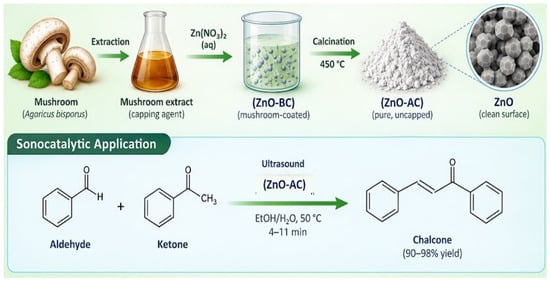
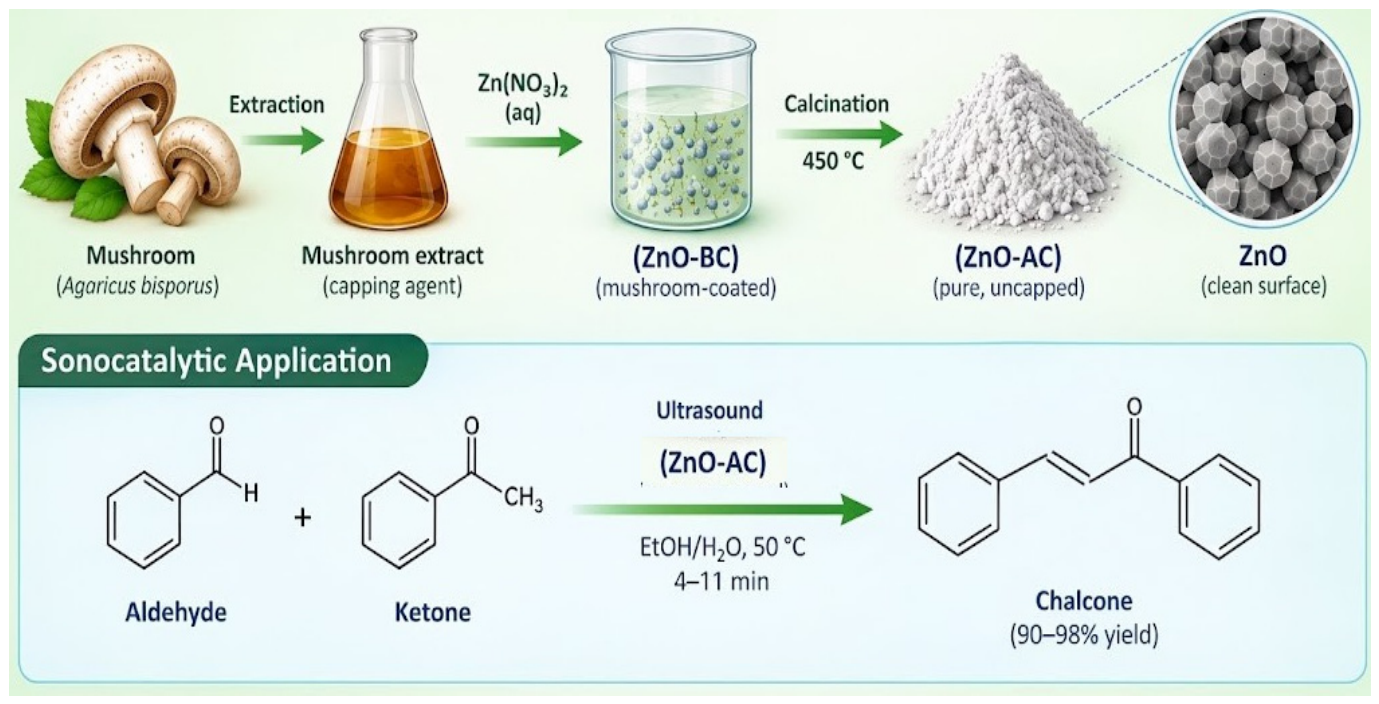
An eco-friendly biogenic approach for the synthesis of zinc oxide nanoparticles using a mushroom extract as a capping agent is reported in this study. Comprehensive characterization was performed by comparing as-prepared mushroom-coated nanoparticles (ZnO–BC) with calcined pure nanoparticles (ZnO–AC at 450 °C) by means of scanning electron microscopy (SEM), transmission electron microscopy (TEM), atomic force microscopy (AFM), Fourier transform infrared (FT-IR), dynamic light scattering (DLS), Zeta potential, thermal gravimetric analysis (TGA), and X-ray diffraction (XRD). According to AFM and DLS results, the 10–15 nm cores were dispersed in the organic matrix for the ZnO–BC sample, while these cores converted into well–defined, clean hexagonal ZnO nanograins (10–40 nm) for ZnO–AC. The Zeta potential values changed from −16 mV for ZnO–BC to +24 mV for ZnO–AC, indicating that the negatively charged biomolecular capping groups were removed, yielding an uncapped ZnO surface. The investigation of ZnO–AC as a heterogeneous sonocatalyst in the Claisen–Schmidt condensation under ultrasonic irradiation afforded the corresponding chalcones in 90–98% yields within 4–11 min at 50 °C in EtOH/H2O. Hot filtration test confirmed no detectable zinc leaching under the experimental conditions, and the catalyst remained robustly stable over five cycles with favorable green metrics (AE = 90.2% and E-factor = 0.18).
1. Introduction
Zinc oxide nanoparticles (ZnO NPs) exhibit distinguished features, making them highly favorable and attracting attention in many fields, including optical, electrical, and medical applications, due to their low cytotoxicity, biocompatibility, and cost-effectiveness [1,2,3]. Several techniques were employed for the synthesis of ZnO-NPs, including chemical and physical methods. These have several drawbacks, including high cost, contamination, instability, and the lack of repeatability and dependability that hindered their use in medical applications [4,5,6]. In order to avoid these drawbacks, researchers have increasingly used alternative sustainable approaches to synthesize ZnO nanoparticles. In this respect, ZnO NPs could be synthesized by a biological approach using microbial extracts. Extracts from different microorganisms can serve as capping agents to synthesize stable metal oxide nanoparticles, allowing control of the size and shape of the synthesized nanoparticles without expensive and hazardous chemicals [7,8]. Many microbes possess potential uses in biological processes; mushrooms show immense potential because of their capability to secrete amino acids, enzymes, polysaccharides, proteins, and vitamins for the synthesis of nanoparticles from metal salts [9,10].
Chalcones are naturally occurring compounds characterized by the structure of trans-1,3-diphenylprop-2-en-1-one. They exhibit a range of biological impacts and act as 1intriguing starting materials for drug development [11]. Additionally, chalcones serve as open-chain precursors in the synthesis of flavonoids and isoflavonoids, which are primarily polyphenolic substances [12,13]. Moreover, chalcones play a crucial role in the preparation of many biologically necessary heterocycles, such as pyrroles, indoles, and imidazoles [14]. Also, chalcones, with a diverse array of therapeutic purposes, have garnered significant scientific attention due to their properties, which include anti-inflammatory, anticancer, antioxidant, antimalarial, and antibacterial effects. This has led to a focus on their synthesis and functionalization in the field of research [15,16,17]. Chalcones are traditionally synthesized through Claisen–Schmidt condensation, utilizing various homogeneous catalysts: bases (e.g., NaOH, KOH, Ba(OH)2, Ca(OH)2, and MgO), Lewis acids (e.g., AlCl3, HCl, TiCl4, and SOCl2), Brønsted acids (e.g., sulfonic acid-modified compounds), and bifunctional acid–base catalysts (e.g., modified fluorapatite, mesoporous borated zirconia) [12,18]. Other methods utilized heterogeneous catalysts such as zeolites and hydrotalcites [19]; Fe3O4@MOF [20]; ionic liquids [21]; MgO [22]; activated carbon [23]; MOF [24]; modified clay [25]; and Mg/Al-hydrotalcite [26]. Heterogeneous catalysts offer several benefits, such as smooth isolation from reaction media and stability under high temperatures and pressures. Although acid catalysts can facilitate the reaction, base solids are favored due to specific advantages including simpler generation of the enolate anion through aldehyde deprotonation, promoting higher selectivity, and reducing side reactions (carbonyl compound hydration or enol-enolate reactions) [27]. Additionally, base solids allow for milder reaction conditions, making them preferable in this context. Employing ultrasonic assistance for organic synthesis has become a significant technique within green chemistry, highlighting its effectiveness and environmental benefits [28]. Ultrasound’s chemical impacts could be related to the implosive breakdown of sound waves’ cavitation period. The process of bubble formation occurs at specific sites within a liquid mixture, where small quantities of gases are dissolved. These bubbles, known as microbubbles, when they implode, subject the contained reactants to extreme conditions of high pressure and temperature. This phenomenon leads to the breaking apart of molecular bonds, resulting in the generation of highly reactive species. These newly formed species have a strong propensity to interact with adjacent molecules, thereby facilitating various chemical reactions [29]. Ultrasonic irradiation significantly enhances chemical reactivity when one of the reaction phases is solid, particularly if the solid functions as a catalyst. The process involves cavitation effects that generate microjets of solvent, which vigorously impact the solid surface. This interaction exposes unreacted areas of the solid, thereby increasing the interphase surface available for reactions. Overall, sonication delivers multiple advantageous outcomes, including an acceleration of chemical reactions, a reduction in the induction period, and an improvement in catalyst performance. Recent studies have shown that ultrasonic technique greatly accelerates Claisen–Schmidt condensation reactions, reducing reaction times from several hours to just minutes while also improving both yields and selectivity [30,31]. Eco-friendly solvents, particularly combinations of ethanol and water, are gaining traction as sustainable reaction environments [32]. Their appeal lies in their low cost, minimal toxicity, and ability to enhance substrate solubility and catalyst dispersion. Notwithstanding these advancements, there is still a demand for catalytic protocols that are fast, reusable, and energy-efficient under mild conditions.
Despite the green synthesis of nanoparticles mostly depending on the use of plant extracts, fungal-source methods have not been extensively studied owing to the special conditions necessary for fungal culturing. In order to overcome this problem, mushroom (Agaricus bisporus) extract from a commonly available, harmless and edible source was used as a biological material in order to synthesize zinc oxide nanoparticles (ZnO NPs) as a green capping agent. This catalyst was then applied to the Claisen–Schmidt condensation in the presence of ultrasound in an EtOH/H2O system. This environmentally friendly method allowed for the efficient synthesis of chalcones with high yields in a short time. The approach required minimal catalyst loading, showcased good catalyst recyclability, and provided favorable green metrics.
2. Results and Discussion
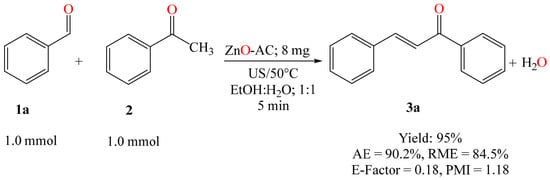
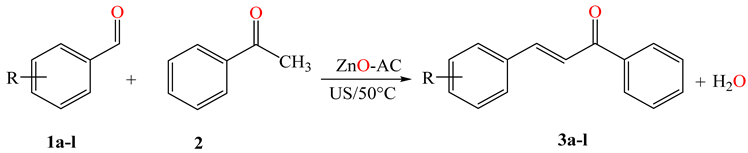
Green synthesis of zinc oxide nanoparticles was carried out by the reaction of zinc nitrate with an aqueous extract of mushroom as a capping agent, resulting in the formation of (ZnO–BC). Uncapped zinc oxide nanoparticles (ZnO–AC) were obtained by the thermal annealing of ZnO–BC at 450 °C. Evaluating ZnO–AC as a heterogeneous sonocatalyst in the Claisen–Schmidt condensation under ultrasound irradiation yielded the corresponding chalcones with high efficiency (Scheme 1).
Scheme 1.
Mycosynthesis and sonocatalytic activity of ZnO–NPs.
2.1. Characterization of ZnO Nanoparticles
2.1.1. SEM and TEM Studies
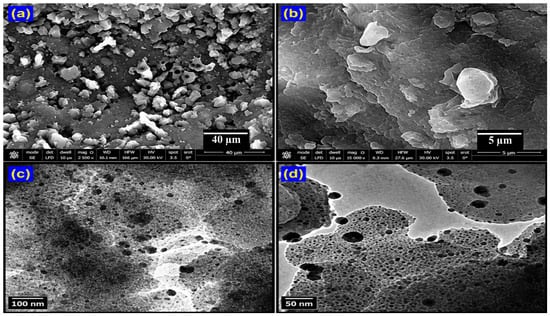
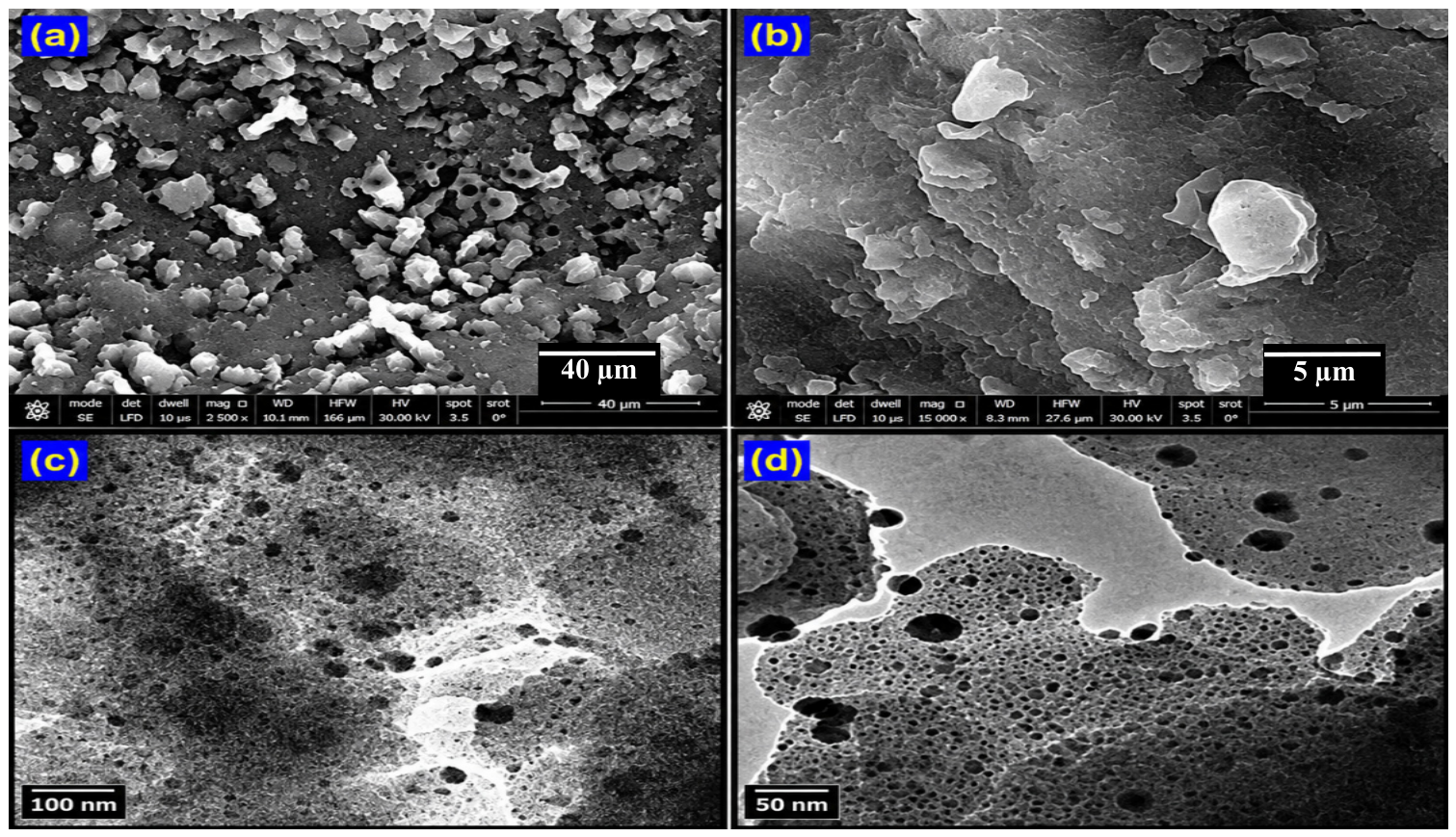
Figure 1a displays the scanning electron microscope (SEM) image of ZnO–BC, and Figure 1b displays the SEM image of ZnO–AC. Figure 1a shows irregular to nearly spherical particles, densely packed and prone to aggregation due to the high surface energy and the presence of organic capping agents from the mushroom extract. Bright (high contrast) regions correspond to areas rich in ZnO, while the darker, smoother background likely represents residual organic matrix or combined support grains, suggesting that mushroom biomolecules acted both as capping agents, similar to other biosynthesized nanoparticles [33,34]. The SEM image of ZnO–AC, Figure 1b, appeared as aggregated clusters of quasi-spherical or faceted grains, often forming rough, cauliflower- or flower-like agglomerates. The TEM image at a 100 nm scale of ZnO–BC, depicted in Figure 1c, shows several dark, nearly spherical ZnO nanoparticles dispersed within a lighter, continuous matrix, consistent with standard TEM micrographs of biosynthesized ZnO, where the particles appear as dark spots on a faint organic background. These ZnO particles are capped and incorporated into the organic matrix obtained from mushroom extract. The clear contrast between ZnO cores and the surrounding gray matrix implies that the nanoparticles are coated and partially bonded by bioorganic material produced by the mushroom rather than appearing as bare particles. By means of calcination at 450 °C and removal of organic biomolecules, pure ZnO–AC were produced, as displayed in Figure 1d. In this TEM image, pure ZnO exhibits an enhancement in particle distribution with a quasi-spherical cluster structure. The bright area, the defined outlines of the aggregates, and the lack of an amorphous layer suggest that the organic coating from the extract was removed, resulting in tightly compacted ZnO nanograins that are merged together. Based on the TEM analysis, the averages of particle size of ZnO-BC and ZnO-AC determined to be 12.6 ± 1.1 nm and 14.2 ± 1.2 nm, respectively.
Figure 1.
SEM images of (a) ZnO–BC and (b) ZnO–AC and TEM images of (c) ZnO–BC and (d) ZnO–AC.
2.1.2. AFM Analysis
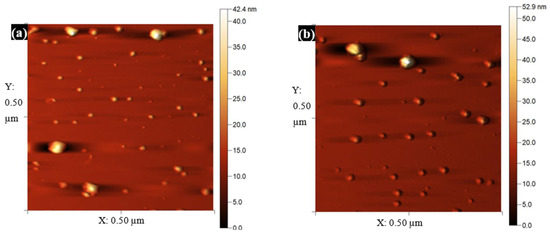
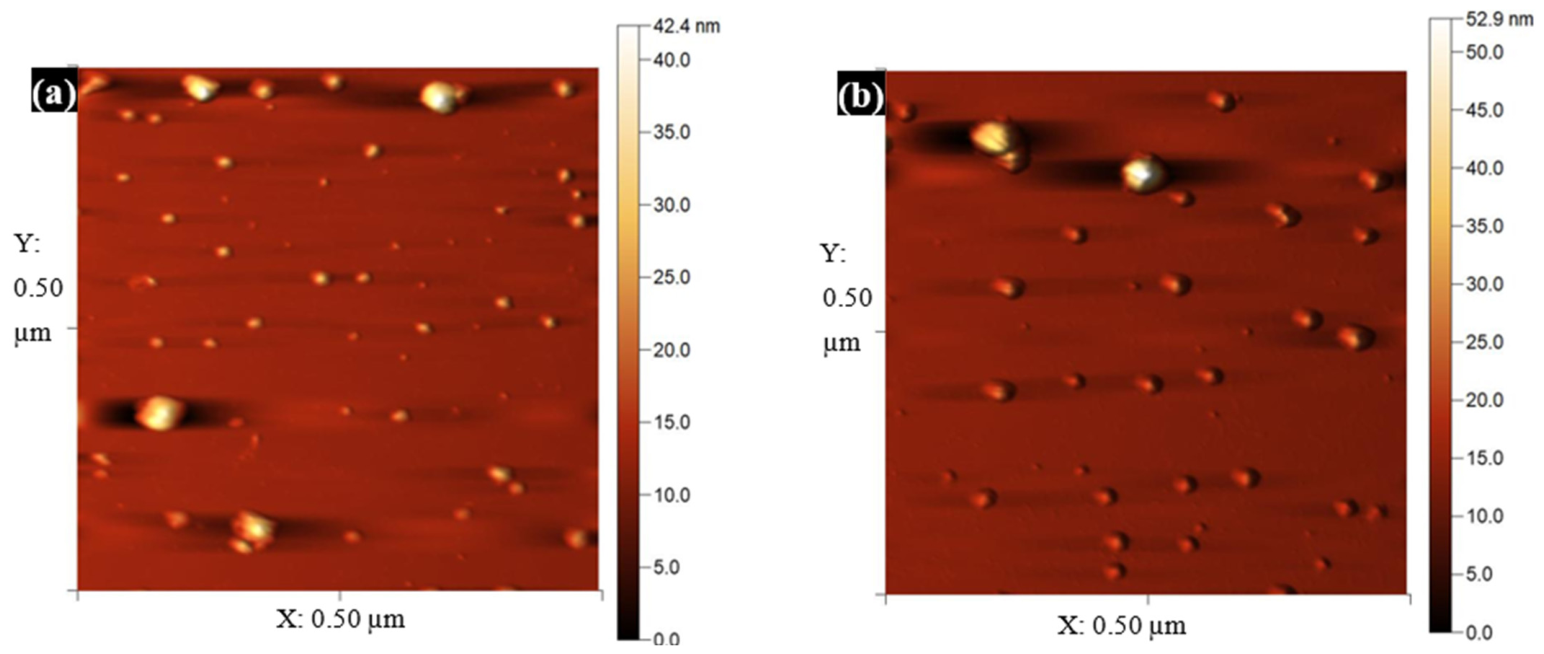
The prepared ZnO at the nanoscale is confirmed by AFM, as illustrated in Figure 2. Only a few features reach the top of the scale, indicating a restricted size distribution with some aggregates. Most particles are tiny; approximately rounded or spherical topographic features are observed with heights well below the 40 nm maximum. ZnO–BC are responsible for the uniformly dispersed nanoscale particles in the AFM topography, which displays a comparatively smooth continuous background Figure 2a. The bright features in the image could be interpreted as regions of greater height rather than as individual spherical nanoparticles of a specific size, because the apparent lateral dimensions in AFM images may be affected by tip convolution and by the degree of particle–substrate contact. The separated particles and smooth matrix indicate that the organic capping effectively prevents particle merger and stabilizes ZnO–BC. After calcination, AFM topography shows a smoother pure ZnO surface. The removal of the organic covering and partial grain development of the ZnO nanoparticles are indicated by an increase in the size and a flatter background due to aggregation, as compared to the capped ZnO sample. Calcination successfully removed the biogenic capping layer, producing cleaner and more crystalline ZnO nanodomains, as seen by the sharper particle outlines, as illustrated in Figure 2b.
Figure 2.
AFM topography of (a) ZnO–BC and (b) ZnO–AC.
The AFM results indicate that mushroom coating modifies the ZnO surface by changing the density, distribution, and accessibility of nanoscale surface features. These changes may influence catalytic performance by altering the available interfacial area and the accessibility of ZnO active sites. In the coated ZnO, the organic constituents may maintain separation between adjacent ZnO domains and generate a more chemically and topographically heterogeneous interface. In the calcined sample, the flatter background and more pronounced protrusions are compatible with a cleaner inorganic surface and partial grain development.
AFM measurements provided quantitative height and roughness information. The data demonstrated that the roughness is low on average (Sa = 0.913 nm); this indicates that most of the scanned area has limited height variation and is consistent with a relatively uniform surface background. However, the much larger maximum height (Sz = 42.359 nm) indicates that the features approaching the upper end of the AFM color scale should be assigned to small aggregates rather than considered representative of all particles in the sample. The RMS roughness () of 2.443 nm indicates that the height distribution is influenced by a small number of pronounced surface features, since RMS roughness is more sensitive to extreme height deviations than mean roughness.
2.1.3. FT–IR Spectra
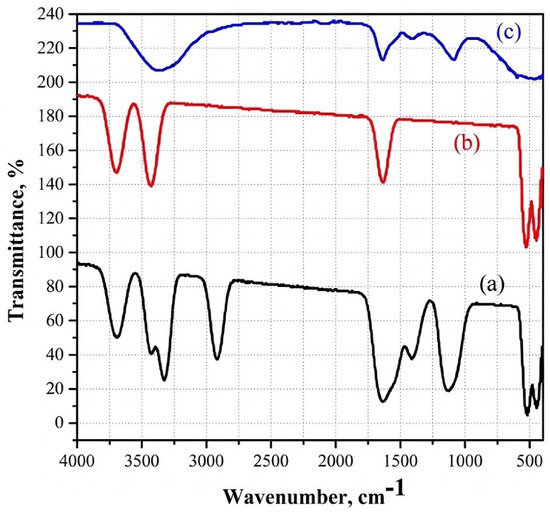
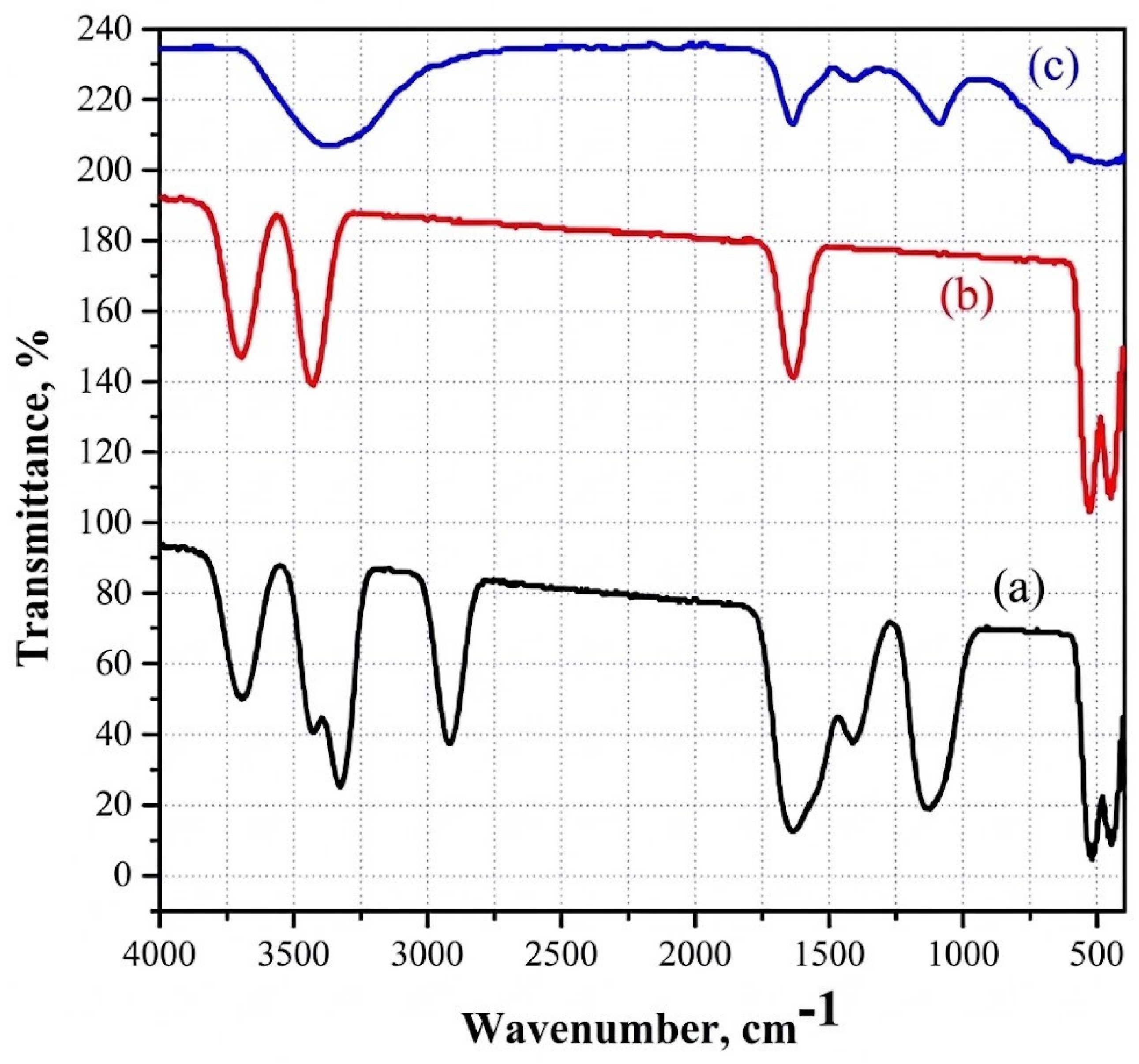
The FTIR spectra of ZnO–BC, ZnO–AC, and mushroom aqueous extract are explored in Figure 3a–c, respectively. Because both spectra exhibit a strong low-wavenumber stretching band in the about 400–550 cm−1 range typical of Zn–O lattice vibration, they both confirm the presence of ZnO. However, ZnO–BC exhibits significantly stronger and more numerous bands, which is consistent with organic biomolecules covering the ZnO surface. The strong band near 3700–3650 cm−1 is probably related to physically adsorbed water and hydroxyl groups [35]. The strong bands centered roughly around 438 cm−1 and 500 cm−1 are assigned to the stretching vibration of Zn–O [36]. The band near 1650–1600 cm−1 is most conservatively assigned to H–O–H bending from adsorbed water for both samples [37]. In the case of ZnO–BC, this band is broader due to an organic carbonyl of organic residues. The presence of a significant aliphatic stretching C–H band within the range 2920–2850 cm−1 [38] and a stretching band between 1200–1100 cm−1 in ZnO–BC, alongside the lack of these bands in ZnO–AC, implies the presence of organic material in ZnO–BC, which was removed through calcination to yield pure ZnO–AC. The FTIR spectrum of the mushroom aqueous extract is provided in Figure 3c, where distinct bands are seen that correspond to the characteristic organic functional groups of biological macromolecules like polysaccharides, proteins, and lipids. The broad band in the range of 3300 cm−1 corresponds to the vibrations of –OH groups in polysaccharides and lipids along with the vibrations of the –NH2 groups in proteins. The broad peaks, unlike the sharp peaks in Figure 3a,b, are an indication of hydrogen bonding of the complex organic molecules in the extract.
Figure 3.
FT–IR spectra of (a) ZnO–BC, (b) pure ZnO–AC, and (c) mushroom aqueous extract.
2.1.4. DLS and Zeta Potential Analysis
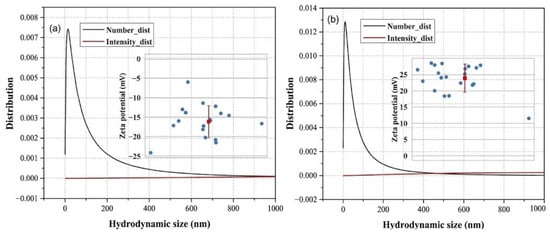
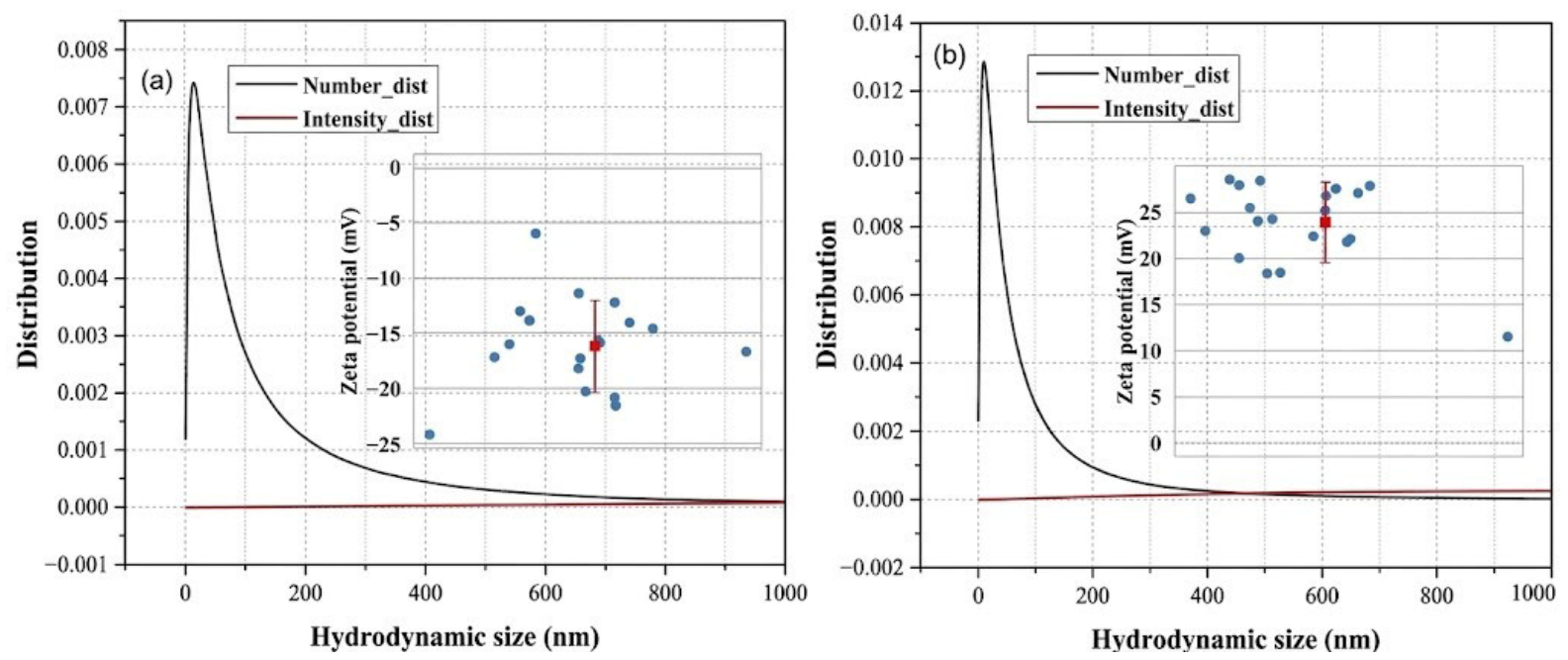
Dynamic light scattering (DLS) is a technique to measure the size distribution profile of tiny particles in suspension solutions. The measurement depends on the particle core size, surface structure size, particle concentration, and the type of ions in the medium. In Figure 4a, the coated ZnO shows a sharp dominant distribution at a small hydrodynamic diameter, followed by a broad, rapidly decreasing tail extending toward several hundred nanometers. This dominant low–diameter population reveals that most of the coated ZnO particles remain dispersed as small hydrodynamic entities. The broad tail indicates the presence of a minor population of larger clusters or loosely associated aggregates. Figure 4b displays a similarly sharp dominant small-size distribution for pure ZnO, but the distribution differs in the region of larger hydrodynamic sizes. This behavior is consistent with a greater tendency of uncoated ZnO particles to associate in the liquid phase after removal of the organic stabilizing layer. ZnO–BC has a lower maximum distribution value (0.0074) than ZnO–AC (0.013). This demonstrates that ZnO–BC is more diverse in hydrodynamic behavior. Both DLS number curves have a peak at 10–15 nm, Figure 4, but the intensity profiles indicate that each suspension contains a small fraction of much bigger agglomerates. ZnO–BC is negatively charged (−16 mV) and more heterogeneous in zeta-potential replicates, whereas ZnO–AC is positively charged (+24 mV) and has a higher magnitude mean zeta potential. Mushroom extracts contain proteins, polysaccharides, phenolics, organic acids and other biochemicals containing oxygen. Functional groups, such as carboxylate, phenolic hydroxyl, and deprotonated hydroxyl groups, can be present on the ZnO–BC surface, and their adsorption on the surface can shift the apparent potential in the negative direction [39]. The surface charge of pure ZnO–AC is substantially affected by the media in which the measurements are performed, in particular by the pH, the ionic strength, and the dissolved species. Thus, a positive value is feasible when the surface is protonated [40]. This is better proof of successful surface modification than DLS size alone. The positive surface charge of the coated ZnO can enhance electrostatic accumulation of negatively charged substrate molecules at the catalyst solution interface, whereas the nanoscale protrusions increase the available contact area. Thus, the improved catalytic response can be attributed to the combined effects of surface morphology and altered surface chemistry, rather than to roughness alone. This interpretation must be matched to the substrate charge at the experimental pH and ideally confirmed by dark-adsorption measurements. This catalytic explanation is valid only if the substrate is negatively charged at the reaction pH. If the substrate is a cationic dye, it is not claiming improved electrostatic attraction to the +24 mV surface. In that case, describe adsorption in terms of specific interactions such as hydrogen bonding, coordination, or interactions with the functional groups of mushroom extract, and report the substrate charge and solution pH.
Figure 4.
DLS and Zeta potential of (a) ZnO–Mushroom-coated and (b) pure ZnO.
2.1.5. TGA
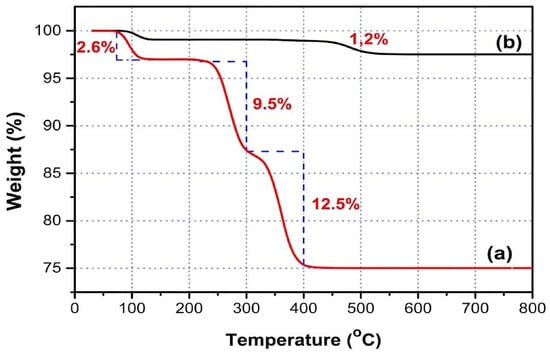
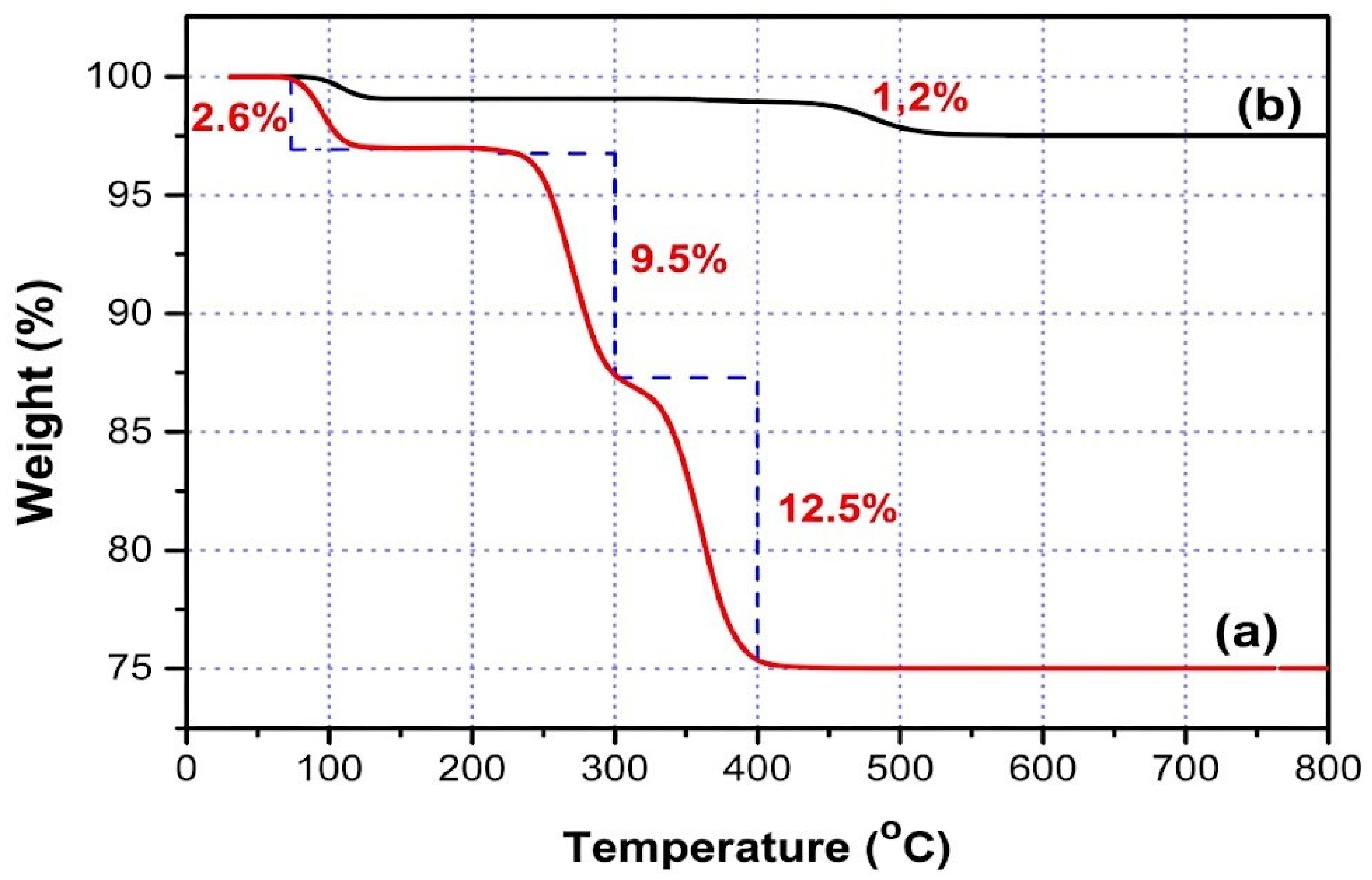
The TGA measures the change in weight of the samples as it is heated under nitro-gen atmosphere over a temperature range 25–800 °C, as illustrated in Figure 5. The TGA curve shows a multistep thermal decomposition of bioorganic molecules in ZnO–BC, followed by a thermally stable region that rich by ZnO, Figure 5a. There are three main stages of weight loss; the first one is at less than 110 °C, the weight loss is ~2.6% due to the removal of water molecules that are physically adsorbed on ZnO [41]. The second stage at range 240–300 °C, the weight loss is ~9.5% arises from low molecular weight biochemicals capped onto ZnO surface. The last weight loss is ~12.5 at 300–400 due to the degradation of the organic coating compounds. This confirms the removal of organic coating molecules and formation of pure ZnO above 400 °C. The thermally stable region after 400 °C is at-tributed to the mineral phase of pure ZnO. The thermal stability of ZnO–AC was con-firmed by Figure 5b, which illustrates that the total weight loss is 2.2%, due to the removal of adsorbed air gases. This result shows the successful removal of organic molecules, which resulted in the purity of ZnO–AC.
Figure 5.
TGA of ZnO–BC (a) and ZnO–AC (b).
2.1.6. XRD
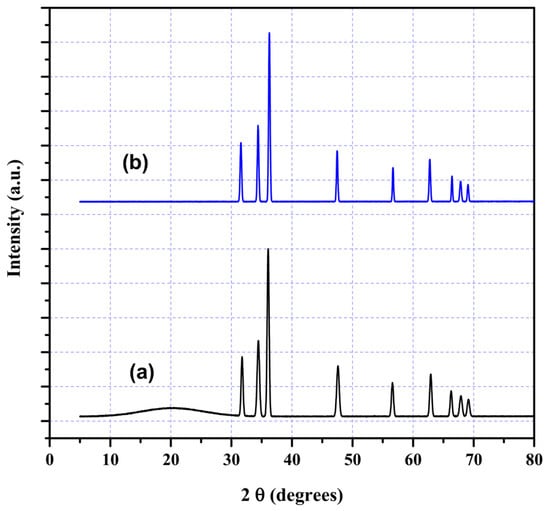
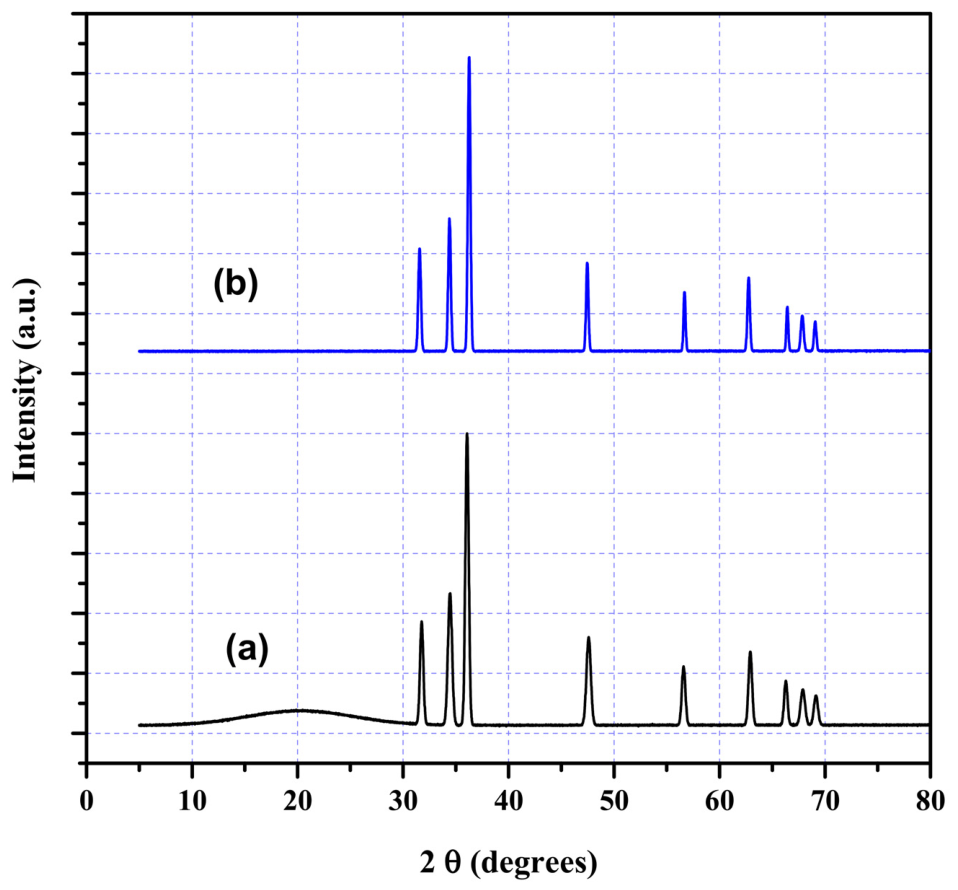
Both diffractograms in Figure 6 exhibit the distinctive crystalline pattern of ZnO samples. The ZnO–BC, Figure 6a, exhibits a broad hump between ~15° and 25° 2θ in the coated sample. It is compatible with the presence of an amorphous organic covering derived from mushroom extract molecules. Organic biomolecules are generally poorly crystalline or amorphous and may therefore appear as a broad diffuse contribution rather than as sharp diffraction reflections. The predominant reflections in ZnO–AC pattern, Figure 6b are observed at about 2θ = 31.7°, 34.4°, 36.2°, 47.5°, 56.6°, 62.8°, 66.3°, 67.9°, and 69.1°. These are the typical reflections of hexagonal ZnO [42]. The strongest peak near 36.2°, assigned to the (101) plane, is the most noticeable peak in both samples. This is characteristic of crystalline ZnO nanoparticles and confirms that the ZnO lattice is the major crystalline phase after coating. For the dominant (101) reflection, crystallite size can be estimated by the Scherrer equation (Equation (1)) [43] as follows:
where D is the coherent crystallite size, K is the shape factor, which is usually taken as 0.9, λ is the X-ray wavelength, β is the instrument-corrected FWHM in radians, and θ is the Bragg angle. The crystalline sizes were 31.6 nm and 40.2 nm for ZnO–BC and ZnO–AC, respectively.
Figure 6.
XRD of (a) ZnO–BC and (b) ZnO–AC.
2.2. Catalytic Studies
2.2.1. Optimization of Reaction Conditions
The Claisen–Schmidt condensation process was chosen as a model reaction to assess the catalytic performance of the developed ZnO–AC under environmentally friendly sonochemical conditions. To determine the optimum reaction conditions, the impacts of reaction temperature, solvent system, activation technique, and catalyst loading were methodically evaluated with benzaldehyde (1a) and acetophenone (2) as model reactants. In the beginning, the effect of the reaction medium was investigated in the presence of 8.0 mg ZnO–AC at 50 °C for five minutes under ultrasonic irradiation. Among the solvents studied, comprising water, ethanol, acetonitrile, DCM, and ethanol/water mixtures (Table 1, entries 1–5), the ethanol/water (1:1) mixture demonstrated the best behavior (Table 1, entry 7). The improved performance achieved in the mixed solvent system could be ascribed to the synergistic impact of water and ethanol on nanoparticle dispersion and substrate solubility. Furthermore, the polar protic environment promotes the generation of the reactive enolate intermediate on the ZnO surface. On the other hand, the limited solubility of the organic substrates in pure water led to a comparatively poor conversion, as well as the fact that the efficiencies of organic solvents alone were relatively low. The influence of catalyst dosages was then assessed employing the optimized solvent.
Table 1.
Optimization of reaction conditions for the ZnO–catalyzed Claisen–Schmidt condensation.
As displayed in Table 1, increasing the dosage of ZnO–AC from 4.0 to 8.0 mg substantially improved the reaction yields. This improvement is ascribed to the increased availability of catalytically active basic sites on the s nanoparticles’ surface, as indicated in Table 1. Nevertheless, increasing the catalyst dose above 8.0 mg (Table 1, entry 8) did not result in a discernible enhancement in reaction yield (3a), suggesting that the reaction had already attained its optimal efficacy under these conditions. Accordingly, 8.0 mg was determined as the optimal catalyst dosage based on both economic effectiveness and catalytic activity (Table 1, entry 7). Utilizing 8.0 mg ZnO–AC in an EtOH/H2O medium, the impact of reaction temperature was also studied under ultrasonic irradiation conditions. Table 1 (Entries 9–11) summarizes the results, which show that raising the temperature from room temperature to 50 °C significantly increased the desired product yield (3a). The improvement in the overall reaction rate could be explained by enhanced molecular collisions and quicker reactant activation on the catalyst surface. Interestingly, increasing the temperature to 60 °C (Table 1, entry 11) had no significant effect on reaction performance, indicating that ultrasound cavitation already delivers enough localized energy to effectively promote the reaction. As a result, the optimal temperature for the reaction was determined to be 50 °C. The effect of reaction time on the Claisen–Schmidt condensation was studied under the optimum conditions, employing 8.0 mg of ZnO–AC in a 1:1 EtOH/H2O mixture at a temperature of 50 °C, along with ultrasonic irradiation. Table 1 (Entries 12–14) illustrates how the product yield (3a) improved gradually as reaction time increased, reaching 95% after 5 min. The effective activation of reactants and enhanced mass transfer brought about by ultrasonic cavitation are responsible for the quick increase in conversion. There was no discernible increase in yield when the reaction time was extended past 5 (Table 1, entry 14) minutes, suggesting that the reaction had attained completion. Consequently, 5 min was specified as the optimal reaction duration for upcoming investigations. Ultimately, several activation techniques were explored to assess the contribution of ultrasonic irradiation in the catalytic procedures. As demonstrated in Table 1, ultrasonic activation achieved substantially superior yields in a much shorter reaction time in comparison with conventional heating (Table 1, entry 15) or microwave irradiation (Table 1, entry 16). The outstanding catalytic activity observed with ultrasonic irradiation is primarily due to the acoustic cavitation effect. This phenomenon creates localized microenvironments with extreme energy, which in turn enhances mass transfer and promotes the uniform dispersion of zinc oxide nanoparticles (ZnO–AC) throughout the reaction medium. These effects enhance the interaction between reactants and catalytically active sites, resulting in the swift production of the targeted chalcone product (3a). To summarize, the study utilized 8.0 mg of ZnO–AC in an EtOH/H2O solvent system, applying ultrasonic irradiation at 50 °C for five minutes to achieve optimal reaction conditions. The Claisen–Schmidt condensation was conducted effectively, yielding impressive results while adhering to environmentally friendly practices. This demonstrates ZnO–AC’ significant potential as an eco-friendly sonocatalyst for carbon-carbon bond-forming reactions. No side products were detected, confirming that the ketone autocondensation or Cannizzaro reaction do not occur under such experimental conditions. Moreover, moderate yields (Table 1, entry 17) were obtained when the Claisen–Schmidt condensation reaction was carried out using the ZnO–BC catalyst under the standard reaction conditions. In addition, some organic compounds were detected in the reaction mixture which might be leached from residual organic species associated with extract derived ZnO catalyst. These species indicate that the residual organic material on the catalyst surface could influence the accessibility of the active sites and consequently the catalytic activity. Furthermore, the formation of these organic impurities during the reaction is a drawback for catalytic applications because it can impede the purification of the product and reduce the selectivity of the process. Thus, ZnO–AC catalyst was applied in the present work and used in all the following catalytic experiments.
2.2.2. Effect of Aldehyde Substituents on the Claisen–Schmidt Condensation Reaction
The outcomes shown in Table 2 illustrate the exceptional catalytic efficiency of ZnO–AC in the ultrasonic-assisted Claisen–Schmidt condensation, specifically regarding the reaction between acetophenone (2) and different aromatic as well as heteroaromatic aldehydes (1a–l). All reactions using the ZnO–AC/ultrasound system achieved excellent yields ranging from 90% to 98% and were completed within short reaction times of 4 to 11 min, demonstrating the system’s effectiveness. The type of substituents on the aldehyde considerably contributed to the reaction yields. Higher reactivity was shown by aldehydes with electron-withdrawing motifs, such as halogen and nitro substituents (3b–f), which achieved outstanding yields (94–98%) in 4–7 min. With a 98% yield in just 4 min, 4-nitrobenzaldehyde demonstrated the most significant reactivity among them (Table 2, entry 2). This pattern of behavior is due to the heightened electrophilicity of the carbonyl carbon, which is influenced by the presence of electron-withdrawing substituents. Aldehydes with electron-donating motifs, such as methyl and methoxy groups (3g–i), resulted in yields ranging from 90% to 93% and necessitated slightly extended reaction times of 6 to 7 min. The slightly diminished reactivity observed in the aldehyde is attributed to the influence of electron-donating motifs, which lessen the electrophilic characteristics of the carbonyl group. Ortho-substituted aldehydes (Table 2, entries 3,5&8) yield lower reaction yields and require longer reaction times compared to para-substituted aldehydes (Table 2, entries 2,4&7), a result attributed to steric hindrance near the reaction center. The catalytic process demonstrated remarkable tolerance to heteroaromatic aldehydes, achieving high yields of 94% for furfural (Table 2, entry 10) and 96% for thiophene-2-carbaldehyde (Table 2, entry 11), indicating its broad applicability. The dialdehyde derivative, 1,3-benzenedicarboxaldehyde, demonstrated a prolonged reaction time of 11 min while achieving a high yield of 92% (Table 2, entry 12). This result underscores the effectiveness of the catalyst in converting more complex substrates efficiently. Overall, the study demonstrates that ZnO–AC acts as a rapid and robust catalytic system for Claisen–Schmidt condensations under ultrasonic irradiation conditions. The reactivity of the substrates is primarily influenced by the electronic and steric effects of the substituents on the aldehyde.
Table 2.
Claisen–Schmidt condensation of various aromatic aldehydes catalyzed by ZnO–AC under ultrasonic conditions.
2.2.3. Gram-Scale Synthesis
To assess the protocol’s scalability and practical applicability, the Claisen–Schmidt condensation reaction between acetophenone (2) and benzaldehyde (1a) was carried out on a gram scale, utilizing optimized reaction conditions. The reaction was completed in 10 min with 10.0 mmol of each reactant in a 1:1 EtOH/H2O medium, utilizing 80.0 mg of ZnO–AC under ultrasonic irradiation at 40 kHz and a temperature of 50 °C. This process resulted in the formation of the desired chalcone derivative (3a), achieving an exceptional isolated yield of 94%. The findings indicate that ZnO–AC maintain its catalytic efficiency during scale-up, achieving high yields without significant loss of activity. The developed protocol is characterized by operational simplicity, rapid reaction rates, and high product yields, demonstrating its effectiveness not only in laboratory settings but also in potential preparative and industrial applications.
2.2.4. Green Metrics Evaluation
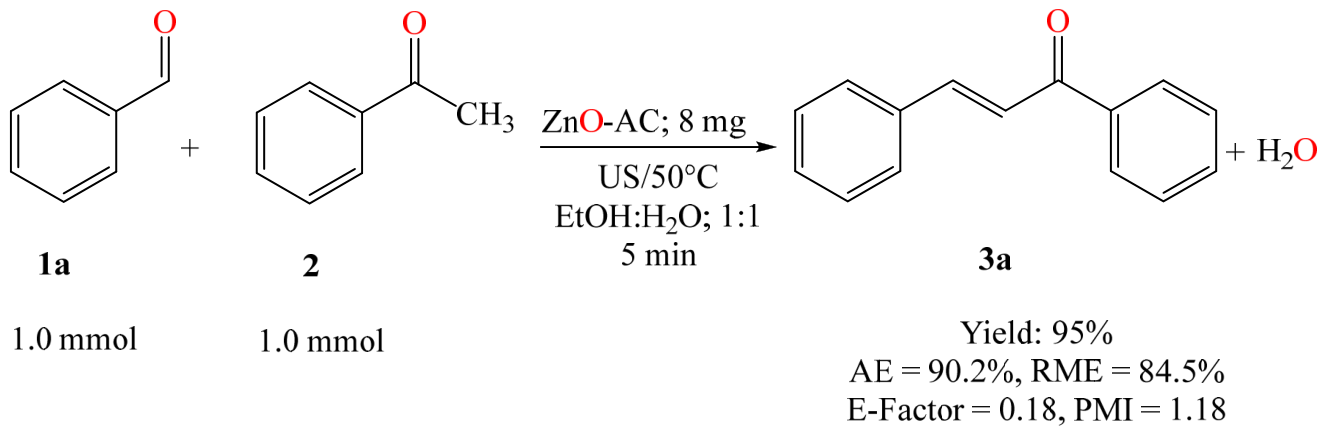
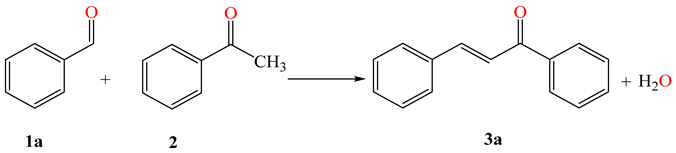
Under ultrasonic irradiation, the use of ZnO–AC in the Claisen–Schmidt condensation reaction enhances sustainability and resource efficiency. This claim is supported by the calculated green metrics [44], which indicate a minimized environmental impact for the model reaction (Table 1, entry 7; reaction of benzaldehyde (1a) and acetophenone (2) under optimal conditions). The green parameters were evaluated in terms of experimental reactants, reaction medium, catalyst, and separated product. The atom economy (AE) was calculated by the stoichiometric equation, which ignores solvents and catalysts, while process mass intensity (PMI) and E-factor (EF) were calculated based on the mass balance in the reaction stage. Reaction mass efficiency (RME) was calculated based on the ratio of the product mass obtained to the mass of the reactants, and the experimental yield was taken into account in the efficacy estimation [45]. The reaction demonstrated a high AE of 90.2%, which indicates that the majority of the reactant atoms were effectively utilized in forming the target product (3a), thus reducing the generation of by-products. The RME of 84.5% indicates a high level of effective conversion of reactants into the desired target product, taking into consideration the isolated yield of the reaction. The process exhibits excellent environmental performance, highlighted by a low E-factor of 0.18, which signifies low waste generated in comparison to the quantity of product produced. The PMI score of 1.18 indicates effective use of reactants, catalyst, and solvent, requiring only a small input of material per unit mass of product (Scheme 2). These metrics indicate that the current protocol achieves high synthetic performance while minimizing waste, rendering it an environmentally friendly and sustainable method for synthesizing chalcone derivatives (3a–l).
Scheme 2.
Ultrasound-assisted ZnO–AC-catalyzed Claisen–Schmidt condensation with corresponding green metrics.
2.2.5. Catalyst Recyclability Study
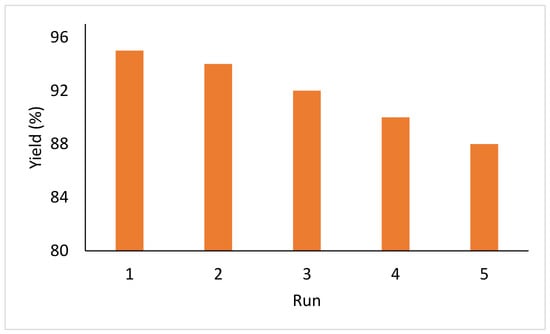
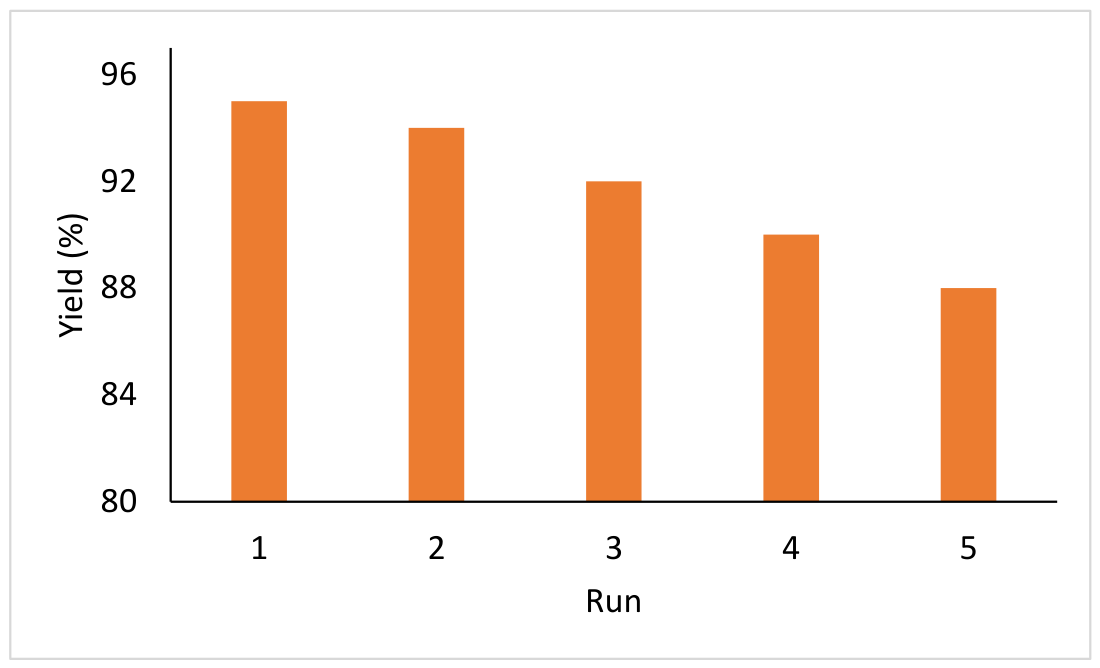
The study examined the reusability of ZnO–AC to assess the stability and heterogeneous characteristics of the catalytic system during the Claisen–Schmidt condensation reaction between benzaldehyde (1a) and acetophenone (2), optimized under ultrasonic conditions. After each reaction run, the catalyst was recovered using simple filtration and was washed with ethanol and water to eliminate any adsorbed organic substances. It was then dried (60 °C) prior to being reused in subsequent runs under the same conditions. The recyclability assessment indicated that ZnO–AC maintained strong catalytic activity across five reaction runs with only a slight drop in product yield (approximately 7% over five runs, Figure 7). The 7% product yield drop during the five successive runs might be ascribed to the slight surface fouling by adsorbed organic intermediates, which may progressively reduce the available active sites. This limited efficiency loss underscores the stability and robustness of the ZnO–AC in the green protocol. The high recyclability not only confirms the heterogeneous nature of the catalytic system but also emphasizes the effective interaction between the ZnO surface active sites and the reaction medium, facilitating effective reuse without substantial structural degradation. Ultrasonic irradiation preserves the structure of ZnO–AC, ensuring effective dispersion and enhancing catalytic performance over multiple cycles. Thus, the present system shows good recyclability and stability, benefiting green chemistry by reducing catalyst use, cutting costs, and minimizing environmental impact.
Figure 7.
Recyclability of ZnO–AC in the Claisen–Schmidt condensation reaction (3a).
2.2.6. Hot Filtration Test Results
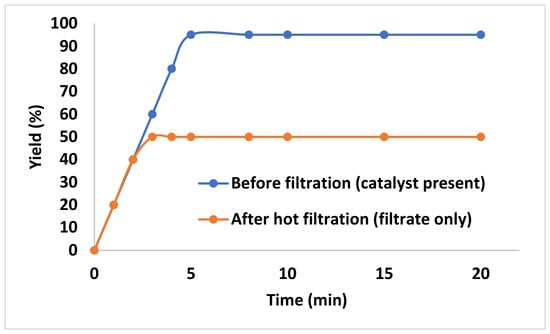
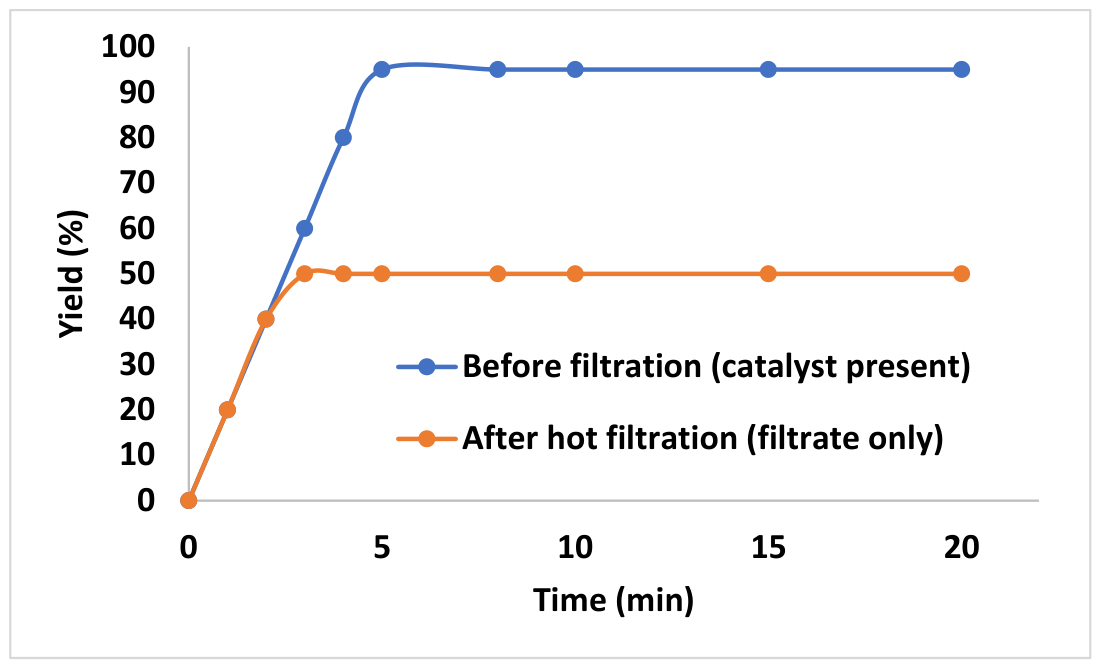
To establish the truly heterogeneous nature of the ZnO–AC catalyst in the Claisen–Schmidt condensation reaction, a hot filtration experiment was carried out under the optimized conditions (Figure 8). The reaction between acetophenone (2) and benzaldehyde (1a) was commenced in the existence of ZnO–AC (8.0 mg) and permitted to proceed up to 50% of the conversion was accomplished. During this phase, the catalyst was quickly withdrawn from the reaction mixture through hot filtration while maintaining the reaction temperature. To observe any additional conversion, the filtrate was exposed to ultrasonic irradiation under the same conditions, but without the solid catalyst. The results unequivocally showed that no product was detected following catalyst removal, suggesting that the reaction cannot proceed in the absence of ZnO–AC (Figure 8). This demonstrates that no catalytically active species are leached into the reaction medium and that ZnO functions as a true heterogeneous catalyst. The lack of ongoing reactivity in the filtrate indicates that the catalytic activities are primarily linked to the surface of ZnO–AC, rather than to soluble zinc species. This characteristic is significant for practical applications, as it ensures catalyst stability and reduces worries about homogeneous contamination. For comparability, a hot filtration experiment was run for the non-calcined ZnO sample according to optimized reaction conditions. Upon getting rid of the catalyst, the filtrate was permitted to proceed under the reaction conditions, and no additional meaningful catalytic performance was detected. Such a finding suggests that no catalytically reactive species were released to the reaction medium at an identifiable level. Furthermore, the non-calcined catalyst didn’t leach any catalytically active species that could be detected under the experimental conditions, despite the existence of remaining organic material.
Figure 8.
Hot filtration test for ZnO–catalyzed Claisen–Schmidt condensation reaction (3a).
2.2.7. Comparison with Reported Catalytic Systems
To establish the current catalytic system’s performance in context, the ZnO–AC-catalyzed ultrasonic procedure was compared to previously described approaches for the Claisen–Schmidt condensation reaction (Table 3). Zeolite-based, doped carbon materials and metal oxide-based heterogeneous catalysts have been demonstrated to be successfully applied in the synthesis of chalcones under ultrasonic or microwave irradiation. Amino-functionalized zeolites and alkaline-doped carbon catalysts provide moderate to excellent yields (55–95%) but generally require reaction times of 3–5 h (Table 3, entries 1&2). High yields have also been obtained with bio-derived ZnO catalysts under microwave-assisted solvent-free conditions but at a higher operating temperature (100 °C) (Table 3, entry 3). Similarly, MgO nanoparticles require a higher temperature (180 °C) and longer reaction time, resulting in comparatively lower yields (64–84%) (Table 3, entry 5). Supported ZnO catalysts under ultrasonic irradiation as catalytic systems based on ZnO have been reported to give chalcones in 85–95% yield in 10–60 min (Table 3, entry 4). The desired products were obtained in 90–98% yield in just 5 min at 50 °C in an ethanol/water medium with the present ZnO NPs catalyst (Table 3, entry 6). The enhancement of the reaction rate is probably related to the synergistic effect of the readily available surface acid-base sites of ZnO nanoparticles and ultrasonic cavitation that improves mass transfer and substrate activation. The results indicate that the present protocol provides comparable or higher yields under relatively milder conditions with considerably shorter reaction times.
Table 3.
Comparison of present ZnO-based ultrasonic catalytic system with reported catalysts for Claisen–Schmidt condensation.
2.2.8. Mechanism Under Ultrasonic Irradiation
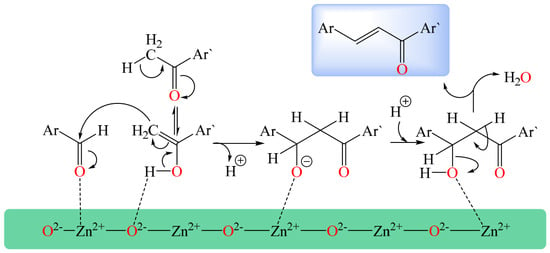
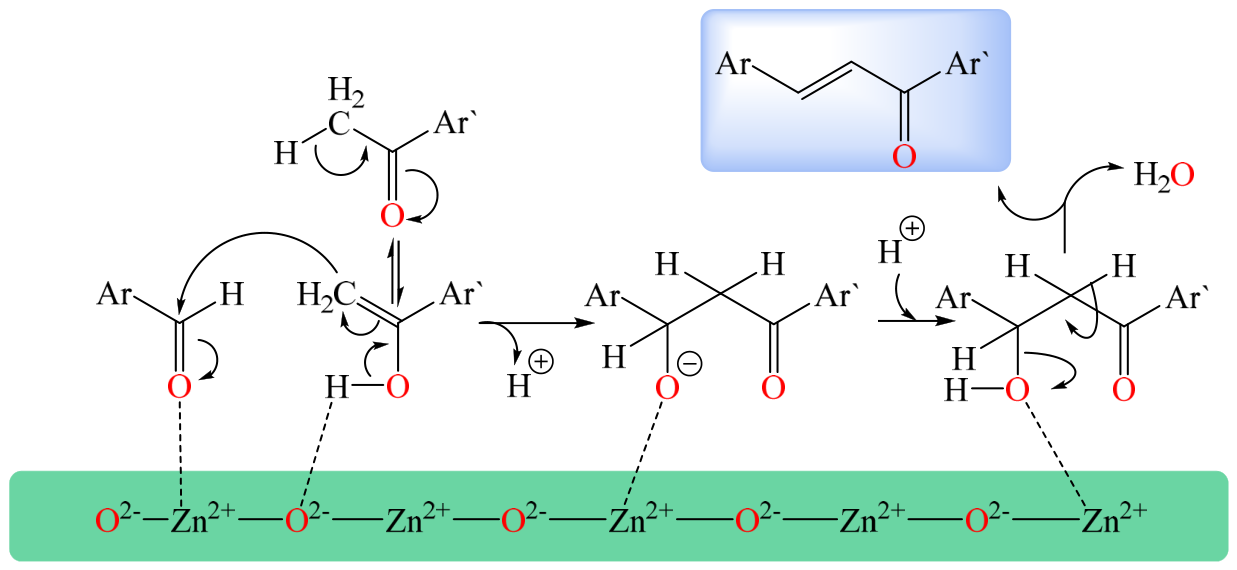
In light of the surface acid–base properties of ZnO, the observed catalytic behavior (Table 1, entries 5 and 15), and previous investigations of ZnO-induced carbonyl condensation reactions [50,51], a plausible heterogeneous catalytic and sonochemical mechanism for the Claisen–Schmidt condensation over ZnO–AC under ultrasonic irradiation was proposed (Scheme 3). ZnO–AC possesses surface Lewis acidic Zn2+ sites and basic O2- sites, which can together facilitate adsorption and activation of carbonyl substrates. The reaction begins with the abstraction of the alpha-hydrogen of acetophenone on the basic O2- sites of ZnO, generating a surface-stabilized enolate intermediate. Benzaldehyde is simultaneously activated by coordination with surface Zn2+ centers, which increases the electrophilicity of the carbonyl carbon. The enolate intermediate then attacks the activated aldehyde to give the β-hydroxyketone intermediate, which quickly undergoes dehydration to give the corresponding chalcone products. Acoustic cavitation under ultrasonic irradiation is an important factor for the acceleration of the reaction. The generation and collapse of microbubbles create localized hot spots with transient high temperature and pressure, which improve adsorption/desorption dynamics on the ZnO surface and increase the collision frequency between reactants [52]. They also hinder the aggregation of nanoparticles, regenerate active catalytic sites, and enhance mass transfer between immiscible phases [53]. Thus, ultrasound does not change the intrinsic reaction pathway but significantly lowers the apparent activation energy by enhancing interfacial transport and surface accessibility. Overall, the reaction follows a synergistic surface acid–base mechanism enhanced by sonochemical cavitation effects, resulting in ultrafast chalcone formation.
Scheme 3.
Plausible mechanism for Claisen–Schmidt condensation reaction.
2.2.9. Structural Stability and Leaching Evaluation of ZnO–AC
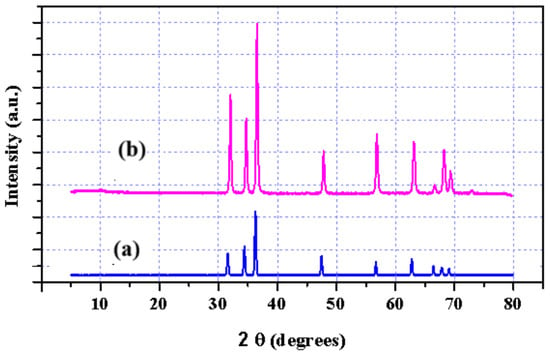
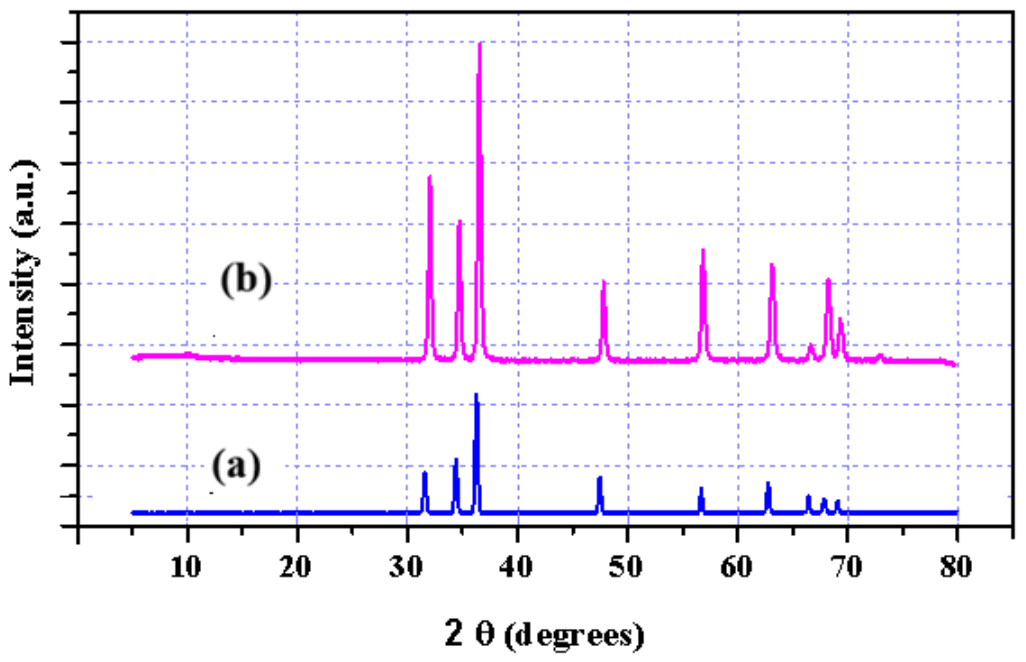
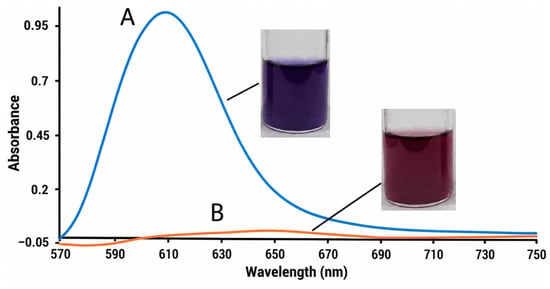
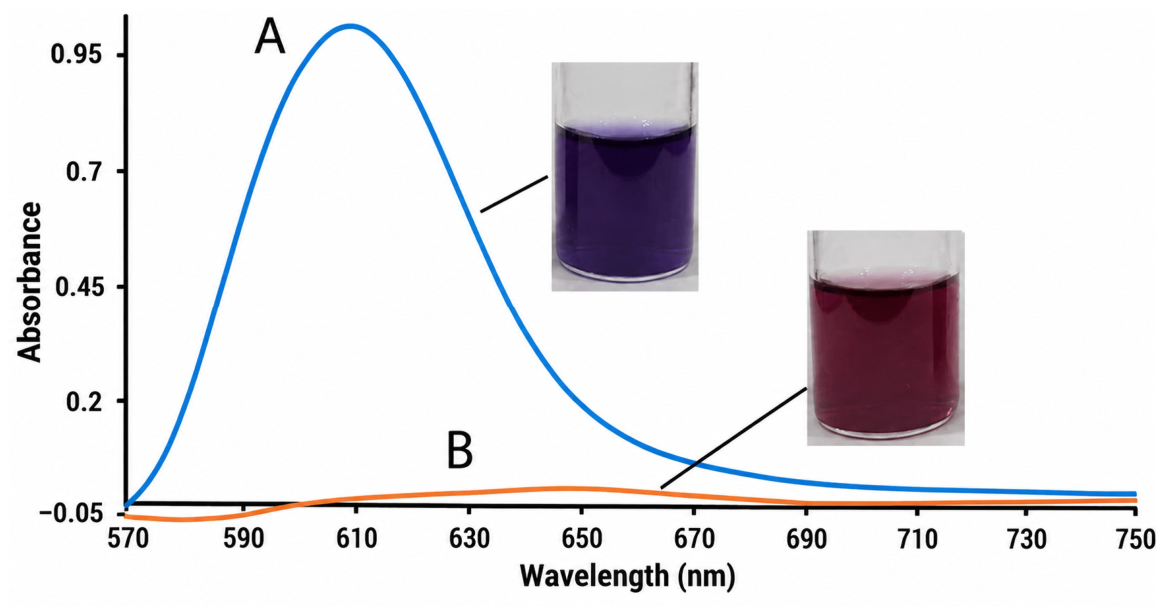
In order to investigate the structural stability of ZnO–AC, two characterizations were performed after the reactions. No diffraction peak shift or decrease in intensity was observed in the powder XRD pattern of the obtained ZnO–AC catalyst in comparison with the pristine one (Figure 9), indicating that the wurtzite crystal structure is stable without any phase transition or degradation under the reaction conditions [54]. The average crystallite size of ZnO–AC after the sonocatalytic reaction was slightly decreased to 29.7 nm. The observed decrease in crystallite size is attributable to physical fragmentation and lattice strain as a result of ultrasonic radiation [55]. Moreover, possible Zn2+ leaching has been investigated by means of UV–Vis spectroscopy using Arsenazo(III) as a chromogenic complexing agent [56]. As can be seen in Figure 10, the standard Zn(II)-Arsenazo(III) complex possesses a pronounced absorbance peak at λmax = 610 nm (Figure 10A). However, in contrast to the reference sample, the filtrated post-reaction mother liquor demonstrates a flat profile without any absorption at 610 nm (Figure 10B), proving that Zn(II) ion leaching from the ZnO–AC catalyst into the reaction mixture is insignificant and below the detection limit.
Figure 9.
XRD patterns of ZnO–AC (a) before and (b) after the catalytic reaction.
Figure 10.
Electronic spectra of Arsenazo(III) indicator with (A) standard Zn(II) ions and (B) reaction filtrate after catalytic reaction.
3. Experimental
3.1. Materials
The mushroom Agaricus bisporus (PZ947522) was collected from a market in Sakaka, Saudi Arabia. Its morphological identification was performed by Dr. Shaima M. N. Mustafa, according to the taxonomic keys and descriptions provided by Lodge et al. [57]. All aqueous solutions were prepared using Milli-Q water. All organic and inorganic chemicals and other reagents employed in this study were commercially supplied by Sigma-Aldrich (St. Louis, MO, USA) and utilized without further purification.
3.2. Instruments
Hydrodynamic particle size and zeta potential were measured at room temperature using a NanoSight NS500 system (Malvern Panalytical, Malvern, UK). Dynamic light scattering (DLS) and zeta potential measurements were performed using a NanoSight NS500 particle size analyzer (Malvern Panalytical, Malvern, UK). Atomic force microscopy (AFM) analysis was performed with an Agilent 5600L instrument (Agilent Technologies, Santa Clara, CA, USA). Field emission scanning electron microscopy (FE-SEM) images were acquired using a Zeiss LEO Supra 55VP microscope (Carl Zeiss, Oberkochen, Germany) operating at 20 kV with a 10 mm working distance. Transmission electron microscopy (TEM) images were acquired using a JEOL JEM-2100F microscope (JEOL Ltd., Tokyo, Japan). Fourier-transform infrared (FT-IR) spectra were collected in the range of 4000–400 using an IRTracer-100 spectrophotometer (Shimadzu, Kyoto, Japan). Powder X-ray diffraction (PXRD) patterns were recorded on a Bruker D8 Advance diffractometer (Bruker, Billerica, MA, USA) using Cu Kα radiation () at 40 kV and 40 mA. NMR spectra were recorded using a JEOL 600 MHz spectrometer (JEOL, Ltd., Peabody, MA, USA) with DMSO-d6 as the solvent. Chemical shifts (δ) are expressed in parts per million (ppm) relative to tetramethylsilane (TMS) as the internal reference. Melting points were measured in open capillary tubes using an Electrothermal melting-point apparatus (25–400 °C) and are reported without correction. Ultrasonic processing was performed using a SY5200DH-T ultrasonic cleaner (Shanghai Shengyuan Ultrasonic Instrument Equipment Co., Ltd., Shanghai 201700, China) that provided a 250 W output power and a frequency of 40 kHz. The reaction vial was placed in the cleaner’s maximal energy area. Water was added or withdrawn to adjust the bath temperature.
3.3. Mycosynthesis of ZnO-NPs
Zinc oxide nanoparticles were synthesized following a previously reported method with some modifications [58]. Fresh mushroom peels (2.0 g) were thoroughly rinsed with tap water followed by Milli-Q water to remove impurities, then air-dried. To prepare the aqueous extract, the cleaned peels were boiled in 100.0 mL of distilled water for 15 min and filtered. 2.0 g of zinc nitrate was dissolved in the mushroom extract. The mixture quickly changed color to pale brown. The reaction mixture was stirred continuously at 90 °C for 1 h, resulting in ZnO–BC as an off-white precipitate. This precipitate was collected by filtration and air-dried. Then, ZnO–AC was obtained as a light-yellow solid by calcining ZnO–BC at 450 °C for 1 h.
3.4. General Procedure for Claisen–Schmidt Condensation
Generally, a 50.0 mL round-bottom flask with an ethanol/water mixture (1:1, 10.0 mL) was filled with benzaldehyde derivatives (10.0 mmol) and acetophenone (10.0 mmol). Following that, 8.0 mg of ZnO NPs were incorporated as a heterogeneous catalyst. At 50 °C, the reaction mixture was exposed to ultrasonic radiation at a frequency of 40 kHz and a power of 250 W. Thin-layer chromatography (TLC) was used to track the reaction’s development. After five minutes, the reaction mixture was allowed to settle to ambient temperature before the solid catalyst was filtered out. Further purification of the crude product through crystallization from EtOH following solvent evaporation produced the appropriate chalcone derivatives. The isolated product was weighed, and the reaction yields were determined from the obtained mass relative to the theoretical mass of the corresponding product. The percent yield was calculated using the following equation:
Yield % = [mass of isolated product/theoretical mass of product] × 100
The predicted mass was determined from the stoichiometry of the Claisen–Schmidt condensation, with the limiting reactant taken into account. The chemical structures of the prepared chalcone derivatives were confirmed by comparing their spectral and physical data to those of hitherto reported compounds.
3.5. Gram-Scale Procedure
Regarding the gram-scale synthesis, ZnO–AC (80.0 mg) in ethanol/water (1:1, 15.0 mL) was utilized to condense benzaldehyde (100.0 mmol) and acetophenone (100.0 mmol) under the same optimal conditions. The process was conducted under ultrasound radiation for 10 min at 50 °C. Following completion, ZnO–AC was retrieved by filtration, and the desired product was separated in high yield without requiring further purification.
3.6. Catalyst Recyclability Test
The recycling potential of ZnO–AC was assessed by applying the model reaction under optimum conditions. Following each reaction run, the catalyst was rinsed with ethanol and distilled water to get rid of any adsorbed organic residues, and dried at 60 °C prior to reuse. The retrieved catalyst was used directly in consecutive cycles under the same reaction conditions. This process was replicated for five successive cycles, and catalytic activity was measured in terms of the final product yields. A modest lowering of activity was detected after several cycles, which could be ascribed to minimal surface fouling of ZnO–AC. However, the catalyst’s activity remained robust across all cycles, demonstrating its reusability and stability.
3.7. Hot Filtration Test
A hot filtration test was carried out to establish the ZnO–AC catalyst’s heterogeneity. The model reaction was permitted to run under optimal ultrasonic conditions until about 50% conversion was attained. At this time, the resulting solution was quickly filtered at reaction temperature to eliminate the ZnO–AC. The filtrate was next exposed to ultrasonic irradiation under the same conditions as before, but without the catalyst. The reaction’s development was tracked using TLC. Even after a lengthy reaction period of 60 min, no substantial additional conversion was detected in the filtrate, demonstrating the absence of active catalytic particles in the solution phase. This indicates that ZnO–AC functions as a genuinely heterogeneous catalyst, without metal leaching under the applied reaction conditions.
4. Conclusions
In this study, an eco-friendly synthesis approach has been employed for the preparation of ZnO nanoparticles (ZnO–BC) from Agaricus bisporus peel extract and their conversion to pure and highly crystallized ZnO–AC nanograins through calcination at 450 °C. Full characterizations (FE-SEM, TEM, AFM, FT–IR, TGA, zeta potential, and XRD) revealed the formation of a hexagonal wurtzite structure along with complete removal of bioorganic capping molecules and an increase in the crystalline size. The change in the value of zeta potential +24 mV in ZnO–AC and −16 mV in ZnO–BC is due to the removal of the surface-bonded biomolecules during calcination and the removal of steric hindrance. As a result of exposing active sites, ZnO–AC showed better performance as a heterogeneous sonocatalyst for the ultrasound-assisted Claisen–Schmidt condensation reaction between aromatic aldehydes and ketones. The process provided the corresponding chalcones in very high yields (90–98%) in 4–11 min at 50 °C in a green solvent mixture (ethanol-water). The catalyst was structurally stable and completely recyclable up to five cycles without zinc leaching.
Author Contributions
Conceptualization, A.M.N. and W.A.A.A.; methodology, W.A.A.A.; software, F.A.A.; validation, I.M.A. and R.F.H.; formal analysis, W.A.A.A.; investigation, A.H.A. and A.S.A.Z.; resources, A.H.A. and A.K.M.; data curation, I.M.A. and S.M.N.M.; writing—original draft preparation, I.M.A.; writing—review and editing, A.M.N. and M.Y.E.-S.; visualization, W.A.A.A.; supervision, A.H.A.; project administration, A.M.N.; funding acquisition, A.M.N.; and investigation support, M.A. All authors have read and agreed to the published version of the manuscript.
Funding
This work was funded by the Deanship of Graduate Studies and Scientific Research at Jouf University under grant No (DGSSR-2025-02-01199).
Data Availability Statement
Data is contained within the article.
Acknowledgments
The authors would like to thank the Central Laboratory at Jouf University for instrumental analysis of samples.
Conflicts of Interest
The authors declare no conflicts of interest.
References
- Ren, Y.; Han, S.; Liu, C.; Feng, Y.; Li, K.; Song, M. One-step growth of well aligned K-doped ZnO nanotapers using a facile electrochemical route: Photocatalyst application. Int. J. Electrochem. Sci. 2019, 14, 6267–6275. [Google Scholar] [CrossRef] [Scilit]
- Lebaka, V.R.; Ravi, P.; Reddy, M.C.; Thummala, C.; Mandal, T.K. Zinc oxide nanoparticles in modern science and technology: Multifunctional roles in healthcare, environmental remediation, and industry. Nanomaterials 2025, 15, 754. [Google Scholar] [CrossRef] [Scilit] [PubMed]
- Islam, F.; Shohag, S.; Uddin, M.J.; Islam, M.R.; Nafady, M.H.; Akter, A.; Mitra, S.; Roy, A.; Emran, T.B.; Cavalu, S. Exploring the journey of zinc oxide nanoparticles (ZnO-NPs) toward biomedical applications. Materials 2022, 15, 2160. [Google Scholar] [CrossRef] [Scilit]
- Fazal, U.; Zada, A.; Hanif, M.; Lee, S.Y.; Faisal, M.; Alatar, A.A.; Sultana, T.; Sohail. Green Myco-Synthesis of zinc oxide nanoparticles using cortinarius sp.: Hepatoprotective, Antimicrobial, and antioxidant potential for biomedical applications. Microorganisms 2025, 13, 956. [Google Scholar] [CrossRef] [Scilit]
- Kamal, A.; Saba, M.; Ullah, K.; Almutairi, S.M.; AlMunqedhi, B.M.; Ragab abdelGawwad, M. Mycosynthesis, characterization of zinc oxide nanoparticles, and its assessment in various biological activities. Crystals 2023, 13, 171. [Google Scholar] [CrossRef] [Scilit]
- Alqarni, L.S.; Alghamdi, M.D.; Alshahrani, A.A.; Nassar, A.M. Green nanotechnology: Recent research on bioresource-based nanoparticle synthesis and applications. J. Chem. 2022, 2022, 4030999. [Google Scholar] [CrossRef] [Scilit]
- Fu, J.; Kou, J.; Han, Y.; Wang, Z.; Zhang, F.; Sun, S.; She, Y. Green biosynthesis of zinc oxide nanoparticles for sustainable petroleum applications: A review. Energy Fuels 2025, 39, 16561–16594. [Google Scholar] [CrossRef] [Scilit]
- Francis, M.; Selvaraj, N.; Sivakumar, S.R. Green synthesis of zinc oxide nanoparticles mediated by marine algae: Trends, challenges and opportunities. Next Nanotechnol. 2026, 9, 100459. [Google Scholar] [CrossRef] [Scilit]
- Dias, C.; Ayyanar, M.; Amalraj, S.; Khanal, P.; Subramaniyan, V.; Das, S.; Gandhale, P.; Biswa, V.; Ali, R.; Gurav, N.; et al. Biogenic synthesis of zinc oxide nanoparticles using mushroom fungus Cordyceps militaris: Characterization and mechanistic insights of therapeutic investigation. J. Drug Deliv. Sci. Technol. 2022, 73, 103444. [Google Scholar] [CrossRef] [Scilit]
- Ponmurugan, P. Green synthesis of CuO and ZnO nanoparticles from edible mushrooms: Characterization and evaluation of antioxidant, antimicrobial, anti-inflammatory and cytotoxicity activities. Chem. Phys. Impact 2025, 12, 100985. [Google Scholar] [CrossRef] [Scilit]
- Alshazly, O.; Abuo-Rahma, G.E.D.A.; Mohamed, M.F.; Abdel-Aziz, M. Amide linked chalcone derivatives, a promising class of compounds with versatile biological effects. RSC Adv. 2025, 15, 19043–19068. [Google Scholar] [CrossRef] [Scilit] [PubMed]
- Rajendran, G.; Bhanu, D.; Aruchamy, B.; Ramani, P.; Pandurangan, N.; Bobba, K.N.; Oh, E.J.; Chung, H.Y.; Gangadaran, P.; Ahn, B.C. Chalcone: A promising bioactive scaffold in medicinal chemistry. Pharmaceuticals 2022, 15, 1250. [Google Scholar] [CrossRef] [Scilit] [PubMed]
- Narwal, S.; Devi, B.; Dhanda, T.; Kumar, S.; Tahlan, S. Exploring chalcone derivatives: Synthesis and their therapeutic potential. J. Mol. Struct. 2024, 1303, 137554. [Google Scholar] [CrossRef] [Scilit]
- de Leon, J.L.; Velazco, N.M.C.; Richaud, A.; Méndez, F.; Alonso, D.A.; Contreras-Celedón, C.A. I2 and the Deep Eutectic Solvent ChCl–Tartaric Acid Promote the Addition–Oxidative Cyclization of 2-Aminopyridines and Chalcones to Obtain Imidazo [1, 2-a] pyridines. Molecules 2026, 31, 1416. [Google Scholar] [CrossRef] [Scilit] [PubMed]
- Castaño, L.F.; Quiroga, J.; Abonia, R.; Insuasty, D.; Vidal, O.M.; Seña, R.; Rubio, V.; Puerto, G.; Nogueras, M.; Cobo, J.; et al. Synthesis, anticancer and antitubercular properties of new chalcones and their nitrogen-containing five-membered heterocyclic hybrids bearing sulfonamide moiety. Int. J. Mol. Sci. 2022, 23, 12589. [Google Scholar] [CrossRef] [Scilit] [PubMed]
- Rammohan, A.; Reddy, J.S.; Sravya, G.; Rao, C.N.; Zyryanov, G.V. Chalcone synthesis, properties and medicinal applications: A review. Environ. Chem. Lett. 2020, 18, 433–458. [Google Scholar] [CrossRef] [Scilit]
- Salehi, B.; Quispe, C.; Chamkhi, I.; El Omari, N.; Balahbib, A.; Sharifi-Rad, J.; Bouyahya, A.; Akram, M.; Iqbal, M.; Docea, A.O.; et al. Pharmacological properties of chalcones: A review of preclinical including molecular mechanisms and clinical evidence. Front. Pharmacol. 2021, 11, 592654. [Google Scholar] [CrossRef] [Scilit] [PubMed]
- Jioui, I.; Dânoun, K.; Solhy, A.; Jouiad, M.; Zahouily, M.; Essaid, B.; Len, C.; Fihri, A. Modified fluorapatite as highly efficient catalyst for the synthesis of chalcones via Claisen–Schmidt condensation reaction. J. Ind. Eng. Chem. 2016, 39, 218–225. [Google Scholar] [CrossRef] [Scilit]
- Climent, M.J.; Corma, A.; Iborra, S.; Primo, J. Base catalysis for fine chemicals production: Claisen-Schmidt condensation on zeolites and hydrotalcites for the production of chalcones and flavanones of pharmaceutical interest. J. Catal. 1995, 151, 60–66. [Google Scholar] [CrossRef] [Scilit]
- Fei, K.; Ling-Guang, Q.; Junfa, Z. Fe3O4@MOF core–shell magnetic microspheres as excellent catalysts for the Claisen–Schmidt condensation reaction. Nanoscale 2014, 6, 1596–1601. [Google Scholar] [CrossRef] [Scilit] [PubMed]
- Shen, J.; Wang, H.; Liu, H.; Sun, Y.; Liu, Z. Brønsted acidic ionic liquids as dual catalyst and solvent for environmentally friendly synthesis of chalcone. J. Mol. Catal. A Chem. 2008, 280, 24–28. [Google Scholar] [CrossRef] [Scilit]
- Tedesco, L.; Verdini, F.; Calcio Gaudino, E.; Tabasso, S.; Arduino, I.; Lembo, D.; Donalisio, M.; Cravotto, G.; Manzoli, M. Sustainable route to antiviral furano-chalcones via microwave-assisted solvent-free synthesis with recyclable MgO. Green Chem. 2026, 28, 5334–5346. [Google Scholar] [CrossRef] [Scilit]
- Winter, C.; Caetano, J.N.; Araújo, A.B.C.; Chaves, A.R.; Ostroski, I.C.; Vaz, B.G.; Pérez, C.N.; Alonso, C.G. Activated carbons for chalcone production: Claisen-Schmidt condensation reaction. Chem. Eng. J. 2016, 303, 604–610. [Google Scholar] [CrossRef] [Scilit]
- Mohammed Ameen, S.S.; Ibrahim, M.K.; Mohammed, S.R.; Chellegui, M.; Mohammad-Salim, H.; Omer, K.M.; de Julian-Ortiz, J.V. Microwave-assisted synthesis of azo-chalcone using porous MOF catalysts: Insights from DFT and molecular docking. Catal. Lett. 2025, 155, 284. [Google Scholar] [CrossRef] [Scilit]
- Bentahar, S.; Taleb, M.A.; Sabour, A.; Dbik, A.; Khomri, M.E.; Messaoudi, N.E.; Lacherai, A. The use of modified clay as an efficient heterogeneous and ecofriendly catalyst for the synthesis of chalcones via Claisen-Schmidt condensation. Russ. J. Appl. Chem. 2020, 93, 983–990. [Google Scholar] [CrossRef] [Scilit]
- Zăvoianu, R.; Taha, S.E.; Cojocaru, B.E.; Pârvulescu, V.I.; Pavel, O.D. Impact of organic/inorganic alkalis in tailoring of Mg/Al-hydrotalcite used in Claisen–Schmidt condensation. Catal. Today 2024, 435, 114693. [Google Scholar] [CrossRef] [Scilit]
- Smith, M.B. Nucleophilic Species That Form Carbon-Carbon Bonds: Enolate Anions. In Organic Synthesis, 4th ed.; Academic Press: Cambridge, MA, USA, 2017; pp. 659–742. [Google Scholar]
- Cancio, N.; Costantino, A.R.; Silbestri, G.F.; Pereyra, M.T. Ultrasound-assisted syntheses of chalcones: Experimental design and optimization. Proceedings 2019, 41, 13. [Google Scholar] [CrossRef] [Scilit]
- Omar, A.Z.; Mahmoud, M.N.; Hamed, E.A.; El-Sadany, S.K.; Alharbi, H.Y.; Aljohani, M.S.; Alrashdi, S.; El-Atawy, M.A. Synthesis, characterization, computational study, and dyeing applications of polyester fabrics using novel chalcone azo phenols disperse dyes: Ultrasonic treatment versus dispersing agent. J. Mol. Struct. 2025, 1345, 143096. [Google Scholar] [CrossRef] [Scilit]
- Vh, E.S.; Dwi Ariani, S.R.; Wathon, M.H. Ultrasound-Assisted Syntheses of Some Derivatives Chalcones and Their Potential Antibacterial Activity. Egypt. J. Chem. 2025, 68, 119–128. [Google Scholar] [CrossRef] [Scilit]
- Paculba, A.S.; Durante, J.V.; Miñoza, S.; Nillama, J.A.P.; Librando, I.L.; Creencia, E.C. Microwave and Ultrasound-assisted Facile Synthesis of 2′-Hydroxychalcones. Philipp. J. Sci. 2025, 154, 91. [Google Scholar] [CrossRef] [Scilit]
- Khanmohammadi, A.; Olyaei, A.; Sadeghpour, M. Regioselective green synthesis of some novel indole-substituted 1 H-benzo [f] chromenes via one-pot three-component reactions in water–ethanol media. RSC Adv. 2026, 16, 17815–17824. [Google Scholar] [CrossRef] [Scilit] [PubMed]
- Alsohaimi, I.H.; Alotaibi, N.F.; Albarkani, A.M.; Chen, Q.; Moustafa, S.M.; Alshammari, M.S.; Nassar, A.M. Photocatalytic wastewater treatment and disinfection using green ZnO-NP synthesized via cera alba extract. Alex. Eng. J. 2023, 83, 113–121. [Google Scholar] [CrossRef] [Scilit]
- Alotaibi, N.F.; Alanazi, A.H.; Moustafa, S.M.; Hasaneen, M.F.; Bilel, H.; Abdel-Hameed, R.; Alhamami, M.A.; Algethami, J.S.; Nassar, A.M. Photocatalysis and biomedical applications of phytofabricated nickel oxide nanoparticles via olive leaf extract. Chem. Biodivers. 2025, 22, e01963. [Google Scholar] [CrossRef] [Scilit] [PubMed]
- Elseman, A.M.; Shalan, A.E.; Rashad, M.M.; Hassan, A.M.; Ibrahim, N.M.; Nassar, A.M. Easily attainable new approach to mass yield ferrocenyl Schiff base and different metal complexes of ferrocenyl Schiff base through convenient ultrasonication-solvothermal method. J. Phys. Org. Chem. 2017, 30, e3639. [Google Scholar] [CrossRef] [Scilit]
- Agarwal, H.; Kumar, S.V.; Rajeshkumar, S. A review on green synthesis of zinc oxide nanoparticles–An eco-friendly approach. Resour.-Effic. Technol. 2017, 3, 406–413. [Google Scholar] [CrossRef] [Scilit]
- Singh, S.; Singh, M.R.; Panda, S.S. Vibrational Spectroscopic Evaluation of Hydrogen Bonding and Molecular Structure in Cellulose-Based Conservation Tissue Papers. Next Res. 2026, 10, 101915. [Google Scholar] [CrossRef] [Scilit]
- Pasieczna-Patkowska, S.; Cichy, M.; Flieger, J. Application of Fourier transform infrared (FT–IR) spectroscopy in characterization of green synthesized nanoparticles. Molecules 2025, 30, 684. [Google Scholar] [CrossRef] [Scilit] [PubMed]
- Sohrabi, S.; Kargar, M.; Ramezani, A.; Moazamian, E.; Ebrahiminezhad, A.; Berenjian, A. Phytochemical-Mediated Synthesis of Zinc Oxide Nanoparticles with Enhanced Antimicrobial Properties. Mol. Biotechnol. 2026, 68, 2486–2496. [Google Scholar] [CrossRef] [Scilit] [PubMed]
- Nxumalo, K.A.; Adeyemi, J.O.; Leta, T.B.; Pfukwa, T.M.; Okafor, S.N.; Fawole, O.A. Antifungal properties and molecular docking of ZnO NPs mediated using medicinal plant extracts. Sci. Rep. 2024, 14, 18071. [Google Scholar] [CrossRef] [Scilit] [PubMed]
- Choudhary, N.; Yadav, V.K.; Ali, H.; Ali, D.; Almutairi, B.O.; Cavalu, S.; Patel, A. Remediation of methylene blue dye from wastewater by using zinc oxide nanoparticles loaded on nanoclay. Water 2023, 15, 1427. [Google Scholar] [CrossRef] [Scilit]
- Essawy, A.A.; Nassar, A.M.; Arafa, W.A. A novel photocatalytic system consists of Co (II) complex@ ZnO exhibits potent antimicrobial activity and efficient solar-induced wastewater remediation. Sol. Energy 2018, 170, 388–397. [Google Scholar] [CrossRef] [Scilit]
- Nassar, A.M.; Alrowaili, Z.A.; Ahmed, A.A.; Cheba, B.A.; Akhtar, S. Facile synthesis of new composite, Ag-Nps-loaded core/shell CdO/Co3O4 NPs, characterization and excellent performance in antibacterial activity. Appl. Nanosci. 2021, 11, 419–428. [Google Scholar] [CrossRef] [Scilit]
- Gallego-Villada, L.A. Green chemistry metrics: Insights from case studies in fine chemical processes. Sustain. Chem. Pharm. 2025, 46, 102062. [Google Scholar] [CrossRef] [Scilit]
- Roger, A.S.; Moira, L.B.; Stephanie, G.A. Metrics of green chemistry: Waste minimization. Curr. Opin. Green. Sustain. Chem. 2022, 33, 100569. [Google Scholar] [CrossRef] [Scilit]
- Perozo-Rondón, E.; Martín-Aranda, R.M.; Casal, B.; Durán-Valle, C.J.; Lau, W.N.; Zhang, X.F.; Yeung, K.L. Sonocatalysis in solvent free conditions: An efficient eco-friendly methodology to prepare chalcones using a new type of amino grafted zeolites. Catal. Today 2006, 114, 183–187. [Google Scholar] [CrossRef] [Scilit]
- Durán-Valle, C.J.; Fonseca, I.M.; Calvino-Casilda, V.; Picallo, M.; López-Peinado, A.J.; Martín-Aranda, R.M. Sonocatalysis and alkaline-doped carbons: An efficient method for the synthesis of chalcones in heterogeneous media. Catal. Today 2005, 107, 500–506. [Google Scholar] [CrossRef] [Scilit]
- Tamuly, C.; Saikia, I.; Hazarika, M.; Bordoloi, M.; Hussain, N.; Das, M.R.; Deka, K. Bio-derived ZnO nanoflower: A highly efficient catalyst for the synthesis of chalcone derivatives. RSC Adv. 2015, 5, 8604–8608. [Google Scholar] [CrossRef] [Scilit]
- Attar, S.R.; Sapkal, A.C.; Bagade, C.S.; Mujawar, S.H.; Kamble, S.B. Gel entrapped ZnO nanorods: An efficient and sustainable catalyst for the Claisen-Schmidt condensation reaction in aqueous hydrotropic media. Mol. Catal. 2023, 542, 113120. [Google Scholar] [CrossRef] [Scilit]
- Saravanamurugan, S.; Palanichamy, M.; Banumathi, A.; Murugesan, V. Solvent free synthesis of chalcone and flavanone over zinc oxide supported metal oxide catalysts. Catal. Commun. 2005, 6, 399. [Google Scholar] [CrossRef] [Scilit]
- Chiara, P.; Alicia, R.-R.; Fernando, C.-L. Continuous production of benzylideneacetophenone via gas phase reaction of benzaldehyde and acetophenone: Mechanism and reaction kinetics. J. Chem. Eng. 2021, 418, 129306. [Google Scholar] [CrossRef] [Scilit]
- Machado, I.V.; Dos Santos, J.R.N.; Januario, M.A.P.; Corrêa, A.G. Greener organic synthetic methods: Sonochemistry and heterogeneous catalysis promoted multicomponent reactions. Ultrason. Sonochem. 2021, 78, 105704. [Google Scholar] [CrossRef] [Scilit] [PubMed]
- Jiang, S.; Late, E.K.Y.; Jeromé, F.; Amaniampong, N.; Mushrif, S.H. Ultrasound-Assisted Catalysis: A Pathway to Novel and Selective Chemical Transformations in Condensed Phase. ChemistrySelect 2024, 9, e202401953. [Google Scholar] [CrossRef] [Scilit]
- Arafa, W.A.; Nayl, A.A.; Alanazi, A.H.; Ahmed, I.M.; Abdelwahab, A.A.; Ibrahim, H.M.; Bräse, S.; Nassar, A.M. Bifunctional recyclable ZnO/MgO nanocomposite: Solvent-free synthesis of chromenes and efficient water remediation. Sci. Rep. 2026, 16, 14638. [Google Scholar] [CrossRef] [Scilit] [PubMed]
- Trinh, Q.T.; Golio, N.; Cheng, Y.; Cha, H.; Tai, K.U.; Ouyang, L.; Zhao, J.; Tran, T.S.; Nguyen, T.K.; Zhang, J.; et al. Sonochemistry and sonocatalysis: Current progress, existing limitations, and future opportunities in green and sustainable chemistry. Green Chem. 2025, 27, 4926–4958. [Google Scholar] [CrossRef] [Scilit]
- Michaylova, V.; Yuroukova, L. Arsenazo III as a spectrophotometric reagent for zinc and cadmium. Anal. Chim. Acta 1974, 68, 73–82. [Google Scholar] [CrossRef] [Scilit]
- Lodge, D.J.; Ammirati, J.F.; O’Dell, T.E.; Mueller, G.M. Collecting and Describing Macrofungi. In Biodiversity of Fungi: Inventory and Monitoring Methods; Elsevier Academic Press: Amsterdam, The Netherlands, 2004; pp. 128–158. [Google Scholar]
- Nassar, A.M.; Alanazi, A.H.; Alzaid, M.M.; Moustafa, S.M. Harnessing wasted mushroom peel aqueous extract for mycogenic synthesis of zinc oxide nanoparticles for solar photocatalysis and antimicrobial applications. Biomass Convers. Biorefinery 2025, 15, 20991–21006. [Google Scholar] [CrossRef] [Scilit]

Disclaimer/Publisher’s Note: The statements, opinions and data contained in all publications are solely those of the individual author(s) and contributor(s) and not of MDPI and/or the editor(s). MDPI and/or the editor(s) disclaim responsibility for any injury to people or property resulting from any ideas, methods, instructions or products referred to in the content. |
© 2026 by the authors. Licensee MDPI, Basel, Switzerland. This article is an open access article distributed under the terms and conditions of the Creative Commons Attribution (CC BY) license.