


Abstract
The coexistence of antibiotics and heavy metals in water requires materials that can oxidize and reduce two chemically distinct pollutants at the same time. Here, we show that carbon doping and heterointerface engineering act cooperatively in a carbon-doped C3N5/NiAl-LDH (CHL) heterojunction to meet this challenge under visible light. Carbon incorporation narrows the bandgap of C3N5 from 2.21 to 1.92 eV, but more importantly raises its Fermi level relative to NiAl-LDH, so that electron transfer across the intimate interface builds an internal electric field that drives an S-scheme, rather than a type-II, pathway, preserving the strongly reducing electrons of C-C3N5 and the strongly oxidizing holes of NiAl-LDH. The optimized 40 wt% composite (CHL-2) degrades 80.8% of ciprofloxacin (CIP) and reduces 78.3% of Cr(VI) within 150 min, with apparent rate constants 2.04 and 2.67 times those of pristine C3N5. ·O2− and h+ dominate CIP oxidation, whereas ·O2− and e− govern Cr(VI) reduction; in the binary system, CIP and Cr(VI) act as complementary electron donor and acceptor, raising both efficiencies to about 83%. CHL-2 retains more than 70% of its activity over five cycles and remains effective in river water, lake water and domestic wastewater. To our knowledge, this is the first S-scheme C-C3N5/NiAl-LDH system applied to the simultaneous oxidation of CIP and reduction of Cr(VI), and it shows that carbon doping and interfacial electronic coupling reinforce rather than merely accompany each other, although practical deployment still requires further validation of scalability and long-term performance.
1. Introduction
The escalating severity of environmental pollution, particularly the combined contamination of water resources by heavy metals and organic compounds, presents a grave threat to both ecological integrity and human health [1]. Among the various pollution scenarios, the co-occurrence of antibiotics and heavy metals in aquatic environments is of particular concern. Hexavalent chromium (Cr(VI)), predominantly discharged by electroplating, leather tanning, and metal finishing industries, is recognized as one of the most hazardous heavy metal ions due to its high solubility and carcinogenicity [2,3]. Meanwhile, ciprofloxacin (CIP), a third-generation fluoroquinolone antibiotic widely used in medical treatment, livestock farming, and aquaculture, has been frequently detected in industrial and municipal wastewater [4,5]. The simultaneous presence of CIP and Cr(VI) in water bodies not only imposes a dual burden on aquatic ecosystems but also induces the generation of antibiotic resistance genes (ARGs) and metal resistance genes (MRGs), which can migrate along the food chain and ultimately threaten human health [6,7]. Furthermore, the remediation of such combined pollution is inherently challenging: CIP is typically degraded through oxidative pathways, whereas Cr(VI) requires reductive detoxification to the less toxic Cr(III) [8,9]. This fundamental divergence in treatment mechanisms renders conventional methods inadequate. Physical, chemical, and biological remediation approaches each have specific applications, yet they frequently suffer from prolonged treatment times, low efficiency, and intractable secondary pollution when applied to the simultaneous removal of chemically distinct pollutants such as CIP and Cr(VI) [10,11,12,13,14,15].
Semiconductor photocatalysis presents a compelling alternative that effectively circumvents this constraint. In this system, photogenerated holes (h+) drive the oxidative mineralization of organic pollutants, while photogenerated electrons (e−) are responsible for the reductive detoxification of highly toxic Cr(VI), all without generating secondary pollutants throughout the reaction sequence [16,17,18,19]. This concurrent oxidative–reductive capability confers distinct advantages for the remediation of combined pollution, establishing photocatalysis as a promising technological route in water treatment. Nonetheless, benchmark photocatalysts such as TiO2 and ZnO are inherently limited by their wide bandgap, which constrains photoexcitation to the ultraviolet region and results in persistently low solar energy conversion efficiencies [20,21,22]. It is therefore imperative to develop novel narrow-bandgap semiconductors with rationally tailored band structures that can extend the optical absorption edge and facilitate efficient charge-carrier separation, thereby enabling the synergistic photoredox removal of CIP and Cr(VI).
Graphitic carbon nitride (C3N4) and its nitrogen-rich derivatives have garnered considerable research interest as photocatalysts, owing to their excellent chemical stability, metal-free composition, and distinctive surface chemical properties [23,24,25]. Among these, C3N5, a novel nitrogen-rich congener featuring a triazole-ring architecture, has attracted particular attention. Relative to the prototypicalC3N4, C3N5 possesses a higher nitrogen content and a more extended π-conjugated framework. These structural differences yield two favorable electronic effects: (i) the conduction band minimum is shifted downward, enhancing the thermodynamic driving force for photogenerated electron reduction; and (ii) the bandgap is narrowed, extending the optical absorption threshold into the visible region. Consequently, C3N5 has been recognized as a competitive candidate for visible-light-driven photocatalysis, encompassing the degradation of organic pollutants and water splitting for hydrogen production [26,27,28].
Carbon doping serves as an effective strategy to further modulate the electronic band structure of C3N5. The substitution of carbon atoms into the lattice introduces intermediate doping states within the bandgap, which play a dual role: they act as electronic “stepping stones” to facilitate interfacial charge transfer, and as shallow trapping sites to suppress bulk recombination of photogenerated electron-hole pairs [29,30]. This structural modification can systematically enhance the light-harvesting capability, charge carrier separation kinetics, and surface catalytic activity of carbon-doped C3N5 materials. In parallel, layered double hydroxides (LDHs) have garnered considerable attention in the field of photocatalytic environmental remediation due to their appropriate photoexcitation bandgap, high specific surface area, and intrinsic lamellar structure [31,32]. The two-dimensional morphology of LDHs provides abundant accessible active sites, accelerates electron transport, and thereby improves photocatalytic efficiency. Among the LDH family, nickel-based LDHs (Ni-LDH) have demonstrated favorable photocatalytic performance as n-type semiconductors, and NiAl-LDH in particular has been identified as a promising photocatalyst. The coexistence of Ni2+ and Al3+ within the hydroxide layers of NiAl-LDH creates inequivalent electronic environments, providing abundant active sites, while its favorable nanosheet morphology serves as an ideal substrate for loading cocatalysts and facilitating photogenerated charge carrier migration [33,34,35,36,37].
Based on the above discussion, carbon-doped C3N5 exhibits strong visible-light response and remarkable reduction capability, whereas NiAl-LDH provides abundant active sites, excellent charge transport properties, and a two-dimensional layered morphology conducive to pollutant enrichment and interfacial conversion. Constructing a heterojunction interface between these two materials is expected to harness the synergistic advantages of each component, enabling the simultaneous removal of coexisting pollutants from aqueous environments under visible-light irradiation. Recent studies have demonstrated the feasibility of such strategies. For instance, g-C3N4/Zn0.78Cd0.22S S-scheme heterojunction achieved 100% Cr(VI) reduction and 88.6% CIP degradation within 20 min under visible light, with rate constants 5.9 and 3.1 times higher than those of the pristine counterpart, respectively [38]. Similarly, a BiVO4@g-C3N5 Z-scheme core–shell photocatalyst exhibited 90.2% CIP degradation and 91.4% Cr(VI) reduction with significantly enhanced H2O2 generation [39]. Moreover, an α-Fe2O3/Cd0.9Zn0.1S S-scheme heterojunction achieved 98.95% CIP degradation and 93.9% Cr(VI) reduction in a coexisting system [40]. These studies underscore that constructing heterojunction photocatalysts capable of simultaneously oxidizing organic pollutants and reducing Cr(VI) represents a promising research direction.
In this work, we propose the construction of a heterojunction between NiAl-LDH and carbon-doped C3N5 (C-C3N5) for the efficient photocatalytic removal of CIP and reduction of Cr(VI) under visible-light irradiation. A series of C-C3N5/NiAl-LDH composites with varying C-C3N5 loadings were synthesized via a hydrothermal assembly route and subjected to systematic characterization to evaluate their morphology, structure, and photoelectrochemical properties. The photocatalytic performance was assessed using CIP and Cr(VI) as model pollutants under various conditions, including catalyst dosage, solution pH, real water matrices, and coexisting ions, to determine the optimal reaction parameters. The stability and reusability of the catalyst were evaluated through cycling experiments. Furthermore, active species trapping experiments were conducted to identify the predominant reactive species, and a synergistic photocatalytic mechanism for CIP degradation and Cr(VI) reduction over the C-C3N5/NiAl-LDH heterojunction was proposed based on the characterization results. In this work, C-C3N5 was coupled with NiAl-LDH to construct an S-scheme heterojunction for the simultaneous oxidation of CIP and reduction of Cr(VI). The interplay between carbon doping and interfacial electric-field formation was systematically resolved, revealing that these two effects reinforce each other in promoting charge separation rather than acting independently. Moreover, the complementary roles of CIP as a hole scavenger and Cr(VI) as an electron acceptor were experimentally validated in real water matrices, providing mechanistic insight into the synergistic dual-pollutant photocatalytic process.
2. Results and Discussion
2.1. Structure and Morphology of C-C3N5/NiAl-LDH Composite
The crystal structures of the as-prepared C-C3N5, NiAl-LDH, and C-C3N5/NiAl-LDH composites were examined by X-ray diffraction (XRD). As presented in Figure 1a, the XRD patterns of the C-C3N5 samples closely resembled that of pristine C3N5, suggesting that the incorporation of carbon dopants did not disturb the parent lattice framework. C-C3N5 displayed a sharp diffraction peak at approximately 27.6° along with a broad, low-intensity feature at around 13.1°, which are indexed to the (002) and (100) planes of graphitic polymeric C3N5, respectively [41]. It can be clearly observed that the as-prepared NiAl-LDHs possesses a rhombohedral takovite crystal structure (NiAl-LDH, PDF#01-0087). By matching with the published literature and standard crystal diffraction databases, the diffraction peaks located at 2θ = 11.36°, 22.98°, 34.73°, 39.21°, 46.61°, 60.69° and 62.06° can be assigned to the (003), (006), (012), (015), (018), (110) and (113) crystallographic planes of takovite, which confirms unambiguously from a crystallographic perspective that NiAl-LDH has been successfully synthesized [42]. For the C-C3N5/NiAl-LDH composites, the XRD patterns featured the characteristic peaks of both constituent phases. Notably, the intensity of the NiAl-LDH diffraction peaks progressively decreased as the C-C3N5 loading increased, providing strong evidence for the effective integration of the two components.
Figure 1.
(a) XRD patterns and (b) FT-IR spectra of the as-prepared catalysts.
Fourier transform infrared (FTIR) spectroscopy was employed to identify the surface functional groups present in the synthesized materials. As depicted in Figure 1b, the FTIR spectra of the C-C3N5 samples were largely analogous to those of pristine C3N5. The broad absorption band between 3100 and 3300 cm−1 arises from N-H stretching vibrations, whereas the shoulder peak centered at approximately 3500 cm−1 is attributable to O-H stretching from surface-adsorbed species. The intense bands observed at 1255–1450 cm−1 and 1561–1630 cm−1 correspond to the stretching modes of C-N and C=N bonds within the heterocyclic rings of the carbon nitride framework, respectively, while the peak at roughly 806 cm−1 is assignable to the bending vibration of the heterocyclic -C=N- moiety [43,44].
For NiAl-LDH, the absorption band at 1350 cm−1 is characteristic of the stretching vibration of interlayer CO32− anions. The weak features below 800 cm−1, specifically those at 554 and 624 cm−1, are associated with the bending and stretching modes of O-M-O, M-O, and M-O-M linkages (M=Ni or Al). In addition, the broad envelope spanning 3200–3700 cm−1 and the peak at 1630 cm−1 are ascribed to the O-H stretching and bending vibrations of physisorbed water molecules [45,46].
The FTIR spectra of the C-C3N5/NiAl-LDH hybrids clearly manifested the characteristic absorptions of both C-C3N5 and NiAl-LDH, and no extraneous peaks attributable to impurities were discernible. This observation attests to the successful fabrication of the composites with high phase purity and indicates that the structural integrity of each component was well preserved throughout the synthesis. These spectroscopic findings are fully consistent with the XRD results, collectively corroborating the successful formation of the C-C3N5/NiAl-LDH heterojunction.
Scanning electron microscopy (SEM) characterization revealed significant morphological differences among the samples. As shown in Figure 2a, the pristine C3N5 exhibits an irregular blocky agglomerate morphology with a rough surface and abundant pores. This porous structure is beneficial for increasing the specific surface area and enhancing the density of surface reactive sites. After carbon doping modification Figure 2b, the morphology of the C-C3N5 sample undergoes pronounced evolution: the particle boundaries become less distinct, the structural compactness increases, and the particle size is markedly refined, indicating that the introduction of carbon species effectively tailors the microscopic building units of C3N5 and may simultaneously improve its electronic conductivity. In Figure 2c, NiAl layered double hydroxide (NiAl-LDH) displays a typical stacked nanosheet architecture, with clearly discernible two-dimensional platelet morphology, providing abundant interfacial contact sites for subsequent composite construction. For the CHL composite obtained by combining C-C3N5 with NiAl-LDH (Figure 2d), an interwoven nanofiber/nanoflake composite network is observed, where the morphological features of the two phases are deeply integrated rather than simply physically mixed, preliminarily confirming the formation of a composite structure. To further verify the interfacial structure, transmission electron microscopy (TEM) characterization Figure 2e clearly reveals the presence of well-defined heterointerfaces between the two phases in the CHL composite, offering direct structural evidence for intimate contact between the components. Energy-dispersive X-ray spectroscopy (EDS) elemental mapping shows that C and N elements are homogeneously distributed throughout the composite, reflecting the good dispersion of the C-C3N5 phase; Ni and Al elements are enriched in specific regions, consistent with the presence of NiAl-LDH nanosheets as independent phase domains within the composite; and O element exhibits a continuous and uniform coverage across the entire region. The spatial distribution patterns of these elements are in excellent agreement with the expected heterostructure design. Together with the morphological integration features and the heterointerface evidence, these results fully confirm that C-C3N5 and NiAl-LDH have been successfully composited, forming a composite photocatalyst with well-defined heterointerfaces.
Figure 2.
FE-SEM images of (a) C3N5, (b) C-C3N5, (c) NiAl-LDH, and (d) CHL-2; TEM images of (e) CHL-2 and EDS elemental mapping images of CHL-2; (f) BET of C3N5 and C-C3N5.
The specific surface area and porosity parameters of the as-prepared materials were analyzed by N2 adsorption–desorption isotherms, with the results presented in Figure 2f. As shown in Figure 2f, both C3N5 and C-C3N5 exhibited typical Type IV isotherms, indicating the presence of porous structures in both materials [47]. Compared with pristine C3N5, C-C3N5 displayed significantly higher N2 uptake in the medium relative pressure range, suggesting enhanced adsorption capacity, which is attributable to the exposure of more abundant surface-active sites. BET specific surface area measurements revealed that C-C3N5 possesses a surface area of 45.47 m2/g, substantially higher than that of C3N5 (6.59 m2/g), further confirming the beneficial effect of carbon doping on the pore structure of the material.
X-ray photoelectron spectroscopy (XPS) was employed to probe the surface composition, valence states, and bonding of pristine C3N5, C-C3N5, NiAl-LDH, and CHL-2 (Figure 3a–f). The survey spectrum of CHL-2 confirms the presence of Ni, Al, C, N, and O, corroborating composite formation. The C 1s spectrum of C3N5 (Figure 3b) is deconvoluted into three peaks at 288.2 eV (N-C=N in heptazine), 286.4 eV (C-NH2), and 284.8 eV (graphitic C-C). In C-C3N5, the relative area fraction of the C-C component increases, indicating extended conjugation upon carbon doping [48]. The N 1s spectra (Figure 3c) of both samples show two peaks: for C3N5, these occur at 398.8 (C-N=C) and 400.5 eV (triazine/triazole, C-N-N-C/C-NH2); for C-C3N5, these shift to 398.6 eV and 400.3 eV, with reduced intensity of the latter, suggesting substitution of triazole-ring N atoms, further evidencing successful doping [49]. The Ni 2p spectrum (Figure 3d) exhibits main peaks at 856.2 eV and 873.9 eV with satellites, and Al 2p (Figure 3e) shows peaks at 68.0 eV and 74.1 eV, confirming NiAl-LDH presence [48]. The Ni 2p3/2 and Ni 2p1/2 components at 856.2 and 873.9 eV, together with their shake-up satellites at about 861.5 and 879.5 eV, are characteristic of high-spin Ni2+ in an octahedral hydroxide environment; no distinct component assignable to Ni3+ (typically 857.5–858.5 eV) is resolved, indicating that nickel remains predominantly divalent in both NiAl-LDH and CHL-2. Upon composite formation the Ni 2p peaks shift to lower binding energy without an appreciable change in peak shape or satellite intensity, which points to an increased electron density at the Ni sites caused by interfacial charge transfer rather than to a change in the oxidation state of nickel. Notably, the N 1s peak of C-C3N5 shifts to higher binding energy (electron depletion), while Ni 2p and Al 2p shift to lower binding energy (electron enrichment), unambiguously demonstrating electron migration from C-C3N5 to NiAl-LDH. The resultant interfacial electric field facilitates spatial separation of photogenerated charge carriers under illumination.
Figure 3.
XPS spectra of C3N5, C-C3N5, NiAl-LDH and CHL-2 composite: (a) wide scan spectra and (b–f) oxidation states of individual elements: C 1s, N 1s, Ni 2p, Al 2p, and O 1s.
The optical absorption properties of C-C3N5, NiAl-LDH, and the C-C3N5/NiAl-LDH composite were investigated by UV-vis diffuse reflectance spectroscopy (UV-vis DRS), with the resulting spectra displayed in Figure 4a. C-C3N5 shows a broad absorption profile extending from 250 to 700 nm, featuring a distinctive peak at roughly 373 nm that arises from the π → π* electronic transition of the conjugated heterocyclic rings in the carbon nitride framework. Relative to pristine C3N5, a marked increase in absorbance is observed for C-C3N5, reflecting the collective contribution of carbon doping, mesopore formation, lattice distortion, and the generation of defect states, all of which act in concert to strengthen light-harvesting efficiency. NiAl-LDH exhibits strong absorption exclusively in the UV region. In contrast, the C-C3N5/NiAl-LDH composite integrates the visible-light response of C-C3N5 with the UV absorption of NiAl-LDH, yielding a substantially expanded photoresponse window that enables more effective use of the solar spectrum. Such broadband absorption is conducive to the efficient photoexcitation of charge carriers and thus plays a key role in promoting photocatalytic degradation performance.
Figure 4.
(a) UV-vis DRS, (b,c) estimated bandgap energy, (d) PL spectra, (e) photocurrent responses, and (f) EIS spectra of as-prepared catalysts.
The bandgap energies (Eg) [50] were derived from the Tauc plots using the following relationship:
where α is the absorption coefficient, h Planck’s constant, ν the photon frequency, A a constant, and n depends on the transition characteristics (n = 2 for direct gap, n = 1/2 for indirect gap). As presented in Figure 4b,c, the Eg values of C3N5, C-C3N5, and NiAl-LDH are 2.21 eV, 1.92 eV, and 2.52 eV, respectively. The narrowing of the bandgap for C-C3N5 by 0.19 eV relative to C3N5 provides clear evidence for the successful engineering of the electronic structure through carbon doping. Moreover, the moderate bandgap offset between C-C3N5 and NiAl-LDH is favorable for the establishment of an internal electric field at the heterointerface, which not only promotes spatial charge separation but also mitigates bulk carrier recombination, leading to enhanced interfacial charge transfer. Collectively, the UV-vis DRS analysis confirms that the CHL-2 composite features both a broad spectral response and superior visible-light utilization, thereby establishing favorable photophysical prerequisites for photocatalytic applications [51].
(α h ν)n = A(h ν − Eg)
To probe the dynamics of photogenerated charge carriers in terms of separation and migration, photoluminescence (PL) spectroscopy, transient photocurrent response (TPR), and electrochemical impedance spectroscopy (EIS) were carried out on pristine C-C3N5, NiAl-LDH, and the CHL-2 composite, with the corresponding data compiled in Figure 4d–f. The PL spectra (Figure 4d) reveal that both C-C3N5 and NiAl-LDH display a strong emission peak centered at approximately 450 nm, whereas the CHL-2 composite exhibits a drastically reduced emission intensity. This pronounced quenching effect points to the effective inhibition of radiative electron-hole recombination within the heterojunction architecture [52], which in turn prolongs carrier lifetimes and enhances the availability of charge carriers for subsequent surface-mediated reactions.
The TPR profiles (Figure 4e), recorded under alternating visible-light illumination, show that all samples respond promptly to light switching, with photocurrent densities rising sharply upon irradiation and decaying rapidly when the light is turned off, indicative of stable and ESRoducible photoresponse. Notably, CHL-2 delivers the highest photocurrent density, roughly 1.77 times that of pristine C-C3N5. This substantial improvement can be traced to the cooperative interplay between carbon doping and heterojunction construction: the former broadens the absorption spectrum and introduces defect-associated energy levels, while the latter generates a built-in electric field that actively drives charge separation. Together, these effects synergistically accelerate carrier transport and suppress recombination losses.
The EIS Nyquist plots (Figure 4f) further corroborate the superior charge-transfer characteristics of CHL-2, as evidenced by the smallest arc radius among all tested samples under identical conditions. This observation signifies the lowest interfacial charge-transfer resistance and the fastest carrier migration kinetics. The diminished resistance facilitates the swift delivery of photogenerated electrons to surface-active sites where reduction reactions occur, constituting a critical factor underpinning the outstanding photocatalytic performance of CHL-2.
Taken together, the PL, TPR, and EIS results consistently demonstrate that the CHL-2 composite surpasses the individual C-C3N5 component in both charge separation efficiency and interfacial charge-transfer dynamics. These findings underscore the synergistic benefits of integrating carbon doping with heterojunction engineering as a promising strategy for boosting photocatalytic activity.
2.2. Adsorption and Photocatalytic Properties
The photocatalytic performance of C-C3N5, NiAl-LDH, and the C-C3N5/NiAl-LDH composites was evaluated through CIP photodegradation experiments under visible-light irradiation, with the results presented in Figure 5a. A blank control test conducted without a photocatalyst confirmed that CIP underwent negligible self-degradation under visible light, evidencing its satisfactory photochemical stability. When employed individually, C-C3N5 and NiAl-LDH exhibited relatively limited catalytic activities, achieving CIP removal rates of 58.1% and 38.7% within 150 min, respectively, a reflection of the inadequate charge-carrier separation efficiency inherent to the single-component systems. In sharp contrast, the C-C3N5/NiAl-LDH composites delivered substantially enhanced degradation performance, with CHL-1, CHL-2, and CHL-3 attaining removal efficiencies of 72.6%, 80.8%, and 76.3%, respectively, all markedly surpassing those of the individual constituents. Among them, CHL-2 demonstrated the optimum degradation performance (80.8%), underscoring the critical role of the C-C3N5-to-NiAl-LDH mass ratio in governing the synergistic efficacy of the heterojunction. Notably, a simple physical mixture of the two components (comprising 39.7 wt% C-C3N5 and 60.3 wt% NiAl-LDH) yielded a considerably lower CIP removal rate of 44.1%, significantly inferior to that of CHL-2 (80.8%). This disparity further highlights the essential role of intimate interfacial contact within the heterojunction in facilitating the photocatalytic reaction.
Figure 5.
Photocatalytic efficiencies of as-prepared catalysts for (a) CIP removal and (b,c) photocatalytic kinetic equation fitting curves of samples; (d) effect of catalyst dosage on the photocatalytic efficiency of CHL-2 for CIP removal and (e) photocatalytic kinetic equation fitting curves; (f) cycle tests of CHL-2 for CIP removal.
To facilitate a more systematic comparison of the photocatalytic activity across the prepared samples, the CIP degradation kinetic data were fitted using a pseudo-first-order kinetic model, expressed as follows:
where k is the apparent rate constant (min−1), C0 denotes the initial CIP concentration, and Ct represents the CIP concentration at irradiation time t. The rate constants were obtained from the slopes of the linear fits, and the corresponding results are presented in Figure 5b,c. Among all the samples, the CHL-2 composite exhibited the highest reaction rate constant (0.0108 min−1), which is 2.04, 3.46, and 3.32 times those of C-C3N5 (0.00529 min−1), NiAl-LDH (0.00312 min−1), and the physical mixture (0.00325 min−1), respectively. This pronounced kinetic advantage further substantiates that the construction of the heterojunction effectively lowers the energy barrier for the photocatalytic reaction, thereby accelerating the degradation rate of CIP. Notably, the k value of CHL-2 is approximately 3.32 times that of the physical mixture, underscoring that simple physical blending fails to achieve efficient interfacial charge transfer. In contrast, the in situ construction of a well-defined heterointerface provides an effective pathway for the cross-boundary migration of photogenerated charge carriers, leading to a substantial enhancement in reaction kinetics.
−ln(Ct/C0) = kt
Figure 5d illustrates the variation in the adsorption-photocatalytic degradation performance of CHL-2 toward CIP as a function of catalyst dosage. When the CHL-2 loading was increased from 0.2 to 0.6 g/L, the CIP degradation efficiency rose markedly from 57.7% to 80.8%. This enhancement can be attributed to the concurrent improvement in photon absorption efficiency and pollutant adsorption capacity resulting from the increased catalyst concentration [53,54]. However, further increasing the dosage beyond 0.6 g/L led to a plateau in the adsorption-photocatalytic efficiency, with only marginal improvement observed. This saturation behavior is likely ascribed to spatial constraints and optical shielding effects within the reaction system: excessive catalyst particles impede effective light penetration, giving rise to a light-shielding effect that prevents the suspended particles from receiving sufficient photoexcitation, thereby limiting the overall degradation performance [55]. Collectively, CHL-2 exhibited optimal photocatalytic activity at a dosage of 0.6 g/L, and the corresponding kinetic fitting curves (Figure 5e) further corroborated this concentration as the most favorable reaction condition. Accordingly, this catalyst loading was adopted in all subsequent photocatalytic experiments.
However, it is worth noting that the apparent rate constant (k) continued to increase from 0.0108 to 0.0141 min−1 as the dosage was raised from 0.6 to 1.0 g/L (Figure 5e). This discrepancy between the degradation efficiency plateau and the increasing k value indicates that while the light-shielding effect limits the overall removal rate at high catalyst loadings, the intrinsic reaction kinetics per unit mass of catalyst are not adversely affected. This phenomenon has also been observed in other photocatalysis studies.
The reusability and chemical stability of photocatalysts are critical factors governing their practical application in water treatment. To evaluate these properties, cyclic degradation experiments were conducted on CHL-2. Prior to each cycle, the CHL-2 composite was recovered by rinsing with ultrapure water and drying at 60 °C. Remarkably, the photocatalytic efficiency of CHL-2 exhibited no significant loss over five consecutive runs, with approximately 74.9% of CIP still being removed after the fifth cycle (Figure 5f). This slight decrease may be attributed to the accumulation of residual CIP molecules or degradation intermediates on the catalyst surface, which partially block active sites. These results demonstrate that CHL-2 possesses excellent photocatalytic stability, positioning it as a promising candidate for sustainable wastewater remediation.
To systematically evaluate the influence of inorganic ions on the photocatalytic degradation of CIP over CHL-2, a series of common anions (Cl−, PO43−, SO42−, CO32−, C2O42−, CH3COO−) and cations (Ca2+, K+, Mg2+, Na+, Al3+) commonly present in natural and wastewater were selected, and their effects on the photocatalytic reaction were investigated, with the results presented in Figure 6a,b. Among the anions, Cl− can be photolyzed under irradiation to generate Cl· radicals, which subsequently participate in the oxidation process and thus slightly promote CIP degradation [56]. In sharp contrast, PO43− exerted a pronounced inhibitory effect, reducing the degradation efficiency to 17.4%. This suppression can be ascribed to the role of PO43− as a radical scavenger, which reacts with photogenerated reactive species to produce secondary radicals with lower oxidation potentials than that of ·OH, thereby attenuating the catalytic oxidation process [57]. Compared with PO43−, SO42− exhibited a weaker inhibitory effect, reducing the efficiency to approximately 47.3%, while CO32− indirectly influenced the reaction by elevating the solution pH, leading to a decline in degradation efficiency. In addition, C2O42− and CH3COO−, being weakly acidic in solution, exerted only marginal influence on the photocatalytic reaction, with negligible overall interference [58]. These results are consistent with previous studies on CIP photodegradation, where phosphate species exhibited the strongest inhibition due to competitive adsorption and radical quenching at the catalyst surface.
Figure 6.
Effect of (a) negative ions, (b) positive ions, (c) solution pH and (d) different water bodies on the photocatalytic efficiency of CHL-2 for CIP removal.
Although cations such as Ca2+, K+, Mg2+, Na+ and Al3+ generally exert limited influence on photocatalytic processes owing to their stable oxidation states, distinct differential effects were still observed under the present experimental conditions. Among them, Al3+ exhibited a marked inhibitory effect, reducing the CIP degradation efficiency by 19.9% relative to the control group. This inhibition is primarily attributable to the ability of Al3+ to effectively capture photogenerated electrons, thereby suppressing the generation of superoxide radicals (·O2−) and weakening the oxidative degradation pathway of CIP. In contrast, the introduction of Na+ significantly enhanced the photocatalytic efficiency, reaching up to 81.5%. It is speculated that Na+ can form more stable coordination complexes with electrons on the surface of CHL-2, thereby facilitating charge separation and boosting catalytic activity [59]. These results suggest that the influence of cations on the reaction depends not only on their intrinsic chemical properties but also on their interactions with the electron dynamics at the catalyst surface.
The solution pH also played a critical role in regulating the CIP degradation efficiency (Figure 6c). Under strongly acidic conditions (pH 2–3), H+ served as an electron transfer mediator, promoting the migration of photogenerated electrons and thus enhancing the photocatalytic performance. Moreover, CIP molecules exist predominantly in their cationic form (protonated amine group) at a pH below its pKa1 value (~6.1). Despite the electrostatic repulsion between the positively charged CLH-2 surface and cationic CIP under acidic conditions, the high degradation efficiency is attributed to π–π stacking interactions between the quinoline ring of CIP and the triazole framework of C-C3N5, as well as hydrogen bonding involving CIP’s carboxyl/carbonyl groups and surface hydroxyls, which effectively counteract this repulsion. Conversely, under strongly alkaline conditions (pH > 8.7), the scavenging of holes by OH− impairs the separation of photogenerated electron-hole pairs, thereby contributing to the reduced removal performance [60]. Notably, CHL-2 maintained satisfactory degradation efficiency (>55%) across a relatively wide pH range of 3–7, demonstrating its potential applicability in both acidic and neutral wastewater streams.
To further evaluate the practical applicability of CHL-2, comparative photocatalytic degradation experiments were conducted using three different water matrices, namely deionized water, tap water, and river water, with the results presented in Figure 6d. The experimental results revealed that, compared with the deionized water system (~80%), the photocatalytic degradation efficiency of CHL-2 in tap water and river water was moderately reduced; nevertheless, removal efficiencies of 73.6% and 67.5% were still achieved within 150 min, respectively. This suppression in activity is likely attributable to the ubiquitous presence of inorganic salt ions and dissolved organic matter (DOM) in natural waters, which compete with the target pollutant CIP for photogenerated reactive species such as radicals, thereby reducing the availability of effective active sites and weakening the degradation reaction efficiency. Despite these interferences, CHL-2 still exhibited satisfactory degradation performance under complex water conditions, fully demonstrating its promising application potential and adaptability in practical water environment remediation.
The photocatalytic Cr(VI) reduction performance of C-C3N5, NiAl-LDH, and their composites was systematically evaluated under visible-light irradiation, with the results presented in Figure 7a. A blank control experiment conducted in the absence of a photocatalyst confirmed that Cr(VI) remained stable and underwent negligible self-photoreduction under light irradiation (<5%). Notably, the CHL-2 composite exhibited significantly enhanced photoreduction activity, achieving a Cr(VI) removal efficiency of 78.3%, substantially surpassing those of pristine C-C3N5 (46.1%) and NiAl-LDH (32.7%). This marked improvement can be primarily attributed to the formation of a heterojunction structure between the two components, which effectively facilitates the spatial separation of photogenerated charge carriers, thereby enabling more photogenerated electrons to participate in the Cr(VI) reduction reaction (Cr2O72− + 14H+ + 6e− → 2Cr3+ + 7H2O). It is worth emphasizing that when C-C3N5 and NiAl-LDH were simply physically mixed (at a mass ratio of 40:60), the resulting Cr(VI) removal efficiency was merely 39.5%, significantly lower than that of CHL-2 (78.3%).
Figure 7.
(a) Photocatalytic efficiencies of as-prepared catalysts for Cr(VI) removal at pH 3 and (b,c) photocatalytic kinetic equation fitting curves and kinetic constant of samples; (d) the cycle tests of CHL-2 for Cr(VI) removal.
A similar phenomenon was also observed in the CIP degradation experiments (Figure 5a), where the physical mixture showed limited activity, further confirming that intimate interfacial contact rather than the mere presence of both components is the decisive factor for constructing an effective heterojunction and achieving enhanced charge separation efficiency.
The photocatalytic reduction kinetics were well described by a pseudo-first-order reaction model (R2 > 0.98, Figure 7b). As shown in Figure 7c, the apparent rate constant (k) of CHL-2 was determined to be 0.01025 min−1, which is approximately 2.67 and 4.46 times those of C-C3N5 (0.00384 min−1) and NiAl-LDH (0.0023 min−1), respectively. This rate constant is comparable to those reported for other heterojunction photocatalysts employed for Cr(VI) reduction, such as BiVO4@g-C3N5 (k = 0.016 min−1), indicating that CHL-2 possesses competitive photocatalytic reduction kinetics.
Furthermore, to assess the stability of CHL-2 for practical applications, its reusability was evaluated through consecutive batch photoreduction experiments. As presented in Figure 7d, CHL-2 retained 73.3% of its initial photocatalytic activity after five successive reaction cycles, with no significant deactivation observed. The slight decrease of approximately 5% may be attributed to the accumulation of residual Cr(III) species on the catalyst surface, which partially blocks active sites and reduces light absorption efficiency. These findings, combined with the XPS confirmation of Cr(VI) reduction to Cr(III) (Figure 8d), further substantiate the long-term application potential of CHL-2 in practical water treatment systems for heavy metal remediation.
Figure 8.
Effect of (a) solution pH, (b) electron-hole capture agent and (c) different water bodies on the photocatalytic efficiency of CHL-2 for Cr(VI) removal; (d) the high-resolution spectra of Cr 2p for CHL-2 after use.
To elucidate the effect of initial solution pH on the photocatalytic Cr(VI) reduction performance of CHL-2, a series of experiments were conducted over the pH range of 1–13, with the results presented in Figure 8a. As the pH decreased from 13 to 1, the Cr(VI) reduction efficiency exhibited a gradual increasing trend. Specifically, at pH values of 1, 3, 5, and 7, the Cr(VI) removal efficiencies were determined to be 79.7%, 78.3%, 75.6%, and 61.4%, respectively, clearly demonstrating the superiority of acidic conditions for the photoreduction process. This pH-dependent behavior can be attributed to two main factors. On one hand, the high concentration of H+ ions in acidic media directly participates in the Cr(VI) reduction reaction (Cr2O72− + 14H+ + 6e− → 2Cr3+ + 7H2O), thereby accelerating the reaction kinetics. On the other hand, H+ ions facilitate the migration and utilization of photogenerated electrons, effectively suppressing electron–hole recombination and consequently enhancing the photonic efficiency. Conversely, under alkaline conditions (pH > 9), the presence of OH− ions tends to scavenge photogenerated holes, while the catalyst surface becomes increasingly negatively charged, resulting in electrostatic repulsion toward Cr(VI) oxyanions (CrO42−, the dominant Cr(VI) species under alkaline conditions) and thereby reducing their adsorption affinity and diminishing the overall reaction activity. Notably, Cr(VI) reduction at pH = 13 remained below 20%, confirming that strongly alkaline conditions severely suppress this reduction pathway. Based on the above analysis, CHL-2 exhibited optimal photocatalytic reduction performance at pH = 3; therefore, this pH value was selected as the optimal condition for subsequent photoreduction experiments.
It is worth noting that the Cr(VI) removal efficiency at pH = 1 (79.7%) was only marginally higher than that at pH = 3 (78.3%), suggesting that excessively high H+ concentrations provide limited additional benefit. This near-plateau behavior indicates that pH = 3 provides sufficient protons to drive the reduction reaction, while avoiding the potential corrosion of the catalyst structure that may occur under extremely acidic conditions (pH < 2).
In photocatalytic reduction reactions, the rapid consumption of photogenerated holes is generally favorable for the effective separation and accumulation of electrons, thereby promoting the efficient reduction of Cr(VI) to Cr(III). To verify the influence of hole scavenging on electron utilization efficiency, oxalic acid, tartaric acid, and citric acid were selected as hole scavengers to investigate their effects on the photocatalytic Cr(VI) reduction performance of CHL-2, with the results presented in Figure 8b. The experimental results demonstrate that the photoreduction activity of CHL-2 was significantly enhanced in the presence of these scavengers, indicating that the preferential consumption of holes effectively suppresses the recombination of photogenerated electron-hole pairs, thereby enabling more photogenerated electrons to participate in the Cr(VI) reduction reaction. Among the three scavengers, citric acid exhibited the most pronounced enhancement effect, likely due to its stronger electron-donating capability and its ability to form complexes with Cr(VI) intermediates, further facilitating the reduction process. This finding further corroborates the critical role of hole scavenging in promoting photogenerated charge separation and enhancing catalytic efficiency.
In addition, the Cr(VI) removal performance of CHL-2 was evaluated in different real water matrices, with the results presented in Figure 8c. The removal efficiencies of Cr(VI) in tap water (TP), lake water (LA), and river water (RW) were determined to be 49.8%, 27.4%, and 32.8%, respectively, indicating that the composition of real water bodies exerts a notable influence on the catalytic activity. The ubiquitous presence of inorganic ions such as Ca2+, Mg2+, CO32−, and PO43− in tap water and river water may suppress the reduction reaction by competing with Cr(VI) for adsorption sites or scavenging photogenerated reactive species [61]. In contrast, the lowest removal efficiency observed in lake water is primarily attributable to its higher content of dissolved organic matter (DOM), which consumes photogenerated electrons and dissolved oxygen, consequently weakening the reduction pathway of Cr(VI). It is also worth noting that the Cr(VI) reduction efficiencies in all three real water matrices were consistently lower than those in deionized water, consistent with the results reported in previous studies where residual organic matter and coexisting ions in natural waters competitively inhibit the photoreduction of Cr(VI).
Furthermore, to further verify the reduction pathway of Cr(VI), X-ray photoelectron spectroscopy (XPS) analysis was conducted on the spent CHL-2 sample. The high-resolution Cr 2p XPS spectrum (Figure 8d) reveals that the Cr species attached to the catalyst surface predominantly exist in the Cr(III) state, with characteristic peaks at binding energies of approximately 577.3 eV (Cr 2p3/2) and 586.6 eV (Cr 2p1/2), whereas only a weak characteristic peak corresponding to Cr(VI) can be detected at the binding energy of approximately 579.5 eV. This observation unequivocally confirms that the Cr(VI) adsorbed onto the CHL-2 surface has been effectively reduced to the less toxic Cr(III), rather than being merely physically adsorbed. Collectively, these findings provide compelling evidence that CHL-2 possesses efficient and stable Cr(VI) reduction capability under visible-light irradiation, demonstrating promising potential for practical applications in heavy metal-contaminated wastewater remediation.
In natural water bodies, multiple pollutants commonly coexist, and their interactions may significantly influence the photocatalytic removal behavior of individual contaminants. To investigate the catalytic performance of CHL-2 in practical combined pollution systems, simultaneous removal experiments were conducted using a binary mixture of Cr(VI) and CIP, with the results presented in Figure 9a. In the mixed system, the photocatalytic degradation efficiency of CIP reached 82.9%, which is slightly higher than that achieved in the single-pollutant system (80.8%). Moreover, increasing the catalyst dosage led to a further enhancement in the removal of both contaminants, indicating that the coexistence of CIP and Cr(VI) does not induce competitive inhibition but rather facilitates a mutually beneficial interaction. This synergistic effect can be attributed to the complementary roles of CIP and Cr(VI) in the photocatalytic process: CIP, acting as an electron donor (hole scavenger), is preferentially oxidized by photogenerated holes, which suppresses electron-hole recombination; meanwhile, Cr(VI) serves as an electron acceptor that efficiently captures photogenerated electrons. Consequently, the simultaneous consumption of both holes and electrons by the two pollutants significantly enhances charge separation efficiency, leading to elevated removal rates for both contaminants.
Figure 9.
(a) Effect of catalyst dosage on the photocatalytic efficiency of CHL-2 for (a) CIP degradation and (b) Cr(VI) reduction in a mixed solution; (c) effect of solution pH on the photocatalytic efficiency of CHL-2 for the mixed solution.
As shown in Figure 9b, the photoreduction efficiency of Cr(VI) in the mixed solution also exhibited a slight increase to 82.7%, compared to 78.3% in the single-pollutant system. This observation further confirms the synergistic interaction between CIP oxidation and Cr(VI) reduction. Mechanistically, the oxidative degradation of CIP by holes liberates additional electrons that can participate in Cr(VI) reduction, while the reductive conversion of Cr(VI) to Cr(III) alleviates electron accumulation and prolongs hole lifetimes, thereby enhancing the oxidative degradation of CIP. These findings are consistent with previous studies on CIP and Cr(VI) coexisting systems, where the mutual promotion effect has been widely reported.
The solution pH exerts a critical regulatory influence on the photocatalytic reduction of Cr(VI) over CLH-2, primarily through its modulation of the catalyst surface charge and the speciation of Cr(VI). The results reveal that in acidic to neutral media (pH ≤ 7), the removal rates remain above 55%, whereas a sharp decline to below 35% is observed under alkaline conditions. This pronounced pH dependence can be attributed to two main factors. First, the surface charge of CLH-2 is governed by the protonation/dESRotonation equilibrium of surface hydroxyl groups on NiAl-LDH. At low pH, the surface is positively charged, favoring electrostatic attraction toward Cr(VI) oxyanions. Second, the speciation of Cr(VI) changes with pH: at low pH (2–4), Cr(VI) predominantly exists as HCrO4− (with Cr2O72− present as a minor species at higher concentrations), which carries a relatively low negative charge and interacts strongly with the positively charged surface. Under alkaline conditions (pH > 6.8), Cr(VI) converts to CrO42−, and simultaneously the catalyst surface becomes negatively charged, resulting in electrostatic repulsion that suppresses Cr(VI) adsorption and subsequent photoreduction. Additionally, OH− ions compete with CrO42− for surface adsorption sites, further reducing the reduction efficiency.
A similar pH-dependent trend was observed for CIP, a zwitterionic fluoroquinolone antibiotic with pKa1 = 6.1 and pKa2 = 8.7. At pH values below 6.1, CIP exists predominantly as a cation (CIP+). Although the CLH-2 surface is also positively charged under these acidic conditions, which would create electrostatic repulsion toward CIP+, the observed high degradation efficiency suggests that π–π stacking between the aromatic quinoline ring of CIP and the conjugated triazole framework of C-C3N5, together with hydrogen bonding between the CIP carboxyl/carbonyl groups and surface hydroxyl groups, effectively compensates for the electrostatic repulsion [62]. Within the pH range of 6.1–8.7, CIP exists predominantly as a zwitterion, enabling additional interactions through hydrogen bonding and π-π stacking while minimizing net electrostatic repulsion. However, under strongly alkaline conditions (pH > 8.7), The decreased separation efficiency of photogenerated electron-hole pairs under alkaline pH, due to OH− scavenging of holes, may further contribute to the diminished removal performance.
To gain deeper insight into the photocatalytic mechanism governing the simultaneous removal of CIP and Cr(VI) over CHL-2, a series of radical scavenging experiments were carried out to systematically pinpoint the dominant reactive species participating in the reaction. In this work, PBQ, IPA, AO, and AgNO3 were selected as quenchers for superoxide radicals (·O2−), hydroxyl radicals OH, photogenerated holes (h+), and photogenerated electrons (e−), respectively, and the corresponding results are compiled in Figure 10. In the CIP photodegradation system (Figure 10d), the introduction of PBQ or AO resulted in a pronounced suppression of the photocatalytic activity, with the CIP removal efficiency plummeting from 77.3% to 29.4% and 28.3%, respectively. This marked decline clearly identifies ·O2− and h+ as the primary reactive species steering the oxidative decomposition of CIP, which is consistent with previous studies on CIP photocatalysis where the piperazinyl ring and quinolone core are preferentially attacked by ·O2− and h+. In contrast, the addition of IPA exerted only a minor effect (65.6%), implying that ·OH plays a subordinate role in this process. Notably, the addition of AgNO3 (75.2%) caused negligible inhibition, confirming that photogenerated electrons are not directly involved in CIP oxidation. As for the Cr(VI) photoreduction system (Figure 10e), the presence of PBQ or AgNO3 drastically curtailed the Cr(VI) removal efficiency to 47.6% and 36.5%, respectively, underscoring the predominant contributions of ·O2− and e− to the reductive transformation of Cr(VI) to Cr(III). In contrast, the introduction of AO (71.5%) or IPA (70.3%) produced virtually no discernible impact on Cr(VI) reduction, further corroborating the negligible involvement of h+ and ·OH in this reaction pathway. Taken together, these quenching experiments unveil a clear functional specialization among the reactive species within the CHL-2 photocatalytic system: CIP degradation is chiefly governed by the oxidative action of ·O2− and h+, while Cr(VI) reduction proceeds through the synergistic mediation of ·O2− and e−. This complementary utilization of photogenerated charge carriers, with h+ driving CIP oxidation and e− driving Cr(VI) reduction, is the mechanistic basis for the synergistic enhancement observed in the mixed pollutant system.
Figure 10.
Mott–Schottky plots of (a) NiAl-LDH and (b) C3N5 and C-C3N5; (c) ESR signals of the generated active species over the CHL-2 catalyst; effect of different capture agents on the photocatalytic efficiency of CHL-2 for (d) CIP degration and (e) Cr(VI) reduction; (f) schematic diagram of the band structure of C-C3N5 and NiAl-LDH and the proposed photocatalytic reaction mechanism.
To further clarify the reactive oxygen species generation behavior in the photocatalytic system, spin-trapping electron paramagnetic resonance (ESR) characterization was carried out to identify and verify the production of free radical species (Figure 10c). In dark control experiments, no characteristic resonance signals assignable to DMPO-·O2− or DMPO-·OH adducts were observed. Under light conditions, the CHL-2 sample showed the strongest DMPO-·O2− signal intensity among the tested samples, which can be ascribed to its optimized charge distribution and promoted interfacial charge transfer kinetics. By contrast, the DMPO-·OH signal intensity on CHL-2 presented a relatively weaker trend. The ESR characterization results further corroborate that ·O2− is the dominant radical species in the CHL-2 photocatalytic system, whereas ·OH plays a secondary role.
Understanding the band structure is crucial for elucidating the photocatalytic mechanism. As shown in Figure 10a,b, the Mott-Schottky plots of both C-C3N5 and NiAl-LDH exhibit positive slopes, confirming that both materials are n-type semiconductors [63]. By extrapolating the linear portions of the curves to the x-axis, the flat-band potential (Efb) of C-C3N5 versus the saturated calomel electrode (SCE) was determined to be −0.72 eV, which is lower (more negative) than that of pristine C3N5 (−0.61 eV), indicating that carbon doping into the C3N5 framework can significantly modulate the electronic band structure. Converting the flat-band potential of C-C3N5 to the normal hydrogen electrode (NHE) scale gives a value of −0.48 eV (ENHE = ESCE + 0.241 eV). For an n-type semiconductor, the conduction band potential (ECB) is approximately 0.1 eV more negative than the flat-band potential; accordingly, the ECB of C-C3N5 is calculated to be −0.58 eV. The valence band potential (EVB) can be obtained by adding the bandgap energy (Eg) to the conduction band minimum, EVB = ECB + Eg, yielding an EVB of +1.34 eV for C-C3N5 (Eg = 1.92 eV). Similarly, based on the Mott-Schottky plot and the bandgap of NiAl-LDH, its Efb was measured to be −0.23 eV (vs. SCE), corresponding to +0.01 eV (vs. NHE). Consequently, the ECB and EVB of NiAl-LDH are determined to be −0.09 eV and +2.43 eV (Eg = 2.52 eV), respectively. In conclusion, the energy band structure of the CHL-2 catalyst is depicted in Figure 10f.
The radical trapping experiments indicated that the degradation of CIP is predominantly mediated by ·O2− and h+ species, with a relatively minor contribution from ·OH, and the ESR results further suggested that ·O2− is the dominant radical species generated upon irradiation. Based on the band structure calculations (Figure 10a,b), the Fermi level of C-C3N5 appears to be higher (−0.58 eV vs. NHE) than that of NiAl-LDH (−0.09 eV vs. NHE). Upon intimate contact between the two components, electrons are expected to spontaneously transfer from C-C3N5 to NiAl-LDH until the Fermi levels equilibrate, giving rise to an interfacial internal electric field (IEF) directed from C-C3N5 to NiAl-LDH at the heterojunction interface. This proposed electron transfer direction is consistent with the XPS analysis.
Under visible-light irradiation, the photogenerated electrons in the conduction band (CB) of NiAl-LDH (−0.09 eV) are expected to preferentially recombine with the photogenerated holes in the valence band (VB) of C-C3N5 (+1.34 eV) through the IEF-driven recombination channel, owing to the relatively weak reduction ability of the NiAl-LDH CB electrons and the relatively weak oxidation ability of the C-C3N5 VB holes. Meanwhile, the electrons with strong reduction ability in the CB of C-C3N5 (−0.58 eV) and the holes with strong oxidation ability in the VB of NiAl-LDH (+2.43 eV) are largely retained. This proposed S-scheme mechanism would ensure both maximized redox potentials and efficient spatial charge separation, which is consistent with the superior photocatalytic performance of CHL-2 over its individual components. Owing to the sufficiently negative CB potential of C-C3N5 (−0.58 eV vs. NHE), the accumulated electrons could not only directly reduce Cr(VI) (Eθ(Cr(VI)/Cr(III)) = +1.33 V vs. NHE), but also reduce O2 to generate ·O2− (−0.33 eV vs. NHE).
The generated ·O2− can directly participate in CIP degradation. Meanwhile, the holes retained in the VB of NiAl-LDH (+2.43 eV) are sufficiently positive to oxidize H2O to ·OH (Eθ(·OH/OH−) = +1.99 eV vs. NHE) and to directly oxidize CIP molecules. The radical trapping results confirm that h+ and ·O2− are indeed the primary active species responsible for CIP degradation. The relatively minor contribution of ·OH to CIP degradation, evidenced by the modest decrease upon IPA addition (from 77.3% to 65.6%), indicates that while ·OH can be generated from the NiAl-LDH VB via h+ oxidation of H2O, the degradation of CIP proceeds predominantly through direct attack by ·O2− and h+. For the Cr(VI) reduction pathway, the photogenerated electrons accumulated in the CB of C-C3N5 serve as the primary reducing agents, with ·O2− acting as an additional reducing species, as corroborated by the significant inhibition observed upon the addition of AgNO3 (e− quencher) and PBQ (·O2− quencher).
The recyclability of photocatalytic materials is a critical parameter for assessing their practical application potential. An ideal catalyst with excellent recyclability is expected not only to maintain structural integrity and high photocatalytic activity over multiple reuse cycles, but also to substantially reduce material consumption and operational costs, thereby enhancing the overall economic feasibility of the treatment process. To evaluate the reusability of the CHL-2 composite, consecutive adsorption–photocatalytic cycling experiments were conducted over five repeated runs, with the results presented in Figure 11a,b. As shown in the figures, the removal efficiencies of CHL-2 for Cr(VI) and CIP remained above 70% after five cycles, with no significant loss in catalytic activity, indicating its favorable stability and reusability. Collectively, these findings demonstrate that the CHL-2 composite exhibits satisfactory recyclability and holds promise for long-term application in practical water treatment systems.
Figure 11.
Cycle tests of CHL-2 for (a) CIP degradation and (b) Cr(VI) reduction in a mixed solution; effect of different water bodies on the photocatalytic efficiency of CHL-2 for (c) CIP degradation and (d) Cr(VI) reduction in a mixed solution.
To evaluate the practical application potential of the CHL-2 composite in complex aquatic environments, its adsorption–photocatalytic degradation performance toward Cr(VI) and CIP was investigated under various water quality conditions, with the results presented in Figure 11c,d. River water, lake water, and domestic wastewater were selected as rESResentative matrices to simulate the organic and inorganic interfering components commonly encountered in real water bodies. The results demonstrate that CHL-2 maintains stable and efficient adsorption–photocatalytic activity even in the presence of multiple coexisting interfering substances. Specifically, the removal efficiencies of CHL-2 for Cr(VI) and CIP remained above 65% in both river water and lake water systems. Notably, even in domestic wastewater, which possesses a higher organic loading and more complex composition, the removal rates still exceeded 55%, with only a slight decrease observed. These findings indicate that CHL-2 exhibits good tolerance and adaptability to various water matrices, highlighting its promising potential for application in complex real-world water environments.
3. Experimental Section
3.1. Materials
All reagents were of analytical grade and used without further purification. Aluminum nitrate nonahydrate (Al(NO3)3·9H2O) and ammonium fluoride (NH4F) were purchased from Alfa Aesar Co., Ltd., Shanghai, China. Nickel nitrate hexahydrate (Ni(NO3)2·6H2O) was supplied by Sinopharm Chemical Reagents Co., Ltd., Shanghai, China. 3-Amino-1,2,4-triazole (3-AT) and LUDOX® HS-40 colloidal silica (40 wt% in H2O) were obtained from Sigma-Aldrich Co., Ltd., Shanghai, China. Trimesic acid (TMA) was purchased from Tianjin Kemiou Chemical Reagent Co., Ltd., Tianjin, China. Ciprofloxacin (CIP) and potassium dichromate (K2Cr2O7) were supplied by Macklin Biochemical Co., Ltd., Shanghai, China. p-Benzoquinone (p-BQ), isopropanol (IPA), ethylenediamine tetraacetic acid disodium salt (EDTA-2Na), and silver nitrate (AgNO3) were all of analytical grade and obtained from Macklin Biochemical Co., Ltd., Shanghai, China. Superoxide dismutase (SOD) was purchased from Sigma-Aldrich Co., Ltd., Shanghai, China. Urea, ethanol, and all other chemicals used in this work were analytical grade and used as received. High-purity water (18.25 MΩ·cm) from a Millipore Milli-Q system (Merck KGaA, Darmstadt, Germany) was used throughout the experiments.
3.2. Preparation of Carbon-Doped C3N5 (C-C3N5)
C-C3N5 was synthesized via a hydrothermal-template method. Briefly, 10 g of 3-amino-1,2,4-triazole (3-AT) and 100 mg of trimesic acid (TMA) were dissolved in 50 mL of deionized water under ultrasonication assistance. The resulting solution was transferred to a Teflon-lined stainless-steel autoclave and heated at 170 °C for 10 h in an air oven. After the hydrothermal treatment, the solution was mixed with 15 g of LUDOX® HS-40 colloidal silica (particle size = 15 nm) as a hard template. The mixed suspension was evaporated to dryness at 65 °C under continuous stirring. The obtained white powder was ground in an agate mortar and transferred to a covered ceramic crucible, which was then placed in a tube furnace and calcined at 500 °C for 4 h under N2 atmosphere (flow rate = 5.0 L/min) with a heating rate of 2.5 °C/min. The resulting brown product was washed with 5 wt% HF aqueous solution to remove the silica template, followed by repeated washing with deionized water and ethanol. The final product was dried at 100 °C for 12 h and denoted as C-C3N5. For comparison, pristine bulk C3N5 was synthesized by directly calcining 10 g of 3-AT under N2 atmosphere (flow rate = 5.0 L/min) at 500 °C for 4 h with a heating rate of 2.5 °C/min. The resulting light brown product was collected, ground, and denoted as C3N5.
3.3. Synthesis of NiAl-LDH
NiAl-LDH was synthesized via urea hydrolysis-assisted hydrothermal treatment [64]. In a typical procedure, 6.52 mmol of Ni(NO3)2·6H2O and 5.87 mmol of Al(NO3)3·9H2O were dissolved in 250 mL of distilled water. Then, 0.745 g of urea and 0.158 g of NH4F were added and the mixture was stirred for 1.0 h. The resulting solution was transferred into a Teflon-lined stainless steel autoclave and maintained at 160 °C for 28 h. After the autoclave was allowed to cool naturally to room temperature, the obtained precipitate was collected by centrifugation, washed thoroughly with deionized water and ethanol several times, and dried at 60 °C for 12 h to give NiAl-LDH.
3.4. Preparation of C-C3N5/NiAl-LDH Composites
A series of C-C3N5/NiAl-LDH composites with varying C-C3N5 loadings (20, 40 and 60 wt%) were synthesized via a hydrothermal assembly method. For the desired loadings, specific amounts of C-C3N5 were dispersed in ethanol, and each dispersion was mixed with a NiAl-LDH dispersion under ultrasonication for 1.5 h. The resulting mixture was then transferred to a 100 mL Teflon-lined autoclave and heated at 140 °C for 6 h. After natural cooling to room temperature, the product was collected by centrifugation, washed with deionized water and ethanol, and dried under vacuum at 60 °C for 12 h. The obtained composites with C-C3N5 contents of 20, 40, and 60 wt% were denoted as CHL-1, CHL-2, and CHL-3, respectively.
3.5. Characterizations
The crystal structure of the prepared samples was analyzed by X-ray diffractometry (XRD, Bruker D8 Advance, Bruker AXS GmbH, Karlsruhe, Germany) using Cu Kα radiation (λ = 1.5406 Å) in the 2θ range of 5–80°. Fourier transform infrared (FT-IR) spectra were recorded on a Cary 630 spectrometer (Agilent Technologies, Beijing, China) in the range of 4000–400 cm−1. The morphology and microstructure were observed using field-emission scanning electron microscopy (FE-SEM, Hitachi S-4800, Hitachi High-Technologies Corp., Tokyo, Japan) and transmission electron microscopy (TEM, FEI Tecnai G2 F20, FEI Co., Hillsboro, OR, USA). X-ray photoelectron spectroscopy (XPS) measurements were conducted on a 5300 ESCALAB spectrometer (Thermo Fisher Scientific, Waltham, MA, USA) with monochromatic Al Kα radiation. The UV-vis diffuse reflectance spectra (UV-vis DRS) were recorded on a UV-3600 spectrophotometer (Shimadzu Corp., Kyoto, Japan) with BaSO4 as the reference. Photoluminescence (PL) spectra were measured on an F-7000 fluorescence spectrophotometer (Hitachi High-Technologies Corp., Tokyo, Japan) with an excitation wavelength of 325 nm. Nitrogen adsorption–desorption isotherms were measured at 77 K using an ASAP 2020 analyzer (Micromeritics Instrument Corp., Norcross, GA, USA), and the specific surface area was calculated by the Brunauer-Emmett-Teller (BET) method. Electron spin resonance (ESR) signals of radicals spin-trapped by 5,5-dimethyl-1-pyrroline-N-oxide (DMPO) were recorded on an A300 spectrometer (Bruker AXS GmbH, Karlsruhe, Germany) under visible-light irradiation and in the dark to confirm the generation of reactive oxygen species. Electrochemical measurements, including electrochemical impedance spectroscopy (EIS), Mott–Schottky (MS) analysis, and transient photocurrent response, were performed on a CHI660D electrochemical workstation (Shanghai Chenhua Instrument Co., Ltd., Shanghai, China) using a standard three-electrode configuration: the as-prepared sample as the working electrode, a platinum wire as the counter electrode, and saturated calomel electrode (SCE) as the reference electrode, with 0.5 M Na2SO4 solution as the electrolyte.
3.6. Photocatalytic Activity Evaluation and Electrochemical Testing
3.6.1. Photocatalytic Degradation of CIP and Reduction of Cr(VI)
The photocatalytic degradation of CIP and reduction of Cr(VI) were evaluated under visible-light irradiation using a 100 W xenon lamp (PerfectLight, Beijing, China) equipped with a UV-cutoff filter (λ > 420 nm). In a typical experiment, 30 mg of the photocatalyst was dispersed in 50 mL of an aqueous solution containing CIP (10 mg L−1) and/or Cr(VI) (10 mg L−1), (supplied as K2Cr2O7). Prior to illumination, the suspension was stirred in the dark for 30 min to establish adsorption–desorption equilibrium. At given time intervals, 2 mL of the suspension was sampled and centrifuged at 10,000 rpm to remove the photocatalyst. The concentration of CIP was determined by measuring the absorbance at 275 nm using a UV-1900i UV-vis spectrophotometer (Shimadzu Corp., Kyoto, Japan), and the concentration of Cr(VI) was determined by the diphenylcarbazide (DPC) colorimetric method at 545 nm using the same instrument [65]. The removal efficiency (η) was calculated using the equation:
where C0 is the initial concentration and Ct is the concentration at time t after irradiation.
η = (C0 − Ct)/C0 × 100%
The temperature of the reaction suspension was monitored using a thermocouple and maintained at 25 ± 2 °C by circulating cooling water; the temperature elevation during 150 min of continuous irradiation did not exceed 2 °C (Figure S1).
It should be noted that the CIP removal efficiency used here is derived from the decrease in absorbance of the characteristic band at 275 nm and therefore describes the conversion (degradation) of the parent molecule rather than the extent of mineralization, whereas the Cr(VI) removal efficiency reflects the reduction of Cr(VI) to Cr(III).
3.6.2. Effect of Catalyst Dosage and Solution pH
The effect of catalyst dosage was investigated by varying the amount of photocatalyst (10–50 mg) in 50 mL of the CIP/Cr(VI) coexisting solution under the optimized concentration ratio. The effect of initial solution pH was investigated by adjusting the pH from 1.0 to 13.0 using 0.1 M HCl or 0.1 M NaOH solutions.
3.6.3. Stability and Reusability
The recyclability of the CHL photocatalyst was evaluated by performing five consecutive cycles under the optimized conditions. After each cycle, the catalyst was collected by centrifugation, washed thoroughly with deionized water and ethanol, dried at 60 °C, and then reapplied to a fresh CIP/Cr(VI) solution under identical conditions.
3.6.4. Real Water Matrix Tests
To evaluate the practical applicability of CHL, photocatalytic experiments were carried out in real water matrices including tap water, river water, and domestic wastewater, all spiked with the same concentrations of CIP (10 mg L−1) and Cr(VI) (10 mg L−1). The experimental procedure was identical to that described in Section 3.6.1.
3.6.5. Radical Scavenging Experiments
To identify the dominant reactive species involved in the photocatalytic process, radical trapping experiments were conducted by introducing specific scavengers into the reaction system. p-Benzoquinone (PBQ, 1 mM), isopropyl alcohol (IPA, 1 mM), Ammonium oxalate (AO, 1 mM), and AgNO3 (1 mM) were used as scavengers for superoxide radicals (·O2−), hydroxyl radicals (·OH), photogenerated holes (h+), and photogenerated electrons (e−), respectively. The scavenger was added to the CIP/Cr(VI) coexisting solution prior to the addition of the photocatalyst, and the experiment was conducted under the same conditions described in Section 3.6.1. The inhibition effect was evaluated by comparing the removal efficiency with and without the scavenger.
4. Conclusions
In summary, a carbon-doped C3N5/NiAl-LDH S-scheme heterojunction (CHL) was fabricated by hydrothermal assembly and applied to the simultaneous photocatalytic oxidation of CIP and reduction of Cr(VI). Carbon doping narrowed the bandgap of C3N5 from 2.21 to 1.92 eV, extended visible-light absorption and, together with the well-defined heterointerface confirmed by TEM, XPS and electrochemical measurements, established an internal electric field that separates photogenerated carriers in an S-scheme manner. The optimized CHL-2 (40 wt% C-C3N5) removed 80.8% of CIP and 78.3% of Cr(VI) within 150 min, with apparent rate constants 2.04 and 2.67 times those of pristine C3N5, and in the binary system the two pollutants acted as complementary electron donor and acceptor, raising both efficiencies to about 83%. ·O2− and h+ governed CIP oxidation, whereas ·O2− and e− governed Cr(VI) reduction. CHL-2 retained more than 70% of its activity after five cycles and remained effective in river water, lake water and domestic wastewater, comparing favorably with reported Cr(VI) photocatalysts (Table S1).
Overall, this work shows that coupling carbon doping with interfacial electric-field engineering is an effective route to dual-functional photocatalysts, and it provides a rational basis for the design of advanced materials for the remediation of combined organic-inorganic pollution. Its practical application, however, still requires validation of catalyst scalability, long-term operation and performance under realistic water-quality fluctuations, which will be addressed in future work.
Supplementary Materials
The following supporting information can be downloaded at: https://www.mdpi.com/article/10.3390/catal16110957/s1, Figure S1: Photograph of the photoreaction setup; Table S1: Comparison of the photocatalytic Cr(VI) reduction and CIP oxidation performance of CHL-2 with representative photocatalysts reported for single- and dual-pollutant systems.
Author Contributions
Conceptualization, M.L.; methodology and writing—original draft preparation, W.G.; data curation, J.W. and C.P.; formal analysis, Q.X.; investigation, Y.S.; validation, G.Z. All authors have read and agreed to the published version of the manuscript.
Funding
This work was financially supported by the Shaanxi Province Youth Innovation Team Research Program (No. 24JP052), the Natural Science Basic Research Program of Shaanxi (Program No. 2025SYS-SYSZD-057), and the Natural Science Basic Research Program of Shaanxi (Program No. 2023-JC-YB-108).
Data Availability Statement
The data used to support the findings of this study are available from the corresponding author upon request due to privacy reasons.
Conflicts of Interest
The authors declare no conflicts of interest.
References
- Ren, J.; Lv, S.; Wang, S.; Bao, M.; Zhang, X.; Gao, Y.; Liu, Y.; Zhang, Z.; Zeng, L.; Ke, J. Construction of efficient g-C3N4/NH2-UiO-66 (Zr) heterojunction photocatalysts for wastewater purification. Sep. Purif. Technol. 2021, 274, 118973. [Google Scholar] [CrossRef] [Scilit]
- Zhang, D.; Zhou, D.; Lu, L.; Zhang, M.; Lü, T.; Huang, J.; Zhao, H.; Zhou, J.; Rinklebe, J. Preferential, synergistic sorption and reduction of Cr(VI) from chromium-rhodamine B mixed wastewater by magnetic porous biochar derived from wasted Myriophyllum aquaticum biomass. Environ. Pollut. 2023, 327, 121593. [Google Scholar] [CrossRef] [Scilit] [PubMed]
- Ren, S.; Zhang, W.T.; Niu, X.R.; Yang, X.; Huang, Y. G-C3N5/MgAlBi-LDHs heterojunction for removal of Cr(VI) and tetracycline complex pollutants from wastewater: Synergistic redox-photocatalytic activity. Sci. China Technol. Sci. 2026, 69, 1420204. [Google Scholar] [CrossRef] [Scilit]
- Saravanakumar, K.; Park, C.M. Rational design of a novel LaFeO3/g-C3N4/BiFeO3 double Z-scheme structure: Photocatalytic performance for antibiotic degradation and mechanistic insight. Chem. Eng. J. 2021, 423, 130076. [Google Scholar] [CrossRef] [Scilit]
- Danner, M.C.; Robertson, A.; Behrends, V.; Reiss, J. Antibiotic pollution in surface fresh waters: Occurrence and effects. Sci. Total Environ. 2019, 664, 793–804. [Google Scholar] [CrossRef] [Scilit] [PubMed]
- Chen, B.; Zhou, X.; He, L.; Chen, Y.; Gao, X.; Chen, X.; Li, G. Interface regulation of magnetic polydopamine with dithiocarbamate achieved simultaneous removal of ciprofloxacin, chromium (VI), copper (II) from complex wastewater: Insights into interaction patterns and underlying mechanisms. J. Environ. Chem. Eng. 2025, 13, 120511. [Google Scholar] [CrossRef] [Scilit]
- Tan, J.; Zhuang, R.; Li, S.; Chen, X.; Xiao, X.; Tang, J.; Wang, Z.; Zhang, C.; Wang, Q.; Yu, P.; et al. Efficient co-removal of aqueous Cr(VI) and ciprofloxacin by alkali lignin-derived carbon supported nanoscale zero-valent iron via adsorption and redox synergistic mechanisms. Sep. Purif. Technol. 2025, 354, 129402. [Google Scholar] [CrossRef] [Scilit]
- Yea, Y.; Elanchezhiyan, S.S.D.; Saravanakumar, R.; Jagan, G.; Choi, J.U.; Saravanakumar, K.; Park, C.M. All-solid-state Z-scheme ZnFe-LDH/rGO/g-C3N5 heterojunction for enhanced sonophotocatalytic degradation of ciprofloxacin: Performance and mechanistic insights. Environ. Res. 2024, 247, 118209. [Google Scholar] [CrossRef] [Scilit] [PubMed]
- Kadu, B.S.; Chikate, R.C. NZVI based nanocomposites: Role of noble metal and clay support on chemisorptive removal of Cr(VI). J. Environ. Chem. Eng. 2013, 1, 320–327. [Google Scholar] [CrossRef] [Scilit]
- Daghrir, R.; Drogui, P. Tetracycline antibiotics in the environment: A review. Environ. Chem. Lett. 2013, 11, 209–227. [Google Scholar] [CrossRef] [Scilit]
- Dai, H.; Yuan, X.Z.; Jiang, L.B.; Wang, H.; Zhang, J.; Zhang, J.; Xiong, T. Recent advances on ZIF-8 composites for adsorption and photocatalytic wastewater pollutant removal: Fabrication, applications and perspective. Coord. Chem. Rev. 2021, 441, 213985. [Google Scholar] [CrossRef] [Scilit]
- Zhang, S.; Wang, J.Q.; Zhang, Y.; Ma, J.; Huang, L.; Yu, S.; Chen, L.; Song, G.; Qiu, M.; Wang, X. Applications of water-stable metal-organic frameworks in the removal of water pollutants: A review. Environ. Pollut. 2021, 291, 118076. [Google Scholar] [CrossRef] [Scilit] [PubMed]
- Khan, M.; Lo, I.M. A holistic review of hydrogel applications in the adsorption removal of aqueous pollutants: Recent progress, challenges, and perspectives. Water Res. 2016, 106, 259–271. [Google Scholar] [CrossRef] [Scilit] [PubMed]
- Sun, D.; Chu, D.; Xu, M.; Xing, C.; Ling, L. Defect-mediated electron/hole trapping in Bi2WO6 for concurrent Cr(VI) decontamination and ciprofloxacin mineralization. J. Hazard. Mater. 2025, 496, 139422. [Google Scholar] [CrossRef] [Scilit] [PubMed]
- Li, W.; Yang, S.; Wang, W.; Liu, Q.; He, J.; Li, B.; Cai, Z.; Chen, N.; Fang, H.; Sun, S. Simultaneous removal of Cr(VI) and acid orange 7 from water in pyrite-persulfate system. Environ. Res. 2020, 189, 109876. [Google Scholar] [CrossRef] [Scilit] [PubMed]
- Wang, J.L.; Wang, S.Z. A critical review on graphitic carbon nitride (g-C3N4)-based materials: Preparation, modification and environmental application. Coord. Chem. Rev. 2022, 453, 214338. [Google Scholar] [CrossRef] [Scilit]
- Wang, H.J.; Li, X.; Zhao, X.X.; Li, C.; Song, X.; Zhang, P.; Huo, P. A review on heterogeneous photocatalysis for environmental remediation: From semiconductors to modification strategies. Chin. J. Catal. 2022, 43, 178–214. [Google Scholar] [CrossRef] [Scilit]
- Xu, C.; Yang, F.; Deng, B.; Che, S.; Yang, W.; Zhang, G.; Sun, Y.; Li, Y. RGO-wrappedTi3C2/TiO2 nanowires as a highly efficient photocatalyst for simultaneous reduction of Cr(VI) and degradation of RhB under visible light irradiation. J. Alloys Compd. 2021, 874, 159865. [Google Scholar] [CrossRef] [Scilit]
- Du, X.; Yi, X.; Wang, P.; Deng, J.; Wang, C.-C. Enhanced photocatalytic Cr(VI) reduction and diclofenac sodium degradation under simulated sunlight irradiation over MIL-100(Fe)/g-C3N4 heterojunctions. Chin. J. Catal. 2019, 40, 70–79. [Google Scholar] [CrossRef] [Scilit]
- Li, Z.; Li, L.; Zhang, S.; Zhang, L.; Cui, Y.; Shi, H. Ultrasound assisted TiO2@Fe3O4 nanocomposites photocatalytic degradation of organic pollutants in potato starch processing wastewater. Sep. Purif. Technol. 2023, 332, 125799. [Google Scholar] [CrossRef] [Scilit]
- Chin Ho Kirk, P.; Wang, Y.; Chong, C.Y.D.; Zhao, Q.; Sun, J.L.; Wang, J.H. TiO2 photocatalytic ceramic membranes for water and wastewater treatment: Technical readiness and pathway ahead. J. Mater. Sci. Technol. 2024, 183, 152–164. [Google Scholar] [CrossRef] [Scilit]
- Cui, H.; Cao, J.; Zhao, Y.; Wang, J.; Li, S.; Ge, K.; Chen, J.; Yang, Y. Construction of IO-B-TiO2/In2O3 S-scheme heterojunction with photothermal effects and its highly efficient photocatalytic reduction of CO2 under full-spectrum light. Chem. Eng. J. 2024, 479, 147618. [Google Scholar] [CrossRef] [Scilit]
- Wang, X.; Zhang, H.; Li, H.; Qiu, Z.; Xiao, X. Boosting carrier separation over ultrathin g-C3N4 by P doping for enhanced photocatalytic performance. Nanoscale 2025, 17, 18805–18821. [Google Scholar] [CrossRef] [Scilit] [PubMed]
- Garg, T.; Movikiran; Nitansh; Kaur, P.; Singhal, S. Heterogeneous photo-Fenton like S, Cl co-doped g-C3N4/SrFe12O19 heterojunction for enhanced photocatalytic degradation of fluoroquinolones antibiotics. Diam. Relat. Mater. 2025, 158, 112696. [Google Scholar] [CrossRef] [Scilit]
- Tian, Y.X.; Zeng, D.N.; Shen, T.Z.; Guan, R.; Shi, W. One-step synthesis of S-doped C-vacancy g-C3N4 with honeycomb porous nanosheets structure for efficient visible-light-driven hydrogen evolution. Fuel 2024, 357, 129927. [Google Scholar] [CrossRef] [Scilit]
- He, D.; Tian, M.; Yan, Y.; Cui, T.; Sun, B.; Jiang, J. A sulfur-vacancy modified SnIn4S8/C3N5 S-type heterojunction for the efficient photocatalytic reduction of Cr(VI) and the degradation of RhB. J. Alloys Compd. 2025, 1017, 179140. [Google Scholar] [CrossRef] [Scilit]
- Ma, J.; Shen, J.Y.; Zhang, W.T.; Zhang, P.; Huang, Y.; Li, D. Enhanced photocatalytic performance of C3N5/calcined ZnAlBi layered double hydroxide heterojunction for simultaneous tetracycline degradation and Cr (VI) reduction application. J. Alloys Compd. 2025, 1017, 185129. [Google Scholar]
- Yin, H.; Cao, Y.; Fan, T.; Zhang, M.; Yao, J.; Li, P.; Chen, S.; Liu, X. In situ synthesis of Ag3PO4/C3N5 Z-scheme heterojunctions with enhanced visible-light-responsive photocatalytic performance for antibiotics removal. Sci. Total Environ. 2021, 754, 141926. [Google Scholar] [CrossRef] [Scilit] [PubMed]
- Sadanandan, A.M.; Fawaz, M.; Dharmarajan, N.P.; Huš, M.; Singh, G.; Sathish, C.; Likozar, B.; Li, Z.; Ruban, A.M.; Jeon, C.-H.; et al. Mesoporous C-doped C3N5 as a superior photocatalyst for CO2 reduction. Appl. Catal. B Environ. Energy 2025, 362, 124701. [Google Scholar] [CrossRef] [Scilit]
- Yang, C.; Zhong, H.; Wang, T.; Ji, X.; Deng, J.; Hu, X.; Tang, C.; Tan, X.; Xu, X. High molecular oxygen activation capacity of carbon defective g-C3N5 for photocatalytic degradation of antibiotics in water. Sep. Purif. Technol. 2025, 354, 128928. [Google Scholar] [CrossRef] [Scilit]
- Zhao, Y.; Jia, X.; Waterhouse, G.I.; Wu, L.-Z.; Tung, C.-H.; O’Hare, D.; Zhang, T. Layered double hydroxide nanostructured photocatalysts for renewable energy production. Adv. Energy Mater. 2016, 6, 1501974. [Google Scholar] [CrossRef] [Scilit]
- Zhang, G.H.; Zhang, X.Q.; Meng, Y.; Pan, G.; Ni, Z.; Xia, S. Layered double hydroxides-based photocatalysts and visible-light driven photodegradation of organic pollutants: A review. Chem. Eng. J. 2020, 392, 123684. [Google Scholar] [CrossRef] [Scilit]
- Jo, W.K.; Moru, S.; Tonda, S. A green approach to the fabrication of a TiO2/NiAl-LDH core-shell hybrid photocatalyst for efficient and selective solar-powered reduction of CO2 into value-added fuels. J. Mater. Chem. A 2020, 8, 8020–8032. [Google Scholar] [CrossRef] [Scilit]
- Luo, Y.; Xu, P.; Liu, C.; Ye, H.; Peng, K.; Yu, S.; Xue, M.; Xie, Y.; Wang, L. Construction of NiAl-LDH/BiOBr type-II heterojunction to drive efficient CO2 photoreduction under visible light. Sep. Purif. Technol. 2025, 362, 131696. [Google Scholar] [CrossRef] [Scilit]
- Chen, X.; Chen, Y.; Wen, T.; Zhang, C.; Qin, J. Extreme pH-tolerant FeOOH@ NiAl-LDH nanohybrid adsorbents: Ultra-stable dye adsorption driven by multiple synergistic mechanisms and potent antibacterial performance. J. Mater. Chem. A 2025, 13, 11015–11028. [Google Scholar] [CrossRef] [Scilit]
- Graimed, B.H.; Jabbar, Z.H.; Al-Khayfawee, A.A.G.; Ammar, S.H.; Taofeeq, H.; Al-Yasiri, M. The latest trends in NiAl-LDH-based heterojunctions and their photocatalytic capacity for hydrogen evolution under solar light irradiation: Photoreaction mechanism justified by DFT calculations. Int. J. Hydrogen Energy 2024, 87, 939–965. [Google Scholar] [CrossRef] [Scilit]
- Li, Y.; Yu, W.; Lv, H.; Jia, L.; Shi, H.; Bian, Z.; Wang, H. NiAl-LDH/MXenes intercalated anode for enhanced electrochemical oxidation to synergistically degrade norfloxacin and antibiotic resistance genes in wastewater. Sep. Purif. Technol. 2025, 364, 132392. [Google Scholar] [CrossRef] [Scilit]
- Wang, K.; Zeng, S.; Li, G.; Dong, Y.; Wang, Q.; Zhang, L.; Ren, Z.; Wang, P. Superoxide radical induced redox processes for simultaneous reduction of Cr(VI) and oxidation of ciprofloxacin in wastewater. Appl. Catal. B Environ. 2024, 343, 123565. [Google Scholar] [CrossRef] [Scilit]
- Sahu, P.K.; Rath, A.; Champati, A.; Sourav, S.; Patra, C.S.; Mishra, N.; Pradhan, A.; Naik, B. Direct Z-scheme BiVO4@ g-C3N5 core-shell heterostructure for efficient visible-light-driven ciprofloxacin degradation, chromium reduction, and oxygen reduction reactions. ACS Omega 2026, 11, 7269–7276. [Google Scholar] [CrossRef] [Scilit] [PubMed]
- Wang, Q.; Liang, L.; Li, Z.; Zhu, J.; Wang, K.; Zhang, F.; Ren, Z.; Wang, P. Constructing Fe-S bond enhanced charge transfer in α-Fe2O3/Cd0.9Zn0.1S S-scheme heterojunction for simultaneous oxidation of ciprofloxacin and reduction of Cr(VI). Chin. Chem. Lett. 2025, 37, 112066. [Google Scholar] [CrossRef] [Scilit]
- Alwin, E.; Nowicki, W.; Wojcieszak, R.; Zieliński, M.; Pietrowski, M. Elucidating the structure of the graphitic carbon nitride nanomaterials via X-ray photoelectron spectroscopy and X-ray powder diffraction techniques. Dalton Trans. 2020, 49, 12805. [Google Scholar] [CrossRef] [Scilit] [PubMed]
- Tonda, S.; Kumar, S.; Bhardwaj, M.; Yadav, P.; Ogale, S. G-C3N4/NiAl-LDH 2D/2D hybrid heterojunction for high-performance photocatalytic reduction of CO2 into renewable fuels. ACS Appl. Mater. Interfaces 2018, 10, 2667–2678. [Google Scholar] [CrossRef] [Scilit] [PubMed]
- He, K.; Xie, J.; Li, M.L.; Li, X. In situ one-pot fabrication of g-C3N4 nanosheets/NiS cocatalyst heterojunction with intimate interfaces for efficient visible light photocatalytic H2 generation. Appl. Surf. Sci. 2018, 430, 208–217. [Google Scholar] [CrossRef] [Scilit]
- Zhang, H.Y.; Li, W.C.; Yan, Y.T.; Wang, W.; Ren, Y.; Li, X. Synthesis of highly porous g-C3N4 nanotubes for efficient photocatalytic degradation of sulfamethoxazole. Mater. Today Commun. 2021, 27, 102288. [Google Scholar] [CrossRef] [Scilit]
- Megala, S.; Sathish, M.; Harish, S.; Navaneethan, M.; Sohila, S.; Liang, B.; Ramesh, R. Enhancement of photocatalytic H2 evolution from water splitting by construction of two dimensional g-C3N4/NiAl layered double hydroxides. Appl. Surf. Sci. 2020, 509, 144656. [Google Scholar] [CrossRef] [Scilit]
- Luo, J.; Wang, K.; Qiu, Y.; Zhou, X.; Ning, X.; Zhan, L.; Zhou, X. Built-in electric field mediated S-scheme high-quality charge separation in BiVO4/NiAl-LDH heterojunction for highly efficient photocatalytic degradation of antibiotics. J. Alloys Compd. 2024, 1008, 176572. [Google Scholar] [CrossRef] [Scilit]
- Yang, J.H.; Kim, S.; Kim, I.Y.; Lee, J.M.; Yi, J.; Karakoti, A.; Joseph, S.; Albahily, K.; Vinu, A. Highly enhanced photocatalytic hydrogen evolution activity of graphitic carbon nitride with 3D connected mesoporous structure. Sustain. Mater. Technol. 2020, 25, e00184. [Google Scholar] [CrossRef] [Scilit]
- Xu, J.; Gai, S.; He, F.; Niu, N.; Gao, P.; Chen, Y.; Yang, P. A sandwich-type three-dimensional layered double hydroxide nanosheet array/graphene composite: Fabrication and high supercapacitor performance. J. Mater. Chem. A 2013, 2, 1022–1031. [Google Scholar] [CrossRef] [Scilit]
- Li, Y.; Wu, S.; Huang, L.; Wang, J.; Xu, H.; Li, H. Synthesis of carbon-doped g-C3N4 composites with enhanced visible-light photocatalytic activity. Mater. Lett. 2014, 137, 281–284. [Google Scholar] [CrossRef] [Scilit]
- Tran, H.N.; Lin, C.C.; Chao, H.P. Amino acids-intercalated Mg/Al layered double hydroxides as dual-electronic adsorbent for effective removal of cationic and oxyanionic metal ions. Sep. Purif. Technol. 2018, 192, 36–45. [Google Scholar] [CrossRef] [Scilit]
- Yin, H.; Yuan, C.; Lv, H.; Zhang, K.; Chen, X.; Zhang, Y. The interface design of (0D/2D/1D)AgI/BiOI/C3N5 dual Z-scheme heterostructures with efficient visible-light-driven photocatalytic activity. Sep. Purif. Technol. 2023, 308, 122815. [Google Scholar] [CrossRef] [Scilit]
- Li, S.; Chen, J.; Liu, Y.; Xu, K.; Liu, J. In situ anion exchange strategy to construct flower-like BiOCl/BiOCOOH pn heterojunctions for efficiently photocatalytic removal of aqueous toxic pollutants under solar irradiation. J. Alloys Compd. 2019, 781, 582–588. [Google Scholar] [CrossRef] [Scilit]
- Dong, Y.; Wang, Q.; Zhu, J.; Liang, L.; Xu, D.; Mi, X.; Ren, Z.; Wang, P. A comprehensive study on the co-removal of Cr(VI) and ciprofloxacin via microbial-photocatalytic coupling: Mechanistic insights and performance evaluation. J. Environ. Manag. 2024, 352, 120044. [Google Scholar] [CrossRef] [Scilit] [PubMed]
- Yu, X.; Zhang, J.; Zhang, J.; Niu, J. Photocatalytic degradation of ciprofloxacin using Zn-doped Cu2O particles: Analysis of degradation pathways and intermediates. Chem. Eng. J. 2019, 374, 316–327. [Google Scholar] [CrossRef] [Scilit]
- Govindaraj, T.; Mahendran, C.; Manikandan, V.S.; Archana, J.; Shkir, M.; Chandrasekaran, J. Fabrication of WO3 nanorods/RGO hybrid nanostructures for enhanced visible-light-driven photocatalytic degradation of Ciprofloxacin and Rhodamine B in an ecosystem. J. Alloys Compd. 2021, 868, 159091. [Google Scholar] [CrossRef] [Scilit]
- Zhang, S.; Guo, R.; Liang, M.; Li, L. Regulation of ZnFe2O4 synthesis for optimizing photoelectric response and its application for ciprofloxacin degradation: The synergistic effect with peroxymonosulfate and visible light. Process Saf. Environ. Prot. 2022, 165, 323–335. [Google Scholar] [CrossRef] [Scilit]
- Deng, Y.; Tang, L.; Feng, C.; Zeng, G.; Wang, J.; Zhou, Y.; Liu, Y.; Peng, B.; Feng, H. Construction of plasmonic Ag modified phosphorous-doped ultrathin g-C3N4 nanosheets/BiVO4 photocatalyst with enhanced visible-near-infrared response ability forciprofloxacin degradation. J. Hazard. Mater. 2018, 344, 758–769. [Google Scholar] [CrossRef] [Scilit] [PubMed]
- Prabavathi, S.L.; Saravanakumar, K.; Mamba, G.; Muthuraj, V. 1D/2D MnWO4 nanorods anchored on g-C3N4 nanosheets for enhanced photocatalytic degradation ofloxacin under visible light irradiation. Colloids Surf. A Physicochem. Eng. Asp. 2019, 581, 123845. [Google Scholar] [CrossRef] [Scilit]
- Gao, Z.; Liang, J.; Yao, J.; Zhao, Y.; Meng, Q.; He, G.; Chen, H. Synthesis of Ce-doped NiAl LDH/RGO composite as an efficient photocatalyst for photocatalytic degradation of ciprofloxacin. J. Environ. Chem. Eng. 2021, 9, 105405. [Google Scholar] [CrossRef] [Scilit]
- Wang, M.; Li, Y.; Li, R.; Zhang, Y.; Yue, D.; Zhao, S.; Chen, M.; Song, H. In situ construction of 2D/2D g-C3N4/rGO hybrid photocatalysts for efficient ciprofloxacin degradation. Nanomaterials 2025, 15, 1641. [Google Scholar] [CrossRef] [Scilit] [PubMed]
- Li, M.; Meng, J.; Zhang, A.; Wu, J.; Liu, Z.; Zhao, J.; Ma, S.; Li, S.; Yang, H. Self-driven electron enrichment of amino-fullerene modified C3N5 for enhancing photocatalytic Cr(VI) reduction under visible-light. J. Alloys Compd. 2025, 1037, 182217. [Google Scholar] [CrossRef] [Scilit]
- Li, S.; Cai, M.; Liu, Y.; Wang, C.; Yan, R.; Chen, X. Constructing Cd0.5Zn0.5S/Bi2WO6 S-scheme heterojunction for boosted photocatalytic antibiotic oxidation and Cr(VI) reduction. Adv. Powder Mater. 2023, 2, 100073. [Google Scholar] [CrossRef] [Scilit]
- Liu, C.; Mao, S.; Wang, H.; Wu, Y.; Wang, F.; Xia, M.; Chen, Q. Peroxymonosulfate-assisted for facilitating photocatalytic degradation performance of 2D/2D WO3/BiOBr S-scheme heterojunction. Chem. Eng. J. 2022, 430, 132806. [Google Scholar] [CrossRef] [Scilit]
- Xu, M.; Dong, F.; Zhang, Z.; Shao, M.; Wan, Y. A Novel Z-type 0D/2D BiOCl/NiAl-LDH heterojunction for photodegradation of multiple antibiotics in industrial wastewater: Degradation pathways and toxicity analysis. J. Alloys Compd. 2024, 991, 174543. [Google Scholar] [CrossRef] [Scilit]
- Lu, Z.; Zhou, G.; Li, B.; Xu, Y.; Wang, P.; Yan, H.; Song, M.; Ma, C.; Han, S.; Liu, X. Heterotopic reaction strategy for enhancing selective reduction and synergistic oxidation ability through trapping Cr (VI) into specific reaction site: A stable and self-cleaning ion imprinted CdS/HTNW photocatalytic membrane. Appl. Catal. B Environ. 2022, 301, 120787. [Google Scholar] [CrossRef] [Scilit]
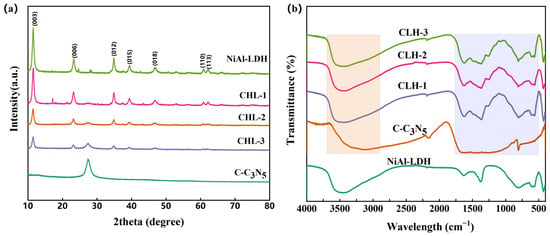
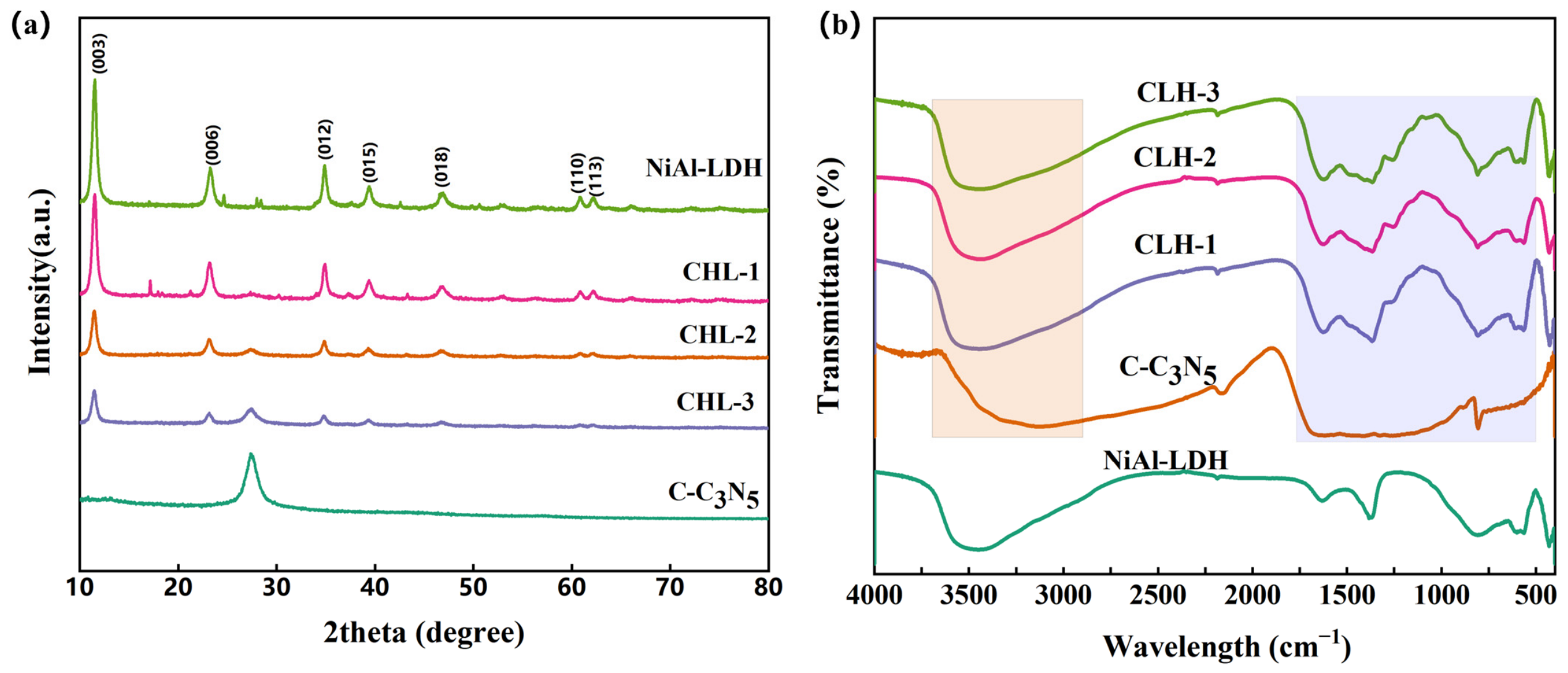
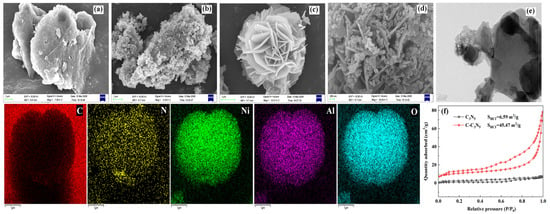
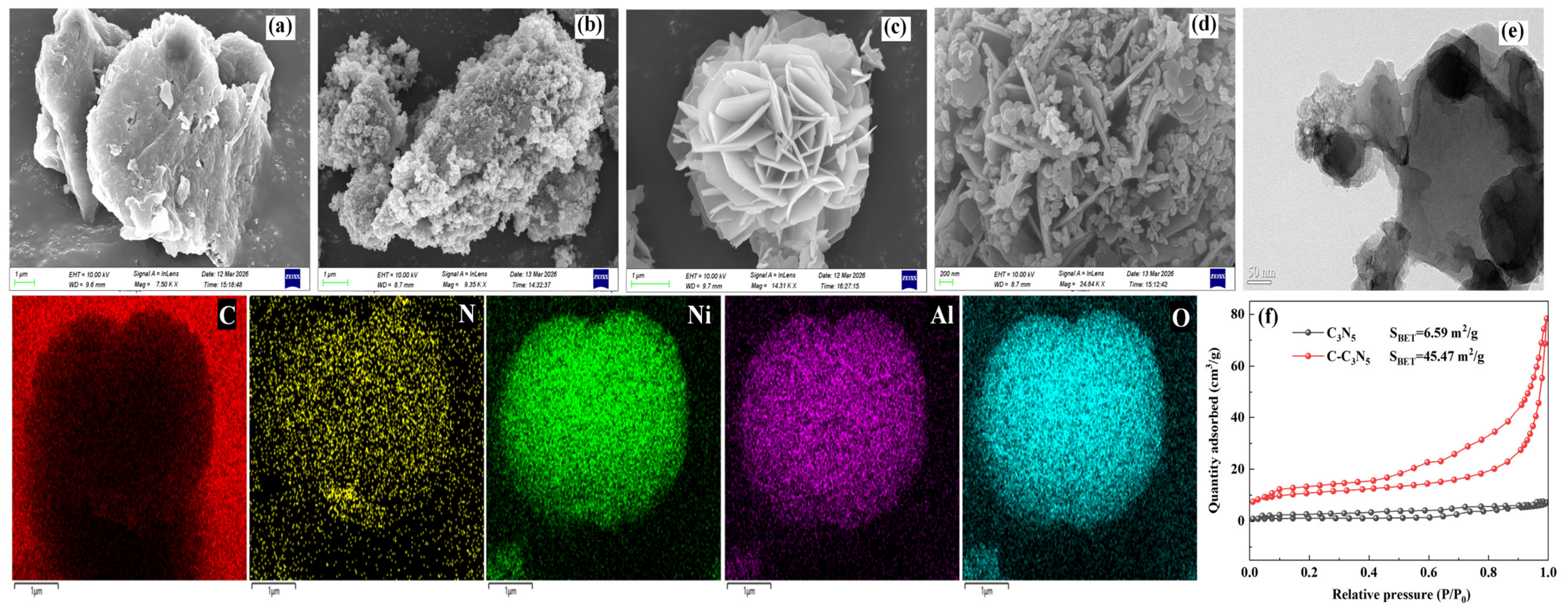
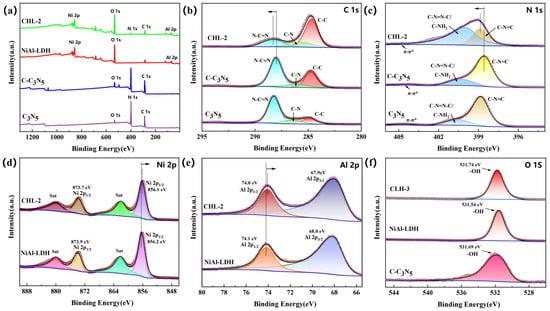
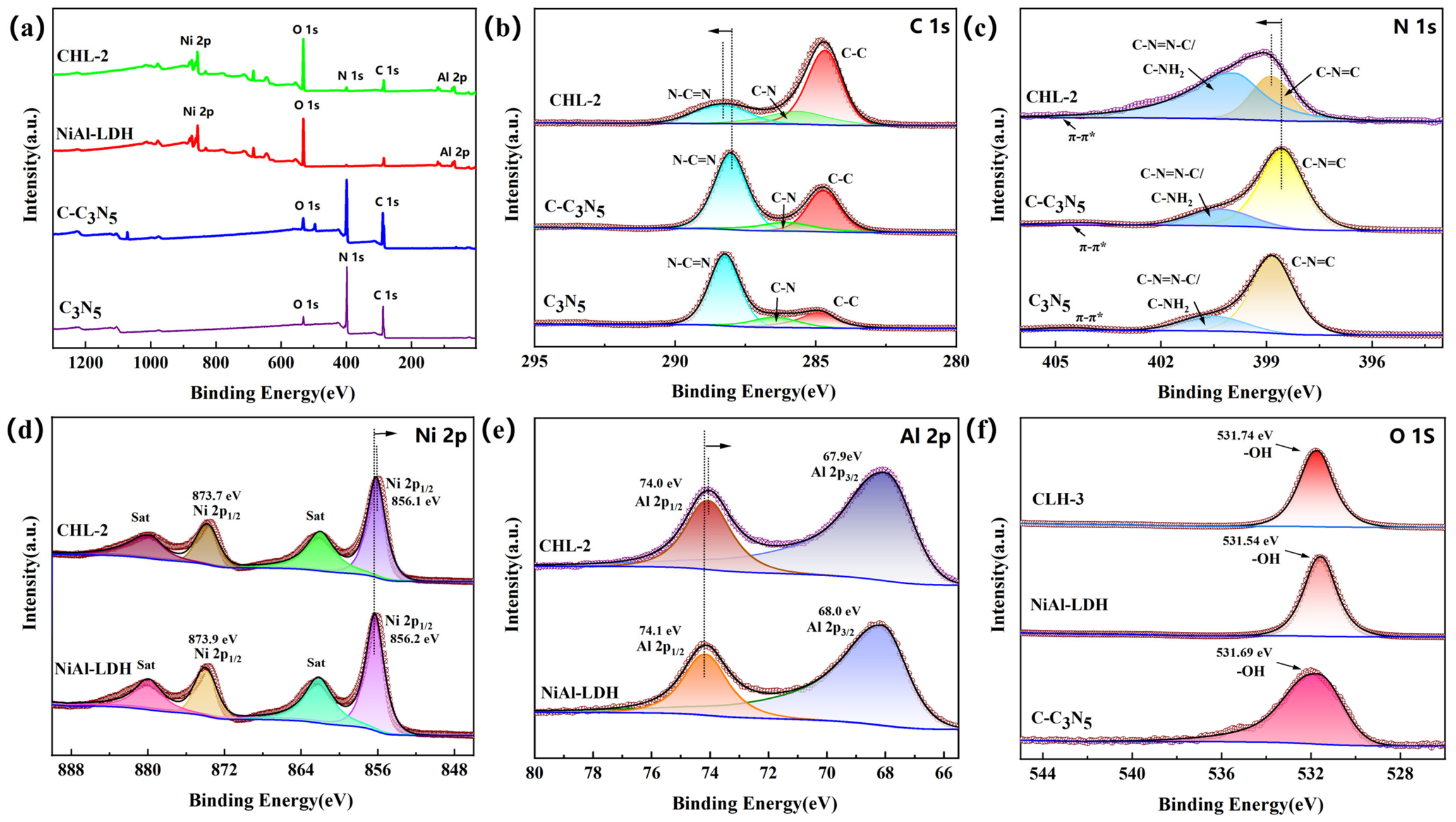
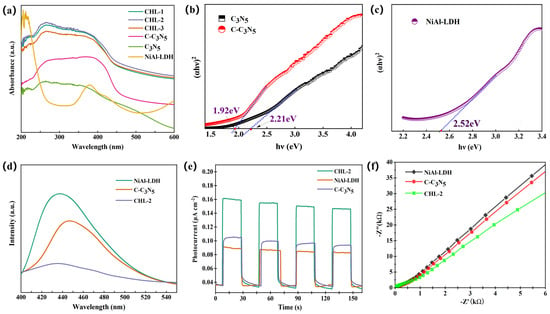
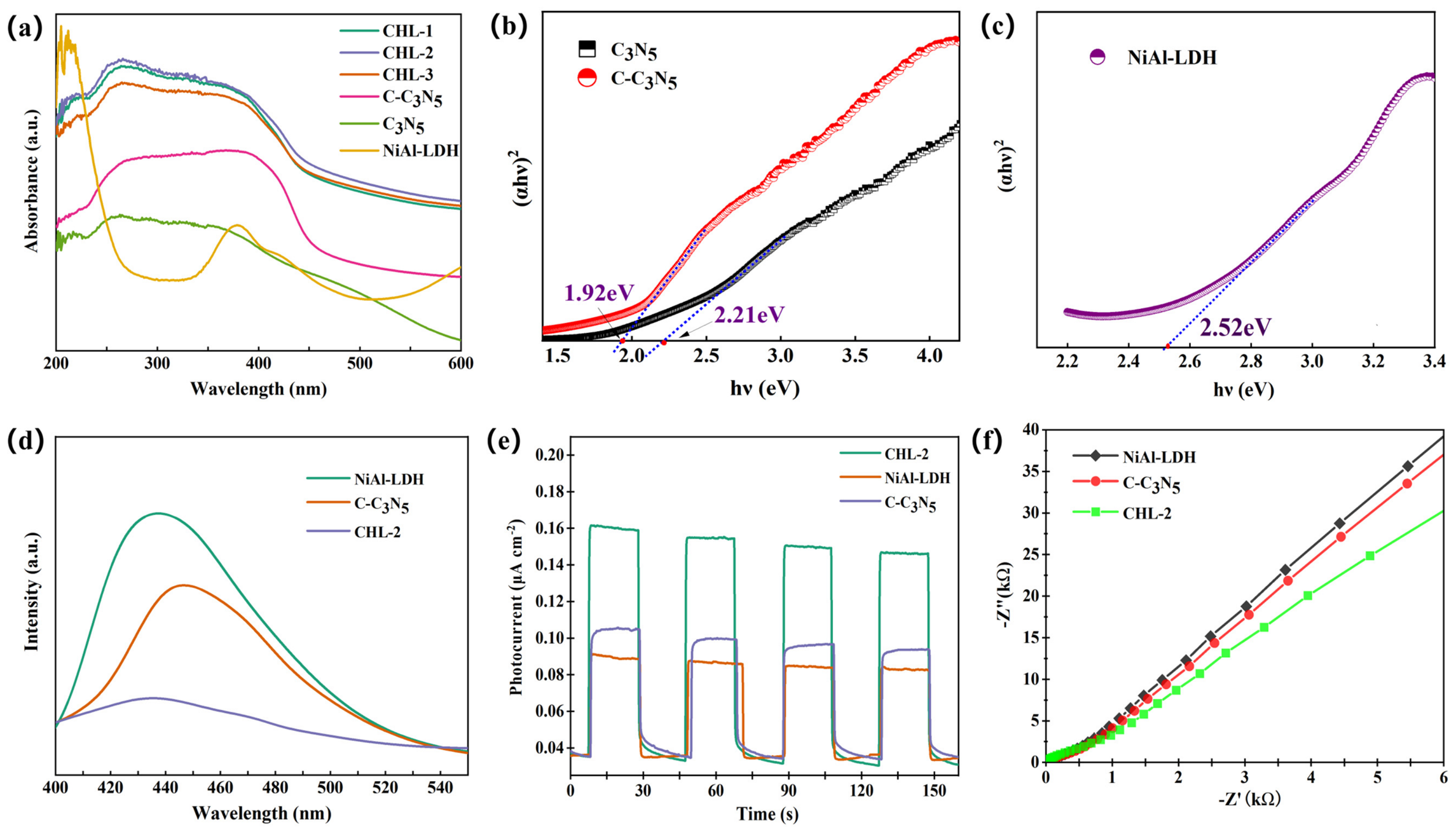
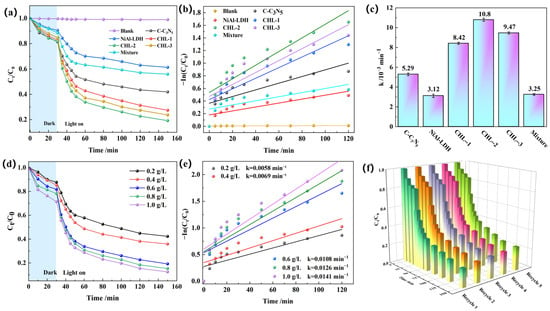
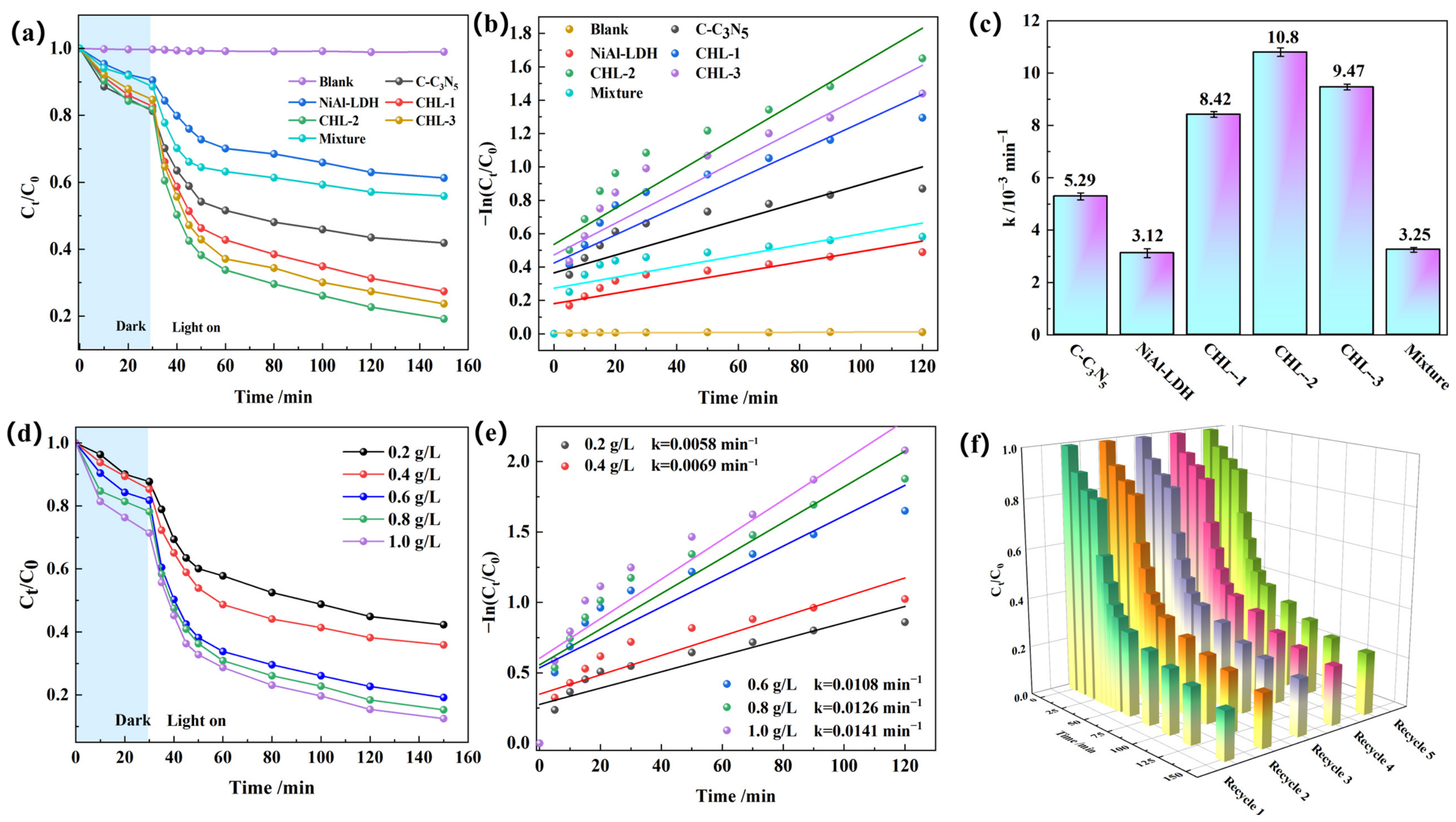
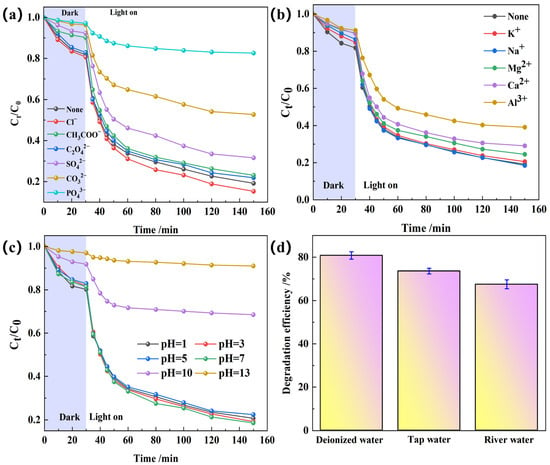
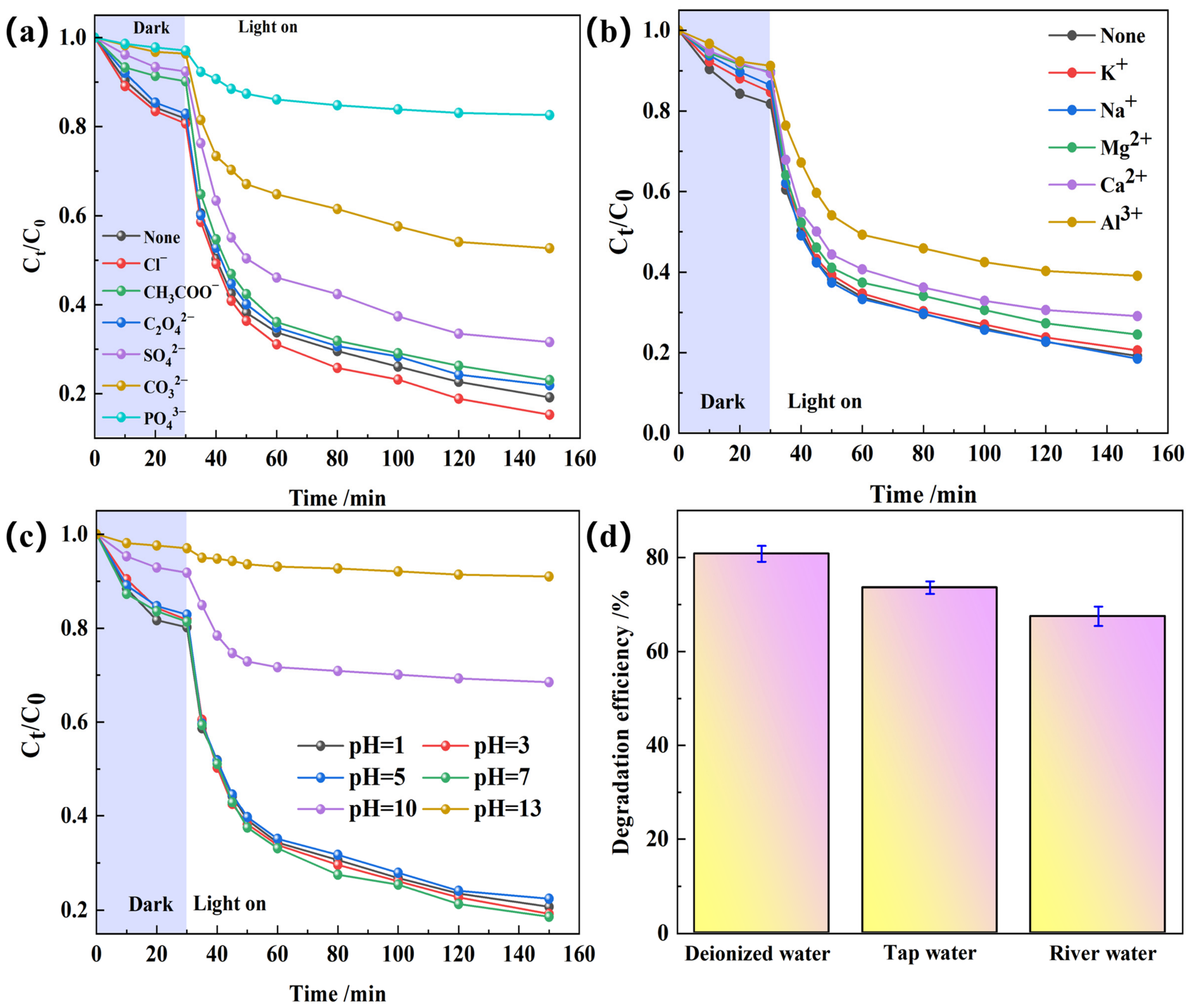
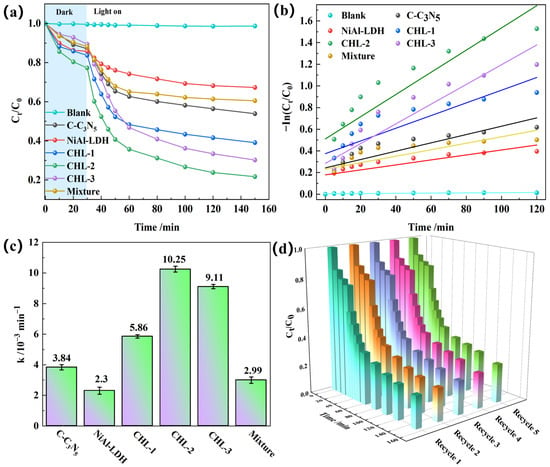
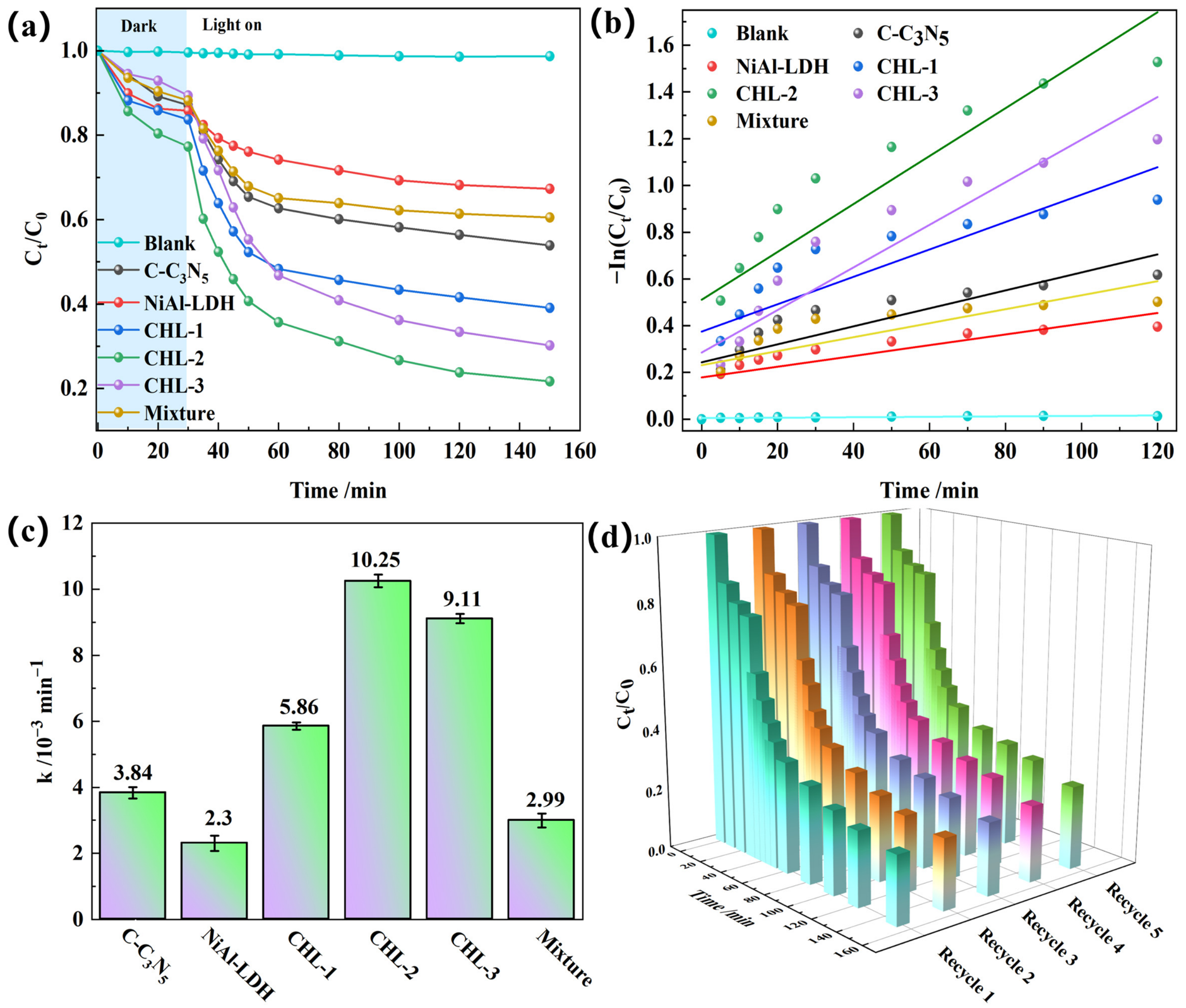
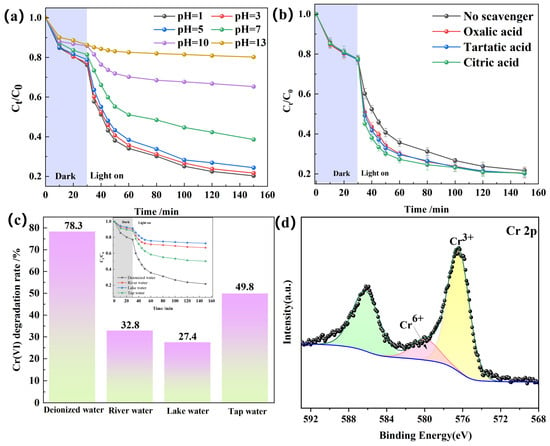
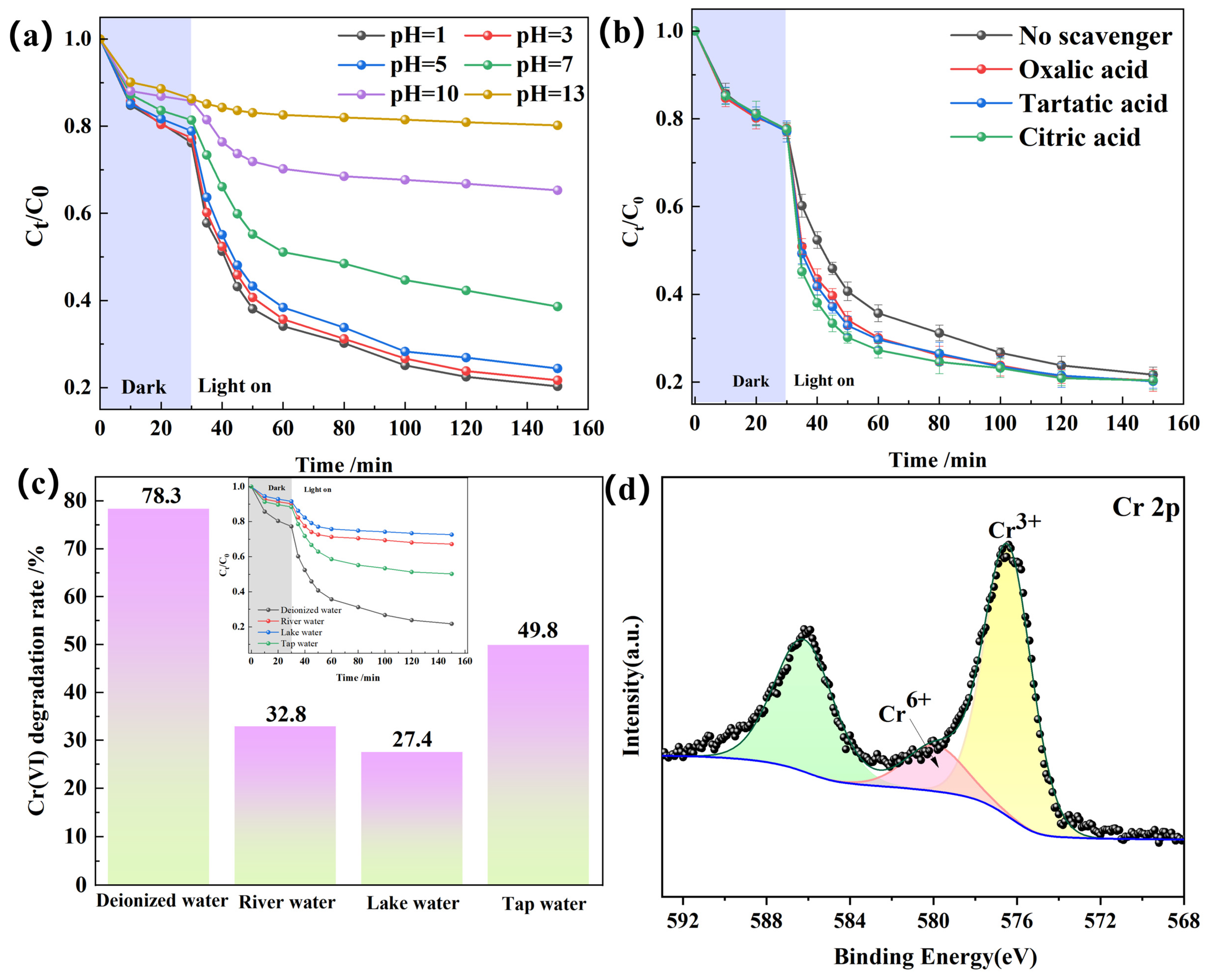
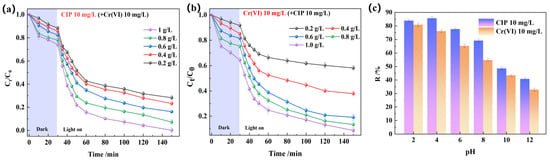
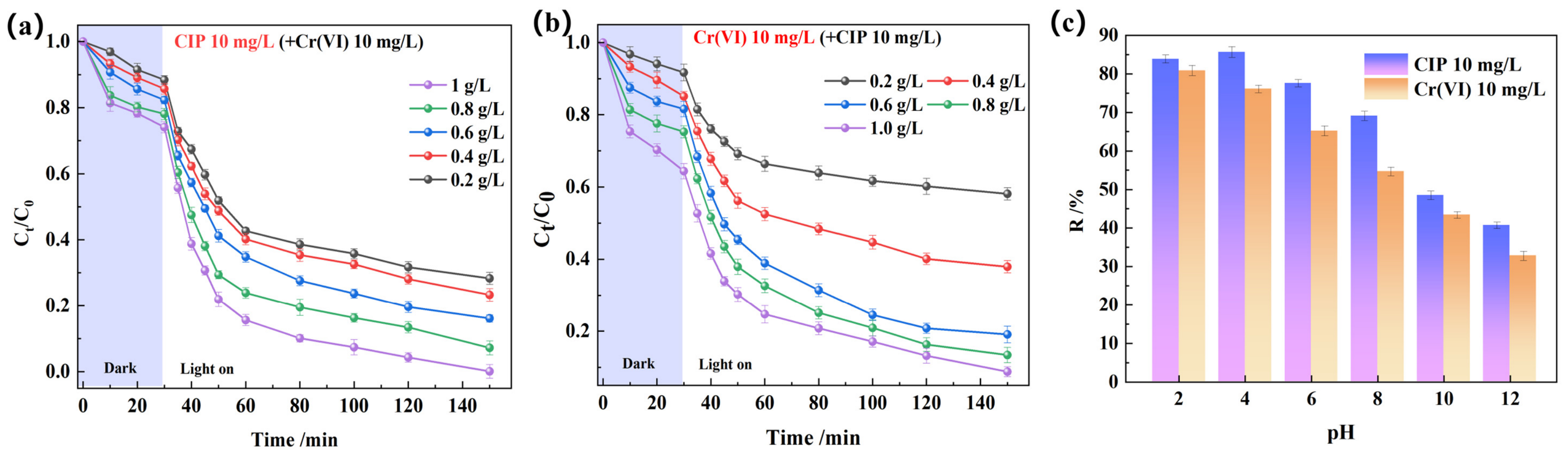
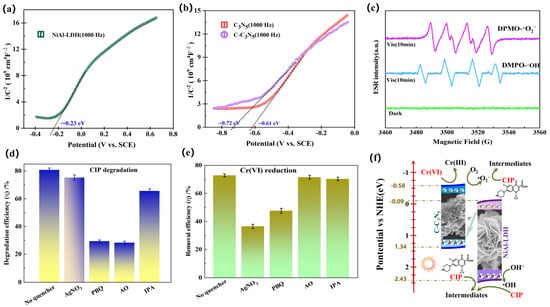
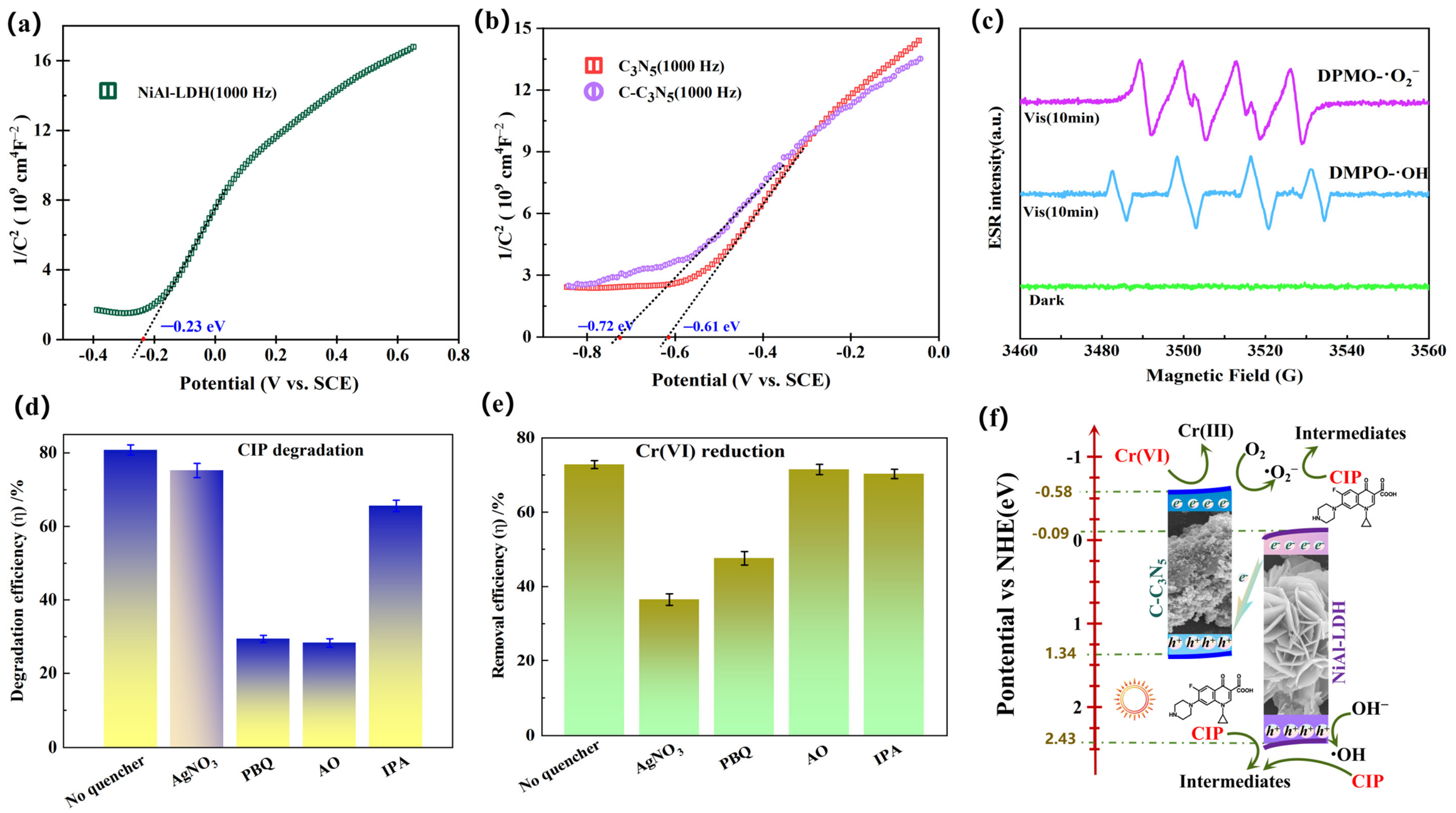
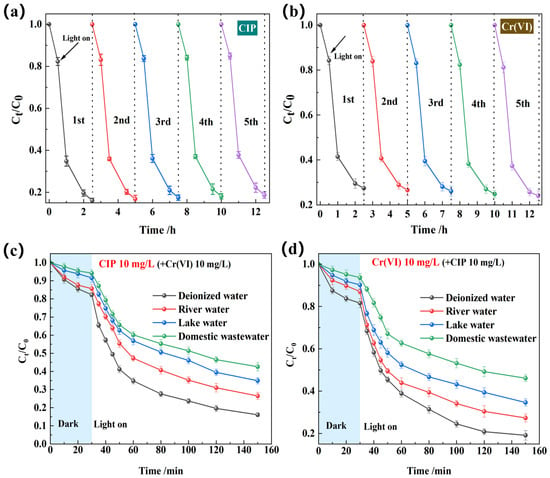
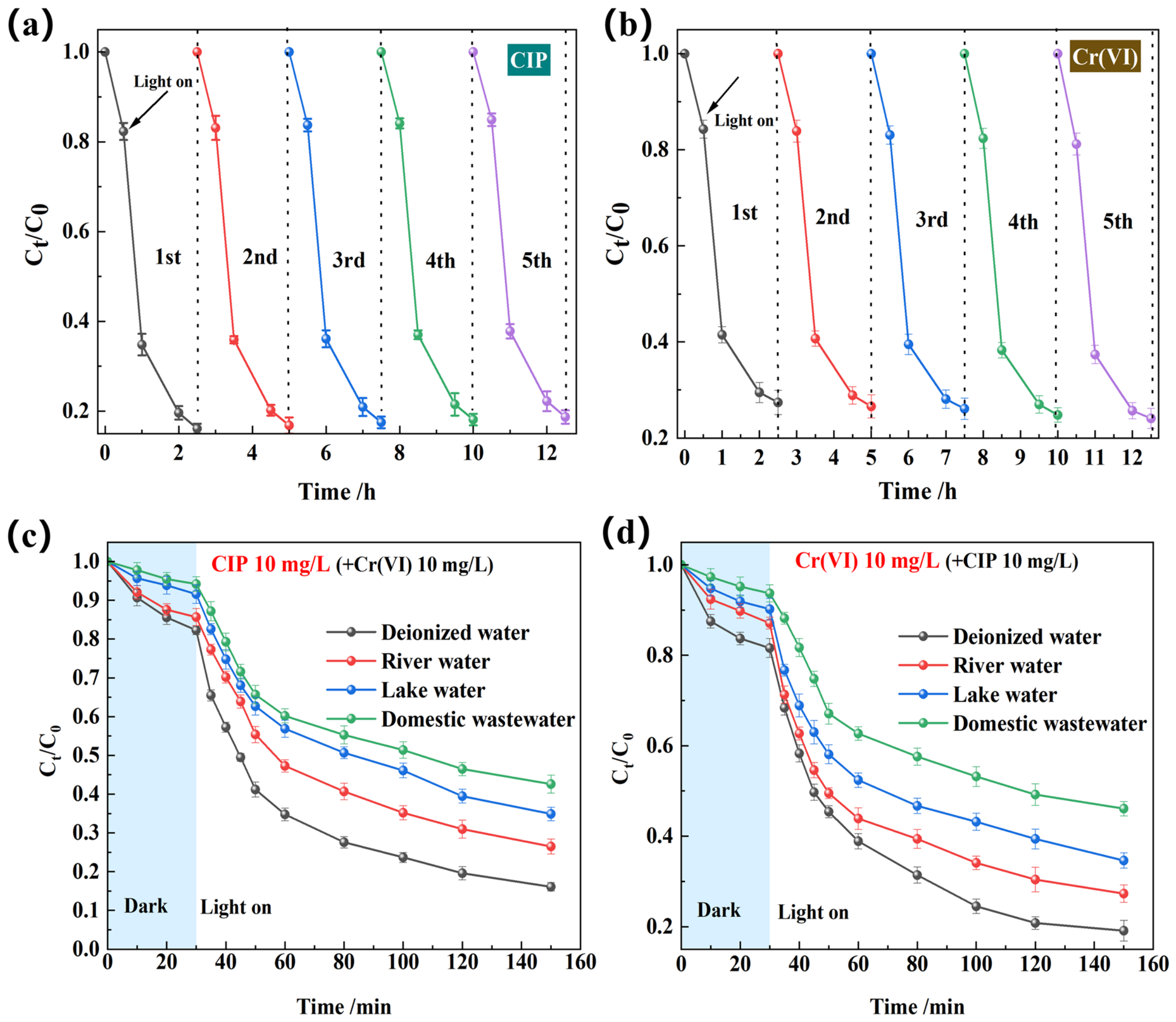
Disclaimer/Publisher’s Note: The statements, opinions and data contained in all publications are solely those of the individual author(s) and contributor(s) and not of MDPI and/or the editor(s). MDPI and/or the editor(s) disclaim responsibility for any injury to people or property resulting from any ideas, methods, instructions or products referred to in the content. |
© 2026 by the authors. Licensee MDPI, Basel, Switzerland. This article is an open access article distributed under the terms and conditions of the Creative Commons Attribution (CC BY) license.