


Abstract
Single-atom–nanocluster (SA–NC) architectures combine atomically dispersed metal sites and nanoscale ensembles, leveraging high utilization, defined coordination, cooperative adsorption, and tunable electronics to generate synergy via spatial, electronic, and intermediate-transfer pathways. Metal–organic framework (MOF)-derived materials with ordered metal nodes and structural diversity enable regulating these active centers from atomic to nanometer scales. This review systematically summarizes recent advances in MOF-derived electrocatalysts for the hydrogen evolution reaction (HER), oxygen evolution reaction (OER), and oxygen reduction reaction (ORR) from the perspectives of material classification, controllable synthesis, and active-site engineering. We highlight the coordination and electronic structure modulation of single-atom sites, the nuclearity control and interfacial effects of nanoclusters, and the synergistic mechanisms in SA–NC, which are categorized into adjacent, discrete, and core–shell configurations. We further discuss how spatial arrangement, electronic communication, and intermediate spillover collectively govern catalytic performance. Despite significant advances, a major challenge remains in correlating dynamically evolving active species under operating conditions with their intrinsic catalytic behavior. Future progress requires the integration of operando characterization and theoretical modeling to establish quantitative structure–activity relationships, thereby shifting catalyst design from composition-based optimization toward interaction engineering among multiscale active centers.
1. Introduction
The rapid increase in global energy consumption and the environmental issues associated with the extensive use of fossil fuels have significantly driven the development of sustainable energy conversion and storage technologies [1]. Electrochemical systems such as water electrolyzers, fuel cells, and rechargeable metal–air batteries are considered promising alternatives due to their high energy conversion efficiency and low carbon emissions [2,3,4]. However, the performance of these technologies is largely limited by the sluggish kinetics of the HER, OER, and ORR [5]. Although noble metal catalysts based on platinum-group metals exhibit excellent catalytic activity, their high cost and limited availability hinder large-scale application. Therefore, the development of efficient, low-cost, and structurally tunable non-noble or low-noble metal electrocatalysts has become one of the central goals in this field [6,7].
Among the large number of catalysts studied to date, MOFs have emerged as one of the most attractive precursors for constructing advanced electrocatalysts due to their highly tunable composition and well-defined structures [8]. MOFs are coordination networks built from metal ions or metal clusters as nodes and organic linkers as bridges. The identity, coordination number, and geometry of the metal nodes, together with the donor atoms and connectivity of the linkers, define the local metal environment and the periodic distribution of metal species [9]. Changing the nodes and linkers can adjust pore size, topology, and the chemical environment inside the pores. These ordered cavities can accommodate additional metal precursors, while coordinating groups on the linkers can influence their location and distribution before conversion [10]. During thermal or chemical conversion, the framework can be transformed into carbon-based materials, transition metal compounds, and their composites [11]. Under pyrolysis, the organic linkers can supply a carbon framework and coordination sites for metal anchoring. Metal species stabilized at these sites may remain atomically dispersed, whereas species that migrate and nucleate can form nanoclusters. The original pore structure can influence site accessibility, although reconstruction during conversion means that the precursor geometry is not necessarily preserved intact. These derived materials exhibit diverse structural features and catalytic behaviors, significantly expanding the accessible materials space for electrocatalysis. As a result, MOF-derived catalysts have attracted increasing attention and have become an important research direction in electrocatalysis.
Recent progress has shifted catalyst design from composition control to the regulation of active-site formation pathways [9]. Even catalysts with similar compositions can exhibit markedly different activities due to variations in coordination reconstruction, defect evolution, and local strain during MOF transformation [10]. Accordingly, precise control over active-site evolution has become a central issue in MOF-derived catalyst design. In particular, the precursor’s metal loading and distribution, the availability of linker-derived coordination sites, and the conversion temperature together influence whether metal atoms remain isolated or assemble into clusters. In this context, MOF-derived electrocatalysts have evolved from isolated single-atom systems to nanoclusters and hybrid configurations [11]. Single atoms maximize atomic utilization and provide well-defined coordination environments, while nanoclusters enable multi-atom cooperative adsorption and tunable electronic structures. More recently, integrating single atoms and nanoclusters within a unified framework has been shown to generate synergistic effects arising from spatial coupling and interfacial electronic interaction [12,13].
Although numerous reviews have summarized MOF-derived systems from the perspectives of single-atom catalysts, nanocluster catalysts, or synthetic strategies, a unified framework that integrates active sites across different length scales is still lacking. In particular, systematic classification of single-atom–nanocluster hybrid configurations remains insufficient. In this review, MOF-derived electrocatalysts are discussed from three interconnected perspectives: material classification, controllable synthesis, and active-site engineering. Emphasis is placed on the structural features of active sites, their regulation strategies, and their correlation with catalytic performance (Figure 1). Finally, the key challenges and future directions in this field are discussed.
Figure 1.
Summary of the content of this review. The blue circular arrows indicate conceptual links among precursor design, active-site configuration, site interactions, intermediate adsorption, reaction pathways, and catalytic performance. Reproduced with permission from Ref. [10] Copyright 2019, Wiley-VCH. Reproduced with permission from Ref. [14] Copyright 2021, Wiley-VCH. Reproduced with permission from Ref. [15] Copyright 2026, Wiley-VCH. Reproduced with permission from Ref. [16] Copyright 2018, American Chemical Society. Reproduced with permission from Ref. [17] Copyright 2026, Wiley-VCH. Reproduced with permission from Ref. [18] Copyright 2025, Springer Nature. Reproduced with permission from Ref. [19] Copyright 2023, American Chemical Society. Reproduced with permission from Ref. [20] Copyright 2024, Wiley-VCH. Reproduced with permission from Ref. [21] Copyright 2025, RSC. Reproduced with permission from Ref. [22] Copyright 2025, RSC. Reproduced with permission from Ref. [23] Copyright 2022, Wiley-VCH. Reproduced with permission from Ref. [24] Copyright 2024, Springer Nature. Reproduced with permission from Ref. [25] 2024, Wiley-VCH. Reproduced with permission from Ref. [26] 2023, Elsevier.
2. Classification of MOF-Derived Single-Atom/Nanocluster Catalysts
Based on compositional and structural distinctions of active components derived from MOF precursors, MOF-derived single-atom/nanocluster electrocatalysts can be divided into three major categories: metal phosphides, metal sulfides, and metal oxides. Although all three families inherit the structural merits of MOF templates, including high specific surface area, tunable porous channels, and spatially confined metal sites to realize precise modulation of active centers, they exhibit obvious divergences in anionic coordination configuration, intrinsic electronic band structure, surface intermediate adsorption-desorption behavior, and mechanistic pathways for HER, OER, and ORR (Table 1). This section systematically compares the three catalyst classes from synthetic strategies, structural-electronic features, active-site properties, catalytic reaction mechanisms, application scopes, and intrinsic limitations and further clarifies how anion species govern their electrocatalytic performance toward different half-reactions.
Table 1.
Classification of electrocatalysts.
2.1. Metal Phosphide Catalysts
Transition-metal phosphides (TMPs) inherit the metalloid electronic character from metal-phosphorus covalent bonding. The P atoms in TMPs not only serve as coordination atoms to modify the local electron density of metal centers but also act as proton-accepting sites, which endows TMP catalysts with prominent intrinsic conductivity and moderate Gibbs free energy for reaction-intermediate adsorption, making them promising bifunctional candidates for overall water-splitting electrocatalysis. From the perspective of synthesis, MOF-derived metal phosphides are predominantly obtained via high-temperature phosphating treatment on pre-fabricated MOF/MOF-on-MOF or Prussian-blue-analog (PBA) precursors. The original periodic metal node distribution within MOF can be well inherited after phosphorization, which helps construct heterointerfaces and highly dispersed metal/phosphide heterojunctions embedded within in situ-formed N-doped carbon matrixes. Nevertheless, uncontrolled high-temperature phosphating may induce severe particle sintering, collapse of porous frameworks, and over-phosphorization that generate electrochemically inert phosphate passivation layers, which deteriorate catalytic activity and mass-transport capability [39].
Rational design of heterogeneous interfaces represents an effective strategy for optimizing catalyst electronic structures, yet achieving site-specific activation at the atomic level remains a significant challenge. Most reported heterostructures suffer from ambiguous interface definition and non-specific activation, which not only obscures the relationship between structure and activity but also limits understanding of reaction mechanisms. Lin et al. [27] proposed a lattice-directed MOF-on-MOF strategy to construct atomically precise CoP/(CoFe)P2 interfaces within a nitrogen-doped carbon matrix (CoP/(CoFe)P2-C) (Figure 2a). Specifically, epitaxial growth of CoFe-PBA nanocubes on MOF-274 templates yields the MOF-274@PBA precursor with pre-defined metal regions that transform into tightly ordered phosphide heterojunctions during phosphorylation. The optimized CoP/(CoFe)P2-C catalyst exhibits outstanding OER activity in alkaline media, achieving a current density of 10 mA·cm−2 at just 269 mV overpotential (Figure 2b), while maintaining excellent structural stability for over 60 h. Furthermore, DFT calculations demonstrate that this superior performance stems from a site-specific electron-sacrifice mechanism: at hetero interfaces, specific cobalt sites act as electronic buffers, sacrificing their own electrons to stabilize unfavorable local configurations. This energy redistribution optimizes the electronic structures of adjacent cobalt and iron sites, collectively lowering the energy barrier for *OOH formation and significantly enhancing the kinetics of OER.
Figure 2.
(a) Schematic diagram of the MOF-derived CoP/(CoFe)P2 heterostructure. (b) The LSV curve of CoP/(CoFe)P2-C. Reproduced with permission from Ref. [27] Copyright 2026, Elsevier. (c) Schematic illustration of the synthetic process of Co/CoP@HOMC composite. (d) Polarization curves of the Co/CoP@HOMC||Co/CoP@HOMC and Pt@C||IrO2@C for overall water splitting. The inset shows a digital photo of the overall water splitting cell. Reproduced with permission from Ref. [14] Copyright 2021, Wiley-VCH. (e) Schematic illustration depicting the synthesis strategy of PBA-derived TMP NCs. (f) Typical LSV measured in SECCM for single cube of four types of TMP NCs with a diameter of approximately 310 ± 20 nm. Reproduced with permission from Ref. [30] Copyright 2025, American Chemical Society.
The charge transfer capability of electrocatalysts during reactions is primarily determined by their specific surface area and porous structure, which significantly influences their performance [40]. Compared to common disordered microporous or mesoporous structures, three-dimensional ordered macroporous structures not only enhance electrolyte penetration within the catalyst but also shorten the diffusion paths of electrons/ions, ensuring effective interaction between reactants, intermediates, and internal active sites [41]. In recent years, Li et al. [14] developed a composite electrocatalyst by carbonizing and phosphorinating polystyrene during the assembly of spherical ZIF-67 templates, featuring highly dispersed Co/CoP heterojunctions embedded in a hierarchically ordered carbon matrix (Co/CoP@HOMC, Figure 2c). Experimental results demonstrate that the synthesized Co/CoP@HOMC composite exhibits excellent catalytic performance in both HER and OER, with overpotential values of merely 120 mV and 260 mV at current densities of 10 mA·cm−2, respectively. Furthermore, in alkaline electrolyzers, the performance of Co/CoP@HOMC outperforms that of Pt@C composites (corresponding to IrO2@C) (Figure 2d).
MOFs and their derivatives have garnered significant attention due to their tunable chemical composition and structure. Chen et al. [30] proposed an innovative strategy for developing electrocatalysts based on hybrid MOFs, employing scanning electrochemical cell microscopy (SECCM) to perform single-electrode electrochemical characterization of individual particles with precisely designed compositions and structures. They successfully achieved controlled phosphidation reactions of Prussian blue analogs, preparing hollow nanocubes containing iron-doped CoP/Co2P heterojunctions that exhibited significantly enhanced HER activity, thereby demonstrating the critical role of structural and compositional control in TMPs catalysts. ZIF-67 was utilized as a structural template to provide essential cobalt ions, while the fundamental template facilitated the growth of subsequent CoFe PBA layers through an ion exchange reaction involving potassium ferricyanide. This approach employs MOF hybridization technology, effectively combining the structural advantages of ZIF-67 with the functional properties of the CoFe PBA layer (Figure 2e). Notably, SECCM was employed to characterize individual TMP nanocubes via surface electrolysis. By correlating the inherent HER activity measured via current response with the dimensions and composition of each nanocube, key electrochemical characteristics of these nanostructures were elucidated. Additionally, detailed quantitative analyses were conducted to investigate the effects of four distinct nanocrystal sizes on HER activity. To achieve this, individual nanocrystals were isolated within liquid droplets. Figure 2f presents comparative results of the intrinsic HER current for individual nanocrystals with a diameter of approximately 310 ± 20 nm. The TMP-350 with an internal heterojunction structure exhibits outstanding HER activity, achieving a current density of 10 mA·cm−2 at an overpotential of 83 mV with a slope of approximately 74 mV·dec−1—performance far surpassing that of most existing transition metal phosphide-based HER catalysts.
From a mechanistic perspective, covalent metal-phosphorus bonds can tune the d-band center of metal centers and thereby achieve balanced adsorption toward key reaction intermediates including H*, *OH, and *OOH. In the hydrogen evolution reaction, phosphorus sites trap protons, whereas adjacent metal sites promote H-H coupling; the reaction typically proceeds via the Volmer–Heyrovsky route. During oxygen evolution, interfacial charge redistribution accelerates the formation of *OOH intermediates. It should be noted that surface reconstruction is almost unavoidable under oxidizing OER environments: surface phosphide species convert into amorphous metal oxyhydroxides, which act as the actual catalytic active layer, while the bulk phosphide phase maintains rapid electron transport throughout the catalyst. Nevertheless, transition-metal phosphides still suffer from obvious drawbacks. Phosphorus dissolution and continuous surface oxidation are hard to eliminate when the catalyst operates under prolonged high-potential OER conditions. Besides, the majority of TMP materials exhibit unsatisfactory oxygen-reduction performance, which greatly limits their practical deployment in zinc-air battery systems [27].
2.2. Metal Sulfide Catalysts
MOF-derived transition-metal sulfides (TMSs) are mostly synthesized through high-temperature sulfurization (thioacetamide, thiourea as sulfur sources) or one-pot hydrothermal sulfidation of MOF precursors. The layered crystal framework of many TMSs and abundant intrinsic/engineered defects create plentiful unsaturated-coordination active sites, which is their most prominent structural advantage. Different from P in metal phosphides, S possesses larger ionic radius and higher electronegativity; metal-sulfur bonds exhibit strong polar covalent characteristics, which profoundly alter d-band electronic configurations of metal centers [31]. Nevertheless, TMS materials commonly suffer from poor intrinsic bulk conductivity, easy restacking of layered nanosheets, and structural pulverization during long-time electrocatalytic cycling.
The development of efficient, cost-effective electrocatalysts free from precious metals is crucial for hydrogen production via the HER in water splitting. Transition metal disulfides have garnered increasing attention for their applications in high-efficiency catalysis, energy conversion, and storage. Yao et al. [31] successfully synthesized a unique bimetallic sulfide composite material (CoS2/WS2) using MOFs as precursors through calcination and one-pot hydrothermal methods (Figure 3a). Appropriate concentrations of thioacetamide (TAA) play a pivotal role in forming an optimal sulfide interface between CoS2 and WS2 and enhancing HER performance. Experimental measurements revealed that the composite exhibited an overpotential of 79 mV dec−1 at a current density of 10 mA·cm−2 in a 0.5 M sulfuric acid solution (Figure 3b), significantly lower than that of most non-noble-metal-based electrocatalysts. DFT calculations confirmed that the bimetallic configuration formed via the sulfide interface alters the electronic structure, improves conductivity, and reduces ΔGH*, thereby effectively accelerating the Heyrovsky step during HER. Additionally, CoS2/WS2 demonstrated excellent stability in durability tests.
Figure 3.
(a) Schematic diagram of the preparation process of CoS2/WS2. (b) LSV curves for CoS2/WS2, WS2, Co3O4, CoS2, and commercial Pt/C. Reproduced with permission from Ref. [31] Copyright 2024, Elsevier. (c) Schematic illustration of the stepwise transformation from Co-MOF to MoS–CoS–Zn via the Co8Zn1-MOF intermediate. (d) Corresponding Tafel plots of MoS–CoS, MoS–CoS–Zn, and Pt/C. Reproduced with permission from Ref. [10] Copyright 2019, Wiley-VCH. (e) Schematic synthesis of M–ZnS/NSCNR series (M = Fe, Co, Ni). (f) PDOS plots. Reproduced with permission from Ref. [34] Copyright 2026, Wiley-VCH.
Certain TMSs also serve as promising candidates for high-performance HER catalysts, characterized by relatively low cost and high activity. Among these, layered MoS2 has attracted particular attention; however, its severe aggregation phenomenon and poor intrinsic conductivity limit its electrocatalytic potential [42]. He et al. [10] synthesized cobalt-molybdenum disulfide coordinated with zinc via a two-step method using MOFs as precursors (Figure 3c). Zinc incorporation significantly enhanced the catalytic performance of MoS-CoS-Zn, improving hydrogen production efficiency. The overpotential of MoS-CoS-Zn at 10 mA·cm−2 was measured to be 72.6 mV, and the Tafel slope is 37.6 mV dec−1 (Figure 3d), while electrochemical cyclic voltammetry analysis confirmed the presence of a dense network of electrochemically active sites. Spectral studies revealed that the highest energy level in MoS-CoS-Zn’s valence band is 0.48 eV, closely approaching the Fermi level, indicating that zinc incorporation enhances the metallic character of the catalyst surface. Additionally, zinc incorporation reduces the work function of MoS-CoS-Zn, facilitating electron escape from the surface and accelerating hydrogen evolution.
TMSs have emerged as highly promising catalysts for ORR, yet achieving activity comparable to platinum-based reference materials remains challenging. Liu et al. [34] developed an in situ MOF carbonization strategy to prepare transition metal-doped zinc sulfide nanoparticles (M–ZnS/CNR, M = Fe, Co, Ni) embedded within nitrogen and sulfur co-doped carbon nanorods (Figure 3e). Structural characterization confirmed successful integration of dopants into the zinc sulfide lattice of the hierarchical carbon substrate, significantly enhancing defect density and achieving optimal porosity. Electrochemical evaluations demonstrated that Fe-doped ZnS/CNR exhibited outstanding ORR performance in 0.1 M potassium hydroxide solution, with a half-wave potential of 0.897 V and a limiting current density of 5.20 mA·cm−2—both surpassing those of platinum/carbon and cobalt/nickel analogs. In zinc-air batteries, it achieved a peak power density of 132.1 mW·cm−2 and a specific capacity of 685.6 mAh·g−1, while maintaining minimal voltage variation (0.96 V) over 70 h cycling. Density functional theory calculations revealed that transition metal doping effectively modulates the electronic structure of zinc sulfide by adjusting the position of the d-band center: Fe-doped ZnS exhibited a balanced dε value (−1.34 eV) (Figure 3f) and reduced OOH* adsorption energy barriers (0.62 eV), markedly enhancing ORR activity.
When layered TMSs catalyze HER, edge sites are widely accepted as the major active centers. Inert basal planes can be activated via heteroatom doping, vacancy introduction or heterointerfacial engineering. For ORR, defects and metal-sulfur coordination moieties tune the adsorption of oxygen-bearing intermediates and favor the four-electron pathway. Subjected to high anodic potentials in OER, TMSs undergo extensive surface restructuring. Oxidation-derived metal hydroxides are responsible for OER performance, and the remaining sulfide mainly serves as an electron-conducting medium. S dissolution under OER oxidizing conditions leads to worse structural damage than observed for phosphides. As such, the bulk of TMS materials cannot match transition-metal oxides in terms of overall OER stability [42].
2.3. Metal Oxide Catalysts
MOF-derived transition-metal oxides (TMOs) are generally prepared by air calcination, controlled partial pyrolysis, or two-step thermal treatment of MOF precursors. TMO systems feature superior chemical and oxidative stability, abundant oxygen-vacancy defects, and highly tunable metal valence states, which render them benchmark candidate materials for OER electrocatalysis. The metal–oxygen ionic bonds dominate their coordination environment. Major challenges for MOF-derived oxide catalysts include the intrinsically low electrical conductivity of oxides and particle agglomeration during high-temperature calcination [43,44].
TMOs are widely employed as catalysts for OER due to their high catalytic activity and stability. Their performance in OER is closely related to their electronic structure [43,44]. However, it has long been believed that pure metal oxides are not ideal catalysts for HER, as the hydrogen-oxygen bonds formed between protons and oxide oxygen atoms during the reaction are too strong, hindering hydrogen desorption [45]. Nevertheless, recent studies have demonstrated that certain oxides exhibit excellent HER performance [46]. For example, Maji et al. [33] synthesized a core-shell structured electrocatalyst Co3O4@Co/NCNT (where NCNT denotes nitrogen-doped carbon nanotubes) using cobalt-based metal organic frameworks (Co-MOFs) as precursors via a two-step calcination process (Figure 4a). Transmission electron microscopy images of @Co/NCNT clearly reveal its core-shell structure. @Co/NCNT achieved a current density of 10 mA·cm−2 at 171 mV during HER (Figure 4b). Theoretical calculations confirm that the nitrogen atoms within Co-N4 serve as active sites for H+ binding.
Figure 4.
(a) Schematic diagram of the formation process of Co3O4@Co/NCNT. (b) LSV showing HER activity of Co3O4@Co/NCNT in 0.5 M H2SO4 at 5 mV/s. Reproduced with permission from Ref. [33] Copyright 2020, American Chemical Society. (c) Schematic illustration showing the one-step PANI-assisted synthesis of a bimetal-organic framework NRAs and its derived porous CoFe2O4/C NRAs. (d) HRTEM image of the typical CoFe2O4 nanoparticles encapsulated by carbon layers. Reproduced with permission from Ref. [32] Copyright 2021, American Chemical Society. (e) Scheme of the fabrication of trimetal NiCoFe-MOF-74 and the partial pyrolysis of NiCoFe-MOF-74 to NiCo/Fe3O4/MOF-74. (f) OER polarization curves of NiCoFe-MOF-74 and the derived partial pyrolyzed and completely pyrolyzed samples at 1600 rpm. Reproduced with permission from Ref. [16] Copyright 2018, American Chemical Society.
Carbonized derivatives prepared from MOFs exhibit excellent compatibility between metal oxides and carbon materials, making them ideal precursors for constructing high-performance electrocatalysts [47,48]. However, conventional synthesis methods (hydrothermal/solvent thermal methods [49,50], co-precipitation [51,52], microwave-assisted approaches [32], etc.) typically yield powdered MOFs, leading to severe aggregation issues after carbonization. Overcoming this limitation has become a key focus in current research. Recently, Lu et al. [53] reported a one-step pyrolysis method using polyaniline to synthesize bimetallic MOFs for preparing NF@NC-CoFe2O4/C nanorod arrays. First, a layer of polyaniline was electrodeposited on the NF surface; subsequently, MOF-74-Co/Fe nanorod arrays were grown via hydrothermal synthesis. Finally, porous CoFe2O4/C composite nanorod arrays were obtained through one-step pyrolysis under N2 atmosphere, avoiding both carbon consumption and structural damage during secondary air treatment (Figure 4c). The polyaniline deposited on the NF surface played a critical role in capturing transition metal ions and guiding crystal growth orientation. This pyrolysis approach yielded CoFe2O4/C nanorod arrays with an amorphous carbon coating on their surface (Figure 4d), which not only enhances overall conductivity but also suppresses catalyst aggregation during prolonged operation [54].
Wang et al. [16] developed a controllable partial pyrolysis strategy using the trimetallic NiCoFe–MOF-74 as a precursor to construct stable NiCo/Fe3O4 heterostructures within the MOF-74 matrix (Figure 4e), achieving high-efficiency OER performance. This method preserves the MOF framework structure while enabling effective substrate diffusion and yields highly active nanoparticles. The prepared NiCo/Fe3O4/MOF-74 system exhibits exceptionally stable OER currents at 10.0 mA·cm−2 current density, with a low overpotential of 238 mV (Figure 4f) and a Tafel slope of only 29 mV dec−1 outperforming the original NiCoFe-MOF-74, fully decomposed MOF derivatives, and most reported non-noble-metal electrocatalysts. The formation of the NiCo/Fe3O4/MOF-74 nanostructure relies on controlled thermal treatment that sequentially removes metal elements Ni, Co, and Fe from the NiCoFe-MOF-74. Density functional theory calculations demonstrate that the underlying NiCo layer enhances Fe3O4 OER activity by exchanging stable reactive oxygen species.
In studies concerning HER activity of oxide-based catalysts, Maji’s team fabricated core-shell Co3O4@Co/NCNT composites from Co-MOF through a two-step calcination procedure. While bare Co3O4 cannot drive the HER, the integration of metallic Co cores and rich Co-N4 motifs in nitrogen-doped carbon nanotubes modifies the catalytic pathway. Protons can be anchored at the N sites of Co-N4; consequently, the catalyst reaches 10 mA·cm−2 at 171 mV HER overpotential and displays trifunctional electrocatalytic activity for HER, OER, and ORR [33].
From a mechanistic viewpoint, oxygen vacancies and multivalent metal sites in TMOs adjust intermediate (*OH, *O, *OOH) adsorption energies for OER, where most oxides obey the standard four-step reaction sequence. Pure oxides are ill-suited for HER because lattice oxygen binds hydrogen excessively. Optimizing hydrogen adsorption-desorption thus relies on strategies including constructing metal–oxide heterointerfaces, introducing N-doped carbon, or generating abundant oxygen vacancies. Multivalent sites and oxygen defects favor the four-electron ORR, yet TMOs cannot match sulfide catalysts in intrinsic ORR activity [16].
3. Controllable Synthesis Strategies and Structural Regulation Mechanisms for MOF-Derived SA/NC Electrolysis Catalysts
The final configuration of active sites, metal dispersion, and porous carbon matrix in MOF-derived single-atom-nanocluster electrocatalysts are inherited from intrinsic features of MOF precursors and further modulated by high-temperature conversion and subsequent post-treatment procedures. The topology of MOF frameworks, metal loading, ligand chemistry, pyrolysis temperature, reaction atmosphere, heating rate, and post-processing collectively govern the stabilization of isolated single-atom sites and the nucleation, growth, and agglomeration behaviors of nanoclusters. Establishing well-defined structure-synthesis relationships linking synthetic variables, precursor architectures, and resultant active-site configurations is essential for the rational fabrication of synergistic SA-NC catalytic systems [55,56,57]. This section critically dissects how each key parameter steers SA immobilization and NC evolution and elaborates how structural information encoded in MOF precursors transfers to final electrocatalysts via pyrolysis and post-modification.
3.1. Design and Engineering of Metal–Organic Framework Precursors
As both sacrificial templates and metal sources, MOF precursors predetermine catalyst morphology, pore architecture, and local coordination environments of active metal sites. The spatial arrangement of metal nodes, framework topology, and chemical nature of organic ligands impose intrinsic constraints on metal atom migration and aggregation upon thermal decomposition. Rational precursor engineering enables pre-organization of metal-site distribution at the molecular level, which can be partially retained after pyrolysis to realize co-construction of SA and NC moieties [55,56,57].
3.1.1. Ligand Selection
Organic ligands in MOF structures not only serve to connect metal nodes but also profoundly influence the thermal stability of precursors and the formation of carbon frameworks during derivatization. Ligand selection requires comprehensive consideration of functional group characteristics, steric effects, and coordination strength with metal ions. Nitrogen-containing ligands such as imidazole compounds readily form nitrogen-doped porous carbon carriers after high-temperature pyrolysis; these carriers stabilize single-atom metal centers through strong interactions and prevent their aggregation at elevated temperatures [58,59]. For instance, zeolite-based imidazole ester framework materials like ZIF-8 and ZIF-67 are widely employed for preparing single-atom catalysts for transition metals such as Co and Fe due to their high thermal stability and abundant nitrogen sources [60].
Furthermore, ligands containing specific functional groups such as carboxyl, amino, or hydroxyl groups can modulate the electron cloud density at metal nodes, thereby influencing the d-band center position of derived catalysts and optimizing the adsorption energy of reaction intermediates [61]. Recent studies indicate that MOF precursors constructed with rigidly structured ligands better maintain their original porous architecture during pyrolysis, thereby exposing more active sites [62]. For example, MOFs based on terephthalic acid are frequently employed as precursors for preparing highly stable oxide or carbide catalysts due to their strong Zr-O bonds and rigid frameworks [63]. The length and topological structure of ligands also determine the pore size of MOFs, which in turn affects ion diffusion rates and mass transfer efficiency in electrolytes—a critical factor for water electrolysis performance under high current densities [64]. Furthermore, pre-incorporation of heteroatoms (S, P) within organic frameworks achieves homogeneous doping in carbonized products and avoids inhomogeneous physical mixing, facilitating the generation of heteroatom-modified SA configurations such as Fe-S1N3 or Fe-P1N3. Furthermore, ligand size and framework topology define cavity dimensions, MOF cages offer spatial confinement to restrict excessive NC growth, while pore geometry determines electrolyte penetration and ion-mass transport, strongly impacting electrocatalytic performance under high-current operating conditions. Nevertheless, ligand-only strategies cannot fully suppress metal migration at elevated temperatures; they must be coupled with precise pyrolysis parameters to realize controlled SA-NC formation.
3.1.2. Ligand Regulation
Beyond static ligand selection, ligand modulation, framework topology, and metal-node loading are three interrelated factors that profoundly shape SA-NC compositions.
Ligand regulation strategies aim to fine-tune the coordination environment of metal nodes by altering their electronic effects or spatial structure. Introducing substituents with varying electronegativities can induce varying degrees of charge transfer from ligands to metal nodes, thereby modulating the oxidation state and electron distribution of the metal center [65]. For instance, oxygen-containing substituents incorporated into Ni-based MOF ligands favor the in situ formation of coordinatively stable γ-NiFe layered hydroxides upon electrochemical reconstruction, boosting OER intrinsic activity [66]. This ligand-mediated reconstruction mechanism demonstrates that ligands serve not only as structural supports but also as regulators of electronic structures.
The mixed ligand strategy enables the introduction of multiple functional groups into a single MOF framework, facilitating structural modulation across different scales. By adjusting the length and rigidity of ligands, the size and shape of MOF pores can be precisely controlled, thereby influencing the diffusion rates of reactant molecules and mass transfer efficiency [67]. Furthermore, the incorporation of auxiliary ligands with specific coordination capabilities allows for the pre-designation of asymmetric coordination environments during MOF synthesis. This asymmetry, when applied to single-atom catalysts, disrupts the electronic symmetry of metal centers, generates an intrinsic electric field that accelerates charge transfer and lowers reaction barriers [57]. Such precise molecular-level control lays the foundation for developing water electrolysis catalysts with high specific activity and exceptional stability.
MOF topology exerts decisive spatial confinement effects. SOD-type ZIF-8 features discrete, isolated cages capable of encapsulating discrete metal-containing molecular precursors; each cage acts as a physical barrier limiting inter-cage metal diffusion, enabling precise nuclearity control of NCs such as uniform Ru3 clusters. In comparison, MOFs featuring continuous one-dimensional open channels permit long-range metal-species migration and tend to produce larger nanoparticles after pyrolysis [68]. Node-to-node distance dictated by topology also influences product distribution: MOFs with spatially well-separated metal nodes favor SA generation, whereas densely packed metal nodes promote inter-node aggregation into NCs.
Metal loading is a dominant factor for regulating SA-to-NC ratios. At low metal-node densities, large inter-atomic distances reduce collision probability during thermal migration, favoring isolated SA sites. Increasing metal loading raises local metal concentration; adjacent migrating metal atoms coalesce to form NCs. Excessively high loading inevitably leads to oversized metallic nanoparticles. It should be emphasized that tuning loading alone cannot accurately control NC nuclearity. Loading must be synergized with topological confinement and pyrolysis conditions to achieve target SA-NC architectures [17].
Even with identical MOF precursors, pyrolysis conditions govern the kinetics of metal-species nucleation, diffusion, and agglomeration and determine whether SA sites remain stabilized or evolve into NCs/nanoparticles.
Pyrolysis temperature involves competing effects. At relatively low temperatures, incomplete ligand decomposition yields poorly graphitized carbon supports with low conductivity, and insufficient formation of M-Nx bonds results in poor SA immobilization. Moderately elevated temperatures promote carbon graphitization and the construction of well-defined M-Nx SA moieties [11]. However, excessive heating intensifies thermal mobility of metal atoms. SA sites become thermodynamically destabilized, and Ostwald ripening dominates, converting SA into NCs and large nanoparticles. Therefore, an optimal thermal window must balance carbon conductivity, SA-coordination formation, and metal anti-sintering; this temperature window varies for different metal systems.
Reaction atmosphere modulates decomposition pathways of MOF ligands and metal-species redox states. Inert Ar/N2 is the most widely adopted environment. Reducing atmospheres (H2-containing gas mixtures) facilitate metal reduction and promote metal-metal bond formation, accelerating NC generation. Oxidative atmospheres risk carbon matrix etching and SA-site destruction. Specialized atmospheres can introduce extra heteroatom dopants: NH3 provides supplementary nitrogen for SA coordination, while H2S enables in situ sulfur doping to construct M-S modified SA centers [11]. For Co-based MOF precursors, switching pyrolysis atmosphere from inert N2 to oxidative air can drastically alter final products: N2 atmosphere yields hybrid catalysts containing metallic Co nanoclusters together with Co-N4 SA sites, whereas air calcination favors the formation of spinel Co3O4 oxide phase [69].
Heating rate dictates gas-release dynamics and defect generation. Fast heating triggers rapid ligand decomposition and vigorous gas evolution, producing abundant carbon defects that serve as anchoring traps for SA and small NCs. However, abrupt massive release of metal-containing fragments creates high local metal concentration, aggravating aggregation. Slow heating facilitates gradual ligand decomposition; metal atoms are liberated stepwise and have sufficient opportunity to bind with heteroatom anchoring sites, favoring SA preservation, yet fewer carbon defects are generated. A trade-off between defect engineering and metal agglomeration must be considered [10,11].
3.2. Post-Modification Methods
Direct one-step pyrolysis of MOF precursors frequently yields heterogeneous products containing unwanted large metallic impurities and limited tunability of local coordination. Post-modification strategies including acid etching and post-synthetic modification further tailor defect density, remove inactive bulky particles, reconfigure metal-coordination environments, and modulate SA-NC interfacial coupling. Such post-processing represents an indispensable route towards high-performance synergistic SA-NC electrocatalysts.
3.2.1. Acid Etching
Acid etching techniques can effectively remove unstable components from MOF-derived materials, introduce defect structures, and increase the specific surface area. Acidic etching selectively dissolves certain metal nodes or amorphous impurities, exposing more internal active sites while creating abundant surface defects that often serve as highly active catalytic centers [70]. In the preparation of single-atom catalysts, moderate acid etching removes non-active metal particles covering the surface, exposing single-atom sites buried within the carbon matrix and thereby improving atomic utilization efficiency [35]. Rong et al. [35] prepared CoSA-AC@SNC through a series of consecutive steps including solvothermal synthesis, pyrolysis, and vulcanization (Figure 5a). First, Co-TPyP MOF was synthesized via one-step solvothermal treatment, during which cobalt ions coordinated with the pyridyl groups in adjacent 5, 10, 15, and 20-(4-pyridyl)porphyrin (TPyP) units to form a three-dimensional structure, thereby creating an ideal precursor environment containing the required cobalt atoms for the formation of stable Co–Nx single-atom sites and cobalt atomic clusters [52]. Under rapid expansion of gases generated from thiourea pyrolysis (e.g., ammonia and hydrogen sulfide), numerous sulfur-doped defect sites were introduced into the carbon substrate to immobilize ultrafine cobalt atomic clusters. These larger cobalt-based nanoparticles were subsequently removed by hydrofluoric acid etching, ultimately yielding CoSA-AC@SNC. Notably, upon introduction of a sulfur source, CoSA-AC@SNC (Figure 5b) exhibited a typical spherical structure (diameter 2–3 μm) with significantly increased surface roughness compared to Co@NC. As previously described, these structural and morphological changes are attributed to gaseous species released during thiourea decomposition during direct carbonation (i.e., gasification) and associated heat generation, leading to the formation of numerous enlarged nanopores within the carbon matrix. HRTEM images revealed no visible metal particles on the surface of CoSA-AC@SNC.
Figure 5.
(a) Schematic description of the synthetic pathways of CoSA-AC@SNC. (b) The SEM of CoSA-AC@SNC. Reproduced with permission from Ref. [35] Copyright 2024, Wiley-VCH. (c) lllustration of MOF synthesis by the organic acid-etching strategy (AES). (d) Calculated density of states (DOS) of NiFc-MOF and R-NiFc-MOF. Reproduced with permission from Ref. [71] Copyright 2024, Wiley-VCH. (e) Synthesis of M2(SH)2BBTA (M = Co, Ni) via post-synthetic modifications. (f) XPS spectra of Co2(SH)2BBTA. Reproduced with permission from Ref. [72] Copyright 2025, Springer Nature.
This study [73] employed an organic acid etching strategy (AES) to achieve direct MOF synthesis: a series of MFc–MOF (M = Ni, Co, Fe, Zn) nanosheets were successfully prepared on metal substrates using π–conjugated dimethyl ferrocenate (Fc) dicarboxylic acid as the etchant and organic ligand (Figure 5c). XRD and low-dose transmission electron microscopy analyses confirmed that their crystal structures matched the quasi-lattice of the metal matrix, demonstrating in situ MOF growth. Taking NiFc-MOF as an example, the nanosheet surfaces exposed along the (210) crystal axis exhibit quasi-lattice matching with the (111) plane of nickel foam, which may facilitate in situ oxidation of nickel and subsequent coordination with deprotonated ligands. Characterization via Raman spectroscopy and attenuated total reflection Fourier transform infrared spectroscopy (ATR-FTIR) revealed dynamic structural reorganization of NiFc-MOF during oxygen evolution reaction catalysis, consistent with the adsorbate evolution mechanism (AEM). The restructured NiFc-MOF (denoted as R-NiFc-MOF) exhibits optimized electronic properties, including an elevated center position in the total d-band and high magnetization intensity (M) (Figure 5d), demonstrating excellent oxygen evolution activity—with durable performance lasting up to 144 h and an overpotential of only 130 mV at a current density of 10 mA·cm−1.
3.2.2. Post-Synthesis Modification
By performing precise chemical modifications on MOF precursors or their pyrolysis derivatives during the post-synthesis stage, researchers have overcome the limitations of traditional high-temperature pyrolysis processes—namely, the tendency for active sites to aggregate and the lack of controllability over coordination environments—thereby achieving highly stable anchoring of atomic-scale dispersed metal centers and precise regulation of electronic structures. This approach not only preserves the inherent advantages of MOF materials in terms of high specific surface area and porosity but also significantly enhances the catalyst’s intrinsic activity and selectivity in carbon dioxide hydrogenation, electrocatalytic reduction, and advanced oxidation processes by introducing specific functional groups or second metal components.
Metal–sulfur active sites play a pivotal role in catalytic processes such as hydrogenation and dehydrogenation; however, most of these active sites are located on the surface or edges of catalyst particles, thereby limiting overall catalytic efficiency. Xie et al. [72] proposed a strategy: converting bridging chloride ligands into hydroxyl groups via post-synthesis modification, which are subsequently transformed into sulfide groups, thereby embedding the metal–sulfur active sites within MOFs (Figure 5e). In M2Cl2BBTA (M = Co, Ni), chloride ions serve as bridging ligands between adjacent metal centers, forming a well-defined bridging structure prone to substitution reactions that facilitates targeted modification of other functional groups. Treatment of chlorine-containing MOF materials with potassium hydroxide converted the bridging chloride anions into bridging hydroxyl groups, yielding the MOF product M2(OH)2BBTA. XPS analysis confirmed the substitution of chloride ions (Figure 5f); upon reaction of M2(OH)2BBTA with in situ generated hydrogen sulfide, the light-colored MOF powder rapidly turned dark brown within minutes. UV-vis spectroscopy revealed broad absorption bands in the visible spectrum, while infrared spectroscopy exhibited a VS-H absorption band, indicating the formation of the SH-bonded analogue M2(SH)2BBTA. SEM images demonstrated that these post-modifications did not affect particle size or morphology. The sulfidated MOFs exhibited significantly enhanced catalytic activity when used for selective hydrogenation of nitroaromatics with molecular hydrogen. Density functional theory calculations demonstrate that the introduction of sulfur atoms facilitates the cleavage of homolytic metal–ligand bonds and promotes H2 activation.
4. Tuning Active Sites in MOF-Derived Electrocatalysts
4.1. MOF-Derived Single-Atom Sites
A key advantage of MOF-derived carbon catalysts for active-site engineering is the direct structural inheritance from the precursor framework to the final catalytic site [74]. During pyrolysis, the organic ligands decompose to generate a conductive carbon matrix while simultaneously supplying heteroatoms that stabilize the resulting M–Nx moieties [11]. The ligand chemistry, metal-node composition, and framework topology collectively determine the local coordination environment of the active site, including the identity, coordination number, and geometric arrangement of neighboring atoms. Variations in the coordination environment further regulate the electronic structure of the metal center, including d-orbital occupancy, spin state, and d-band position, which ultimately govern the adsorption and conversion of reaction intermediates [75,76]. This precursor influence should not be equated with direct preservation of the original metal–ligand bonds, because carbonization reconstructs the coordination environment [39].
Consequently, the catalytic identity of a MOF-derived single-atom site cannot be defined solely by the central metal. Coordination number, ligand identity, coordination geometry, oxidation state, defect location, and the surrounding carbon microenvironment must also be considered. These structural parameters are strongly coupled. Changing a first-shell ligand can alter both local geometry and charge distribution, while nearby defects can modify the site without replacing its coordinating atoms. The following discussion therefore considers two closely related aspects. The first is coordination environment engineering, which addresses which atoms surround the metal and how they are arranged. The second is electronic structure modulation, which examines the resulting changes in oxidation state, spin state, and orbital occupation that control intermediate binding.
4.1.1. Coordination Environment Engineering
The D4h symmetry of the M–N4 motif creates an isotropic charge distribution around the metal that prevents the simultaneous optimization of *OOH, *O, and *OH binding energies in ORR [77]. The strategies that have been developed to break this symmetry follow a natural spatial hierarchy, from the directly bonded first-shell ligands outward [78].
Coordination number also affects the local electronic structure of the metal center and its interactions with reaction intermediates. Its effect can be further modified by defects in the surrounding carbon framework. Li et al. [78] constructed Fe–N3 sites adjacent to carbon vacancies by pyrolyzing a MOF precursor containing N3–Zn–O–Fe moieties. The resulting Fe–N3/CV catalyst reached an ORR half-wave potential of 0.92 V versus RHE. DFT calculations attributed the enhanced activity to the combined effects of the low-coordinate Fe center and neighboring carbon vacancies on intermediate binding.
First-shell heteroatom substitution represents the most direct approach. Replacing one coordinated nitrogen atom with sulfur, one of the most extensively studied modifications, donates electron density to the metal center and weakens the adsorption of oxygenated intermediates [79]. Liu et al. [28] compared S and P modified Fe single-atom catalysts derived from the same ZIF-8 precursor and confirmed the formation of Fe–S1N3 and Fe–P1N3 configurations by EXAFS (Figure 6a). In situ synchrotron infrared spectroscopy (Figure 6b) further revealed that sulfur coordination accelerated *OOH dissociation kinetics [18]. Phosphorus substitution follows the same polarization principle, with the larger electronegativity difference between P and N producing a more pronounced electronic perturbation than sulfur. These results highlight that the effectiveness of heteroatom substitution depends strongly on the adsorption characteristics of the parent active site. Accordingly, neither dopant exhibits universal superiority across different catalytic systems.
Beyond these N-based sites, O and C can also serve as directly coordinated atoms, changing the local bonding environment and the interaction of the metal center with reaction intermediates. For M–O coordination, Zhu et al. [18] obtained O-coordinated single Ni atoms on defective carbon belts derived from a MOF aerogel. The catalyst required an overpotential of 279 mV to deliver 10 mA cm−2 for alkaline OER. Calculations comparing edge O-coordinated, internal O-coordinated, and N-coordinated Ni sites linked the improved OER energetics to the combined effects of O coordination and edge location. In M–C configurations, carbon directly coordinates the metal center and participates in metal–ligand orbital hybridization, thereby influencing intermediate binding. Direct M–C coordination provides another route to anchor and electronically couple isolated metal atoms to carbon. Chai et al. [80] reported single Pt atoms anchored by C4 units on hollow porous carbon nanorods derived from a bimetallic MOF. Their spectroscopic characterization and calculations linked the interaction between isolated Pt atoms and carbon defects to enhanced electron transfer and ORR performance. Unlike M–N sites embedded in carbon, these Pt–C4 sites contain carbon atoms directly within the metal coordination shell. Overall, M–N coordination offers a tunable ligand field, M–O coordination modifies the local bond polarity, and direct M–C coordination electronically couples the metal center to the carbon framework. Their effects on catalytic activity depend on how the resulting sites bind intermediates in a given reaction.
Second-shell doping locates heteroatoms in the carbon lattice adjacent to, yet not directly coordinated to, the metal center. This preserves the M–Nx coordination while modulating the electronic structure through the intervening carbon [81]. Lin et al. [82] doped O into the second shell of MnN4 sites without disrupting Mn–N coordination, achieving a clear ORR improvement. Zhou et al. [83] employed Fe-doped ZIF-8 as the precursor and introduced phytic acid as a phosphorus source prior to pyrolysis, selectively embedding P atoms into the second coordination sphere of FeN4 sites (Figure 6c). DFT calculations demonstrated that the second-shell P atoms broke the linear scaling relation between *OOH and *O energies, shifting the *O energy toward the mean of ΔG*OOH and ΔG*OH, and on this basis, a new scaling relation was established that lowered the OER overpotential, thereby simultaneously optimizing the thermodynamic pathways for both ORR and OER. The practical appeal of second-shell doping is that it avoids the synthetic difficulty of precisely replacing a single first-shell N with a specific heteroatom, which remains challenging even with the most advanced MOF precursor chemistry.
Introducing a second metal atom near the M–Nx unit offers an alternative that circumvents non-metal doping. Feng et al. [19] o-doped Fe and Co into ZIF-8 and pyrolyzed the precursor to obtain FeCo dual single-atom sites anchored within N-doped carbon nanocages (FeCo DSAs-NCCs) (Figure 6d). TEM images clearly revealed hollow nanocage-like architectures (Figure 6e), which facilitate the full exposure of active sites and accelerated mass transfer. The catalyst delivered outstanding ORR performance in alkaline media, with an onset potential of 0.99 V and a half-wave potential of 0.88 V (Figure 6f). Jung et al. [84] approached the bimetallic site concept from a structurally orthogonal direction by employing the intrinsically conductive two-dimensional MOF CoxNi3−x(HITP)2 as a crystalline model platform, in which Co–N4 and Ni–N4 sites are periodically arranged with a fixed inter-site distance determined by the crystal lattice, thereby circumventing the stochastic spatial distribution that is unavoidable in pyrolysis-derived M–N–C catalysts.
Figure 6.
Coordination environment engineering in MOF-derived single-atom catalysts. (a) FT-EXAFS spectra and fitting of Fe–S1N3 configurations derived from ZIF-8. (b) In situ SR-FTIR spectra of Fe-SNC. Reproduced with permission from Ref. [28] Copyright 2025, Springer Nature. (c) Schematic of second-shell P doping in FeN4. Reproduced with permission from Ref. [83] Copyright 2023, American Chemical Society. (d) Structural illustration of FeCo DSAs-NCCs. (e) TEM images of the FeCo DSAs-NCCs. (f) The respective LSV curves recorded in the O2-saturated alkaline solution. Reproduced with permission from Ref. [19] Copyright 2024, Elsevier. (g) FT-EXAFS fitting curves for Fe-N4S1 in R and K spaces. (h) Charge density difference analysis of FeN4 and Fe–N4S1. Reproduced with permission from Ref. [29] Copyright 2023, RSC.
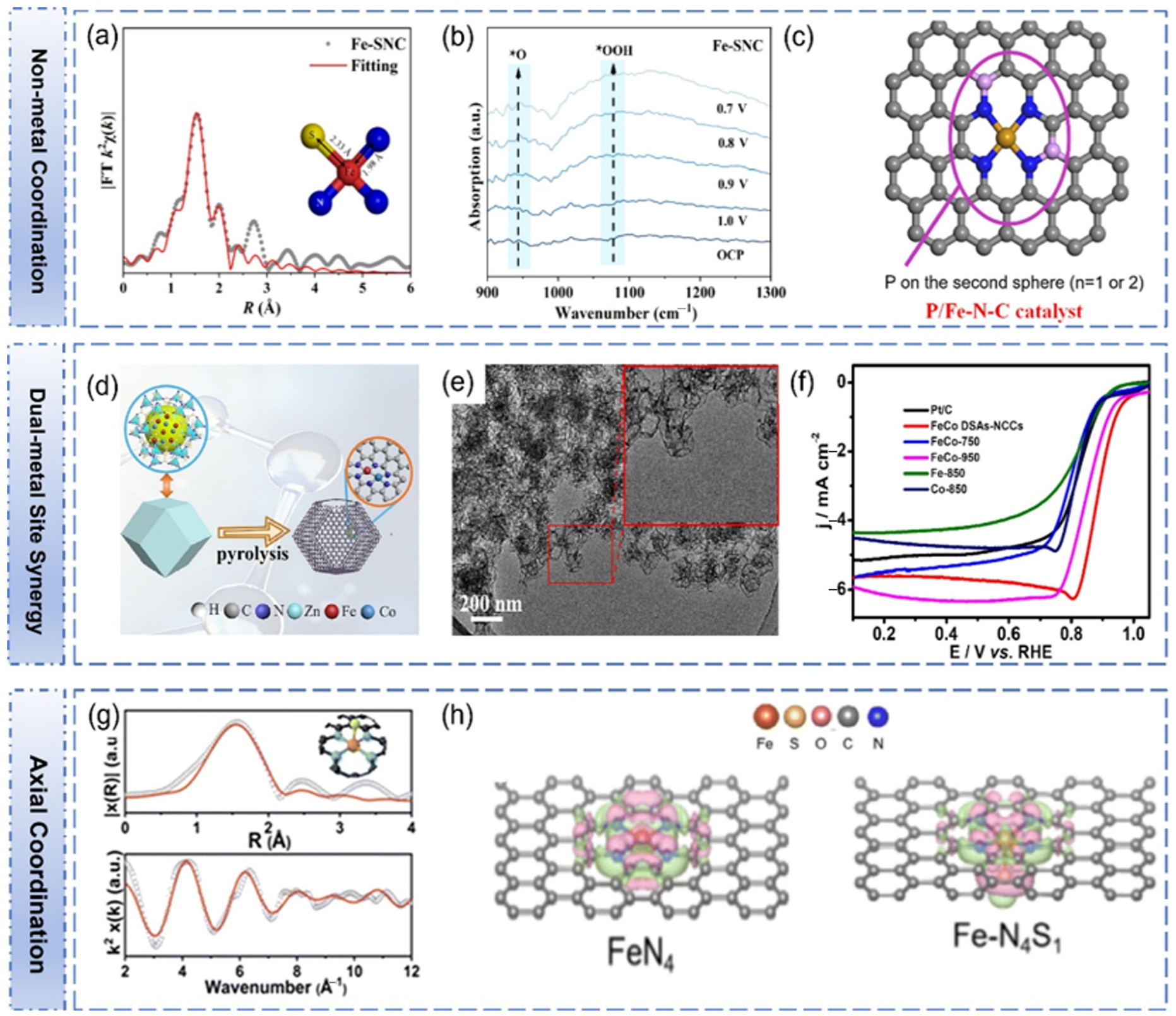
Axial coordination provides another route for breaking the symmetry of planar M–N4 sites through interaction with the vacant coordination position perpendicular to the basal plane [85]. Zhang et al. [29] constructed axially S-coordinated Fe–N4S1 sites by pyrolyzing an Al-MOF precursor with thiourea as a gaseous sulfur source, affording a Fe center equatorially coordinated by four N atoms and axially by one S atom (Figure 6g), with the three-dimensional sponge-like porous structure of the MOF-derived carbon facilitating single-atom dispersion and mass transport. Differential charge density analysis (Figure 6h) revealed that the introduction of the axial S atom breaks the symmetric electron distribution of the FeN4 moiety and induces charge redistribution around the Fe center, thereby optimizing the adsorption energetics of oxygenated intermediates. To date, axial coordination has been achieved through several approaches, including pillared-MOF construction, NH3/H2S atmosphere treatment, and post-synthetic macrocycle adsorption [86]. However, systematic comparisons of these strategies under identical experimental conditions remain scarce, making it difficult to quantitatively assess the advantages associated with different levels of structural control.
In summary, coordination environment engineering has evolved from the first coordination shell to the second shell and axial positions, establishing a multi-level regulatory framework that has substantially enhanced the catalytic performance of M–N–C catalysts. Nevertheless, several key challenges remain, including the lack of quantitative benchmarks for comparing different strategies, the underexplored stability penalties of coordination modifications, and the persistent gap between theoretical predictions and experimental realizations.
4.1.2. Electronic Structure Modulation
While coordination engineering defines the local atomic structure of M–Nx sites, the catalytic consequences of these structural perturbations are ultimately governed by changes in electronic structure. Oxidation state and charge distribution describe electron redistribution around the metal, whereas spin state and orbital occupation help explain its interaction with adsorbed intermediates.
Cao et al. [86] examined this connection in ZIF-8-derived FeN4–XC2 catalysts (X = S, Se, or Te). XANES analysis indicated a lower average Fe oxidation state following second-shell modification, while calculations linked changes in Fe 3d occupation to weaker Fe–O bonding. The FeN4–SeC2 catalyst showed the highest ORR activity in the series, with a half-wave potential of 0.875 V in 0.1 M KOH. Importantly, activity followed a volcano-shaped dependence on coordination asymmetry rather than increasing continuously with distortion. The oxidation-state change is therefore interpreted alongside the local geometry and adsorption calculations, rather than as an independent predictor of activity.
The spin state of transition-metal centers is particularly sensitive to changes in the local ligand field [87]. For Fe–N4 sites, the energy differences among low-spin, intermediate-spin, and high-spin configurations are often comparable to the perturbations introduced by heteroatom coordination or neighboring metal species [88]. Consequently, spin-state regulation has become an effective strategy for tuning oxygen activation and intermediate adsorption.
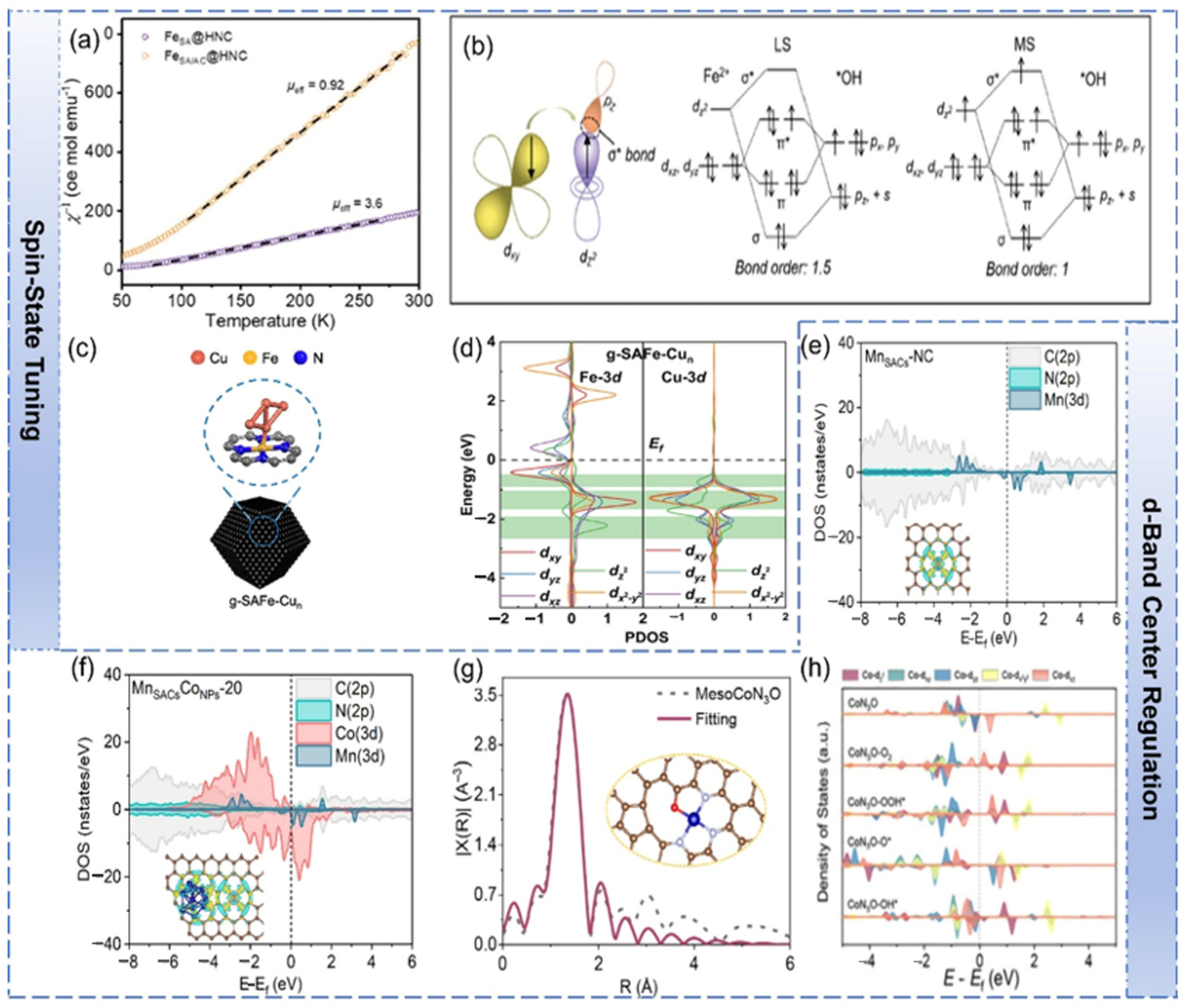
The spin state of transition-metal centers is particularly sensitive to changes in the local ligand field. Zhang et al. [20] employed a dual-ligand ZIF-8-AT precursor to prepare nitrogen-doped layered porous hollow carbon supporting Fe single atoms and Fe atomic clusters, designated FeSA/AC@HNC. Superconducting quantum interference device magnetometry (Figure 7a), together with DFT analysis (Figure 7b), supported a change from low-spin to intermediate-spin Fe upon cluster incorporation. The calculated uphill free-energy change for the *OH-removal step decreased from 0.776 to 0.532 eV at 1.23 V. This weakening of the Fe–*OH bond originates from the formation of a σ* antibonding orbital between the partially occupied dz2 and the *OH pz orbitals, effectively accelerating the RDS of the ORR. A related strategy was reported by Zhong et al. [38], who simultaneously incorporated Fe single atoms and Cu clusters using a ZIF-7-NH2-derived carbon framework (Figure 7c). The PDOS analysis (Figure 7d) reveals pronounced hybridization between Fe-3d and Cu-3d orbitals, confirming that the Cu clusters induce electronic polarization of the Fe 3d orbitals. This orbital coupling elevates the Fe magnetic moment from 0.12 to 1.61 μB, corresponding to a transition from a low-spin to a high-spin state, which facilitates the activation of triplet O2 via spin-matching. These studies collectively demonstrate the effectiveness of spin-state engineering for regulating catalytic activity. As a result, the coupling strength depends sensitively on cluster distribution, local environment, and inter-site distance, parameters that remain difficult to control and quantify experimentally. Developing precursor-directed strategies capable of predefining the desired spin state prior to pyrolysis therefore represents an important direction for future catalyst design.
Beyond spin-state regulation, the d-band center (εd) has been widely employed as a descriptor for understanding and predicting adsorbate binding strength. According to d-band theory, shifts in εd alter the overlap between metal d orbitals and adsorbate states, thereby influencing adsorption energetics and reaction kinetics [89]. For isolated metal sites, it should be considered together with orbital-resolved states and the local ligand field, rather than treated as a universal predictor. Xu et al. [36] co-loaded Co nanoclusters and Mn single atoms onto MOF-derived carbon and observed long-range electronic interactions mediated by the conjugated carbon framework. Their calculations indicated that the Co component lowered the Mn d-band center (Figure 7e,f), modifying the adsorption and desorption energetics of *OOH, *O, and *OH during ORR. Similarly, Wang et al. [90] synthesized mesoporous ZIF-90 single crystals via a kinetics-mediated micelle assembly strategy and subsequently constructed asymmetric CoN3O single-atom catalysts. EXAFS fitting confirmed that the Co center is coordinated with three N atoms and one O atom, forming an asymmetric CoN3O configuration (Figure 7g). Synchrotron characterizations and DFT calculations further revealed that this asymmetric geometry localizes more electrons around the Co center and upshifts its d-band center (Figure 7h), thereby stabilizing O* intermediates and lowering the ORR reaction barriers. Notably, in contrast to the downshift of the d-band center observed in Xu et al., which weakened intermediate adsorption, Wang et al. demonstrate that an upshifted d-band center can also enhance catalytic performance by strengthening the stabilization of specific intermediates. These complementary findings underscore that the direction of d-band center modulation is not fixed but depends on the coordination environment and the binding requirements of reaction intermediates, collectively highlighting the universality and flexibility of the d-band center as a descriptor for guiding the rational design of catalyst electronic structures.
Figure 7.
Electronic structure modulation in MOF-derived single-atom catalysts. (a) Temperature-dependent inverse magnetic susceptibility (χ−1) plots of FeSA@HNC and FeSA/AC@HNC. (b) Spin configurations for low-spin and intermediate-spin Fe–N4. Reproduced with permission from Ref. [20] Copyright 2024, Wiley-VCH. (c) Structural illustration of g-SAFe-Cun. (d) PDOS of Fe-3d and Cu-3d in g-SAFe-Cun. Reproduced with permission from Ref. [38] Copyright 2026, American Chemical Society. (e,f) Projected density of states of MnSACs-NC and MnSACsCoNPs-NC-20. Reproduced with permission from Ref. [36] Copyright 2025, Elsevier. (g) Fittings of the FT-EXAFS spectra for MesoCoN3O. (h) Projected density of states of the Co 3d orbits on CoN3O sites during the complete ORR cycle. Reproduced with permission from Ref. [90] Copyright 2025, Wiley-VCH.
The MOF precursor strategy has evolved to the point where systematic control over the coordination structure of active sites can be achieved through first-shell heteroatom substitution, axial ligand introduction, and related approaches. Spin state and d-band center, as two key electronic descriptors, can in principle serve as a bridge linking coordination operations to catalytic performance. The central task for future work is to establish the quantitative relationship between the magnitude of a coordination perturbation and the resulting electronic response, so that spin state and d-band center cease to be merely tools for rationalizing activity differences after the fact and become parameters capable of genuinely predicting catalytic performance in advance.
4.2. MOF-Derived Nanocluster Catalysts
Metal nanoclusters are small, finite aggregates of metal atoms, typically below 2 nm. Their defining characteristic is that the adsorption energetics of reaction intermediates can be qualitatively altered by the addition or removal of a single atom [91]. Nuclearity denotes the number of metal atoms in an individual cluster, whereas cluster size describes its spatial dimensions. Compared with larger nanoparticles, small clusters generally have a greater fraction of low-coordination atoms and a more pronounced dependence on local atomic arrangement and support bonding. Accordingly, their catalytic behavior should be discussed in terms of nuclearity, size, geometry, and metal–support interactions [29,38].
MOF precursors offer two synergistic advantages for their synthesis. The periodic cage structure isolates metal precursors within individual cavities during pyrolysis, imposing a physical upper bound on cluster growth [92]. Meanwhile, the nitrogen and oxygen dopants released from the decomposing organic ligands chemically anchor the nascent clusters to the carbon matrix, suppressing the surface diffusion and Ostwald ripening that would otherwise coarsen the particles at the carbonization temperature [93].
4.2.1. Synthetic Control of Nuclearity and Cluster Size
Controlling cluster nuclearity during pyrolysis represents the primary challenge in the synthesis of MOF-derived nanocluster catalysts. Nuclearity determines the number of metal atoms in a connected ensemble and, consequently, whether a site can provide metal–metal interactions and neighboring adsorption positions that are absent from an isolated single atom. Current strategies can generally be categorized into two classes: geometric confinement [94] and thermodynamic regulation [95].
Geometric confinement utilizes the well-defined cavity structures of MOFs as physical barriers to restrict cluster growth. Ji et al. [17] introduced a cage-separated precursor preselection and confined pyrolysis strategy, in which Ru3(CO)12 was selectively encapsulated into the sodalite cages of ZIF-8 (Figure 8a,b). Thermal treatment yielded uniform Ru3 clusters stabilized by nitrogen species. Tan et al. [96] confined CoOx clusters averaging 0.86 nm within ZIF-8-derived N-doped porous carbon. The confined clusters were coupled to Co–Nx sites, and the optimized catalyst showed a 0.67 V gap between its ORR and OER potentials. A rechargeable Zn–air battery using this catalyst delivered a peak power density of 157.1 mW cm−2 and operated for over 200 h. DFT calculations attributed the oxygen-reaction activity to electronic interactions between the small CoOx clusters and adjacent Co–Nx sites, which modified the adsorption energetics of oxygen-containing intermediates. Together, these studies show that confinement influences catalysis beyond simply preventing particle growth. By limiting metal migration during synthesis, MOF cavities favor dispersed, low-nuclearity species over larger aggregates; the resulting proximity to the derived carbon framework can also establish interfacial interactions that alter intermediate adsorption [97].
Figure 8.
MOF-derived nanocluster catalysts. (a) Schematic of Ru3(CO)12 encapsulation in ZIF-8 cages and subsequent pyrolysis to Ru3 clusters. (b) Aberration-corrected HAADF-STEM images of Ru3/CN. (c) The relationship between rp/rcd and the formation of pores during the pyrolysis process. Reproduced with permission from Ref. [17] Copyright 2026, Wiley-VCH. (d) In situ STEM images of Mo-ZIF-8 pyrolyzed under a reductive (H2/Ar) environment. Reproduced with permission from Ref. [93] Copyright 2023, American Chemical Society.
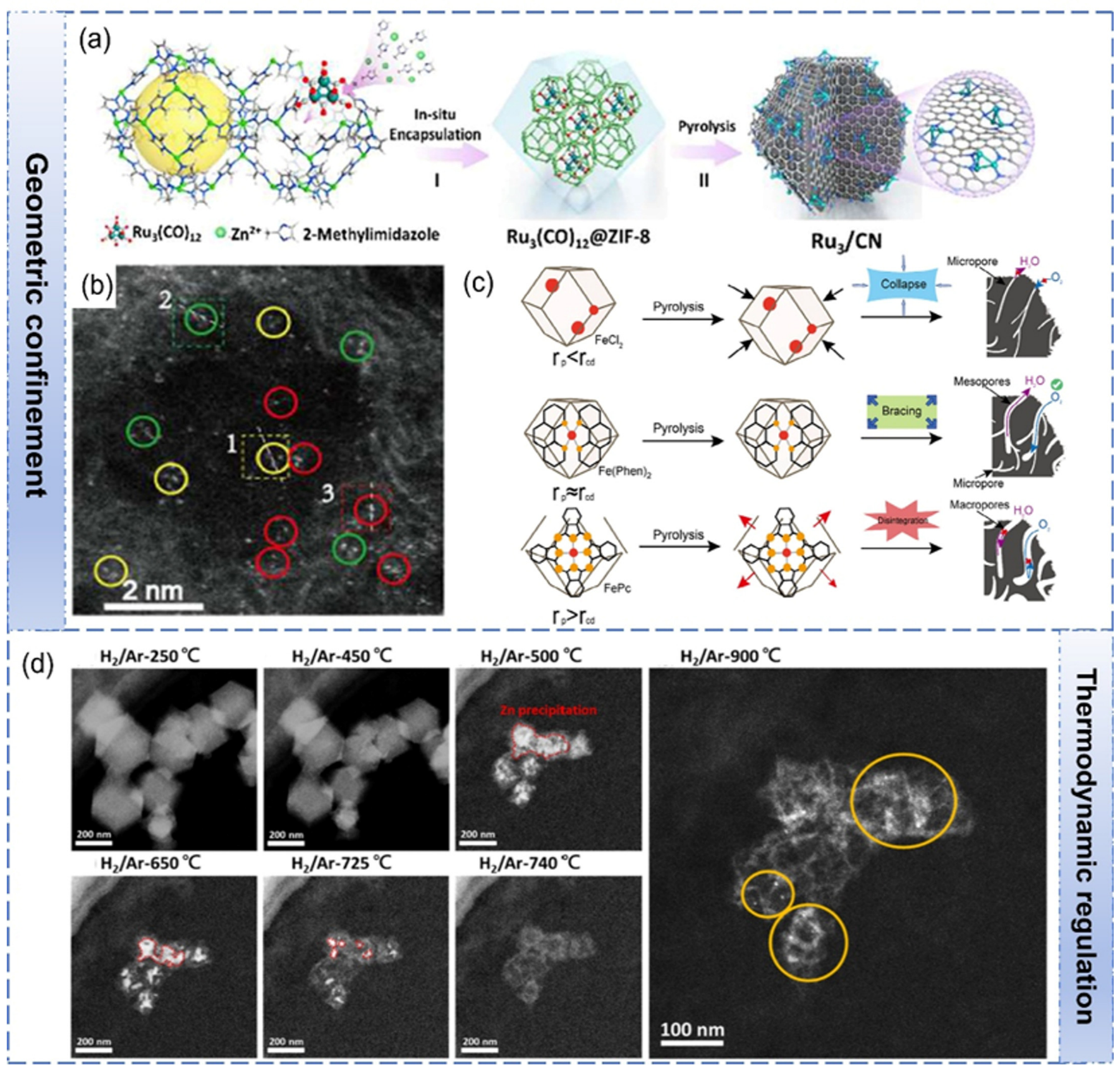
Beyond qualitative confinement, efforts have also been made to establish quantitative design principles. Chen et al. [98] further quantified this approach by introducing the ratio of the precursor molecular radius to the ZIF-8 cage diameter, rp/rcd, as a predictive parameter. When rp/rcd ≈ 1, the precursor exerts a spatial support effect during pyrolysis that maximizes the retention of the ZIF-8 pore structure, yielding a specific surface area of 1537.65 m2g−1. When rp/rcd deviates substantially from unity, the product undergoes either structural collapse or disintegration, and the surface area drops accordingly (Figure 8c). DFT calculations further showed that variations in rp/rcd modulate the d-band center of the Fe sites during pyrolysis, thereby affecting the ORR activity, with the optimal Fe(Phen)2-N/C catalyst reaching a half-wave potential of 0.917 V.
An alternative approach relies on the cooperative regulation of metal loading and pyrolysis temperature. Unlike geometric confinement, this strategy does not require strict matching between precursor dimensions and MOF cavity size. Instead, it exploits the dependence of metal atom migration, nucleation, and growth on thermodynamic conditions during carbonization. Upon further reducing the Mo loading, the same reductive conditions yielded Mo nanoclusters instead [99]. Compared with confinement strategies, loading–temperature regulation offers broader synthetic versatility but generally provides lower precision in nuclearity control. Nevertheless, it remains applicable to a wider range of MOF systems because it does not rely on stringent geometric requirements.
Besides, cluster size also affects the fraction of exposed atoms and the availability of neighboring metal sites for adsorption. Chen et al. [98] prepared fully exposed Pt–W clusters with an average size of 0.81 nm on MOF-derived N-doped carbon. Electrostatic association of a Pt–W polyoxometalate with a cationic MOF enabled the formation of accessible bimetallic clusters. The catalyst required an overpotential of 4 mV at 10 mA cm−2 for alkaline HER, and its activity was attributed to Pt–W cooperation. Cluster size does not fully describe the structure of the sites available for catalysis. The position of a cluster on or within the carbon support determines which metal atoms contact the electrolyte and how much of the metal–carbon interface is exposed. In Chen et al.’s Pt–W system [98], placing the precursor at the exterior of a closed-pore MOF yielded fully exposed clusters after pyrolysis. In Tan et al.’s CoOx system [96], micropore confinement retained subnanometer clusters in close contact with Co–Nx sites. DFT calculations suggested that coupling between the confined CoOx clusters and neighboring Co–N sites redistributed charge at the Co centers and shifted their d-band center downward, thereby lowering the calculated barriers associated with O* and OH* during oxygen electrocatalysis. Taken together, these examples show that controlling cluster formation involves more than preventing metal aggregation. MOF confinement and pyrolysis conditions influence which metal ensembles form, while cluster size and location determine how many of their atoms remain accessible to reactants.
Overall, nuclearity, size, and geometry describe distinct but interdependent aspects of a MOF-derived nanocluster. Nuclearity determines how many metal atoms form a connected ensemble, size influences the fraction of atoms exposed to reactants, and geometry determines how those atoms are arranged and which neighboring or interfacial sites are accessible. Linking these structural descriptors to catalytic behavior remains a central challenge in the design of MOF-derived nanoclusters.
4.2.2. Interfacial Electronic Regulation and Reconstruction of Clusters
The catalytic behavior of a MOF-derived nanocluster is governed not only by its own nuclearity and geometry but also by its interaction with the carbon support. This metal–support interaction operates through two coupled channels: electronic charge transfer across the cluster–carbon interface, and structural reconstruction at the cluster–electrolyte interface under operating conditions. The former determines the initial charge state of the cluster, whereas the latter determines the active phase that actually forms during catalysis. The first is charge transfer between the cluster and the carbon support, which is the most direct manifestation of the metal–support interaction. When a cluster is anchored on MOF-derived carbon, the work function difference between the metal and the nitrogen-doped carbon drives interfacial charge redistribution [95]. Gao et al. [100] used ZIF-8 as the precursor and encapsulated high-density Co clusters within nitrogen-doped porous carbon via supercritical CO2-assisted synthesis. Co 2p XPS coupled with DFT charge density difference analysis showed that the Co–N bonds in the carbon matrix act as charge transfer channels between the clusters and the support. Owing to the electron-withdrawing effect of nitrogen, surface Co atoms that are coordinated to N adopt a higher oxidation state favorable for ORR intermediate adsorption, whereas the metallic Co atoms in the cluster interior, which are not directly bonded to N, retain a higher electron density and drive the O–O coupling step in OER. This catalyst delivered an ORR/OER bifunctional ΔE of 0.68 V in alkaline media and a zinc–air battery peak power density of 170 mW cm−2. When single-atom sites also reside on the same carbon framework, the electrons injected by the clusters into the carbon skeleton can be relayed through the conjugated carbon network to the single-atom sites, enabling long-range electronic communication across spatially separated domains. This relay effect shows that the metal–support interaction is not confined to the cluster–carbon interface but can propagate through the carbon framework and modulate remote active sites.
The second is potential-induced reconstruction at the cluster–electrolyte interface, which shows that the metal–support interaction is not static but can be reconfigured under operating conditions. A distinctive aspect of cluster catalysis is that the surface metal atoms are not static under electrochemical conditions. Their oxidation state, coordination environment, and even phase identity can evolve dynamically with the applied potential, and this evolution occurs at the interface where the cluster is in direct contact with the electrolyte [101]. Du et al. [102] reported that Fe atomic clusters derived from ZIF-67 underwent surface oxidation under alkaline OER conditions to form an FeOOH shell in situ, generating an FeOOH-ACs/Co3O4 interface. The composition and structure of this interface differ markedly from those of the initial Fe clusters characterized ex situ. DFT calculations showed that at the reconstructed FeOOH/Co3O4 interface, the catalytic rate-determining step shifts from the Fe site to the Co site, and the overpotential drops from 0.86 V to 0.47 V. This finding underscores that the catalytically relevant entity is not the structure characterized before electrolysis but rather the steady or metastable structure that emerges at the cluster–electrolyte interface under operating conditions. In other words, the metal–support interaction itself evolves during catalysis, and the reconstructed interface, rather than the as-prepared one, defines the working active phase. Ex situ TEM, XPS, and XRD can provide valuable information on the morphology, oxidation state, and phase composition before or after electrolysis, but they cannot necessarily capture the transient or steady-state structure under an applied potential. Consequently, the structure identified before or after the reaction may not fully represent the catalytically relevant interface during operation. Direct evidence for such potential-dependent restructuring has been provided by in situ characterization. Lu et al. [103] investigated a Ni–N–C single-atom material derived from a Ni-doped ZIF-8 precursor during alkaline OER, and observed that the Ni–N bonds are broken under oxidative conditions, with the Ni atoms aggregating into NiOOH nanoclusters. The newly formed NiOOH clusters, rather than the initial Ni–N–C single atoms, were identified as the active phase responsible for the enhanced OER activity. This observation demonstrates that the catalyst structure continuously evolves under the applied potential and that the phase identified in the pristine material cannot necessarily be regarded as the working catalytic phase. The study therefore highlights the importance of distinguishing the as-prepared structure from the electrochemically reconstructed state when establishing structure–activity relationships.
In summary, the design of MOF-derived nanoclusters rests on two dimensions, nuclearity and interface, with the metal–support interaction acting as the common thread that links the as-prepared cluster to its working state. Interfacial regulation, and the real-time tracking of operando reconstruction in particular, remains at a comparatively early stage of quantification. Future work should more tightly integrate in situ and operando characterization with theoretical calculations, with the aim of quantitatively relating the extent of reconstruction and the nature of the active phase to catalytic performance at the atomic scale. Establishing such quantitative links is a prerequisite for moving interfacial engineering from empirical observation toward predictive design.
4.3. Synergistic Single-Atom-Nanocluster Architectures
When single atoms and nanoclusters are deliberately co-located within the same MOF-derived carbon framework, the resulting SA-NC architectures frequently deliver catalytic functions that neither component can achieve alone [13]. The ordered distribution of metal nodes in the MOF precursor lattice makes it possible to pre-organize both types of active-site precursors with controlled spacing before pyrolysis. The confined carbonization then partially preserves this spatial arrangement while generating the conductive carbon framework that sustains inter-component electronic communication [100].
Based on the spatial relationship between the single-atom and nanocluster components, the architectures reported to date fall into three categories: adjacent, discrete, and core–shell (Figure 9). Because few studies have conclusively established a core–shell arrangement between MOF-derived single atoms and nanoclusters, the core–shell configuration is discussed using closely related single-atom–nanoparticle systems. Zhang et al. [104] provide an example of adjacent sites. Y single atoms promote water dissociation, while nearby Ru clusters capture the resulting H* and facilitate hydrogen formation. Their proximity allows an intermediate generated at one site to participate in the reaction at the other. In the discrete system reported by Ding et al. [23] e–N4 sites and NiCo components are separated by a carbon nanotube connection. Fe–N4 sites favor ORR and the NiCo components favor OER. The conductive connection integrates these distinct functions in one electrode without requiring direct transfer of oxygen intermediates between the sites. Core–shell coupling follows a different principle. In the MOF-derived system reported by Chen et al. [21], Fe/FexC particles are associated with a graphitic carbon shell bearing Fe–N4 sites. Electron transfer from the particles changes intermediate adsorption at the exposed Fe–N4 sites and improves ORR activity. Here, the inner component regulates the outer catalytic sites electronically, rather than serving as a demonstrated source of intermediates that migrate through the shell. The distinction lies in whether the components participate in successive steps of one reaction, perform separate reactions through a shared conductive framework, or interact across a carbon shell.
Figure 9.
Synergistic SAC–NC Architectures. Schematic illustrations of the adjacent, discrete, and core-shell configurations. Adapted from Ref. [26] Copyright 2025, RSC; Ref. [23] Copyright 2022, Wiley-VCH; Ref. [21] Copyright 2023, Elsevier.
4.3.1. Adjacent Configurations
Among the various SA-NC architectures, adjacent configurations have emerged as the most extensively investigated design owing to the nanoscale proximity between isolated single atoms and nanoclusters. Unlike discrete architectures, where the two active motifs operate in separate catalytic domains, adjacent SA-NC systems position single atoms directly beside nanoclusters, thereby enabling efficient electronic communication and rapid intermediate exchange. Their cooperation therefore depends on both the spatial separation and the catalytic role of each component [105]. Owing to the ordered metal-node distribution and confined pyrolysis characteristics of MOF precursors, MOF-derived materials provide an ideal platform for constructing such architectures while suppressing extensive metal aggregation.
One of the most important advantages of adjacent SA-NC architectures is their ability to facilitate intermediate spillover during multistep electrocatalytic reactions [37]. Different elementary steps may require different adsorption properties, making it difficult for a single type of site to optimize the entire pathway. Zhang et al. [26] reported a MOF-derived catalyst comprising Ru clusters and Y single atoms on N-doped carbon (Ru-YNC) for alkaline hydrogen evolution. CO-stripping measurements (Figure 10a) revealed that the introduction of oxophilic Y single atoms shifts the CO oxidation peak from 0.681 V (Ru-NC) to 0.514 V (Ru-YNC), demonstrating a substantially enhanced *OH adsorption capability. In situ Raman spectroscopy (Figure 10b) further revealed that Y single atoms increase the proportion of K+-hydrated water. DFT calculations (Figure 10c) revealed that oxophilic Y sites preferentially dissociate water, while adjacent Ru clusters optimize H* adsorption, triggering a cascade mechanism that decouples water dissociation from hydrogen evolution, yielding an overpotential of only 22 mV at 10 mA cm−2. The importance of Y therefore extends beyond supplying additional exposed sites. By placing water-dissociation sites near Ru clusters, the catalyst creates a short route for the proposed transfer and subsequent conversion of H*. CO stripping and Raman spectroscopy support changes in OH-related adsorption and interfacial water, while the transfer of H* is inferred from these results together with the calculations. Similarly, Xu et al. [37] designed Ru3Ni–N–C comprising Ni single atoms and RuNi alloy nanoclusters, which achieved boosted HER performance at industrial current densities. Aberration-corrected HAADF-STEM (Figure 10d) revealed the coexistence of atomically dispersed Ni single atoms (bright dots, yellow circles) and Ru3Ni alloy nanoclusters (red circles) in close spatial proximity on the N-doped carbon support. XANES (Figure 10e,f) revealed a negative shift of the Ru K-edge and a positive shift of the Ni K-edge in Ru3Ni–N–C compared to references, demonstrating electron transfer from Ni to Ru. The Ru oxidation state decreases from +1.18 (Ru–N–C) to +0.86, while Ni oxidation state increases from +1.47 to +1.54. This electronic modulation downshifts the Ru d-band center, weakening excessive H* adsorption and accelerating H2 desorption. Here, proximity contributes in a different way. The neighboring Ni atoms alter the electronic state of the Ru-containing clusters, and the resulting change in H* binding facilitates its removal from Ru sites. The observed HER enhancement is therefore linked to the properties of the coupled sites, rather than attributed simply to the coexistence of two populations of active sites.
Beyond intermediate spillover, adjacent SA-NC architectures can induce substantial electronic perturbations that are inaccessible in isolated SAC systems. Because single atoms and nanoclusters are located within direct electronic interaction distances, charge redistribution and orbital coupling frequently occur at the interface [106,107]. Consequently, the electronic structure of single-atom sites can be modified without altering their primary coordination environment. An illustrative example was reported by Zhang et al. [20], who synthesized FeSA/AC@HNC by positioning Fe atomic clusters adjacent to Fe–N4 sites within Fe-MOF-derived hollow nitrogen-doped carbon. Magnetic measurements (Figure 10g) revealed a substantial increase in the effective magnetic moment after the introduction of Fe clusters, indicating significant electronic interactions between the two active motifs. More importantly, the short-range interaction between Fe clusters and Fe–N4 sites promoted a transition of Fe–N4 from a low-spin configuration to an intermediate-spin state. Such spin-state reconstruction directly influenced ORR energetics. The Fe clusters thus act as local electronic modifiers of the neighboring Fe–N4 centers. The change in magnetic response, together with the proposed spin-state transition, provides a link between cluster incorporation and altered oxygen-intermediate binding at the atomic Fe sites. This is a distinct form of cooperation from the intermediate relay in Ru–YNC. The reaction remains centered on Fe–N4, while the nearby clusters change how that site interacts with adsorbates.
Figure 10.
Adjacent SA-NC architectures. (a) CO-stripping curves of Ru-YNC, Ru-NC, and Pt/Ccom in 1.0 M KOH solution. (b) Electrochemical in situ Raman spectrum of Ru-YNC under different HER bias potentials. (c) Schematic diagram of cascade electrocatalysis mechanism for alkaline HER on Ru-YNC. Reproduced with permission from Ref. [26] Copyright 2025, RSC. (d) HAADF-STEM image of Ru3Ni–N–C. (e,f) XANES spectra at the Ru K-edge and Ni K-edge. Reproduced with permission from Ref. [37] Copyright 2025, RSC. (g) Magnetic hysteresis loops of catalysts at room temperature. Reproduced with permission from Ref. [20] Copyright 2024, Wiley-VCH. (h) The C K-edge XANES spectra of Zn1Fe1+x/f-NC and Zn1Fe1/NC. (i) ORR free energy diagrams at U = 1.23 V Reproduced with permission from Ref. [108] Copyright 2026, Spring Nature.
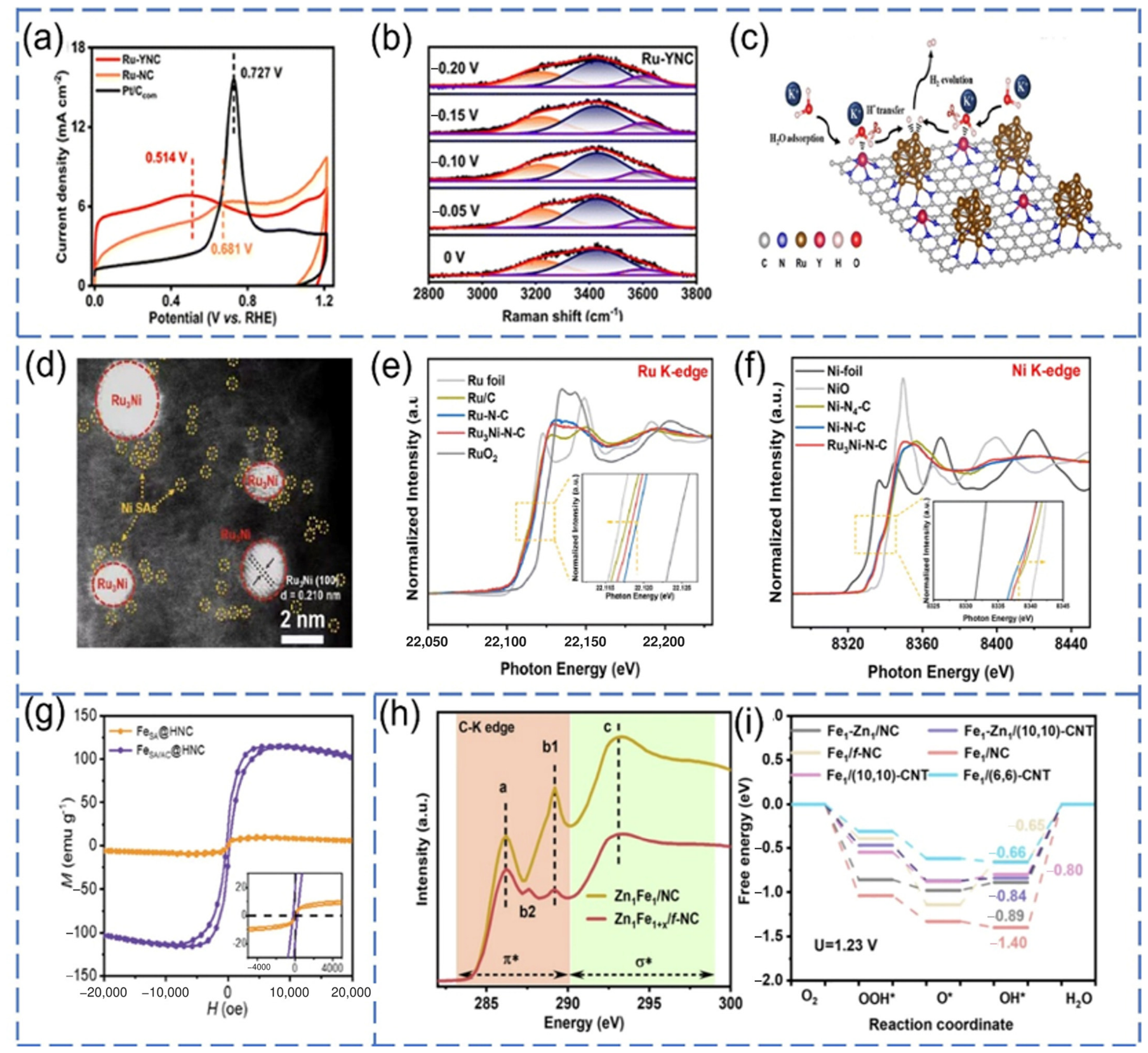
In addition to direct electronic interactions between neighboring single atoms and nanoclusters, the carbon framework itself can participate in interfacial regulation by mediating electronic communication across adjacent active sites. Li et al. [109] constructed a nano-fingerprint carbon structure derived from bimetallic MOF precursors, in which Fe clusters were surrounded by neighboring Fe/Zn-N4 sites. High-resolution TEM revealed a curled multilayer carbon structure with an interlayer spacing of 0.353 nm, while C K-edge XANES (Figure 10h) showed suppressed π* and σ* features, indicating that the curved carbon geometry disrupted long-range sp2 ordering and generated abundant edge defects. More importantly, the curved carbon framework enhanced electronic coupling between neighboring Fe clusters and Fe-N4 sites, enabling cooperative modulation of oxygen intermediate adsorption. Theoretical analysis (Figure 10i) suggested that carbon curvature substantially reduced the *OH desorption energy from 1.40 eV for planar carbon to 0.66 eV for highly curved carbon, thereby facilitating oxygen intermediate evolution kinetics. Benefiting from the combined effects of adjacent Fe clusters, Zn single atoms, and curved carbon geometry, the catalyst achieved a half-wave potential of 0.93 V and retained 94% activity after 50 h operation.
Additional examples further highlight the diversity of electronic regulation in adjacent SA–NC architectures [102]. Rong et al. [35] introduced S-coordinated Co clusters near Co–N4 sites, where heteroatom-mediated interactions shifted the d-band center of the neighboring Co single atoms and optimized *OOH adsorption. Similarly, Chen et al. [103] integrated Pt single atoms and PtCo alloy nanoclusters within MOF-derived hollow carbon nanotubes, with interfacial electronic redistribution contributing to ORR, OER, and HER activity. Together with the preceding examples, these studies show that proximity can enhance catalysis through different routes. Ru–YNC supports successive HER steps through a proposed H relay, whereas Ru3Ni–N–C and FeSA/AC@HNC illustrate electronic or spin-state regulation of intermediate binding. The nano-fingerprint carbon system also shows that site accessibility and structural retention can contribute to the measured performance. The origin of an activity gain therefore depends on the specific interaction between neighboring sites and must be considered alongside changes in the number of accessible sites.
4.3.2. Discrete Configurations
In discrete SA-NC architectures, single-atom sites and nanoclusters are confined to spatially separated regions within a MOF-derived carbon framework. The conductive carbon connects these regions to the electrode while allowing the metal sites to retain distinct local environments. This differs from the direct interfacial coupling discussed for adjacent architectures. When a single atom lies close to a nanocluster, their short-range interaction can change the electronic structure of the neighboring metal site and its binding of reaction intermediates. In a discrete architecture, the carbon framework keeps separated sites electrically accessible without requiring direct contact or intermediate transfer between them.
The advantages of this design are well illustrated in bifunctional oxygen electrocatalysis. Ding et al. [23] constructed a spatially decoupled bifunctional oxygen electrocatalyst, FePc||CNTs||NiCo/CP, via a CNT-bridging strategy, wherein Fe–N4 single-atom sites from iron phthalocyanine are anchored on CNTs for the ORR, while NiCo nanoparticles are isolated on adjacent carbon particles as OER precatalysts (Figure 11a). In situ Raman spectroscopy reveals that Fe–N4 sites mediate the ORR via reversible adsorption of *OOH, *O, and *OH intermediates, whereas NiCo species transform operando into NiCo oxyhydroxide as the true active phase for the OER. By placing these reaction sites in separate regions, the catalyst combines their respective functions without relying on direct transfer of oxygen intermediates between them. It achieves a bifunctional potential gap of 0.686 V, and a rechargeable Zn–air battery assembled with this catalyst operates for more than 700 cycles without an appreciable increase in the charge–discharge voltage gap. Spatial separation also improves the structural stability of multiscale active sites. A representative ZIF-derived CoFe catalyst simultaneously incorporated atomically dispersed Fe sites and CoFe nanoclusters within porous carbon nanorods. HAADF-STEM (Figure 11b) imaging directly confirmed the homogeneous distribution of both species within the carbon matrix, while electrochemical measurements exhibited durable electrocatalytic performance, retaining 98.5% of the initial ORR current after 25 h of continuous operation (Figure 11c) and exhibiting negligible voltage decay over 200 h of rechargeable Zn–air battery cycling [26]. These results indicate that the MOF-derived confinement effect effectively preserves spatially separated active sites and underpins their long-term bifunctional electrocatalytic performance.
Figure 11.
Discrete and core–shell SA-NC architectures. (a) Schematic illustration of the bifunctional FePc||CNTs||NiCo/CP catalyst. Reproduced with permission from Ref. [23] Copyright 2022, Wiley-VCH. (b) Atomic-resolution HAADF-STEM image of the CoFe–N–C catalyst. (c) Chronoamperometric response of the CoFe–N–C catalyst for the ORR. Reproduced with permission from Ref. [26] Copyright 2024, Springer Nature. (d) Schematic of the discrete MnSA/MnAC-SSCN configuration. (e) ORR free energy diagrams for MnSA-SSCNR and MnSA/MnAC-SSCNR at U = 1.23 V. Reproduced with permission from Ref. [25] 2024, Wiley-VCH. (f) Top-view and side-view differential charge density images of Fe–N4 and Fe–N4–Fe10. Reproduced with permission from Ref. [103] 2023, Elsevier. (g) TEM-EDS line scan across a single ZIF-8@Fe-ZIF-67 MOF particle. Reproduced with permission from Ref. [109] 2023, Elsevier.
Spatially separated sites can also contribute to the same catalytic reaction. Li et al. [25] fabricated a discrete MnSA/MnAC-SSCNR architecture with spatially separated Mn–N4 single-atom sites and Mn sub-nanoclusters on a hollow sea urchin-like porous carbon nanorod support via a confined pyrolysis strategy (Figure 11d). DFT calculations (Figure 11e) showed that introducing Mn clusters lowers the free-energy barrier for the *OOH protonation step relative to MnSA-SSCNR. The clusters were proposed to alter the electronic environment of Mn–N4 sites through the carbon framework, thereby improving ORR kinetics. Here, carbon-mediated communication is associated with a change in the reaction energetics at the single-atom sites. This differs from the division of ORR and OER roles in the Ding system, while also illustrating that separated components can cooperate without forming a direct SA–NC interface.
Compared with adjacent SA-NC systems, discrete configurations generally exhibit weaker direct interfacial electronic perturbation but provide greater flexibility for independently regulating local catalytic environments and minimizing competitive adsorption effects. Therefore, discrete SA-NC architectures are particularly promising for multifunctional electrocatalytic systems requiring spatially separated yet cooperatively interconnected catalytic pathways.
4.3.3. Core–Shell Configurations
Unlike adjacent and discrete configurations, a core–shell architecture is defined by the spatial placement of an inner metal component and outer carbon layers bearing atomically dispersed M–Nx sites. The term core–shell describes this arrangement, whereas nanocluster and nanoparticle describe the size and structure of the inner metal species. In the present discussion, a nanocluster refers to a sub-2 nm metal species, while larger metal particles are identified as nanoparticles. MOF-derived systems in which a sub-2 nm nanocluster core is clearly distinguished from single-atom sites in the surrounding shell remain scarce. Accordingly, the nanoparticle-based examples below are used to examine how a core–shell arrangement influences catalytic behavior. They provide a structural and mechanistic reference for core–shell SA–NC design. In this arrangement, the carbon layer does more than cover the inner metal component. M–Nx sites in the outer carbon region remain accessible to reactants, while the inner metal species can modify their electronic environment across the intervening carbon.
MOF-on-MOF epitaxial growth is considered the most viable route to such architectures. This strategy entails the sequential assembly of a core MOF and a shell MOF with different metal compositions, followed by co-pyrolysis. Ideally, the core MOF decomposes into metal nanoparticles or clusters, whereas the shell MOF carbonizes into an N-doped carbon layer that hosts M–Nx sites, thereby retaining the spatial hierarchy of the precursor. In reality, MOF-derived electrocatalysts that strictly conform to this ideal configuration are rarely reported. Most MOF-on-MOF core–shell precursors undergo structural evolution, metal migration, and component redistribution during pyrolysis, causing the final products to deviate from the anticipated layered structure. In an early study, Chen et al. [21] formalized this design principle by constructing a Fe/FexC@Fe–N–C composite via surfactant-assisted oriented assembly of Fe-MIL-101@ZIF-8 dual-MOF precursors. In this architecture, the ZIF-8 shell carbonized to form an N-doped carbon layer rich in Fe–N4 single-atom sites, while the Fe-MIL-101 core decomposed into fine Fe/FexC nanoparticles. Charge density difference maps (Figure 11f) revealed pronounced electron accumulation on the Fe–N4 moiety and corresponding depletion on the Fe10 cluster, directly visualizing the directionality of through-lattice charge transfer from the metallic core to the single-atom site. The resulting catalyst delivered an ORR half-wave potential of 0.91 V in alkaline and 0.81 V in acidic electrolytes, together with a Zn–air battery peak power density of 150 mW cm−2.
The core–shell design principle was subsequently extended to bifunctional oxygen electrocatalysis. Wang et al. [109] constructed a bilayered ZIF precursor consisting of a ZIF-8 core and an Fe-doped ZIF-67 shell. TEM-EDS line scanning (Figure 11g) reveals Zn concentrated in the particle interior and Co/Fe enriched at the periphery, confirming the core–shell configuration of the precursor. Upon controlled carbonization, this precursor transforms into a Fe3C–Co–NC composite, in which Fe3C and Co nanoparticles are embedded within an N-doped carbon matrix that simultaneously hosts atomically dispersed Co/Fe–Nx sites.
Although the MOF-on-MOF strategy is effective for constructing core–shell precursors, atomic migration and lattice reconstruction during pyrolysis make it difficult to faithfully preserve the spatial hierarchy of the precursor in the final product. This challenge is especially acute in controlling the core size. To date, the metallic cores in MOF-on-MOF-derived systems are predominantly nanoparticles or alloy particles larger than 5 nm, rather than genuine sub-2 nm nanoclusters. Reducing the core size from the current nanoparticle regime to the nanocluster limit remains an unresolved challenge for core–shell SA-NC architectures. At the sub-2 nm scale, the higher density of undercoordinated metal atoms and quantum size effects are expected to significantly enhance the electronic coupling across the carbon shell, enabling finer tuning of the electronic structure of the surface single-atom sites.
5. Conclusions and Perspectives
MOF-derived electrocatalysts offer opportunities to regulate catalytic sites through the composition, metal distribution, and spatial structure of their precursors. These precursor features influence how metal species migrate and become anchored during pyrolysis, thereby affecting whether the resulting material contains isolated single atoms, nanoclusters, or both. The catalytic consequences of precursor design therefore depend on the active-site configurations retained after conversion, rather than on precursor composition alone.
For single-atom catalysts derived from MOFs, structural precision at the atomic scale enables systematic tuning of local coordination environments and electronic structures. M–N coordination motifs, heteroatom incorporation, and defect engineering collectively modulate the adsorption strength of key intermediates, establishing well-defined and maximally atom-efficient catalytic centers. By contrast, nanoclusters add neighboring metal atoms that can accommodate adsorption geometries unavailable to a single site. The nuclearity, exposed atoms, and support contact of these nanoclusters affect which intermediates can bind and how readily they are converted. When single atoms and nanoclusters coexist within the same carbon framework, their spatial relationship introduces a further design variable. Adjacent sites may couple electronically or participate in successive reaction steps, whereas more separated sites can retain distinct catalytic roles while interacting through the carbon framework. Core–shell arrangements offer another route for an inner metal component to influence exposed atomic sites, although well-established examples with genuine sub-2 nm nanocluster cores remain limited. These structural choices matter because they change the adsorption and conversion of intermediates at particular steps of a reaction. In alkaline HER, for example, placing water-activation sites near sites that favor hydrogen formation can facilitate successive steps, while electronic regulation can adjust H* binding. In oxygen electrocatalysis, changes in the binding of *OOH, *O, and *OH can alter ORR or OER energetics. Separating ORR- and OER-favoring regions can also accommodate their different catalytic roles within one electrode. Thus, improvements in overpotential, half-wave potential, reaction kinetics, or durability should be interpreted through the specific sites and reaction steps affected by a given architecture, as summarized in Figure 12. Despite these advances, a persistent challenge lies in bridging the gap between material classification and true active-site identity. The catalytic function of MOF-derived materials is not determined by bulk composition, but by dynamically evolving local coordination environments under pyrolysis and electrochemical operating conditions. In many cases, the initially characterized structure deviates significantly from the real working active phase, making it difficult to establish direct structure–activity correlations.
Figure 12.
Summary of active-site tuning strategies in MOF-derived electrocatalysts. Reproduced with permission from Ref. [68] Copyright 2026, Wiley-VCH. Reproduced with permission from Ref. [28] Copyright 2025, Tsinghua University Press. Reproduced with permission from Ref. [18] Copyright 2023, American Chemical Society. Reproduced with permission from Ref. [19] Copyright 2024, Elsevier. Reproduced with permission from Ref. [86] Copyright 2026, American Chemical Society. Reproduced with permission from Ref. [93] Copyright 2025, Elsevier. Reproduced with permission from Ref. [94] Copyright 2023, American Chemical Society. Reproduced with permission from Ref. [96] Copyright 2025, Elsevier. Reproduced with permission from Ref. [98] Copyright 2023, Elsevier. Reproduced with permission from Ref. [102] Copyright 2025, RSC. Reproduced with permission from Ref. [103] Copyright 2022, Wiley-VCH. Reproduced with permission from Ref. [21] Copyright 2023, Elsevier. Reproduced with permission from Ref. [105] Copyright 2025, RSC. Reproduced with permission from Ref. [37] Copyright 2023, Wiley-VCH. Reproduced with permission from Ref. [22] Copyright 2024, Wiley-VCH.
Therefore, future progress will rely on integrating precise active-site engineering with operando characterization and theoretical modeling. A deeper understanding of how single atoms, nanoclusters, and their spatial interactions collectively regulate reaction pathways will be essential for constructing a unified framework for MOF-derived electrocatalysts, ultimately enabling rational design guided by active-site interactions rather than material categories.
Author Contributions
Conceptualization, Y.Z.; investigation, W.L. and X.J.; writing—original draft preparation, W.L. and X.J.; writing—review and editing, W.L., X.J. and Y.Z.; visualization, W.L. and X.J.; supervision, Y.Z. All authors have read and agreed to the published version of the manuscript.
Funding
This work was supported by National Natural Science Foundation of China (No. 52472042) and “Teli Young Scholar” Program.
Data Availability Statement
No new data were created or analyzed in this study. Data sharing is not applicable to this article.
Conflicts of Interest
The authors declare no conflicts of interest.
References
- Aramendia, E.; Brockway, P.E.; Taylor, P.G.; Norman, J.B.; Heun, M.K.; Marshall, Z. Estimation of useful-stage energy returns on investment for fossil fuels and implications for renewable energy systems. Nat. Energy 2024, 9, 803–816. [Google Scholar] [CrossRef] [Scilit]
- Li, W.J.; Ghosh, S.; Liu, N.; Poudel, B. Half-Heusler thermoelectrics: Advances from materials fundamental to device engineering. Joule 2024, 8, 1274–1311. [Google Scholar] [CrossRef] [Scilit]
- Zhang, L.; Xu, Q.; Xia, L.; Jiang, W.; Wang, K.; Cao, P.; Chen, Q.; Huang, M.; García de Arquer, F.P.; Zhou, Y. Asymmetrically tailored catalysts towards electrochemical energy conversion with non-precious materials. Chem. Soc. Rev. 2025, 54, 5108–5145. [Google Scholar] [CrossRef] [Scilit] [PubMed]
- Wang, P.; Wang, S.; Kurpaska, Ł.; Yan, H.; Bonfanti, S.; Weng, B.; Camargo, P.H.C.; Huo, W. High-entropy alloy electrocatalysts for oxygen reduction and hydrogen evolution reactions: Recent advances and future perspectives. J. Mater. Chem. A 2026, 14, 21316–21341. [Google Scholar] [CrossRef] [Scilit]
- Wang, H.-F.; Chen, L.; Pang, H.; Kaskel, S.; Xu, Q. MOF-derived electrocatalysts for oxygen reduction, oxygen evolution and hydrogen evolution reactions. Chem. Soc. Rev. 2020, 49, 1414–1448. [Google Scholar] [CrossRef] [Scilit] [PubMed]
- Li, Z.; Wang, Y.; Liu, H.; Feng, Y.; Du, X.; Xie, Z.; Zhou, J.; Liu, Y.; Song, Y.; Wang, F.; et al. Electroreduction-driven distorted nanotwins activate pure Cu for efficient hydrogen evolution. Nat. Mater. 2025, 24, 424–432. [Google Scholar] [CrossRef] [Scilit] [PubMed]
- Zeng, H.; Chen, Z.; Jiang, Q.; Zhong, Q.; Ji, Y.; Chen, Y.; Li, J.; Liu, C.; Zhang, R.; Tang, J.; et al. Sustainable and cost-efficient hydrogen production using platinum clusters at minimal loading. Nat. Commun. 2025, 16, 4314. [Google Scholar] [CrossRef] [Scilit] [PubMed]
- Zhu, J.; Lu, X.F.; Luan, D.; Lou, X.W. Metal–Organic Frameworks Derived Carbon-Supported Metal Electrocatalysts for Energy-Related Reduction Reactions. Angew. Chem. Int. Ed. 2024, 63, e202408846. [Google Scholar] [CrossRef] [Scilit] [PubMed]
- Al Omari, R.H.; Vora, M.A.; Katoch, G.; Koochana, P.K.; Arunkumar, D.T.; Samantaray, S.; Sharma, R.; Agarwal, A.; Singh, A. Metal–organic frameworks for advanced electrocatalysis: Structure engineering, MOF–derived materials, and structure–performance trend. Inorg. Chem. Commun. 2026, 190, 116923. [Google Scholar] [CrossRef] [Scilit]
- He, J.; Li, N.; Li, Z.-G.; Zhong, M.; Fu, Z.-X.; Liu, M.; Yin, J.-C.; Shen, Z.; Li, W.; Zhang, J.; et al. Strategic Defect Engineering of Metal–Organic Frameworks for Optimizing the Fabrication of Single-Atom Catalysts. Adv. Funct. Mater. 2021, 31, 2103597. [Google Scholar] [CrossRef] [Scilit]
- Huang, Z.; Eder, D. Revisiting MOF-Derived Single-Atom Electrocatalysts: Limitations, Characterizations, and Design Strategies. Nano Lett. 2026, 26, 1152–1162. [Google Scholar] [CrossRef] [Scilit] [PubMed]
- Tiburcio, E.; Zheng, Y.; Bilanin, C.; Hernández-Garrido, J.C.; Vidal-Moya, A.; Oliver-Meseguer, J.; Martín, N.; Mon, M.; Ferrando-Soria, J.; Armentano, D.; et al. MOF-Triggered Synthesis of Subnanometer Ag02 Clusters and Fe3+ Single Atoms: Heterogenization Led to Efficient and Synergetic One-Pot Catalytic Reactions. J. Am. Chem. Soc. 2023, 145, 10342–10354. [Google Scholar] [CrossRef] [Scilit] [PubMed]
- Li, B.; Wang, Z.; Nie, F.; Zhang, M.; Zhang, H. Synergistic promotion by Ni single atoms and Ni nanoclusters for efficient electrocatalytic oxidation of ammonia. Sep. Purif. Technol. 2025, 374, 133681. [Google Scholar] [CrossRef] [Scilit]
- Li, W.; Liu, J.; Guo, P.; Li, H.; Fei, B.; Guo, Y.; Pan, H.; Sun, D.; Fang, F.; Wu, R. Co/CoP Heterojunction on Hierarchically Ordered Porous Carbon as a Highly Efficient Electrocatalyst for Hydrogen and Oxygen Evolution. Adv. Energy Mater. 2021, 11, 2102134. [Google Scholar] [CrossRef] [Scilit]
- Yu, M.; Budiyanto, E.; Tüysüz, H. Principles of Water Electrolysis and Recent Progress in Cobalt-, Nickel-, and Iron-Based Oxides for the Oxygen Evolution Reaction. Angew. Chem.-Int. Ed. 2022, 61, e202103824. [Google Scholar] [CrossRef] [Scilit] [PubMed]
- Wang, X.; Xiao, H.; Li, A.; Li, Z.; Liu, S.; Zhang, Q.; Gong, Y.; Zheng, L.; Zhu, Y.; Chen, C.; et al. Constructing NiCo/Fe3O4 Heteroparticles within MOF-74 for Efficient Oxygen Evolution Reactions. J. Am. Chem. Soc. 2018, 140, 15336–15341. [Google Scholar] [CrossRef] [Scilit] [PubMed]
- Santhosh Kumar, R.; Thangavel, P.; Mannu, P.; Ramasamy, S.; Bhuvanendran, N.; Kwon, Y.; Dong, C.-L.; Yoo, D.J. Synergistic metallic Co and Co–N4 active sites in surface-enriched Co–N–C catalysts for alkaline zinc–air batteries and anion exchange membrane water electrolyzers. J. Mater. Chem. A 2026, 14, 34520–34532. [Google Scholar] [CrossRef] [Scilit]
- Zhu, J.; Zhao, J.-W.; Luan, D.; Lou, X.W. Oxygen-Coordinated Single-Atom Nickel Catalysts Derived from Water-Induced Metal–Organic Framework Aerogel for Efficient Water Oxidation. Angew. Chem. Int. Ed. 2025, 64, e202500261. [Google Scholar] [CrossRef] [Scilit] [PubMed]
- Feng, R.; Ruan, Q.-D.; Feng, J.-J.; Yao, Y.-Q.; Li, L.-M.; Zhang, L.; Wang, A.-J. Facile pyrolysis synthesis of abundant FeCo dual-single atoms anchored on N-doped carbon nanocages for synergistically boosting oxygen reduction reaction. J. Colloid Interface Sci. 2024, 654, 1240–1250. [Google Scholar] [CrossRef] [Scilit] [PubMed]
- Zhang, Y.; Li, C.; Li, J.; Liu, X.; Li, G.; Li, B.; Wang, L. Axial modulation of Fe sites realizing high-performance oxygen reduction reaction of FeN4 catalysts. J. Mater. Chem. A 2023, 11, 11326–11333. [Google Scholar] [CrossRef] [Scilit]
- Chen, M.; Kong, F.; Yao, H.; Chen, Y.; Meng, G.; Chang, Z.; Chen, C.; Tian, H.; Wang, L.; Cui, X.; et al. Dual metal-organic frameworks-derived Fe-atomic sites bounded to fine Fe/FexC nanoparticles for enhanced oxygen electroreduction. Chem. Eng. J. 2023, 453, 139820. [Google Scholar] [CrossRef] [Scilit]
- Zhang, H.; Chen, H.-C.; Feizpoor, S.; Li, L.; Zhang, X.; Xu, X.; Zhuang, Z.; Li, Z.; Hu, W.; Snyders, R.; et al. Tailoring Oxygen Reduction Reaction Kinetics of Fe−N−C Catalyst via Spin Manipulation for Efficient Zinc–Air Batteries. Adv. Mater. 2024, 36, 2400523. [Google Scholar] [CrossRef] [Scilit] [PubMed]
- Ding, S.; He, L.; Fang, L.; Zhu, Y.; Li, T.; Lyu, Z.; Du, D.; Lin, Y.; Li, J.-C. Carbon-Nanotube-Bridging Strategy for Integrating Single Fe Atoms and NiCo Nanoparticles in a Bifunctional Oxygen Electrocatalyst toward High-Efficiency and Long-Life Rechargeable Zinc–Air Batteries. Adv. Energy Mater. 2022, 12, 2202984. [Google Scholar] [CrossRef] [Scilit]
- Borah, P.; Roy, S.; Ahmaruzzaman, M. Synergistic frameworks: Rationally designed dual MOF-on-MOF hybrid heterostructures for innovative next-gen applications. Appl. Mater. Today 2025, 47, 102967. [Google Scholar] [CrossRef] [Scilit]
- Li, Y.; Li, Z.; Shi, K.; Luo, L.; Jiang, H.; He, Y.; Zhao, Y.; He, J.; Lin, L.; Sun, Z.; et al. Single-Atom Mn Catalysts via Integration with Mn Sub Nano-Clusters Synergistically Enhance Oxygen Reduction Reaction. Small 2024, 20, 2309727. [Google Scholar] [CrossRef] [Scilit] [PubMed]
- Zhang, H.; Guo, H.; Zhang, F.; Zhang, J.; Cheng, Y.; Ma, Y.; Ma, L.; Qi, L. Cascade electrocatalysis via integration of ruthenium clusters and yttrium single atoms for a boosted alkaline hydrogen evolution reaction. Energy Environ. Sci. 2025, 18, 6141–6153. [Google Scholar] [CrossRef] [Scilit]
- Lin, R.; Ye, Y.; Cao, Y.; Liu, H.; Wang, H.; Huang, S.; Li, Q.; Zhang, L.; Qian, J. Site-specific electronic sacrifice at a MOF-on-MOF-derived CoP/(CoFe)P2 heterointerface for oxygen evolution catalysis. J. Energy Chem. 2026, 118, 234–244. [Google Scholar] [CrossRef] [Scilit]
- Liu, X.; Zhou, W.; Zhang, Y.; An, Q.; Jiang, J.; Che, Y.; Qin, X.; Sun, H.; Liu, Q.; Wei, S. Engineering the first coordination sphere of FeN4 sites with less electronegative heteroatoms for oxygen reduction catalysis. Nano Res. 2025, 18, 94907768. [Google Scholar] [CrossRef] [Scilit]
- Wang, X.; Li, D.; Qu, Y. Controlled Modification of Axial Coordination of Single-Atom Nanozymes for Biomedical Applications. ChemBioChem 2026, 27, e202500861. [Google Scholar] [CrossRef] [Scilit] [PubMed]
- Chen, Z.; Xu, H.; Chen, T.; Zhang, J.; Zhang, S.; Chen, L.; Pang, H.; Huang, Z. MOF Derived Phosphide Nanocubes with Internal Heterojunction: A Study Powered by Single Entity Electrochemistry. Nano Lett. 2025, 25, 4921–4929. [Google Scholar] [CrossRef] [Scilit] [PubMed]
- Yao, C.; Wang, Q.; Peng, C.; Wang, R.; Liu, J.; Tsidaeva, N.; Wang, W. MOF-derived CoS2/WS2 electrocatalysts with sulfurized interface for high-efficiency hydrogen evolution reaction: Synthesis, characterization and DFT calculations. Chem. Eng. J. 2024, 479, 147924. [Google Scholar] [CrossRef] [Scilit]
- Ma, X.; Liu, H.; Yang, W.; Mao, G.; Zheng, L.; Jiang, H.L. Modulating Coordination Environment of Single-Atom Catalysts and Their Proximity to Photosensitive Units for Boosting MOF Photocatalysis. J. Am. Chem. Soc. 2021, 143, 12220–12229. [Google Scholar] [CrossRef] [Scilit] [PubMed]
- Qin, L.; Xu, Z.; Zheng, Y.; Li, C.; Mao, J.; Zhang, G. Confined Transformation of Organometal-Encapsulated MOFs into Spinel CoFe2O4/C Nanocubes for Low-Temperature Catalytic Oxidation. Adv. Funct. Mater. 2020, 30, 1910257. [Google Scholar] [CrossRef] [Scilit]
- Liu, J.; Ye, Q.; Liu, H.; Chen, J.; Wu, Y.; Wang, H.; Ye, Y.; Zhang, L.; Li, Q.; Qian, J. Facile Synthesis of Thiophene-Based MOF-Derived Bimetallic ZnM Sulfides (M=Fe, Co, Ni) for Electrocatalytic Oxygen Reduction and Zinc Air Batteries. Small 2026, 22, e11568. [Google Scholar] [CrossRef] [Scilit] [PubMed]
- Rong, J.; Chen, W.; Gao, E.; Wu, J.; Ao, H.; Zheng, X.; Zhang, Y.; Li, Z.; Kim, M.; Yamauchi, Y.; et al. Design of Atomically Dispersed CoN4 Sites and Co Clusters for Synergistically Enhanced Oxygen Reduction Electrocatalysis. Small 2024, 20, 2402323. [Google Scholar] [CrossRef] [Scilit] [PubMed]
- Xu, B.; Song, K.; Liang, Q.; Zhao, Z.; An, W.; Liu, Z.; Ao, Q.; Yang, B.; Yu, J.; Zou, X.; et al. Cobalt nanoclusters promoted coordination-field enhancement of manganese single atoms for robust alkaline oxygen reduction reaction. J. Colloid Interface Sci. 2025, 688, 540–547. [Google Scholar] [CrossRef] [Scilit] [PubMed]
- Xu, G.; Li, J.; Zeng, Y.; Shi, Z.; Qi, W.; Li, K.; Xiao, M.; Liu, C.; Xing, W.; Zhu, J. Synergy of Ni single atom and RuNi alloy nanocluster enables boosted hydrogen evolution at industrial current densities. Energy Environ. Sci. 2025, 18, 6273–6282. [Google Scholar] [CrossRef] [Scilit]
- Zhong, Y.; Yuan, X.; Chen, X.; Wu, Y.; Liu, H.; Li, Z.; Li, J.; Gu, J.; Ma, J.; Gu, L.; et al. The d-Orbital High-Spin State of Fe Single Atomic Sites via Asymmetric Axial Ligand Effect of Cu Clusters for an Ultralow ΔE in Rechargeable Zinc–Air Batteries. ACS Nano 2026, 20, 1075–1085. [Google Scholar] [CrossRef] [Scilit] [PubMed]
- Hadavand, M.; Mehrpooya, M.; Ganjali, M.R. Efficient electrocatalysts derived from praseodymium-doped MOFs and MXene for oxygen reduction, hydrogen evolution, and oxygen evolution reactions. Carbon Trends 2026, 23, 100613. [Google Scholar] [CrossRef] [Scilit]
- Hung, C.T.; Duan, L.; Zhao, T.; Liu, L.; Xia, Y.; Liu, Y.; Qiu, P.; Wang, R.; Zhao, Z.; Li, W.; et al. Gradient Hierarchically Porous Structure for Rapid Capillary-Assisted Catalysis. J. Am. Chem. Soc. 2022, 144, 6091–6099. [Google Scholar] [CrossRef] [Scilit] [PubMed]
- Zou, W.; Jiang, G.; Zhang, W.; Zhang, L.; Cui, Z.; Song, H.; Liang, Z.; Du, L. Hierarchically Macro–Microporous Covalent Organic Frameworks for Efficient Proton Conduction. Adv. Funct. Mater. 2023, 33, 2213642. [Google Scholar] [CrossRef] [Scilit]
- Guo, Y.; Gan, L.; Shang, C.; Wang, E.; Wang, J. A Cake-Style CoS2@MoS2/RGO Hybrid Catalyst for Efficient Hydrogen Evolution. Adv. Funct. Mater. 2017, 27, 1602699. [Google Scholar] [CrossRef] [Scilit]
- Duan, Y.; Yu, Z.-Y.; Hu, S.-J.; Zheng, X.-S.; Zhang, C.-T.; Ding, H.-H.; Hu, B.-C.; Fu, Q.-Q.; Yu, Z.-L.; Zheng, X.; et al. Scaled-Up Synthesis of Amorphous NiFeMo Oxides and Their Rapid Surface Reconstruction for Superior Oxygen Evolution Catalysis. Angew. Chem. Int. Ed. 2019, 58, 15772–15777. [Google Scholar] [CrossRef] [Scilit] [PubMed]
- Li, Y.; Yu, Z.G.; Wang, L.; Weng, Y.; Tang, C.S.; Yin, X.; Han, K.; Wu, H.; Yu, X.; Wong, L.M.; et al. Electronic-reconstruction-enhanced hydrogen evolution catalysis in oxide polymorphs. Nat. Commun. 2019, 10, 3149. [Google Scholar] [CrossRef] [Scilit] [PubMed]
- Ling, T.; Zhang, T.; Ge, B.; Han, L.; Zheng, L.; Lin, F.; Xu, Z.; Hu, W.B.; Du, X.W.; Davey, K.; et al. Well-Dispersed Nickel- and Zinc-Tailored Electronic Structure of a Transition Metal Oxide for Highly Active Alkaline Hydrogen Evolution Reaction. Adv. Mater. 2019, 31, e1807771. [Google Scholar] [CrossRef] [Scilit] [PubMed]
- Singh, T.; Das, C.; Bothra, N.; Sikdar, N.; Das, S.; Pati, S.K.; Maji, T.K. MOF Derived Co3O4@Co/NCNT Nanocomposite for Electrochemical Hydrogen Evolution, Flexible Zinc-Air Batteries, and Overall Water Splitting. Inorg. Chem. 2020, 59, 3160–3170. [Google Scholar] [CrossRef] [Scilit] [PubMed]
- Wu, X.; Zhang, Z.; He, C.; Shen, Y.; Wu, X.; Wang, H.; Ma, Z.; Li, Q. Mixed-valence cobalt oxides bifunctional electrocatalyst with rich oxygen vacancies for aqueous metal-air batteries. Chem. Eng. J. 2023, 453, 139831. [Google Scholar] [CrossRef] [Scilit]
- Liu, X.; Kirlikovali, K.O.; Chen, Z.; Ma, K.; Idrees, K.B.; Cao, R.; Zhang, X.; Islamoglu, T.; Liu, Y.; Farha, O.K. Small Molecules, Big Effects: Tuning Adsorption and Catalytic Properties of Metal-Organic Frameworks. Chem. Mater. 2021, 33, 1444–1454. [Google Scholar] [CrossRef] [Scilit]
- Zhong, Q.; Xu, C.; Liu, Y.; Ji, Q.; Xu, Z.; Sun, D.; Zhou, S.; Yang, B.; Dai, Y.; Qi, C.; et al. Defect-engineered FeSe2−x@C with porous architecture for enhanced peroxymonosulfate-based advanced oxidation processes. Appl. Catal. B Environ. 2022, 309, 121259. [Google Scholar] [CrossRef] [Scilit]
- Zhao, J.G.; Zhou, H.Y.; Hu, Z.; Wu, Y.W.; Jia, H.; Liu, X.M. Sn-MOFs/G composite materials for long cycling performance lithium ion batteries. Rare Met. 2022, 41, 1504–1511. [Google Scholar] [CrossRef] [Scilit]
- Qin, J.; Wang, S.; Wang, X. Visible-light reduction CO2 with dodecahedral zeolitic imidazolate framework ZIF-67 as an efficient co-catalyst. Appl. Catal. B Environ. 2017, 209, 476–482. [Google Scholar] [CrossRef] [Scilit]
- Chen, C.; Feng, X.; Zhu, Q.; Dong, R.; Yang, R.; Cheng, Y.; He, C. Microwave-Assisted Rapid Synthesis of Well-Shaped MOF-74 (Ni) for CO2 Efficient Capture. Inorg. Chem. 2019, 58, 2717–2728. [Google Scholar] [CrossRef] [Scilit] [PubMed]
- Lu, X.-F.; Gu, L.-F.; Wang, J.-W.; Wu, J.-X.; Liao, P.-Q.; Li, G.-R. Bimetal-Organic Framework Derived CoFe2O4/C Porous Hybrid Nanorod Arrays as High-Performance Electrocatalysts for Oxygen Evolution Reaction. Adv. Mater. 2017, 29, 1604437. [Google Scholar] [CrossRef] [Scilit] [PubMed]
- Chen, Y.; Liao, P.; Jin, K.; Zheng, Y.; Shao, H.; Li, G. Current progress in metal–organic frameworks and their derivatives for electrocatalytic water splitting. Inorg. Chem. Front. 2023, 10, 6489–6505. [Google Scholar] [CrossRef] [Scilit]
- Gao, G.; Chen, X.; Han, L.; Zhu, G.; Jia, J.; Cabot, A.; Sun, Z. Advances in MOFs and their derivatives for non-noble metal electrocatalysts in water splitting. Coord. Chem. Rev. 2024, 503, 215639. [Google Scholar] [CrossRef] [Scilit]
- Song, M.; Zhang, Q.; Luo, G.; Hu, H.; Wang, D. Coordination structure engineering of single atoms derived from MOFs for Electrocatalysis. Coord. Chem. Rev. 2025, 523, 216281. [Google Scholar] [CrossRef] [Scilit]
- Marimuthu, S.; Yabesh, N.R.K.; Maduraiveeran, G. Metal-organic frameworks-based single-atom catalysts: From synthesis to sustainable electrocatalytic systems. Mater. Today Chem. 2024, 37, 102035. [Google Scholar] [CrossRef] [Scilit]
- Durai, M.; Durai, M.; Erusappan, E.; Gopi, S.; Somu, P. Engineering atomic precision: MOF-derived single- and dual-atom catalysts for sustainable hydrogen production. Fuel 2026, 413, 138305. [Google Scholar] [CrossRef] [Scilit]
- Zahid, R.; Abdul Karim, M.R.; Waqas Khan, M.; Marwat, M.A. Electrocatalytic water splitting: A review under the shade of metal-organic frameworks. Int. J. Hydrogen Energy 2024, 57, 958–982. [Google Scholar] [CrossRef] [Scilit]
- Singh, B.; Ansari, T.; Indra, A. Electrochemical Hydrogen Evolution with Metal–Organic Framework-Derived Catalysts: Strategies for d-Band Modulation by Electronic Structure Modification. Chem.-Asian J. 2025, 20, e202401484. [Google Scholar] [CrossRef] [Scilit] [PubMed]
- Zhang, B.; Zheng, Y.; Ma, T.; Yang, C.; Peng, Y.; Zhou, Z.; Zhou, M.; Li, S.; Wang, Y.; Cheng, C. Designing MOF Nanoarchitectures for Electrochemical Water Splitting. Adv. Mater. 2021, 33, e202006042. [Google Scholar] [CrossRef] [Scilit] [PubMed]
- Liu, S.; Wang, Y.; Lyu, K.F.; Lan, X.; Wang, T. A one-pot strategy for anchoring single Pt atoms in MOFs with diverse coordination environments. Nat. Synth. 2024, 3, 1158–1167. [Google Scholar] [CrossRef] [Scilit]
- Zhang, Y.; Zheng, X.; Guo, X.; Zhang, J.; Yuan, A.; Du, Y.; Gao, F. Design of modified MOFs electrocatalysts for water splitting: High current density operation and long-term stability. Appl. Catal. B Environ. 2023, 336, 122891. [Google Scholar] [CrossRef] [Scilit]
- Shrestha, N.K.; Patil, S.A.; Salunke, A.S.; Inamdar, A.I.; Kim, H.; Im, H. Metal-ion doping in metal-organic-frameworks: Modulating the electronic structure and local coordination for enhanced oxygen evolution reaction activity. Dalton Trans. 2023, 52, 13852–13857. [Google Scholar] [CrossRef] [Scilit] [PubMed]
- Wang, X.; Peng, Z.; Zhou, W.; Chen, X.; Tan, Y.; Huang, Y.F.; Liu, Z.; Deng, W.Q.; Wu, H. Ligand Modulation in Metal–Organic Frameworks Derived Regenerable Oxygen Evolution Electrocatalysts. Angew. Chem.-Int. Ed. 2025, 64, e202504148. [Google Scholar] [CrossRef] [Scilit] [PubMed]
- Zhao, X.; Miao, X. Metal−organic framework constructed by flexible ligands: A versatile platform towards efficient fluorescence sensing, adsorption separation and heterogeneous catalysis. Coord. Chem. Rev. 2024, 502, 215611. [Google Scholar] [CrossRef] [Scilit]
- Ji, S.; Chen, Y.; Fu, Q.; Chen, Y.; Dong, J.; Chen, W.; Li, Z.; Wang, Y.; Gu, L.; He, W.; et al. Confined Pyrolysis within Metal–Organic Frameworks To Form Uniform Ru3 Clusters for Efficient Oxidation of Alcohols. J. Am. Chem. Soc. 2017, 139, 9795–9798. [Google Scholar] [CrossRef] [Scilit] [PubMed]
- Chen, T.; Mu, Z.; Li, X.; Liao, Z.; Lin, X.; Xiang, Z. Size-Dependent Performance of ZIF-Encapsulated Precursors for Oxygen Reduction Reaction. Adv. Funct. Mater. 2026, 36, e15389. [Google Scholar] [CrossRef] [Scilit]
- Jiang, Y.; Zhang, Z.; Du, Y.; Jiao, J.; Bian, Y.; Cai, D.; Shan, H. Tailoring the architecture of metal–organic frameworks: Precision etching for engineered defects and surfaces. Green Energy Environ. 2025, 10, 2107–2142. [Google Scholar] [CrossRef] [Scilit]
- Durai, M.; Durai, M.; Erusappan, E.; Gopi, S.; Yun, K. Advances in MOF-derived porous carbons, oxides, and hybrids for water splitting and beyond. J. Eur. Ceram. Soc. 2026, 46, 118156. [Google Scholar] [CrossRef] [Scilit]
- Wang, X.; Zhou, W.; Zhai, S.; Chen, X.; Peng, Z.; Liu, Z.; Deng, W.Q.; Wu, H. Metal-Organic Frameworks: Direct Synthesis by Organic Acid-Etching and Reconstruction Disclosure as Oxygen Evolution Electrocatalysts. Angew. Chem.-Int. Ed. 2024, 63, e202400323. [Google Scholar] [CrossRef] [Scilit] [PubMed]
- Xie, H.; Khoshooei, M.A.; Mandal, M.; Vornholt, S.M.; Hofmann, J.; Tufaro, L.M.; Kirlikovali, K.O.; Grimes, D.A.; Lee, S.; Su, S.; et al. Introducing metal–sulfur active sites in metal–organic frameworks via post-synthetic modification for hydrogenation catalysis. Nat. Chem. 2025, 17, 1514–1523, Correction in Nat. Chem. 2025, 17, 1795. https://doi.org/10.1038/s41557-025-01876-y. [Google Scholar] [CrossRef] [Scilit] [PubMed]
- Zhang, L.; Li, Q.; Qian, J. From metal-organic frameworks to nano-architectured carbons for oxygen reduction electrocatalysis: Recent advances, challenges, and prospects. Coord. Chem. Rev. 2026, 557, 217737. [Google Scholar] [CrossRef] [Scilit]
- Li, S.; Cao, C.; Chen, J.; Wen, W.; Zhang, X.; Cui, L.; Li, Y.; Huang, X.; Tang, Y.; Xie, Z. Manipulating d-orbital of Cu single atom site by coordination engineering for selective oxidation of benzene. Nat. Commun. 2025, 16, 5790, Correction in Nat. Commun. 2025, 17, 1858. https://doi.org/10.1038/s41467-025-61198-y. [Google Scholar] [CrossRef] [Scilit] [PubMed]
- Zhao, K.-M.; Wu, D.-X.; Wu, W.-K.; Nie, J.-B.; Geng, F.-S.; Li, G.; Shi, H.-Y.; Huang, S.-C.; Huang, H.; Zhang, J.; et al. Identifying high-spin hydroxyl-coordinated Fe3+N4 as the active centre for acidic oxygen reduction using molecular model catalysts. Nat. Catal. 2025, 8, 422–435. [Google Scholar] [CrossRef] [Scilit]
- Tang, B.; Ji, Q.; Zhang, X.; Shi, R.; Ma, J.; Zhuang, Z.; Sun, M.; Wang, H.; Liu, R.; Liu, H.; et al. Symmetry Breaking of FeN4 Moiety via Edge Defects for Acidic Oxygen Reduction Reaction. Angew. Chem. Int. Ed. 2025, 64, e202424135. [Google Scholar] [CrossRef] [Scilit] [PubMed]
- Wu, B.; Chen, Z.; Ye, Y.; Seow, J.Z.Y.; Mandler, D.; Fisher, A.; Wang, D.; Guo, S.; Xu, Z.J. Symmetry breaking of single-atom catalysts in heterogeneous electrocatalysis: Reactivity and configuration. Chem. Soc. Rev. 2026, 55, 114–143, Correction in Chem. Soc. Rev. 2026, 55, 2355. https://doi.org/10.1039/d5cs00209e. [Google Scholar] [CrossRef] [Scilit] [PubMed]
- Li, X.; Ye, G.; Zhu, W.; Tian, M.; Wang, R.; Liu, S.; He, Z. Directional Construction of Low-Coordination Fe–N3 Coupled with Intrinsic Carbon Defects for High-Efficiency Oxygen Reduction. ACS Nano 2024, 18, 24505–24514. [Google Scholar] [CrossRef] [Scilit] [PubMed]
- Deng, J.; Zhu, X.; Ren, Y.; Wang, C.; Ren, N. Site surgery in single atom catalysis: Machine learning assisted precise regulation of coordination environment and decoding of structure-activity relationships. Nano Mater. Sci. 2026. [Google Scholar] [CrossRef] [Scilit]
- Chai, L.; Song, J.; Kumar, A.; Miao, R.; Sun, Y.; Liu, X.; Yasin, G.; Li, X.; Pan, J. Bimetallic-MOF Derived Carbon with Single Pt Anchored C4 Atomic Group Constructing Super Fuel Cell with Ultrahigh Power Density And Self-Change Ability. Adv. Mater. 2024, 36, 2308989. [Google Scholar] [CrossRef] [Scilit] [PubMed]
- Li, D.; Zheng, X.; Zhao, Y.; Zhang, J.; Wang, G. Deciphering the interaction patterns of intermediates on single atom catalysts during electrocatalytic CO2 conversion reactions. Chem. Soc. Rev. 2026, 55, 4783–4823. [Google Scholar] [CrossRef] [Scilit] [PubMed]
- Lin, X.; Liu, D.; Shi, L.; Liu, F.; Ye, F.; Cheng, R.; Dai, L. Second-Shell Coordination Environment Modulation for MnN4 Active Sites by Oxygen Doping to Boost Oxygen Reduction Performance. Small 2026, 22, 2407146. [Google Scholar] [CrossRef] [Scilit] [PubMed]
- Zhou, Y.; Lu, R.; Tao, X.; Qiu, Z.; Chen, G.; Yang, J.; Zhao, Y.; Feng, X.; Müllen, K. Boosting Oxygen Electrocatalytic Activity of Fe–N–C Catalysts by Phosphorus Incorporation. J. Am. Chem. Soc. 2023, 145, 3647–3655. [Google Scholar] [CrossRef] [Scilit] [PubMed]
- Jung, S.M.; Kim, S.; An, J.; Kim, K.S.; Kim, M.; Kwon, J.; Kim, H.; Kim, Y.T.; Park, S.S. Synergistic Effects of Co-N4 and Ni-N4 Sites in 2D Conductive Metal-Organic Framework Electrocatalysts for Enhanced Oxygen Reduction Reaction Performance. ACS Catal. 2025, 15, 5568–5576. [Google Scholar] [CrossRef] [Scilit]
- Axial electron-conduction engineering of single-atom copper catalyst for kinetic-fast oxygen reduction. Energy Mater. 2026, 6, 600058. [CrossRef] [Scilit]
- Cao, Y.; Liu, Y.; Zheng, X.; Yang, J.; Wang, H.; Zhang, J.; Han, X.; Deng, Y.; Rupprechter, G.; Hu, W. Quantifying Asymmetric Coordination to Correlate with Oxygen Reduction Activity in Fe-Based Single-Atom Catalysts. Angew. Chem. Int. Ed. 2025, 64, e202423556. [Google Scholar] [CrossRef] [Scilit] [PubMed]
- Tang, T.; Bai, X.; Wang, Z.; Guan, J. Structural engineering of atomic catalysts for electrocatalysis. Chem. Sci. 2024, 15, 5082–5112. [Google Scholar] [CrossRef] [Scilit] [PubMed]
- Li, H.; Tian, F.; Duan, Z. Deciphering potential-driven dynamics in Fe–N–C catalysts: Ab initio insights into Fe–N switching and spin-state transition. Chem. Sci. 2025, 16, 14894–14904. [Google Scholar] [CrossRef] [Scilit] [PubMed]
- Chen, W.; Qian, G.; Wang, H.; Chen, D.; Zhou, X.; Yuan, W.; Duan, X. Rationalizing the d-Band Model from Theory to Practice in Catalyst Design. J. Am. Chem. Soc. 2025, 147, 46729–46744. [Google Scholar] [CrossRef] [Scilit] [PubMed]
- Wang, X.; Zhang, S.; Li, M.; Wan, Y.; Sun, Z.; Li, R.; Zhu, Z.; Wu, H.; Zhao, Z.; Hu, S.; et al. Tailored Design of Mesoporous Metal Organic Framework Single Crystals by Kinetics-Mediated Micelle Assembly for Efficient Asymmetrical Single-Atom Catalysis. Adv. Mater. 2025, 37, 2500370. [Google Scholar] [CrossRef] [Scilit] [PubMed]
- Chen, Z.; Chen, Y.; Shi, L.; Li, X.; Xu, G.; Zeng, X.; Zheng, X.; Qi, Z.; Zhang, K.; Li, J.; et al. Directional Construction of the Highly Stable Active-Site Ensembles at Sub-2 nm to Enhance Catalytic Activity and Selectivity. Adv. Mater. 2024, 36, 2405733. [Google Scholar] [CrossRef] [Scilit] [PubMed]
- Cao, L.-M.; Zhang, J.; Zhang, X.-F.; He, C.-T. Confinement synthesis in porous molecule-based materials: A new opportunity for ultrafine nanostructures. Chem. Sci. 2022, 13, 1569–1593. [Google Scholar] [CrossRef] [Scilit] [PubMed]
- Wang, C.-Y.; Zhang, L.; Feng, J.-J.; Gao, Y.-J.; Wang, A.-J. Mo2N nanoclusters and FeMo dual atomic active sites confined in N-doped hollow carbon nanocages for synergistic improvement in oxygen reduction and Zn-air battery. Chem. Eng. J. 2025, 507, 160442. [Google Scholar] [CrossRef] [Scilit]
- King, J.; Lin, Z.; Zanca, F.; Luo, H.; Zhang, L.; Cullen, P.; Danaie, M.; Hirscher, M.; Meloni, S.; Elena, A.M.; et al. Controlling nanocluster growth through nanoconfinement: The effect of the number and nature of metal–organic framework functionalities. Phys. Chem. Chem. Phys. 2024, 26, 25021–25028. [Google Scholar] [CrossRef] [Scilit] [PubMed]
- Ding, J.; Guo, D.; Hu, A.; Yang, X.; Shen, K.; Chen, L.; Li, Y. Resisting metal aggregation in pyrolysis of MOFs towards high-density metal nanocatalysts for efficient hydrazine assisted hydrogen production. Nano Res. 2023, 16, 6067–6075. [Google Scholar] [CrossRef] [Scilit]
- Tan, Y.; Zhu, W.; Zhang, Z.; Wu, W.; Chen, R.; Mu, S.; Lv, H.; Cheng, N. Electronic tuning of confined sub-nanometer cobalt oxide clusters boosting oxygen catalysis and rechargeable Zn–air batteries. Nano Energy 2021, 83, 105813. [Google Scholar] [CrossRef] [Scilit]
- Hsiao, K.-Y.; Tseng, Y.-H.; Chiang, C.-L.; Chen, Y.-D.; Lin, Y.-G.; Lu, M.-Y. Environment-Dependent Structural Evolution and Electrocatalytic Performance in N2 Reduction of Mo-Based ZIF-8. ACS Appl. Nano Mater. 2023, 6, 10713–10724. [Google Scholar] [CrossRef] [Scilit]
- Chen, S.; Ma, C.; Xu, J.; Du, X.; Liu, Y.; Sham, T.-K.; Zhang, H.; Peng, Y.; Huang, Y.; Wågberg, T.; et al. Subnanometric Pt–W Bimetallic Clusters for Efficient Alkaline Hydrogen Evolution Electrocatalysis. ACS Nano 2024, 18, 33696–33705. [Google Scholar] [CrossRef] [Scilit] [PubMed]
- Luo, L.; Dang, Y.; Tian, J.; Lin, K.; Feng, D.; Wang, W.; Ma, B. Carbon-coated nickel phosphide enhances efficiently electron transfer of cadmium sulfide for photocatalytic hydrogen production. J. Colloid Interface Sci. 2024, 669, 569–577. [Google Scholar] [CrossRef] [Scilit] [PubMed]
- Gao, S.; Song, Y.; Yang, H.; Wang, N.; Yang, J. Supercritical CO2-assisted synthesis of high-density Co clusters/N-doped porous carbon as bifunctional oxygen electrocatalyst for rechargeable Zn-air batteries. J. Colloid Interface Sci. 2025, 697, 137945. [Google Scholar] [CrossRef] [Scilit] [PubMed]
- Chen, H.; Wang, L.; Na, M.; Zou, X. Reconstruction chemistry of electrocatalysts under working conditions. Chem. Sci. 2025, 16, 20662–20676. [Google Scholar] [CrossRef] [Scilit] [PubMed]
- Du, J.; Ding, Y.; Guo, Y.; Sun, L.; Li, F. Iron atomic cluster supported on Co/NC having superior water oxidation activity over iron single atom. iScience 2023, 26, 107339. [Google Scholar] [CrossRef] [Scilit] [PubMed]
- Lu, S.; Zhang, Z.; Cheng, C.; Zhang, B.; Shi, Y. Unveiling the Aggregation of M−N−C Single Atoms into Highly Efficient MOOH Nanoclusters during Alkaline Water Oxidation. Angew. Chem. 2025, 137, e202413308. [Google Scholar] [CrossRef] [Scilit]
- Chen, X.; Li, M.-x.; Yan, J.-l.; Zhang, L.-l. MOF-derived nanocarbon materials for electrochemical catalysis and their advanced characterization. New Carbon Mater. 2024, 39, 78–99. [Google Scholar] [CrossRef] [Scilit]
- Li, X.; Liu, Q.; Li, R.; Yue, H.; Meng, Y. Impact of distance effect on synergistic interactions in Fe–N–C single-atom and cluster coupled catalysts: A density functional theory study. Int. J. Hydrogen Energy 2025, 189, 152150. [Google Scholar] [CrossRef] [Scilit]
- Qi, L.; Guan, J. Charge Redistribution of Atomic Catalysts in Electrocatalysis. Adv. Funct. Mater. 2026, 36, e27230. [Google Scholar] [CrossRef] [Scilit]
- Li, F.; Wu, Q.; Zhou, Y.; Lv, S.; Meng, J.; Zhang, Y.; Dou, S.; Cheng, Y.; Chen, C.; Sun, W.; et al. Elucidating activity-stability trade-offs in nano-fingerprint carbon anchoring single atoms and clusters in oxygen reduction reaction. Nat. Commun. 2026, 17, 3598. [Google Scholar] [CrossRef] [Scilit] [PubMed]
- Fan, H.-S.; Ma, F.-X.; Liu, Z.-H.; Wang, W.-H.; Liu, Z.-Q.; Liang, X.-Y.; Du, Y.; Li, Y.-Y.; Zhen, L.; Xu, C.-Y. ZIF-derived N-doped carbon nanorods supporting bimetallic CoFe single-atoms/nanoclusters as bifunctional oxygen electrocatalysts for stable Zn-air batteries. Rare Met. 2024, 43, 5769–5780. [Google Scholar] [CrossRef] [Scilit]
- Wang, H.; Sun, C.; Zhu, E.; Shi, C.; Yu, J.; Xu, M. Core-shell MOF-derived Fe3C-Co-NC as high-performance ORR/OER bifunctional catalyst. J. Alloys Compd. 2023, 948, 169728. [Google Scholar] [CrossRef] [Scilit]
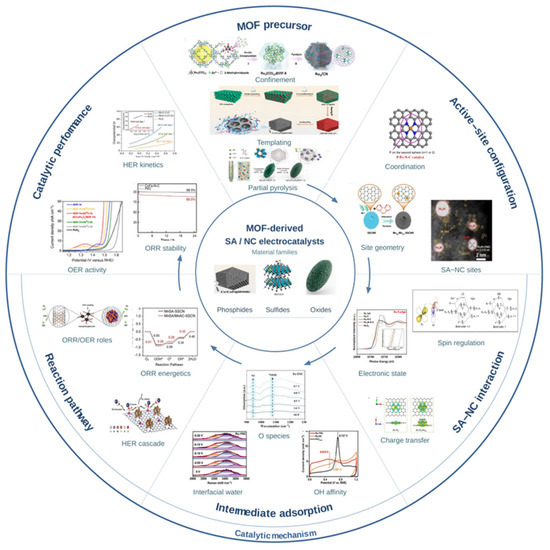
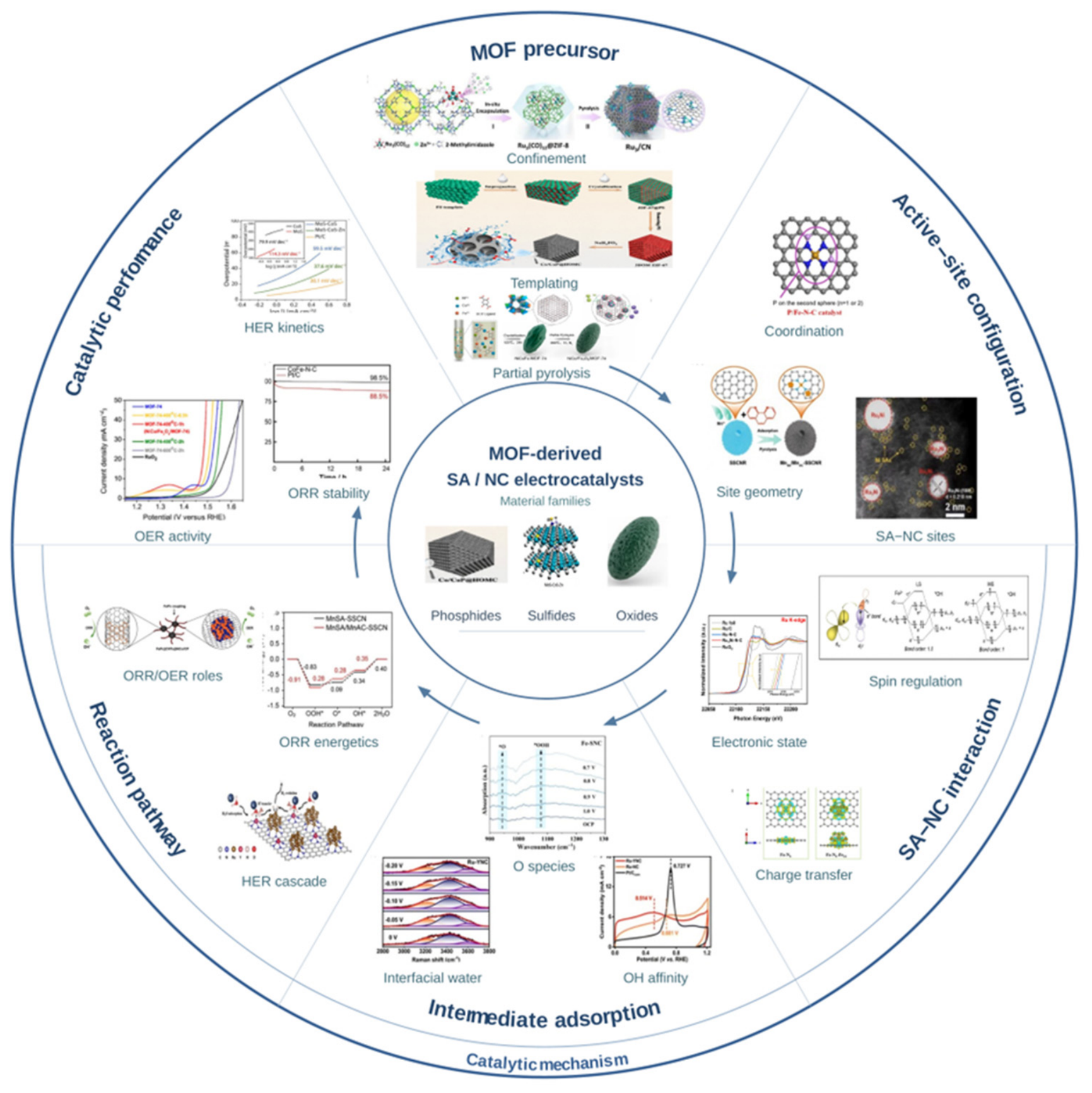
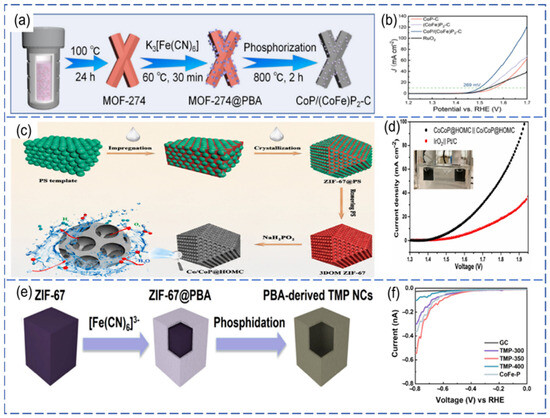
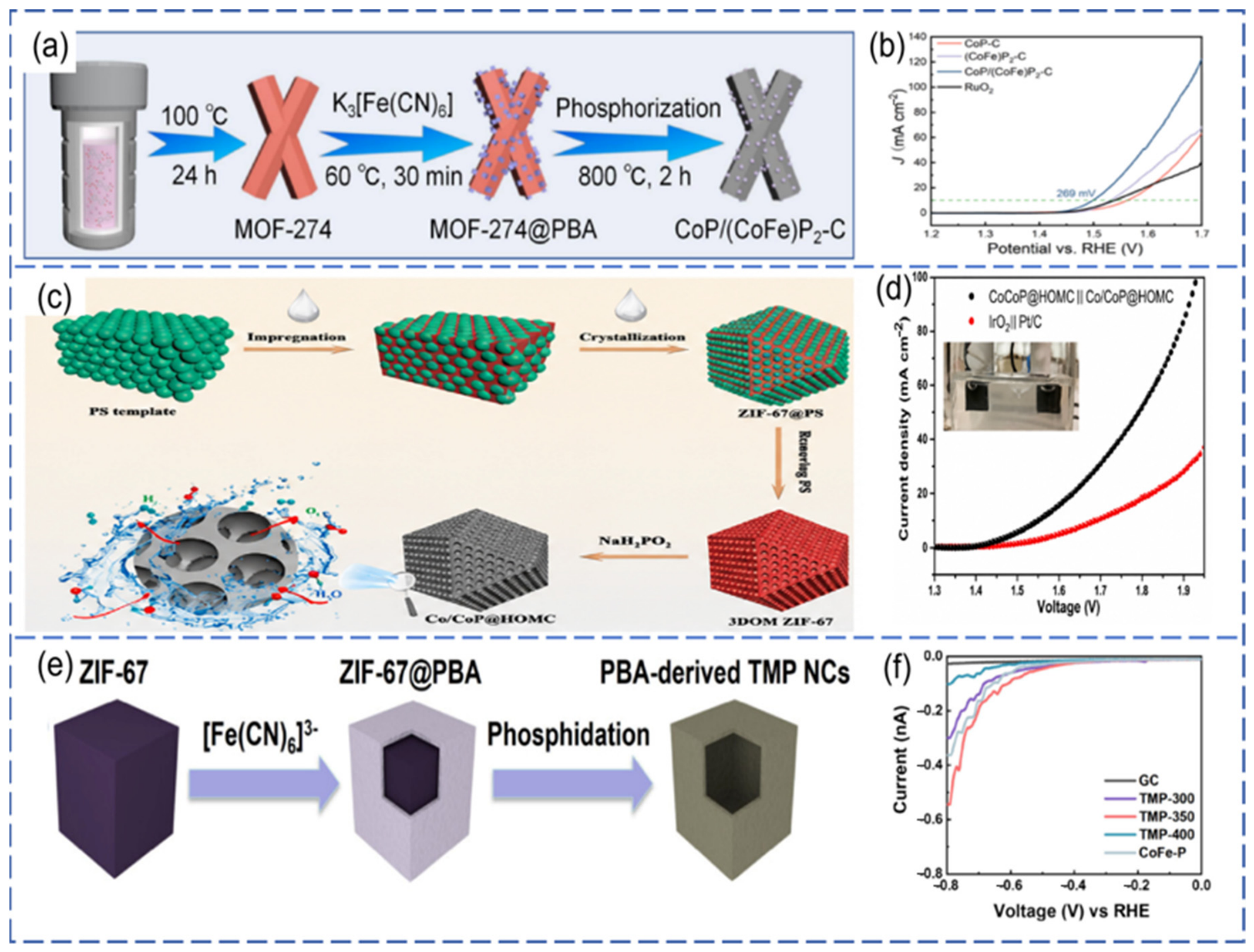
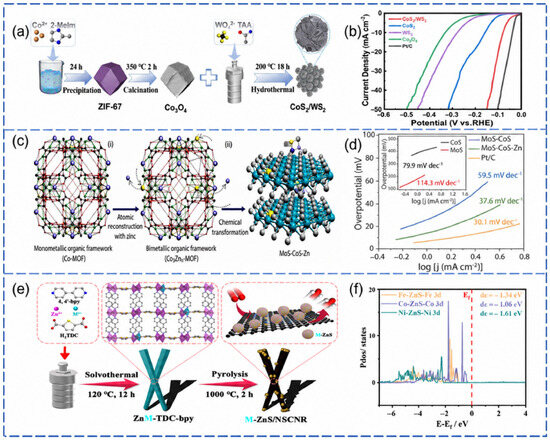
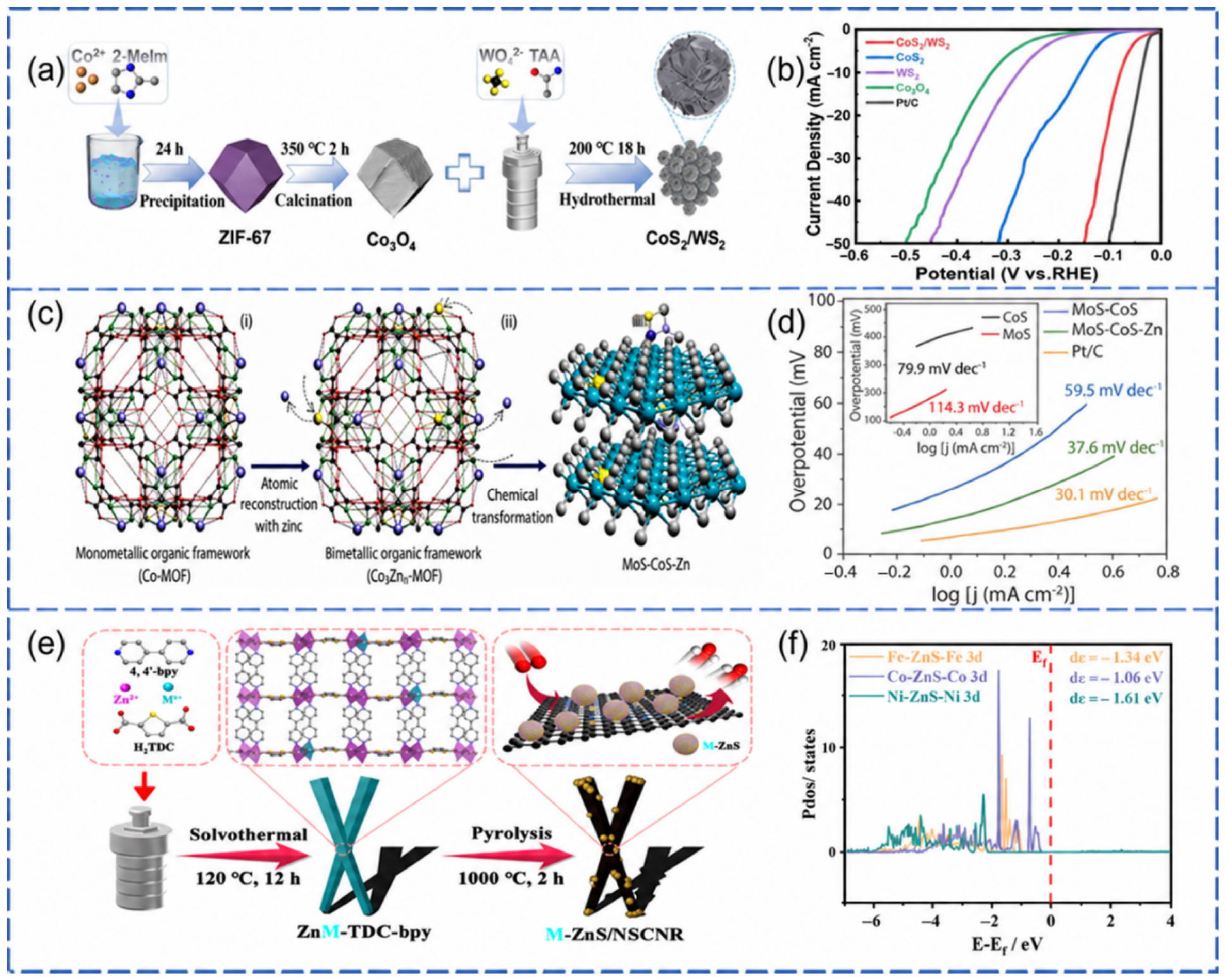
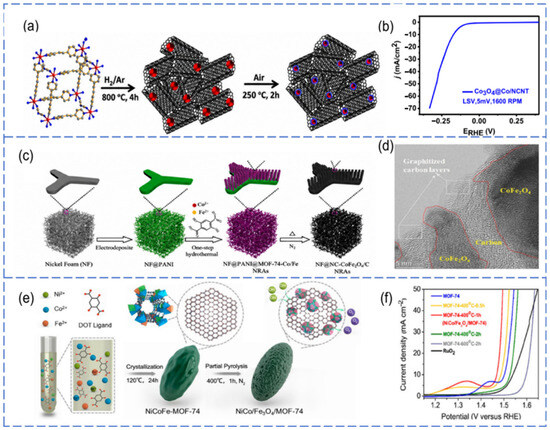
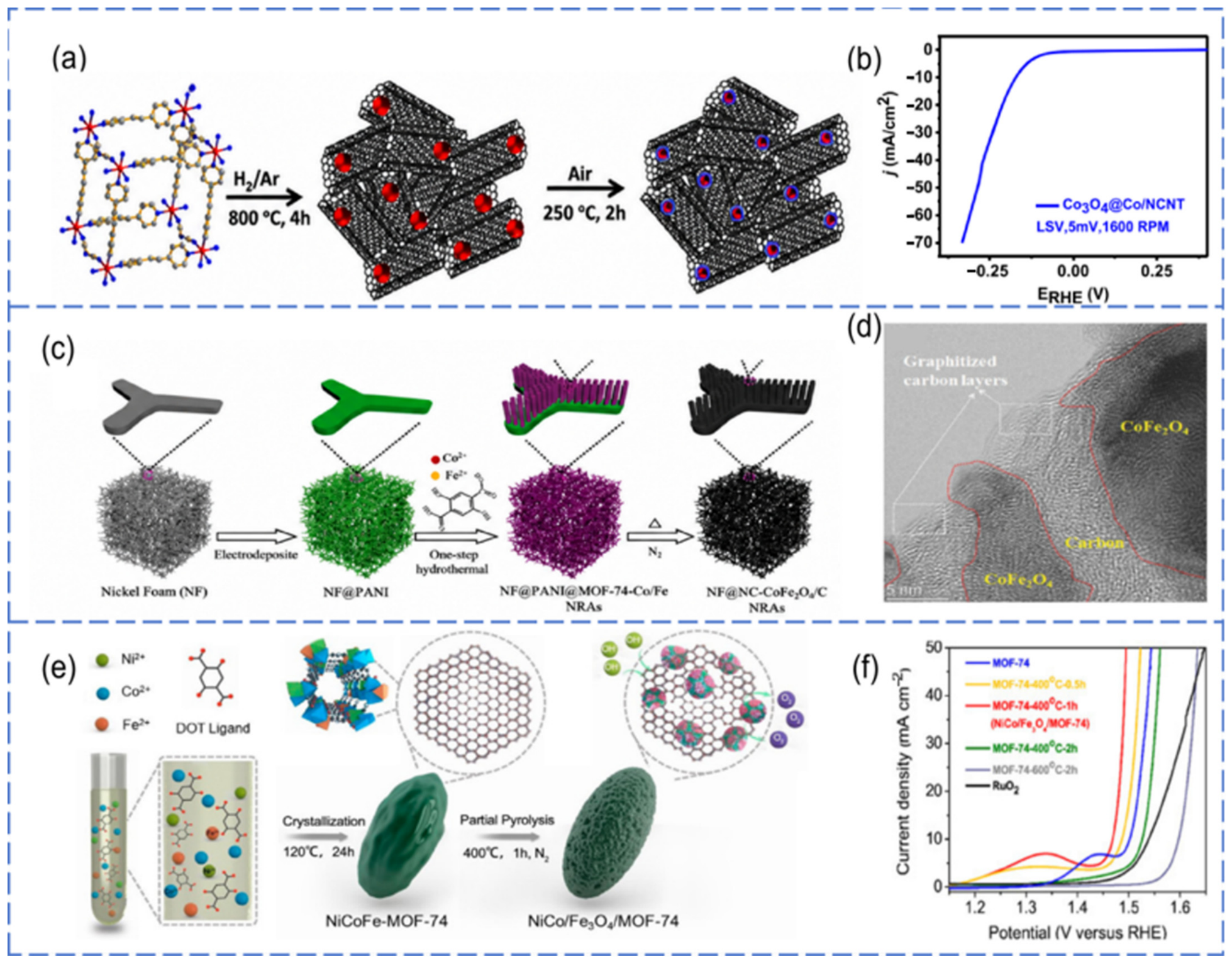
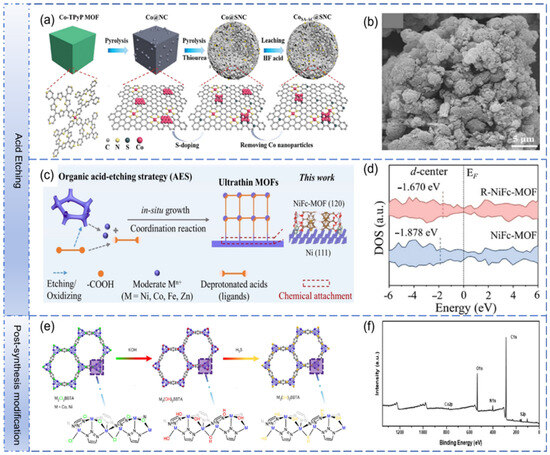
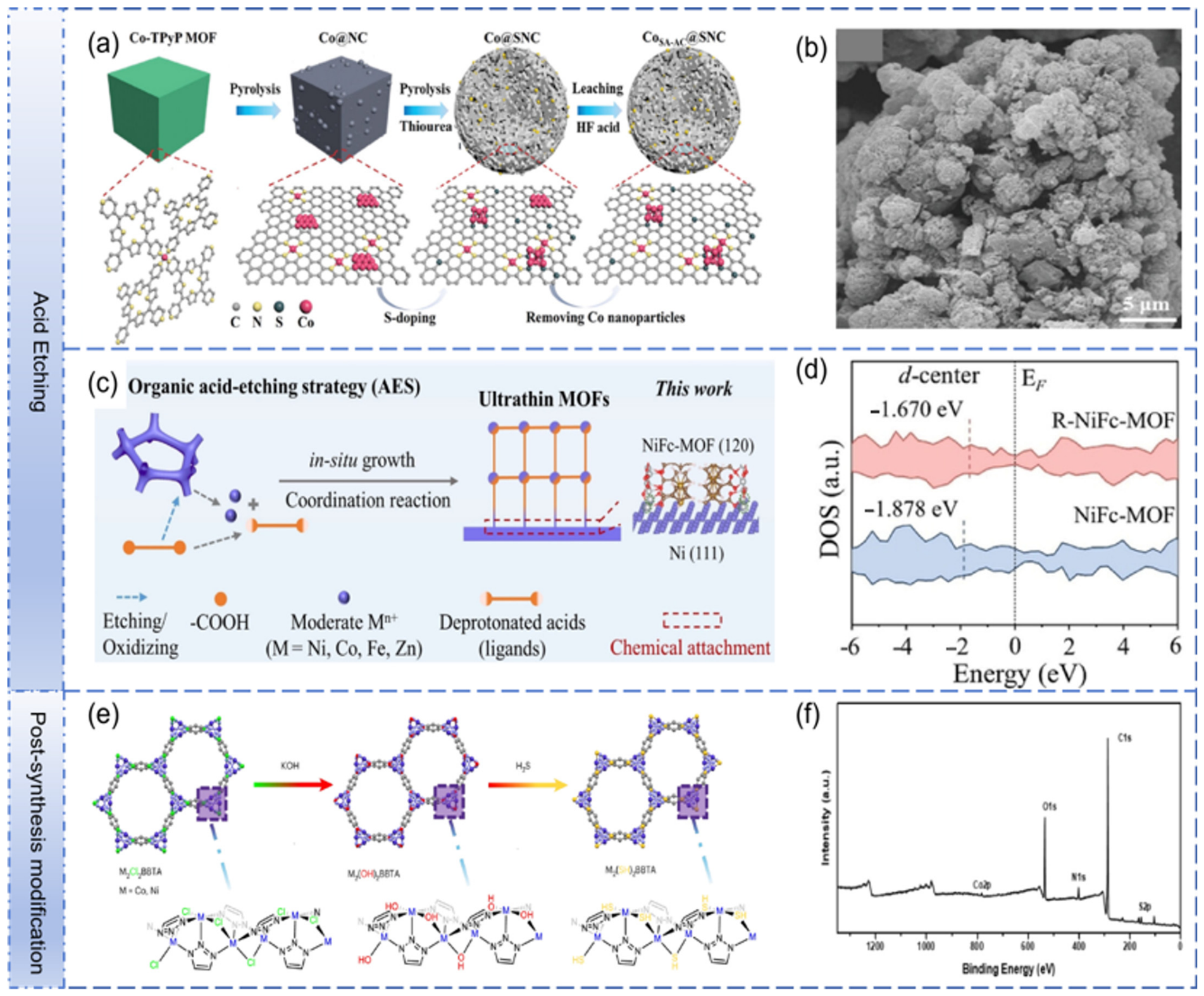
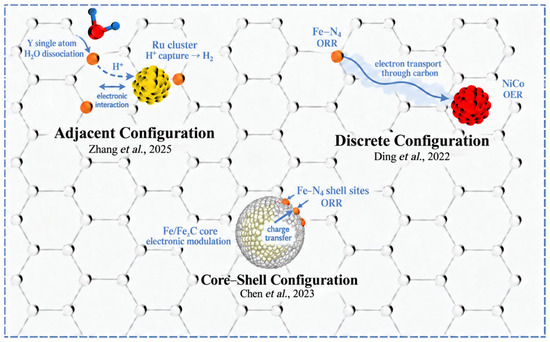
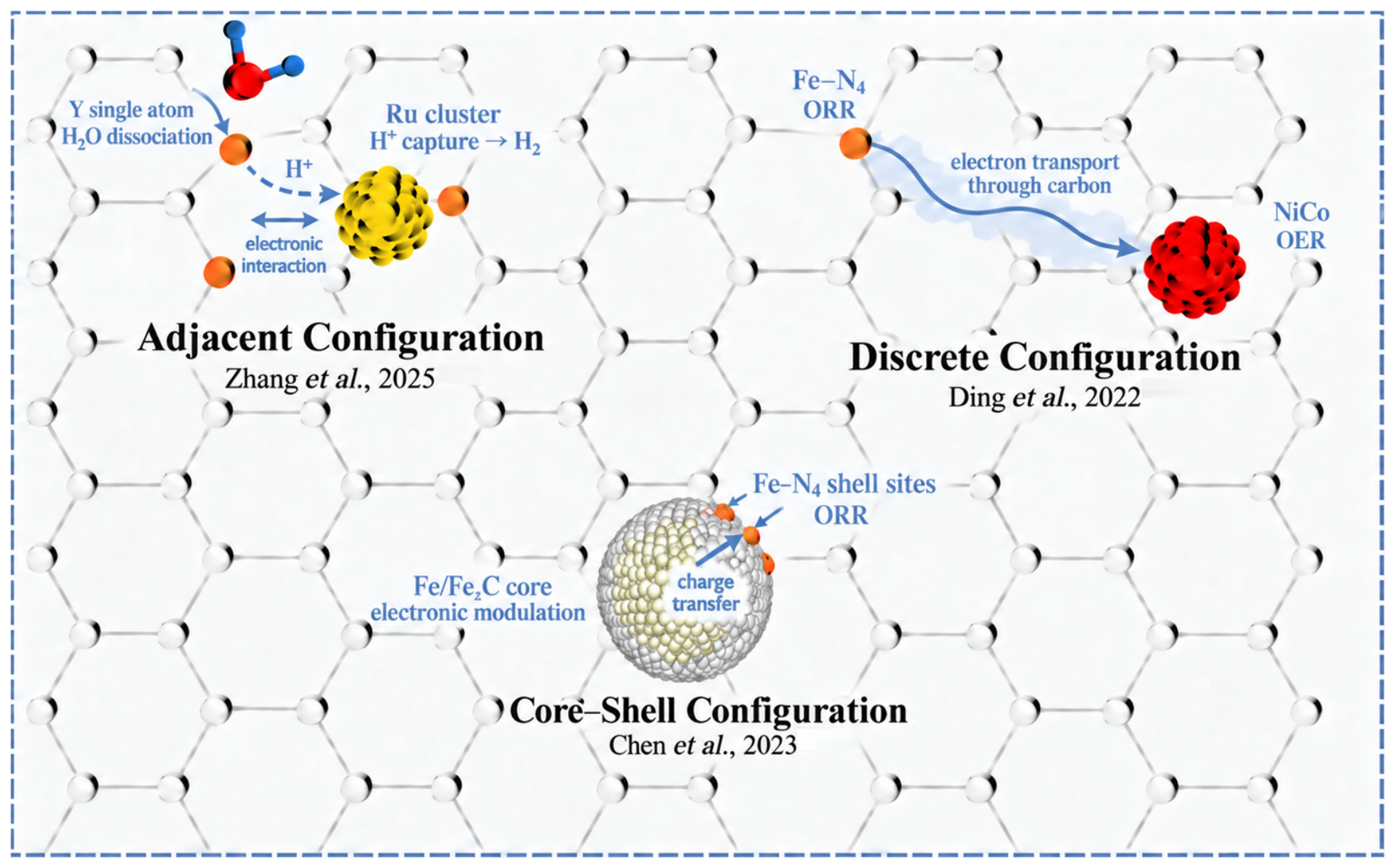
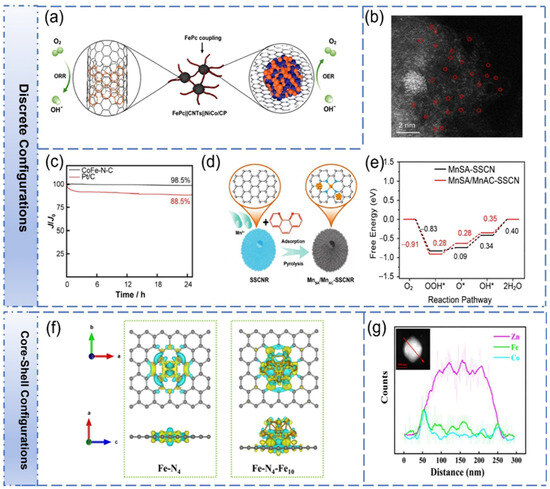
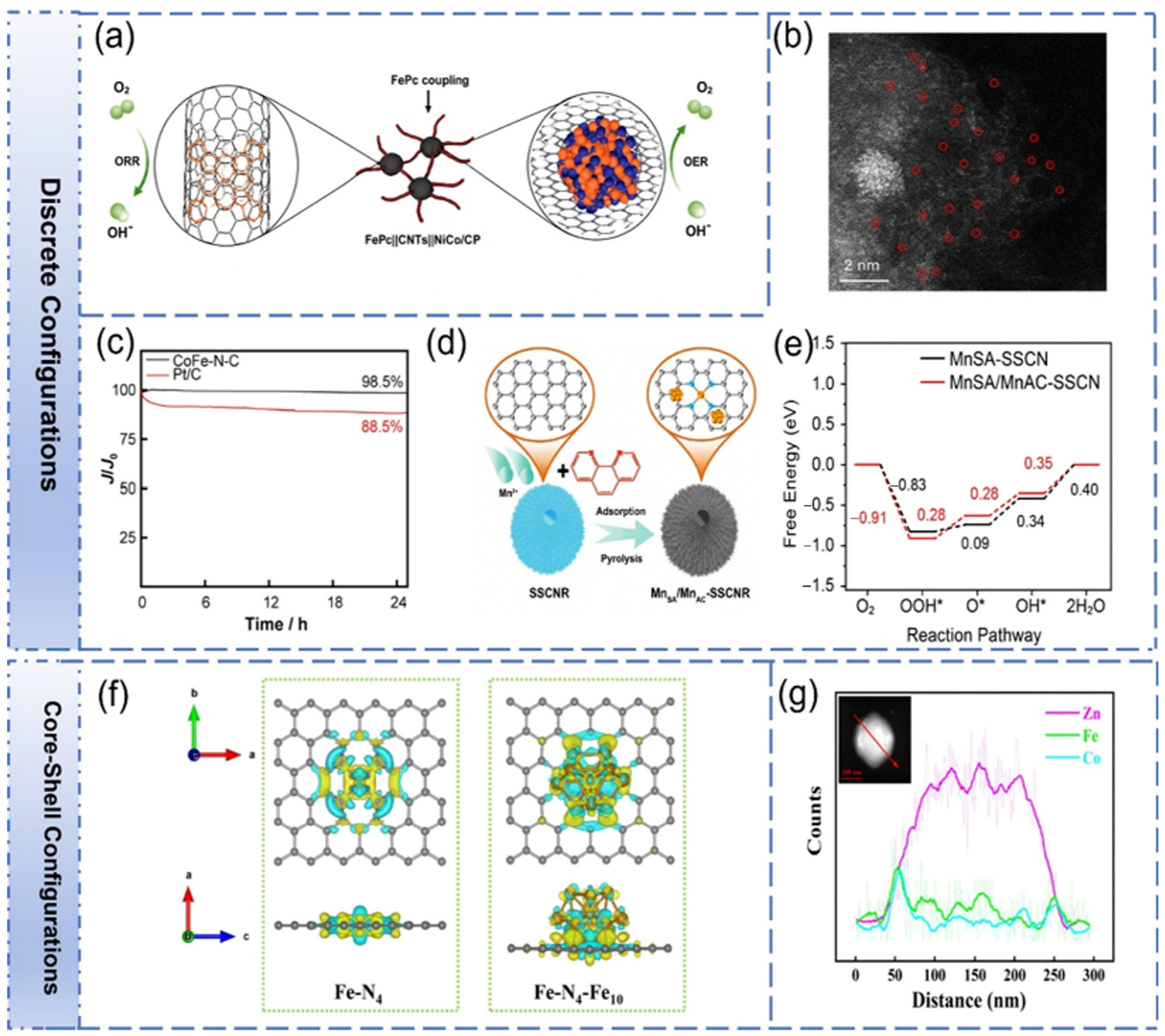
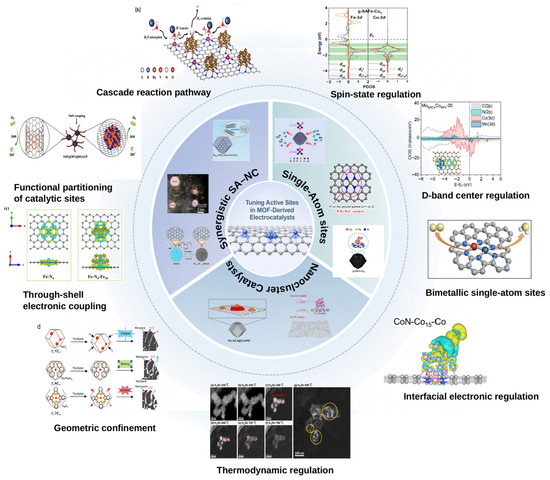
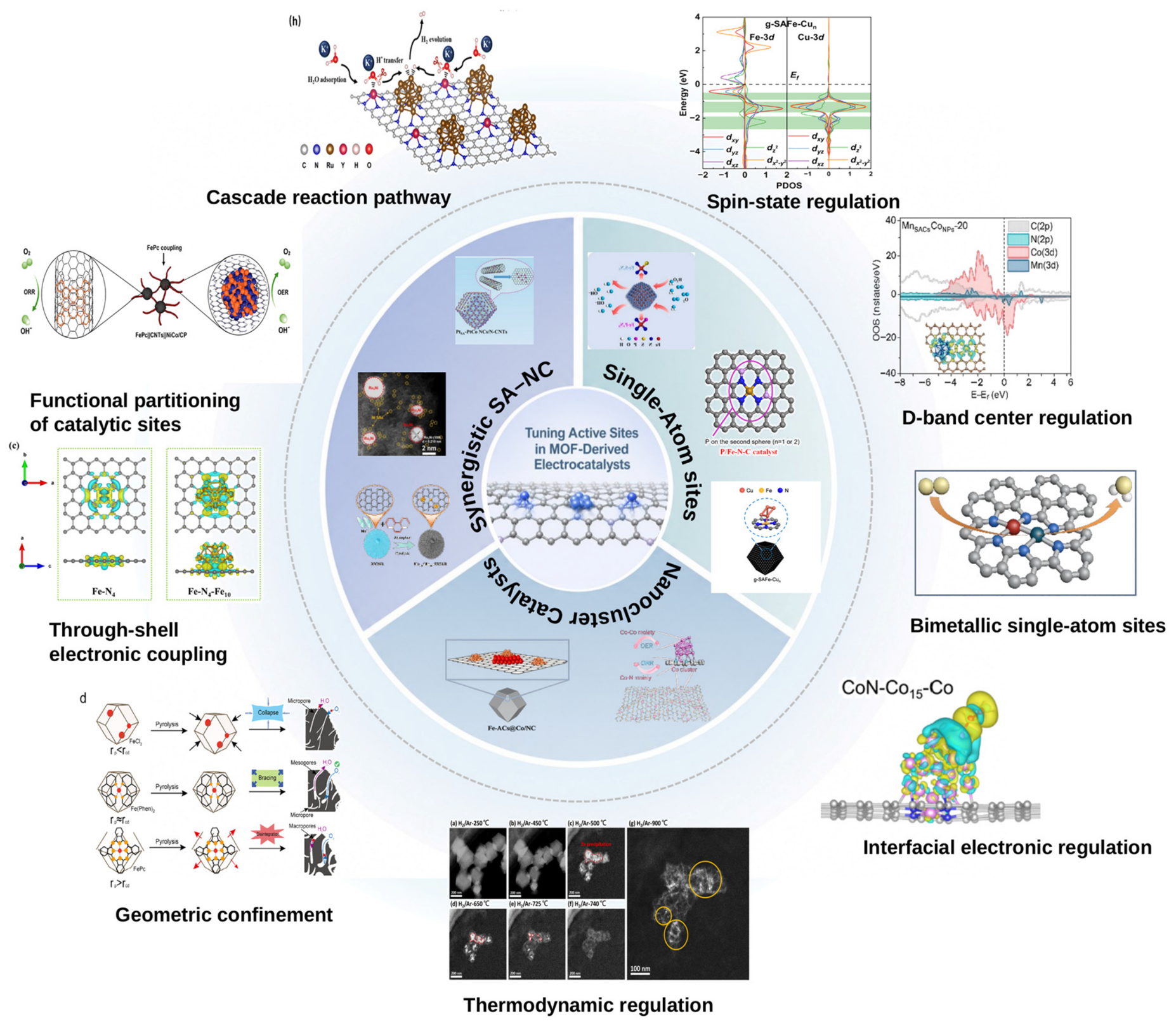

Disclaimer/Publisher’s Note: The statements, opinions and data contained in all publications are solely those of the individual author(s) and contributor(s) and not of MDPI and/or the editor(s). MDPI and/or the editor(s) disclaim responsibility for any injury to people or property resulting from any ideas, methods, instructions or products referred to in the content. |
© 2026 by the authors. Licensee MDPI, Basel, Switzerland. This article is an open access article distributed under the terms and conditions of the Creative Commons Attribution (CC BY) license.