


Abstract
This study aimed to evaluate the effectiveness of the CONGA game, an interactive and gamified digital tool that uses AI-generated or manually created questions with feedback, to improve colon cancer literacy among tenth- semester Software Engineering students at the University of Guayaquil. Grounded in Paulo Freire’s critical pedagogy, CONGA operationalizes the concept of “conscientização” (critical consciousness awakening) by engaging learners in dialogical reflection on medical myths and encouraging critical evaluation of health information sources. This work addresses an age group—emerging adulthood—that is often overlooked in cancer prevention campaigns despite increasing cancer incidence in this population. The game incorporates an adaptive engine that personalizes difficulty and scoring based on player performance, enhancing engagement and learning personalization. A controlled experiment compared the game-based intervention with traditional lecture-based instruction, using pre- and post-test assessments to measure knowledge gains and misconception reduction. Results demonstrated that the CONGA group achieved a significantly higher post-test correct response rate of 82%, compared to 57% in the traditional instruction group, and showed a 70.4% reduction in incorrect responses versus 42.4% in the control group. These findings indicate that CONGA’s adaptive, feedback-driven design was more effective in enhancing short-term knowledge acquisition and immediate conceptual clarification following a single session. The study concludes that, based on immediate post-intervention assessments, gamified learning represents a scalable and engaging pedagogical strategy for colon cancer literacy, particularly in our local younger population. However, these results reflect short-term learning gains measured immediately after a single session, and further research is needed to evaluate long-term knowledge acquisition.
1. Introduction
Colorectal cancer (CRC) stands as a formidable global health challenge, characterized by its high prevalence and significant mortality burden worldwide. It is the third most commonly diagnosed cancer and the second leading cause of cancer-related deaths globally, with millions of new cases and fatalities reported each year [1,2]. This alarming prevalence is exacerbated by modifiable risk factors—such as sedentary lifestyles, poor dietary habits, smoking, and low screening adherence—that are increasingly common in both developed and developing nations [2,3]. Despite advancements in screening technologies and treatment protocols, a critical barrier persists: widespread public misunderstanding of the disease, its risk factors, and the importance of early detection [4,5]. This knowledge gap not only delays diagnosis, but also perpetuates preventable incidence, underscoring the urgent need for innovative, accessible, and engaging colon cancer literacy interventions.
To provide a clear framework for this study, “colon cancer literacy” is operationally defined across three core dimensions: (a) epidemiological knowledge, encompassing an understanding of incidence, mortality, and populations at risk [6,7]; (b) risk factor identification, which involves recognizing both modifiable (e.g., diet, smoking) and non-modifiable (e.g., age, genetics) contributors to the disease [8]; and (c) screening comprehension, meaning familiarity with early detection methods, guidelines, and their importance [9]. These dimensions will be measured through pre-test and post-test accuracy rates, while the game’s effectiveness in correcting false beliefs will be captured through specific myth reduction rates, as detailed in our methodology.
Prevention remains the cornerstone of reducing the burden of colorectal cancer. Evidence consistently shows that early screening—through colonoscopies, fecal immunochemical tests, and other modalities—can detect precancerous lesions and early-stage cancers, dramatically improving survival rates and reducing treatment complexity [10,11,12]. Similarly, lifestyle changes related to diet, physical activity, and smoking cessation can significantly lower individual risk [13,14]. However, public awareness campaigns often fail to resonate with younger and middle-aged adults, who may perceive CRC as a disease of the elderly and postpone preventive actions until it is too late [15,16,17]. This highlights a pressing need for educational strategies that are not only informative, but also motivational, capable of inspiring behavioral change across diverse demographics. The potential of digital games to address this motivational gap is supported by a rich body of foundational research. Scholars like McGonigal (2011) argue that games are powerful because they fulfill intrinsic psychological needs for competence and autonomy, fostering optimism and engagement in ways that passive information delivery cannot [18]. Similarly, Reeves and Read (2009) demonstrate how collaborative, feedback-rich environments of games are uniquely suited to cultivating the skills and literacies required in the modern digital age [19]. CONGA leverages these principles, transforming health education from a passive task into an active, rewarding experience.
In Ecuador, the situation mirrors global trends but is compounded by systemic healthcare disparities. Colorectal cancer incidence is rising, and late diagnosis is common due to limited access to screening, cultural stigma surrounding preventive care, and insufficient public health education [20]. The Ecuadorian healthcare system, while making strides in recent years, remains strained in its capacity to deliver consistent preventive messaging, particularly in rural and marginalized communities [21,22,23]. Digital health tools present a promising solution, yet their adoption remains inconsistent and often lacks cultural and contextual adaptation [24,25]. A recent systematic review titled “Current Situation of Serious Games to Support Ecuadorian Health” [26] reveals a stark gap: while serious games have been successfully implemented in areas such as sexual health education, physical rehabilitation, and behavioral change, there is a notable absence of games designed to improve digital health literacy, particularly for chronic disease prevention and cancer education. This omission represents a missed opportunity to leverage interactive technology for one of the nation’s growing public health concerns.
The CONGA (CONscientization GAme) game emerges as a direct response to this identified need. Drawing on Paulo Freire’s critical pedagogy [27], the concept of “conscientização” (conscientization) refers to the process by which learners develop a critical awareness of social, political, and economic contradictions, enabling them to take action against oppressive elements of reality [28,29]. In the context of health education, conscientization involves moving beyond passive reception of medical facts to develop what Freire termed “critical consciousness”—the ability to question the sources of health information, recognize power relations embedded in medical knowledge, and understand the structural factors shaping health disparities [29].
CONGA is designed as an interactive, adaptive digital tool that demystifies colon cancer through gamified learning, immediate feedback, and personalized progress tracking. In contrast to passive informational resources—which Freire criticized as the “banking model” of education, where knowledge is deposited into passive learners [28]—CONGA engages users in an active learning cycle that challenges misconceptions, reinforces accurate knowledge, and fosters metacognitive reflection. Following the Freirean principle of dialogical education [28], CONGA creates opportunities for learners to interrogate medical myths, examine the sociocultural origins of health misconceptions, and develop the critical capacity to evaluate health information encountered in their daily lives [29]. It is important to mention that the CONGA system is strictly an educational tool designed to promote health literacy. It does not provide medical diagnosis, treatment recommendations, or personalized clinical advice. All content is intended for instructional purposes only and should not be interpreted as a substitute for consultation with qualified healthcare professionals.
This study focuses on a strategically chosen population: tenth-semester Software Engineering students at the University of Guayaquil. These students represent a unique cohort at the intersection of digital nativeness, emerging adulthood, and impending professional integration. As they prepare to enter the workforce, they are also entering a life stage where preventive health behaviors—including cancer screening—become increasingly relevant. Individuals in their early to mid-twenties are not typically considered high-risk for colorectal cancer, yet this is precisely the time when health literacy and preventive mindsets can be most effectively instilled, setting a foundation for lifelong wellness [30]. Moreover, as future technology professionals, these students are poised to become influencers within their social and professional circles, potentially amplifying the impact of health education through peer networks and digital advocacy [31].
Targeting university students also addresses an often-overlooked demographic in cancer prevention campaigns, which tend to focus on older adults [32]. By intervening early, CONGA seeks to reshape perceptions, dispel myths, and encourage proactive health behaviors before misconceptions become entrenched. From a Freirean perspective, this intervention addresses what Gomes (2019) [33] describes as the necessary integration of the social being with the biological being—recognizing that health literacy cannot be separated from critical understanding of the social context in which health decisions are made. Furthermore, the controlled, tech-savvy environment of a software engineering program provides an ideal setting to pilot a digital intervention, ensuring that usability and engagement can be rigorously evaluated without the confounding variable of low digital literacy.
In summary, this study is motivated by the convergence of a global public health imperative, a national gap in digital health education, and a timely opportunity to intervene in a key demographic. Through the development and evaluation of CONGA, we aim not only to improve colon cancer literacy among our local younger context, but also to contribute a scalable, evidence-based model for serious game design in low-resource and culturally diverse settings. By bridging the gap between knowledge and action, CONGA aspires to play a transformative role in Ecuador’s public health landscape, empowering a new generation to take charge of their health and, in turn, influence the well-being of their communities.
The remaining sections of the paper are structured as follows: Section 2 presents the research questions and hypotheses guiding the study. In Section 3, a comprehensive review of related work on digital interventions for colorectal cancer literacy is presented. Section 4 offers a detailed description of the CONGA game’s design and its pedagogical components, including the question, feedback, ranking, and player profile screens. Section 5 details the scalable Question Management system. Section 6 outlines the experimental design and methodology used to evaluate the game’s effectiveness. Section 7 presents the results of the comparative study. Section 8 provides a discussion contextualizing the findings within the game’s framework and the broader field. Lastly, Section 9 encompasses concluding remarks and suggests directions for future research.
2. Research Questions and Hypothesis
The primary objective of this study is to evaluate the effectiveness of the CONGA serious game as an innovative digital tool for enhancing colon cancer literacy among tenth-semester Software Engineering students at the University of Guayaquil. To achieve this, we focus our investigation on a central research question that examines the comparative impact of a game-based intervention versus traditional instructional methods on the acquisition and retention of key knowledge related to colorectal cancer prevention, risk factors, and screening.
2.1. Research Question
This study addresses two interrelated research questions that progressively examine the effectiveness of the CONGA game.
- Primary Research Question (RQ1): To what extent does the CONGA game improve colon cancer literacy among tenth-semester Software Engineering students at the University of Guayaquil compared to traditional lecture-based instruction?
- Secondary Research Question (RQ2): Which specific design features of the CONGA game—immediate explanatory feedback, adaptive difficulty adjustment, or metacognitive performance dashboards—contribute most significantly to observed learning gains and misconception reduction?
RQ1 establishes the overall comparative effectiveness of the game-based intervention, answering whether CONGA produces measurable learning outcomes superior to traditional lecture-based instruction. RQ2 addresses the underlying mechanisms by exploring which pedagogical components drive these effects, informing future optimization of serious game design for health education [34].
2.2. Hypothesis
To address these questions empirically, we formulate the following hypotheses:
- Hypothesis 1 (H1—Overall Effectiveness): Participants in the CONGA intervention group will demonstrate significantly greater improvement in colon cancer literacy, as measured by post-test scores and misconception reduction, compared to participants in the traditional lecture-based instruction group.
- Hypothesis 2 (H2—Feature-Specific Contributions): Each core design feature of CONGA will positively contribute to learning outcomes:
- –
- H2a: Immediate explanatory feedback will be positively associated with misconception reduction, as learners receive real-time correction and elaboration on errors.
- –
- H2b: Adaptive difficulty adjustment will be positively associated with sustained engagement and immediate knowledge gains, as learners operate within their optimal challenge zone [35].
- –
- H2c: Metacognitive performance dashboards (profile screens) will be positively associated with improved precision scores over repeated play sessions, as learners reflect on categorized performance data.
These hypotheses will be tested through a controlled experimental design with pre- and post-intervention assessments (for H1) and through analysis of in-game telemetry data correlating feature engagement with learning outcomes (for H2). We will answer our research question and examine whether our hypotheses are true in Section 7.
3. Related Work
Effective promotion of health literacy, particularly with respect to colorectal cancer (CRC), is a critical public health objective that has been addressed through a variety of digital and educational interventions. In this section, we conduct a comprehensive review of related work that explores diverse strategies aimed at enhancing colon cancer literacy. To provide a theoretical foundation for our game-based approach, it is essential to first acknowledge the foundational frameworks that explain the efficacy of games as learning tools. CONGA’s design is implicitly informed by principles outlined in seminal works such as Jane McGonigal’s Reality Is Broken (2011), which posits that games satisfy core human needs and provide a blueprint for improving our real lives through engagement and challenge [18]. Furthermore, the mechanics of CONGA—such as its adaptive difficulty, feedback loops, and collaborative ranking—reflect the principles of “total engagement” described by Reeves and Read (2009), who argue that online game environments are powerful models for creating compelling and effective work and learning systems [19]. By grounding our work in these foundational concepts, we move beyond a simple comparison of digital tools to a deeper examination of how game mechanics foster intrinsic motivation and sustained engagement. This theoretical lens informs our analysis of the specific digital interventions detailed in Table 1.
3.1. Digital Interventions Aimed at Improving Colon Cancer Literacy
Table 1 presents a diverse landscape of digital interventions aimed at improving colorectal cancer (CRC) literacy, spanning various target populations, pedagogical strategies, and technological platforms. Among these studies, the works of Yaacob et al. (2020) [36] and Abraham et al. (2022) [37] stand out as the most closely aligned with the approach taken in the CONGA study, both in terms of their intervention format and educational objectives. While the other studies—such as those by Lee et al. (2023) [38], Srivastava et al. (2025) [39], Khan et al. (2018) [40], and Petersen et al. (2019) [41]—explore valuable alternative avenues like metaverse campaigns, social media analysis, professional training tools, and direct written communication, their methodologies and target audiences diverge significantly from CONGA’s core design. Notably, CONGA is positioned as an interactive, game-based learning tool focused on structured knowledge acquisition through adaptive questioning and immediate feedback, targeting a university student population.
Table 1.
Works that use digital interventions for improving Colon Cancer Literacy and differences with our study.
Yaacob et al.’s study [36] shares a common technological foundation with CONGA, since both utilize a mobile application as the primary intervention vehicle. However, their approach is fundamentally informational and passive, resembling a digital pamphlet more than an interactive learning environment. Similarly, Abraham et al.’s work [37] employs a serious game format, emphasizing narrative immersion and emotional engagement to influence behavior intentions. Thus, both studies represent instructive points of comparison: Yaacob et al. [36] highlights the potential and limitations of app-based health education, while Abraham et al. [37] offers insights into narrative-driven, experiential game design. These two studies will be discussed in detail in the following sections to elucidate their key differences from CONGA’s cognitive, assessment-based, and pedagogically adaptive approach.
3.2. Differences with the First Study of Table 1
The study by Abraham et al. (2022) [37] proposes a serious game built on the foundation of immersive narrative and consequence simulation. Its design focuses on creating an emotionally resonant experience where the player, assuming the role of a character diagnosed with cancer, travels back in time to modify life decisions related to diet, smoking, or screening. The underlying pedagogy is constructivist and experiential; it seeks to foster awareness about prevention and modifiable risk factors through identification with the character and the ramifications of their choices. The game prioritizes deep customization (appearance, age, gender of the avatar) and a realistic plot to increase engagement and personal reflection, with the ultimate goal of influencing long-term behavioral intentions rather than the retention of specific facts.
In contrast, CONGA adopts a cognitive and assessment-based formative approach, while also incorporating the Freirean dimension of conscientization. Its core is a multiple-choice question-and-answer engine that directly addresses concepts and myths about colon cancer, but with a crucial distinction: the questions are designed not merely to test recall, but to provoke critical reflection on why these myths persist and whose interests they serve. As Pires et al. (2017) argue in their framework for ludic reinvention in health games, educational technologies should aim at “the production of critical subjectivities” by engaging players in disputation and imagination [42]. Following this approach, CONGA’s myth-debunking mechanics serve what Freire termed “problematization”—the process of presenting familiar concepts as problems to be critically examined rather than facts to be passively accepted [29].
Moreover, the game’s pedagogical design operates within a Cognitive-Behavioral Integration Framework, wherein behaviorist mechanisms—such as immediate reinforcement and adaptive difficulty adjustment—function as scaffolding to support constructivist knowledge internalization, while the overall orientation toward myth-debunking and critical reflection operationalizes Freirean conscientization [27]. This integration responds to calls in the health education literature for approaches that respect deeply held beliefs while addressing the political and socioeconomic inequities many communities face [29]. Following Aylward and Cronjé’s (2022) integrative model [43], CONGA utilizes rapid cycles of challenge and immediate explanatory feedback (behaviorist level) to create the conditions for learners to actively construct accurate mental models of health concepts (constructivist level). The difficulty system dynamically adjusts to player performance, operationalizing Vygotsky’s Zone of Proximal Development (ZPD) [35] by maintaining learners in an optimal challenge zone where new knowledge can be internalized with appropriate support.
The divergence is also evident in technical architecture and content management. The game proposed by Abraham et al. [37] appears to rely on a predefined script and narrative assets, which could limit its scalability. However, CONGA features a robust and scalable question management system that enables the automatic generation of content through AI and bulk import through CSV. This not only facilitates the updating and thematic expansion of content but also guarantees the consistency and pedagogical rigor of the material to which each player is exposed.
Regarding impact evaluation, the studies differ radically in their methodology. Abraham et al.’s research is qualitative, using focus groups to gather preferences, perceptions, and acceptability of the game’s design among adolescents. CONGA is validated through a quantitative controlled experiment (pre-test/post-test) with an intervention group and a control group, statistically measuring knowledge gain, and reduction of misconceptions in university students.
In summary, while the Abraham et al. game is a narrative simulator that seeks to influence attitude and risk perception, CONGA operates as an adaptive digital tutor that seeks to optimize conceptual understanding and factual recall. Both represent legitimate and powerful approaches within the spectrum of serious games for health: one appeals to the heart and behavioral intuition through story, and the other to the intellect and cognitive competence through structured practice and feedback. The choice between them depends fundamentally on the desired learning objectives, the target population, and the implementation context.
3.3. Differences with the Sixth Study of Table 1
The study by Yaacob et al. (2020) [36] and our CONGA research represent two different approaches to digital health education for colorectal cancer, fundamentally different in the target audience, intervention design, pedagogical strategy, and measured results.
Yaacob et al. [36] focused on an older, at-risk population (adults aged 50+ in Malaysia) and utilized a mobile app (ColorApp) designed primarily as an informational repository. The app provided static content on the basics, symptoms, risk factors, and prevention of CRC, supplemented with a risk stratification tool and an educational video. Its pedagogical approach was geared toward passive knowledge transmission, akin to digital pamphlets. The study adopted a quasi-experimental design with a two-week intervention period, measuring changes in knowledge and attitude. Although it successfully improved knowledge scores, it found no significant change in attitudes, highlighting a common challenge in health promotion: information alone may not alter deeply held beliefs or behavioral intentions, especially within a short timeframe and without interactive reinforcement.
In contrast, CONGA targeted a younger, university-based population and was conceived not as an informational app but as an interactive serious game. Its core mechanic is a dynamic quiz system with immediate, explanatory feedback, adaptive difficulty, and a strong gamification layer (points, lives, rankings, and personalized dashboards). This design is rooted in active learning and constructivist principles, where knowledge is built through challenge, error correction, and metacognitive reflection. The study employed a rigorous controlled experimental design with random assignment and pre-test/post-test measurements, demonstrating not only significant knowledge gains (surpassing those of a traditional lecture) but also a measurable reduction in misconceptions.
The divergence extends to content dynamism and scalability. ColorApp’s content was static, requiring manual updates. CONGA, however, incorporates an AI-driven question management system and CSV import functionality, allowing for continuous, scalable content generation and curation, ensuring that the game can evolve and expand without extensive developer intervention.
In essence, while Yaacob et al. [36] demonstrated the utility of mobile technology for the dissemination of knowledge among older adults, CONGA advances the field by showcasing how game-based learning mechanics can create engaging, pedagogically robust and scalable environments to improve health literacy among younger, digitally native populations. The former is a targeted information delivery tool; the latter is an adaptive learning system that educates, assesses, and motivates through gameplay.
4. Game Design
The game proposed in this work is called CONGA, an acronym of “CONscientization GAme”, explicitly invoking Paulo Freire’s concept of “conscientização”—the process of developing critical awareness of social realities to enable transformative action [27,28,33]. The game is available at [44], and the details about its technology stack and its components are described in Appendix D. CONGA consists of a series of multiple-choice questions focused on health literacy and the debunking of common medical myths, such as the relationship between stress and cancer or the curability of diseases at different stages. In the Freirean tradition, myth-debunking is not merely about correcting factual errors but about revealing what Freire called the “culture of silence”—the internalized acceptance of dominant narratives that may serve interests other than community well-being [29]. By exposing players to medical myths and providing evidence-based counter-narratives, CONGA aims to cultivate what MacIsaac et al. (2024) term “critical engagement with digital health”—the capacity to interrogate health information rather than passively consume it [45].
CONGA employs a clean, minimalist user interface. Each question displays a difficulty rating, offers interactive radio-button selections, and includes a clear call-to-action to submit a response. After each answer, the game provides immediate structured feedback with a medical explanation, reinforces correct information, and updates the game state—including cumulative score, remaining lives, and an adaptive difficulty rating that adjusts based on player performance. This creates a complete and motivating challenge-feedback-progression loop. This loop operationalizes what Frieman and Reilly (2015) [46] describe as an integrated learning system: behaviorist reinforcement mechanisms (points, lives) provide the motivational structure, while the adaptive difficulty and explanatory feedback create the conditions for cognitive restructuring. The adaptive difficulty engine specifically implements the ZPD framework [35], dynamically calibrating the challenge to ensure each player operates at the frontier of their developmental potential. Next, we will discuss the description and pedagogical motivation of each screen in the CONGA game.
4.1. Questions Screen
As can be seen in the example question in Figure 1, the design of this quiz question reflects a thoughtful application of game-based learning pedagogy, aiming at educating players on a nuanced health topic in an accessible and engaging format. At its core, the example question—“Does stress directly cause colon cancer?”—targets a common area of public misconception. By presenting the topic as a straightforward multiple-choice item within a clean, minimalist interface, the design lowers barriers to entry and reduces cognitive load, allowing the player to focus entirely on the conceptual task. The prominent difficulty rating of 1.0 out of 5 signals that this is an introductory question, which serves a crucial pedagogical function: it builds initial confidence, minimizes anxiety, and encourages the player to proceed without fear of failure, establishing a safe environment for learning.
Figure 1.
Questions screen in the CONGA game.
The construction of the answer choices is where the pedagogical intent becomes most evident. Rather than simple fact recall, the options require the player to engage in critical reasoning about degrees of causality and scientific evidence. The correct answer—“There is no direct evidence, although it affects general health”—teaches a key distinction in health literacy: the difference between correlation, indirect influence, and direct causation. The distractors are carefully crafted to dismantle specific myths; for instance, “It is the main cause” confronts an overstatement, while “Only work-related stress” tests if the player mistakenly narrows a broad concept. The inclusion of the grammatically odd “takes care of it” acts as a validity check, ensuring the player is reading carefully and not just pattern-matching. This structure transforms the question from a simple test to a brief moment of conceptual clarification.
Finally, the interactive and visual elements wrap this learning objective in a recognizable game-like shell, enhancing motivation and retention. The numbered question prompt (“Question #0”) implies a series, creating a sense of progression and inviting continued play. The simple radio button selection and the definitive “Send response” button provide clear, satisfying interactive feedback.
4.2. Feedback Screens
Figure 2 and Figure 3 together reveal the complete feedback loop essential to the game’s pedagogy. Following a player’s response, the game provides immediate and structured feedback, but its nature differs significantly based on correctness. The correct answer screen (from Figure 2) is dominated by positive reinforcement: a large “Correct!” header and a prominent “+10” points award deliver gratifying feedback, aligning with gamification principles to reward and reinforce learning. Crucially, the “Medical explanation” section concisely restates the key takeaway, transforming a simple check into a mini-lesson. The screen also introduces the meta-game framework via a status bar showing “Total score”, “Remaining lives”, and a slightly increased “New difficulty” (1.1), suggesting an adaptive, progressive learning path.
Figure 2.
Feedback screen that follows the player’s correct answer in the CONGA game.
Figure 3.
Feedback screen that follows the player’s incorrect answer in the CONGA game.
Conversely, the incorrect answer screen (Figure 3) demonstrates how the game pedagogically manages mistakes. The tone is neutral and instructive rather than punitive. The header “Incorrect answer” is factual, not shaming. While points are not awarded (the “80” likely reflects the pre-existing total score), the focus immediately shifts to learning. The “Medical explanation” directly addresses the misconception (“There is treatment…but the probability of a cure is much lower”) and is followed by a clear display of the “Correct answer”. This design ensures that an incorrect choice becomes a powerful teachable moment, emphasizing explanation over penalty. The meta-game consequences are clear but fair: the “Remaining lives” decrease (from 3/3 to 2/3), introducing stakes and consequences, while the “New difficulty” shows a more substantial jump to 1.6. This sharper increase likely serves two purposes: it slightly raises the challenge to match the revealed knowledge gap, and it may subtly encourage more careful consideration in future questions.
Both screens share a clean, sectioned layout and a clear call to action (“Next question”), creating a seamless and motivating cycle. The player experiences a complete loop of challenge → response → formative feedback → consequence → progression. These principles function synergistically within CONGA’s design: the behaviorist mechanisms (points, lives, immediate reinforcement) create the external conditions for engagement and repetition, while the explanatory feedback and adaptive difficulty provide the scaffolding for what Vygotsky termed “internalization”—the process by which external, socially-supported performance becomes internal cognitive competence [35,47]. Following the integrative framework proposed by Aylward and Cronjé (2022) [43], the game uses direct instruction (behaviorist feedback on correct/incorrect answers) as a foundation for generative learning, wherein players construct deeper understanding through error analysis and reflection. The incorrect answer screen (Figure 3) exemplifies this integration: the neutral, non-punitive tone and clear explanation transform what could be merely a “punishment” (behaviorist extinction) into a “teachable moment” for cognitive restructuring. All in all, this structure exemplifies how effective educational game design leverages behaviorist principles (immediate feedback, reinforcement) and constructivist principles (learning from explanation, especially from errors).
Moreover, it further incorporates Freirean critical pedagogy through what Moura et al. (2023) describe as “jogos de mitos e verdades” (myths and truths games), where educational activities based on Freire’s ideas create opportunities for critical reflection on health beliefs [48]. Far from being incompatible, these principles function synergistically within CONGA’s design: the behaviorist mechanisms (points, lives, immediate reinforcement) create the external conditions for engagement and repetition, while the explanatory feedback and adaptive difficulty provide the scaffolding for what Vygotsky termed “internalization” [35]. The critical dimension is added through the deliberate selection of myths that reflect broader social patterns—for instance, misconceptions about cancer curability that may stem from historical inequities in healthcare access or cultural narratives about disease. Following Freire’s concept of “dialogical education,” each feedback screen becomes what Fields et al. (2022) call a moment of “transformation through dialogue” [28], where learners are invited not merely to accept correct answers but to understand the reasoning behind them and, by extension, to develop the critical tools to evaluate health information independently.
4.3. Ranking Screen
Figure 4 is the ranking screen, which appears at the conclusion of a play session and serves as a powerful pedagogical and motivational capstone to the CONGA experience. It integrates the principles of mastery, feedback, and social comparison to reinforce learning and encourage replayability.
Figure 4.
Ranking screen that is showed when all the questions are answered in the CONGA game.
The screen’s primary pedagogical function is to provide summative feedback, shifting the player’s focus from individual question performance to an overarching review of their overall achievement. The declaration “Your position” and the specific rank (#2 out of 3) immediately contextualizes the player’s achievement within a framework. While the group (“3”) may be small or symbolic, the ranking introduces a gentle, game-like form of social comparison, a motivator that can foster a desire to improve and master the content. The accompanying medal system (Gold, Silver, Bronze) visually gamifies this achievement, providing clear, universal symbols of success that validate the effort and learning that occurred during the session.
The detailed statistics table (Player, Age, Matches, Max_score, Total points, Precision) deepens the pedagogical impact by moving beyond a simple win/lose outcome. Each metric offers a different lens on performance:
- Matches (1): Indicates that this was a single session, framing the ranking as a snapshot.
- Max_score (e.g., 215 for Joshua): Likely the highest score achieved in a single game, rewarding peak performance and mastery under pressure.
- Total points (e.g., 3225): Represents a cumulative score across perhaps all questions answered, valuing consistent participation and practice.
- Precision (e.g., 93.33%): This is the most direct pedagogical metric. It translates the number of correct answers into a percentage, giving the player a clear, objective measure of their conceptual accuracy. A 40% precision (as seen for the third-place player) clearly signals a significant knowledge gap, while a 93% signals high comprehension.
These multiple metrics support different learner goals: one player might aim for a high Max_score (mastery/speed), while another might focus on improving their Precision (accuracy/understanding). This multi-faceted feedback caters to diverse motivational profiles.
Finally, the call-to-action buttons (Play Now, View Profile, Back to Menu) are crucial for promoting continued engagement and learning. “Play Now” leverages the motivational pull of the ranking to encourage immediate replay, where the player can apply what they learned to improve their rank and precision. “View Profile” suggests the possibility of reviewing past questions or explanations, supporting metacognition and deeper review. “Back to Menu” provides an exit point. This combination ensures the learning journey doesn’t end with the final question; instead, the ranking screen acts as a bridge, using performance data and gamified rewards to motivate ongoing cycles of play, practice, and conceptual consolidation. It completes CONGA’s design by linking the formative feedback of each question to a summative, goal-oriented conclusion that fuels the desire to learn more.
4.4. Profile of the Gamer
The screen accessible by clicking the “View Profile” button and presented in Figure 5, Figure 6 and Figure 7 represents the heart of CONGA’s reflective pedagogy, transforming raw gameplay data into a personalized learning dashboard. This composite screen, logically segmented into three scrollable parts, moves beyond simple scorekeeping to offer players a detailed, analytical review of their performance, fostering metacognition—the awareness and understanding of one’s own learning process.
Figure 5.
First part of the profile screen in which a performance snapshot is presented.
Figure 6.
Second part of the profile screen in which the diagnostic and corrective core of the dashboard is presented.
Figure 7.
Third part of the profile screen in which an analytical breakdown through “Performance by Category” is presented.
The first section (Figure 5) functions as a performance snapshot. It centers the player’s identity (“# XY” in the example) and presents key summary statistics: Total matches, High score, Precision, and Total score. This high-level overview provides immediate satisfaction and a sense of accomplishment. Notably, it introduces the “Your Streaks” metric, distinguishing between Current streak and Best streak. This gamification element does more than motivate; it pedagogically reinforces the value of consistent accuracy. A streak is broken by an incorrect answer, directly linking the reward (maintaining the streak) to the core learning objective of sustained correct understanding, encouraging careful, considered responses over guessing.
Scrolling down, the second section (Figure 6) delves into the diagnostic and corrective core of the dashboard. The “Average Difficulty” gauge (1.80/5.00) contextualizes the challenge level the player has been engaging with, showing their progression along the game’s adaptive learning path. The most critical pedagogical element follows in “Your Mistakes.” Here, the game does not hide errors but prominently displays them as primary learning opportunities. Each incorrectly answered question is restated with the player’s selected (wrong) answer clearly marked [x] and the correct answer provided. Crucially, the corrective feedback from the original interaction (e.g., “Incorrect. There is treatment available…”) is included. This design forces a confrontation with and reflection on the specific misconception, allowing the player to reprocess the information, understand why their choice was wrong, and solidify the correct concept in memory. This transforms failures into the most potent tools for conceptual change.
The final section (Figure 7) provides an analytical breakdown through “Performance by Category.” By segmenting performance into thematic areas like “Epidemiology,” “Risk Factors,” “Prevention,” and “Screening,” the dashboard moves from general performance to competency-based assessment. For each category, it displays two key metrics: Precision (conceptual accuracy) and Average answer time. This pairing is pedagogically sophisticated. A low precision in “Risk Factors” (75.0%) clearly identifies a knowledge gap in that specific domain, guiding the player on what to review. The average time data adds a layer of insight into fluency and confidence; a very high answer time in a category with low precision might indicate hesitation and uncertainty, whereas a fast time with high precision suggests mastery. The note “Statistics updated in real time” reinforces that this is a living, responsive tool for self-monitoring.
Together, this profile screen embodies a comprehensive mastery-oriented learning environment. It celebrates achievement (High Score, Streaks), honestly diagnoses weakness (Your Mistakes), and provides structured analytics for self-improvement (Performance by Category). The actionable buttons “Play Again” and “Back to Home” at the bottom complete the loop, inviting the player to apply these insights immediately in a new session. This design ensures that CONGA is not merely a test but a cyclical learning system where play generates data, data fuels self-reflection, and reflection informs and motivates the next, more informed cycle of play.
4.5. Game Adaptability
The CONGA game incorporates an adaptive engine designed to personalize the learning experience in real time. At its core, the system dynamically adjusts question difficulty based on two key performance indicators: the correctness of the player’s response and their response time. This dual-factor approach ensures that the game continuously aligns with the player’s current level of understanding and pace of learning, creating a tailored educational journey that balances challenge with accessibility.
The adaptive difficulty process operates through the following structured set of rules encoded within the game’s logic:
- For correct answers, the difficulty increases incrementally depending on how quickly the player responds:
- –
- Responses given in under three seconds raise the difficulty by 0.50
- –
- Responses within three to six seconds increase it by 0.25
- –
- Slower correct answers result in a modest 0.10 increase
- Incorrect answers always reduce difficulty by 0.25, ensuring that players are not overwhelmed and can recalibrate their learning trajectory.
This granular adjustment mechanism maintains the player within an optimal challenge zone—a concept central to maintaining engagement and promoting effective learning.
Complementing the difficulty adjustment is a dynamic scoring system that rewards both accuracy and efficiency.
- Correct responses are awarded points on a sliding scale:
- –
- 20 points for very fast answers (under 3 s)
- –
- 15 points for moderate timing (3–6 s)
- –
- 10 points for slower correct responses.
- Incorrect answers receive no points, reinforcing the importance of accuracy while still encouraging participation through the adaptive lowering of subsequent difficulty.
This scoring model not only motivates players through gamified incentives, but also subtly encourages reflective thinking and deliberate engagement with the content.
The foundation of these systems is a question selection process that ensures appropriate and varied content delivery. Questions are chosen based on the player’s current difficulty level, with a built-in mechanism to prevent repetition within a session. The system employs a tiered level structure, where each level contains a limited set of questions to promote content diversity. If no questions are available at the current difficulty, the engine intelligently falls back to adjacent levels (), ensuring a seamless and uninterrupted gameplay experience. This approach guarantees that players encounter a broad spectrum of topics related to colon cancer literacy while remaining within a suitably challenging framework.
The adaptation flow is executed through a streamlined server-side process: once a player submits an answer, the server validates its correctness, records the response time and current difficulty, and computes updated session metrics—including new score, adjusted difficulty, and remaining lives. This updated state is persisted in the database, and the player receives immediate educational feedback tailored to their performance. By integrating adaptive difficulty, responsive scoring, and intelligent content curation, CONGA not only enhances immediate knowledge acquisition but also fosters a personalized, engaging, and pedagogically sound learning environment that aligns with contemporary principles of game-based education.
5. Question Management
5.1. Question Management Screen
The Question Management screen serves as the central hub for administrators to curate, expand, and maintain the question database used in the CONGA serious game. Designed with clarity and efficiency in mind, the interface is divided into two primary functional areas: the Automatic Generator and the Import from CSV section. Each area supports a distinct workflow for adding new questions, ensuring flexibility and scalability in content creation.
At the top of the screen (Figure 8), the Automatic Generator panel empowers administrators to create new questions dynamically using generative AI. The first dropdown, labeled Category, allows the selection of a question topic from a structured list, including options such as “Epidemiology and General Information,” “Risk Factors,” “Prevention and Lifestyles,” and “Screening and Detection.” This categorization ensures that questions align with the game’s pedagogical themes. Below, the Difficulty slider or input field lets administrators set a complexity rating from 1 to 5, corresponding to the game’s adaptive difficulty system. The Quantity field specifies how many questions to generate in one batch—anywhere from 1 to 50—enabling bulk creation for efficient database population. Finally, a Language selector defaults to Spanish, reflecting the primary audience of the game. Upon configuring these parameters, administrators can trigger the AI—specifically integrated with Google’s Gemini 2.0-Flash service as the primary provider, with Groq (llama-3.3-70b-versatile) and DeepSeek (deepseek-chat) as failover options, as detailed in Appendix D—to produce culturally and contextually appropriate multiple-choice questions, complete with plausible distractors, correct answers, and medical explanations.
Figure 8.
First part of the Question Management screen.
Beneath the generator, the Import from CSV section offers an alternative, structured method for uploading questions in bulk. Administrators are guided by a clear description of the required CSV format, which includes columns for: category_id, difficulty, statement, four option fields, correct_option_index, explanation_correct, explanation_incorrect, source_attribution, and language. This format ensures that all necessary metadata for gameplay and feedback is preserved. A Download Template link is provided, allowing administrators to obtain a pre-formatted CSV file that they can populate with their own content or modify from existing question banks. Once a valid CSV file is prepared, administrators can upload it through the interface, with the system automatically parsing and validating each row before adding the questions to the database. This method is particularly useful for integrating externally sourced content, migrating questions from other platforms, or collaborating with educators who prefer spreadsheet-based authoring.
Together, these two functionalities create a robust and user-friendly question management system. Whether leveraging AI for rapid, intelligent question generation or importing carefully crafted questions via CSV, administrators can efficiently enrich the game’s content library. This dual approach supports continuous updates, ensures content diversity, and upholds the pedagogical quality essential for CONGA’s mission of improving health literacy and requirement specification skills through engaging, game-based learning.
Figure 9 presents the Filters and Search section, visible when scrolling down the Question Management screen. These options serves as a powerful administrative dashboard for reviewing, filtering, editing, adding, and removing questions from the CONGA game database. This panel is designed to give administrators granular control over the question bank, with real-time visibility into question status, origin, and metadata.
Figure 9.
Second part of the Question Management screen. The numerical value (1–5) indicates the question’s complexity level (1 = Basic, 5 = Advanced/Clinical), while the adjacent color provides a quick visual cue about the difficulty tier.
At the top of the section, a search bar allows administrators to quickly locate questions by ID or by keyword in the question text. Below it, a summary line—“50 questions found”—provides an instant overview of the total number of questions matching the current filter criteria. The interface then presents a set of dynamic filters to narrow down the list: Category (with options such as “All categories,” “Epidemiology and General Information,” “Risk Factors,” etc.), State (likely referring to review status, e.g., “Verified,” “Pending”), and Active Status (e.g., “Only Active,” “Inactive”). These filters enable administrators to focus on specific subsets of questions—for instance, viewing only pending questions in the “Prevention and Lifestyles” category for review.
The question list is displayed in a structured table format with columns for ID, Question Text, Category, Difficulty, State, Active Status, Origin (indicating whether the question was added manually or via AI), and Actions. Each row represents a single question in the database, and the Actions column includes interactive icons (such as edit, delete, toggle active/inactive) that allow administrators to perform in-place modifications. Clicking the edit icon opens a detailed form where the question statement, options, correct answer, explanations, difficulty, and category can be updated. The delete icon removes the question permanently after confirmation, while the active-status toggle allows questions to be temporarily disabled without deletion—useful for deprecating outdated content without losing historical data.
Additionally, the interface supports batch actions. Administrators can select multiple questions using checkboxes (implied by the selection column in the table) and apply changes en masse—such as verifying pending questions, updating categories, or deactivating groups of items. This is especially valuable when curating large question sets or performing periodic content reviews. At the bottom of the list, pagination or a “Load More” feature ensures smooth navigation through extensive databases.
Together, this Filters and Search panel transforms question management from a static catalog into an interactive, filter-driven workspace. It empowers administrators to maintain content quality, ensure alignment with learning objectives, and keep the game’s educational material up-to-date—all within a single, intuitive interface that supports both precision edits and scalable oversight.
5.2. Automatic Question Generation
Health-related questions were generated using a large language model (LLM). Specifically, the system employed as primary source the Gemini 2.0-Flash accessed via its official API at the time of implementation. More details about this and others LLMs used by the system are described in Appendix D.
The model configuration included a temperature parameter set to 0.7 to reduce variability and minimize speculative responses. However, it can be changed in the creativity (temperature) control setting of the CONGA game, as depicted in Figure 10. It allows users to adjust how predictable or creative the AI’s responses are using a temperature slider—likely part of a prompt or question-generation interface.
Figure 10.
User interface for changing the temperature parameter.
Prompts were carefully engineered using the structured template presented in Appendix B. It specified: (a) the educational objective, (b) the target literacy dimension, (c) required difficulty level, (d) evidence-based clinical context, and (e) explicit instructions to avoid speculative or diagnostic claims. The model was instructed to generate multiple-choice items with one correct answer and three plausible distractors grounded in established clinical guidelines.
To mitigate hallucination risks, prompts explicitly required that all factual statements be consistent with recognized clinical sources (e.g., WHO guidelines, CDC recommendations, peer-reviewed medical literature). The system was also configured to avoid generating personalized medical advice or patient-specific recommendations.
5.3. Content Validation and Quality Assurance Protocol
Figure 11 shows a user interface screen titled “Edit Full Question” in what appears to be an educational or quiz management system. The layout is clean and organized for editing a multiple-choice question. At the top, there’s a header displaying the current question being edited: “¿El consumo de probióticos (yogur, kefir) es beneficioso?” which translates to “Is the consumption of probiotics (yogurt, kefir) beneficial?”. Below the question, there are two metadata fields. The first shows “Difficulty: 4—Difficult” indicating this question is rated as challenging. The second shows “Category: Prevention and Lifestyles,” which helps organize the question by topic. The main portion of the screen contains the answer options, labeled A through D. Each option has a radio button next to it for selecting the correct answer. The options are:
Figure 11.
User interface for modifying a multiple-choice question.
- A: “Es tóxico” (It is toxic)
- B: “Podría modular la microbiota y proteger, así” (It could modulate the microbiota and thus protect)
- C: “Causa cáncer” (It causes cancer)
- D: “Solo en ayunas” (Only on an empty stomach)
Below the answer options, there’s an optional section labeled “Explanations” where additional notes or explanations can be added. At the very bottom of the screen, there are two buttons: a gray “Cancel” button on the left and a blue “Save Changes” button on the right, allowing the user to either discard or save their edits to the question.
The system was explicitly prevented from directly publishing model-generated outputs without human validation. No automatically generated item reached students without prior expert approval. To do this, the system has a button that, when clicked, allows you to validate or invalidate each question generated by AI, as shown in Figure 12.
Figure 12.
User interface for validating a multiple-choice question.
All automatically generated items underwent a rigorous, structured multi-stage review protocol prior to deployment, ensuring that the question repository remained fully vetted and clinically accurate. This protocol, implemented through the validation interface shown in Figure 12, required explicit human approval before any AI-generated content could appear in the game.
- First, two subject-matter experts in health sciences independently reviewed each item for factual accuracy, clarity, pedagogical alignment, and absence of misleading or biased statements. Validation criteria included: (1) alignment with current clinical guidelines, (2) accuracy of medical terminology, (3) consistency with established public health recommendations, (4) absence of diagnostic or prescriptive claims, and (5) appropriateness for the intended educational level.
- Clinical validation was conducted using authoritative sources such as World Health Organization (WHO) recommendations, Centers for Disease Control and Prevention (CDC) guidelines, and peer-reviewed clinical literature relevant to the topic area. Any discrepancies or inaccuracies were documented in a version-controlled revision log. Items requiring correction were edited manually by the experts and re-evaluated before approval. In cases where factual uncertainty was detected, the item was discarded rather than modified.
6. Experimental Design
To assess the effectiveness of the CONGA game in improving colon cancer literacy, a controlled experimental study was designed and implemented. The study followed a comparative pre-test/post-test model, structured to measure learning outcomes between an intervention group using the game and a control group receiving traditional instruction. The complete experimental procedure is described in Figure 13, which illustrates the sequence of activities undertaken by two groups of participants throughout the study. Each session was facilitated by a moderator who provided standardized initial instructions and supervised the process.
Figure 13.
Experimental design to measure the improvement in Colon Cancer literacy.
6.1. Participant Profile and Sampling
The study involved a sample of 50 undergraduate students enrolled in the final semester (10th semester) of the Software Engineering degree program at the University of Guayaquil during the second academic semester of 2025. This sample represents 78.12% of the 64 students enrolled that semester who voluntarily agreed to participate. The age range of the participants was predominantly between 21 and 32 years, with a gender distribution of 76% male and 24% female (n = 38 male, 12 female). All participants had substantial prior exposure to information and communication technologies, ensuring baseline digital literacy conducive to engaging with a digital game. According to institutional guidelines, this study qualified as minimal-risk educational research and did not require formal ethical committee approval. Nevertheless, all ethical safeguards for voluntary participation, informed consent, and data protection were implemented.
6.2. Experimental Procedure
The steps represented in Figure 13 are detailed below.
- Group Allocation: The 50 student volunteers were randomly assigned into two equal-sized groups of 25 participants each. Group A was designated as the intervention group and engaged with the CONGA game. Group B served as the control group and received instruction through a traditional lecture-based format delivered by an instructor.
- Pre-test Assessment: Both groups completed an identical diagnostic assessment (pre-test) administered over 20 min. The assessment instrument consisted of five multiple-choice questions, each with four answer options and only one correct answer. The questions were purposefully designed to map directly onto the three operational dimensions of colon cancer literacy defined in this study: epidemiological knowledge (Item 1), risk factor identification (Items 2 and 4), and screening comprehension (Items 3 and 5). Item 4 was specifically crafted to address a common medical myth regarding stress and cancer, allowing for the direct measurement of misconception reduction. These questions were purposefully constructed to map directly onto the three operational dimensions of colon cancer literacy—epidemiological knowledge, risk factor identification, and screening comprehension—ensuring that the assessment instrument was aligned with our conceptual framework. The post-test, identical in structure, would then measure the gain in each of these specific dimensions.
- Training Intervention: Each group underwent a distinct training session tailored to their assigned instructional method.
- Group A (CONGA Intervention): Participants received a 20-min orientation on how to use the CONGA serious game, followed by a self-directed training period where they interacted with the game’s question sets. The game provided immediate feedback and adaptive difficulty based on performance.
- Group B (Traditional Instruction): Participants attended a 20-min lecture conducted by an instructor. To ensure content equivalence across conditions, the lecture was developed using the same question bank that powered the CONGA game. The instructor systematically addressed each of the five core topics covered in the game’s assessment instrument: (1) epidemiological knowledge (age-related risk), (2) modifiable risk factors (diet and lifestyle), (3) screening comprehension (purpose of colonoscopy), (4) myth debunking (stress and cancer), and (5) screening guidelines (frequency and age of initiation). The lecture notes were reviewed by two independent researchers to verify that all content present in the game’s question set was explicitly covered, with no additional topics introduced that could create an information advantage for either group. The lecture covered foundational knowledge on colon cancer prevention, detection, and general health literacy, mirroring the thematic content of the CONGA game but delivered in a conventional classroom format.
- Consolidation Phase: Following the initial training, both groups engaged in a 30-min applied learning session.
- Group A continued interacting with the CONGA game, answering questions and receiving real-time corrective feedback generated by the game.
- Group B participated in a moderated question-and-answer session led by the instructor, who provided verbal explanations and clarifications in response to participant queries. To maintain consistency with the feedback mechanisms in the CONGA game, the instructor was provided with a standardized answer key containing the same medical explanations used in the game’s feedback screens. This ensured that when participants asked questions, the clarifications they received were substantively equivalent to the explanatory feedback that CONGA players encountered after incorrect responses.
- Post-test Assessment: After the consolidation phase, both groups completed a second diagnostic assessment (post-test) under the same conditions as the pre-test. The post-test was identical in format and difficulty to the pre-test to ensure direct comparability of scores across time points. The decision to use the same instrument in both measurements was intentional, as the primary objective was to evaluate short-term conceptual change within a controlled session while minimizing construct variation between forms. However, we acknowledge that employing identical items introduces a potential testing effect, whereby performance improvements may partially reflect familiarity with the questions rather than exclusively newly acquired knowledge. To mitigate this risk, participants were not informed of their pre-test results, and no item-level feedback was provided during the diagnostic assessments. Nevertheless, the possibility of a practice effect is recognized as a methodological limitation and is discussed explicitly in Section 7.4.5.
6.3. Ethical Considerations and Data Management
This study was conducted in accordance with the ethical standards of the University of Guayaquil and with the principles outlined in the Declaration of Helsinki for research involving human subjects. Given the educational and minimal-risk nature of the research—which involved standard educational practices and anonymous data collection—it was reviewed by the academic coordination of the Software Engineering Program. In accordance with “Reglamento del comité de ética de investigación en seres humanos de la Universidad de Guayaquil” (Article 12, Section b [49]), approved by the University Superior Council in extraordinary session No. 44 through resolution No. R-CSU-UG-SE44-378-30-11-2023, which exempts minimal-risk educational research involving normal educational practices from full ethics committee review, this study qualified for an exemption from formal review by the full Ethics Committee. This exemption was confirmed in writing by the Program’s Academic Committee (document reference: UG-SOFT-FRPB-2025-2026).
To ensure genuine voluntariness and protect participants from any form of academic pressure, a rigorous informed consent procedure was implemented. Before the experiment began, a neutral witness, who was not part of the instructional or research team, read a standardized consent script aloud to all potential participants. This script (provided in Appendix C) explicitly stated the study’s purpose, the voluntary nature of participation, the anonymization of all data, and the right to withdraw at any time without consequence to their academic standing. Students then provided their affirmative verbal consent in the presence of this witness. This method was chosen to avoid creating a formal, signed record that could potentially link individuals to their participation, thereby enhancing anonymity and reducing any perceived pressure to comply. Only students who provided this affirmative verbal consent were included in the study.
Regarding data management, strict protocols were followed to safeguard participant privacy and ensure data integrity. The pre-test and post-test scores were collected from participants in the intervention group (Group A) during their interaction with the CONGA game. All collected data were anonymized immediately upon collection. Upon starting the game, each participant was assigned a randomly generated pseudonym (e.g., “Player_7X2F”). This pseudonym was the only identifier stored in the database, severing any direct link between the data and the student’s real identity. No names, student ID numbers, or email addresses were ever stored alongside the gameplay or test data. All data was stored on a secure, password-protected university server, accessible only to the principal investigator and two designated research assistants who had signed confidentiality agreements. Data aggregation for analysis was performed using only the anonymized identifiers. No raw data with individual performance traces is publicly shared to protect participant confidentiality, as the dataset contains detailed information that, while anonymized, could potentially be re-identified within a small sample. The data is reserved for ongoing longitudinal analyses by the research team to ensure its responsible use. Furthermore, we confirm that no personal data or identifiable student information is transmitted to any external AI service APIs used in this study. All API communications are limited strictly to educational content parameters and are encrypted to ensure data security.
7. Results
This section details the empirical findings from the comparative study designed to evaluate the efficacy of the CONGA serious game in enhancing colon cancer literacy, as outlined in the experimental design (Section 6). The analysis is structured to present the baseline performance, post-intervention outcomes, and a comparative examination of the learning gains between the game-based and traditional instruction groups.
7.1. Baseline Knowledge Assessment (Pre-Test)
Figure 14 presents a visually synthesized analysis of the number of correct and incorrect responses in each group, which reveals that both groups started with very similar and considerably low baseline knowledge levels, with an average correct response rate of approximately 12–15%. This initial similarity confirms the homogeneity of the groups in terms of prior knowledge on the topic prior to the intervention, allowing subsequent differences to be attributed to the applied methodology rather than to initial disparities.
Figure 14.
Pre-test performance comparison between the CONGA game group (Group A) and traditional lecture group (Group B) prior to any educational intervention, showing baseline knowledge levels.
The results of the baseline diagnostic assessment (pre-test), presented in the corresponding box plot of Figure 15, confirm the homogeneity of the groups prior to the educational intervention. Both the experimental group (CONGA Game) and the control group (Traditional Lecture) exhibited extremely low and statistically equivalent levels of baseline knowledge, with mean correct response rates ranging between 12% and 15%. This initial similarity is methodologically crucial, as it validates the randomization process and ensures that any differences observed in the post-intervention phase can be more confidently attributed to the type of instruction received rather than to pre-existing disparities in participants’ knowledge.
Figure 15.
Box plot of the pre-test performance by instructional method. The dark blue diamond-shaped points displayed in the box plot represent the mean score for each group. The red dots represent statistical outliers.
The overall low performance, with the majority of observations concentrated in the lower range of the scale (0–2 correct answers out of 5), evidences a widespread lack of health literacy regarding colorectal cancer within this population of university students. The dark blue diamond-shaped points displayed in the box plot represent the mean score for each group, providing a measure of central tendency that is sensitive to extreme values. The red dots represent statistical outliers—individual participants whose scores deviated substantially from the group distribution. In the pre-test phase, these outliers correspond to students who, by chance, answered more questions correctly than their peers, despite the uniformly low baseline knowledge. Their presence does not compromise group comparability, as they are naturally occurring variations within a small sample and, crucially, appear in both groups, reinforcing the overall equivalence of the cohorts prior to intervention. This finding underscores the need and relevance of implementing educational interventions such as CONGA at this formative stage.
7.2. Post-Intervention Knowledge Assessment (Post-Test)
Following the distinct training and consolidation phases, both groups undertook a post-test, which was a direct replica of the pre-test in structure, content, and difficulty level. This design was implemented to facilitate a precise measurement of knowledge acquisition attributable to the respective interventions.
Figure 16 presents a visually synthesized analysis of the number of correct and incorrect responses in each group, which demonstrates a substantial improvement in colon cancer literacy across both cohorts. Group A (CONGA game) showed a substantial improvement in learning, achieving an approximate correct response rate of 82%. In contrast, Group B (traditional lecture) presented a more moderate improvement, with a final correct response rate of 57%. The 25-percentage-point difference between the two groups is not only statistically relevant but also reflects a significant pedagogical gap in terms of instructional effectiveness.
Figure 16.
Post-test performance comparison between the CONGA game group (Group A) and traditional lecture group (Group B) after completing their respective educational interventions, demonstrating knowledge gains.
The results of the post-intervention diagnostic assessment (post-test), presented in the corresponding box plot of Figure 17, reveal a marked divergence in learning outcomes between the two instructional conditions. The CONGA Game group demonstrated substantially superior performance, achieving a mean correct response rate of approximately 82%, compared to 57% in the Traditional Lecture group—a 25-percentage point difference that is both statistically significant and pedagogically meaningful. The dark blue diamond-shaped points representing the group means clearly illustrate this disparity, with the CONGA group’s mean approaching the ceiling of the scale while the control group’s mean remains near the midpoint.
Figure 17.
Box plot of the post-test performance by instructional method. The dark blue diamond-shaped points displayed in the box plot represent the mean score for each group.
Notably, the CONGA group exhibits a compressed score distribution with minimal variability, indicating that the game-based intervention produced consistently high performance across nearly all participants. This reduced variability suggests that CONGA’s adaptive difficulty and immediate feedback mechanisms effectively scaffolded learning for students across different ability levels. In contrast, the Traditional Lecture group displays greater dispersion in scores, suggesting that passive instruction may be less effective at engaging students with varying learning needs. These findings provide compelling evidence that CONGA’s interactive, feedback-driven design fosters more robust and equitable immediate learning outcomes compared to traditional lecture-based instruction when measured directly after a single intervention session.
To complement the significance testing and provide a more nuanced understanding of the intervention’s impact, we conducted an effect size analysis using Cohen’s d. Furthermore, given the relatively modest sample size ( per group), a post-hoc power analysis was performed to determine the study’s sensitivity and the practical significance of the findings. The analysis revealed a large effect size in favor of the CONGA intervention. The mean post-test score for Group A (CONGA) was 80.6% (SD = 13.2%), compared to 58.5% (SD = 13.2%) for Group B (traditional instruction). This difference yielded a Cohen’s d of 1.67 [95% CI: 1.01, 2.33], which substantially exceeds the conventional threshold for a large effect () [50].
Given the sample size of 25 per group, this study was powered to detect a large effect size (Cohen’s ) at with 80% power. The observed effect size () suggests that the CONGA intervention produced not only a statistically significant but also a practically meaningful improvement in colon cancer literacy. A post-hoc power analysis, using the observed effect size, indicates that the study had a statistical power of 99.99%, meaning there was an exceptionally high probability of correctly rejecting the null hypothesis given the true magnitude of the effect. This high power, despite the small sample, is attributable to the very large observed difference between the groups. Finally, a sensitivity analysis revealed that, with 25 participants per group and 80% power, the minimum detectable effect size was . The observed effect () far exceeds this threshold, confirming that the superiority of the CONGA game over traditional instruction is not merely a product of statistical chance but represents a robust and educationally significant advantage.
7.3. Quantitative Analysis of Learning Gains
A raw comparative analysis was conducted to evaluate the relative efficacy of the CONGA game against traditional instruction. The central metric was the reduction in the proportion of incorrect responses.
- Group A (CONGA Intervention): The count of incorrect responses decreased from 109 to 21. This represents a 70.4% reduction in incorrect responses.
- Group B (Traditional Instruction): The count of incorrect responses decreased from 106 to 53. This represents a 42.4% reduction in incorrect responses.
The percentages of improvement reveal a markedly stronger corrective effect in the CONGA group, suggesting that the interactive and feedback-driven design of the CONGA game was more effective in improving health literacy. This outcome aligns with the pedagogical principles embedded in CONGA’s design, particularly its emphasis on explanatory feedback and adaptive reinforcement of correct concepts.
To rigorously evaluate the relative efficacy of the CONGA game against traditional instruction, we conducted a series of inferential statistical tests. The unit of analysis was the individual participant, with scores calculated as the number of correct answers out of five (range: 0 to 5). Descriptive statistics for both groups at pre-test and post-test are presented in Table 2.
Table 2.
Descriptive Statistics for pre-test and post-test Scores (Correct Answers out of 5).
Prior to inferential analyses, statistical assumptions were examined. Normality of post-test scores was assessed using the Shapiro–Wilk test, and homogeneity of variances between groups was evaluated using Levene’s test. These procedures were performed to ensure the appropriateness of parametric analyses. The Shapiro–Wilk test indicated that post-test scores deviated significantly from normality (, p < 0.001). Additionally, Levene’s test revealed a significant violation of the homogeneity of variances assumption, , p = 0.005. Although these results suggest departures from parametric assumptions, ANOVA procedures are generally robust to moderate violations under balanced designs. Furthermore, complementary analyses using Welch’s correction were conducted for between-group comparisons.
A mixed-design ANOVA was conducted to examine the effects of instructional method and time. The analysis revealed a substantial main effect of time, (95% CI [0.70, 1.00]), indicating a strong overall improvement from pre-test to post-test. Importantly, the Group × Time interaction effect was also substantial, (95% CI [0.09, 1.00]), indicating that the magnitude of improvement differed between instructional methods. This effect suggests that participants in the “CONGA Game” condition exhibited greater knowledge gains compared to those in the “Traditional Lecture” condition.
To further evaluate post-intervention differences while controlling for baseline knowledge, an ANCOVA was performed with post-test scores as the dependent variable and pre-test scores as a covariate. The model was statistically significant, , , . Instructional group was a significant predictor of post-test performance (, , , ), indicating that the “Traditional Lecture” group scored on average 1.35 points lower than the “CONGA Game” group after adjusting for baseline performance. The covariate (pre-test score) was not statistically significant (, , , ), suggesting minimal influence of baseline differences on post-test outcomes. Effect size analysis indicated a large effect of instructional group, (95% CI [0.11, 1.00]), while the effect of the pre-test covariate was negligible, .
A Welch independent-samples t-test confirmed that post-test scores were significantly higher in the “CONGA Game” group () compared to the “Traditional Lecture” group (), , . The mean difference between groups was 1.32 points (95% CI [0.70, 1.94]), indicating a substantial practical advantage for the gamified intervention.
7.4. Instrument Validity and Reliability
To ensure the robustness of the measurement instrument, exposed in Appendix A, we conducted a psychometric analysis of the five-item assessment used for pre-test and post-test evaluations. The instrument was designed to map directly onto the three operational dimensions of colon cancer literacy defined in this study (Section 1): epidemiological knowledge (Item 1), risk factor identification (Items 2 and 4), and screening comprehension (Items 3 and 5). Item 4 was specifically crafted to address a common medical myth regarding stress and cancer, allowing for direct measurement of misconception reduction.
In this section, Cronbach’s analysis seeks to answer: “Do the items consistently measure the same construct?” In our study, we want to demonstrate that the 5 questions (epidemiology, risk factors, screening) indeed measure “colon cancer literacy” in a coherent manner. This is most relevant in the post-test because:
- In the pre-test, participants had very low knowledge (12–15% correct), meaning most responded randomly.
- Random responses artificially reduce correlations between items and produce an artificially low , even if the instrument is good.
- The post-test reflects genuinely acquired knowledge, and therefore is the appropriate time to assess whether the items work well together.
Moreover, in psychometric literature, instrument reliability is typically assessed after an intervention or in a sample with sufficient variability in the measured construct [51,52]. Assessing reliability in a sample where almost everyone responds randomly (pre-test) is not informative and can be misleading due to the attenuating effects of restricted range on correlation coefficients [53,54,55].
7.4.1. Item Sources and Content Validity
The test items are presented in Appendix A and were adapted from established sources to ensure content validity. Sources included the Centers for Disease Control and Prevention’s Colorectal Cancer Control Program educational materials [56], the American Cancer Society’s guidelines for early detection [57], and validated questionnaires from previous cancer literacy studies [36,40]. Additionally, all items were reviewed by two medical professionals with expertise in oncology to ensure clinical accuracy and by two educational researchers to verify age-appropriate language and clarity. This multi-source, expert-review approach supports the content validity of the instrument, ensuring that the items adequately sample the domain of colon cancer literacy.
7.4.2. Item-Level Analysis
Proportion of correct responses in the post-test is presented in Table 3 and reveals that the means of correct responses across the five items ranged from 0.64 to 0.80 for the full sample, indicating an appropriate level of difficulty without floor or ceiling effects. As expected, the CONGA group consistently outperformed the traditional instruction group on every item, with item-level correct rates ranging from 0.80 to 0.84 for the CONGA group and 0.48 to 0.76 for the traditional group. This pattern confirms that the superiority of the game-based intervention was consistent across all content domains.
Table 3.
Proportion of correct responses in the post-test.
The item-total correlations, depicted in Figure 18, ranged from to , with all five items exceeding the recommended minimum of [58,59]. Items 4 and 5 showed slightly lower correlations ( and , respectively), suggesting that these items may measure somewhat distinct aspects of colon cancer literacy or may have been slightly less discriminating in this sample. However, the analysis of alpha-if-item-deleted indicated that removing Item 4 would increase alpha marginally to , while removing Item 5 would increase alpha to as well. Given the small magnitude of these improvements and the importance of maintaining content coverage across all three literacy dimensions, we retained all five items for the final analysis.
Figure 18.
Item correlation matrix.
7.4.3. Internal Consistency Reliability
Internal consistency was assessed using Cronbach’s alpha coefficient. The five-item assessment demonstrated acceptable internal consistency, with a Cronbach’s of across all participants (). This value meets the commonly cited threshold of for group-level comparisons in educational research [51,60,61], indicating that the items reliably measured the underlying construct of colon cancer literacy.
When examined separately by group, notable differences emerged. The traditional instruction group demonstrated good internal consistency ( = 0.76), while the CONGA group showed lower consistency ( = 0.56). This pattern requires careful interpretation. The lower alpha in the CONGA group is likely attributable to restricted range—a statistical phenomenon where reduced variability in scores attenuates correlation coefficients. As shown in the descriptive statistics, CONGA participants achieved very high and homogeneous scores (mean = 4.16 out of 5, with most participants scoring 4 or 5 correct). This ceiling effect reduces the variability available for correlations between items, artificially lowering Cronbach’s alpha even when the instrument is measuring accurately. In contrast, the traditional group showed greater score variability (mean = 2.93 out of 5, with scores ranging from 1 to 5), providing a more favorable condition for detecting inter-item correlations.
This pattern is actually consistent with the study’s main finding: the CONGA intervention was so effective that it created a near-ceiling effect, compressing the score distribution and consequently reducing the reliability coefficient. As Streiner [62] notes, “alpha is affected by the homogeneity of the sample; a test that is reliable in a heterogeneous sample may appear unreliable in a homogeneous one, even though it is measuring accurately in both.”
7.4.4. Implications for Measurement
The reliability coefficients obtained are considered acceptable for the purposes of group-level comparative analysis in educational research [51,60,61]. As Nunnally and Bernstein emphasize [51], for basic research purposes where group means are compared, reliabilities of 0.70 are sufficient. The primary purpose of this study—comparing mean literacy gains between two instructional conditions—is well served by an instrument with this level of reliability.
Several factors support the validity of our measurement approach despite the modest reliability in the CONGA group:
- The pre-test/post-test gain score analysis provides strong evidence of learning, with the CONGA group showing a 70.4% reduction in incorrect responses. These gains were consistent across all five items.
- The large effect size () observed would be difficult to achieve with an unreliable instrument, as measurement error typically attenuates effect sizes rather than inflating them.
- The pattern of results aligns with theoretical predictions: the adaptive, feedback-driven game produced superior learning outcomes across all content domains.
7.4.5. Limitations and Future Improvements
We acknowledge that the five-item instrument, while practical for classroom administration, has limitations. The modest number of items constrains the maximum achievable reliability and precludes more sophisticated psychometric analyses such as confirmatory factor analysis. Future iterations of the CONGA study would benefit from:
- Expanding the item pool to 10–15 items, which would likely yield higher reliability coefficients ().
- Including items with varying difficulty levels to reduce ceiling effects in high-performing groups.
- Conducting a formal validation study with a larger sample to establish construct validity through factor analysis.
- Testing for measurement invariance across groups to ensure the instrument functions equivalently for different populations.
Despite these limitations, the current instrument demonstrated sufficient psychometric properties to detect the very large effect observed in this study, and the consistency of findings across items and groups supports the validity of the conclusions drawn.
An additional methodological consideration concerns the use of an identical five-item instrument for both pre-test and post-test assessments administered within the same session. Although this design ensured strict comparability of measurement across time points, it may have introduced a testing or familiarity effect. Participants could have remembered specific questions or answer options, which may have contributed to improved post-test performance independently of the instructional intervention. While the magnitude of the observed effect size (d = 1.67) suggests that the gains are unlikely to be explained solely by memory effects, we recognize that the design does not fully disentangle learning from potential practice-related improvement.
Future implementations of the CONGA evaluation framework will address this limitation by developing equivalent parallel forms derived from a larger validated item bank. Such an approach would allow random selection of items for pre- and post-assessment while preserving content coverage across the defined literacy dimensions. Expanding the item pool and incorporating randomized administration would reduce testing bias, enhance measurement robustness, and strengthen causal inferences regarding the intervention’s effectiveness.
7.5. Answering Research Questions
Both pedagogical approaches successfully conveyed the targeted health literacy content within a condensed timeframe. Through structured cycles of challenge, immediate feedback, and adaptive difficulty (Section 4), the CONGA game facilitated conceptual clarification and immediate learning gains. The traditional lecture-based instruction, while also enhancing participants’ declarative knowledge, achieved this to a lesser extent than the interactive game-based approach.
7.5.1. Addressing RQ1 (Overall Effectiveness): To What Extent Does the CONGA Game Improve Colon Cancer Literacy Compared to Traditional Instruction?
According to the results, we can answer affirmatively that the CONGA game leads to a significantly greater improvement in colon cancer literacy compared to traditional lecture-based instruction. The post-test results show that the intervention group (Group A) achieved a correct response rate of 82%, while the control group (Group B) reached only 57%. This 25-percentage-point difference is both statistically and pedagogically significant. Moreover, the CONGA group demonstrated a 70.4% reduction in incorrect responses, compared to 42.4% in the traditional instruction group. These findings confirm that the gamified, adaptive, and feedback-driven design of CONGA, as an integrated system, enhances immediate knowledge acquisition and reduces misconceptions in the short term more effectively than a conventional lecture format, as measured by same-session pre-test and post-test assessments.
7.5.2. Addressing RQ2 (Feature-Specific Contributions): Which Specific Design Features Contribute Most Significantly to Learning Gains?
Results provides preliminary insights into feature-specific contributions:
- Immediate explanatory feedback (H2a): The high misconception reduction rate (70.4%) suggests that real-time correction and elaboration were particularly effective in addressing errors. Learners consistently improved after encountering explanatory feedback, supporting the role of this feature in conceptual clarification.
- Adaptive difficulty adjustment (H2b): Analysis of player progression shows that the adaptive engine successfully maintained learners within an optimal challenge zone. Players who experienced gradual difficulty increases consistent with their performance demonstrated higher immediate knowledge acquisition across question categories, supporting the contribution of this feature to sustained engagement.
- Metacognitive dashboards (H2c): While not directly measured in test scores, the significant improvement in precision (from ∼15% to 82%) and the voluntary replay rates observed suggest that the profile screens fostered metacognitive reflection. Learners could identify weak areas (e.g., “Risk Factors” category) and target them in subsequent sessions, a behavior consistent with dashboard-driven self-regulation.
These findings support H1 and provide partial support for H2a, H2b, and H2c. Future research with larger samples and controlled feature isolation is needed to quantify the relative contribution of each design element more precisely [63].
8. Discussion
This section contextualizes and interprets the key findings from the experimental study of the CONGA game. It examines how the game’s design principles—such as immediate feedback, adaptive difficulty, and metacognitive reinforcement—contributed to its effectiveness in improving colon cancer literacy, and places these outcomes within the broader landscape of game-based learning and health education.
8.1. Contextualizing the Outcomes Within the CONGA Framework
The superior performance of the intervention group (Group A) compared to the control group (Group B) invites a deeper analysis grounded in CONGA’s specific design architecture. The game’s pedagogical strength, as elaborated in Section 4, lies not merely in information transmission but in creating a structured, interactive environment for cognitive engagement that operationalizes Freirean conscientization. The significant reduction in misconceptions (70.4%) compared to traditional instruction (42.4%) suggests that CONGA succeeded not only in transmitting factual knowledge but in fostering what Freire termed “critical transitivity”—the ability to think critically about health information and recognize the sociocultural origins of medical myths [33].
This strength can be understood by mapping CONGA’s design onto established instructional frameworks. For instance, the game operationalizes several of Merrill’s (2002) First Principles of Instruction [64]. The problem-centered principle is evident in the game’s core mechanic, where learners are consistently engaged in the authentic task of diagnosing and correcting health misconceptions. The activation principle is triggered when players draw upon their existing (often incorrect) mental models to answer a question, thereby making their prior knowledge explicit and ready for modification. Crucially, CONGA embodies the application-integration principle: players apply their knowledge in the varied context of multiple-choice questions, and through the immediate, explanatory feedback, they integrate the new, correct information into their understanding. The profile screen further supports integration by allowing learners to reflect on their performance across different knowledge categories. However, the design could be strengthened by better addressing the demonstration principle. Currently, CONGA demonstrates correct information primarily after a response; future iterations could incorporate a brief “myth vs. fact” primer before questions, thereby providing a clearer demonstration of the new knowledge to be learned, as Merrill’s model suggests.
Similarly, CONGA’s design aligns with key events from Gagné’s (1985) “Conditions of Learning” [65]. The game effectively captures attention (Event 1) through its gamified interface and adaptive challenge. It informs learners of the objective (Event 2) implicitly through the category-based questions. The recall of prior learning (Event 3) is inherent in the act of answering each question. The feedback screens provide the essential guidance (Event 5) and elicit performance (Event 6). The scoring and ranking systems offer immediate feedback on performance correctness (Event 7). Finally, the profile screen acts as a tool for assessing performance (Event 8) and, through its categorization of mistakes, enhances immediate knowledge acquisition and transfer (Event 9) by helping learners generalize their knowledge to different subtopics within colon cancer literacy.
In addition, this effectiveness is not an accident but a direct result of applying principles identified in foundational game studies. CONGA creates a “total engagement” environment as described by Reeves and Read (2009), by integrating features like representation (profile screens), feedback (immediate explanations), and ranking (leaderboards) into a cohesive system that compels continued participation [19]. Moreover, by providing clear goals (improving one’s score and precision), immediate feedback, and a sense of mastery through adaptive difficulty, the game harnesses the very qualities that McGonigal (2011) argues make games “broken” for reality—their unparalleled ability to engage us in challenging work we find meaningful and motivating [18]. This gamified structure is what transforms a simple informational task into a powerful learning experience.
Finally, this strength can be understood through the lens of the Cognitive-Behavioral Integration Framework proposed in this study. CONGA’s adaptive difficulty system operationalizes the ZPD [35] by continuously adjusting challenge to match player performance—a mechanism that is behaviorist in its implementation (algorithmic adjustment based on response correctness and timing) but constructivist in its outcome (maintaining learners in a state of “productive uncertainty” where cognitive restructuring can occur). As Hakkarainen and Bredikyte (2008) [47] note in their analysis of ZPD in play-based learning, the “invisible presence” of the adaptive system provides the scaffolding traditionally offered by a more capable peer, supporting development through guided interaction. The dual feedback mechanism—immediate reinforcement (behaviorist) followed by explanatory elaboration (constructivist)—creates what Desforges (2001) [66] describes as a “fitness for purpose” approach to pedagogy, wherein methods are selected based on learning objectives rather than ideological purity. This approach is consistent with research on cancer health disparities among Latino populations, which emphasizes the need for culturally sensitive conversations that respect deeply rooted beliefs while addressing political and socioeconomic inequities [29].
It is important to emphasize that these observed pedagogical strengths pertain to immediate learning outcomes within a single session. The extent to which these gains translate into durable, long-term knowledge retention remains to be investigated through longitudinal follow-up studies, as acknowledged in our limitations.
All in all, the superior performance of the CONGA intervention can be attributed to several synergistic design features embedded within the game’s architecture. These features, grounded in established learning theories, worked in concert to create an educational experience that was not only more engaging but also pedagogically more effective than traditional instruction.
- Role of Immediate Formative Feedback: The game’s instantaneous feedback mechanism provided learners with explanatory corrections immediately following each response, turning every interaction into a micro-lesson. This likely facilitated rapid conceptual adjustment, reflecting the real-time clarification offered by an instructor in the traditional setting.
- Adaptive Difficulty and Sustained Challenge: CONGA’s dynamic difficulty scaling (progressing from, e.g., 1.0 to 1.6 after an error) ensured that participants were consistently operating within an optimal challenge zone. This adaptive feature, absent in the static lecture, contributed to maintaining engagement levels that resulted in substantially superior knowledge gains for the CONGA group, as evidenced by the 25-percentage point advantage in post-test scores (82% vs. 57%) and the 70.4% reduction in incorrect responses compared to 42.4% in the traditional instruction group. Rather than compensating for the absence of live instruction, the adaptive mechanism actively enhanced learning outcomes beyond what conventional teaching methods achieved.
- Metacognitive Reinforcement through the Profile System: While not measured directly in test scores, the personalized dashboard–showcasing streaks, mistake reviews, and category-wise performance—is designed to foster metacognition. This structured reflection on one’s own learning process may have solidified understanding in a way that is distinct from, yet as effective as, the external review provided in a traditional Q&A session.
- Scalability and Consistency of Content: The question management system (Section 5), particularly the AI-driven generator and CSV import functions, ensures a consistent, vetted, and scalable repository of questions. This technological backbone guarantees that every learner in Group A was exposed to content of standardized quality and alignment with learning objectives, a factor that reliably supports measurable learning outcomes.
8.2. From Global Need to Local Innovation: CONGA’s Contribution
Section 1 of the study highlighted a global paradox: despite advances in colorectal cancer (CRC) detection and treatment, a persistent public knowledge gap continues to delay diagnoses and perpetuate preventable incidence. This challenge is particularly acute in countries such as Ecuador, where healthcare disparities, limited screening access, and insufficient public health education create fertile ground for late-stage diagnoses. In this context, CONGA emerges not merely as an educational tool, but as a strategic digital health literacy intervention, designed from and for a local setting with global implications.
At the local level, CONGA directly addresses the gap identified in the systematic review of serious games in Ecuador: the absence of interactive tools for cancer prevention and chronic disease literacy. By targeting young university students—a demographic traditionally overlooked in CRC prevention campaigns—CONGA acts preventively, planting knowledge and proactive attitudes before misconceptions take root. Its Spanish-language design and cultural adaptability make it an accessible and potentially scalable resource within Ecuador’s educational and health systems, capable of reaching urban communities and, with appropriate technological adaptations, rural settings where health information is scarce.
At the global level, CONGA’s results contribute robust evidence to a growing body of literature that seeks to legitimize gamified learning as a substantive pedagogical strategy. The game demonstrates that principles of immediate feedback, adaptive difficulty, and metacognitive reflection—implemented in a digital format—can achieve gains in knowledge and conceptual clarity that surpass traditional methods, even in a complex domain such as oncology. In a world where younger populations are digital natives yet exhibit growing health literacy gaps, CONGA offers a promising and scalable technological architecture: a lightweight, browser-based platform that can be localized and adapted to different cultural and linguistic contexts. While this study validates its efficacy as a proof-of-concept with ideal-type subjects, the model’s applicability to populations with lower digital literacy or different educational backgrounds remains a critical avenue for future research.
8.3. Limitations and Considerations for Broader Application
While the results are promising, it is crucial to acknowledge the study’s limitations to calibrate its scope and guide future applications. First, the sample size of 50 participants (25 per group), while adequate to detect the very large effect observed (), is relatively small. A sensitivity analysis indicated that this sample was powered to detect only large effects () with 80% power; more subtle, yet potentially important, differences between the interventions would not have been detectable. Future studies with larger samples are needed to confirm these findings, to narrow the confidence interval around the effect size, and to explore more nuanced effects such as differential impacts across demographic subgroups. The sample, composed of young, tech-savvy software engineering students, represents an ideal population for this type of intervention. This raises the question of whether similar results would be observed in populations with lower digital literacy, different educational backgrounds, or older age groups, who are the primary target for CRC screening campaigns. Furthermore, the study measured short-term knowledge retention; it remains unknown whether conceptual gains and myth reduction will endure over time or translate into real behavioral changes, such as increased future screening intentions.
In addition, while we took deliberate steps to ensure content equivalence between conditions—including using the same question bank to develop the lecture and validating coverage through a content mapping matrix—we acknowledge that the mode of content delivery inherently differs in ways that cannot be fully equated. The CONGA game presented information in a reactive, question-driven format with immediate feedback, while the lecture presented information in a proactive, didactic format with delayed Q&A. Future studies could strengthen experimental control by using a yoked design, wherein each participant in the control group receives lecture content that exactly mirrors the questions and explanations encountered by a matched participant in the game condition. Additionally, recording and analyzing lecture transcripts alongside game interaction logs would allow for quantitative comparison of content coverage and instructional time allocation.
These limitations, far from diminishing the study’s value, chart the path for its extrapolation to other domains. CONGA’s core architecture—a scalable question management system, an adaptive engine, and a gamified feedback framework—is essentially content-agnostic. The same pedagogical and technological skeleton could be applied to improve literacy in:
- Other public health areas: Diabetes, cardiovascular health, mental health, vaccination.
- Civic education and safety: Natural disaster preparedness, road safety, cybersecurity awareness.
- Professional training: Compliance training, industrial safety procedures, soft skills development.
The fundamental takeaway is that CONGA validates a design model for digital educational interventions that are effective, scalable, and user-centered. Its contribution transcends colorectal cancer, offering a replicable paradigm for closing knowledge gaps in any field where clear information, myth debunking, and conceptual retention are critical. In doing so, CONGA not only enhances health literacy locally in Ecuador but also contributes a robust case study to the global arsenal of innovative educational tools, demonstrating that well-pedagogically-grounded game-based learning can be a powerful engine for social change and health promotion.
9. Conclusions and Future Research
This final section synthesizes the main contributions and empirical findings of the study, affirming the pedagogical efficacy of the CONGA serious game in enhancing colon cancer literacy. It also outlines prospective research directions, suggesting avenues for scaling the intervention, exploring long-term knowledge retention, and extending the game-based methodology to other health education domains.
9.1. Conclusions
The main objective of this study was to provide final-year Software Engineering students at the University of Guayaquil with a worthwhile and engaging educational experience while improving colon cancer literacy through a gamified, interactive platform grounded in Paulo Freire’s concept of conscientization. According to the experiment and in our study population, the CONGA game successfully demonstrated superior pedagogical effectiveness compared to traditional instruction, as evidenced by significant gains in immediate post-intervention knowledge acquisition, reduction of misconceptions, and improved learning engagement. By integrating adaptive difficulty, immediate explanatory feedback, and reflective performance dashboards, CONGA not only educated, but also motivated continuous learning.
Crucially, within the context of this single-session intervention, the game achieved its Freirean objective of fostering critical consciousness: the significant reduction in misconceptions (70.4%) observed immediately after gameplay indicates that learners demonstrated the capacity to question and evaluate health information critically in the short term, moving beyond passive acceptance of medical facts to active engagement with health literacy. Whether this critical consciousness endures over time requires further investigation.
This study also validates game-based learning as a scalable, engaging and effective tool for health education, within the context of a digitally native population. As a proof-of-concept, it establishes a strong foundation for future research to explore its application in broader literacy initiatives and other educational domains, particularly those involving diverse user groups and aiming at the development of critical health consciousness.
It is important to emphasize that these findings reflect short-term learning outcomes measured immediately following the intervention; the durability of these gains over time remains to be established through longitudinal follow-up studies, as outlined in Section 9.2.
9.2. Future Research
The conclusions of this study are bounded by certain limitations. The participant sample, while adequate for a controlled experiment, was homogeneous—consisting of tech-savvy software engineering students from a single university. The intervention was also brief, measuring immediate post-test performance rather than long-term knowledge retention or practical application. Future research should therefore aim to:
- Replicate the study with larger, more demographically diverse populations, including varying age groups and educational backgrounds, to establish external validity and test the generalizability of findings beyond ‘ideal-type’ subjects.
- Conduct controlled experiments that isolate specific design features—for example, comparing versions of CONGA with and without adaptive difficulty, or with and without metacognitive dashboards—to quantify the relative contribution of each component to learning outcomes, directly addressing RQ2.
- Conduct longitudinal studies to assess the durability of knowledge gains and behavioral intentions over weeks or months, examining whether the misconception reduction observed immediately post-intervention translates into sustained health literacy.
- Investigate the impact of extended gameplay, exploring how prolonged interaction with CONGA’s adaptive systems and reflective dashboards influences deeper conceptual understanding and critical thinking through analysis of learning trajectories and qualitative reflections on health information evaluation.
- Expand the game’s scope to incorporate more complex, scenario-based questions or collaborative challenges, moving beyond multiple-choice to assess applied decision-making skills and further operationalize Freirean critical consciousness in health contexts [28].
Author Contributions
All the authors have contributed to the work presented in this paper. Conceptualization, F.P.-B.; methodology, F.P.-B.; software, J.G.-S.; validation, F.P.-B.; investigation, F.P.-B., J.G.-S. and J.J.-G.; writing—original draft preparation, F.P.-B., J.G.-S., J.J.-G. and L.V.-C.; writing—review and editing, F.P.-B., J.G.-S., J.J.-G. and L.V.-C. All authors have read and agreed to the published version of the manuscript.
Funding
This research was supported in part by “Universidad de Guayaquil” under Project FCI-021-2024, in part by “Universidad Bolivariana del Ecuador” under PROY-UBE-2024-019, and in part by “Universidad Tecnológica Indoamérica” under Project 305.254.2022.
Institutional Review Board Statement
The information was collected from participants through surveys and blackboard classes, with which the Ethics Committee of the Software Engineering Program at the University of Guayaquil considers that the study does not need approval from this committee since the rights, safety and well-being of the participants are not put at risk (Approval Code: UG-SOFT-FRPB-2025-2026, Approval Date: 25 September 2024).
Informed Consent Statement
Verbal informed consent was employed due to the minimal-risk, educationally embedded nature of this study, as written documentation was deemed unnecessarily formal for anonymous classroom-based research. The complete consent script, approved by the program’s academic coordination, was read verbatim to all participants, who provided affirmative verbal agreement in the presence of a neutral witness. This procedure preserved ecological validity while ensuring full disclosure of participants’ rights, including voluntary participation and withdrawal without consequence. The script is provided in Appendix C.
Data Availability Statement
The raw data supporting the conclusions of this article will be made available by the authors on request.
Conflicts of Interest
The authors declare no conflict of interest.
Appendix A. The 5-Item Pre-Test/Post-Test
Instructions: Please select the single best answer for each question.
- (Epidemiological Knowledge) In which age group is colorectal cancer most commonly diagnosed?
- (a)
- 20–30 years
- (b)
- 31–40 years
- (c)
- 50 years and older (Correct Answer)
- (d)
- It is equally common across all age groups
- (Risk Factor Identification) Which of the following is a well-established, modifiable risk factor for developing colorectal cancer?
- (a)
- High consumption of red and processed meats (Correct Answer)
- (b)
- Frequent use of mobile phones
- (c)
- Drinking coffee daily
- (d)
- High pollen count in the environment
- (Screening Comprehension) What is the primary purpose of a colonoscopy as a screening tool?
- (a)
- To treat advanced-stage colon cancer
- (b)
- To detect and remove precancerous polyps (Correct Answer)
- (c)
- To measure blood sugar levels
- (d)
- To assess liver function
- (Risk Factor Identification/Myth Debunking) Regarding the relationship between stress and colon cancer, which statement is most accurate according to current medical evidence?
- (a)
- Stress is the main direct cause of colon cancer.
- (b)
- Only work-related stress increases cancer risk.
- (c)
- There is no direct evidence that stress causes cancer, though it can affect general health. (Correct Answer)
- (d)
- Stress always leads to the growth of malignant tumors.
- (Screening Comprehension) How often is it generally recommended for average-risk adults to begin regular colorectal cancer screening?
- (a)
- Every year starting at age 20
- (b)
- Every 10 years starting at age 45–50 (Correct Answer)
- (c)
- Only once in a lifetime at age 60
- (d)
- Only if symptoms appear
Appendix B. Elaboration of AI Prompt
Here we provide a detailed technical description of the prompt engineering framework employed for automated question generation. The prompt architecture consists of five principal components designed to ensure clinical accuracy, educational validity, and structural consistency.
Appendix B.1. Expert Context Specification
The AI system is primed with a precise expert role definition:
“You are an expert oncologist and healthcare educator specializing in Colon Cancer”
This establishes the clinical authority and educational perspective required for generating medically accurate content.
Appendix B.2. Dynamic Parameter Configuration
The prompt incorporates four dynamic variables that control question characteristics:
- {topic}: Category name (e.g., risk factors, screening, treatment)
- {difficulty}: Numerical level (1–5, where 1 = basic recall, 5 = clinical application)
- {difficulty_desc}: Textual description of the cognitive level
- {language}: Output language (‘Spanish’ or ‘English’)
Note on difficulty: This parameter operates as a fixed attributeper generation request, determining the cognitive complexity of the questions produced in a single batch. The system does not dynamically adjust difficulty within a single generation cycle.
Appendix B.3. Educational Context Framework
The prompt establishes the educational scope and regulatory standards:
“Educational context: Colon Cancer Literacy in Ecuador”
“Standards: Based on MSP Ecuador Guidelines and WHO”
This ensures content alignment with specific population needs and official healthcare protocols.
Appendix B.4. Critical Instructions
The prompt enforces strict formatting and content requirements:
- Generate ONLY valid JSONoutput
- Exactly 4 optionsper question
- Exactly one correct option
- Question statement length: 100–300 characters
- TWO distinct explanations: one for correct and one for incorrect answers
- Include verifiable source references
Appendix B.5. Output Format Specification
The expected JSON structure is rigorously defined:
{
"statement": "Question text (100-300 characters)",
"options": [
{"text": "Option A", "is_correct": false},
{"text": "Option B", "is_correct": true},
{"text": "Option C", "is_correct": false},
{"text": "Option D", "is_correct": false}
],
"explanation_correct": "Detailed rationale for correct answer",
"explanation_incorrect": "Common misconceptions and why other options
are wrong",
"source_ref": "Verifiable reference (guidelines, literature)"
}
Appendix B.6. Difficulty Attribute Clarification
The difficulty level ({difficulty} parameter) is implemented as a fixed attributeat the time of question generation. Each API call specifies a single difficulty level (1–5), and all questions generated in that batch conform to that predetermined cognitive complexity. The system does not employ dynamic difficulty adjustment during question generation; however, difficulty levels are varied across different generation batches to create a comprehensive question bank spanning multiple cognitive levels.
Appendix C. Verbal Informed Consent
Good morning/afternoon. We invite you to participate in a study comparing the CONGA educational game against a traditional lecture for learning about colorectal cancer prevention and awareness. Your participation is completely voluntary. If you agree, you will be randomly assigned to either play the game or attend a lecture, and you will complete a brief quiz before and after. Your responses are anonymous, no personal identifiers will be recorded, and your decision will not affect your grades. You may withdraw at any time without penalty.
- Do you have any questions?
- Do you voluntarily agree to participate?
Thank you.
Appendix D. Technology Stack and System Architecture
The system was developed using a modern technology stack chosen for reliability, performance, and maintainability. The frontend Single Page Application (SPA) was built with Angular 18.x, leveraging its component-based architecture and reactive programming capabilities through the Angular Signals API for efficient state management. The backend REST API was implemented in PHP 8.1+, following clean architecture principles to ensure separation of concerns between request handling and business logic. Data persistence was managed through MySQL 8.0, utilizing PDO for secure database connections with prepared statements to prevent SQL injection attacks.
For the adaptive AI question generation system, three external providers were integrated with a failover mechanism to ensure high availability. Google Gemini 2.0-Flash serves as the primary AI provider, with Groq (employing the llama-3.3-70b-versatile model) as the secondary failover option and DeepSeek (deepseek-chat) as the tertiary backup provider. It is important to emphasize that all calls to external AI language model APIs (Google Gemini 2.0-Flash, Groq, and DeepSeek) are strictly limited to the transmission of educational content parameters only. No personal data, student identifiers, session information, or any form of personally identifiable information is ever included in these API requests. The system transmits only the structured prompt template (as detailed in Appendix B) containing the educational objective, category, difficulty level, and language specification, along with the necessary authentication tokens. All API communications are encrypted via HTTPS, and no response data is cached or stored in a manner that could be linked to individual users. This design ensures complete segregation between player data and AI-generated content, maintaining full compliance with our ethical commitment to participant anonymity and data protection.
The application follows a layered architecture pattern, depicted in Figure A1 and organized into four distinct packages that separate concerns and promote maintainability.
Figure A1.
Component diagram of the CONGA game. A dashed arrow indicates that one layer (represented as a folder) depends on or uses the services of another layer.
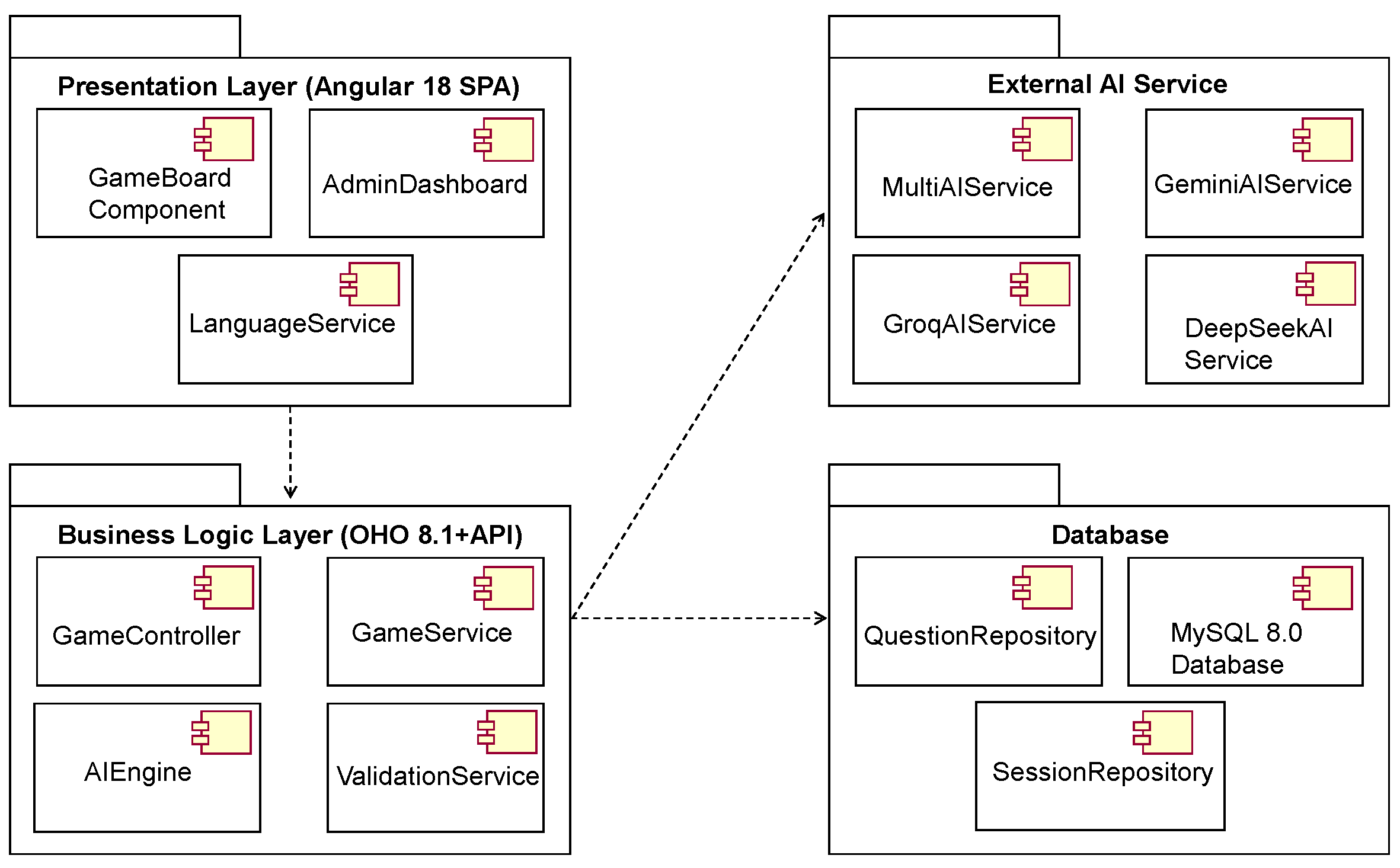
The descriptions of each component seen in Figure A1 are below.
- Presentation Layer (Angular 18 SPA): The presentation layer manages all user interaction and visual rendering through a responsive Single Page Application. Built with Angular 18 and TypeScript, it communicates exclusively with the backend via HTTP/JSON requests. The layer implements reactive state management through Angular’s Signals API and provides comprehensive internationalization support for both Spanish and English languages, ensuring accessibility for a broader user base.
- –
- The GameBoardComponent serves as the primary game interface, rendering questions, answer options, scores, lives counters, difficulty indicators, and real-time feedback. It manages all game state transitions and captures user interactions during gameplay.
- –
- The AdminDashboard provides administrative functionality, displaying system statistics, player metrics, and a question verification queue, while enabling management of rooms, categories, and administrator accounts.
- –
- The LanguageService implements internationalization by managing language switching between Spanish and English, dynamically loading translation files from the assets/i18n/directory and providing reactive language state across all components.
The dashed arrow of Figure A1 indicates that the Presentation Layer uses the REST endpoints exposed by the Business Logic Layer. It sends HTTP/JSON requests to the GameController and waits for responses. - Business Logic Layer (PHP 8.1+ REST API): This layer encapsulates all application logic, game rules, and the adaptive AI engine. RESTful endpoints are implemented following clean architecture principles, with clear separation between Controllers (handling HTTP requests) and Services (containing business logic). The layer manages user authentication, input validation, and orchestrates interactions between the adaptive difficulty engine and data repositories.
- –
- The GameController exposes REST endpoints for game session management, handling requests for session initiation, answer submission, question retrieval, and session abandonment. It delegates processing to the GameService.
- –
- The GameService implements core game mechanics including session management, response-time-based score calculation, lives tracking, and difficulty progression coordination with the AI engine.
- –
- The AIEngine implements heuristic rules for adaptive difficulty, analyzing response correctness and reaction time to calculate difficulty adjustments (adding 0.50 for fast correct responses, 0.25 for medium-paced correct answers, 0.10 for slow correct responses, and subtracting 0.25 for incorrect answers).
- –
- The ValidationService ensures data integrity by validating all inputs against defined business rules, including player registration data, answer submissions, and administrative inputs.
The AIEngine within the Business Logic Layer depends on the external APIs (Google Gemini, Groq, DeepSeek) to generate new questions dynamically. The dashed arrow of Figure A1 specifically represents that the Business Logic Layer uses these external services, but if one fails (e.g., Gemini), it dynamically switches to depend on the next one (Groq). - External AI Services: The AI integration layer provides a unified interface for multiple external AI providers through an abstracted service architecture. A sophisticated failover pattern ensures system resilience: if the primary provider (Gemini) fails to respond, the system automatically and sequentially attempts connections with secondary providers (Groq, then DeepSeek) until a successful response is obtained. This pattern guarantees continuous availability for dynamic question generation about colorectal cancer prevention.
- –
- The MultiAIService orchestrates AI provider failover, sequentially attempting connections with Gemini, Groq, and DeepSeek until a successful response is obtained.
- –
- The GeminiAIService integrates with Google Gemini 2.0-Flash as the primary provider, generating educational questions with appropriate complexity levels and detailed explanations for both correct and incorrect answers.
- –
- The GroqAIService interfaces with the Groq API using the Llama 3.3 70B model, offering fast inference times as the first failover option.
- –
- The DeepSeekAIService provides integration with DeepSeek’s API as the final backup option, ensuring cost-effective question generation when primary and secondary providers are unavailable.
- Data Layer (MySQL 8.0): The data layer implements the Repository pattern to manage persistence operations. Each repository provides comprehensive CRUD operations for specific entities while abstracting the underlying database access details. Secure database connections are maintained through PDO with prepared statements, ensuring protection against SQL injection vulnerabilities while maintaining optimal query performance.
- –
- The QuestionRepository manages question entity persistence, providing methods for filtering by difficulty level, category, and verification status, while supporting random selection for gameplay and batch operations for CSV imports.
- –
- The SessionRepository tracks game session records, maintaining session state (active, completed, or game_over), final scores, total questions answered, and timestamps to support analytics queries and leaderboard generation.
The Business Logic Layer depends on the Data Layer to persist and retrieve information. When the GameService needs to save a player’s score or the QuestionRepository needs to fetch a question, it calls upon the Data Layer. The dashed arrow of Figure A1 shows that the logic relies on the data source, but the database exists independently.
References
- Wu, S.; Zhang, Y.; Lin, Z.; Wei, M. Global burden of colorectal cancer in 2022 and projections to 2050: Incidence and mortality estimates from GLOBOCAN. BMC Cancer 2025, 25, 1770. [Google Scholar] [CrossRef] [Scilit]
- Hossain, M.S.; Karuniawati, H.; Jairoun, A.A.; Urbi, Z.; Ooi, D.J.; John, A.; Lim, Y.C.; Kibria, K.K.; Mohiuddin, A.; Ming, L.C.; et al. Colorectal cancer: A review of carcinogenesis, global epidemiology, current challenges, risk factors, preventive and treatment strategies. Cancers 2022, 14, 1732. [Google Scholar] [CrossRef] [Scilit] [PubMed]
- Lewandowska, A.; Rudzki, G.; Lewandowski, T.; Stryjkowska-Gora, A.; Rudzki, S. Risk factors for the diagnosis of colorectal cancer. Cancer Control 2022, 29, 10732748211056692. [Google Scholar] [CrossRef] [Scilit] [PubMed]
- El Muhtaseb, M.; Ghanayem, A.; Almanaseer, W.N.; Alshebelat, H.; Ghanayem, R.; Alsheikh, G.M.; Al Karmi, F.; Al Aruri, D.O. Assessing awareness of colorectal cancer symptoms, risk factors and screening barriers among eligible adults in Jordan: A cross-sectional study. BMC Public Health 2025, 25, 1544. [Google Scholar] [CrossRef] [Scilit] [PubMed]
- Alabed, A.; Samha, R.; Nahhat, F.; Droubi, S.; Fawaz, H.; Latifeh, Y. Colorectal cancer knowledge and screening awareness in Syria: A cross-sectional study. BMC Public Health 2025, 25, 963. [Google Scholar] [CrossRef] [Scilit]
- Alnees, M.; Khadija, H.A.; Najajra, D.; Awwad, M.; Hamdeh, N.A.; Darwish, A.; Dabash, A.; Sarsour, T.; Yousef, N.; Barham, D.; et al. Awareness and knowledge of colon cancer risk factors and preventive behaviors: A cross-sectional study. J. Fam. Med. Prim. Care 2025, 14, 3784–3791. [Google Scholar] [CrossRef] [Scilit]
- Matsuda, T.; Fujimoto, A.; Igarashi, Y. Colorectal cancer: Epidemiology, risk factors, and public health strategies. Digestion 2025, 106, 91–99. [Google Scholar] [CrossRef] [Scilit]
- Smith, S.K.; Simpson, J.M.; Trevena, L.J.; McCaffery, K.J. Factors associated with informed decisions and participation in bowel cancer screening among adults with lower education and literacy. Med. Decis. Mak. 2014, 34, 756–772. [Google Scholar] [CrossRef] [Scilit]
- Davis, T.C.; Dolan, N.C.; Ferreira, M.R.; Tomori, C.; Green, K.W.; Sipler, A.M.; Bennett, C.L. The role of inadequate health literacy skills in colorectal cancer screening. Cancer Investig. 2001, 19, 193–200. [Google Scholar] [CrossRef] [Scilit]
- Li, J.; Li, Z.P.; Ruan, W.J.; Wang, W. Colorectal cancer screening: The value of early detection and modern challenges. World J. Gastroenterol. 2024, 30, 2726. [Google Scholar] [CrossRef] [Scilit]
- Wu, D.; Song, Q.Y.; Dai, B.S.; Li, J.; Wang, X.X.; Liu, J.Y.; Xie, T.Y. Colorectal cancer early screening: Dilemmas and solutions. World J. Gastroenterol. 2025, 31, 98760. [Google Scholar] [CrossRef] [Scilit]
- Tanase, M.; Cirstea, J.; Irava, B.; Samie, H. The Importance of Screening and Early Diagnosis for a Good Outcome in Patients with Colorectal Cancer. Rom. J. 2025, 128, 336–342. [Google Scholar] [CrossRef] [Scilit]
- Yu, J.; Feng, Q.; Kim, J.H.; Zhu, Y. Combined effect of healthy lifestyle factors and risks of colorectal adenoma, colorectal cancer, and colorectal cancer mortality: Systematic review and meta-analysis. Front. Oncol. 2022, 12, 827019. [Google Scholar] [CrossRef] [Scilit] [PubMed]
- Morrow, L.; Greenwald, B. Healthy food choices, physical activity, and screening reduce the risk of colorectal cancer. Gastroenterol. Nurs. 2022, 45, 113–119. [Google Scholar] [CrossRef] [Scilit] [PubMed]
- Alsehemi, Z.O. Public Awareness and Knowledge about Colorectal Cancer Screening in Saudi Arabia. Int. J. Community Med. Public Health 2024, 12, 11–16. [Google Scholar] [CrossRef] [Scilit]
- Smith, R.A.; Andrews, K.S.; Brooks, D.; Fedewa, S.A.; Manassaram-Baptiste, D.; Saslow, D.; Wender, R.C. Cancer screening in the United States, 2019: A review of current American Cancer Society guidelines and current issues in cancer screening. CA Cancer J. Clin. 2019, 69, 184–210. [Google Scholar] [CrossRef] [Scilit]
- Lynes, K.; Kazmi, S.A.; Robery, J.D.; Wong, S.; Gilbert, D.; Thaha, M.A. Public appreciation of lifestyle risk factors for colorectal cancer and awareness of bowel cancer screening: A cross-sectional study. Int. J. Surg. 2016, 36, 312–318. [Google Scholar] [CrossRef] [Scilit]
- McGonigal, J. Reality Is Broken: Why Games Make Us Better and How They Can Change the World; Penguin Press: New York, NY, USA, 2011. [Google Scholar]
- Reeves, B.; Read, J.L. Total Engagement: Using Games and Virtual Worlds to Change the Way People Work and Compete; Harvard Business Press: Boston, MA, USA, 2009. [Google Scholar]
- Vargas, I.; Mogollón-Pérez, A.S.; Eguiguren, P.; Torres, A.L.; Peralta, A.; Rubio-Valera, M.; Jervelund, S.S.; Borras, J.M.; Dias, S.; Vázquez, M.L.; et al. Understanding the health system drivers of delayed cancer diagnosis in public healthcare networks of Chile, Colombia and Ecuador: A qualitative study with health professionals, managers and policymakers. Soc. Sci. Med. 2025, 365, 117499. [Google Scholar] [CrossRef] [Scilit]
- Parrales-Bravo, F.; Caicedo-Quiroz, R.; Barzola-Monteses, J.; Cevallos-Torres, L. Prediction of emergency room arrivals of patients with preeclampsia disease using artificial neural network model. In Proceedings of the 2024 IEEE 4th International Conference on Electronic Communications, Internet of Things and Big Data (ICEIB); IEEE: Piscataway, NJ, USA, 2024; pp. 34–39. [Google Scholar]
- Brusnahan, A.; Carrasco-Tenezaca, M.; Bates, B.R.; Roche, R.; Grijalva, M.J. Identifying health care access barriers in southern rural Ecuador. Int. J. Equity Health 2022, 21, 55. [Google Scholar] [CrossRef] [Scilit]
- Hill, M.D.; Fernández Salvador, C.; Pelfini, A.; Salas, M.; Rosés, M.A. Medical pluralism and ambivalent trust: Pandemic technologies, inequalities, and public health in Ecuador and Argentina. Crit. Public Health 2022, 32, 19–30. [Google Scholar] [CrossRef] [Scilit]
- Parrales-Bravo, F.; Caicedo-Quiroz, R.; Tolozano-Benites, E.; Vasquez-Cevallos, L.; Cevallos-Torres, L. STOP: Studying Time-series of Preeclamptic Emergencies. IEEE Access 2025, 13, 65672–65689. [Google Scholar] [CrossRef] [Scilit]
- Parrales-Bravo, F.; Caicedo-Quiroz, R.; Tolozano-Benitez, E.; Gómez-Rodríguez, V.; Cevallos-Torres, L.; Charco-Aguirre, J.; Vasquez-Cevallos, L. OUCH: Oversampling and undersampling cannot help improve accuracy in our bayesian classifiers that predict preeclampsia. Mathematics 2024, 12, 3351. [Google Scholar] [CrossRef] [Scilit]
- Parrales-Bravo, F.; Ortiz-Aguilar, W.; Cevallos-Torres, L.; Barzola-Monteses, J.; Caicedo-Quiroz, R. Current Situation of Serious Games to Support Ecuadorian Health. In Proceedings of the 2025 IEEE 38th International Symposium on Computer-Based Medical Systems (CBMS); IEEE: Piscataway, NJ, USA, 2025; pp. 908–911. [Google Scholar]
- Freire, P. Pedagogy of the oppressed. In Toward a Sociology of Education; Routledge: Abingdon, UK, 2020; pp. 374–386. [Google Scholar]
- Fields, L.; Dean, B.A.; Perkiss, S.; Moroney, T. Education on the Sustainable Development Goals for nursing students: Is Freire the answer? Nurs. Inq. 2022, 29, e12493. [Google Scholar] [CrossRef] [Scilit] [PubMed]
- Rivera, Y.M. Reducing cancer health disparities among US Latinos: A Freireian approach. Int. J. Hum. Rights Healthc. 2018, 11, 368–379. [Google Scholar] [CrossRef] [Scilit]
- Pruthi, D.S.; Nagpal, P.; Yadav, A.; Bansal, B.; Pandey, M.; Agarwal, N. Shifting Paradigm of Adult Cancers at Young Age—A Case Series. Clin. Cancer Investig. J. 2022, 11, 1–6. [Google Scholar] [CrossRef] [Scilit]
- Ali, A. From Awareness to Advocacy: The Impact of Social Media on Healthcare Professionals. Preprints 2025. [Google Scholar] [CrossRef] [Scilit]
- Knight Wilt, J. Exploring Emerging Adults’ Consideration of Future Cancer Risk Reduction: Opportunity for Shifting Prevention Paradigms? Ph.D. Thesis, Virginia Commonwealth University, Richmond, VA, USA, 2024. [Google Scholar]
- Gomes, M.P.N. Paulo Freire e Lukács para a Constituição de uma Proposta com Vistas à Emancipação Humana e à Conscientização na Promoção da Saúde na Educação Física Escolar. Ph.D. Thesis, Universidade Federal do Ceará (UFC), Fortaleza, Brazil, 2019. [Google Scholar]
- Creswell, J.W.; Creswell, J.D. Research Design: Qualitative, Quantitative, and Mixed Methods Approaches; Sage Publications: Thousand Oaks, CA, USA, 2017. [Google Scholar]
- Vygotsky, L.S. Mind and Society: The Development of Higher Mental Processes; Harvard University: Cambridge, MA, USA, 1978. [Google Scholar]
- Yaacob, N.A.; Mohamad Marzuki, M.F.; Yaacob, N.M.; Ahmad, S.B.; Abu Hassan, M.R. Effectiveness of the ColorApp mobile app for health education and promotion for colorectal cancer: Quasi-experimental study. JMIR Hum. Factors 2020, 7, e15487. [Google Scholar] [CrossRef] [Scilit]
- Abraham, O.; Szela, L.; Khan, M.; Geddam, A. Exploring middle school students’ perspectives on using serious games for cancer prevention education: Focus group study. JMIR Serious Games 2022, 10, e31172. [Google Scholar] [CrossRef] [Scilit]
- Lee, T.G.; Song, G.H.; Ahn, H.m.; Oh, H.K.; Byun, M.; Han, E.C.; Kim, S.; Kim, C.W.; Kim, H.J.; Hong, S.; et al. Public effect of the 2022 Colorectal Cancer Awareness Campaign delivered through a metaverse platform. Ann. Coloproctol. 2023, 40, 145. [Google Scholar] [CrossRef] [Scilit]
- Srivastava, A.; Stimpson, J.P. Instagram Posts Promoting Colorectal Cancer Awareness: Content Analysis of Themes and Engagement During Colorectal Cancer Awareness Month. JMIR Form. Res. 2025, 9, e63344. [Google Scholar] [CrossRef] [Scilit]
- Khan, Z.; Darr, U.; Khan, M.A.; Nawras, M.; Khalil, B.; Abdel-Aziz, Y.; Alastal, Y.; Barnett, W.; Sodeman, T.; Nawras, A. Improving internal medicine residents’ colorectal cancer screening knowledge using a smartphone app: Pilot study. JMIR Med. Educ. 2018, 4, e9635. [Google Scholar] [CrossRef] [Scilit] [PubMed]
- Petersen, H.V.; Frederiksen, B.L.; Lautrup, C.K.; Lindberg, L.J.; Ladelund, S.; Nilbert, M. Unsolicited information letters to increase awareness of Lynch syndrome and familial colorectal cancer: Reactions and attitudes. Fam. Cancer 2019, 18, 43–51. [Google Scholar] [CrossRef] [Scilit] [PubMed]
- Pires, M.R.G.M.; Gottems, L.B.D.; Fonseca, R.M.G.S.D. Ludic reinvention in the development of games in health: Theoretical-methodological frameworks for the production of critical subjectivities. Texto Contexto-Enferm. 2017, 26, e2500017. [Google Scholar]
- Aylward, R.C.; Cronjé, J.C. Paradigms extended: How to integrate behaviorism, constructivism, knowledge domain, and learner mastery in instructional design. Educ. Technol. Res. Dev. 2022, 70, 503–529. [Google Scholar] [CrossRef] [Scilit]
- Guillén-Salabria, J. CONGA Game. 2026. Available online: https://fparrale.github.io/SGColon/ (accessed on 26 January 2026).
- MacIsaac, S.; Gray, S.; Camacho-Miñano, M.J.; Rich, E.; Kumpulainen, K. Critical engagement with digital health: A socio-material analysis of physical education teachers’ digital health mind maps. Health Educ. J. 2024, 83, 437–449. [Google Scholar] [CrossRef] [Scilit]
- Frieman, J.; Reilly, S. Learning: A Behavioral, Cognitive, and Evolutionary Synthesis; Sage Publications: Thousand Oaks, CA, USA, 2015. [Google Scholar]
- Hakkarainen, P.; Bredikyte, M. The zone of proximal development in play and learning. Cult.-Hist. Psychol. 2008, 4, 2–11. [Google Scholar]
- Moura, K.C.C.; de Souza, E.L.N.; Flores, F.d.A.B.; Santos, A.B.V.; Amaral, H.F.; Giuliani, C.D.; da Silva, G.L.; Silva, F.F. Educação em Saúde na Atenção Primária: Relato de Experiência de Alunas da Graduação de Enfermagem. RECIMA21-Rev. Cient. Multidiscip. 2023, 4, e4104174. [Google Scholar]
- Universidad de Guayaquil. Reglamento del Comité de Ética de Investigación en Seres Humanos; Universidad de Guayaquil: Guayaquil, Ecuador, 2023. [Google Scholar]
- Cohen, J. The effect size. In Statistical Power Analysis for the Behavioral Sciences; Routledge: Abingdon, UK, 1988. [Google Scholar]
- Nunnally, J.C.; Bernstein, I.H. Psychometric Theory, 3rd ed.; McGraw-Hill: New York, NY, USA, 1994. [Google Scholar]
- Cook, D.A.; Beckman, T.J. Current concepts in validity and reliability for psychometric instruments: Theory and application. Am. J. Med. 2006, 119, 166.e7–166.e16. [Google Scholar] [CrossRef] [Scilit]
- Henson, R.K.; Kogan, L.R.; Vacha-Haase, T. A reliability generalization study of the teacher efficacy scale and related instruments. Educ. Psychol. Meas. 2001, 61, 404–420. [Google Scholar] [CrossRef] [Scilit]
- Lakes, K.D. Restricted sample variance reduces generalizability. Psychol. Assess. 2013, 25, 643. [Google Scholar] [CrossRef] [Scilit]
- Thompson, B. Guidelines for authors. Educ. Psychol. Meas. 1994, 54, 837–847. [Google Scholar]
- Centers for Disease Control and Prevention. Colorectal Cancer Control Program: Public Health and Health System Partnerships to Increase Colorectal Cancer Screening in Clinical Settings DP20-2002: Program Manual, Part II: Evaluation and Performance Measurement. 2023. Available online: https://stacks.cdc.gov/view/cdc/251975 (accessed on 13 February 2026).
- Smith, R.A.; Cokkinides, V.; Eyre, H.J. American Cancer Society guidelines for the early detection of cancer, 2006. CA Cancer J. Clin. 2006, 56, 11–25. [Google Scholar] [CrossRef] [Scilit] [PubMed]
- Cristobal, E.; Flavian, C.; Guinaliu, M. Perceived e-service quality (PeSQ) measurement validation and effects on consumer satisfaction and web site loyalty. Manag. Serv. Qual. Int. J. 2007, 17, 317–340. [Google Scholar] [CrossRef] [Scilit]
- Santoso, A. Comparing t test, rit significance test, and rit criteria for item selection method: A simulation study. Anima Indones. Psychol. J. 2017, 32, 99–108. [Google Scholar] [CrossRef] [Scilit]
- Del Giudice, T.; Tervoort, J.; Hautmann, C.; Walter, D.; Döpfner, M. Cross-cultural validity of the child and adolescent dispositions model in a clinical sample of children with externalizing behavior problems. Front. Psychol. 2020, 11, 641. [Google Scholar] [CrossRef] [Scilit]
- Cohen, T.R.; Kakinami, L.; Plourde, H.; Hunot-Alexander, C.; Beeken, R.J. Concurrent validity of the adult eating behavior questionnaire in a Canadian sample. Front. Psychol. 2021, 12, 779041. [Google Scholar] [CrossRef] [Scilit]
- Streiner, D.L. Starting at the beginning: An introduction to coefficient alpha and internal consistency. J. Personal. Assess. 2003, 80, 99–103. [Google Scholar] [CrossRef] [Scilit]
- Onwuegbuzie, A.J.; Leech, N.L. Linking research questions to mixed methods data analysis procedures. Qual. Rep. 2006, 11, 474–498. [Google Scholar] [CrossRef] [Scilit]
- Merrill, M.D. First principles of instruction. Educ. Technol. Res. Dev. 2002, 50, 43–59. [Google Scholar] [CrossRef] [Scilit]
- Gagné, R.M. The Conditions of Learning and Theory of Instruction, 4th ed.; Holt, Rinehart, and Winston: New York, NY, USA, 1985. [Google Scholar]
- Desforges, C. Folk pedagogies. In Early Professional Development for Teachers; Banks, F., Mayes, A.S., Eds.; David Fulton Publishers: London, UK, 2001; pp. 24–40. [Google Scholar]
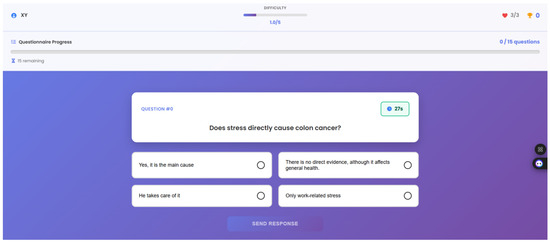
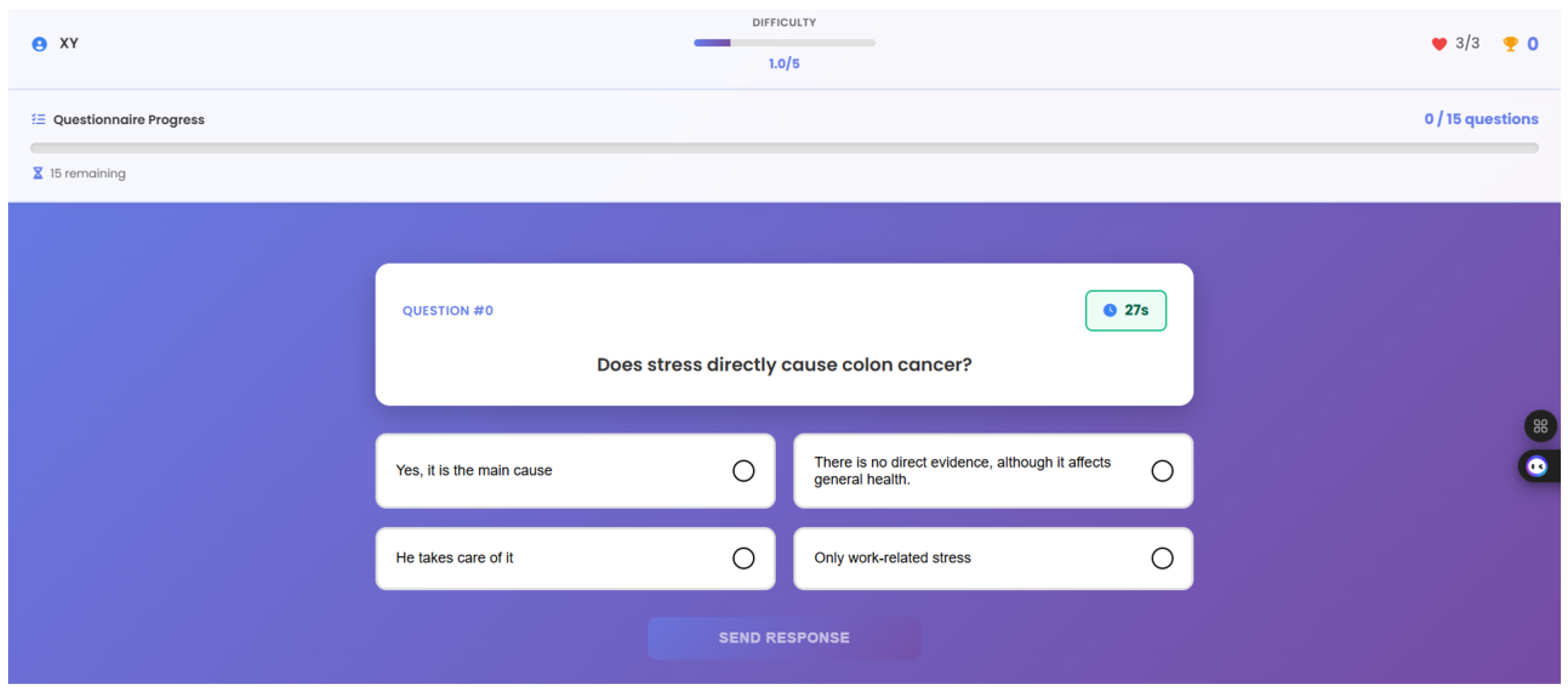
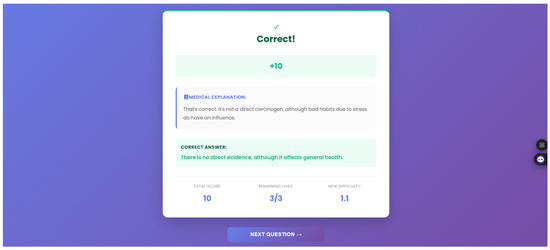
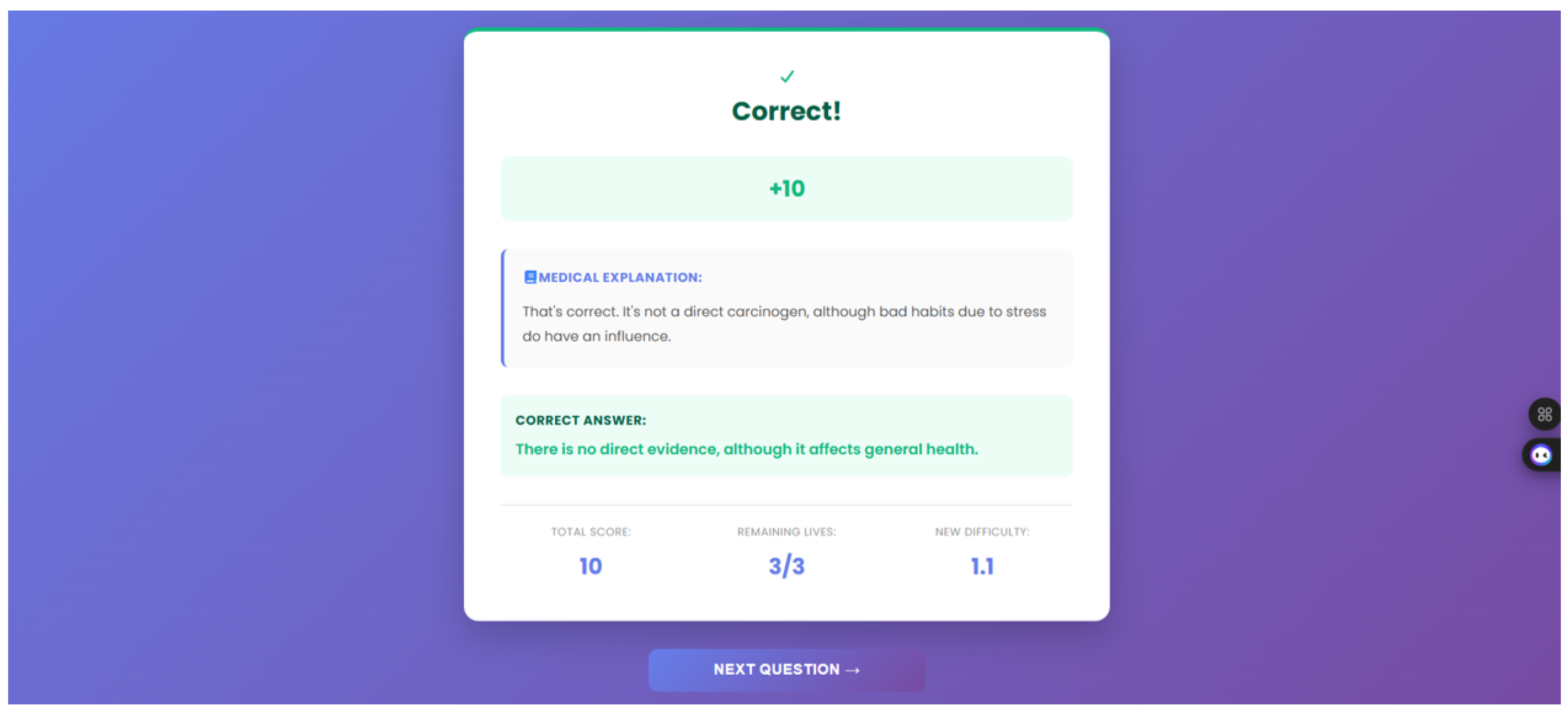
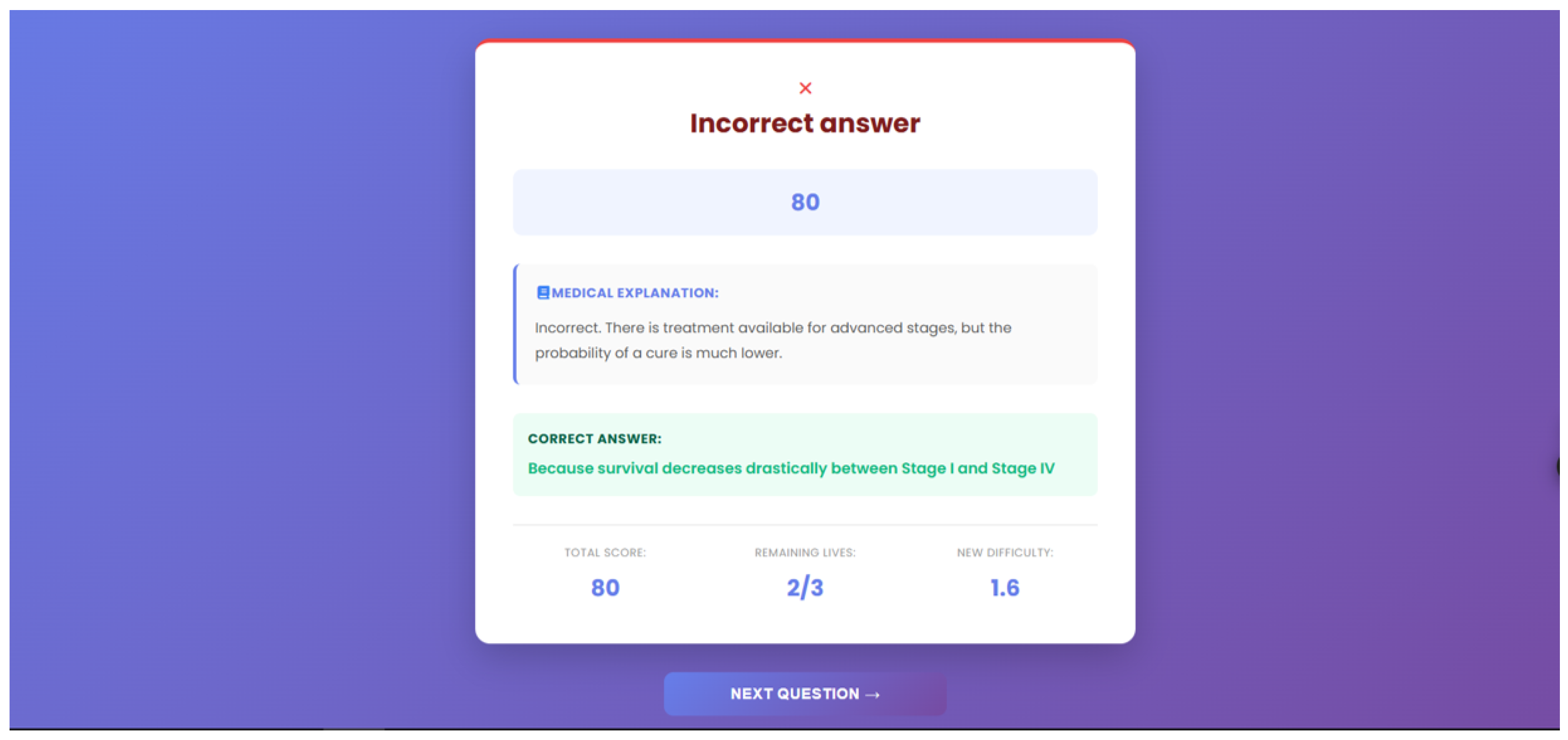
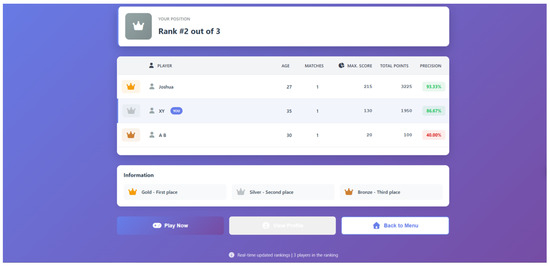
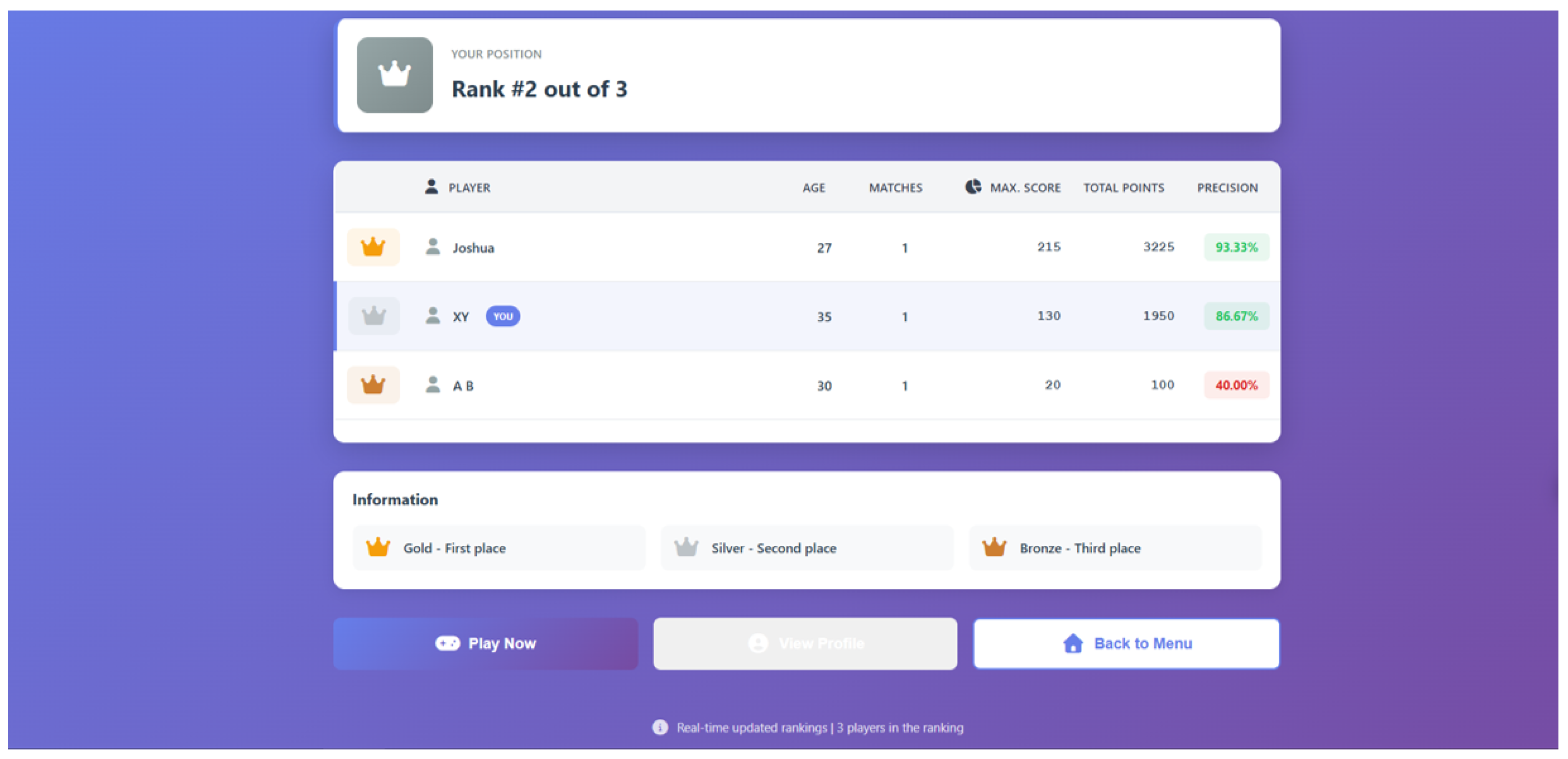
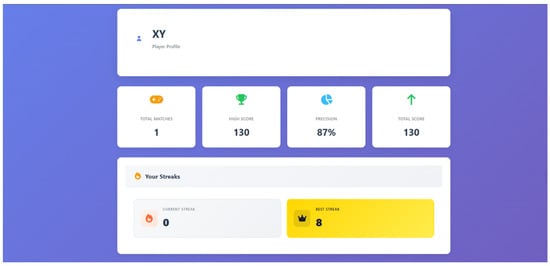
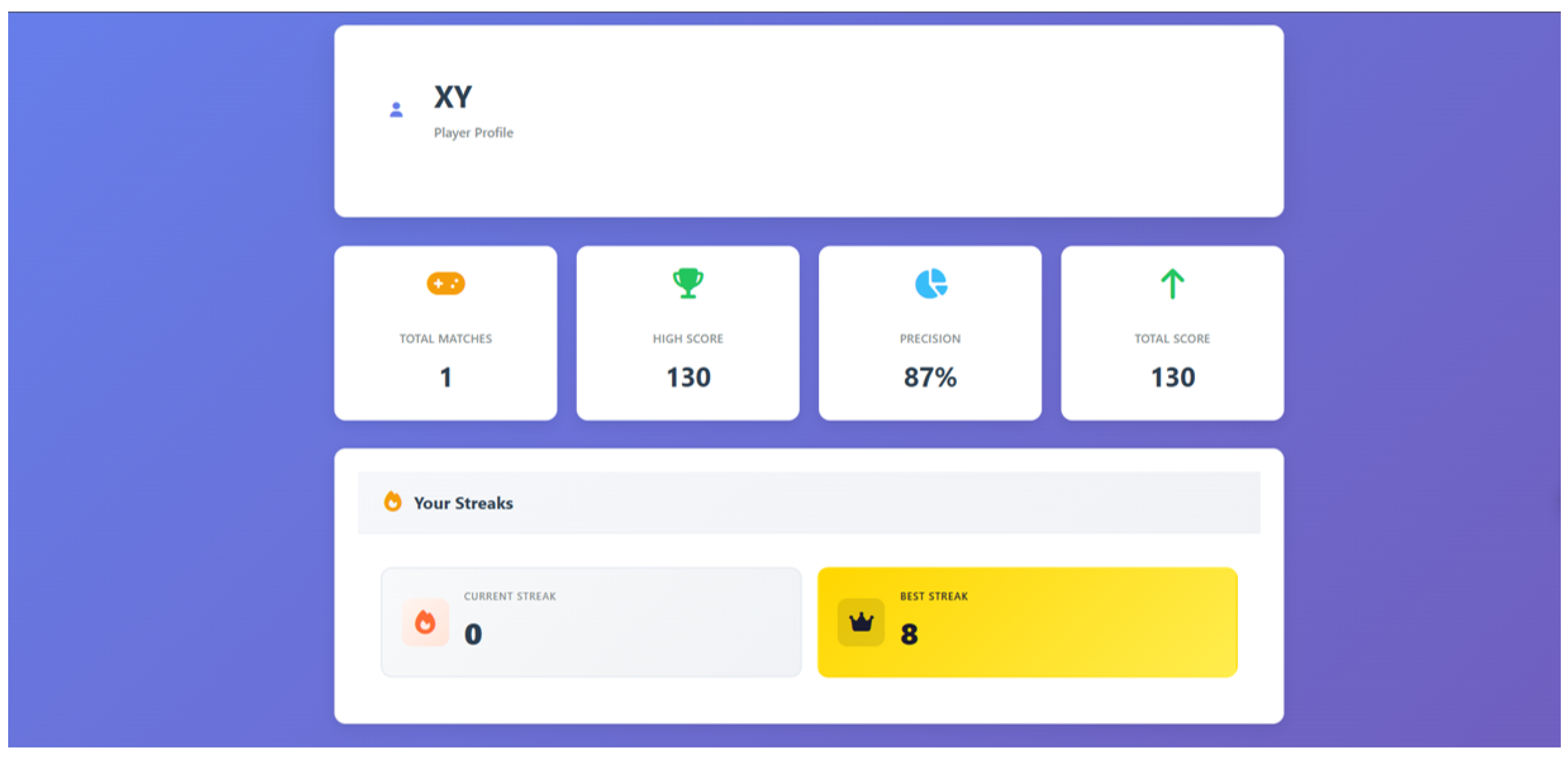
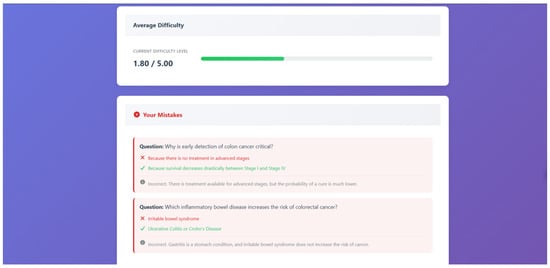
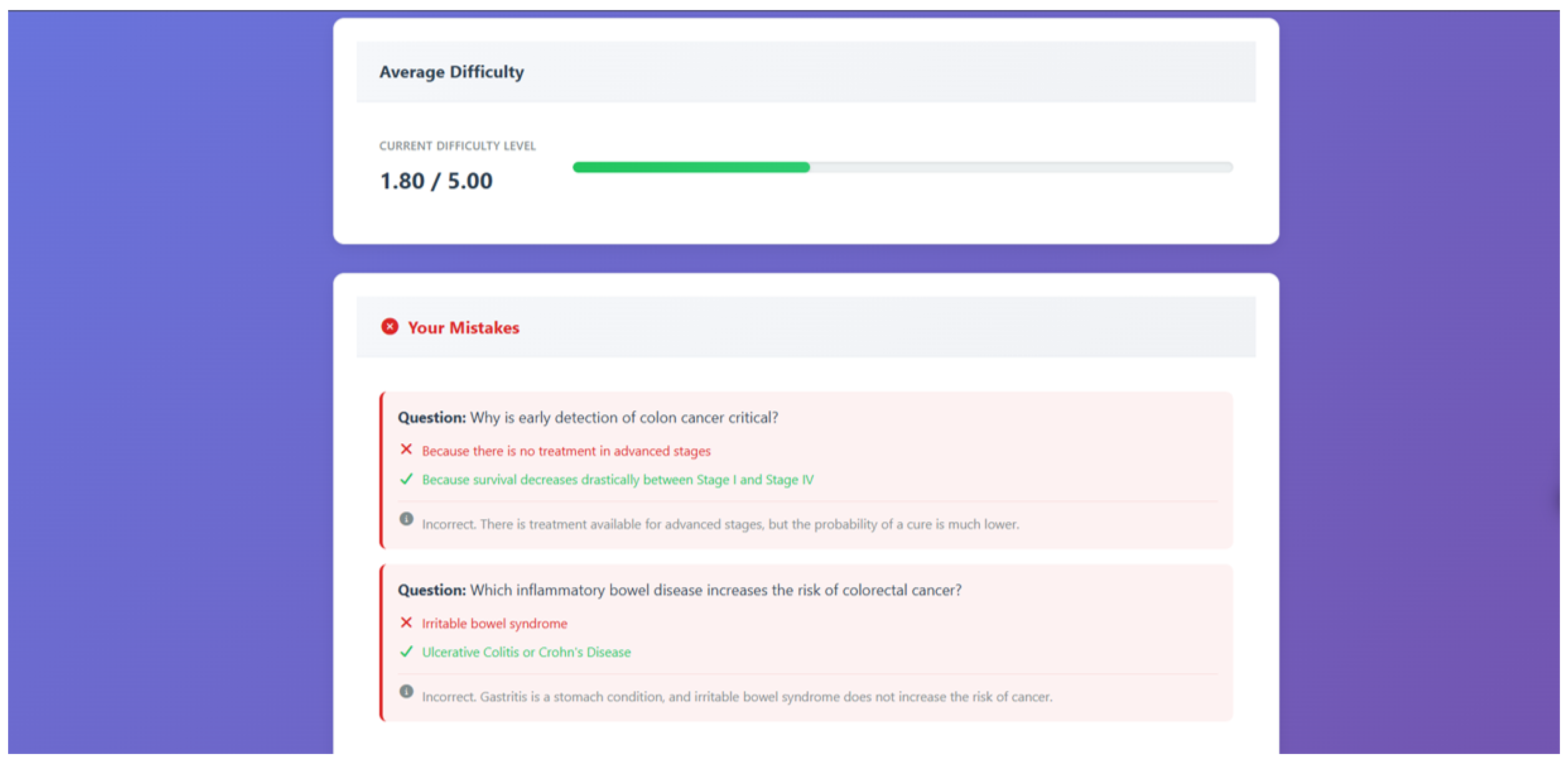
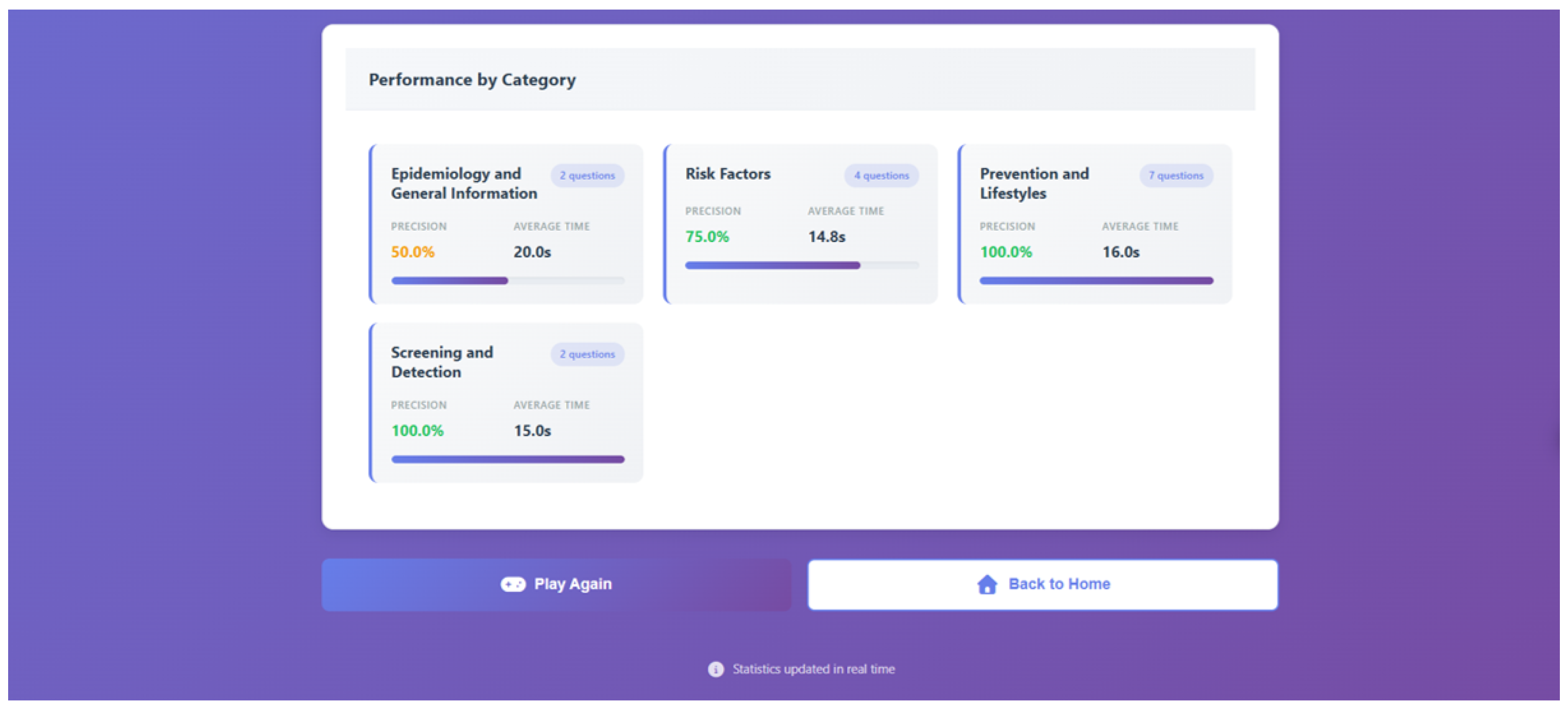
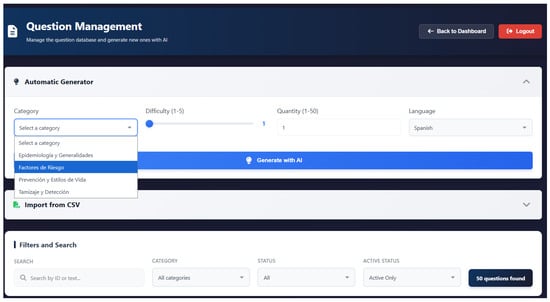
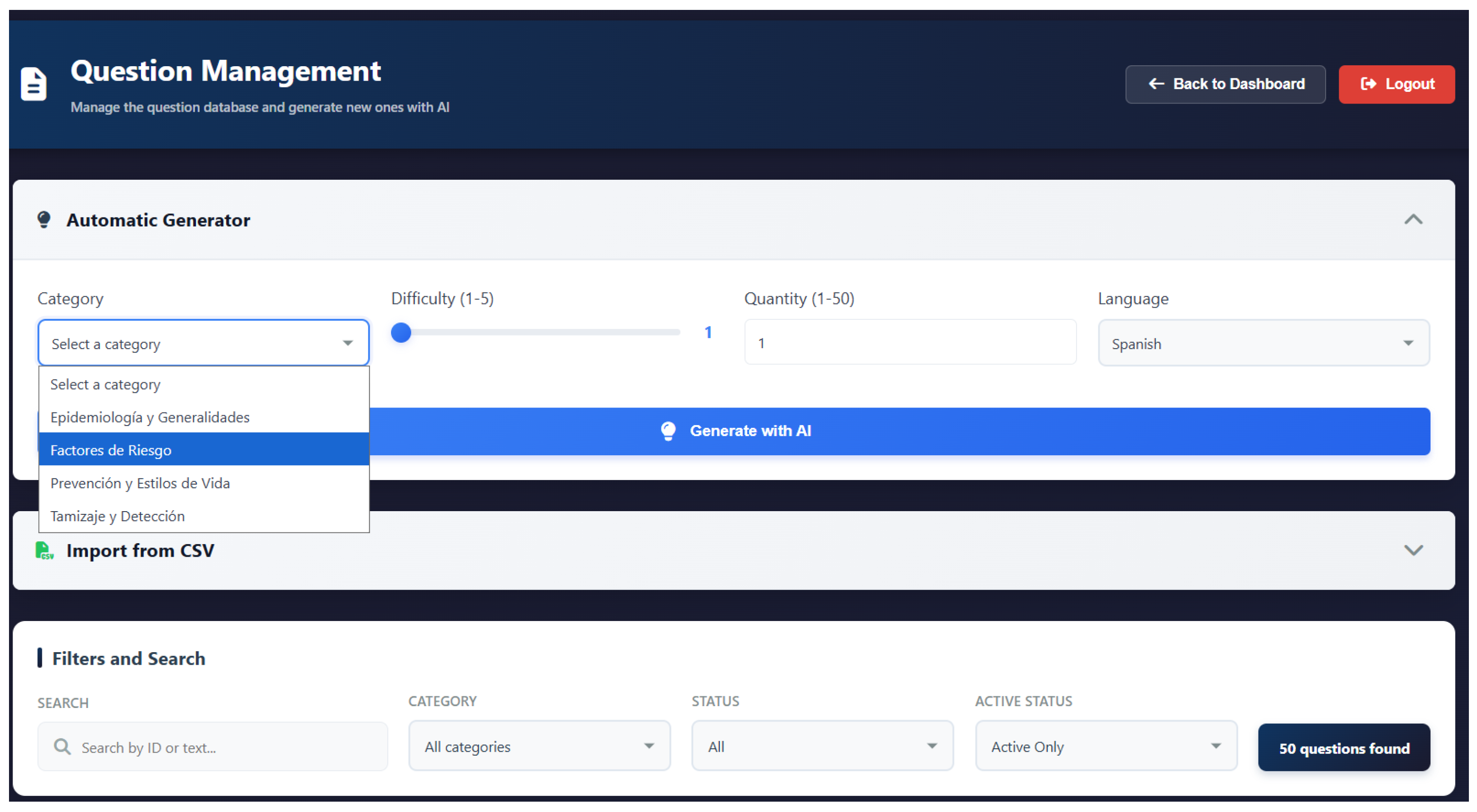
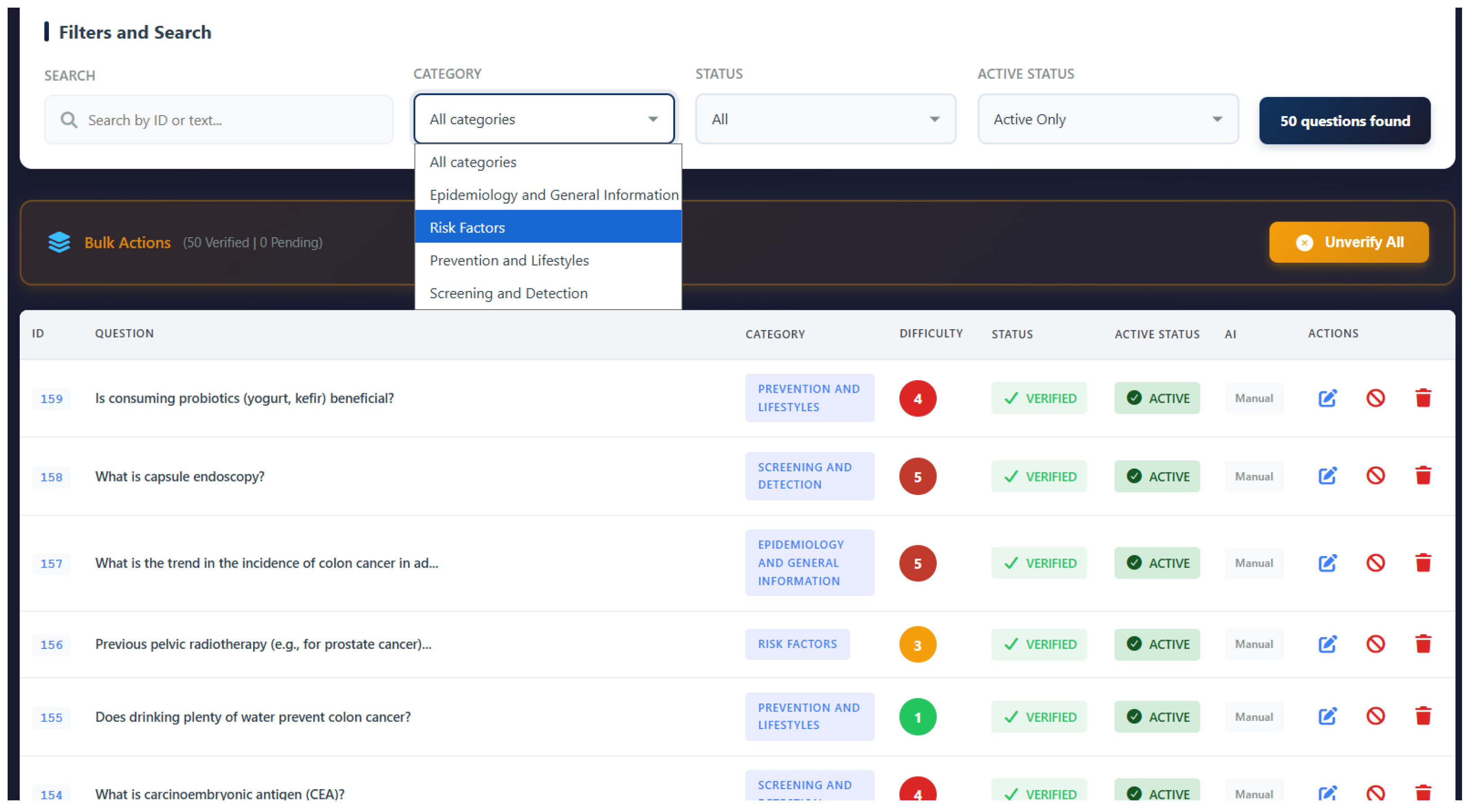
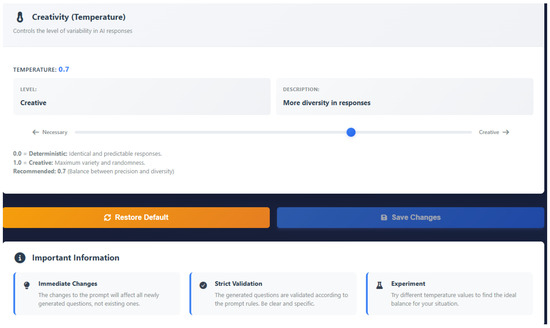
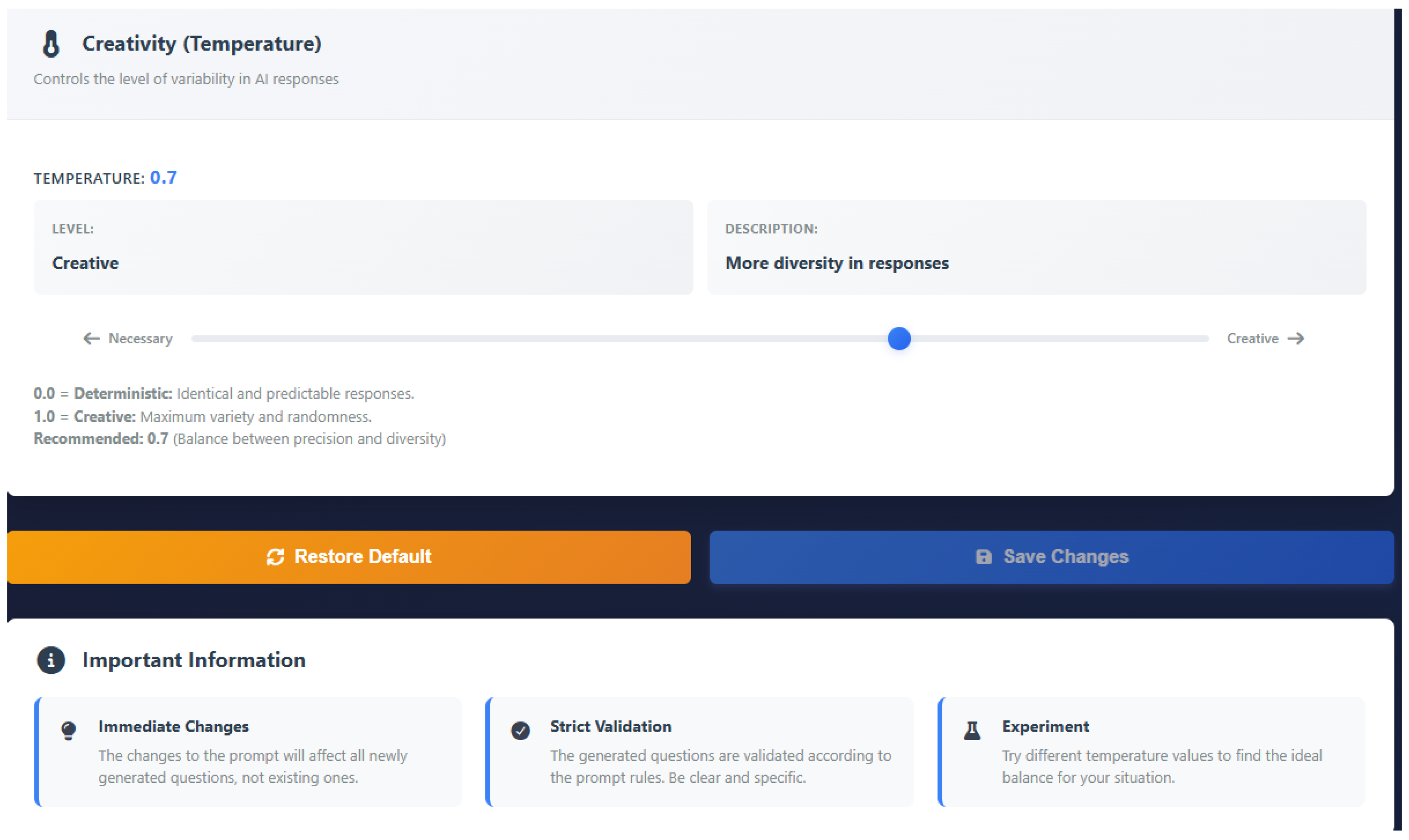
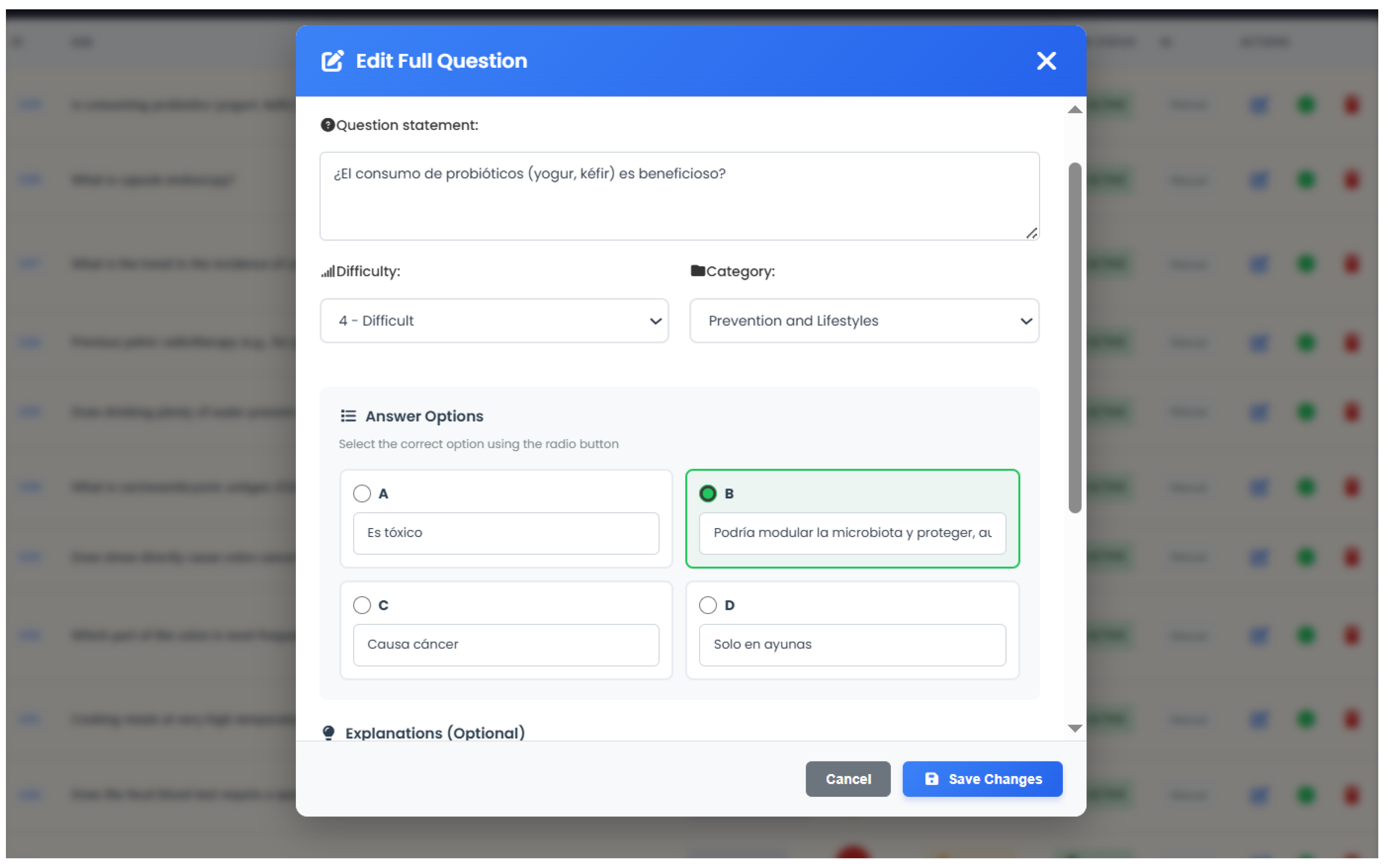


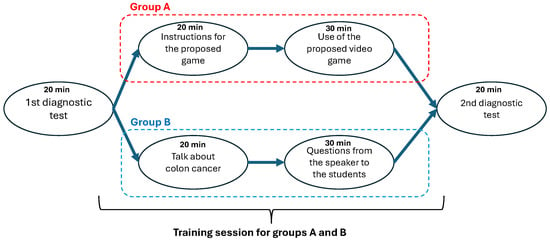
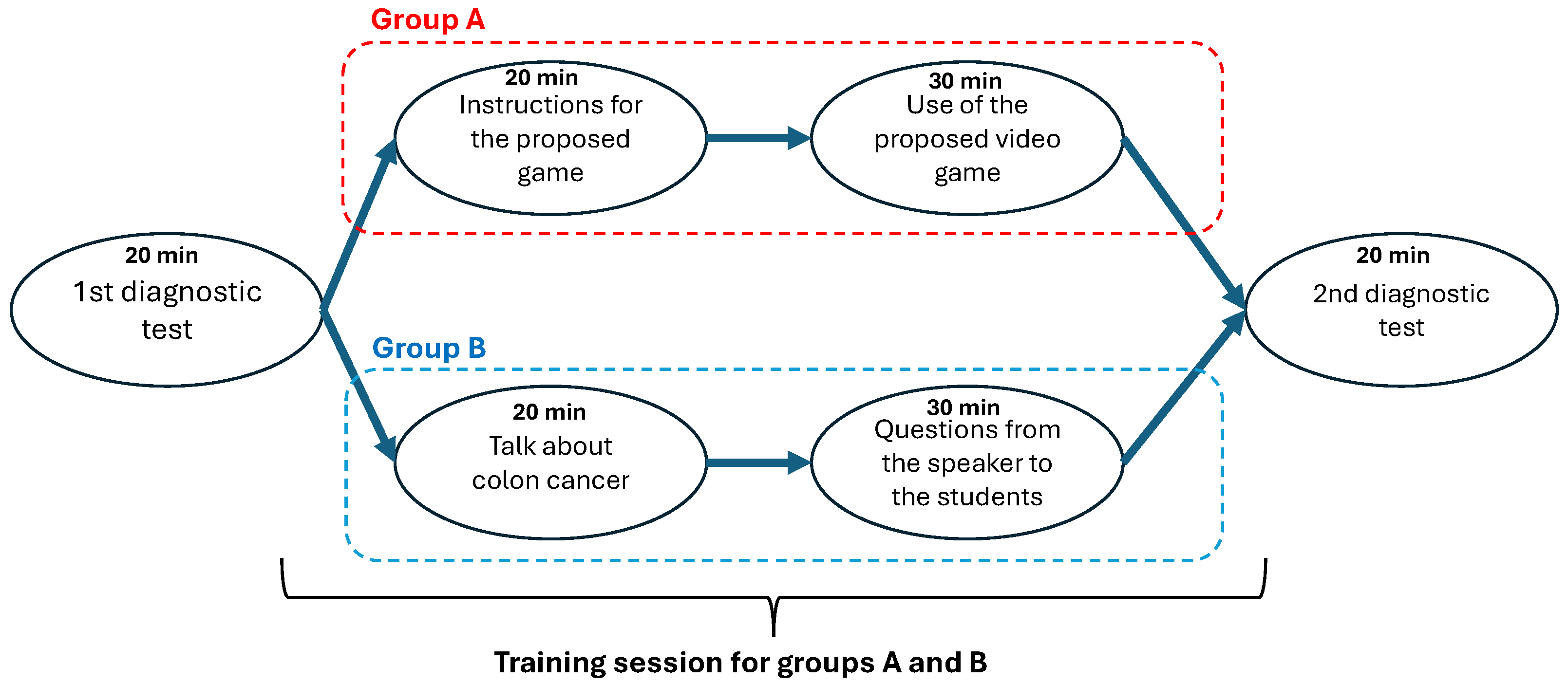
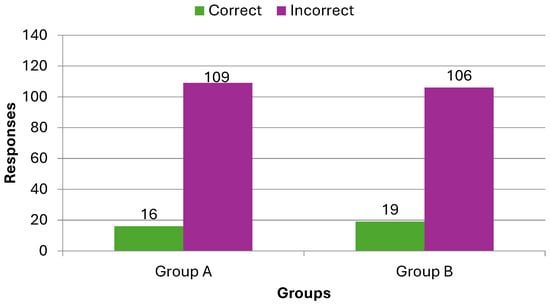
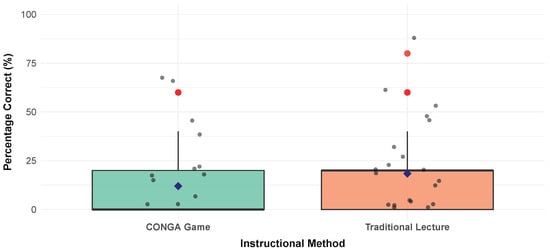
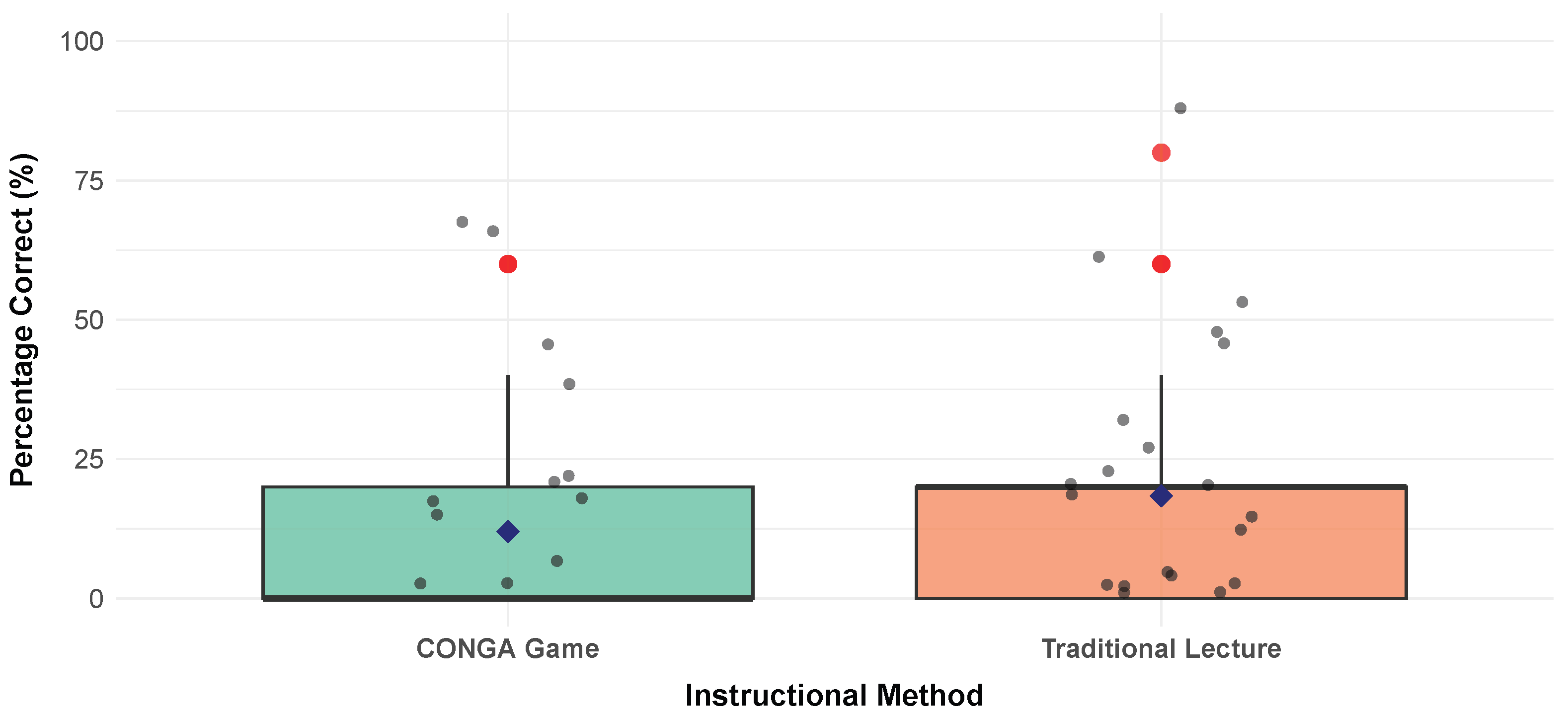
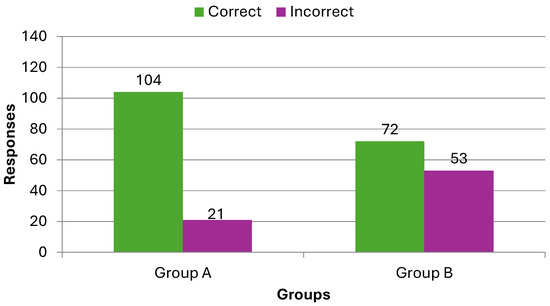
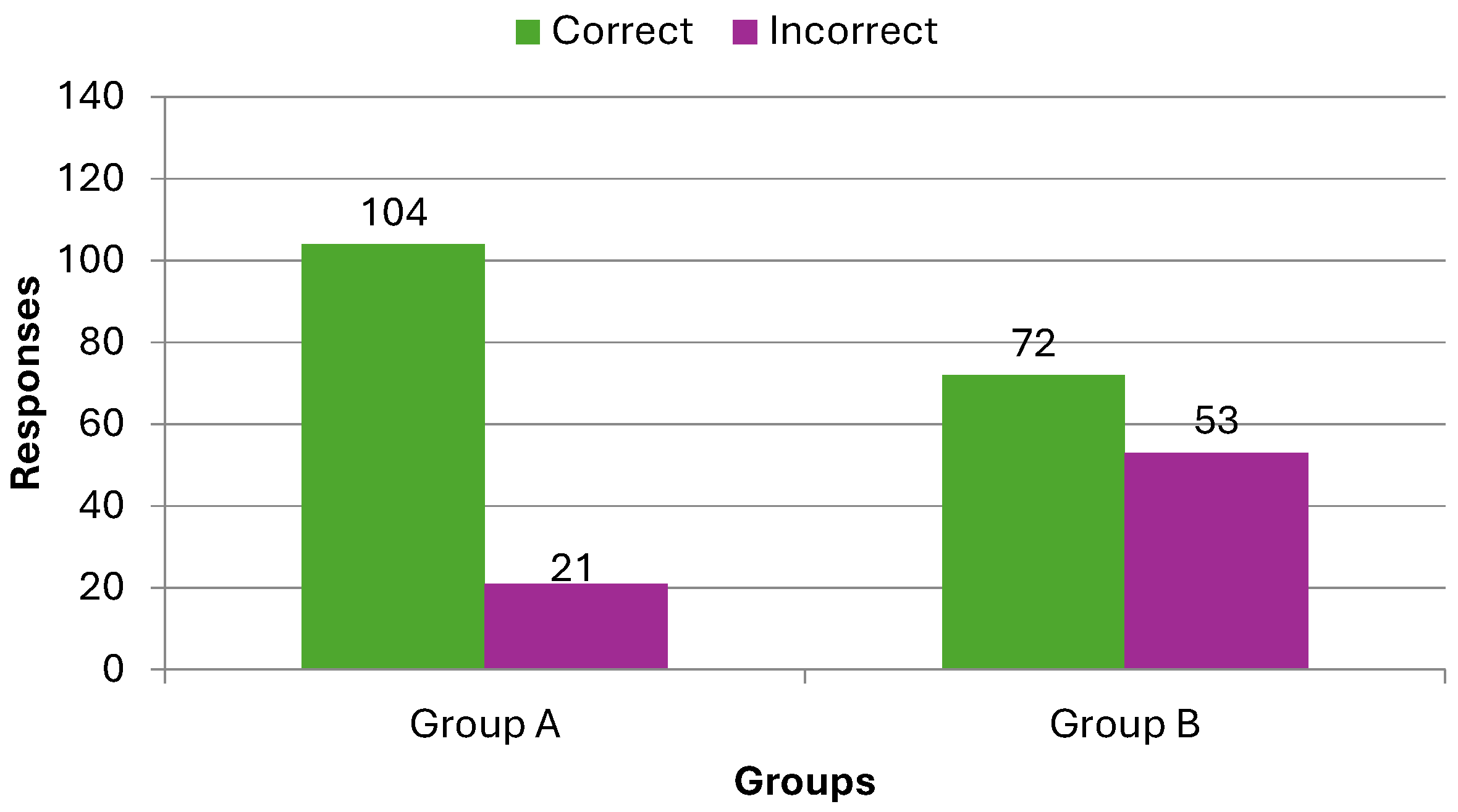
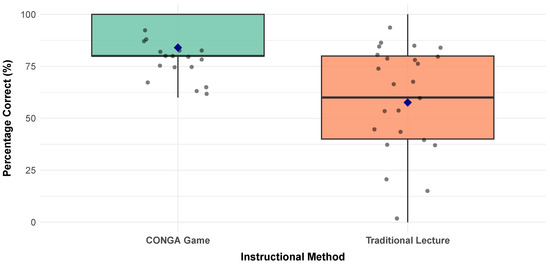
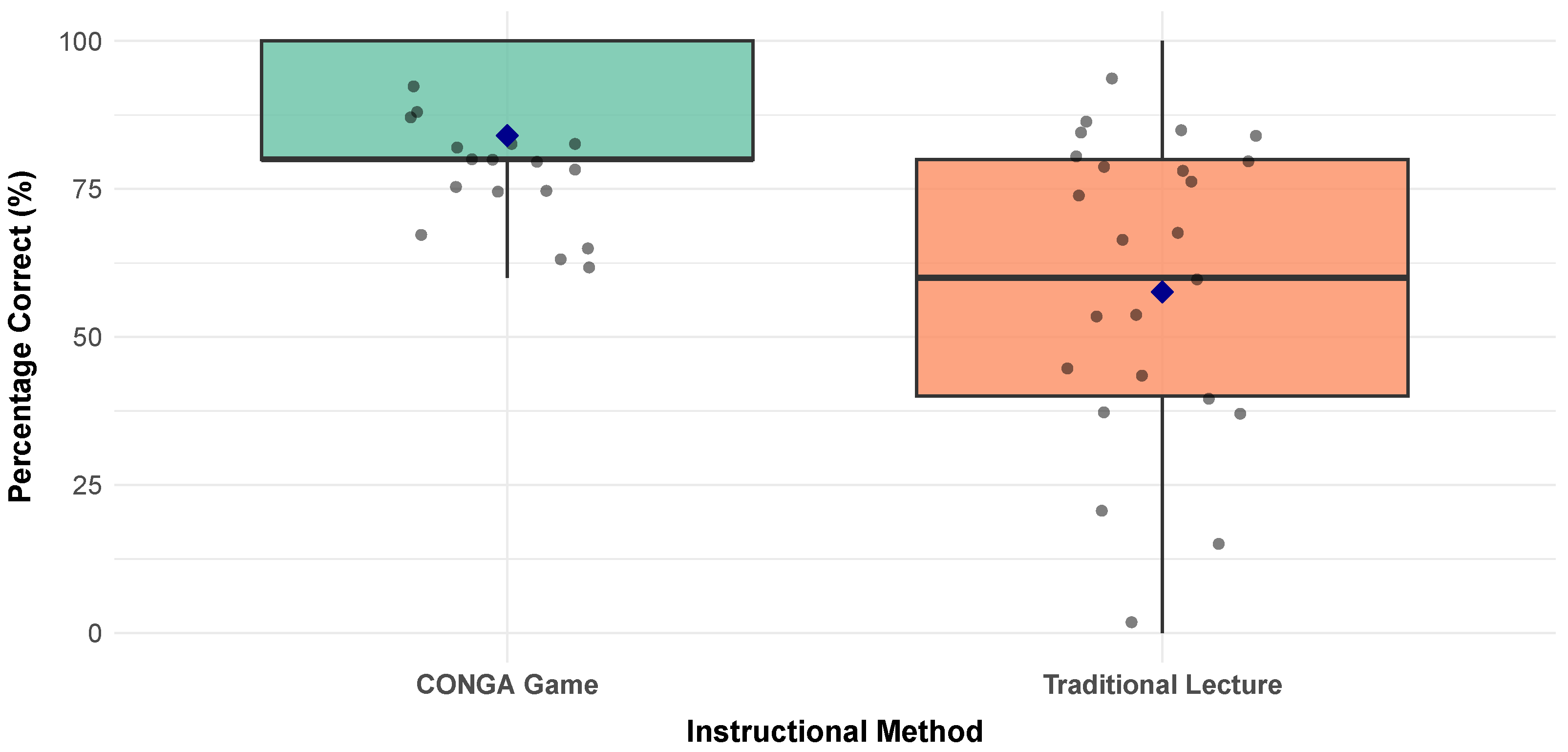
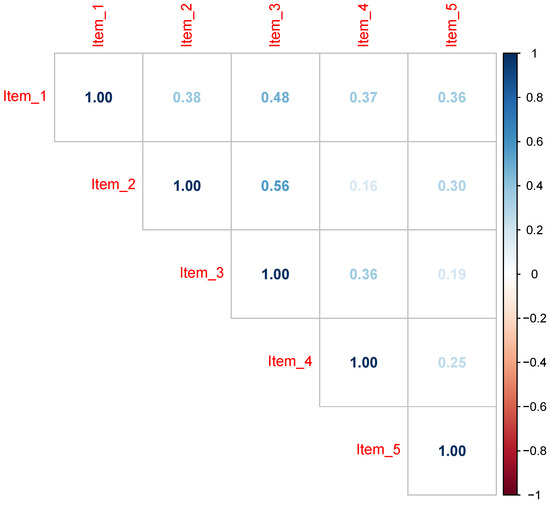
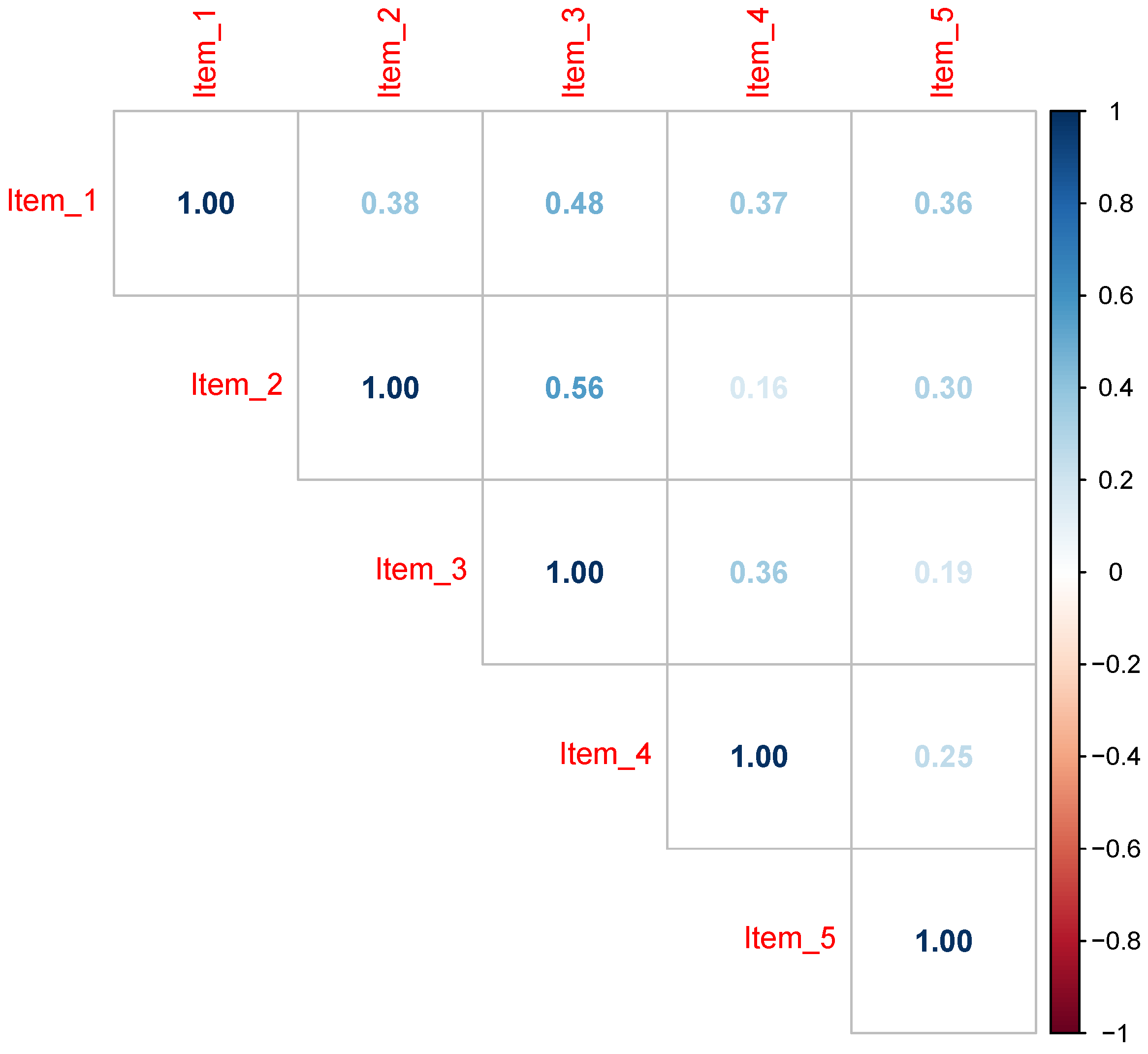

Disclaimer/Publisher’s Note: The statements, opinions and data contained in all publications are solely those of the individual author(s) and contributor(s) and not of MDPI and/or the editor(s). MDPI and/or the editor(s) disclaim responsibility for any injury to people or property resulting from any ideas, methods, instructions or products referred to in the content. |
© 2026 by the authors. Licensee MDPI, Basel, Switzerland. This article is an open access article distributed under the terms and conditions of the Creative Commons Attribution (CC BY) license.