


Simple Summary
Resection remains fundamental to the curative-intent management of pancreatic cancer. However, opportunities for resection are limited in borderline resectable (BRPC) and locally advanced (LAPC) pancreatic cancer due to tumour involvement of the surrounding vasculature. Neoadjuvant therapy shows promise in improving survival, aiming to potentially ‘downstage’ BRPC and LAPC by reducing tumour size, vascular involvement and improving systemic control of micrometastatic disease. This could involve multimodal chemotherapy with or without radiotherapy, as well as newer modalities including irreversible electroporation, targeted therapy and immunotherapy. This systematic review and meta-analysis of 88 articles demonstrated improved surgical outcomes following regimens that incorporated chemotherapy and radiotherapy, whether concurrent or sequential. Resection following chemotherapy alone or sequential chemotherapy and radiotherapy improved overall survival compared to non-operative management; however, there were no differences in effect between these modalities. Other modality-specific impacts on survival could not be elucidated. Future studies are warranted to improve BRPC and LAPC outcomes.
Abstract
Background: Pancreatic ductal adenocarcinoma (PDAC) is a leading cause of cancer-related mortality with poor survival outcomes. Resection is the sole definitive management; however, most PDACs are diagnosed with unresectable disease including metastatic, locally advanced (LAPC) or borderline resectable (BRPC). Recently, neoadjuvant therapy has demonstrated potential in downstaging these tumours for resection. This literature review explores current and novel approaches in the management of BRPC and LAPC. Methods: A systematic search of Medline, Embase, Cochrane Central and Emcare databases was conducted on 7 April 2025. Inclusion criteria were primary articles that explored current and novel therapies that led to downstaging of BRPC and LAPC to resection, as well as resection outcomes and oncological outcomes associated with this. Articles that explored other pancreatic cancer subtypes or either resectable or metastatic disease were excluded. All meta-analyses were performed using a random-effects model based on the inverse variance method. Results: A total of 88 studies involving 8585 patients were included in the review, predominately from retrospective studies (57%, n = 50). Neoadjuvant regimens incorporating chemotherapy or radiotherapy, whether sequential or concurrent, demonstrated the highest proportions of R0 resections with N0 status. Overall, most modalities showed evidence of survival benefit following resection compared to non-operative management, with pooled differences demonstrated for chemotherapy alone (HR 0.33, 95% CI 0.25–0.44) and sequential chemotherapy and radiotherapy (HR 0.49, 95% CI 0.25–0.95). However, no significant differences between these modalities were demonstrated. Other modality-specific conclusions regarding survival benefit could not be elucidated. Conclusions: The rising incidence and global mortality from PDAC underscore the significance of identifying approaches to optimise the management of BRPC and LAPC. This review emphasises the importance of neoadjuvant therapy, both current and novel with surgical resection, which may warrant further investigation in future clinical trials. However, it is important to acknowledge the clinical heterogeneity of current data, which may introduce bias. Nevertheless, these findings can help to inform guidelines on the management of BRPC and LAPC.
1. Introduction
Pancreatic cancer, most commonly pancreatic ductal adenocarcinoma (PDAC), is an aggressive cancer with one of the worst survival outcomes. It is the sixth leading cause of cancer-related mortality worldwide, with a poor 5-year survival rate of up to 13% [1,2,3]. Surgical resection is a central component of multimodality treatment for localised PDAC with proven significant survival benefits if effectively and holistically delivered [4]. However, opportunities for resection are limited in more advanced localised PDAC, namely borderline resectable (BRPC) and locally advanced (LAPC) pancreatic cancer, which comprise up to 40% of initial diagnoses [5,6,7].
The management of BRPC and LAPC is complicated by staging and operative challenges. Currently, there is no consensus on the diagnostic staging criteria of BRPC and LAPC. Conventional staging of resectability is radiologically determined by the extent of tumour encroachment to surrounding vasculature including the coeliac trunk, common hepatic artery (CHA), superior mesenteric artery (SMA), superior mesenteric vein (SMV) and portal vein (PV) without distant metastasis [7,8]. Guidelines defining resectability have been recommended by various institutions and cooperative bodies [9,10,11,12,13,14,15,16]. Subtle differences in these staging definitions may influence subsequent management and treatment outcomes [17]. Beyond the variability in diagnostic guidelines, staging and management are also challenged by systemic tumour involvement that is undetectable by conventional cross-sectional imaging [4]. A recent study demonstrated that the incidence of intraabdominal occult metastasis in all non-metastatic PDAC was 8%, of which BRPC or LAPC after neoadjuvant therapy was 31% after age and gender matching [18]. More specific to BRPC and LAPC, treatment is complicated due to the large tumour size and extensive vascular involvement with potentially undetectable systemic disease. More radical resection involving additional vascular resection and reconstruction are required compared to classic pancreaticoduodenectomy to achieve a margin-negative status [19,20]. Yet, high rates of margin-positive resections are still reported due to the infiltrative nature of advanced localised PDAC and their difficulty detecting microscopic margins, which increases the susceptibility to local or systemic recurrence [8]. Additionally, these complex procedures are associated with higher rates of morbidity and mortality [21].
Despite these challenges, neoadjuvant approaches show potential in reducing tumour size, vascular involvement and systemic involvement of more advanced localised PDAC for surgical reassessment. This is often defined as downstaging to grant patients opportunities for margin-negative resection with the goal to improve oncological outcomes [4,22,23,24]. Previous systematic reviews report resection rates following neoadjuvant therapies up to 67.8% for BRPC candidates and 28% for LAPC candidates, with margin-negative resection rates of up to 83.9% and 77% respectively [25,26,27]. Resection following multimodal neoadjuvant therapy has demonstrated improvement in survival outcomes for those that complete curative-intent surgery [23,28]. However, a large proportion of patients with BRPC and especially LAPC do not demonstrate adequate downstaging responses to neoadjuvant therapies to warrant the decision to resect [25,26,27]. Furthermore, there is no consensus for the most optimal approach for patient selection for neoadjuvant therapy, neoadjuvant regimen and its length, treatment modality or timing of surgery during neoadjuvant treatment [29]. Determining the optimal neoadjuvant modalities that will allow patients the best chance of downstaging for resection is crucial to improving outcomes in PDAC. Current approaches to downstaging BRPC and LAPC involve neoadjuvant combination chemotherapy regimens such as FOLFIRINOX (fluorouracil, leucovorin, irinotecan and oxaliplatin) or gemcitabine-based therapies with or without chemoradiotherapy [4,5,22]. Numerous permutations with multimodal neoadjuvant approaches for managing BRPC and LAPC have been conducted in the past decade, including various regimens of chemotherapy, sequential or concurrent chemoradiotherapy with external-beam radiation therapy (EBRT), stereotactic body radiation therapy (SBRT) and/or intensity-modulated radiation therapy (IMRT). More recently, clinical trials of novel approaches including irreversible electroporation (IRE), targeted therapy and immunotherapy have emerged [4,5,8,30,31,32]. Together, the emergence of novel neoadjuvant approaches offers new potential for improving BRPC and LAPC survival outcomes.
This systematic review provides an up-to-date evidence-based overview of current and novel neoadjuvant approaches in the management of BRPC and LAPC to improve survival.
2. Materials and Methods
2.1. Literature Search Strategy
This systematic review was performed in accordance with the Preferred Reporting Items for Systematic Reviews and Meta-Analyses (PRISMA) guidelines and has not been registered [33] (Supplementary Table S20). A computer-assisted literature search was performed on Medline, Embase, Cochrane Central and Emcare databases on 7 April 2025. Additional studies were screened from reference lists of relevant articles for further inclusion in this review. The search strategy combined Boolean operators and medical subject headings (MeSH) terms related to BRPC or LAPC and outcomes following treatment. The complete search strategy is provided in the Appendix A.
2.2. Eligibility Criteria
Peer-reviewed full-text articles available in the English language that evaluated outcomes related to current management of BRPC and LAPC with neoadjuvant therapy and resection were considered in this review.
Articles were included if they were of the following study designs: original randomised controlled trials, retrospective or prospective cohort studies, retrospective or prospective case–control studies and retrospective or prospective observational studies. Additional inclusion criteria were articles that evaluated adult populations (age > 18 years) with PDAC, articles published within the past 10 years, and relating to neoadjuvant management of BRPC/LAPC including chemotherapy, radiotherapy, chemoradiotherapy, IRE, targeted therapy, immunotherapy or a combination of these modalities followed by surgery.
Articles were excluded if they were of the following study designs: mixed-method studies, abstracts, conference papers, systematic and non-systematic reviews or meta-analyses, commentaries, letters, editorials, opinion articles, study protocols, case reports and non-human trials. Additional exclusion criteria included articles that evaluated pancreatic cancer of other subtypes such as squamous carcinomas and neuroendocrine tumours, as well as metastatic or resectable pancreatic cancers.
2.3. Literature Screening
Screening of articles was performed using the Covidence systematic review management application. Initial screening by title and abstract was performed by two independent investigators (KL, KDRL). Articles that met inclusion criteria or had insufficient information to determine their eligibility progressed to full-text analysis. This was subsequently performed independently by the same investigators. Disagreement during this process was resolved by discussion and consensus (KL, KDRL, OY, BL).
2.4. Endpoints
The outcomes of this review were related to understanding the current landscape of management for BRPC and LAPC.
The primary outcome therefore include the following:
- Outcomes of downstaging to surgical resection following neoadjuvant therapy, including objective response rate (ORR; including partial response PR or complete response CR), rates of proceeding to surgery and rates of resection.
- Resection outcomes following neoadjuvant therapy, including resection status (R0 denoting margin-negative resection) and nodal status (degree of nodal metastasis; N0 denoting no nodal involvement).
The secondary outcomes were as follows:
- Oncological outcomes, including overall survival (OS), recurrence-free survival (RFS) and progression-free survival (PFS) rates for patients who did or did not undergo surgical intervention.
2.5. Data Extraction
Included articles were extracted (KL, KDRL) for fundamental identifiers including author, year and country of publication, study design and sample size. Additional demographic identifiers such as age and sex of participants, treatment modality and outcomes of interest were extracted.
2.6. Risk-of-Bias and Quality Assessment
Risk-of-bias and quality assessments of included studies were performed using Version 2 of the Cochrane Risk-of-Bias Tool for Randomised Trials (RoB 2) [34] for randomised controlled trials, the Methodological Index for Non-Randomised Studies (MINORS) [35] for single-arm, non-comparative studies and the Risk of Bias in Non-Randomised Studies of Interventions (ROBINS-I) tool [36] for non-randomised studies by two independent investigators (KL, KDRL). For the MINORS tool, scores < 9, between 9 and 12, and >12 were considered low, moderate and high quality, respectively. Disagreement during this process was resolved by discussion and consensus. Risk-of-bias visualisations were performed using the robvis tool [37]. The certainty-of-evidence assessment was performed using the Grading of Recommendations Assessment, Development and Evaluation (GRADE) framework [38] by two independent investigators (KL, KDRL). Disagreement during this process was resolved by discussion and consensus.
2.7. Data Synthesis and Statistical Analysis
Outcome data were synthesised systematically according to the endpoints of interest. Statistical analyses were performing using R 4.5.2 (R Foundation for Statistical Computing, Vienna, Austria) and Review Manager 5.4 (RevMan 5.4) software (Cochrane, London, UK). All meta-analyses were performed using a random-effects model based on the inverse variance method. Proportional outcomes were pooled using the Freeman–Tukey double arcsine transformation [39] and hazard ratios (HRs) were pooled using log-transformation. Between-study variance was estimated using the restricted maximum likelihood method [40]. Publication bias from small study effects were assessed using funnel plots and Egger’s test [41]. p-values < 0.05 were considered statistically significant. In forest plot figures, squares represent proportions based on individual studies and diamonds represent aggregated proportions.
2.8. Subgroup and Sensitivity Analysis
Subgroup analysis included analysis based on treatment modality (e.g., chemotherapy, concurrent chemotherapy, sequential chemotherapy and radiotherapy).
3. Results
3.1. Literature Search Results
The PRISMA flow diagram of the literature search is highlighted in Figure 1. Overall, 4664 articles were captured in a computer-assisted search, of which 475 duplicates were removed. An additional 33 articles were included through citation search. Then, 4222 articles were subsequently screened for abstract and title, which resulted in 3836 exclusions. The remaining 386 articles underwent full-text analysis for assessment of eligibility, which resulted in the inclusion of 88 articles in this review.
Figure 1.
Search strategy and workflow in accordance with PRISMA guidelines.
3.2. Overview of Included Studies
Eighty-eight studies involving 8585 patients were included in this review, comprising 2974 BRPC and 5611 LAPC patients (Table 1) [23,24,28,31,32,42,43,44,45,46,47,48,49,50,51,52,53,54,55,56,57,58,59,60,61,62,63,64,65,66,67,68,69,70,71,72,73,74,75,76,77,78,79,80,81,82,83,84,85,86,87,88,89,90,91,92,93,94,95,96,97,98,99,100,101,102,103,104,105,106,107,108,109,110,111,112,113,114,115,116,117,118,119,120,121,122,123,124]. Patient cohort sizes ranged from n = 7 to n = 723. Study types include retrospective studies (n = 50), prospective or clinical trials (n = 37) and case series (n = 1). Reference staging definition was primarily NCCN (n = 57). Treatment modalities explored include chemotherapy (n = 29), concurrent chemoradiotherapy (n = 16), sequential chemotherapy and chemoradiotherapy (n = 7), sequential chemotherapy and radiotherapy (n = 8), radiotherapy (n = 1), sequential chemotherapy and IRE (n = 4), targeted therapy (n = 3, with no molecular restrictions for cohort selection) and immunotherapy (n = 3). Of these, 10 studies explored multiple modalities that could be analysed separately. For the purposes of our analysis, cohorts from these studies will be separated and analysed according to specific treatment modality when possible to prevent duplicate analysis. Twenty-eight studies had heterogenous cohorts in terms of neoadjuvant therapy given, with data that could not be aggregated for the purposes of this review. A detailed version of the table of papers can be found in Table S1.
Table 1.
Table of included studies.
3.3. Outcomes of Downstaging to Surgical Resection Following Neoadjuvant Therapy
3.3.1. Objective Response Rate
The proportion of patients that achieved PR or CR as defined by the RECIST criteria is summarised in Figure 2. A total of 1979 patients from 29 studies were pooled for analysis, demonstrating that 27% (95% CI: 21–34%, with subgroup differences p = 0.018) achieved a PR or CR with neoadjuvant therapy. The proportion of patients that achieved PR or CR was highest in sequential chemotherapy and IRE at 43% (95% CI: 20–67%, n = 66/153 of which 8 patients achieved CR, 2 studies) followed by FOLFIRINOX at 35% (95% CI: 26–46%, n = 224/634 of which 10 patients achieved CR, 12 studies), gemcitabine-based regimens at 30% (95% CI: 19–42%, n = 134/480, 13 studies), other CTx regimens at 22% (95% CI: 5–43%, n = 198/479, 6 studies) and concurrent chemoradiotherapy at 13% (95% CI: 5–23%, n = 34/233 of which 1 patient achieved complete response, 7 studies). ORR following targeted therapies was explored in two studies [57,100]. Esnaola et al. reported that 18% (n = 6/34) achieved PR following cetuximab and chemotherapy. Sahora et al. reported that 17.86% (n = 5/28) achieved PR following bevacizumab and chemotherapy. ORR following immunotherapy was explored in two studies [31,81]. Du et al. reported that 60% (n = 15/25) achieved PR following PD-1 inhibitor and chemoradiotherapy. Ma et al. reported that 16% (n = 4/25) achieved CR and 48% (n = 12/25) achieved PR following combined treatment with PD-1/PDL-1 inhibitor, IRE and chemotherapy.
Figure 2.
Forest plot denoting the proportion of patients that achieved a partial response or complete response following neoadjuvant therapies, including concurrent chemoradiotherapy (CRTx) [52,62,63,73,89,92,93,110], FOLFIRINOX [28,42,49,62,79,88,105,106,112,113,121], gemcitabine-based chemotherapy (CTx) regimens [28,42,62,75,82,87,97,101,106,112,116,121], sequential CTx and irreversible electroporation (IRE) [78,81] and other CTx regimens [42,75,77,83,106,123] (top-down). Objective response rate from studies were defined as per the RECIST criteria. Proportions span from 0 to 1.
Some studies did not report a scoring system for objective response or used a modified tumour regression score. For concurrent chemoradiotherapy, He et al. reported CR and near-CR rates in 10% (n = 19/186) and 16% (n = 29/186) of patients, respectively [67]. Additionally, Amodeo et al. reported PR in 35% (n = 7/20) of patients [44]. For sequential chemotherapy and radiotherapy, Mellon et al. reported CR and PR rates in 7% (n = 4/58) and 41% (n = 24/58) of patients, respectively [85]. Furthermore, Zakem et al. reported CR, near-CR and PR rates in 7% (n = 5/73), 14% (n = 10/73) and 66% (n = 48/73) patients, respectively [124]. For sequential chemotherapy and IRE, Belfiore et al. reported PR in 90% (n = 18/20) of patients [46]. A further 11 studies could not be pooled for analysis (Table S2) [23,47,54,55,58,71,80,94,96,107,119].
3.3.2. Proceeding to Surgery
A total of 43 neoadjuvant therapy studies that reported data based on intention to treat were included in this analysis, demonstrating that 47% (95% CI: 39–55%; no subgroup differences p = 0.216) of all enrolled participants (n = 4025) proceeded to surgery following neoadjuvant therapy. Rates of proceeding to surgery following neoadjuvant therapy were highest in patients treated with concurrent chemoradiotherapy at 58% (95% CI: 43–72%, n = 328/541, 11 studies), followed by sequential chemotherapy and radiotherapy at 56% (95% CI: 32–79%, n = 353/630, 6 studies), FOLFIRINOX at 50% (95% CI: 34–65%, n = 324/873, 10 studies), gemcitabine-based regimens at 50% (95% CI: 32–68%, n = 189/430, 11 studies), sequential chemotherapy and chemoradiotherapy at 40% (95% CI: 6–81%, n = 144/268, 5 studies), other chemotherapy regimens at 31% (95% CI: 18–45%, n = 416/1171, 9 studies) and sequential chemotherapy and IRE at 28% (95% CI: 0–75%, n = 20/112, 3 studies) (Figure 3). Most studies exploring targeted therapies or immunotherapy did not explicitly report rates of proceeding to surgery, and will be reported under resection rates. A further 28 studies could not be pooled for analysis (Table S3) [23,24,45,47,50,55,56,58,59,60,64,65,66,69,70,71,74,80,86,90,94,95,96,102,103,107,118,119].
Figure 3.
Forest plot denoting the proportion of patients that proceeded to surgery following neoadjuvant therapies, including concurrent chemoradiotherapy (CRTx) [44,48,52,62,73,76,89,108,109,110,117], FOLFIRINOX [28,42,49,62,79,104,105,106,113,121], gemcitabine-based chemotherapy (CTx) regimens [28,32,42,62,82,87,97,101,106,116,121], sequential chemotherapy and irreversible electroporation (IRE) [46,78,111], other CTx regimens [42,48,51,68,75,77,83,106,112], sequential CTx and CRTx [48,72,88,116,120], and sequential CTx and radiotherapy (RTx) [43,85,99,104,114,124] (top-down). Proportions span from 0 to 1.
3.3.3. Rates of Resection
To assess the rates of resection, 39 studies with intention to treat involving 3723 patients were pooled for analysis, demonstrating that 41% (95% CI: 34–48%; no subgroup differences p = 0.269) achieved curative-intent resection following neoadjuvant therapy. The highest resection rates were observed in patients treated with concurrent chemoradiotherapy at 49% (95% CI: 35–62%, n = 301/541, 11 studies), followed by sequential chemotherapy and chemoradiotherapy at 45% (95% CI: 11–83%, n = 131/192, 4 studies), sequential chemotherapy and radiotherapy at 44% (95% CI: 23–66%, n = 267/573, 5 studies), FOLFIRINOX alone at 43% (95% CI: 28–58%, n = 272/824, 9 studies), gemcitabine-based regimens at 43% (95% CI: 26–61%, n = 193/494, 12 studies), other chemotherapy regimens at 34% (95% CI: 28–40%, n = 356/987, 8 studies) and sequential chemotherapy and IRE at 16% (95% CI: 1–42%, n = 13/112, 3 studies) (Figure 4). Three studies explored resection rates following targeted therapy [32,57,100]. Picozzi et al. reported that 50% (n = 12/24) of patients underwent surgery following pamrevlumab and chemotherapy, with resection rates of 33% (n = 8/24). Esnaola et al. reported that 35% (n = 12/34) underwent surgery following cetuximab and chemotherapy, with further chemoradiotherapy in some cases, of which 32.35% (n = 11/34) were resected. Sahora et al. reported that 37% (n = 11/30) were resected following bevacizumab and chemotherapy. Two studies explored resection rates following immunotherapy [31,70] with Du et al. reporting that 40% (n = 10/25) of patients were resected following PD-1 inhibitor and chemoradiotherapy, while Hewitt et al. reported that 23% (n = 33/145) were resected following HAP-A immunotherapy vaccination and chemotherapy, with further chemoradiotherapy in some cases. The 28 studies that could not be pooled for analysis are described in Table S4 [23,24,45,47,50,55,56,58,59,60,64,65,66,69,70,71,74,80,86,90,94,95,96,102,103,107,118,119].
Figure 4.
Forest plot denoting the proportion of patients that were resected following neoadjuvant therapies, including concurrent chemoradiotherapy (CRTx) [44,48,52,62,73,76,89,108,109,110,117], FOLFIRINOX [28,42,49,62,79,104,105,106,121], gemcitabine-based chemotherapy (CTx) regimens [28,32,42,62,75,82,87,97,101,106,116,121], sequential CTx and irreversible electroporation (IRE) [46,78,111], other CTx regimens [42,48,68,75,77,83,106,112], sequential CTx and CRTx [48,88,116,120], and sequential CTx and radiotherapy (RTx) [43,85,104,114,124] (top-down). Proportions span from 0 to 1.
3.3.4. Resection Status
A total of 45 studies involving 2378 patients that underwent curative resection were pooled to analyse pathological resection outcome status, demonstrating that 84% (95% CI: 79–89%, with subgroup differences p = 0.002) achieved R0 resection following neoadjuvant therapy. The highest proportion of patients with R0 resections was after sequential chemotherapy and radiotherapy at 96% (95% CI: 85–100%, n = 239/268, 6 studies), followed by sequential chemotherapy and chemoradiotherapy at 93% (95% CI: 83–100%, n = 416/464, 7 studies), concurrent chemoradiotherapy at 92% (95% CI: 84–98%, n = 452/513, 13 studies), sequential chemotherapy and IRE at 83% (95% CI: 34–100%, n = 9/13, 3 studies), FOLFIRINOX at 81% (95% CI: 65–94%, n = 234/330, 11 studies), other chemotherapy regimens at 77% (95% CI: 67–85%, n = 473/604, 9 studies) and gemcitabine-based regimens at 69% (95% CI: 55–81%, n = 122/186, 13 studies) (Figure 5). Only one study by Chen et al. explored radiotherapy alone; however, the study did not report resection status [53]. Three studies explored resection status following targeted therapy [32,57,100]. Picozzi et al. observed that 50% (n = 4/8) of patients achieved R0 following pamrevlumab and chemotherapy. Esnaola et al. observed an R0 rate of 100% (n = 11/11) following cetuximab and chemotherapy, with further chemoradiotherapy in some cases. Sahora et al. observed that 91% (n = 10/11) of patients achieved R0 following bevacizumab and chemotherapy. One study by Du et al. explored resection status following immunotherapy, and reported an R0 rate of 90% following PD-1 inhibitor and chemoradiotherapy [31]. A further 28 studies could not be pooled for analysis (Table S4) [23,24,45,47,50,55,56,58,59,60,64,65,66,69,70,71,74,80,86,90,94,95,96,102,103,107,118,119].
Figure 5.
Forest plot denoting the proportion of patients that achieved R0 status after resection following neoadjuvant therapies, including concurrent chemoradiotherapy (CRTx) [44,48,52,62,67,73,77,89,92,108,109,110,117], FOLFIRINOX [28,49,62,79,83,98,104,105,106,112,121], gemcitabine-based chemotherapy (CTx) regimens [28,32,62,75,82,83,87,97,101,106,112,116,121], sequential CTx and irreversible electroporation (IRE) [46,78,111], other CTx regimens [48,61,75,77,83,91,106,122,123], sequential CTx and CRTx [48,88,98,115,116,120,122], and sequential CTx and radiotherapy (RTx) [43,83,85,104,114,124] (top-down). Proportions span from 0 to 1.
3.3.5. Nodal Status
To assess the impact of neoadjuvant therapy on pathological nodal status, 30 studies involving 2044 patients that underwent curative resection were pooled for analysis, demonstrating that 56% (95% CI: 49–62%, with subgroup differences p < 0.001) achieved N0 status with neoadjuvant therapy. The proportion of patients with N0 status was highest following sequential chemotherapy and chemoradiotherapy at 73% (95% CI: 61–84%, n = 336/461, 5 studies) followed by concurrent chemoradiotherapy at 68% (95% CI: 59–78%, n = 237/348, 9 studies), sequential chemotherapy and radiotherapy at 57% (95% CI: 51–63%, n = 151/267, 5 studies), other chemotherapy regimens at 49% (95% CI: 40–57%, n = 306/620, 7 studies), FOLFIRINOX at 46% (95% CI: 40–53%, n = 105/226, 6 studies) and gemcitabine-based regimens at 30% (95% CI: 16–45%, n = 36/122, 6 studies) (Figure 6). One study by Chen et al. found that 54% (n = 53/98) achieved N0 following radiotherapy and resection [53]. No studies reported nodal status following neoadjuvant IRE, targeted therapy, or immunotherapy. A further 16 studies could not be pooled for analysis (Table S5) [23,24,56,58,64,66,69,71,80,83,86,94,95,96,102,119].
Figure 6.
Forest plot denoting the proportion of patients that achieved N0 status after resection following neoadjuvant therapies, including concurrent chemoradiotherapy (CRTx) [44,62,67,73,76,89,92,108,110], FOLFIRINOX [28,62,79,98,104,121], gemcitabine-based chemotherapy (CTx) regimens [28,62,75,82,87,121], other CTx regimens [61,75,77,91,106,122,123], sequential CTx and CRTx [88,98,115,120,122], and sequential CTx and radiotherapy (RTx) [43,85,104,114,124] (top-down). Proportions span from 0 to 1.
3.4. Oncological Outcomes
3.4.1. Overall Survival
There was heterogeneous reporting of OS data. Only six studies had sufficient data for pooled analysis of OS HRs for patients that received neoadjuvant therapy with resection compared to without resection. This analysis of 828 patients demonstrated improved outcomes for patients treated with neoadjuvant therapy and resection compared to non-operative management (HR 0.36, 95% CI 0.27–0.49), with a resection rate of 44% (n = 365/828). Improved OS was demonstrated for those resected following both neoadjuvant chemotherapy (HR 0.33, 95% CI 0.25–0.44, n = 616, 4 studies) and neoadjuvant sequential chemotherapy and radiotherapy (HR 0.49, 95% CI 0.25–0.95, n = 212, 2 studies) with resection rates of 36% (n = 220/616) and 68% (n = 145/212) respectively. However no significant differences in HRs were demonstrated between modalities (p = 0.281) (Figure 7).
Figure 7.
Forest plot of overall survival hazard ratios following neoadjuvant therapy with or without resection, including chemotherapy (CTx) [49,68,75,106] and sequential CTx and radiotherapy (RTx) [43,99]. Hazard ratios < 1 represents OS benefit. The number of events denotes the number of patients that were reported to have died, and was recorded if available.
Overall, a majority of studies reported OS in months, and were deemed too heterogenous for pooled analysis. Fourteen studies involving 1459 patients evaluated OS for patients who underwent neoadjuvant chemotherapy with (n = 810) or without (n = 649) resection [49,61,68,75,77,79,82,87,91,98,106,112,122,123]. OS for those resected ranged from 7.5 months (for R1 resections) to 43.2 months (95% CI: 38.4–48.1), compared to without resection ranging from 8.7 months (95% CI: 4.4–22) to 21.5 months (95%: CI 19.7–23.3) (p < 0.05 in six out of seven studies) (Table S6). Neoadjuvant concurrent chemoradiotherapy was compared for OS in five studies involving 167 patients with (n = 106) or without resection (n = 61) [44,76,89,92,110]. OS for those resected ranged from 22.9 months to 41.8 months (95% CI: 27–56.6) compared to without resection, ranging from 9.3 months to 19.5 months (p < 0.05 in two out of four studies) (Table S7). Neoadjuvant sequential chemotherapy and chemoradiotherapy was reported for five studies involving 489 patients with (n = 461) or without resection (n = 28). OS following sequential chemotherapy and chemoradiation with resection ranged from 23 months to 57.8 months (95% CI: 42.6–73). One study additionally compared neoadjuvant sequential chemotherapy and chemoradiotherapy with resection (OS = 24.7 months, n = 94) compared to without resection (OS = 9.6 months, n = 28) (p < 0.001) (Table S8) [88,98,115,120,122]. Neoadjuvant sequential chemotherapy and radiotherapy was evaluated in five studies involving 513 patients with (n = 286) or without (n = 227) resection [43,84,99,114,124]. OS for those resected ranged from 24 months (95% CI: 21.6–26.3) to 34.2 months, compared to unresected cohorts ranging from 7 months to 17 months (p < 0.05 in 5/5 studies) (Table S9). Novel treatments including IRE, targeted therapy and immunotherapy were evaluated in four studies. Tasu et al. reported improved OS for patients who underwent IRE with sequential chemotherapy and resection (OS = 31 months, 95% CI: 4–undefined) versus those without resection (OS = 21 months, 95% CI: 4–25) (p = 0.044) [111]. Esnaola et al. found that those with R0 resections following cetuximab and chemotherapy, with or without additional chemoradiotherapy, had improved survival (median OS not yet reached) [57]. Meanwhile, Sahora et al. demonstrated no difference in survival (resected OS = 13 months, 95% CI: 10.8–15.2; unresected OS = 13 months, 95% CI:11.6–14.4, p = 0.131) following neoadjuvant chemotherapy with concurrent bevacizumab [100]. For the use of sequential HAP-A immunotherapy vaccination with chemotherapy, with or without further chemoradiotherapy, OS was 27.1 months compared to 12.6 months in the unresected cohort (no p-value given) [70]. A further 17 studies could not be pooled for analysis (Table S10) [23,24,45,50,59,64,65,69,70,71,80,86,95,102,103,118,119].
3.4.2. Recurrence-Free Survival
RFS or disease-free survival (DFS) was heterogeneously reported and could not be pooled for analysis. Following neoadjuvant chemotherapy and resection reported, six studies involving 568 patients reported either RFS or DFS ranges between 9.0 months (95% CI: 6.8–11.2) and 22.7 (95% CI: 17.9–27.5) for LAPC or 26.0 months (95% CI: 21.7–30.3) for BRPC patients (Table S11) [61,77,82,98,106,123]. Okamura et al. reported RFS of 11 months (n = 26) after resection following neoadjuvant concurrent chemoradiotherapy [92]. Additionally, He et al. reported higher DFS with pathological complete responses (26 months, n = 18) compared to near-complete response (12 months, n = 29) or limited response (12 months, n = 135) after resection following neoadjuvant concurrent chemoradiotherapy [67] (Table S12). The use of sequential chemotherapy and chemoradiotherapy in three studies involving 390 patients with curative-intent resection demonstrated RFS or DFS ranging from 17.5 months to 23.5 months (Table S13) [98,115,120]. There were no studies that reported RFS or DFS after resection following neoadjuvant sequential chemotherapy and radiotherapy, IRE, targeted therapy or immunotherapy. A further nine studies listed in Table S14 could not be pooled for analysis (Table S14) [23,24,50,59,64,80,96,102,103].
3.4.3. Progression-Free Survival
PFS could not be pooled for analysis due to heterogenous reporting. The impact of neoadjuvant chemotherapy on PFS was evaluated in five studies involving 387 patients with (n = 231) or without (n = 156) resection [68,79,106,112,123]. The use of neoadjuvant chemotherapy followed by resection was associated with a PFS ranging from 10.6 months to 19.3 months, compared to without resection ranging from 5.7 months (95% CI 3.8–7.7) to 11.9 months (p < 0.05 in three out of four studies) (Table S15). The use of neoadjuvant concurrent chemoradiotherapy in three studies involving 68 patients with (n = 60) or without (n = 8) resection demonstrated an associated PFS ranging from 12.5 months to 21.6 months (10.9–40.9), compared to 2.1 months (95% CI 1.5–2.4 months) without resection (no p-values given) [52,92,110] (Table S16). Neoadjuvant sequential chemotherapy and radiotherapy evaluated in 216 patients across two studies with (n = 99) or without (n = 117) resection was associated with a PFS of 12.9 months to 23.1 months, compared to 1.6 months to 9.5 months without resection (p < 0.05 in two out of two studies) [84,99] (Table S17). Furthermore, the use of neoadjuvant sequential chemotherapy and radiotherapy followed by resection has been demonstrated to achieve a local PFS of 27.7 months [43]. Individual studies have explored the impact of neoadjuvant sequential chemotherapy and chemoradiotherapy followed by resection, demonstrating a PFS of 21.3 months (95% CI: 16.6–28.2) [88] and the role of immunotherapy (PD-1 inhibitor) with concurrent chemoradiotherapy, highlighting a PFS of 28.23 months for those who achieved an R0 resection compared with 10.62 months for those with R1 resection or no resection [31]. There were no studies that reported PFS following neoadjuvant IRE or targeted therapy. A further four studies are listed in Table S18 but could not be pooled for analysis (Table S18) [45,47,71,119].
3.5. Evaluation of Risk-of-Bias and Quality Assessment
Fifty-four studies were included in meta-analyses and analysed for risk of bias and quality. Based on the RoB 2, three studies [32,62,75] were assessed as low risk of bias and five studies [51,72,73,104,117] had some concerns (Figure S1). Based on the MINORS, 7 studies [63,97,110,111,113,120,121] were assessed as high quality, 16 studies [43,44,46,52,78,79,88,89,92,93,99,105,108,109,114,116] as moderate quality and 1 study [101] as low quality (Table S19). Based on the ROBINS-I, 13 studies [28,42,48,49,68,76,81,82,83,87,106,112,124] were assessed as moderate risk of bias and 9 studies [61,67,77,85,91,98,115,122,123] as high risk of bias (Figure S2). Studies considered as having serious risk of bias retrospectively included only patients that were resected following neoadjuvant therapy. For the purposes of our study, if the unresected cohorts were not reported in these studies, they will be removed from the proceeding-to-surgery and resection rate analyses. Funnel plots and Egger’s test were generated for all outcomes except for OS due to the limited number of studies. All results demonstrated no significant publication bias from small study effects (all p > 0.05) (Figures S3–S7). Overall, the certainty of evidence was considered low, except for OS, which was graded as moderate, mainly due to potential risk of bias and clinical heterogeneity of studies (Table 2).
Table 2.
Grading of Recommendation, Assessment, Development and Evaluation (GRADE) assessment of outcomes summary table.
4. Discussion
This updated systematic review and meta-analysis provides contemporary insights into how different neoadjuvant strategies influence downstaging, surgical and oncological outcomes for patients with BRPC and LAPC. Across the studies evaluated in pooled analyses, we demonstrated that multimodal regimens incorporating both chemotherapy and radiotherapy, whether concurrent or sequential, had the most optimal surgical outcomes with the highest proportions of R0 and N0 status after curative resection. Overall, patients who underwent either neoadjuvant chemotherapy alone and sequential chemotherapy and radiotherapy with curative-intent resection had a substantial survival advantage compared to those who were managed non-operatively or failed to be resected. However, there were no significant differences in survival benefit between these two modalities. Other neoadjuvant modalities could not be compared for analysis given the paucity of data that could be pooled. These outcomes arise from highly heterogenous studies with potential risk of bias, and were made with low certainty, with the exception of overall survival benefit, which was made with moderate certainty based on our GRADE assessment. However, when taken together, our review reinforces the evidence for combining chemotherapy and radiotherapy modalities, whether concurrent or sequential in the neoadjuvant setting, to improve the quality of resection for patients with BRPC and LAPC and posits that neoadjuvant approaches (namely chemotherapy alone or sequential chemotherapy and radiotherapy) with resection have overall survival advantages compared to non-operative management with the same modalities.
This review also highlights modality-specific insights that may guide further research and refinement of neoadjuvant therapy guidelines. When considering regimens with chemotherapy alone, there was wide variability in regimens and outcomes. In general, FOLFIRINOX had higher outcomes compared to gemcitabine-based regimens, either as monotherapy, doublets or rarely quartets. The performance of neoadjuvant chemotherapy, although outperforming chemoradiotherapy in terms of ORR, had more modest results for margin-negative resection and N0 status. The addition of radiotherapy, whether combined or sequential with chemotherapy, demonstrated more consistent results, with higher rates of R0 resection and N0 status, indicating more successful downstaging and improved locoregional control of BRPC and LAPC. This is largely congruent with previous reviews that report higher rates of R0 with chemoradiotherapy or the addition of radiotherapy to chemotherapy for patients with resectable or BRPC [125,126]. When we evaluated IRE, the evidence suggested that this modality is predominantly used for the control of unresectable disease, rather than a neoadjuvant conversion strategy [127,128]. Although our analysis demonstrated that sequential chemotherapy and IRE had the greatest ORR, there remains a paucity of evidence with high variability and low strength of evidence surrounding the efficacy and utility of neoadjuvant IRE compared to other more conventional modalities. This limits conclusions drawn from our analysis, and highlights the need for robust prospective trial or registry data to provide insights into neoadjuvant IRE. Finally, it is difficult to draw conclusions for biologics and immunotherapy given the paucity of data and potential confounders since these studies variably incorporated mixtures of additional chemotherapy and chemoradiotherapy. This prevents pooled analysis, and further highlights the need for future studies for these modalities.
The current approach to neoadjuvant therapy for BRPC and LAPC remains an area of ongoing debate. In particular, there is a lack of consensus surrounding the ideal patient for neoadjuvant therapy, the ideal modality, duration, dose and regimen of neoadjuvant therapy, and the ideal time to surgical resection once adequately downstaged. Emerging evidence suggests that an overall strategy of neoadjuvant therapy incorporating strategies for systemic and local control for downstaging and subsequent resection leads to improved outcomes for BRPC and LAPC. The recent REDISCOVER consensus conference put forward 30 recommendations for best-practice strategies in navigating treatment for patients with BRPC and LAPC [129]. Central and relevant to this discussion are recommendations to indeed resect tumours following neoadjuvant therapy, and to resect them as soon as safe and practical. However, this management approach proves difficult for the following reasons. Contextually, the lack of standardised definitions of BRPC and LAPC may result in variable decision-making for surgical eligibility [130]. This can often result in subjective outcomes and additionally limits the translatability of evidence into the clinical setting. Radiological evaluation, a pejorative factor in evaluating surgical eligibility, may also overestimate tumour responses, or may not detect satellite lesions and other occult metastasis that may result in surgical abandonment [4,18]. This highlights a separate issue as there is a need for more sensitive radiological approaches that can more accurately diagnose pancreatic cancer and subsequent tumour responses and to diagnose disease at an earlier stage to improve management outcomes [131]. In addition, for patients with optimal responses to neoadjuvant treatment, the option of surgery may also be limited based on the skillset of the surgeon and hospital facilities, with guidelines supporting centralisation of surgical oncology resources for quality [129]. These are all reasons that may highlight the lack of congruency between optimal tumour response and proceeding to surgery and resection. Overall, our findings, as well as those of the REDISCOVER consensus committee, suggest there is a need for more prospective trials or development of prospective registries that will allow quantitative comparison to more robustly evaluate downstaging, resectional and oncological outcomes of different neoadjuvant treatment modalities to better define a standard of treatment.
Overall, this study provides a comprehensive review of current and novel modalities for the management of BRPC and LAPC in the past decade. However, there are important limitations to note with our review. Overall, there are significant biases that should be recognised. The significant heterogeneity of BRPC and LAPC definitions and cohorts, which were not accounted for in our analysis, may introduce classification bias and cohort selection bias and limit the comparability of studies. There is also significant clinical heterogeneity amongst included studies, such as variations in regimens, dosing and duration across and within modalities, and type of radiotherapy used, which prevented further subgroup analyses that could provide further insight. Alongside this, resection may be variably offered depending on the tertiary centre and skillset of the surgeon, which can introduce publication bias in outcomes including resection rates [129]. Furthermore, the studies included were predominately retrospective (57%, n = 50), which may introduce selection and recall biases or other potential confounders. In addition, this review did not encompass biological, tumour and patient factors that may influence downstaging, resection rates and subsequent oncological outcomes that are unrelated to and may impact the type of neoadjuvant modality used. For example, the normalisation of Ca-19.9 levels may be an additional indicator of ‘biological’ downstaging following neoadjuvant treatment that can guide surgical reassessment [132]. Furthermore, tumour factors such as arterial involvement typically result in poorer surgical and survival outcomes compared to venous and can confound outcomes, whilst other patient factors including age and morbidity status may also influence the suitability of specific neoadjuvant modalities offered and whether a patient is fit for surgery [4,109,129]. Altogether, these limitations reflect the clinical heterogeneity of the current literature and the lack of a standardised definition, approach and guidelines for managing BRPC and LAPC. Although this limits the certainty of evidence and clinical applicability of current evidence from our analysis, these factors highlight the need for continual multidisciplinary and multimodal approaches to identify patients suitable for neoadjuvant downstaging and surgical reassessment, with more robust clinical trials or prospective registries that account for these important variables and biases [129,133].
5. Conclusions
There is growing evidence for downstaging BRPC and now even LAPC to resection with neoadjuvant therapy, aimed to improve oncological outcomes. This review highlights current and novel modalities for management in this way, reporting promising resection outcomes following regimens that incorporated both chemotherapy and radiotherapy, either concurrent or sequential. Despite this, there were no subgroup differences in OS benefit in our limited analysis of chemotherapy alone versus sequential chemotherapy and radiotherapy. Further conclusions about survival benefit cannot be made for other regimens given the clinical heterogeneity of current data. More clinical trials are warranted to explore and compare these modalities to determine optimal treatment strategies for BRPC and LAPC.
Supplementary Materials
The following supporting information can be downloaded at https://www.mdpi.com/article/10.3390/cancers18071139/s1. Table S1: Detailed table of included studies, Table S2: Tumour responses of studies with heterogenous neoadjuvant regimens, Table S3: Rates of proceeding to surgery from studies with heterogenous neoadjuvant regimens, Table S4: Rates of resection and resection status from studies with heterogenous neoadjuvant regimens and resection, Table S5: Nodal status of study with heterogenous neoadjuvant regimens and resection, Table S6: Overall survival following neoadjuvant chemotherapy with or without resection, Table S7: Overall survival following neoadjuvant concurrent chemoradiotherapy with or without resection, Table S8: Overall survival following neoadjuvant sequential chemotherapy and chemoradiotherapy with or without resection, Table S9: Overall survival following neoadjuvant sequential chemotherapy and radiotherapy with or without resection, Table S10: Overall survival of studies with heterogenous neoadjuvant regimens with or without resection, Table S11: Recurrence-free survival or disease-free survival following neoadjuvant chemotherapy with or without resection, Table S12: Recurrence-free survival or disease-free survival following neoadjuvant chemoradiotherapy with or without resection, Table S13: Recurrence-free survival or disease-free survival following neoadjuvant sequential chemotherapy and chemoradiotherapy with or without resection, Table S14: Recurrence-free survival or disease-free survival from studies with heterogenous neoadjuvant regimens with or without resection, Table S15: Progression-free survival following neoadjuvant chemotherapy with or without resection, Table S16: Progression-free survival following neoadjuvant concurrent chemoradiotherapy with or without resection, Table S17: Progression-free survival following neoadjuvant sequential chemotherapy and radiotherapy with or without resection, Table S18: Progression-free survival of studies with heterogenous neoadjuvant regimens with or without resection, Table S19: Quality assessment of single-arm studies using Methodological Index for Non-Randomised Studies (MINORS) tool; Table S20: PRISMA 2020 Checklist. Figure S1: Risk-of-bias assessment of included articles using Version 2 of the Cochrane Risk-of-Bias Tool for Randomised Trials (RoB 2) [32,51,62,72,73,75,104,117], Figure S2: Risk-of-bias assessment of included articles using the Risk of Bias in Non-Randomised Studies of Interventions (ROBINS-I) tool [28,42,48,49,61,67,68,76,77,81,82,83,85,87,91,98,106,112,115,122,123,124], Figure S3: Assessment of small study effects with funnel plot and Egger’s test for objective response rate (n = 29). Plots representing individual studies, Figure S4: Assessment of small study effects with funnel plot and Egger’s test for rates of proceeding to surgery (n = 43). Plots representing individual studies, Figure S5: Assessment of small study effects with funnel plot and Egger’s test for rates of resection (n = 39). Plots representing individual studies, Figure S6: Assessment of small study effects with funnel plot and Egger’s test for resection status (n = 45). Plots representing individual studies, Figure S7: Assessment of small study effects with funnel plot and Egger’s test for nodal status (n = 30). Plots representing individual studies.
Author Contributions
Conceptualisation, K.L., O.Y. and B.L.; methodology, K.L., K.D.R.L., W.H., O.Y. and B.L.; validation, K.L., K.D.R.L., W.H., P.G., O.Y. and B.L.; formal analysis, K.L., K.D.R.L. and W.H.; investigation, K.L. and K.D.R.L.; data curation, K.L., K.D.R.L. and W.H.; writing—original draft preparation, K.L., K.D.R.L. and W.H.; writing—review and editing, K.L., K.D.R.L., W.H., P.G., O.Y. and B.L.; visualisation, K.L., K.D.R.L., W.H., O.Y. and B.L.; supervision, P.G., O.Y. and B.L.; project administration, B.L. All authors have read and agreed to the published version of the manuscript.
Funding
This research received no external funding.
Data Availability Statement
The original contributions presented in this study are included in the article/Supplementary Material. Further inquiries can be directed to the corresponding author.
Conflicts of Interest
The authors declare no conflicts of interest.
Abbreviations
The following abbreviations are used in this manuscript:
| AHPBA | The Americas Hepato-Pancreatico-Biliary Association |
| AJCC | American Joint Committee on Cancer |
| ASCO | American Society of Clinical Oncology |
| BRPC | Borderline resectable pancreatic cancer |
| CHA | Common hepatic artery |
| CI | Confidence interval |
| CR | Complete response |
| CRTx | Chemoradiotherapy |
| CTx | Chemotherapy |
| DFS | Disease-free survival |
| DPCG | Dutch Pancreatic Cancer Group |
| EBRT | External-beam radiation therapy |
| GRADE | Grading of Recommendation, Assessment, Development and Evaluation |
| GSSC | Gastrointestinal Symposium Steering Committee |
| HR | Hazard ratio |
| IMRT | Intensity-modulated radiation therapy |
| IRE | Irreversible electroporation |
| ISGPS | International Study Group of Pancreatic Surgery |
| LAPC | Locally advanced pancreatic cancer |
| MCW | Medical College of Wisconsin |
| MDACC | MD Anderson Cancer Center |
| MeSH | Medical subject heading |
| NCCN | National Comprehensive Cancer Network |
| NR | Not reported |
| ORR | Objective response rate |
| OS | Overall survival |
| PDAC | Pancreatic ductal adenocarcinoma |
| PFS | Progression-free survival |
| PR | Partial response |
| PRISMA | Preferred Reporting Items for Systematic Reviews and Meta-Analyses |
| PV | Portal vein |
| RFS | Recurrence-free survival |
| RoB 2 | Version 2 of the Cochrane Risk-of-Bias Tool for Randomised Trials |
| ROBINS-I | Risk of Bias in Non-Randomised Studies of Interventions |
| RTx | Radiotherapy |
| SBRT | Stereotactic body radiation therapy |
| SMA | Superior mesenteric artery |
| SMV | Superior mesenteric vein |
| SSAT | Society for Surgery of the Alimentary Tract |
| SSO | Society of Surgical Oncology |
| UICC | Union for International Cancer Control |
Appendix A. Complete Search Strategy
Table A1.
Ovid MEDLINE (R) Epub Ahead of Print and In-Process, In-Data-Review and Other Non-Indexed Citations and Daily <7 April 2025>.
Table A2.
Ovid Embase Classic + Embase <1947 to 7 April 2025>.
Table A3.
Cochrane Central Register of Controlled Trials <April 2025>.
Table A4.
Ovid Emcare <1995 to 2025 Week 15>.
References
- Bray, F.; Laversanne, M.; Sung, H.; Ferlay, J.; Siegel, R.L.; Soerjomataram, I.; Jemal, A. Global cancer statistics 2022: GLOBOCAN estimates of incidence and mortality worldwide for 36 cancers in 185 countries. CA A Cancer J. Clin. 2024, 74, 229–263. [Google Scholar] [CrossRef] [Scilit]
- Stoop, T.F.; Javed, A.A.; Oba, A.; Koerkamp, B.G.; Seufferlein, T.; Wilmink, J.W.; Besselink, M.G. Pancreatic cancer. Lancet 2025, 405, 1182–1202. [Google Scholar] [CrossRef] [Scilit]
- Australian Institute of Health and Welfare. Cancer Data in Australia. Available online: https://www.aihw.gov.au/reports/cancer/cancer-data-in-australia/contents/cancer-data-commentaries/how-are-pancreatic-cancer-rates-changing (accessed on 16 February 2025).
- Stoop, T.F.; Theijse, R.T.; Seelen, L.W.; Groot Koerkamp, B.; van Eijck, C.H.; Wolfgang, C.L.; van Tienhoven, G.; van Santvoort, H.C.; Molenaar, I.Q.; Wilmink, J.W. Preoperative chemotherapy, radiotherapy and surgical decision-making in patients with borderline resectable and locally advanced pancreatic cancer. Nat. Rev. Gastroenterol. Hepatol. 2024, 21, 101–124. [Google Scholar] [CrossRef] [Scilit] [PubMed]
- Rombouts, S.; Vogel, J.; Van Santvoort, H.; Van Lienden, K.; Van Hillegersberg, R.; Busch, O.; Besselink, M.; Molenaar, I. Systematic review of innovative ablative therapies for the treatment of locally advanced pancreatic cancer. J. Br. Surg. 2015, 102, 182–193. [Google Scholar] [CrossRef] [Scilit]
- Kwaśniewska, D.; Fudalej, M.; Nurzyński, P.; Badowska-Kozakiewicz, A.; Czerw, A.; Cipora, E.; Sygit, K.; Bandurska, E.; Deptała, A. How A Patient with Resectable or Borderline Resectable Pancreatic Cancer should Be Treated—A Comprehensive Review. Cancers 2023, 15, 4275. [Google Scholar] [CrossRef] [Scilit] [PubMed]
- Turner, K.M.; Wilson, G.C.; Patel, S.H.; Ahmad, S.A. ASO practice guidelines series: Management of resectable, borderline resectable, and locally advanced pancreas cancer. Ann. Surg. Oncol. 2024, 31, 1884–1897. [Google Scholar] [CrossRef] [Scilit]
- Shaib, W.L.; Ip, A.; Cardona, K.; Alese, O.B.; Maithel, S.K.; Kooby, D.; Landry, J.; El-Rayes, B.F. Contemporary management of borderline resectable and locally advanced unresectable pancreatic cancer. Oncologist 2016, 21, 178–187. [Google Scholar] [CrossRef] [Scilit] [PubMed]
- Tempero, M.A.; Malafa, M.P.; Al-Hawary, M.; Asbun, H.; Bain, A.; Behrman, S.W.; Benson, A.B.; Binder, E.; Cardin, D.B.; Cha, C. Pancreatic adenocarcinoma, version 2.2017, NCCN clinical practice guidelines in oncology. J. Natl. Compr. Cancer Netw. 2017, 15, 1028–1061. [Google Scholar] [CrossRef] [Scilit]
- Varadhachary, G.R.; Tamm, E.P.; Abbruzzese, J.L.; Xiong, H.Q.; Crane, C.H.; Wang, H.; Lee, J.E.; Pisters, P.W.; Evans, D.B.; Wolff, R.A. Borderline resectable pancreatic cancer: Definitions, management, and role of preoperative therapy. Ann. Surg. Oncol. 2006, 13, 1035. [Google Scholar] [CrossRef] [Scilit]
- Callery, M.P.; Chang, K.J.; Fishman, E.K.; Talamonti, M.S.; William Traverso, L.; Linehan, D.C. Pretreatment assessment of resectable and borderline resectable pancreatic cancer: Expert consensus statement. Ann. Surg. Oncol. 2009, 16, 1727–1733. [Google Scholar] [CrossRef] [Scilit]
- Katz, M.H.; Marsh, R.; Herman, J.M.; Shi, Q.; Collison, E.; Venook, A.P.; Kindler, H.L.; Alberts, S.R.; Philip, P.; Lowy, A.M. Borderline resectable pancreatic cancer: Need for standardization and methods for optimal clinical trial design. Ann. Surg. Oncol. 2013, 20, 2787–2795. [Google Scholar] [CrossRef] [Scilit] [PubMed]
- Versteijne, E.; van Eijck, C.H.; Punt, C.J.; Suker, M.; Zwinderman, A.H.; Dohmen, M.A.; Groothuis, K.B.; Busch, O.R.; Besselink, M.G.; de Hingh, I.H. Preoperative radiochemotherapy versus immediate surgery for resectable and borderline resectable pancreatic cancer (PREOPANC trial): Study protocol for a multicentre randomized controlled trial. Trials 2016, 17, 127. [Google Scholar] [CrossRef] [Scilit]
- Khorana, A.A.; McKernin, S.E.; Berlin, J.; Hong, T.S.; Maitra, A.; Moravek, C.; Mumber, M.; Schulick, R.; Zeh, H.J.; Katz, M.H. Potentially curable pancreatic adenocarcinoma: ASCO clinical practice guideline update. J. Clin. Oncol. 2019, 37, 2082–2088. [Google Scholar] [CrossRef] [Scilit] [PubMed]
- Bockhorn, M.; Uzunoglu, F.G.; Adham, M.; Imrie, C.; Milicevic, M.; Sandberg, A.A.; Asbun, H.J.; Bassi, C.; Büchler, M.; Charnley, R.M. Borderline resectable pancreatic cancer: A consensus statement by the International Study Group of Pancreatic Surgery (ISGPS). Surgery 2014, 155, 977–988. [Google Scholar] [CrossRef] [Scilit]
- Evans, D.B.; George, B.; Tsai, S. Non-metastatic pancreatic cancer: Resectable, borderline resectable, and locally advanced-definitions of increasing importance for the optimal delivery of multimodality therapy. Ann. Surg. Oncol. 2015, 22, 3409–3413. [Google Scholar] [CrossRef] [Scilit]
- Ghotbi, J.; Farnes, I.; Kleive, D.; Verbeke, C.; Epe, A.I.; Fosby, B.; Line, P.-D.; Labori, K.J. Anatomical classification and staging systems of borderline resectable and locally advanced pancreatic cancer—A subgroup analysis of the NORPACT-2 trial. Ann. Surg. Oncol. 2025, 32, 8856–8869. [Google Scholar] [CrossRef] [Scilit]
- Gemenetzis, G.; Groot, V.P.; Blair, A.B.; Ding, D.; Thakker, S.S.; Fishman, E.K.; Cameron, J.L.; Makary, M.A.; Weiss, M.J.; Wolfgang, C.L. Incidence and risk factors for abdominal occult metastatic disease in patients with pancreatic adenocarcinoma. J. Surg. Oncol. 2018, 118, 1277–1284. [Google Scholar] [CrossRef] [Scilit] [PubMed]
- Jabłońska, B.; Król, R.; Mrowiec, S. Vascular resection in pancreatectomy—Is it safe and useful for patients with advanced pancreatic cancer? Cancers 2022, 14, 1193. [Google Scholar] [CrossRef] [Scilit]
- Pedrazzoli, S. Surgical treatment of pancreatic cancer: Currently debated topics on vascular resection. Cancer Control 2023, 30, 10732748231153094. [Google Scholar] [CrossRef] [Scilit]
- Tee, M.C.; Krajewski, A.C.; Groeschl, R.T.; Farnell, M.B.; Nagorney, D.M.; Kendrick, M.L.; Cleary, S.P.; Smoot, R.L.; Croome, K.P.; Truty, M.J. Indications and perioperative outcomes for pancreatectomy with arterial resection. J. Am. Coll. Surg. 2018, 227, 255–269. [Google Scholar] [CrossRef] [Scilit]
- Mendis, S.; Lipton, L.; To, Y.H.; Ananda, S.; Michael, M.; McLachlan, S.-A.; Thomson, B.; Loveday, B.; Knowles, B.; Fox, A.; et al. Early onset pancreatic cancer—Exploring contemporary treatment and outcomes using real-world data. Br. J. Cancer 2024, 130, 1477–1484. [Google Scholar] [CrossRef] [Scilit]
- Gemenetzis, G.; Groot, V.P.; Blair, A.B.; Laheru, D.A.; Zheng, L.; Narang, A.K.; Fishman, E.K.; Hruban, R.H.; Yu, J.; Burkhart, R.A. Survival in locally advanced pancreatic cancer after neoadjuvant therapy and surgical resection. Ann. Surg. 2019, 270, 340–347. [Google Scholar] [CrossRef] [Scilit] [PubMed]
- Wijetunga, A.R.; Chua, T.C.; Nahm, C.B.; Pavlakis, N.; Clarke, S.; Chan, D.L.; Diakos, C.; Maloney, S.; Ashrafi-Zadeh, A.; Kneebone, A.; et al. Survival in borderline resectable and locally advanced pancreatic cancer is determined by the duration and response of neoadjuvant therapy. Eur. J. Surg. Oncol. 2021, 47, 2543–2550. [Google Scholar] [CrossRef] [Scilit] [PubMed]
- Eshmuminov, D.; Aminjonov, B.; Palm, R.F.; Malleo, G.; Schmocker, R.K.; Abdallah, R.; Yoo, C.; Shaib, W.L.; Schneider, M.A.; Rangelova, E. FOLFIRINOX or gemcitabine-based chemotherapy for borderline resectable and locally advanced pancreatic cancer: A multi-institutional, patient-level, meta-analysis and systematic review. Ann. Surg. Oncol. 2023, 30, 4417–4428. [Google Scholar] [CrossRef] [Scilit]
- Rombouts, S.J.; Walma, M.S.; Vogel, J.A.; van Rijssen, L.B.; Wilmink, J.W.; Mohammad, N.H.; van Santvoort, H.C.; Molenaar, I.Q.; Besselink, M.G. Systematic review of resection rates and clinical outcomes after FOLFIRINOX-based treatment in patients with locally advanced pancreatic cancer. Ann. Surg. Oncol. 2016, 23, 4352–4360. [Google Scholar] [CrossRef] [Scilit]
- Janssen, Q.P.; Buettner, S.; Suker, M.; Beumer, B.R.; Addeo, P.; Bachellier, P.; Bahary, N.; Bekaii-Saab, T.; Bali, M.A.; Besselink, M.G. Neoadjuvant FOLFIRINOX in patients with borderline resectable pancreatic cancer: A systematic review and patient-level meta-analysis. JNCI J. Natl. Cancer Inst. 2019, 111, 782–794. [Google Scholar] [CrossRef] [Scilit] [PubMed]
- Banks, S.; Hong, W.; Degeling, K.; Shapiro, J.; Thomson, B.; Ko, H.; Ananda, S.; Jalali, A.; To, Y.; Loveday, B. Impact of neoadjuvant FOLFIRINOX over upfront resection in borderline resectable pancreatic cancer—An international, multicentre, real-world analysis. ESMO Real World Data Digit. Oncol. 2024, 3, 100022. [Google Scholar] [CrossRef] [Scilit]
- Wang, C.; Tan, G.; Zhang, J.; Fan, B.; Chen, Y.; Chen, D.; Yang, L.; Chen, X.; Duan, Q.; Maimaiti, F. Neoadjuvant therapy for pancreatic ductal adenocarcinoma: Where do we go? Front. Oncol. 2022, 12, 828223. [Google Scholar] [CrossRef] [Scilit]
- Garnier, J.; Turrini, O.; Chretien, A.-S.; Olive, D. Local Ablative Therapy Associated with Immunotherapy in Locally Advanced Pancreatic Cancer: A Solution to Overcome the Double Trouble?—A Comprehensive Review. J. Clin. Med. 2022, 11, 1948. [Google Scholar] [CrossRef] [Scilit]
- Du, J.; Lu, C.; Mao, L.; Zhu, Y.; Kong, W.; Shen, S.; Tang, M.; Bao, S.; Cheng, H.; Li, G. PD-1 blockade plus chemoradiotherapy as preoperative therapy for patients with BRPC/LAPC: A biomolecular exploratory, phase II trial. Cell Rep. Med. 2023, 4, 100972. [Google Scholar] [CrossRef] [Scilit]
- Picozzi, V.; Alseidi, A.; Winter, J.; Pishvaian, M.; Mody, K.; Glaspy, J.; Larson, T.; Matrana, M.; Carney, M.; Porter, S. Gemcitabine/nab-paclitaxel with pamrevlumab: A novel drug combination and trial design for the treatment of locally advanced pancreatic cancer. ESMO Open 2020, 5, e000668. [Google Scholar] [CrossRef] [Scilit]
- Page, M.J.; McKenzie, J.E.; Bossuyt, P.M.; Boutron, I.; Hoffmann, T.C.; Mulrow, C.D.; Shamseer, L.; Tetzlaff, J.M.; Akl, E.A.; Brennan, S.E. The PRISMA 2020 statement: An updated guideline for reporting systematic reviews. BMJ 2021, 372, 71. [Google Scholar] [CrossRef] [Scilit] [PubMed]
- Sterne, J.A.; Savović, J.; Page, M.J.; Elbers, R.G.; Blencowe, N.S.; Boutron, I.; Cates, C.J.; Cheng, H.-Y.; Corbett, M.S.; Eldridge, S.M. RoB 2: A revised tool for assessing risk of bias in randomised trials. BMJ 2019, 366, l4898. [Google Scholar] [CrossRef] [Scilit] [PubMed]
- Slim, K.; Nini, E.; Forestier, D.; Kwiatkowski, F.; Panis, Y.; Chipponi, J. Methodological index for non-randomized studies (minors): Development and validation of a new instrument. ANZ J. Surg. 2003, 73, 712–716. [Google Scholar] [CrossRef] [Scilit] [PubMed]
- Sterne, J.A.; Hernán, M.A.; Reeves, B.C.; Savović, J.; Berkman, N.D.; Viswanathan, M.; Henry, D.; Altman, D.G.; Ansari, M.T.; Boutron, I. ROBINS-I: A tool for assessing risk of bias in non-randomised studies of interventions. BMJ 2016, 355, i4919. [Google Scholar] [CrossRef] [Scilit]
- McGuinness, L.A.; Higgins, J.P. Risk-of-bias VISualization (robvis): An R package and Shiny web app for visualizing risk-of-bias assessments. Res. Synth. Methods 2021, 12, 55–61. [Google Scholar] [CrossRef] [Scilit]
- Guyatt, G.H.; Oxman, A.D.; Vist, G.E.; Kunz, R.; Falck-Ytter, Y.; Alonso-Coello, P.; Schünemann, H.J. GRADE: An emerging consensus on rating quality of evidence and strength of recommendations. BMJ 2008, 336, 924–926. [Google Scholar] [CrossRef] [Scilit]
- Abdulmajeed, J.; Chivese, T.; Doi, S.A. Overcoming challenges in prevalence meta-analysis: The case for the Freeman-Tukey transform. BMC Med. Res. Methodol. 2025, 25, 89. [Google Scholar] [CrossRef] [Scilit]
- Viechtbauer, W. Bias and efficiency of meta-analytic variance estimators in the random-effects model. J. Educ. Behav. Stat. 2005, 30, 261–293. [Google Scholar] [CrossRef] [Scilit]
- Egger, M.; Smith, G.D.; Schneider, M.; Minder, C. Bias in meta-analysis detected by a simple, graphical test. BMJ 1997, 315, 629–634. [Google Scholar] [CrossRef] [Scilit]
- Farnes, I.; Kleive, D.; Verbeke, C.S.; Aabakken, L.; Issa-Epe, A.; Småstuen, M.C.; Fosby, B.V.; Dueland, S.; Line, P.-D.; Labori, K.J. Resection rates and intention-to-treat outcomes in borderline and locally advanced pancreatic cancer: Real-world data from a population-based, prospective cohort study (NORPACT-2). BJS Open 2023, 7, zrad137. [Google Scholar] [CrossRef] [Scilit] [PubMed]
- Hill, C.; Sehgal, S.; Fu, W.; Hu, C.; Reddy, A.; Thompson, E.; Hacker-Prietz, A.; Le, D.; De Jesus-Acosta, A.; Lee, V. High local failure rates despite high margin-negative resection rates in a cohort of borderline resectable and locally advanced pancreatic cancer patients treated with stereotactic body radiation therapy following multi-agent chemotherapy. Cancer Med. 2022, 11, 1659–1668. [Google Scholar] [CrossRef] [Scilit] [PubMed]
- Amodeo, S.; Masi, A.; Melis, M.; Ryan, T.; Hochster, H.S.; Cohen, D.J.; Chandra, A.; Pachter, H.L.; Newman, E. Can we downstage locally advanced pancreatic cancer to resectable? A phase I/II study of induction oxaliplatin and 5-FU chemoradiation. J. Gastrointest. Oncol. 2018, 9, 922. [Google Scholar] [CrossRef] [Scilit] [PubMed]
- Bednar, F.; Zenati, M.S.; Steve, J.; Winters, S.; Ocuin, L.M.; Bahary, N.; Hogg, M.E.; Zeh, H.J., III; Zureikat, A.H. Analysis of predictors of resection and survival in locally advanced stage III pancreatic cancer: Does the nature of chemotherapy regimen influence outcomes? Ann. Surg. Oncol. 2017, 24, 1406–1413. [Google Scholar] [CrossRef] [Scilit]
- Belfiore, M.P.; Ronza, F.M.; Romano, F.; Ianniello, G.P.; De Lucia, G.; Gallo, C.; Marsicano, C.; Di Gennaro, T.L.; Belfiore, G. Percutaneous CT-guided irreversible electroporation followed by chemotherapy as a novel neoadjuvant protocol in locally advanced pancreatic cancer: Our preliminary experience. Int. J. Surg. 2015, 21, S34–S39. [Google Scholar] [CrossRef] [Scilit]
- Blazer, M.; Wu, C.; Goldberg, R.M.; Phillips, G.; Schmidt, C.; Muscarella, P.; Wuthrick, E.; Williams, T.M.; Reardon, J.; Christopher Ellison, E. Neoadjuvant modified (m) FOLFIRINOX for locally advanced unresectable (LAPC) and borderline resectable (BRPC) adenocarcinoma of the pancreas. Ann. Surg. Oncol. 2015, 22, 1153–1159. [Google Scholar] [CrossRef] [Scilit]
- Botta, G.P.; Huynh, T.R.; Spierling-Bagsic, S.R.; Agelidis, A.; Schaffer, R.; Lin, R.; Sigal, D. Neoadjuvant chemotherapy and radiotherapy outcomes in borderline-resectable and locally-advanced pancreatic cancer patients. Cancer Med. 2023, 12, 7713–7723. [Google Scholar] [CrossRef] [Scilit]
- Brada, L.J.; Daamen, L.A.; Magermans, L.G.; Walma, M.S.; Latifi, D.; van Dam, R.M.; de Hingh, I.H.; Liem, M.S.; de Meijer, V.E.; Patijn, G.A. Survival benefit associated with resection of locally advanced pancreatic cancer after upfront FOLFIRINOX versus FOLFIRINOX only: Multicenter propensity score-matched analysis. Ann. Surg. 2021, 274, 729–735. [Google Scholar] [CrossRef] [Scilit]
- Brada, L.J.; Schouten, T.J.; Daamen, L.A.; Seelen, L.W.; Walma, M.S.; van Dam, R.; de Hingh, I.H.; Liem, M.S.; de Meijer, V.E.; Patijn, G.A. Evaluation of Short and Long-Term Outcomes After Resection in Patients with Locally Advanced Versus (Borderline) Resectable Pancreatic Cancer. Ann. Surg. 2025, 281, 1026–1031. [Google Scholar] [CrossRef] [Scilit]
- Cascinu, S.; Berardi, R.; Bianco, R.; Bilancia, D.; Zaniboni, A.; Ferrari, D.; Mosconi, S.; Spallanzani, A.; Cavanna, L.; Leo, S. Nab-paclitaxel/gemcitabine combination is more effective than gemcitabine alone in locally advanced, unresectable pancreatic cancer–A GISCAD phase II randomized trial. Eur. J. Cancer 2021, 148, 422–429. [Google Scholar] [CrossRef] [Scilit]
- Chakraborty, S.; Morris, M.M.; Bauer, T.W.; Adams, R.B.; Stelow, E.B.; Petroni, G.; Sanoff, H.K. Accelerated fraction radiotherapy with capecitabine as neoadjuvant therapy for borderline resectable pancreatic cancer. Gastrointest. Cancer Res. GCR 2014, 7, 15. [Google Scholar] [CrossRef] [Scilit]
- Chen, X.; Liu, G.; Wang, K.; Chen, G.; Sun, J. Neoadjuvant radiation followed by resection versus upfront resection for locally advanced pancreatic cancer patients: A propensity score matched analysis. Oncotarget 2017, 8, 47831. [Google Scholar] [CrossRef] [Scilit] [PubMed]
- Chen, Y.-L.; Tsai, C.-L.; Cheng, J.C.-H.; Wang, C.-W.; Yang, S.-H.; Tien, Y.-W.; Kuo, S.-H. Competing risk analysis of outcomes of unresectable pancreatic cancer patients undergoing definitive radiotherapy. Front. Oncol. 2022, 11, 730646. [Google Scholar] [CrossRef] [Scilit]
- Comito, T.; Massaro, M.; Teriaca, M.A.; Franzese, C.; Franceschini, D.; Navarria, P.; Clerici, E.; Di Cristina, L.; Bertolini, A.; Tomatis, S. Can stereotactic body radiation therapy (SBRT) improve the prognosis of unresectable locally advanced pancreatic cancer? Long-term clinical outcomes, toxicity and prognostic factors on 142 patients (STEP study). Curr. Oncol. 2023, 30, 7073–7088. [Google Scholar] [CrossRef] [Scilit]
- Dai, W.; Habbous, S.; Saluja, R.; Beca, J.; Raphael, M.; Arias, J.; Gavura, S.; Earle, C.; Biagi, J.; Coburn, N. Comparative effectiveness of FOLFIRINOX versus gemcitabine and nab-paclitaxel in initially unresectable locally advanced pancreatic cancer: A population-based study to assess subsequent surgical resection and overall survival. Clin. Oncol. 2023, 35, e303–e311. [Google Scholar] [CrossRef] [Scilit] [PubMed]
- Esnaola, N.F.; Chaudhary, U.B.; O’Brien, P.; Garrett-Mayer, E.; Camp, E.R.; Thomas, M.B.; Cole, D.J.; Montero, A.J.; Hoffman, B.J.; Romagnuolo, J. Phase 2 trial of induction gemcitabine, oxaliplatin, and cetuximab followed by selective capecitabine-based chemoradiation in patients with borderline resectable or unresectable locally advanced pancreatic cancer. Int. J. Radiat. Oncol. Biol. Phys. 2014, 88, 837–844. [Google Scholar] [CrossRef] [Scilit] [PubMed]
- Ferrone, C.R.; Marchegiani, G.; Hong, T.S.; Ryan, D.P.; Deshpande, V.; McDonnell, E.I.; Sabbatino, F.; Santos, D.D.; Allen, J.N.; Blaszkowsky, L.S. Radiological and surgical implications of neoadjuvant treatment with FOLFIRINOX for locally advanced and borderline resectable pancreatic cancer. Ann. Surg. 2015, 261, 12–17. [Google Scholar] [CrossRef] [Scilit]
- Fietkau, R.; Grützmann, R.; Wittel, U.; Croner, R.S.; Jacobasch, L.; Neumann, U.P.; Reinacher-Schick, A.; Imhoff, D.; Boeck, S.; Keilholz, L. R0 resection following chemo (radio) therapy improves survival of primary inoperable pancreatic cancer patients. Interim results of the German randomized CONKO-007±trial. Strahlenther. Onkol. 2021, 197, 8–18. [Google Scholar] [CrossRef] [Scilit]
- Flak, R.V.; Stender, M.T.; Jensen, T.M.; Andersen, K.L.; Henriksen, S.D.; Mortensen, P.B.; Sall, M.; Thorlacius-Ussing, O. Treatment of locally advanced pancreatic cancer with irreversible electroporation–a Danish single center study of safety and feasibility. Scand. J. Gastroenterol. 2019, 54, 252–258. [Google Scholar] [CrossRef] [Scilit]
- Fossaert, V.; Mimmo, A.; Rhaiem, R.; Rached, L.J.; Brasseur, M.; Brugel, M.; Pegoraro, F.; Sanchez, S.; Bouché, O.; Kianmanesh, R. Neoadjuvant chemotherapy for borderline resectable and upfront resectable pancreatic cancer increasing overall survival and disease-free survival? Front. Oncol. 2022, 12, 980659. [Google Scholar] [CrossRef] [Scilit]
- Ghaneh, P.; Palmer, D.; Cicconi, S.; Jackson, R.; Halloran, C.M.; Rawcliffe, C.; Sripadam, R.; Mukherjee, S.; Soonawalla, Z.; Wadsley, J. Immediate surgery compared with short-course neoadjuvant gemcitabine plus capecitabine, FOLFIRINOX, or chemoradiotherapy in patients with borderline resectable pancreatic cancer (ESPAC5): A four-arm, multicentre, randomised, phase 2 trial. Lancet Gastroenterol. Hepatol. 2023, 8, 157–168. [Google Scholar] [CrossRef] [Scilit]
- Goji, T.; Kimura, T.; Miyamoto, H.; Takehara, M.; Kagemoto, K.; Okada, Y.; Okazaki, J.; Takaoka, Y.; Miyamoto, Y.; Mitsui, Y. A phase I/II study of fixed-dose-rate gemcitabine and S-1 with concurrent radiotherapy for locally advanced pancreatic cancer. Cancer Chemother. Pharmacol. 2015, 76, 615–620. [Google Scholar] [CrossRef] [Scilit]
- Groot, V.P.; Blair, A.B.; Gemenetzis, G.; Ding, D.; Burkhart, R.A.; Yu, J.; Rinkes, I.H.B.; Molenaar, I.Q.; Cameron, J.L.; Weiss, M.J. Recurrence after neoadjuvant therapy and resection of borderline resectable and locally advanced pancreatic cancer. Eur. J. Surg. Oncol. 2019, 45, 1674–1683. [Google Scholar] [CrossRef] [Scilit]
- Hammel, P.; Huguet, F.; van Laethem, J.-L.; Goldstein, D.; Glimelius, B.; Artru, P.; Borbath, I.; Bouché, O.; Shannon, J.; André, T. Effect of chemoradiotherapy vs chemotherapy on survival in patients with locally advanced pancreatic cancer controlled after 4 months of gemcitabine with or without erlotinib: The LAP07 randomized clinical trial. Jama 2016, 315, 1844–1853. [Google Scholar] [CrossRef] [Scilit]
- Han, S.; Choi, S.H.; Choi, D.W.; Heo, J.S.; Han, I.W.; Park, D.-J.; Ryu, Y. Neoadjuvant therapy versus upfront surgery for borderline-resectable pancreatic cancer. Minerva Chir. 2019, 75, 15–24. [Google Scholar] [CrossRef] [Scilit] [PubMed]
- He, J.; Blair, A.B.; Groot, V.P.; Javed, A.A.; Burkhart, R.A.; Gemenetzis, G.; Hruban, R.H.; Waters, K.M.; Poling, J.; Zheng, L. Is a pathological complete response following neoadjuvant chemoradiation associated with prolonged survival in patients with pancreatic cancer? Ann. Surg. 2018, 268, 1–8. [Google Scholar] [CrossRef] [Scilit]
- He, C.; Sun, S.; Huang, X.; Zhang, Y.; Lin, X.; Li, S. Survival comparison of neoadjuvant chemotherapy followed by irreversible electroporation versus conversional resection for locally advanced pancreatic cancer. Front. Oncol. 2021, 10, 622318. [Google Scholar] [CrossRef] [Scilit] [PubMed]
- Herman, J.M.; Chang, D.T.; Goodman, K.A.; Dholakia, A.S.; Raman, S.P.; Hacker-Prietz, A.; Iacobuzio-Donahue, C.A.; Griffith, M.E.; Pawlik, T.M.; Pai, J.S. Phase 2 multi-institutional trial evaluating gemcitabine and stereotactic body radiotherapy for patients with locally advanced unresectable pancreatic adenocarcinoma. Cancer 2015, 121, 1128–1137. [Google Scholar] [CrossRef] [Scilit] [PubMed]
- Hewitt, D.B.; Nissen, N.; Hatoum, H.; Musher, B.; Seng, J.; Coveler, A.L.; Al-Rajabi, R.; Yeo, C.J.; Leiby, B.; Banks, J. A phase 3 randomized clinical trial of chemotherapy with or without algenpantucel-L (hyperacute-pancreas) immunotherapy in subjects with borderline resectable or locally advanced unresectable pancreatic cancer. Ann. Surg. 2022, 275, 45–53. [Google Scholar] [CrossRef] [Scilit]
- Hirono, S.; Kawai, M.; Okada, K.-i.; Miyazawa, M.; Shimizu, A.; Kitahata, Y.; Ueno, M.; Yamaue, H. Treatment strategy for borderline resectable pancreatic cancer with radiographic artery involvement. Pancreas 2016, 45, 1438–1446. [Google Scholar] [CrossRef] [Scilit]
- Ioka, T.; Furuse, J.; Fukutomi, A.; Mizusawa, J.; Nakamura, S.; Hiraoka, N.; Ito, Y.; Katayama, H.; Ueno, M.; Ikeda, M. Randomized phase II study of chemoradiotherapy with versus without induction chemotherapy for locally advanced pancreatic cancer: Japan Clinical Oncology Group trial, JCOG1106. Jpn. J. Clin. Oncol. 2021, 51, 235–243. [Google Scholar] [CrossRef] [Scilit]
- Jang, J.-Y.; Han, Y.; Lee, H.; Kim, S.-W.; Kwon, W.; Lee, K.-H.; Oh, D.-Y.; Chie, E.K.; Lee, J.M.; Heo, J.S. Oncological benefits of neoadjuvant chemoradiation with gemcitabine versus upfront surgery in patients with borderline resectable pancreatic cancer: A prospective, randomized, open-label, multicenter phase 2/3 trial. Ann. Surg. 2018, 268, 215–222. [Google Scholar] [CrossRef] [Scilit]
- Jung, J.; Yoon, S.M.; Park, J.-H.; Seo, D.-W.; Lee, S.S.; Kim, M.-H.; Lee, S.K.; Park, D.H.; Song, T.J.; Ryoo, B.-Y. Stereotactic body radiation therapy for locally advanced pancreatic cancer. PLoS ONE 2019, 14, e0214970. [Google Scholar] [CrossRef] [Scilit] [PubMed]
- Kunzmann, V.; Siveke, J.T.; Algül, H.; Goekkurt, E.; Siegler, G.; Martens, U.; Waldschmidt, D.; Pelzer, U.; Fuchs, M.; Kullmann, F. Nab-paclitaxel plus gemcitabine versus nab-paclitaxel plus gemcitabine followed by FOLFIRINOX induction chemotherapy in locally advanced pancreatic cancer (NEOLAP-AIO-PAK-0113): A multicentre, randomised, phase 2 trial. Lancet Gastroenterol. Hepatol. 2021, 6, 128–138. [Google Scholar] [CrossRef] [Scilit]
- Lee, J.H.; Kang, C.M.; Bang, S.M.; Choi, J.Y.; Seong, J.S.; Hwang, H.K.; Choi, S.H.; Lee, W.J. The role of neoadjuvant chemoradiation therapy in patients with borderline resectable pancreatic cancer with isolated venous vascular involvement. Medicine 2015, 94, e1233. [Google Scholar] [CrossRef] [Scilit]
- Lee, Y.N.; Sung, M.K.; Hwang, D.W.; Park, Y.; Kwak, B.J.; Lee, W.; Song, K.B.; Lee, J.H.; Yoo, C.; Kim, K.-P. Clinical Outcomes of Surgery after Neoadjuvant Chemotherapy in Locally Advanced Pancreatic Ductal Adenocarcinoma. Cancer Res. Treat. Off. J. Korean Cancer Assoc. 2024, 56, 1240–1251. [Google Scholar] [CrossRef] [Scilit] [PubMed]
- Leen, E.; Picard, J.; Stebbing, J.; Abel, M.; Dhillon, T.; Wasan, H. Percutaneous irreversible electroporation with systemic treatment for locally advanced pancreatic adenocarcinoma. J. Gastrointest. Oncol. 2018, 9, 275. [Google Scholar] [CrossRef] [Scilit]
- Li, X.; Guo, C.; Li, Q.; Wei, S.; Zhang, Q.; Chen, Y.; Shen, Y.; Ma, T.; Li, G.; Gao, S. Association of Modified-FOLFIRINOX-Regimen-Based Neoadjuvant Therapy with Outcomes of Locally Advanced Pancreatic Cancer in Chinese Population. Oncologist 2019, 24, 301–393. [Google Scholar] [CrossRef] [Scilit] [PubMed]
- Liang, T.; Zhang, Q.; Wu, G.; Liu, C.; Bai, X.; Gao, S.; Ma, T.; Sun, K.; Yan, S.; Xiao, W. Radical resection combined with intestinal autotransplantation for locally advanced pancreatic cancer after neoadjuvant therapy: A report of 36 consecutive cases. Ann. Surg. 2023, 278, e1055–e1062. [Google Scholar] [CrossRef] [Scilit]
- Ma, Y.; Xing, Y.; Li, H.; Yuan, T.; Liang, B.; Li, R.; Li, J.; Li, Z.; Li, S.; Niu, L. Irreversible electroporation combined with chemotherapy and PD-1/PD-L1 blockade enhanced antitumor immunity for locally advanced pancreatic cancer. Front. Immunol. 2023, 14, 1193040. [Google Scholar] [CrossRef] [Scilit]
- Masui, T.; Doi, R.; Kawaguchi, Y.; Sato, A.; Nakano, K.; Ito, T.; Anazawa, T.; Takaori, K.; Uemoto, S. Concurrent gemcitabine+ S-1 neoadjuvant chemotherapy contributes to the improved survival of patients with small borderline-resectable pancreatic cancer tumors. Surg. Today 2016, 46, 1282–1289. [Google Scholar] [CrossRef] [Scilit]
- Matsumoto, M.; Shirai, Y.; Uwagawa, T.; Tsunematsu, M.; Sakamoto, T.; Fujioka, S.; Takahashi, K.; Onda, S.; Furukawa, K.; Haruki, K. Preoperative therapy for unresectable locally advanced pancreatic cancer for ≥6 months improves prognosis after pancreatectomy. Anticancer Res. 2023, 43, 4097–4104. [Google Scholar] [CrossRef] [Scilit]
- Mellon, E.A.; Hoffe, S.E.; Springett, G.M.; Frakes, J.M.; Strom, T.J.; Hodul, P.J.; Malafa, M.P.; Chuong, M.D.; Shridhar, R. Long-term outcomes of induction chemotherapy and neoadjuvant stereotactic body radiotherapy for borderline resectable and locally advanced pancreatic adenocarcinoma. Acta Oncol. 2015, 54, 979–985. [Google Scholar] [CrossRef] [Scilit]
- Mellon, E.A.; Strom, T.J.; Hoffe, S.E.; Frakes, J.M.; Springett, G.M.; Hodul, P.J.; Malafa, M.P.; Chuong, M.D.; Shridhar, R. Favorable perioperative outcomes after resection of borderline resectable pancreatic cancer treated with neoadjuvant stereotactic radiation and chemotherapy compared with upfront pancreatectomy for resectable cancer. J. Gastrointest. Oncol. 2016, 7, 547. [Google Scholar] [CrossRef] [Scilit] [PubMed]
- Moningi, S.; Dholakia, A.S.; Raman, S.P.; Blackford, A.; Cameron, J.L.; Le, D.T.; De Jesus-Acosta, A.M.; Hacker-Prietz, A.; Rosati, L.M.; Assadi, R.K. The role of stereotactic body radiation therapy for pancreatic cancer: A single-institution experience. Ann. Surg. Oncol. 2015, 22, 2352–2358. [Google Scholar] [CrossRef] [Scilit] [PubMed]
- Murakami, Y.; Uemura, K.; Sudo, T.; Hashimoto, Y.; Kondo, N.; Nakagawa, N.; Takahashi, S.; Sueda, T. Survival impact of neoadjuvant gemcitabine plus S-1 chemotherapy for patients with borderline resectable pancreatic carcinoma with arterial contact. Cancer Chemother. Pharmacol. 2017, 79, 37–47. [Google Scholar] [CrossRef] [Scilit] [PubMed]
- Murphy, J.E.; Wo, J.Y.; Ryan, D.P.; Clark, J.W.; Jiang, W.; Yeap, B.Y.; Drapek, L.C.; Ly, L.; Baglini, C.V.; Blaszkowsky, L.S. Total neoadjuvant therapy with FOLFIRINOX in combination with losartan followed by chemoradiotherapy for locally advanced pancreatic cancer: A phase 2 clinical trial. JAMA Oncol. 2019, 5, 1020–1027. [Google Scholar] [CrossRef] [Scilit]
- Nagakawa, Y.; Hosokawa, Y.; Nakayama, H.; Sahara, Y.; Takishita, C.; Nakajima, T.; Hijikata, Y.; Kasuya, K.; Katsumata, K.; Tokuuye, K. A phase II trial of neoadjuvant chemoradiotherapy with intensity-modulated radiotherapy combined with gemcitabine and S-1 for borderline-resectable pancreatic cancer with arterial involvement. Cancer Chemother. Pharmacol. 2017, 79, 951–957. [Google Scholar] [CrossRef] [Scilit]
- Nerwal, A.; Yip, D.; Gananadha, S.; Shorthouse, A.; Lee, B.; Jain, A. Neoadjuvant Chemotherapy With Chemoradiotherapy for Patients With Borderline Resectable or Locally Advanced Pancreatic Ductal Adenocarcinoma—Retrospective Review from a Tertiary Care Hospital. Asia-Pac. J. Clin. Oncol. 2025, 21, 392–398. [Google Scholar] [CrossRef] [Scilit]
- Okada, K.; Uemura, K.; Kondo, N.; Sumiyoshi, T.; Seo, S.; Otsuka, H.; Serikawa, M.; Ishii, Y.; Tsuboi, T.; Murakami, Y. Neoadjuvant therapy contributes to nodal downstaging of pancreatic cancer. Langenbeck’s Arch. Surg. 2022, 407, 623–632. [Google Scholar] [CrossRef] [Scilit]
- Okamura, Y.; Nishitai, R.; Sasaki, N.; Ito, H.; Sakamoto, T.; Itokawa, Y.; Kusumoto, M.; Nakai, Y.; Yamaoka, T.; Manaka, D. Neoadjuvant therapy with intensity-modulated radiotherapy combined with S-1 for borderline-resectable pancreatic cancer. Asia-Pac. J. Clin. Oncol. 2024, 20, 546–554. [Google Scholar] [CrossRef] [Scilit]
- Paik, W.H.; Lee, S.H.; Kim, Y.-T.; Park, J.M.; Song, B.J.; Ryu, J.K. Objective assessment of surgical restaging after concurrent chemoradiation for locally advanced pancreatic cancer. J. Korean Med. Sci. 2015, 30, 917–923. [Google Scholar] [CrossRef] [Scilit]
- Parsonson, A.O.; Connolly, E.; Lee, M.; Hruby, G.; Sandroussi, C.; Merrett, N.; Samra, J.; Mittal, A.; Tse, R.; Grimison, P. Real world outcomes of neoadjuvant chemotherapy and radiotherapy for borderline resectable pancreatic cancer: A multicentre observational study. ANZ J. Surg. 2021, 91, 2447–2452. [Google Scholar] [CrossRef] [Scilit]
- Patel, S.; Chandrasekaran, S.; Mann, G.N.; Chandrasekaran, S.; Lucas, F.R.; Kim, E.Y.; Coveler, A.L. Neoadjuvant therapy in borderline resectable pancreatic ductal adenocarcinoma: A single institution review. J. Solid Tumors 2014, 4, 1. [Google Scholar] [CrossRef] [Scilit]
- Peng, J.S.; Wey, J.; Chalikonda, S.; Allende, D.S.; Walsh, R.M.; Morris-Stiff, G. Pathologic tumor response to neoadjuvant therapy in borderline resectable pancreatic cancer. Hepatobiliary Pancreat. Dis. Int. 2019, 18, 373–378. [Google Scholar] [CrossRef] [Scilit]
- Philip, P.A.; Lacy, J.; Portales, F.; Sobrero, A.; Pazo-Cid, R.; Mozo, J.L.M.; Kim, E.J.; Dowden, S.; Zakari, A.; Borg, C. Nab-paclitaxel plus gemcitabine in patients with locally advanced pancreatic cancer (LAPACT): A multicentre, open-label phase 2 study. Lancet Gastroenterol. Hepatol. 2020, 5, 285–294. [Google Scholar] [CrossRef] [Scilit]
- Pietrasz, D.; Turrini, O.; Vendrely, V.; Simon, J.-M.; Hentic, O.; Coriat, R.; Portales, F.; Le Roy, B.; Taieb, J.; Regenet, N. How does chemoradiotherapy following induction FOLFIRINOX improve the results in resected borderline or locally advanced pancreatic adenocarcinoma? An AGEO-FRENCH multicentric cohort. Ann. Surg. Oncol. 2019, 26, 109–117. [Google Scholar] [CrossRef] [Scilit] [PubMed]
- Reddy, A.V.; Sehgal, S.; Hill, C.S.; Zheng, L.; He, J.; Herman, J.M.; Meyer, J.; Narang, A.K. upfront chemotherapy followed by stereotactic body radiation therapy with or without surgery in older patients with localized pancreatic cancer: A single institution experience and review of the literature. Curr. Oncol. 2022, 29, 308–320. [Google Scholar] [CrossRef] [Scilit] [PubMed]
- Sahora, K.; Schindl, M.; Kuehrer, I.; Eisenhut, A.; Werba, G.; Brostjan, C.; Telek, B.; Ba’ssalamah, A.; Stift, J.; Schoppmann, S.F. A phase II trial of two durations of Bevacizumab added to neoadjuvant gemcitabine for borderline and locally advanced pancreatic cancer. Anticancer Res. 2014, 34, 2377–2384. [Google Scholar]
- Saito, T.; Ishido, K.; Kudo, D.; Kimura, N.; Wakiya, T.; Nakayama, Y.; Hakamada, K. Combination therapy with gemcitabine and nab-paclitaxel for locally advanced unresectable pancreatic cancer. Mol. Clin. Oncol. 2017, 6, 963–967. [Google Scholar] [CrossRef] [Scilit] [PubMed]
- Seelen, L.W.; Van Oosten, A.F.; Brada, L.J.; Groot, V.P.; Daamen, L.A.; Walma, M.S.; Van Der Lek, B.F.; Liem, M.S.; Patijn, G.A.; Stommel, M.W. Early recurrence after resection of locally advanced pancreatic cancer following induction therapy: An international multicenter study. Ann. Surg. 2023, 278, 118–126. [Google Scholar] [CrossRef] [Scilit]
- Shrestha, B.; Sun, Y.; Faisal, F.; Kim, V.; Soares, K.; Blair, A.; Herman, J.M.; Narang, A.; Dholakia, A.S.; Rosati, L. Long-term survival benefit of upfront chemotherapy in patients with newly diagnosed borderline resectable pancreatic cancer. Cancer Med. 2017, 6, 1552–1562. [Google Scholar] [CrossRef]
- Snyder, R.A.; Zemla, T.J.; Shi, Q.; Segovia, D.; Ahmad, S.A.; O’Reilly, E.M.; Herman, J.M.; Katz, M.H. Postoperative adverse events following neoadjuvant therapy and surgery for borderline resectable pancreatic cancer in a phase 2 clinical trial (alliance A021501). Ann. Surg. Oncol. 2024, 31, 7033–7042. [Google Scholar] [CrossRef] [Scilit]
- Stein, S.M.; James, E.S.; Deng, Y.; Cong, X.; Kortmansky, J.S.; Li, J.; Staugaard, C.; Indukala, D.; Boustani, A.M.; Patel, V. Final analysis of a phase II study of modified FOLFIRINOX in locally advanced and metastatic pancreatic cancer. Br. J. Cancer 2016, 114, 737–743. [Google Scholar] [CrossRef] [Scilit]
- Su, Y.-Y.; Ting, Y.-L.; Wang, C.-J.; Chao, Y.-J.; Liao, T.-K.; Su, P.-J.; Chiang, N.-J.; Liao, I.-C.; Yu, Y.-T.; Liu, Y.-S. Improved survival with induction chemotherapy and conversion surgery in locally advanced unresectable pancreatic cancer: A single institution experience. Am. J. Cancer Res. 2022, 12, 2189. [Google Scholar]
- Sudo, K.; Hara, R.; Nakamura, K.; Kita, E.; Tsujimoto, A.; Yamaguchi, T. Phase II study of induction gemcitabine and S-1 followed by chemoradiotherapy and systemic chemotherapy using S-1 for locally advanced pancreatic cancer. Cancer Chemother. Pharmacol. 2017, 80, 195–202. [Google Scholar] [CrossRef] [Scilit]
- Sui, K.; Okabayashi, T.; Shima, Y.; Morita, S.; Iwata, J.; Sumiyoshi, T.; Saisaka, Y.; Hata, Y.; Noda, Y.; Matsumoto, M. Clinical effects of chemoradiotherapy in pursuit of optimal treatment of locally advanced unresectable pancreatic cancer. Br. J. Radiol. 2017, 90, 20170165. [Google Scholar] [CrossRef] [Scilit] [PubMed]
- Takahashi, H.; Akita, H.; Tomokuni, A.; Kobayashi, S.; Ohigashi, H.; Fijiwara, Y.; Yano, M.; Sakon, M.; Ishikawa, O. Preoperative gemcitabine-based chemoradiation therapy for borderline resectable pancreatic cancer: Impact of venous and arterial involvement status on surgical outcome and pattern of recurrence. Ann. Surg. 2016, 264, 1091–1097. [Google Scholar] [CrossRef] [Scilit] [PubMed]
- Takahashi, S.; Ohno, I.; Ikeda, M.; Konishi, M.; Kobayashi, T.; Akimoto, T.; Kojima, M.; Morinaga, S.; Toyama, H.; Shimizu, Y. Neoadjuvant S-1 with concurrent radiotherapy followed by surgery for borderline resectable pancreatic cancer: A phase II open-label multicenter prospective trial (JASPAC05). Ann. Surg. 2022, 276, e510–e517. [Google Scholar] [CrossRef] [Scilit]
- Tasu, J.-P.; Herpe, G.; Damion, J.; Richer, J.-P.; Debeane, B.; Vionnet, M.; Rouleau, L.; Carretier, M.; Ferru, A.; Ingrand, P. Irreversible electroporation to bring initially unresectable locally advanced pancreatic adenocarcinoma to surgery: The IRECAP phase II study. Eur. Radiol. 2024, 34, 6885–6895. [Google Scholar] [CrossRef] [Scilit] [PubMed]
- Templeton, S.; Moser, M.; Wall, C.; Shaw, J.; Chalchal, H.; Luo, Y.; Zaidi, A.; Ahmed, S. Outcomes of patients with borderline resectable pancreatic cancer treated with combination chemotherapy. J. Gastrointest. Cancer 2021, 52, 529–535. [Google Scholar] [CrossRef] [Scilit]
- Temraz, S.; Nassar, F.; Hammoud, M.S.; Mukherji, D.; O’Reilly, E.M.; Dbouk, H.; Farhat, F.; Charafeddine, M.; Faraj, W.; Khalifeh, M.J. Neo-adjuvant FOLFIRINOX in borderline resectable and locally advanced pancreatic adenocarcinoma. Asia-Pac. J. Clin. Oncol. 2022, 18, 735–742. [Google Scholar] [CrossRef] [Scilit]
- Teriaca, M.; Loi, M.; Suker, M.; Eskens, F.; van Eijck, C.; Nuyttens, J. A phase II study of stereotactic radiotherapy after FOLFIRINOX for locally advanced pancreatic cancer (LAPC-1 trial): Long-term outcome. Radiother. Oncol. 2021, 155, 232–236. [Google Scholar] [CrossRef] [Scilit]
- Truty, M.J.; Kendrick, M.L.; Nagorney, D.M.; Smoot, R.L.; Cleary, S.P.; Graham, R.P.; Goenka, A.H.; Hallemeier, C.L.; Haddock, M.G.; Harmsen, W.S. Factors predicting response, perioperative outcomes, and survival following total neoadjuvant therapy for borderline/locally advanced pancreatic cancer. Ann. Surg. 2021, 273, 341–349. [Google Scholar] [CrossRef] [Scilit] [PubMed]
- Tsujimoto, A.; Sudo, K.; Nakamura, K.; Kita, E.; Hara, R.; Takayama, W.; Ishii, H.; Yamaguchi, T. Gemcitabine plus nab-paclitaxel for locally advanced or borderline resectable pancreatic cancer. Sci. Rep. 2019, 9, 16187. [Google Scholar] [CrossRef] [Scilit]
- Versteijne, E.; Suker, M.; Groothuis, K.; Akkermans-Vogelaar, J.M.; Besselink, M.G.; Bonsing, B.A.; Buijsen, J.; Busch, O.R.; Creemers, G.-J.M.; van Dam, R.M. Preoperative chemoradiotherapy versus immediate surgery for resectable and borderline resectable pancreatic cancer: Results of the Dutch randomized phase III PREOPANC trial. J. Clin. Oncol. 2020, 38, 1763–1773. [Google Scholar] [CrossRef] [Scilit] [PubMed]
- Weisz Ejlsmark, M.; Bahij, R.; Schytte, T.; Rønn Hansen, C.; Bertelsen, A.; Mahmood, F.; Bau Mortensen, M.; Detlefsen, S.; Weber, B.; Bernchou, U.; et al. Adaptive MRI-guided stereotactic body radiation therapy for locally advanced pancreatic cancer—A phase II study. Radiother. Oncol. 2024, 197, 110347. [Google Scholar] [CrossRef] [Scilit]
- Wolfe, A.R.; Prabhakar, D.; Yildiz, V.O.; Cloyd, J.M.; Dillhoff, M.; Abushahin, L.; Alexandra Diaz, D.; Miller, E.D.; Chen, W.; Frankel, W.L. Neoadjuvant-modified FOLFIRINOX vs nab-paclitaxel plus gemcitabine for borderline resectable or locally advanced pancreatic cancer patients who achieved surgical resection. Cancer Med. 2020, 9, 4711–4723. [Google Scholar] [CrossRef] [Scilit] [PubMed]
- Yabushita, Y.; Matsuyama, R.; Miyake, K.; Homma, Y.; Kumamoto, T.; Misumi, T.; Hata, M.; Yamanaka, S.; Fujii, S.; Endo, I. Outcomes of neoadjuvant gemcitabine plus S-1 and radiation therapy for borderline resectable pancreatic cancer. J. Hepato-Biliary-Pancreat. Sci. 2023, 30, 493–502. [Google Scholar] [CrossRef] [Scilit]
- Yamaguchi, J.; Yokoyama, Y.; Fujii, T.; Yamada, S.; Takami, H.; Kawashima, H.; Ohno, E.; Ishikawa, T.; Maeda, O.; Ogawa, H. Results of a phase II study on the use of neoadjuvant chemotherapy (FOLFIRINOX or GEM/nab-PTX) for borderline-resectable pancreatic cancer (NUPAT-01). Ann. Surg. 2022, 275, 1043–1049. [Google Scholar] [CrossRef] [Scilit]
- Yeung, K.T.D.; Kumar, S.; Cunningham, D.; Jiao, L.R.; Bhogal, R.H. Surgical Outcomes Following Neoadjuvant Treatment for Locally Advanced and Borderline Resectable Pancreatic Ductal Adenocarcinoma. Ann. Surg. Open 2024, 5, e486. [Google Scholar] [CrossRef] [Scilit] [PubMed]
- Yoo, C.; Shin, S.H.; Kim, K.-p.; Jeong, J.H.; Chang, H.-M.; Kang, J.H.; Lee, S.S.; Park, D.H.; Song, T.J.; Seo, D.W. Clinical outcomes of conversion surgery after neoadjuvant chemotherapy in patients with borderline resectable and locally advanced unresectable pancreatic cancer: A single-center, retrospective analysis. Cancers 2019, 11, 278. [Google Scholar] [CrossRef] [Scilit] [PubMed]
- Zakem, S.J.; Mueller, A.C.; Meguid, C.; Torphy, R.J.; Holt, D.E.; Schefter, T.; Messersmith, W.A.; McCarter, M.D.; Del Chiaro, M.; Schulick, R.D. Impact of neoadjuvant chemotherapy and stereotactic body radiation therapy (SBRT) on R0 resection rate for borderline resectable and locally advanced pancreatic cancer. HPB 2021, 23, 1072–1083. [Google Scholar] [CrossRef] [Scilit] [PubMed]
- Janssen, Q.P.; van Dam, J.L.; Kivits, I.G.; Besselink, M.G.; van Eijck, C.H.; Homs, M.Y.; Nuyttens, J.J.; Qi, H.; van Santvoort, H.J.; Wei, A.C. Added value of radiotherapy following neoadjuvant FOLFIRINOX for resectable and borderline resectable pancreatic cancer: A systematic review and meta-analysis. Ann. Surg. Oncol. 2021, 28, 8297–8308. [Google Scholar] [CrossRef] [Scilit]
- Wu, H.-Y.; Tsou, H.-H.; Lu, L.-S.; Lee, H.-L.; Chiou, J.F.; Ch’ang, H.-J. Role of neoadjuvant chemo-radiotherapy for resectable and borderline resectable pancreatic adenocarcinoma—A systematic review and meta-analysis. Int. J. Radiat. Oncol. Biol. Phys. 2025, 122, 1257–1271. [Google Scholar] [CrossRef] [Scilit]
- Gajewska-Naryniecka, A.; Szwedowicz, U.; Łapińska, Z.; Rudno-Rudzińska, J.; Kielan, W.; Kulbacka, J. Irreversible electroporation in pancreatic cancer—An evolving experimental and clinical method. Int. J. Mol. Sci. 2023, 24, 4381. [Google Scholar] [CrossRef] [Scilit]
- Heger, U.; Hackert, T. Can local ablative techniques replace surgery for locally advanced pancreatic cancer? J. Gastrointest. Oncol. 2021, 12, 2536. [Google Scholar] [CrossRef] [Scilit]
- Boggi, U.; Kauffmann, E.F.; Napoli, N.; Barreto, S.G.; Besselink, M.G.; Fusai, G.K.; Hackert, T.; Hilal, M.A.; Marchegiani, G.; Salvia, R. REDISCOVER guidelines for borderline-resectable and locally advanced pancreatic cancer: Management algorithm, unanswered questions, and future perspectives. Updates Surg. 2024, 76, 1573–1591. [Google Scholar] [CrossRef] [Scilit]
- Gemenetzis, G.; Blair, A.B.; Nagai, M.; Groot, V.P.; Ding, D.; Javed, A.A.; Burkhart, R.A.; Fishman, E.K.; Hruban, R.H.; Weiss, M.J. Anatomic criteria determine resectability in locally advanced pancreatic cancer. Ann. Surg. Oncol. 2022, 29, 401–414. [Google Scholar] [CrossRef] [Scilit]
- Ren, S.; Qin, B.; Daniels, M.J.; Zeng, L.; Tian, Y.; Wang, Z.-Q. Developing and validating a computed tomography radiomics strategy to predict lymph node metastasis in pancreatic cancer. World J. Radiol. 2025, 17, 109373. [Google Scholar] [CrossRef] [Scilit] [PubMed]
- Takahashi, H.; Yamada, D.; Asukai, K.; Wada, H.; Hasegawa, S.; Hara, H.; Shinno, N.; Ushigome, H.; Haraguchi, N.; Sugimura, K. Clinical implications of the serum CA19-9 level in “biological borderline resectability” and “biological downstaging” in the setting of preoperative chemoradiation therapy for pancreatic cancer. Pancreatology 2020, 20, 919–928. [Google Scholar] [CrossRef] [Scilit] [PubMed]
- Muaddi, H.; Kearse, L.; Warner, S. Multimodal approaches to patient selection for pancreas cancer surgery. Curr. Oncol. 2024, 31, 2260–2273. [Google Scholar] [CrossRef] [Scilit] [PubMed]
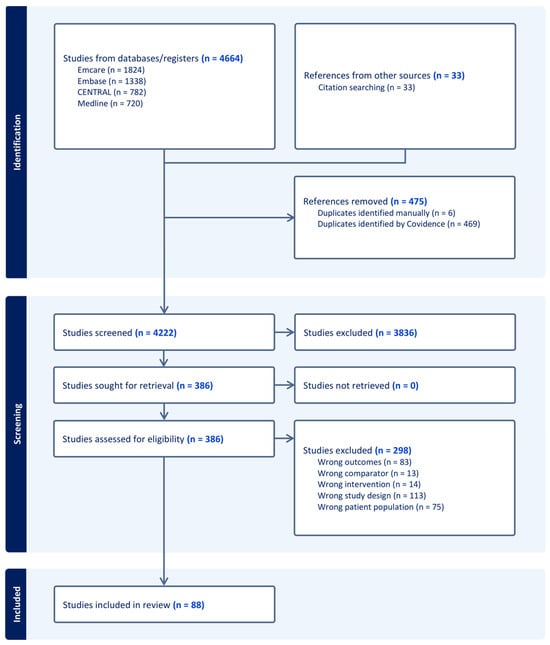
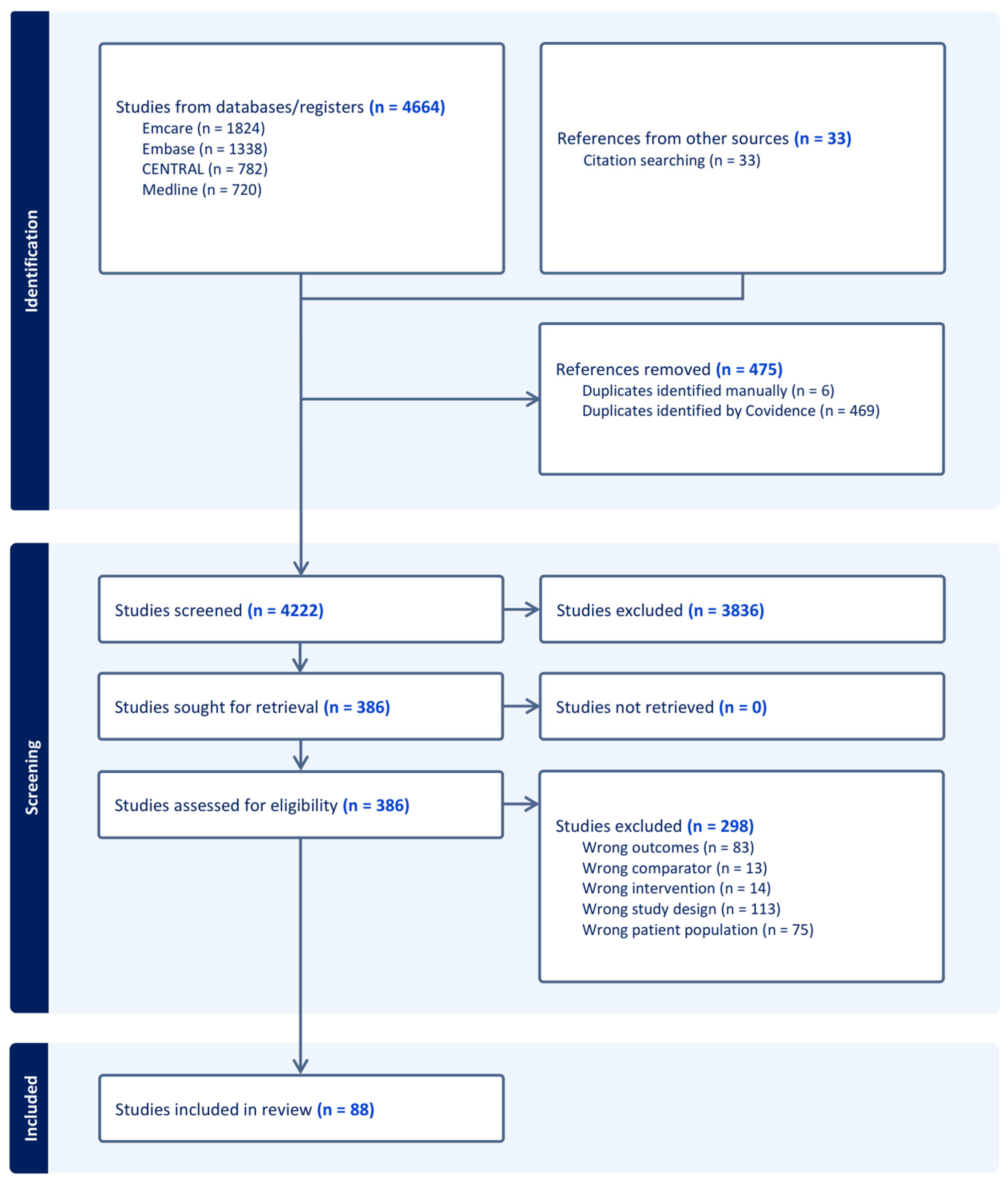
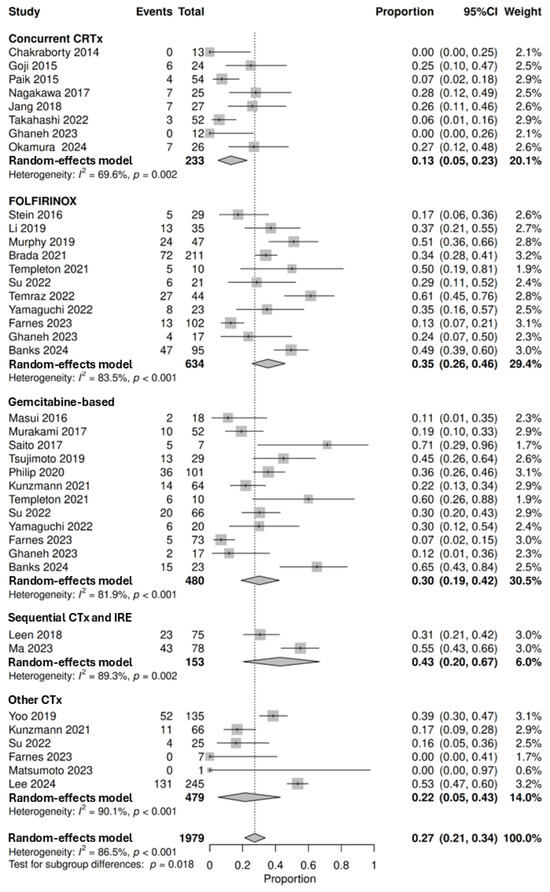
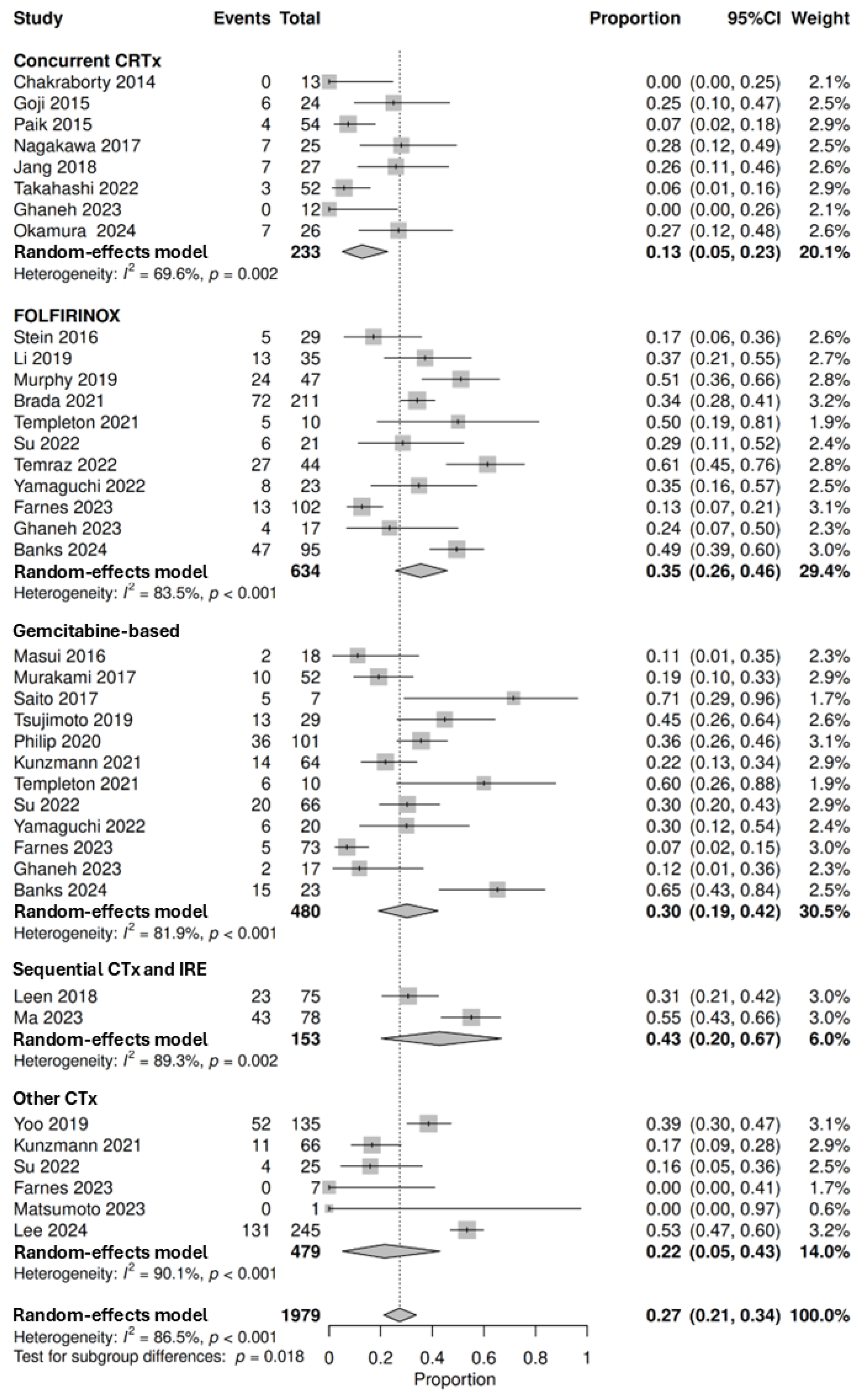
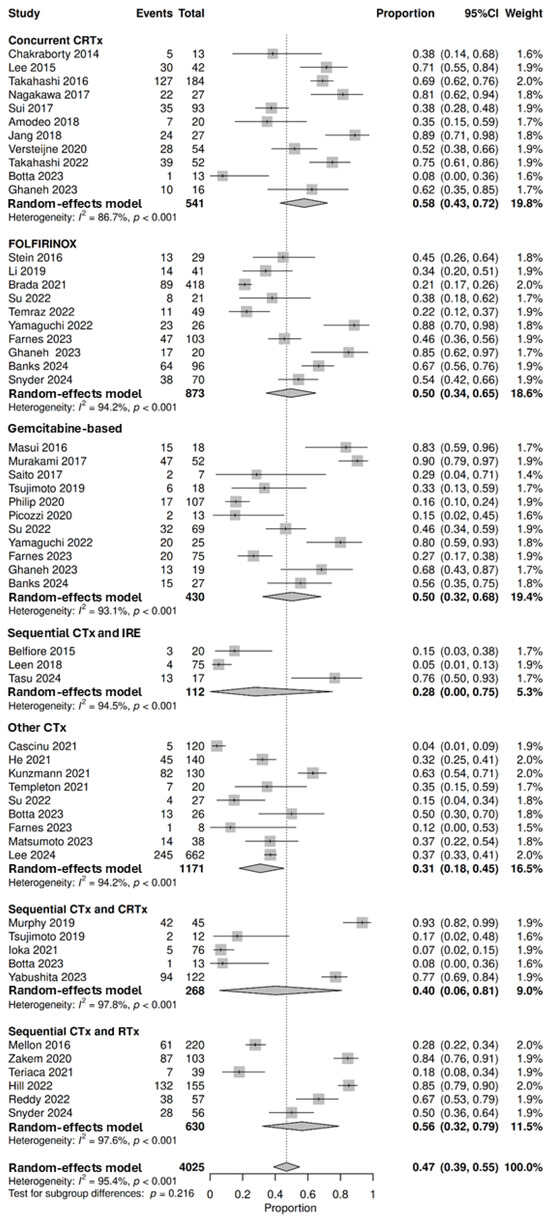
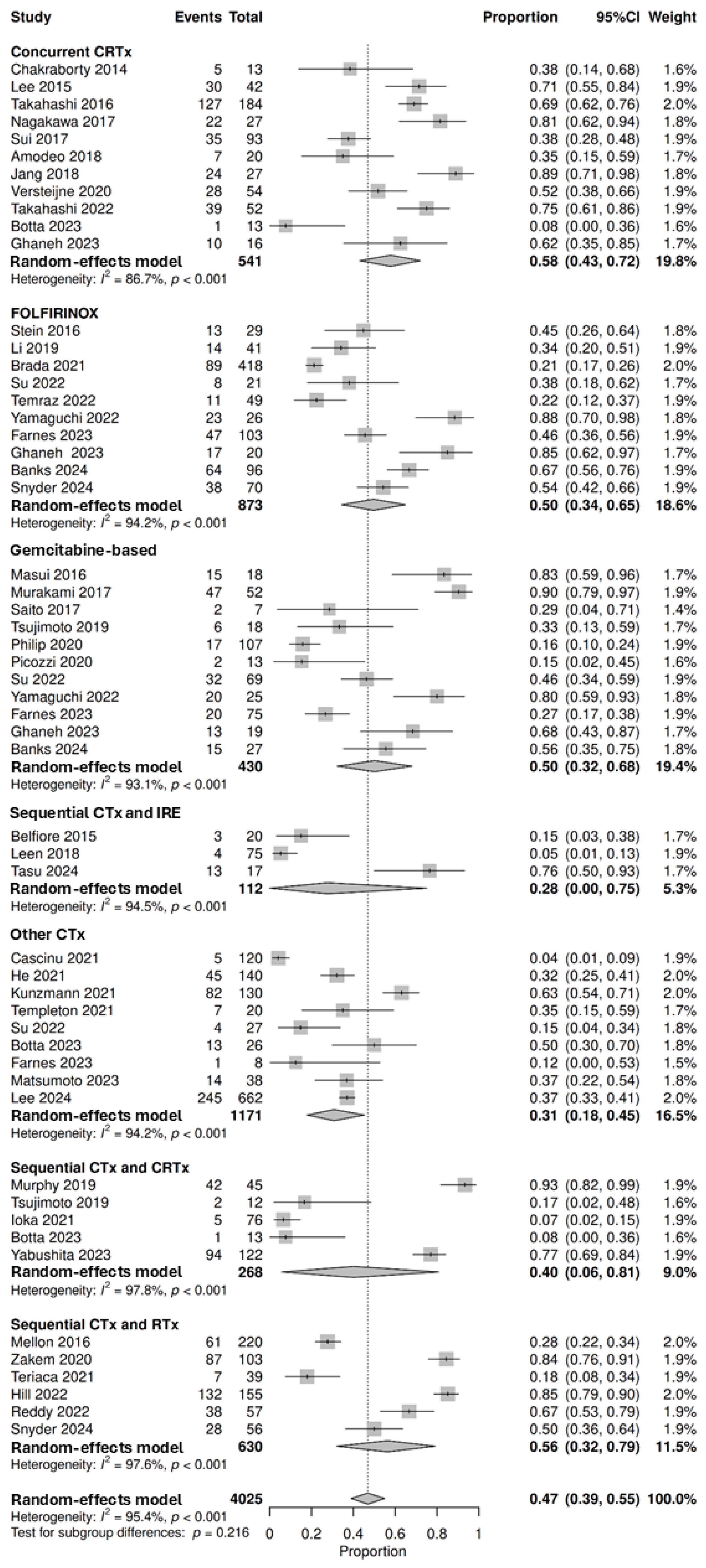
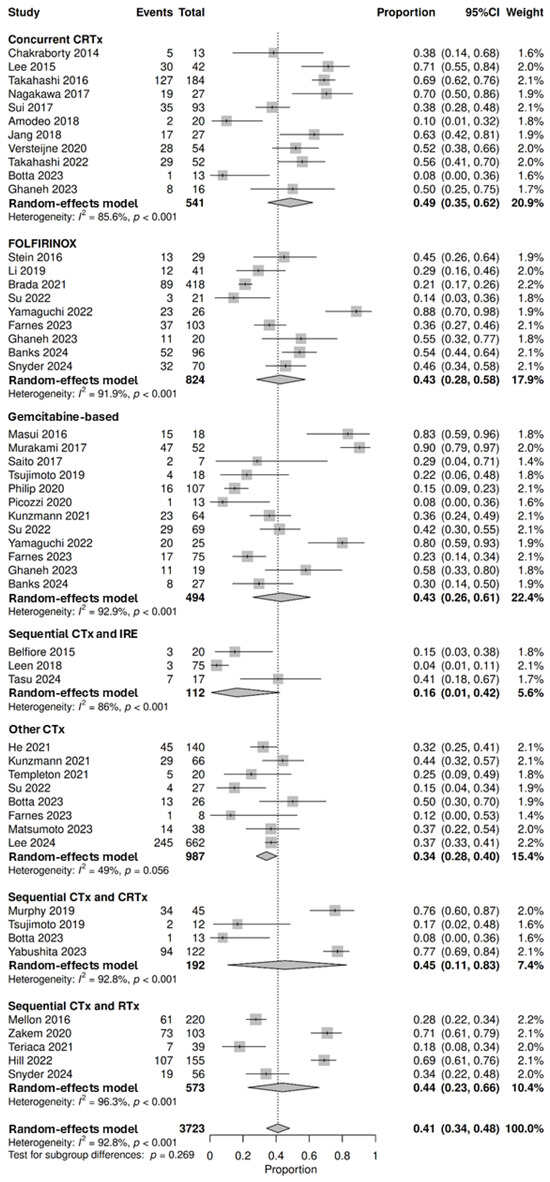
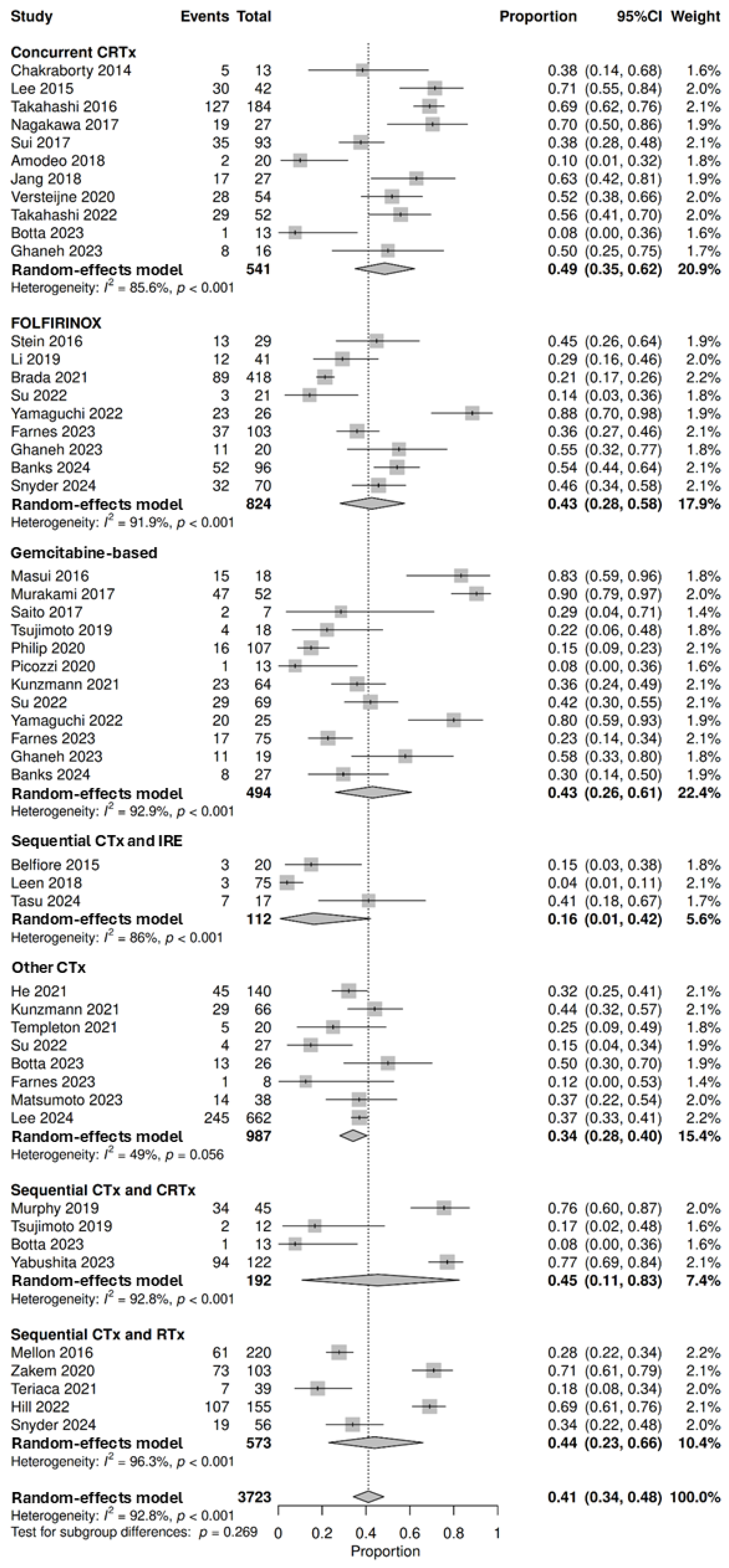
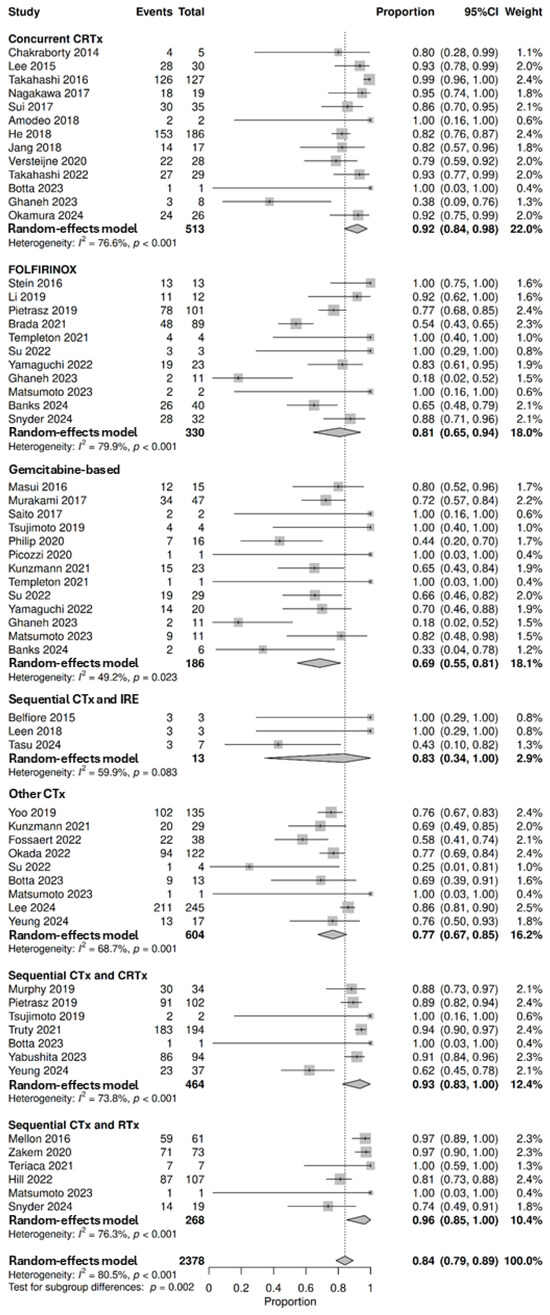
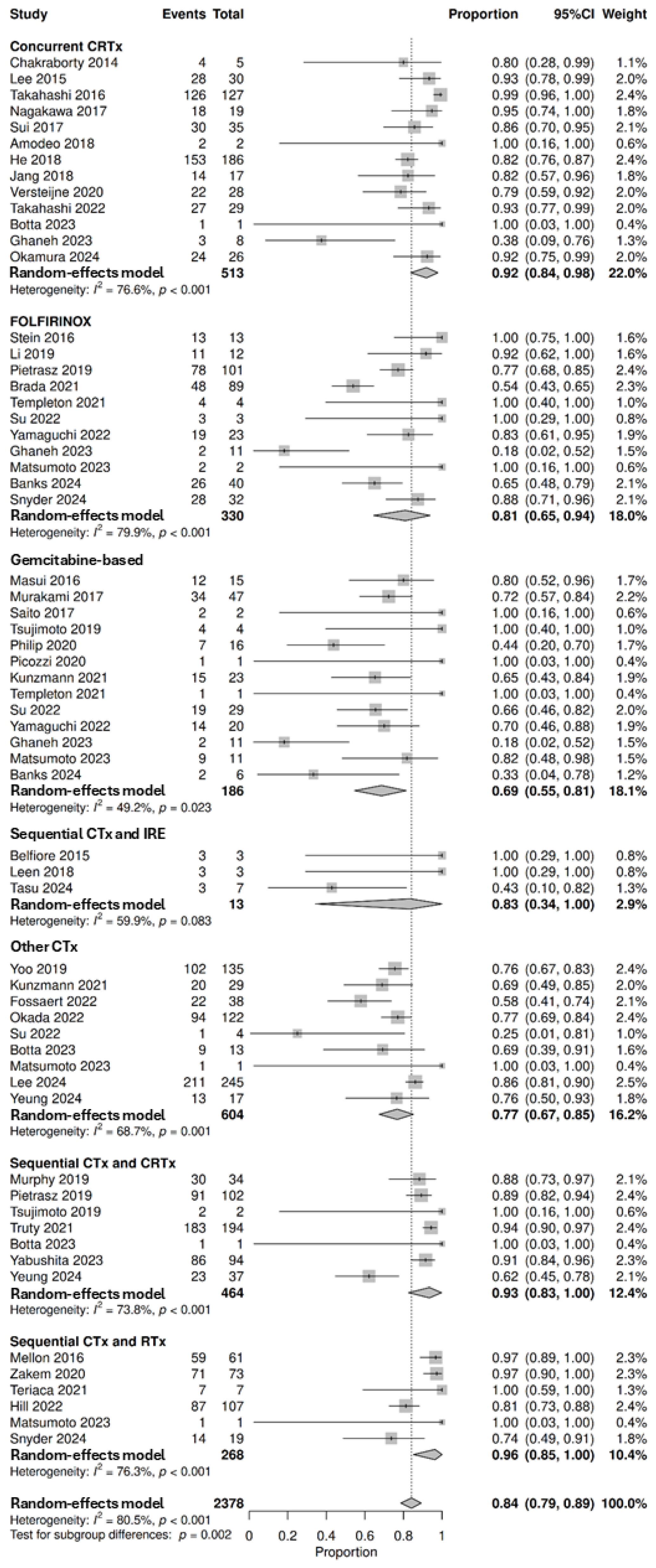
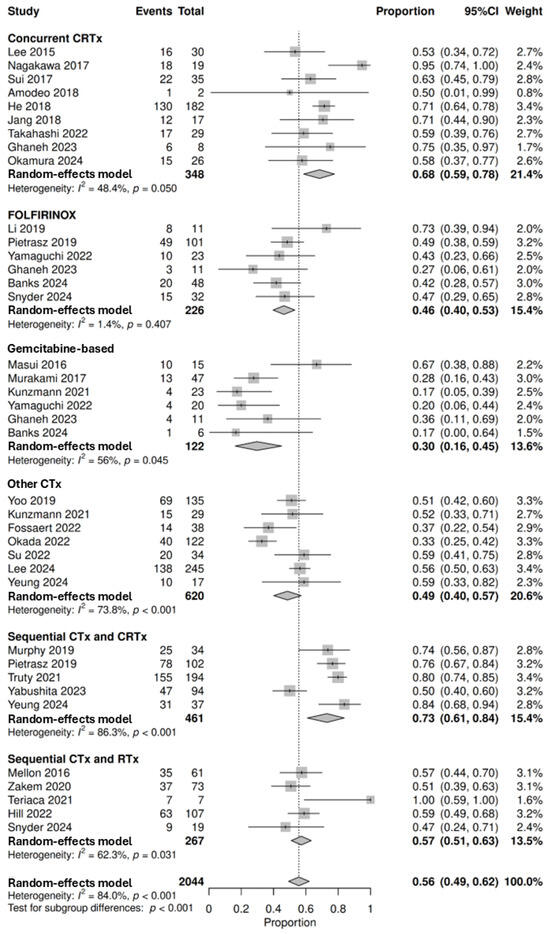
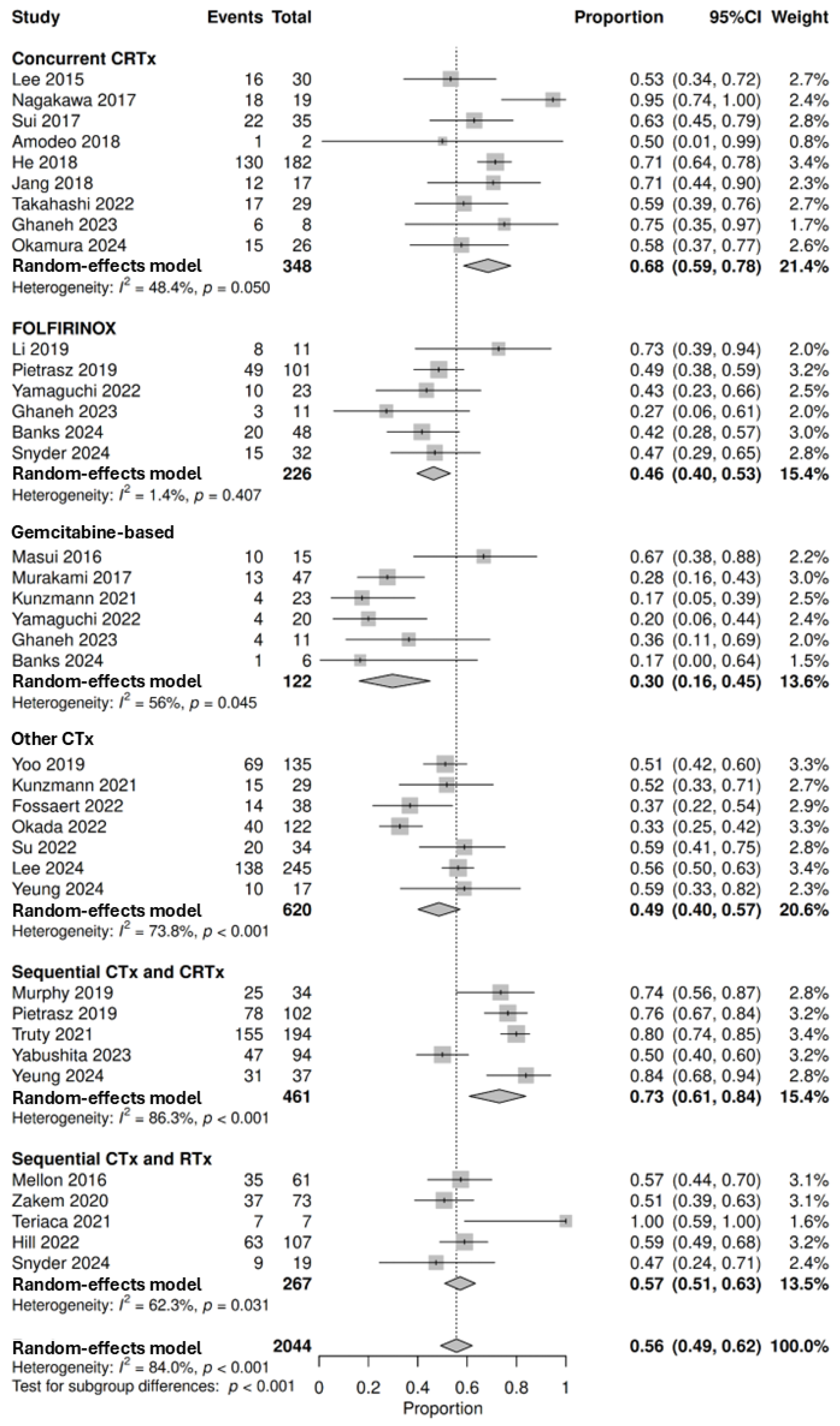
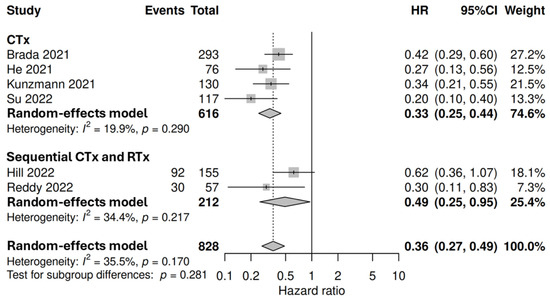
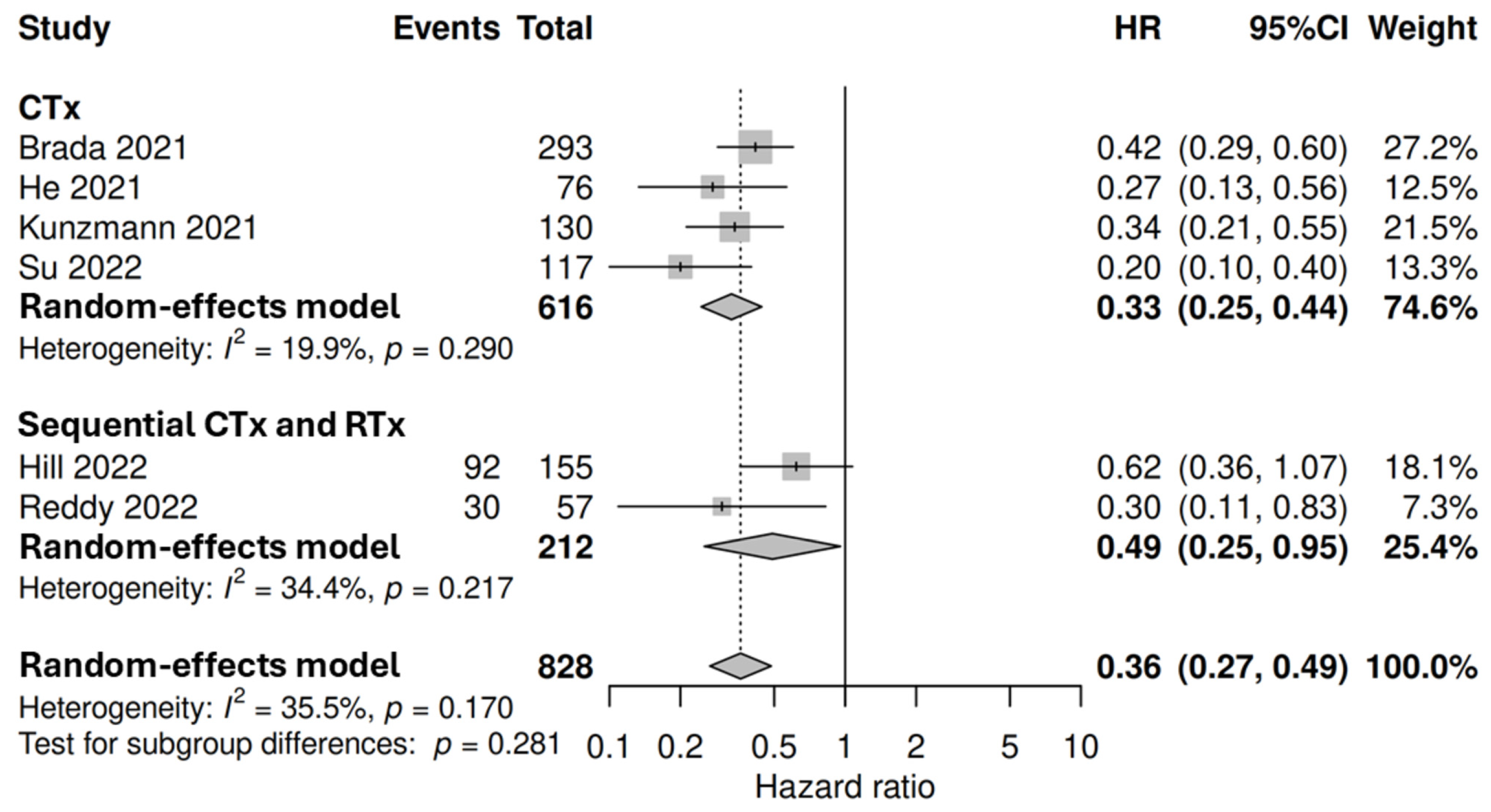

Disclaimer/Publisher’s Note: The statements, opinions and data contained in all publications are solely those of the individual author(s) and contributor(s) and not of MDPI and/or the editor(s). MDPI and/or the editor(s) disclaim responsibility for any injury to people or property resulting from any ideas, methods, instructions or products referred to in the content. |
© 2026 by the authors. Licensee MDPI, Basel, Switzerland. This article is an open access article distributed under the terms and conditions of the Creative Commons Attribution (CC BY) license.