


Simple Summary
Bispecific antibodies are immunotherapies that redirect a patient’s own T cells against myeloma cells, and they are now being used earlier and for longer. We searched the US Food and Drug Administration Adverse Event Reporting System for reports of new, unrelated cancers in patients treated with the four approved myeloma bispecific antibodies. About 2% of reports mentioned a new cancer. These reports were more frequent with teclistamab, mainly solid tumors, and less frequent with talquetamab, and no drug had more cancer reports than drugs in general, although this comparison cannot rule out an increased risk. Some reports in an apparent cluster of T-cell lymphomas and leukaemias described the same patients more than once, although the number of distinct patients is uncertain. These findings describe differences in reporting and cannot show whether these drugs increase the risk of new cancers; they support careful long-term monitoring as these drugs are used more widely.
Abstract
Background/Objectives: T-cell-redirecting bispecific antibodies (BsAbs) are increasingly used for relapsed or refractory multiple myeloma (RRMM). However, the risk of second primary malignancies (SPMs) associated with BsAbs in multiple myeloma is unknown. Methods: We analyzed US Food and Drug Administration Adverse Event Reporting System (FAERS) data from Q4 2022 to Q4 2025 for reports listing teclistamab, elranatamab, linvoseltamab, or talquetamab as the primary suspect drug, irrespective of recorded indication. After deduplication, SPMs were identified from MedDRA Preferred Terms, and within-class reporting odds ratios (RORs) compared each agent with the other three and with other anti-myeloma drugs. Results: SPMs were reported in 2.4% (127/5276) of cases. Teclistamab showed greater within-class SPM reporting (ROR 1.94; 95% confidence interval (CI) 1.34–2.81), talquetamab lower reporting (ROR 0.45; 95% CI 0.27–0.75), and elranatamab no difference (ROR 0.82; 95% CI 0.53–1.26), whereas linvoseltamab had no SPM reports among only 10 cases, too few for any conclusion. Findings were consistent across sensitivity analyses, including restriction to site-specific SPMs or a strict SPM definition (teclistamab ROR 2.22 for each), myeloma indications, and comparable post-approval periods. No agent showed increased SPM reporting versus the entire FAERS database, a comparison that cannot exclude increased risk. Against other anti-myeloma drugs, BsAb SPM reporting was not consistently increased. Teclistamab SPMs were predominantly solid tumors (62.7%; 52/83). T-cell malignancies (lymphoma or acute leukaemia) appeared in 7.1% (9/127) of SPM-positive cases, representing an estimated four to eight patients on case-level review. Conclusions: SPM reporting with myeloma BsAbs differs by agent, with higher within-class reporting for teclistamab. These disproportionality findings neither establish nor exclude an increased SPM risk with the class or with individual agents.
1. Introduction
Patients with relapsed or refractory multiple myeloma (RRMM) who are exposed to a proteasome inhibitor, an immunomodulatory drug, and an anti-CD38 monoclonal antibody have historically had poor outcomes. T-cell-redirecting bispecific antibodies (BsAbs) have improved outcomes significantly in this refractory patient population. Three BsAbs target B-cell maturation antigen (BCMA)×CD3 (teclistamab, elranatamab, and linvoseltamab), and one targets G protein-coupled receptor class C group 5 member D (GPRC5D)×CD3 (talquetamab). All four received US Food and Drug Administration (FDA) approval for RRMM after four or more prior lines of therapy on the basis of single-arm trials reporting response rates of approximately 60–75% [1,2,3,4,5]. Currently, their use is expanding into earlier lines, both as monotherapy and in combination. In March 2026, teclistamab combined with daratumumab was approved for use after one or more prior lines after the phase 3 MajesTEC-3 trial showed a marked progression-free survival benefit over standard of care [6,7]. As more patients receive BsAbs in earlier lines and for longer durations, often continuously until progression, long-term toxicities, including second primary malignancies (SPMs), become increasingly relevant.
SPMs are a recognized late complication of myeloma therapy. Patients with multiple myeloma carry an elevated baseline risk related to host and disease factors, and this risk is amplified by alkylating agents, high-dose melphalan with autologous stem cell transplantation, and lenalidomide, particularly when lenalidomide is combined with oral melphalan [8,9]. Population-based studies show that the risk of acute myeloid leukaemia and myelodysplastic syndromes is approximately 6- to 11-fold higher in patients with myeloma than in the general population and was already elevated before the introduction of novel agents [10,11]. Most patients who receive BsAbs have been exposed to several of these therapies, which makes attribution of SPMs to any single agent difficult.
Concern about T-cell-directed immunotherapies intensified after reports of T-cell malignancies following chimeric antigen receptor T-cell (CAR-T) therapy. In April 2024, the FDA necessitated a boxed warning for T-cell malignancies after BCMA- and CD19-directed autologous CAR-T products [12,13]. A CAR-positive CD4+ T-cell lymphoma after ciltacabtagene autoleucel demonstrated that at least some of these neoplasms arise from the infused product [14], whereas limited institutional cohorts have found T-cell lymphomas to be rare and not always transgene-positive [15,16]. Pharmacovigilance analyses have identified disproportionate reporting of myeloid and T-cell neoplasms after commercial CAR-T therapy [17,18]. BsAbs do not genetically modify T cells, but they deploy chronic CD3 engagement and lead to sustained T-cell activation and progressive T-cell exhaustion [19,20], together with profound hypogammaglobulinemia and immune dysregulation, particularly with BCMA-directed agents [21,22]. Whether these effects alter the risk of SPM development is unknown.
Evidence on SPMs after BsAbs remains limited. A recent systematic review and meta-analysis estimated a pooled SPM incidence of 3.5% across lymphoma and myeloma BsAb studies, with imprecise estimates for myeloma [23]. A FAERS analysis by Liang et al. described SPMs across all BsAbs and disease settings and noted that solid malignancies were more frequently reported with teclistamab [24]; correspondence on that work cautioned that pooling constructs with different targets may mask drug-specific signals [25]. A separate FAERS analysis of adverse events with three myeloma BsAbs identified a T-cell lymphoma signal with talquetamab [26]. To our knowledge, no study has examined SPM reporting specifically across all four FDA-approved myeloma BsAbs, with a case-level review of duplicate reports. We therefore performed a within-class disproportionality analysis of FAERS to characterize the frequency, spectrum, and reporting characteristics of SPMs reported with each agent.
2. Materials and Methods
2.1. Data Source and Study Period
FAERS is a publicly available spontaneous reporting database of adverse event reports submitted by healthcare professionals, consumers, and manufacturers [27]. We procured data from the quarterly ASCII files, comprising the demographic (DEMO), drug (DRUG), reaction (REAC), outcome (OUTC), report source (RPSR), therapy date (THER), and indication (INDI) tables, for the fourth quarter (Q4) of 2022, when teclistamab was approved (25 October 2022), through Q4 2025, the most recent quarter available (13 quarters). Approval dates for talquetamab, elranatamab, and linvoseltamab were 9 August 2023, 14 August 2023, and 2 July 2025, respectively [5]. Reporting follows the READUS-PV guideline for disproportionality analyses [28].
2.2. Case Identification and Deduplication
Reports were included when teclistamab (Tecvayli), talquetamab (Talvey), elranatamab (Elrexfio), or linvoseltamab (Lynozyfic) was recorded as the primary suspect drug, matched on generic and brand names in the drug-name and active-ingredient fields. No report listed more than one of these agents as primary suspect. Deduplication followed FDA recommendations: for each case identifier, only the most recent version (latest FDA receipt date and highest primary identifier) across all quarters was retained [27,29]. Because the same patient can be reported by more than one source under different case identifiers, and rule-based deduplication is known to leave residual duplicates [30], we applied two additional steps. First, reports of the same agent with identical age, sex, event date, and therapy start date (or, when either date was missing, an identical set of reaction terms) were treated as duplicates. Second, the literature reports describing aggregate pharmacovigilance or database analyses rather than individual patients were excluded. SPM-positive reports of different agents that shared age, sex, and therapy start date were flagged as possible cross-agent duplicates and examined in a sensitivity analysis. Reports were not restricted by indication in the primary analysis. During the study period, all four agents were approved by the FDA only for RRMM, but the FAERS indication field is frequently missing or coded with nonspecific terms (e.g., “product used for unknown indication”), and restriction would have excluded a large proportion of reports that most likely concerned patients with myeloma. The study population therefore comprises all reports in which a myeloma BsAb was the primary suspect drug rather than a population with verified RRMM. FAERS does not capture line of therapy, refractoriness, or relapse status; therefore, relapsed or refractory disease could not be verified for any report, and off-label use in other conditions cannot be excluded. Restriction to reports recording a multiple myeloma indication was prespecified as a sensitivity analysis and is presented separately (Section 3.4), together with the complementary subset without a recorded myeloma indication.
2.3. Identification and Classification of SPMs
SPMs were identified from MedDRA Preferred Terms (PTs) using a prespecified, rule-based algorithm modeled on the MedDRA Standardised MedDRA Query “Malignant or unspecified tumours”. Terms describing multiple myeloma or its progression (e.g., plasma cell myeloma, plasma cell leukaemia, neoplasm progression), tumour lysis or flare, benign neoplasms, and non-malignant terms containing malignancy-related words (e.g., hypercalcaemia of malignancy, anaemia of malignant disease) were excluded. All candidate terms, retained and excluded, were reviewed manually (Table S2). Retained PTs were grouped into 12 categories: myeloid neoplasms; T-cell malignancies (T-cell lymphoma or T-cell type acute leukaemia); other lymphoid neoplasms; leukaemia not otherwise specified (NOS) or other haematologic neoplasms; plasmacytoma; non-melanoma skin cancer; melanoma; lung and pleural cancers; breast cancer; other solid tumors; metastatic disease of unspecified primary (NOS); and unspecified SPM. Plasmacytoma was kept as a separate category because, in patients with myeloma, it may represent disease progression rather than a new cancer. To avoid counting disease progression as an SPM, terms indicating myeloma, its progression, relapse, or recurrence (plasma cell myeloma, plasma cell leukaemia, malignant neoplasm progression, neoplasm progression, neoplasm recurrence), extramedullary leukaemic infiltration, and tumour lysis, flare, or pseudoprogression were excluded. Three retained categories were considered at risk of misclassification: plasmacytoma, which may represent extramedullary myeloma; metastatic disease of unspecified origin, which may reflect metastases from an unidentified primary or, less likely, myeloma; and unspecified terms such as “second primary malignancy” or “neoplasm malignant.” A prespecified site-specific definition therefore counted only cases with at least one term identifying a specific primary malignancy, excluding cases whose only SPM terms fell into these three categories. FAERS does not record whether a malignancy was diagnosed before BsAb initiation, so pre-existing malignancies could not be excluded directly; the timing of onset was examined where dates were complete (Section 2.5). A case could contribute to more than one category.
Three terms were assigned to the category that matches their primary site or lineage: acute erythroid leukaemia to myeloid neoplasms; metastatic renal cell carcinoma to other solid tumors because its primary site is known; and T-cell type acute leukaemia, together with the T-cell lymphoma terms, to a category of T-cell malignancies. Because some retained terms do not establish that a new malignancy was present, a strict SPM definition was applied as an additional sensitivity analysis. It excluded (i) terms that do not establish malignancy (neoplasm, brain neoplasm, soft tissue neoplasm, hepatic, bladder, and gallbladder neoplasm, sweat gland tumour, and glioma); (ii) terms describing recurrent cancer (recurrent cancer, breast cancer recurrent), which indicate a malignancy that preceded BsAb treatment; (iii) terms that may represent myeloma or its progression (plasmacytoma, leukaemia and acute leukaemia without a specified lineage, and bone cancer); (iv) unspecified terms (second primary malignancy, neoplasm malignant) and metastases to a named site without a known primary; and (v) cases in which the only remaining SPM terms had onset within 90 days of BsAb initiation, when dates were complete because a malignancy reported this soon after initiation may have been present before treatment. A case counted as SPM-positive under the strict definition only if it had at least one remaining term. The classification of each term under the strict definition is shown in Table S2.
2.4. Variables
Age (converted to years), sex, reporting country, reporter type (physician, pharmacist, other health professional, consumer), recorded indication, serious outcomes (death, life-threatening event, hospitalization, disability), co-reported myeloma therapies and CAR-T products listed anywhere in the report, year of initial FDA receipt, and time to onset (the FAERS event date minus the therapy start date of the primary suspect drug, when both were complete) were extracted for each case. The FAERS event date is the date of onset of the adverse event as entered by the reporter. It is recorded once per report rather than for each reaction term and is not a verified date of malignancy diagnosis; in reports that also described other adverse events, it may refer to another event. Time to onset was therefore interpreted as the interval to the reported adverse-event onset, not to SPM diagnosis.
2.5. Statistical Analysis
Disproportionality was assessed with the reporting odds ratio (ROR) [31]. Because the study question concerned differences among agents used in the same population, the primary analysis used a within-class comparator: for each agent, SPM and non-SPM cases were compared with pooled cases for the other three BsAbs. The ROR was calculated as (a/b)/(c/d), with 95% confidence intervals (CIs) of exp[ln(ROR) ± 1.96 × √(1/a + 1/b + 1/c + 1/d)]. Higher reporting was defined as a lower 95% CI bound > 1.0 and lower reporting as an upper bound < 1.0; RORs were not calculated when a cell contained zero. As a secondary analysis, each agent was compared with all other deduplicated cases in FAERS over the same period, classified with the same algorithm. Malignancy terms in the general database are reported with many anticancer and other drugs and often describe the treated cancer, its progression, or its recurrence, so they do not necessarily represent second primary malignancies; this comparison was used to place BsAb reports in the context of the database and not as a background SPM rate. Prespecified sensitivity analyses (i) excluded plasmacytoma, (ii) counted only site-specific SPMs (excluding cases whose only SPM terms were unspecified, metastatic NOS, or plasmacytoma), (iii) restricted to reports recording a multiple myeloma indication, (iv) restricted to reports from healthcare professionals, and (v) removed flagged cross-agent duplicates. Characteristics of SPM-positive and SPM-negative cases were compared with the Mann–Whitney U test or Fisher’s exact/χ2 test, as appropriate. The proportion of cases with a reported death (death outcome code) was calculated for SPM-positive and SPM-negative cases. Because FAERS records whether death was reported but not its cause, timing, or follow-up, these proportions describe how often death was mentioned in reports and are not estimates of mortality or survival; they were analysed descriptively. Analyses used Python 3 (pandas, NumPy, SciPy); code is available (see Data Availability Statement).
Because neither of these comparators fully accounts for the underlying disease and prior treatment, we added an active-comparator analysis. The comparator comprised deduplicated reports from the same period in which pomalidomide, carfilzomib, selinexor, belantamab mafodotin, or isatuximab was the primary suspect drug and multiple myeloma was the recorded indication, excluding reports that listed a myeloma BsAb or a BCMA-directed CAR-T product in any role. These agents were chosen because they are used for relapsed or refractory disease, typically after lenalidomide, and therefore in patients whose treatment histories are closer to those of BsAb recipients than those of the FAERS population as a whole. For this analysis, both groups were extracted from the same quarterly files; BsAb cases were restricted to those with a recorded myeloma indication, the same deduplication steps and SPM algorithm were applied to both groups, and malignancy-related terms that occurred only in comparator reports were reviewed manually. Sensitivity analyses excluded plasmacytoma, counted only site-specific SPMs, were restricted to healthcare professional reports, excluded pomalidomide (the largest contributor of comparator reports), combined the healthcare professional restriction with exclusion of pomalidomide, omitted the secondary deduplication step for the comparator, and compared the BsAbs with each comparator drug separately.
To account for differences in time on the market, two further sensitivity analyses aligned observation periods across agents: a common calendar window restricted to cases first received by the FDA from August 2023, when talquetamab and elranatamab were approved, through December 2025; and an aligned post-approval window restricted, for each agent, to cases first received within 24 months, and separately within 28 months, of that agent’s own approval date (28 months being the longest window available for all three agents with substantial reporting; linvoseltamab was excluded). Because FAERS does not record dose, number of doses, or treatment duration, the interval from BsAb start to the reported event among all cases with complete dates was used as a proxy for time on treatment at the time of reporting and was compared across agents with the Kruskal–Wallis test. Because SPMs reported shortly after BsAb initiation may have been present before treatment, SPM-positive cases with onset within 180 days of initiation were reviewed individually, and sensitivity analyses excluded cases with a documented onset within 30, 90, or 180 days. Myeloma therapies co-reported in any role were grouped into drug classes (immunomodulatory drugs, proteasome inhibitors, anti-CD38 antibodies, alkylating agents, other cytotoxic chemotherapy, BCMA-directed CAR-T, another myeloma BsAb, belantamab mafodotin, selinexor, and other agents) and compared between SPM-positive and SPM-negative cases. To examine whether differences between agents reflected the target antigen or reporting characteristics, we compared the pooled BCMA-directed agents with talquetamab, compared teclistamab with elranatamab directly, stratified the within-class analysis by reporting country (United States vs. other countries), and fitted a multivariable logistic regression of SPM reporting on agent (teclistamab, talquetamab, elranatamab; linvoseltamab excluded), adjusted for reporting country, reporter type, sex, age group (<65, 65–74, ≥75 years, unknown), recorded myeloma indication, and year of initial FDA receipt. These additional analyses were performed in response to peer review.
2.6. Ethical Considerations
This study used de-identified, publicly available data and was exempt from institutional review board review.
3. Results
3.1. Case Selection and Characteristics
The 13 quarterly files contained 6401 reports listing a myeloma BsAb as the primary suspect drug. FDA-recommended deduplication removed 1101 reports, and a further 5 aggregate literature reports and 19 secondary duplicates were excluded, leaving 5276 cases: 2620 with teclistamab, 1343 with talquetamab, 1303 with elranatamab, and 10 with linvoseltamab (Figure 1; Table S1). Characteristics by agent are shown in Table 1. Most reports came from healthcare professionals (87.0%; 4590/5276), and half came from the United States (53.2%; 2805/5276). A multiple myeloma indication was recorded in 62.8% (3311/5276) of cases, ranging from 53.2% with talquetamab to 66.9% with teclistamab; among the remaining cases, the indication was recorded as “product used for unknown indication” in 72.5%, was missing in 24.5%, and was another condition in 2.9%, most often a related plasma cell disorder (AL amyloidosis, plasma cell leukaemia, or plasmacytoma). Age was missing in 51.0% of cases and sex in 33.9%; among cases with known age, the median was 69 years. Death was reported in 18.9% of cases overall, ranging from 7.7% with talquetamab to 24.9% with elranatamab among the three agents with substantial reporting.
Figure 1.
Flow diagram of case selection from the FDA Adverse Event Reporting System (FAERS), fourth quarter of 2022 to fourth quarter of 2025, and distribution of cases by bispecific antibody and SPM status. SPM, second primary malignancy.
Table 1.
Characteristics of deduplicated FAERS cases by bispecific antibody (Q4 2022–Q4 2025).
Missing data were common and varied by agent and reporting country (Table S12). Age was missing in 51.0% of cases, ranging from 28.4% with elranatamab to 68.4% with talquetamab, and sex in 33.9% (15.6% to 46.8%). Missingness was much higher in reports from the United States than in reports from other countries (age, 71.7% vs. 27.6%; sex, 47.3% vs. 18.9%). An informative indication (other than “product used for unknown indication”) was absent in 36.4% of cases, and time to onset could not be calculated for 69.6% because the event or therapy start date was missing or incomplete, including 81.2% of SPM-positive cases. Missing age and sex were not associated with SPM status (age missing in 44.5% vs. 51.3% of SPM-positive and SPM-negative cases, p = 0.15; sex, 26.6% vs. 34.2%, p = 0.07). Missing values were retained as separate categories in all analyses rather than imputed.
3.2. SPM-Positive Cases
Overall, 2.4% (127/5276) of cases reported at least one SPM: 3.2% (83/2620) with teclistamab, 1.3% (17/1343) with talquetamab, 2.1% (27/1303) with elranatamab, and none (0/10) with linvoseltamab. Compared with SPM-negative cases, SPM-positive cases were more often male (47.2% vs. 34.7%; p = 0.013), more often reported from outside the United States (63.0% vs. 46.4%; p < 0.001), and more often recorded a multiple myeloma indication (80.3% vs. 62.3%; p < 0.001). Median age (70 vs. 69 years; p = 0.12) and the proportion reported by healthcare professionals (88.2% vs. 87.0%; p = 0.79) did not differ (Table 2). Median time to onset (available for 24 SPM-positive cases and based on the reported adverse-event onset date; in 14 of these reports, SPM terms were the only reported events) was 210 days (interquartile range 42–351; range 1–914); at least one quarter of these SPMs were reported within 42 days, and three quarters within 1 year, of BsAb initiation. Time to onset of SPMs was a median of 220 days with teclistamab (n = 17; range 17–914), 15 days with elranatamab (n = 6; range 1–830), and 451 days in the single talquetamab case. Among all cases with complete dates (n = 1602), the interval from BsAb start to the reported adverse event was longest with teclistamab (median 29 days; interquartile range 3–135) and shorter with elranatamab (21 days; 2–69) and talquetamab (10 days; 2–42; p < 0.001). Prior CAR-T therapy was co-reported in 0.8% (1/127) of SPM-positive cases, lenalidomide in 2.4% (3/127), and melphalan in none; autologous transplantation, alkylator exposure, and the number of prior lines are not captured in structured FAERS fields. SPM reports increased over time in parallel with overall reporting, from 3 in 2022 to 22 in 2023, 40 in 2024, and 62 in 2025 (Figure S1).
Table 2.
Characteristics of SPM-positive and SPM-negative cases.
Of the 24 SPM-positive cases with complete dates, 5 had onset within 30 days of BsAb initiation, including 2 elranatamab cases with onset on day 1 (one reporting a brain neoplasm and one a myelodysplastic syndrome, both also coded as “second primary malignancy”), and 8 had onset within 90 days (4 with elranatamab and 4 with teclistamab; Table S8). If the event date reflects the malignancy, these malignancies may have preceded treatment or been present but undiagnosed when it began; however, the event date may refer to another adverse event in the same report. Excluding SPM-positive cases with onset within 30, 90, or 180 days did not change the within-class results (teclistamab ROR 2.14, 2.06, and 1.99; talquetamab 0.46, 0.47, and 0.49; elranatamab 0.70, 0.72, and 0.74, respectively; Table S8). Myeloma therapies were co-reported in only 8.6% of cases (455/5266), with no difference between SPM-positive and SPM-negative cases (8.6% (11/128) vs. 8.6% (444/5138); p = 1.00). The most frequently recorded classes were anti-CD38 antibodies (4.8%), immunomodulatory drugs (2.4%), and another myeloma BsAb (2.3%); alkylating agents were recorded in 0.4% of cases, and only 21 cases (0.4%) recorded three or more drug classes (Table S9).
3.3. Disproportionality Analysis
Teclistamab showed higher within-class SPM reporting (ROR 1.94; 95% CI 1.34–2.81), talquetamab showed lower reporting (ROR 0.45; 95% CI 0.27–0.75), and elranatamab did not differ from its comparators (ROR 0.82; 95% CI 0.53–1.26). An ROR could not be calculated for linvoseltamab, which had 10 cases and no SPM reports (Table 3). Results were consistent across sensitivity analyses (Figure 2A; Table S3): the teclistamab signal persisted after exclusion of plasmacytoma (ROR 1.88; 95% CI 1.29–2.76), when only site-specific SPMs were counted after reclassification of metastatic renal cell carcinoma (ROR 2.22; 95% CI 1.45–3.38), and among reports from healthcare professionals (ROR 1.75; 95% CI 1.19–2.59). Lower reporting with talquetamab was also consistent. Results restricted to reports with a recorded myeloma indication are described in Section 3.4. Compared with the entire FAERS database (4,632,365 deduplicated cases, of which 3.8% included an SPM term), no agent showed higher SPM reporting: teclistamab ROR 0.83 (95% CI 0.67–1.03), talquetamab 0.32 (0.20–0.52), and elranatamab 0.54 (0.37–0.78) (Figure 2B; Table 3).
Table 3.
Reporting odds ratios for second primary malignancies.
Figure 2.
Reporting odds ratios (95% CI) for second primary malignancies by bispecific antibody (FAERS Q4 2022–Q4 2025; 5276 deduplicated cases). (A) Within-class comparison, in which each agent is compared with pooled cases for the other three agents, in the primary and sensitivity analyses. (B) Comparison with all other deduplicated FAERS cases over the same period. (C) Comparison with reports for other later-line anti-myeloma drugs (pomalidomide, carfilzomib, selinexor, belantamab mafodotin, isatuximab) with a recorded myeloma indication, in the primary and sensitivity analyses. Site-specific SPM only excludes cases whose only SPM terms were unspecified, metastatic NOS, or plasmacytoma. Dashed lines indicate the null value. CI, confidence interval; FAERS, FDA Adverse Event Reporting System; HCP, healthcare professional; ROR, reporting odds ratio; SPM, second primary malignancy.
Because plasmacytoma, metastatic disease of unspecified origin, and unspecified terms may not represent true SPMs, the site-specific definition was examined in detail (Table S11). Of the 127 SPM-positive cases, 101 (79.5%) had at least one site-specific term: 69 with teclistamab, 13 with talquetamab, and 19 with elranatamab. Under this definition, teclistamab showed higher within-class SPM reporting (ROR 2.22; 95% CI 1.45–3.38), talquetamab lower reporting (ROR 0.43; 95% CI 0.24–0.77), and elranatamab no difference (ROR 0.70; 95% CI 0.42–1.16), and the teclistamab estimate was higher than in the primary analysis. Site-specific results were consistent among cases with a recorded myeloma indication (teclistamab ROR 1.91, 95% CI 1.20–3.03; talquetamab 0.48, 0.25–0.94; elranatamab 0.74, 0.43–1.27) and in the common calendar window (teclistamab 2.75, 1.79–4.23). Plasmacytoma was the only SPM term in 8 cases (6 with teclistamab and 1 each with talquetamab and elranatamab).
Under the strict definition (Table S11), 45 of the 128 SPM-positive cases in the re-extracted cohort had only excluded terms, and 4 further cases had onset within 90 days of BsAb initiation, leaving 79 SPM-positive cases: 54 with teclistamab, 13 with talquetamab, and 12 with elranatamab. Teclistamab continued to show higher within-class SPM reporting (ROR 2.22; 95% CI 1.38–3.58), whereas talquetamab (ROR 0.57; 95% CI 0.31–1.04) and elranatamab (ROR 0.54; 95% CI 0.29–1.00) showed lower or similar reporting. The teclistamab estimate was similar when only the term exclusions were applied (ROR 2.13; 95% CI 1.34–3.38), among reports with a recorded myeloma indication (ROR 1.80; 95% CI 1.07–3.01), among reports from healthcare professionals (ROR 2.01; 95% CI 1.18–3.41), and in the common calendar window (ROR 2.73; 95% CI 1.68–4.43).
Aligning observation periods did not change these findings (Table S7). In the common calendar window (August 2023–December 2025; 4580 cases), teclistamab showed higher within-class SPM reporting (ROR 2.32; 95% CI 1.59–3.39), talquetamab lower reporting (ROR 0.40; 95% CI 0.24–0.68), and elranatamab no difference (ROR 0.75; 95% CI 0.49–1.16). Restricting each agent to the first 24 months after its own approval (3703 cases) gave similar results (teclistamab ROR 1.93, 95% CI 1.19–3.12; talquetamab 0.56, 0.31–1.03; elranatamab 0.72, 0.40–1.27), as did a 28-month window (4432 cases; teclistamab 1.83, 1.21–2.78; talquetamab 0.46, 0.26–0.80; elranatamab 0.92, 0.58–1.47) and a 28-month window restricted to cases with a recorded myeloma indication (teclistamab 1.80, 1.12–2.87). These sensitivity analyses used the cohort re-extracted from the same quarterly files, which reproduced the primary results (teclistamab ROR 1.97, 95% CI 1.36–2.85; talquetamab 0.44, 0.26–0.74; elranatamab 0.81, 0.53–1.25).
By target antigen, the pooled BCMA-directed agents showed higher SPM reporting than talquetamab (ROR 2.27; 95% CI 1.36–3.80), but this reflected teclistamab: SPM reporting was higher with teclistamab than with elranatamab (ROR 1.57; 95% CI 1.01–2.43) and did not differ between elranatamab and talquetamab (ROR 1.65; 95% CI 0.90–3.05). Reporting characteristics differed by agent. Reports from the United States accounted for 72.1% of talquetamab, 57.3% of teclistamab, and 25.0% of elranatamab cases (Table 1), and US reports less often included an SPM than reports from other countries (1.7% vs. 3.3%). In the multivariable model, teclistamab remained associated with higher SPM reporting (adjusted odds ratio (aOR) vs. elranatamab 2.21; 95% CI 1.38–3.55), whereas talquetamab did not differ from elranatamab (aOR 0.85; 95% CI 0.44–1.62); US origin (aOR 0.50; 95% CI 0.33–0.77) and a recorded myeloma indication (aOR 2.09; 95% CI 1.30–3.34) were independently associated with SPM reporting. Within-class results for teclistamab were similar in reports from the United States and from other countries (ROR 2.06 and 2.11, respectively) (Table S10).
To assess calendar time and geographical origin together, within-class RORs were estimated in the common reporting period (August 2023–December 2025) separately for reports from the United States and from other countries (Table S13). In this period, US reports accounted for 72.4% of talquetamab, 60.9% of teclistamab, and 25.0% of elranatamab cases, and US reports less often included an SPM than non-US reports (1.7% vs. 3.5%). Teclistamab showed higher SPM reporting in both US reports (ROR 2.31; 95% CI 1.21–4.39) and non-US reports (ROR 2.71; 95% CI 1.69–4.34), with no heterogeneity between strata (Mantel–Haenszel ROR 2.55; 95% CI 1.74–3.74; p for heterogeneity = 0.70). Lower reporting with talquetamab was seen in both strata (US ROR 0.41, 95% CI 0.19–0.85; non-US 0.56, 0.27–1.17; Mantel–Haenszel 0.48, 0.28–0.81). For elranatamab, reporting was lower among non-US reports (ROR 0.48; 95% CI 0.29–0.79) but not among the small number of US reports (ROR 0.87; 95% CI 0.34–2.22), giving a Mantel–Haenszel ROR of 0.54 (95% CI 0.35–0.85; p <for heterogeneity = 0.27). The stratified teclistamab estimate was similar for site-specific SPMs (Mantel–Haenszel ROR 3.15; 95% CI 2.04–4.85), under the strict definition (3.04; 1.87–4.94), and within the first 24 months after each agent’s approval (2.03; 1.25–3.28), and teclistamab remained associated with higher SPM reporting in a logistic model restricted to the common period and adjusted for US origin, reporter type, and year (aOR vs. elranatamab 2.52; 95% CI 1.58–4.02). Stratification by year of initial FDA receipt gave similar results: the teclistamab ROR was 1.80 (95% CI 0.61–5.37) in 2023, 3.08 (1.53–6.21) in 2024, and 2.07 (1.25–3.43) in 2025 (Mantel–Haenszel ROR 2.31; 95% CI 1.57–3.38; p for heterogeneity = 0.60), and stratification by both year and US versus non-US origin within the common period gave a Mantel–Haenszel ROR of 2.59 (95% CI 1.76–3.81); estimates for individual year-by-origin strata were imprecise. Linvoseltamab (10 cases, no SPM reports) was excluded from these analyses.
In a complete-case analysis restricted to the 2474 cases (47.0%) with known age and sex, the direction of within-class differences was unchanged, but estimates were attenuated and imprecise (teclistamab ROR 1.39, 95% CI 0.85–2.26; talquetamab 0.79, 0.39–1.60; elranatamab 0.80, 0.47–1.35), reflecting fewer SPM-positive cases (n = 67) and the exclusion of most US reports. In the multivariable model, which retained missing age and sex as separate categories, teclistamab remained associated with higher SPM reporting (Table S10).
3.4. Analysis Restricted to Reports with a Recorded Myeloma Indication
Among the 3311 cases with a recorded multiple myeloma indication, 3.1% (102/3311) reported at least one SPM: 3.9% (68/1752) with teclistamab, 2.0% (14/714) with talquetamab, 2.4% (20/841) with elranatamab, and none (0/4) with linvoseltamab. Within-class results in this subset were consistent with the primary analysis: teclistamab showed higher SPM reporting (ROR 1.81; 95% CI 1.19–2.75), elranatamab did not differ from its comparators (ROR 0.71; 95% CI 0.43–1.16), and talquetamab showed lower reporting, with an upper confidence bound at the null (ROR 0.57; 95% CI 0.32–1.01) (Table 3; Figure 2A). The SPM-positive proportion was lower among the 1965 cases without a recorded myeloma indication (1.3%; 25/1965); within-class estimates in this subset were imprecise but in the same direction (teclistamab ROR 1.91, 95% CI 0.85–4.28; talquetamab 0.29, 0.09–0.96; elranatamab 1.27, 0.53–3.06) (Table S3). Because relapsed or refractory status is not recorded in FAERS, this subset represents reports with a documented myeloma indication rather than verified RRMM.
3.5. Comparison with Other Anti-Myeloma Drugs
The active comparator included 24,273 cases (pomalidomide 17,739; selinexor 2462; carfilzomib 2350; isatuximab 1195; belantamab mafodotin 527), of which 1.8% (435) reported an SPM. The SPM-positive proportion differed markedly between comparator drugs, from 1.3% with pomalidomide and 1.5% with selinexor to 4.2% with carfilzomib and 5.4% with isatuximab, in parallel with the proportion of reports from healthcare professionals (44% and 28% vs. 97% and 95%, respectively). Against the pooled comparator, SPM reporting among BsAb cases with a recorded myeloma indication was higher (ROR 1.75; 95% CI 1.41–2.18), driven by teclistamab (ROR 2.23; 95% CI 1.72–2.89), whereas talquetamab (ROR 1.10; 95% CI 0.64–1.89) and elranatamab (ROR 1.34; 95% CI 0.85–2.12) did not differ (Table 3; Figure 2C). This difference did not persist in sensitivity analyses: it disappeared when pomalidomide was excluded (pooled ROR 0.96; 95% CI 0.76–1.23; teclistamab ROR 1.22; 95% CI 0.93–1.62), and when the comparison was restricted to healthcare professional reports with pomalidomide excluded, BsAb SPM reporting was similar or lower (pooled ROR 0.78; 95% CI 0.60–1.01; teclistamab 0.95, 0.71–1.29; talquetamab 0.52, 0.29–0.94; elranatamab 0.63, 0.39–1.00). Against individual comparator drugs, pooled BsAb SPM reporting was higher than with pomalidomide (ROR 2.49; 95% CI 1.97–3.16) and selinexor (ROR 2.04; 95% CI 1.40–2.97), lower than with carfilzomib (ROR 0.74; 95% CI 0.55–0.98) and isatuximab (ROR 0.57; 95% CI 0.41–0.78), and similar to belantamab mafodotin (ROR 1.65; 95% CI 0.86–3.19) (Table S6). Across all comparator definitions, teclistamab had the highest and talquetamab the lowest ROR among the BsAbs, consistent with the within-class analysis. Among comparator SPM-positive cases, the most frequent categories were other solid tumours (29.2%; 127/435) and non-melanoma skin cancer (19.3%; 84/435).
3.6. Spectrum of SPMs
The distribution of SPM categories differed by agent (Table 4, Figure 3). Among teclistamab SPM cases, 62.7% (52/83) had a solid-tumor term, most commonly other solid tumors at 36.1% (30/83), followed by non-melanoma skin cancer at 10.8% (9/83), lung and pleural cancers at 8.4% (7/83), and melanoma and breast cancer at 4.8% (4/83) each; melanoma and breast cancer were reported only with teclistamab. Haematologic categories predominated with talquetamab, at 52.9% (9/17), and were frequent with elranatamab, at 37.0% (10/27). Myeloid neoplasms accounted for similar proportions across agents, from 12.0% (10/83) with teclistamab to 23.5% (4/17) with talquetamab, as did non-melanoma skin cancer, from 10.8% (9/83) to 11.8% (2/17). Most elranatamab SPM reports, 85.2% (23/27), included an unspecified term, usually “second primary malignancy” (21/27); in 19 of these 21 reports, however, the unspecified term accompanied a site-specific term, and only 8 elranatamab SPM-positive cases (29.6%) had no site-specific term, compared with 14 (16.9%) with teclistamab and 4 (23.5%) with talquetamab, and 20.5% (26/127) of SPM cases overall contained no site-specific term.
Table 4.
Second primary malignancy categories by bispecific antibody.
Figure 3.
Distribution of second primary malignancy categories among SPM-positive cases for teclistamab, talquetamab, and elranatamab. Bars show the percentage of each agent’s SPM-positive cases; numbers indicate case counts. Categories are not mutually exclusive. NOS, not otherwise specified; SPM, second primary malignancy.
T-cell malignancy terms (T-cell lymphoma or T-cell type acute leukaemia) appeared in 7.1% (9/127) of SPM-positive cases: 29.4% (5/17) with talquetamab, 3.6% (3/83) with teclistamab, and 3.7% (1/27) with elranatamab. Seven reports had T-cell lymphoma terms, and two had T-cell type acute leukaemia. On case-level review, the nine reports were compared by age, sex, country, dates, reported terms, and co-reported events and drugs, and each proposed match between reports was graded as confirmed, probable, or possible (Figure 4; Table S5). One match was confirmed: a 70-year-old man from France with T-cell lymphoma diagnosed in December 2024, after therapy started in September 2022, was reported once under teclistamab and twice under elranatamab by two manufacturers, with identical age, sex, therapy start date, and diagnosis (one elranatamab report was removed during deduplication). One match was probable: two US reports of T-cell type acute leukaemia in a man, received in January 2025 under talquetamab (age 57 years) and teclistamab (age not reported), listed the same co-reported events (plasma cell myeloma and Pseudomonas infection) and a death. Three matches were possible only: a talquetamab report of peripheral T-cell lymphoma in a 57-year-old US man, received in December 2025, which listed prior teclistamab and ciltacabtagene autoleucel but a different diagnosis and no death; two US talquetamab reports of T-cell lymphoma received in October and December 2023 without age or sex; and a teclistamab report of T-cell lymphoma in a US woman received one day before the first of these. A talquetamab report of T-cell lymphoma in a man in his 70s from Germany was considered a distinct patient because of its different country and co-reported events. The nine reports therefore represent eight distinct patients if only the confirmed match is accepted, seven if the probable match is also accepted, and four if all possible matches are accepted.
Figure 4.
Case-level review of the nine reports with T-cell malignancy terms (T-cell lymphoma or T-cell type acute leukaemia). Each row represents a proposed patient (A–E), grouped by age, sex, country, dates, reported terms, and co-reported events and drugs; each box represents one report, shown under the bispecific antibody recorded as the primary suspect drug. Lines connect reports proposed to describe the same patient: solid, confirmed (identical age, sex, therapy start date, event month, and diagnosis); dashed, probable (same sex, country, month of receipt, diagnosis, and co-reported events, with age missing in one report); dotted, possible (consistent but incomplete demographic information, or a different diagnosis). Depending on which matches are accepted, the nine reports represent four to eight patients (Table S5). BsAb, bispecific antibody; cilta-cel, ciltacabtagene autoleucel; M, male; F, female; NR, not reported; PTCL-NOS, peripheral T-cell lymphoma, not otherwise specified; T-ALL, T-cell type acute leukaemia; TCL, T-cell lymphoma.
3.7. Reported Deaths
Death was reported, as a descriptive measure, in 18.1% (23/127) of SPM-positive cases and 18.9% (975/5149) of SPM-negative cases (p = 0.91). The proportion of reports with a death code did not differ by SPM status for teclistamab (19.3% (16/83) vs. 21.8% (553/2537); p = 0.69), talquetamab (11.8% (2/17) vs. 7.7% (102/1326); p = 0.38), or elranatamab (18.5% (5/27) vs. 25.1% (320/1276); p = 0.51) (Table S4). These proportions reflect deaths mentioned in the reports, which may have been due to myeloma, other adverse events, or the SPM, and they cannot be interpreted as mortality or survival outcomes; a similar proportion of reports with a death code, and the absence of a statistically significant difference, do not establish that outcomes were equivalent for patients with and without SPMs.
4. Discussion
In this analysis of more than 5000 deduplicated FAERS cases spanning the first 13 quarters of myeloma BsAb use, SPM reporting differed by agent. Teclistamab showed a consistent within-class signal driven largely by solid tumors, talquetamab showed lower SPM reporting, and elranatamab did not differ from the other agents. No agent showed more SPM reporting than FAERS as a whole (a comparison that does not exclude an increased risk); the proportion of reports mentioning death did not differ by SPM status, and repeated reporting accounted for part of the apparent cluster of T-cell malignancies, whose nine reports represented an estimated four to eight patients. These are differences in reporting rather than in risk. They do not show that SPM risk differs between agents, and lower or non-disproportionate reporting with talquetamab, elranatamab, or linvoseltamab does not show that these agents, or the class, carry no increased SPM risk. The findings support agent-specific surveillance.
The teclistamab signal should be interpreted in light of its longer time on the market. Teclistamab was approved about 10 months before talquetamab and elranatamab, accounted for all reports during the first three quarters, and is frequently continued indefinitely or until disease progression in responding patients. All of these factors increase cumulative exposure and the opportunity for SPMs to be diagnosed and reported. Reporting patterns also change over a product’s life cycle and in response to safety communications [32]; the 2023–2024 FDA communications on T-cell malignancies after CAR-T may have stimulated SPM reporting for the BsAb that was most widely used at the time. The signal persisted across sensitivity analyses, including restriction to reports with a recorded myeloma indication, to healthcare professional reports, and to site-specific SPMs, where it was strongest (ROR 2.22), and to a strict SPM definition that excluded ambiguous terms, recurrent cancers, plasmacytoma, and malignancies with onset within 90 days of BsAb initiation (ROR 2.22), which makes misclassification of myeloma progression an unlikely explanation. Our observation is congruent with the report by Liang et al. that solid malignancies were more frequently reported with teclistamab [24]. Impaired immune surveillance during prolonged T-cell redirection, T-cell exhaustion, and the profound hypogammaglobulinemia that accompanies BCMA-directed therapy [20,21,22] could plausibly contribute to solid and cutaneous tumors, but this hypothesis cannot be tested with spontaneous reports.
Each comparator addresses a different question and has distinct limitations, and none measures risk. The within-class ROR compares agents used in the same population, but it is a relative measure: a higher ROR for one agent implies lower values for the others, and it can reflect differences in time on the market, treatment duration, line of therapy, and manufacturer reporting practices rather than differences in risk. The full-database comparator places BsAb reports in the context of FAERS as a whole, but that population differs substantially in underlying diseases, age, and treatment exposures, and an ROR at or below 1.0 against it neither indicates lower risk nor excludes an increased SPM risk. Moreover, malignancy terms in the general database are reported with many anticancer and other drugs and often describe the treated cancer, its progression, or its recurrence rather than a second primary cancer; therefore, this comparator does not provide a background rate of SPMs. The active comparator of other anti-myeloma drugs is closer in indication and treatment history, but some of these agents are given earlier in the treatment sequence and for different durations than BsAbs, and each has its own reporting history. In our data, BsAb SPM reporting appeared higher than the pooled active comparator, but this depended on its composition: SPMs were rarely reported for pomalidomide and selinexor, whose reports came largely from consumers, and the difference disappeared when pomalidomide was excluded or when only healthcare professional reports were compared. This illustrates that disproportionality estimates reflect who reports, and how, as much as any drug effect. Across all three comparators, disproportionality reflects differences in reporting and cannot establish or quantify differences in SPM risk, which requires exposure-based incidence data from trials and registries.
The teclistamab signal persisted when observation periods were aligned, both in a common calendar window and within the first 24 or 28 months after each agent’s approval; therefore, a longer time on the market does not by itself explain it. Within the common reporting period, the signal was also present in both US and non-US reports, with no heterogeneity between them; therefore, the different geographical origin of reports for each agent does not explain it either. Longer treatment duration and greater cumulative exposure are more likely contributors. The interval from treatment start to the reported event was longest with teclistamab, which is consistent with longer time on treatment, and the teclistamab label specifies weekly dosing until progression, with less frequent dosing considered only after a sustained complete response, whereas the elranatamab and linvoseltamab labels move responding patients to dosing every 2 and then every 4 weeks [33,34,35,36]. FAERS does not record dose, number of doses, or treatment duration; therefore, cumulative exposure could not be measured directly. Drug half-life is unlikely to account for the differences. The half-lives of these agents are days to a few weeks (talquetamab 8–12 days; median time to a 50% decline from peak teclistamab concentration, 15 days; elranatamab about 22 days) [33,34,35], far shorter than the latency of most treatment-related cancers, and elranatamab, which has the longest half-life, did not show higher reporting. The reported intervals were also short: of the 24 SPM-positive cases with complete dates, 11 had an event date within 6 months and 18 within 1 year of BsAb initiation. Because the event date may refer to another adverse event in the same report and is not a verified date of diagnosis, these intervals are approximate; SPMs with an event date within days of initiation, including two on day 1, may have preceded treatment, and excluding early-onset cases did not change the results.
T-cell malignancies after BsAbs require careful interpretation. A previous FAERS analysis found a disproportionate T-cell lymphoma signal with talquetamab [26], and in our data, T-cell malignancy terms were most frequent with talquetamab. However, case-level review showed that the same patient was reported under two different BsAbs by two manufacturers, and that at least one patient had received prior CAR-T therapy and another BsAb. Other proposed matches were only probable or possible because age or sex was missing or, in one instance, the diagnoses differed (T-cell type acute leukaemia and peripheral T-cell lymphoma); depending on which matches are accepted, the nine reports represent four to eight patients. Repeated reporting therefore explains part, but not necessarily most, of the apparent cluster. Because talquetamab is often given after BCMA-directed therapy, including CAR-T, sequential exposure is an important alternative explanation; CAR-T-associated T-cell neoplasms typically arise within months of infusion [17,18], and some, but not all, carry the CAR transgene [14,16]; in large institutional cohorts, T-cell lymphoma after CAR-T has been rare [15,16]. BsAbs do not genetically modify T cells, but chronic CD3 engagement could, in principle, promote expansion of T-cell clones with pre-existing alterations [19]. Consistent with prior work on duplicate reports [30], our findings show that standard deduplication is insufficient for rare events in FAERS and that apparent clusters should be verified at the case level before they are interpreted as signals. Future case reports should include T-cell receptor clonality and, when prior CAR-T therapy has been given, testing for the CAR transgene.
The similar proportions of myeloid neoplasms across agents are consistent with cumulative genotoxic exposure in heavily pretreated patients, although these reporting data cannot exclude a BsAb-specific effect. Therapy-related myeloid neoplasms typically arise years after alkylator exposure, autologous transplantation, and lenalidomide, often from pre-existing clonal hematopoiesis [8,9,37], and myeloid neoplasm risk is intrinsically elevated in myeloma [10]; the median interval to the reported event in the few cases with complete dates (210 days), although not a verified time to diagnosis, would be short for a causal contribution. Non-melanoma skin cancer, the most common SPM type in trial-based estimates [23], was reported in similar proportions across agents.
Distinguishing SPMs related to BsAbs from those attributable to myeloma itself or to prior therapy is not possible for individual spontaneous reports, and our findings should not be read as attribution. Patients who receive BsAbs have been exposed to an immunomodulatory drug, a proteasome inhibitor, and an anti-CD38 antibody, and in the registration trials most had also undergone autologous transplantation with high-dose melphalan [1,2,3,4]. Cumulative exposure to these therapies, together with the intrinsic risk of the disease [8,9,10,11], is therefore expected to account for a substantial share of SPMs reported after BsAbs. Several features of the design and data partly address this. First, the within-class comparator restricts comparisons to patients receiving agents with the same indication and similar positions in the treatment sequence; therefore, the baseline risk conferred by myeloma and by prior therapy is expected to be broadly shared between each agent and its comparator; residual imbalance is possible, but talquetamab, which is often used later in the sequence, showed lower rather than higher SPM reporting. Second, the SPMs most strongly linked to prior therapy, myeloid neoplasms, were reported in similar proportions with all agents, which is more consistent with a shared background than with an agent-specific effect. Third, the reported intervals were short: among cases with complete dates, at least a quarter of SPM reports had an event date within 42 days and three quarters within a year of BsAb initiation. The event date may refer to another adverse event in the report rather than to SPM diagnosis, so these intervals are approximate; if they reflect the malignancy, they are generally too short for treatment-induced carcinogenesis and would suggest that some SPMs were pre-existing, arose from established clones, or were detected through closer surveillance during treatment. Fourth, prior therapies were co-reported in very few cases (lenalidomide 2.4%, CAR-T 0.8%, melphalan none), far below their expected prevalence. This reflects under-recording rather than absence of exposure and precludes adjustment or stratification by treatment history.
Several features of the data deserve emphasis. First, the proportion of reports mentioning death did not differ significantly between SPM-positive and SPM-negative cases, overall (18.1% vs. 18.9%) or for any agent, but because FAERS does not capture the cause of death, its timing, or follow-up, this descriptive comparison does not show whether outcomes differ between patients with and without SPMs. Second, most elranatamab SPM reports used the nonspecific term “second primary malignancy” or another unspecified term without a site, which limits interpretation and suggests a need for more specific reporting by manufacturers and clinicians. However, in 19 of the 21 elranatamab reports coded as “second primary malignancy,” the unspecified term accompanied a site-specific diagnosis, and restricting the analysis to site-specific SPMs changed the elranatamab estimate little (ROR 0.70 vs. 0.82). The high proportion of unspecified terms therefore appears to reflect a coding practice, most likely manufacturer-specific, rather than many reports without an identified malignancy, although unspecified terms could still capture some cases of myeloma progression and would bias elranatamab toward higher, not lower, SPM reporting. Third, prior myeloma therapies, including alkylators, lenalidomide, and CAR-T, were rarely recorded; therefore, confounding by prior treatment could not be assessed directly (see above). Fourth, the lower SPM reporting with talquetamab did not persist after adjustment for reporting characteristics; its different target and toxicity profile, with fewer severe infections and less pronounced humoral immunosuppression than BCMA-directed agents [21,38], is considered below. Fifth, linvoseltamab, approved in July 2025, had only 10 reports, which are insufficient for any conclusion about its SPM reporting or safety; the absence of SPM reports for linvoseltamab should not be read as evidence of lower risk.
Whether the differences between agents reflect the target antigen is uncertain. A class effect of BCMA targeting would be expected to affect teclistamab and elranatamab similarly, yet only teclistamab showed higher SPM reporting, and after adjustment for reporting characteristics, talquetamab did not differ from elranatamab. The apparent contrast between BCMA- and GPRC5D-directed agents was therefore driven by teclistamab rather than shared across the BCMA-directed class. Several non-biological differences could contribute. Patient characteristics differ, as talquetamab is often given after BCMA-directed therapy, including CAR-T, and teclistamab has been available the longest. Treatment exposure differs, with weekly teclistamab dosing until progression and earlier dose spacing for elranatamab and linvoseltamab. Reporting patterns also differ markedly: most talquetamab reports came from the United States, where SPMs were less often reported, and a smaller proportion came from healthcare professionals, whereas most elranatamab reports came from outside the United States and frequently used the unspecified term “second primary malignancy,” suggesting manufacturer-specific coding. Biologically, BCMA-directed agents cause more profound and prolonged hypogammaglobulinaemia and humoral immunosuppression than talquetamab [21,22,38], which could plausibly impair immune surveillance; however, this mechanism should apply to all BCMA-directed agents and does not explain the difference between teclistamab and elranatamab. These reporting data therefore do not point to a target-antigen difference, and the differences in reporting between agents may reflect differences in exposure, patient selection, and reporting practices, which cannot be separated from drug effects in spontaneous reports.
Published data from myeloma cohorts provide context for these findings (Table 5). In population-based registries, the overall risk of second cancers in patients with myeloma is close to or modestly above that of the general population, but the risk of AML and MDS is several-fold higher [10,11,39]. In newly diagnosed myeloma, the 5-year cumulative incidence of SPMs was 6.9% with lenalidomide and 4.8% without it, with the excess confined to haematologic SPMs [9]. In a relapsed cohort treated with lenalidomide–dexamethasone, SPMs occurred at 2.4 per 100 patient-years [40]. The control arms of randomized trials in relapsed myeloma offer the most relevant reference: SPMs were reported in 4% of patients receiving standard regimens in KarMMa-3 (median follow-up 18.6 months) [41,42], 12% in CARTITUDE-4 (33.6 months) [43], and 8.6% in MajesTEC-3 (34.5 months) [7]. In MajesTEC-3, SPMs were more frequent with teclistamab–daratumumab than with control (12.4% vs. 8.6%), but the difference was driven by cutaneous or noninvasive cancers (8.1% vs. 4.5%), and other SPMs were balanced [7]. This pattern is consistent with the predominance of solid and cutaneous tumours among teclistamab reports in our study. Across BsAb studies in lymphoma and myeloma, the pooled SPM frequency was 3.5%, with an imprecise myeloma-specific estimate [23]. The background incidence of SPMs in relapsed myeloma is therefore substantial even without BsAbs. The SPM-positive proportion in our study (2.4%) is a reporting proportion rather than an incidence; it lies well below trial-based incidences, consistent with under-reporting, and should not be compared directly with them. From a clinical perspective, these results support structured surveillance as BsAbs move into earlier lines and longer treatment: baseline and periodic skin examination, attention to unexplained cytopenias, and biopsy of new lymphadenopathy or skin lesions with immunophenotyping and clonality studies. Prospective, standardized capture of SPMs, including histology, latency, and prior therapy, in randomized trials and registries is needed to estimate incidence and establish causality.
Table 5.
Published second primary malignancy data in multiple myeloma cohorts.
This study has limitations inherent to spontaneous reporting systems. FAERS is subject to under-reporting, stimulated (notoriety) reporting, which may have increased after the 2024 CAR-T boxed warning [32], and incomplete or inaccurate data, and reports do not establish causality. FAERS lacks exposure denominators; therefore, incidence cannot be estimated, and the ROR reflects disproportionate reporting rather than risk [44]. Age, sex, indication, and time to onset were frequently missing (Table S12), particularly in reports from the United States, and prior therapies were rarely recorded. Missing age and sex were not associated with SPM status, and teclistamab remained associated with higher SPM reporting when missing values were modelled as separate categories, but a complete-case analysis restricted to cases with known age and sex attenuated the within-class estimates; residual confounding by these factors therefore cannot be excluded, and the agent-level estimates should be interpreted cautiously. The study population was defined by the primary suspect drug rather than by indication. A multiple myeloma indication was recorded in only 62.8% of cases, and FAERS does not capture line of therapy, refractoriness, or relapse status; the analyzed reports therefore cannot be assumed to represent a verified RRMM population, and off-label use in other conditions cannot be excluded. Although all four agents were approved only for RRMM during the study period and the results were consistent when the analysis was restricted to reports recording a myeloma indication, the findings apply to reports of myeloma BsAbs rather than to patients with confirmed RRMM. In addition, FAERS cannot separate the contribution of BsAbs from that of the underlying disease and prior therapy. Prior alkylator exposure, autologous transplantation, lenalidomide, and the number of prior lines were rarely or never recorded; therefore, confounding by treatment history could not be assessed or adjusted for, and the within-class comparator controls for it only to the extent that patients receiving each agent had similar treatment histories. FAERS does not record the date of myeloma diagnosis, the interval from diagnosis to BsAb initiation, or autologous stem cell transplantation, and it does not distinguish prior from concomitant therapy; myeloma therapies were co-reported in fewer than 1 in 10 cases, so the influence of disease duration and of the number and type of prior regimens, including chemotherapy and immunotherapy, could not be assessed. Time to onset was available for only 24 of 127 SPM-positive cases, and treatment duration, number of doses, and cumulative exposure were not recorded; therefore, exposure–response relationships could not be assessed. Despite additional deduplication steps, residual duplicates are likely, as illustrated by the T-cell malignancy reports. Conversely, distinct patients with similar characteristics could have been merged. Matching of possible duplicates relied on incomplete demographic data and, in one instance, on reports with different diagnoses; therefore, the number of distinct patients with T-cell malignancies is uncertain. SPMs were identified with a rule-based algorithm rather than the licensed MedDRA query, although all terms were reviewed manually and are listed in full. Plasmacytoma, metastatic disease of unspecified origin, and unspecified terms may include extramedullary myeloma or disease progression, and FAERS does not allow malignancies present before treatment to be identified; some retained terms, such as unspecified neoplasms or recurrent cancers, do not by themselves establish a new primary malignancy; we addressed this with site-specific and strict definitions, the latter also excluding cases with onset within 90 days of BsAb initiation, but some misclassification is likely. Numbers within individual categories were small, and categories were not mutually exclusive. Deaths were ascertained from the report outcome field without information on cause, timing, or follow-up; therefore, the comparison of reported deaths between SPM-positive and SPM-negative cases is not a comparison of mortality or survival. Time to onset was based on the FAERS event date, which records the onset of the reported adverse event rather than a verified date of SPM diagnosis and may refer to another event in reports describing several reactions; it should therefore be regarded as approximate. Finally, none of the comparators is ideal: the within-class comparator depends on reporting for the other agents, the full-database comparator differs in underlying disease and treatment exposure, and its malignancy reports do not necessarily concern second primary cancers, and the active comparator differs in line and duration of therapy; differences in time on the market, patient selection, and manufacturer reporting practices may influence all three. Stratification by reporting origin was limited to US versus non-US reports, and reporting practices also differ among countries outside the United States.
5. Conclusions
In FAERS, SPM reporting with myeloma BsAbs was agent-specific: teclistamab showed a consistent within-class signal driven largely by solid tumors, talquetamab showed lower reporting, and elranatamab did not differ. The 10 linvoseltamab reports were too few for any conclusion. SPM reporting was not higher than in the entire database, but this comparison does not exclude an increased risk because the database differs in underlying disease and its malignancy reports do not necessarily concern second primary cancers; the nine T-cell malignancy reports included duplicate reports and represented an estimated four to eight patients, at least one with prior CAR-T exposure. The observed differences describe reporting and do not establish the safety of BsAbs as a class or of any individual agent with respect to SPMs. These hypothesis-generating findings, which cannot separate BsAb effects from the background risk conferred by myeloma and prior therapy, support routine pharmacovigilance with case-level verification, structured dermatologic and hematologic surveillance, and prospective SPM capture as BsAbs are used earlier in multiple myeloma.
Supplementary Materials
The following supporting information can be downloaded at: https://www.mdpi.com/article/10.3390/cancers18233763/s1, Table S1: Case selection; Table S2: MedDRA Preferred Terms classified as second primary malignancies, by category and agent, with classification under the strict definition; Table S3: Sensitivity analyses; Table S4: Reported deaths by second primary malignancy status; Table S5: Reports with T-cell malignancy terms; Table S6: Active-comparator analysis: reporting odds ratios versus other anti-myeloma drugs; Table S7: Within-class reporting odds ratios with comparable observation periods; Table S8: SPM-positive cases with a reported event date within 180 days of BsAb initiation, and sensitivity analysis excluding them; Table S9: Myeloma therapies co-reported in any role, by SPM status; Table S10: SPM reporting by target antigen, stratified by reporting country, and multivariable analysis; Table S11: Alternative SPM definitions, including a strict definition; Table S12: Missing data by agent, SPM status, and reporting country; Table S13: Within-class reporting odds ratios in the common reporting period, stratified by US versus non-US origin and by reporting year; Figure S1: Deduplicated cases (left) and SPM-positive cases (right) by year of initial FDA receipt and agent. Linvoseltamab (10 cases, all in 2025) and one teclistamab case first received in 2021 are not shown.
Author Contributions
Conceptualization, M.B.A.; methodology, C.A. and M.B.A.; software, C.A.; formal analysis, C.A.; data curation, C.A.; investigation, C.A. and M.B.A.; writing—original draft preparation, C.A.; writing—review and editing, C.A., V.K., A.-O.A., and M.B.A.; visualization, C.A.; supervision, M.B.A. All authors have read and agreed to the published version of the manuscript.
Funding
This research received no external funding.
Institutional Review Board Statement
Ethical review and approval were waived for this study because it used de-identified, publicly available data from the FDA Adverse Event Reporting System.
Informed Consent Statement
This study did not involve any human participants or human models. It used only de-identified, publicly available data from the FDA Adverse Event Reporting System; therefore, informed consent is not needed.
Data Availability Statement
FAERS quarterly data files are publicly available at https://fis.fda.gov/extensions/FPD-QDE-FAERS/FPD-QDE-FAERS.html (accessed on 13 November 2026). The analytic code and the case-level extraction dataset are available from the corresponding author upon reasonable request.
Conflicts of Interest
M.B.A. reports receiving consulting fees from Takeda, AstraZeneca, Invivyd, JNJ, Karius, Pfizer, Karyopharm, Incyte, Kite/Gilead, and Genentech; honoraria for lectures, presentations, speakers bureaus, and educational events from JNJ, Regeneron, Invivyd, BMS, and Takeda; educational and research grants to the institution from Pfizer and Amgen; clinical trial funding to the institution from Pfizer, Regeneron, AstraZeneca, Karius, Corvus Therapeutics, and Genentech; voluntary roles with the American Society of Clinical Oncology (ASCO), Society of Immunotherapy for Cancer (SITC), American Society of Transplantation and Cellular Therapy (ASTCT), and Journal of Clinical Oncology (JCO); and ownership of ClinCell LLC and Connexel Corp. The other authors declare no conflicts of interest.
Abbreviations
The following abbreviations are used in this manuscript:
| BCMA | B-cell maturation antigen |
| BsAb | bispecific antibody |
| CAR-T | chimeric antigen receptor T-cell |
| CFR | case fatality rate |
| CI | confidence interval |
| FAERS | FDA Adverse Event Reporting System |
| FDA | US Food and Drug Administration |
| GPRC5D | G protein-coupled receptor class C group 5 member D |
| HCP | healthcare professional |
| MedDRA | Medical Dictionary for Regulatory Activities |
| NOS | not otherwise specified |
| PT | preferred term |
| Q | quarter |
| ROR | reporting odds ratio |
| RRMM | relapsed or refractory multiple myeloma |
| SPM | second primary malignancy |
References
- Moreau, P.; Garfall, A.L.; van de Donk, N.W.C.J.; Nahi, H.; San-Miguel, J.F.; Oriol, A.; Nooka, A.K.; Martin, T.; Rosinol, L.; Chari, A.; et al. Teclistamab in Relapsed or Refractory Multiple Myeloma. N. Engl. J. Med. 2022, 387, 495–505. [Google Scholar] [CrossRef] [Scilit] [PubMed]
- Chari, A.; Minnema, M.C.; Berdeja, J.G.; Oriol, A.; van de Donk, N.W.C.J.; Rodríguez-Otero, P.; Askari, E.; Mateos, M.-V.; Costa, L.J.; Caers, J.; et al. Talquetamab, a T-Cell–Redirecting GPRC5D Bispecific Antibody for Multiple Myeloma. N. Engl. J. Med. 2022, 387, 2232–2244. [Google Scholar] [CrossRef] [Scilit] [PubMed]
- Lesokhin, A.M.; Tomasson, M.H.; Arnulf, B.; Bahlis, N.J.; Prince, H.M.; Niesvizky, R.; Rodríguez-Otero, P.; Martinez-Lopez, J.; Koehne, G.; Touzeau, C.; et al. Elranatamab in Relapsed or Refractory Multiple Myeloma: Phase 2 MagnetisMM-3 Trial Results. Nat. Med. 2023, 29, 2259–2267. [Google Scholar] [CrossRef] [Scilit] [PubMed]
- Bumma, N.; Richter, J.; Jagannath, S.; Lee, H.C.; Hoffman, J.E.; Suvannasankha, A.; Zonder, J.A.; Shah, M.R.; Lentzsch, S.; Baz, R.; et al. Linvoseltamab for Treatment of Relapsed/Refractory Multiple Myeloma. J. Clin. Oncol. 2024, 42, 2702–2712, Erratum in J. Clin. Oncol. 2024, 42, 4001–4001. https://doi.org/10.1200/JCO-24-02169. [Google Scholar] [CrossRef] [Scilit] [PubMed]
- U.S. Food and Drug Administration. FDA Grants Accelerated Approval to Linvoseltamab-Gcpt for Relapsed or Refractory Multiple Myeloma. 2 July 2025. Available online: https://www.fda.gov/drugs/resources-information-approved-drugs/fda-grants-accelerated-approval-linvoseltamab-gcpt-relapsed-or-refractory-multiple-myeloma (accessed on 11 October 2026).
- The ASCO Post. FDA Approves Teclistamab and Daratumumab for Relapsed or Refractory Multiple Myeloma. March 2026. Available online: https://ascopost.com/news/march-2026/fda-approves-teclistamab-and-daratumumab-for-relapsed-or-refractory-multiple-myeloma/ (accessed on 11 October 2026).
- Costa, L.J.; Bahlis, N.J.; Perrot, A.; Nooka, A.K.; Lu, J.; Pawlyn, C.; Mina, R.; Caeiro, G.; Kentos, A.; Hungria, V.; et al. Teclistamab plus Daratumumab in Relapsed or Refractory Multiple Myeloma. N. Engl. J. Med. 2026, 394, 739–752. [Google Scholar] [CrossRef] [Scilit] [PubMed]
- Musto, P.; Anderson, K.C.; Attal, M.; Richardson, P.G.; Badros, A.; Hou, J.; Comenzo, R.; Du, J.; Durie, B.G.M.; San Miguel, J.; et al. Second Primary Malignancies in Multiple Myeloma: An Overview and IMWG Consensus. Ann. Oncol. 2017, 28, 228–245, Erratum in Ann. Oncol. 2018, 29, 1074. https://doi.org/10.1093/annonc/mdx160. [Google Scholar] [CrossRef] [Scilit] [PubMed]
- Palumbo, A.; Bringhen, S.; Kumar, S.K.; Lupparelli, G.; Usmani, S.; Waage, A.; Larocca, A.; van der Holt, B.; Musto, P.; Offidani, M.; et al. Second Primary Malignancies with Lenalidomide Therapy for Newly Diagnosed Myeloma: A Meta-Analysis of Individual Patient Data. Lancet Oncol. 2014, 15, 333–342. [Google Scholar] [CrossRef] [Scilit] [PubMed]
- Mailankody, S.; Pfeiffer, R.M.; Kristinsson, S.Y.; Korde, N.; Björkholm, M.; Goldin, L.R.; Turesson, I.; Landgren, O. Risk of Acute Myeloid Leukemia and Myelodysplastic Syndromes after Multiple Myeloma and Its Precursor Disease (MGUS). Blood 2011, 118, 4086–4092. [Google Scholar] [CrossRef] [Scilit] [PubMed]
- Razavi, P.; Rand, K.A.; Cozen, W.; Chanan-Khan, A.; Usmani, S.; Ailawadhi, S. Patterns of Second Primary Malignancy Risk in Multiple Myeloma Patients before and after the Introduction of Novel Therapeutics. Blood Cancer J. 2013, 3, e121. [Google Scholar] [CrossRef] [Scilit] [PubMed]
- U.S. Food and Drug Administration. FDA Requires Boxed Warning for T Cell Malignancies Following Treatment with BCMA-Directed or CD19-Directed Autologous Chimeric Antigen Receptor (CAR) T Cell Immunotherapies. 18 April 2024. Available online: https://www.fda.gov/vaccines-blood-biologics/safety-availability-biologics/fda-requires-boxed-warning-t-cell-malignancies-following-treatment-bcma-directed-or-cd19-directed (accessed on 24 October 2026).
- Verdun, N.; Marks, P. Secondary Cancers after Chimeric Antigen Receptor T-Cell Therapy. N. Engl. J. Med. 2024, 390, 584–586. [Google Scholar] [CrossRef] [Scilit] [PubMed]
- Ozdemirli, M.; Loughney, T.M.; Deniz, E.; Chahine, J.J.; Albitar, M.; Pittaluga, S.; Sadigh, S.; Armand, P.; Uren, A.; Anderson, K.C. Indolent CD4+ CAR T-Cell Lymphoma after Cilta-cel CAR T-Cell Therapy. N. Engl. J. Med. 2024, 390, 2074–2082. [Google Scholar] [CrossRef] [Scilit] [PubMed]
- Hamilton, M.P.; Sugio, T.; Noordenbos, T.; Shi, S.; Bulterys, P.L.; Liu, C.L.; Kang, X.; Olsen, M.N.; Good, Z.; Dahiya, S.; et al. Risk of Second Tumors and T-Cell Lymphoma after CAR T-Cell Therapy. N. Engl. J. Med. 2024, 390, 2047–2060. [Google Scholar] [CrossRef] [Scilit] [PubMed]
- Ghilardi, G.; Fraietta, J.A.; Gerson, J.N.; Van Deerlin, V.M.; Morrissette, J.J.D.; Caponetti, G.C.; Paruzzo, L.; Harris, J.C.; Chong, E.A.; Susanibar Adaniya, S.P.; et al. T Cell Lymphoma and Secondary Primary Malignancy Risk after Commercial CAR T Cell Therapy. Nat. Med. 2024, 30, 984–989. [Google Scholar] [CrossRef] [Scilit] [PubMed]
- Elsallab, M.; Ellithi, M.; Lunning, M.A.; D’Angelo, C.; Ma, J.; Perales, M.-A.; Frigault, M.; Maus, M.V. Second Primary Malignancies after Commercial CAR T-Cell Therapy: Analysis of the FDA Adverse Events Reporting System. Blood 2024, 143, 2099–2105. [Google Scholar] [CrossRef] [Scilit] [PubMed]
- Shen, J.; Hu, R.; Lin, A.; Jiang, A.; Tang, B.; Liu, Z.; Cheng, Q.; Miao, K.; Zhang, J.; Luo, P. Characterization of Second Primary Malignancies Post CAR T-Cell Therapy: Real-World Insights from the Two Global Pharmacovigilance Databases of FAERS and VigiBase. eClinicalMedicine 2024, 73, 102684. [Google Scholar] [CrossRef] [Scilit] [PubMed]
- Philipp, N.; Kazerani, M.; Nicholls, A.; Vick, B.; Wulf, J.; Straub, T.; Scheurer, M.; Muth, A.; Hänel, G.; Nixdorf, D.; et al. T-Cell Exhaustion Induced by Continuous Bispecific Molecule Exposure Is Ameliorated by Treatment-Free Intervals. Blood 2022, 140, 1104–1118. [Google Scholar] [CrossRef] [Scilit] [PubMed]
- Friedrich, M.J.; Neri, P.; Kehl, N.; Michel, J.; Steiger, S.; Kilian, M.; Leblay, N.; Maity, R.; Sankowski, R.; Lee, H.; et al. The Pre-Existing T Cell Landscape Determines the Response to Bispecific T Cell Engagers in Multiple Myeloma Patients. Cancer Cell 2023, 41, 711–725.e6. [Google Scholar] [CrossRef] [Scilit] [PubMed]
- Mazahreh, F.; Mazahreh, L.; Schinke, C.; Thanendrarajan, S.; Zangari, M.; Shaughnessy, J.D., Jr.; Zhan, F.; van Rhee, F.; Al Hadidi, S. Risk of Infections Associated with the Use of Bispecific Antibodies in Multiple Myeloma: A Pooled Analysis. Blood Adv. 2023, 7, 3069–3074. [Google Scholar] [CrossRef] [Scilit] [PubMed]
- Lancman, G.; Parsa, K.; Kotlarz, K.; Avery, L.; Lurie, A.; Lieberman-Cribbin, A.; Cho, H.J.; Parekh, S.S.; Richard, S.; Richter, J.; et al. IVIg Use Associated with Ten-Fold Reduction of Serious Infections in Multiple Myeloma Patients Treated with Anti-BCMA Bispecific Antibodies. Blood Cancer Discov. 2023, 4, 440–451. [Google Scholar] [CrossRef] [Scilit] [PubMed]
- Tomasik, J.; Tix, T.; Alhomoud, M.; Yamshon, S.; Cliff, E.R.S.; Iacoboni, G.; Cordas dos Santos, D.M.; Merz, M.; Subklewe, M.; Gafter-Gvili, A.; et al. Second Primary Malignant Neoplasms After T-Cell–Engaging Bispecific Antibody Therapy: A Systematic Review and Meta-Analysis. JAMA Oncol. 2026, 12, 828–835. [Google Scholar] [CrossRef] [Scilit] [PubMed]
- Liang, X.; Luo, B.; Lin, B.; Liu, D.; Guo, J.; Lu, W.; Tian, S.; Cai, Z.; Zhou, X.; Jin, Z.; et al. Characteristics of Second Primary Malignancies Following Bispecific Antibodies Therapy. J. Immunother. Cancer 2025, 13, e011200. [Google Scholar] [CrossRef] [Scilit] [PubMed]
- Jin, Y.; Jin, Y.; Cui, Y.; Zheng, R. Correspondence on ‘Characteristics of Second Primary Malignancies Following Bispecific Antibodies Therapy’ by Liang et al. J. Immunother. Cancer 2025, 13, e012384. [Google Scholar] [CrossRef] [Scilit] [PubMed]
- Zhou, X.; Luo, E.; Chen, W.; Deng, Y.; Wu, B.; Jiang, X.; Zhang, K.; Lai, F. The Silent Signals: Emerging Safety Concerns in Bispecific Antibody Therapy for Multiple Myeloma. Front. Med. 2025, 12, 1593405. [Google Scholar] [CrossRef] [Scilit] [PubMed]
- Sakaeda, T.; Tamon, A.; Kadoyama, K.; Okuno, Y. Data Mining of the Public Version of the FDA Adverse Event Reporting System. Int. J. Med. Sci. 2013, 10, 796–803. [Google Scholar] [CrossRef] [Scilit] [PubMed]
- Fusaroli, M.; Salvo, F.; Begaud, B.; AlShammari, T.M.; Bate, A.; Battini, V.; Brueckner, A.; Candore, G.; Carnovale, C.; Crisafulli, S.; et al. The Reporting of a Disproportionality Analysis for Drug Safety Signal Detection Using Individual Case Safety Reports in PharmacoVigilance (READUS-PV): Development and Statement. Drug Saf. 2024, 47, 575–584. [Google Scholar] [CrossRef] [Scilit] [PubMed]
- Khaleel, M.A.; Khan, A.H.; Ghadzi, S.M.S.; Adnan, A.S.; Abdallah, Q.M. A Standardized Dataset of a Spontaneous Adverse Event Reporting System. Healthcare 2022, 10, 420. [Google Scholar] [CrossRef] [Scilit] [PubMed]
- Tregunno, P.M.; Fink, D.B.; Fernandez-Fernandez, C.; Lázaro-Bengoa, E.; Norén, G.N. Performance of Probabilistic Method to Detect Duplicate Individual Case Safety Reports. Drug Saf. 2014, 37, 249–258. [Google Scholar] [CrossRef] [Scilit] [PubMed]
- Rothman, K.J.; Lanes, S.; Sacks, S.T. The Reporting Odds Ratio and Its Advantages over the Proportional Reporting Ratio. Pharmacoepidemiol. Drug Saf. 2004, 13, 519–523. [Google Scholar] [CrossRef] [Scilit] [PubMed]
- Pariente, A.; Gregoire, F.; Fourrier-Reglat, A.; Haramburu, F.; Moore, N. Impact of Safety Alerts on Measures of Disproportionality in Spontaneous Reporting Databases: The Notoriety Bias. Drug Saf. 2007, 30, 891–898. [Google Scholar] [CrossRef] [Scilit] [PubMed]
- Janssen Biotech, Inc. TECVAYLI (Teclistamab-Cqyv) Injection, for Subcutaneous Use. Prescribing Information. U.S. Food and Drug Administration; Revised 2024. Available online: https://www.accessdata.fda.gov/drugsatfda_docs/label/2024/761291s009lbl.pdf (accessed on 13 November 2026).
- Janssen Biotech, Inc. TALVEY (Talquetamab-Tgvs) Injection, for Subcutaneous Use. Prescribing Information. U.S. Food and Drug Administration. 2023. Available online: https://www.accessdata.fda.gov/drugsatfda_docs/label/2023/761342s000lbl.pdf (accessed on 13 November 2026).
- Pfizer Inc. ELREXFIO (Elranatamab-Bcmm) Injection, for Subcutaneous Use. Prescribing Information. Revised February 2026. Available online: https://dailymed.nlm.nih.gov/dailymed/drugInfo.cfm?setid=aa044060-5b4b-4692-bf0f-9a50e140b10e (accessed on 13 November 2026).
- U.S. Food and Drug Administration. BLA 761400 Lynozyfic (Linvoseltamab-Gcpt): Multidisciplinary Review and Evaluation. 2025. Available online: https://www.accessdata.fda.gov/drugsatfda_docs/nda/2025/761400Orig1s000MultidisciplineR.pdf (accessed on 13 November 2026).
- Mouhieddine, T.H.; Sperling, A.S.; Redd, R.; Park, J.; Leventhal, M.; Gibson, C.J.; Manier, S.; Nassar, A.H.; Capelletti, M.; Huynh, D.; et al. Clonal Hematopoiesis Is Associated with Adverse Outcomes in Multiple Myeloma Patients Undergoing Transplant. Nat. Commun. 2020, 11, 2996. [Google Scholar] [CrossRef] [Scilit] [PubMed]
- Chari, A.; Touzeau, C.; Schinke, C.; Minnema, M.C.; Berdeja, J.G.; Oriol, A.; van de Donk, N.W.C.J.; Rodríguez-Otero, P.; Morillo, D.; Martinez-Chamorro, C.; et al. Safety and Activity of Talquetamab in Patients with Relapsed or Refractory Multiple Myeloma (MonumenTAL-1): A Multicentre, Open-Label, Phase 1–2 Study. Lancet Haematol. 2025, 12, e269–e281. [Google Scholar] [CrossRef] [Scilit] [PubMed]
- Chen, T.; Fallah, M.; Brenner, H.; Jansen, L.; Mai, E.K.; Castro, F.A.; Katalinic, A.; Emrich, K.; Holleczek, B.; Geiss, K.; et al. Risk of Second Primary Cancers in Multiple Myeloma Survivors in German and Swedish Cancer Registries. Sci. Rep. 2016, 6, 22084. [Google Scholar] [CrossRef] [Scilit] [PubMed]
- Kotchetkov, R.; Masih-Khan, E.; Chu, C.-M.; Atenafu, E.G.; Chen, C.; Kukreti, V.; Trudel, S.; Tiedemann, R.; Reece, D.E. Secondary Primary Malignancies during the Lenalidomide–Dexamethasone Regimen in Relapsed/Refractory Multiple Myeloma Patients. Cancer Med. 2017, 6, 3–11. [Google Scholar] [CrossRef] [Scilit] [PubMed]
- Rodriguez-Otero, P.; Ailawadhi, S.; Arnulf, B.; Patel, K.; Cavo, M.; Nooka, A.K.; Manier, S.; Callander, N.; Costa, L.J.; Vij, R.; et al. Ide-cel or Standard Regimens in Relapsed and Refractory Multiple Myeloma. N. Engl. J. Med. 2023, 388, 1002–1014. [Google Scholar] [CrossRef] [Scilit] [PubMed]
- U.S. Food and Drug Administration. Oncologic Drugs Advisory Committee Meeting, 15 March 2024: FDA Presentation: Idecabtagene Vicleucel (Abecma), BLA 125736. Available online: https://www.fda.gov/media/177060/download (accessed on 13 November 2026).
- Einsele, H.; San-Miguel, J.; Dhakal, B.; Touzeau, C.; Leleu, X.; van de Donk, N.W.; Sidana, S.; Oriol, A.; Cohen, Y.C.; Harrison, S.J.; et al. Cilta-cel in Lenalidomide-Refractory Multiple Myeloma (CARTITUDE-4): An Updated Analysis Including Overall Survival from an Open-Label, Multicentre, Randomised, Phase 3 Trial. Lancet Oncol. 2026, 27, 254–268. [Google Scholar] [CrossRef] [Scilit] [PubMed]
- Faillie, J.-L. Case–Non-Case Studies: Principle, Methods, Bias and Interpretation. Therapies 2019, 74, 225–232. [Google Scholar] [CrossRef] [Scilit] [PubMed]
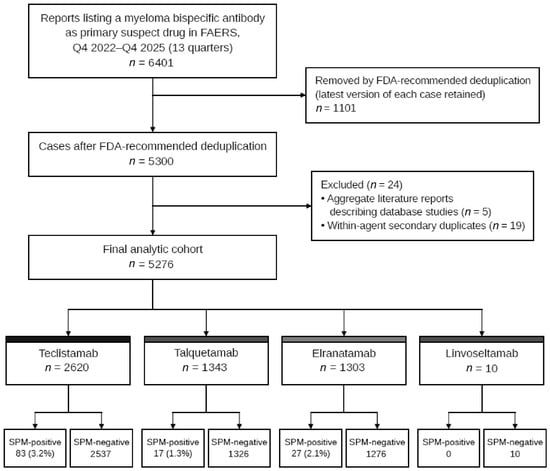
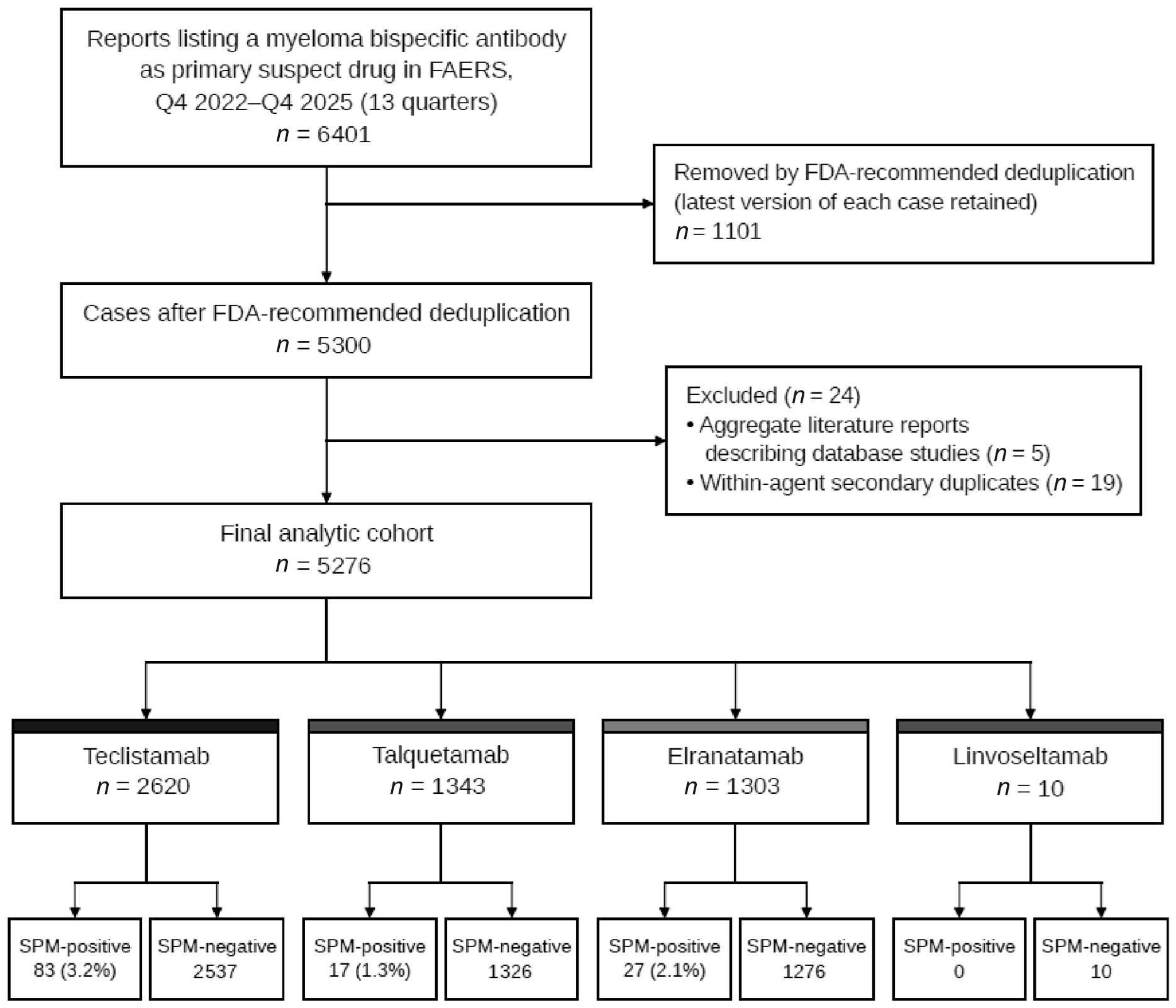
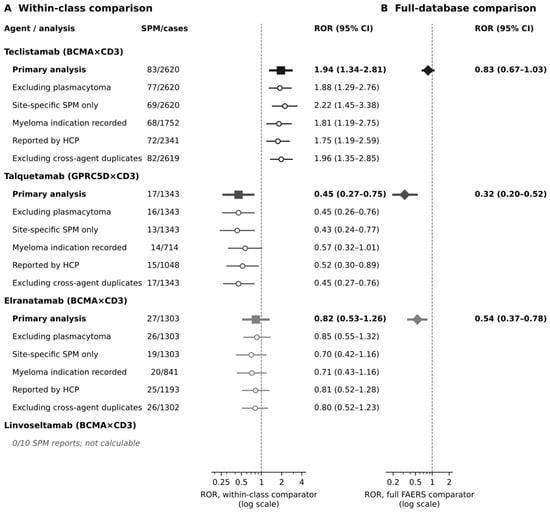
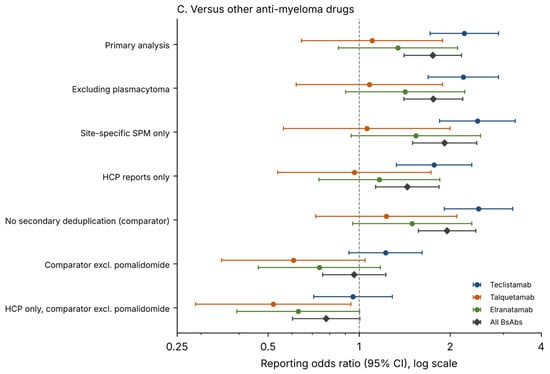
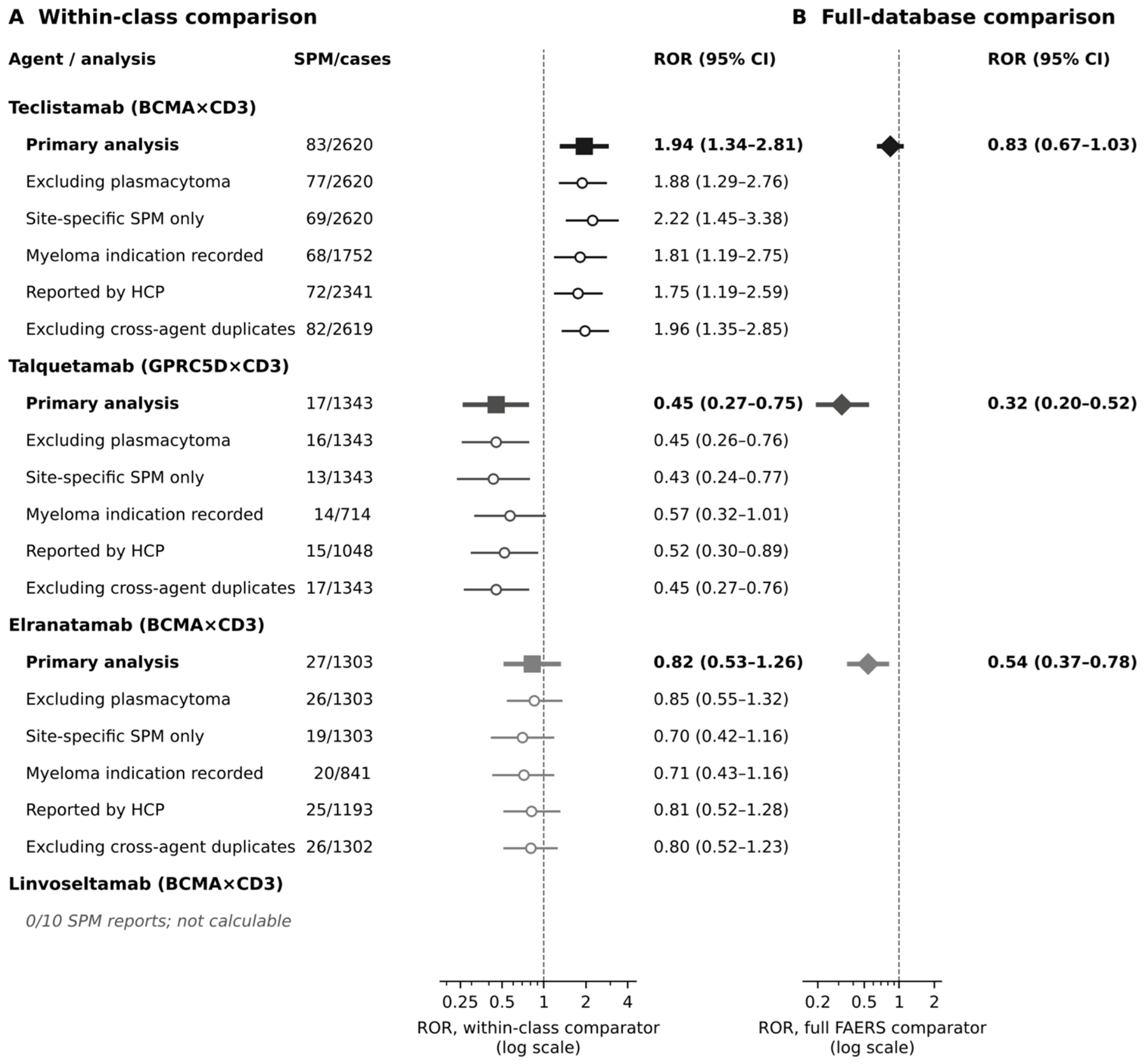
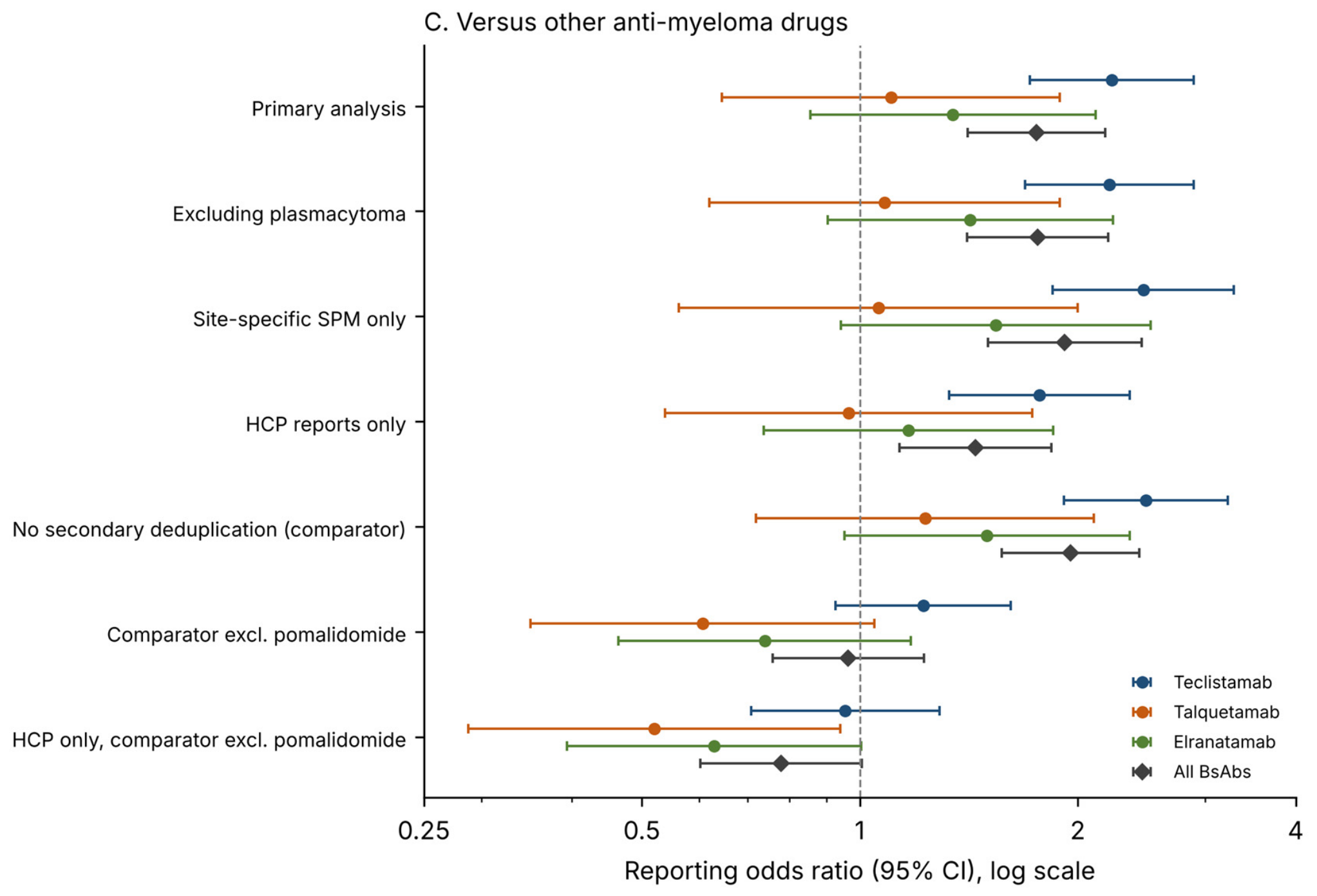
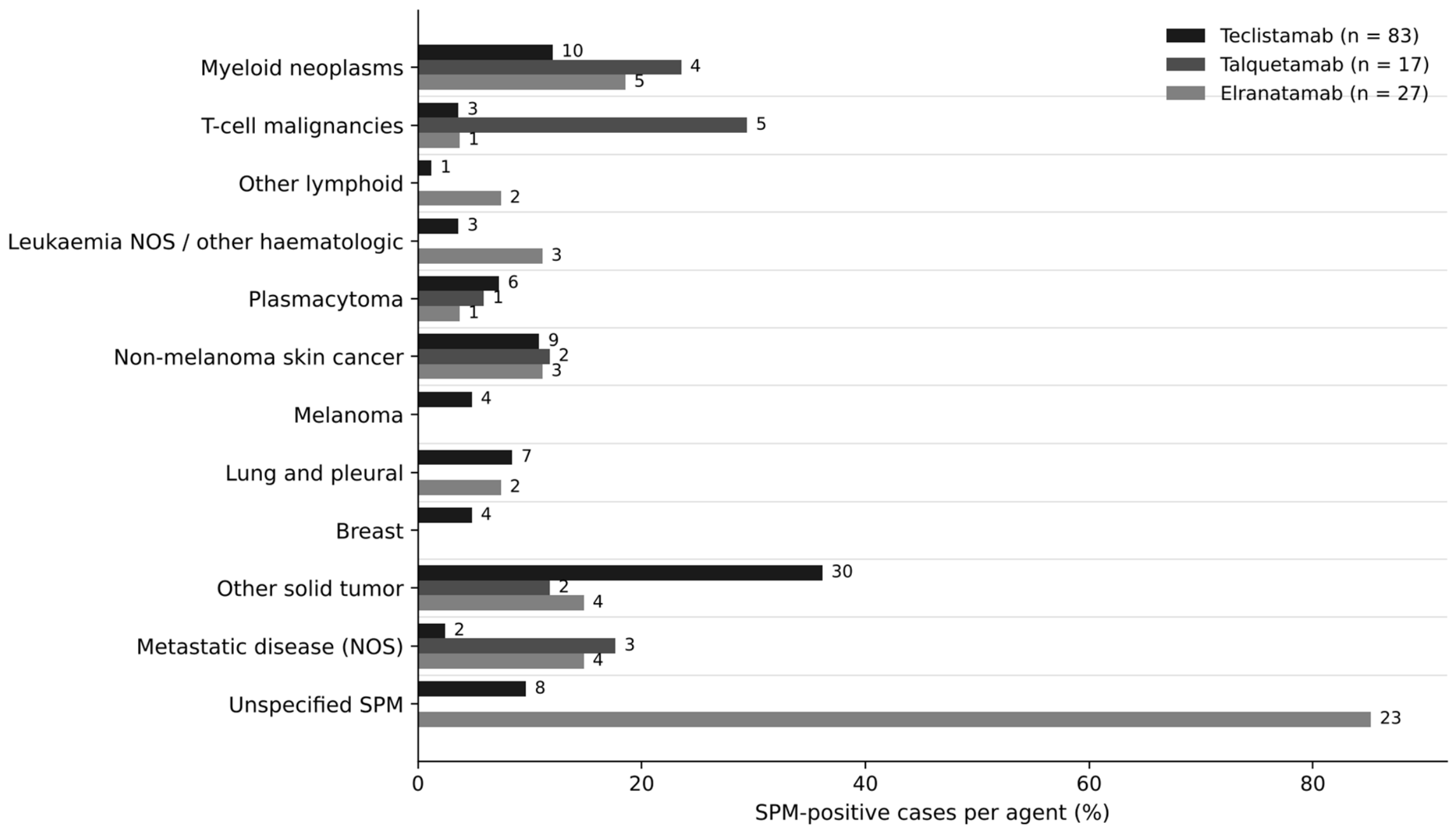
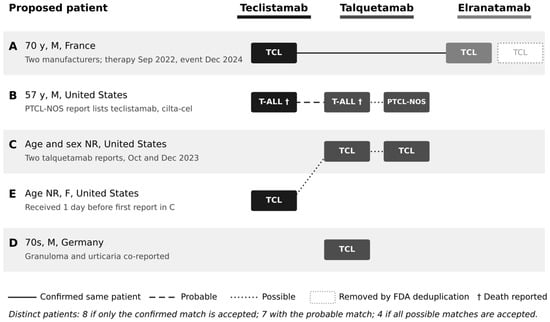

Disclaimer/Publisher’s Note: The statements, opinions and data contained in all publications are solely those of the individual author(s) and contributor(s) and not of MDPI and/or the editor(s). MDPI and/or the editor(s) disclaim responsibility for any injury to people or property resulting from any ideas, methods, instructions or products referred to in the content. |
© 2026 by the authors. Licensee MDPI, Basel, Switzerland. This article is an open access article distributed under the terms and conditions of the Creative Commons Attribution (CC BY) license.