


Simple Summary
Metastatic colorectal cancer is commonly treated with chemotherapy plus targeted drugs, yet most of these tumors are mismatch-repair-proficient (pMMR/MSS) and respond poorly to immunotherapy given alone. We systematically reviewed 13 studies (2157 patients) of immune checkpoint inhibitor (ICI) combinations in this population and compared regimens by progression-free survival in a network meta-analysis. The direct evidence for any single comparison is thin, the network is a chain rather than a closed loop, and no node-splitting test is possible. With these caveats, ICI plus targeted therapy ranked first, with a modest progression-free survival gain over chemotherapy plus targeted therapy, and the triplet that added chemotherapy to that doublet was also associated with longer progression-free survival, although the two ICI-containing strategies did not differ from each other, so that the evidence for adding chemotherapy to the doublet remains insufficient. The benefit was similar whether the ICI was added in the first line or after failure of a first-line regimen. Response rates were higher with ICI-containing regimens, and severe treatment-related toxicity was also more frequent. These findings are exploratory, rest on a narrow direct evidence base, and do not yet justify changing standard treatment.
Abstract
Objectives: Immune checkpoint inhibitors (ICIs) have transformed the treatment of dMMR/MSI metastatic colorectal cancer (mCRC), whereas their value in the far more common pMMR/MSS phenotype remains unresolved because of its immune-cold biology. This systematic review and network meta-analysis evaluated the efficacy and safety of ICI-based combination strategies in pMMR/MSS mCRC. Methods: Six international and Chinese databases were searched for randomized trials and non-randomized studies. Thirteen studies with 2157 patients were included; the primary outcome was progression-free survival (PFS), and secondary outcomes were overall survival (OS), objective response rate (ORR) and treatment-related adverse events (TRAEs). Effects were synthesized with a frequentist random-effects network meta-analysis. Results: In the connected network (11 studies, 12 comparisons, 4 treatment nodes), ICI plus targeted therapy ranked first for PFS (HR 0.671, 95% CI 0.533–0.844 versus chemotherapy plus targeted therapy; P-score 0.881) and the triplet ICI + chemotherapy + targeted therapy was also associated with longer PFS (HR 0.772, 95% CI 0.621–0.961; P-score 0.549); between-study heterogeneity was moderate (I2 = 21.2%, tau2 = 0.0125, Q = 11.42, df = 9, p = 0.248), and the two ICI-containing strategies did not differ from each other (HR 1.151, 95% CI 0.839–1.581). Within the shared chemotherapy plus bevacizumab backbone, the first-line estimate (HR 0.76, 95% CI 0.59–0.97, three studies) did not differ from the later-line estimate (0.70, 0.51–0.95, two studies; p = 0.68 for the subgroup difference). The estimate was insensitive to how the LEAP-017 comparator arm was assigned (HR 0.671 versus 0.647 under the two codings) but remained significant in all 11 leave-one-out iterations. Because the OS and ORR contrasts were clinically non-comparable, they are reported study by study rather than as pooled treatment effects: only dual ICI plus best supportive care improved OS, and ORR was higher with ICI-containing regimens in nine of the fourteen study-level comparisons, lower in four and identical in one. Grade III-V TRAEs were, by contrast, more frequent with ICI-containing regimens in six of the seven study-level comparisons, with odds ratios from 1.25 to 7.12, the single exception being COLUMBIA-1, which counted treatment-emergent rather than treatment-related events. Conclusions: In pMMR/MSS mCRC, ICI-based combinations show a modest and imprecisely estimated PFS advantage, most evident for ICI plus targeted therapy, at the cost of increased severe toxicity. The direct evidence is narrow, the ranking is exploratory, and practice should not change until adequately powered, biomarker-stratified randomized trials are available.
1. Introduction
Colorectal cancer (CRC) has become the third most common malignant disease and the second leading cause of tumor-related death [1,2]. Since the first radical colonic resection [3], surgery has remained the only curative option, but relapse after resection alone is frequent, and it has therefore long been combined with systemic treatment. Chemoradiotherapy (CRT) became the most widely accepted comprehensive model for locally advanced rectal cancer [4,5], yet it achieves a pathological complete remission (pCR) rate of only about 10–20% [6,7,8], and total neoadjuvant therapy improves that figure to a limited extent [9,10,11].
Given the high immune variability within tumor microenvironment, oncologists designed and developed novel immune protein targeted drugs. Early exploratory clinical trials tested them in various tumors including melanoma, CRC, non-small cell lung cancer and prostate cancer [12]. Later studies concentrating on CRC rapidly accumulated. KEYNOTE-164, a phase 2 open-label trial, reported an objective response rate (ORR) of 33% and a median progression-free survival (PFS) of 4.1 months in treatment-refractory mismatch repair deficient (dMMR) metastatic CRC (mCRC) [13]. The KEYNOTE-177 trial showed that first-line pembrolizumab lengthened median PFS from 8.2 months with chemotherapy to 16.5 months [14]. CheckMate-142 reported a median PFS and overall survival (OS) that were not reached in previously untreated dMMR mCRC given nivolumab plus low-dose ipilimumab, after a median follow-up of 29.0 months [15]. Based on this efficient evidence, pembrolizumab, nivolumab and ipilimumab have been permitted to be applied to dMMR mCRC by U.S. FDA [16,17].
Although ICIs are highly effective in dMMR or microsatellite instability (MSI) colorectal cancer, that phenotype accounts for a small minority of cases: more than 75% of non-metastatic colorectal cancers are microsatellite-stable (MSS), and in the metastatic setting the proportion exceeds 95% [18,19]. Numerous neoantigens in the MSI/dMMR microenvironment are directly exposed to immune attack [20], whereas the low tumor mutational burden and the scarce immune-cell infiltration of MSS or mismatch repair proficient (pMMR) tumors create the immune-cold phenotype that prevents immune stimulation from eliminating the tumor [21]. This contrast is visible in the earliest clinical data: KEYNOTE-016 reported an objective response in 40% of dMMR tumors but in none of the pMMR tumors, and median PFS was not reached versus 2.2 months [22]. A large retrospective analysis of stage III-IV colonic adenocarcinoma registered in the U.S. National Cancer Database between 2010 and 2019 found shorter mean OS in patients treated with immunotherapy [23]. These results conflict with one another, and conclusions drawn from early or retrospective cohorts may lack representativeness given the single-agent use of ICIs, inconsistent treatment procedures and undefined stratification. Mechanistically, chemotherapy can induce immunogenic cell death and damage-associated molecular patterns such as HMGB1, IL-2 and γ-interferon [24,25], and radiotherapy upregulates PD-L1 on the tumor cell surface [26]. These observations provide the rationale for combining ICIs with cytotoxic or targeted treatment in pMMR/MSS colorectal cancer, which is the question addressed in this review.
To figure out the therapeutic and safety effects of ICI-combined systematic treatments and other traditional therapies on MSS/pMMR CRC, we conducted this systematic review and network meta-analysis.
2. Materials and Methods
We conducted this systematic review and network meta-analysis of randomized controlled trials (RCTs) and non-randomized studies to evaluate ICI-based therapies in patients with MSS/pMMR mCRC. PICOS clues were preset as follows:
Patients: MSS/pMMR mCRC adults (at least 18 years old) priorly received systemic or regional therapies without ICI treatments, with or without surgeries. Articles which explicitly just enrolled MSI/dMMR cases or this part composing more than 10 percents of the total, or supported no information on MMR status were excluded exception for circumstances that the study provided subgroup analysis for pMMR/MSS phenotype;
Interventions: ICIs combined with other systematic therapies, including PD-1 antagonists (pembrolizumab and nivolumab), anti-PD-L1 drugs (atezolizumab, avelumab and durvalumab) and CTLA-4 blockers (tremelimumab and ipilimumab), whether in vein or other delivery routes;
Comparators: Respective “other systematic therapies”, including chemotherapy, targeted therapy (anti-EGFR or anti-VEGFR) or best supportive care; According to the main intention, horizontal comparisons among current systematic administrations, local therapy like radiotherapy and vascular intervention were removed;
Outcomes: PFS is set as primary outcome. Secondary outcomes are OS, ORR, disease control rate (DCR), safety, measured by the proportion of patients experiencing grade ≥ 3 treatment-related adverse events (TRAE). Several included trials reported the same events as treatment-emergent adverse events (TEAEs), whose definition in those trials covers the treatment-related events counted here, and the two categories were therefore treated as equivalent.
Study designment: Phase I to III RCTs, non-randomized prospective (interventional) or retrospective (cohort) studies other than public databases acquired large scale analysis, such as the U.S. National Cancer Database (NCDB). This dispersed data would bring about huge potential inconsistency from patient characteristics to interventional standards. Case reports, case series, reviews, single protocols or meeting abstracts without methods and results or more precise descriptions of trial procedures were excluded; so were one-arm studies, preclinical studies and unpublished work or manuscripts;
Additional inclusion and exclusion criteria: (1) we aimed at the systematic administration of ICI itself, so palliative treatment or disease control intention were both included while the neoadjuvant set was improper; (2) literature in languages other than English or Chinese were excluded; (3) in order to ensure all included articles contribute to at least primary outcome, studies that presented no median PFS for interested arms were not included, whether they simultaneously provided the hazard ratios (HRs) from such comparisons or not. This criterion was applied uniformly to every record screened and is the reason why some otherwise eligible trials were excluded: a hazard ratio reconstructed from a published curve, without a reported median and confidence interval, is too imprecise to enter a network. It narrows the evidence base and is discussed as a limitation in Section 4.
This systematic review and network meta-analysis was carefully designed and the protocol was published on Prospective Register of Systematic Reviews (PROSPERO) with an assigned registration number of CRD420261397200 (record available at https://www.crd.york.ac.uk/PROSPERO/view/CRD420261397200, accessed on 14 July 2026). All procedures were conducted strictly following the updated Preferred Reporting Items for Systematic reviews and Meta-Analyses (PRISMA) 2020 flow diagram [27]. The PRISMA checklist is appended as Table S1.
2.1. Literature Search and Selection
We searched studies from Web of Science Core Collection (WOS), Ovid MEDLINE, Pubmed Database, Cochrane Library and China National Knowledge Infrastructure (CNKI), Wanfang Database by 20 May 2026 (Table S2). The search was last executed on that date and returned no further eligible study, so the most recent included study was published in 2024.
After the literature retrieval, duplications were removed under automatic and manual manners. Then, two independent investigators (Lielong Yang and Tinghan Yang) screened research through title, abstract, full text or original protocol registered on websites like ClinicalTrials.gov [28] if necessary, and extracted all appropriate studies. Some discrepancies are allowed in this step. When both isolated selections finished, the two investigators communicated with each other and tried to reach an agreement. If there were still uncertain cases, a third senior reviewer (Ziqiang Wang) would give the final decision. Endnote X11 software was used in literature management and travelling [29].
2.2. Data Extraction and Outcome Definitions
The same independent investigators extracted the data according to a prejudged standardized form from all enrolled studies. Extracted variables include the following: (1) Study characteristics: title, DOI, publication year, authors, country, research type, study design, study name, registered array, center number, main center, enrolling duration, patient gross features, sample size; (2) Baseline group characteristics: groups, group sizes, proportions, procedures in brief, treatment regimen, age, sex, Eastern Cooperative Oncology Group (ECOG) performance status, race or districts, tumor stages, metastatic stages (synchronous or metachronous), tumor sites, metastatic locations, number of metastatic sites, RAS/BRAF mutation status, microsatellite mismatch repair (MMR) status; (3) Outcome and related information: total median follow-up, outcomes, partial response (PR), CR, ORR, DCR, median PFS, median OS, 12 months (12 m) PFS, 12 m OS, duration of response (DOR), TRAEs, Common Terminology Criteria for Adverse Events (CTCAE) criteria graded III-V TRAEs, TRAE led to treatment discontinuation. Original not available or missing counts were reserved.
Some outcomes were defined as follows: (1) PFS: the primary outcome, the time from randomization (for RCTs) or treatment initiation (for non-randomized studies) to first documented disease progression or death from any cause; (2) OS: the time from randomization or treatment initiation to death; (3) ORR: the proportion of patients achieving CR or PR; (4) DCR: the proportion of patients achieving CR, PR, or stable disease (SD); (5) safety: proportion of patients experiencing grade III-V TRAEs, according to CTCAE criteria [30]. Apart from safety, outcomes were defined according to Response Evaluation Criteria in Solid Tumors (RECIST) v1.1 [31].
Apart from the main text, appendices were also screened in data extraction. After the isolate data extractions being completed, the two investigators came to a meeting and figured out the existing differences. For the remanent issues failed to reach agreements, they firstly reviewed whether the reported results related definitions were accordant with RECIST or CTCAE criteria. Then, for the unsolved puzzles, Ziqiang Wang was consulted and then made the decisions.
2.3. Risk of Bias Assessment
We applied Cochrane Risk of Bias Tool for Randomized Trials version 2 (RoB 2.0) to assess RCTs in five domains: randomization, intervention, missing, measurement and report [32]. The same two first-round investigators separately judged risks of bias and graded them with “low risk,” “some concerns,” or “high risk”. As for non-randomized studies, Risk of Bias in Non-randomized Studies of Interventions (ROBINS-I) tool was adopted and the comment on each domain was marked as “low risk,” “moderate risk,” “serious risk,” or “critical risk” [33]. The two investigators conducted those evaluations based on a pilot assessment on representative studies of both RCTs and non-randomized studies, where they had got a uniform initial standard. Under circumstances when there still existed disagreements, Ziqiang Wang performed the final judgements. Risk of bias at the domain level would be elucidated in traffic-light plots and summary figures.
2.4. Network Establishment and Effect Sizes Pooling
In our research design, treatments could be classified into chemotherapy, targeted therapy, ICIs, chemotherapy plus targeted therapy, chemotherapy plus ICIs, targeted therapy plus ICIs, chemotherapy plus targeted therapy and ICIs. If the sample size and comparisons are enough, further subtypes would be applied, such as (1) dividing chemotherapy into single chemotherapy like capecitabine or 5-FU, 2-drug chemotherapy like FOLFOX and FOLFIRI, 3-drug chemotherapy like FOLFOXIRI; (2) dividing targeted therapy into anti-VEGF (bevacizumab), anti-VEGFR (fruquintinib or regorafenib) and anti-EGFR (cetuximab); (3) dividing ICI therapy into single and two-drug ICI therapy. We constructed the network connective structure with nodes and lines, the sizes of which positively correlated with respective arms or studies.
We set the statistical model in our frequentist multivariate random-effects network meta-analysis, as a random-effects model owns the first priority in any data manipulation to minimize the potential minor heterogeneities while a common-effect model emerges in necessary. Then, we tested the network heterogeneity by variance estimation. On the effect size derivation step of PFS or OS, for original assays without HR or its 95% confidence interval (CI), the effect size estimation is based on the median PFS and its 95% CI according to Parmar et al.’s methods [34]. When the median PFS was not reported either, the HR was reconstructed from the log-rank p value and the number of events (Parmar method A). For the single study that reported PFS only as a mean and standard deviation, the number of events was back-calculated from the reported disease control rate and varied between 67 and 90 in a sensitivity analysis. As for the binary outcomes (ORR, DCR and TRAEs), OR is calculated according to their definitions. For the safety outcome, the study-level odds ratios of grade III-V TRAEs are reported study by study and are not combined, because the comparator regimens differed across trials. As with ORR and DCR, no summary estimate or heterogeneity statistic is given for this outcome.
2.5. Heterogeneity and Inconsistency Assessment
We calculated the I2 statistic to measure the global heterogeneity, interpreting I2 value into 4 cases: (1) 0–25%: low heterogeneity; (2) 25–50%: moderate heterogeneity; (3) 50–75%: substantial heterogeneity; (4) 75–100%: considerable heterogeneity.
We planned to evaluate the consistency assumption underlying the network meta-analysis with the design-by-treatment interaction model, which partitions the total heterogeneity statistic into within-design heterogeneity and between-design inconsistency [35], and with node-splitting [36]. Neither could be estimated. The connected evidence forms a tree of three edges with no closed loop, so there is no pair of independent direct and indirect estimates to compare and neither a Q_inc statistic nor a node-splitting estimate exists. This is a structural property of the evidence base rather than the result of a failed test: Section 3.3.3 therefore reports the global heterogeneity statistics only, and consistency, like transitivity, remains an assumption here rather than a verified finding [35,36].
2.6. Treatment Ranking and Sensitivity Analysis
Treatment ranking was performed using the P-score value method raised in 2015 [37]. The P-score is a frequentist analogue of the Bayesian surface under the cumulative ranking curve (SUCRA) and also an efficient measurement of possibility-weighted treatment effects.
To ensure the robustness of our conclusion, two primary common sensitivity analyses were performed: (1) the common-effect network meta-analysis (NMA) results were compared with the random-effect results; (2) the NMA model was run iteratively, in which one study was removed at a time to exhibit the variation in HR and P-score. Given that (1) prospective and retrospective cohort studies are distinct from RCTs in various research procedures and (2) different regions may be confronted with different sanitary conditions, we thought the sole reservation of RCTs or more predominant region would be effective in second-round sensitivity analysis, though the latter subgroup analysis is unrealistic due to the limited reporting consistency. Two further refits examined the composition of the analyzed populations, both with the same random-effects model and reference category as the primary analysis. Because five of the thirteen studies also enrolled a minority of MSI-H/dMMR patients, the network was restricted to the seven studies whose PFS estimate refers to a pMMR/MSS population, either because the trial was confined to it or because a pMMR/MSS subgroup HR was published, which discarded the whole-trial estimates of the other four connected studies (CheckMate 9X8 [38], COLUMBIA-1 [39], Redman 2022 [40] and LEAP-017 [41]). Because the LEAP-017 [41] comparator arm can be assigned either to chemotherapy plus targeted therapy or to targeted therapy alone, that arm was reassigned in a separate refit.
All data processing was realized via the software R v4.5.1. [42].
2.7. Analysis by Line of Therapy
Because the connected network mixes studies of first-line and of later-line treatment, we summarized PFS separately according to the line of therapy in which the experimental regimen was given. A comparison was eligible for pooling when the experimental regimen added an ICI to the same chemotherapy plus bevacizumab backbone that was used in the control arm, so that the only difference between the arms was the ICI itself, when a hazard ratio (HR) for PFS was available, and when at least 50 patients had been randomized to each arm, a condition that excludes trials too small to yield an HR of usable precision. Three first-line studies (CheckMate 9X8 [38], AtezoTRIBE [43] and Wang ZX 2024 [44]; 527 patients) and two studies of the second or a later line (BACCI [45] and Wang L 2024 [46]; 238 patients) met all three conditions, so each line-specific estimate rests on a small number of trials. Studies in which the comparator was a VEGFR tyrosine kinase inhibitor, best supportive care or an investigator’s choice were displayed in the same figure but not pooled, so that the line of therapy was not confounded with the class of comparator or with imprecise estimates of effect.
The two line-specific estimates were then entered into one random-effects model with line of therapy as the subgroup variable (common tau2 across subgroups, inverse variance, REML), the difference between them was tested with the Q statistic between subgroups on one degree of freedom, and the ratio of the first-line to the later-line estimate with its 95% CI was computed from the same two estimates. Three sensitivity analyses were performed: the subgroup-restricted HRs of AtezoTRIBE [43] and Wang ZX 2024 [44] were replaced by their intention-to-treat HRs; the pooling was repeated with six alternative estimators of tau2 (DerSimonian–Laird, maximum likelihood, empirical Bayes, Sidik–Jonkman, Hedges, Paule–Mandel) in addition to REML; and one study at a time was removed from the three-study first-line pool.
3. Results
3.1. Literature Search and Selection
From the initial research retrieval, we extracted 1313, 187, 910, 25, 29 and 12 records from Web of Science Core Collection, Ovid MEDLINE, Pubmed Database, Cochrane Library and China National Knowledge Infrastructure and Wanfang Database, respectively. After the automatic duplicates removal of 462 records, 1958 items were left. Then, 38 items were deleted in manual removal of duplication and 1920 items entered following process. Two independent investigators screened them through title, abstract, full text or other linked materials if necessary and extracted all appropriate studies. After two round discussions about the unsolved divergences, the senior reviewer was informed to make a decision. We finally included 13 eligible studies. The literature search and selection process is elucidated in Figure 1.
Figure 1.
Literature search and selection process.
The included studies were published between 2020 and 2024 and recruited patients in international [38,39,41], Chinese [44,46,47,48,49], Northern American [40,45,50] and European [43,51] settings. Ten were randomized trials and three were retrospective cohorts. Six studies reported a general median follow-up of 15.2 to 20.9 months and three reported arm-specific median follow-up of 16.4 to 33.5 months. Median PFS was reported by twelve of the thirteen studies, with a 95% CI in ten of them: AtezoTRIBE [43] reported an 80% CI for its primary comparison and He 2022 [49] gave the medians with the log-rank p value only. The thirteenth study, Wang L 2024 [46], reported PFS only as a mean and standard deviation (5.04 ± 1.83 vs. 4.69 ± 1.30 months, p = 0.247); its HR was therefore reconstructed from the p value and an event count derived from the reported disease control rate. Median OS was available in ten studies, ORR in all thirteen, and CTCAE grade III-V TRAE counts in seven. The basic information of the included articles is provided in Table 1 and further characteristics in Table S3.
Table 1.
Basic information of included articles.
3.2. The Baseline Characteristics of Enrolled Patients
As shown in Table S3, a total of 2157 patients across 13 studies were enrolled from all original studies in this meta-analysis. The median age ranged from 54 to 65 years across study arms and most patients were male. Performance status was generally preserved, with ECOG 0–1 proportions of 84.3% to 100% in the studies reporting it; only two retrospective cohorts included small proportions of patients with ECOG 2 (10.4–15.7%).
Considering oncological characteristics, left-sided tumors, including descending colon, sigmoid colon and rectum primaries, predominated across most studies and accounting for about 56% to 83.6%. Liver was the most common site of metastasis, with a proportion of 52.2% to 86.0% among patients across studies, followed by lung involvement in 13% to 61.4%. Some baseline characteristics were inconsistently reported. Race composition was only available in five studies, with some exactly in the aspect of nationality. Most studies did not provide the metastatic stages (synchronous or metachronous) and number of metastatic sites. RAS is one of the key mutations other than MMR genes in CRC. It drives downstream BRAF gene in CRC advance. Included studies reported these gene status in inconsistent forms like RAS, KRAS/NRAS/BRAF, RAS/BRAF or BRAF V600E point mutation rate. The vast majority of patients were detected as MSS/pMMR tumors with only 5 studies enrolled MSI-H/dMMR cases with a highest proportion of nearly 10% [41,44,47,48,51]. Of them, Mettu et al. conducted study solely extracted MSS/pMMR patients out and reported separately [45].
In terms of comparison designment, the most emerged pair (5 of 13) is chemotherapy plus targeted therapy with or without ICIs. Chemotherapy and targeted therapy-based treatment in union with ICIs or not are settled in two and two articles, respectively. The remaining four studies set comparable arms apiece in (1) chemotherapy and ICIs; (2) chemotherapy-based treatment in addition to targeted therapy or ICIs; (3) targeted therapy plus chemotherapy or ICIs; and (4) best supportive care or ICIs. Considering the focused point, ICIs, four studies applied dual ICIs combination while nine studies adopted single ICI treatment. Among nine studies including targeted therapy, bevacizumab, cetuximab and fruquintinib or regorafenib were used in six, one and two programs, respectively. Within 10 chemotherapy-administrated studies, 7 studies selected two-drug therapy (FOLFOX/FOLFIRI/XELOX). Two studies adopted capecitabine alone and only one study offered three-drug therapy (FOLFOXIRI). By line of therapy, 6 of the 13 studies treated patients in the first line (CheckMate 9X8 [38], AtezoTRIBE [43], Wang ZX 2024 [44], COLUMBIA-1 [39], Redman 2022 [40] and METIMMOX [51]) and 7 in the second or a later line (BACCI [45], Wang L 2024 [46], LEAP-017 [41], CO.26 [50], Li 2023 [48], An 2024 [47] and He 2022 [49]); this split is analyzed in Section 3.3.7.
3.3. Primary Outcome
3.3.1. Network Construction
The full treatment network comprises 13 studies evaluating seven gross treatment categories: (1) ICI(s), (2) ICI plus chemotherapy, (3) ICI plus targeted therapy, (4) ICI plus chemotherapy and targeted therapy, (5) chemotherapy alone, (6) targeted therapy alone and (7) chemotherapy plus targeted therapy. Four treatment nodes and eleven studies formed a single connected component of 12 comparisons (An 2024 [47] contributed two pairs, fruquintinib or regorafenib with or without an ICI), in which chemotherapy plus targeted therapy is the hub: chemotherapy plus targeted therapy (nine arms, n = 614), ICI plus targeted therapy (six arms, n = 608), ICI plus chemotherapy and targeted therapy (six arms, n = 447) and targeted therapy alone (three arms, n = 232) (Figure 2). Direct evidence is sparse and uneven: the edge-connecting hub and ICI plus targeted points is informed by three studies (LEAP-017 [41], Wang 2024 [46] and Li 2023 [48]) and the edge of hub to triplet by six. So much of the ranking rests on indirect evidence. Two trials could not be placed in the connected component and are reported separately: METIMMOX [51] compared chemotherapy with ICI plus chemotherapy, and CO.26 [50] compared dual ICI with best supportive care in a separate two-node component.
Figure 2.
Network geometry of the primary progression-free survival analysis. Eleven studies comparing four treatment categories form one connected network of 12 direct comparisons; chemotherapy plus targeted therapy is the hub. Node area is proportional to the number of randomized patients (232–614) and line width to the number of direct comparisons (2–6); study arms and patient number of each node is given below label. ICI, immune checkpoint inhibitor.
3.3.2. PFS
The primary network meta-analysis used a random-effects model with chemotherapy plus targeted therapy as the reference. Compared with chemotherapy plus targeted therapy, ICI plus targeted therapy was associated with a lower risk of progression or death (HR 0.671, 95% CI 0.533–0.844; P-score 0.881) and ranked first, and the triplet ICI + chemotherapy + targeted therapy was also associated with longer PFS (HR 0.772, 95% CI 0.621–0.961; P-score 0.549). Targeted therapy alone did not differ significantly from chemotherapy plus targeted therapy (HR 0.759, 95% CI 0.541–1.064; P-score 0.548), and chemotherapy plus targeted therapy ranked last (P-score 0.022). Between-study heterogeneity was moderate rather than absent (I2 = 21.2%, tau2 = 0.0125, Q = 11.42, df = 9, p = 0.248). Because the coding of the LEAP-017 comparator arm (regorafenib or trifluridine/tipiracil, assigned to the hub node) is debatable, the model was refitted with that arm assigned to the targeted-therapy node; the estimates were essentially unchanged (ICI plus targeted therapy HR 0.647, 95% CI 0.443–0.945), so neither the direction nor the significance of the ranking depends on this choice. Figure 3 is the forest plot for PFS and Figure 4 the P-score ranking. Of the 1901 patients in this connected network, 727 from six studies inform the comparison of ICI plus chemotherapy plus targeted therapy with chemotherapy plus targeted therapy, 682 from three studies (Wang L 2024 [46], LEAP-017 [41] and Li 2023 [48]) inform the comparison of ICI plus targeted therapy with chemotherapy plus targeted therapy, and 492 from two studies inform the comparison of targeted therapy alone with chemotherapy plus targeted therapy; the remaining 256 patients, from METIMMOX [51] and CO.26 [50], fall outside the connected component.
Figure 3.
Forest plot of PFS in the connected network (11 studies, 12 comparisons). LEAP-017 2024 [41]; Wang L 2024 [46]; Li 2023 [48]; An 2024 [47]; He 2022 [49]; AtezoTRIBE 2022 [43]; Wang ZX 2024 [44]; BACCI 2022 [45]; Redman 2022 [40]; COLUMBIA-1 2024 [39]; CheckMate 9X8 2023 [38].
Figure 4.
P-score ranking of PFS.
These estimates should be read as relative effects within a sparse network rather than as a hierarchy of clinically distinct strategies: the intervals of ICI plus targeted therapy and of the triplet overlap, the difference between their P-scores (0.881 versus 0.549) is not a formal test of superiority, and the two estimates are mutually compatible (ratio 1.151, 95% CI 0.839–1.581). Chemotherapy plus targeted therapy ranked last (P-score 0.022), but its interval also overlaps that of targeted therapy alone (HR 0.759, 95% CI 0.541–1.064), so its worst should be read as lowest P-score rather than as demonstrated inferiority.
From the league table and heatmap (Figure 5), ICI plus targeted therapy did not differ significantly from targeted therapy alone (HR 0.884, 95% CI 0.690–1.133), and adding chemotherapy to ICI plus targeted therapy did not improve PFS (triplet versus doublet HR 1.151, 95% CI 0.839–1.581). The confidence interval of the latter comparison is wide, so the data indicate insufficient evidence of benefit rather than evidence of no benefit, and the same applies to the comparison with targeted therapy alone.
Figure 5.
Heat-map of the pairwise PFS comparisons. Cells contain HRs for the row treatment versus the column treatment; blue indicates a lower hazard and red a higher hazard, and the diagonal is not estimable.
Among the direct comparisons, LEAP-017 showed a significant PFS benefit for lenvatinib plus pembrolizumab versus standard of care (regorafenib or trifluridine/tipiracil) (HR 0.69, 95% CI 0.56–0.85) [41], and BACCI showed a significant benefit for capecitabine plus bevacizumab with atezolizumab (HR 0.66, 95% CI 0.44–0.99) [45]. Wang 2024 (sintilimab plus bevacizumab versus FOLFIRI plus bevacizumab; HR 0.753, 95% CI 0.465–1.218, reconstructed) [46] and Li 2023 (fruquintinib plus sintilimab versus TAS-102; HR 0.571, 95% CI 0.375–0.869, reconstructed) [48] supplied the remaining direct evidence for this edge, whereas AtezoTRIBE (0.78, 80% CI 0.62–0.97) [43], CheckMate 9X8 (0.81, 95% CI 0.53–1.23) [38] and COLUMBIA-1 (HR 1.018, 95% CI 0.582–1.781) [39] were individually non-significant. Study-level HRs are displayed in Figure 6.
Figure 6.
PFS related HRs from direct comparisons within each included study. ‡ Hazard ratio reconstructed from the published Kaplan–Meier curve (Parmar/Tierney). † Published as an 80% CI (0.82–0.97); both are drawn as 95% intervals derived on the same standard error. bev, bevacizumab. LEAP-017 2024 [41]; Wang L 2024 [46]; Li 2023 [48]; An 2024 [47]; He 2022 [49]; AtezoTRIBE 2022 [43]; Wang ZX 2024 [44]; BACCI 2022 [45]; Redman 2022 [40]; COLUMBIA-1 2024 [39]; CheckMate 9X8 2023 [38].
3.3.3. Inconsistency Analysis
Consistency between direct and indirect evidence could not be tested. The network contains no closed loop, so node-splitting and design-by-treatment interaction models have no independent direct-indirect pair to compare, and this is a structural limitation rather than a negative result. We therefore report only the global heterogeneity statistics (Q = 11.42, df = 9, p = 0.248; I2 = 21.2%) and emphasize that a non-significant Q statistic does not establish consistency, that transitivity cannot be verified empirically in a sparse tree, and that the assumption that all targeted agents and all ICIs are interchangeable is a strong one.
3.3.4. Sensitivity Analysis
A leave-one-out analysis was performed by removing each of the 11 studies in turn and refitting the model. The ICI plus targeted therapy estimate remained significant in all 11 iterations (HR 0.647 to 0.706) (Figure 7). As for the HRs reconstructed with the Parmar method discussed in Methodology section, the only scenario in which significance was lost was the simultaneous removal of the two studies, Wang 2024 [46] and Li 2023, [48] (HR 0.690, 95% CI 0.471–1.010). For the triplet comparison, all iterations remained significant except when AtezoTRIBE [51], Wang ZX 2024 [44] or BACCI [47] was removed (HR 0.771 to 0.809, upper limits 1.01 to 1.04) [44,45]. Therefore, the doublet estimation is stable but dependent on reconstructed HRs. Finally, a common-effect model was fitted to the same network, and left the HRs essentially unchanged (ICI plus targeted therapy HR 0.676, 95% CI 0.568–0.804; triplet HR 0.771, 95% CI 0.635–0.935; identical P-score ranking), which is expected given the small between-study variance. Restricting the network to the seven studies whose analyzed population was pMMR/MSS by design, that is, discarding every whole-trial estimate that includes an MSI-H/dMMR minority (8 comparisons, 1154 patients), left the ranking unchanged and kept both ICI-containing nodes significant, with wider intervals and more heterogeneity (ICI plus targeted therapy HR 0.649, 95% CI 0.426–0.987; triplet HR 0.692, 95% CI 0.492–0.973; I2 = 46.9%).
Figure 7.
Leave-one-out sensitivity analysis of the connected network for (a) ICI plus targeted versus chemotherapy plus targeted therapy and (b) ICI plus chemotherapy plus targeted therapy versus chemotherapy plus targeted therapy. LEAP-017 2024 [41]; Wang L 2024 [46]; Li 2023 [48]; An 2024 [47]; He 2022 [49]; AtezoTRIBE 2022 [43]; Wang ZX 2024 [44]; BACCI 2022 [45]; Redman 2022 [40]; COLUMBIA-1 2024 [39]; CheckMate 9X8 2023 [38].
A secondary analysis restricted to RCTs was planned. Because the two retrospective cohorts were the only source of direct evidence for the targeted-therapy-alone node [47, 49], restricting to RCTs removed that node and left a three-node chain. The doublet and triplet estimates were unchanged (0.67 and 0.77), and the analysis is therefore reported as a robustness check rather than as a separate model. Nationality- or ethnicity-based analyses were not possible because classification was inconsistent across studies.
3.3.5. Trials Outside the Connected Network
Two trials could not be incorporated into the connected network. METIMMOX compared oxaliplatin-based chemotherapy with the same chemotherapy plus nivolumab and reported a median PFS of 9.2 months in both arms (log-rank p = 0.52) without a HR [51]. PFS estimation was not realizable and the trial is described narratively only. CO.26 compared dual ICI (tremelimumab plus durvalumab) with best supportive care and forms a separate two-node component with a PFS HR of 1.01 (90% CI 0.76–1.34) [50].
3.3.6. Risk of Bias Assessment
Risk of bias is illustrated in Figure 8 and Figure 9. All 13 included studies were assessed, including CO.26 [50] and METIMMOX [51], the two trials that lie outside the connected network. Among the ten randomized trials assessed with RoB 2.0, nine (90%) were judged to be at low risk of bias overall and one (10%), Wang L 2024 [46], as having some concerns; the concern arises in the randomization domain, which is the only domain in which any trial was judged other than at low risk (Figure 8a and Figure 9a), whereas domains 2 to 5 were at low risk in all ten trials. Most trials were open-label, while double-blind designs were used in BACCI [45] and in the phase 2/3 trial of Wang ZX 2024 [44]; PFS was determined by the investigator in seven trials and by blinded independent central or radiology review in LEAP-017 [41], CheckMate 9X8 [38] and Wang ZX 2024 [44]. Because PFS was defined by RECIST v1.1 on protocol-scheduled imaging, outcome measurement was not judged to introduce a risk of bias, although a stricter criterion RoB 2.0 would add some concerns for the open-label trials, and this is the most plausible source of residual bias in the primary analysis. Among the three non-randomized studies assessed with ROBINS-I, the retrospective comparison by He et al. [49] was judged to be at serious risk because several baseline factors differed significantly between the two groups; the single-center real-world cohort by Li et al. [48] was judged at moderate risk because the treatment comparison was not adjusted for confounders. Domains other than confounding were at low risk in all three studies (Figure 8b and Figure 9b). The comparison-adjusted funnel plot for PFS is shown in Figure 10. Only three of the six possible pairwise comparisons between the four treatment categories are represented, and the largest of them, ICI plus chemotherapy plus targeted therapy versus chemotherapy plus targeted therapy, contributes six cohorts. Asymmetry of this plot cannot be separated from the differences between these comparisons, and we make no claim either that publication bias is absent or that it is present; for the same reason we did not use the Egger regression test, which requires a set of mutually independent estimates of a single effect. The two cohorts whose HRs were reconstructed from Kaplan–Meier curves, Wang L 2024 [46] and Li et al. [48], are drawn as open symbols; both inform the comparison of ICI plus targeted therapy with chemotherapy plus targeted therapy, and the sensitivity analysis of their removal is reported in Section 3.3.4.
Figure 8.
The risk of bias traffic light plots of (a) RCTs; (b) non-randomized studies. Years in the study labels refer to the primary publication used for data extraction. LEAP-017 2024 [41]; CO.26 2020 [50]; Wang L 2024 [46]; Li 2023 [48]; An 2024 [47]; He 2022 [49]; AtezoTRIBE 2022 [43]; Wang ZX 2024 [44]; BACCI 2022 [45]; Redman 2022 [40]; COLUMBIA-1 2024 [39]; CheckMate 9X8 2023 [38]; METIMMOX 2024 [51].
Figure 9.
The domain risks of bias weight bar plots of (a) RCTs; (b) non-randomized studies.
Figure 10.
Comparison-adjusted funnel plot of progression-free survival. Filled circles denote the ICI plus targeted versus chemotherapy plus targeted comparison, triangles ICI plus targeted versus targeted therapy alone, and squares ICI plus chemotherapy plus targeted versus chemotherapy plus targeted; open symbols mark the two hazard ratios reconstructed from Kaplan–Meier curves. LEAP-017 2024 [41]; Wang L 2024 [46]; Li 2023 [48]; An 2024 [47]; He 2022 [49]; AtezoTRIBE 2022 [43]; Wang ZX 2024 [44]; BACCI 2022 [45]; Redman 2022 [40]; COLUMBIA-1 2024 [39]; CheckMate 9X8 2023 [38].
3.3.7. Line of Therapy
The line in which the ICI was given changed neither the direction nor materially the size of the PFS effect within the shared chemotherapy plus bevacizumab backbone (Figure 11). In the first line, the three studies that compared an ICI-containing triplet with the same chemotherapy plus bevacizumab (CheckMate 9X8 [38], AtezoTRIBE [43] and Wang ZX 2024 [44]; 527 patients) gave a pooled HR of 0.76 (95% CI 0.59–0.97) without heterogeneity (I2 = 0%, Q = 0.74, p = 0.69), and removing one study at a time left the estimate between 0.73 and 0.79. In the second or a later line, the two studies that shared the backbone (BACCI [45] and Wang L 2024 [46]; 238 patients) gave 0.70 (0.51–0.95; I2 = 0%). The two line-specific estimates did not differ (ratio of the first-line to the later-line HR 1.09, 95% CI 0.73–1.62; Q = 0.18, df = 1, p = 0.68), and the five comparisons together gave 0.73 (0.61–0.89). Both line-specific estimates enclose the network estimate for the same contrast (0.772, 0.621–0.961), so the network result is not an artefact of mixing lines of therapy.
Figure 11.
PFS hazard ratios grouped by line of therapy. Rows are one per study-level comparison, and the study arms are shown as ICI-containing versus control. † HR reconstructed from the published Kaplan–Meier curve; ‡ published as an 80% CI. bev, bevacizumab; PD-1, programmed cell death protein 1; VEGFR-TKI, vascular endothelial growth factor receptor tyrosine kinase inhibitor. LEAP-017 2024 [41]; Wang L 2024 [46]; Li 2023 [48]; An 2024 [47]; He 2022 [49]; AtezoTRIBE 2022 [43]; Wang ZX 2024 [44]; BACCI 2022 [45]; Redman 2022 [40]; COLUMBIA-1 2024 [39]; CheckMate 9X8 2023 [38].
Replacing the subgroup-restricted HRs by the intention-to-treat HRs of AtezoTRIBE [43] and Wang ZX 2024 [44] gave 0.71 (0.56–0.90), and the choice of tau2 estimator did not change the estimate materially (Sidik–Jonkman, the most conservative: 0.76, 0.58–0.99). Two further first-line trials reported an HR but randomized fewer than 50 patients per arm; adding them to the first-line pool moved the estimate to 0.81 (0.65–1.01) without changing the test for subgroup differences (p = 0.45), so the sample-size condition does not drive the result. The later-line studies whose comparator was a VEGFR tyrosine kinase inhibitor or best supportive care were displayed but not pooled.
3.4. Secondary Outcomes
3.4.1. OS
Eight of the thirteen included studies contributed a hazard ratio for OS (Figure 12, Table S4). As a secondary outcome and also disconnected network, no pooled HR, subgroup summary or ranking is calculated. The five remaining studies did not report OS, or did not report it in a form from which an HR could be derived.
Figure 12.
Study-level HRs for OS. One row per study, grouped by the ICI-containing regimen and their comparators. CO.26 2020 [50]; METIMMOX 2024 [51]; LEAP-017 2024 [41]; BACCI 2022 [45]; Wang ZX 2024 [44]; COLUMBIA-1 2024 [39]; CheckMate 9X8 2024 [38].
Study-level estimations were directionally consistent for seven of the eight studies, but only dual ICI versus best supportive care reached significance (HR 0.62, 95% CI 0.46–0.84) [50]. LEAP-017, the largest MSS/pMMR population, showed a non-significant trend for lenvatinib plus pembrolizumab versus standard of care (HR 0.83, 95% CI 0.68–1.02) [41]. CheckMate 9X8 showed no OS difference for the addition of nivolumab (HR 1.03) [38]. BACCI [45] and COLUMBIA-1 [39] reported no meaningful advantage, nor did An 2024 [47].
3.4.2. ORR
Fourteen ORR comparisons, contributed by all 13 included studies, are shown in Figure 13 and Table S4, each with its own comparator. The most informative single trial, LEAP-017 [41], showed a six-fold higher ORR of lenvatinib plus pembrolizumab than standard care (10.4% vs. 1.7%). Wang 2024 [46] showed a clear advantage for sintilimab plus bevacizumab over FOLFIRI plus bevacizumab (26.7% vs. 10.0%), whereas AtezoTRIBE [43] pointed in the opposite direction (58.6% vs. 64.4%).
Figure 13.
Study-level ORs for ORR. Wang L 2024 [46]; LEAP-017 2024 [41]; An 2024 [47]; He 2022 [49]; Li 2023 [48]; AtezoTRIBE 2022 [43]; BACCI 2022 [45]; COLUMBIA-1 2024 [39]; Wang ZX 2024 [44]; CheckMate 9X8 2024 [38]; Redman 2022 [40]; METIMMOX 2024 [51]; CO.26 2020 [50].
For the triplet comparison, the conclusions were inconsistent: CheckMate 9X8 reported a higher ORR for nivolumab plus mFOLFOX6/bevacizumab (60% vs. 46%) [38]. COLUMBIA-1 was directionally consistent but did not reach significance (61.5% vs. 46.2%) [39]. The serplulimab-based trial reported comparable rates (65.5% vs. 66.7%) [44], while BACCI reported low ORRs in both arms (8.5% versus 4.4%), consistent with its heavily pre-treated population [45].
Among the ICI plus targeted therapy comparisons, Wang 2024, LEAP-017, and the fruquintinib cohort of An 2024 and He 2022 favored the ICI arm, whereas the regorafenib cohort of An 2024 did not (4.9% vs. 6.0%) [47] and Li 2023 [48] showed only a small difference (17.0% vs. 13.3%). The two trials that lie outside the connected network are shown in the same way: from METIMMOX the ORR was lower with alternating FLOX and nivolumab than with FLOX alone (47% vs. 65%) [51], and CO.26 recorded one response among 119 patients given dual ICI and none among 61 given best supportive care [50].
Overall, ICI-containing regimens were associated with a higher ORR in nine of the fourteen comparisons, a lower one in four and an identical one in Redman 2022 [40] (50.0% vs. 50.0%, five of ten patients in each arm), and the advantage was most concentrated in the targeted-therapy-based combinations, but the inconsistency of the chemotherapy-backboned trials and the wide confidence intervals of the individual estimates manifest that the magnitude of the response benefit should not be treated as a precise conclusion. The sources of this inconsistency cannot be separated with the available data, but the trials differ in line of therapy, in the class of the comparator (chemotherapy with or without bevacizumab, a VEGFR tyrosine kinase inhibitor, or best supportive care), in the proportion of patients with liver metastases and in RAS/BRAF status, each of which could produce a difference of this size in a population whose response rates are mostly below 30%; with one or two studies per comparison these analyses remain hypothesis-generating.
3.4.3. DCR
Eight of the thirteen studies reported DCR, contributing nine comparisons, which are shown in Figure 14 and Table S4. Eight ORs calculated of the nine comparisons lie above 1. Wang 2024 recorded a higher DCR with sintilimab plus bevacizumab than with FOLFIRI plus bevacizumab (OR 2.04, 95% CI 0.93–4.50) [46]. Both cohorts of An 2024 favored the ICI arm (74.7% vs. 60.0% for fruquintinib and 70.4% vs. 61.2% for regorafenib) [47]. He 2022 exhibited a marginally higher rate (44.0% vs. 38.9%) [49]. Li 2023 [48] with the widest difference of the set (OR 3.38, 95% CI 1.33–8.60), and CO.26 [50], which lies outside the PFS network, likewise favored dual ICI (OR 4.18, 95% CI 1.39–12.57). In the three ICI plus chemotherapy plus targeted therapy comparisons the arms were close (COLUMBIA-1 84.6% vs. 88.5%, Wang ZX 2024 85.5% vs. 84.2% and CheckMate 9X8 90.6% vs. 83.8%). COLUMBIA-1 was the only comparison with an OR below 1 (0.72, 95% CI 0.14–3.58) [39].
Figure 14.
Study-level ORs for DCR. Wang L 2024 [46]; An 2024 [47]; He 2022 [49]; Li 2023 [48]; COLUMBIA-1 2024 [39]; Wang ZX 2024 [44]; CheckMate 9X8 2024 [38]; CO.26 2020 [50].
3.4.4. TRAE
Grade III–V treatment-related adverse events were extracted as counts from seven studies, which together contributed 1367 patients (Figure 15, Table S4). Six of the seven study-level ORs lay above 1. The largest were CO.26 (OR 7.12, 95% CI 3.42–14.84) [50], CheckMate 9X8 (OR 3.17, 95% CI 1.66–6.02) [38] and LEAP-017 (OR 1.90, 95% CI 1.32–2.73) [41]. The remaining estimations were smaller and none of their confidence intervals excluded 1 [43,44,45]. The exception was COLUMBIA-1, in which grade III–V treatment-emergent events were less frequent in the durvalumab plus oleclumab arm than in the control arm (OR 0.45, 95% CI 0.13–1.60) [39]. The three largest estimates came from three different designs, CO.26 (dual ICI versus best supportive care, OR 7.12), CheckMate 9X8 (nivolumab added to mFOLFOX6 plus bevacizumab, OR 3.17) and LEAP-017 (lenvatinib plus pembrolizumab versus regorafenib or trifluridine/tipiracil, OR 1.90), so the excess was not confined to one class of combination. Counts were taken as reported, and because the trials graded them with different versions of the CTCAE, no re-grading was attempted.
Figure 15.
Study-level ORs for grade III-V TRAEs. LEAP-017 2024 [41]; AtezoTRIBE 2022 [43]; Wang ZX 2024 [44]; BACCI 2022 [45]; COLUMBIA-1 2024 [39]; CheckMate 9X8 2024 [38]; CO.26 2020 [50].
4. Discussion
Immunotherapy is a large emerging CRC treating field in recent years. ICI, one of the central and basal part, is attracting increasing number of colorectal surgeons and oncologists to carry out clinical trials to evaluate their therapeutic effects and safety. Most studies affirmed the improved efficiency of ICI on dMMR/MSI tumors while whether this is also appropriate for pMMR/MSS cases is still lack of conclusion. Researches focusing on ICIs treated on pMMR/MSS locally advanced CRC (LACRC) patients have accumulated a lot while for mCRC cases the studies have not been pooled before. To summarize the current evidences of ICI regimens in treating pMMR/MSS mCRC patients, we planned and conducted this systematic review and network meta-analysis.
Through the literature search and screening, 13 studies with 2157 pMMR/MSS mCRC patients were included. After data extraction and effect pooling, ICI plus targeted therapy emerged as the highest-ranked regimen for PFS, conferring a 33% relative reduction in the risk of progression or death compared with chemotherapy plus targeted therapy (HR 0.671, 95% CI 0.533–0.844; P-score 0.881). The triplet combination of ICI, chemotherapy and targeted therapy was also associated with longer PFS (HR 0.772, 95% CI 0.621–0.961; P-score 0.549). The difference between these two ICI-containing strategies was not significant (HR 1.151, 95% CI 0.839–1.581). For the secondary outcomes, ORR was higher with ICI-containing regimens in nine of the fourteen study-level comparisons, lower in four and identical in one. Seven of the eight studies which reported or summarized DCR got an improved, either significant or insignificant OR in ICI-combined group. Grade III-V adverse events of ICI-contained therapies were more frequent in six of the seven study-level comparisons.
Although numerous studies have backed the priority of ICI therapy on dMMR/MSI CRC, whether the same application would benefit pMMR/MSS CRC patients failed to reach a final conclusion. To date, most studies and trials testing ICI-containing regimens are more concentrated on LACRC. A recent systematic review and meta-analysis with 861 patients enrolled got a significantly developed OR of pCR in pMMR than dMMR subgroup when ICI was added into therapeutic strategies (2.52, 95% CI: 1.68–3.76 vs. 0.71, 0.01–49.71) [52]. A meta-analysis analyzed 852 pMMR/MSS eligible patients. The authors reported a pooled pCR, clinical complete remission rate (cCR) and III-V grade TRAE rate of 37%, 26% and 29%, respectively [53]. Another meta-analysis compared the ORR of anti-PD-1/anti-PD-L1 included and excluded treatments on 1503 advanced CRC patients and reported a total ORR of 23% and the ORR of MSI-H/dMMR subgroup surpass that of MSS/pMMR subgroup (37% vs. 11%) [54]. Judging from the above recent studies, ICIs application in pMMR/MSS LACRC could probably obtain at least a comparable improvement as that in dMMR/MSI cases.
Distant metastasis challenges the traditional tumor control and brings about dramatically enlarged mortality. As a novel potential tumor therapy, ICIs are also researched a lot recently. A systematic review and meta-analysis including 4 RCTs of mCRC concluded the addition of ICIs to bevacizumab and chemotherapy significantly extended PFS (HR = 0.82; 95% CI 0.70–0.96) without a variation in severe adverse events proportion [55]. Another large-scale meta-analysis extracted ORR, DCR, severe adverse events data of 1129 mCRC patients from 14 studies. The reported ORR, DCR and severe adverse events rate are 0.16 (95%CI 0.06–0.31), 0.50 (95%CI 0.35–0.65) and 0.30 (95% CI 0.20–0.41), respectively [56].
As for the studies which differentiated MMR gene status of mCRC, a large meta-analysis published in 2021 with 30 studies and 1870 advanced or metastatic CRC included reported a pooled ORR of 46.8% (95% CI, 37.9–55.9%) in MSI-H/dMMR tumors and 5.9% (95% CI, 0.6–14.6%) in MSS/pMMR tumors [57]. Another meta-analysis conducted in 2024 with 1358 mCRC patients who had received ICI-based regimens founded a notable PFS extension of MSS subgroup in nivolumab united standard treatments (HR = 0.74; 95% CI, 0.53–1.02) [58]. A single-arm meta-analysis containing 228 patients from 5 studies pooled and estimated a median PFS of 2.53 months, ORR of 12.5% and DCR of 65.4% for MSS/pMMR mCRC patients who had received the durvalumab and tremelimumab based treatment [59]. A small-sample retrospective study arranged 10 MSS/pMMR CRC patients diagnosed with hepatic metastasis to receive neoadjuvant anti-PD-1 or anti-PD-L1 drugs combined with chemotherapy and bevacizumab. The result showed a 100% DCR and an ORR of 70% and in the long follow-up time 7 of the 10 patients who underwent phased intervention on primary and secondary tumor lesions finally reached a PFS of 9.2 (1.5–15.8) months [60]. To summarize, although the total length of PFS could be quite restricted in some pMMR/MSS mCRC patients, the application of ICIs would contribute to the delay of tumor progress or death with comparable TRAE rates. However, the ORR tended to be less than 20% in studies of ample samples.
The direction of our estimation agrees with previous syntheses. Median PFS in ICI-containing arms of the 13 studies ranged from 1.8 to 11.4 months, and even in the trials with the smallest HRs (0.66 and 0.69) median PFS remained short (5.3 and 3.8 months), which reflects the high tumor burden of this population and the limited effect of systemic therapy in later lines. We therefore stress that the advantage we estimate is relative and modest in absolute terms. Regarding safety, six of the seven studies with CTCAE III-V counts showed an increase in severe TRAEs. The largest single OR came from CO.26, which compared dual ICI with best supportive care (OR 7.12, 95% CI 3.42–14.84), and the only estimate below 1 came from COLUMBIA-1 (OR 0.45, 95% CI 0.13–1.60), whose counts were recorded as treatment-emergent rather than treatment-related.
For OS, seven of the eight study-level estimates lay below 1, but only the comparison of dual ICI with best supportive care reached significance. For secondary outcomes, ORR (fourteen comparisons), DCR (nine comparisons from eight studies) and grade III-V TRAEs (seven studies), no summary estimate is given. Direct ORRs in pMMR/MSS populations ranged from about 4% to 70% across studies, and the lowest DCR in an ICI-containing arm was 22.7% (CO.26), which indicates that systemic therapy alone can achieve disease stabilization but rarely deep or durable remission in this population.
Our review has several limitations that constrain the strength of its conclusions. First, the connected network is a tree with no closed loop, so no formal inconsistency test (node-splitting or design-by-treatment) could be performed and consistency rests entirely on the assumption of transitivity. Second, treatments were classified into broad nodes, so anti-VEGF, anti-VEGFR and anti-EGFR agents, and single versus dual ICI, are treated as interchangeable. Subgroup analyses by drug class were not feasible because each edge is informed by at most six studies, and the analysis by line of therapy reported rests on only two or three studies per line. Third, five studies also enrolled a minority of MSI-H/dMMR patients (up to nearly 10%), and whole-trial estimations had to be used where subgroup data were unavailable, which might bias towards benefit. So do some confounding factors like nationality. Fourth, local treatments such as ablation, radiotherapy and hepatic arterial infusion were not included, although they are used in practice. Finally, effect modifiers that are relevant to immunotherapy, namely RAS/BRAF status, primary tumor site, ECOG performance status and the proportion of patients with liver metastases, which ranged from 52.2% to 86.0% across the included studies, were reported too inconsistently for subgroup analysis or meta-regression, and because liver involvement is associated with a poorer response to immunotherapy, part of the difference between regimens may reflect the distribution of these factors rather than the regimens themselves. Additionally, publication bias could not be formally assessed: the Egger test requires mutually independent estimates of a single effect, which a network of this shape does not provide, and the comparison-adjusted funnel plot cannot separate asymmetry from the differences between the three comparisons that it contains. Neither the presence nor the absence of publication bias can be claimed. Rated against the CINeMA domains, the certainty of both main PFS comparisons is low: within-study bias follows from the open-label design and unblinded outcome assessment of most of the trials, indirectness from pooling different lines of therapy and different targeted agents into single nodes, imprecision is present for the triplet comparison, and incoherence and reporting bias could not be evaluated.
5. Conclusions
ICI-containing therapies are associated with a modest improvement in PFS in pMMR/MSS mCRC compared with non-ICI therapies. ICI combined with targeted therapy ranks first, the triplet combination of ICI, chemotherapy and targeted therapy ranks second, and the two do not differ significantly. This apparent advantage is accompanied by more frequent grade III-V treatment-related adverse events in six of the seven study-level comparisons. Because the direct evidence is narrow, the network is a tree, and part of the effect depends on reconstructed HRs, these results are exploratory and should not change standard practice until adequately powered, biomarker-stratified randomized trials with pre-specified pMMR/MSS subgroups are available.
Supplementary Materials
The following supporting information can be downloaded at: https://www.mdpi.com/article/10.3390/cancers18223718/s1, Table S1. PRISMA 2020 checklist of this systematic review and network meta-analysis; Table S2. Search Strategies for Different Databases; Table S3. Characteristics of each study enrolled patients; Table S4. Extractability of safety and secondary-outcome data.
Author Contributions
Z.W. designed this research and dominated in the check and decision processes. L.Y. and T.Y. conducted main screening, data extracting and manuscript composition. Y.Z., M.W. and X.Y. checked the original manuscript and contributed to discussion. All authors have read and agreed to the published version of the manuscript.
Funding
This research was funded by the National Natural Science Foundation of China, grant number 8202507.
Institutional Review Board Statement
Not applicable.
Informed Consent Statement
Not applicable.
Data Availability Statement
As a systematic review and network meta-analysis, all data are available online from original literature.
Acknowledgments
This systematic review and network meta-analysis is preregistered on Prospective Register of Systematic Reviews (PROSPERO) with a registration number of CRD420261397200.
Conflicts of Interest
The authors declare no conflicts of interest.
Abbreviations
The following abbreviations are used in this manuscript:
| ICIs | immune checkpoint inhibitors |
| dMMR | deficient mismatch repair |
| MSI | microsatellite instability |
| mCRC | metastatic colorectal cancer |
| pMMR | mismatch repair proficient |
| MSS | microsatellite stable |
| PFS | progression-free survival |
| OS | overall survival |
| ORR | objective response rate |
| HR | hazard ratio |
| CI | confidence interval |
| OR | odds ratio |
| TRAEs | treatment-related adverse events |
| CRC | colorectal cancer |
| CRT | chemoradiotherapy |
| pCR | pathological complete response |
| DFS | disease-free survival |
| TMB | tumor mutational burden |
| RCTs | randomized controlled trials |
| MMR | mismatch repair |
| PD-1 | programmed cell death protein 1 |
| CTLA-4 | cytotoxic T-lymphocyte-associated protein 4 |
| EGFR | epidermal growth factor receptor |
| VEGFR | vascular endothelial growth factor receptor |
| DCR | disease control rate |
| TEAEs | treatment-emergent adverse events |
| NCDB | National Cancer Database |
| PRISMA | Preferred Reporting Items for Systematic Reviews and Meta-Analyses |
| ECOG | Eastern Cooperative Oncology Group |
| RAS | rat sarcoma viral oncogene homolog |
| BRAF | B-Raf proto-oncogene |
| PR | partial response |
| CR | complete response |
| DOR | duration of response |
| SD | stable disease |
| VEGF | vascular endothelial growth factor |
| NMA | network meta-analysis |
| MSI-H | microsatellite instability—high |
| LACRC | locally advanced colorectal cancer |
| cCR | clinical complete response |
References
- Wu, S.M.; Zhang, Y.P.; Lin, Z.; Wei, M. Global burden of colorectal cancer in 2022 and projections to 2050: Incidence and mortality estimates from GLOBOCAN. BMC Cancer 2025, 25, 1770. [Google Scholar] [CrossRef] [Scilit]
- Siegel, R.L.; Wagle, N.S.; Cercek, A.; Smith, R.A.; Jemal, A. Colorectal cancer statistics, 2023. CA Cancer J. Clin. 2023, 73, 233–254. [Google Scholar] [CrossRef] [Scilit]
- Gaidarski, A., III; Ferrara, M. The Colorectal Anastomosis: A Timeless Challenge. Clin. Colon Rectal Surg. 2023, 36, 11–28. [Google Scholar] [CrossRef] [Scilit]
- Lim, D.R.; Bae, S.U.; Hur, H.; Min, B.S.; Baik, S.H.; Lee, K.Y.; Kim, N.K. Long-term oncological outcomes of robotic versus laparoscopic total mesorectal excision of mid-low rectal cancer following neoadjuvant chemoradiation therapy. Surg. Endosc. Other Interv. Tech. 2017, 31, 1728–1737. [Google Scholar] [CrossRef] [Scilit]
- van Gijn, W.; Marijnen, C.A.M.; Nagtegaal, I.D.; Kranenbarg, E.M.K.; Putter, H.; Wiggers, T.; Rutten, H.J.T.; Pahlman, L.; Glimelius, B.; van de Velde, C.J.H.; et al. Preoperative radiotherapy combined with total mesorectal excision for resectable rectal cancer: 12-year follow-up of the multicentre, randomised controlled TME trial. Lancet Oncol. 2011, 12, 575–582. [Google Scholar] [CrossRef] [Scilit]
- Allegra, C.J.; Yothers, G.; O’Connell, M.J.; Roh, M.S.; Lopa, S.H.; Petrelli, N.J.; Beart, R.W.; Sharif, S.; Wolmark, N. Final results from NSABP protocol R-04: Neoadjuvant chemoradiation (RT) comparing continuous infusion (CIV) 5-FU with capecitabine (Cape) with or without oxaliplatin (Ox) in patients with stage II and III rectal cancer. J. Clin. Oncol. 2014, 32, 3603. [Google Scholar] [CrossRef] [Scilit]
- Deng, Y.H.; Chi, P.; Lan, P.; Wang, L.; Cui, L.; Chen, D.D.; Cao, J.; Wei, H.B.; Peng, X.; Huang, Z.H.; et al. A multi-center randomized controlled trial of mFOLFOX6 with or without radiation in neoadjuvant treatment of local advanced rectal cancer (FOWARC study): Preliminary results. J. Clin. Oncol. 2015, 33, 3500. [Google Scholar] [CrossRef] [Scilit]
- Kong, J.C.; Guerra, G.R.; Warrier, S.K.; Lynch, A.C.; Michael, M.; Ngan, S.Y.; Phillips, W.; Ramsay, G.; Heriot, A.G. Prognostic value of tumour regression grade in locally advanced rectal cancer: A systematic review and meta-analysis. Colorectal Dis. 2018, 20, 574–585. [Google Scholar] [CrossRef] [Scilit]
- Glynne-Jones, R.; Hollingshead, J. TNT and local recurrence in the RAPIDO trial-untangling the puzzle. Nat. Rev. Clin. Oncol. 2023, 20, 357–358. [Google Scholar] [CrossRef] [Scilit]
- Weiser, M.R. Total Neoadjuvant Therapy for Locally Advanced Rectal Cancer: PRODIGE 23 Trial. Ann. Surg. Oncol. 2022, 29, 1493–1495, Correction in Ann. Surg. Oncol. 2022, 29, 3886. [Google Scholar] [CrossRef] [Scilit]
- Bahadoer, R.R.; Dijkstra, E.A.; van Etten, B.; Marijnen, C.A.M.; Putter, H.; Kranenbarg, E.M.K.; Roodvoets, A.G.H.; Nagtegaal, I.D.; Beets-Tan, R.G.H.; Blomqvist, L.K.; et al. Short-course radiotherapy followed by chemotherapy before total mesorectal excision (TME) versus preoperative chemoradiotherapy, TME, and optional adjuvant chemotherapy in locally advanced rectal cancer (RAPIDO): A randomised, open-label, phase 3 trial. Lancet Oncol. 2021, 22, 29–42, Correction in Lancet Oncol. 2021, 22, E42. [Google Scholar] [CrossRef] [Scilit]
- Lipson, E.J.; Sharfman, W.H.; Drake, C.G.; Wollner, I.; Taube, J.M.; Anders, R.A.; Xu, H.Y.; Yao, S.; Pons, A.; Chen, L.P.; et al. Durable Cancer Regression Off-Treatment and Effective Reinduction Therapy with an Anti-PD-1 Antibody. Clin. Cancer Res. 2013, 19, 462–468. [Google Scholar] [CrossRef] [Scilit]
- Le, D.T.; Kim, T.W.; Van Cutsem, E.; Geva, R.; Jager, D.; Hara, H.; Burge, M.; O’Neil, B.; Kavan, P.; Yoshino, T.; et al. Phase II Open-Label Study of Pembrolizumab in Treatment-Refractory, Microsatellite Instability-High/Mismatch Repair-Deficient Metastatic Colorectal Cancer: KEYNOTE-164. J. Clin. Oncol. 2020, 38, 11–19. [Google Scholar] [CrossRef] [Scilit]
- André, T.; Shiu, K.K.; Kim, T.W.; Jensen, B.; Jensen, L.H.; Punt, C.; Smith, D.; Garcia-Carbonero, R.; Benavides, M.; Gibbs, P.; et al. Pembrolizumab in Microsatellite-Instability-High Advanced Colorectal Cancer. N. Engl. J. Med. 2020, 383, 2207–2218. [Google Scholar] [CrossRef] [Scilit]
- Lenz, H.J.; Van Cutsem, E.; Limon, M.L.; Wong, K.Y.M.; Hendlisz, A.; Aglietta, M.; García-Alfonso, P.; Neyns, B.; Luppi, G.; Cardin, D.B.; et al. First-Line Nivolumab Plus Low-Dose Ipilimumab for Microsatellite Instability-High/Mismatch Repair-Deficient Metastatic Colorectal Cancer: The Phase II CheckMate 142 Study. J. Clin. Oncol. 2022, 40, 161–170. [Google Scholar] [CrossRef] [Scilit]
- FDA. FDA Approves Nivolumab with Ipilimumab for Unresectable or Metastatic MSI-H or dMMR Colorectal Cancer. 2025. Available online: https://www.fda.gov/drugs/cancer-approvals/fda-approves-nivolumab-ipilimumab-unresectable-or-metastatic-msi-h-or-dmmr-colorectal-cancer (accessed on 7 August 2026).
- Casak, S.J.; Marcus, L.; Fashoyin-Aje, L.; Mushti, S.L.; Cheng, J.; Shen, Y.L.; Pierce, W.F.; Her, L.; Goldberg, K.B.; Theoret, M.R.; et al. FDA Approval Summary: Pembrolizumab for the First-line Treatment of Patients with MSI-H/dMMR Advanced Unresectable or Metastatic Colorectal Carcinoma. Clin. Cancer Res. 2021, 27, 4680–4684. [Google Scholar] [CrossRef] [Scilit]
- Taieb, J.; Svrcek, M.; Cohen, R.; Basile, D.; Tougeron, D.; Phelip, J.M. Deficient mismatch repair/microsatellite unstable colorectal cancer: Diagnosis, prognosis and treatment. Eur. J. Cancer 2022, 175, 136–157. [Google Scholar] [CrossRef] [Scilit]
- Watson, M.M.; Kanani, A.; Lea, D.; Khajavi, R.B.; Soreide, J.A.; Korner, H.; Hagland, H.R.; Soreide, K. Elevated Microsatellite Alterations at Selected Tetranucleotides (EMAST) in Colorectal Cancer is Associated with an Elderly, Frail Phenotype and Improved Recurrence-Free Survival. Ann. Surg. Oncol. 2020, 27, 1058–1067. [Google Scholar] [CrossRef] [Scilit]
- Kim, J.E.; Chun, S.M.; Hong, Y.S.; Kim, K.P.; Kim, S.Y.; Kim, J.; Sung, C.O.; Cho, E.J.; Kim, T.W.; Jang, S.J. Mutation Burden and I Index for Detection of Microsatellite Instability in Colorectal Cancer by Targeted Next-Generation Sequencing. J. Mol. Diagn. 2019, 21, 241–250. [Google Scholar] [CrossRef] [Scilit]
- Galon, J.; Costes, A.; Sanchez-Cabo, F.; Kirilovsky, A.; Mlecnik, B.; Lagorce-Pagès, C.; Tosolini, M.; Camus, M.; Berger, A.; Wind, P.; et al. Type, density, and location of immune cells within human colorectal tumors predict clinical outcome. Science 2006, 313, 1960–1964. [Google Scholar] [CrossRef] [Scilit]
- Le, D.T.; Uram, J.N.; Wang, H.; Bartlett, B.; Kemberling, H.; Eyring, A.; Skora, A.; Azad, N.S.; Laheru, D.A.; Donehower, R.C.; et al. PD-1 blockade in tumors with mismatch repair deficiency. J. Clin. Oncol. 2015, 33, 2509–2520. [Google Scholar] [CrossRef] [Scilit]
- Horesh, N.; Emile, S.H.; Garoufalia, Z.; Gefen, R.; Zhou, P.G.; Nagarajan, A.; Wexner, S.D. Immunotherapy in Stage III-IV Colon Cancer: A Propensity Score-Matched Analysis of the National Cancer Database. J. Immunother. 2024, 47, 342–350. [Google Scholar] [CrossRef] [Scilit]
- Jackaman, C.; Majewski, D.; Fox, S.A.; Nowak, A.K.; Nelson, D.J. Chemotherapy broadens the range of tumor antigens seen by cytotoxic CD8+ T cells in vivo. Cancer Immunol. Immunother. 2012, 61, 2343–2356. [Google Scholar] [CrossRef] [Scilit]
- Ramakrishnan, R.; Assudani, D.; Nagaraj, S.; Hunter, T.; Cho, H.I.; Antonia, S.; Altiok, S.; Celis, E.; Gabrilovich, D.I. Chemotherapy enhances tumor cell susceptibility to CTL-mediated killing during cancer immunotherapy in mice. J. Clin. Investig. 2010, 120, 1111–1124. [Google Scholar] [CrossRef] [Scilit]
- Hecht, M.; Büttner-Herold, M.; Erlenbach-Wünsch, K.; Haderlein, M.; Croner, R.; Grützmann, R.; Hartmann, A.; Fietkau, R.; Distel, L.V. PD-L1 is upregulated by radiochemotherapy in rectal adenocarcinoma patients and associated with a favourable prognosis. Eur. J. Cancer 2016, 65, 52–60. [Google Scholar] [CrossRef] [Scilit]
- Page, M.J.; McKenzie, J.E.; Bossuyt, P.M.; Boutron, I.; Hoffmann, T.C.; Mulrow, C.D.; Shamseer, L.; Tetzlaff, J.M.; Akl, E.A.; Brennan, S.E.; et al. The PRISMA 2020 statement: An updated guideline for reporting systematic reviews. BMJ-Br. Med. J. 2021, 372, n71. [Google Scholar] [CrossRef] [Scilit]
- National Library of Medicine. ClinicalTrials.gov. Available online: https://clinicaltrials.gov/ (accessed on 24 June 2026).
- Clarivate. Endnote, X11; Clarivate: Philadelphia, PA, USA, 2024.
- NCI. CTCAE. Available online: http://evs.nci.nih.gov/ftp1/CTCAE/About.html (accessed on 4 June 2026).
- Eisenhauer, E.A.; Therasse, P.; Bogaerts, J.; Schwartz, L.H.; Sargent, D.; Ford, R.; Dancey, J.; Arbuck, S.; Gwyther, S.; Mooney, M.; et al. New response evaluation criteria in solid tumours: Revised RECIST guideline (version 1.1). Eur. J. Cancer 2009, 45, 228–247. [Google Scholar] [CrossRef] [Scilit]
- Sterne, J.A.C.; Savovic, J.; Page, M.J.; Elbers, R.G.; Blencowe, N.S.; Boutron, I.; Cates, C.J.; Cheng, H.Y.; Corbett, M.S.; Eldridge, S.M.; et al. RoB 2: A revised tool for assessing risk of bias in randomised trials. BMJ 2019, 366, l4898. [Google Scholar] [CrossRef] [Scilit]
- Sterne, J.A.C.; Hernán, M.A.; Reeves, B.C.; Savovic, J.; Berkman, N.D.; Viswanathan, M.; Henry, D.; Altman, D.G.; Ansari, M.T.; Boutron, I.; et al. ROBINS-I: A tool for assessing risk of bias in non-randomised studies of interventions. BMJ 2016, 355, i4919. [Google Scholar] [CrossRef] [Scilit]
- Parmar, M.K.B.; Torri, V.; Stewart, L. Extracting summary statistics to perform meta-analyses of the published literature for survival endpoints. Stat. Med. 1998, 17, 2815–2834. [Google Scholar] [CrossRef] [Scilit]
- Higgins, J.P.T.; Jackson, D.; Barrett, J.K.; Lu, G.; Ades, A.E.; White, I.R. Consistency and inconsistency in network meta-analysis: Concepts and models for multi-arm studies. Res. Synth. Methods 2012, 3, 98–110. [Google Scholar] [CrossRef] [Scilit]
- Dias, S.; Welton, N.J.; Caldwell, D.M.; Ades, A.E. Checking consistency in mixed treatment comparison meta-analysis. Stat. Med. 2010, 29, 932–944. [Google Scholar] [CrossRef] [Scilit]
- Rücker, G.; Schwarzer, G. Ranking treatments in frequentist network meta-analysis works without resampling methods. Bmc Med. Res. Methodol. 2015, 15, 58. [Google Scholar] [CrossRef] [Scilit]
- Lenz, H.J.; Parikh, A.; Spigel, D.R.; Cohn, A.L.; Yoshino, T.; Kochenderfer, M.; Elez, E.; Shao, S.H.; Deming, D.; Holdridge, R.; et al. Modified FOLFOX6 plus bevacizumab with and without nivolumab for first-line treatment of metastatic colorectal cancer: Phase 2 results from the CheckMate 9X8 randomized clinical trial. J. Immunother. Cancer 2024, 12, e008409. [Google Scholar] [CrossRef] [Scilit]
- Segal, N.H.; Tie, J.; Kopetz, S.; Ducreux, M.; Chen, E.; Dienstmann, R.; Hollebecque, A.; Reilley, M.J.; Elez, E.; Cosaert, J.; et al. COLUMBIA-1: A randomised study of durvalumab plus oleclumab in combination with chemotherapy and bevacizumab in metastatic microsatellite-stable colorectal cancer. Br. J. Cancer 2024, 131, 1005–1013. [Google Scholar] [CrossRef] [Scilit]
- Redman, J.M.; Tsai, Y.T.; Weinberg, B.A.; Donahue, R.N.; Gandhy, S.; Gatti-Mays, M.E.; Sater, H.A.; Bilusic, M.; Cordes, L.M.; Steinberg, S.M.; et al. A Randomized Phase II Trial of mFOLFOX6+Bevacizumab Alone or with AdCEA Vaccine plus Avelumab Immunotherapy for Untreated Metastatic Colorectal Cancer. Oncologist 2022, 27, 198–209. [Google Scholar] [CrossRef] [Scilit]
- Kawazoe, A.; Xu, R.H.; Garcia-Alfonso, P.; Passhak, M.; Teng, H.W.; Shergill, A.; Gumus, M.; Qvortrup, C.; Stintzing, S.; Towns, K.; et al. Lenvatinib Plus Pembrolizumab Versus Standard of Care for Previously Treated Metastatic Colorectal Cancer: Final Analysis of the Randomized, Open-Label, Phase III LEAP-017 Study. J. Clin. Oncol. 2024, 42, 2918–2927. [Google Scholar] [CrossRef] [Scilit]
- Team, R.C. R: A Language and Environment for Statistical Computing; R Foundation for Statistical Computing: Vienna, Austria, 2025. [Google Scholar]
- Antoniotti, C.; Rossini, D.; Pietrantonio, F.; Catteau, A.; Salvatore, L.; Lonardi, S.; Boquet, I.; Tamberi, S.; Marmorino, F.; Moretto, R.; et al. Upfront FOLFOXIRI plus bevacizumab with or without atezolizumab in the treatment of patients with metastatic colorectal cancer (AtezoTRIBE): A multicentre, open-label, randomised, controlled, phase 2 trial. Lancet Oncol. 2022, 23, 876–887. [Google Scholar] [CrossRef] [Scilit]
- Wang, Z.X.; Peng, J.J.; Liang, X.J.; Cheng, Y.; Deng, Y.H.; Chen, K.H.; Zhang, M.J.; Zhang, J.D.; Wang, W.; Cao, B.W.; et al. First-line serplulimab in metastatic colorectal cancer: Phase 2 results of a randomized, double-blind, phase 2/3 trial. Med 2024, 5, 1150–1163.e3. [Google Scholar] [CrossRef] [Scilit]
- Mettu, N.B.; Ou, F.S.; Zemla, T.J.; Halfdanarson, T.R.; Lenz, H.J.; Breakstone, R.A.; Boland, P.M.; Crysler, O.; Wu, C.; Nixon, A.B.; et al. Assessment of Capecitabine and Bevacizumab With or Without Atezolizumab for the Treatment of Refractory Metastatic Colorectal Cancer A Randomized Clinical Trial. JAMA Netw. Open 2022, 5, e2149040. [Google Scholar] [CrossRef] [Scilit]
- Wang, L.; Diao, Y.Z.; Ma, X.F.; Luo, Y.S.; Guo, Q.J.; Chen, X.Q. Clinical evaluation of sintilimab in conjunction with bevacizumab for advanced colorectal cancer with microsatellite stable-type after failure of first-line therapy. World J. Gastrointest. Surg. 2024, 16, 3277–3287. [Google Scholar] [CrossRef] [Scilit]
- An, T.Q.; Qiu, H.; Zhou, Q.B.; Zong, H.; Hu, S.; Lian, Y.G.; Zhao, R.H. Efficacy comparison of fruquintinib, regorafenib monotherapy or plus programmed death-1 inhibitors for microsatellite stable metastatic colorectal cancer. World J. Gastrointest. Oncol. 2024, 16, 2449–2462. [Google Scholar] [CrossRef] [Scilit]
- Li, L.C.; Wang, T.; Wu, Z.J.; Li, Y.; Ma, H.W.; Wang, L.L.; Lei, S.Y.; Chen, W. Fruquintinib in combination with sintilimab or TAS-102 as third-line or above treatment in patients with metastatic colorectal cancer: A real-world study. Transl. Cancer Res. 2023, 12, 3034–3044. [Google Scholar] [CrossRef] [Scilit]
- He, W.Z.; Wang, L.; Yin, C.X.; Yi, J.H.; Jin, Y.N.; Jiang, C.; Guo, G.F.; Xia, L.P. Regorafenib with or without a programmed cell death protein 1 antibody as third-line treatment for microsatellite stable metastatic colorectal cancer. Cancer Med. 2023, 12, 6488–6498. [Google Scholar] [CrossRef] [Scilit]
- Chen, E.X.; Jonker, D.J.; Loree, J.M.; Kennecke, H.F.; Berry, S.R.; Couture, F.; Ahmad, C.E.; Goffin, J.R.; Kavan, P.; Harb, M.; et al. Effect of Combined Immune Checkpoint Inhibition vs Best Supportive Care Alone in Patients with Advanced Colorectal Cancer The Canadian Cancer Trials Group CO.26 Study. JAMA Oncol. 2020, 6, 831–838. [Google Scholar] [CrossRef] [Scilit]
- Ree, A.H.; Benth, J.S.; Hamre, H.M.; Kersten, C.; Hofsli, E.; Guren, M.G.; Sorbye, H.; Johansen, C.; Negård, A.; Bjornetro, T.; et al. First-line oxaliplatin-based chemotherapy and nivolumab for metastatic microsatellite-stable colorectal cancer-the randomised METIMMOX trial. Br. J. Cancer 2024, 130, 1921–1928. [Google Scholar] [CrossRef] [Scilit]
- Ansab, M.; Razi, S.; Nisa, F.; Araib, E.; Rath, S.; Khan, I.; Ramzan, N.U.; Dilawar, E.; Saeed, A. Neoadjuvant chemoradiotherapy with or without PD-1/PD-L1 inhibitors in locally advanced rectal cancer: A systematic review and meta-analysis. BMC Cancer 2025, 25, 1084. [Google Scholar] [CrossRef] [Scilit]
- Zhang, H.; Huang, J.; Xu, H.J.; Yin, N.H.; Zhou, L.Y.; Xue, J.X.; Ren, M. Neoadjuvant immunotherapy for DNA mismatch repair proficient/microsatellite stable non-metastatic rectal cancer: A systematic review and meta-analysis. Front. Immunol. 2025, 16, 1523455. [Google Scholar] [CrossRef] [Scilit]
- Li, Y.G.; Du, Y.W.; Xue, C.; Wu, P.; Du, N.; Zhu, G.L.; Xu, H.M.; Zhu, Z. Efficacy and safety of anti-PD-1/PD-L1 therapy in the treatment of advanced colorectal cancer: A meta-analysis. BMC Gastroenterol. 2022, 22, 431. [Google Scholar] [CrossRef] [Scilit]
- Ando, F.; Matsuda, A.; Miyamoto, Y.; Sunakawa, Y.; Asatsuma-Okumura, T.; Iwai, Y.; Yoshida, H. Efficacy of Adding Immune Checkpoint Inhibitors to Chemotherapy Plus Bevacizumab in Metastatic Colorectal Cancer: A Meta-Analysis of Randomized Controlled Trials. Cancers 2025, 17, 2538. [Google Scholar] [CrossRef] [Scilit]
- Zhang, X.; Yang, Z.Y.; An, Y.B.; Liu, Y.S.; Wei, Q.; Xu, F.M.; Yao, H.W.; Zhang, Z.T. Clinical benefits of PD-1/PD-L1 inhibitors in patients with metastatic colorectal cancer: A systematic review and meta-analysis. World J. Surg. Oncol. 2022, 20, 93. [Google Scholar] [CrossRef] [Scilit]
- Pyo, J.; Park, H.J. Treatment Efficacy of Immune Checkpoint Inhibitors for Patients with Advanced or Metastatic Colorectal Cancer: A Systematic Review and Meta-Analysis. J. Clin. Med. 2021, 10, 3599. [Google Scholar] [CrossRef] [Scilit]
- Chen, K.Q.; Chen, W.; Yue, R.; Zhu, D.P.; Cui, S.K.; Zhang, X.J.; Jin, Z.; Xiao, T. Evaluation of the efficacy and safety of first- and second-line immunotherapy in patients with metastatic colorectal cancer: A systematic review and network meta-analysis based on randomized controlled trials. Front. Immunol. 2024, 15, 1439624. [Google Scholar] [CrossRef] [Scilit]
- Zhang, D.N.; Chen, T.Y. The Efficacy and Safety of Durvalumab and Tremelimumab with Concomitant Treatment for MSS/pMMR Metastatic Colorectal Cancer: A Single Arm Meta-Analysis. J. Gastrointest. Cancer 2025, 56, 56. [Google Scholar] [CrossRef] [Scilit]
- Men, Q.; Duan, Y.H.; Pei, F.Y.; Yao, Q.J.; He, W.; Zhao, Y.D.; Shi, L.S.; Liu, G.J.; Huang, J. PD-1 blockade combined with chemotherapy and bevacizumab in DNA mismatch repair-proficient/microsatellite stable colorectal liver metastases. J. Gastrointest. Oncol. 2024, 15, 1534–1544. [Google Scholar] [CrossRef] [Scilit]
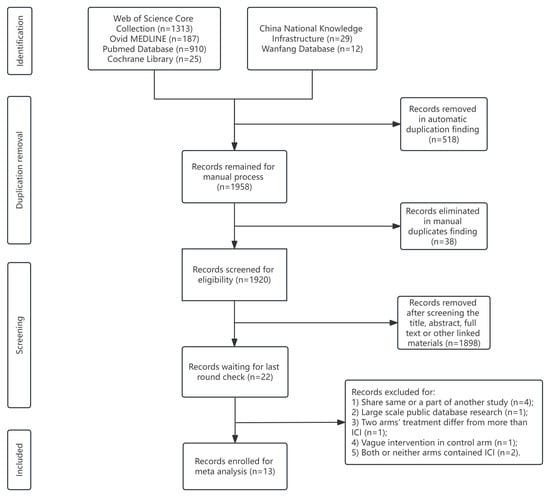
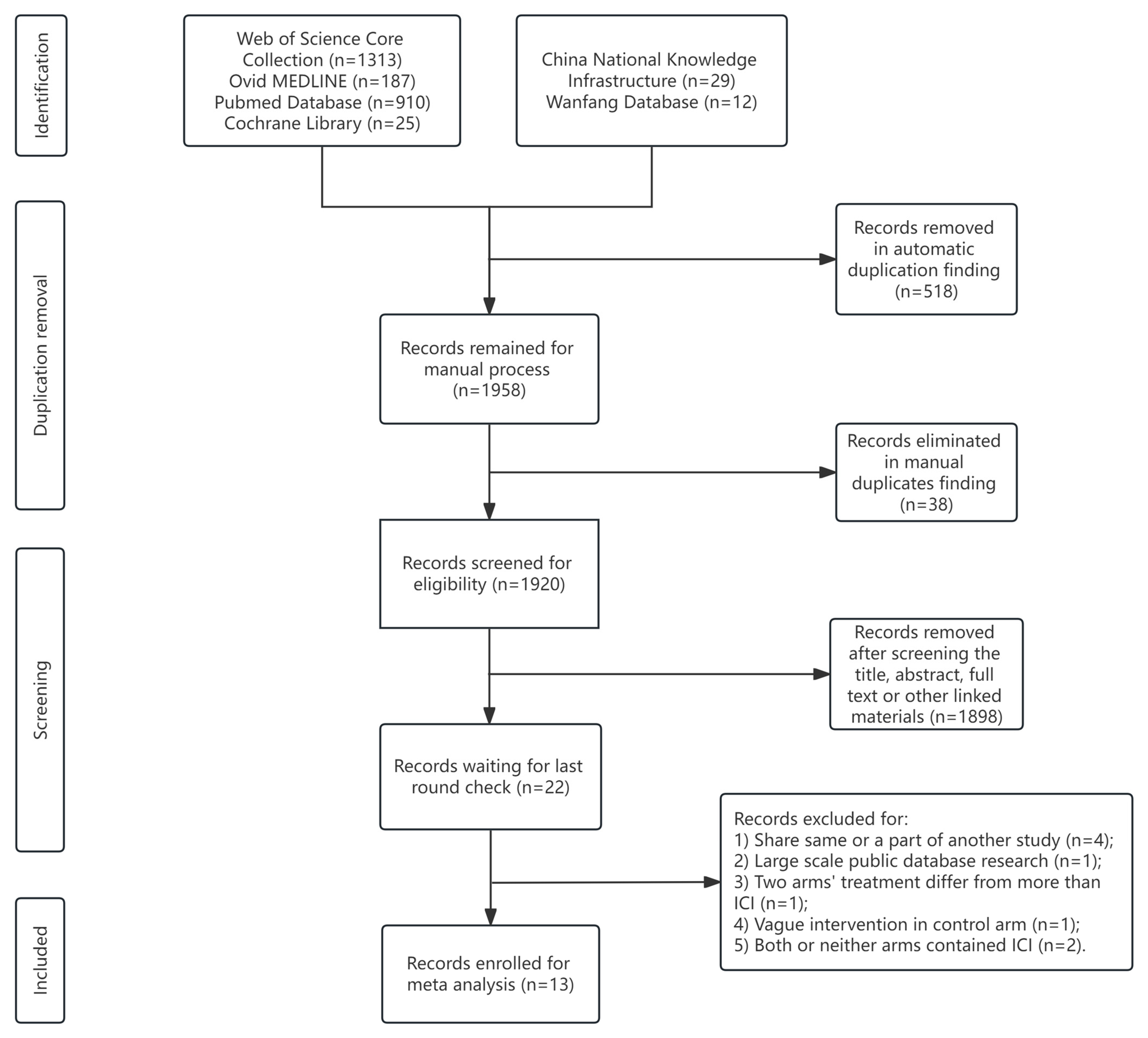
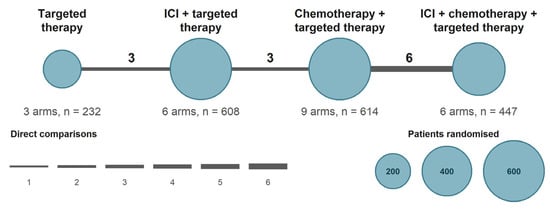
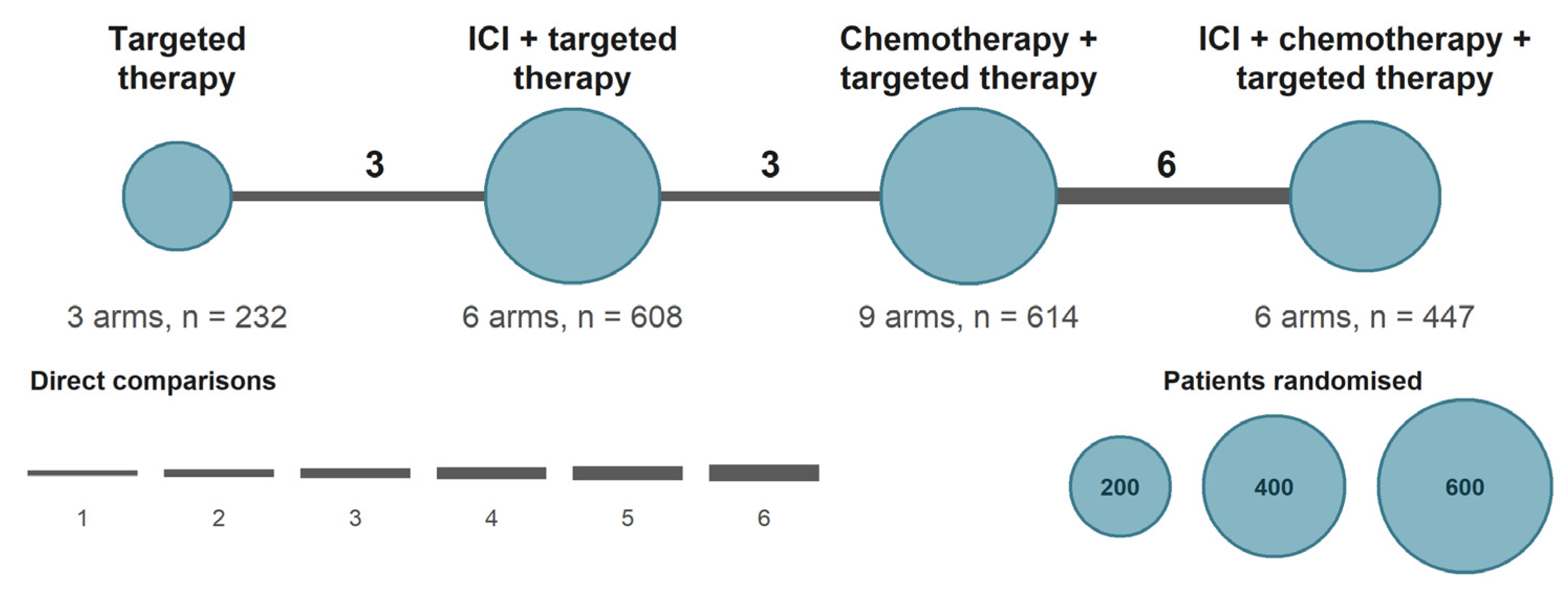
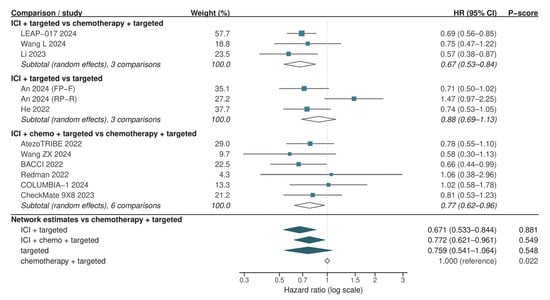
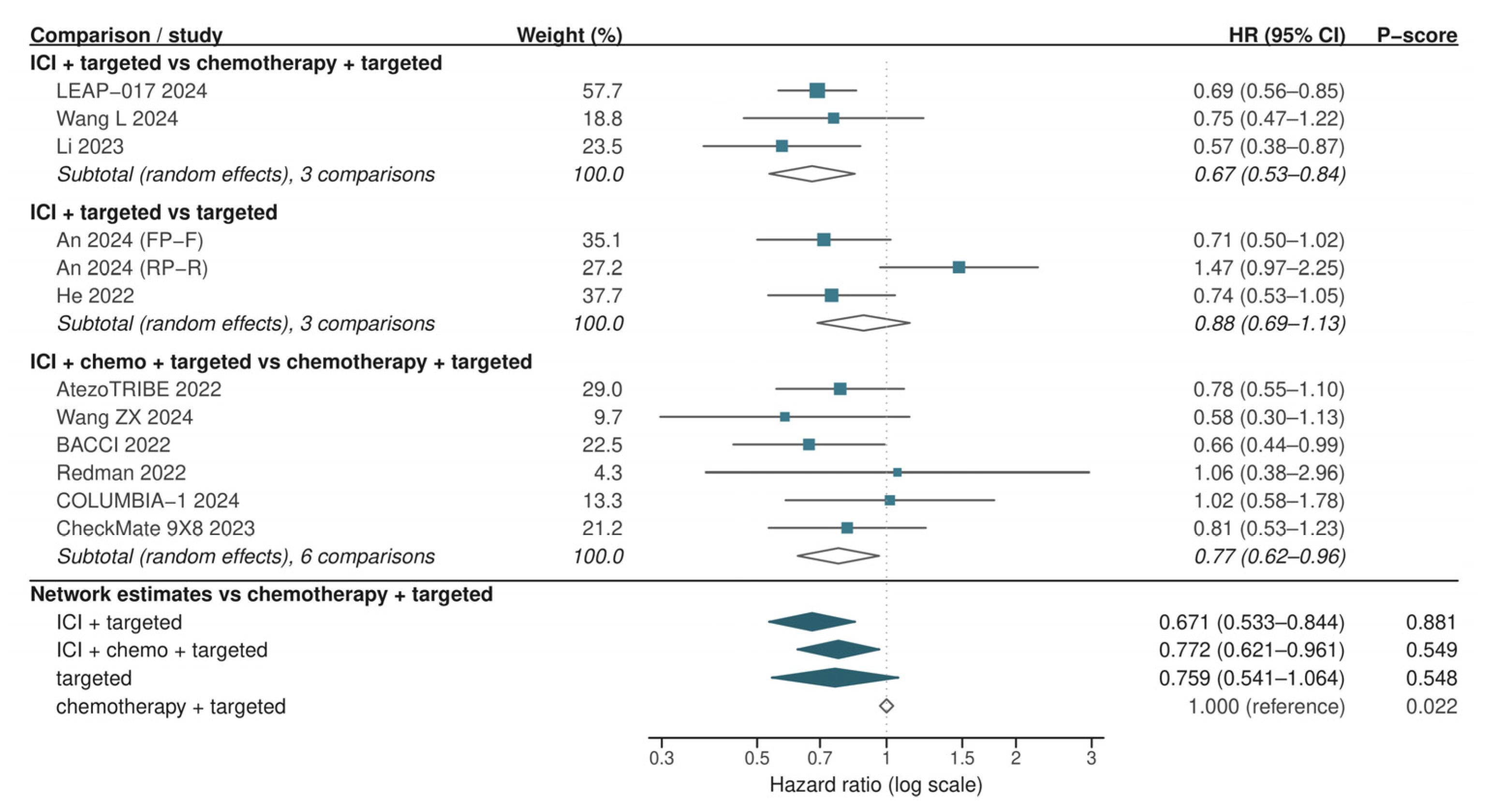
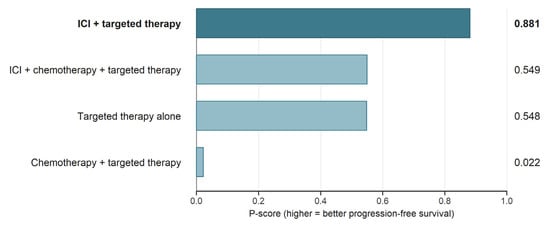
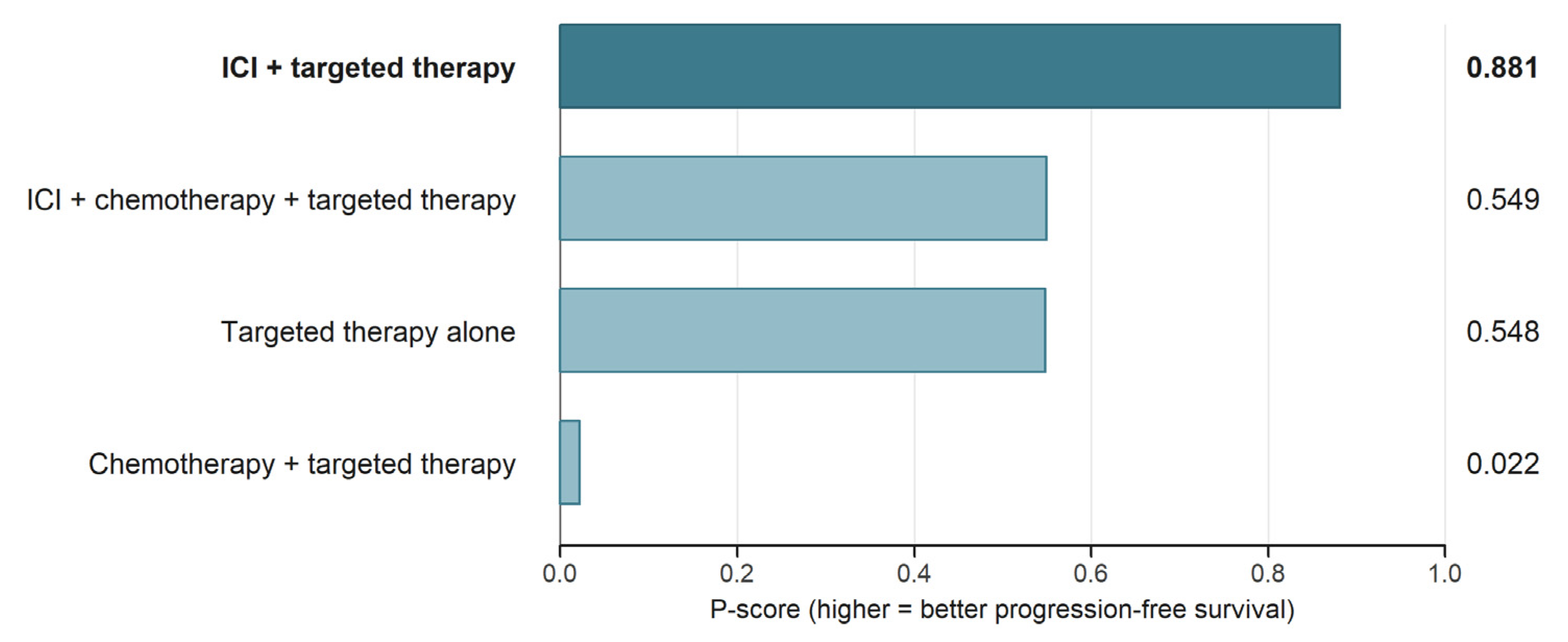
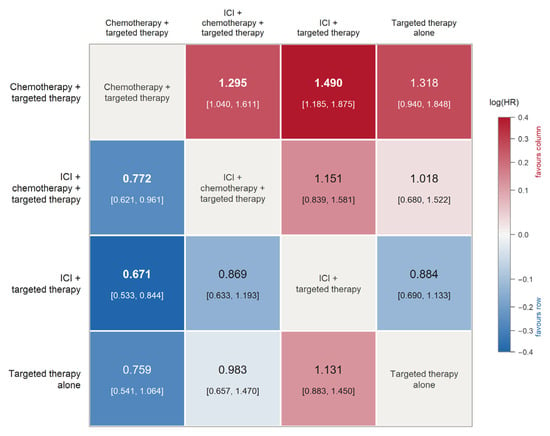
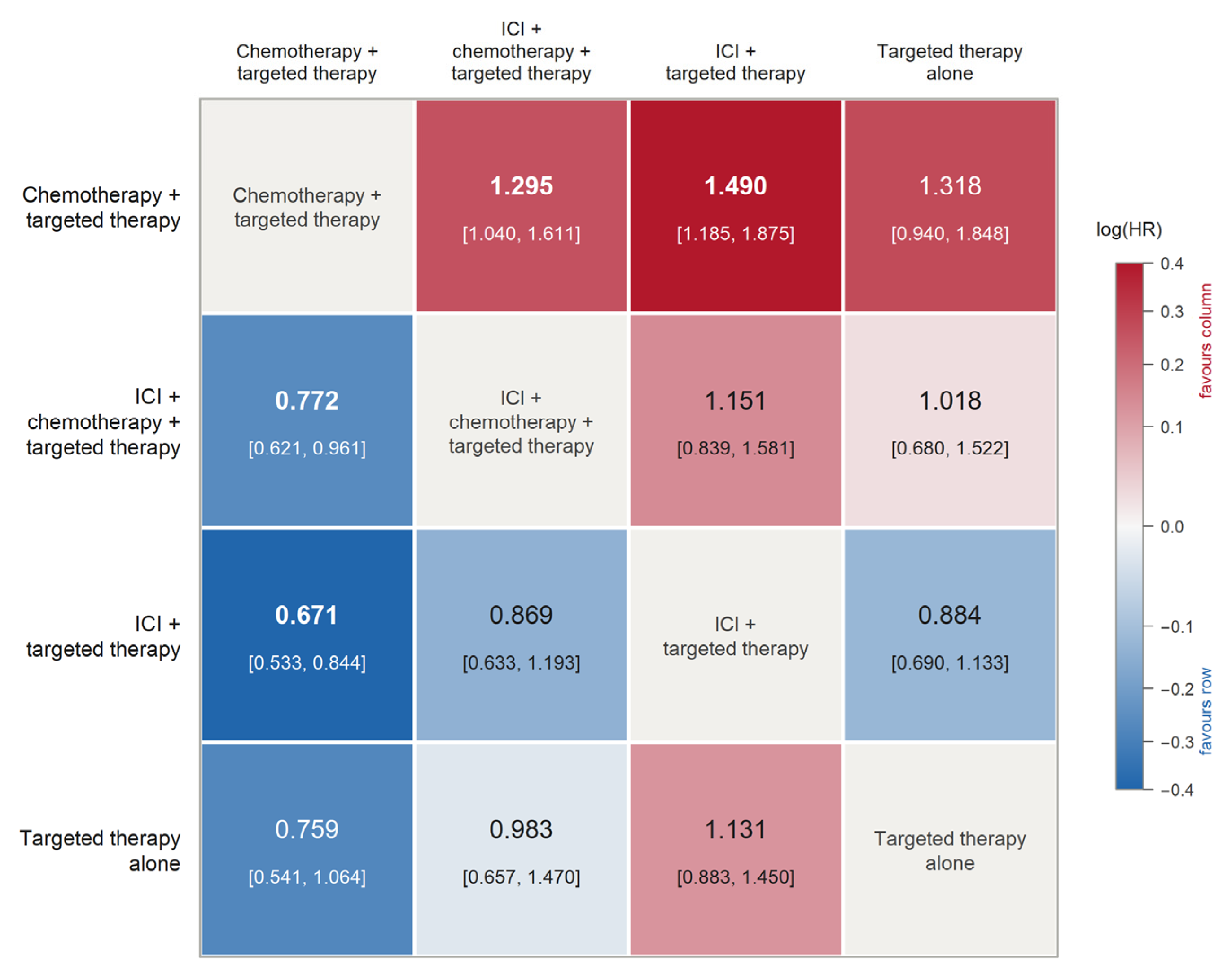
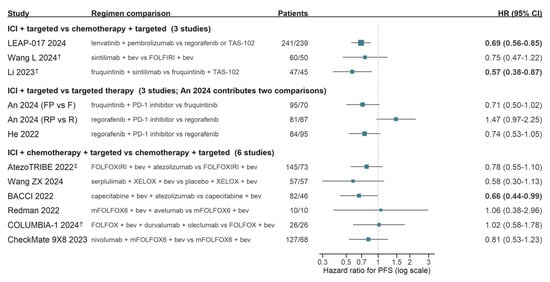
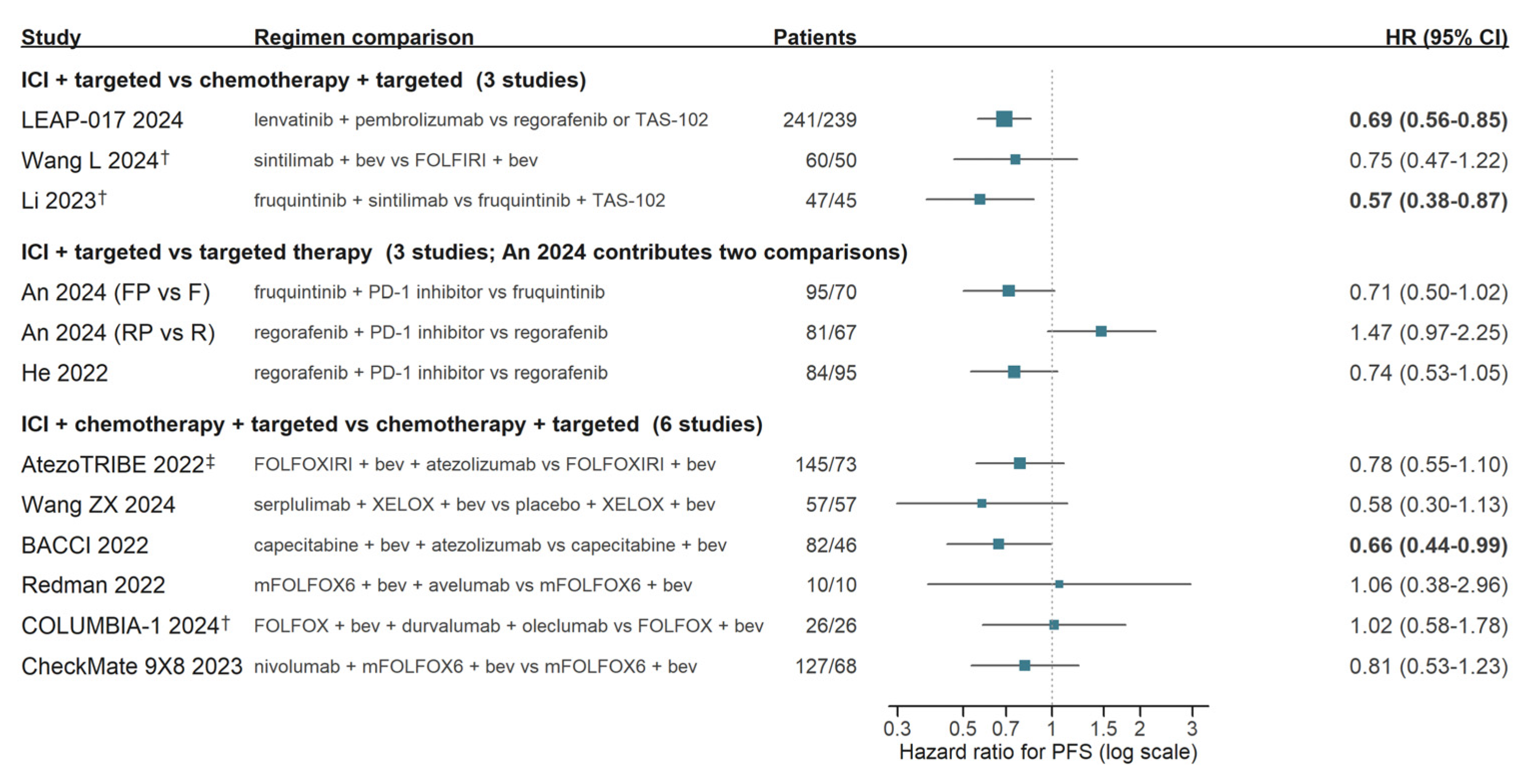
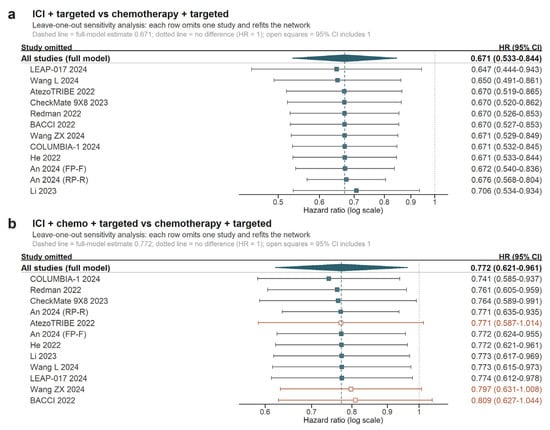
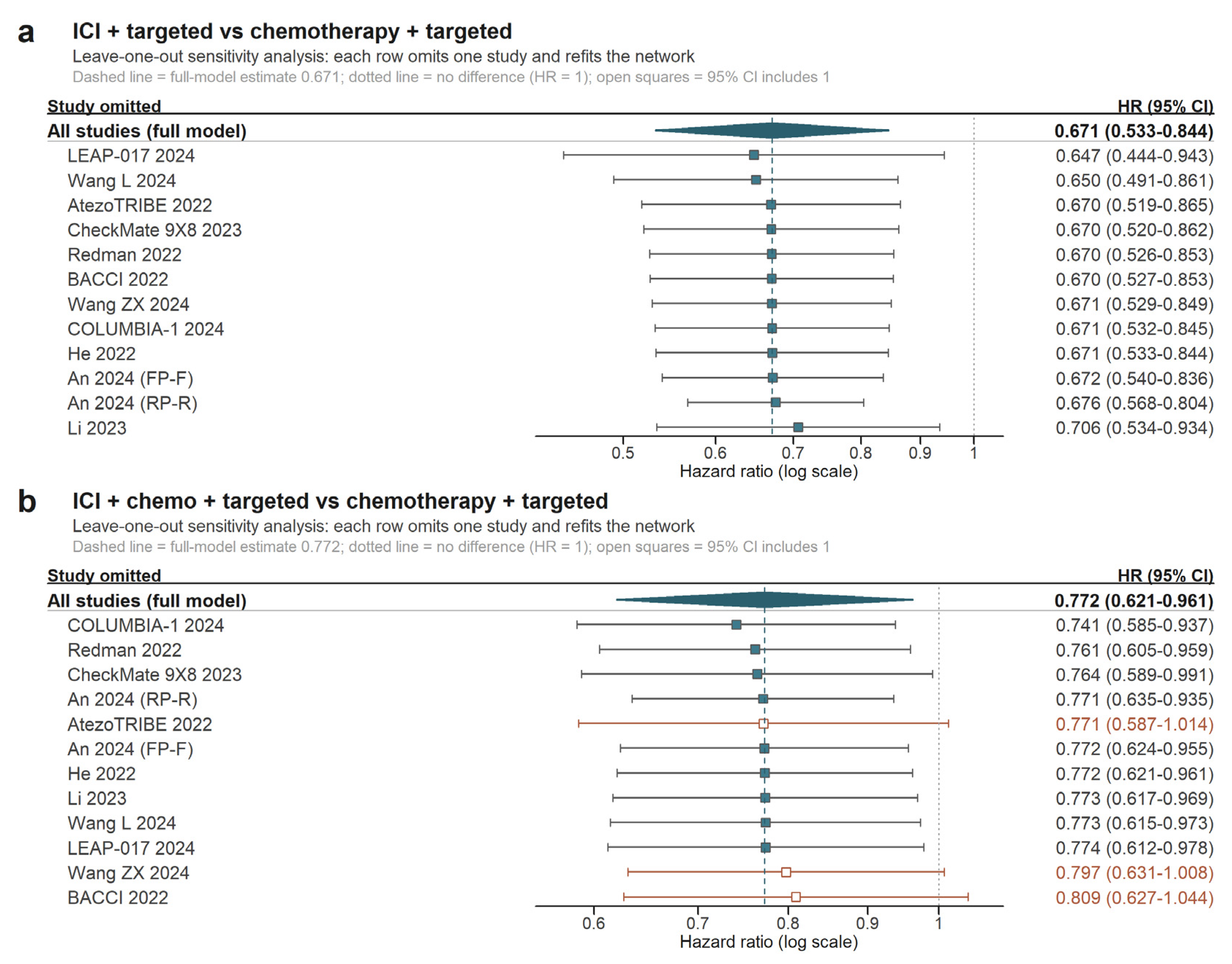
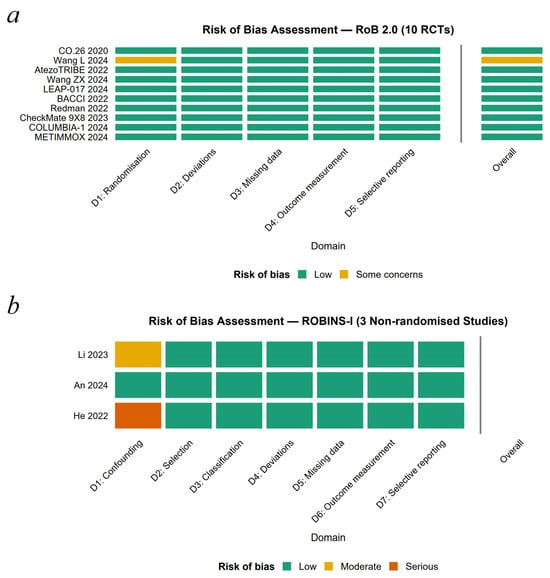
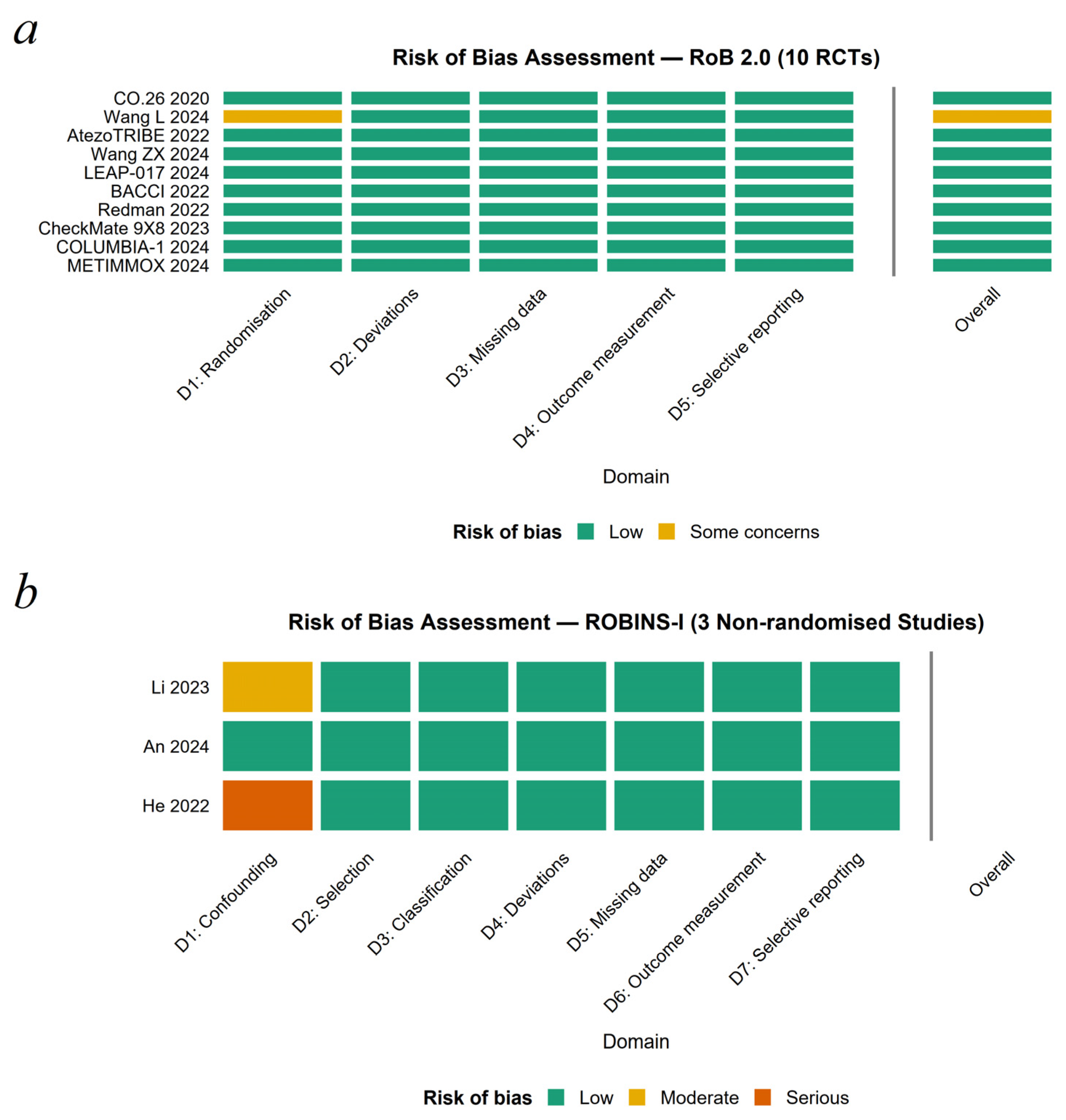
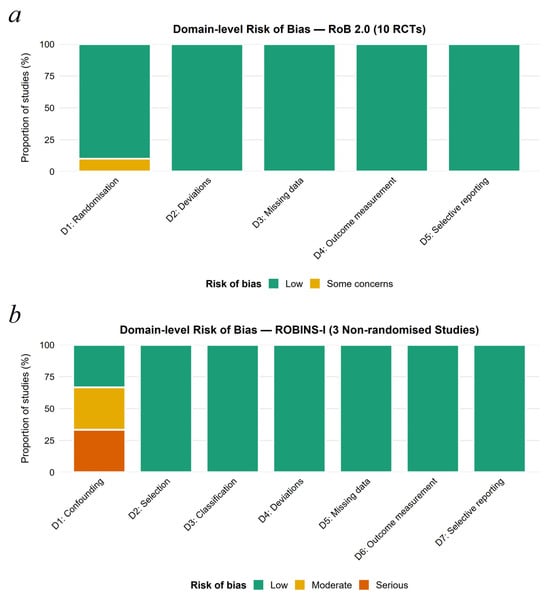
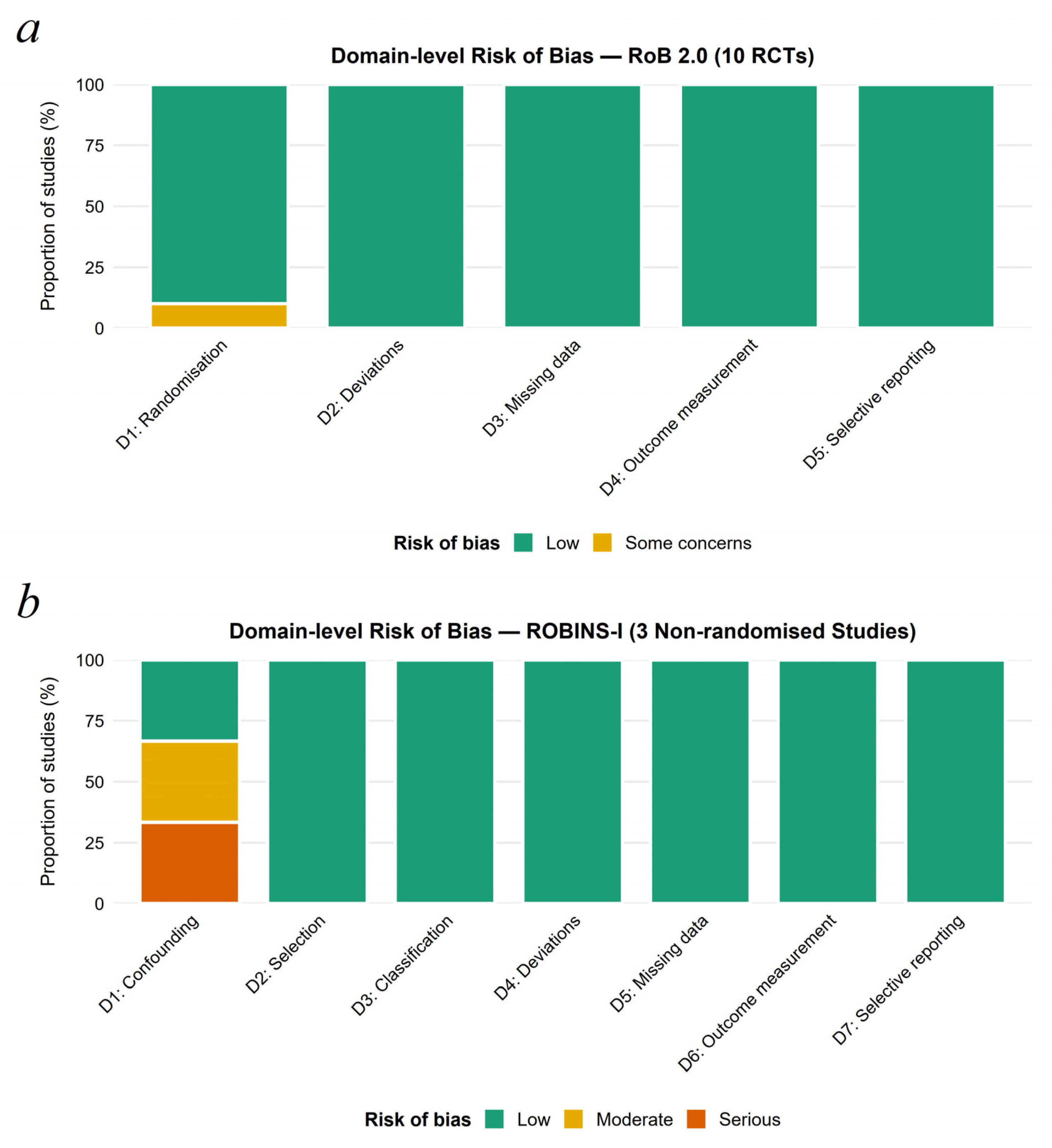
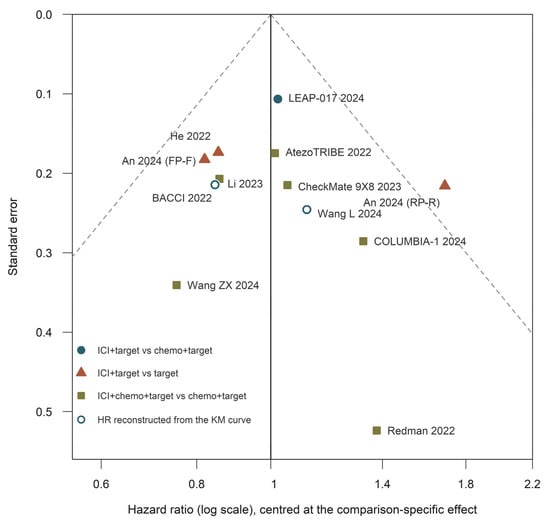
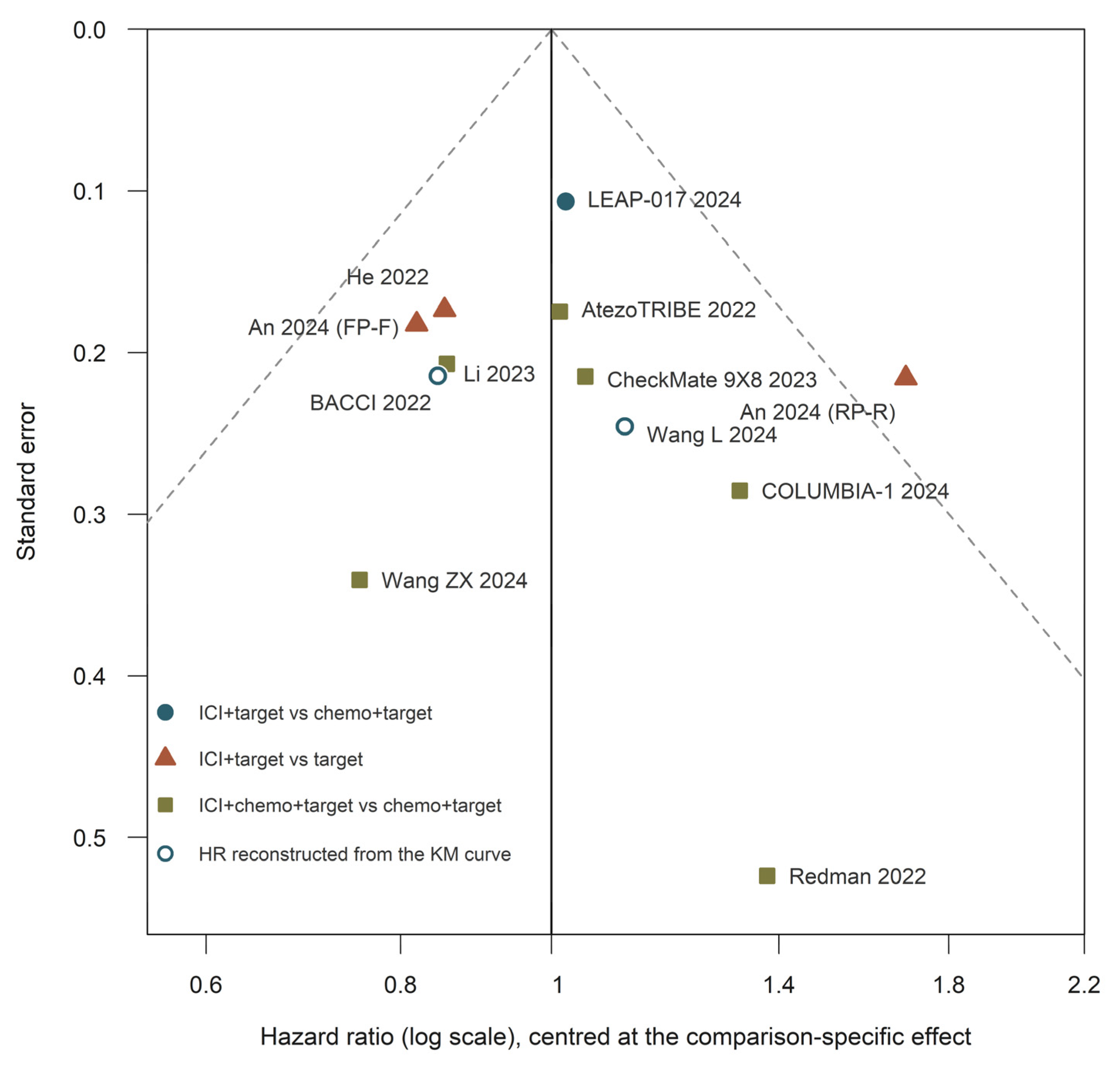
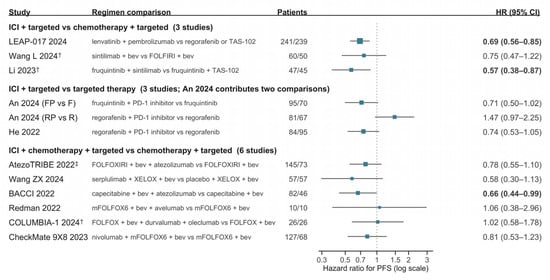
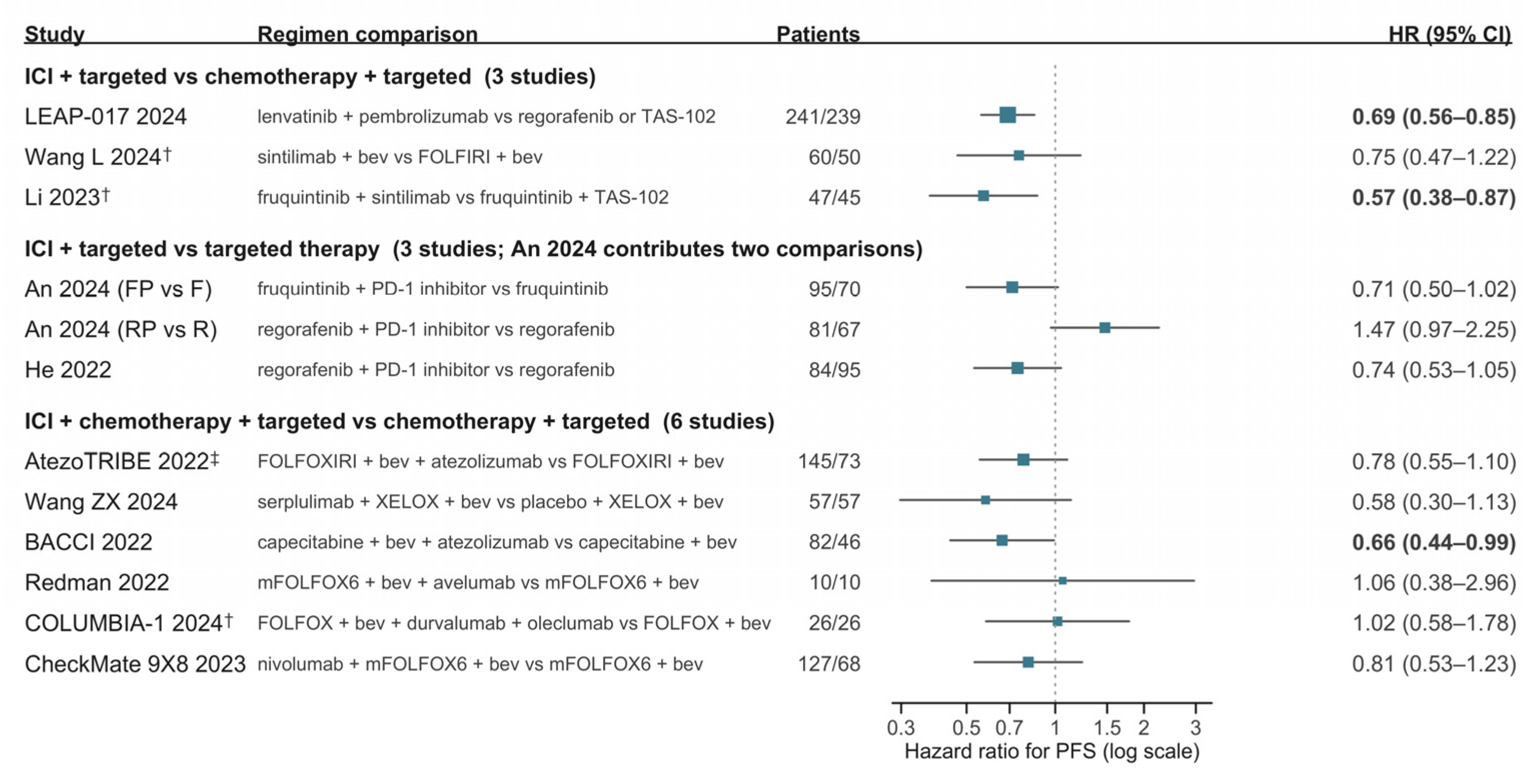
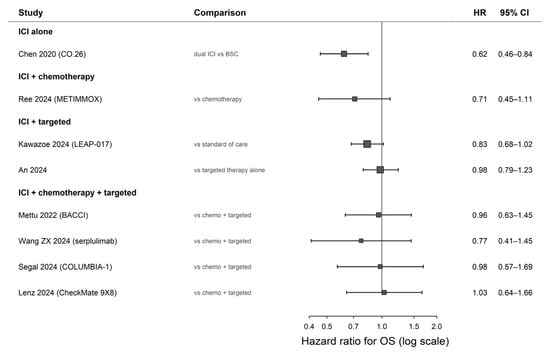
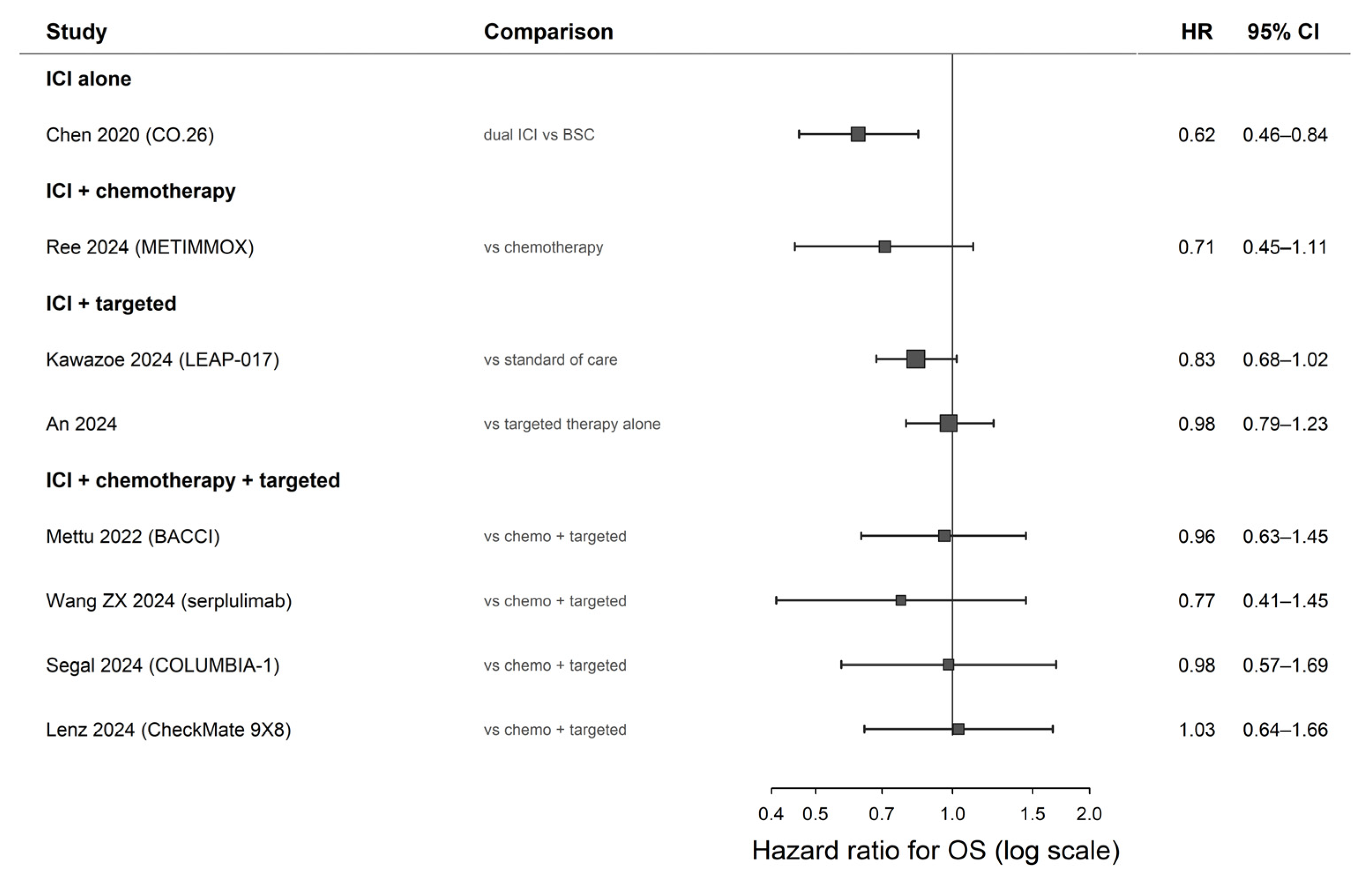
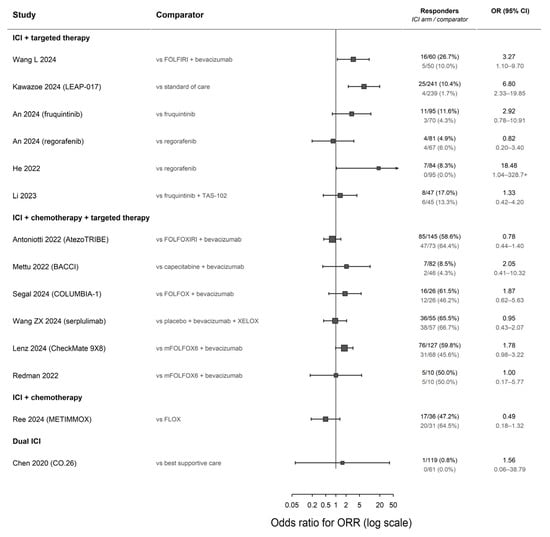
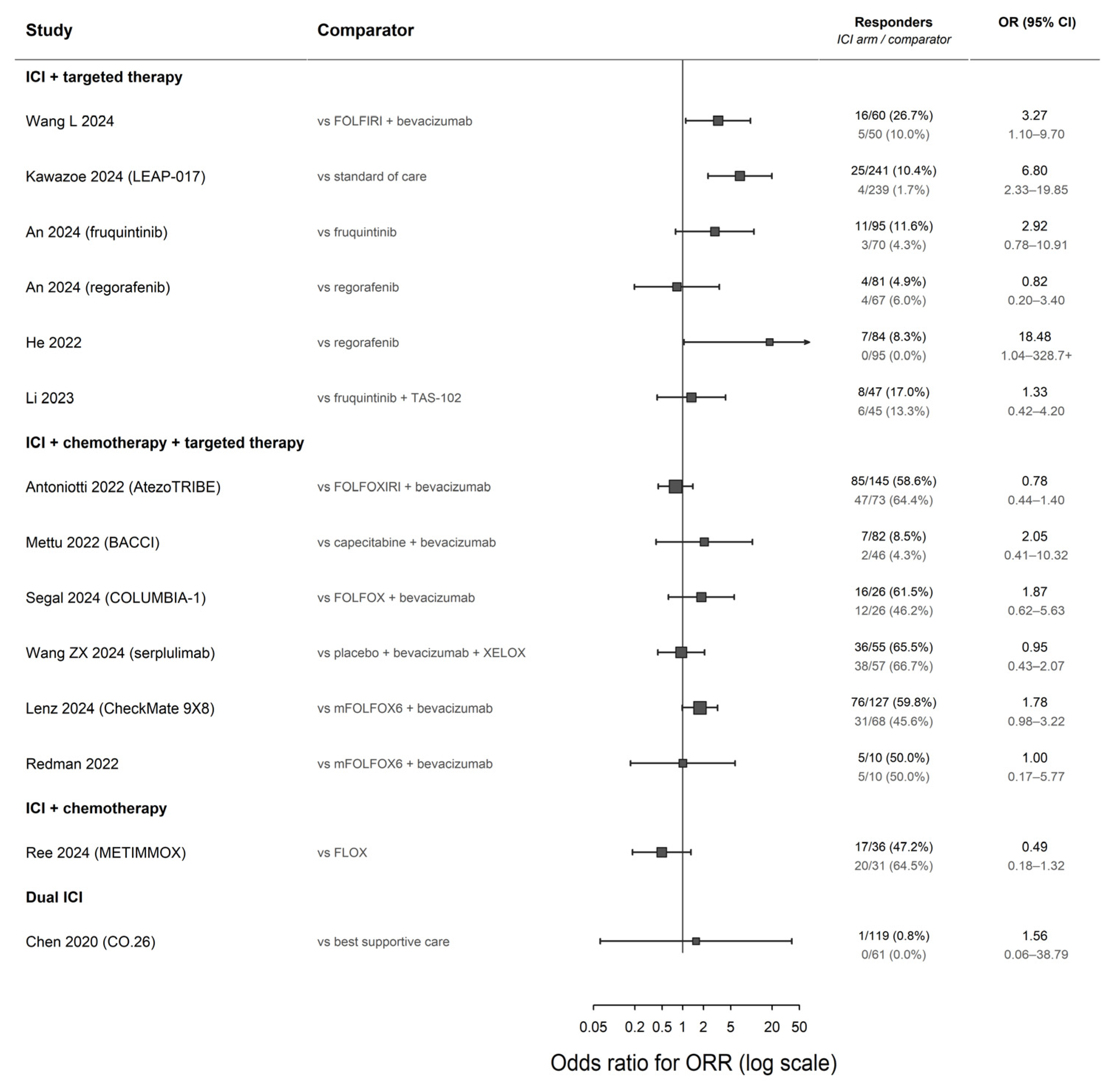
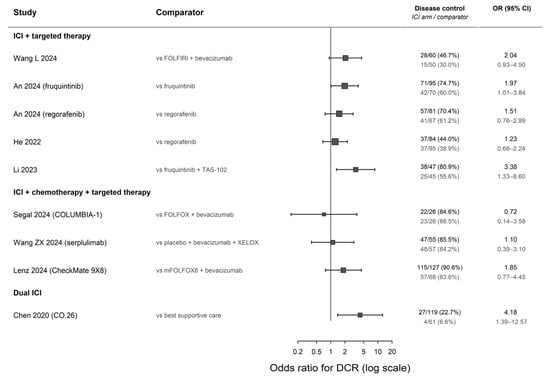
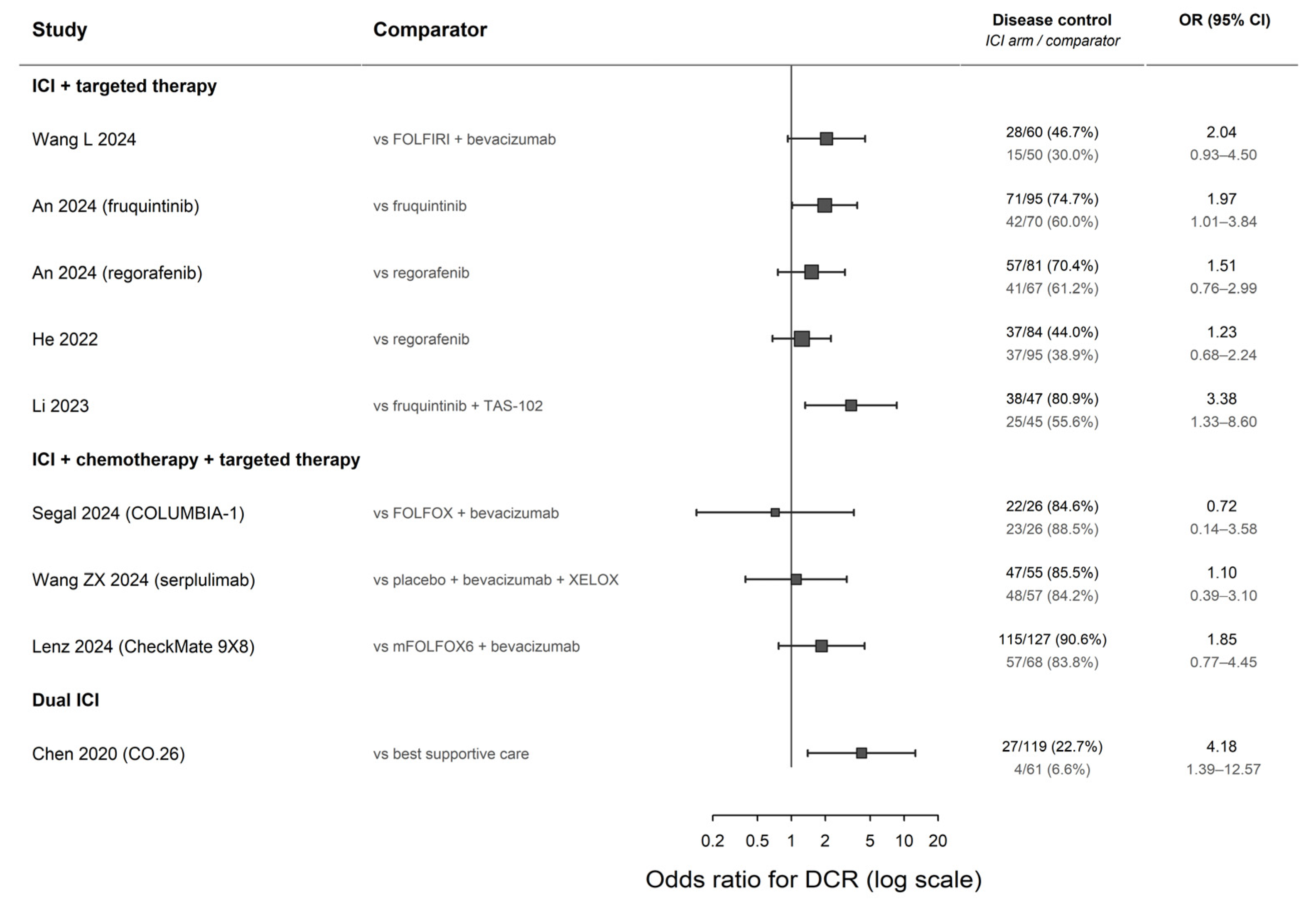
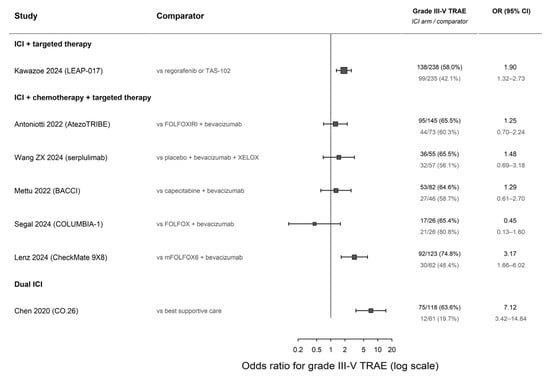
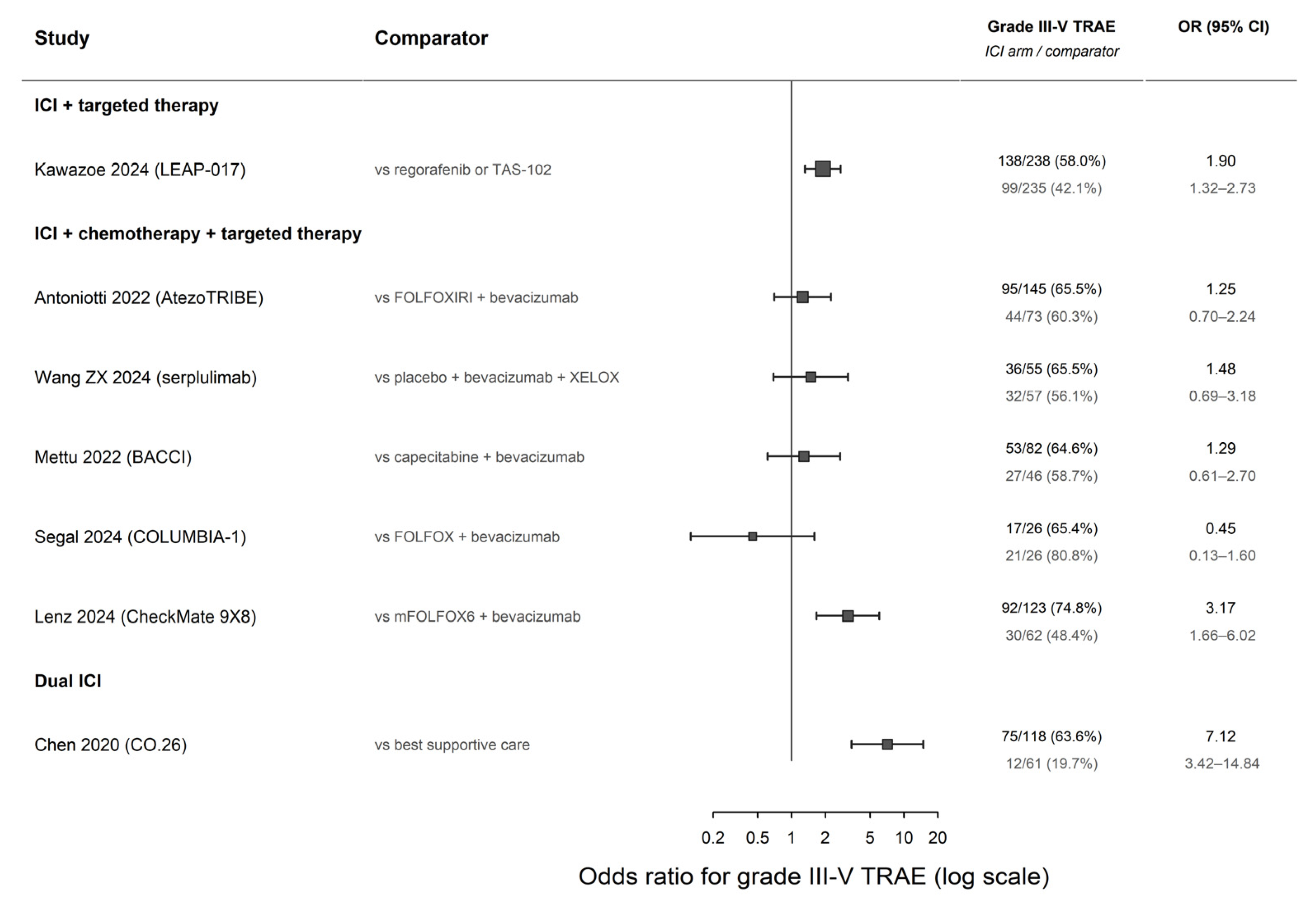

Disclaimer/Publisher’s Note: The statements, opinions and data contained in all publications are solely those of the individual author(s) and contributor(s) and not of MDPI and/or the editor(s). MDPI and/or the editor(s) disclaim responsibility for any injury to people or property resulting from any ideas, methods, instructions or products referred to in the content. |
© 2026 by the authors. Licensee MDPI, Basel, Switzerland. This article is an open access article distributed under the terms and conditions of the Creative Commons Attribution (CC BY) license.