


Highlights
What are the main findings?
- A novel mask-driven framework for unsupervised heterogeneous change detection.
- An interpretable optimization mechanism that enhances performance and improves change discrimination.
What are the implications of the main findings?
- Explicit optimization objectives can be established by the mask, thereby mitigating the instability in unsupervised change detection.
- Guided by the interpretable optimization mechanism, the dynamic mask establishes a clear decision-making process, which significantly improves the interpretability of unsupervised change detection.
Abstract
Unsupervised change detection (CD) in heterogeneous remote sensing images is intrinsically difficult due to severe sensor-specific discrepancies. In the absence of ground truth, these discrepancies result in ambiguous optimization objectives that make it difficult for models to distinguish true land-cover changes from modality-driven pseudo-changes. To address these challenges, we propose MaskUCD, a novel unsupervised framework that reformulates heterogeneous CD as a dynamic mask-driven constraint scheduling problem. Fundamentally distinct from conventional strategies that enforce selective feature alignment, MaskUCD employs a spatially adaptive optimization mechanism. Specifically, the iteratively refined mask serves as a geometric reference to guide optimization. It enforces strict feature alignment in mask-unchanged regions to suppress modality-induced discrepancies, while simultaneously promoting feature divergence in mask-changed regions to emphasize semantic inconsistencies. In this way, explicit optimization objectives are established, together with an intrinsic interpretability constraint that guides the CD process. This strategy treats the mask as a structural guide for representation learning rather than a ground-truth reference, thereby avoiding error accumulation caused by directly using inaccurate masks as supervisory signals. To facilitate this optimization, we design a specialized asymmetric autoencoder with a hybrid encoder architecture, utilizing multi-scale frequency analysis and global context modeling to enhance feature representation capabilities. Consequently, this design enables the generation of refined and semantically consistent masks, which provide increasingly precise structural guidance, yielding converged and discriminative difference maps. Extensive experiments demonstrate that MaskUCD achieves state-of-the-art performance and superior robustness compared to existing advanced methods.
1. Introduction
Change detection (CD) refers to the process of identifying geographical variations by comparing bi-temporal remote sensing images (RSIs) acquired over the same region. It plays a crucial role in a wide range of applications such as agroforestry monitoring, urban development planning, and disaster assessment [1,2,3,4]. According to the types of imaging sensors, CD tasks are broadly categorized into homogeneous CD [5,6,7] and heterogeneous CD [8,9,10]. Homogeneous CD, which compares images from identical or similar sensors, has achieved significant development due to the direct comparability of imaging mechanisms and the availability of large-scale labeled datasets. Recent studies have further advanced homogeneous CD by exploring zero-shot or self-supervised paradigms built upon vision foundation models such as SAM and DINO [11,12,13], as well as data generation strategies for semantic and multi-temporal change analysis [14,15]. However, despite this progress, its application scenarios remain limited, as consistent data acquisition from the same sensor cannot be guaranteed in many practical tasks.
Given these constraints, heterogeneous CD, which involves images from disparate sensors such as optical and Synthetic Aperture Radar (SAR), has become indispensable in many practical applications. With the rapid advancement of remote sensing technologies, heterogeneous remote sensing data have shown great potential to overcome the limitations of single-sensor dependency, thereby unlocking the value of archived RSIs. In addition, the complementary characteristics of different sensors can effectively mitigate imaging blur and ambiguity, leading to more robust and comprehensive scene representation. This capability is necessary in most emergency disaster responses, where the demand for all-weather mapping capabilities cannot be met by a single sensor. For example, widely used optical sensors suffer from diminished performance under disaster-induced adverse conditions such as smoke and cloud cover, resulting in blurred imaging of crucial regions. Therefore, complementary imaging sensors, which are capable of penetrating atmospheric and surface obstructions, are necessary to capture post-event RSIs for performing fast heterogeneous CD and responding to disasters. In these cases, unsupervised CD is also significant, since it is expensive and impractical to manually construct annotated datasets for training models during fast disaster response.
Despite its significance, unsupervised heterogeneous CD is intrinsically challenging due to severe sensor-specific discrepancies and the scarcity of ground truth. On the one hand, imaging discrepancies across different sensors lead to fundamental incomparability. Specifically, even for the same geographically unchanged region, heterogeneous RSIs exhibit distinct statistical distribution characteristics, making direct comparison infeasible. In addition, modality discrepancy complicates feature extraction and alignment, because features learned from one modality may not correspond well to those learned from another. On the other hand, without ground truth, it is impossible for models to directly learn heterogeneous change patterns from labeled data. This means that addressing modality discrepancy becomes even more challenging, since the model lacks guidance to distinguish genuine changes from pseudo-changes caused by modality differences, and the absence of explicit learning objectives introduces ambiguity into the optimization process.
The mainstream strategy to address these discrepancies relies on deep feature alignment [16,17,18], which aims to bridge the modality gap by projecting heterogeneous data into a common space. The underlying rationale is that aligning the common latent representations of unchanged regions will naturally highlight genuine changes. However, in the absence of ground truth, these methods face a critical bottleneck arising from the ambiguity of optimization objectives. Specifically, the model suffers from an intrinsic conflict between cross-modal feature alignment and reliable change preservation. On one hand, enforcing strong alignment is essential for suppressing modality-induced discrepancies; on the other hand, overly aggressive alignment inevitably diminishes genuine semantic changes, particularly under complex cross-modal conditions. This trade-off results in ill-defined optimization goals, which significantly impedes the discrimination between real changes and modality-driven pseudo-variations. Consequently, optimization objectives that treat alignment and change discrimination as fixed constraint designs often lead to unstable convergence or degraded detection performance. From an optimization perspective, this limitation stems from the lack of adaptive mechanisms to regulate where and to what extent different constraints should be applied. Existing frameworks employ selective alignment strategies, enforcing constraints exclusively on regions presumed unchanged. However, by assigning uniform reliability to these selected samples, such static formulations remain fundamentally inadequate for handling the evolving uncertainty of the CD process.
To address this critical limitation, we propose MaskUCD, a novel unsupervised heterogeneous CD framework that reformulates the task from a selective alignment strategy to a dynamic mask-driven constraint scheduling problem. Fundamentally distinct from conventional strategies that treat intermediate predictions as regression targets for model training, we establish an online, self-reinforcing feedback loop. Within this loop, we first utilize the hierarchical latent features extracted by the network to measure bi-temporal discrepancies via Euclidean distance, yielding a difference map. This map is then dynamically thresholded to generate a binary guidance mask. Significantly, rather than treating this mask as a semantic ground truth, we employ it as a spatial indicator to dynamically guide optimization directions by selectively enforcing feature alignment in mask-unchanged regions to suppress modality gaps, while explicitly driving feature divergence in mask-changed regions to highlight semantic inconsistencies. This mechanism ensures that the mask serves as a geometric guide for representation learning rather than a semantic ground truth, thereby creating a self-reinforcing cycle. As visualized in Figure 1, this cycle drives the mask to evolve from a noisy initial estimate to a precise indicator, effectively decoupling real changes from modality discrepancies and overcoming the self-confirmation bias inherent in traditional methods.
Figure 1.
Visualization of the mask evolution process during the progressive refinement training of MaskUCD. From left to right, the masks generated at different training epochs show a progressive improvement in quality. White, black, green, red pixels denote True Positive, True Negative, False Positive and False Negative, respectively.
Architecturally, to support this dynamic optimization, we design a specialized asymmetric autoencoder. The encoder is elaborately constructed to extract robust feature representations, integrating Wavelet Multi-scale Fusion Blocks (WMSFB) for frequency analysis, Vision Selective Scan Blocks (VSSB) [19,20] for global context modeling, and Wavelet Cross-Attention Blocks (WCAB) for inter-modal interaction. Meanwhile, we employ a lightweight decoder to create an asymmetric functional bottleneck. This design forces the encoder to capture highly discriminative hierarchical features rather than simply memorizing inputs, thereby mitigating overfitting. Consequently, this architectural design significantly strengthens feature extraction capabilities, which yields the precise, noise-resistant representations required to facilitate the self-reinforcing optimization loop.
The main contributions of this work are summarized as follows:
- 1.
- We propose MaskUCD, a novel unsupervised framework that reformulates heterogeneous CD from a selective alignment strategy into a dynamic mask-driven constraint scheduling task. By establishing an online, self-reinforcing feedback loop, our method overcomes the limitations of asymmetric alignment constraints, effectively mitigating the risk of unstable convergence and ensuring robust learning in highly heterogeneous scenarios.
- 2.
- We construct a structural optimization mechanism that explicitly decouples modality alignment from change detection. By utilizing the mask as a spatial indicator to selectively enforce feature alignment in mask-unchanged regions while driving divergence in mask-changed regions, this strategy effectively resolves the inherent conflict between eliminating modality gaps and preserving change characteristics.
- 3.
- We design a specialized asymmetric architecture to support this iterative optimization. Distinct from standard convolutional stacks, this architecture features a hybrid encoder that incorporates multi-scale frequency analysis, context-aware state space models (SSM), and cross-attention mechanisms. This design creates a functional bottleneck that forces the network to facilitate robust feature extraction, ensuring efficient intra-modal global context modeling and effective inter-modal interaction, thereby guaranteeing the quality of the guidance signal.
- 4.
- We conduct extensive experiments on both heterogeneous and homogeneous datasets to demonstrate the superior generalizability and robustness of MaskUCD, which achieves state-of-the-art (SOTA) performance compared to existing methods. The source codes of MaskUCD is publicly available at https://github.com/DGUTAiNET/MaskUCD (accessed on 26 March 2026).
The rest of this paper is structured as follows. Section 2 briefly reviews the related work on heterogeneous CD. Section 3 presents the problem formulation and elaborates on the proposed MaskUCD, detailing its architectural design and the implementation of the mask guidance strategy. Section 4 presents comprehensive experiments, including comparative evaluations against SOTA methods that demonstrate its superior CD performance, as well as robustness and interpretability analyses and ablation studies to verify the contribution of each component. Section 5 conducts the discussion based on the experiment results. Section 6 concludes the paper.
2. Related Work
In this section, we first review representative unsupervised heterogeneous CD methods closely related to our study, which share the common goal of transforming heterogeneous data into a comparable representation space. Specifically, we focus on structure-consistency-based strategies and deep feature alignment approaches, operating in the image domain and latent space, respectively. Finally, we clarify the fundamental differences between our proposed MaskUCD and these SOTA approaches.
2.1. Structure Consistency-Based Methods
Structure consistency-based methods leverage the fundamental assumption that while pixel intensities may differ significantly across heterogeneous modalities, the topological structure of ground objects remains relatively stable. By leveraging these modality-independent structural relationships, these methods aim to transform heterogeneous images into a unified metric space to distinguish changed regions.
To quantify this consistency, researchers have extensively exploited local self-similarity and geometric relationships. Early works represented these structural dependencies by constructing local affinity matrices across modalities [21] or utilizing fractal projection based on self-similarity properties [22] to measure the difference index.
In order to capture more robust non-local dependencies, graph-based representations have emerged as a dominant solution. By modeling image regions as nodes within K-Nearest Neighbor (KNN) graphs, these approaches transform the CD task into a graph matching or structure alignment problem [23,24]. Advanced iterations of this methodology have further incorporated graph convolutional autoencoders to extract robust features from these topological structures [25] or treated CD task as a graph signal processing task [26]. Moreover, energy-based models have been introduced to enforce structural consistency constraints globally. Such a mechanism effectively reduces the influence of imaging noise and varying acquisition conditions [27]. In [28], a local frequency consistency metric is introduced for determining structural differences in the Fourier domain. In [29], the siamese graph encoder is used to map heterogeneous graphs into a shared space, allowing for the extraction of commonalities in graph structural features.
However, despite their improved robustness against noise compared to pixel-level methods, these approaches still face inherent limitations. First, they heavily rely on low-level geometric priors or local spectral statistics. While these handcrafted descriptors exhibit resilience to random noise, they fundamentally lack the high-level semantic discriminability required to understand complex scenes. Consequently, in scenarios where changes are semantically significant but structurally ambiguous, these methods may fail to capture the discriminative features necessary for accurate detection [30]. Second, the effectiveness of constructed structural similarity metrics is heavily dependent on the validity of the underlying structural consistency assumption. In complex scenarios where structural boundaries are ambiguous, these rigid metrics often fail to distinguish real changes from modality disparities, leading to the loss of fine-grained change information and degrading detection accuracy [30,31].
2.2. Deep Feature Alignment and Self-Training
Distinct from structure consistency-based approaches that rely on handcrafted priors, deep learning-based feature alignment has emerged as a representative methodology. The core objective of these methods is to project heterogeneous data into a common feature space where direct comparison becomes feasible.
To achieve this, various network architectures have been developed to construct modality-invariant representations. Liu et al. [32] proposed a novel non-siamese hierarchical feature alignment-based progressive addition network for reducing domain shift and enhancing feature alignment. Liu et al. [16] transformed bi-temporal heterogeneous RSIs into an intrinsic feature space through both sides of the proposed symmetric convolutional coupling network (SCCN) to analyze changes, and optimized CD results via a coupling function. The code-aligned autoencoder (CAA) [33] approach reconstructed bi-temporal RSIs on both heterogeneous domains for analyzing change between RSIs on original domains. Furthermore, CAA leveraged affinity matrices derived from the input RSIs to align the intrinsic coding space, thereby enhancing the robustness of cross-domain transformation and change analysis. Similarly, the cross-domain difference representation learning (CDRL) [34] framework ensures this robustness by constructing a modal-independent and content-comparable feature space.
Building upon these alignment architectures, recent advancements have integrated pseudo-labeling strategies to establish supervision in the absence of ground truth. Early attempts, such as Gong et al. [35], utilized static pre-classification results to select reliable samples for training. To enable dynamic refinement, subsequent research shifted towards iterative optimization strategies. For instance, Xing et al. [36] proposed a progressive modality alignment framework that employed a cascaded network structure to alternately refine pseudo-labels and align features in a coarse-to-fine manner. To further enhance label reliability, self-guided frameworks represented by SGAE [37] have been introduced, which leverage collaborative judgment between unsupervised and supervised modules to iteratively refine pseudo-labels and suppress noise interference
Despite these advancements, existing deep feature alignment frameworks still face two inherent challenges. First, alignment constraints are typically enforced only within regions presumed unchanged, while no explicit and corresponding constraints are defined for changed regions. Such a mechanism often results in a conflict where the network suppresses feature discrepancies in changed regions to satisfy the alignment objective. Second, they treat generated pseudo-labels as rigid supervision targets. As noted in [30], since initial pseudo-labels inevitably contain errors, this rigid training scheme leads to severe error propagation. Through this mechanism, the model tends to overfit to noise and confirm its own false predictions.
2.3. Differences Between MaskUCD and Existing Works
To the best of our knowledge, current unsupervised heterogeneous CD methods have yet to leverage mask-driven constraint scheduling to realize a strictly spatially decoupled optimization strategy. Specifically, most existing approaches restrict alignment constraints to selected unchanged regions, while typically neglecting to impose explicit discriminative penalties on changed regions to encourage feature divergence.
In comparison with structure-consistency-based methods represented by [23,24], we replace inflexible handcrafted geometric priors and static similarity metrics with learnable deep representations guided by a dynamic spatial mask. This shift effectively overcomes the representation inherent limitations of low-level features. As a result, our approach achieves pixel-wise precision while simultaneously preserving robustness against noise.
In comparison with existing deep feature alignment methods represented by [16,33], our proposed MaskUCD replaces alignment constraints restricted to unchanged regions with a spatially decoupled optimization mechanism. This strategy ensures strict modal alignment in unchanged regions while enforcing semantic separability for genuine changes.
In contrast to conventional pseudo-labeling approaches that progressively refine noisy predictions and directly use them as regression or supervision targets [36,37], our approach employs the mask as a flexible spatial indicator for representation learning rather than treating it as the object of regression. Specifically, methods such as CDRL and SGAE rely on reliable pseudo-label screening or iterative pseudo-label refinement to guide the model toward learning change patterns, and their effectiveness is therefore closely tied to the quality of the selected pseudo-labels. By contrast, in MaskUCD, the dynamic mask explicitly governs the feature learning behavior in different spatial regions, encouraging feature alignment in unchanged areas while enforcing discriminative divergence in changed areas. In this sense, the mask in MaskUCD serves as a concept-guided constraint scheduler rather than a progressively optimized supervisory target. This design not only provides a more interpretable optimization behavior, but also reduces the risk of overfitting to erroneous initial masks. Consequently, it effectively mitigates error accumulation and alleviates the self-confirmation bias inherent in traditional self-training frameworks.
3. Methodology
In this section, we first present the mathematical formulation of the unsupervised heterogeneous CD problem. Subsequently, we elaborate on the proposed MaskUCD framework. As illustrated in Figure 2, the core of our approach is a self-reinforcing optimization cycle that iteratively refines latent feature representations. To facilitate this process, the framework strategically integrates a specialized asymmetric autoencoder to create a functional bottleneck for robust feature extraction, a mask guidance strategy to reformulate supervision as a dynamic constraint scheduling process, and a comprehensive loss function to drive the spatially decoupled optimization. By utilizing the mask as a spatial indicator to selectively enforce feature alignment in unchanged regions and divergence in changed regions, MaskUCD progressively decouples real changes from modality discrepancies.
Figure 2.
The overall framework of MaskUCD. (a) Asymmetric autoencoder and mask guidance. The encoder extracts latent features , which act as inputs for the lightweight decoders and the guidance generation algorithm (GGA). The generated mask guides the optimization by enforcing feature alignment in unchanged regions (black) and divergence in changed regions (white). (b) Progressive refinement cycle. The training operates as a self-bootstrapping loop over iterations . In each step, the comprehensive loss updates the network, which in turn progressively refines the mask to suppress noise and highlight real changes.
3.1. Problem Formulation
Let denote a dataset of registered bi-temporal heterogeneous RSI pairs. The pre-event image is denoted as and the post-event image as , where H and W represent the spatial dimensions, and are the channel numbers. The ultimate goal is to generate a binary change map , defined as
where the value of each pixel is assigned as follows:
where and denote the sets of ground-truth unchanged and changed pixel indices, respectively.
Mathematically, the overall CD procedure can be formulated as a composite function:
where represents the modality-specific feature mapping operations, aiming to project the heterogeneous inputs into a shared latent space. The operator represents the difference measurement between the mapped features, yielding a continuous difference map . Finally, represents the change analysis function (typically a thresholding operation) that converts into .
In the context of deep learning-based unsupervised CD, is typically parameterized by deep neural networks. The core challenge lies in optimizing this mapping function without ground truth labels to ensure that the elements of the resulting satisfy the semantic consistency constraint:
Guided by this formulation, MaskUCD focuses on learning robust by utilizing an iteratively refined mask to enforce the alignment and divergence constraints defined in (4), thereby progressively enhancing the discriminability of .
3.2. Overall Framework
As shown in Figure 2, MaskUCD proposes a novel methodology for unsupervised CD, driven by a dynamic evolutionary mechanism. Unlike methods that rely on static feature extraction or complex cascaded refinement stages, MaskUCD integrates feature learning, guidance generation, and constraint scheduling into a unified framework. The overall workflow in each iteration consists of three integral phases: feature extraction and reconstruction, mask generation for constraint scheduling, and mask-guided constraint scheduling.
3.2.1. Feature Extraction and Reconstruction
To approximate the optimal mapping defined in the problem formulation, we employ an asymmetric autoencoder. First, the dual-branch encoder projects the heterogeneous inputs and into the latent feature space:
where are the extracted latent features. We set the channel dimension to strike a balance between representational richness and computational efficiency. Simultaneously, to ensure that these latent features preserve the semantic content of the original scenes, two modality-specific decoders and are utilized to reconstruct the input images:
Serving as a fundamental constraint, this reconstruction process prevents the encoder from learning trivial solutions and ensures that and faithfully represent the original geographic entities across different modalities.
3.2.2. Mask Generation for Constraint Scheduling
Based on the latent features and extracted by the encoder, the core task of this module is to generate reliable guidance signals to direct the unsupervised optimization. To achieve this, we devise a novel difference generation algorithm to compute and the binary mask .
First, to quantify the semantic discrepancy between the bi-temporal images, we compute the raw pixel-wise Euclidean distance map . Specifically, the distance value at position is defined as
where denotes the norm. However, the raw distance map derived from latent features often suffers from high-frequency fluctuations and spatial discontinuity due to domain-specific interference. To address this issue, we apply Gaussian smoothing to function as a low-pass filter. This operation suppresses local inconsistencies and enhances the spatial continuity of change regions. Mathematically, the resulting refined distance map , which retains well-preserved semantic structures, is expressed as
where denotes the Gaussian kernel. Subsequently, to ensure the difference map is statistically stable and comparable across iterations, we perform standardization to obtain the standardized map :
where and represent the mean and standard deviation, respectively. This is followed by min-max normalization to map the values into the range , resulting in the final :
To convert this continuous probability into a deterministic guidance signal, we derive the binary mask using an adaptive thresholding strategy. The threshold is statistically determined by
Subsequently, the binary mask is generated by comparing each pixel value of the difference map with , defined as
Notably, the hyperparameter k plays a pivotal role in regulating the sensitivity of this process. Its baseline value is determined such that a smaller estimated proportion of change in the scene results in a larger , and vice versa. Instead of using a static setting, we employ a linear warm-up strategy where the dynamic parameter starts at a low value and linearly increases to :
where t denotes the current epoch and is the warm-up period, which is empirically set to 50 in our implementation. This trajectory establishes a progressive learning paradigm that transitions from maximizing recall to emphasizing precision. In the early phase, the lower initial yields a reduced threshold , which facilitates a broader mask coverage to aggressively capture all potential changes. This configuration ensures that the model maximizes the identification of candidate change features despite their initial ambiguity. As training progresses and feature discriminability improves, the gradual increase in raises the threshold to filter out noise. Consequently, the optimization focus shifts toward strictly high-confidence change regions, thereby ensuring high precision in the final convergence.
For clarity, the specific workflow of generating the difference map and mask using the current dynamic threshold is detailed in Algorithm 1.
| Algorithm 1 Guidance Generation Algorithm (GGA) |
| Input: Latent features , , current dynamic threshold Output: Continuous difference map , binary mask 1: Difference Computation: 2: Calculate raw distance via (7) 3: Apply Gaussian smoothing to obtain via (8) 4: Perform standardization and normalization to obtain via (9) and (10) 5: Mask Generation: 6: Determine adaptive threshold 7: Generate binary mask based on via (12) 8: return |
3.2.3. Mask-Guided Constraint Scheduling
Distinct from conventional pseudo-labeling that treats noisy predictions as static regression targets, MaskUCD utilizes the generated mask to drive a constraint scheduling mechanism, as mathematically formulated in Section 3.4. Specifically, this scheduling is realized by employing as a spatial selector that dynamically determines the effective support of different loss terms within each iteration. This mask acts as a dynamic spatial constraint operator that selectively enforces feature alignment in unchanged regions defined by to capture cross-modal consistency, while excluding changed regions defined by from such constraints to facilitate feature divergence. As a result, alignment and divergence constraints are jointly optimized within each iteration under mutually exclusive spatial domains. Fundamentally, this mechanism establishes a robust positive feedback loop. Unlike standard self-training, which often suffers from error propagation, our approach dynamically decouples real changes from modality-driven pseudo-changes, enabling the encoder to extract increasingly discriminative features and ultimately converge to a reliable detection result.
3.3. Asymmetric Autoencoder Architecture of MaskUCD
To support the progressive refinement strategy, we design a specialized asymmetric autoencoder as shown in Figure 3. This architecture comprises a powerful dual-branch encoder equipped with advanced feature extraction modules and two lightweight modality-specific decoders.
Figure 3.
Asymmetric autoencoder architecture of MaskUCD. It comprises a powerful dual-branch encoder and two lightweight modality-specific decoders. The encoder integrates WMSFB, VSSB, and WCAB modules to extract robust latent features and . These features are then used to reconstruct the inputs () via the decoders and to generate the difference map and binary mask via the guidance generation algorithm for mask-guided optimization.
3.3.1. Dual-Branch Encoder
Given the heterogeneous nature of the input RSIs, the encoder utilizes two parallel branches to extract latent features and . Initially, the input images are projected into a unified channel dimension via modality-specific alignment layers, each implemented as a convolution followed by a GELU activation function. Subsequently, the encoder hierarchically integrates three complementary components to capture multi-scale semantic information. Specifically, this hierarchical structure comprises the WMSFB for local spatial-frequency analysis, the VSSB for efficient global context modeling, and the WCAB for inter-modal feature interaction.
As the foundational extraction unit, the WMSFB is designed to address the limitation of standard convolutions in capturing frequency-domain information. As shown in Figure 4, this block consists of a multi-scale network for capturing multi-scale spatial details and a wavelet network for frequency analysis. The multi-scale network employs and depth-wise convolutions (DWConvs) with residual connections to mitigate gradient vanishing. Simultaneously, the wavelet network utilizes a two-level wavelet transform (WT) to decompose features into low-frequency and high-frequency components. These components are processed via DWConvs and reconstructed through inverse wavelet transform (IWT). This design broadens the receptive field while preserving fine-grained texture details [38]. Finally, the mapping layer employs convolutions for channel projection, followed by additive fusion, Instance normalization, and GELU activation to produce a refined and enriched feature representation.
Figure 4.
Architecture of WMSFB. (1) The multi-scale network establishes a foundational receptive field based on spatial domain. (2) The wavelet network broadens the receptive field and introduces frequency domain features via wavelet transformation. (3) The mapping layer performs channel projection, followed by an additive fusion of the multi-scale outputs to produce a refined and enriched feature representation.
Building upon the local features extracted by WMSFB, modeling global context with linear computational complexity becomes crucial. To this end, as illustrated in Figure 5, we incorporate the VSSB, which leverages the Mamba architecture [39,40] to adapt state space models for visual data. Unlike Transformers that suffer from quadratic complexity, the VSSB facilitates efficient long-range dependency modeling. Given that geospatial features in RSIs often exhibit arbitrary orientations, the module integrates an omnidirectional selective scanning mechanism. This mechanism flattens the feature map into 1D sequences from eight distinct directions, which ensures that the encoder captures a comprehensive global context without directional bias. Subsequently, to facilitate robust feature transformation and stable gradient flow, the module incorporates a Multilayer Perceptron (MLP) and residual connections following the scanning operation. Consequently, the VSSB significantly strengthens the intra-modal global context modeling capability of MaskUCD.
Figure 5.
Architecture of VSSB. This module is constructed based on the visual state space model [19,20]. It begins with a normalization layer, followed by the SSB which employs Omnidirectional Scanning to flatten 2D features into 1D sequences from eight distinct directions. These sequences are then processed by the Mamba block to capture long-range dependencies and finally projected back via an MLP and residual connection.
While the aforementioned blocks refine intra-modal representations, bridging the inherent modality gap remains essential. To achieve this, we finally propose the WCAB to establish inter-modal correlations. As illustrated in Figure 6, this module facilitates information flow between the two branches via a cross-attention mechanism [41]. To mitigate the computational overhead on high-resolution features, we introduce Wavelet Transform Downsampling (WTD). Specifically, WTD decomposes the input into frequency components and compresses them into a single-channel representation or . The compressed features serve as compact semantic contexts to generate Queries (), Keys (), and Values (). The attention process performs unilateral difference enhancement as follows:
where denote the projection layers, and represents the output mapping. This design allows the model to selectively refine the features of one modality using contextual cues from the other efficiently. Finally, the extracted features are processed by a Spatial Attention (SA) module [42] and group normalization to promote distributional alignment, yielding the final latent features and .
Figure 6.
Architecture of WCAB. (1) Deep semantic context extraction via two successive WTDs. (2) Cross-attention calculation using query, key, and value generated from different branches. (3) Feature reconstruction through upsampling and a residual connection with the input.
3.3.2. Modality-Specific Decoders
As a structural counterpart to the high-capacity encoder, the decoders are deliberately designed to be lightweight. Each decoder consists of a simplified structure: a DWConv followed by a pointwise convolution to restore the original channel dimensions, subsequently processed by GELU activation and Instance Normalization to produce the reconstructed images and . This asymmetric architecture is strategically employed to create a functional bottleneck by restricting the capacity of the decoders. Such a bottleneck forces the powerful encoder to filter out modality-specific noise and redundant information, retaining only the most essential semantic features necessary for reconstruction. Consequently, the imposed constraint effectively mitigates the risk of overfitting by preventing the decoder from simply memorizing the input and ensures that the latent features are robust and discriminative for the subsequent change analysis.
3.4. Mask-Guided Comprehensive Loss Function
To drive the self-bootstrapping optimization cycle, we formulate a comprehensive loss function that integrates reconstruction fidelity with mask-guided semantic constraints. This objective function aims to learn modality-invariant features while actively enhancing the discriminability between changed and unchanged regions. In this formulation, the proposed constraint scheduling mechanism is jointly realized through spatial support selection via the binary mask and a temporally varying constraint weighting that adapts throughout training.
3.4.1. Reconstruction Fidelity
To ensure that the latent features and retain sufficient semantic content from the input images, we impose a self-reconstruction constraint. The reconstruction loss is defined as the mean squared error (MSE) between the inputs and their reconstructions:
This term prevents the model from collapsing to trivial solutions and ensures basic feature representability.
3.4.2. Mask-Guided Divergence
A core innovation of MaskUCD is the active enforcement of feature divergence in changed regions. Unlike conventional methods that simply ignore these regions, we explicitly maximize the feature distance in regions defined by . The divergence loss is formulated as
where is a small constant for numerical stability. By minimizing this exponential decay term, the network is forced to increase the difference in changed regions, thereby actively highlighting genuine changes against the background. The exponential formulation yields smooth gradients even under large feature discrepancies, prevents gradient saturation as the discrepancy increases, and stabilizes the divergence optimization process.
3.4.3. Mask-Guided Alignment
In unchanged regions where , the features should be strictly aligned to eliminate modality discrepancies. To achieve this, we propose a dynamic alignment loss that transitions from preliminary global consistency to masked alignment:
where is the inverse mask and ⊙ represents element-wise multiplication. Crucially, is a dynamic balancing coefficient designed to modulate the alignment scope based on the reliability of the guidance mask. Unlike static weighting, we employ a cosine warm-up schedule for , defined as
where t denotes the current epoch and is the warm-up duration as defined in (13). This schedule is specifically designed to mitigate error propagation from noisy masks during the early training phase. During the initial stage where approaches zero, the generated mask inevitably contains noise. Consequently, the optimization suppresses the masked alignment component corresponding to the first term in (18) to prevent overfitting to incorrect guidance. By contrast, the network emphasizes the reconstruction and divergence objectives alongside the foundation alignment term, represented by the second term in (18). This configuration facilitates the learning of foundational representations and establishes a coarse-grained global consensus. As the iteration progresses and the mask becomes accurate, smoothly increases to 1. This transition shifts the focus toward the masked alignment term, rigorously enforcing fine-grained feature alignment within specific unchanged regions to eliminate modality shifts.
3.4.4. Cross-Modal Consistency
To further encourage the learning of modality-invariant representations, we propose a cross-consistency loss . This requires that the features from one modality can be used to reconstruct the RSI of the other modality, strictly within the unchanged regions:
This constraint ensures that and are mutually translatable and semantically consistent for the same ground object. Notably, we modulate this objective using the same dynamic coefficient as defined in (19). This coupled schedule ensures that the strict cross-modal reconstruction constraints are enforced only after the guidance mask becomes reliable, thereby preventing the propagation of noise during the initial feature learning phase.
3.4.5. Total Loss
The final objective function is formulated as the weighted sum of the aforementioned components:
where and balance the magnitudes of the divergence, alignment, and consistency terms, respectively. Given that the input images are normalized and all loss terms are computed as pixel-wise averages, the magnitudes of these components are naturally on a comparable scale. Therefore, in this work, to reduce the hyperparameter search space and verify the robustness of the proposed method, we set . Notably, while the relative importance of these components remains static in the total objective, the internal dynamic coefficient embedded within (18) and (20) serves as a temporal scheduler. This design ensures that the network not only maintains numerical stability throughout training but also progressively shifts its focus from global consistency to fine-grained masked guidance.
3.5. Optimization Strategy
Unlike typical deep learning paradigms that require extensive training on large-scale datasets, MaskUCD adopts an image-specific unsupervised optimization strategy. For each bi-temporal pair, the network is randomly initialized and optimized to minimize the total loss solely based on the given bi-temporal images.
The optimization process drives a mutual reinforcement between feature representation and guidance generation. In each iteration, the network performs a forward pass to extract features, which are immediately processed by the GGA (Algorithm 1) to derive the current difference map and binary mask. Conversely, these generated signals serve as dynamic supervisory targets to supervise the network updates via back-propagation. This creates a self-reinforcing feedback loop where feature discriminability and mask quality progressively improve each other.
Significantly, this iterative process is regulated by the joint scheduling of and . This ensures that the optimization focus smoothly transitions from global consistency to fine-grained refinement, which aligns with the increasing reliability of the guidance signals. The complete iterative optimization procedure is summarized in Algorithm 2.
| Algorithm 2 Iterative Optimization Procedure of MaskUCD |
| Input: bi-temporal images , , max iterations N, convergence threshold , baseline threshold , warm-up period Output: Difference map , binary mask 1: Randomly initialize network parameters 2: Initialize iteration counter and previous loss 3: while do 4: 5: Dynamic Scheduling: Update and according to the current epoch t via (19) and (13) 6: Forward Pass: Obtain latent features , and reconstructed images , 7: Guidance Generation: Compute and generate using and current via Algorithm 1 8: Optimization: Calculate total loss via (21) 9: if then 10: break {Early stopping upon convergence} 11: end if 12: 13: Update parameters through backward propagation 14: end while 15: return , |
4. Experiments
In this section, we conduct comprehensive experiments to evaluate the effectiveness and robustness of the proposed MaskUCD framework. We first introduce the heterogeneous and homogeneous datasets used for validation, along with the evaluation metrics and specific implementation details. Building upon this setup, we quantitatively and qualitatively compare MaskUCD against representative SOTA methods to demonstrate its superior performance. Subsequently, we assess the model’s robustness through repeated trials and investigate its sensitivity to the key parameter . To validate the constructed in-model interpretability, we further analyze the mask-based decision-making mechanism by tracking the evolutionary trajectories of both the guidance masks and performance metrics during the training process. Finally, detailed ablation studies are presented to isolate and validate the contribution of each core component.
4.1. Datasets and Metrics
To validate the generalization capability of MaskUCD, experiments are conducted on a diverse set of datasets covering both heterogeneous and homogeneous scenarios, as illustrated in Figure 7 and Figure 8. The heterogeneous category consists of five distinct datasets, named Italy, Gloucester, California, Texas, and Toulouse, which include optical, SAR, and multispectral sensor modalities [21,22,43,44]. For homogeneous scenarios, we employ the Ottawa dataset alongside four subsets of the Yellow River dataset, denoted as YR-I through YR-IV [45,46]. Detailed characteristics of all the aforementioned datasets are summarized in Table 1. Notably, the YR datasets present a distinct characteristic that pre-event RSIs are single-look images whereas the post-event RSIs are four-look images. Consequently, the pre-event imagery suffers from significantly higher levels of speckle noise. This discrepancy distinguishes the YR series from conventional homogeneous datasets, thereby posing a more rigorous challenge for robust CD.
Figure 7.
Heterogeneous datasets [21,22,43,44]. Pre-event RSI, post-event RSI, and the corresponding ground truth are arranged from top to bottom. (a) Italy. (b) Gloucester. (c) California. (d) Texas. (e) Toulouse.
Figure 8.
Homogeneous datasets [45,46]. Pre-event RSI, post-event RSI, and the corresponding ground truth are arranged from top to bottom. (a) Ottawa. (b–e) represent the YR dataset I, II, III, and IV, respectively.
Table 1.
Description of datasets.
Receiver Operating Characteristic (ROC) curves are used to evaluate the quality of the difference maps, with a higher Area Under the Curve (AUC) indicating stronger discriminability. In addition, the resulting change maps are quantitatively assessed using four standard metrics: Precision (P), Recall (R), Kappa Coefficient (KC), and F1-score (F1), as defined in [47,48].
4.2. Implementation Details
4.2.1. Hyperparameter Settings
For the iterative optimization in Algorithm 2, the convergence threshold is set to . Regarding the mask generation strategy, the parameter is empirically selected within the range of based on the sensitivity analysis presented in Section 4.6.2.
4.2.2. Training Configuration
The proposed MaskUCD is implemented using the PyTorch framework and trained on a workstation equipped with a single NVIDIA GeForce RTX 3090 GPU (24 GB VRAM) and an Intel Xeon Silver 4210 CPU. We use the AdamW optimizer with an initial learning rate of . The total number of training epochs is set to , including a warm-up period of epochs.
4.3. Comparison Methods
To comprehensively evaluate the effectiveness of MaskUCD, we select six representative unsupervised CD methods for comparison. These methods encompass both deep learning-based feature transformation approaches and structure-based graph analysis approaches, providing a holistic benchmark for heterogeneous CD performance.
- SCCN (SCCN is available at https://github.com/llu025/Heterogeneous_CD (accessed on 26 March 2026)): A pioneering method based on a symmetric convolutional coupling network. It employs parameter-sharing denoising autoencoders to map heterogeneous images into a common latent feature space, aiming to minimize the discrepancy between their feature representations [16].
- CAA (CAA is available at https://github.com/llu025/Heterogeneous_CD (accessed on 26 March 2026)): A code-aligned autoencoder approach. CAA focuses on enforcing consistency in the latent coding space via cross-modal reconstruction. It relies on a geometric prior that assumes the central region of image patches remains invariant during training [33].
- CDRL (CDRL is available at https://github.com/OMEGA-RS/CDRL (accessed on 26 March 2026)): A cross-domain difference representation learning framework. It leverages adversarial learning and metric learning to construct a modality-independent and content-comparable feature space, enabling direct change detection in the latent domain [34].
- CFRL (CFRL is available at https://github.com/TongfeiLiu/CFRL-for-MCD (accessed on 26 March 2026)): A common feature representation learning method. It employs a disentanglement strategy to decompose image features into modality-specific and modality-shared components, aligning the shared features to eliminate heterogeneous interference [18].
- INLPG (INLPG is available at https://github.com/yulisun/INLPG (accessed on 26 March 2026)): A structure-based method utilizing improved non-local patch graphs. Unlike deep learning approaches, INLPG captures structural information by constructing weighted K-nearest neighbor graphs and detects changes based on the principle of structural consistency between heterogeneous images [24].
- SDA (SDA is available at https://github.com/yulisun/HCD-GSP (accessed on 26 March 2026)): A spectral domain analysis method. It incorporates graph signal processing theory into CD, distinguishing between changed and unchanged regions by analyzing energy differences in the graph spectral domain, which yields high sensitivity to structural variations [26].
4.4. Experimental Results
4.4.1. Evaluation of Difference Maps
The core mechanism of MaskUCD relies on optimizing feature representations through alignment and divergence constraints under mask guidance. By enforcing consistency in unchanged regions and maximizing discrepancy in changed areas, this strategy significantly enhances the contrast of the resulting difference map . Generated via the GGA detailed in Algorithm 1, exhibits a distinct binary-like structure where background noise is effectively suppressed. This characteristic enables the difference map to be directly utilized for change analysis. Consequently, we first quantify the quality of using ROC curves and AUC scores.
As illustrated in Figure 9 and detailed in Table 2, MaskUCD achieves the highest AUC scores six out of ten datasets. Specifically, it attains 96.88% on Italy, 96.94% on Gloucester, 97.85% on Texas, 92.42% on Toulouse, 99.61% on Ottawa, and 99.60% on YR-II. On the remaining datasets, MaskUCD maintains highly competitive performance with only marginal gaps compared to the top performers. For instance, on the YR series datasets, the difference between MaskUCD and the best-performing methods is less than 0.2% in most cases, demonstrating remarkable stability. Most notably, MaskUCD attains the highest average AUC of 96.39% across all ten datasets, surpassing the second-best method INLPG by 1.18% and exceeding other competitive methods whose averages range from 82.72% achieved by SCCN to 95.21%. This superior discriminability stems from the dual optimization mechanism of iterative mask guidance, which enforces strict feature alignment in unchanged regions while promoting active divergence in changed areas, thereby maximizing separability between changed and unchanged pixels.
Figure 9.
Comparison of ROC curve obtained by different methods across ten datasets.
Table 2.
Quantitative comparison of AUC scores (%) on ten datasets.
As shown in Figure 10, visual comparisons of the difference maps further corroborate these quantitative findings. The difference maps produced by MaskUCD exhibit sharp boundaries, high contrast, and minimal background noise. This visual clarity confirms that false changes induced by sensor heterogeneity or speckle noise are effectively suppressed. In contrast, SCCN produces maps cluttered with significant noise, corresponding to its lowest average AUC of 82.72%. We attribute this deficiency to SCCN’s reliance on a static, handcrafted threshold for selecting unchanged samples, which often fails to distinguish genuine semantic changes from background fluctuations (pseudo-changes), as both typically exhibit high intensity values in complex scenes. Similarly, CAA performs reasonably well on some datasets but suffers a severe performance drop on the YR-III dataset where it only reaches 71.09%. This failure occurs because CAA operates under the geometric assumption that the center of RSIs is invariant for training, which is a prior that proves invalid in dynamic scenes like YR-III where changes occur centrally. Other methods such as CDRL, CFRL, INLPG, and SDA often struggle to highlight changed regions sufficiently, as evidenced by the faint and ambiguous difference maps on the Texas dataset.
Figure 10.
Visual comparison of difference maps across ten datasets. (a) SCCN. (b) CAA. (c) CDRL. (d) CFRL. (e) INLPG. (f) SDA. (g) MaskUCD. (h) Ground truth.
4.4.2. Evaluation of Binary Change Maps
Although the difference map primarily reflects the discriminative capability of MaskUCD, we further evaluate the binary change maps to ensure a fair quantitative comparison with existing SOTA methods. Since standard quantitative metrics (e.g., F1-score and Kappa) widely adopted in the literature are defined on binary classifications, transforming continuous difference maps into binary results provides a common ground for direct comparison. Furthermore, relying solely on difference map evaluation (e.g., AUC) may be insufficient, as some comparative algorithms might exhibit average separability on difference maps but achieve superior performance on binary maps through specific thresholding or post-processing mechanisms. Consequently, evaluating binary results ensures a fair representation of these baselines and enables a comprehensive evaluation. It is worth noting that the mask produced by Algorithm 1 can serve as the binary change map. However, to strictly evaluate the discriminative capability of the learned difference map independent of specific thresholding techniques, we report the quantitative results based on the difference map using the optimal thresholding strategy. This metric serves as a proxy for the performance upper bound of the learned representations, similar to the AUC analysis adopted in [49,50]. As illustrated in Section 4.7, the performance of the self-generated mask progressively approximates this optimal baseline and maintains a consistent upward trend. This observation empirically validates the rationale of employing the optimal thresholding strategy to demonstrate the performance upper bound of our MaskUCD.
Table 3 presents the quantitative comparison results across ten datasets. In terms of overall performance, MaskUCD demonstrates dominant performance, as it yields the highest F1-score and KC on 9 out of 10 datasets. To complement the quantitative analysis, Figure 11 displays the binary change maps of different methods, where True Positive (TP), True Negative (TN), False Positive (FP), and False Negative (FN) pixels are rendered in white, black, green, and red, respectively. It is evident that MaskUCD generally produces the cleanest maps with coherent white regions and minimal error pixels (green and red), which validates the effectiveness of the proposed asymmetric architecture and mask-guided strategy.
Table 3.
Quantitative comparison of binary change map performance across datasets.
Figure 11.
Visual comparison of binary change maps across ten datasets. White, black, green, red colors denote TP, TN, FP and FN, respectively. (a) SCCN. (b) CAA. (c) CDRL. (d) CFRL. (e) INLPG. (f) SDA. (g) MaskUCD.
However, it is crucial to analyze the specific scenario where MaskUCD yields suboptimal performance. On the Gloucester dataset, MaskUCD yields inferior performance to the structure-based method SDA, with an F1-score of 76.68% compared to SDA’s 84.78%. This limitation is visually captured in the second row of Figure 11, where MaskUCD exhibits noticeable green patches on unchanged buildings, whereas SDA maintains a cleaner background. Such a performance gap can be attributed to the distinct inductive biases of the two models. MaskUCD incorporates the WMSFB module, which renders the model highly sensitive to high-frequency information and texture details. While this sensitivity is advantageous for detecting subtle changes in most datasets, as evidenced by the successful extraction of fine water body boundaries in the Italy dataset (first row of Figure 11), it introduces a side effect in the Gloucester scene, which contains numerous small, unchanged buildings with high-frequency edges. MaskUCD tends to over-attend to these fine-grained texture differences, misclassifying unchanged buildings as changes, resulting in a lower Precision of 73.39%. In contrast, SDA relies on graph spectral domain analysis, which prioritizes global structural consistency and energy differences over local texture details. Consequently, SDA exhibits greater robustness to discrete objects like buildings, which enables it to maintain superior precision in this specific scenario.
Beyond the aggregate F1-score, analyzing the trade-off between Precision and Recall reveals further insights into the operational characteristics of different methods. On datasets like YR-II, some comparative methods such as CFRL achieve near-perfect Recall (99.70%) but suffer from catastrophic Precision (6.55%). Visually, this corresponds to the extensive green noise covering the entire image in the corresponding row of Figure 11, indicating an aggressive strategy that lacks practical utility. Conversely, structure-based methods like INLPG often achieve high Precision (e.g., 98.45% on Ottawa) but lower Recall, indicating a tendency to miss subtle changes. MaskUCD avoids these extremes, finding an optimal equilibrium between suppressing false alarms and capturing true changes. For instance, on the Toulouse dataset, although SDA achieves higher Precision, MaskUCD attains a significantly higher Recall (72.71% vs. 39.86%), ultimately leading to a superior F1-score.
Finally, the robustness of MaskUCD is most evident on the Yellow River (YR-I to IV) datasets, where pre-event images suffer from severe speckle noise due to single-look SAR imaging. In these homogeneous yet noisy scenarios, methods like SCCN and CDRL struggle significantly, often yielding F1-scores below 50%. As shown in the last four rows of Figure 11, the maps generated by these baselines are heavily contaminated by scattered green noise points (speckle noise). In contrast, MaskUCD consistently maintains F1-scores above 79% and produces clean change maps with well-preserved shapes. This confirms that the integration of the VSSB module and the functional bottleneck in our asymmetric autoencoder effectively filters out modality-specific noise, enabling the model to learn robust semantic representations even under low-quality imaging conditions.
4.5. Computational Complexity and Efficiency Comparison
This section further reports the number of learnable parameters (Params), floating-point operations (FLOPs), peak GPU memory, and average inference time per forward pass for MaskUCD. These metrics are compared with those of other deep learning-based methods, namely SCCN, CDRL, CAA, and CFRL, to provide a more comprehensive evaluation of MaskUCD. To ensure a fair and consistent comparison, all metrics are computed on a single NVIDIA RTX 3090 GPU using two input images of size .
As shown in Table 4, MaskUCD is on par with other methods in terms of parameters and other metrics. While it is not the lightest or fastest model, MaskUCD achieves the highest average AUC performance (96.39%) across ten datasets, outperforming methods like SCCN, CDRL, CAA, and CFRL. This demonstrates that MaskUCD strikes a strong balance between computational cost and performance.
Table 4.
Computational complexity and efficiency comparison, and the average AUC performance of different methods across ten datasets.
4.6. Robustness Analysis
To further demonstrate the comprehensive performance of MaskUCD and provide deeper insights into its stability, we conduct a robustness analysis focusing on repeatability under random initialization, sensitivity to the hyperparameter , and sensitivity to a higher change ratio.
4.6.1. Stability Under Random Initialization
To quantify the stability of MaskUCD against the stochastic nature of deep learning optimization, we performed ten independent experiments on each dataset under identical configurations. The distribution of AUC scores derived from these replications is visualized in Figure 12 and statistically summarized in Table 5. The results indicate a high degree of stability across most scenarios. Specifically, for 9 out of 10 datasets, the boxplots are highly concentrated near the top of the AUC axis, corresponding to standard deviations (SD) mostly below 1.5% and mean AUC values exceeding 0.93. The only notable exception is the Toulouse dataset, which exhibited a higher SD of 3.62%. This fluctuation is primarily attributed to the inherent complexity of its urban scenes, where intricate land-cover changes and significant noise factors pose challenges for consistent convergence. Notably, this challenge is not unique to our framework and is also observed in other comparative methods. Despite this specific case, the consistent high performance across the majority of datasets demonstrates the overall robustness of MaskUCD against initialization randomness.
Figure 12.
AUC performance distribution of MaskUCD across 10 runs per dataset.
Table 5.
Stability of AUC Performance over 10 Independent Runs per Dataset.
4.6.2. Sensitivity to Parameter
Subsequently, we evaluate the sensitivity of the thresholding parameter , which determines the terminal stringency of the mask generation. To minimize the interference of random factors, we selected the YR-IV dataset for this analysis, as it exhibited the least performance fluctuation in the repeatability test. We varied and recorded the AUC score of the difference map at the last epoch, along with the KC and F1 scores of the generated mask .
As illustrated in Figure 13, the parameter effectively regulates the trade-off between noise suppression and change recall. When , both KC and F1 scores suffer a sharp decline. This trend suggests that a loose threshold introduces excessive false positive noise into the mask, which misleads the optimization process and distracts the model from focusing on genuinely changed regions. Conversely, as exceeds 2.3, the mask quality also decreases, though less severely. This occurs because a large results in an overly conservative mask that covers only the most salient changes, leaving subtle changes unmasked.
Figure 13.
Sensitivity experiment of parameter conducted on YR-IV dataset.
However, it is crucial to note that the AUC score of the difference map remains consistently above 0.9 across the entire range of . This phenomenon reveals an interesting mechanism: even when is large and the mask is sparse, the model treats the unmasked regions that may include subtle changes as unchanged and enforces strict feature alignment. Imposing a strong alignment constraint on the majority of the image effectively suppresses background noise. Consequently, the unmasked real changes, which are inherently unalignable due to physical differences, stand out as prominent anomalies in the difference map. This selective attention-like behavior enables the model to maintain robust discriminative power by anchoring on the background, thereby ensuring high performance even with a suboptimal explicit guidance mask.
4.6.3. Sensitivity to Change Ratio
In this section, we evaluate the sensitivity of MaskUCD to varying change rates using the Texas dataset. As illustrated in Figure 14 and Figure 15, when the change rate increases from 8.74% to 15.44%, MaskUCD’s performance remains stable. However, as the change rate continues to rise, its performance declines sharply, suggesting that MaskUCD’s performance is influenced by the change rate to some extent. This behavior is attributed to the optimization mechanism introduced in Section 3.4.3, that MaskUCD primarily relies on learning features from unchanged areas to establish global consistency in the initial stage. When insufficient unchanged features are available for this preliminary learning phase, the final performance is adversely affected. Nevertheless, this does not suggest that MaskUCD lacks practical applicability. In fact, the ability of remote sensing satellites to flexibly expand the imaging area, thereby increasing the proportion of unchanged regions, renders the assumption of a higher unchanged region ratio valid. Consequently, MaskUCD’s superior performance at lower change rates can be leveraged as a distinct advantage in real-world CD tasks.
Figure 14.
Visual comparison of the Texas dataset with different change ratios: (a) 8.74% change, (b) 15.44% change, (c) 20.31% change, (d) 30.30% change.
Figure 15.
Performance curve of the Texas dataset with different change ratios.
4.7. Interpretability Analysis
Interpretability is crucial for improving the practical applicability of heterogeneous CD. For establishing the interpretability in CD, it is necessary to clarify the decision-making mechanism of the model and the underlying causes of final CD results. Unlike statistical modeling-based analysis methods [51] or deep learning models [52] that rely on explicit physical priors, MaskUCD explicitly defines a mechanism-aware decision process through its mask-guided optimization strategy, which enhances feature divergence in changed regions while enforcing feature alignment in unchanged regions. Notably, this could be considered as in-model interpretability [53,54], which is implemented by the theoretical rules and constraints used in constructing and training models. Specifically, by maintaining a consistent mask-based decision logic throughout the optimization process, this design provides a transparent and complete decision chain to trace the causes of the results, thereby facilitating the understanding of how the final CD results are progressively formed. Moreover, the decision-making mechanism of MaskUCD is aligned with the empirical prior knowledge that unchanged regions tend to contain richer latent commonalities across modalities and time [17,18,34]. Consequently, MaskUCD is able to effectively highlight actual change information from pseudo change noise through this decision-making mechanism, thereby optimizing CD performance through iteration.
To further demonstrate the effectiveness of this mechanism-aware interpretability and to explicitly reveal the mask-based decision pathway, Figure 16 reports the evolution trajectories of performance metrics for both the masks and the corresponding difference maps throughout the entire iterative optimization process. It should be emphasized that these trajectories are not intended to directly constitute interpretability evidence by themselves, but rather to provide empirical support for the stability and consistency of the underlying decision mechanism. During optimization, a competitive dynamic between the precision and recall curves can be observed, reflecting the inherent trade-off introduced by constraint-driven learning. Meanwhile, the overall performance curve consistently follows an upward trend and gradually converges at later stages, thereby validating the effectiveness of the mask guidance strategy as a core decision mechanism of the model. Notably, on the Texas dataset, all evaluation metrics exhibit a pronounced increase from near-zero initialization to values exceeding 0.8, which further demonstrates the robustness of the interpretability achieved through the mask guidance strategy. Combined with the strong stability demonstrated in Section 4.6.1, this indicates that MaskUCD can consistently approach its performance ceiling even with a poor initial mask. Moreover, all curves remain smooth throughout the optimization process, without the pronounced oscillations or abrupt deviations commonly observed in black-box deep learning models. This behavior indicates that MaskUCD maintains a consistent optimization direction and high stability, allowing its decision chain to serve as a reliable basis for explaining the final outputs. This observed stability provides empirical evidence that the mask-guided decision pathway offers a consistent, mechanism-aware basis for analyzing the model’s behavior, rather than constituting a standalone demonstration of interpretability.
Figure 16.
Performance evolution of the masks and difference maps throughout the training progress of MaskUCD across ten datasets.
4.8. Ablation Study
In this section, we conduct ablation experiments to evaluate the effectiveness of different components within MaskUCD. Table 6 records the AUC scores of the difference maps obtained by MaskUCD under different configurations across all datasets. The specific experimental configurations are as follows:
Table 6.
Ablation experiments with different configurations of MaskUCD across all datasets.
- #1 removes the VSSB and WCAB modules while replacing the WMSFB with a standard DWconv.
- #2 removes the employment of mask guidance strategy and only retains reconstruction loss .
- #3 removes both modality-specific decoders from the architecture.
- #4 replaces the decoders with symmetric structures of equal capacity to the encoder.
- #5 represents the full MaskUCD framework.
The quantitative results demonstrate that all introduced modules, the mask guidance strategy, the reconstruction constraint, and the asymmetric structure contribute significantly to the CD performance of MaskUCD. In configuration #1, which relies on the limited feature extraction capability of a simple DWConv, the model fails to generate accurate semantic information. Furthermore, the absence of VSSB and WCAB results in the model incapable of modeling global contexts. This deficiency leads to varying degrees of performance decline across most datasets, with the notable exception of the California dataset. This exception arises because the California dataset is characterized by large-scale water body changes of a single type, the core features of which are effectively captured by a basic DWConv. The relatively minor performance drop on the Gloucester dataset is attributable to similar factors. In contrast, the subtle water body changes and high-frequency texture details inherent in the Italy dataset cannot be modeled solely by a DWConv, which results in significantly degraded CD performance in the absence of the proposed modules.
Subsequently, we evaluate the effectiveness of the mask guidance strategy and the RSI reconstruction constraint through configurations #2 and #3, respectively. Experimental results indicate that in the absence of mask guidance, MaskUCD fails to accurately localize genuine change regions and becomes highly sensitive to noise interference, which leads to a notable decline in CD performance. Regarding configuration #3, where the RSI reconstruction constraints are removed, homogeneous datasets that possess consistent imaging characteristics tend to exhibit similar distributions in the latent feature space. Consequently, changes can still be detected effectively without a substantial drop in performance. Conversely, for heterogeneous datasets that exhibit distinct feature distribution discrepancies, the lack of image reconstruction constraints causes the model to focus incorrectly on noisy regions even under mask guidance, which ultimately results in severe performance degradation.
Finally, we validate the effectiveness of the lightweight decoder, as described in Section 3.3.2, in preventing overfitting by configuring #4. Overfitting in deep learning typically refers to a model’s tendency to excessively learn noise or irrelevant details from the training data, rather than capturing the general patterns. In the context of the unsupervised learning framework of MaskUCD, this means that the initial low-quality mask can mislead the model, ultimately affecting the CD results. The results in Table 6 illustrate this concept well. In configuration #4, aside from a slight performance improvement on the California and YR-I datasets, there is a noticeable decrease in performance on other datasets compared to configuration #5, particularly on the heterogeneous Italy dataset. Figure 17 further highlights the differences between these two configurations on the Italy dataset. It is evident that both #4 and #5 initial masks suffer from significant false positives and missed detections. However, as optimization progresses, the #4 model fails to correct these errors, and the final difference map still contains substantial overfitting feature from initial mask. In contrast, the #5 model manages to avoid this issue with optimization, correctly highlighting the true changed areas.
Figure 17.
Comparison of the initial and final for configurations #4 and #5 on the Italy dataset. In configuration #4, final exhibits significant overfitting that learned from initial . By contrast, the model in configuration #5 successfully learns the real patterns of change from the low-quality . (a) Configuration #4. (b) Configuration #5.
Taken together, configuration #5 represents the complete MaskUCD framework, which combines global context modeling, multi-scale feature extraction, active mask guidance, reconstruction constraints, and asymmetric structure. This comprehensive integration is crucial for achieving optimal CD performance and ensures both superior generalizability across datasets and robustness against noise.
5. Discussion
Based on the experimental results, MaskUCD demonstrates strong performance in both detection accuracy and robustness. The mask-guided strategy, in particular, enhances the transparency and interpretability of the optimization process. Compared to other methods, it significantly improves the contrast between changed and unchanged regions, making it easier to distinguish change features from the difference map. Additionally, ablation experiments indicate that, while maintaining a lightweight design, the WMSFB, WCAB, and VSSB modules, along with the overall structural design of MaskUCD, effectively contribute to improved performance. These components work synergistically to enhance the model’s ability to capture multi-scale and frequency-domain features, model global contextual dependencies, and facilitate inter-modal feature interaction. As a result, MaskUCD benefits from both improved discriminative power and robustness in handling diverse change detection scenarios, all while preserving computational efficiency and meeting the demands of large-scale deployment.
However, MaskUCD still has certain limitations. In the early stages of optimization, it relies on global feature alignment to establish a comparable common space, which requires sufficient unchanged features within the detection regions. In cases of high change rates, this dependency may lead to errors during the initial optimization phase. To address this issue, it is necessary to explore the application of interpretable statistical methods to optimize the common space during MaskUCD’s early optimization stages. Techniques such as copulas can leverage the features of unchanged regions to establish reliable statistical dependencies, optimizing the common space while further enhancing interpretability.
6. Conclusions
In this article, we have proposed MaskUCD, a novel framework designed to overcome the inherent challenges of unsupervised heterogeneous CD. Distinct from conventional pseudo-labeling approaches that treat noisy predictions as static regression targets, our core contribution lies in the reformulation of supervision as a dynamic constraint scheduling process. By utilizing the evolving mask as a spatial indicator to explicitly decouple feature alignment in unchanged regions from feature divergence in changed regions, MaskUCD resolves the conflict between learning modality invariance and preserving change semantics. To ensure the robustness of this self-reinforcing cycle, the framework is underpinned by a specialized asymmetric autoencoder. By creating a functional bottleneck, this architecture forces the hybrid encoder, which combines multi-scale frequency analysis and global context modeling, to learn robust representations rather than overfitting to modality-specific noise or initial errors. This integrated design enables the model to achieve a progressive optimization capability and transition from coarse-grained consensus to fine-grained structural accuracy. Extensive experiments across diverse heterogeneous and homogeneous datasets demonstrate that MaskUCD not only achieves SOTA performance but also exhibits superior generalizability. Moreover, the dynamic mask serves as a visualizable indicator of the model’s attentional distribution, establishing a clear decision-making process and significantly enhancing the interpretability of unsupervised CD. We believe that this active guidance paradigm provides valuable insights for future developments in reliable and robust remote sensing analysis. In future work, we will focus on building a heterogeneous change detection dataset based on Chinese GF and ZY satellites to further investigate the generalizability of this paradigm.
Author Contributions
Conceptualization, P.X. and G.C.; methodology, P.X. and G.C.; software, P.X.; validation, G.C.; formal analysis, G.C.; investigation, G.C.; resources, X.L. and J.Y.; data curation, P.X.; writing—original draft preparation, P.X.; writing—review and editing, G.C., Q.Z., J.Y. and X.L.; visualization, P.X.; supervision, Q.Z.; project administration, G.C.; funding acquisition, X.L. and J.Y.; All authors have read and agreed to the published version of the manuscript.
Funding
This research was funded by Guangdong Province Natural Science Foundation (2024A1515011766), the project of the Southern Marine Science and Engineering Guangdong Laboratory (Zhuhai) (No. SML2023SP202), the Zhuhai Basic and Applied Basic Research Foundation (No. 2320004002806), the Major Special Projects of the State Key Laboratory under the Jilin Province Science and Technology Development Plan (Grant SKL202402024), the Scientific Research Startup Foundation of Guangzhou Institute of Science Technology (Grant 2024KYQ004) and the Guangdong Key Discipline Research Capacity Enhancement Project (No. 2025ZDJS089).
Data Availability Statement
The data used in this study are publicly available datasets. The dataset sources are provided in the references and in the corresponding open-source repositories cited in this manuscript.
Acknowledgments
We sincerely acknowledge the open-source code and publicly available resources provided by prior works.
Conflicts of Interest
The authors declare no conflicts of interest.
Abbreviations
The following abbreviations are used in this manuscript:
| CD | Change detection |
| RSIs | Remote sensing images |
| SAR | Synthetic aperture radar |
| WMSFB | Wavelet multi-scale fusion block |
| VSSB | Vision selective scan block |
| WCAB | Wavelet cross-attention block |
| GGA | Guidance generation algorithm |
References
- Cheng, G.; Huang, Y.; Li, X.; Lyu, S.; Xu, Z.; Zhao, H.; Zhao, Q.; Xiang, S. Change Detection Methods for Remote Sensing in the Last Decade: A Comprehensive Review. Remote Sens. 2024, 16, 2355. [Google Scholar] [CrossRef] [Scilit]
- Adão, T.; Hruška, J.; Pádua, L.; Bessa, J.; Peres, E.; Morais, R.; Sousa, J. Hyperspectral Imaging: A Review on UAV-based Sensors, Data Processing and Applications for Agriculture and Forestry. Remote Sens. 2017, 9, 1110. [Google Scholar] [CrossRef] [Scilit]
- You, Y.; Cao, J.; Zhou, W. A Survey of Change Detection Methods based on Remote Sensing Images for Multi-Source and Multi-Objective Scenarios. Remote Sens. 2020, 12, 2460. [Google Scholar] [CrossRef] [Scilit]
- Desclée, B.; Bogaert, P.; Defourny, P. Forest Change Detection by Statistical Object-based Method. Remote Sens. Environ. 2006, 102, 1–11. [Google Scholar] [CrossRef] [Scilit]
- Yin, H.; Wang, J.; Liu, S.; Wang, Y.; Liu, Y.; Guo, T.; Xia, M. MISA-Net: Multi-Scale Interaction and Supervised Attention Network for Remote-Sensing Image Change Detection. Remote Sens. 2026, 18, 376. [Google Scholar] [CrossRef] [Scilit]
- Li, Z.; Tang, C.; Liu, X.; Zhang, W.; Dou, J.; Wang, L.; Zomaya, A.Y. Lightweight Remote Sensing Change Detection with Progressive Feature Aggregation and Supervised Attention. IEEE Trans. Geosci. Remote Sens. 2023, 61, 1–12. [Google Scholar] [CrossRef] [Scilit]
- Zhang, Y.; Xue, M.; Lu, Y.; Liang, X.; Niu, P.; Wang, X.; He, Y. Change Detection on Remote Sensing Images Using Multidimensional Attention Network. IEEE J. Sel. Topics Appl. Earth Observ. Remote Sens. 2025, 18, 20072–20084. [Google Scholar] [CrossRef] [Scilit]
- Li, H.; Liu, J.; Zhang, Y.; Chen, J.; Zeng, H.; Yang, W.; Chen, J.; Huang, Z.; Sun, L. A New Change Detection Method for Heterogeneous Remote Sensing Images Via an Automatic Differentiable Adversarial Search. Remote Sens. 2026, 18, 94. [Google Scholar] [CrossRef] [Scilit]
- Mercier, G.; Moser, G.; Serpico, S. Conditional Copulas for Change Detection in Heterogeneous Remote Sensing Images. IEEE Trans. Geosci. Remote Sens. 2008, 46, 1428–1441. [Google Scholar] [CrossRef] [Scilit]
- Jia, M.; Lou, X.; Zhao, Z.; Lu, X.; Shi, Z. Multi-Head Graph Attention Adversarial Autoencoder Network for Unsupervised Change Detection Using Heterogeneous Remote Sensing Images. Remote Sens. 2025, 17, 2581. [Google Scholar] [CrossRef] [Scilit]
- Cho, K.; Kim, D.Y.; Kim, E. Zero-Shot Scene Change Detection. In Proceedings of the AAAI Conference on Artificial Intelligence, Philadelphia, PA, USA, 25 February–4 March 2025; Voume 39, pp. 2509–2517. [Google Scholar]
- Alpherts, T.; Ghebreab, S.; van Noord, N. Emplace: Self-Supervised Urban Scene Change Detection. In Proceedings of the AAAI Conference on Artificial Intelligence, Philadelphia, PA, USA, 25 February–4 March 2025; Volume 39, pp. 1737–1745. [Google Scholar]
- Benidir, Y.; Gonthier, N.; Mallet, C. The Change You Want to Detect: Semantic Change Detection in Earth Observation with Hybrid Data Generationf. In Proceedings of the IEEE/CVF Conference on Computer Vision and Pattern Recognition, Nashville, TN, USA, 11–15 June 2025; pp. 2204–2214. [Google Scholar]
- Zang, Q.; Yang, J.; Wang, S.; Zhao, D.; Yi, W.; Zhong, Z. Changediff: A Multi-Temporal Change Detection Data Generator with Flexible Text Prompts via Diffusion Model. In Proceedings of the AAAI Conference on Artificial Intelligence, Philadelphia, PA, USA, 25 February–4 March 2025; Volume 39, pp. 9763–9771. [Google Scholar]
- Kim, J.W.; Kim, U.H. Towards Generalizable Scene Change Detection. In Proceedings of the IEEE/CVF Conference on Computer Vision and Pattern Recognition, Nashville, TN, USA, 11–15 June 2025; pp. 24463–24473. [Google Scholar]
- Liu, J.; Gong, M.; Qin, K.; Zhang, P. A Deep Convolutional Coupling Network for Change Detection based on Heterogeneous Optical and Radar Images. IEEE Trans. Neural Netw. Learn. Syst. 2018, 29, 545–559. [Google Scholar] [CrossRef] [Scilit]
- Wu, Y.; Li, J.; Yuan, Y.; Qin, A.K.; Miao, Q.G.; Gong, M.G. Commonality Autoencoder: Learning Common Features for Change Detection From Heterogeneous Images. IEEE Trans. Neural Netw. Learn. Syst. 2022, 33, 4257–4270. [Google Scholar] [CrossRef] [Scilit]
- Liu, T.; Zhang, M.; Gong, M.; Zhang, Q.; Jiang, F.; Zheng, H.; Lu, D. Commonality Feature Representation Learning for Unsupervised Multimodal Change Detection. IEEE Trans. Image Process. 2025, 34, 1219–1233. [Google Scholar] [CrossRef] [Scilit] [PubMed]
- Liu, Y.; Tian, Y.; Zhao, Y.; Yu, H.; Xie, L.; Wang, Y.; Ye, Q.; Jiao, J.; Liu, Y. VMamba: Visual State Space Model. In Proceedings of the Conference on Neural Information Processing Systems, Vancouver, BC, Canada, 10–15 December 2024; pp. 103031–103063. [Google Scholar]
- Zhao, S.; Chen, H.; Zhang, X.; Xiao, P.; Bai, L.; Ouyang, W. RS-Mamba for Large Remote Sensing Image Dense Prediction. IEEE Trans. Geosci. Remote Sens. 2024, 62, 5633314. [Google Scholar] [CrossRef] [Scilit]
- Luppino, L.T.; Bianchi, F.M.; Moser, G.; Anfinsen, S.N. Unsupervised Image Regression for Heterogeneous Change Detection. IEEE Trans. Geosci. Remote Sens. 2019, 57, 9960–9975. [Google Scholar] [CrossRef] [Scilit]
- Mignotte, M. A Fractal Projection and Markovian Segmentation-based Approach for Multimodal Change Detection. IEEE Trans. Geosci. Remote Sens. 2020, 58, 8046–8058. [Google Scholar] [CrossRef] [Scilit]
- Sun, Y.; Lei, L.; Li, X.; Sun, H.; Kuang, G. Nonlocal Patch Similarity based Heterogeneous Remote Sensing Change Detection. Pattern Recognit. 2021, 109, 107598. [Google Scholar] [CrossRef] [Scilit]
- Sun, Y.; Lei, L.; Li, X.; Tan, X.; Kuang, G. Structure Consistency-based Graph for Unsupervised Change Detection with Homogeneous and Heterogeneous Remote Sensing Images. IEEE Trans. Geosci. Remote Sens. 2022, 60, 4700221. [Google Scholar] [CrossRef] [Scilit]
- Chen, H.; Yokoya, N.; Wu, C.; Du, B. Unsupervised Multimodal Change Detection based on Structural Relationship Graph Representation Learning. IEEE Trans. Geosci. Remote Sens. 2022, 60, 5635318. [Google Scholar] [CrossRef] [Scilit]
- Sun, Y.; Lei, L.; Guan, D.; Kuang, G.; Liu, L. Graph Signal Processing for Heterogeneous Change Detection. IEEE Trans. Geosci. Remote Sens. 2022, 60, 4415823. [Google Scholar] [CrossRef] [Scilit]
- Sun, Y.; Lei, L.; Kuang, G. A Structure Consistency-based Energy Model for Heterogeneous Optical and SAR Images Change Detection. Sci. Sin. Inf. 2023, 53, 2016–2033. [Google Scholar] [CrossRef] [Scilit]
- Chen, H.; Yokoya, N.; Chini, M. Fourier Domain Structural Relationship Analysis for Unsupervised Multimodal Change Detection. ISPRS J. Photogramm. Remote Sens. 2023, 198, 99–114. [Google Scholar] [CrossRef] [Scilit]
- Xu, J.; Liu, T.; Lei, T.; Chen, H.; Yokoya, N.; Lv, Z.; Gong, M. CGSL: Commonality Graph Structure Learning for Unsupervised Multimodal Change Detection. ISPRS J. Photogramm. Remote Sens. 2025, 229, 92–106. [Google Scholar] [CrossRef] [Scilit]
- Xing, Y.; Zhang, Q.; Ran, L.; Zhang, X.; Yin, H.; Zhang, Y. Improving Reliability of Heterogeneous Change Detection by Sample Synthesis and Knowledge Transfer. IEEE Trans. Geosci. Remote Sens. 2024, 62, 4405511. [Google Scholar] [CrossRef] [Scilit]
- Zhang, E.; Zong, H.; Li, X.; Feng, M.; Ren, J. ICSF: Integrating Inter-Modal and Cross-Modal Learning Framework for Self-Supervised Heterogeneous Change Detection. IEEE Trans. Geosci. Remote Sens. 2025, 63, 5501516. [Google Scholar] [CrossRef] [Scilit]
- Liu, T.; Pu, Y.; Lei, T.; Xu, J.; Gong, M.; He, L.; Nandi, A.K. Hierarchical Feature Alignment-based Progressive Addition Network for Multimodal Change Detection. Pattern Recognit. 2025, 162, 111355. [Google Scholar] [CrossRef] [Scilit]
- Luppino, L.T.; Hansen, M.A.; Kampffmeyer, M.; Bianchi, F.M.; Moser, G.; Jenssen, R.; Anfinsen, S.N. Code-Aligned Autoencoders for Unsupervised Change Detection in Multimodal Remote Sensing Images. IEEE Trans. Neural Netw. Learn. Syst. 2024, 35, 60–72. [Google Scholar] [CrossRef] [Scilit]
- Zhan, T.; Lan, J.; Zhu, Y.; Dang, Q.; Gong, M. Cross-Domain Difference Representation Learning for Unsupervised Heterogeneous Change Detection. IEEE Trans. Geosci. Remote Sens. 2025, 63, 5630217. [Google Scholar] [CrossRef] [Scilit]
- Zhan, T.; Gong, M.; Liu, J.; Zhang, P. Iterative Feature Mapping Network for Detecting Multiple Changes in Multi-Source Remote Sensing Images. ISPRS J. Photogramm. Remote Sens. 2018, 146, 38–51. [Google Scholar] [CrossRef] [Scilit]
- Xing, Y.; Zhang, Q.; Ran, L.; Zhang, X.; Yin, H.; Zhang, Y. Progressive Modality-Alignment for Unsupervised Heterogeneous Change Detection. IEEE Trans. Geosci. Remote Sens. 2023, 61, 5614612. [Google Scholar] [CrossRef] [Scilit]
- Shi, J.; Wu, T.; Qin, A.K.; Lei, Y.; Jeon, G. Self-Guided Autoencoders for Unsupervised Change Detection in Heterogeneous Remote Sensing Images. IEEE Trans. Artif. Intell. 2024, 5, 2458–2471. [Google Scholar] [CrossRef] [Scilit]
- Finder, S.E.; Amoyal, R.; Treister, E.; Freifeld, O. Wavelet Convolutions for Large Receptive Fields. In Proceedings of the European Conference on Computer Vision (ECCV), Milan, Italy, 29 September–4 October 2024; pp. 363–380. [Google Scholar]
- Gu, A.; Dao, T. Mamba: Linear-Time Sequence Modeling with Selective State Spaces. arXiv 2023, arXiv:2312.00752. [Google Scholar] [CrossRef] [Scilit]
- Dao, T.; Gu, A. Transformers are SSMs: Generalized Models and Efficient Algorithms Through Structured State Space Duality. In Proceedings of the International Conference on Machine Learning (ICML), Vienna, Austria, 21–27 July 2024; pp. 10041–10071. [Google Scholar]
- Vaswani, A.; Shazeer, N.; Parmar, N.; Uszkoreit, J.; Jones, L.; Gomez, A.N.; Kaiser, Ł.; Polosukhin, I. Attention Is All You Need. In Proceedings of the Conference on Neural Information Processing Systems, Long Beach, CA, USA, 4–9 December 2017; Volume 30. [Google Scholar]
- Woo, S.; Park, J.; Lee, J.Y.; Kweon, I.S. CBAM: Convolutional Block Attention Module. In Proceedings of the European Conference on Computer Vision (ECCV), Munich, Germany, 8–14 September 2018; pp. 3–19. [Google Scholar]
- Touati, R.; Mignotte, M.; Dahmane, M. Multimodal Change Detection in Remote Sensing Images Using an Unsupervised Pixel Pairwise-based Markov Random Field Model. IEEE Trans. Image Process. 2020, 29, 757–767. [Google Scholar] [CrossRef] [Scilit]
- Sun, Y.; Lei, L.; Guan, D.; Wu, J.; Kuang, G. Iterative Structure Transformation and Conditional Random Field based Method for Unsupervised Multimodal Change Detection. Pattern Recognit. 2022, 131, 108845. [Google Scholar] [CrossRef] [Scilit]
- Gong, M.; Zhao, J.; Liu, J.; Miao, Q.; Jiao, L. Change Detection in Synthetic Aperture Radar Images based on Deep Neural Networks. IEEE Trans. Neural Netw. Learn. Syst. 2016, 27, 125–138. [Google Scholar] [CrossRef] [Scilit]
- Yang, M.; Jiao, L.; Liu, F.; Hou, B.; Yang, S.; Jian, M. DPFL-Nets: Deep Pyramid Feature Learning Networks for Multiscale Change Detection. IEEE Trans. Neural Netw. Learn. Syst. 2022, 33, 6402–6416. [Google Scholar] [CrossRef] [Scilit]
- Ji, Z.; Wang, X.; Wang, Z.; Li, G. An Enhanced and Unsupervised Siamese Network with Superpixel-Guided Learning for Change Detection in Heterogeneous Remote Sensing Images. IEEE J. Sel. Top. Appl. Earth Observ. Remote Sens. 2024, 17, 19451–19466. [Google Scholar] [CrossRef] [Scilit]
- Li, W.; Xue, L.; Wang, X.; Li, G. ConvTransNet: A CNN-Transformer Network for Change Detection with Multiscale Global-Local Representations. IEEE Trans. Geosci. Remote Sens. 2023, 61, 5610315. [Google Scholar] [CrossRef] [Scilit]
- Du, B.; Ru, L.; Wu, C.; Zhang, L. Unsupervised Deep Slow Feature Analysis for Change Detection In Multi-Temporal Remote Sensing Images. IEEE Trans. Geosci. Remote Sens. 2019, 57, 9976–9992. [Google Scholar] [CrossRef] [Scilit]
- Saha, S.; Bovolo, F.; Bruzzone, L. Unsupervised Deep Change Vector Analysis for Multiple-Change Detection in VHR Images. IEEE Trans. Geosci. Remote Sens. 2019, 57, 3677–3693. [Google Scholar] [CrossRef] [Scilit]
- Li, C.; Li, G.; Wang, X.; Varshney, P.K. A Copula-based Method for Change Detection with Multisensor Optical Remote Sensing Images. IEEE Trans. Geosci. Remote Sens. 2023, 61, 5620015. [Google Scholar] [CrossRef] [Scilit]
- Li, W.; Wang, X.; Li, G.; Geng, B.; Varshney, P.K. A Copula-Guided In-Model Interpretable Neural Network for Change Detection in Heterogeneous Remote Sensing Images. IEEE Trans. Geosci. Remote Sens. 2025, 63, 4700817. [Google Scholar] [CrossRef] [Scilit]
- Zhang, Y.; Tino, P.; Leonardis, A.; Tang, K. A Survey on Neural Network Interpretability. IEEE Trans. Emerg. Top. Comput. Intell. 2021, 5, 726–742. [Google Scholar] [CrossRef] [Scilit]
- Xu, C.; Liao, Z.; Li, C.; Zhou, X.; Xie, R. Review on Interpretable Machine Learning in Smart Grid. Energies 2022, 15, 4427. [Google Scholar] [CrossRef] [Scilit]
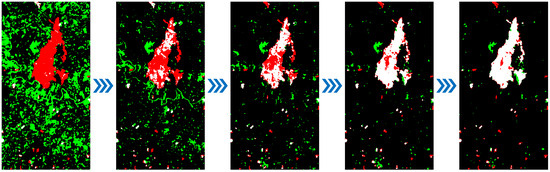
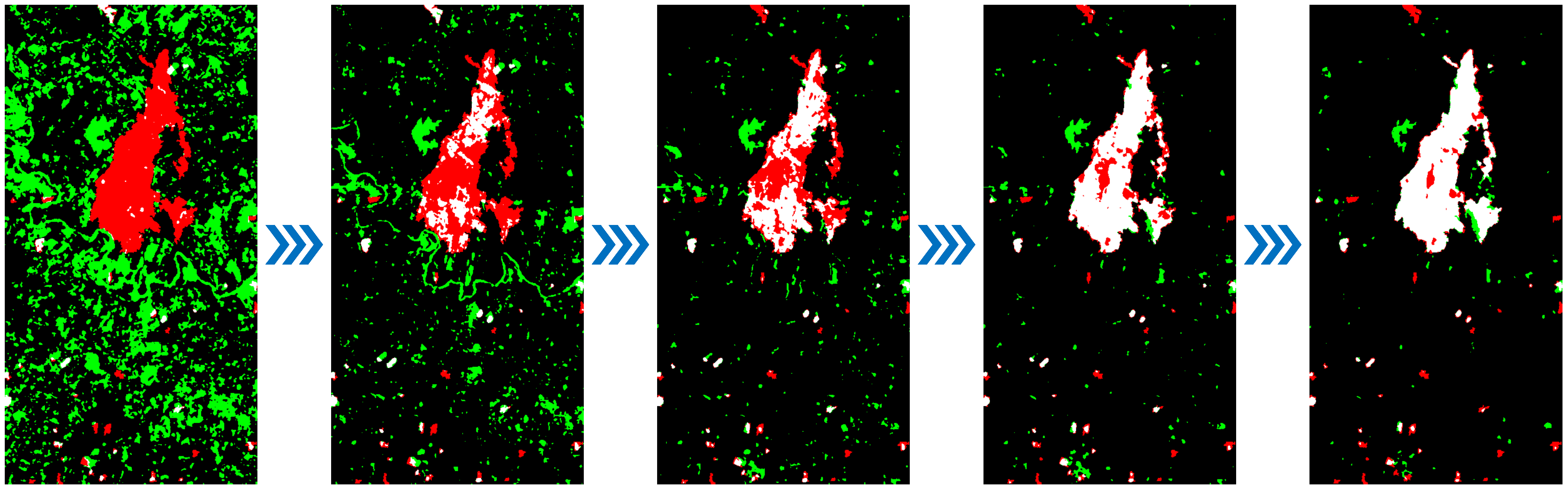
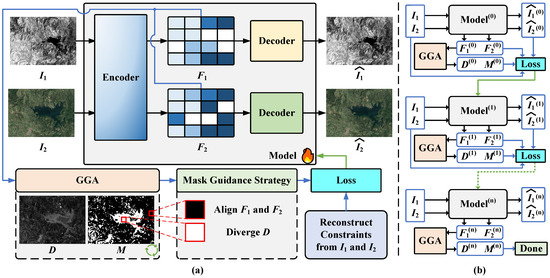
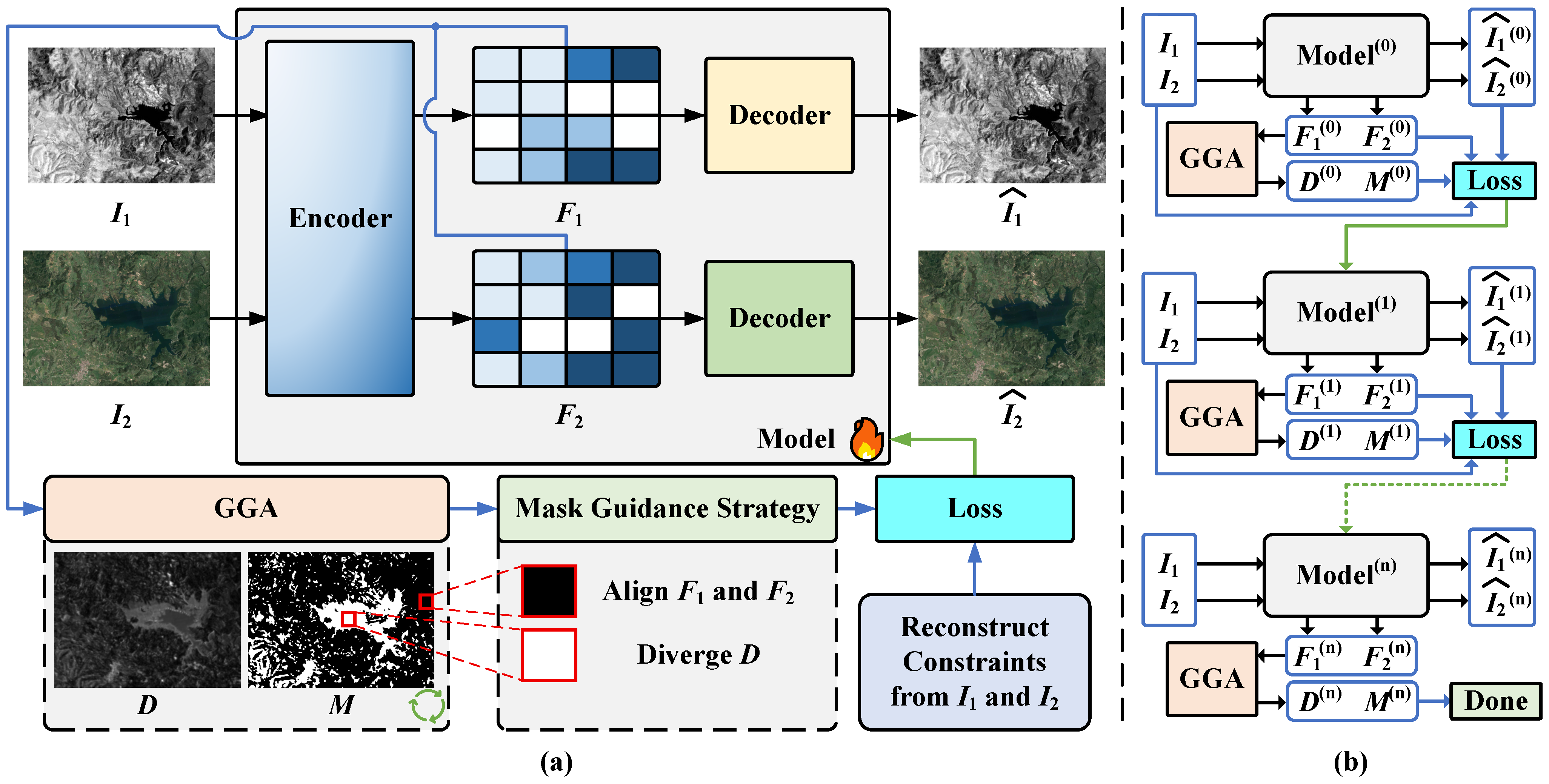
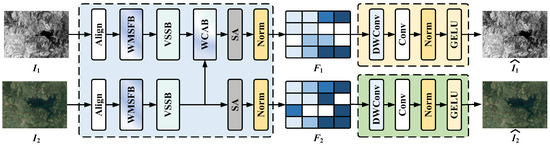
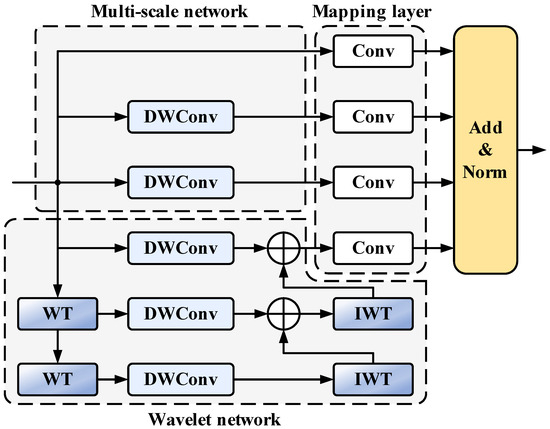
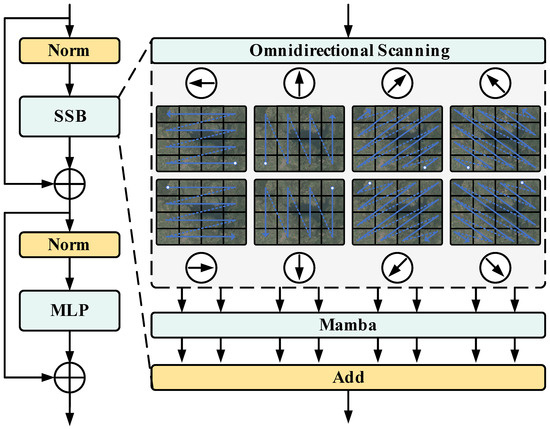
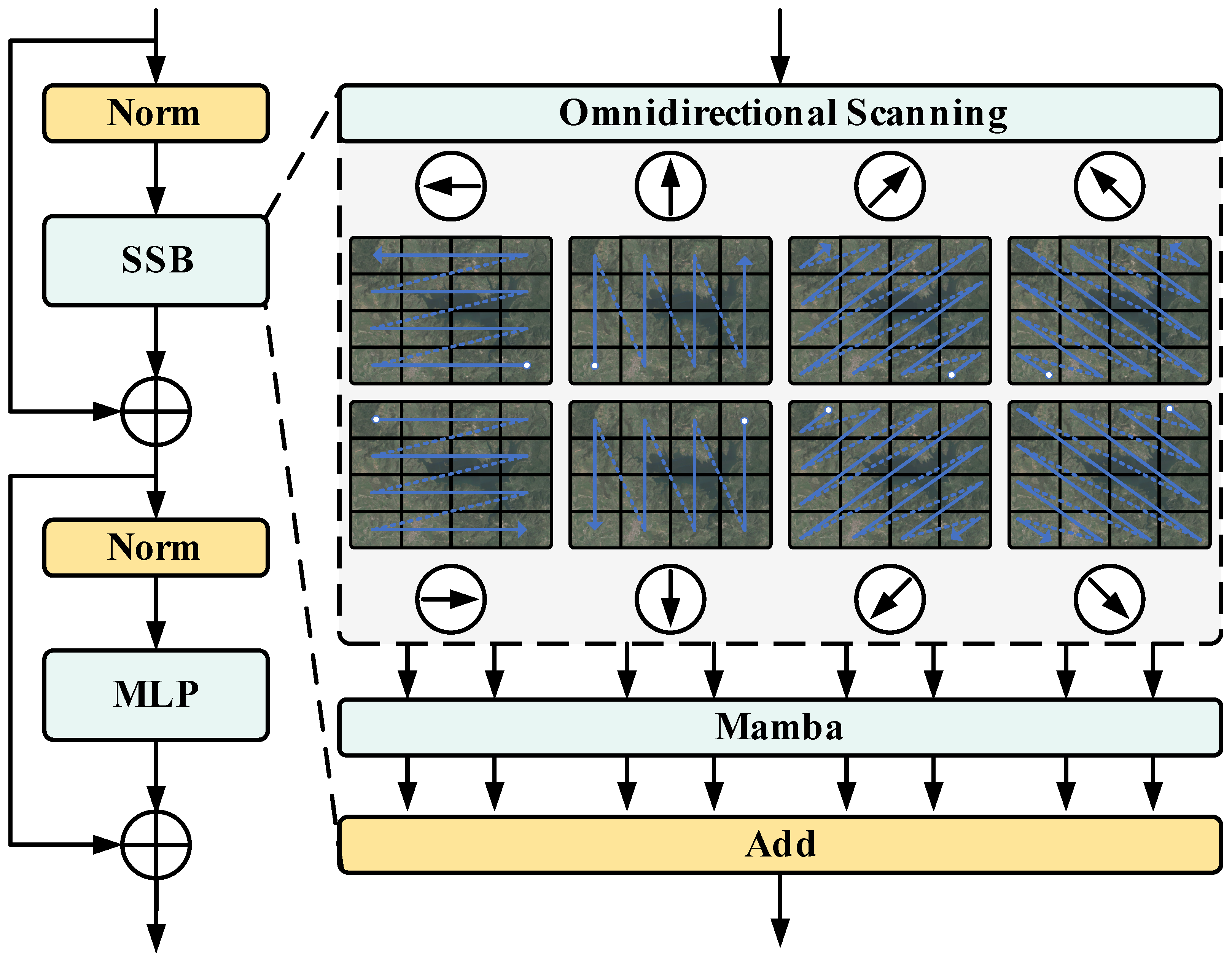
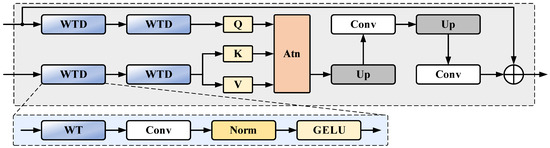
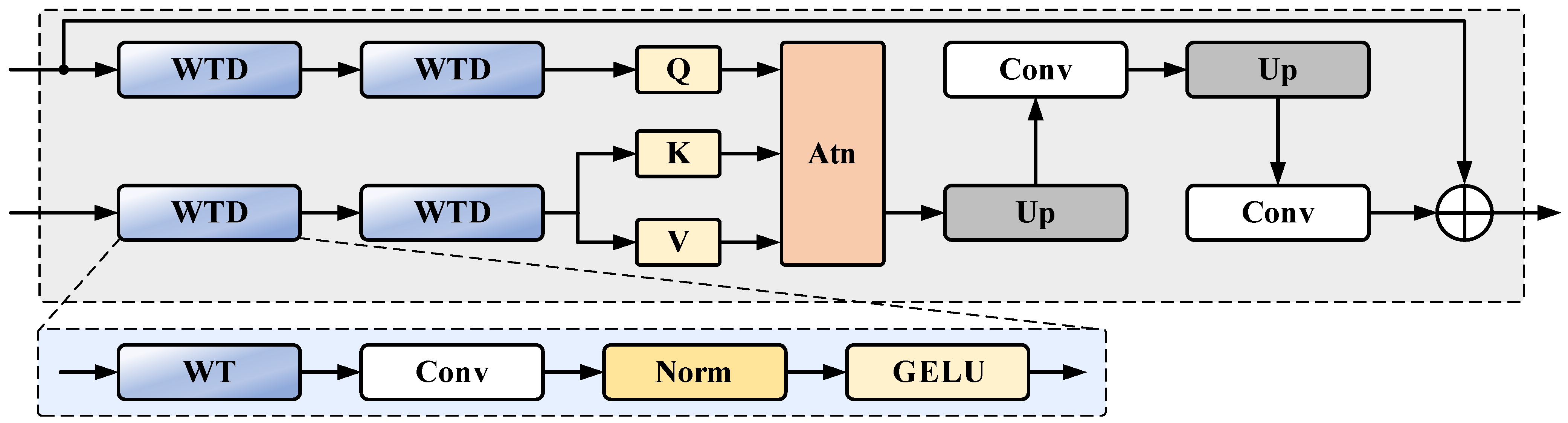
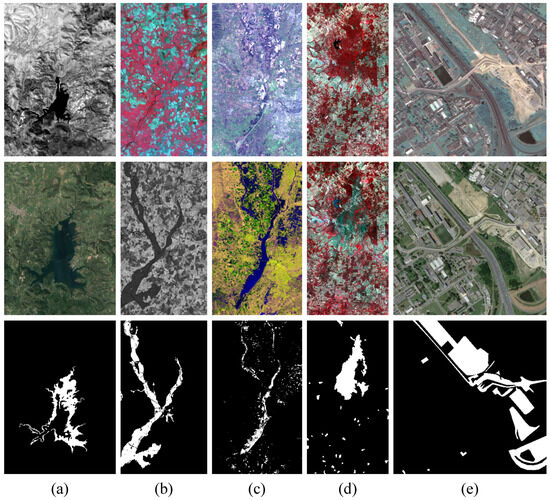
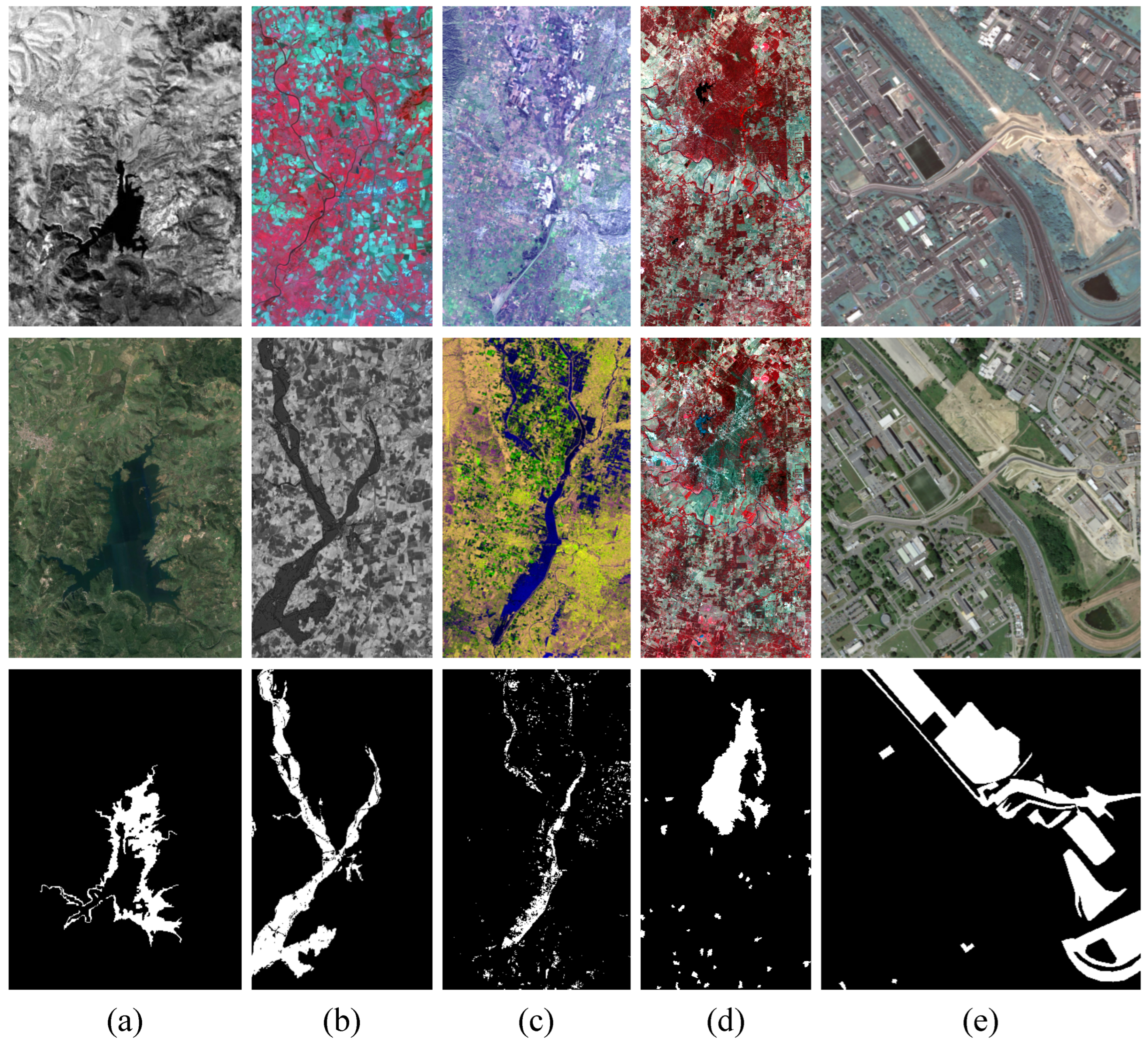
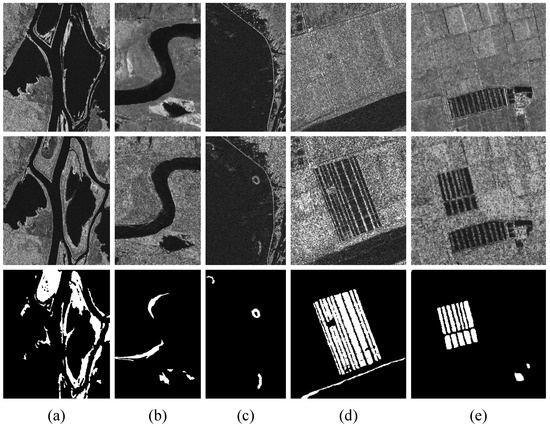
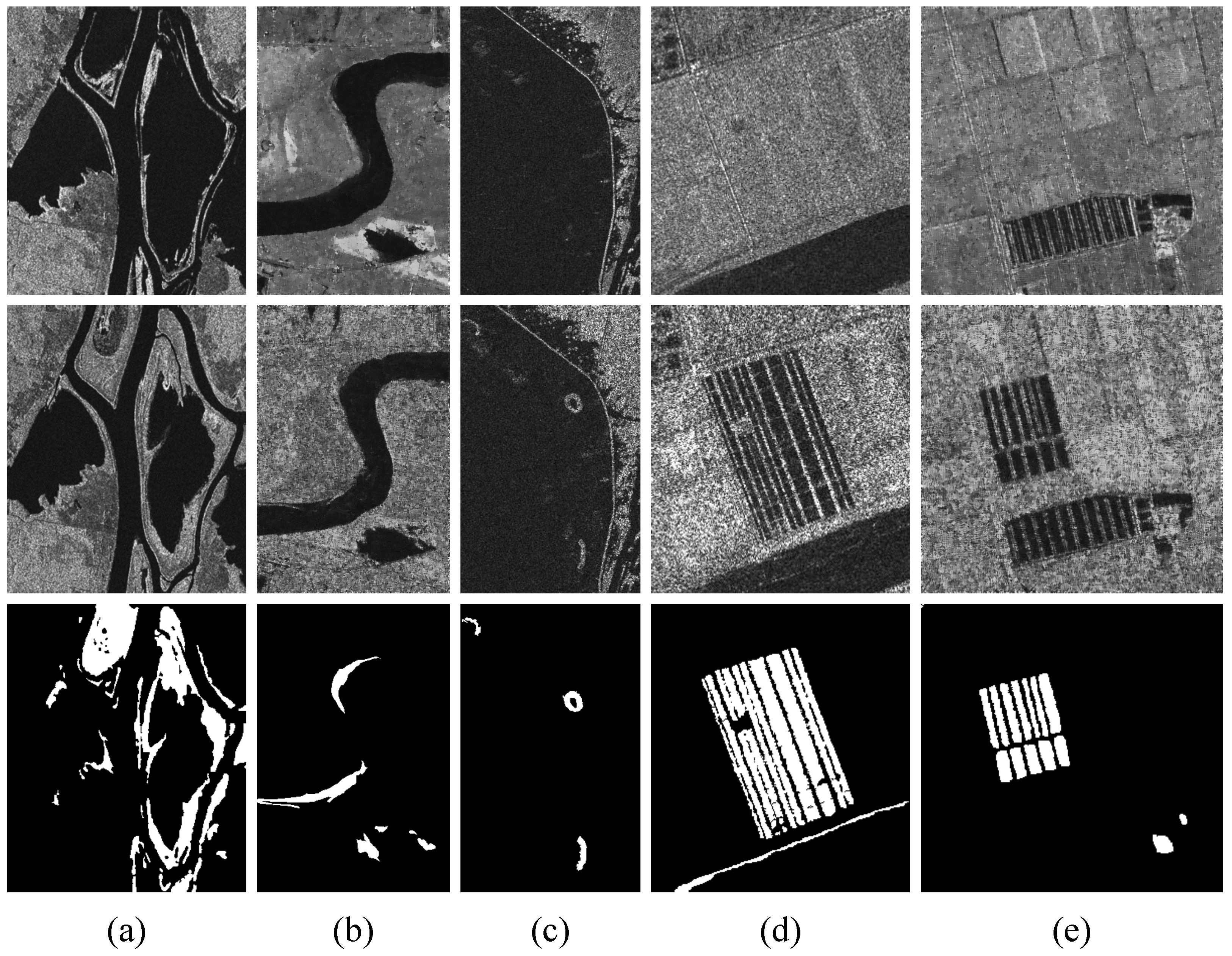
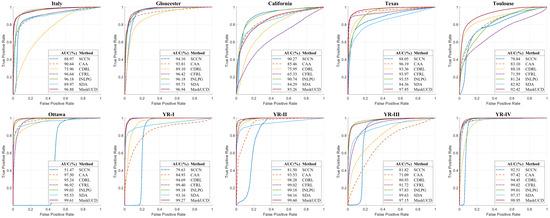
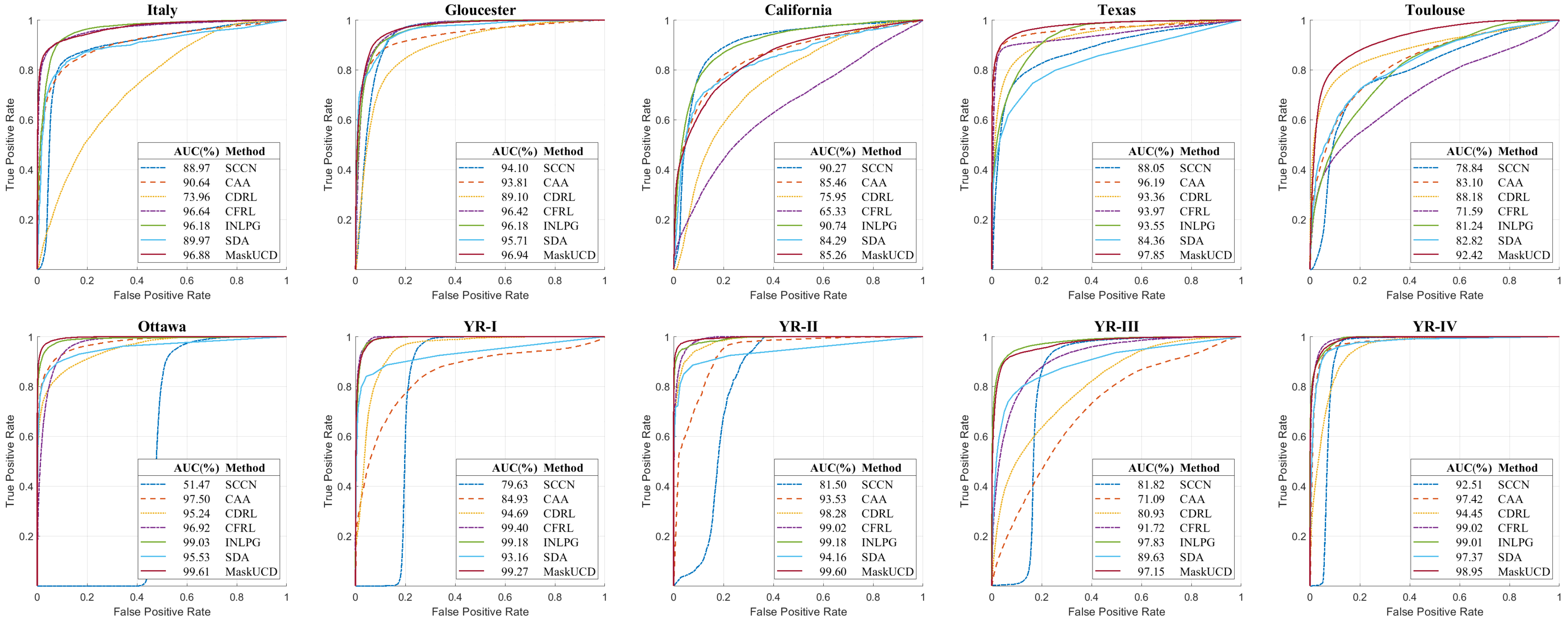
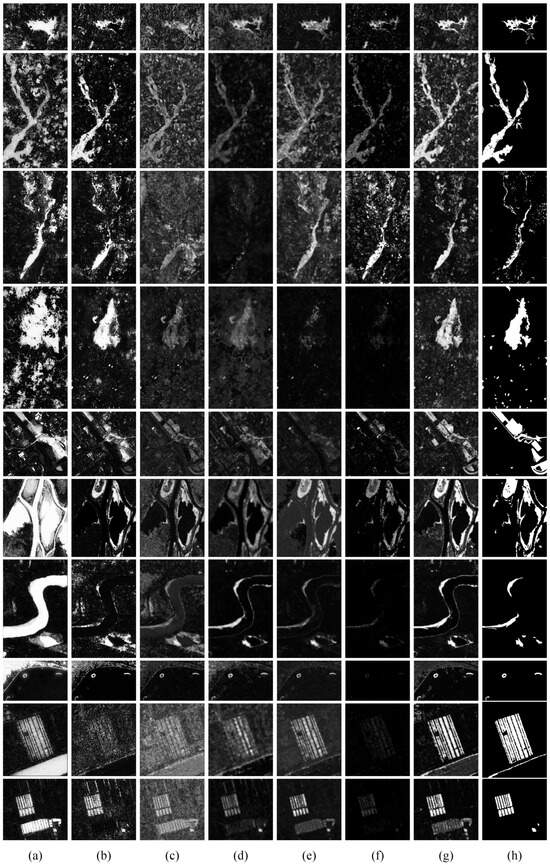
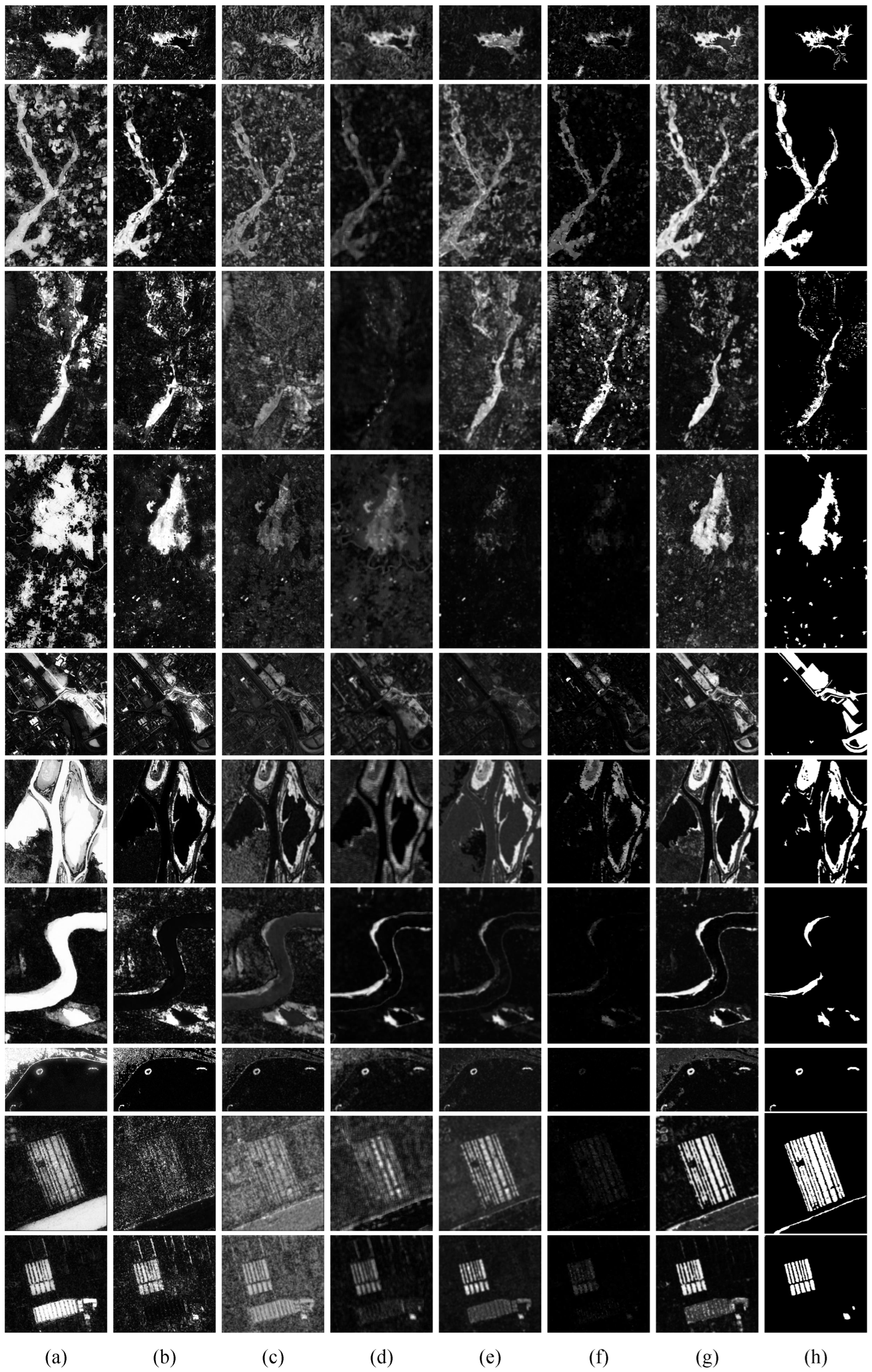
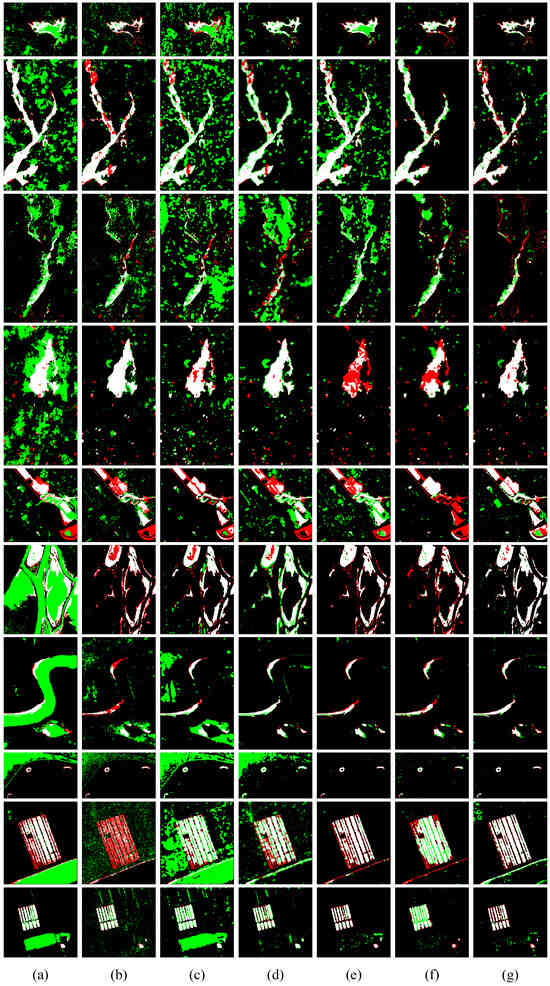
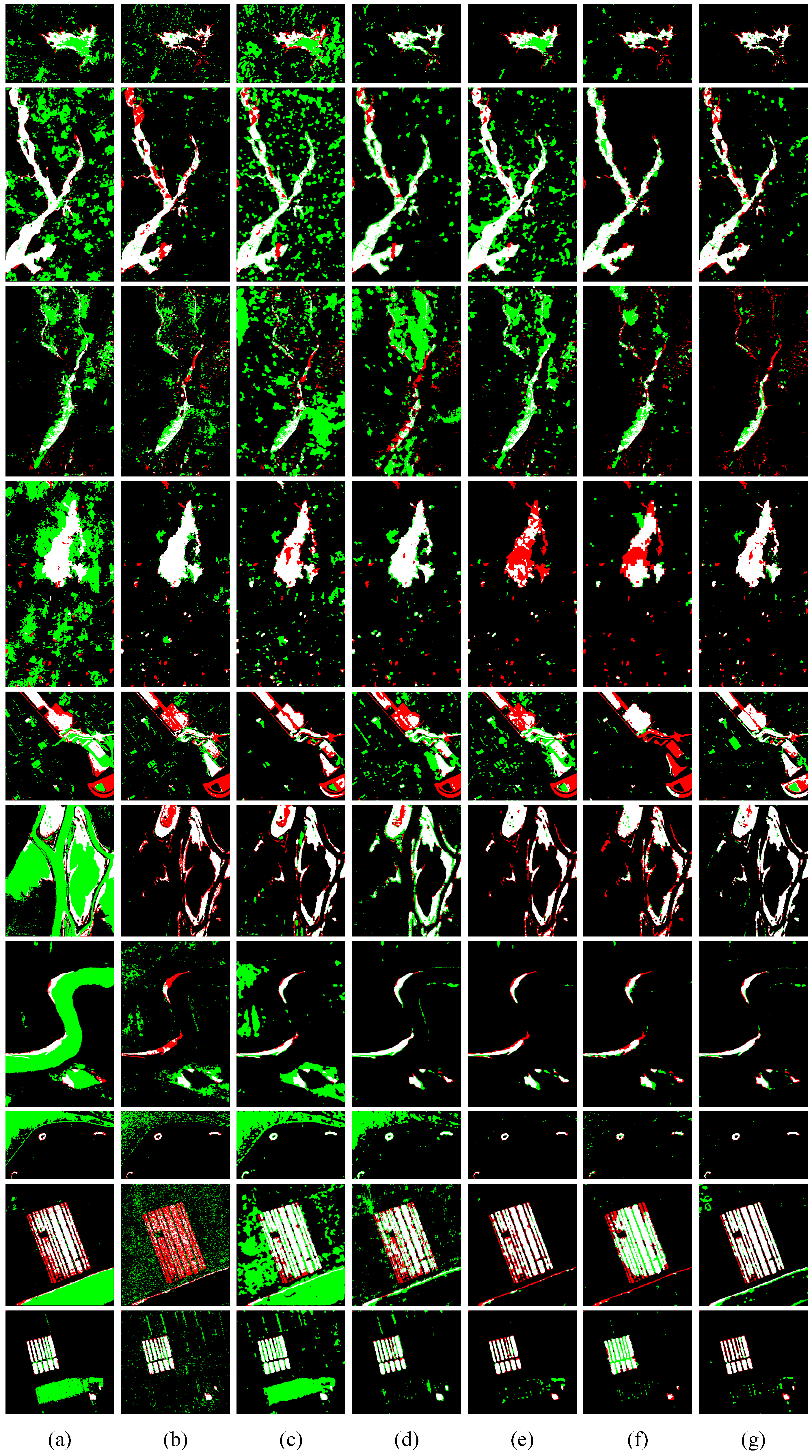
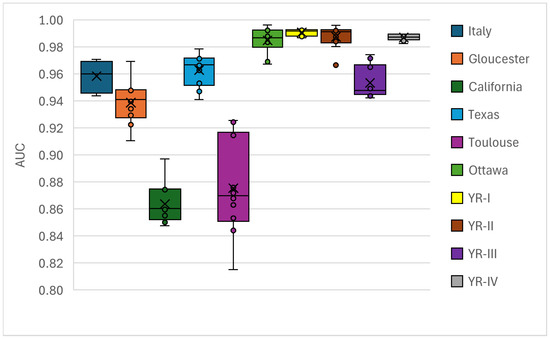
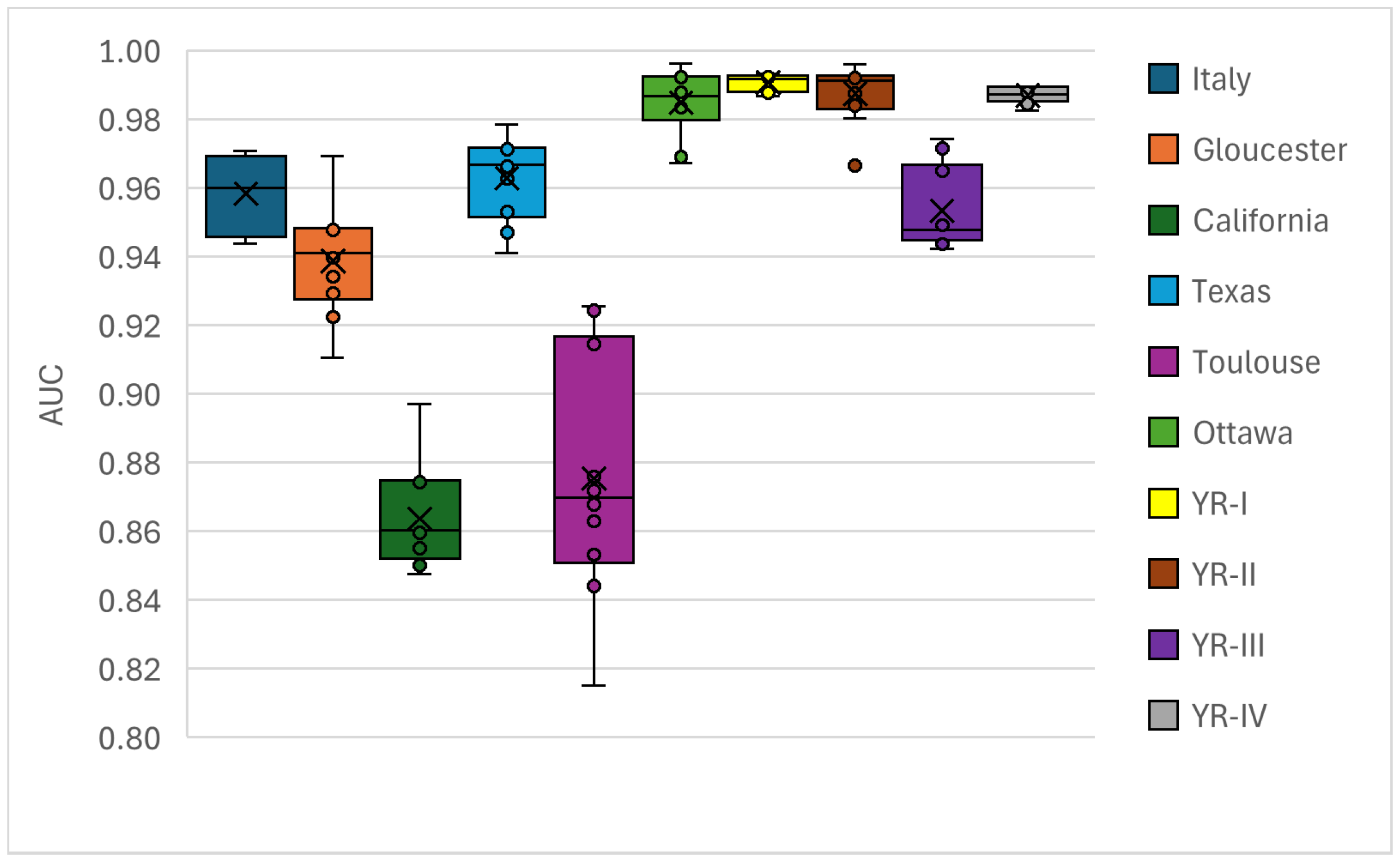
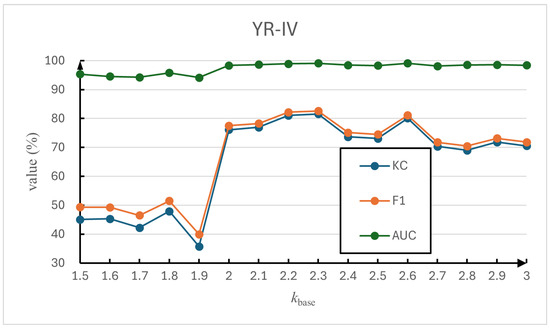
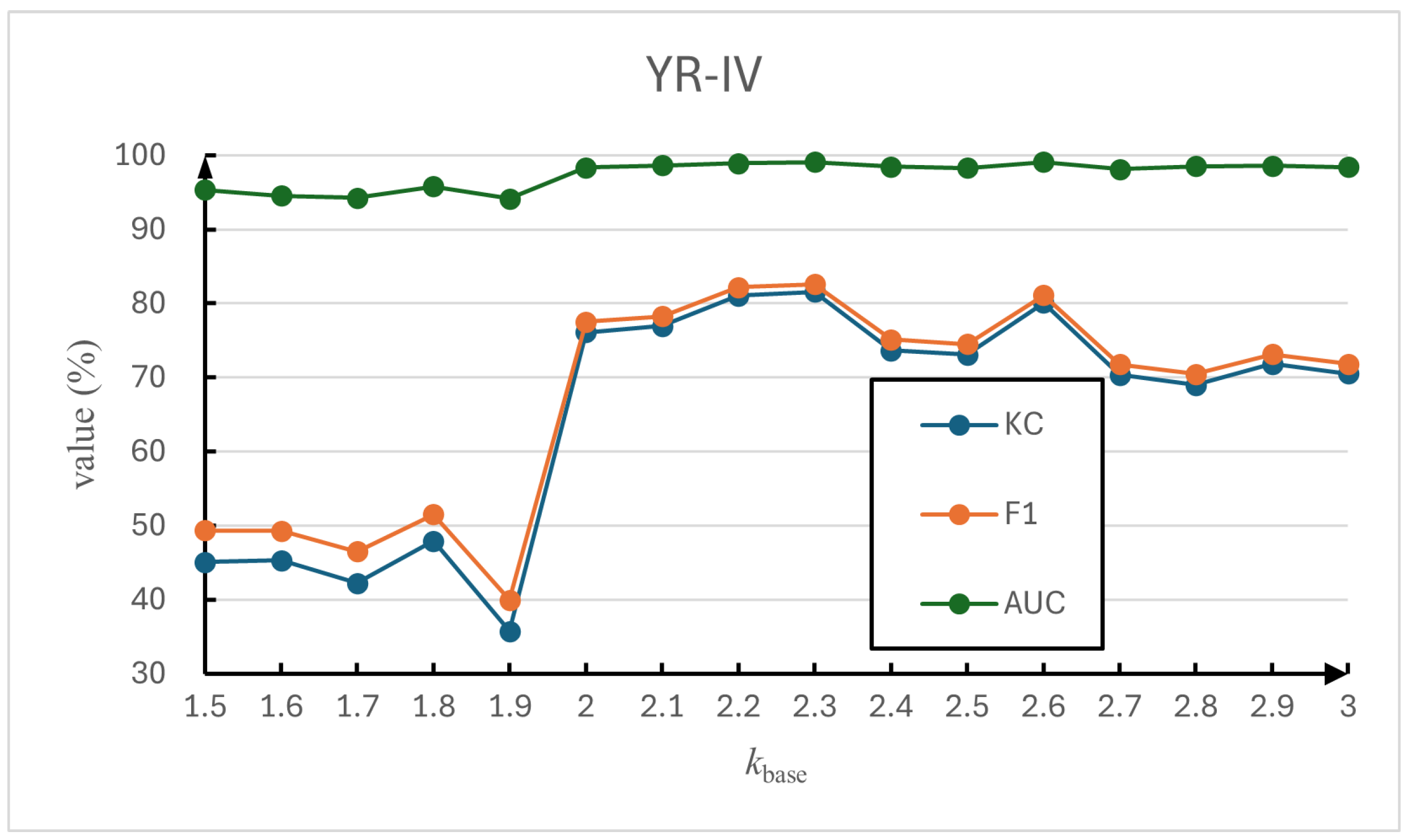


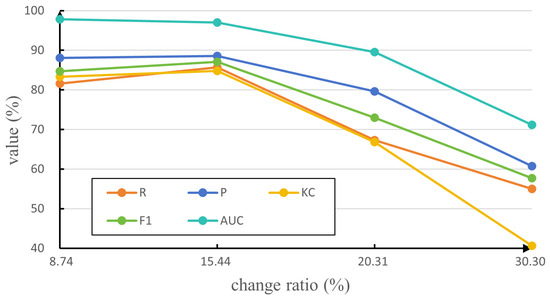
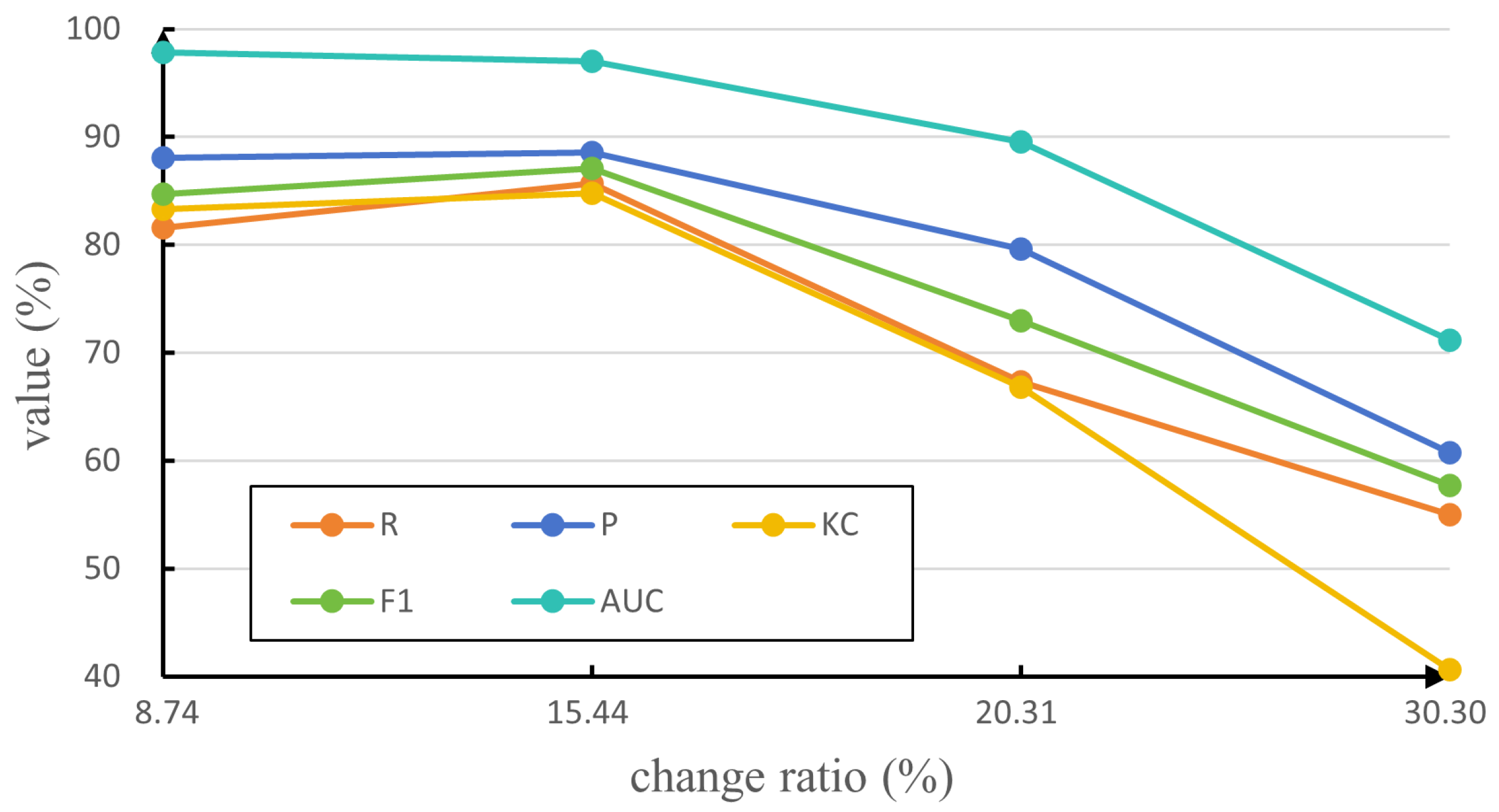
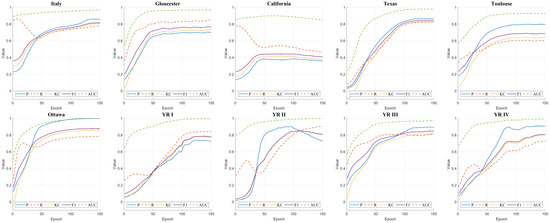
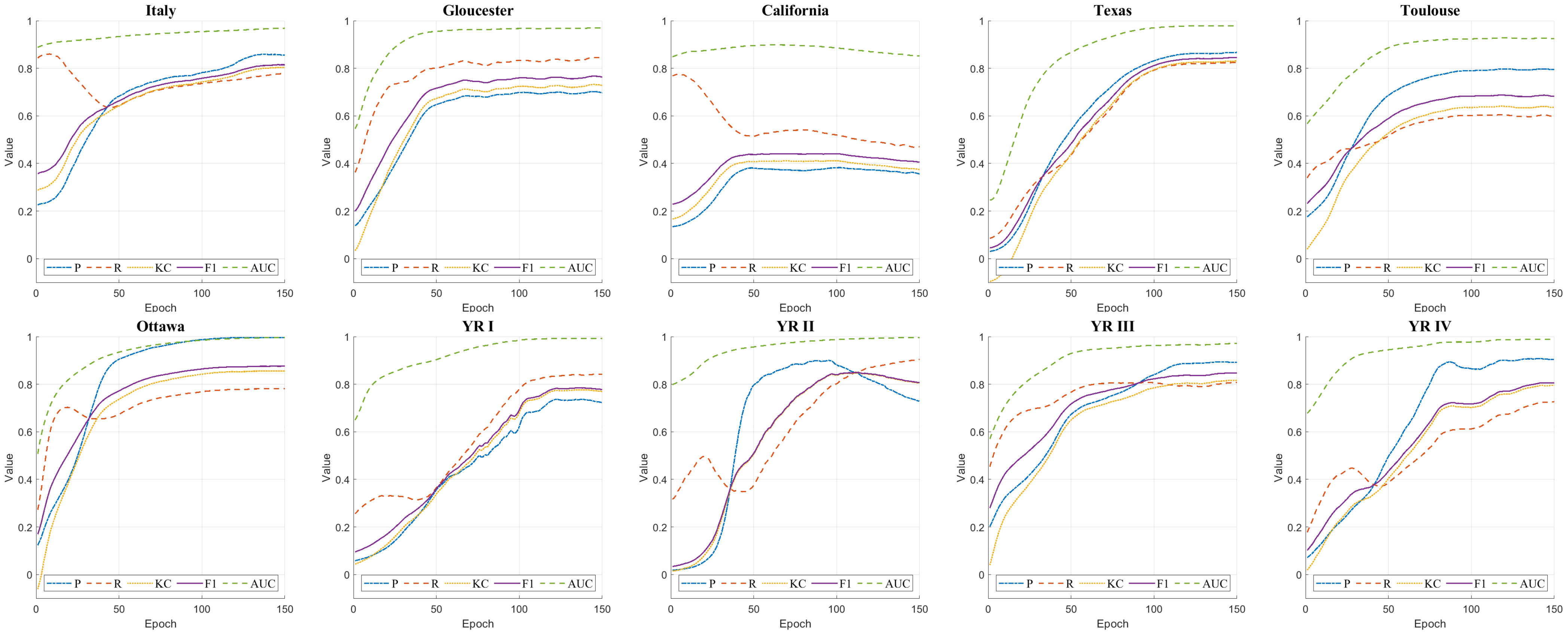
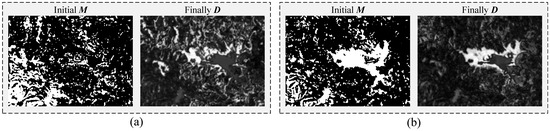
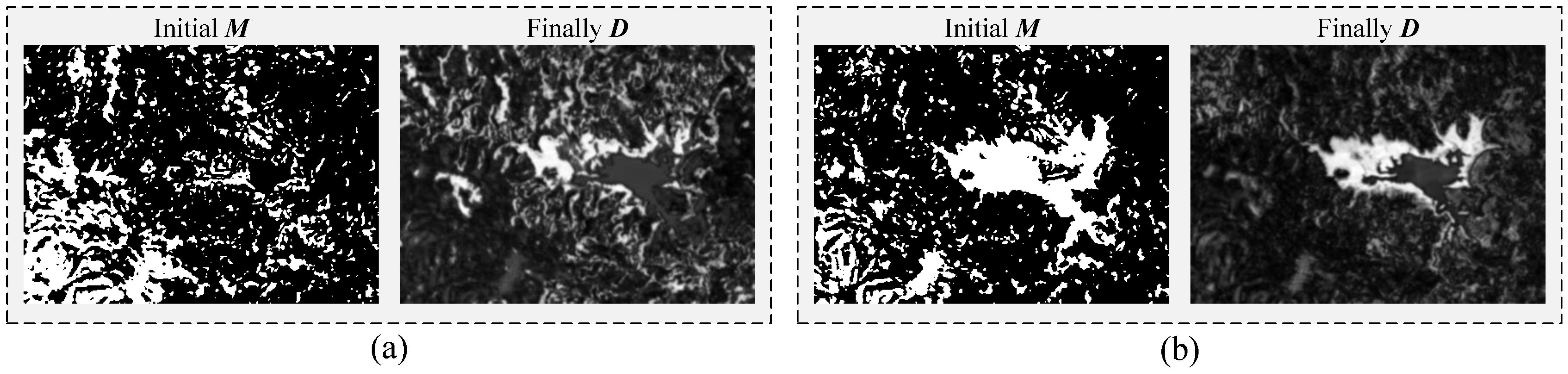

Disclaimer/Publisher’s Note: The statements, opinions and data contained in all publications are solely those of the individual author(s) and contributor(s) and not of MDPI and/or the editor(s). MDPI and/or the editor(s) disclaim responsibility for any injury to people or property resulting from any ideas, methods, instructions or products referred to in the content. |
© 2026 by the authors. Licensee MDPI, Basel, Switzerland. This article is an open access article distributed under the terms and conditions of the Creative Commons Attribution (CC BY) license.