


Abstract
The integration of digital technologies into cultural heritage tourism has created new opportunities for enhancing visitor experience while supporting sustainable heritage interpretation. Among these innovations, Spatial Augmented Reality (SAR) enables non-invasive and site-sensitive storytelling. Drawing on experiential psychology, this study examines how scene interactivity in SAR-based heritage exhibitions influences tourists’ word-of-mouth (WOM) intentions, with a focus on the mediating roles of sense of presence and mental simulation. Data were collected through a survey of visitors to a multimedia Han culture exhibition at the Mawangdui heritage site between 1 March and 16 May 2025, yielding 870 valid responses, and were analyzed using structural equation modeling (SEM). The results indicate that scene interactivity significantly enhances both sense of presence and mental simulation, which in turn positively affect WOM intention. Furthermore, processing fluency positively moderates the relationships between scene interactivity and the two experiential mediators, while perceived cultural authenticity strengthens the effects of scene interactivity and presence on WOM intention. This study contributes to the understanding of technology-mediated heritage experiences by identifying the psychological mechanisms through which interactive SAR environments influence tourist behavioral intentions. The findings also provide practical insights for heritage managers seeking to design engaging and culturally authentic digital experiences that support sustainable tourism development.
1. Introduction
The integration of digital technologies into cultural tourism has transformed how heritage is experienced and interpreted. Among these technologies, Spatial Augmented Reality (SAR) has emerged as a projection-based approach that embeds digital content directly into physical environments. Unlike virtual reality (VR), which relies on head-mounted displays, or mobile augmented reality (AR), which depends on personal devices, SAR projects digital imagery onto real-world surfaces, enabling visitors to engage with augmented narratives within the actual heritage space [1,2]. This spatially embedded approach preserves the integrity of the physical environment while enhancing interpretive depth.
SAR is particularly well suited to heritage contexts due to its non-invasive and site-sensitive nature. Through projection-based augmentation, digital content can be superimposed onto artifacts or exhibition surfaces without requiring permanent physical modification or direct intervention in heritage structures [1,3]. At the same time, SAR supports shared and co-located experiences, allowing multiple visitors to simultaneously engage with augmented narratives in situ, in contrast to the individualized nature of VR and mobile AR [4]. Empirical studies further demonstrate the potential of SAR and related systems to enhance the visualization and exploration of cultural heritage content [3,5]. These characteristics position SAR as a promising tool for sustainable heritage interpretation, as it enhances engagement and understanding while minimizing physical impact on heritage resources.
Beyond preservation, SAR can contribute to cultural sustainability by strengthening visitors’ understanding and experiential connection to heritage. Prior research suggests that effective heritage interpretation depends on visitors’ cognitive and emotional engagement [6], and that digital technologies can enrich visitor experiences and enhance interpretive value in heritage settings [7,8]. By embedding narratives directly into physical space, SAR makes historical content more tangible and immersive, thereby facilitating deeper engagement and more meaningful heritage experiences.
Despite these advantages, existing research on immersive technologies in tourism has largely focused on technological adoption, experiential outcomes, and visit intentions [8,9]. Limited attention has been paid to how such experiences translate into post-experience communication behaviors, particularly word-of-mouth (WOM). In tourism contexts, WOM is a critical driver of destination image and decision-making [10]. In heritage settings, however, WOM also represents a form of experience-based cultural communication, through which visitors disseminate narratives, meanings, and emotional responses associated with heritage encounters [11,12]. Understanding WOM in SAR-based heritage environments is therefore essential for assessing the broader social impact of technology-mediated experiences.
From a psychological perspective, immersive environments can influence behavior through underlying experiential mechanisms. A key mechanism is sense of presence, or the subjective feeling of “being there,” which has been shown to shape attitudes and behavioral intentions in tourism contexts [13]. In addition, mental simulation, grounded in theories of embodied cognition and narrative processing, enables individuals to imaginatively reconstruct experiences, thereby enhancing cognitive and emotional engagement [14,15]. However, existing research rarely integrates these mechanisms to explain how interactive features of SAR environments translate into communicative outcomes such as WOM. Moreover, the effectiveness of these processes may depend on contextual conditions. Processing fluency influences how easily information is processed and evaluated [16], while perceived cultural authenticity shapes visitors’ interpretations and responses to heritage experiences [17]. Yet their moderating roles in SAR-based contexts remain underexplored.
To address these gaps, this study examines how scene interactivity in SAR-based heritage exhibitions influences tourists’ WOM intentions through the mediating roles of sense of presence and mental simulation. It further investigates the moderating effects of processing fluency and perceived cultural authenticity. By focusing on SAR as a spatially embedded and non-invasive technology, this study contributes to the literature by clarifying the mechanisms linking interactive design, experiential processes, and post-experience communication, thereby advancing understanding of how digital heritage experiences can foster both engagement and cultural dissemination.
2. Literature Review and Hypothesis Development
2.1. Spatial Augmented Reality and Scene Interactivity
Bimber and Raskar (2005) define Spatial Augmented Reality (SAR) as a form of augmented reality that integrates virtual and physical elements through projection-based augmentation and environmental sensing [1]. Unlike traditional AR, which relies on head-mounted displays or handheld devices, SAR transforms the physical environment itself into a medium for information presentation and interaction. By embedding digital content directly into real-world spaces, SAR enables users to perceive reconstructed cultural narratives within their original spatial context, thereby preserving the integrity of heritage environments while enhancing interpretive depth. As an immersive medium that seamlessly integrates virtual content with physical space, SAR has demonstrated considerable potential in domains such as education and cultural communication, particularly in enhancing information expressiveness and user immersion [18]. These characteristics make SAR especially suitable for cultural heritage exhibitions, where authenticity, contextualization, and experiential engagement are critical.
In recent years, the application of SAR in cultural heritage tourism has expanded visitors’ perceptual boundaries and participatory depth. Among its various technological affordances, scene interactivity has emerged as a key factor shaping immersive experiences and cultural understanding [2,19]. SAR enables the reconstruction of historical contexts that are otherwise inaccessible, allowing visitors to engage with simulated environments in situ [20]. However, the effectiveness of such simulations depends not only on visual representation but also on the design of interaction mechanisms—specifically, whether visitors can actively participate in a continuous loop of perception, action, and feedback within the environment. This interaction loop transforms visitors from passive observers into active participants, thereby deepening their engagement with cultural narratives and enhancing the overall experiential process.
In this study, Scene Interactivity (SI) refers to visitors’ perceived ability to act upon, navigate, and control elements within an immersive cultural heritage environment [21]. It captures the extent to which visitors can actively explore, manipulate, and direct their experience, as well as the degree to which the environment responds contingently to these actions. This conceptualization emphasizes agency, exploration, and perceived control, distinguishing SI from simple system feedback. Prior research has shown that higher levels of interactive control can significantly enhance user engagement and satisfaction in virtual heritage contexts [22], while dynamic interaction encourages deeper exploration and strengthens visitors’ subjective perception of heritage value [23]. These findings suggest that SI is not merely a technical feature, but a central experiential driver that shapes how visitors cognitively and emotionally engage with cultural content.
Building on this foundation, the influence of scene interactivity on behavioral outcomes can be understood through the experience–behavior linkage widely established in tourism research. Interactive technologies have been shown to enrich experiential quality by increasing users’ sense of engagement, immersion, and perceived value [8,24]. In SAR-based environments, such interactivity allows visitors to actively construct their own experiential pathways, which enhances both the vividness and personal relevance of the experience. Compared to passive information reception, active interaction promotes deeper cognitive processing and emotional involvement, making the experience more salient and memorable.
Importantly, prior research indicates that memorable and engaging tourism experiences are key antecedents of post-visit behavioral responses, particularly word-of-mouth (WOM) communication [11,12]. Memorable experiences are more likely to be encoded, recalled, and shared, as they provide meaningful content for social communication. From a behavioral perspective, WOM represents not only an evaluation of the experience but also a form of social expression, through which individuals communicate personally significant and emotionally resonant experiences to others [10]. In this sense, the likelihood of WOM increases when an experience is both engaging and worth narrating.
In the context of SAR-based cultural heritage exhibitions, scene interactivity enhances visitors’ sense of involvement by enabling them to actively explore spatial narratives and interact with cultural content, rather than passively receiving information. This active engagement fosters stronger cognitive connections and emotional resonance, thereby increasing the perceived meaningfulness and memorability of the experience. As a result, visitors are more inclined to share their experiences with others, either to express their own engagement or to recommend the experience to potential visitors. Accordingly, higher levels of perceived scene interactivity are expected to increase tourists’ WOM intentions. Accordingly, we propose the following hypothesis:
H1.
In the context of cultural heritage tourism using SAR, SI has a significant positive effect on tourists’ WOM intention.
2.2. Sense of Presence
Sense of Presence (SP) originates from Minsky’s (1980) [25] concept of telepresence and refers to the psychological experience of “being there” in a mediated environment. It describes a subjective state in which individuals perceive themselves as physically situated within a virtual or augmented space through the integration of attention, sensory input, and environmental feedback [11,26]. Subsequent research further conceptualizes SP as an experiential state reflecting users’ perceptual and psychological immersion in the environment, capturing the extent to which individuals feel embedded within a mediated space rather than observing it externally [27,28]. As such, SP is widely regarded as a central experiential construct in technology-mediated environments, reflecting the depth of users’ engagement with digitally augmented or simulated contexts.
In cultural heritage tourism, SP is widely regarded as a key indicator of immersive engagement. Empirical studies show that higher levels of presence enhance emotional involvement and enjoyment [29,30], and may also support deeper cognitive processing in immersive heritage experiences [29]. Interactive features such as controllable viewpoints, responsive information triggers, and multi-level feedback mechanisms further strengthen situational engagement and learning outcomes [31]. Jiang et al. (2022) demonstrate that interaction scenarios enabling navigation, manipulation, or guided engagement with virtual artifacts significantly enhance memory encoding and cultural understanding [32]. Moreover, prior research suggests that coherent perceptual environments, predictable system feedback, and multisensory stimulation are critical conditions for sustaining and deepening presence [33,34,35]. From a theoretical perspective, interactivity enhances users’ sense of agency and environmental responsiveness, which are fundamental determinants of presence [26,36]. In SAR-supported heritage environments, scene interactivity provides continuous, contingent feedback and enables users to actively control their experiential pathways, thereby strengthening their perception of being embedded within the environment. Accordingly, scene interactivity is expected to positively influence SP.
H2.
SI has a significant positive effect on visitors’ SP.
Beyond being an outcome of immersive interaction, SP also serves as a key mechanism shaping post-experience behavioral responses. Theoretically, presence enhances the realism, vividness, and salience of mediated experiences, which can lead to more meaningful and behaviorally influential outcomes [37]. In tourism contexts, empirical evidence shows that higher levels of presence significantly influence users’ attitudes and behavioral intentions [13]. In heritage settings, SP further facilitates attention retention, cultural meaning internalization, and deeper memory formation, thereby strengthening visitors’ experiential connection with cultural content [38]. Recent research also extends SP toward the notion of cultural presence, emphasizing visitors’ perceived self-relevance to the cultural values embedded in immersive narratives [39].
Importantly, tourism research consistently demonstrates that immersive and meaningful experiences are more likely to be remembered and shared. Memorable tourism experiences are key antecedents of post-visit behavioral responses, particularly word-of-mouth (WOM) communication [11,12]. From a communication perspective, WOM represents a process through which individuals externalize and disseminate personally significant experiences to others [10]. As presence intensifies emotional engagement and cognitive involvement, it enhances the perceived meaningfulness and memorability of the experience, thereby increasing its “shareability.” Furthermore, technology-enhanced immersive environments amplify experiential richness and personal relevance, which further strengthens behavioral responses such as recommendation and sharing [40].
Therefore, a stronger sense of presence is expected to increase tourists’ willingness to engage in WOM communication. Moreover, given that scene interactivity enhances SP (as proposed in H2), and SP in turn promotes WOM intention, SP is likely to function as a mediating mechanism linking SI to WOM.
H3.
SP positively influences tourists’ willingness to engage in WOM communication.
H4.
SP mediates the relationship between SI and WOM intention.
2.3. Mental Simulation
Mental simulation (MS) refers to a cognitive process in which individuals mentally reconstruct past experiences or imagine hypothetical scenarios based on stored knowledge and prior experiences [14,41]. Through this process, individuals can project themselves into a given situation and simulate possible actions, events, and outcomes in an embodied and experience-based manner [15]. MS thus represents a form of internal experiential processing that enables individuals to interpret and elaborate on external stimuli by generating vivid, scenario-based mental representations [42].
Scene interaction (SI) serves as an external stimulus capable of effectively triggering MS. In visual design, Elder and Krishna (2012) identify the “visual depiction effect,” showing that behavioral affordances in imagery—such as gestures aligned with the viewer’s dominant hand—better induce embodied MS, strengthening memory and emotional engagement [43]. Xie et al. (2022), through eye-tracking and psychometric analysis, confirm that interactive digital environments supporting user-driven exploration (e.g., historical reenactment, narrative progression) more successfully evoke tourists’ MS, thereby enhancing cultural understanding and experiential memory [44]. Within Spatial AR heritage experiences, highly responsive and controllable interactions enable visitors to mentally project themselves into historical contexts and simulate culturally meaningful behavior. Thus:
H5.
SI positively influences tourists’ MS.
The critical role of MS in shaping travel decision-making has been widely supported by empirical evidence in tourism. Karl et al. (2021) demonstrated that travelers’ affective forecasting in pandemic crises strongly determines their travel willingness [45]. In accommodation decision-making, MS enhances perceived value and expected emotional experience, ultimately increasing behavioral intentions [46]. Yan et al. (2023) further reveal that temporal landmarks (e.g., major holidays, milestone events) prompt mental simulations of life transformation, thereby motivating travel planning behaviors [47].
Moreover, sensory-rich contextual cues can amplify MS and influence downstream behavioral responses. Lee et al. (2010) find that multimodal destination content (images, audio, video) creates quasi-trial experiences, strengthening intention to visit through vivid simulation [48]. In hotel selections, tactile cues facilitate material-specific MS and fully mediate the effect of haptic information on booking intentions [49]. When applied to cultural heritage experiences, these findings imply that MS promotes deeper cultural resonance while enhancing satisfaction and social sharing tendencies. Therefore:
H6.
MS positively influences tourists’ WOM intention.
Mental simulation provides a psychological pathway through which scene interaction exerts its influence on tourists’ communication intentions. When tourists are actively engaged in interactive scenes, the sensory-rich and participatory experience encourages them to imagine themselves in the scenario, anticipate future benefits, and mentally rehearse post-experience outcomes. Such cognitive and affective processing enhances the perceived value and personal relevance of the experience, ultimately strengthening their willingness to share it with others. Therefore, mental simulation can be viewed as a key mechanism translating interactive experiences into behavioral intentions.
H7.
MS mediates the relationship between SI and tourists’ WOM intention.
2.4. Moderation Role of Processing Fluency
Processing Fluency (PF) refers to the subjective ease with which individuals comprehend and process presented information [16]. It reflects a metacognitive experience of how effortlessly stimuli can be interpreted, rather than the objective characteristics of the stimuli themselves. Information that is clear, coherent, and well-structured is typically associated with higher processing fluency and is generally perceived more positively [50]. As a perceptual–cognitive judgment of ease, PF captures individuals’ internal experience of information processing and is conceptually distinct from interaction-related constructs. It emphasizes how easily information is understood, rather than how individuals act upon or control the environment.
PF has been identified as a key psychological mechanism influencing user trust and behavioral responses. El hamdadi et al. (2022) found that when users encountered information presented in visualized formats, enhanced fluency in processing that information led to greater trust in the content itself [51]. This trust, in turn, can directly shape behavioral tendencies during actual usage. Cyr et al. (2009) further noted that perceived interactivity—through improving both cognitive and emotional responses—can significantly enhance the ease of information comprehension (i.e., processing fluency), thereby strengthening users’ behavioral intentions [52]. These findings highlight a close relationship between interactivity and processing fluency, suggesting that the two may jointly influence user behavior.
Empirical studies in applied contexts further support this relationship. For example, Chen et al. (2023) demonstrated that in human–machine interaction environments, chatbots with high interactivity and natural language comprehension capabilities significantly increased users’ perceived PF, which subsequently led to more favorable product attitudes and stronger purchase intentions [53]. Similarly, Tang et al. (2013) found that destination websites with simplified navigation and logically organized content enhanced users’ PF, thereby improving comprehension of interactive content, elevating website evaluations, and increasing visitation intentions [54].
In summary, PF is not only a crucial factor in how users perceive interactivity but may also act as a moderator in the relationship between interactivity and behavioral intentions. Accordingly, we propose the following hypothesis:
H8a.
PF moderates the relationship between SI and WOM intention; specifically, the positive relationship is stronger when PF is high.
Amid the growing integration of immersive experience and digital interactivity, the formation of situational presence increasingly relies on high-quality interactive design. Studies have shown that SI can enhance users’ sense of engagement and control, thereby fostering stronger contextual involvement and SP [55,56]. However, this mechanism is not automatically effective; its impact is highly contingent on users’ subjective processing experiences, particularly PF. In media and advertising research, Kim & Jang (2018) found that when communicative content exhibits high PF, users experience greater self-efficacy and are more likely to form positive behavioral intentions [57]. Moreover, PF not only strengthens users’ immediate experience but may also moderate their ability to absorb and reproduce interactive content. Jemstedt et al. (2018) demonstrated that perceived ease of learning is shaped by the joint influence of PF and prior beliefs [58]. Yoo et al. (2024) further revealed that fluency affects cognitive forecasting and aesthetic judgment, serving as a key psychological driver of immersive aesthetic experience [59]. Landwehr et al. (2022) provided empirical evidence that higher PF amplifies individuals’ perceived realism of future events, making them more likely to mentally situate themselves within the communicated scenario [60].
In the specific context of culture and tourism, Cai et al. (2025) found that when museum exhibits incorporate anthropomorphic designs to enhance interactivity, natural language expression and clarity of information significantly increase emotional resonance and cultural immersion; otherwise, the effects remain limited [55]. Similarly, Park et al. (2025) noted that in cultural-themed hotels, the introduction of interactive technology can only evoke presence and cultural identification when the technological operations are highly natural and the content is presented in a clear and intuitive manner [56]. These studies jointly indicate that the positive effect of interactivity on presence is contingent upon high PF.
Taken together, existing research supports the following mechanism: PF acts as a moderator, shaping how users perceive and construct presence based on scene interactivity. Accordingly, the following hypothesis is proposed:
H8b.
PF moderates the relationship between SI and SP; specifically, the positive relationship is stronger when PF is high.
In digital communication and scene design, interactivity has been widely demonstrated to enhance users’ engagement and emotional involvement; however, how it stimulates users’ MS remains to be further explored. Existing research indicates that interactivity, by improving information comprehensibility and depth of participation, can evoke more vivid scene imagination and situational construction in users. This process largely depends on PF. Cian et al. (2020) found that when procedural simulations in advertisements have clear linguistic and contextual structures, they enhance PF, thereby increasing users’ MS of future scenarios and behavioral intentions [61]. Chang (2013) also pointed out that in narrative advertising, highly fluent imagery language facilitates users’ construction of situational images, resulting in a stronger immersive experience [62]. Risen & Critcher (2011), from the perspective of internal state matching, further emphasized that when users’ current psychological states align with the information content, PF increases, which enhances the realism of the information and the appropriateness of mental imagery [63]. Collectively, these studies suggest that interactive information design that improves users’ PF is more conducive to eliciting MS responses.
At the mechanistic level, PF is considered a key mediator that facilitates MS. Yoo et al. (2024) systematically examined how PF interacts with cognitive motivation and predictive expectations, finding that individuals exposed to smoothly processed information are more likely to generate future expectations, form aesthetic judgments, and actively construct meaning—essentially engaging in MS [59]. Alter & Oppenheimer’s (2009) fluency-unified theory further highlights that fluency in language, visuals, and narrative structure enhances predictability, acceptability, and the vividness of imagination [16]. Oppenheimer (2008) also noted that fluent processing pathways not only improve judgment efficiency but also stimulate positive emotional connections and simulative thinking toward the information [64]. Although Wheeler & Petty (2001) [65] did not directly address PF, their activation–behavioral simulation mechanism indirectly reveals that when individuals perceive situational stimuli with cognitive appropriateness, it facilitates corresponding mental representation processes. Together, these studies build a cognitive foundation for the role of PF in promoting MS [65].
In summary, interactive design can enhance users’ PF by improving the clarity of information structure and perceptibility of content. Content processed fluently further stimulates users to engage in MS, such as constructing future scenarios, role-taking, or immersive perception. Therefore, the following hypothesis is proposed:
H8c.
PF moderates the relationship between SI and MS; the stronger the PF, the stronger the correlation between the two.
2.5. Moderation Role of Perceived Cultural Authenticity
Perceived Cultural Authenticity (PCA) refers to tourists’ subjective evaluation of the genuineness and credibility of cultural representations encountered in heritage contexts. Rather than being an objective property of cultural artifacts or settings, authenticity is increasingly understood as a perception constructed through visitors’ interpretations, expectations, and prior experiences [66,67]. As a perceptual construct, PCA reflects the extent to which cultural elements—such as narratives, symbols, and environmental settings—are experienced as believable, meaningful, and culturally resonant. It captures how individuals interpret and validate cultural representations within a given context, thereby shaping their overall evaluation of heritage experiences.
In the cultural heritage context, PCA is considered a core variable in tourists’ construction of heritage experience meaning. It concerns not only the antiquity and physical preservation of artifacts or architecture but also whether tourists, in their current interactive experience, perceive a continuity and authenticity of the cultural spirit and lifestyle embodied by the heritage [68,69].
Southworth et al. (2016, 2019) further pointed out that this sense of authenticity is a judgment about whether cultural expressions originate internally rather than being externally fabricated—that is, whether tourists perceive cultural performances as natural expressions or as packaged outcomes designed to cater to visitors [70,71]. Therefore, PCA is not an inherent property of the heritage itself but an experiential product co-constructed between the audience and cultural expression through environment, narrative, and participatory interaction. It encompasses not only a genuine perception of tangible culture but also an integrated judgment of whether intangible cultural elements—such as language, rituals, festivals, and everyday lifestyles—are preserved and faithful to tradition. It emphasizes cultural continuity rather than cultural stasis and is profoundly influenced by tourists’ preconceived notions, cultural distance, and mediated images. In cultural heritage tourism, interactivity has been confirmed as a significant factor influencing tourists’ behavioral intentions. Although many variables can moderate this relationship, there remains a lack of systematic research exploring whether PCA serves as such a moderator. This study aims to fill this gap. While no research has yet directly confirmed that PCA strengthens the impact of interactivity on tourists’ behavioral intentions, several representative studies provide theoretical support and indirect evidence for this relationship.
Guo et al. (2024), through experimental comparisons of VR and AR tourism scenarios, found that highly interactive cultural displays significantly enhance users’ sense of presence and perceived authenticity, thereby increasing their engagement, recommendation intentions, and revisit willingness [72]. Similarly, Shi et al. (2025) [73] pointed out that in digital cultural contexts, interaction quality can indirectly enhance continued usage intention by improving users’ immersive experience and enjoyment. Although the moderating role of authenticity has not been directly tested, the sense of presence and immersion are inherently intertwined with users’ perceptions of cultural authenticity, thereby offering strong proxy explanatory value [73]. Moreover, Alsuwaidi & Almazrooei (2025) [74], in their study on cultural heritage participation behavior in the metaverse, emphasized that users’ acceptance of virtual interactions is closely linked to their experience of cultural content authenticity. The stronger the interactivity, the more it can evoke higher cultural immersion and identification, thereby promoting WOM sharing behavior. Jiang et al. (2025) combined findings showing that the interactivity of serious intangible cultural heritage (ICH) games and the authenticity of cultural elements both contribute to perceived usefulness and entertainment, which further predict continued usage intentions [75]. Guo et al. (2024) further noted that perceived authenticity is not fixed but is continuously activated and constructed in highly interactive contexts [72]. Therefore, in cultural heritage tourism, tourists’ perceptions of the authenticity of interactive content may influence their willingness to transform positive experiences into WOM promotion.
In summary, while interactivity positively influences tourists’ WOM communication, the strength of this effect may be moderated by tourists’ subjective perceptions of cultural authenticity. Accordingly, the following hypothesis is proposed:
H9a.
PCA moderates the effect of SI on WOM intention; the higher the perceived authenticity, the stronger the relationship.
In cultural heritage tourism, immersive technologies such as VR and AR are increasingly important media for enhancing tourists’ experiences, with presence widely recognized as a key factor influencing tourists’ attitudes and behavioral intentions [13]. The SP that tourists acquire in immersive environments can strengthen their emotional connection to the destination and shift their attitudes, thereby increasing the likelihood of WOM communication. However, presence does not always effectively translate into positive behavioral intentions, as its effect may be constrained by other perceptual factors. Among these, PCA—as a core psychological construct in cultural heritage tourism—has received growing attention [76]. Research has found that authenticity not only enhances tourists’ engagement and satisfaction but also strengthens their identification with cultural content and willingness to disseminate it [77]. Guo et al. (2024) experimentally demonstrated that although authenticity and presence respectively dominate tourists’ cognitive and sensory responses in AR and VR scenarios, their combined effect is the key mechanism driving tourist satisfaction and behavioral responses [72]. Pescarin et al. (2024) further highlighted that cultural authenticity can serve as a mediating variable explaining tourists’ acceptance of interaction and meaning construction, thereby imbuing interactive content in immersive experiences with greater cultural value and behavioral guidance [78].
Moreover, existing studies indicate that subjective perceptions of authenticity influence tourists’ trust in technological content and their attitudinal acceptance [77], and to some extent moderate the relationship between technology-induced presence and tourists’ psychological responses. Lu et al. (2015) also found that when tourists perceive high authenticity, they are more likely to accept environmental information and exhibit positive WOM intentions [76]. Therefore, PCA may constitute an important boundary condition for the influence of presence on tourists’ behavioral responses. In summary, although no direct studies have tested the moderating role of PCA, there is solid theoretical and empirical support for this mechanism. To further expand the understanding of immersive experiences in cultural heritage tourism, the following hypothesis is proposed:
H9b.
PCA moderates the relationship between SP and WOM intention; when tourists perceive higher cultural authenticity, the positive effect of SP on WOM intention is stronger.
Lastly, perceived authenticity has been validated as an output variable of MS across various contexts. Corves et al. (2024), in medical education simulation studies, pointed out that interactive performance and task continuity in simulated scenarios significantly affect learners’ perceptions of realness and spatial presence, which are subdimensions reflecting individuals’ MS processes regarding situational authenticity [79]. Li et al. (2024) [80] further expanded the dimensions of authenticity by categorizing it into original, interactive, and emotional authenticity, proposing that presence and interactivity enhance perceived authenticity through progressively layered cognitive processing pathways, ultimately increasing behavioral. Secondly, in virtual cultural consumption, perceived authenticity can be viewed as a key mediator or moderator connecting mental simulation and behavioral responses [80]. Zheng et al. (2022) demonstrated that mental imagery processing in virtual tourism influences tourists’ visitation intentions by affecting their perceptions of authenticity [81]. Similarly, Nam et al. (2023) found that perceptions of authenticity regarding objects or activities in virtual experiences significantly impact satisfaction and subsequent behavioral tendencies, regardless of whether the setting is a heritage or non-heritage tourism context [82].
In cultural consumption and product design contexts, Wu et al. (2021) further emphasized the specific directional role of authenticity cues on consumers’ mental simulation content—for example, the differing intensities of cultural associations triggered by photographs versus artistic illustrations, which influence cultural identification and purchase intentions [83]. This finding suggests that perceived authenticity is not only an outcome of MS but may also moderate the relationship between simulation processing and behavioral responses. In summary, although definitions and dimensional divisions of authenticity vary slightly across studies, there is consensus that subjective perceptions of authenticity shape the psychological pathways and behavioral logic of virtual cultural experiences. Based on the above literature, the following hypothesis is proposed:
H9c.
PCA moderates the effect of MS on WOM intention; when perceived authenticity is stronger, the positive influence of MS on behavioral intention is more pronounced.
Based on the complete set of hypotheses developed in this study, the proposed conceptual model is illustrated in Figure 1.
Figure 1.
Research Model.
3. Data and Methodologies Employed
3.1. Study Site
The exhibition Art of Life: Multimedia Exhibition of Han Culture at Mawangdui, held at the Hunan Museum, provides an ideal context for exploring how SAR-enhanced heritage experiences influence tourists’ willingness to engage in word-of-mouth communication through mechanisms such as sense of presence and mental simulation. As a pioneering digital exhibition, it integrates advanced technologies including spatial augmented reality (SAR), immersive LED domes, real-time interaction, and algorithmic animation to reconstruct the philosophical and spiritual dimensions of Han dynasty culture [2].
In this exhibition, SAR is primarily implemented through large-scale projection mapping and spatially registered digital overlays that are directly integrated into the physical exhibition environment. Rather than relying on personal devices, digital content is projected onto walls, floors, and exhibition surfaces, allowing visitors to experience virtual elements as embedded within the physical space. These projections are dynamically updated in real time, creating a seamless fusion between physical artifacts and digitally reconstructed scenes. Importantly, the exhibition enables multiple forms of scene interactivity that actively involve visitors in the experience. Visitors can move freely through the exhibition space, with their spatial position and movement triggering changes in projected visuals, narrative sequences, and ambient effects. For example, walking into specific zones activates corresponding historical scenes or symbolic imagery, while shifts in viewing perspective reveal different layers of information or animation. In some sections, visitors can follow narrative pathways, explore spatial layouts, and engage with dynamically evolving projections that respond to their presence. These interaction modes establish a continuous feedback loop between user actions and system responses, thereby enhancing visitors’ sense of control, exploration, and engagement within the environment.
Such interactive and spatially embedded design significantly enhances the sense of presence while fostering deep cognitive and emotional engagement, offering fertile ground for investigating the underlying psychological mechanisms of tourist response [7]. The exhibition ran from 8 June 2024 to 18 May 2025. According to official reports, within just two months of opening, it had already attracted 110,000 visitors, and by the end of its full duration, the total attendance reached approximately 630,000 visitors [84,85]. Its high public accessibility, strong social media visibility, and emotionally resonant content make it particularly suitable for empirical research. As a representative case of SAR in cultural tourism, it not only reflects emerging trends in sustainable digital heritage interpretation but also provides both theoretical and practical value for understanding how immersive interactive environments shape visitor experiences and post-visit behavioral intentions.
3.2. Measurement Items
The respondents of this questionnaire are visitors who have attended the immersive art exhibition on Han Dynasty culture at Mawangdui. In the design process, basic demographic information was first collected. The formal survey consisted of two main parts. The first part surveys visitor’s experiences. After touring, visitors responded to a series of questions measuring their experiential perceptions across four dimensions: scene interactivity (5 items; adapted from [2,19,22]), sense of presence (4 items; adapted from [9,27,29]), mental simulation (3 items; adapted from [15,44]), and WOM intention (4 items; adapted from [13,72,81]). Subsequently, respondents evaluated their processing fluency (4 items; adapted from [50,51,85]) and perceived cultural authenticity (4 items; adapted from [66,68,69]) based on their overall experience (see Appendix A). All items were measured using a seven-point Likert scale, ranging from 1 (strongly disagree) to 7 (strongly agree).
3.3. Common Method Bias
Given that all data were collected from a single source using a self-reported questionnaire, common method bias (CMB) may be a potential concern. To assess this issue, Harman’s single-factor test was conducted by performing an unrotated exploratory factor analysis on all measurement items.
The results revealed that six factors with eigenvalues greater than 1 were extracted, and the first factor accounted for 38.681% of the total variance, which is below the recommended threshold of 40%. Therefore, common method bias is unlikely to be a serious concern in this study.
3.4. Data Collection and Sample
The target population of this study comprises visitors who attended the offline exhibition Art of Life: Multimedia Exhibition of Han Culture at Mawangdui, held at the Hunan Museum. This exhibition integrates spatial augmented reality (SAR) technologies to enhance heritage communication, making its audience an appropriate and representative population for examining how SAR-enhanced cultural heritage experiences shape visitors’ sense of presence, mental simulation, and word-of-mouth intentions.
To ensure representativeness, data were collected from 1 March to 16 May 2025, covering the entire exhibition period with high visitor turnover. The sample was drawn from actual exhibition attendees, aligning directly with the defined target population. Our research team administered questionnaires face-to-face at different times of day and across both weekdays and weekends, thereby reducing sampling bias associated with specific visit patterns. To further broaden demographic coverage and to include individuals who may prefer digital participation, an online version of the questionnaire was distributed via Wenjuanxing, a widely used online survey platform in China.
Before participating, respondents were fully informed of the study’s purpose, procedures, and data usage. Verbal consent was obtained to ensure voluntary participation. All respondents were required to spend at least 15 min visiting the exhibition and to have fully explored all display areas. This requirement was used as a screening criterion prior to the formal survey, and only participants who met both conditions were allowed to proceed to the questionnaire stage. Ultimately, 972 responses were collected through the two channels, and after removing invalid questionnaires, 870 valid responses remained, yielding a response rate of 89.5%.
Overall, the sample characteristics closely reflect the demographic composition of the exhibition’s visitor profile—primarily young to middle-aged museumgoers with strong interest in Chinese cultural heritage and digital-enhanced cultural experiences—thereby supporting the appropriateness and representativeness of the sample for investigating SAR-enhanced heritage tourism behaviors.
4. Results
4.1. Sample Profile
Summary of participants’ basic information see Table 1:
Table 1.
Demographics profile of the sample (n = 870).
As shown in Table 1, the sample exhibits a relatively balanced gender distribution, with a slightly higher proportion of males (50.2%). In terms of age, more than 50% of respondents fall within the young and middle-aged groups, with the largest proportion aged 26–35 (31.6%), followed by those aged 36–45 (23.9%). Regarding educational attainment, over 40% of respondents hold a bachelor’s degree or junior college diploma, while nearly 30% have a high school education or below. In terms of income, the largest group reports a monthly income below RMB 5000 (32.1%), followed by those earning RMB 8001–10,000 (22.4%).
4.2. Confirmatory Factor Analysis
The convergent validity of the scales is as follows.
Table 2 presents the results of the convergent validity assessment. Following widely accepted criteria in structural equation modeling (SEM) literature, three standards were applied: (1) standardized factor loadings should exceed 0.5, indicating acceptable item reliability; (2) composite reliability (CR) should be greater than 0.7, reflecting satisfactory internal consistency; and (3) average variance extracted (AVE) should exceed 0.5, demonstrating adequate convergent validity [86]. The results show that all factor loadings are above 0.5, and the CR and AVE values for Scene Interactivity, Sense of Presence, Mental Simulation, Processing Fluency, Perceived Cultural Authenticity, and WOM Intention all meet the recommended thresholds, thereby confirming satisfactory convergent validity. Based on these findings, Table 3 further examines discriminant validity.
Table 2.
Convergent Validity.
Table 3.
Discriminant Validity.
The bold text above the diagonal shows the square root of AVE, and the lower triangle shows the correlations between latent variables. All correlations are smaller than the corresponding AVE square roots, indicating good discriminant validity. From Table 3, we can see that discriminant validity among the variables meets the requirements [87].
4.3. Structural Equation Modeling
Analysis above confirmed that the reliability and validity all meet the requirements. Then we utilize AMOS 24.0 to construct SEM diagram. Results see Figure 2 and Table 4 below:
Figure 2.
Results of SEM.
Table 4.
Model fit.
Figure 2 presents the structural model with standardized path coefficients, illustrating the relationships among scene interactivity (SI), sense of presence (SP), mental simulation (MS), and WOM intention. SI significantly influences both SP (β = 0.58) and MS (β = 0.47), indicating that interactive features primarily enhance visitors’ immersive and cognitive experiences, with a stronger effect on presence.
In turn, both SP (β = 0.39) and MS (β = 0.19) positively affect WOM intention, with presence showing a more substantial influence. SI also has a direct effect on WOM intention (β = 0.23). Overall, the model suggests that while SI can directly promote WOM, its impact is mainly transmitted through experiential pathways, particularly via sense of presence.
Table 4 reports the model fit indices of the structural model. All indices meet the recommended thresholds, indicating a good overall model fit. Specifically, the χ2/df value (2.430) is below 3, and the RMSEA value (0.041) is well below 0.08, suggesting an acceptable absolute fit. Meanwhile, the incremental fit indices (IFI = 0.981, TLI = 0.977, CFI = 0.981) and goodness-of-fit indices (GFI = 0.967, AGFI = 0.955) all exceed 0.90. These results confirm that the proposed model adequately fits the data and is suitable for subsequent structural analysis. Based on this, further path analysis was conducted; see Table 5.
Table 5.
SEM results.
Table 5 presents the results of the structural path analysis. All hypothesized relationships are statistically significant (p < 0.001), providing full support for the proposed hypotheses. Specifically, scene interactivity (SI) has a significant positive effect on WOM intention (β = 0.231), as well as on sense of presence (SP) (β = 0.582) and mental simulation (MS) (β = 0.469).
Furthermore, both SP (β = 0.385) and MS (β = 0.186) significantly influence WOM intention, with SP showing a stronger effect. These findings suggest that while SI directly promotes WOM, its influence is more strongly conveyed through experiential mechanisms, particularly via sense of presence.
4.4. Meditation Effect
We employed the bootstrapping method to do the mediating effects test, seeing the results below.
Table 6 indicates that the mediating paths are all significant, thereby validating H4 and H7.
Table 6.
Mediation effect.
4.5. Moderating Effect
Finally, we examined the moderating effects of the two proposed factors. We first tested whether PF moderates the effects of SI on WM, SP, and MS. The results show that PF significantly strengthens the association between SI and SP (β = 0.140, SE = 0.017, p < 0.001; Figure 3) and between SI and MS (β = 0.095, SE = 0.019, p < 0.01; Figure 4), providing support for H8b and H8c. In contrast, the interaction term between SI and PF on WM is not significant (β = 0.037, SE = 0.017, p > 0.05), indicating that H8a is not supported.
Figure 3.
Moderating role of PF with SI and SP.
Figure 4.
Moderating role of PF with SI and MS.
We further tested the moderating role of PCA on the relationships of SI, SP, and MS with WM. The results indicate that PCA significantly moderates the effect of SI on WM (β = 0.112, SE = 0.018, p < 0.001; Figure 5), supporting H9a. PCA also positively moderates the association between SP and WM (β = 0.082, SE = 0.017, p < 0.01; Figure 6), supporting H9b. However, the interaction between MS and PCA on WM is not significant (β = 0.046, SE = 0.018, p > 0.05), and thus H9c is not supported.
Figure 5.
Moderating role of PCA with SI and WM.
Figure 6.
Moderating role of PCA with SP and WM.
5. Discussion
The support for H1 suggests that scene interactivity plays a critical role in shaping tourists’ word-of-mouth (WOM) intentions, not merely as a direct stimulus, but as a mechanism that enhances the experiential value of digital heritage environments. This relationship can be understood through the lens of experience-driven behavioral responses in tourism. Prior research indicates that high-quality tourism experiences are closely associated with tourists’ intention to recommend and share their experiences, as positive experiential evaluations tend to translate into communicative behaviors [10,11]. In the context of SAR-based exhibitions, interactive scene design enables visitors to actively engage with spatial narratives, thereby intensifying their sense of involvement and personal connection to the experience. Furthermore, interactive environments are more likely to generate memorable tourism experiences, which have been identified as a key antecedent of post-visit behavioral intentions, including WOM [12]. By allowing visitors to explore cultural content in a dynamic and participatory manner, scene interactivity enhances the vividness and memorability of the experience, making it more “shareable” in social contexts. This aligns with research on technology-enhanced tourism experiences, which suggests that interactive and immersive technologies can elevate experiential richness and, consequently, increase the likelihood of behavioral responses such as recommendation and sharing [24].
The confirmation of H2, H3, and H4 demonstrates that scene interactivity plays a critical antecedent role in eliciting a sense of presence, which in turn mediates the relationship between interactivity and WOM intentions. This mediating mechanism is supported by existing literature [35,38]. Specifically, highly interactive exhibition settings provide visitors with greater opportunities for exploration and emotional engagement, facilitating deeper and more immersive experiences [29]. An enhanced sense of presence enables visitors to better grasp the cultural narratives embedded in the exhibition, promoting internalization of cultural meanings [32]. When visitors feel as though they are physically “present” in the space, they are more likely to develop sustained interest and attention toward the content, which subsequently leads to a stronger intention to share their experiences [30]. In this process, the sense of presence serves not only as a key psychological outcome but also as a bridge linking scene interactivity with tourists’ behavioral intentions, highlighting its pivotal role in the design of digital heritage exhibitions.
Similarly, the validation of H5, H6, and H7 reveals that high-quality scene interactivity significantly fosters tourists’ mental simulation processes, which in turn positively influence their WOM intentions. This chain of influence aligns with prior studies [47,48]. Mental simulation, as a cognitive construction process, is triggered by external stimuli or specific situational cues, and involves the activation of personal knowledge, memory, and emotional resonance to mentally reproduce or project an experience. Interactive digital environments are particularly effective in triggering such symbolic cognitive responses, guiding visitors to engage more deeply with the content at a psychological level. The formation of mental simulation reflects high emotional involvement and cognitive engagement [14,52], as well as a recognition of the cultural value conveyed by the exhibition—all of which serve as key drivers of WOM behavior [45]. Thus, mental simulation functions as an important mediating bridge between interactive exhibition design and tourists’ post-visit behaviors, underscoring the need for immersive cultural heritage spaces to intentionally stimulate imaginative and reflective thinking in visitors.
In the examination of the moderating effects of processing fluency, both H8b and H8c were supported, aligning with findings from previous research [56,59]. When scene interactivity is rich and accompanied by high processing fluency—such as vivid interfaces and smooth integration of information—it is more likely to generate immersive experiences, thereby enhancing the sense of presence [55]. Similarly, high-quality interactive designs can encourage visitors to engage in imaginative projection and cognitive elaboration, which is the essence of mental simulation. Both presence and mental simulation involve subjective perceptions and cognitive construction processes, which rely heavily on fluent information processing. Thus, processing fluency plays a pronounced moderating role in these relationships.
However, H8a was not supported, which diverges from some previous studies [53]. One possible explanation is that WOM intention, as a downstream behavioral outcome, is more strongly driven by mediating variables such as presence and mental simulation, rather than directly influenced by scene interactivity alone. WOM intention tends to be the result of deeper psychological processing—such as immersion, resonance, or emotional engagement—rather than a direct consequence of the interaction itself [51]. Therefore, even a highly interactive environment may not lead to strong WOM intention unless it successfully evokes a significant sense of presence or psychological simulation. Moreover, the moderating effect of processing fluency appears to be weaker when it comes to influencing behavioral outcomes like WOM, as compared to its impact on perceptual or cognitive variables. WOM intention is more motivational and affective in nature, whereas processing fluency is primarily a cognitive construct. This inherent mismatch may limit the extent to which processing fluency can effectively moderate the path from interactivity to WOM behaviors.
Regarding the moderating role of perceived cultural authenticity, H9a and H9b were supported, while H9c was not. As a mechanism of value attribution and meaning construction, perceived cultural authenticity can strengthen tourists’ cultural identification with the content presented through interactive scenarios [69]. When visitors perceive the cultural content delivered through interactions as authentic and trustworthy, their intrinsic motivation to share—such as cultural inheritance or self-expression—is enhanced. Therefore, the moderating effect of authenticity on the path toward word-of-mouth (WOM) intention is logically sound and statistically significant, which aligns with findings from prior studies [74]. Presence is a highly emotional construct, but whether its impact translates into WOM intention depends on the perceived authenticity of the scene. If the sense of presence stems from a scene that feels artificial or overly gamified, tourists may not deem it worth sharing. However, when authenticity is high, emotional engagement triggered by presence is more likely to be transformed into outward actions such as cultural responsibility or identity-driven communication, thereby validating H9b—again consistent with existing research [78].
In contrast, H9c was not supported, diverging from earlier findings [83]. One possible explanation is that mental simulation is a cognitive activity based on imagination, projection, and subjective reconstruction. Such simulation can be evoked by either realistic or fictional scenarios and does not strictly rely on objective cultural authenticity. In other words, even if the content is perceived as less authentic, visitors may still engage in mental simulation as long as the stimuli are vivid enough to trigger imagination. As a result, the moderating effect of perceived authenticity on this process is relatively weak or even negligible. Moreover, the pathway from mental simulation to WOM intention appears to be robust and less susceptible to modulation by value-laden constructs like authenticity. Once mental simulation is successfully activated—e.g., when visitors imagine themselves traveling back in time or assuming historical roles—it can independently fuel the motivation to share. Such sharing is often driven by the immersive quality of the experience itself rather than the factual accuracy of the cultural content. In this context, perceived authenticity may serve as a supplementary rather than a necessary condition, which explains its non-significant moderating effect on this particular relationship.
6. Conclusions
6.1. Implications
- (1)
- Theoretical implications
This study makes several important theoretical contributions:
First, it extends the analytical framework for understanding user behavior in the context of digital cultural tourism. Amid the ongoing digital transformation of heritage tourism, prior communication research has largely focused on outcomes such as visitor satisfaction or visitation intention, with limited attention to proactive behavioral intentions such as word-of-mouth (WOM) communication. By positioning WOM intention as the outcome variable and introducing sense of presence and mental simulation as key psychological mediators, this study constructs a complete process model that reveals how visitors’ psychological processing in space-augmented reality (SAR) interactions translates into overt communicative behavior. This mechanism not only refines the process-based model of user engagement, but also offers a theoretical explanation for how immersive experiences in cultural–technological contexts can evolve into active dissemination behaviors.
Second, this study is among the first to incorporate both emotional and cognitive dual-mediation pathways within the context of cultural–technological integration. Grounded in the theories of immersive experience and mental simulation, the study proposes sense of presence (a perception–emotion pathway) and mental simulation (a cognition–construction pathway) as dual mediators linking scene interactivity to WOM intention [14,52]. This distinction challenges the traditional treatment of user experience as a monolithic construct, and instead emphasizes the parallel mechanisms of emotional immersion and cognitive engagement in technologically mediated cultural settings [52]. This theoretical innovation lays the groundwork for future investigations into the differential responses of various types of visitors (e.g., affect-driven vs. cognition-driven) in immersive cultural environments.
This study further enriches the theoretical understanding of moderating variables within the technology acceptance framework by proposing a dual-dimensional mechanism that incorporates both processing fluency and perceived cultural authenticity. These two contextually grounded moderators represent visitors’ cognitive evaluations of the technological interface and the cultural content, respectively. Findings reveal a clear functional divergence: Processing fluency serves as an upstream enabler that enhances psychological construction processes—such as immersion and simulation—yet lacks the motivational force to directly trigger behavioral outcomes like word-of-mouth (WOM) dissemination. This insight extends the boundary of fluency theory by demonstrating that while fluency can reinforce cognitive processing, it cannot substitute for affective resonance or value-based judgments in motivating behavior.
Conversely, perceived cultural authenticity emerges as a key determinant for establishing trust in virtual heritage environments [70,71]. The study confirms the amplifying role of authenticity in the transition from emotional experiences to behavioral intentions, while also identifying its limited moderating influence on the cognitive simulation–behavior linkage. By systematically unpacking the differential moderating paths of these two factors in SAR cultural heritage experiences, this study shows that processing fluency enhances the depth of presence and cognitive engagement, whereas cultural authenticity intensifies the transformation of emotional immersion into communicative intent. Together, they function at distinct stages—experience formation versus behavioral transformation—thereby constructing a more comprehensive psychological map of visitor behavior in immersive interactive settings.
In addition, the study deepens our understanding of the behavioral logic behind participatory visitor communication, addressing a current theoretical gap in the era of user-generated content and immersive digital storytelling. As SAR technologies increasingly enable interactive experiences in cultural tourism, visitors are no longer passive receivers but active co-creators and disseminators of cultural narratives. The proposed model effectively captures the full progression from technological interaction to psychological processing and ultimately to behavioral dissemination, offering a robust theoretical framework that responds to the evolving media ecology of digital tourism. Especially in contexts where virtual reality and digital media are widely used for cultural narration, role-based guided tours, and experiential reconstruction, understanding what drives proactive visitor communication behavior provides both theoretical enrichment and practical relevance.
- (2)
- Practical implications
Against the backdrop of accelerating digital transformation in cultural heritage sites, this study offers the following four key managerial and practical implications for the design of technology-integrated tourism, the development of digital cultural content, and the strategic facilitation of visitor-driven communication behavior:
First, interactive scene design should focus on dual psychological triggers: immersive experience and cognitive construction. The findings indicate that presence and mental simulation are the core psychological mechanisms driving WOM behavior. This suggests that cultural scene design must go beyond superficial interactivity or mere technological spectacle, and instead prioritize strategies that foster emotional immersion and cognitive engagement. Developers of digital cultural tourism experiences are encouraged to enhance presence through tools such as immersive audio environments, real-time responsive virtual character dialogues, and narrative branching exploration. Simultaneously, the integration of role-playing, virtual restoration tasks, or scenario-based missions can effectively stimulate mental simulation, thereby unlocking visitors’ intrinsic motivation to disseminate their experience.
Second, the study identifies processing fluency as a critical factor influencing visitors’ ability to experience both presence and mental simulation. This finding underscores the importance for project managers to carefully consider system-level interaction design when implementing SAR systems. Key elements include real-time feedback mechanisms, coherent interaction logic, aesthetically minimal and intuitive interfaces, and efficient loading processes. These features collectively contribute to seamless, natural transitions between digital elements, reducing users’ cognitive load and enhancing their overall engagement. When the barriers to technology use are lowered, visitors can shift their attention more fully to the cultural content, thereby deepening psychological responses and ultimately increasing their likelihood of engaging in word-of-mouth promotion. Thus, optimizing processing fluency in SAR design is essential to creating meaningful user experiences and fostering organic visitor advocacy.
Third, cultural content should reinforce authenticity signals to cultivate visitors’ cultural identity and emotional resonance. The findings demonstrate that perceived cultural authenticity significantly enhances the motivational effects of interactive experiences on word-of-mouth (WOM) behavior. This suggests that heritage sites should emphasize the credibility, tangibility, and recognizability of cultural narratives. Practical strategies may include authority endorsement (e.g., expert commentary), historical contextualization, and the integration of local cultural elements. For instance, embedding expert-led explanations, digitally replicating artifact details, or reconstructing authentic historical scenes through modeling can significantly enhance the sense of cultural authenticity. This, in turn, can deepen visitors’ emotional identification with the exhibition and stimulate their willingness to promote it.
Finally, in the process of designing digital exhibitions at heritage sites, tailored matching of content and communication strategies to different visitor psychographic profiles can improve dissemination effectiveness. Given the dual psychological pathways identified in this study—emotional immersion and cognitive construction—cultural tourism operators are advised to segment audiences based on behavioral data and preference analytics. For example, emotion-oriented visitors may respond better to narrative experiences rich in empathy and resonance, while cognition-oriented visitors are more likely to engage with task-driven, problem-solving content. Building on user profiling conducted in the early stages, operators can implement customized incentive mechanisms—such as WOM leaderboards or collaborative content creation spaces in virtual environments—to boost both the initiative and sustainability of different visitor segments’ word-of-mouth engagement.
6.2. Limitations and Future Research Directions
This study is subject to several limitations that warrant consideration. First, the research is based on a single case and does not incorporate horizontal comparisons across multiple similar or related contexts. This may constrain the generalizability and external validity of the findings. Future studies are encouraged to adopt multi-case comparative designs to enhance the robustness and broader applicability of the results. Second, the study relies primarily on questionnaire-based data collected at a single point in time, reflecting a typical cross-sectional design. While this approach is efficient and widely used in tourism research, it limits the ability to capture dynamic changes in visitors’ experiences and restricts causal inference. Future research could employ longitudinal or multi-wave data collection, as well as mixed-method approaches, to provide more comprehensive and temporally sensitive insights. Third, and more importantly, the use of quantitative self-reported measures may not fully capture the complex and context-dependent nature of cultural authenticity. Authenticity in heritage tourism is often constructed through subjective interpretation, embodied experience, and situational meaning-making processes, which may extend beyond what can be adequately measured through standardized Likert-scale items. As a result, the operationalization of perceived cultural authenticity in this study may reflect a simplified or partial representation of a multifaceted construct. Future research could integrate qualitative methods, such as in-depth interviews, ethnographic observation, or experience-based narratives, to better capture the richness and interpretive dimensions of authenticity in immersive heritage environments.
As digital technologies continue to advance and become increasingly accessible within cultural heritage tourism, the number and diversity of tech-enabled cultural tourism scenarios are expected to expand significantly. Against this backdrop, research in this field is also likely to diversify in scope and approach. In this study, the moderating effect of perceived cultural authenticity on the relationship between mental simulation and WOM intention was not statistically supported. This result may stem from the undifferentiated treatment of mental simulation, which in theory comprises two distinct types: process simulation (imagining oneself going through the experience) and outcome simulation (imagining the cultural results or historical significance). If visitors engage more in process simulation, the impact of perceived authenticity may be minimal; conversely, for those focused on outcome simulation, authenticity may play a more significant role. Since this study did not distinguish between these two subtypes, the potential moderating effect may have been diluted or obscured. Given the theoretical richness of mental simulation, future research should consider refining its conceptualization and measurement, distinguishing between simulation types to provide more precise insights and advance the development of relevant theoretical frameworks.
Author Contributions
Conceptualization, L.L.; methodology, L.L. and Y.L.; software, L.L.; validation, P.L. and Y.L.; formal analysis, Y.L.; investigation, L.L. and P.L.; data curation, P.L. and L.L.; writing—original draft preparation, L.L., P.L. and Y.L.; writing—review and editing, L.L. and Y.L.; project administration, Y.L.; funding acquisition, Y.L. All authors have read and agreed to the published version of the manuscript.
Funding
This research was funded by Guangxi Arts University Degree and Graduate Education Reform Project (Project No. XJJG202510, 2025).
Institutional Review Board Statement
The study was conducted in accordance with the Declaration of Helsinki, and the protocol was approved by the Ethics Committee of the Design Institute of Hanyang University in South Korea Design-IRB-20250107 on 7 January 2025.
Informed Consent Statement
Informed consent was obtained from all subjects involved in the study.
Data Availability Statement
The raw data supporting the conclusions of this article will be made available by the authors on request.
Acknowledgments
The authors would like to express their sincere gratitude to Yutian Li of the College of Film, Television & Media, Guangxi Arts University, China, and to the research project she leads, the Guangxi Arts University Degree and Graduate Education Reform Project (Project No. XJJG202510, 2025), as well as Wei Hu of Hunan Normal University, China, for their valuable support of this study.
Conflicts of Interest
The authors declare no conflicts of interest.
Abbreviations
The following abbreviations are used in this manuscript:
| SI | Scene Interactivity |
| SP | Sense of Presence |
| MS | Mental Simulation |
| PCA | Perceived Culture Authenticity |
| PF | Processing Fluency |
| WM | WOM Intention |
| WOM | Word-of-mouth |
| SAR | Spatial Augmented Reality |
Appendix A
Table A1.
This is a Questionnaire.
References
- Bimber, O.; Raskar, R. Spatial Augmented Reality: Merging Real and Virtual Worlds; CRC Press: Boca Raton, FL, USA, 2005. [Google Scholar]
- Bekele, M.K.; Pierdicca, R.; Frontoni, E.; Malinverni, E.S.; Gain, J. A survey of augmented, virtual, and mixed reality for cultural heritage. J. Comput. Cult. Herit. 2018, 11, 7. [Google Scholar] [CrossRef] [Scilit]
- Ridel, B.; Reuter, P.; Laviole, J.; Mellado, N.; Couture, N.; Granier, X. The revealing flashlight: Interactive spatial augmented reality for detail exploration of cultural heritage artifacts. J. Comput. Cult. Herit. 2014, 7, 6. [Google Scholar] [CrossRef] [Scilit]
- Hornecker, E.; Stifter, M. Learning from interactive museum installations about interaction design for public settings. In Proceedings of OZCHI 2006; Association for Computing Machinery: New York, NY, USA, 2006; pp. 135–142. [Google Scholar]
- Papagiannakis, G.; Schertenleib, S.; O’Kennedy, B.; Arevalo-Poizat, M.; Magnenat-Thalmann, N.; Stoddart, A.; Thalmann, D. Mixing virtual and real scenes in the site of ancient Pompeii. Comput. Animat. Virtual Worlds 2005, 16, 11–24. [Google Scholar] [CrossRef] [Scilit]
- Moscardo, G. Mindful visitors: Heritage and tourism. Ann. Tour. Res. 1996, 23, 376–397. [Google Scholar] [CrossRef] [Scilit]
- tom Dieck, M.C.; Jung, T.H. Value of augmented reality at cultural heritage sites: A stakeholder approach. J. Destin. Mark. Manag. 2017, 6, 110–117. [Google Scholar] [CrossRef] [Scilit]
- Jung, T.; tom Dieck, M.C.; Lee, H.; Chung, N. Effects of virtual reality and augmented reality on visitor experiences in museum. In Information and Communication Technologies in Tourism 2016; Springer: Berlin/Heidelberg, Germany, 2016; Volume 53, pp. 596–607. [Google Scholar]
- Anaya-Sánchez, R.; Rejón-Guardia, F.; Molinillo, S. Impact of virtual reality experiences on destination image and visit intentions: The moderating effects of immersion, destination familiarity and sickness. Int. J. Contemp. Hosp. Manag. 2024, 36, 3607–3627. [Google Scholar] [CrossRef] [Scilit]
- Litvin, S.W.; Goldsmith, R.E.; Pan, B. Electronic word-of-mouth in hospitality and tourism management. Tour. Manag. 2008, 29, 458–468. [Google Scholar] [CrossRef] [Scilit]
- Hosany, S.; Witham, M. Dimensions of cruisers’ experiences, satisfaction, and intention to recommend. J. Travel Res. 2010, 49, 351–364. [Google Scholar] [CrossRef] [Scilit]
- Kim, J.-H.; Ritchie, J.R.B.; McCormick, B. Development of a scale to measure memorable tourism experiences. J. Travel Res. 2010, 51, 12–25. [Google Scholar] [CrossRef] [Scilit]
- Tussyadiah, I.P.; Wang, D.; Jung, T.H.; tom Dieck, M.C. Virtual reality, presence, and attitude change: Empirical evidence from tourism. Tour. Manag. 2018, 66, 140–154. [Google Scholar] [CrossRef] [Scilit]
- Barsalou, L.W. Grounded cognition. Annu. Rev. Psychol. 2008, 59, 617–645. [Google Scholar] [CrossRef] [Scilit] [PubMed]
- Escalas, J.E. Imagine yourself in the product: Mental simulation, narrative transportation, and persuasion. J. Advert. 2004, 33, 37–48. [Google Scholar] [CrossRef] [Scilit]
- Alter, A.L.; Oppenheimer, D.M. Uniting the tribes of fluency to form a metacognitive nation. Pers. Soc. Psychol. Rev. 2009, 13, 219–235. [Google Scholar] [CrossRef] [Scilit] [PubMed]
- Kolar, T.; Zabkar, V. A consumer-based model of authenticity. Tour. Manag. 2010, 31, 652–664. [Google Scholar] [CrossRef] [Scilit]
- De Luca, V.; Gatto, C.; Liaci, S.; Corchia, L.; Chiarello, S.; Faggiano, F.; De Paolis, L.T. Virtual reality and spatial augmented reality for social inclusion: The “Includiamoci” project. Information 2023, 14, 38. [Google Scholar] [CrossRef] [Scilit]
- Dogan, E.; Kan, M.H. Bringing heritage sites to life for visitors: Towards a conceptual framework for immersive experience. Adv. Hosp. Tour. Res. 2020, 8, 76–99. [Google Scholar] [CrossRef] [Scilit]
- Yuan, Q.; Wang, R.; Pan, Z.; Xu, S.; Gao, J.; Luo, T. A survey on human-computer interaction in spatial augmented reality. J. Comput.-Aided Des. Comput. Graph. 2021, 33, 321–332. [Google Scholar] [CrossRef] [Scilit]
- Theodoropoulos, A.; Antoniou, A. VR games in cultural heritage: A systematic review of the emerging fields of virtual reality and culture games. Appl. Sci. 2022, 12, 8476. [Google Scholar] [CrossRef] [Scilit]
- Zhou, Q.; Wang, S.; Wang, J. Exploring user experience in virtual industrial heritage platforms: Impact of cultural identity, functional clarity, scene interactivity, and narrative quality. Buildings 2025, 15, 253. [Google Scholar] [CrossRef] [Scilit]
- Tufail, M.; Park, J.; Kim, H.; Kim, S.; Kim, K.; Lee, J.-H. How do visitors perceive the significance of tangible cultural heritage through a 3D reconstructed immersive visual experience at the Seokguram Grotto, South Korea? J. Herit. Tour. 2022, 17, 409–430. [Google Scholar] [CrossRef] [Scilit]
- Neuhofer, B.; Buhalis, D.; Ladkin, A. A typology of technology-enhanced tourism experiences. Int. J. Tour. Res. 2013, 16, 340–350. [Google Scholar] [CrossRef] [Scilit]
- Minsky, M. Telepresence. OMNI Mag. 1980, 2, 45–51. [Google Scholar]
- Witmer, B.G.; Singer, M.J. Measuring presence in virtual environments: A presence questionnaire. Presence 1998, 7, 225–240. [Google Scholar] [CrossRef] [Scilit]
- IJsselsteijn, W.A.; De Ridder, H.; Freeman, J.; Avons, S.E. Presence: Concept, determinants, and measurement. In Human Vision and Electronic Imaging V; SPIE: Bellingham, WA, USA, 2000; Volume 3959, pp. 520–529. [Google Scholar]
- Skarbez, R.; Brooks, F.P., Jr.; Whitton, M.C. A survey of presence and related concepts. ACM Comput. Surv. 2017, 50, 96. [Google Scholar] [CrossRef] [Scilit]
- Feng, B.; Ng, L.L. Facilitating writing performance of EFL learners via virtual reality: Immersion, presence, embodiment. Front. Psychol. 2023, 14, 1134242. [Google Scholar] [CrossRef] [Scilit] [PubMed]
- Pavic, K.; Chaby, L.; Gricourt, T.; Vergilino-Perez, D. Feeling virtually present makes me happier: The influence of immersion, sense of presence, and video contents on positive emotion induction. Cyberpsychol. Behav. Soc. Netw. 2023, 26, 238–245. [Google Scholar] [CrossRef] [Scilit] [PubMed]
- tom Dieck, M.C.; Jung, T.H.; tom Dieck, D. Enhancing art gallery visitors’ learning experience using wearable augmented reality: Generic learning outcomes perspective. Curr. Issues Tour. 2016, 21, 2014–2034. [Google Scholar] [CrossRef] [Scilit]
- Jiang, S.; Moyle, B.D.; Yung, R.; Tao, L.; Scott, N. Augmented reality and the enhancement of memorable tourism experiences at heritage sites. Curr. Issues Tour. 2022, 26, 242–257. [Google Scholar] [CrossRef] [Scilit]
- Riches, S.; Elghany, S.; Garety, P.; Rus-Calafell, M.; Valmaggia, L. Factors affecting sense of presence in a virtual reality social environment: A qualitative study. Cyberpsychol. Behav. Soc. Netw. 2019, 22, 288–292. [Google Scholar] [CrossRef] [Scilit]
- Marto, A.; Gonçalves, A. Augmented reality games and presence: A systematic review. J. Imaging 2022, 8, 91. [Google Scholar] [CrossRef] [Scilit]
- Marto, A.; Melo, M.; Gonçalves, A.; Bessa, M. Multisensory augmented reality in cultural heritage: Impact of different stimuli on presence, enjoyment, knowledge and value of the experience. IEEE Access 2020, 8, 193744–193756. [Google Scholar] [CrossRef] [Scilit]
- Steuer, J. Defining virtual reality: Dimensions determining telepresence. J. Commun. 1992, 42, 73–93. [Google Scholar] [CrossRef] [Scilit]
- Slater, M. Place illusion and plausibility can lead to realistic behaviour in immersive virtual environments. Philos. Trans. R. Soc. B 2009, 364, 3549–3557. [Google Scholar] [CrossRef] [Scilit] [PubMed]
- Chung, N.; Lee, H.; Kim, J.-Y.; Koo, C. The role of augmented reality for experience-influenced environments: The case of cultural heritage tourism in Korea. J. Travel Res. 2018, 57, 627–643. [Google Scholar] [CrossRef] [Scilit]
- Jin, X.L.; Wang, B.; Yang, L.; Zhou, Z. Sense of presence in metaverse tourism experiences: Scale development and validation. Ind. Manag. Data Syst. 2025, 125, 1732–1766. [Google Scholar] [CrossRef] [Scilit]
- Flavián, C.; Ibáñez-Sánchez, S.; Orús, C. The impact of virtual, augmented and mixed reality technologies on the customer experience. J. Bus. Res. 2019, 100, 547–560. [Google Scholar] [CrossRef] [Scilit]
- Taylor, S.E.; Schneider, S.K. Coping and the simulation of events. Soc. Cogn. 1989, 7, 174–194. [Google Scholar] [CrossRef] [Scilit]
- Kappes, H.B.; Morewedge, C.K. Mental simulation as substitute for experience. Soc. Personal. Psychol. Compass 2016, 10, 405–420. [Google Scholar] [CrossRef] [Scilit]
- Elder, R.S.; Krishna, A. The visual depiction effect in advertising: Facilitating embodied mental simulation through product orientation. J. Consum. Res. 2012, 38, 988–1003. [Google Scholar] [CrossRef] [Scilit]
- Xie, Z.; Zhang, M.; Ma, Z. The impact of mental simulation on subsequent tourist experience: Dual evidence from eye tracking and self-reported measurement. Curr. Issues Tour. 2022, 26, 2915–2930. [Google Scholar] [CrossRef] [Scilit]
- Karl, M.; Kock, F.; Ritchie, B.W.; Gauss, J. Affective forecasting and travel decision-making: An investigation in times of a pandemic. Ann. Tour. Res. 2021, 87, 103139. [Google Scholar] [CrossRef] [Scilit]
- Karl, M.; Kock, F.; Bauer, A.; Ritchie, B.W.; Assaf, A.G. When the future is now: An experimental study on the role of future thinking and affective forecasting in accommodation decision-making. J. Travel Res. 2022, 62, 969–988. [Google Scholar] [CrossRef] [Scilit]
- Yan, H.; Wang, L.; Xiong, H.; Wei, Y. Temporal landmark effects in travel decision. Ann. Tour. Res. 2023, 101, 103576. [Google Scholar] [CrossRef] [Scilit]
- Lee, W.; Gretzel, U.; Law, R. Quasi-trial experiences through sensory information on destination web sites. J. Travel Res. 2010, 49, 310–322. [Google Scholar]
- Lv, X.; Li, H.; Xia, L. Effects of haptic cues on consumers’ online hotel booking decisions: The mediating role of mental imagery. Tour. Manag. 2020, 77, 104025. [Google Scholar] [CrossRef] [Scilit]
- Reber, R.; Schwarz, N.; Winkielman, P. Processing fluency and aesthetic pleasure: Is beauty in the perceiver’s processing experience? Pers. Soc. Psychol. Rev. 2004, 8, 364–382. [Google Scholar] [CrossRef] [Scilit]
- Elhamdadi, H.; Padilla, L.; Xiong, C. Using processing fluency as a metric of trust in scatterplot visualizations. arXiv 2022, arXiv:2209.14340. [Google Scholar] [CrossRef] [Scilit]
- Cyr, D.; Head, M.; Ivanov, A. Perceived interactivity leading to e-loyalty: Development of a model for cognitive-affective user responses. Int. J. Hum.-Comput. Stud. 2009, 67, 850–869. [Google Scholar] [CrossRef] [Scilit]
- Chen, S.; Li, X.; Liu, K.; Wang, X. Chatbot or human? The impact of online customer service on consumers’ purchase intentions. Psychol. Mark. 2023, 40, 2186–2200. [Google Scholar] [CrossRef] [Scilit]
- Tang, L.R.; Jang, S.S.; Lee, S.A. Processing fluency in the use of destination websites. Tour. Anal. 2013, 18, 193–206. [Google Scholar] [CrossRef] [Scilit]
- Cai, S.; Lin, D.; Xiao, H. The collision of tradition and fashion: How anthropomorphizing museum exhibits influences cultural inheritance. Tour. Manag. 2025, 109, 105133. [Google Scholar] [CrossRef] [Scilit]
- Park, Y.N.; Shin, M.; Back, K.J. Effectively implementing technology in heritage hotels: Balancing tradition and technology. Int. J. Hosp. Manag. 2025, 128, 104134. [Google Scholar] [CrossRef] [Scilit]
- Kim, H.J.; Jang, J.M. The easier the better: How processing fluency influences self-efficacy and behavioral intention in pro-social campaign advertising. Sustainability 2018, 10, 4777. [Google Scholar] [CrossRef] [Scilit]
- Jemstedt, A.; Schwartz, B.L.; Jönsson, F.U. Ease-of-learning judgments are based on both processing fluency and beliefs. Memory 2018, 26, 807–815. [Google Scholar] [CrossRef] [Scilit] [PubMed]
- Yoo, J.; Jasko, K.; Winkielman, P. Fluency, prediction and motivation: How processing dynamics, expectations and epistemic goals shape aesthetic judgements. Philos. Trans. R. Soc. B 2024, 379, 20230326. [Google Scholar] [CrossRef] [Scilit]
- Landwehr, J.R.; Winkler, S.; Bornemann, T. Feeling the future? Mixed empirical evidence for a link between processing fluency and judgments about future probability. Soc. Psychol. Personal. Sci. 2022, 14, 428–436. [Google Scholar] [CrossRef] [Scilit]
- Cian, L.; Longoni, C.; Krishna, A. Advertising a desired change: When process simulation fosters (vs. hinders) credibility and persuasion. J. Mark. Res. 2020, 57, 489–508. [Google Scholar] [CrossRef] [Scilit]
- Chang, C. Imagery fluency and narrative advertising effects. J. Advert. 2013, 42, 54–68. [Google Scholar] [CrossRef] [Scilit]
- Risen, J.L.; Critcher, C.R. Visceral fit: While in a visceral state, associated states of the world seem more likely. J. Pers. Soc. Psychol. 2011, 100, 777–793. [Google Scholar] [CrossRef] [Scilit]
- Oppenheimer, D.M. The secret life of fluency. Trends Cogn. Sci. 2008, 12, 237–241. [Google Scholar] [CrossRef] [Scilit]
- Wheeler, S.C.; Petty, R.E. The effects of stereotype activation on behavior: A review of possible mechanisms. Psychol. Bull. 2001, 127, 797–826. [Google Scholar] [CrossRef] [PubMed]
- Cohen, E. Authenticity and commoditization in tourism. Ann. Tour. Res. 1998, 15, 371–386. [Google Scholar] [CrossRef] [Scilit]
- Grayson, K.; Martinec, R. Consumer perceptions of iconicity and indexicality and their influence on assessments of authentic market offerings. J. Consum. Res. 2004, 31, 296–312. [Google Scholar] [CrossRef] [Scilit]
- Zhang, X.; Huang, Q.; Shi, Z.; Zhang, K. How cultural elements shape game evaluations: The role of cultural authenticity and perceived effort. Comput. Hum. Behav. 2025, 162, 108452. [Google Scholar] [CrossRef] [Scilit]
- Yi, X.; Fu, X.; Lin, B.; Zhang, G.; Jiang, L.; Zhang, J. Investigating the impact of tourists’ perceived authenticity and aesthetics on word-of-mouth in cultural heritage sites. Tour. Manag. 2025, 111, 105167. [Google Scholar] [CrossRef] [Scilit]
- Southworth, S.S.; Ha-Brookshire, J. The impact of cultural authenticity on brand uniqueness and willingness to try. Asia Pac. J. Mark. Logist. 2016, 28, 724–742. [Google Scholar] [CrossRef] [Scilit]
- Southworth, S.S. U.S. consumers’ perception of Asian brands’ cultural authenticity and its impact on perceived quality, trust, and patronage intention. J. Int. Consum. Mark. 2019, 31, 287–301. [Google Scholar] [CrossRef] [Scilit]
- Guo, Y.; Lu, S.; Shen, M.; Huang, W.; Yi, X.; Zhang, J. Differences in heritage tourism experience between VR and AR: A comparative experimental study based on presence and authenticity. J. Comput. Cult. Herit. 2024, 17, 30. [Google Scholar] [CrossRef] [Scilit]
- Shi, M.; Deng, L.; Zhang, M.; Long, Y. How telepresence and perceived enjoyment mediate the relationship between interaction quality and continuance intention: Evidence from China Zisha-ware Digital Museum. PLoS ONE 2025, 20, e0317784. [Google Scholar] [CrossRef] [Scilit]
- Alsuwaidi, A.; Almazrooei, A. Revolutionizing cultural heritage engagement through the metaverse: A study on virtual interactivity. In XR and Metaverse: Proceedings of the 9th International XR-Metaverse Conference 2024, Busan, Republic of Korea, 18–22 May 2024; Springer Nature: Singapore, 2025; p. 157. [Google Scholar]
- Jiang, Y.; Zhan, Q.; Pashkevych, K. Exploring the key factors influencing the continuance use of serious games of intangible cultural heritage (ICH). Int. J. Hum.-Comput. Interact. 2025, 41, 12291–12304. [Google Scholar] [CrossRef] [Scilit]
- Lu, L.; Chi, C.G.; Liu, Y. Authenticity, involvement, and image: Evaluating tourist experiences at historic districts. Tour. Manag. 2015, 50, 85–96. [Google Scholar] [CrossRef] [Scilit]
- Zhu, C.; Fong, L.H.N.; Gan, M. Rethinking the consequences of postmodern authenticity: The case of a world cultural heritage in augmented reality. Curr. Issues Tour. 2023, 26, 617–631. [Google Scholar] [CrossRef] [Scilit]
- Pescarin, S.; Città, G.; Spotti, S. Authenticity in interactive experiences. Heritage 2024, 7, 6213–6242. [Google Scholar] [CrossRef] [Scilit]
- Corves, C.; Stadler, M.; Fischer, M.R. Perceived authenticity across three forms of educational simulations: The role of interactant representation, task alignment, and continuity of simulation. Eur. J. Psychol. Educ. 2024, 39, 3253–3275. [Google Scholar] [CrossRef] [Scilit]
- Li, M.; Sun, X.; Zhu, Y.; Qiu, H. Real in virtual: The influence mechanism of virtual reality on tourists’ perceptions of presence and authenticity in museum tourism. Int. J. Contemp. Hosp. Manag. 2024, 36, 3651–3673. [Google Scholar] [CrossRef] [Scilit]
- Zheng, C.; Chen, Z.; Zhang, Y.; Guo, Y. Does vivid imagination deter visitation? The role of mental imagery processing in virtual tourism on tourists’ behavior. J. Travel Res. 2022, 61, 1528–1541. [Google Scholar] [CrossRef] [Scilit]
- Nam, K.; Dutt, C.S.; Baker, J. Authenticity in objects and activities: Determinants of satisfaction with virtual reality experiences of heritage and non-heritage tourism sites. Inf. Syst. Front. 2023, 25, 1219–1237. [Google Scholar] [CrossRef] [Scilit]
- Wu, L.L.; Liu, S.Q.; Huang, H.; Yu, X. Photo vs. art? The design of consumption guidance in cultural food consumption. Int. J. Hosp. Manag. 2021, 97, 103008. [Google Scholar] [CrossRef] [Scilit]
- Hunan Provincial Government. The Multimedia Exhibition of Han Culture at Mawangdui Attracts over 110,000 Visitors within Two Months of Opening. 18 August 2024. Available online: https://www.hunan.gov.cn/hnszf/hnyw/zwdt/202408/t20240818_33433708.html (accessed on 1 April 2026).
- Hunan Provincial Department of Culture and Tourism. The Exhibition “Art of Life: Multimedia Exhibition of Han Culture at Mawangdui” Concluded Successfully with Approximately 630,000 Visitors. 23 September 2025. Available online: https://whhlyt.hunan.gov.cn/whhlyt/news/gzdt/202509/t20250923_33812386.html (accessed on 1 April 2026).
- Hair, J.F.; Anderson, R.E.; Tatham, R.L.; Black, W.C. Multivariate Data Analysis, 5th ed.; Prentice-Hall: Upper Saddle River, NJ, USA, 1998. [Google Scholar]
- Fornell, C.; Larcker, D.F. Structural equation models with unobservable variables and measurement error: Algebra and statistics. J. Mark. Res. 1981, 18, 382–388. [Google Scholar] [CrossRef] [Scilit]
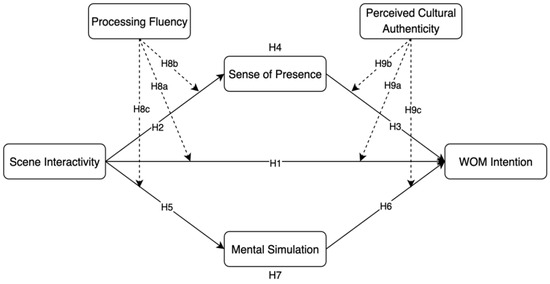
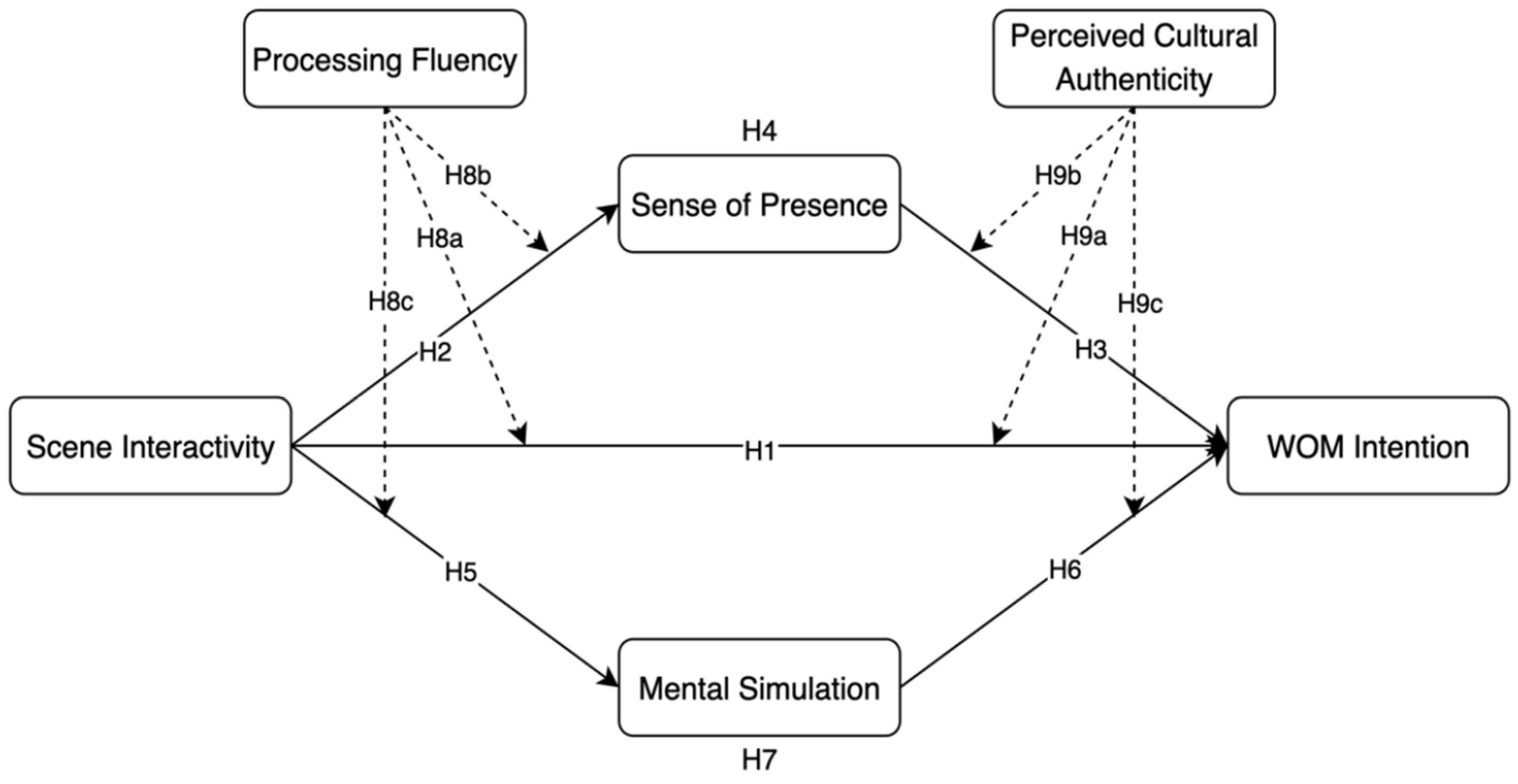
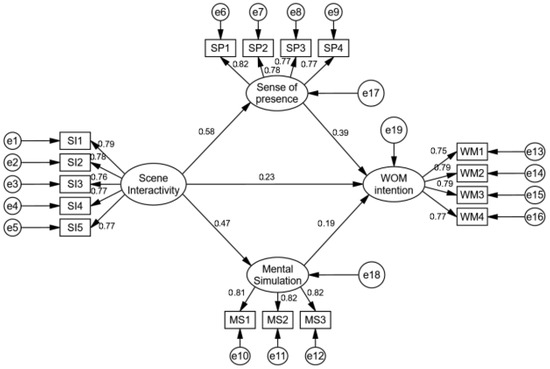
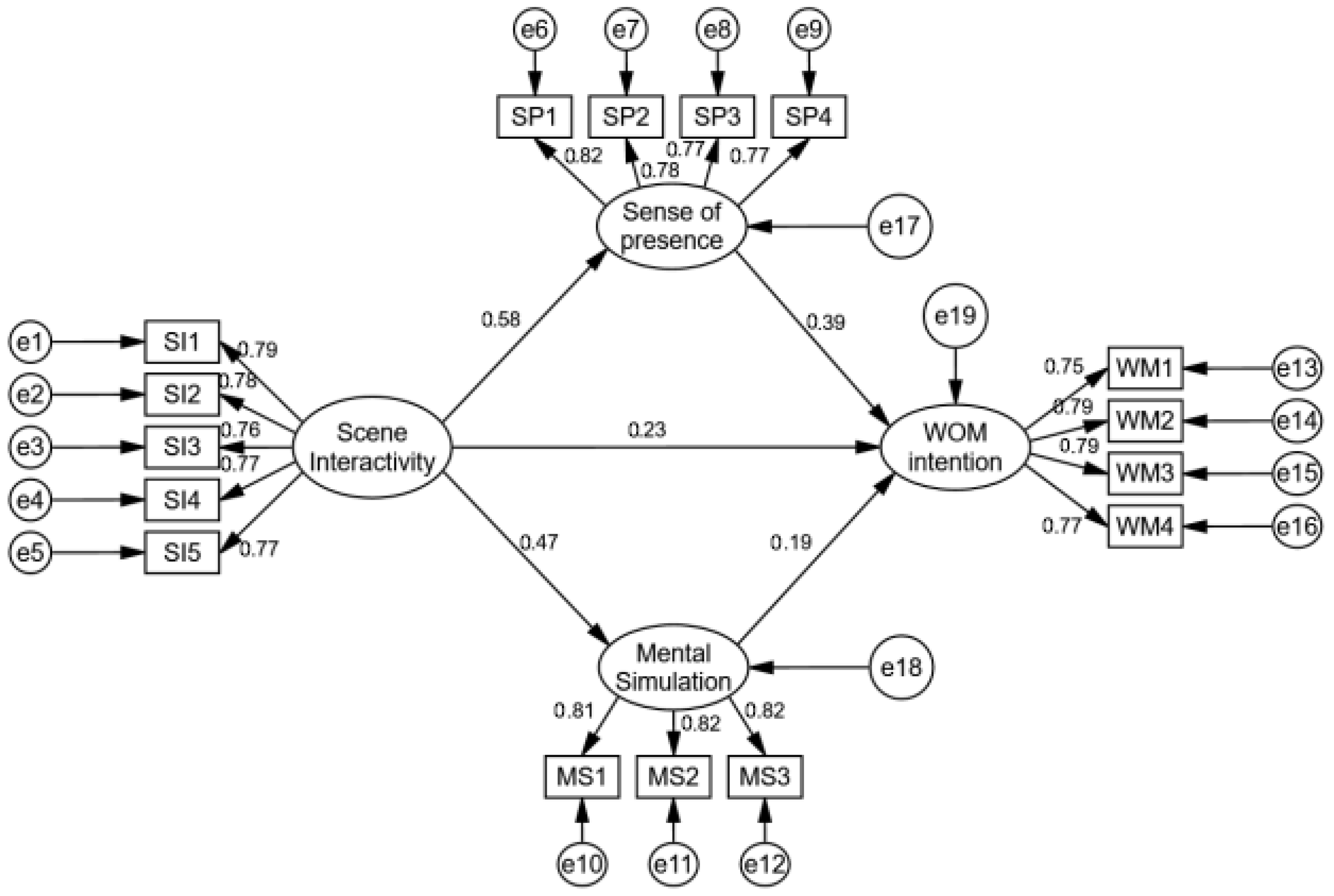
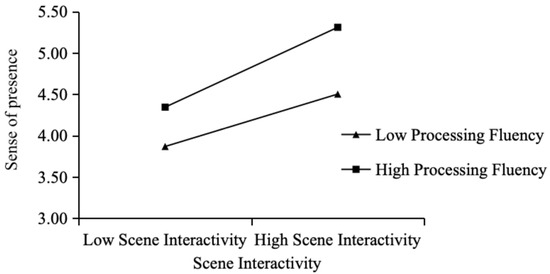
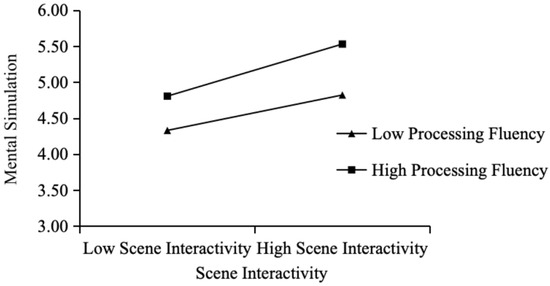
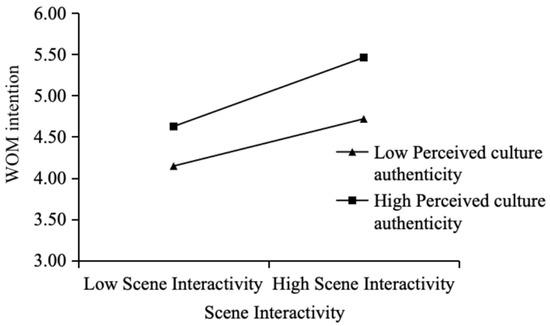
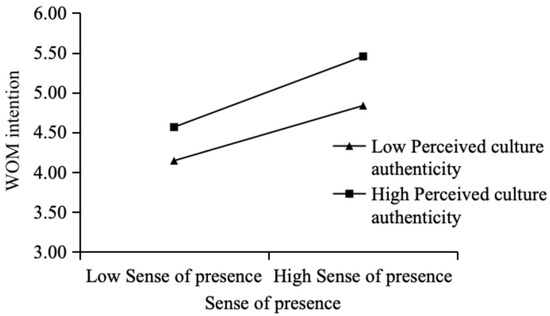

Disclaimer/Publisher’s Note: The statements, opinions and data contained in all publications are solely those of the individual author(s) and contributor(s) and not of MDPI and/or the editor(s). MDPI and/or the editor(s) disclaim responsibility for any injury to people or property resulting from any ideas, methods, instructions or products referred to in the content. |
© 2026 by the authors. Licensee MDPI, Basel, Switzerland. This article is an open access article distributed under the terms and conditions of the Creative Commons Attribution (CC BY) license.