


Abstract
Against the backdrop of global industrial sustainable transition and the advancement of UN Sustainable Development Goals (SDGs), higher education―a core carrier of sustainable human capital supply―plays a pivotal role in adjusting majors to meet labor market demands, resolving education–industry structural mismatch, and boosting regional sustainable development. From the perspective of “higher education supporting industrial sustainable transition,” this study explores how government Policy Mix Intensity enhances universities’ Major–Industry Alignment and its transmission mechanism, aiming to reveal higher education governance’s sustainable development path. Using panel data from 30 Chinese provinces (2012–2023), we constructed a PMI quantitative index and conducted empirical analysis via a two-way fixed-effects model. The results show the following: (1) high-intensity policy mixes significantly improve alignment, overcoming university organizational inertia and laying an institutional foundation for sustainable education–industry synergy; (2) Policy Mix Intensity acts through three pathways―optimizing capital allocation, deepening industry–education integration, and enhancing dynamic responsiveness―forming a “sustainable factor allocation—sustainable industry-education alignment” logic; (3) policy efficacy is more pronounced in highly marketized Eastern regions and via regulatory tools, reflecting the moderating effect of regional sustainable endowments and policy tool types. This study provides empirical evidence for the “policy mix intensity–sustainable efficacy” transformation mechanism, offers theoretical references and empirical insights from China for the global collaborative realization of SDG4, SDG8, and SDG9 through higher education policy optimization, and proposes that policy design should shift toward factor integration-based sustainable comprehensive governance.
1. Introduction
In the era of the Fourth Industrial Revolution and the rapid rise of artificial intelligence, the restructuring of skill demands in the global labor market and sustainable industrial transition has become a core issue for countries seeking to achieve the United Nations Sustainable Development Goals. As the core carrier of the sustainable supply of human capital, higher education’s delay in adjusting its disciplinary and professional structures has emerged as a key bottleneck, restricting the collaborative development of education and industry and hindering the sustainable progress of regional economic and social development [1]. This “education–industry” structural mismatch not only results in the inefficient use of educational resources but also leads to an insufficient supply of human capital in emerging industries and surplus labor in traditional industries, substantially affecting the sustainability of industrial structure upgrading and the stability of the labor market [2,3]. Practice has shown that relying solely on market mechanisms or internal adjustments within universities makes it difficult to achieve the adaptive reshaping of professional structures in the short term [4]. Therefore, governments around the world have successively adopted external interventions through policy mixes to guide the optimization of higher education professional settings and promote sustainable synergy between education and industry, which has also become a focus of research in the field of higher education governance.
Although Clark’s (1983) classic “State-Market-Academic” triangle coordination model acknowledges the legitimacy of state authority in higher education governance, the existing literature remains controversial regarding the sustainable efficacy of government intervention, with significant theoretical gaps [5]. First, prior research has predominantly focused on evaluating single-policy tools, overlooking the reality that modern higher education governance relies on a complex “Policy Mix” and failing to explore the impact of multi-tool synergy on the sustainable alignment between education and industry [6]. Second, there is a scarcity of precise quantitative analysis on “Policy Mix Intensity”; it remains unclear what intensity of policy intervention can effectively break the organizational path dependence of universities and achieve the sustainable adjustment of major structures. Finally, the “black box” of how policy pressure is transformed into internal university behaviors remains unopened, and there is a lack of micro-mechanism explanations for how policies influence universities’ ability to support the sustainable transformation of industries through factor allocation.
As the country with the world’s largest higher education system, China has implemented a series of high-intensity policies for adjusting the structure of university majors (such as the “Double First-Class” Initiative and the “Double Ten Thousand Plan”) in the process of advancing the green and sustainable transition of industrial structure, forming a highly representative practical “policy intervention–higher education structure optimization–sustainable industrial development” scenario [7]. Since 2012, Chinese universities have added more than 20,000 new undergraduate major programs and revoked or suspended over 12,000 majors that failed to adapt to market demands. This large-scale, high-intensity policy intervention provides an excellent “quasi-experimental” setting for exploring the relationship between Policy Mix Intensity and the sustainable alignment between higher education and industry.
Based on the above, this study takes the major settings of Chinese universities as the research object, exploring the impact of Policy Mix Intensity on the sustainable alignment between university-major structures and industrial structures, as well as its transmission mechanism. It primarily addresses three research questions: (1) How does Policy Mix Intensity affect the sustainable alignment of university-major structures? (2) Do capital allocation, industry–education integration, and dynamic responsiveness play mediating roles between Policy Mix Intensity and the sustainable alignment of university-major structures? (3) Do regional sustainable development endowments and policy types exert heterogeneous impacts?
The marginal contributions of this study are as follows: (1) In terms of measurement, this study constructs a multi-dimensional quantitative framework for Policy Mix Intensity in higher education. Rather than simply applying existing indicators, this study revises and develops a Policy Mix Intensity index tailored to the characteristics of higher education governance. Innovatively, it incorporates “clarity of the supervision cycle” and “diversification of implementation actors” into the coding system, overcoming the limitations of previous studies, which relied on single-dimensional measures of policy intensity and struggled to accurately quantify the degree of administrative effort. (2) In terms of the theoretical framework, this study integrates and proposes a transmission logic model based on a “factor flow” perspective. The unique theoretical contribution lies in the organic integration of new institutionalism, resource dependence theory, triple helix theory, and agile governance theory to construct a complete logical chain: “policy intervention–factor allocation–policy effectiveness”. This framework also systematically discusses the conditions for its transferability across different higher education governance systems. This framework not only opens the “black box” of how policy interventions influence university behavior but also provides a unified theoretical explanation for the micro-mechanisms of higher education governance in the context of digital transformation. (3) Leveraging China’s large-scale “quasi-experimental“ setting, this study provides causal evidence with theoretical reference value, while its cross-contextual generalization still requires careful evaluation in light of specific institutional environments. It identifies a “policy-market paradox” between policy intensity and regional endowments―namely that policy interventions have a greater amplifying effect in regions with a higher degree of marketization. This finding reveals that strong government intervention is not a substitute for the market but rather catalyzes market signals by optimizing resource allocation. It provides a reference for achieving the sustainable supply of human capital as outlined in the United Nations Sustainable Development Goals (SDG 4, SDG 8, and SDG 9) through lessons drawn from the Chinese experience.
2. Literature Review
2.1. Major Settings and Major–Industry Alignment
The establishment of undergraduate majors is a core component of talent cultivation in higher education, directly determining the quality of higher education and the labor market performance of graduates. Existing research generally agrees that the degree of alignment between major settings and industrial demands is a key criterion for evaluating the rationality of major structures, and insufficient alignment can result in serious structural mismatches.
At the micro level, the disconnect between majors and industrial demands directly affects graduate employment outcomes: Graduates from specific majors face higher unemployment risks and lower income returns, with some students compelled to pursue further education to mitigate employment disadvantages [8]. Overly narrow disciplinary boundaries also restrict the development of students’ diverse skills, weakening their long-term career management capabilities [9]. The concept of “major embeddedness” proposed by Burleson et al. also suggests that the alignment between major settings and industrial demands directly influences the formation of students’ professional identity [10].
At the macro level, scholars have confirmed that curriculum design optimization, dynamic major adjustments, and industry–university–research collaboration are core pathways for enhancing alignment [11,12]. However, research in this area still has certain limitations: It largely focuses on micro-level curriculum reform or individual major choices, lacking macro-level analyses of the synergistic evolution between regional major structures and industrial structures. Moreover, the measurement of alignment mostly remains confined to single dimensions such as employment matching, without establishing a “major adjustment–industrial evolution” systematic coupling analysis framework. This gap provides a practical basis for this study to explore the impact of policy intervention on Major–Industry Alignment from a macro-perspective.
2.2. Policy Intervention in Higher Education Governance
Facing “market failure” and ”organizational inertia” in major settings, research on higher education governance has gradually shifted from internal university management to external policy intervention, with the role of governments in optimizing higher education structures becoming a focus of research.
Based on new institutionalism, universities, as organizations embedded in an institutional environment, are constrained by legitimacy mechanisms in their behaviors [13]. Low-intensity policies are often perceived by universities as “soft constraints”, making them prone to symbolic compliance or decoupling in implementation. In contrast, high-intensity policy mixes, by establishing strict assessment indicators and accountability mechanisms, significantly increase the “cost of non-compliance” for universities. In the Chinese context, the government has implemented high-intensity interventions through initiatives such as the “Double First-Class” initiative and dynamic adjustment mechanisms. Such interventions not only provide clear reform directions but also strengthen implementation incentives through resource bundling.
Meanwhile, based on resource dependence theory, universities, as resource-dependent organizations, have their strategic planning significantly constrained by external providers of key resources, particularly the government [14,15]. This provides a legitimate basis for government policy intervention. Decision-making regarding university-major settings cannot be realized independently of the external resource supply environment and must respond to the government’s resource allocation orientation [16].
Some studies have confirmed that policy intervention can guide the structural adjustment of university majors [17]. However, research in this area has certain limitations: the research perspective is confined to the independent effects of single-policy instruments, neglecting the systemic characteristics of “policy mixes” in modern higher education governance; there is a lack of a multi-dimensional, precise quantitative system for measuring Policy Mix Intensity based on policy texts, making it difficult to scientifically assess the marginal effectiveness of policy interventions; the mechanism by which policy pressure translates into specific university behaviors remains unclear, with the transmission logic of “policy input–organizational behavior–alignment output” yet to be clarified.
2.3. Research on Major-Setting Decisions and Policy Effectiveness Evaluation
Existing research has explored the decision-making mechanisms and effectiveness evaluation of major settings to a certain extent. In terms of decision-making mechanisms, studies have largely focused on students’ major choices at the micro level, focusing on individual factors, such as family background, gender differences, and psychological motivations [18,19]. However, relying solely on individual choices cannot resolve macro-level structural mismatches, and research on how government policies influence major-setting decisions at the university level remains relatively weak.
In terms of policy effectiveness evaluation, policy effectiveness is defined as the extent to which public policies solve practical problems [20]. In the field of higher education, policy effectiveness evaluation has mostly centered on traditional indicators, such as enrollment rates and graduation rates, lacking effectiveness measures directly linked to industrial demands [21]. With the development of big data technologies, the evaluation paradigm for major settings has shifted from traditional experience-based judgment to data-driven intelligent diagnosis [22]. However, existing evaluation models have not incorporated Policy Mix Intensity as a core explanatory variable, making it difficult to uncover the causal relationship between policy intervention and Major–Industry Alignment. At the same time, they have not fully considered the heterogeneous effects of factors such as regional development endowments and policy instrument types on policy effectiveness, thereby failing to provide theoretical support for differentiated policy design.
2.4. Current Study
Despite the rich theoretical perspectives provided by the aforementioned studies regarding higher education major settings, significant research gaps remain. First, prior research has predominantly focused on the independent effects of single-policy tools, lacking an examination of the impact on Major–Industry Alignment from a “Policy Mix” perspective. Second, studies on policy are often limited to qualitative descriptions or simple dummy variable analyses. There is a lack of precise quantitative measurement of “Policy Intensity” (i.e., the strength of intervention), making it difficult to evaluate the marginal benefits of government governance. Third, while new institutionalism and resource dependence theory explain the response motivations of higher education institutions, the “black box” mechanism―specifically, how policy pressure translates into the internal flow of capital, technology, and data factors within universities―remains to be empirically verified.
2.5. Core Concepts
To enhance the theoretical clarity of this study, this section provides explicit definitions of two core concepts.
2.5.1. The Concept of Policy Mix Intensity
Policy Mix Intensity refers to the total amount of resources, efforts, and activities invested by the government in a specific policy domain, reflecting the clarity of policy objectives, the depth of coordination among policy instruments, and the stringency of implementation and monitoring [23]. In the field of higher education governance, Policy Mix Intensity is manifested as the comprehensive strength of a series of policy texts issued by central and local governments concerning undergraduate major settings in terms of objective clarity, implementation standardization, and monitoring effectiveness. High-intensity policy mixes typically include clear goal decomposition, specific resource allocation plans, rigorous process monitoring mechanisms, and explicit accountability arrangements, thereby exerting effective institutional pressure on universities [24].
2.5.2. The Concept of Policy Efficacy
Policy efficacy refers to the effectiveness of public policies: that is, the extent to which policies solve practical problems [20]. In the context of this study, policy efficacy specifically refers to the effectiveness of policy interventions in guiding universities to optimize their major structures and in promoting the synergistic development of education and industry. Drawing on the research framework of Yang and Wang [25], this study operationalizes policy efficacy as Major–Industry Alignment. The theoretical justification for this operationalization is that the ultimate goal of higher education policy interventions is to enhance the matching degree between human capital supply and industrial demand, thereby serving high-quality regional economic development [21]. Therefore, Major–Industry Alignment can effectively reflect the actual effects of policy interventions.
2.6. Research Hypotheses
Based on the above research gaps and core concept definitions, this study constructs an analytical framework from the perspective of factor flows. This framework integrates new institutionalism, resource dependence theory, and triple helix theory, proposing that Policy Mix Intensity enhances Major–Industry Alignment by influencing the allocation of three key factors of production: capital, technology, and data. The specific hypotheses are derived as follows.
2.6.1. The Impact of Policy Intensity on Policy Efficacy
Drawing on new institutionalism, higher education institutions, as organizations embedded within an institutional environment, are constrained by legitimacy mechanisms regarding their behaviors. New institutionalism emphasizes that organizational behavior is driven not only by technical efficiency but also by the need to acquire and maintain legitimacy by aligning with the dominant institutional norms of the external environment. If higher education institutions deviate from policy orientations, they may face risks such as resource cuts, reputational damage, or even threats to their organizational survival.
Policies of low intensity are often perceived by higher education institutions as “soft constraints,” frequently resulting in symbolic compliance or decoupling during implementation. Conversely, high-intensity policy mixes, by establishing strict assessment indicators and accountability mechanisms, significantly increase the “cost of non-compliance” for higher education institutions. In the Chinese context, the government has implemented high-intensity interventions through initiatives such as the “Double Ten Thousand Plan” and via dynamic adjustment mechanisms. Such interventions not only provide clear directions for reform but also reinforce implementation incentives through resource bundling [26]. Accordingly, we posit that high-intensity policy mixes can effectively overcome the organizational inertia of higher education institutions, driving the alignment of major structures with industrial demands. Based on our observations, we propose the following hypothesis:
H1:
An increase in Policy Mix Intensity regarding major settings has a significant positive impact on Major–Industry Alignment.
2.6.2. The Mediating Role of Capital Factors
According to resource dependence theory, the survival and development of higher education institutions are highly dependent on key resources provided by the external environment. The theory holds that the extent of an organization’s dependence on external resources directly determines the degree to which it adjusts its strategies to meet the needs of resource providers. As the core resource supplier, the government’s policy orientation directly influences the resource allocation decisions of higher education institutions.
High-intensity policy mixes are typically accompanied by substantial resource infusions, such as specific fiscal appropriations and the construction of experimental platforms. First, these explicit resource-oriented signals incentivize higher education institutions to break through entrenched interest structures. They encourage universities to actively channel educational resources toward industrial sectors urgently prioritized by the state [27]. Second, adequate investment in funding and hardware creates an effective compensation mechanism. This reduces the sunk costs and transition barriers involved in revoking obsolete majors and establishing emerging interdisciplinary programs [28]. When critical educational factors―human, financial, and material resources―are precisely supplied, the quality and foresight of major construction are guaranteed [29]. Based on this, we propose the following hypothesis:
H2:
The capital factor plays a mediating role in the relationship between Policy Mix Intensity and Major–Industry Alignment; specifically, Policy Mix Intensity enhances Major–Industry Alignment by improving the level of capital allocation.
2.6.3. The Mediating Role of Technology Factors
According to the triple helix theory, the boundaries among universities, industry, and government are characterized by permeability. The core argument of this theory is that the synergistic interaction among these three spheres is the central driving force for innovation and industrial development―through continuous interaction, they form a collaborative network for knowledge production and application. Within this network, the role of government is not limited to resource provision; more importantly, it reduces the transaction costs of cross-boundary collaboration through policy design, thereby facilitating the flow of knowledge, technology, and talent among the three spheres.
High-intensity policy mixes reduce the transaction costs of university–enterprise cooperation by establishing collaborative platforms and offering tax incentives. This significantly enhances the willingness of both parties to collaborate. Driven by policy, industry–education integration shifts from superficial internship bases to deep co-construction of majors and curriculum interoperability [30]. This deep, embedded collaboration enables industry technical standards to directly steer the direction of major adjustments in universities. Consequently, it ensures that talent cultivation better aligns with the demands of industrial upgrading. Based on this, we propose the following hypothesis:
H3:
The technology factor plays a mediating role in the relationship between Policy Mix Intensity and Major–Industry Alignment; specifically, Policy Mix Intensity enhances Major–Industry Alignment by deepening Industry–Education Integration.
2.6.4. The Mediating Role of Data Factors
Agile Governance Theory posits that in highly uncertain and rapidly changing environments, governance systems need to possess the capacity for rapid sensing, flexible response, and continuous iteration [31]. In the field of higher education, the structural mismatch in major settings stems from impeded information feedback and the restricted flow of data factors [32]. High-intensity policy mixes effectively enhance the agile governance capability of universities by establishing a “monitoring–feedback–adjustment” data loop.
Specifically, high-intensity policies require universities to establish data monitoring systems such as employment quality tracking and industrial demand early warning, transforming dispersed market signals into analyzable and actionable data resources. As universities’ agile governance capability improves, they can break through the limitations of traditional experience-based decision-making, keenly capture signals of industrial change, and accordingly implement high-frequency, precise major adjustments [33]. Therefore, dynamic responsiveness―as the core manifestation of universities’ agile governance capability―serves as the central mediating variable through which data factors are transmitted from external policies to internal structural adjustments. Based on this, this study proposes the following research hypothesis:
H4:
The data factor plays a mediating role in the relationship between Policy Mix Intensity and Major–Industry Alignment; specifically, Policy Mix Intensity enhances Major–Industry Alignment by strengthening dynamic responsiveness.
2.6.5. Theoretical Framework Integration
Synthesizing the four hypotheses above, this study constructs a theoretical “Policy Mix Intensity–Factor Allocation–Major–Industry Alignment” framework. This framework takes the perspective of factor flows as its main thread and organically integrates the three theories, revealing the complete logical chain through which policy intervention influences the structural adjustment of university majors, as illustrated in Figure 1.
Figure 1.
The theoretical model of Policy Mix Intensity affecting Major–Industry Alignment.
Specifically, new institutionalism provides the theoretical foundation for understanding the necessity of policy intervention, explaining how high-intensity policies break through the organizational inertia of universities by creating institutional pressure (H1). Building on this, resource dependence theory reveals the mechanism through which policy intensity translates into capital allocation: Policies use “resource bundling” to guide universities in concentrating educational resources on majors urgently needed by industries, thereby providing the material foundation for major structural adjustments (H2). Triple helix theory, in turn, explains the mechanism of technology factor flow: policies reduce transaction costs in university–industry cooperation, deepen industry–education integration, and enable industrial demands to directly guide major adjustments (H3). Agile governance theory explains the mechanism of data factors: policies establish a “monitoring–feedback–adjustment” data loop to enhance universities’ agile governance capability, strengthen their dynamic responsiveness, and enable rapid responses to industrial changes (H4).
The three mediating pathways―capital allocation, industry–education integration, and dynamic responsiveness―operate in parallel, corresponding, respectively, to the flow of three key factors of production: capital, technology, and data. The optimized allocation of these three factors together constitutes the multi-channel transmission mechanism through which policy intensity translates into Major–Industry Alignment. This framework provides a systematic theoretical explanation for understanding how government intervention promotes the synergistic development of higher education and industry.
3. Methodology
3.1. Empirical Model Construction
There are significant differences among provinces, and there may be time-invariant omitted variables—commonly referred to as “individual effects.” Meanwhile, there may also be “time effects” that are not affected by individual differences. Therefore, this study adopts a two-way fixed-effects model for empirical analysis. The model structure is shown in Equation (1):
The dependent variable SCOREi,t reflects the policy efficacy of the i-th province in year t. The core independent variable EDUi,t denotes the Policy Mix Intensity of undergraduate major setting policies in general universities of province i in year t. Controli,t represents the control variables that may affect policy efficacy. The subscript i denotes each province, and t denotes the year. β and θ are the regression coefficients to be estimated. Provincei is used to control for province-level fixed effects, and Yeart is used to control for time fixed effects. εi,t denotes the model’s residual term.
It should be noted that, given the potential spatial interaction effects among neighboring provinces—such as policy learning, emulation, and talent mobility—spatial autocorrelation is a concern in panel data analysis. To examine the potential influence of spatial effects, this study employs the global Moran’s I index to test for spatial autocorrelation in the core variables. The spatial weight matrix is constructed using a rook-type contiguity criterion based on geographical adjacency.
The test results show that the mean Moran’s I value for Policy Mix Intensity during the study period is 0.058, and the mean Moran’s I value for Major–Industry Alignment is 0.043, with p-values exceeding 0.1 for most years, indicating a weak degree of spatial autocorrelation that does not pass the significance test. These results preliminarily suggest that spatial effects do not pose a serious concern in the provincial-level macro-analysis of this study, and the conventional two-way fixed-effects model remains suitable for the baseline regression analysis. Furthermore, in the construction of the instrumental variable, this study further adopts the “average Policy Mix Intensity of geographically adjacent provinces” as an instrumental variable to absorb potential spatial interactions and enhance the robustness of the estimates.
3.2. Sample and Data
Given that high-level central policies play a distinct directive role in undergraduate major settings at local universities, this study selected relevant policy documents issued at both the central and provincial levels between 2012 and 2023 as the object of study. We retrieved data through authoritative channels, including the official website of the Central People’s Government of the People’s Republic of China, the Ministry of Education, provincial departments of education, and the PKULaw database. This search yielded a total of 270 valid policy documents, comprising 52 central-level policies and 218 provincial-level policies. The sample covers 30 provinces.
For empirical analysis, we employed panel data from 30 Chinese provinces spanning from 2012 to 2023. The data sources for specific indicators are as follows: Educational development indicators were sourced from the Educational Statistics Yearbook of China and various provincial statistical yearbooks. R&D and innovation indicators were obtained from the China Statistical Yearbook on Science and Technology. Socio-economic background variables were derived from the China Statistical Yearbook and the official website of the National Bureau of Statistics. Data regarding the setting and adjustment of undergraduate majors were extracted from the Results of Approval and Filing of Undergraduate Major Settings in General Universities, published annually by the Ministry of Education.
3.3. Measures
3.3.1. Policy Mix Intensity
To rigorously measure the Policy Mix Intensity regarding undergraduate major settings, this study adopts the Index of Policy Activity (IPA) proposed by Schaffrin et al. [34]. This approach was selected to address common limitations in existing measurements, such as data scarcity, unidimensionality, and biases related to endogeneity and concurrency. The core logic of this method posits that policy texts serve as direct carriers of policy intent, resource allocation, and implementation requirements; thus, the intensity of their content accurately reflects the actual intensity of the policy [35]. Furthermore, through a systematic analysis of six core elements―objectives, scope, integration, budget, implementation, and monitoring―this method not only achieves a scientific measurement of individual policy intensity but also aggregates the overall intensity of the policy mix. This provides unified theoretical support for comparative analyses across different domains and time periods.
Building upon prior research and tailored to the specific characteristics of policies governing undergraduate major settings in higher education institutions, this study refines the IPA framework. First, the “Monitoring” indicator is revised. Given the inherent time lag in the dynamic adjustment of undergraduate majors, the clarity of the monitoring cycle directly impacts the normalization and practical effectiveness of policy oversight. Therefore, this study incorporates “clarity of the monitoring cycle” into the coding criteria for the “Monitoring” indicator. Furthermore, the synergy between internal and external supervision creates a combined supervisory force. Since both mechanisms possess equal value in regulating the exercise of power and enhancing policy implementation efficacy, this study assigns them equal weight. Consequently, policies encompassing both internal and external supervision are deemed to possess greater supervisory intensity. Second, the “Implementation” indicator is revised. Under a power structure characterized by “monocentric dominance”, major settings often fail to meet socio-economic development needs. Conversely, “pluralistic checks and balances” offer an effective remedy for issues in major configuration [36]. Accordingly, this study posits that multi-actor collaboration is more conducive to effective policy implementation than single-actor approaches and assigns it a higher score. Based on these modifications, the resulting measurement indicators and coding rules are presented in Table 1.
Table 1.
Measurement indicators and coding rules for the intensity of higher education undergraduate major setting policies.
In the specific measurement process, each individual policy regarding undergraduate major settings serves as the unit of analysis. The value range for each of the six aforementioned indicators is [0, 1]. Specifically, the indicators for “Scope”, “Implementation”, and “Monitoring” consist of two coding questions each, with their scores derived via equal-weighted summation. The intensity score for a single policy is calculated as the arithmetic mean of the scores of these six indicators. The Policy Mix Intensity for a given year is defined as the sum of the individual intensity scores of all valid central and provincial policies effectively in force during that year. Finally, a logarithmic transformation is applied to Policy Mix Intensity values.
Coding Procedure and Reliability Test: Two doctoral students in the field of public policy independently conducted the double-blind coding of all 270 policy documents. Prior to formal coding, 20 policy documents were randomly selected for pilot coding, and the coding rules were adjusted based on the pilot results to ensure consistency. After completing the formal coding, Cohen’s Kappa coefficient was used to test inter-coder reliability. The result showed a reliability coefficient of 0.85, indicating a high level of consistency in the coding results. For texts with coding disagreements, consensus was reached through consultation with domain experts.
Indicator Construction and Weighting: This study adopts the equal weighting method to calculate the intensity of individual policies, meaning that the intensity score for a single policy is the arithmetic mean of the six indicator scores, each ranging from 0 to 1. The rationale is that the contribution of different policy elements cannot be predetermined across different stages. We consider the six dimensions of the policy mix―objectives, implementation, budget, etc.―to be equally important to the overall policy intensity, and this approach avoids the bias associated with subjective weighting. This method is widely adopted in the policy mix literature [35].
Regarding the differences in administrative authority between central and local policies, this study adopts a summation approach based on the logic of “institutional pressure accumulation”. For local universities, central policies delineate the “legitimacy boundaries” for structural adjustment, serving a macro-guidance function. Provincial policies, through specific resource allocation and assessment mechanisms, translate central intentions into “hard constraints”. The two are highly synergistic and complementary at the implementation level. Therefore, the intensity scores of central and provincial policies for a given year are summed to form the annual Policy Mix Intensity for that province, aiming to capture the total policy pressure faced by universities. The policy intensity values are log-transformed. To address potential biases arising from differences in policy effectiveness between central and provincial policies, this study adds a robustness check that uses only provincial policy intensity as the core explanatory variable in the regression analysis.
3.3.2. Major–Industry Alignment
In the matching process between undergraduate majors and industrial structures, universities primarily supply human capital to their province or regional economy, while the provincial industrial structure represents the demand side for that human capital. Drawing on the research of Yang and Wang [25], Major–Industry Alignment is conceptualized as two subsystems―the Undergraduate Major Adjustment Subsystem and the Industrial Structure Evolution Subsystem―which mutually promote and constrain each other, ultimately achieving a dynamic equilibrium state of resource optimization and structural synergy. The adjustment of undergraduate majors encompasses indicators of scale structure, output performance, and resource allocation capability. Correspondingly, the evolution of industrial structure comprises the rationalization, upgrading, and high-efficiency transformation of the industrial structure.
The two subsystems form a coupling and synergistic relationship through the bidirectional interaction between human capital supply and industrial demand. When the major structure is closely aligned with the industrial structure, talent supply can better meet industrial demand, structural unemployment in the labor market is reduced, and regional economic growth gains sustained momentum [37].
This study constructs the comprehensive evaluation indicator system shown in Table 2, and it employs the entropy method to determine the indicator weights, ultimately obtaining the Undergraduate Major Adjustment Index (Ux) and the Industrial Structure Evolution Index (Uy). Subsequently, the coupling coordination degree between the two is calculated using Formula (2):
where D is the coupling coordination degree, ranging from 0 to 1.
Table 2.
Collaborative development system of Undergraduate Major Adjustment and Industrial Structure Evolution.
It should be noted that this coupling coordination indicator measures the macro-level alignment between the undergraduate major adjustment system and the industrial structure evolution system at the provincial level, reflecting their overall alignment in terms of quantitative structure and type structure, rather than directly measuring the one-to-one correspondence between specific majors and specific industry positions. This macro perspective helps to reveal the overall impact of policy interventions on the alignment of the two systems, but it cannot fully capture the micro-level matching details. Therefore, when interpreting the results, one should avoid equating alignment with completely precise matching.
3.3.3. Capital Allocation
The total value of fixed assets (such as experimental equipment) and per-student budgetary appropriations are widely recognized as valid indicators for gauging the level of resource allocation in higher education. These metrics serve as objective reflections of human, material, and financial capital [38]. Consequently, this study adopts per-student equipment investment in higher education institutions as the proxy variable to represent the level of capital allocation.
3.3.4. Industry–Education Integration
The quantity and value magnitude of the interest linkage points between enterprises and universities determine the strength of interest linkages. This strength, in turn, profoundly influences the depth, breadth, and stability of enterprise participation in university–enterprise cooperation [39]. Therefore, this study employs the intensity of university–enterprise cooperation as a metric to measure the degree of industry–education integration.
3.3.5. Dynamic Responsiveness
Dynamic responsiveness refers to the ability of universities to perceive external market signals (such as employment rates, industry shortages, and emerging industry demands) and accordingly make high-frequency, precise adjustments to majors (adding, revoking, or restructuring them). This concept reflects universities’ agile governance capability driven by data factors, serving as a core mechanism through which universities translate external environmental changes into internal structural adjustments. The activity level of major adjustments reflects the agility and feedback capability of higher education institutions in coping with changes in the external environment. Therefore, following Zhang and Wu [33], dynamic responsiveness is measured by the ratio of the total number of undergraduate major additions, revocations, and adjustments to the total number of higher education institutions within the province.
3.3.6. Control Variables
To mitigate the risk of empirical distortion caused by omitted variable bias, this study incorporates several control variables. First, recognizing that Government Institutional Capacity influences policy efficacy and that fiscal support and technical levels constitute its foundational elements [40], we select the ratio of fiscal budget expenditure to GDP and the proportion of the secondary industry in GDP as their respective measurement indicators. Second, since this study measures policy efficacy via the coupling coordination degree between majors and industries, factors influencing this coordination must also be controlled. Accordingly, we select the unemployment rate and the level of financial development as control variables. These are measured, respectively, by the ratio of the unemployed population to the total labor force and the proportion of year-end deposit and loan balances of financial institutions to GDP. Finally, to account for regional disparities in development [41], we control for the level of economic development and urbanization; these are measured by per capita GDP and the proportion of the urban population to the total population, respectively.
3.3.7. Data Analysis Procedure
Data cleaning and empirical analyses for this study were conducted using Stata 18.0 software. The procedure was carried out in the following steps: First, to mitigate the influence of outliers, all continuous variables underwent Winsorization at the 1st and 99th percentiles. Additionally, Variance Inflation Factor (VIF) tests were conducted to rule out severe multicollinearity. Second, based on the Hausman test results (p < 0.01), a two-way fixed-effects model controlling for both province and year effects was established as the baseline. Standard errors were clustered at the provincial level to address serial correlation. Third, the instrumental variable method (IV-2SLS) was employed to correct for potential endogeneity, with relevant statistics reported to verify the validity of the instrumental variables. Robustness checks were performed by employing an alternative model (Panel Tobit), introducing a one-period lag of the core variable (L.PMI) and conducting sub-sample regressions. Finally, mediation effect models were utilized to examine the transmission mechanisms of capital, technology, and data factors. Furthermore, heterogeneity analyses based on geographical location and policy type were conducted to ensure the reliability and delineate the boundaries of applicability of the research conclusions.
4. Results
4.1. Descriptive Statistics and Correlation Analysis
Table 3 presents the descriptive statistics and the correlation matrix of the variables. The results indicate that policy efficacy exhibits significant positive correlations with respect to Policy Mix Intensity, capital allocation, industry–education integration, and dynamic responsiveness (0.158 < r < 0.472, p < 0.001), which aligns with theoretical expectations.
Table 3.
The descriptive statistics and correlations (N = 360).
A noteworthy finding is the significant negative correlation between industry–education integration and dynamic responsiveness (r= −0.279, p < 0.001), which reflects a realistic trade-off in the current stage of higher education transformation in China. Universities that have established deep, embedded partnerships with industries―such as co-building industrial colleges or joint laboratories―tend to maintain relatively stable major structures, as frequent adjustments may increase coordination costs. In contrast, institutions that have not yet formed such deep collaborations are more likely to engage in frequent major adjustments as an exploratory strategy to align with industrial demands. This negative correlation does not imply a suppression effect in the mediation model; rather, it reveals the parallel yet distinct pathways through which policy intensity influences Major–Industry Alignment. This issue will be further examined using Bootstrap mediation tests in Section 4.5. Variance Inflation Factor (VIF) tests were also conducted to assess potential multicollinearity. The mean VIF value is 3.42, and all individual VIF values are below 5, suggesting that multicollinearity does not pose a serious threat to the subsequent regression analyses.
4.2. Test of Direct Effects
To examine the direct impact of Policy Mix Intensity on Major–Industry Alignment (H1), we conducted two-way fixed effects regression. The results are presented in Table 4. After controlling for province and year fixed effects, as well as the relevant control variables, the regression coefficient of Policy Mix Intensity is significantly positive at the 1% level (β = 0.0655, p < 0.01). This indicates that, holding other factors constant, a one-unit increase in Policy Mix Intensity results in an average increase of 6.55% in the alignment between major settings and industrial structure. This result strongly supports Hypothesis H1, confirming the effectiveness of high-intensity government intervention in overcoming the organizational inertia of higher education institutions and driving structural adjustment.
Table 4.
Baseline regression results (N = 360).
4.3. Robustness Checks
To verify the reliability of our findings, we employed three distinct methods. (1) The results are presented in Table 5: In the Alternative Model Specification column, we replaced the baseline two-way fixed-effects model with a Panel Tobit model. The coefficient for Policy Mix Intensity remains significantly positive (β = 0.0655, p < 0.001). (2) In the Sub-Sample Regression column, we excluded data from 2020 to 2023 to mitigate potential shocks caused by the COVID-19 pandemic. The coefficient remains significantly positive within the sub-sample (β = 0.0702, p < 0.001). (3) For Lagged Explanatory Variables, we introduced a one-period lag to the independent variable. The coefficient remains significantly positive (β = 0.0642, p < 0.001). All three approaches confirm the robustness of the baseline findings. (4) In the Exclusion of Central Policies column, central-level policies were excluded, and Policy Mix Intensity was calculated using only provincial policies. The coefficient remained significantly positive (β = 0.0620, p < 0.001). All four methods confirm the robustness of the baseline conclusions.
Table 5.
Robustness check results.
4.4. Endogeneity Test
Considering the potential for reverse causality (provinces with higher Major–Industry Alignment may be more inclined to strengthen policy intensity), which may lead to endogeneity concerns, this study uses the “arithmetic mean of the Policy Mix Intensity of two geographically adjacent provinces” as an instrumental variable for regression to mitigate this potential bias.
The rationale for selecting this instrumental variable is as follows: First, according to policy diffusion theory, provinces exhibit significant “peer effects” or “neighborhood emulation” characteristics in higher education governance. The policy intensity of neighboring provinces creates external institutional pressure, prompting provincial governments to adjust their own Policy Mix Intensity, thereby satisfying the relevance condition. Second, the policy intensity of neighboring provinces is determined by their own political and economic conditions and is exogenous to the province’s own Major–Industry Alignment. Third, the policy intensity of neighboring provinces cannot directly determine the province’s Major–Industry Alignment; it can only influence it indirectly through its effect on the province’s own policy intensity, thereby satisfying the exclusion restriction to a certain extent. Fourth, this instrumental variable is essentially a spatial lag variable, and its use itself absorbs potential spatial interactions, helping mitigate possible interference from spatial autocorrelation on the estimation results.
It should be noted that, although this study justifies the rationality of this instrumental variable from the perspectives of policy diffusion theory, exogeneity, and the exclusion restriction, the policy intensity of neighboring provinces may also indirectly affect the province’s Major–Industry Alignment through other channels, such as labor mobility, industrial technology spillovers, or regional development pattern imitation. This means that the exclusion restriction of the instrumental variable may not be fully satisfied. Therefore, this study treats the instrumental variable as an attempt to mitigate endogeneity bias rather than as a definitive solution to completely eliminate endogeneity. When interpreting the results, we adopt a cautious attitude; the difference between the IV and OLS estimates mainly suggests that OLS may suffer from downward bias and that the true effect may be larger, but it should not be overinterpreted as a precise causal effect.
The results are presented in Table 6. In the first-stage regression, the instrumental variable is significantly positively correlated with the explanatory variable (β = 0.528, p < 0.001), and the Cragg–Donald Wald F-statistic is 115.64, which exceeds 10, ruling out weak instrument problems. In the second-stage regression, the coefficient for Policy Mix Intensity remains significantly positive (β = 0.0820, p < 0.001), and the coefficient is larger than that in the baseline regression. Overall, after controlling for endogeneity, the positive effect of Policy Mix Intensity on Major–Industry Alignment becomes more pronounced, and the conclusions are reasonably reliable.
Table 6.
Endogeneity test results (N = 360).
4.5. Mediation Effect Analysis
To unpack the “black box” mechanism through which Policy Mix Intensity influences Major–Industry Alignment, we adopted the mediation analysis framework proposed by Jiang [42] and constructed mediation effect models, as shown in Equation (3). Accordingly, we constructed mediation models to examine the mediating roles of capital allocation, industry–education integration, and dynamic responsiveness. The results are presented in Table 7.
Table 7.
Results of mediation effect tests (N = 360).
Among them, Mi,t denotes the mediating variable, corresponding to the level of capital allocation, the depth of industry–education integration, and dynamic responsiveness (DTX) in turn; and are the regression coefficients to be estimated, and all other variables are consistent with those in Equation (1).
The regression coefficient of Policy Mix Intensity on capital allocation is significantly positive (β = 0.0643, p < 0.001). This indicates that high-intensity policies effectively guide the concentration of educational resources toward majors in high industrial demand, thereby providing the material basis for major adjustments. Thus, Hypothesis H2 is supported. The impact of Policy Mix Intensity on industry–education integration is significantly positive (β = 0.0013, p < 0.01). This suggests that policy interventions reduce the transaction costs of university–enterprise cooperation and facilitate the flow of technology factors between educational and industrial chains. Consequently, this creates a mechanism where industrial demand steers the direction of major adjustments. Thus, Hypothesis H3 is supported. The regression coefficient of Policy Mix Intensity on dynamic responsiveness is significant and the largest in magnitude among the mediators (β = 0.3683, p < 0.001). This indicates that high-intensity policies activate a “Monitor–Feedback–Adjustment” data closed loop within higher education institutions, thereby enhancing the agile alignment capability of the major structure. Thus, Hypothesis H4 is supported.
To more rigorously test the significance of the mediation effects, this study further employs the bootstrap method for validation. Following the recommendations of Preacher and Hayes [43], the number of resamples is set to 5000 to calculate the confidence intervals for the indirect effects. If the 95% confidence interval does not contain zero, the mediation effect is considered significant. The bootstrap test results are presented in Table 8. The indirect effects of all three mediation pathways are significant at the 95% confidence level (all confidence intervals exclude zero), further validating the robustness of Hypotheses H2, H3, and H4. Specifically, the indirect effect for the capital allocation pathway is 0.0172, with a 95% confidence interval of [0.0089, 0.0255]; for the industry–education integration pathway, the indirect effect is 0.0085, with a 95% confidence interval of [0.0044, 0.0126]; for the dynamic responsiveness pathway, the indirect effect is 0.0314, with a 95% confidence interval of [0.0193, 0.0435].
Table 8.
Bootstrap mediation effect test results.
Notably, although Table 3 shows a negative correlation between industry–education integration and dynamic responsiveness (r = −0.279, p < 0.01), the bootstrap test results confirm that both pathways operate independently and significantly. This negative correlation reflects a realistic trade-off between “deep collaboration” and “agile adjustment”: universities that have established deep partnerships with industries tend to maintain stable major structures, while those that have not yet formed such deep collaborations are more likely to engage in frequent major adjustments as an exploratory strategy to align with industrial demands. The two pathways operate in parallel, jointly constituting the multi-channel transmission mechanism through which policy intensity influences Major–Industry Alignment.
4.6. Heterogeneity Analysis
4.6.1. Regional Heterogeneity
To examine regional disparities in policy effects, the sample was stratified into three major regions: Eastern, Central, and Western China. The results are presented in Columns (1)–(3) of Table 9. The regression coefficient representing the impact of Policy Mix Intensity on Major–Industry Alignment is highest in the Eastern region (β = 0.1043, p < 0.001), followed by the Central region (β = 0.0531, p < 0.001), and it is lowest in the Western region (β = 0.0259, p < 0.001). This exhibits a distinct “Eastern > Central > Western” gradient pattern.
Table 9.
Results of regional and policy type heterogeneity analysis.
This study did not include the Tibet Autonomous Region in the sample, primarily for the following reasons. First, after extensive searches, policy texts related to undergraduate major settings in the Tibet Autonomous Region from 2003 to 2023 were found to be largely missing, making it difficult to meet the requirements of panel data balance. Second, from the perspective of sensitivity analysis, the distinct characteristics of Tibet’s higher education scale and industrial structure suggest that its Major–Industry Alignment is logically likely to be lower than the average level of the western provinces. Therefore, even if it were included through imputation methods, it would only further reduce the mean estimate for the western region, thereby reinforcing the “Eastern > Central > Western” gradient pattern identified in this study, without altering the direction of regional differences.
4.6.2. Policy Type Heterogeneity
Lowi [44] classified public policies into distributive, redistributive, regulatory, and constituent types based on the impact of the policy on the exercise of public power. Policies regarding undergraduate major settings in general higher education institutions primarily encompass distributive, regulatory, and redistributive types. Since constituent policies are rarely addressed in the analysis of educational policy types [45], they fall outside the scope of this study. Given the limited quantity of redistributive policies in our sample, this study focuses its analysis exclusively on distributive and regulatory policies to examine differences in their effects. The results are reported in Columns (4)–(5) of Table 9. Both policy types exert a significant positive impact on policy efficacy. However, the coefficient for regulatory policies (β = 0.0583, p < 0.001) is significantly larger than that for distributive policies (β = 0.0216, p < 0.001). This indicates that, at the current stage, regulatory policies characterized by rigid constraints are more effective in directly rectifying the path dependence of major adjustments in higher education institutions. Consequently, they better align with the demand for timeliness in major adjustments driven by the rapid iteration of industrial structures.
5. Discussion
This study aims to address a central puzzle in global higher education governance through an empirical analysis from a quantitative perspective: How can governments effectively intervene in the structural adjustment of majors in higher education institutions amidst a rapidly transforming labor market? Drawing on panel data from 30 provinces in China, our findings not only confirm the pivotal role of “Policy Mix Intensity” but, more importantly, unveil the micro-transmission mechanisms underlying macro-level policies.
5.1. The Effectiveness of Policy Intervention
First, our study reveals that high-intensity policy mixes significantly enhance Major–Industry Alignment. This finding provides important empirical support for new institutionalism and carries substantial theoretical implications. Since the introduction of the triangle of coordination model by Clark, academia has often tended to emphasize the flexibility of “market mechanisms” while questioning the efficiency of “state authority”, citing concerns that government intervention might lead to “government failure” or response lags. However, our research supports the assertion by Capano that the inherent complexity of modern higher education systems precludes singular market mechanisms from automatically resolving structural deficiencies. This is particularly evident in transitional economies, where higher education institutions are characterized by strong “Organizational Inertia”. Vested interest groups often tend to preserve existing disciplinary landscapes. Our data suggests that only when the government applies high-intensity policy mixes―simultaneously wielding “regulatory sticks” and offering “resource carrots”―can sufficient “Institutional Pressure” be generated to shatter this path dependence.
This mechanism is not unique to China. In international comparisons of higher education governance, whether in centralized systems or market-driven systems, the effectiveness of policy intervention depends on its ability to generate sufficient institutional pressure. In coordinated market economies such as Germany and the Netherlands, governments link funding to strategic university objectives through “performance agreements”, which have similarly produced significant steering effects [46,47]. In the United States, the federal government indirectly influences university-major-setting behaviors through eligibility requirements for Pell Grants and student loan programs. These international experiences suggest that the core of policy effectiveness lies in the formation of institutional pressure, rather than the specific form of policy instruments.
5.2. The Institutional Logic of Factor Flows
By unpacking the “black box” of policy realization, this study confirms that capital, technology, and data serve as the three core vehicles for policy transmission.
5.2.1. Capital Allocation: Cross-Contextual Validation of Resource Dependence Theory
We found that enhanced Policy Mix Intensity significantly alters the capital allocation of higher education institutions. This validates the core tenet of resource dependence theory: that the survival of higher education institutions is contingent upon the acquisition of critical resources. In the Chinese context, the government effectively reshapes the resource acquisition environment for higher education institutions by tying fiscal resources to specific majors through initiatives such as the “Double Ten Thousand Plan” and the “Double First-Class” project. Consequently, in pursuit of survival (i.e., to secure funding), higher education institutions are compelled to proactively adjust their internal budgetary structures. This demonstrates that policies do not act directly on major adjustments; rather, they function as a “steering baton” that redirects the flow of capital, thereby achieving structural realignment.
This logic is not unique to centralized systems such as China. In higher education systems with higher degrees of marketization (e.g., the United States and the United Kingdom), governments also influence university behavior through resource allocation―albeit through different mechanisms. Performance-based funding, research grants tied to national priority areas, and student loan policies are all indirect yet effective tools for steering university behavior [48]. The key insight of this study is that the effectiveness of capital allocation as a transmission mechanism does not depend on the presence or absence of central control but rather on the clarity and intensity with which policy signals link resources to desired objectives. Whether in centralized or market-driven systems, when governments clearly articulate priorities and attach meaningful resources to them, universities respond through internal resource reallocation. The difference lies in the mechanisms: centralized systems rely on direct fiscal control, whereas market-driven systems rely on performance-based incentives.
5.2.2. Industry–Education Integration: General Applicability of Triple Helix Theory
Our research validates the promoting effect of policy intensity on industry–education integration. According to neo-institutional theory, organizations tend to acquire legitimacy through “Isomorphism.” Under low-intensity policies, university–enterprise cooperation often remains symbolic. However, under the pressure of high-intensity evaluation indicators (e.g., establishing university–enterprise cooperation as a core assessment criterion), higher education institutions are compelled to transition from “symbolic isomorphism” to “substantive integration” by incorporating industrial technology factors. This indicates that forceful government intervention can effectively reduce the institutional transaction costs associated with industry–education cooperation.
The triple helix framework was originally developed based on observations of innovation systems in Europe and North America, which inherently implies its cross-contextual applicability [49]. However, the mechanisms through which governments promote university–industry cooperation vary across different systems. In coordinated market economies such as Germany, industry associations play a central role in aligning curricula with industrial demands [50]. In liberal market economies such as the United States, tax incentives and federal research funding serve as the primary levers. The Chinese experience in this study suggests that the core mechanism of reducing transaction costs to facilitate technology flow may have cross-contextual reference value, but its general applicability still requires more empirical testing in different institutional settings. This implies that, in any national context, policymakers can enhance industry–education integration by designing policy mixes that lower collaboration barriers, whether through direct coordination (as in China), intermediary institutions (as in Germany), or fiscal incentives (as in the United States).
5.2.3. Dynamic Responsiveness: Global Trends in Data-Driven Governance
The most innovative finding of this study is the mediating role of “Dynamic Responsiveness.” This finding is highly aligned with the core propositions of agile governance theory. High-intensity external accountability compels higher education institutions to establish internal data monitoring systems (such as annual reports on graduate employment quality). Once established, this mechanism evolves into an endogenous instrument for institutional self-diagnosis. This underscores the core value of data factors in the digital economy era. High-intensity policies drive higher education institutions to construct a closed-loop mechanism characterized by “Market Monitoring–Signal Interpretation–Major Adjustment”.
This mechanism is highly relevant to cross-border digital transformation. In OECD countries, governments increasingly require the collection of data on graduate employment outcomes, career trajectories, and skill mismatches to inform policy decisions [51]. This study demonstrates that data-driven governance is not merely a technological upgrade but represents a fundamental shift in how policies influence university behavior. Policy Mix Intensity―particularly the degree to which data collection is linked to accountability and resource allocation―determines whether such systems remain at a “performative” level or truly achieve a “transformative” effect. This insight applies to any national context seeking to leverage data to align higher education with labor market demands.
5.2.4. Transferability of the Factor Flow Framework
The above analysis indicates that the core mechanisms identified in this study―capital reallocation, technology flow, and data-driven responsiveness―reflect, to a certain extent, possible institutional logics and can provide theoretical references for policy design in other countries, although their cross-contextual applicability requires further testing. However, the transferability of the research findings depends on the following contextual conditions: policy coherence, institutional capacity, data infrastructure, and market complementarity. The extent to which these conditions are met varies across different national contexts. Centralized systems, such as China, may have advantages in policy coherence and rapid implementation, whereas market-driven systems may rely more on indirect incentives. Rather than viewing these as mutually exclusive alternatives, the insight revealed by this study is that effective higher education governance in any context requires a policy mix that simultaneously addresses capital allocation, technology transfer, and data infrastructure―the three factor flows identified in this study. It should be emphasized that the above international comparisons are mainly based on literature analysis and have not yet been tested through cross-national empirical research. Higher education governance systems vary significantly across countries, so the applicability of our framework should be carefully evaluated in light of local institutional contexts.
5.3. Boundaries of Efficacy
The heterogeneity analysis further refines our understanding of the boundaries of policy efficacy. “Strong Markets” act as boosters for “Strong Policies”. We found that policy efficacy is significantly higher in the Eastern region. This reveals an intriguing paradox: Government intervention is actually more effective in regions with a higher degree of marketization. The underlying logic is that policy signals require the responsiveness of market entities (enterprises) to take root. In the Eastern region, active industrial clusters provide higher education institutions with clear market signals and viable partners for major adjustments. Conversely, in the Central and Western regions, due to the lack of industrial support, higher education institutions face a dilemma of “having no enterprises to partner with” even if they intend to respond to policies. This serves as a cautionary note for policymakers: Higher education policies must be synergized with regional industrial policies. Otherwise, the blind implementation of high-intensity adjustments may prove to be counterproductive.
Our research indicates that “regulatory” policy mixes are more effective than “distributive” ones. This aligns with the power analysis carried out by Morgan. When addressing the revocation of majors―an action that infringes upon the core interests of academic departments―pure financial inducements (“carrots”) are often circumvented by the strategic behaviors of higher education institutions. In contrast, regulations characterized by a “one-vote veto” nature (“sticks”) constitute insurmountable “Hard Constraints.” This suggests that in the “deep-water zone” of reform, the authoritative power of the government remains indispensable.
6. Conclusions and Limitations
Based on the policy intervention perspective, this study utilizes panel data from 30 provincial administrative regions in China spanning 2012–2023 and employs a two-way fixed-effects model to systematically examine the impact of Policy Mix Intensity regarding university-major settings on industry–education alignment efficacy, as well as its mediating mechanisms and heterogeneity characteristics. From the perspective of sustainable development, it further reveals the realization path of synergy between higher education and industry and draws the following core conclusions.
Policy Mix Intensity exerts a significant positive impact on Major–Industry Alignment, confirming that high-intensity policy mixes can effectively overcome the organizational inertia of universities. This not only provides an institutional guarantee for the sustainable synergy between higher education and industry but also offers empirical support for governments to promote the modernization of higher education governance and realize the sustainable supply of human capital through policy tools.
From the perspective of transmission mechanisms, Policy Mix Intensity indirectly enhances the sustainable efficacy of industry–education alignment through three pathways: first, optimizing capital allocation to achieve the effective supply and sustainable allocation of material factors for school operation, laying a material foundation for the sustainable adjustment of major structures; second, deepening industry–education integration to reduce the institutional transaction costs of university–enterprise cooperation, promote the sustainable flow of technical factors between the education chain and industrial chain, and strengthen the technical steering of industries on major settings; and third, enhancing universities’ dynamic responsiveness to activate the enabling role of data factors, driving universities to establish a “market monitoring–signal interpretation–major adjustment” sustainable feedback loop. These three pathways function synergistically, forming an industry–education collaborative development mechanism: “sustainable supply-side factor support–sustainable demand-side industrial steering–sustainable interaction-side data empowerment.” This enriches the theoretical connotation of sustainable higher education governance driven by policy mixes.
The sustainable alignment of university-major structures exhibits significant heterogeneity across regions and policy types. At the regional level, policy efficacy presents a distinct Eastern > Central > Western gradient pattern, which is closely linked to the more sophisticated industrial foundation, higher degree of marketization, and richer factor endowments of the Eastern region—this reflects that regional sustainable development endowments serve as a crucial moderating variable for the exertion of policy efficacy. At the policy-type level, the efficacy of regulatory policies is significantly higher than that of distributive policies, indicating that in the sustainable adjustment of higher education major structures, regulatory policies with rigid constraints can more directly rectify the path dependence of universities, which aligns with the demand for timeliness in major adjustments driven by the rapid iteration of industrial structures.
This study still has certain limitations. (1) Limitations in Measurement Dimensions: Our examination of major settings primarily relies on macro-level major enrollment data, focusing on sustainable alignment in quantity and structure. Furthermore, the coupling coordination indicator reflects the macro-level synergy between the undergraduate major adjustment system and the industrial structure evolution system, rather than the micro-level matching between specific majors and specific industry positions. The quality and sustainability of major settings are also reflected in the alignment between micro-level curriculum content, syllabi, and the demands of industrial sustainable development. (2) Challenges in Causal Inference: Although this study has mitigated endogeneity concerns, policy implementation is often accompanied by other socio-economic changes, such as industrial upgrading and regional sustainable development, making it challenging to fully isolate external interference. (3) Limitation of the instrumental variable: This study uses the “arithmetic mean of the Policy Mix Intensity of two geographically adjacent provinces” as an instrumental variable to mitigate endogeneity. Although this instrumental variable passed the weak instrument test, the policy intensity of neighboring provinces may directly affect the province’s Major–Industry Alignment through channels such as labor mobility and industrial spillovers. Thus, the exclusion restriction is not fully satisfied. Therefore, there is still some uncertainty in the causal inference of this study. (4) Constraints on Sample Scope: This study did not consider differences in individual university characteristics (e.g., university type, academic rank, and disciplinary characteristics), which may result in limited applicability of the conclusions at the micro level of universities’ sustainable development.
To address the aforementioned limitations and extend the research findings, subsequent studies can be carried out from three aspects: (1) integrate text-mining techniques with in-depth interviews to comprehensively analyze the semantic matching degree between university syllabi and industry sustainable development skill standards and assess the quality sustainability of major settings at the micro level; (2) Adopt more rigorous causal identification strategies. For example, use policy pilots (such as the quasi-experimental setting before and after the launch of the “Double Ten Thousand Plan”) or exogenous shocks like leadership changes to construct instrumental variables. Alternatively, use quasi-experimental designs such as DID or regression discontinuity. These methods can more reliably identify the causal effect of Policy Mix Intensity on Major–Industry Alignment. They can also address the issue that the exclusion restriction of the current instrumental variable is not fully satisfied; (3) incorporate micro-level university data; distinguish between comprehensive universities, science and engineering universities, application-oriented universities, and other types of higher education institutions; analyze the heterogeneity of policy efficacy at the micro level of universities; and provide personalized policy recommendations for the sustainable development of different types of universities.
Author Contributions
Conceptualization, C.L. and J.L.; methodology, C.L.; software, J.L.; validation, C.L. and J.L.; formal analysis, C.L.; investigation, J.L.; resources, C.L.; data curation, J.L.; writing—original draft preparation, C.L. and J.L.; writing—review and editing, C.L. and J.L.; visualization, C.L.; supervision, C.L.; project administration, C.L.; funding acquisition, C.L. All authors have read and agreed to the published version of the manuscript.
Funding
This research was funded by the General Project of Education of the National Social Science Foundation of China (Grant No. BIA210179).
Institutional Review Board Statement
Not applicable.
Informed Consent Statement
Not applicable.
Data Availability Statement
The data supporting this study’s findings are available from the authors upon reasonable request.
Conflicts of Interest
The authors declare no conflicts of interest.
References
- Li, T.; Liu, Y. STEM Fever but Hesitate to Choose? The Contextual Factors Influencing the STEM Career Choice of Female Undergraduate Students in China. Res. Sci. Educ. 2026, 56, 141–164. [Google Scholar] [CrossRef] [Scilit]
- Navarro, M.K. An examination of the alignment of student-athletes’ undergraduate major choices and career field aspirations in life after sports. J. Coll. Stud. Dev. 2015, 56, 364–379. [Google Scholar] [CrossRef] [Scilit]
- Mcdossi, O. Inequality reproduction, higher education, and the double major choice in college. High. Educ. 2023, 85, 157–186. [Google Scholar] [CrossRef] [Scilit]
- Pugatch, T.; Schroeder, E. A simple nudge increases socioeconomic diversity in undergraduate Economics. Econ. Inq. 2024, 62, 287–307. [Google Scholar] [CrossRef] [Scilit]
- Clark, B.R. The Higher Education System: Academic Organization in Cross-National Perspective; University of California Press: Berkeley, CA, USA, 1983. [Google Scholar]
- Capano, G. Government continues to do its job: A comparative study of governance shifts in the higher education sector. Public Adm. 2011, 89, 1622–1642. [Google Scholar] [CrossRef] [Scilit]
- Dong, B.; Wang, Y.; Chen, B.; Zhang, R.; Zhang, S. Sustainable Development of Industry-Specific Universities in China Under the “Double First-Class” Initiative: A Niche Perspective. Sustainability 2025, 17, 5736. [Google Scholar] [CrossRef] [Scilit]
- Monaghan, D.; Hyun, S.J. Major payoffs: Postcollege income, graduate school, and the choice of “risky” undergraduate majors. Sociol. Perspect. 2017, 60, 722–746. [Google Scholar] [CrossRef] [Scilit]
- Mcdossi, O. Epistemological similarities, prestige hierarchies, and double major combinations. High. Educ. Res. Dev. 2022, 41, 820–834. [Google Scholar] [CrossRef] [Scilit]
- Burleson, S.D.; Major, D.A.; Hu, X.; Shryock, K.J. Linking undergraduate professional identity development in engineering to major embeddedness and persistence. J. Vocat. Behav. 2021, 128, 103590. [Google Scholar] [CrossRef] [Scilit]
- Li, H.; Cao, F.; Dai, W. Major-based undergraduate curriculum as an obstacle to graduate employability development. High. Educ. Res. Dev. 2024, 43, 705–719. [Google Scholar] [CrossRef] [Scilit]
- Jiracheewewong, E.; Yongxia, M.; Han, X. The determinants for best employability skills and job opportunities for undergraduate students majoring in Chinese in Thailand. Educ. Urban Soc. 2019, 51, 989–1004. [Google Scholar] [CrossRef] [Scilit]
- DiMaggio, P.J.; Powell, W.W. The iron cage revisited: Institutional isomorphism and collective rationality in organizational fields. Am. Sociol. Rev. 1983, 48, 147–160. [Google Scholar] [CrossRef] [Scilit]
- Falqueto, J.M.Z.; Hoffmann, V.E.; Gomes, R.C.; Mori, S.S. Strategic planning in higher education institutions: What are the stakeholders’ roles in the process? High. Educ. 2020, 79, 1039–1059. [Google Scholar] [CrossRef] [Scilit]
- Chankseliani, M.; Qoraboyev, I.; Gimranova, D. Higher education contributing to local, national, and global development: New empirical and conceptual insights. High. Educ. 2021, 81, 109–127. [Google Scholar] [CrossRef] [Scilit]
- Wang, N.; Cui, N.; Hao, J.; Chai, Y. The Role of Government Procurement in Sustainable Industry Development—The Trends and Research Agenda. Sustainability 2025, 17, 1319. [Google Scholar] [CrossRef] [Scilit]
- Morgan, D.L.; Rall, R.M.; Commodore, F.; Fischer, R.A.; Bernstein, S. Hiding in plain sight: The potential of state-level governing boards in postsecondary education policy agenda-setting. High. Educ. 2021, 92, 570–595. [Google Scholar] [CrossRef] [Scilit]
- Dalberg, T.; Cortes, E.K.; Stevens, L.M. Major selection as iteration: Observing gendered patterns of major selection under elective curriculums. AERA Open 2024, 10, 23328584241249600. [Google Scholar] [CrossRef] [Scilit]
- Xu, C.; Xiang, F.; Duan, R.; Miralles-Cardona, C.; Huo, X.; Xu, J. An analysis of factors influencing Chinese university students’ major choice from the perspective of gender differences. Sustainability 2023, 15, 14037. [Google Scholar] [CrossRef] [Scilit]
- Bali, A.S.; Howlett, M.; Ramesh, M. Unpacking policy portfolios: Primary and secondary aspects of tool use in policy mixes. J. Asian Public Policy 2022, 15, 321–337. [Google Scholar] [CrossRef] [Scilit]
- Peters, B.G.; Capano, G.; Howlett, M.; Mukherjee, I.; Chou, M.-H.; Ravinet, P. Designing for Policy Effectiveness: Defining and Understanding a Concept; Cambridge University Press: Cambridge, UK, 2018. [Google Scholar] [CrossRef] [Scilit]
- Rayner, G.; Theo, P. The variables that predict science undergraduates’ timely degree completion: A conceptual model. Res. Sci. Educ. 2023, 53, 463–476. [Google Scholar] [CrossRef] [Scilit]
- Zhang, X.; Liu, X. How does policy mix intensity affect policy efficacy: An analysis based on air pollution prevention and control policy mix. Public Adm. Rev. 2025, 18, 118–137+199. [Google Scholar] [CrossRef]
- Rogge, K.S.; Reichardt, K. Policy mixes for sustainability transitions: An extended concept and framework for analysis. Res. Policy 2016, 45, 1620–1635. [Google Scholar] [CrossRef] [Scilit]
- Yang, S.; Wang, L. Research on the coordinated development of undergraduate major adjustment and industrial structure evolution in Hunan Province under the background of high-quality development. Univ. Educ. Sci. 2022, 2, 64–74. [Google Scholar] [CrossRef]
- Wu, Z.; Guo, H. The realistic status, practical logic and optimization path of undergraduate major structure adjustment in China: An analysis of university major adjustment actions from 2014 to 2024. J. High. Educ. Manag. 2025, 19, 101–112. [Google Scholar] [CrossRef]
- Tian, F.; Jia, M. Challenges and response paths for the extraordinary layout of national urgent disciplines and majors. China High. Educ. 2025, 23–27. Available online: https://kns.cnki.net/kcms2/article/abstract?v=5ZfW7CBA1F_xCNChaLWu-xQPTAG4fXicOwF-s7aNYLIjbdQFDOqPwqAr9SZeQqhtOV2DeTtPzxsTupDFH8ZN3o4WQ4jkrXnASI5LhHgCoAnhCUn1jIyRylAN5WMEc6GFfC4VFzrdqh7haz6F2gRpwpgDUX0_xbxMdmHmduu8pVrPvnqF7_4y7w==&uniplatform=NZKPT&language=CHS (accessed on 22 April 2026).
- Jin, H. On the Trend and Driving Mechanism of Dynamic Adjustment of College Engineering Majors. Res. High. Eng. Educ. 2024, 65–72. Available online: https://kns.cnki.net/kcms2/article/abstract?v=5ZfW7CBA1F_VePQyIOvkr9TdecAI3vUpC1VcimxgiW6iJ63JtiKMNhWHJAV2ATHnziZWxpHIe8I1GYevYaE75b5Su-1Jx0JVYwzbEv3wyft3wg8RZr6OCKRLmHk5kJKkY0sRpu437XoIjs1btvsnZ9zcQjVQvBI7vk3xUqd6c8cHQPhCEs1tlQ==&uniplatform=NZKPT&language=CHS (accessed on 22 April 2026).
- Batóg, J.; Batóg, B. Policy Framework and the Economic and Financial Situation of Higher Education and Science as Determinants of the Sustainable Development of Polish Universities. Sustainability 2026, 18, 267. [Google Scholar] [CrossRef] [Scilit]
- Zhang, Z.; Gu, Y.; Wang, Z. Ideal state, actual dilemma and practical path of the integration of majors and industry in application-oriented universities. Vocat. Technol. Educ. 2025, 46, 31–36. [Google Scholar] [CrossRef]
- Mergel, I.; Ganapati, S.; Whitford, A.B. Agile: A new way of governing. Public Adm. Rev. 2021, 81, 161–165. [Google Scholar] [CrossRef] [Scilit]
- Wang, Q. Toward 2035: Research on the alignment mechanism and optimization path of regional higher education discipline structure and industrial structure. Univ. Discip. 2025, 6, 1–15. Available online: https://kns.cnki.net/kcms2/article/abstract?v=5ZfW7CBA1F_xp1VNzvdcA4KcQl2Gnorc38uZx7-y5Sl2bxIh849fcRrW809olPM1ZeVbDOGGq23lIqJSk00a1S7Xxmty-Zqds4R7FAfetPisBtK03ndCgp-55JFeY2MUK2ATX-EYWsTljuBOXbuxTjQqnJETqnQVliumJnDGnYnU52f3EM-TTQ==&uniplatform=NZKPT&language=CHS (accessed on 22 April 2026).
- Zhang, M.; Wu, P. What drives university major adjustment? An empirical analysis based on the filing and approval data of undergraduate majors in regular universities by the Ministry of Education from 2014 to 2023. J. Nanjing Norm. Univ. (Soc. Sci. Ed.) 2025, 25–35. [Google Scholar] [CrossRef]
- Schaffrin, A.; Sewerin, S.; Seubert, S. Toward a comparative measure of climate policy output. Policy Stud. J. 2015, 43, 257–282. [Google Scholar] [CrossRef] [Scilit]
- Schmidt, T.S.; Sewerin, S. Measuring the temporal dynamics of policy mixes: An empirical analysis of renewable energy policy mixes, balance and design features in nine countries. Res. Policy 2019, 48, 103557. [Google Scholar] [CrossRef] [Scilit]
- Zeng, H. Research on the governance of university discipline and major setting from the perspective of stakeholder theory. Chongqing High. Educ. Res. 2015, 3, 35–38+50. [Google Scholar] [CrossRef]
- Li, Y.D.; Shen, H. Empirical measurement and spatial analysis of the synergy between regional disciplines and industries: A case study of four provinces along the Silk Road Economic Belt. J. High. Educ. Manag. 2019, 13, 72–81. [Google Scholar] [CrossRef]
- Zhang, X.; Chen, C.; Ma, J. Analysis of the spatiotemporal pattern evolution and spatial convergence of higher education resource allocation efficiency from the perspective of regional competition. Heilongjiang Res. High. Educ. 2025, 43, 59–66. [Google Scholar] [CrossRef]
- Yu, H.; Shao, J. Decision-making driving factors and their impact on enterprise participation in university-industry cooperation: A project life cycle perspective. Res. High. Eng. Educ. 2025, 132–139. Available online: https://kns.cnki.net/kcms2/article/abstract?v=5ZfW7CBA1F-OeyYRGZSIxLDH3JJPp5AZ0zxO4ybSCo87BRRTyme1ENUO07U2mr595KUzE0MQf9Zd1v9raRhucHwVt0W0V-_bTnsTdy6JDdGwTbjJJQpi_aj-ut9cMFONBxAofgAn8IzNJXMrAriKxz4-lt0bPyNYW1caNwg-bu7vZgSHghNY0A==&uniplatform=NZKPT&language=CHS (accessed on 22 April 2026).
- He, Y. How does the complexity of policy mix affect policy efficacy: An analysis based on the promotion of new energy vehicles. J. Public Manag. 2024, 21, 41–55+169. [Google Scholar] [CrossRef]
- Zhu, T.; Chu, Q. Research on the impact of “Double First-Class” construction policy on urban innovation capability and its threshold effect. Univ. Educ. Sci. 2024, 46–58. [Google Scholar]
- Jiang, T. Mediation and moderation effects in empirical research on causal inference. China Ind. Econ. 2022, 100–120. [Google Scholar] [CrossRef]
- Preacher, K.J.; Hayes, A.F. Asymptotic and resampling strategies for assessing and comparing indirect effects in multiple mediator models. Behav. Res. Methods 2008, 40, 879–891. [Google Scholar] [CrossRef] [Scilit]
- Lowi, T.J. Four systems of policy, politics, and choice. Public Adm. Rev. 1972, 32, 298–310. [Google Scholar] [CrossRef] [Scilit]
- Kong, L.; Wang, N. A study on the policies of U.S. state governments for rural education development from the perspective of policy typology. Res. Educ. Dev. 2023, 43, 47–56. [Google Scholar] [CrossRef]
- Jongbloed, B. Marketisation in Higher Education, Clark’s Triangle and the Essential Ingredients of Markets. High. Educ. Q. 2010, 57, 110–135. [Google Scholar] [CrossRef] [Scilit]
- Boer, H.F.D.; Jongbloed, B.W.A.; Benneworth, P.S.; Cremonini, L.; Kolster, R.; Kottmann, A.; Lemmens-Krug, K.; Vossensteyn, H. Performance-Based Funding and Performance Agreements in Fourteen Higher Education Systems; Cheps: Arbor, MI, USA, 2017. [Google Scholar]
- Salmi, J. The Tertiary Education Imperative: Knowledge, Skills and Values for Development; Sense Publishers: Rotterdam, The Netherlands, 2017. [Google Scholar]
- Etzkowitz, H.; Leydesdorff, L. The dynamics of innovation: From National Systems and “Mode 2” to a Triple Helix of university-industry-government relations. Res. Policy 2000, 29, 109–123. [Google Scholar] [CrossRef] [Scilit]
- Busemeyer, M.R.; Trampusch, C. The Political Economy of Collective Skill Formation. J. Vocat. Educ. Train. 2012, 64, 381–385. [Google Scholar] [CrossRef] [Scilit]
- OECD. Education Policy Outlook 2019: Working Together to Help Students Achieve Their Potential; OECD Publishing: Paris, France, 2019. [Google Scholar]
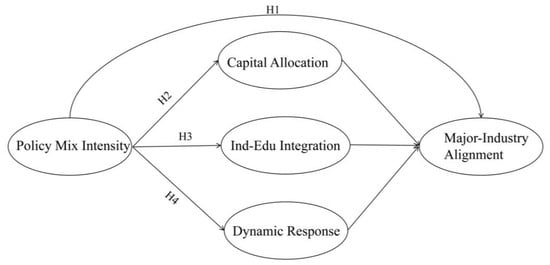
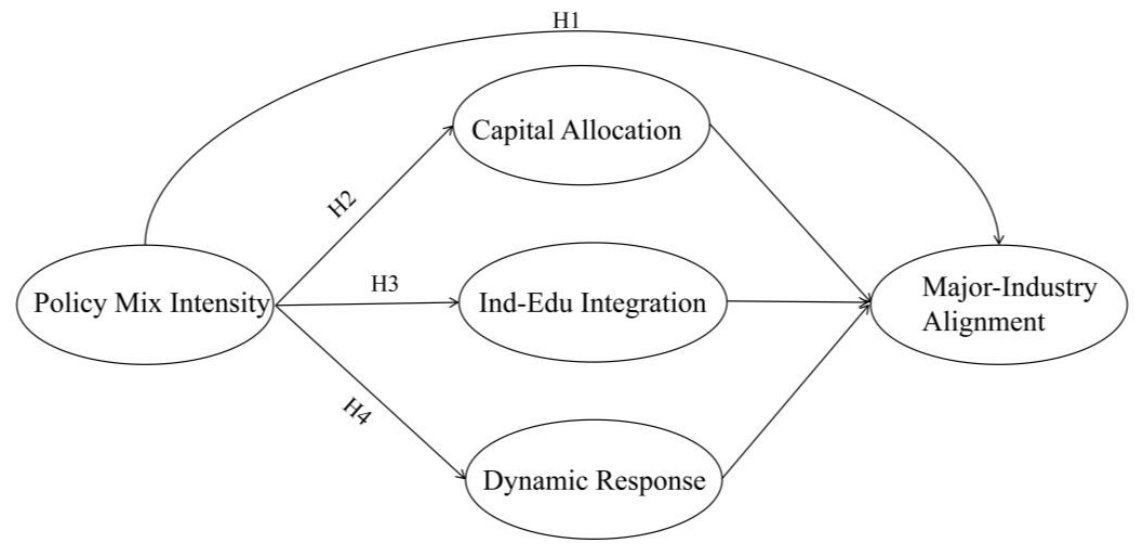

Disclaimer/Publisher’s Note: The statements, opinions and data contained in all publications are solely those of the individual author(s) and contributor(s) and not of MDPI and/or the editor(s). MDPI and/or the editor(s) disclaim responsibility for any injury to people or property resulting from any ideas, methods, instructions or products referred to in the content. |
© 2026 by the authors. Licensee MDPI, Basel, Switzerland. This article is an open access article distributed under the terms and conditions of the Creative Commons Attribution (CC BY) license.