


Abstract
To address the severe multiple-seed pickup problem during the seed-filling process of an air-suction seed metering device for small-seed crops with multiple seeds per hill, a combined seed-cleaning mechanism consisting of an upper seven-tooth seed-cleaning device and a lower seed-cleaning blade was developed based on an analysis of the causes of multiple pickup. Mathematical models of seed motion and force were established to describe the interaction between the seven-tooth seed-cleaning device and the seed population during the cleaning process. The installation position and adjustment mechanism of the device on the seed chamber housing were determined, and its tooth-profile parameters and major operating positions were theoretically analyzed. Accordingly, the design method and calculation models for the key parameters of the seven-tooth seed-cleaning device were established. A quadratic regression orthogonal rotational combination experiment was conducted using three factors affecting cleaning performance: the distance between the apex of the first tooth and the corresponding suction hole, the operating speed of the seed metering device, and the negative pressure. Regression equations were established and response surface analysis was performed. With the seed-cleaning qualification rate as the optimization objective, the optimal parameter combinations were obtained as follows: for millet, 3.36 mm, 3.59 km/h, and 1.43 kPa; for broomcorn millet, 3.49 mm, 4.22 km/h, and 2.11 kPa; and for rapeseed, 3.15 mm, 3.73 km/h, and 1.52 kPa. To reduce the influence of random error, 200 repeated bench tests were conducted for each seed type under its corresponding optimal parameter combination at operating speeds of 2.0–5.0 km/h. The seed-cleaning qualification rates for millet, broomcorn millet, and rapeseed were all above 90%, meeting the design requirements of the seed-cleaning mechanism. This study provides a theoretical basis and technical reference for seed-cleaning mechanisms for air-suction precision seed metering devices for small-seed crops with multiple seeds per hill.
1. Introduction
Small-seed crops refer to crops with small seed size and variable seed shapes, with an average seed diameter generally no greater than 3 mm. China has a wide variety of small-seed crops with extensive cultivation areas. Among them, millet, broomcorn millet, and rapeseed are important economic crops in northwestern China and play a significant role in promoting local agricultural development [1,2,3]. Because northwestern China is characterized by low temperatures, drought, and limited rainfall, film-mulched sowing is commonly adopted for millet, broomcorn millet, and rapeseed to ensure seedling emergence. In addition, to achieve high yield and lodging resistance, a sowing pattern with multiple seeds per hill is often used. According to agronomic requirements, 3–5 seeds are generally sown in each hill [4,5,6,7].
Air-suction seed metering devices have the advantages of good operational stability, strong adaptability to different seed types, and relatively low seed damage, and thus can satisfy the agronomic requirements of small-seed crop sowing and have been increasingly promoted and applied [2,8,9]. The working principle of an air-suction seed metering device is based on negative pressure, by which seeds are adsorbed onto the holes of the seed metering plate [10,11]. During the seed-cleaning process, excess seeds are removed, and the retained seeds are transported to the seed discharge position by the rotation of the seed metering plate, where seed release is completed under the action of external forces or air pressure variation at the hole [12]. The seed-cleaning stage, in which excess seeds attached to the suction holes are removed, is a key operational step for ensuring seeding accuracy [13]. Therefore, the design and reliability of the seed-cleaning device are critical to the seed-metering performance of the seed metering device [14].
Extensive studies have been conducted on seed-cleaning mechanisms for air-suction seed metering devices, and considerable progress has been achieved. At present, commonly used seed-cleaning devices mainly include brush-type, scraper-type, lever-type, and insert-type structures. Some well-known agricultural machinery companies, such as Precision Planting, John Deere, and Maschio, have carried out substantial research on seed-cleaning technologies for pneumatic maize sowing [15]. Some systems adopt double-side seed cleaning, in which seeds are disturbed simultaneously from both sides to improve single-seed singulation, whereas others employ a three-stage brush installed on the inner side of the seed metering plate. Brush-based cleaning can reduce over-cleaning, avoid seed damage, and ensure high cleaning efficiency [15]. Ding et al. [16] optimized the seed-cleaning mechanism of a maize air-suction seed metering device and established a parametric mathematical model applicable to such mechanisms, effectively improving the qualified seed-metering index. Hou et al. [17,18] designed a multiple-disturbance seed-cleaning device for a garlic single-clove pick-up seed metering device, and conducted both bench tests and discrete element simulation studies on its cleaning performance. Lai et al. [19] designed a chain-spoon overturning seed-cleaning mechanism for broad bean. Lü et al. [20] developed a seed-cleaning device for a spoon-type potato planter metering device. Li et al. [21] designed a double-side seed-cleaning device for a maize air-suction seed metering device, determined the key parameters of the upper and lower cleaning mechanisms, and effectively reduced the missed-cleaning rate during high-speed sowing operations. However, current studies on seed-cleaning mechanisms have mainly focused on relatively large-seeded crops such as maize and potato, whereas studies targeting small-seed crops remain scarce.
Small-seed crops such as millet, broomcorn millet, and rapeseed are light in mass and small in size, making them more difficult to control during sowing operations. Moreover, these crops are generally sown with multiple seeds per hill, which imposes higher requirements on the accuracy of the seed-cleaning process [17,19]. At present, studies on seed-cleaning mechanisms for small-seed crops with multiple seeds per hill are still lacking.
Because severe multiple-seed pickup frequently occurs in small-seed crops, the design of a reasonable seed-cleaning mechanism is essential for reducing duplicate seeding. However, most seed-cleaning mechanisms used in air-suction seed metering devices for small-seed crops are still designed empirically. Insufficient analysis has been conducted on the motion and force interactions among seeds, the seed metering plate, and the seed-cleaning mechanism; the theoretical basis for parameter design remains inadequate; and experimental studies on the seed-cleaning process are insufficient. As a result, serious missed-cleaning and over-cleaning problems still exist in current seed-cleaning mechanisms for air-suction seed metering devices used for small-seed crops. In this study, millet, broomcorn millet, and rapeseed were selected as the research objects, and an air-suction seed metering device for small-seed crops with multiple seeds per hill was used as the research platform. A mathematical model was established to describe the interaction among seeds, the seed-cleaning mechanism, and the seed metering plate during the cleaning process. Based on this model, the structural parameters of the seed-cleaning mechanism were reasonably determined. Subsequently, orthogonal experiments were conducted to identify the optimal operating parameter combination, and comparative performance tests were carried out. This study provides a reference for the design of seed-cleaning mechanisms and the theoretical analysis of the seed-cleaning process for air-suction seed metering devices for small-seed crops with multiple seeds per hill.
2. Materials and Methods
2.1. Analysis of the Multiple-Seed Pickup Phenomenon
In this study, millet, broomcorn millet, and rapeseed were selected as the research objects, and an air-suction seed metering device for small-seed crops with multiple seeds per hill was used as the research platform. For these crops, 3–5 seeds are generally required in each hill. Because precise control becomes more difficult when five seeds are sown per hill, the present study adopted a five-seeds-per-hill scheme as the research condition. According to the operating requirements of the seed metering device, each suction hole should ideally adsorb only one seed during the seed pickup process [22,23,24]. However, owing to the small particle size, high impurity content, low mass, and irregular shape of small seeds, the adsorbed seed cannot completely fit the edge of the suction hole. As a result, the negative pressure leakage through the gap around the hole can attract adjacent seeds, thereby causing the multiple-seed pickup phenomenon. Taking millet as an example, as shown in Figure 1, Figure 1a shows qualified seed pickup, in which each suction hole adsorbs only one seed without missed pickup, whereas Figure 1b, Figure 1c, and Figure 1d show the phenomena of multiple pickup above the hole, multiple pickup below the hole, and repeated pickup at multiple angles, respectively.
Figure 1.
Classification of seed pickup conditions at the suction holes in each hill: (a) Qualified; (b) Multiple pickup above the hole; (c) Multiple pickup below the hole; (d) Multiple pickup from multiple angles.
To investigate the pattern of multiple-seed pickup, 100 hill samples were randomly selected for millet, broomcorn millet, and rapeseed, respectively, and the seed adsorption conditions were statistically analyzed. Based on previous studies on the optimal combinations of suction-hole diameter, suction-hole thickness, and negative pressure for small-seed air-suction seed metering devices, the parameters used in this statistical test were set as follows: for millet, a suction-hole diameter of 0.9 mm, a suction-hole thickness of 0.31 mm, and a negative pressure of 2.5 kPa; for broomcorn millet, a suction-hole diameter of 1.1 mm, a suction-hole thickness of 0.35 mm, and a negative pressure of 3.0 kPa; and for rapeseed, a suction-hole diameter of 1.0 mm, a suction-hole thickness of 0.32 mm, and a negative pressure of 2.4 kPa.
Figure 2 presents the statistical results of seed adsorption for the three seed types. The multiple-pickup rates (mean ± SD, n = 100 hills) of millet, broomcorn millet, and rapeseed were 91.0 ± 2.9%, 90.0 ± 3.0%, and 90.0 ± 3.0%, respectively, indicating severe multiple-seed pickup in all three cases. The qualified seed-pickup rates were 7.0 ± 2.5%, 9.0 ± 2.9%, and 8.0 ± 2.7%, respectively, all below 10%. In contrast, the missed-pickup rates were only 2.0 ± 1.4%, 1.0 ± 1.0%, and 2.0 ± 1.4%, respectively, indicating that missed pickup was not significant. Statistical analysis further showed that the average numbers of seeds picked up per hill for millet, broomcorn millet, and rapeseed were 8.98, 8.21, and 9.52, respectively, while the average numbers of seeds picked up per suction hole were 1.796, 1.642, and 1.904, respectively. These results indicate that, without accurate seed cleaning during the operation of the seed metering device, severe over-seeding will occur. Therefore, the design of a precise seed-cleaning mechanism for small-seed crops is of great significance for the development of air-suction seed metering devices.
Figure 2.
Statistics of the number of picked seeds per hill without seed cleaning. The variability of the percentage data was estimated based on the dispersion of 100 sampled hills.
2.2. Analysis of the Seed-Cleaning Principle
The seed-cleaning mechanism plays an important role in ensuring the accuracy of seed pickup and seed transport by the seed metering device during operation [25,26]. Based on the overall structure and operating procedure of the seed metering device, as well as the high repeated seed pickup rate of small seeds, a combined seed-cleaning mechanism was designed in this study. The mechanism consisted of an upper seven-tooth seed-cleaning device and a lower seed-cleaning blade. Its purpose was to remove excess seeds and thereby ensure single-seed pickup at each suction hole.
Considering the overall structure and working principle of the seed metering device, a scraper-type seed-cleaning blade was found to be more suitable for the cleaning operation of small seeds sown with multiple seeds per hill. In the preliminary design experiments of the seed-cleaning mechanism, a single cleaning blade easily caused either missed cleaning or over-cleaning, whereas a multi-tooth cleaning structure enabled gradual and efficient cleaning as each tooth progressively approached the suction hole position. Given the severe multiple-seed pickup phenomenon of small seeds, and based on comparisons of cleaning performance in preliminary experiments, the upper seed-cleaning device was divided into seven teeth arranged in sequence according to a certain proportional relationship; therefore, it was named the seven-tooth seed-cleaning device. To eliminate the multiple-seed pickup occurring below the suction hole, a seed-cleaning blade was adopted as the lower cleaning component.
Figure 3a shows a schematic diagram of the working principle of the combined seed-cleaning mechanism. After the suction holes in each hill adsorb the seeds in the seed-filling zone of the seed chamber, the seeds are transported to the cleaning zone with the rotation of the seed metering plate. The upper seven-tooth seed-cleaning device first performs staged progressive cleaning. As the contact depth between each tooth and the seeds gradually increases, the lateral force exerted on the excess seeds also increases progressively, causing the seeds to be removed in the direction perpendicular to the radius extending from the suction hole to the center of the seed metering plate, so that they fall back into the seed chamber. During the entire cleaning process, the working portions of the seven-tooth seed-cleaning device repeatedly collide with and compress the seeds, from the first tooth contacting the seeds to the seventh tooth making final contact. In this study, these seven teeth are denoted as Tooth 1, Tooth 2, Tooth 3, Tooth 4, Tooth 5, Tooth 6, and Tooth 7. Each tooth has a blade-like profile, and its thickness gradually increases from the seed-contacting surface to the base platform, thereby allowing excess seeds to fall off in a controlled manner.
Figure 3.
Analysis of the seed-cleaning principle and the forces acting on seeds: (a) Seed-cleaning principle; (b) Enlarged local view; (c) Analysis of the forces acting on seeds.
Preliminary experiments showed that, during cleaning, the seven-tooth seed-cleaning device exerts a vibration-like disturbance on the adsorbed seed population. As a result, some of the excess seeds below the suction hole fall off, leaving only a small number of multiple-picked seeds. In addition, a complex lower cleaning structure would affect the structure and available space of the seed chamber. Therefore, in this study, a structurally simple seed-cleaning blade was used to remove the seeds located below the suction hole. The light green component in Figure 3a is the structural schematic of the seed-cleaning blade. Its tip is positioned close to the seed metering plate and slightly lower than the lower edge of the suction hole. After the upper cleaning zone completes its cleaning operation, the seeds then enter the lower cleaning zone for further cleaning.
This section mainly focuses on the analysis of the working principle of the seven-tooth seed-cleaning device. As shown in Figure 3b,c, a force analysis was conducted on the seeds located at the suction-hole position. A Cartesian coordinate system was established with the center of the suction hole taken as the origin. The positive x-axis was defined as the direction from the center of the seed metering plate to the center of the suction hole, the positive y-axis as the instantaneous direction of seed motion, and the positive z-axis as the direction perpendicular to the seed metering plate and pointing toward the seeds. During the cleaning process of the seven-tooth seed-cleaning device, the excess seeds lose contact with the seed metering plate and fall off under the action of external forces, whereas the seeds remaining at the suction hole are still in a state of force equilibrium. Here, the small seeds were simplified as spherical particles, and the force equilibrium equations of the seeds during the cleaning process were established as follows:
where:
where G is the gravity of the small seed, N; N is the force exerted by the seed-cleaning mechanism on the seed, N; J is the centrifugal force acting on the seed, N; f is the friction force exerted by the seed-cleaning mechanism on the seed, N; FNx is the x-direction component of the support force exerted by the seed metering plate on the seed, N; FNy is the y-direction component of the support force exerted by the seed metering plate on the seed, N; FNz is the z-direction component of the support force exerted by the seed metering plate on the seed, N; α is the angle between N and f, °; β is the angle between the negative x-axis and N, °; a is the horizontal distance between the seed center and point Q, m; b is the vertical distance between the seed center and point Q, m; μ is the friction coefficient between the seed and the seed-cleaning mechanism [15]; Fa is the component of the support force exerted by the seed metering plate on the seed in the xy-plane.
Because the forces acting on the seed in the plane are in equilibrium, the following relationship can be obtained:
By combining Equations (1)–(3), the following expression can be obtained:
Because the centrifugal force acting on the seed is given by:
where m is the mass of the seed, kg; ω is the angular velocity of the seed metering plate, rad/s; r is the distance from the suction hole of the seed metering plate to the center of the seed metering plate, mm.
The relationship between the adsorption force acting on the seed and the vacuum degree in the air chamber can be expressed as follows:
where Δp is the pressure difference between the air chamber and the ambient atmosphere, Pa; Si is the contact area between the seed and the suction hole of the seed metering plate, m2.
Because the operational reliability of the seed metering device is affected by factors such as vibration, dust, humid conditions, and friction resistance during actual operation, an external condition coefficient Ka and a seed pickup reliability coefficient Kb were introduced [15]. In this study, μ was taken from the reported seed–component contact properties, whereas Ka and Kb were introduced as empirical correction coefficients to account for external operating disturbances and suction reliability; these coefficients were used to support the theoretical framework rather than as directly optimized variables. By combining Equations (4)–(6), the following expression can be obtained:
As indicated by Equation (7), under known operating parameters of the seed metering device, the seeds to be removed have a maximum contact area with the suction hole. As the seed metering plate rotates, the adsorption force acting on the seeds to be removed gradually decreases under the action of the upper seven-tooth seed-cleaning device until the seeds detach from the seed metering plate. At this point, the seeds that remain are fully adsorbed onto the suction holes. The seeds to be removed below the suction holes are then transported to the position of the seed-cleaning blade with the rotation of the seed metering plate, where the blade tip performs the lower-stage cleaning operation. Finally, the retained seeds remain fully adsorbed on the suction holes, and the entire seed-cleaning process is completed.
2.3. Design Parameters of the Combined Seed-Cleaning Mechanism
Because the seed-cleaning operation is performed after seed pickup is completed, the upper seed-cleaning device was installed directly above the seed chamber, and the seed-cleaning blade was installed slightly below it and away from the seed population inside the chamber, so as to minimize occupation of the seed-chamber space and avoid interference with the return of removed seeds to the chamber.
Figure 4 shows the installation position and structural schematic of the combined seed-cleaning mechanism. One end of the upper seed-cleaning device was fixed above the seed chamber near the outer edge of the seed chamber housing, whereas the other end was semi-fixed on the opposite side of the housing and equipped with an adjustment mechanism. The lower seed-cleaning blade was installed at approximately two-thirds of the height of the seed chamber housing and positioned slightly to the left of the horizontal centerline.
Figure 4.
Structural schematic and installation positions of the combined seed-cleaning mechanism: (a) Oblique view: 1. seven-tooth seed-cleaning device, 2. seed-cleaning blade device, 3. seed chamber housing; (b) Front view: 4. adjustment handle, 5. locking wing nut; (c) Rear view: 6. cleaning tooth, 7. adjustment spring, 8. adjustment guide slot, 9. main body of the seed-cleaning blade, 10. rotating nut.
As shown in Figure 4b,c, the seven-tooth seed-cleaning device mainly consists of cleaning teeth, a rotating nut, an adjustment slot, an adjustment spring, an adjustment handle, an adjustment wheel, and a locking wing nut. By rotating the adjustment handle, the post on the adjustment wheel can be driven to move within the travel range of the guide slot, thereby adjusting the relative position between the cleaning teeth and the suction holes of the seed metering plate. The lower seed-cleaning component mainly consists of the main body of the seed-cleaning blade, a position adjustment handle, and a locking wing nut. During operation, the main body of the seed-cleaning blade is rotated by turning the adjustment handle, so that the distance between the blade tip and the suction hole can be adjusted according to different seed types.
To avoid interference between the seeds falling after being removed by the seed-cleaning mechanism and the seeds adsorbed on the suction holes of the seed metering plate, a sufficient horizontal projection distance should be maintained between the tips of two adjacent teeth. Considering that the small seeds handled by the seed metering device have a particle size not exceeding 3 mm, the horizontal projection distance Ln between the tips of two adjacent teeth should be greater than twice the maximum seed diameter, that is, 0.006 m. Figure 5 shows the working positions of the seven-tooth seed-cleaning device during the cleaning process, where L1–L7 represent the horizontal projection distances from the tips of Tooth 1, Tooth 2, Tooth 3, Tooth 4, Tooth 5, Tooth 6, and Tooth 7 to the center of the seed metering plate, respectively. Let point A denote the initial position of the seed-cleaning operation; then, the positional constraint equation of the cleaning teeth can be expressed as follows:
where L1 is the horizontal distance from the tip of Tooth 1 to the vertical line passing through the center of the seed metering plate, m; L2 is the horizontal distance from the tip of Tooth 2 to the vertical line passing through the center of the seed metering plate, m; Ln is the difference between the horizontal distances from the tips of Tooth 1 and Tooth 2 to the vertical line passing through the center of the seed metering plate, m; h is the number of suction holes on the seed metering plate; θ is the angle between the tip of Tooth 1 and the horizontal direction, where θ ∈ (0°,90°), °.
Figure 5.
Dimensional analysis of the seven-tooth seed-cleaning device.
The tooth structure of the seven-tooth seed-cleaning device exerts cutting and pushing actions on the excess seeds, causing the extra seeds above the suction holes to fall off and thereby achieving seed cleaning above the suction holes. As the number of teeth in the seed-cleaning device increases, the seeds are subjected to repeated cutting and pushing actions, which disrupt their force equilibrium and make them easier to remove, thereby improving the cleaning effect. Considering that the air-suction seed metering device for small-seed crops with multiple seeds per hill is highly prone to multiple-seed pickup, the toothed structure was selected as the main working part of the seed-cleaning operation. Because the upper seed-cleaning device cannot enter the next hill for cleaning before completing the cleaning operation of the previous hill, the circumferential length occupied by the seven teeth should be less than or equal to the circumferential distance between two adjacent hills. Under this condition, the maximum value of the angle φ, formed by the lines connecting the two ends of the toothed section of the seven-tooth seed-cleaning device to the center of the seed metering plate, can be expressed as follows:
As the seed metering plate rotates, the seven-tooth seed-cleaning device should progressively approach the seeds in each hill. The tooth tips and their cutting surfaces should exert forces on the seeds so that the surface area of the seeds adsorbed by the suction holes is reduced or eliminated. To ensure accurate and efficient seed-cleaning operation, the distance from the tip of Tooth 1 to the tip of Tooth 7 should decrease progressively toward the suction hole. Therefore, the positions of the seven tooth tips should gradually approach the center of the suction hole.
As shown in Figure 6, the seven tooth tips of the seven-tooth seed-cleaning device are denoted by K1, K2, K3, K4, K5, K6, and K7, respectively. The curve formed by connecting these points can be regarded as an elliptical arc. A Cartesian coordinate system was established by taking the line connecting the tip of the terminal tooth, K7, and the center of the seed metering plate as the y-axis, and the direction perpendicular to the y-axis and passing through the center toward the right as the x-axis.
Figure 6.
Schematic diagram of the curve of the seven-tooth seed-cleaning device.
Among these, the tip of the first tooth, K1, should ensure the removal of the excess seeds above the suction hole that are the easiest to clean, whereas the tip of the last tooth, K7, should ensure the removal of the excess seeds above the suction hole that are the most difficult to clean. Since the positions of K1 and K7 have been determined, the distances from K1 and K7 to the center O of the seed metering plate can be expressed as follows, respectively:
where d1 is the equivalent diameter of the small seed, m.
The parametric equation of the ellipse is assumed to be as follows:
Substituting the coordinates of points K1 and K7 into Equation (12) yields:
From Equation (13), the eccentricity of the ellipse can be expressed as:
According to the design of the seed metering device used in this study, r = 0.1 m and φ = 36°. In previous studies, the equivalent diameters (d1) of millet, broomcorn millet, and rapeseed were determined to be 0.0016 m, 0.0025 m, and 0.0021 m, respectively. By substituting these values into Equation (13), the elliptical equations describing the connecting curve of the tooth tips of the seven-tooth seed-cleaning device applicable to the three seed types were obtained as follows:
Using Equation (14), the eccentricities of the elliptical curves for millet, broomcorn millet, and rapeseed were calculated to be 0.2462, 0.3077, and 0.2821, respectively.
For clarity in presenting the research method, millet was selected as the representative seed in this section. In addition, for ease of description and interpretation, the unit of length was expressed in mm. As shown in Figure 7, in order to characterize the tooth parameters and profile of the seven-tooth seed-cleaning device, the distance from each tooth tip to the center of the corresponding suction hole was denoted as l and treated as the vertical coordinate, while the angle between the tooth tip and the horizontal direction was denoted as σ and treated as the horizontal coordinate. In this way, the relationship between the distance and angle of the teeth of the seven-tooth seed-cleaning mechanism could be described.
Figure 7.
Relationship curve between the tooth profile and angle of the seven-tooth seed-cleaning device.
The starting position of the teeth of the seven-tooth seed-cleaning device was denoted by K0. Points K1, K2, K3, K4, K5, K6, and K7 represent the seven tooth tips of the seven-tooth seed-cleaning mechanism, whereas points B1, B2, B3, B4, B5, B6, and B7 represent the corresponding tooth bottoms. By substituting the parameters of the seven tooth tips for millet into the elliptical curve Equation (15) of the seven-tooth seed-cleaning device, the coordinates of the tooth tips were obtained as follows: K1 (8°, 2.0 mm), K2 (10°, 1.8 mm), K3 (12°, 1.6 mm), K4 (14°, 1.4 mm), K5 (16°, 1.2 mm), K6 (18°, 1.0 mm), K7 (20°, 0.8 mm).
Point K0 denotes the initial tooth position of the seven-tooth seed-cleaning device. The angle between K0 and the horizontal direction, denoted by σ, was set to 6°, and the distance between K0 and the center of the corresponding suction hole was denoted by lm. When the suction hole is in a state of multiple pickup or repeated pickup, the seeds to be removed should be close to point K0. Meanwhile, it is also necessary to ensure that the seeds adsorbed at each suction hole remain relatively stable when entering the cleaning zone, so as to avoid missed seeding caused by over-cleaning. Since the equivalent diameter of millet is 1.5717 mm, lm was set to 2.4 mm to ensure that the seeds at each hill on the seed metering plate remained in a stable state when entering the cleaning zone. Therefore, the coordinates of point K0 were (6°, 2.4 mm).
According to the design requirements of the seven-tooth seed-cleaning mechanism, the distance between each tooth tip and the corresponding tooth bottom was set to be the same, and was assigned a value of 1.0 mm in this study. Accordingly, the coordinates of the seven corresponding tooth-bottom points were B1 (8°, 3.0 mm), B2 (10°, 2.8 mm), B3 (12°, 2.6 mm), B4 (14°, 2.4 mm), B5 (16°, 2.2 mm), B6 (18°, 2.0 mm), B7 (20°, 1.8 mm). By smoothly connecting points K0, K1, K2, K3, K4, K5, K6, K7, B1, B2, B3, B4, B5, B6, and B7, the tooth-profile parameters of the seven-tooth seed-cleaning device were obtained, and the corresponding relationship curve is shown in Figure 7. Following the same research procedure and method, the tooth-profile parameters of the seven-tooth seed-cleaning device for broomcorn millet and rapeseed can also be obtained.
To satisfy the sowing requirements of different types of small seeds, the seven-tooth seed-cleaning device was designed with an adjustable operating range. As shown in Figure 4c, one end of the device was fixed by a rotating nut, allowing it to rotate about the screw. The adjustment handle of the seven-tooth seed-cleaning device can drive the adjustment cam to rotate, thereby adjusting the distance between the tooth structure and the suction holes. Meanwhile, an adjustment spring mounted on the cam is used to regulate the fitting distance between the seven-tooth seed-cleaning device and the surface of the seed metering plate. Because this seed metering device is mainly intended for the multiple-seeds-per-hill sowing mode of small-seed crops, and because the seeds are small in size, the initial position K0 of the seed-cleaning operation was designed to be adjustable within a range of 0–20 mm relative to the center of the corresponding suction hole on the seed metering plate, in accordance with the general adaptability principle of air-suction seed metering devices.
This adjustable range was introduced to improve the adaptability of the cleaning mechanism to different types and batches of small seeds. During operation, the upper seven-tooth seed-cleaning device can be repositioned through the adjustment handle, guide-slot mechanism, and locking structure, whereas the lower seed-cleaning blade can be tuned by its handle to regulate the relative position between the blade tip and the suction hole. In this way, the cleaning intensity and contact position can be adjusted according to seed size, mass, shape, and adsorption stability. Moreover, the optimized operating distances obtained for millet (3.36 mm), broomcorn millet (3.49 mm), and rapeseed (3.15 mm) all fell within the designed adjustment range, indicating that the mechanism provides sufficient flexibility for parameter matching under different representative small-seed conditions. The positioning accuracy of the mechanism was 0.1 mm, which enables repeatable setting of the cleaning position during bench testing and practical adjustment.
Figure 8 shows the main dimensional parameters of the lower seed-cleaning blade. This component adopts the conventional cleaning mode used in air-suction seed metering plates. Its working principle is to fix the blade at the appropriate position on the seed chamber housing and adjust the relative position between the blade tip and the suction hole, so that the blade closely fits the surface of the seed metering plate and removes the excess seeds below the suction hole. The design of the seed-cleaning blade should fully consider its matching angle and adjustment position relative to the seed chamber housing and the seed metering plate. According to the dimensions shown in Figure 8, the designed three-dimensional model was fabricated by 3D printing using PLA (polylactic acid).
Figure 8.
Schematic diagram of the main parameters of the seed-cleaning blade.
2.4. Experimental Design and Methodology
To evaluate the rationality of the design and the seed-cleaning performance of the combined seed-cleaning mechanism, a seed metering device test system was established in this study. As shown in Figure 9, the test system mainly consisted of a control console, a laptop computer, a high-speed camera, a fixing device, a seed metering device, a lighting system, a negative-pressure fan, a conveyor belt, and a negative-pressure regulating device. The high-speed imaging system used in the experiment was an Olympus I-speed TR camera manufactured by Olympus, Southend-on-Sea, UK. During the tests, the shooting speed of the high-speed camera was set to 300 fps, enabling the capture of 300 images per second. After the tests, the captured images and data were analyzed and processed using the accompanying video post-processing software, i-SPEED Control Software 2018.
Figure 9.
Bench test of the combined seed-cleaning mechanism: 1. control console, 2. laptop computer, 3. high-speed camera, 4. fixing device, 5. seed metering device, 6. lighting system, 7. fan switch, 8. negative-pressure fan, 9. conveyor belt, 10. negative-pressure regulating device, 11. power supply of the negative-pressure regulating device, 12. power supply of the negative-pressure fan.
According to design experience, the operating speed of the roller-type seed metering device and the negative pressure generated by the fan are the main factors affecting seeding quality [27,28,29,30,31]. In this study, the initial position K0 of the seed-cleaning process was also identified as an important factor influencing cleaning performance. Therefore, the operating speed of the seed metering device (v), the negative pressure in the air chamber (k), and the distance (l) between the initial operating point K0 of the seven-tooth seed-cleaning device and its corresponding suction hole were selected as the main factors affecting seed-cleaning performance.
For convenience of description, millet was taken as the representative test material in this section. Preliminary experiments showed that when the distance between the initial cleaning point K0 and the corresponding suction hole was less than 4.0 mm, the excess seeds at the suction hole could be effectively removed. Therefore, 3.0, 3.5, and 4.0 mm were selected as the three test levels of l. Because the device was intended for film-mulched sowing, the operating speed of the roller-type seed metering device generally did not exceed 5.0 km/h. Accordingly, 3.0, 4.0, and 5.0 km/h were selected as the three test levels of operating speed.
Previous experiments showed that millet could be adsorbed by the suction hole at a negative pressure of 0.14 kPa, but the adsorption stability was poor and the seed was easily detached under the action of other seeds or external forces. When the negative pressure exceeded 1 kPa, stable adsorption was achieved, accompanied by a certain degree of multiple-seed pickup. When the negative pressure exceeded 3 kPa, relatively severe multiple-seed pickup occurred at the suction hole. Therefore, 1, 2, and 3 kPa were selected as the three levels of negative pressure in this experiment. A three-factor, three-level quadratic orthogonal rotational combination design was adopted, and the corresponding coded levels of the experimental factors are shown in Table 1.
Table 1.
Coding of experimental factors and levels.
To quantitatively evaluate the seed-cleaning performance of the combined seed-cleaning mechanism, the missed-cleaning rate and the over-cleaning rate were selected as the evaluation indices in this study. The missed-cleaning rate and the over-cleaning rate can be expressed as follows:
where Y1 is the missed-cleaning rate of seeds, %; Y2 is the over-cleaning rate of seeds, %; Y3 is the seed-cleaning qualification rate, %; n1 is the number of hills with missed cleaning, that is, the number of cases in which more than 5 seeds were retained in each hill; n2 is the number of hills with over-cleaning, that is, the number of cases in which fewer than 5 seeds were retained in each hill; n3 is the total number of hills counted in the seed-cleaning test.
During the seed-cleaning tests, in order to facilitate high-speed imaging of the cleaning process without affecting the operation of the seed metering device, the seed chamber housing was fabricated by 3D printing using transparent resin material. To avoid obstructing the camera view, the seed box was temporarily removed during the tests. A total of 17 experimental runs were conducted, and 1000 hills were examined in each run. The experimental design and results are presented in Table 2. Both the experimental design and the analysis of the test results were completed using Design-Expert software 8.0.
Table 2.
Experiment schemes and results.
As shown in Figure 10 and Figure 11, the seed-cleaning processes of the upper seven-tooth seed-cleaning device and the lower seed-cleaning blade are illustrated, respectively. The seeds shown in the figures are millet. As the seed metering plate rotates and each hill leaves the seed population in the seed chamber, a relatively large number of seeds are adsorbed at each suction hole. The seed cluster carried by each suction hole then passes successively through Tooth 1 to Tooth 7 of the seven-tooth seed-cleaning device. The outermost seed above the suction hole first comes into contact with Tooth 1, followed by Tooth 2, and the cleaning effect is progressively enhanced until Tooth 7 closely approaches the suction hole, thereby completing the upper-stage seed-cleaning process.
Figure 10.
Instantaneous images of the operating process of the seven-tooth seed-cleaning device: (a) Before seed cleaning; (b) During seed cleaning; (c) After seed cleaning.
Figure 11.
Instantaneous images of the operating process of the seed-cleaning blade under high-speed imaging: (a) Before seed cleaning; (b) During seed cleaning; (c) After seed cleaning.
The remaining seeds to be removed are located below the suction hole. When each suction hole moves to the vicinity of the seed-cleaning blade, the blade closely fits the surface of the seed metering plate and the edge of the suction hole. The seed-cleaning blade removes the excess seeds below the suction hole by applying an external force to them. Statistical analysis of 1000 hills showed that the upper seven-tooth seed-cleaning device could remove more than 80% of the excess seeds, whereas the lower seed-cleaning blade only undertook a small portion of the cleaning task.
After the optimal parameter combinations for the three seed types were obtained through orthogonal experiments and response surface analysis, these optimal parameters were substituted into the validation tests to examine their rationality. Because the operating speed of the roller-type seed metering device for film-mulched sowing ranges from 2.0 to 5.0 km/h, seed-cleaning performance tests of the combined seed-cleaning mechanism were conducted for millet, broomcorn millet, and rapeseed at operating speeds of 2.0, 2.5, 3.0, 3.5, 4.0, 4.5, and 5.0 km/h, respectively, in order to verify and compare the cleaning performance under different operating speeds.
3. Results and Discussion
3.1. Experimental Results and Regression Analysis
A quadratic regression analysis was performed on the statistical results, and the polynomial regression equation with the missed-cleaning rate Y1 as the response variable and the coded values of each factor as the independent variables was obtained as follows:
As shown in Table 3, analysis of variance (ANOVA) results showed that the regression model was highly significant (p = 0.0017), while the lack-of-fit term was not significant (p = 0.7369), indicating that the model had good fitting accuracy and could adequately describe the relationship between the factors and the missed-cleaning rate. The coefficient of determination was R2 = 0.9375, suggesting that 93.75% of the variation in the response could be explained by the model.
Table 3.
ANOVA for the regression model of the missed-cleaning rate.
Among the linear terms, X2, X1, and X3 all had significant effects on the missed-cleaning rate, and their influence ranked as X2 > X1 > X3 according to the F-values. None of the interaction terms showed significant effects, indicating that the pairwise interactions among the three factors were weak within the tested range. In contrast, all quadratic terms were highly significant, especially X32, demonstrating that the response surface exhibited obvious curvature and that the missed-cleaning rate changed nonlinearly with the factors.
These results indicate that the missed-cleaning rate was mainly governed by the individual effects of the three factors and their nonlinear components, whereas the pairwise interactions were relatively weak within the tested range.
Similarly, a polynomial regression equation with the over-cleaning rate Y2 as the response variable and the coded values of each factor as the independent variables was obtained as follows:
As shown in Table 4, the ANOVA results indicated that the model was highly significant (F = 24.82, p = 0.0002), confirming that the proposed regression model could effectively characterize the effects of the selected factors on the over-cleaning rate. Meanwhile, the lack-of-fit term was not significant (p = 0.619), indicating satisfactory agreement between the model and the experimental data. The coefficient of determination was R2 = 0.9689, showing that 96.89% of the total variation in the response was explained by the fitted model.
Table 4.
ANOVA for the regression model of the over-cleaning rate.
For the linear terms, X1, X2, and X3 all exerted highly significant effects on the over-cleaning rate, with the order of influence being X3 > X1 > X2 based on the F-values. Regarding the interaction terms, X1X2 and X2X3 were highly significant, whereas X1X3 was not significant, indicating that the interaction effects associated with X2 played a more important role in determining the over-cleaning rate. Moreover, the quadratic terms X12, X22, and X32 were all significant or highly significant, implying that the response surface had an evident curvature and that the over-cleaning rate changed in a nonlinear manner over the experimental domain.
These findings suggest that the over-cleaning rate was jointly controlled by both the main effects and specific interaction effects, particularly those involving X2, and that nonlinear responses should be considered during parameter optimization.
The seed-cleaning qualification rate reflects the overall cleaning effectiveness of the device in simultaneously reducing missed cleaning and suppressing over-cleaning. Based on the experimental results, a quadratic regression model was established for the seed-cleaning qualification rate as follows:
As shown in Table 5, ANOVA showed that the regression model was highly significant (F = 20.43, p = 0.0003), whereas the lack-of-fit term was not significant (p = 0.6349), indicating that the fitted model adequately described the relationship between the tested factors and the seed-cleaning qualification rate and could be used for prediction and optimization. The coefficient of determination was R2 = 0.9633, indicating that 96.33% of the variation in the response could be explained by the model.
Table 5.
ANOVA for the regression model of the seed-cleaning qualification rate.
Among the linear terms, X1, X2, and X3 all showed significant effects on the seed-cleaning qualification rate, with the order of influence being X3 > X2 > X1 according to the F-values. For the interaction terms, only X2X3 was highly significant, while X1X2 and X1X3 were not significant, indicating that the coupled effect of X2 and X3 played a dominant role among the pairwise interactions. In addition, all quadratic terms were highly significant, and their coefficients were negative, demonstrating that the response surface exhibited a pronounced downward-opening curvature. This suggests the existence of an optimal combination of factors within the tested range for maximizing the seed-cleaning qualification rate.
As shown in Figure 12a–c, the response surfaces of the missed-cleaning rate with respect to operating distance and operating speed, operating distance and negative pressure, and negative pressure and operating speed are presented, respectively. Overall, all three response surfaces exhibited an upward-opening quadratic pattern, indicating that the effects of the factors on the missed-cleaning rate involved obvious quadratic responses and that an optimal region associated with a relatively low missed-cleaning rate existed within the experimental range. The minimum regions of the response surfaces were located near the intermediate levels of the factors, suggesting that the combined seed-cleaning mechanism achieved better cleaning performance when the operating parameters were maintained within a moderate range. When the factors deviated from this range, the missed-cleaning rate increased to varying degrees.
Figure 12.
Response surfaces of the effects of various factors on the missed-cleaning rate: (a) X1 and X2; (b) X1 and X3; (c) X2 and X3.
From the variation trends of the response surfaces, it can be seen that operating distance had the greatest influence on the missed-cleaning rate, as indicated by the steeper surface gradient along the operating-distance direction, followed by negative pressure, whereas operating speed had a relatively smaller effect. Specifically, in Figure 12a, the missed-cleaning rate first decreased and then increased with increasing operating speed, while it generally increased with increasing operating distance. In Figure 12b, the missed-cleaning rate also showed a trend of first decreasing and then increasing with increasing negative pressure, and it increased as operating distance increased. In Figure 12c, both negative pressure and operating speed showed a pattern in which the missed-cleaning rate first decreased and then increased. The contour lines of the three response surfaces were relatively regular and showed no obvious distortion, indicating that the interaction effects among the factors were not significant, which is consistent with the ANOVA results.
As shown in Figure 13a–c, the response surfaces of the over-cleaning rate with respect to operating distance and operating speed, operating distance and negative pressure, and negative pressure and operating speed, respectively, are presented. Overall, all three response surfaces exhibited pronounced upward-opening quadratic characteristics, indicating that each factor had a certain quadratic effect on the over-cleaning rate and that parameter regions associated with relatively low over-cleaning rates existed within the experimental range. Combined with the regression equations and analysis of variance results, the order of influence of the factors on the over-cleaning rate was as follows: operating distance > negative pressure > operating speed, while the interactions among the factors were not significant.
Figure 13.
Response surfaces of the effects of various factors on the over-cleaning rate: (a) X1 and X2; (b) X1 and X3; (c) X2 and X3.
As shown in Figure 13a, both operating distance and operating speed had evident effects on the over-cleaning rate, with a steeper surface gradient along the operating distance axis, indicating that its effect was stronger than that of operating speed. As the operating distance increased, the over-cleaning rate generally decreased. With increasing operating speed, the over-cleaning rate first decreased slightly and then increased rapidly. This indicates that when the relative position between the seed-cleaning device and the suction hole is too close, or when the operating speed deviates from the appropriate range, seeds that should have been retained are more likely to be excessively removed, thereby increasing the over-cleaning rate.
As shown in Figure 13b, both operating distance and negative pressure exhibited clear quadratic effects on the over-cleaning rate. As the operating distance increased, the over-cleaning rate gradually decreased, whereas with increasing negative pressure, the over-cleaning rate changed only slightly within the low-to-moderate range. This suggests that although a higher negative pressure is beneficial for improving adsorption stability, its combined action with an inappropriate relative cleaning position may aggravate instability during the seed-cleaning process, thereby increasing the over-cleaning rate.
As shown in Figure 13c, negative pressure and operating speed showed similar effects on the over-cleaning rate: the variation was relatively slight at low levels but became much more pronounced at high levels. The minimum region of the response surface was mainly distributed around the low-to-moderate levels of the two factors, indicating that moderate negative pressure and operating speed were more favorable for reducing the over-cleaning rate. When either the negative pressure or the operating speed became excessively high, the over-cleaning rate increased significantly.
In addition, the contour plots of the three response surfaces were generally regular, and the surface variations were smooth, without obvious distortion, indicating that the interactions among the factors were not significant, which was consistent with the analysis of variance results.
As shown in Figure 14a–c, the response surfaces of the seed-cleaning qualification rate (Y3) with respect to the operating distance, operating speed, and negative pressure exhibited pronounced second-order characteristics. Since the seed-cleaning qualification rate was defined as the complement of the missed-cleaning rate and the over-cleaning rate, its high-value region essentially represents the parameter domain in which both undesirable cleaning outcomes were simultaneously suppressed. According to the regression analysis and ANOVA results, the fitted quadratic model was highly significant (p = 0.0003), the lack-of-fit was not significant (p = 0.6349), and the coefficient of determination reached R2 = 0.9633, indicating that the model adequately described the effects of the tested factors on the seed-cleaning qualification rate and was reliable for parameter optimization. Among the linear terms, the order of influence was X3 > X2 > X1. Among the interaction terms, only X2X3 was highly significant, whereas all three quadratic terms were highly significant and negative, demonstrating that the response surfaces were downward-opening and that an optimal parameter region existed within the tested range.
Figure 14.
Response surfaces of the effects of various factors on the seed-cleaning qualification rate: (a) X1 and X2; (b) X1 and X3; (c) X2 and X3.
As shown in Figure 14a, when the negative pressure was maintained at its intermediate level, the seed-cleaning qualification rate first increased and then decreased with increasing operating distance and operating speed. The high-value region was mainly distributed around a moderate operating distance and a medium-to-low operating speed. This can be explained by the fact that an excessively small operating distance causes the seven-tooth cleaning device to engage too early, thereby increasing the probability that seeds which should be retained are prematurely removed, resulting in over-cleaning. In contrast, when the operating distance is excessively large, the cleaning action becomes insufficient or delayed, and some excess seeds cannot be removed effectively, thereby increasing the missed-cleaning rate. A similar non-monotonic trend was observed for operating speed. At excessively low speeds, the seed-filling and adsorption time is prolonged, which facilitates multiple-seed pickup and consequently increases the cleaning burden. At excessively high speeds, however, the effective cleaning duration is shortened and the adsorption stability of the seeds is weakened, which increases the risk of over-cleaning. Therefore, both factors exhibited an optimal intermediate range for maximizing the seed-cleaning qualification rate. Because the X1X2 interaction was not significant, the contour pattern of this surface remained relatively regular.
As shown in Figure 14b, when the operating speed was fixed at the intermediate level, the seed-cleaning qualification rate also exhibited a typical parabolic response to the combined variation in operating distance and negative pressure. The surface fluctuation was more pronounced along the negative-pressure axis, indicating that negative pressure exerted a stronger effect on the response than the operating distance, which is consistent with the ANOVA result showing that the significance of X3 was higher than that of X1. With increasing negative pressure, the seed-cleaning qualification rate generally showed a trend of first increasing and then decreasing. At excessively low negative pressure, seed adsorption was unstable and the retained seeds were more likely to detach during the cleaning process, thereby aggravating over-cleaning. At excessively high negative pressure, the multiple-seed pickup phenomenon around the suction holes became more severe, which increased the cleaning difficulty and reduced the final qualification rate. Meanwhile, a moderate increase in the operating distance could alleviate the premature removal of retained seeds to some extent; however, further enlargement of this distance resulted in insufficient cleaning and a subsequent decline in the qualification rate. Since the X1X3 interaction was not significant, the overall surface remained smooth, suggesting a relatively weak coupled effect between these two factors.
As shown in Figure 14c, a significant interaction was observed between operating speed and negative pressure, and the corresponding response surface was steeper than those of the other two factor combinations, indicating that their coordinated variation had a stronger effect on the seed-cleaning qualification rate. When both the operating speed and the negative pressure were simultaneously at high levels, the qualification rate decreased most markedly. This is mainly because a high negative pressure intensifies multiple-seed pickup around the suction holes, whereas a high operating speed shortens the effective action time of the cleaning components. Under the combined influence of these two factors, it becomes more difficult for the device to achieve precise removal of excess seeds while retaining the desired seeds, thereby increasing the risks of both missed cleaning and over-cleaning and ultimately reducing the seed-cleaning qualification rate. In contrast, when the operating speed and negative pressure were maintained at medium-to-low levels, a better balance was achieved between adsorption stability and cleaning sufficiency, which was favorable for obtaining a higher qualification rate. This observation agrees well with the ANOVA result showing that the X2X3 interaction was highly significant, indicating that the matching relationship between operating speed and negative pressure was the key factor governing the comprehensive cleaning performance.
Overall, the seed-cleaning qualification rate did not vary monotonically with any single factor, but was jointly governed by the combined effects of operating distance, operating speed, and negative pressure, among which the matching relationship between negative pressure and operating speed played the most critical role.
Using Design-Expert software, the optimal parameter combination for the seed-cleaning qualification rate of millet was determined as follows: an operating distance of 3.36 mm, an operating speed of 3.59 km/h, and a negative pressure of 1.43 kPa. Using the same method, the optimal parameter combination for the seed-cleaning qualification rate of broomcorn millet was obtained as follows: an operating distance of 3.49 mm, an operating speed of 4.22 km/h, and a negative pressure of 2.11 kPa. For rapeseed, the optimal parameter combination for the seed-cleaning qualification rate was an operating distance of 3.15 mm, an operating speed of 3.73 km/h, and a negative pressure of 1.52 kPa.
Although response surface methodology (RSM) is effective for identifying the main effects and interaction trends of a limited number of factors within a bounded experimental domain, it does not explicitly construct a Pareto front for conflicting objectives. Recent studies have shown that multi-objective evolutionary optimization strategies can provide broader trade-off exploration and stronger global search capability in complex engineering optimization problems. Therefore, the present RSM-based optimization should be regarded as an efficient engineering solution at the current stage, whereas Pareto-based multi-objective evolutionary algorithms deserve further investigation in future work [32,33].
3.2. Analysis of Validation Test Results and Seed-Cleaning Performance at Different Operating Speeds
To verify the rationality of the optimal parameter combinations for the three seed types, bench validation tests were conducted for millet, broomcorn millet, and rapeseed under the corresponding optimal parameter combinations obtained above, and the seed-cleaning performance was evaluated. A total of 200 repeated tests were carried out for each seed type. The results showed that, for millet, the missed-cleaning rate was 2.5%, the over-cleaning rate was 3.0%, and the seed-cleaning qualification rate was 94.5%; for broomcorn millet, the missed-cleaning rate was 2.0%, the over-cleaning rate was 3.0%, and the seed-cleaning qualification rate was 95.0%; and for rapeseed, the missed-cleaning rate was 3.0%, the over-cleaning rate was 1.5%, and the seed-cleaning qualification rate was 95.5%. These results verified the rationality of the optimal parameter combinations obtained from the orthogonal experiments and demonstrated that the designed seed-cleaning mechanism satisfied the design requirements of the seed metering device.
To investigate the seed-cleaning performance of the three seed types at operating speeds of 2.0, 2.5, 3.0, 3.5, 4.0, 4.5, and 5.0 km/h, the corresponding negative pressure and operating distance were set for each seed type according to the conclusions obtained from the orthogonal experiments. A total of 200 repeated tests were conducted for each group. Figure 15 shows three different post-cleaning conditions of the combined seed-cleaning mechanism captured by the high-speed camera. Through statistical analysis of the recorded videos, the missed-cleaning rate, over-cleaning rate, and qualification rate of different seeds at different operating speeds were obtained. The detailed data are presented in Table 6. In the present study, the PLA seed-cleaning blade was used as a prototype component for structural verification and bench-scale performance evaluation rather than as a final long-life engineering component. Therefore, long-term wear resistance and service-life evolution of the cleaning teeth and blade edge were not systematically investigated. Future work will focus on employing wear-resistant engineering materials and incorporating wear-life prediction and reliability-oriented optimization methods into the design framework [34].
Figure 15.
Classification of the seed-cleaning performance of the combined seed-cleaning mechanism: (a) Qualified condition; (b) Over-cleaning condition; (c) Missed-cleaning condition.
Table 6.
Seed-cleaning performance of the bench test.
As shown in Table 6, the seed-cleaning performance of the three seed types differed significantly under different operating speeds, although the overall variation trends were generally consistent. With increasing operating speed, the over-cleaning rate of the three seed types showed an overall upward trend, whereas the missed-cleaning rate generally decreased. The seed-cleaning qualification rate first increased or remained relatively stable and then decreased. This indicates that, at lower operating speeds, the seed metering device has sufficient time for seed pickup and seed cleaning. Although this is favorable for stable seed adsorption and filling, it also tends to increase the occurrence of multiple-seed pickup, thereby resulting in a higher missed-cleaning rate. At higher operating speeds, however, the stability of seed filling, adsorption, and cleaning decreases, and the over-cleaning phenomenon becomes more severe, ultimately leading to a decline in the seed-cleaning qualification rate.
For millet, as the operating speed increased from 2.0 to 5.0 km/h, the over-cleaning rate increased from 0.0% to 7.0%, whereas the missed-cleaning rate decreased from 4.5% to 1.5%. The seed-cleaning qualification rate remained at a relatively high level within the range of 2.0–3.5 km/h, but declined more noticeably when the speed exceeded 4.0 km/h. For broomcorn millet, the seed-cleaning qualification rate first increased and then decreased with increasing operating speed, reaching a maximum value of 96.5% at 4.0 km/h. For rapeseed, the missed-cleaning rate was relatively high under low-speed conditions, but gradually decreased with increasing operating speed. The seed-cleaning qualification rate reached its maximum value of 96.0% at 3.5 km/h and then declined because of the increase in the over-cleaning rate.
Considering the test results for all three seed types, the seed metering device exhibited better overall seed-cleaning performance at operating speeds of 3.5–4.0 km/h. In particular, at 3.5 km/h, the seed-cleaning qualification rates of millet, broomcorn millet, and rapeseed reached 95.5%, 95.5%, and 96.0%, respectively, while both the over-cleaning rate and the missed-cleaning rate remained within relatively reasonable ranges. Therefore, this speed range can be regarded as the preferred operating-speed range for the seed metering device.
In summary, although the optimal operating speed was not exactly the same for different seed types, all of them fell within a medium-speed range. This indicates that the combined seed-cleaning mechanism has a certain degree of adaptability to small-sized nearly spherical seeds. However, because the material properties of the seeds differ, the optimal operating parameters are also different. This study provides a theoretical basis and technical reference for the design and optimization of seed-cleaning mechanisms for air-suction seed metering devices for small-seed crops.
It should also be noted that the present response-surface model assumes deterministic relationships between the selected factors and the cleaning performance. In practice, however, seed size, mass, shape, surface condition, and flowability vary among seed batches. Therefore, uncertainty-aware or robust optimization strategies should be considered in future studies to improve the generalizability and stability of the optimized parameter combinations under variable working conditions [35].
In addition, the proposed mechanism is currently a passive mechanical system. Future studies may introduce sensor-assisted monitoring, feedback control, and real-time position adjustment to improve adaptability to dynamic seed-flow conditions and seed-batch variability, thereby enabling a more intelligent seed-cleaning process [36].
To better position the proposed mechanism relative to previous studies, a comparison was made with representative cleaning devices reported in the literature. As shown in Table 7, studies more directly related to air-suction seed-metering cleaning, such as those on coated hybrid rice, vegetables, maize, and cotton, generally reported qualified or single-seed rates ranging from approximately 86% to 98%, depending on crop type, cleaning principle, and evaluation criteria. For example, He et al. [8] reported a qualified rate of 86.43% for coated hybrid rice using a pneumatic single-seed metering device with positive-pressure airflow-assisted cleaning, whereas Hu et al. [37] reported a single-seed rate of 98.03% for cotton using a combined scraper–air-nozzle cleaning mechanism. In maize, Ding et al. [16] and Li et al. [21] reported high-performance cleaning results after parametric optimization or double-side cleaning design.
Table 7.
Comparison of the proposed seed-cleaning mechanism with representative studies reported in the literature.
In comparison, the proposed combined seed-cleaning mechanism achieved seed-cleaning qualification rates of 94.5%, 95.0%, and 95.5% for millet, broomcorn millet, and rapeseed, respectively, and maintained an overall qualification-rate range of 90.5–96.5% across 2.0–5.0 km/h. Although the absolute qualification level was slightly lower than the best values reported for some large-seed or single-seed crops, the present study dealt with a more challenging operating condition, namely, small-seed crops with multi-seed hill-drop sowing, in which seeds are lighter, smaller, more irregular in motion, and much more prone to repeated pickup around the suction holes. Therefore, the present mechanism can still be considered highly competitive in view of its target application scenario.
4. Conclusions
To address the severe multiple-seed pickup problem occurring during the operation of an air-suction seed metering device for small-seed crops with multiple seeds per hill, the multiple-seed pickup phenomenon was analyzed in this study, and a combined seed-cleaning mechanism consisting of an upper seven-tooth seed-cleaning device and a lower seed-cleaning blade was designed. The main conclusions are as follows.
- (1)
- By analyzing the interaction between the seven-tooth seed-cleaning device and the seed population during the cleaning process, a mathematical model describing the interaction between the seeds and the seven-tooth seed-cleaning device was established. Through investigation of the installation position and adjustment mechanism of the seven-tooth seed-cleaning device on the seed chamber housing, together with a theoretical analysis of the tooth-profile parameters, the design method and mathematical model for the key parameters of the seven-tooth seed-cleaning device were obtained.
- (2)
- An indoor bench test system was established. Three major factors affecting seed-cleaning performance, namely, the distance between the tip of the first tooth of the seven-tooth seed-cleaning device and the corresponding suction hole, the operating speed of the seed metering device, and the negative pressure, were selected to design and conduct the orthogonal experiments. Regression equations were established based on the experimental results, and response surface analysis was performed. Taking the missed-cleaning rate, over-cleaning rate, and seed-cleaning qualification rate as the optimization criteria, the optimal parameter combinations were obtained as follows: for millet, an operating distance of 3.36 mm, an operating speed of 3.59 km/h, and a negative pressure of 1.43 kPa; for broomcorn millet, an operating distance of 3.49 mm, an operating speed of 4.22 km/h, and a negative pressure of 2.11 kPa; and for rapeseed, an operating distance of 3.15 mm, an operating speed of 3.73 km/h, and a negative pressure of 1.52 kPa.
- (3)
- Validation tests were conducted to verify the rationality of the optimal parameter combinations obtained from the orthogonal experiments. Under the optimal parameter combinations, the missed-cleaning rate, over-cleaning rate, and seed-cleaning qualification rate of millet, broomcorn millet, and rapeseed were 2.5%, 3.0%, and 94.5%; 2.0%, 3.0%, and 95.0%; and 3.0%, 1.5%, and 95.5%, respectively. These results verified the rationality of the optimal parameter combinations obtained from the orthogonal experiments.
- (4)
- Bench seed-cleaning tests were conducted for the three seed types under their corresponding optimal parameter combinations at operating speeds of 2.0, 2.5, 3.0, 3.5, 4.0, 4.5, and 5.0 km/h. The seed-cleaning qualification rates for millet, broomcorn millet, and rapeseed were all above 90%. Although the optimal operating speed was not exactly the same for different seed types, all of them fell within a medium-speed range.
- (5)
- Compared with previous seed-cleaning studies, the proposed combined seed-cleaning mechanism achieved competitive performance. Despite the greater difficulty of cleaning small seeds under multi-seed hill-drop sowing, it still maintained a high qualification rate, indicating good applicability and engineering potential for air-suction precision seed metering of small-seed crops.
This study provides a theoretical basis and technical reference for the design and optimization of seed-cleaning mechanisms for air-suction seed metering devices for small-seed crops with multiple seeds per hill.
Author Contributions
Conceptualization, Z.W. and D.Z.; methodology, J.Z.; software, N.W.; validation, Z.W., S.A. and Y.F.; formal analysis, J.C.; investigation, Z.W.; resources, D.Z.; data curation, N.W. and W.Z.; writing—original draft preparation, Z.W.; writing—review and editing, Z.W.; visualization, Y.J.; supervision, J.C.; project administration, J.C.; funding acquisition, J.C. and Y.C. All authors have read and agreed to the published version of the manuscript.
Funding
This research was funded by the National Key Research and Development Program of China [grant number 2018YFD0701102], the Shaanxi Key Research and Development Project [grant number 2023-ZDLNY-62], and the Shaanxi Key Research and Development Project [grant number 2022NY-205].
Institutional Review Board Statement
Not applicable.
Data Availability Statement
The original contributions presented in this study are included in the article. Further inquiries can be directed to the corresponding author(s).
Conflicts of Interest
The authors declare that there are no conflicts of interest.
References
- Li, Y.; Bai, Y.; Zhang, X.; Xie, F. Structural Design and Simulation Analysis of a Dual-Row Pneumatic Vegetable Precision Planter. Processes 2023, 11, 1803. [Google Scholar] [CrossRef] [Scilit]
- Wang, B.; Na, Y.; Chen, M.; Ge, Z.; Pan, Y.; Liu, J.; Wu, W.; Luo, X. Design and Experiment on a Distributed Seed Delivery System with a Pneumatic Central-Cylinder Seeder. Agronomy 2023, 13, 1337. [Google Scholar] [CrossRef] [Scilit]
- Hu, H.; Zhou, Z.; Wu, W.; Yang, W.; Li, T.; Chang, C.; Ren, W.; Lei, X. Distribution Characteristics and Parameter Optimisation of an Air-assisted Centralised Seed-metering Device for Rapeseed Using a CFD-DEM Coupled Simulation. Biosyst. Eng. 2021, 208, 246–259. [Google Scholar] [CrossRef] [Scilit]
- Xu, J.; Hou, J.; Wu, W.; Han, C.; Wang, X.; Tang, T.; Sun, S. Key Structure Design and Experiment of Air-Suction Vegetable Seed-Metering Device. Agronomy 2022, 12, 675. [Google Scholar] [CrossRef] [Scilit]
- Feng, D.; Sun, X.; Li, H.; Qi, X.; Wang, Y.; Mbugua, N.S. Optimized Design of the Pneumatic Precision Seed-Metering Device for Carrots. Int. J. Agric. Biol. Eng. 2024, 16, 134–147. [Google Scholar] [CrossRef] [Scilit]
- Jin, X.; Li, Q.; Zhao, K.; Zhao, B.; He, Z.; Qiu, Z. Development and Test of an Electric Precision Seeder for Small-Size Vegetable Seeds. Int. J. Agric. Biol. Eng. 2019, 12, 75–81. [Google Scholar] [CrossRef] [Scilit]
- Yang, R.; He, Y.; Chen, D.; Chen, L.; Li, G.; Zha, X. Design and Experiment of Air-suction Double Disc Combined Maize Plot Seed Meter. Trans. Chin. Soc. Agric. Mach. 2026, 57, 67–77. [Google Scholar] [CrossRef]
- He, S.; Zang, Y.; Huang, Z.; Tao, W.; Xing, H.; Qin, W.; Jiang, Y.; Wang, Z. Design of and Experiment on a Cleaning Mechanism of the Pneumatic Single Seed Metering Device for Coated Hybrid Rice. Agriculture 2022, 12, 1239. [Google Scholar] [CrossRef] [Scilit]
- Li, Z.; Wu, J.; Du, J.; Duan, D.; Zhang, T.; Chen, Y. Experimenting and Optimizing Design Parameters for a Pneumatic Hill-Drop Rapeseed Metering Device. Agronomy 2023, 13, 141. [Google Scholar] [CrossRef] [Scilit]
- Ibrahim, E.J.; Liao, Q.; Wang, L.; Liao, Y.; Yao, L. Design and Experiment of Multi-Row Pneumatic Precision Metering Device for Rapeseed. Int. J. Agric. Biol. Eng. 2018, 11, 116–123. [Google Scholar] [CrossRef] [Scilit]
- Gong, H.; Chen, Y.; Wu, S.; Tang, Z.; Liu, C.; Wang, Z.; Fu, D.; Zhou, Y.; Qi, L. Simulation of Canola Seedling Emergence Dynamics Under Different Soil Compaction Levels Using the Discrete Element Method (DEM). Soil Tillage Res. 2022, 223, 105461. [Google Scholar] [CrossRef] [Scilit]
- Yuan, P.; Li, H.; Huang, S.; Jiang, S.; Xu, J.; Lin, H.; Li, R. Parameter Optimization and Experiment of a Seed Furrow Cleaning Device for No-Till Maize Seeding. Agriculture 2022, 12, 1901. [Google Scholar] [CrossRef] [Scilit]
- Shi, N.; Li, H.; Jiang, B.; Chen, Y.; Cui, J.; Ji, W.; Zhang, H. Design and Parameter Optimization of a Vertical Rotary Fixed-Angle Straw Cleaning Device. Agriculture 2025, 15, 2113. [Google Scholar] [CrossRef] [Scilit]
- Chen, Y.; Cheng, Y.; Chen, J.; Zheng, Z.; Hu, C.; Cao, J. Design and Experiment of the Buckwheat Hill-Drop Planter Hole Forming Device. Agriculture 2021, 11, 1085. [Google Scholar] [CrossRef] [Scilit]
- Yan, Y.; Liu, L.; Liu, Y.; Wu, H.; Lu, Q.; Liu, F. Design and Test of Four-stage Seed Cleaning Mechanism for Air-suction Vegetables Seed-metering Device. Trans. Chin. Soc. Agric. Mach. 2023, 54, 57–65. [Google Scholar] [CrossRef]
- Ding, L.; Yang, L.; Zhang, D.; Cui, T. Parametric Design and Test of Seed Cleaning Mechanism of Air-suction Maize Seed-metering Device. Trans. Chin. Soc. Agric. Mach. 2019, 50, 47–56. [Google Scholar] [CrossRef]
- Hou, J.; Fang, L.; Zhang, H.; Zhou, K.; Li, T.; Li, Y. Design and Experiment of Multi-disturbance Cleaning and Single-seed Sowing Device for Garlic. Trans. Chin. Soc. Agric. Mach. 2024, 55, 65–75,163. [Google Scholar] [CrossRef]
- Hou, J.; Wang, H.; Niu, Z.; Xi, R.; Li, T. Discrete element simulation and experiment of picking and clearing performance of garlic seed-picking device. Trans. Chin. Soc. Agric. Eng. 2019, 35, 48–57. [Google Scholar] [CrossRef]
- Lai, Q.; Xie, G.; Su, W.; Zhao, J.; Sun, W.; Chen, Z. Design and Experiment of Precision Seed Metering Device for Broad Bean with Chain Spoon Flipping Seed Cleaning. Trans. Chin. Soc. Agric. Mach. 2022, 53, 82–92. [Google Scholar]
- Lü, J.; Wang, P.; Yang, X.; Li, Z.; Li, J.; Yi, S. Design and Experiment of Seed-clearing Device for Cup-belt Type Potato Seed-metering Device. Trans. Chin. Soc. Agric. Mach. 2019, 50, 51–60. [Google Scholar] [CrossRef]
- Li, Y.; Yang, L.; Zhang, D.; Cui, T.; He, X.; Hu, H. Design and Test of Double-side Cleaning Mechanism for Air-suction Maize Seed-metering Device. Trans. Chin. Soc. Agric. Mach. 2021, 52, 29–39. [Google Scholar] [CrossRef]
- Pan, H.; Ji, H.; Hu, X.; Zhan, Y.; Wei, G. Design and Experimentation of a Roller-Type Precision Seed Metering Device for Rapeseed with Bezier Curve-Based Profiled Holes. Appl. Sci. 2025, 15, 12786. [Google Scholar] [CrossRef] [Scilit]
- Sun, Z.; Chang, X.; El Salem, A.; Xu, N.; Gao, Z.; Li, G.; He, X.; Zhang, R. Development and Optimization of a Pneumatic Double-Seed Metering Device for Soybean Breeding Programmes. Agriculture 2026, 16, 564. [Google Scholar] [CrossRef] [Scilit]
- Wang, B.; Zhang, H.; Lu, C.; Wang, P.; Li, F.; Wang, C.; Pulatov, A.; Shang, S.; Wang, D. A Novel Rotating–Throwing Seed-Metering System Enabling Zero-Velocity and Damage-Free High-Speed Seeding. Agriculture 2026, 16, 503. [Google Scholar] [CrossRef] [Scilit]
- Liu, Y.; Liu, L.; Zhao, Z.; Zhao, J.; Cui, W. Design and Experiment on Plant Seedling Device for Vegetable Seedling Seeder. Trans. Chin. Soc. Agric. Mach. 2018, 49, 83–91. [Google Scholar] [CrossRef]
- Qi, B.; Zhang, D.; Liu, Q.; Yang, L.; Shi, S.; Cui, T. Design and experiment of cleaning performance in a centralized pneumatic metering device for maize. Trans. Chin. Soc. Agric. Eng. 2015, 31, 20–27. [Google Scholar] [CrossRef]
- Wang, B.; Liao, Q.; Wang, L.; Shu, C.; Cao, M.; Du, W. Design and Test of Air-Assisted Seed-Guiding Device of Precision Hill-Seeding Centralized Seed-Metering Device for Sesame. Agriculture 2023, 13, 393. [Google Scholar] [CrossRef] [Scilit]
- Lei, X.; Hu, H.; Wu, W.; Liu, H.; Liu, L.; Yang, W.; Zhou, Z.; Ren, W. Seed Motion Characteristics and Seeding Performance of A centralised Seed Metering System for Rapeseed Investigated by DEM Simulation and Bench Testing. Biosyst. Eng. 2021, 203, 22–33. [Google Scholar] [CrossRef] [Scilit]
- Lei, X.; Liao, Y.; Zhang, Q.; Wang, L.; Liao, Q. Numerical Simulation of Seed Motion Characteristics of Distribution Head for Rapeseed and Wheat. Comput. Electron. Agric. 2018, 150, 98–109. [Google Scholar] [CrossRef] [Scilit]
- Liao, Y.; Wang, L.; Liao, Q. Design and Test of an Inside-Filling Pneumatic Precision Centralized Seed-Metering Device for Rapeseed. Int. J. Agric. Biol. Eng. 2017, 10, 56–62. [Google Scholar] [CrossRef]
- Yu, J.; Liao, Y.; Cong, J.; Yang, S.; Liao, Q. Simulation Analysis and Match Experiment on Negative and Positive Pressures of Pneumatic Precision Metering Device for Rapeseed. Int. J. Agric. Biol. Eng. 2014, 7, 1–12. [Google Scholar]
- Zhang, Z.; Liu, S.; Zhang, Y.; Wang, C.; Zhang, S.; Yang, Z.; Xu, W. Optimization of Low-Power Femtosecond Laser Trepan Drilling by Machine Learning and a High-Throughput Multi-Objective Genetic Algorithm. Opt. Laser Technol. 2022, 148, 107688. [Google Scholar] [CrossRef] [Scilit]
- Zhang, B.; Wang, Z.; Meng, L.; Sang, H.; Jiang, X. Multi-objective Scheduling for Surface Mount Technology Workshop: Automatic Design of Two-Layer Decomposition-Based Approach. Int. J. Prod. Res. 2025, 63, 7570–7590. [Google Scholar] [CrossRef] [Scilit]
- Wang, Z.; Li, J.; Liu, X.; Zhang, S.; Lin, Y.; Tan, J. Diameter-adjustable Mandrel for Thin-Wall Tube Bending and Its Domain Knowledge-Integrated Optimization Design Framework. Eng. Appl. Artif. Intell. 2025, 139, 109634. [Google Scholar] [CrossRef] [Scilit]
- Lu, Y.; Chen, S.; Zhang, X.; Pan, X.; Gang, Y.; Wang, C. A Quantum-Enhanced Heuristic Algorithm for Optimizing Aircraft Landing Problems in Low-Altitude Intelligent Transportation Systems. Sci. Rep. 2025, 15, 21606. [Google Scholar] [CrossRef] [Scilit] [PubMed]
- Du, G.; Zhang, H.; Yu, H.; Hou, P.; He, J.; Cao, S.; Wang, G.; Ma, L. Study on Automatic Tracking System of Microwave Deicing Device for Railway Contact Wire. IEEE Trans. Instrum. Meas. 2024, 73, 3527611. [Google Scholar] [CrossRef] [Scilit]
- Hu, M.; Xia, J.; Zhou, M.; Liu, Z.; Xie, D. Design and Experiment of Seed-Cleaning Mechanism for Inside-Filling Pneumatic Cotton Precision Seed-Metering Device. Agriculture 2022, 12, 1217. [Google Scholar] [CrossRef] [Scilit]
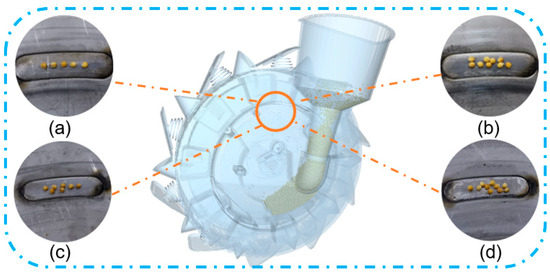
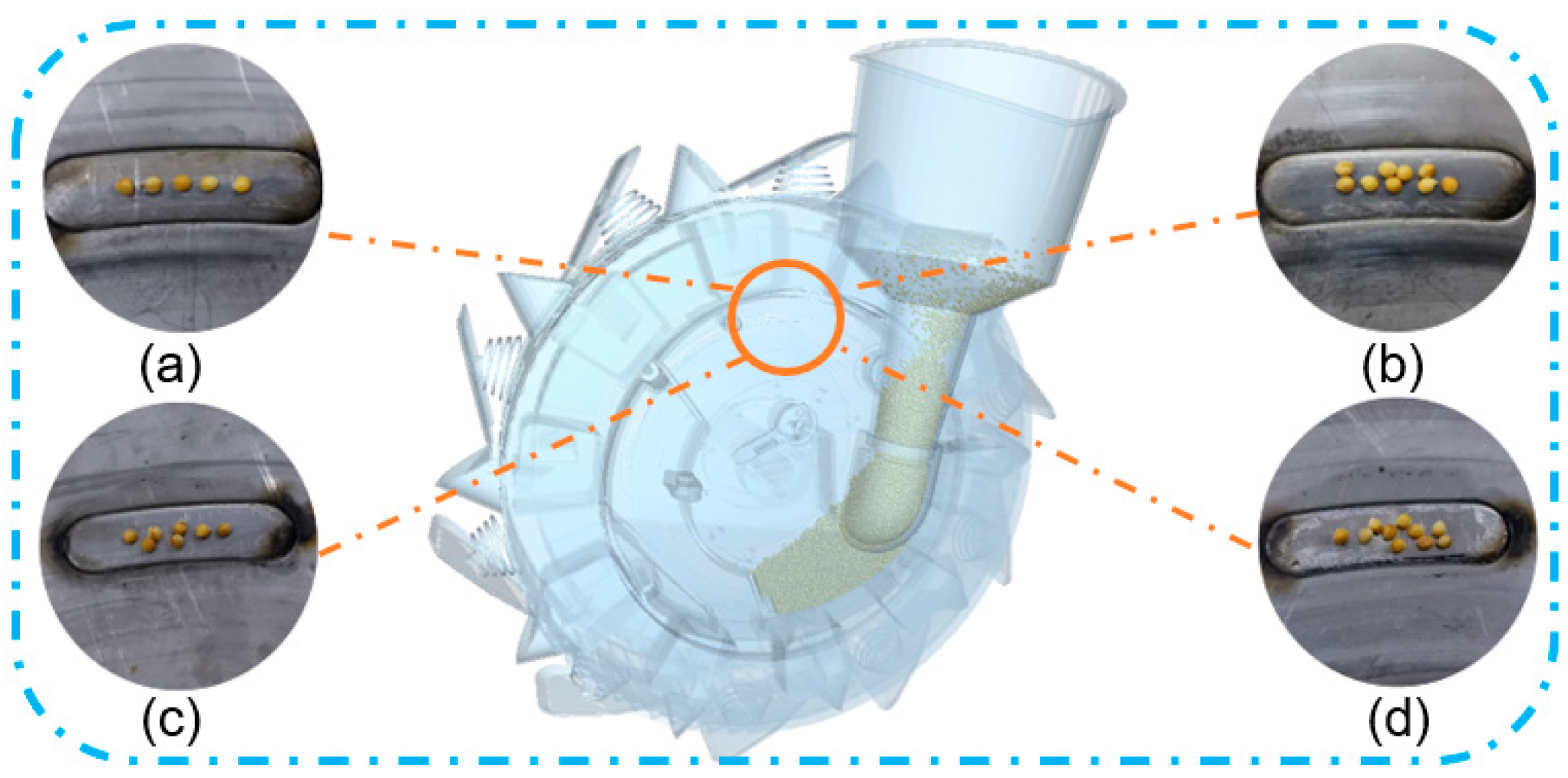
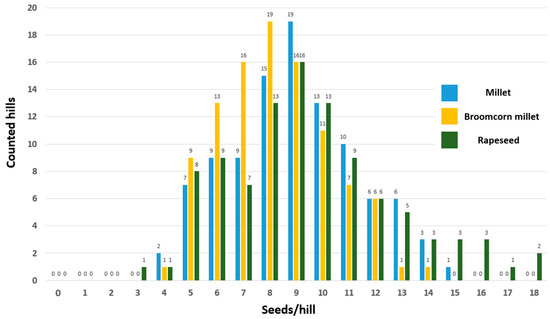
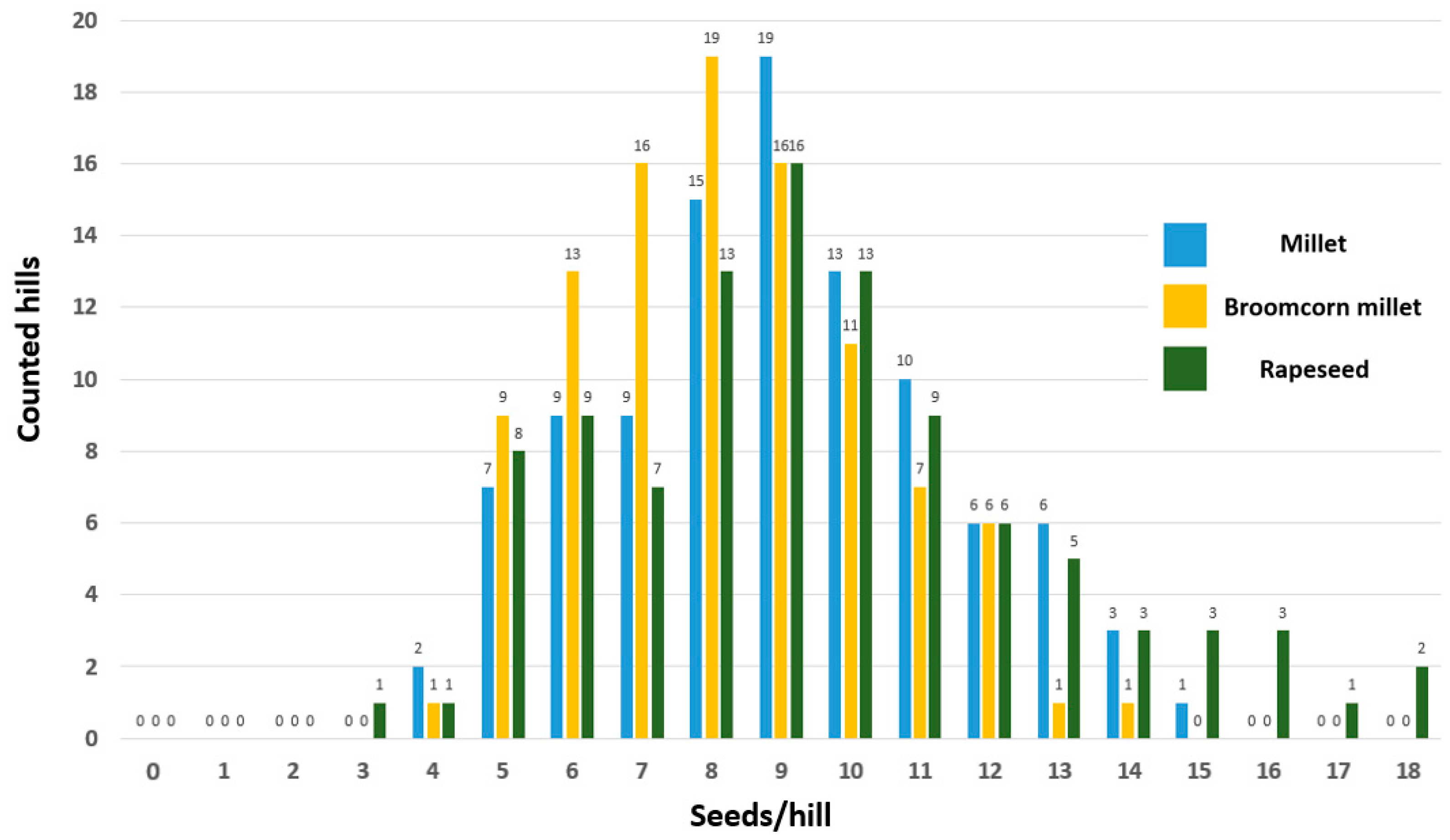
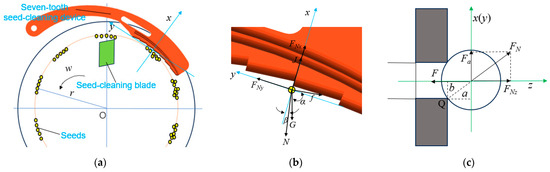
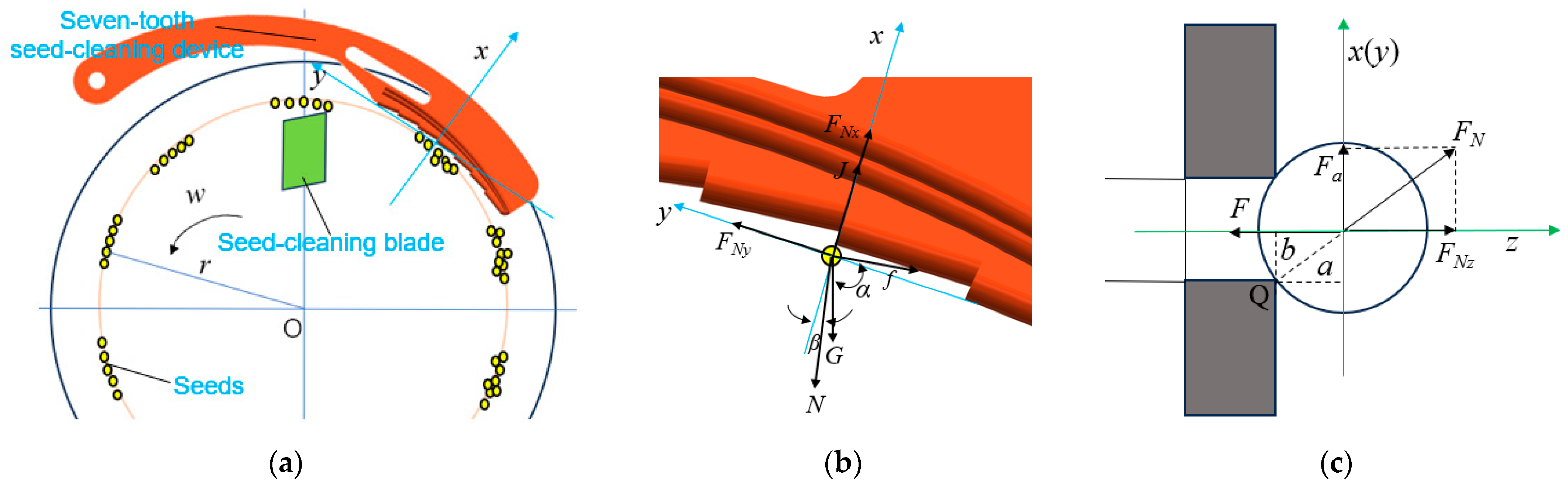
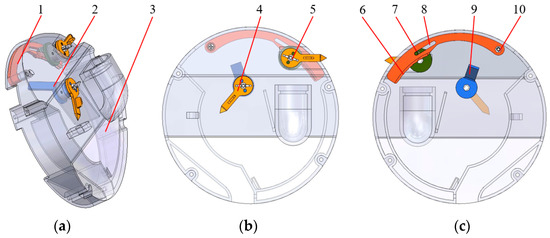
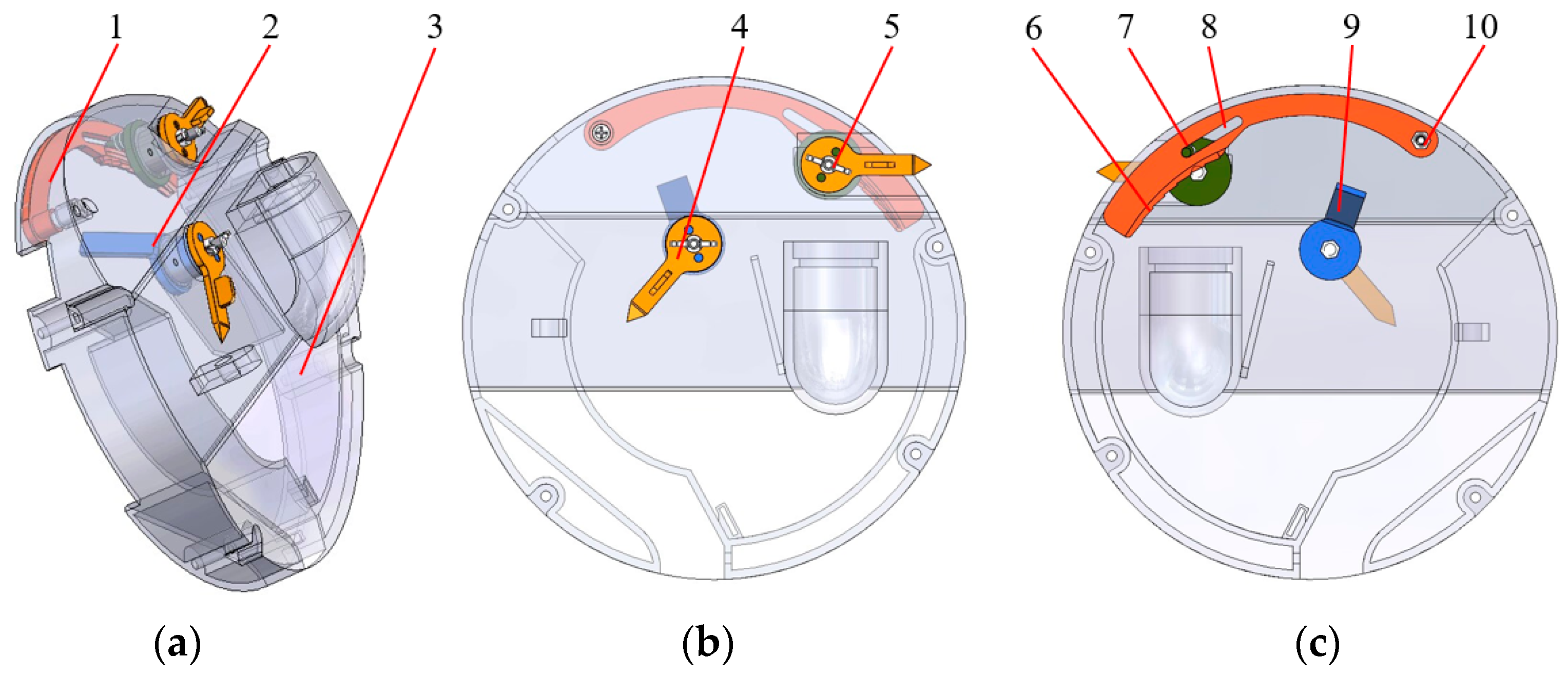
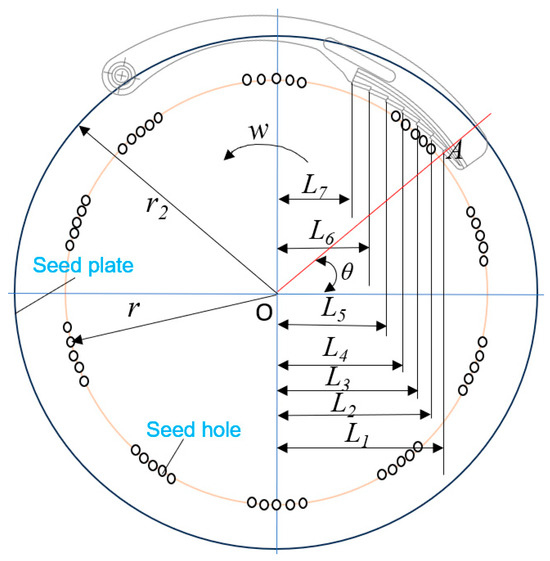
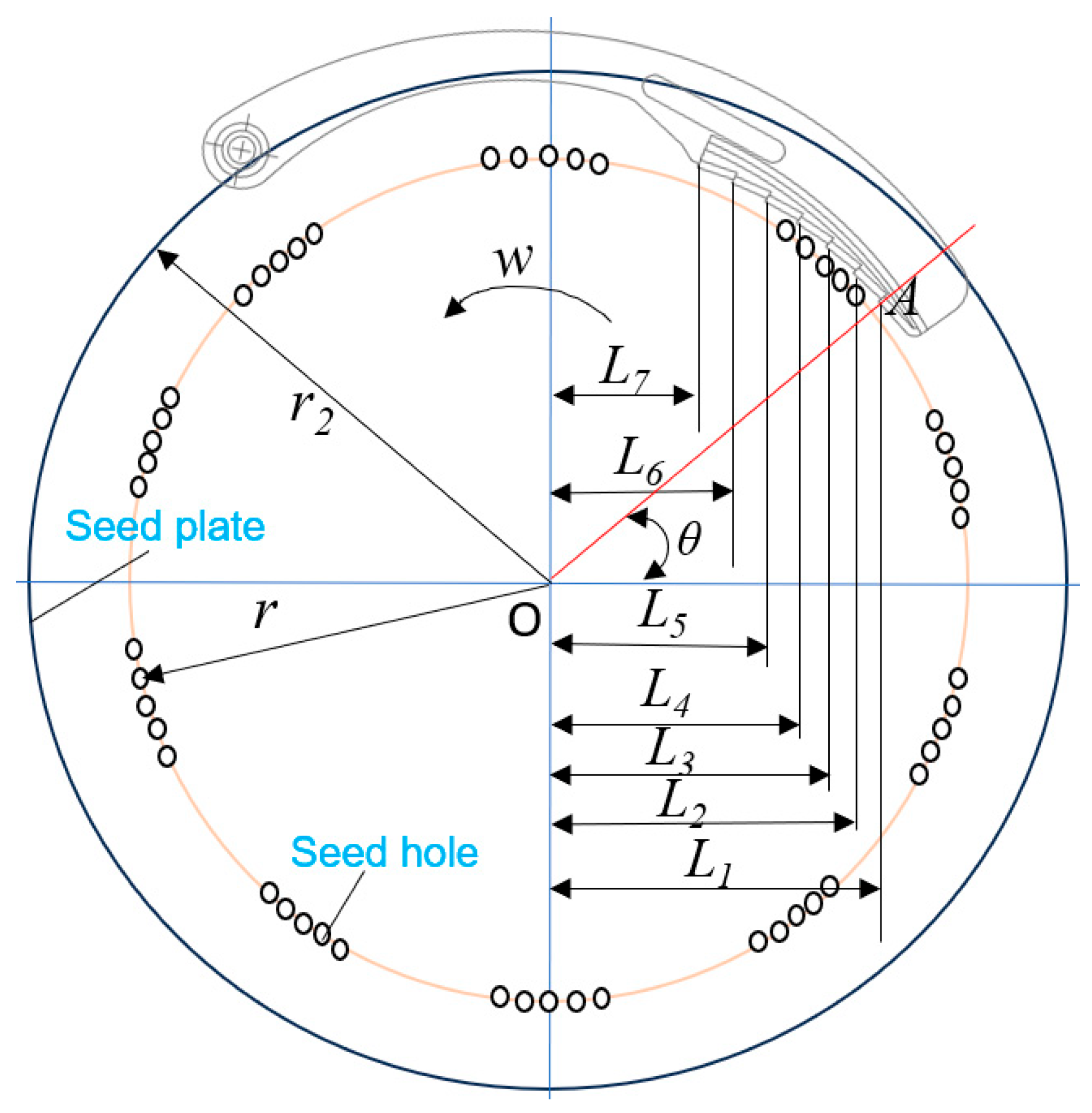
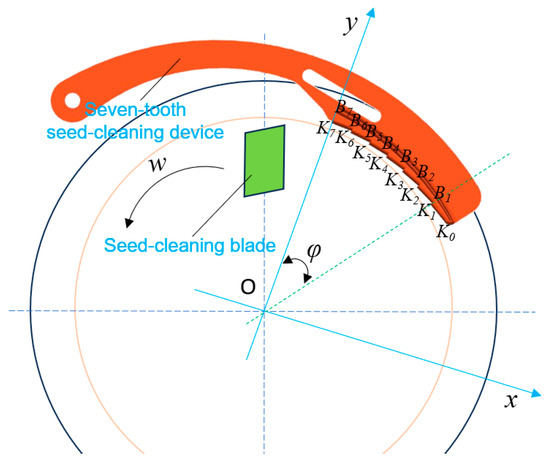
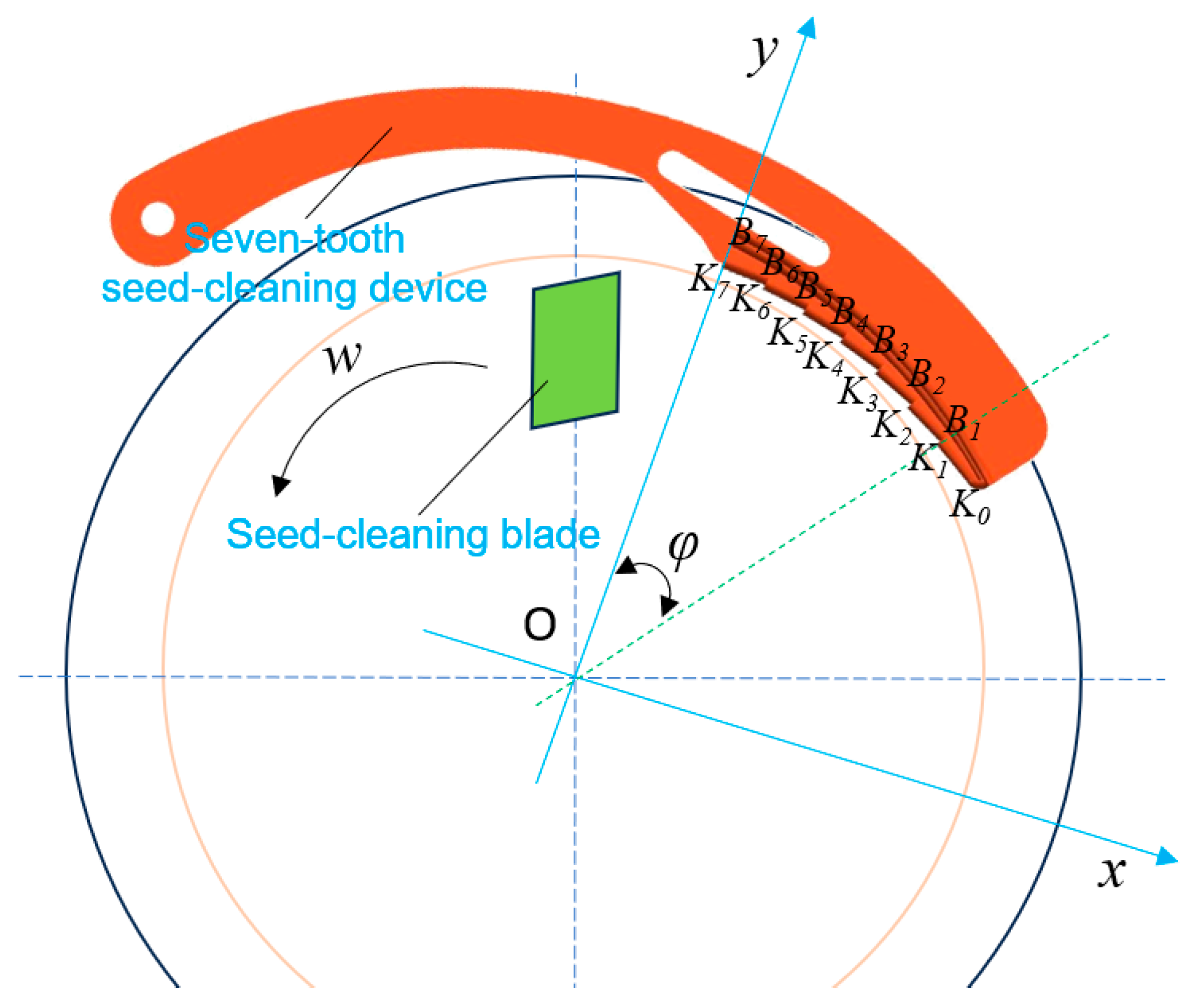
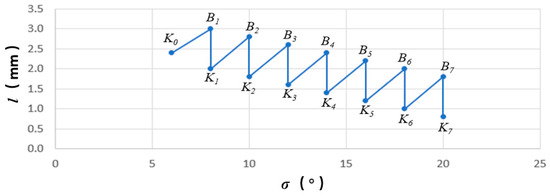
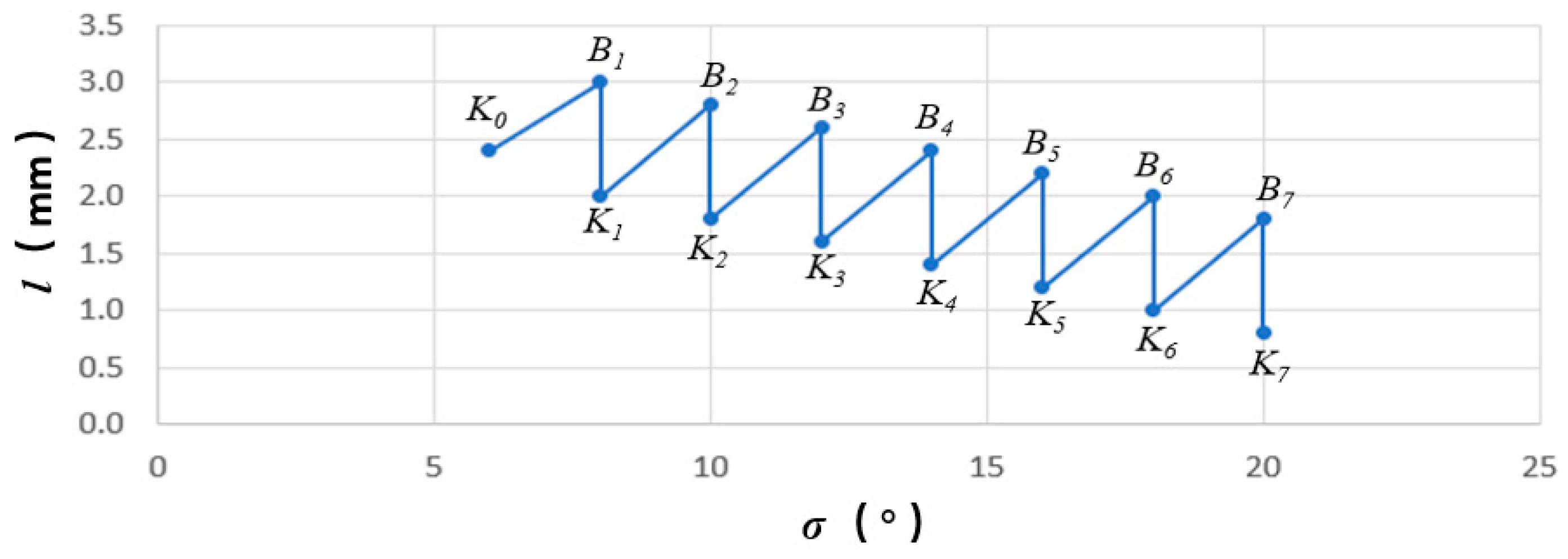
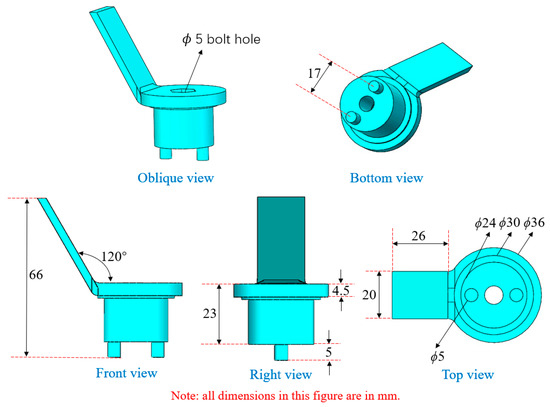
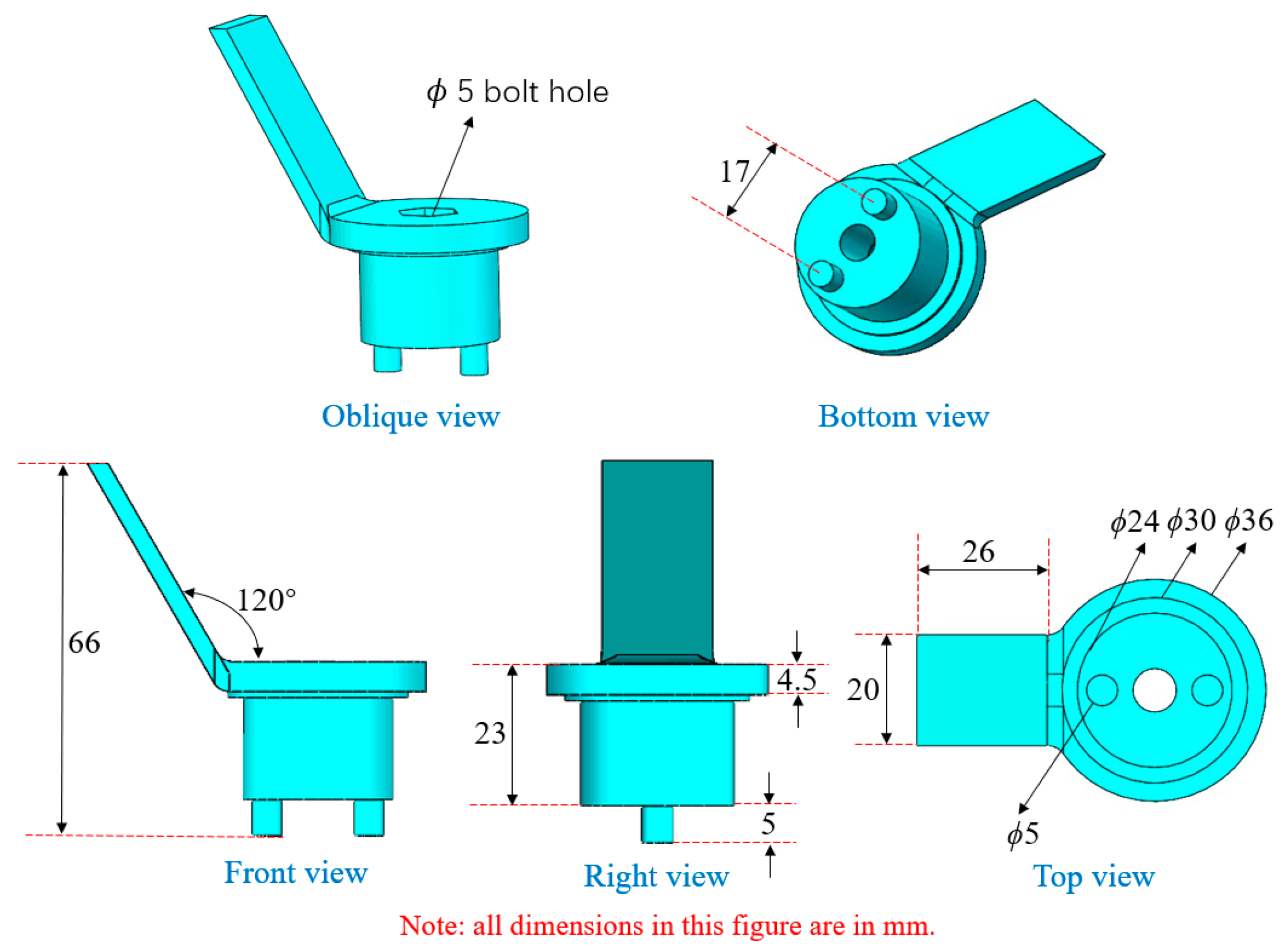
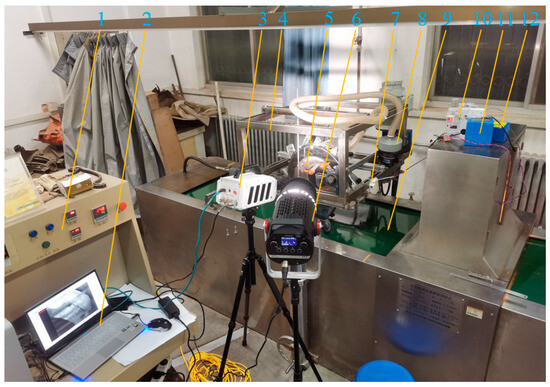
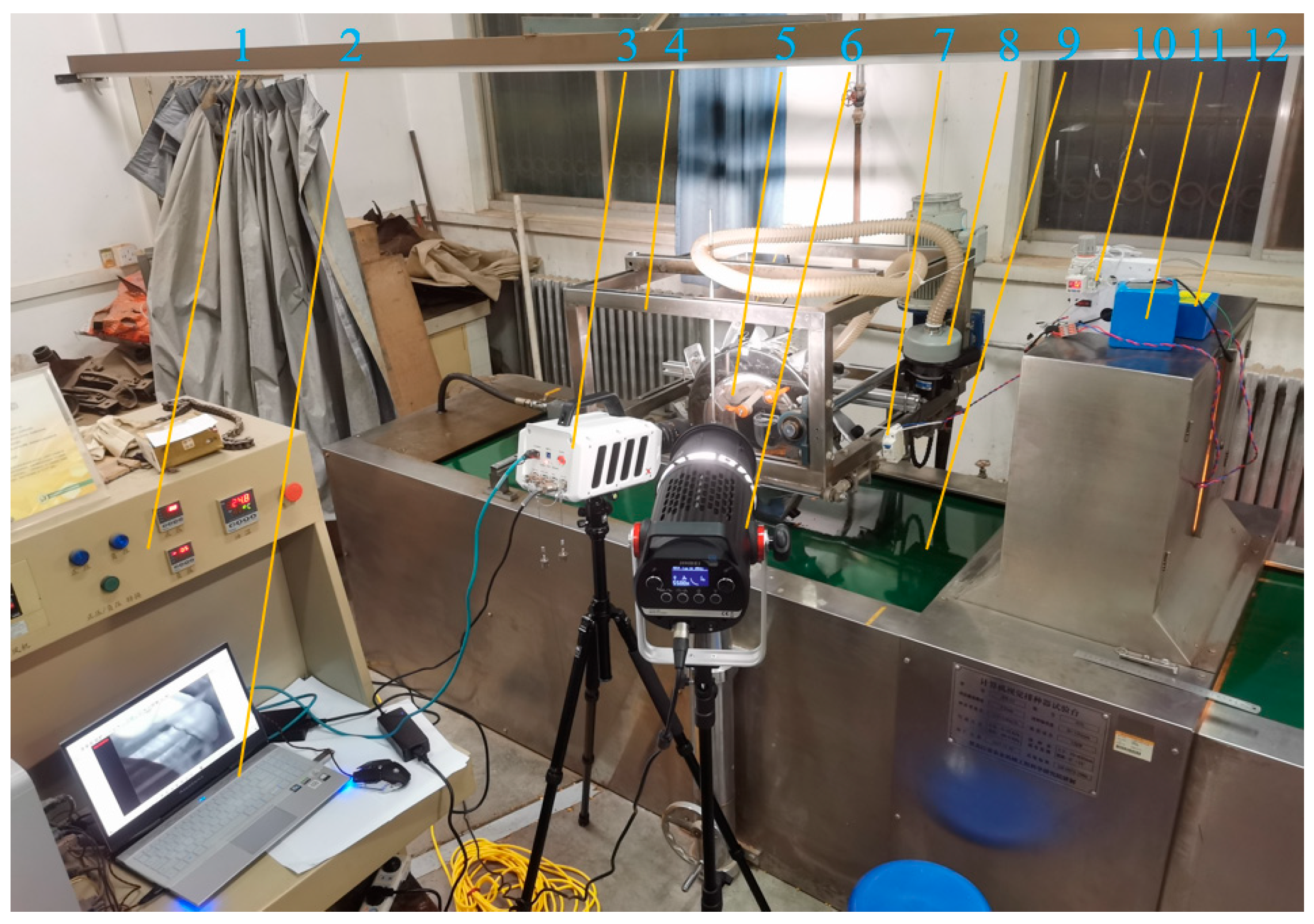
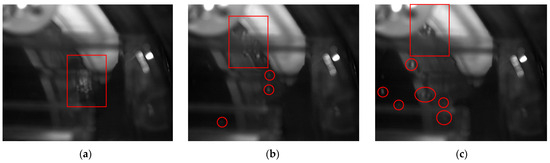
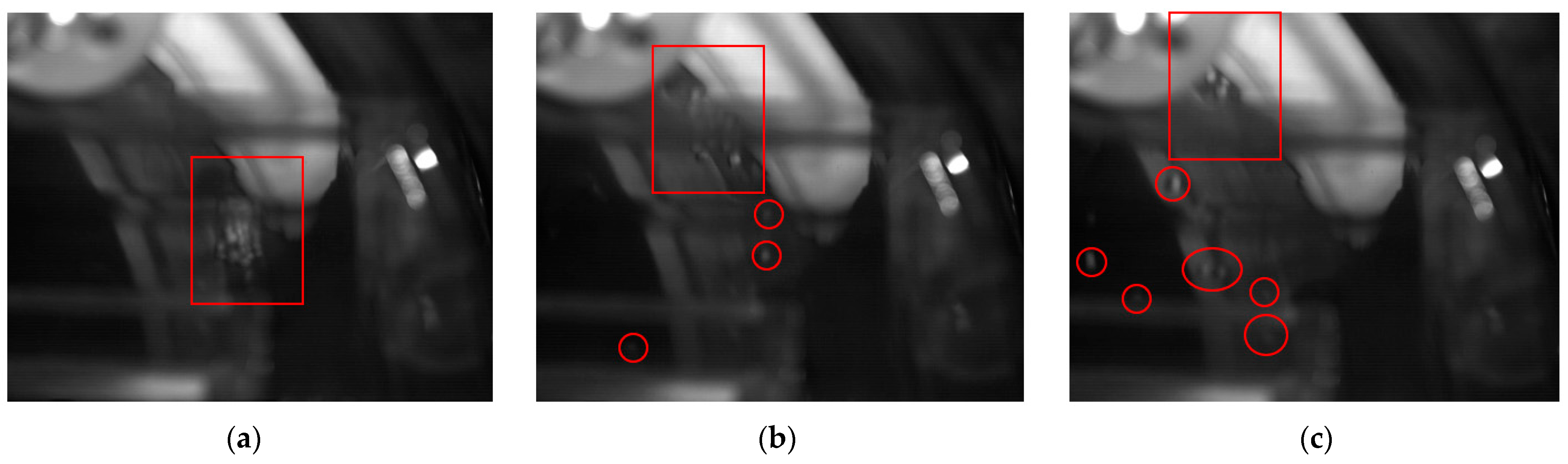
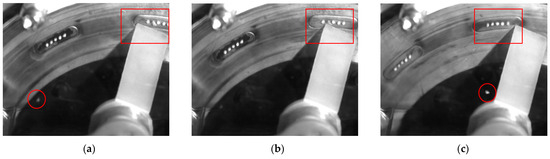
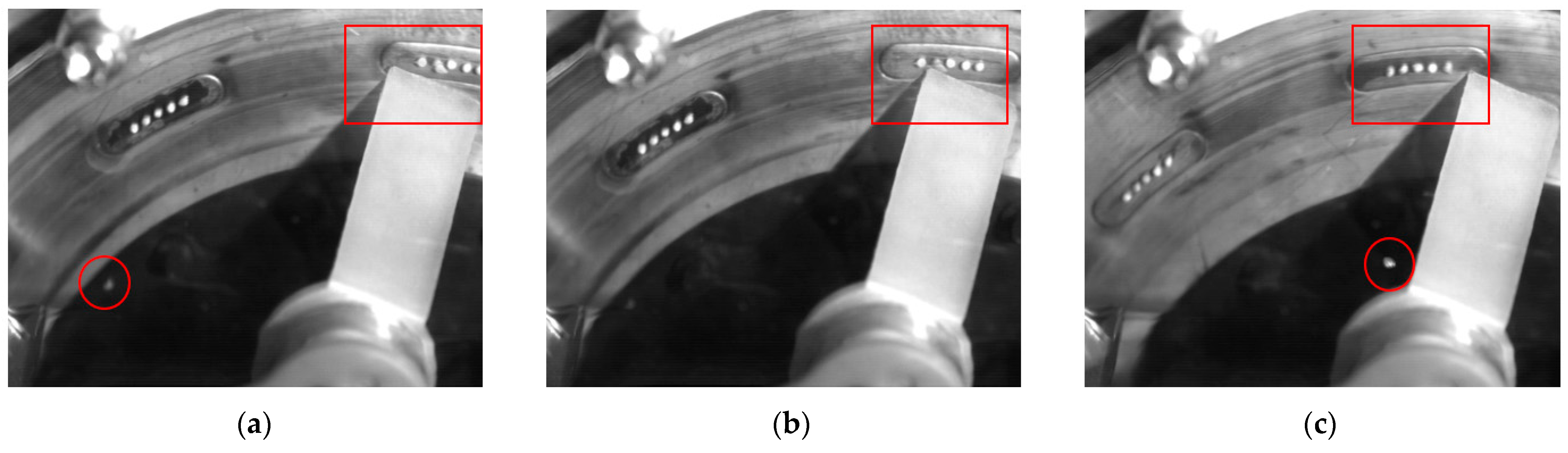
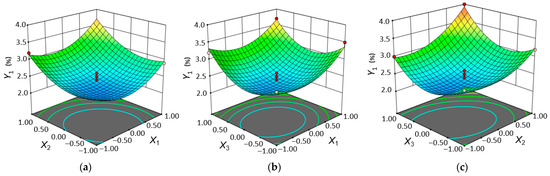
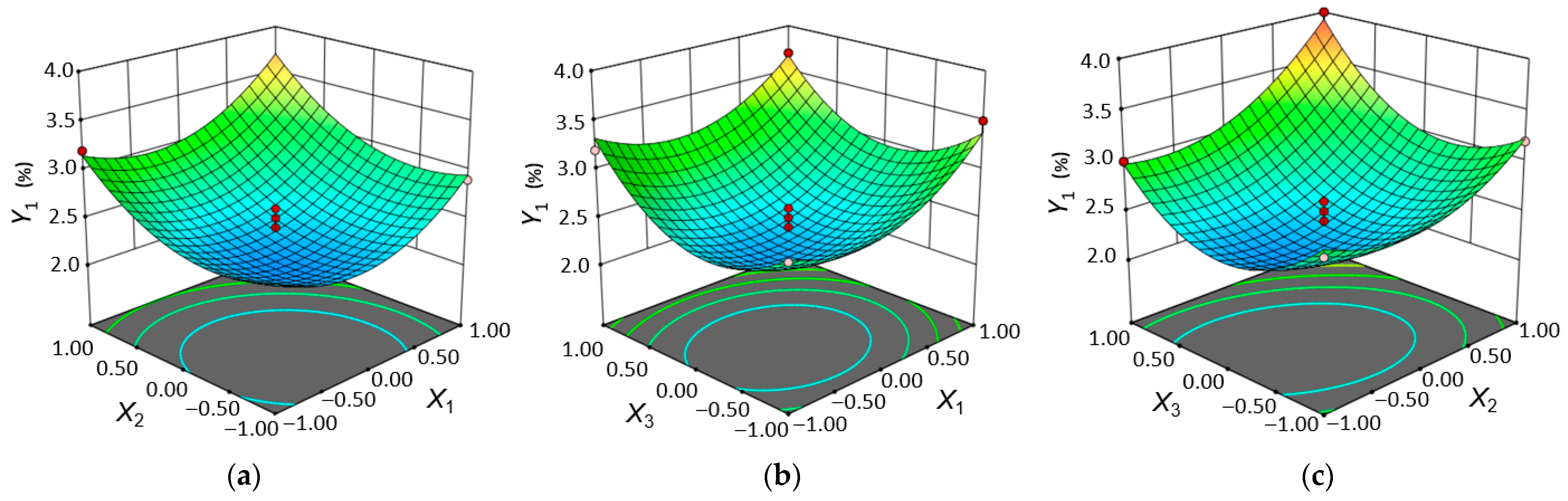
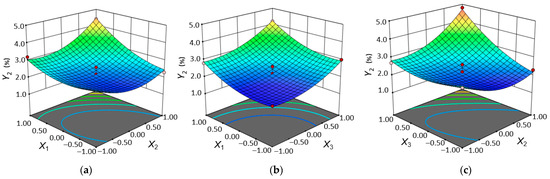
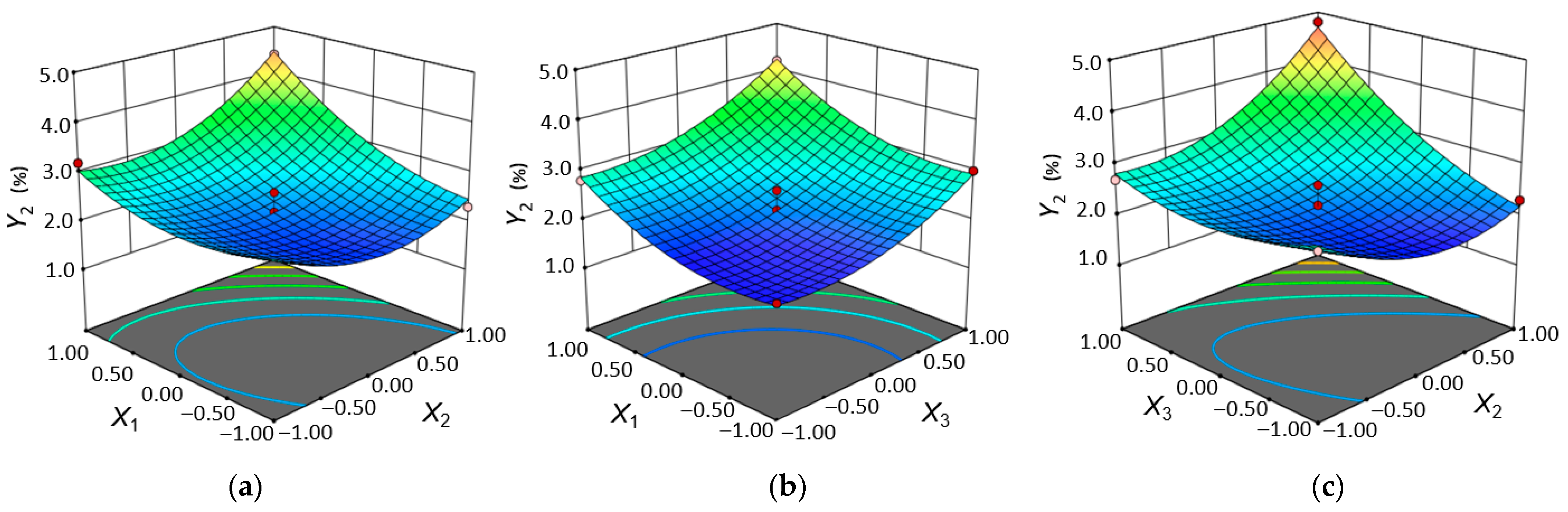
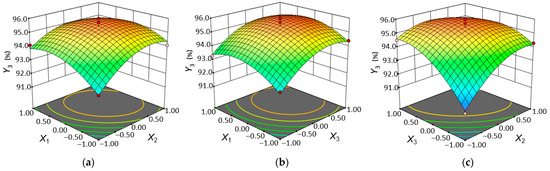
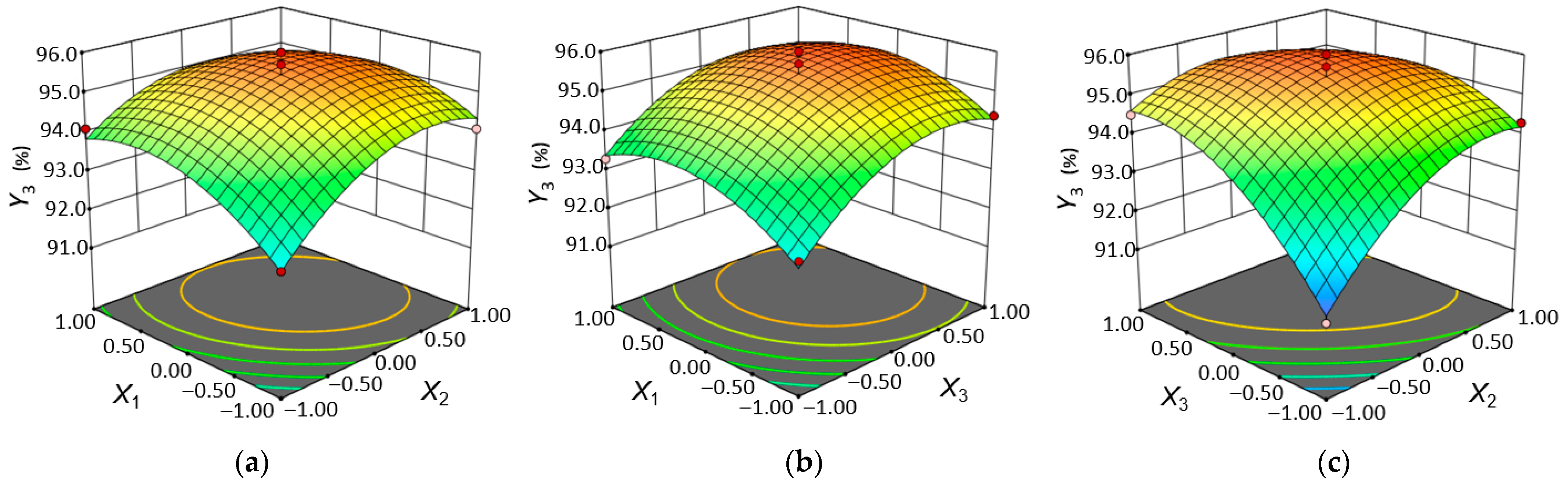
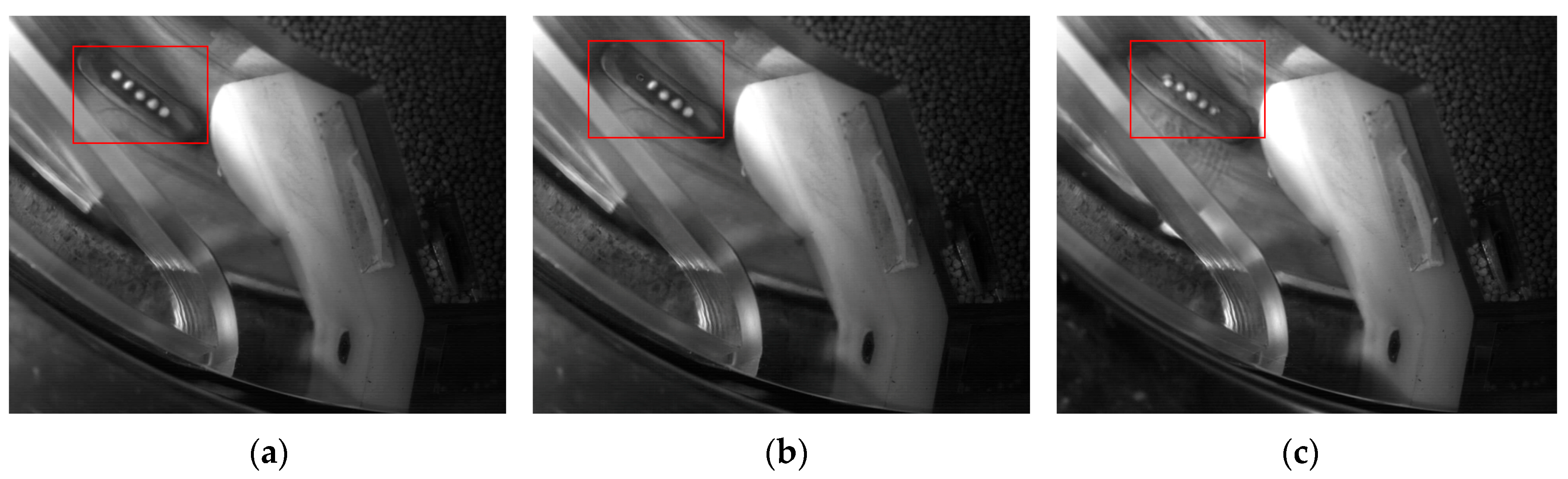

Disclaimer/Publisher’s Note: The statements, opinions and data contained in all publications are solely those of the individual author(s) and contributor(s) and not of MDPI and/or the editor(s). MDPI and/or the editor(s) disclaim responsibility for any injury to people or property resulting from any ideas, methods, instructions or products referred to in the content. |
© 2026 by the authors. Licensee MDPI, Basel, Switzerland. This article is an open access article distributed under the terms and conditions of the Creative Commons Attribution (CC BY) license.