


Abstract
In light of China’s mandatory garbage sorting policy, residents’ engagement in waste sorting tends to be short-term. To address this issue, this study proposes a conceptual framework to examine the relationships among motivation, green self-perception, and proactive garbage sorting behavior (PGSB). A total of 1550 questionnaires were collected across 31 provinces in China. Confirmatory factor analysis (CFA) was conducted to assess measurement quality, and hierarchical regression combined with bootstrapping was employed to test the parallel mediating effects of green self-perception and its three dimensions (green self-identity, green self-efficacy, and green self-connection). The results indicate that both obligation-based and enjoyment-based intrinsic motivations are positively associated with PGSB and its sub-dimensions. Green self-perception shows a statistical indirect effect in the relationship between intrinsic motivation and behavior. Specifically, green self-identity and green self-efficacy serve as consistent and significant mediators across all behavioral outcomes. In contrast, the mediating role of green self-connection varies across behavioral types. For obligation-based motivation, it only acts as a significant negative mediator for constrained proactive garbage sorting, with no significant effect on other behaviors. For enjoyment-based motivation, it exerts a positive mediating effect on self-development PGSB but suppresses participatory and constrained PGSBs. These findings suggest that fostering green self-perception may be an important pathway associated with PGSB. The study provides policy-relevant insights for shifting residents from compliance-driven to more self-initiated participation in waste sorting.
1. Introduction
Amid ongoing globalization, global municipal solid waste generation is projected to reach 3.8 billion tonnes by 2050, rendering waste management an increasingly pressing issue of international concern [1,2,3,4]. In response, the Chinese government has implemented mandatory waste sorting policies since 2019, aiming to enforce compliance through regulations, monitoring, and penalty mechanisms [5,6,7,8]. Although such interventions can rapidly mobilize public participation, their effectiveness in fostering sustained, long-term engagement remains uncertain.
Public attention data appear to reflect this concern. According to the Baidu Index, a platform that tracks public interest based on large-scale online search behavior (https://index.baidu.com/Helper/?tpl=help&word= (accessed on 18 March 2024)), public attention to the keyword “garbage sorting” surged when the policy was introduced in 2019 but declined substantially in subsequent years (see Figure 1). Although search trends do not directly measure behavior, they may indicate declining public attention to the policy issue. This pattern suggests a potential policy dilemma: while mandatory enforcement may generate strong short-term compliance, it may not necessarily cultivate sustained, self-initiated pro-environmental behavior.
Figure 1.
Baidu Index trend map of “Garbage sorting”.
A possible explanation for this dilemma lies in how pro-environmental behavior has been conceptualized in prior research. Most existing studies on garbage sorting behavior do not distinguish between different types of behavior. In particular, they tend to treat passive compliance and proactive behavior as the same, despite their distinct underlying drivers [9,10,11,12]. For example, some studies suggest that mandatory policies can promote garbage sorting behavior, whereas other research indicates that such policies may have negative spillover effects and undermine the sustainability of citizens’ engagement in environmental protection [13]. This may explain why the same driving factors sometimes produce inconsistent results in prior studies. At the same time, recent research in other environmental domains has begun to integrate behavioral data into sustainability and resource models, highlighting the broader importance of incorporating human behavior into environmental decision-making [14]. Therefore, given the practical dilemma of short-term effectiveness, this study focuses on proactive garbage sorting behavior, which refers to individuals voluntarily engaging in waste classification based on their own environmental awareness and willingness rather than external enforcement.
To better understand proactive environmental behavior, this study draws on Self-Determination Theory (SDT), which differentiates between self-determined and non-self-determined forms of behavior. Self-determined behaviors are driven by individuals’ internal motivations rather than external pressure [15,16]. Among the various motivational processes proposed in SDT, intrinsic motivation is considered particularly important for sustaining voluntary behavior over time. Therefore, this study focuses on intrinsic motivational drivers that are most closely associated with proactive environmental behavior. Prior studies distinguish between obligation-based intrinsic motivation for pro-environmental behavior, which is rooted in moral norms and a sense of duty, and enjoyment-based intrinsic motivation, which arises from positive affect such as satisfaction and achievements [17]. While obligation-based motivation is associated with stable pro-environmental behavior, the role of enjoyment-based motivation remains ambiguous [18,19,20]. On the one hand, pro-environmental actions often involve effort and inconvenience, potentially conflicting with hedonic motives [21]. On the other hand, the “warm-glow” effect suggests that positive emotions derived from helping others or contributing to public goods may reinforce voluntary engagement [22]. This unresolved tension indicates that existing research has yet to fully clarify how different types of intrinsic motivation operate in the context of sustained and proactive environmental behavior.
However, motivation alone does not necessarily translate into behavior. Individuals’ self-perceptions also play a crucial role in determining whether internal motivations are expressed through concrete actions. In this study, self-perception refers to individuals’ perceptions of themselves and their relationship with the environment [23,24]. According to Self-Consistency Theory (SCT), individuals tend to behave in ways that are consistent with their self-perceptions in order to maintain psychological coherence [25]. Therefore, intrinsic motivation may shape individuals’ self-perceptions, which in turn are associated with their behavioral choices.
In the environmental domain, prior research has often examined green self-perception primarily through the lens of environmental identity, which refers to individuals’ perceptions of themselves as environmentally responsible persons [26,27]. However, green self-perception can be understood as a multidimensional construct that encompasses not only identity but also perceived capabilities and relational connections. These three dimensions capture complementary aspects of the self-concept, reflecting how individuals define themselves (self-identity), what they believe they are capable of doing (self-efficacy), and how they psychologically relate to the natural environment (self-connection). Considering these dimensions together provides a more comprehensive perspective on how self-perceptions shape proactive environmental behavior.
To address these gaps, this study proposes a conceptual framework to examine the hypothesized path relationships among motivation, green self-perception, and proactive garbage sorting behavior. Specifically, this study makes two conceptual advancements. First, it distinguishes between obligation-based and enjoyment-based intrinsic motivations, thereby capturing the heterogeneous nature of internal motivational drivers and their potentially divergent effects. Second, it reconceptualizes green self-perception as a multidimensional construct comprising self-identity, self-efficacy, and self-connection.
Accordingly, this study addresses the following research questions: (1) How do obligation-based and enjoyment-based intrinsic motivations shape proactive garbage sorting behavior and its sub-dimensions? (2) How does multidimensional green self-perception shape proactive garbage sorting behavior and its sub-dimensions? (3) Does green self-perception mediate the relationship between intrinsic motivation and proactive garbage sorting behavior and its sub-dimensions?
This study makes three main contributions. First, it advances the literature by distinguishing proactive garbage sorting behavior from passive compliance, thereby providing a refined conceptual lens to explain the inconsistency of prior findings and shedding light on the policy dilemma between short-term enforcement effectiveness and long-term behavioral sustainability. Second, it extends the concept of green self-perception by conceptualizing it as a multidimensional construct encompassing self-identity, self-efficacy, and self-connection. This reconceptualization moves beyond identity-based explanations and enriches the understanding of self-related psychological mechanisms in pro-environmental behavior. Third, the study develops a Motivation–Self-Perception–Behavior theoretical framework to examine how intrinsic motivations are associated with proactive environmental behavior through self-perception mechanisms. These insights contribute to a better understanding of how sustained pro-environmental behavior may be fostered under policy interventions.
2. Literature Review and Theoretical Foundation
2.1. Garbage Sorting Behavior
The existing literature has extensively examined the determinants of waste sorting behavior, particularly in the Chinese context. As summarized in Table 1, prior studies can be broadly categorized into three perspectives: macro-level, micro-level, and integrated approaches.
Table 1.
Research conducted relate to garbage sorting behavior.
At the macro level, scholars have primarily focused on external institutional factors, such as mandatory policies, incentive mechanisms, and environmental education. These studies emphasize the role of regulatory enforcement and policy interventions in shaping residents’ compliance behavior [37,44]. At the micro level, research has predominantly examined individual psychological and cognitive determinants, including attitudes, subjective norms, perceived behavioral control, personal norms, and environmental cognition. These studies, often grounded in the Theory of Planned Behavior and the Norm Activation Model, highlight the role of internal cognitive and moral processes in influencing behavioral intention [29,33].
Notably, an increasing number of studies have adopted an integrated perspective by combining macro-level and micro-level factors. These studies incorporate both institutional contexts and individual psychological mechanisms, often by extending traditional theoretical frameworks or integrating multiple theories [29,41]. This line of research reflects a growing recognition that waste sorting behavior is shaped by the interaction between external constraints and internal motivations. Meanwhile, Deterrence Theory highlights the importance of external enforcement mechanisms, such as monitoring and penalties, in promoting compliance behavior [39]. More recently, scholars have attempted to integrate multiple theoretical perspectives to better capture the complexity of waste sorting behavior [29,41], reflecting a trend toward more comprehensive analytical frameworks.
However, despite the growing body of literature, several critical limitations remain. Macro-level approaches, largely centered on external policy interventions, primarily explain compliance-oriented behavior driven by external pressures, yet fall short in accounting for the persistence of proactive and intrinsically motivated waste sorting behavior. Meanwhile, micro-level studies have identified various psychological determinants, but tend to conceptualize intrinsic motivation as a unitary construct, overlooking the potential heterogeneity between obligation-based and Enjoyment-based motivational orientations. More importantly, the cognitive mechanisms through which these differentiated motivations translate into behavior remain insufficiently understood. In particular, the role of multidimensional green self-perception as a key cognitive pathway linking intrinsic motivation to proactive waste sorting behavior has received limited scholarly attention.
2.2. Proactive Garbage Sorting Behavior
Despite the government’s efforts to promote garbage sorting through mandatory measures such as legislation and penalties, these interventions may primarily stimulate short-term compliance rather than sustained voluntary participation [13]. From a theoretical perspective, existing studies on garbage sorting behavior have largely treated pro-environmental behavior as a single construct and have rarely distinguished between passive compliance and proactive engagement [47,48]. As a result, the proactive dimension of garbage sorting behavior remains underexplored.
To address this limitation, the present study focuses on proactive garbage sorting behavior, defined as individuals’ voluntary and self-initiated engagement in waste classification beyond externally imposed requirements. Given the limited research on proactive behavior in garbage sorting, we have drawn upon the categorization of proactive behavior from the field of environmental organization management. Boiral [49] proposed five dimensions of environmental proactive behaviors: (1) ‘Helping’ (encouraging coworker and assising others in environmental protection); (2) ‘Sportsmanship’ (maintaining a positive attitude towards environmentally friendly behaviors that are challenging to perform); (3) ‘Organizational loyalty’ (supporting the company’s environmental policies and adhering to compliant companies’ environmental practices); (4) ‘Individual initiative’ (actively participating in environmental activities in the workplace); and (5) ‘Self-development’ (acquiring knowledge related to environmental protection through various channels). Boiral and Paillé [50] further classified environmental organizational citizenship behavior into three types: (1) ‘Eco-initiatives’ (improving environmental practices and performance); (2) ‘Eco-civic engagement’ (voluntarily participating in organizational activities); and (3) ‘Eco-helping’ (voluntarily assisting colleagues in the workplace).
Drawing on the literature on proactive environmental behavior in organizational contexts, this study conceptualizes proactive garbage sorting behavior as a multidimensional construct consisting of four dimensions: (1) Self-development proactive garbage sorting behavior; (2) Participation proactive garbage sorting behavior; (3) Constrained proactive garbage sorting behavior; and (4) Garbage sorting proactive help behavior. These dimensions contribute to a deeper understanding of proactive behavior in garbage sorting. Details are provided in Table 2.
Table 2.
Definition and source of proactive garbage sorting behavior.
2.3. Two Types of Intrinsic Motivation
The concept of proactive garbage sorting behavior aligns with the notion of self-determination behavior as outlined in Self-Determination theory (SDT), which refers to voluntary actions performed without external pressure [15,52]. According to SDT, proactive garbage sorting behavior is driven by intrinsic motivation.
In the realm of pro-environmental behavior, there are two types of intrinsic motivation [17]. The first is obligation-based intrinsic motivation, which relates to an individual’s sense of duty to adhere to specific moral rules, norms, or principles [53,54]. Prior research has demonstrated a positive correlation between personal moral obligation and pro-environmental behavior [55,56,57]. Furthermore, given that personal moral obligation is rooted in self-transcending values, which encompass altruism, biosphere value, and a disregard for personal costs, it can be inferred that behaviors driven by this sense of obligation are more sustainable and long-term [58,59].
The second type of intrinsic motivation is enjoyment, which involves engaging in certain behaviors to experience pleasurable emotions such as satisfaction and achievement. Prior research has indicated that enjoyment-based motivation is more related to leisure activities, while there is a negative correlation between such motivation and pro-environmental behaviors that require effort [21,60,61]. This could be attributed to the fact that enjoyment-based motivation is associated with immediate personal benefits, whereas environmentally conscious behaviors that require effort often involve long-term social responsibility. However, for proactive behavior without any cost, this type of intrinsic motivation should not be overlooked. Heberlein [62] proposed that ‘decisions are classified as ethical behavior only when the person making the decision voluntarily chooses to take action with prior knowledge’, thus proactive behavior can be considered ethical behavior. Research on ethical behavior based on charitable donations has found that the sense of achievement and satisfaction derived from imagining helping others can stimulate voluntary donation behavior [63,64,65]. Similarly, the sense of satisfaction and achievement derived from actively sorting garbage can serve as a ‘warm-glow effect’, making individuals more inclined to voluntarily engage in such behavior. Based on these findings, we propose the following hypothesis:
Hypothesis 1 (a).
Obligation-based intrinsic motivations positively influence proactive garbage sorting behavior and its four subdivisions.
Hypothesis 1 (b).
Enjoyment-based intrinsic motivations positively influence proactive garbage sorting behavior and its four subdivisions.
2.4. Green Self-Perception
Self-perception refers to individuals’ subjective perceptions of themselves and their relationship with the surrounding environment [66]. In the context of environmental behavior, previous studies have mainly examined self-perception through the lens of environmental self-identity, which reflects the extent to which individuals perceive themselves as environmentally responsible persons [67,68]. Studies have shown that an individual’s self-identity can positively influence pro-environmental behavior. This suggests that individuals who identify with an environmental protection identity are more inclined to choose options that are environmentally beneficial, have long-term advantages, are eco-friendly, and benefit the community [16,26,69]. They are also more likely to voluntarily engage in pro-environmental behaviors, even when faced with high economic costs or effort [21].
However, self-perception can also be understood as a multidimensional construct that includes not only identity but also perceived capability and psychological connection with nature. First, green self-efficacy refers to individuals’ beliefs in their ability to perform pro-environmental behaviors such as garbage sorting [70]. Individuals with stronger green self-efficacy are more confident in their capacity to engage in environmental actions and are therefore more likely to translate environmental awareness into actual behavior [71,72,73]. Second, green self-connection reflects individuals’ psychological connection with the natural environment [74]. When individuals perceive themselves as closely connected to nature, they are more likely to experience emotional attachment and moral responsibility toward environmental protection [75,76,77]. This psychological connection can inspire emotional resonance and prompt individuals to pay more attention to environmental conservation and take corresponding actions to protect their perceived ‘own’ environment.
Considering that current research only focuses on the identity aspect of green self-perception, we suggest expanding this concept in the context of garbage sorting scenarios. This expansion should include the dimensions of identity, ability, and connection to explore its impact on proactive garbage sorting behavior. Based on this analysis, we propose the following hypothesis:
Hypothesis 2.
Green self-perception positively influences the proactive garbage behavior and its four subdivisions.
Hypothesis 2 (a).
Green self-identity positively influences proactive garbage sorting behavior and its four subdivisions.
Hypothesis 2 (b).
Green self-efficacy positively influences proactive garbage sorting behavior and its four subdivisions.
Hypothesis 2 (c).
Green self-connection positively influences proactive garbage sorting behavior and its four subdivisions.
2.5. The Relationship Among Motivation, Self-Image, and Proactive Garbage Sorting Behavior
Motivation serves as an important driving force underlying behavior, reflecting individuals’ desire to act. It may also shape how individuals perceive themselves, as people tend to form self-perceptions that are consistent with their internal motivations. In turn, individuals are more likely to engage in behaviors that align with their self-perceptions.
Previous research has identified a close relationship between personal morality and self-perception [27]. Individuals driven by moral motivation tend to develop a positive self-perception that aligns with moral ideals, which is associated with socially responsible behavior. In addition, enjoyment-based intrinsic motivation such as the pursuit of satisfaction and achievement can generate a non-material psychological reward, often referred to as the “warm-glow” effect. Prior studies have linked this effect to more positive self-perceptions [78]. Taken together, these perspectives suggest that both obligation-based and enjoyment-based intrinsic motivations may be associated with the formation of green self-perception, which in turn relates to proactive garbage sorting behavior. Based on this reasoning, we propose the following hypotheses:
Hypothesis 3.
Green self-perception shows a statistical indirect effect on the relationship between intrinsic motivation (obligation-based and enjoyment-based) and proactive garbage sorting behavior and its subcategories.
Hypothesis 3 (a).
Green self-identity shows a statistical indirect effect on the relationship between intrinsic motivation (obligation-based and enjoyment-based) and proactive garbage sorting behavior and its subcategories.
Hypothesis 3 (b).
Green self-efficacy shows a statistical indirect effect on the relationship between intrinsic motivation (obligation-based and enjoyment-based) and proactive garbage sorting behavior and its subcategories.
Hypothesis 3 (c).
Green self-connection shows a statistical indirect effect on the relationship between intrinsic motivation (obligation-based and enjoyment-based) and proactive garbage sorting behavior and its subcategories.
Based on the above theoretical analysis, Figure 2 presents the conceptual framework illustrating the hypothesized relationships, which are empirically examined through regression-based analysis. The framework hypothesizes relationships among two types of intrinsic motivation, three dimensions of green self-perception, and four dimensions of proactive garbage sorting behavior.
Figure 2.
Conceptual framework. Note: This figure presents the hypothesized conceptual framework. The empirical analysis tests individual path relationships and mediation effects using hierarchical regression and bootstrapping.
3. Materials and Methods
3.1. Questionnaire Design and Scale
To ensure measurement reliability and validity, the questionnaire items were adapted from established and widely used scales related to intrinsic motivation, green self-perception, and proactive garbage sorting behavior, with minor modifications to fit the garbage-sorting context.
The questionnaire development followed several steps. First, the original items were translated from English into Chinese using a translation procedure to ensure linguistic equivalence. Two bilingual experts reviewed the translated version to ensure grammatical accuracy and semantic consistency. Second, six scholars with expertise in pro-environmental behavior research evaluated the questionnaire in terms of content validity, clarity, and logical coherence. Third, a pilot test was conducted with ten participants to assess the readability and practicality of the questionnaire, and minor revisions were made accordingly.
To reduce potential response bias, the order of questionnaire items was randomized. In addition, an attention-check item was included to identify invalid responses. All items were measured using a seven-point Likert scale, ranging from 1 (“strongly disagree”) to 7 (“strongly agree”). Composite scores for each construct were calculated by averaging the corresponding items. The detailed measurement items and their sources are reported in Appendix A.
3.2. Survey Collection and Sample
Data were collected through an online questionnaire survey conducted between May and June 2025. The survey was administered via Sojump (https://www.sojump.com), one of the largest online survey platforms in China and widely used in academic research [30,79,80].
A survey link was generated on the Sojump platform and distributed through WeChat, a widely used social networking platform in China. To enhance data quality, respondents were required to complete real-name authentication through their WeChat accounts. Participation was voluntary, and small monetary incentives were provided upon completion. The study protocol was reviewed and approved by the Ethics Committee for Scientific Research at the authors’ institution, and all respondents provided informed consent prior to participation.
As shown in Table 3, the sample covers 31 provinces across six major administrative regions of China, namely North China, Northeast China, East China, Central South, Southwest, and Northwest, providing broad geographic coverage. Given the large and diverse population, a sample size calculation was conducted to ensure adequate statistical power. Based on a 95% confidence level, a standard deviation of 0.5, and a margin of error of 5%, the minimum required sample size was determined using the following formula:
Table 3.
Distribution of samples.
n: sample size for the study.
Z: confidence level. The Z score is 1.96 at the 95% confidence level.
σ: standard deviation.
E: margin of error.
Formula calculations showed that the minimum sample size to draw meaningful conclusions was 384 participants. We received a total of 1879 survey questionnaires. After rigorous screening based on criteria such as response time, false answers, and extreme values, 1550 valid questionnaires were retained for analysis, resulting in an effective response rate of 82.5%. Detailed information about all the respondents is provided in Table 4.
Table 4.
Demographic characteristics (N = 1550).
3.3. Analytical Approach vs. Conceptual Framework
The conceptual framework presented in Figure 2 is intended to illustrate the theoretically hypothesized relationships among intrinsic motivation, green self-perception, and proactive garbage sorting behavior. It serves as a conceptual representation of these relationships, rather than a structural equation model (SEM) designed for the simultaneous estimation of latent variables.
Consistent with this distinction, the empirical analysis in this study does not seek to estimate a full structural model. Instead, it focuses on examining individual path relationships and indirect effects among variables based on observed composite scores. Accordingly, hierarchical regression combined with bootstrapping is adopted as an analytical strategy that aligns with this research objective.
However, this regression-based approach differs from SEM in several important respects. First, the use of composite variables does not explicitly account for measurement error in latent constructs. Second, it does not provide an overall goodness-of-fit assessment for the complete system of relationships depicted in Figure 2. Moreover, due to the use of hierarchical regression rather than SEM, the present study does not provide a simultaneous test of the full conceptual model with latent variables.
Therefore, the findings should be interpreted as statistical evidence of hypothesized path relationships, rather than as a comprehensive validation of an integrated structural model.
4. Results
To examine the relationships among intrinsic motivation, green self-perception, and proactive garbage sorting behavior, hierarchical regression analysis combined with bootstrapping was employed. This approach allows for testing hypothesized relationships and indirect effects among variables using observed composite scores and is widely used in behavioral research.
This study followed a two-step analytical procedure. First, confirmatory factor analysis (CFA) was conducted using AMOS 26.0 (IBM Corp., Armonk, NY, USA) to assess the reliability and validity of the measurement scales. Internal consistency was evaluated using Cronbach’s alpha, McDonald’s ω coefficients and composite reliability (CR). Convergent validity was assessed based on standardized factor loadings and average variance extracted (AVE), while discriminant validity was examined using the Fornell–Larcker criterion. CFA was used solely to assess measurement reliability and validity, rather than to estimate a full structural model.
Second, hypothesis testing was performed using SPSS 26.0 (IBM Corp., Armonk, NY, USA). Hierarchical regression analyses were conducted to examine the relationships between obligation-based intrinsic motivation, enjoyment-based intrinsic motivation, and proactive garbage sorting behavior and its four dimensions. Control variables, including demographic characteristics, were entered in the first step, followed by the independent variables in subsequent steps.
To further examine the mediating role of green self-perception (including green self-identity, green self-efficacy, and green self-connection), mediation analyses were conducted using a bootstrapping procedure with 5000 resamples. Indirect effects were considered statistically significant if the 95% confidence intervals did not include zero. Given the cross-sectional design, the mediation results reflect contemporaneous associations and should not be interpreted as causal evidence of temporal ordering.
4.1. Scale Testing
4.1.1. Reliability and Validity Test
As shown in Table 5, the reliability of the measurement scales was evaluated using multiple indicators. Cronbach’s α coefficients, calculated using SPSS 26.0, ranged from 0.751 to 0.830, indicating acceptable internal consistency, and the composite reliability values showed consistent results. To further ensure robustness, McDonald’s ω coefficients were also calculated. All ω values exceeded the recommended threshold of 0.70, providing additional evidence for the reliability of the constructs.
Table 5.
Reliability and validity test index results for the scale.
We further conducted Bartlett’s test of sphericity and a Kaiser-Meyer-Olkin measure of sampling adequacy (KMO) test using SPSS 26.0 to ensure the validity of the initial scale [81]. The KMO values for all scales exceeded the critical value of 0.7, and the p-value in the Bartlett sphericity test was below 0.001, indicating that the scale passed preliminary tests and is suitable for factor analysis in Table 6.
Table 6.
Kaiser-Meyer-Olkin and Bartlett test results about the scales.
Confirmatory factor analysis was then conducted using the maximum likelihood estimation method in AMOS 26.0. The results showed that all standardized factor loadings exceeded 0.60, indicating acceptable item reliability [82]. In addition, the composite reliability (CR) values ranged from 0.766 to 0.883, exceeding the recommended threshold of 0.70, and the average variance extracted (AVE) values ranged from 0.511 to 0.717, exceeding the recommended threshold of 0.50 [83]. These results indicate satisfactory convergence validity, as shown in Table 5.
Discriminant validity was evaluated using the Fornell–Larcker criterion. As shown in Table 7, the square root of the AVE for each construct was greater than its correlations with other constructs, indicating adequate discriminant validity [83].
Table 7.
Fornell–Larcker discriminant validity Criterion.
Finally, confirmatory factor analysis (CFA) was conducted using AMOS 26.0 to assess the measurement quality of the scales, including intrinsic motivation, green self-perception, and proactive garbage sorting behavior. As shown in Table 8, the results indicated that all measurement models achieved acceptable levels of fit, supporting the reliability and validity of the measurement scales.
Table 8.
The scale verified the results of the factor analysis fitting indicators.
4.1.2. Testing for Common Method Bias and Collinearity
Since all variables were measured using self-reported questionnaires, common method bias (CMB) may potentially influence the results. To address potential common method bias (CMB), both procedural and statistical remedies were applied. First, several procedural measures were adopted during questionnaire design, including randomizing item order and incorporating attention-check questions to reduce response bias.
Second, Harman’s single-factor test was conducted to statistically examine common method bias [84]. The results indicate that the first unrotated factor accounts for 18.8% of the total variance, which is well below the commonly accepted threshold of 40%, suggesting that common method bias is unlikely to seriously affect the results.
In addition, multicollinearity was examined using Tolerance (Tol) and Variance Inflation Factor (VIF) values. The results showed that all Tolerance values exceeded 0.10 and VIF values ranged from 1.61 to 3.36, which are well below the recommended threshold of 5. These findings indicate that multicollinearity is not a concern in the regression analyses. The specific Tol and VIF values are detailed in Table 9.
Table 9.
Tolerance and Variance Inflation Factor.
4.2. Testing of Hypothesized Path Relationships
As shown in Figure 3, we first examined the bivariate associations consistent with the hypothesized relationships between the two forms of intrinsic motivation (OIM, EIM) with proactive garbage sorting behavior and its four types (PGSB, SPGCB, PPGSB, CPGSB, GCPHB). The findings suggested a positive correlation between two types of intrinsic motivation with proactive garbage sorting behavior and its subdivisions. Following this, we conducted a correlation analysis between green self-perception and its three types (GS, GSI, GSE, GSC) with proactive garbage sorting behavior and its four subtypes (PGSB, SPGCB, PPGSB, CPGSB, GCPHB). The analysis revealed significant positive correlations, thereby validating.
Figure 3.
Pearson’s correlation analysis (** p < 0.01). Note: The color intensity represents the magnitude of the coefficients, with darker shades indicating stronger relationships.
Subsequently, a hierarchical regression analysis was conducted to further examine the relationships between intrinsic motivation, green self-perception, and proactive garbage sorting behavior. Control variables, including gender, age, education, household income, and family size, were entered in Step 1 of the hierarchical regression models. As shown in Table 10, Model 1 includes only these control variables, while Model 2 introduces the two types of intrinsic motivation. The results of Model 2 reveal that both obligation-based intrinsic motivation (OIM) and enjoyment-based intrinsic motivation (EIM) exert significant positive effects on the overall proactive garbage sorting behavior (PGSB) and all four of its subdimensions (SPGCB, PPGSB, CPGSB, and GCPHB). Specifically, EIM shows a particularly strong influence on participatory behavior (PPGSB: B = 0.602, p < 0.01) and constrained behavior (CPGSB: B = 0.582, p < 0.01), while OIM is a robust predictor for self-protection behavior (SPGCB: B = 0.424, p < 0.01).
Table 10.
The hierarchical regression test.
In Model 3, the three dimensions of green self-perception were added to test for mediation effects. The results indicate that green self-identity (GSI) and green self-efficacy (GSE) have significant positive impacts across nearly all dimensions of behavior. For instance, GSI is a strong predictor of constrained participation behavior (CPGSB: B = 0.261, p < 0.01). However, green self-connection (GSC) exhibits a significant negative effect on PGSB (B = −0.071, p < 0.01), PPGSB (B = −0.138, p < 0.01), and CPGSB (B = −0.188, p < 0.01), while its effect on proactive helping behavior (GCPHB) is not significant. After accounting for these mediators, the coefficients for OIM and EIM remain significant in most models but are reduced in magnitude compared to Model 2, suggesting that green self-perception shows a statistical indirect effect in the relationship between intrinsic motivation and behavior. Notably, the predictive power of the model 3 for PGSB increased substantially from R2 = 0.048 in Model 1 to R2 = 0.635 in Model 3. The control variables generally exhibit weak and inconsistent effects across behavioral dimensions, suggesting that the main findings are primarily driven by the focal explanatory variables.
4.3. Heterogeneity Analysis
To examine potential heterogeneity, subgroup analyses were conducted based on age, education, and income (see Table 11). Overall, the main results remain largely robust across subgroups. However, several differences are observed. Specifically, the effect of EIM is significantly stronger among older individuals, whereas GSI shows a stronger effect among younger groups. In terms of education, most effects are stable, but the negative impact of GSC is more pronounced among highly educated individuals. Similarly, for income groups, while most coefficients do not differ significantly, the negative effect of GSC is stronger among lower-income individuals. These findings suggest that while the overall relationships are consistent, certain mechanisms vary across demographic groups, particularly emotional motivation and perceived constraints.
Table 11.
Heterogeneity Analysis Across Individual Characteristics.
4.4. Parallel Mediation Analysis
To further verify the statistical indirect effects, a parallel mediation analysis based on 5000 bootstrapping resamples was conducted. As shown in Table 12, the results indicate that the total and direct effects of both obligation-based intrinsic motivation (OIM) and enjoyment-based intrinsic motivation (EIM) on all dimensions of green behavior are statistically significant, as their 95% confidence intervals do not include zero.
Table 12.
Results of Parallel Mediation Analysis Based on Bootstrapping.
Further detailed analyses were conducted to examine the specific mediating roles of the three dimensions of green self-perception: green self-identity (GSI), green self-efficacy (GSE), and green self-connection (GSC). The results show that GSI and GSE are significantly associated with the relationships between the types of intrinsic motivation (OIM and EIM) and all five behavioral outcomes (PGSB, SPGSB, PPGSB, CPGSB, and GCPHB). For instance, GSI exhibits a particularly strong mediating role in the path OIM→GSI→CPGSB, accounting for 41.71% of the effect. These findings provide consistent support for the partial mediation roles of green self-identity and green self-efficacy across all dimensions.
In contrast, the role of green self-connection (GSC) is more complex and varies across behavioral dimensions. For OIM, GSC only exerts a statistically significant indirect effect on CPGSB: the path OIM→GSC→CPGSB shows a negative indirect effect (−0.078, 95% CI [−0.144, −0.012]), accounting for 32.65% of the total effect. No significant indirect effects of GSC are observed for OIM’s relationships with PGSB, SPGSB, PPGSB, or GCPHB, as their 95% CIs all include zero. For EIM, GSC shows significant indirect effects on three behavioral dimensions: SPGSB, PPGSB, and CPGSB. Notably, the direction of these effects differs: the path EIM→GSC→SPGSB exhibits a positive indirect effect (0.071, 95% CI [0.026, 0.116]), while the paths EIM→GSC→PPGSB (−0.053, 95% CI [−0.105, −0.003]) and EIM→GSC→CPGSB (−0.082, 95% CI [−0.141, −0.028]) show negative indirect effects. No significant indirect effect of GSC is found for EIM’s relationships with PGSB (GSB) and GCPHB, as their CIs include zero. The negative effects of GSC on CPGSB and PPGSB suggest a potential suppressing or inhibitory mechanism, while its positive effect on SPGSB indicates a complementary role.
Overall, these findings indicate that GSI and GSE exhibit stable indirect associations across behavioral dimensions, whereas the role of GSC is less consistent and context-dependent.
5. General Discussion
5.1. Theoretical Contributions
5.1.1. Intrinsic Motivation and Proactive Garbage Sorting Behavior
The findings should be interpreted as evidence of individual path relationships rather than as a validation of a full structural model. The results indicate that obligation-based intrinsic motivation is positively associated with proactive garbage sorting behavior and its four dimensions. This finding is consistent with prior research suggesting that internalized moral norms and personal obligations are important drivers of pro-environmental behavior, as individuals are more likely to adopt environmentally responsible actions when they perceive them as morally appropriate.
More importantly, this study contributes to the ongoing debate regarding the role of enjoyment-based intrinsic motivation in pro-environmental behavior. Previous research has suggested that enjoyment-based motivation may conflict with the perceived sacrifice of comfort or convenience often associated with pro-environmental actions, potentially reducing individuals’ willingness to engage in such behaviors [21]. As a result, enjoyment-based motivation has received relatively limited attention in environmental behavior research [13].
However, our findings show that enjoyment-based intrinsic motivation also significantly promotes proactive garbage sorting behavior. This suggests that pro-environmental behavior may not only be driven by moral responsibility but can also be motivated by positive psychological rewards, such as feelings of satisfaction and achievement derived from environmentally responsible actions. While previous studies have mainly focused on negative moral emotions (e.g., guilt and anticipated regret) as drivers of pro-environmental behavior, our results highlight an alternative mechanism that individuals may engage in pro-environmental behavior to pursue positive affective experiences. At the same time, proactive garbage sorting, especially constrained proactive behavior, often involves a trade-off with personal comfort and convenience. Research in the built-environment field similarly shows that perceptions of comfort and discomfort can shape behavioral responses [85]. In this sense, our findings suggest that even when such behaviors involve certain inconvenience, positive intrinsic motivation can still encourage engagement.
This finding also helps explain the limited effectiveness of some mandatory garbage sorting policies. As living standards improve, individuals increasingly value psychological fulfillment and self-realization. Policies that rely solely on coercive measures may weaken intrinsic motivation and reduce the psychological satisfaction associated with environmental participation. Therefore, integrating motivational mechanisms that enhance individuals’ sense of achievement may represent a more effective strategy for promoting sustainable behavior.
5.1.2. The Multidimensional Structure of Green Self-Perception
This study provides a more nuanced conceptualization of green self-perception within the specific context of garbage sorting behavior. The empirical results show that both green self-identity and green self-efficacy are consistently and positively associated with proactive garbage sorting behavior. This suggests that individuals who perceive themselves as environmentally responsible and believe in their capability to perform waste sorting are more likely to engage in such behaviors.
In addition, this study introduces green self-connection, which reflects individuals’ perceived psychological connection with the natural environment. Conceptually, this construct is related to psychological ownership in organizational behavior, referring to a sense of attachment or closeness to a particular domain. However, unlike green self-identity and self-efficacy, the role of green self-connection appears to be more complex and context-dependent. Rather than uniformly promoting proactive behavior, its association varies across different types of behaviors. Overall, this multidimensional conceptualization highlights that different components of green self-perception play distinct roles, enriching the understanding of self-related psychological mechanisms in pro-environmental behavior.
5.1.3. The Mediating Role of Green Self-Perception
Another important contribution is the identification of green self-perception as a key psychological mechanism linking intrinsic motivation and proactive garbage sorting behavior. The results show that green self-perception plays a partial mediating role in the relationship between intrinsic motivation and proactive garbage sorting behavior.
Specifically, intrinsic motivation is associated with stronger green self-perception, which in turn is linked to higher levels of proactive garbage sorting behavior. These findings are consistent with prior research suggesting that self-related cognitions, such as environmental identity, play an important role in translating internal motivations into behavioral engagement [27].
In addition, previous studies have indicated that self-image may influence pro-environmental behavior through motivational processes [17]. Our findings extend this perspective by showing that multiple dimensions of green self-perception jointly function as intermediary pathways. Existing research has also suggested that biospheric and altruistic values can shape environmental self-identity and subsequently relate to pro-environmental behavior [86,87]. In line with the Value–Belief–Norm (VBN) theory, these values are considered important antecedents of moral obligations [88]. Therefore, the present findings provide empirical support for the relevance of self-related psychological mechanisms within broader pro-environmental behavior frameworks.
5.1.4. Differential Mediation Effects of Green Self-Perception Dimensions
Finally, this study reveals that the mediating effects of green self-identity and green self-efficacy are relatively stable across different behavioral dimensions. Individuals with stronger intrinsic motivations tend to develop a clearer environmental identity and greater confidence in their ability to perform waste sorting, which are consistently associated with various forms of proactive garbage sorting behavior.
In contrast, the mediating role of green self-connection (GSC) varies substantially depending on the type of intrinsic motivation and behavioral domain. Specifically, under obligation-based intrinsic motivation (OIM), GSC only yields a significant negative mediating effect on constrained proactive garbage sorting behavior (CPGSB). Under enjoyment-based intrinsic motivation (EIM), by contrast, GSC performs a significant positive mediating role in self-development proactive garbage sorting behavior (SPGSB), yet displays significant negative mediating effects for more effortful and demanding behaviors, namely participatory proactive garbage sorting (PPGSB) and constrained proactive garbage sorting (CPGSB). This pattern confirms that green self-connection does not function as a uniformly positive mechanism and may even act as a suppressing pathway under certain conditions.
A more plausible interpretation is that green self-connection reflects a form of environmental psychological ownership characterized by personal attachment and self-relevant meaning, rather than action-oriented competence or role-based self-definition. It may therefore be more compatible with relatively spontaneous, self-directed waste-sorting actions, which account for its positive mediating role in SPGSB. However, when behaviors demand greater external interaction, collective participation, or the compromise of personal convenience, such as participatory and constrained proactive garbage sorting, this inward-oriented self-connection may not effectively translate into actual behavior and may even weaken the link between intrinsic motivation and behavioral performance. In this sense, green self-connection operates differently from green self-identity and green self-efficacy, and in certain contexts may compete with or dampen more action-oriented psychological mechanisms.
Overall, these findings highlight that different dimensions of green self-perception function through distinct psychological pathways, and that emotional connection to the environment alone may be insufficient to drive more effortful forms of proactive behavior.
5.2. Policy Recommendations
First, policymakers should strengthen citizens’ intrinsic motivation to participate in garbage sorting. The findings show that both obligation-based and enjoyment-based intrinsic motivations can effectively promote proactive garbage sorting behavior. Therefore, governments and communities should not rely solely on mandatory policies but also emphasize citizens’ moral responsibility and positive emotional experiences. Public education campaigns can highlight the environmental and social benefits of garbage sorting to reinforce citizens’ sense of responsibility. At the same time, recognition mechanisms, such as awards or public acknowledgment, may enhance citizens’ sense of achievement and satisfaction, thereby encouraging voluntary engagement in garbage sorting behavior. Overall, fostering intrinsic motivation may help shift citizens’ mindset from “I must sort garbage” to “I want to sort garbage.”
Second, policymakers should pay attention to the cultivation of citizens’ green self-perception. The results indicate that green self-identity, green self-efficacy, and green self-connection are all associated with proactive garbage sorting behavior. Governments and communities may strengthen environmental identity by recognizing individuals who actively participate in garbage sorting. In addition, providing clear guidance and educational programs can improve citizens’ knowledge and skills related to waste classification, thereby enhancing their confidence in performing such behaviors.
Third, policymakers should consider designing differentiated intervention strategies for different types of proactive garbage sorting behavior. The results suggest that the underlying psychological mechanisms vary across behavioral dimensions. In particular, green self-connection does not consistently translate into higher levels of participation in more effortful behaviors, such as participatory and constrained proactive garbage sorting. This suggests that slogans like ’Earth is our home’ may not be equally effective across all behavioral contexts. Therefore, it may be necessary to combine different dimensions of intrinsic motivation and green self-perception in a more targeted manner to enhance policy effectiveness.
Beyond the Chinese context, these findings may also offer valuable insights for other developing countries that are promoting waste sorting policies. In many such contexts, policy approaches rely heavily on regulatory enforcement to ensure compliance, which may lead to short-term behavioral responses. The results suggest that integrating intrinsic motivation, moral engagement, and environmental self-perception into policy design can help foster more sustained pro-environmental behavior. This approach may be particularly relevant for countries undergoing rapid urbanization and facing increasing waste management pressures. However, given differences in cultural norms, institutional arrangements, and stages of environmental governance, the applicability of these findings should be interpreted with appropriate caution.
6. Conclusions
This study examined the psychological mechanisms associated with proactive garbage sorting behavior by developing a “Motivation–Self-Perception–Behavior” conceptual framework within the context of China’s waste sorting policies. Questionnaire data were collected from 1550 respondents across 31 provinces, providing a large and geographically diverse sample for empirical analysis. The results indicate that both obligation-based and enjoyment-based intrinsic motivations are positively associated with proactive garbage sorting behavior and its four dimensions. In addition, green self-perception is also positively related to proactive garbage sorting behavior. Further analyses suggest that green self-perception shows significant statistical indirect effects in the relationship between intrinsic motivation and proactive garbage sorting behavior.
More specifically, green self-identity and green self-efficacy consistently exhibit significant statistical indirect effects between both types of intrinsic motivation and proactive garbage sorting behavior and its sub-dimensions. However, the mediating role of green self-connection is more complex and varies across behavioral types. For obligation-based motivation, GSC only acts as a significant negative mediator for constrained proactive garbage sorting (CPGSB), with no significant effects on other behaviors. For enjoyment-based motivation, GSC exerts a positive mediating effect on self-reported proactive garbage sorting (SPGSB) but suppresses more effortful behaviors (participatory and constrained proactive sorting, PPGSB and CPGSB). This pattern suggests that green self-connection does not function as a stable mechanism of indirect association and may even act as a suppressing pathway in certain contexts.
Despite its contributions, this study has several limitations that should be acknowledged. First, regarding sample representativeness, although the survey covers 31 provinces in China, the sample is skewed toward younger and more highly educated respondents. This may limit the generalizability of the findings to the broader population. Future studies could adopt more balanced sampling strategies to enhance representativeness.
Second, in terms of model specification, this study proposes a comprehensive conceptual framework (Figure 2). Due to the use of hierarchical regression rather than structural equation modeling (SEM), the present study does not provide a simultaneous test of the full conceptual model with latent variables; instead, the findings should be interpreted as evidence of individual path relationships. In addition, this approach does not account for measurement error in the structural part of the model, nor does it provide global model fit indices. Therefore, the framework should be interpreted as a set of hypothesized relationships rather than a fully validated structural model. Future research is encouraged to employ SEM to jointly estimate measurement and structural components and to assess overall model fit.
Third, regarding research design, the use of cross-sectional data limits the ability to establish causal relationships among variables. Although mediation analysis is applied to explore potential mechanisms linking intrinsic motivation and proactive garbage sorting behavior, the cross-sectional nature of the data precludes causal inference regarding the mediation pathways. Future longitudinal or experimental designs are needed to establish causality.
Finally, from a methodological perspective, this study adopts an explanatory approach focused on identifying relationships among variables rather than predicting behavioral outcomes. Future research could extend this line of inquiry by incorporating predictive modeling approaches, such as machine learning algorithms, to forecast proactive pro-environmental behaviors under different policy scenarios. Such approaches may better capture complex and non-linear relationships and enhance the practical applicability of behavioral research in environmental governance.
Author Contributions
G.C.: Conceptualization, Data curation, Formal analysis, Methodology, Visualization, Software, Writing—original draft. R.C.: Writing—review & editing. Z.D.: Visualization. Z.T.: Data curation. Z.C.: Writing—review & editing. S.C.: Writing—review & editing. All authors have read and agreed to the published version of the manuscript.
Funding
This paper was supported by the Teacher Education Reform and Teacher Development Research Project of Shaanxi Province (Grant No. SJS2025ZD010), and the China Transport Education Scientific Research Project (2024–2026, Grant No. JT2024ZD061).
Institutional Review Board Statement
The study was conducted in accordance with the Declaration of Helsinki, and the protocol was approved by the Ethics Committee of Medical Ethics Committee of Northwest University (250128001) on 28 January 2025.
Informed Consent Statement
Informed consent was obtained from all subjects involved in the study.
Data Availability Statement
The raw data supporting the findings of this study are publicly available in the Science Data Bank at https://www.scidb.cn/anonymous/UW51NkJ2 (accessed on 20 October 2025).
Conflicts of Interest
The authors declare no conflicts of interest.
Abbreviations
The following abbreviations are used in this manuscript:
| OIM | Obligation-based Intrinsic Motivation |
| EIM | Enjoyment-based Intrinsic Motivation |
| GSI | Green Self-Identity |
| GSE | Green Self-Efficacy |
| GSC | Green Self-Connection |
| PGSB | Proactive Garbage Sorting Behavior |
| SPGSB | Self-development Proactive Garbage Sorting Behavior |
| PPGSB | Participatory Proactive Garbage Sorting Behavior |
| CPGSB | Constrained Proactive Garbage Sorting Behavior |
| GCPHB | Garbage Sorting Proactive Help Behavior |
| SDT | Self-Determination Theory |
| SCT | Self-Consistency Theory |
| VBN | Value–Belief–Norm Theory |
Appendix A. Questionnaire Items
| Construct | Code | Item Description | Source |
| Obligation-based Intrinsic Motivation (OIM) | OIM1 | I feel good when I implement garbage sorting. | [17,89,90,91] |
| OIM2 | I feel responsible to separate garbage. | ||
| OIM3 | On the moral level, I think I should separate garbage. | ||
| Enjoyment-based Intrinsic Motivation (EIM) | EIM1 | I derive pleasure and satisfaction when I engage in garbage sorting behaviors. | [92,93,94] |
| EIM2 | When I do garbage sorting, I feel a great sense of achievement. | ||
| EIM3 | I would feel proud when I implement garbage sorting. | ||
| Green Self-Identity (GSI) | GSI1 | I am the type of person who implements garbage sorting behavior. | [94,95] |
| GSI2 | Engaging in garbage sorting behavior is one part of my life. | ||
| GSI3 | I see myself as a person who separates garbage. | ||
| Green Self-Efficacy (GSE) | GSE1 | I think that I have the ability to sort garbage. | [79,96,97] |
| GSE2 | Compared to other people, I think I can do better in garbage sorting. | ||
| GSE3 | I have confidence in implementing garbage sorting behavior. | ||
| Green Self-Connection (GSC) | GSC1 | I feel like I am an inseparable whole from the Earth. | [97,98,99] |
| GSC2 | I feel a strong sense of connection with natural environment. | ||
| GSC3 | I have a high level of sense of ownership in protecting the natural environment. | ||
| Self-development Proactive Garbage Sorting Behavior (SPGSB) | SPGCB1 | I stay informed of national’s garbage sorting initiatives. | [49,50,51,100] |
| SPGCB2 | I am very happy to implement garbage sorting behavior because it is important to my personal values. | ||
| SPGCB3 | My personal beliefs encourage me to implement garbage sorting behavior. | ||
| Participatory Proactive Garbage Sorting Behavior (PPGSB) | PPGSB1 | I will propose suggestions and methods to the government or other relevant organizations to promote garbage sorting behavior. | [50,51,101,102] |
| PPGSB2 | I share posts about garbage sorting on social media. | ||
| PPGSB3 | I like to participate in activities related to garbage sorting behavior. | ||
| Constrained Proactive Garbage Sorting Behavior (CPGSB) | CPGSB1 | I am willing to contribute money to garbage sorting. | [49,51] |
| CPGSB2 | I am willing to sacrifice the comfort of my life to sort garbage. | ||
| CPGSB3 | I will donate money to organizations related to waste sorting. | ||
| Garbage Sorting Proactive Help Behavior (GCPHB) | GCPHB1 | I like to help my family or friends implement waste sorting behavior. | [49,50,51] |
| GCPHB2 | I encourage my family or friends to express their ideas and opinions on garbage sorting issues. | ||
| GCPHB3 | I spontaneously speak to my family or friends to help them better understand garbage sorting problems. |
References
- Matsuda, T.; Hirai, Y.; Asari, M.; Yano, J.; Miura, T.; Ii, R.; Sakai, S.I. Monitoring environmental burden reduction from household waste prevention. Waste Manag. 2018, 71, 2–9. [Google Scholar] [CrossRef] [Scilit]
- Xiao, S.J.; Dong, H.J.; Geng, Y.; Brander, M. An overview of China’s recyclable waste recycling and recommendations for integrated solutions. Resour. Conserv. Recycl. 2018, 134, 112–120. [Google Scholar] [CrossRef] [Scilit]
- United Nations Environment Programme; International Solid Waste Association. Global Waste Management Outlook 2024: Beyond an Age of Waste—Turning Rubbish into a Resource; UNEP: Nairobi, Kenya, 2024. [Google Scholar]
- Chen, F.Y.; Chen, H.; Wu, M.F.; Li, S.S.; Long, R.Y. Research on the Driving Mechanism of Waste Separation Behavior: Based on Qualitative Analysis of Chinese Urban Residents. Int. J. Environ. Res. Public Health 2019, 16, 1859. [Google Scholar] [CrossRef] [Scilit]
- Wang, Y.; Shi, Y.; Zhou, J.Z.; Zhao, J.; Maraseni, T.; Qian, G.R. Implementation effect of municipal solid waste mandatory sorting policy in Shanghai. J. Environ. Manag. 2021, 298, 113512. [Google Scholar] [CrossRef] [Scilit]
- Wu, Z.Z.; Zhang, Y.; Chen, Q.H.; Wang, H. Attitude of Chinese public towards municipal solid waste sorting policy: A text mining study. Sci. Total Environ. 2021, 756, 142674. [Google Scholar] [CrossRef] [Scilit] [PubMed]
- Krause, R.M.; Hawkins, C.V.; Park, A.Y.S.; Feiock, R.C. Drivers of Policy Instrument Selection for Environmental Management by Local Governments. Public Admin. Rev. 2019, 79, 477–487. [Google Scholar] [CrossRef] [Scilit]
- Wood, L.; Lubell, M.; Rudnick, J.; Khalsa, S.D.S.; Sears, M.H.; Brown, P. Mandatory information-based policy tools facilitate California farmers’ learning about nitrogen management. Land Use Policy 2022, 114, 105923. [Google Scholar] [CrossRef] [Scilit]
- Wang, Y.; Hao, F. Public perception matters: Individual waste sorting in Chinese communities. Resour. Conserv. Recycl. 2020, 159, 104860. [Google Scholar] [CrossRef] [Scilit]
- Heller, M.H.; Vatn, A. The divisive and disruptive effect of a weight-based waste fee. Ecol. Econ. 2017, 131, 275–285. [Google Scholar] [CrossRef] [Scilit]
- Wang, Y. Promoting Sustainable Consumption Behaviors: The Impacts of Environmental Attitudes and Governance in a Cross-National Context. Environ. Behav. 2017, 49, 1128–1155. [Google Scholar] [CrossRef] [Scilit]
- Kirakozian, A. The determinants of household recycling: Social influence, public policies and environmental preferences. Appl. Econ. 2016, 48, 1481–1503. [Google Scholar] [CrossRef] [Scilit]
- Xu, L.; Yang, H.; Ling, M. Factors moderating the effect of financial incentives on household recycling: A motivation crowding perspective. Environ. Impact Assess. Rev. 2023, 100, 107078. [Google Scholar] [CrossRef] [Scilit]
- Wang, Z.; Mae, M.; Nishimura, S.; Matsuhashi, R. Vehicular Fuel Consumption and CO2 Emission Estimation Model Integrating Novel Driving Behavior Data Using Machine Learning. Energies 2024, 17, 1410. [Google Scholar] [CrossRef] [Scilit]
- Ryan, R.M.; Deci, E.L. Self-determination theory and the facilitation of intrinsic motivation, social development, and well-being. Am. Psychol. 2000, 55, 68–78. [Google Scholar] [CrossRef]
- van der Werff, E.; Steg, L.; Keizer, K. Follow the signal: When past pro-environmental actions signal who you are. J. Environ. Psychol. 2014, 40, 273–282. [Google Scholar] [CrossRef] [Scilit]
- van der Werff, E.; Steg, L.; Keizer, K. It is a moral issue: The relationship between environmental self-identity, obligation-based intrinsic motivation and pro-environmental behaviour. Glob. Environ. Change 2013, 23, 1258–1265. [Google Scholar] [CrossRef] [Scilit]
- Lindenberg, S. Intrinsic motivation in a new light. Kyklos 2001, 54, 317–342. [Google Scholar] [CrossRef] [Scilit]
- Wang, S.Y.; Wang, J.P.; Yang, S.; Li, J.; Zhou, K.L. From intention to behavior: Comprehending residents’ waste sorting intention and behavior formation process. Waste Manag. 2020, 113, 41–50. [Google Scholar] [CrossRef] [Scilit]
- Hu, H.; Zhang, J.; Wang, C.; Yu, P.; Chu, G. What influences tourists’ intention to participate in the Zero Litter Initiative in mountainous tourism areas: A case study of Huangshan National Park, China. Sci. Total Environ. 2019, 657, 1127–1137. [Google Scholar] [CrossRef] [Scilit] [PubMed]
- Steg, L.; Perlaviciute, G.; van der Werff, E.; Lurvink, J. The Significance of Hedonic Values for Environmentally Relevant Attitudes, Preferences, and Actions. Environ. Behav. 2014, 46, 163–192. [Google Scholar] [CrossRef] [Scilit]
- Taufik, D.; Bolderdijk, J.W.; Steg, L. Acting green elicits a literal warm glow. Nat. Clim. Change 2014, 5, 37–40. [Google Scholar] [CrossRef] [Scilit]
- Bodner, R.; Prelec, D. Self-Signaling and Diagnostic Utility in Everyday Decision Making. In The Psychology of Economic Decisions: Rationality and Well-Being; Oxford University Press: Oxford, UK, 2003. [Google Scholar]
- Turner, J.C.; Hogg, M.A.; Oakes, P.J.; Reicher, S.D.; Wetherell, M.S. Rediscovering the Social Group: A Self-Categorization Theory; Basil Blackwell: Oxford, UK, 1987; Volume 94. [Google Scholar]
- Hosany, S.; Martin, D. Self-image congruence in consumer behavior. J. Bus. Res. 2012, 65, 685–691. [Google Scholar] [CrossRef] [Scilit]
- Dermody, J.; Koenig-Lewis, N.; Zhao, A.L.; Hanmer-Lloyd, S. Appraising the influence of pro-environmental self-identity on sustainable consumption buying and curtailment in emerging markets: Evidence from China and Poland. J. Bus. Res. 2018, 86, 333–343. [Google Scholar] [CrossRef] [Scilit]
- Venhoeven, L.A.; Bolderdijk, J.W.; Steg, L. Why Acting Environmentally-Friendly Feels Good: Exploring the Role of Self-Image. Front. Psychol. 2016, 7, 1846. [Google Scholar] [CrossRef] [Scilit]
- Wang, D.; Xu, Y.; Wang, Y.; Chen, Y. What determines the batteries recycling behavior of e-bike citizens in Guangzhou?: Integrating place identity and environmental concern into the extended norm activation model. Heliyon 2024, 10, e30234. [Google Scholar] [CrossRef] [Scilit]
- Ma, C.; Shen, Y. Understanding food waste sorting behavior in institutional food services: An integrated psychological framework. J. Environ. Manag. 2024, 360, 121215. [Google Scholar] [CrossRef] [Scilit] [PubMed]
- Lou, S.; Zhang, X.; Zhang, D. Research on the influence mechanism of residents’ waste sorting behavior: Based on extended theory of planned behavior. Environ. Dev. Sustain. 2024, 28, 1225–1252. [Google Scholar] [CrossRef] [Scilit]
- Zhang, B. What drives waste sorting? A capability, opportunity, motivation, and behavior model analysis with hybrid modeling. Front. Psychol. 2025, 16, 1625538. [Google Scholar] [CrossRef] [Scilit] [PubMed]
- Zhong, D.; Gou, W.; Zhou, X.; Han, C.; Chen, J. Environmental cognition and peer attitudes: Influencing tourists’ waste-sorting behavior in rural tourism destinations. Int. J. Tour. Res. 2024, 26, e2703. [Google Scholar] [CrossRef] [Scilit]
- Yang, M.; Luo, M.; Jin, J. What Roles Do Attitudes and Recycling Trust Play in the Recycling Behavior of Urban Residents of Used Clothing in China?—An Analysis Based on Extended VBN Theory. SAGE Open 2025, 15. [Google Scholar] [CrossRef] [Scilit]
- Dong, X.; Tang, Z.; Ma, D.; Soltwisch, B. Unpacking the role of maximizing decision-making style in employee’s waste sorting intentions: The perspective of comprehensive action determinant model. J. Soc. Mark. 2025, 15, 309–337. [Google Scholar] [CrossRef] [Scilit]
- Han, G.; Zhai, P.; Zhu, L.Q.; Li, K.Q. Economic Incentives, Reputation Incentives, and Rural Residents’ Participation in Household Waste Classification: Evidence from Jiangsu, China. Agriculture 2023, 13, 1931. [Google Scholar] [CrossRef] [Scilit]
- Luo, L.; Yang, Q.; Qiao, D.; Cao, Y.; Ding, J.; Ma, H.; Wei, J. How does environmental education affect college students’ waste sorting behavior: A heterogeneity analysis based on educational background. J. Environ. Manag. 2025, 389, 126064. [Google Scholar] [CrossRef] [Scilit] [PubMed]
- Lin, Y.; Lu, S.; Yin, G.; Yuan, B. Policy Tools, Policy Perception, and Compliance with Urban Waste Sorting Policies: Evidence from 34 Cities in China. Sustainability 2025, 17, 6787. [Google Scholar] [CrossRef] [Scilit]
- Wang, M.; Cao, K.; Muhammad Khan, N.; Hu, X.; Zhao, Y.; Dong, F. A study of residents’ behavior in participating in smart waste sorting system based on structural equation modeling. J. Mater. Cycles Waste Manag. 2025, 27, 354–368. [Google Scholar] [CrossRef] [Scilit]
- Liu, B.; Zhang, F.; Xue, B. How does policy mix credibility affect citizen participation? Evidence from pilot of household waste sorting policy. Policy Stud. 2025, 46, 748–778. [Google Scholar] [CrossRef] [Scilit]
- Chen, X.; Xing, L.; Li, B.; Zhang, Y. Substitution or complementary effects: The impact of neighborhood effects and policy interventions on farmers’ pesticide packaging waste recycling behavior. J. Clean. Prod. 2024, 482, 144198. [Google Scholar] [CrossRef] [Scilit]
- Cao, G.; Liu, P.; Cao, R. Resident motivations, policy types and multisphere waste sorting intentions in China from a dual-interest integration perspective: An expanded goal-framing theory. Environ. Impact Assess. Rev. 2024, 108, 107596. [Google Scholar] [CrossRef] [Scilit]
- Zhang, Q.; Li, Y.; Ding, L.; Jiang, B.; Hens, L. Systematic exploring domestic waste sorting behavior and influence mechanism of international students in China: Based on the PKIC analysis framework. Environ. Dev. Sustain. 2025, 27, 10439–10467. [Google Scholar] [CrossRef] [Scilit]
- Zhang, D.; Li, J.; Lou, S. Reducing environmental pollution: What affects the waste sorting of Chinese urban residents? The theory of planned behavior with community convenience. J. Mater. Cycles Waste Manag. 2024, 26, 2084–2098. [Google Scholar] [CrossRef] [Scilit]
- Han, M.S.; Zhang, Y.; Liu, C. How do two facets of social media interaction shape waste sorting behaviour? Empirical evidence from Beijing, China. Technol. Forecast. Soc. Change 2025, 210, 123850. [Google Scholar] [CrossRef] [Scilit]
- Yang, J.; Long, R.; Yang, M.; Huang, X. What determines citizens’ recycling behavior of express delivery packaging? Empirical evidence from a comprehensive model. J. Clean. Prod. 2024, 434, 139984. [Google Scholar] [CrossRef] [Scilit]
- Liu, Z.; Zhou, Y.; Wu, X. General deterrent effects of environmental law enforcement: Evidence from a survey experiment on recycling. J. Environ. Psychol. 2024, 97, 102373. [Google Scholar] [CrossRef] [Scilit]
- Meng, X.; Tan, X.; Wang, Y.; Wen, Z.; Tao, Y.; Qian, Y. Investigation on decision-making mechanism of residents’ household solid waste classification and recycling behaviors. Resour. Conserv. Recycl. 2019, 140, 224–234. [Google Scholar] [CrossRef] [Scilit]
- Fan, B.; Yang, W.; Shen, X. A comparison study of ‘motivation–intention–behavior’ model on household solid waste sorting in China and Singapore. J. Clean. Prod. 2019, 211, 442–454. [Google Scholar] [CrossRef] [Scilit]
- Boiral, O. Greening the Corporation Through Organizational Citizenship Behaviors. J. Bus. Ethics 2009, 87, 221–236. [Google Scholar] [CrossRef] [Scilit]
- Boiral, O.; Paille, P. Organizational Citizenship Behaviour for the Environment: Measurement and Validation. J. Bus. Ethics 2012, 109, 431–445. [Google Scholar] [CrossRef] [Scilit]
- Organ, D.W.; Podsakoff, P.M.; Mackenzie, S.B. Organizational Citizenship Behavior: Its Nature, Antecedents, and Consequences. Pers. Psychol. 2010, 59, 484–487. [Google Scholar]
- Deci, E.L.; Olafsen, A.H.; Ryan, R.M. Self-Determination Theory in Work Organizations: The State of a Science. Annu. Rev. Organ. Psychol. Organ. Behav. 2017, 4, 19–43. [Google Scholar] [CrossRef] [Scilit]
- Steg, L.; Perlaviciute, G.; van der Werff, E. Understanding the human dimensions of a sustainable energy transition. Front. Psychol. 2015, 6, 805. [Google Scholar] [CrossRef] [Scilit]
- Fang, W.-T.; Ng, E.; Wang, C.-M.; Hsu, M.-L. Normative Beliefs, Attitudes, and Social Norms: People Reduce Waste as an Index of Social Relationships When Spending Leisure Time. Sustainability 2017, 9, 1696. [Google Scholar] [CrossRef] [Scilit]
- Davis, T.; Hennes, E.P.; Raymond, L. Cultural evolution of normative motivations for sustainable behaviour. Nat. Sustain. 2018, 1, 218–224. [Google Scholar] [CrossRef] [Scilit]
- Doran, R.; Larsen, S. The Relative Importance of Social and Personal Norms in Explaining Intentions to Choose Eco-Friendly Travel Options. Int. J. Tour. Res. 2016, 18, 159–166. [Google Scholar] [CrossRef] [Scilit]
- Kormos, C.; Gifford, R.; Brown, E. The Influence of Descriptive Social Norm Information on Sustainable Transportation Behavior: A Field Experiment. Environ. Behav. 2015, 47, 479–501. [Google Scholar] [CrossRef] [Scilit]
- Ruepert, A.M.; Keizer, K.; Steg, L. The relationship between Corporate Environmental Responsibility, employees’ biospheric values and pro-environmental behaviour at work. J. Environ. Psychol. 2017, 54, 65–78. [Google Scholar] [CrossRef] [Scilit]
- Steg, L.; Vlek, C. Encouraging pro-environmental behaviour: An integrative review and research agenda. J. Environ. Psychol. 2009, 29, 309–317. [Google Scholar] [CrossRef] [Scilit]
- Thogersen, J.; Olander, F. Human values and the emergence of a sustainable consumption pattern: A panel study. J. Econ. Psychol. 2002, 23, 605–630. [Google Scholar] [CrossRef] [Scilit]
- Steg, L. Values, Norms, and Intrinsic Motivation to Act Proenvironmentally. Annu. Rev. Energy Environ. 2016, 41, 277–292. [Google Scholar] [CrossRef] [Scilit]
- Heberlein, T.A. The Land Ethic Realized: Some Social Psychological Explanations for Changing Environmental Attitudes1. J. Soc. Issues 1972, 28, 79–87. [Google Scholar] [CrossRef] [Scilit]
- Andreoni, J. Impure Altruism and Dona-tions to Public Goods: A Theory of Warm Glow Giving? Econ. J. 1990, 100, 464–477. [Google Scholar]
- Harbaugh, W.T.; Mayr, U.; Burghart, D.R. Neural responses to taxation and voluntary giving reveal motives for charitable donations. Science 2007, 316, 1622–1625. [Google Scholar] [CrossRef] [Scilit]
- List, J.A.; Murphy, J.J.; Price, M.K.; James, A.G. An experimental test of fundraising appeals targeting donor and recipient benefits. Nat. Hum. Behav. 2021, 5, 1339–1348. [Google Scholar] [CrossRef] [Scilit]
- Bailey, J.A. Self-image, self-concept, and self-identity revisited. J. Natl. Med. Assoc. 2003, 95, 383–386. [Google Scholar]
- Clayton, S.; Opotow, S. Identity and the Natural Environment: The Psychological Significance of Nature. Electron. Green. J. 2016, 1, 406–408. [Google Scholar]
- Schultz, P.W.; Tabanico, J. Self, Identity, and the Natural Environment: Exploring Implicit Connections with Nature. J. Appl. Soc. Psychol. 2010, 37, 1219–1247. [Google Scholar] [CrossRef] [Scilit]
- van der Werff, E.; Steg, L.; Keizer, K. The value of environmental self-identity: The relationship between biospheric values, environmental self-identity and environmental preferences, intentions and behaviour. J. Environ. Psychol. 2013, 34, 55–63. [Google Scholar] [CrossRef] [Scilit]
- Bandura, A. Environmental Sustainabiltiy by Sociocognitive Deceleration of Population Growth. In Psychology of Sustainable Development; Springer: Boston, MA, USA, 2002. [Google Scholar]
- Tabernero, C.; Hernandez, B. Self-Efficacy and Intrinsic Motivation Guiding Environmental Behavior. Environ. Behav. 2011, 43, 658–675. [Google Scholar] [CrossRef] [Scilit]
- Lauren, N.; Fielding, K.S.; Smith, L.; Louis, W.R. You did, so you can and you will: Self-efficacy as a mediator of spillover from easy to more difficult pro-environmental behaviour. J. Environ. Psychol. 2016, 48, 191–199. [Google Scholar] [CrossRef] [Scilit]
- Tabernero, C.; Hernández, B.; Cuadrado, E.; Luque, B.; Pereira, C.R. A multilevel perspective to explain recycling behaviour in communities. J. Environ. Manag. 2015, 159, 192–201. [Google Scholar] [CrossRef] [Scilit]
- She, S.; Li, S.; Xu, J.; Yang, B. Exploring the Concept, Antecedents, and Consequences of Environmental Psychological Ownership. Int. J. Environ. Res. Public Health 2022, 19, 12621. [Google Scholar] [CrossRef] [Scilit] [PubMed]
- Van Dyne, L.; Pierce, J.L. Psychological ownership and feelings of possession: Three field studies predicting employee attitudes and organizational citizenship behavior. J. Organ. Behav. Int. J. Ind. Occup. Organ. Psychol. Behav. 2004, 25, 439–459. [Google Scholar] [CrossRef] [Scilit]
- Felix, R.; Almaguer, J. Nourish what you own: Psychological ownership, materialism and pro-environmental behavioral intentions. J. Consum. Mark. 2019, 36, 82–91. [Google Scholar] [CrossRef] [Scilit]
- Jussila, I.; Tarkiainen, A.; Sarstedt, M.; Hair, J. Individual Psychological Ownership: Concepts, Evidence, and Implications for Research in Marketing. J. Mark. Theory Pract. 2015, 23, 121–139. [Google Scholar] [CrossRef] [Scilit]
- Higgins, E.T. Self-discrepancy: A theory relating self and affect. Psychol. Rev. 1987, 94, 319–340. [Google Scholar] [CrossRef]
- Cudjoe, D.; Nketiah, E.; Obuobi, B.; Adjei, M.; Zhu, B.; Adu-Gyamfi, G. Predicting waste sorting intention of residents of Jiangsu Province, China. J. Clean. Prod. 2022, 366, 132838. [Google Scholar] [CrossRef] [Scilit]
- Wang, P.; Hu, Y.; Cheng, H. Municipal solid waste (MSW) incineration fly ash as an important source of heavy metal pollution in China. Environ. Pollut. 2019, 252, 461–475. [Google Scholar] [CrossRef] [Scilit] [PubMed]
- Hair, J.F.; Black, W.C.; Babin, B.J.; Anderson, R.E. Multivariate Data Analysis: A Global Perspective; Pearson Education: London, UK, 2010. [Google Scholar]
- Bagozzi, R.P.; Yi, Y. On the evaluation of structural equation models. J. Acad. Mark. Sci. 1988, 16, 74–94. [Google Scholar] [CrossRef]
- Larcker, F.a. Evaluating Structural Equation Models with Unobservable Variables and Measurement Error: A Comment. J. Mark. Res. 1981, 18, 375–381. [Google Scholar]
- Harman, H.H. Modern Factor Analysis; University of Chicago Press: Chicago, IL, USA, 1960; p. 56. [Google Scholar]
- Wang, Z.; Matsuhashi, R.; Onodera, H. Intrusive and non-intrusive early warning systems for thermal discomfort by analysis of body surface temperature. Appl. Energy 2023, 329, 120283. [Google Scholar] [CrossRef] [Scilit]
- Van der Werff, E.; Steg, L.; Keizer, K. I Am What I Am, by Looking Past the Present the Influence of Biospheric Values and Past Behavior on Environmental Self-Identity. Environ. Behav. 2014, 46, 626–657. [Google Scholar] [CrossRef] [Scilit]
- Xu, Y.; Wei, X.; Chen, S.-C. Determinants and Mechanisms of Tourists’ Environmentally Responsible Behavior: Applying and Extending the Value-Identity-Personal Norm Model in China. Sustainability 2019, 11, 3711. [Google Scholar] [CrossRef] [Scilit]
- Kloeckner, C.A.; Bloebaum, A. A comprehensive action determination model: Toward a broader understanding of ecological behaviour using the example of travel mode choice. J. Environ. Psychol. 2010, 30, 574–586. [Google Scholar] [CrossRef] [Scilit]
- Vesely, S.; Klockner, C.A. Global Social Norms and Environmental Behavior. Environ. Behav. 2018, 50, 247–272. [Google Scholar] [CrossRef] [Scilit]
- Yang, X.C.; Chen, S.C.; Zhang, L. Promoting sustainable development: A research on residents’ green purchasing behavior from a perspective of the goal-framing theory. Sustain. Dev. 2020, 28, 1208–1219. [Google Scholar] [CrossRef] [Scilit]
- Tang, Y.M.; Chen, S.Z.; Yuan, Z.J. The effects of hedonic, gain, and normative motives on sustainable consumption: Multiple mediating evidence from China. Sustain. Dev. 2020, 28, 741–750. [Google Scholar] [CrossRef] [Scilit]
- Jansson, J.; Nordlund, A.; Westin, K. Examining drivers of sustainable consumption: The influence of norms and opinion leadership on electric vehicle adoption in Sweden. J. Clean. Prod. 2017, 154, 176–187. [Google Scholar] [CrossRef] [Scilit]
- Zhang, B.; Lai, K.H.; Wang, B.; Wang, Z.H. From intention to action: How do personal attitudes, facilities accessibility, and government stimulus matter for household waste sorting? J. Environ. Manag. 2019, 233, 447–458. [Google Scholar] [CrossRef] [Scilit] [PubMed]
- Gkargkavouzi, A.; Halkos, G.; Matsiori, S. Development and validation of a scale for measuring Multiple Motives toward Environmental Protection (MEPS). Glob. Environ. Change-Hum. Policy Dimens. 2019, 58, 101971. [Google Scholar] [CrossRef] [Scilit]
- Miao, L.; Wei, W. Consumers’ pro-environmental behavior and the underlying motivations: A comparison between household and hotel settings. Int. J. Hosp. Manag. 2013, 32, 102–112. [Google Scholar] [CrossRef] [Scilit]
- Bergek, A.; Mignon, I. Motives to adopt renewable electricity technologies: Evidence from Sweden. Energy Policy 2017, 106, 547–559. [Google Scholar] [CrossRef] [Scilit]
- Zhang, S.; Hu, D.; Lin, T.; Li, W.; Zhao, R.; Yang, H.; Pei, Y.; Jiang, L. Determinants affecting residents’ waste classification intention and behavior: A study based on TPB and A-B-C methodology. J. Environ. Manag. 2021, 290, 112591. [Google Scholar] [CrossRef] [Scilit] [PubMed]
- Xu, L.; Ling, M.; Lu, Y.; Shen, M. External influences on forming residents’ waste separation behaviour: Evidence from households in Hangzhou, China. Habitat. Int. 2017, 63, 21–33. [Google Scholar] [CrossRef] [Scilit]
- Wang, S.; Wang, J.; Zhao, S.; Yang, S. Information publicity and resident’s waste separation behavior: An empirical study based on the norm activation model. Waste Manag. 2019, 87, 33–42. [Google Scholar] [CrossRef] [Scilit] [PubMed]
- Lu, H.; Zou, J.; Chen, H.; Long, R. Promotion or inhibition? Moral norms, anticipated emotion and employee’s pro-environmental behavior. J. Clean. Prod. 2020, 258, 120858. [Google Scholar] [CrossRef] [Scilit]
- Wang, L.Q.; Long, X.L.; Li, L.; Kong, L.L.; Zhu, X.; Liang, H. Engagement factors for waste sorting in China: The mediating effect of satisfaction. J. Clean. Prod. 2020, 267, 122046. [Google Scholar] [CrossRef] [Scilit]
- Ertz, M.; Karakas, F.; Sarigollu, E. Exploring pro-environmental behaviors of consumers: An analysis of contextual factors, attitude, and behaviors. J. Bus. Res. 2016, 69, 3971–3980. [Google Scholar] [CrossRef] [Scilit]
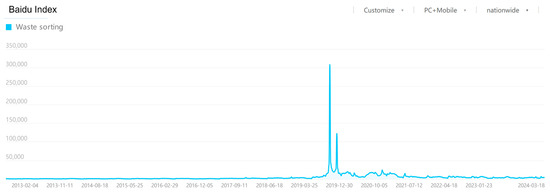
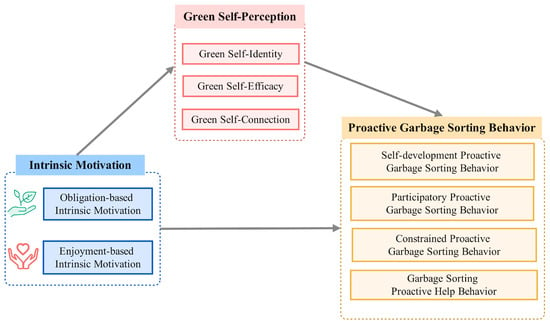
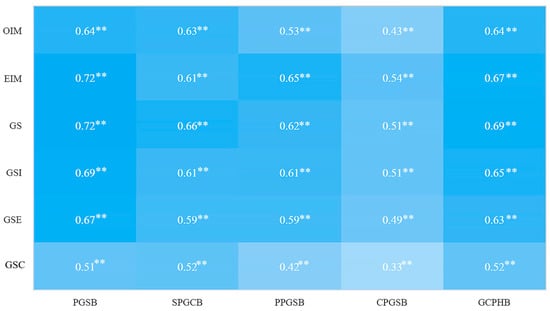
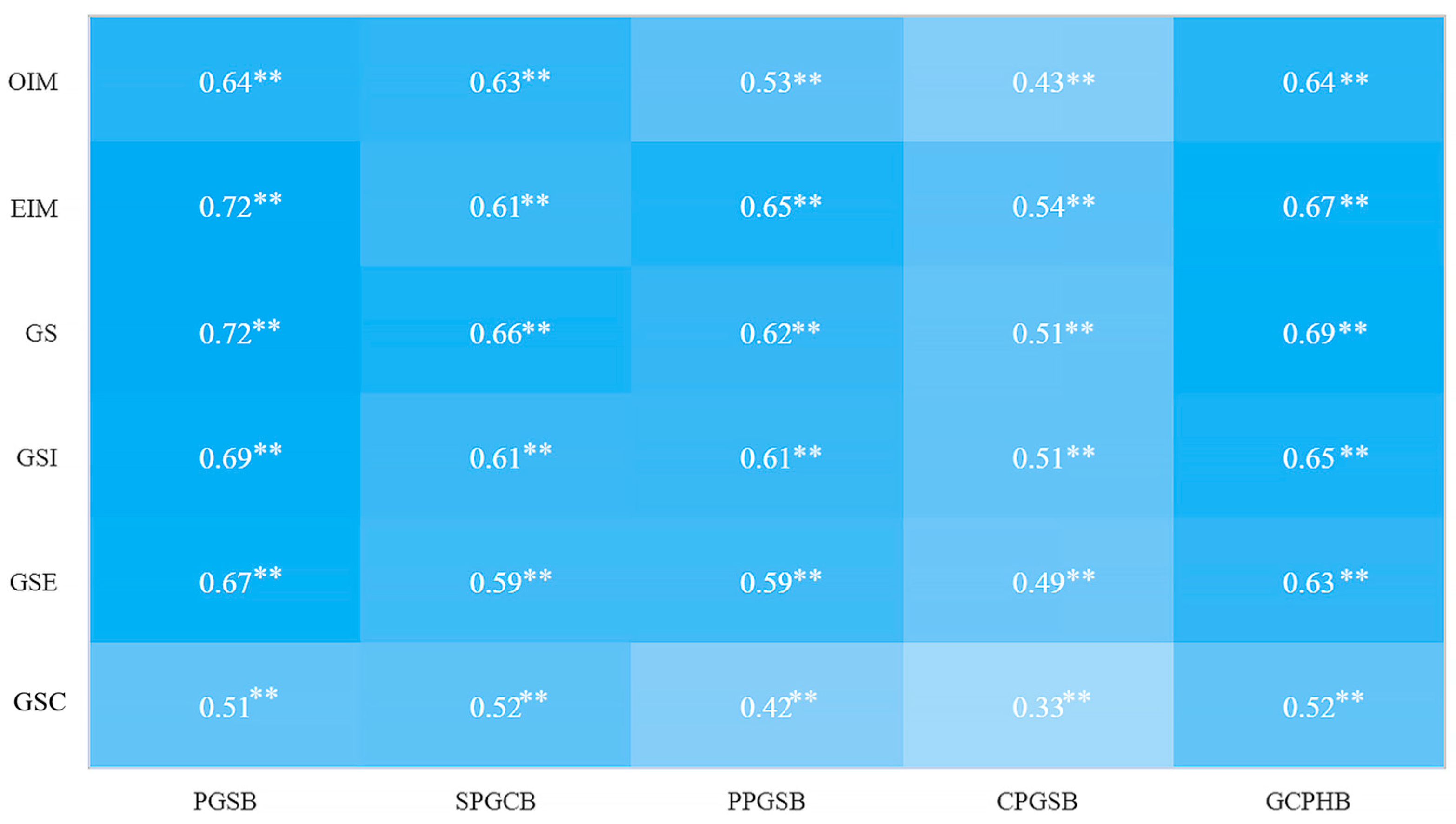

Disclaimer/Publisher’s Note: The statements, opinions and data contained in all publications are solely those of the individual author(s) and contributor(s) and not of MDPI and/or the editor(s). MDPI and/or the editor(s) disclaim responsibility for any injury to people or property resulting from any ideas, methods, instructions or products referred to in the content. |
© 2026 by the authors. Licensee MDPI, Basel, Switzerland. This article is an open access article distributed under the terms and conditions of the Creative Commons Attribution (CC BY) license.