


Abstract
Soot and black carbon (BC) are typically regarded as troublesome products of incomplete combustion; however, growing interest in circular economy strategies and sustainable manufacturing highlights their potential as secondary functional carbon materials, including additive manufacturing (AM). This review synthesises the recovery, upgrading, and valorization pathways for soot/BC and recovered carbon black (rCB), with a particular focus on streams captured by mandatory emission-control systems (e.g., diesel/gasoline particulate filters, electrostatic precipitators, baghouse filters, and chimney soot) and the requirements for transforming these heterogeneous residues into reproducible AM feedstocks. A two-stage approach was applied, combining (i) an analysis of the European Union regulatory context (waste classification, end-of-waste routes, and chemical safety obligations, including REACH) with (ii) a structured literature review of studies published in 2017–2026 indexed in the Web of Science and Scopus, culminating in a qualitative synthesis of 152 papers. Evidence indicates that scale-up is primarily constrained by strong compositional variability and contaminant burdens (ash, metals, and PAHs), which affect dispersion, rheology, and property reproducibility, necessitating robust standardisation and risk assessment. This review maps key preparation and upgrading strategies (e.g., classification, ash/metal reduction, and control of organic fractions) and discusses their relevance across AM routes such as FDM/FFF, SLS, DLP, and DIW. Overall, realising credible waste-to-value pathways requires aligning technical performance targets with regulatory compliance and developing consistent characterisation protocols to enable the safe and predictable use of soot/rCB-derived fillers in AM.
1. Introduction
In recent years, there has been a growing global interest in sustainable manufacturing, leading to intensified efforts to redesign materials and production systems. The aim is to reduce reliance on virgin resources, minimise waste and lower the life-cycle environmental impacts [1,2,3]. Additive manufacturing (AM) is often highlighted in this context because of its potential for material-efficient fabrication, localised production and circular-economy strategies. However, its environmental performance is heavily dependent on the chosen feedstock and overall system design, rather than solely on the printing step [4].
Within this expansive research agenda, carbonaceous materials—specifically soot, black carbon (BC) and recovered carbon black (rCB)—have attracted growing interest as functional fillers for 3D-printable polymers and resins [5]. These materials not only enhance electrical conductivity and related functionalities, such as heating, conductive pathways and sensing, but also offer a potential waste-to-value pathway for carbon-rich residue utilisation. In addition to soot/BC, rCB derived from end-of-life tires presents a significant circular feedstock option, as a substantial portion of the carbon black remains embedded in tire formulations [6]. Moreover, specialised upgrading techniques, including demineralisation, have been developed to improve the quality of the recovered materials for reuse [7].
Significantly, the resource base for soot encompasses not only tire-related streams but also filtration-captured residues produced across the transportation, industrial and residential heating sectors [8]. Soot, which is typically a composite of carbonaceous particles with varying quantities of ash and other impurities, can be recovered where particulate matter is collected using emission-control and dust-abatement systems [9]. These systems include diesel and gasoline particulate filters (DPF/GPF), industrial dust-collection mechanisms (e.g., electrostatic precipitators and baghouse filters), chimney soot from small-scale heating and soot/char fractions captured downstream of pyrolysis and gasification [8,10]. These filtration-derived streams are particularly advantageous from a circular economy perspective, as they are already pre-concentrated and collected at specific points within mandatory emission-control systems, thereby creating practical nodes for feedstock recovery [10].
Despite this promise, a major challenge in scaling soot-based AM lies in the significant compositional variability of real-world soot, particularly that recovered from filtration systems. Unlike conventional industrial carbon black grades, which are produced under controlled conditions, recovered soot-like fractions can exhibit considerable differences in particle size distribution and surface chemistry characteristics. These recovered fractions may also contain substantial amounts of ash/mineral phases, metals, sulfur species and residual organics. For instance, while atmospheric black carbon typically contains 5–30% ash, soot recovered from diesel particulate filters (DPF) often exhibits high concentrations of unburned lubrication oil residues and heavy metals, particularly zinc, calcium, and iron from engine wear [11]. Conversely, chimney soot and industrial baghouse dust can contain over 50% inorganic mineral ash, including hazardous trace elements like lead and cadmium, depending on the fuel source [12]. This extreme compositional variability underscores the critical need for tailored purification strategies. This variability directly impacts material dispersion and rheology. Consequently, it variability reduces process reliability by increasing the risks of agglomeration, nozzle clogging, and weakened interlayer bonding. It also compromises the consistency of the final mechanical and electrical properties. Furthermore, such variability raises critical concerns regarding safe handling, waste classification, and potential contaminant migration during use [11,12,13].
In the realm of AM, recycling soot requires more than just recovery processes: it demands purification and standardisation to ensure a consistent and reproducible feedstock, whether it is a filament, powder, or resin. Key procedures may include fractionation or classification, reducing ash content and selectively removing metals and organic fractions, followed by evaluating performance and associated risks throughout the material’s secondary lifecycle. However, only a few studies have thoroughly explored 3D printing with soot within comprehensive recycling frameworks that cover the entire process, from collection from filtration sources to upgrading for variability and contaminant management, feedstock production and post-use considerations. Without this holistic approach, solutions that seem promising at the laboratory scale often fail during scale-up. These laboratory-scale solutions may also present environmental uncertainties. This limitation occurs because the intensive demands of purification, energy consumption, and strict regulatory compliance for filtration-derived waste are frequently overlooked [12,13,14,15,16].
This review delves into the recycling and valorization pathways of soot, with particular emphasis on the residues captured by filtration systems and their integration into AM. Specifically, this review identifies major recoverable soot sources, focusing on diesel and gasoline particulate filters (DPF/GPF), industrial electrostatic precipitators, baghouse filters and chimney soot. Second, it categorises the preparation and upgrading strategies required for compatibility with AM technologies, including FDM/FFF, SLS, and DLP. Third, it assesses current applications and technical limitations from a circular economy perspective. Finally, the review highlights the key decision points that determine the true waste-to-value potential of filtration-derived soot. To contextualize the feasibility of soot valorization in additive manufacturing, we first establish a rigorous review methodology. Following this, we analyze the regulatory framework that governs soot recovery and reuse, as legal compliance is the fundamental first step before any technological upgrading can be considered.
Terminology: Soot, Black Carbon, Technical Carbon Black and rCB
A recurrent challenge in the literature on carbonaceous materials is the interchangeable use of terms that describe fundamentally different materials (Table 1). To avoid ambiguity and establish a clear framework for this review, these materials must be differentiated based on their origin, elemental composition, and morphological control [17,18,19,20].
Table 1.
Comparison of soot, black carbon, technical carbon black and recovered carbon black (rCB).
Technical carbon black (CB): This is a highly standardised, industrially manufactured product generated under strictly controlled conditions (e.g., the furnace black process). CB is characterised by an exceptionally high elemental carbon content (>97%), highly reproducible aciniform aggregate morphology, very low ash content (<0.5%), and negligible levels of organic or metallic impurities. CB serves as a commercial benchmark for filler performance in polymer composites.
Soot: In stark contrast, soot is an undesired, incidental by-product of incomplete combustion. Because its formation conditions are uncontrolled, its composition is highly heterogeneous. Raw soot typically exhibits a high ash/mineral content (ranging from 10% to over 50%, depending on the fuel source), elevated levels of heavy metals (e.g., zinc, lead, and iron from engine wear and fuel additives), and significant organic fractions, including high concentrations of polycyclic aromatic hydrocarbons (PAHs). Its properties are unpredictable without advanced upgrading.
Black carbon (BC): This term is predominantly used in atmospheric and climate sciences. BC refers specifically to the highly light-absorbing carbonaceous fraction of particulate matter formed during combustion. Although operationally defined by its optical and thermal-optical properties rather than a strict chemical formula, atmospheric BC often overlaps physically with the carbonaceous core of soot particles.
Recovered carbon black (rCB): This refers to a secondary carbon material that is deliberately extracted and upgraded from waste streams, most commonly end-of-life tire (ELT) pyrolysis or purified filtration soot. High-quality rCB undergoes rigorous post-treatment (e.g., demineralisation and classification) to drastically reduce its ash (<5%) and PAH content (often targeted at <10 mg/kg to meet EU REACH regulations). The goal of producing rCB is to achieve a consistent and standardised material. Its rheological and conductive properties should closely mimic those of technical carbon black. Meeting these standards enables the safe substitution of virgin carbon black in advanced applications, including additive manufacturing.
2. Review Methodology
This study adopted a two-stage methodology to integrate a systematic literature review of scientific literature on second-life pathways for soot/BC and rCB with an analysis of the policy and regulatory conditions that enable or constrain their recovery, upgrading, and use in manufacturing. The two stages were designed to be complementary, ensuring that technical feasibility was interpreted alongside legal definitions, waste status criteria, and chemical safety obligations that shape real-world implementation.
The first stage involved a targeted review of policy and regulatory frameworks, focusing on the European Union. Searches were conducted in official repositories such as EUR-Lex and were complemented with institutional EU policy sources relevant to the circular economy and chemical safety. The keyword strategy mirrored that used in the technical review but was adapted to include regulatory terminology such as “end-of-waste”, “waste classification”, “hazardous waste”, “List of Wastes”, “PAH limit values”, “heavy metals”, “REACH registration”, and “industrial emissions”, combined with material terms such as “soot”, “black carbon”, and “recovered carbon black”. Boolean operators were used to refine the search for relevant legislative and policy documents. Specifically, this regulatory search was conducted on [10 January 2026], utilizing exact phrase queries such as “end-of-waste criteria carbon black” and “industrial emissions directive soot”, with database filters strictly applied to retrieve only binding directives, regulations, and implementation decisions currently in force. The search included only authoritative legislative texts, such as binding regulations, directives, and decisions, alongside official institutional communications. Non-English documents were strictly excluded. This exclusion prevented potential misinterpretations during translation and maintained consistency in legal terminology.
A structured, PRISMA-like systematic literature search was conducted in the Web of Science Core Collection and Scopus databases to identify studies addressing the second-life pathways of soot/black carbon and recovered carbon black (rCB). The searches were conducted specifically across the fields of Title, Abstract, and Keywords (utilizing the TS = field tag in Web of Science and the equivalent TITLE-ABS-KEY syntax in Scopus). The final literature search was executed on [15 January 2026]. To account for terminological heterogeneity and ensure full reproducibility, highly inclusive Boolean search strings were designed, incorporating specific operators (AND, OR), truncations (*), and quotation marks. Three complementary query streams were applied, and the exact expressions used were as follows:
- Environmental and functional applications:
TS = ((soot OR “black carbon” OR “waste soot” OR “diesel soot” OR “chimney soot” OR “recovered carbon black” OR rCB OR “pyrolysis char”) AND (recover* OR recycl* OR valor* OR “waste-to-value” OR purif* OR upgrading OR demineral* OR activation OR “ash removal” OR “metal removal” OR “solvent extraction” OR “thermal treatment”) AND (adsorb* OR sorbent* OR “water treatment” OR “oil-water” OR “oil/water” OR separ* OR superhydrophobic* OR oleophilic* OR coating* OR membrane* OR photocatal* OR “advanced oxidation” OR sensor*))
- 2.
- Recovery, purification, and specific waste sources:
TS = ((soot OR “black carbon” OR “recovered carbon black” OR rCB OR “pyrolysis char”) AND (“diesel particulate filter” OR DPF OR GPF OR “electrostatic precipitator” OR ESP OR baghouse OR “flue gas” OR “dust collector*” OR “emission control” OR “tire pyrolysis” OR “tyre pyrolysis” OR “end-of-life tire*” OR ELT*) AND (recover* OR recycl* OR purif* OR upgrading OR demineral* OR activation OR “ash removal” OR PAH* OR “heavy metal*”))
- 3.
- Additive manufacturing integration:
TS = ((soot OR “black carbon” OR “recovered carbon black” OR rCB) AND (“additive manufacturing” OR “3D print*” OR FDM OR FFF OR SLS OR DLP OR SLA OR “material extrusion”))
The aforementioned strings reflect the exact syntax applied in Web of Science. Identical combinations of keywords, truncations, and Boolean operators were applied in Scopus, adapted only to match its native search field formatting. Searches were limited to the 2017–2026 time frame, English language, and document types ‘articles’ and ‘reviews’. After applying these limits, 1533 records were retrieved from the Web of Science and 914 records from Scopus, yielding 2447 records in total.
All records were exported to a screening workflow using the Rayyan collaborative web application (rayyan.ai), and duplicates were removed via its automated deduplication algorithm followed by manual verification (n = 788). An additional 10 records were removed for other reasons (manual removal of erroneous entries, incomplete metadata, early access records without a defined publication year, and import errors), resulting in 1649 records for screening. Title/abstract screening was performed to remove off-scope literature (e.g., atmospheric/climate black carbon studies, health/toxicology exposure studies, combustion/engine/after-treatment and DPF-regeneration-focused studies, and non-carbon “soot” such as silica/“white soot”). Following screening, 390 reports were retained, and full texts were retrieved and assessed for eligibility (252/390 retrieved; 138 not retrieved). These 138 records were not retrieved because they were identified as extended conference abstracts, inaccessible pre-prints, or short-form proceedings that lacked the comprehensive experimental data required for rigorous analysis. Based on the full-text assessment against the inclusion criteria (soot/BC/rCB material relevance and alignment with second-life recovery/upcycling and targeted application areas), 152 studies were included in the qualitative synthesis and 238 reports were excluded at the full-text stage. The complete systematic review process is illustrated in the PRISMA-like flow diagram (Figure 1) [23,24].
Figure 1.
The literature review flow diagram.
3. Recovered Carbon Black and Soot in the Circular Economy: Sources, Quality and Applications
To fully contextualize the necessity of soot and carbon black valorization, it is essential to first understand the sheer magnitude of global carbonaceous emissions [25]. Historically, industrialization has driven an exponential increase in particulate carbon emissions from multiple sectors, including fossil fuel combustion, industrial processes, and biomass burning (Figure 2). While raw emission data broadly encompass greenhouse gases, the proportional fraction of unburned carbon and fine particulate matter (including soot and black carbon) generated across these sectors remains massive, totaling millions of tons annually worldwide. This vast, continuous generation transforms these particulates from a purely atmospheric challenge into a highly abundant, albeit heterogeneous, global secondary resource. Harnessing even a fraction of these streams for circular economy applications requires robust regulatory frameworks to ensure safe handling and transition into standardized feedstocks.
Figure 2.
Global emissions of anthropogenic black carbon by fuel source, 1750–2022. Figure prepared by the authors based on data from [25].
3.1. Policy and Regulatory Context for Soot and Carbon Black Management
The European Union maintains one of the world’s most comprehensive regulatory frameworks for waste classification, emission control and the transition to a circular economy. This framework creates both opportunities and challenges for the valorization of soot and carbon black. Over the past decade, EU policy has shifted from primarily treating combustion particulates as hazardous emissions to recognizing purified carbon black fractions as potential secondary raw materials under end-of-waste criteria. This change aligns with growing evidence of the technical feasibility of upgrading soot and the significant carbon footprint reduction potential of recovered carbon black (rCB) compared to virgin production. Table 2 summarizes the main EU legislative instruments governing the management of soot, black carbon and rCB, highlighting provisions relevant to recovery, purification and application in advanced manufacturing.
Table 2.
Summary of key EU legislative instruments governing the soot and carbon black stream.
The Waste Framework Directive (2008/98/EC) [26] forms the cornerstone of European Union waste policy, articulated through the waste hierarchy (prevention > reuse > recycling > recovery > disposal) and the end-of-waste criteria, which define the conditions under which a waste material becomes a secondary raw material. In the context of recovered carbon black, Commission Decision (EU) 2021/359 [30] outlines specific quality thresholds, including an ash content of less than 1.5%, a polycyclic aromatic hydrocarbon (PAH) sum of less than 10 mg/kg and regulated concentrations of heavy metals. These criteria enable the transition of rCB derived from tire pyrolysis from waste status to integration into commercial supply chains. Tire-derived rCB that meets these standards is granted unrestricted market access throughout the EU, thereby setting a significant precedent for soot filtration residues seeking similar regulatory recognition.
Soot streams captured through filtration methods, such as diesel particulate filters (DPF), electrostatic precipitators (ESP) and chimney soot, often fail to meet the initial end-of-waste criteria due to their high ash content (10–50%), heavy metals and polycyclic aromatic hydrocarbons (PAHs). As a result, they are classified as hazardous waste under the List of Wastes code 10 01 05* (dust containing dangerous substances from gas treatment) [27]. To comply with regulations, validated purification processes are required to ensure consistent composition, safe handling and environmental inertness, which are crucial for their use in AM applications.
The Industrial Emissions Directive (2010/75/EU) [27,28] mandates the use of best available techniques (BAT) for emission control across more than 50,000 combustion installations in the European Union, thereby creating a systematic framework for soot collection. Diesel particulate filters (DPF) reduce particulate matter (PM) in Euro 6 vehicles by over 95%, whereas electrostatic precipitators (ESP) in power plants and cement kilns capture more than 99% of fly ash, which contains 20–50% carbonaceous material. These regulatory and market pressures are strengthening interest in carbonaceous secondary raw materials in Europe, where annual carbon black capacity is around 1.5 million tons and circular initiatives such as BlackCycle are designed to recover value from approximately 1.5 million tons of end-of-life tyres per year [34,35].
Residues from the regeneration of spent Diesel Particulate Filters (DPF) and Electrostatic Precipitator (ESP) dust are automatically deemed hazardous unless stabilisation is proven. This classification requires operators to either dispose of these materials via landfilling or incineration or to explore new purification methods for reuse. The Directive’s Best Available Techniques Associated Emission Levels (BAT-AELs) further promote the efficient capture of these materials, thereby increasing their volumes as regulatory demands become more stringent.
REACH (Regulation 1907/2006) [29] governs chemical safety within the single market, requiring the registration of substances manufactured or imported in quantities exceeding 1 ton per year. Although commercial technical carbon black already has an established REACH registration, producers of rCB must demonstrate equivalence through detailed safety data sheets. These sheets need to address polycyclic aromatic hydrocarbons (PAHs), ensuring that the total of 15 + 1 EU priority PAHs is less than 10 mg/kg, as well as heavy metals and ecotoxicity issues. Several polycyclic aromatic hydrocarbons commonly found in raw soot, such as benzo[a]pyrene, are listed on REACH’s Candidate List of Substances of Very High Concern, thus requiring authorization for intentional uses.
REACH compliance is critical during filament/powder formulation AM applications. Soot-derived fillers must undergo substance identification, exposure scenario development and chemical safety assessment, which is particularly challenging given the batch compositional variability. Downstream users (AM filament manufacturers and 3D printing service providers) inherit supply chain communication obligations under REACH Article 33, necessitating supplier declarations of impurity profiles.
The Circular Economy Action Plan (2020) [30] explicitly recognises carbon black, along with recycled plastics and metals, as a priority secondary raw material. The accompanying Critical Raw Materials Act (2024) identifies industrial carbon materials as strategically significant, with a target of 25% domestic sourcing by 2030. These policy instruments provide market incentives, such as public procurement preferences and financial support through mechanisms such as Recovery and Resilience Facility funding, to facilitate the expansion of recovered carbon black.
The End-of-Waste pathway plays a vital role in filtering soot. Purified fractions that meet rCB-equivalent specifications are given priority under green public procurement criteria and ecodesign requirements. For example, recent pilot-scale studies demonstrating the integration of REACH-compliant, purified DPF soot into polylactic acid (PLA) matrices have achieved highly promising results. By incorporating highly demineralized soot, researchers produced conductive FDM filaments that exhibited a volume resistivity as low as ~102 Ω·cm, while maintaining sufficient tensile strength (e.g., above 30–35 MPa) for structural printing applications, clearly proving the functional and commercial viability of these secondary feedstocks [36,37]. The strict regulatory thresholds discussed above—particularly REACH PAH limits and hazardous waste classifications—directly dictate the need for advanced material processing. Without dedicated upgrading technologies, raw filtration soot cannot achieve the end-of-waste status required for safe commercialization. Consequently, the following section details the specific recovery and purification pathways necessary to transform these legally non-compliant residues into standardized secondary raw materials.
While the European Union’s legislative framework—particularly REACH and the End-of-Waste criteria—provides one of the most structured pathways for valorizing carbonaceous waste, understanding the global regulatory landscape is essential given the international nature of both AM and waste management markets. In the United States, the Environmental Protection Agency (EPA) heavily regulates soot emissions under the Clean Air Act, but the transition of collected carbon waste into secondary raw materials lacks a unified federal “end-of-waste” equivalent. Instead, the reuse of recovered carbon black (rCB) and soot is largely governed by market-driven consensus standards, notably ASTM D8178, which establishes standard terminology and material specifications for the rCB industry [35]. This standard facilitates the integration of secondary carbon into rubber and plastic applications, including additive manufacturing, by defining essential quality parameters without relying solely on state-level solid waste regulations [31].
Meanwhile, in Asia, policies are rapidly evolving to support the circular economy and industrial ecology. China, a dominant player in both virgin carbon black production and additive manufacturing, has introduced stringent environmental protection policies and the national “Zero Waste City” initiative (Ministry of Ecology and Environment of the People’s Republic of China) [32]. This initiative actively incentivizes the industrial utilization of challenging solid wastes, including coal ash, pyrolysis residues, and metallurgical by-products, through green industrial park frameworks and pollution control standardization. Similarly, Japan’s Fundamental Law for Establishing a Sound Material-Cycle Society provides a comprehensive legal framework that strongly promotes the cyclical use and recycling of resources, such as end-of-life tires and industrial dust [33]. Although the EU currently presents the most rigorous chemical safety thresholds (e.g., strict PAH limits), these global trends indicate a universal shift from viewing filtration carbon merely as a disposal problem toward actively regulating it as a strategic secondary resource. This international alignment underscores the global applicability of upgrading technologies for soot-derived AM feedstocks.
3.2. Recovery and Upgrading Pathways for Waste-Derived Soot and rCB
As defined in Section Terminology: Soot, Black Carbon, Technical Carbon Black and rCB, technical carbon black is considered the standard material for a wide range of industrial applications owing to its reproducible aggregate morphology, controlled specific surface area, low ash content and consistent quality at scale. These attributes enable predictable electrical and thermal conductivity, radiation absorption, pigmentation and reinforcement effects in elastomers and plastics. Consequently, the properties of technical carbon black—typically associated with standard furnace black grades—serve as a practical quality target for recovered materials, particularly rCB derived from tire pyrolysis [21,38,39,40].
End-of-life tyres (ELTs) represent a substantial waste stream for recovering carbon black, as tyre compounds are rich in technical carbon black initially added for reinforcement, UV resistance and pigmentation [19,41,42]. Typically, recovery is achieved through tyre pyrolysis, which breaks down the organic rubber fraction under anoxic conditions and produces three main product streams: gas, pyrolysis oil and a solid pyrolytic char fraction [20,43,44,45,46]. This char acts as the precursor for rCB and the processing chain commonly includes feedstock preparation (size reduction, removal of extraneous contaminants, preliminary metal separation), pyrolysis at several hundred degrees Celsius in an oxygen-free environment and char separation/post-treatment (removal of steel/textile residues, ash reduction/demineralisation, elimination of inorganic additives and particle-size classification), followed by granulation/pelletisation and stabilisation to improve handling and downstream compounding [19,47,48,49,50,51].
Pyrolytic char from tires contains not only carbon but also a significant mineral fraction (ash) and process-related residues. Elevated ash levels can deteriorate electrical performance and mechanical properties in composites, and increase abrasiveness (relevant for screws and nozzles), making ash reduction central for enabling rCB to substitute technical carbon black in selected applications [38,47,48]. From an industrial development standpoint, two pathways are particularly relevant: (i) purification routes capable of producing high-carbon rCB with properties approaching selected commercial grades and (ii) large-scale research–industry programs aiming to demonstrate stable “eco-carbon black” production at industrially meaningful capacities [38,48].
To achieve the stringent ash content limits required for AM (often < 1%), raw soot must undergo intensive demineralization. This process is typically accomplished through chemical upgrading, such as sequential acid leaching (e.g., using HCl, HNO3, or HF). While highly efficient at dissolving deeply embedded metallic and mineral phases, acid leaching is cost-intensive and generates corrosive secondary wastewater [52]. Alternatively, physical separation techniques (such as froth flotation, centrifugation, or acoustic separation) offer a more environmentally benign and scalable approach. However, they generally achieve lower de-ashing efficiencies and may struggle to separate ultrafine inorganic impurities compared to chemical methods [53]. The optimal choice between these pathways ultimately depends on the required purity threshold of the targeted 3D printing technology.
A second category of recoverable carbonaceous materials includes soot and dust collected from exhaust gases, both in transportation (diesel/gasoline particle filters) and in the energy/process industries (electrostatic precipitators and baghouse filters). These streams are appealing because they are already concentrated and collected at defined points. Therefore, they require thermal, chemical, or combined purification processes to isolate the carbon fraction [54,55,56,57,58].
3.3. Applications and Functional Properties of Soot- and Black Carbon-Derived Nanostructured Materials in Environmental and Technological Systems
The direct integration of soot and recovered carbon black (rCB) into additive manufacturing requires a thorough understanding of their inherent physicochemical properties. Before these materials can be effectively utilised as functional fillers in 3D-printed composites, their base functionalities-such as surface chemistry, electrical conductivity, and adsorptive capacity-must be established. The following subsections briefly review how soot and BC behave in conventional environmental applications (e.g., adsorption and photocatalysis). Crucially, these foundational properties are the characteristics that researchers are now seeking to immobilise and exploit within 3D-printed macroscopic structures, thereby overcoming the handling hazards of loose nanopowders while maintaining high functional performance.
Soot and BC, byproducts of incomplete fossil fuel and biomass combustion, are environmental pollutants and health hazards [59,60,61,62]. Their presence affects air quality, climate change, and health [63,64,65]. While research has focused on their mitigation [63,66,67], these materials are now valued as precursors for nanostructured carbon [59,60,68,69]. Soot and BC have gained attention in environmental applications, such as water purification, contaminant adsorption, and photocatalytic processes [63,70,71,72,73,74,75,76,77,78,79,80,81,82,83,84]. Their functional properties have driven research into secondary raw materials [59,68,85,86,87,88]. These carbon nanostructures have shown promise in bioimaging, sensing, and energy storage [68,73,76,89,90,91,92]. This section examines their applications in environmental systems [60,78,93,94,95], demonstrating how waste materials can become components of advanced technologies [59,76,96].
Soot has been studied as a component of superhydrophobic and oleophilic coatings for separating oil–water mixtures [97,98]. Its hydrophobic properties and micro- and nanoscale surface roughness [68,81] create textures that form air pockets at solid–liquid interfaces, following the Cassie–Baxter model, resulting in high water contact angles while allowing oils to wet the surface [78,99].
Soot deposited on porous substrates forms an interface that allows oil permeation while repelling water [78,94]. The surface is stabilised with polymeric or silica layers [79,100,101]. Methods like flame deposition and coating provide control over properties [79,102]. These systems enable >95% efficient separation through gravity or filtration, and are particularly useful for wastewater treatment [78,90,98,103,104,105]. Oil removal uses organic solvents or heating for regeneration [78,94].
Two operational modes were identified. In filtration systems, oil passes through a membrane coated with soot, whereas water is excluded [78,79,98,106,107]. These systems are suitable for flow-through applications in modular treatment units [78,98,108,109]. Sorption-based systems use soot-coated porous sponges to absorb oil from water surfaces [94,110,111], typically for spill cleanup. Switchable systems using electrowetting allow controlled liquid transport between oil- and water-selective states [78,112]. The durability of soot-based coatings is crucial, as mechanical abrasion, wetting–drying cycles, and chemical exposure can reduce separation efficiency [78,79,113,114,115]. Mechanical stability can be improved by using polymer binders, silica CVD deposition, or roughened metallic substrates [100], thereby enabling repeated use without significant performance loss [79,116]. Soot is a complex assembly of carbonaceous nanostructures, comprising graphitic-like domains, onion-like structures, and amorphous carbon fractions [70,71,72,73]. Crucially, its large specific surface area is inherently rich in structural defects, aromatic domains, and oxygen-containing surface functional groups generated during oxidation. Through appropriate purification, these physicochemical characteristics enable soot-derived materials to emulate synthetic carbon nanomaterials. This complex surface chemistry facilitates strong electrostatic interactions, π–π stacking, and hydrogen bonding with adsorbate molecules, rendering soot a highly versatile sorbent capable of capturing both organic and inorganic water contaminants [80,116,117,118,119,120,121].
Cationic dyes, such as methylene blue and rhodamine B, are commonly used as model compounds in adsorption research [94,95]. The initial uptake is rapid, and the kinetics follow pseudo-second-order models [80,94,119,122], indicating the role of chemisorption. The adsorption efficiency depends on pH, dye concentration, ionic strength, and sorbent dosage, with pH effects highlighting the importance of electrostatic interactions between the soot surface and dye ions [80,119,120,123,124].
In addition to dyes, soot composites can remove pharmaceuticals, detergents, and heavy metals [80,82,94,125]. Examples include the adsorption of lead, chromium, and uranium ions using soot–cellulose and soot–polymer materials, which combine soot’s adsorption capacity with mechanical support [59,69,80,98,126,127]. Fine soot particles can be separated from water by immobilising soot on sponges, fibres, membranes, or using magnetic components [98,120,128].
Soot formation conditions affect its adsorption properties. Soot from different flame regions varies in surface area and functional groups [72,110,129,130]. Higher-temperature combustion creates soot with a larger surface area and better adsorption [130,131]. Lower-temperature soot contains tar-like residues that block adsorption [71,129,132]. This variation requires standardised soot sources [72,117,133].
While adsorption and phase separation are well-studied, soot’s role in photocatalysis and AOPs remains underexplored. Carbon nanostructures absorb radiation to generate electron–hole pairs and reactive oxygen species that mineralise organic compounds, such as dyes, pharmaceuticals, and pesticides [81,125,134].
Graphene-like nanostructures from soot enable dye photodegradation under solar or visible light [135,136]. Degradation was more efficient under sunlight, as broadband irradiation enhanced charge generation [125]. Radical scavenging confirmed the presence of photogenerated electrons and holes in the mechanism [135,137]. Soot–semiconductor hybrids, such as soot/TiO2 and soot/Bi2WO6, have shown promise, with soot enhancing pollutant adsorption and charge transport [91,135,138]. Carbon domains act as electron sinks, reducing charge recombination [128], creating synergistic pollutant removal that exceeds the combined adsorption and photocatalysis effects [81,135]. Soot layer thickness critically impacts sensor design. Thin layers lack adsorption capacity, whereas thick layers reduce photocatalytic activity by blocking light [91,135,139,140]. The ferroelectric polarisation of the substrate influences the charge distribution and enhances the photocatalytic efficiency through internal electric fields [141].
Carbon nanostructures derived from soot exhibit photoluminescence after oxidation, emitting light in the visible and near-infrared regions [73,103,142,143]. Modified carbon nanoparticles enable cellular visualisation through fluorescence microscopy, offering an alternative to organic dyes and quantum dots [76,93]. They provide photostability and cost-effectiveness without toxic metals [73,76,144,145]. Soot-derived materials’ biocompatibility varies with preparation. Raw soot contains toxic compounds; however, after purification, most systems show low cytotoxicity, although some remain toxic. Biological testing is essential before medical use [73,76,85].
Carbon nanostructures derived from soot exhibit optical properties for chemical sensing via fluorescence quenching by heavy metals and oxidising compounds via electron transfer. Turn-off/turn-on sensing systems enable the detection of cholesterol, explosives, and dyes [73,76,143]. Additionally, soot serves as a matrix in surface-assisted laser desorption/ionization mass spectrometry for analysing low-molecular-weight compounds [143,145].
Soot has shown utility in fuel cells, sensors, and flexible electronics [136,137,138], serving as a low-cost feedstock for functional materials in energy technologies to reduce reliance on expensive synthetic carbons [68,82].
While the aforementioned applications-spanning oil-water separation, dye adsorption, and photocatalysis-demonstrate the immense functional potential of soot-derived materials, utilizing them as loose nano-powders presents severe operational challenges. Loose particulate carbon is prone to agglomeration, difficult to recover post-treatment, and poses a high risk of secondary environmental pollution. Therefore, recent engineering efforts have pivoted toward a new paradigm: immobilizing these active carbons within solid, architected structures. Additive manufacturing (AM) emerges as the optimal solution to this challenge. By translating soot- and BC-derived functionalities from loose powders into precisely 3D-printed device formats, AM bridges nanoscale surface reactivity with macroscale engineering. The subsequent paragraphs detail how specific AM technologies utilize these carbon fillers to create conductive, sensing, and structurally robust environmental components [78,95,98]. Integrating these carbonaceous fillers into specific AM technologies requires careful consideration of their physicochemical properties. For material extrusion processes (such as FDM/FFF and DIW), achieving proper filler dispersion and tailoring the rheology of the composite is critical to prevent nozzle clogging and ensure proper interlayer adhesion. Conversely, for vat photopolymerization techniques such as Digital Light Processing (DLP), the integration of carbon black poses significant challenges. Because carbon black acts as a strong UV absorber, excessive carbon loading can block light penetration and inhibit resin curing. However, recent advancements suggest that by carefully optimizing the carbon loading concentration to very low levels, soot and rCB can be successfully integrated into DLP systems. AM enables the integration of soot, BC, and carbon black into architected components, such as electrodes and porous monoliths [146]. Component performance depends on carbon chemistry, geometry, and transport [82]. AM bridges nanoscale functionality with macroscale engineering for device applications [62,68,82,147].
Thermoplastic composites containing technical carbon black and combustion-derived carbon materials enable the formation of conductive features within insulating printed components [148,149], thereby allowing the integration of mechanical and electrical elements into single printed structures. In material extrusion-based AM, the electrical properties depend on the filler concentration and architecture [64], including raster orientation and interface quality. For instance, pilot projects utilizing soot–PLA composite filaments have successfully demonstrated the ability to achieve a volume resistivity of approximately ~102 Ω·cm while maintaining structural integrity with a tensile strength exceeding >30 MPa, thereby confirming their viability for functional applications [150]. These factors determine the conductive network continuity and resistance. Aligning toolpaths with current flow and enhancing interfacial fusion can optimise the electrical resistance [151]. Resistance correlates with junction quality in carbon black-filled thermoplastic systems [64,151,152]. Therefore, the printing strategy becomes crucial, and the performance is determined by the material and architectural design [53,144,145]. Carbon black-filled thermoplastics in AM are widely used to fabricate 3D-printed electrodes and electrochemical cells [153,154], providing cost-effective platforms for electroanalytical sensing. Carbon black/PLA filaments enable electrochemical sensors for analytes, such as catechol and hydroquinone, demonstrating AM’s ability to customise electrode geometry for specific detection needs [155,156,157,158].
Carbon black can be enhanced with carbon fibres or nanofillers (e.g., carbon nanofibres, nanotubes) to improve the electrical pathways and mechanical robustness; however, these additives increase material cost because of their complex production [62,146].
In most systems, printed electrodes require post-processing, such as polishing or activation, to improve carbon domain exposure and electron-transfer kinetics. Thus, “printing plus post-treatment” workflows are required to achieve electrochemical performance comparable to that of traditional carbon electrodes [157,159]. Prussian blue is a stable electrocatalytic modifier for printed thermoplastic electrodes. Its integration into carbon black-filled filaments enhances stability and response over surface-modified electrodes [55], demonstrating the potential of bulk composite functionalization for electrochemical systems. Carbon particle networks in polymer matrices enable printed composites to function as resistive heating elements [160,161]. These have applications in de-icing, heating pads, and temperature regulation [151], and their performance is determined by the composite formulation and printed architecture, which affect the electrical resistance and heat dissipation [130,152,160]. In carbon black-filled PLA systems fabricated by material extrusion, the electrical response improves with thermal cycling, indicating that the thermal history and stress relaxation affect the conductive network. Stable percolated networks require high carbon black loadings of ~20–30 wt%, which is limited by the melt viscosity and printability. Studies on carbon black-filled PLA systems have shown optimal electrochemical performance at 28.5 wt% [64,162]. Different thermal input methods affect microstructural evolution, thereby impacting conductivity retention and stability [121,151,152,157]. These characteristics enable heating applications and 4D-printing, in which Joule heating triggers shape changes by driving the polymer matrix into thermal transitions [163].
Carbon black-filled printed polymers enable piezoresistive sensing through changes in resistance during deformation [152,160]. AM improves sensing via a raster strategy and layer architecture control [148], enabling tailored responses through anisotropy and impedance control. This creates monolithic structures with integrated sensing [161] for strain and damage monitoring at interfaces [153,159,164].
AM enables lattice and flow-through architectures, in which the geometry controls the transport performance [82]. In carbon fiber-filled composites, percolated networks enable sensing and heating [165]. These systems combine capture with electrothermal regeneration [82,166]. The architecture determines the residence time and pressure drop [95].
Soot and black carbon can be converted into functional nanostructured carbon materials with diverse applications. Their structure, surface area, and functional groups enable pollutant adsorption, photocatalytic processes, bioimaging, sensing, and energy systems. Integration with AM technologies allows the development of controlled architectures. These materials can serve as low-cost feedstocks when properly managed, emerging as components of the circular economy and engineering systems.
3.4. Economic Feasibility of Soot and rCB Recovery
While the environmental benefits of recovering soot and black carbon are evident, the economic viability of these secondary materials ultimately determines their industrial scalability. Virgin technical carbon black (CB) is a mature and highly commoditized industrial product, and its market competitiveness sets a demanding benchmark for waste-derived alternatives [167]. Therefore, for recovered soot- or rCB-based materials to become viable on a larger scale, the combined costs of collection, upgrading, purification, and compounding must remain economically justified relative to the targeted application [168].
The economic landscape differs substantially between tire-derived recovered carbon black (rCB) and filtration-derived soot [169]. In the case of rCB, costs are strongly influenced by pyrolysis conditions and by subsequent upgrading steps such as ash reduction, demineralization, and particle classification, which can make the final material cost comparable to, or in some cases higher than, that of selected commercial CB grades [168]. However, rCB may still offer a competitive advantage in applications where reduced carbon footprint and circular material content are valued by manufacturers and regulators [170].
By contrast, filtration-derived soot from systems such as DPF or ESP units may be attractive as a low-value feedstock, but its economic feasibility is constrained by the need for intensive post-treatment [169]. A critical barrier to the commercialization of these soot-derived AM feedstocks is the lack of quantitative economic data. Currently, a significant research gap exists regarding the techno-economic assessment (TEA) of soot recovery and purification. While preliminary assumptions suggest that upscaling physical and chemical purification processes may eventually yield costs comparable to the highly energy-intensive production of virgin technical carbon black, there are currently no specific cost values, ranges, or comprehensive financial models available in the literature to substantiate this [170,171]. Most studies focus exclusively on technical feasibility at the laboratory scale, completely omitting the capital expenditure (CAPEX) for demineralization equipment and operational expenditure (OPEX) related to chemical reagents, wastewater treatment, and energy consumption. Therefore, future research must urgently prioritize rigorous economic analyses and life-cycle costing (LCC) to determine the true financial viability of transitioning these hazardous waste streams into high-value 3D printing filaments [171].
4. Sustainability of Soot and Black Carbon in 3D Printing
The increasing interest in AM as a versatile and resource-efficient production technology has intensified the search for sustainable material feedstocks for AM. In this context, soot and BC, once regarded as harmful by-products of incomplete combustion, are now gaining attention as potential functional fillers in polymer-based composites for 3D printing. Their application aligns with sustainability principles by promoting waste valorization, reducing reliance on virgin carbon nanomaterials and enabling the development of multifunctional, printed components [172,173,174].
From a resource standpoint, soot and BC are plentiful and cost-effective carbon sources that are continuously generated in large quantities through industrial activities, transportation and biomass combustion. Transforming these emissions into value-added materials aligns with circular economy strategies that convert environmental liabilities into usable engineering resources. Compared to synthetically produced nanocarbons, such as carbon nanotubes or graphene, materials derived from soot generally require less energy-intensive production processes, provided that suitable purification and functionalization steps are followed. This reduction in processing energy and raw material demand contributes to a decrease in the overall environmental footprint of composite filaments used in material-extrusion-based AM [39,56,172,175,176].
The incorporation of soot and BC into thermoplastic matrices, such as PLA, polyethylene, or polyamide, enables the creation of electrically conductive and multifunctional structures without relying on expensive or scarce conductive fillers [177,178,179]. From a sustainability standpoint, this approach improves material efficiency by integrating multiple functionalities, such as sensing, heating, or electromagnetic shielding, directly into load-bearing components. This allows for part consolidation, reducing the number of separate components and assembly steps, which, in turn, lowers material consumption and manufacturing energy use throughout the product’s life cycle [172,180,181,182].
An essential aspect of sustainability is the durability and reparability of 3D-printed components that incorporate soot or BC. The formation of percolated conductive networks enables the development of printed strain sensors and self-heating elements, which can be used for structural health monitoring or in situ thermal repair. These features can extend the service life by allowing early damage detection or controlled thermal reshaping, thereby reducing the need for frequent replacements and minimising material waste. In this regard, polymers filled with soot and BC enhance not only the functional performance but also sustainability through increased longevity [172,177,183].
Nevertheless, the sustainability of soot and BC in AM is significantly affected by their origin, purity and subsequent processing (Figure 3). Raw soot may contain heavy metals, polycyclic aromatic hydrocarbons (PAHs) and other toxic substances, raising concerns regarding occupational safety and environmental release during filament production and printing. Therefore, responsible implementation requires purification, surface modification and encapsulation within stable polymer matrices to minimise the release of particles and biological exposure. Life cycle assessment (LCA) methodologies are essential for quantifying net environmental benefits, considering the stages of collection, processing, printing, usage and end-of-life [184].
Figure 3.
Conceptual pathway for the valorization of filtration-derived soot and pyrolytic char in additive manufacturing. The schematic illustrates the mandatory transition from heterogeneous, hazardous raw waste (high ash and PAH content) through stringent upgrading processes to yield standardized, REACH-compliant secondary carbon. This purification ensures appropriate rheological behavior and safe immobilization within polymer matrices, enabling the fabrication of functional 3D-printed composites.
End-of-life considerations play a crucial role in determining the sustainability profiles of soot- and BC-filled printed components. Although thermoplastic composites are theoretically suitable for mechanical recycling, the addition of carbon fillers can affect the melt flow behaviour and potentially compromise the mechanical integrity during reprocessing. Nonetheless, the thermal stability of carbon-based fillers suggests that their functional properties, such as electrical conductivity, may be retained through multiple recycling cycles. Additionally, the use of biodegradable polymer matrices, such as PLA, offers a partial mitigation strategy. However, the long-term behaviour of embedded carbon nanoparticles in soil or composting environments is not well understood and requires systematic investigation [39,175]. The safe handling and end-of-life (EoL) management of soot-derived AM components require rigorous attention to ensure true circularity. During the manufacturing phase, mitigating occupational exposure to fine carbon dust and potential residual PAHs necessitates enclosed 3D printing chambers equipped with HEPA/VOC filtration and strict hygiene protocols [185,186]. Post-use, the recyclability of soot-reinforced thermoplastic parts (such as PLA or ABS composites) presents both opportunities and challenges. While the polymer matrix can theoretically be shredded and re-extruded, repeated thermomechanical cycles may alter the dispersion of carbon aggregates, potentially degrading mechanical and conductive performance over time. Furthermore, rigorous standardized leaching tests must be implemented to ensure that hazardous contaminants, such as heavy metals or organics, do not migrate from the printed composites into the environment upon disposal or during secondary recycling.
From a comprehensive systems perspective, AM offers architectural control that can enhance sustainability through design. The ability to fabricate lattice structures, graded composites and flow-through geometries allows the functional performance of soot- and BC-based materials to be determined based on geometry rather than mass. This facilitates lightweight strategies, reduces material consumption and improves efficiency in applications such as heaters, electrodes and filtration modules. In these systems, the carbon network functions as both a functional element and a structural component, thereby maximising the utility of the filler material per unit mass [183].
Integrating soot and black carbon into 3D printing technology offers a promising path for developing more sustainable carbon-based materials. This optimisation can be accomplished by incorporating waste-derived feedstocks, multifunctionality and architectural optimisation. Although significant challenges remain in terms of standardisation, toxicity control and recyclability, the fusion of combustion-derived carbon with AM presents a unique opportunity to transform atmospheric pollutants into functional engineering materials. This paradigm shift facilitates the transition from linear material usage to circular and performance-driven design frameworks in advanced manufacturing.
Importantly, while raw soot and black carbon present a valuable secondary material resource, their inherent physicochemical properties are intrinsically linked to severe environmental and toxicological risks. Raw filtration residues are highly enriched with heavy metals and polycyclic aromatic hydrocarbons (PAHs), which pose significant respiratory and leaching hazards [184]. By transitioning these hazardous powders into bound, 3D-printable solid composites, additive manufacturing serves not only as a fabrication method but as a vital hazard-mitigation strategy.
However, the integration of raw soot into AM necessitates strict safety protocols and well-defined end-of-life (EoL) management to ensure true circularity. During the manufacturing phase, mitigating occupational exposure to fine carbon dust and potential residual PAHs is critical. Practical mitigation strategies include the use of fully enclosed 3D printing chambers equipped with HEPA and VOC filtration systems, as well as mandatory contaminant testing for the initial filament batches to ensure REACH compliance [185].
Furthermore, post-use management of soot-reinforced AM parts requires careful consideration. While thermoplastic matrices (such as PLA or ABS) filled with carbonaceous waste are theoretically recyclable, repeated thermomechanical cycles during shredding and re-extrusion may alter the dispersion of carbon aggregates, potentially degrading their functional properties. Most importantly, rigorous standardized leaching tests must be implemented at the EoL stage to ensure that hazardous contaminants do not migrate from the printed composites into the environment upon disposal or during secondary recycling [186].
Beyond filament-based material extrusion, direct ink writing (DIW) is a promising fabrication route for soot/BC systems because it can process shear-thinning and yield-stress inks with high solid contents and does not require melt-processable filaments. DIW enables the scalable printing of thicker, architected, and porous electrodes/monoliths (e.g., lattices and flow-through geometries), where the functional volume and areal/volumetric loading can be increased by simply adding layers while maintaining the designed transport pathways. Consequently, DIW may allow a higher printable functional throughput (more active structures per build) and a more direct coupling between ink rheology, deposited filament stability, and long-term performance drift, which aligns well with the current gaps in processing science and durability-by-design [68,69].
Vat-photopolymerization routes such as digital light processing (DLP) are unlikely to be directly applicable to soot- and BC-filled formulations at meaningful filler loadings. Strong optical absorption and scattering by carbonaceous fillers (including CNT-class nanofillers) reduce light penetration depth and disrupt uniform curing, which can lead to insufficient cure depth, poor interlayer adhesion, and loss of dimensional fidelity unless the formulation is kept at very low carbon loadings or heavily re-engineered. Consequently, for soot/BC-based functional fillers, extrusion-based routes (material extrusion, DIW) are generally more realistic than DLP for scalable architected parts [70,71].
To synthesize these multidimensional challenges and opportunities, Figure 4 presents a comprehensive material flow chart. It illustrates the complete valorization pathway of filtration-derived soot—from initial waste capture and mandatory regulatory compliance (e.g., REACH), through intensive upgrading, to its final integration into scalable additive manufacturing technologies and eventual end-of-life management.
Figure 4.
Comprehensive material flow chart illustrating the valorization pathway of filtration-derived soot and recovered carbon black into functional additive manufacturing feedstocks.
5. Research Gaps and Future Directions
Current research on soot- and black carbon-derived materials for AM is transitioning from proof-of-concept demonstrations to questions of standardisation, certification and safe scale-up [1,2]. Although numerous studies have shown that such materials can be successfully incorporated into polymer matrices and processed by material extrusion [5,178,180], major gaps remain at the interfaces between feedstock origin, purification, compounding, printing, exposure and end-of-life management [4,20]. These discontinuities limit reproducibility, regulatory readiness and industrial adoption. To provide a clear strategic roadmap, these research gaps have been prioritized from the most urgent foundational barriers to longer-term optimization goals, as visually summarized in Figure 5.
Figure 5.
Key research gaps.
5.1. Critical Priority: Feedstock Definition and Standardization
A fundamental gap concerns the terminology and feedstock classification. At present, soot and BC residues originating from diesel particulate filters, electrostatic precipitators or pyrolysis chars are frequently grouped with technical carbon black under broad or inconsistent definitions. This lack of a harmonised vocabulary obscures meaningful comparisons between studies and complicates performance benchmarking [17]. Future work should establish source-linked categories based on formation history, contamination profile and intended use case, supported by minimum characterisation datasets reported consistently across publications.
The urgency of such classification is highlighted by the extreme compositional variability of raw soot streams. For instance, diesel particulate filter (DPF) soot typically exhibits an ash content ranging from 5% to 15%, heavily dominated by lubricant-derived metals such as zinc, calcium, and phosphorus. In contrast, residential chimney soot can present much higher ash concentrations, often between 20% and 50%, alongside elevated levels of heavy metals and unburned organic fractions [49,50,51].
Closely related to this is the absence of standardisation and batch qualification protocols. Most reported systems rely on single laboratory batches with a limited assessment of inter-batch variability [44,46]. This approach contrasts with industrial filament production, where incoming fillers must meet defined acceptance criteria [4]. A priority direction is the development of a “material passport” framework for soot- and BC-derived fillers, specifying limits for ash content, metals, PAHs, particle size distribution, surface chemistry, moisture uptake and electrical percolation thresholds in reference polymers [19,20]. Such schemes would enable reproducible processing and facilitate the regulatory documentation [20].
5.2. Critical Priority: Emissions, Exposure & Regulatory Readiness
Regulatory readiness is another bottleneck. Few studies have defined the data packages required for compliance-oriented deployment, such as impurity declarations, safety data sheets for downstream users and evidence that batch variability remains within de-clared limits across realistic waste-stream scenarios [20,90]. Particular attention should be given to PAHs and metal contaminants, as well as to worst-case compositional envelopes that may arise from heterogeneous combustion sources [17,48].
Emissions and exposure during printing and post-processing are insufficiently characterised. Comparable data on particle release, volatile emissions and operator exposure specific to soot- and BC-class filaments are scarce, as are studies addressing sanding, drilling, or shredding at the end of life [47,66]. Future studies should quantify dusting propensity, ultrafine particle generation and leaching potential for environmental-contact applications and translate these findings into practical risk controls, such as encapsulation strategies, binder selection, surface barriers and closed handling systems [36,48].
5.3. High Priority: Processing Science in AM
In AM, performance metrics have largely focused on achieving electrical conductivity thresholds, whereas processing science remains underdeveloped. Rheology, die swell, void formation, interlayer bonding, anisotropy and warpage are rarely analysed in relation to filler chemistry and print architecture [5,67]. Future studies should link mesoscale toolpath design and interface density to the continuity and long-term drift of percolated carbon networks, enabling the development of design rules for multifunctional parts where mechanical integrity and electrical functionality must coexist [57].
5.4. High Priority: Durability, Aging & Application Benchmarking
Environmental durability is another critical gap. Humidity, thermal cycling and ultraviolet exposure can dominate long-term changes in resistivity, heating stability and piezoresistive response, particularly in ash-rich or ion-containing residues [72]. However, these factors are rarely considered primary performance metrics [35,36,73]. A shift towards durability-by-design is needed, incorporating accelerated aging protocols, coupled with electro-thermomechanical cycling and predictive models for time-to-failure or acceptable drift under realistic service conditions [48,74].
From an application perspective, the most credible near-term pathways are those driven by functional demand, rather than material novelty. Printed resistive heaters, embedded piezoresistive sensors, electrochemical platforms and architected “structural sorbents” represent archetypes in which geometry amplifies the utility of the filler [50,57,75,76,77]. Future work should prioritise a limited number of such application classes and benchmark them against incumbent technical carbon black composites using common metrics: performance per unit mass, durability, cost and environmental footprint per unit function [4,6,21].
5.5. Medium Priority: Purification vs. Performance & Circularity
Sustainability claims associated with waste-derived carbon require critical re-evaluation. Although the valorization of combustion residues is often assumed to be environmentally advantageous, purification can be energy- and solvent-intensive and may alter the surface chemistry in ways that affect dispersion, percolation stability and printability [7,15]. Key trade-offs remain poorly quantified, including purification severity versus conductivity retention, mineral removal versus abrasiveness and nozzle wear and polycyclic aromatic hydrocarbon (PAH) reduction versus processability [21]. Future research should explicitly map these trade-offs using transparent mass and energy balances suitable for screening-level life cycle assessment [4,39].
End-of-life management and the true circularity of soot- and BC-filled composites remain underexplored. Carbon-filled thermoplastics are rarely designed for reprocessing and combustion-derived residues may complicate recycling streams or concentrate contaminants over multiple cycles. Future research should address closed-loop re-extrusion with systematic tracking of mechanical and electrical property drift, as well as decision frameworks for determining when recycling is preferable to controlled disposal based on contaminant profiles and retained function.
To transition from laboratory demonstrations to products that meet compliance standards, it is essential to make coordinated progress in defining feedstock, controlling processing, assessing exposure, and evaluating life cycles (Figure 2). By integrating combustion science, materials chemistry, toxicology, environmental engineering and AM, future research can advance this field from experimental feasibility toward robust, scalable and sustainable implementation. Thus, soot and BC may evolve from heterogeneous combustion residues into standardised functional fillers suitable for regulated and performance-driven manufacturing systems.
6. Conclusions
The transition of soot, black carbon, and recovered carbon black (rCB) from hazardous environmental pollutants to high-value secondary raw materials represents a critical frontier in circular economy strategies. This review synthesises the complex interplay between regulatory frameworks, upgrading technologies, and advanced manufacturing, and leads to the following core conclusions:
First, the primary barrier to the widespread industrial utilisation of filtration-derived soot is its extreme compositional variability. Unlike standardised technical carbon black, raw soot contains variable levels of ash, heavy metals, and PAHs. Consequently, strict compliance with regulatory frameworks (such as EU REACH and end-of-waste criteria) is not merely a legal formality but the fundamental driver dictating the necessity for advanced upgrading processes, such as demineralisation and targeted organic reduction.
Second, although soot and rCB possess inherent physicochemical properties that are highly suitable for environmental applications (e.g., specific surface area, tunable surface chemistry, and electrical conductivity), their deployment as loose nanopowders poses severe operational and secondary pollution risks. Additive manufacturing (AM) has emerged as a transformative solution to this challenge. By immobilizing these active carbons within 3D-printed macroscopic structures (via FDM, DIW, or specialized DLP), AM effectively bridges nanoscale functionality with macroscale engineering, yielding robust, functional parts such as customized electrodes, piezoresistive sensors, and structural fluid filters.
Ultimately, establishing a viable “waste-to-value” pathway for recovered carbons in AM requires a holistic, life-cycle approach. Future research must move beyond mere laboratory-scale demonstrations of printability and focus on process standardisation, rigorous toxicological assessment of the final printed composites, and the development of scalable, energy-efficient purification protocols. Only by aligning technical performance targets with stringent safety and economic realities can soot-derived feedstocks transition from experimental curiosities to reliable commercial alternatives to virgin carbon materials.
Author Contributions
Conceptualization, E.W., M.S. and D.K.; methodology, E.W.; writing—original draft preparation, E.W., M.S. and D.K.; writing—review and editing, E.W., M.S. and D.K.; visualization, E.W.; supervision M.S.; funding acquisition, M.S. All authors have read and agreed to the published version of the manuscript.
Funding
This research was funded by the Mineral and Energy Economy Research Institute, Polish Academy of Sciences (MEERI PAS), under the subvention of the Division of Biogenic Raw Materials, within the framework of statutory activity No. VI.3, Water and raw material recovery and management systems (Part 2).
Institutional Review Board Statement
Not applicable.
Informed Consent Statement
Not applicable.
Data Availability Statement
No new data were created or analysed in this study.
Conflicts of Interest
The authors declare no conflicts of interest.
Abbreviations
The following abbreviations are used in this manuscript:
| AM | Additive Manufacturing |
| BC | Black Carbon |
| CB | Carbon Black |
| DIW | Direct Ink Writing |
| DLP | Digital Light Processing |
| DPF | Diesel Particulate Filter |
| ELT | End-of-Life Tires |
| ESP | Electrostatic Precipitator |
| EU | European Union |
| FDM | Fused Deposition Modeling |
| FFF | Fused Filament Fabrication |
| GPF | Gasoline Particulate Filter |
| PAHs | Polycyclic Aromatic Hydrocarbons |
| PLA | Polylactic Acid |
| PM | Particulate Matter |
| rCB | Recovered Carbon Black |
| REACH | Registration, Evaluation, Authorisation and Restriction of Chemicals |
| SLS | Selective Laser Sintering |
| UV | Ultraviolet |
References
- Gopal, M.; Lemu, H.G.; Gutema, E.M. Sustainable Additive Manufacturing and Environmental Implications: Literature Review. Sustainability 2023, 15, 504. [Google Scholar] [CrossRef] [Scilit]
- Dipta, S.D.; Rahman, M.M.; Ansari, M.J.; Uddin, M.N. A Comprehensive Review of Sustainable and Green Additive Manufacturing: Technologies, Practices, and Future Directions. J. Manuf. Mater. Process. 2025, 9, 269. [Google Scholar] [CrossRef] [Scilit]
- Blyweert, P.; Nicolas, V.; Fierro, V.; Celzard, A. 3D printing of carbon-based materials: A review. Carbon 2021, 183, 449–485. [Google Scholar] [CrossRef] [Scilit]
- Sola, A.; Trinchi, A. Recycling as a Key Enabler for Sustainable Additive Manufacturing of Polymer Composites: A Critical Perspective on Fused Filament Fabrication. Polymers 2023, 15, 4219. [Google Scholar] [CrossRef] [Scilit]
- Musenich, L.; Berardengo, M.; Avalle, M.; Haj-Ali, R.; Sharabi, M.; Libonati, F. Anisotropic Mechanical and Sensing Properties of Carbon Black-Polylactic Acid Nanocomposites Produced by Fused Filament Fabrication. Smart Mater. Struct. 2024, 33, 95010. [Google Scholar] [CrossRef] [Scilit]
- Guedes Gobbi, V.; de Almeida, E.C.; Mendonça, R.H.; da Costa, M.F. Comparative Study of Recovered Carbon Black Versus Conventional Carbon Black as a Reinforcing Filler in Isobutylene-Isoprene Rubber. J. Appl. Polym. Sci. 2026, 143, e58130. [Google Scholar] [CrossRef] [Scilit]
- Dziejarski, B.; Hernández-Barreto, D.F.; Moreno-Piraján, J.C.; Giraldo, L.; Serafin, J.; Knutsson, P.; Andersson, K.; Krzyżyńska, R. Upgrading Recovered Carbon Black (RCB) from Industrial-Scale End-of-Life Tires (ELTs) Pyrolysis to Activated Carbons: Material Characterization and CO2 Capture Abilities. Environ. Res. 2024, 247, 118169. [Google Scholar] [CrossRef] [Scilit]
- Lapuerta, M.; Rodríguez–Fernández, J.; Sánchez-Valdepeñas, J. Soot Reactivity Analysis and Implications on Diesel Filter Regeneration. Prog. Energy Combust. Sci. 2020, 78, 100833. [Google Scholar] [CrossRef] [Scilit]
- Gai, Y.; Yao, P.; Li, S.; Zhang, H.; Wu, Y.; Jiao, Y.; Chen, Y.; Wang, J. Real Biofuel and Fossil-Fuel Soot Combustion Activities in Active and Passive Regeneration of Diesel/Gasoline Particulate Filters under Different O2/NOx Concentrations. Environ. Sci. Pollut. Res. Int. 2024, 31, 45718–45733. [Google Scholar] [CrossRef] [Scilit]
- Villot, A.; Pena, J.; Gerente, C. Recovery of Pyrolysis Char from Residual Biomass in Accordance with the Principles of the Circular Economy. Fuel 2023, 331, 125837. [Google Scholar] [CrossRef] [Scilit]
- Mamakos, A.; Rose, D.; Melas, A.; Gioria, R.; Suarez-Bertoa, R.; Giechaskiel, B. Diesel Particle Filter Requirements for Euro 7 Technology Continuously Regenerating Heavy-Duty Applications. Vehicles 2023, 5, 1634–1655. [Google Scholar] [CrossRef] [Scilit]
- Uttaravalli, A.N.; Dinda, S.; Kakara, V.R.; Boppena, K.; Daida, T.; Gidla, B.R. Advances on Value-Added Application of Waste Soot Materials. Mater. Today Proc. 2023, 72, 425–429. [Google Scholar] [CrossRef] [Scilit]
- Easter, J.; Bohac, S.; Hoard, J.; Boehman, A. Influence of Ash-Soot Interactions on the Reactivity of Soot from a Gasoline Direct Injection Engine. Aerosol Sci. Technol. 2020, 54, 1373–1385. [Google Scholar] [CrossRef] [Scilit]
- Pu, P.; Fang, J.; Zhang, Q.; Yang, Y.; Qin, Z.; Meng, Z.; Pan, S. Effect of Operating Parameters on Oxidation Characteristics of Soot under the Synergistic Action of Soluble Organic Fractions and Ash. ACS Omega 2021, 6, 17372–17378. [Google Scholar] [CrossRef] [Scilit]
- Uttaravalli, A.N.; Dinda, S.; Kakara, V.R.; Rao, A.V.R.; Daida, T.; Gidla, B.R. Sustainable Use of Recycled Soot (Carbon Black) for the Cleaner Production of Value-Added Products: A Compendium. Chem. Eng. J. Adv. 2022, 11, 100324. [Google Scholar] [CrossRef] [Scilit]
- Weaver, J.S.; Whiting, J.; Tondare, V.; Beauchamp, C.; Peltz, M.; Tarr, J.; Phan, T.Q.; Donmez, M.A. The Effects of Particle Size Distribution on the Rheological Properties of the Powder and the Mechanical Properties of Additively Manufactured 17-4 PH Stainless Steel. Addit. Manuf. 2021, 39, 101851. [Google Scholar] [CrossRef] [Scilit] [PubMed]
- Watson, A.Y.; Valberg, P.A. Carbon Black and Soot: Two Different Substances. AIHAJ—Am. Ind. Hyg. Assoc. 2001, 62, 218–228. [Google Scholar] [CrossRef] [Scilit]
- Liu, J.; Li, S.; Pöhlker, C.; Buseck, P.R.; Su, H. Lifecycle of light-absorbing carbonaceous aerosols in the atmosphere. npj Clim. Atmos. Sci. 2020, 3, 40. [Google Scholar] [CrossRef] [Scilit]
- Bond, T.C.; Doherty, S.J.; Fahey, D.W.; Forster, P.M.; Berntsen, T.; DeAngelo, B.J.; Flanner, M.G.; Ghan, S.; Kärcher, B.; Koch, D.; et al. Bounding the role of black carbon in the climate system: A scientific assessment. J. Geophys. Res. Atmos. 2013, 118, 5380–5552. [Google Scholar] [CrossRef] [Scilit]
- Silva, C.M.C.; Maganinho, C.; Mendes, A.; Rocha, J.; Portugal, I.; Silva, C.M. Recovered Carbon Black: A Comprehensive Review of Activation, Demineralization, and Incorporation in Rubber Matrices. Carbon Resour. Convers. 2026, 9, 100334. [Google Scholar] [CrossRef] [Scilit]
- Zainol, M.M.; Zainal Abidin, A.; Mustaffa, N.; Syed Abdul Rahman, S.N.F.; Mohd Azli, A.A.; Mustapa, A.N.; Mamat, M.H.; Syed-Hassan, S.S.A.; Nik Ali, N.H.; Ahmad, M.H.; et al. A Review on Carbon Black Production, Properties, and Its Applications toward Energy Storage. Energy 2025, 340, 139123. [Google Scholar] [CrossRef] [Scilit]
- Andreae, M.O.; Gelencsér, A. Black Carbon or Brown Carbon? The Nature of Light-Absorbing Carbonaceous Aerosols. Atmos. Chem. Phys. 2006, 6, 3131–3148. [Google Scholar] [CrossRef] [Scilit]
- Page, M.J.; McKenzie, J.E.; Bossuyt, P.M.; Boutron, I.; Hoffmann, T.C.; Mulrow, C.D.; Shamseer, L.; Tetzlaff, J.M.; Akl, E.A.; Brennan, S.E.; et al. The PRISMA 2020 Statement: An Updated Guideline for Reporting Systematic Reviews. BMJ 2021, 372, n71. [Google Scholar] [CrossRef] [Scilit]
- Ouzzani, M.; Hammady, H.; Fedorowicz, Z.; Elmagarmid, A. Rayyan-a Web and Mobile App for Systematic Reviews. Syst. Rev. 2016, 5, 210. [Google Scholar] [CrossRef] [Scilit]
- Hoesly, R.; Smith, S.J.; Prime, N.; Ahsan, H.; Suchyta, H.; O’Rourke, P.; Crippa, M.; Klimont, Z.; Guizzardi, D.; Behrendt, J.; et al. CEDS V\_2024\_07\_08 Release Emission Data; Zenodo: Geneva, Switzerland, 2024. [Google Scholar]
- European Parliament and Council. Directive 2008/98/EC of the European Parliament and of the Council of 19 November 2008 on Waste and Repealing Certain Directives (Waste Framework); 32008L0098; LexUriServ.do: Luxembourg City, Luxembourg, 2008; pp. 3–30. Available online: https://eur-lex.europa.eu/eli/dir/2008/98/oj/eng (accessed on 23 February 2026).
- European Council Directive 2010/75/EU Industrial Emissions. Off. J. Eur. Union 2010, L334, 17–119. [CrossRef]
- Zeri, A. Deconstructing the Industrial Emissions Directive’s (2010/75/EU) Regulatory Standards: A Tale of Cautious Optimism. UCL J. Law Jurisprud. 2015, 4, 154–180. [Google Scholar] [CrossRef] [Scilit]
- European Commission. Circular Economy Action Plan; For a Cleaner and More Competitive Europe; European Commission: Brussels, Belgium, 2020.
- Council, T.H.E.; The, O.F.; Union, E. Council Implementing Decision (EU) 2021/359 of 22 February 2021 Authorising the Netherlands to Apply a Reduced Rate of Taxation to Electricity Supplied to Charging Stations for Electric Vehicles. Off. J. Eur. Union 2021, 359, 7–9. [Google Scholar]
- Japan Ministry of the Environment. Basic Act on Establishing a Sound Material-Cycle Society; Japan Ministry of the Environment: Tokyo, Japan, 2000; Volume 2, pp. 1–16.
- Ramani, B.; Anjum, A.; Bramer, E.; Dierkes, W.; Blume, A.; Brem, G. Upcycling and Characterization of Flash-Pyrolytic Carbon Black Recovered from End-of-Life Tires. J. Environ. Chem. Eng. 2025, 13, 120141. [Google Scholar] [CrossRef] [Scilit]
- Sagar, M.; Nibedita, K.; Manohar, N.; Kumar, K.R.; Suchismita, S.; Pradnyesh, A.; Reddy, A.B.; Sadiku, E.R.; Gupta, U.N.; Lachit, P.; et al. A Potential Utilization of End-of-Life Tyres as Recycled Carbon Black in EPDM Rubber. Waste Manag. 2018, 74, 110–122. [Google Scholar] [CrossRef] [Scilit] [PubMed]
- BlackCycle Project. Working Policy Brief. Available online: https://blackcycle-project.eu/policy-brief-2/ (accessed on 26 March 2026).
- EC Investigates Alleged Cases of Carbon Black. ProQuest. Available online: https://www.proquest.com/trade-journals/ec-investigates-alleged-cases-carbon-black/docview/194769580/se-2 (accessed on 26 March 2026).
- Committee, D. Standard Terminology Relating to Recovered Carbon Black (RCB); ASTM International: West Conshohocken, PA, USA, 2021. [Google Scholar]
- Haoxing, Z.; System, C. The 2018 Report on the State of the Ecology and Environment in China Is Hereby Announced in Accordance with the Environmental Protection Law of the People’s Republic of China; Ministry of Ecology and Environment, the People’s Republic of China: Beijing, China, 2019.
- Liu, Y.; Fan, C.; Wang, X.; Liu, F.; Chen, H. Thermally induced variations in the nanostructure and reactivity of soot particles emitted from a diesel engine. Chemosphere 2022, 286, 131712. [Google Scholar] [CrossRef] [Scilit]
- Gao, Y.; Jia, Q.; Zhu, M.; He, X.; Chen, J.; Chen, H. Significant Influence of Bound Rubber Thickness on the Rubber Reinforcement Effect. Polymers 2023, 15, 2051. [Google Scholar] [CrossRef] [Scilit]
- Hou, S.; Xie, Z.; Zhang, D.; Yang, B.; Lei, Y.; Liang, F. High-Purity Graphene and Carbon Nanohorns Prepared by Base-Acid Treated Waste Tires Carbon via Direct Current Arc Plasma. Environ. Res. 2023, 238, 117071. [Google Scholar] [CrossRef] [Scilit]
- Teresa Martin, M.; Luis Aguirre, J.; Baena-Gonzalez, J.; Gonzalez, S.; Perez-Aparicio, R.; Saiz-Rodriguez, L. Influence of Specific Power on the Solid and Liquid Products Obtained in the Microwave-Assisted Pyrolysis of End-of-Life Tires. Energies 2022, 15, 2128. [Google Scholar] [CrossRef] [Scilit]
- Bowles, A.J.; Fowler, G.D. Assessing the Impacts of Feedstock and Process Control on Pyrolysis Outputs for Tyre Recycling. Resour. Conserv. Recycl. 2022, 182, 106277. [Google Scholar] [CrossRef] [Scilit]
- Daniel Martinez, J.; Campuzano, F.; Agudelo, A.F.; Cardona-Uribe, N.; Natalia Arenas, C. Chemical Recycling of End-of-Life Tires by Intermediate Pyrolysis Using a Twin-Auger Reactor: Validation in a Laboratory Environment. J. Anal. Appl. Pyrolysis 2021, 159, 105298. [Google Scholar] [CrossRef] [Scilit]
- Veses, A.; Daniel Martinez, J.; Sanchis, A.; Manuel Lopez, J.; Garcia, T.; Garcia, G.; Murillo, R. Pyrolysis of End-Of-Life Tires: Moving from a Pilot Prototype to a Semi-Industrial Plant Using Auger Technology. Energy Fuels 2024, 38, 17087–17099. [Google Scholar] [CrossRef] [Scilit] [PubMed]
- Li, T.; Wang, S.; Chen, W.; Niu, J.; Li, J.; Zhang, F.; Feng, Y.; He, Y.; Zhang, T. Desulfurisation and ash reduction of pyrolysis carbon black from waste tires by combined Fe3+ oxidation-flotation. J. Clean. Prod. 2023, 384, 135489. [Google Scholar] [CrossRef] [Scilit]
- Cardona-Uribe, N.; Betancur, M.; Martinez, J.D. Towards the Chemical Upgrading of the Recovered Carbon Black Derived from Pyrolysis of End-of-Life Tires. Sustain. Mater. Technol. 2021, 28, e00287. [Google Scholar] [CrossRef] [Scilit]
- Bowles, A.J.; Nievas, A.; Fowler, G.D. Consecutive Recovery of Recovered Carbon Black and Limonene from Waste Tyres by Thermal Pyrolysis in a Rotary Kiln. Sustain. Chem. Pharm. 2023, 32, 100972. [Google Scholar] [CrossRef] [Scilit]
- Sanchis, A.; Veses, A.; Martinez, J.D.; Callen, M.S.; Lopez, J.M.; Garcia, T.; Murillo, R. Chemical Recycling of EPDM Waste through Pyrolysis: Exploring the Feasibility of a Circular Economy Model. Waste Manag. 2025, 204, 114928. [Google Scholar] [CrossRef] [Scilit]
- Zhang, G.; Peng, J.; Wang, H.; Lu, Y.; Zhang, Y. Curing and reinforcement effect of recovered carbon black from waste tires on brominated butyl rubber. Compos. Sci. Technol. 2024, 258, 110879. [Google Scholar] [CrossRef] [Scilit]
- Karjalainen, P.; Rönkkö, T.; Simonen, P.; Ntziachristos, L.; Juuti, P.; Timonen, H.; Teinilä, K.; Saarikoski, S.; Saveljeff, H.; Lauren, M.; et al. Strategies To Diminish the Emissions of Particles and Secondary Aerosol Formation from Diesel Engines. Environ. Sci. Technol. 2019, 53, 10408–10416. [Google Scholar] [CrossRef] [Scilit]
- Willstrand, O.; Quant, M.; Hynynen, J. Contaminations from Lithium-Ion Battery Fires—Per- and Polyfluoroalkyl Substances (PFAS) in Soot. Fire Technol. 2025, 61, 2889–2899. [Google Scholar] [CrossRef] [Scilit]
- Shen, Y.; Chen, S.; Chen, Y.; Xiao, S.; Zhang, L.; Zhao, Y.; Wang, S.; Wang, X. Influence of Anions on Black Carbon Generation and Formation Mechanism of Magnetic Black Carbon during Coal Combustion. Chemosphere 2025, 385, 144546. [Google Scholar] [CrossRef] [Scilit]
- Costa, S.M.R.; Fowler, D.; Carreira, G.A.; Portugal, I.; Silva, C.M. Production and Upgrading of Recovered Carbon Black from the Pyrolysis of End-of-Life Tires. Materials 2022, 15, 2030. [Google Scholar] [CrossRef] [Scilit]
- Fayad, M.A.; Abed, A.M.; Omran, S.H.; Jaber, A.A.; Radhi, A.A.; Dhahad, H.A.; Chaichan, M.T.; Yusaf, T. Influence of Renewable Fuels and Nanoparticles Additives on Engine Performance and Soot Nanoparticles Characteristics. Int. J. Renew. Energy Dev. 2022, 11, 1068–1077. [Google Scholar] [CrossRef] [Scilit]
- Salzano de Luna, M.; Sirignano, M. Upcycling Soot Particles into Chitosan-Based Aerogels for Water Purification from Organic Pollutants. J. Hazard. Mater. Lett. 2021, 2, 100019. [Google Scholar] [CrossRef] [Scilit]
- Yadav, A.; Janu, V.C.; Patidar, D.; Sharma, P.; Vasistha, P.; Kumar, S. Unveiling the Potential: Recent Developments in Carbon Nanomaterial Synthesis from Soot and Its Application for Desalination. Next Nanotechnol. 2025, 8, 100253. [Google Scholar] [CrossRef] [Scilit]
- Nedjalkov, I.; Yoshiie, R.; Ueki, Y.; Naruse, I. Tar and Soot Generation Behaviors from ABS, PC and PE Pyrolysis. J. Mater. Cycles Waste Manag. 2017, 19, 682–693. [Google Scholar] [CrossRef] [Scilit]
- Crapnell, R.D.; García-Miranda Ferrari, A.; Bernalte, E.; Whittingham, M.J.; Banks, C.E. Mixed Graphite/Carbon Black Recycled PLA Conductive Additive Manufacturing Filament for the Electrochemical Detection of Oxalate. Anal. Chem. 2023, 95, 15086–15093. [Google Scholar] [CrossRef] [Scilit]
- Lai, Y.; Sheng, X.; Dong, L.; Li, P.; Li, Q.; Yu, S.; Zhou, Q.; Liu, J. Digestive Elimination of Coexisting Microplastics for Determination of Particulate Black Carbon in Environmental Waters. Anal. Chem. 2021, 93, 11184–11190. [Google Scholar] [CrossRef] [Scilit]
- Santos Stefano, J.; Guterres e Silva, L.R.; Gomes Rocha, R.; Canniatti Brazaca, L.; Mathias Richter, E.; Abarza Muñoz, R.A.; Campos Janegitz, B. New conductive filament ready-to-use for 3D-printing electrochemical (bio)sensors: Towards the detection of SARS-CoV-2. Anal. Chim. Acta 2022, 1191, 339372. [Google Scholar] [CrossRef] [Scilit]
- Hu, X.; Li, Y.; Li, W. Recycling of Waste Plastic Combustion Soot and Diesel Oil Mixing to Prepare a New Collector to Improve the Performance of Low-Rank Coal Flotation. Powder Technol. 2024, 439, 119727. [Google Scholar] [CrossRef] [Scilit]
- Ferreiro, A.I.; Ferreira, A.F.; Fernandes, E.C.; Coelho, P. Influence of Process Parameters on Biomass Gasification: A Review of Experimental Studies in Entrained Flow Reactors and Droptube Furnaces. Biomass Bioenergy 2024, 185, 107217. [Google Scholar] [CrossRef] [Scilit]
- Liu, P.; Chen, B.; Li, Z.; Bennett, A.; Sioud, S.; Sarathy, S.M.; Roberts, W.L. Evolution of Oxygenated Polycyclic Aromatic Hydrocarbon Chemistry at Flame Temperatures. Combust. Flame 2019, 209, 441–451. [Google Scholar] [CrossRef] [Scilit]
- Apparla, N.; Manickavasakam, K.; Sharma, C.S. Augmenting the supercapacitive performance of candle soot-derived activated carbon electrodes in aqueous and non-aqueous electrolytes. J. Energy Storage 2023, 73, 109162. [Google Scholar] [CrossRef] [Scilit]
- Singh, V.P.; Sharma, J.D.; Kebaili, I.; Alsaeedy, H.I.; Boukhris, I.; ben Ahmed, S.; Alomairy, S.; Al-Buriahi, M.S. Non-Woven Fabric Coated with Candle Soot for Water Remediation. J. Aust. Ceram. Soc. 2022, 58, 617–625. [Google Scholar] [CrossRef] [Scilit]
- Trubetskaya, A.; Kling, J.; Ershag, O.; Attard, T.M.; Schröder, E. Removal of Phenol and Chlorine from Wastewater Using Steam Activated Biomass Soot and Tire Carbon Black. J. Hazard. Mater. 2019, 365, 846–856. [Google Scholar] [CrossRef] [Scilit] [PubMed]
- Wang, L.; Ren, F.; Cheng, X.; Gao, Z.; Li, A.; Zhu, L.; Huang, Z. Insight of soot nanostructure and oxidation behavior in ammonia / ethylene coaxial diffusion flame. Fuel 2023, 349, 128629. [Google Scholar] [CrossRef] [Scilit]
- Liu, Y.; Wu, S.; Fan, C.; Wang, X.; Liu, F.; Chen, H. Variations in Surface Functional Groups, Carbon Chemical State and Graphitization Degree during Thermal Deactivation of Diesel Soot Particles. J. Environ. Sci. 2023, 124, 678–687. [Google Scholar] [CrossRef] [Scilit] [PubMed]
- Gunture, K.; Kaushik, J.; Saini, D.; Singh, R.; Dubey, P.; Kumar Sonkar, S.K. Surface Adhered Fluorescent Carbon Dots Extracted from the Harmful Diesel Soot for Sensing Fe(III) and Hg(II) Ions. New J. Chem. 2021, 45, 20164–20172. [Google Scholar] [CrossRef] [Scilit]
- Norris, C.E.; Quideau, S.A.; Oh, S.-W.; Swallow, M.J.B.; Kishchuk, B.E. Post-Fire and Harvest Legacy on Soil Carbon and Microbial Communities in Boreal Forest Soils. For. Ecol. Manag. 2023, 542, 121136. [Google Scholar] [CrossRef] [Scilit]
- Wang, X.; An, J.; Hassan, A.; Gao, Q.; Liu, X.; Boudaoud, H. Innovative 3D-Printed Superhydrophobic Porous Architectures for Continuous Oil–Water Separation. Polymers 2025, 17, 1465. [Google Scholar] [CrossRef] [Scilit] [PubMed]
- Das, C.; Sepay, N.; Kim, T.W.; Chae, S.; Ghosh, N.; Dumpala, M.; Choi, D.; Jeon, S.; Im, J.; Biswas, G. Recycling Motorcycle Exhaust Soot into Fluorescent Graphene Oxide Quantum Dots for Sensing Ferrocyanide Ions and Bioimaging Cells: A Method for Waste Utilization. ACS Omega 2025, 10, 14229–14240. [Google Scholar] [CrossRef] [Scilit] [PubMed]
- Yamamoto, K.; Hirota, M.; Inui, Y. SiC Sponge Potentially Applied to PM Filter for Gasoline Soot. Emiss. Control. Sci. Technol. 2025, 11, 19. [Google Scholar] [CrossRef] [Scilit]
- Xu, Y.; Wang, G.; Zhu, L.; Shen, L.; Zhang, Z.; Ren, T.; Zeng, Z.; Chen, T.; Xue, Q. Multifunctional Superhydrophobic Adsorbents by Mixed-Dimensional Particles Assembly for Polymorphic and Highly Efficient Oil-Water Separation. J. Hazard. Mater. 2021, 407, 124374. [Google Scholar] [CrossRef] [Scilit] [PubMed]
- Kim, J.S.; Kim, S.-H.; Lee, H.-J. An Easy Preparation of Carbon Nanoparticle-Coated Hydrophobic Substrates for Highly Efficient Oil/Water Separation. Colloids Surf. A Physicochem. Eng. Asp. 2024, 687, 133532. [Google Scholar] [CrossRef] [Scilit]
- Su, W.; Mohan, B.C.; Prabhakar, A.K.; Yao, Z.; Wang, Y.; Wang, C.-H. Valorization of Carbon Soot Ash for the Selective Capture of Lead Ions from Industrial Waste Water—A Waste to Resource Approach. Chemosphere 2024, 366, 143443. [Google Scholar] [CrossRef] [Scilit]
- Zhao, L.; Chen, X.-B.; Hu, X.-R.; Chen, L.; Feng, S.; Zhang, A.-Y.; Peng, S.-C.; Lin, Z.-X.; Jiang, C.; Da, W.; et al. Refining Metallic Nano-Copper by Electron-Rich Black Carbon for Superior Fenton-like Catalysis in Water Purification: The Capacitive Regulation of Corrosive Electron Transfer. J. Hazard. Mater. 2024, 477, 135337. [Google Scholar] [CrossRef] [Scilit]
- Alphonce, F.N.; Mathew, S.; Gomaa, H.G.; Ray, M.B. Nutrient Recovery Using Short-Circuited Closed Cycle (SCC) Flow Electrode Capacitive Deionization. Environ. Process. 2025, 12, 33. [Google Scholar] [CrossRef] [Scilit]
- Hayakawa, K.; Onoda, Y.; Tachikawa, C.; Hosoi, Y.; Yoshita, M.; Chung, S.W.; Kizu, R.; Toriba, A. Simple and sensitive method for determination of nitrated polycyclic aromatic hydrocarbons in diesel exhaust particles by gas chromatography-negative ion chemical ionisation tandem mass spectrometry. J. Chromatogr. A 2007, 1163, 312–317. [Google Scholar] [CrossRef] [Scilit]
- Zhang, Q.; Gong, Y.; Guo, Q.; Song, X.; Yu, G. Experimental Study on CH* Chemiluminescence Characteristics of Impinging Flames in an Opposed Multi-Burner Gasifier. AIChE J. 2017, 63, 2007–2018. [Google Scholar] [CrossRef] [Scilit]
- Mai Lan, N. Desorption and Re-Adsorption of Pahs on Aircraft Soot Surface. Vietnam. J. Earth Sci. 2020, 42, 351–362. [Google Scholar] [CrossRef] [Scilit]
- Jelavic, S.; Thygesen, L.G.; Magnin, V.; Findling, N.; Müller, S.; Meklesh, V.; Sand, K.K. Soot and Charcoal as Reservoirs of Extracellular DNA. Peer Community J. 2022, 2, e80. [Google Scholar] [CrossRef] [Scilit]
- Dansawad, P.; Cao, L.; Zhao, S.; Gao, H.; Sheraz, M.; Xue, C.; Li, Y.; Li, W. Candle Soot-Modified RPET Electrospun Nanofibrous Membrane for Separating on-Demand Oil-Water Mixture and Emulsions. J. Environ. Chem. Eng. 2024, 12, 114235. [Google Scholar] [CrossRef] [Scilit]
- Feng, S.; Xu, M.; Ma, Q.; Leng, C.; Jia, D.; Wang, L.; Meng, H.; Guo, N.; Ai, L.; Gong, X.; et al. A Robust, Scalable and Adaptive Wettability Candle Soot-Modified Fiber Membrane for Controllable Oil–Water Mixtures/Emulsion Separation. Sep. Purif. Technol. 2024, 332, 125794. [Google Scholar] [CrossRef] [Scilit]
- Wang, M.; Tang, Q.; Mei, J.; You, X. On the Effective Density of Soot Particles in Premixed Ethylene Flames. Combust. Flame 2018, 198, 428–435. [Google Scholar] [CrossRef] [Scilit]
- Zerin, N.H.; Rasul, M.G.; Jahirul, M.I.; Sayem, A.S.M. End-of-life tyre conversion to energy: A review on pyrolysis and activated carbon production processes and their challenges. Sci. Total Environ. 2023, 905, 166981. [Google Scholar] [CrossRef] [Scilit]
- Olifant, G.E.; Kondiah, K.; Mamo, M.A. Application of Candle Soot CNPs-TiO2-PVP Composite in the Detection of Volatile Organic Compounds with Aldehyde, Amine and Ketone Functional Groups by Resistance and Impedance Responses. Nano Express 2021, 2, 020010. [Google Scholar] [CrossRef] [Scilit]
- Zhou, M.; Li, Q.; Zhong, S.; Chen, J.; Lin, H.; Wu, X.-L. Facile Large Scale Fabrication of Magnetic Carbon Nano-Onions for Efficient Removal of Bisphenol A. Mater. Chem. Phys. 2017, 198, 186–192. [Google Scholar] [CrossRef] [Scilit]
- Jozeliūnaitė, A.; Valčeckas, D.; Orentas, E. Fullerene Soot and a Fullerene Nanodispersion as Recyclable Heterogeneous Off-the-Shelf Photocatalysts. RSC Adv. 2021, 11, 4104–4111. [Google Scholar] [CrossRef] [Scilit]
- Singh, V.P.; Vaish, R. Candle Soot Coated Polyurethane Foam as an Adsorbent for Removal of Organic Pollutants from Water. Eur. Phys. J. Plus 2019, 134, 419. [Google Scholar] [CrossRef] [Scilit]
- Liu, W.; Chen, P.; Sun, Y.; Huang, C.; Chen, Y.; Guo, J.; Pan, J.; Wan, P. Converting Pyrolysis Carbon Black Derived from Waste Tires into a Highly Efficient Adsorbent for Dye Wastewater Treatment. New J. Chem. 2025, 49, 11148–11159. [Google Scholar] [CrossRef] [Scilit]
- Wilson, H.M.; Shakeel Rahmaan, S.; Garg, T.; Jha, N. Recycling of Hazardous Diesel Soot Particles into a High Performance Solar Evaporation Device. Appl. Surf. Sci. 2019, 487, 951–961. [Google Scholar] [CrossRef] [Scilit]
- Tai, M.H.; Mohan, B.C.; Yao, Z.; Wang, C.-H. Superhydrophobic Leached Carbon Black/Poly(Vinyl) Alcohol Aerogel for Selective Removal of Oils and Organic Compounds from Water. Chemosphere 2022, 286, 131520. [Google Scholar] [CrossRef] [Scilit]
- Nwafor, N.P.; Moutloali, R.M.; Khoabane, K.; Familoni, O.B.; Adams, L.A. Antifouling Polyethersulfone-Petrol Soot Nanoparticles Composite Ultrafiltration Membrane for Dye Removal in Wastewater. Membranes 2021, 11, 361. [Google Scholar] [CrossRef] [Scilit] [PubMed]
- Middelburg, L.M.; Ghaderi, M.; Bilby, D.; Visser, J.H.; Zhang, G.Q.; Lundgren, P.; Enoksson, P.; Wolffenbuttel, R.F. Maintaining Transparency of a Heated MEMS Membrane for Enabling Long-Term Optical Measurements on Soot-Containing Exhaust Gas. Sensors 2020, 20, 3. [Google Scholar] [CrossRef] [Scilit] [PubMed]
- Billotte, C.; Romana, L.; Flory, A.; Kaliaguine, S.; Ruiz, E. Recycled from Waste Tires Carbon Black/High-Density Polyethylene Composite: Multi-Scale Mechanical Properties and Polymer Aging. Polym. Compos. 2024, 45, 11605–11618. [Google Scholar] [CrossRef] [Scilit]
- Arumapperuma, G.; Tang, Y.; Attili, A.; Han, W. Spectral Analysis of Soot Dynamics in an Aero-Engine Model Combustor. Proc. Combust. Inst. 2024, 40, 105344. [Google Scholar] [CrossRef] [Scilit]
- Saini, D.; Aggarwal, R.; Anand, S.R.; Sonkar, S.K. Sunlight Induced Photodegradation of Toxic Azo Dye by Self-Doped Iron Oxide Nano-Carbon from Waste Printer Ink. Sol. Energy 2019, 193, 65–73. [Google Scholar] [CrossRef] [Scilit]
- Russo, C.; Cerciello, F.; Senneca, O.; Ciajolo, A.; Apicella, B. Formation of Fluorescent Carbon from Fast Pyrolysis of Lignocellulosic Biomass. Chem. Eng. Trans. 2021, 84, 145–150. [Google Scholar] [CrossRef] [Scilit]
- Li, S.; Tran, T.Q.; Li, Q.; Ji, B.; Brand, A.S.; Zhang, W. Zn Leaching Recovery and Mechanisms from End-of-Life Tire Rubber. Resour. Conserv. Recycl. 2023, 194, 107004. [Google Scholar] [CrossRef] [Scilit]
- Porada, R.; Fendrych, K.; Bas, B. Electrochemical Sensor Based on Ni-Exchanged Natural Zeolite/Carbon Black Hybrid Nanocomposite for Determination of Vitamin B6. Microchim. Acta 2021, 188, 323. [Google Scholar] [CrossRef] [Scilit]
- Thota, K.; Donthula, K.; Shekhar, C.; Vooradi, R.; Sabapathy, M.; Kakunuri, M. Candle Soot Nanoparticle Embedded Nanofibrous Membrane for Separation of Miscible and Immiscible Oil/Water Mixtures. Polym. Compos. 2023, 44, 4243–4251. [Google Scholar] [CrossRef] [Scilit]
- Arbain, N.A.; Zini, N.H.M.; Anuar, F.S.; Bin Abdollah, M.F.; Rosley, M.I.F. Wettability Characterization of 3D Printed Polymer Membranes with Candle Soot Coating. J. Tribol. 2024, 40, 148–163. [Google Scholar]
- Sharaf Addin, A.H.; Ramli, R.M.; Sufian, S.; Al-Mahbashi, N.; Idris, S.S.; Farooqi, A.S.; Bakri, S.H.S. Sustainable synthesis of carbon nanomaterials from waste tire-derived char using microwave pyrolysis. J. Ecol. Eng. 2025, 26, 189–201. [Google Scholar] [CrossRef] [Scilit] [PubMed]
- Zhang, W.-H.; Xie, W.; Hou, J.-B.; Hu, X.-L.; Wang, P.; Zhang, Y.-Q.; Xu, D.-M. Analytical Research on the Separation and Residue of Chiral Pesticide Triadimenol in Fruit and Vegetable Puree. J. Sep. Sci. 2021, 44, 3516–3523. [Google Scholar] [CrossRef] [Scilit] [PubMed]
- Palma, V.; Cortese, M.; Renda, S.; Ruocco, C.; Martino, M.; Meloni, E. A Review about the Recent Advances in Selected NonThermal Plasma Assisted Solid-Gas Phase Chemical Processes. Nanomaterials 2020, 10, 1596. [Google Scholar] [CrossRef] [Scilit]
- Pan, G.; Sun, X.; Sun, Z. Fabrication of Multi-Walled Carbon Nanotubes and Carbon Black Co-Modified Graphite Felt Cathode for Amoxicillin Removal by Electrochemical Advanced Oxidation Processes under Mild PH Condition. Environ. Sci. Pollut. Res. 2020, 27, 8231–8247. [Google Scholar] [CrossRef] [Scilit]
- Hu, Z.; Fu, J.; Gao, X.; Lin, P.; Zhang, Y.; Tan, P.; Lou, D. Waste Cooking Oil Biodiesel and Petroleum Diesel Soot from Diesel Bus: A Comparison of Morphology, Nanostructure, Functional Group Composition and Oxidation Reactivity. Fuel 2022, 321, 124019. [Google Scholar] [CrossRef] [Scilit]
- Fang, L.; Xu, H.; Fan, Z.; Duan, X.; Wang, Q.; Bai, X.; Peng, J.; Jin, S. Preparation of Superhydrophobic Sponge and Its Application in Oil-Water Separation and Treatment of Polymer-Containing Wastewater. Front. Bioeng. Biotechnol. 2023, 11, 1234939. [Google Scholar] [CrossRef] [Scilit]
- Dey, D.; Mondal, A.; Nag, S.; Mondal, U.; Hirani, H.; Banerjee, P. The Designed Synthesis of a Hydrophobic Covalent Polymer Composite to Expel Toxic Dyes and Oil from Wastewater: Theoretical Corroboration. New J. Chem. 2021, 45, 5165–5175. [Google Scholar] [CrossRef] [Scilit]
- Chen, W.-L.; Umi Fazara, U.F.M.; Ahmad, N.A.; Isa, K.M.; Aziz, M.A.A.; Khamidun, M.H. Removal of 4-Nitrophenol from Aqueous Solution by Using Recycled Carbon Black from Waste Tyres. Int. J. Environ. Waste Manag. 2021, 27, 455–474. [Google Scholar] [CrossRef] [Scilit]
- Savchenko, I.V.; Nikitin, V.A.; Sedov, V.I.; Ozerskii, V.A.; Arutyunov, V.S. The Role of Homogeneous Steam Reforming of Acetylene in the Partial Oxidation of Methane to Syngas in Matrix Type Converters. Chem. Eng. Sci. 2019, 207, 744–751. [Google Scholar] [CrossRef] [Scilit]
- Yue, X.; Zhang, Z.; Zhang, T.; Yang, D.; Xu, J.; Qiu, F. Simply Realizing Durable PVDF/Candle Soot Foam with Excellent Solar Absorption for Solar-Assisted Recovery of Heavy Oil Spill. J. Taiwan Inst. Chem. Eng. 2021, 128, 187–193. [Google Scholar] [CrossRef] [Scilit]
- Wu, Y.; Yang, F.; Zhao, H.; Xu, Z.; Zhang, Q. Efficient Recovery of Valuable Metals from Electroplating Sludge Smelting Soot via a Combined Alkali Roasting and Acid-Free Aluminum Salts Leaching Methods. Waste Manag. 2025, 192, 102–113. [Google Scholar] [CrossRef] [Scilit] [PubMed]
- Wu, W.; Huang, Y.; Lin, D.; Yang, K. Sorption Mechanism of Naphthalene by Diesel Soot: Insight from Displacement with Phenanthrene/p-Nitrophenol. J. Environ. Sci. 2021, 106, 136–146. [Google Scholar] [CrossRef] [Scilit]
- Pandey, A.; Bhagat, A.; Bhaduri, B. Magnetite Nanoparticles Loaded onto Inexpensive Candle Soot Particles as a Promising Material for the Elimination of Potentially Toxic Aqueous Methylene Blue and Crystal Violet Dye Molecules. J. Environ. Chem. Eng. 2025, 13, 116024. [Google Scholar] [CrossRef] [Scilit]
- Thangarajan, M.; Yeoh, C.K.; Teh, P.L.; Wong, W.C.; Yew, C.H.; Khor, K.Z.; Abdul Rahim, N.A.A.; Voon, C.H. Dielectric and Mechanical Properties of PLA-Carbon Composites. Int. J. Nanoelectron. Mater. 2024, 17, 292–299. [Google Scholar] [CrossRef] [Scilit]
- Faisal, M.; Balani, K.; Subramaniam, A. Cross-Sectional TEM Investigation of Mg-LaNi5-Soot Hybrids for Hydrogen Storage. Int. J. Hydrogen Energy 2021, 46, 5507–5519. [Google Scholar] [CrossRef] [Scilit]
- Li, J.; Zeng, K.; Zhong, D.; Chen, X.; Nzihou, A.; Yang, H.; Chen, H. Algae Pyrolysis in Alkaline Molten Salt: Products Transformation. Fuel 2024, 358, 129868. [Google Scholar] [CrossRef] [Scilit]
- Llano, T.; Quijorna, N.; Coz, A. Detoxification of a Lignocellulosic Waste from a Pulp Mill to Enhance Its Fermentation Prospects. Energies 2017, 10, 348. [Google Scholar] [CrossRef] [Scilit]
- Bourret, E.; Liu, X.; Noble, C.A.; Cover, K.; Davidson, T.P.; Huang, R.; Koenig, R.M.; Reeves, K.S.; Vlassiouk, I.V.; Côté, M.; et al. Colossal C130 Fullertubes: Soluble [5,5] C130-D5h(1) Pristine Molecules with 70 Nanotube Carbons and Two 30-Atom Hemifullerene End-Caps. J. Am. Chem. Soc. 2023, 145, 25942–25947. [Google Scholar] [CrossRef] [Scilit]
- Freitas, R.C.; Camargo, J.R.; Brazaca, L.C.; Angnes, L.; Fatibello-Filho, O.; Campos Janegitz, B.C. Eco-Friendly Screen-Printed Sensor Using Tapioca-Based Conductive Ink Modified with Coconut Fibers. Talanta 2026, 298, 128875. [Google Scholar] [CrossRef] [Scilit]
- Elesina, I.V.; Churilov, G.N.; Vnukova, N.G.; Dudnik, I.A.; Osipova, V.I. Filtration Process Combined with Mechanical Action, as a Method for Efficient Extraction of Endohedral Metallofullerenes from Carbon Soot. Fuller. Nanotub. Carbon Nanostruct. 2019, 27, 803–807. [Google Scholar] [CrossRef] [Scilit]
- Huo, L.; Ying, H.; Zhang, H.; Tang, Q.; Tian, H.-R.; Cui, C.; Shi, Z.; Lin, S.-C.; Xie, S.-Y.; Zheng, L.-S. High-Efficiency Synthesis of Giant Fullerenes from Single-Carbon Molecules. CCS Chem. 2025, 1–10. [Google Scholar] [CrossRef] [Scilit]
- Xu, D.; Hu, S.; Xiong, Y.; Yang, Y.; Ran, Y. Importance of the Structure and Micropores of Sedimentary Organic Matter in the Sorption of Phenanthrene and Nonylphenol. Environ. Pollut. 2020, 260, 114034. [Google Scholar] [CrossRef] [Scilit]
- Malik, U.; Mazur, M.; Gudi, R.D.; Mandaliya, D.D.; Selvakannan, P.R.; Bhargava, S.K. Colloidal Carbon Soot Templated TiO2/Ag Surface Functionalized 3D Printed Metal Brushes as New Generation Surface Enhanced Raman Scattering Substrates. J. Colloid Interface Sci. 2024, 671, 325–335. [Google Scholar] [CrossRef] [Scilit]
- Shi, Y.; He, Y.; Cai, Y.; Li, Z.; Wang, W.; Zhou, Y.; Lu, Y.; Yang, Y. Effect of Nonthermal Plasma with Different Ozone Concentrations on the Oxidation and Removal of Different Components in Particulate Matter. J. Energy Inst. 2022, 102, 268–277. [Google Scholar] [CrossRef] [Scilit]
- Liu, X.; Liu, J.; Zhao, L.; Ma, Z.; Li, J.; Wang, X.; Chen, W.; He, C. Effects of Operating Conditions on the Morphology and Internal Structure of Soot Particles Emitted from an Agricultural Tractor. Biosyst. Eng. 2020, 198, 280–290. [Google Scholar] [CrossRef] [Scilit]
- Zelenov, V.V.; Aparina, E.V. Reaction Mechanism of Multistage N2O5 Uptake on Methane Flame Soot. Russ. J. Phys. Chem. B 2022, 16, 1182–1190. [Google Scholar] [CrossRef] [Scilit]
- Zhu, H.; Cai, S.; Zhou, J.; Li, S.; Wang, D.; Zhu, J.; Wu, Y.; Huang, Y.; Yuan, S.; Jin, S.; et al. Integration of Water Collection and Purification on Cactus- and Beetle-Inspired Eco-Friendly Superwettable Materials. Water Res. 2021, 206, 117759. [Google Scholar] [CrossRef] [Scilit]
- Kong, J.; Tang, M.; Luo, Y.; Song, S.; Xiang, Z.; Guo, Y.; Zhang, W.; Li, G.; An, T. Pyroelectric Pt-Supported S-Scheme Heterojunction Catalyst for Effective Photocatalytic Degradation of VOCs Containing Soot Driven by Visible Light. Appl. Catal. B 2025, 365, 124858. [Google Scholar] [CrossRef] [Scilit]
- Si, Y.; Li, G.; Wu, Y.; Zhang, H.; Yuan, Y.; Zhang, H.; Liu, B.; Zhang, F. Tradeoff between Groundwater Arsenite Removal Efficiency and Current Production in the Self-Powered Air Cathode Electrocoagulation with Different Oxygen Reduction Pathways. J. Hazard. Mater. 2018, 357, 138–145. [Google Scholar] [CrossRef] [Scilit] [PubMed]
- Bowles, A.J.; Wilson, A.L.; Fowler, G. Synergistic Benefits of Recovered Carbon Black Demineralisation for Tyre Recycling. Resour. Conserv. Recycl. 2023, 198, 107124. [Google Scholar] [CrossRef] [Scilit]
- Zhang, G.; Jiang, Y.; Wang, S.; Zhang, Y. Influence of a Novel Coupling Agent on the Performance of Recovered Carbon Black Filled Natural Rubber. Compos. Part B-Eng. 2023, 255, 110614. [Google Scholar] [CrossRef] [Scilit]
- Dewangan, A.K.; Panigrahi, I.; Paramguru, R.K.; Ghose, P. Experimental Investigation on Low Temperature Glow Plasma Based Exhaust Separation and Purification for Static and Dynamic Applications of Internal Combustion Engine. Pollut. Res. 2020, 39, 1002–1008. [Google Scholar]
- Giudici, C.; Contaldo, G.; Ferri, M.; Pratali Maffei, L.; Bracconi, M.; Pelucchi, M.; Maestri, M. Understanding Heterogeneous Growth Mechanisms at Graphene Edges: A Theoretical Study on Acetylene Deposition and Mechanistic Analysis. React. Chem. Eng. 2024, 9, 2505–2519. [Google Scholar] [CrossRef] [Scilit]
- Ju, G.; Zhou, L.; Li, J.; Su, C.; Zhang, L. Robust Metallic-Based Superhydrophobic Composite with Rigid Micro-Skeleton Structure for Anti-Icing/Frosting. J. Mater. Process. Technol. 2023, 316, 117916. [Google Scholar] [CrossRef] [Scilit]
- Guo, Z.; Li, Y.; You, Y.; Jiang, Z. Efficient UV-Vis-NIR Responsive CO2 Reduction Photocatalyst with Black Pinecone-Shaped Carbon Nitride Loaded with Lanthanum Oxide. ACS Appl. Mater. Interfaces 2024, 16, 63509–63519. [Google Scholar] [CrossRef] [Scilit]
- Zhong, Q.; Chen, Y.; Su, A.; Wang, Y. Synthesis of Catalytically Active Carbon Quantum Dots and Its Application for Colorimetric Detection of Glutathione. Sens. Actuators B Chem. 2018, 273, 1098–1102. [Google Scholar] [CrossRef] [Scilit]
- Luo, W.; Zhang, J.; Liu, M.; Yi, A.; Jiao, R.; Zhu, Z.; Li, J.; Sun, H.; Li, A. Excellent Solar-Driven Interface Evaporation by an Oil Repellence Janus Photothermal Membrane for Oily Wastewater Treatment. Chem. Eng. J. 2024, 483, 149211. [Google Scholar] [CrossRef] [Scilit]
- Wang, X.; Li, N.; Xu, D.; Yang, X.; Zhu, Q.; Xiao, D.; Lü, N. Superhydrophobic Candle Soot/PDMS Substrate for One-Step Enrichment and Desalting of Peptides in MALDI MS Analysis. Talanta 2018, 190, 23–29. [Google Scholar] [CrossRef] [Scilit]
- Zheng, Y.; Huang, X.; Chen, J.; Wu, K.; Wang, J.; Zhang, X. A Review of Conductive Carbon Materials for 3D Printing: Materials, Technologies, Properties, and Applications. Materials 2021, 14, 3911. [Google Scholar] [CrossRef] [Scilit]
- Wong, A.; Santos, A.M.; Silva, T.A.; Fatibello-Filho, O. Simultaneous Determination of Isoproterenol, Acetaminophen, Folic Acid, Propranolol and Caffeine Using a Sensor Platform Based on Carbon Black, Graphene Oxide, Copper Nanoparticles and PEDOT:PSS. Talanta 2018, 183, 329–338. [Google Scholar] [CrossRef] [Scilit]
- Crapnell, R.D.; Kalinke, C.; Silva, L.R.G.; Stefano, J.S.; Williams, R.J.; Munoz, R.A.A.; Bonacin, J.A.; Janegitz, B.C.; Banks, C.E. Additive Manufacturing Electrochemistry: An Overview of Producing Bespoke Conductive Additive Manufacturing Filaments. Mater. Today 2023, 71, 73–90. [Google Scholar] [CrossRef] [Scilit]
- Liang, J.; Song, Y.; Zhao, Y.; Gao, Y.; Hou, J.; Yang, G. A Sensitive Electrochemical Sensor for Chiral Detection of Tryptophan Enantiomers by Using Carbon Black and β-Cyclodextrin. Microchim. Acta 2023, 190, 433. [Google Scholar] [CrossRef] [Scilit]
- Li, S.; Kumar, P.; Chandra, S.; Ramamurty, U. Directed Energy Deposition of Metals: Processing, Microstructures, and Mechanical Properties. Int. Mater. Rev. 2023, 68, 605–647. [Google Scholar] [CrossRef] [Scilit]
- Carballo, V.M.; García, M.; López, A.; Varela, A.; Sánchez, M. Enhancing sensing performance of 3D-printed TPU/CB piezoresistive strain sensors through integration of silver ink IDE. Sens. Actuators A Phys. 2025, 381, 115962. [Google Scholar] [CrossRef] [Scilit]
- Naboulsi, N.; Majid, F.; Louzazni, M. Environmentally Friendly PLA-Based Conductive Composites: Electrical and Mechanical Performance. J. Compos. Sci. 2025, 9, 571. [Google Scholar] [CrossRef] [Scilit]
- Lisboa, T.; Santos Oliveira, R.; de Oliveira, W.B.V.; de Souza, C.C.; Alves, G.F.; Matos, M.; Matos, R. A 3D Carbon Black Disposable Electrochemical Sensor Modified with Reduced Graphene Oxide Used for the Sensitive Determination of Levofloxacin. New J. Chem. 2022, 47, 2240–2247. [Google Scholar] [CrossRef] [Scilit]
- Rocha, R.G.; de Faria, L.V.; Silva, V.F.; Muñoz, R.A.A.; Richter, E.M. Carbon Black Integrated Polylactic Acid Electrodes Obtained by Fused Deposition Modeling: A Powerful Tool for Sensing of Sulfanilamide Residues in Honey Samples. J. Agric. Food Chem. 2023, 71, 3060–3067. [Google Scholar] [CrossRef] [Scilit]
- Inoque, N.I.G.; João, A.F.; de Faria, L.V.; Muñoz, R.A.A. Electrochemical Determination of Several Biofuel Antioxidants in Biodiesel and Biokerosene Using Polylactic Acid Loaded with Carbon Black within 3D-Printed Devices. Microchim. Acta 2022, 189, 57. [Google Scholar] [CrossRef] [Scilit]
- Silva-Neto, H.A.; Dias, A.A.; Coltro, W.K.T. 3D-Printed Electrochemical Platform with Multi-Purpose Carbon Black Sensing Electrodes. Microchim. Acta 2022, 189, 235. [Google Scholar] [CrossRef] [Scilit]
- de Oliveira, F.M.; Martins Mendonca, M.Z.; de Moraes, N.C.; Petroni, J.M.; Neves, M.M.; de Melo, E.I.; Lucca, B.G.; Bezerra da Silva, R.A. Exploring the Coating of 3D-Printed Insulating Substrates with Conductive Composites: A Simple, Cheap and Versatile Strategy to Prepare Customized High-Performance Electrochemical Sensors. Anal. Methods 2022, 14, 3345–3354. [Google Scholar] [CrossRef] [Scilit]
- Ferrari, A.G.-M.; Hurst, N.J.; Bernalte, E.; Crapnell, R.D.; Whittingham, M.J.; Brownson, D.A.C.; Banks, C.E. Exploration of Defined 2-Dimensional Working Electrode Shapes through Additive Manufacturing. Analyst 2022, 147, 5121–5129. [Google Scholar] [CrossRef] [Scilit] [PubMed]
- Carvalho, M.S.; Rocha, R.G.; de Faria, L.V.; Richter, E.M.; Dantas, L.M.F.; da Silva, I.S.; Muñoz, R.A.A. Additively Manufactured Electrodes for the Electrochemical Detection of Hydroxychloroquine. Talanta 2022, 250, 123727. [Google Scholar] [CrossRef] [Scilit] [PubMed]
- Zhang, Z.; Xiang, D.; Wu, Y.; Zhang, J.; Li, Y.; Wang, M.; Li, Z.; Zhao, C.; Li, H.; Wang, P.; et al. Effect of Carbon Black on the Strain Sensing Property of 3D Printed Conductive Polymer Composites. Appl. Compos. Mater. 2022, 29, 1235–1248. [Google Scholar] [CrossRef] [Scilit]
- Zhang, H.; Yang, C.; Xia, H.; An, W.; Qi, M.; Zhang, D. Layer-by-Layer Self-Assembled Honeycomb Structure Flexible Pressure Sensor Array for Gait Analysis and Motion Posture Recognition with the Assistance of the ResNet-50 Neural Network. ACS Sens. 2025, 10, 2358–2366. [Google Scholar] [CrossRef] [Scilit] [PubMed]
- Kwok, S.W.; Goh, K.H.H.; Tan, Z.D.; Tan, S.T.M.; Tjiu, W.W.; Soh, J.Y.; Ng, Z.J.G.; Chan, Y.Z.; Hui, H.K.; Goh, K.E.J. Electrically Conductive Filament for 3D-Printed Circuits and Sensors. Appl. Mater. Today 2017, 9, 167–175. [Google Scholar] [CrossRef] [Scilit]
- Rahmatabadi, D.; Bayati, A.; Khajepour, M.; Mirasadi, K.; Ghasemi, I.; Baniassadi, M.; Abrinia, K.; Bodaghi, M.; Baghani, M. Poly(Ethylene Terephthalate) Glycol/Carbon Black Composites for 4D Printing. Mater. Chem. Phys. 2024, 325, 129737. [Google Scholar] [CrossRef] [Scilit]
- Martins, G.; Gogola, J.L.; Budni, L.H.; Janegitz, B.C.; Marcolino-Junior, L.H.; Bergamini, M.F. 3D-Printed Electrode as a New Platform for Electrochemical Immunosensors for Virus Detection. Anal. Chim. Acta 2021, 1147, 30–37. [Google Scholar] [CrossRef] [Scilit]
- Souza, M.M.C.; Rocha, R.G.; Siqueira, G.P.; Crapnell, R.D.; Richter, E.M.; Banks, C.E.; Muñoz, R.A.A. Additively Manufactured Ready-to-Use Platform Using Conductive Recycled PLA for Ketamine Sensing. Microchim. Acta 2025, 192, 60. [Google Scholar] [CrossRef] [Scilit]
- Dziejarski, B.; Krzyżyńska, R.; Andersson, K. Insights into Activation Pathways of Recovered Carbon Black (rCB) from End-of-Life Tires. ACS Omega 2024, 9, 27361–27376. [Google Scholar] [CrossRef] [Scilit] [PubMed]
- Tsou, C.-H.; Luo, H.; Qu, C.-L.; Potiyaraj, P.; Preuksarattanawut, C.; Wu, C.-S.; Du, J.-H.; Feng, S.; Ge, F.-F. High-performance conductive nanocomposites of modified poly(lactic acid) and nanocarbon black: Enhanced mechanical properties, chemically proven 3D network structure, and antibacterial features for 3D printing. Int. J. Biol. Macromol. 2025, 322, 146683. [Google Scholar] [CrossRef] [Scilit]
- Monago-Maraña, O.; Aouladtayib-Boulakjar, N.; Zapardiel-Palenzuela, A.; García, A.; Ayllón, J.; Rodríguez-Prieto, Á.; Claver, J.; Camacho, A.M.; Crevillén, A.G. Cost-Effective Fully 3D-Printed on-Drop Electrochemical Sensor Based on Carbon Black/Polylactic Acid: A Com-parative Study with Screen-Printed Sensors in Food Analysis. Microchim. Acta 2024, 191, 539. [Google Scholar] [CrossRef] [Scilit]
- Kumari, R.; Ravi Kant, C. A Review on Oil-Derived Soot Electrodes for Efficient and Sustainable Supercapacitor Energy Storage Applications: A New Paradigm on Reusability. J. Electron. Mater. 2025, 54, 6029–6053. [Google Scholar] [CrossRef] [Scilit]
- Ordonselli, S.; Kwok, T.H. Dissolution–Separation–Precipitation (D–S–P) Method for Removing Carbon Black from Acrylonitrile–Butadiene–Styrene (ABS). Resour. Conserv. Recycl. Adv. 2026, 29, 200315. [Google Scholar] [CrossRef] [Scilit]
- Ursi, F.; De Pasquale, G. Comparative Characterization of FDM Structures with Electrically-Conductive Sensing Elements under Static, Dynamic and Thermal Loads. Sci. Rep. 2025, 15, 26877. [Google Scholar] [CrossRef] [Scilit] [PubMed]
- Jung, I.; Lee, S. Three-dimensional printed re-entrant strain sensor using various carbon types/thermoplastic polyurethane filaments. Text. Res. J. 2024, 94, 658–670. [Google Scholar] [CrossRef] [Scilit]
- Stefano, J.S.; Guterres E Silva, L.R.; Janegitz, B.C. New Carbon Black-Based Conductive Filaments for the Additive Manufacture of Improved Electrochemical Sensors by Fused Deposition Modeling. Microchim. Acta 2022, 189, 414. [Google Scholar] [CrossRef] [Scilit] [PubMed]
- Fernandes-Junior, W.S.; Orzari, L.O.; Kalinke, C.; Bonacin, J.A.; Janegitz, B.C. A Miniaturized Additive-Manufactured Carbon Black/PLA Electrochemical Sensor for Pharmaceuticals Detection. Talanta 2024, 275, 126154. [Google Scholar] [CrossRef] [Scilit] [PubMed]
- Crapnell, R.D.; Arantes, I.V.S.; Camargo, J.R.; Bernalte, E.; Whittingham, M.J.; Campos Janegitz, B.C.; Longo Cesar Paixão, T.R.L.C.; Banks, C.E. Multi-Walled Carbon Nanotubes/Carbon Black/RPLA for High-Performance Conductive Additive Manufacturing Filament and the Simultaneous Detection of Acetaminophen and Phenylephrine. Microchim. Acta 2024, 191, 96. [Google Scholar] [CrossRef] [Scilit]
- Masiuchok, O.; Iurzhenko, M.; Kolisnyk, R.; Mamunya, Y.; Godzierz, M.; Demchenko, V.; Yermolenko, D.; Shadrin, A. Polylactide/Carbon Black Segregated Composites for 3D Printing of Conductive Products. Polymers 2022, 14, 4022. [Google Scholar] [CrossRef] [Scilit]
- Papavasileiou, A.V.; Děkanovský, L.; Chacko, L.; Wu, B.; Muñoz, R.A.A.; Banks, C.E.; Sofer, Z. Unraveling the Versatility of Carbon Black-Polylactic Acid (CB/PLA) 3D-Printed Electrodes via Sustainable Electrochemical Activation. Small Methods 2025, 9, 2402214. [Google Scholar] [CrossRef] [Scilit] [PubMed]
- de Oliveira, P.R.; de Freitas, R.C.; Carvalho, J.H.S.; Camargo, J.R.; Silva, L.R.G.; Janegitz, B.C. Overcoming disposable sensors pollution: Using of circular economy in electrodes application. Curr. Opin. Environ. Sci. Health 2024, 38, 100540. [Google Scholar] [CrossRef] [Scilit]
- Roming, L.; Kronenwett, F.; Bäcker, P.; Josekutty, J.; Maier, G.; Längle, T. Black Plastic Identification by Hyperspectral Imaging in Mid-Wave Infrared. Waste Manag. 2026, 209, 115175. [Google Scholar] [CrossRef] [Scilit]
- Miller, C.; Keattch, O.; Shergill, R.S.; Patel, B.A. Evaluating diverse electrode surface patterns of 3D printed carbon thermoplastic electrochemical sensors. Analyst 2024, 149, 1481–1488. [Google Scholar] [CrossRef] [Scilit]
- Nischwitz, V.; Gottselig, N.; Braun, M. Preparative Field Flow Fractionation for Complex Environmental Samples: Online Detection by Inductively Coupled Plasma Mass Spectrometry and Offline Detection by Gas Chromatography with Flame Ionization. J. Chromatogr. A 2020, 1632, 461581. [Google Scholar] [CrossRef] [Scilit]
- Chandrasekaran, S.; Yao, B.; Liu, T.; Xiao, W.; Song, Y.; Qian, F.; Zhu, C.; Duoss, E.B.; Spadaccini, C.M.; Li, Y.; et al. Direct Ink Writing of Organic and Carbon Aerogels. Mater. Horiz. 2018, 5, 1166–1175. [Google Scholar] [CrossRef] [Scilit]
- Hosseinabadi, H.G.; Nieto, D.; Yousefinejad, A.; Fattel, H.; Ionov, L.; Miri, A.K. Ink Material Selection and Optical Design Considerations in DLP 3D Printing. Appl. Mater. Today 2023, 30, 101721. [Google Scholar] [CrossRef] [Scilit] [PubMed]
- Liu, P.; Ahmad, H.; Jiang, X.; Chen, H.; Lin, Y.; Mei, B.; Li, Y. Evolution of Structure and Oxidation Reactivity from Early-Stage Soot to Mature Soot Sampled from a Laminar Coflow Diffusion Flame of Ethylene. Combust. Flame 2021, 228, 202–209. [Google Scholar] [CrossRef] [Scilit]
- Oukebdane, K. Pressurized Liquid Extraction and Gas Chromatography/Mass Spectrometry for Determination of Nitrated Polycyclic Aromatic Hydrocarbons Adsorbed on Refractory Diesel Particles. Curr. Chem. Lett. 2024, 13, 255–264. [Google Scholar] [CrossRef] [Scilit]
- Yuan, S.; Strobbe, D.; Kruth, J.-P.; Van Puyvelde, P.; Van der Bruggen, B. Super-Hydrophobic 3D Printed Polysulfone Membranes with a Switchable Wettability by Self-Assembled Candle Soot for Efficient Gravity-Driven Oil/Water Separation. J. Mater. Chem. A Mater. 2017, 5, 25401–25409. [Google Scholar] [CrossRef] [Scilit]
- Podgornova, O.A.; Volfkovich, Y.M.; Sosenkin, V.E.; Kosova, N.V. Increasing the Efficiency of Carbon Coating on Olivine-Structured Cathodes by Choosing a Carbon Precursor. J. Electroanal. Chem. 2022, 907, 116059. [Google Scholar] [CrossRef] [Scilit]
- Zeng, L.; Ling, S.; Du, D.; He, H.; Li, X.; Zhang, C. Direct Ink Writing 3D Printing for High-Performance Electrochemical Energy Storage Devices: A Minireview. Adv. Sci. 2023, 10, 2303716. [Google Scholar] [CrossRef] [Scilit] [PubMed]
- Silva-Neto, H.A.; Santhiago, M.; Duarte, L.C.; Coltro, W.K.T. Fully 3D printing of carbon black-thermoplastic hybrid materials and fast activation for development of highly stable electrochemical sensors. Sens. Actuators B Chem. 2021, 349, 130721. [Google Scholar] [CrossRef] [Scilit]
- Roy, D.; Singh, R.; Mandal, S.; Chanda, N. An MXene-Supported Cobalt-MOF Nanocomposite-Printed Electrochemical Sensor with High Sensitivity for Blood Creatinine Detection in Point-of-Care Settings. Anal. Methods 2024, 16, 6183–6192. [Google Scholar] [CrossRef] [Scilit]
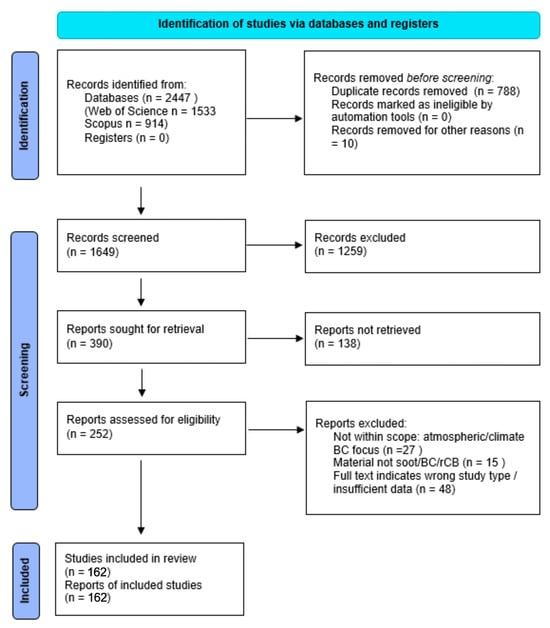
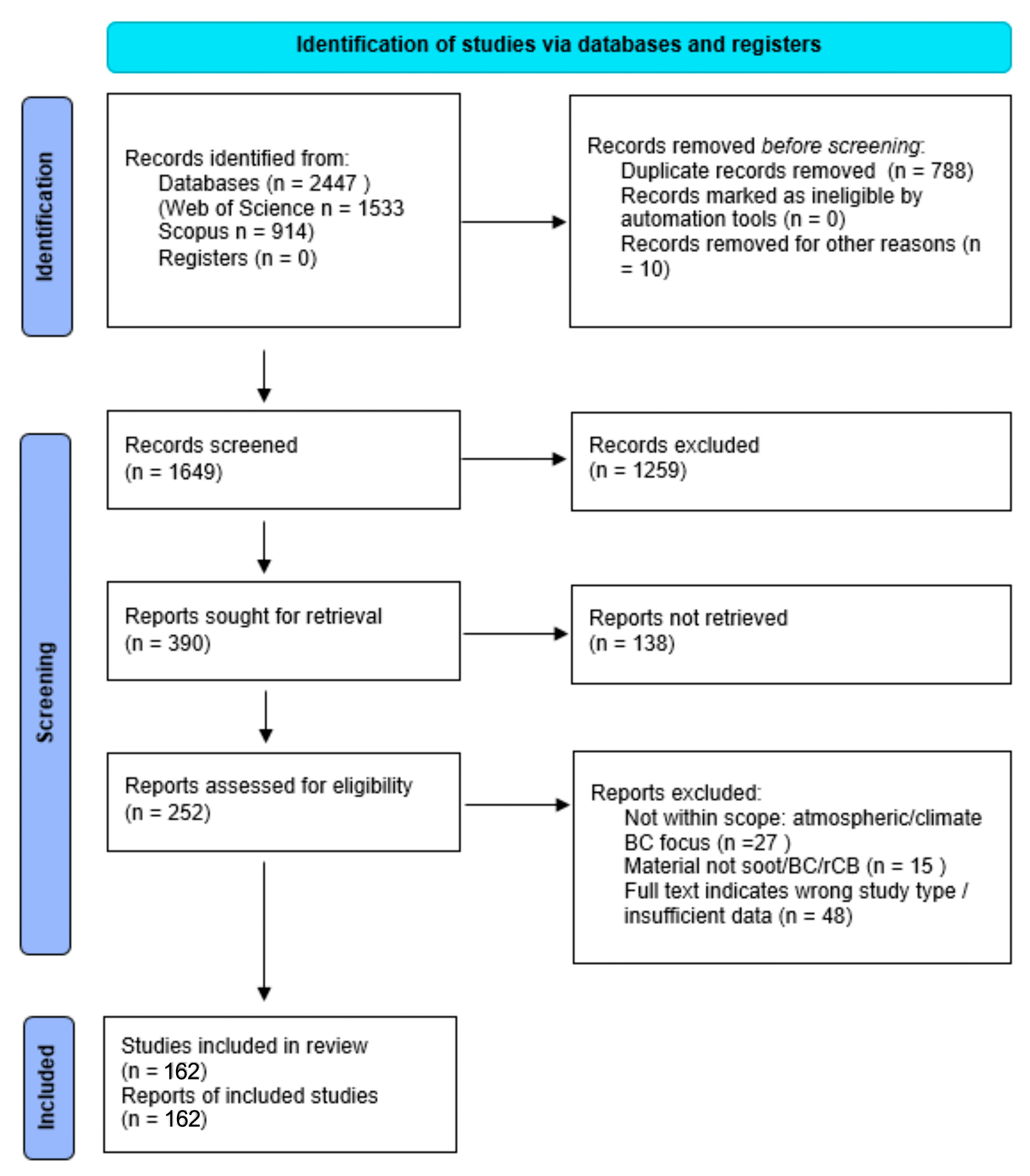
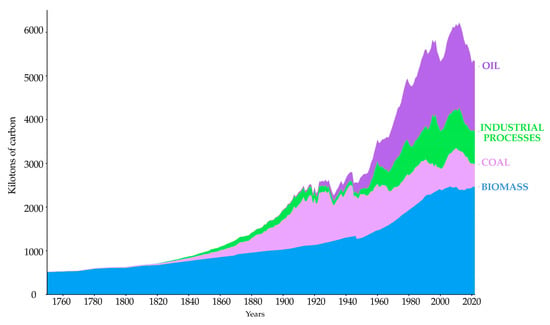
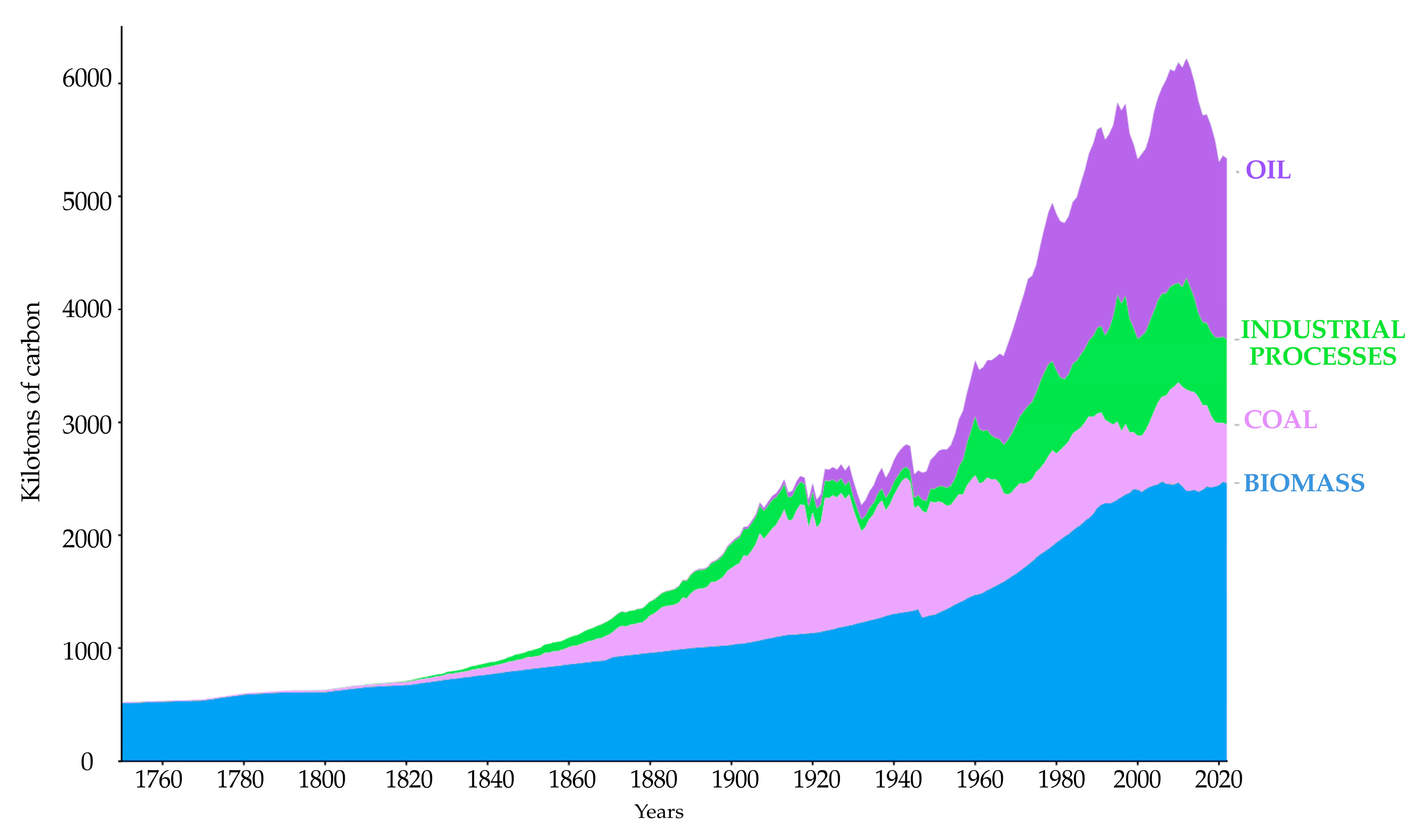
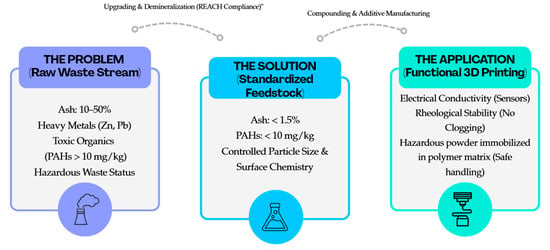
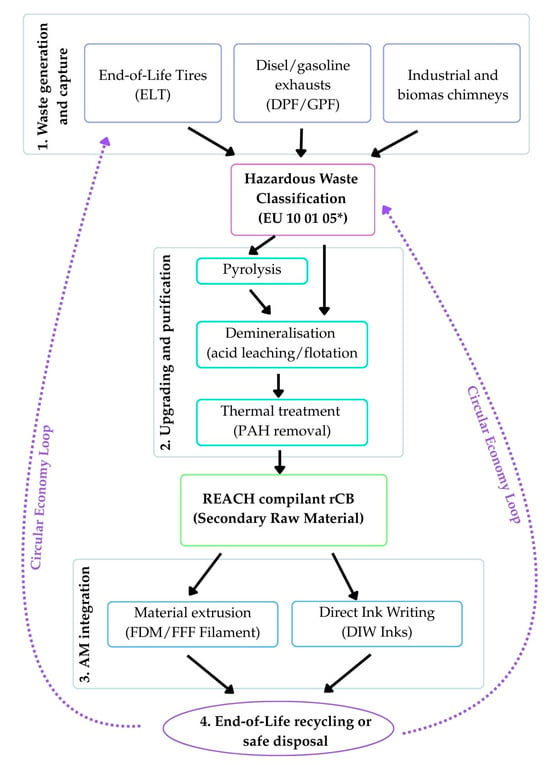
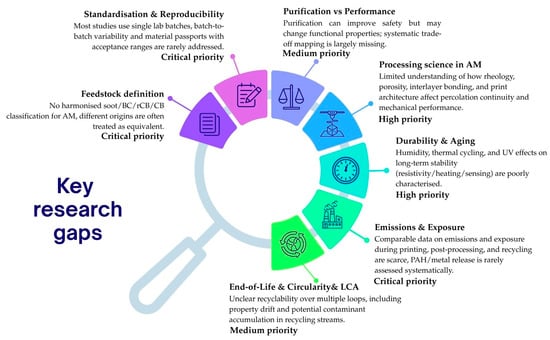
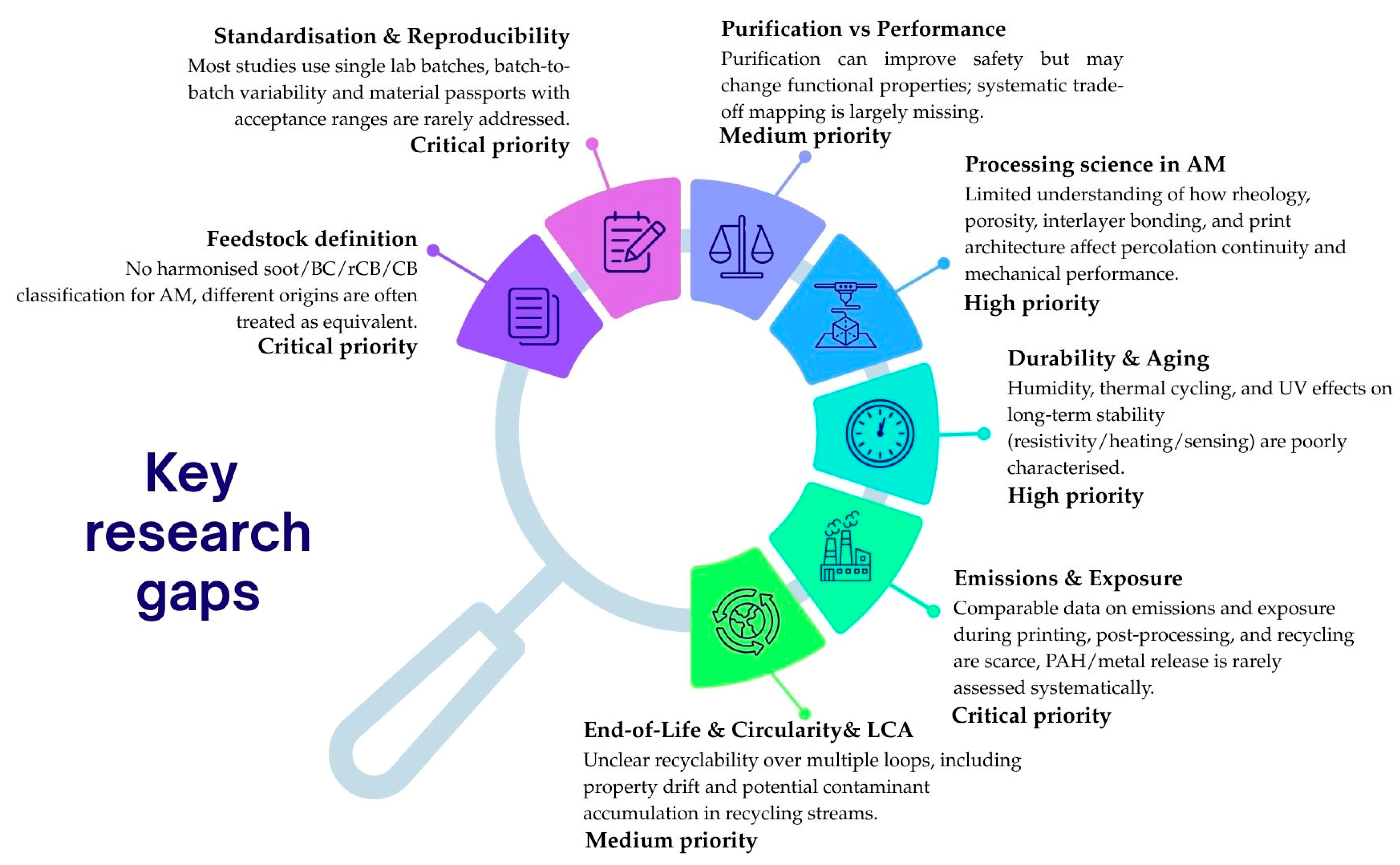

Disclaimer/Publisher’s Note: The statements, opinions and data contained in all publications are solely those of the individual author(s) and contributor(s) and not of MDPI and/or the editor(s). MDPI and/or the editor(s) disclaim responsibility for any injury to people or property resulting from any ideas, methods, instructions or products referred to in the content. |
© 2026 by the authors. Licensee MDPI, Basel, Switzerland. This article is an open access article distributed under the terms and conditions of the Creative Commons Attribution (CC BY) license.