


Abstract
Plant breeding innovation is an important strategic emerging industry related to sustainable agricultural development. The improvement of the level of industry–university–research (IUR) cooperation among plant breeding enterprises can help overcome breeding bottlenecks and promote technological innovation and has become one of the important topics of academic attention. Based on 290 enterprise survey questionnaire data, this study uses a structural equation model to conduct empirical research and finds the following: (1) satisfaction and effectiveness of IUR cooperation have a positive impact on the key core technological innovation performance of plant breeding enterprises; (2) absorptive capacity positively moderates the promoting effect of IUR cooperation satisfaction and effectiveness on the technological innovation performance of plant breeding enterprises; and (3) government support positively moderates the promoting effect of IUR cooperation satisfaction and effectiveness on the technological innovation performance of plant breeding enterprises. Therefore, this study reveals the mechanism of IUR cooperation in plant breeding enterprises on technological innovation and provides theoretical basis and practical guidance for plant breeding enterprises to cultivate long-term competitiveness and contribute to the sustainable development of agriculture.
1. Introduction
Seeds constitute the fundamental “microchips” of agricultural development, with plant breeding technology serving as a pivotal factor in ensuring sustainable agricultural development and enhancing international agricultural competitiveness. As we enter the era of Bio-Breeding 4.0, breakthroughs in the core technologies of breeding have become critically important (Wallace, 2018) [1]. Plant breeding is characterized by a long cycle, high knowledge intensity and high risk. The resources of a single entity are limited, so plant breeding enterprises need to engage in industry–university–research (IUR) cooperation for sustainable innovation. The collaborative efforts among plant breeding enterprises, academia, and research institutions—commonly referred to as IUR partnerships—significantly contribute to the improvement of innovation performance in plant breeding technology and hold substantial practical value for the advancement of agriculture (Li et al., 2018; Jorasch, 2020) [2,3]. In this context, the mechanism and influencing factors of technological innovation in plant breeding enterprises through IUR cooperation have become the direction of future research in academia.
IUR cooperation refers to partnerships in which individuals and teams from academic and industrial contexts work collaboratively on specific projects to generate shared outcomes. This model encompasses research partnerships, collaborative research initiatives, contract-based research, and consulting engagements (De Wit-de et al., 2019) [4]. In recent years, scholars have conducted extensive research on various dimensions of IUR cooperation, industrial cooperation, and university–enterprise cooperation, including organizational dynamics (Steinmo & Rasmussen, 2018) [5], evolutionary characteristics (Li & He, 2024) [6], collaborative innovation (Zeng et al., 2023) [7], and geographical influences (Cui et al., 2022) [8]. These studies examine various facets of the concept and functional efficacy of IUR cooperation (De Wit-de Vries et al., 2019; Zeng et al., 2023) [4,7]. Tereshchenko et al. (2024) summarized the university–enterprise cooperation model suitable for Finland by sorting out the global university–enterprise cooperation experience [9]. Zeng & Mao (2025) argued that the construction of innovation ecology of digital industrial clusters should be guided by institutional openness to the world [10]. Nevertheless, extant research frequently overlooks the investigation of IUR cooperation levels. Although some studies have attempted to measure IUR cooperation levels through metrics such as cooperation efficiency (Song et al., 2020; Zheng et al., 2021) [11,12] and types of knowledge interactions (Schartinger et al., 2002) [13], they have overlooked critical dimensions including emotional engagement and economic performance in collaborative contexts (Li et al., 2012) [14]. Therefore, when researching the IUR cooperation at the enterprise level, it is necessary to divide the level of IUR cooperation into cooperation satisfaction and cooperation effectiveness and discuss them separately. It is of strategic significance for the development of IUR cooperation and the formulation of plant breeding enterprise goals.
In recent years, the deepening of IUR cooperation has prompted academic investigations into its impact on enterprise innovation from multiple perspectives, including knowledge co-creation (Du et al., 2021) [15], formal and informal institutions (Xie et al., 2023) [16], collaborative agglomeration (Li & Xing, 2020) [17], and innovation investment (Pu et al., 2022) [18]. In terms of plant breeding technology, previous studies have primarily investigated the impacts of GMO regulations (Atanassova & Keiper, 2018) [19], public policy (Jorasch, 2020) [3], and artificial intelligence (Eftekhari et al., 2024) [20] on innovations in plant breeding technologies. However, the construction of agricultural technical cooperation system is a complex process, which depends on the construction of a strategic management system (Vrabcová & Urbancová, 2023) [21]. Dawson et al. (2024) proposed the ways in which multiple agricultural cooperatives can cooperate to establish a digital innovation platform [22]. Tkacheva et al. (2024) argued that the wider participation of smes in the formation of agro-industrial sector cluster structure in Kazakhstan needs the support of policies and governments. Recent studies have begun to pay attention to the important role of corporate knowledge capability and government management in cooperative networks [23]. Nave & Franco (2024) extended the research field to the field of knowledge transfer and innovation, and the government managed the importance of cross-border incentive system institutions to the partner network [24]. Absorptive capacity is the capacity of a firm to recognize the value of new, external information, assimilate it, and apply it to commercial ends (Cohen & Levinthal, 1990) [25]. Absorptive capacity drives the IUR cooperation collaborative innovation process in enterprises (Du et al., 2021) [15]. Furthermore, government subsidies can facilitate the establishment of IUR partnerships within enterprises, enhance the depth of such cooperations, and effectively stimulate corporate engagement in innovation (Zhao et al., 2024) [26]. Rossoni et al. (2024) argued that cultivating relational social capital and providing tax incentives are crucial to promoting industrial innovation through academic partnerships [27]. Doh & Kim (2014) argued that there is a positive relationship between technological development assistance from the Korean government and patent acquisition and new design registration by regional smes [28]. Therefore, absorptive capacity and government support play an increasingly important role in the relationship between IUR cooperation and technological innovation performance. Given that plant breeding enterprises typically exhibit characteristics such as fragmented research resources and insufficient R&D capabilities, existing models and conclusions regarding IUR cooperations may not be fully applicable to this sector. Therefore, the relationship between IUR partnerships and innovation performance in plant breeding enterprises, as well as the underlying mechanisms, necessitate further investigation.
The contributions of our research are presented below. Firstly, although existing studies have discussed the mechanism of action between IUR cooperation and innovation, they have not targeted plant breeding enterprises. Our research fills the theory of internal innovation in plant breeding enterprises and enriches and expands the theory of open innovation. Secondly, our research divides IUR cooperation into two dimensions of satisfaction and effectiveness and studies their impacts on technological innovation performance respectively. Our research fills the analytical gap caused by viewing IUR cooperation as a single, holistic construct. Additionally, our research deepens and integrates social relation theory and resource-based theory. Thirdly, our research explores the impact of IUR cooperation on technological innovation performance from two aspects—internal absorptive capacity and external government—support and verifies the moderating effect of absorptive capacity and government support. Our research extends the research boundary of dynamic capability theory and provides a deepening and expansion for innovation management theory in agricultural enterprises and even in the wider field.
The overall objective of this study is to construct and test a moderated mediation model in the context of plant breeding enterprises, to systematically reveal the internal mechanism and boundary conditions through which IUR cooperation affects technological innovation performance. The specific research questions include the following: first, whether the theories related to the research on IUR cooperation and innovation in general enterprises are applicable to plant breeding enterprises. Second, how two dimensions of satisfaction and effectiveness of IUR cooperation respectively influence the technological innovation performance of plant breeding enterprises. Third, how the absorptive capacity of enterprises and government support moderate the above two influence paths.
2. Theoretical Basis and Research Hypothesis
2.1. The Level of IUR Cooperation and Technological Innovation Performance of Plant Breeding Enterprises
Li et al. (2012) categorized IUR cooperation into the following two dimensions: cooperation satisfaction and cooperation effectiveness [14]. The two functions are complementary and synergistic to drive innovation. IUR cooperation satisfaction takes the comprehensive experience of all parties as the core and focuses on the subjective perception of the fairness of resource input and return (Luo &Lam, 2019) [29]. Its essence is to maintain cooperation through psychological contract in social exchange theory. A high level of satisfaction can strengthen inter-subject trust and commitment, reduce opportunistic behaviors, effectively maintain the stability and long-term continuity of the cooperative relationship, and provide environmental guarantee for the continuous flow of knowledge, technology and other resources. IUR cooperation effectiveness is oriented by the cooperation result, which reflects the effect of enterprise resource conversion. IUR cooperation effectiveness is a result-oriented objective output index, which directly reflects the actual effect of resource complementarity and transformation in cooperation with quantifiable substantive results as the carrier. IUR cooperation effectiveness not only reflects the capacity of enterprises to integrate cutting-edge knowledge and scarce resources of partners but also provides direct material and knowledge support for innovation performance through technological breakthroughs, resource accumulation and transformation efficiency improvement, which is the final foothold of cooperative value.
2.1.1. IUR Cooperation Satisfaction and Technological Innovation Performance of Plant Breeding Enterprises
According to the social exchange theory, cooperation satisfaction comes from the fairness perception of investment return, which will strengthen the psychological contract and then transform into trust and commitment (Blau, 1964) [30]. In the process of IUR cooperation, plant breeding enterprises invest capital and market resources, and universities and research institutions provide breeding technologies that meet the needs, forming resource complementarity. When enterprises perceive a reasonable proportion of investment returns in cooperation, they will form a cooperative relationship based on trust, laying a relational foundation for subsequent cooperation. This addresses the technological gaps within plant breeding enterprises while providing resource support to research institutions, thereby promoting the efficient flow of complementary resources (Li & He, 2024; Ozdemir et al., 2023) [6,31]. Therefore, IUR cooperation satisfaction reflects the enhancement of mutual trust and positive relationships among participating parties following cooperative engagements (Li et al., 2012) [14]. Such an arrangement effectively resolves resource misallocation issues encountered during technological innovation in plant breeding enterprises. However, divergences in value orientations may lead to friction among stakeholders (Cui et al., 2022) [8]. Research institutions prioritize the academic value of innovative outcomes, whereas seed enterprises focus more heavily on the commercial potential of such innovations. At this time, trust and inclusiveness can reduce conflicts between partners and ensure the normal progress of IUR cooperation. High-level trust promotes knowledge exchange in IUR cooperation. Stable partnerships create a conducive environment for resource sharing and intellectual interaction, enabling efficient and systematic collaboration that fosters the generation of new knowledge (Du et al., 2021) [15]. Continuous knowledge accumulation drives the improvement of innovation performance of breeding enterprises. In the long term, technological innovation performance generates substantial returns and further improves IUR cooperation satisfaction. It forms a positive cycle between cooperation satisfaction and innovation performance (Desmet & Rossi, 2012) [32]. In addition, the relationship between cooperation satisfaction and innovation performance is also positive.
Therefore, we put forward the following hypothesis:
H1a.
IUR cooperation satisfaction has a direct positive effect on technological innovation performance in plant breeding enterprises.
2.1.2. IUR Cooperation Effectiveness and the Technological Innovation Performance of Plant Breeding Enterprises
The improvement of IUR cooperation effectiveness of plant breeding enterprises promotes the utilization and reorganization of resources. Based on the explanation of Teece (1997) on the dynamic capability of enterprises in resource-based theory, enterprises’ IUR cooperation can improve the utilization of tangible and intangible resources [33]. In the rapidly changing external environment, enterprises form resource advantages through cooperation. For plant breeding enterprises, their core resources include excellent germplasm resources, advanced analysis and testing equipment, professional bioinformatics platform, long-term field phenotypic data and research and development funds, etc. However, under the background of rapid iteration of biotechnology and the development of precision and intelligence of breeding, it is difficult for any single enterprise to completely independently own all cutting-edge scientific and technological resources and basic scientific knowledge. This constitutes the underlying motivation for enterprises to seek IUR cooperation. In dynamic competitive markets, plant breeding enterprises can acquire non-replicable critical elements through research cooperation with universities and scientific institutions. These elements constitute distinctive competitive advantages for enterprises and serve as essential factors for achieving innovation (Desmet & Rossi, 2012) [32]. Enterprises possess production advantages, while universities and research institutions excel in experimental facilities and specialized talent reserves. The strategic integration of these complementary strengths effectively mitigates respective limitations, overcomes technological bottlenecks, and enhances innovation performance (Ozdemir et al., 2023) [31].
Furthermore, from the perspective of dynamic evolution of dynamic capability theory, the effectiveness of IUR cooperation itself is a manifestation of enterprise dynamic capability. In addition to the use of tangible resources, enhanced IUR cooperation outcomes accelerate knowledge integration, elevate the knowledge reserve level of plant breeding enterprises, and consequently improve technological innovation performance (Li et al., 2022) [34]. The knowledge integration process within such collaborations encompasses both knowledge flows and the transformation between tacit and explicit knowledge (Kodama, 2008; Khedhaouria & Jamal, 2015) [35,36]. Plant breeding enterprises possess tacit knowledge advantages in market concepts and commercial experience, whereas universities and research institutions hold explicit knowledge advantages in technical reserves and innovation expertise. This asymmetry establishes a tacit-explicit knowledge gradient between plant breeding enterprises and academic institutions. Consequently, tacit knowledge flows from enterprises to universities and research institutes, while explicit knowledge transfers in the reverse direction, fostering technological convergence and enhancing innovation outcomes (Cui et al., 2023) [37]. In addition, information exchange within collaborations improves the efficiency of both tacit and explicit knowledge flows, accelerating knowledge consolidation (Kodama, 2008) [35]. Internal knowledge interactions within organizations are transformed into inter-organizational knowledge conversion and integration through collaborative mechanisms, thereby expanding the scope of knowledge circulation. The construction and improvement of such dynamic capabilities enable enterprises to respond more quickly to technological changes and market changes, achieve continuous technological iteration and innovation, and thus obtain long-term and stable technological innovation performance.
Therefore, we put forward the following hypothesis:
H1b.
IUR cooperation effectiveness has a direct positive effect on technological innovation performance in plant breeding enterprises.
2.2. The Moderating Role of Absorptive Capacity
Absorptive capacity refers to an enterprise’s ability to identify, assimilate, and apply new knowledge for commercial purposes (Cohen & Levinthal, 1990) [25]. Zahra & George (2002) divided absorptive capacity into potential absorptive capacity and realized absorptive capacity [38]. The actual absorptive capacity refers to the ability of enterprises to accept and absorb knowledge. Additionally, potential absorptive capacity is the ability of enterprises to transform and explain knowledge. The absorptive capacity contributes to the speed, frequency and scale of innovation, and the knowledge generated by innovation will become part of the absorptive capacity of the enterprises (Lane et al., 2006) [39]. In the process of IUR cooperation, there are differences in knowledge stock among partners, which can drive knowledge integration. The knowledge integration is specifically manifested as technology integration across organizations. From the perspective of technology integration, IUR cooperation is a process of knowledge integration, which integrates related technologies and can strengthen enterprises’ own technological innovation and resource application capabilities (Khedhaouria & Jamal, 2015; Cummings, 2004) [36,40]. Therefore, both potential and realized absorptive capability contributes to the improvement of technological innovation performance (Kodama, 2008; Jansen, 2005) [35,41]. To sum up, absorptive capacity plays a key role in IUR cooperation, which directly affects technological innovation performance.
Firstly, absorptive capacity positively moderates the relationship between IUR cooperation satisfaction and the technological innovation performance of plant breeding enterprises. Increased collaboration satisfaction promotes equitable benefit distribution and strengthens mutual trust, thereby accelerating knowledge sharing among entities. When absorptive capacity is low, however, the effect of cooperation satisfaction on innovation performance remains limited. Low absorptive capacity constrains a firm’s ability to absorb and apply knowledge, hindering effective acquisition of knowledge from both partners and the external environment, which impedes future technological development in plant breeding enterprises (Cohen & Levinthal, 1990) [25]. Even if the cooperation satisfaction is high and external knowledge flows in smoothly, due to the lack of effective knowledge decoding, integration and application mechanism, a large number of valuable external knowledge cannot be effectively absorbed and integrated into the innovation process, which makes it difficult for good cooperative relationships to be transformed into substantive technological breakthroughs. Conversely, for plant breeding enterprises with high absorptive capacity, they have strong knowledge recognition, understanding and internalization mechanism. When cooperation satisfaction is high, smooth communication and trust make it easier for external knowledge flow to flow in. As absorptive capacity improves, the reinforcement of benefit distribution mechanisms and trust enhances the positive impact of collaboration satisfaction on innovation performance (Li et al., 2012) [14]. High absorptive capacity can quickly and effectively digest these high-quality knowledge inputs and deeply integrate them with the company’s own breeding data, market demand knowledge, and technical know-how, so as to efficiently transform them into new varieties, new processes, or new technical solutions.
Secondly, absorptive capacity positively moderates the relationship between IUR cooperation outcomes and the technological innovation performance of plant breeding enterprises. On the one hand, with low absorptive capacity, enterprises are restricted in generating and utilizing key innovation elements, making it difficult to leverage the technical strengths of research institutions to compensate for internal deficiencies (Sjödin et al., 2019) [42]. Concurrently, knowledge integration capability remains underdeveloped, weakening both the utilization of existing knowledge and the assimilation of external knowledge. Firms become unable to promptly identify, learn, and digest technological knowledge from partners (Sánchez-García et al., 2023) [43]. At this time, the utilization of cooperative achievements by plant breeding enterprises may stay at the stage of surface application or simple imitation. They can use the varieties produced by cooperation or follow the established scheme, but have difficulty understanding its underlying logic, let alone carrying out secondary innovation or adaptive improvement. As a result, the value of cooperation results is limited to a single project or a specific point in time, which cannot be transformed into sustainable and independent technological innovation capabilities of enterprises. Under these conditions, IUR cooperation effectiveness on innovation performance is limited. On the other hand, as absorptive capacity increases, plant breeding enterprises improve their ability to generate key elements and integrate knowledge, enhance the efficiency of knowledge flow, and increase interaction frequency with partners (Moreira et al., 2018) [44]. Enterprises with high absorptive capacity can deeply understand the scientific principles and application potential behind the cooperation results. Not only can they apply the results directly to specific projects, but they can also gain insight into their derived value, develop them iteratively, or horizontally migrate to other plant breeding projects. Gradually occupying a more advantageous position within the IUR cooperation network, plant breeding enterprises are better positioned to enhance their technological innovation performance.
Therefore, we put forward the following hypotheses:
H2a.
Absorptive capacity has a positive moderating effect on the relationship between IUR cooperation satisfaction and technological innovation performance in plant breeding enterprises.
H2b.
Absorptive capacity has a positive moderating effect on the relationship between IUR cooperation effectiveness and technological innovation performance in plant breeding enterprises.
2.3. The Moderating Role of Government Support
The plant breeding industry plays an important role in food supply and sustainable agricultural development, so the government has provided a number of supports to the plant breeding industry. In the process of IUR cooperation within plant breeding enterprises, government support plays a guiding role in the allocation of corporate innovation resources (Shi et al., 2020) [45]. Government support for IUR cooperation and technological innovation mainly takes the following two forms: providing funding and resources to enterprises engaged in IUR cooperation, and offering specific information and project support. Also, the effect of government support on technological innovation of breeding enterprises is divided into direct effect and indirect effect. On the one hand, government support serves as a direct driving force for enterprises, strengthening the positive impact on technological innovation (Zhao et al., 2024) [26]. Government funding and resources support usually includes policy guidance and financial subsidies, which have a positive effect on corporate innovation (Doh & Kim, 2014) [28]. Funding and resources provided by the government help compensate for the limitations of market mechanisms, optimize internal resource allocation, and improve the utility of human capital. On the other hand, plant breeding enterprises selected by the government send positive investment signals, attracting external investors while reducing selection costs and mitigating adverse selection and moral hazard (Xia & Jia, 2023) [46]. Both government-funded research projects and externally funded applied research projects jointly promote technological innovation performance in plant breeding enterprises. Some studies indicate that excessive government subsidies may crowd out corporate R&D investment (Görg & Strobl, 2007) [47]. However, overall, government subsidies positively influence technological innovation performance and serve as a positive moderator between the level of IUR cooperation and innovation outcomes.
Firstly, government support positively moderates the relationship between collaboration satisfaction in IUR cooperation and technological innovation performance in plant breeding enterprises. IUR cooperation satisfaction comes from smooth interaction and good experience in the process of cooperation, but its transformation into innovation performance is often subject to the challenges of external environment uncertainty and resource sustainability. When government support is low, cooperation partners face constraints in profit distribution and relationship enhancement due to limited funding, hindering the potential of such collaborations to foster innovation (Xu et al., 2021) [48]. Insufficient policy incentives may lead to opportunistic behavior and increased transaction costs, which are detrimental to innovation performance (Dolfsma & Seo, 2013) [49]. At this point due to market risks, intellectual property disputes or long-term investment pressure, enterprises tend to be conservative in deep integration and achievement transformation even when the satisfaction of industry–university–research cooperation is high. Even if IUR cooperation satisfaction is high, enterprises may adopt short-term and formal cooperation strategies due to concerns about market risks, unclear property rights or weak follow-up support, and avoid in-depth innovation with high risks that may lead to improvement of core capabilities. Conversely, when government support is high, on the basis of a highly satisfactory relationship, enterprises and partners can be more assured to carry out long-term, high-investment and exploratory collaborative R&D. Also, government support enables a good cooperation atmosphere to be smoothly translated into actual resource input and knowledge sharing depth, thus significantly enhancing the driving effect of cooperation satisfaction on technological innovation. The signaling effect of government support provides financial and resource backing, attracts external R&D investment, alleviates funding constraints, and facilitates the smooth progress of cooperation projects, thereby strengthening sustained innovation capabilities (Takalo & Tanayama, 2010; Zhang et al., 2016) [50,51]. This positively moderates the impact of cooperation satisfaction on technological innovation performance.
Secondly, government support positively moderates the relationship between IUR cooperation effectiveness and technological innovation performance in plant breeding enterprises. IUR cooperation effectiveness is the specific result that has been produced, but the realization of its final market value and industrial influence often depends on the subsequent development, pilot test verification, demonstration promotion and large-scale application of the result, which usually require additional resources and market channels. When government support is low, the cooperation effectiveness on innovation performance is limited. In such cases, participants rely primarily on their own technological and resource reserves for R&D, restricting the impact of cooperation on production factors and knowledge flow (Li et al., 2022) [34]. The marketization path of IUR cooperation results is completely developed by plant breeding enterprises themselves, facing high market access barriers and promotion costs. Moreover, projects with limited government support may send negative signals, reducing external investment and further inhibiting innovation performance (Kleer, 2010) [52]. Even if excellent technical achievements are produced through cooperation, it may be difficult to realize their potential value due to the lack of application scenarios, low market recognition or insufficient promotion resources, resulting in a significant reduction in the contribution of cooperation results to the final innovation performance.
In contrast, when government support is substantial, the positive effect of collaboration outcomes on innovation performance becomes pronounced. Government guidance, supervision, and safeguards establish a foundation for IUR cooperation effectiveness, while simultaneously emitting positive signals that attract investment and mobilize additional social resources (Takalo & Tanayama, 2010) [50]. This enhances the moderating effect of IUR cooperation effectiveness on technological innovation performance. Moreover, governments can contribute to IUR cooperation effectiveness in a number of ways. For example, new varieties resulting from cooperation can be included in government-led promotion programs for improved varieties, demonstration bases and subsidies can be provided for pilot testing and application of new technologies, or initial markets can be created through preferential procurement. These measures can effectively reduce the marketization risk of cooperation achievements, accelerate their commercialization process, and significantly expand their application scope and economic benefits, thus greatly strengthening the contribution of cooperation achievements to technological innovation performance.
Therefore, we put forward the following hypotheses:
H3a.
Government support has a positive moderating effect on the relationship between IUR cooperation satisfaction and technological innovation performance in plant breeding enterprises.
H3b.
Government support has a positive moderating effect on the relationship between IUR cooperation effectiveness and technological innovation performance in plant breeding enterprises.
Figure 1 is the theoretical framework of this study, which intuitively shows the direct and moderating effects of IUR cooperation in plant breeding enterprises on technological innovation performance.
Figure 1.
Theoretical framework.
3. Research Design
3.1. Sample and Data Collection
The research data for this project were collected through questionnaire distribution. To effectively gather elements influencing the technological innovation performance of plant breeding enterprises, the questionnaires were administered to mid-level and senior professionals from biological breeding companies who are familiar with the breeding innovation process and technology management, including R&D personnel and managers involved in breeding work.
The survey was conducted from December 2023 to June 2024. First, the initial sampling frame was constructed based on the enterprise directory from China Seed Business Network, which is the authoritative vertical platform for the seed industry in China, covering major plant breeding enterprises in eastern, central and western regions of China. After eliminating non-operating enterprises, shell enterprises and those with incomplete basic information, we adopted stratified random sampling to determine the final target research enterprises, ensuring the representative of sample distribution across regions and enterprise scales. A total of 458 questionnaires were distributed among the targeted enterprises, and 290 were initially returned. After excluding invalid responses—such as those with apparent logical contradictions, repetitive answers or incomplete key items—272 valid questionnaires were retained, yielding an effective response rate of 59.39%. A total of 168 questionnaires were distributed in the east region, with 117 valid recovered and an effective response rate of 69.64%; 152 questionnaires were distributed in the central region, with 84 valid recovered and an effective response rate of 55.26%; 138 questionnaires were distributed in the western region, with 71 valid recovered and an effective response rate of 51.44%. To test the non-response bias rigorously, both chi-square tests and independent sample t-tests were conducted. We compared the mean values of core variables (including IUR cooperation satisfaction, cooperation effectiveness, absorptive capacity and government support) between early respondents (first 50% of recovered questionnaires) and late respondents (last 50% of recovered questionnaires). The results showed that the chi-square values and t-statistics for all tested variables were not significant (p > 0.05), demonstrating that non-response bias does not affect the study’s findings. Considering that all data were collected from single respondents, we conducted Harman’s single-factor test to assess the common method variance, and the detailed test results and analysis are presented in Section 3.5.
3.2. Variables
The theoretical model of this study includes the following four key variables: IUR cooperation, technological innovation performance of plant breeding enterprises, absorptive capacity, and government support. To ensure the reliability and validity of the questionnaire and items, the research team has adopted mature scales published in domestic and foreign journals as much as possible. Each item uses a seven-point Likert scale. Among them, one indicates “completely disagree”, seven indicates “completely agree”, and four indicates “uncertain”.
Dependent variable: Technological innovation performance of plant breeding enterprises. This study uses three items to measure the technological innovation performance of plant breeding enterprises through IUR cooperation. Respondents are asked to answer whether through IUR cooperation it helps shorten the product development and production time of enterprises or extend the product life; it helps enterprises make technological progress; and if it helps accumulate technology and increase the success rate of internal innovation of enterprises.
Independent variable: Level of IUR cooperation. This study refers to the research of Li et al. (2012) and measures the level of IUR cooperation from the following two aspects: IUR cooperation satisfaction and IUR cooperation effectiveness. IUR cooperation satisfaction measures the satisfaction of all stakeholders in IUR cooperation, including the following four items: cooperation gains, cooperative relationship, mutual feelings, and mutual trust; IUR cooperation effectiveness reflects the economic benefits and goal achievement brought to all parties through IUR cooperation, including the following four items: economic benefit improvement, R&D capability enhancement, achievement of expected cooperation goals, and intention for deeper cooperation [14].
Moderating variable: Absorptive capacity. Referring to Su et al. (2016), this study uses the following six items to measure absorptive capacity: the ability to identify knowledge owned by other enterprises, the ability to understand knowledge owned by other enterprises, the ability to evaluate knowledge owned by other enterprises, the ability to digest and absorb knowledge owned by other enterprises, the ability to apply knowledge owned by other enterprises, and the ability to develop knowledge owned by other enterprises [53].
Government support. Referring to Cai et al. (2010), respondents are asked to evaluate the specific effects of support measures taken by relevant government departments in the past three years, including the following four items: policy or project support, information provision, financial support, and resource acquisition support [54].
Control variables: This study controls the influence of contextual variables such as enterprise age, number of employees, ownership nature, and the region where the enterprise is located, and the selection of the four control variables is based on the theoretical and practical characteristics of the breeding industry. Enterprise age affects enterprises’ innovation resource accumulation, risk preference and technology iteration rhythm, and there are significant differences in innovation strategies between mature enterprises and start-ups, making it a key contextual variable influencing breeding innovation. Enterprise size determines enterprises’ R&D investment, talent reserve and scientific research platform strength; large breeding enterprises have stronger innovation resource support, while small and medium-sized enterprises have higher innovation flexibility, which needs to be controlled. Breeding enterprises with different property rights (state-owned, private, foreign-funded, etc.) differ in innovation decision-making logic, policy resource acquisition and R&D orientation, which will interfere with the test results of innovation performance. There are significant differences in breeding industry policies, scientific research resource endowments and market environments across different regions of China; the eastern region has concentrated scientific research resources, while the central and western regions have different industrial foundations, and regional differences directly affect breeding innovation performance. Enterprise age is divided into the following four categories: 4 years or less, 5–9 years, 10–19 years, and more than 20 years. The number of employees is divided into the following five categories: 49 or less, 50–99, 100–499, 500–999, and more than 1000. Ownership nature is divided into the following four categories: state-owned (controlling), private, Sino-foreign joint venture, and others. The region where the enterprise is located is divided into the following three categories: western region, central region, and eastern region.
3.3. Reliability and Validity Tests
This study first examined the reliability and validity of the items. The results are presented in Table 1. The reliability test results show that the minimum Cronbach’s α value of all items is 0.858, significantly greater than the 0.8 level, indicating a high internal consistency of the scale and thus the adopted items in the questionnaire have good reliability. This study also evaluated the convergent validity and discriminant validity of the measurement items. The results of the convergent validity test show that the minimum standardized factor loading is 0.768, significantly greater than the 0.7 level. The minimum composite reliability (CR) is 0.860, significantly greater than the 0.8 level. The minimum average variance extracted (AVE) reaches 0.672, also significantly greater than the 0.5 level, indicating that all measurement items have good convergent validity.
Table 1.
The assessment of reliability and validity test.
3.4. Descriptive Statistics
Table 2 presents the descriptive statistics and correlation coefficients of the relevant variables. This study assessed the discriminant validity of the measurement items using the average variance extracted (AVE) method. As shown in Table 2, the square roots of the AVE for all variables exceed their corresponding Pearson correlation coefficients, confirming adequate discriminant validity of the questionnaire.
Table 2.
Descriptive statistics and correlation coefficients.
3.5. Common Method Bias
To address the potential common method variance arising from single-source data, this study first conducted Harman’s single-factor test for comprehensive assessment. The results revealed that the variance explained by the first unrotated factor was 21.47%, which is lower than the critical threshold of 40%, indicating that common method bias is not a major concern in this study. In addition, we studied the employed variance inflation factor (VIF) test to assess multicollinearity among the variables. The VIF test results indicated that all variables exhibited VIF values below 10, which further confirms that multicollinearity does not compromise the validity of the study’s findings (Cohen et al., 2013) [55].
4. Empirical Analysis and Results
4.1. Confirmatory Factor Analysis (CFA) for the Measurement Model
To ensure the rationality of the latent variable structure and the validity of the measurement scale, this study first conducted a Confirmatory Factor Analysis (CFA) on the measurement model using Amos 21 software, with technological innovation performance, IUR cooperation satisfaction, IUR cooperation effectiveness, absorptive capacity and government support as latent variables, and the corresponding observed variables as the measurement indicators of each latent variable. The results of CFA show that all standardized factor loadings of the measurement indicators range from 0.768 to 0.970 (see Table 1), and all t-values of the loadings are greater than 1.96 (p < 0.05), indicating that each observed variable has a significant explanatory effect on its corresponding latent variable. In addition, no cross-loadings were found among all measurement indicators, meaning that each observed variable only loads on its predefined latent variable and has no significant correlation with other latent variables; this study did not use modification indices to adjust the measurement model in order to maintain the theoretical rationality of the model and the authenticity of the empirical results.
The CFA results showed a good fit of the measurement model: the chi-square degrees of freedom ratio (χ2/d) of the measurement model is 2.683, which falls within the acceptable range of less than three (Carmines & McIver, 1983) [56]. The Goodness-of-Fit Index (GFI) stands at 0.905, meeting the recommended acceptable standard of 0.9. The Adjusted Goodness-of-Fit Index (AGFI) is 0.867, a value close to the benchmark of 0.9. The Standardized Root Mean Square Residual (SRMR) is 0.034, which is lower than the commonly accepted critical value of 0.05 (Hu & Bentler, 1999) [57]. The Root Mean Square Error of Approximation (RMSEA) reaches 0.080, approximating the recommended threshold of 0.08 (Browne & Cudeck, 1992) [58]. The Normed Fit Index (NFI) is 0.938 and the Comparative Fit Index (CFI) is 0.960, both of which exceed the acceptable criterion of 0.9 (Bentler, 1990; Bentler and Bonett, 1980) [59,60].
Meanwhile, the reliability and validity tests (Table 1) indicated that all latent variables had Cronbach’s α coefficients greater than 0.8, composite reliability (CR) greater than 0.8, and average variance extracted (AVE) greater than 0.5; the standardized factor loadings of all measurement items were greater than 0.7. The square roots of AVE for all latent variables were higher than the Pearson correlation coefficients between variables (Table 2), and the maximum shared squared variance (MSV) between any two latent variables was less than the AVE of the corresponding latent variables. All the above results confirm that the measurement model has good reliability, convergent validity and discriminant validity, and the latent variable structure is reasonable, which lays a rigorous empirical foundation for the subsequent structural model analysis to test the research hypotheses.
4.2. Overall Fit Index and Path Test of the Structural Model
On the basis of the measurement model with good fit and valid latent variable structure verified by CFA, this study further constructed the structural equation model to test the hypothesized direct path relationships among the core latent variables (IUR cooperation satisfaction, IUR cooperation effectiveness, and technological innovation performance of plant breeding enterprises).
The overall fit of the structural model was assessed following the methodology proposed by Hair et al. (2010) [61]. The results indicated a chi-square degrees of freedom ratio of 2.727, which falls below the recommended threshold of three. The Goodness-of-Fit Index (GFI) value was 0.902, exceeding the recommended value of 0.9. The Adjusted Goodness-of-Fit Index (AGFI) measured 0.864, approaching the benchmark of 0.9. The Standardized Root Mean Square Residual (SRMR) was 0.035, lower than the recommended 0.05, while the Root Mean Square Error of Approximation (RMSEA) reached 0.081, nearing the criterion of 0.08. These collectively demonstrate satisfactory absolute model fit. Both the Normed Fit Index (NFI) and Comparative Fit Index (CFI) values stood at 0.936 and 0.958 respectively, surpassing the recommended 0.9 threshold, indicating favorable incremental fit. The Parsimonious Normed Fit Index (PNFI) and Parsimonious Comparative Fit Index (PCFI) values were 0.764 and 0.782 respectively, both exceeding the recommended 0.5 benchmark, suggesting adequate parsimonious fit.
Subsequently, path coefficients for all variables were examined. The analysis revealed that IUR cooperation satisfaction exerts a significant positive influence on the technological innovation performance of plant breeding enterprises (β = 0.436, p < 0.001), and IUR cooperation effectiveness also has a significant positive impact on the technological innovation performance (β = 0.380, p < 0.001), thereby supporting H1a and H1b respectively.
4.3. Test of Moderating Effect
On the basis of the structural model test of direct effects, this study employs hierarchical regression analysis to verify the moderating effects of absorptive capacity and government support—this method serves as a widely used complementary approach to SEM for moderating effect tests in empirical studies of management and agricultural economics. We conducted phased regression tests for control variables, main effects, and interaction effects respectively, and performed variable centering to mitigate potential multicollinearity issues. This methodological combination not only gives full play to the advantages of SEM in examining the structural relationships of multiple latent variables but also renders the test process of moderating effects more intuitive and the results easier to interpret. The empirical analysis results are presented in Table 3.
Table 3.
The test results of the moderating effect of absorptive capacity and government support on the relationship between IUR cooperation and technological innovation performance.
All R2, ΔR2, and ΔF values from Model 1 to Model 7 are statistically significant. Model 1, which includes all four control variables (enterprise age, enterprise size, enterprise ownership, and region), reveals that enterprise age (β = 0.341, p < 0.001), enterprise size (β = 0.163, p < 0.01) and region (β = 0.365, p < 0.001) exert a significant positive influence on innovation performance, while enterprise ownership shows no significant impact (β = −0.040, p > 0.05). Model 2 examines the impact of cooperation satisfaction on corporate innovation performance. The results indicate that cooperation satisfaction exerts a significant positive effect on innovation performance (β = 0.436, p < 0.001), thus supporting H1a. Model 5 assesses the influence of cooperation effectiveness on innovation performance. The analysis indicates that cooperation effectiveness has a significantly positive impact (β = 0.380, p < 0.001), thereby supporting H1b. Comparing the coefficients of the two models, it can be found that the direct effect of IUR cooperation satisfaction on technological innovation performance is slightly stronger than that of IUR cooperation effectiveness. It can be seen from this, in IUR cooperation, building and maintaining high-quality partnerships is as important, if not more so, than pursuing concrete collaborative outcomes.
Model 3 evaluates the moderating role of absorptive capacity in the relationship between cooperation satisfaction and innovation performance. The findings demonstrate that absorptive capacity positively moderates this relationship (β = 0.094, p < 0.001), confirming H2a. Model 4 investigates the moderating effect of government support on the association between cooperation satisfaction and innovation performance. The results show that government support serves as a positive moderator (β = 0.02, p < 0.05), validating H3a. Model 6 examines the moderating role of absorptive capacity in the relationship between cooperation effectiveness and innovation performance. The results confirm that absorptive capacity positively moderates this relationship (β = 0.344, p < 0.001), lending support to H2b. Model 7 tests the moderating effect of government support on the link between cooperation effectiveness and innovation performance. The findings reveal that government support functions as a positive moderator (β = 0.046, p < 0.05), validating H3b. Consequently, all research hypotheses are substantiated. Comparing the coefficients of all moderating effects, it can be found that the influence of the internal knowledge absorptive capacity of plant breeding enterprises on the IUR cooperation effectiveness is much greater than that of the external government support. It can be seen that the fundamental way for plant breeding enterprises to improve technological innovation performance is to enhance absorptive capacity and build strong knowledge integration and innovation capacity. Government support is a technological innovation that contributes to the IUR cooperation of plant breeding enterprises, but it cannot replace the capacity of enterprises themselves.
Table 1 is a diagram of the moderating effect of absorptive capacity and government support, in which Figure 2a,b intuitively show the moderating effect of absorptive capacity, while Figure 2c,d intuitively show the moderating effect of government support. According to Figure 2a, with a high level of absorptive capacity, the driving effect of IUR cooperation satisfaction on technological innovation performance is greater than that of a low level of absorptive capacity, and the effect is large. According to Figure 2b, with a high level of absorptive capacity, the driving effect of IUR cooperation effect on technological innovation performance is greater than that of a low level of absorptive capacity, and the effect is large. According to Figure 2c, with a high level of government support, the driving effect of cooperation satisfaction on technological innovation performance is greater than that of low levels of government support, but the driving effect is small. According to Figure 2d, with a high level of government support, the driving effect of cooperation effect on technological innovation performance is greater than that of low level of government support, and the driving effect is large. In general, the impact of IUR cooperation on innovation performance is not unconditional but depends on the two boundary conditions of absorptive capacity and government support. When plant breeding enterprises are at the same level of IUR cooperation, the difference in technological innovation performance is manifested as the difference in knowledge absorptive capacity and government support.
Figure 2.
Moderating effect of absorptive capacity and government support. (a) Satisfaction Absorptive capacity; (b) Satisfaction Government support; (c) Effectiveness Knowledge absorptive capacity; (d) Effectiveness Government support.
4.4. Discussion and Analysis
Through empirical analysis, this study systematically reveals the dual path of plant breeding enterprises’ IUR cooperation affecting their technological innovation performance and confirms the key moderating role played by enterprises’ absorptive capacity and external government support.
First of all, this study finds that both cooperation satisfaction and cooperation effectiveness can significantly improve technological innovation performance, which provides strong empirical support for the resource-based view and the knowledge-based view. This finding corroborates the research of Fischer et al. (2021) [62]. IUR cooperation satisfaction represents high-quality relational capital, promotes the exchange of tacit knowledge, trust and common vision, and reduces transaction costs in cooperation. It also emphasizes the conclusion of Bogers et al. (2019) [63]. IUR cooperation effectiveness directly reflects the acquisition and integration of complementary scarce resources, and the effective use of external knowledge sources is a key way for enterprises to build sustainable innovation capacity. Secondly, absorptive capacity has a significant positive moderating effect, which provides key empirical evidence for dynamic capabilities theory. The study confirms that knowledge absorptive capacity not only amplifies the value of a good cooperative relationship but also transforms explicit cooperative results into a core element of firm performance. This finding deeply explains the dynamic capability framework of Teece et al. (1997) [33]. Our results suggest that absorptive capacity is a decisive internal factor in determining the ultimate returns to IUR cooperation. Finally, the role of government support as a positive moderating variable is verified, but its effect is relatively small, which is consistent with the innovation system theory and some empirical studies. By providing funds, policy guarantees and platforms, government support reduces cooperation risks and market uncertainty, thus creating a favorable institutional environment for the realization of cooperative value (Doh & Kim, 2014) [28]. However, its relatively weak impact also shows that government support only helps enterprises’ IUR cooperation and cannot replace enterprises’ own learning and transformation mechanism (Borras & Edler, 2020) [64].
The empirical results of this study reveal two findings. First, the direct influence coefficient of cooperation satisfaction on innovation performance is slightly higher than that of cooperation effectiveness. This suggests that in fields such as plant breeding that are highly dependent on long-term, complex knowledge collaboration, the quality of relational governance of the collaborative process may have a fundamental value beyond mere outcome outputs. A harmonious and trusting process of cooperation alone can continuously stimulate knowledge sharing, risk sharing and joint problem solving. On the contrary, if we only focus on effectiveness and ignore satisfaction, it may lead to short-term and formalized cooperation and damage long-term innovation potential. This requires managers to pay equal attention to the cultivation and maintenance of partnerships while pursuing technological innovation performance. Second, the moderating effect of absorptive capacity in the path of cooperation effectiveness affecting innovation performance is much stronger than its moderating effect in the path of IUR cooperation satisfaction affecting technological innovation performance. It shows that enterprises rely more on their strong internal absorption and transformation capabilities to achieve technological innovation from specific cooperation achievements than from a good cooperation atmosphere. To sum up, this study not only confirms the value of industry–university–research cooperation but also reveals the mechanism by which it works. Technological innovation performance comes from the systematic integration of excellent absorptive capacity on IUR cooperation satisfaction and IUR cooperation effectiveness, and government support plays a boosting role in this system.
5. Conclusions
5.1. Research Results
This study adopts the perspectives of dynamic capabilities and resource-based view to construct a moderated effect model and employs questionnaire surveys to examine, from two dimensions, the impact of IUR cooperation on technological innovation performance in plant breeding enterprises, as well as the moderating roles of government support and absorption. The findings are as follows:
First, the level of IUR cooperation promotes technological innovation performance in plant breeding enterprises. Specifically, both satisfaction with and the effectiveness of such cooperations positively influence the performance of core technological innovations. On the one hand, grounded in the resource-based theory, cooperation satisfaction reflects equitable benefit distribution and strengthens mutual trust among stakeholders, a relational resource critical for knowledge exchange (Fischer et al., 2021) [62]. On the other hand, based on the dynamic capability theory, cooperation effectiveness facilitate the formation of unique competitive advantages and accelerate technological integration, thereby enhancing innovation performance by enabling access to and recombination of complementary external assets (Bogers et al., 2019) [63].
Second, absorptive capacity positively moderates the relationship between cooperation satisfaction, cooperation effectiveness, and technological innovation performance. Drawing on knowledge absorption theory, plant breeding enterprises learn from their partners, refine existing innovation paradigms, and empower the collaborative process. That is, their absorptive capacity not only moderates the positive effect of cooperation satisfaction on innovation performance but also moderates the impact of cooperation effectiveness. This underscores that the capacity to value, assimilate, and apply external knowledge is a critical mechanism determining the extent to which collaborative potential is realized, transforming both relational and outcome-based inputs into performance (Teece et al., 1997; Sánchez-García et al., 2023) [33,43].
Third, government support also exhibits a positive moderating effect on the relationships between cooperation satisfaction, cooperation effectiveness, and innovation performance. Government assistance to plant breeding enterprises encompasses both financial and resource support, as well as project and information-related aid. According to signaling theory, government backing primarily enhances innovation performance through direct support and by generating positive signaling effects that reduce external uncertainty and attract complementary resources (Doh & Kim, 2014) [28]. Moreover, it moderates the positive influence of both cooperation satisfaction and effectiveness on technological innovation performance by providing a stable institutional framework and mitigating system-level failures (Borrás & Edle, 2020) [64].
5.2. Theoretical Contribution
This study investigates the relationship between the level of IUR cooperation and technological innovation performance in plant breeding enterprises, analyzes its underlying pathways and mechanisms, and examines the moderating effects of government support and absorptive capacity. The principal theoretical contributions are threefold. This study highlights that innovation in plant breeding is a systematic outcome. It highlights the interrelated roles of different actors—firms as centers of competence and integration, universities and research institutes as sources of knowledge, and the state as de-risk and ecosystem coordinator. By clarifying how these elements interact, and in particular how external support and internal capabilities constrain the translation of collaborative activities into performance, the study provides a framework for diagnosing and strengthening the entire agricultural innovation system. This is essential to address major challenges such as climate adaptation and sustainable food production, which require accelerated innovation through effective multi-stakeholder collaboration.
First, by centering on IUR cooperation in plant breeding enterprises, this research examines the impact of IUR cooperation levels on technological innovation performance, thereby enriching the literature on IUR cooperation innovation in the plant breeding industry and expanding the scope of related research. It not only extends the concept of IUR cooperation level to encompass both cooperation satisfaction and cooperation effectiveness but also shifts the focus from general enterprises to plant breeding enterprises. Moreover, this study identifies the influencing factors of technological innovation performance in plant breeding enterprises, supplementing theoretical knowledge regarding the antecedents of innovation performance. Additionally, it elucidates the distinctions between IUR cooperation and traditional innovation models. While traditional models rely heavily on a firm’s internal resources and innovation capabilities, IUR cooperation facilitates the complementary integration of resources and technical knowledge between parties, thereby promoting key technological innovations in plant breeding enterprises.
Second, grounded in the dynamic capability theory, this study reveals the moderating role of absorptive capacity in the relationship between IUR cooperation and technological innovation performance from the perspectives of knowledge flow and resource utilization. This not only deepens the understanding of absorptive capacity but also provides a theoretical foundation for research on IUR cooperation and innovation performance in plant breeding enterprises, enriching the theoretical comprehension of absorptive capacity. Previous studies have paid insufficient attention to capability dimensions, particularly absorptive capacity. By focusing on this construct and applying knowledge absorption theory, this research enhances the absorptive capacity of plant breeding enterprises through the dimensions of cooperation satisfaction and cooperation effectiveness and applies it to IUR technological innovation. The findings indicate that knowledge absorption exerts a positive moderating effect on the relationships between both cooperation satisfaction and cooperation effectiveness and the technological innovation performance of plant breeding enterprises.
Third, integrating resource-based and signaling theories, this study clarifies the impact of IUR cooperation levels on the technological innovation performance of plant breeding enterprises from the perspective of government support. While prior research on IUR cooperation has largely focused on the relationship between government support and innovation performance, this study further elaborates on the mechanism through which government support influences technological innovation in plant breeding enterprises, based on the dimensions of cooperation satisfaction and cooperation effectiveness. Empirical results demonstrate that government support not only directly enhances technological innovation performance but also facilitates innovation in plant breeding enterprises by moderating IUR cooperation satisfaction and cooperation effectiveness. This research enriches the understanding of the balancing mechanism of government support across two dimensions of IUR cooperation in influencing technological innovation performance, providing theoretical insights for leveraging government support to promote IUR cooperation and advance technological innovation in plant breeding enterprises.
5.3. Management Implications
Based on the research findings, this study offers the following implications for enhancing technological innovation performance in seed enterprises through IUR cooperation:
Firstly, plant breeding enterprises integrate the unique resource advantages of enterprises, academic institutions and research institutions through IUR cooperation to make up for the technological innovation resource gap. In specific aspects, plant breeding enterprises should actively participate in the process of IUR cooperation with the goal of improving their technological innovation capacity and sustainable development in the future. In the process of IUR cooperation, we should pay attention to relationship construction and fair distribution of benefits to improve IUR cooperation satisfaction. In addition, plant breeding enterprises should also strengthen the capacity of resource integration and improve the efficiency of achievement transformation to enhance the of IUR cooperation effectiveness. With the convergence of gene editing, synthetic biology, and artificial intelligence driving global advancements in biotechnology, plant breeding enterprises should seize opportunities to achieve breakthroughs in core biobreeding technologies.
Secondly, seed enterprises should focus on strengthening their absorptive capacity. Enhanced absorptive capacity not only improves knowledge integration efficiency but also accelerates the development of biobreeding technologies. Plant breeding enterprises can accelerate knowledge transfer and integration between departments by building a cross-department knowledge sharing platform and promote the transformation from tacit knowledge to explicit knowledge. In addition, plant breeding enterprises should cooperate with universities and research institutes to introduce and cultivate professional talents and build scientific research teams to enable the sustainable development of enterprises in the future.
Last, to foster world seed industry development, government support in resources, funding, projects, and information is crucial to advance IUR cooperation. The government can promote the industry–university–research cooperation and breeding technology research and development of breeding enterprises by leading the establishment of IUR cooperation platforms and providing special subsidies and tax incentives. In addition, the government should improve the intellectual property protection and legal protection of plant breeding technology and give publicity support to the market promotion of new varieties.
5.4. Limitations and Future Research Directions
Although this study reveals the mechanism of IUR cooperation on the technological innovation performance of plant breeding enterprises, it still has the following limitations, which need to be further improved in subsequent research. First of all, the cross-sectional data collected by one-time questionnaire survey in this study can only reflect the correlation between variables at specific time points but cannot present the dynamic evolution process of the impact of IUR cooperation on technological innovation performance. The long-term impact of IUR cooperation may not be reflected in the short-term data, especially the innovation cycle of plant breeding which is usually from five to ten years, which is difficult to reflect in the cross-sectional data. Future research can use panel data to dynamically track the technological innovation performance of plant breeding enterprises.
Secondly, the research data come from Chinese enterprise samples, and the conclusions may be affected by China’s institutional environment and agricultural development stage, which limits the cross-country generalization. The resource endowments of plant breeding enterprises in developing and developed countries are different, and there are also differences between the government-led IUR cooperation model in China and the market-led IUR model in China. This may lead to the conclusion that the IUR of Chinese plant breeding enterprises is not applicable to the situation in other countries, and the role of absorptive capacity and government support is also different. Future research can expand data samples of plant breeding enterprises in multiple countries for comparison so as to increase the situational universality of conclusions.
Finally, this study suffers from the subjective limitation of self-reported measure and the risk of common method bias. The core variables in this study were all measured through the plant breeding enterprise questionnaire, which may introduce common method bias and subjective bias. On the one hand, when the same respondent fills in multiple constructs, strong subjectivity may lead to data distortion leading to bias. On the other hand, the evaluation of technological innovation performance may differ from objective indicators such as the number of patents granted and the number of new varieties approved, especially the accumulation of tacit knowledge in plant breeding which is difficult to quantify. In the future, it can be done by supplementing objective indicators. Future research can reduce subjective bias by supplementing objective indicators and third-party data and further improve the robustness of conclusions.
Author Contributions
Conceptualization, P.H. and Q.S.; methodology, P.H.; software, P.H.; validation, P.H., Q.S., W.L. and L.Z.; formal analysis, W.L.; investigation, P.H.; resources, L.Z.; data curation, P.H.; writing—original draft preparation, Q.S. and W.L.; writing—review and editing, P.H., Q.S., W.L. and L.Z.; supervision, P.H. and L.Z. All authors have read and agreed to the published version of the manuscript.
Funding
This research was funded by research on the generation mechanism and realization path of new quality productivity of leading science and technology enterprises in Heilongjiang province driven by innovation (25GLI005) Heilongjiang Province Social Science Fund Project.
Institutional Review Board Statement
Not applicable.
Informed Consent Statement
Not applicable.
Data Availability Statement
The original contributions presented in this study are included in this article. Further inquiries can be directed to the corresponding author.
Conflicts of Interest
The authors declare no conflicts of interest.
Abbreviations
The following abbreviation is used in this manuscript:
| IUR | Industry–University–Research |
References
- Wallace, J.G.; Rodgers-Melnick, E.; Buckler, E.S. On the Road to Breeding 4.0: Unraveling the Good, the Bad, and the Boring of Crop Quantitative Genomics. Annu. Rev. Genet. 2018, 52, 421–444. [Google Scholar] [CrossRef] [Scilit]
- Li, E.; Yao, F.; Xi, J.; Guo, C. Evolution Characteristics of Government-Industry-University-Research Cooperative Innovation Network for China’s Agriculture and Influencing Factors: Illustrated according to Agricultural Patent Case. Chin. Geogr. Sci. 2018, 28, 137–152. [Google Scholar] [CrossRef] [Scilit]
- Jorasch, P. Potential, Challenges, and Threats for the Application of New Breeding Techniques by the Private Plant Breeding Sector in the EU. Front. Plant Sci. 2020, 11, 582011. [Google Scholar] [CrossRef] [Scilit]
- De Wit-de Vries, E.; Dolfsma, W.A.; van der Windt, H.J.; Gerkema, M.P. Knowledge Transfer in University–Industry Research Partnerships: A Review. J. Technol. Transf. 2019, 44, 1236–1255. [Google Scholar] [CrossRef] [Scilit]
- Steinmo, M.; Rasmussen, E. The Interplay of Cognitive and Relational Social Capital Dimensions in University-Industry Cooperation: Overcoming the Experience Barrier. Res. Policy 2018, 47, 1964–1974. [Google Scholar] [CrossRef] [Scilit]
- Li, W.; He, C. The role of Industry-University-Research Cooperation in Regional Technological Diversification: An Empirical Study on the Pharmaceutical Industry in China. Appl. Geogr. 2024, 171, 103393. [Google Scholar] [CrossRef] [Scilit]
- Zeng, J.; Ning, Z.; Lassala, C.; Ribeiro-Navarrete, S. Effect of Innovative-City Pilot Policy on Industry-University-Research Collaborative Innovation. J. Bus. Res. 2023, 162, 113867. [Google Scholar] [CrossRef] [Scilit]
- Cui, W.; Li, L.; Chen, G. Market-Value Oriented or Technology-Value Oriented?—Location Impacts of Industry-University-Research (IUR) Cooperation Bases on Innovation Performance. Technol. Soc. 2022, 70, 102025. [Google Scholar] [CrossRef] [Scilit]
- Tereshchenko, E.; Salmela, E.; Melkko, E.; Phang, S.K.; Happonen, A. Emerging best strategies and capabilities for university-industry cooperation: Opportunities for MSMEs and universities to improve collaboration. A literature review 2000-2023. J. Innov. Entrep. 2024, 13, 28. [Google Scholar] [CrossRef] [Scilit]
- Zeng, B.; Mao, R. International Experience Reference and Pathways for the Innovative Development of China’s Digital Industrial Cluster. Inn. Mong. Soc. Sci. 2025, 46, 115–123. (In Chinese) [Google Scholar]
- Song, Y.; Zhang, J.; Song, Y.; Fan, X.; Zhu, Y.; Zhang, C. Can Industry-University-Research Collaborative Innovation Efficiency Reduce Carbon Emissions? Technol. Forecast. Soc. Chang. 2020, 157, 120094. [Google Scholar] [CrossRef] [Scilit]
- Zheng, B.; Chen, W.; Zhao, H. The Spatial and Temporal Characteristics of Industry-University-Research Cooperation Efficiency in Chinese Mainland Universities. Sustainability 2021, 13, 13180. [Google Scholar] [CrossRef] [Scilit]
- Schartinger, D.; Rammer, C.; Fischer, M.M.; Fröhlich, J. Knowledge Interactions between Universities and Industry in Austria: Sectoral Patterns and Determinants. Res. Policy 2002, 31, 303–328. [Google Scholar] [CrossRef] [Scilit]
- Li, M.; Zhao, Y.; Tang, Z. Research on Key Influencing Factors of University—Industry Collaboration Effectiveness Based on Collaborative Satisfaction. Stud. Sci. Sci. 2012, 30, 1871–1880. (In Chinese) [Google Scholar]
- Du, Y.; Wang, R.; Jin, X. Research on the Performance of Knowledge Co-creation of Science and Technology Enterprises Based on IUR Network. Sustainability 2021, 13, 14029. [Google Scholar] [CrossRef] [Scilit]
- Xie, X.; Liu, X.; Chen, J. A Meta-Analysis of the Relationship between Collaborative Innovation and Innovation Performance: The Role of Formal and Informal Institutions. Technovation 2023, 124, 102740. [Google Scholar] [CrossRef] [Scilit]
- Li, J.; Xing, J. Why is Collaborative Agglomeration of Innovation so Important for Improving Regional Innovation Capabilities? A Perspective Based on Collaborative Agglomeration of Industry-University-Research Institution. Complexity 2020, 2020, 7049606. [Google Scholar] [CrossRef] [Scilit]
- Pu, G.; Zhu, X.; Dai, J.; Chen, X. Understand Technological Innovation Investment Performance: Evolution of Industry-University-Research Cooperation for Technological Innovation of Lithium-ion Storage Battery in China. J. Energy Storage 2022, 46, 103607. [Google Scholar] [CrossRef] [Scilit]
- Atanassova, A.; Keiper, F. Plant Breeding Innovation: A Global Regulatory Perspective. Cereal Chem. 2018, 95, 8–16. [Google Scholar] [CrossRef] [Scilit]
- Eftekhari, M.; Ma, C.; Orlov, Y.L. Applications of Artificial Intelligence, Machine Learning, and Deep Learning in Plant Breeding. Front. Plant Sci. 2024, 15, 1420938. [Google Scholar] [CrossRef] [Scilit] [PubMed]
- Vrabcová, P.; Urbancová, H. Sustainable Innovation in Agriculture: Building a Strategic Management System to Ensure Competitiveness and Business Sustainability. Agric. Econ. 2023, 69, 1–12. [Google Scholar]
- Dawson, G.E., Jr.; Antunes, J.A.V., Jr.; Wegner, D.; Adami, V.S. Creating a Digital Platform for the Agricultural Cooperative System through Interorganizational Collaboration. J. Rural Stud. 2024, 110, 103388. [Google Scholar] [CrossRef] [Scilit]
- Tkacheva, A.; Saginova, S.; Karimbergenova, M.; Taipov, T.; Saparova, G. Problems and Prospects for the Development of Cluster Structuring in the Economy of Kazakhstan’s Agricultural Sector: Theory and Practice. Economies 2024, 12, 185. [Google Scholar] [CrossRef] [Scilit]
- Nave, E.; Franco, M. Cross-border Cooperation to Strengthen Innovation and Knowledge Transfer: An Iberian Case. Innov. Eur. J. Soc. Sci. Res. 2024, 37, 1013–1031. [Google Scholar] [CrossRef] [Scilit]
- Cohen, W.M.; Levinthal, D.A. Absorptive Capacity: A New Perspective on Learning and Innovation. Adm. Sci. Q. 1990, 35, 128–152. [Google Scholar] [CrossRef] [Scilit]
- Zhao, K.; Yue, D.; Liu, Y.; Shan, H. Research on the Mechanism of Government Subsidy on Enterprise Innovation Based on Industry-University-Research Cooperation. Heliyon 2024, 10, e30153. [Google Scholar] [CrossRef] [Scilit] [PubMed]
- Rossoni, A.L.; de Vasconcellos, E.P.G.; de Castilho Rossoni, R.L. Barriers and Facilitators of University-Industry Collaboration for Research, Development and Innovation: A Systematic Review. Manag. Rev. Q. 2024, 74, 1841–1877. [Google Scholar] [CrossRef] [Scilit]
- Doh, S.; Kim, B. Government Support for SME Innovations in the Regional Industries: The Case of Government Financial Support Program in South Korea. Res. Policy 2014, 43, 1557–1569. [Google Scholar] [CrossRef] [Scilit]
- Luo, J.M.; Lam, C.F. Qualitative Analysis of Satisfying and Dissatisfying Factors in a University-Industry Cooperation Programme. Educ. Sci. 2019, 9, 56. [Google Scholar] [CrossRef] [Scilit]
- Blau, P.M. Justice in Social Exchange. Sociol. Inq. 1964, 34, 193–206. [Google Scholar] [CrossRef] [Scilit]
- Ozdemir, S.; de Arroyabe, J.C.F.; Sena, V.; Gupta, S. Stakeholder Diversity and Collaborative Innovation: Integrating the Resource-Based View with Stakeholder Theory. J. Bus. Res. 2023, 164, 113955. [Google Scholar] [CrossRef] [Scilit]
- Desmet, K.; Rossi-Hansberg, E. Innovation in Space. Am. Econ. Rev. 2012, 102, 447–452. [Google Scholar] [CrossRef] [Scilit]
- Teece, D.J.; Pisano, G.; Shuen, A. Dynamic Capabilities and Strategic Management. Strateg. Manag. J. 1997, 18, 509–533. [Google Scholar] [CrossRef] [Scilit]
- Li, Z.; Wan, T.; Lan, J. Substitution or Complementarity: Influence of Industry-University-Research-Institute Cooperation Governance Mechanism on Knowledge Transfer—An Empirical Analysis from China. Sustainability 2022, 14, 7606. [Google Scholar] [CrossRef] [Scilit]
- Kodama, T. The role of Intermediation and Absorptive Capacity in Facilitating University-Industry Linkages-An Empirical Study of TAMA in Japan. Res. Policy 2008, 37, 1224–1240. [Google Scholar] [CrossRef] [Scilit]
- Khedhaouria, A.; Jamal, A. Sourcing Knowledge for Innovation: Knowledge Reuse and Creation in Project Teams. J. Knowl. Manag. 2015, 19, 932–948. [Google Scholar] [CrossRef] [Scilit]
- Cui, J.; Li, T.; Wang, Z. Research Collaboration Beyond the Boundary: Evidence from University Patents in China. J. Reg. Sci. 2023, 63, 674–702. [Google Scholar] [CrossRef] [Scilit]
- Zahra, S.A.; George, G. Absorptive Capacity: A Review, Reconceptualization, and Extension. Acad. Manag. Rev. 2002, 27, 185–203. [Google Scholar] [CrossRef] [Scilit]
- Lane, P.J.; Koka, B.R.; Pathak, S. The Reification of Absorptive Capacity: A Critical Review and Rejuvenation of the Construct. Acad. Manag. Rev. 2006, 31, 833–863. [Google Scholar] [CrossRef] [Scilit]
- Cummings, J.N. Work Groups, Structural Diversity, and Knowledge Sharing in a Global Organization. Manag. Sci. 2004, 50, 352–364. [Google Scholar] [CrossRef] [Scilit]
- Jansen, J.J.P.; Van Den Bosch, F.A.J.; Volberda, H.W. Managing Potential and Realized Absorptive Capacity: How do organizational Antecedents Matter? Acad. Manag. J. 2005, 48, 999–1015. [Google Scholar] [CrossRef] [Scilit]
- Sjödin, D.; Frishammar, J.; Thorgren, S. How Individuals Engage in the Absorption of New External Knowledge: A Process Model of Absorptive Capacity. J. Prod. Innov. Manag. 2019, 36, 356–380. [Google Scholar] [CrossRef] [Scilit]
- Sánchez-García, E.; Marco-Lajara, B.; Martínez-Falcó, J.; Poveda-Pareja, E. Cognitive Social Capital for Knowledge Absorption in Specialized Environments: The Path to Innovation. Heliyon 2023, 9, e14223. [Google Scholar] [CrossRef] [Scilit] [PubMed]
- Moreira, S.; Markus, A.; Laursen, K. Knowledge Diversity and Coordination: The Effect of Intrafirm Inventor Task Networks on Absorption Speed. Strateg. Manag. J. 2018, 39, 2517–2546. [Google Scholar] [CrossRef] [Scilit]
- Shi, X.; Wu, Y.; Fu, D. Does University-Industry Cooperation Improve Innovation Efficiency? Evidence from Chinese Firms. Econ. Model. 2020, 86, 39–53. [Google Scholar] [CrossRef] [Scilit]
- Xia, Y.; Jia, Y. The Impact of Industry-University-Research Projects on Biopharmaceutical Companies’ Innovation Performance: Moderating Roles of Government Subsidies for Innovation. Front. Public Health 2023, 11, 1271364. [Google Scholar] [CrossRef] [Scilit]
- Görg, H.; Strobl, E. The Effect of R&D Subsidies on Private R&D. Economica 2007, 74, 215–234. [Google Scholar]
- Xu, Y.; Zhu, J.; Tao, C. The mechanism of Technological Potential Energy Driving Industry-University-Research Institution Collaborative Innovation. Int. Entrep. Manag. J. 2021, 17, 1541–1567. [Google Scholar] [CrossRef] [Scilit]
- Dolfsma, W.; Seo, D.B. Government Policy and Technological Innovation—A Suggested Typology. Technovation 2013, 33, 173–179. [Google Scholar] [CrossRef] [Scilit]
- Takalo, T.; Tanayama, T. Adverse Selection and Financing of Innovation: Is There a Need for R&D Subsidies? J. Technol. Transf. 2010, 35, 16–41. [Google Scholar]
- Zhang, Y.; Chen, K.; Zhu, G.; Yam, R.C.M.; Guan, J. Inter-organizational Scientific Collaborations and Policy Effects: An Ego-network Evolutionary Perspective of the Chinese Academy of Sciences. Scientometrics 2016, 108, 1383–1415. [Google Scholar] [CrossRef] [Scilit]
- Kleer, R. Government R&D Subsidies as a Signal for Private Investors. Res. Policy 2010, 39, 1361–1374. [Google Scholar] [CrossRef] [Scilit]
- Su, Z.; Wang, H.; Zhang, W. Synergizing Independent and Cooperative R&D Activities: The Effect of Absorptive Capacity. Sci. Res. Manag. 2016, 37, 11–17. (In Chinese) [Google Scholar]
- Cai, S.; Jun, M.; Yang, Z. Implementing Supply Chain Information Integration in China: The Role of Institutional Forces and Trust. J. Oper. Manag. 2010, 28, 257–268. [Google Scholar] [CrossRef] [Scilit]
- Cohen, J.; Cohen, P.; West, S.G.; Aiken, L.S. Applied Multiple Regression/Correlation Analysis for the Behavioral Sciences; Routledge: New York, NY, USA, 2013. [Google Scholar]
- Carmines, E.G.; McIver, J.P. An introduction to the analysis of models with unobserved variables. Political Methodol. 1983, 9, 51–102. [Google Scholar]
- Hu, L.; Bentler, P.M. Cutoff Criteria for Fit Indexes in Covariance Structure Analysis: Conventional Criteria Versus New Alternatives. Struct. Equ. Model. A Multidiscip. J. 1999, 6, 1–55. [Google Scholar] [CrossRef] [Scilit]
- Browne, M.W.; Cudeck, R. Alternative Ways of Assessing Model Fit. Sociol. Methods Res. 1992, 21, 230–258. [Google Scholar] [CrossRef] [Scilit]
- Bentler, P.M. Comparative Fit indexes in Structural Models. Psychol. Bull. 1990, 107, 238. [Google Scholar] [CrossRef] [Scilit] [PubMed]
- Bentler, P.M.; Bonett, D.G. Significance Tests and Goodness of Fit in the Analysis of Covariance Structures. Psychol. Bull. 1980, 88, 588–606. [Google Scholar] [CrossRef]
- Hair, J.F.; Black, W.C., Jr.; Babin, B.J.; Anderson, R.E. Multivariate Data Analysis: A Global Perspective, 7th ed.; Pearson: Upper Saddle River, NJ, USA, 2010; p. 115. [Google Scholar]
- Fischer, B.; Guerrero, M.; Guimón, J.; Schaeffer, P.R. Knowledge Transfer for Frugal Innovation: Where do Entrepreneurial Universities Stand? J. Knowl. Manag. 2021, 25, 360–379. [Google Scholar] [CrossRef] [Scilit]
- Bogers, M.; Chesbrough, H.; Heaton, S.; Teece, D.J. Strategic Management of Open Innovation: A Dynamic Capabilities Perspective. Calif. Manag. Rev. 2019, 62, 77–94. [Google Scholar] [CrossRef] [Scilit]
- Borrás, S.; Edler, J. The Roles of the State in the Governance of Socio-technical Systems’ Transformation. Res. Policy 2020, 49, 103971. [Google Scholar] [CrossRef] [Scilit]
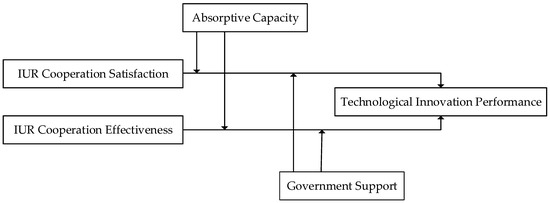
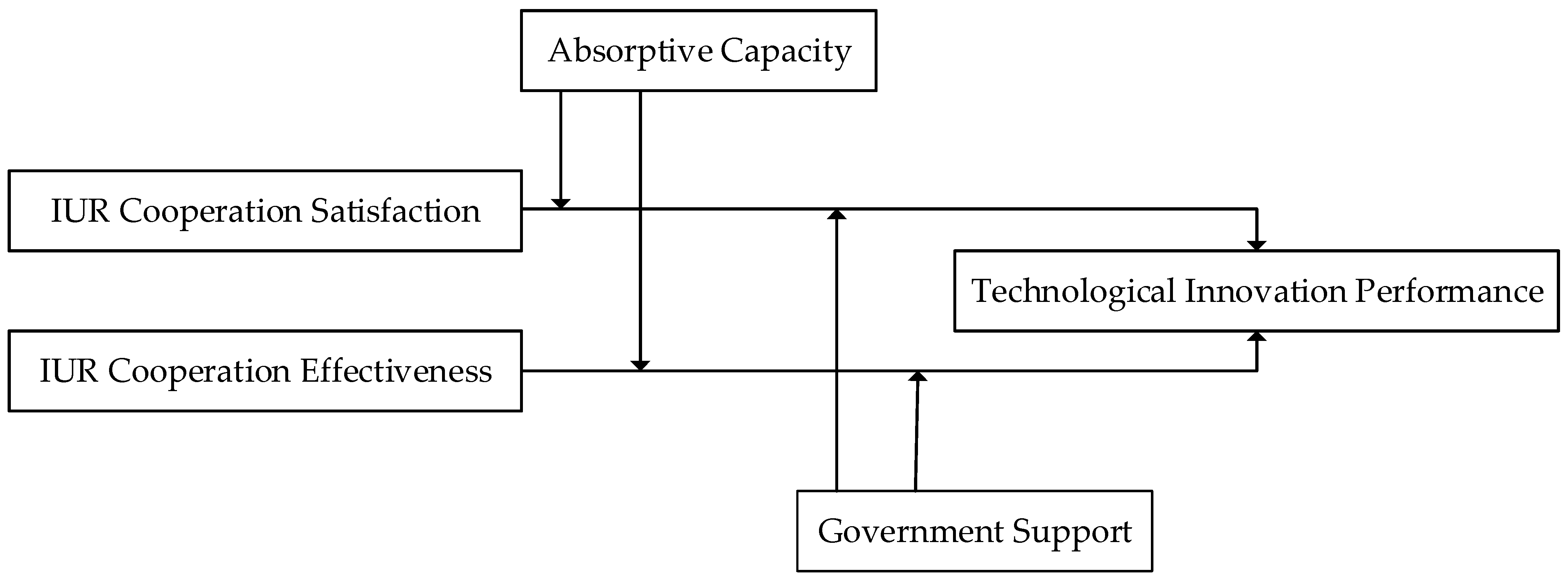
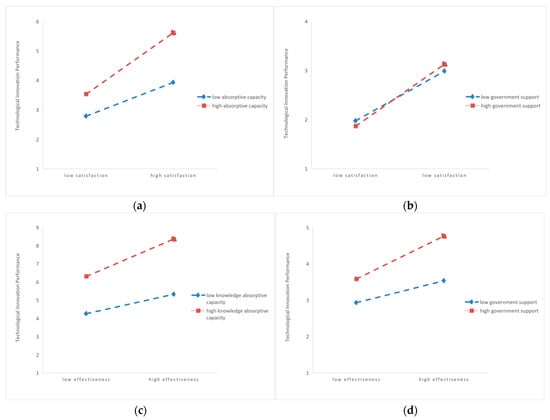
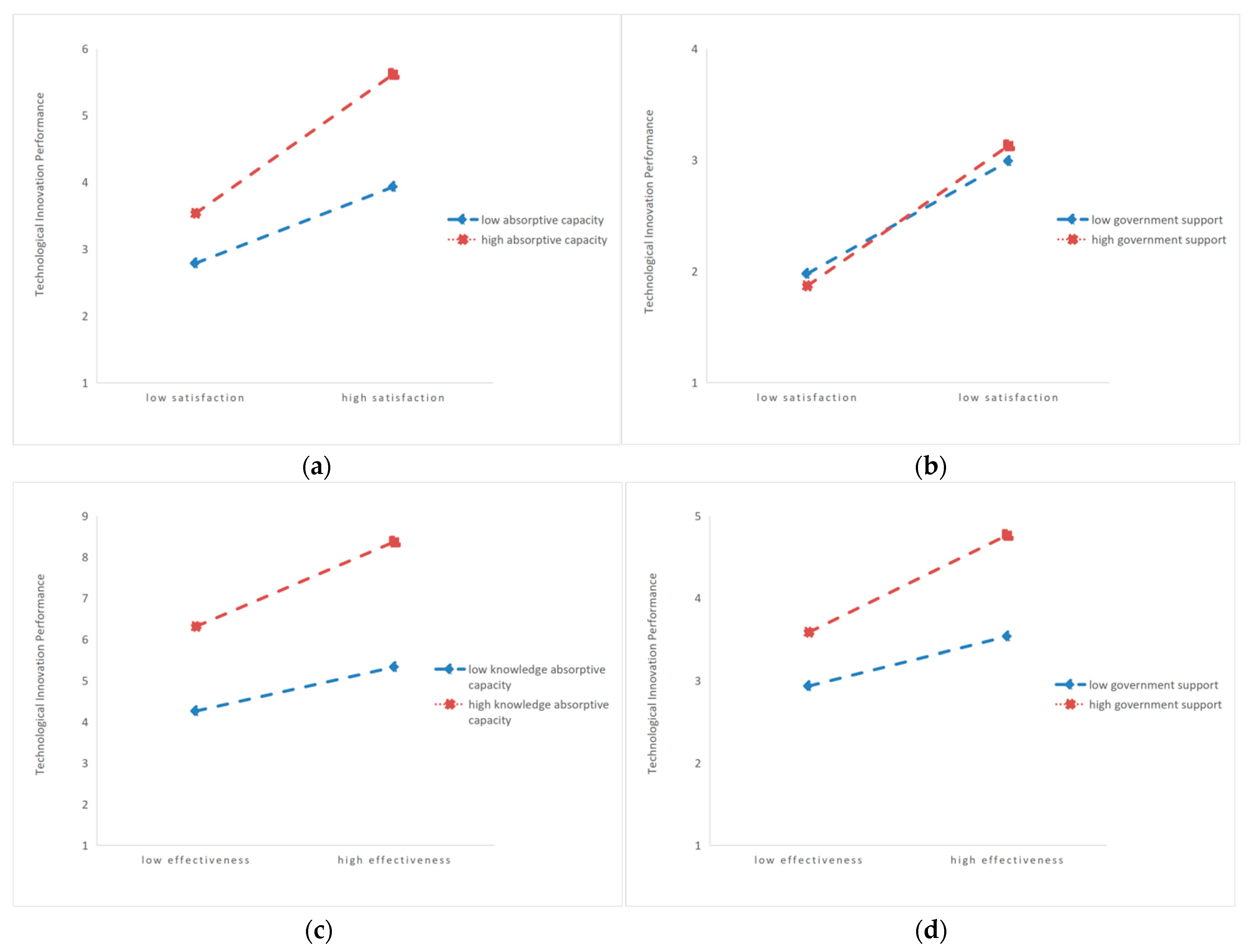

Disclaimer/Publisher’s Note: The statements, opinions and data contained in all publications are solely those of the individual author(s) and contributor(s) and not of MDPI and/or the editor(s). MDPI and/or the editor(s) disclaim responsibility for any injury to people or property resulting from any ideas, methods, instructions or products referred to in the content. |
© 2026 by the authors. Licensee MDPI, Basel, Switzerland. This article is an open access article distributed under the terms and conditions of the Creative Commons Attribution (CC BY) license.