


Abstract
A central goal of carbon (C) management and a critical outcome of sustainable land stewardship is reducing greenhouse gas (GHG) emissions from agriculture, forestry, and other land uses. Integrating GHG considerations into management can take many forms, but C credit markets are increasingly providing sources of private capital to offset the often high costs of stewardship. In Hawaiʻi, participation in voluntary C credit markets and the establishment of jurisdictional compliance C markets are constrained by a lack of institutional capacity, successful demonstrations, and high-quality data, making private capital for C market-based approaches in Hawaiʻi difficult to access. The State of Carbon in Hawaiʻi Hui (hui translates to partnership in ʻŌlelo Hawaiʻi, the Hawaiian language) convened landowners, researchers, federal and state government professionals, and for-profit and not-for-profit organization staff to better understand limitations to implementing C management in Hawaiʻi. This paper describes why the State of Carbon in Hawaiʻi Hui was formed, how we planned for, hosted, and assessed the success of a C-focused summit, and what outcomes resulted from this process. A Pathway Forward document, a decision support tool, and this article are outcomes. These products will serve as resources for those considering Hawaiʻi-based forest C projects, as well as contributing towards the legislated goal of reducing greenhouse gas emissions in Hawaiʻi. Our knowledge exchange process is readily replicable and can support a variety of efforts in environmental conservation and beyond.
1. Introduction
1.1. Background
Hawaiʻi’s native forests are threatened by a range of global changes [1] including invasive species [2], wildland fire [3], pests and disease [4], and climate change [5]—all combining to make the cost of natural and working land stewardship in Hawaiʻi among the highest globally. Carbon (C) markets, including compliance and voluntary C markets (the latter, VCMs), are viewed as potential mechanisms for generating additional revenue streams for supporting conservation and restoration efforts in Hawaiʻi [6]. The C that accumulates on a property under a formal project with proper enabling conditions and certification can result in the issuance of carbon credits, which generate revenue for project developers or landowners and can be used to help offset management costs. Benefits of C market participation also include reductions of atmospheric greenhouse gases, which can help the state of Hawaiʻi achieve the legislated goal of limiting statewide greenhouse gas (GHG) emissions to at least 50% below 2005 levels by 2030 [7].
In the past decade, significant work has been invested into understanding C stocks, inputs, and losses at the scale of the state of Hawaiʻi [8]. While strategically useful for constructing source and sink budgets for state GHG inventories, translation of this coarse resolution knowledge into forms needed to inform operational-scale C market considerations for private landowners has lagged. In addition, the knowledge exchange mechanisms for C management between private landowners and researchers have been limited, which, together with data limitations, compromise efforts to bring C-focused sustainability science to practice.
Prior to the formation of the State of Carbon in Hawaiʻi Hui (SCHH) in 2022, representing major landowners, top reforestation vendors in Hawaiʻi, and most of Hawaiʻi’s leading C-focused scientists, there were no formal C management communities of exploration-focused practice providing C-focused knowledge to landowners with the goal of informing operational scale practice. In response to this gap, we established a professional working and learning network to organize and share C-focused information with landowners across forest sectors. We were especially interested in the intersections of C markets, measurements, policy, economics, intellectual capacity, and enabling conditions. This paper describes the development of the SCHH, the summit organized by the SCHH, and future actions for expanding the network of beneficiaries of this C-focused knowledge exchange. Hawaiʻi is a small state with a strong network of conservation professionals, allied by an underlying land ethic for sustaining natural and cultural resources. The aim of sharing this case study is to provide an example and a potential roadmap for others wishing to develop knowledge exchanges to address complicated environmental issues.
1.2. Context
1.2.1. Intention
Native Hawaiian perspectives on sustainability and sustainable stewardship practices emphasize a relationship with and responsibility to ʻāina, translated literally as “that which feeds” and which encompasses land, sea, and humans [9]. The abundance that Native Hawaiians rely on for their livelihoods results from careful stewardship, not accidents or luck [10,11]. This careful stewardship thrives on spiritually grounded relationships that define ʻāina, including meaningful and reciprocal interactions among humans and non-humans [12]. These perspectives and practices also align broadly with Indigenous cultures worldwide but differ from Western colonial models grounded in commodification of resources and maximizing resource availability for consumption. Supporting Indigenous and community-led stewardship promotes the strengthening of cultural practices that emphasize mutual respect and care for humans, plants, and animals [12,13]. In recognition of the reciprocal relationships defining ʻāina, the overarching need to enhance ecological and human wellbeing, and a responsibility to ancestral communities, this paper focuses on intentional actions taken to restore Hawaiian ecosystems, support the creation of biocultural abundance, and sustain local subsistence practices, which include physical and spiritual elements. The SCHH is committed to implementing and honoring Native Hawaiian stewardship practices and therefore engages both traditional and contemporary sources of knowledge about forestry and agroforestry, centering work on the holistic socio-ecological benefits of C sequestration [14].
1.2.2. Need
Many landowners are challenged by diverse environmental, ecological, and social threats to the natural and cultural resources they steward. In Hawaiʻi, forests are the dominant terrestrial vegetation type [8,15] and their ecological and evolutionary processes have been well studied [1]. Forest types in Hawaiʻi encompass a broad range of environmental conditions spanning wide gradients in both rainfall, from dry to wet forests, and temperature, from lowland to subalpine systems [15]. Hawaiian forests can vary greatly in their biomass and structural complexity [8,16,17]. The role of Hawaiian forests in sustaining biodiversity, watershed function, and ridge-to-reef health are central drivers for their conservation and management [1,18,19]. A significant feature of Hawaiian forest ecosystems is that the total number of native species is low [17] but the number of endemic species that have very specialized niches is high [20]. The two species most significant to C management in Hawaiʻi are Metrosideros polymorpha (ʻōhiʻa) and Acacia koa (koa). Both species are mesic and wet forest canopy dominants and are important in forestry and restoration [21,22,23,24], but both are impacted by pests and disease. In recent years, Rapid ʻŌhiʻa Death caused by a Ceratocystis fungal pathogen has led to localized but devastating declines of M. polymorpha on Hawaiʻi Island, with impacts to biodiversity and ecosystem services, including C storage [4,25]. Acacia koa is strongly impacted, especially at lower elevations, by Fusarium wilt [26]. For both species, active disease resistance programs have been identifying putatively resistant genotypes that hold promise for restoration and forestry applications [26,27]. Koa is also a valuable timber [26]. Given these ecological concerns but also opportunities, the SCHH was established to accelerate conservation through an exploration of C management approaches in other US states.
The State of Hawaiʻi does not operate a compliance market, nor does it have ready access to one, making VCMs Hawaiʻi’s only near-term market option. The SCHH focused on taking a deeper examination of VCM practices and opportunities for subsidizing stewardship while supporting the state of Hawaiʻi’s GHG emission reduction goals. The VCM approach was assessed and viewed as being more achievable than a State-administered C offset market based on the Hawaiʻi GHG Sequestration Task Force Report: Feasibility and Implications of Establishing a Carbon Offset Program [28]. Specifically, this report examined the potential for Hawaiʻi to operate a C offset program that is sustained through production of real, quantifiable, permanent, enforceable, verifiable, and additional C offsets. Identified barriers included costs of the offset crediting process, the potential loss of offsets once they are sold, the likely low revenue generated for the State of Hawaiʻi, and currently low government institutional capacity for program administration. By building a C-focused knowledge exchange, the SCHH support a community of practice focused on creating the enabling conditions for sustainable forest C management in Hawaiʻi utilizing carbon markets as a tool. Through this lens, we evaluated data, policy, and capacity limitations to compliance markets, C tax, and VCM strategies to secure C credits to support land stewardship.
1.2.3. Approach and Rationale
Hawaiʻi has invested strongly in knowledge exchange-based approaches to addressing threats to native ecosystems, including the Pacific Fire Exchange [29] and the Pacific Drought Knowledge Exchange [30]. Elements of effective knowledge exchange include providing practitioners with improved and timely access to (1) locally relevant information for stewardship, (2) comprehensive information of high-quality, (3) extension and technical assistance resources, and (4) collaborative knowledge exchange and knowledge co-production [30]. Hawaiʻi does not currently formally support compliance or tax-based strategies for managing C, nor does Hawaiʻi formally support practitioners with state or country extension service resources to achieve the development and implementation of forest C projects via VCM-based strategies. To remedy these deficiencies, this paper highlights how the SCHH has: (1) synthesized information on the processes, policies, and technologies underpinning compliance market and C tax-based approaches to assess their relevance for Hawaiʻi; (2) engaged nationally recognized subject matter experts to further understand C management options for Hawaiʻi; (3) developed learning opportunities for the application of VCM-driven forest C projects in Hawaiʻi; and (4) established a knowledge exchange and community of practice to address the continuously evolving nature of C management and markets.
Initial planning meetings identified: (i) a lack of data needed to support the measurement of C stocks and their change over time; (ii) a limited understanding of the economic opportunities that can result from C management; (iii) a limited policy environment relative to some continental US (CONUS) states; and (iv) a lack of experience in assembling the enabling conditions required for sustaining vibrant participation in C markets. The SCHH quickly identified the additional need for a gathering to bring different experts and shareholders together towards the goal of utilizing C market opportunities to support conservation efforts in Hawaiʻi. During the initial stages it was unclear if Hawaiʻi could support a state legislated compliance market-based approach or whether VCMs were the only feasible option for meeting the financial needs of landowners. Consequently, the SCHH planning team directed time and resources to understanding VCMs, existing compliance markets, and tax-based strategies for C management in Hawaiʻi, including: (i) recruiting CONUS and Hawaiʻi-based subject matter experts with the sectoral and institutional knowledge needed to support effective participation in C markets; (ii) hosting a summit to convene existing players in C markets; and (iii) post-summit knowledge exchange discussion and summarization.
2. Materials and Methods
2.1. Pre-Summit Planning
2.1.1. Overview
During an introductory meeting in December 2022, the SCHH recognized that to facilitate C market participation for landowners in Hawaiʻi, numerous enabling conditions needed to be identified and understood. A summit was identified as an effective approach for knowledge exchange and idea generation because the SCHH represented important potential players and knowledge producers in the C space, had the standing to convene potential stakeholders and invited experts, and had the capacity and resources to structure an 18-month process and a three-day gathering, during which summit planning and implementation could happen. In particular, the SCHH understood that planning for a summit would require a structured process for developing the expertise required to implement a useful event. Within the first few months the SCHH confirmed that C market applications should rely on ʻāina-based solutions, which the SCHH describes as nature-based solutions that explicitly engage human communities and their wellbeing while advancing biocultural diversity in Hawaiʻi. To build comprehensive technical capacity, SCHH members led a series of synthesis- and discussion-focused internal seminars on (i) past and current forest C projects in Hawaiʻi, (ii) forest C finance, (iii) C tools and technologies, (iv) voluntary C markets, and (v) C policy. These sessions focused specifically on the application in Hawaiʻi. Representing university and federal researchers, state agency professionals, for profit and not-for-profit professionals, and large private landowners, SCHH members brought expertise in measurement, policy, financial markets, social science, forestry, planning, and biocultural stewardship.
2.1.2. Forest Carbon Projects in Hawaiʻi
This seminar reviewed past and present C projects in Hawaiʻi, other available types of forest C projects not yet practiced in Hawaiʻi, methodological considerations, and primary accounting rules and standards. Reviewed project types included Afforestation, Reforestation, and Revegetation (ARR), Improved Forest Management (IFM), and Avoided Conversion (AC). Common standards reviewed include the Verra/Verified Carbon Standard (VCS), the American Carbon Registry (ACR), and the Climate Action Reserve (CAR)—each relying on one or more methodologies per project type. Updates on two Hawaiʻi pilot projects were shared: The Nature Conservancy’s 1400 ha Kona Hema Forest Carbon Project (IFM) and the State of Hawaiʻi’s 180 ha Ola Hou Project (ARR). This seminar highlighted that, based on experiences in Hawaiʻi and nationally, both ARR and IFM have the potential to be applied in Hawaiʻi.
With ARR projects, the focus is on deliberate interventions to facilitate natural forest regeneration via direct (e.g., planting trees, broadcast seeding) and indirect (e.g., ungulate exclosures) activities. With IFM projects, the focus is on modifying existing management practices to increase forest C sequestration and/or avoid emissions (e.g., reduced harvest, reduced impact logging, extended rotations). Non-forest lands (<10% canopy cover; not cleared of trees in the 10 years prior to the project start date) are eligible for ARR project enrollment. For Hawaiʻi, this project type is relevant as un-used / under-utilized grassland/pasture areas and degraded native forests could be transitioned into native-dominated forest. Forested land (>10% canopy cover; not cleared of trees during the 10 years prior to the project start date) are eligible for IFM project enrollment. A benefit of IFM is the opportunity for immediate credit issuance and revenue; however, there is uncertain applicability in Hawaiʻi as the relevant landscapes likely would be limited to active timber producing koa forests and koa plantations. There was group consensus that ARR projects would likely be the focus of VCMs in Hawaiʻi given the much larger land area available for restoration-driven reforestation. There was also interest in identifying financial mechanisms for IFM projects focused on restoration of invaded forests, which are currently not eligible for VCM certification.
Standards and methodologies that focus on co-benefits include Verra’s Climate, Community, Biodiversity Program; Plan Vivo Standard v5.0; and Social Carbon SCM0006: Methodology for the Conservation of Areas of Biodiversity Importance. Co-benefits are an attractive option to pursue for Hawaiʻi-based stewards because of high endemism rates within the Hawaiian flora, highly coevolved plant–animal interactions, the high number of federally listed threatened and endangered species, and the strong cultural value of forest resources [1]. Further co-benefits can be integrated during the project development phase to secure a higher credit premium. However, biodiversity credits are still an emerging but generally not yet available market opportunity. As a result of this seminar, the SCHH developed a shared baseline of knowledge on the diversity of C market registries, associated benefits and weaknesses, and applicability to Hawaiʻi.
2.1.3. Forest Carbon Finance
The SCHH identified a need for improved understanding of C finance mechanisms, as market considerations hinge on available capital. Support for VCM participation is high in Hawaiʻi, including formal attention by the Hawaiʻi Governor’s Greenhouse Gas Sequestration Task Force. Furthermore there is strong interest in supporting projects that rely on native species and generate social benefits in particular. Scoping, designing, and implementing VCM projects has been challenging in Hawaiʻi because of the lack of a community of practice, supporting industry professionals (e.g., project developers, technical experts), established buyers (e.g., corporations, seed capital investors, philanthropic funders, individuals), and capacity within government institutions (e.g., state oversight bodies, C and forestry focused extension). Further, there are high costs of management and reforestation per unit of land, which limits both the viability of small projects and financial capacity to scale to large projects.
Understanding the short- and long-term trends for forest C project investment to build landowner confidence was the focus of this seminar. To this end, SCHH prioritized the exploration of ex-ante/pre-compliance credits, which are based on predicted changes in C storage, with sequestration being an anticipated result of the project. Such funding support for upfront start-up costs can overcome a barrier to participation in a forest C project. Few C standards provide ex-ante/pre-compliance credits to participants, but one example is C streaming, which includes an upfront deposit with rights to future credits and additional payment per-credit when credits are sold. Off-take agreements for credits were also discussed, where through contract, buyers agree to purchase a portion of future C credits from a C developer before they are produced. Other funding sources examined include the Carbon Offsetting and Reduction Scheme for International Aviation (targeting airlines), investment portfolios (e.g., retirement funds, endowments), philanthropy, and federal and state incentive programs (e.g., USDA Natural Resources Conservation Service Regional Conservation Partnership Program). As a result of the seminar, SCHH identified the following priorities related to forest carbon finance: buyer and broker outreach to inform sale price and the appetite for upfront, off-take or long-term sales agreements; policy advancements through passage of Act 96 of 2025 (often called the “Green Fee”); and financial mechanisms such as low interest loans and revolving loan funds to address the high costs of reforestation in Hawaiʻi.
2.1.4. Tools and Technologies
This seminar focused on remote sensing as a central tool for reducing the costs of forest C mapping. Ground-based surveys are time and labor intensive and their extrapolation to landscape scales is less accurate relative to “wall-to-wall” remote sensing-based approaches [31]. Remote sensing also has reduced per unit area costs, especially when ground-truthed against available ground-based surveys (e.g., USDA Forest Service Forest Inventory and Analysis data). Fortunately for Hawaiʻi, fixed-wing light detection and ranging methods for C mapping in tropical ecosystems have been pioneered in Hawaiʻi [32,33,34]. Published growth and yield data are critical to C projects as they provide realistic C stock projections for project registration. However, growth and yield data for Hawaiʻi’s primary forest species are lacking, in part because common native species occur over such large gradients in rainfall and temperature [1].
2.1.5. Voluntary Carbon Market
This seminar focused on trends, challenges, and the potential of VCMs to provide market-based solutions to the incentivization of C management. VCMs operate as decentralized markets selling emission offset credits, certified according to registry standards and derived from carefully designed projects. VCMs emerged in the 1990s but have a limited representation in Hawaiʻi because of high upfront costs, limited “economies of scale,” growth and yield data gaps, financial returns that are difficult to model, and known and unknown environmental risks. Globally, there have been criticisms over lack of transparency and oversight, which has led to C offsets of varying quality with impacts on credit value in the marketplace. The SCHH appreciated these concerns, especially regarding additionality baselines, avoided leakage, and the international approval of Article 6 of the COP26 Paris Agreement in 2021. Hawaiʻi suppliers are in a position to deliver high-quality removal credits that are paired with a variety of biodiversity and hydrology co-benefits. Further, many of the standards have strengthened their methodologies, for example through third-party integrity initiatives (e.g., the Integrity Council for the Voluntary Carbon Market (ICVCM)). VCM credit pricing is driven by buyers and so SCHH identified the need for Hawaiʻi to develop high-quality projects that generate interest and trust. With proper education, technical assistance, and high-quality marketing, Hawaiʻi landowners should be able to attract higher paying purchasers.
2.1.6. Carbon Policy
This seminar engaged jurisdictional-scale C policies for supporting forest C projects, including federal and state policies (Federal Executive Orders EO14008, EO14057, and EO14072) and landmark federal legislation (Bipartisan Infrastructure Law and Inflation Reduction Act, 2022), the latter having allocated billions of dollars to climate-related actions. The seminar also engaged: definitions for offsets, credits, and registry; state-level policy case studies (Hawaiʻi Climate Change and Clean Energy Goals, Act 15 and 16 Session Laws of Hawaiʻi, 2018); and the 2019 Hawaiʻi GHG Sequestration Task Force Report on the Feasibility and Implications of Establishing a Carbon Offset Program for the State of Hawaiʻi. Carbon market and policy structure examples from Michigan, Minnesota, and California highlighted a diversity of jurisdictional approaches. Examples from Michigan included both state (Michigan Department of Environment, Great Lakes, and Energy) and non-profit (The Nature Conservancy) C market outlets. The 2022 Minnesota Climate Action Framework provides an example of how C sequestration can align with state goals, with Minnesota’s first sale via the Minneapolis-based urban tree C offset program [35]. In contrast, California relies on a portfolio of policies and programs that fulfill the state’s climate objectives, including California Air Resources Board (CARB) programs that influence land-based management via the Cap-and-Trade Compliance Offset Program, which provides allowances to polluters, with each subsequent year seeing a reduced cap on allowances.
3. Results
3.1. Summit
3.1.1. Summit Planning
The first 15 months of meetings informed the content development of the First Annual State of Carbon in Hawaiʻi Hui Summit (17–19 January 2024), while the last three months led to the design of the three-day summit, which included a field day across Acacia koa management sites, and two days of subject matter expert panels, breakout sessions, and large group share outs. Logistics were organized by SCHH co-leads and authors Natalie Kurashima (Kamehameha Schools) and Stephanie Dunbar-Co (Hulili Consulting), and days two and three of the summit were professionally facilitated by Breanna Rose (BR Strategies, Limited Liability Corporation). The agenda was designed to include four conference-style panels of experts followed by breakout workshop sessions, followed by large group share-outs to provide attendees with more intimate, direct, and structured opportunities for content engagement and integration.
The summit planners focused on reviewing needs, intentions, and approaches so that the format would result in opportunities for all participants to hear insights and provide feedback. Early in the planning process, SCHH decided that the summit would be made invite-only, with invitations sent to individuals with relevant expertise and experience to address the specific gaps in knowledge previously identified by SCHH. This included practitioners, landowners, and researchers working in conservation, forestry, policy, and remote sensing and who represented federal and state government, not-for-profit and for-profit organizations, and the private sector in Hawaiʻi, as well as C science, market, and develop experts from outside of Hawaiʻi. Significant effort was made to right-size the summit with respect to sector representation, knowledge and experience redundancy, and desired size of our facilitated large group/breakout group process. We also tried to invite known collaborators with a history of advancing innovative ideas into practice. The combination of Hawaiʻi-based experts and visiting leaders in C measurement, management, investment, and policy allowed for synergistic cross-fertilization throughout the summit.
3.1.2. Summit Day 1: Field Day
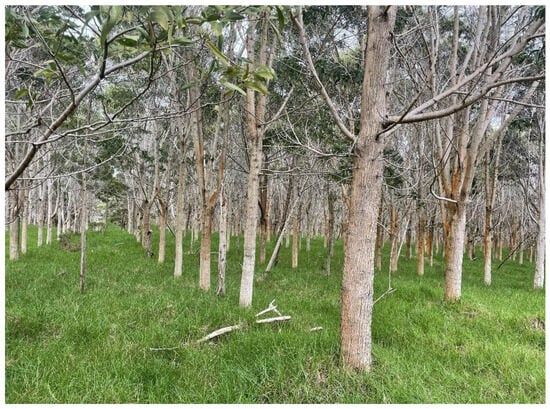
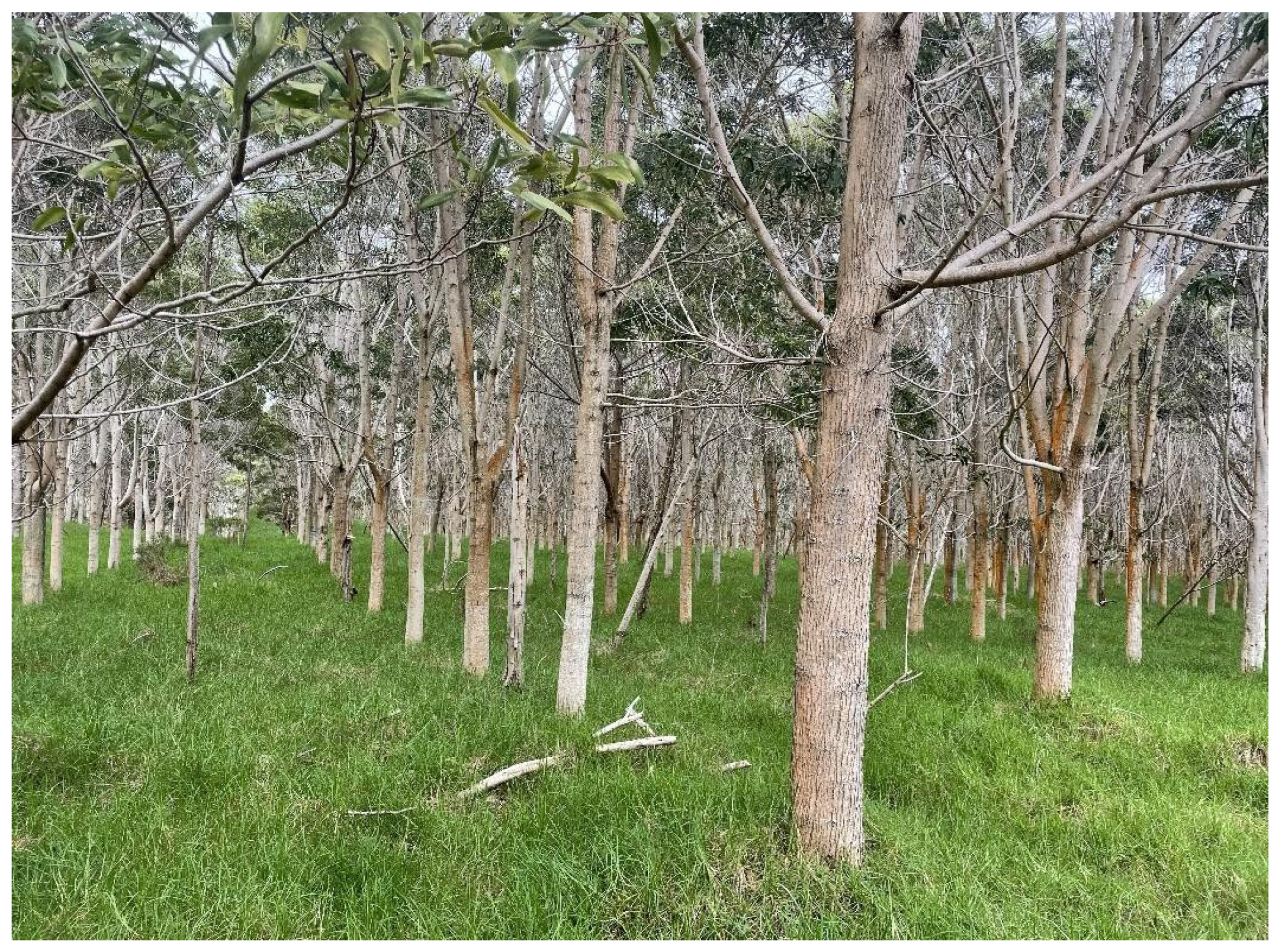
The field day at Kamehameha Schools’ Keauhou lands in the district of Kaʻū served as an orientation to the summit that allowed participants to meet each other and to experience the ethical framework developed and adopted by the planning team. This day also provided participants with an opportunity to learn about the long history of Native Hawaiian stewardship and restoration at Keauhou as well as the more recent (~50 year) evolution of koa silvicultural practices across land that is a model for forest management, afforestation, and experimentation. Organizers hoped that this orientation would help participants more intentionally engage the summit while also grounding the importance of summit intention and success. The group started in the Kīlauea Forest, an important example of an intact native wet forest ecosystem, where participants joined in Native Hawaiian protocol including oli kāhea (literally, “a chant to call out”) to ask the forest for permission to enter. After several moments of silent observation, focused on the sounds of birds and rustling leaves and becoming aware of and grounded in that place, participants entered the forest and followed a path several hundred meters into the forest where participants encountered very large koa trees, numerous threatened and endangered plant species, and some of Hawaiʻi’s endemic forest birds. This initial stop allowed participants to visualize a healthy ecological benchmark and carry that visualization into the workshop. From there, we visited one of Hawaiʻi’s earliest koa afforestation efforts from the 1970’s that included scarification for koa regeneration across hundreds of acres and then a time series of annual koa plantings that happened between 2006–2024 (Figure 1) which developed the modern koa silviculture prescription that has informed reforestation around Hawaiʻi. Hosts shared about design, prescriptions, stand management, monitoring, reforestation challenges and opportunities, and other lessons learned.
Figure 1.
Field site visited during the State of Carbon in Hawaiʻi Hui Summit, where participants spent the first day in the field at Kamehameha Schools’ Keauhou, Kaʻū Forest. Here, participants learned about silvicultural trials with Acacia koa, where managers tested different approaches to site preparation and planting density, as well as different genetic sources of koa. Globally, Acacia koa is recognized as a premier timber species for musical instruments and fine woodworking, but this species also holds enormous cultural and ecological importance in Hawaiʻi. Its fast growth, capacity to fix atmospheric nitrogen and return organic nitrogen to the soil, and ability to compete with non-native species also make this tree ideal for restoration work including restoration efforts that integrate carbon-focused objectives.
3.1.3. Summit Day 2: Information Sharing
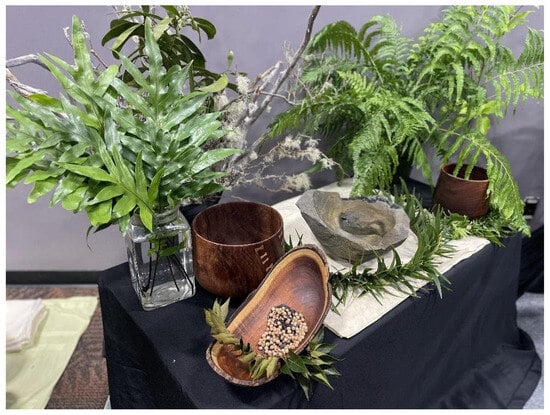
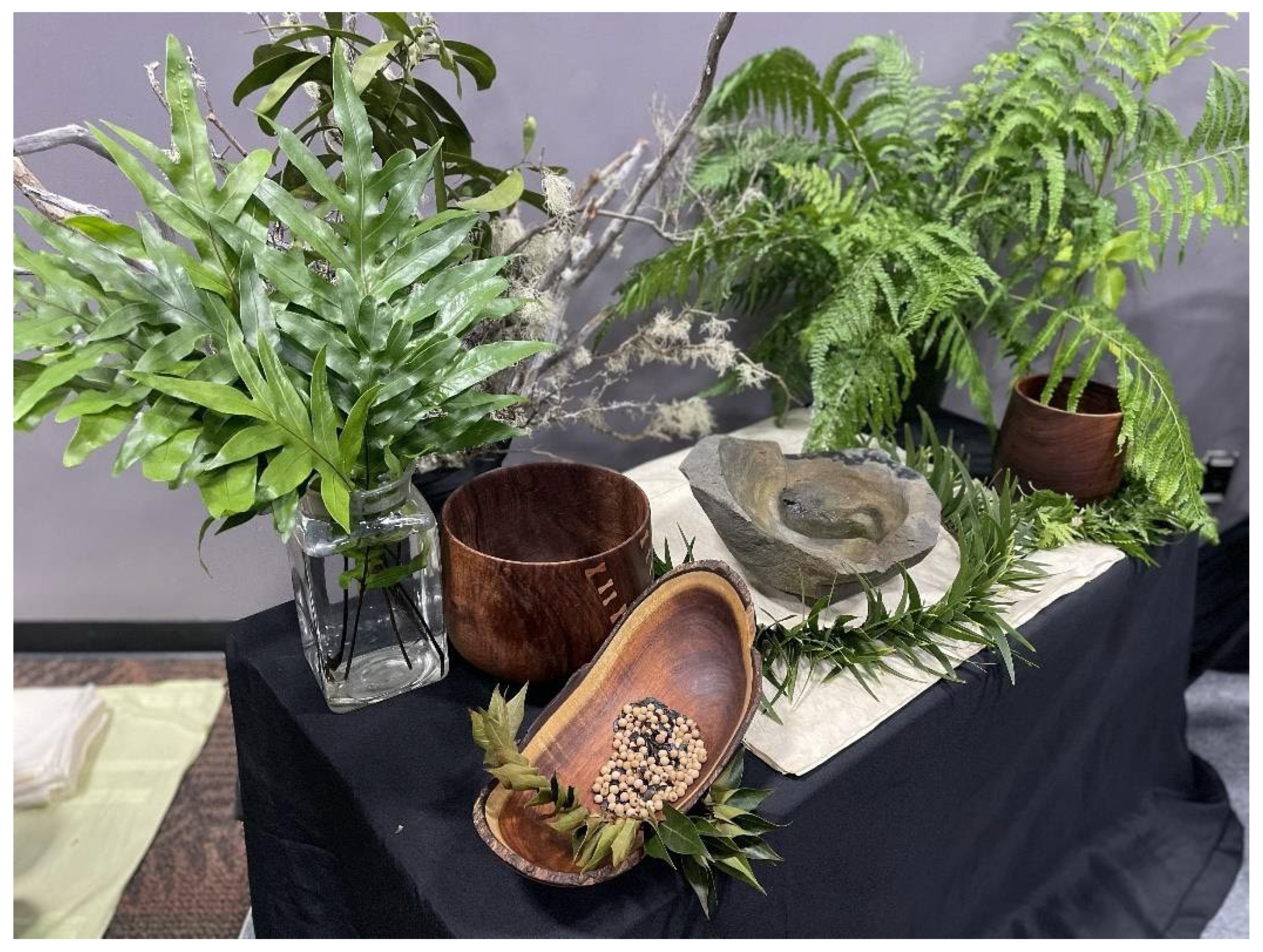
Days 2 and 3 of the summit were held in Hilo at the ʻImiloa Astronomy Center on the University of Hawaiʻi campus, and began with kīpaepae, a Hawaiian cultural practice for setting foundations, intentions, welcoming individuals into a new space, and understanding and connecting with the spirit and the environment with focused energy (https://hawaii.hawaii.edu/i-ola-haloa/kipaepae; accessed on 22 March 2026). A kuahu (altar in Native Hawaiian cultural practice) was created and adorned with kinolau, or plant representations of Hawaiian deities [36], bringing sacred forest elements [12] into the conference room and serving as a visual reminder of our responsibilities to ʻāina and the larger stewardship purpose of the gathering (Figure 2).
Figure 2.
Participants in the State of Carbon in Hawaiʻi Hui Summit started the second day of the summit building a traditional altar of Hawaiian cultural practice—called kuahu, which is adorned with kinolau, here plants that are the manifestations of different akua, or Hawaiian deities. Building and adorning of the Kuahu provides participants the opportunity to learn about Hawaiian cultural practices and perspectives on the ecological world (akua are often understood as life sustaining ecological processes).
Following the kīpaepae, the first presentation, titled ʻŌiwi Intelligence and Our Climate Future, focused on the value of bioculturally grounded restoration, with participants learning that C management goes beyond landscape restoration, economic returns, and conservation to also include biocultural innovation that centers work on caring for ʻohana (family) and ʻāina. The main point was that stakes and risks are high, but risks should be managed so innovators have the freedom to fail and try again, living the ʻōlelo noʻeau (Hawaiian wise saying) maka hana ka ʻike (knowledge comes by doing). Emphasizing “how we will do this, not how we can do this,” the speaker directed participants to orient their mindset towards definitive action, rather than nebulous possibility. Following the opening presentation, participants were provided with organizers’ intent and an overview of goals for the summit. Then, the summit moved into three presentations focused on: project development using Verra’s ARR methodology; performance benchmarking; and methodological flexibility to accommodate new technologies, including remote sensing applied to determine baseline C values and track changes. The widely used [37] biomass equation for tropical forests was not developed with forest species found in Hawaiʻi, which motivated the capture of Hawaiʻi species data in quality allometry studies (e.g., [17,31,32]). An important identified feature for expanding projects included Verra’s scaling option, which would allow projects over time to add land provided the additional lands meet project criteria. A similar protocol feature was described as allowing landowners to combine individual projects into a single multi-owner project, thereby increasing economies of scale and creating more opportunities for participation by small landowners. Community outreach and knowledge sharing through storytelling were identified as ways to keep stakeholders informed on changes to project compliance expectations or new methods that reduce costs.
The next session featured a panel on science and technology alignment with Hawaiʻi’s existing tools, which addressed tools and technologies available for quantifying forest C in Hawaiʻi. Challenges associated with Hawaiʻi’s unique biodiversity and CONUS-scale gradients in climatic and edaphic conditions were identified as complications, but also as opportunities to develop a Hawaiʻi-specific process. Through deliberations, lower elevation areas of windward Hawaiʻi Island were identified as ideal for C projects—these geographies are warm and wet, significant C work had been focused on these areas, and the community of scientists in Hawaiʻi were primed to fill data gaps. Specifically, this geography has been the focus of decades of C research, including forest inventory and analysis [38,39], integration of on-the-ground plot measurements, the development and use of species-specific allometric relationships to estimate biomass, and application of plane and space-based light detection and ranging to map C standing stocks across larger landscapes [8,33,40,41]. Ground-truthed wall-to-wall data products were identified as optimal, even while multiple sources of uncertainty propagate through underlying calculations, including the limited availability of site and species-specific allometries and ground-truthing that can happen for only a tiny fraction of the mapped landscape. The effects of diseases like Rapid ʻŌhiʻa Death were identified as adding complexity to C projections, making tolerable uncertainty price points higher for Hawaiʻi projects, even while remote sensing now allows for more accurate estimations of canopy height [32].
Biodiversity credits based on this societally valued conservation co-benefit are an emerging market of interest to the SCHH, with forest-focused tools such as plane-based hyperspectral imaging spectroscopy (pioneered in Hawaiʻi; [42]) providing baseline data, but market options are limited, valuation protocols uncertain, and, where scaled products do not exist, securing needed data would add complexity and offsetting costs to a forest C project. C finance was identified as a mechanism for supporting other resource stewardship outcomes such as: fuel thinning, especially as required by insurance; fencing and ungulate removal; and invasive plant management. Integration of these actions represents a challenge because rigorous ecological baseline assessments required for project benefit calculations may show greater accumulation of C via invasive species growth in the baseline than the treated project case. If the control of invasive plants reduces C storage, then the resulting calculations would reflect these losses. Soil C was also highlighted as a large component of the forest C budget in Hawaiʻi [41], though internationally it has rarely been incorporated in C market projects and so represents a research need and a potential sequestration opportunity. Following the panel, participants were assigned to discussion tables to process shared information on how Hawaiʻi could incorporate learning into successful forest C projects.
The afternoon session featured presentations on Enabling Conditions Across Scale: Government, Markets, and Landowners; the California Air Resources Board (CARB) cap-and-trade experience; the design and implementation of the CAL FIRE Greenhouse Gas Granting Program; C credit opportunities via IFM (e.g., delayed harvesting); and allocation of state-legislated climate mitigation funds to low-income practitioners. Panelists addressed and breakout groups discussed cap and trade system mandates and incentivization for sequestration as well as the rigor but also constraints associated with strict protocols. For California, these constraints have resulted in offsets making up a very small percentage of the state’s emission reduction portfolio. In considering a jurisdictional approach to C management for Hawaiʻi, participants identified a lack of: formal institutional capacity; legislative inexperience with regulatory C markets; and expertise with designing, implementing, and managing offset programs within a compliance market. In subsequent discussions, VCMs were identified as practical solutions to incentivizing C projects in Hawaiʻi because of strong enabling conditions (a strong knowledge exchange culture in the natural resources and fast tree growth), even while upfront costs and decadal gaps between project implementation and revenue generation represent constraints.
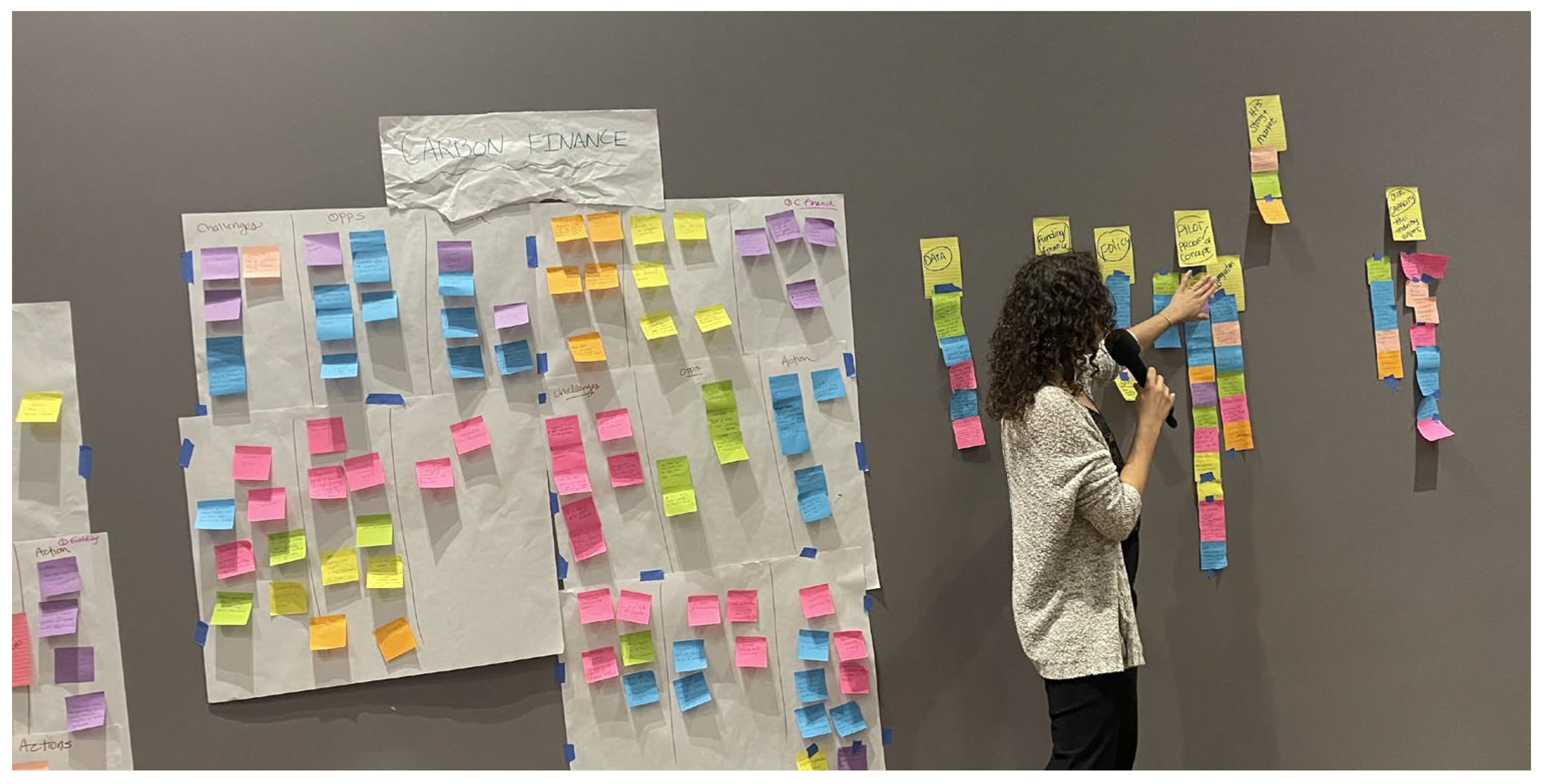
An American Carbon Registry (ACR) speaker addressed their capacity to support C projects in the following arenas: (i) administration; (ii) review of methodology, design, and implementation quality; (iii) documentation and reporting; and (iv) participation with cap-and-invest programs. While no Tribal members were in attendance, experts with Tribal experience shared that Tribal VCM projects could provide potential lessons for Native Hawaiian VCM efforts, including integration of climate mitigation into the reestablishment of cultural practices, reaping co-benefits such as the harvesting of bioculturally important subsistence and commercial resources and the return of ancestral lands. Additional support included advice on (v) project size and economies of scale; (vi) grouping small ARR projects (e.g., <200 ha) to benefit small landowners with aggregated projects, resulting in economically feasible project sizes (e.g., >2000 ha for ARR or >4000 ha for IFM); (vii) strategies for stratifying projects across heterogeneous landscapes; and (viii) the role of voluntary registries in attracting philanthropic funding. Following the panel, participants moved into self-selected breakout groups (Figure 3).
Figure 3.
Participants in the State of Carbon in Hawaiʻi Hui Summit were facilitated by Breanna Rose (co-author), who asked participants to engage in smaller groups to examine specific topics, identify needs, and develop actionable approaches for advancing carbon-related topics in Hawaiʻi. Each breakout group would provide a structured summary during large group share out, after which results would be synthesized and shared back to the entire summit participant group. This approach was used in the second and third days of the summit and led to collective understanding of how best to manage carbon through stewardship—content that is captured in this paper.
The final panel discussion for day 2 addressed models of optimal carbon finance for Hawaiʻi, with a focus on upfront payment for future sequestration versus payment upon delivery of sequestered C. The former is advantageous to landowners who need assistance covering implementation costs associated with a sequestration practice, whereas the latter, an industry standard, can result in higher value C credits because credits come with less risk. It was shared that some buyers, representing patient or green/blue capital, operate as semi-philanthropic entities, with fund managers seeking rate of return outcomes on sequestered C but also achieving compelling co-benefits that justify lower returns. Thus, a critical step in planning for a VCM project is understanding buyer motivations and connecting buyers with the most closely aligned projects. It was noted that, when buyers invest up front, they have greater interest in field and monitoring methodologies, risk, and co-benefits. Because Hawaiʻi is an important visitor destination with distinct market advantages, a focus on co-benefits could stimulate interest in supporting forest C projects. This panel was again followed by breakout groups to discuss challenges, opportunities, and actions. Day 2 of the summit ended with a final share-out by participants and closing remarks by organizers.
3.1.4. Summit Day 3: A Pathway Forward
Day 3 relied on breakout sessions designed to identify, elaborate, and design actions required to achieve the summit’s Pathway Forward goal. The day started with a recap and key takeaways from day 2 from both the panel and breakout sessions, followed by an overview of day 3 activities and goals. Participants then moved into self-selected breakout groups to conduct strengths, weaknesses, opportunities, and threats (SWOT) analysis of the following topics: pilot projects, data and research, finance, policy, market, and capacity/coordination. Following, a plenary discussion yielded priority actions that participants, again split into the same breakout groups, used to develop specific, measurable, achievable, relevant, and time-bound (SMART) objectives. There were two rounds of writing SMART objectives, with a two-year timeframe in mind, each with plenary share-outs and feedback. A final plenary discussion evaluated the prioritized SMART objectives and identified next steps to make them achievable. The summit ended with a recap of what was shared and what participants were taking with them. Closure of the kuahu brought recognition of the efforts, ideas, and collaboration that had taken place. A group photo was taken and participants thanked each other before returning home.
3.1.5. Outcomes
Following the summit, SCHH identified three important products to deliver to participants: (1) a jurisdiction scale (i.e., state of Hawaiʻi) Pathway Forward product featuring strategies for effective, robust, and equitable participation in VCMs; (2) a go–no-go decision support tool to assist Hawaiʻi-based landowners with assessing the adequacy of enabling conditions needed to justify investing into a VCM project; and (3) this publication, serving to capture this 18-month process of information gathering, planning, and holding the summit.
The Pathway Forward document (Appendix A) pulls directly from the priorities and SMART goals identified during day 3 of the summit, laying out a framework for the next two years of work by the SCHH. Clear goal, objectives, and draft action steps were developed for each of four pillars to guide future investment and coordination by the SCHH. For example, Pillar IV: Capacity and coordination includes the goal to “Build and coordinate Hawaiʻi’s capacity to advance restoration through forest C” and objectives 4.1 (to formalize the SCHH structure and support investment in the native reforestation pipeline) and 4.2 (to engage in current nursery assessments, assess other critical native reforestation needs, and identify synergies and build partnerships and networks to support reforestation investment based on assessment findings).
The intentional structure of the summit contributed to the high level of participant engagement, which was assessed using objective process-based indicators. These indicators included participant retention across the three summit days, consistency of session attendance, and the volume of participant-generated outputs (e.g., co-developed goals, objectives, and draft action steps synthesized into the Pathway Forward). Minimal participant attrition within and across summit days suggested that the summit design supported sustained participation and collaborative input. Informal qualitative feedback further indicated that participants found the structure and facilitation conducive to sustained attention and dialogue and that the summit contributed to strengthened relationships. Anecdotally, many participants commented that they could not recall another formal gathering that held their attention so completely. These process-based indicators and direct participant feedback have informed continued SCHH implementation activities.
At the summit, participants identified a go–no-go tool as being potentially valuable for supporting landowner decision-making. The SCHH has developed a draft tool centered on a flowchart of go–no-go decision points. Points, while broadly relevant, were tailored to the Hawaiʻi context, allowing landowners in Hawaiʻi to understand and sequentially evaluate enabling conditions as criteria for determining VCM project suitability. Specifically, the flowchart asks users sequential questions about (1) project size, (2) site characteristics, (3) eligibility, (4) feasibility, (5) site preparation and planning of activities, and (6) long-term capacity for management activities. Automated evaluation of responses against threshold criteria provides users with a rapid evaluation of whether their VCM project concept meets basic requirements. For concepts that do not meet one or more criteria, the landowner could use the tool to iteratively modify the concept to better meet criteria deemed essential for success. In future versions of this decision support tool, the SCHH is hoping to develop an online user interface that would allow an owner to identify a particular area (choosing a tax map key or outlining a parcel), which would allow the tool to integrate online data into evaluation of a VCM project concept including C standing stocks, site productivity, climate change trends, and fire history. The goal was to integrate projected forest C change given selections for tree species and management regimes. At the time of publication, the go–no-go tool remains under beta testing.
Finally, SCHH members and summit participants expressed interest in finding a way to memorialize the conversations leading up to and during the summit. This article serves that purpose, highlighting all of the different topics covered and the process taken to make the summit successful. These outputs were assembled into this publication, with the intention of benefiting other jurisdictions that are seeking to engage C management.
4. Discussion
Effective knowledge exchange can result in diverse benefits for large audiences [30] and can be replicated, as occurred with the knowledge exchange process outlined here. In our case, gathering and engaging passionate individuals operating within a specific jurisdiction with the help of effective facilitation and structured strategy development led to a powerful process that overcame limitations to identifying and planning critical future actions. SCHH leaders, who brought their knowledge and experiences, also served a role in identifying priority topics, assembling content, shaping the summit agenda, organizing SCHH meetings, and motivating forward progress. The practice of centering all voices during the summit and respecting all participants as knowledge holders aligns with SCHH goals to honor Native Hawaiian perspectives and practices and to build a cohesive community of practice. In replicating this process for other jurisdictions, we encourage taking time to ensure your knowledge exchange space is open and structured in a way that allows for a welcoming and inclusive environment for both long-standing and new relationships. We also encourage keeping in mind that the SCHH had moved away from a more open process with a larger audience, which we felt would make for a less tractable summit that would have needed to focus much more on educating participants than SMART-focused problem solving. To this end, the SCHH has benefited greatly from the contributions of many natural and cultural resource professionals who work in Hawaiʻi, from recent arrivals to Native Hawaiians. By having these relationships with ʻāina and each other, our knowledge exchange process provided a space for personal and professional growth. Many of the relationships amongst SCHH members were cultivated over many years of collaboration, and, by keeping the participant list focused (some 50 participants and speakers), we were able to ensure that all who were in attendance had ample opportunities to share their thoughts, especially in smaller breakout groups of 8–10 individuals.
Stable funding was critical to supporting the process that led to design and implementation of the summit, and the SCHH was fortunate to have the support of Kamehameha Schools, which supported the development and facilitation of the SCHH, covered travel expenses for invited speakers, consulting capacity to organize and synthesize content for the summit, the cost of the event space, and the contract facilitation costs associated with the summit. In replicating our approach, planners would need to be aware that consistent funding is important for achieving the collaborative learning outcomes.
5. Conclusions
There were many needs identified by landowners, researchers, and practitioners as part of the summit, and these needs were successfully translated into an action agenda. Collaborative and interdisciplinary approaches were very helpful in addressing the knowledge exchange needs identified in the 18-month planning process and helped to open a dialogue on approaches to problem solving. The inclusion of diverse and focused expert speakers and pairing these people with Hawaiʻi-based practitioners, researchers, and community leaders ultimately led to a stronger set of outcomes. Centering Indigenous and local voices was intentional and allowed the SCHH to address the diverse approaches to stewardship in Hawaiʻi. The effectiveness of the SCHH approach was highlighted in a subsequent summit (May 2025), approximately 16-months after the first summit, where the SCHH leadership team and local participants of the first summit were brought back together to: (i) revisit and refine the Pathway Forward document to support continued action; (ii) create a shared vision for high-quality carbon projects in Hawaiʻi; and (iii) foster continued learning and relationship building with hui members.
Author Contributions
Conceptualization, N.K., S.D.-C., R.O. and C.P.G.; methodology, K.A.P., N.K., S.D.-C., R.O., B.R. and C.P.G.; resources, N.K., R.O. and C.P.G.; writing—original draft preparation, K.A.P.; writing—review and editing, N.K., S.D.-C., R.O., B.R. and C.P.G.; supervision, C.P.G.; project administration, S.D.-C.; funding acquisition, N.K., R.O. and C.P.G. All authors have read and agreed to the published version of the manuscript.
Funding
This research was funded by Kamehameha Schools, the USDA Forest Service Resource Assistant Program, and National Science Foundation. Hawaiʻi EPSCoR is funded by the National Science Foundation under EPSCoR Research Infrastructure Improvement Award #OIA-2149133. Any opinions, findings, and conclusions or recommendations expressed in this material are those of the author(s) and do not necessarily reflect the views of the National Science Foundation.
Institutional Review Board Statement
Ethical review and approval were waived for this study because: (1) no surveys, interviews, or other research on human subjects (authors, organizers, speakers or attendees) were conducted as part of this manuscript; (2) no other research was conducted as part of this manuscript; (3) all authors, organizers, speakers and attendees were adults who voluntarily operated in their professional capacity on behalf of their home organization or institution; (4) all information shared during the summit was of a professional nature; no “restricted”, “sensitive”, or “regulated” personally identifiable information was share or collected for any author, organizer, speaker or attendee.
Informed Consent Statement
Informed consent for publication was obtained from all identifiable human participants.
Data Availability Statement
New data were created and are available on request from the authors.
Acknowledgments
We recognize and acknowledge the lands of Hawaiʻi, the focus of this paper and of all our work. We thank the State of Carbon in Hawaiʻi Hui members who played many important roles in forming this Hui and guiding the planning of a successful summit (Olivia Boucher, Lara Buluc, Kualiʻi Camara, Makena Coffman, Aviva Gottesman, Jennifer Grimm, Jocelyn Herbert, Jason Jeremiah, Zach Judd, Nick Koch, Leah Laramee, Lei Leong, Tehani Malterre, Iosefa Percival, Ryan Perroy, Irene Sprecher, Ulalia Woodside Lee, and Nick Wilhoite). We thank our 2024 Summit Speakers who provided key insights that shaped our understanding of jurisdictional C planning and implementation (Kāʻeo Duarte, David Ford, John Gunn, Flint Hughes, Shannon Johnson, Kurt Krapfl, Olaf Kuegler, Shelby Livingston, Kevin Maddaford, Ben Rifkin, Ben Rushakoff, Irene Sprecher, and Dave Walters). We thank Kamehameha Schools for support various aspects of this effort, including organizing participants, convening and hosting the summit, and providing facilitation capacity before, during and after the summit. Finally, we thank our loved ones (human and non-human) for their continued support as we work to better our environments. Our strong support systems allow us each to contribute to the whole. The authors have reviewed and edited the output and take full responsibility for the content of this publication.
Conflicts of Interest
Author Stephanie Dunbar-Co is employed by the company Hulili Consulting and author Breanna Rose is employed by the company BR Strategies, but no conflicts of interest are associated with their roles in producing this manuscript. The remaining authors declare that the research was conducted in the absence of any commercial or financial relationships that could be construed as a potential conflict of interest. Kamehameha Schools the USDA Forest Service, and University of Hawaiʻi did have roles in the design of the study; in the collection, analyses, and interpretation of data; in the writing of the manuscript; and in the decision to publish the results.
Abbreviations
The following abbreviations are used in this manuscript:
| C | Carbon |
| CONUS | Continental United States |
| GHG | Greenhouse gas |
| SCHH | State of Carbon in Hawaiʻi Hui |
| SMART | Specific, measurable, achievable, relevant, time-bound |
| SWOT | Strengths, weaknesses, opportunities, threats |
| AC | Avoided conversion |
| ACR | American Carbon Registry |
| ARR | Afforestation, Reforestation, & Revegetation |
| CAR | Climate Action Reserve |
| CARB | California Air Resources Board |
| IFM | Improved Forest Management |
| VCM | Voluntary carbon market |
| VCS | Verra/Verified Carbon Standard |
Appendix A
State of Carbon in Hawaiʻi Hui
2024–2026 Pathway Forward (from summit)
1 April 2024
PILLAR I: HAWAIʻI DEMONSTRATION PROJECTS
Goal: Implement and scale successful, high-integrity Hawaiʻi forest C projects
Objective 1.1: Plant, list, and validate at least one public and one private high-integrity C project by 2026 with landowners willing to share lessons learned and have the capital to plant while creating a roadmap to expand forest C projects in Hawaiʻi.
Draft Action Steps:
- Support the advancement of the state’s Kahikinui/Nakula forest C project, including progress toward validation in 2024, to ensure the successful completion of a proof of concept on public lands.
- Identify at least one private landowner with the financial resources and willingness to pilot a C project validated in 2024 and transparently share lessons learned by early 2025.
- Facilitate regular learning exchanges for landowners to share their processes and lessons learned.
- Explore scenarios to assist with scale, including entities to administer projects and the feasibility of shared project development and group aggregation.
- Compile an initial roadmap to expand credits for Hawaiʻi forest C by 2026 with templates and guidance for future landowners and partners interested in developing C projects, including opportunities for scale.
PILLAR II: DATA AND RESEARCH
Goal: Advance Hawaiʻi-specific data, tools, and methods for C management.
Objective 2.1: Issue a technical report on forest C data needs, opportunities, and methodologies in a Hawaiʻi context and launch a data pilot by 2026 that develops Hawaiʻi-specific tools and methodologies.
Draft Action Steps:
- Organize a sub-group in 2024 Q1 to draft a scope of work for the technical report and identify in-house and/or external support needed. Report considerations include existing data, current initiatives, gaps, and needs, including monitoring co-benefits.
- Climate-specific growth and yield data for koa and ʻōhiʻa and the opportunity model (notionally an additional, phased scope of work).
- Opportunities for other Hawaiʻi C pools (e.g., other vegetation types, soil).
- Oversee the scope of work implementation for the report development, review, and release with the Hui members and external support, as needed.
- Utilize the results to help address Hawaiʻi data gaps, such as improved underrepresented data for Hawaiʻi with the Forest Inventory and Analysis (FIA; Smith 2022 [38]; Tinkham 2018 [39]).
- Layer data pilots onto early Hawaiʻi C projects [with remote sensing] to help determine aligned “Hawaiʻi C methods and protocols” by 2026.
PILLAR III: FINANCE AND POLICY
Goal: Increase financial and policy support to enable restoration and C projects.
Objective 3.1: Market and engage [at least 5–10] stakeholders on advanced buyer commitments for premium Hawaiʻi C and identify other public-private revenue streams.
Draft Action Steps:
- Develop and implement a social marketing campaign on the premium value of Hawaiʻi C and its unique context and story targeted towards the potential buyers and supporters (e.g., private sector, donors, and legislators).
- Identify and survey [at least 5] stakeholders on the price point for Hawaiʻi C.
- Pitch [at least 5] stakeholders on advanced buyer commitments for the two public and private pilot projects, messaging Hawaiʻi’s unique story and co-benefits.
- Explore other public–private funding mechanisms (e.g., government subsidies, public–private partnership funds, state grants for early costs, and re-insurance).
Objective 3.2: Build strong legislative support for Hawaiʻi reforestation and C projects by 2026 to lay the foundation for strategic state policy and funding.
Draft Action Steps:
- Determine appropriate legislative and communications strategies for the Hui in 2024–2026, including engagement processes and representatives.
- Conduct a policy and barriers assessment at the state and county level by 2026 to identify reforestation and C-related policy opportunities and challenges (note: consider a legal fellow to sit within DOFAW).
- Educate legislators to grow support for C policy and state funding, building relationships with [at least two] influential legislative champions by 2026.
- Identify priority legislation for the Hui and/or its members to support (e.g., long-term land leases for reforestation with the Department of Land and Natural Resources).
PILLAR IV: CAPACITY AND COORDINATION
Goal: Build and coordinate Hawaiʻi’s capacity to advance restoration through forest C.
Objective 4.1: Formalize the forest C Hui structure in 2024 and identify how to implement key needs from pillars 1–4.
Draft Action Steps:
- Learn from other hui governance models in 2024 (e.g., drought knowledge exchange, Kuaʻāina Ulu ʻAuamo, Pacific Fire Exchange, Hawaiʻi Ulu Co-Op, Hawaiʻi Conservation Alliance) to inform the needs and appropriate future structures for the forest C Hui.
- Work with a facilitator to undergo a collaborative network process in 2024 to determine the Hui’s purpose, name, governance and membership structures, funding, workflow, and coordination (note: mapping change potential consultant).
- Identify other critical capacity and staffing needs to further forest C projects and industry development.
- Oversee the implementation of three major documents:
Current State of Forest C in Hawaiʻi (Memorializes the information from the summit).
The 2024–2026 Pathway Forward (this document).
Initial roadmap for landowners to expand Hawaiʻi forest C (This is also stated in Pillar 1).
Objective 4.2: Support investment in the native reforestation pipeline.
Action Steps:
- Engage in current nursery assessments (e.g., DLNR nursery assessment, UH ecosystems extension native plant material survey, USFS assessment of private nursery capacity) to better understand the restoration pipeline in Hawaiʻi.
- Assess other critical native reforestation needs, including workforce development, vendor development, and fencing costs.
- Identify synergies and build partnerships and networks to support reforestation investment based on assessment findings.
References
- Barton, K.E.; Westerband, A.; Ostertag, R.; Stacy, E.; Winter, K.; Drake, D.R.; Fortini, L.B.; Litton, C.M.; Cordell, S.; Krushelnycky, P.; et al. Hawai‘i forest review: Synthesizing the ecology, evolution, and conservation of a model system. Perspect. Plant Ecol. Evol. Syst. 2021, 52, 125631. [Google Scholar] [CrossRef] [Scilit]
- Potter, K.M.; Giardina, C.P.; Hughes, R.F.; Cordell, S.; Kuegler, O.; Koch, A.; Yuen, E. How invaded are Hawaiian forests? Non-native understory tree dominance signals potential canopy replacement. Landsc. Ecol. 2023, 38, 3903–3923. [Google Scholar] [CrossRef] [Scilit]
- Trauernicht, C.; Pickett, E.; Giardina, C.P.; Litton, C.M.; Cordell, S.; Beavers, A. The contemporary scale and context of wildfire in Hawai‘i. Pac. Sci. 2015, 69, 427–444. [Google Scholar] [CrossRef] [Scilit]
- Cannon, P.; Friday, J.B.; Harrington, T.; Keith, L.; Hughes, M.; Hauff, R.; Hughes, F.; Perroy, R.; Benitez, D.; Roy, K.; et al. Rapid ‘Ōhi‘a Death in Hawai‘i. In Forest Microbiology: Forest Tree Health; Asiegbu, F.O., Kovalchuk, A., Eds.; Academic Press: Cambridge, MA, USA; Elsevier Inc.: London, UK, 2022; Volume 2, pp. 267–289. Available online: https://gms.ctahr.hawaii.edu/gs/handler/getmedia.ashx?moid=71312&dt=3&g=12 (accessed on 22 March 2026).
- Frazier, A.G.; Johnson, M.-V.V.; Fortini, L.B.; Giardina, C.P.; Grecni, Z.N.; Kane, H.H.; Keener, V.W.; King, R.; MacKenzie, R.A.; Nobrega-Olivera, M.; et al. Hawai‘i and US-Affiliated Pacific Islands. In Fifth National Climate Assessment; Crimmins, A.R., Avery, C.W., Easterling, D.R., Kunkel, K.E., Stewart, B.C., Maycock, T.K., Eds.; U.S. Global Change Research Program: Washington, DC, USA, 2023; Chapter 30. [Google Scholar] [CrossRef] [Scilit]
- Goldstein, J.H.; Caldarone, G.; Duarte, T.K.; Ennaanay, D.; Hannahs, N.; Mendoza, G.; Polasky, S.; Wolny, S.; Daily, G.C. Integrating ecosystem-service tradeoffs into land-use decisions. Proc. Natl. Acad. Sci. USA 2012, 109, 7565–7570. [Google Scholar] [CrossRef] [Scilit]
- Act 238, Session Laws of Hawai‘i, Hawai‘i State Legislature, 2022. Available online: https://www.capitol.hawaii.gov/sessions/session2022/bills/GM1340_.PDF (accessed on 7 January 2026).
- Selmants, P.C.; Giardina, C.P.; Jacobi, J.D.; Zhu, Z. (Eds.) Baseline and Projected Future Carbon Storage and Carbon Fluxes in Ecosystems of Hawai‘i; U.S. Geological Survey Professional Paper 1834; U.S. Department of the Interior, U.S. Geological Survey: Reston, VA, USA, 2017; 134p.
- Winter, K.B.; Vaughan, M.B.; Kurashima, N.; Giardina, C.; Quiocho, K.; Chang, K.; Akutagawa, M.; Beamer, K.; Berkes, F. Empowering Indigenous agency through community-driven collaborative management to achieve effective conservation: Hawai‘i as an example. Pac. Conserv. Biol. 2021, 27, 337–344. [Google Scholar] [CrossRef] [Scilit]
- Winter, K.B.; Beamer, K.; Vaughan, M.B.; Friedlander, A.M.; Kido, M.H.; Whitehead, A.N.; Akutagawa, M.K.H.; Kurashima, N.; Lucas, M.P.; Nyberg, B. The Moku system: Managing biocultural resources for abundance within social-ecological regions in Hawai‘i. Sustainability 2018, 10, 3554. [Google Scholar] [CrossRef] [Scilit]
- Kurashima, N.; Jeremiah, J.; Whitehead, A.N.; Tulchin, J.; Browning, M.; Duarte, T. ʻĀina Kaumaha: The maintenance of ancestral principles for 21st century Indigenous resource management. Sustainability 2018, 10, 3975. [Google Scholar] [CrossRef] [Scilit]
- Kealiikanakaoleohaililani, K.; Kurashima, N.; Francisco, K.S.; Giardina, C.P.; Louis, R.P.; McMillen, H.; Asing, C.K.; Asing, K.; Block, T.A.; Browning, M.; et al. Ritual + sustainability science? A portal into the science of aloha. Sustainability 2018, 10, 3478. [Google Scholar] [CrossRef] [Scilit]
- Kamelamela, K.L.; Springer, H.K.; Keakealani, K.R.; Ching, M.U.; Ticktin, T.; Ohara, R.D.; Parsons, E.W.; Adkins, E.D.; Francisco, K.S.; Giardina, C. Kōkua aku, Kōkua mai: An Indigenous consensus-driven and place-based approach to community led dryland restoration and stewardship. For. Ecol. Manag. 2022, 506, 119949. [Google Scholar] [CrossRef] [Scilit]
- Feng, H.; Kling, C.L.; Gassman, P.W. Carbon sequestration, co-benefits, and conservation programs. Choices 2004, 19, 19–23. [Google Scholar] [CrossRef]
- Gagné, W.; Cuddihy, L. Vegetation. In Manual of the Flowering Plants of Hawaiʻi; Wagner, W.L., Herbst, D.R., Sohmer, S.H., Eds.; Bishop Museum: Honolulu, HI, USA, 1999; pp. 45–114. [Google Scholar]
- Asner, G.P.; Hughes, R.; Mascaro, J.; Uowolo, A.L.; Knapp, D.E.; Jacobson, J.; Kennedy-Bowdoin, T.; Clark, J.K. High-resolution C mapping on the million-hectare Island of Hawaii. Front. Ecol. Environ. 2011, 9, 434–439. [Google Scholar] [CrossRef] [Scilit]
- Ostertag, R.; Inman-Narahari, F.; Cordell, S.; Giardina, C.P.; Sack, L. Forest structure in low-diversity tropical forests: A study of Hawaiian wet and dry forests. PLoS ONE 2014, 9, e103268. [Google Scholar] [CrossRef] [Scilit]
- Bremer, L.L.; DeMaagd, N.; Wada, C.A.; Burnett, K.M. Priority watershed management areas for groundwater recharge and drinking water protection: A case study from Hawai‘i Island. J. Environ. Manag. 2021, 286, 111622. [Google Scholar] [CrossRef] [Scilit]
- Povak, N.A.; Hessburg, P.F.; Giardina, C.P.; Reynolds, K.M.; Heider, C.; Salminen, E.; Salter, R.B.; MacKenzie, R.A. A watershed decision support tool for managing invasive species on Hawai‘i Island, USA. For. Ecol. Manag. 2017, 400, 300–320. [Google Scholar] [CrossRef] [Scilit]
- Ziegler, A.C. Hawaiian Natural History, Ecology, And Evolution; University of Hawai‘i Press: Honolulu, HI, USA, 2002; Available online: http://www.jstor.org/stable/j.ctvvn6ph (accessed on 22 March 2026).
- Goldstein, J.H.; Daily, G.C.; Friday, J.B.; Matson, P.A.; Naylor, R.L.; Vitousek, P. Business strategies for conservation on private lands: Koa forestry as a case study. Proc. Natl. Acad. Sci. USA 2006, 103, 10140–10145. [Google Scholar] [CrossRef] [Scilit]
- Mertelmeyer, L.; Jacobi, J.D.; Mueller-Dombois, D.; Brinck, K.; Boehmer, H.J. Regeneration of Metrosideros polymorpha forests in Hawaii after landscape-level canopy dieback. J. Veg. Sci. 2019, 30, 146–155. [Google Scholar] [CrossRef] [Scilit]
- Pejchar, L.; Press, D.M. Achieving conservation objectives through production forestry: The case of Acacia koa on Hawaii Island. Environ. Sci. Policy 2006, 9, 439–447. [Google Scholar] [CrossRef] [Scilit]
- Yelenik, S.G.; Roy, K.; Stallman, J. Successful restoration of Metrosideros polymorpha (‘ōhi‘a) is possible in forest sites with active Rapid ‘Ōhi‘a Death infections. Restor. Ecol. 2020, 28, 1257–1261. [Google Scholar] [CrossRef] [Scilit]
- Mortensen, L.A.; Hughes, R.F.; Friday, J.B.; Keith, L.M.; Barbosa, J.M.; Friday, N.J.; Liu, Z.; Sowards, T.G. Assessing spatial distribution, stand impacts and rate of Ceratocystis fimbriata induced ‘ōhi‘a (Metrosideros polymorpha) mortality in a tropical wet forest, Hawai‘i Island, USA. For. Ecol. Manag. 2016, 377, 83–92. [Google Scholar] [CrossRef] [Scilit]
- Dobbs, J.T.; Kim, M.-S.; Dudley, N.S.; Klopfenstein, N.B.; Yeh, A.; Hauff, R.D.; Jones, T.C.; Dumroese, R.K.; Cannon, P.G.; Stewart, J.E. Whole genome analysis of the koa wilt pathogen (Fusarium oxysporum f. sp. koae) and the development of molecular tools for early detection and monitoring. BMC Genom. 2020, 21, 764–779. [Google Scholar] [CrossRef] [Scilit]
- Luiz, B.C.; Giardina, C.P.; Keith, L.M.; Jacobs, D.F.; Sniezko, R.A.; Hughes, M.A.; Friday, J.B.; Cannon, P.; Hauff, R.; Francisco, K.; et al. A framework for establishing a rapid ‘Ōhi‘a death resistance program. New For. 2023, 54, 637–660. [Google Scholar] [CrossRef] [Scilit]
- Hawaii Office of Planning. “Feasibility and Implications of Establishing a Carbon Offset Program for the State of Hawai‘i”. Hawai‘i State Office of Planning. 2019. Available online: https://files.hawaii.gov/dbedt/op/sustainability/feasibility_and_implications_of_establishing_a_carbon_offset_program_for_the_state_of_hawaii_finalweb.pdf (accessed on 7 January 2026).
- Collins, N.; Meldrum, J.; Schuster, R.; Burkardt, N. 2021 Assessment of the Joint Fire Science Program’s Fire Science Exchange Network: U.S. Geological Survey Scientific Investigations Report 2022–5052; Version 1.1; U.S. Geological Survey: Reston, VA, USA, 2022; 109p. [CrossRef] [Scilit]
- Longman, R.J.; Frazier, A.G.; Giardina, C.P.; Parsons, E.W.; McDaniel, S. The Pacific Drought Knowledge Exchange: A co-production approach to deliver climate resources to user groups. Sustainability 2022, 14, 10554. [Google Scholar] [CrossRef] [Scilit]
- Asner, G.P.; Martin, R.E. Spectranomics: Emerging science and conservation opportunities at the interface of biodiversity and remote sensing. Glob. Ecol. Conserv. 2016, 8, 212–219. [Google Scholar] [CrossRef] [Scilit]
- Asner, G.P.; Sousan, S.; Knapp, D.E.; Selmants, P.C.; Martin, R.E.; Hughes, R.F.; Giardina, C.P. Rapid forest C assessments of oceanic islands: A case study of the Hawaiian archipelago. Carbon Balance Manag. 2016, 11, 1. [Google Scholar] [CrossRef] [Scilit]
- Hughes, R.F.; Asner, G.P.; Baldwin, J.A.; Mascaro, J.; Bufil, L.K.; Knapp, D.E. Estimating aboveground C density across forest landscapes of Hawaii: Combining FIA plot-derived estimates and airborne LiDAR. For. Ecol. Manag. 2018, 424, 323–337. [Google Scholar] [CrossRef] [Scilit]
- Pascual, A.; Giardina, C.P.; Selmants, P.C.; Laramee, L.J.; Asner, G.P. A new remote sensing-based C sequestration potential index (CSPI): A tool to support land C management. For. Ecol. Manag. 2021, 494, 119343. [Google Scholar] [CrossRef] [Scilit]
- Green Cities Accord. Minnesota’s First Urban Tree C Offset Project Sells Offsets. 2023. Available online: https://greencitiesaccord.org/minnesotas-first-urban-tree-carbon-offset-project-sells-offsets/ (accessed on 22 March 2026).
- Kealiikanakaoleohaililani, K.; Sato, A.Y.; Giardina, C.P.; Litton, C.M.; Ramavarapu, S.; Hutchins, L.; Wight, E.H.; Clark, M.; Cordell, S.; Francisco, K.S.; et al. Increasing conservation capacity by embracing ritual: Kuahu as a portal to the sacred. Pac. Conserv. Biol. 2021, 27, 327–336. [Google Scholar] [CrossRef] [Scilit]
- Chave, J.; Réjou-Méchain, M.; Búrquez, A.; Chidumayo, E.; Colgan, M.S.; Delitti, W.B.C.; Duque, A.; Eid, T.; Fearnside, P.M.; Goodman, R.C.; et al. Improved allometric models to estimate the aboveground biomass of 829 tropical trees. Global Change Biology 2014, 20, 3177–3190. [Google Scholar] [CrossRef] [Scilit] [PubMed]
- Smith, W.B. Forest inventory and analysis: A national inventory and monitoring program. Environ. Pollut. 2022, 116, S233–S242. [Google Scholar] [CrossRef] [Scilit]
- Tinkham, W.T.; Mahoney, P.R.; Hudak, A.T.; Domke, G.M.; Falkowski, M.J.; Woodall, C.W.; Smith, A.M.S. Applications of the United States Forest Inventory and Analysis dataset: A review and future directions. Can. J. For. Res. 2018, 48, 1251–1268. [Google Scholar] [CrossRef] [Scilit]
- Giardina, C.P.; Ryan, M.G.; Binkley, D.; Fownes, J.H. Primary production and C allocation in relation to nutrient supply in a tropical experimental forest. Glob. Change Biol. 2003, 9, 1438–1450. [Google Scholar] [CrossRef] [Scilit]
- Giardina, C.P.; Litton, C.M.; Crow, S.E.; Asner, G.P. Warming-related increases in soil CO2 efflux are explained by increased below-ground C flux. Nat. Clim. Change 2014, 4, 822–827. [Google Scholar] [CrossRef] [Scilit]
- Carlson, K.M.; Asner, G.P.; Hughes, R.F.; Ostertag, R.; Martin, R.E. Hyperspectral remote sensing of canopy biodiversity in Hawaiian lowland rainforests. Ecosystems 2007, 10, 536–549. [Google Scholar] [CrossRef] [Scilit]
Disclaimer/Publisher’s Note: The statements, opinions and data contained in all publications are solely those of the individual author(s) and contributor(s) and not of MDPI and/or the editor(s). MDPI and/or the editor(s) disclaim responsibility for any injury to people or property resulting from any ideas, methods, instructions or products referred to in the content. |
© 2026 by the authors. Licensee MDPI, Basel, Switzerland. This article is an open access article distributed under the terms and conditions of the Creative Commons Attribution (CC BY) license.