


Abstract
The agricultural sector faces increasing vulnerability to climate change, necessitating effective adaptation measures to maintain productivity and enhance system resilience. Despite this critical need, limited studies explore the factors influencing farmers’ adaptive responses within specific climatic zones. This study aimed to identify adaptation measures essential for agricultural sustainability in the three purposively selected Grama Niladari divisions (GNDs) known for their diverse crop varieties in the Maho Agrarian Zone, a region characterised by the Maha (Northeast Monsoon) and Yala (Southwest Monsoon) agricultural seasons. A mixed-methods descriptive research design, integrating quantitative surveys and qualitative focus group data, was employed. The findings reveal a highly experienced farming community: 34.9% of farmers have over 30 years of farming experience. A total of 96.7% of farmers reported noticing changes, including a shift in seasons (over 80%) and unpredictable rainfall patterns (53%). A vast majority (62.8%) of farmers lack access to agricultural insurance, leaving them financially exposed to crop losses. Furthermore, while younger and middle-aged groups demonstrated the highest awareness of climate-smart agriculture (CSA), there is a strong, consistent perception across all age groups that government and associated institutions are not providing sufficient support for adaptation efforts. The results offer actionable recommendations for empowering local planning authorities, optimising climate communication strategies, and prioritising the development of practical CSA training modules, ultimately synthesising local knowledge with expert insight to support global resilience-building initiatives.
1. Introduction
Since the Industrial Revolution, anthropogenic activities related to fossil fuel use have increased atmospheric greenhouse gas (GHG) emissions, triggering the greenhouse effect and causing a rise in average air temperature, known as global warming. Concurrently, extreme weather events such as droughts, rainstorms, heatwaves, and hurricanes have become more frequent and intense. These climate changes pose significant threats to the Earth’s ecosystems and human well-being [1,2]. Extreme weather phenomena have severely impacted agriculture and food production, with broader effects on the livelihoods and well-being of affected communities [1,3,4]. Agricultural productivity is influenced by weather and climatic conditions, particularly by climate stability. Therefore, climate change poses numerous challenges to agricultural activities [4]. Research has shown that severe climate variability is usually harmful to agriculture if it is not adapted to it. Adaptation can significantly reduce vulnerability [5]. As noted by the IPCC (2007), implementing adaptation measures for farmers is essential to minimise the worst impacts of climate change [6]. Therefore, adopting practices and technologies to adapt to climate change and its variability is essential for farmers to minimise agricultural losses due to unreliable, irregular climatic conditions.
The agricultural field is one of the most important economic sectors vulnerable to climate change [7,8,9,10,11,12,13,14,15]. Adapting to these changes will make it more challenging to increase agricultural production in many countries and regions worldwide in the future [12]. The agricultural practices of developing and developed countries differ, leading to distinct contributions of agriculture to climate change [16]. Farmers are significantly affected because they rely on rain-fed agriculture, lack financial possibilities, have low adaptability, and are highly dependent on natural resources. Due to low technology adoption rates and limited infrastructure, they cannot assess the frequency of hydrological extremes and meteorological events, as they are illiterate, lack skills, have limited awareness, and lack diversity.
Adaptation has three potential objectives: reducing the risk of damage, enhancing the capacity to cope with unavoidable damage, and leveraging new opportunities [7]. Farmers can maintain food production, income, and livelihoods while addressing climate change and socio-economic conditions through adaptation [17]. Farmers’ responses to climate change adaptation are relatively low, as available adaptation options are influenced by numerous factors [18]. Farmers’ perceptions and understanding of climate change will determine long-term actions, measures, adjustments, and adaptation strategies [19].
Numerous studies have explored adaptation strategies for agriculture in response to climate change [7,14,19,20]. To analyse farmers’ perceptions of climate variability and their adaptation strategies, various methods have been widely employed [5,7,9,21,22,23,24]. Few studies have addressed guidelines for climate change adaptation policies [8]. However, recent research has primarily focused on evaluating the factors influencing specific adaptation strategies among farmers [6,12,13,24,25,26,27,28,29,30,31]. These studies evaluated various factors that affect agricultural adaptation methods in different countries or regions. Ref. [17] used multiple logistic regression models to evaluate the impact of socio-economic factors on farmers’ choice of specific adaptation methods. In recent years, some researchers have used artificial neural network (ANN) methods to identify factors affecting climate change adaptation [32,33]. As ref. [33] noted, ANNs are becoming increasingly popular as valuable models for classification, clustering, and modelling across various fields. Gender, age, agricultural income, farm size, and family size are considered the main socio-economic factors. In addition, the report shows that obtaining climate information, accessing annual market variables, and securing agricultural income are essential factors in farmers’ choice of adaptation strategies. Ref. [18] also reviewed the socio-economic factors that influence the response to climate change. This includes aspects such as financial status, gender dynamics, and land acquisition.
Moreover, in recent years, multiple studies have focused on gender differences in adapting to climate change in the agricultural sector [34,35,36,37,38,39,40]. Studying the adaptation practices of gender differences among farmers is crucial for ensuring the sustainable development of global agriculture [37]. The application of gender concepts to the diversity of climate change is significant for understanding and interpreting the different impacts of this diversity on farmers, particularly given the social construction of gender roles and relationships [37]. As ref. [39] noted, the impact of climate change on men and women differs, and gender relations shape this impact in family activities. In addition, women are considered more vulnerable to the impacts of climate change than men [34,35,37,39]. As ref. [40] pointed out, climate vulnerability is associated with greater participation of women in agriculture, and gender inequality persists in access to information, technology, markets, and task allocation. Therefore, it is necessary to address the interrelated issues of gender, agriculture, and climate change rather than consider them in isolation. Multiple studies have shown that farmers’ adaptability to climate change, climate variability, and meteorological shocks varies, and women are often more susceptible to climate-related shocks and pressures than men [40]. In addition, as noted by ref. [40], there are differences in adaptive capacity and climate change vulnerability between men and women in the agricultural sector. Agriculture employs about 60% of South Asian women, who have made significant contributions to the sector. Therefore, this high level of female participation underscores the need to address gender differences in agricultural climate change adaptation [40].
The recent studies based on changes in weather patterns provide a solid basis for understanding climate change, specifically the higher temperatures and erratic rainfall patterns experienced throughout the world over the past decade in places like Ghana, Northwest Syria, and Sri Lanka [41,42,43]. The originality of recent research is moving progressively from simple groupings of observational data to usage of advanced mixed-data methodologies for obtaining comprehensive weather-related datasets based on longitudinal data research projects on many meteorological variables. For example, the availability of over 44 years of historical rain measurement data for Syria and extensive socio-economic data from primary survey methodologies allows for the triangulation of weather-related data and farmer perceptions of weather conditions to validate the so-called “perceptual gap” observed in previous studies of farmer weather experiences as compared to formal scientific records [42,44]. In addition, researchers are beginning to take a more innovative approach towards collecting accounts of farmers’ experiences with innovations using participatory video methods that provide a better understanding of farmer agency/role in relation to their experiences with innovations as opposed to using conventional top-down survey methods [45]. By going beyond a singular view of “the farmer” and recognising that an intra-gendered and intersectional analysis of CSA adoption can improve understanding, these studies make their primary scientific contributions. The current research supports explicitly identifying which socio-demographic intersections (e.g., marital status for males; land tenure and educational level for females) dictate adopting specific practices (e.g., crop rotation or switching planting dates) [41]. Moreover, it provides a systematic categorisation of factors limiting adoption into three distinct dimensions such as socio-demographic, farm/land, and technological/informational [46]. There are also several discoveries about agriculturally oriented CSA adoption in conflict zones. For example, in Northwest Syria, removal of institutional structures was found to be a primary cause of ignorance about CSA, which provides a new perspective on how agriculture can be resilient within fragile states [42]. However, climate change adaptation is an essential research topic, especially in agriculture, which relies on climate-sensitive resources [46].
Even with progress, the literature clearly shows many important limitations. One significant fact is the disconnection between knowledge and practice. There is a large disconnect between CSA technologies promoted by different agencies and the needs of farmers, who frequently do not accept “knowledge-intensive” practices, and instead choose low-cost, experience-based methods [43,45]. Again, there are methodology/data constraints, such as many areas lacking reliable meteorological stations (e.g., eastern Canada), and therefore, “memory-based” tracking of climate is frequently used, which is subject to many heuristics and to psychological filters [44]. Other than that, exclusion of local knowledge could be seen, with systematic reviews demonstrating that although technical constraints have been very well documented, only a very small number of studies in CSA upscaling (8 of 30 in one review) have documentation concerning the inclusion or exclusion of indigenous local knowledge [47]. Institutional gaps exist in certain areas, such as Benin and Sri Lanka, where there is high awareness of CSA but little adoption due to very weak communication networks, unsustainable land tenure frameworks, and a lack of belief in the “mitigation” pillar of CSA [43,48].
Climate change adaptation is an essential research topic, especially in agriculture, which relies on climate-sensitive resources. Many studies have studied adaptation methods and related issues. However, few studies examine the factors that affect farmers’ adaptive responses in a particular environment or region, especially within specific climatic zones. In Sri Lanka, farmers are one of the most vulnerable groups to climate shocks. The lack of education and technical skills, poverty, inherent risks of agricultural investment, and weak assets and financial capital are the main reasons for the low level of investment in adaptive capacity building [1]. Intermediate and dry climatic regions of Sri Lanka have the highest agricultural productivity, often suffer from water scarcity, and have a long history of irrigation-based agricultural water management [49]. Therefore, adaptation measures are needed to maintain agricultural productivity and enhance the resilience of agricultural systems to climate change [1]. In addition, the interdisciplinary studies serve as a key resource for advancing both current and future policy on climate change adaptation and sustainable development. The derived insights enable the design of strong, adaptive policy frameworks at the national and provincial levels by validating effective local practices and identifying systematic gaps. Further, it helps empower local planning authorities to implement targeted resource distribution and organise customised support programmes. On the other hand, it helps to prioritise the development of practical training modules and optimise climate communication strategies. By synthesising local knowledge with expert insight, this work not only provides practitioners with actionable recommendations but also clearly identifies areas for future research, thereby enhancing our overall understanding and supporting global initiatives to tackle these pressing challenges.
This research focuses on how small-scale farmers, such as smallholder farmers, adapt to climate change through their agricultural practices within the Maho Agrarian Zone of Sri Lanka (both of which are water-scarce). In addition to this vulnerability due to a lack of access to technical skills/financial capital/heavy risk associated with agronomy investments, the researchers hypothesised that while these regions are major contributors agriculturally, they are nonetheless subject to greater vulnerability for the reasons noted above.
A mixed-methods design is employed, with 150 digital surveys and subsequent focus group interviews with local farmers and regional agricultural specialists to collect qualitative data. The integration of “lived experiences” through participant responses to surveys is then compared to expert observations as part of the framework. Local climate indicators are identified, and the most effective adaptive strategies by type of farming (e.g., paddy and chena) are ranked. Finally, local data will be synthesised into findings that can be utilised as policy recommendations and/or training modules for provincial governments to assist rural communities in developing resilience to agricultural losses resulting from climate change. In addition, addressing research gaps, the present study proposes an integrated participatory framework that combines these dimensions to better understand the adoption and effectiveness of climate-smart agricultural practices. By linking climate change perspectives with farmers’ perceptions and on-ground adaptation strategies, this research provides incremental insights into how participatory approaches can support more context-specific and sustainable agricultural adaptation strategies.
2. Study Area
The study selected three GN divisions (Kettapahuwa, Udhagama, and Uduweriya) in the Maho Agrarian Zone. The study area is located in Kurunegala District, an administrative boundary of Northwestern Province (Figure 1). Geographically, the study area covers 12.18 square kilometres. As the Maho Agrarian Zone lies within Sri Lanka’s intermediate climatic zone, farming is the primary source of income and occupation for the majority of people living within its boundaries. Paddy cultivation and traditional chena farming are the two major agricultural practices, and a large number of irrigation systems support these practices. Irrigation for agriculture in Maho is facilitated by the main Deduru Oya irrigation project and numerous smaller irrigation systems, as evidenced by the numerous village tanks.
Figure 1.
The study area map.
According to the 2025 Maho Agrarian Development Office statistics, none of these GN divisions has any land cultivated using major irrigation systems. Thus, all paddy land in these GN divisions has been cultivated using minor irrigation systems. The largest number of paddy cultivation farmers in the Kettapahuwa division is 462, followed by 444 in the Uduweriya division and 288 in the Udhagama division. The Uduweriya division relies most on rain-fed cultivation, with 65 farmers practising rain-fed methods, compared to only 27 in Udhagama and 16 in Kettapahuwa. Kettapahuwa remains the most significant user of minor irrigation methods, with 446 paddy farmers using minor irrigation. Uduweriya has 379 farmers, and Udhagama has 261 farmers cultivating paddy using minor irrigation. More than 70% of the economically active population of three GN divisions are engaged in agriculture. A high proportion of them are paddy farmers. Approximately 65% of the total land area in the Kettapahuwa GN division is allocated for agriculture, while the remaining land is mainly used for chena and home gardens. In comparison, agricultural land accounts for around 55% in Udagama and 60% in Uduweriya. Hot peppers (Scotch Bonnet peppers) and fruit land (mango, guava, and papaya) can also be observed randomly in the area.
3. Methodology
This study utilised a mixed-methods descriptive research design to achieve a comprehensive understanding of agricultural practices, crop variations, and climate change within the Maho Agrarian Zone. The research integrated quantitative and qualitative data (questionnaire surveys and focus group discussions—FGDs) to leverage the strengths of both approaches in addressing the study objectives. The study area was specifically defined to include three GNDs (Uduweriya, Udagama, and Keththapahuwa), which were selected for their diverse crop varieties, providing a strong context for analysing different farming systems.
Data collection utilised two methods primarily: a structured questionnaire survey and FGDs. In total, 150 structured questionnaires were administered among the farming households in the three GN divisions—Kettapahuwa, Uduweriya, and Udagama—consisting of 58, 56, and 36, respectively. The distribution of samples for the study was carried out based on a stratified sampling technique, depending on the number of farming households in each GN division. The households in each division were selected purposely in order to cover the farmers who practice different types of crop cultivation and gain a better understanding of their perceptions regarding agricultural practice in the study area. To capture the area’s agricultural diversity, the selection process ensured the inclusion of all major farm types, namely paddy, chena, vegetable, and fruit farms. The questionnaire of this research was uploaded to the KoboToolbox (2012) application, and the survey was conducted physically in the field using Kobo Toolbox mobile version. All data were collected in digital format and downloaded as a database for analysis.
Furthermore, two separate FGDs were conducted to gather in-depth qualitative data. One group consisted of 20, and data were collected from agricultural officers and farmers. This session was strategically designed to instil expert insights, professional observations, and technical knowledge regarding the local agriculture landscape and climate change impacts. The second group involved 35 community members, likely including farmers and other stakeholders, to capture lived experiences, local perceptions, and traditional knowledge regarding farm variations and climate change.
Descriptive analysis was performed on the quantitative survey data to identify the demographic characteristics of the sample and the prevalence of different practices. Ranking methods were used explicitly to weight variables, such as farmers’ perceived climate change impacts and preferred recommendations.
A Binary Logistic Regression analysis was conducted to identify the characteristics of farmers that impact their adoption of climate-smart agricultural practices. Using IBM SPSS Statistics 23.0, the dependent outcome variable of adoption (1 = adopters; 0 = non-adopters) and independent variables (farmers’ socio-demographic characteristics) were analysed through maximum likelihood estimation to provide the estimated likelihood of adopting CSA, and they were presented as a coefficient and level of statistical significance.
The Adaptation Level Index (ALI) was utilised to identify how farmers have therefore implemented (adopted) climate adaptation measures. The ALI assesses the proportion of best-practice adaptation measures that farmers have adopted. It quantifies the number of measures (best-practice adaptation measures) adopted by each farmer in relation to the total number of best-practice adaptation measures identified in this study. The index was calculated using the following formula:
The value of ALI ranges from 0 to 1, where higher values indicate a greater level of adaptation. Based on the calculated values, farmers were categorised into three adaptation levels: low adaptation (0.00–0.33), moderate adaptation (0.34–0.66), and high adaptation (0.67–1.00). This index enabled the study to assess and compare the level of climate adaptation among farmers [50].
The data from the two focus group discussions were subjected to qualitative analysis, primarily using thematic analysis, including the creation of thematic maps to systematically identify patterns and themes within the discussions. Further, concept maps were developed to illustrate the relationships among key agricultural concepts, climate variables, and the farmer’s knowledge structure. These analyses are essential for formulating recommendations and for precisely identifying climate change indicators in the study area. The data analysis and result presentation were primarily carried out using R 4.5.1, IBM SPSS Statistics 23.0, and NVivo 13.
4. Results
4.1. Socio-Economic Characteristics of Households
The socio-economic characteristics of the farmers surveyed in the selected GN divisions (Uduweriya, Udagama, and Keththapahuwa) of the Maho Agrarian Zone provide an essential background for understanding their vulnerability and capacity to adapt to climate change. As this study’s results reveal, most rural households, both men and women, are employed in the agriculture sector, and a considerable number of female-headed households can be identified in the area. According to the respondents’ results, nearly 60% were women with good experience in the agriculture sector. The majority of farmers fall into the older age category; the 51–70 age group has the highest frequency (67) and represents the largest percentage (44.1%) of the total sample. The 31–50 age group is the second-largest, accounting for 54 farmers (35.5%), and, when combined with the 16.4% who are over 70, a substantial 60.5% of the farming community are aged 51 or above. In contrast, only 3.9% are under 30 years old, highlighting a significant challenge to generational renewal within the agricultural system. Then, the average age of the farmers was 55.02 years (SD = 13.84), with ages ranging widely from 21 to 83 years. This high average age indicates that the majority of the farming population is older.
The group with over 30 years of farming experience has the highest frequency (53) and represents the largest percentage (34.9%) of the total sample. This indicates that over one-third of the individuals are highly experienced farmers. The 21–30 years’ experience group has the lowest frequency, with 29 individuals (19.1%). The new farmers with less than 10 years of experience and the 11–20-year group are quite similar in size, at 23.7% and 22.4%, respectively. Overall, those with 11–30 years of experience account for 41.5% of the sample. This distribution confirms that the farming practices in the area are primarily driven by long-term practical knowledge. Correspondingly, the farmers reported an average of 26.14 years (SD = 16.1) of practical farming experience, signifying a profound, inter-generational knowledge base within the agricultural sector.
In the surveyed households, the number of farmers ranged from a minimum of one to a maximum of four members per household. There were a total of 229 individuals identified as farmers, representing 40.25% of the total individuals counted. There were a total of 340 individuals identified as non-farmers, representing 59.75% of the total count. The number of non-farmers per household ranged from a minimum of 0 (Null) to a maximum of six members per household. The majority of the surveyed households, 52.6%, rely on only one member as a farmer, while another 44.7% have two farmers. The highest proportion of households, 25.7%, reported having two non-farmers, followed closely by 23.7% having three non-farmers. Only 13.8% reported having no non-farmers in the household. Additionally, the income range of Rs. 50,000–100,000 has the highest frequency (79) and represents the majority of the sample (50.6%). This means over half of the surveyed population falls into this middle-income category—the group earning less than 50,000 accounts for 51 individuals (32.7%). The highest-income group, over Rs. 300,000, is extremely rare, with only one individual (0.6%) falling into this category.
Moreover, the largest group of farmers, representing 44.9% of the total, operated on land ranging from 1 to 3 acres. Furthermore, 23.1% farmed on less than 1 acre, indicating that over two-thirds of the farmers operated on 3 acres or less. The 3–5 acres category is substantial, with 29 individuals (18.6%). Paddy, vegetables, fruits, and chilli are the main crops in the area. The results show that 62.8% of farmers lack access to agricultural insurance. Only 34% reported having insurance, leaving a large segment of the community financially exposed to crop losses resulting from extreme weather or other climate change impacts. Again, 0.6% of farmers are unaware of agricultural insurance services. A significant proportion of farmers (56.4%) report no access to information and training services, a critical finding for designing extension programmes aimed at promoting climate-resilient practices. Only 41% confirmed having such access. The socio-economic and demographic characteristics of respondents are shown in Table 1.
Table 1.
Socio-economic characteristics of farmers.
4.2. Climate Extremes and Understanding Farmers’ Perception of Climate Change in the Study Area
4.2.1. Annual Pattern of Climate Extremes in the Study Area
The results of the wet- and dry-day analysis are shown in Figure 2. According to the analysis, the northern and southern stations exhibit a similar pattern in the annual distribution of wet and dry days from 1994 to 2024. The northern station recorded a maximum of 284 dry days in 1994 and 150 wet days in 2020. At the southern station, the highest number of dry days (280) occurred in 1994, while the highest number of wet days (151) was recorded in 2018. However, a similar total of 150 wet days was also observed in 2020. The minimum number of dry days was recorded as 216 in 2020 and 214 in 2018 at the northern and southern stations, respectively. The results indicate that more than 50% of the days per year are dry. The northern station recorded fewer than 100 rainy days in 1994, 1995, 1996, and 2016, while the southern station showed a similar pattern in 1994, 1995, and 1996.
Figure 2.
(a) Annual wet-day trend (≥1 mm) for northern and southern stations from 1994 to 2024; (b) annual dry-day trend (<1 mm) for northern and southern stations from 1994 to 2024.
The pattern of wet and dry days throughout the study period showed an upward trend in wet days and a downward trend in dry days, as shown in Figure 2. Both the northern and southern stations showed a slight upward trend (R2 = 0.47 and 0.33, respectively), while dry days showed a slight downward trend (R2 = 0.33 and 0.46 for both stations).
According to the annual consecutive wet-day (CWD) and consecutive dry-day (CDD) results, there were noticeable differences between the two stations. The maximum number of CDDs was recorded in 1994 (41) and 2001 (39) at northern and southern stations, respectively, while CWD was recorded in 2002 and 2018, with a value of 26 in both years. The minimum CDD was observed in 2002 (18) and CWD in 1995, 1998, and 1999 (7) at the northern station. Similar patterns were shown in 2019 and 2000 at the southern station. The temporal distribution pattern of the CDD and CWD over the study period is shown in Figure 3. According to the pattern, there were large fluctuations in both CDD and CWD at both stations from 1994 to 2024. Therefore, the exact pattern of the extreme wet and dry periods during the period cannot be recognised.
Figure 3.
Temporal pattern of annual CDD and CWD.
4.2.2. Characteristics of Climate Extremes During the Yala and Maha Agricultural Seasons
Yala and Maha are the two main agricultural seasons in Sri Lanka. The Maha season occurs during the Northeast Monsoon from September to March, while the Yala season takes place during the Southwest Monsoon from May to August. The primary agricultural season of the study area is Maha, as it is located in the intermediate climatic zone. However, farmers also engage in cultivation during the Yala season.
According to the results of the wet- and dry-day analysis for the Yala and Maha seasons (Figure 4), the highest numbers of wet days (98) and dry days (171) were recorded at the northern station in 2010/2011 and 1995/1996, respectively. The southern station showed only a slight difference, with 95 total wet days in 2010/2011 and 171 total dry days in 1995. As the results indicate, a higher number of wet days has generally been recorded in more recent years, whereas dry days were more frequent in the earlier years of the study period. The trend of wet- and dry-day distribution in the Yala and Maha seasons is presented in Figure 3. The annual total of wet days during the Maha season has shown a slight increase in the area, with a modest upward trend indicated by R2 values of 0.12 for the northern station and 0.18 for the southern station. A similar pattern was observed during the Yala season, with R2 values of 0.25 and 0.34 for the northern and southern stations, respectively. Conversely, the number of dry days showed a slight downward trend in both the Maha and Yala seasons. For Maha, the R2 values were 0.12 (northern) and 0.18 (southern), while for Yala, they were 0.25 (northern) and 0.34 (southern).
Figure 4.
The trend of total wet and dry days in the northern and southern stations from 1994 to 2024.
Regarding consecutive wet and dry days, the highest number of consecutive dry days (CDDs), 53, was recorded in 2021/2022 at both northern and southern stations. The minimum CDD values were 16 and 14, recorded in 2007/2008 and 2010/2011, respectively, at the northern and southern stations. The maximum consecutive wet days (CWDs) were 18 and 19, recorded at the northern and southern stations in 2018/2019 and 2011/2012, respectively. The minimum CWD (6) was recorded in 1995/1996—farmers’ perceptions of climate change.
4.2.3. Farmers’ Perceptions of Climate Change
Of the 150 respondents, 96.7% reported noticing climate changes, reinforcing the finding that climate change is highly evident to those in the agriculture sector. Farmer age and perceived changes in climate over the past 10–20 years show that awareness of climate change is consistently high across all age groups. The majority of all farmers, 96.7%, reported observing climate change. Further, farmers in the 31–50 years age group showed the strongest agreement, at 100%. The perception remained exceptionally high across other age groups as well; younger farmers reported 83.3% and over 95.7% climate change awareness, while older farmers reported 50% awareness, suggesting a positive perception among both younger and older farmers. Again, the analysis of farmer responses regarding perceived climate change over the past 10–20 years reveals a strong agreement across all experience levels. Over 94% in every category indicates that current climate variations are highly prominent and directly observable by those working closely with the land. The perception of change was strongly reported: farmers with less than 10 years’ experience reported 97.2%, those with 10–30 years 98.4%, and those with more than three decades 94.3%. The perception of climate change is not significantly differentiated by gender among the respondents. The vast majority of male farmers (96.9%) reported noticing changes. Only two male respondents reported negative responses. Female farmers showed a similarly high perception of change, with 96.6% reporting a positive perception. The fact that over 96% of both male and female farmers acknowledge these changes confirms that the observed shifts are a widespread reality within the farming community.
More than 80% of respondents reported noticeable shifts in seasonal rainfall, while 53% highlighted the increasingly unpredictable rainfall patterns. Approximately 40% of farmers in the 30–70 age group recognised unpredictable patterns in both annual and seasonal rainfall in the study area, and a large proportion of the same age group (nearly 70%) of total respondents reported experiencing a seasonal shift in annual rainfall. These careful analytical responses were provided by a high percentage of female farmers, who appear to be highly concerned about climate change. Those respondents had more than 30 years of farming experience in the area. A smaller proportion of respondents reported extreme weather events, and overall rainfall increased.
It could be seen as a strong, consistent agreement among farmers of all ages that their operations are being affected by perceived impacts of climate change on farming activities and production. Among the total respondents, the vast majority, 92.8%, agreed that climate change is affecting their farming and production. The belief that climate change is affecting farming activities and production ranges from 83.3% among farmers under 30 years old to a high percentage of 93.5% among those over 50 years old, with 92.6% of farmers between 31 and 50 years old also reporting “Yes.” Only 5.3% of farmers across all age groups reported “No”. Age does not appear to be a differentiating factor in identifying the current influence of climate change on agricultural productivity, as evidenced by the consistency of “Yes” replies, especially among the two largest groups (31–50 years and over 50 years). Farming experience and perceptions of climate change’s impact on farming activities and production reveal a powerful consensus among farmers that climate change is currently affecting their operations. It ranges from 88.9% for less than 10 years to 90.6% for more than three decades, with a peak of 96.8% among farmers with 10–30 years of experience. The analysis of farmers’ gender and the perceived impact of climate change on farming activities and production reveals a strong acknowledgement that their operations are being further affected. Female farmers showed the highest affirmation rate, with 95.5% reporting positive responses. Male farmers also reported a very high rate of affirmation, with 89.1% of positive responses. Female farmers exhibit a slightly higher level of agreement, despite both genders strongly believing that climate change has a detrimental impact on their agricultural activities. Climate change has had a direct impact on reducing crop yields in the area. A large proportion of respondents (74%) reported lower crop productivity due to climate change. The emergence of new pests was identified as another significant impact, with more than 35% of farmers reporting such issues. Crop failure was also highlighted as a significant consequence of climate variability. In addition, farmers pointed to reduced water availability, soil degradation, and increasing farming costs as further challenges. However, a small number of farmers noted some positive effects associated with the increase in rainy days. These included an extended growing season and improvements in annual crop yields in certain years.
In addition, the cross-tabulation of age, gender, and awareness of the causes of climate change reveals that awareness is notably higher among women and younger to middle-aged farmers. While the majority of respondents (57.9%) reported being aware of the causes of climate change, a substantial portion (42.1%) reported not being aware of them. Overall, female farmers showed lower awareness (56.8%) than male farmers (59.4%). Farmers aged 31–50 years had the highest overall awareness at 64.8%. The under-30-year group follows at 50%, and the over-50-year group has the lowest awareness at 54.3%. The middle-aged group shows strong and substantial awareness, with female farmers (62.9%) and male farmers (68.4%) in this category driving the highest overall awareness rate.
4.3. Climate Change Adaptation and the Use of Climate-Smart Agricultural (CSA) Techniques Among Farmers
There is a substantial general knowledge gap in society regarding climate adaptation techniques (Table 2). A significant majority (68.4%) reported not having heard of climate-smart agriculture (CSA), while only 31.6% were aware of the concept. Farmers’ age and awareness of CSA confirm a low overall awareness across the farming community, with the least awareness observed in the oldest group. The result shows that the younger and middle-aged groups had the highest awareness rate at 40.7%, and those under 30 years had 33.3%; the group of farmers over 50% had the lowest awareness, with only 26.1% reporting positive responses. According to the data, farmers in their younger and middle years are somewhat more exposed to or involved with contemporary agricultural ideas, such as CSA. The analysis of farming experience and the awareness of CSA reveals a low overall knowledge as well. The highest awareness was reported among farmers with 10–30 years of experience, with a rate of 36.5%. Awareness of CSA was notably lower among the extreme groups of farming experience. Specifically, only 27.8% of farmers with less than 10 years of experience reported being aware of CSA, a figure nearly identical to the 28.3% awareness rate observed among farmers with more than three decades of experience. Consequently, the concept of CSA has not reached the majority of the farming population. When it comes to gender and CSA awareness, a significant difference emerges between male and female farmers. Male farmers demonstrated a nearly equal split in awareness. A total of 48.4% reported hearing about CSA, while 51.6% had not. Awareness was significantly lower among female farmers. A substantial 80.7% reported not having heard of CSA, with only 19.3% reporting positive responses. The survey revealed that, because female farmers make up the bulk of the sample, the fact that over 80% of them are uninformed about CSA poses a significant obstacle to the widespread adoption of climate-resilient farming practices, even though nearly half of the male farmers are aware of it.
Table 2.
Climate awareness and CSA adaptation among farmers by gender, age, and farming experience.
The primary source through which farmers learned about CSA was the media (including TV, radio, the internet, and newspapers), accounting for the largest share at 21.1%. Other farmers were the second-most common source, with 6.6% of respondents reporting peer learning. Government programmes contributed 5.3% to the farmers’ knowledge base. School education/academic and NGO/research institutions had the lowest reported contribution, accounting for 2.0% and 0.7%, respectively. Moreover, the result indicates a critically low level of familiarity among farmers with most modern agricultural technologies. Specifically, no respondents (0%) reported familiarity with IoT (sensors, smart devices), GPS/GIS, and AI/ML for crop monitoring. Limited familiarity is reported for automated irrigation systems (2.6%) among farmers. Lastly, just 0.7% of farmers were familiar with mobile farming apps. The result reveals extremely low penetration of formal CSA training among the survey farming population. A significant majority (94.1%) of the farmers reported not having received any training on CSA. Conversely, only a mere 5.9% reported receiving such training.
The Adoption Level Index (ALI) is used to measure the level to which the selected villages have adopted climate-smart agriculture. According to the results, there are significant differences among the selected locations. The highest adoption level was found among the farmers of Uduweriya and Udhagama GNDs. Both locations have an ALI value of 0.276. This shows a higher level of adaptation to climate-smart agriculture. On the other hand, Keththapahuwa GND shows a low level of adoption of the identified practices. The ALI value of Keththapahuwa is 0.217.
The overall Adoption Level Index for the study area was found to be 0.245, which lies in the low adoption category as per the index classification, where 0–0.33 indicates low adoption, 0.34–0.66 indicates moderate adoption, and 0.67–1.00 indicates high adoption. This indicates that, although climate-smart agricultural practices are present in the region, the total adoption level among farmers in the region is still low.
The use of modern or smart technologies in farming activities reveals extremely low adaptation across the entire community. A total of 90.8% reported not using any modern or smart technologies in their farming activities, and 9.2% reported using them. Based on the results, the most widely adopted CSA strategies by farmers are using improved varieties (50.7%) and shifting the wagaa calendar (farming calendar) (44.77%). Other significant strategies include crop rotation, which was adopted by over a third of the farmers (36.8%). Agroforestry was practised by 11.2% of farmers, while 8.6% adopted organic fertiliser. The least-adopted strategies were using improved irrigation methods (7.2%) and adopting new techniques (6.6%). The high adoption of improved varieties and adjustments to the farming schedule indicate that farmers are primarily focused on measures that directly impact yield and timing in response to changing climate conditions, even though the majority of surveyed farmers (50.7%) adopted the recommended strategies for dry-season planting by choosing crop varieties that can tolerate drought or dry conditions. However, a significant proportion (40.1%) still use the same traditional varieties every season, which may increase their vulnerability to climate variability and drought. A small fraction of farmers (10.5%) reported not paying much attention to crop variety choice, and only a slight portion (0.7%) reported occasionally experimenting with new varieties.
The youngest farmers use technology in proportion to their numbers. The under-30-year age group showed the highest rate of adoption at 50%. It suggests a greater openness to technology among young entrants. Adoption rates dropped significantly in the older groups. Only 11.1% reported using smart technologies between the ages of 31 and 50. Over 50 years, the group had the lowest adoption rate at 5.4%. According to the research, there is a severe lack of technology integration in the farming sector, especially among senior farmers. The positive responses ranged only from a high of 13.9% (less than 10 years) to 7.5% (more than three decades). Adoption rates for contemporary or “smart” technologies are consistently low and statistically insignificant across all farming experience groups. This highlights a significant technological deficit in the community, as no single group demonstrates significant technological engagement despite the potential benefits for climate resilience and productivity. Only 12.5% of male farmers reported using smart technologies, compared with 6.8% of female farmers. To promote more climate-resilient, productive agriculture, significant efforts must be made to introduce and ensure the availability of modern, efficiency-enhancing technologies, especially for female farmers, given the current heavy reliance on traditional practices.
When given the proper assistance, farmers’ preparedness to implement additional CSA techniques is remarkably high and constant across all age groups. Farmers under 30 years old demonstrated 100% willingness, and those over 50 years old (78.0%) and those between 31 and 50 years old (88.9%) likewise exhibited significant percentages of affirmative desire. According to statistics, members of the farming community, from the youngest to the most seasoned, appear to be highly motivated to implement CSA principles. Because favourable responses were remarkably high across all experience groups, the data clearly show that willingness is not a barrier to the adoption of climate-resilient farming. At 91.7%, farmers with less than ten years of experience showed the highest proportional willingness. Even the most seasoned group, those who have been farming for more than three decades, demonstrated a high rate of willingness at 75.0%, while readiness remained strong for farmers with between ten and thirty years of experience at 84.1%. The willingness to adopt CSA practices yields overwhelmingly positive results across both genders, demonstrating support from both genders. Male farmers likewise exhibited a high level of readiness (87.5%), while female farmers showed a slightly higher level of desire (79.3%). A total of 82.8% of the respondents, an extraordinarily high majority, said “Yes,” showing a significant desire to embrace CSA techniques if institutional backing is given. Just eighteen respondents (11.9%) said “No.” Overall, 82.8% of respondents reported a strong desire to adopt CSA practices if institutional support is provided.
As the results of the regression analysis have shown, farming experience is significantly related to some adoption practices. The positive relationship between farming experience and adoption of improved crop varieties is significant (β = 0.037, p < 0.05). This suggests that the more experienced the farmer is, the more likely he or she is to adopt improved crop varieties. On the other hand, the negative relationship between farming experience and the use of soil conservation techniques is significant (β = −0.025, p < 0.10). This suggests that the more experienced the farmer is, the less likely he or she is to adopt soil conservation techniques. Finally, the positive relationship between farming experience and crop rotation practices is significant (β = 0.027, p < 0.10). This suggests that the more experienced a farmer is, the more likely he or she is to adopt crop rotation practices.
Gender was not significantly related to most climate-smart practices. However, gender was found to have a positive and statistically significant relationship with the adoption of agroforestry (UAF) (β = 1.251, p < 0.05), implying that differences in gender may affect decision-making among farmers regarding adopting agroforestry practices.
This study implies that differences in farming experience and gender have a limited but notable impact on influencing climate-smart agricultural practices, whereas age was not found to have a notable impact on influencing the adoption of climate-smart agricultural practices among farmers in the study area.
4.3.1. Perceptions of Challenges in Adopting Climate-Smart Agriculture Practices
The majority strongly and consistently believe that the government and associated institutions are not providing sufficient support for climate change adaptation, according to perceptions of institutional support. The farmers’ perception of institutional support for climate adaptation by age shows a strong, consistent belief across all age groups that the government and related institutions are not providing adequate support. The negative perception of support is high across all categories and evident across all age groups, with 82.4% reported in the over-50-year category. This was closely followed by the 31–50-year group, where 75.9% expressed dissatisfaction, while the under-30-year group reported the lowest, yet still high, negative rate of 66.7%. Considering the farmer perceptions of institutional support for climate adaptation by farming experience, the results indicate that institutions are not doing enough to support farmers in adapting to climate change. The highest rate of dissatisfaction was found among farmers with more than three decades of experience, where 80.8% reported that support was insufficient. Farmers with less than ten years of experience had the highest percentage of negative assessments in the sample, with discontent with institutional assistance remaining particularly high within the other farming experience groups, peaking at 86.1%. On the other hand, the group with 10–30 years of experience had the lowest dissatisfaction percentage, with 74.6% saying “No”. With 25.4% believing that the government and institutions are offering adequate support for climate adaptation, this middle group likewise showed the greatest positive perception. The farmer’s gender and the perception of government and institutional support for climate change adaptation reveal strong dissatisfaction with the current level of assistance. A total of 81.8% of female and 76.2% of male farmers believe that support is insufficient. Consequently, only a small fraction of farmers felt the support was adequate: 22.2% of male farmers and 17% of female farmers did so, since female farmers showed a slightly higher rate of negative perception. An overwhelming majority, 79.5%, believe that the government and other institutions are not doing enough to support farmers in adapting to climate change. Only 19.2% reported being satisfied with the current level of support.
The adoption of CSA practices is fundamentally constrained by a few key issues, with a lack of knowledge being the overwhelming primary barrier, reported by 88.8% of respondents. This lack of information is compounded by a significant lack of financial support, cited by exactly 50.0% of farmers, underscoring that without funds, knowledge cannot be translated into action. Further, compounding the issue are infrastructural and economic constraints, such as limited access to technology (32.9%) and the high cost of inputs (21.1%), which prevent farmers from utilising the modern tools and materials necessary for CSA. These findings consistently highlight that the most critical needs are targeted training and financial mechanisms to facilitate widespread uptake of climate-resilient farming techniques. The main challenges to implementing CSA practices, as identified by farmers and agricultural officers, are summarised in Figure 5, which presents the key results from the FGDs.
Figure 5.
Main challenges to implementing CSA practices in the study area, as identified by farmers and agricultural officers (the values shown on the arrows represent the number of respondents who identified each issue).
4.3.2. Participatory Framework for CSA: Integrating Farmer and Officer Perspectives
Understanding the CSA systems uniquely illustrates the value of an integrated multi-stakeholder perspective. While the three central nodes focus on farmers’ recommendations, officers’ recommendations, and institutional support systems, the nodes uniquely interact through the guidance, oversight, and resources each node brings while also working interactively (Figure 6). Within each node, flexible financing ensures seamless support and incentivises the flow of funds among all stakeholders. Within the system, the perceived coordination across nuanced technical extension services, farmers’ actionable advice, and supportive institutional policy demonstrates the undue emphasis on finance that ultimately reduces CSA responsiveness systems to mere technology transfer.
Figure 6.
Participatory framework for CSA.
The majority strongly and consistently believe that the government and associated institutions are not providing sufficient support for climate change adaptation, according to perceptions of institutional support. The farmers’ perception of institutional support for climate adaptation by age reveals a strong and consistent belief across all age groups that the government and related institutions are not providing adequate support. Extending the loan repayment schedule to match the growing cycle of the crop, as well as allowing repayment at the end of the season, is necessary for assisting CSA investments that require multiple growing seasons for a return, as with soil improvement and agroforestry. Addressing price risks, especially demand risks, requires fair pricing of crops and supported markets. Even with demand for crops, farmers adopting climate-resilient farming methods still have to find markets for the crops they grow. Designing crops that are resilient to droughts still yields lower prices; hence, producers will have no incentive to change their practices. There are economic returns from investment in adaptation that can be captured in the demand for producers’ products, primarily through market mechanisms within value chains. Grants, collective purchasing, or shared tools reduce adoption costs while creating value at a scale no individual smallholder could achieve on their own. This is one of the main advantages of collective action and farmer organisations in climate-smart agriculture (CSA).
Farmers are involved in active experimentation rather than being mere participants in Farmer Field Schools (FFSs), participatory variety selection (PVS), and community-based adaptation planning. All of these advocate for farmers as testers of innovative practices in their own ecosystems, thus contributing to contextually relevant local knowledge. The knowledge–action spiral demonstrates the two systems of regulation operating on a continuum involving action and reaction rather than a one-off training event approach. Agricultural officers and farmers form a feedback loop of sharing actions, knowledge, and experience, which helps inform recommendations to achieve a more sustainable farming system for climate adaptation. A farmer’s knowledge of ecological variables is highly valuable to a traditional farmer. The farmer’s skills in local climate and weather prediction, soil management, and risk strategies are indicators of local climate assessments. Effective CSA is the integration of scientific climate prediction skills (e.g., climate projections) alongside indigenous knowledge of possible actions, rather than excluding indigenous knowledge.
Equally important is the development of officials’ capacity, as it influences extension agents’ ability to advocate for participatory learning and the integration of diverse knowledge systems. Training in resource gearing to address gaps in “institutional resource and adaptive management” should focus on CSA (climate-smart agriculture) technology, facilitation skills, systems thinking, and adaptive management. Resources directed to institutional CSA programme capacity development will relieve institutional CSA programme bottlenecks and ensure synergy with farmer-focused CSA initiatives.
The sphere of sustained implementation of the CSA (climate-smart agriculture) programme constitutes the institutional support system node, which includes periodic farm visits, telephony advisory systems with real-time updates, and flexible, adaptive responses to plan gaps. The collaborative mode of programme implementation is flexible, as staff conduct CSA farm visits to understand that CSA is a continuous system and farming is a dynamic system subject to climatic, pest, and market variations. The presence of all staff support mechanisms encourages farmers to troubleshoot, ensuring the persistence and creativity of CSA implementation, even in the absence of staff. This is crucial in many rural economies where the extension-agent-to-farmer ratio is structurally unsustainable for meaningful engagement.
To appreciate the position of traditional farmers, one must have a socio-cultural understanding of the phenomena that will affect any new practice, with cultural respect. Mostly older, lacking formal education, and more risk-averse, these farmers may dismiss a potential practice without being able to explain why it is unproductive. They may prefer stability even at some cost to productivity. Building relationships with community leaders, observing practices over several seasons, and framing CSA in terms of risk management may also lessen the intensity of this situation. Climate information services with early warning capacities anticipate farmers’ risk aversion and provide timely actions, such as harvesting a product early before a storm or changing crop calendars based on information. It is essential to use farmer databases to develop an understanding of the most vulnerable populations in identified intervention hotspots, thereby increasing impact.
The most radical potential within this approach lies in innovative entrepreneurial farmers and the economic vision they extend. For this reason, CSA will not be framed as an adaptation, but as an opportunity for agriculture—the underpinning human capital resources of agricultural agents, technical assistants, administrators, and responsive human resources. However, in resource-poor settings, the absence of these human resources poses a major problem.
The implementation of CSA involves a long-term commitment of many years, if not decades, and yet, political terms are of shorter duration. The absence of measurable outcomes is problematic, as it is difficult to ascertain whether the outcomes are due to the programme’s activities, weather variability, the long-term effects of climate change, or the programme’s non-market benefits. Poor measurement constrains accountability and organisational learning.
This framework depicts CSA in a more sophisticated way than a simplistic multi-level construct. Addressing knowledge, financial, and institutional frameworks is necessary to achieve coordinated responses. The framework highlights participatory knowledge systems, responsive CSA-friendly institutions, and the entrepreneurial role of farmers in adopting CSA practices.
Some issues need to be carefully resolved, including long-term financing sustainability, how to scale up the CSA programmes without reducing programming quality, the political economy of launching the programmes, and how equity is introduced into the CSA and agricultural development systems. The framework should be viewed as the minimum helpful analysis. However, well-designed programming will also need to be contextualised; there should be a strong ongoing commitment to developing CSA at the field level, farmers should engage with the programmes, and there should be a willingness to learn from experience in order to revise the programming, as necessary. Commitment to proper engagement also helps ensure accountability.
As climate change accelerates and billions of people continue to rely on agriculture, frameworks like this may be helpful as we build more resilient food systems. Nevertheless, a framework in and of itself does not guarantee success. Building resilience will require political will, financing, the institutional capacity to act, and the engagement of the farming community. Importantly, the farmers themselves are the key players in achieving the needed resilience.
5. Discussion
Climate change is a global phenomenon that is highly visible locally and is one of the factors reducing agricultural productivity, especially in farming economies. The impacts of climatic variability, such as changes in rainfall, water endowments, and temperature, which play a major role in crop yields, water requirements, and, consequently, the income and welfare of farm families, are mentioned several times in the literature [51,52]. Recent systematic reviews have established that there are, indeed, observable shifts in perceptions due largely to observable decadal trends that exhibit a 0.5 C increase per decade of dryland development [42]. For instance, certain climatic factors, such as wind or occasional excess rainfall in the Senegal savanna zone, are perceived negatively by farmers, who believe these factors are destroying crops and livestock. Again, farmers in other areas experience increasing temperatures, delayed onset, and intermittent dry spells, leading to decreased soil moisture, which they also see as a threat to crops and livestock [53,54]. It is interesting that, often, farmers’ perceptions regarding meteorological variables such as temperature and dry spells align with the analysis but not always with rainfall patterns [54]. These “perceptual gaps” can typically be attributed to practical factors as well as oversimplifying local contextual knowledge within science models [44].
Ref. [55] notes that, although the potential is clear and participation rates are encouraging, the adoption rate of CSA remains quite low. A major gap exists in understanding the barriers to CSA adoption between the state and farmers [56]. While the former commonly points out that the lack of awareness is the main problem, the latter often claim that they are well aware of the situation and the existing climate-smart technologies but are unable to adopt them due to market forces, land tenure, and resource constraints [56]. In particular, researchers have identified the major factors in determining whether farmers will adopt CSA as being (i) land tenure systems; (ii) the source of income the farmer utilises; and (iii) for female farmers, ownership of land inherited from ancestors, as opposed to utilising rental land, which predicts the greatest likelihood of adopting CSA [41]. The factors that determine farmers’ choices to adopt CSA are complex; among them are education, income, land size, access to credit, extension services, and participation in agricultural meetings [57,58]. The successful implementation of this practice requires the use of specific technologies suited to the context and site, along with capacity building, financial support, and the formulation of policies that address the needs of smallholder farms [55,59]. In addition, CSA will only be accepted if a framework is in place to deal with its diverse advantages, the unpredictability of climate impacts, and the concomitant time and scale [60].
The research has identified considerable difficulties in the large-scale application of CSA, which are not limited to technology and education but are mainly due to the lack of enabling policies, funding, and proper governance [61,62]. In addition, the institutional mechanisms that facilitate the effective implementation of the CSA include multi-stakeholder planning, good governance, investment, and change tracking [63]. However, the issue of governance, along with gender mainstreaming, is not receiving sufficient attention in CSA discussions [64]. The major shortfall in implementing CSA has been the neglect of integrating local knowledge, such that there have been very few studies that have adequately incorporated indigenous knowledge into scalable frameworks [47]. Along with the natural and human-made factors affecting the situation in general, women farmers also bear the brunt of the prevailing conditions, which, in turn, make them less likely to venture into CSA [65,66]. The case of women affected by the situation calls for targeted measures to address the differentiated gender risks in investment and the productivity gap faced by female farmers [67]. The metamorphosis of food systems requires gender-responsive interventions, social and youth inclusiveness, and the use of intersectionality [67,68]. To achieve just outcomes, it is necessary to involve marginalised and very vulnerable populations in governance and research [64]. Nonetheless, the overall successful large-scale adoption of it depends on a comprehensive approach that not only considers narrow technological intensification but also incorporates diversified farming systems, local adaptation planning, and the development of responsive governance systems, gender equity, and asset diversity [69,70].
FGDs have demonstrated that both farmers and agricultural officials in the Mahawa Agrarian Zone were aware of the increasing instability and unpredictability of weather systems. “Particular farmers described how rainfall patterns have changed. Rather than falling at regimented times throughout the Yala and Maha seasons, rain now falls in intense bursts, quickly filling the tank” [Farmers FGD, 24 July 2025]. This information is somewhat consistent with the previous literature indicating changes in monsoon cycles and rainfall in the dry areas of Sri Lanka [71]. The FGDs conducted within the Mahawa Agrarian Zone corroborated this. The FGDs revealed a “knowledge–practice mismatch.” In this context, farmers are aware that the technologies being promoted to them do not apply to their own contexts, despite their awareness of climate instability [45]. The lived experiences of farmers within these areas reinforce the imperative for “intra-gendered” policy reforms that take into account the risks that women and other marginalised groups face [41].
Officials in the agricultural sector said that rainfall quantity has not changed, but rainfall patterns have—for example, “The rains are expected to fall in a particular pattern from 15 March to 15 September, or the Yala season, but its pattern has changed now” [Officials’ FGD, 21 July 2025]. These testimonies demonstrate how climate change can disrupt traditional planting timelines. Smallholder systems in South Asia have maintained and continue to collect records of this issue, with a lot of detail in recordkeeping [72,73]. One of the important issues revealed in FGDs was the disconnect between agricultural institutions and farmers. Farmers had a trend of dissatisfaction with extension services, explaining that they were now relying on informal sources of information and had begun relying on shops for consultation as an extension service. This specifically pointed to the breakdown of the “Technological and informational” dimension of CSA adoption [46]. Farmers indicated they were not receiving regular data transmission from government officials about new agricultural technologies; however, government officials claimed they were not receiving regular data transmission from farmers but were understaffed to effectively conduct regular visits to all farmers. There has long been a gap between the agencies of agriculture and farmers in Badulla District and in other areas of Sri Lanka, as the assumption is that farmers are not willing to use “knowledge-intensive” practices because they lack sufficient technical support [43].
A number of farmers indicated that agricultural methods negatively affected their ability to earn a living due to crop damage and rising production costs from pests and flooding. A farmer said, “More rain over the growing season results in tanks overflowing due to flooding, which damages the crop” [Farmers’ FGD, 24 July 2025]. There is evidence of increased disease associated with pests in rice and coconut growing. This is consistent with the existing literature, which shows that variability in temperature and humidity increases pest numbers [74]. While some farmers were adopting individual innovations, such as planting rice using the “parachute” method, they indicated they were unaware of the formal terminology of “CSA,” similar to findings from Northwest Syria where farmers were making adaptations to the environment without much knowledge of the official CSA objectives [42]. Barriers, such as post-work like after harvest and funding systems being established by the government to fund farmers, create an exceedingly high hurdle for people who do not have the initial capital required by these systems. As mentioned previously in the literature, farmers are making an effort to implement technologies that involve less labour and minimal costs due to their current socio-economic status [75].
Officials also provided corroborating evidence by discussing disruption to crops by flooding and high winds: “Strong winds badly affect papaya plantations and trees fall on the crops and damage them” [Officials’ FGD, 21 July 2025]. This multisectoral hazard exposure highlights smallholder farmers as vulnerable, as they are entirely dependent on climatic stability to sustain their livelihoods.
Both FGDs highlighted one key issue: a mismatch between farmers’ needs and institutions’ needs. For instance, farmers repeatedly expressed dissatisfaction with the time it took to receive a response to their calls for extension services. According to farmers of the FGD, “the shop has become the farmer’s consultant…the farmer often ends up going with the insecticide that the shop tells them to use when something goes wrong because they never hear back from the representative” [Farmers’ FGD, 24 July 2025].
Conversely, officials claimed that weather and advisory information are regularly transmitted via agricultural organisations: “We are given weather information from the Meteorological Department, and as soon as we receive it, we share it with the farmers” [Officials’ FGD, 21 July 2025]. However, officials also admitted logistical limitations such as being understaffed or having too much on their plates. This level of communication has been documented in similar contexts when extension services are under-resourced and cannot connect local knowledge to institutional knowledge [76].
Farmers had uneven awareness of climate-smart agriculture (CSA), with few understanding the concept. Most indicated that they had not heard of it, with one farmer responding, “No, never heard of such a concept, despite some practice innovations they had adopted individually, such as growing tissue-culture bananas or using the parachute method to plant paddy” [Farmers’ FGD, 24 July 2025]. For example, one official stated that there were maybe “10 to 15 farmers practising the parachute farming that was demonstrated with drones” [Officials’ FGD, 21 July 2025]. Some barriers to adoption were related to start-up costs, access to machinery, or the absence of “real” financing mechanisms; one farmer remarked, “The government provides funding, but only after the work is done. That doesn’t make sense—because if we had that money, we would not be seeking assistance” [Farmers’ FGD, 24 July 2025]. The costs, credit restrictions, and risk perception were similar barriers identified by [77,78], and the aforementioned examples also echo these findings.
Officials also noted that government projects, interventions, or programmes tend to play a more symbolic role than scalable interventions; bureaucratic criteria and inclusivity may prevent reaching the most vulnerable farmers. These are similar critiques of the prioritisation of top-down climate adaptation programmes in developing countries and of limited investment in long-term capacity building [38].
Economic precarity rose as a central issue for both groups. Farmers emphasised that low market prices and inequitable trading systems lower their desire to innovate: “The harvest will not be worth a fair price at market even if we produce at such a high cost. That is an exceedingly high hurdle” [Farmers’ FGD, 24 July 2025]. Officials seemed to share this perspective and suggested that market stability and profitability are the preconditions for widespread CSA adoption: “Farmers would be willing to adopt these methods regardless of the costs, if they have a stable, profitable market” [Officials’ FGD, 21 July 2025].
The combination of high input costs and market volatility, alongside inadequate state support, results in persistent, cyclical vulnerability among deeply situated farmers. This phenomenon has begun to receive adequate attention in the rural resilience literature [60,79]. Consequently, adaptation strategies to the impacts of climate change, in addition to new agricultural technologies, prioritise structural adjustments to expand and transform market accessibility and stabilise commodity prices that farmers need.
Discussions with focus groups suggest a close understanding of the relationship among perceptions of climate change, perceived effectiveness of institutions, and perceived capacity for adaptation. Farmers understand the impacts of climate change; however, they face barriers on their farms that hinder their ability to respond effectively. Officials know of these issues; however, they must comply with strict rules and regulations that emphasise the programme’s formal nature and do not foster its advancement.
The two groups had different perceptions; however, both groups were open to making significant changes. This illustrates that, ultimately, collaborative participatory CSA frameworks can work. These frameworks can build on what is known about ecology and established science, allowing individuals involved in the project to take ownership, which contributes to the project’s sustainability over time [80]. Ultimately, transitioning to CSA in the intermediate regions of Sri Lanka will require much more than just technology; it requires a complete re-imagining of how markets are accessed by farmers, as well as support systems that provide equal opportunities for all producers. To achieve success in reaching long-term sustainable development, there should be a framework of co-production where farmers’ voices are included in the process through innovative methods (i.e., utilising of street videos or thematic mapping) that enable farmers to express their needs and establish a link between the institutionalised support programmes and those expressed needs [45].
The findings indicate that farmers in the intermediate zone of Sri Lanka are making a switch to climate-smart agriculture for reasons beyond new technology. The issues of inequitable government support, funding, and expert knowledge must be addressed; otherwise, CSA will remain merely an idea for most smallholders and not be put into practice.
6. Conclusions
The study confirms that the agriculture sector in the intermediate climate zone of Sri Lanka, which centres its production on the Maha season (September to March), is already experiencing tangible impacts of climate change. Analysis of weather data shows a recent trend of slightly increasing wet days and decreasing dry days during the Maha season, with dry days also decreasing in the Yala season (May to August). The farming community also demonstrates high awareness of these changes, with 96.7% of respondents reporting noticeable shifts in climate, reinforcing the critical nature of the issue to those reliant on the land. Experienced farmers with over 30 years of experience comprise 34.9% of the sample and are highly engaged, yet the majority of the community (62.8%) lacks essential agricultural insurance, leaving them highly vulnerable to climate-related crop losses. This study indicates that adoption of climate-change-smart agriculture (CSA) practices is highest among younger farmers (under 30 years) at 50%, suggesting that younger farmers are more willing to adopt new technologies than older generations. Media and peer learning account for most of the awareness of CSA among younger farmers. However, while younger farmers are perceived as more able and willing to adapt to climate change due to their youth, the widespread adoption of CSA practices is limited by a sense among all farmers, regardless of age, that they do not receive adequate support from government and related agencies for climate adaptation. Whilst the development of Food Systems Resilience frameworks is an important step forward, true resilience depends on adequate political support, financing, institutional support, and, most significantly, the engagement of farmers themselves. Farmers need to be empowered to lead their own planning processes, customise their support programmes, improve their climate communication strategies, and support the long-term viability of their agriculture as they navigate the challenges imposed by a rapidly changing climate.
Author Contributions
Conceptualization, V.P.I.S.W. and L.M.; methodology, V.P.I.S.W.; software, M.S.M.; validation, V.P.I.S.W. and J.N.D.J.; formal analysis, V.P.I.S.W.; writing—original draft preparation, V.P.I.S.W. and J.N.D.J.; writing—review and editing, V.P.I.S.W.; visualization, V.P.I.S.W. and M.S.M.; supervision, L.M.; funding acquisition, V.P.I.S.W. All authors have read and agreed to the published version of the manuscript.
Funding
This research was funded by the Small Research Grant of the University of Colombo (Grant No. AP/3/2/2024/SG/05).
Data Availability Statement
The data supporting the findings of this study are available from the corresponding authors upon reasonable request.
Conflicts of Interest
The authors declare no conflict of interest.
References
- Amarnath, G.; Taron, A.; Alahacoon, N.; Ghosh, S. Bundled climate-smart agricultural solutions for smallholder farmers in Sri Lanka. Front. Sustain. Food Syst. 2023, 7, 1145147. [Google Scholar] [CrossRef] [Scilit]
- Lou, Y.; Feng, L.; Xing, W.; Hu, N.; Noellemeyer, E.; Le Cadre, E.; Minamikawa, K.; Muchaonyerwa, P.; AbdelRahman, M.A.E.; Machado Pinheiro, É.F.; et al. Climate-smart agriculture: Insights and challenges. Clim. Smart Agric. 2024, 1, 100003. [Google Scholar] [CrossRef] [Scilit]
- Gebremedhin, G.G.; Gebrekidan, T.K.; Weldemariam, A.K.; Weldemariam, N.G.; Berhe, D.H. Unveiling the challenges and opportunities of climate change mitigation through climate-smart agriculture in East Africa, systematic review. Int. J. Clim. Change Strateg. Manag. 2025, 17, 658–679. [Google Scholar] [CrossRef] [Scilit]
- Grigorieva, E.; Livenets, A.; Stelmakh, E. Adaptation of Agriculture to Climate Change: A Scoping Review. Climate 2023, 11, 202. [Google Scholar] [CrossRef] [Scilit]
- Gbetibouo, G.A. Understanding Farmers’ Perceptions and Adaptations to Climate Change and Variability: The Case of the Limpopo Basin, South Africa. In IFPRI Discussion Paper 00849; International Food Policy Research Institute: Washington, DC, USA, 2009; p. 52. [Google Scholar]
- Evelyn J., M.; Charles K., N.; P, M. Factors Influencing Smallholder Farmers’ Adaptation to Climate Variability in Kitui County, Kenya. Int. J. Environ. Sci. Nat. Resour. 2018, 8, 155–161. [Google Scholar] [CrossRef] [Scilit]
- Akinnagbe, O.M.; Irohibe, I.J. Agricultural adaptation strategies to climate change impacts in Africa: A review. Bangladesh J. Agric. Res. 2015, 39, 407–418. [Google Scholar] [CrossRef] [Scilit]
- Alam, M.M.; Siwar, C.; Al-Amin, A.Q. Climate Change Adaptation Policy Guidelines for Agricultural Sector in Malaysia. Asian J. Environ. Disaster Manag. 2010, 2, 463. [Google Scholar] [CrossRef] [Scilit]
- Asayehegn, K.; Temple, L.; Sanchez, B.; Iglesias, A. Perception of climate change and farm level adaptation choices in central Kenya. Cah. Agric. 2017, 26, 25003. [Google Scholar] [CrossRef] [Scilit]
- Gutu, P. An Analysis of Factors Affecting Climate Change Adaptation Strategies on Maize Production by Household. Case of Seke District. Bachelor’s Thesis, Faculty of Natural Resources Management and Agriculture Midlands State University, Midlands State University, Gweru, Zimbabwe, 2014. [Google Scholar]
- Mitter, H.; Larcher, M.; Schönhart, M.; Stöttinger, M.; Schmid, E. Exploring Farmers’ Climate Change Perceptions and Adaptation Intentions: Empirical Evidence from Austria. Environ. Manag. 2019, 63, 804–821. [Google Scholar] [CrossRef] [Scilit]
- Momtaz, A.M.; Choobchian, S.; Farhadian, H. Factors affecting farmers’ perception and adaptation behavior in response to climate change in Hamedan province, Iran. J. Agric. Sci. Technol. 2020, 22, 905–917. [Google Scholar]
- Mousaei, M. Factors Affecting Farmers’ Adaptation to Climate Change: A case of Wheat Farmers in Gachsaran, Iran. Int. J. Agric. Manag. Dev. 2021, 11, 5852. [Google Scholar]
- Ojio, T.; Baiyegunhi, L. Determinants of Adaptation Strategies to Climate Change among Rice Farmers in Southwestern Nigeria: A Multivariate Probit Approach. In Proceedings of the 2018 Conference, Vancouver, BC, Canada, 28 July–2 August 2018; pp. 1–25. [Google Scholar]
- Regasa, D.T.; Akirso, N.A. Determinants of Climate Change Mitigation and Adaptation Strategies: An Application of Protection Motivation Theory in Konta District, South Western Ethiopia. Eur. Rev. Appl. Sociol. 2019, 12, 49–73. [Google Scholar] [CrossRef] [Scilit]
- Yohannes, H. A Review on Relationship between Climate Change and Agriculture. J. Earth Sci. Clim. Change 2016, 7, 335. [Google Scholar] [CrossRef]
- Marie, M.; Yirga, F.; Haile, M.; Tquabo, F. Farmers’ choices and factors affecting adoption of climate change adaptation strategies: Evidence from northwestern Ethiopia. Heliyon 2020, 6, e03867. [Google Scholar] [CrossRef] [Scilit]
- Tangonyire, D.F.; Akuriba, G.A. Socio-economic factors influencing farmers’ specific adaptive strategies to climate change in Talensi district of the Upper East Region of Ghana. Ecofeminism Clim. Change 2021, 2, 50–68. [Google Scholar] [CrossRef] [Scilit]
- Irham, I.; Fachrista, I.A.; Masyhuri, M.; Suryantini, A. Climate Change Adaptation Strategies by Indonesian Vegetable Farmers: Comparative Study of Organic and Conventional Farmers. Sci. World J. 2022, 2022, 3590769. [Google Scholar] [CrossRef] [Scilit]
- Aryal, J.P.; Sapkota, T.B.; Rahut, D.B.; Krupnik, T.J. Factors affecting the adoption of multiple climate-smart agricultural practices in the Indo-Gangetic Plains of India. Environ. Manag. 2018, 66, 520–535. [Google Scholar] [CrossRef] [Scilit]
- Atube, F.; Malinga, G.M.; Nyeko, M.; Okello, D.M.; Alarakol, S.P.; Okello-Uma, I. Determinants of smallholder farmers’ adaptation strategies to the effects of climate change: Evidence from northern Uganda. Agric. Food Secur. 2021, 10, 6. [Google Scholar] [CrossRef] [Scilit]
- Fierros-González, I.; López-Feldman, A. Farmers’ Perception of Climate Change: A Review of the Literature for Latin America. Front. Environ. Sci. 2021, 9, 672399. [Google Scholar] [CrossRef] [Scilit]
- Gnanasubramaniam, S.; Hemachandra, D. Perception of Climate Change and Farmers’ Adaptation: An Analysis for Effective Policy Implementation. Asia-Pac. J. Rural Dev. 2020, 30, 27–54. [Google Scholar] [CrossRef] [Scilit]
- Uddin, M.N.; Bokelmann, W.; Dunn, E.S. Determinants of Farmers’ Perception of Climate Change: A Case Study from the Coastal Region of Bangladesh. Am. J. Clim. Change 2017, 6, 151–165. [Google Scholar] [CrossRef]
- Adimassu, Z.; Kessler, A. Factors affecting farmers’ coping and adaptation strategies to perceived trends of declining rainfall and crop productivity in the central Rift valley of Ethiopia. Environ. Syst. Res. 2016, 5, 13. [Google Scholar] [CrossRef] [Scilit]
- Alhassan, S.I.; Shaibu, M.T.; Kuwornu, J.K.M.; Damba, O.T. Factors influencing farmers’ awareness and choice of indigenous practices in adapting to climate change and variability in Northern Ghana. West Afr. J. Appl. Ecol. 2018, 26, 1–13. [Google Scholar]
- Apata, T.G. Factors influencing the perception and choice of adaptation measures to climate change among farmers in Nigeria. Evidence from farm households in Southwest Nigeria. Environ. Econ. 2011, 2, 74–83. [Google Scholar]
- Dang, H.L.; Li, E.; Nuberg, I.; Bruwer, J. Factors influencing the adaptation of farmers in response to climate change: A review. Clim. Dev. 2019, 11, 765–774. [Google Scholar] [CrossRef] [Scilit]
- Ho, T.D.N.; Kuwornu, J.K.M.; Tsusaka, T.W. Factors Influencing Smallholder Rice Farmers’ Vulnerability to Climate Change and Variability in the Mekong Delta Region of Vietnam. Eur. J. Dev. Res. 2022, 34, 272–302. [Google Scholar] [CrossRef] [Scilit]
- Muzamhindo, N.; Mwakiwa, E. Factors Influencing Smallholder Farmers’ Adaptation to Climate Change and Variability in Chiredzi District of Zimbabwe. J. Econ. Sustain. Dev. 2015, 6, 9. [Google Scholar]
- Mwinkom, F.X.K.; Damnyag, L.; Abugre, S.; Alhassan, S.I. Factors influencing climate change adaptation strategies in North-Western Ghana: Evidence of farmers in the Black Volta Basin in Upper West region. SN Appl. Sci. 2021, 3, 548. [Google Scholar] [CrossRef] [Scilit]
- Niedbała, G.; Kurasiak-Popowska, D.; Piekutowska, M.; Wojciechowski, T.; Kwiatek, M.; Nawracała, J. Application of Artificial Neural Network Sensitivity Analysis to Identify Key Determinants of Harvesting Date and Yield of Soybean (Glycine max [L.] Merrill) cultivar Augusta. Agriculture 2022, 12, 754. [Google Scholar] [CrossRef] [Scilit]
- Rana, I.A.; Lodhi, R.H.; Zia, A.; Jamshed, A.; Nawaz, A. Three-step neural network approach for predicting monsoon flood preparedness and adaptation: Application in urban communities of Lahore, Pakistan. Urban Clim. 2022, 45, 101266. [Google Scholar] [CrossRef] [Scilit]
- Adzawla, W.; Azumah, S.B.; Anani, P.Y.; Donkoh, S.A. Gender perspectives of climate change adaptation in two selected districts of Ghana. Heliyon 2019, 5, 11. [Google Scholar] [CrossRef] [Scilit]
- Assan, E.; Suvedi, M.; Olabisi, L.S.; Allen, A. Coping with and adapting to climate change: A gender perspective from smallholder farming in Ghana. Environments 2018, 5, 86. [Google Scholar] [CrossRef] [Scilit]
- Deji, O.F. Gender Implications of Farmers’ Indigenous Climate Change Adaptation Strategies Along Agriculture Value Chain in Nigeria. In African Handbook of Climate Change Adaptation; Springer International Publishing: Berlin/Heidelberg, Germany, 2021; pp. 1811–1834. [Google Scholar] [CrossRef] [Scilit]
- Jamal, A.M.; Antwi-Agyei, P.; Baffour-Ata, F.; Nkiaka, E.; Antwi, K.; Gbordzor, A. Gendered perceptions and adaptation practices of smallholder cocoa farmers to climate variability in the Central Region of Ghana. Environ. Chall. 2021, 5, 100293. [Google Scholar] [CrossRef] [Scilit]
- Jost, C.; Kyazze, F.; Naab, J.; Neelormi, S.; Kinyangi, J.; Zougmore, R.; Aggarwal, P.; Bhatta, G.; Chaudhury, M.; Tapio-Bistrom, M.L.; et al. Understanding gender dimensions of agriculture and climate change in smallholder farming communities. Clim. Dev. 2016, 8, 133–144. [Google Scholar] [CrossRef] [Scilit]
- Mohapatra, G.; George, M. Perception and adaptation of agricultural households to climate change in the semi-arid regions of Rajasthan—A gender perspective study. Ecofeminism Clim. Change 2021, 2, 146–155. [Google Scholar] [CrossRef] [Scilit]
- Paudyal, B.R.; Chanana, N.; Khatri-Chhetri, A.; Sherpa, L.; Kadariya, I.; Aggarwal, P. Gender Integration in Climate Change and Agricultural Policies: The Case of Nepal. Front. Sustain. Food Syst. 2019, 3, 66. [Google Scholar] [CrossRef] [Scilit]
- Antwi, K.; Antwi-Agyei, P. Intra-gendered perceptions and adoption of climate-smart agriculture: Evidence from smallholder farmers in the Upper East Region of Ghana. Environ. Chall. 2023, 12, 100736. [Google Scholar] [CrossRef] [Scilit]
- Alhaiek, S.A.; Nabhan, A.; Lakmes, A.; Abdulah, M.A.L.; Camacho-villa, T.C. Climate change and smallholder farmers in Northwest Syria: Perceptions, impacts and the promise of climate-smart agriculture. Int. J. Clim. Change Strateg. Manag. 2025, 17, 1079–1096. [Google Scholar] [CrossRef] [Scilit]
- Weerakkodi, T.; Hansamali Wijayasinge, S. Farmers’ Perceptions and Awareness of Climate Change Adaptation Strategies in Local Agricultural Practices A Case Study in the Badulla District, Sri Lanka. Master’s Thesis, Faculty of Natural Resources and Agricultural Sciences, Swedish University of Agricultural Sciences, Uppsala, Sweden, 2025. [Google Scholar]
- Ricart, S.; Castelletti, A.; Gandolfi, C. On farmers’ perceptions of climate change and its nexus with climate data and adaptive capacity. A comprehensive review. Environ. Res. Lett. 2022, 17, 083002. [Google Scholar] [CrossRef] [Scilit]
- Whitfield, S.; Ambuko, J.; Ankrah, D.A.; Swanepoel, F. Using participatory videos in understanding farmers experiences with climate smart agricultural practices: Reflections from Ghana. Sustain. Food Syst. 2024, 7, 1282993. [Google Scholar] [CrossRef] [Scilit]
- Dhivya, C.; Murugan, P.P.; Senthilkumar, M.; Asokhan, M.; Ga, D.; Gangai, S.R.; Arunkumar, R. Determinants of climate-smart agricultural technology adoption: A comprehensive systematic review. Plant Sci. 2024, 11, 1–16. [Google Scholar] [CrossRef] [Scilit]
- Ogunyiola, A.; Gardezi, M.; Vij, S. Smallholder farmers’ engagement with climate smart agriculture in Africa: Role of local knowledge and upscaling. Clim. Policy 2022, 22, 411–426. [Google Scholar] [CrossRef] [Scilit]
- Moutouama, F.T.; Tepa-Yotto, G.T.; Sekabira, H.; Tamò, M.; Agboton, C.; Gbaguidi, B. Farmers’ Perception of Climate Change and Climate-Smart Agriculture in Northern Benin, West Africa. Agronomy 2022, 12, 1348. [Google Scholar] [CrossRef] [Scilit]
- Sakalasooriya, N.P. Climate-Smart Agriculture in Cascade Minor Irrigation System: Status, Scope and Challenges in Sri Lanka: A Case from Puttlam District. Sri Lanka J. Soc. Sci. Humanit. 2021, 1, 109–122. [Google Scholar] [CrossRef] [Scilit]
- Khanal, U.; Wilson, C. Derivation of a climate change adaptation index and assessing determinants and barriers to adaptation among farming households in Nepal. Environ. Sci. Policy 2019, 101, 156–165. [Google Scholar] [CrossRef] [Scilit]
- Karimi, V.; Karami, E.; Keshavarz, M. Climate change and agriculture: Impacts and adaptive responses in Iran. J. Integr. Agric. 2018, 17, 1–15. [Google Scholar] [CrossRef] [Scilit]
- Chandio, A.A.; Rehman, A.; Rauf, A. Short and long-run impacts of climate change on agriculture: An empirical evidence from China. Int. J. Clim. Change Strateg. Manag. 2020, 12, 201–221. [Google Scholar] [CrossRef] [Scilit]
- Mertz, O.; Mbow, C.; Reenberg, A.; Diouf, A. Farmers’ perceptions of climate change and agricultural adaptation strategies in rural Sahel. Environ. Manag. 2009, 43, 804–816. [Google Scholar] [CrossRef] [Scilit]
- Dhanya, P.; Ramachandran, A. Farmers’ perceptions of climate change and the proposed agriculture adaptation strategies in a semi arid region of south India. J. Integr. Environ. Sci. 2016, 13, 1–18. [Google Scholar]
- Kifle, T.; Ayal, D.Y.; Mulugeta, M. Factors influencing farmers adoption of climate smart agriculture to respond climate variability in Siyadebrina Wayu District, Central highland of Ethiopia. Clim. Serv. 2022, 26, 100290. [Google Scholar] [CrossRef] [Scilit]
- Autio, A.; Johansson, T.; Motaroki, L.; Minoia, P.; Pellikka, P. Constraints for adopting climate-smart agricultural practices among smallholder farmers in Southeast Kenya. Agric. Syst. 2021, 194, 103284. [Google Scholar] [CrossRef] [Scilit]
- Onyeneke, R.U.; Igberi, C.O.; Uwadoka, C.O.; Aligbe, J.O. Status of climate-smart agriculture in southeast Nigeria. GeoJournal 2018, 83, 333–346. [Google Scholar] [CrossRef] [Scilit]
- Everest, B. Farmers’ adaptation to climate-smart agriculture (CSA) in NW Turkey. Environ. Dev. Sustain. 2021, 23, 4215–4235. [Google Scholar] [CrossRef] [Scilit]
- Zerssa, G.; Feyssa, D.; Kim, D.G.; Eichler-Löbermann, B. Challenges of smallholder farming in Ethiopia and opportunities by adopting climate-smart agriculture. Agriculture 2021, 11, 192. [Google Scholar] [CrossRef] [Scilit]
- Thornton, P.K.; Kristjanson, P.; Förch, W.; Barahona, C.; Cramer, L.; Pradhan, S.; Campbell, B.M. Is agricultural adaptation to global change in lower-income countries on track to meet the future food system challenge? Glob. Environ. Change 2018, 52, 37–48. [Google Scholar] [CrossRef] [Scilit]
- Partey, S.T.; Zougmoré, R.B.; Ouédraogo, M.; Campbell, B.M. Developing climate-smart agriculture to face climate variability in West Africa: Challenges and lessons learnt. J. Clean. Prod. 2018, 187, 285–295. [Google Scholar] [CrossRef] [Scilit]
- Steenwerth, K.L.; Reynolds, M.P.; Sandoval Solis, S.; Sischo, W.M.; Lubell, M.N.; Msangi, S.; Prabhu, R.; Springborn, M.; Wollenberg, E.K.; Jarvis, L.S.; et al. Climate-smart agriculture global research agenda: Scientific basis for action. Agric. Food Secur. 2014, 3, 11. [Google Scholar] [CrossRef] [Scilit]
- Scherr, S.J.; Shames, S.; Friedman, R. From climate-smart agriculture to climate-smart landscapes. Agric. Food Secur. 2012, 1, 12. [Google Scholar] [CrossRef] [Scilit]
- Gardezi, M.; Michael, S.; Stock, R.; Vij, S.; Ogunyiola, A.; Ishtiaque, A. Prioritising climate-smart agriculture: An organisational and temporal review. Wiley Interdiscip. Rev. Clim. Change 2022, 13, e755. [Google Scholar] [CrossRef] [Scilit]
- Barooah, P.; Alvi, M.; Ringler, C.; Pathak, V. Gender, agriculture policies, and climate-smart agriculture in India. Agric. Syst. 2023, 212, 103751. [Google Scholar] [CrossRef] [Scilit]
- Glemarec, Y. Addressing the gender differentiated investment risks to climate-smart agriculture. AIMS Agric. Food 2017, 2, 56–74. [Google Scholar] [CrossRef] [Scilit]
- Obasi, R.O.; Onwusiribe, C.N.; Teh, O.U.; Agwu, N.M.; Okpokiri, C. Gender Disparities in Climate-Smart Agriculture: Analysing Awareness, Adoption Barriers, and Productivity Gaps among Base-of-Pyramid Farmers in Southeast Nigeria. J. Res. Manag. Soc. Sci. 2024, 10, 145–161. [Google Scholar]
- Huyer, S.; Loboguerrero, A.M.; Chanana, N.; Spellman, O. From gender gaps to gender-transformative climate-smart agriculture. Curr. Opin. Environ. Sustain. 2024, 67, 101415. [Google Scholar] [CrossRef] [Scilit]
- Rao, N.; Sathe, R.; Grist, N. Gender, intersectionality and climate smart agriculture in South Asia: A review. PLoS Clim. 2025, 4, e0000482. [Google Scholar] [CrossRef] [Scilit]
- Campbell, B.M.; Thornton, P.; Zougmoré, R.; van Asten, P.; Lipper, L. Sustainable intensification: What is its role in climate smart agriculture? Curr. Opin. Environ. Sustain. 2014, 8, 39–43. [Google Scholar] [CrossRef] [Scilit]
- Brisebois, A.; Eriksen, S.H.; Crane, T.A. The Politics of Governing Resilience: Gendered Dimensions of Climate-Smart Agriculture in Kenya. Front. Clim. 2022, 4, 864292. [Google Scholar] [CrossRef] [Scilit]
- Aggarwal, P.K.; Jarvis, A.; Campbell, B.M.; Zougmoré, R.B.; Khatri-Chhetri, A.; Vermeulen, S.J.; Loboguerrero, A.M.; Sebastian, L.S.; Kristjanson, P. Climate Change and Agriculture in South Asia: Impacts, Adaptation and Mitigation; World Bank Group/CGIAR Research Program on Climate Change: Washington, DC, USA; Agriculture and Food Security (CCAFS): Wageningen, The Netherlands, 2019. [Google Scholar]
- Morton, J.F. The impact of climate change on smallholder and subsistence agriculture. Proc. Natl. Acad. Sci. USA 2017, 104, 19680–19685. [Google Scholar] [CrossRef] [Scilit]
- Chakraborty, S.; Newton, A.C. Climate change, plant diseases and food security: An overview. Plant Pathol. 2011, 60, 2–14. [Google Scholar] [CrossRef] [Scilit]
- Wheeler, T.; von Braun, J. Climate change impacts on global food security. Science 2013, 341, 508–513. [Google Scholar] [CrossRef] [Scilit]
- Food and Agriculture Organization (FAO). Strengthening Agricultural Extension and Advisory Systems: Procedures for Capacity Development; FAO: Rome, Italy, 2018; Available online: https://www.fao.org/3/I8516EN/i8516en.pdf (accessed on 16 December 2025).
- Truelove, H.B.; Carrico, A.R.; Thabrew, L. A socio-psychological model for analysing climate change adaptation: A case study of Sri Lankan paddy farmers. Glob. Environ. Change 2015, 31, 85–97. [Google Scholar] [CrossRef] [Scilit]
- Aryal, J.P.; Sapkota, T.B.; Rahut, D.B.; Krupnik, T.J.; Shahrin, S.; Jat, M.L.; Stirling, C.M. Major Climate risks and Adaptation Strategies of Smallholder Farmers in Coastal Bangladesh. Environ. Manag. 2020, 66, 105–120. [Google Scholar] [CrossRef] [Scilit]
- Lipper, L.; Thornton, P.; Campbell, B.M.; Baedeker, T.; Braimoh, A.; Bwalya, M.; Caron, P.; Cattaneo, A.; Garrity, D.; Henry, K.; et al. Climate-smart agriculture for food security. Nat. Clim. Change 2014, 4, 1068–1072. [Google Scholar] [CrossRef] [Scilit]
- Harvey, C.A.; Chacón, M.; Donatti, C.I.; Garen, E.; Hannah, L.; Andrade, A.; Bede, L.; Brown, D.; Calle, A.; Chará, J.; et al. Climate-smart landscapes: Opportunities and challenges for integrating adaptation and mitigation in tropical agriculture. Conserv. Lett. 2018, 11, e12394. [Google Scholar] [CrossRef] [Scilit]
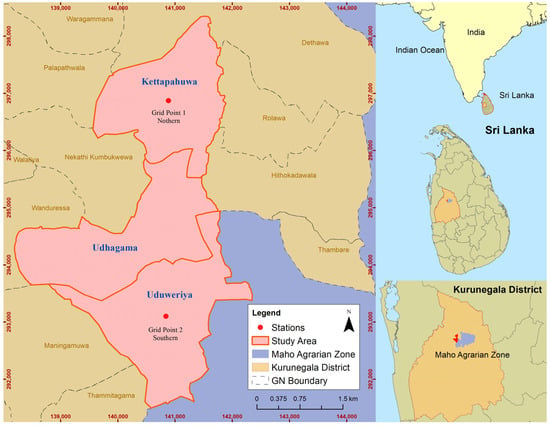
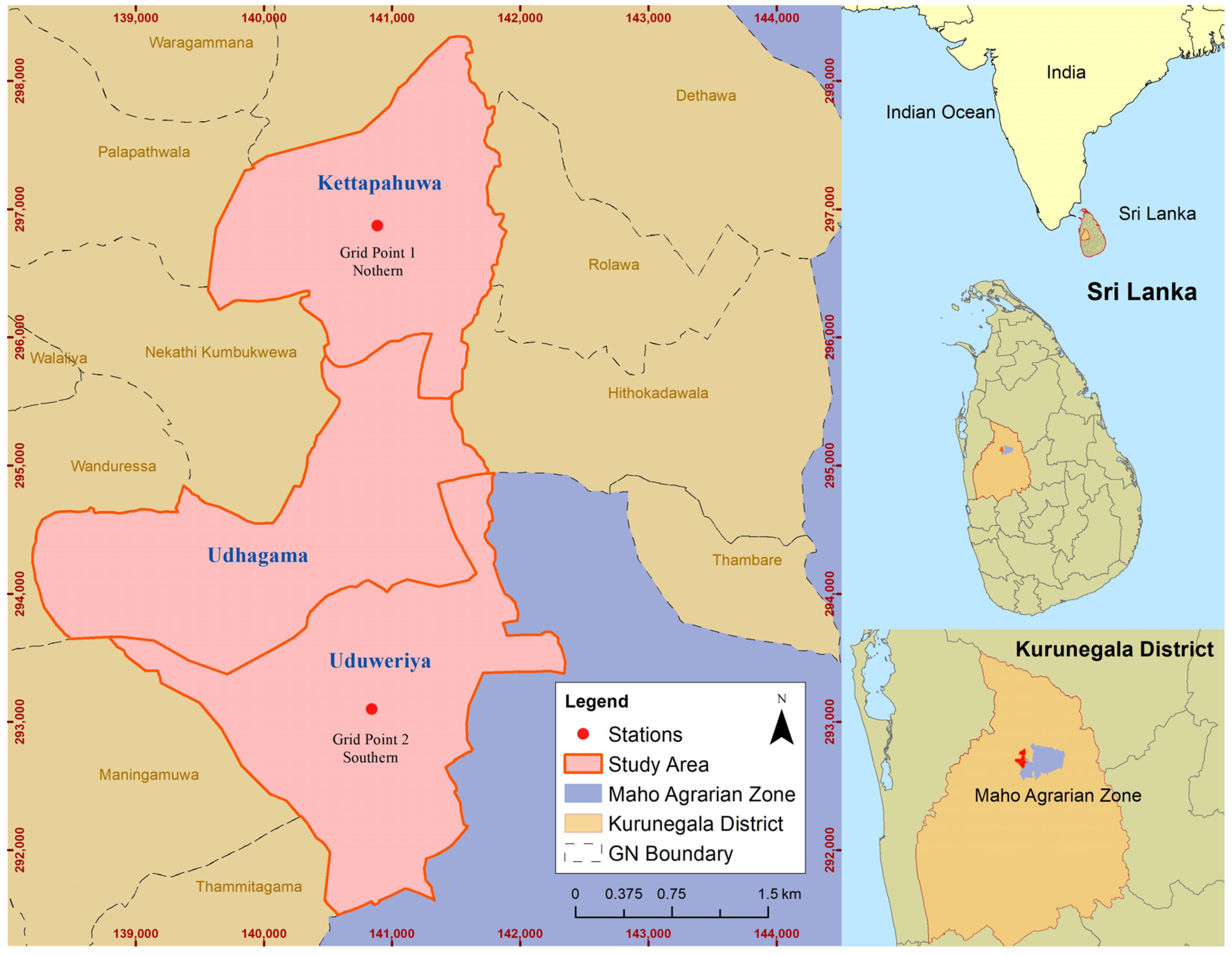
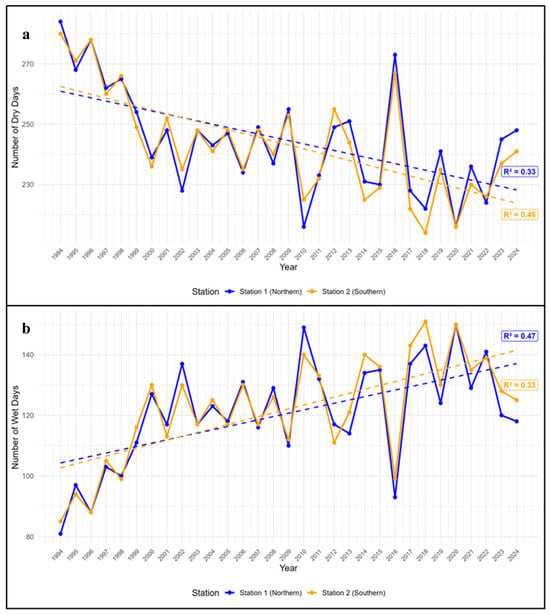
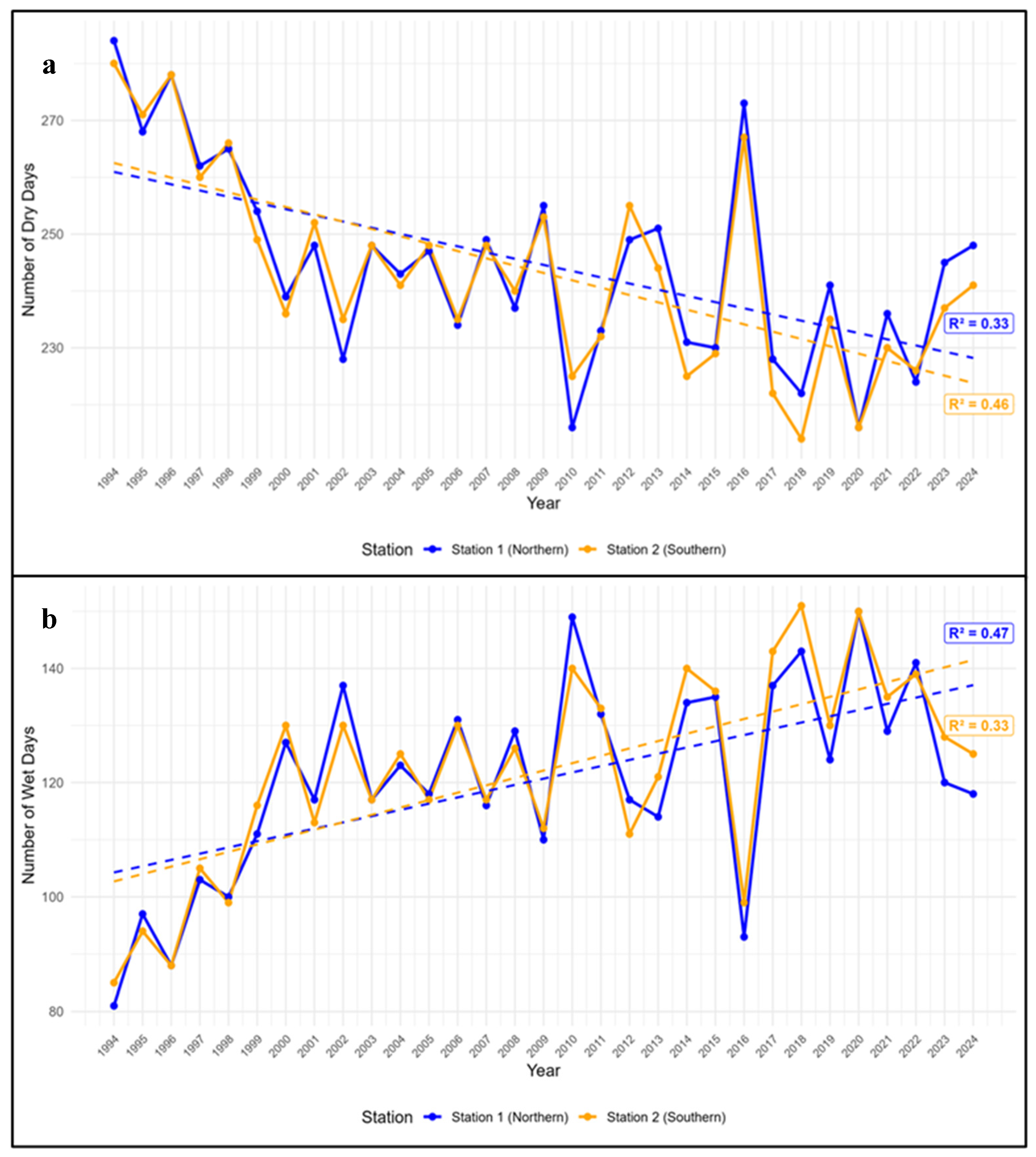
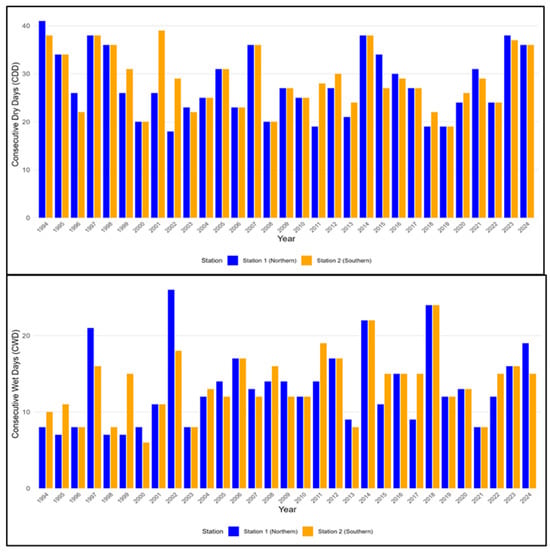
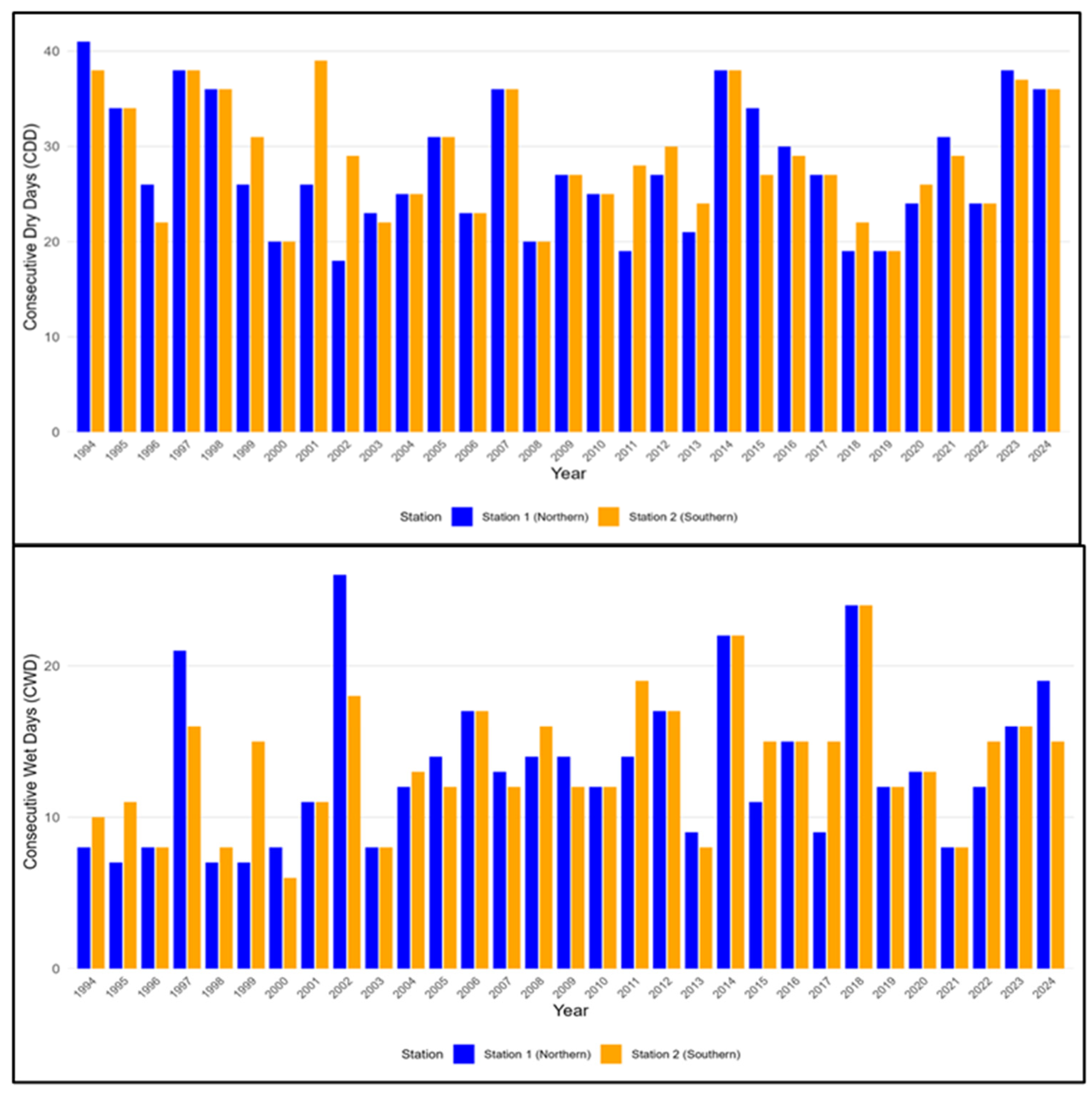
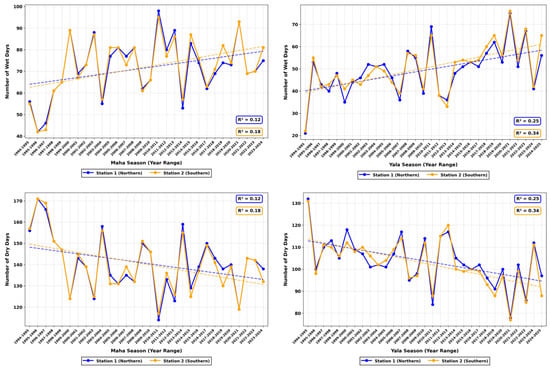
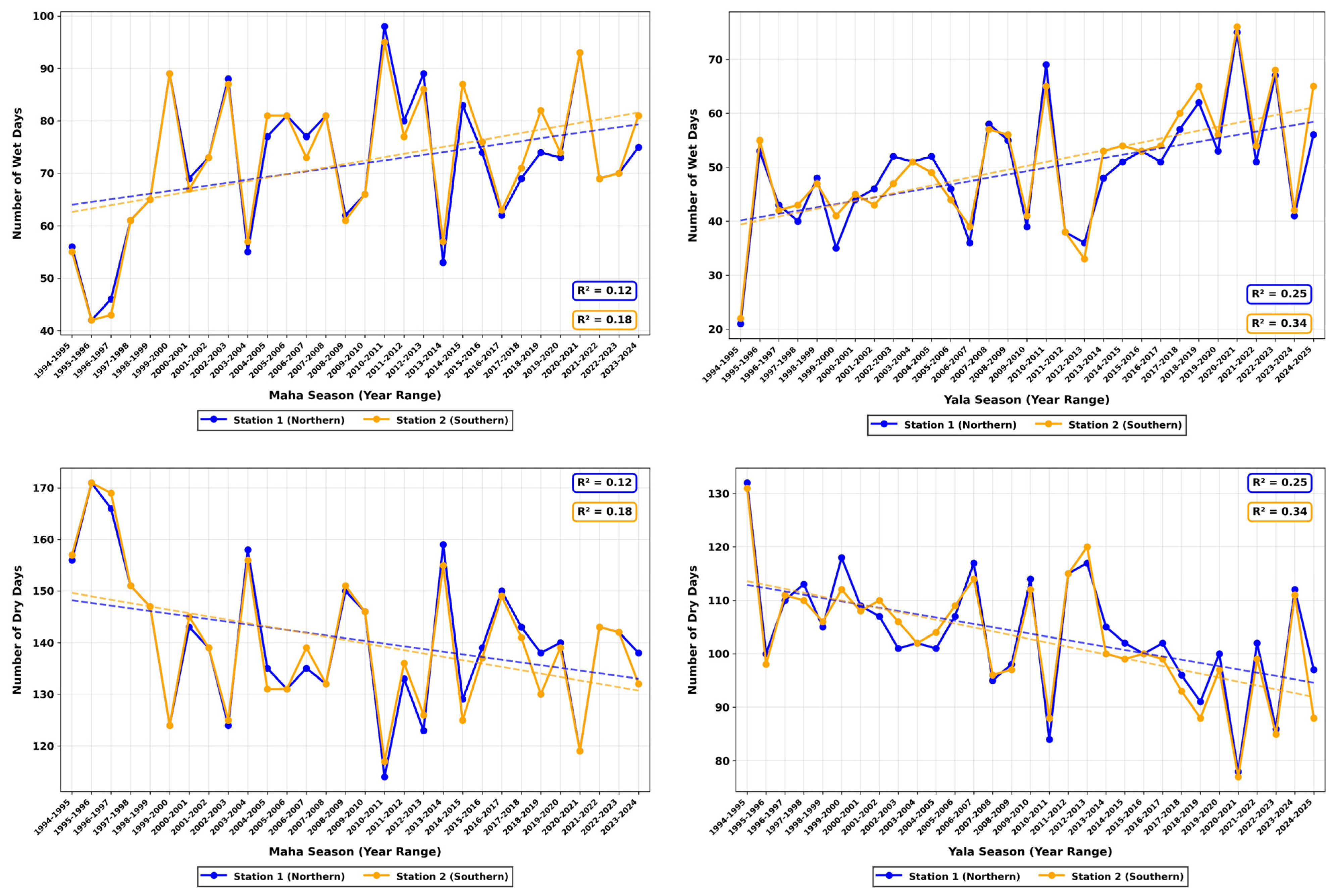
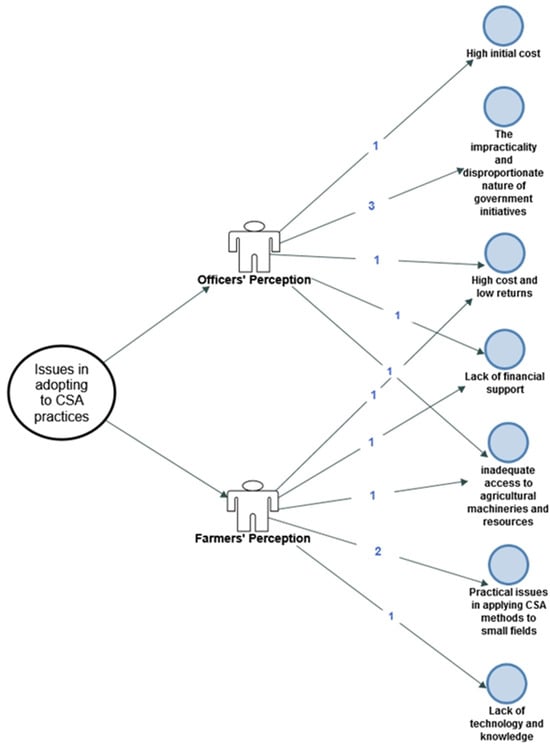
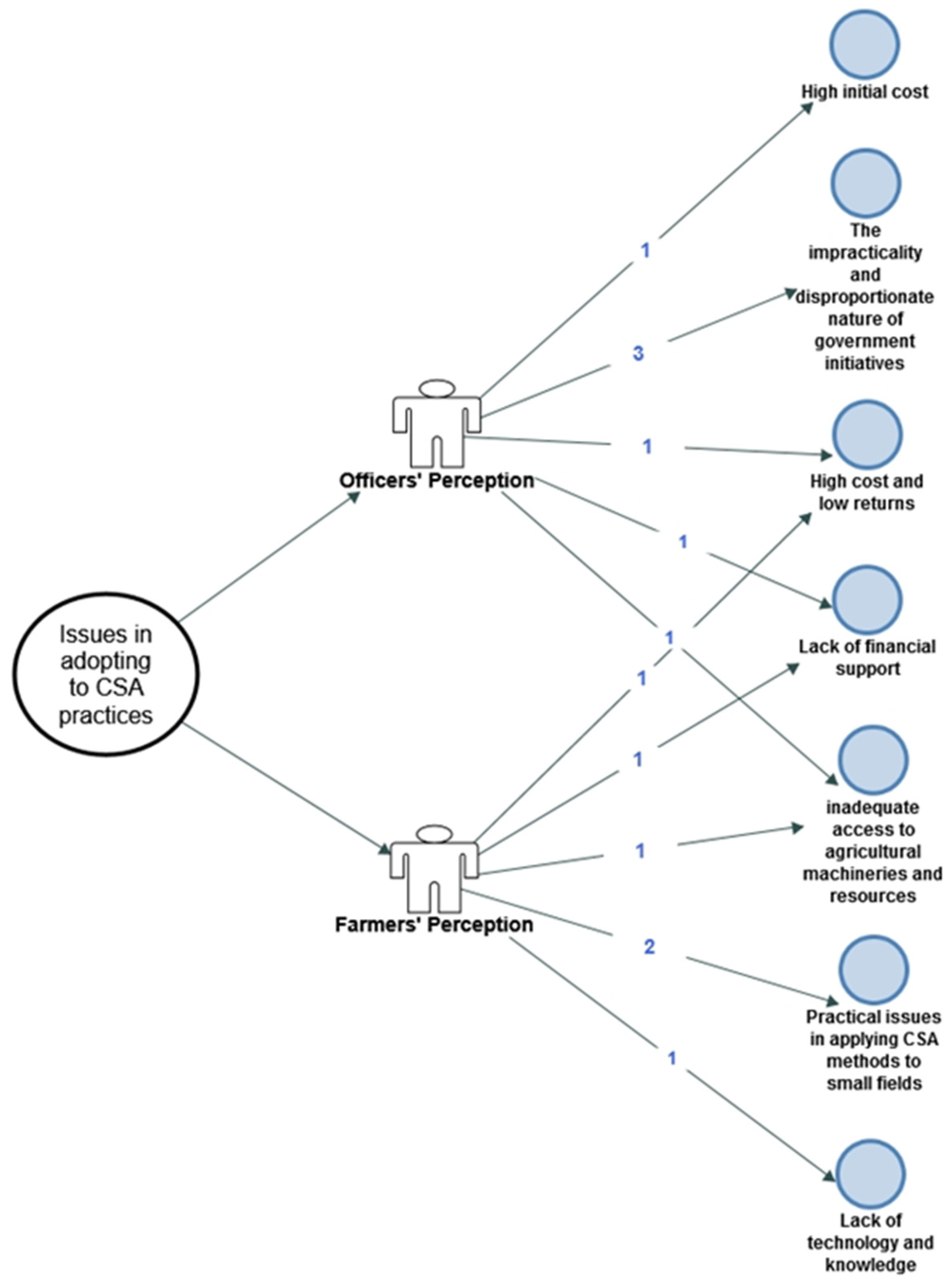
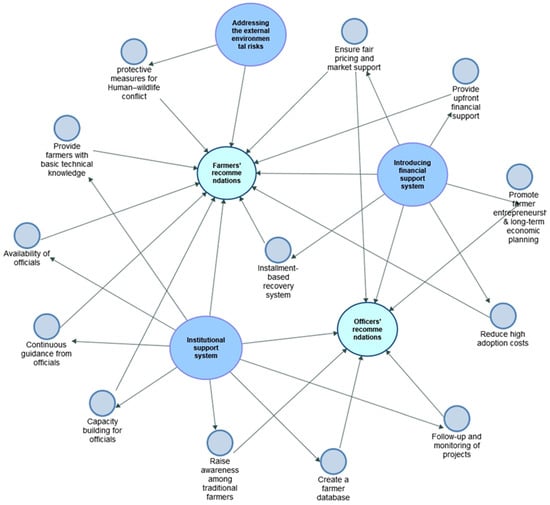
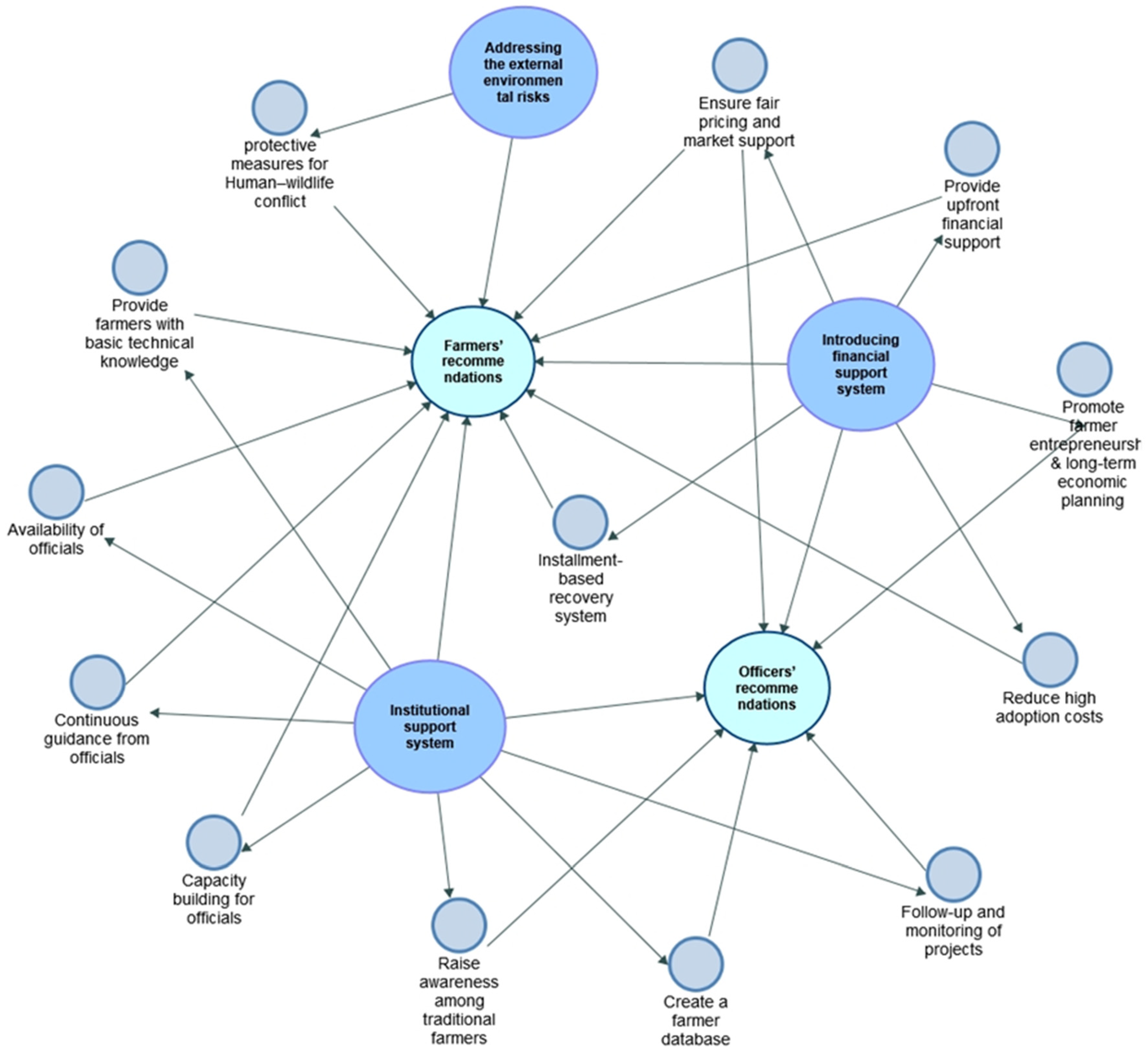

Disclaimer/Publisher’s Note: The statements, opinions and data contained in all publications are solely those of the individual author(s) and contributor(s) and not of MDPI and/or the editor(s). MDPI and/or the editor(s) disclaim responsibility for any injury to people or property resulting from any ideas, methods, instructions or products referred to in the content. |
© 2026 by the authors. Licensee MDPI, Basel, Switzerland. This article is an open access article distributed under the terms and conditions of the Creative Commons Attribution (CC BY) license.