


Abstract
The transition to a low-carbon economy generates structural, technological, energy-related, and social transformations within economies, calling for a renewed understanding of regional convergence dynamics. This study presents a systematic literature review of 109 articles examining regional convergence in the context of the low-carbon transition. The findings show that the low-carbon transition broadens the traditional understanding of convergence by introducing new determinants, analytical approaches, and methodological techniques. The review highlights that regional convergence is a context-sensitive process shaped by spatial, temporal, change-related, and interregional linkages. Building on these insights, this study proposes a conceptual framework that integrates convergence determinants with contextual factors influencing regional development pathways. The results also reveal important gaps in the existing literature and outline directions for future research, aiming at improving the analytical and policy relevance of convergence studies in the context of a low-carbon transition.
1. Introduction
Regional convergence has remained an important research topic over the past three decades, particularly in the context of growing regional disparities and an increasing policy emphasis on sustainable and balanced development. Traditionally, convergence refers to the process of reducing income disparities among countries or regions [1]. Over time, the conceptualization of convergence has expanded beyond income to encompass a broader set of socio-economic determinants, including human capital [2], productivity, and technological development [1,3,4]. This evolution reflects the influence of both neoclassical and endogenous growth theories and has led to a methodological shift from a narrow economic framework toward a more comprehensive analytical perspective. As a result, convergence research increasingly incorporates a wider range of determinants and dimensions of development. In parallel, convergence studies have expanded to include environmental indicators [5,6,7,8] and to integrate socio-economic and environmental dimensions, thereby increasing the analytical complexity of convergence research [9,10,11,12].
The growing global concern about climate change, together with international mitigation agreements and strategies (such as the 2030 Agenda for Sustainable Development, the EU Green Deal, and the 2030 Climate and Energy Framework), has created a new context for regional development and convergence processes. In the European policy context, this issue has become particularly urgent because decarbonization objectives must be pursued alongside the goals of economic, social, and territorial cohesion. As the low-carbon transition advances, regions are exposed to uneven adjustment pressures depending on their industrial structure, energy systems, technological capabilities, labor market composition, and institutional capacity. The transition toward a low-carbon economy (further LCT), understood as a socio-technical transformation from fossil-fuel-based systems toward renewable and sustainable energy systems, has made regional development increasingly dynamic. While CO2 emission reductions are often associated with environmental improvements, they may also generate new disparities by creating potential “winners” and “losers”, thereby posing challenges for territorial cohesion [13] and potentially hindering convergence processes. One of the key challenges is therefore to reduce emissions without compromising economic development, social equity, or territorial cohesion and without pushing regions into development traps. In this study, regional convergence is understood primarily as a process that refers to changes in disparities across regions, whereas the LCT is treated as a broader structural and policy context within which this process unfolds. The conceptual framework proposed later in this paper is not intended as a formal causal theory, but as an analytical lens for organizing the main dimensions, determinants, and contextual conditions identified in the reviewed literature.
Convergence tends to occur primarily within relatively homogeneous groups of countries or regions, whereas in more heterogeneous samples, it is observed only when differences in key macro-level factors are considered. However, regions differ substantially in their structural and contextual conditions, which often leads to divergent empirical findings [14]. As a result, regions may converge into distinct “clubs” rather than toward a universal equilibrium, implying that uniform policy approaches may be ineffective and that differentiated policy strategies may be required. In the context of LCT, these complexities become even more pronounced, as structural, technological, and energy-related transformations may reshape regional convergence dynamics. Despite the growing body of research addressing these issues, systematic syntheses of this literature remain limited [15]. Consequently, the current state of knowledge on regional convergence under the LCT remains fragmented, highlighting the need for a comprehensive review of this emerging research field.
To address this gap, this paper examines emerging methodological developments and analytical approaches in regional convergence research within the context of LCT. This article presents a systematic literature review of 109 articles, examining regional convergence in the context of LCT. The studies included in this synthesis cover the period from 2011 to 2024 and were analyzed in accordance with the PRISMA guidelines. To the best of our knowledge, only a limited number of review papers directly address convergence within the context of the LCT, particularly within the energy–economy–environment nexus. A citation-based systematic literature review examined convergence across interconnected domains such as energy consumption, CO2 emissions, and energy efficiency [15]. However, their analysis covered studies published only until 2020. Other authors have investigated convergence phenomena from a narrower perspective. CO2 emissions convergence has been examined in several studies [16,17,18]. Additionally, research directions related to the green transformation used statistical literature analysis methods, but did not explicitly link their findings to convergence [19].
This article makes several contributions. First, it advances convergence research by linking the concept of regional convergence to a transition toward an LCT and by integrating convergence dimensions with contextual factors that shape regional development pathways. Second, by systematically reviewing studies published between 2011 and 2024, this paper provides an updated synthesis of the rapidly expanding literature on regional convergence in the context of LCT, capturing recent methodological developments and emerging analytical approaches. Third, the review identifies key determinants, indicators, and empirical techniques used in convergence analysis, highlighting both dominant and emerging methodological trends. Finally, this paper identifies critical research gaps and proposes directions for future research, thereby contributing both theoretically and methodologically to the development of more comprehensive analytical frameworks for understanding regional convergence under LCT and informing policy design that is aimed at achieving climate neutrality alongside balanced regional development.
2. Research Methodology
This research is based on the systematic literature review method, which has been increasingly used in economic-, environmental-, and energy-related fields. The paper selection process (see Figure 1) followed the guidelines of the Preferred Reporting Items for Systematic Reviews (PRISMA) statement (version 2020).
Figure 1.
The paper selection process.
The literature search was conducted in the Scopus and Web of Science databases on 10 January 2025, ensuring broad disciplinary coverage across the fields of social sciences, environmental sciences, energy studies, and economics. The search was restricted to journal articles published in English, excluding conference papers, proceedings, errata, editorials, notes, books, and book chapters in order to ensure a consistent level of academic quality and comparability among the analyzed studies. In addition, the analysis was limited to open-access journal articles, which ensured full accessibility of the reviewed publications and allowed for transparent and consistent screening and evaluation of the literature.
The search strategy was designed around three conceptual keyword groups representing the main dimensions of the research topic: convergence-related terms (“convergence”, “divergence”, “convergence club”, “regional convergence”, “spatial convergence”); economic development-related terms (“economic development”, “growth”), and LCT-related terms (“carbon”) (see Table 1). This structure reflects the analytical focus of the study on regional convergence within the context of LCT, where sustainability transformations are frequently operationalized through carbon-related indicators in relation to economic growth or development. Accordingly, the search strategy was deliberately designed to capture a specific strand of low-carbon transition convergence research, focusing on studies that examine regional convergence in relation to carbon-related transition indicators and economic development dynamics. This targeted analytical scope ensures conceptual consistency, analytical coherence, and comparability across the reviewed studies. For keywords containing the word “convergence”, the OR operator was applied, while the remaining keywords were connected using the AND operator.
Table 1.
Search string.
The publication period for the articles was set from 2011 to 2024 to emphasize the specificity and contemporary relevance of the research problem. The initial search yielded 330 journal articles.
In the next step, the titles and abstracts of all retrieved articles were manually screened to remove irrelevant studies. Each article was independently assessed by two reviewers (the authors of this paper) and coded as either 1 = include or 0 = exclude. Articles rated (1; 1) by both reviewers (125 studies) were retained for full-text review, while those rated (0; 0) (169 studies) were excluded. Articles with mixed ratings (1; 0) or (0; 1) (36 studies) were jointly re-evaluated by the reviewers with reference to the defined research field and the sample exclusion criteria (see Table 2) until consensus was reached, resulting in eight exclusions and 28 retained. This process yielded 153 journal articles for full-text analysis. During the subsequent in-depth assessment, an additional eight studies were excluded after full-text reading due to noncompliance with empirical or methodological requirements, resulting in a final sample of 145 journal articles included in the systematic review.
Table 2.
Article sample exclusion criteria.
In the second screening phase, all remaining articles were reviewed in full. Based on the exclusion criteria (see Table 2), an additional 36 articles were excluded, leaving a final sample of 109 articles.
A specific criterion for article selection, namely, the analysis of convergence factors, was included to enable a deeper understanding of regional disparities and their influence on the convergence process. Articles meeting this criterion also had to satisfy the general inclusion requirements applied to all reviewed papers, namely being empirical in nature (i.e., using quantitative data and methods), being relevant to the defined research area, and presenting results that are interpreted in the context of regional convergence or cohesion, even if convergence is not directly measured. The review follows a systematic literature review procedure for study identification, screening, and thematic synthesis. However, no formal study-level quality assessment or risk-of-bias evaluation was undertaken because the primary aim of the review was to identify and systematize the methodological and analytical approaches used in convergence research rather than to evaluate the methodological rigor of individual studies.
The research is structured around seven key research questions (see Table 3).
Table 3.
Research structure, key questions, and analytical justification.
The descriptive statistical analysis for addressing the R.1 question was conducted using R Studio 2025.05.0 software and the bibliometrix package. To identify keyword patterns (the R.2 question), the k-means clustering method was applied using R Studio. This method is considered highly suitable for text clustering [20,21] due to its advantages, including high computational speed and effectiveness with large datasets. The k-means algorithm partitions the observations into a pre-specified number of clusters, , where each cluster is represented by its centroid, i.e., the mean vector of the observations assigned to that cluster. The algorithm then iteratively alternates between assigning each observation to the nearest centroid and updating the centroid locations as the means of the observations currently assigned to each cluster. This iterative procedure continues until the cluster assignments no longer change, or until further reductions in the objective function become negligible. Formally, k-means minimizes the within-cluster sum of squares: , where denotes cluster , is observation , and is the centroid of cluster . The optimal number of clusters was selected using the elbow method based on the reduction in the within-cluster sum of squares across alternative values of .
Content analysis was conducted to address research questions R.3 to R.7 through systematic coding and interpretation of the data. To visually explore the conceptual relationships between dependent variables and their associations with specific thematic research components (addressing R.4), a network analysis was performed in the R Studio environment. Each variable category was linked to its corresponding thematic component, with node size representing the frequency of occurrence in the reviewed literature. Additionally, to analyze and visualize the temporal dynamics of independent variables (addressing R.5), a heat map was generated using R Studio, allowing us to track the intensity and evolution of variable usage across the publication timeline.
3. Results
3.1. Convergence Under LCT Research Landscape
The upward trend in the number of publications over time reflects increasing academic interest and research activity within this field (see Figure 2) (65% of the sample was published between 2019 and 2024). The surge in publications from 2019 onward likely reflects a broader intensification of academic and policy interest in decarbonization, regional inequality, and sustainability transitions. This increase may be associated not only with the ambitious EU climate policy agenda and the European Green Deal introduced in 2019, but also with other international policy developments, including China’s “dual carbon” goals, as well as the growing research focus on green innovation, environmental regulation, and ESG-related transformation.
Figure 2.
The number of publications during the 2011–2024 period.
The 109 analyzed articles were published across 44 different academic journals (see Table S2), with 29 of these journals (66%) appearing only once. Journals such as Sustainability (18 articles), International Journal of Environmental Research and Public Health (11), Environmental & Resource Economics (3), Journal of Cleaner Production (2), and Ecological Economics (2) underscore the interdisciplinary character of regional convergence research, demonstrating its relevance across multiple thematic areas. Conversely, several journals take a more discipline-specific approach. These include Environmental Science and Pollution Research (12 articles), Ecological Indicators (6), Frontiers in Environmental Science (3), Applied Ecology and Environmental Research (2), Energy Economics (7), Energy Policy (5), Energies (4), Empirical Economics (2), and Journal of Environmental Management (2). These outlets reflect the environmental, energy, economic, policy, and management-oriented perspectives through which regional convergence under the LCT is examined.
3.2. Keywords Patterns in Convergence Under LCT Research
For the identification of thematic areas and focal points that researchers emphasize in research articles, we used the clustering of keywords, leading to four distinct clusters (see Figure 3), justified by the elbow method (see Figures S1 and S2).
Figure 3.
Keywords clusters: (I) Energy focus; (II) Convergence context; (III) Methodological; (IV) Empirical evidence.
Cluster 1 (Energy focus) is centered around the core term “energy” and includes related keywords such as energy, consumption, renewable energy, eco-efficiency, intensity transition, and energy policy. This cluster reflects a new direction in convergence research, namely one that emphasizes convergence processes driven by renewable energy. The research in this area focuses on energy consumption and governance, recognizing the strategic importance of the energy sector in economic development, regardless of a country’s stage of advancement, as energy accessibility is frequently identified as a critical determinant of national growth and competitiveness.
Cluster 2 (Convergence context) includes keywords that directly characterize the LCT, including carbon, CO2 emissions, footprint reduction, and carbon neutrality. These terms represent key environmental targets and concerns that frame the context in which regional convergence is increasingly studied. This cluster reflects the integration of sustainability imperatives into convergence research, positioning environmental performance as a central object of analysis.
Cluster 3 (Methodological) contains keywords associated with the methodological dimensions of empirical analysis, such as spatial and sectoral units of analysis (e.g., regional, countries, urban, sectors, industry), key analytical variables (e.g., factors, emissions), and methodological tools (e.g., spatial analysis, Markov chain, directional function, nonlinear methods). This cluster outlines the classical structural components of the methodological sections in empirical research articles.
Cluster 4 (Empirical evidence) includes terms related to empirical findings and types of convergence, such as club convergence, alpha convergence, stochastic convergence, and absolute convergence. This cluster captures how empirical results are framed, categorized, and interpreted in the literature, and often includes discussion of policy implications and practical relevance.
The keyword analysis revealed that convergence research generally follows the classic structure of an empirical research paper: a theoretical background (Clusters 1 and 2), a methodological framework (Cluster 3), and empirical analysis and findings (Cluster 4). The word cloud for Cluster 3 is less concentrated, indicating emerging diversity in research approaches and methodological innovations, particularly in the analytical variables and tools used to investigate convergence phenomena. In contrast, the word cloud for Cluster 1 is highly concentrated, highlighting a strong and consistent trend in treating energy as a key determinant of regional convergence under the LCT. This underscores that energy-related components have become essential to include in analyses of regional convergence.
3.3. Geographical Scope in Research
Research on convergence under the LCT has predominantly focused on global and Eastern contexts, particularly OECD countries and China. In contrast, the European Union, despite its strong policy commitment to LCT and territorial cohesion, has received significantly less attention, alongside North America, Central America, and Africa (see Figure 4a and Table S3). Such geographic segmentation suggests the need for a more geographically specific research scope that accounts for diverse institutional, economic, and policy contexts, for example, those of the European Union, which would enhance the field’s analytical diversity and contribute to a deeper understanding of the research field.
Figure 4.
Segmentation of papers by geographical coverage and level of empirical scope.
The majority of papers apply convergence analysis at the country level (47%) and regional level (36%), with less attention to the city level (10%) (see Figure 4b). During the period 2011–2024, convergence analysis started to be applied more intensively at the industry level (6%). The limited attention to city-level analysis is often attributed to data availability constraints [22], while sectoral-level studies are hindered by the complexity of integrating sector-specific data into broader economic frameworks, challenges related to data standardization and comparability [23], and the varying levels of aggregation in economic activity [24]. Notably, although city-level studies represent the smallest share of the sample, their relatively high citation frequency suggests strong academic and practical interest in convergence at the urban scale. This highlights the need for further research focused on city-level dynamics, especially in the context of LCT policy implementation. This suggests that scholarly and policy interest in urban convergence under LCT is already substantial, but the current volume of research has not yet matched this relevance. This gap appears particularly relevant in the European context, where regional and urban levels play a central role in implementing LCT and cohesion policies, yet remain comparatively underrepresented in the empirical literature.
The time period for empirical research conducted at the regional or city level is shorter compared to that for empirical research at the national or country level (see Table S3). Approximately, the time period of analysis at the national level covers 31 years, while at the regional level, it covers 19 years, and at the industry level, 17 years. This is determined by the higher availability of data at the national level and the research focus, as national-level studies often involve broader policy analysis and long-term economic modeling, which require extended time periods for meaningful insights.
3.4. Extending the Concept of Convergence Under LCT
3.4.1. Key Components of the Concept
Traditionally, regional convergence phenomena have encompassed economic and social components. However, rapid economic development has created a contradiction between economic development, low energy efficiency, and high carbon emissions [25], which stimulated the inclusion of environmental and energy components in regional convergence research. The network map of regional convergence components under the LCT (see Figure 5) illustrates that convergence research has become increasingly multidimensional, encompassing economic, social, environmental, energy, and, to a lesser extent, governance components.
Figure 5.
A network map of components of regional convergence under LCT.
The economic component remains central to regional convergence under the LCT, serving as the core through which other components are interconnected. This is reflected in strong links between economic and environmental components (gray-green links in Figure 5), economic and energy components (gray-brown links), and economic, environmental, and social components (gray, green, yellow links). The governance component appears to be more closely aligned with environmental ones (green-gray links), reinforcing the view that sustainable growth requires not only technological progress but also active, policy-driven abatement. In this context, pollution convergence is feasible under optimal conditions [26]. Furthermore, a newly emerging component related to technological innovation [26,27] and green productivity [28] has begun to attract increasing attention in the economic convergence component, supporting the idea that purposeful investment in emission-reducing technology leads to pollution convergence. Despite the findings that technological improvements in abatement can lead to convergence in emissions per capita even without coordinated policy [26], however, convergence is more efficient and faster with policy-driven action [29,30,31].
In alignment with the evolving components of regional convergence under the LCT, the focus of the reviewed literature remains largely on understanding energy, environmental, and economic convergence across time and space, particularly in efforts to identify structural characteristics and changes [11,12]. However, the 2014–2024 period stands out for a growing tendency among researchers to link carbon dioxide emissions with broader economic patterns, specifically within advanced economies [32,33]. While most studies emphasize convergence trends, only a few authors examine convergence in parallel with divergence, acknowledging the complexity and asymmetry of regional dynamics [34,35].
Components of regional convergence under the LCT are expressed through various indicators. Traditionally, economic convergence is analyzed using GDP [36,37,38], GDP per capita or economic growth [39,40], and GDP per person employed [41]. Similarly, environmental convergence is mostly examined through CO2 emissions [22,42,43,44,45,46], CO2 per capita [11,47,48,49,50,51,52,53,54,55,56,57], ecological footprint [58], or ecological footprint per capita [14,59]. By linking economic and environmental dimensions of convergence, relative indicators such as CO2 per GDP [32,60,61,62,63] or CO2 intensity [64,65,66,67,68] are also widely used. Another indicator linking carbon emissions and economic growth is CO2 productivity [69,70], or CO2 emissions from direct consumption [71], both of which have been used in convergence analysis. All these indicators were the most frequently observed in the analysis of the 109-document sample.
The demand for green energy has demonstrated an increasingly growing pattern [28]; it is thus not surprised that energy convergence started to be more intensively analyzed during the period 2011–2024. This convergence has been characterized using various indicators, primarily based on single-factor approaches [30,72], such as energy consumption per capita [66,73,74], energy intensity [23,24] energy intensity growth [75], and indicators of energy transition, such as the share of low-carbon energy in total energy consumption [76], renewable energy consumption [53,77,78], non-renewable energy per GDP [79], and coal consumption per capita [80]. In linking the economy and energy, the energy consumption of road transport per capita was specifically used [74].
3.4.2. Analytical Approaches to the Concept
Single-factor approaches in convergence research have been criticized for their limitations, as such methods cannot fully capture the influence of multiple production factors, such as labor, capital, and energy, and fail to account for undesirable outputs like CO2 emissions [72], the causes of regional difference [25], or the constraining effects of resources and the environment [28]. Nevertheless, these simple ratios have the advantage of being straightforward and easy for policymakers and the general public to understand [29]. For a more accurate analysis of convergence phenomena, researchers advocate the use of more sophisticated approaches [29] and comprehensive methods [22,35,72], such as input–output models (including both desired and undesired outputs) and factor decomposition techniques. They also emphasize the need to incorporate the principle of “shared responsibility” in convergence research, as economic development, technological capacity, and energy structures vary significantly across regions, and to provide a more detailed view of regional differences, including interregional, intra-regional, and hyper-variable density [25].
Considering this prevailing limitation, more recent studies increasingly integrate multiple components, indices, and input–output (desired and not desired) frameworks. For example, examined convergence in the relationships among multiple indicators [33,81], while the analysis of eco-efficiency convergence [29], defined as the ability to produce more goods and services with less environmental impact, used a ratio between GDP and a composite indicator of the GHG emissions generated by production processes. Similarly, other scholars used the convergence of CO2 emissions intensity and its two main components, energy intensity and the carbonization index [82]. Scholars employed green productivity as an indicator, which extends the traditional total-factor productivity framework by incorporating energy use and environmental constraints into the measurement of economic performance [28,35]. Agricultural carbon efficiency in China was analyzed by incorporating both agricultural carbon emissions and carbon sinks within a total-factor framework that includes inputs, desired outputs, and undesirable outputs [30]. A carbon emission performance framework consisting of five different indicators, categorized as inputs, desired outputs, and undesired outputs, was used [31]. Shared responsibility principles between the production side and the consumption side were incorporated into the calculation of CO2 emissions [25].
During the analysed period, researchers sought to broaden the traditionally used indicators and methods of convergence by increasingly experimenting with diverse approaches, specifically focused on the interconnection between economic and environmental convergence. For example, club convergence was analyzed by extending the approach to include economic, environmental, and health dimensions [33]. To better capture regional differences, a shared-responsibility emission accounting method was combined with the Dagum Gini decomposition, providing not only a measure of inequality but also insight into its sources within regions, between regions, and across overlapping areas [25].
Recent research has increasingly applied convergence analysis to more nuanced scopes, focusing on selected economic activities to examine regional heterogeneity and path dependence in specific industries. For example, ref. [30] examined the convergence of agricultural carbon efficiency; ref. [83] studied road transport, while ref. [27] investigated the convergence of innovation efficiency in China’s high-tech industry, and ref. [25] focused on the power industry. Ref. [22] sought to capture the interaction between urban development and the carbon performance of the construction sector. Even cross-city convergence in green space coverage has been analyzed to better reveal human–environment interactions [84].
Only a few studies have attempted to expand the concept of convergence by incorporating elements of governance and coordination. Refs. [22,85] advanced this approach by integrating convergence analysis with a coordination degree model, combining development outcomes, such as carbon emission efficiency, with the structural conditions shaping development, including energy intensity, technological progress, and industrial composition. The relationship between convergence and coordination was examined through the concept of Coupling Coordination Development in the context of the digital economy and carbon environmental governance [86].
3.5. Increasing Variety of Convergence Determinants
3.5.1. Key Convergence Determinants
The convergence phenomenon in research is explained by various determinants, characterized by independent variables that are closely related to the specific components of regional convergence. On average, studies use approximately seven to eight independent variables to model convergence. However, the exact number depends on the specificity, depth, and detail of the research. Aiming for simplicity or focusing on a specific convergence dimension, for example, analyzing emission reductions in line with income growth, ref. [87] used only GDP per capita as the independent variable. Similarly, to investigate the pattern of China’s power carbon emission intensity and explore the causes of regional differences, ref. [25] used only one indicator, CO2 intensity. The impact of globalization on the ecological footprint was analyzed using only two independent variables, namely the globalization index and GDP per capita [88]. Decoupling convergence was examined using decoupling indices for three pollutants: global CO2 and two local pollutants, namely nitrogen oxides and sulfur dioxide [37]. On the other hand, refs. [22,33,50,85,89,90] stand out by using more than 20 indicators, integrating a comprehensive set of economic, environmental, health, energy, and demographic variables to analyze multidimensional convergence. Refs. [40,61,69,91,92,93] also employed extensive sets of indicators, reflecting a strong emphasis on capturing complex system interactions among various determinants of convergence.
The most commonly used determinants and variables for convergence testing and pattern identification can be grouped into several categories, as illustrated in Figure 6. These categories should be interpreted as analytical groupings rather than strictly separate domains. In particular, emissions- and pollution-related variables are often closely linked to energy use and energy structure, while urbanization-related indicators frequently overlap with broader demographic and social conditions. A detailed segmentation of the reviewed papers based on the variables employed is provided in Table S4.
Figure 6.
Categorization of determinants influencing the convergence process.
The variety of determinants used in the reviewed papers reflects the multidimensional and overlapping nature of convergence under LCT. At the same time, the reviewed literature suggests that these determinants influence convergence through different theoretical mechanisms rather than through a single uniform pathway. This also means that determinants such as globalization should not be treated as having linear or uniform effects, since their influence on emissions and convergence may depend on interacting institutional and structural conditions, including environmental policy, production structure, and integration into global value chains [14,77,94]. For example, governance and regulation may shape convergence by affecting policy coordination, implementation capacity, and the allocation of transition costs; innovation may alter convergence trajectories through technological upgrading, productivity gains, and the diffusion of low-carbon solutions; while urbanization may influence convergence through agglomeration effects, infrastructure concentration, and changing patterns of energy demand and land use. As a result, similar determinants may generate different convergence outcomes depending on regional economic structure, institutional capacity, and sectoral specialization. While economic indicators continue to dominate the literature, the LCT context has shifted attention toward closely interrelated emissions-, pollution-, refs. [25,29,37,67,95,96] and energy-related variables, which have emerged as particularly prominent [36,38,62,69,71,76,92,97]. At the same time, increasing attention has been devoted to governance and regulation, especially environmental governance and regulatory quality [23,31,43,53,77,86,98], institutional quality [17,43,72], and fiscal capacity [22,90,91]. Technology and innovation have also become central to convergence studies, including R & D investment [23,27,31,43,61,85,86], broader technological advancement [30,42,61,72,90,91,97,98,99], and green technologies [28]. Furthermore, digitalization [50,86,97] and infrastructure development [50,86,97], especially in areas such as waste management [22,85,90,100], have become key determinants of convergence under LCT. Social aspects have also gained visibility, with growing inclusion of health-related indicators [22,33,41,50,85,90], education [22,30,85,86,90], and demographic variables [22,28,47,91,101,102]. Social equity has increasingly been addressed as well [22,47,81,85]. A notable trend in recent years is the growing importance of urbanization in LCT-related convergence processes. Studies increasingly incorporate urban indicators such as urban population, income, and built-up areas [22,28,32,85,86,102,103]. In parallel, natural environment variables, such as green coverage [22,50,52,98,103], air quality [90], and weather conditions [33,40,51,52], have also become more common.
3.5.2. Temporal Dynamics of Determinants
The temporal dynamics of determinants of convergence (see Figure 7) reveal a clear evolution of convergence determinants used in the research over time.
Figure 7.
Heatmap of convergence determinants by 2011–2024 years.
Between 2011 and 2015, the reviewed papers primarily emphasized traditional economic indicators, such as GDP, productivity, consumption, and industrial structure, along with early consideration of CO2 emissions. From 2016 onward, the scope of research expanded to include energy-related variables, particularly energy consumption and renewable energy integration. Starting in 2019, convergence studies began to adopt more multidimensional approaches. Urbanization indicators appeared more frequently, signaling growing interest in the spatial dimension of convergence. At the same time, institutional governance and regulation have become increasingly central to the analysis, highlighting the importance of policy frameworks and governance quality in shaping convergence trajectories; however, these determinants are still rarely incorporated [17,25,82,104] despite their potential influence on convergence processes. From 2020 onward, there was a notable increase in the use of social, technological, and environmental variables. Education, health, and population dynamics reflected a stronger commitment to social equity and human development. Technology and innovation, including waste management, emerged as key areas of focus. Natural environment variables also began to appear more regularly, underscoring the influence of ecological and climatic factors on regional convergence. The period from 2022 to 2024 marks the highest level of diversity and integration in convergence research, reflecting a more holistic understanding of the interconnected systems that underpin regional development and convergence under LCT. Interestingly, starting from 2020, researchers have increasingly experimented with incorporating new and less conventional variables into convergence analysis under LCT. These include material recycling [104], which aligns with circular economy principles, and telecommunication and postal services [50,86], and transportation infrastructure [50,72,74], which are relevant to both green and digital transition agendas. It should be noted, however, that inequality-related variables [22,47,81,85] are still underutilized in convergence studies—despite the growing emphasis on equity and the imperative for an LCT.
3.5.3. Data Sources for Determinants
A variety of data sources were used by researchers, with a clear dominance of secondary, officially published datasets, which can be broadly classified into several categories:
- General international and national statistical databases, providing a collection of various indicators (e.g., Eurostat, World Bank, and countries’ official statistics). Ref. [33] used the “Gap Minder” website, which is an open data portal and hosts comprehensive data collections compiled from publicly available sources such as the World Bank, the World Health Organization, and the United Nations. When urban-level data were unavailable, researchers often supplemented the datasets with statistical bulletins from individual cities [32,86].
- Specific databases focused on indicators in particular fields. The most commonly used specialized environmental databases included, for example, the Emissions Database for Global Atmospheric Research (EDGAR) [33], the Carbon Dioxide Information Analysis Center (CDIAC) [11,82], BP’s database [47], Carbon Emission Accounts and Databases (CEAD) [32], and the Global Carbon Atlas Database [34]. Also, databases related to finance (e.g., the CSMAR database [86], economy (e.g., the National Bureau of Economic Research for Penn World Table [105]), industry (e.g., the China Industry Statistical Yearbook [72]; the China Construction Industry Statistical Yearbook [22]), science and technology (e.g., the China Statistical Yearbook on Science and Technology [91]), energy (e.g., the U.S. Energy Information Administration’s State Energy Data System [11]; the China Energy Statistical Yearbook [91]; Our World in Data [33]), demographics (e.g., the U.S. Census Bureau [11]; the Institute for Health Metrics and Evaluation [33]), climate (e.g., the National Climate Data Center within the National Oceanic and Atmospheric Administration [11]), and governance (e.g., the EPS Data Platform, ref. [86]) were also used. Interestingly, less conventional sources such as remote sensing and satellite-based nighttime light data have recently emerged in convergence research. For example, ref. [22] used satellite data to enhance spatial granularity in emissions analysis.
- Taken from other research institutes, usually for index use (e.g., the KOF Swiss Economic Institute for Globalization Index [88]).
No original survey data, company-level data, project-based datasets, or data extracted from other studies were used as primary sources in the reviewed convergence studies.
3.6. Methods and Approaches for Evaluating Convergence and Determinant Influence
The review of the papers identified a shift in empirical research, marked by an increasing emphasis on evaluating not only convergence, but also the influence of various determinants contributing to both convergence and divergence across regions. In addition, a distinct subfield of research is emerging, focusing specifically on identifying the determinants driving convergence and evaluating their respective impacts.
3.6.1. Convergence Methods and Techniques
The analysis of convergence methods highlights methodological heterogeneity, comprising both singular and integrative approaches. Traditional convergence methods continue to dominate, including σ-convergence, β-convergence, club convergence, stochastic convergence, and spatial convergence (see Table 4). Despite growing methodological pluralism, the application of a single convergence method remains prevalent, accounting for 61% of all reviewed studies. Within this group, β-convergence (28%) and club convergence (21%) are the most frequently employed approaches, whereas stochastic convergence (7%), spatial convergence (4%), and σ-convergence (1%) are applied far less often. The remaining 39% of the studies adopt combinations of two or more convergence techniques, reflecting a trend toward methodological integration. One notable example is [74], which employed a composite approach combining β-, σ-, and club convergence methods; such cases are marked with an asterisk (*) in Table 4.
Table 4.
Matrix of convergence methods in empirical studies.
At the same time, methodological heterogeneity limits the direct comparability of findings across studies. Different convergence techniques are based on different assumptions and capture different dimensions of convergence. For example, β-convergence reflects average catch-up dynamics, club convergence identifies the possible existence of multiple equilibria, and spatial methods incorporate interregional dependence and spillover effects. Consequently, differences in reported findings may stem not only from variation in regional trajectories but also from the methodological properties of the approaches applied.
σ-convergence, also referred to as dispersion convergence, occurs when the variability of indicators across treatment units declines over time. It is typically assessed through changes in the coefficient of variation or standard deviation. For instance, ref. [96] examined regional disparities in energy and water consumption, as well as pollutant emissions, including SO2 and CO2, across Chinese regions, employing the σ-convergence approach based solely on standard deviation analysis. This method is usually used with β-convergence, often following Barro and Sala-i-Martin [1].
β-convergence is the most dominant method, originating from the conceptual framework developed by Barro and Sala-i-Martin (1992) [1], grounded in the neoclassical Solow growth model. It empirically tests the hypothesis that countries or regions with lower initial levels of a specific indicator tend to exhibit higher growth rates over time relative to more developed counterparts. Methodologically, β-convergence is operationalized through regression models, where the growth rate of the variable is regressed on its initial level. Traditionally, absolute and conditional beta convergence are identified, while β-absolute convergence implies that all countries or regions converge toward a common steady state, irrespective of structural heterogeneities. Among the reviewed studies, only [106] applied exclusively the absolute convergence framework to examine CO2 emissions convergence among BRICS countries from 1990 to 2015. In contrast, β-conditional convergence allows for region- or country-specific steady states by incorporating structural and contextual differences through control variables in the regression specification. For example, ref. [105] examined CO2 per capita convergence in EU member states; [41] assessed renewable energy convergence in African countries; [28] analyzed green productivity convergence across Chinese regions; [107] investigated CO2 intensity convergence in Sweden’s manufacturing sectors; [39] focused on energy consumption and economic growth convergence across Chinese provinces; [108] studied international convergence of CO2 emissions; and [94] explored multilateral CO2 convergence patterns. It is common to apply both absolute and conditional β-convergence methods sequentially. This dual approach facilitates an initial general test of convergence, followed by a more nuanced examination that accounts for underlying structural heterogeneity across units of analysis.
Club convergence is commonly analyzed using the log-t convergence test proposed by Phillips & Sul [4,109], which groups countries, regions, or sectors into converging clubs based on selected variables, as convergence tends to occur within specific groups rather than universally across all countries [33]. This method allows for the endogenous identification of territorial groups (clubs) that converge toward the same equilibrium state and enables the analysis of each club relative to others [29]. Converging clubs often reflect different levels of development or structural adjustment and provide insights into context-specific dynamics. The club convergence approach, in contrast to the beta convergence approach analyzed earlier, is applied under the assumption that more than one equilibrium state may exist. Empirical applications of the club convergence method are frequently supported by auxiliary techniques such as factor analysis and various forms of regression modeling to explain club membership. For example, ref. [43] applied Probit and Logit regressions to assess the influence of population size, GDP per capita, CO2 emissions per capita, R&D investment, environmental regulation stringency, and institutional quality. Similarly, ref. [53] employed a Probit model to examine the roles of GDP per capita, environmental spending, energy dependence, and nuclear energy capacity. Quantile regression was used to explore the effects of trade openness, GDP per capita, energy efficiency, urbanization, energy transition, and brain-drain migration rates on CO2 emissions [110].
Stochastic convergence is based on the principles of time series analysis and their stationarity properties. It evaluates whether differences among countries, regions, or sectors in terms of a selected variable are short-term, returning to equilibrium, or remain persistent over time. If a variable is stationary, it is generally considered to be converging. Refs. [31,99,111,112] applied unit root tests such as ADF, ADF-Fisher, PP-Fisher, PP, and IPS, which are suitable for the initial modeling of convergence but are sensitive to structural breaks and nonlinearity in the data. In contrast, ref. [12,113,114] used more advanced tests to determine whether time series changes are temporary or permanent, such as fractional integration (IR), smooth transition (smooth-TS) unit root tests, Fourier-ADF, and fractional Fourier-ADF, which are better suited for nonlinear data and detecting structural breaks. Ref. [51] employed the long-run growth rate method as an alternative to traditional stationarity tests, while [27] applied Johansen’s co-integration test to examine long-term equilibria between regional time series. These examples show that empirical tests go beyond the detection of stochastic convergence and become more sophisticated, which can reveal structural transformations and are suitable for analyzing nonlinear data.
Although [95] does not explicitly use standard β- or σ-convergence frameworks, the quantile stochastic frontier model inherently examines whether states at different efficiency levels are improving or converging over time in their eco-performance.
Spatial convergence is considered a more innovative approach compared to the classical beta and sigma methods [115], as it focuses on assessing whether geographically proximate regions are converging or diverging over time. Researchers have frequently used Moran’s I index to test for spatial dependence [22,72,85,103]. More recent empirical studies have adopted combined methodological frameworks, such as the integration of the Standard Deviation Ellipse (SDE) method and Local Indicators of Spatial Association (LISA) time path analysis, to capture the spatial interactions and trajectories of convergence across regions [103]. Furthermore, Refs. [85,103] applied Geographically and Temporally Weighted Regression (GTWR) to explore how influencing factors vary across space and time. Unlike traditional OLS regression, which assumes a constant relationship between variables, GTWR allows the model parameters to vary across both dimensions. These methodological advancements enable researchers not only to determine whether spatial convergence is occurring, but also to identify the dynamic spatial–temporal interactions that shape regional development paths.
While convergence analysis usually uses well-established and standardized econometric methods, factor analysis is characterized by a wider variety and greater complexity of methodologies, often involving advanced regression or even machine learning models that allow for better identification of nonlinear relationships and endogenous processes.
3.6.2. Analytical Approaches to Convergence Determinant Influence
The methodological analysis of convergence determinant influences in the reviewed studies reveals a strong emphasis on long-term relationships across various convergence dimensions and the identification of causal linkages. Regression models are predominant in this context, ranging from linear regression and panel data models to dynamic panel approaches and two-stage regression techniques. In addition, time series econometric models are also employed, especially when examining temporal dynamics or context-specific trends.
Ordinary Least Squares (OLS) regression, a fundamental form of linear regression, is commonly employed as the baseline empirical framework [98]. However, this approach is not suitable when there is uncontrolled variables heterogeneity. Weighted Least Squares (WLS) regression is commonly employed to address heteroskedasticity [40]; however, if the weights are not appropriately specified, it may introduce interpretational bias and complicate the interpretation of coefficients [40]. Nonlinear relationships were captured using a semi-logarithmic (semi-log) regression model [76]. While this approach preserves the structure of a linear model, it results in more complex coefficient interpretation compared to OLS. Log-log regression is frequently used in growth, environmental, and SPIRPAT models, as it enables the estimation of elasticities between variables [101]. When multicollinearity arises due to an extensive set of explanatory variables, ridge regression offers a viable solution; nonetheless, it is not appropriate for variable selection purposes [116].
In panel data regression, two models are commonly used: the fixed effects (FE) model, which accounts for interregional heterogeneity but does not control for time-invariant variables [98], and the random effects (RE) model, which allows for the inclusion of time-invariant variables but assumes data homogeneity across units [98]. The fixed effects model eliminates time-invariant interregional differences (e.g., culture or consumption norms) that could distort the estimation of convergence factor effects, unlike the random effects model, which retains these differences as part of the error structure. The Hausman test is typically employed to determine the appropriate model by objectively comparing FE and RE estimators.
Dynamic panel regression includes methods such as the difference generalized method of moments (GMM), which addresses endogeneity issues and requires diagnostic tests such as first-order autoregression (AR (1)), second-order autoregression (AR (2)), and the Sargan or Hansen tests [101]. System GMM is a more efficient alternative, particularly when the dependent variable exhibits inertia. It is especially suited for economic data with minimal between-period variation, though it also necessitates the same diagnostic tests as difference GMM and involves more complex interpretation [76,101]. Dynamic panel regression is used to determine which factors have a significant effect on the convergence process, whether there are causal relationships between variables, as well as to assess nonlinear relationships, interactions between factors, and reduce interpretation bias.
When evaluating the impact of explanatory variables on a time-varying dependent variable across different units, authors [76] commonly employ the Fama–MacBeth two-stage regression method. This approach is robust to heteroskedasticity and assumes no temporal dependence across units. However, it requires a sufficiently long time series and does not support the inclusion of lagged dependent variables (e.g., lag (n − 1)) [76].
When examining temporal dynamics or context-specific trends, time series econometric models are frequently employed to analyze the influence of convergence determinants. The Vector Error Correction Model (VEC) is applied when the variables are non-stationary but exhibit a long-run equilibrium relationship. This model distinguishes between short-term and long-term effects and helps assess whether regions return to a common trend over time [38,117]. The Vector Autoregression (VAR) model, applicable only to stationary time series with all variables treated as endogenous, enables the analysis of interdependencies among regions and lagged effects between variables [117]. The Autoregressive Distributed Lag (ARDL) model is well-suited for datasets comprising a mix of stationary [I (0)] and integrated [I (1)] variables, allowing for the estimation of both short-run dynamics and long-run relationships [104,118]. Markov chain models, based on state transition probabilities, are used to capture the probabilistic movement of variables between states (e.g., higher or lower convergence levels) over time, with each state dependent on the previous one [95].
In addition to these models, researchers [38,104,119,120] frequently apply causality tests to explore directional relationships between variables. The Granger causality test is among the most widely used methods, applicable across various sample sizes, provided the data are stationary and the relationship between variables is linear [38,104,119,120]. The Diks–Panchenko nonparametric causality test, designed for non-stationary data and nonlinear or indeterminate relationships, is particularly useful for small samples due to its minimal assumptions regarding data structure [119,120]. Geweke’s causality test offers an alternative approach that enables the assessment of both instantaneous and long-term relationships between variables, as well as the identification of feedback loops.
4. Discussion and Future Research Directions
4.1. Emerging Trends in Convergence Research
This systematic literature review identifies several emerging directions in convergence research, including the following: (a) the broadening of the convergence concept through the stronger integration of environmental and energy dimensions; (b) the increasing application of mixed-method approaches, with greater attention to stochastic and spatial convergence techniques; and (c) a growing emphasis on methodological advancements aimed at better assessing the influence of convergence determinants. Despite the growing importance of LCT dimensions in convergence research, particularly those related to energy systems and environmental performance, recent studies increasingly incorporate a broader set of variables that extend beyond traditional convergence indicators and capture wider sustainability-related dynamics. These include, for example, material recycling indicators [104], telecommunication and postal infrastructure [50,86], inequality-related measures [22,47,81,85], as well as governance and regulatory factors. This shift reflects a growing recognition that convergence processes within LCT are influenced not only by economic, energy, and environmental dynamics but also by broader socio-economic and institutional conditions. In addition, more advanced analytical techniques, such as machine learning and spatial econometric models, are increasingly employed to explore convergence patterns and the influence of determinants. Recent research also pays greater attention to factors such as geographic proximity and spatial dependence, including spatial spillover effects between neighboring regions [29,62], as well as stochastic elements such as random shocks and structural variability that may influence convergence dynamics [27]. These methodological developments reflect a growing recognition that convergence processes are influenced by interactions between economic structures, environmental pressures, technological change, and spatial interdependencies. Taken together, these developments suggest that convergence under LCT is better understood as a multidimensional process shaped by the interaction of structural, institutional, technological, and spatial factors, rather than as a simple alignment of separate indicators. From this perspective, heterogeneous regional outcomes reflect differences in adaptive capacity, transition pathways, and cross-regional interdependencies. This also implies that the same determinant may contribute either to convergence or to divergence, depending on regional context, economic structure, and the indirect effects through which it operates.
We noticed that convergence research still lacks a holistic analytical perspective. Conceptual clarity remains limited regarding convergence as a cognitive concept, an analytical process, and a context-dependent phenomenon. Consequently, there is a need for a better understanding of the mechanisms and applications of convergence across both temporal and spatial dimensions [32,42,121,122,123,124]. Existing studies primarily focus on analyzing the main convergence dimensions, namely economy, energy, and environment, and identifying empirical indicators through which convergence is measured. However, the contextual factors shaping how convergence processes unfold across regions remain only partially integrated into the research and are fragmentarily examined from a systemic perspective. As a result, the literature still provides only a limited theoretical explanation of why similar determinants or policy pressures may lead to convergence in some geographic, institutional, and historical settings, but to divergence or stagnation in others. Supporting the observation that current research has not sufficiently explored the convergence behavior of decoupling indicators [37], and responding to the call by [104] for a broader theoretical understanding of convergence processes, this study proposes a conceptual framework (Figure 8) as an interpretive synthesis. The framework integrates core convergence dimensions with key contextual factors and illustrates the main channels through which context may shape regional convergence under LCT.
Figure 8.
A framework linking regional convergence determinants and contextual factors.
The proposed framework (Figure 8) offers an analytical representation of regional convergence under the LCT, viewing convergence as a dynamic process shaped by interactions among the economy, energy, and environmental systems. These core domains represent the primary analytical dimensions through which convergence is typically assessed in empirical studies. Their interaction is influenced by several key determinants, including governance and regulation, technological innovation, infrastructure development, urbanization processes, human development and behavioral patterns, as well as environmental and social equity considerations. At the same time, regional convergence under the LCT is understood as a context-sensitive process that is shaped and constrained by several contextual dimensions, including spatial, structural change, temporal, and interregional linkages contexts. In this framework, the contextual dimensions do not operate as parallel background conditions only; rather, they influence convergence by altering adjustment costs, the speed of diffusion of technologies and policies, the exposure of regions to shocks, and the capacity of regions to adapt their development pathways.
The spatial context refers to relational dynamics and interactions between regions that influence convergence processes. This includes geographic proximity and spatial spillover effects [31,85,103], as well as regional characteristics such as economic structure and industrial composition [29,74,76], employment structure [101], and broader place-based factors such as economic and cultural norms that shape behavioral patterns and regional development trajectories [86]. Spatial context also includes relatively fixed locational and environmental characteristics that influence regional development conditions, such as natural resource endowments, environmental quality or degradation levels, and physical location attributes, including coastal positioning or access to natural resources [25,31,40,58,72,88,99].
The structural change context reflects broader transformation processes associated with the LCT, including policy-driven changes that result from global agreements and governmental regulations [25,47,49]. These transformations aim to align global sustainability objectives with region-specific strategic priorities and are often reinforced by societal pressures for economic modernization, environmental sustainability, and social justice.
The temporal context recognizes that convergence dynamics evolve over time and are influenced by both long-term global development strategies and short-term regional economic priorities. Convergence processes are therefore time-sensitive and shaped by historical development trajectories, policy and planning cycles (e.g., EU programming periods), as well as external shocks such as economic crises or disruptive events, including the COVID-19 pandemic [25,29,31,86,87]. More specifically, the temporal context may moderate convergence speed by affecting when regions adopt low-carbon technologies, how quickly policy incentives translate into investment and behavioral change, and whether transition-related costs are absorbed gradually or accumulate unevenly over time. As a result, regions may converge at different speeds even when they are subject to similar long-term decarbonization objectives.
Finally, the interregional linkages context captures the role of cooperation and interdependence among regions. This includes membership in economic or political unions, such as the European Union, which facilitates coordinated governance and policy harmonization [29,81,125]. It also encompasses historical trade relationships, economic integration processes, and cross-regional dependencies, including external energy dependency [25,79].
The proposed framework provides a structured analytical perspective for explaining both convergence and divergence dynamics in the context of the LCT. Variations in regional energy profiles, greenhouse gas emissions, sectoral specialization, transportation patterns, and housing infrastructure may lead to considerable differences in regional sustainability pathways [126]. The energy sector, in particular, plays a crucial role in emission reduction and economic development. Energy production and distribution remain among the most important sectors for mitigating greenhouse gas emissions, while energy accessibility represents a key determinant of economic competitiveness and development [127]. These dynamics illustrate how convergence outcomes are shaped by the interaction between sectoral structures, regional characteristics, and broader transformation processes associated with LCT.
4.2. Policy Implications
Convergence research can provide valuable insights for policy decision-making. The integrated perspective linking convergence dimensions with contextual factors presented in the framework (Figure 8) may serve as a useful analytical lens for understanding policy implications. Traditionally, convergence studies have contributed to policymaking by offering insights into uneven regional development, thereby supporting the design of more targeted socio-economic and cohesion policies. No doubt, environmental or emissions convergence results help design better environmental policies regarding GHG emissions and climate change [29], and support aligning emission targets with economic stages in line with international climate agreements and the principle of common but differentiated responsibilities and respective capabilities [87]. However, regional convergence under LCT, which usually applies a sophisticated view by focusing on multidimensional convergence, including economic, environmental, energy, and, in some cases, social and governance aspects, may provide policymakers with holistic and, at the same time, more specific insights relevant to the case of a region, city, or industry. The expanded and multidimensional concept of convergence could be well-suited for understanding spatial equity and for informing the design of social and environmental justice policies, as well as regionally differentiated coordination strategies [22], since the latter may require different incentives or policy measures [31]. Additionally, convergence research may be useful in indicating whether previous decisions have improved a region’s relative position and in comparing the case region with others. This could be especially important when analyzing different planning periods (e.g., 2014–2020, 2021–2027 periods and beyond) or analyzing strategic economic policy (e.g, regional trade agreements with environmental provisions [125]) impact on normative outcomes by comparing with regions where the policy is not in action or how regional development and carbon efficiency are moving in sync and identify coordination mismatches [22]. Such benchmarking helps to identify similarities and differences between countries and assists researchers and policymakers in making generalized hypotheses [29].
4.3. Limitations of Existing Convergence Research
Several methodological and empirical limitations remain in the existing convergence literature, highlighting the need for further research on convergence determinants, contextual factors, and analytical approaches.
Traditionally, the most frequently acknowledged limitations in convergence research relate to data availability and quality [100], temporal coverage [30,82], and geographical scope [22,29,37], which may constrain the robustness, comparability, and generalizability of findings and their policy implications [42,48]. Most challenges related to data availability and quality are observed at the urban and industry levels, where data are often lacking, different gathering methodologies [25] are used, or data are highly aggregated, leading to a loss of internal detail [122] and reduced analytical precision [48,100,123,128]. Institutional variables were included in the panel, but we could not incorporate specific regulatory instruments, limiting causal inferences about policy effects [123]. The average time span covered in the city-level studies was 13 years, 17 years in the industry studies, 19 years in the regional studies, and 31 years in the country studies. In addition, most studies rely exclusively on annual data, reflecting a lack of temporal granularity. The limited use of semi-annual or quarterly data reduces the ability to capture short-term shocks and dynamic fluctuations that may significantly influence long-term convergence processes [29,30,76,129]. The selected time period may be limited in its ability to capture emerging convergence trends [31,82] and may fail to reflect specific convergence patterns, thereby reducing the relevance of conclusions to current conditions [30,81,129]. Geographical limitations are most associated with the territorial focus of the analysis, which may not accurately represent convergence dynamics at broader spatial scales [42], nor be generalizable across regions with different economic or structural characteristics [22,29,37]. The majority of studies are conducted at the national (47%), regional (34%), industry (9%), or urban (10%) level and are often highly context-specific, making it difficult to generalize results or apply them across different geographic or policy settings. Furthermore, national- and regional-level studies frequently overlook intra-regional heterogeneity, which can reduce the robustness of conclusions and limit the relevance of findings for policy design in more diverse or localized contexts.
Another key limitation relates to methodological aspects of convergence determinants and variables selection due to both the structural constraints of regression models and the issue of determinant causality. First, regression models often cannot accommodate a large number of independent variables due to multicollinearity issues [29,42,116], which restricts model dimensionality and results in a limited and predefined set of determinants. Regression methods can only be used for examining the effects of a few explanatory variables, and the impacts of other relevant factors are neglected [30,70]. Second, some key explanatory variables, such as economic growth or technological progress, may be endogenous, as their dynamics are simultaneously influenced by and have an opposite effect on emissions outcomes [76,103]. Despite this, few studies present robust methodological solutions, such as the use of instrumental variables or causal inference techniques, to address endogeneity and enhance the validity of convergence analyses [31,129]. As a result, many reported relationships between convergence outcomes and their determinants should be interpreted with caution, as they may reflect reciprocal or jointly determined dynamics rather than clearly identified causal effects. Moreover, although advanced approaches such as machine learning and clustering techniques are increasingly appearing in the literature, they remain only weakly integrated into convergence analysis. Their potential for identifying heterogeneous transition pathways, latent regional groupings, and nonlinear adjustment patterns, therefore, remains insufficiently explored.
The third group of limitations concerns convergence methods and techniques, where methodological shortcomings are most pronounced. Regression-based models primarily estimate mean effects and forecast dependent variables but are unable to capture the distributional dynamics of convergence, such as multimodality, heterogeneity, or the formation of convergence clubs [30,73]. These models also fail to account for structural breaks or nonlinear trends, limiting their ability to detect complex convergence patterns [29,129]. Furthermore, the reliance on parametric techniques may yield biased results when the underlying distribution is not unimodal or stationary [76]. Sigma-convergence analysis is limited in its ability to capture distributional dynamics and causal relationships, is unable to detect structural breaks, and is highly sensitive to outliers [29,129]. Beta-convergence methods, typically based on linear regression, are subject to endogeneity, multicollinearity, and heteroskedasticity, which can bias coefficient estimates and reduce the robustness of convergence results [30,42,74,108,130]. These methodological constraints limit the ability of traditional convergence models to capture heterogeneous, nonlinear, or club-based convergence patterns. Club convergence methods, such as log-t tests, rely on empirical classification algorithms, but their results are sensitive to model specifications and often overlook structural relationships between regions [43,49,79]. These methods can identify convergence clubs, but do not explain the underlying causes, making it difficult to distinguish club convergence from conditional convergence [11]. A combined approach, using club identification followed by conditional β-convergence analysis, can help validate groupings and identify key convergence drivers [11]. Stochastic convergence methods that are typically estimated using unit root tests such as ADF, KPSS, CADF, or Fourier-ADF, suffer from limited statistical power in the presence of structural breaks and rely on strong assumptions of homogeneous adjustment dynamics across countries or regions [27,30,129]. Spatial convergence models introduce additional uncertainty, as results are sensitive to the subjective specification of the spatial weight matrix, which defines neighborhood structures [80,98]. Ref. [42] highlighted that spatial Markov models may oversimplify the true complexity of carbon transfer dynamics and neighborhood effects, especially in geographies with heterogeneous industrial or energy structures. Furthermore, in spatial econometric models such as SAR (Spatial Autoregressive Model), SEM (Spatial Error Model), and SDM (Spatial Durbin Model), the decomposition and interpretation of direct and indirect effects remain methodologically complex and are not handled consistently across the literature, which complicates the assessment of spatial spillover effects [29,62].
4.4. Future Research Directions
We also identified several future research directions related to convergence determinants, contextual factors, and convergence analysis methods.
Various determinants of convergence have been identified in the literature, and researchers have the freedom to choose the variables that best suit their analysis; it is likely that the optimal set of determinants varies across countries, regions, cities, and industries, and depends on contexts. Thus, there remains a need for a deeper understanding of the mechanisms driving the convergence process under LCT [25,32,47,103,128], including through stronger theoretical conceptualization that links convergence determinants to regional, urban, or sectoral heterogeneity [58,67,74] club convergence [37]. Governance-related determinants, such as institutional quality, fiscal capacity, and environmental regulation, despite their potential influence on convergence processes, are rarely incorporated into empirical analysis [25,82,104]. There is also a clear need for a better understanding of the role of institutional quality in the convergence of CO2 emissions [123]. This limited integration reduces the ability of the literature to explain how institutional heterogeneity shapes regional adjustment capacity and convergence outcomes under LCT. Although the significant role of human capital in economic development is widely recognized, consumer behavior, which can have a substantial impact on energy consumption, CO2 emissions, and social equity, is still rarely included in convergence analyses. Future studies should incorporate multidimensional indicators that reflect governance, human development, and equity dimensions to ensure alignment with both ambitious global goals for climate neutrality and equitable development, as well as region-specific targets. Technology- and innovation-related determinants remain difficult to incorporate consistently in convergence research, particularly in regions where innovation activity is fragmented or poorly documented, which limits cross-regional comparability [103]. The opposing influence of determinants, namely divergence effects [131] and negative externalities [83], has received limited attention in the literature despite evidence that the same factors can drive either convergence or divergence, depending on the economic structure and contextual conditions. For example, institutional quality has a negative direct effect on CO2 emissions growth but a positive indirect effect through its promotion of economic growth [123]. Globalization may have positive and/or negative effects, depending on the other external factors [88].
It should be noted that traditional indicators from officially published datasets currently dominate research; however, alternative indicators are expected to play an increasingly important role in monitoring economies in the future. The incorporation of survey data (e.g., Purchasing Managers’ Index), real-time indicators (e.g., Google Trends data), and new sources of big data (e.g., web searches) could enhance the analysis and explanation of convergence processes.
There is still a lack of research on the contexts shaping convergence processes, particularly in terms of their conceptualization and exploration of their influence. Key contextual dimensions remain underexamined, including geographic contexts (e.g., regional heterogeneity [22,42]), spatial contexts (e.g., sectoral heterogeneity [74,84]), geographic proximity [85,103], structural changes (e.g., structural economic changes [24]), structural breaks [12], structural shifts (activity changes) [23], structural changes in specific sectors [48] and interregional relationships (e.g., spatial dependencies and interactions between regions [25,50,90,91]), and spatial spillover effects [40,75]. The impact of various economic shocks (with several researched related to the COVID-19 pandemic [33]) is rarely integrated into convergence under LCT research, limiting knowledge of the impact of structural breaks or short-term divergence periods [27,30].
Research on convergence analyses of the past should focus on methodological improvement and deeper theoretical justification. While methods such as club convergence (log-t test), spatial econometrics (SAR, SDM, GTWR), and stochastic convergence tests (ADF, KPSS, Fourier ADF) have greatly contributed to progress in the field, their application still faces important limits [27,29,62,79,114]. The main direction of the research is a systematic comparative analysis of different convergence methods and model specification to assess their ability to capture dynamic, spatial heterogeneous [64,132] and policy-sensitive convergence processes [49]. Other essential research directions include solving the problem of endogeneity [111,125], which is often recognized but rarely methodologically overcome. Given that such explanatory variables as GDP, industrial structure, and technology adoption are frequently endogenous—that is, they both affect and are affected by emission outcomes—future research should make more extensive use of robust econometric methods: analysis of instrumental variables, dynamic panel models, and structural equation modeling to strengthen causal interpretation [74,101,103]. In addition, the choice of spatial weight matrices should be evaluated more critically, as it is often arbitrary and may bias model results or distort inferred spatial spillovers [42,75]. Future research should therefore assess the sensitivity of findings to alternative spatial structures and develop more standardized or data-driven approaches to defining neighborhood relationships [48]. Further methodological attention is also needed to improve the decomposition and interpretation of direct and indirect effects in spatial models, such as SAR and SDM, as well as the evaluation of spatial spillover effects [62].
Future research should seek to address two methodological limitations that influence the reliability of convergence analysis results: first, greater use of higher-frequency data (e.g., monthly or quarterly) would help to identify short-term shocks, dynamic adjustment processes, and fluctuations in convergence speed more accurately [29,30,76,77]; second, the period of analysis should be extended to allow for the assessment of long-term and evolving convergence trends that may not be revealed in short-term samples, as well as potential structural breaks associated with major policy transitions or external shocks [80,81,82]. At the same time, most studies continue to rely on official macro-level indicators, whereas alternative data sources, such as survey data, real-time indicators, and big data, are only rarely used. Their broader application could enrich convergence research by capturing behavioral patterns, demand-side dynamics, and short-term adjustments that remain less visible in conventional datasets.
Furthermore, the research methods employed continue to be refined and enhanced. Secondly, in terms of empirical geographic application, there remains a gap in the European context, particularly at the city level and in non-Eastern perspectives. While urban-level research constitutes a small portion of the article sample, it is characterized by a relatively high citation frequency, indicating a growing interest in decoupling convergence at the urban level.
5. Conclusions
This review examined emerging methodological developments and analytical approaches in regional convergence research within the context of LCT.
The findings suggest that the concept of convergence has expanded beyond its classical socio-economic focus by increasingly incorporating environmental, energy, and, to a lesser extent, governance-related dimensions, while the economic component remains central. In addition, this review highlights emerging analytical dimensions under LCT, including human development and behavior, urbanization, and environmental and social equity. In particular, consumer behavior and broader demand-side dynamics remain weakly represented in convergence research, despite their potential importance for explaining differences in energy use, emissions, and distributional outcomes across regions.
The most significant advancements in convergence research arise from innovations in analytical techniques and methodological approaches, particularly in the expanding variety of methods such as spatial econometrics, club convergence diagnostics, and machine learning-based clustering, alongside a broader range of convergence determinants and variables integrated in the analysis.
We identified the need for a deeper integration of contextual factors that shape the convergence process. Four types of contexts were identified, namely spatial, temporal, change-related, and interregional linkages, each playing a distinct role in influencing how convergence dynamics unfold across regions. Integrating these contextual conditions with core convergence determinants provides a more systematic understanding of regional convergence under the LCT and highlights the importance of context-sensitive analytical frameworks.
Our research has several limitations. The first limitation relates to the search strategy and database filtering criteria. The search string relied on carbon-related terminology. As a result, the review primarily captures literature addressing convergence within the LCT, where sustainability transformations are operationalized through carbon-related indicators. Consequently, some studies examining broader sustainability or environmental transition dynamics using alternative terminology may not have been included. Furthermore, the restriction to English-language and open-access journal articles may introduce a degree of selection bias. At the same time, no journal-ranking filters were applied, which allowed for broader, rather than more selective, coverage of the reviewed literature. Another limitation relates to the descriptive and evaluative nature of the review approach. While this approach is suitable for identifying research trends and thematic developments, it does not incorporate advanced quantitative synthesis techniques, such as meta-analysis, which statistically aggregates findings across studies, nor does it provide a systematic comparison of methodological effectiveness and robustness. In addition, the review does not apply a formal study-level quality assessment or risk-of-bias evaluation, as the primary objective of the study is to identify and synthesize the methodological approaches applied in convergence research.
These limitations also indicate several directions for future research. Future systematic literature reviews could expand the analytical scope by applying broader keyword strategies and including additional databases in order to capture a wider range of studies examining convergence processes within the LCT. Moreover, incorporating scientific articles with public reports could help reduce potential selection bias and improve the representativeness of the evidence base. Finally, future research could apply advanced quantitative synthesis techniques, such as meta-analysis or comparative methodological evaluations, to provide deeper insights into the robustness and explanatory power of different convergence approaches and determinants within the LCT. Such approaches could contribute to a more comprehensive understanding of regional convergence dynamics within the LCT.
Supplementary Materials
The following supporting information can be downloaded at: https://www.mdpi.com/article/10.3390/su18073203/s1, Table S1: Data for Cohen’s Kappa calculation; Table S2: The journals’ variety; Table S3: Sample description by regions and hierarchical level; Table S4: Independent and dependent variables extracted from the selected sample of studies; Table S5: PRISMA checklist [133]; Figure S1: The results of the Elbow method; Figure S2: The results of clustering.
Author Contributions
Conceptualization, I.M. and J.B.; Methodology, I.M.; Software, I.M.; Formal Analysis, I.M. and J.B.; Investigation, I.M. and J.B.; Writing—Original Draft Preparation, I.M. and J.B.; Writing—Review and Editing, I.M. and J.B.; Visualization, I.M. All authors have read and agreed to the published version of the manuscript.
Funding
This research received no external funding.
Institutional Review Board Statement
Not applicable.
Informed Consent Statement
Not applicable.
Data Availability Statement
The data presented in this study are available in the article and
Supplementary Materials. The full extracted dataset compiled for this study is held by the authors and is available from the corresponding author upon reasonable request.
Conflicts of Interest
The authors declare that they have no conflicts of interest.
References
- Barro, R.J.; Sala-I-Martin, X. Convergence. J. Pol. Econ. 1992, 100, 223–251. [Google Scholar] [CrossRef] [Scilit]
- Galor, O. Convergence? Inferences from Theoretical Models. Econ. J. 1995, 106, 1056–1069. [Google Scholar] [CrossRef] [Scilit]
- Islam, N. What Have We Learnt from the Convergence Debate? J. Econ. Surv. 2003, 17, 309–362. [Google Scholar] [CrossRef] [Scilit]
- Phillips, P.C.B.; Sul, D. Economic Transition and Growth. J. Appl. Econom. 2009, 24, 1153–1185. [Google Scholar] [CrossRef] [Scilit]
- List, J.A. Have Air Pollutant Emissions Converged among U. S. Regions? Evidence from Unit Root Tests. South. Econ. J. 1999, 66, 144–155. [Google Scholar] [CrossRef] [Scilit]
- Strazicich, M.C.; List, J.A. Are CO2 Emission Levels Converging Among Industrial Countries? Environ. Resour. Econ. 2003, 24, 263–271. [Google Scholar] [CrossRef] [Scilit]
- Aldy, J.E. Per Capita Carbon Dioxide Emissions: Convergence or Divergence? Environ. Resour. Econ. 2006, 33, 533–555. [Google Scholar] [CrossRef] [Scilit]
- Aldy, J.E. Divergence in State-Level Per Capita Carbon Dioxide Emissions. Land Econ. 2007, 83, 353–369. [Google Scholar] [CrossRef] [Scilit]
- Tapio, P. Towards a Theory of Decoupling: Degrees of Decoupling in the EU and the Case of Road Traffic in Finland between 1970 and 2001. Transp. Policy 2005, 12, 137–151. [Google Scholar] [CrossRef] [Scilit]
- Brock, W.A.; Taylor, M.S. The Green Solow Model. J. Econ. Growth 2010, 15, 127–153. [Google Scholar] [CrossRef] [Scilit]
- Burnett, J.W. Club Convergence and Clustering of U.S. Energy-Related CO2 Emissions. Resour. Energy Econ. 2016, 46, 62–84. [Google Scholar] [CrossRef] [Scilit]
- Barassi, M.R.; Spagnolo, N.; Zhao, Y. Fractional Integration Versus Structural Change: Testing the Convergence of CO2 Emissions. Environ. Resour. Econ. 2018, 71, 923–968. [Google Scholar] [CrossRef] [Scilit]
- The European Union. Treaty on the Functioning of the European Union. Consolidated Version of the Treaty on the Functioning of the European Union; Publications Office of the European Union: Luxembourg, 2016. [Google Scholar]
- Bektaş, V.; Ursavaş, N. Revisiting the Environmental Kuznets Curve Hypothesis with Globalization for OECD Countries: The Role of Convergence Clubs. Environ. Sci. Pollut. Res. 2023, 30, 47090–47105. [Google Scholar] [CrossRef] [Scilit] [PubMed]
- Menegaki, A.N.; Ahmad, N.; Aghdam, R.F.Z.; Naz, A. The Convergence in Various Dimensions of Energy-Economy-Environment Linkages: A Comprehensive Citation-Based Systematic Literature Review. Energy Econ. 2021, 104, 105653. [Google Scholar] [CrossRef] [Scilit]
- Pettersson, F.; Maddison, D.; Acar, S.; Söderholm, P. Convergence of Carbon Dioxide Emissions: A Review of the Literature. Int. Rev. Environ. Resour. Econ. 2013, 7, 141–178. [Google Scholar] [CrossRef] [Scilit]
- Acar, S.; Söderholm, P.; Brännlund, R. Convergence of per Capita Carbon Dioxide Emissions: Implications and Meta-Analysis. Clim. Policy 2018, 18, 512–525. [Google Scholar] [CrossRef] [Scilit]
- Payne, J.E. The Convergence of Carbon Dioxide Emissions: A Survey of the Empirical Literature. J. Econ. Stud. 2020, 47, 1757–1785. [Google Scholar] [CrossRef] [Scilit]
- Bąk, I.; Cheba, K. Green Transformation: Applying Statistical Data Analysis to a Systematic Literature Review. Energies 2023, 16, 253. [Google Scholar] [CrossRef] [Scilit]
- Meltem, A.; Seda, Y.; Fatih, A. A Comparative Analysis of Text Representation, Classification and Clustering Methods over Real Project Proposals. Int. J. Intell. Comput. Cybern. 2023, 16, 595–628. [Google Scholar] [CrossRef] [Scilit]
- Xiang, R. Use of N-Grams and K-Means Clustering to Classify Data from Free Text Bone Marrow Reports. J. Pathol. Inform. 2024, 15, 100358. [Google Scholar] [CrossRef] [Scilit]
- Niu, J.; Xin, B.; Xin, B.; Zhang, Y.; Wang, M. Research on the Coordinated Development of Provincial Urbanization and Carbon Emission Efficiency of Construction Industry in China. Carbon Balance Manag. 2024, 19, 12. [Google Scholar] [CrossRef] [Scilit]
- Karimu, A.; Brännlund, R.; Lundgren, T.; Söderholm, P. Energy Intensity and Convergence in Swedish Industry: A Combined Econometric and Decomposition Analysis. Energy Econ. 2017, 62, 347–356. [Google Scholar] [CrossRef] [Scilit]
- Mulder, P.; de Groot, H.L.F. Structural Change and Convergence of Energy Intensity across OECD Countries, 1970–2005. Energy Econ. 2012, 34, 1910–1921. [Google Scholar] [CrossRef] [Scilit]
- Xie, P.; Sun, B.; Liu, L.; Xie, Y.; Yang, F.; Zhang, R. China’s Power Industry’s Carbon Emission Intensity in the Context of Carbon Peaking and Carbon Neutrality: Measurement and Regional Difference. Int. J. Clim. Chang. Strateg. Manag. 2023, 15, 264–281. [Google Scholar] [CrossRef] [Scilit]
- Criado, C.O.; Valente, S.; Stengos, T. Growth and Pollution Convergence: Theory and Evidence. J. Environ. Econ. Manag. 2011, 62, 199–214. [Google Scholar] [CrossRef] [Scilit]
- Zou, W.; Shi, Y.; Xu, Z.; Ouyang, F.; Zhang, L.; Chen, H. The Green Innovative Power of Carbon Neutrality in China: A Perspective of Innovation Efficiency in China’s High-Tech Industry Based on Meta-Frontier DEA. Front. Environ. Sci. 2022, 10, 857516. [Google Scholar] [CrossRef] [Scilit]
- Zhai, X.Q.; Xue, R.; He, B.; Yang, D.; Pei, X.Y.; Li, X.; Shan, Y.L. Dynamic Changes and Convergence of China’s Regional Green Productivity: A Dynamic Spatial Econometric Analysis. Adv. Clim. Change Res. 2022, 13, 266–278. [Google Scholar] [CrossRef] [Scilit]
- Camarero, M.; Castillo-Giménez, J.; Picazo-Tadeo, A.J.; Tamarit, C. Is Eco-Efficiency in Greenhouse Gas Emissions Converging among European Union Countries? Empir. Econ. 2014, 47, 143–168. [Google Scholar] [CrossRef] [Scilit]
- Jin, B.; Cui, C.; Wen, L.; Shi, R.; Zhao, M. Regional Differences and Convergence of Agricultural Carbon Efficiency in China: Embodying Carbon Sink Effect. Ecol. Indic. 2024, 169, 112929. [Google Scholar] [CrossRef] [Scilit]
- He, M.; Xiao, W.; Fan, M.; Cui, L. Study on Convergence Trend and Heterogeneity of Carbon Performance in China Based on Market and Urbanization. Clean. Environ. Syst. 2023, 8, 100106. [Google Scholar] [CrossRef] [Scilit]
- Zhang, C.; Dong, X.; Zhang, Z. Spatiotemporal Dynamic Distribution, Regional Differences and Spatial Convergence Mechanisms of Carbon Emission Intensity: Evidence from the Urban Agglomerations in the Yellow River Basin. Int. J. Environ. Res. Public Health 2023, 20, 3529. [Google Scholar] [CrossRef] [Scilit]
- Nghiem, S.; Tran, B.; Afoakwah, C.; Byrnes, J.; Scuffham, P. Wealthy, Healthy and Green: Are We There Yet? World Dev. 2021, 147, 105628. [Google Scholar] [CrossRef] [Scilit]
- Karakaya, E.; Yılmaz, B.; Alataş, S. How Production-Based and Consumption-Based Emissions Accounting Systems Change Climate Policy Analysis: The Case of CO2 Convergence. Environ. Sci. Pollut. Res. 2019, 26, 16682–16694. [Google Scholar] [CrossRef] [Scilit]
- Zhu, Z.; Zhang, X.; Wang, Y.; Chen, X. Energy Cost Performance of Thermal Power Industry in China Considering Regional Heterogeneity: A Meta-Frontier Cost Malmquist Productivity Decomposition Approach. Sustainability 2021, 13, 6823. [Google Scholar] [CrossRef] [Scilit]
- Sueyoshi, T.; Goto, M. Energy Intensity, Energy Efficiency and Economic Growth among OECD Nations from 2000 to 2019. Energies 2023, 16, 1927. [Google Scholar] [CrossRef] [Scilit]
- Polemis, M.L.; Fotis, P.; Tzeremes, P.G.; Tzeremes, N.G. On the Examination of the Decoupling Effect of Air Pollutants from Economic Growth: A Convergence Analysis for the US. Lett. Spat. Resour. Sci. 2022, 15, 691–707. [Google Scholar] [CrossRef] [Scilit]
- Simionescu, M.; Schneider, N.; Gavurova, B. Decarbonized Energies and the Wealth of Three European Nations: A Comparative Nexus Study Using Granger and Toda-Yamamoto Approaches. Front. Environ. Sci. 2022, 9, 817982. [Google Scholar] [CrossRef] [Scilit]
- Shahbaz, M.; Shafiullah, M.; Khalid, U.; Song, M. A Nonparametric Analysis of Energy Environmental Kuznets Curve in Chinese Provinces. Energy Econ. 2020, 89, 104814. [Google Scholar] [CrossRef] [Scilit]
- Stern, D.I.; van Dijk, J. Economic Growth and Global Particulate Pollution Concentrations. Clim. Change 2017, 142, 391–406. [Google Scholar] [CrossRef] [Scilit]
- Chukwu, A.B.; Anochiwa, L.I.; Agbanike, T.F.; Enyoghasim, M.O.; Ogbuagu, A.R.; Uwajumogu, N.R.; Ogbonnaya, I.O.; Ogwuru, H.O.R.; Onoia, T.C.; Otta, N.N.; et al. Renewable Energy Consumption and Output Growth in Africa: A New Evidence. Appl. Ecol. Environ. Res. 2022, 20, 2439–2456. [Google Scholar] [CrossRef] [Scilit]
- Chen, R.; Ma, X.; Zhao, Y.; Wang, S.; Zhang, S. Dynamic Evolution Characteristics and Driving Factors of Carbon Emissions in Prefecture-Level Cities in the Yellow River Basin of China. Environ. Sci. Pollut. Res. 2023, 30, 67443–67457. [Google Scholar] [CrossRef] [Scilit] [PubMed]
- Pinar, M. Convergence in Renewable Energy Innovation and Factors Influencing Convergence Club Formation. Renew. Energy 2024, 220, 119607. [Google Scholar] [CrossRef] [Scilit]
- Wu, H.Y.; Huang, H.J.; Tang, J.; Chen, W.K.; He, Y.Q. Net Greenhouse Gas Emissions from Agriculture in China: Estimation, Spatial Correlation and Convergence. Sustainability 2019, 11, 4817. [Google Scholar] [CrossRef] [Scilit]
- Li, N.; Li, Y.M.; Mu, H.L.; Zhang, P.P.; Jiang, Y.Q. CONVERGENCE OF CHINA’S AGRICULTURAL GREENHOUSE GASES. Appl. Ecol. Environ. Res. 2020, 18, 609–624. [Google Scholar] [CrossRef] [Scilit]
- Huang, L.P.; Geng, X.Y.; Liu, J.X. Study on the Spatial Differences, Dynamic Evolution and Convergence of Global Carbon Dioxide Emissions. Sustainability 2023, 15, 5329. [Google Scholar] [CrossRef] [Scilit]
- Llorca, M.; Rodriguez-Alvarez, A. Economic, Environmental, and Energy Equity Convergence: Evidence of a Multi-Speed Europe? Ecol. Econ. 2024, 219, 108133. [Google Scholar] [CrossRef] [Scilit]
- Fernandez-Amador, O.; Oberdabernig, D.A.; Tomberger, P. Do Methane Emissions Converge? Evidence from Global Panel Data on Production- and Consumption-Based Emissions. Empir. Econ. 2022, 63, 877–900. [Google Scholar] [CrossRef] [Scilit]
- Cialani, C.; Mortazavi, R. Sectoral Analysis of Club Convergence in EU Countries’ CO2 Emissions. Energy 2021, 235, 121332. [Google Scholar] [CrossRef] [Scilit]
- Guo, S.L.; Diao, Y.H.; Du, J.L. Coupling Coordination Measurement and Evaluation of Urban Digitalization and Green Development in China. Int. J. Environ. Res. Public Health 2022, 19, 15379. [Google Scholar] [CrossRef] [Scilit]
- Stern, D.I.; Gerlagh, R.; Burke, P.J. Modeling the Emissions-Income Relationship Using Long-Run Growth Rates. Environ. Dev. Econ. 2017, 22, 699–724. [Google Scholar] [CrossRef] [Scilit]
- Sanchez, L.F.; Stern, D.I. Drivers of Industrial and Non-Industrial Greenhouse Gas Emissions. Ecol. Econ. 2016, 124, 17–24. [Google Scholar] [CrossRef] [Scilit]
- Presno, M.J.; Landajo, M. EU-28’s Progress toward the 2020 Renewable Energy Share: A Club Convergence Analysis. Environ. Sci. Pollut. Res. 2021, 28, 66830–66844. [Google Scholar] [CrossRef] [Scilit] [PubMed]
- El-Montasser, G.; Inglesi-Lotz, R.; Gupta, R. Convergence of Greenhouse Gas Emissions among G7 Countries. Appl. Econ. 2015, 47, 6543–6552. [Google Scholar] [CrossRef] [Scilit]
- Rodríguez-Benavides, D.; Andrés-Rosales, R.; Alvarez-García, J.; Bekun, F.V. Convergence of Clubs between per Capita Carbon Dioxide Emissions from Fossil Fuels and Cement Production. Energy Policy 2024, 186, 114007. [Google Scholar] [CrossRef] [Scilit]
- Morales-Lage, R.; Bengochea-Morancho, A.; Camarero, M.; Martínez-Zarzoso, I. Club Convergence of Sectoral CO2 Emissions in the European Union. Energy Policy 2019, 135, 111019. [Google Scholar] [CrossRef] [Scilit]
- Yang, F.; Choi, Y.; Lee, H. Convergence or Divergence? Emission Performance in the Regional Comprehensive Economic Partnership Countries. Sustainability 2021, 13, 10135. [Google Scholar] [CrossRef] [Scilit]
- Ulucak, R.; Kassouri, Y.; Ilkay, S.Ç.; Altintas, H.; Garang, A.P.M. Does Convergence Contribute to Reshaping Sustainable Development Policies? Insights from Sub-Saharan Africa. Ecol. Indic. 2020, 112, 106140. [Google Scholar] [CrossRef] [Scilit]
- Yilanci, V.; Pata, U.K. Convergence of per Capita Ecological Footprint among the ASEAN-5 Countries: Evidence from a Non-Linear Panel Unit Root Test. Ecol. Indic. 2020, 113, 106178. [Google Scholar] [CrossRef] [Scilit]
- Chen, X.; Meng, Q.; Shi, J.; Liu, Y.; Sun, J.; Shen, W. Regional Differences and Convergence of Carbon Emissions Intensity in Cities along the Yellow River Basin in China. Land 2022, 11, 1042. [Google Scholar] [CrossRef] [Scilit]
- Qian, L.; Zhou, Y.; Sun, Y. Regional Differences, Distribution Dynamics, and Convergence of the Green Total Factor Productivity of China’s Cities under the Dual Carbon Targets. Sustainability 2023, 15, 12999. [Google Scholar] [CrossRef] [Scilit]
- Sun, M.; Zhang, Y.; Hu, Y.Q.; Zhang, J.Y. Spatial Convergence of Carbon Productivity: Theoretical Analysis and Chinese Experience. Int. J. Environ. Res. Public Health 2022, 19, 4606. [Google Scholar] [CrossRef] [Scilit] [PubMed]
- Xiao, F.; Hu, Z.H.; Wang, K.X.; Fu, P.H. Spatial Distribution of Energy Consumption and Carbon Emission of Regional Logistics. Sustainability 2015, 7, 9140–9159. [Google Scholar] [CrossRef] [Scilit]
- Shahbaz, M.; Shabani, Z.D.; Shahnazi, R.; Vo, X.V. The Spatial Distribution Dynamic and Convergence of CO2 Emissions in Iran’s Provinces. Environ. Sci. Pollut. Res. 2022, 29, 69573–69587. [Google Scholar] [CrossRef] [Scilit] [PubMed]
- Emir, F.; Balcilar, M.; Shahbaz, M. Inequality in Carbon Intensity in EU-28: Analysis Based on Club Convergence. Environ. Sci. Pollut. Res. 2019, 26, 3308–3319. [Google Scholar] [CrossRef] [Scilit]
- Cheong, T.S.; Li, V.J.; Shi, X.P. Regional Disparity and Convergence of Electricity Consumption in China: A Distribution Dynamics Approach. China Econ. Rev. 2019, 58, 101154. [Google Scholar] [CrossRef] [Scilit]
- Duro, J.A.; Teixidó-Figueras, J.; Padilla, E. Empirics of the International Inequality in Emissions Intensity: Explanatory Factors According to Complementary Decomposition Methodologies. Environ. Resour. Econ. 2016, 63, 57–77. [Google Scholar] [CrossRef] [Scilit]
- Jiang, W.B.; Liu, W.D. Provincial-Level CO2 Emissions Intensity Inequality in China: Regional Source and Explanatory Factors of Interregional and Intraregional Inequalities. Sustainability 2020, 12, 2529. [Google Scholar] [CrossRef] [Scilit]
- Qi, W.H.; Song, C.X.; Sun, M.; Wang, L.G.; Han, Y.C. Sustainable Growth Drivers: Unveiling the Role Played by Carbon Productivity. Int. J. Environ. Res. Public Health 2022, 19, 1374. [Google Scholar] [CrossRef] [Scilit]
- Shi, Y.; Wang, Y. Possibilities for Mitigating the Matthew Effect in Low-Carbon Development: Insights from Convergence Analysis. Energy 2024, 289, 130003. [Google Scholar] [CrossRef] [Scilit]
- Hu, C.Q.; Ma, X.Y. Regional Differences, Dynamic Evolution and Convergence of Carbon Emissions from Rural Residents’ Living Consumption: Evidence from China. Energies 2023, 16, 5951. [Google Scholar] [CrossRef] [Scilit]
- Liu, D. Convergence of Energy Carbon Emission Efficiency: Evidence from Manufacturing Sub-Sectors in China. Environ. Sci. Pollut. Res. 2022, 29, 31133–31147. [Google Scholar] [CrossRef] [Scilit] [PubMed]
- Shi, X.P.; Yu, J.; Cheong, T.S. Convergence and Distribution Dynamics of Energy Consumption among China’s Households. Energy Policy 2020, 142, 111496. [Google Scholar] [CrossRef] [Scilit]
- Marrero, A.S.; Marrero, G.A.; González, R.M.; Rodríguez-López, J. Convergence in Road Transport CO2 Emissions in Europe. Energy Econ. 2021, 99, 105322. [Google Scholar] [CrossRef] [Scilit]
- Jiang, L.; Folmer, H.; Ji, M.H.; Zhou, P. Revisiting Cross-Province Energy Intensity Convergence in China: A Spatial Panel Analysis. Energy Policy 2018, 121, 252–263. [Google Scholar] [CrossRef] [Scilit]
- Wang, D.; White, B.; Mugera, A.; Wang, B. Energy Transition and Economic Development in China: A National and Sectorial Analysis from a New Structural Economics Perspectives. Sustainability 2022, 14, 16646. [Google Scholar] [CrossRef] [Scilit]
- Borowiec, J.; Papiez, M. Convergence of CO2 Emissions in Countries at Different Stages of Development. Do Globalisation and Environmental Policies Matter? Energy Policy 2024, 184, 113866. [Google Scholar] [CrossRef] [Scilit]
- Dong, F.; Pan, Y. Evolution of Renewable Energy in BRI Countries: A Combined Econometric and Decomposition Approach. Int. J. Environ. Res. Public Health 2020, 17, 8668. [Google Scholar] [CrossRef] [Scilit]
- González-Alvarez, M.A.; Montañés, A.; Olmos, L. Towards a Sustainable Energy Scenario? A Worldwide Analysis. Energy Econ. 2020, 87, 104738. [Google Scholar] [CrossRef] [Scilit]
- He, Y.N.; Qin, R.X.; Wang, B.J. On the Club Convergence in China’s Provincial Coal Consumptions: Evidence from a Nonlinear Time-Varying Factor Model. Sustainability 2023, 15, 1881. [Google Scholar] [CrossRef] [Scilit]
- Gómez, M.; Rodríguez, J.C. Analysis of the Convergence of Environmental Sustainability and Its Main Determinants: The Case of the Americas (1990–2022). Sustainability 2024, 16, 6819. [Google Scholar] [CrossRef] [Scilit]
- Apergis, N.; Payne, J.E.; Rayos-Velazquez, M. Carbon Dioxide Emissions Intensity Convergence: Evidence from Central American Countries. Front. Energy Res. 2020, 7, 158. [Google Scholar] [CrossRef] [Scilit]
- Xu, H.; Wang, Y.; Liu, H.; Yang, R. Environmental Efficiency Measurement and Convergence Analysis of Interprovincial Road Transport in China. Sustainability 2020, 12, 4613. [Google Scholar] [CrossRef] [Scilit]
- Wang, Y.J.; Chen, X.P.; Zhang, Z.L.; Xue, B.; Lu, C.Y. Cross-City Convergence in Urban Green Space Coverage in China. Sustainability 2019, 11, 4707. [Google Scholar] [CrossRef] [Scilit]
- Peng, L.; Liang, J.; Wang, K.; Xiao, W.; Zou, J.; Hong, Y.; Ding, R. Exploring Spatial-Temporal Coupling and Its Driving Factors of Green and Low-Carbon Urban Land Use Efficiency and High-Quality Economic Development in China. Sustainability 2024, 16, 3455. [Google Scholar] [CrossRef] [Scilit]
- Yang, L.; Lin, Y.; Zhu, J.Q.; Yang, K. Dynamic Coupling Coordination and Spatial-Temporal Analysis of Digital Economy and Carbon Environment Governance from Provinces in China. Ecol. Indic. 2023, 156, 111091. [Google Scholar] [CrossRef] [Scilit]
- Gao, L.; Shang, X.; Yang, F.; Shi, L. A Dynamic Benchmark System for per Capita Carbon Emissions in Low-Carbon Counties of China. Energies 2021, 14, 599. [Google Scholar] [CrossRef] [Scilit]
- Apaydin, Ş.; Ursavaş, U.; Koç, Ü. The Impact of Globalization on the Ecological Footprint: Do Convergence Clubs Matter? Environ. Sci. Pollut. Res. 2021, 28, 53379–53393. [Google Scholar] [CrossRef] [Scilit]
- Gao, D.; Deng, Y.; Chen, C. An Empirical Exploration of the Low-Carbon Economy-Water Resource Nexus in China. Pol. J. Environ. Stud. 2024, 33, 5661–5675. [Google Scholar] [CrossRef] [Scilit]
- Nie, C.; Li, R.; Feng, Y. Analyzing Coupling Coordination of Pollution and Carbon Reduction with High-Quality Economic Development: A Case Study of China’s Yangtze River Economic Belt. Sustainability 2024, 16, 4892. [Google Scholar] [CrossRef] [Scilit]
- Tong, X.; Tariq, S. The Spatiotemporal Evolution Pattern and Influential Factor of Regional Carbon Emission Convergence in China. Adv. Meteorol. 2020, 2020, 4361570. [Google Scholar] [CrossRef] [Scilit]
- Yang, Z.; Yuan, Y.; Tan, Y. Club Convergence of Economies’ Per Capita Carbon Emissions: Evidence from Countries That Proposed Carbon Neutrality. Int. J. Environ. Res. Public Health 2022, 19, 8336. [Google Scholar] [CrossRef] [Scilit] [PubMed]
- Wang, Y.; Li, W.; Doytch, N. Energy Intensity Convergence among Chinese Provinces: A Theil Index Decomposition Analysis. Discov. Sustain. 2024, 5, 117. [Google Scholar] [CrossRef] [Scilit]
- Cai, Y.; Qian, X.; Nadeem, M.; Wang, Z.; Lian, T.; Haq, S.U. Tracing Carbon Emissions Convergence along the Way to Participate in Global Value Chains: A Spatial Econometric Approach for Emerging Market Countries. Front. Environ. Sci. 2022, 10, 1039620. [Google Scholar] [CrossRef] [Scilit]
- Tsionas, M.G.; Tzeremes, N.G. Eco-Efficiency Estimation with Quantile Stochastic Frontiers: Evidence from the United States. J. Environ. Manag. 2022, 320, 115876. [Google Scholar] [CrossRef] [Scilit]
- Zhang, Z.L.; Xue, B.; Pang, J.X.; Chen, X.P. The Decoupling of Resource Consumption and Environmental Impact from Economic Growth in China: Spatial Pattern and Temporal Trend. Sustainability 2016, 8, 222. [Google Scholar] [CrossRef] [Scilit]
- Shi, Z.Y.; Loh, L.; Wu, H.S.; Han, D.R. Smarter and Cleaner: How Does Energy Digitalization Affect Carbon Productivity? Energy Strategy Rev. 2024, 52, 101347. [Google Scholar] [CrossRef] [Scilit]
- Wang, J.; Yu, S.; Li, M.; Cheng, Y.; Wang, C. Study of the Impact of Industrial Restructuring on the Spatial and Temporal Evolution of Carbon Emission Intensity in Chinese Provinces—Analysis of Mediating Effects Based on Technological Innovation. Int. J. Environ. Res. Public Health 2022, 19, 13401. [Google Scholar] [CrossRef] [Scilit]
- Li, G.; Wang, J.W.; Liu, F.; Wang, T.; Zhou, Y.; Tian, A.R. Regional Differences and Convergence of Technical Efficiency in China’s Marine Economy under Carbon Emission Constraints. Sustainability 2023, 15, 7632. [Google Scholar] [CrossRef] [Scilit]
- Slaboch, J.; Hálová, P.; Laputková, A. Development and Structural Changes of Carbon Footprint in EU28. Sustainability 2021, 13, 4771. [Google Scholar] [CrossRef] [Scilit]
- Wang, J.; Wu, Y.; Zhao, Y.; He, S.; Dong, Z.; Bo, W. The Population Structural Transition Effect on Rising per Capita CO2 Emissions: Evidence from China. Clim. Policy 2019, 19, 1250–1269. [Google Scholar] [CrossRef] [Scilit]
- Sun, J.; Guo, X.; Wang, Y.; Shi, J.; Zhou, Y.; Shen, B. Nexus among Energy Consumption Structure, Energy Intensity, Population Density, Urbanization, and Carbon Intensity: A Heterogeneous Panel Evidence Considering Differences in Electrification Rates. Environ. Sci. Pollut. Res. 2022, 29, 19224–19243. [Google Scholar] [CrossRef] [Scilit]
- Gu, H.; Liu, Y.; Xia, H.; Tan, X.; Zeng, Y.; Zhao, X. Spatiotemporal Dynamic Evolution and Its Driving Mechanism of Carbon Emissions in Hunan Province in the Last 20 Years. Int. J. Environ. Res. Public Health 2023, 20, 3062. [Google Scholar] [CrossRef] [Scilit] [PubMed]
- Razzaq, A.; Sharif, A.; Najmi, A.; Tseng, M.-L.; Lim, M.K. Dynamic and Causality Interrelationships from Municipal Solid Waste Recycling to Economic Growth, Carbon Emissions and Energy Efficiency Using a Novel Bootstrapping Autoregressive Distributed Lag. Resour. Conserv. Recycl. 2021, 166, 105372. [Google Scholar] [CrossRef] [Scilit]
- Benjamin, C.; Cadoret, I.; Hubert, M.-H. The European Climate Policy Is Ambitious: Myth or Reality? Rev. Econ. Polit. 2015, 125, 731–753. [Google Scholar] [CrossRef] [Scilit]
- Moutinho, V.; Madaleno, M.; Elheddad, M. Determinants of the Environmental Kuznets Curve Considering Economic Activity Sector Diversification in the OPEC Countries. J. Clean. Prod. 2020, 271, 122642. [Google Scholar] [CrossRef] [Scilit]
- Brännlund, R.; Lundgren, T.; Söderholm, P. Convergence of Carbon Dioxide Performance across Swedish Industrial Sectors: An Environmental Index Approach. Energy Econ. 2015, 51, 227–235. [Google Scholar] [CrossRef] [Scilit]
- Fernández-Amador, O.; Oberdabernig, D.A.; Tomberger, P. Testing for Convergence in Carbon Dioxide Emissions Using a Bayesian Robust Structural Model. Environ. Resour. Econ. 2019, 73, 1265–1286. [Google Scholar] [CrossRef] [Scilit]
- Phillips, P.C.B.; Sul, D. Transition Modeling and Econometric Convergence Tests. Econometrica 2007, 75, 1771–1855. [Google Scholar] [CrossRef] [Scilit]
- Kazemzadeh, E.; Fuinhas, J.A.; Salehnia, N.; Koengkan, M.; Shirazi, M.; Osmani, F. Factors Driving CO2 Emissions: The Role of Energy Transition and Brain Drain. Environ. Dev. Sustain. 2024, 26, 1673–1700. [Google Scholar] [CrossRef] [Scilit]
- Erdogan, S.; Okumus, I. Stochastic and Club Convergence of Ecological Footprint: An Empirical Analysis for Different Income Group of Countries. Ecol. Indic. 2021, 121, 107123. [Google Scholar] [CrossRef] [Scilit]
- Presno, M.J.; Landajo, M.; González, P.F. Stochastic Convergence in per Capita CO2 Emissions. An Approach from Nonlinear Stationarity Analysis. Energy Econ. 2018, 70, 563–581. [Google Scholar] [CrossRef] [Scilit]
- Alper, A.E.; Alper, F.O.; Cil, A.B.; Iscan, E.; Eren, A.A. Stochastic Convergence of Ecological Footprint: New Insights from a Unit Root Test Based on Smooth Transitions and Nonlinear Adjustment. Environ. Sci. Pollut. Res. 2023, 30, 22100–22114. [Google Scholar] [CrossRef] [Scilit] [PubMed]
- Bayraktar, Y.; Koc, K.; Toprak, M.; Ozyılmaz, A.; Olgun, M.F.; Balsalobre-Lorente, D.; Soylu, O.B. Convergence of per Capita Ecological Footprint among BRICS-T Countries: Evidence from Fourier Unit Root Test. Environ. Sci. Pollut. Res. 2023, 30, 63022–63035. [Google Scholar] [CrossRef] [Scilit] [PubMed]
- Rey, S.J.; Montouri, B.D. US Regional Income Convergence: A Spatial Econometric Perspective. Reg. Stud. 1999, 33, 143–156. [Google Scholar] [CrossRef] [Scilit]
- Raza, M.Y.; Tang, S. Inter-Fuel Substitution, Technical Change, and Carbon Mitigation Potential in Pakistan: Perspectives of Environmental Analysis. Energies 2022, 15, 8758. [Google Scholar] [CrossRef] [Scilit]
- Ozturk, I.; Uddin, G.S. Causality among Carbon Emissions, Energy Consumption and Growth in India. Econ. Res. Ekon. Istraz. 2012, 25, 752–775. [Google Scholar] [CrossRef] [Scilit]
- Joshua, U.; Bekun, F.V.; Sarkodie, S.A. New Insight into the Causal Linkage between Economic Expansion, FDI, Coal Consumption, Pollutant Emissions and Urbanization in South Africa. Environ. Sci. Pollut. Res. 2020, 27, 18013–18024. [Google Scholar] [CrossRef] [Scilit]
- Sinha, A.; Shahbaz, M.; Sengupta, T. Renewable Energy Policies and Contradictions in Causality: A Case of Next 11 Countries. J. Clean. Prod. 2018, 197, 73–84. [Google Scholar] [CrossRef] [Scilit]
- Liobikiene, G.; Mandravickaite, J.; Krepstuliene, D.; Bernatoniene, J.; Savickas, A. Lithuanian achievements in terms of CO2 emissions based on production side in the context of the EU-27. Technol. Econ. Dev. Econ. 2017, 23, 483–503. [Google Scholar] [CrossRef] [Scilit]
- Liu, J.; Deng, F.; Wen, D.; Zhang, Q.; Lin, Y. Spatial-Temporal Variation and Influencing Factors of Regional Tourism Carbon Emission Efficiency in China Based on Calculating Tourism Value Added. Int. J. Environ. Res. Public Health 2023, 20, 1898. [Google Scholar] [CrossRef] [Scilit]
- Qiu, G.; Xing, X.; Cong, G.; Yang, X. Measuring the Cultivated Land Use Efficiency in China: A Super Efficiency MinDS Model Approach. Int. J. Environ. Res. Public Health 2023, 20, 583. [Google Scholar] [CrossRef] [Scilit] [PubMed]
- Runar, B.; Amin, K.; Patrik, S. Convergence in Carbon Dioxide Emissions and the Role of Growth and Institutions: A Parametric and Non-Parametric Analysis. Environ. Econ. Policy Stud. 2017, 19, 359–390. [Google Scholar] [CrossRef] [Scilit]
- Baldwin, J.G.; Wing, I.S. The Spatiotemporal Evolution of U.S. Carbon Dioxide Emissions: Stylized Facts and Implications for Climate Policy. J. Reg. Sci. 2013, 53, 672–689. [Google Scholar] [CrossRef] [Scilit]
- Baghdadi, L.; Martinez-Zarzoso, I.; Zitouna, H. Are RTA Agreements with Environmental Provisions Reducing Emissions? J. Int. Econ. 2013, 90, 378–390. [Google Scholar] [CrossRef] [Scilit]
- Maucorps, A.; Römisch, R.; Schwab, T.; Vujanović, N. The Impact of the Green and Digital Transition on Regional Cohesion in Europe. Intereconomics 2023, 58, 102–110. [Google Scholar] [CrossRef] [Scilit]
- Sijabat, R. The Long-Run Relationship Between Renewable Energy Consumption, Non-Renewable Energy Consumption, Population, and Economic Growth in G20 Countries. Int. J. Sustain. Dev. Plan. 2024, 19, 1599–1610. [Google Scholar] [CrossRef] [Scilit]
- Feng, S.; Kong, Y.; Liu, S.; Zhou, H. Spatiotemporal Pattern and Convergence Test of Energy Eco-Efficiency in the Yellow River Basin. Int. J. Environ. Res. Public Health 2023, 20, 1888. [Google Scholar] [CrossRef] [Scilit]
- Zhang, W.; Zhang, T.; Wang, S.; Li, H. CO2 Emission Spillover Effects in the Digital Transformation of China’s Manufacturing Industry and Its Inter-Industry Differences. Energy Rep. 2023, 10, 520–534. [Google Scholar] [CrossRef] [Scilit]
- Zeng, P.; Liang, L.; Zeng, F. Differences in Carbon Sink Potential between Urban Agglomerations Are Decreasing: Evidence from China. Ecol. Indic. 2024, 163, 112062. [Google Scholar] [CrossRef] [Scilit]
- Wang, J.M.; Wang, X.Y.; Wang, S.W.; Du, X.Y.; Yang, L. Dual Differences, Dynamic Evolution and Convergence of Total Factor Carbon Emission Performance: Empirical Evidence from 116 Resource-Based Cities in China. Sustainability 2024, 16, 10950. [Google Scholar] [CrossRef] [Scilit]
- de Oliveira, G.; Bourscheidt, D.M. Multi-Sectorial Convergence in Greenhouse Gas Emissions. J. Environ. Manag. 2017, 196, 402–410. [Google Scholar] [CrossRef] [Scilit]
- Page, M.J.; McKenzie, J.E.; Bossuyt, P.M.; Boutron, I.; Hoffmann, T.C.; Mulrow, C.D.; Shamseer, L.; Tetzlaff, J.M.; Akl, E.A.; Brennan, S.E.; et al. The PRISMA 2020 Statement: An Updated Guideline for Reporting Systematic Reviews. BMJ 2021, 372, n71. [Google Scholar] [CrossRef] [Scilit]
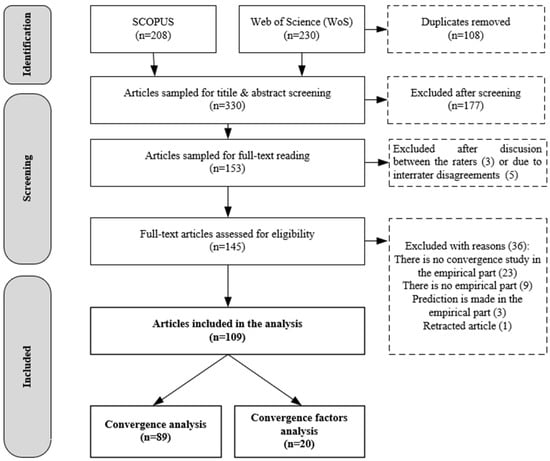
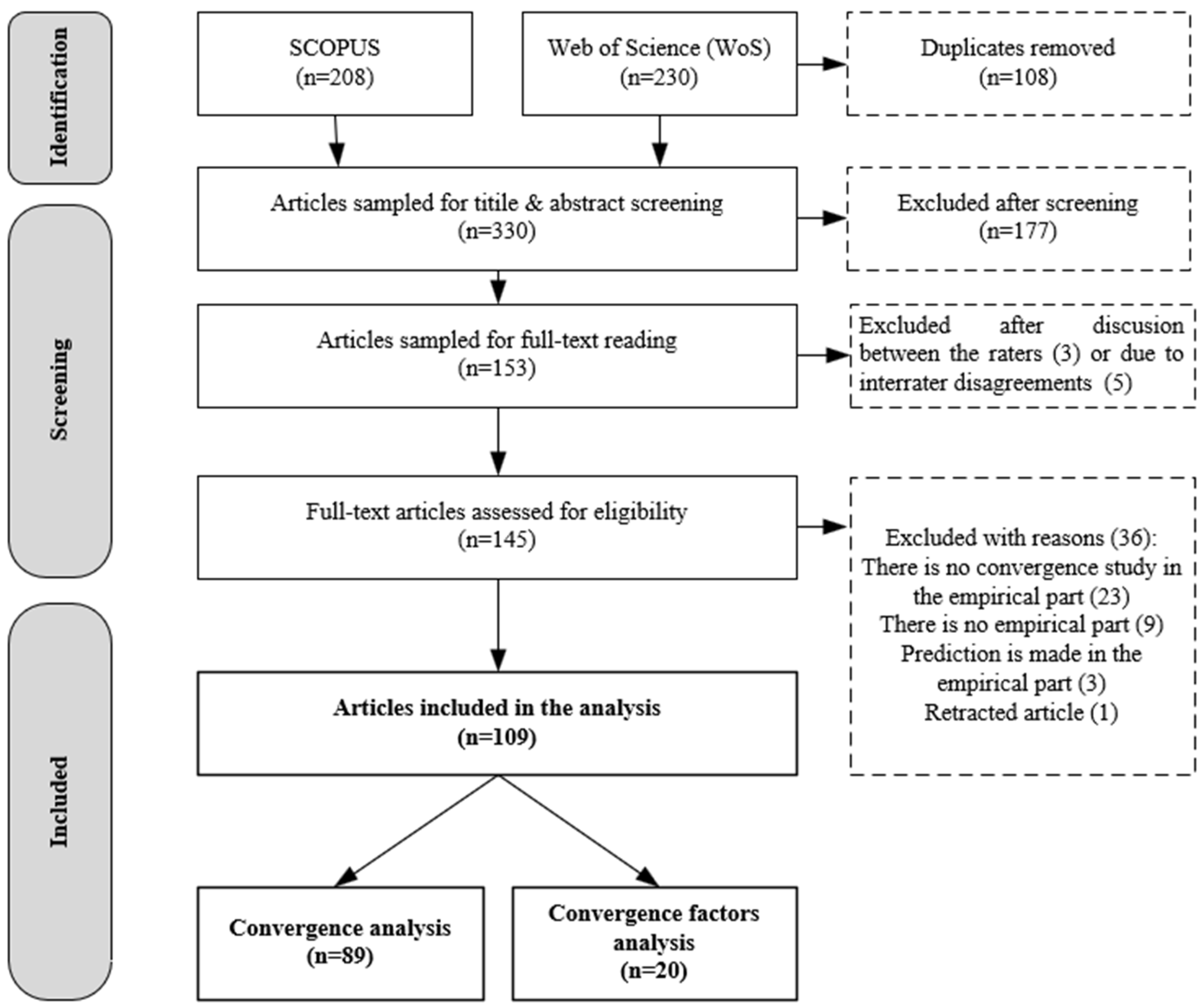
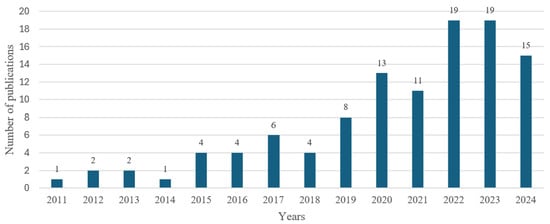
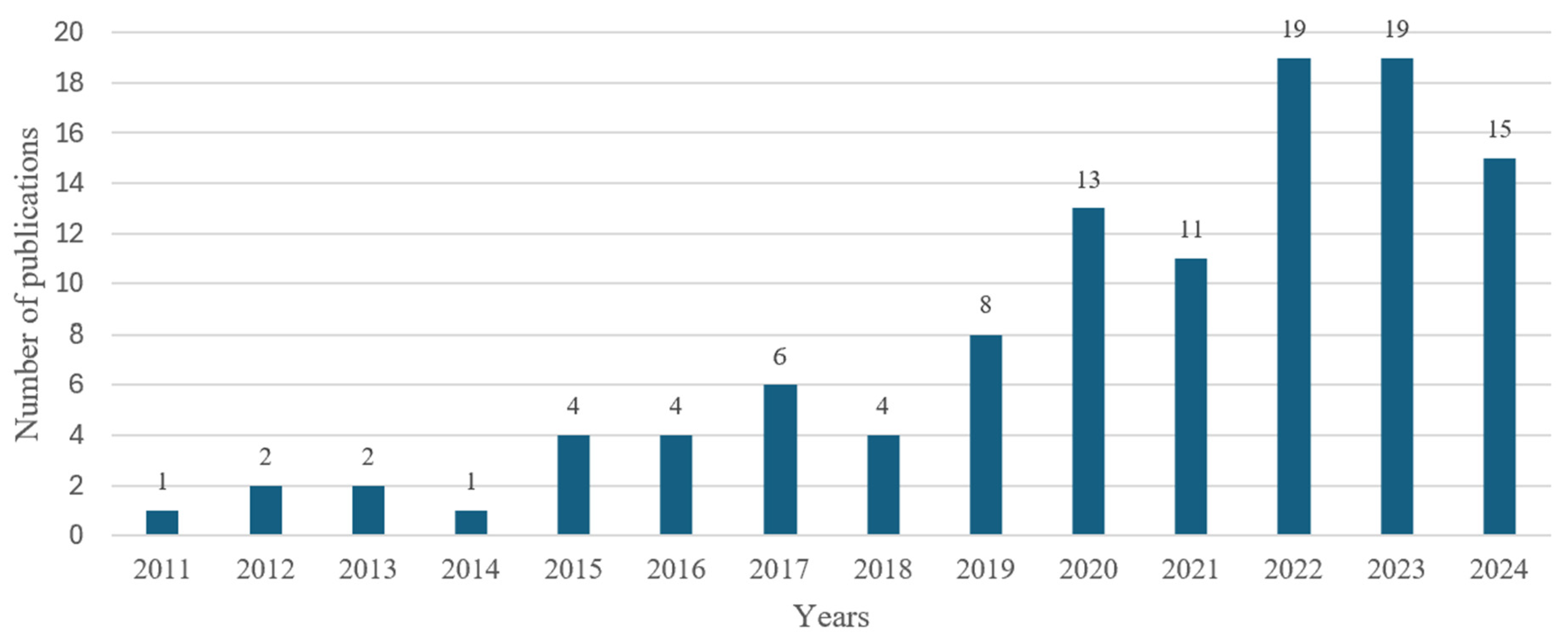
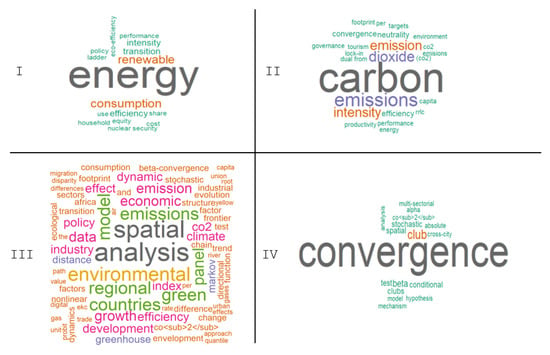
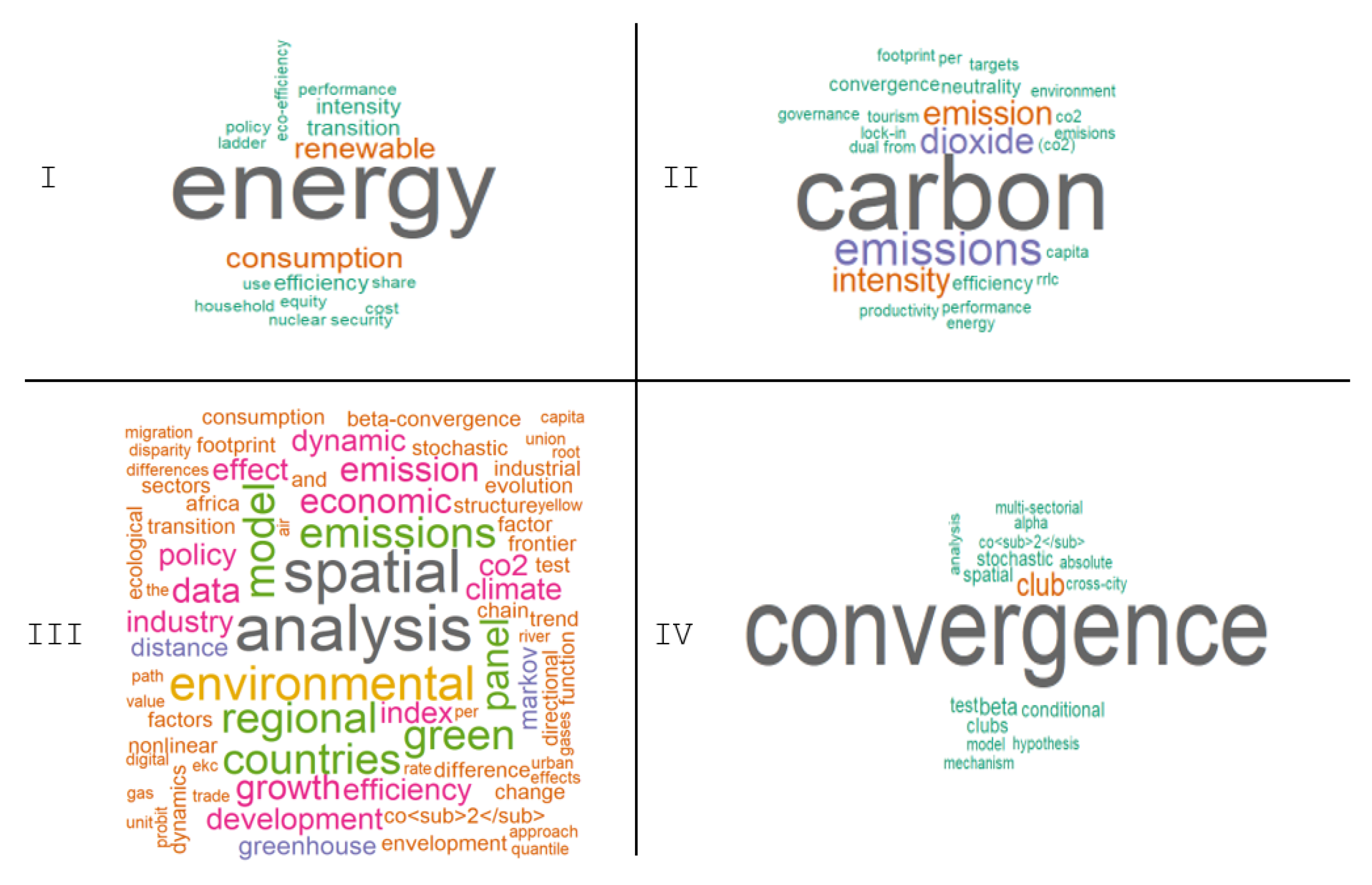
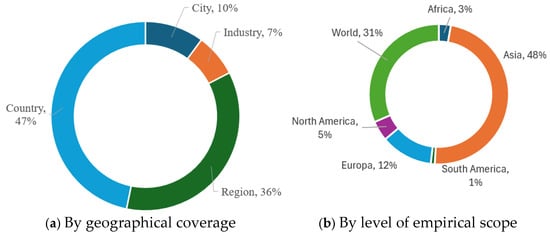
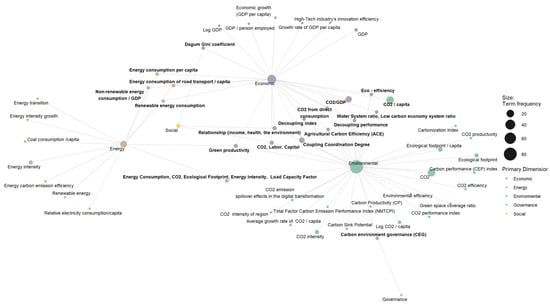
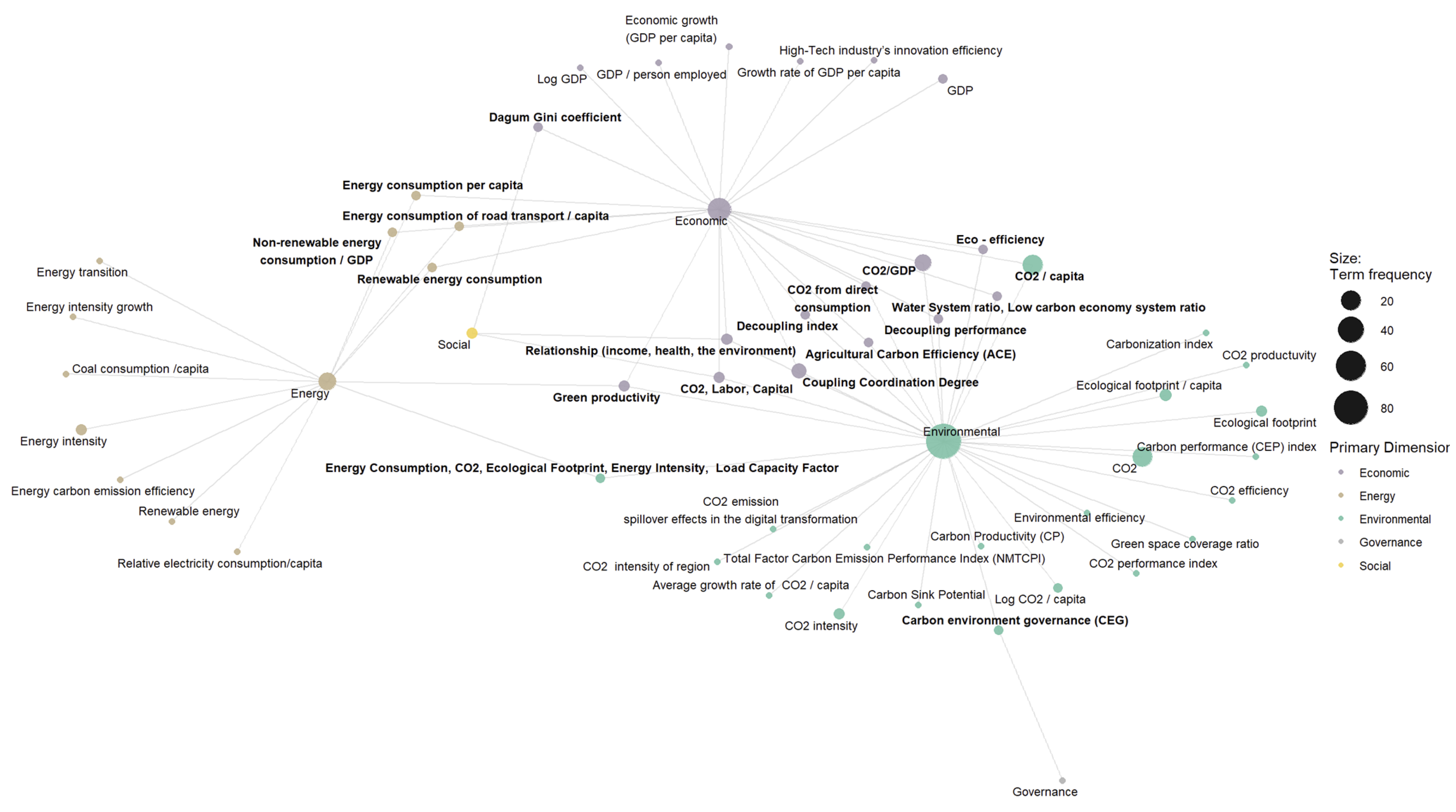
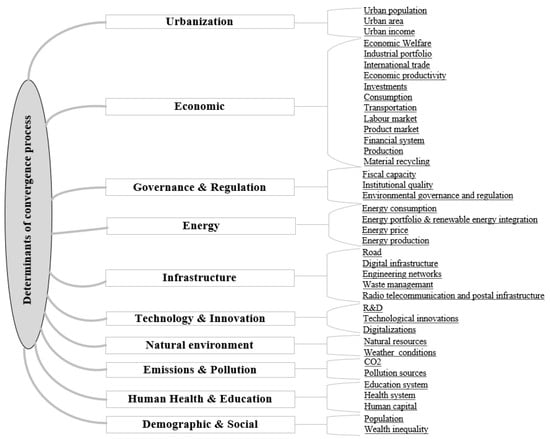
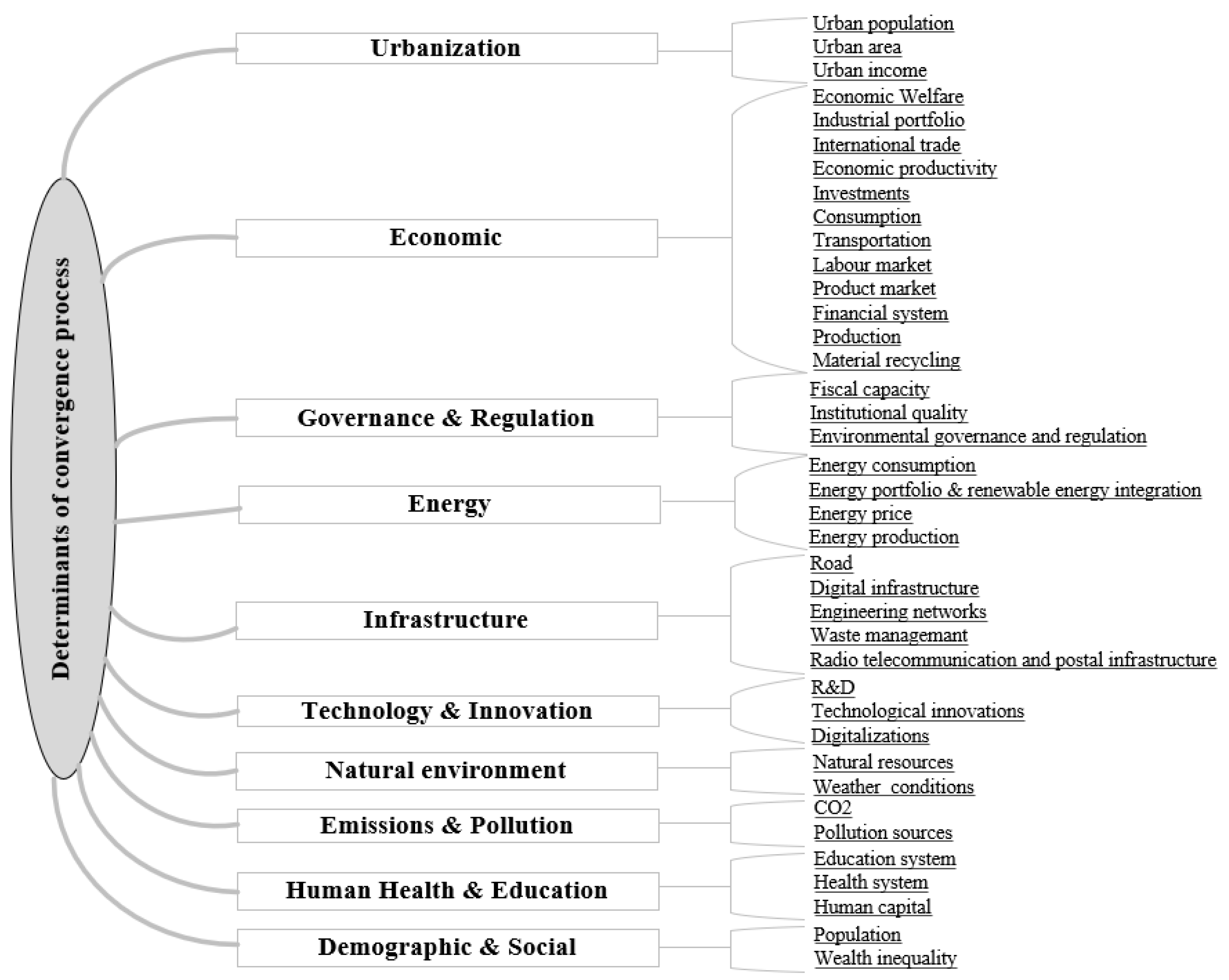
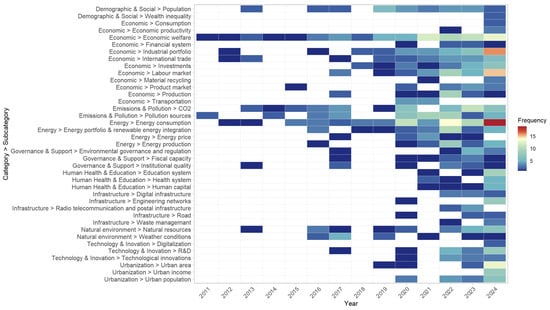
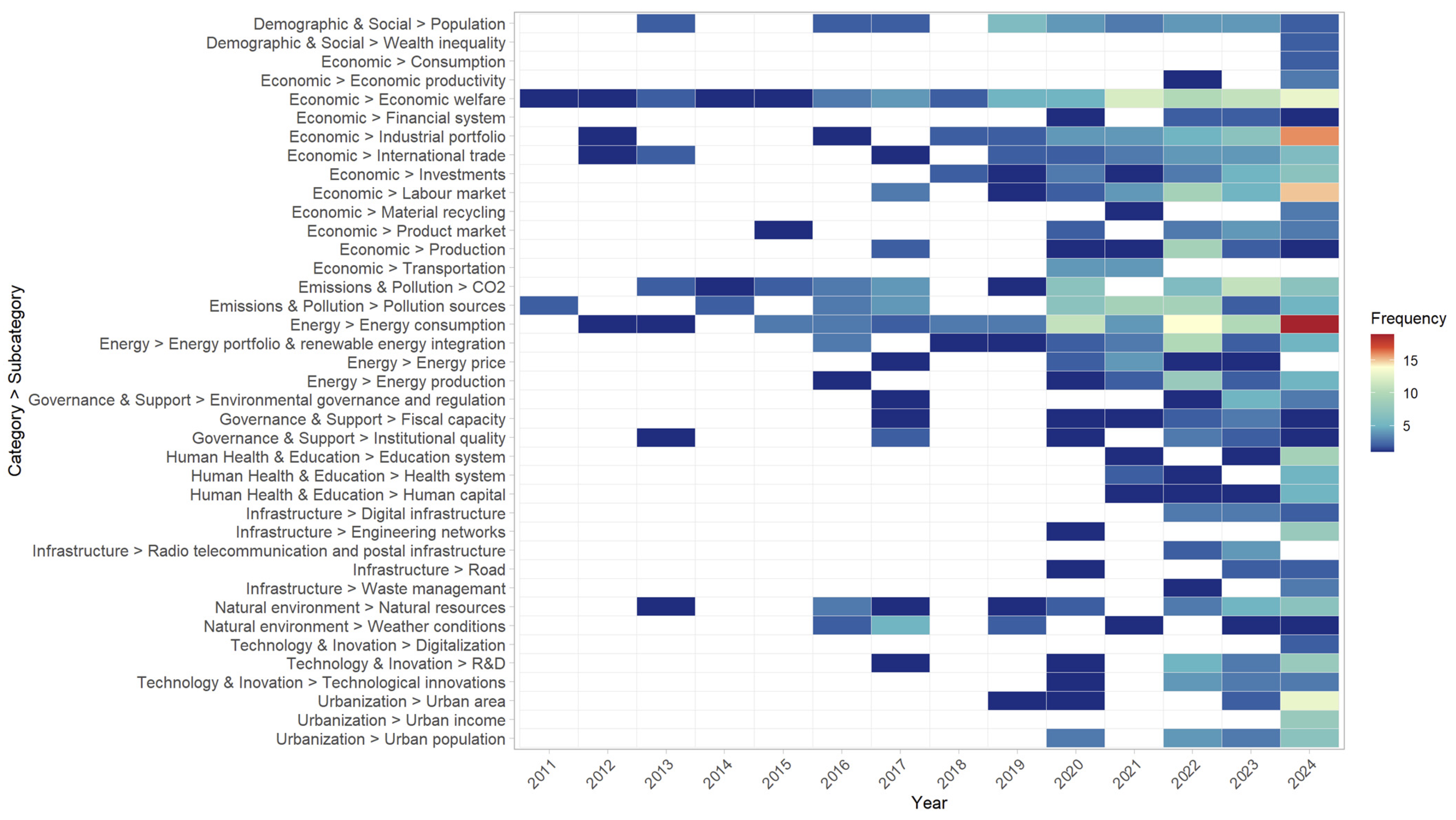
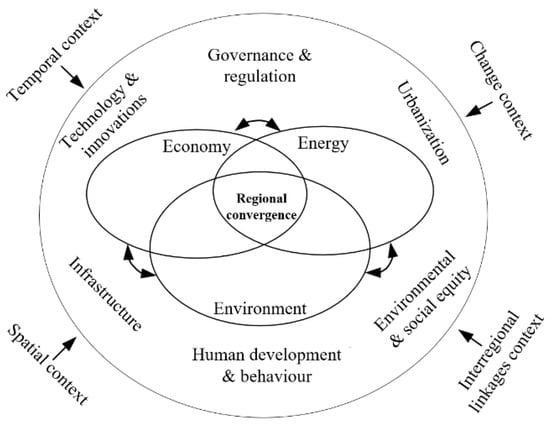
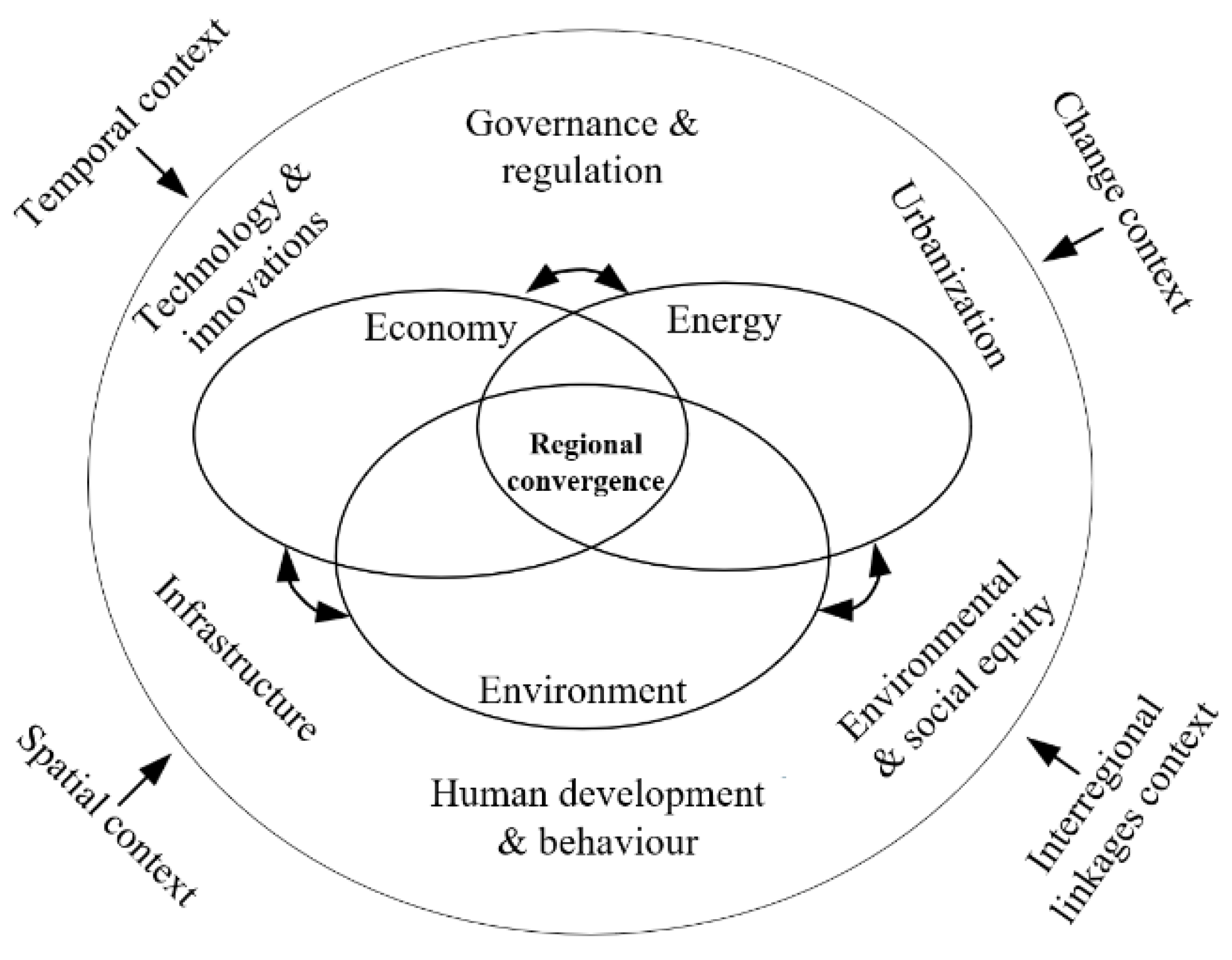

Disclaimer/Publisher’s Note: The statements, opinions and data contained in all publications are solely those of the individual author(s) and contributor(s) and not of MDPI and/or the editor(s). MDPI and/or the editor(s) disclaim responsibility for any injury to people or property resulting from any ideas, methods, instructions or products referred to in the content. |
© 2026 by the authors. Licensee MDPI, Basel, Switzerland. This article is an open access article distributed under the terms and conditions of the Creative Commons Attribution (CC BY) license.