


Abstract
This study addresses the challenges associated with deep-well drilling mud cuttings, including large waste volumes, high transportation costs, and complex organic pollutants. A low-cost synergistic technology was developed for the resource utilization of pyrolyzed drilling waste residue (PDWR) and the in situ remediation of oil-contaminated drill cuttings. A ternary photocatalytic system consisting of PDWR, H2O2, and oxalic acid was proposed and demonstrated to effectively degrade total petroleum hydrocarbons (TPH) in drill cuttings under solar irradiation. Systematic optimization identified optimal dosages of PDWR, H2O2, and oxalic acid as 250 mg, 280 mg, and 90 mg, respectively. The addition of oxalic acid significantly enhanced photocatalytic oxidation performance, increasing H2O2 utilization by 63.8% and improving the TPH degradation rate by a factor of 3.03. Under optimal conditions and 7 days of solar irradiation, TPH degradation efficiencies of 65.19–88.66% were achieved for initial TPH concentrations ranging from 5000 to 12,000 mg kg−1. Mechanistic analysis revealed that a Fenton-like reaction between transition metals in PDWR and H2O2 dominated the photocatalytic process, while oxalic acid facilitated metal redox cycling through coordination and electron transfer, promoting sustained generation of reactive oxygen species (·OH). This study demonstrates a feasible and sustainable approach for high-value utilization of drilling waste residue and solar-driven in situ remediation of oil-contaminated drill cuttings, highlighting its strong potential for practical application.
1. Introduction
During oil and gas exploration and development, large quantities of oil-bearing drilling waste mud and cuttings [1,2], enriched with persistent and toxic petroleum hydrocarbon pollutants [3], are generated, posing a critical environmental challenge that requires urgent remediation [4]. Conventional disposal methods, such as landfilling and solidification, carry risks of secondary pollution and fail to achieve complete contaminant removal [5]. Advanced oxidation processes (AOPs), particularly hydrogen peroxide (H2O2)-based Fenton and photo-Fenton technologies [6], have attracted considerable attention due to their ability to generate highly reactive hydroxyl radicals (·OH) [7]. Jing et al. [8] demonstrated that the incorporation of MoO2 into the Fenton system achieved a TPH degradation rate of 0.069 min−1. However, a major bottleneck limiting their practical application [9], especially for complex matrices such as drilling waste, is the low utilization efficiency of H2O2 [10]. This inefficiency is primarily associated with non-targeted H2O2 decomposition (e.g., catalytic conversion to water and oxygen) and limited ·OH generation resulting from insufficient or deactivated catalytic sites. Excessive H2O2 dosing not only increases treatment costs but may also pose environmental risks due to residual oxidant. For example, Kang et al. [11] reported an H2O2 utilization rate of only 58% in a BiVO4 photoanode system. Zhang et al. [12] observed H2O2 adsorption and activation efficiencies below 60% in metal–organic framework (MOF)-based catalysts, attributed to pore blockage or active-site burial. Similarly, in an industrial-scale application, Yu et al. [13] found that although the synthesis cost of H2O2 was reduced, localized high H2O2 concentrations within the reactor intensified side reactions, resulting in a utilization rate as low as 62%. Improving H2O2 utilization efficiency is therefore essential for enhancing the cost-effectiveness and performance of AOPs. Accordingly, the development of stable catalytic systems capable of efficient and selective H2O2 activation is crucial for advancing the engineering application of in situ photocatalytic technologies for pollutant treatment.
In recent years, the “treating-waste-with-waste” strategy has emerged as an innovative approach for developing low-cost and highly active environmental functional materials. Drill cuttings derived from waste drilling mud are not inert; they are typically enriched with transition metals such as Fe, Ti, Mn, and Cu, which can serve as potential active components in Fenton or photo-Fenton catalytic reactions [14]. However, the high-value utilization of PDWR within this framework, particularly its potential to enhance H2O2 utilization efficiency, has not yet been reported. Therefore, systematic validation and mechanistic investigation of this approach are urgently needed [15].
Pyrolyzed drilling waste residue (PDWR) is the residue of drilling solid waste after gradient heat treatment (400–1050 °C) containing approximately 5–6 wt% of transition metal oxides (e.g., Fe3+, Mn2+, Ti2+, and Zr4+), which form a complex co-doping system. Most of these transition metal oxides have been proven to have photocatalytic ability. Han et al. [16] demonstrated that Fe3+-containing MIL-88B could effectively activate H2O2 to degrade sulfamethoxazole (SMX), achieving 90% removal within 60 min under optimized conditions. Belaidi et al. [17] utilized a sludge-based material loaded with Fe2+/Mn4+ to activate H2O2, achieving complete degradation of antibiotics within 60 min. The complex co-doping system of transition metal oxides may exhibit synergistic effects in the photocatalytic activation of H2O2 for organic pollutant degradation, enabling advanced oxidation processes under light irradiation. In theory, PDWR presents significant advantages for developing environmentally friendly photocatalytic heterogeneous Fenton technology, including low cost, low energy consumption, and high efficiency—making it a promising candidate for the low-cost in situ treatment of organically contaminated drill cuttings. However, this novel high-value utilization pathway for PDWR remains unreported in existing literature and engineering practice, and its feasibility and mechanism urgently require experimental validation and systematic investigation.
Oxalic acid (OA), an efficient organic ligand, offers a promising strategy to address this challenge [18]. Under light irradiation, OA can regenerate low-valent metal ions (e.g., Fe2+ and Cu+) through a ligand-to-metal charge transfer (LMCT) mechanism. These reduced metal species act as key initiators for the homogeneous catalytic activation of H2O2, leading to the generation of ·OH [19]. This redox cycling is expected to suppress metal ion leaching and catalyst deactivation, thereby channeling H2O2 consumption more selectively toward ·OH production and fundamentally improving H2O2 utilization efficiency [20].
Based on the above analysis, this study proposes a synergistic catalytic degradation strategy aimed at cost reduction and efficiency enhancement. PDWR is directly utilized as a natural multimetal source and catalytic matrix, while oxalic acid is introduced as a complexing agent to construct an enhanced photo-Fenton-like system based on “multimetal synergy/oxalate complexation”. In this system, H2O2 serves as the oxidant and solar irradiation as the driving force, with the objective of improving H2O2 utilization efficiency during the in situ treatment of bulk solid waste. This study can be applied in real-world scenarios. The core concept is to exploit the naturally coexisting multimetal components in PDWR (e.g., Fe, Ti, Mn, and Cu) together with the complexation and photosensitization effects of oxalic acid to establish and strengthen interconnected catalytic redox cycles among metal ions, thereby significantly enhancing the effective utilization of H2O2 for the degradation of petroleum hydrocarbons inherent in drill cuttings. Through systematic evaluation of H2O2 utilization efficiency, reactive oxygen species contributions, and metal valence-state transformations, the underlying catalytic mechanisms are elucidated. This work not only provides a potentially cost-effective strategy for the harmless treatment and resource recovery of drilling waste but also offers a waste-recycling-oriented perspective and a practical technical paradigm for overcoming the pervasive limitation of low H2O2 utilization efficiency in photo-Fenton technologies under field conditions.
Notably, the photocatalytic remediation of complex environmental systems is increasingly shifting from the removal of individual pollutants toward multi-objective synergistic control. By integrating machine learning with photochemical consumption analysis and source apportionment of VOCs, Jia et al. [21] achieved multi-objective optimization for O3 and PM2.5, offering a novel perspective for understanding the reaction networks of photocatalytic materials in complex environments. At the material design level, Sun et al. [22] embedded bismuth nanodots into MXene through soft/hard interface engineering, significantly enhancing charge transfer efficiency. These studies provide valuable insights for the application and interfacial optimization of PDWR systems in complex environmental contexts—suggesting that adopting multi-objective control strategies and interface engineering approaches holds promise for further improving the photocatalytic performance of PDWR.
2. Materials and Methods
2.1. Main Reagents, Materials, and Instruments
Tetrachloroethylene was purchased from Aladdin Biochemical Technology Co., Ltd. (Shanghai, China), and oxalic acid was obtained from Macklin Biochemical Co., Ltd. (Shanghai, China). Magnesium silicate was supplied by Komeo Chemical Reagent Co., Ltd. (Tianjin, China). An infrared spectrophotometric oil content analyzer (JC-OIL-6) was obtained from Qingdao Juchuang Environmental Protection Co., Ltd. (Qingdao, China). A constant-temperature air-bath shaker was supplied by Changzhou Zhengrong Instrument Co., Ltd. (Changzhou, China). Prior to use, PDWR was ground, passed through a 180-mesh sieve, and stored in a light-proof, well-ventilated environment. Water-based drill cuttings were collected from an oil well in the Tarim Oilfield, Xinjiang Uygur Autonomous Region, China. Gas chromatography–mass spectrometry (GC-MS) analysis was performed using an Agilent 7890B gas chromatograph coupled with a 5977A mass spectrometer (Agilent Technologies, Markham, ON, Canada) equipped with a DB-5MS capillary column (30 m × 0.25 mm × 0.25 μm). The oven temperature program was as follows: initial temperature of 60 °C held for 1 min, increased at 5 °C/min to 310 °C, and held for 10 min. Helium was used as the carrier gas.
After field collection, the samples were sealed and stored in a cool, dry environment. Prior to experimentation, the drill cuttings were naturally air-dried, impurities such as stones were removed, and the material was ground and sieved to pass through a 100-mesh screen. The processed samples were then stored in a light-proof, well-ventilated environment for subsequent use. The chemical composition of PDWR was characterized by X-ray fluorescence spectroscopy (XRF) and Fourier-transform infrared spectroscopy (FTIR). Morphological changes in the drill cuttings the before and after reaction were examined using scanning electron microscopy (SEM). Variations in specific surface area were evaluated by Brunauer–Emmett–Teller (BET) analysis. Crystalline phase composition before and after the reaction was identified by X-ray diffraction (XRD). Changes in elemental valence states were analyzed using X-ray photoelectron spectroscopy (XPS). Reactive oxygen species generated in the PDWR system were identified by electron paramagnetic resonance (EPR) spectroscopy, while degradation pathways of organic components in the drill cuttings were elucidated using gas chromatography–mass spectrometry (GC-MS). The experiment was conducted from June to August 2025 in Urumqi (43.8° N, 87.6° E). Samples were placed on an outdoor platform and exposed to natural sunlight. During the irradiation period, the weather remained continuously clear and sunny. A solar radiometer (model GM1010, Guangzhou, China) measured the average daily total solar irradiance to be approximately 123.1 Lux. The actual daily exposure duration was about 10 h (from 9:00 to 19:00, Beijing Time), with total irradiation periods of 5, 7, or 8 days.
2.2. Experiments and Methods
2.2.1. Photocatalytic Performance of PDWR
A reaction mixture consisting of 3.570 g of drill cuttings (initial TPH content: 3000 mg kg−1), 1.430 g of PDWR, 40 mg of OA, and 120 mg of H2O2 was prepared in a covered Petri dish. The components were thoroughly homogenized by stirring, and the pH of the system was adjusted and maintained at 4.5–5.0. The Petri dish was sealed with a glass lid to minimize volatile losses. Photocatalytic experiments were conducted under sunlight irradiation for 8 h, during which TPH concentrations were monitored at 3 h intervals by periodic sampling and analysis. Parallel control experiments were performed under identical conditions. Sample pretreatment and TPH analysis: After reaction, the samples were air-dried and ground to a fine powder using an agate mortar. An accurately weighed portion (3.570 ± 0.001 g) was transferred to a 250 mL amber glass conical flask, followed by the addition of 20 mL of chromatographic-grade tetrachloroethylene using a volumetric pipette. The flask was immediately sealed with a PTFE-lined cap to prevent solvent evaporation and then placed in a constant-temperature air-bath shaker operated at 25.0 ± 0.5 °C and 180 rpm for 45 min. After shaking, the samples were allowed to stand undisturbed for 15 min at 22 ± 2 °C to ensure complete phase separation. The supernatant was subsequently filtered through a glass fiber filter containing magnesium silicate, and the TPH concentration in the filtrate was determined using an infrared oil content analyzer. TPH analysis was conducted in accordance with the National Environmental Protection Standard of the People’s Republic of China, Determination of Petroleum in Soil by Infrared Spectrophotometry (HJ 1051-2019) [23]. The overall data collection process and methods used in this study are shown in Figure 1. The procedure primarily comprises three phases. First, PDWR, drill cuttings, H2O2, and OA are homogenized and exposed to sunlight, with periodic supplementation of reagents. Second, TPH in the light-exposed mixture is extracted using tetrachloroethylene. Third, TPH content in the drill cutting mixture is quantified via infrared spectrophotometry, followed by comparative analysis and calculation. The TPH degradation rate (K) was calculated using Equation (1), and the detailed reaction conditions for each experimental group are summarized in Table 1.
where C0 is the initial TPH concentration (mg kg−1) and C1 is the TPH concentration after reaction (mg kg−1).
Figure 1.
Experimental flow diagram.
Table 1.
Reaction conditions for photocatalytic degradation of TPH in the PDWR system.
2.2.2. Influencing Factors on TPH Photocatalytic Degradation by the PDWR System
Covered weighing dishes were loaded with 10.0 g of waste drilling mud cuttings containing different initial TPH concentrations (2000, 5000, 7000, 9000, and 12,000 mg kg−1). Predetermined amounts of ground PDWR (0, 100, 150, 200, 250, and 300 mg), oxidant H2O2 (0, 6, 30, 50, 280, and 400 mg), and complexing agent OA (0, 10, 30, 50, 70, and 90 mg) were added to the samples. After thorough homogenization, the mixtures were exposed to natural sunlight and manually stirred every two hours to ensure uniform reaction. By systematically varying the dosages of PDWR, H2O2, and OA, the effects of individual factors on TPH degradation by the PDWR-based system were evaluated. Based on preliminary experiments, sunlight irradiation for 7–8 days was found capable of degrading most of the high-concentration total petroleum hydrocarbons (TPH) to levels compliant with the Technical Specification for Pollution Control of Solid Waste from Petroleum and Natural Gas Extraction (Trial) (HJ 1461—2026) [24], which stipulates a TPH limit of <4500 mg/kg. Therefore, the reaction time in this study was set to 5, 7, or 8 days. The TPH content in the drill cuttings was measured at regular intervals, and the concentration at each time point was compared with the initial concentration. Since the duration of sunlight irradiation is influenced by diurnal cycles and weather conditions, the degradation efficiency of this system is subject to fluctuation. The irradiation periods selected in this study, such as 7 days, may vary due to external factors, including day-night cycles, weather, and light intensity. In cases of prolonged overcast conditions or excessively high initial TPH concentrations in the contaminants, the irradiation duration may be extended appropriately. The reaction duration ranged from 1 to 8 days, during which TPH concentrations in the drill cuttings were measured at regular intervals and compared with the initial values. To further elucidate the role of PDWR as a heterogeneous Fenton-like catalyst in H2O2 activation for TPH degradation, an orthogonal experimental design was employed to determine the optimal reagent dosages.
2.2.3. Active Species Identification and Photocatalytic Mechanism Investigation
To identify the active radical species in the PDWR-water system, 10.000 ± 0.005 g of drill cuttings was added to a series of reaction mixtures containing 250 mg PDWR, 280 mg H2O2, and 90 mg OA. After thorough homogenization, the mixtures were transferred to covered weighing dishes and exposed to natural sunlight. Excess amounts of furfuryl alcohol, p-benzoquinone, and tert-butanol were separately added to different reaction systems to conduct radical scavenging experiments. Changes in sample composition before and after photoreaction were analyzed by XRD and GC-MS to elucidate the TPH degradation mechanism. To further clarify the hydroxyl radical (·OH) generation pathways, surface fluorination using NaF was employed to systematically evaluate the relative contributions of LMCT and photo-Fenton reactions in the PDWR-H2O2-OA system. As PDWR would not be readily separated from drill cuttings after reaction, representative reaction products were selected and analyzed to investigate material transformation pathways in the PDWR–drill cuttings system.
2.2.4. Heavy-Metal Leaching Concentration in PDWR
To evaluate the potential risk of secondary pollution associated with PDWR in natural environments, leaching experiments were performed to quantify the release of heavy metals. Soil column tests packed with PDWR were conducted using distilled water and an H2O2-OA mixed solution as leaching agents. Leachate samples were collected at 30 min intervals, and heavy-metal concentrations were determined by inductively coupled plasma optical emission spectroscopy (ICP-OES). These experiments were designed to assess the extent of metal dissolution during PDWR application and to evaluate the associated risk of secondary ecological contamination.
2.2.5. Continuous Cycle Experiments with PDWR Catalyst
To evaluate the reusability of PDWR, the reacted mixture of PDWR and treated drill cuttings was recycled to remediate fresh drill cuttings in consecutive photocatalytic cycles. Each cycle was conducted under solar irradiation for 5 days. The initial mass of drill cuttings in each experiment was 10.000 ± 0.005 g, and the dosages of H2O2 and OA were maintained at 280 mg and 90 mg, respectively, relative to the dry mass of fresh drill cuttings. The initial TPH concentrations were set at 4000, 6000, and 7000 mg kg−1. In the first cycle (Run 1), TPH in the drill cuttings was photocatalytically degraded to below the detection limit. The reacted mixture was then directly reused as the catalyst in subsequent continuous cycles. Because PDWR and drill cuttings are difficult to separate after reaction, and because drill cuttings also serve as the precursor for PDWR, the sustained catalytic activity of the post-reaction PDWR–drill cuttings mixture was evaluated through repeated reuse experiments and characterized by XRD and SEM. Specifically, the catalyst was reused continuously for four cycles, with the PDWR–drill cuttings mixture from the previous cycle serving as the catalyst for the next experiment. In each cycle, an oxidant was added to 5 g of fresh drill cuttings at its optimal dosage, followed by the introduction of the reacted PDWR–drill cuttings mixture at a 1:1 mass ratio. After 5 days of sunlight exposure, the mixture was ground and air-dried. The resulting solid, maintaining a PDWR-to-drill cuttings ratio of 1:1, was then employed as the catalyst for the subsequent cycle. This procedure was repeated for three additional cycles to assess the stability and durability of PDWR.
3. Experimental Results
3.1. Removal of TPH in Drill Cuttings by PDWR
The experimental results showed no significant difference in TPH concentration between Treatment 1 (T1) and Treatment 2 (T2) after 6 h of incubation under dark, stationary conditions. Under sunlight irradiation for 6 h, Treatment 6 (T6) exhibited only a negligible TPH reduction of 0.01%, whereas Treatment 7 (T7) showed a substantially higher decrease of 8.87% (Figure 2a). These results demonstrate that PDWR enables photocatalytic removal of TPH from drill cuttings under solar irradiation. Specifically, after 6 h of dark incubation, no discernible change in TPH concentration was observed in T1, while T2 showed a marginal decrease of 0.01%, which can be attributed solely to adsorption by PDWR, as the absence of light precluded activation of transition metals. Similarly, following 6 h of sunlight exposure, the minimal TPH reduction observed in T6 (0.01%) was also attributable to adsorption effects alone (Figure 2a). In contrast, T7 exhibited a TPH reduction of 8.87%; after correcting for the adsorption contribution of PDWR, the net photocatalytic degradation reached 8.86%. Following calibration, the degradation efficiency of T7 can be attributed exclusively to the oxidation induced by the transition metals present in the PDWR under light irradiation. This confirms that the observed degradation effect arises from the photocatalytic action of the PDWR.
Figure 2.
(a) Degradation of TPH in drill cuttings by different systems. (b) EPR spectra of the PDWR-H2O2 system. (c) XRD spectra of PDWR. (d) FTIR spectra of PDWR. Significance level: 0.05 (the letters in figure indicate significant differences).
The chemical composition of PDWR determined by X-ray fluorescence spectroscopy (XRF) is summarized in Table 2. The results show that PDWR is primarily composed of oxides of Si, Al, Ca, and other major elements, accounting for a total mass fraction of 64.38%. In addition, PDWR contains various transition metal oxides, including Fe (5.490%), Ti (0.320%), Mn (0.110%), Zr (0.020%), W (0.005%), Cu (0.006%), and Co (0.001%), with a combined mass fraction of approximately 6%. Trace amounts of Cl (0.990%) and P (0.075%) were also detected. These transition metals are likely to form doped or composite photocatalysts during high-temperature calcination, thereby enhancing the degradation of organic pollutants. Previous studies support this inference; Liu et al. [25] reported that co-doping Ti, Cu, and Zr at 1050 °C produced composite materials with enhanced electrochemical and photocatalytic properties. Stathi et al. [26] demonstrated that W-BiVO4/Zr-BiVO4 composite catalysts prepared by flame spray pyrolysis exhibited excellent photocatalytic performance. Moreover, the presence of major elements such as Si, Al, and Ca can promote the dispersion of active metal species, reducing particle agglomeration during pyrolysis and favoring photocatalytic activity compared with catalysts derived from pure substances [27]. Similar dispersion-enhancing effects of Si/Al matrices on Cu species have been reported for Cu-loaded ZSM-5 catalysts. Collectively, these findings suggest that PDWR can form well-dispersed, multimetal-doped photocatalytic composites during high-temperature pyrolysis, contributing to its photocatalytic activity.
Table 2.
The main chemical components of PDWR.
Electron paramagnetic resonance (EPR) analysis of PDWR detected only ·OH radicals, while neither singlet oxygen (1O2) nor superoxide radicals (O2·−) were observed (Figure 2b) [28]. The XRD pattern of PDWR closely matches the standard diffraction pattern of α-FeOOH (JCPDS No. 29-0713) (The features peaks coinciding are within the frame), with several overlapping characteristic peaks, indicating the presence of trace amounts of goethite (FeOOH) in PDWR [29] (Figure 2c). FTIR spectra further confirmed the existence of FeOOH, with stretching vibrations at 791.56 cm−1 and 894.07 cm−1 corresponding to Fe-O-H bonds (Figure 2d). The Fe-O stretching vibration in goethite is often masked by the bending vibrations of surface hydroxyl groups [30]; however, a distinct band at 609.48 cm−1 characteristic of the Fe-O bond was also observed in PDWR. Stephan Kaufhold et al. [30] reported O-H bending vibrations of goethite at approximately 792 cm−1 and 897 cm−1 and noted that Al substitution within the goethite lattice shifts the Fe-O stretching vibration to lower wavenumbers (~600 cm−1). Under moist and illuminated conditions, surface hydroxyl groups on FeOOH in PDWR undergo photolysis via an LMCT process. During this process, electrons are transferred from surface hydroxyl groups to Fe3+, reducing Fe3+ to Fe2+ and oxidizing OH− to ·OH [31]. The generated hydroxyl radicals subsequently participate in the oxidative degradation of TPH in drill cuttings.
3.2. Catalytic Activation of H2O2 by PDWR for Degradation of TPH in Drill Cuttings
Significant differences in TPH removal efficiencies were observed among the various treatments. After 6 h of static incubation under dark conditions, TPH concentrations decreased by 3.86% in both Treatment 3 (T3) and Treatment 4 (T4) (Figure 2a). Following 6 h of sunlight irradiation, TPH concentrations in drill cuttings decreased by 16.33% in Treatment 8 (T8) (this effect can be attributed to the oxidizing action of H2O2) and by 26.45% in Treatment 9 (T9, Figure 2a). The removal observed in T8 can be attributed to the direct oxidative action of H2O2. As the TPH removal in T2 was mainly due to adsorption by mineral components in the drill cuttings, this contribution was subtracted to correct the photocatalytic degradation efficiency. After correction, the net photocatalytic degradation rate in T9 was calculated to be 26.44%, which is 1.62 times higher than that achieved in T8. These results clearly demonstrate that PDWR effectively catalyzed H2O2 activation. Moreover, the enhanced degradation efficiency in T9 can be attributed to the synergistic interaction between the photocatalytic activity of PDWR and the photo-Fenton reaction within the system.
Using 5,5-dimethyl-1-pyrroline N-oxide (DMPO) as a free radical trapping agent, characteristic ·OH signals were detected in the EPR spectra of both T8 and T9 under sunlight irradiation (Figure 2b). The Fe2O3 and FeOOH species present in PDWR can form a Fenton-like reaction system, generating ·OH in an aqueous environment under light irradiation [32] [Equations (2)–(4)].
The catalytic activation of H2O2 by PDWR alone was limited. Therefore, this capability was further enhanced by introducing OA [33], a widely used chelating agent in Fenton-based reactions.
3.3. Effect of OA on the TPH Catalytic Degradation by the PDWR-H2O2 System
Significant differences in TPH degradation efficiencies were observed among the various treatments (Figure 3a). After 12 h of incubation under dark and stationary conditions, the TPH concentration in T5 decreased by 6.10%, primarily due to mineral adsorption, with a minor contribution from dark Fenton reactions within the system. This phenomenon can be attributed to the combined effects of the dark Fenton reaction within the system and the adsorption capacity of the PDWR. In contrast, after 12 h of sunlight irradiation, the TPH concentration in Treatment 10 (T10) decreased sharply by 80.13%, corresponding to a degradation rate 3.03 times higher than that observed in T9 (Figure 3a). After subtracting the contribution of PDWR adsorption, the net photocatalytic degradation efficiency of TPH in T10 reached 80.12%, which was 4.97 times higher than that achieved in T8. This result indicates a 4.97-fold enhancement in effective H2O2 utilization under sunlight irradiation when using the PDWR-H2O2-OA system. The markedly improved degradation performance can be attributed to the synergistic interaction between the intrinsic photocatalytic activity of PDWR and the photo-Fenton process promoted by oxalic acid.
Figure 3.
(a) TPH photocatalytic degradation. (b) EPR spectra of the PDWR-H2O2-OA system. (c) Free radical quenching experiment of the PDWR-H2O2-OA system. (d) NaF quenching experiment. (e,f) NaF control experiment. Significance level: 0.05 (the letters in figure indicate significant differences).
EPR analysis revealed distinct ·OH radical and CO2·− signals in T10 when DMPO was used as the spin-trapping agent (Figure 3b). Radical quenching experiments further demonstrated that the addition of tert-butanol resulted in a 3.90% decrease in the TPH degradation rate, and the addition of carbon tetrachloride resulted in a 26.97% decrease in the TPH degradation compared with the scavenger-free control after 6 h of sunlight irradiation. In contrast, the addition of p-benzoquinone or furfuryl alcohol produced no discernible change in TPH removal, with all treatments exhibiting identical degradation efficiencies of 31.01% (Figure 3c). These results indicate that ·OH is the dominant reactive species responsible for TPH degradation in the PDWR-H2O2-OA system. Based on the quenching data, the contribution of ·OH was calculated to be 87.42%, and the contribution of CO2·− was calculated to be 12.58%. OA exhibits strong coordination capability and readily adsorbs onto metal-based photocatalyst surfaces to form metal–organic complexes [34], thereby facilitating LMCT and promoting reduction reactions [35]. Through this process, Fe3+ is reduced to Fe2+, sustaining the Fe3+/Fe2+ redox cycle and enabling continuous ·OH generation in the Fenton system for organic pollutant degradation (Equations (5) and (6)) [36,37]. In addition, ferric oxalate complexes can accelerate H2O2 decomposition, significantly enhancing ·OH production [38], which is consistent with the findings reported by Zhang et al. [33]. Collectively, these results confirm the strong catalytic activation of H2O2 by PDWR and demonstrate that hydroxyl radicals dominate the solar-driven photocatalytic degradation of TPH in drill cuttings.
In the PDWR-H2O2-OA system, ·OH is generated through the combined action of LMCT and the photo-Fenton process. To quantitatively distinguish the relative contributions of these two pathways, selective quenching experiments were conducted. NaF was employed as a surface fluorinating agent because it can replace -OH groups on metal hydroxides, thereby effectively suppressing the LMCT process. The experimental results showed that the addition of NaF reduced ·OH generation by 15.54% in the PDWR-H2O2 system, whereas a smaller decrease of 8.37% was observed in the PDWR-H2O2-OA system. Quantitative analysis based on ·OH quenching indicated that TPH degradation was predominantly mediated by ·OH, with an overall contribution of approximately 87.42% (Figure 3d). Further pathway analysis revealed that, in the PDWR-H2O2 system, the LMCT mechanism accounted for 13.59% of total ·OH production, while the photo-Fenton pathway contributed 86.41%. In contrast, in the presence of OA, the contribution of the LMCT pathway decreased to 7.26%, whereas the photo-Fenton contribution increased to 92.74%.
To exclude the possibility that NaF exerts inhibitory effects on the PDWR-H2O2-OA system, control experiments were conducted in this study to investigate whether NaF influences PDWR adsorption, H2O2 decomposition, ionic strength, and pH of the system. Under dark conditions, comparison of TPH degradation rates with and without the addition of NaF revealed that NaF does not alter the adsorption behavior of PDWR (Figure 3e). Under simulated sunlight irradiation and in the absence of PDWR, the TPH levels in systems with H2O2 alone and with H2O2 plus NaF were monitored. The results indicate that the addition of NaF did not alter the decomposition of H2O2 (Figure 3e). Under sunlight irradiation and in the absence of PDWR, the TPH levels in systems with H2O2 alone and with H2O2 plus NaF were monitored. The results indicate that the addition of NaF did not alter the decomposition of H2O2 (Figure 3e). An experiment with an inert salt (NaCl) was conducted, with its ionic strength matched to that of the NaF-containing group. The results indicate that the addition of NaF did not alter the ionic strength of the system (Figure 3f). Comparison of the system pH before and after the addition of NaF revealed that NaF likewise did not alter the pH, which remained constant at 4.5 ± 0.1. Collectively, the above control experiments demonstrate that the addition of NaF does not affect the photocatalytic degradation performance of the system for TPH.
3.4. Influencing Factors on TPH Degradation by the PDWR System
3.4.1. OA Dosage
The results demonstrated a positive correlation between TPH removal efficiency and OA dosage during the initial 1–4 days of sunlight irradiation. In the absence of OA (0 mg), TPH degradation was significantly lower than in treatments containing 10–90 mg OA. For an initial TPH concentration of 7000 mg kg−1, the addition of 10 mg OA combined with 8 days of sunlight irradiation resulted in a TPH removal efficiency of 95.00% (Figure 4). Without OA, the reaction system lacked sufficient electron donors and stable metal complexes to sustain the Fe3+/Fe2+ redox cycle, leading to inefficient H2O2 utilization and consequently reduced TPH degradation. Statistically significant differences (p < 0.05) in photocatalytic TPH degradation rates were observed among treatments with different OA dosages during the first 4 days of irradiation, indicating that OA concentration strongly influenced reaction performance in the early stages. However, after 5 days of sunlight exposure, the differences among treatment groups gradually diminished. After 8 days, OA dosage in the range of 10–90 mg no longer had a significant effect (p > 0.05) on TPH degradation efficiency. This behavior represents a distinct advantage for the proposed in situ solid waste treatment strategy, as effective remediation can be achieved with minimal OA input, thereby reducing operational costs and potential environmental risks [39].
Figure 4.
Effects of OA dosage on TPH degradation rates.
3.4.2. H2O2 Dosage
H2O2 is a critical parameter governing heterogeneous Fenton reactions, and both excessive and insufficient dosages can adversely affect reaction performance. Excess H2O2 acts as a scavenger of ·OH radicals, thereby reducing the effective degradation rate of TPH in drill cuttings, whereas insufficient H2O2 limits ·OH generation and consequently slows the degradation process [40].
The experimental results showed that, for an initial TPH concentration of 7000 mg kg−1, the photocatalytic degradation efficiencies after 1 day of sunlight irradiation were 1.53% and 23.48% at H2O2 dosages of 0 mg and 280 mg, respectively (Figure 5). Within the H2O2 dosage range of 0–280 mg, a positive correlation was observed between oxidant dosage and TPH degradation rate. This enhancement can be attributed, in part, to the formation of oxalate-Fe3+ complexes between OA and Fe3+ species in PDWR. Upon light irradiation, these complexes undergo photolysis to generate CO2·− radicals, which can initiate β-scission of short-chain alkanes, yielding low-molecular-weight carboxylic acids and thereby reducing TPH concentrations [41]. When the H2O2 dosage exceeded 280 mg, the TPH degradation rate declined (Figure 5), indicating inhibitory effects at excessive oxidant concentrations, likely due to ·OH scavenging. Accordingly, the optimal H2O2 dosage under the present experimental conditions was determined to be 280 mg. Under optimal conditions (250 mg PDWR, 90 mg OA, and 280 mg H2O2), a TPH degradation efficiency of 62.85% was achieved after 5 days of sunlight irradiation.
Figure 5.
Effects of H2O2 dosage on TPH degradation rates.
The influence of H2O2 dosage on TPH degradation can be attributed to variations in ·OH availability. At low H2O2 concentrations, insufficient ·OH generation results in low TPH degradation efficiencies [42], whereas at higher dosages (>400 mg), enhanced ·OH self-scavenging and H2O2-mediated ·OH quenching lead to a decline in degradation performance [43]. Accordingly, an H2O2 dosage of 280 mg was identified as optimal in this study.
3.4.3. PDWR Dosage
After 5 days of sunlight irradiation, the photocatalytic degradation efficiency of TPH (initial concentration: 7000 mg kg−1) in drill cuttings increased from 6.54% to 71.50% as the PDWR dosage rose from 0 to 300 mg (Figure 6). This trend reflects the increasing number of available catalytically active sites for ·OH generation at higher PDWR loadings. After 2 days of irradiation, all PDWR-amended treatments exhibited substantial TPH reductions (41.39–68.55%), far exceeding those observed in the PDWR-free control. However, after 3 days of sunlight exposure, the influence of PDWR dosage on TPH degradation became insignificant, and this trend remained unchanged with further irradiation. At lower PDWR dosages, reduced concentrations of Fe2+/Fe3+ in the reaction system limited catalytic activity, resulting in lower degradation rates. Under the conditions of 0–300 mg PDWR, 90 mg OA, and 280 mg H2O2, short-chain hydrocarbons in the drill cuttings were nearly completely degraded, leaving primarily recalcitrant long-chain hydrocarbons (C25–C40 and >C40) [44,45]. After 3 days of irradiation, no significant differences in TPH degradation were observed between PDWR dosages of 250 mg and 300 mg. Accordingly, 250 mg was identified as the optimal PDWR dosage in this study.
Figure 6.
Effects of PDWR dosage on TPH degradation rates. Significance level: 0.05.
3.4.4. Effect of Initial TPH Concentration
The initial TPH concentration plays a critical role in determining photocatalytic degradation efficiency. As shown in Figure 6, drill cuttings with initial TPH concentrations of 5000, 7000, 9000, and 12,000 mg kg−1 were treated with 90 mg OA, 280 mg H2O2, and 250 mg PDWR under 7 days of sunlight irradiation. Under these conditions, TPH concentrations decreased by 88.66%, 78.95%, 70.42%, and 65.19%, respectively. Significant differences in photocatalytic degradation efficiencies were observed among all treatment groups (Figure 7). As the initial TPH concentration increased, the degradation efficiency of the PDWR-H2O2-OA system progressively declined. This trend is consistent with the findings of Li et al. [46], who reported decreased TPH removal efficiencies at higher initial concentrations using zero-valent, iron-activated persulfate combined with electrokinetic remediation. Notably, the present study achieved higher overall TPH degradation efficiencies while offering a broader applicability range, simpler operational requirements, and greater practical feasibility for the remediation of petroleum-contaminated drill cuttings.
Figure 7.
Effects of TPH initial concentrations on its degradation rates. Significance level: 0.05 (the letters in figure indicate significant differences).
3.4.5. Orthogonal Experiment
Within the investigated ranges, all four factors exhibited significant effects on TPH degradation (Figure 8). The optimal conditions identified through the orthogonal experimental design were consistent with the results of the single-factor experiments. For drill cuttings derived from desulfurized mud with an initial TPH concentration of 7000 mg kg−1, the optimal operating parameters for the PDWR-H2O2-OA system were determined to be 250 mg PDWR, 280 mg H2O2, and 90 mg OA.
Figure 8.
Orthogonal experimental results. * p ≤ 0.05, *** p ≤ 0.001. NS: No significant difference.
To reduce the cost of treating waste drilling cuttings using the PDWR-H2O2-OA system and enhance its degradation efficiency, this study designed an orthogonal experiment conducted under sunlight exposure over a 30-day period (Figure 9). An intermittent reagent addition strategy was employed to minimize reagent dosage and reduce overall costs. After 30 days of sunlight exposure, the PDWR-H2O2-OA system achieved a degradation efficiency of over 85.00% for total petroleum hydrocarbons (TPH) in drilling cuttings with an initial TPH concentration of 7000 mg/kg. Under the experimental conditions of 30-day sunlight irradiation, the optimal reagent dosages for the system were determined to be 150 mg PDWR, 6 mg H2O2, and 90 mg OA.
Figure 9.
Optimized orthogonal experimental results. * p ≤ 0.05, ** p ≤ 0.01, *** p ≤ 0.001. NS: No significant difference.
The conventional industrial approach for treating drilling cuttings typically involves ex situ calcination. This method not only requires substantial labor and material resources for the transportation of waste drilling cuttings but also incurs high treatment costs. The cost of treating one ton of waste drilling cuttings via ex situ calcination ranges from approximately 400 to 800 RMB. In contrast, this study proposes an in situ treatment method, which eliminates the need for labor and material resources associated with transportation. Moreover, the treatment cost per ton of waste drilling cuttings is reduced to around 60 to 80 RMB, significantly lowering overall expenses. Additionally, the treated drilling cuttings from this method result in no secondary pollution.
The sunlight employed in this study as the irradiation source renders the proposed method cost-effective, environmentally sound, and eco-friendly. Moreover, the in situ treatment of solid waste enhances processing efficiency and reduces operational time. Therefore, this study presents an approach applicable to industrial scenarios that generate substantial amounts of solid waste, such as drilling sites producing waste mud and cuttings. The method offers the advantages of high efficiency, low cost, and minimal environmental impact, while also embodying the environmentally sound principle of “treating waste with waste”.
4. Discussion
4.1. Photocatalytic Degradation Mechanism System
Surface elemental mapping analysis revealed that PDWR contains transition metals such as Ti, Mn, Fe, Cu, and Zn, which are known to possess photocatalytic activity (Figure 10c–h). These elements are uniformly dispersed across the PDWR surface, facilitated by the presence of matrix components such as Si, Al, and Ca that act as dispersing agents. SEM images of the drill cuttings prior to photocatalytic treatment show intact, dense aggregates with a block-like morphology, relatively smooth surfaces, and attached fine particles (Figure 10a). In contrast, after photocatalytic treatment, the reaction products exhibit a pronounced lamellar structure, with the original large agglomerates decomposed into finer and more uniformly distributed particles as a result of photocatalytic oxidation (Figure 10b). This structural evolution is further supported by BET surface area analysis, which shows a marked increase in specific surface area of the drill cuttings–PDWR mixture after photocatalytic treatment (Table 3). The observed morphological reconstruction can be attributed to surface reorganization induced by the photocatalytic reaction. In the PDWR-H2O2-OA system, oxalate species are oxidized to generate CO2, which subsequently hydrolyzes and reacts with metal ions to form carbonate species, promoting the development of lamellar surface structures. Simultaneously, ·OH attacks the internal lattice of large metal oxide particles, preferentially dissolving edge hydroxyl groups and defect sites. This process disrupts the compact structure and induces an etching effect.
Figure 10.
(a) The SEM image of drill cuttings before reaction. (b) The SEM image of the drill cuttings-PDWR mixture after reaction. (c–g) The Ti, Mn, Fe, Cu, and Zn elemental mapping scan image of PDWR. (h) Mapping of PDWR.
Table 3.
Specific surface area and pore size of solids before and after photocatalytic reactions.
BET analysis revealed that the specific surface area of the solid mixture after photocatalytic degradation (9.418 m2 g−1) was significantly higher than that of pristine PDWR (2.778 m2 g−1), untreated drill cuttings (8.863 m2 g−1), and the PDWR–drill cuttings mixture prior to photocatalytic treatment (4.794 m2 g−1) (Table 3). In contrast, the average pore size of the mixture after photocatalytic degradation (19.710 nm) was slightly smaller than that before treatment (20.174 nm). These changes in textural properties indicate that the photocatalytic process directly altered both PDWR and drill cuttings, consistent with previous observations reported by He et al. [47]. The increased specific surface area and pore volume enhance the adsorption capacity of the catalyst and facilitate greater exposure of drill cutting surfaces to ·OH. This synergistic effect promotes more thorough and efficient TPH degradation in heterogeneous solid systems. Moreover, these structural characterizations demonstrate that the PDWR–drill cuttings composite can withstand radical-rich reaction conditions while maintaining sustained structural integrity and operational stability.
4.2. Variations in Metal Oxides in PDWR and Drill Cuttings
XPS analysis of the PDWR material confirmed the coexistence of Fe3+ and Fe2+ species in both Sample 1 and Sample 2 (Figure 11a,b). For Sample 1, the Fe3+ characteristic peaks were observed at binding energies of 711.02 eV (Fe 2p3/2) and 724.34 eV (Fe 2p1/2), while Fe2+ peaks appeared at 709.97 eV and 723.04 eV, respectively. Similarly, Sample 2 exhibited Fe3+ peaks at 711.08 eV and 752.62 eV, along with Fe2+ peaks at 709.68 eV and 723.08 eV. These binding energies are consistent with the Fe 2p3/2 and Fe 2p1/2 orbital assignments. Hou et al. [48] reported that the characteristic binding energies of FeOOH occur at approximately 711 eV and 724.9 eV, with Fe2+ species distributed both within the goethite lattice and on the surface. In addition, Zhang et al. [49] demonstrated that in MIL-53 (Fe2+/Fe3+), the Fe2+ 2p3/2 and 2p1/2 peaks are located at approximately 710.5 eV and 723.3 eV, respectively. Compared with these references, slight redshifts and blueshifts in the Fe2+ and Fe3+ binding energies were observed in PDWR, which can be attributed to the incorporation of other transition metals such as Ti and Zn into the lattice structure. Such multimetal doping modifies the local electronic environment of iron species, thereby influencing their binding energies.
Figure 11.
Analysis of XPS spectra for PDWR (a) before action and (b) after action.
4.3. Heavy-Metal Leaching Concentration in PDWR
To assess the potential risk of secondary contamination associated with PDWR application in natural environments, the leaching behavior of heavy metals contained in the material was systematically investigated. Leaching experiments were conducted using deionized water and an H2O2-OA mixed solution as extraction agents, and the resulting leachates were analyzed by inductively coupled plasma optical emission spectrometry (ICP-OES) (Figure 12a,b). When deionized water was used, the concentrations of Fe, Mn, and Ti in the leachate initially increased and subsequently decreased over time, with maximum concentrations of 0.593 mg/L, 0.026 mg/L, and 0.028 mg/L, respectively. In contrast, the Cu2+ concentration remained relatively constant throughout the leaching period, ranging from 0.002 to 0.003 mg/L. Under H2O2-OA leaching conditions, Fe, Mn, and Ti exhibited a similar temporal trend, reaching peak concentrations of 0.965 mg/L, 0.126 mg/L, and 0.064 mg/L, respectively. Notably, the Cu2+ concentration decreased continuously from an initial value of 0.021 mg/L and stabilized at approximately 0.002 mg/L. The leaching concentrations of heavy metals from PDWR were significantly lower than the corresponding limits stipulated in China’s “Identification Standards for Hazardous Wastes—Identification for Extraction Toxicity” (GB 5085.3-2007) [50] (Zn: 100 mg/L, Ti: 0.1mg/L), demonstrating that its leaching toxicity does not meet the criteria for classification as hazardous waste. Meanwhile, the leaching concentrations of heavy metals in the PDWR were below the limits specified in the “Standard for Groundwater Quality” (GB/T 14848–2017) [51] (Fe: 2 mg/L, Mn: 1.5 mg/L), thereby indicating that the leachate poses no environmental risk. Under both leaching scenarios, the concentrations of released metal ions (Fe, Cu, Ti, and Mn) remained within environmentally acceptable limits, suggesting that the application of PDWR does not pose a significant risk of secondary heavy-metal contamination.
Figure 12.
Heavy-metal concentration in the PDWR leachate. (a) The leaching solution employed was deionized H2O. (b) The leaching solution employed was deionized H2O + H2O2 + OA.
4.4. Characterization of the Optical Properties of PDWR
The UV-Vis diffuse reflectance spectra (DRS) of the metal oxide powder (PDWR) are presented in Figure 13a–c. The reflectance exhibits a monotonic increase over the wavelength range of 200–800 nm, rising from approximately 5% at 200 nm to about 40% at 800 nm. This behavior indicates low reflectance and strong light interaction in the UV region, followed by gradually enhanced reflectance toward the visible region. Correspondingly, the absorption spectrum displays an inverse trend, with absorption decreasing monotonically from approximately 1.2 at 200 nm to about 0.3 at 800 nm, confirming substantial light absorption, particularly in the UV and partial visible regions. The optical band gap (Eg) of PDWR was estimated from the Tauc plot using the Tauc equation (αhν)1/n = A(hν − Eg), where n = 2 was adopted, assuming PDWR behaves as an indirect band gap semiconductor. Based on the analysis, the band gap energy of PDWR was determined to be 2.78 eV. The broad absorption extending from the UV into the visible region, together with the moderate band gap value, demonstrates that PDWR can effectively interact with solar radiation. These optical characteristics support its capability to function as a sunlight-responsive photocatalyst in the degradation of petroleum hydrocarbons.
Figure 13.
The optical properties of PDWR. (a–c) UV-Vis diffuse reflectance spectroscopy and corresponding Tauc plot for band gap analysis. (d) The Mott–Schottky curve of PDWR. (e,f) Photoluminescence (PL) spectrum.
The Mott–Schottky plots of PDWR exhibit both positive and negative slopes, indicating that PDWR is a composite semiconductor containing both n-type and p-type components (Figure 13d). This behavior confirms the complex electronic structure of PDWR, which arises from the incorporation of multiple photoactive metal species. Referenced to the Ag/AgCl electrode, the flat-band potentials (EFB) of PDWR were determined to be −0.6 V, −0.65 V, and −0.45 V. For n-type semiconductors, the conduction band (CB) potential is typically approximated as EFB minus 0.2 V [52], yielding CB positions of approximately −0.85 V and −0.65 V. In contrast, for p-type semiconductors, the CB potential can be estimated as EFB plus 0.2 V, resulting in a CB position of approximately −0.4 V. Based on the experimentally determined optical band gap (2.78 eV), the corresponding VB positions were calculated to be 1.93 V, 2.13 V, and 2.38 V, respectively. These VB positions are notably higher than those reported for several synthetic photocatalysts. For example, 5% A-Bi2WO6 (5% A-BW) microspheres synthesized by Qin et al. [52] via a 24 h hydrothermal reaction at 120 °C exhibited VB potentials of only 2.00 eV and 1.60 V. Pang et al. [53] reported a CB potential of 1.61 V for sulfur vacancy-introduced CdS (Vs-CdS). By comparison, the broader and more positive VB positions of PDWR indicate a stronger hole-driven oxidation capability. Furthermore, the CB potentials associated with the Fe3+/Fe2+ redox couple were calculated to be −0.178 eV for the p-type component and −0.628 eV and −0.428 eV for the n-type components. These electron energy levels (−0.178 V, −0.628 V, and −0.428 V) are all higher than the redox potential of the Ti4+/Ti3+ couple (−1.49 V), with ΔE > 0, indicating that electron transfer from Ti4+ to Ti3+ is thermodynamically favorable. In contrast, the redox potential of Fe3+/Fe2+ (0.70 V) is more positive than the CB electron energies, implying that photoexcitation is required to drive electron transfer involving the Fe3+/Fe2+ redox cycle.
Steady-state photoluminescence (PL) spectra of PDWR exhibit a dominant emission peak at 485 nm and a secondary peak at 578 nm (Figure 13e,f). The primary emission at 485 nm corresponds to radiative recombination at luminescent center A, which acts as an energy donor and emits in the blue–green region. Notably, a portion of the excitation energy is not released via direct radiative recombination but is instead transferred through a non-radiative energy transfer pathway to a secondary luminescent center B, which functions as an energy acceptor and produces the yellow emission centered at 578 nm. Moreover, the absorbance exceeding unity at wavelengths below 350 nm indicates strong UV light absorption by PDWR, satisfying the energetic requirements for photoinduced electron transfer within the Fe3+/Fe2+ redox couple. When considered together with the band structure and Mott–Schottky analyses, these PL results demonstrate that the electronic structure of PDWR effectively facilitates charge separation and interfacial electron transfer between Fe3+/Fe2+ and Ti4+/Ti3+ redox pairs. This synergistic charge-transfer behavior suppresses electron–hole recombination and underpins the observed photocatalytic activity of PDWR in the degradation of petroleum hydrocarbons.
A comparison of advanced photocatalytic materials developed domestically and internationally reveals that, in recent years, research has evolved from single-component optimization to precision design across multiple scales in order to circumvent the efficiency bottlenecks of traditional photocatalysts. The core of this evolution lies in promoting photogenerated charge separation and creating abundant active sites. State-of-the-art strategies primarily encompass two major directions: microstructural engineering and atomic-scale structural regulation.
In the realm of microstructural engineering, the fabrication of pre-stretched TPU/g-C3N4 composite fiber membranes via electrospinning [54] not only substantially increases the specific surface area and reaction sites but also introduces a piezoelectric effect. This effect synergistically interacts with the photogenerated electric field, significantly accelerating the spatial separation of charges. At the atomic scale, the synthesis of isolated Pt single atoms modifying g-C3N4 within an ice-confined environment using pulsed laser technology [55] perfectly exemplifies how precise atomic-level modification can maximize atomic utilization, optimize charge carrier dynamics, and create highly active sites, thereby dramatically enhancing intrinsic activity.
These pioneering works offer profound insights for improving PDWR-based photocatalytic systems. Although the current work primarily focuses on the reutilization of solid wastes, as well as elemental doping and heterojunction construction within PDWR systems, the aforementioned strategies elucidate a clear pathway for future optimization.
4.5. Analysis of TPH Degradation Products in Drill Cuttings
At an initial TPH concentration of 12,000 mg kg−1 (T10), after 5 days of illumination, the TPH content in drill cuttings was measured before and after the reaction using an infrared oil content analyzer (Qingdao, China). The results demonstrated that the PDWR-H2O2-OA system achieved a TPH removal efficiency exceeding 85% (dropped from 12,120 mg/kg to 1812 mg/kg) (Figure 14d). The GC-MS chromatograms of organic extracts from drill cuttings before and after photocatalytic treatment are shown in Figure 14a,b. Prior to reaction, the organic extracts were dominated by n-alkanes in the C10–C24 range, all exhibiting high relative abundances. After photocatalytic treatment, only four n-alkanes (C10, C16, C17, and C24) remained detectable, and their relative abundances were substantially reduced. These results clearly demonstrate the high photocatalytic efficiency of the PDWR-H2O2-OA system toward the degradation of straight-chain alkanes in drill cuttings.
Figure 14.
GC-MS spectrum of TPH extracts from drill cuttings before (a) and after (b) reaction. (c) Content of intermediate products in drilling cuttings; (d) TPH concentration degradation diagram. Initial TPH concentration: 12,000 mg kg−1.
GC-MS analysis of the drill cuttings before and after photocatalytic treatment revealed that most n-alkanes and branched alkanes were completely degraded, with an overall removal efficiency of approximately 100% and no persistent aliphatic intermediates detected (Figure 14c). Prior to treatment, forty-three organic compounds were identified in the drill cuttings, with the composition dominated by C15–C21 n-alkanes and C24 phthalate esters. After photocatalytic degradation, only seven major intermediate products were detected, consisting primarily of C14–C19 n-alkanes and C10–C24 phthalate derivatives. Mechanistic analysis suggests that long-chain n-alkanes such as octadecane (C18H38) and heptadecane (C17H36) underwent · OH-initiated β-scission at the C1–C2 bond, yielding shorter-chain hydrocarbons such as hexadecane (C16H34). Similarly, oxidation of branched hydrocarbons (e.g., tetramethylpentadecane) by ·OH produced branched-chain fatty acids, which subsequently underwent successive α-oxidation steps, resulting in progressive chain shortening. After five α-oxidation cycles, hexadecanal was formed, which was further reduced to hexadecanol, followed by dehydration and hydrogenation to generate 3,5-dimethyldodecane. In addition to aliphatic hydrocarbons, phthalate esters also underwent oxidative transformation. A fraction of di(6-methylhept-2-yl) phthalate underwent substituent isomerization to form di(2-propylpentyl) phthalate. Another fraction experienced oxidative cleavage of one alkyl side chain, followed by transesterification, yielding 6-ethyl-3-octyl butyl phthalate. The remaining portion was subjected to free radical oxidation that removed both branched side chains; subsequent re-esterification using methyl donors present in the system led to the formation of dimethyl phthalate. Figure 14b illustrates the relative distribution of intermediate products remaining in the drill cuttings after photocatalytic treatment.
The GC-MS analysis reveals a significant reduction and eventual disappearance of the various constituent peaks in the drill cuttings after treatment, indicating that no hazardous by-products are formed upon oxidation. The decrease in overall toxicity, coupled with the complete mineralization of the compounds into CO2 and H2O, further confirms the environmental compatibility of the oxidation process. Moreover, the results show no substantial alteration in the phase composition or chemical valence states (e.g., Fe) of the cuttings before and after oxidation, demonstrating their structural stability and resistance to secondary decomposition.
4.6. Sustainable Catalytic Capacity of the PDWR
For heterogeneous solid catalysts, structural stability and long-term performance durability are critical parameters. The reusability of the PDWR–drill cuttings composite was evaluated over four consecutive photocatalytic cycles. The results demonstrate that the composite maintained good catalytic activity for TPH degradation throughout repeated use (Figure 15a–c). When the initial TPH concentrations in drill cuttings were 4000, 6000, and 7000 mg kg−1, the corresponding TPH degradation efficiencies after 5 days of sunlight irradiation in the fourth cycle were 70.51%, 67.51%, and 66.62%, respectively. Notably, after the addition of fresh drill cuttings following each photocatalytic cycle, the effective PDWR content in the reaction system decreased to approximately 0.625%. Despite this low catalyst fraction, the system retained substantial photocatalytic activity. This sustained performance can be attributed to the photocatalytic reaction-induced increase in specific surface area, micropore volume, and average pore size of the PDWR–drill cuttings composite, which collectively enhanced the availability of active sites during successive reuse cycles. These results indicate that the PDWR–drill cuttings mixture can be continuously recycled and effectively applied for the photocatalytic degradation of TPH in drill cuttings. Figure 15b presents the relative distribution of intermediate products remaining in the drill cuttings after photocatalytic treatment.
Figure 15.
PDWR continuous catalysis experiment under optimal conditions. (a) TPH = 4000 mg·kg−1, (b) TPH = 6000 mg·kg−1, (c) TPH = 7000 mg·kg−1. Significance level: 0.05.
While the apparent stability of PDWR is theoretically governed primarily by the progressive depletion of surface active sites, in the present experiment, it is jointly influenced by the gradual dissipation of active sites, the dilution effect, and the buildup of inert solids. With increasing reuse cycles, the continuous accumulation of drill cuttings and their adsorbed residues in the mixture led to a gradual decrease in the effective PDWR content per unit mass of the reaction system, resulting in a dilution effect. Following a single reaction cycle, the surface active sites of PDWR may become blocked by reaction intermediates, leading to a reduction in available active sites. Consequently, the “apparent stability” observed in this study reflects the integrated outcome of the entire reaction mixture, rather than solely representing the intrinsic catalytic stability of PDWR. For a precise assessment of PDWR’s inherent stability, dedicated separation and recycling procedures for the catalyst will be implemented in future work.
4.7. Possible Reaction Mechanism of TPH Degradation by PDWR
Based on the experimental results and comprehensive characterization analysis, a plausible mechanism is proposed to elucidate the photocatalytic degradation of organic pollutants by PDWR under sunlight irradiation. During programmed thermal treatment of drilling waste cuttings at temperatures ranging from 400 to 1000 °C, the intrinsic metal-containing compounds are oxidized to their corresponding metal oxides. Assisted by the dispersive effects of aluminum (Al), silicon (Si), and calcium (Ca), these metal oxides become uniformly distributed within the PDWR matrix. Such uniform dispersion enhances the accessibility and exposure of catalytically active sites, thereby facilitating effective interfacial reactions. When PDWR is applied alone under moist and mildly alkaline conditions, photoreductive dissolution can occur on the surface of FeOOH. Under solar irradiation, surface hydroxyl groups participate in a photoinduced LMCT process, in which electrons are transferred from hydroxyl-associated surface states to high-valence metal centers (Mnn+, e.g., Fe3+), reducing them to lower-valence states (Mnn−1+, e.g., Fe2+) with the simultaneous generation of ·OH, as illustrated in Figure 10. When PDWR, H2O2, and OA are simultaneously introduced, a synergistically enhanced photocatalytic mechanism is initiated, particularly during the early reaction stage. Under sunlight irradiation, C2O42− ions coordinate with uniformly dispersed Fe3+ species (e.g., FeOOH and Fe2O3) in PDWR to form ferrioxalate complexes [Fe(C2O4) 33−]. These complexes strongly absorb solar energy and undergo LMCT, resulting in the photoreduction of Fe3+ to Fe2+. The regenerated Fe2+ subsequently reacts with H2O2 to establish an efficient Fenton system, producing abundant ·OH radicals responsible for organic pollutant degradation. Meanwhile, Fe2+ can be continuously regenerated through photoinduced reduction, sustaining the Fe2+/Fe3+ catalytic redox cycle and significantly enhancing the utilization efficiency of H2O2 (Equations (5) and (6)). In addition to iron, other transition metals (Mn+) present in PDWR can interact with H2O2 to form photoactive complexes that decompose under irradiation, generating ·OH radicals through Fenton-like pathways (Equation (9)). Furthermore, OA readily forms complexes with transition metals such as titanium, e.g., [TiO(C2O4)2]2−, which modulate redox potentials and enhance light-harvesting capability. Acting as an effective electron donor, OA reduces high-valence metal species (e.g., Ti4+→Ti3+), and these reduced species subsequently promote H2O2 decomposition to generate additional ·OH radicals (Equations (8) and (9)). Notably, Fe2+ and Ti4+released from FeC2O4 and the [TiO(C2O4) 2]2− complexes undergo hydrolysis under mildly acidic conditions and solar irradiation, leading to the formation of FeTiO3 (Figure 16). Under sunlight excitation, FeTiO3 generates photogenerated electrons (Equation (10)), which migrate to the catalyst surface and react with H2O molecules to produce ·OH [56]. Thus, this study provides a new approach for the future treatment of bulk solid waste.
Figure 16.
Reaction mechanism diagram of the PDWR system.
In recent years, research on advanced photocatalytic systems has witnessed significant advancements, exemplified by g-C3N4 quantum dot systems that enhance charge separation via the piezoelectric effect and ZnFe2O4/BiOBr/MXene composite materials constructed as S-scheme heterojunctions to achieve efficient carrier utilization [57,58]. These studies primarily focus on promoting the separation of photogenerated electron–hole pairs and increasing surface active sites through elaborate nanostructural design, defect engineering, or interface modulation, thereby improving catalytic efficiency. In contrast to these strategies, the PDWR-H2O2-OA system proposed in this work focuses on harnessing solar excitation to promote the separation of electron–hole pairs and drive the Fenton reaction, thereby producing highly reactive ·OH radicals that enable effective degradation of TPH through a heterogeneous reaction pathway. While fundamentally distinct from piezoelectric/heterojunction systems in the microscopic mechanism of charge separation, the PDWR-based system shares the same macro-level goal: improving reaction efficiency and stability. It is noteworthy that, in contrast to systems highly reliant on specific material morphologies and interfaces, the present work conducted a benchmarking test in an actual soil matrix. The results show that even within a complex environmental matrix, ·OH remained the dominant species for TPH degradation, with a contribution rate reaching 87.42%. This demonstrates the system’s distinct interference resistance and application potential in treating real-world contamination.
5. Conclusions
TPH in drill cuttings can be effectively degraded photocatalytically using PDWR. By forming a Fenton-like catalytic system, PDWR significantly increased the H2O2 utilization efficiency from 16.33% to 26.45%, while the addition of OA further enhanced the sunlight-driven photocatalytic degradation of TPH. Under the optimized conditions of 250 mg PDWR, 90 mg OA, and 280 mg H2O2, the system achieved TPH removal efficiencies of 88.66%, 78.95%, 70.42%, and 65.19% within 7 days for drill cuttings with initial TPH concentrations of 5000, 7000, 9000, and 12,000 mg kg−1, respectively. Under moist and illuminated conditions, surface hydroxyl groups associated with FeOOH in alkaline PDWR undergo photolysis via an LMCT process, enabling electron transfer from surface hydroxyls to Fe3+ centers. This process reduces Fe3+ to Fe2+ while simultaneously generating ·OH radicals, which are responsible for the efficient degradation of petroleum hydrocarbons. Notably, the PDWR–drill cuttings composite exhibited excellent catalytic durability, maintaining TPH degradation efficiencies above 66.62% over four consecutive reuse cycles. Overall, this study establishes a novel, low-cost, and efficient in situ remediation strategy that utilizes bulk oilfield solid waste (PDWR) to catalytically degrade organically-contaminated drill cuttings under natural sunlight. The proposed approach successfully achieves the dual objectives of “waste–treating-waste” and resource recycling, offering a sustainable solution that aligns well with green remediation principles and circular economy policies.
Author Contributions
Conceptualization, M.L., W.S. and X.H.; methodology, M.L.; software, M.L. and X.L.; validation, M.L. and Y.W.; formal analysis, M.L. and W.S.; investigation, M.L.; resources, M.L. and P.X.; data curation, M.L., W.S. and Y.W.; writing—original draft preparation, M.L.; writing—review and editing, M.L., W.S. and Y.S.; visualization, M.L., W.S. and Y.S.; supervision, M.L. and X.L.; project administration, M.L., W.S. and Y.W. All authors have read and agreed to the published version of the manuscript.
Funding
This study was supported by Xinjiang Uygur Autonomous Region Key Research and Development Program Project (2023B03020-3), Tianshan Talent Training Program Technology Innovation Team Project (2024TSYCTD0003), Xinjiang Uygur Autonomous Region Natural Science Foundation Upper-level Project (2024D01A108), and National Key Laboratory of Market Supervision (Explosive Chemicals) Open Topics (202402).
Institutional Review Board Statement
Not applicable.
Informed Consent Statement
Not applicable.
Data Availability Statement
Data will be made available on request.
Conflicts of Interest
Authors Xiaokang Li and Ping Xu were employed by the company PetroChina Karamay Petrochemical Co., Ltd. The remaining authors declare that the research was conducted in the absence of any commercial or financial relationships that could be construed as a potential conflict of interest.
References
- Ou, Y.; Wu, M.; Yu, Y.; Liu, Z.; Zhang, T.; Zhang, X. Low dose phosphorus supplementation is conducive to remediation of heavily petroleum-contaminated soil—From the perspective of hydrocarbon removal and ecotoxicity risk control. Sci. Total Environ. 2024, 929, 172478. [Google Scholar] [CrossRef] [Scilit]
- Wang, S.; Li, C.; Zhang, L.; Chen, Q.; Wang, S. Assessing the ecological impacts of polycyclic aromatic hydrocarbons petroleum pollutants using a network toxicity model. Environ. Res. 2024, 245, 117901. [Google Scholar] [CrossRef] [Scilit] [PubMed]
- Kim, J.; Lee, A.H.; Chang, W. Manipulation of Unfrozen Water Retention for Enhancing Petroleum Hydrocarbon Biodegradation in Seasonally Freezing and Frozen Soil. Environ. Sci. Technol. 2021, 55, 9172–9180. [Google Scholar] [CrossRef] [Scilit] [PubMed]
- Zhen, L.; Hu, T.; Lv, R.; Wu, Y.; Chang, F.; Jia, F.A.; Gu, J. Succession of microbial communities and synergetic effects during bioremediation of petroleum hydrocarbon-contaminated soil enhanced by chemical oxidation. J. Hazard. Mater. 2021, 410, 124869. [Google Scholar] [CrossRef] [Scilit]
- Amin, A.E.-E.A.Z. The Effect of Pyrolysis Temperature of Calotropis procera Biochar on Dynamics of Petroleum Hydrocarbons Degradation, Carbon Emission, and Ammonia Volatilization in Artificial Petroleum-Contaminated Soil. J. Soil Sci. Plant Nutr. 2024, 24, 2023–2034. [Google Scholar] [CrossRef] [Scilit]
- Cao, Y.; Li, J.; Zhao, Y.; Zhao, Y.; Qiu, W.; Pang, S.; Jiang, J. Degradation of metoprolol by UV/sulfite as an advanced oxidation or reduction process: The significant role of oxygen. J. Environ. Sci. 2023, 128, 107–116. [Google Scholar] [CrossRef] [Scilit] [PubMed]
- Wu, M.; Guo, X.; Cao, Y.; Yu, H.; Hu, Z.; Yang, Y.; Yao, T.; Wu, J. Cascading H2O2 photosynthesis and Fenton reaction for self-sufficient photo-Fenton reactions: A review of recent advances. Chem. Eng. J. 2024, 489, 151091. [Google Scholar] [CrossRef] [Scilit]
- Jing, S.; Xiao, X.; Liu, Z.; Ma, M.; Li, Q. Study on the co-catalytic performance and mechanism of MoO2 in oil-contaminated wastewater treated by Fenton system. J. Taiwan Inst. Chem. Eng. 2024, 157, 105444. [Google Scholar] [CrossRef] [Scilit]
- Ma, W.; Wang, H.; Li, X.; Cai, Y. Study on Screening of Chromium-Contaminated Soil Eluents and Optimization of Elution Conditions. Water Air Soil Pollut. 2022, 233, 527. [Google Scholar] [CrossRef] [Scilit]
- Zhao, H.; Dong, M.; Wang, Z.; Wang, H.; Qi, H. Roles of free radicals in NO oxidation by Fenton system and the enhancement on NO oxidation and H2O2 utilization efficiency. Environ. Technol. 2020, 41, 109–116. [Google Scholar] [CrossRef] [Scilit]
- Kang, Y.; Tan, Y.; Tian, W.; Zhang, H.; Chen, Q.; Wang, J.; Henrotte, O.; Kammerer, D.; Akkerman, Q.A.; Fan, C.; et al. Promoting Formation and Suppressing Decomposition of H2O2 via Photocarrier Flow at Au@TiO2 Interfaces. J. Am. Chem. Soc. 2025, 147, 47244–47254. [Google Scholar] [CrossRef] [Scilit]
- Zhang, W.; Sun, M.; Cheng, J.; Wu, X.; Xu, H. Regulating Electron Distribution in Regioisomeric Covalent Organic Frameworks for Efficient Solar-Driven Hydrogen Peroxide Production. Adv. Mater. 2025, 37, 2500913. [Google Scholar] [CrossRef] [Scilit] [PubMed]
- Yu, Y.; Fan, X.; Shan, B.; Zhu, G.; Xu, Y.; Liu, Y.; Quan, X. Regulating active hydrogen supply and intermediate binding for pH-universal H2O2 electrosynthesis at ampere-level current density. Nat. Commun. 2025, 16, 10784. [Google Scholar] [CrossRef] [Scilit] [PubMed]
- Zhang, W.; Xiong, Y.; Zhang, D.; Guan, Y.; Wang, Z.; Bao, M.; Li, Y. High-efficiency treatment of oily wastewater by photocatalytic in-situ Fenton oxidation under visible light. Chem. Eng. J. 2024, 500, 156848. [Google Scholar] [CrossRef] [Scilit]
- Wang, X.; Liu, W.; Qin, J.; Lei, L. Improvement of H2O2 Utilization by the Persistent Heterogeneous Fenton Reaction with the Fe3O4-Zeolite-Cyclodextrin Composite. Ind. Eng. Chem. Res. 2020, 59, 2192–2202. [Google Scholar] [CrossRef] [Scilit]
- Han, X.; Wang, N.; Zhang, W.; Liu, X.; Yu, Q.; Lei, J.; Zhou, L.; Xiu, G. Ascorbic acid promoted sulfamethoxazole degradation in MIL-88B(Fe)/H2O2 Fenton-like system. J. Environ. Chem. Eng. 2023, 11, 109144. [Google Scholar] [CrossRef] [Scilit]
- Belaidi, S.; Sangare, S.; Remache, W.; Belattar, S.; Seraghni, N.; Sehili, T. Enhanced degradation of 2,6-dimethylphenol by photocatalytic systems using TiO2 assisted with H2O2 and Fe(III). Environ Technol. 2023, 44, 1464–1477. [Google Scholar] [CrossRef] [Scilit]
- Li, L.; Deng, Y.; Ai, J.; Li, L.; Liao, G.; Xu, S.; Wang, D.; Zhang, W. Fe/Mn loaded sludge-based carbon materials catalyzed oxidation for antibiotic degradation: Persulfate vs H2O2 as oxidant. Sep. Purif. Technol. 2021, 263, 118409. [Google Scholar] [CrossRef] [Scilit]
- Yuan, D.; Zhang, C.; Tang, S.; Li, X.; Tang, J.; Rao, Y.; Wang, Z.; Zhang, Q. Enhancing CaO2 fenton-like process by Fe(II)-oxalic acid complexation for organic wastewater treatment. Water Res. 2019, 163, 114861. [Google Scholar] [CrossRef] [Scilit]
- Feng, C.; Zhang, H.; Guo, J.; Yu, S.-Y.; Luo, M.; Zhang, J.; Ren, Y.; Liu, Y.; Zhou, P.; He, C.-S.; et al. Boosted H2O2 utilization and selective hydroxyl radical generation for water decontamination: Synergistic roles of dual active sites in H2O2 activation. Water Res. 2024, 267, 122453. [Google Scholar] [CrossRef] [Scilit]
- Jia, H.; Yao, S.; Tang, X.; Zheng, M.; Dong, Y.; Fan, F.; Yang, S.; Zhang, H. Multi-objective machine learning for health-oriented O3 and PM2.5 control: Integrating VOC photochemical consumption and source apportionment. J. Hazard. Mater. 2026, 505, 141483. [Google Scholar] [CrossRef] [Scilit]
- Sun, Y.; Liu, J.; Chen, J.; Li, G.; Liang, M.; Zhang, M. Soft/hard interface design of bismuth nanodots embedded in Ti3C2Tx MXene for highly efficient dechlorination battery deionization. Desalination 2025, 614, 119183. [Google Scholar] [CrossRef] [Scilit]
- HJ 1051-2019; Soil—Determination of Petroleum Oil—Infrared Spectrophotometry. Ministry of Ecology and Environment of the People’s Republic of China: Beijing, China, 2019.
- HJ 1461—2026; Technical Specification for Pollution Control of Solid Waste from Oil and Gas Exploitation and Production Industry. Ministry of Ecology and Environment of the People’s Republic of China: Beijing, China, 2026.
- Liu, D.-G.; Zhang, P.; Ruan, C.-F.; Meng, L.; Luo, L.-M.; Wang, Z.-M.; Wu, Y.-C. Fabrication and characterization of W/Cu/Ni-based high specific gravity alloy with Zr and Ti combined addition. Int. J. Refract. Met. Hard Mater. 2021, 101, 105674. [Google Scholar] [CrossRef] [Scilit]
- Stathi, P.; Solakidou, M.; Deligiannakis, Y. Lattice Defects Engineering in W-, Zr-doped BiVO4 by Flame Spray Pyrolysis: Enhancing Photocatalytic O2 Evolution. Nanomaterials 2021, 11, 501. [Google Scholar] [CrossRef] [Scilit]
- Sun, M.; Lin, Z.; Li, W.; Yue, Y.; Qian, G.; Zhang, J. Influence of Si/Al ratio of ZSM-5 on Cu dispersion, its mechanism and efficiency in adsorbing CH3SH. Mater. Lett. 2025, 383, 138048. [Google Scholar] [CrossRef] [Scilit]
- Chen, R.; Wang, J.; Huang, T.; Zhang, C.; Zhu, X.; Li, J.; Dong, F. Light-Induced Fe-LMCT Catalysis for Redox-Coupled Conversion of NOx and SO2 Mixture. Angew. Chem. Int. Ed. 2025, 64, e202510456. [Google Scholar] [CrossRef] [Scilit] [PubMed]
- Li, Y.; Bi, E. Mn- or Zn-substituted goethite enhancing tetracycline degradation by increasing oxygen vacancies and promoting electron transfer. Colloids Surf. A Physicochem. Eng. Asp. 2024, 697, 134374. [Google Scholar] [CrossRef] [Scilit]
- Kaufhold, S.; Ufer, K.; Hein, M.; Götze, N.; Dohrmann, R. A combined IR and XRD study of natural well crystalline goethites (α-FeOOH). Acta Geochim. 2022, 41, 794–810. [Google Scholar] [CrossRef] [Scilit]
- Ma, Z.; Cheng, H. Insights into the Photochemical Mechanism of Goethite: Roles of Different Types of Surface Hydroxyl Groups in Reactive Oxygen Species Generation and Fe(III) Reduction. Environ. Sci. Technol. 2024, 58, 14812–14822. [Google Scholar] [CrossRef] [Scilit] [PubMed]
- Zheng, Q.; Liu, X.; Tian, L.; Zhou, Y.; Liao, L.; Lv, G. Mechanism of Fenton catalytic degradation of Rhodamine B induced by microwave and Fe3O4. Chin. Chem. Lett. 2025, 36, 109771. [Google Scholar] [CrossRef] [Scilit]
- Zhang, X.; Sun, H.; Shi, Y.; Ling, C.; Li, M.; Liang, C.; Jia, F.; Liu, X.; Zhang, L.; Ai, Z. Oxalated zero valent iron enables highly efficient heterogeneous Fenton reaction by self-adapting pH and accelerating proton cycle. Water Res. 2023, 235, 119828. [Google Scholar] [CrossRef] [Scilit]
- Seraghni, N.; Dekkiche, B.A.; Belattar, S.; Debbache, N.; Sehili, T. Role of Fe(III) and Oxalic Acid in the photo-Fenton System for 3-Methylphenol Degradation in Aqueous Solution under Natural and Artificial Light. Int. J. Chem. React. Eng. 2018, 16, 20170211. [Google Scholar] [CrossRef] [Scilit]
- Zhang, X.; Liu, J.; Zheng, X.; Chen, R.; Zhang, M.; Liu, Z.; Wang, Z.; Li, J. Activation of oxalic acid via dual-pathway over single-atom Fe catalysts: Mechanism and membrane application. Appl. Catal. B Environ. 2023, 321, 122068. [Google Scholar] [CrossRef] [Scilit]
- Zhang, T.; Chen, Y.; Wang, T.; Liu, C.; He, D.; Liu, B.; Liu, Y. Efficient removal of petroleum hydrocarbons from soil by percarbonate with catechin-promoted Fe(III)/Fe(II) redox cycling: Activation of ferrous and roles of ·OH and ·CO3. J. Hazard. Mater. 2023, 448, 130875. [Google Scholar] [CrossRef] [Scilit]
- Huang, M.; Zhu, C.; Zhu, F.; Fang, G.; Zhou, D. Mechanism of significant enhancement of VO2-Fenton-like reactions by oxalic acid for diethyl phthalate degradation. Sep. Purif. Technol. 2021, 279, 119671. [Google Scholar] [CrossRef] [Scilit]
- Zhao, H.; Ke, J.; Zhu, S.; Li, M.; Chen, J.; Yang, Q. Natural hematite and oxalic acid co−enhance electrochemical system for degradation of sulfamethoxazole: Role of oxalic acid and ROS generation. Electrochim. Acta 2025, 530, 146399. [Google Scholar] [CrossRef] [Scilit]
- Yu, F.; Gu, J.; Hao, H.; Xiao, Y.; Gou, J. Removal of levofloxacin by H2O2 and PMS co-activation by sulfide-supported oxalate zero-valent iron enhanced with simultaneous catalysis of SO4−• and 1O2: Major free radicals, synergistic effects and mechanism exploration. Sep. Purif. Technol. 2025, 354, 129486. [Google Scholar] [CrossRef] [Scilit]
- Mei, D.; Gong, J.; Tong, S.; Zhan, Y.; Chen, N.; Sun, D.; Hu, W.; Feng, C. A slow-release oxygen composite based on sulfur/CaO2 for sustained in-situ ammonia degradation form farmland drainage. Environ. Res. 2025, 271, 121094. [Google Scholar] [CrossRef] [Scilit] [PubMed]
- Niu, H.; Huang, Y.; Zhang, M.; Zhang, S.; Peng, Q.; Li, R.; Huang, D. In situ preparation of Mn-enriched biochar for catalytic degradation of ciprofloxacin via H2O2 activation. J. Phys. Chem. Solids 2025, 204, 112788. [Google Scholar] [CrossRef] [Scilit]
- Huang, L.-Z.; Lin, J.; Chen, W.; Wang, W.; Dai, Y.; Pozdnyakov, I.P.; Hu, B. Generation of carbon dioxide anion radical by UV/small molecular monocarboxylic acid system for reductive dechlorination of chlorinated alkanes. J. Environ. Sci. 2025, 158, 50–59. [Google Scholar] [CrossRef] [Scilit] [PubMed]
- Hadi, S.; Taheri, E.; Amin, M.M.; Fatehizadeh, A.; Aminabhavi, T.M. Synergistic degradation of 4-chlorophenol by persulfate and oxalic acid mixture with heterogeneous Fenton like system for wastewater treatment: Adaptive neuro-fuzzy inference systems modeling. J. Environ. Manag. 2020, 268, 110678. [Google Scholar] [CrossRef] [Scilit]
- Li, J.; Zhang, H.; Mei, K.; Sun, L.; Wang, L.; Liang, C. Enhanced degradation of petroleum hydrocarbons by immobilizing Acinetobacter. Biochem. Eng. J. 2025, 217, 109666. [Google Scholar] [CrossRef] [Scilit]
- Li, Y.; Liu, Y.; Guo, D.; Dong, H. Differential degradation of petroleum hydrocarbons by Shewanella putrefaciens under aerobic and anaerobic conditions. Front. Microbiol. 2024, 15, 1389954. [Google Scholar] [CrossRef] [Scilit] [PubMed]
- Li, Y.-T.; Sui, Q.; Li, X.; Wang, Y.-Q.; Liu, X.-Y.; Liu, H.; Du, W.-Y. Enhanced in-situ zero-valent iron activated persulfate oxidation with electrokinetics for the remediation of petroleum hydrocarbon contaminated soil. J. Environ. Chem. Eng. 2024, 12, 113781. [Google Scholar] [CrossRef] [Scilit]
- He, S.; Tan, X.; Hu, X.; Gao, Y. Effect of ultrasound on oil recovery from crude oil containing sludge. Environ. Technol. 2019, 40, 1401–1407. [Google Scholar] [CrossRef] [Scilit] [PubMed]
- Hou, X.; Huang, X.; Jia, F.; Ai, Z.; Zhao, J.; Zhang, L. Hydroxylamine Promoted Goethite Surface Fenton Degradation of Organic Pollutants. Environ. Sci. Technol. 2017, 51, 5118–5126. [Google Scholar] [CrossRef] [Scilit]
- Zhang, T.; Guo, X.; Pei, H.; Zha, F.; Tang, X.; Tian, H.; Guo, R.; Liu, N.; Mo, Z. Design and synthesis of α-Fe2O3/MIL-53(Fe) composite as a photo-Fenton catalyst for efficient degradation of tetracycline hydrochloride. Colloids Surf. A Physicochem. Eng. Asp. 2023, 659, 130822. [Google Scholar] [CrossRef] [Scilit]
- GB 5085.3-2007; Leaching Standards for Hazardous Waste Leaching Toxicity Identification. Ministry of Ecology and Environment of the People’s Republic of China: Beijing, China, 2007.
- GB/T 14848–2017; Groundwater Quality Standards. General Administration of Quality Supervision, Inspection and Quarantine of the People’s Republic of China: Beijing, China, 2017.
- Qin, Z.; Zhu, L.; Ge, X.; Li, C.; Wang, X.; Liu, X. Flower-spherical Ag-Bi2WO6 photocatalytic degradation of sulfamethazine. Inorg. Chem. Commun. 2025, 171, 113618. [Google Scholar] [CrossRef] [Scilit]
- Pang, Q.; Wu, Y.; Yang, Y.; Wu, J.; Lu, J.; Xie, Y. Vacancy defect regulation of the spatial local electronic states and energy band structure of CoNi2S4/VsCdS Schottky junction for improved photocatalytic hydrogen evolution. Chem. Eng. J. 2025, 525, 170098. [Google Scholar] [CrossRef] [Scilit]
- Sun, N.; Ren, Z.; Chen, P.; Yue, M.; Wu, J.; Fu, Y.; Ma, J. Highly stretchable TPU/g-C3N4 composite nanofiber film for enhancing the piezo-photocatalytic sewage treatment by electrospinning-induced pretension. npj Clean Water 2025, 8, 19. [Google Scholar] [CrossRef] [Scilit]
- Fu, Y.; Lu, Q.; Wang, J.; Sun, N.; Gao, J.; Chen, P.; Wu, J.; Ma, J. Pulsed laser synthesis of free-standing Pt single atoms in an ice block for enhancing photocatalytic hydrogen evolution of g-C3N4. Nanoscale Adv. 2025, 7, 2474–2482. [Google Scholar] [CrossRef] [Scilit]
- Wang, D.; Giannakis, S.; Tang, J.; Luo, K.; Tang, J.; He, Z.; Song, S.; Wang, L. Effect of rGO content on enhanced Photo-Fenton degradation of Venlafaxine using rGO encapsulated magnetic hexagonal FeTiO3 nanosheets. Chem. Eng. J. 2023, 478, 147319. [Google Scholar] [CrossRef] [Scilit]
- Huang, J.; Rasouli, K.; Zong, Z.; Wang, P.; Zhang, Y.; Li, Z. Engineering a high-performance ZnFe2O4/BiOBr/MXene S-scheme heterostructure for CO2 photoreduction and wastewater treatment. Chem. Eng. J. 2026, 530, 173675. [Google Scholar] [CrossRef] [Scilit]
- Wang, J.; Lu, Q.; Sun, N.; Su, H.; Chen, P.; Wu, J.; Fu, Y.; Ma, J. Giant improvement in piezo-photocatalytic capability of colloidal g-C3N4 quantum dots. Prog. Nat. Sci. Mater. Int. 2025, 35, 737–751. [Google Scholar] [CrossRef] [Scilit]
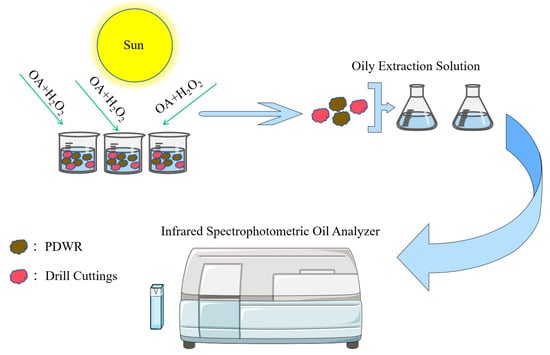
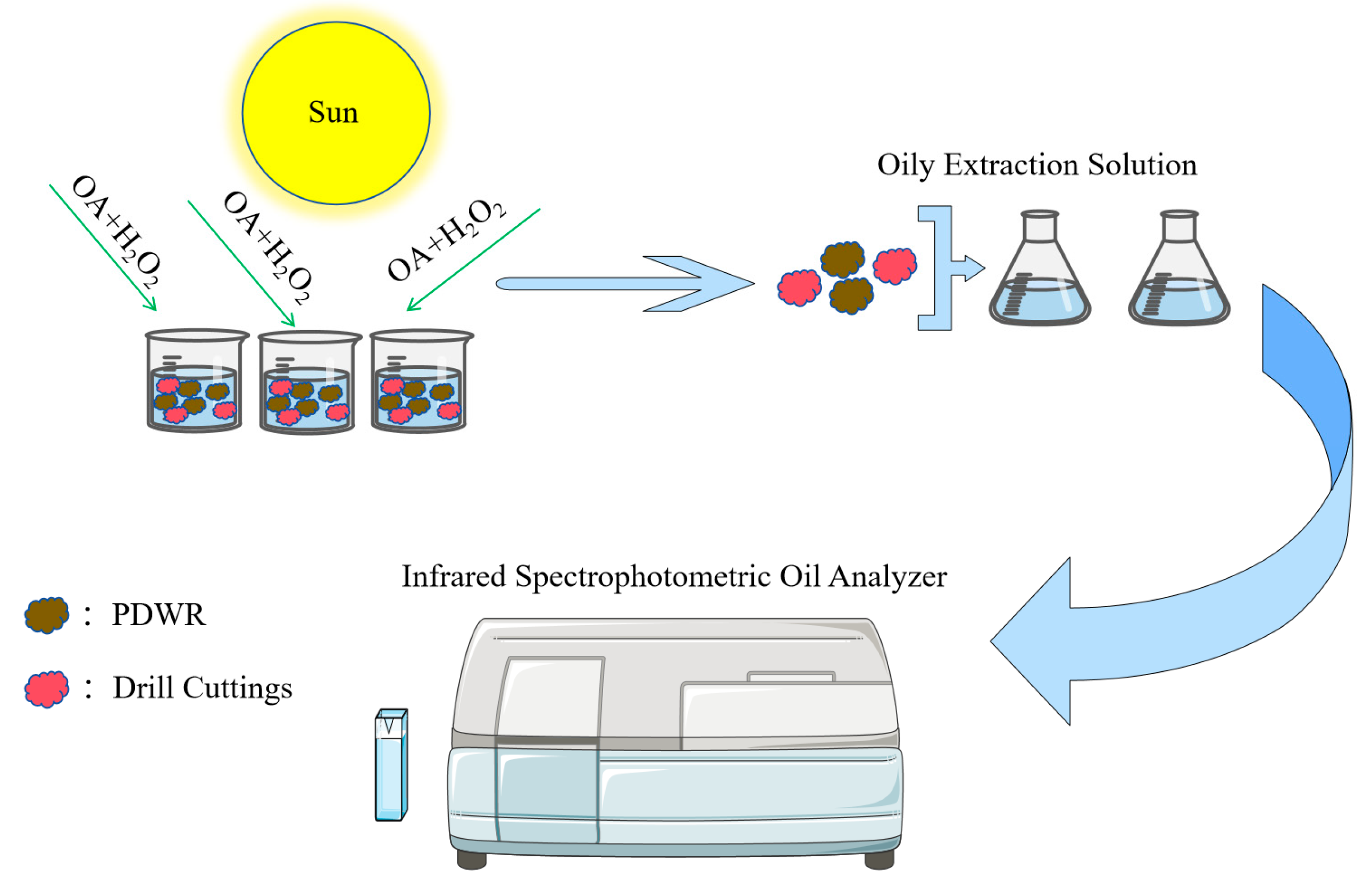
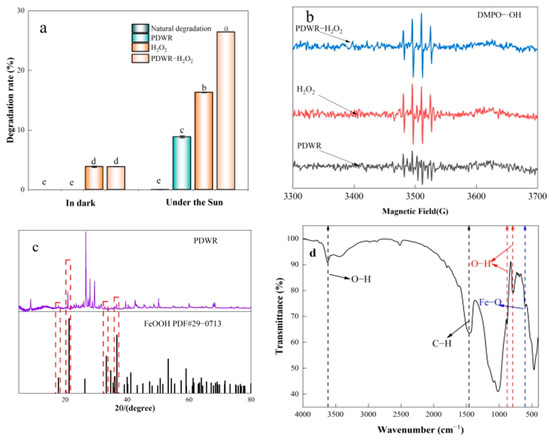
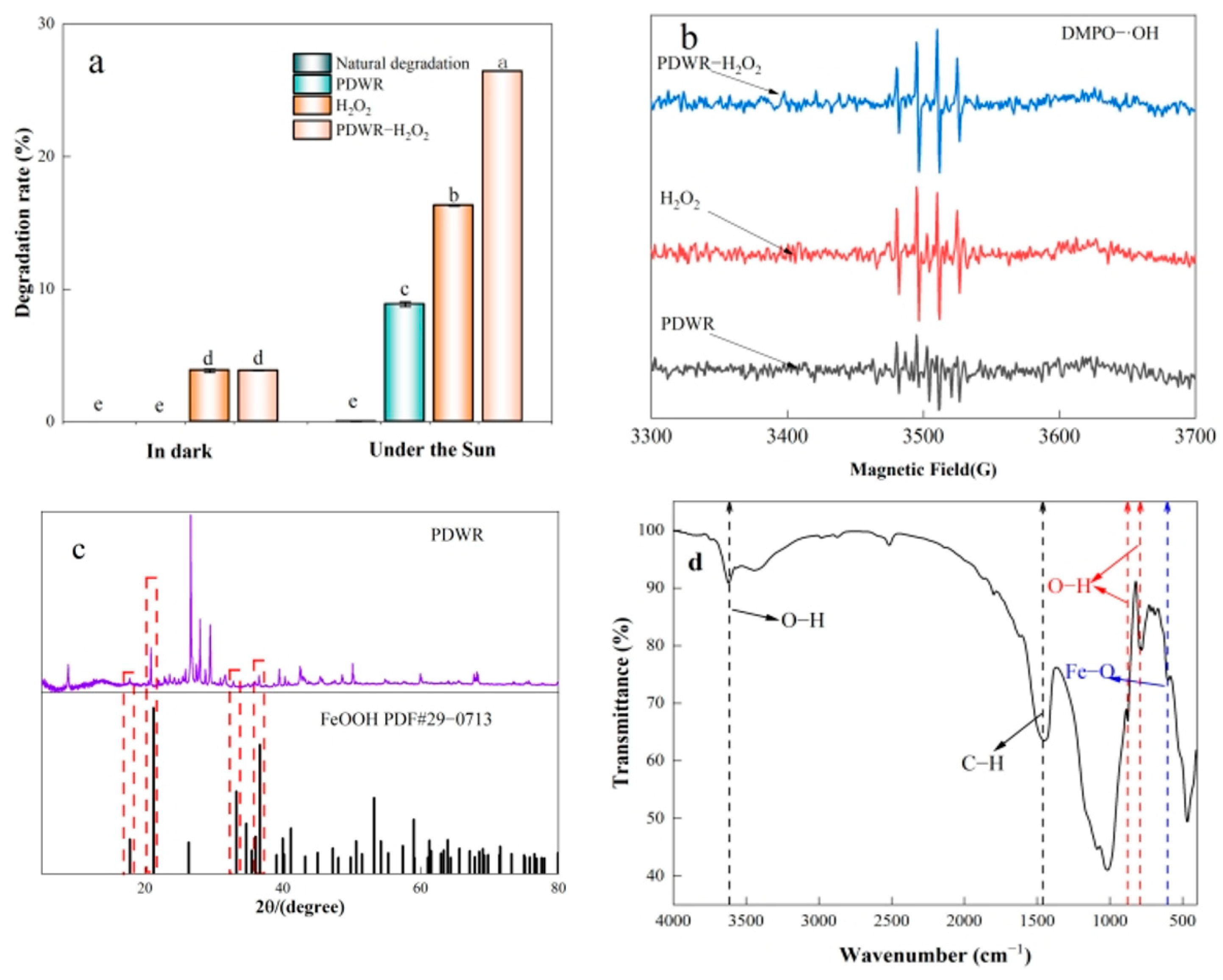
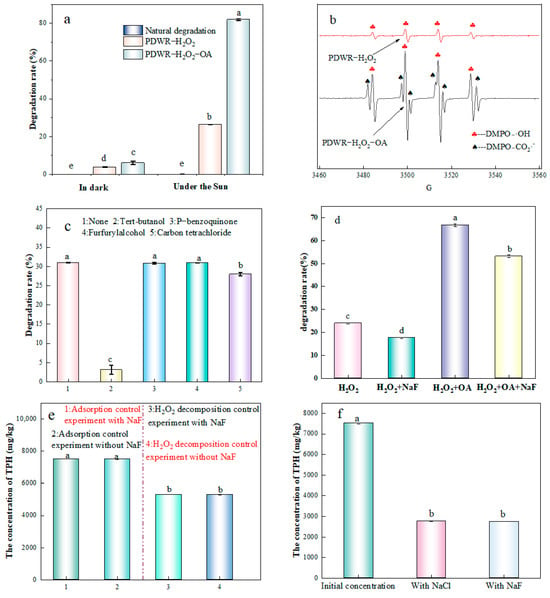
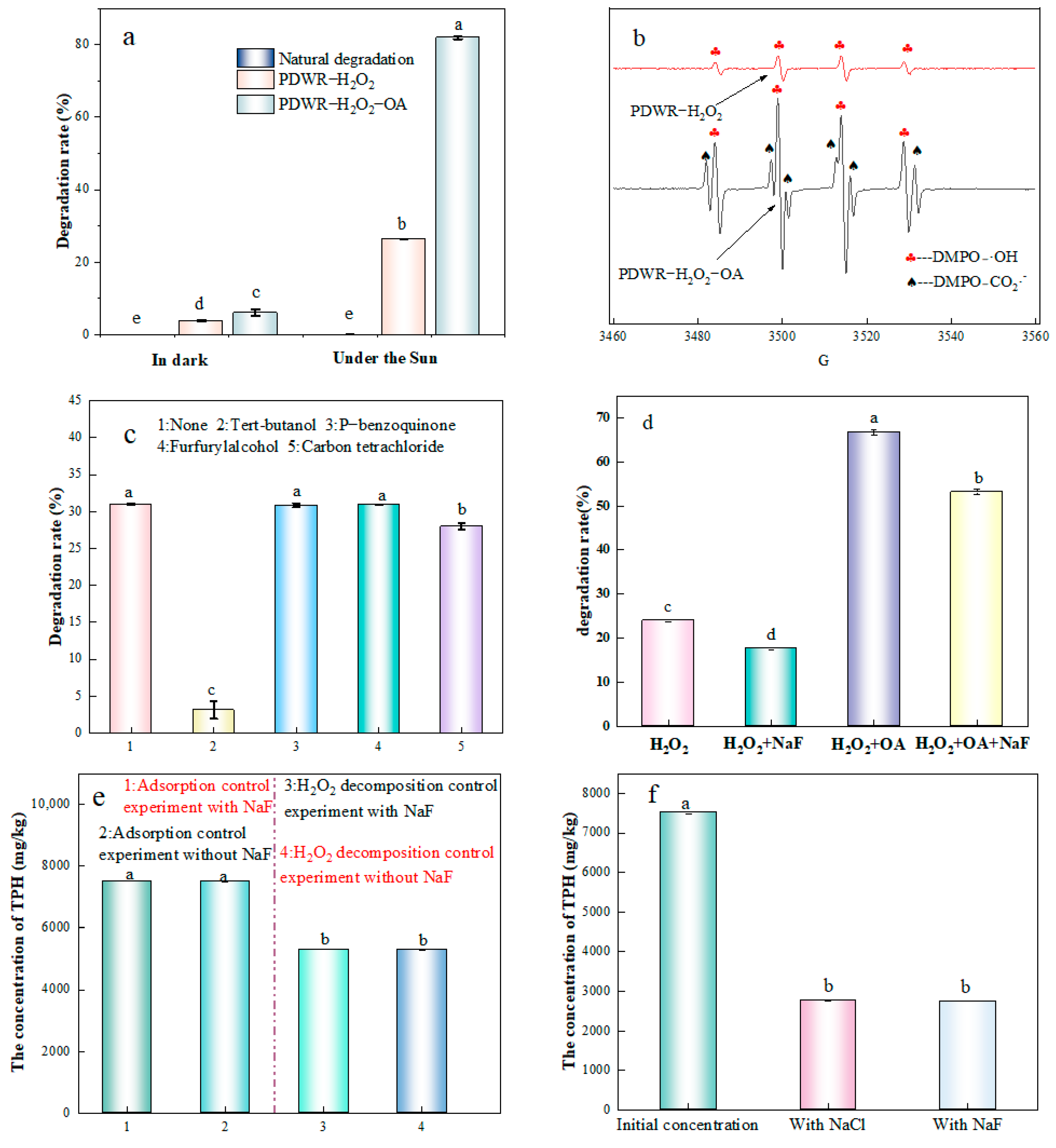
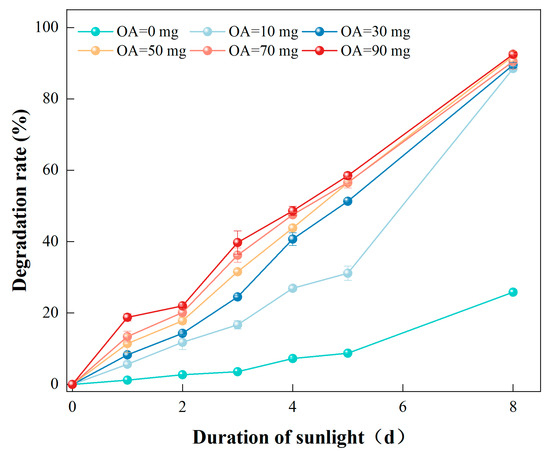
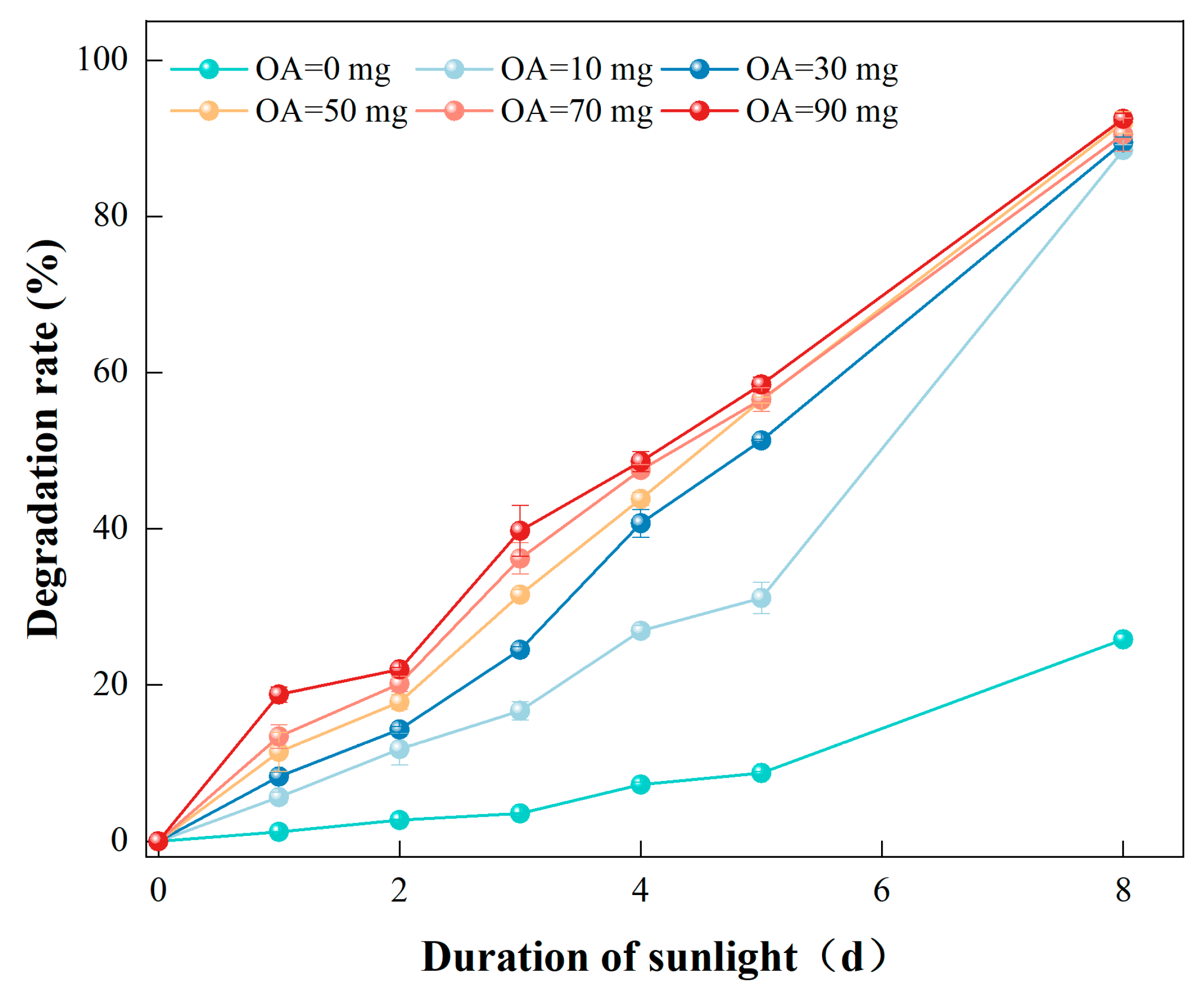
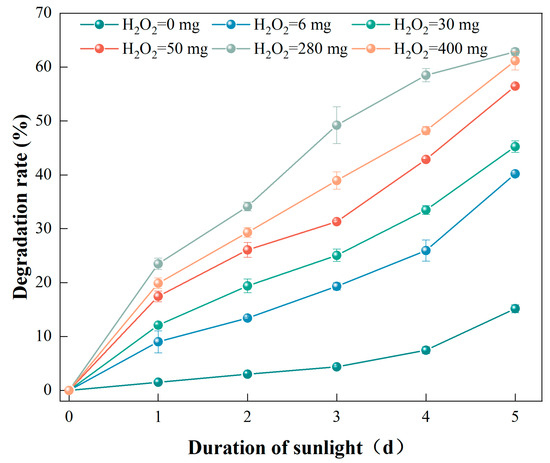
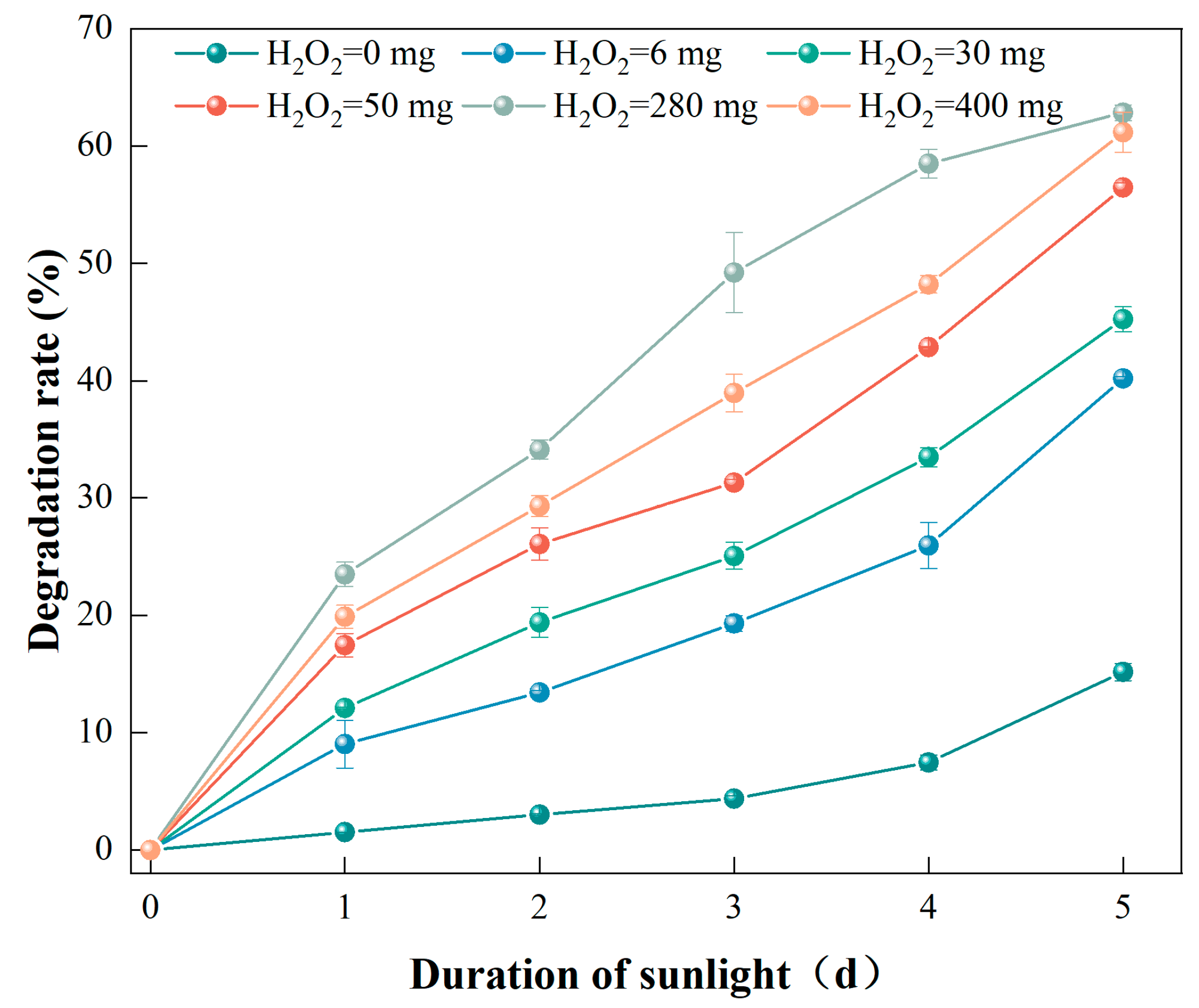
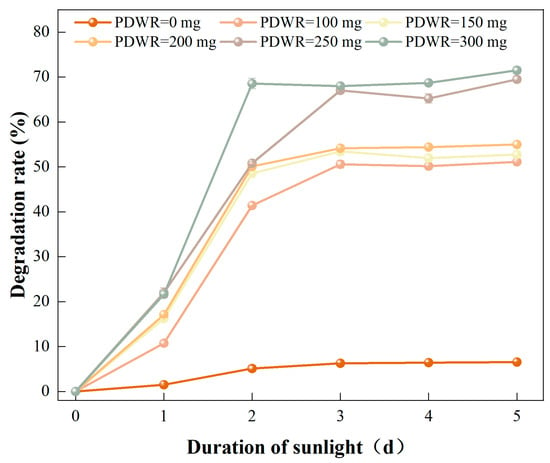
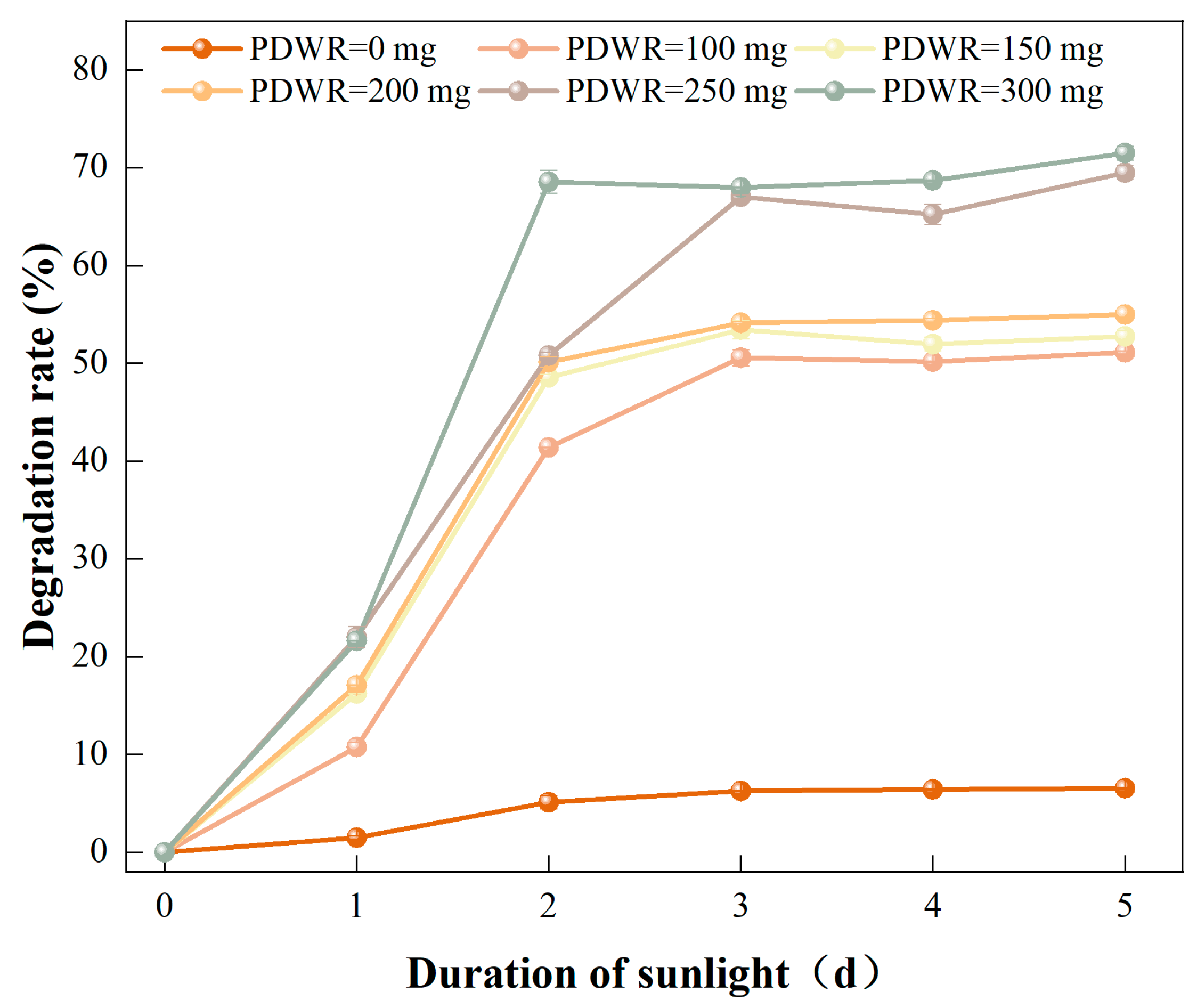
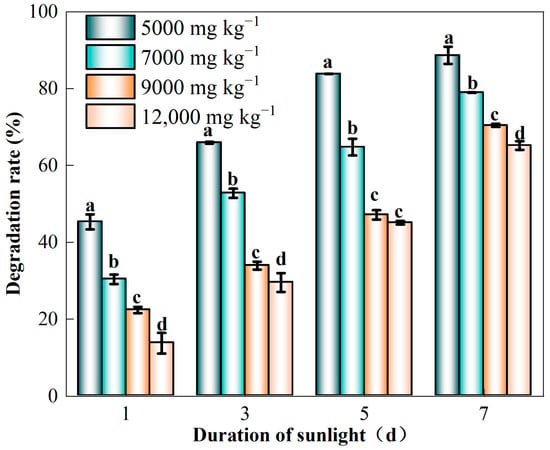
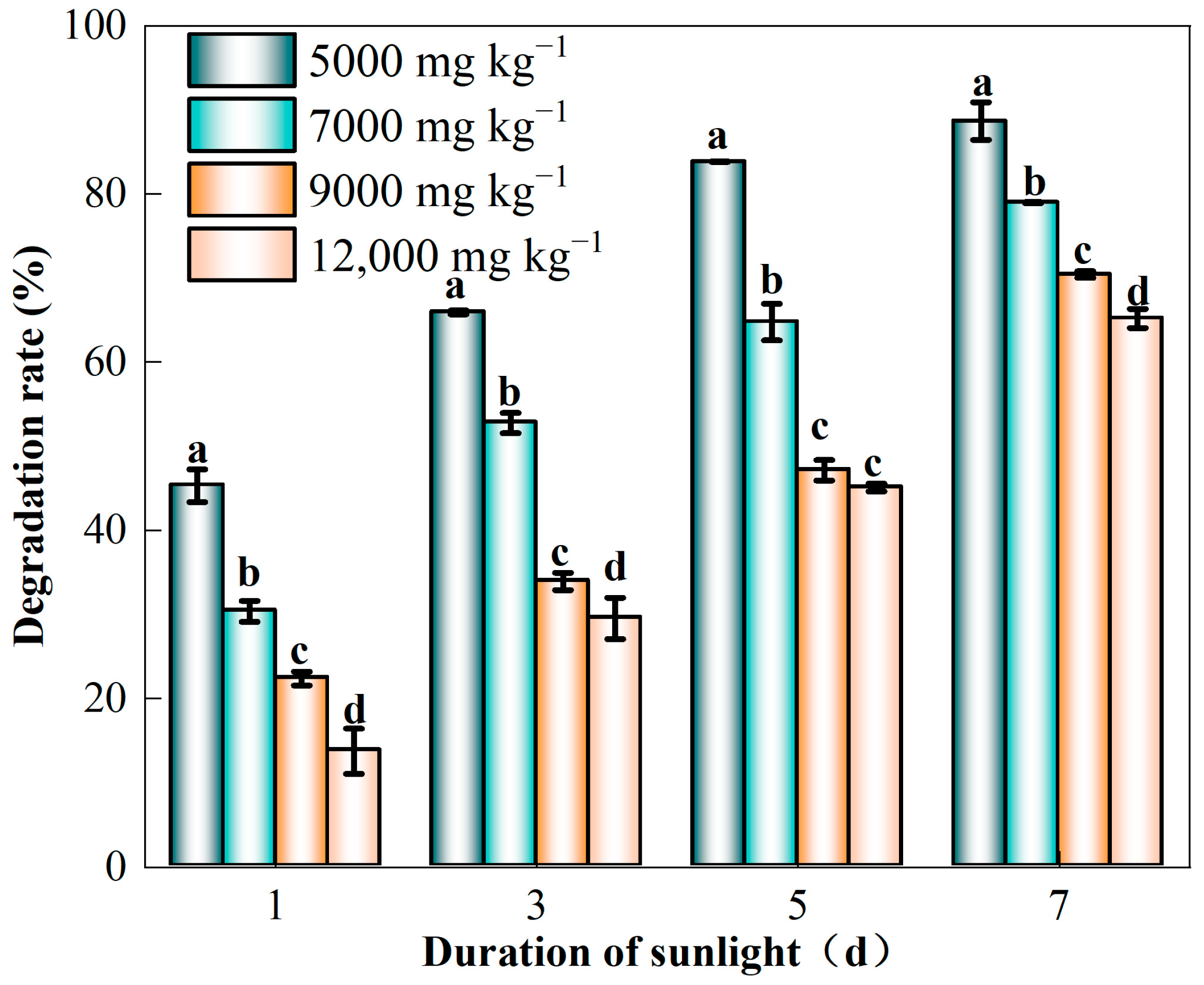
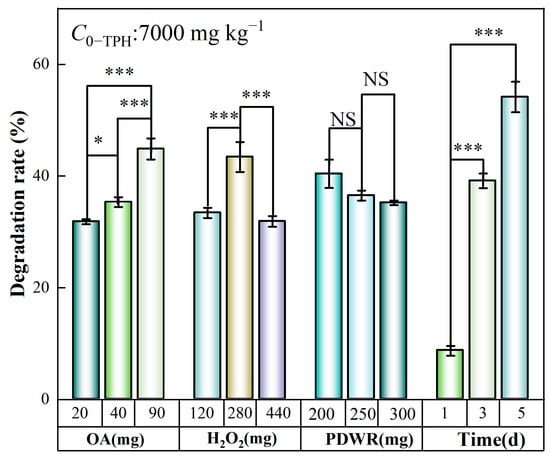
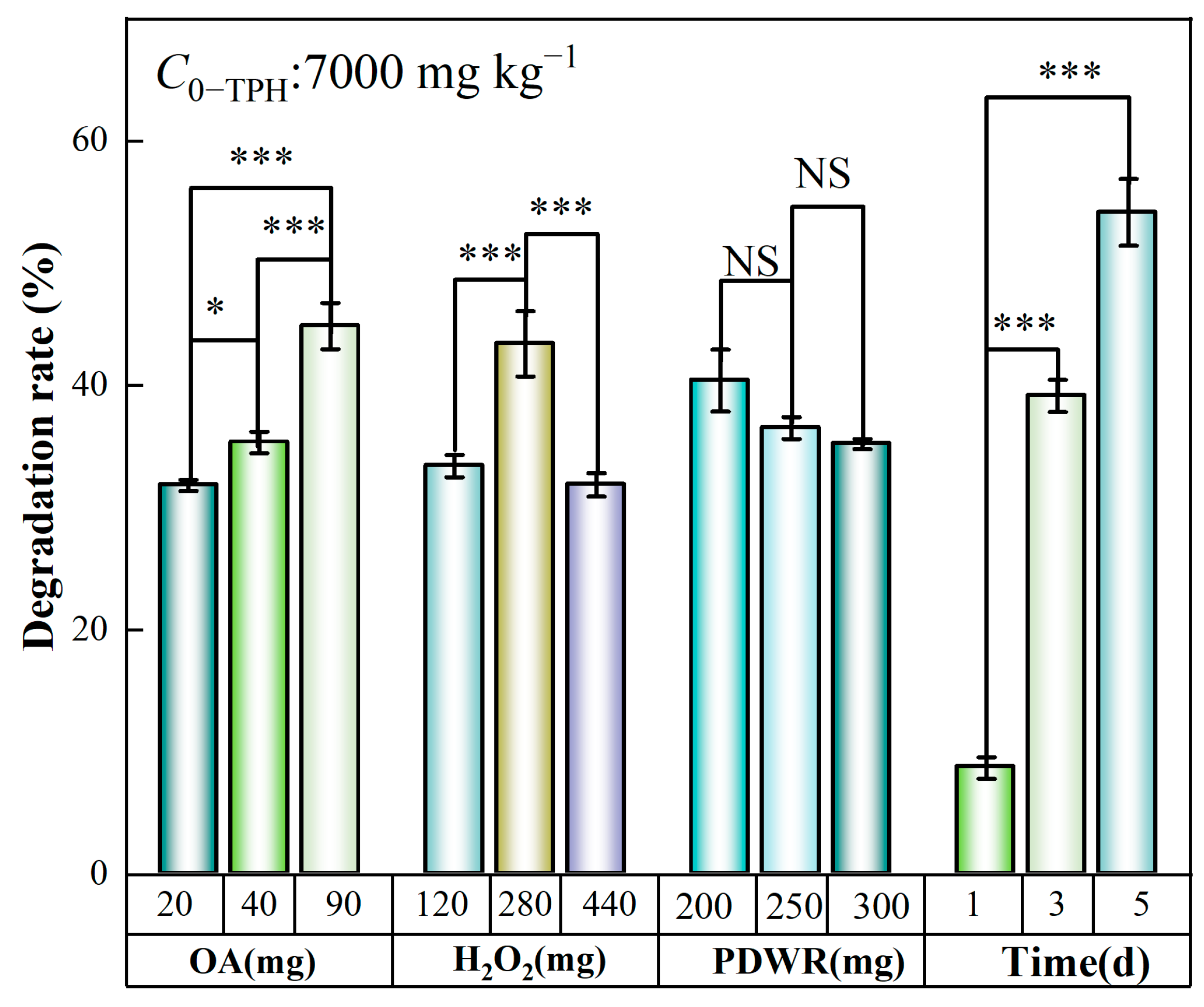
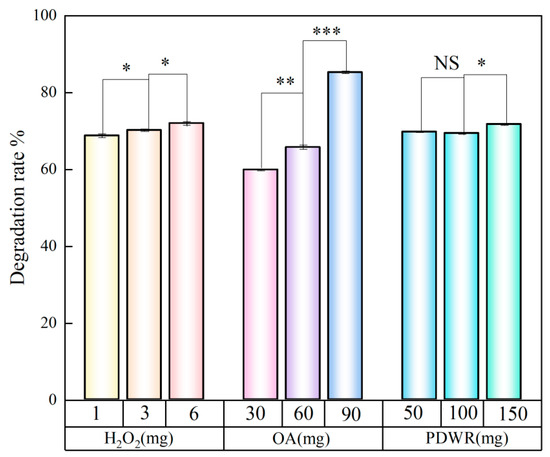
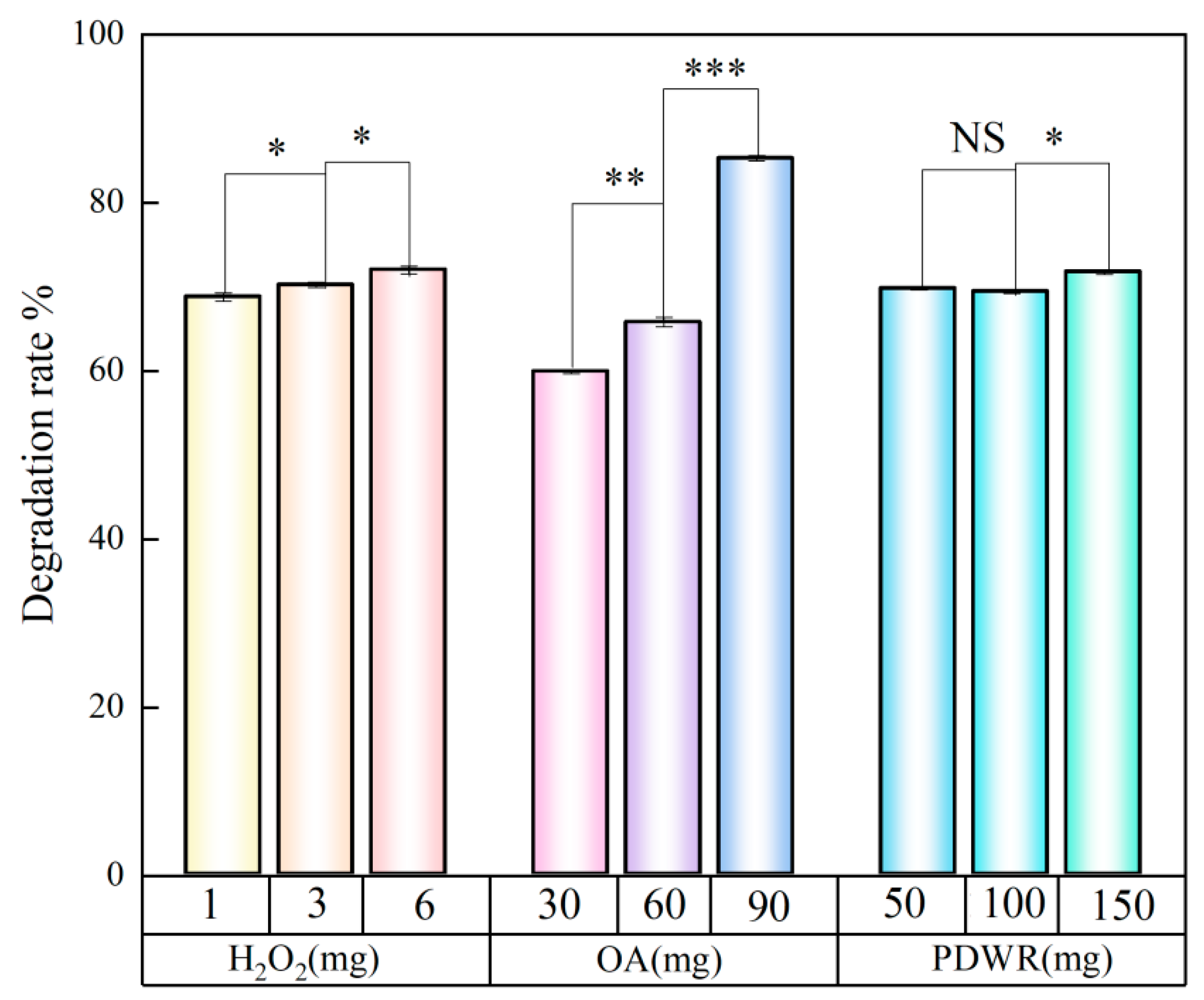
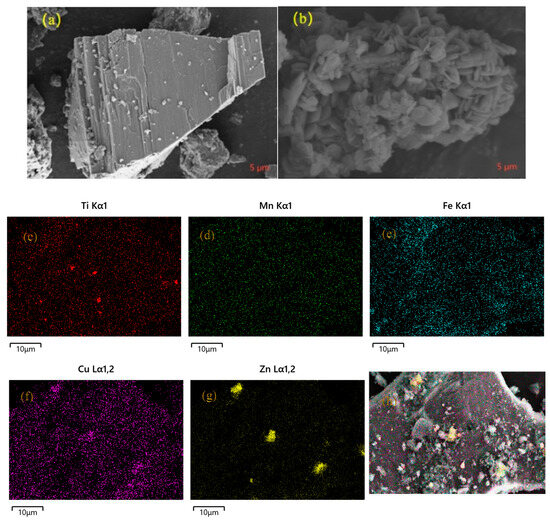
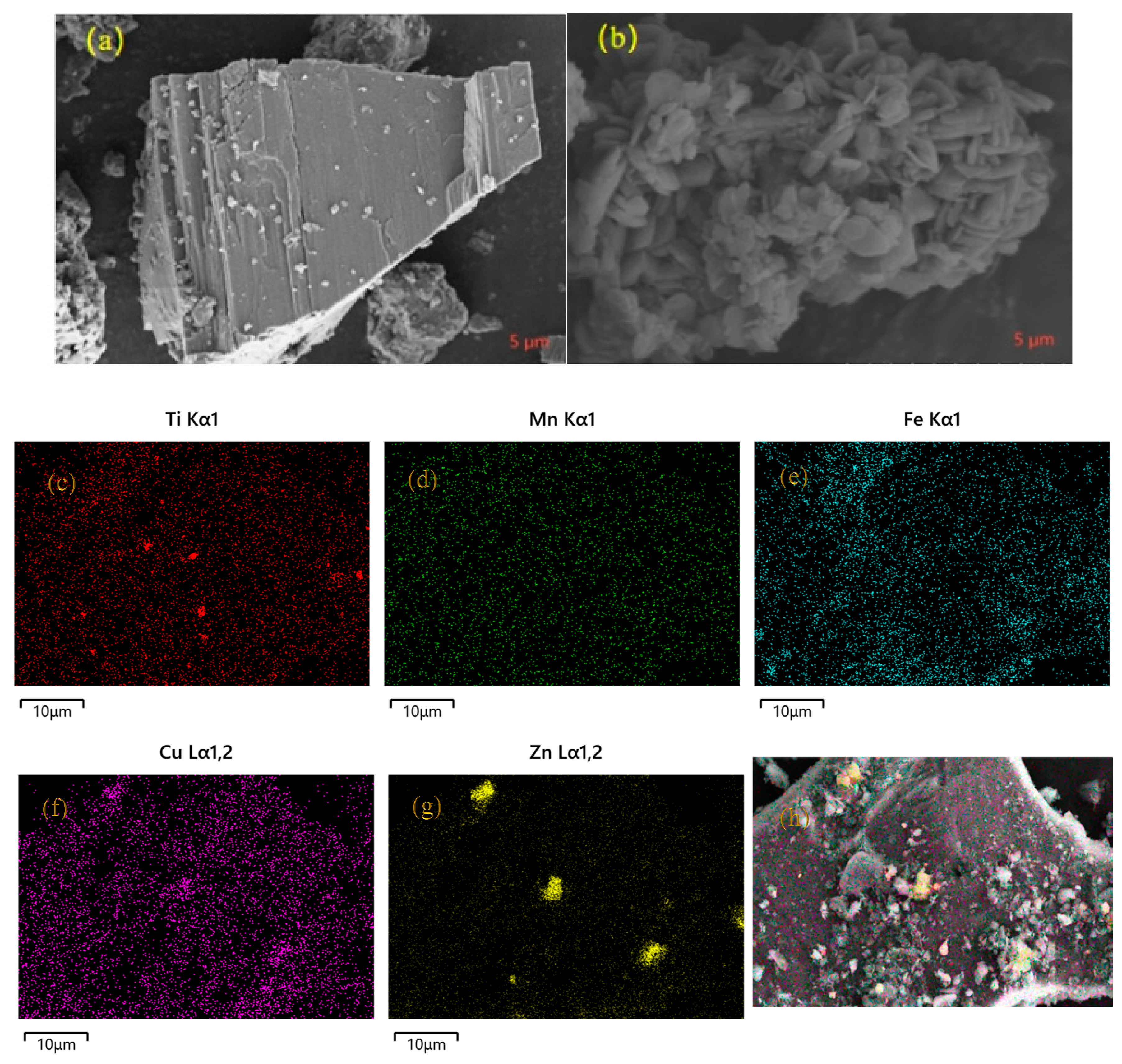
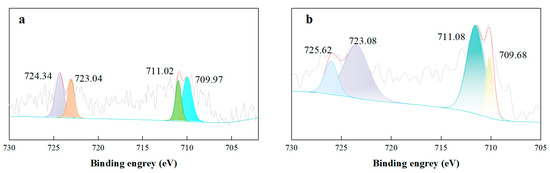
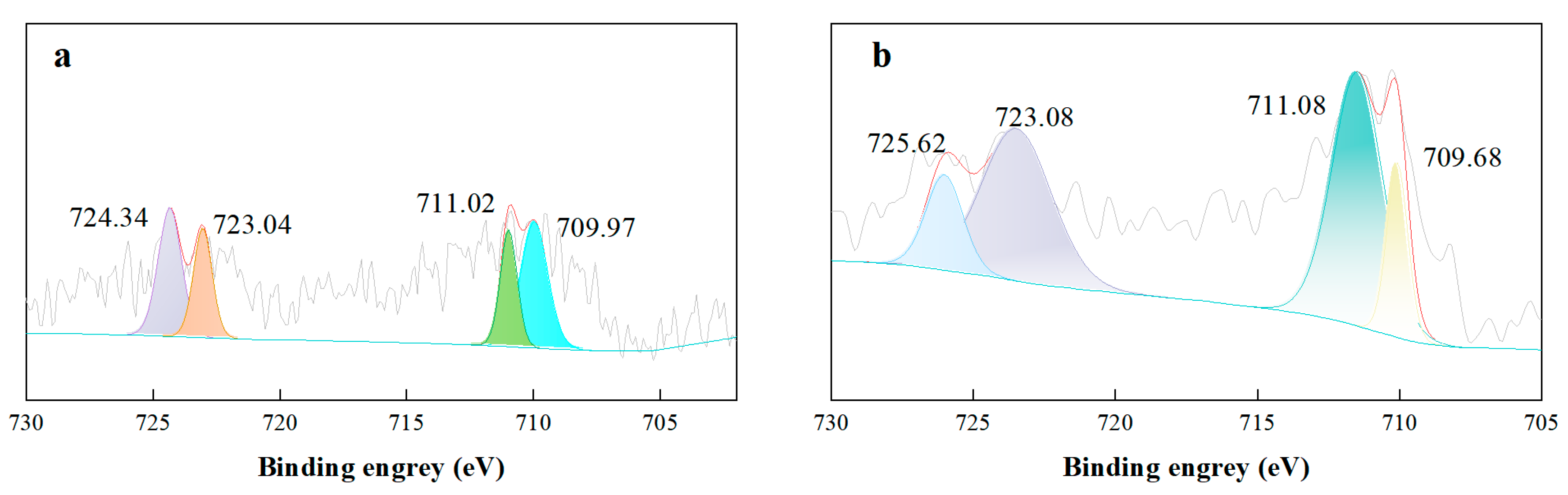
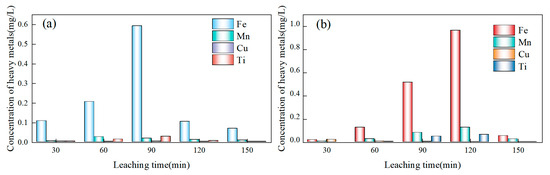
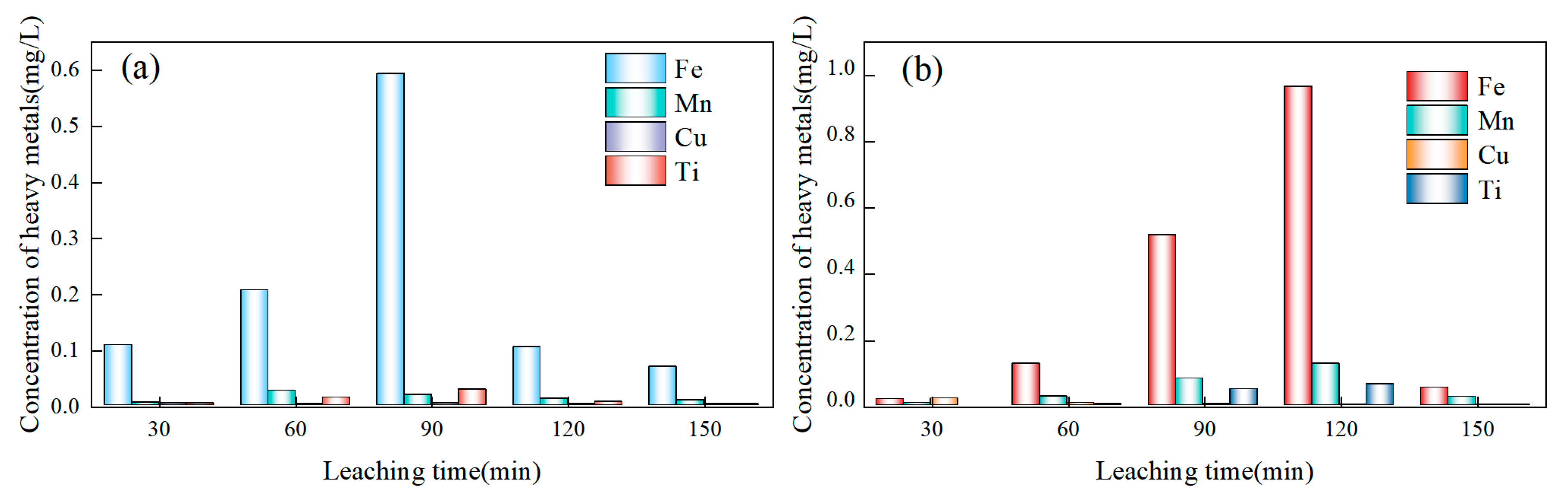
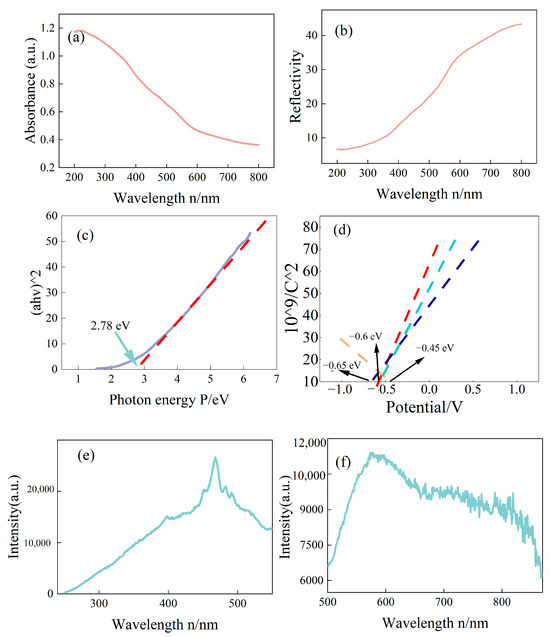
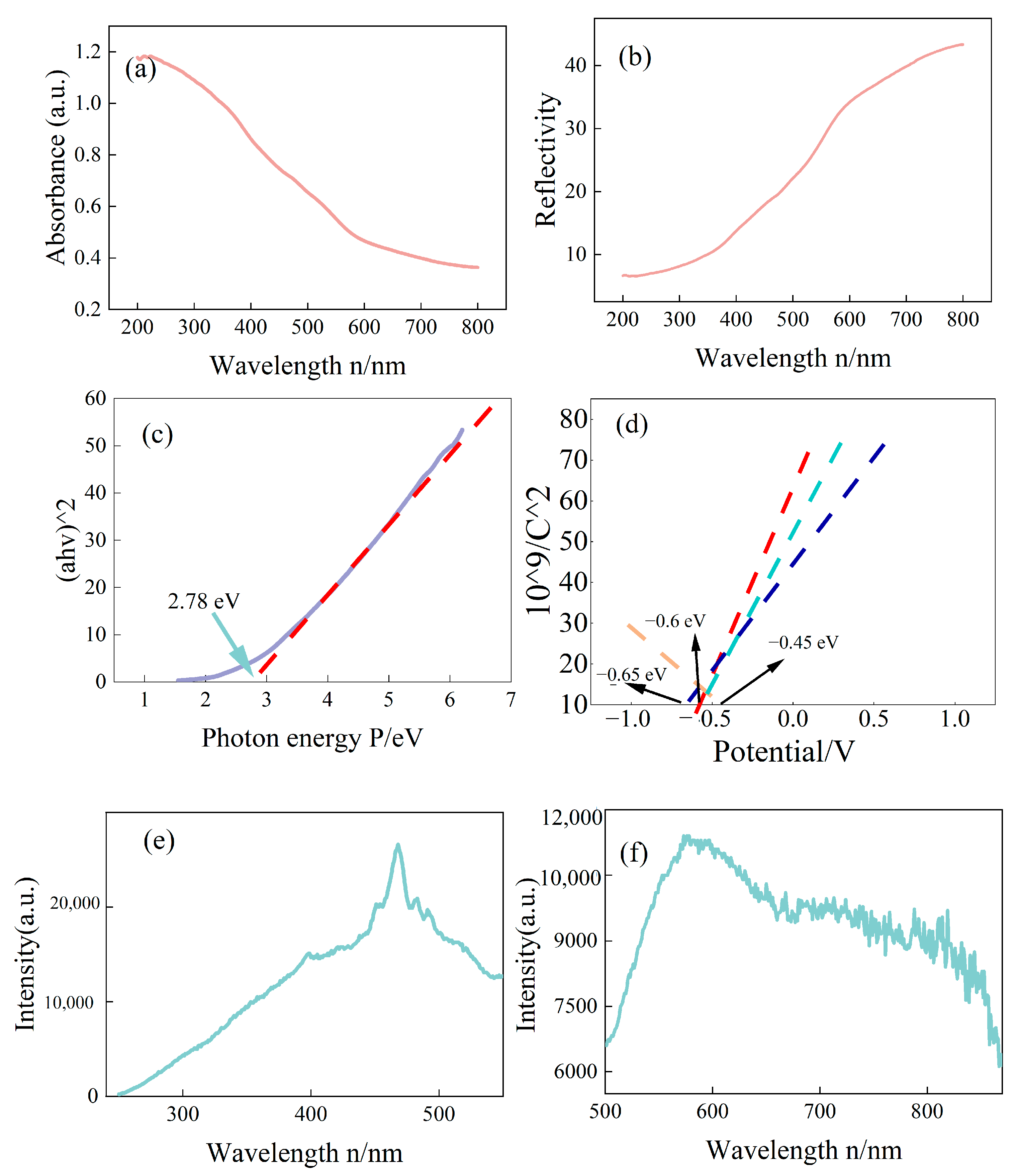
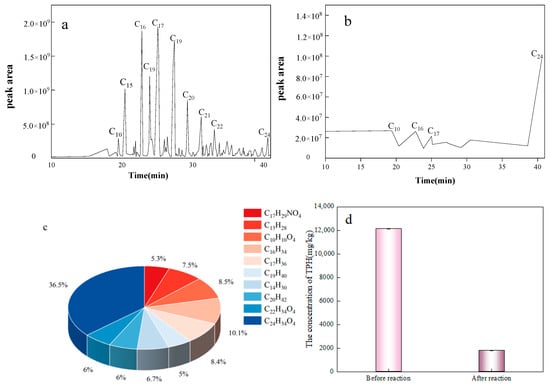
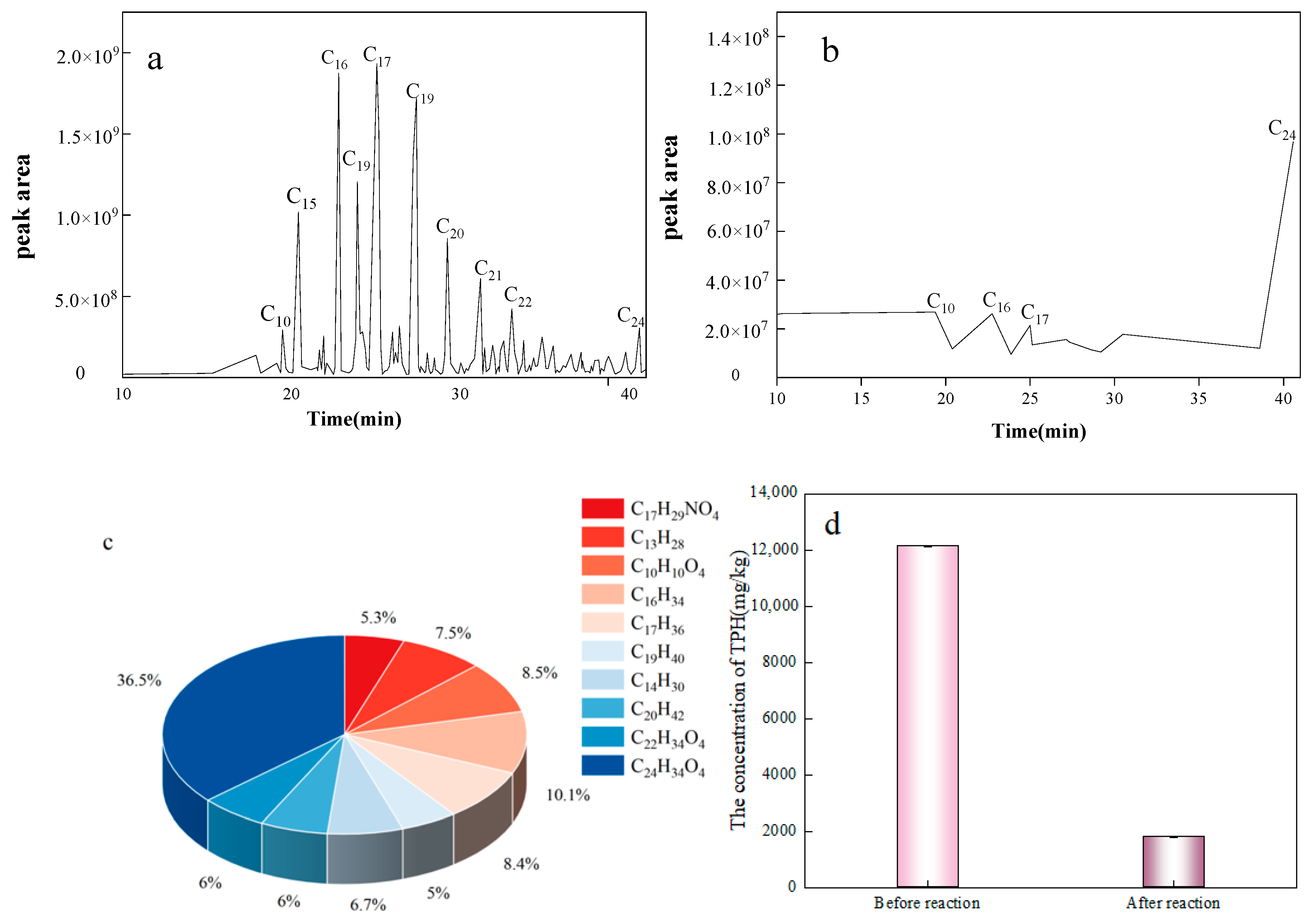
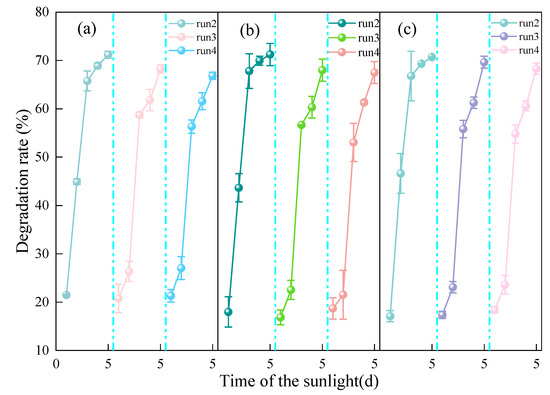
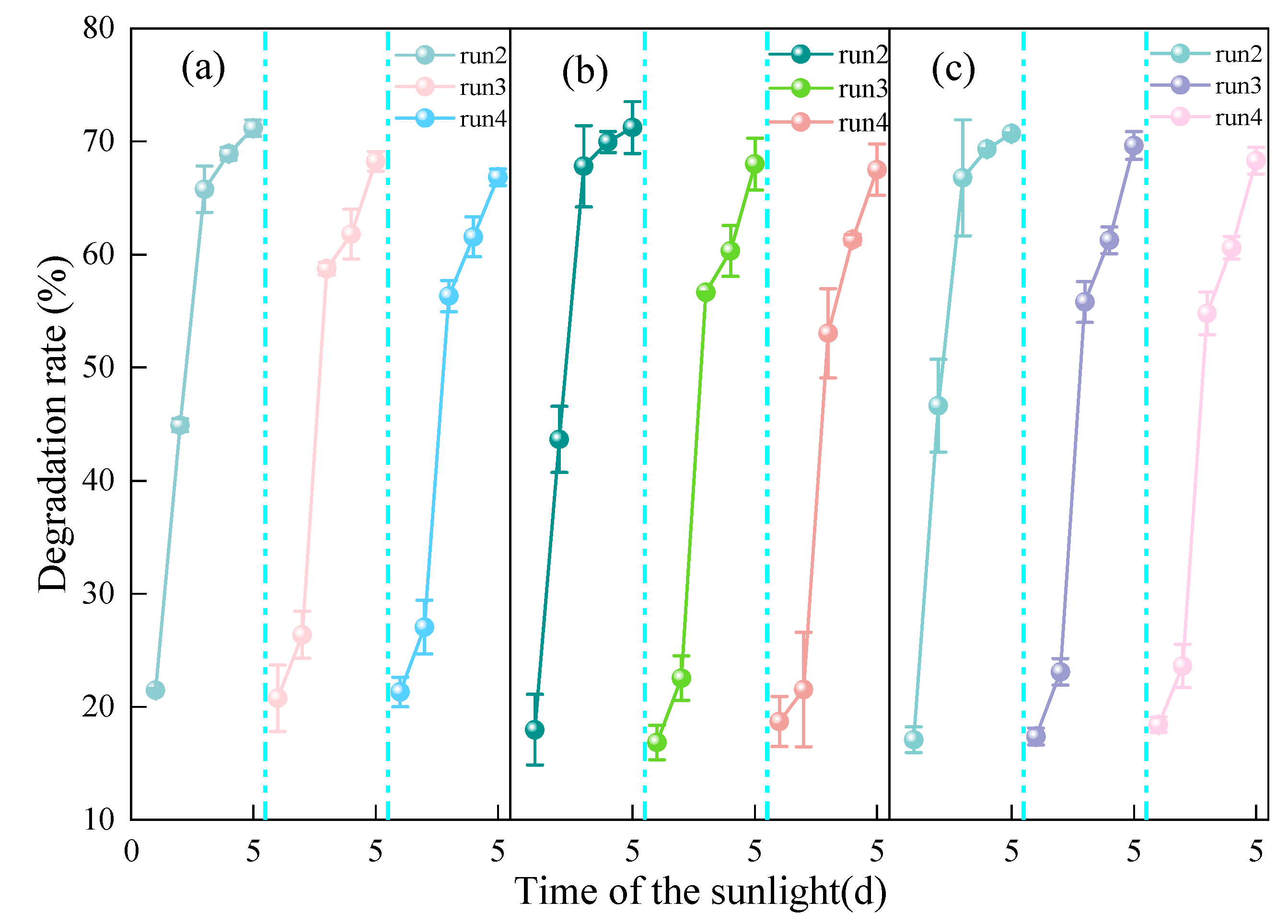
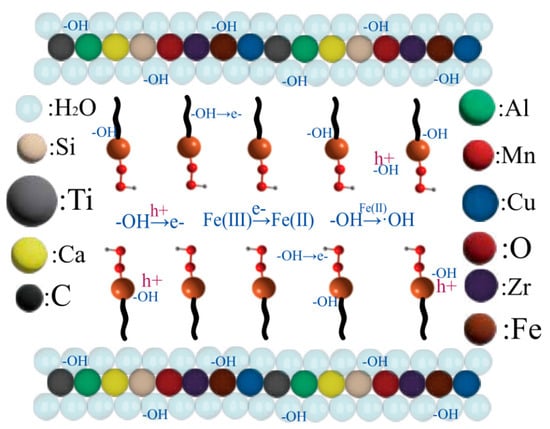
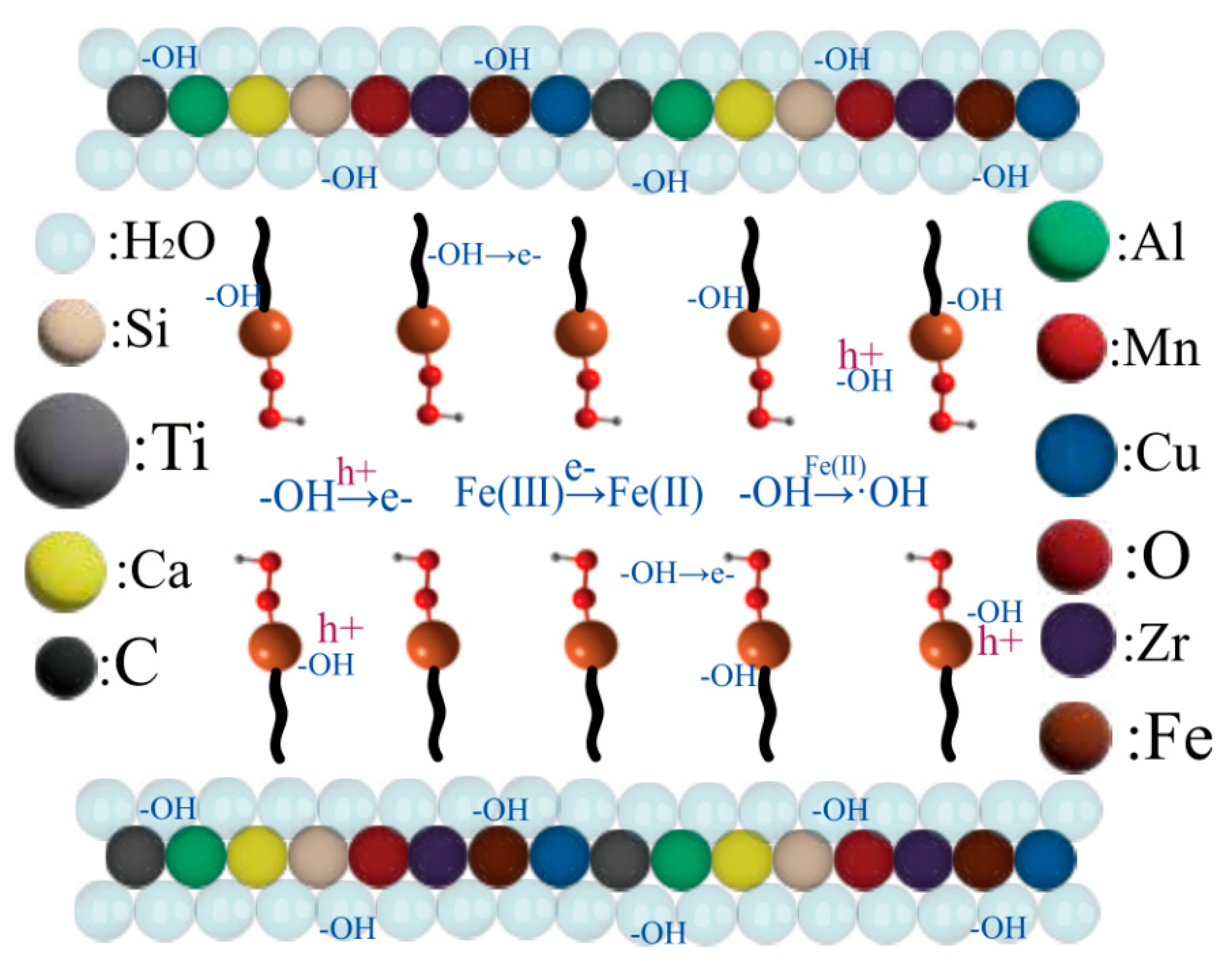

Disclaimer/Publisher’s Note: The statements, opinions and data contained in all publications are solely those of the individual author(s) and contributor(s) and not of MDPI and/or the editor(s). MDPI and/or the editor(s) disclaim responsibility for any injury to people or property resulting from any ideas, methods, instructions or products referred to in the content. |
© 2026 by the authors. Licensee MDPI, Basel, Switzerland. This article is an open access article distributed under the terms and conditions of the Creative Commons Attribution (CC BY) license.