


Abstract
Photovoltaic shading devices (PVSDs) are elements integrated into building facades, offering the potential to reduce building energy demand while regulating indoor daylight. However, current research remains fragmented, which makes it difficult to identify a consistent design strategy and compare outcomes across studies. Therefore, this paper aims to (1) identify the environmental objectives and metrics used to evaluate PVSDs, (2) synthesize the design approaches for fixed and movable PVSDs, and (3) highlight key limitations and research gaps that constrain current practice. The results show a strong emphasis on energy performance analysis, while daylight assessment is less applied, and discomfort glare is rarely quantified. Additionally, comparative evidence indicates that movable PVSDs do not inherently outperform fixed systems. Performance gains primarily depend on geometric configuration, operational strategy, and climate context. Moreover, in the literature, geometric optimization and operational control are frequently investigated separately, limiting the ability to manage trade-offs between energy, daylight, and glare. The review concludes that future studies should adopt more holistic methodologies that couple geometry with operational strategies, incorporate occupant-centric comfort assessment, and enable more consistent cross-study benchmarking.
1. Introduction
1.1. Background
The energy sector is the main cause of global greenhouse gas emissions, with fossil fuels accounting for 90% of global emissions [1]. The concerns regarding climate change, carbon footprint, and the limited available fossil fuel resources have increased the demand for renewable and environmentally friendly energy solutions [2]. Although the shift towards using renewable energy sources has started in the building sector, fossil fuels are still the primary energy supply. In 2024, almost four-fifths of total global energy demand was met by fossil fuels. The building and construction sector alone accounted for approximately one-third of energy consumption in 2023 [3,4]. This significant impact highlights the necessity of further implementation of sustainable solutions.
As an alternative to fossil fuels, renewable energy sources such as solar, wind, geothermal, and biomass are sustainable and eco-friendly because they do not deplete over time and produce little to no greenhouse gas emissions compared to fossil fuels [5,6,7]. The integration of sustainable energy sources into a building’s life cycle can reduce dependence on fossil fuels and traditional energy sources, promoting environmental sustainability and mitigating climate change [5]. Solar energy, one of the most promising solutions for addressing the environmental challenges and the high energy demand associated with buildings, has become the center of attention in both industry and academia. Recent innovations and advances in solar technology have made it one of the key elements of sustainable design.
As an environmentally friendly and sustainable energy resource, solar energy is employed to generate electricity using photovoltaic systems [8]. It is forecasted that the annual solar PV capacity additions will increase each year for the next five years, accounting for over 60 percent of renewable capacity expansion. Based on a report by the International Energy Agency (IEA), although the current investment costs are higher because of the high commodity prices, in many countries, solar PV is still the cheapest option for new electricity production [9]. With the affordable cost of solar energy, the establishment of new policies, and the advancements in technology, the PV system industry has grown by over 35 percent per year over the past decade [10,11]. The growth and advancements of PV systems have significantly improved energy production, efficiency, and the management of carbon, reducing carbon emissions in the building sector. As discussed by [12], using Building Information Modeling (BIM) and Digital Twin (DT) technologies alongside PV systems could reduce operational carbon emissions by more than 60 percent. Additionally, as forecasted by the IEA, from 2022 to 2027, the total solar PV capacity is expected to triple and increase by around 1500 GW [9].
1.2. Photovoltaic Systems in Buildings
There are two main types of PV systems that are usually utilized in buildings for on-site electricity generation: Building Attached Photovoltaic (BAPV) and Building Integrated Photovoltaic (BIPV). As described by [13], BAPVs are add-ons installed on existing buildings and are not directly connected to the functional aspects of the structure. This means that removing them would not affect the function or structure of buildings. They are usually easy to install, which makes them a suitable option for retrofitting; however, they might not provide the same efficiency as BIPVs in regard to space utilization and electricity generation [14].
In contrast, BIPVs are multi-functional technologies that serve as both electricity generators and building materials. They are integrated into the building and replace conventional building elements, including roofs, walls, and windows [13,14,15]. Over the years, integrating BIPV elements into buildings has evolved from basic installation to complex systems that harmonize seamlessly with architectural design. This transition has been driven by the multifaceted demands for enhancing energy performance, sustainability, and building aesthetics. They have shifted from simple electricity generators to incorporating multiple functions, providing various other benefits, including structural reinforcement, acoustic, thermal insulation, daylight utilization, and energy demand reduction, making them a vital element for sustainable architecture [16,17]. Among different types of BIPV systems including facades, sunshades, roofs, and windows (Table 1), PV sunshades, also known as Photovoltaic Shading Devices, have shown notable potential in enhancing building performance and sustainability.
1.3. Photovoltaic Shading Devices
PVSDs are devices capable of generating electricity, reducing unwanted solar heat gain, and utilizing daylight while reducing unwanted glare and providing visual comfort. Additionally, replacing conventional materials with PVSDs further enhances both aesthetics and cost-efficiency, which are pivotal for a sustainable building design solution [17,18,19,20].
Table 1.
Four types of BIPV systems. Based on [21].


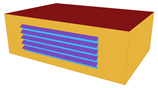

As mentioned by [22], the advantages of PVSDs in terms of sustainability include two main categories, environmental and economic aspects. Regarding the economic aspects of PVSDs, with their capability to produce electricity, they can cover the cost of materials, and the generation of electricity on-site can save distribution costs. The environmental aspects of PVSDs involve generating electricity by using unwanted solar energy radiation without negatively impacting the ecosystem and controlling the amount of solar radiation entering the indoor space, which reduces building energy load and contributes to the overall building energy performance. Additionally, as PVSDs play the role of sunshades, they can prevent glare, improve indoor daylighting conditions, and provide occupants with desired visual comfort. This multi-functionality of PVSDs results in enhancing the overall building environmental performance [22,23].
PVSD design and optimization strategies incorporate different geometrical and operational configurations. The design of fixed PVSDs includes factors such as shading type, orientation, the size and number of panels, tilt angle, or even the size of the window [24,25]. The control strategy of PVSDs might include different movement strategies, including one- or two-axis rotation and vertical sliding [26,27], or utilizing Artificial Neural Networks (ANNs) to predict PV power generation and visual comfort factors [28].
Depending on the design and control strategy, PVSDs can have varied impacts on energy efficiency and occupants’ comfort. Ref. [29] highlight the importance of considering various parameters, including tilt angle, panel width, orientation, and their impact on energy demand and power generation. For example, the study mentions that even though wider panels produce higher total annual electricity generation, the annual electricity generation per unit area can noticeably decrease due to the increased mutual shading. Additionally, they emphasize the importance of careful assessment of building characteristics and highlight the importance of finding the optimal width of panels and tilt angle to achieve high energy performance. Refs. [18,30] state that while PVSDs can control excessive solar heat gains and reduce energy demand, they may obstruct daylight penetration into the space, reducing daylight utilization and increasing the artificial lighting demand. This trade-off shows that while implementing PVSDs has multiple benefits, there may be negative impacts, which indicates the necessity of developing a comprehensive design and optimization framework.
1.4. Problem Statement and Objectives
PVSDs are integral façade components, and their complexity in design, materials, technology, and installation means that they should be considered from the early design stages to achieve effective environmental performance. Their multifunctional role also calls for a comprehensive design approach that can manage trade-offs. Although previous reviews have addressed aspects such as PVSD integration, control methods, and economic feasibility (Table 2), the fragmented scope of PVSD studies has limited clear and transferable guidance on how to design and evaluate high-performance PVSDs across these objectives. In particular, the design approach for an optimal, multifaceted PVSD that generates electricity, reduces energy demand, and provides user comfort is still not well defined. Thus, this study aims to answer the following questions:
Table 2.
Previous reviews on PVSDs.
- (1)
- What environmental objectives and metrics were used to evaluate PVSDs?
- (2)
- What are the available design approaches for fixed and movable PVSDs?
- (3)
- What are the current research gaps and potential for future studies?
The expected outcomes of this study are:
- (1)
- Offering a systematic overview of environmental objectives and the design approaches of PVSDs.
- (2)
- Guiding architects in designing and implementing high-performance PVSDs.
Accordingly, this review contributes in two main ways: (1) It provides a structured synthesis of how PVSD environmental performance is assessed by consolidating the objectives and metrics used across studies for energy demand, PV electricity generation, daylighting, and glare. (2) It compares the reported design approaches for fixed and movable PVSDs and identify where current workflows remain inconsistent or incomplete, with the aim of supporting more transferable design guidance for future PVSD research and practice.
2. Methodology
This review was performed in accordance with the PRISMA (Preferred Reporting Items for Systematic Reviews and Meta-Analyses) guidelines (Table S1). The review protocol was registered on protocols.io (DOI: dx.doi.org/10.17504/protocols.io.q26g779nqgwz/v1). To systematically explore the latest advancements in PVSD design concerning their impact on indoor built environments and ensure a comprehensive inclusion of relevant papers, this study incorporates the following inclusion criteria:
- -
- Advancements in PVSD: The studies should propose advancements in PVSD design.
- -
- Focus on shading devices: The studies should be focused on PVSDs as shading systems.
- -
- Energy and visual comfort: The studies must address at least one of the following parameters as their main objective: (1) energy demand, (2) electricity generation, or (3) visual comfort.
- -
- Type of paper: It should be an original research or conference paper.
- -
- Methodology: They should be simulation-based studies or a combination of simulation and experiment.
This review does not include papers on mechanical, electrical, or material advancements. Furthermore, studies on BIPV walls, BIPV windows, BIPV roofs, and BIPV thermal systems are not within the scope of this study. Studies relying only on experiments were excluded because this review focuses on simulation workflows that support systematic PVSD design exploration and optimization. The study selection process is summarized in the PRISMA flow diagram (Figure 1).
Figure 1.
PRISMA diagram.
To ensure that this review covers the available literature, three databases, namely, Web of Science, Scopus, and Engineering Village, were used to systematically search existing studies. The review was limited to 2014–2025 to capture the most recent decade of PVSD research while keeping the search transparent and reproducible. The end year reflects the final database search date. The keywords for this search were divided into three sets: (1) Shading system: Shading device, shading system, cladding, overhang, louver, slat, blind, (2) BIPV/PVSD: Photovoltaic shading device, PVSD, BIPV, integrated photovoltaic, photovoltaic shading system, and (3) Performance: Energy, comfort, lighting, daylighting, glare. A total of 415 papers were extracted, and after an initial screening of titles and abstracts and excluding duplicate studies, 188 papers remained. After filtering these through the inclusion–exclusion criteria, 43 papers met the requirements (Table A1). The included studies were then synthesized across PVSD typology, mobility, performance domains and metrics (energy demand, PV generation, daylighting, glare), key geometric variables, and simulation workflows to identify recurring patterns and gaps.
3. Results and Discussion
3.1. Environmental Objectives
The evaluated parameters among studies show a significant focus on energy generation and energy demand, with 41 and 37 studies focusing on them, highlighting the dominant interest of researchers in exploring the potential of PVSDs in reducing energy demand and contributing to renewable energy generation in the building sector. Additionally, 22 studies have evaluated daylight parameters, showing the growing recognition of PVSDs’ role in managing daylight, contributing to both visual comfort and reducing artificial lighting demand. While this significant interest in optimizing daylight shows that researchers have recognized the impact of this parameter on indoor environmental quality, the relatively lower number compared to energy-related parameters indicates a potential gap in balancing visual comfort and energy performance in the existing studies. Furthermore, as shown in Figure 2, glare is the least addressed parameter in the literature, which further emphasizes the gap regarding visual comfort optimization.
Figure 2.
Distribution of objectives across the 43 included studies.
3.1.1. Visual Comfort
A variety of daylight performance metrics have been adopted in the literature to evaluate daylight sufficiency and glare. Daylight Autonomy (DA) is an index for measuring how often the minimum illuminance threshold has been met [30,35]. Ref. [36] describes DA as “the percentage of the occupied hours () of the year when a minimum illuminance threshold () is met by the sole daylight ()”. It should be noted that because DA is a one-tailed metric and cannot detect over-illumination that may lead to overheating or discomfort glare, is not reliable enough for user satisfaction analysis [37].
To overcome DA’s binary formulation, Continuous Daylight Autonomy (cDA) was introduced. Unlike DA, which assigns a full score only when the illuminance threshold is met, cDA accounts for partial contributions by weighting hours with sub-threshold daylight in proportion to the achieved illuminance [38]. In other words, cDA’s continuous assessment of daylight determines what percent of the minimum target illuminance has been reached, regardless of whether the daylight is below the target or not.
Spatial Daylight Autonomy (sDA) was later introduced to align DA with occupants’ visual comfort [39]. This metric evaluates the percentage of floor area that meets the daylight criterion for a defined percentage of occupied hours, allowing it to align daylight sufficiency with spatial coverage [37]. However, DA metrics are primarily focused on minimum daylight thresholds and cannot distinguish conditions where daylight becomes excessive.
To address the lack of an upper bound, Useful Daylight Illuminance (UDI) aims to provide a more informative and comprehensive assessment of daylight conditions compared to Daylight Factor (DF) or DA [40]. The occupant’s satisfaction with lighting conditions is significantly influenced by the balance between sufficient daylight and avoidance of excessive brightness. Unlike DA, UDI is not a single threshold focus metric and is defined as the annual fraction of time for which the indoor horizontal illuminance at a point falls within predetermined lower and upper daylight thresholds. UDI is categorized in three ranges, insufficient, useful, and excessive, with useful daylight illuminance falling between 100 and 2000 lux [41,42]. Although other thresholds were also suggested in the literature [43,44]. For visual comfort evaluation, UDI’s upper band is particularly informative. It can flag time periods that daylight is more likely to be problematic. Although UDI better aligns with comfort risk evaluations than DA, it still does not quantify discomfort glare, as it is a sufficiency metric and does not incorporate luminance distributions.
Glare assessment depends on luminance distributions within the visual field, the size and position of the source, and contrast relative to the visual task. Daylight Glare Index (DGI) is one of the earliest luminance-based glare metrics used to estimate discomfort caused by large or non-uniform daylight sources. Originally introduced by [45] and later modified by [46], DGI predicts glare combining the luminance, solid angle, and position of each glare source with background and window luminance. As formulated below, DGI increases with higher source luminance and larger source size, and decreases when the glare source lies farther from the observer’s line of sight. However, DGI has several limitations under complex daylight conditions. As noted by [37], DGI tends to be unreliable in situations such as strong luminance contrasts, when direct sunlight enters the field of view, or when background luminance approaches the luminance of the glare source.
To overcome the limitations of DGI, Daylight Glare Probability (DGP) was introduced as a more robust, occupant-centered glare metric [47,48]. Unlike DGI, DGP incorporates both the vertical eye illuminance and the luminance distribution of the vertical visual scene, making it suitable for evaluating visual comfort under complex and dynamic daylight conditions. DGP classifies glare probability into four perceptual categories, namely imperceptible (<0.35), perceptible (0.35–0.40), disturbing (0.40–0.45), and intolerable (>0.45) [37,48]. DGP directly accounts for non-uniform brightness patterns and high contrast solar patches, which is particularly useful for adaptive systems where panel movements can rapidly alter luminance distributions.
Across the 43 studies (Table 3), there is a clear imbalance between daylight sufficiency and glare assessment. UDI appears in around 14% of studies, DA and cDA in about 7% each, and sDA in 5%, while glare metrics only account for 7% of studies. This shows that most analyses report whether daylight is enough, but few quantify whether it is too much in ways that could compromise visual comfort. This matters in PVSD designs because just as the geometries and control systems can help to reduce lighting demand by controlling daylight penetration, it can simultaneously increase the frequency of high contrast sun patches or bright reflections. Additionally, design evaluations based on DA metrics risk overstating comfort conditions. UDI can reduce this risk by flagging excess, but still does not replace a glare measure based on luminance.
Table 3.
Visual comfort metrics/indicators used in the literature.
3.1.2. Energy Performance
Energy Efficiency Indicators
Improving building energy efficiency is one of the main objectives of sustainable design. A range of different indicators has been developed to assess and compare energy efficiency across different building types and operational conditions.
According to the U.S. Energy Information Administration, building energy efficiency reflects how effectively a building converts delivered energy into useful services such as heating, cooling, lighting, and equipment use [62]. Among different standardized energy intensity metrics, Energy Use Intensity (EUI) is one of the common benchmarking metrics. EUI represents the annual energy consumption normalized by gross floor area, allowing comparison across buildings with different scales [63]. It should be noted that this metric only represents the amount of energy consumption and not the actual energy performance of the building. As stated by [64], EUI does not account for the level of service delivered by the building, thus leading to misinterpretation. Buildings might increase service levels due to higher occupancy or longer operation hours, which results in higher EUI despite enhancing comfort conditions. Conversely, a building with restricted services such as uncomfortable temperature or ventilation conditions may look efficient due to lower energy consumption. This emphasizes that EUI and other similar metrics should not be mistaken as an overall building performance indicator.
In the literature, ref. [27] evaluated Net EUI, including heating, cooling, lighting, and equipment loads (EUI), minus Photovoltaic Power Generation (PPG) which is the annual electricity generated by the PVSD. They calculated and compared the energy performance of different strategies across different climate zones, and assessed whether the design solutions can achieve net-zero energy, where PPG is equivalent to or greater than EUI.
Ref. [65] introduced the annual Total Net Energy Demand () to holistically evaluate the performance of PVSDs, balancing energy demand and PV generation, and it is defined as “the sum of the electrical energy use for heating (), cooling (), and artificial lighting () discounted for the energy converted by the PV cells ()”:
and are calculated as:
This metric combines the competing objectives into a single value directly linking PVSD performance to net-zero energy building objectives. To optimize the configurations of PVSD, ref. [55] used , , and cDA as the objectives for the Multi-Objective Optimization (MOO) framework. Although the influence of PV output is partially considered in , the separate inclusion of as one of the objectives helps to maximize the Return On Investment (ROI) for the PV system and address its environmental footprint. For instance, a 10-louver system was able to reduce by 6%, while increasing by 10% and improving cDA by 3%, showing effective trade-off management.
Ref. [66] introduces Net Electricity Consumption () and defines it as the annual heating and cooling load (), annual lighting electricity consumption () minus annual electricity generated by the PV system (). This paper evaluates net energy balance to optimize the design parameters, including tilt angle and width, to minimize energy demand while maximizing energy generation. The main performance indicators of this study are and Comprehensive Electricity Benefit () to evaluate the economic performance of PVSD. does not include equipment load, which might result in underestimating the total energy efficiency, and potentially leading to overly optimistic values.
Power Generation Potential
Some studies evaluate the power generation potential of PVSDs rather than performing detailed electrical output calculations. Ref. [67] evaluates the power generation potential using Incident Solar Radiation (Insolation), measuring the total solar energy received by PV panels (kWh/m2). The paper defines the general photovoltaic power calculation as follows.
Here, is the insolation, other terms including PV area, cell efficiency, and inverter efficiency are assumed constant across configurations. This method isolates as the main factor, simplifying the comparison between different configurations. To optimize the PV shade, the study includes the insolation and Sunlit Fraction, which calculates the portion of PV panels exposed to direct sunlight, as key metrics. This method addresses the dual role of PVSDs in generating electricity and providing shading on windows. In this method, optimizing one factor alone could lead to suboptimal results. For instance, solely optimizing insulation can provide high insolation but, in some configurations, it may cause insufficient window shade, leading to increased cooling demand. By using insulation alongside sunlit fraction as key metrics this study aims to find the geometries that maximize insolation while ensuring effective shading, contributing to both energy generation and energy demand efficiency.
Ref. [52] focuses on maximizing irradiance on PV panels as a method to optimize PV power generation. This method relies on assessing the irradiance received by panels through simulation to determine their energy generation potentials. To optimize the adaptive PV system, this study considered three primary objectives for evaluating the power generation potentials and visual comfort, including maximizing irradiance on PV panels, minimizing overlit areas to reduce visual discomfort, and minimizing underlit areas to provide adequate daylighting. This multi-objective approach ensures a balance between energy efficiency and visual comfort. The study employed a Multi-Objective Evolutionary Algorithm (MOEA) to generate a Pareto Front of solutions, highlighting the trade-offs between objectives. The results show that in the morning, the adaptive panels achieve its maximum energy generation potentials, but at noon and in the afternoon, optimizing irradiance conflicts with minimizing underlit areas, indicating inherent design trad-offs.
The proposed approaches for evaluating power generation potentials isolate solar exposure as the main variable. This simplified method could allow rapid comparative analysis for different configurations, making it a suitable method especially when balancing multiple objectives and computational efficiency is the priority. While these methods lack detailed calculation of power generation, they are helpful for early design stages, where iterative exploration of trade-offs is more important than precision.
3.2. Material Considerations
To better understand PV materials available choices for integration in shading devices, the PV technologies reported in 27 out of 43 studies were extracted and classified. As illustrated in Table 4 two main categories of PV technology are thin-film and crystalline silicon. Thin-film PV technologies include semiconductors such as Copper indium gallium selenide (CIGS), Copper indium selenide (CIS), Cadmium telluride (CdTe), and Amorphous silicon (a-Si) [68,69,70]. They are deposited as micrometre-scale layers on glass or flexible substrates rather than as traditional thick wafers, which noticeably reduces material consumption, and manufacturing cost [68,71,72]. These attributes make thin-film PV a suitable choice for PVSDs, where flexibility and reduced weight are important performance considerations.
Table 4.
Photovoltaic technology types reported in the literature.
Furthermore, thin-film PV modules can be geometrically redesigned to reduce the impact of partial shading. Ref. [82] shows that non-rectangular cell layouts with radial and spiral patterns can prevent reverse breakdown of shaded cells and improve power output under partial shading, suggesting a promising strategy to mitigate shading-related losses in PVSD applications. Thin-film PV technologies are fabricated using deposition of very thin semiconductor layers, which requires careful control of material composition, layer thickness, and interface quality [83,84]. A well-known limitation of thin-film solar cells is their generally lower conversion efficiency compared to crystalline silicon. This gap is attributed to factors such as weaker absorption near the bandgap, higher defect densities, and recombination losses within the thin absorber layers. Multiple studies indicate that although thin-film modules have improved significantly, their stabilized efficiencies remain below those of crystalline silicon technologies [68,70,85]. Ongoing research aims to narrow this efficiency gap by improving material quality, interface engineering, and light-trapping designs.
Crystalline silicon (c-Si) PV technologies, including monocrystalline and polycrystalline, were found to be quite common in the studies. Globally, wafer-based c-Si accounts for around 90% of the PV market, making it the most predominant PV technology [86,87]. Generally, compared with thin-film, c-Si modules achieve higher efficiency at the module level and generating more electricity per unit area, which is particularly advantageous on facades and other applications with limited available surface [87,88].
In the reviewed PVSD literature, the frequent use of crystalline silicon can be interpreted as a design-driven choice in many cases. Façade-integrated PV systems are typically area-constrained, which makes module-level efficiency particularly influential. Consequently, monocrystalline and polycrystalline silicon modules are commonly adopted in PVSD studies because they can deliver higher electricity yield per unit area, which is advantageous when available façade surface is limited. This also can encourage PVSD configurations that align with standard module sizes layouts reported in the literature.
3.3. Design Approach
The design of PVSDs requires a holistic and multidisciplinary approach, involving architectural design, material science, environmental considerations, and control mechanisms. A comprehensive design approach considers multiple factors, from geometric configurations to operation strategies to ensure that PVSDs not only provide effective shading and enhance visual comfort but also maximize energy generation and overall energy efficiency. Each component plays a role in determining the effectiveness of the shading device in optimizing daylight, minimizing glare, reducing energy demand, and generating renewable energy. By analyzing the geometric characteristics and operational strategies, this section aims to explore the various aspects of PVSD design discussed in selected studies, highlighting design methods for both fixed and movable systems, and providing a comprehensive overview of the design approach and the influence of each strategy on PVSD performance.
3.3.1. Geometric Optimization
An important stage of designing PVSD is deciding on the shading type. Based on the literature, most of the existing studies have investigated louver-type shading devices, showing the inclination of studies towards conventional PVSDs. Except for the diamond pattern, which is capable of having a two-axis freedom of movement, the other existing typologies are mainly suitable for fixed PVSDs, or translation and rotation in one direction. In recent years, rectangular patterns [52,56], which were not previously mentioned in the literature, have been investigated. Similar to the diamond pattern, the two recent cases of rectangular patterns involve more freedom of movement compared to conventional shading types, making it possible to adjust and fine-tune PVSDs following both the azimuth and altitude position of the sun. It is noteworthy that only four papers investigated the diamond and rectangular patterns, emphasizing the lack of studies on shading types with more freedom of movement.
As shown in Figure 3, the literature on fixed PVSDs mainly focuses on optimizing the geometric characteristics of PVSDs in which the tilt angle is the primary focus, with the goal of finding the optimal tilt angle to meet the objectives of the design. Another key parameter is the size of the panels, which can significantly impact the performance of PVSDs. For instance, ref. [89] found that an increase in the width of overhangs can mitigate solar heat gain, contributing to the overall energy efficiency. However, a larger width will not necessarily achieve better performance, and finding the optimal size for maximizing the efficiency of PVSDs is crucial [23]. Distance from the window is another critical parameter that affects the overall efficiency in controlling solar heat gain. Optimizing this parameter minimizes shading effects and enhances both lighting and thermal performance [75]. Furthermore, adjusting the number of panels can achieve a balance between competing objectives [65]. However, the optimal number of panels depends on the design objectives and the specific characteristics of the project.
Figure 3.
Geometric characteristics of PVSDs.
In addition to the primary geometric parameters, a few studies introduce derived ratios to characterize PVSD layout density by relating a characteristic panel dimension to inter-panel spacing as an arrangement that can directly affect mutual shading. Ref. [77] defines D/L as the ratio of the distance between PV panels (D) to the PV module length (L), noting that overly compact layouts or smaller D/L intensify shading losses, recommending D/L values in the range of 1–3. Ref. [50] in contrast, uses the inverse-style formulation, WDR, defined as the ratio of panel width to the spacing between panels (Dp), and explores WDR between 0.2 and 2.0 in a parametric search. In their Guangzhou office case with an energy-based criterion, the best-performing solutions cluster around 0.6–1.0, indicating that moderate WDR can help balance façade coverage and mutual shading under the selected objective set. Overall, although spacing-based ratios remain rarely embedded in PVSD optimization workflows, the available case evidence suggests they can materially influence energy outcomes. However, any optimal interval is context-dependent and should be interpreted alongside climate, façade orientation, and the selected objectives.
Studies on PVSDs usually optimize a combination of different geometric characteristics, revealing trade-offs between optimization objectives. For example, ref. [57] developed a parametric model of louvers using Rhino 3D, Grasshopper, with Ladybug tools for climate-based daylighting and energy simulation to optimize tilt angle, width, and number of louvers. The Octopus plugin was used to optimize four main objectives, including minimizing cooling load, reducing artificial lighting demand, maximizing PPG, and lowering indoor thermal discomfort hours. The trade-off analysis shows that while an increase in width reduces cooling load, it has a negative impact on PPG due to the increased mutual shading. The study relied on the TOPSIS method, weighting with entropy-based objective prioritization. The results indicated a four-louver configuration with a 45° tilt angle as the optimal design solution, which is capable of reducing the total energy demand by 26%. Additionally, the optimal design solution is directly under the influence of the geographical location of the building. Ref. [90] explored design solutions across different climates, identifying location-dependent trade-offs. The optimization method integrates multi-objective criteria to balance thermal regulation, daylighting and energy generation, addressing the trade-offs inherent in PVSD. The key geometric parameters, tilt angle, length, and number of panels are optimized to regulate self-shading effects and light transmission. The stochastic Monte Carlo optimization method used in this study involves three value functions, namely power value, heat value, and lighting value, aggregated into an overall value to quantify system performance. The results revealed that a tropical region prioritizes glare reduction, while in temperate regions, winter heat gain is favored, revealing the dependency of trade-offs on climate. Additionally, the daylight coefficient highlights the influence of user preferences on the outcome, emphasizing the importance of natural light over artificial lighting. Similarly, ref. [66] optimized the widths and tilt angles of PVSDs for different locations to maximize power generation and minimize shading effects. The study optimized key parameters, including tilt angle and width of the panels to minimize NEC, balancing energy generation, thermal loads, and daylighting. An economic feasibility assessment identified the optimal design solution with 30° tilt for Guangzhou, 55° for Harbin, and a consistent width of 1.156 m, emphasizing the influence of local climate on optimum design solutions.
The review on geometric optimization revealed that most of the studies include optimizing louver-type shading devices and some other conventional shadings, including overhangs, cladding, and blinds, while these shading devices have shown significant potential in enhancing indoor environmental quality and energy efficiency, they are more compatible with fixed PVSDs, or adjustments in one direction, which limits their adaptability to varying environmental conditions, potentially reducing their performance. Shading types with more novel designs, including rectangular and diamond patterns, have more freedom of movement, allowing a fine-tuned operation system for PVSDs. Exploring innovative shading designs can further enhance their performance, making them more feasible for real-world applications.
Geometric optimization of PVSDs requires balancing parameters such as tilt angle, size, distance from window, and number of panels to enhance design objectives, while tilt angle is the main focus, studies have highlighted the role of panel width in mitigating solar heat gain, showing the importance of sizing in geometric optimization. Although a larger size can be beneficial, it can potentially increase mutual shading losses, which require climate-specific sizing. Spacing between panels can further enhances performance by minimizing mutual shading while controlling daylight penetration. Additionally, despite the significant potential shown by derived parameters, they are rarely included in optimization frameworks, which can be an opportunity for further study on holistic design methodologies. The implication of multi-objective optimization frameworks has revealed inherent conflicts in regard to geometric parameters and their impact on energy and daylight parameters. As seen in the literature, the increase in the number of panels can enhance control over daylight but reduce PPG due to mutual shading, and it is the same issue with the size of the panels. Geographical context optimization strategies could help to adjust these parameters while balancing trade-offs.
3.3.2. Operational Strategies
Movement Typologies
The two basic movements for shading devices, as mentioned by [91,92], are translation and rotation. Translational movements are those seen in sliding shading panels, and rotation is the movement involving the adjustment of the tilt angle, while the combination of rotation and translation can result in more complex movements such as folding and scaling, twisting, and rolling [91], the existing research on PVSDs does not include such movements, which might be due to the challenges regarding mutual shading. Examples of translation, rotation, and hybrid movement strategies are illustrated in Figure 4.
Figure 4.
Examples of translation, rotation, and hybrid movement strategies [27] (A); [23] (B).
As observed in the literature, rotating is the most common movement type applied in PVSD designs. Ref. [28] designed a louver-type PVSD with adjustable and motorized horizontal slats to control the tilt angle, with a total range of 156°. The study was conducted for a south-facing office building using a scale model, 1/6th the actual size, and located in Ann Arbor, MI, USA. The main objective was to propose and compare the performance of different control strategies, including PV-only, PV + WPI, and PV+ WPI + DGI, with the hybrid control methods providing a balance between power generation and visual comfort. While the study comprehensively evaluated the performance of PVSDs using visual comfort and energy generation as the key control factors, considering total net energy demand alongside visual comfort could be an opportunity for exploring more holistic methods in terms of energy performance.
Another study by [27] evaluated three different strategies, namely fixed-shade, rotate-shade, and move-shade, with the last one adjusting both the tilt angle and the vertical position of the panels. The study was focused on student apartment blocks in multiple cities in China, comparing energy-saving potentials and economic feasibility. Based on the results, compared to the no-shade condition, the combination of rotation and translation was able to considerably reduce net EUI in all cities, with Kunming achieving net-zero energy consumption. Ref. [23] explored the impact of three movement strategies, including rotation, translation, and hybrid, which is the combination of the two on daylighting and energy saving. Similarly, the hybrid strategy was able to show better results in both energy performance and visual comfort.
Ref. [93] designed PV panels capable of changing their tilt angle and position vertically twice a year, optimizing both power generation and thermal load. The study highlighted the impact of changing the tilt angle and position of PVSD on energy performance only two times per year and indicated that more adjustments do not result in significant improvement.
The examples mentioned above regarding rotation include controlling the slat angle in one direction, horizontal or vertical. This method is seen in the majority of existing studies, especially those involving louvers and overhangs. In horizontal axis applications, the panels can respond to the changes in the sun’s elevation angle, while the vertical axis applications are more suitable for adjustments according to the sun’s azimuth angle [67]. Although one-axis systems have shown significant improvement in energy performance and daylighting, since the panels can only react to the sun’s position along one dimension, the optimization of PVSDs, especially regarding energy harvesting, is limited. Ref. [26] proposed a two-axis PVSD using soft pneumatic actuators. These shading panels are lightweight and can rotate in two degrees of freedom, with an altitude angle of 0° to 90°, and an azimuth angle of −45° to +45°, with 15° steps. This movable PV shading system was able to achieve 20–80% net energy demand compared to the fixed system, depending on the cooling and heating systems’ efficiency. Even though the study showed remarkable results for energy performance, the use of a total flux method for daylighting calculation may not be very accurate for visual comfort assessments or applications in large open spaces.
As summarized in Figure 5, another strategy for operating PVSDs is their movement patterns, which include uniform, cluster, and modular. Uniform operation is when all panels adjust in unison, as seen in the majority of studies. This method can simplify the control system and optimize the overall performance compared to fixed PVSDs. In a cluster-based operation, the panels are grouped into multiple clusters, with each group operating separately [26]. This method allows for more flexibility and optimization of different sections separately. Modular operation, as its name suggests, is when each panel operates separately, allowing for a more fine-tuned optimization, but the control system may be more complex and computationally expensive. Ref. [56] designed two-axis PVSDs with rectangular panels and two geometric patterns, including 4 large panels and 36 smaller panels (Figure 6). The study explored the impact of geometric design and operational patterns, including rotation angle, number of panels, and modular and uniform movement patterns. Results showed that overall, the 4-panel uniform strategy performs better than fixed shading and the 36-panel setup in most of the scenarios, except for daylighting, where the 36-panel strategy with extended motion range was able to perform better.
Figure 5.
Movement typologies of PVSDs in the literature.
Figure 6.
Examples of one-axis and two-axis PVSD configuration: [56] (a); [73] (b).
In the literature, rotation is the dominant strategy, which might be due to its simplicity compared to other methods. Though less explored, hybrid strategies, combining rotation and translation, demonstrated better performance compared to basic movements. However, it is noteworthy that hybrid systems have more complicated mechanisms, possibly increasing their maintenance costs and energy demand, suggesting strategic calibration and preventing over-engineering. Similarly, the choice between uniform, cluster, and modular movement patterns should be based on the requirements of the project to avoid complicating the PVSD design unnecessarily.
Control System
Due to the ever-changing nature of environmental conditions, the control system is one of the important aspects of movable PVSDs. In general, the control strategies of PVSDs can be divided into three basic categories: open-loop, closed-loop, and model-based (Figure 7). This classification provides a uniform framework to compare the operational logic across existing control methods (Table 5).
Figure 7.
The basic concept of PVSD control systems.
Table 5.
Feature comparison of PVSD control strategies.
An open-loop control system is a time-based or predefined rule control strategy with no indoor feedback mechanism, making the control action independent of the desired output [94,95]. Its operation is generally based on predetermined solar paths or schedules, without any response to real-time environmental changes. A typical sun-tracking shading device that adjusts panels according to the solar position at each time step is an example of a rule-based open-loop system [73]. Such systems remain common because of their simplicity and robustness. However, they lack adaptability under variable weather, occupancy, and indoor environmental conditions. A closed-loop control system introduces feedback mechanisms to update commands in real time [94]. The actions of this method depend on feedback from the system’s own performance output, not just external conditions. This approach is more adaptive compared to open-loop systems, but requires careful calibration of sensors and thresholds to avoid inefficiency.
Model-Based Control (MBC), which integrates simulation models into the decision-making process, and depending on whether it incorporates sensor feedback, MBC can operate as an open-loop or closed-loop system. Within an MBC framework, the behavior of the shading system is determined based on analytical and computational modes that describe how the system responds to both present and anticipated environmental conditions. Their effectiveness is due to the ability to evaluate and adjust multiple parameters simultaneously, while accounting for changing external factors [96]. Compared with other control strategies, MBC offers greater adaptability, though it requires accurate models and substantial computational resources.
Ref. [28] presented a feedback-enabled MBC that combines model estimation with real-time data, accounting for any errors made by the model or the unpredictable changes in environmental conditions. This system first adjusts the panels based on the model estimation, then the trial-and-error control identifies any error in the estimated optimal angle and explores for the actual optimum position. Ref. [97] systematically compared three strategies, namely annual fixed-angle operation, a monthly typical-day rule-based schedule, and a machine learning (ML)-based predictive controller for a sliding PVSD applied to Hong Kong public housing. Their results show that while a fixed PVSD already reduces net energy consumption by about 35–36% relative to the baseline, the monthly typical-day strategy only yields a modest additional improvement (≈2%), whereas the random-forest-based predictive controller further decreases net energy use to about 41% below the baseline and, at the same time, increases annual glare-free hours to roughly 91% for south facades and 88% for west facades.
In the literature, out of 43 studies, 27 focused on fixed PVSDs (Figure 8), 5 studies applied monthly optimization operation strategies, and fewer than 11 papers explored more fine-tuned strategies, including hourly optimized or closed-loop strategies. This reveals a significant gap in research on high-performance adaptive control frameworks, particularly closed-loop and hourly optimized approaches, while closed-loop MBC has shown high potential in enhancing system adaptability and overall efficiency, real-world application remains limited by complexity, computational cost, and integration challenges. Future studies should further evaluate its feasibility and practical performance across different contexts.
Figure 8.
The distribution of fixed and movable PVSDs in existing studies.
3.3.3. Integrating Geometric Optimization and Operational Strategies
One important point observed in most of the studies on dynamic approaches was the lack of comprehensive geometric optimization alongside operational parameters. Even though the studies on fixed PVSDs have shown the potential of geometric optimization in enhancing the overall performance, the majority of studies on movable systems tend to prioritize operation strategies and neglecting holistic geometric design. In the literature, only one paper fully addressed this issue and proposed an optimal design method that includes both geometric optimization and the development of a control system. Ref. [50] first optimized the geometric characteristics for a fixed louver-type PVSD and determined the most impactful factors by employing sensitivity analysis and exhaustive search.
Out of the five parameters, namely the orientation of the office, tilt angle, WDR, the smallest distance of the panels from the wall when horizontal, and the number of panels, it was identified that the office orientation, tilt angle, and WDR were the most critical parameters. Then, an ML-based Adaptive Control Model (ACM) was developed, in which a Decision Tree Classifier (DTC) was trained using weather data and occupancy schedules to predict the optimal tilt angle. The results showed that the geometric optimization alone was able to significantly improve the performance of PVSDs, but its integration with ACM showed further enhancements in both daylighting and energy efficiency. Ref. [56], conversely, proposed a two-axis movable PVSD and integrated the size and number of panels as design parameters alongside an hourly optimization approach and analysis of modular and uniform movement patterns. Although this paper is more thorough regarding operational parameters assessment, the integration of geometric characteristics is not as comprehensive.
As seen in Figure 9, the integrated design approach of PVSDs can be divided into two stages. The first stage is the selection and optimization of the PVSD’s geometric properties, which includes shading device type and geometric parameters. Diamond and rectangular patterns can be selected if the two-axis strategy is intended to be implemented later. The second stage involves defining the operation strategy through careful integration of movement typologies and the control system. As seen in the literature, only a few of the existing studies have addressed the potential of integrated design approaches for PVSDs, which might be due to the already complex operational optimization. Furthermore, given that geometric optimization involves multiple parameters and requires a rigorous optimization framework, integrating these two may be computationally demanding, leading researchers and architects to adopt simplified approaches. However, recent advancements in computational modeling, multi-objective optimization methods, and parametric design tools, such as Grasshopper, Ladybug Tools, and EnergyPlus, allow architects to handle more complex design approaches. Utilizing such tools and methods could enable holistic design approaches. Dedicated PV yield tools such as PVsyst can support detailed electricity production estimation, but PVSD design often requires coupling PV modeling with building energy and daylight assessments. Therefore, more streamlined and user-friendly integrated workflows would further facilitate the adoption of advanced PVSD design approaches in practice.
Figure 9.
An overview of geometric and operational design parameters for PVSDs.
3.3.4. Performance Analysis
The studies reviewed in Table 6 show that PVSDs do not have an inherently superior configuration. In some cases, movable systems deliver lower net energy demand and better daylight utilization compared with fixed design solutions, but there are also studies reporting modest improvements or even worse outcomes. These differences come from the way geometry and movement are coordinated with local solar conditions and facade exposure, and from the relative weight assigned to energy, daylight, and glare metrics rather than from mobility alone.
Table 6.
Performance comparison of well-reported PVSD studies.
The first pattern discovered after comparing these studies is regarding operational strategy. In an office case in Qingdao, China, a hybrid PVSD achieved a Net EUI reduction of 50.38% compared with the baseline model, with the hybrid strategy also providing the highest average UDI100–3000. However, a rotational strategy in the same study reduced Net EUI by only 32.13%, performing worse than both fixed and sliding design alternatives [23]. Similarly, ref. [27] compared fixed, rotation, and hybrid strategies and showed that the hybrid move-shade option achieved the highest Net EUI reduction relative to the baseline model.
Control strategy, as a part of operational strategy further differentiates outcomes. Ref. [61] reported that movable PV louvers controlled by an irradiance–temperature EMS strategy reduced net electrical energy use by 75% relative to the baseline model, but resulted in worsened daylight hours and substantial increases in heating (58%) and lighting electricity (22%) demand. In contrast, ref. [28] tested three ANN-based strategies and found that all three increase PV electricity generation by 16.5–47.9% relative to a fixed wall-mounted PV baseline, while the more constrained strategies trade a modest amount of PV output for higher and more stable WPI.
In terms of freedom of movement, ref. [73] showed that a diamond two-axis pattern achieves the highest façade electric yield at higher façade cover ratios (around 70% FCR), surpassing horizontal one-axis louvers that are more favorable at lower FCRs. Similarly, ref. [26] reported that a two-axis diamond pattern PVSD with dynamic configuration yields annual net electricity savings of 62–97% relative to the baseline model and 20–80% compared with fixed PV shading. These cases indicate that strategies with higher mobility can outperform both fixed and rotational designs when appropriately configured. However, it can also introduce higher mechanical and computational complexity, potential maintenance needs, and extra energy use for actuation, which the current limited studies failed to fully evaluate. Further work is needed to assess the robustness and practical feasibility of such hybrid approaches across different building types and climates.
Climate further conditions the achievable benefits. In practical building integration, PV modules may be exposed to non-uniform irradiance because of environmental and weather variations, resulting in partial shading that can influence electrical output [98]. In a multi-city evaluation by [27], the same hybrid move-shade strategy reduced Net EUI by 31.8–61.8% compared with the baseline model in Shenzhen, Wuhan, Qingdao, and Changchun, and by 107.4% in Kunming, where the system became net-positive. This illustrates the context-specific nature of PVSD optimization. Movable and hybrid systems tend to yield the largest additional benefits in climates with pronounced seasonal contrasts and substantial heating and cooling loads. Meanwhile, carefully tuned fixed or low frequency strategies such as monthly optimized can still perform well in milder settings where the incremental gains from full adaptivity are more limited.
The evidence from Table 6 indicates that the performance depends on a combination of geometry, operational strategy, and climate. Mobility and advanced control can provide significant advantages, but only when they are carefully aligned with local conditions and explicitly evaluated against both energy and visual performance criteria. Yet, the absence of standardized evaluation across studies, especially the inconsistent reporting of energy performance, remains a barrier to generalization. Using common benchmarking parameters would strengthen cross study comparison and accelerate transition of PVSD research into practical facade design frameworks.
4. Conclusions
The integration of PVSDs in architectural design has provided an essential method for enhancing sustainability, energy efficiency, and occupant well-being in building design solutions. To understand the current approach in designing PVSDs, environmental performance considerations, and identify the existing gaps, a systematic review was conducted. To do so, this paper searched and selected relevant studies based on the defined inclusion-exclusion criteria within three databases. A critical analysis of the literature showed that even though a lot of progress has been made, there are several gaps and opportunities for future research:
Key findings
- -
- Energy-centric emphasis: The literature demonstrates strong progress in optimizing PVSDs for energy reduction and electricity generation, with most studies prioritizing these parameters through geometric optimization and operational strategies. PVSDs with adaptive control systems often achieve additional reductions in energy demand and improvements in daylight availability. However, this review also reveals that adaptivity alone does not guarantee better performance. Some dynamic strategies perform similarly to, or even worse than, fixed systems. This can especially happen when movement is not carefully tuned to climate, facade orientation, or other factors. In some cases, the introduction of PVSDs led to increased heating or artificial lighting demand, or even reduced daylight availability, showing that PVSDs should be evaluated as both PV generators and shading devices. This underscores the significance of integrating daylight and even glare metrics into the design and optimization process rather than focusing on energy performance alone.
- -
- Design methodology and integration: Current research often isolates either geometric or operational optimization, while very few studies integrate both aspects. The lack of coupling between geometry and control can restrict performance potential and real-world design applicability. Studies that combine geometric optimization with operational strategies demonstrate more robust management of trade-offs between power generation, daylight quality, and thermal loads. These findings suggest that integrated multi-objective frameworks could be a promising direction for future PVSD design.
- -
- Technological and typological progress: As shown by the comparative evidence synthesized, mobility alone is not a sufficient condition for superior performance. Across the reviewed comparisons, dynamic strategies can outperform, match, or underperform well-designed fixed solutions depending on how geometric configuration and operational strategy are coordinated with climate and façade orientation, and on how trade-offs are handled between PV yield, heating and cooling loads, lighting demand, and visual comfort. From an operational perspective, recent typologies such as two-axis, modular, and hybrid PVSDs appear particularly suited to climates with strong solar variability, yet they may also introduce higher mechanical complexity and control effort, which can increase actuation energy. In this context, well-formulated closed-loop, model-based control can be effective in balancing net energy demand, daylight efficiency, and glare, while simpler fixed or low-frequency strategies such as monthly optimization can remain highly competitive. Therefore, the choice between fixed, translation, rotation, or hybrid systems should be made case by case, based on local climate conditions, façade exposure, and project-specific priorities.
These findings point to a few directions that may help PVSDs become a more standard architectural strategy in the future, namely: (1) establishing unified evaluation benchmarks and reporting conventions to allow cross-study comparison; (2) developing integrated geometric-operational frameworks that simultaneously consider design parameters, control logic, and occupant-centric comfort metrics that are rarely found in the literature; and (3) investigating two-axis, modular, and hybrid PVSDs to further assess their potential and limitations under different climates and scenarios.
From the authors’ synthesis, the most persistent limitations in current PVSD research are methodological inconsistencies that reduce comparability and practical transferability. In particular, visual comfort assessment, especially discomfort glare, is still unevenly reported relative to energy outcomes, and study setups are often not documented in ways that support consistent benchmarking across climates and façade conditions. In addition, geometric design and operational strategy are frequently investigated separately, which limits transparent trade-off management and the development of reproducible design guidance.
From a practical design perspective, the evidence points to a few considerations that can help architects translate PVSD research into façade design decisions. It is beneficial to state performance priorities early, combining net energy demand and generation with daylight availability and, where relevant, discomfort glare, because reported outcomes vary with the selected objectives and metrics. PVSD typology choices including fixed, translation, rotation, and hybrid systems, and where applicable one-axis or two-axis solutions also tend to be climate and orientation dependent, and higher adaptivity may come with added operational complexity. In addition, studies indicate that desirable performance can be achieved when geometric configuration and operational strategy are considered together from the early design stage, rather than optimized as separate problems, since integrated approaches manage trade-offs across energy and visual comfort more reliably. Finally, presenting results with consistent benchmarks and clearly stated boundary conditions, such as climate and location, façade orientation, occupancy assumptions, and simulation settings, can improve comparability and support adoption in façade design practice.
With PVSDs’ interdisciplinary nature, advancing in design approaches requires collaboration between researchers from different fields such as architecture, building physics, material science, and computer science. This review not only presents the state-of-the-art of PVSD design approaches but also provides a roadmap for future research, encouraging both researchers and industry to pursue integrated design solutions that balance technological advancements with occupant well-being.
Supplementary Materials
The following supporting information can be downloaded at: https://www.mdpi.com/article/10.3390/su18063006/s1, Table S1: PRISMA 2020 checklist [99].
Author Contributions
Writing—original draft preparation, visualization, P.M.; writing—review and editing, Y.W.; supervision, F.G. All authors have read and agreed to the published version of the manuscript.
Funding
This research received no external funding.
Institutional Review Board Statement
Not applicable.
Informed Consent Statement
Not applicable.
Data Availability Statement
The original contributions presented in this study are included in the article/Supplementary Material. Further inquiries can be directed to the corresponding author.
Acknowledgments
During the preparation of this work the author(s) used ChatGPT 5.2 (OpenAI) in order to improve language and readability. After using this tool, the author(s) reviewed and edited the content as needed and take(s) full responsibility for the content of the published article.
Conflicts of Interest
The authors declare no conflicts of interest.
Abbreviations
The following abbreviations are used in this manuscript:
| BIM | Building Information Modeling |
| DT | Digital Twin |
| BAPV | Building Attached Photovoltaic |
| BIPV | Building-Integrated Photovoltaics |
| PVSD | Photovoltaic Shading Device |
| ROI | Return on Investment |
| MOO | Multi-Objective Optimization |
| MOEA | Multi-Objective Evolutionary Algorithm |
| ANN | Artificial Neural Network |
| ML | Machine Learning |
| ACM | Adaptive Control Model |
| MBC | Model-Based Control |
| DTC | Decision Tree Classifier |
| d/l Ratio | Depth to Distance Ratio |
| D/L | Distance Between Panels to the Lent Ratio |
| WDR | Width to Distance Between Panels Ratio |
| FCR | Façade Coverage Ratio |
| DA | Daylight Autonomy |
| cDA | Continuous Daylight Autonomy |
| sDA | Spatial Daylight Autonomy |
| UDI | Useful Daylight Illuminance |
| DF | Daylight Factor |
| DGI | Daylight Glare Index |
| DGP | Daylight Glare Probability |
| WPI | Work Plane Illuminance |
| DL | Daylight Hours |
| EUI | Energy Use Intensity |
| PPG | Photovoltaic Power Generation |
| Total net energy Demand | |
| Heating electricity Demand | |
| Cooling Electricity Demand | |
| Lighting Electricity Demand | |
| Photovoltaic Electricity Generation | |
| Net Electricity Consumption | |
| Annual Heating and Cooling Load | |
| Annual Lighting Electricity Consumption | |
| Annual Electricity Generated by PV | |
| P | Electrical Power Produced by Photovoltaics |
| Net Area of Surface | |
| Fraction of active PV area | |
| Total Incident Solar Radiation on PV Surface | |
| Module Conversion Efficiency | |
| Inverter Efficiency | |
| CIGS | Copper Indium Gallium Selenide |
| CIS | Copper Indium Selenide |
| CdTe | Cadmium Telluride |
| c-Si | Crystalline Silicon |
| a-Si | Amorphous Silicon |
| STPV | Semi-Transparent Amorphous Silicon |
| Mono PERC | Mono Passivated Emitter Rear Cell |
| IEA | International Energy Agency |
| EIA | Energy Information Administration |
Appendix A
Table A1.
Summary of studies on PVSD design.
References
- IPCC. Climate Change 2023: Synthesis Report. Contribution of Working Groups I, II and III to the Sixth Assessment Report of the Intergovernmental Panel on Climate Change; Lee, H., Romero, J., Eds.; Technical Report; IPCC: Geneva, Switzerland, 2023. [Google Scholar] [CrossRef] [Scilit]
- Halkos, G.E.; Gkampoura, E.C. Reviewing usage, potentials, and limitations of renewable energy sources. Energies 2020, 13, 2906. [Google Scholar] [CrossRef] [Scilit]
- International Energy Agency (IEA). World Energy Outlook 2025; Technical Report; IEA: Paris, France, 2025. [Google Scholar]
- United Nations Environment Programme. Global Status Report for Buildings and Construction 2024/2025: Not Just Another Brick in the Wall—The Solutions Exist. Scaling Them Will Build on Progress and Cut Emissions Fast; Technical Report; UNEP: Paris, France, 2025. [Google Scholar] [CrossRef] [Scilit]
- Chen, L.; Hu, Y.; Wang, R.; Li, X.; Chen, Z.; Hua, J.; Osman, A.I.; Farghali, M.; Huang, L.; Li, J.; et al. Green building practices to integrate renewable energy in the construction sector: A review. Environ. Chem. Lett. 2024, 22, 751–784. [Google Scholar] [CrossRef] [Scilit]
- Dey, S.; Sreenivasulu, A.; Veerendra, G.T.; Rao, K.V.; Babu, P.S. Renewable energy present status and future potentials in India: An overview. Innov. Green Dev. 2022, 1, 100006. [Google Scholar] [CrossRef] [Scilit]
- Xiao, H.; Lai, W.; Chen, A.; Lai, S.; He, W.; Deng, X.; Zhang, C.; Ren, H. Application of Photovoltaic and Solar Thermal Technologies in Buildings: A Mini-Review. Coatings 2024, 14, 257. [Google Scholar] [CrossRef] [Scilit]
- Aldhshan, S.R.; Abdul Maulud, K.N.; Wan Mohd Jaafar, W.S.; Karim, O.A.; Pradhan, B. Energy consumption and spatial assessment of renewable energy penetration and building energy efficiency in malaysia: A review. Sustainability 2021, 13, 9244. [Google Scholar] [CrossRef] [Scilit]
- International Energy Agency. Renewables 2022; Technical Report; IEA: Paris, France, 2022. [Google Scholar]
- Awasthi, A.; Shukla, A.K.; Murali Manohar, S.R.; Dondariya, C.; Shukla, K.N.; Porwal, D.; Richhariya, G. Review on sun tracking technology in solar PV system. Energy Rep. 2020, 6, 392–405. [Google Scholar] [CrossRef] [Scilit]
- Wilson, G.M.; Al-Jassim, M.; Metzger, W.K.; Glunz, S.W.; Verlinden, P.; Xiong, G.; Mansfield, L.M.; Stanbery, B.J.; Zhu, K.; Yan, Y.; et al. The 2020 photovoltaic technologies roadmap. J. Phys. D Appl. Phys. 2020, 53, 493001. [Google Scholar] [CrossRef] [Scilit]
- Zhang, A.; Wang, F.; Li, H.; Pang, B.; Yang, J. Carbon emissions accounting and estimation of carbon reduction potential in the operation phase of residential areas based on digital twin. Appl. Energy 2024, 376, 123155. [Google Scholar] [CrossRef] [Scilit]
- Peng, C.; Huang, Y.; Wu, Z. Building-integrated photovoltaics (BIPV) in architectural design in China. Energy Build. 2011, 43, 3592–3598. [Google Scholar] [CrossRef] [Scilit]
- Jelle, B.P.; Breivik, C.; Drolsum Røkenes, H. Building integrated photovoltaic products: A state-of-the-art review and future research opportunities. Sol. Energy Mater. Sol. Cells 2012, 100, 69–96. [Google Scholar] [CrossRef] [Scilit]
- Bonomo, P.; Frontini, F. Building Integrated Photovoltaics (BIPV): Analysis of the Technological Transfer Process and Innovation Dynamics in the Swiss Building Sector. Buildings 2024, 14, 1510. [Google Scholar] [CrossRef] [Scilit]
- Biyik, E.; Araz, M.; Hepbasli, A.; Shahrestani, M.; Yao, R.; Shao, L.; Essah, E.; Oliveira, A.C.; del Caño, T.; Rico, E.; et al. A key review of building integrated photovoltaic (BIPV) systems. Eng. Sci. Technol. Int. J. 2017, 20, 833–858. [Google Scholar] [CrossRef] [Scilit]
- Zhang, X.; Lau, S.K.; Lau, S.S.Y.; Zhao, Y. Photovoltaic integrated shading devices (PVSDs): A review. Sol. Energy 2018, 170, 947–968. [Google Scholar] [CrossRef] [Scilit]
- Bahr, W. A comprehensive assessment methodology of the building integrated photovoltaic blind system. Energy Build. 2014, 82, 703–708. [Google Scholar] [CrossRef] [Scilit]
- Bot, K.; Aelenei, L.; da Glória Gomes, M.; Silva, C.S. A literature review on Building Integrated Solar Energy Systems (BI-SES) for façades − photovoltaic, thermal and hybrid systems. Renew. Energy Environ. Sustain. 2022, 7, 7. [Google Scholar] [CrossRef] [Scilit]
- Mandalaki, M.; Tsoutsos, T.; Papamanolis, N. Integrated PV in shading systems for Mediterranean countries: Balance between energy production and visual comfort. Energy Build. 2014, 77, 445–456. [Google Scholar] [CrossRef] [Scilit]
- Pester, S.; Crick, F. Performance of Photovoltaic Systems on Non-Domestic Buildings, 1st ed.; IHS BRE Press: St. Albans, UK, 2013. [Google Scholar]
- Ogbeba, J.E.; Hoskara, E. The evaluation of single-family detached housing units in terms of integrated photovoltaic shading devices: The case of Northern Cyprus. Sustainability 2019, 11, 593. [Google Scholar] [CrossRef] [Scilit]
- Jiang, Y.; Qi, Z.; Ran, S.; Ma, Q. A Study on the Effect of Dynamic Photovoltaic Shading Devices on Energy Consumption and Daylighting of an Office Building. Buildings 2024, 14, 596. [Google Scholar] [CrossRef] [Scilit]
- De Luca, F.; Voll, H.; Thalfeldt, M. Comparison of static and dynamic shading systems for office building energy consumption and cooling load assessment. Manag. Environ. Qual. Int. J. 2018, 29, 978–998. [Google Scholar] [CrossRef] [Scilit]
- Liu, C.; Sharples, S.; Mohammadpourkarbasi, H. A Review of Building Energy Retrofit Measures, Passive Design Strategies and Building Regulation for the Low Carbon Development of Existing Dwellings in the Hot Summer–Cold Winter Region of China. Energies 2023, 16, 4115. [Google Scholar] [CrossRef] [Scilit]
- Jayathissa, P.; Luzzatto, M.; Schmidli, J.; Hofer, J.; Nagy, Z.; Schlueter, A. Optimising building net energy demand with dynamic BIPV shading. Appl. Energy 2017, 202, 726–735. [Google Scholar] [CrossRef] [Scilit]
- Long, W.; Chen, X.; Ma, Q.; Wei, X.; Xi, Q. An Evaluation of the PV Integrated Dynamic Overhangs Based on Parametric Performance Design Method: A Case Study of a Student Apartment in China. Sustainability 2022, 14, 7808. [Google Scholar] [CrossRef] [Scilit]
- Jung, S.K.; Kim, Y.; Moon, J.W. Performance evaluation of control methods for pvintegrated shading devices. Energies 2020, 13, 3171. [Google Scholar] [CrossRef] [Scilit]
- Han, M.; Lu, L.; Sun, B. Overall energy performance of building-integrated bifacial photovoltaic sunshades with different installation and building parameters in hot and humid regions. Sol. Energy 2024, 275, 112619. [Google Scholar] [CrossRef] [Scilit]
- Ito, R.; Lee, S. Performance enhancement of photovoltaic integrated shading devices with flexible solar panel using multi-objective optimization. Appl. Energy 2024, 373, 123866. [Google Scholar] [CrossRef] [Scilit]
- Ibraheem, Y.; Farr, E.R.; Piroozfar, P.A. Embedding Passive Intelligence into Building Envelopes: A Review of the State-of-the-Art in Integrated Photovoltaic Shading Devices. Energy Procedia 2017, 111, 964–973. [Google Scholar] [CrossRef] [Scilit]
- Kirimtat, A.; Tasgetiren, M.F.; Brida, P.; Krejcar, O. Control of PV integrated shading devices in buildings: A review. Build. Environ. 2022, 214, 108961. [Google Scholar] [CrossRef] [Scilit]
- Corti, P.; Bonomo, P.; Frontini, F. Paper Review of External Integrated Systems as Photovoltaic Shading Devices. Energies 2023, 16, 5542. [Google Scholar] [CrossRef] [Scilit]
- Chen, X.; Qiu, Y.; Wang, X. A systematic review of research methods and economic feasibility of photovoltaic integrated shading device. Energy Build. 2024, 311, 114172. [Google Scholar] [CrossRef] [Scilit]
- Ong, B.Q.; Tablada, A. Investigating optimal BIPV energy yield in consideration of daylight and thermal performance in residential buildings. In Proceedings of the 33rd PLEA International Conference: Design to Thrive, PLEA 2017, Edinburgh, UK, 2–5 July 2017; pp. 4611–4618. [Google Scholar]
- Reinhart, C.F.; Walkenhorst, O. Validation of dynamic RADIANCE-based daylight simulations for a test office with external blinds. Energy Build. 2001, 33, 683–697. [Google Scholar] [CrossRef] [Scilit]
- Tabadkani, A.; Roetzel, A.; Li, H.X.; Tsangrassoulis, A. Daylight in buildings and visual comfort evaluation: The advantages and limitations. J. Daylight. 2021, 8, 181–203. [Google Scholar] [CrossRef] [Scilit]
- Reinhart, C.F.; Mardaljevic, J.; Rogers, Z. Dynamic daylight performance metrics for sustainable building design. LEUKOS—J. Illum. Eng. Soc. N. Am. 2006, 3, 7–31. [Google Scholar] [CrossRef] [Scilit]
- Heschong, L.; Wymelenberg, V.D.; Keven; Andersen, M.; Digert, N.; Fernandes, L.; Keller, A.; Loveland, J.; McKay, H.; Mistrick, R.; et al. Approved Method: IES Spatial Daylight Autonomy (sDA) and Annual Sunlight Exposure (ASE); Technical Report; IES—Illuminating Engineering Society: New York, NY, USA, 2012. [Google Scholar]
- Nabil, A.; Mardaljevic, J. Useful daylight illuminances: A replacement for daylight factors. Energy Build. 2006, 38, 905–913. [Google Scholar] [CrossRef] [Scilit]
- Nabil, A.; Mardaljevic, J. Useful daylight illuminance: A new paradigm for assessing daylight in buildings. Light. Res. Technol. 2005, 37, 41–59. [Google Scholar] [CrossRef] [Scilit]
- Carlucci, S.; Causone, F.; De Rosa, F.; Pagliano, L. A review of indices for assessing visual comfort with a view to their use in optimization processes to support building integrated design. Renew. Sustain. Energy Rev. 2015, 47, 1016–1033. [Google Scholar] [CrossRef] [Scilit]
- Mardaljevic, J. Examples of Climate-Based Daylight Modelling. In Proceedings of the CIBSE National Conference: Engineering the Future, Oval Cricket Ground, London, UK, 21–22 March 2006. [Google Scholar]
- Olbina, S.; Beliveau, Y. Developing a transparent shading device as a daylighting system. Build. Res. Inf. 2009, 37, 148–163. [Google Scholar] [CrossRef] [Scilit]
- Hopkinson, R. Glare from daylighting in buildings. Appl. Ergon. 1972, 3, 206–215. [Google Scholar] [CrossRef] [Scilit] [PubMed]
- Chauvel, P.; Collins, J.; Dogniaux, R.; Longmore, J. Glare from windows: Current views of the problem. Light. Res. Technol. 1982, 14, 31–46. [Google Scholar] [CrossRef] [Scilit]
- Wienold, J.; Christoffersen, J. Towards a new daylight glare rating. In Proceedings of the 10th European Lighting Conference, Lux Europa, Lux, EuropaBerlin (DE), Berlin, Germany, 19–21 September 2005; pp. 157–161. [Google Scholar]
- Wienold, J.; Christoffersen, J. Evaluation methods and development of a new glare prediction model for daylight environments with the use of CCD cameras. Energy Build. 2006, 38, 743–757. [Google Scholar] [CrossRef] [Scilit]
- Miraba, S.; Salehi, A.; Rostamzadeh-Renani, M.; Ehteshami, R.; Shahbazi, A.; Rostamzadeh-Renani, R.; Dehkordi, S.A.H.H.; Baghoolizadeh, M. Adaptive BIPV shading optimization for electricity generation and building electricity management, sDA, and DGP using multi-objective algorithms. Appl. Energy 2025, 402, 126860. [Google Scholar] [CrossRef] [Scilit]
- Liu, J.; Bi, G.; Gao, G.; Zhao, L. Optimal design method for photovoltaic shading devices (PVSDs) by combining geometric optimization and adaptive control model. J. Build. Eng. 2023, 69, 106101. [Google Scholar] [CrossRef] [Scilit]
- Hao, W.; Tablada, A.; Shi, X.; Wang, L.; Meng, X. Efficiency Analysis of the Photovoltaic Shading and Vertical Farming System by Employing the Artificial Neural Network (ANN) Method. Buildings 2024, 14, 94. [Google Scholar] [CrossRef] [Scilit]
- Biloria, N.; Makki, M.; Abdollahzadeh, N. Multi-performative façade systems: The case of real-time adaptive BIPV shading systems to enhance energy generation potential and visual comfort. Front. Built Environ. 2023, 9, 1119696. [Google Scholar] [CrossRef] [Scilit]
- Su, X.; Zhang, L.; Luo, Y.; Liu, Z. Energy performance of a reversible window integrated with photovoltaic blinds in Harbin. Build. Environ. 2022, 213, 108861. [Google Scholar] [CrossRef] [Scilit]
- Taveres-Cachat, E.; Goia, F. Investigating the performance of a hybrid PV integrated shading device using multi-objective optimization. J. Phys. Conf. Ser. 2019, 1343, 012086. [Google Scholar] [CrossRef] [Scilit]
- Taveres-Cachat, E.; Lobaccaro, G.; Goia, F.; Chaudhary, G. A methodology to improve the performance of PV integrated shading devices using multi-objective optimization. Appl. Energy 2019, 247, 731–744. [Google Scholar] [CrossRef] [Scilit]
- Oh, S.; Choi, G.S.; Kim, H. Climate-Adaptive Building Envelope Controls: Assessing the Impact on Building Performance. Sustainability 2024, 16, 288. [Google Scholar] [CrossRef] [Scilit]
- Liang, X.; Zhang, H.; Sun, B. Parametric design of photovoltaic louver integrated shading devices for west facade windows of office buildings in central China. J. Asian Archit. Build. Eng. 2025, 24, 924–938. [Google Scholar] [CrossRef] [Scilit]
- Haider, U.; Trepci, E.; Rodriguez-Ubinas, E. Assessment of Photovoltaics Shading Devices (PVSD) Impact on the Energy Generation, Cooling Load, and Daylighting in an Office Building in Dubai. In Proceedings of the 2023 Middle East and North Africa Solar Conference, MENA-SC 2023–Proceedings; Institute of Electrical and Electronics Engineers Inc.: New York, NY, USA, 2023; pp. 1–5. [Google Scholar] [CrossRef] [Scilit]
- Ibraheem, Y.; Piroozfar, P.; Farr, E.R. Integrated façade system for office buildings in hot and arid climates: A comparative analysis. In Building Information Modelling, Building Performance, Design and Smart Construction; Springer International Publishing: Cham, Switzerland, 2017; pp. 273–288. [Google Scholar] [CrossRef] [Scilit]
- Gao, Q.; Yang, Y.; Wang, Q. An integrated simulation method for PVSS parametric design using multi-objective optimization. Front. Archit. Res. 2022, 11, 509–526. [Google Scholar] [CrossRef] [Scilit]
- Piccoli, E.; Dama, A. Modelling the performances of an innovative shading device integrating PV. In Proceedings of the Building Simulation Conference Proceedings; International Building Performance Simulation Association: Toronto, ON, Canada, 2019; Volume 7, pp. 4879–4886. [Google Scholar] [CrossRef] [Scilit]
- U.S. Energy Information Administration. Use of Energy Explained: Energy Efficiency and Conservation. Available online: https://www.eia.gov/energyexplained/use-of-energy/efficiency-and-conservation.php (accessed on 25 November 2025).
- U.S. Environmental Protection Agency. What Is Energy Use Intensity (EUI)? Available online: https://www.energystar.gov/buildings/benchmark/understand-metrics/what-eui (accessed on 25 November 2025).
- Yoon, S.H.; Park, C.S. Objective Building Energy Performance Benchmarking Using Data Envelopment Analysis and Monte Carlo Sampling. Sustainability 2017, 9, 780. [Google Scholar] [CrossRef] [Scilit]
- Taveres-Cachat, E.; Goia, F. Exploring the impact of problem formulation in numerical optimization: A case study of the design of PV integrated shading systems. Build. Environ. 2021, 188, 107422. [Google Scholar] [CrossRef] [Scilit]
- Li, X.; Peng, J.; Li, N.; Wu, Y.; Fang, Y.; Li, T.; Wang, M.; Wang, C. Optimal design of photovoltaic shading systems for multi-story buildings. J. Clean. Prod. 2019, 220, 1024–1038. [Google Scholar] [CrossRef] [Scilit]
- Asfour, O.S. Solar and shading potential of different configurations of building integrated photovoltaics used as shading devices considering hot climatic conditions. Sustainability 2018, 10, 4373. [Google Scholar] [CrossRef] [Scilit]
- Feltrin, A.; Bartlomé, R.; Battaglia, C.; Boccard, M.; Bugnon, G.; Bühlmann, P.; Cubero, O.; Despeisse, M.; Dominé, D.; Haug, F.J.; et al. An introduction to the technology of thin film silicon photovoltaics. Inf. MIDEM 2009, 39, 231–236. [Google Scholar]
- Lackner, G.; Anusca, I.; Sanlialp, M.; Escobar, M.; Iffländer, S.; Lupascu, D.C. Thin films for photovoltaic application. Ferroelectrics 2016, 496, 187–195. [Google Scholar] [CrossRef] [Scilit]
- Schock, H.W. Prospects of thin film solar cells: Towards competitive efficiencies. In Proceedings of the 19th International Workshop on Active-Matrix Flatpanel Displays and Devices, Kyoto, Japan, 4-6 July 2012; IEEE: New York, NY, USA, 2012; pp. 5–8. [Google Scholar]
- Anjum, S.; Gonzalez, P.E.; Atwater, H.A. Planar and Nanowire InP Thin Solar Cells for Ultralight Space Power Applications. In Proceedings of the 2022 IEEE 49th Photovoltaics Specialists Conference (PVSC), Philadelphia, PA, USA, 5–10 June 2022; IEEE: New York, NY, USA, 2022; pp. 1083–1085. [Google Scholar] [CrossRef] [Scilit]
- Green, M.A. Thin-film solar cells: Review of materials, technologies and commercial status. J. Mater. Sci. Mater. Electron. 2007, 18, 15–19. [Google Scholar] [CrossRef] [Scilit]
- Hofer, J.; Groenewolt, A.; Jayathissa, P.; Nagy, Z.; Schlueter, A. Parametric analysis and systems design of dynamic photovoltaic shading modules. Energy Sci. Eng. 2016, 4, 134–152. [Google Scholar] [CrossRef] [Scilit]
- Göksu, A.U.; Zorer Gedik, G. The effect of CIS BIPV as a shading device on building life cycle energy performance. Int. J. Sustain. Energy 2023, 42, 575–593. [Google Scholar] [CrossRef] [Scilit]
- Shi, S.; Sun, J.; Liu, M.; Chen, X.; Gao, W.; Song, Y. Energy-Saving Potential Comparison of Different Photovoltaic Integrated Shading Devices (PVSDs) for Single-Story and Multi-Story Buildings. Energies 2022, 15, 9196. [Google Scholar] [CrossRef] [Scilit]
- Mandalaki, M.; Papantoniou, S.; Tsoutsos, T. Assessment of energy production from photovoltaic modules integrated in typical shading devices. Sustain. Cities Soc. 2014, 10, 222–231. [Google Scholar] [CrossRef] [Scilit]
- Budhiyanto, A.; Suryabrata, J.A.; Saragih, S. Study of shading device building-integrated photovoltaic performance on energy saving. J. Urban Environ. Eng. 2017, 11, 202–208. [Google Scholar] [CrossRef] [Scilit]
- Kim, J.; Lee, H.; Choi, M.; Kim, D.; Yoon, J. Power performance assessment of PV blinds system considering self-shading effects. Sol. Energy 2023, 262, 111834. [Google Scholar] [CrossRef] [Scilit]
- Krarti, M. Evaluation of PV integrated sliding-rotating overhangs for US apartment buildings. Appl. Energy 2021, 293, 116942. [Google Scholar] [CrossRef] [Scilit]
- Li, X.; Peng, J.; Li, N.; Wang, M.; Wang, C. Study on Optimum Tilt Angles of Photovoltaic Shading Systems in Different Climatic Regions of China. Procedia Eng. 2017, 205, 1157–1164. [Google Scholar] [CrossRef] [Scilit]
- Zhang, L.; Alizadeh, A.; Baghoolizadeh, M.; Salahshour, S.; Ali, E.; Escorcia-Gutierrez, J. Multi-objective optimization of vertical and horizontal solar shading in residential buildings to increase power output while reducing yearly electricity usage. Renew. Sustain. Energy Rev. 2025, 215, 115578. [Google Scholar] [CrossRef] [Scilit]
- Dongaonkar, S.; Alam, M.A. Geometrical design of thin film photovoltaic modules for improved shade tolerance and performance. Prog. Photovoltaics Res. Appl. 2015, 23, 170–181. [Google Scholar] [CrossRef] [Scilit]
- Chopra, K.L.; Paulson, P.D.; Dutta, V. Thin-film solar cells: An overview. Prog. Photovoltaics Res. Appl. 2004, 12, 69–92. [Google Scholar] [CrossRef] [Scilit]
- Sharma, R.; Chuhadiya, S.; Kamlesh, N.; Himanshu, N.; Dhaka, M.S. CdZnTe thin films as proficient absorber layer candidates in solar cell devices: A review. Energy Adv. 2023, 2, 1980–2005. [Google Scholar] [CrossRef] [Scilit]
- Haug, F.J.; Ballif, C. Light management in thin film silicon solar cells. Energy Environ. Sci. 2015, 8, 824–837. [Google Scholar] [CrossRef] [Scilit]
- Battaglia, C.; Cuevas, A.; De Wolf, S. High-efficiency crystalline silicon solar cells: Status and perspectives. Energy Environ. Sci. 2016, 9, 1552–1576. [Google Scholar] [CrossRef] [Scilit]
- Benda, V.; Černá, L. PV cells and modules–State of the art, limits and trends. Heliyon 2020, 6, e05666. [Google Scholar] [CrossRef] [Scilit]
- Peerapong, P.; Limmeechokchai, B. Assessment of Electricity Generation on Different Inorganic and Metallic Embedded in Solar Photovoltaic Panels: Cases of Thailand. Key Eng. Mater. 2015, 658, 101–105. [Google Scholar] [CrossRef] [Scilit]
- Sun, L.; Hu, W.; Yuan, Y.; Cao, X.; Lei, B. Dynamic Performance of the Shading-type Building-Integrated Photovoltaic Claddings. Procedia Eng. 2015, 121, 930–937. [Google Scholar] [CrossRef] [Scilit]
- Sadatifar, S.; Johlin, E. Multi-objective optimization of building integrated photovoltaic solar shades. Sol. Energy 2022, 242, 191–200. [Google Scholar] [CrossRef] [Scilit]
- Tabadkani, A.; Roetzel, A.; Li, H.X.; Tsangrassoulis, A. Design approaches and typologies of adaptive facades: A review. Autom. Constr. 2021, 121, 103450. [Google Scholar] [CrossRef] [Scilit]
- Moloney, J. Designing Kinetics for Architectural Facades; Routledge: Oxfordshire, UK, 2011. [Google Scholar] [CrossRef] [Scilit]
- Akbari Paydar, M. Optimum design of building integrated PV module as a movable shading device. Sustain. Cities Soc. 2020, 62, 102368. [Google Scholar] [CrossRef] [Scilit]
- Afolabi Daniyan, I.; Daniyan, L.; Ramatsetse, B.; Mpofu, K. The Control System. In Principles of Automation and Control; Bentham Science Publishers: Singapore, 2023; pp. 60–90. [Google Scholar] [CrossRef] [Scilit]
- Jain, S.; Garg, V. A review of open loop control strategies for shades, blinds and integrated lighting by use of real-time daylight prediction methods. Build. Environ. 2018, 135, 352–364. [Google Scholar] [CrossRef] [Scilit]
- Wang, M.; Jia, Z.; Tao, L.; Xiang, C. Review of dynamic façade typologies, physical performance and control methods: Towards smarter and cleaner zero-energy buildings. J. Build. Eng. 2024, 98, 111310. [Google Scholar] [CrossRef] [Scilit]
- Wang, M.; Jia, Z.; Xiang, C. Machine learning-based adaptive control of PV shading for residential energy and visual comfort optimization. Build. Environ. 2025, 283, 113359. [Google Scholar] [CrossRef] [Scilit]
- Huang, B.; Song, K.; Jiang, S.; Zhao, Z.; Zhang, Z.; Li, C.; Sun, J. A Robust Salp Swarm Algorithm for Photovoltaic Maximum Power Point Tracking Under Partial Shading Conditions. Mathematics 2024, 12, 3971. [Google Scholar] [CrossRef] [Scilit]
- Page, M.J.; McKenzie, J.E.; Bossuyt, P.M.; Boutron, I.; Hoffmann, T.C.; Mulrow, C.D.; Shamseer, L.; Tetzlaff, J.M.; Akl, E.A.; Brennan, S.E.; et al. The PRISMA 2020 statement: An updated guideline for reporting systematic reviews. BMJ 2021, 372, n71. [Google Scholar] [CrossRef] [Scilit]
- Taveres-Cachat, E.; Bøe, K.; Lobaccaro, G.; Goia, F.; Grynning, S. Balancing competing parameters in search of optimal configurations for a fix louvre blade system with integrated PV. Procedia Eng. 2017, 122, 607–612. [Google Scholar] [CrossRef] [Scilit]
- Zhang, W.; Lu, L.; Peng, J. Evaluation of potential benefits of solar photovoltaic shadings in Hong Kong. Energy 2017, 137, 1152–1158. [Google Scholar] [CrossRef] [Scilit]
- Jayathissa, P.; Caranovic, S.; Hofer, J.; Nagy, Z.; Schlueter, A. Performative design environment for kinetic photovoltaic architecture. Autom. Constr. 2018, 93, 339–347. [Google Scholar] [CrossRef] [Scilit]
- Ibraheem, Y.; Piroozfar, P.; Farr, E.R.; Ravenscroft, N. Energy Production Analysis of Photovoltaic Shading Devices (PVSD) in Integrated Façade Systems (IFS). Front. Built Environ. 2020, 6, 81. [Google Scholar] [CrossRef] [Scilit]
- Wang, M.; Jia, Z.; Tao, L.; Wang, W.; Xiang, C. Optimizing the tilt angle of kinetic photovoltaic shading devices considering energy consumption and power Generation—Hong Kong case. Energy Build. 2025, 326, 115072. [Google Scholar] [CrossRef] [Scilit]
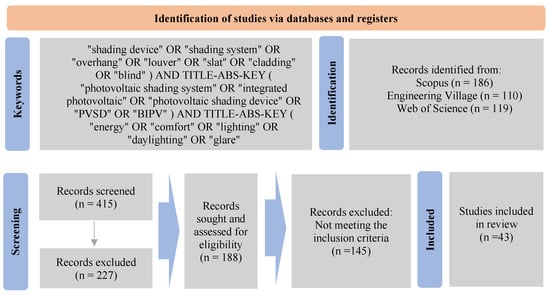
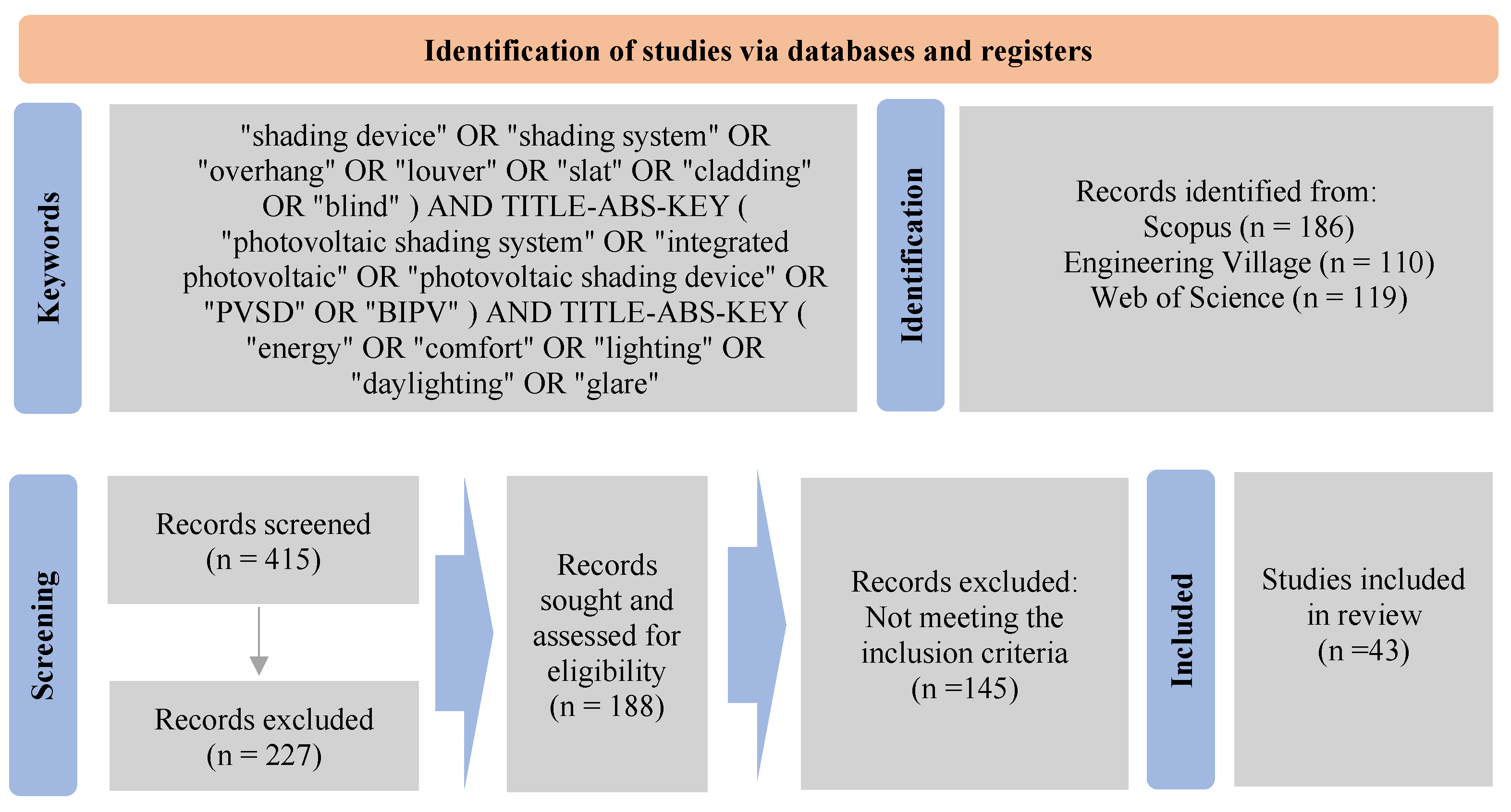
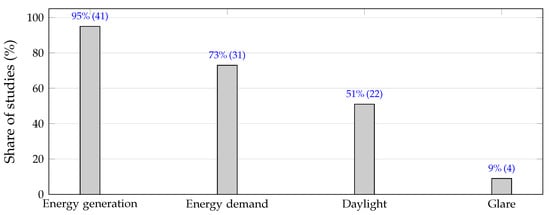
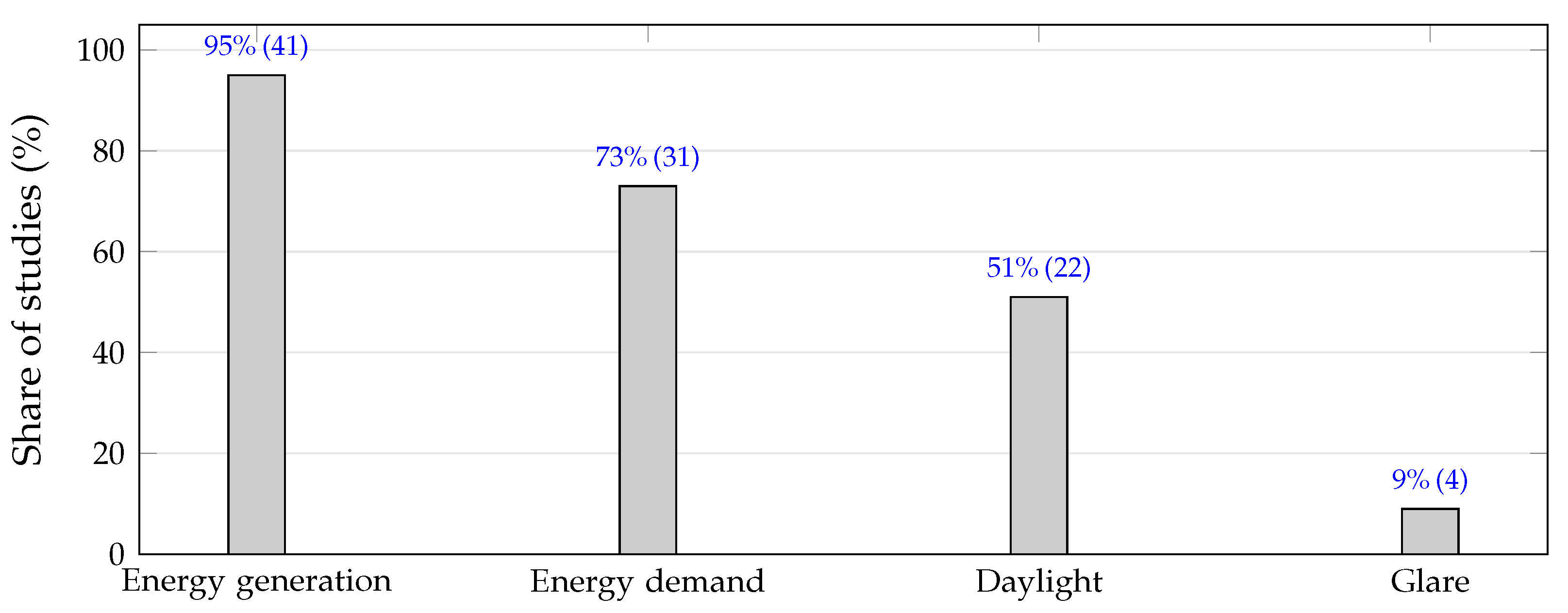
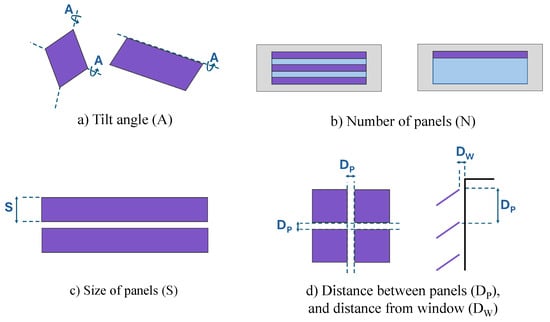
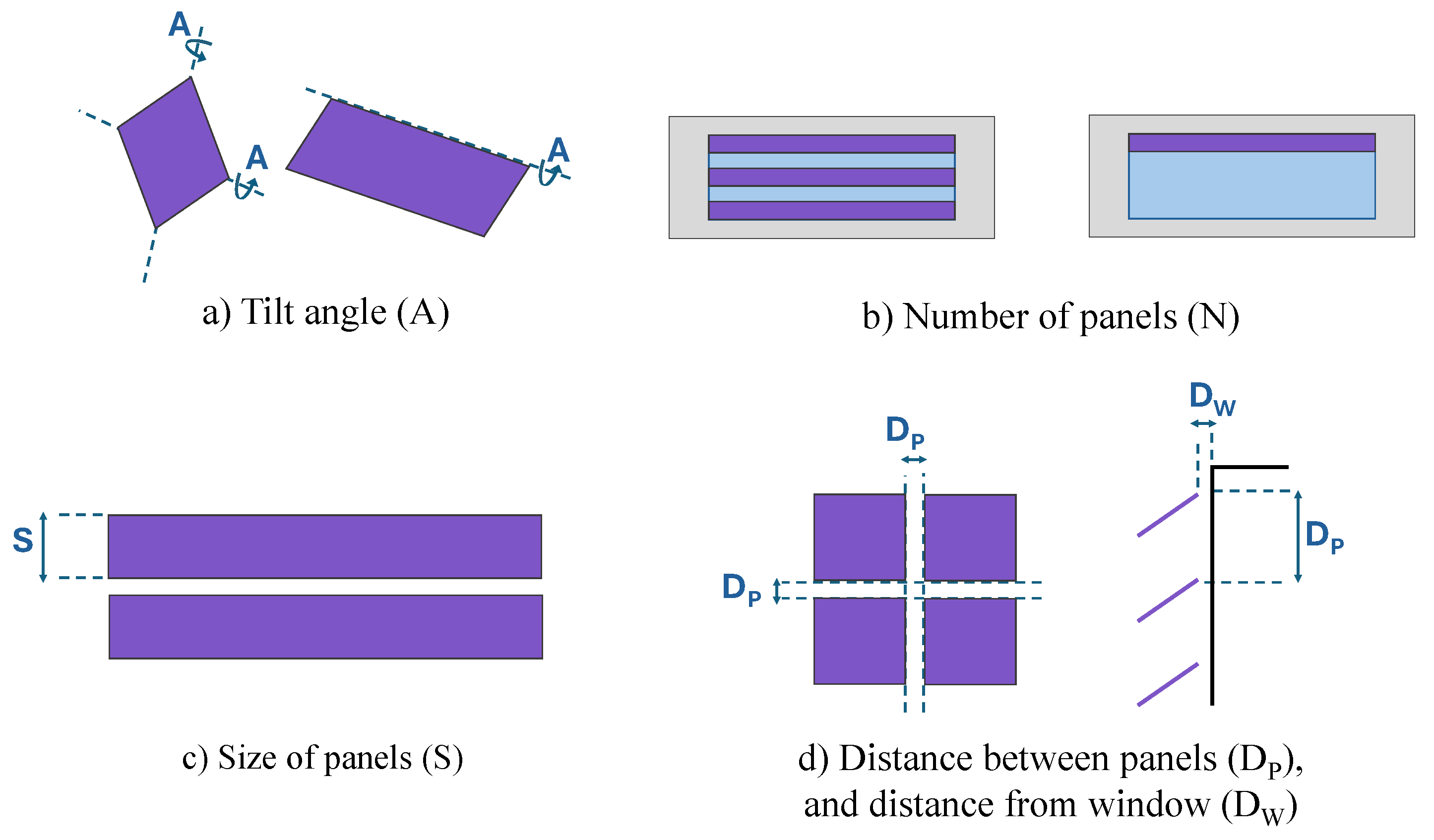
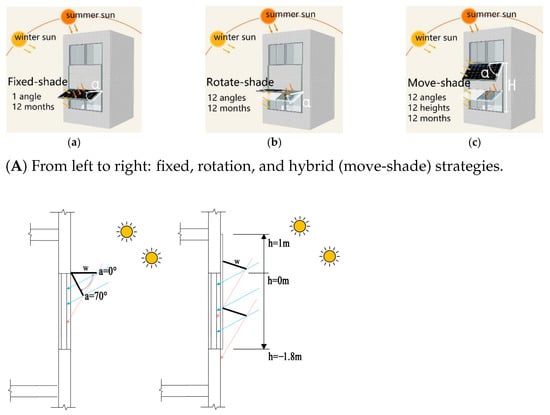
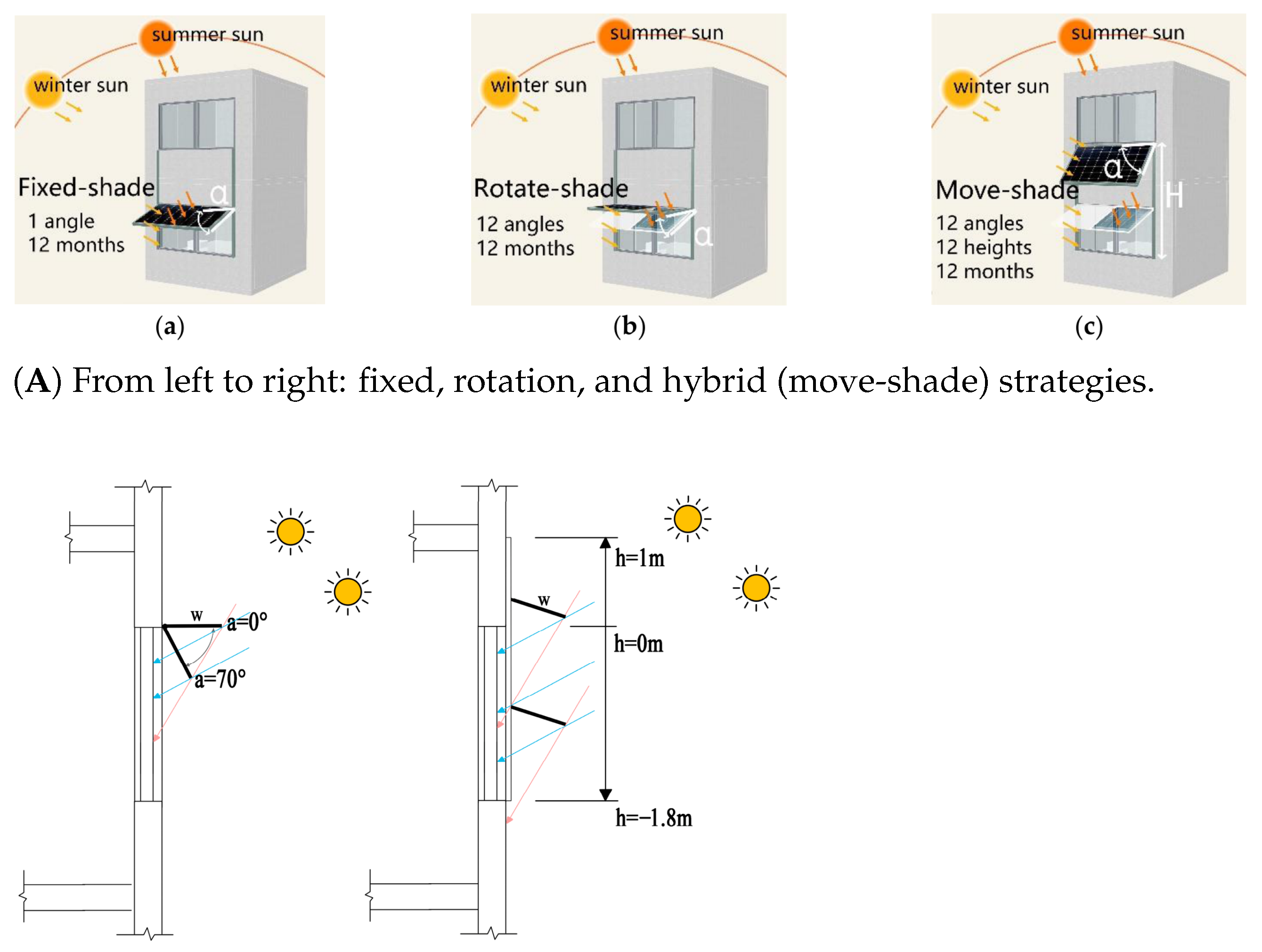
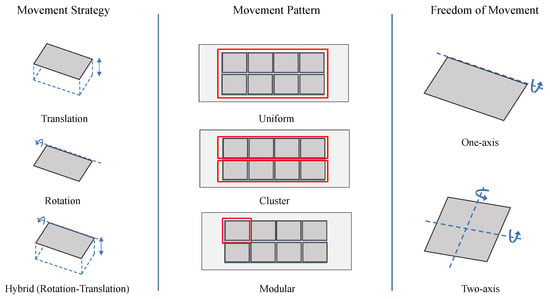
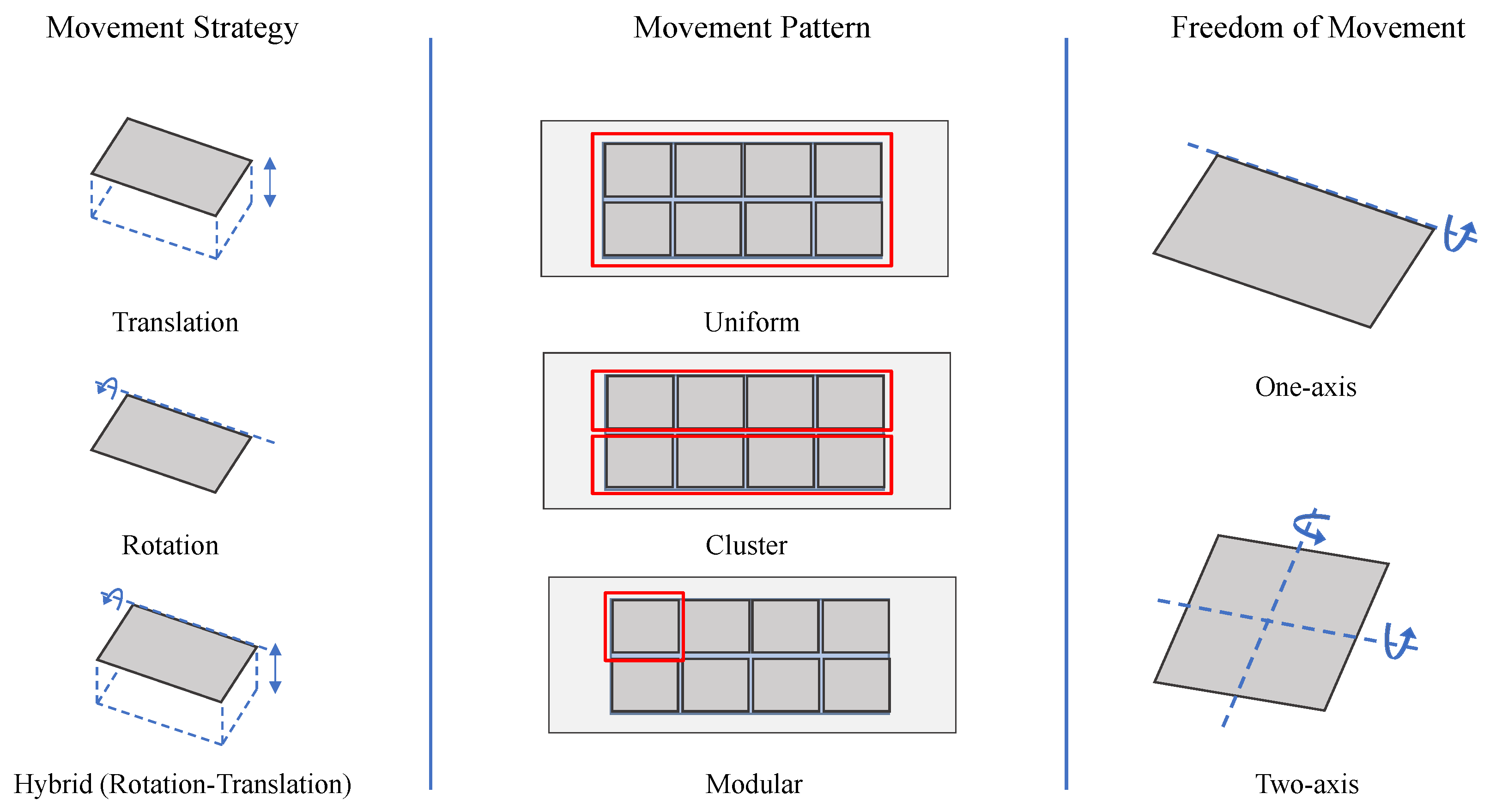
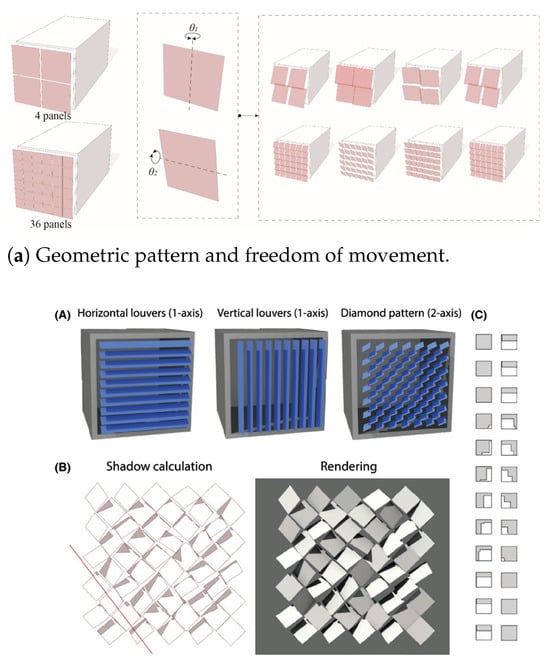
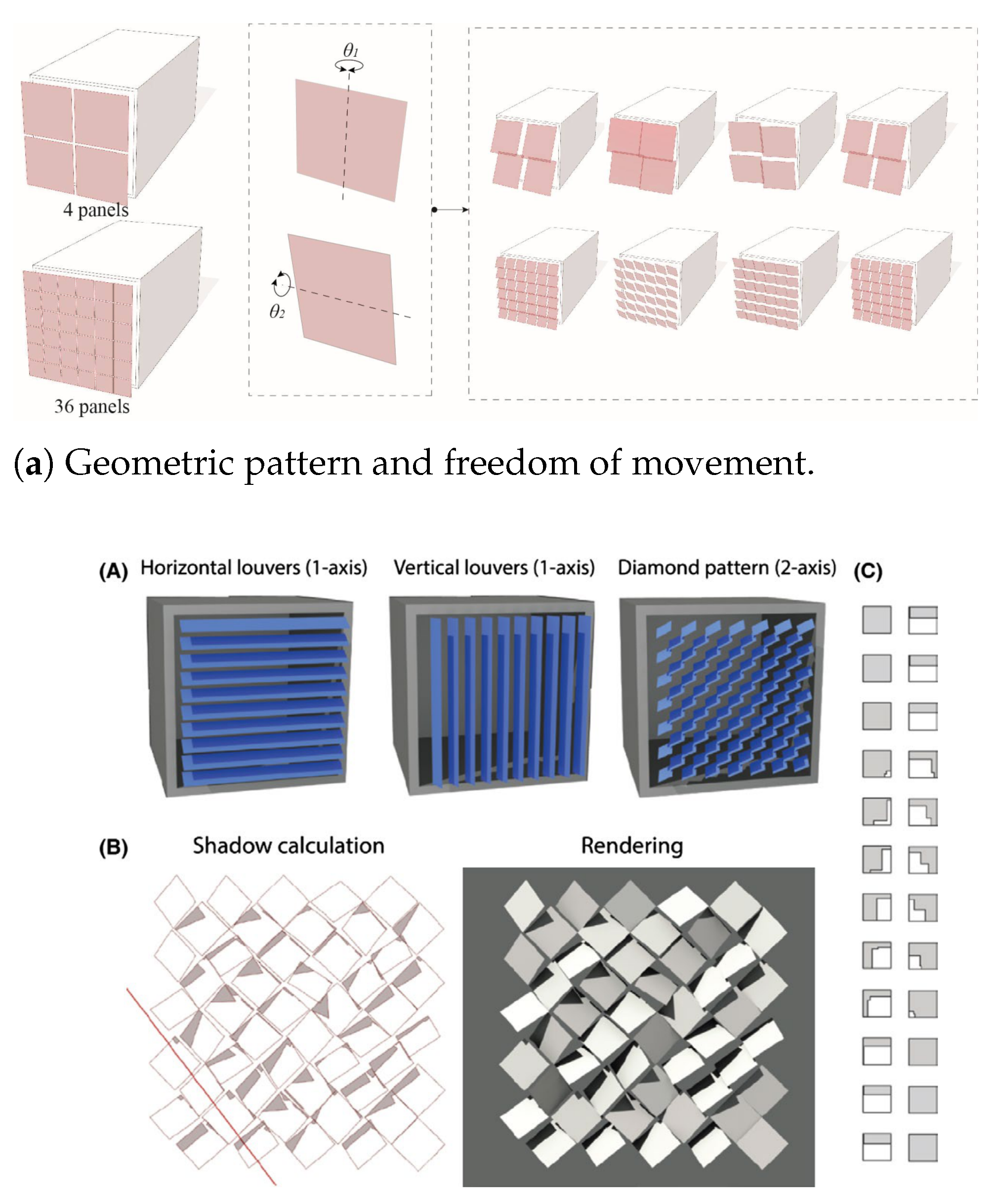
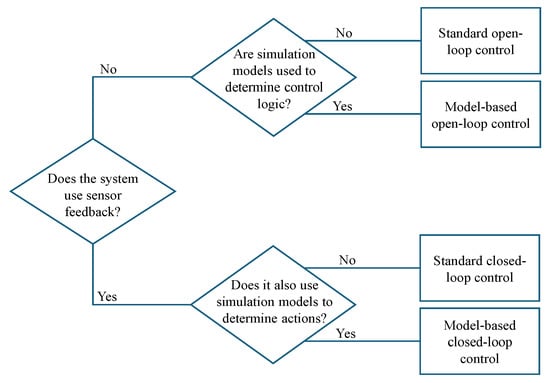
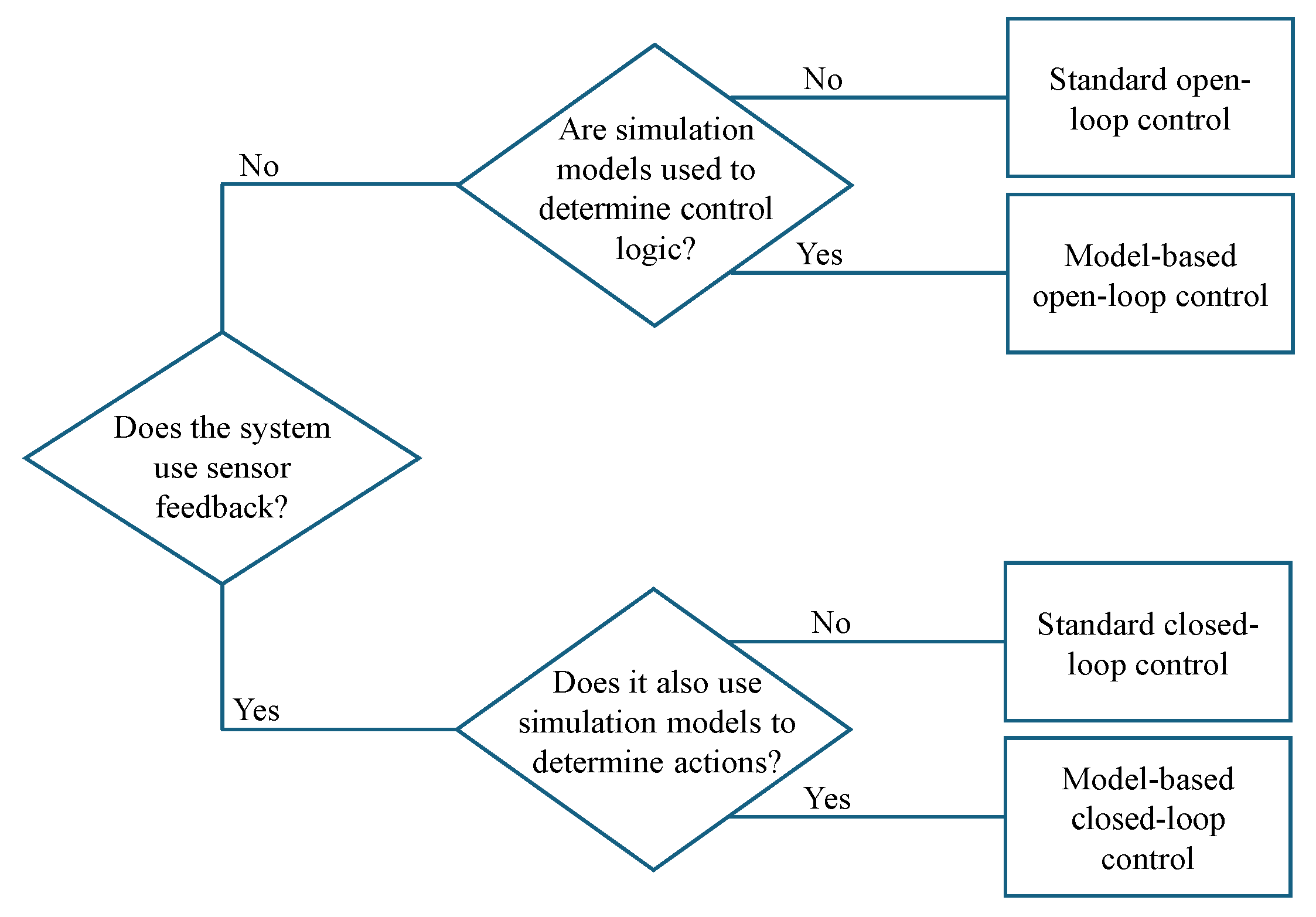
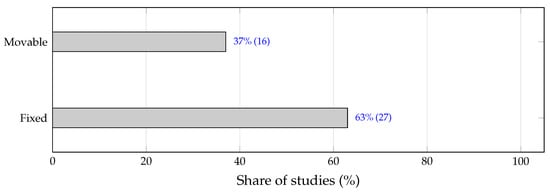
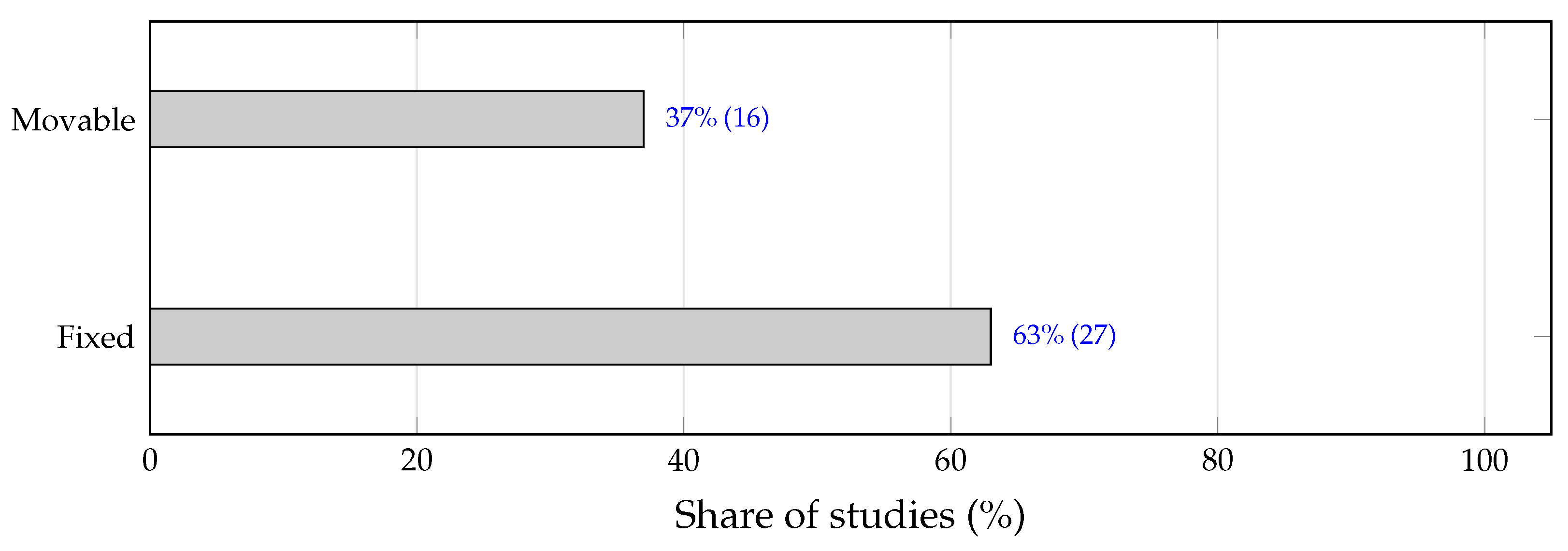
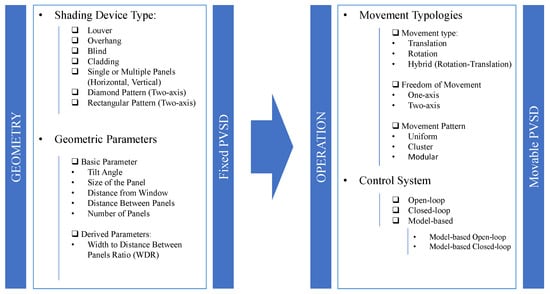
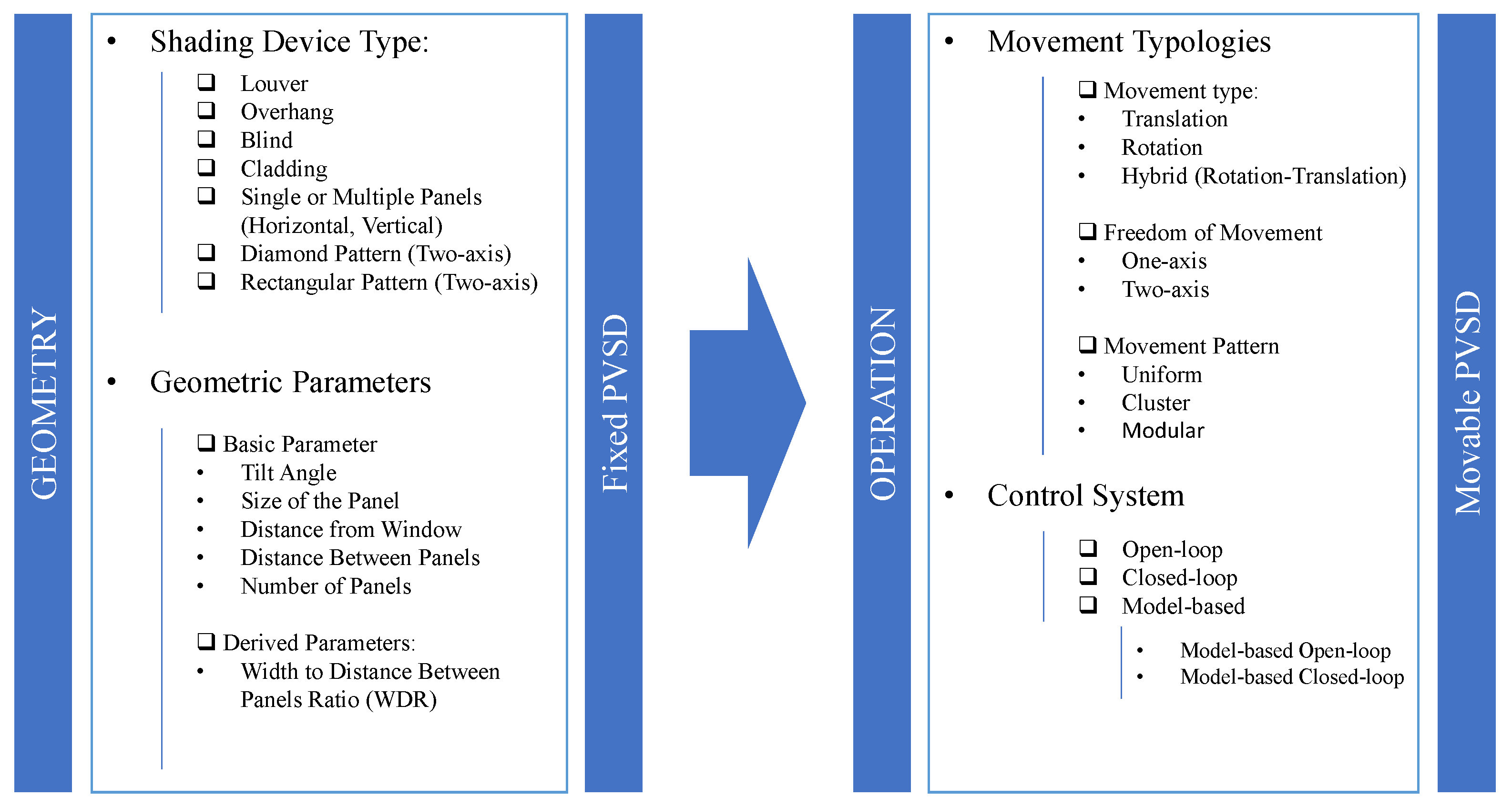

Disclaimer/Publisher’s Note: The statements, opinions and data contained in all publications are solely those of the individual author(s) and contributor(s) and not of MDPI and/or the editor(s). MDPI and/or the editor(s) disclaim responsibility for any injury to people or property resulting from any ideas, methods, instructions or products referred to in the content. |
© 2026 by the authors. Licensee MDPI, Basel, Switzerland. This article is an open access article distributed under the terms and conditions of the Creative Commons Attribution (CC BY) license.