


Abstract
The rapid urbanization process is forcing cities to rethink their development models by adopting circular economy strategies that promote resource efficiency, regeneration, and waste reduction. This systematic literature review investigates how circular strategies are being developed and implemented to support the transition toward circular cities. Following the PRISMA guidelines, 77 studies were selected to provide a comprehensive overview of the approaches currently adopted across different urban contexts. This review identifies a four-macro-level framework encompassing urban circularity strategies, architecture and circular constructions, waste management and recycling, and food sustainability, highlighting both their interconnections and specific challenges. Results show that successful circular transitions depend on the integration of digital innovation, participatory governance, and context-sensitive policy frameworks. However, infrastructural gaps, fragmented regulations, and limited citizen engagement continue to hinder progress. Overall, this review highlights the need for integrated strategies that connect environmental, institutional, and social dimensions to foster more circular, resilient, and inclusive urban systems. These findings contribute to the growing understanding of how cities can operationalize circular economy principles to address sustainability challenges and accelerate the transition toward regenerative urban development.
1. Introduction
The concept of circular economy (CE) has its roots in disciplines such as industrial ecology, environmental and ecological management, sustainable business economics, and other branches related to sustainability [1]. The term “circular economy” was formally used for the first time by David Pearce and Kerry Turner in their 1990 book Economics of Natural Resources and the Environment [2] and represents a sustainable alternative to the linear “take–make–dispose” approach. This approach promotes resource efficiency through strategies such as reuse, recycling, refurbishment, and repair, creating closed systems where materials are continuously reintegrated into production processes [3,4].
In recent years, attention has shifted from industrial applications to urban systems, giving rise to the notion of the “circular city”. Cities are now seen as complex ecosystems where resources flow and materials, energy, water, and nutrients can be redesigned to create closed-loop, regenerative processes.
With accelerating urbanization, circular cities have become a central topic in academic and policy debates. However, despite growing interest, cities face the challenge of clearly defining the CE from an urban perspective, as they are dynamic and complex systems [5].
Global urbanization presents striking figures: the urban population increased from 14% in 1990 to 54% in 2015, with projections to reach 66% by 2050 [6]. Despite covering less than 2% of the surface of the Earth, cities consume between 60% and 80% of global natural resources [7]. This rapid urbanization entails significant challenges such as (1) the increase in global greenhouse gas emissions: cities produce approximately 70% of global CO2 emissions, with an expected annual increase of 2–3% [8]; (2) an increase in noise pollution, where noise averages 72.9 dB (A), compared to 53.3 dB (A) in residential areas [9]; (3) growing pressure on water supply, with projections of an 8% increase in vulnerable urban areas by 2040 [10]; and (4) a significant rise in waste production, which currently accounts for around 50% of global waste [7]. As urban areas account for over 70% of resource consumption and greenhouse gas emissions, they hold both the responsibility and the potential to accelerate the transition toward more sustainable systems.
In this context, the CE has emerged as a compelling alternative to the dominant linear economic model. Implementing the CE in cities could bring significant benefits, including a 7% increase in the Gross Domestic Product (GDP) of Europe, generating annual savings of €600 billion and creating 170,000 jobs by 2035, a 48% reduction in CO2 emissions by 2030 and 83% by 2050, and a decrease in raw material consumption of 32% by 2030 and 53% by 2050 [11]. In Europe, urban policymakers have recognized the urgency of transitioning to circular city models through strategic initiatives such as the European Green Deal and the Circular Economy Action Plan [12]. In parallel, the Ellen MacArthur Foundation has played a pivotal role in shaping this landscape influencing urban policy through research, advocacy, and capacity building since 2010. Notably, its 2019 report Cities and the Circular Economy for Food [13] highlighted the central role of cities in the transition to a CE.
Although interest in urban circularity has grown significantly, the literature remains fragmented, often focusing on isolated sectors, emphasizing technical or policy aspects over social and cultural dimensions, and showing a geographical bias toward European cities [14,15]. This fragmentation limits a comprehensive understanding of how circular strategies are implemented across different urban contexts and sectors, highlighting the need for a cross-sectoral and comparative perspective.
Based on these considerations, this study conducts a systematic literature review (SLR) to systematically identify cross-sectoral urban circular strategies and the systemic barriers influencing their implementation across different socio-economic contexts, guided by three research questions (RQ):
RQ1. What circular strategies have been implemented or are being developed at the urban level to enhance circularity in cities?
RQ2. What governance mechanisms and initiatives are identified as key enablers of the urban transition to circular economy models?
RQ3. What main barriers to the implementation of urban circular economy strategies emerge across different contexts and sectors?
The objective is to identify effective strategies supporting the transition toward sustainable and circular urban models, improving citizens’ living conditions while safeguarding global ecosystems.
To address the identified research gap and provide a structured and comprehensive analysis of the existing literature, this study is structured around a mixed-methods literature review that combines two complementary approaches: a bibliometric analysis that provides an overview of the scientific landscape, highlighting the temporal concentration of studies, key thematic clusters, leading journals, and geographic distribution, and a systematic review, conducted in accordance with PRISMA guidelines, aimed at identifying and categorizing urban CE strategies.
Unlike studies that focus on individual sectors or regions, this research adopts a cross-sectoral and comparative perspective, enabling a more comprehensive understanding of circular initiatives across diverse urban contexts.
By integrating these methods, this study ensures the rigorous and transparent selection and evaluation of sources, uncovering broader patterns, common barriers, and key enablers that shape the transition toward circular cities.
2. Materials and Methods
The SLR was conducted in accordance with the Preferred Reporting Items for Systematic Reviews and Meta-Analyses (PRISMA) 2020 guidelines [16]. The review protocol was not registered in any public database, and a formal protocol document was not prepared prior to the review. To ensure transparency and reproducibility of the review process, the full checklist and the abstract checklist according to the PRISMA 2020 guidelines are provided as Supplementary Materials.
However, the methodological procedures, eligibility criteria, and search strategy were defined a priori and are fully described in this section to ensure transparency and reproducibility.
The SLR process was carried out in the following key stages:
- 1.
- Source Selection
The primary database used for this study was Scopus (https://www.scopus.com/). Scopus is widely recognized as one of the main sources for citation data and bibliometric analyses, offering broad interdisciplinary coverage that enables comparisons across different research fields [17]. Moreover, comparative studies have shown that Scopus indexes a larger number of journals and provides wider coverage for citation analysis than other major databases, such as Web of Science [18]. Although newer databases may include a higher volume of raw documents, evidence suggests that Scopus ensures more complete and reliable metadata (particularly regarding affiliation data), making it especially suitable for systematic reviews and bibliometric-oriented literature retrieval [19]. In addition, comparative evaluations among PubMed, Web of Science, Google Scholar, and Scopus highlight that Scopus covers a broader range of journals and offers greater utility for both information retrieval and citation analysis, with approximately 20% higher citation coverage than Web of Science [18]. Taken together, these considerations indicate that the selection of Scopus was deliberate and aligned with the interdisciplinary scope, data reliability requirements, and methodological rigor expected in systematic literature reviews, while acknowledging the potential disciplinary and linguistic biases inherent in any bibliographic database. Furthermore, the adoption of Scopus as the single database, rather than combining multiple databases, was intended to optimize the literature analysis process, minimize the risk of duplicate records, and ensure a consistent screening procedure based on the use of standardized and homogeneous metadata.
- 2.
- Keyword Identification
The identification of search keywords was guided by a structured and concept-driven approach, directly grounded in the research questions and the conceptual scope of this study. In line with systematic and bibliometric-systematic literature review guidelines [16,20], the definition of the search strategy began with an initial familiarization with the research domain to clarify the key constructs under investigation, namely, circular strategies and their application within urban and territorial contexts.
Specifically, the keywords were derived deductively from the core concepts embedded in the research questions (circularity, strategies, and cities), ensuring a conceptual alignment between the review objectives and the search query. This procedure is consistent with methodological recommendations, which emphasize that search terms should reflect the main theoretical constructs and boundaries of this study in order to enhance the relevance and coherence of the retrieved literature [21].
To further improve the comprehensiveness and robustness of the search, the initial set of keywords was expanded through the inclusion of semantic variants, synonyms, plural forms, and alternative spellings associated with the main constructs. This controlled expansion of terminology reduces the risk of omitting relevant studies due to disciplinary differences in language use and terminological heterogeneity across the CE and urban sustainability literature [21].
The final search string was developed by combining core thematic terms related to circular strategies (“Circular Strateg*” and “Circularity”) with geographic descriptors (“City,” “Cities,” “Region,” “Town,” “Countr*”) in order to capture studies explicitly addressing circular approaches at urban, regional, or national contexts. The final search query applied in Scopus was (Circular Strateg*) AND (Circularity) AND (City OR Cities OR Region OR Town OR Countr*).
The use of wildcard operators (e.g., “Strateg*”, “Countr*”) allowed the inclusion of terminological variations and reduced the risk of excluding relevant studies due to semantic differences in the literature [20]. By restricting the search to articles where these terms appeared in the title, abstract, or keywords (TITLE-ABS-KEY function), the methodology ensured that results were both precise and directly relevant to the focus of the study on circularity at multiple geographic or administrative scales.
- 3.
- Inclusion and Exclusion Criteria
To ensure a focused and high-quality selection, the SLR was limited to:
- Publications written in English;
- Only articles and review papers were included;
- Publications such as editorials, comments, notes, and conference proceedings were excluded.
These criteria were defined a priori to ensure methodological consistency, transparency, and the overall quality of the SLR. The restriction to English-language publications was adopted to enable accurate interpretation and consistent qualitative synthesis, while acknowledging the potential exclusion of relevant studies published in other languages.
The focus on scientific articles and literature reviews reflects the intention to prioritize sources that provide validated methodologies, detailed empirical evidence, and higher scientific reliability.
Editorials, comments, notes, and conference proceedings were excluded to maintain comparability and quality standards across the dataset. While conference papers may present emerging innovations in rapidly evolving fields, they often contain preliminary results and shorter formats and are frequently later expanded or revised in journal publications. Limiting the dataset to more consolidated academic outputs improves comparability across studies.
- 4.
- Study Selection, Data Extraction and Quality Assessment
The study selection was conducted in multiple stages by two independent authors to reduce human error and potential selection bias. Titles and abstracts were screened against the predefined inclusion and exclusion criteria, and potentially relevant studies were subsequently retrieved for full-text assessment. Full-text articles were then assessed for eligibility based on the predefined criteria. Following the eligibility assessment, the final set of included studies was organized into a structured Excel spreadsheet to ensure systematic data management.
For each included study, a comprehensive set of variables was systematically extracted to support the qualitative synthesis. The extracted information included: authors, title, year of publication, abstract, geographical context, type of study, main study characteristics, methodological approach, participants, interventions, main results, relevant findings, and the degree of alignment with the research topic. Additional notes were also recorded to document methodological issues, limitations, or critical aspects identified during the analysis. This structured dataset enabled a consistent comparison across studies and supported the identification of recurring patterns, thematic clusters, and gaps in the existing literature.
Due to the heterogeneous nature of the included studies (e.g., literature reviews, qualitative research, quantitative analyses, and interdisciplinary works), a formal risk-of-bias assessment was not performed. This review aims to provide a systematic synthesis of circular city strategies rather than to evaluate the effectiveness of specific interventions, making traditional risk-of-bias appraisal tools less applicable.
- 5.
- Four-macro-level framework
The extracted data formed the basis for the categorization of studies into four main thematic areas (Figure 1): (1) urban circularity strategies, (2) architecture and circular construction, (3) waste management and recycling, and (4) food sustainability. These domains were identified inductively from the recurring themes emerging across the selected studies and together constitute the macro-level analytical framework adopted for this review.
Figure 1.
Subdivision of papers into different macro categories.
Adopting this framework allows this review to capture the cross-sectoral and systemic nature of circular city research, enabling a structured and integrated interpretation of how CE strategies, enabling factors, and implementation barriers emerge across different urban contexts.
The number of publications found in Figure 2 through relevant title selection was 363 articles; after applying the PRISMA method, a total of 77 sources were included. A list of these papers is provided in Appendix A.
Figure 2.
PRISMA 2020 flow diagram of selection process. * Consider, if feasible to do so, reporting the number of records identified from each database or register searched (rather than the total number across all databases/registers). ** If automation tools were used, indicate how many records were excluded by a human and how many were excluded by automation tools.
This methodological approach enables this study to address the fragmentation highlighted in the existing literature on circular cities in the urban context, which is often characterized by sector-specific analyses, geographical biases, and the limited integration of social, governance, and technological dimensions.
In this context, this research contributes to the literature by providing a cross-sectoral and comparative synthesis of circular strategies, identifying recurring patterns, enabling mechanisms, and systemic barriers across heterogeneous urban contexts. Unlike previous reviews that focus on single domains (e.g., waste, construction, or policy), this study adopts a holistic perspective that captures the interconnections between multiple urban subsystems and circular practices.
The novelty of this study lies in the integration of bibliometric analysis and PRISMA-based systematic review within a unified analytical framework, allowing both a macro-level mapping of research trends and an in-depth qualitative categorization of circular strategies. This approach advances the current knowledge by moving beyond descriptive sectoral analyses toward a systemic understanding of how CE principles are operationalized at the urban scale.
This review is guided by the RQs and the macro-level analytical framework, aiming to interpret how circular strategies, governance mechanisms, and implementation barriers emerge and interact across different socio-economic and geographical contexts.
3. Results
3.1. Bibliometric Analysis
As illustrated in Figure 3, research interest in the field of circular cities has grown significantly since 2018, particularly in relation to articles associated with keywords relevant to the three key research questions. Although a slight decline is observable in 2025, this does not necessarily indicate a reduction in scholarly attention to circular urban transitions.
Figure 3.
Number of papers per year.
Geographical Distribution and Journal and Research Keywords
Figure 4 illustrates the geographical distribution of the publications. In some cases, studies have been applied in multiple countries or even across different continents, reflecting the international scope of research on circular strategies in cities. Additionally, certain publications involved collaborations between institutions within the same country or across borders. When multiple institutions from the same country contributed to a single study, that country was counted only once.
Figure 4.
World map of country-based distribution of articles.
The map reveals a high concentration of research activity in Europe, particularly in countries such as Italy, the Netherlands and Germany, with significantly fewer studies focused on non-European regions. Asia stands out for its emphasis on specific key areas, while Africa demonstrates a preference for coastal and insular locations.
European strategies for a CE are characterized by a remarkable diversity of approaches, demonstrating how innovative solutions can be adapted to specific local and sectoral contexts, thus generating significant complementarities, and are supported by robust regulatory and infrastructural frameworks and the availability of significant funding. This spatial pattern can be largely explained by the strong political and financial commitment of Europe to the CE, supported by dedicated EU programs, strategic policy agendas and well-established regulatory and infrastructural frameworks that actively foster research and experimentation at the urban scale.
As illustrated in Figure 5, the journal Sustainability stands out as the publication with the largest number of papers on the CE, totaling 14 articles. Following closely behind, both the Journal of Cleaner Production and Circular Economy and Sustainability each published a total of 8 papers.
Figure 5.
Journals with more than one article on CE.
Keywords were analyzed using the VOSviewer software 1.6.20 to identify conceptual clusters and research trends. The analysis selected terms with a minimum occurrence threshold of 3 and employed binary counting to ensure equal weighting across documents. This methodological choice reduces the risk that highly repetitive terms within a limited number of documents disproportionately influence the network structure, thereby enhancing the robustness of the conceptual mapping.
Frequency analysis showed that generic terms like “circularity” recorded the highest occurrences (49 instances) but lower conceptual relevance, as they appear across diverse contexts. Conversely, more specific terms, including “recycle,” “nature-based solutions,” and “city-level”, demonstrated higher conceptual relevance scores despite fewer occurrences (three instances each), indicating strong and focused thematic connectivity. This divergence between occurrence and relevance suggests that the literature is structured around a set of broad umbrella concepts, accompanied by more specialized and emerging thematic niches that reflect the sector-specific applications of circular strategies. This distinction highlights the importance of analyzing both frequency and thematic coherence: frequently cited terms represent broad research interest, while highly relevant terms signal concentrated expertise and established knowledge clusters.
In the graphical representation (Figure 6), the size of each term reflects both its relevance score and its frequency of occurrence, indicating its importance within the keyword network. The colored clusters represent groups of keywords that frequently co-occur in the analyzed literature, thus identifying thematic sub-domains of research on circular cities. Specifically, the clusters highlight interconnected themes related to governance and planning, research and monitoring tools, resource and waste management, and city-level implementation of circular strategies. However, it should be noted that spatial proximity in VOSviewer indicates a lexical association rather than a theoretical or methodological alignment; therefore, the map is interpreted as an exploratory visualization of thematic relationships, to be integrated with the qualitative synthesis rather than considered as a standalone classification tool.
Figure 6.
Keywords analysis on VOSviewer.
3.2. Description of the Main Methodologies Applied
The methodologies used in the analyzed articles reveal a variety of approaches aimed at exploring the complexity of topics. A summary of the main methodologies identified across the analyzed articles is presented in Table 1.
Table 1.
Summary of methodological approaches in the reviewed literature.
A comparison of these methodological approaches is provided in Table 2, summarizing their main strengths, limitations, ideal applications, and resource demands.
Table 2.
Comparison of methodological approaches.
The overall analysis shows that there is no universally “superior” methodology; rather, each approach is suited to specific research objectives and geographic contexts. Theoretical and quantitative methodologies dominate in high-income countries, where access to data and resources is greater, while qualitative and participatory methods are more common in contexts where human interactions and local engagements are essential. This suggests the need to combine diverse approaches to address sustainability challenges with a truly global and multidimensional perspective.
3.3. Overview of the Four Macro-Categories of Circular Strategies
The division into four macro-categories, reflecting the most recurring areas of research and intervention in the literature on circular strategies, allowed for structuring the investigation in a way that aligns with the main challenges and strategies identified in the analyzed studies. Although analytically distinct, these domains are deeply interconnected and often implemented through integrated approaches at the city level. For instance, studies on urban organic waste flows and living labs (e.g., the Pécs Living Lab) [22] show how organic waste management solutions such as composting and anaerobic treatment contribute to closing local material loops and enhancing resource circularity, thereby creating systemic linkages among waste management (macro-category: waste management and recycling), broader urban sustainability (macro-category: urban circularity strategies), and, indirectly, food-related systems (macro-category: food sustainability).
Urban circularity strategies represent the most extensive category, reflecting the central role of cities as coordinators of circular transitions. Architecture and circular construction focus on reducing the environmental footprint of the built environment. Waste management and recycling remain a core domain of CE implementation. Finally, food sustainability addresses circularity along the agri-food chain.
3.3.1. Urban Circular Strategies
These strategies address a wide spectrum of actions, including the application of CE principles through the 9R framework (rethinking, redesigning, remanufacturing, repairing, redistributing, reducing, reusing, recycling, and recovering) [23], the development of Urban Living Labs, participatory planning tools, community engagement practices, the use of digital technologies, and the implementation of monitoring indicators [24].
A key strategy focuses on promoting local circular practices through maker spaces and community-driven initiatives. This perspective is further supported by studies on bottom–up urban initiatives that provide “spaces for circularity”, such as repair, exchange, borrowing and reuse platforms, which actively extend product life cycles and reduce waste at the local scale [25]. These practices operationalize several 9R principles (particularly repair, reuse, and redistribution) by embedding circular behaviors into everyday urban consumption.
A complementary model is represented by Circular Craft Centers, which act as multi-stakeholder urban hubs integrating repair, reuse, recycling, education and social inclusion, thus advancing material circulation and inclusive urban circularity [26]. Alongside these structured hubs, more informal initiatives such as repair cafés also play a key neighborhood role. For example, Maakbar in Leuven [27] provides tools and knowledge to citizens to restore items like appliances, furniture, and clothing, extending their life cycle. A notable result is the increased repair of household items, supported by local volunteers and municipal incentives.
Further initiatives, including second-hand stores such as Think Twice in Leuven and flea markets in cities like Piraeus and material recovery projects (the Leuven Materialenbank for construction materials), offer accessible platforms for reusing goods, contributing to material circulation and waste minimization [28]. Similarly, Thessaloniki [28], working with a local waste management company, recovered 800 kg of materials, including furniture and scooters, redirecting them to circular production activities. These collaborative efforts highlight how partnerships can improve the effectiveness of urban circular strategies, integrating reuse and recycling into sustainable development frameworks.
Another key strategy is the establishment of Urban Living Labs, as seen in Pécs, Hungary [22], where eco-innovative solutions have been developed, including practices such as promoting home composting through the distribution of 3000 compost bins and recycling 9840 tons of separated organic waste into compost. These initiatives also include the collection of waste oils from restaurants for reuse, highlighting how collaboration within the Living Labs has facilitated the co-creation of effective strategies to accelerate the transition to a CE, enhance sustainable material management, and reduce waste at its source. Similarly, Urban Living Labs focused on socio-ecological innovation, such as nature-based experimental districts and community-led resilience laboratories, demonstrate how participatory experimentation can integrate circularity, regeneration, and ecosystem-based solutions within urban systems, particularly in areas related to water management, biodiversity, and green infrastructure [29].
A further key strategy emphasizes the use of participatory planning tools, particularly Geodesign methodologies, which combine spatial analysis, stakeholder engagement, and impact assessment to co-develop circular solutions [30,31]. For example, the REPAiR project [32] used Geodesign to enhance collaboration through geospatial technologies and dynamic visualization tools, allowing communities to assess and shape spatial and environmental outcomes [31]. Similarly, strategic planning tools such as the Urban Circularity Assessment Framework, implemented in Umeå and Stockholm [33], and an urban planning study conducted on nine African islands [34] highlight how urban governance can integrate social, economic, and environmental dimensions to assess and guide the circular transitions. Other participatory approaches include R-Urban [35] in Colombes, France, which engages citizens in community-led circular activities, such as community gardens, composting, and rainwater harvesting, and the Living Breakwaters [35] initiative in Staten Island, which integrates ecological restoration with community education through workshops. The Reburg project [35] in Flanders explores future urban circularity through a scenario by engaging a wide range of stakeholders. These approaches are particularly effective in the regeneration of marginalized urban areas, highlighting the potential for adaptive reuse and the valorization of peri-urban spaces [36]. This emphasis on territorial specificity allows strategies to be adapted to local needs, taking advantage of the unique characteristics of each context, underscoring circularity through place-based regeneration and the adaptive reuse of degraded lands and fostering stakeholder-driven transitions in marginalized urban contexts [37].
An additional key strategy is the strengthening of community engagement, through awareness campaigns, training programs, and active citizenship initiatives [38]. For example, the Portuguese National Green Roof Association [39] promoted the awareness of Nature-based Solutions (NBSs) through events and institutional collaboration, while education programs through workshops and maker spaces support long-term cultural shifts. However, engagement effectiveness varies significantly: a Colombian study [40] showed that, while 77% of consumers express positive attitude toward CE, only 26% possess adequate knowledge, and only 53% practice circular behaviors, with variations depending on their education and socio-economic status.
Analyzing different engagement typologies reveals that collaborative approaches are most effective in developing tailored solutions, while public education fosters long-term cultural shifts.
Another important strategy concerns the implementation of decentralized governance models, where specific policy guidelines and targeted funding programs have proven to be essential in enabling the systemic adoption of circular practices. Cases from Hungary and Brighton [22,41] demonstrate that participatory frameworks fostered by decentralized structures are more conducive to innovation, while centralized systems often hinder local adaptation. In this regard, local governments are increasingly recognized as key actors in contextualizing and implementing CE strategies, as they can tailor policy instruments, infrastructure investments and governance mechanisms [42] to local socio-economic and environmental challenges, thereby accelerating urban circular transitions [43]. In fact, an analysis of 27 European countries [44] highlighted that nations with comprehensive policy support and significant environmental initiatives achieved outstanding results in CE performance. Moreover, recent planning-oriented studies emphasize that integrating CE principles directly into spatial and strategic urban plans is essential to operationalize circular transitions, as planning instruments can embed circular synergies into land-use organization, infrastructure systems and long-term urban development pathways [45].
A complementary strategy is the integration of sustainable mobility system, such as electric vehicles, as they play a crucial role in reducing environmental externalities [46]. A simulation in a Mediterranean town [47] demonstrated that transitioning to electric mobility as part of a circular development scenario can reduce noise pollution by up to 4 dB(A) compared to baseline conditions. Although noise reduction is not a direct target of CE principles, it represents a valuable co-benefit of circular strategies.
A further operational strategy is the use of digital tools and platforms. Technologies such as IoT sensors, cloud platforms, and real-time monitoring systems optimize material and waste management [6], reducing inefficiencies and promoting sustainability. Innovations such as smart bins with digital tracking systems [48] have improved recycling rates and reduced landfill dependency. Furthermore, digital platforms support sharing economies and circular business models [49], and the adoption of environmental certifications and tracking tools [50] underscores the growing importance of technology in fostering transparency, accountability, and resilience in urban CE practices.
In addition to digital innovation, another key strategy is the development and refinement of performance indicators. The necessity for measurement tools is central to many strategies, as evidenced by the introduction of standardized indicators for tracking progress toward circularity [51]; although many circularity indicators are applied at the national level, their relevance to urban contexts has often been limited, highlighting a gap in personalized assessment methods [52]. Circularity indicators increasingly encompass not only sectors such as production and consumption, waste management, mobility, secondary raw materials and innovation [11,51,53] but also incorporate social dimensions. For example, a comparative study of Brussels (Belgium) and Recife (Brazil) [54] examining circular jobs revealed 8.51% (Brussels) and 9.96% (Recife) of jobs classified as “circular”, respectively, providing valuable urban-level monitoring tools, though comparisons across different economic contexts remain challenging.
Moreover, social indicators, including job creation, training opportunities, and worker safety and protection, can be incorporated into the Social Life Cycle Assessment (S-LCA) methodology [55] to evaluate the social impacts of CE initiatives. S-LCA evaluates the social aspects of products and systems throughout their life cycle, exhibiting potential for measuring the broader social implications of circular strategies. However, its application in CE contexts remains limited and would benefit from significant standardization to enable comprehensive and consistent assessments.
Furthermore, instruments like the Circular Economy Composite Index, employed in the European Union to evaluate advancements toward a circular model [56], and the Emergy Accounting Method, which develops indicators capable of capturing the resources utilized in a process, offer a holistic perspective that integrates environmental, economic, and social dimensions into a unified assessment system [57]. Additional indicators for circular cities and regional material flows enable performance analysis and progress comparisons at various territorial levels [56]. Despite these advances, recent systematic reviews underline the lack of unified and harmonized indicator frameworks and the still limited integration of social dimensions in CE monitoring systems [58], which ultimately constrains the holistic evaluation of CE performance [59].
Although typically associated with the production sector, an additional strategy involves the promotion of industrial circular strategies. In this context, modular and durable product design [60,61] and technologies like waste-to-energy systems and renewable energy solutions contribute to both urban decarbonization and resource optimization. Circular startups, often fostered through city-level initiatives, adopt innovative business models that prioritize reduction, reuse, and recycling [49] and are increasingly supported by public–private partnerships, as demonstrated in Nordic countries, where such collaborations have expedited technological transitions and decarbonization efforts. In particular, Nordic governments play an active role in supporting innovation and technological development through public investment in research and development, green public procurement, and public–private partnerships. In Norway and Sweden, sector-specific climate roadmaps have been developed in collaboration with industry, while in Denmark, the state acts as a facilitator through partnerships and strategies focused on the circular and sharing economy [38]. Key interventions also include the implementation of eco-industrial parks and the promotion of industrial symbiosis practices, as seen in Kwinana [62], where collaboration among firms helps minimize waste within shared urban–industrial ecosystems, particularly in sectors such as textiles and construction, which are characterized by significant environmental impact and complex labor dynamics [63,64]. In these contexts, best practices include promoting material reuse and optimization of urban nutrient and water cycles [65]. Notably, NBS have proven effective in supporting such objectives by managing stormwater, reducing flood risk, and promoting local water reuse. For instance, in Ljubljana, Slovenia, the continued reliance on outdated combined drainage systems contributes to urban pollution and flooding. The integration of green infrastructure, such as permeable pavements, green roofs, and urban wetlands, has been proposed to enhance urban resilience and foster circular water systems [65,66].
Further insights demonstrate that higher Circular Material Usage rates correlate with lower CO2 emissions, while increasing material footprint correlates in higher environmental impacts [67,68].
Finally, a key emerging strategy is the integration of water-related circular approaches, especially in cities experiencing water stress, pollution, or aging infrastructure. These strategies include, in addition to NBS, circular metrics and reuse systems and demonstrate the potential to align water management with broader circular objectives.
Among the most relevant tools, one major strategy identified in the literature is the application of Water Circularity Indicator (WCI), to quantify and monitor the degree of water reuse and recovery within cities. The WCI ranges from 0 (low circularity, high dependence on virgin water) to 1 (high circularity) and helps benchmark the implementation of 5R strategies (Reduce, Reuse, Recycle, Recover, Restore) [69]. The application of WCI-2.0 assigns weights to each R based on implementation effort [70], offering a more nuanced assessment. Its application in Pimpri-Chinchwad revealed the potential to increase water reuse by 6% and recycling by 10% by 2030, supported by investment in advanced treatment infrastructure [70]. Nonetheless, effective implementation depends on adapting strategies to local conditions and overcoming infrastructural and cultural barriers. National initiatives like the Jal Jeevan Mission further support this transition, but flexibility and local engagement remain critical [70].
At the policy level, a literature review reveals that, although European Circular Economy Action Plans increasingly reference water, the topic is often underrepresented compared to material or waste flows. Notably, only the plans of Mediterranean countries, including Spain, Portugal, Greece, and Italy, explicitly identify water reuse as a priority [71]. However, few national strategies emerge to link water and land management, suggesting a fragmented and incomplete approach to the circularity of urban resources.
The CE necessitates a systemic approach that considers the co-evolution of ecosystems, institutions, technologies, and social practices. This perspective acknowledges the complexity of interactions among various actors and sustainability dimensions [41]. This vision encourages transcending sectoral and territorial boundaries, adopting a collaborative approach that translates complexity into concrete opportunities for a sustainable transition.
In line with this perspective, the SLR identified ten families of urban circular strategies. The results are provided in Table 3.
Table 3.
Qualitative synthesis of urban circular strategy families identified in the SLR.
3.3.2. Architecture and Circular Constructions
This category explores circular strategies in architecture and construction as integral components of broader urban circularity strategies. Studies reveal that the construction sector consumes 36% of global energy and generates 40% of global emissions, underscoring the urgency of circular transformation [72]. Moreover, 45% of all carbon emissions in the United Kingdom stem from existing buildings (e.g., appliances, heating), with 87% of these buildings expected to remain operational by 2050, making their circularization through refurbishment and adaptive reuse essential [73].
To address these challenges, the literature identifies several circular strategies in architecture and construction.
The first key strategy is the use of local and natural materials, which has gained increasing prominence as a means to minimize embodied carbon emissions and reduce dependency on long-distance supply chains. Projects adopting “km 0” approaches not only stimulate the local economy by engaging artisans and local producers but also reduce long-term maintenance costs [72,74]. For example, homes in Palma de Mallorca built with local marès stone and dried seaweed insulation demonstrate how proximity-based sourcing and material recycling can close resource loops and drastically reduce CO2 emissions [72]. Similarly, the Montessori school in Valencia showcases how the use of durable, natural materials can serve as a replicable model for lowering operational costs through circular design [72].
Another key strategy identified is the adaptive reuse of existing buildings and has emerged as a cornerstone for combining cultural heritage preservation with circular goals. The Edifici Mondo project in the city of Salerno [75] transformed four abandoned historic buildings into cultural and social spaces through a participatory process supported by a multi-criteria evaluation methodology. This intervention mitigated environmental costs associated with new construction (avoiding CO2 emissions, virgin resource extraction, and construction waste) [74] while fostering social cohesion and enabling educational and cultural activities [75].
A further strategy is NBS, such as green roofs, by promoting resource efficiency, extended material lifespans, and regenerative urban systems [76]. These solutions rely on artificial heating and cooling, thus lowering energy consumption and associated emissions. For example, replacing a conventional roof with a green roof in the UK can reduce environmental impacts from 1.0% to 5.3% and the average lifespan of green roofs may reach up to 40 years, compared to 20 years for conventional roofs [73]. Beyond energy savings, green roofs support water retention, air purification, and local biodiversity, aligning with circular principles that seek to close resource loops and integrate natural systems into the built environment.
Finally, life cycle-oriented design represents another key strategy, focusing on the entire life cycle of building to minimizing environmental impacts. This approach emphasizes the use of reusable and recyclable materials, as well as designs that facilitate disassembly and repurposing. In Italy, where over 6 million unused architectural heritage buildings exist, this approach offers a pathway for revitalization while reducing ecological footprints [77]. In contexts of the global South, recent research highlights the development of techno-typological models based on easily assembled and disassembled systems, locally available resources, and the integration of second-hand building components, aimed at reducing construction costs and environmental impacts across the building life cycle [78]. By prioritizing the longevity and adaptability of materials and structures, this strategy aligns with the principles of circularity.
The included studies on architecture and construction were synthesized through a qualitative comparative approach, identifying four main circular strategy families (Table 4).
Table 4.
Synthesis of circular strategies in architecture and circular construction macro-category.
3.3.3. Waste Management and Recycling
Waste management represents one of the most consolidated domains of CE applications in the urban context. It is important to note that several strategies discussed in this section, such as urban wastewater reuse and industrial symbiosis, also emerge in the broader category of urban circular strategies; however, in this domain, they are analyzed from an operational and infrastructure-oriented perspective, specifically focused on waste and resource flow management. The SLR consistently shows that integrated waste management is crucial for reducing environmental impacts, preserving natural resources, and promoting a resilient and circular economic model.
One prominent strategy is the development of integrated waste management models that aim to move beyond traditional disposal-based systems such as landfilling and incineration [79,80]. As global municipal solid waste production is projected to reach 3.4 billion tons by 2050 [81], cities face increasing pressure to adopt more sustainable and systemic solutions. Several studies demonstrated the effectiveness of indicator-based models in optimizing waste flow and improving transparency and efficiency. An example is the m-SWM4Cities model, a multidimensional approach to sustainable urban waste management that is systemic, adaptable to various urban contexts, and utilizes key indicators to evaluate and enhance waste management strategies as shown in its application to Mexico City [81]. Similarly, studies on medium-sized Brazilian cities highlight how sustainability indices reveal the limitations of conventional practices and the need to transition toward more circular models [82].
A further important strategy concerns the extension of circularity principles to the urban wastewater sector through reuse and resource recovery approaches. While water-related circular strategies are also addressed within urban circular strategies at the governance and planning level, here, they are specifically examined in relation to wastewater treatment systems, reuse infrastructures, and resource recovery processes within the waste management domain, especially in Latin America, where approaches vary according to institutional capacity and socio-ecological conditions [83]. In Mexico, the emphasis is on large-scale wastewater reuse for agricultural purposes, particularly in peri-urban regions. One of the largest treatment plants in the world, i.e., the Atotonilco treatment plant, reuses 15 m3 of wastewater daily, mostly without further treatment, particularly in agricultural regions adjacent to urban centers. It integrates energy recovery, sewage sludge production, and irrigation in the Mezquital Valley. In Chile, there is a marked focus on urban areas, with the transformation of wastewater treatment plants into biofactories in Santiago, aiming to achieve zero waste, energy self-sufficiency, and carbon neutrality. These efforts are supported by a long-term national roadmap (“National Roadmap to the Circular Economy for a Chile Without Garbage 2020–2040”) that aligns regulatory, cultural, and territorial pillars to foster CE transitions. Finally, Bolivia demonstrates a bottom–up, community-centered approach: in municipalities like Cliza and El Alto, decentralized wastewater treatment systems facilitate the reuse of treated effluent for irrigation, while promoting local ownership and ecological sanitation through the separation and reuse of graywater, urine, and composted feces [83].
Alongside this, the establishment of industrial symbiosis networks emerges as a crucial strategy for reducing the demand for primary resources. Although industrial symbiosis has already been discussed within urban circular strategies as a systemic and governance-related approach, in the waste management context, it is interpreted more specifically as a mechanism for waste valorization and the reintegration of by-products into production cycles, for example, Smart Symbiosis Networks [84], proposing collaboration between industrial and urban sectors to reduce environmental impacts and economic costs. Moreover, it relies on creating synergies among industries, where by-products of one production process become raw materials for another, thereby reducing the need for new resources and decreasing the amount of waste generated. In the Brazilian context, circular industrial symbiosis strategies are promoted through the integration of water infrastructure, wastewater management, and cooperation between productive sectors, with a particular focus on the valorization of by-products and the optimization of resource flows between urban and industrial stakeholders [83]. Among these strategies, two emblematic cases illustrate how Brazil is applying these principles. The first concerns SABESP, the state-owned water utility of São Paulo, which has launched a program to optimize wastewater treatment plants aimed at (1) increasing the capacity of existing plants, (2) improving the quality of effluents to facilitate their industrial and agricultural reuse, and (3) recovering resources such as water, energy, and biosolids, reintegrating them into production cycles [83]. The second example is in the state of Espírito Santo, where the government has implemented an integrated river basin management project based on NBS and a Payments for Ecosystem Services (PES) system. In this scheme, landowners provide upstream financial compensation for adopting sustainable agricultural practices and implementing reforestation interventions, actions that improve water quality and reduce sedimentation in river courses. The project generated economic benefits estimated at between USD 13 and USD 18 million, including a direct return for the local water company CESAN, which saved BRL 15.5 million in filtration operating costs [83].
Another strategy involves the adoption of circularity assessment and monitoring tools to support evidence-based waste management such as the Trade-Corrected Circularity Index and the Trade-Corrected Circularity Gap Index [85], which are indicators that consider the trade of waste between regions, accounting for how much a region recycles, including imported or exported waste. Similarly, Waste Circularity Index evaluates three waste types, i.e., electronics, end-of-life vehicles, and municipal solid waste, using a mix of nine indicators to help governments compare and improve waste management policies, and reveals a stark disparity across EU countries: while the average circularity stands at only 10%, nations like Denmark surpass 50% thanks to sophisticated recycling infrastructures [86]. However, adopting these tools requires significant investment in technology and training, which may be beyond the reach of economically disadvantaged regions [85].
An additional strategy adopts a more sector-specific perspective, focusing on waste reduction and material reuse, where circular principles support the optimization of post-consumer material flows and the minimization of waste generation [87]. This strategy is closely connected to the life cycle-oriented design and adaptive reuse approaches discussed in the Section 3.3.2; while the life cycle-oriented design strategy addresses circularity at the design and construction stage, this perspective emphasizes the recovery and reintegration of post-consumer materials at the end-of-life stage within urban waste systems.
Finally, the use of digital technologies and citizen participation mechanisms emerges as a key operational circular strategy. While digital tools and participatory approaches are also discussed in the Section 3.3.1, here, they are specifically framed as instruments for real-time waste flow monitoring, recycling optimization, and behavior-oriented waste reduction. For example, the adoption of advanced tools such as “Unified Waste Metrics” [88] has been shown to optimize waste management by providing a more detailed understanding of economic and environmental impacts, enabling the continuous monitoring of waste flows, the identification of critical inefficiencies, and more informed long-term planning. In parallel, gamification-based applications, such as “WasteApp”, can enhance citizen engagement and environmental awareness, fostering improved recycling behavior and a deeper understanding of CE practices [88].
Six operational circular strategy families were identified, focusing specifically on waste and resource flow management (Table 5).
Table 5.
Synthesis of circular strategies in waste management and recycling.
3.3.4. Food Sustainability
In the context of the circular cities, food plays a pivotal role in maximizing resource efficiency. Although this section focuses on food sustainability as a distinct analytical domain, many of the circular strategies identified (e.g., waste reduction, resource recovery, digital monitoring, and collaborative governance) are inherently cross-cutting and recur across other macro-categories. They are discussed here from a food-system perspective, in order to highlight how similar circular principles are operationalized differently depending on the resource flow considered.
One of the main food strategies is the reduction in waste along the entire supply chain, a cross-cutting CE approach that is also central to waste management and urban circular governance, but is considered here specifically in relation to agri-food flows. However, its effective implementation is often constrained by cultural, economic, and institutional barriers that hinder coordination, adoption of innovative practices, and systemic change. In some specific sectors, innovative solutions based on digital platforms are emerging, but their adoption is still limited [89]. In Brazil, for example, only 37.5% of retail companies apply structured practices to reduce food losses, reflecting persistent cultural and organizational constraints [90]. When effectively implemented, digital technologies enable surplus food to be redirected from disposal to consumption, simultaneously addressing waste reduction and food insecurity. Similarly, in public markets in Mexico City, vendors adopt informal food waste reduction strategies, such as price discounts, transformation into prepared products, and redistribution to customers and local communities, showing that grassroot, community-based practices already contribute to circular food systems [91].
The tourism sector, particularly hotels and restaurants, also represents a critical area for sustainable food management, highlighting the need for circular strategies focused on food waste prevention in high-consumption sectors. In Italy, a study [92] found that food waste represents one of the main waste categories with hotels and restaurants generating 160–200 kg CO2/m2 and 0.8–1.2 kg of waste per guest per day, 44% of which is organic. Although this is a high-impact sector, the adoption of circular strategies remains limited due to economic and organizational barriers, highlighting the need to extend circular strategies to highly visible, resource-intensive sectors.
In addition to food waste prevention, another key strategy is resource recovery from food waste streams. While resource recovery is extensively discussed in the waste management domain, in the food context, it specifically concerns the reintegration of nutrients and organic flows into agricultural and urban metabolic cycles. In particular, the recovery of nutrients such as phosphorus, as well as energy flows that would otherwise be lost through landfill disposal, represents a crucial pathway for closing urban food loops. This approach is particularly evident in Belgium. Currently, only about 2% of the phosphorus entering the city is recovered within urban boundaries, and theoretical scenarios show that recovery could increase up to 70% only with strong political intervention and substantial regulatory changes [93]. Here, the challenge is not the creation of digital infrastructures but the integration of waste treatment systems that transform urban flows into agricultural resources.
Food traceability and monitoring through technology also play a vital role in enhancing the efficiency of circular food systems. This represents a digital circular strategy that, while common across other urban circular domains, is applied here specifically to optimize food logistics, enhance transparency along the supply chain, and facilitate surplus redistribution, ultimately reducing systemic inefficiencies.
The case of Milan focuses on the digitization of food flows through pilot projects like “Food Market 4.0,” which seeks to optimize the efficiency of municipal markets using technologies such as blockchain and IoT to monitor and manage operations. The focus is on traceability and logistical efficiency, as demonstrated by the recovery of 1.5 million kilograms of food annually by SO.GE.M.I. and the 54 tons/year recovered by RECUP, equivalent to a reduction of 21 tons of CO2 [83,94]. By ensuring that waste materials are repurposed, these initiatives contribute to both environmental sustainability and the reduction in landfill waste. Furthermore, with better data, stakeholders can make informed decisions to reduce waste, improve logistics, and ultimately ensure that food is used more effectively throughout its life cycle.
Finally, collaborative models and local ecosystem-based approaches represent a further strategy for building a sustainable circular food economy. This type of strategy strongly overlaps with urban circular strategies, as governance networks, stakeholder engagement, and local ecosystems act as enabling mechanisms across multiple circular domains, including food, waste, and urban planning. In Milan, partnerships among municipalities, local businesses, universities, and civil society have transformed municipal markets into circularity hubs through EU-funded initiatives such as the REFLOW project [94]. Digital dashboards (Food Market 4.0 Dashboard), food redistribution platforms (Foody Zero Waste), and networks for transforming secondary raw materials (Milano Prima Seconda) illustrate how local ecosystems can operationalize circular principles in food.
These solutions aim to improve product traceability, digitalize logistics management, and strengthen the connection between markets, local producers, and citizens, turning food markets into urban platforms for the CE. In Brazil, while the institutional and cultural challenges are more significant, similar collaborative efforts in food recovery are emerging, showing that localized solutions, tailored to specific regional needs, can drive meaningful change in food sustainability [90,94].
Comparative evidence from Italy, Brazil, Mexico and Belgium shows that, while technological solutions can adapt to different contexts, the success of CE initiatives heavily depends on institutional support and social awareness. These studies indicate that the CE must be supported by localized strategies that account for the social, economic, and infrastructural specificities of each context.
Five main strategy families were identified, focusing specifically on food flows, resource recovery, digital traceability, and collaborative food ecosystems (Table 6).
Table 6.
Synthesis of circular strategies in food sustainability.
3.4. Common Barriers and Implementation Challenges
In addition to the synthesis of circular strategies and enabling mechanisms, this review identified a set of recurring barriers and broader implementation challenges through a cross-cutting analysis of the selected studies. These are presented as a distinct analytical dimension to improve conceptual clarity. The transition toward a CE across various contexts reveals a complex interplay of challenges spanning geographic, sectoral, and strategic dimensions. While specific challenges depend on the local context, these issues converge into common systemic constraints that hinder circularity and underscore the need for integrated, multi-level strategies.
3.4.1. Infrastructural and Technological Gaps
A lack of infrastructure to support circular strategies is a predominant issue across multiple regions. In low-income contexts, structural poverty severely limits the feasibility of circular strategies, as illustrated by rural areas in Cameroon, where 56.8% of the rural population is living below the poverty line [95]. Similarly, the ASEAN countries display considerable disparities between leaders like Vietnam and other countries such as Laos and Myanmar that show stagnant growth due to inadequate infrastructure and insufficient funding [96]. Island economies, such as Samothraki in Greece, underscore the critical dependence on imports, with solid waste production increasing fivefold over less than a century, further complicating the management of resource cycles in isolated regions [63].
Furthermore, technological and methodological challenges further hinder progress. The lack of integration of digital technologies to optimize urban material flows remains a key issue, compounded by insufficient data quality and cybersecurity concerns [48]. Moreover, the adoption of advanced digital solutions such as IoT-based monitoring systems, blockchain platforms, and smart data infrastructures is often constrained in low-income countries by high implementation and maintenance costs, limited technical capacity, and infrastructural fragilities, as also highlighted by studies on CE practices in developing and African contexts [78]. Additionally, a disconnect between research and practice persists, with cities frequently implementing initiatives lacking a robust scientific foundation. This gap highlights the necessity of interdisciplinary frameworks that integrate scientific knowledge with adaptive strategies tailored to local contexts [36].
In the architecture and construction sector, it emerges that although using local or recycled materials [72] can reduce emissions and promote circularity, a major limitation barrier remains in recovering and reusing construction materials. Addressing these issues requires optimizing the end-of-life management of building components and establishing robust remanufacturing and regeneration cycles. This area requires improved infrastructure and strategies to overcome these hurdles [73].
In the urban water sector, the implementation of circular strategies is often constrained by the limited availability of technologies and distribution networks for water reuse, but even where treatment capacity exists, reuse remains marginal. In the case of Pimpri-Chinchwad, secondary and tertiary treatment capacity reaches 353 MLD (million liters per day), yet only 19 MLD (approximately 5.3%) is reused for industrial purposes, largely due to insufficient infrastructure connecting treatment plants to end [70]. Similar constraints are reported in Latin America, where advanced treatment technologies for pollutant removal and water reuse, such as membrane bioreactors or treatments using microalgae, are limited or remain at experimental stages, reinforcing reliance on conventional water supply solutions and increasing pressure on natural resources [83].
In the waste flows, the lack of technological tools for integrated monitoring makes it difficult to identify strategic priorities, as demonstrated in the cases of Brazilian cities and the region of Catalonia, where the absence of coherent and updated data hinders the effectiveness of waste planning and management [82,97].
In the food sector, infrastructural and technological gaps extend beyond organic waste management to include municipal markets and food distribution systems. The Milan case highlights how the lack of digital infrastructure, connectivity, and technical skills among operators restricts the ability to monitor and manage food flows effectively, limiting the transformation of markets into functional circular hubs [94].
3.4.2. Lack of Standardized Indicators and Evaluation Tools
A lack of standardized measurement tools represents another critical barrier, undermining efforts to monitor and evaluate progress in urban circularity effectively. In Europe, only a limited number of countries have developed comprehensive circularity indicators, limiting the capacity for benchmarking and informed decision making [52]. These limitations contribute to pronounced regional disparities, with countries such as Germany and the Netherlands leading circular transitions, while others, including Romania and Malta, lag significantly behind [44,56]. On a global scale, the decline in the circularity index from 9.1% to 7.2% over the past five years highlights the dominance of linear economic models and a widespread resistance to adopting circular systems [98]. In the adaptive reuse and cultural heritage sectors, specific instruments for implementing a CE are limited and require broader application and adaptation to guide interventions toward long-term sustainability. The existing tools often neglect social and cultural dimensions [74], limiting holistic impact assessments. Based on the indicators and assessment tools explicitly referenced in the reviewed literature, a minimal set of essential indicators for circular cities can be identified. These include (1) the Circular Economy Composite Index, used to assess systemic progress toward circularity [56]; (2) territorial material flow indicators for circular cities and regions, enabling performance comparison across spatial scales [56]; (3) social and employment indicators, including circular jobs as well as broader S-LCA metrics such as job creation, training opportunities, and worker protection [54,55]; and (4) emergy-based indicators derived from the Emergy Accounting Method, capable of capturing resource use within circular processes through an integrated environmental and socio-economic perspective [57]. These indicators are not proposed as a predefined universal framework, but rather as a synthesis of the most explicitly operationalized assessment tools identified in the analyzed studies.
3.4.3. Governance Fragmentation and Regulatory Complexity
Governance structures also present limitations, as observed in Pécs, Hungary, where centralized decision-making processes inhibit community participation and the co-creation of innovative solutions [22]. Similarly, in Ljubljana, Slovenia, despite the city being considered a leader in environmental innovation, the application of NBSs is limited by administrative barriers. In fact, long-term strategic plans often fail to align with short-term decisions, and regulatory frameworks do not provide clear guidelines for integrating circularity into urban planning [66].
Operationally, policies governing material flow often prioritize linear solutions. In regional energy systems, material flows are often directed toward energy recovery rather than optimized recycling, undermining the closure of resource loops [53]. In the water sector, especially in Europe, narratives surrounding CE actions often assign water a secondary role compared to other materials and resources, such as waste and metals, thereby limiting its potential in environmental regeneration and integrated urban cycle management [71]. This marginalization is evident in the absence of specific water-related targets in many national CE plans, except for some Southern European countries, such as Spain, Italy and Portugal, which directly address water scarcity issues.
In architecture, governance fragmentation is evident in the variability of circularity-oriented certification systems, such as LEED and BREEAM, across national contexts [72,77]. In Italy, the regionally adopted ITACA protocol often diverges from international standards, creating inconsistencies and offering limited guidance on key aspects such as adaptive reuse, despite its emphasis on land use and resource efficiency [77].
This gap is also highlighted in the waste sector and underscores the profound disparities among different regions of the world. In Africa and the Asia-Pacific, low material recovery is exacerbated by inadequate infrastructure and fragmented policies, while in Europe, despite significant progress, challenges remain regarding cross-border waste management and optimizing the trade of materials for treatment [85]. Another critical factor of the fragmented governance is that waste management is often entrusted to a patchwork of actors (public, private, and community-based) operating in a disjointed manner, with divergent approaches and sometimes conflicting goals. The absence of a favorable regulatory framework, such as tax incentives or supportive policies, further exacerbates the situation, making circular strategies less competitive compared to traditional disposal practices [90].
In the food sector, governance and regulatory barriers reinforce linear resource management. Evidence from Brussels shows that nutrients derived from organic waste are largely lost through incineration or landfilling, despite the availability of recovery technologies. This outcome reflects regulatory and institutional constraints that hinder the adoption of circular solutions and limit nutrient reintegration into agricultural systems [93].
3.4.4. Economic Constraints and Investment Gaps
Funding limitations represent a major barrier to advance the CE progress, exacerbated by the lack of targeted incentives. Beyond economic constraints, this challenge also has ethical implications, as the benefits of circularity are unevenly distributed, reinforcing regional and global inequalities [85,99]. In many cases, policies fail to strike a balance between economic incentives and coercive measures.
The construction sector exemplifies these challenges. In Italy and Spain, the adoption of circular practices is constrained by high upfront investment costs, limited markets for recycled materials, insufficient professional training, and low public awareness. Moreover, the weak perception of competitive advantages associated with circularity, combined with the absence of adequate financial incentives, further delays the implementation of innovative solutions. At the same time, inadequate or overly fragmented regulations can have a paralyzing effect on local initiatives [92,97].
In Italy, despite more than six million unused buildings, adaptive reuse remains limited due to refurbishment costs, particularly for historic buildings, making circular interventions viable only with dedicated financial support [74,77].
Funding misallocation also affects other sectors. In India, investments primarily support centralized wastewater treatment, while decentralized systems with higher circular potential remain underfunded [70].
Similarly, in Europe, a misalignment between local needs and EU funding priorities often limits support for water reuse and green infrastructure projects [66].
In the food sector, the absence of tax incentives and high costs make circular food systems less competitive, with household food waste levels remaining high in several contexts (e.g., approximately 130 kg per year in Brazil) [90].
3.4.5. Socio-Cultural and Behavioral Resistance
From a socio-operational perspective, low levels of consumer awareness and limited public engagement remain central obstacles. In Colombia, only 26% of consumers have an adequate understanding of circular practices, indicating the urgent need for targeted educational initiatives [40]. Furthermore, limited stakeholder involvement in project design, such as in reuse building initiatives, undermines effectiveness and long-term sustainability, a problem exacerbated by inadequate financial incentives [75]. Moreover, public participation is often insufficient or limited to formal consultations without genuine involvement in the co-creation of solutions. In Ljubljana, for instance, citizens are consulted through online surveys or neighborhood meetings, but these processes rarely influence final decisions. The lack of active engagement can reduce the acceptance and effectiveness of proposed circular solutions [66]. Cultural and perceptual barriers further hinder adoption: for instance, recycled water is often considered less safe than virgin water, and waste is rarely perceived as a resource. Such beliefs reinforce linear consumption patterns and reduce the impact of awareness campaigns [70,81,92].
In the food sector, consumers frequently discard foods considered “suboptimal,” such as those with irregular shapes or sizes. Furthermore, for example, in Brazil, only 37.5% of companies in the retail sector have specific departments dedicated to food loss prevention, demonstrating limited awareness and attention to the problem [90].
3.4.6. Circularity Gap and Global Inequalities
The disconnect between academic research and urban implementation persists. A central issue is the “circularity gap,” defined as the percentage of materials not reintegrated into production processes. Globally, approximately 6 gigatons of unrecovered materials could theoretically be reintegrated into production processes [99]. In Croatia, 50% of urban waste still ends up in landfills despite investments in mechanical–biological treatment plants. Major barriers include poor source separation and incomplete infrastructure, hindering a full circular transition [89]. In Brazil, 40.5% of urban waste is disposed of inadequately. Although 73% of Brazilian cities have adopted some forms of selective collection initiatives (even if in an initial stage), these programs do not yet cover entire cities. However, the inclusion of the informal sector, which handles up to 90% of recyclable materials in certain areas, represents a significant opportunity to improve integrated waste management [82].
These cross-cutting challenges reflect the complex, multi-scalar nature of CE implementation in cities. Infrastructure, policy alignment, financial models, public engagement, and consistent data systems all require simultaneous attention. Without addressing these systemic barriers, the transition to a truly circular, inclusive, and resilient urban model will remain elusive.
4. Discussion
4.1. Contribution of the Four-Macro-Level Framework
A key theoretical contribution of this review lies in the development of the four-macro-level analytical framework, which advances the circular city literature beyond predominantly sectoral and fragmented approaches. The incremental contribution of this framework is to provide a structured integrative model that synthesizes heterogeneous strands of the literature into a coherent macro-level interpretation of circular urban transitions. Rather than treating circular initiatives as isolated sectoral practices, the framework highlights their functional interconnections within urban metabolisms, showing how material flows, food, and built environment co-evolve in circular transition processes. This directly addresses the fragmentation identified in previous reviews and offers a more holistic conceptualization of urban CE implementation.
Furthermore, the framework systematically integrates the main implementation barriers emerging from the literature, thereby guiding future research toward addressing persistent infrastructural, governance, socio-cultural, and economic gaps. In doing so, it demonstrates that circular transitions are not driven by isolated technological or policy interventions, but by the coordinated interaction of governance structures, infrastructural systems, social practices, and sectoral resource loops. In this sense, the four-macro-level framework functions not only as a classification tool but also as a conceptual scaffold that supports a multidimensional understanding of how circular strategies are implemented, scaled, and constrained in real urban contexts.
4.2. RQ1. What Circular Strategies Have Been Implemented or Are Being Developed at the Urban Level to Enhance Circularity in Cities?
The SLR has highlighted that many cities have initiated ambitious programs, such as market spaces, repair labs, adaptive reuse of buildings, digital waste tracking, and decentralized water treatment, that demonstrate how the CE can be promoted at the local level through material reuse and citizen engagement.
Nevertheless, the implementation varies greatly depending on geographic and institutional contexts. While European cities dominate the published examples, notable practices have also emerged from Latin America and Asia, though often under more challenging structural conditions.
4.3. RQ2. What Governance Mechanisms and Initiatives Are Identified as Key Enablers of the Urban Transition to Circular Economy Models?
The adoption of circular strategies requires targeted initiatives that support the transition from a linear to a circular model. The SLR highlights the importance of integrated and multisectoral approaches in this process.
The transition toward CE models requires supporting governance, inclusive stakeholder engagement, enabling policies and technological innovation. There is a growing call for the co-creation of circular strategies that embed local knowledge, prioritize social equity, and move beyond sector-specific interventions.
Key elements identified include the development of localized circularity indicators, improved alignment of funding mechanisms, and sustained institutional commitment. Economic incentives and access to funding also play a crucial role in driving the transition. While various initiatives have enabled the development and implementation of circular business models in Europe, significant disparities remain on a global scale. In many non-European regions, limited access to funding continues to impede progress toward circular systems.
Technological and digital innovations are increasingly transforming how resources are managed, offering new opportunities for transparency and efficiency. However, these tools require considerable investment and must be supported by clear regulations that address issues such as data security and system interoperability.
Ultimately, advancing circular transitions depends on long-term institutional commitment and the alignment of policies and investments with circular principles. This includes embedding circular strategies into urban planning, prioritizing social equity, and fostering locally adapted solutions that reflect specific socio-economic and cultural contexts. Only through such coordinated and inclusive efforts can the CE deliver on its transformative potential.
4.4. RQ3. What Main Barriers to the Implementation of Urban Circular Economy Strategies Emerge Across Different Contexts and Sectors?
Despite the numerous strategies and initiatives identified, the transition to urban circular economies still faces several challenges. Infrastructural inadequacies, such as the lack of adequate systems for recycling, water reuse, and material recovery, are prevalent even in high-income contexts. Additionally, the absence of standardized tools for measuring circularity progress means that many cities lack reliable data to monitor circular transition progress.
Regional disparities and fragmented governance further complicate the process. While Europe is at the forefront of the transition, significant differences persist between Northern, Southern, and Eastern European countries. The lack of coordination between government levels (local, national, and European) further hinders the adoption of effective strategies. These issues are compounded by regulatory fragmentation, misaligned funding mechanisms, and limited citizen engagement, all of which undermine the uptake of CE principles.
Moreover, cultural resistance to circular practices such as water or food reuse, together with poor awareness of CE principles, reveal the importance of addressing the socio-cultural underpinnings of circularity.
4.5. Comparison with Existing Literature
This review confirms and extends existing findings on the fragmented evolution of urban CE strategies. Previous works have identified the proliferation of sector-specific tools and projects but often lack a comprehensive lens that connects different urban domains [1,5,52]. The four-category framework proposed in this review offers a novel synthesis that allows for both thematic differentiation and systemic analysis.
Furthermore, the inclusion of diverse geographic contexts addresses a key limitation of prior studies. While most existing reviews focus primarily on European cities, this research highlights examples from Brazil, Colombia, India, Cameroon, Laos, and others, offering insights into how CE principles are being adapted under varying institutional and infrastructural constraints. This contributes to the growing recognition that CE must be context-sensitive and adaptable to local social, economic, and environmental realities.
Another key contribution is the emphasis on the interdependence between different dimensions (from social to technical). Where earlier research often emphasizes technology adoption or policy formulation, this review shows that social inclusion, behavioral change, and stakeholder collaboration are equally crucial for successful CE implementation.
At a theoretical level, this review provides a multidimensional lens through which urban circularity can be analyzed and compared. The categorization of literature into four macro-domains is not only descriptive but also offers an analytical framework that can be applied in future studies to benchmark or map circular strategies. It also underlines the importance of transdisciplinary approaches that connect urban studies, policy analysis, environmental engineering, and social sciences.
To move beyond a purely descriptive synthesis and provide a critical comparison of the reviewed studies, Table 7 presents a cross-category comparative analysis highlighting convergences and divergences in the literature across the four macro-categories of circular city strategies.
Table 7.
Comparative analysis of the four macro-categories of circular strategies identified in the SLR.
To improve the readability of the comparative synthesis, a qualitative scoring approach was adopted to visually represent the four macro-categories through a radar chart (Figure 7). The scores (ranging from 1 to 5) do not represent quantitative measurements but indicate the relative intensity of key dimensions (governance role, digital technologies, stakeholder involvement, scale of intervention, and maturity in the literature).
Figure 7.
Visual comparative synthesis of the four macro-categories.
4.6. Limitations of the Study
Despite the systematic and transparent methodology adopted, this study presents some limitations that should be acknowledged, some of which were already discussed in previous sections and are systematized here for clarity.
First, as outlined in Section 2 (Materials and Methods—Source Selection), the literature search was conducted primarily using the Scopus database. Although Scopus ensures broad interdisciplinary coverage and reliable metadata, reliance on a single database may have excluded relevant studies indexed elsewhere.
Second, as specified in the Inclusion and Exclusion Criteria Subsection, the restriction to English-language publications may have led to the omission of relevant contributions published in other languages, particularly in regions where CE practices are emerging but less represented in international journals.
Third, as discussed in the Study Selection, Data Extraction and Quality Assessment Subsection, a formal risk-of-bias assessment was not performed due to the heterogeneous nature of the included studies (qualitative research, quantitative analyses, case studies, and literature reviews). While this choice aligns with the exploratory and comparative scope of this review, it limits the possibility of systematically evaluating the internal validity and methodological robustness of each individual study.
Fourth, in the Section Geographical Distribution and Journal and Research Keywords (Bibliometric analysis), the geographical distribution of the analyzed studies shows a strong concentration in European contexts. Although examples from Latin America, Asia, and Africa were included, the overall representation remains uneven, reflecting structural disparities in research production and publication patterns. This imbalance may influence the generalizability of the identified strategies across diverse socio-economic contexts.
Finally, this review exclusively focuses on the peer-reviewed academic literature. Consequently, innovative circular initiatives documented in policy reports, municipal strategies, or gray literature were not included in the dataset and are therefore not represented in the results. Future research could expand the evidence base by incorporating alternative sources to provide a more practice-oriented perspective.
These limitations do not undermine the validity of the findings but rather delineate the scope within which the results should be interpreted and highlight directions for future research.
5. Conclusions
This SLR highlights that the urban transition toward a CE depends largely on institutional, financial, and regulatory factors, as well as the capacity to actively engage citizens, businesses, and other stakeholders, rather than the availability of technological solutions that already exist and can support large-scale circular practices. Their effective adoption therefore requires urban contexts characterized by coherent governance, targeted investments, economic policies that incentivize circular behaviors, and inclusive decision-making processes, in which local experimentation and digital monitoring tools can be integrated with the knowledge and experience of diverse actors. In this framework, the success of circular transition depends not only on the design of effective strategies but also on the ability of cities to learn from concrete results, continuously adapt policies and multidimensional assessment tools, and create conditions conducive to the systemic diffusion of circular practices.
To address current gaps and accelerate change, future research should focus on:
- Investigating how circular practices evolve over time, especially under shifting political or economic conditions;
- Developing robust, transferable indicators to assess circularity at the neighborhood and district scale.
- Integrating bottom–up approaches in decision-making processes to foster more effective engagement of citizens and businesses;
- Expanding analyses to less-studied contexts, particularly in Africa and Asia, to better understand global challenges in urban circularity;
- Exploring the role of emerging digital technologies in supporting the circular transition.
These developments could significantly contribute to addressing existing gaps and accelerating the transition toward truly circular and sustainable urban models. Only through a joint effort between institutions, businesses, and citizens will it be possible to build truly sustainable and resilient cities.
Supplementary Materials
The following supporting information can be downloaded at: https://www.mdpi.com/article/10.3390/su18062980/s1, PRISMA 2020 abstract checklist; PRISMA 2020 checklist.
Author Contributions
M.D.: conceptualization, methodology, investigation, writing—original draft. S.L.: conceptualization, supervision, validation, writing—review and editing. M.C.: project administration, resources, supervision, writing—review and editing. S.D.D.: methodology, supervision, writing—review and editing. F.G.: Investigation, validation, writing—review and editing. All authors have read and agreed to the published version of the manuscript.
Funding
This work was supported by the Italian Ministry of University and Research (MUR) under the National Recovery and Resilience Plan (NRRP), Mission 4, Component 2, Investment 4.1, DM 118/2023—PhD programs, co-funded by the European Union—NextGenerationEU (CUP: B74C23001340007).
Institutional Review Board Statement
Not applicable.
Informed Consent Statement
Not applicable.
Data Availability Statement
The original contributions presented in this study are included in the article/Supplementary Material. Further inquiries can be directed to the corresponding author.
Conflicts of Interest
The authors declare no conflicts of interest.
Abbreviations
The following abbreviations are used in this manuscript:
| 5R | Reduce, Reuse, Recycle, Recover, Restore |
| 9R | Rethinking, Redesigning, Remanufacturing, Repairing, Redistributing, Reducing, Reusing, Recycling, And Recovering |
| ASEAN | Association of Southeast Asian Nations |
| CE | Circular Economy |
| GDP | Gross Domestic Product |
| IoT | Internet of Things |
| MLD | Million Liters per Day |
| NBS | Nature-based Solutions |
| PES | Payments for Ecosystem Services |
| S-LCA | Social Life Cycle Assessment |
| SLR | Systematic Literature Review |
| WCI | Water Circularity Indicator |
Appendix A
Table A1.
The list of articles reviewed.
References
- Rada, E.C. Origins of the Concept of Circular Economy and its Evolution. In CONECT—International Scientific Conference of Environmental and Climate Technologies; Riga Technical University: Riga, Latvia, 2023; p. 141. [Google Scholar] [CrossRef] [Scilit]
- Kriza, M. Handbook of the circular economy: Transitions and transformation. J. Econ. Soc. 2024, 17, 131–133. [Google Scholar] [CrossRef] [Scilit]
- Camilleri, M. Closing the loop for resource efficiency, sustainable consumption and production: A critical review of the circular economy. Int. J. Sustain. Dev. 2018, 21, 1–17. [Google Scholar] [CrossRef] [Scilit]
- Upadhayay, S.; Alqassimi, O. Transition from Linear to Circular Economy. Westcliff Int. J. Appl. Res. 2018, 2, 62–74. [Google Scholar] [CrossRef] [Scilit]
- Simina Lakatos, E.; Dan Clinci, S.; Koval, V.; Daniel Lakatos, G. Creating Livable Cities Through Sustainable Built Environments in the Circular Economy. Innov. Econ. Manag. 2023, 10, 260–270. [Google Scholar] [CrossRef] [Scilit]
- Lakatos, E.S.; Yong, G.; Szilagyi, A.; Clinci, D.S.; Georgescu, L.; Iticescu, C.; Cioca, L.-I. Conceptualizing core aspects on circular economy in cities. Sustainability 2021, 13, 7549. [Google Scholar] [CrossRef] [Scilit]
- Bisello, A.; Vettorato, D.; Haarstad, H.; Borsboom-van Beurden, J. (Eds.) Smart and Sustainable Planning for Cities and Regions; Green Energy and Technology; Springer International Publishing: Cham, Switzerland, 2021. [Google Scholar] [CrossRef] [Scilit]
- Luqman, M.; Rayner, P.J.; Gurney, K.R. On the impact of urbanisation on CO2 emissions. npj Urban Sustain. 2023, 3, 6. [Google Scholar] [CrossRef] [Scilit]
- Carvalho Da Paz, E.; Jeferson Vieira, T.; Henrique Trombetta Zannin, P. Urban Noise as an Environmental Impact Factor in the Urban Planning Process. In An Overview of Urban and Regional Planning; Bahri Ergen, Y., Ed.; IntechOpen: London, UK, 2018. [Google Scholar] [CrossRef] [Scilit]
- Lyons, W.B. Water and urbanization. Environ. Res. Lett. 2014, 9, 111002. [Google Scholar] [CrossRef] [Scilit]
- Paoli, F.; Pirlone, F.; Spadaro, I. Indicators for the Circular City: A Review and a Proposal. Sustainability 2022, 14, 11848. [Google Scholar] [CrossRef] [Scilit]
- Arthur, E.E.; Gyamfi, S.; Gerstlberger, W.; Stejskal, J.; Prokop, V. Towards Circular Economy: Unveiling Heterogeneous Effects of Government Policy Stringency, Environmentally Related Innovation, and Human Capital Within OECD Countries. Sustainability 2023, 15, 4959. [Google Scholar] [CrossRef] [Scilit]
- Ellen MacArthur Foundation. Cities and Circular Economy for Food. 2019. Available online: https://pacecircular.org/sites/default/files/2019-03/Cities-and-Circular-Economy-for-Food.pdf (accessed on 1 January 2026).
- Vanhuyse, F.; Haddaway, N.R.; Henrysson, M. Circular cities: An evidence map of research between 2010 and 2020. Discov. Sustain. 2021, 2, 50. [Google Scholar] [CrossRef] [Scilit]
- Zavos, S.; Lehtokunnas, T.; Pyyhtinen, O. The (missing) social aspect of the circular economy: A review of social scientific articles. Sustain. Earth Rev. 2024, 7, 11. [Google Scholar] [CrossRef] [Scilit]
- Page, M.J.; McKenzie, J.E.; Bossuyt, P.M.; Boutron, I.; Hoffmann, T.C.; Mulrow, C.D.; Shamseer, L.; Tetzlaff, J.M.; Akl, E.A.; Brennan, S.E.; et al. The PRISMA 2020 statement: An updated guideline for reporting systematic reviews. BMJ 2021, 372, n71. [Google Scholar] [CrossRef] [Scilit] [PubMed]
- Mongeon, P.; Paul-Hus, A. The journal coverage of Web of Science and Scopus: A comparative analysis. Scientometrics 2016, 106, 213–228. [Google Scholar] [CrossRef] [Scilit]
- Falagas, M.E.; Pitsouni, E.I.; Malietzis, G.A.; Pappas, G. Comparison of PubMed, Scopus, Web of Science, and Google Scholar: Strengths and weaknesses. FASEB J. 2008, 22, 338–342. [Google Scholar] [CrossRef] [Scilit] [PubMed]
- Guerrero-Bote, V.P.; Chinchilla-Rodríguez, Z.; Mendoza, A.; De Moya-Anegón, F. Comparative Analysis of the Bibliographic Data Sources Dimensions and Scopus: An Approach at the Country and Institutional Levels. Front. Res. Metr. Anal. 2021, 5, 593494. [Google Scholar] [CrossRef] [Scilit]
- Marzi, G.; Balzano, M.; Caputo, A.; Pellegrini, M.M. Guidelines for Bibliometric-Systematic Literature Reviews: 10 steps to combine analysis, synthesis and theory development. Int. J. Manag. Rev. 2025, 27, 81–103. [Google Scholar] [CrossRef] [Scilit]
- Xiao, Y.; Watson, M. Guidance on Conducting a Systematic Literature Review. J. Plan. Educ. Res. 2019, 39, 93–112. [Google Scholar] [CrossRef] [Scilit]
- Varjú, V.; Óvári, Á.; Mezei, C.; Suvák, A.; Vér, C. Efforts and Barriers Shifting a City Region Towards Circular Transition—Lessons from a Living Lab from Pécs, Hungary. Future Cities Environ. 2022, 8, 12. [Google Scholar] [CrossRef] [Scilit]
- Potting, J.; Hekkert, M.; Worrell, E.; Hanemaaijer, A. Circular Economy: Measuring Innovation in the Product Chain; PBL Publishers: The Hague, The Netherlands, 2017. [Google Scholar]
- Brglez, K.; Perc, M.; Kovačič Lukman, R. The complexity and interconnectedness of circular cities and the circular economy for sustainability. Sustain. Dev. 2023, 32, 2049–2065. [Google Scholar] [CrossRef] [Scilit]
- Lubacha, J.; Rakoczy-Garus, R. Space for circularity—Exploratory study of local initiatives in Polish cities. Econ. Environ. 2025, 91, 1058. [Google Scholar] [CrossRef] [Scilit]
- Toboso-Chavero, S.; De Jong, M.; Schraven, D.; Zisopoulos, F.K. Urban circular economy initiatives: Development and application of a unified theoretical framework. Cities 2025, 167, 106371. [Google Scholar] [CrossRef] [Scilit]
- Elwakil, R.; Schroder, I.; Steemers, K. Circular Maker Cities: Maker Space Typologies and Circular Urban Design. Buildings 2023, 13, 2894. [Google Scholar] [CrossRef] [Scilit]
- Coskun, A.; Metta, J.; Bakırlıoğlu, Y.; Çay, D.; Bachus, K. Make it a circular city: Experiences and challenges from European cities striving for sustainability through promoting circular making. Resour. Conserv. Recycl. 2022, 185, 106495. [Google Scholar] [CrossRef] [Scilit]
- Morgado, M.H.; Vastardi, D.V.; Baudot Almeida, F.-E.; Dahy, H. “Spongetown” Christiania as an urban living lab: Nature-based solutions for resilient, circular, symbiotic, and regenerative transitions in urban waters. Nat.-Based Solut. 2025, 8, 100237. [Google Scholar] [CrossRef] [Scilit]
- Campagna, M. Chapter 5: Spatial Planning and Geodesign; Edward Elgar Publishing: Cheltenham, UK, 2020. [Google Scholar] [CrossRef] [Scilit]
- Campagna, M.; Steinitz, C.; Di Cesare, E.A.; Cocco, C.; Ballal, H.; Canfield, T. Collaboration in Planning: The Geodesign Approach. 2016. Available online: https://iris.unica.it/retrieve/e2f56ed6-c107-3eaf-e053-3a05fe0a5d97/2016%20Campagna_et_al_Geodesign%20Poznan2017_published.pdf (accessed on 1 January 2026).
- Furlan, C.; Mazzarella, C.; Arlati, A.; Arciniegas, G.; Obersteg, A.; Wandl, A.; Cerreta, M. Exploring a geodesign approach for circular economy transition of cities and regions: Three European cases. Cities 2024, 149, 104930. [Google Scholar] [CrossRef] [Scilit]
- Vanhuyse, F. The Urban Circularity Assessment Framework (UCAF): A Framework for Planning, Monitoring, Evaluation, and Learning from CE Transitions in Cities. Circ. Econ. Sustain. 2024, 4, 1069–1092. [Google Scholar] [CrossRef] [Scilit]
- Andriamahefazafy, M.; Failler, P. Towards a Circular Economy for African Islands: An Analysis of Existing Baselines and Strategies. Circ. Econ. Sustain. 2022, 2, 47–69. [Google Scholar] [CrossRef] [Scilit]
- Marin, J.; De Meulder, B. Interpreting circularity. Circular city representations concealing transition drivers. Sustainability 2018, 10, 1310. [Google Scholar] [CrossRef] [Scilit]
- Amenta, L.; Qu, L. Experimenting with Circularity When Designing Contemporary Regions: Adaptation Strategies for More Resilient and Regenerative Metropolitan Areas of Amsterdam and Naples Developed in University Studio Settings. Sustainability 2020, 12, 4549. [Google Scholar] [CrossRef] [Scilit]
- Surekha, K.C.; Kini, P.G.; Hariharan, A.N. Spatial circularity in sustainable urban development: A scoping review of the spatial dimension of circular economy. City Territ. Arch. 2025, 12, 32. [Google Scholar] [CrossRef] [Scilit]
- Khan, J.; Johansson, B.; Hildingsson, R. Strategies for greening the economy in three Nordic countries. Environ. Policy Gov. 2021, 31, 592–604. [Google Scholar] [CrossRef] [Scilit]
- Pineda-Martos, R.; Calheiros, C.S.C. Nature-Based Solutions in Cities—Contribution of the Portuguese National Association of Green Roofs to Urban Circularity. Circ. Econ. Sustain. 2021, 1, 1019–1035. [Google Scholar] [CrossRef] [Scilit]
- Henao-Hincapié, L.J.; Leyes, M.; Loeber-Vizcaíno, G.E.; Cruz-Pérez, A.; Romero-Perdomo, F.; González-Curbelo, M.Á. Assessing consumer knowledge, attitudes, and adoption of circular economy practices in Colombia. Sustain. Prod. Consum. 2024, 46, 256–267. [Google Scholar] [CrossRef] [Scilit]
- Yalçın, N.G.; Foxon, T.J. A systemic approach to transitions towards circular economy: The case of Brighton and Hove. Clean. Environ. Syst. 2021, 3, 100038. [Google Scholar] [CrossRef] [Scilit]
- Petit-Boix, A.; Leipold, S. Circular economy in cities: Reviewing how environmental research aligns with local practices. J. Clean. Prod. 2018, 195, 1270–1281. [Google Scholar] [CrossRef] [Scilit]
- Atkins, Z.; Crowe Pettersson, K.; Guya, J.; Currie, P. Exploring circularity in African cities: Barriers and opportunities for meaningful action. Environ. Res. Infrastruct. Sustain. 2025, 5, 035018. [Google Scholar] [CrossRef] [Scilit]
- Banjerdpaiboon, A.; Limleamthong, P. Assessment of national circular economy performance using super-efficiency dual data envelopment analysis and Malmquist productivity index: Case study of 27 European countries. Heliyon 2023, 9, e16584. [Google Scholar] [CrossRef] [Scilit]
- Tondelli, S.; Marzani, G. How to Plan for Circular Cities: A New Methodology to Integrate the Circular Economy Within Urban Policies and Plans. Sustainability 2025, 17, 5534. [Google Scholar] [CrossRef] [Scilit]
- Paiho, S.; Wessberg, N.; Pippuri-Mäkeläinen, J.; Mäki, E.; Sokka, L.; Parviainen, T.; Nikinmaa, M.; Siikavirta, H.; Paavola, M.; Antikainen, M.; et al. Creating a circular city—An analysis of potential transportation, energy and food solutions in a case district. Sustain. Cities Soc. 2021, 64, 102529. [Google Scholar] [CrossRef] [Scilit]
- Tsaligopoulos, A.; Kyvelou, S.S.; Chiotinis, M.; Karapostoli, A.; Klontza, E.E.; Lekkas, D.F.; Matsinos, Y.G. The Sound of a Circular City: Towards a Circularity-Driven Quietness. Int. J. Environ. Res. Public Health 2022, 19, 12290. [Google Scholar] [CrossRef] [Scilit]
- D’amico, G.; Arbolino, R.; Shi, L.; Yigitcanlar, T.; Ioppolo, G. Digital technologies for urban metabolism efficiency: Lessons from urban agenda partnership on circular economy. Sustainability 2021, 13, 6043. [Google Scholar] [CrossRef] [Scilit]
- Henry, M.; Bauwens, T.; Hekkert, M.; Kirchherr, J. A typology of circular start-ups: Analysis of 128 circular business models. J. Clean. Prod. 2020, 245, 118528. [Google Scholar] [CrossRef] [Scilit]
- Meleddu, M.; Vecco, M.; Mazzanti, M. The Role of Voluntary Environmental Policies Towards Achieving Circularity. Ecol. Econ. 2024, 219, 108134. [Google Scholar] [CrossRef] [Scilit]
- Bîrgovan, A.L.; Lakatos, E.S.; Szilagyi, A.; Cioca, L.I.; Pacurariu, R.L.; Ciobanu, G.; Rada, E.C. How Should We Measure? A Review of Circular Cities Indicators. Int. J. Environ. Res. Public Health 2022, 19, 5177. [Google Scholar] [CrossRef] [Scilit] [PubMed]
- Marcone, R.D.; Schmid, M.; Meylan, G. Closing the gap between EU-wide national bioeconomy monitoring frameworks and urban circular bioeconomy development. J. Clean. Prod. 2022, 379, 134563. [Google Scholar] [CrossRef] [Scilit]
- Virtanen, M.; Manskinen, K.; Uusitalo, V.; Syvänne, J.; Cura, K. Regional material flow tools to promote circular economy. J. Clean. Prod. 2019, 235, 1020–1025. [Google Scholar] [CrossRef] [Scilit]
- Muñoz H., M.E.; Novak, M.; Gil, S.; Dufourmont, J.; Goodwin Brown, E.; Confiado, A.; Nelemans, M. Tracking a Circular Economy Transition Through Jobs: Method Development and Application in Two Cities. Front. Sustain. Cities 2022, 3, 787076. [Google Scholar] [CrossRef] [Scilit]
- Luthin, A.; Traverso, M.; Crawford, R.H. Assessing the social life cycle impacts of circular economy. J. Clean. Prod. 2023, 386, 135725. [Google Scholar] [CrossRef] [Scilit]
- Martínez Moreno, M.M.; Buitrago Esquinas, E.M.; Yñiguez, R.; Puig-Cabrera, M. A global and comparative assessment of the level of economic circularity in the EU. J. Clean. Prod. 2023, 425, 138759. [Google Scholar] [CrossRef] [Scilit]
- Santagata, R.; Zucaro, A.; Viglia, S.; Ripa, M.; Tian, X.; Ulgiati, S. Assessing the sustainability of urban eco-systems through Emergy-based circular economy indicators. Ecol. Indic. 2020, 109, 105859. [Google Scholar] [CrossRef] [Scilit]
- Devlin, J.; Hopeward, K.; Hopeward, J.; Saint, C. Leading the circular future: South Australia’s potential influence on circular economy development in Asia-Pacific region. Sustainability 2023, 15, 13756. [Google Scholar] [CrossRef] [Scilit]
- Pakuła, N.; Łapniewska, Z.; Dutra, C.J.C. Comparative measurements of circular economy performance among European countries: Reviewing approaches and limitations. J. Environ. Manag. 2025, 375, 124414. [Google Scholar] [CrossRef] [Scilit] [PubMed]
- de Lima, F.A.; Seuring, S.; Genovese, A. How to enhance circular supply chains? Aligning R-imperatives, uncertainty management and sustainability. Int. J. Oper. Prod. Manag. 2024, 44, 836–858. [Google Scholar] [CrossRef] [Scilit]
- Ghazanfari, A. An Analysis of Circular Economy Literature at the Macro Level, with a Particular Focus on Energy Markets. Energies 2023, 16, 1779. [Google Scholar] [CrossRef] [Scilit]
- Halog, A.; Balanay, R.; Anieke, S.; Yu, T.Y. Circular Economy across Australia: Taking Stock of Progress and Lessons. Circ. Econ. Sustain. 2021, 1, 283–301. [Google Scholar] [CrossRef] [Scilit]
- Noll, D.; Lauk, C.; Haas, W.; Singh, S.J.; Petridis, P.; Wiedenhofer, D. The sociometabolic transition of a small Greek island: Assessing stock dynamics, resource flows, and material circularity from 1929 to 2019. J. Ind. Ecol. 2022, 26, 577–591. [Google Scholar] [CrossRef] [Scilit]
- Suarez-Visbal, L.J.; Carreón, J.R.; Corona, B.; Worrell, E. The Social Impacts of Circular Strategies in the Apparel Value Chain; a Comparative Study Between Three Countries. Circ. Econ. Sustain. 2023, 3, 757–790. [Google Scholar] [CrossRef] [Scilit]
- Atanasova, N.; Castellar, J.A.C.; Pineda-Martos, R.; Nika, C.E.; Katsou, E.; Istenič, D.; Pucher, B.; Andreucci, M.B.; Langergraber, G. Nature-Based Solutions and Circularity in Cities. Circ. Econ. Sustain. 2021, 1, 319–332. [Google Scholar] [CrossRef] [Scilit]
- Tsatsou, A.; Pergar, P.; Frantzeskaki, N.; Malamis, S.; Atanasova, N. Planning nature-based solutions for water management and circularity in Ljubljana, Slovenia: Examining how urban practitioners navigate barriers and perceive institutional readiness. Urban For. Urban Green. 2023, 89, 128090. [Google Scholar] [CrossRef] [Scilit]
- Matasci, C.; Gauch, M.; Böni, H. How to increase circularity in the Swiss economy? Detritus 2021, 14, 25–31. [Google Scholar] [CrossRef] [Scilit]
- Sardianou, E.; Nikou, V.; Kostakis, I. Harmonizing Sustainability Goals: Empirical Insights into Climate Change Mitigation and Circular Economy Strategies in Selected European Countries with SDG13 Framework. Sustainability 2024, 16, 296. [Google Scholar] [CrossRef] [Scilit]
- Kakwani, N.S.; Kalbar, P.P. Measuring urban water circularity: Development and implementation of a Water Circularity Indicator. Sustain. Prod. Consum. 2022, 31, 723–735. [Google Scholar] [CrossRef] [Scilit]
- Kakwani, N.S.; Kalbar, P.P. Prioritization of strategies for urban water circular economy using water circularity indicator. Water Policy 2024, 26, 480–505. [Google Scholar] [CrossRef] [Scilit]
- Fidélis, T.; Cardoso, A.S.; Riazi, F.; Miranda, A.C.; Abrantes, J.; Teles, F.; Roebeling, P.C. Policy narratives of circular economy in the EU—Assessing the embeddedness of water and land in national action plans. J. Clean. Prod. 2021, 288, 125685. [Google Scholar] [CrossRef] [Scilit]
- Domingo-Calabuig, D.; Rivera-Linares, J.; Lizondo-Sevilla, L.; Alapont-Ramón, J.L. Design strategies for circularity: Km0 architecture in the Spanish Mediterranean. Open House Int. 2024, 49, 927–942. [Google Scholar] [CrossRef] [Scilit]
- Calheiros, C.S.C.; Stefanakis, A.I. Green Roofs Towards Circular and Resilient Cities. Circ. Econ. Sustain. 2021, 1, 395–411. [Google Scholar] [CrossRef] [Scilit]
- Bosone, M.; De Toro, P.; Girard, L.F.; Gravagnuolo, A.; Iodice, S. Indicators for ex-post evaluation of cultural heritage adaptivreuse impacts in the perspective of the circular economy. Sustainability 2021, 13, 4759. [Google Scholar] [CrossRef] [Scilit]
- Gravagnuolo, A.; Angrisano, M.; Bosone, M.; Buglione, F.; De Toro, P.; Fusco Girard, L. Participatory evaluation of cultural heritage adaptive reuse interventions in the circular economy perspective: A case study of historic buildings in Salerno (Italy). J. Urban Manag. 2024, 13, 107–139. [Google Scholar] [CrossRef] [Scilit]
- Cervantes-Nájera, A.L.; Martínez-Rodríguez, M.-C.; Campos-Villegas, L.E.; Bello-Yañez, X.V.; Brenneisen, S. Green Roof Systems Within the Framework of a Circular Economy: A Scoping Review. Recycling 2024, 9, 69. [Google Scholar] [CrossRef] [Scilit]
- Marika, G.; Beatrice, M.; Francesca, A. Adaptive Reuse and Sustainability Protocols in Italy: Relationship with Circular Economy. Sustainability 2021, 13, 8077. [Google Scholar] [CrossRef] [Scilit]
- Talamo, C.M.L.; Jonathan, C.; Atta, N.; Paganin, G. Circular economy in developing countries—Sustainable construction practices in Kenya. AGATHÓN|Int. J. Archit. Art Des. 2025, 17, 270–283. [Google Scholar] [CrossRef]
- Taron, A.; Majumder, A.; Bodach, S.; Agbefu, D. Public-Private Partnerships for the Circular Bio-Economy in the Global South: Lessons Learned; Resource Recovery and Reuse Series 22; International Water Management Institute (IWMI): Colombo, Sri Lanka, 2023. [Google Scholar] [CrossRef] [Scilit]
- Chitaka, T.Y.; Schenck, C. Developing country imperatives in the circular bioeconomy: A review of the South African case. Environ. Dev. 2023, 45, 100812. [Google Scholar] [CrossRef] [Scilit]
- Jacintos Nieves, A.; Delgado Ramos, G.C. Advancing the Application of a Multidimensional Sustainable Urban Waste Management Model in a Circular Economy in Mexico City. Sustainability 2023, 15, 12678. [Google Scholar] [CrossRef] [Scilit]
- Moraes, F.T.F.; Gonçalves, A.T.T.; Lima, J.P.; da Silva Lima, R. Transitioning towards a sustainable circular city: How to evaluate and improve urban solid waste management in Brazil. Waste Manag. Res. 2023, 41, 1046–1059. [Google Scholar] [CrossRef] [Scilit]
- Soto-Rios, P.C.; Nagabhatla, N.; Acevedo-Juárez, B. Circulatory Pathways in the Water and Wastewater Sector in the Latin American Region. Water 2023, 15, 1092. [Google Scholar] [CrossRef] [Scilit]
- Varbanov, P.S.; Klemeš, J.J.; Chin, H.H. Minimisation of the Resource Demands and Environmental Footprints—The Need for Smart Symbiosis Networks. Chem. Eng. Trans. 2021, 89, 421–426. [Google Scholar] [CrossRef]
- Towa, E.; Zeller, V.; Achten, W.M.J. Assessing the circularity of regions: Stakes of trade of waste for treatment. J. Ind. Ecol. 2021, 25, 834–847. [Google Scholar] [CrossRef] [Scilit]
- Colasante, A.; D’Adamo, I.; Morone, P.; Rosa, P. Assessing the circularity performance in a European cross-country comparison. Environ. Impact Assess. Rev. 2022, 93, 106730. [Google Scholar] [CrossRef] [Scilit]
- Domenech, T.; Borrion, A. Embedding Circular Economy Principles into Urban Regeneration and Waste Management: Framework and Metrics. Sustainability 2022, 14, 1293. [Google Scholar] [CrossRef] [Scilit]
- Papamichael, I.; Pappas, G.; Siegel, J.E.; Zorpas, A.A. Unified waste metrics: A gamified tool in next-generation strategic planning. Sci. Total Environ. 2022, 833, 154835. [Google Scholar] [CrossRef] [Scilit]
- Luttenberger, L.R. Waste management challenges in transition to circular economy—Case of Croatia. J. Clean. Prod. 2020, 256, 120495. [Google Scholar] [CrossRef] [Scilit]
- Freitas, M.D.F.; de Almeida Oroski, F.; Alves, F.C. Food waste-reducing platforms: Unpacking the barriers and strategies to their implementation in Brazil. J. Mater. Cycles Waste Manag. 2024, 26, 1690–1703. [Google Scholar] [CrossRef] [Scilit]
- Guibrunet, L.; Bunge González, E.; Martínez Ruiz, M.H.; Orozco Pérez, C.P.; Rodríguez Villalón, V.A.; Torres Patiño, D. Spatial planning for a popular circular economy. Urban Stud. 2025. [Google Scholar] [CrossRef] [Scilit]
- Lagioia, G.; Amicarelli, V.; Strippoli, R.; Bux, C.; Gallucci, T. Sustainable and circular practices in the hotel industry in Southern Italy: Opportunities, barriers and trends in food waste management. Br. Food J. 2024, 126, 428–452. [Google Scholar] [CrossRef] [Scilit]
- Papangelou, A.; Achten, W.M.J.; Mathijs, E. Phosphorus and energy flows through the food system of Brussels Capital Region. Resour. Conserv. Recycl. 2020, 156, 104687. [Google Scholar] [CrossRef] [Scilit]
- Bianchini, M.; Maffei, S. Food markets as circular digital hubs: Prototyping enabling ICT solutions for urban food systems. Int. J. Food Des. 2023, 8, 89–108. [Google Scholar] [CrossRef] [Scilit]
- Mbah, M.; Franz, A. Revitalization and Branding of Rural Communities in Cameroon Using a Circular Approach for Sustainable Development—A Proposal for the Batibo Municipality. Sustainability 2021, 13, 6908. [Google Scholar] [CrossRef] [Scilit]
- Herrador, M.; Van, M.L. Circular economy strategies in the ASEAN region: A comparative study. Sci. Total Environ. 2024, 908, 168280. [Google Scholar] [CrossRef] [Scilit]
- Alberto López Ruiz, L.; Roca Ramon, X.; Melissa Lara Mercedes, C.; Gasso Domingo, S. Multicriteria analysis of the environmental and economic performance of circularity strategies for concrete waste recycling in Spain. Waste Manag. 2022, 144, 387–400. [Google Scholar] [CrossRef] [Scilit]
- Alivojvodic, V.; Kokalj, F. Drivers and Barriers for the Adoption of Circular Economy Principles towards Efficient Resource Utilisation. Sustainability 2024, 16, 1317. [Google Scholar] [CrossRef] [Scilit]
- Aguilar-Hernandez, G.A.; Sigüenza-Sanchez, C.P.; Donati, F.; Merciai, S.; Schmidt, J.; Rodrigues, J.F.D.; Tukker, A. The circularity gap of nations: A multiregional analysis of waste generation, recovery, and stock depletion in 2011. Resour. Conserv. Recycl. 2019, 151, 104452. [Google Scholar] [CrossRef] [Scilit]
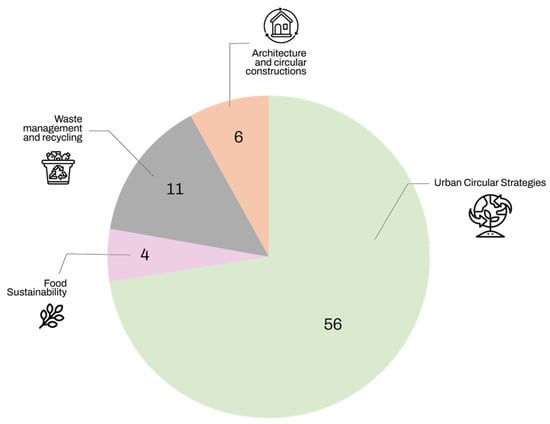
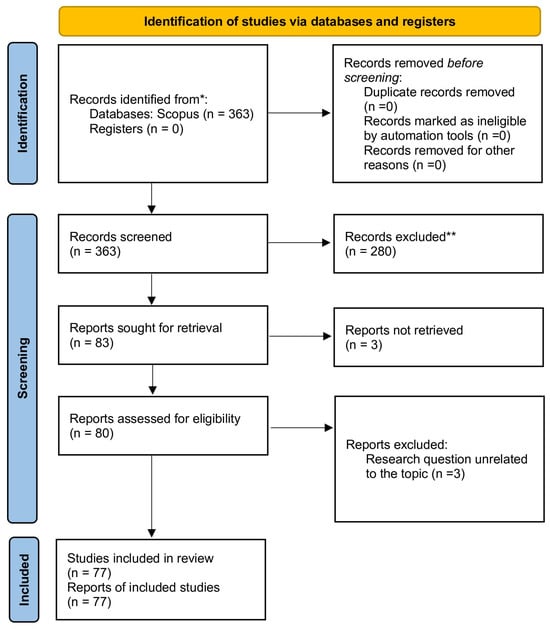
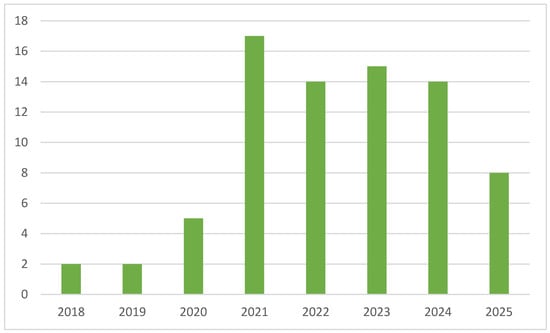
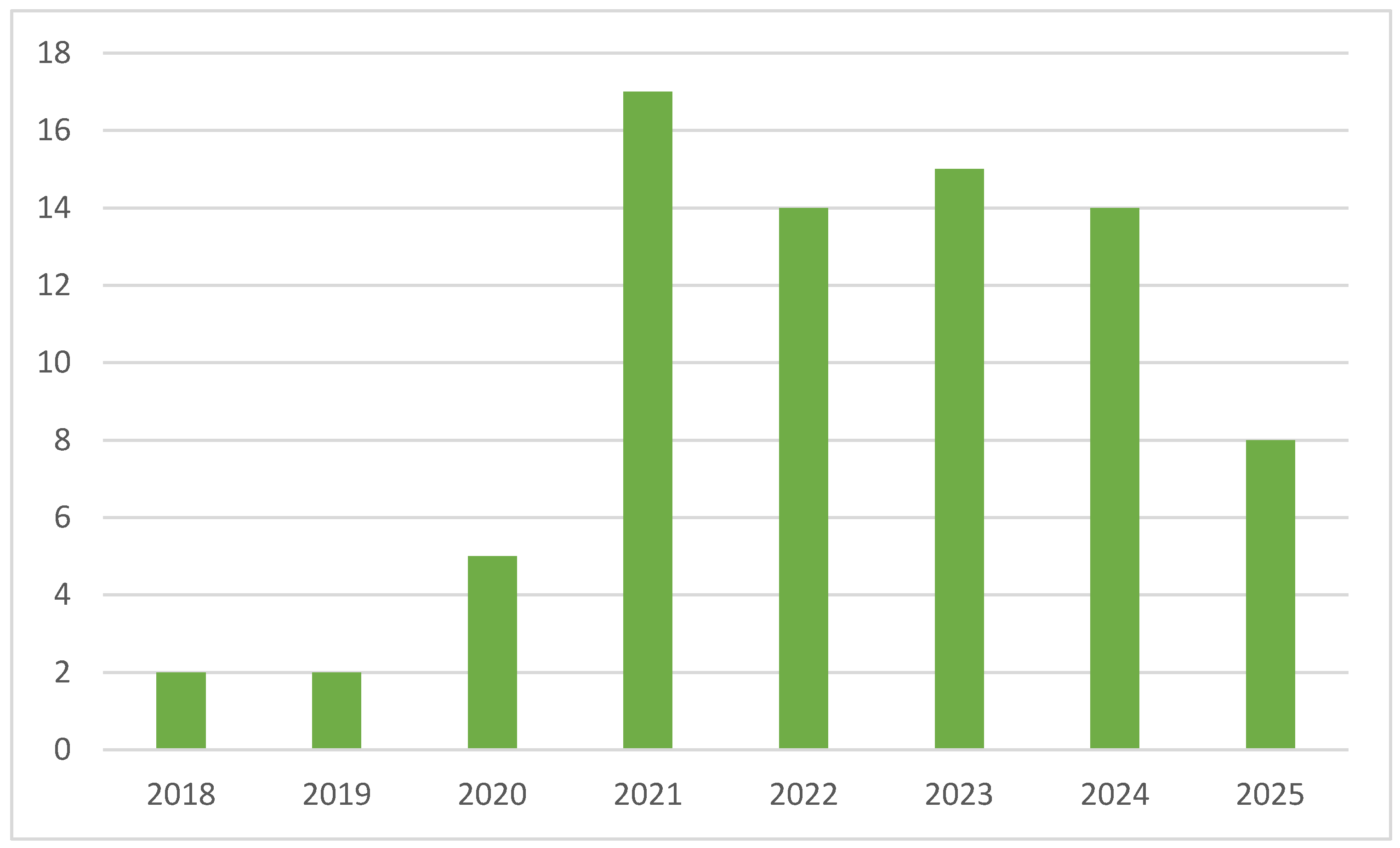
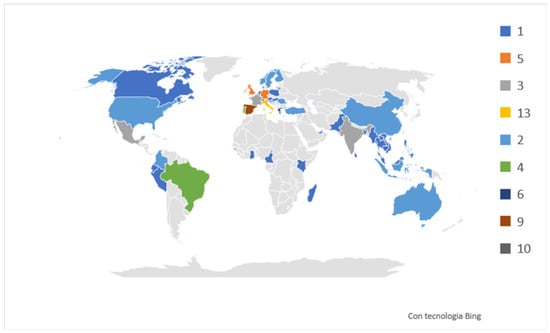
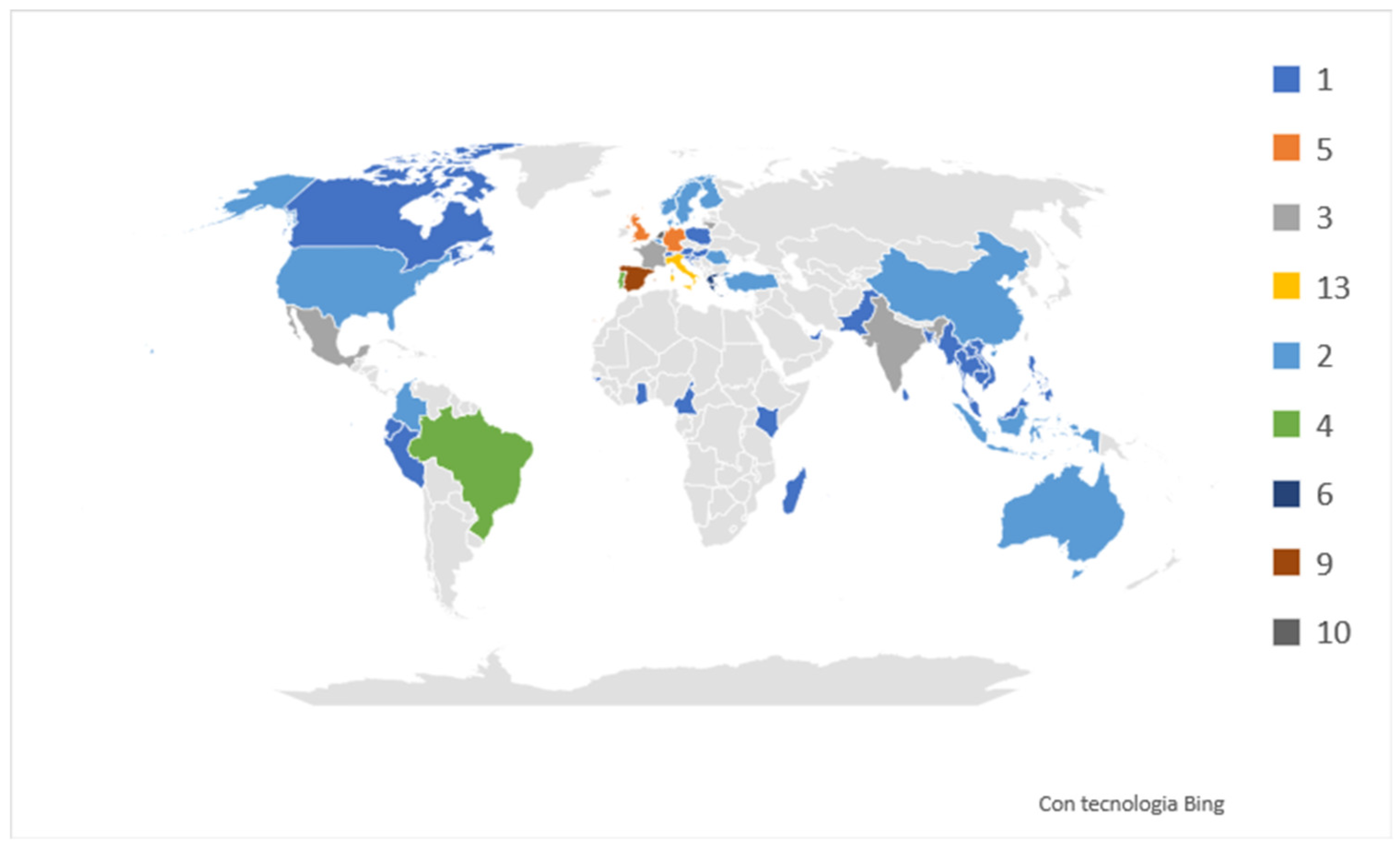
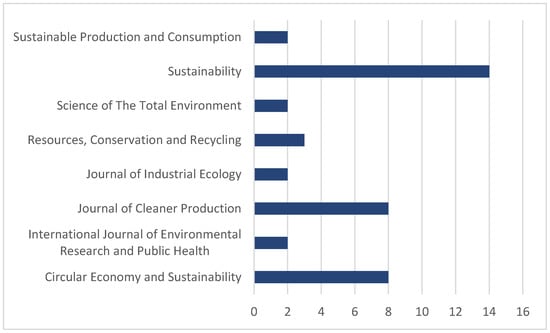
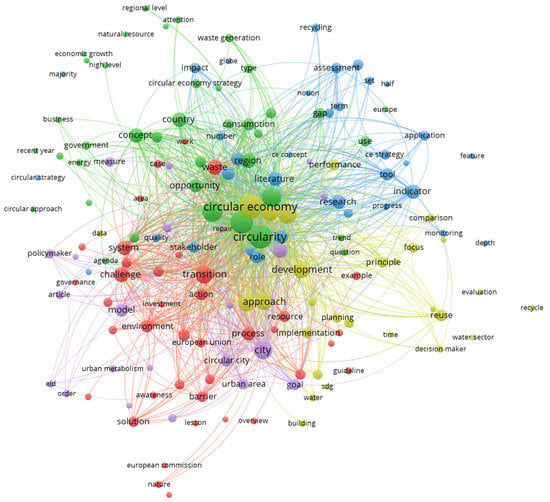
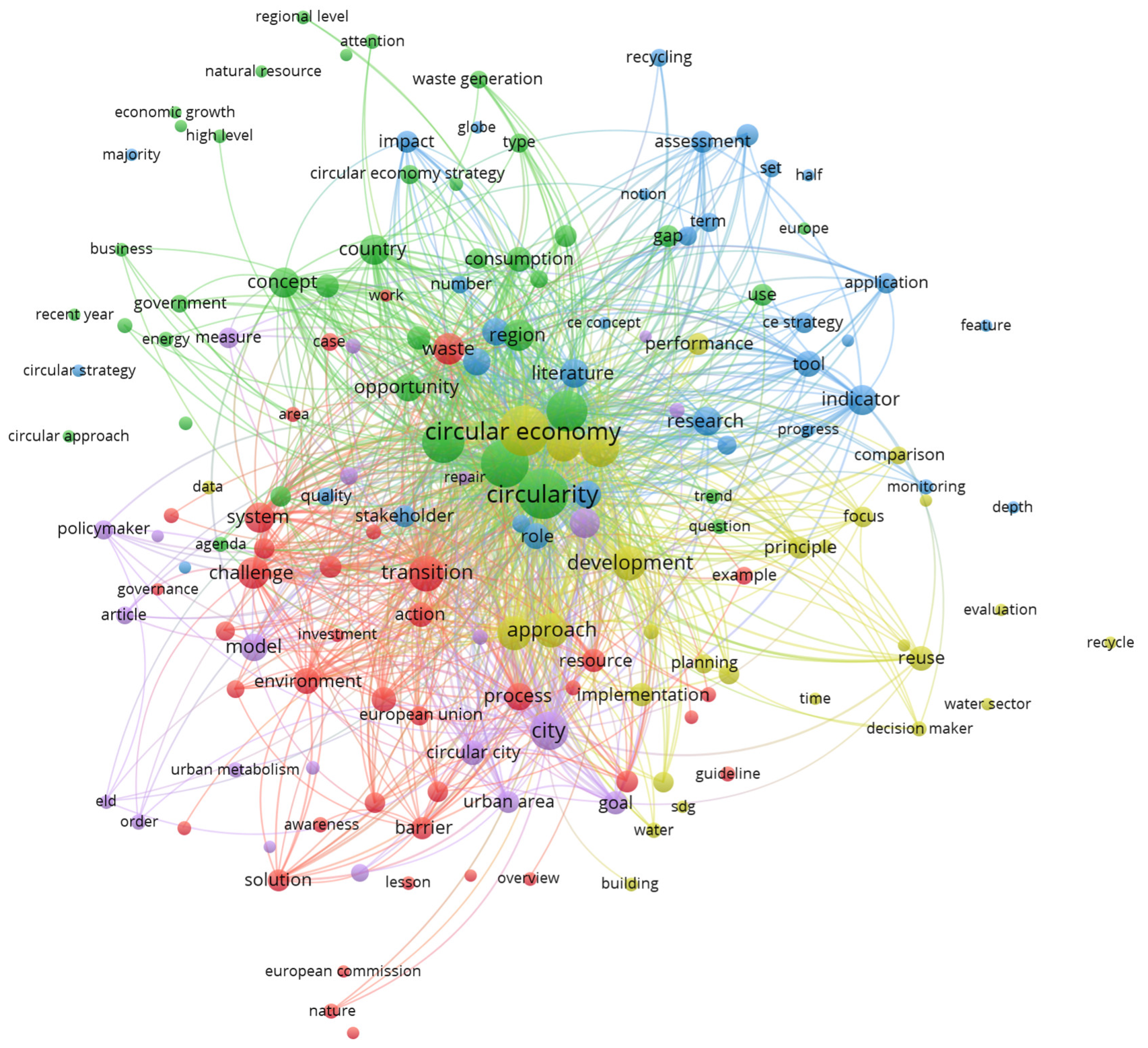
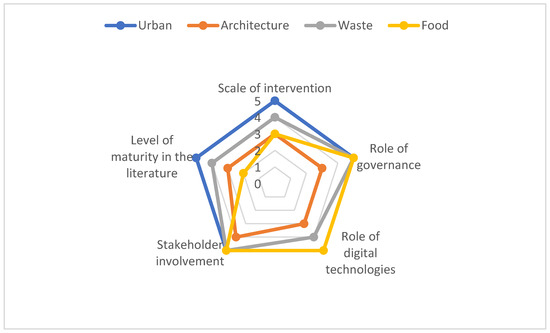
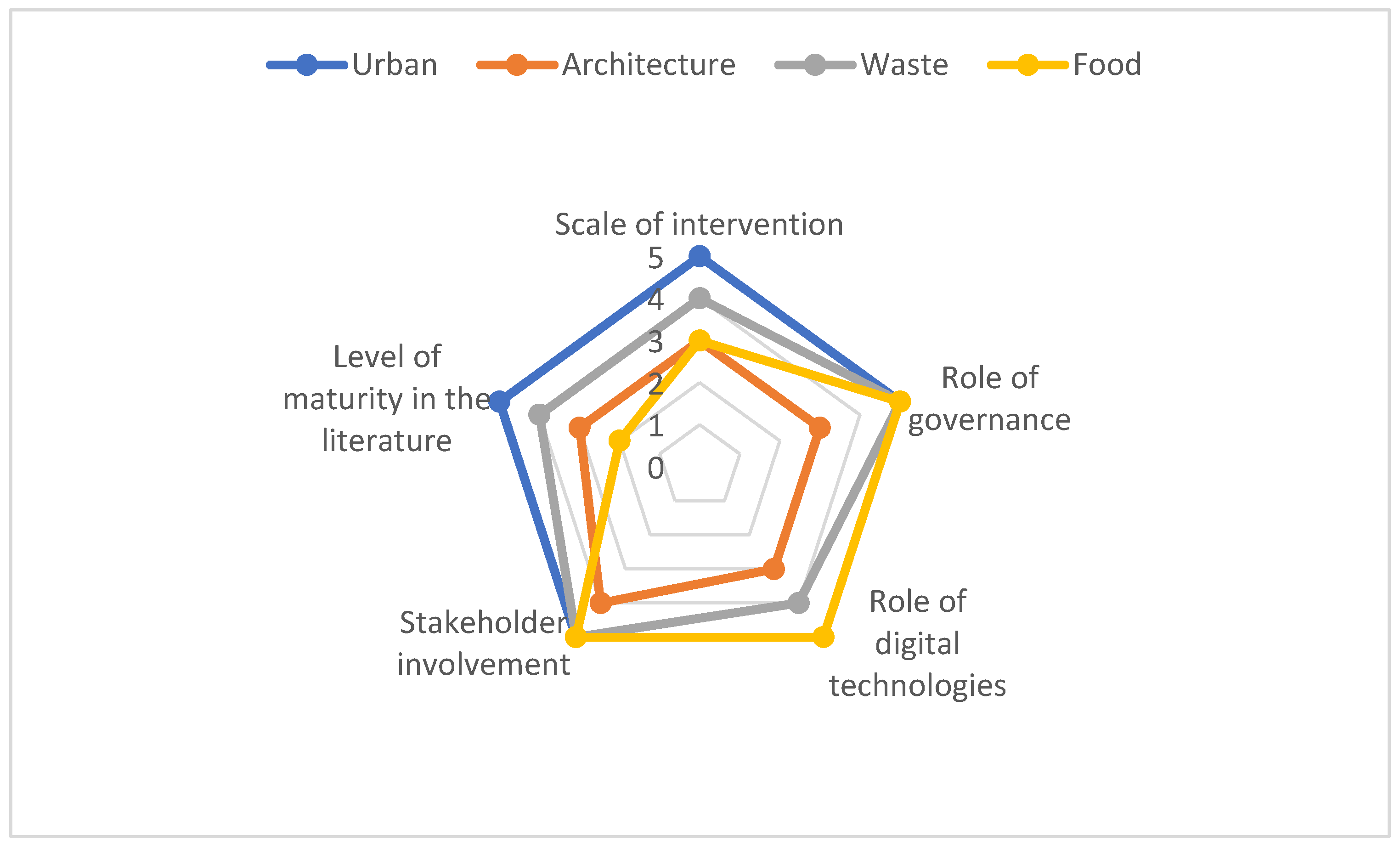

Disclaimer/Publisher’s Note: The statements, opinions and data contained in all publications are solely those of the individual author(s) and contributor(s) and not of MDPI and/or the editor(s). MDPI and/or the editor(s) disclaim responsibility for any injury to people or property resulting from any ideas, methods, instructions or products referred to in the content. |
© 2026 by the authors. Licensee MDPI, Basel, Switzerland. This article is an open access article distributed under the terms and conditions of the Creative Commons Attribution (CC BY) license.