


Abstract
This study employs bibliometric analysis, utilizing the visualization tools CiteSpace 6.3.R1 and VOSviewer 1.6.18, to systematically examine 8727 documents from the Web of Science Core Collection (2000–2024) related to “resilient cities” and “urban resilience.” It explores the evolution of resilient city research, current international trends, practical developments in China, and future directions. The study addresses key questions concerning the theoretical foundations of resilient cities, research advances in the security field, China’s implementation pathways, and emerging trends. Findings indicate that resilient city discourse has evolved from a narrow focus on engineering-based disaster prevention toward a multidimensional, socio-ecological–economic adaptive system. This progression can be divided into three phases: the theoretical foundation period (2000–2008), the technological integration period (2009–2018), and the complex crisis response period (2019–present). Internationally, practices are increasingly centered on climate change adaptation, supported by multi-level governance frameworks such as the MCR2030 initiative. China demonstrates a “dual-track” approach that combines policy-driven initiatives with localized innovations, advancing through international pilot projects, domestic policy experimentation, and grassroots exploration. The study also highlights differences between Chinese and Western research in perspectives, methodologies, and theoretical frameworks. Future resilient city development is expected to emphasize systematization, digitalization, and equity, leveraging technologies such as digital twins and artificial intelligence while fostering community participation and multi-scale collaborative governance. By systematically outlining the theoretical evolution and practical logic of resilient cities, this study offers insights for urban resilience building in developing countries and provides a methodological reference for enhancing resilience capabilities across different administrative levels.
1. Introduction
Amid the complex interplay of global urbanization and climate change, cities—as spatial hubs of highly concentrated populations, economies, and infrastructure—continue to face systemic shocks from multiple risks, including natural disasters, public health crises, and socioeconomic fluctuations [1]. Traditional risk governance models centered on resistance and containment are increasingly inadequate in addressing the uncertain, multi-scale, and compound risk landscape [2]. In this context, the concept of the “resilient city” has emerged as a key paradigm for sustainable urban development and safety governance, emphasizing a city’s capacity to maintain essential functions, adapt to change, and achieve sustainable transformation amid disruptions. Many countries have thus advocated building resilient cities to enhance their ability to prevent and mitigate diverse risks, ensuring urban security while pursuing high-quality development [3].
Research on and practice of urban resilience have gained global consensus and spurred collaborative networks [4,5,6]. International organizations promote conceptual diffusion and capacity building through structured initiatives, such as the United Nations Office for Disaster Risk Reduction (UNDRR) campaign “Making Cities Resilient 2030” (MCR2030) [7] and the Rockefeller Foundation’s earlier “100 Resilient Cities” program [8], which provide strategic guidance, knowledge sharing, and implementation tools. At the national level, resilience has been integrated into the security and development agendas of many states, supported by legislation, targeted investment, and long-term planning. Examples include the United States’ creation of a major climate resilience fund through the Infrastructure Investment and Jobs Act (IIJA), Japan’s ongoing revisions to its Basic Act on Disaster Management to reinforce climate crisis management and cross-sector business continuity planning, and the Netherlands’ “living with water” philosophy and Delta Works, which serve as benchmarks in flood resilience. China has likewise incorporated resilient city construction into national development planning, pursuing pilot programs tailored to its megacities.
Concurrently, both academia and practice have placed growing emphasis on measuring and evaluating resilience. Many cities now employ comprehensive indicator systems to quantify resilience performance and inform targeted improvement strategies [9,10,11]. These varied initiatives reflect a shift from abstract conceptualization to operational implementation. However, implementation pathways, priority areas, and governance models vary significantly depending on local risk profiles, institutional settings, and development stages. Such divergence within a broad global consensus highlights the value of systematically tracing the evolution of knowledge in this field and comparing research priorities and practical approaches across different contexts.
Globally, resilient cities have progressed from theoretical discussion to widespread policy and practice. International bodies such as the United Nations and the European Union, along with many national governments, have positioned resilience as a central element of urban development and territorial security strategies, advancing it through legislation, planning, and large-scale projects. Within China’s framework of new urbanization and ecological civilization construction, resilience has been integrated into national planning, with pilot projects in several cities generating distinctive policy and practice models [12,13].
Despite these advances, key academic questions remain: How has the theory of resilience evolved, and what are its research hotspots at global and regional scales [14,15]? In different countries—particularly China, where developmental trajectories and governance systems shape local approaches—what are the distinctive research themes and practical pathways? In today’s dynamically evolving risk environment, what are the emerging frontiers and future directions of resilient city research? Existing literature still lacks a systematic analysis that integrates macro and micro perspectives and contrasts global visions with locally embedded pathways.
Grounded in this context, this study undertakes a scientometric analysis using tools such as CiteSpace 6.3.R1 and VOSviewer 1.6.18. It aims to delineate the developmental trajectory, research hotspots, and emerging trends in resilient city scholarship, with concurrent attention to the status of resilient city construction in China. The investigation is guided by three research questions:
Question 1: How has resilient city research within the security domain evolved, and what is its current state?
Question 2: What pathway is China taking to advance resilient city development as a developing nation?
Question 3: What are the identified future directions for resilient city development?
In this study, Section 2 outlines the research methodology and rationale for data selection. Section 3 presents the primary findings: Section 3.1 and Section 3.2 address the current state and development trends of resilience research in the security domain (Research Question 1), drawing respectively on theoretical studies (literature review) and applied research (construction practices). Section 3.2.2 details China’s experience in building resilient cities, addressing Research Question 2. It aims to offer transferable insights for other developing countries pursuing resilient urban development. Section 3.3 outlines future trends in resilient cities, corresponding to Research Question 3. Section 4 provides further discussion and supplements the preceding analysis, while Section 5 summarizes the research work and key findings, noting its limitations.
2. Research Methods and Data Sources
2.1. Integrative Literature Review and Process Design
Drawing on Snyder’s [16] procedure for organizing research questions by purpose, this paper undertakes a review of the development and current state of resilient city research, enabling a focused discussion of its theoretical underpinnings. At the same time, the systematic literature review (SLR) was conducted following the PRISMA 2020 (Preferred Reporting Items for Systematic Reviews and Meta-Analyses) guidelines to ensure transparency, reproducibility, and scientific rigor throughout the process. The PRISMA checklist is provided in the Supplementary Materials.
The Concept of Resilience demonstrates a clear evolution through distinct stages with coherent internal logic. Its development originated from engineering resilience, which emphasizes the speed of a system returning to a single equilibrium state after a disturbance, representing a static and equilibrium-based view of systems [17]. This was followed by the emergence of ecological resilience [18], which shifted focus to the capacity of a system to absorb disturbances before crossing a threshold, thereby acknowledging the existence of multiple stable states and non-linear dynamics. The concept ultimately evolved into social–ecological resilience, which treats human and natural systems as coupled complex adaptive systems, emphasizing the system’s ability to sustain development through learning, adaptation, and transformation [19].
This progression follows a clear logic: the perception of systems has shifted from simple and linear to complex and non-linear; the goal has moved from “bouncing back” to “transforming within change”; and the role of humans has transitioned from external intervenors to internal agents within the system [20]. Presently, resilience has transformed from a technical concept into a governance and analytical framework encompassing the three dimensions of resistance, adaptation, and transformation. The core challenge now lies in defining “resilience for whom and for what purpose” and achieving sustainable transformation across scales.
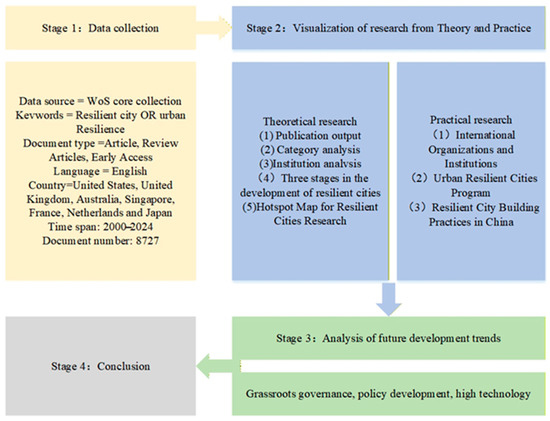
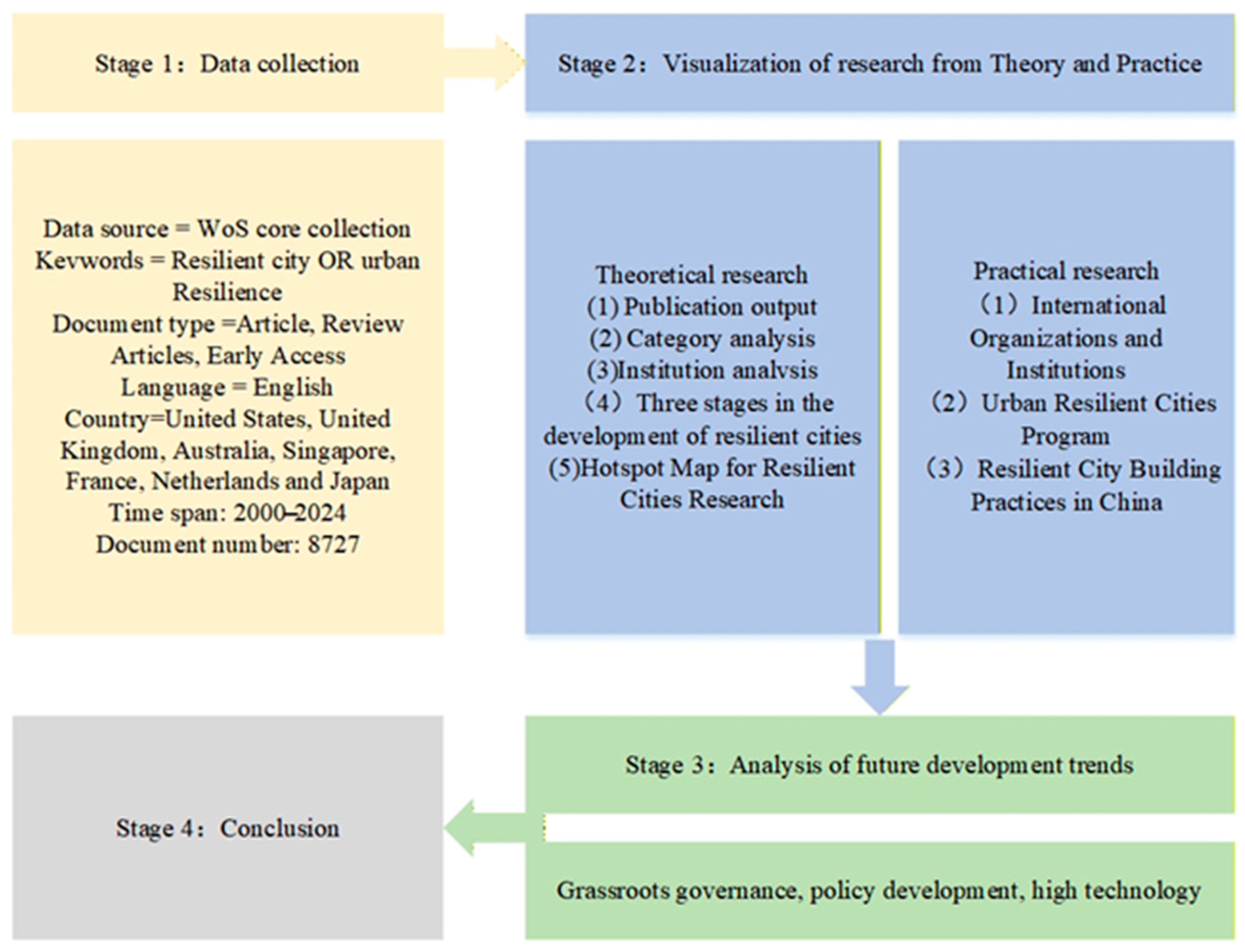
The proliferation of terminology reflecting resilience’s diverse meanings necessitates a meticulous literature search. Consequently, this study employs precise search terms, a comprehensive database, and a structured retrieval strategy to ensure the identification of all relevant literature [21,22]. Figure 1 illustrates the overall research process.
Figure 1.
Bibliometric analysis framework of this paper.
2.2. Data Collection and Analytical Approach
This study employed the Web of Science (WOS) Core Collection database, recognized for its high-quality indexed literature and widespread use in scientific research [23]. The literature retrieval was performed for the period January 2000 to December 2024, using the search query “resilient city” OR “urban resilience” and restricting document types to Article, Review, and Early Access. This initial search returned 13,519 publications.
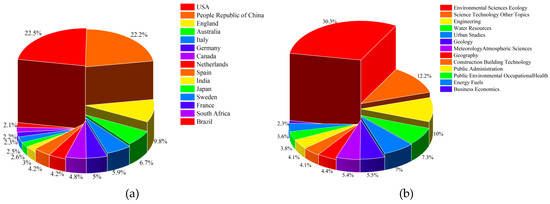
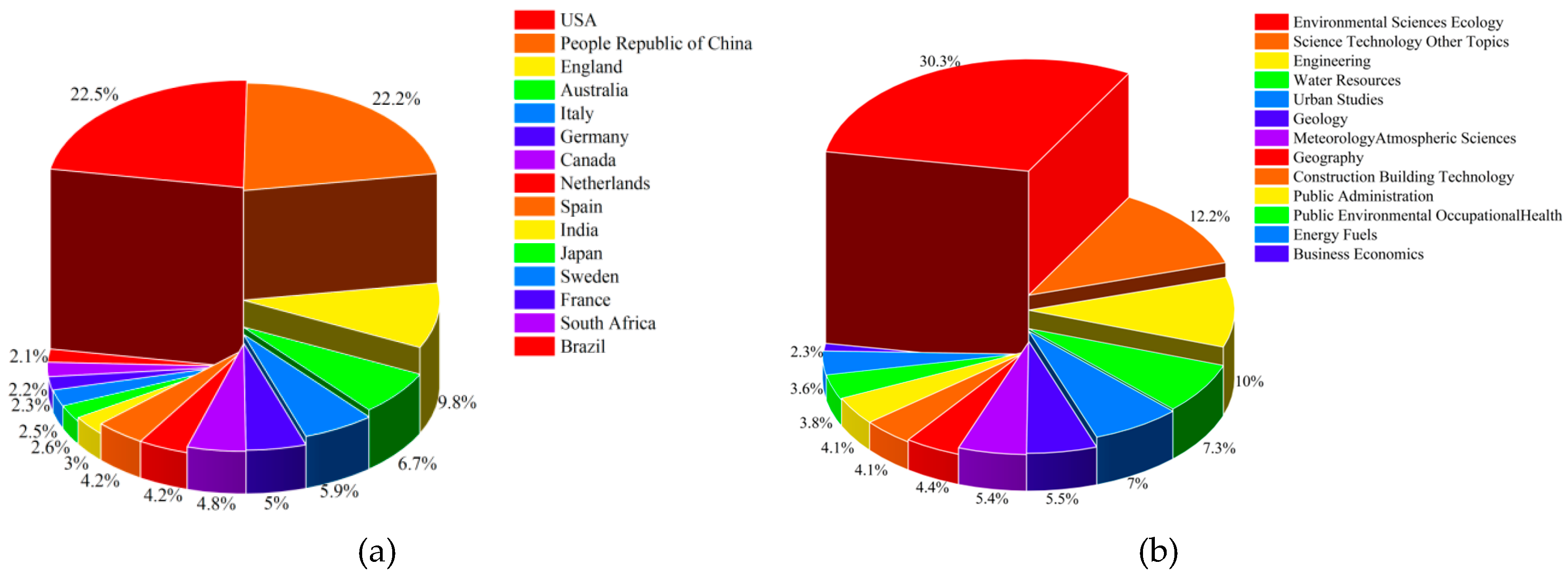
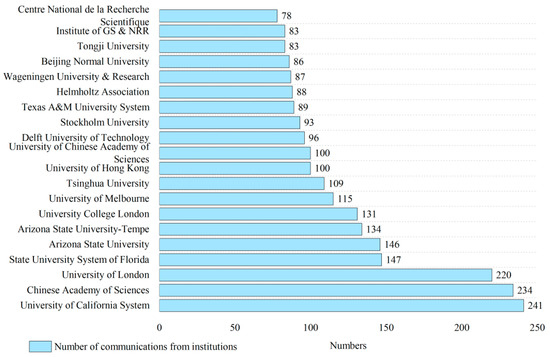
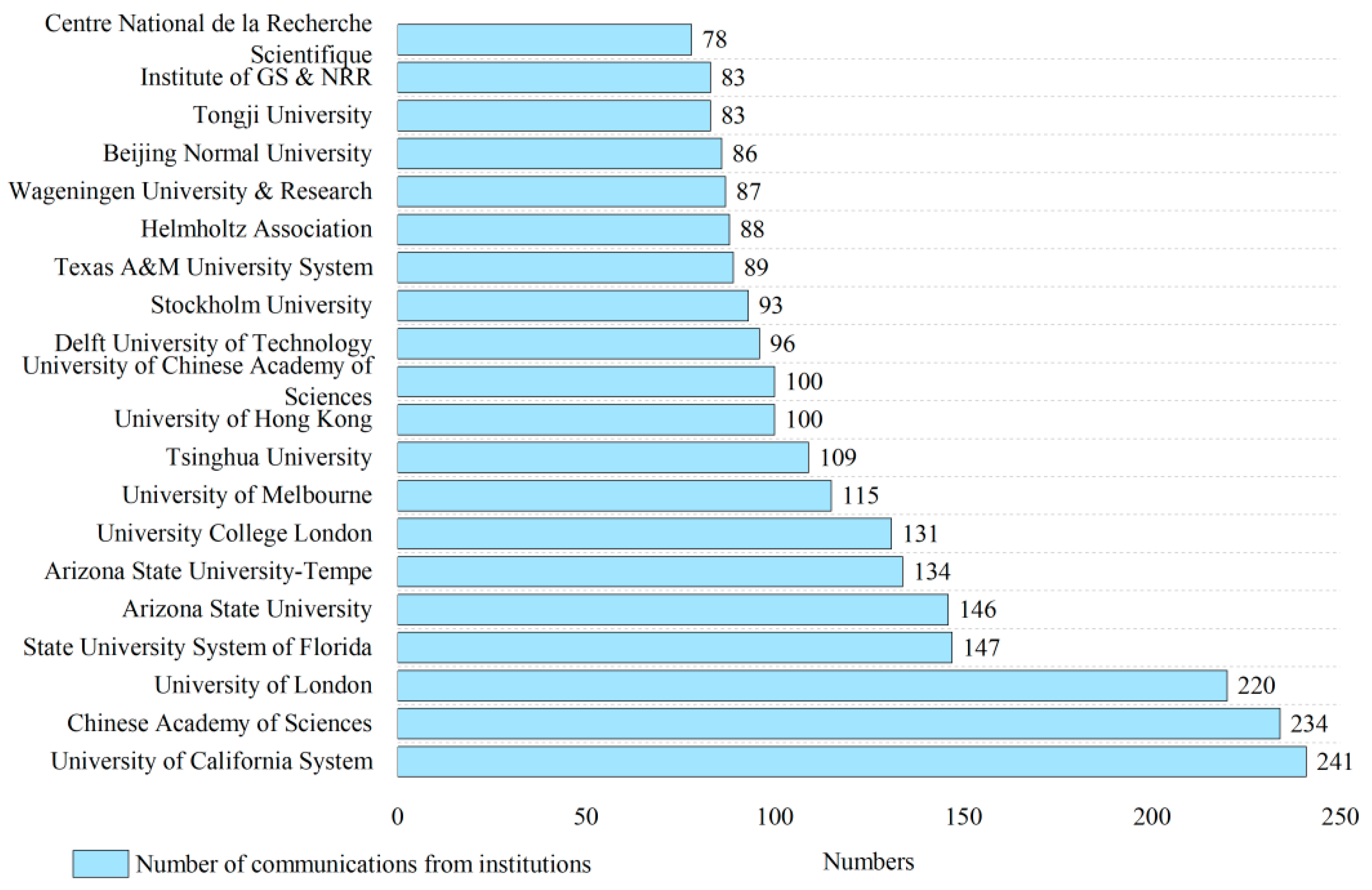
To more accurately assess the current status of resilient city development in internationally advanced economies, an analysis was conducted focusing on 15 countries—including the United States, the United Kingdom, Australia, Singapore, France, the Netherlands, and Japan—that have been actively engaged in resilient urban development for many years (see Figure 2). The initial search retrieved 11,306 publications, indicating the significant role these countries play in advancing research on resilient cities, with the United States and China contributing the highest number of publications. To further refine the results to literature closely related to resilient cities, the research areas were limited to key subjects such as environmental sciences, ecology, engineering, water resources, and urban studies (details in Figure 2), resulting in 8727 publications (8727 documents have been submitted as Supplementary Materials). Additionally, the top 20 institutions by publication output are presented in Figure 3.
Figure 2.
Proportion of publications on resilient cities by country and field. (a) Proportion of resilient city publications across 15 countries; (b) Distribution of resilient city research across different fields.
Figure 3.
Number of publications by institution.
To analyze the extensive literature, two bibliometric tools were utilized: VOSviewer 1.6.18 [24] and CiteSpace 6.3.R1 [25]. These tools offer distinct yet complementary strengths. VOSviewer 1.6.18 is adept at generating visually accessible co-occurrence networks for elements like keywords or institutions, which supports the efficient discernment of major research clusters and thematic patterns. Conversely, CiteSpace 6.3.R1 is designed to uncover evolutionary patterns within a field. Its temporal mapping and burst detection capabilities are particularly suited for identifying research frontiers and key turning points in the literature [26]. By integrating both, this study achieves a dual perspective: a macro-level overview of the research landscape alongside a micro-level examination of its temporal dynamics, significantly enriching the literature mining process.
Admittedly, the vast literature on urban resilience necessitated a selective focus in this analysis, prioritizing countries with both high publication output and more advanced practices. This approach means that the pressing challenges faced by many developing nations—such as economic constraints, fragile infrastructure, and escalating climate risks—may be underrepresented. Nonetheless, building resilience is inherently a dynamic and contextual process. Each city must adapt strategies to its own developmental stage. Therefore, examining the methodologies of leading nations remains highly significant, offering valuable reference points for developing countries and vulnerable regions to inform their own adaptive pathways.
3. Results
3.1. A Literature Review of Resilient Cities
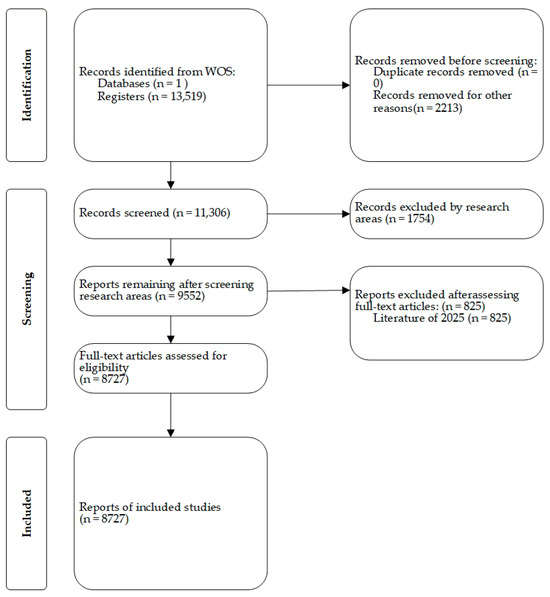
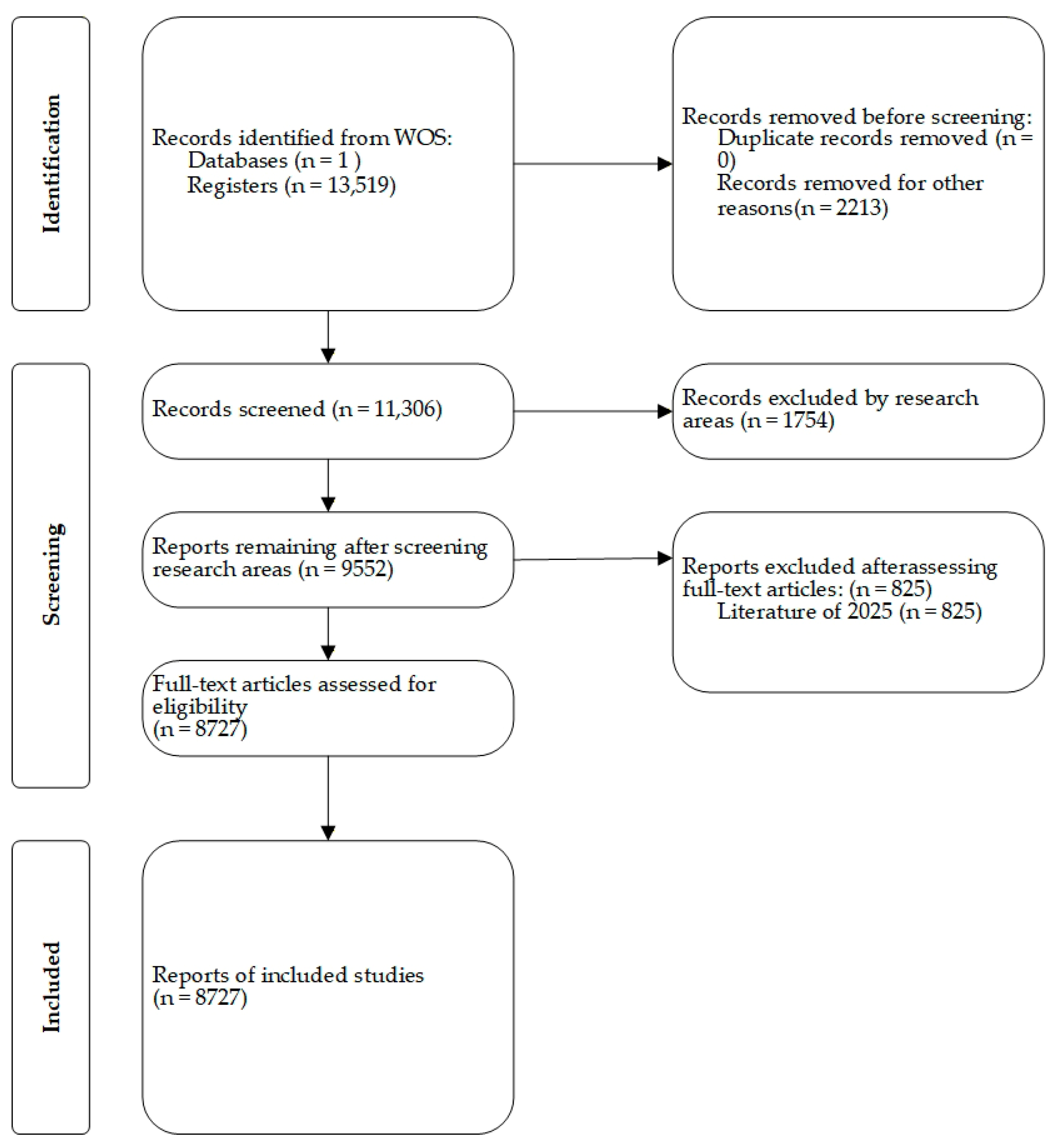
Figure 4 outlines the screening process for the required literature.
Figure 4.
PRISMA flow chart of the literature selection process.
A closer examination of the 8727 (2000–2024)-document corpus (Section 2.2) is undertaken here, synthesizing information from Figure 2 and Figure 3. Analysis of publication volume identifies the United States and China as the foremost contributors, with comparable output intensity despite the United States’ earlier chronological lead. This is followed by the United Kingdom, Australia, and Italy.
The genealogy of the “resilience” concept reveals its migration across disciplines. Prior to its urban ascendancy, it was utilized in physical and psychological research concerning familial, developmental, and stress-related contexts. Its theoretical foundation for urban studies was established when Holling transposed it into ecology, defining it as systemic absorptive capacity [18]. The decisive translation into urban planning was achieved by Godschalk in his seminal work Urban Hazard Mitigation: Creating Resilient Cities [1], which explicitly advocated for resilient city construction through mitigation strategies.
The Resilient City: How Modern Cities Recover from Disaster [27], a foundational edited volume, represents one of the earliest comprehensive studies. Through case studies, it explored resilience mechanisms in post-disaster urban recovery.
Research trajectories in the U.S. and China reflect distinct origins and emphases. In the U.S., urban resilience research evolved from the migration of ecological theory into planning (1970s–2000s), with a focus on disaster recovery, climate adaptation, and community participation. In China, influenced by international discourse, research rapidly emerged in the late 2000s. It has been driven by integrating lessons from major local disasters (e.g., the Wenchuan earthquake, Henan floods) and policy needs, initially emphasizing disaster prevention and later expanding into ecological resilience and smart city technologies.
Disciplinarily, resilience-focused urban research is highly interdisciplinary. It is concentrated primarily in Environmental Science & Ecology (30.3%), followed by other Science & Technology topics (12.2%), and Engineering (10%). Significant contributions also come from Water Resources (7.3%), Urban Studies (7%), Geology (5.5%), and Atmospheric Science (5.4%).
The most prolific institutions, each producing over 200 papers, are the University of California System, the Chinese Academy of Sciences, and the University of London, with distinct thematic emphases. Research from the University of California System centers on urban adaptation to climate change (including sea-level rise), issues of social equity and community resilience, and the disaster resilience of key systems such as transportation and energy. The Chinese Academy of Sciences directs its efforts toward urban ecological resilience and disaster risk management, frequently linking them to the nation’s “New Urbanization,” low-carbon, and smart city agendas. Meanwhile, the University of London’s work emphasizes enhancing resilience through architectural and urban planning, evaluating urban vulnerability in a globalized economy, and creating intelligent systems to aid decision-making for resilience.
When examining publication output in resilient city research, it is evident that the United States and China lead all other nations by a significant margin. The primary drivers for this prominence include the following factors.
The primary factor is demand generated by real-world crises. High-impact natural disasters have been pivotal [28]. In the United States, Hurricane Katrina’s devastation, compounded by inadequate emergency systems, and the wildfire crises in Southern California, revealed profound vulnerabilities [29]. In China, the Henan torrential rains triggered catastrophic urban flooding, exposing flaws in disaster preparedness and institutional response. Such events have universally forced nations to invest in research on natural and spatial resilience [30]. Meanwhile, the pressures of rapid urbanization in China—manifested as aging infrastructure, social stratification, and public service challenges—are driving a parallel focus on social resilience. Ultimately, the staggering economic costs of disaster recovery and the experience of financial crises have made building economic resilience an imperative for cities and nations alike, completing the triad of core research drivers [31].
The advancement of resilient city research is further underpinned by a second factor: heightened global investment in scientific research. This trend is exemplified by institutional and financial commitments. In the United States, elite institutions have founded dedicated research centers, while substantial public funding—exceeding $300 million annually from the NSF alone—supports interdisciplinary programs. Open government data archives serve as vital research infrastructure. In parallel, China has elevated resilient city construction to a national strategic priority through policy mandates and dedicated funding, thereby fostering deep collaboration across academic, industrial, and research sectors. This ecosystem is enriched by a purposeful convergence of disciplines, integrating insights from sociology, ecology, and computer science to spur innovation and scholarly production [32].
The third driving force is the catalytic role played by international organizations and institutions. Key entities such as the United Nations Human Settlements Programme (UN-Habitat), the UN Office for Disaster Risk Reduction (UNDRR), the World Bank, the C40 Cities Climate Leadership Group, and the Rockefeller Foundation have been instrumental in mainstreaming and implementing urban resilience globally [33]. Their impact is realized through strategic guidance, practical support, and network facilitation. UN-Habitat’s Future Cities Advisory Outlook 2022 [34] provided a conceptual vision for China, while a joint report by ICLEI [35] and UNDRR [36] offered a systematic framework for climate-resilient development. On the ground, the World Bank’s Global Facility for Disaster Reduction and Recovery (GFDRR) funds critical projects, from risk assessments like California’s wildfire simulation system to community retrofits such as Florida’s hurricane-resistant housing program. Simultaneously, initiatives like the Rockefeller Foundation’s 100 Resilient Cities (100RC) help cities worldwide build holistic resilience by providing both qualitative diagnostics and quantitative tools, with several U.S. and Chinese cities participating. The C40 network drives its member cities (e.g., Los Angeles, Washington D.C.) to develop climate action plans, while its Beijing Office extends technical support to Chinese cities through Climate Action Plans. Complementary projects like the GEF-China Sustainable Cities Integrated Approach Pilot further assist in integrating sustainable transport into urban planning. Collectively, these multi-faceted efforts have significantly accelerated the translation of resilience concepts into policy and practice.
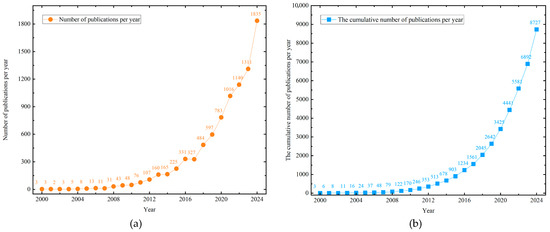
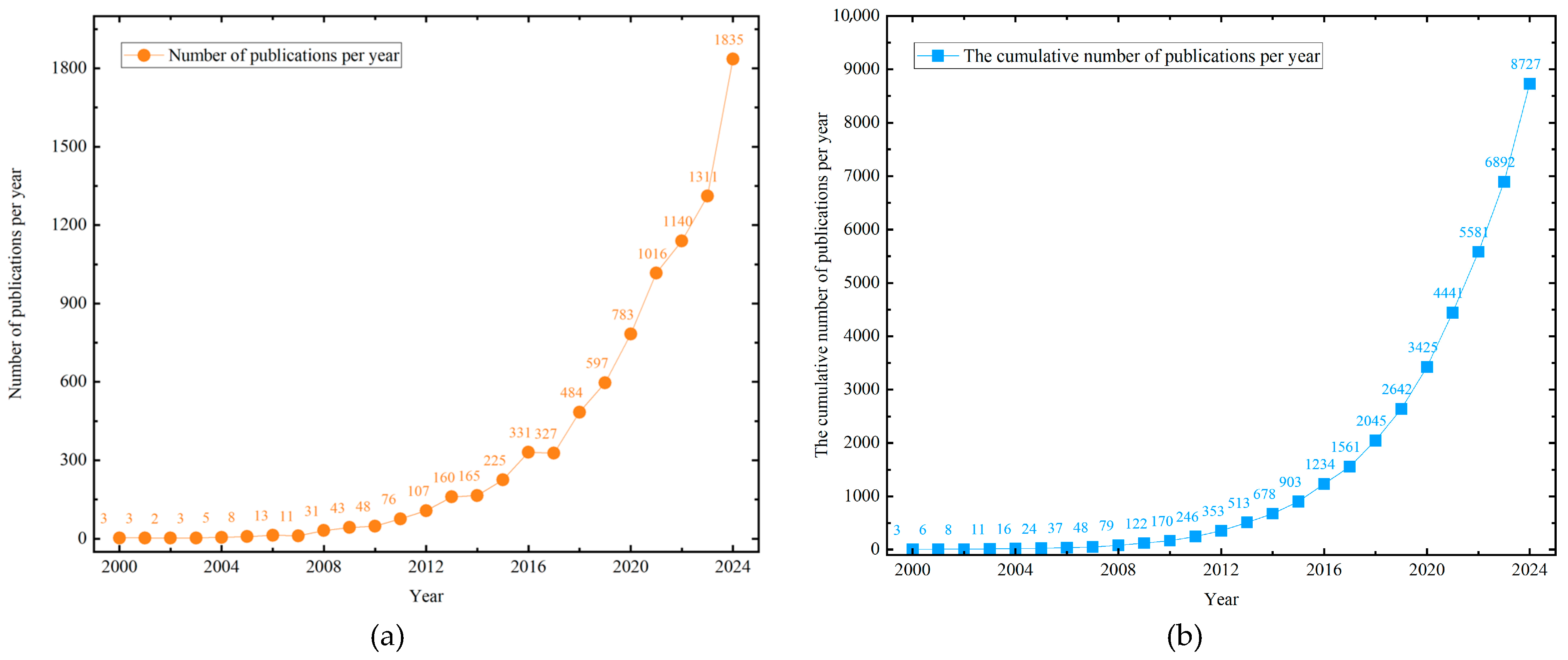
The annual changes in publication output are reflective of evolving research priorities and broader developments in a discipline. The statistical trend in annual publications within the domain of resilient cities from 2000 to April 2025 is detailed in Figure 5.
Figure 5.
Annual and Cumulative Publication Volume on Resilient Cities. (a) Annual publication volume of Resilient Cities; (b) Annual cumulative number of publications on Resilient Cities.
Publication output in this research domain exhibits a sustained growth trajectory. The period 2000–2007 represented an initial stage, with yearly publications averaging fewer than 20. Growth commenced in 2008 and accelerated markedly by 2013. A steady rise has been maintained since 2017. As of 20 April 2025, a total of 8727 papers were published between 2000 and 2024, with 825 papers published in 2025 alone. Subsequent analysis utilized the literature data from 2000 to 2024.
Following this projection, a review of the literature reveals that the development trajectory of resilient cities has mainly progressed through three key stages, which are outlined in Table 1.
Table 1.
Three Development Stages of Resilient Cities.
Stage 1: Conceptual Emergence and Theoretical Foundation (2000–2008)
This phase was triggered by a series of major disasters and social crises—including the 2004 Indian Ocean tsunami, Hurricane Katrina in 2005, the Wenchuan earthquake in 2008, and September 11 attacks in 2001—which collectively exposed systemic vulnerabilities in urban infrastructure, emergency management, and social organization. These events shifted attention within both academic and policy circles toward the resilience of urban infrastructure and the mechanisms of disaster response and recovery in urban systems.
During this period, the concept of resilience expanded beyond its initial application in ecology (dating from 1973) to encompass social systems and integrated social–ecological systems. A key institutional milestone occurred at the 2002 United Nations World Summit on Sustainable Development, where the International Council for Local Environmental Initiatives (ICLEI) formally introduced resilience into the discourse on urban public governance and proposed the framework of the “Resilient City.” In 2005, the UN World Conference on Disaster Reduction adopted the Hyogo Framework for Action, which explicitly identified building resilient cities as a core strategy for addressing natural disasters, thereby elevating resilience from an academic concept to a global policy agenda.
Academically, several foundational frameworks emerged. Berkes and Folke proposed the social–ecological systems (SES) resilience framework, providing an interdisciplinary lens for understanding cities as complex coupled human–environment systems [19]. Godschalk identified four dimensions of urban resilience—physical, social, economic, and institutional—laying a conceptual basis for later assessment systems. Bruneau [37] introduced the “4R” resilience framework (Robustness, Redundancy, Resourcefulness, Rapidity) for engineered systems such as transportation and energy networks, applying it to seismic design. Satterthwaite [38] highlighted the dual pressures of extreme climate events and rapid urbanization facing cities in the Global South, calling for context-specific approaches. Cutter [39] developed the Baseline Resilience Indicators for Communities (BRIC), advancing the implementation of resilience at the community scale.
In summary, this stage marked a paradigm shift from single-hazard prevention toward systemic resilience. The research perspective moved beyond traditional ecological resilience, conceptualizing cities as dynamic, complex human–environment systems. Driven by real-world disasters, the phase achieved early integration of knowledge from ecology, disaster science, climate studies, sociology, and urban planning, yielding preliminary assessment tools and planning principles that established the theoretical and methodological groundwork for subsequent global efforts in building urban resilience.
Stage 2: Rapid Expansion and Model Integration (2009–2018)
The second phase marked a period of rapid expansion, defined by three key breakthroughs that transformed resilience from a concept into a scalable urban governance model.
First, theoretical deepening: from recovery to transformation. Research shifted focus from post-disaster bounce-back to proactive, systemic change. Foundational work included Folke’s [20] emphasis on transformative capacity, Leichenko’s “triple exposure” framework [40] linking climate, economic, and social risks, and Revi’s climate risk mapping [41].
Second, technology-driven innovation: the rise of smart resilience. The integration of AI, IoT, and simulation platforms (e.g., MIT’s Urban Resilience AI) enabled dynamic modeling and real-time management. Techniques expanded to include using social media data for disaster response, fostering tools like integrated early-warning systems [42].
Third, centralization of social equity. Equity concerns moved from the periphery to the core of resilience discourse, demanding that strategies explicitly address the needs of vulnerable populations.
These advances were propelled by global networks, most notably the Rockefeller Foundation’s 100 Resilient Cities initiative (which included Chinese cities like Deyang and Yiwu), and were operationalized through standardized indicator systems. This phase successfully established a comprehensive “soft-hardware” integrated governance model, providing the essential blueprint for implementing subsequent global frameworks like the New Urban Agenda and the Paris Agreement.
Stage 3: Systemic Integration and Adaptive Governance (2019–Present)
The third phase (2019–present) represents an era of consolidated growth and deepened implementation. It is defined by the imperative to address compound crises, a concept thrust into focus by the systemic failures exposed during the COVID-19 pandemic. As Sharifi [43] argues, cities now face integrated disaster risks requiring holistic recovery capabilities. Major natural disasters have further underscored the urgency. In response, ecosystem-based approaches have gained prominence [44], operationalized through standards like the IUCN Global Standard for Nature-based Solutions (2020) [45]. Concurrently, the severe impact on impoverished communities has transformed equity from an ethical consideration into a core, actionable policy mandate [46]. The research outcomes of this phase are multidimensional, encompassing: robust responses to compound health–natural disasters; the integration of digital twins and AI-driven early warning systems; and the systematic institutionalization of equity. This conceptualization of resilience as an urban “immune system” is actively reconfiguring paradigms for climate adaptation, multi-stakeholder crisis governance, and forward-looking spatial planning [47].
To analyze research hotspots, this study employs two complementary scientometric tools: VOSviewer 1.6.18 and CiteSpace 6.3.R1. VOSviewer 1.6.18 efficiently generates keyword co-occurrence maps for visualization and preliminary analysis, while CiteSpace 6.3.R1enables deeper temporal analysis, including burst detection and frontier identification, to reveal field dynamics. Using these tools, we processed a corpus of 8727 publications (2000–2024) through keyword co-occurrence clustering, co-citation analysis, and timeline segmentation to construct a knowledge map of resilient city research. Ultimately, by synthesizing high-frequency keyword matrices, highly cited literature, and other metrics, this study identifies core research hotspots, delineates developmental phases, and provides a systematic overview of current progress and emerging trends.
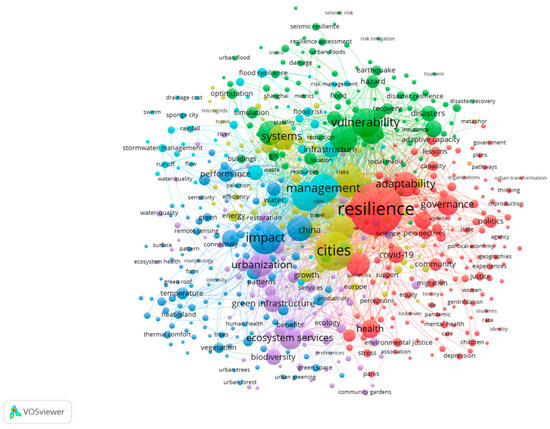
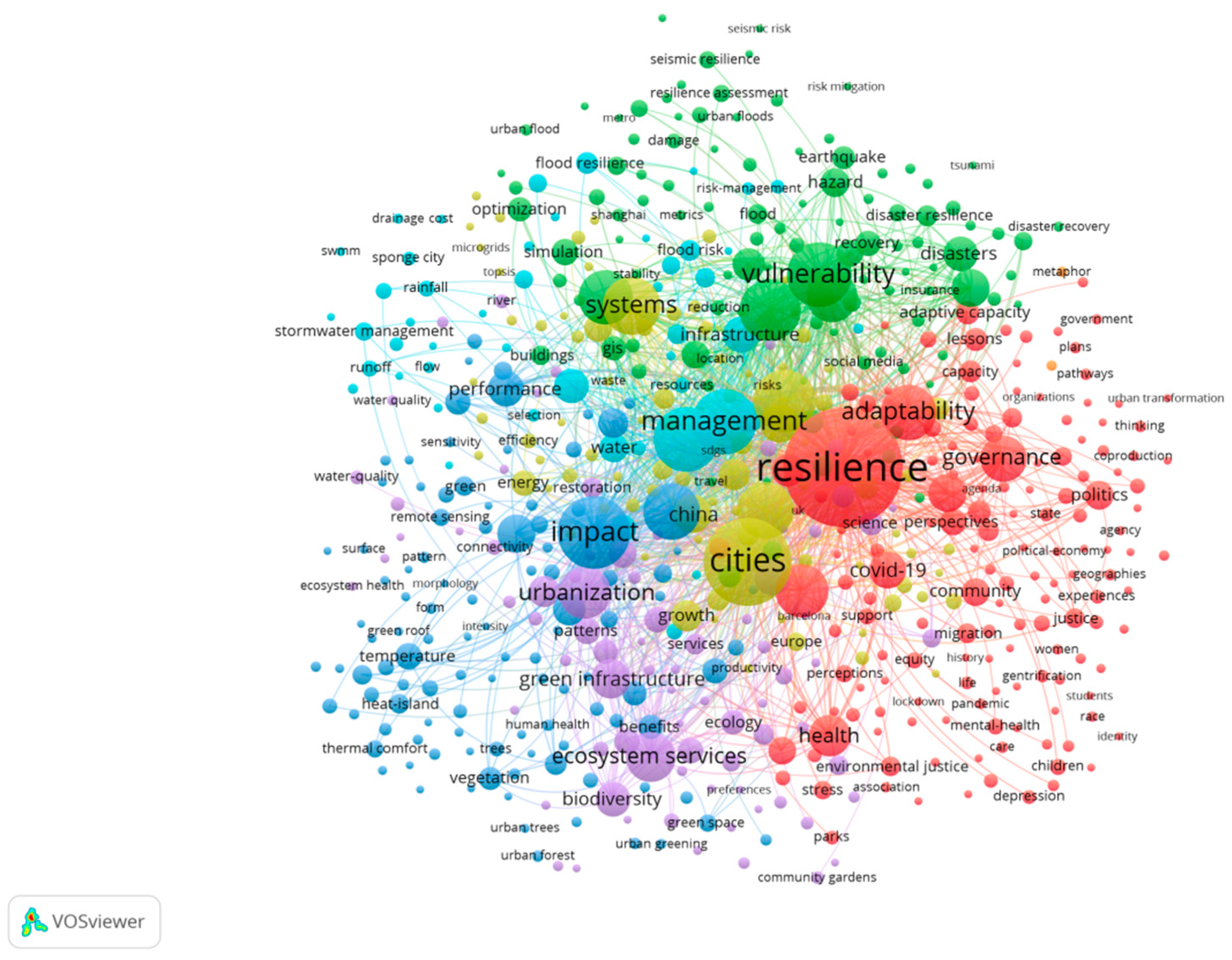
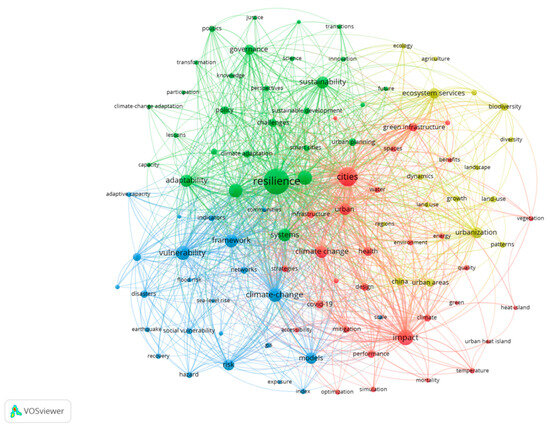
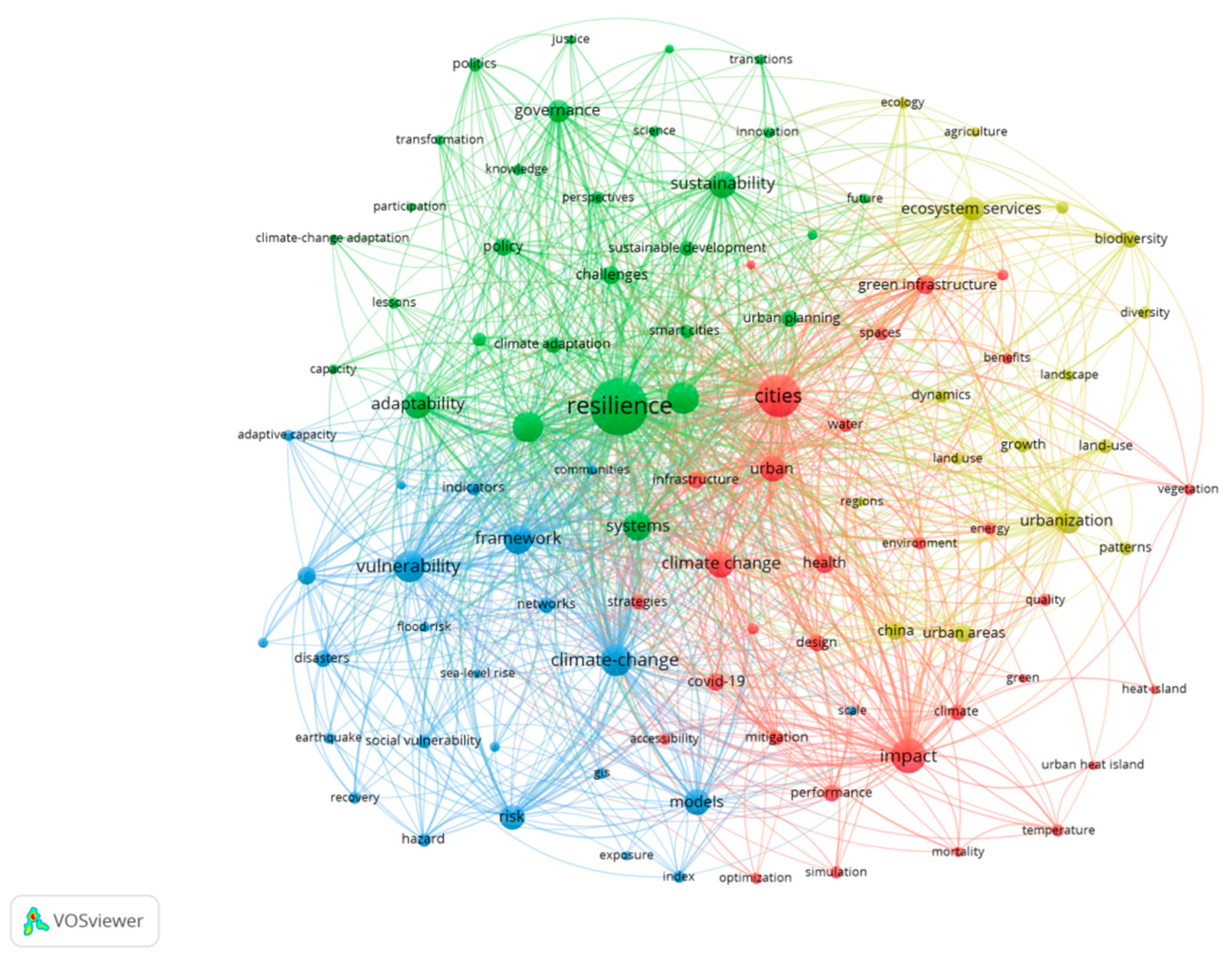
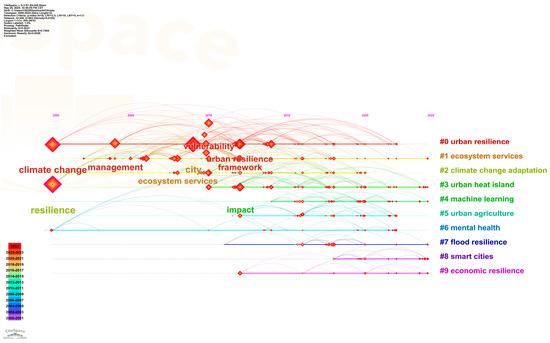
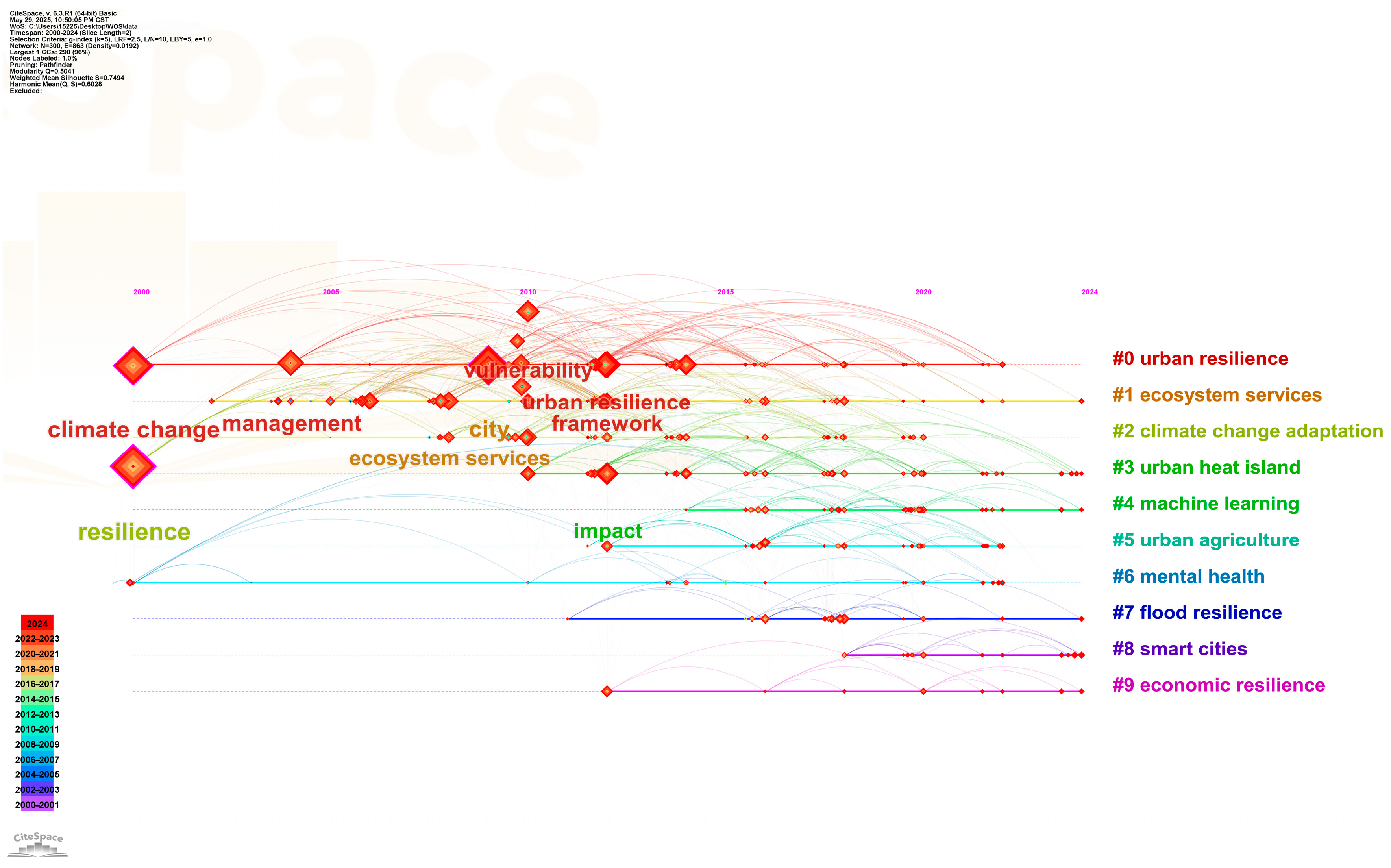
A minimum keyword frequency threshold of 20 was established in VOSviewer 1.6.18, resulting in an initial set of 584 keywords (Figure 6). To better delineate relationships among predominant terms, the view was subsequently filtered to display the top 100 high-frequency keywords, producing the principal co-occurrence network analyzed herein (Figure 7). A chronological ordering of keywords yielded an additional temporal segmentation view (Figure 8), The timeline chart organizes keywords into clusters, with each cluster displaying its contained keywords along the timeline. The timeline illustrates the emergence and evolution of keywords across different years, allowing users to observe the developmental trajectory of each keyword. Within these visualizations, keyword frequency is encoded by node size, co-occurrence by connecting lines, and thematic clusters by distinct colors. The node for “resilience” is the most frequent, followed by “cities.” To uphold analytical accuracy, synonymous keywords were consolidated according to Table 2. Keyword frequencies (occurrence ≥ 20) are cataloged in Table 3. The analysis, which identifies and examines the four primary research clusters evident in Figure 7, follows.
Figure 6.
Co-occurrence View of 584 Keywords with a Frequency of 20 (VOSviewer 1.6.18).
Figure 7.
Co-occurrence View of the Top 100 Keywords with a Frequency of 20 (VOSviewer 1.6.18).
Figure 8.
Temporal Clustering of Keywords Related to Resilient Cities Research (Citespace 6.3.R1).
Table 2.
Synonym replacement rules.
Table 3.
Distribution of keywords for resilient cities or urban resilience research (minimum occurrence ≥ 20).
The four identified research clusters are delineated as follows:
Cluster 1 (Red) is oriented towards climate adaptation, with keywords including impact, climate change, and green infrastructure. Research examines the role of nature-based solutions in alleviating climate pressures and advocates for interdisciplinary planning to bolster ecological resilience.
Cluster 2 (Green), featuring resilient cities, management, and sustainability, engages with systemic governance. Utilizing Social–Ecological Systems theory, it analyzes adaptive capacity and sustainability transitions, prioritizing community-centric planning.
Cluster 3 (Blue) pertains to risk and vulnerability assessment, with core terms like vulnerability and framework. It entails the development of composite assessment frameworks and indicator systems to quantify hazard impacts and guide policy.
Cluster 4 (Yellow) addresses urbanization and ecosystem services, highlighted by urbanization and biodiversity. It focuses on the environmental consequences of urban growth and stresses the necessity for regionally specific resilience research, particularly in addressing disparities within China.
3.2. An Overview of Resilient City Development Practices
A comprehensive assessment of the current state of resilient city development serves as a foundational step for overcoming implementation barriers, optimizing resources, identifying vulnerabilities, directing improvements, sharing practical knowledge, and preempting future risks. Engaging in systematic diagnosis and dynamic evaluation yields an in-depth understanding of a city’s resilience trajectory, interventions, and institutional architecture. This diagnostic understanding is instrumental in providing scientific support for the paradigm shift from “reactive response” to “proactive prevention,” thereby guiding progress toward the overarching goal of “full-cycle, multidimensional, and intelligent” resilience.
The literature analysis indicates that international efforts emphasize technical implementation [48], enabling policies, and civic engagement. Domestic research in China, reflecting its transitional phase in resilience building, has predominantly focused on theoretical development and policy design [49]. It is important to note, however, that while the academic literature is rich and widely surveyed [4,50,51], it cannot, by itself, fully illuminate the actual development status and practical advances in resilient cities. Consequently, analysis must be augmented by perspectives grounded in application and practice.
3.2.1. International Practices in Building Resilient Cities
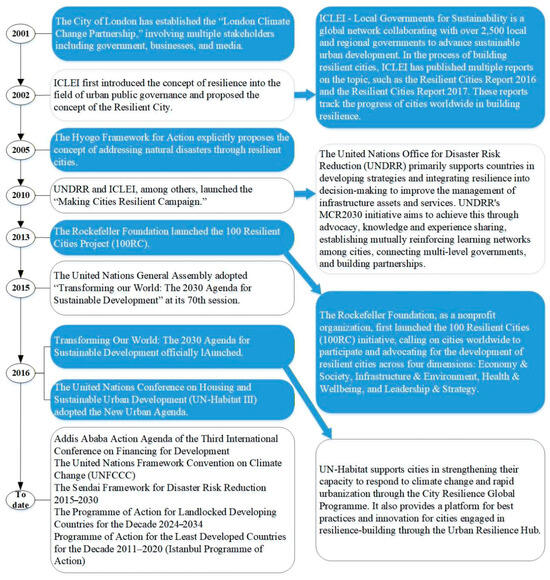
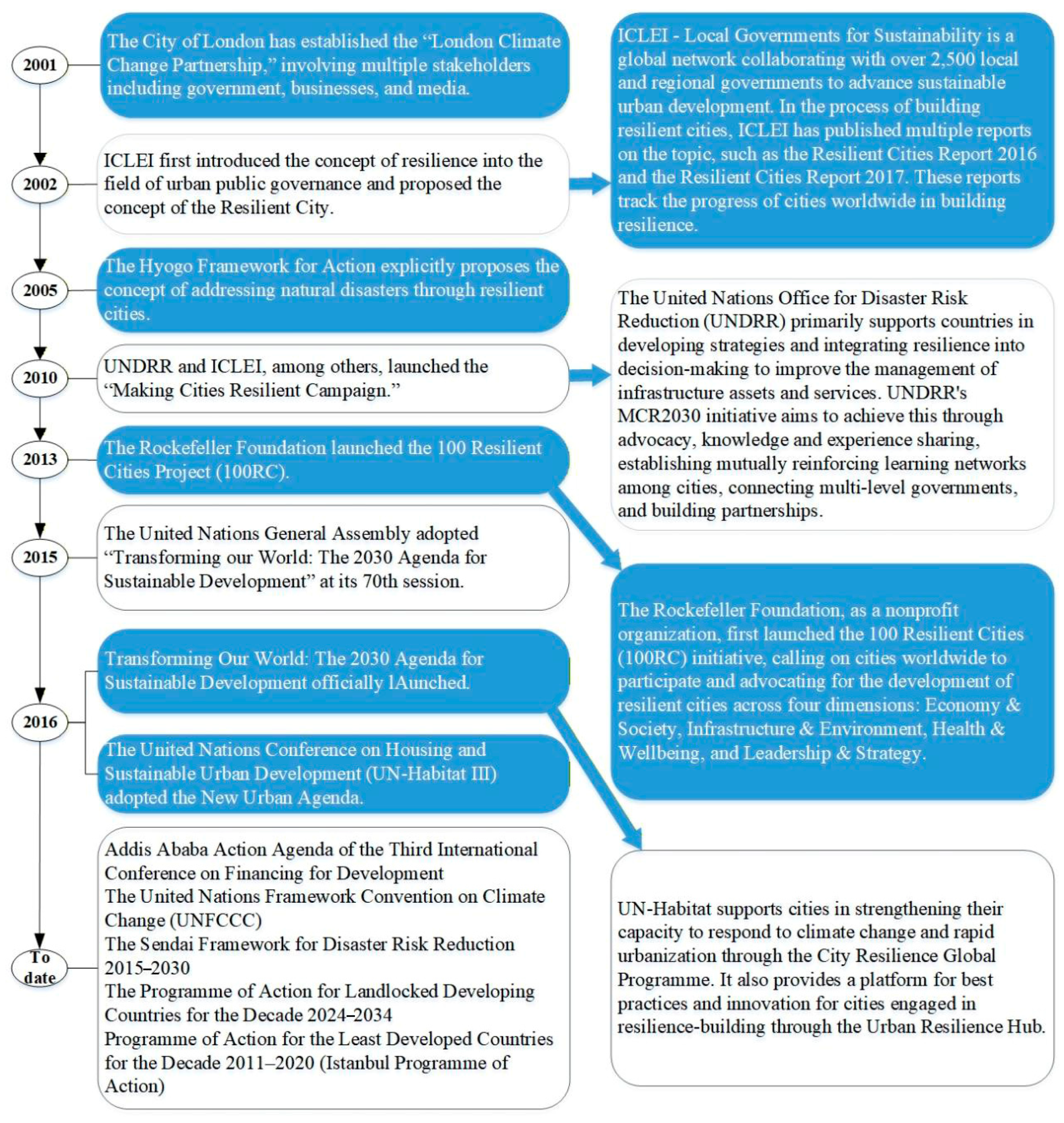
The global pursuit of resilient cities, initially propelled by climate change, has evolved into a comprehensive movement [52]. Figure 9 illustrates this developmental trajectory (left panel) alongside the key international organizations driving these efforts (right panel).
Figure 9.
Development Trajectory and Process of Resilient Cities [53,54,55,56].
Building urban resilience necessitates collaboration beyond single cities or nations. As countries explore new strategies, they generate valuable, replicable experiences. International organizations have emerged as pivotal bridges for sharing this knowledge, becoming powerful catalysts in the global resilience-building process. These entities play significant roles in shaping strategies, guiding policy, and facilitating implementation.
Beyond those highlighted in the diagram, a broader synergistic ecosystem exists. Organizations like the World Meteorological Organization (WMO) provide the foundational data for early warning systems [57]. The International Telecommunication Union (ITU) advocates for critical ICT infrastructure in disaster management [58]. Initiatives such as the Global Facility for Disaster Reduction and Recovery (GFDRR) work directly to mitigate disaster and climate impacts [59]. Through collaborative projects, knowledge exchange, technical aid, and funding, this network collectively accelerates the advancement of resilient cities worldwide [60].
As of 11 June 2025, 90 countries, 1775 cities, and a population exceeding 500 million have joined the “Making Cities Resilient 2030” (MCR2030) [7] initiative. The initiative’s roadmap is structured into three sequential phases: Engage (A), Accelerate (B), and Transform (C).
Phase A is characterized by foundational efforts: establishing assessment systems, initiating policy planning, fostering cross-departmental collaboration, and raising public awareness to set clear resilience objectives.
Phase B marks a shift to comprehensive implementation, featuring the deployment of smart infrastructure (e.g., municipal systems, CIM platforms) and next-generation technologies (e.g., 5G, AI) to strengthen emergency response, alongside promoting robust community and multi-stakeholder engagement.
Phase C focuses on systemic optimization, aiming to refine risk management across the full lifecycle and mature resilience across economic, social, ecological, and institutional dimensions to foster sustainable, replicable models.
Cities worldwide are implementing diverse resilience strategies, with governmental approaches varying significantly due to local contexts (Table 4). A primary driver is the need to address extreme weather and climate-related disasters.
Table 4.
Resilient City Plans and Their Specific Contents Across Different Cities.
3.2.2. China’s Resilient City Development Practices
The concept of resilient cities emerged in developed nations in the early 21st century, a time when China had not yet formally adopted the idea or issued related policies. The turning point came with the 2008 Wenchuan earthquake, which starkly revealed the urgency of improving urban safety. In response, the State Council issued a series of regulations and plans to guide reconstruction, marking a shift toward systematic risk governance.
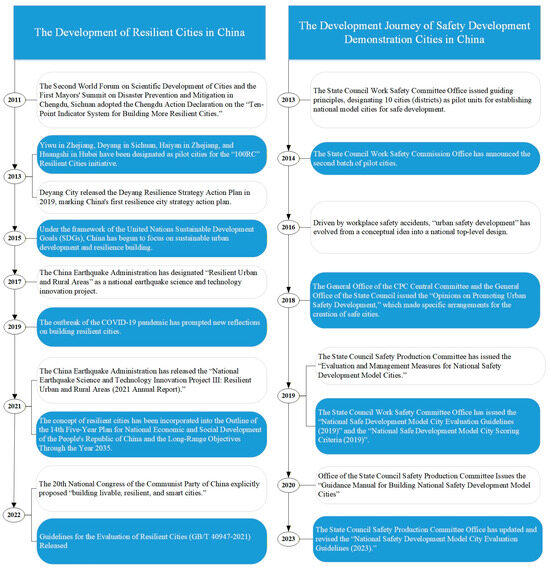
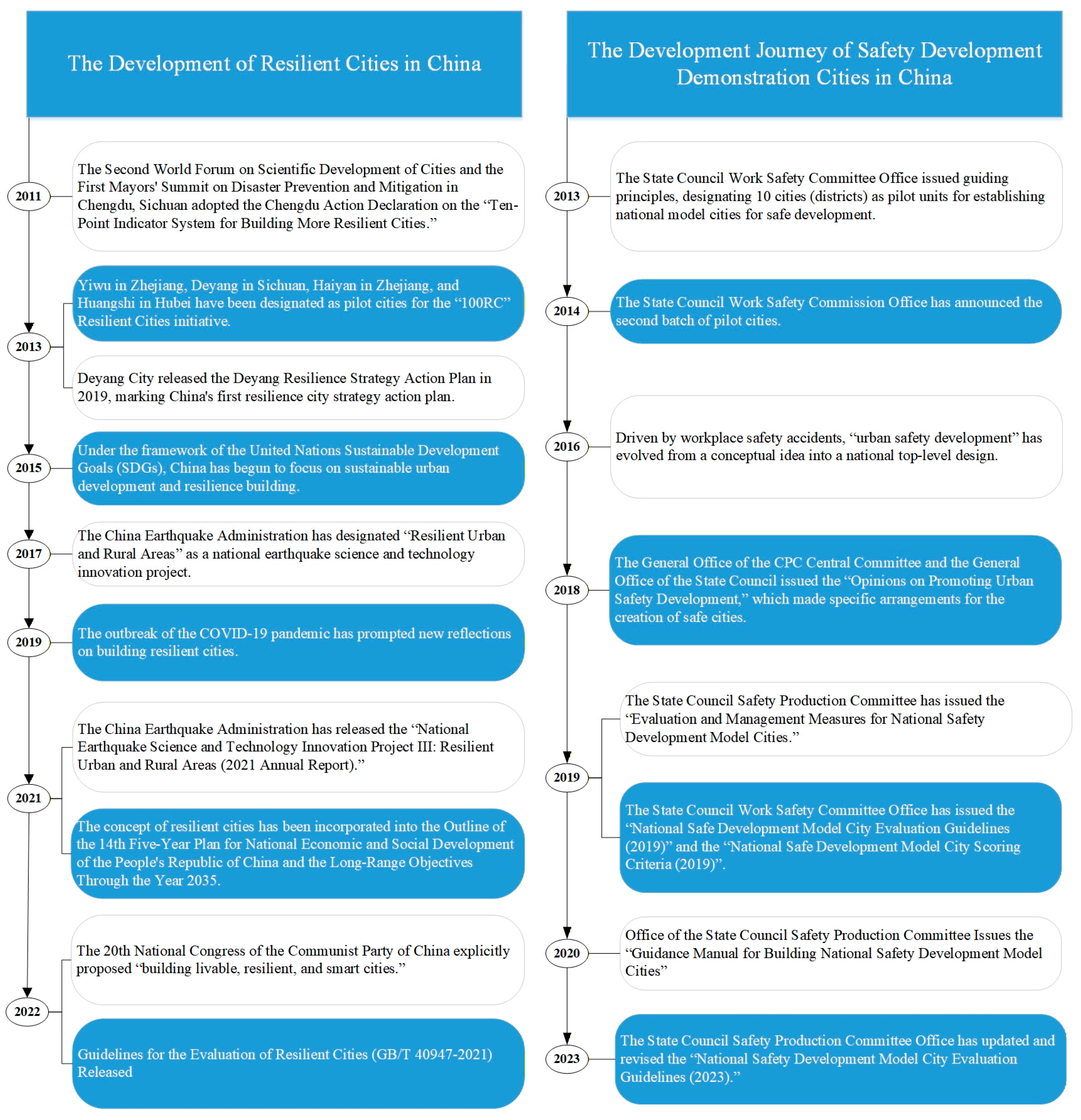
To advance urban safety and align with international standards, China subsequently proposed building Safe Development Demonstration Cities, an innovative model tailored to address its specific challenges in disaster prevention and operational risk mitigation [49]. This has led to a dual-track development model (Figure 10): while the resilient city concept remains primarily at the policy advocacy stage, Safe Development Demonstration Cities have been implemented in multiple cities as a practical, localized approach to enhancing urban hazard response and resilience [68].
Figure 10.
Development Process of Resilient Cities and Safe Development Model Cities in China [69,70,71,72].
Cities currently participating in China’s resilient city development initiatives fall into three categories: pilots for international projects, pilots for domestic policy implementation, and those pursuing independent local exploration. Corresponding details are summarized in Table 5.
Table 5.
Three Types of Resilient City Development.
China has established a multi-tiered organizational framework for resilient city development, operating on the principle of “government leadership, research support, market participation, and international collaboration”. This framework comprises four main types of actors.
Government-led agencies provide top-down direction. The State Council’s Safety Production Committee oversees the national Safe Development Model Cities campaign, integrating resilience into provincial performance evaluations. The Ministry of Housing and Urban-Rural Development (MOHURD) pilots new urban infrastructure like sponge cities and utility tunnels. The Ministry of Emergency Management leads in developing resilience evaluation standards and modernizing emergency governance systems, requiring cross-departmental collaboration at local levels.
Research and academic institutions—such as the China Academy of Urban Planning and Design and university-based research centers—provide theoretical research and practical guidance. Meanwhile, enterprises and social organizations play significant roles in delivering critical infrastructure and intelligent emergency management systems. International cooperation platforms further facilitate knowledge and resource exchange, completing the integrated framework.
3.3. Future Development Trends
Based on a systematic review, the future of resilient cities will transcend traditional, single-dimensional disaster management, evolving toward a more integrated, intelligent, and human-centered paradigm. This represents a fundamental philosophical shift from a rigid “engineering mindset” aimed at resistance, to a dynamic “systems mindset” capable of navigating complexity—a move from “single-dimensional” defense to “multi-dimensional” adaptation.
- (1)
- Conceptual Deepening: From Single to Compound Crises
Future frameworks will address cities as complex mega-systems. The focus will shift from isolated infrastructure failures to systemic vulnerabilities within interconnected networks (energy, transport, information, society), aiming to preempt cascading risks like “extreme weather → grid failure → supply chain collapse.” Accordingly, resilience will be redefined: the goal is not merely to recover, but to learn, adapt, and transform through disturbances into a more sustainable state.
- (2)
- Technological Empowerment: The Intelligent Leap
Innovation will be the core engine. Urban Information Modeling and Digital Twin platforms will create a city “nerve center,” enabling real-time interaction between physical and virtual spaces for precise scenario simulation and planning. Further, AI and big data will power intelligent risk recognition, dynamic resource allocation, and social sentiment monitoring, transforming risk management from reactive response to proactive early warning and intelligent decision-making.
- (3)
- Human-Centered Shift: Equity and Community
Development will pivot from infrastructure-centric to people-centric, with “equitable resilience” as a core value. This ensures resilience benefits are distributed fairly, protecting vulnerable groups. Complementing this is grassroots resilience cultivation, empowering communities as the first line of defense through public participation, building a bottom-up resilience network.
- (4)
- Governance and Planning Innovation
Effective implementation requires updated governance and planning. Cross-sectoral, multi-tiered collaborative networks must integrate enterprises and social organizations. Planning methodologies will adopt multi-scenario foresight over single-prediction models, enabling flexible adaptation. Supporting this will be adaptive infrastructure (e.g., multi-resilient parks, modular buildings) designed with redundancy and multifunctionality to provide cities with elastic response capacity.
In summary, future resilient cities will evolve from static “fortresses” into complex adaptive systems capable of dynamic perception, autonomous learning, and intelligent response. This transcends technology and management—it is a profound transformation in urban philosophy, social values, and collective wisdom, aiming to forge a safer, more sustainable, and dynamically vibrant habitat for humanity in an uncertain world.
4. Discussion
This study examines the trajectory of resilient urban development to derive transferable insights for local capacity building. Its purpose is analytical and instructive, not comparative. Asserting a direct developmental ranking between cities across different national contexts is analytically unsound, premised on several irreducible asymmetries.
Based on the preceding discussion regarding resilient cities from both theoretical and practical perspectives, it is evident that significant differences exist in resilience approaches between Chinese and Western contexts. These distinctions in research perspectives, methodologies, and theoretical frameworks not only reflect divergent academic traditions but also stem from deeper influences of social systems, cultural backgrounds, and stages of development. Such differences are rooted in varying governance traditions, developmental priorities, and perceptions of risk, suggesting that no universal “best model” exists for building resilience. Instead, resilience strategies must be tailored to local institutional cultures, resource constraints, and societal needs.
First, research perspectives differ. Western scholarship tends to emphasize systems analysis, quantitative modeling, and risk governance, focusing on infrastructure resilience, ecological resilience, and community adaptive capacity. It often adopts a critical lens to examine how power structures and social inequalities shape the distribution of resilience. The Western perspective operates across multiple scales—from cities to communities—highlighting cross-level coordination and advocating evolutionary concepts such as “transformative resilience”. In contrast, resilience research in China is closely aligned with national strategies, creating a mutually reinforcing model of policy and theory. It emphasizes top-down institutional design, with communities typically seen as implementers rather than proactive agents in resilience building. Chinese research stresses the integrated coordination of systems, prioritizing coherence, order, and rapid recovery to maintain socioeconomic continuity. Greater emphasis is placed on institutional, ecological, and infrastructure resilience, while social dimensions receive comparatively less attention.
Second, research methodologies vary considerably. Western studies frequently employ interdisciplinary mixed methods, using tools such as complex systems modeling (e.g., agent-based models and network analysis), scenario simulation, and empirical case studies to assess resilience pathways and levels. By constructing uncertain future scenarios, they test the effectiveness of different strategies, emphasizing preparedness for diverse possible futures. In terms of quantitative assessment, Western researchers have developed well-established indicator systems, such as the Rockefeller Foundation’s “City Resilience Framework” and UNDRR’s “Disaster Resilience Scorecard”. In China, academic work often draws on such international frameworks while also developing comprehensive indicator systems based on government policy documents—commonly applying methods such as AHP and entropy weighting to determine indicators.
Finally, theoretical frameworks exhibit clear distinctions. Western research emphasizes the evolution of resilience theory, building on socio-ecological systems theory and complex adaptive systems theory. It increasingly integrates political ecology and urban political economy to examine issues of equity, moving beyond static conceptions of engineering or ecological resilience toward a dynamic focus on learning, adaptation, and transformation. In China, early adoption of Western resilience concepts has been combined with domestic theories from disaster prevention, sustainable development, and systems engineering, forming a distinctive resilience implementation strategy. Chinese approaches often follow an integrated “governance–space–technology” framework and a vertical governance model structured around “central–provincial–municipal” coordination. A notable feature is the deep integration of resilience with spatial planning systems, emphasizing the spatial dimension of resilience application.
The development of resilient cities globally, including in China, consistently encounters significant obstacles at the grassroots level. These challenges manifest in several key areas: (1) unclear mandates and resource misallocation, where local departments lack the authority and dedicated budgets for cross-sectoral coordination; (2) capacity and technological gaps, including a shortage of professionals, tools, and training, leading to imprecise risk assessment and plan execution; (3) disconnected governance mechanisms, creating a rift between top-down policies and community realities, often incentivizing paperwork over substantive resilience building; (4) insufficient multi-stakeholder engagement, characterized by weak community self-organization, low public risk awareness, and underutilized social forces, leaving vulnerable populations exposed; and (5) inefficient emergency resource management, where rigid procurement and rotation cycles lead to the waste of perishable supplies, perpetuating an unsustainable cycle.
Despite these challenges, the field has evolved from focusing on single-disaster engineering defenses to integrated multi-hazard risk management, and now toward system-wide dynamic adaptation. An increasing number of cities are integrating global best practices into localized models. While developed nations lead in experience and infrastructure—accelerating toward smarter, more refined, and equitable approaches—the core concepts remain dynamic. In the digital era, dynamic risk simulation via digital twins and AI-driven early warning has become a major frontier. Spatial design increasingly emphasizes dual-use functionality, and grassroots management adopts grid-based systems with clear accountability. However, disparities in infrastructure, institutional frameworks, and professional capacity at the community level persist as critical vulnerabilities.
It should be acknowledged that the existing literature on resilient cities is far more extensive than the corpus examined in this study. Owing to the considerable volume of publications, only countries with high publication counts were consequently prioritized for data collection and analysis. A more comprehensive search and examination of the resultant dataset would potentially have elucidated the prevailing research trends and the contrasts between different countries or cities more sharply.
Finally, resilience has manifested across multiple dimensions—engineering, institutional, social, ecological, and economic. This study, constrained by scope and expertise, has not delved equally into all, particularly the economic, ecological, and social spheres. Future work exploring urban resilience through these specific, singular lenses would greatly enrich the field.
In essence, building resilient cities is an ongoing, adaptive process. The journey involves not only adopting advanced technologies and refining governance but also fundamentally empowering the grassroots—the final and most critical line of urban defense—to translate policy into enduring, inclusive safety.
5. Conclusions
This study systematically maps the knowledge landscape of resilient cities through bibliometric analysis, revealing its global evolutionary trajectory and China’s unique developmental path. Key findings are summarized as follows.
Global resilience research has undergone a paradigm shift from “engineering resilience” toward “systemic resilience”. The literature indicates that the conceptual focus of resilient cities has evolved from an initial emphasis on the disaster resistance of physical systems to encompass the adaptive capacity of complex socio-ecological–economic systems, and further toward a dynamic emphasis on proactive transformation and sustainable development. Research hotspots have gradually shifted from technical domains such as risk assessment and disaster prevention engineering toward softer dimensions including governance models, social capital, and equitable transition. This evolution reflects the deepening scholarly understanding of urban complexity.
Resilience research in China has followed a distinctive “policy-driven, state-led, governance-embedded” pathway. China’s experience in building resilience offers a representative case for many developing countries, characterized by a “dual-track approach” that advances resilience initiatives at both policy and practical levels. Research has long concentrated on applied fields such as urban planning, infrastructure, and risk assessment, forming a strong knowledge cluster around “engineering technology–spatial planning–emergency management”. In contrast, critical social dimensions such as community resilience, social equity, and political economy, though receiving growing attention, remain relatively underdeveloped.
Resilience research in China and the West exhibits systematic differences in focus, methodology, and theoretical framing. In terms of perspective, Western research tends to be critical and evolutionary, prioritizing social equity and community agency, while Chinese research is more holistic and policy-oriented, emphasizing top-down systemic coordination and stability. Methodologically, Western scholarship widely employs interdisciplinary mixed methods and participatory assessment, whereas Chinese studies often focus on policy text analysis and quantitative modeling. Theoretically, Western work has developed frameworks around evolutionary resilience and political ecology, stressing learning and equitable transformation, while China has cultivated a localized, integrated framework that blends governance, spatial, and technological dimensions.
Future research on urban resilience will evolve from a focus on passive defense toward proactive adaptation and transformation. Building on current knowledge gaps and emerging trends, future work should develop in the following directions: integrating theoretical and methodological innovations by incorporating technologies such as big data and AI simulation to better capture the dynamic complexity of resilience; deepening the study of social dimensions and just transitions to embed “equitable resilience” into urban development and explore the implications of resilience governance for social equity; and placing greater emphasis on systemic risks—including climate change, compound crises, and chronic stresses—to advance holistic resilience building.
By clarifying the conceptual lineage and practical logic of resilient cities, this study offers a theoretical reference for resilience building in the urbanization processes of developing countries. It also provides a methodological foundation for developing resilience capacity across scales (regional, urban, community). Future research should explore quantitative models for economic resilience and participatory mechanisms for social resilience, thereby further refining the theoretical framework and practical toolkit for resilient cities.
Supplementary Materials
The following supporting information can be downloaded at: https://www.mdpi.com/article/10.3390/su18062945/s1, Table S1: checklist.
Author Contributions
Conceptualization, Z.W.; Methodology, Y.L.; Writing–original draft, M.H.; Writing–review & editing, M.H.; Visualization, M.H.; formal analysis, Y.L.; Supervision, G.F.; supervision, S.X.; Funding acquisition, X.X. All authors have read and agreed to the published version of the manuscript.
Funding
This research was funded by National Natural Science Foundation of China (grant number: 72204139); Key R&D Program of Guangxi Zhuang Autonomous Region (grant number: GUI KE AB23026055).
Institutional Review Board Statement
Not applicable.
Informed Consent Statement
Not applicable.
Data Availability Statement
The original contributions presented in this study are included in the article/Supplementary Material. Further inquiries can be directed to the corresponding author.
Conflicts of Interest
The authors declare no conflicts of interest.
References
- Godschalk, D.R. Urban Hazard Mitigation: Creating Resilient Cities. Nat. Hazards Rev. 2003, 4, 136–143. [Google Scholar] [CrossRef] [Scilit]
- Ferreira, T.M.; Santos, P.P. Multi-Hazard Risk Assessment for Resilient and Sustainable Urban Areas. Nat. Hazards 2024, 120, 9107–9109. [Google Scholar] [CrossRef] [Scilit]
- Melkunaite, L.; Guay, F. When Civil Protection Meets Urban Planning: Conceptualising a Resilient City Development Process. Sustain. City XI 2016, 1, 455–466. [Google Scholar] [CrossRef] [Scilit]
- Guo, N.; Wu, F.; Sun, D.; Shi, C.; Gao, X. Mechanisms of Resilience in Cities at Different Development Phases: A System Dynamics Approach. Urban Clim. 2024, 53, 101793. [Google Scholar] [CrossRef] [Scilit]
- Amirzadeh, M.; Sobhaninia, S.; Buckman, S.T.; Sharifi, A. Towards Building Resilient Cities to Pandemics: A Review of COVID-19 Literature. Sustain. Cities Soc. 2023, 89, 104326. [Google Scholar] [CrossRef] [Scilit] [PubMed]
- Roberts, D.; Douwes, J.; Sutherland, C.; Sim, V. Durban’s 100 Resilient Cities Journey: Governing Resilience from Within. Environ. Urban. 2020, 32, 547–568. [Google Scholar] [CrossRef] [Scilit]
- Making Cities Resilient 2030. Available online: https://mcr2030.undrr.org/mcr-homepage (accessed on 18 May 2025).
- 100 Resilient Cities. Available online: https://www.rockefellerfoundation.org/100-resilient-cities/ (accessed on 18 May 2025).
- Lu, Y.; Zhai, G.; Zhai, W. Quantifying Urban Spatial Resilience Using Multi-Criteria Decision Analysis (MCDA) and Back Propagation Neural Network (BPNN). Int. J. Disaster Risk Reduct. 2024, 111, 104694. [Google Scholar] [CrossRef] [Scilit]
- Barzaman, S.; Shamsipour, A.; Lakes, T.; Faraji, A. Indicators of Urban Climate Resilience (Case Study: Varamin, Iran). Nat. Hazards 2022, 112, 119–143. [Google Scholar] [CrossRef] [Scilit]
- Suárez, M.; Benayas, J.; Justel, A.; Sisto, R.; Montes, C.; Sanz-Casado, E. A Holistic Index-Based Framework to Assess Urban Resilience: Application to the Madrid Region, Spain. Ecol. Indic. 2024, 166, 112293. [Google Scholar] [CrossRef] [Scilit]
- Iheaturu, C.; Okolie, C.; Ayodele, E.; Egogo-Stanley, A.; Musa, S.; Speranza, C.I. Combining Google Earth Historical Imagery and UAV Photogrammetry for Urban Development Analysis. MethodsX 2024, 12, 102785. [Google Scholar] [CrossRef] [Scilit]
- Rastyapina, O.A.; Korosteleva, N.V. Urban Safety Development Methods. Procedia Eng. 2016, 150, 2042–2048. [Google Scholar] [CrossRef] [Scilit]
- Chiroli, D.M.D.G.; Menezes, M.G.; Zola, F.C.; Aragão, F.V.; de Almeida, R.D.; Tebcherani, S.M. Integrating Resilience and Sustainability: A Systematic Analysis of Resilient Cities Using ISO 37123. Int. J. Disaster Risk Reduct. 2023, 96, 103960. [Google Scholar] [CrossRef] [Scilit]
- Cheek, W.; Chmutina, K. Measuring Resilience in the Assumed City. Int. J. Disaster Risk Sci. 2022, 13, 317–329. [Google Scholar] [CrossRef] [Scilit]
- Snyder, H. Literature Review as a Research Methodology: An Overview and Guidelines. J. Bus. Res. 2019, 104, 333–339. [Google Scholar] [CrossRef] [Scilit]
- Holling, C.S. Engineering Resilience Versus Ecological Resilience; National Academy Press: Washington, DC, USA, 1996. [Google Scholar]
- Holling, C.S. Resilience and Stability of Ecological Systems. Annu. Rev. Ecol. Evol. Syst. 1973, 4, 460–482. [Google Scholar]
- Folke, C.; Carpenter, S.R.; Walker, B.; Scheffer, M.; Chapin, T.; Rockstrm, J. Resilience Thinking: Integrating Resilience, Adaptability and Transformability. Ecol. Soc. 2010, 15, 299–305. [Google Scholar] [CrossRef] [Scilit]
- Folke, C. Resilience (Republished). Ecol. Soc. 2016, 21, 44. [Google Scholar] [CrossRef] [Scilit]
- Torraco, R.J. Work Design Theory: A Review and Critique with Implications for Human Resource Development. Hum. Resour. Dev. Q. 2005, 16, 85–109. [Google Scholar] [CrossRef] [Scilit]
- Whittemore, R.; Knafl, K. The Integrative Review: Updated Methodology. J. Adv. Nurs. 2005, 52, 546–553. [Google Scholar] [CrossRef] [Scilit] [PubMed]
- Li, J.; Goerlandt, F.; Reniers, G. An Overview of Scientometric Mapping for the Safety Science Community: Methods, Tools, and Framework. Saf. Sci. 2021, 134, 105093. [Google Scholar] [CrossRef] [Scilit]
- van Eck, N.J.; Waltman, L. Software Survey: VOSviewer, a Computer Program for Bibliometric Mapping. Scientometrics 2010, 84, 523–538. [Google Scholar] [CrossRef] [Scilit]
- Chen, C. CiteSpace II: Detecting and Visualizing Emerging Trends and Transient Patterns in Scientific Literature. J. Am. Soc. Inf. Sci. Technol. 2006, 57, 359–377. [Google Scholar] [CrossRef] [Scilit]
- Yang, J.; Cheng, C.; Shen, S.; Yang, S. Comparison of Complex Network Analysis Software: Citespace, SCI2 and Gephi. In Proceedings of the 2017 IEEE 2nd International Conference on Big Data Analysis (ICBDA), Beijing, China, 10–12 March 2017; pp. 169–172. [Google Scholar]
- Vale, L.J.; Campanella, T.J. (Eds.) The Resilient City: How Modern Cities Recover from Disaster; Oxford University Press: Oxford, UK, 2005. [Google Scholar]
- Kates, R.W.; Colten, C.E.; Laska, S.; Leatherman, S.P.; Clark, W.C. Reconstruction of New Orleans after Hurricane Katrina: A Research Perspective. Cityscape 2007, 9, 5–22. [Google Scholar] [CrossRef] [Scilit]
- Radeloff, V.; Helmers, D.P.; Kramer, H.; Mockrin, M.; Alexandre, P.; Bar-Massada, A.; Butsic, V.; Hawbaker, T.; Martinuzzi, S.; Syphard, A.; et al. Rapid Growth of the US Wildland-Urban Interface Raises Wildfire Risk. Proc. Natl. Acad. Sci. USA 2018, 115, 3314–3319. [Google Scholar] [CrossRef] [Scilit]
- Sharifi, A.; Khavarian-Garmsir, A.R. The COVID-19 Pandemic: Impacts on Cities and Major Lessons for Urban Planning, Design, and Management. Sci. Total Environ. 2020, 749, 142391. [Google Scholar] [CrossRef] [Scilit] [PubMed]
- Hallegatte, S.; Rentschler, J.; Rozenberg, J. Lifelines: The Resilient Infrastructure Opportunity; World Bank: Washington, DC, USA, 2019. [Google Scholar]
- Pan, Y.; Zhang, L. Roles of Artificial Intelligence in Construction Engineering and Management: A Critical Review and Future Trends. Autom. Constr. 2021, 122, 103517. [Google Scholar] [CrossRef] [Scilit]
- Spaans, M.; Waterhout, B. Building up Resilience in Cities Worldwide—Rotterdam as Participant in the 100 Resilient Cities Programme. Cities 2017, 61, 109–116. [Google Scholar] [CrossRef] [Scilit]
- Future Cities Advisory Outlook 2022: Building New Urban Resilience. Available online: https://unhabitat.org/future-cities-advisory-outlook-2022-building-new-urban-resilience (accessed on 6 November 2025).
- ICLEI—Local Governments for Sustainability. Available online: https://iclei.org/ (accessed on 6 November 2025).
- UNDRR Homepage|UNDRR. Available online: https://www.undrr.org/ (accessed on 6 November 2025).
- Bruneau, M.; Chang, S.E.; Eguchi, R.T.; Lee, G.C.; O’Rourke, T.D.; Reinhorn, A.M.; Shinozuka, M.; Tierney, K.; Wallace, W.A.; Von Winterfeldt, D. A Framework to Quantitatively Assess and Enhance the Seismic Resilience of Communities. Earthq. Spectra 2003, 19, 733–752. [Google Scholar] [CrossRef] [Scilit]
- Satterthwaite, D. Cities’ Contribution to Global Warming: Notes on the Allocation of Greenhouse Gas Emissions. Environ. Urban. 2008, 20, 539–549. [Google Scholar] [CrossRef] [Scilit]
- Cutter, S.L.; Burton, C.G.; Emrich, C.T. Disaster Resilience Indicators for Benchmarking Baseline Conditions. J. Homel. Secur. Emerg. Manag. 2010, 7, 51. [Google Scholar] [CrossRef] [Scilit]
- Leichenko, R. Climate Change and Urban Resilience. Curr. Opin. Environ. Sustain. 2011, 3, 164–168. [Google Scholar] [CrossRef] [Scilit]
- Revi, A.; Satterthwaite, D.E.; Aragón-Durand, F.; Corfee-Morlot, J.; Solecki, W. Urban Areas in Climate Change 2014: Impacts, Adaptation, and Vulnerability. Part A: Global and Sectoral Aspects. Contribution of Working Group II to the Fifth Assessment Report of the Intergovernmental Panel on Climate Change; Cambridge University Press: Cambridge, UK, 2014; pp. 535–612. [Google Scholar]
- Erokhin, D.; Komendantova, N. Social Media Data for Disaster Risk Management and Research. Int. J. Disaster Risk Reduct. 2024, 114, 104980. [Google Scholar] [CrossRef] [Scilit]
- Sharifi, A. Urban Sustainability Assessment: An Overview and Bibliometric Analysis. Ecol. Indic. 2021, 121, 107102. [Google Scholar] [CrossRef] [Scilit]
- Chausson, A.; Turner, B.; Seddon, D.; Chabaneix, N.; Girardin, C.A.J.; Kapos, V.; Key, I.; Roe, D.; Smith, A.; Woroniecki, S.; et al. Mapping the Effectiveness of Nature-Based Solutions for Climate Change Adaptation. Glob. Chang. Biol. 2020, 26, 6134–6155. [Google Scholar] [CrossRef] [Scilit]
- IUCN Global Standard for Nature-Based Solutions. Available online: https://iucn.org/our-work/topic/iucn-global-standard-nature-based-solutions (accessed on 16 November 2025).
- Meerow, S.; Newell, J.P. Urban Resilience for Whom, What, When, Where, and Why? Urban Geogr. 2019, 40, 309–329. [Google Scholar] [CrossRef] [Scilit]
- Deng, T.; Zhang, K.; Shen, Z.-J. A Systematic Review of a Digital Twin City: A New Pattern of Urban Governance toward Smart Cities. J. Manag. Sci. Eng. 2021, 6, 125–134. [Google Scholar] [CrossRef] [Scilit]
- Habib, A.; Habib, M.; Bashir, B.; Bachir, H. Exploring the Sustainability Benefits of Digital Twin Technology in Achieving Resilient Smart Cities During Strong Earthquake Events. Arab. J. Sci. Eng. 2025, 50, 16869–16883. [Google Scholar] [CrossRef] [Scilit]
- Liu, J.; Wang, C.; Zhang, R. Experiment in Resilient City: An Evaluation of China’s Demonstration City of Safe Development Policies. Heliyon 2024, 10, e32000. [Google Scholar] [CrossRef] [Scilit]
- Liu, Y.; Li, Q.; Li, W.; Zhang, Y.; Pei, X. Progress in Urban Resilience Research and Hotspot Analysis: A Global Scientometric Visualization Analysis Using CiteSpace. Environ. Sci. Pollut. Res. 2022, 29, 63674–63691. [Google Scholar] [CrossRef] [Scilit]
- Sharifi, A.; Allam, Z.; Bibri, S.E.; Khavarian-Garmsir, A.R. Smart Cities and Sustainable Development Goals (SDGs): A Systematic Literature Review of Co-Benefits and Trade-Offs. Cities 2024, 146, 104659. [Google Scholar] [CrossRef] [Scilit]
- Uittenbroek, C.J.; Mees, H.L.P.; Hegger, D.; Driessen, P. From Public to Citizen Responsibilities in Urban Climate Adaptation. Urban Clim. Politics 2019, 293, 171–189. [Google Scholar] [CrossRef] [Scilit]
- UN Unveils Campaign to Make Cities More Resistant to Disasters. Available online: https://news.un.org/en/story/2010/05/339882 (accessed on 16 November 2025).
- Yuzva, K.; Zimmermann, M. Introduction: Toward the Resilient City. In Proceedings of the Resilient Cities 2 Conference, Bonn, Germany, 3–5 June 2011; pp. 101–103. [Google Scholar]
- United Nations|Peace, Dignity and Equality <BR>on a Healthy Planet. Available online: https://www.un.org/en (accessed on 16 November 2025).
- ICLEI East Asia. Available online: https://eastasia.iclei.org/ (accessed on 16 November 2025).
- World Meteorological Organization. Atlas of Mortality and Economic Losses from Weather, Climate and Water-Related Hazards|FSM Environment, Climate Change and Disaster Risk Management Data Portal. Available online: https://fsm-data.sprep.org/dataset/world-meteorological-organization-atlas-mortality-and-economic-losses-weather-climate-and (accessed on 23 November 2025).
- ITU Report Highlights Use of Disruptive Technologies in Disaster Management|UN-SPIDER Knowledge Portal. Available online: https://www.un-spider.org/news-and-events/news/itu-report-highlights-use-disruptive-technologies-disaster-management (accessed on 23 November 2025).
- Global Facility for Disaster Reduction and Recovery|GFDRR. Available online: https://www.gfdrr.org/en/global-facility-disaster-reduction-and-recovery (accessed on 23 November 2025).
- Gordon, D.J.; Johnson, C.A. City-Networks, Global Climate Governance, and the Road to 1.5 °C. Curr. Opin. Environ. Sustain. 2018, 30, 35–41. [Google Scholar] [CrossRef] [Scilit]
- Singapore’s ABC Water Programme—EBRD. Available online: https://www.ebrdgreencities.com/policy-tool/singapores-abc-water-programme/ (accessed on 23 November 2025).
- Kainuma, M.; Ishikawa, T.; Kawarasaki, S.; Blanchard, A.; Take, K.; Mori, H. “Paris at 50 Degrees Celsius”: How Can Paris Adapt to Heatwaves? Sustain. Sci. 2025. [Google Scholar] [CrossRef] [Scilit]
- Khader, M. Rotterdam Resilience Strategy, Rotterdam. In Urban Planning for Transitions; Douay, N., Minja, M., Eds.; John Wiley & Sons: Hoboken, NJ, USA, 2021; pp. 1–18. [Google Scholar]
- City Resilience|City of Melbourne. Available online: https://www.melbourne.vic.gov.au/city-resilience (accessed on 23 November 2025).
- Moloney, S.; Doyon, A. The Resilient Melbourne Experiment: Analyzing the Conditions for Transformative Urban Resilience Implementation. Cities 2021, 110, 103017. [Google Scholar] [CrossRef] [Scilit]
- Rosenzweig, B.; Montalto, F.A.; Orton, P.; Kaatz, J.; Maher, N.; Kleyman, J.; Chen, Z.; Sanderson, E.; Adhikari, N.; McPhearson, T.; et al. NPCC4: Climate Change and New York City’s Flood Risk. Ann. New York Acad. Sci. 2024, 1539, 127–184. [Google Scholar] [CrossRef] [Scilit] [PubMed]
- City Resilience Framework 2024: Preparing for the Next Decade. 2024. Available online: https://resilientcitiesnetwork.org/downloadable_resources/Publications/City%20Resilience%20Framework%2024%20FINAL_.pdf (accessed on 23 November 2025).
- Liu, J.; Yang, L. “Dual-Track” Platform Governance on Content: A Comparative Study between China and United States. Policy Internet 2022, 14, 20. [Google Scholar] [CrossRef] [Scilit]
- The Central Committee of the Communist Party of China The State Council Opinions of the Central Committee of the Communist Party of China and the State Council on Advancing Reform and Development in the Field of Work Safety. Available online: https://www.gov.cn/zhengce/2016-12/18/content_5149663.htm (accessed on 23 November 2025).
- State Council Work Safety Commission Notice of the State Council Work Safety Commission on Issuing the “Evaluation and Management Measures for National Safety Development Model Cities”. Available online: https://www.mem.gov.cn/gk/tzgg/tz/201912/t20191205_341956.shtml (accessed on 23 November 2025).
- Office of the State Council Work Safety Commission Notice of the State Council Work Safety Committee Office on Issuing the “Evaluation Rules for National Safety Development Model Cities (2023 Edition)”. Available online: https://www.mem.gov.cn/gk/zfxxgkpt/fdzdgknr/202310/t20231023_466482.shtml (accessed on 23 November 2025).
- State Council Work Safety Commission Office Notice of the State Council Work Safety Commission Office on Issuing the “Guidance Manual for Building National Safety Development Model Cities”. Available online: https://www.mem.gov.cn:10443/gk/tzgg/tz/202009/t20200930_366910.shtml (accessed on 23 November 2025).
- China Meteorological News Agency Zhuji City: Selected for UNDRIS “World Resilient Model Cities” List. Available online: https://www.cma.gov.cn/2011xwzx/2011xqxxw/2011xjctz/202404/t20240402_6172652.html (accessed on 12 December 2025).
- Tianjin Daily Eco-City Pioneers “Indicator-Based” Model for Building Resilient Cities. Available online: https://www.tj.gov.cn/sy/tjxw/202507/t20250726_7099436.html (accessed on 12 December 2025).
- Wu, Y. New Situations of Public Security Risks and Resilient Governance in Megacities and Super-Large Cities. Frontiers 2025, 94–105. [Google Scholar] [CrossRef]

Disclaimer/Publisher’s Note: The statements, opinions and data contained in all publications are solely those of the individual author(s) and contributor(s) and not of MDPI and/or the editor(s). MDPI and/or the editor(s) disclaim responsibility for any injury to people or property resulting from any ideas, methods, instructions or products referred to in the content. |
© 2026 by the authors. Licensee MDPI, Basel, Switzerland. This article is an open access article distributed under the terms and conditions of the Creative Commons Attribution (CC BY) license.