


Abstract
The ISO 12913 series represents a paradigm shift in environmental acoustics by introducing a human-centered and perceptual framework for soundscape assessment. Although conceived as globally applicable, questions remain regarding its implementation in Global South contexts. This study evaluates how ISO 12913 is perceived, interpreted, and applied in Brazil, with the aim of identifying its strengths, limitations, and contextual adaptation needs in relation to soundscape standardization and sustainability. A mixed-methods approach was employed, combining an online survey with Brazilian soundscape researchers and practitioners and a virtual focus group with domain experts. Quantitative data were analyzed descriptively, while qualitative responses were examined through thematic analysis structured under a Societal Research Impact Assessment framework. The results indicate broad recognition of the conceptual relevance of ISO 12913, especially its interdisciplinary and human-centered approach. However, several challenges were identified, including linguistic and semantic inconsistencies in perceptual attributes, limited guidance for indoor soundscape assessment, conceptual ambiguities, and socioeconomic constraints affecting implementation. Participants highlighted the need for cultural, linguistic, and methodological adaptations to enable meaningful application within heterogeneous and resource-constrained contexts. By foregrounding the Brazilian experience, the study contributes to global debates on soundscape standardization, by demonstrating how international frameworks such as ISO 12913 can be refined through meaningful engagement with Global South contexts. The study supports the development of complementary national guidelines aimed at enhancing contextual adequacy, operational feasibility, and long-term societal impact, thereby fostering more inclusive and socially sustainable soundscape assessment practices.
1. Introduction
Environmental acoustics has traditionally focused on the control and mitigation of unwanted sound, relying primarily on physical indicators such as sound pressure levels and regulatory thresholds. While this approach has been effective in addressing noise-related health risks, it has proven insufficient to capture the complexity of how people actually experience acoustic environments in everyday life. Over the past two decades, growing evidence from acoustics, environmental psychology, urban studies, and architecture has demonstrated that human responses to sound are strongly shaped by contextual, cultural, and situational factors that cannot be fully explained by physical metrics alone [1,2,3,4,5,6,7,8,9,10,11,12].
In response to these limitations, the soundscape approach has emerged as a paradigm shift in environmental acoustics [1,6]. The initial studies were conducted under the COST Action TD 0804: Soundscape of European Cities and Landscapes [6], which established a foundational framework for the investigation of urban soundscapes, though it was primarily grounded in the European context. Building on this shift, soundscape research moves beyond treating sound exclusively as a pollutant and instead conceptualizes the acoustic environment as perceived, experienced, and interpreted by individuals within a specific context [12].
This perspective has been progressively consolidated through the first three published parts of the ISO 12913 series, which provides an international framework for defining soundscape concepts [12], establishing methodological procedures for data collection and reporting [13], and providing recommendations for data analysis [14]. The standard has played a central role in promoting methodological coherence and interdisciplinary dialogue, supporting applications in urban planning, landscape design, architecture, environmental policy, and sustainability-oriented design [1,2,5,6,7,8,9,10,11].
From this standpoint, soundscape assessment has increasingly been recognized not only as an acoustic or perceptual issue, but also as a key component of social sustainability, urban well-being, and inclusive environmental governance [1,7,15]. In a broader sense, it aligns with contemporary debates on sustainability, public health, and context-sensitive environmental policies.
Despite its international scope, the application of ISO 12913 across different sociocultural settings has raised important questions. Soundscape perception is not universal; it is influenced by language, cultural expectations, socioeconomic conditions, climate, urban morphology, and local practices [1,7,8]. Context has been defined in multiple ways. As discussed by Bazire and Brézillon [16], it includes external factors related to spatial and physical attributes, such as location, spatial configuration, and geographic characteristics, often shaped by multisensory influences [17]. It also encompasses internal dimensions associated with individual, mental representations, including memories, associations, and preferences [18], as well as socio-economic influences [19]. Furthermore, collective dimensions emerge within social groups, forming cultural context, shared behaviors, values, beliefs, customs [20], and communication styles [21].
Consequently, perceptual attributes, methodological assumptions, and recommended tools embedded in the standard may require contextual validation and careful interpretation when applied across different regions, rather than implying inherent non-transferability of the framework. A particularly debated issue concerns the Perceived Affective Qualities (PAQs) proposed in ISO 12913. Although these attributes are widely used in soundscape studies, their semantic equivalence across languages and cultures has been subject to extensive discussion [22,23,24,25]. Cross-cultural studies have revealed discrepancies between literal translation and conceptual meaning, as reported by Aletta et al. [24] and observed in Portuguese [22,23], Spanish [26], Japanese [27], and Bahasa Melayu [28] adaptations. These discrepancies raise concerns regarding the validity and comparability of results in multilingual and multicultural contexts.
The perceived affective qualities were originally developed from Swedish–English translations and subsequently validated in 21 languages; however, challenges emerged when applying these descriptors in non-Anglo-Saxon linguistic and cultural contexts. In addition, scholars have identified ambiguities in key concepts such as “context” and “appropriateness”, as well as tensions between the standard’s methodological flexibility and the need for clearer operational guidance [1,23]. These issues reflect an ongoing effort within the international soundscape community to balance standardization with contextual sensitivity.
Furthermore, Aletta et al. [24] note that cultural differences may reveal limitations of the ISO 12913 standard, as soundscape components not emphasized in the standard may become salient in other cultural settings.
Within this broader international discussion, Brazil represents a particularly relevant case. As a country of continental scale, characterized by pronounced regional diversity, social inequalities, and complex urban sound environments, Brazil presents challenges that differ substantially from those of high-income countries where the soundscape standard was initially developed. Despite the growing international adoption of ISO 12913, no systematic evaluation has yet examined how the standard is perceived and operationalized within the Brazilian context. Although soundscape research in Brazil has expanded in recent years, it remains unevenly distributed and often constrained by limited access to resources, equipment, and institutional support. Moreover, Brazilian environmental regulations and planning practices remain largely grounded in conventional noise-control paradigms, thereby complicating the integration of perceptual and sustainability-oriented approaches [22,23].
In this context, the Brazilian soundscape research community is relatively small but institutionally structured, with a concentration of expertise within the Brazilian Society of Acoustics (Sociedade Brasileira de Acústica—SOBRAC), which currently comprises approximately 275 individual members distributed across all Brazilian regions, including researchers, practitioners, and postgraduate students, in addition to 73 institutional members from academia, industry, and public agencies [29]. Within this acoustics community, only a limited proportion of members are directly engaged in soundscape research or practice, as further illustrated by the findings presented in the Results section.
Despite its modest size, the geographic distribution of SOBRAC members reflects Brazil’s territorial and socioeconomic diversity, with higher concentrations in the Southeast and South regions and consistent representation in the Northeast, Central-West, and North. This configuration suggests that soundscape-related knowledge production in Brazil is embedded in heterogeneous urban, cultural, and institutional contexts, reinforcing the relevance of examining how international standards such as ISO 12913 are interpreted and operationalized within a diverse Global South setting.
Against this background, there is a clear need to examine how ISO 12913 is perceived and applied by Brazilian researchers and practitioners, and whether its concepts and tools adequately reflect local realities. Particular attention is given to the methodological prescriptions outlined in ISO/TS 12913-2 [13] (data collection) and ISO/TS 12913-3 [14] (data analysis), as these components structure the operationalization of soundscape assessment in practice.
Building on previous empirical evidence from Brazil that has identified challenges related to linguistic interpretation, methodological clarity, and contextual adequacy [15], this study investigates the applicability of ISO 12913 in Brazil through a mixed-methods approach combining an online questionnaire and a focus group with Brazilian soundscape experts. Rather than testing methodological compliance, the study, structured through a Societal Research Impact Assessment perspective, which elicits expert perspectives on applicability, perceived adequacy, methodological approaches, gaps, limitations, and future research directions associated with the ISO 12913 soundscape standard [12,13,14] in the Brazilian context.
Accordingly, the main objective is to identify perceived strengths, limitations, and missing elements of the standard in relation to its applicability in Brazil. By situating the analysis within a societal impact perspective, this study contributes to ongoing international debates on sustainable, culturally sensitive, and context-aware soundscape standardization and supports the development of complementary guidelines aimed at enhancing inclusivity, feasibility, and long-term societal relevance in Brazil and other Global South contexts.
2. Materials and Methods
2.1. Study Design
To achieve the proposed objective, the study employed an exploratory mixed-methods research design [30], integrating qualitative and quantitative approaches. This integration enabled the identification of general patterns among specialists while also capturing in-depth reflections on cultural, linguistic, and methodological issues related to soundscape assessment. Such a design is particularly appropriate for exploratory research addressing the contextual adaptation of international standards.
Data were collected using two complementary instruments: an online survey (n = 32) and a virtual focus group (n = 9) conducted with a subset of survey respondents [8]. These instruments were designed to capture participants’ perceptions, professional experiences, and expert reflections on ISO 12913, rather than to conduct site-based soundscape assessments. Accordingly, the methods applied do not conform to ISO/TS 12913-2 Method A (soundwalk-based assessment), Method B (structured in situ questionnaires), or Method C (laboratory-based evaluations) [13]. The online questionnaire gathered contextual and experiential information regarding participants’ professional backgrounds, familiarity with soundscape research, and perceptions of ISO 12913, without evaluating specific soundscapes.
The focus group, although not an official data-collection method explicitly prescribed by ISO 12913 [12,13,14], was employed to obtain in-depth qualitative insights into the contextual, social, cultural, and interpretive dimensions of the standard’s application in Brazil. Due to the absence of soundscape mapping, on-site measurements, and integration of acoustic and perceptual data, methodological triangulation as proposed in ISO/TS 12913-3 [14] was not feasible in this study.
While a previous study [31] employed Normalization Process Theory (NPT) to examine challenges related to stakeholder engagement, communication, competence, and the institutional embedding of ISO 12913, the present research did not investigate the longitudinal normalization of the standard within specific organizational or professional routines. Consequently, a Societal Impact of Research Assessment [32] framework was adopted as the most appropriate analytical approach, as it enables the exploration of the standard’s perceived relevance, feasibility, potential benefits, and limitations at societal, cultural, and policy levels rather than within operational implementation processes.
Within this framework, the Human Development Index (HDI) was used as a contextual reference to interpret societal relevance. Developed by the United Nations Development Program (UNDP) [33], the HDI integrates health, education, and standard of living dimensions to provide a multidimensional measure of human well-being. Its adoption in this study does not imply a direct measure of research impact; instead, it serves as a contextual benchmark to situate discussions on soundscape policies, environmental quality, and well-being within broader development conditions. Given that soundscape planning and environmental noise management are increasingly linked to quality of life, public health, and inclusive urban development, the HDI offers a suitable high-level indicator to frame the potential societal implications of ISO 12913 adoption in Brazil within a human-centered development perspective.
To maintain analytical coherence with the Societal Impact Assessment framework, expert responses were thematically organized in dialogue with the three parts of ISO 12913, to facilitate discussion and does not represent a formal evaluation of compliance or methodological testing of the standard. Rather, it enabled a structured examination of perceived relevance, clarity, and contextual feasibility within the Brazilian context.
2.2. Online Survey
2.2.1. Instrument Design
The online survey consisted of 22 items, including both closed-ended and open-ended questions. Six closed-ended questions (A to F) collected demographic and professional background information, including age group, gender, city of residence, professional position, years of experience in acoustics, and prior engagement with soundscape research. The remaining questions were predominantly open-ended and structured into three thematic blocks, designed to reflect the analytical logic of the study. The first block (Questions 1 to 6) explored the current state of soundscape research in Brazil. Question 1 was designed to capture participants’ overall perception of the current state of soundscape research in Brazil. Question 2 complements this perspective by mapping the perceived network of researchers and practitioners active in soundscape research in Brazil. Questions 3 to 6 examined experiences with soundscape-related methods, focusing on feasibility and practical impact (Q3), cultural adaptation and social context (Q4), methodological readiness (Q5), and operational capacity and feasibility (Q6). The second block (Questions 7 to 13) focused on the applicability of ISO 12913 in Brazil, including prior experience with the standard: adoption potential (Q7), perceived strengths (Q8—direct societal benefits & harms and Q13—potential benefits), limitations (Q8—direct societal benefits & harms, Q11—barriers to societal impact), Q12—context specific barriers). The third block (Questions 14 to 16) explored broader dimensions of societal impact and innovation, including pathways to impact (Q14), visions of societal benefit (Q15), and long-term societal impact (Q16).
Table 1 presents the complete set of survey questions along with their corresponding answer types. For the purposes of the present analysis, particular emphasis is placed on selected open-ended questions addressing perceptions of soundscape research, the applicability of ISO 12913, and perceived gaps or limitations in the standard. It should be noted that Questions 1, 9, and 10 were previously reported in a separate conference paper presented at Inter-Noise 2025 [15]. Accordingly, the present article focuses on the remaining questions listed in Table 1, providing original qualitative insights and an expanded analytical discussion that were not included in the earlier publication.
Table 1.
Survey questions and corresponding answer types used in the online questionnaire.
The questionnaire was implemented using an online survey platform and administered in Brazilian Portuguese. Prior to dissemination, the instrument was reviewed by the research team to ensure clarity, internal consistency, and alignment with the study objectives.
In the present study, responses to Questions 1, 9, and 10 are not reported in the Results section, as they were previously analyzed in Michalski et al. [15].
2.2.2. Participants and Recruitment
The target population consisted of Brazilian researchers and practitioners with prior experience in soundscape studies. Participants were recruited using a multi-channel strategy that included academic and professional mailing lists, social media platforms, and specialized acoustics networks. Invitations were distributed via email (n = 20), professional WhatsApp groups related to acoustics (e.g., Acústicas [n = 70], Acústica Brasil [n = 477], O mercado de acústica [n = 277]), and Instagram profiles associated with national research networks and acoustics societies (e.g., yan.br.acustica [n = 629] and sobrac.rj [n = 70]).
The survey was conducted between April and May 2025. Based on the reach of the recruitment channels, an estimated total of 1543 potential participants were contacted. A total of 32 complete responses were obtained, corresponding to a response rate of approximately 2.1%. Although modest, this rate is consistent with surveys targeting highly specialized expert communities [31]. Notably, the Brazilian study achieved higher participation in the online questionnaire than the previous international expert survey conducted by Aletta et al. [31], whose objective was to investigate how national standards bodies and practitioners engage with the ISO 12913.
As shown in Table 2, among the 1543 potential participants identified, 47% were male, 26.8% were female, and 26.2% were classified as unknown (e.g., companies or institutional contacts). Although male contacts represented the largest identified group, the overall sample reflects the female participation. This proportion was partly influenced by the inclusion of the WhatsApp group “Acústicas,” which is composed solely of female acousticians.
Table 2.
Population and sample gender proportions.
To characterize the age and gender profile of Brazilian acousticians, the annual reports for 2023–2024 [34] and 2025–2026 [29] issued by the Brazilian Society of Acoustics were analyzed. The 2025–2026 report indicates that membership is composed of 58.5% men and 40.8% women. Regarding age distribution, the largest group comprises members aged 36–50 years (33.7%), closely followed by those aged 26–35 years (33%) [29,34], there is a great concentration of affiliated members of the Brazilian Society of Acoustics in the state of Sao Paulo (64 members), followed by Rio Grande do Sul (39 members) [29] as illustrated in Figure 1.
Figure 1.
Gender, age group and distribution of the members of the Brazilian Society of Acoustics in Brazil [29,34]. Federative Units: Acre (AC), Alagoas (AL), Amapá (AP), Amazonas (AM), Bahia (BA), Ceará (CE), Distrito Federal (DF), Espírito Santo (ES), Goiás (GO), Maranhão (MA), Mato Grosso (MT), Mato Grosso do Sul (MS), Minas Gerais (MG), Pará (PA), Paraíba (PB), Paraná (PR), Pernambuco (PE), Piauí (PI), Rio de Janeiro (RJ), Rio Grande do Norte (RN), Rio Grande do Sul (RS), Rondônia (RO), Roraima (RR), Santa Catarina (SC), São Paulo (SP), Sergipe (SE). The numbers on the map refer to the number of members in each Federative Unit.
Given the exploratory nature of the study and its focus on expert elicitation, the achieved sample size was considered adequate to identify dominant trends and recurrent themes within the Brazilian soundscape community. In line with commonly accepted assumptions in exploratory research, sample sizes of approximately 30 respondents are often regarded as sufficient to support descriptive statistical analysis and thematic interpretation [35,36]. The responses captured perspectives from multiple independent subgroups and demonstrated thematic saturation, with no substantially new viewpoints emerging in the final submissions.
Furthermore, based on the recurrence of named experts and the convergence observed in survey responses, as further presented in the Results section, it is reasonable to infer that the Brazilian soundscape expert community comprises approximately 50 individuals and is unlikely to exceed 100 researchers and practitioners with sustained engagement in the field.
It is important to note that the objective of the survey was not statistical generalization, but rather the elicitation of expert perspectives to support qualitative and interpretative assessment of the applicability of ISO 12913. This expert-oriented approach is particularly appropriate for emerging and context-dependent research domains, where analytical depth and contextual insight are prioritized over statistical representativeness.
2.3. Focus Group
Following the online questionnaire, a virtual focus group was conducted to explore in greater depth the issues identified in the survey responses. Focus groups are a qualitative research method involving structured and reflective discussions with small groups of participants and are commonly used to elicit perceptions, experiences, and interpretative frameworks related to a specific topic [8,36]. This method is particularly effective for examining complex concepts, identifying methodological limitations, and revealing gaps and opportunities that may not emerge through survey data alone [37,38,39,40].
Nine participants were selected from among the survey respondents using purposive sampling, ensuring representation from different Brazilian regions and diverse professional backgrounds. This selection strategy aimed to capture a broad range of perspectives within the Brazilian soundscape research community.
The focus group session was conducted online and moderated by a researcher based outside Brazil, with the intention of fostering open discussion and minimizing potential influences associated with local academic hierarchies. A semi-structured discussion guide was employed, revisiting selected survey questions and prompting participants to reflect on linguistic adequacy, sociocultural dimensions of soundscape perception, applicability to indoor environments, and methodological challenges related to the implementation of ISO 12913.
The session was audio-recorded with the participants’ informed consent. In addition, two members of the research team independently took detailed field notes to support subsequent qualitative analysis and enhance analytical reliability through cross-verification.
2.4. Data Analysis
Quantitative data derived from the closed-ended questionnaire items were analyzed using descriptive statistical methods, including frequency distributions and percentage summaries. These analyses were used to characterize participants’ profiles and to identify general trends in perceptions of soundscape research and the applicability of ISO 12913 in Brazil. As a spatial representation of the sample, the geographic distribution of respondents across Brazilian federative states was mapped using QGIS version 3.18 [41,42].
Qualitative data were obtained from open-ended questionnaire responses and focus group discussions. Audio recordings from the focus group were transcribed using TurboScribe.ai [43], a web-based tool that provides encrypted processing of audio and video files, ensuring data security during the transcription phase. The resulting transcripts were reviewed by the research team to verify transcription accuracy and to confirm the correct attribution of statements to individual participants.
The qualitative analysis followed a hybrid deductive–inductive thematic approach [44]. Predefined themes, derived from the analytical framework of the study (deductive component), provided an initial structure for coding, while the process remained open to the emergence of new themes (inductive component) [44]. The analysis began with the focus group material, with thematic clustering of the focus group responses. These preliminary themes informed the subsequent analysis of the online survey responses. Throughout the process, coding remained flexible, allowing for the identification and grouping of additional themes as they emerged.
This systematic and iterative procedure used to thematically analyze the qualitative material included data familiarization, initial coding, and the organization of codes into higher-order thematic clusters, followed by the refinement of themes through repeated comparison across the dataset. Coding decisions were guided by semantic similarity and conceptual relevance, allowing individual responses to contribute to multiple themes when appropriate rather than being restricted to mutually exclusive categories. Clusters were constructed through an iterative coding process, in which recurring ideas, expressions, and concerns were grouped into higher-order categories. The main thematic clusters included linguistic and semantic adaptation of perceptual attributes, methodological clarity and operational guidance, applicability to indoor soundscapes, socioeconomic constraints and access to equipment, cultural dimensions of sound perception, and perceived conceptual strengths of ISO 12913. This clustering approach enabled a structured synthesis of expert perspectives while preserving the qualitative richness and contextual specificity of the data.
For verification of the suggested clustered responses and further details of each analyzed question presented in this manuscript, please refer to the Supplementary Material.
Although the study is predominantly qualitative, descriptive statistics were used to summarize response distributions and regional patterns. Rather than constituting an independent analytical layer, these quantitative summaries functioned as contextual supports for thematic interpretation. This integrative approach helped clarify patterns of agreement and variation within the Brazilian soundscape expert community, thereby strengthening the structured assessment of the perceived applicability of ISO 12913.
2.5. HDI Datasets
After compiling the online survey responses, the cities and federative states of the participants were identified. Official Human Development Index (HDI) values corresponding to each Brazilian federative state were then collected from national datasets [45] to contextualize the analysis within broader socioeconomic conditions.
The HDI is a composite indicator comprising three dimensions: (1) longevity, measured by life expectancy; (2) education, based on literacy rates and school enrollment indicators; and (3) income, measured by per capita income. Each dimension is normalized on a scale from 0 to 1, and the geometric mean of these components results in the overall HDI value [46].
In this study, HDI values were not used for statistical correlation or inferential analysis. Instead, they functioned as contextual descriptors to support the interpretation of regional development conditions. Participants’ responses were associated with the HDI level of their respective federative states and visualized through heatmaps. These visual representations do not imply causal relationships between development levels and survey outcomes; rather, they illustrate how participants from different HDI-level regions responded to questions related to soundscape issues, the applicability of ISO 12913, and the perceived societal impacts of the topic. This contextual layering enables a more nuanced interpretation of how structural development conditions may shape expert perspectives without overstating quantitative associations.
For the heatmap analysis, which illustrates the association between HDI and the categorized responses from the online survey, regions with higher HDI are positioned at the top of the chart, while regions with lower HDI are shown at the bottom. The frequency of each response category is represented by the color intensity in the heatmap. Relative frequency (%) was adopted as the metric; darker colors indicate higher proportions, whereas lighter colors represent lower proportions.
2.6. Ethical Considerations
This study involved voluntary participation of human subjects and was conducted in compliance with approved ethical procedures. Responses were anonymized, and data were analyzed and reported in aggregated form to ensure confidentiality and protect participant identity.
2.7. Data Availability
The datasets generated and analyzed during the current study consist of anonymized survey responses and focus group transcripts. These materials are available from the corresponding authors upon reasonable request.
3. Results
3.1. Participant Profiles
A total of 32 specialists participated in the online questionnaire, forming a targeted sample of Brazilian researchers and practitioners with experience in soundscape studies. The sample exhibited gender diversity, with 66% female and 34% male respondents, and was composed primarily of mid- to late-career professionals, with the largest age group between 41 and 50 years (34% of the respondents). Most participants (66%) had more than ten years of professional experience in soundscape-related research or practice, representing backgrounds in architecture and urbanism, engineering (acoustics, civil, and environmental), urban planning, environmental sciences, and related disciplines. This profile characterizes the sample as an expert group with consolidated academic and professional experience in the Brazilian soundscape field.
Geographically, participants were distributed across all major regions of Brazil, with higher representation from the Northeast (34.4%) and Southeast (31.3%), followed by the South (21.9%), Central-West (6.2%), and North (6.2%). Although all macro-regions were represented, responses were predominantly concentrated in specific metropolitan centers within each region. Participants were based in both state capitals and medium-sized cities, encompassing a range of urban contexts and planning environments. This territorial distribution is illustrated in Figure 2, which contextualizes respondent locations within Brazil’s broader socioeconomic landscape through the Human Development Index (HDI) and its constituent dimensions.
Figure 2.
Geographic distribution of survey respondents across Brazil, contextualized by the Human Development Index (HDI) and its components: education, income, and longevity. Black dots indicate cities with at least one survey respondent. HDI values are presented at the state level and classified into three ranges (0.60–0.70, 0.70–0.80, and 0.80–1.00), based on data from the Atlas do Desenvolvimento Humano no Brasil [45]. State boundaries and cartographic data: IBGE, 2024 [47].
The figure shows that survey respondents were drawn from regions with heterogeneous HDI profiles, encompassing different levels of income, education, and longevity. This heterogeneity suggests that the expert perspectives captured in the study are informed by professional experiences across varied socioeconomic contexts, rather than being restricted to a single development profile. Importantly, HDI data were used solely for contextualization and not as selection criteria.
Regarding known soundscape experts in Brazil, respondents cited a broad and diverse network of contributors, encompassing 56 distinct researchers and professionals. In terms of respondent recognition (n = 32), Ranny Michalski was mentioned by 20 respondents (62.5%), followed by Marina Cortês (40.6%), Maria Lygia Niemeyer (31.3%), and Paulo Henrique Zannin (28.1%), indicating a core of recognized experts. When aggregated by total frequency (172 valid mentions), these same four researchers account for approximately 30% of all mentions, whereas the remaining 70% are distributed across 52 additional Brazilian experts, most of whom were cited only once or twice.
The focus group included nine participants, all female, predominantly aged between 41 and 50 years, and representing multiple Brazilian regions. Most identified as university professors, complemented by architects, urban planners, and postdoctoral researchers. Taken together, the survey and focus group samples reflect a geographically diverse and professionally experienced community, providing an adequate empirical basis for examining the applicability of ISO 12913 in Brazil.
3.2. Perceptions of the State of Soundscape Research in Brazil (Q1, Q3, Q4, Q5, Q6)
Responses to the online survey indicate that soundscape research in Brazil is perceived as an emerging yet fragmented field. Regarding Question 1 (“How do you currently perceive research and projects on indoor/outdoor soundscapes in Brazil?”), nearly half of the respondents (46.9%) characterized the field as “growing”, while 28.1% described it as “incipient”. A more detailed analysis of these findings is provided in Michalski et al. [15].
- (a)
- Applicability (Q3)
Question 3 examined whether it is possible and realistic to assess indoor and outdoor acoustic comfort in Brazil using the soundscape paradigm. The majority of respondents (84.4%) considered such assessment feasible, although often conditionally. Negative responses were rare, indicating general conceptual acceptance of the paradigm within the expert community. As shown in Figure 3 from the online survey, both the overall distribution of responses (Q3A) and their thematic categorization (Q3B) reveal that applicability is widely acknowledged yet frequently framed as dependent on contextual factors.
Figure 3.
Responses from online survey to Question 3 regarding whether it is possible to assess indoor/outdoor comfort in Brazil using the soundscape paradigm: (Q3A) overall assessment; (Q3B) thematic categorization. Black dots indicate cities with survey respondents. Cartographic data: IBGE, 2024 [47].
In the focus group, indoor soundscape assessment emerged as more uncertain than outdoor applications, with respondents highlighting limited operational guidance and methodological clarity.
As illustrated in Figure 4 (heatmap for Q3A—online survey), perceived feasibility varies across federative units. States with higher concentrations of affirmative responses tend to correspond to regions hosting consolidated academic institutions and active research groups (e.g., SP, RN, AL, SC). Notably, these states do not share the same HDI level, suggesting that institutional presence and research infrastructure may be more influential than broader socioeconomic indicators. Conversely, more dispersed or negative responses are observed in areas where fewer soundscape-related initiatives have been reported.
Figure 4.
Heatmap for Question 3 regarding if it is possible to assess indoor/outdoor comfort in Brazil using the soundscape paradigm: (Q3A) overall assessment. Federative Units: São Paulo (SP), Sergipe (SE), Santa Catarina (SC), Rio Grande do Sul (RS), Rio Grande do Norte (RN), Rio de Janeiro (RJ), Paraná (PR), Mato Grosso do Sul (MS), Maranhão (MA), Goiás (GO), Pará (PA), Bahia (BA) and Alagoas (AL). Responses were obtained from 32 participants, resulting in a total of 32 individual responses.
Figure 5 (heatmap for Q3B—online survey) refines this interpretation by mapping thematic categories associated with feasibility assessments. The heatmap reveals that concerns related to recognition that the field of soundscape research has great possibility to grow (3B1, 40.0%) specially in Southeast (HDI = 0.8 to 1.0) and Northeast (HDI = 0.7 to 0.8) of Brazil. It was recognized the importance of ‘dissemination and normalization’ (3B2, 15.9%), that the topic is ‘emerging with projects and professional practices’ (3B5, 10.6%), that Brazilians are observing the international trends and hot topics of the field (3B7, 10.6%), the importance of the differentiation between soundscape and traditional noise assessment (3B3, 5.3%), that the topic allows the multidisciplinarity (3B4, 5.3%) and that studies on socio-cultural context and sense of belonging (3B6, 5.3%) should be emphasized.
Figure 5.
Heatmap for Question 3 regarding if it is possible to assess indoor/outdoor comfort in Brazil using the soundscape paradigm: (Q3B) thematic categorization—Possibility and maturity of the field in Brazil (3B1), Dissemination and normalization of the soundscape paradigm (3B2), Soundscape paradigm vs. traditional noise assessment (3B3), Multidisciplinary and expansion of the field (3B4), Emerging projects and professional practices (3B5), Studies on sociocultural context and sense of belonging (3B6), International trends and “hot topics”(3B7). Federative Units: São Paulo (SP), Sergipe (SE), Santa Catarina (SC), Rio Grande do Sul (RS), Rio Grande do Norte (RN), Rio de Janeiro (RJ), Paraná (PR), Mato Grosso do Sul (MS), Maranhão (MA), Goiás (GO), Pará (PA), Bahia (BA) and Alagoas (AL). The 32 participants generated a total of 19 individual responses.
- (b)
- Critical view (Q4)
Cultural dimensions of sound perception were explicitly addressed in responses to Question 4. As shown in Figure 6 and Figure 7 regarding the online survey, 78.2% of the participants widely recognized differences between Brazilian sound-related behaviors and those observed in other countries. These differences were primarily associated with musicality, regional diversity, and the influence of Latin cultural identity, reinforcing the role of cultural context in shaping soundscape perception and evaluation.
Figure 6.
Responses from online survey to Question 4 regarding perceived differences in Brazilian sound-related behavior compared to other countries: (Q4A) overall assessment; (Q4B) thematic categorization, including cultural identity, regional diversity, musicality, and personal experience. Black dots indicate cities with survey respondents. Cartographic data: IBGE, 2024 [47].
Figure 7.
Heatmap for Question 4 regarding perceived differences in Brazilian sound-related behavior compared to other countries: (Q4A) overall assessment. Federative Units: São Paulo (SP), Sergipe (SE), Santa Catarina (SC), Rio Grande do Sul (RS), Rio Grande do Norte (RN), Rio de Janeiro (RJ), Paraná (PR), Mato Grosso do Sul (MS), Maranhão (MA), Goiás (GO), Pará (PA), Bahia (BA) and Alagoas (AL). Responses were obtained from 32 participants, resulting in a total of 32 individual responses.
As observed in Figure 8 (heatmap for Q4B—online survey) and complemented by the Supplementary Material, Table S2, the most frequently reported category concerned the ‘general characteristics of Brazilian behavior’ (4B1, 48.8%), including aspects such as loud vocal expression, strong social interaction, festive practices, and an emphasis on collective environments. Latin culture vs. other cultures (4B5, 23.3%) was highlighted especially regarding communication, e.g., intensity and tone of voices. Comparisons with European and other non-Latin contexts (4B2, 16.4%) emphasized contrasts in climate, architectural typologies, and social norms. Respondents noted that colder climates and more acoustically insulated buildings may reinforce expectations of acoustic containment and quieter public behavior, whereas warmer climates and open architectural typologies in Brazil may encourage greater acoustic openness. These reflections reinforce the importance of contextual variables in shaping soundscape perception.
Figure 8.
Heatmap for Question 4 regarding perceived differences in Brazilian sound-related behavior compared to other countries. (Q4B) thematic categorization—General characteristics of Brazilian sound behavior (4B1), Comparison with other countries (Europe, cold climate, non-Latin culture) (4B2), Regional diversity within Brazil (4B3), Musicality as a central element of Brazilian sound identity (4B4), Latin culture vs. other cultures (4B5), and Personal experiences and changes in perception (4B6). Federative Units: São Paulo (SP), Sergipe (SE), Santa Catarina (SC), Rio Grande do Sul (RS), Rio Grande do Norte (RN), Rio de Janeiro (RJ), Paraná (PR), Mato Grosso do Sul (MS), Maranhão (MA), Goiás (GO), Pará (PA), Bahia (BA) and Alagoas (AL). The 32 participants generated a total of 43 individual responses.
Regional diversity within Brazil (4B3, 4.6%) was also highlighted, with participants noting significant variation in acoustic practices and tolerance thresholds across states, indicating that cultural dimensions are structurally embedded in soundscape evaluation, not being possible to generalize the Brazilian soundscape, however it is evident the musicality predominance in the Brazilian soundscapes (4B4, 4.6%)
As shown in Figure 8, the higher the HDI-level, the more reported the differences related to Brazilian behavior in relation to the sonic environment, with a slight increase in reported classes across the HDI-levels.
- (c)
- Experience (Q5, Q6)
Figure 9 summarizes the acoustic and psychoacoustic indicators (Question 5) and data collection methods (Question 6) reported by participants in the online survey. The results indicate a predominance of conventional acoustic measurements and questionnaire-based approaches, alongside emerging use of soundwalks, binaural recordings, listening experiments, and other qualitative techniques, suggesting gradual incorporation of soundscape-oriented methodologies.
Figure 9.
Responses from online survey to Questions 5 and 6 regarding methods and indicators used in soundscape investigations: (Q5) acoustic and psychoacoustic indicators reported in Question 5; (Q6) data collection methods. Black dots indicate cities with survey respondents. Cartographic data: IBGE, 2024 [47].
When interpreted in relation to ISO/TS 12913-2 [13], the findings suggest partial but uneven adherence to the standard’s methodological framework. While questionnaires and in situ measurements, central components of Method A and Method B, are widely reported, more resource-intensive or technically demanding procedures (e.g., binaural recordings and immersive methods) appear less consistently across regions.
Acoustic indices (Figure 9, category 5A1, 66.7%) remain the most prevalent tools, while psychoacoustic (5A2, 27.8%), long-term (5A3, 2.8%), and ecoacoustic (5A4, 2.8%) indicators appear less. Similarly, questionnaires (6B1, 22.3%) and acoustic measurements (6B6, 20.4%) (Figure 9) are more common than resource-intensive methods such as ambisonics (6B9, with one report, 1.1%) or audiovisual, 360° (6B10, 3.3%). This uneven distribution reflects heterogeneous levels of methodological maturity and access to specialized equipment across Brazilian regions.
The heatmaps presented in Figure 10 and Figure 11 (online survey) illustrate the regional distribution of indicators and methods. Figure 10 indicates a concentration in the use of acoustic indices in soundscape studies, particularly in regions with HDI levels between 0.7 and 1.0. Psychoacoustic indices were also employed in these regions, although to a lesser extent and with lower frequency. Figure 11 further demonstrates that states with lower HDI levels tend to employ a more limited range of soundscape data collection methods. Conversely, as HDI levels increase, there is a proportional expansion in the diversity of methods applied in soundscape studies.
Figure 10.
Heatmap for Question 5 regarding acoustic and psychoacoustic indicators used in soundscape investigations—Acoustic indices (5A1), Psychoacoustic indices (5A2), Long-term indices (5A3), and Ecoacoustic indices (5A4). Federative Units: São Paulo (SP), Sergipe (SE), Santa Catarina (SC), Rio Grande do Sul (RS), Rio Grande do Norte (RN), Rio de Janeiro (RJ), Paraná (PR), Mato Grosso do Sul (MS), Maranhão (MA), Goiás (GO), Pará (PA), Bahia (BA) and Alagoas (AL). The 32 participants generated a total of 36 individual responses.
Figure 11.
Heatmap for Question 6 regarding methods for data collection in soundscape studies—Questionnaires (6B1), Interviews (6B2), Soundwalks (6B3), Focus groups (6B4), Listening experiments (6B5), Acoustic measurements (6B6), Sound recordings (6B7), Binaural recordings (6B8), Ambisonics (6B9), Audiovisual recordings, 360° (6B10) and Other (6B11). Federative Units: São Paulo (SP), Sergipe (SE), Santa Catarina (SC), Rio Grande do Sul (RS), Rio Grande do Norte (RN), Rio de Janeiro (RJ), Paraná (PR), Mato Grosso do Sul (MS), Maranhão (MA), Goiás (GO), Pará (PA), Bahia (BA) and Alagoas (AL). The 32 participants generated a total of 93 individual responses.
3.3. Perceived Applicability of ISO 12913 in Brazil (Q7, Q8, Q11, Q12, Q13)
- (a)
- Experience (Q7)
Responses to Question 7 from the online survey indicate that prior experience with ISO 12913 was unevenly distributed across Brazilian regions (Figure 12). While 62.5% of the participants reported having applied the standard in soundscape investigations, a substantial proportion (37.5%) indicated no prior use. This pattern reveals disparities in methodological diffusion, institutional engagement, and access to soundscape-related frameworks across the country.
Figure 12.
Geographic distribution of responses from online survey to Question 7 (“Have you ever used ISO 12913 in soundscape investigations?”), illustrating regional disparities in prior experience with the standard. Green circles indicate affirmative responses, red circles indicate negative responses, and black dots represent cities with survey respondents. Cartographic data: IBGE, 2024 [47].
When interpreted in light of the HDI distribution shown in Figure 2, these patterns appear to be embedded within broader structural conditions. Most of the positive responses (Figure 13) were observed in states with higher HDI levels. However, they were also concentrated in states where research centers are located and where soundscape studies are conducted more frequently.
Figure 13.
Heatmap for Question 7 showing the regional distribution of affirmative and negative responses regarding prior use of ISO 12913 in soundscape investigations: (Q7A) overall assessment. Federative Units: São Paulo (SP), Sergipe (SE), Santa Catarina (SC), Rio Grande do Sul (RS), Rio Grande do Norte (RN), Rio de Janeiro (RJ), Paraná (PR), Mato Grosso do Sul (MS), Maranhão (MA), Goiás (GO), Pará (PA), Bahia (BA) and Alagoas (AL). Responses were obtained from 32 participants, resulting in a total of 32 individual responses.
Focus group discussions reinforced this interpretation. Participants emphasized that ISO 12913 remains more visible within academic research than in professional or regulatory contexts, and that its application is largely restricted to outdoor investigations. Considerable uncertainty was expressed regarding the applicability of soundscape concepts to indoor contexts, which were perceived as underexplored and insufficiently addressed in both current research practices and available methodological guidance.
- (b)
- Strengths (Q8, Q13)
Figure 14 presents the spatial distribution of responses concerning the effectiveness of ISO 12913 in identifying positive and negative soundscape impacts (Question 8). The spatial distribution of responses (Figure 14 and Figure 15, Q8A) shows that perceptions of effectiveness are not uniformly distributed across federative units. While most regions exhibited predominantly affirmative (50.0%) or partially affirmative responses (46.9%), the observed variations suggest differences in levels of institutional familiarity and methodological experience with the standard. The thematic clustering of qualitative responses (Figure 14 and Figure 16, Q8B) further clarifies this pattern: respondents acknowledged that ISO 12913 provides a coherent conceptual structure for identifying both positive and negative soundscape impacts, yet highlighted operational and contextual limitations.
Figure 14.
Responses from online survey to Question 8 regarding the effectiveness of ISO 12913 in identifying soundscape impacts: (Q8A) overall assessment; (Q8B) thematic categorization of perceived impacts and limitations, including Positive impacts of soundscape (8B1), Negative impacts of soundscape (8B2), Effective aspects of ISO 12913 (8B3), Perceived limitations of ISO 12913 (8B4), Application in policies and practices (8B5). Black dots indicate cities with survey respondents. Cartographic data: IBGE, 2024 [47].
Figure 15.
Heatmap for Question 8 showing regional variations in perceived effectiveness of ISO 12913 in identifying soundscape impacts: (Q8A) overall assessment. Federative Units: São Paulo (SP), Sergipe (SE), Santa Catarina (SC), Rio Grande do Sul (RS), Rio Grande do Norte (RN), Rio de Janeiro (RJ), Paraná (PR), Mato Grosso do Sul (MS), Maranhão (MA), Goiás (GO), Pará (PA), Bahia (BA) and Alagoas (AL). Responses were obtained from 32 participants, resulting in a total of 32 individual responses.
Figure 16.
Heatmap for Question 8 illustrating the regional distribution of thematic categories related to perceived strengths and limitations of ISO 12913: (Q8B) thematic categorization—Positive impacts of soundscape (8B1), Negative impacts of soundscape (8B2), Effective aspects of ISO 12913 (8B3), Perceived limitations of ISO 12913 (8B4), Application in policies and practices (8B5). Federative Units: São Paulo (SP), Sergipe (SE), Santa Catarina (SC), Rio Grande do Sul (RS), Rio Grande do Norte (RN), Rio de Janeiro (RJ), Paraná (PR), Mato Grosso do Sul (MS), Maranhão (MA), Goiás (GO), Pará (PA), Bahia (BA) and Alagoas (AL). The 32 participants generated a total of 35 individual responses.
According to Figure 14 and Supplementary Material (Table S5), the most frequent responses to Question 8 fell under category 8B3 (31.4%), referring to the effective aspects of ISO 12913. Participants highlighted that the standard provides a structured framework for collecting perceptual data through questionnaires and interviews, facilitates the correlation of different types of sound sources (human, natural, and mechanical) and enables the identification of impacts as perceived by users of a given place.
In contrast, the most frequently reported limitations (8B4, 25.6%) indicate that the standard is perceived as overly linear and rigid. Respondents noted that it does not adequately incorporate social, cultural, and socio-economic dimensions and tends to oversimplify the description of sound sources.
Positive impacts (8B1, 20.0%) were mainly associated with human health and well-being. Natural sound sources were linked to relaxation, while restorative soundscapes were considered capable of reducing stress. Psychological and cultural well-being were connected to the use of green areas, and perceptions of tranquility were understood to depend on social context and patterns of space use.
Applications in policy and practice (8B5, 11.5%) included measures such as acoustic zoning, bans on loudspeakers in parks, municipal regulations restricting amplified sound systems in public spaces (e.g., beaches), and improved communication between local communities and public authorities in cases of noise pollution.
Finally, the negative impacts identified in relation to the use of ISO 12913 (8B2, 11.5%) were primarily associated with urban noise, noise pollution, reduced speech intelligibility, annoyance, and general discomfort.
Focus group discussions concerned linguistic and semantic challenges associated with the Perceived Affective Qualities (PAQs), followed by constraints related to equipment cost and access to technical resources. Respondents also highlighted the generic character of the standard and its limited sensitivity to Brazilian sociocultural, environmental, and geographic conditions. Additional concerns included the absence of standardized sampling guidelines, difficulties in implementing participatory approaches, and limited integration of behavioral observation, revealing persistent uncertainty regarding the application of ISO 12913 to indoor soundscapes. Participants agreed that the standard offers limited guidance for indoor contexts, particularly with respect to data collection protocols and the operationalization of PAQs. The need to clearly distinguish between acoustic quality (i.e., measurable physical performance), acoustic conditioning (i.e., technical control of sound transmission and insulation), and soundscape concepts (i.e., context-dependent perceptual experience) emerged as a recurrent theme. During the focus group discussions, participants elaborated on this distinction by noting that in Brazilian practice, these concepts are often confused.
Regarding the association with the HDI levels, regions with HDI levels between 0.6 and 0.8 concentrated responses on effective aspects of the ISO 12913, perceived limitations and how the standard can help in the application of policies and practices.
Question 13 explored perceptions of potential benefits associated with developing a Brazilian soundscape standard. Figure 17 illustrates the responses, which suggest a consensus among participants on the potential benefits of developing a Brazilian standard for soundscape assessment. Respondents emphasized that the effective implementation of a normative approach depends on adapting conceptual frameworks, terminologies, and soundscape descriptors to reflect local realities (13B1, 25.6%). Urban planning, public policy, and legislation (13B2, 14.5%) were the second most mentioned benefit. One of the most mentioned benefits (13B4, 12.8%) concerns the need for alignment with Brazil’s cultural, linguistic, and social specificities.
Figure 17.
Responses from online survey to Question 13 regarding the potential benefits of developing a Brazilian soundscape standard: spatial distribution of responses across federative units. Black dots indicate cities with survey respondents. Cartographic data: IBGE, 2024 [47].
While a few participants questioned whether a Brazilian standard is necessary or appropriate, emphasizing that normalization might conflict with the inherently diverse and subjective nature of soundscapes, the majority viewed it as a valuable tool to guide practice, support decision-making, and ensure broader recognition of sound as an integral component of the urban environment (13B9, 12.8%).
With 8.6% each, respondents identified that scientific research and knowledge production (13B3), preservation of sound heritage and recognition of favorable environments (13B5), awareness, education, and paradigm shift (13B6) could be beneficiated with a national standard on soundscape.
Focus group respondents identified future opportunities in the standardization of methodological practices, particularly regarding consistent procedures for data collection, evaluation, and interpretation across diverse research and planning contexts. In addition, the strategic role of a national standard in supporting urban and environmental planning, including zoning regulation, noise mitigation, and the promotion of acoustic comfort in cities was also highlighted. Other cited advantages included promoting awareness and education about soundscapes, expanding methodological frameworks, and supporting environmental legislation. Participants also highlighted the potential to foster innovation in the acoustic instrumentation industry, expand the soundscape research market, and generate reliable data for public policy.
The reports of benefits on the creation of a national standard increased when the region presented greater HDI levels (Figure 18, 13B1).
Figure 18.
Heatmap for Question 13 showing illustrating the regional distribution of thematic categories related potential benefits of developing a Brazilian soundscape standard: (Q13B) thematic categorization—Methodological standardization, procedures, and comparability (13B1), Urban planning, public policies, and legislation (13B2), Scientific research and knowledge production (13B3), Cultural appropriateness, regional diversity, and Brazilian context (13B4), Preservation, sound heritage, and recognition of favorable environments (13B5), Awareness, education, and paradigm shift (13B6), Technological development, market, and industry (13B7), Use, adaptation, or alignment with ISO standards (13B8), and Critical or opposing view of standardization (13B9). Federative Units: São Paulo (SP), Sergipe (SE), Santa Catarina (SC), Rio Grande do Sul (RS), Rio Grande do Norte (RN), Rio de Janeiro (RJ), Paraná (PR), Mato Grosso do Sul (MS), Maranhão (MA), Goiás (GO), Pará (PA), Bahia (BA) and Alagoas (AL). The 32 participants generated a total of 47 individual responses.
- (c)
- Limitations (Q11, Q12)
When asked whether they had identified limitations in international publications that hinder the implementation of ISO 12913 in soundscape research (Question 11), responses were mixed. A total of 9 participants (28,1%) reported having identified such limitations, while 12 stated they had not (37.5%). Additionally, 11 respondents were unsure (34.4%) (Figure 19—Question 11).
Figure 19.
Responses from online survey to Question 11 on limitations in international soundscape literature: (Q11A) overall assessment; (Q11B) thematic categorization of reported limitations, including issues related to Statistics and Data Analysis (11B1), Terms and Translation (11B2), Cultural and Socioeconomic Context (11B3), and Flexibility and Applicability (11B4). Black dots indicate cities with survey respondents. Cartographic data: IBGE, 2024 [47].
Participants reported that limitations in the international soundscape literature is a barrier to the effective implementation of ISO 12913 in Brazil. The thematic classification of responses (Figure 19—Q11B, and Supplementary Material—Table S6) indicates that the most frequently cited limitations concern to issues related to insufficient consideration of cultural and socioeconomic contexts (35.7%), by the contextualization of history, location function of the space, local costumes, including transdisciplinary integration of fields, and allowing international comparison of the soundscape in such context. Terminology and translation issues (28.7%), particularly related to the semantic adequacy of the PAQs, was the second most reported category. Respondents emphasized that literal translations often fail to capture culturally embedded meanings, potentially affecting the validity and comparability of perceptual assessments. Flexibility and applicability (28.5%) are concerns related to the standard, since it is considered too rigid at the current form and, in some cases, too superficial. Additional concerns included statistics and limited clarity in data analysis procedures (7.1%).
The regional distribution of responses (Figure 20) reveals that recognition of these limitations is not restricted to specific states but appears across federative units, suggesting that such concerns are systemic rather than localized. Figure 21 demonstrates that the thematic categories are variably emphasized across regions, reflecting differences in research exposure and institutional capacity.
Figure 20.
Heatmap for Question 11 (Q11A) showing the regional distribution of overall assessment regarding limitations in international soundscape literature that hinder ISO 12913 implementation. Federative Units: São Paulo (SP), Sergipe (SE), Santa Catarina (SC), Rio Grande do Sul (RS), Rio Grande do Norte (RN), Rio de Janeiro (RJ), Paraná (PR), Mato Grosso do Sul (MS), Maranhão (MA), Goiás (GO), Pará (PA), Bahia (BA) and Alagoas (AL). Responses were obtained from 32 participants, resulting in a total of 32 individual responses.
Figure 21.
Heatmap for Question 11 (Q11B) illustrating the regional distribution of thematic categories related to reported limitations in international soundscape literature (Q11B) including issues related to Statistics and Data Analysis (11B1), Terms and Translation (11B2), Cultural and Socioeconomic Context (11B3), and Flexibility and Applicability (11B4). Federative Units: São Paulo (SP), Sergipe (SE), Santa Catarina (SC), Rio Grande do Sul (RS), Rio Grande do Norte (RN), Rio de Janeiro (RJ), Paraná (PR), Mato Grosso do Sul (MS), Maranhão (MA), Goiás (GO), Pará (PA), Bahia (BA) and Alagoas (AL).
Question 12 and the Supplementary Material (Table S7) extended this discussion by addressing practical difficulties encountered when applying ISO 12913 in Brazil (Figure 22).
Figure 22.
Responses from online survey to Question 12 on difficulties encountered when applying ISO 12913 in Brazil: (Q12A) overall distribution of responses; (Q12B) thematic categorization responses—Equipment and Terms (12B1), Ethics and Bureaucracy (12B2), and Participation Culture (12B3). Black dots indicate cities with survey respondents. Cartographic data: IBGE, 2024 [47].
A substantial proportion of the online survey respondents (56.2%) encountered difficulties or limitations while using the standard in Brazil, while 34.4% expressed uncertainty. The most frequently cited limitations are related to equipment and terms (57.9%). Participants reported limited availability of equipment, a lack of translations of technical terminology into Brazilian Portuguese, and the need for improved semantic alignment between perceptual attributes and local affective expressions. They also highlighted difficulties in using 5-point scale instruments for subjective data collection, as well as limited familiarity with psychoacoustic terms and indices. Ethical and bureaucratic procedures (26.3%) were also identified as significant challenges. Participants reported extensive administrative requirements related to equipment acquisition, particularly during importation processes, as well as complex documentation procedures for ethics committee approval. Additionally, the requirement for audiological assessments and minimum participant sample sizes was described as a further difficulty. Culture of participation (15.8%) was also stated as a limitation, due to the fact that Brazilians are not so engaged in participating in surveys.
Focus group participants expanded on these points, highlighting cultural and socioeconomic assumptions embedded in the standard. The reliance on specialized and costly equipment, such as binaural recording systems, was identified as a major barrier. Limited familiarity with psychoacoustic indicators and their perceived association with transportation noise studies further constrained their use. Participants also noted the systematic underrepresentation of economically marginalized communities in soundscape studies, despite their cultural relevance. Difficulties in publishing studies conducted in such contexts were reported, often due to perceived methodological inadequacies or excessive regional specificity.
The heatmaps presented in Figure 23 and Figure 24 indicate that perceived limitations and difficulties are reported across nearly all HDI regions; however, they are most frequently observed in São Paulo (SP), where HDI levels are higher.
Figure 23.
Heatmap for Question 12A showing the regional distribution of the overall assessment (Q12A) of reported difficulties encountered when applying ISO 12913 in Brazil. Federative Units: São Paulo (SP), Sergipe (SE), Santa Catarina (SC), Rio Grande do Sul (RS), Rio Grande do Norte (RN), Rio de Janeiro (RJ), Paraná (PR), Mato Grosso do Sul (MS), Maranhão (MA), Goiás (GO), Pará (PA), Bahia (BA) and Alagoas (AL). Responses were obtained from 32 participants, resulting in a total of 32 individual responses.
Figure 24.
Heatmap for Question 12B illustrating thematic categories (Q12B) of practical challenges associated with ISO 12913 implementation: Equipment and Terms (12B1), Ethics and Bureaucracy (12B2), and Participation Culture (12B3). Federative Units: São Paulo (SP), Sergipe (SE), Santa Catarina (SC), Rio Grande do Sul (RS), Rio Grande do Norte (RN), Rio de Janeiro (RJ), Paraná (PR), Mato Grosso do Sul (MS), Maranhão (MA), Goiás (GO), Pará (PA), Bahia (BA) and Alagoas (AL). The 32 participants generated a total of 19 individual responses.
3.4. Societal Impact & Innovation (Q14, Q15, Q16)
Figure 25 presents the spatial distribution of responses to Questions 14, 15, and 16, illustrating how forward-looking perspectives on soundscape standardization and practice are distributed across federative units. The dispersion of responses indicates broad national engagement with questions related to implementation pathways, societal benefit, and long-term impact.
Figure 25.
Responses from online survey to Questions 14, 15, and 16: spatial distribution of responses across federative units. Black dots indicate cities with survey respondents. Federative Units: São Paulo (SP), Sergipe (SE), Santa Catarina (SC), Rio Grande do Sul (RS), Rio Grande do Norte (RN), Rio de Janeiro (RJ), Paraná (PR), Mato Grosso do Sul (MS), Maranhão (MA), Goiás (GO), Pará (PA), Bahia (BA) and Alagoas (AL). Cartographic data: IBGE, 2024 [47].
- (a)
- Paths to impact (Q14)
Responses to Question 14 (Figure 25 and Figure 26, and Table S9 from the Supplementary Material) focused on concrete steps for developing and implementing a Brazilian soundscape standard. Participants emphasized translation and contextualization of the existing ISO 12913 series (14B1, 34.2%), formal organization by establishment of a technical committee involving relevant stakeholders, including universities, government bodies, non-governmental organizations, the private sector, and civil society (14B3, 25%), multidisciplinary collaboration and networking (22.0%), evaluation and awareness (9.4%), as well as public support and promotion as central elements of a Brazilian soundscape framework (9.4%).
Figure 26.
Heatmap for Question 14 showing the regional distribution of proposed implementation pathways for Brazilian standardization: Translation and Contextualization (14B1), Formal Organization (14B2), Multidisciplinarity and Networking (14B3), Education and Awareness (14B4), Public Support and Promotion (14B5). Federative Units: São Paulo (SP), Sergipe (SE), Santa Catarina (SC), Rio Grande do Sul (RS), Rio Grande do Norte (RN), Rio de Janeiro (RJ), Paraná (PR), Mato Grosso do Sul (MS), Maranhão (MA), Goiás (GO), Pará (PA), Bahia (BA) and Alagoas (AL). Responses were obtained from 32 participants, resulting in a total of 32 individual responses.
These responses were also observed in the Federative Unites of SP, RN and AL where major research centers who concentrate soundscape studies in Brazil are.
- (b)
- Vision and societal benefit (Q15)
Participants further reflected on actions for creating positive soundscapes (Question 15—Figure 25). Although Question 15 does not directly evaluate the strengths or limitations of ISO 12913, it explores how the principles of the soundscape paradigm are translated into envisioned practical actions. Within the Societal Research Impact Assessment framework adopted in this study, this question helps to clarify the perceived applicability and transformative potential of the standard in planning, design, and policy contexts.
Proposed actions emphasized natural elements and biophilic strategies (31.1%), zoning and the valorization of silence (19.2%), context and cultural identity (19.1%), music and planned sounds (15.3%), alongside recognition of technical and institutional constraints (15.3%). As illustrated in Figure 27, these proposals are geographically distributed across federative units, although thematic emphasis varies by region. However, there is a clear concentration of thematic categories, with higher proportions observed in the region with the highest HDI—in this case, São Paulo (SP).
Figure 27.
Heatmap for Question 15 showing the regional distribution of proposed to positive soundscape wishes, demonstrated in thematic classes: Natural Elements and Biophilia (15B1), Music and Planned Sounds (15B2), Silence and Zoning (15B3), Context and Cultural Identity (15B4), Observing Practical and Technical Limitations (15B5). Federative Units: São Paulo (SP), Sergipe (SE), Santa Catarina (SC), Rio Grande do Sul (RS), Rio Grande do Norte (RN), Rio de Janeiro (RJ), Paraná (PR), Mato Grosso do Sul (MS), Maranhão (MA), Goiás (GO), Pará (PA), Bahia (BA) and Alagoas (AL). The 32 participants generated a total of 26 individual responses.
- (c)
- Long-term societal impact (Q16)
Responses to Question 16 reflect participants’ expectations regarding the future of indoor and outdoor soundscape research and practice in Brazil. The answers reveal a combination of practical, cultural and institutional perspectives, encompassing both aspirational and critical viewpoints (Figure 25).
Overall, expectations were predominantly optimistic (27.2%). A significant proportion of responses emphasized the practical applicability of soundscape approaches (15.8%), particularly through their integration into urban planning, architecture, environmental quality and population well-being. Participants also highlighted the need for greater standardization (13.6%), stronger policy integration to consolidate the field (11.4%), and enhanced interdisciplinary collaboration (11.4%). Sustained institutional support for methodological and technological development was mentioned by 9.1% of respondents, while 6.9% stressed the importance of expanding education and raising awareness about the soundscape field. A smaller proportion of respondents (4.6%) expressed more critical or skeptical opinions regarding the future development of soundscape research in Brazil.
Figure 28 presents the heatmap for Question 16. As observed, optimism regarding the growth of the soundscape field (16B1) is evident not only in the main research centers but also in other regions, such as Paraná (PR), Rio de Janeiro (RJ), and Rio Grande do Norte (RN). Expectations related to interdisciplinarity, research networks and international collaboration (16B5), as well as to methodological and technological advances and data expansion (16B6), were most frequently reported in the state of São Paulo, which has the highest HDI level in Brazil.
Figure 28.
Heatmap for Question 16 illustrating the regional distribution of vision of soundscape research in Brazil through thematic classes: Optimistic vision and promising growth (16B1), Field in consolidation, still in an early stage (16B2), Need for standardization and institutionalization (16B3), Practical application, social impact, and urban planning (16B4), Interdisciplinarity, research networks, and international dialogue (16B5), Methodological and technological advances, and data expansion (16B6), Education, awareness, and cultural change (16B7), Critical, skeptical, or undefined vision (16B8). Federative Units: São Paulo (SP), Sergipe (SE), Santa Catarina (SC), Rio Grande do Sul (RS), Rio Grande do Norte (RN), Rio de Janeiro (RJ), Paraná (PR), Mato Grosso do Sul (MS), Maranhão (MA), Goiás (GO), Pará (PA), Bahia (BA) and Alagoas (AL). The 32 participants generated a total of 44 individual responses.
4. Discussion
4.1. Study Limitations
This study presents limitations that should be acknowledged. First, the sample size was limited to 32 researchers and practitioners. Although modest, the combined use of an online questionnaire and a focus group enabled a preliminary Societal Research Impact Assessment [32] of ISO 12913, offering exploratory evidence regarding potential societal benefits, challenges, and implementation gaps. The findings provide context-sensitive insights rather than statistically generalizable conclusions.
Among the potential participants invited to the online survey, 47% were male and 26.8% were female. However, among the actual respondents, women constituted the majority (66%). This shift may reflect the strong engagement and active participation of female researchers and professionals within the Brazilian acoustics community with thematic on soundscape.
Regarding age distribution, the 41–50-year age group was the most represented among respondents. This pattern is consistent with the demographic profile reported by the Brazilian Society of Acoustics, in which this age group also represents the largest proportion of members.
Second, the study is predominantly qualitative and exploratory in nature. Descriptive statistics were used to illustrate response distributions and regional patterns, but the analysis relies primarily on thematic interpretation and expert perception rather than empirical field validation of ISO 12913 procedures.
Third, the perspectives analyzed reflect primarily academic and institutional actors. Broader stakeholder groups—such as community members, policymakers, and industry representatives—were not directly included. Consequently, the societal impact dimension reflects expert interpretations of applicability rather than a full multi-actor assessment.
Finally, although regional disparities were contextualized using HDI as a reference indicator, no inferential statistical analysis was conducted. Observed associations should therefore be interpreted as contextual patterns rather than causal relationships.
4.2. The Brazilian Soundscape Field
The first block of results indicates that soundscape research in Brazil is perceived as an emerging yet fragmented field. While many respondents describe it as growing, its consolidation remains geographically concentrated in specific metropolitan research centers. Knowledge production appears anchored in limited academic centers rather than broadly distributed across the national territory.
Methodologically, the predominance of conventional acoustic indices and questionnaire-based approaches suggests partial alignment with ISO/TS 12913-2 procedures. However, more technically demanding methods—such as binaural recordings, immersive evaluations, and advanced psychoacoustic analyses—remain unevenly distributed and frequently constrained by access to equipment, training, and institutional support. This asymmetry reflects heterogeneous levels of methodological maturity across regions.
Cultural reflections further reveal that Brazilian sound-related behaviors—characterized by strong musicality, expressive vocal practices, collective social interaction, and marked regional diversity—are perceived as intrinsically embedded in soundscape evaluation. Contextual sensitivity therefore emerges not as a peripheral concern but as a structural condition for meaningful implementation of international standards.
4.3. ISO 12913 in Practice: Strengths, Gaps and Contextual Tensions
4.3.1. Conceptual Strength and Human-Centered Framework
Consistent with previous research, participants recognize ISO 12913 as a conceptually robust, human-centered framework that extends environmental acoustics beyond traditional noise-control paradigms [1,2]. Its ability to structure perceptual data collection, integrate subjective and contextual dimensions, and promote interdisciplinary dialogue is widely valued.
From a sustainability perspective, this shift toward perceptual assessment aligns with contemporary discussions on environmental quality, well-being, and inclusive urban governance. Within the Brazilian context, this conceptual reframing is perceived as an important advancement.
4.3.2. Linguistic and Semantic Adequacy of PAQs
A central tension concerns the linguistic and semantic adequacy of the Perceived Affective Qualities (PAQs). Consistent with cross-cultural validation studies [22,23,24,25,26,27,28], affective descriptors are highly sensitive to language structures, cultural norms, and modes of emotional expression.
The Brazilian case demonstrates that perceptual universality cannot be assumed without systematic cultural validation. Literal translations may fail to preserve conceptual equivalence, potentially compromising internal validity and cross-context comparability. Ongoing efforts by the Brazilian Portuguese working group within the Soundscape Attributes Translation Project (SATP), an international initiative aimed at promoting the translation and validation of PAQs across multiple languages and cultural contexts, reflect recognition of this issue at the international level [22,23,24].
Consistent with this broader body of work, Aletta et al. [24] reported that several PAQ translations did not achieve full validation—an outcome anticipated where semantic structures diverge substantially from European-rooted languages. Such discrepancies reflect deeper cultural influences, including shared behaviors, values, beliefs, customs, as well as differing communication styles [20,21].
Another recurring challenge relates to ambiguities surrounding key concepts such as “context” and “appropriateness”. Similar concerns have been raised in earlier critiques of ISO 12913, which note that its openness allows adaptation but may also generate uncertainty regarding best practices [24,25]. In Brazil, this ambiguity appears to be intensified by limited familiarity with soundscape approaches and by regulatory frameworks still dominated by conventional noise control paradigms. Consequently, the flexibility of the standard, while theoretically advantageous, may hinder consistent and confident implementation in practice.
These findings do not indicate non-transferability of ISO 12913; rather, they suggest that perceptual descriptors require contextual adaptation to preserve methodological integrity.
4.3.3. Operational Feasibility and Socioeconomic Constraints
Implementation barriers extend beyond linguistic adaptation. Participants reported limited access to specialized equipment, bureaucratic procedures, uneven familiarity with psychoacoustic indicators, and challenges in participatory engagement.
Socioeconomic constraints were particularly salient in participants’ critiques. The reliance on advanced instrumentation and complex analytical procedures reflects assumptions more consistent with high-income research environments. Similar concerns have been raised in broader critiques of global standardization processes, which often privilege contexts with greater financial and technical resources [48].
In Brazil, these conditions limit full compliance with ISO 12913 and contribute to the underrepresentation of soundscape research in economically vulnerable communities. This dynamic reinforces asymmetries in knowledge production and dissemination, particularly affecting contributions from the Global South.
HDI-based contextual analysis indicates that states with higher HDI values and more consolidated academic infrastructure tend to concentrate affirmative responses regarding familiarity and application of ISO 12913. Conversely, regions characterized by lower development indicators generally show more limited engagement with the standard. Although HDI was not employed for statistical correlation, its use as a contextual reference supports the interpretation that disparities in experience are more closely associated with institutional capacity and socioeconomic conditions than with individual resistance to the framework.
The distribution of responses also reveals that certain Federative Units, particularly São Paulo (SP), accounted for a higher frequency of responses. This pattern may be partly explained by greater participation from respondents based in this state. It is also consistent with the concentration of acoustics professionals affiliated with the Brazilian Society of Acoustics [29] in São Paulo. Additionally, demographic concentration has been suggested as a factor influencing municipal HDI levels in Brazil [49,50]. These structural factors help contextualize the observed regional asymmetries.
Importantly, operational constraints were also observed in higher-HDI regions. They also appeared in consolidated research centers, suggesting that institutional governance structures and funding mechanisms may be as influential as broader development indicators.
Uncertainty regarding indoor soundscape assessment represents another significant gap between conceptual guidance and operational clarity and the applicability of ISO 12913. Although recent international studies propose structured approaches to indoor soundscape assessment [10,11], respondents reported that ISO 12913 offers limited explicit direction for indoor contexts, generating hesitation in methodological application. Their concerns were not directed at the conceptual validity of indoor soundscape models, but rather at the perceived lack of consolidated methodological direction within the standard itself, combined with the still incipient development of indoor soundscape research in Brazil [51,52]. In particular, the PAQs and associated data collection protocols were viewed by the respondents as insufficiently adapted to indoor environments when considering local architectural practices, user expectations, and climatic conditions.
Together, these findings reveal a structural tension between theoretical coherence and practical implementation capacity, underscoring the need for clearer differentiation between essential and complementary procedures and for operational guidance compatible with heterogeneous resource environments.
4.4. Societal Impact and Context-Sensitive Standardization
The forward-looking responses demonstrate that participants envision soundscape standardization as a pathway toward broader societal integration, particularly within urban planning, environmental governance, public health, and cultural policy. However, such integration depends on contextual translation rather than normative replication.
Despite identified challenges, ISO 12913 is widely perceived as a conceptual anchor and legitimizing framework for soundscape research in Brazil. Participants did not advocate abandoning the standard; instead, they emphasized the need for contextual refinement and the development of complementary national guidelines. This perspective aligns with the notion of “glocalization,” whereby global frameworks are adapted to local realities without compromising scientific rigor [53]. From this standpoint, the Brazilian case illustrates how international standards can evolve through structured dialogue with diverse cultural and socioeconomic contexts.
From a sustainability perspective, soundscape standards should not only address perceptual quality but also incorporate operational mechanisms that enhance contextual adaptability and practical feasibility [54]. This may involve methodological tiers with varying levels of technical complexity, clearer differentiation between essential and optional procedures, guidance for implementation in low-resource settings, and strengthened support for participatory approaches [55]. Such measures would expand accessibility while maintaining scientific integrity.
From a Societal Research Impact Assessment perspective, the uneven adoption of ISO 12913 underscores that the societal influence of an international standard depends not only on conceptual robustness but also on accessibility, institutional embedding, and alignment with regional development conditions. In Brazil, the standard appears recognized but not yet fully normalized within the national soundscape community.
Participants further emphasized that advancing soundscape research requires institutional consolidation, interdisciplinary collaboration, and culturally grounded strategies for shaping positive soundscapes. Besides that, an ethnographic fieldwork—including participant observation and interviews—as well as the analysis of media and literature and the examination of historical and political contexts, are essential components of a comprehensive and culturally grounded approach [56,57,58].
A deeper perspective requires attention to everyday practices, social structures and symbolic meanings, while carefully avoiding overgeneralization, in line with interpretive anthropological approaches [59,60]. This dimension was also widely discussed during the focus group of this study.
Introducing anthropological conceptual frameworks, together with philosophical and ethical analysis [61,62], and consequently informing public policy, represents a natural progression in the development of a standard. In the field of soundscape studies, the importance of contextual, cultural and holistic perspectives has long been recognized [3,63,64].
Importantly, this broader interpretive structure is already implicitly present in ISO 12913-1 [12], which promotes a holistic understanding of soundscape integrating perceptual, environmental, and contextual dimensions [12,65].
Another relevant aspect is the consideration of ISO/CD TS 12913-4, Acoustics—Soundscape—Part 4: Design and intervention project, which is currently under development. Once finalized, this part of the standard is expected to further strengthen societal applicability by offering structured guidance for implementation strategies and urban interventions.
Ultimately, contextual adaptation should not be interpreted as resistance to standardization, but as a constructive mechanism for strengthening long-term societal sustainability. The Brazilian experience demonstrates that engagement with heterogeneous sociocultural realities can refine international frameworks, enhancing both methodological robustness and societal relevance.
A pragmatic pathway forward includes the development of nationally adapted methodological procedures aligned with ISO principles, potentially culminating in a complementary Brazilian soundscape guideline. Such efforts should carefully balance flexibility and rigor, ensuring that standardization promotes inclusivity and avoids reinforcing structural asymmetries within the research community.
Future research should expand empirical investigations across different Brazilian regions and urban typologies, pursue comparative studies with other Global South countries, and continue advancing linguistic validation, participatory methodologies, and resource-adaptive tools to enhance the global applicability of soundscape assessment.
5. Conclusions
This study evaluated the perceived applicability of ISO 12913 within the Brazilian context through an exploratory mixed-methods approach combining an expert survey and a focus group.
The findings demonstrate broad recognition of the standard’s conceptual relevance, particularly its human-centered and interdisciplinary approach. At the same time, they reveal significant challenges related to linguistic and semantic adaptation of PAQs, limited guidance for indoor soundscape assessment, and operational constraints shaped by institutional and socioeconomic conditions.
The Brazilian case demonstrates that soundscape standardization in Global South contexts requires more than translation; it demands cultural validation, methodological flexibility, and consideration of resource variability. Contextual adaptation emerges not as deviation from ISO 12913, but as a necessary condition for enhancing its operational feasibility and societal relevance.
The use of HDI as a contextual lens further underscores that implementation conditions are shaped by institutional infrastructure and regional disparities rather than by development level alone.
By foregrounding expert perspectives from Brazil, this research contributes to global debates on soundscape standardization and sustainability, underscoring the importance of culturally sensitive, inclusive, and context-aware approaches. Although grounded in the Brazilian context, the insights presented here are relevant to other Global South countries and to broader international discussions on how engagement with diverse contexts can refine global frameworks. In this sense, the Brazilian case illustrates that advancing soundscape standardization toward sustainability may benefit from dialogical processes with Global South contexts, where cultural, linguistic, resource constraints, and socioeconomic specificities not only shape implementation but also inform the evolution of international standards.
The findings support the development of complementary national guidelines that preserve conceptual alignment with ISO 12913 while enhancing cultural adequacy, operational feasibility, and social inclusivity. Future research should incorporate multi-actor perspectives, applied case studies, and comparative analyses to further support the equitable global dissemination and societal normalization of soundscape standards.
Supplementary Materials
The following supporting information can be downloaded at: https://www.mdpi.com/article/10.3390/su18062752/s1, Table S1—Cluster label and detailed description of responses for the question “(3) In your opinion, is it possible and realistic to assess indoor/outdoor acoustic comfort in Brazil using the soundscape paradigm?”; Table S2—Cluster label and detailed description of responses for the question “(4) Regarding the sound behavior of Brazilians, what differences do you notice compared to populations in other countries?”; Table S3—Cluster label and detailed description of responses for the question “(5) What acoustic or psychoacoustic indicators have you used to characterize the soundscape?”; Table S4—Cluster label and detailed description of responses for the question “(6) What data collection methods have you used to investigate the soundscape?”; Table S5—Cluster label and detailed description of responses for the question “(8) Is ISO 12913 effective in identifying positive and negative impacts of the soundscape? If so, what are they?”; Table S6—Cluster label and detailed description of responses for the question “(11) Have you identified any limitations in international publications that hinder the implementation of ISO 12913 in soundscape research? If so, what are they?”; Table S7—Cluster label and detailed description of responses for the question “(12) Have you encountered any difficulties or limitations when applying ISO 12913 in Brazil? If so, what were they?”; Table S8—Cluster label and detailed description of responses for the question “(13) What potential benefits do you think could be achieved through the development of a Brazilian standard for soundscapes?”; Table S9—Cluster label and detailed description of responses for the question “(14) In your opinion, what would be the main steps for developing a soundscape standard that is implementable in Brazil?”; Table S10—Cluster label and detailed description of responses for the question “(15) If you had the opportunity to create positive soundscapes, what would you do?”; Table S11—Cluster label and detailed description of responses for the question “16) How do you see the future of research and projects on indoor/outdoor soundscapes in Brazil?”.
Author Contributions
Conceptualization, R.L.X.N.M., V.S.G.d.M. and M.S.E.; methodology, R.L.X.N.M. and M.S.E.; validation, R.L.X.N.M., V.S.G.d.M. and M.S.E.; formal analysis, R.L.X.N.M., V.S.G.d.M. and M.S.E.; investigation, R.L.X.N.M., V.S.G.d.M. and M.S.E.; resources, R.L.X.N.M., V.S.G.d.M. and M.S.E.; data curation, R.L.X.N.M. and M.S.E.; writing—original draft preparation, R.L.X.N.M.; writing—review and editing, R.L.X.N.M., V.S.G.d.M. and M.S.E.; visualization, R.L.X.N.M., V.S.G.d.M. and M.S.E.; supervision, R.L.X.N.M. and M.S.E.; project administration, R.L.X.N.M.; funding acquisition, R.L.X.N.M. All authors have read and agreed to the published version of the manuscript.
Funding
This research was partially supported by the Brazilian National Council for Scientific and Technological Development (Conselho Nacional de Desenvolvimento Científico e Tecnológico—Brasil, CNPq), through the project Pai Son Brasil—Paisagem Sonora pelo Brasil (project number 406603/2023-5). This project aims to propose a Brazilian methodology for soundscape data collection and assessment, with the goal of supporting interventions to preserve or improve soundscapes across the country.
Institutional Review Board Statement
The study was conducted in accordance with the Declaration of Helsinki and approved by the Ethics Committee: Comitê de Ética em Pesquisa com Seres Humanos do Instituto de Psicologia da Universidade de São Paulo (protocol code 46694121.0.0000.5561 and date of approval 28 June 2021).
Informed Consent Statement
Informed consent was obtained from all subjects involved in the study.
Data Availability Statement
The raw data supporting the conclusions of this article will be made available by the authors on request.
Acknowledgments
The authors would like to thank the respondents. During the preparation of this manuscript, the authors used ChatGPT 5.2 solely to assist with language refinement, grammar, and stylistic clarity during the preparation of this manuscript. Generative artificial intelligence was not used for study design, data collection, data analysis, interpretation of results, or generation of figures or dataset. The authors have reviewed and edited the output and take full responsibility for the content of this publication.
Conflicts of Interest
The authors declare no conflicts of interest. The funders had no role in the design of the study; in the collection, analyses, or interpretation of data; in the writing of the manuscript; or in the decision to publish the results.
Abbreviations
The following abbreviations are used in this manuscript:
| CLT | Central Limit Theorem |
| HDI | Human Development Index |
| IBGE | Instituto Brasileiro de Geografia e Estatística |
| ISO | International Organization for Standardization |
| PAQ | Perceived Affective Quality |
| NTP | Normalization Process Theory |
| SOBRAC UNDP | Sociedade Brasileira de Acústica United Nations Development Program |
References
- Kang, J.; Aletta, F.; Gjestland, T.T.; Brown, L.A.; Botteldooren, D.; Schulte-Fortkamp, B.; Lercher, P.; van Kamp, I.; Genuit, K.; Fiebig, A.; et al. Ten questions on the soundscapes of the built environment. Build. Environ. 2016, 108, 284–294. [Google Scholar] [CrossRef] [Scilit]
- Ozturk, Z.S.; Kang, J.; Aletta, F. Soundscape Research in Streets: A Scoping Review. Sustainability 2025, 17, 3329. [Google Scholar] [CrossRef] [Scilit]
- Schafer, R.M. The Soundscape: Our Sonic Environment and the Tuning of the World; Destiny Books: Rochester, VT, USA, 1977. [Google Scholar]
- Simon Fraser University. The World Soundscape Project. Available online: https://www.sfu.ca/sonic-studio-webdav/WSP/index.html (accessed on 20 May 2025).
- Kang, J. Urban Sound Environment; CRC Press: Boca Raton, FL, USA, 2006. [Google Scholar]
- European Cooperation in Science and Technology (COST). COST Action TD0804: Soundscape of European Cities and Landscapes; COST Office: Brussels, Belgium, 2008. [Google Scholar]
- Brown, A.L.; Kang, J.; Gjestland, T. Towards standardization in soundscape preference assessment. Appl. Acoust. 2011, 72, 387–392. [Google Scholar] [CrossRef] [Scilit]
- Engel, M.S.; Fiebig, A.; Pfaffenbach, C.; Fels, J. A review of socio-acoustic surveys for soundscape studies. Curr. Pollut. Rep. 2018, 4, 220–239. [Google Scholar] [CrossRef] [Scilit]
- Sun, K.; De Coensel, B.; Filipan, K.; Aletta, F.; Van Renterghem, T.; De Pessemier, T.; Joseph, W.; Botteldooren, D. Classification of soundscapes of urban public open spaces. Landsc. Urban Plan. 2019, 189, 139–155. [Google Scholar] [CrossRef] [Scilit]
- Torresin, S.; Aletta, F.; Oberman, T.; Vinciotti, V.; Albatici, R.; Kang, J. Measuring, representing and analysing indoor soundscapes: A data collection campaign in residential buildings with natural and mechanical ventilation in England. Build. Environ. 2023, 243, 110726. [Google Scholar] [CrossRef] [Scilit]
- Versümer, S.; Steffens, J.; Weinzierl, S. Day-to-day loudness assessments of indoor soundscapes: Exploring the impact of loudness indicators, person, and situation. J. Acoust. Soc. Am. 2023, 153, 2956. [Google Scholar] [CrossRef] [Scilit]
- ISO 12913-1; Acoustics—Soundscape—Part 1: Definition and Conceptual Framework. International Organization for Standardization ISO: Geneva, Switzerland, 2014.
- ISO/TS 12913-2; Acoustics—Soundscape—Part 2: Data Collection and Reporting Requirements. International Organization for Standardization ISO: Geneva, Switzerland, 2018.
- ISO/TS 12913-3; Acoustics—Soundscape—Part 3: Data Analysis. International Organization for Standardization ISO: Geneva, Switzerland, 2025.
- Michalski, R.; Luiza de Ulhoa Carvalho, M.; Suzey Gomes de Melo, V.; Medeiros Cortês, M.; Lúcia Oiticica, M.; ML de Moraes, E.; Carla Dantas de Araujo, B.; Sibylle Engel, M. Assessing the applicability of ISO 12913 in Brazil: Insights from a survey with Brazilian soundscape researchers. In Proceedings of the 54th International Congress and Exposition on Noise Control Engineering (Inter-Noise 2025), São Paulo, Brazil, 24–27 August 2025; Institute of Noise Control Engineering: Reston, VA, USA, 2025; pp. 3483–3494. [Google Scholar] [CrossRef] [Scilit]
- Bazire, M.; Brézillon, P. Understanding context before using it. In International and Interdisciplinary Conference on Modeling and Using Context, Paris, France, 5–8 July 2005; Springer: Berlin, Germany, 2005; pp. 29–40. [Google Scholar]
- Zhang, R.; Ma, H.; Wang, C.; Zhang, Y.; Kang, J. Soundscape and its context: A framework based on a systematic review. J. Acoust. Soc. Am. 2025, 157, 4417–4436. [Google Scholar] [CrossRef] [Scilit]
- Engel, M.S.; Fels, J.; Pfaffenbach, C. A socio-cultural perspective of sound and location perception: A case study in Aachen, Germany. Sci. Total Environ. 2020, 717, 137147. [Google Scholar] [CrossRef] [Scilit]
- Schafer, R.M. The Tuning of the World: Toward a Theory of Soundscape Design; University of Pennsylvania Press: Philadelphia, PA, USA, 1977. [Google Scholar]
- Linn, M.C. Science Education. In International Encyclopedia of the Social & Behavioral Sciences; Smelser, N.J., Baltes, P.B., Eds.; Pergamon: Oxford, UK, 2001; pp. 13668–13673. ISBN 9780080430768. [Google Scholar] [CrossRef] [Scilit]
- Hall, E.T. Beyond Culture; Anchor Books: New York, NY, USA, 1976; ISBN 978-0385124744. [Google Scholar]
- Antunes, S.M.; Michalski, R.L.X.N.; de Ulhôa Carvalho, M.L.; Alves, S.; Ribeiro, L.C. A European and Brazilian cross-national investigation into the Portuguese translation of soundscape perceptual attributes within the SATP project. Appl. Acoust. 2023, 211, 109472. [Google Scholar] [CrossRef] [Scilit]
- Michalski, R.; Antunes, S.M.; Alves, S.; Carvalho, M.L. Perceptual attributes for soundscape assessment: Translation into Portuguese. In Proceedings of the 53rd International Congress and Exposition on Noise Control Engineering (Inter-Noise 2024), Nantes, France, 25–29 August 2024. [Google Scholar] [CrossRef] [Scilit]
- Aletta, F.; Mitchell, A.; Oberman, T.; Kang, J.; Khelil, S.; Bouzir, T.A.K.; Berkouk, D.; Xie, H.; Zhang, Y.; Zhang, R.; et al. Soundscape descriptors in eighteen languages: Translation and validation through listening experiments. Appl. Acoust. 2024, 224, 110109. [Google Scholar] [CrossRef] [Scilit]
- Papadakis, N.M.; Aletta, F.; Stavroulakis, G.E. Issues of translation for the ISO/TS 12913-2:2018 attributes: Paradox of equivalence, non-equivalence and suggested approaches to construct equivalence in cross-cultural soundscape research. Appl. Acoust. 2024, 225, 110163. [Google Scholar] [CrossRef] [Scilit]
- Vida, J.; Almagro, J.A.; García-Quesada, R.; Aletta, F.; Oberman, T.; Mitchell, A.; Kang, J. Soundscape attributes in Spanish: A comparison with the English version of the protocol proposed in Method A of the ISO/TS 12913–2. Appl. Acoust. 2023, 211, 109516. [Google Scholar] [CrossRef] [Scilit]
- Nagahata, K. A trial of translation of the perceived affective quality attributes for soundscape research to Japanese. Appl. Acoust. 2023, 211, 109542. [Google Scholar] [CrossRef] [Scilit]
- Lam, B.; Chieng, J.; Watcharasupat, K.N.; Ooi, K.; Ong, Z.T.; Hong, J.Y.; Gan, W.S. Crossing the linguistic causeway: A binational approach for translating soundscape attributes to Bahasa Melayu. Appl. Acoust. 2022, 199, 108976. [Google Scholar] [CrossRef] [Scilit]
- Sociedade Brasileira de Acústica (SOBRAC). Relatório de Associados 2025.2, SOBRAC Gestão Ressoar (2025–2026); SOBRAC: Santa Maria, Brazil, 2025. [Google Scholar]
- Creswell, J. Educational Research: Planning, Conducting, and Evaluating Quantitative and Qualitative Research, 4th ed.; Pearson Education Inc.: Boston, MA, USA, 2012. [Google Scholar]
- Aletta, F.; Xiao, J.; Kang, J. Identifying barriers to engage with soundscape standards: Insights from national standards bodies and experts. JASA Express Lett. 2024, 4, 047401. [Google Scholar] [CrossRef] [Scilit]
- Smit, J.P.; Hessels, L.K. The production of scientific and societal value in research evaluation: A review of societal impact assessment methods. Res. Eval. 2021, 30, 323–335. [Google Scholar] [CrossRef] [Scilit]
- Conceição, P. Human Development Report 2023/24. Breaking the Gridlock: Reimagining Cooperation in a Polarized World, 2024; United Nations Human Development Report Office: New York, NY, USA, 2024. [Google Scholar]
- Sociedade Brasileira de Acústica (SOBRAC). Relatório de Associados 2024, SOBRAC 40 Anos Gestão Nova Sintonia (2023–2024); SOBRAC: Santa Maria, Brazil, 2024. [Google Scholar]
- Kwak, S.G.; Kim, J.H. Central limit theorem: The cornerstone of modern statistics. Korean J. Anesthesiol. 2017, 70, 144–156. [Google Scholar] [CrossRef] [Scilit]
- Krueger, R.A. Focus Groups: A Practical Guide for Applied Research, 5th ed.; Sage Publications: London, UK, 2014. [Google Scholar]
- Davies, W.J.; Adams, M.D.; Bruce, N.S.; Cain, R.; Carlyle, A.; Cusack, P.; Hall, D.A.; Hume, K.I.; Irwin, A.; Jennings, P.; et al. Perception of soundscapes: An interdisciplinary approach. Appl. Acoust. 2013, 74, 224–231. [Google Scholar] [CrossRef] [Scilit]
- Bruce, N.S.; Davies, W.J. The effects of expectation on the perception of soundscapes. Appl. Acoust. 2014, 85, 1–11. [Google Scholar] [CrossRef] [Scilit]
- Bjørner, T.B. Combining socio-acoustic and contingent valuation surveys to value noise reduction. Transp. Res. Part D Transp. Environ. 2004, 9, 341–356. [Google Scholar] [CrossRef] [Scilit]
- Waddington, D.; Wood, M.; Davies, W.; Young, R.; Engel, M. Habitats: Developments in managing the ecological impacts of noise on wildlife habitats for sustainable development. In Proceedings of Acoustics 2023, Winchester, UK, 16–17 October 2023; Institute of Acoustics: Winchester, UK, 2023. [Google Scholar]
- Engel, M.S.; Zannin, P.H.T. Diagnosis of environmental noise in communities using subjective and objective data aided by geographical information systems-GIS. In Noise Pollution in Urban and Industrial Environments: Measurements and Noise Mapping; Zannin, P.H.T., Ed.; Nova Science: New York, NY, USA, 2016; pp. 51–68. [Google Scholar]
- QGIS Development Team. QGIS Geographic Information System, Version 3.18. Available online: https://qgis.org (accessed on 15 November 2025).
- TurboScribe.ai. TurboScribe: AI Transcription Tool. Available online: https://turboscribe.ai (accessed on 2 October 2025).
- Proudfoot, K. Inductive/deductive hybrid thematic analysis in mixed methods research. J. Mix. Methods Res. 2023, 17, 308–326. [Google Scholar] [CrossRef] [Scilit]
- Instituto de Pesquisa Econômica Aplicada (Ipea); Fundação João Pinheiro (FJP). Atlas Do Desenvolvimento Humano No Brasil. 2022. Available online: http://www.atlasbrasil.org.br/ (accessed on 1 December 2025).
- Klugman, J.; Rodríguez, F.; Choi, H.J. The HDI 2010: New controversies, old critiques. J. Econ. Inequality 2011, 9, 249–288. [Google Scholar] [CrossRef] [Scilit]
- Instituto Brasileiro de Geografia e Estatística (IBGE). Available online: https://www.ibge.gov.br/ (accessed on 1 December 2025).
- de Sousa Santos, B. Epistemologies of the South: Justice Against Epistemicide, 1st ed.; Routledge: London, UK; Routledge: New York, NY, USA, 2014. [Google Scholar] [CrossRef] [Scilit]
- Scarpin, J.E.; Slomski, V. Estudo dos fatores condicionantes do índice de desenvolvimento humano nos municípios do estado do Paraná: Instrumento de controladoria para a tomada de decisões na gestão governamental. Rev. De Adm. Pública 2007, 41, 909–933. [Google Scholar] [CrossRef] [Scilit]
- Saab, F.; Dias, F.O.; Lopes, A.V.; Ramalho, P.I.S. Políticas públicas e desenvolvimento humano: Fatores que impactam o IDH em municípios brasileiros. Race Rev. Adm. Contab. Econ. 2021, 20, 209–230. [Google Scholar] [CrossRef] [Scilit]
- Barbo, M.N.; Michalski, R.L.X.N.; Miyazaki, J.A.; Brandão, E.; Melo, V.S.G. Acoustic characterization of a museum based on the soundscape and quantitative parameters. In Proceedings of the 54th International Congress and Exposition on Noise Control Engineering (Inter-Noise 2025), São Paulo, Brazil, 24–27 August 2025; Institute of Noise Control Engineering: Reston, VA, USA, 2025; pp. 1360–1370. [Google Scholar] [CrossRef] [Scilit]
- Souza, L.P.; Lamberts, R. Indoor soundscape assessment in an open-plan office over three summer days. In Proceedings of the 54th International Congress and Exposition on Noise Control Engineering (Inter-Noise 2025), São Paulo, Brazil, 24–27 August 2025; Institute of Noise Control Engineering: Reston, VA, USA, 2025; pp. 2275–2286. [Google Scholar] [CrossRef] [Scilit]
- Cambridge Dictionary. Glocalization. Available online: https://dictionary.cambridge.org/dictionary/english/glocalization (accessed on 10 June 2025).
- Herranz-Pascual, K.; Iraurgi, I.; Aspuru, I.; Garcia-Pérez, I.; Santander, A.; Eguiguren, J.L. Integrating soundscape criteria in urban sustainable regeneration processes: An example of comfort and health improvement. Sustainability 2022, 14, 3143. [Google Scholar] [CrossRef] [Scilit]
- Torralba, M.; García-Martín, M.; Bieling, C.; Plieninger, T. Participatory research methods for sustainability. GAIA-Ecological Perspect. Sci. Soc. 2022, 31, 1. [Google Scholar] [CrossRef] [Scilit]
- Hammersley, M.; Atkinson, P. Ethnography: Principles in Practice, 3rd ed.; Routledge: Routledge: London, UK, 2007. [Google Scholar]
- Spradley, J.P. Participant Observation; Holt, Rinehart and Winston: Austin, TX, USA, 1980. [Google Scholar]
- Denzin, N.K.; Lincoln, Y.S. (Eds.) The SAGE Handbook of Qualitative Research, 5th ed.; SAGE Publications: Thousand Oaks, CA, USA, 2011. [Google Scholar]
- Geertz, C. The Interpretation of Cultures; Basic Books: New York, NY, USA, 1973. [Google Scholar]
- Ortner, S.B. Theory in Anthropology Since the Sixties. Comp. Stud. Soc. Hist. 1984, 26, 126–166. [Google Scholar] [CrossRef] [Scilit]
- Kvale, S.; Brinkmann, S. InterViews: Learning the Craft of Qualitative Research Interviewing, 3rd ed.; SAGE Publications: Thousand Oaks, CA, USA, 2015. [Google Scholar]
- Macnaghten, P.; Urry, J. Contested Natures; SAGE Publications: Thousand Oaks, CA, USA, 1998. [Google Scholar]
- Truax, B. Acoustic Communication; Able Publishing: Truganina, VIC, Australia, 2001. [Google Scholar]
- Pijanowski, B.C.; Villanueva-Rivera, L.J.; Dumyahn, S.L.; Farina, A.; Krause, B.L.; Napoletano, B.M.; Gage, S.H.; Pieretti, N. Soundscape Ecology: The Science of Sound in the Landscape. BioScience 2011, 61, 203–216. [Google Scholar] [CrossRef] [Scilit]
- Aletta, F.; Kang, J.; Axelsson, Ö. Soundscape descriptors and a conceptual framework for developing predictive soundscape models. Landsc. Urban Plan. 2016, 149, 65–74. [Google Scholar] [CrossRef] [Scilit]
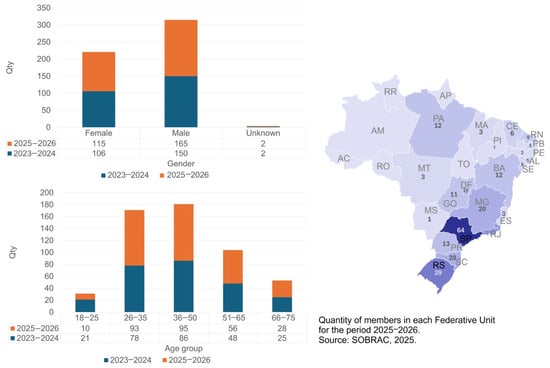
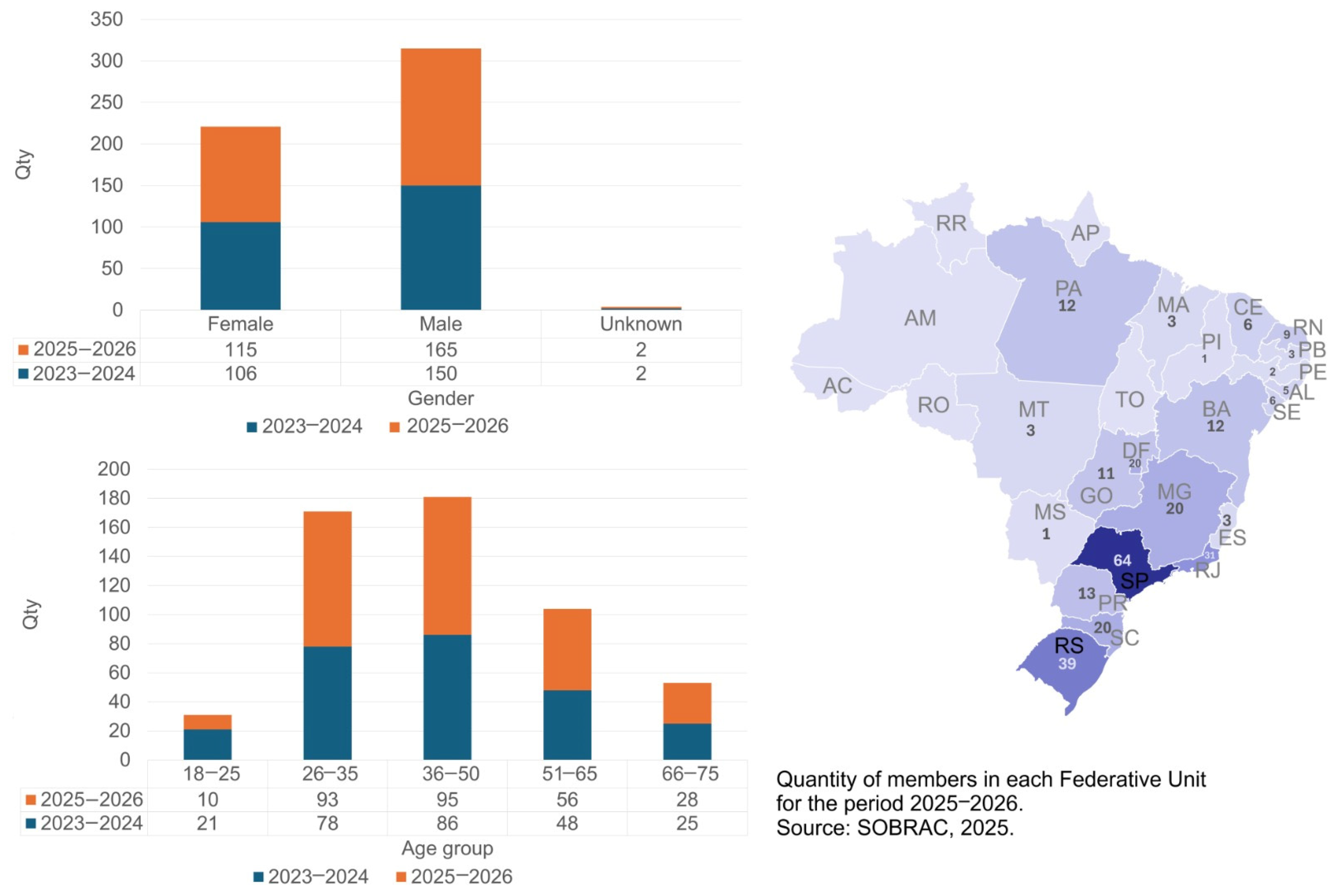
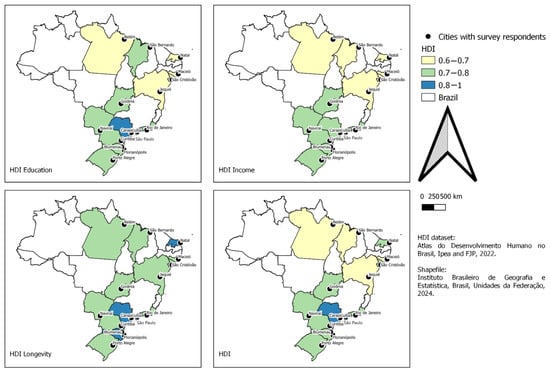
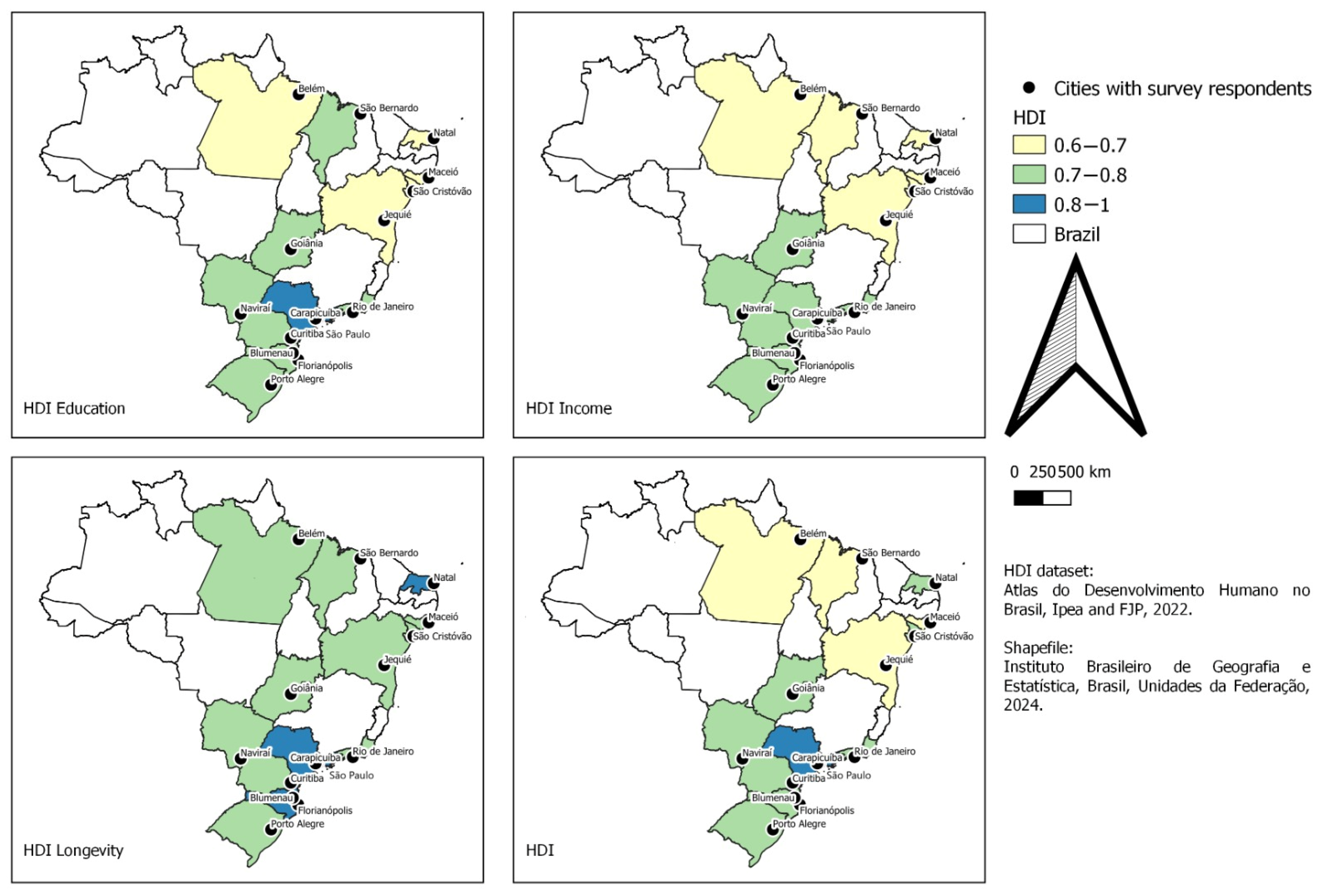
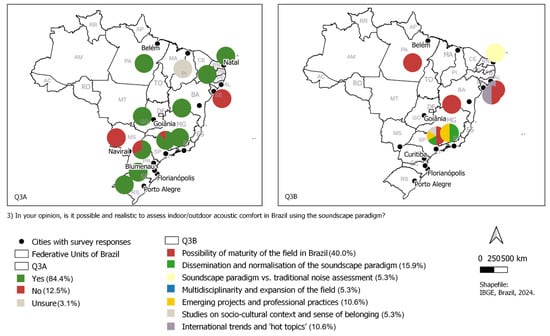
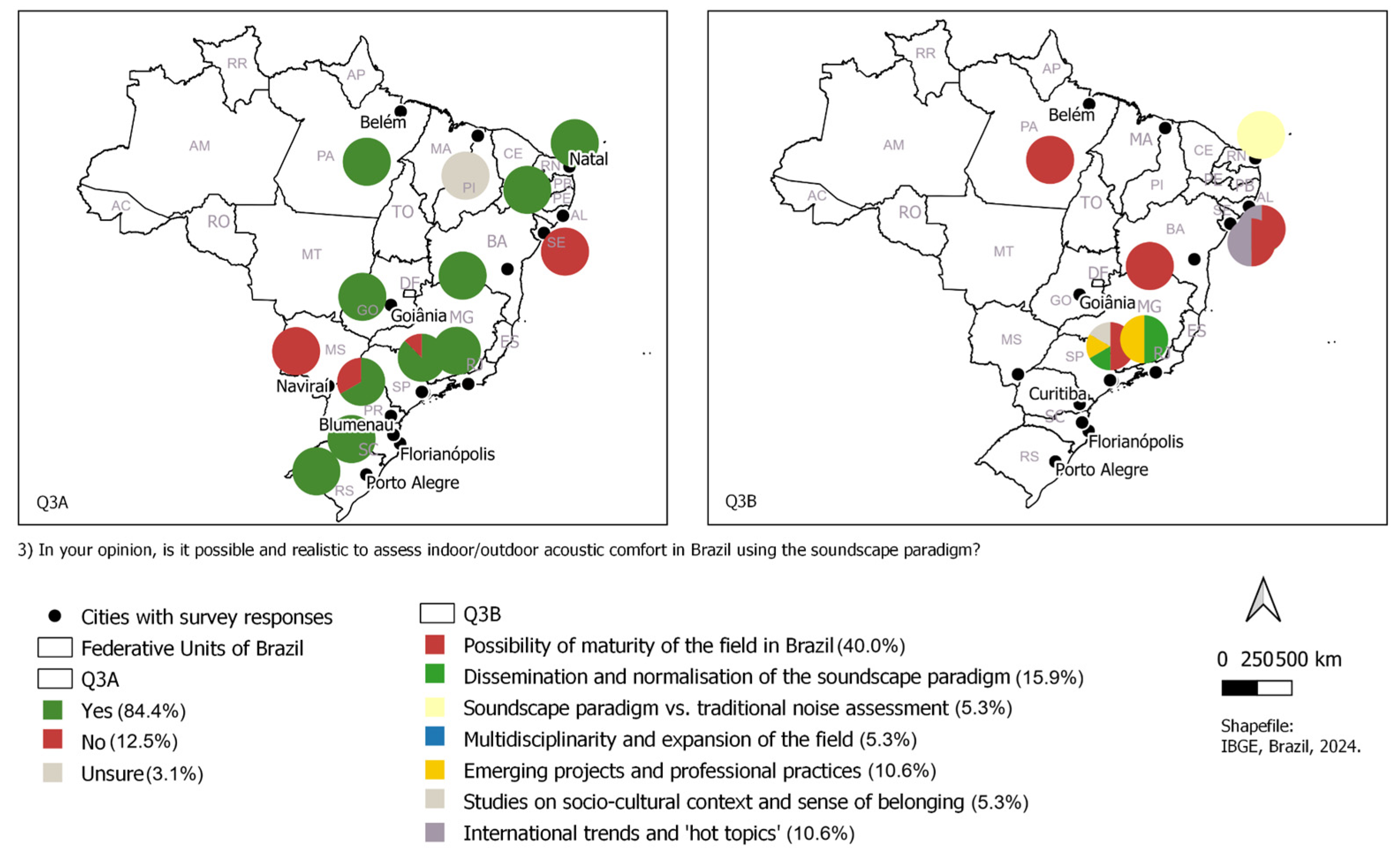
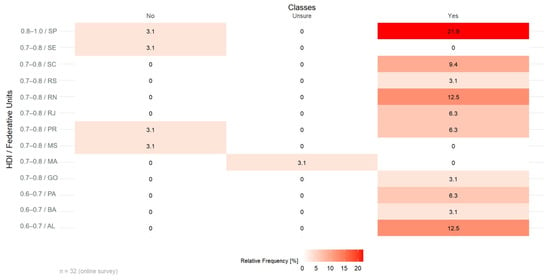
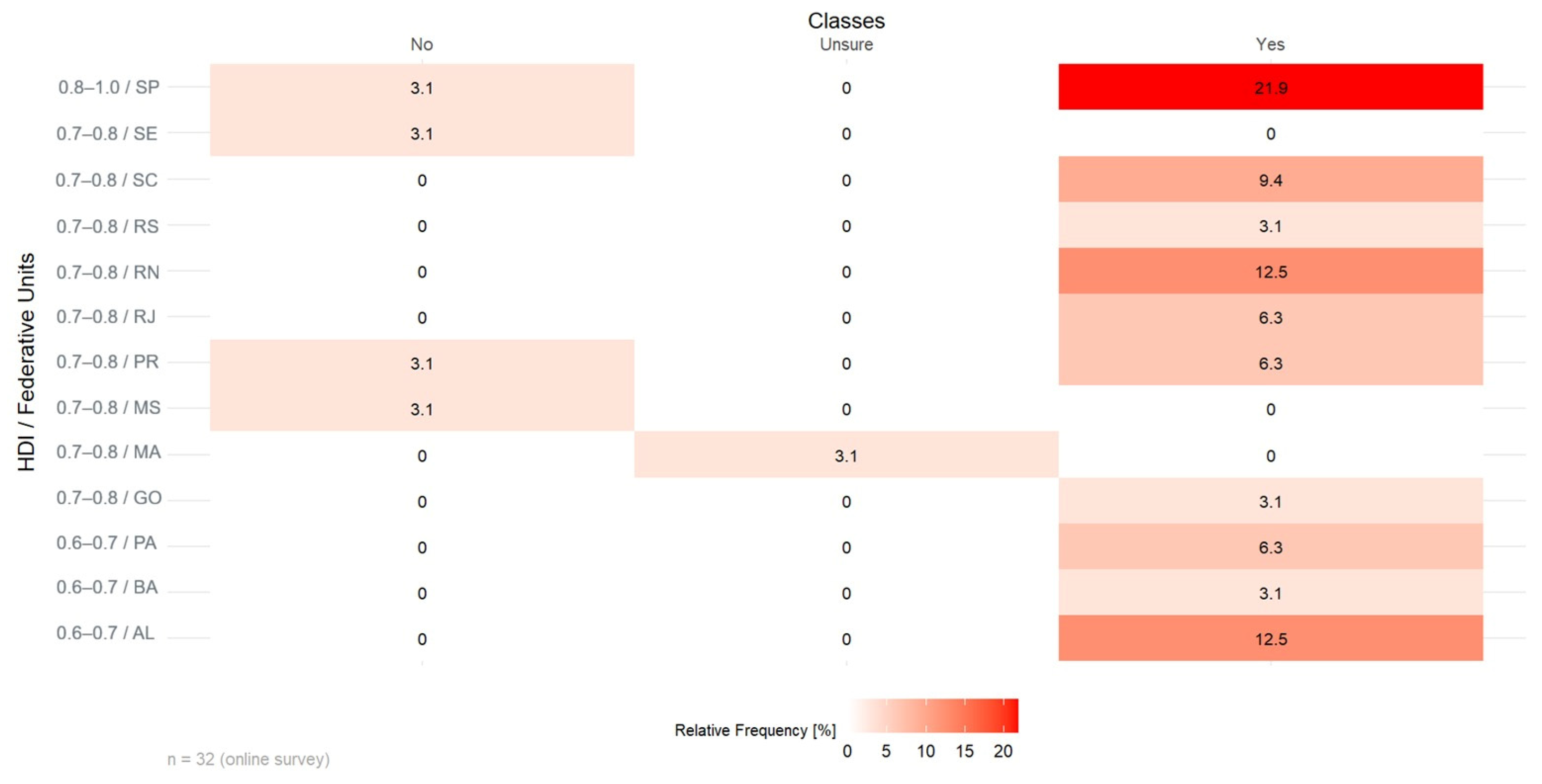
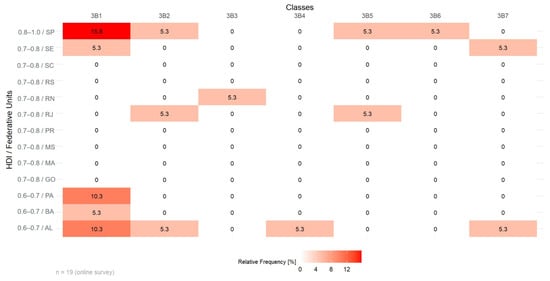
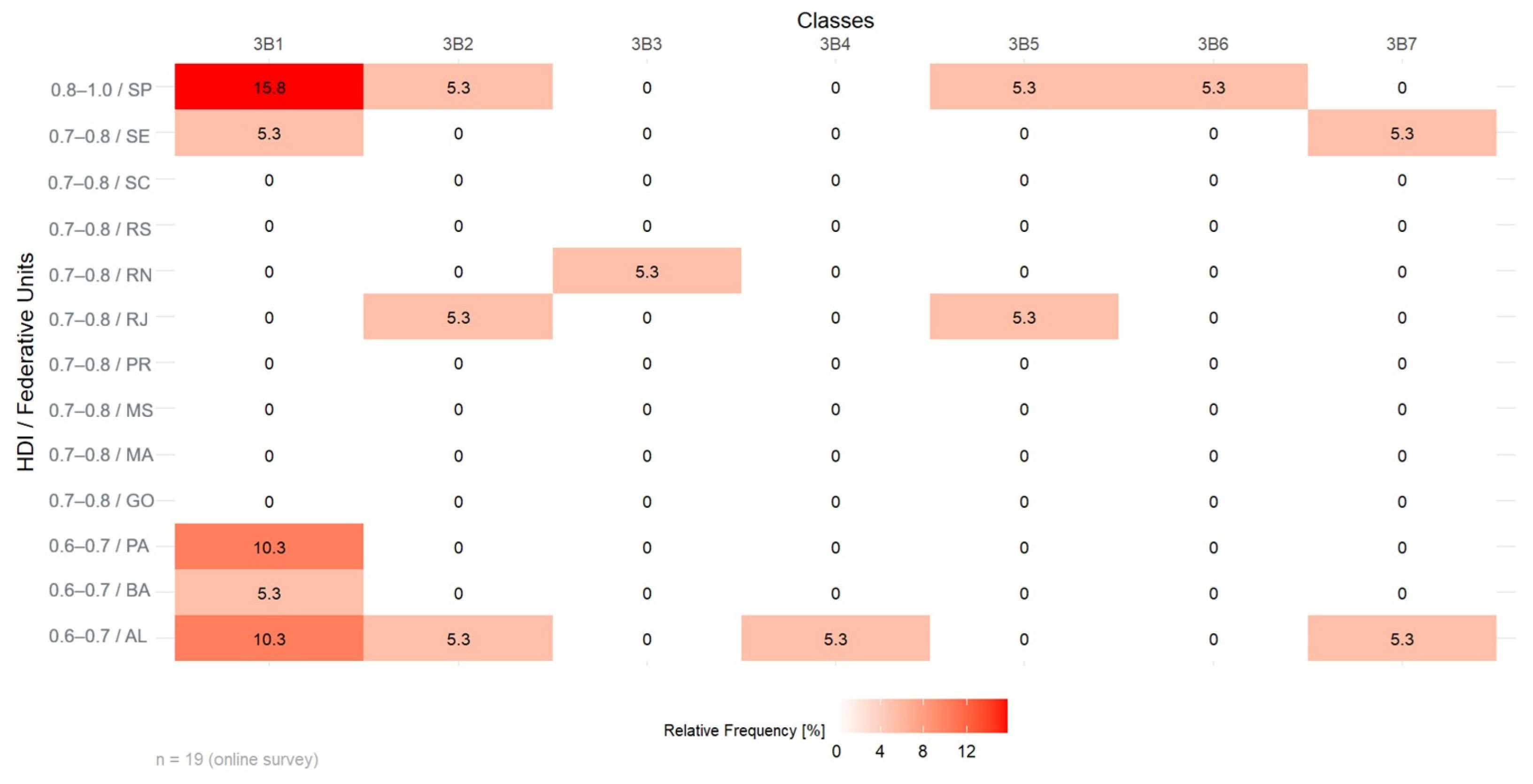
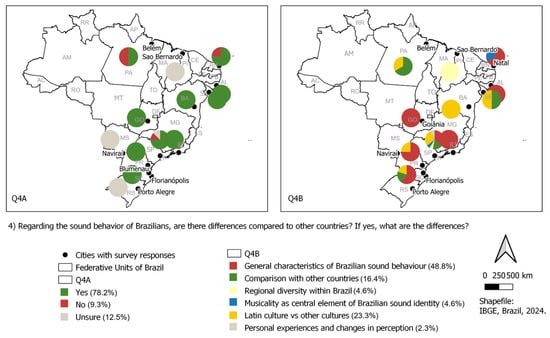
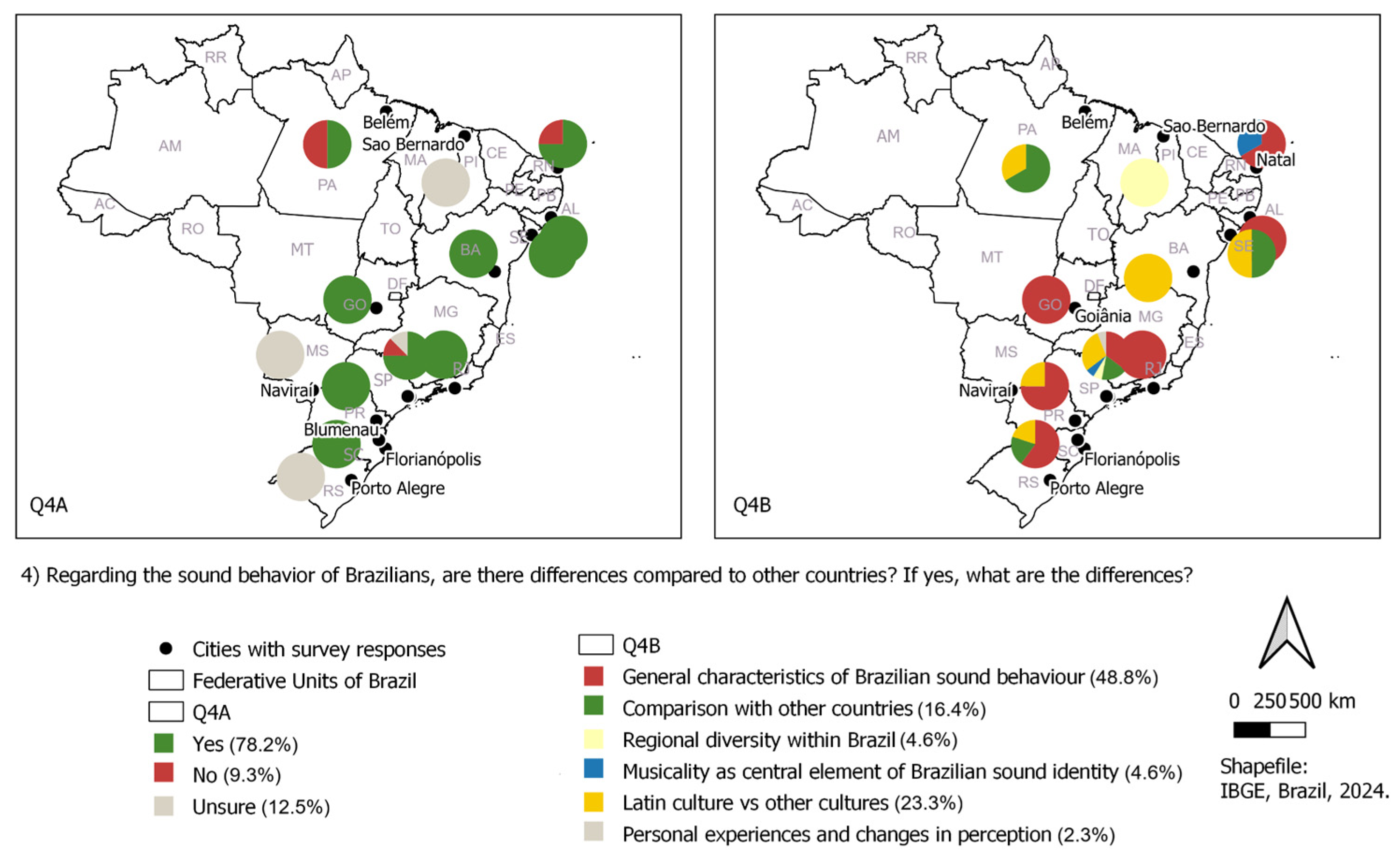
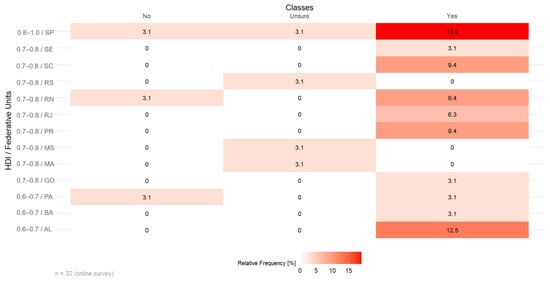
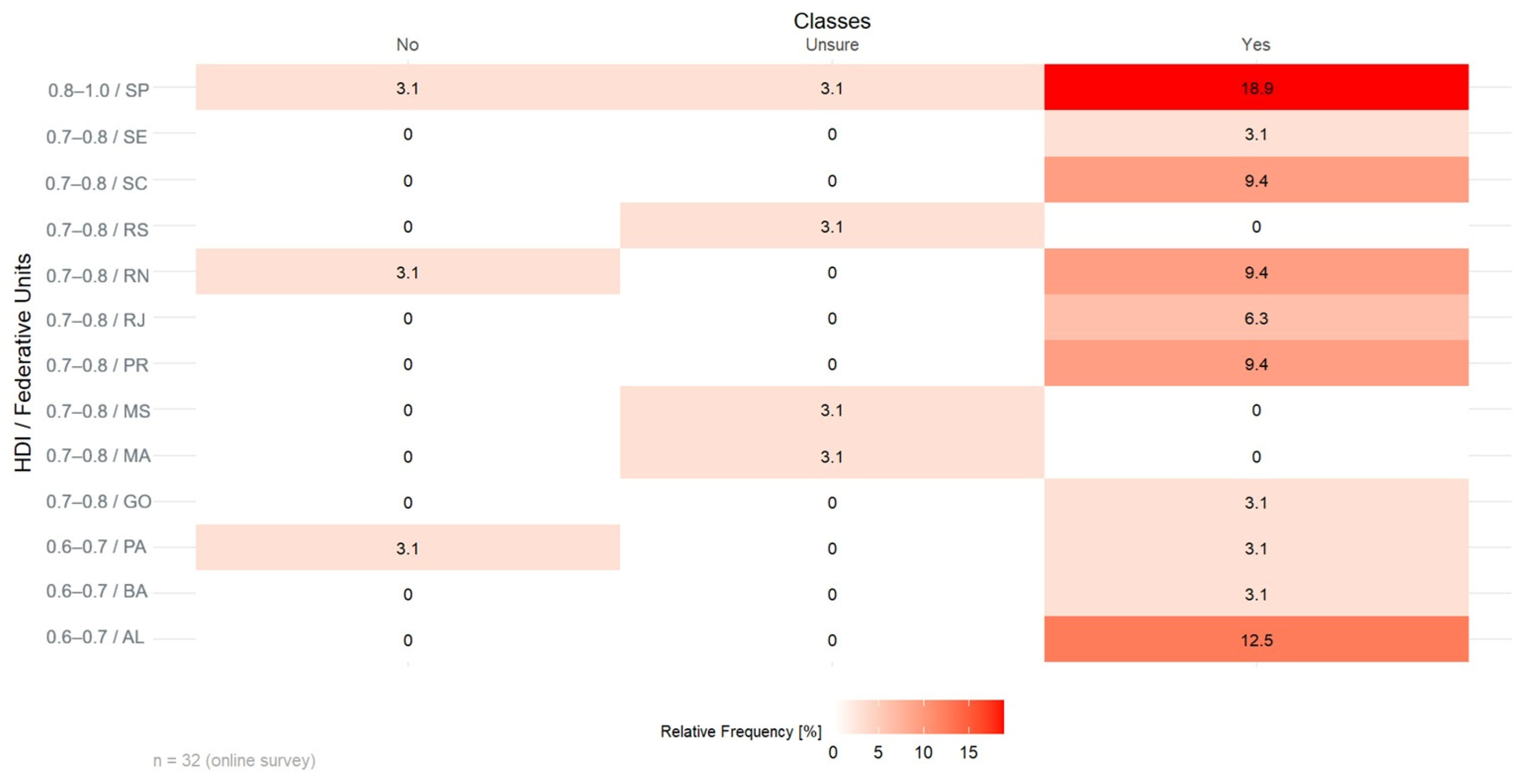
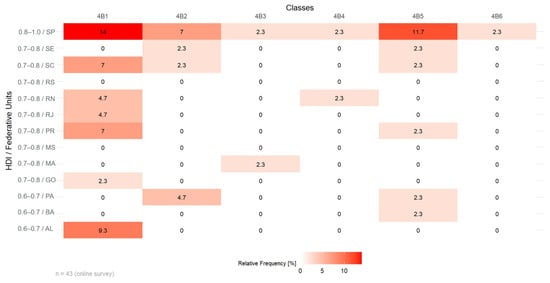
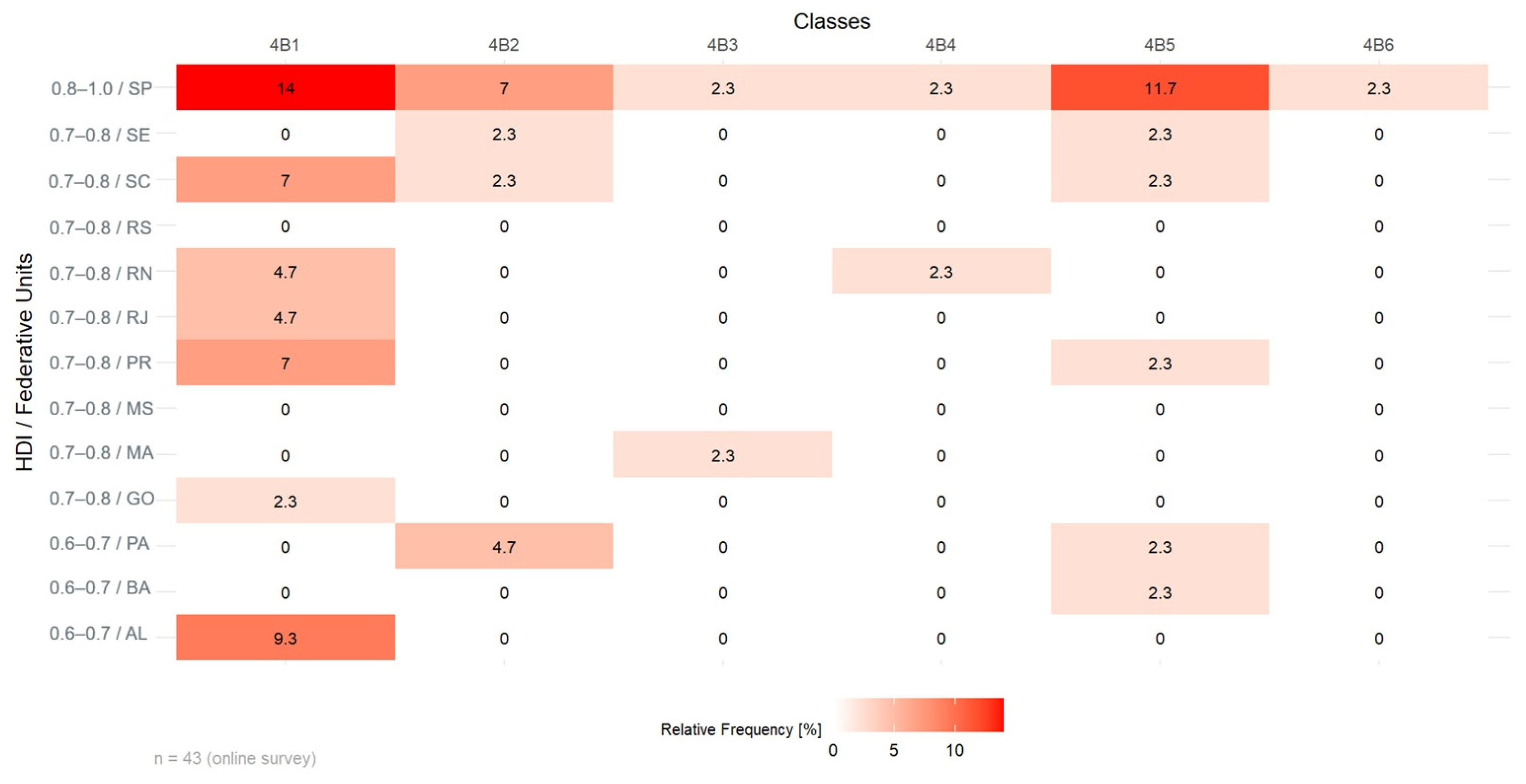
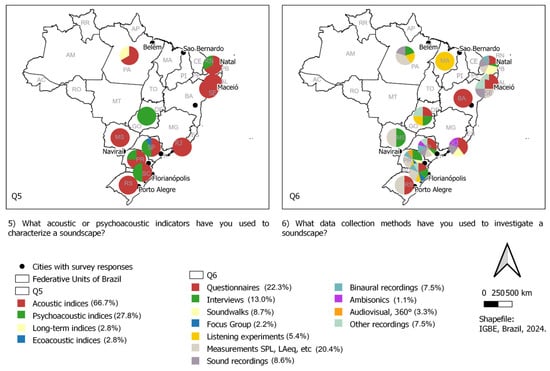
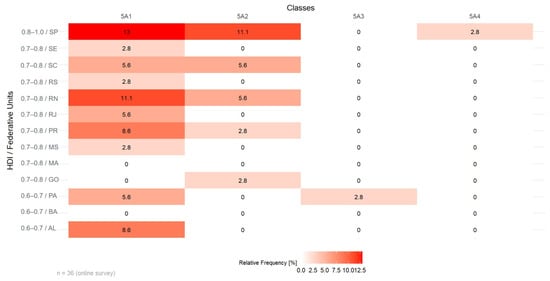
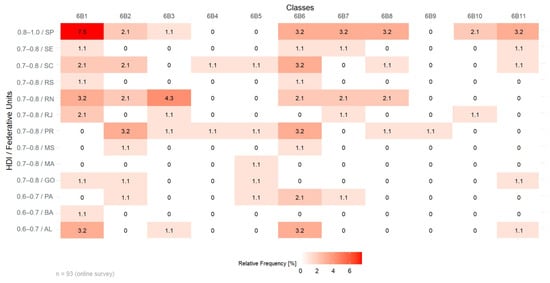
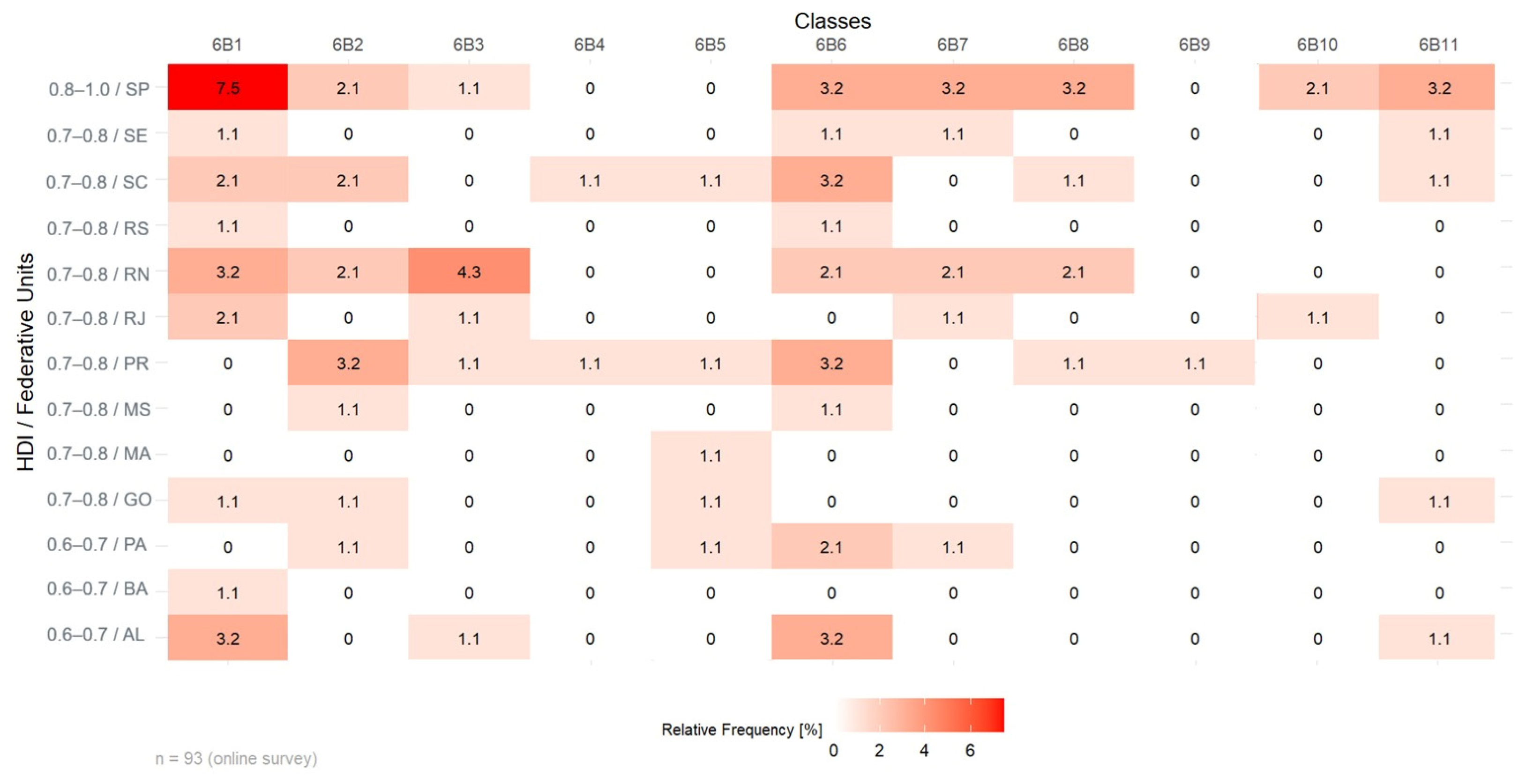
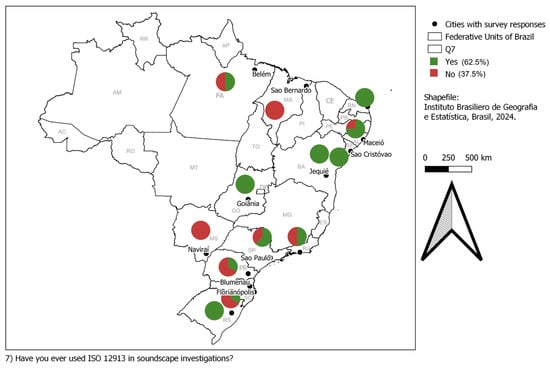
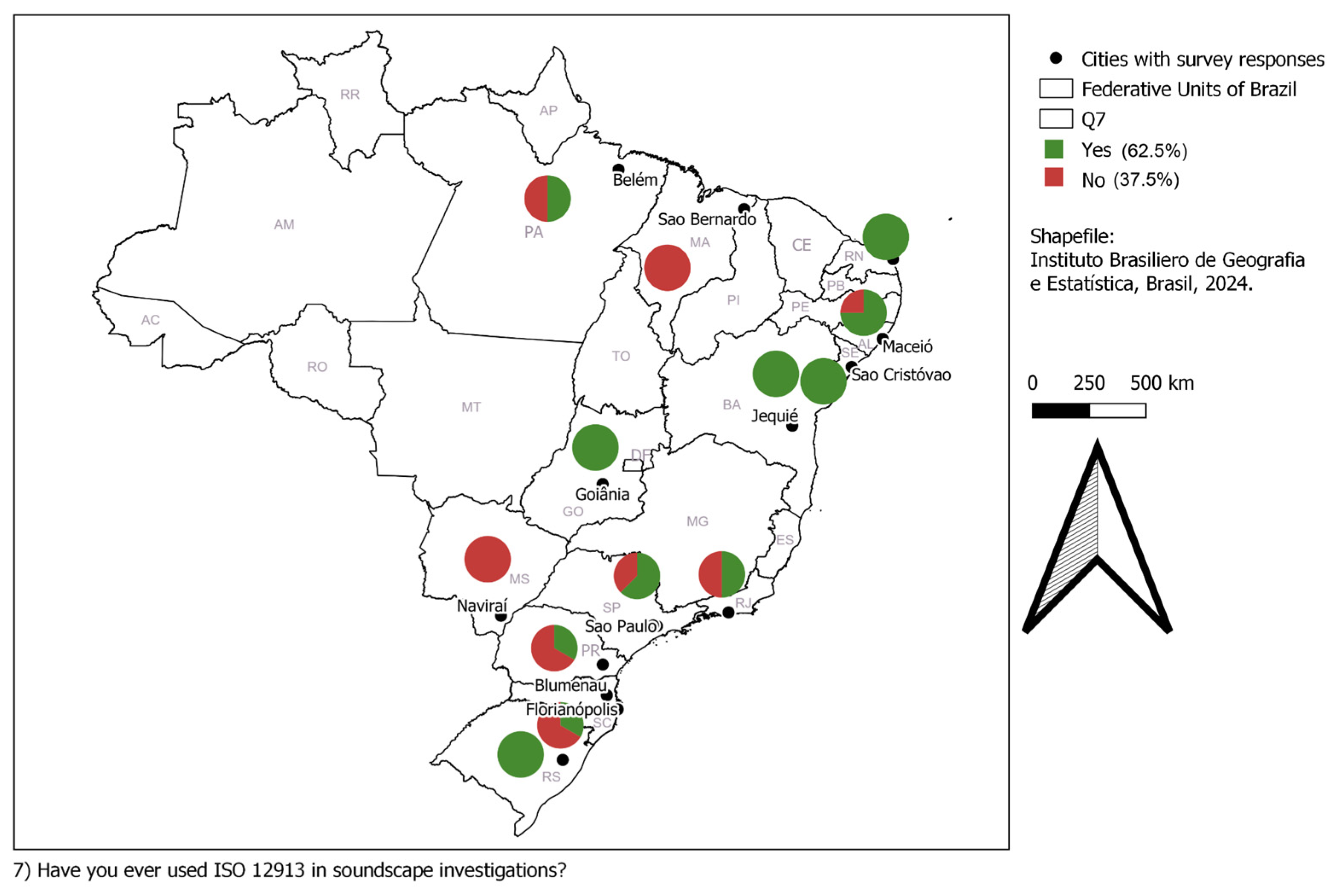
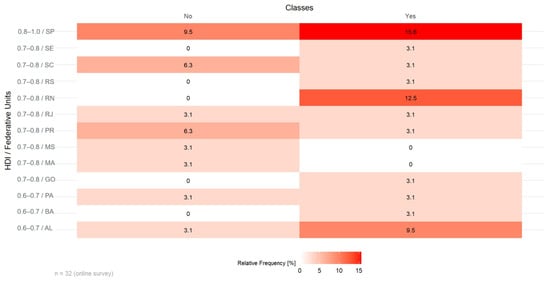
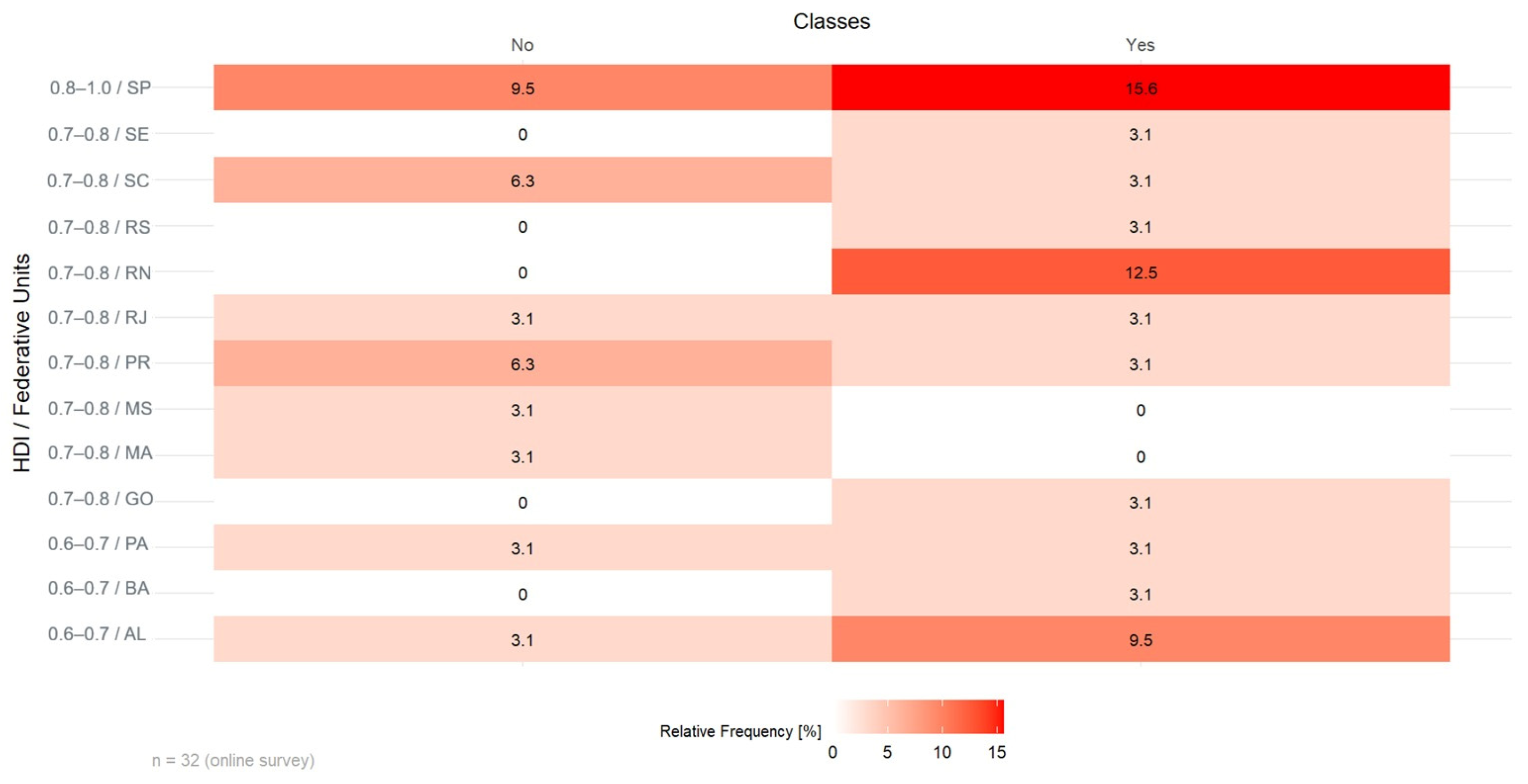
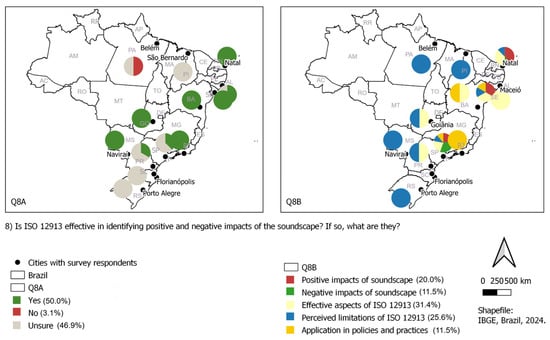
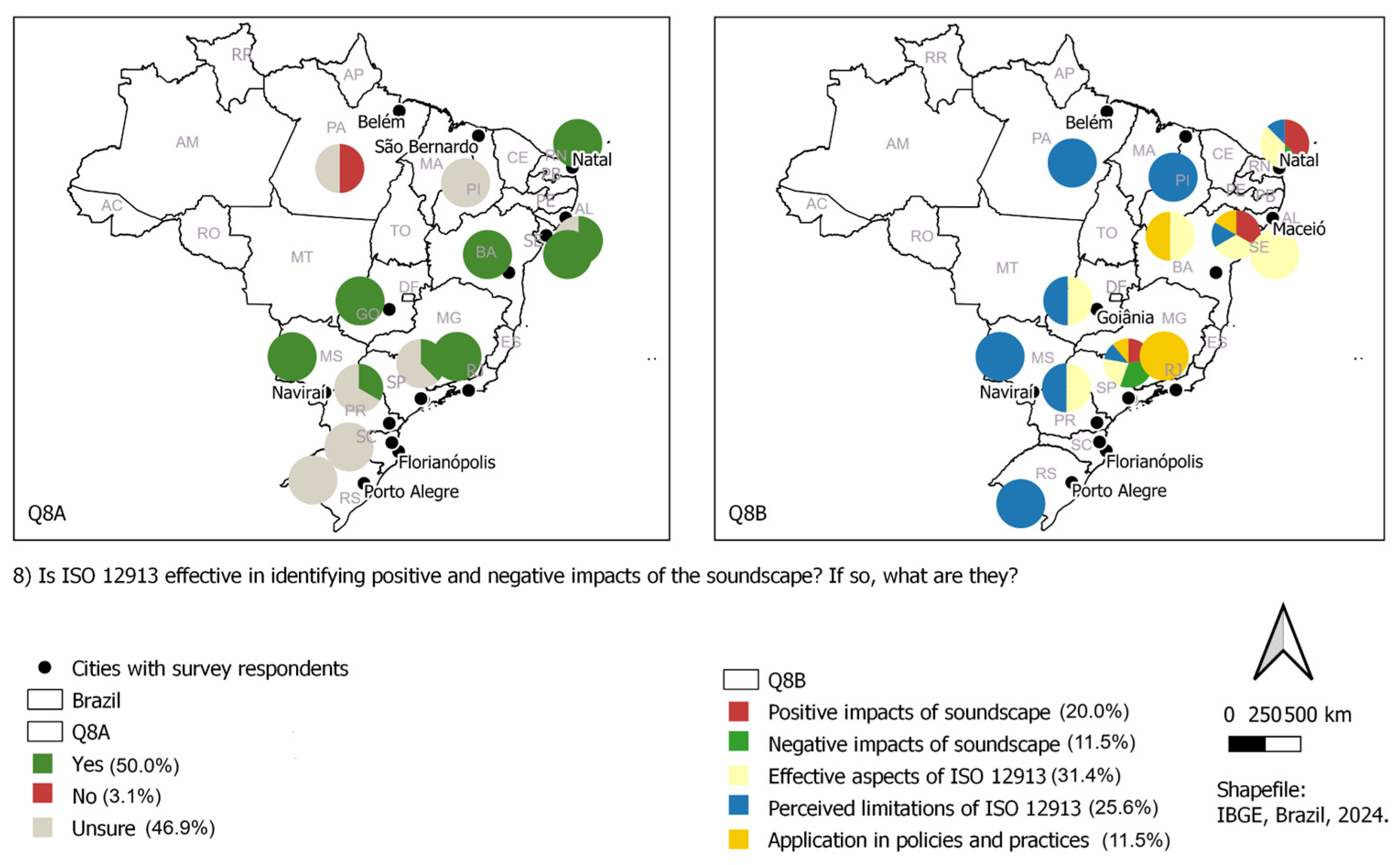
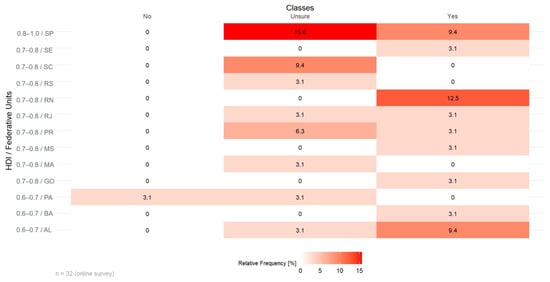
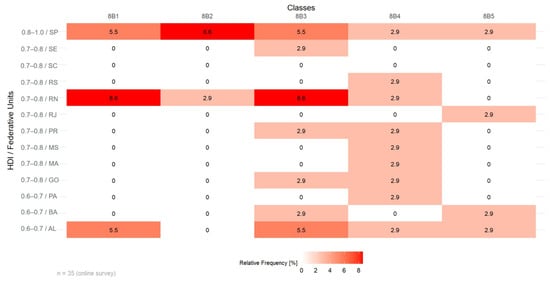
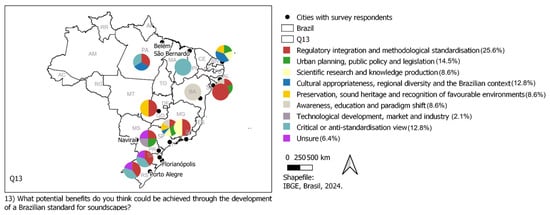
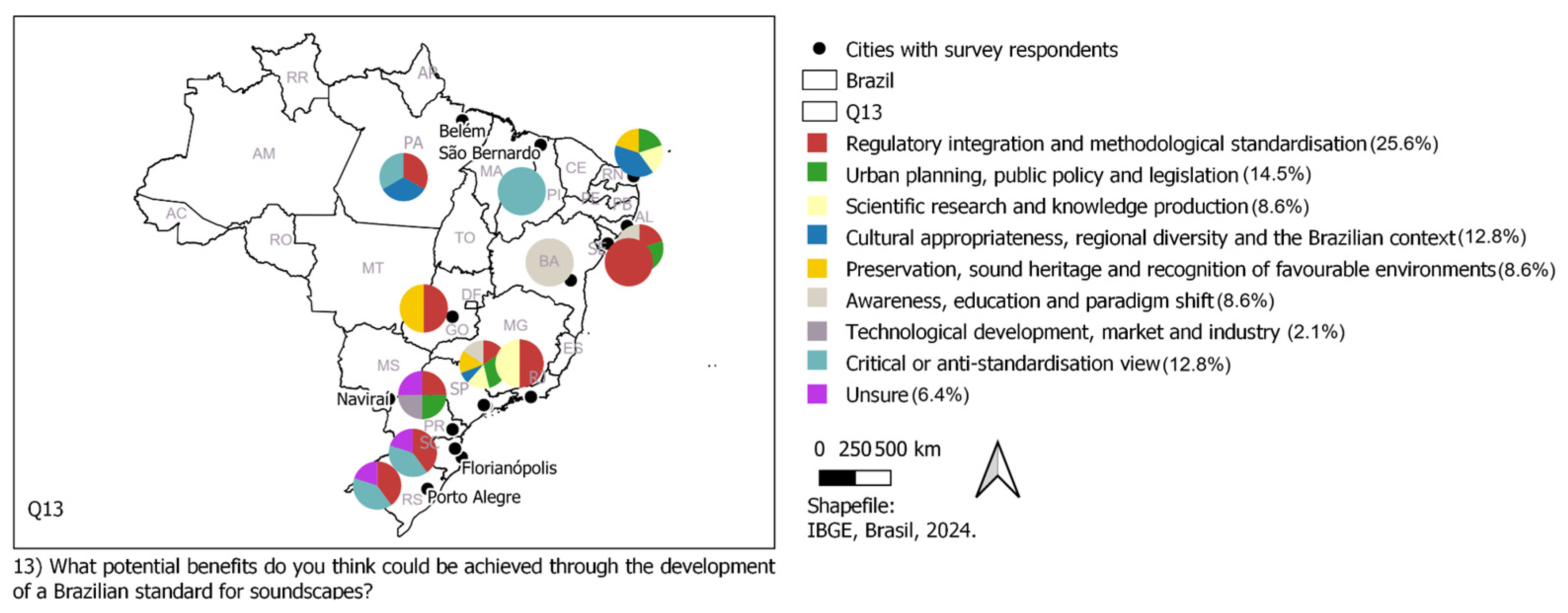
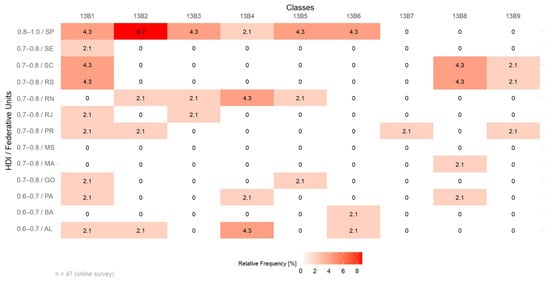
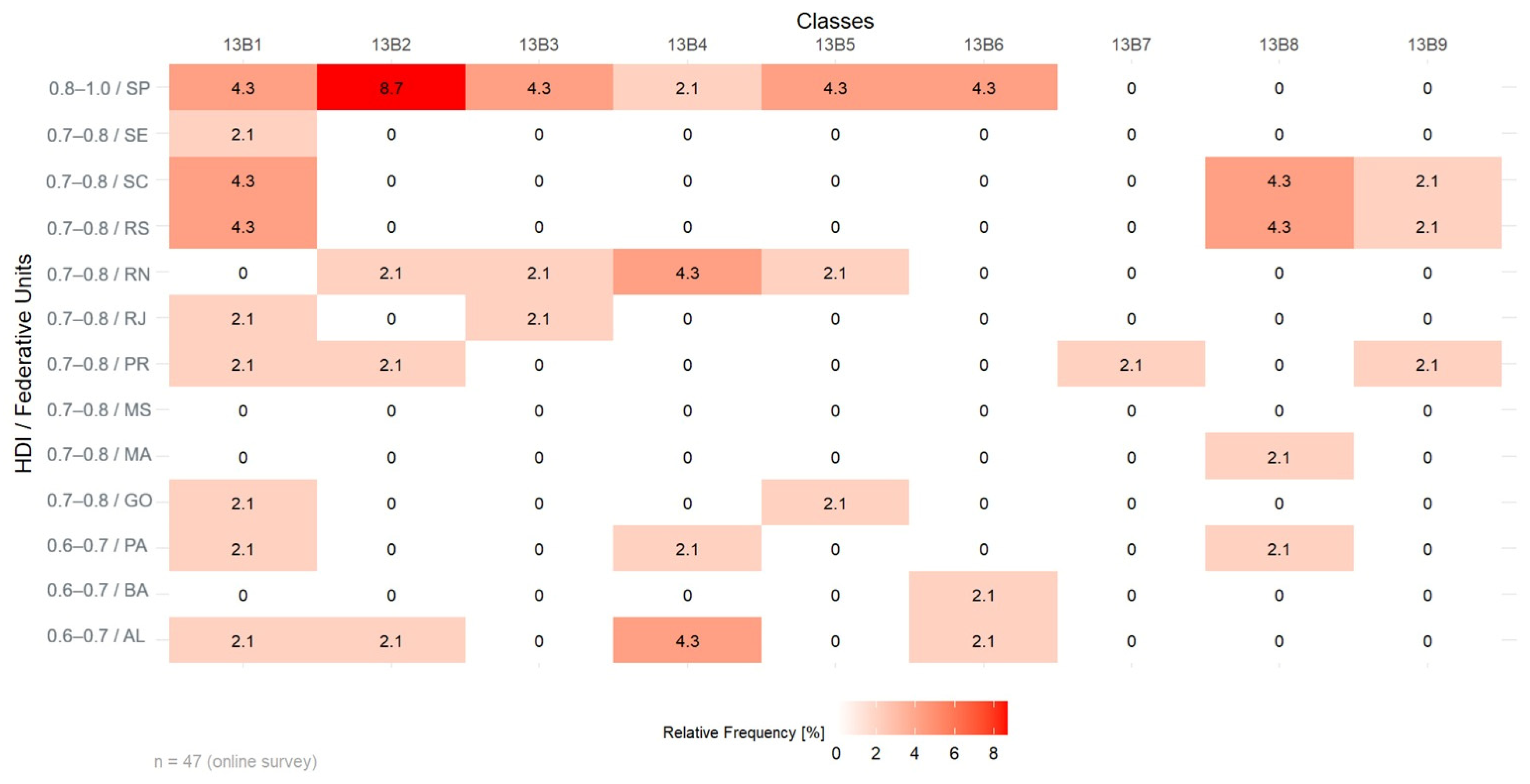
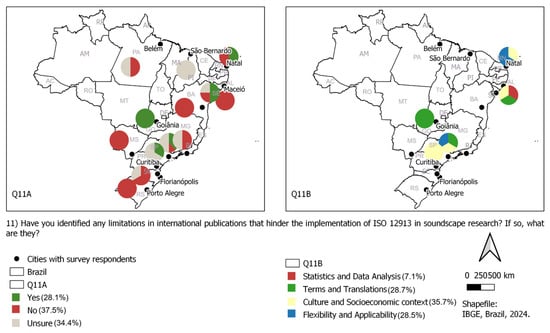
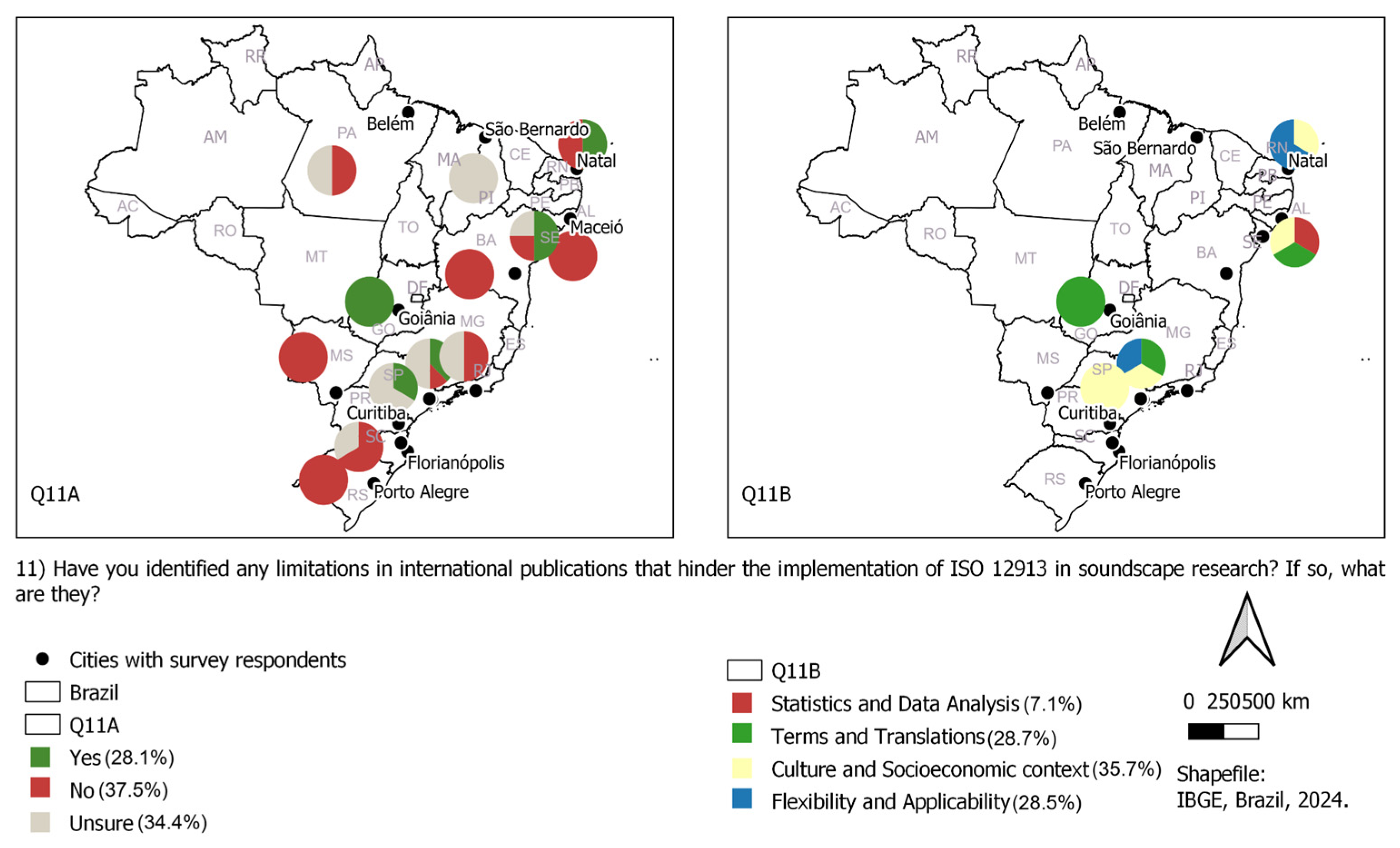
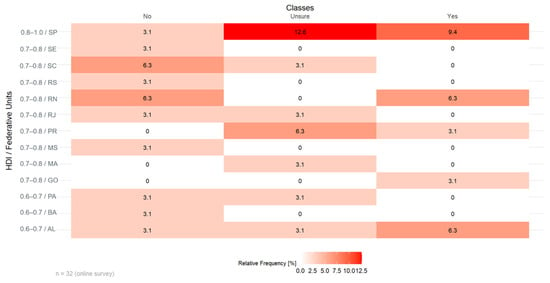
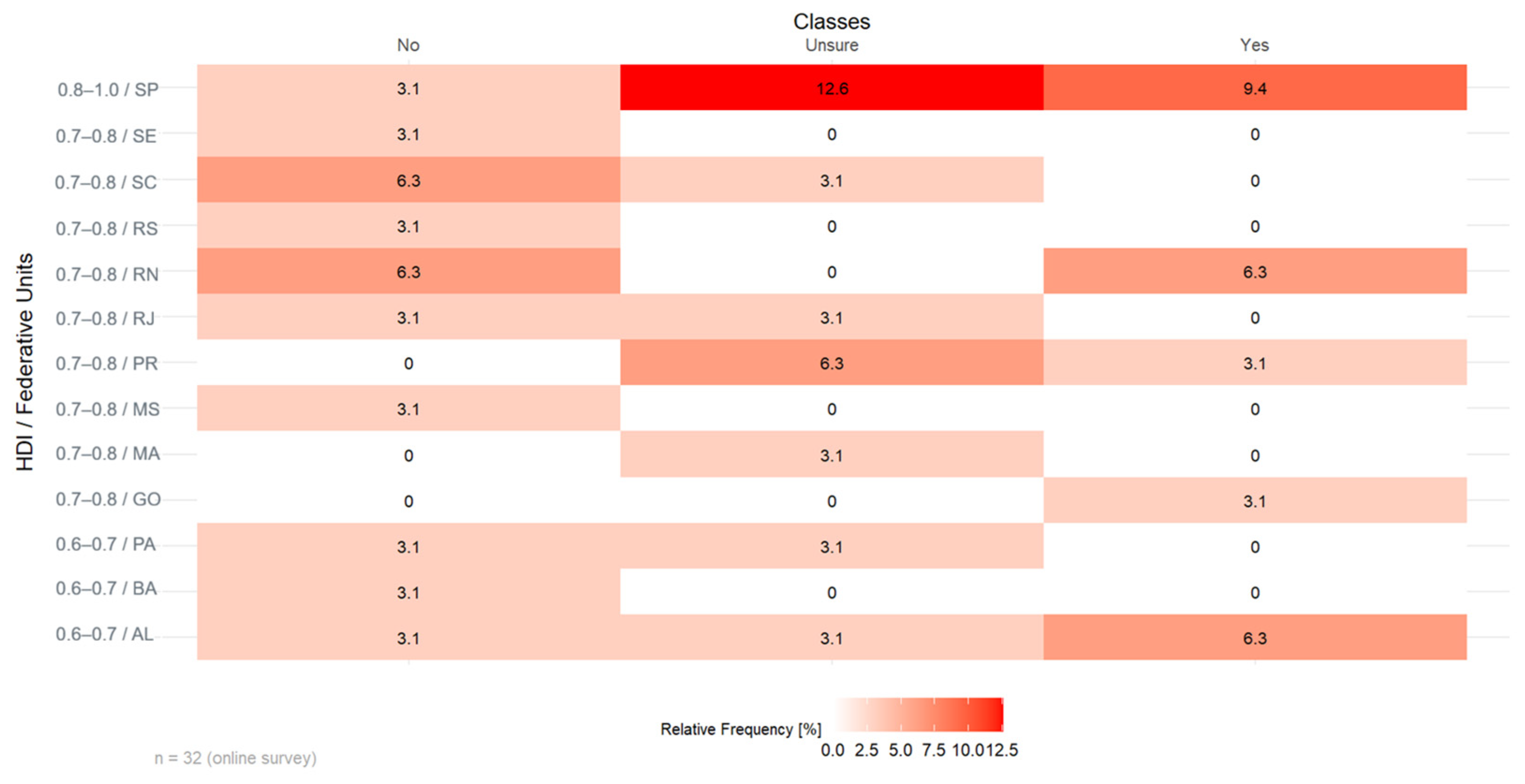
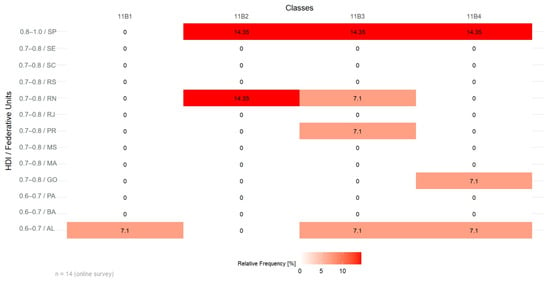
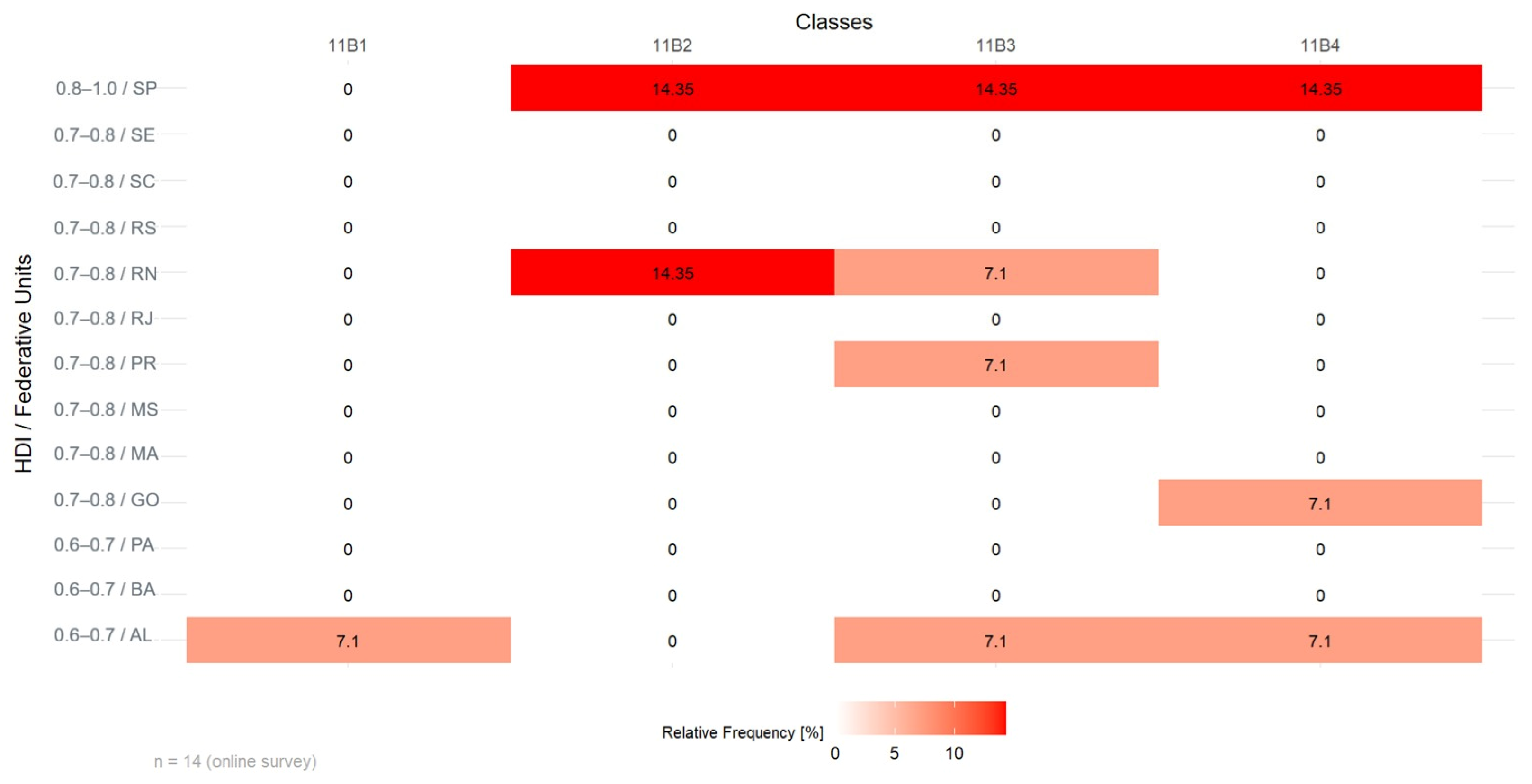
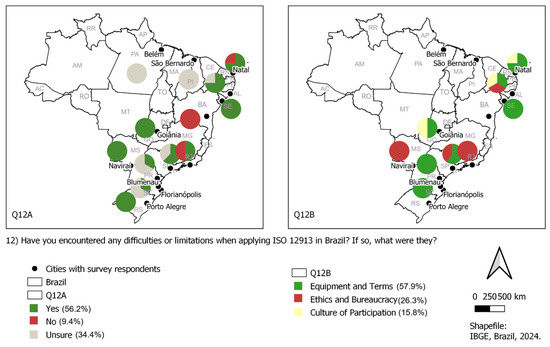
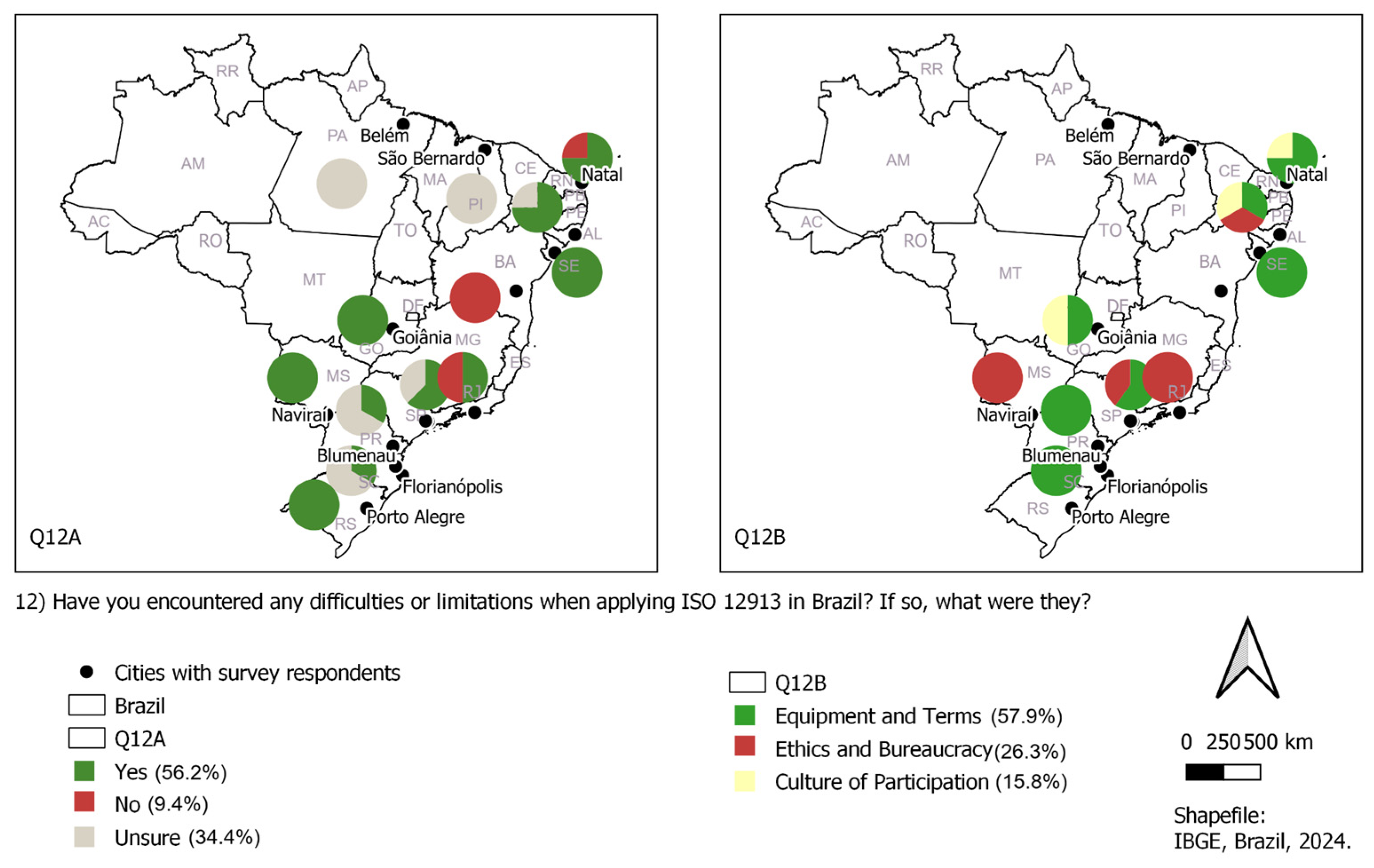
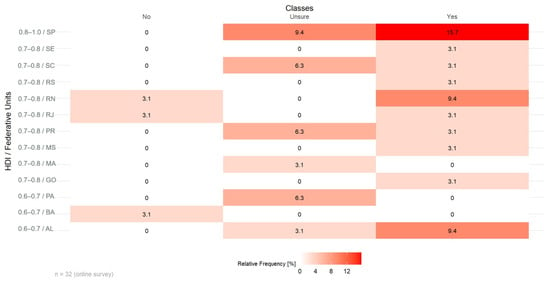
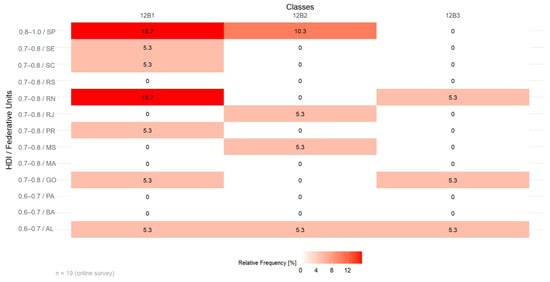
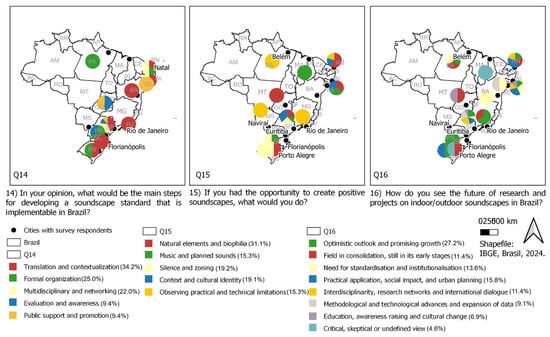
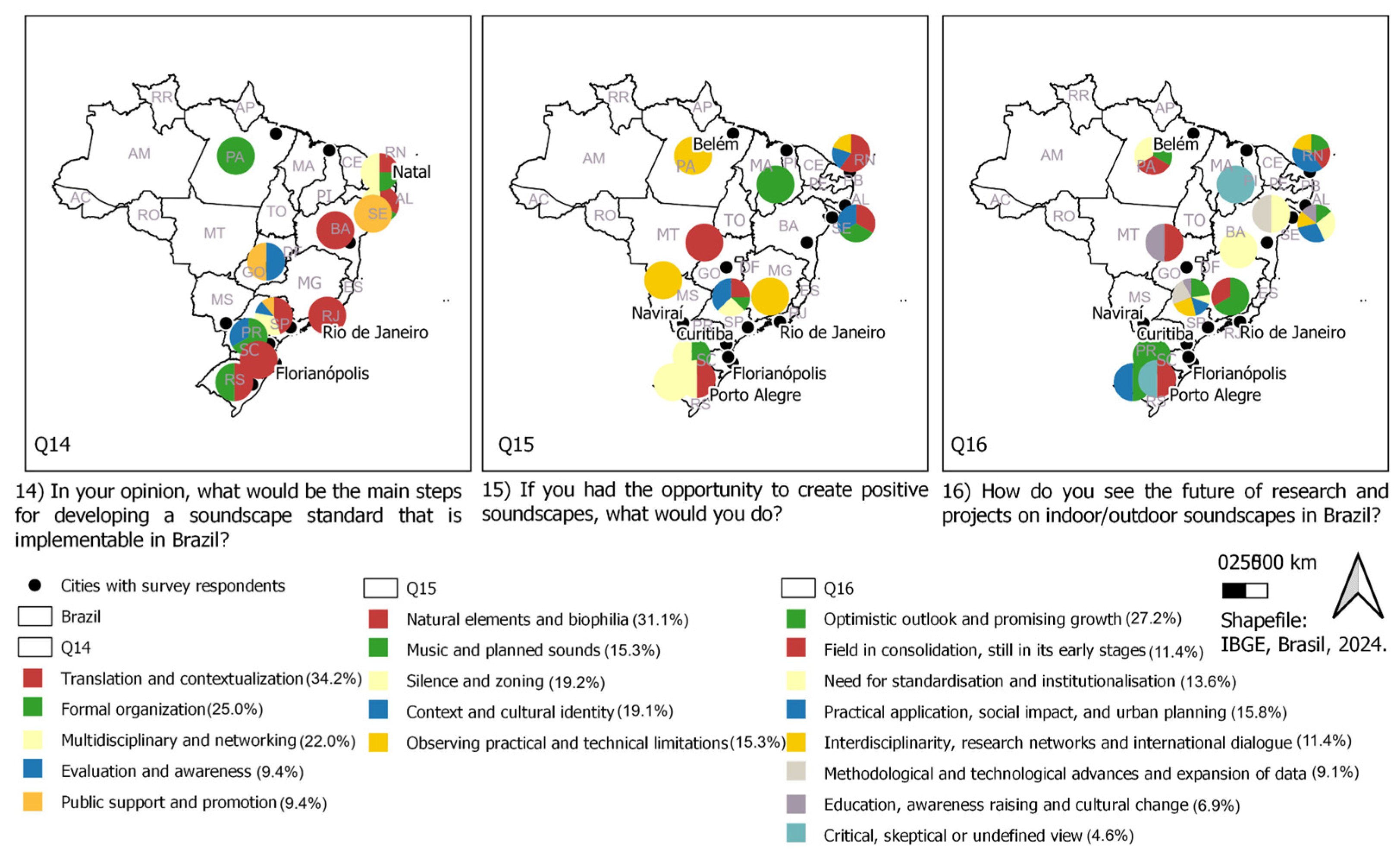
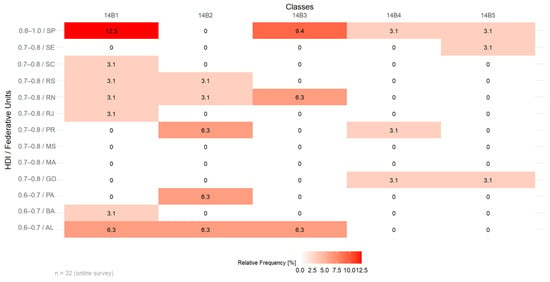
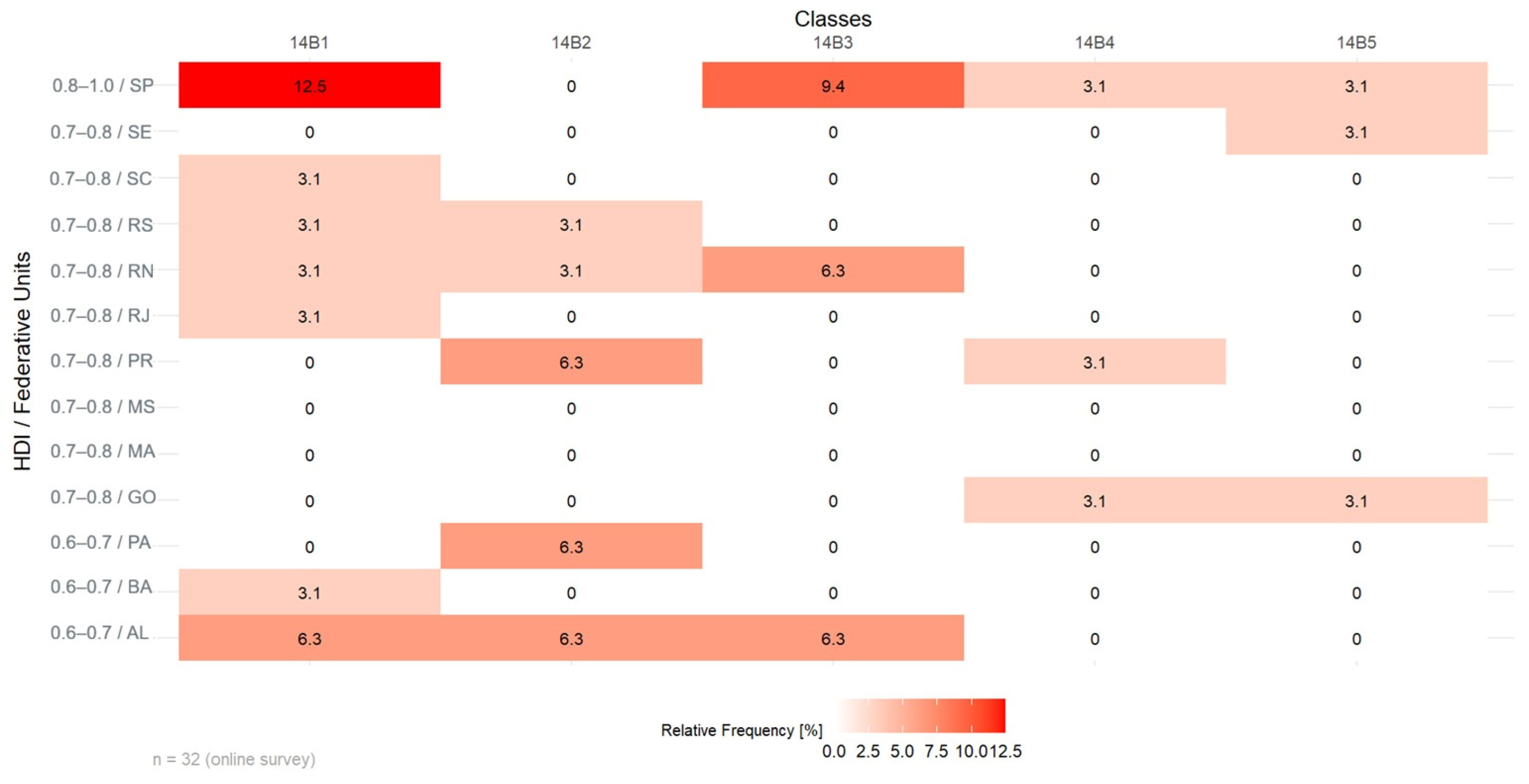
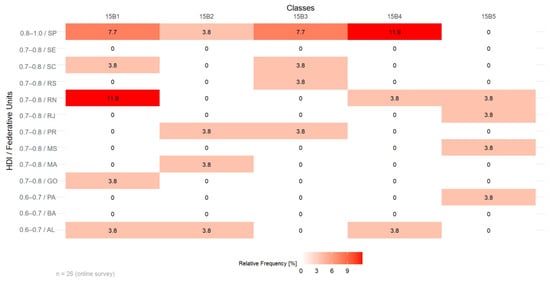
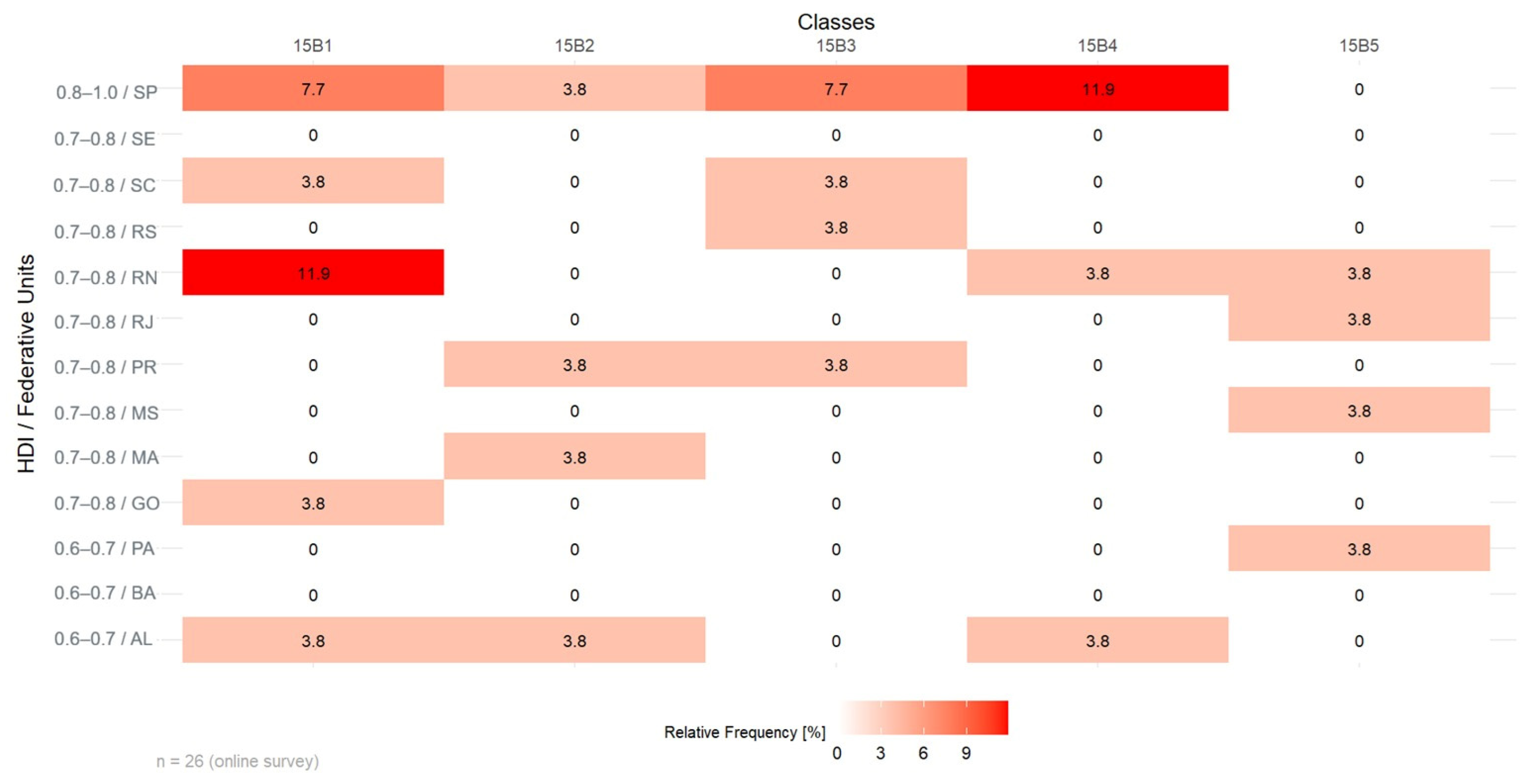
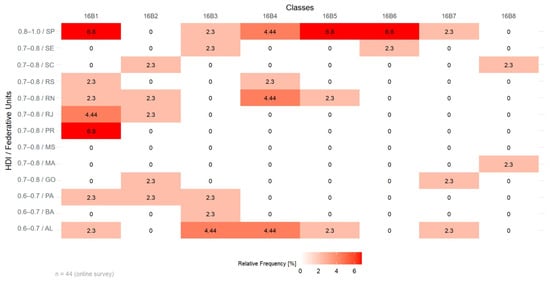
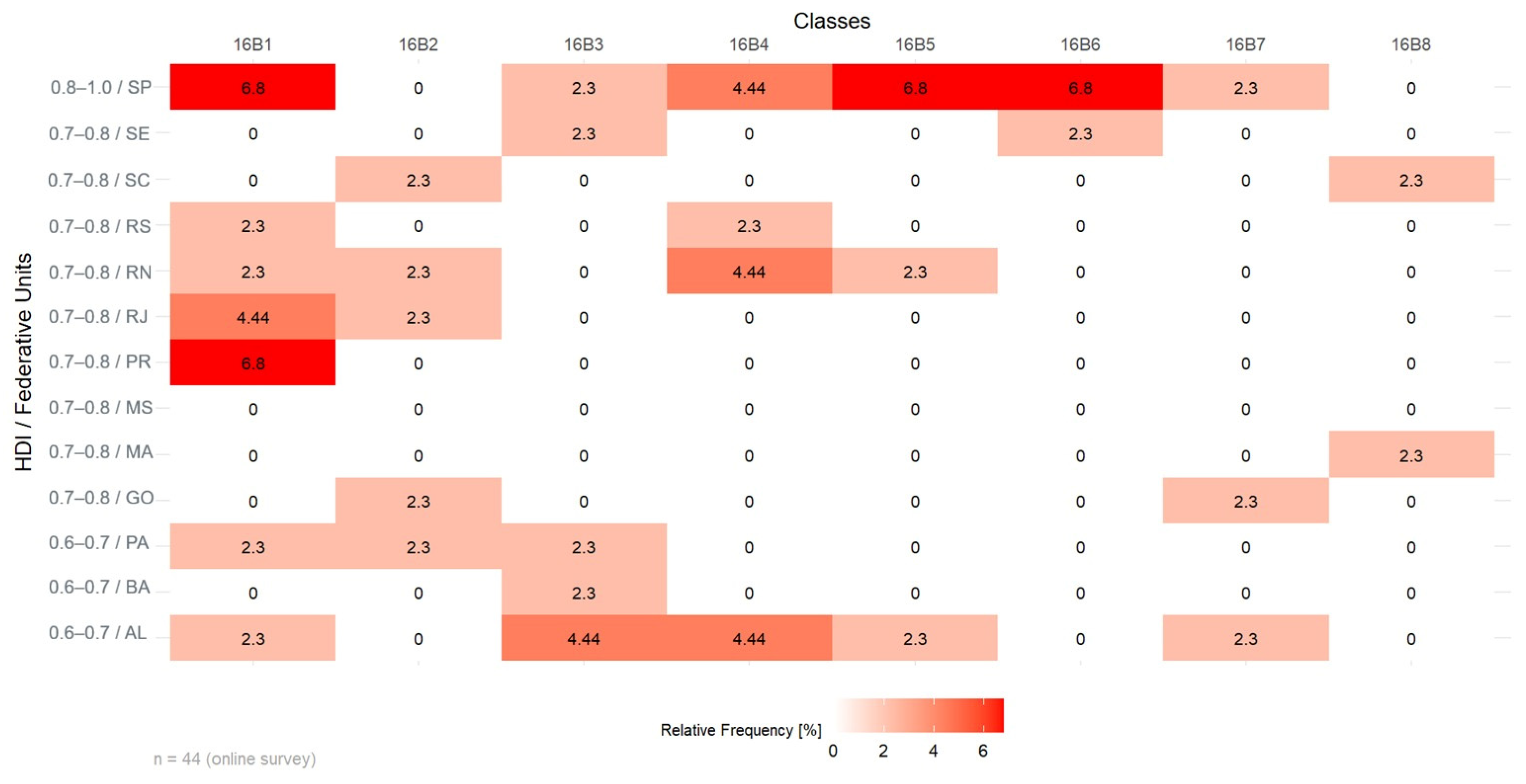

Disclaimer/Publisher’s Note: The statements, opinions and data contained in all publications are solely those of the individual author(s) and contributor(s) and not of MDPI and/or the editor(s). MDPI and/or the editor(s) disclaim responsibility for any injury to people or property resulting from any ideas, methods, instructions or products referred to in the content. |
© 2026 by the authors. Licensee MDPI, Basel, Switzerland. This article is an open access article distributed under the terms and conditions of the Creative Commons Attribution (CC BY) license.