


Abstract
Environmental sustainability is increasingly shaping how businesses create value and develop marketing strategies. Within this shift, green marketing serves as a key link, integrating environmental considerations into products, packaging and design, distribution, promotion, and market positioning. Green marketing has gained increasing attention in South Africa, yet evidence on its adoption remains fragmented, limiting understanding of the process. This study systematically reviews the South African literature to identify the conditions and consequences of green marketing adoption, and to develop an integrative conceptual framework. The study conducted a systematic literature review and followed the PRISMA approach to develop a thematic synthesis. The findings identified three conditions potentially associated with green marketing adoption: market pressure, organisational readiness, and institutional and stakeholder pressure. It also identified the consequences, including consumer behaviour outcomes, firm performance outcomes, and sustainability outcomes. The study introduces the Baobab Effect, an integrative conceptual framework that links the conditions surrounding green marketing adoption to its multidimensional consequences. The framework provides a contextual foundation for future empirical research on green marketing adoption in South Africa. It also helps organisations understand market expectations alongside their firms’ internal capabilities and the broader institutional and stakeholder environment when making green marketing decisions.
1. Introduction
Environmental sustainability is increasingly influencing how businesses create value and develop their marketing strategies. Green marketing drives this shift by integrating environmental concerns into product development, packaging and design, distribution, promotion, and market positioning [1,2,3]. It encompasses marketing activities that reduce environmental harm and improve environmental quality while meeting customer needs [2,3,4,5,6]. Its relevance has evolved from promoting eco-friendly products to shaping how businesses respond to changing environmental expectations through their marketing decisions [7,8,9]. In addition, growing consumer environmental awareness, demand for sustainable practices, and increasing need for credible environmental claims have made green marketing strategically important and more complex than prior strategies [2,7,8,10,11].
Green marketing adoption varies across geographical and institutional contexts, as firms operate within diverse market structures, resource environments, regulatory systems, stakeholder expectations, and levels of environmental awareness that may influence how environmental issues are integrated into marketing practices [9,12,13,14]. Understanding contextual differences in adopting green marketing is crucial in emerging economies, where growing sustainability expectations coexist with limited resources and competing economic and social needs. South Africa offers a relevant context for examining these dynamics, given its environmental governance, growing consumer environmental awareness, and increasing organisational attention to sustainable practices [6,12,15,16]. Green marketing research in South Africa has broadened across various industries, including manufacturing, retail, hospitality, fashion, food, household products, personal care, and SMEs [6,7,12,17,18].
Despite the expansion of green marketing research in South Africa, understanding green marketing adoption remains fragmented as existing studies examine it from different perspectives. A substantial stream of research examines consumers’ environmental awareness, attitudes, values, trust, price considerations, and responses to green offerings [19,20,21,22,23,24,25]. This stream offers insights into the consumer demands and preferences that may shape a firm’s marketing decisions and product offerings. Another stream explores organisational dimensions such as green marketing orientation, managerial awareness, capabilities, resources, and green marketing strategies, while another highlights regulatory conditions, policy priorities, and stakeholder expectations regarding organisational environmental practices [7,12,17,26,27,28,29]. Taken together, these streams offer valuable but dispersed insights, necessitating the integration of these perspectives for a comprehensive understanding of green marketing adoption in South Africa.
Against this background, this study systematically synthesises the conditions shaping green marketing adoption and its associated consequences in South Africa. This review brings together market, organisational, institutional, and stakeholder perspectives. Building on this synthesis, the study develops the Baobab Effect as an integrative conceptual framework that organises fragmented evidence into a coherent structure linking the conditions that shape green marketing adoption, green marketing adoption and practices, and their associated consequences. In doing so, the framework provides a foundation for future empirical investigation of the relationships among these dimensions. The study contributes to sustainable marketing research by moving beyond individual determinants or consequences to a comprehensive view of the conditions that influence green marketing adoption within an organisation.
2. Related Research
2.1. Green Marketing
Green marketing has its roots in the environmental awakening of the 1960s and gained significant attention in the late 1980s, driven by rising green consumerism and environmental concerns [3,30]. Green marketing has evolved through three phases (see Figure 1). The ecological phase emerged in the late 1960s and early 1970s, focusing on addressing environmental issues, particularly within the most damaging and toxic industries, and was driven by government environmental regulation [2,31,32,33]. During the 1980s and early 1990s, environmental green marketing broadened its focus to clean technology and innovative products to reduce pollution, waste, and ecosystem destruction [2,32,33,34]. The sustainable phase emerged in the late 1990s and early 2000s. Its focus extended beyond reducing product harm to enable future generations to meet their needs [2,33]. It fostered sustainability thinking, shifting green marketing from product claims to a broader sustainability agenda that influences production, delivery, consumption, and long-term value creation, while supporting corporate social responsibility reporting [2,3,32,34]. This evolution represents a significant shift away from product and promotional activity and towards a comprehensive, strategic integration of environmental factors into organisational and marketing decision-making.
Figure 1.
The Three Phases of Green Marketing Evolution. Source: [34].
Despite its evolution, green marketing remains conceptually diverse, with terms such as ecological marketing, environmental marketing, and environmental marketing used interchangeably. Although some studies explain the differences among the three terms based on their scope and environmental orientation [5,7,13,33,34,35], each concept shares an underlying theme, namely the integration of environmental issues into marketing strategies while meeting customer needs and minimising environmental damage [2,3,4,13].
Green marketing encompasses a range of scopes, with some studies conceptualising it through the green elements of the marketing mix, including products, pricing, distribution, and promotion [17,34,36], while others explain it from a strategic perspective, covering production techniques, packaging, product reclamation, disposal methods, and overall business operations [8,37,38]. In view of this, green marketing is understood as the incorporation of environmental factors into an organisation’s marketing strategy to meet customer needs while minimising environmental harm [2,3,4,5,6,36,39].
2.2. Green Consumers
Green marketing emerged alongside growing attention to green consumption. Green consumers incorporate environmental factors into their decision-making and may adopt eco-friendly behaviours driven by concerns about the environmental consequences of consumption [32,40,41]. Their decisions, however, reflect environmental awareness and concern for eco-friendly products, price considerations, green advertising, and the evaluation of green product features, including excessive packaging, unsustainable ingredients, harm to animals, or environmental degradation [2,36,42,43,44,45]. These decisions create market signals regarding the environmental attributes and practices that consumers value. Although these decisions may not always translate into purchase behaviour, they remain part of the market environment in which firms evaluate green product offerings and make green marketing decisions.
2.3. Green Marketing in South Africa
Changes in the regulatory and market environments have shaped green marketing in South Africa. Environmental governance gained prominence during the country’s political and institutional transitions in the 1990s, alongside growing international attention to sustainable development following the 1992 Rio Earth Summit [15,16]. This period was followed by regulatory developments addressing various environmental issues, including the National Environmental Management Act of 1998, the 2003 plastic bag levy, the Consumer Protection Act 68 of 2008, and corporate governance frameworks such as the King Reports [6,12,46]. These developments contributed to a broader business environment in which companies are increasingly expected to consider environmental responsibilities. Measures addressing plastic waste and consumer protection further reflect growing awareness and concerns about the social and environmental impacts of production and consumption. In addition to environmental and regulatory changes across South African markets, green marketing has attracted more research attention due to its relevance across diverse industry settings [6,7,8,12,17]. Studies note that consumers are becoming more aware of eco-friendly products and consider factors such as price, the trustworthiness of the company making the claim, product quality, and the perceived credibility of environmental claims when making purchase decisions.
3. Materials and Methods
The study employed a systematic literature review to identify, assess, and synthesise evidence on the conditions shaping green marketing adoption and its associated consequences in South Africa. A qualitative synthesis was considered appropriate as the study focused on identifying patterns in the literature and synthesising them into themes relevant to green marketing adoption.
The review process followed the Designing, Including/Excluding, Screening, Coding, Analysing, and Reporting (DISCAR) process proposed by Fromm et al. [47]. PRISMA guided transparent reporting of study identification, screening, eligibility, and inclusion. The review process involved predefined inclusion and exclusion criteria, a structured database search strategy, systematic study selection, data extraction, and thematic synthesis. To ensure consistency in study selection and thematic categorisation, two researchers independently screened and coded the studies.
3.1. Systematic Review Protocol
3.1.1. Designing
The design stage established the review’s scope and analytical focus. A review of green marketing literature shows growing scholarly attention in South Africa, but evidence remains fragmented across levels of analysis. Despite this body of research, systematic integration that explains the adoption of green marketing in South Africa remains limited. In line with the study’s objective, this review is thus guided by these questions:
- What conditions shape firms’ adoption of green marketing in South Africa?
- What consequences are associated with firms’ green marketing adoption in South Africa?
- How can the evidence on green marketing adoption in South Africa be integrated into the Baobab Effect as a conceptual framework?
3.1.2. Inclusion/Exclusion Criteria
This study established inclusion and exclusion criteria to ensure that study selection aligned with the research questions and to maintain methodological rigour throughout the process [47]. Studies were eligible if they: (1) focused explicitly on South Africa; (2) examined green marketing, green marketing adoption, green marketing practices, green marketing strategy, environmental marketing, eco-marketing, or closely related marketing activities; (3) provided evidence relevant to the conditions surrounding green marketing adoption or its associated consequences; (4) were scholarly publications, including peer-reviewed articles, qualifying conference papers, and book chapters; (5) were published in English; and (6) were available in full text. Studies that did not meet these criteria were excluded (see Table 1).
Table 1.
Inclusion and Exclusion Criteria.
3.1.3. Screening
The screening process focused on the search strategy and the study selection process to identify relevant studies.
Search Strategy
The literature search used Scopus and ScienceDirect, with Google Scholar as a supplementary source to broaden coverage of relevant South African literature (see Table 2). The search strategy combined Boolean operators (AND, OR, NOT) with keywords tailored to each database’s interface. Keywords focused on green marketing, antecedents, and South Africa. The search terms were organised around green marketing, conditions for green marketing adoption, associated consequences, and South Africa. The search included related terms to ensure no studies were overlooked during screening. Green marketing terms include green marketing adoption, green marketing practices, green marketing strategy, environmental marketing, eco-marketing, and green marketing orientation. Condition-related terms included antecedents, determinants, factors, drivers, predictors, and barriers. Consequence-related terms included outcomes, effects, impacts, and consequences. Geographically related terms were South Africa and South African. Multiple combinations of these terms were searched and adapted to each database’s functionality. The search imposed no publication-year restrictions and considered only English-language publications (see Table 3).
Table 2.
Databases and Search Options.
Table 3.
Keywords and Search Results for Each Database.
Study Selection
The study selection process followed the PRISMA guidelines and included identification, screening, eligibility, and inclusion [48,49]. A total of 980 records were retrieved across the selected databases. Of these, 351 records were excluded because they were categorised as ineligible document types or fell outside the study’s topic and geographical scope. A further 366 duplicate records were removed, comprising 267 from Google Scholar, 55 from ScienceDirect, and 44 from Scopus. This was primarily attributable to the keywords used across the databases. After screening, 265 records remained; 178 were excluded because the full documents could not be assessed, leaving 87 for further eligibility assessment. After full-text review, 13 were excluded because they did not explicitly identify South Africa as the study’s geographical context. These studies used broader classifications such as “emerging economies” or “Africa,” where South Africa was one of the countries examined rather than explicitly identifying South Africa as the main geographical scope. The researcher further excluded 7 studies at this stage because they did not examine the antecedents, drivers, factors, or determinants of green marketing practices. Additionally, some articles provided insufficient discussion of the antecedents of green marketing research and were therefore excluded from the final review. After screening against the eligibility criteria, 65 studies met the criteria and were included in the review (see Figure 2).
Figure 2.
A literature synthesis process following the PRISMA guidelines. Source: Author’s own work (2026).
3.1.4. Data Extraction and Synthesis
This study analysed data extracted from the studies included in the systematic review. The key information extracted included bibliographic details, sectoral context, theoretical foundations, conditions or antecedents examined, and associated outcomes. The extracted information was synthesised thematically, and initial codes were generated to group into subthemes and themes to address the research questions. Data from the included studies were initially coded and then organised into sub-themes based on their conceptual similarities. A study could contribute multiple codes if its findings addressed more than one dimension, enabling a comprehensive classification of the evidence (Tables S1–S6).
3.1.5. Methodological Quality
The methodological quality of the included empirical studies was assessed using the Mixed Methods Appraisal Tool (MMAT) version 2018 developed by Hong et al. [50]. The criteria were matched to each study’s design, that is, qualitative, quantitative descriptive, quantitative non-randomised, and mixed methods. Sampling, measurement, data collection, analysis, and alignment of design and findings were all appraised. Applicable criteria were rated using the “Yes”, “No”, or “Can’t tell” categories. Disagreements arising during the methodological appraisal were addressed through discussion. The appraisal was conducted by OT and reviewed by AM, and differences in appraisal judgements were resolved through discussions. The study-level appraisal results are presented in the Supplementary Materials. The qualitative thematic synthesis considered methodological quality to inform interpretation of the evidence, not merely the frequency with which constructs occurred across studies.
This method guided the results by categorising the applicability of the evidence across market, demand pressures, organisational readiness, and institutional and stakeholder pressures. The proposed relationships in the Baobab Effect were thus understood as conceptual propositions requiring further empirical exploration rather than as causal relationships.
4. Results
4.1. Characteristics of Included Studies
This study provided key characteristics of the studies included in the systematic review, such as publication year, publication outlet, study evolution or trends over time, conditions, and consequences.
Table 4 lists the journals in which the 65 articles were published. The journal “Sustainability” published the most articles, with six, followed by the “Journal of Economics and Behavioural Studies” with four, and the “Journal of Contemporary Management” and the “Mediterranean Journal of Social Sciences” with three. Other outlets published either one or two articles. This indicates that sustainability is strongly represented in green marketing research. Of the 40 publication outlets, one is a conference proceeding, and four are book chapters.
Table 4.
Number of Articles Published.
Figure 3 shows that the 65 articles published between 1994 and 2026 became more noticeable in 2013, with numbers gradually rising from 1 to 5 articles. However, in 2024, the number of articles published rose sharply, and the trend continued in 2025 and 2026. Although there was a decline, those years recorded a significant increase. The trend further shows that most of the 65 studies were published between 2018 and 2026, reflecting the rapid increase in interest in green marketing in the literature.
Figure 3.
Evolution of the number of studies reviewed over time.
The study classification in Figure 4 shows that most reviewed studies were conducted in a general consumer-market context, followed by fashion and clothing, retail/FMCG/household products, SMEs/manufacturing, and beauty/cosmetics and personal care. This concentration shows how consumers respond to green products and their offerings, and how firms respond through green marketing activities.
Figure 4.
Study Classification Based on Sectors.
4.2. Analysis of the Theoretical Foundations
The reviewed studies examined a range of theoretical perspectives to explain green marketing and related consumer, organisational, and sustainability phenomena. These theories include the Theory of Planned Behaviour (TPB), Theory of Reasoned Action (TRA), Value–Attitude–Behaviour theory (VAB), Value–Belief–Norm theory (VBN), Theory of Consumption Values (TCV), Natural-Resource-Based View (NRBV), Resource-Based View (RBV), Dynamic Capabilities Theory, Stakeholder Theory, and Legitimacy Theory (see Table 5). This diversity indicates that green marketing research in South Africa has been examined through multiple theoretical lenses. While the reviewed studies draw on a broad range of theories, this review focuses on TPB, NRBV, and Stakeholder Theory because of their relevance to understanding green marketing adoption.
Table 5.
Theoretical Foundations of the Reviewed Studies.
The Theory of Planned Behaviour (TPB) explains behavioural intention through three determinants: the individual’s attitude toward purchase, subjective norms, and perceived behavioural control, that is, beliefs about their ability to purchase. It addresses consumers’ approach to purchasing green products [68]. This theory offers a framework for understanding how these behavioural factors influence individuals’ intentions to buy eco-friendly products and engage in sustainable consumption. Green marketing research in South Africa has widely used TPB to explain green purchasing intentions and behaviours [18,51,52,53,69,70,71], Several studies have extended the theory by incorporating constructs such as environmental awareness, environmental knowledge, values, price, and personal norms [51,52,53,54,69,70]. This demonstrates the relevance of TPB to understanding consumer responses that shape the market environment in which green marketing occurs.
The Natural-Resource-Based View (NRBV) builds on the resource-based view of the firm by treating opportunities and constraints in the natural environment as factors that explain organisations’ resources, capabilities, strategies, and competitive advantages [72]. In relation to green marketing, NRBV identifies the organisational resources and capabilities that enable companies to identify and implement green marketing practices [7,28]. Stakeholder Theory extends the organisational view to the interests and expectations of stakeholders who can influence or be affected by the organisation’s actions [73]. For instance, consumers, employees, suppliers, communities, regulators, and other stakeholders may expect the firm to be environmentally responsible, transparent, and committed to sustainable business practices. Its application highlights the wider relational dynamics in which organisations make decisions about their green marketing strategies [7,67].
These theoretical frameworks offer complementary explanations of green marketing. TPB explains consumer intentions and behaviours that signal the market about green marketing; NRBV highlights the organisation’s resources and capabilities relevant to green marketing practices; and Stakeholder Theory captures broader expectations regarding the organisation’s environmental responsibility. These perspectives provide important insights across multiple levels of analysis. However, no single perspective identified in the reviewed studies fully captures the conditions surrounding green marketing adoption and its consequences.
4.3. Conditions That Shape Firms’ Adoption of Green Marketing
The synthesis of the 65 included studies identified three broad conditions relevant to understanding green marketing adoption. This study proposes market pressure, organisational readiness, and institutional and stakeholder pressure as evidence-based themes identified across the reviewed literature. The themes are interpreted as conditions that may be associated with the adoption based on the supporting evidence (See Supplementary Material). Market pressure captures consumers’ preferences, environmental concerns, and general marketplace expectations, which can be seen as either an opportunity or a pressure on companies to implement green marketing practices. Organisational readiness, as reflected in the included studies, encompasses green marketing orientation, managerial awareness, marketing capabilities, and firm resource capacity, positioning firms to integrate environmental considerations into their marketing decisions. Institutional and stakeholder pressure reflects the overall regulatory and policy environment, stakeholder expectations, and broader sustainability considerations regarding organisations’ practices. Of the 65 studies reviewed, 56 provided evidence on market pressure, 20 on organisational readiness, and 9 on institutional and stakeholder pressure. This analysis shows that many studies focused on market-related factors, compared with organisational readiness and institutional and stakeholder pressures. The outcomes are conceptual propositions derived from the synthesis of the included studies. The inclusion of market-related factors is summarised in Table 6, which summarises the antecedents of green marketing adoption in South Africa.
Table 6.
Conditions that shape Green Marketing Adoption.
4.3.1. Market Pressures
Market pressure refers to demand-side conditions that may influence firms’ green marketing practices. These conditions also signal the market’s sensitivity to eco-friendly products and services. Within the reviewed literature, these conditions include green demand signals, consumer values and sustainable motivation, social influences, trust and credibility, and price considerations [18,29,51,70,74,94]. Across the reviewed studies, green demand signals are the most examined dimension (48 studies), followed by consumer values and sustainability motivations (30 studies), price considerations (23 studies), social influence (21 studies), and trust and credibility (6 studies). These frequencies reveal the various factors influencing consumers’ reactions to eco-friendly products. Market pressure is therefore significant because it highlights the opportunities, expectations, and constraints firms may consider when designing green marketing strategies.
Green Demand Signals
Green demand signals reflect the extent to which consumers’ environmental awareness, attitudes, and preferences indicate their receptiveness to eco-friendly products and services [18,20,21,63,95,96]. These signals provide insights into consumers’ recognition of and preferences for green product offerings, revealing market opportunities for companies. Studies report evidence that consumers’ favourable green attitudes tend to lead to buying intentions or behaviour. For instance, Anvar and Venter [18] established a positive attitude–behaviour relationship among Generation Y consumers, and Bevan-Dye and Synodinos [54] reported a positive association between attitude and purchase intention for green beauty products. Further reviews show that green demand signals across diverse sectors and product categories, including eco-vehicles, household appliances, organic food, cosmetics, and apparel, highlight their potential relevance as market-related conditions that firms may consider when adopting green marketing [24,25,55,63]. However, the value consumers place on green products varies. For example, energy-efficient appliances can provide direct financial benefits through reduced consumption, while green cosmetics and sustainable fashion may appeal to consumers through environmental, ethical, or symbolic value [22,24,90]. These differences indicate that consumers’ willingness to purchase green products is also shaped by the perceived eco-friendly benefits.
Further studies show that consumer environmental awareness significantly influences recognition of green products, with attitudes and product preferences shaping how consumers evaluate green product alternatives [19,55,56,90]. Although attitudes towards green products and preferences indicate market receptiveness, they may not translate into actual demand, as consumers may express positive evaluations without purchasing the product [18,56,71,96]. This attitude-behaviour gap among South African millennials further supports the idea that attitudes signal potential demand, as they may coexist with purchasing decisions based on factors beyond environmental considerations [50,56]. This implies that green demand signals provide insights into both opportunities and uncertainty in the marketplace, as they reveal consumer expectations and market receptiveness, which firms may use to guide the development of eco-friendly products and green marketing strategies.
Consumer Values and Sustainability Motivations
Consumer values and sustainability motivations represent the underlying beliefs, ethical considerations, and commitments that guide consumers’ evaluation of green products and sustainable consumption. This dimension reflects the importance consumers attach to ethical consumption, thereby shaping the expectations and preferences to which firms may respond through green marketing [22,52,54,55,97]. Parker et al. [61] found that environmental concern mediated the relationship between emotional and social consumption values and green purchasing behaviour, suggesting that these values may affect green purchasing behaviour through customers’ concern for the environment. Bevan-Dye and Synodinos [54] incorporated ethical beliefs and socio-altruistic values into an extended Theory of Planned Behaviour model, highlighting the importance of ethical and value-related factors in shaping consumers’ purchase intention. In contrast, Ellis and Mkhize [84] found that environmental concern did not significantly predict green consumer behaviour, while environmental awareness and perceived consumer effectiveness emerged as significant predictors. These findings suggest that the relationship between environmental values and green consumption varies across consumer groups and behavioural outcomes. They also emphasise the need to distinguish consumers’ concern for environmental protection from their beliefs. Accordingly, these studies show that consumer values and sustainability motivations for sustainable consumption inform product development, brand positioning, and environmental communication decisions. Their relevance to green marketing adoption offers insight into green consumption and helps firms recognise underlying marketplace expectations.
Social Influence
Social influence refers to the extent to which consumers’ attitudes and buying decisions towards eco-friendly products are shaped by the expectations, opinions, and behaviours of other people and social groups [53,55,89]. This dimension includes subjective norms, as well as interpersonal and reference-group influences. Studies have examined social influences across various green consumption contexts, including pro-environmental purchasing among Generation Y consumers, purchase intentions for environmentally friendly products, and purchase intentions for green vehicles [53,55,89]. These studies highlight the importance of social factors in understanding an individual’s decision-making about eco-friendly products, including the expectations and opinions of family, friends, peers, and other reference groups.
Within the Theory of Planned Behaviour (TPB), subjective norms are people’s perceptions of social pressure to perform specific behaviours, and, together with attitudes and perceived behavioural control, they determine behavioural intentions [68]. In green consumption research, applying this concept underscores the importance of social factors in green buying decisions [55,89]. Although social influences can encourage consumers to be environmentally conscious, their decision-making depends on many factors, including their environmental values and purchasing priorities [53]. From a market-pressure perspective, socially reinforced green preferences may drive expectations that companies develop and offer eco-friendly products and practices. These expectations can shape market conditions that firms consider when developing, positioning, and communicating about green products.
Trust and Credibility
Trust and credibility reflect consumers’ confidence in companies’ environmental responsibility and the validity of environmental claims. Trust stems from consumers’ belief that the product and the firm are green or environmentally responsible [98], whereas credibility reflects consumers’ belief that environmental information, claims, and marketing communications are reliable [99]. Studies have examined green trust, perceived greenwashing, greenwashing knowledge, and consumers’ evaluation of environmental claims [60,94,100]. These studies highlight that consumers may be interested in products marketed as environmentally friendly yet remain uncertain about the authenticity of companies’ claims.
Trust and credibility are important, particularly in relation to greenwashing, which raises concerns about false, misleading, or unsubstantiated claims and undermines confidence in firms’ positioning [94,100]. Although environmental communication can help consumers identify green products, it is insufficient to build confidence in the claims being made [60,94]. This highlights a potential conflict between firms’ efforts to communicate their green products and consumers’ expectations for credible evidence supporting those claims. Trust and credibility, therefore, reflect marketplace expectations regarding the reliability, transparency, and authenticity of environmental claims [60,94,100]. From a market pressure perspective, these expectations may influence how firms position their products, communicate the benefits of their green products, and substantiate their green marketing claims. Accordingly, consumer concerns about trust and credibility may create market pressure that affects firms’ green marketing decisions.
Price Considerations
Price considerations are a key dimension of market pressure, as consumers assess green products in terms of economic value, affordability, and willingness to pay. Studies include price considerations such as perceived price, price sensitivity, affordability, willingness to pay a premium, and perceived value [18,51,60,63,69,101]. Thus, price considerations reveal the link between consumers’ environmental preferences and the economic factors that drive their buying decisions. Although consumers may acknowledge the environmental benefits of green products, they evaluate these attributes against affordability and the expected value relative to conventional alternatives.
Existing studies highlight a potential tension between consumer preferences and willingness to pay for eco-friendly products [51,75]. Although consumers may be willing to pay a premium for green product differentiation, price sensitivity and affordability concerns often limit the attractiveness of such products. Thus, market pressures and price considerations reflect economic expectations that may influence how firms evaluate green product opportunities, set pricing strategies, and communicate environmental value. Firms must assess whether consumers sufficiently value the environmental benefits of their offerings to justify the associated price premium. Accordingly, price considerations are a market-related condition that influences the marketability of green product offerings.
4.3.2. Organisational Readiness
Organisational readiness refers to the internal factors that enable firms to identify environmental market opportunities and respond through green marketing practices. It concerns whether an organisation has the internal structures and systems to incorporate environmental considerations into its marketing decisions and activities. The organisational readiness examined includes green marketing orientation, managerial awareness, marketing capabilities, and firm resource capacity [7,12,17,28,102]. Organisational readiness, therefore, represents a set of conditions that enable the adoption of green marketing (see Table 7).
Table 7.
Organisational Readiness as an Antecedent of Green Marketing Adoption.
Green Marketing Orientation
Green marketing orientation reflects the extent to which a firm integrates environmental sustainability and green customer needs into its marketing and strategic decision-making processes [30,104]. It signals a corporate commitment to embedding environmental responsibility across all marketing decisions. In South Africa, studies have examined green marketing orientation and organisational green marketing practices in relation to firms’ environmental approaches and business activities [7,8]. These studies offer insight into how organisations consider environmental responsibility in their marketing.
Studies on green marketing orientation reveal that possessing such an orientation does not guarantee the successful adoption of green marketing practices. However, its effectiveness depends on the firm’s internal environment, including internal commitment, innovation capacity, environmental knowledge, marketing capabilities, and the resources required to translate environmental intentions into sustained green marketing practices [7,101,104]. Thus, green marketing orientation enables green marketing adoption and forms a foundational component of organisational readiness. This significance allows firms to adopt and sustain green marketing practices.
Managerial Awareness
Managerial awareness reflects a manager’s knowledge and understanding of environmental issues, green marketing practices, and their implications for organisational marketing decisions [7,12]. Studies on managerial awareness encompass green marketing awareness, managerial perceptions of environmental practices, and understanding of environmental responsibility [10,12,17,18]. These studies reveal the importance of managerial awareness in identifying environmental changes and developments, and their implications for marketing activities. Such awareness enables managers to identify changing consumer needs, environmental concerns, and opportunities for green product offerings. Although managers may recognise the relevance of environmental responsibility, limited organisational capabilities, resources, and internal commitment may constrain them [10,12,17,18]. Managerial awareness enables managers to recognise and interpret environmental and market signals. Its relevance to green marketing adoption stems from the manager’s knowledge and understanding of environmental issues, which impact the firm’s marketing strategies.
Green Marketing Capabilities
Green marketing capabilities reflect a firm’s ability to deploy marketing knowledge, competencies, and organisational processes to create, position, and communicate green product offerings. Related studies define marketing capabilities as marketing skills, managerial competencies, green marketing tools, and organisational practices relevant to green marketing [8,10,26,27,105]. These considerations suggest that developing green marketing capabilities extends beyond developing and making green marketing tools available; it also requires the organisational capabilities needed to coordinate all aspects of marketing efforts to meet environmental requirements and expectations. In this regard, green advertising, eco-labelling, green branding, and product development are examples of green marketing practices, while capability refers to the organisational competencies required to develop and implement these practices effectively [8,10,26,27].
However, a firm’s environmental orientation does not mean it has the marketing capability to translate these environmental priorities into marketing efforts. Although firms may recognise environmental opportunities and commit to sustainability, translating these intentions into action requires the marketing capability to develop and promote eco-friendly products [10,18,28,58]. While environmental communications may indicate a product’s characteristics, promotional communications that lack substantial evidence to support claims may create a disconnect between a company’s environmental positioning and the value it provides to customers [6,8]. From an organisational readiness perspective, green marketing capabilities may enable organisations to translate environmental priorities and customer expectations into organised marketing efforts. Their relevance to green marketing capabilities lies in the organisational competencies needed to conduct green marketing, rather than in the presence of green marketing tools or promotional activities.
Firm Resource Capacity
Firm resource capacity comprises the financial, human, technological, knowledge, physical, and relational resources available for adopting and implementing green marketing. From a resource-based view perspective, differences in firms’ available resources and how they deploy them can affect their ability to develop and implement green marketing strategies. Studies have examined organisational factors such as resource commitment, innovation capability, relational resources, and absorptive capacity in relation to environmental and marketing strategies [101,106,107,108]. These factors indicate that resource capacity extends beyond resource possession to the firm’s ability to access, allocate, and utilise resources to support its environmental objectives. However, resource availability does not imply that firms will commit those resources to supporting green marketing activities.
Lack of financial, human, technological, and relational resources to acquire environmental knowledge, develop green product offerings, invest in relevant technologies, and engage with suppliers may limit the effectiveness of green marketing activities, even when environmental opportunities are recognised and a commitment to sustainability is expressed [101,107,109,110,111,112]. Nevertheless, failing to allocate resources to green activities, despite having ample resources, is not a sufficient condition for adopting green marketing. Thus, firm resource capacity may enable or constrain green marketing adoption. Its relevance extends beyond resource availability; it depends on the company’s capacity and willingness to commit resources to green marketing activities.
4.3.3. Institutional and Stakeholder Pressures
Institutional and stakeholder pressures refer to external policies, regulations, stakeholder expectations, and general environmental conditions that can influence firms’ decisions to adopt green marketing practices. These pressures fall into two broader dimensions: the regulatory and policy environment and the stakeholder environment. These external factors can facilitate or constrain a firm’s responses to environmental sustainability (see Table 8).
Table 8.
Institutional Pressure as an Antecedent of Green Marketing Adoption.
Regulatory and Policy Environment
The regulatory and policy environment comprises the formal institutional conditions through which laws, regulations, government, and policies shape firms’ green marketing decisions [7,12,92]. Environmental regulations set specific standards and guidelines for environmentally responsible business practices, while government policies provide broader direction and institutional support for sustainable business practices. Related studies considered environmental regulation, policy conditions, and institutional factors relevant to firms’ environmental and marketing activities [7,12,28,67,92]. Mtshali and Beharry-Ramraj [29] identified inconsistent regulations as a barrier to implementation. These factors create external pressures for firms to integrate environmental responsibility into their organisational operations and marketing activities.
However, environmental regulations and government policies do not necessarily mean firms will adopt green marketing practices. Clear, consistent regulatory requirements can help firms understand their obligation to meet specific environmental standards. Conversely, regulatory uncertainty may constrain firms’ response [7,12,28]. Thus, the regulatory and policy environment may influence green marketing adoption.
Stakeholder Environment
Stakeholder expectations refer to the environmental expectations and standards of conduct of external groups such as suppliers, communities, government agencies, industry associations, and other interested parties that firms may need to consider in their organisational and marketing decisions [8,113]. Consumers were excluded as they give potential market signals for firms to make decisions. In South Africa, research examining the relationship between firms and stakeholders, environmental accountability, and green marketing practices provides a basis for considering how stakeholder expectations may affect firms’ environmental decisions [8,113,114]. Stakeholder expectations can stem from broader issues of organisational legitimacy, environmental responsibility, and acceptable business practices, rather than market pressure, which primarily manifests in consumer preferences and conditions. These expectations can put pressure on firms to be seen as responsible in their organisational practices and marketing efforts [27,28].
However, stakeholder expectations are not uniform across stakeholder types, as different stakeholder groups may place varying emphasis on combinations of environmental objectives, financial considerations, and operational requirements. Firms’ responses to these expectations may therefore depend on their organisational readiness, available resources, and ability to incorporate stakeholders’ expectations [27,28]. Although stakeholder pressure is a potential condition for green marketing adoption, its presence alone does not ensure that firms will implement green marketing practices.
4.4. Consequences Associated with Firms’ Green Marketing Adoption
The reviewed literature identifies three broad outcomes linked to green marketing adoption in South Africa: consumer behaviour outcomes, firm performance outcomes, and sustainability-related outcomes. Consumer behaviour outcomes capture consumers’ responses to firms’ green marketing activities; firm performance outcomes reflect the organisational and market value associated with these activities; and sustainability outcomes capture their environmental and social implications. This multidimensional perspective shows that the consequences of green marketing extend beyond financial performance to include consumer responses to green products, firm competitiveness, and broader sustainability levels (see Table 9). The three dimensions are not equally represented, as they are supported by different forms of empirical evidence. Of the 65 studies reviewed, 47 addressed consumer behaviour outcomes, 11 examined firm performance, and 9 considered sustainability outcomes.
Table 9.
Consequences Associated with Green Marketing Adoption.
4.4.1. Consumer Behaviour Outcomes
Consumer behaviour outcomes refer to consumers’ intentions and actual purchase responses to green products and services. The reviewed studies identified green purchase intention, green purchase behaviour, willingness to pay, product choice, and sustainable consumption as consumer behavioural outcomes [18,51,52,69,72,85]. These outcomes provide insight into the different aspects of consumer responses to green products and green marketing activities; however, responses may vary depending on evaluations of product offerings. Factors such as price, perceived value, product quality, availability, credibility, and competing product attributes tend to influence these responses [52,55,64,67]. Consequently, consumers’ intention to buy eco-friendly products may not translate into actual purchase, contributing to an intention-behaviour gap [51,75,94]. Thus, consumer behaviour outcomes reflect a multidimensional set of potential consequences associated with adopting green marketing.
4.4.2. Firm Performance
Firm performance outcomes refer to the benefits that may arise from adopting green marketing at the marketplace and organisational level. Reviewed studies identify business performance, competitive advantage, corporate image, brand reputation, brand positioning, product differentiation, and market share as the relevant outcomes [8,10,17,26,27]. These studies show that the organisational value of green marketing is multidimensional and extends beyond financial performance to include competitive positioning and reputation. Through green product offerings and marketing strategies, firms may differentiate their products, strengthen their market positioning, and enhance their corporate image [8,10,17]. Firm performance therefore reflects the financial and non-financial outcomes of green marketing adoption.
However, green marketing outcomes may vary across firms. For example, Duffett et al. [10] examined green marketing tools and competitive advantage, highlighting how different marketing practices relate to an organisation’s competitive advantage. Masocha [27] considers both financial and non-financial dimensions of SME performance, reinforcing the need to evaluate green marketing outcomes beyond financial returns. Although green products may differentiate firms and strengthen competitive positioning, their implementation may involve additional costs or require premium pricing, influencing consumer purchase decisions and the firm’s profitability [10,27]. Thus, the performance benefits may depend on firms’ ability to create market value from their environmental initiatives. Firm performance outcomes therefore encompass the financial, competitive, and reputational value firms derive from green marketing practices.
4.4.3. Sustainability Outcomes
Sustainability outcomes capture the environmental and social implications of firms’ adoption of green marketing practices. The reviewed studies examine environmental performance, resource use, and social and community outcomes, including employee and community well-being, health and safety, and broader contributions to society [6,7,74,91,92]. These outcomes extend beyond consumer response and firm performance to encompass organisations’ environmental and social performance.
The sustainability outcomes of green marketing may affect wider value-chain relationships, including suppliers and intermediaries. It extends beyond the firm’s product and marketing decisions to a broader network of relationships involving suppliers, intermediaries, and other market actors [29]. This outcome can therefore be understood as multilevel consequences associated with green marketing adoption, encompassing environmental and social effects within firms.
4.5. Integrating the Evidence Through the Baobab Effect
The synthesis of the reviewed studies underpins the Baobab Effect, an integrative framework for understanding green marketing adoption in South Africa. The framework draws inspiration from the African baobab tree, known for its longevity, drought resilience, and multifunctional value [116,117,118]. Its extensive root system underscores the importance of resource conservation, environmental adaptation, and long-term sustainability.
In this view, the baobab effect integrates findings across three interconnected components: the roots, trunk, and canopy. The roots represent the conditions that affect green marketing adoption, comprising market pressure, organisational readiness, and institutional and stakeholder pressure. The trunk represents green marketing adoption and practices, while the canopy represents the associated outcomes, grouped into three dimensions: consumer behaviour outcomes, firm performance outcomes, and sustainability outcomes (see Figure 5).
Figure 5.
The Baobab effect: An integrative framework for understanding green marketing in South Africa.
In addition to organising these dimensions, the framework establishes a conceptual link between the conditions influencing green marketing adoption and the outcomes (see Figure 6). Market pressure, including consumer preferences and demand-side opportunities, influences firms to adopt green marketing practices. Institutional and stakeholder pressure can further shape organisational responses to environmental sustainability. Organisational readiness, encompassing green marketing orientation, managerial awareness, marketing capabilities, and resource capacity, enables firms to adopt green marketing practices in response to market opportunities and external pressure. The proposed relationship among the three dimensions contributes to firms’ decisions to adopt and implement green marketing.
Figure 6.
Conceptual Framework of Green Marketing Adoption.
The baobab effect goes beyond a visual metaphor; conceptually, it positions green marketing adoption as an organisational response embedded within a network of interrelated market, organisational, and institutional conditions and their associated consequences (see Figure 6). The framework provides a foundation for future empirical studies to examine how these proposed conditions shape green marketing adoption and its association with different outcomes.
5. Discussion
5.1. Theoretical Implications
This study contributes to green marketing research by integrating consumer, organisational, and stakeholder perspectives to provide a holistic understanding of the conditions shaping firms’ adoption of green marketing in South Africa. Although existing studies offer valuable theoretical insights through perspectives such as the Theory of Planned Behaviour, Natural-Resource-Based View, Resource-Based View, Dynamic Capabilities Theory, and stakeholder theory, the reviewed literature has often examined these perspectives separately. Bringing them together provides complementary insights into market pressure, organisational readiness, and institutional and stakeholder pressure. TPB’s consumer attitude, norms, and behavioural control may generate market signals that inform the firm’s green marketing decisions. The NRBV highlights the importance of organisational resources and capabilities, while stakeholder theory explains stakeholders’ expectations, which shape a firm’s organisational decisions.
Building on this synthesis, the baobab effect offers an integrative conceptual framework linking market, organisational, and institutional conditions to the adoption of green marketing and its associated consequences. Its contribution lies in reorganising fragmented evidence into a conceptual framework that helps future researchers examine the relationships between adoption conditions and the multidimensional outcomes.
5.2. Managerial and Policy Implications
The findings offer practical guidance for managers considering adopting and implementing green marketing practices in South Africa. Managers should weigh market expectations against their firms’ internal capabilities and the wider institutional and stakeholder environment when making green marketing decisions. Consumer environmental awareness, sustainability motivations, trust, and price considerations may provide important market signals, but responding to these expectations also depends on managerial awareness, green marketing orientation, marketing capabilities, and available resources. Managers should therefore integrate environmental considerations into product development, packaging, pricing, positioning, and marketing communication, rather than limiting green marketing to promotional activities. Particular attention should be paid to ensuring that environmental claims reflect firms’ actual practices, as inconsistencies between marketing communication and green product attributes may undermine consumer trust and organisational credibility. Furthermore, managers should evaluate the multidimensional consequences of green marketing practices not only through consumer responses and business performance but also through their associated environmental and social outcomes.
For policymakers, the findings underscore the need for clear environmental standards, consistent regulatory guidance, and transparency in environmental claims and product labelling, which help firms understand their environmental responsibilities and support consumers’ ability to evaluate green marketing information. The findings on organisational readiness also emphasise the importance of capacity-building initiatives that strengthen managerial awareness, marketing capabilities, and access to resources, particularly for smaller firms that may face constraints. Collaboration among government institutions, industry associations, businesses, and consumer organisations could further promote knowledge sharing and stakeholder engagement in green marketing practices. The Baobab Effect, therefore, suggests that advancing green marketing in South Africa requires more than stimulating consumer demand or increasing regulatory pressure in isolation. It highlights the importance of a supportive environment in which market expectations, organisational capacity, and institutional and stakeholder conditions are aligned to facilitate the adoption of green marketing.
5.3. Limitations and Future Research Directions
The review was limited to studies within the South African context. This geographical focus provides context for understanding green marketing adoption, but it limits the ability to generalise the findings beyond emerging or developed markets. Studies for which the full text was unavailable might have been excluded, leading to relevant results not being included. The literature includes a mix of consumer- and firm-level studies, with the majority weighted towards consumer-level studies. The study is limited to three databases, and only English-language publications were considered. Although the studies are predominantly cross-sectional, findings vary across research contexts, populations, and organisational settings, highlighting the need for empirical studies. Thematic synthesis identifies recurring patterns across the literature but does not establish the causal direction of the relationship identified. The Baobab effect offers an integrative framework that may be relevant to other emerging economies, but its relevance beyond South Africa remains uncertain, as these conditions may differ across national contexts.
The Baobab Effect provides a conceptual foundation for future empirical research. Further studies should operationalise and empirically validate the framework’s constructs and examine the proposed relationships among market pressure, organisational readiness, institutional and stakeholder pressure, green marketing adoption, and the consequences of green marketing adoption. Examining these relationships across various South African organisations could help establish their contextual relevance. Further research could empirically examine how organisational characteristics or contextual factors, such as firm size, firm type, and firm age, influence green marketing adoption and its associated outcomes. Comparing across industries and geographical areas within South Africa could help determine whether conditions surrounding adoption and its outcomes differ across organisational contexts. Future studies should use longitudinal and multilevel designs that link market conditions, organisational capabilities, and institutional environments to their associated outcomes. Comparative research in other emerging markets could then evaluate the framework’s transferability beyond South Africa.
6. Conclusions
This systematic review synthesised 65 studies to examine the conditions under which organisations adopt green marketing and the consequences in South Africa. The findings identified three interrelated dimensions: market pressure, organisational readiness, and institutional and stakeholder pressure. These dimensions provide a conceptual basis for understanding how marketplace, firm-specific, and external environmental pressures may relate to firms’ green marketing adoption decisions. The review also identified three consequence dimensions of green marketing adoption: consumer behaviour outcomes, firm performance outcomes, and sustainability outcomes. These findings suggest that the consequences of green marketing extend beyond consumer purchasing decisions and organisational profitability to encompass broader environmental and social considerations.
The methodological appraisal helps strengthen the interpretation of the synthesised findings. Building on these findings, the study developed the Baobab Effect as an integrative conceptual framework linking the determinants of green marketing adoption and the associated consequences. The framework views green marketing adoption as the organisational process by which organisations integrate environmental concerns into marketing decision-making. Thus, it provides an integrative conceptual foundation for future empirical research on the relationship between the determinants of green marketing adoption and its multidimensional consequences in South Africa.
Supplementary Materials
The following supporting information can be downloaded at: https://www.mdpi.com/article/10.3390/su182312111/s1, Table S1: Bibliography of Selected Studies. Table S2: Conditions (Antecedents) and Consequences (Outcomes) of Green Marketing Adoption. Table S3: Breakdown Analysis of Conditions (Antecedents) that Shape Green Marketing Adoption by Authors. Table S4: Breakdown Analysis of Conditions (Antecedents) that Shape Green Marketing Adoption by Specific Indicators. Table S5: Breakdown Analysis of Consequences (Outcomes) that Shape Green Marketing Adoption by Authors. Table S6: Breakdown Analysis of Consequences (Outcomes) that Shape Green Marketing Adoption by Specific Indicators. Table S7: Studies that might appear to meet the inclusion criteria but which were excluded. Table S8: Search Queries. [119] is cited in the Supplementary Materials.
Author Contributions
Conceptualisation, O.T.O.; methodology, O.T.O.; writing—original draft preparation, O.T.O.; writing—review and editing, O.T.O. and A.M.; supervision, A.M. All authors have read and agreed to the published version of the manuscript.
Funding
This research received no external funding.
Institutional Review Board Statement
Not applicable.
Informed Consent Statement
Not applicable.
Data Availability Statement
The original contributions presented in this study are included in the article/Supplementary Material. Further inquiries can be directed to the corresponding author.
Conflicts of Interest
The authors declare no conflicts of interest.
References
- Kanwaljit, K. Green Marketing: A Way Towards Sustainable Development. J. Mark. Vistas 2015, 5, 33–42. [Google Scholar]
- Peattie, K. Towards Sustainability: The Third Age of Green Marketing. Mark. Rev. 2001, 2, 129–146. [Google Scholar] [CrossRef] [Scilit]
- Polonsky, M.J. An Introduction to Green Marketing. Electron. Green J. 1994, 1, 1–11. [Google Scholar] [CrossRef] [Scilit]
- Chamorro, A.; Bañegil, T.M. Green Marketing Philosophy: A Study of Spanish Firms with Ecolabels. Corp. Soc. Responsib. Environ. Manag. 2006, 13, 11–24. [Google Scholar] [CrossRef] [Scilit]
- Chihwai, P. Exploring Sustainable Marketing Applicability in South Africa. In Fostering Long-Term Sustainable Development in Africa: Overcoming Poverty, Inequality, and Unemployment; Springer: Berlin/Heidelberg, Germany, 2024; pp. 121–138. [Google Scholar] [CrossRef] [Scilit]
- Muposhi, A. Emergence of Green Marketing Capitalism in South Africa: Implications for Green Economy Agenda. Int. J. Bus. Manag. Stud. 2019, 11, 1–15. [Google Scholar]
- Fatoki, O. Green Marketing Orientation and Environmental and Social Performance of Hospitality Firms in South Africa. Found. Manag. 2019, 11, 277–290. [Google Scholar] [CrossRef] [Scilit]
- Mukonza, C.; Swarts, I. The Influence of Green Marketing Strategies on Business Performance and Corporate Image in the Retail Sector. Bus. Strategy Environ. 2020, 29, 838–845. [Google Scholar] [CrossRef] [Scilit]
- Nyagadza, B. Fostering Green Economies in Africa through Green Marketing Strategies for Environmental Sustainability: An Overview. J. Environ. Media 2021, 2, 17–22. [Google Scholar] [CrossRef] [Scilit]
- Duffett, R.; Edu, T.; Haydam, N.; Negricea, I.C.; Zaharia, R. A Multi-Dimensional Approach of Green Marketing Competitive Advantage: A Perspective of Smallmedium Andmicro Enterprises from Western Cape, South Africa. Sustainability 2018, 10, 3764. [Google Scholar] [CrossRef] [Scilit]
- Saleem, F.; Khattak, A.; Ur Rehman, S.; Ashiq, M. Bibliometric Analysis of Green Marketing Research from 1977 to 2020. Publications 2021, 9, 1. [Google Scholar] [CrossRef] [Scilit]
- Lekhanya, L.M. The Level of Awareness of Green Marketing and Its Managerial Implications Amongst Selected South African Manufacturing Small, Medium and Micro Enterprises (SMMEs) in KwaZulu-Natal. J. Econ. Behav. Stud. 2014, 6, 625–635. [Google Scholar] [CrossRef] [Scilit]
- Muposhi, A. Green Marketing Trek: Drivers, Challenges and Future Directions in Emerging Markets-A Systematic Literature Review. J. Econ. Behav. Stud. 2018, 10, 112–124. [Google Scholar] [CrossRef] [Scilit] [PubMed]
- Mukonza, C.; Hinson, R.E.; Adeola, O.; Adisa, I.; Mogaji, E.; Kirgiz, A.C. Green Marketing in Emerging Markets. In Palgrave Studies of Marketing in Emerging Economies; Mukonza, C., Hinson, R.E., Adeola, O., Adisa, I., Mogaji, E., Kirgiz, A.C., Eds.; Springer International Publishing: Cham, Switzerland, 2021. [Google Scholar] [CrossRef] [Scilit]
- Khan, F. Environmentalism in South Africa_ A Sociopolitical Perspective. Macalester Int. 2000, 9, 11. [Google Scholar]
- Steyn, P.; Wessels, A. The Emergence of New Environmentalism in South Africa, 1988–1992. S. Afr. Hist. J. 2000, 42, 210–231. [Google Scholar] [CrossRef] [Scilit]
- Maziriri, E.T.; Chinomona, E. Modeling the Influence of Relationship Marketing, Green Marketing and Innovative Marketing on the Business Performance of Small, Medium and Micro Enterprises (SMMES). J. Econ. Behav. Stud. 2016, 8, 127–139. [Google Scholar] [CrossRef] [Scilit] [PubMed]
- Anvar, M.; Venter, M. Attitudes and Purchase Behaviour of Green Products among Generation Y Consumers in South Africa. Mediterr. J. Soc. Sci. 2014, 5, 183–194. [Google Scholar] [CrossRef] [Scilit]
- Bendixen, M.T.; Sandler, M.; Seligman, D. Consumer Perceptions of Environmentally Friendly Products. S. Afr. J. Bus. Manag. 1994, 25, 59–64. [Google Scholar] [CrossRef] [Scilit]
- Hlaba, Z.; Shava, H. Consumer Attention, Green Attitude, and Climate Change Awareness in Green Purchase Behaviour: Insights from an Emerging Economy. Sustainability 2025, 17, 10859. [Google Scholar] [CrossRef] [Scilit]
- Khumalo, A.P.; Raula, N.R.; Msosa, S.K. Customer Perception of Green Marketing in the South African Retail Sector. Insights Into Reg. Dev. 2025, 7, 83–92. [Google Scholar] [CrossRef] [Scilit]
- Madinga, N.; Aspeling, D.; Dlamini, S. Understanding Sustainable Fashion Consumption among Millennials in South Africa. Young Consum. Insight Ideas Responsible Mark. 2025, 26, 38–54. [Google Scholar] [CrossRef] [Scilit]
- Mbokane, L.; Modley, L.A. Green Consumerism in Young Adults: Attitudes and Awareness in University Students in Johannesburg, South Africa. Sustainability 2024, 16, 1898. [Google Scholar] [CrossRef] [Scilit]
- Sonnenberg, N.C.; Erasmus, A.C.; Sonnenberg, N. Consumers’ Preferences for Eco-Friendly Appliances in an Emerging Market Context. Int. J. Consum. Stud. 2014, 38, 559–569. [Google Scholar] [CrossRef] [Scilit]
- Taljaard, H.; Sonnenberg, N.C.; Jacobs, B.M. Factors Motivating Male Consumers’ Eco-Friendly Apparel Acquisition in the South African Emerging Market. Int. J. Consum. Stud. 2018, 42, 461–468. [Google Scholar] [CrossRef] [Scilit]
- Maziriri, E.T. Green Packaging and Green Advertising as Precursors of Competitive Advantage and Business Performance among Manufacturing Small and Medium Enterprises in South Africa. Cogent Bus. Manag. 2020, 7, 1719586. [Google Scholar] [CrossRef] [Scilit]
- Masocha, R. Green Marketing Practices: Green Branding, Advertisements and Labelling and Their Nexus With the Performance of SMEs in South Africa. J. Sustain. Sci. Manag. 2021, 16, 174–192. [Google Scholar] [CrossRef] [Scilit]
- Mtshali, L.; Beharry-Ramraj, A. Barriers to Implementing Green Marketing Strategies for Sustainable Ecotourism in KwaZulu-Natal. e-Bangi J. Soc. Sci. Humanit. 2025, 22., 672–682. [Google Scholar] [CrossRef] [Scilit]
- Naidoo, M.; Gasparatos, A. Consumer Worldviews and Perspectives on Environmental Sustainability Initiatives in the South African Supermarket Sector. J. Clean. Prod. 2023, 413, 137496. [Google Scholar] [CrossRef] [Scilit]
- Peattie, K.; Ratnayaka, M. Responding to the Green Movement. Ind. Mark. Manag. 1992, 21, 103–110. [Google Scholar] [CrossRef] [Scilit]
- Kaur, S. Gaining Competitive Advantage through Green Marketing. South Asian J. Mark. Manag. Res. 2015, 5, 1–9. [Google Scholar] [CrossRef] [Scilit]
- Kumar, S.; Sharma, C.; Mishra, M.K.; Sharma, S.; Bhardwaj, V. Smart, Sustainable, and Green: The Digital Transformation of Green Marketing; Springer: Berlin/Heidelberg, Germany, 2025; Volume 6. [Google Scholar] [CrossRef] [Scilit]
- Vilkaitė-Vaitonė, N.; Skačkauskienė, I. Green Marketing Orientation: Evolution, Conceptualization and Potential Benefits. Open Econ. 2019, 2, 53–62. [Google Scholar] [CrossRef] [Scilit]
- Prakash, A. Green Marketing, Public Policy and Managerial Strategies. Bus. Strategy Environ. 2002, 11, 285–297. [Google Scholar] [CrossRef] [Scilit]
- Gupta, P.D.; Guha, S.; Krishnaswami, S.S. Firm Growth and Its Determinants. J. Innov. Entrep. 2013, 2, 15. [Google Scholar] [CrossRef] [Scilit]
- Handayani, W. Green Consumerism: An Eco-Friendly Behaviour Form through the Green Product Consumption and Green Marketing. Sinergi J. Ilm. Ilmu Manaj. 2017, 7, 25–29. [Google Scholar] [CrossRef] [Scilit]
- Sangwan, V.; Srivastava, S.P. Green Marketing Door to Sustainable Development. E3S Web Conf. 2024, 556, 01029. [Google Scholar] [CrossRef] [Scilit]
- de Oliveira Lima, L.A.; da Silva, J.M.S.; de Oliveira Santos, A.; Marques, F.R.V.; da Silva Leão, A.P.; da Conceição Leal Carvalho, M.; Estevam, S.M.; Ferreira, A.B.S. The Influence of Green Marketing on Consumer Purchase Intention: A Systematic Review. Rev. Gestão Soc. Ambient. 2024, 18, e05249. [Google Scholar] [CrossRef] [Scilit]
- Rahman, I.; Reynolds, D.; Svaren, S. How “Green” Are North American Hotels? An Exploration of Low-Cost Adoption Practices. Int. J. Hosp. Manag. 2012, 31, 720–727. [Google Scholar] [CrossRef] [Scilit]
- Bansal, A.; Agarwal, S. Green Consumption: Awareness and Purchase Decisions. Manag. J. Adv. Res. 2022, 2, 10–17. [Google Scholar] [CrossRef] [Scilit]
- Boztepe, A. Green Marketing and Its Impact on Consumer Buying Behavior. Eur. J. Econ. Political Stud. 2012, 5, 5–21. [Google Scholar]
- Alharthey, B.K. Impact of Green Marketing Practices on Consumer Purchase Intention and Buying Decision with Demographic Characteristics as Moderator. Int. J. Adv. Appl. Sci. 2019, 6, 62–71. [Google Scholar] [CrossRef] [Scilit]
- Esmaeilpour, M.; Bahmiary, E. Investigating the Impact of Environmental Attitude on the Decision to Purchase a Green Product with the Mediating Role of Environmental Concern and Care for Green Products. Manag. Mark. 2017, 12, 297–315. [Google Scholar] [CrossRef] [Scilit]
- Kumar, P.; Polonsky, M.J. An Analysis of the Green Consumer Domain within Sustainability Research: 1975 to 2014. Australas. Mark. J. 2017, 25, 85–96. [Google Scholar] [CrossRef] [Scilit]
- Zeynalova, Z.; Namazova, N. Revealing Consumer Behavior toward Green Consumption. Sustainability 2022, 14, 5806. [Google Scholar] [CrossRef] [Scilit]
- Futurescale. Green Marketing in the South African Landscape. Available online: https://www.linkedin.com/pulse/green-marketing-south-african-landscape-future-scale-sa-zkduf (accessed on 5 November 2026).
- Fromm, Y.M.; Martin, F.; Gezer, T.; Ifenthaler, D. Best Practices for Conducting Systematic Reviews: Perspectives of Experienced Systematic Review Researchers in Educational Sciences. Technol. Knowl. Learn. 2025, 30, 1–28. [Google Scholar] [CrossRef] [Scilit]
- Foroudi, P.; Dennis, C. Researching and Analysing Business: Research Methods in Practice—Google Books; Taylor & Francis: Abingdon, UK, 2021. [Google Scholar]
- Moher, D.; Liberati, A.; Tetzlaff, J.; Altman, D.G. Preferred Reporting Items for Systematic Reviews and Meta-Analyses: The PRISMA Statement. Ann. Intern. Med. 2009, 151, 264–269. [Google Scholar] [CrossRef] [PubMed]
- Hong, Q.N.; Fàbregues, S.; Bartlett, G.; Boardman, F.; Cargo, M.; Dagenais, P.; Gagnon, M.-P.; Griffiths, F.; Nicolau, B.; O’Cathain, A. The Mixed Methods Appraisal Tool (MMAT) version 2018 for information professionals and researchers. Educ. Inf. 2018, 34, 285–291. [Google Scholar] [CrossRef] [Scilit]
- Dorsamy, B.; Govender, J.P. Consumer Purchase Intention and Purchase Behaviour for Green Fast Moving Consumer Goods. Expert J. Mark. 2023, 11, 188–200. [Google Scholar] [CrossRef] [Scilit]
- Fatoki, O. Determinants of Green Purchase Behaviour of University Students in South Africa. Econ. Environ. 2023, 86, 556–582. [Google Scholar] [CrossRef] [Scilit]
- Koloba, H.A. Purchase Intention Towards Environmentally Friendly Products among Consumers in South Africa. Applying the Theory of Planned Behaviour. Int. J. Bus. Manag. Stud. 2020, 12, 34–49. [Google Scholar]
- Bevan-Dye, A.L.; Synodinos, C. Antecedents of Consumers’ Green Beauty Product Brand Purchase Intentions: An Extended Theory of Planned Behaviour Approach. Sustainability 2025, 17, 1323. [Google Scholar] [CrossRef] [Scilit]
- Hamilton, B.; Terblanche-Smit, M. Consumer Intention to Purchase Green Vehicles in the South African Market: A Theory of Planned Behaviour Perspective. S. Afr. J. Bus. Manag. 2018, 49, 190. [Google Scholar] [CrossRef] [Scilit]
- Dilotsotlhe, N.; Duh, H.I. Drivers of Middle-Class Consumers’ Green Appliance Attitude and Purchase Behaviour: A Multi-Theory Application. Soc. Mar. Q. 2021, 27, 150–171. [Google Scholar] [CrossRef] [Scilit]
- De Freitas, D.; Van Eeden, T.S.; Christie, L. A psychographic framework for determining South African consumers’ green hotel decision formation: Augmenting the Theory of Planned Behaviour. J. Consum. Sci. 2020, 1–18. [Google Scholar]
- Kanonuhwa, M.; Rungani, E.C.; Chimucheka, T. The association between emotional intelligence and entrepreneurship as a career choice: A study on university students in South Africa. SA J. Hum. Resour. Manag. 2018, 16, 1–9. [Google Scholar] [CrossRef] [Scilit]
- Lupindo, M.; Madinga, N.W.; Dlamini, S. Green beauty: Examining factors shaping millennials’ attitudes toward organic personal care products in South Africa. Eur. J. Manag. Stud. 2024, 29, 271–291. [Google Scholar] [CrossRef] [Scilit]
- Maadza, A.M.; Shava, H. Determinants of green purchasing behavior among South African youth: The roles of interpersonal influence, green trust, media exposure, environmental attitude, and price sensitivity. Front. Sustain. 2026, 7, 1790528. [Google Scholar] [CrossRef] [Scilit]
- Parker, H.; Bhatti, W.A.; Chwialkowska, A.; Marais, T. Factors Influencing Green Purchases: An Emerging Market Perspective. Sustain. Dev. 2023, 31, 865–876. [Google Scholar] [CrossRef] [Scilit]
- Shava, H. Value–belief–norm dynamics of pro-environmental behaviour: A moderated mediation analysis in South Africa’s retail sector. Front. Sustain. 2026, 7, 1821504. [Google Scholar] [CrossRef] [Scilit]
- Dlamini, S.; Mahowa, V. Investigating Factors That Influence the Purchase Behaviour of Green Cosmetic Products. Clean. Responsible Consum. 2024, 13, 100190. [Google Scholar] [CrossRef] [Scilit]
- Muposhi, A.; Dhurup, M. The influence of green marketing tools on green eating efficacy and green eating behaviour. J. Econ. Behav. Stud. 2017, 9, 76–87. [Google Scholar] [CrossRef] [Scilit] [PubMed]
- Maree, T.; Wiese, M. Does fortune favor the brave? Brand bravery’s impact on green-and inclusive marketing. Int. J. Advert. 2026, 45, 394–418. [Google Scholar] [CrossRef] [Scilit]
- Zulu, M.; Muposhi, A.; Matselale, N.; Parbhoo, N. Juxtaposing Generation Z consumers’ consumption behaviour of local versus global sustainable fashion brands. Young Consum. 2025, 26, 229–253. [Google Scholar] [CrossRef] [Scilit]
- Mhlanga, G.; Beharry-Ramraj, A. Aligning Marketing Strategies with Climate Action and Sustainable Development Goals in South Africa. Ayika–J. Environ. Politics Afr. 2026, 8, 77–98. [Google Scholar] [CrossRef] [Scilit]
- Ajzen, I. The Theory of Planned Behavior. Organ. Behav. Hum. Decis. Process. 1991, 50, 179–211. [Google Scholar] [CrossRef] [Scilit]
- Mabaso, B.; Osakwe, C.N.; Jibril, A.B. Exploring the Green Purchase Intention-Behavior Gap among South African Millennials Using an Expanded Planned Behaviour Model. Cogent Bus. Manag. 2025, 12, 2538715. [Google Scholar] [CrossRef] [Scilit]
- Makhitha, K. The Effect of Green Purchase Intention on Emerging Market Consumers’ Clothing Purchase Behaviour in South Africa. Int. J. Manag. Sustain. 2024, 13, 299–308. [Google Scholar] [CrossRef] [Scilit]
- Shimul, A.S.; Cheah, I.; Khan, B.B. Investigating Female Shoppers’ Attitude and Purchase Intention toward Green Cosmetics in South Africa. J. Glob. Mark. 2022, 35, 37–56. [Google Scholar] [CrossRef] [Scilit]
- Hart, S.L. A Natural-Resource-Based View of the Firm. JSTOR 1995, 20, 986–1014. [Google Scholar] [CrossRef] [Scilit]
- Freeman, R.E. Strategic Management: A Stakeholder Approach; Pitman: Boston, MA, USA, 1984. [Google Scholar]
- Green, V.E.A.; Erasmus, A.C. Adopting a Green Strategy and Related Practices: Lessons from Small Food Establishments in an Emerging Economy. Clean. Prod. Lett. 2024, 7, 100071. [Google Scholar] [CrossRef] [Scilit]
- Sonnenberg, N.; Jacobs, B.; Momberg, D. The Role of Information Exposure in Female University Students’ Evaluation and Selection of Eco-Friendly Apparel in the South African Emerging Economy. Cloth. Text. Res. J. 2014, 32, 266–281. [Google Scholar] [CrossRef] [Scilit]
- Bisschoff, C.A.; Liebenberg, P. Identifying Factors that Influence Green Purchasing Behavior in South Africa. In Proceedings of the 2016 Society for Marketing Advances Conference, Atlanta, GA, USA, 2–7 November 2016; pp. 196–215. [Google Scholar]
- Mhlophe, B. Consumer Purchase Intentions towards Organic Food: Insights from South Africa. Bus. Soc. Sci. J. 2016, 1, 1–32. [Google Scholar] [CrossRef] [Scilit]
- Molebatsi, P.L.; Nkoyi, A.; van der Walt, F. Modelling the Drivers of Green Buying Behaviour of Millennials in an Emerging Economy. J. Contemp. Manag. 2024, 21, 1–28. [Google Scholar] [CrossRef] [Scilit]
- Synodinos, C. The Influence of Eco-Labeling in Green Beauty Products: Shaping Attitudes and Driving Purchase Intentions. Sustainability 2026, 18, 3348. [Google Scholar] [CrossRef] [Scilit]
- Visser, R.; Dlamini, S. Green Purchasing Behaviour towards Compostable Coffee Pods. Sustainability 2021, 13, 6558. [Google Scholar] [CrossRef] [Scilit]
- Masocha, R. Sustainable Marketing Practices and Sustainable Consumer Behaviour of Tertiary Students in South Africa. J. Econ. Behav. Stud. 2018, 10, 248–257. [Google Scholar] [CrossRef] [Scilit]
- Rossouw, N.; Boon, A. Conscious Cleaning Products: The Influence of Green Marketing on Consumer Buying Behaviour. Retail Mark. Rev. 2024, 20, 52–65. [Google Scholar] [CrossRef]
- Owusu-Sekyere, E.; Abdulai, A.; Jordaan, H.; Hansson, H. Heterogeneous Demand for Ecologically Sustainable Products on Ensuring Environmental Sustainability in South Africa. Environ. Econ. Policy Stud. 2020, 22, 39–64. [Google Scholar] [CrossRef] [Scilit]
- Ellis, D.; Mkhize, N. Predictors of an Emerging Market Sub-Segment of Consumers’ Green Behaviour. J. Contemp. Manag. 2025, 22, 100–118. [Google Scholar] [CrossRef] [Scilit]
- Pooe, B.; Dobbelstein, T. Factors Influencing Consumers’ Intended and Actual Sustainable Purchases of Clothing in Germany and South Africa. Int. J. Sustain. Dev. 2024, 27, 478–500. [Google Scholar] [CrossRef] [Scilit]
- Simango, T.; Truter, L.; Masondo, P. Exploring the intended purchase behaviour towards sustainable fashion: An examination of the millennials in South Africa. Afr. J. Creat. Econ. 2026, 3, 27. [Google Scholar] [CrossRef] [Scilit]
- Dubihlela, J.; Ngxukumeshe, T. Eco-Friendly Retail Product Attributes, Customer Attributes and the Repurchase Intentions of South African Consumers. Int. Bus. Econ. Res. J. 2016, 15, 163–174. [Google Scholar] [CrossRef] [Scilit]
- Maccaferri, M.; Maluleka, M.L. Exploring Key Drivers of Green Marketing Adoption in the South African Dairy Industry: A Consumer-Centric Analysis. In Green Culture and Organisational Sustainability in Africa; Dzingirai, M., Kaisara, G., Eds.; Routledge: Abingdon, UK, 2026. [Google Scholar]
- Synodinos, C.; Bevan-Dye, A.L. Determining African Generation Y Students’ Likelihood of Engaging in pro-Environmental Purchasing Behaviour. Mediterr. J. Soc. Sci. 2014, 5, 101–110. [Google Scholar] [CrossRef] [Scilit]
- Hodgkinson, S.; Hoogendoorn, G. Thrifting as a Sustainable Form of Fashion in South Africa. J. Consum. Sci. 2024, 5. [Google Scholar] [CrossRef] [Scilit]
- Mukonza, C.; Muposhi, A. Efficacy of Green Marketing as a Sustainable Business Model: Multi-Case Study Analysis. In Sustainable Green Marketing Strategies for a Circular Economy: African Realities and Imperatives; Springer: Cham, Switzerland, 2025; pp. 83–101. [Google Scholar]
- Chiloane-Tsoka, E. Green Economy and SMEs in South Africa: How Green Are South African SMEs? Acad. J. Interdiscip. Stud. 2014, 3, 181. [Google Scholar] [CrossRef] [Scilit]
- Beck, S.B.; Deliwe, A.P.; Smith, E.E. Assessing SME Perceptions of Using Green Social Media Marketing. J. Manag. Mark. Rev. 2021, 6, 65–72. [Google Scholar] [CrossRef] [Scilit] [PubMed]
- Volschenk, J.; Gerber, C.; Santos, B.A. The (in)Ability of Consumers to Perceive Greenwashing and Its Influence on Purchase Intent and Willingness to Pay. S. Afr. J. Econ. Manag. Sci. 2022, 25, 4553. [Google Scholar] [CrossRef] [Scilit]
- Govender, J.; Govender, T. The Influence of Green Marketing on Consumer Purchase Behavior. Environ. Econ. 2016, 7, 77–85. [Google Scholar] [CrossRef] [Scilit]
- Kutama, Z.N.; Deliwe, A.P. Investigating green products consumer awareness using the consumer awareness five-factor model: A case study of Polokwane, South Africa. J. Contemp. Manag. 2023, 20, 421–444. [Google Scholar] [CrossRef] [Scilit]
- Tustin, D.H.; De Jongh, D. Ethical Consumerism as a Key Consideration for Future Brand Strategy Development in South Africa. South. Afr. Bus. Rev. 2008, 12, 24–49. [Google Scholar]
- Chen, Y.S. The Drivers of Green Brand Equity: Green Brand Image, Green Satisfaction, and Green Trust. J. Bus. Ethics 2009, 93, 307–319. [Google Scholar] [CrossRef] [Scilit]
- MacKenzie, S.B.; Lutz, R.J. An Empirical Examination of the Structural Antecedents of Attitude toward the Ad in an Advertising Pretesting Context. J. Mark. 1989, 53, 48–65. [Google Scholar] [CrossRef] [Scilit]
- van Niekerk, A.; Conradie, M. The “currency” of Cultivating a Green Brand: Representation Practices for Green Branding and Greenwashing in Print Magazine Advertising in South Africa. Communitas 2020, 25, 1–31. [Google Scholar] [CrossRef] [Scilit]
- Ismail, I.J.; Amani, D.; Changalima, I.A. Strategic Green Marketing Orientation and Environmental Sustainability in Sub-Saharan Africa: Does Green Absorptive Capacity Moderate? Evidence from Tanzania. Heliyon 2023, 9, e18373. [Google Scholar] [CrossRef] [Scilit] [PubMed]
- Maziriri, E.T.; Maphosa, T.; Mugobo, V.V. Harnessing Green Marketing for SME Prosperity in Gauteng’s Manufacturing Landscape. In Proceedings of the International Business Conference, Stellenbosch, South Africa, 22–25 September 2024. [Google Scholar]
- Makhitha, K.M. Green Product Management: An Emerging Market Perspective in South Africa. In Green Marketing in Emerging Markets: Strategic and Operational Perspectives; Mukonza, C., Hinson, R.E., Adeola, O., Adisa, I., Mogaji, E., Kirgiz, A.C., Eds.; Palgrave Macmillan: Cham, Switzerland, 2021; pp. 145–177. [Google Scholar] [CrossRef] [Scilit]
- Papadas, K.K.; Avlonitis, G.J.; Carrigan, M. Green Marketing Orientation: Conceptualisation, Scale Development and Validation. J. Bus. Res. 2017, 80, 236–246. [Google Scholar] [CrossRef] [Scilit]
- Melaia, S.; Abratt, R.; Bick, G. Competencies of Marketing Managers in South Africa. J. Mark. Theory Pract. 2008, 16, 233–246. [Google Scholar] [CrossRef] [Scilit]
- Gabler, C.B.; Richey, R.G.; Rapp, A. Developing an Eco-Capability through Environmental Orientation and Organizational Innovativeness. Ind. Mark. Manag. 2015, 45, 151–161. [Google Scholar] [CrossRef] [Scilit]
- Nath, P.; Siepong, A. Green Marketing Capability: A Configuration Approach towards Sustainable Development. J. Clean. Prod. 2022, 354, 131727. [Google Scholar] [CrossRef] [Scilit]
- Richey, R.G.; Musgrove, C.F.; Gillison, S.T.; Gabler, C.B. The Effects of Environmental Focus and Program Timing on Green Marketing Performance and the Moderating Role of Resource Commitment. Ind. Mark. Manag. 2014, 43, 1246–1257. [Google Scholar] [CrossRef] [Scilit]
- Andersén, J. A Relational Natural-Resource-Based View on Product Innovation: The Influence of Green Product Innovation and Green Suppliers on Differentiation Advantage in Small Manufacturing Firms. Technovation 2021, 104, 102254. [Google Scholar] [CrossRef] [Scilit]
- Dangelico, R.M.; Pujari, D.; Pontrandolfo, P. Green Product Innovation in Manufacturing Firms: A Sustainability-Oriented Dynamic Capability Perspective. Bus. Strategy Environ. 2017, 26, 490–506. [Google Scholar] [CrossRef] [Scilit]
- Khanra, S.; Kaur, P.; Joseph, R.P.; Malik, A.; Dhir, A. A Resource-Based View of Green Innovation as a Strategic Firm Resource: Present Status and Future Directions. Bus. Strategy Environ. 2022, 31, 1395–1413. [Google Scholar] [CrossRef] [Scilit]
- Demessie, G.T.; Shukla, A. Drivers and Outcomes of Sustainable Marketing Strategy in the African Context: The Role of Competitive Advantage and Strategic Proactivity as Mediating and Moderating Variables. Cogent Bus. Manag. 2024, 11, 2348442. [Google Scholar] [CrossRef] [Scilit]
- Hamann, R.; Smith, J.; Tashman, P.; Marshall, R.S. Why Do SMEs Go Green? An Analysis of Wine Firms in South Africa. Bus. Soc. 2017, 56, 23–56. [Google Scholar] [CrossRef] [Scilit]
- Meyer, A.; Niemann, W.; van Pletzen, P.R.; Smit, D. Environmental Initiatives: A Study of Dyadic Buyer and Supplier Relationships in the South African Fast-Moving Consumer Goods Industry. J. Transp. Supply Chain Manag. 2019, 13, 448. [Google Scholar] [CrossRef] [Scilit]
- Struwig, M.; Adendorff, C. Consumers’ perception of eco-labels in South Africa. Athens J. Bus. Econ. 2018, 4, 163–177. [Google Scholar] [CrossRef] [Scilit]
- Tukur, R.U.; Rabi’u, M. An Assessment of Multi-Purpose Use of Adansonia Digitata (Baobab Tree) for Sustainable Development in the Semi-Urban Fringes of Dutsinma, Katsina State, Nigeria. Acad. Res. Int. 2013, 4, 486–494. [Google Scholar]
- Gebauer, J.; El-Siddig, K.; Ebert, G. Baobab (Adansonia digitata L.): A Review on a Multipurpose Tree with Promising Future in the Sudan. Eur. J. Hortic. Sci. 2002, 67, 155–160. [Google Scholar] [CrossRef] [Scilit]
- Rashford, J. Baobab: The Hadza of Tanzania and the Baobab as Humanity’s Tree of Life; Springer: Cham, Switzerland, 2023; pp. 1–382. [Google Scholar] [CrossRef] [Scilit]
- Page, M.J.; McKenzie, J.E.; Bossuyt, P.M.; Boutron, I.; Hoffmann, T.C.; Mulrow, C.D.; Shamseer, L.; Tetzlaff, J.M.; Akl, E.A.; Brennan, S.E. The PRISMA 2020 statement: An updated guideline for reporting systematic reviews. BMJ 2021, 372, n71. [Google Scholar] [CrossRef] [Scilit] [PubMed]
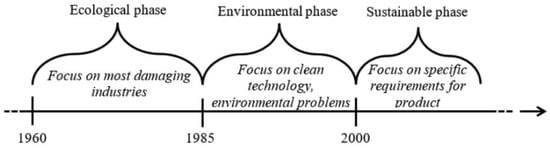
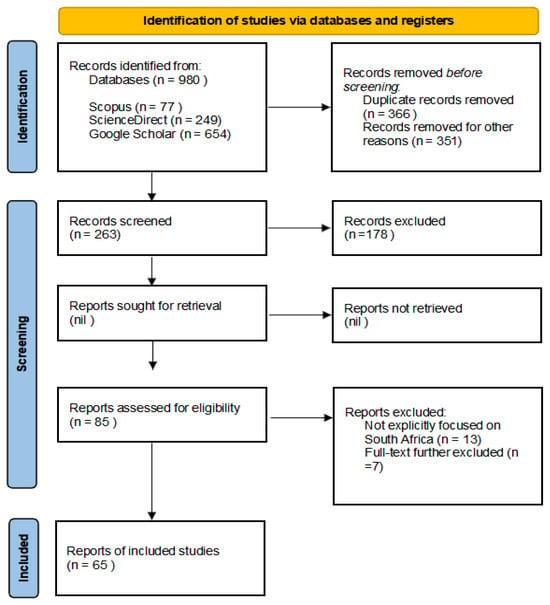
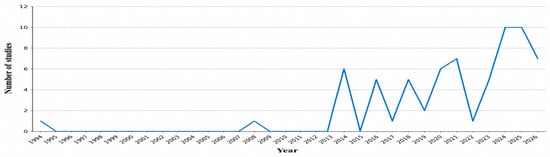
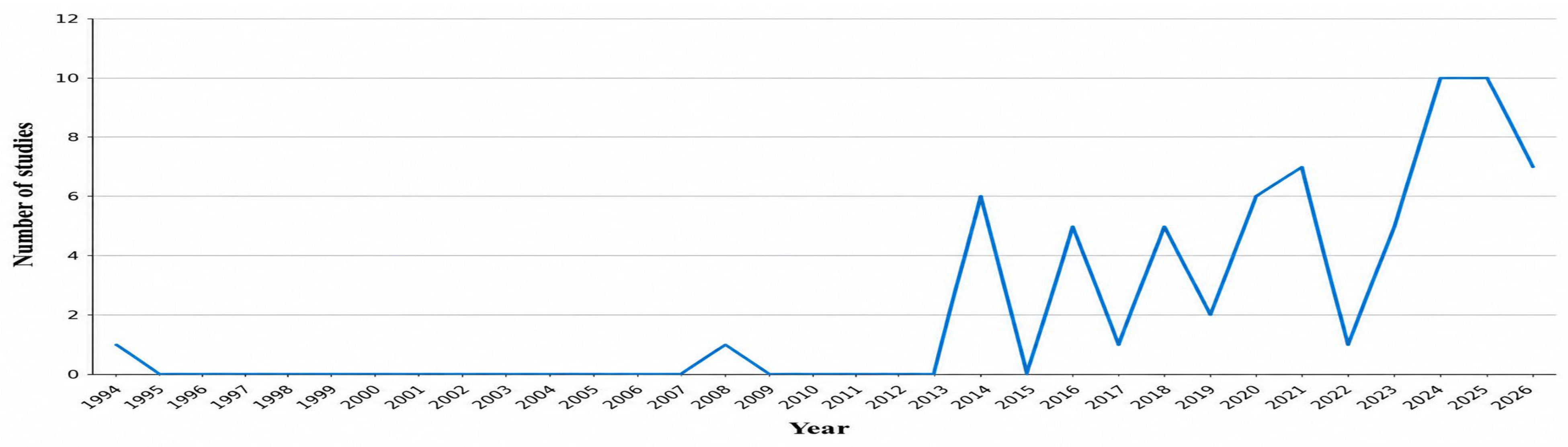
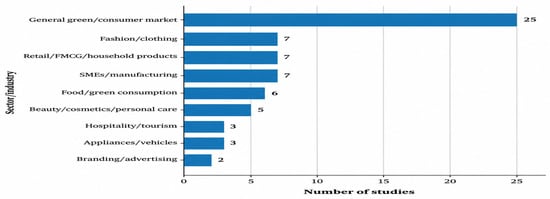
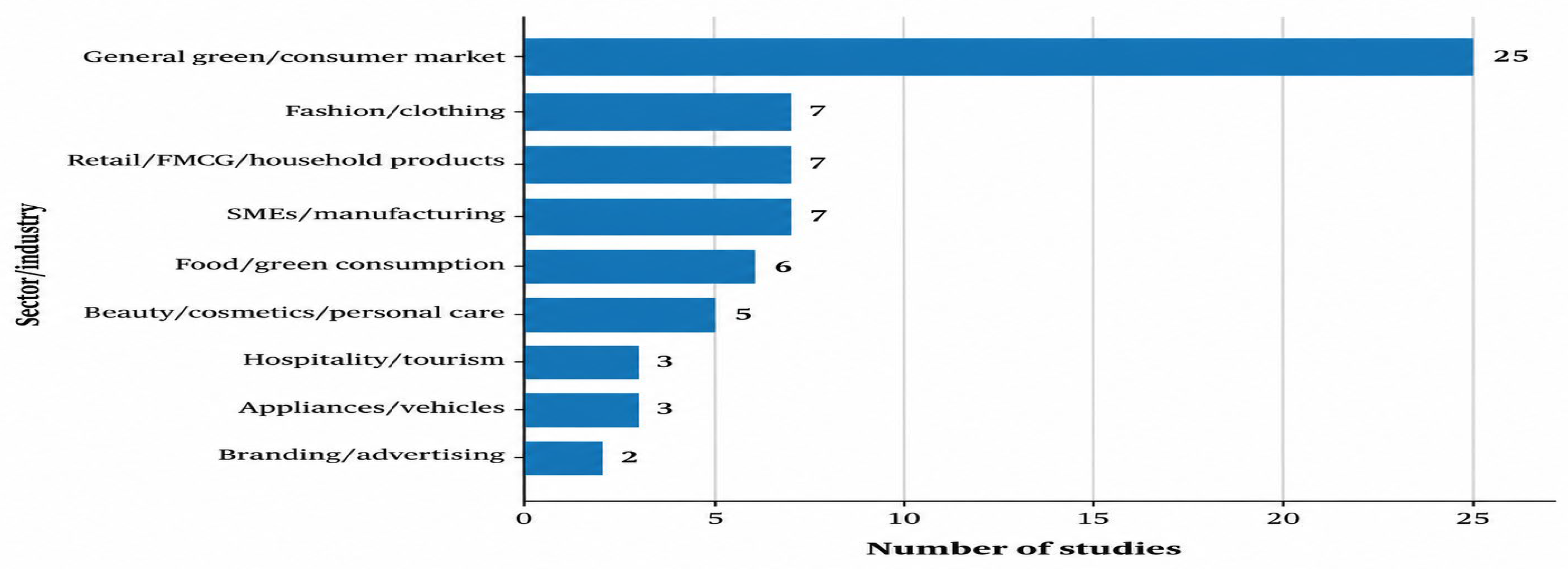
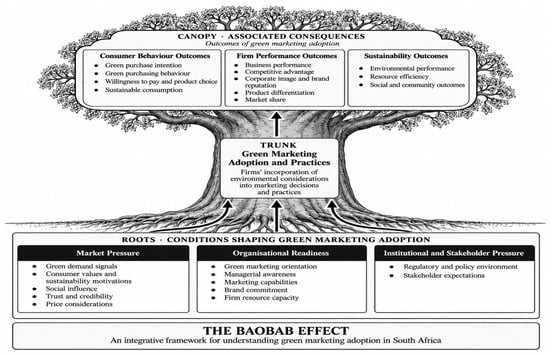
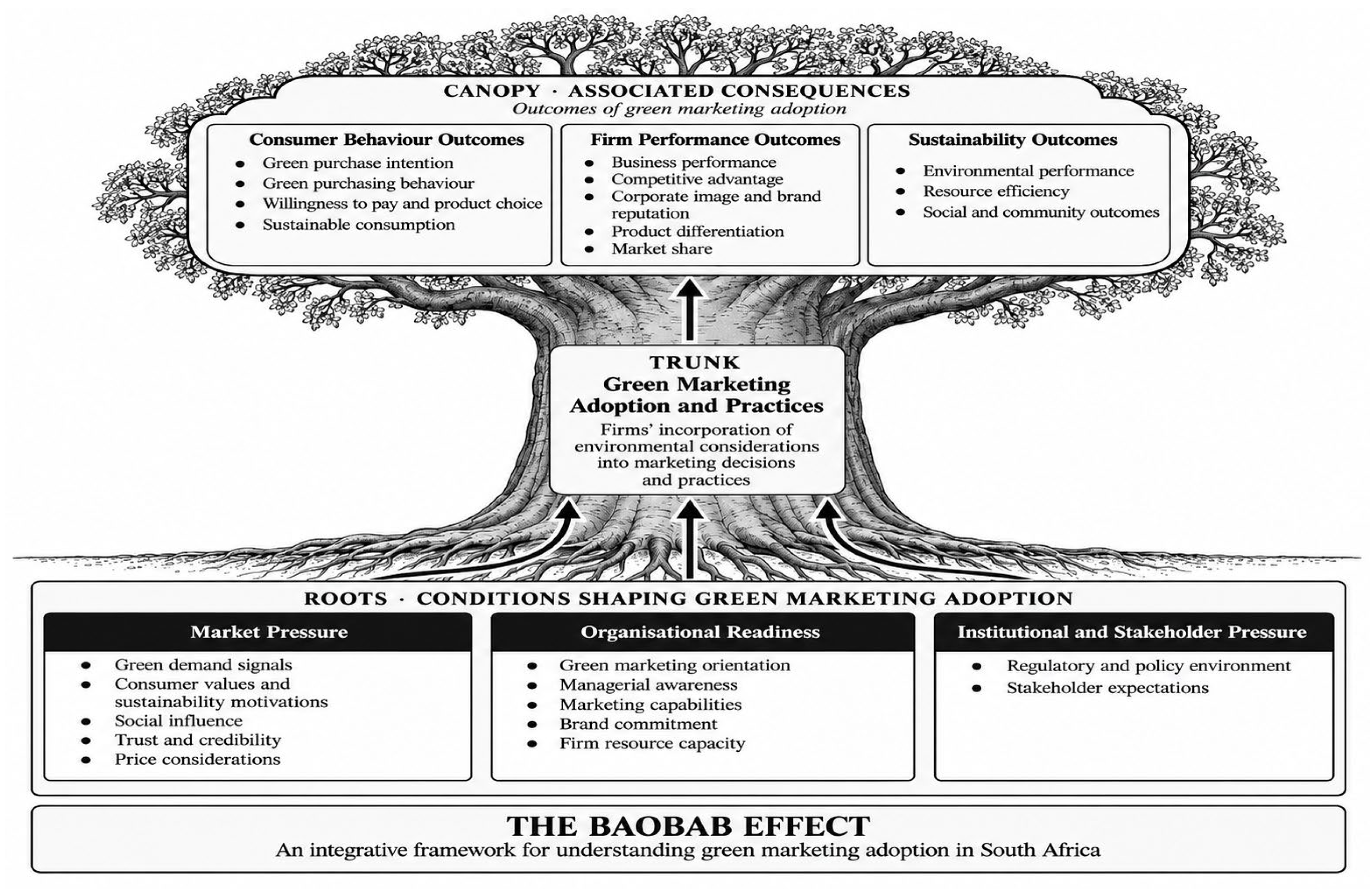
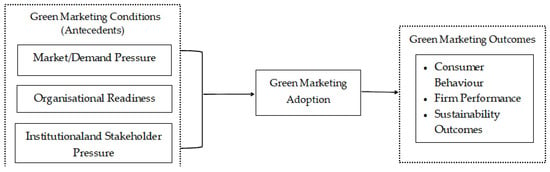
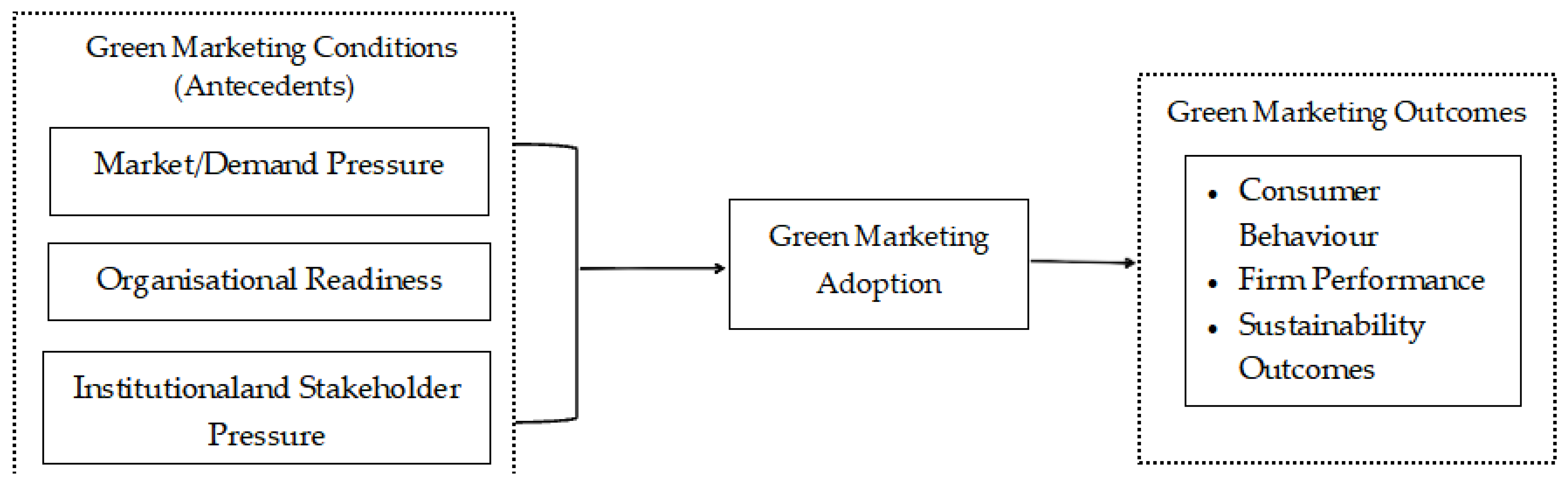

Disclaimer/Publisher’s Note: The statements, opinions and data contained in all publications are solely those of the individual author(s) and contributor(s) and not of MDPI and/or the editor(s). MDPI and/or the editor(s) disclaim responsibility for any injury to people or property resulting from any ideas, methods, instructions or products referred to in the content. |
© 2026 by the authors. Licensee MDPI, Basel, Switzerland. This article is an open access article distributed under the terms and conditions of the Creative Commons Attribution (CC BY) license.