


Abstract
CO2-enhanced oil recovery (CO2-EOR) is a reservoir-development method that can also support geological CO2 storage. Over decades of development, research has diversified across several areas, including miscible flooding, geological carbon storage, and applications in complex and unconventional reservoirs. Nevertheless, the evolution of CO2-EOR research over the past half-century has not been quantitatively characterized in a unified way. To clarify the knowledge structure and evolution of this field, this study analyzes 2668 publications published from 1977 to 2025 and retrieved from the Web of Science Core Collection using Bibliometrix and VOSviewer. Publications grew at an average annual rate of 13.36%. The co-citation network contained 103 core references grouped into four clusters, while keyword co-occurrence analysis identified seven clusters that were consolidated into five broader research hotspots. Conventional topics, including miscible displacement mechanisms, injection–production optimization, and minimum miscibility pressure determination, remain central. CO2 storage and themes related to carbon capture, utilization, and storage (CCUS) have attracted increasing attention, while complex and unconventional reservoirs, multiscale characterization, and digital technologies have emerged as important research areas. Rather than replacing conventional EOR research, carbon-storage objectives and research on complex reservoirs have been progressively incorporated into the established theoretical and engineering framework of CO2 flooding. These findings map the long-term development of CO2-EOR research and identify research frontiers relevant to assessing its potential role in low-carbon development.
1. Introduction
The reduction of carbon emissions is a systemic question that cuts across both science and policy. The issue was first given explicit expression in 1992, when the relevant technologies and pathways also began to be discussed [1,2]. Institutionalization followed within the same year through the signing of the United Nations Framework Convention on Climate Change [3], which moved global climate governance into an action phase centered on abating emissions. Greenhouse gas emissions, carbon dioxide above all, drive most of the observed global warming; bringing down the carbon released by industrial processes and the energy system is therefore now accepted worldwide as a priority. Carbon capture, utilization, and storage (CCUS) is regarded as one of the key technology portfolios for achieving deep emission reductions [4]. Within this portfolio, injecting CO2 into reservoirs to displace crude oil simultaneously enhances oil recovery and enables geological storage, making CO2-EOR economically attractive among the available abatement options [5].
CO2-enhanced oil recovery (CO2-EOR) consists of injecting CO2 into a reservoir and utilizing mass transfer and displacement mechanisms between CO2 and crude oil under miscible or immiscible conditions to produce additional oil, while part of the injected CO2 is permanently stored in the formation [6]. Previous studies have focused on several interrelated technical areas with different emphases. These include miscibility mechanisms [7,8,9], minimum miscibility pressure (MMP) prediction [10,11], gas channeling and mobility control [12,13], sweep volume expansion [14,15], and CO2 storage security [16,17,18,19]. These span reservoir engineering, fluid mechanics, geological storage, and environmental assessment, indicating that the research subjects and evaluation metrics of the field are markedly multidimensional.
With the adoption of the carbon peaking and carbon neutrality goals [20], the role of CO2-EOR is changing. CO2-EOR research has increasingly examined the relationship between enhanced oil recovery and geological CO2 storage within the broader CCUS framework, reflecting the growing integration of production-enhancement and carbon-storage objectives. Over the past decade or so, field demonstrations and fundamental research on CO2 flooding and storage worldwide have expanded markedly, while related projects and research outputs in China, the United States, Canada, and other countries have continued to increase [21,22]. This shift indicates rapid changes in the field’s knowledge structure, research hotspots, and collaboration landscape, while qualitative studies alone can no longer fully characterize its evolutionary trajectory.
Bibliometrics and science mapping, based on large-scale bibliographic and citation data, can identify the structural features and temporal evolution of a research field across dimensions including publication output, source distribution, collaboration, co-citation structure, keyword co-occurrence, and thematic evolution [23]. Bibliometrix is suitable for thematic evolution and multidimensional scientometric analyses [24], whereas VOSviewer clusters and visualizes co-occurrence, co-authorship, and co-citation networks [25]. Combining knowledge-base analysis at the reference level with research-theme analysis at the keyword level makes it possible to answer, respectively, what knowledge the field is built on and how its research questions have changed over time. Cross-validation among multiple lines of evidence also reduces the risk of interpreting technological evolution based on a single indicator [26]. Previous studies closely related to the present study fall into three categories (Table 1). First, Sun and Jiao carried out a systematic bibliometric study of gas-injection EOR from 1950 to 2020, identifying its knowledge domains and milestones through document co-citation, burst detection, and evolutionary staging [27]. However, their study covered multiple injected gases and did not specifically examine the long-term structural relationship between CO2-EOR and carbon storage within the CCUS framework. Second, Agbejule and Sempron-Namuag used CCUS publications from 2010 to 2025 and applied Biblioshiny and VOSviewer to identify the themes, drivers, and barriers of CCS and CCU [28]. Wang et al. and Ritchie and Tsalaporta, among others, likewise mapped research hotspots and technology trends within the broader fields of CCUS and carbon capture [29,30]. These studies portray the overall landscape of low-carbon technologies but cannot capture the complete engineering knowledge chain of CO2-EOR, beginning with early research on miscibility, MMP, and CO2 flooding. Third, studies on petroleum extraction efficiency, oil shale, and CO2 pipeline transportation demonstrate that bibliometric methods are applicable to identifying research structures in energy engineering [31,32,33], although their research subjects and questions differ from those of CO2-EOR. For CO2-EOR itself, most studies concentrate on technical principles and do not provide a quantitative characterization of the research landscape as a whole. In particular, systematic bibliometric research that situates the technology within the context of carbon emission reduction remains limited.
Table 1.
Bibliometric studies related to CCUS and the petroleum sector.
An unresolved question therefore remains as to whether, within a traceable sample of CO2-EOR literature spanning nearly half a century, conventional reservoir engineering knowledge has been replaced by, diverged from, or progressively integrated with subsequent knowledge related to CO2 storage and CCUS. Answering this question requires more than a comparison of keyword frequencies. It requires simultaneous examination of both the knowledge base on which subsequent research continues to rely and the research frontier currently under discussion.
Against this background, this study examines CO2-EOR publications from 1977 to 2025 retrieved from the Web of Science Core Collection to reconstruct the long-term evolution of the field and investigate the continuity and transformation of its research themes and knowledge base. Following data cleaning and standardization, Bibliometrix and VOSviewer are employed to conduct bibliometric and science-mapping analyses. Specifically, the analysis covers publication output, core journals, contributing countries and institutions, and international collaboration patterns. The intellectual structure of the field is examined through reference publication year spectroscopy (RPYS) and document co-citation analysis, while keyword co-occurrence and thematic evolution are used to identify changes in research priorities and emerging topics. By integrating these complementary perspectives, this study aims to clarify how conventional reservoir engineering knowledge has been maintained and progressively integrated with research on CO2 storage and CCUS. The analysis characterizes the evolution of scientific research and research attention rather than directly evaluating project-level carbon-emission-reduction performance or establishing causal relationships between climate policies and research development.
The rest of the paper proceeds as follows. Section 2 describes the data sources, search strategy, data cleaning and standardization, analytical methods, and parameter settings for the analytical tools. Section 3 presents the results and discussion on the overall development patterns, knowledge base, research hotspots, and evolutionary trends of CO2-EOR research. Section 4 summarizes the main conclusions, and Section 5 outlines the limitations of the study and directions for future research.
2. Data and Methods
2.1. Data Sources and Search Strategy
To ensure the disciplinary consistency and traceability of the bibliographic data, the Web of Science Core Collection (WoSCC) was selected as the data source, and the search was restricted to the Science Citation Index Expanded (SCI-EXPANDED). The publication period was set from 1977 to 2025. The Topic field (TS) was used for the search, and document types were limited to Articles and Review Articles. No language restriction was imposed to retain, as far as possible, research output from different countries and regions throughout the long-term development of the field. The WoSCC was selected because its standardized bibliographic and cited-reference records support consistent longitudinal analysis and citation-based mapping. The SCI-EXPANDED subset also provides a consistent basis for tracking the evolution of CO2-EOR research across the study period. Although other databases, such as Scopus and EI, and specialized sources, such as OnePetro and CNKI, may contain additional relevant publications, combining these sources would introduce differences in coverage, document types, and metadata structures that require separate harmonization. Therefore, this study uses the WoSCC as a consistent analytical source rather than claiming exhaustive coverage of all CO2-EOR-related literature.
The search strategy uses “CO2 flooding for enhanced oil recovery” as its core concept and broadens retrieval through abbreviations, full-term variants, hyphenated variants, and a combination of “CO2 injection” AND “enhanced oil recovery”. The string finally used was TS = (“CO2-EOR” OR “CO2 EOR” OR “CO2 enhanced oil recovery” OR “carbon dioxide enhanced oil recovery” OR “CO2 flooding” OR “carbon dioxide flooding” OR “CO2 flood*” OR “carbon dioxide flood*” OR (“CO2 injection” AND “enhanced oil recovery”) OR (“carbon dioxide injection” AND “enhanced oil recovery”)). Terms for CCUS, carbon emission reduction, and carbon neutrality were deliberately left out of the strategy. The primary search yielded 3158 records. Restricting the publication period to 1977–2025 reduced this to 2866, limiting document types to Articles and Review Articles yielded 2828, and excluding retracted publications left 2826 records (Table 2). Because some early studies used alternative terminology, such as CO2 miscible displacement, MMP, and gas injection, a separate historical-terminology search was conducted to examine their coverage. This search retrieved 4392 records; after year, document-type, and retraction filters, 3806 remained. Export-level verification identified 3743 records with publication years within 1977–2025; after removing two internal duplicates, 3741 unique records remained for baseline matching (Supplementary Methods S7 and Table S11).
Table 2.
Search and screening workflow.
To examine the robustness of the identified publication trends, a supplementary search incorporating additional carbon-management-related terms was conducted in the Web of Science Core Collection in November 2026. The original dataset of 2668 publications was retained as the fixed baseline, and additional records were identified, deduplicated, and screened using the original CO2-EOR eligibility criteria. Annual publication trends and the distribution across the four predefined developmental stages were then compared, with Pearson and Spearman correlation coefficients used to assess the consistency of the annual trends. The expanded-search strategy and screening outcomes are reported in Supplementary Methods S1 and Tables S1–S3; annual and stage-level comparisons are provided in Supplementary Results S2 and Tables S4 and S5.
2.2. Data Cleaning and Standardization
The 2826 records then underwent a further round of cleaning, the purpose being to keep duplicate records, off-topic entries, and metadata anomalies from distorting the results. As a first step, the WoS text files exported after retrieval and screening were cross-checked against the accession number (UT), DOI, title, and publication year; every UT proved unique, with neither duplicate UTs nor duplicate DOIs appearing across files. Titles, abstracts, author keywords, and source information were then used for a second round of topical-relevance screening and quality control. In the course of cleaning, publication years were checked once more against the WoS Publication Year (PY) field, which removed 58 records whose final publication year fell after 2025. Another 98 records, substantively off topic, were also dropped. The topical-relevance screening was conducted by one author, and the screening decisions were subsequently reviewed by a second author to ensure consistency in the application of the inclusion and exclusion criteria. Most of the off-topic records fell into medicine and clinical practice, agriculture and ecology, coalbed methane with enhanced coalbed methane recovery (ECBM), enhanced gas recovery (EGR) and shale gas, or natural gas hydrates; others were studies confined to saline aquifers or geological storage with no EOR component, together with ore deposits and mineral geology. A single duplicate record lacking a DOI and one record with corrupted metadata were removed as well. The final sample thus consists of 2668 publications, 158 records having been removed from the 2826 exported records, for a retention rate of 94.41%. The search strategy can therefore be said to have kept topical relevance high without sacrificing historical coverage.
An overview of the sample appears in Table 3. Spanning 1977 to 2025, the data comprise 318 source journals, 848 institutions, and 66 countries or regions. The 2543 research articles are accompanied by 125 review articles. When metadata completeness was checked, none of the core fields contained missing values. These fields were Authors (AU), Document Type (DT), Source Title (SO), Language (LA), Publication Year (PY), Title (TI), and Times Cited (TC). Missing values did occur in some fields. Cited References (CR) had missing values in 44 records (1.65%), corresponding-author information in 56 records (2.10%), abstracts in 71 records (2.66%), affiliations or addresses in 86 records (3.22%), DOIs in 139 records (5.21%), and WoS categories in 179 records (6.71%). Author Keywords (DE) were absent from 767 records (28.75%), and Keywords Plus (ID) from 377 (14.13%). Among the DE-missing records, 598 had available ID, of which 394 contained terms corresponding to the five established thematic categories and 40 contained related subtopic terms (Supplementary Methods S8 and Tables S12–S14). Given the concentration of missing DE values in earlier years, keyword findings were cross-validated against RPYS, co-citation networks, landmark publications, and thematic evolution to mitigate potential temporal bias.
Table 3.
Data sources and sample overview.
For standardization, a VOSviewer thesaurus was used to merge synonymous terms such as CO2 EOR and CO2-EOR and to normalize variants of MMP and WAG. Country names were standardized by mapping “Peoples R China” to China, England, Scotland, Wales, and Northern Ireland to the United Kingdom, and “U Arab Emirates” to the United Arab Emirates. At the institutional level, name variants referring to the same organization were standardized. China University of Petroleum (Beijing) and China University of Petroleum (East China) were grouped under the analytical label “China University of Petroleum” for statistical convenience, reflecting their shared historical origin. The two universities have operated as separate institutions since 2000. Other corporate institutions were retained as separately identified organizations, without parent–subsidiary aggregation (Supplementary Methods S4 and Tables S7 and S8). At the author level, because historical WoS records often use a surname-and-initials format, rankings of prolific authors are not treated as a primary finding to reduce bias caused by conflating different authors with the same name.
2.3. Research Methods and Tools
The bibliometric analysis in this study was conducted using the Bibliometrix package in R through the Biblioshiny interface (version 5.0), together with VOSviewer (version 1.6.21) (Supplementary Methods S3 and Table S6). Bibliometrix was used to analyze annual scientific production, source journals, institutional and country distributions, citation indicators, Bradford’s law, RPYS, author keyword frequencies, thematic maps, and thematic evolution. To complement cumulative citation counts, annualized citation rates were calculated by dividing each publication’s citations by its citation exposure period in years [34]. Specifically,
where Ci represents the global citation count from WoS or the local citation count within the dataset, and Ti is the elapsed time between publication and data retrieval. For each journal, the mean annualized citation rate was calculated as the arithmetic mean of its article-level rates. These indicators provide time-adjusted comparisons.
ACi = Ci/ Ti
In addition, segmented linear regression was applied to the annual publication counts from 1977 to 2025 to examine changes in publication growth around the three predefined stage boundaries (2005, 2013, and 2020), with HC3 robust standard errors used to assess changes in segment slopes (Supplementary Methods S5 and Tables S9 and S10). VOSviewer was used to visualize keyword co-occurrence, country collaboration, and document co-citation networks. For keyword co-occurrence analysis, full counting was applied with a minimum occurrence threshold of 10, while four generic terms (CO2, enhanced oil recovery, CO2-EOR, and oil recovery) were excluded from the network. Country collaboration analysis used fractional counting with a minimum publication threshold of 10, whereas document co-citation analysis used full counting with a minimum citation threshold of 40. In the country collaboration network, node size represents a country’s publication output, link thickness reflects the strength of collaboration, and node colors indicate the clusters identified by VOSviewer. The default clustering settings were retained without manual adjustment, and no random seed was manually specified. In Bibliometrix, author keywords were used for Trend Topics analysis, with 20 terms displayed, a minimum frequency of 5 where applicable, and 3–5 words per year over 1977–2025. Thematic evolution was examined across four periods (1977–2012, 2013–2017, 2018–2021, and 2022–2025). The four periods were selected after preliminary comparisons of alternative temporal boundaries to provide a representative division of the field’s long-term development. Default settings were retained for unspecified parameters, including the centrality and density thresholds in thematic maps. The two tools emphasize statistical analysis and network visualization, respectively, and their complementary use enhances the reliability of the interpretation.
3. Results and Discussion
3.1. Overall Development Characteristics and Knowledge Base
3.1.1. Temporal Evolution of Publication Output
The final sample covers the period from 1977 to 2025 and comprises 2668 publications, 318 source journals, 6441 authors, 71,348 cited references, and 4652 distinct author keywords. Publications grew at an average annual rate of 13.36%; the mean number of authors per publication is 4.91, internationally co-authored papers account for 25.11%, and each publication receives 30.37 citations on average. The yearly output, plotted in Figure 1, follows a distinctly nonlinear course. From 1977 to 2004, annual output fluctuated between single digits and slightly more than ten publications. This was a low-output period. After 2005, the field entered a period of steady growth, with annual output exceeding 15 publications and increasing year by year to 19 in 2008. A marked jump occurred in 2013, when annual output nearly doubled from 38 in 2012 to 72. Thereafter, it rose rapidly to 98 in 2015 and 149 in 2018. After 2020, the field entered a rapid-growth phase, with 211 publications in 2022, 243 in 2023, 279 in 2024, and a record high of 411 in 2025 (Supplementary Note S6). The two accelerations in publication output occurred alongside changes in the external policy environment. The increase around 2013 was contemporaneous with progress in carbon capture demonstration projects and CO2 flooding field trials. Relevant policy milestones included the European Commission’s 2013 communication on CCS demonstration and deployment, China’s carbon peaking and carbon neutrality commitments announced in September 2020 and their subsequent implementation guidance in 2021, and the expansion of US Section 45Q incentives for CO2 capture, storage, and qualified EOR applications under the Inflation Reduction Act in August 2022. These developments provide policy context rather than evidence of causation, as publication growth may also reflect advances in engineering research and field applications.
Figure 1.
Annual number of CO2-EOR publications from 1977 to 2025.
As shown in Figure 2, the annual average number of citations per publication does not follow the same trend as publication output. Early publications were limited in number, but some classic studies have remained influential for decades. After 2000, the mean annual citation level generally increased, with relatively high values in several years after 2010. The decline in mean annual citations from 2024 to 2025 is mainly attributable to insufficient time for citations to accumulate, rather than to any decline in academic impact. Rapidly increasing output, set beside the continuing citation of classic works, points to a cumulative knowledge structure: the theoretical foundation is mature, while the application frontier stays active.
Figure 2.
Average number of citations per publication by year.
The supplementary comparison further confirmed the stability of this temporal pattern, with high Pearson and Spearman correlations between the annual publication counts of the baseline and expanded samples (Supplementary Results S2 and Table S4).
3.1.2. Journal Distribution and Bradford’s Law
Output is heavily concentrated in a handful of source journals (Table 4). The four leading titles—Energy & Fuels, Fuel, the Journal of Petroleum Science and Engineering, and the International Journal of Greenhouse Gas Control—account for 184, 182, 179, and 159 papers, respectively, with Energies and SPE Journal adding 118 and 83. Taken together, the top ten source journals published 1156 papers, or 43.33% of the total. This indicates that, despite the interdisciplinary nature of CO2-EOR research, knowledge dissemination in the field remains concentrated in a small number of core journals in energy, petroleum engineering, and greenhouse gas management.
Table 4.
Leading source journals by publication volume and their impact indicators.
In terms of the h-index, Fuel ranks first with an h-index of 59 and 10,410 total citations, and most of its relevant publications were published after 2013. The Journal of Petroleum Science and Engineering has an h-index of 50, while the International Journal of Greenhouse Gas Control has an h-index of 43. Together, their publications reflect the development of the field from engineering practice to storage mechanisms. The broader energy journals Energy and Applied Energy, with h-indices of 28 and 23, respectively, are also among the leading source journals. Notably, Geoenergy Science and Engineering, with only 82 papers, has a relatively high per-paper impact. It first appeared in the dataset in 2023, indicating its recent emergence as an important source journal. After adjusting for citation exposure time and averaging across publications, Fuel, Energy, and Geoenergy Science and Engineering showed the highest mean annualized citation rates among the ten leading journals (11.29, 9.69, and 8.37 citations per paper-year, respectively; Supplementary Results S9 and Table S15).
When the 318 source journals are examined under Bradford’s law, they separate into three distinct zones: the core, related, and scattered zones (Figure 3). The core zone comprises six journals that collectively published 905 papers, accounting for 33.9% of the total publication output and serving as the principal outlets for research across the field. The second, related zone contains 24 journals with 898 papers in aggregate, while the outermost scattered zone includes 288 journals and 865 papers. The number of journals rises sharply across successive zones, while the average volume of papers per journal declines in step. This is the characteristic concentration–dispersion pattern defined by Bradford’s law. In other words, fewer than 2% of the source journals account for about one-third of all publications, whereas the remaining research is widely distributed across journals in energy, environmental science, chemical engineering, and geoscience. This suggests that a relatively stable research community has formed and that the research scope of the field continues to expand into carbon management, geochemistry, and multiscale characterization.
Figure 3.
Bradford’s law zoning for CO2-EOR research.
3.1.3. Countries, Institutions, and Research Collaboration
Country-level publication output was classified according to the country of the corresponding author, with each publication assigned to one country for the purpose of calculating national publication shares. By country of the corresponding author, China and the United States account for 1224 and 508 publications, or 45.88% and 19.04%, respectively; together the two countries account for 64.92%. The top ten corresponding-author countries together contribute 2326 publications, or 87.18%, indicating a high degree of country-level concentration. SCP denotes single-country publications and MCP multiple-country publications. The MCP shares of China and the United States are 21.49% and 18.70%, respectively. Their absolute numbers of internationally co-authored papers are high, but their single-country publication bases are larger. The MCP shares of Australia, India, Canada, and the United Kingdom are 52.83%, 35.00%, 32.80%, and 32.47%, respectively, indicating a stronger tendency toward international collaboration among major contributing countries.
At the publication level, 1959 papers were classified as SCP and 670 as MCP, reproducing the overall international co-authorship rate of 25.11% (670/2668); 39 records without identifiable country information were excluded from the citation comparison. MCP papers showed a higher mean annualized global citation rate than SCP papers (7.57 vs. 4.71 citations per paper-year; Mann–Whitney U = 833,733.5, p < 0.001). This difference remained significant after controlling for publication year (adjusted difference = 2.61 citations per paper-year; 95% CI: 1.87–3.35; p < 0.001), indicating a positive association rather than a causal effect (Supplementary Methods and Results S10 and Table S16).
The ranking of most-cited countries shown in Figure 4 is broadly consistent with the output pattern but is more strongly shaped by historical accumulation. China has the highest cumulative citation count, followed by the United States. Although Canada and the United Kingdom have lower publication outputs than China and the United States, they still receive high citation counts, reflecting their long-standing contributions to classical EOR, geological CO2 storage, and engineering research. Cumulative citation figures are shaped jointly by total publication volume, document age, and the structural composition of the research field. They cannot function as a direct measure of research quality. For this reason, they are employed here only as a supplementary indicator of country-level research impact, not as a foundation for any simplistic ranking of research quality.
Figure 4.
Citation distribution of the main countries.
The institutional distribution reflects a collaborative structure involving petroleum-focused universities, national research institutions, and large energy enterprises (Figure 5). The aggregated China University of Petroleum category (Beijing and East China) ranks first with 849 publications, followed by China National Petroleum Corporation with 434 and Sinopec with 178. The University of Texas at Austin (170), the Chinese Academy of Sciences (165), and Southwest Petroleum University (147) follow closely, while the U.S. Department of Energy (118), China University of Geosciences (99), and Northeast Petroleum University (98) also rank among the leading institutions. Among the top ten institutions, Chinese universities and petroleum enterprises predominate, whereas the United States is represented mainly by universities and national laboratories; Canada’s University of Regina (89 papers) and University of Calgary (69) are particularly active in reservoir engineering. The deep involvement of corporate research organizations is a distinctive feature of CO2-EOR research compared with most basic-science fields and reflects the strong orientation of CO2 flooding toward engineering applications.
Figure 5.
Leading research institutions by publication volume (“China University of Petroleum” is treated as an aggregated institutional name, without distinguishing between its Beijing and East China campuses).
The VOSviewer country collaboration network was constructed using fractional counting with a minimum country output of ten publications. Unlike the corresponding-author statistics in Table 5, this network includes all countries represented in the authors’ affiliations and captures their international collaboration relationships. A total of 27 countries entered the network, forming five collaboration clusters and 163 collaboration links, with a total link strength of 684.50. The network visualization (Figure 6) shows that the active countries engaged in CO2-EOR research form five clusters. China is the largest and most broadly connected node and collaborates closely with the United States, Australia, Japan, South Korea, India, and others. The United States is the second-largest node and serves as an important connection between North America, Europe, and the Middle East through its collaboration links with Canada, the United Kingdom, and Germany. The overall structure is characterized by two major cores centered on China and the United States, together with several regional clusters. European countries form a tight regional cluster, while Middle Eastern countries such as Saudi Arabia, the United Arab Emirates, Iran, and Iraq act as cross-cluster hubs.
Table 5.
Publication output and international collaboration characteristics of the top 10 corresponding-author countries.
Figure 6.
Country collaboration network.
The overlay visualization in Figure 7 further captures the temporal evolution of the collaboration network, with node colors encoding each country’s average publication year. The resulting color gradient reveals clear divergences in research development timing across regions. At the earlier end of the timeline sit the United States and Canada, whose earlier average publication years reflect their longer, well-established publication histories in the field. China cuts a uniquely prominent profile. It forms the network’s largest node and is associated with markedly more recent average publication years, a pattern that indicates pronounced, rapid growth in China’s publication output over the latter study period. Major European nations fall largely within the intermediate time band. A subset of Asian and Middle Eastern countries registers even more recent average publication years, marking their later entry into the global collaborative research landscape. When publication output metrics and collaboration indicators are read together, the global research landscape resolves into a distinct multicenter structure. It is shaped by two paired sets of regional dynamics: long-term foundational accumulation in North America paired with rapid large-scale expansion in China, and sustained ongoing participation across Europe alongside growing broader engagement from Asia and the Middle East.
Figure 7.
Overlay visualization of the main-country collaboration network (node colors denote the average publication year of that country’s relevant publications).
In the world map of country collaboration (Figure 8), China, the United States, and Western European countries are shown in the darkest shades, reflecting higher publication volumes and collaboration intensity. Canada, Australia, Japan, South Korea, and India follow, while parts of Africa, Central Asia, and South America are shown in lighter shades. The collaboration links form three dense corridors: transatlantic links between the United States and Europe; trans-Pacific links between China and the United States, Japan, and South Korea; and Eurasian links between China and Europe. This pattern corroborates the network structure characterized by two major cores and several regional clusters.
Figure 8.
Spatial distribution of global research output and country collaboration.
Finally, the research role of China deserves attention. With a 45.9% share of corresponding-author papers, China is the largest contributor to publication output in the field. Institutions such as China University of Petroleum and China National Petroleum Corporation also rank among the largest contributors worldwide, a pattern related to the prevalence of continental reservoirs in China and the widespread entry of mature oilfields into the high-water-cut stage. In terms of international collaboration, the multiple-country publication shares of China and the United States are relatively low, and greater international collaboration may further enhance research impact.
3.1.4. Highly Cited Publications and the Co-Citation Knowledge Base
Among the globally most-cited publications (Figure 9), the most highly cited is Mac Dowell et al.’s study of the role of CO2 capture and utilization in mitigating climate change, with 1115 citations [35]. Its high global citation count reflects its broad influence in the climate mitigation and CCUS literature, rather than its direct contribution to the technical knowledge base of CO2-EOR. It is therefore interpreted as an example of the field’s external interdisciplinary influence. It is followed by Alvarado and Manrique’s review of advances in enhanced oil recovery (833) and Juanes et al.’s work on the impact of relative permeability hysteresis on geological storage (779) [16,36]. Also ranking high are Jia et al.’s review of CO2 injection for EOR and carbon storage in shale oil reservoirs (567), Michael et al.’s review of storage experience (566), and Yu et al.’s study of CO2 injection for EOR in the Bakken tight oil reservoir (431) [37,38,39]. In terms of thematic composition, the highly cited publications include EOR reviews and reservoir simulation studies, as well as work on CO2 storage mechanisms and site experience, confirming the field’s dual focus on production enhancement and storage.
Figure 9.
Publications with the highest global citation counts.
When measured by citations received from publications within the sample, namely local citations, the internal knowledge base of the field presents a different picture (Figure 10). The highest local citations belong to Yu et al.’s tight-oil CO2 injection study (147) and Jia et al.’s shale oil review (138), followed by Gozalpour et al.’s work on reservoir CO2 flooding and storage (113) and Cao and Gu’s study of asphaltene precipitation (102) [9,37,39,40]. These publications constitute the core knowledge nodes repeatedly cited in CO2-EOR research. They include both the classic work that laid the foundations of phase behavior and miscibility theory and applied studies addressing new targets such as shale oil and tight oil.
Figure 10.
Publications with the highest local citation counts.
The gap between the global and local citation rankings makes one thing clear: citation impact across disciplines is not the same as influence within the CO2-EOR field’s own knowledge base, and the two metrics measure different aspects of influence. Global counts are more exposed to external research domains, since they accrue chiefly through citations from climate and energy-systems work and from studies of geological carbon storage. Local citations turn inward instead, and it is these that most directly register the intellectual continuity running through the CO2-EOR knowledge base. Annualized citation rates further accounted for differences in citation exposure time. Mac Dowell et al. [35] had the highest annualized global citation rate (118.66 citations/year), whereas Kumar et al. [41], Jia et al. [37], and Yu et al. [39] showed the highest annualized local citation rates (24.67, 18.05, and 13.55 citations/year, respectively; Supplementary Results S9 and Table S15).
RPYS identifies classic publications and key turning points in the development of a field by examining the cited references in the document set according to their publication years. The RPYS spectrum identifies prominent citation peaks in 1982, 1984, 1988, 1992, 2001, 2005, 2010, 2014, 2017, and 2019 based on deviations from the five-year moving median (Figure 11; Supplementary Methods S11). These peaks indicate periods of concentrated citation activity rather than a linear accumulation of knowledge. The early peaks cluster around 1982, when the works of Holm and Josendal [42] and Metcalfe [43] produced citation peaks corresponding to foundational work on CO2 flooding mechanisms, experimental methods for determining the minimum miscibility pressure, and phase-behavior calculation with equations of state. Orr et al.’s 1984 work continued this line [8]. In 1992, Martin’s summary of field experience with CO2 flooding formed a new citation peak [44]. A pronounced concentration appeared in 2001, led by Christensen et al.’s review of field applications of CO2 flooding [45] and Dong et al.’s mechanistic study of gas-injection EOR [46]. The 2005 peak consists of Gozalpour et al.’s study of reservoir CO2 flooding and storage [40] and Kulkarni et al.’s review of miscible gas flooding [47]. Around 2010, Alvarado and Manrique’s EOR review [36] and Gaus’s work on monitoring geological CO2 storage became prominent contributors to the citation peak [48]. In 2014, work by Ettehadtavakkol et al. [49] and Dai et al. [50] on the economics and leakage risks of CO2 flooding and storage was frequently cited. In 2017, studies by Ampomah et al. [51] and Jin et al. [52] on the co-optimization of storage and production enhancement, followed in 2019 by Jia et al.’s review of CO2 injection in shale oil reservoirs [37], successively formed peaks. This genealogy traces a research line from the theoretical foundations of phase behavior and miscibility through field application experience to the integration of storage with production enhancement.
Figure 11.
Reference publication year spectroscopy (RPYS) of references cited in CO2-EOR research.
Taking the references cited by the sampled publications as its nodes, the co-citation network brings out a set of interlocking knowledge clusters. A clear structural pattern emerges once a minimum co-citation frequency of 40 is imposed. At that level, 103 core references stay in the network, joined by 4031 links and grouped into four major clusters whose combined link strength is 14,972. In Figure 12, the yellow cluster, anchored on the Peng–Robinson equation of state, holds the classic studies of fluid phase equilibrium and thermodynamic-property prediction; sitting at the center of the network, it supplies the theoretical foundation for the rest. Around enhanced oil recovery and reservoir engineering, the green cluster gathers the work of Christensen, Taber, and Alvarado on CO2 flooding and on the screening criteria for gas flooding. The blue cluster is focused on petroleum engineering and reservoir fluids and is built around the early contributions of Holm, Yellig, Metcalfe, and Orr to miscible flooding mechanisms and the minimum miscibility pressure. What marks the red cluster is natural-gas and fuel chemistry, and it collects more recent findings on CO2 injection in shale and tight oil and on greenhouse-gas control. Equations of state, miscibility theory, and storage research tie the clusters together, so that the structure runs hierarchically from theoretical foundations through engineering applications to low-carbon applications.
Figure 12.
Co-citation network of core references in CO2-EOR research.
In terms of node counts, Clusters 1 and 2 contain 43 and 32 core references, accounting for 41.75% and 31.07% of the selected references. Clusters 3 and 4 contain 17 and 11 core references, accounting for 16.50% and 10.68%, respectively. The four knowledge bases do not simply succeed one another over time. They coexist and build on one another. Cluster 3 primarily addresses foundational questions concerning when and how miscibility develops. Cluster 4 further strengthens quantitative methods for measuring and predicting phase behavior, interfacial properties, and physical properties. Cluster 2 translates theory and models into reservoir engineering and the integrated application of flooding and storage. Cluster 1 extends the research scope to complex systems such as shale, tight oil, and nanopores. Clusters 1 and 2 together account for 72.82% of the selected core references, showing that engineering applications and complex-reservoir research constitute the largest share of the knowledge base. Nevertheless, Clusters 3 and 4 remain in key bridging positions within the network, indicating that classical theories of miscibility and physical properties continue to occupy central positions in the knowledge base. The four clusters identified in the co-citation network are summarized in Table 6, with their respective publication counts and representative references, collectively covering 103 core references.
Table 6.
Four knowledge bases in the co-citation network.
3.2. Research Hotspots and Evolutionary Trends
3.2.1. Keyword Co-Occurrence and Major Research Hotspots
Keywords directly reflect the content of publications. As shown in Table 7, in the raw keyword-frequency ranking with the core search terms retained, traditional EOR terms such as enhanced oil recovery, CO2-EOR, CO2 flooding, and CO2 injection occupy the leading positions. CO2 storage, CO2 sequestration, and CCUS also rank among the top ten, indicating that storage and carbon management have become prominent recurring themes. Meanwhile, molecular dynamics simulation, nuclear magnetic resonance, and machine learning rank among the top 15, showing the increasing use of microscopic simulation, experimental characterization, and artificial intelligence as research tools. Shale oil also ranks among the top 15, indicating its growing prominence as a research topic.
Table 7.
Raw high-frequency author keywords (top 15).
To prevent the high frequency of the core search terms from obscuring the technical structure, the keyword co-occurrence network was reconstructed after removing CO2, enhanced oil recovery, CO2-EOR, and oil recovery. The network that results holds 95 nodes, grouped by the algorithm into seven clusters and joined by 801 links, the total link strength being 1447. Figure 13 places CO2 flooding, CO2 injection, MMP, CO2 storage, and CO2 sequestration at central positions; displacement, miscibility, injection, and storage or sequestration are therefore bound closely together within one knowledge network. CO2 storage and CO2 sequestration, in particular, connect widely with the older flooding technologies by way of the CCUS, CCS, carbon-capture, and CO2-utilization nodes, which indicates that low-carbon objectives have entered the established EOR technology framework instead of displacing it. The keyword co-occurrence results provide complementary support for the four co-citation clusters. Unconventional-reservoir and multiscale-mechanism themes are consistent with Cluster 1, while CO2 flooding and storage-related themes correspond to Cluster 2. Miscibility and MMP-related themes support Cluster 3, whereas phase behavior and interfacial properties are consistent with Cluster 4. This correspondence reinforces the interpretation of the four knowledge clusters from complementary bibliometric perspectives.
Figure 13.
Author keyword co-occurrence network.
To improve engineering interpretability, the seven VOSviewer clusters were further consolidated into five broader research hotspots based on keyword co-occurrence relationships, thematic proximity, and shared technical objectives. Closely related clusters were combined when their keywords addressed complementary aspects of the same research problem, while distinct technical directions were retained separately. The resulting hotspots comprise miscibility and interfacial or phase-behavior mechanisms, reservoir engineering and injection–production optimization, CO2 storage and CCS/CCUS, complex or unconventional reservoirs and multiscale mechanisms, and mobility control and digitalization (Table 8).
Table 8.
Major hotspot themes of CO2-EOR and representative keywords.
3.2.2. Thematic Evolution and Emerging Trends
Thematic maps characterize research structure along two dimensions, with centrality representing the strength of connections with other themes and density representing the degree of internal development of a theme. The thematic map of this study is shown in Figure 14. CO2-EOR, CO2 sequestration, and CCUS lie in the Basic Themes quadrant, indicating broad connections with other themes but relatively low internal development. CO2 flooding, numerical simulation, nuclear magnetic resonance, minimum miscibility pressure, and molecular dynamics simulation also appear as basic themes. CO2 foam and mobility control, together with supercritical CO2, CO2 solubility, and CO2 corrosion, lie in the Niche Themes quadrant, indicating strong internal development but relatively limited connections with other themes. The full-period thematic map does not show a clearly dominant Motor Theme. As it covers the entire 1977–2025 period, it provides an aggregated view of the research structure and may obscure changes in thematic prominence across different periods. This does not indicate an absence of mature research themes. As shown in the period-specific strategic diagrams (Table 9), distinct Motor Themes are present in all four periods, although their composition and relative positions change over time.
Figure 14.
Thematic map of CO2-EOR research (1977–2025).
Table 9.
Strategic positions of themes in the four periods.
Figure 15 shows that traditional technical terms and low-carbon themes have grown in parallel, indicating that the increasing emphasis on carbon management has not reduced research activity on miscibility, injection, and reservoir engineering. The growth of carbon-management terminology is particularly pronounced. CCUS first appeared in the sample in 2015 with two occurrences, increased to 13 in 2019, and reached 86 in 2025. CO2 storage increased from two occurrences in 2011 to 139 in 2025, while CO2 sequestration increased from one occurrence in 2005 to 131 in 2025. Method-related keywords have also increased in frequency. Molecular dynamics simulation first appeared in 2016 and increased rapidly to 61 occurrences in 2025, while artificial intelligence methods such as machine learning have continued to gain prominence in recent years. By contrast, although enhanced oil recovery remains the most widely used keyword throughout, rising from two occurrences in 1992 to 519 in 2025, its relative share has leveled off, indicating that the research focus now extends beyond production enhancement alone.
Figure 15.
Temporal variation of the frequencies of major keywords.
Figure 16 shows a relatively clear temporal gradient in the Trend Topics analysis. The earliest stage features mainly carbon dioxide, steam injection, storage, geological sequestration, rock physics, simulation, and monitoring; subsequently, CO2 sequestration, carbon capture and storage, mobility control, CO2 injection, MMP, interfacial tension, and asphaltene precipitation become active. From 2022 to 2025, CCUS-EOR, CO2-EOR and storage, CCUS, carbon storage, shale oil, pore structure, conformance control, molecular dynamics simulation, and nuclear magnetic resonance become particularly prominent. The later hotspots thus form two intertwined evolutionary paths, one extending from storage and sequestration toward CCS, CCUS, and integrated flooding and storage, and the other extending from macroscale reservoir engineering toward complex reservoirs and microscopic and multiscale mechanisms.
Figure 16.
Evolutionary trends of themes over time.
The thematic evolution pathways in Figure 17 further reveal the continuity of themes across different periods. From 1977 to 2012, CO2 flooding, CO2, steam injection, miscibility, enhanced oil recovery, and CO2 injection constituted the core traditional technical themes. From 2013 to 2017, CO2-EOR, carbon capture and storage, CCS, and CO2 geological storage became markedly more prominent. From 2018 to 2021, enhanced oil recovery, CO2-EOR, CO2 flooding, CO2 foam, CO2 storage, and diffusion developed in parallel. From 2022 to 2025, enhanced oil recovery, CO2, CO2 flooding, CO2-EOR, CCS, and numerical simulation continued to show strong thematic continuity. The key feature is not the disappearance of established themes but the gradual integration of low-carbon themes into the traditional EOR research framework through CO2 storage, geological storage, and CCS, together with their increasing connections to new reservoir types and research methods [63]. The supplementary ID check further supported the continuity of the five thematic categories—miscibility and interfacial mechanisms, reservoir engineering and injection–production optimization, storage and CCS/CCUS, complex and unconventional reservoirs, and mobility control and digitalization—across the four periods. However, early-period coverage remained limited, as 132 of the 209 records without DE in 1977–2012 also lacked ID.
Figure 17.
Thematic evolution pathways.
The strategic diagrams for each period in Figure 18 show the movement of themes across the four categories of motor, basic, niche, and emerging or declining themes listed in Table 9. In the first period (1977–2012), CO2 flooding, minimum miscibility pressure, and injectivity occupied the Motor Themes quadrant. Enhanced oil recovery, CO2, and CO2 storage were Basic Themes, while steam injection and CO2 disposal fell in the Emerging or Declining Themes quadrant. In the second period (2013–2017), the motor themes remained dominated by CO2 flooding, minimum miscibility pressure, and sweep efficiency, with enhanced oil recovery, interfacial tension, and mobility control also in the Motor Themes quadrant. CO2-EOR, CO2 storage, and CO2 capture were Basic Themes, while carbon capture and storage, geological storage, CCS, and CCUS successively entered the Niche Themes quadrant. In the third period (2018–2021), CO2-EOR, CO2 storage and CCUS, numerical simulation, and optimization occupied the Motor Themes quadrant. CO2, minimum miscibility pressure, and interfacial tension formed the Basic Themes, while CO2 foam, porous media, and mobility control fell in the Emerging or Declining Themes quadrant. In the fourth period (2022–2025), enhanced oil recovery, CO2 storage, CO2 injection, and molecular dynamics simulation occupied the Motor Themes quadrant. CO2-EOR, CCUS, and CO2 capture were Basic Themes, while numerical simulation, multiphase flow, and phase behavior lay in the Emerging or Declining Themes quadrant. The period-specific diagrams show that CO2-EOR and CCUS occupied the Motor Themes quadrant in 2018–2021 but were classified as Basic Themes in 2022–2025, whereas CO2 storage and molecular dynamics simulation occupied the Motor Themes quadrant in the final period. This pattern indicates changing thematic roles over time rather than a unidirectional shift toward Motor Themes. Research emphasis has increasingly shifted toward carbon emission reduction and mechanism-oriented simulation.
Figure 18.
Strategic diagrams of CO2-EOR themes for the four periods: (a) 1977–2012; (b) 2013–2017; (c) 2018–2021; (d) 2022–2025.
The author-keyword overlay visualization in Figure 19 provides complementary evidence for the temporal evolution described above. Nodes such as CO2 injection, miscibility, phase behavior, and reservoir simulation have relatively early average publication years. CO2 storage and CO2 sequestration generally fall within the intermediate range, whereas CCUS, decarbonization, carbon neutrality, and machine learning are associated with more recent average publication years. At the same time, established topics such as MMP still have relatively recent average publication years, indicating that these classical technical problems remain active research topics and continue to be investigated through molecular simulation, machine learning, and complex-reservoir research.
Figure 19.
Author-keyword overlay visualization (node colors denote the average publication year of publications associated with each keyword).
In summary, the recent research frontier is characterized by three interwoven trends: decarbonization centered on storage and CCUS; complex-reservoir and microscale research involving shale, tight reservoirs, pore-scale analysis, NMR, and molecular dynamics; and digitalization involving machine learning and optimization.
3.2.3. Development Characteristics and Evolutionary Stages
The four-stage division was based on the combined evidence from annual publication trends, segmented regression, and thematic evolution (Table 10; Supplementary Methods S5 and Tables S9 and S10). The regression results indicate significant changes in publication growth around 2005 and 2013, while the overall segmented model provides a substantially better fit than a single linear trend. Although the slope change at 2020 was not independently significant, this boundary was retained to reflect the thematic transition toward stronger integration of CO2 storage, CCUS, and advanced research methods.
Table 10.
Evolutionary stages of CO2-EOR research themes and their main characteristics.
The thematic evolution periods (1977–2012, 2013–2017, 2018–2021, and 2022–2025) were defined separately to trace thematic relationships and continuity over time; therefore, they do not correspond directly to the four developmental stages.
In the mechanistic foundation stage, annual output remained low, ranging from single digits to slightly more than ten publications, with a limited volume of research and a strong focus on a small number of foundational theoretical topics. As the RPYS and co-citation analyses show, the stable knowledge base of the period consisted of phase behavior, miscibility mechanisms, MMP determination, and equations of state. The classic work of Holm, Yellig, Orr, Alston, Rao, and their contemporaries kept receiving heavy citation in later publications. Research in this stage was directed at establishing the temperature, pressure, and compositional conditions under which CO2 and crude oil reach miscibility, the way miscibility raises displacement efficiency, and the means by which miscible conditions can be characterized and predicted. The understanding that resulted, of phase behavior, miscibility mechanisms, and the MMP, laid the methodological groundwork and supplied key parameters for the injection and production design, numerical simulation, and engineering optimization that followed.
In the engineering expansion stage, annual output rose from about 15 to 38 publications, and research expanded from the verification of fundamental mechanisms toward practical reservoir engineering problems. Reservoir numerical simulation, water-alternating-gas (WAG) injection, optimization of injection and production parameters, and gas channeling and mobility control became more prominent. The emphasis shifted from establishing effective displacement to increasing the swept volume, suppressing unfavorable flow, and improving reservoir development performance. At the same time, geological CO2 storage and long-term containment gradually received greater research attention, although their integration with EOR was still at an early stage. Overall, this stage marked a key transition from mechanistic understanding to reservoir-scale engineering applications.
In the rapid-growth stage, annual output increased rapidly from 72 to 182 publications. Research activity expanded markedly, and the thematic scope broadened from conventional reservoir engineering to complex and unconventional reservoirs. Research on shale oil, tight oil, low-permeability reservoirs, and CO2 huff-n-puff increased markedly, while diffusion, adsorption, fracture–matrix mass transfer, and nanopore effects gradually emerged as new mechanistic research topics. Meanwhile, the connections between CO2 storage, CO2 sequestration, CCS, and traditional EOR research became stronger, while production enhancement and storage shifted from parallel objectives toward more explicit integrated evaluation. This stage was marked by an expansion in research scope and a broadening of technical objectives from recovery improvement alone to a balance between production enhancement and storage. During this period, the CO2-EOR research agenda shifted from traditional reservoir development toward carbon management.
In the low-carbon coupling stage, annual output rose further from 186 to 411 publications, and research entered a period of rapid growth. Temporal keyword analysis shows that low-carbon themes such as CCUS, CCUS-EOR, CO2-EOR and storage, carbon storage, and carbon neutrality became increasingly prominent. CCUS also assumed a stronger role as an integrative framework, bringing together enhanced oil recovery, CO2 utilization, geological storage, and emission-reduction accounting within a unified research framework. At the same time, methods such as molecular dynamics simulation, nuclear magnetic resonance (NMR), pore-structure characterization, machine learning, and optimization algorithms became increasingly prominent, shifting research from the macroscale reservoir level toward pore and molecular scales and toward increasingly data-driven approaches. In this stage, traditional topics such as miscible flooding, MMP, and injection and production engineering remain central to the field and have become increasingly integrated with low-carbon objectives, multiscale characterization, and intelligent methods.
Across the four stages, CO2-EOR research has progressively expanded from a primary focus on production enhancement and miscible flooding toward broader integration with geological CO2 storage and carbon management. Traditional EOR engineering knowledge has remained central while new research themes and methods have progressively emerged. At the keyword level, the change is registered in the continuing growth of terms such as CCUS and carbon storage; thematically, it appears in the part the CO2-EOR cluster plays as a hub joining engineering to emission reduction. The most-cited publications mirror the change as well, with studies of storage mechanisms and of operational experience in the field now standing out among the works most referenced. These thematic changes occurred alongside the growing emphasis on carbon emission reduction, with research increasingly addressing CO2 storage and the integration of production enhancement and storage. The recovery factor remains a foundational metric, but alongside it the volume of stored CO2 and the security of that storage over the long term are becoming considerations of growing importance, for research no less than for project deployment.
Comparison with the expanded sample showed only minor changes in the publication proportions across the four predefined stages (Supplementary Results S2 and Table S5), supporting the stability of the original four-stage framework.
4. Conclusions
Using 2668 publications from 1977 to 2025 retrieved from the Web of Science Core Collection as the dataset, this study conducts a bibliometric and science-mapping analysis of the evolution of CO2 flooding for enhanced oil recovery in the context of carbon emission reduction. The analysis covers publication output and dissemination outlets, research participants and collaboration networks, the co-citation knowledge base, keyword hotspots, and thematic evolution. The main conclusions are as follows.
(1) Research output has evolved through four stages, namely the mechanistic foundation, engineering expansion, rapid-growth, and low-carbon coupling stages. Annual output grew at an average annual rate of 13.36%, increased sharply in 2013, and reached 411 publications in 2025. This growth occurred alongside increased attention to carbon peaking and carbon neutrality and growing interest in integrating production enhancement and storage. The bibliometric analysis identifies this temporal association but does not establish a causal effect of specific policies.
(2) Research actors are highly concentrated. China ranks first with 1224 corresponding-author papers (45.88%), followed by the United States, Canada, Iran, and the United Kingdom. The top ten corresponding-author countries account for 2326 publications (87.18%) across 66 countries or regions. China University of Petroleum, China National Petroleum Corporation, and Sinopec are the largest institutions by output, and close collaboration between enterprises and universities is a distinctive feature of the field.
(3) A body of landmark, widely cited publications underlies the whole field across its core foundational domains. The co-citation network contained 103 core references grouped into four clusters, with Clusters 1 and 2 accounting for 72.82% of the selected references. These works span phase behavior and miscibility theory, methods for determining the minimum miscibility pressure, the experience built up in field applications, and established frameworks for co-optimizing storage with production enhancement. As the co-citation network shows, the Peng–Robinson equation of state, Holm’s pioneering early gas-injection experiments, and the storage research carried out within the broader CCUS framework together make up the theoretical bedrock of the field and anchor its central intellectual lineage. The resulting outputs are spread across 318 academic journals, with a heavy concentration in such core titles as Energy & Fuels, Fuel, and the International Journal of Greenhouse Gas Control.
(4) The research themes can be grouped into five major areas based on a keyword co-occurrence network comprising 95 nodes and seven clusters. These are miscibility and interfacial mechanisms, reservoir engineering and injection–production optimization, storage and CCS/CCUS, complex and unconventional reservoirs, and mobility control and digitalization. The research emphasis is shifting from flooding mechanisms and miscibility conditions toward CCUS, molecular dynamics simulation, shale oil, and tight oil. The integration of flooding-based production enhancement with storage is currently a prominent research frontier. Changes in keyword frequencies support this trend. The frequencies of CCUS and CO2 storage have increased rapidly in recent years, while the application of computational methods such as molecular dynamics simulation has also expanded markedly.
5. Limitations and Future Research Directions
Several limitations should be acknowledged. First, the dataset is restricted to the SCI-EXPANDED subset of the WoSCC. Although this provides a consistent basis for longitudinal bibliometric analysis, publications indexed exclusively in Scopus, EI, OnePetro, CNKI, and other specialized sources, as well as conference proceedings, industry reports, and engineering project documents, may be underrepresented. Consequently, the results reflect the development of research indexed in the WoSCC rather than the entire body of CO2-EOR-related research. This limitation may affect absolute publication counts and the representation of certain regional or engineering-oriented research activities, although the supplementary search provides evidence that the identified temporal patterns are robust to the inclusion of additional carbon-management-related search terms within the same database. Future studies could integrate multiple databases and specialized engineering sources to provide broader coverage. Methodologically, bibliometric analysis describes research output, attention, and relational structures but cannot directly measure real-world engineering performance or establish causal relationships between policies, carbon prices, industrial deployment, and research growth. In addition, although annualized citation rates account for differences in citation exposure time, citation lag may still affect comparisons involving recent publications. Despite keyword thesaurus standardization, residual variations in terminology and database indexing may also influence keyword-based analyses.
Future CO2-EOR research can be advanced in three areas. First, an integrated engineering evaluation framework should incorporate oil recovery performance, net CO2 storage, long-term storage security, life-cycle greenhouse-gas emissions, and project economics. Production–storage co-optimization should consider economic thresholds and carbon-accounting boundaries, distinguishing the gross amount of injected CO2 from the net amount retained after accounting for relevant operational emissions and potential leakage [64]. Accordingly, geological CO2 storage potential should not be equated with actual net emission reductions, which also depend on life-cycle emissions associated with additional oil production. Second, for complex reservoir types such as shale oil reservoirs, tight oil reservoirs, and high-water-cut reservoirs, adaptable injection and production technologies and mobility-control methods should be developed to overcome engineering bottlenecks associated with low sweep efficiency and gas channeling. Third, molecular simulation and experimental characterization can provide pore-scale insights into fluid–rock interactions, displacement mechanisms, and CO2 retention, while machine learning can integrate geological, operational, and monitoring data to improve prediction, optimization, and risk assessment. Combining these approaches with reservoir-scale models would provide a more reliable basis for engineering design and production–storage decision-making. As the broader CCUS policy framework continues to mature and demonstration projects scale up, CO2-EOR is expected to play an increasingly important role in jointly supporting energy security and carbon emission reduction.
Supplementary Materials
The following supporting information can be downloaded at: https://www.mdpi.com/article/10.3390/su182311961/s1. The supplementary files comprise Supplementary Methods S1, S3–S5, S7–S8, and S10–S11; Supplementary Results S2 and S9; and Supplementary Note S6. Tables S1–S16 and the accompanying machine-readable results workbook and VOSviewer thesaurus files are also provided.
Author Contributions
Z.L.: Conceptualization, Investigation, Data curation, Formal analysis, Validation, Visualization, Writing—original draft. H.Y.: Conceptualization, Funding acquisition, Supervision, Project administration, Writing—review and editing. M.G.: Methodology, Software, Validation. K.T.: Resources, Investigation, Data curation. J.W.: Formal analysis, Visualization, Writing—review and editing. All authors have read and agreed to the published version of the manuscript.
Funding
This work was supported by the National Major Science and Technology Projects of China “CO2 Flooding for Significantly Enhanced Oil Recovery and Long-Term Storage Technology” (Grant No. 2024ZD14066) and the National Key R&D Program of China “Research and Application of Key Technology Standards for CO2 Storage in Large-Scale Oil and Gas Reservoirs” (Grant No. 2023YFF0614100). The authors gratefully acknowledge the constructive comments and suggestions provided by peer experts and anonymous reviewers.
Institutional Review Board Statement
Not applicable.
Informed Consent Statement
Not applicable.
Data Availability Statement
The bibliographic records analyzed in this study were retrieved from the Web of Science Core Collection. The search strategies, screening criteria, analytical settings, and derived summary data supporting the findings are provided in the Supplementary Materials. The original WoSCC records are subject to Clarivate’s access and reuse terms and are not redistributed.
Acknowledgments
During the preparation of this work, the authors used DeepSeek AI (DeepSeek-V4 Pro) to assist with English translation and language polishing. After using this tool/service, the authors reviewed and edited the content as needed and take full responsibility for the content of the published article.
Conflicts of Interest
The authors declare that they have no known competing financial interests or personal relationships that could have appeared to influence the work reported in this paper.
References
- Turkenburg, W.C. CO2 removal; some conclusions. Energy Convers. Manag. 1992, 33, 819–823. [Google Scholar] [CrossRef] [Scilit]
- Steinberg, M. History of CO2 greenhouse gas mitigation technologies. Energy Convers. Manag. 1992, 33, 311–315. [Google Scholar] [CrossRef] [Scilit]
- United Nations. United Nations Framework Convention on Climate Change; United Nations: Rio de Janeiro, Brazil, 1992; Available online: https://unfccc.int/resource/docs/convkp/conveng.pdf (accessed on 26 September 2026).
- Osman, A.I.; Hefny, M.; Maksoud, M.I.A.A.; Elgarahy, A.M.; Rooney, D.W. Recent advances in carbon capture storage and utilisation technologies: A review. Environ. Chem. Lett. 2021, 19, 797–849. [Google Scholar] [CrossRef] [Scilit]
- Bashir, A.; Ali, M.; Patil, S.; Aljawad, M.S.; Mahmoud, M.; Al-Shehri, D.; Hoteit, H.; Kamal, M.S. Comprehensive review of CO2 geological storage: Exploring principles, mechanisms, and prospects. Earth-Sci. Rev. 2024, 249, 104672. [Google Scholar] [CrossRef] [Scilit]
- Zhou, X.; Wu, Y.-S.; Chen, H.; Elsayed, M.; Yu, W.; Zhao, X.; Murtaza, M.; Kamal, M.S.; Khan, S.Z.; Al-Abdrabalnabi, R.; et al. Review of carbon dioxide utilization and sequestration in depleted oil reservoirs. Renew. Sustain. Energy Rev. 2024, 202, 114646. [Google Scholar] [CrossRef] [Scilit]
- Holm, L.W.; Josendal, V.A. Mechanisms of oil displacement by carbon dioxide. J. Pet. Technol. 1974, 26, 1427–1438. [Google Scholar] [CrossRef] [Scilit]
- Orr, F.M.; Taber, J.J. Use of carbon dioxide in enhanced oil recovery. Science 1984, 224, 563–569. [Google Scholar] [CrossRef] [Scilit] [PubMed]
- Cao, M.; Gu, Y. Oil recovery mechanisms and asphaltene precipitation phenomenon in immiscible and miscible CO2 flooding processes. Fuel 2013, 109, 157–166. [Google Scholar] [CrossRef] [Scilit]
- Alston, R.B.; Kokolis, G.P.; James, C.F. CO2 minimum miscibility pressure: A correlation for impure CO2 streams and live oil systems. Soc. Pet. Eng. J. 1985, 25, 268–274. [Google Scholar] [CrossRef] [Scilit]
- Yellig, W.F.; Metcalfe, R.S. Determination and prediction of CO2 minimum miscibility pressures (includes associated paper 8876). J. Pet. Technol. 1980, 32, 160–168. [Google Scholar] [CrossRef] [Scilit]
- Song, Z.; Hou, J.; Liu, X.; Wei, Q.; Hao, H.; Zhang, L. Conformance control for CO2-EOR in naturally fractured low permeability oil reservoirs. J. Pet. Sci. Eng. 2018, 166, 225–234. [Google Scholar] [CrossRef] [Scilit]
- Yu, J.; Li, X.; Qiao, R.; Zheng, L.; Khan, N.; He, H.; Peng, Z.; Yu, Y. CO2-responsive gels for enhanced oil recovery and carbon sequestration: A comprehensive review of design and applications. J. Environ. Chem. Eng. 2025, 13, 119773. [Google Scholar] [CrossRef] [Scilit]
- Fang, P.; Yang, Z.; Zhang, Q.; Yu, H.; Feng, F.; Wan, Y.; Wei, J.; Mei, Y.; Cao, M. Chemically enhanced water-alternating-gas injection for improved CO2 sweep efficiency and geological sequestration in CO2-EOR: Insights from physical experiments and molecular simulation. Results Eng. 2025, 27, 106239. [Google Scholar] [CrossRef] [Scilit]
- Wei, J.; Yu, H.; Gao, M.; Lang, X.; Zhao, B.; Liu, W.; Yin, H. Interlayer interference analysis and layered development strategy in CO2 miscible flooding of reverse-rhythm reservoirs. ACS Omega 2025, 10, 59723–59735. [Google Scholar] [CrossRef] [Scilit] [PubMed]
- Juanes, R.; Spiteri, E.J.; Orr, F.M.; Blunt, M.J. Impact of relative permeability hysteresis on geological CO2 storage. Water Resour. Res. 2006, 42, W12418. [Google Scholar] [CrossRef] [Scilit]
- Bachu, S. CO2 storage in geological media: Role, means, status and barriers to deployment. Prog. Energy Combust. Sci. 2008, 34, 254–273. [Google Scholar] [CrossRef] [Scilit]
- Bui, M.; Adjiman, C.S.; Bardow, A.; Anthony, E.J.; Boston, A.; Brown, S.; Fennell, P.S.; Fuss, S.; Galindo, A.; Hackett, L.A.; et al. Carbon capture and storage (CCS): The way forward. Energy Environ. Sci. 2018, 11, 1062–1176. [Google Scholar] [CrossRef] [Scilit]
- Di, C.; Tian, F.; Zhao, L.; Deng, P.; Liu, B.; Wei, Z.; Dai, Q.; Chen, Z. Evaluation of SO2 impurity effects on CO2 sequestration capacity and leakage risk: Reservoir simulations with an accurate solubility model. Fuel 2026, 413, 138231. [Google Scholar] [CrossRef] [Scilit]
- Liu, Z.; Deng, Z.; He, G.; Wang, H.; Zhang, X.; Lin, J.; Qi, Y.; Liang, X. Challenges and opportunities for carbon neutrality in China. Nat. Rev. Earth Environ. 2021, 3, 141–155. [Google Scholar] [CrossRef] [Scilit]
- Tan, K.; Gao, M.; Yu, H.; Wei, J.; Song, Z.; Shi, J.; Jiang, L. Advances in north American CCUS-EOR technology and implications for China’s development. Energies 2025, 18, 6406. [Google Scholar] [CrossRef] [Scilit]
- Guan, Y.; Lyu, W.; Ji, Z.; Wang, K.; Ni, S.; Li, Y.; Wei, J. Research progress and prospects for synergistic CO2 enhanced oil recovery and sequestration technologies. Energy Rep. 2026, 15, 109003. [Google Scholar] [CrossRef] [Scilit]
- Donthu, N.; Kumar, S.; Mukherjee, D.; Pandey, N.; Lim, W.M. How to conduct a bibliometric analysis: An overview and guidelines. J. Bus. Res. 2021, 133, 285–296. [Google Scholar] [CrossRef] [Scilit]
- Aria, M.; Cuccurullo, C. bibliometrix: An R-tool for comprehensive science mapping analysis. J. Informetr. 2017, 11, 959–975. [Google Scholar] [CrossRef] [Scilit]
- Van Eck, N.J.; Waltman, L. Software survey: VOSviewer, a computer program for bibliometric mapping. Scientometrics 2010, 84, 523–538. [Google Scholar] [CrossRef] [Scilit] [PubMed]
- Zupic, I.; Cater, T. Bibliometric methods in management and organization. Organ. Res. Methods 2015, 18, 429–472. [Google Scholar] [CrossRef] [Scilit]
- Sun, L.; Jiao, Y. A systematic bibliometric review on enhanced oil recovery by gas injection. Pet. Sci. Technol. 2022, 40, 1697–1715. [Google Scholar] [CrossRef] [Scilit]
- Agbejule, A.; Sempron-Namuag, P. A bibliometric analysis of carbon capture, utilization and storage (CCUS): Identifying barriers and drivers. Appl. Energy 2025, 400, 126604. [Google Scholar] [CrossRef] [Scilit]
- Wang, W.; Wei, N.; Wei, F.; Ali, M.; Lin, K.; Lei, S. Research on the progress of carbon capture, utilization, and storage (CCUS) technologies based on bibliometric analysis. J. Clean. Prod. 2025, 529, 146826. [Google Scholar] [CrossRef] [Scilit]
- Ritchie, S.; Tsalaporta, E. Trends in carbon capture technologies: A bibliometric analysis. Carbon Neutrality 2022, 1, 38. [Google Scholar] [CrossRef] [Scilit]
- Liu, D.; Wang, S.; Liu, C.; Wang, W.; Chen, Z.; Chen, S.; Zhang, S.; Du, S.; Hong, B. Advancements in CO2 pipeline transportation technology: A bibliometric analysis and knowledge mapping study. Fuel 2026, 407, 137498. [Google Scholar] [CrossRef] [Scilit]
- Yessengaliyev, D.A.; Zhumagaliyev, Y.U.; Tazhibayev, A.A.; Bekbossynov, Z.A.; Sarkulova, Z.S.; Issengaliyeva, G.A.; Zhubandykova, Z.U.; Semenikhin, V.V.; Yeskalina, K.T.; Ansapov, A.E. Energy efficiency trends in petroleum extraction: A bibliometric study. Energies 2024, 17, 2869. [Google Scholar] [CrossRef] [Scilit]
- Zhao, D.; Zhang, Q.; Ren, C.; Zhang, Z.; Zhang, J.; Hu, F.; Zhou, X.; Tan, X.; Guo, Y. A bibliometric comparative study on global oil shale research: Hotspots, trends and regional focus. Oil Shale 2023, 40, 1–24. [Google Scholar] [CrossRef] [Scilit]
- Gómez, E.; Dorta, P. A field- and time-normalized bayesian approach to measuring the impact of a publication. Scientometrics 2024, 129, 2659–2676. [Google Scholar] [CrossRef] [Scilit]
- Dowell, N.M.; Fennell, P.S.; Shah, N.; Maitland, G.C. The role of CO2 capture and utilization in mitigating climate change. Nat. Clim. Change 2017, 7, 243–249. [Google Scholar] [CrossRef] [Scilit]
- Alvarado, V.; Manrique, E. Enhanced oil recovery: An update review. Energies 2010, 3, 1529–1575. [Google Scholar] [CrossRef] [Scilit]
- Jia, B.; Tsau, J.-S.; Barati, R. A review of the current progress of CO2 injection EOR and carbon storage in shale oil reservoirs. Fuel 2019, 236, 404–427. [Google Scholar] [CrossRef] [Scilit]
- Michael, K.; Golab, A.; Shulakova, V.; Ennis-King, J.; Allinson, G.; Sharma, S.; Aiken, T. Geological storage of CO2 in saline aquifers: A review of the experience from existing storage operations. Int. J. Greenh. Gas Control 2010, 4, 659–667. [Google Scholar] [CrossRef] [Scilit]
- Yu, W.; Lashgari, H.R.; Wu, K.; Sepehrnoori, K. CO2 injection for enhanced oil recovery in bakken tight oil reservoirs. Fuel 2015, 159, 354–363. [Google Scholar] [CrossRef] [Scilit]
- Gozalpour, F.; Ren, S.R.; Tohidi, B. CO2 eor and storage in oil reservoir. Oil Gas Sci. Technol. 2005, 60, 537–546. [Google Scholar] [CrossRef] [Scilit]
- Kumar, N.; Sampaio, M.A.; Ojha, K.; Hoteit, H.; Mandal, A. Fundamental aspects, mechanisms and emerging possibilities of CO2 miscible flooding in enhanced oil recovery: A review. Fuel 2022, 330, 125633. [Google Scholar] [CrossRef] [Scilit]
- Holm, L.W.; Josendal, V.A. Effect of oil composition on miscible-type displacement by carbon dioxide. Soc. Pet. Eng. J. 1982, 22, 87–98. [Google Scholar] [CrossRef] [Scilit]
- Metcalfe, R.S. Effects of impurities on minimum miscibility pressures and minimum enrichment levels for CO2 and rich-gas displacements. Soc. Pet. Eng. J. 1982, 22, 219–225. [Google Scholar] [CrossRef] [Scilit]
- Martin, D.F.; Taber, J.J. Carbon dioxide flooding. J. Pet. Technol. 1992, 44, 396–400. [Google Scholar] [CrossRef] [Scilit]
- Christensen, J.R.; Stenby, E.H.; Skauge, A. Review of WAG field experience. SPE Reserv. Eval. Eng. 2001, 4, 97–106. [Google Scholar] [CrossRef] [Scilit]
- Dong, M.; Huang, S.; Dyer, S.B.; Mourits, F.M. A comparison of CO2 minimum miscibility pressure determinations for weyburn crude oil. J. Pet. Sci. Eng. 2001, 31, 13–22. [Google Scholar] [CrossRef] [Scilit]
- Kulkarni, M.M.; Rao, D.N. Experimental investigation of miscible and immiscible water-alternating-gas (WAG) process performance. J. Pet. Sci. Eng. 2005, 48, 1–20. [Google Scholar] [CrossRef] [Scilit]
- Gaus, I. Role and impact of CO2–rock interactions during CO2 storage in sedimentary rocks. Int. J. Greenh. Gas Control 2010, 4, 73–89. [Google Scholar] [CrossRef] [Scilit]
- Ettehadtavakkol, A.; Lake, L.W.; Bryant, S.L. CO2-EOR and storage design optimization. Int. J. Greenh. Gas Control 2014, 25, 79–92. [Google Scholar] [CrossRef] [Scilit]
- Dai, Z.; Middleton, R.; Viswanathan, H.; Fessenden-Rahn, J.; Bauman, J.; Pawar, R.; Lee, S.-Y.; McPherson, B. An integrated framework for optimizing CO2 sequestration and enhanced oil recovery. Environ. Sci. Technol. Lett. 2014, 1, 49–54. [Google Scholar] [CrossRef] [Scilit]
- Ampomah, W.; Balch, R.S.; Cather, M.; Will, R.; Gunda, D.; Dai, Z.; Soltanian, M.R. Optimum design of CO2 storage and oil recovery under geological uncertainty. Appl. Energy 2017, 195, 80–92. [Google Scholar] [CrossRef] [Scilit]
- Jin, L.; Hawthorne, S.; Sorensen, J.; Pekot, L.; Kurz, B.; Smith, S.; Heebink, L.; Herdegen, V.; Bosshart, N.; Torres, J.; et al. Advancing CO2 enhanced oil recovery and storage in unconventional oil play—Experimental studies on bakken shales. Appl. Energy 2017, 208, 171–183. [Google Scholar] [CrossRef] [Scilit]
- Hu, Y.; Hao, M.; Chen, G.; Sun, R.; Li, S. Technologies and practice of CO2 flooding and sequestration in China. Pet. Explor. Dev. 2019, 46, 753–766. [Google Scholar] [CrossRef] [Scilit]
- Wei, B.; Zhang, X.; Wu, R.; Zou, P.; Gao, K.; Xu, X.; Pu, W.; Wood, C. Pore-scale monitoring of CO2 and N2 flooding processes in a tight formation under reservoir conditions using nuclear magnetic resonance (NMR): A case study. Fuel 2019, 246, 34–41. [Google Scholar] [CrossRef] [Scilit]
- Sheng, J.J. Enhanced oil recovery in shale reservoirs by gas injection. J. Nat. Gas Sci. Eng. 2015, 22, 252–259. [Google Scholar] [CrossRef] [Scilit]
- Sheng, J.J. Critical review of field EOR projects in shale and tight reservoirs. J. Pet. Sci. Eng. 2017, 159, 654–665. [Google Scholar] [CrossRef] [Scilit]
- Bachu, S. Sequestration of CO2 in geological media: Criteria and approach for site selection in response to climate change. Energy Convers. Manag. 2000, 41, 953–970. [Google Scholar] [CrossRef] [Scilit]
- Bachu, S.; Bonijoly, D.; Bradshaw, J.; Burruss, R.; Holloway, S.; Christensen, N.P.; Mathiassen, O.M. CO2 storage capacity estimation: Methodology and gaps. Int. J. Greenh. Gas Control 2007, 1, 430–443. [Google Scholar] [CrossRef] [Scilit]
- Bachu, S.; Gunter, W.D.; Perkins, E.H. Aquifer disposal of CO2: Hydrodynamic and mineral trapping. Energy Convers. Manag. 1994, 35, 269–279. [Google Scholar] [CrossRef] [Scilit]
- Wang, X.; Gu, Y. Oil recovery and permeability reduction of a tight sandstone reservoir in immiscible and miscible CO2 flooding processes. Ind. Eng. Chem. Res. 2011, 50, 2388–2399. [Google Scholar] [CrossRef] [Scilit]
- Hemmati-Sarapardeh, A.; Ayatollahi, S.; Ghazanfari, M.-H.; Masihi, M. Experimental determination of interfacial tension and miscibility of the CO2 –crude oil system; temperature, pressure, and composition effects. J. Chem. Eng. Data 2014, 59, 61–69. [Google Scholar] [CrossRef] [Scilit]
- Zanganeh, P.; Ayatollahi, S.; Alamdari, A.; Zolghadr, A.; Dashti, H.; Kord, S. Asphaltene deposition during CO2 injection and pressure depletion: A visual study. Energy Fuels 2012, 26, 1412–1419. [Google Scholar] [CrossRef] [Scilit]
- Di, C.; Wei, Y.; Ma, H.; Deng, P.; Liu, B.; Wang, K.; Peng, L.; Chen, Z. Accelerating geological gas storage simulations: A novel and efficient gases-brine phase equilibrium calculation algorithm. Renew. Energy 2025, 252, 123545. [Google Scholar] [CrossRef] [Scilit]
- Di, C.; Tian, F.; Zhao, L.; Deng, P.; Ma, H.; Liu, B.; Peng, L.; Chen, Z. Cooling effects on capillary sealing in CO2 –plume geothermal systems: Capillary pressure modeling and leakage assessment. Environ. Sci. Technol. 2026, 60, 6149–6161. [Google Scholar] [CrossRef] [Scilit] [PubMed]
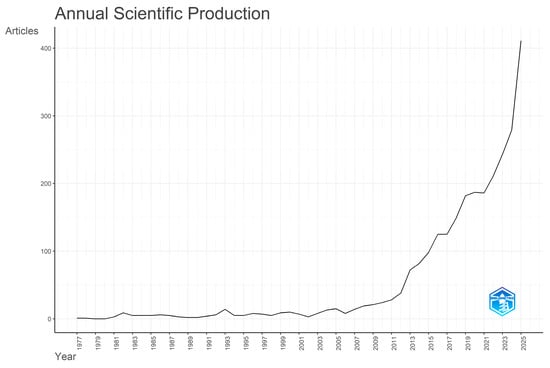
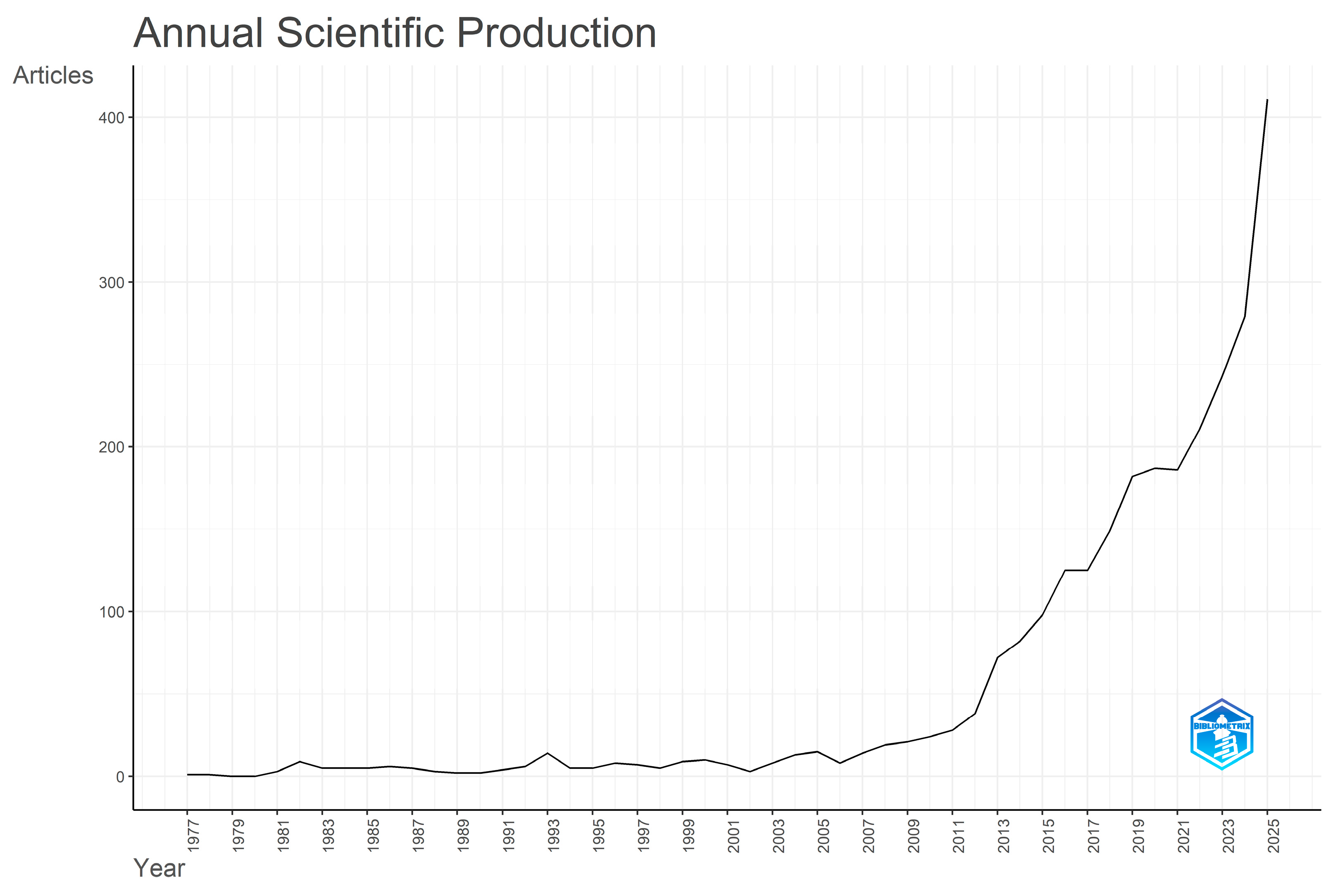
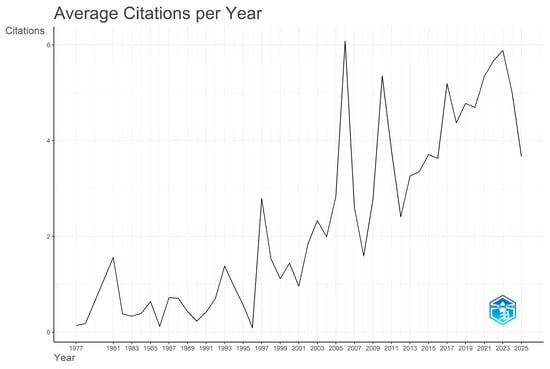
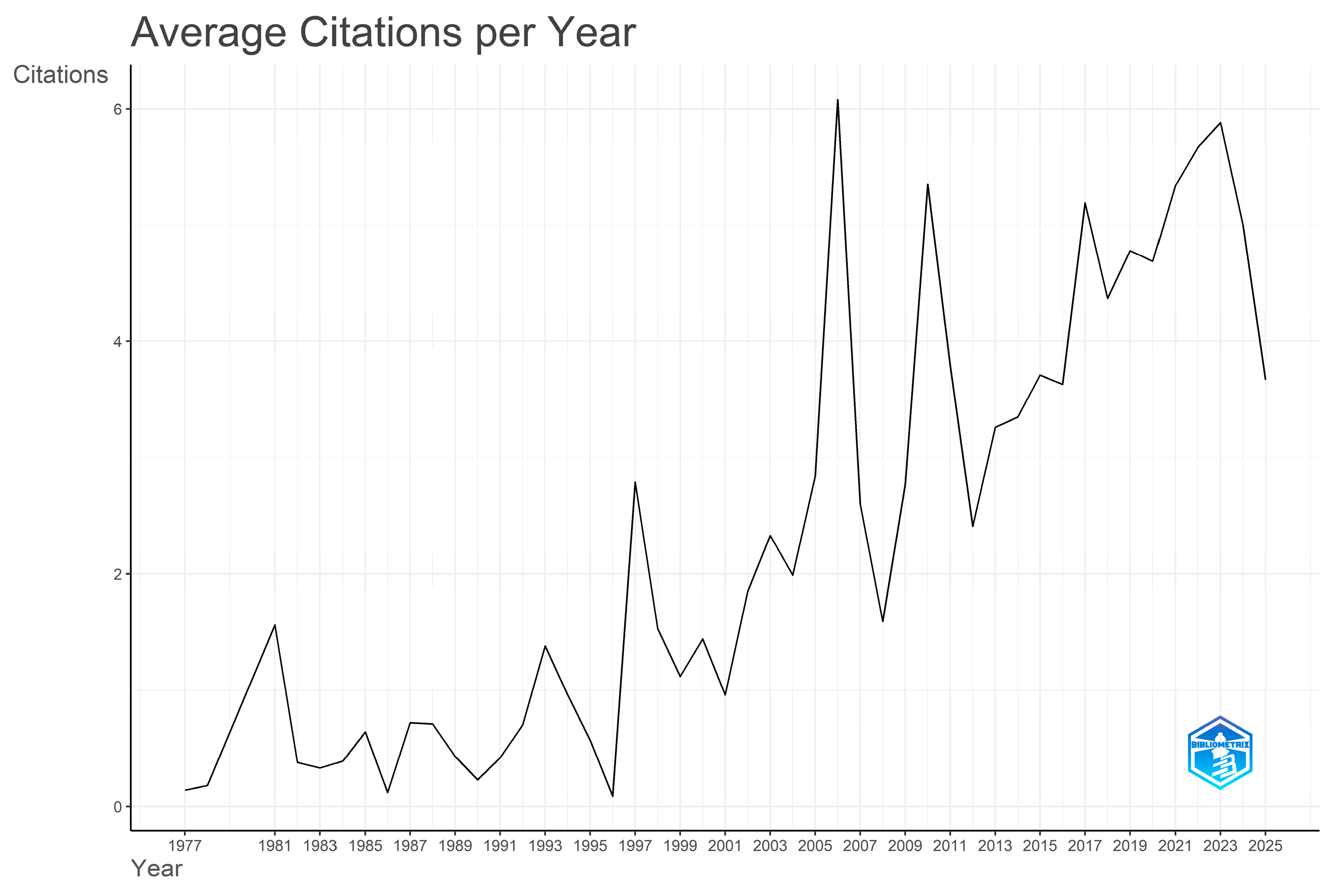
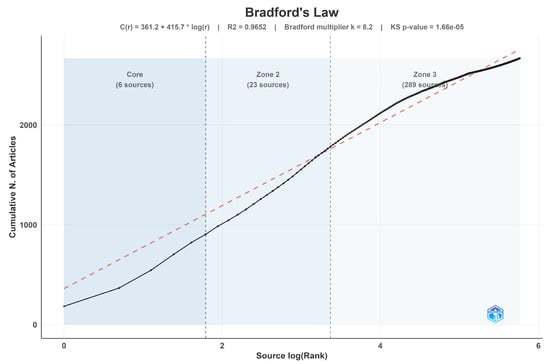
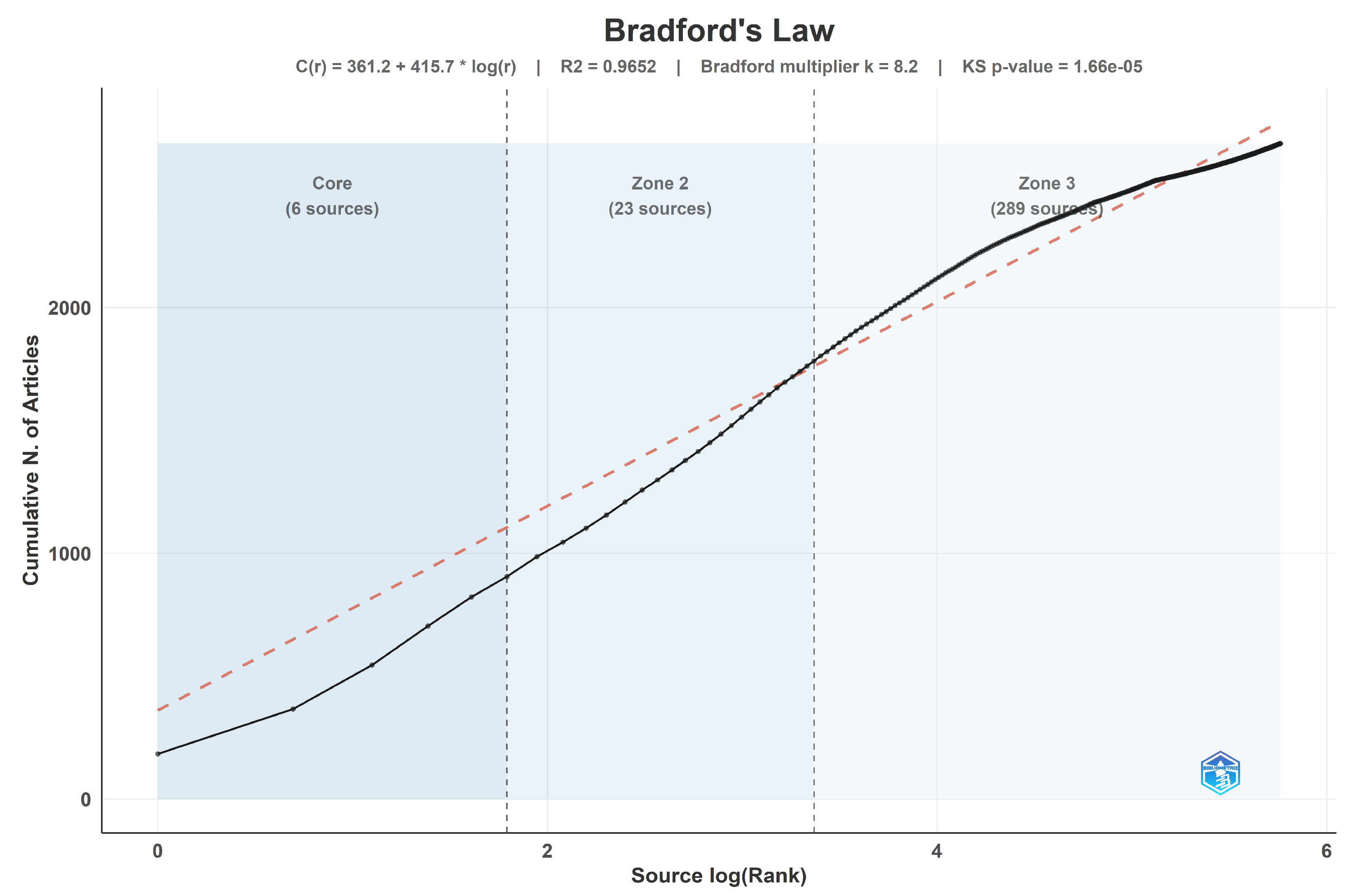
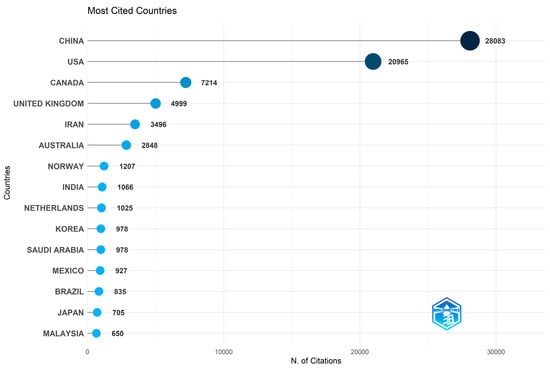
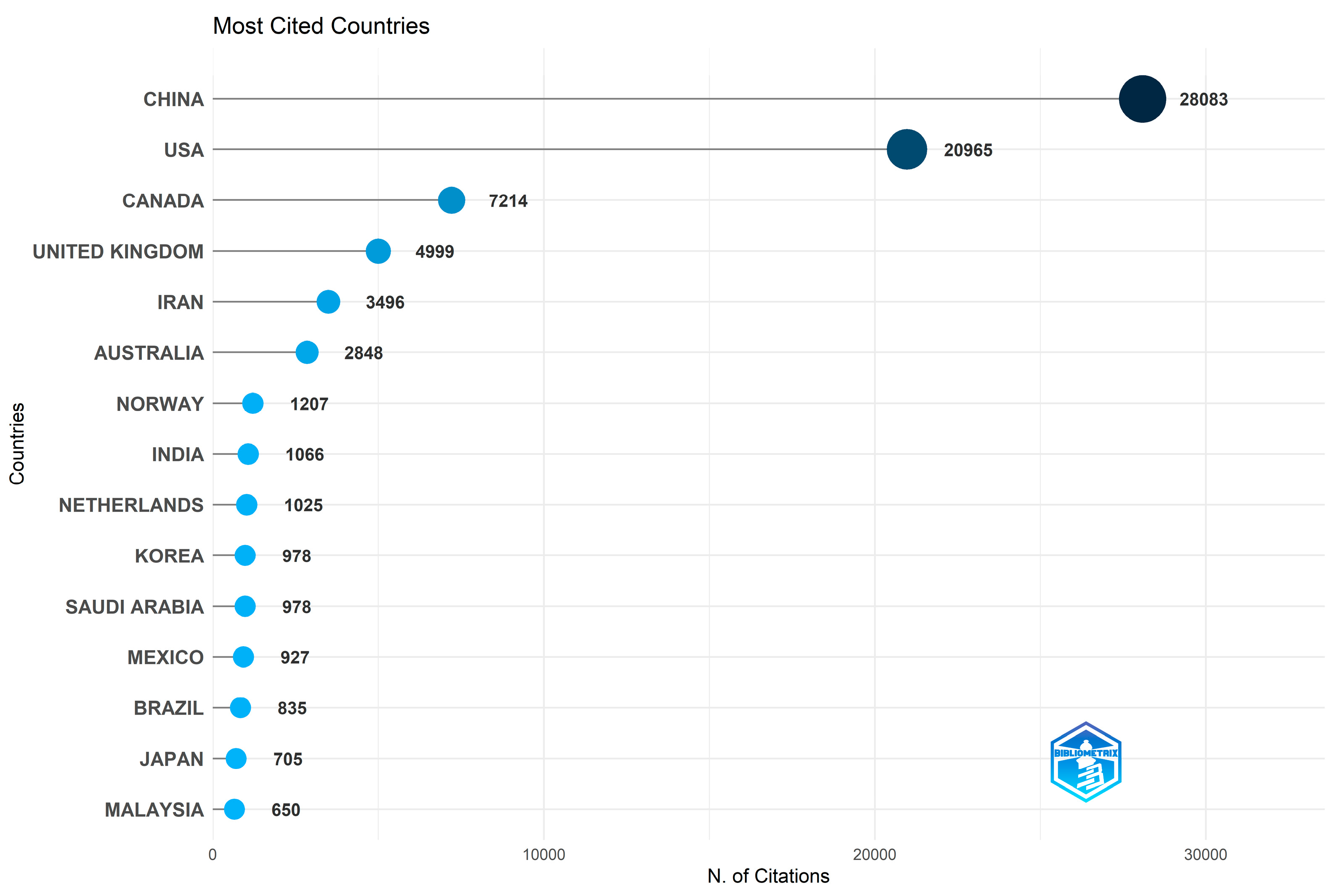
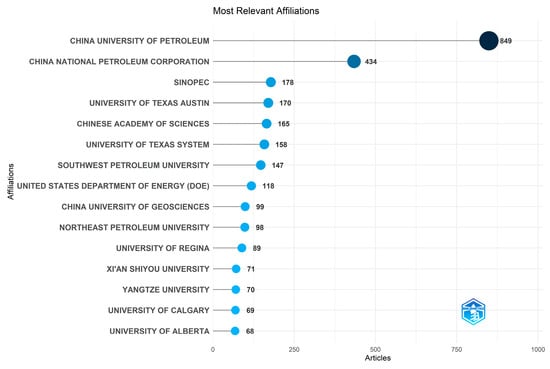
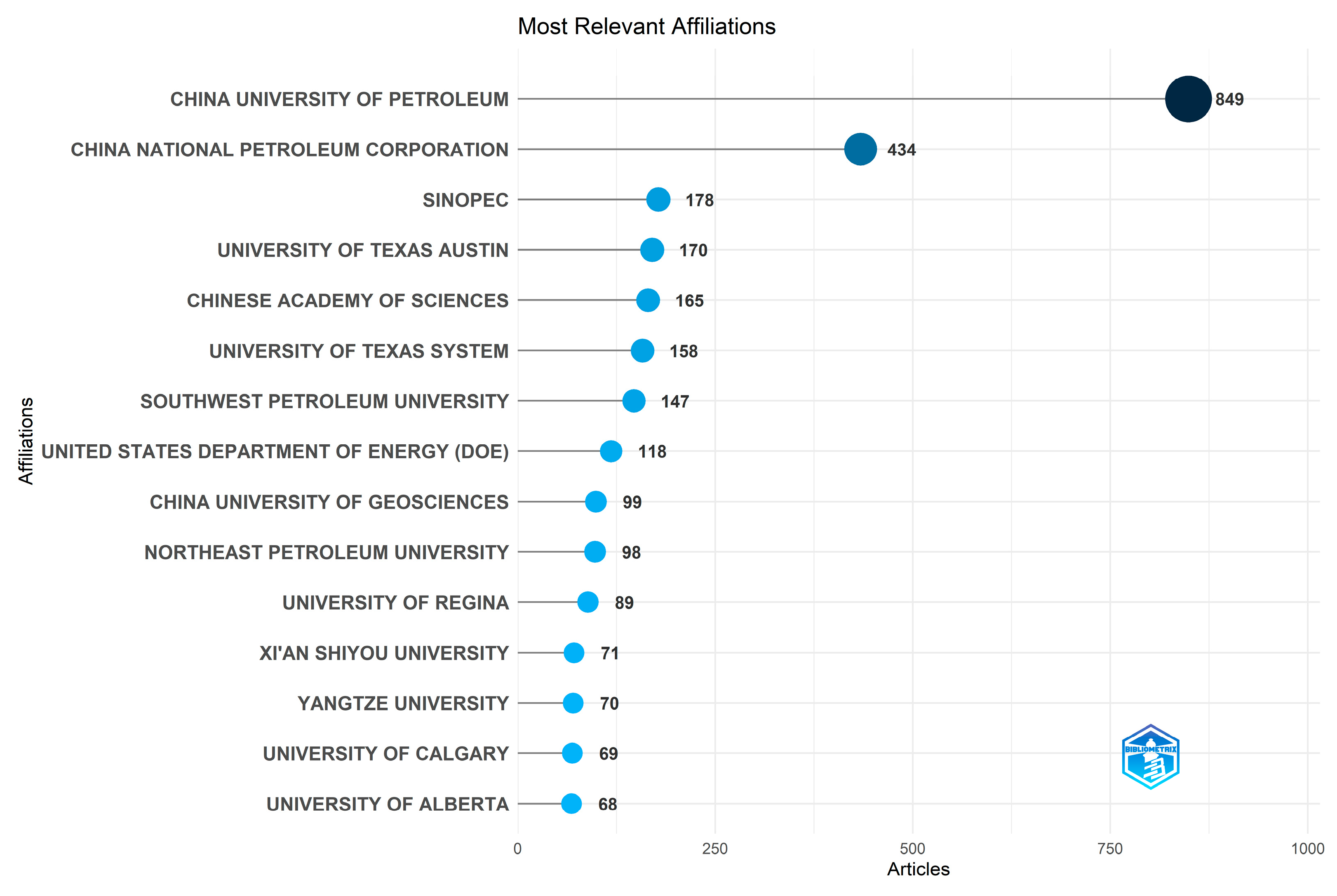
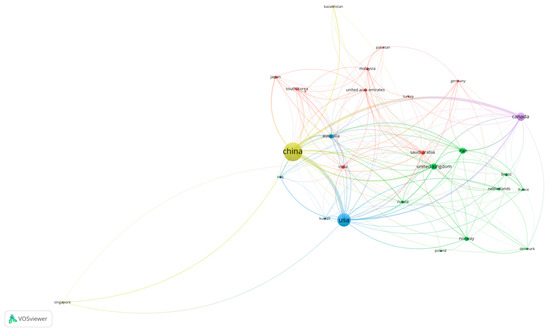
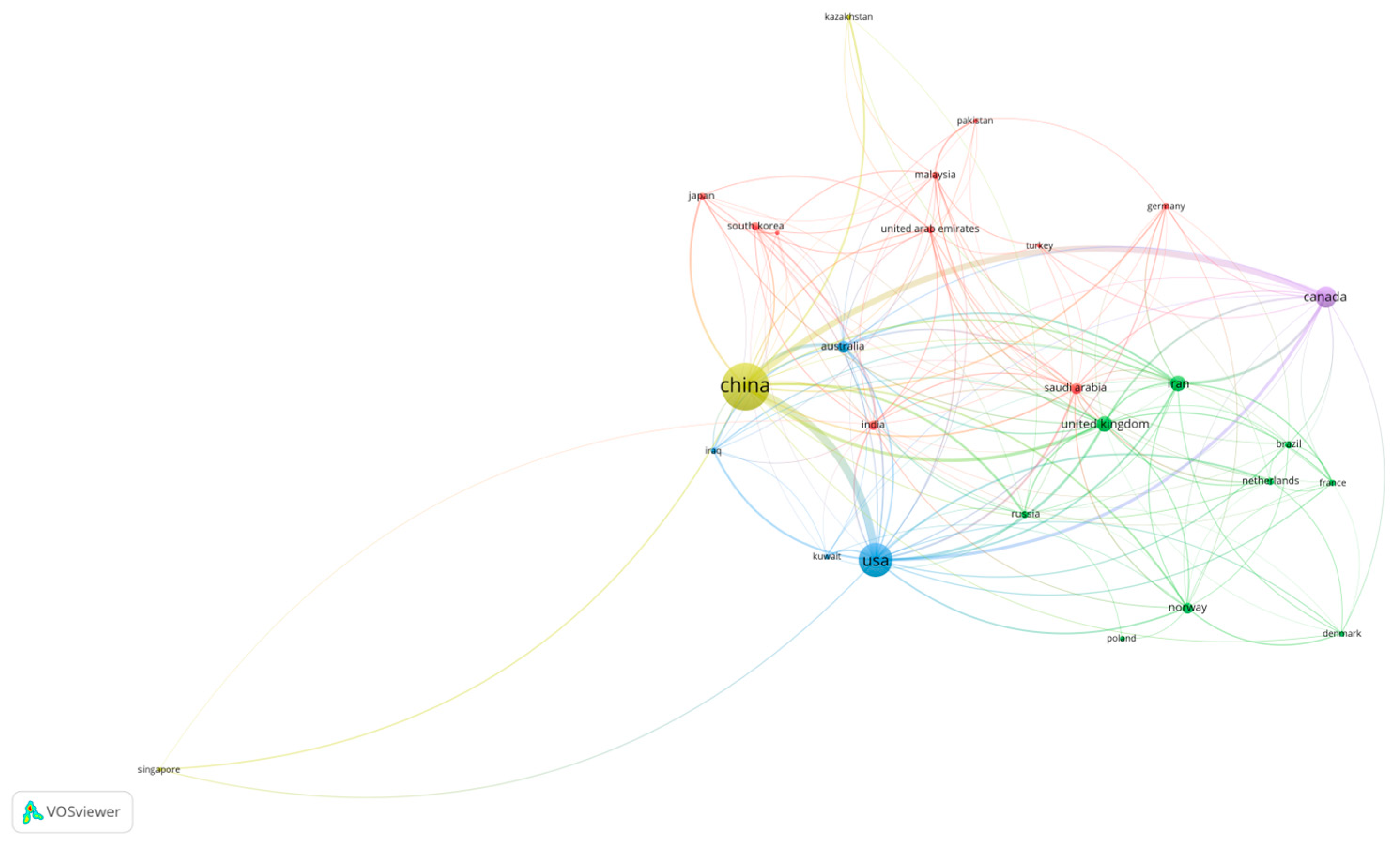
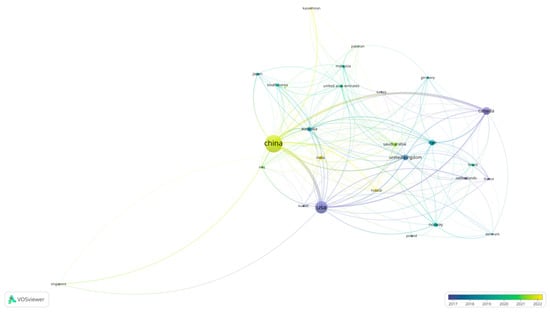
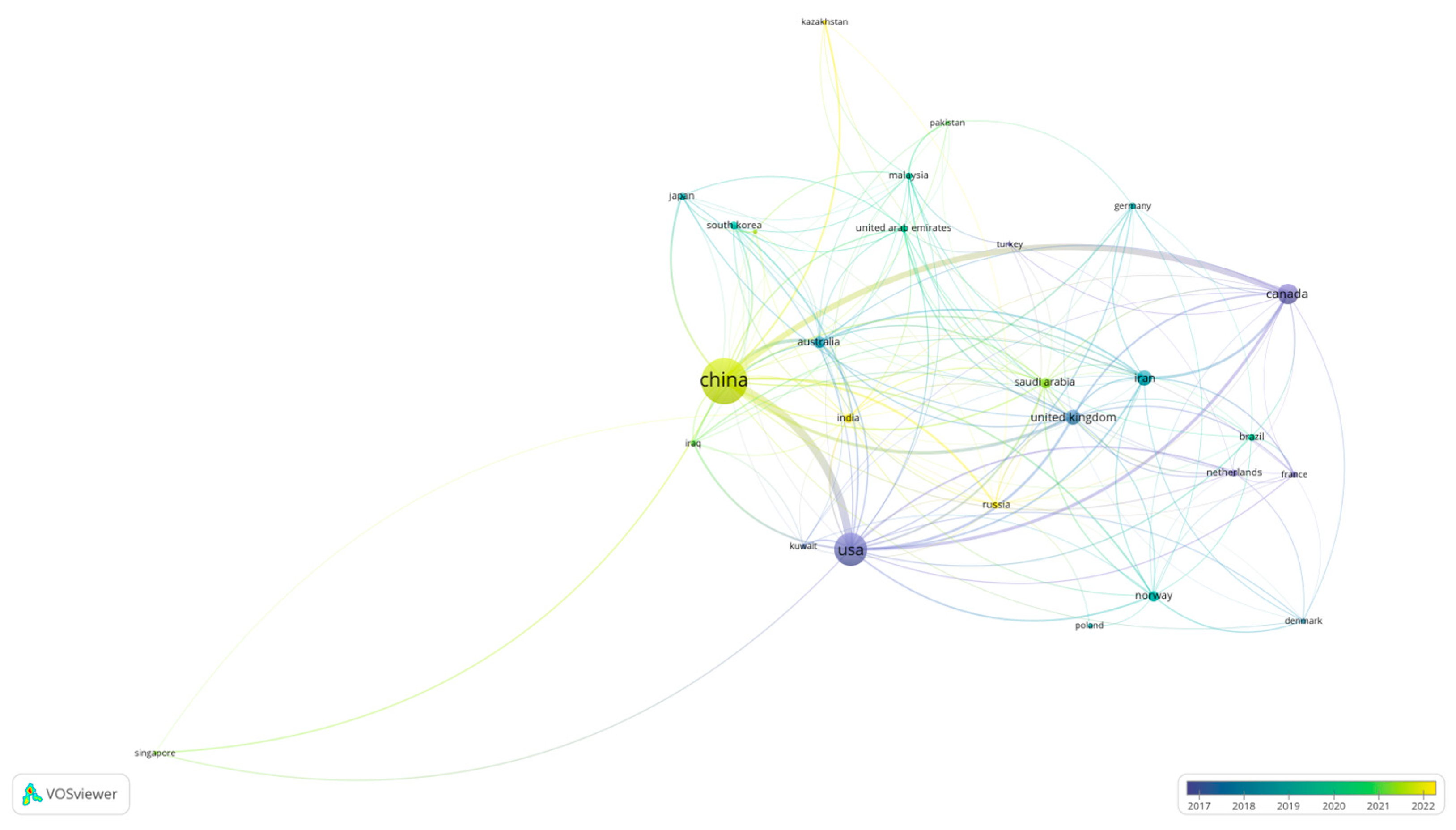
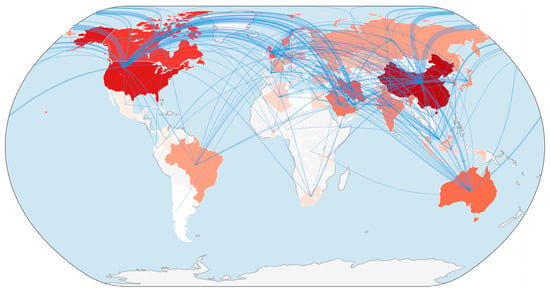
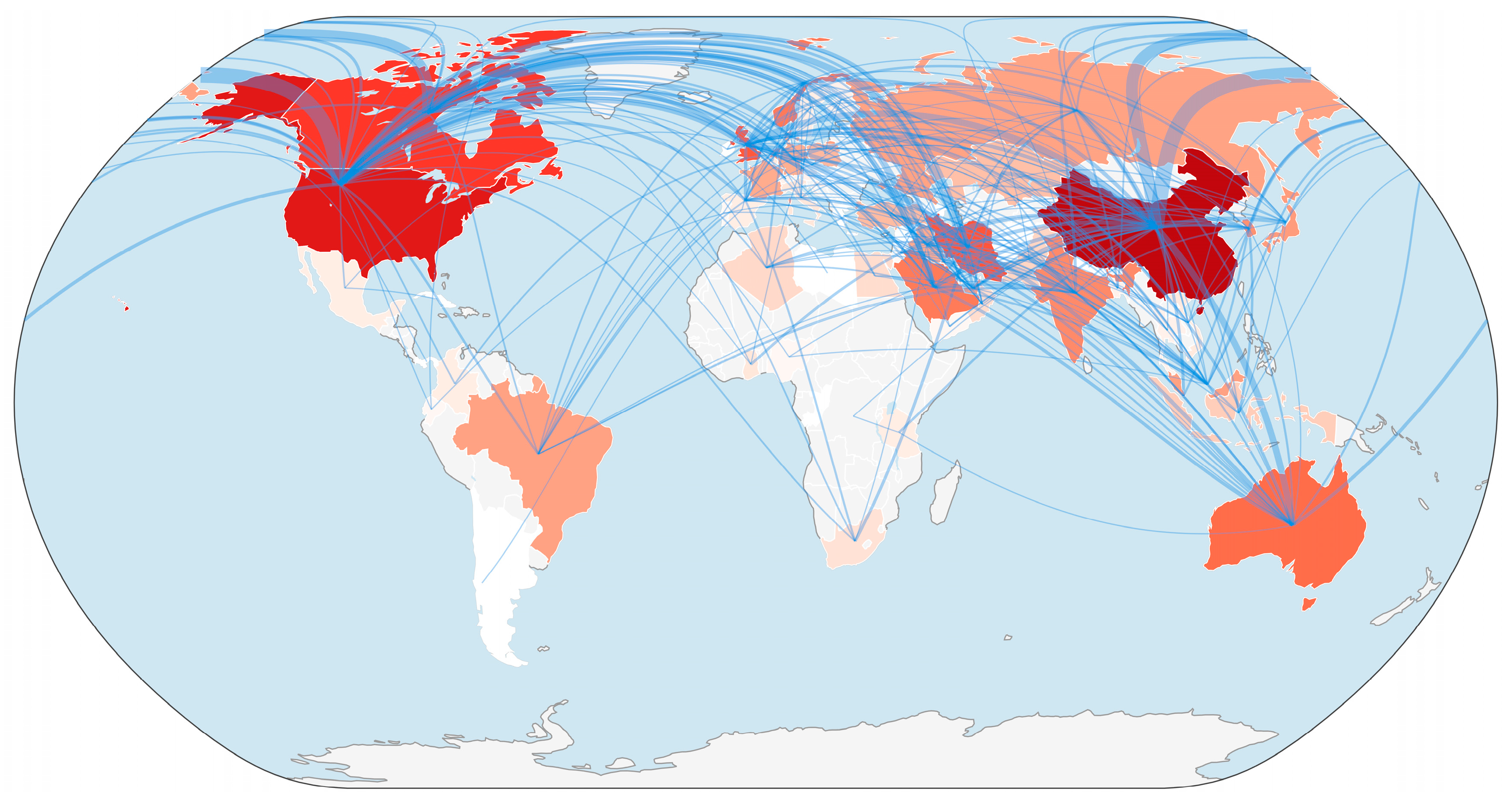
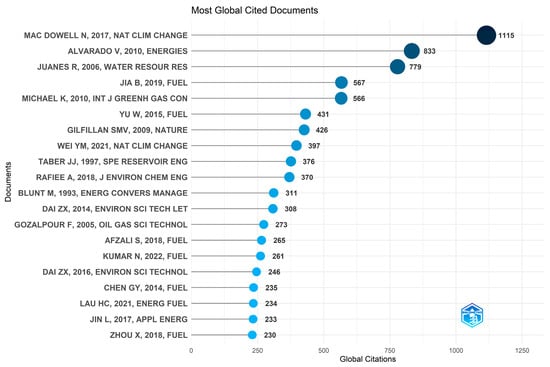
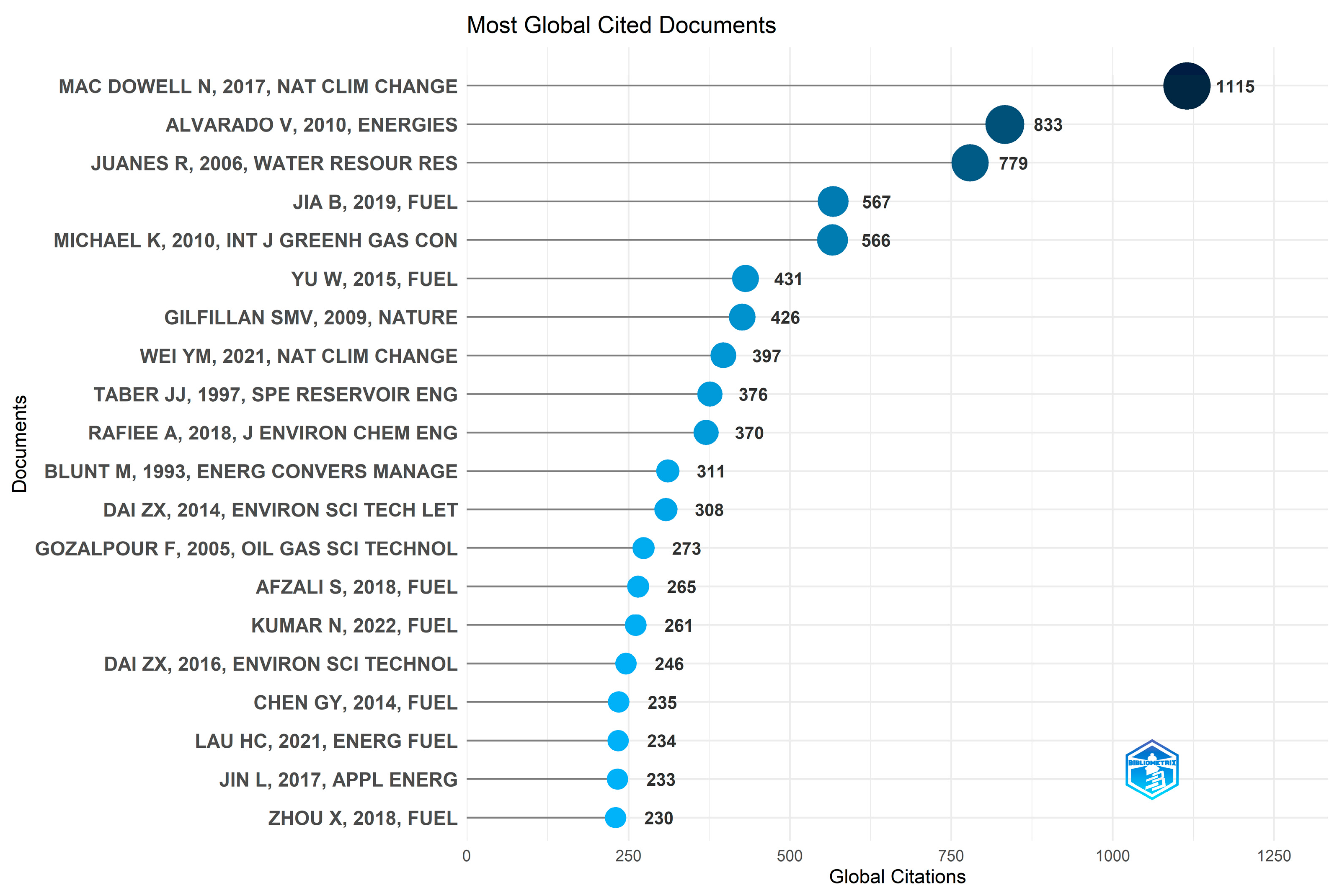
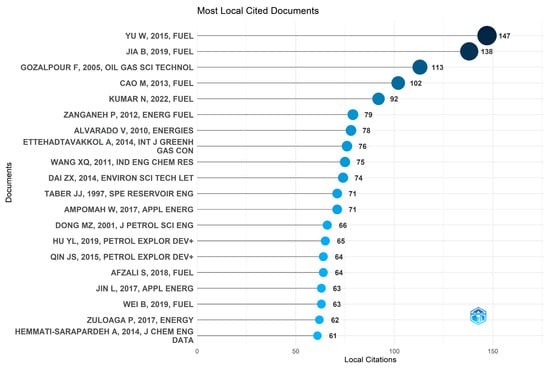
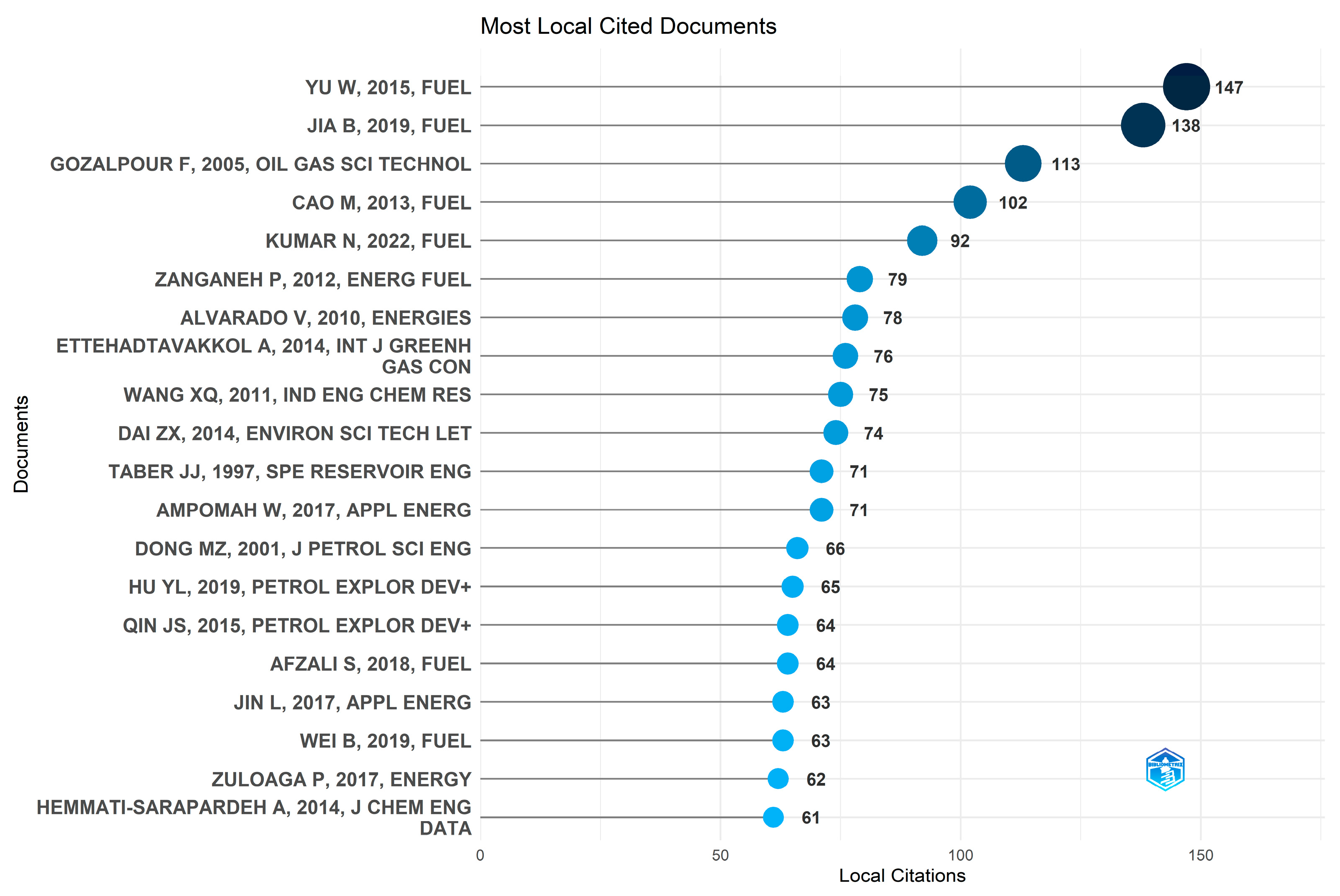
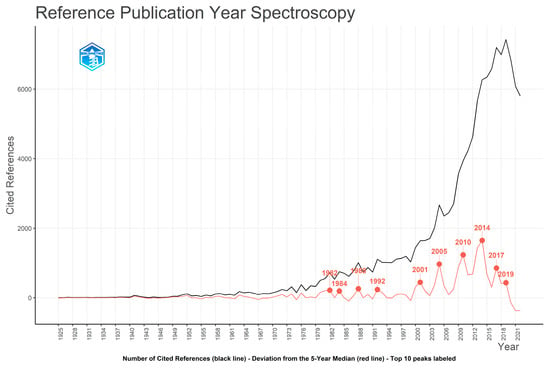
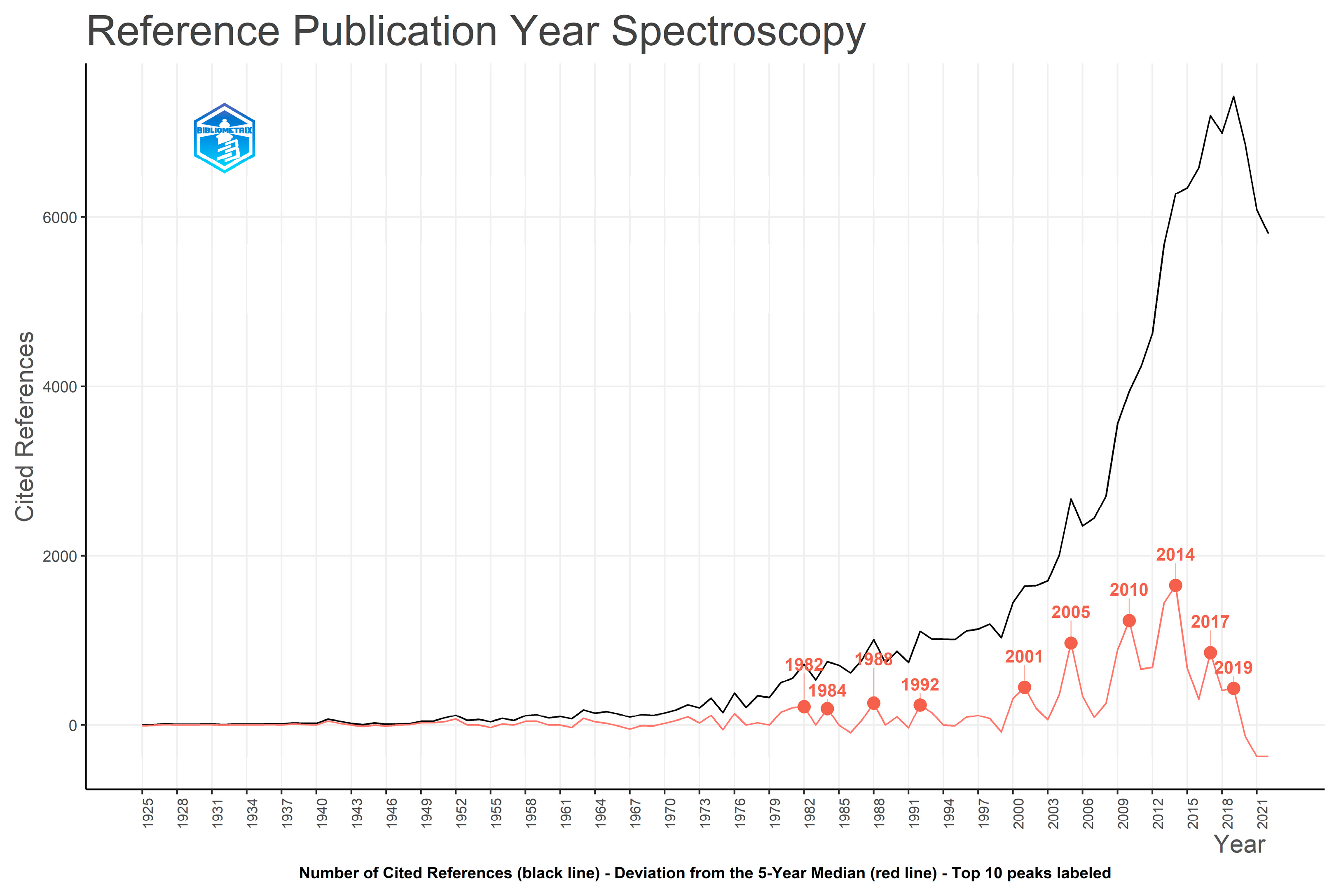
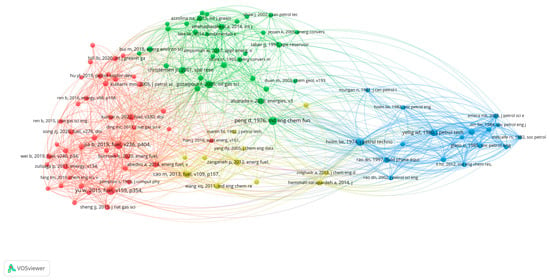
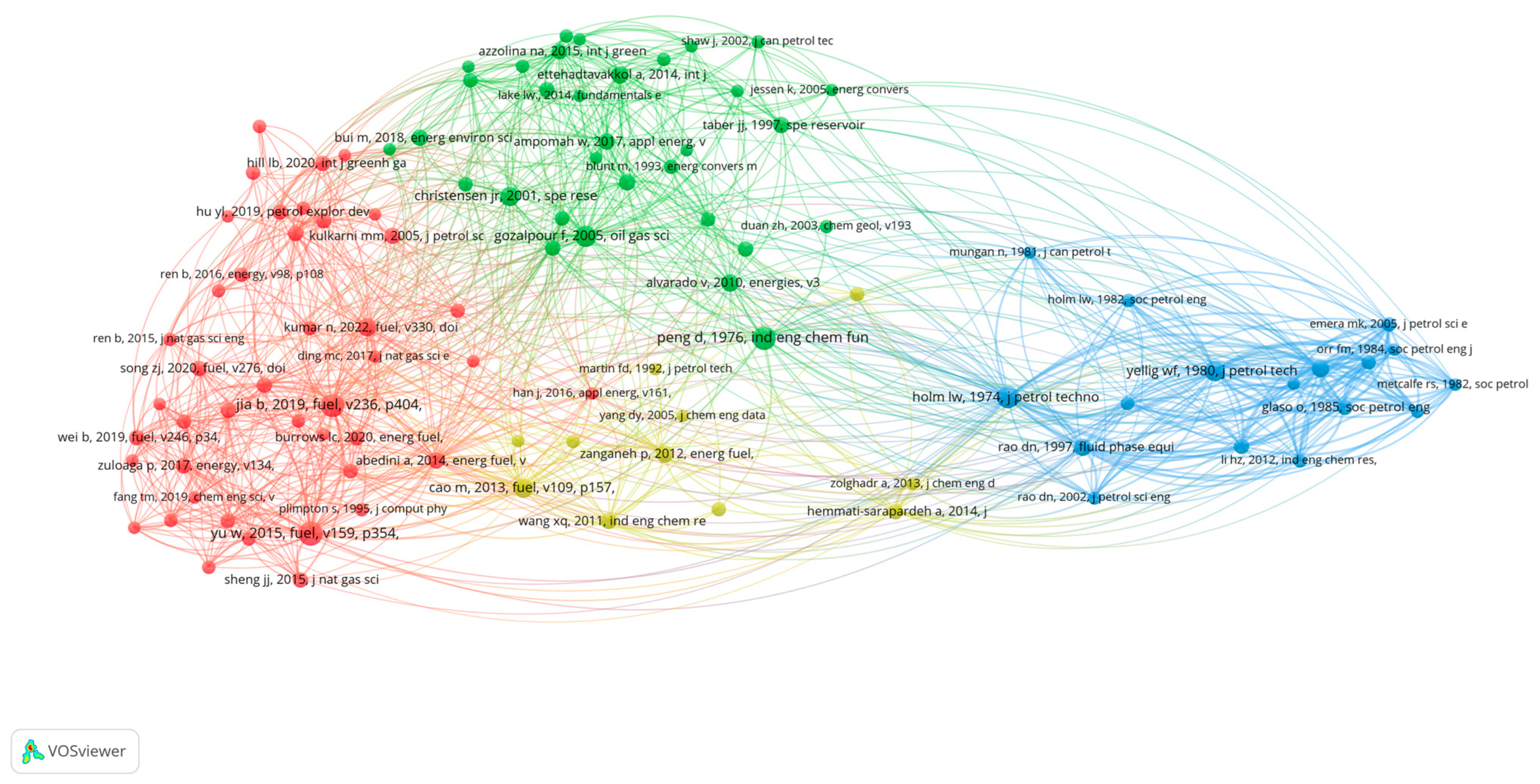
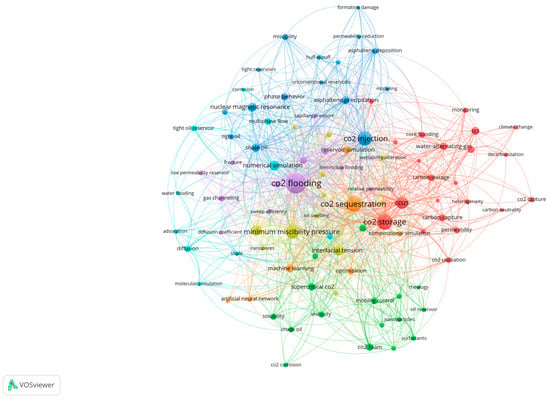
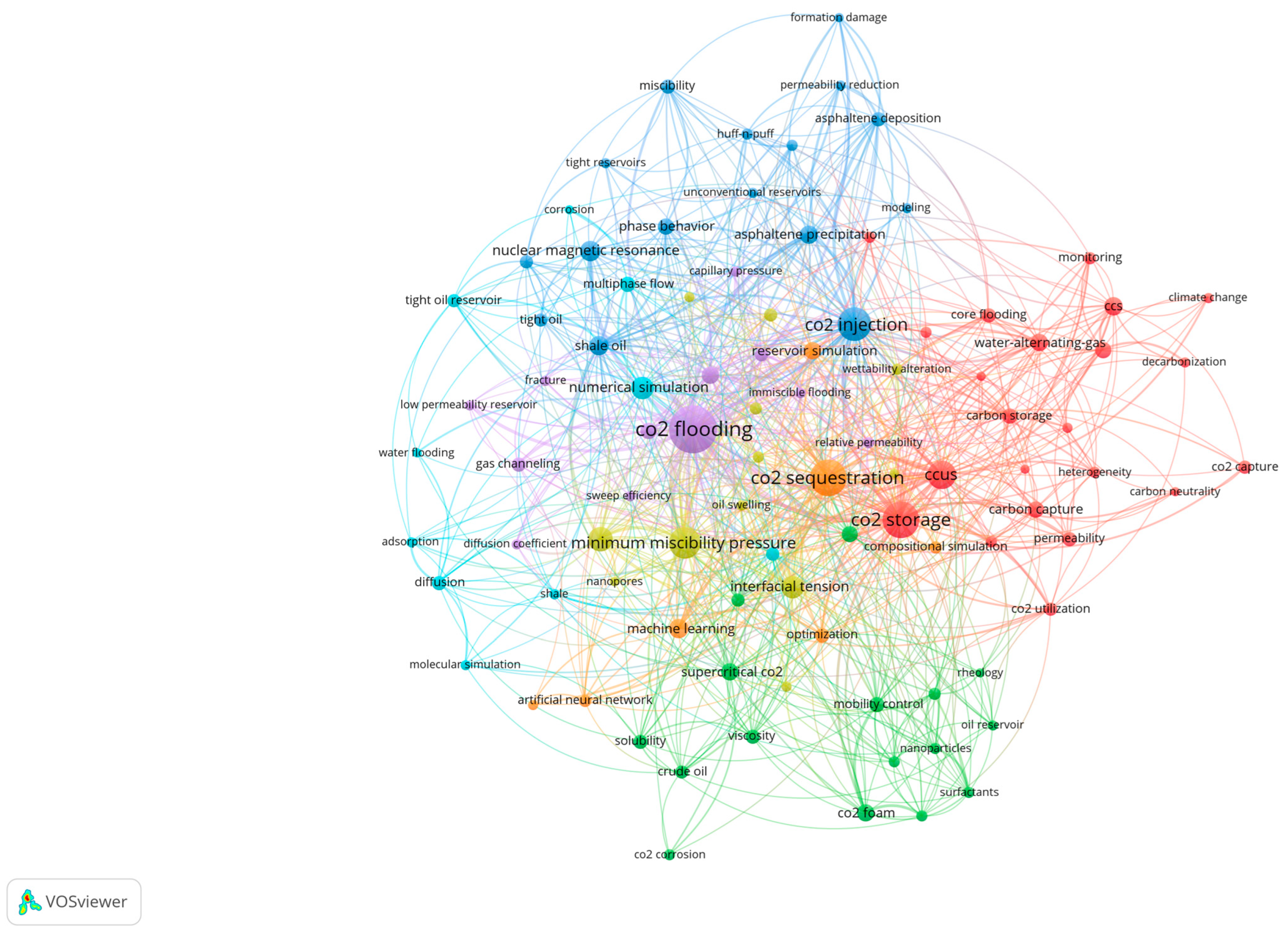
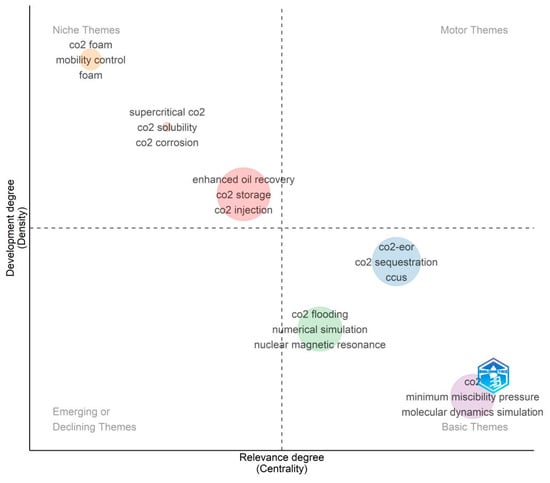
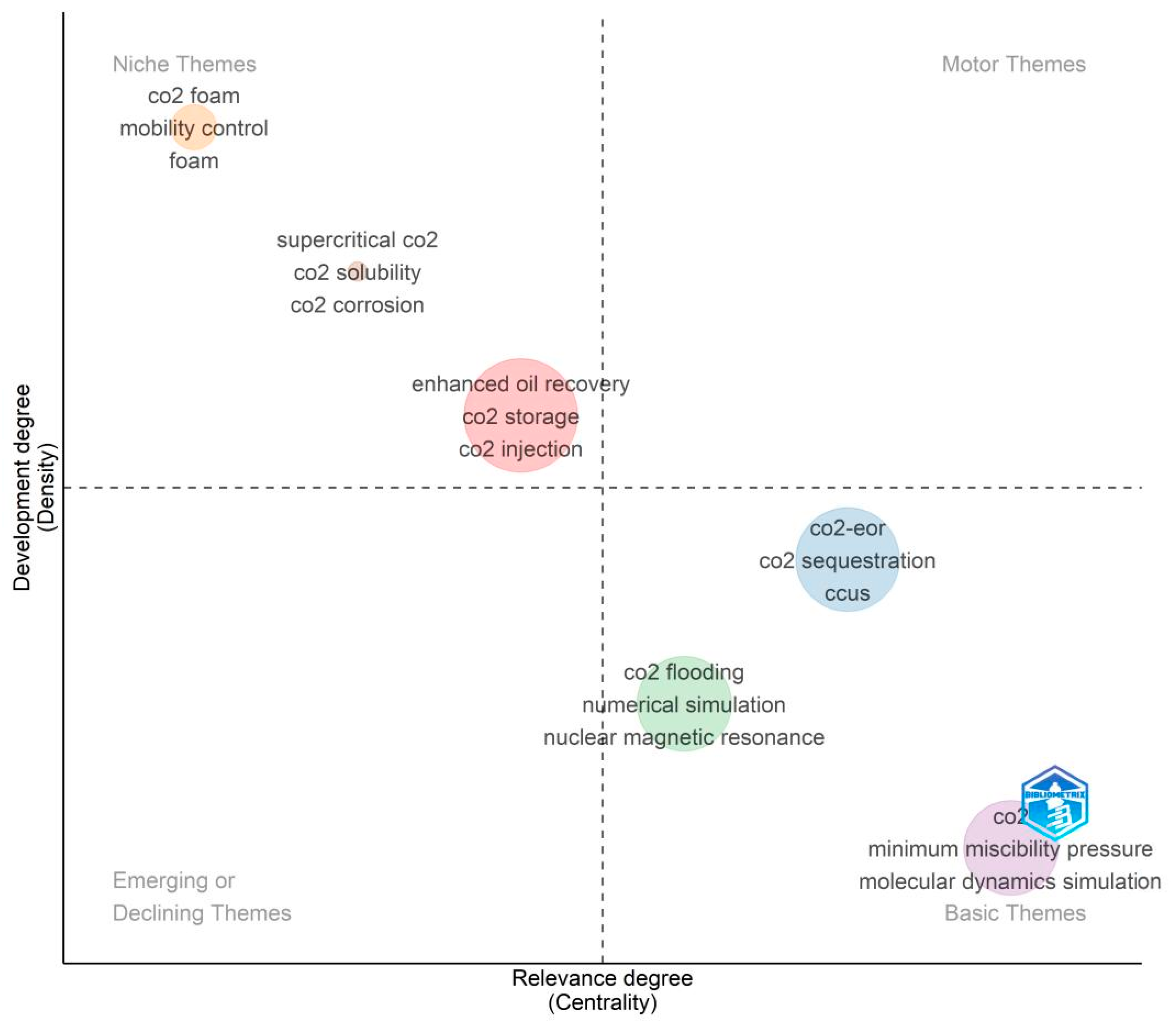
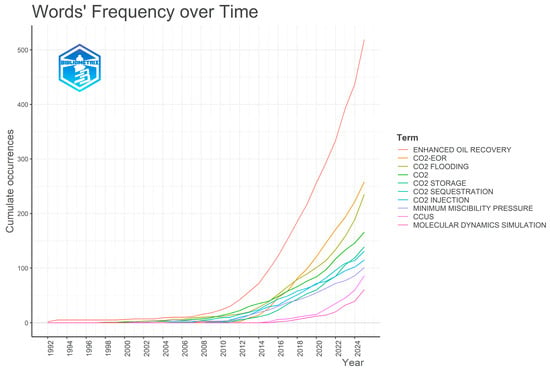
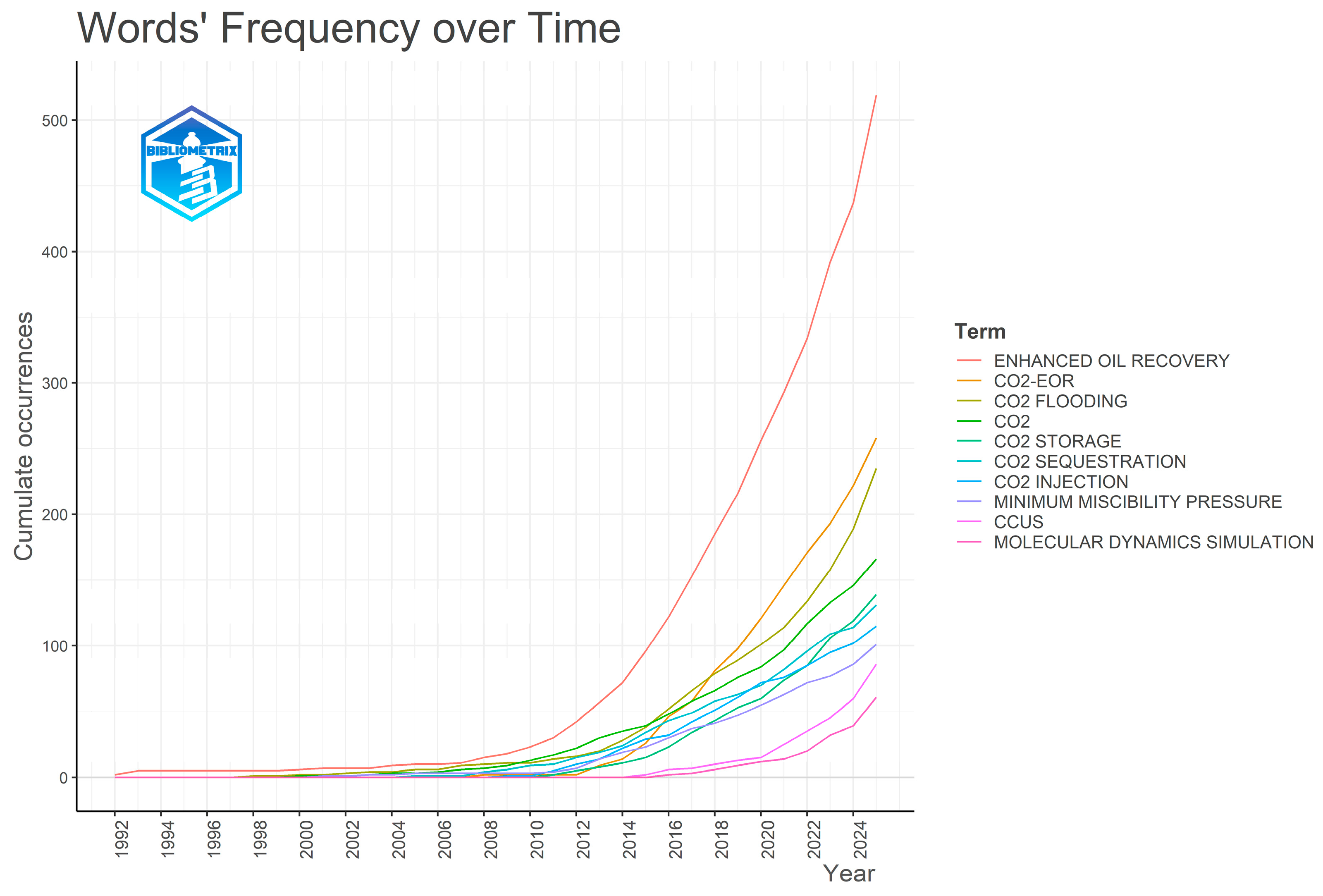
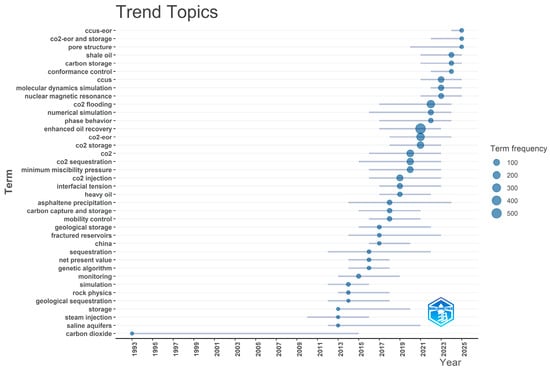
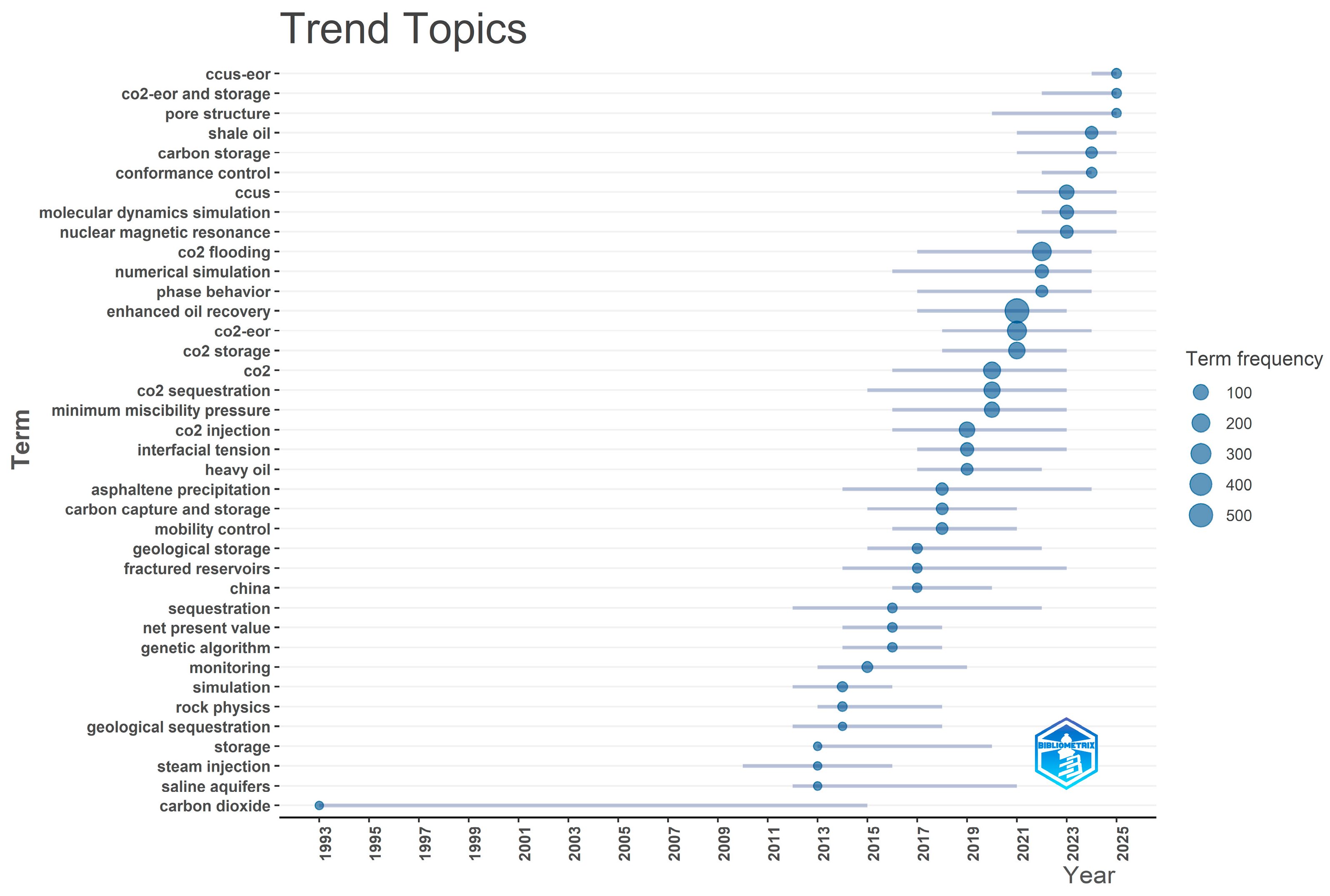
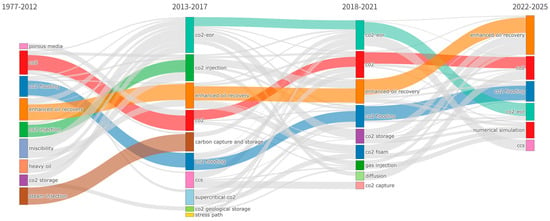
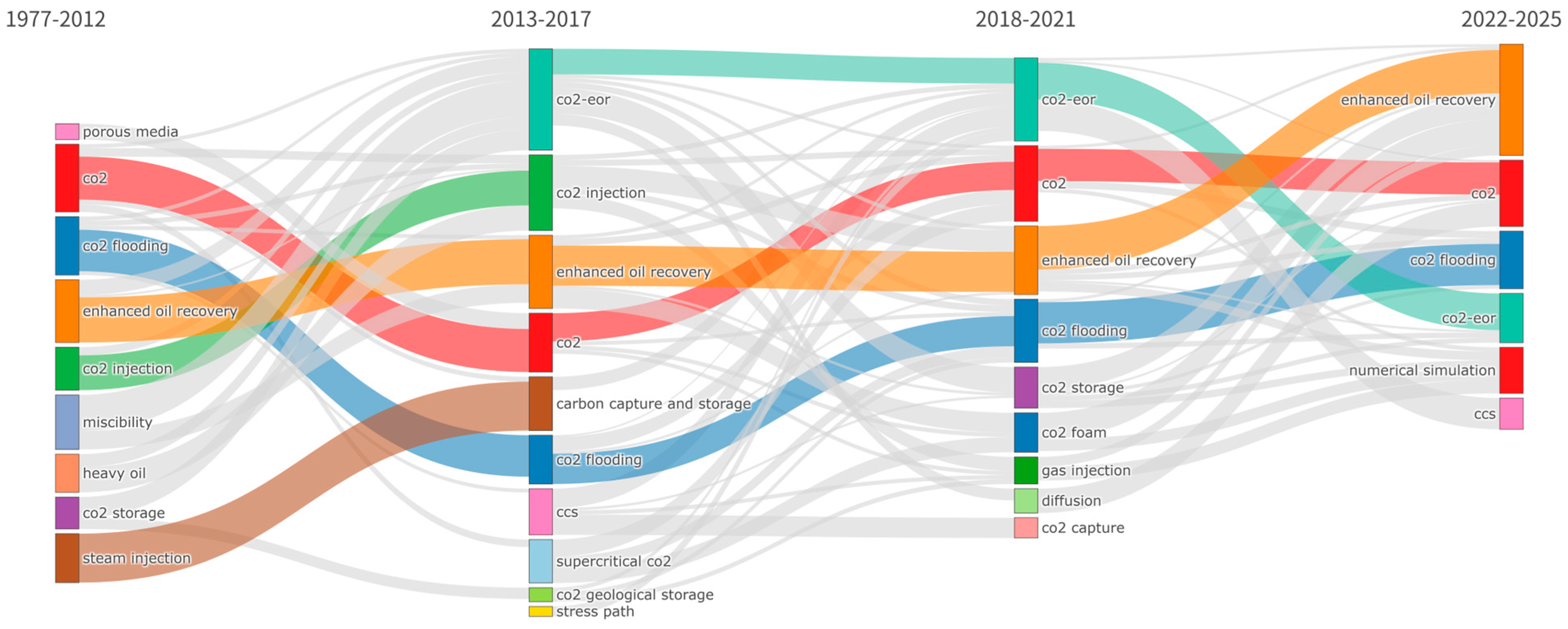
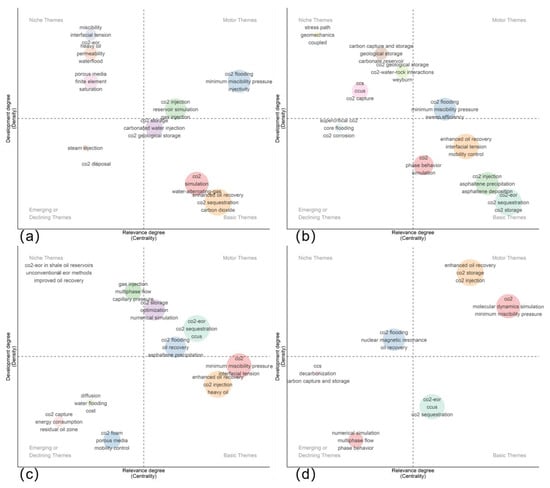
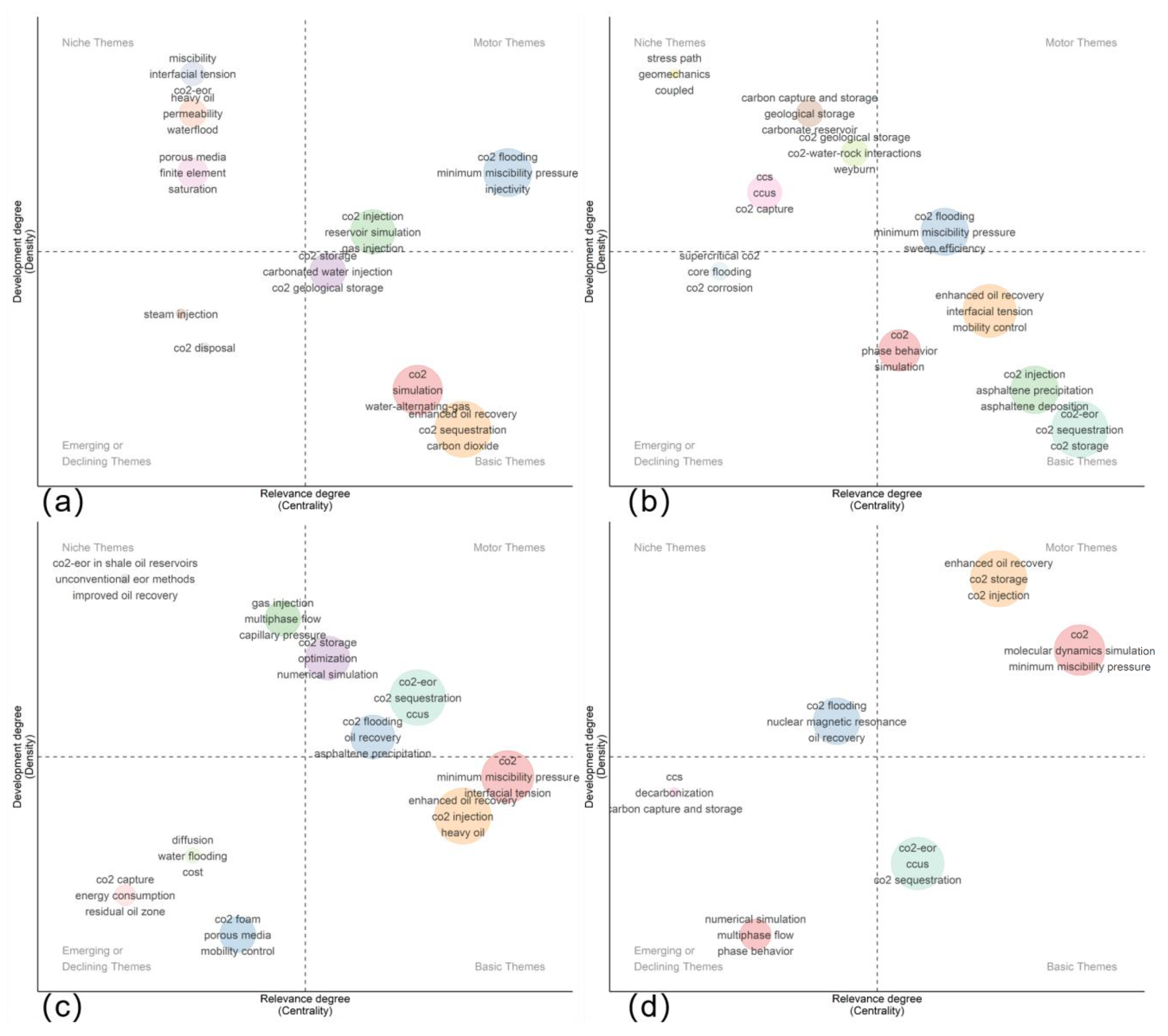
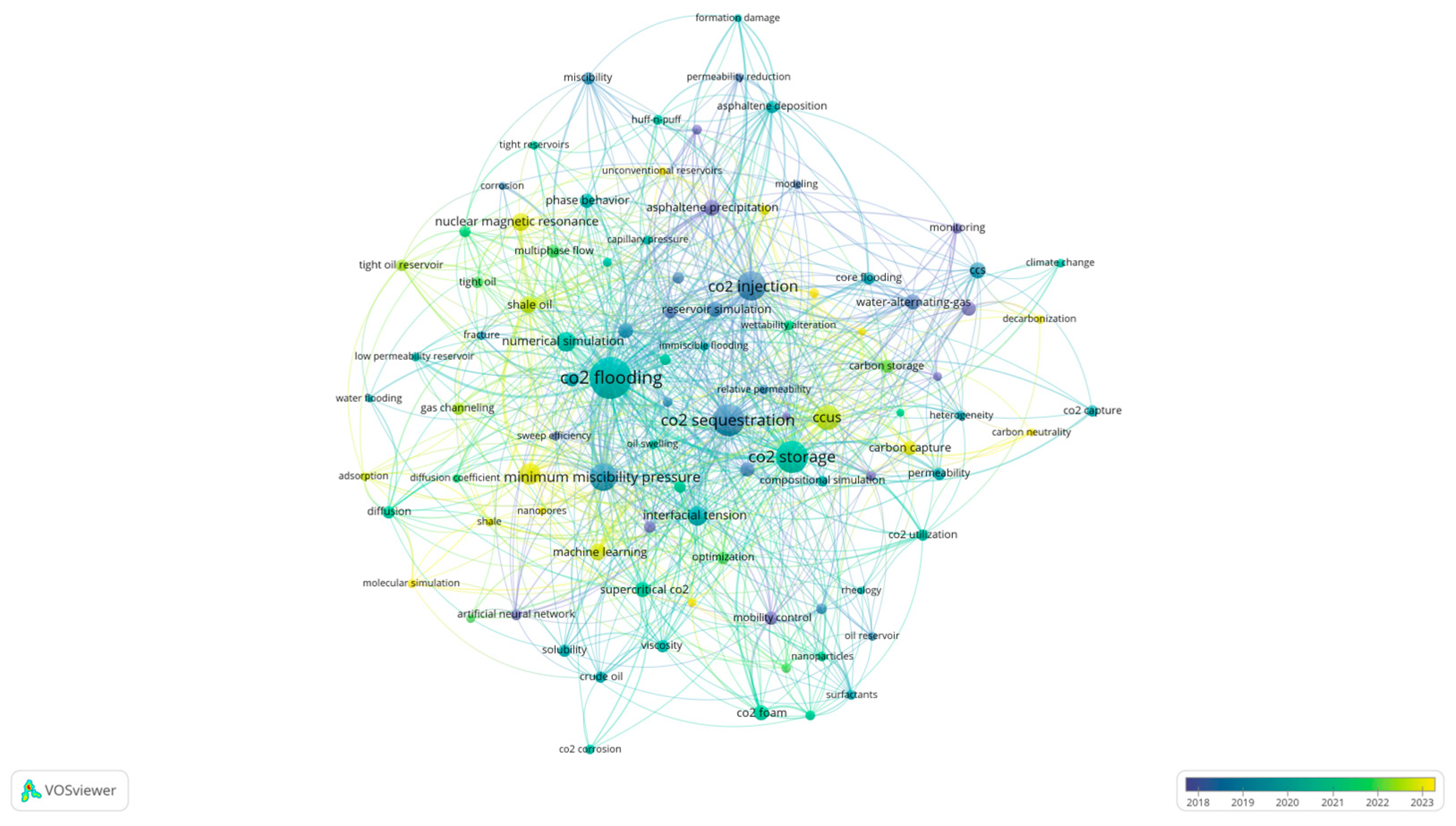

Disclaimer/Publisher’s Note: The statements, opinions and data contained in all publications are solely those of the individual author(s) and contributor(s) and not of MDPI and/or the editor(s). MDPI and/or the editor(s) disclaim responsibility for any injury to people or property resulting from any ideas, methods, instructions or products referred to in the content. |
© 2026 by the authors. Licensee MDPI, Basel, Switzerland. This article is an open access article distributed under the terms and conditions of the Creative Commons Attribution (CC BY) license.