


Abstract
Increasing pressure on water and energy resources requires integrated approaches to irrigation planning and operation. Photovoltaic water pumping systems (PVWPSs) can reduce irrigation energy dependence, but their sustainability depends on how water, energy, and food interactions are assessed and operationalized. This work aims to review the application of the Water–Energy–Food (WEF) Nexus to PVWPSs, focusing on technological progress, resource linkages, and contributions of digital monitoring. A Preferred Reporting Items for Systematic Reviews and Meta-Analyses (PRISMA)informed search of Scopus and Google Scholar identified 70 publications for analysis. The review examines PVWPSs technologies and their implications for optimizing WEF connections through the value chain of photovoltaic generation, water pumping, irrigation operations, groundwater exploitation, and the contribution of digital monitoring for sustainable use. Furthermore, a critical review of 14 Water-Energy-Food-Ecosystems (WEFE)-oriented initiatives was conducted to identify approaches that could inform the operationalization of the WEF Nexus in PVWPSs. Descriptive and qualitative analyses were used to examine Nexus framing, resource interlinkages, governance, stakeholder engagement, implementation, policies and decision support. Results show that although initiatives address multiple Nexus dimensions, Nexus integration globally requires more effort for operationalization into effective actions at the farming scale. Living Labs, stakeholder co-design, the contribution of digital monitoring, scenario analysis, and decision-support approaches emerge as mechanisms for bridging this gap. Based on these findings, the concept of a WEF-oriented monitoring framework is proposed for PVWPSs, integrating resources of energy, water, soil, and climatic conditions. The framework potentially conceptualizes the monitoring of WEF interactions, and its implementation in situ requires process validation at the farm scale. The review highlights the need for integrated farm-scale monitoring and management of WEF interactions.
1. Introduction
Agricultural production systems worldwide face major challenges in addressing climate change, meeting increasing demand for water and energy resources, and producing food sustainably for a growing population. In this context, sustainability and integrated management of natural resources have been globally prioritized for both ensuring food for everyone and protecting natural ecosystems [1,2]. In conventional agricultural systems based on a silo approach, water, energy, and food were treated separately, and this method is no longer effective as it ignores how closely these three areas are connected [3]. The Water–Energy–Food (WEF) Nexus provides an integrated framework for analyzing and managing the interdependencies among these three strategic resources [4,5]. In irrigated agricultural systems, these interactions are particularly strong: energy is needed to pump, treat, and distribute water, while water is essential for agricultural production—and also for energy production [6,7]. These interdependencies create both synergies and trade-offs, and understanding the interactions among water, energy, and food production can help researchers and developers design sustainable resource management strategies [8,9].
This review focuses primarily on the WEF Nexus, while the broader Water–Energy–Food–Ecosystems (WEFE) Nexus is considered when discussing Research and Development (R&D) projects that explicitly adopt this framework within a specific environment.
Among the solutions that strengthen the WEF Nexus, photovoltaic water pumping systems (PVWPSs) are gaining increasing interest in agriculture. The use of solar energy in irrigated agriculture potentially reduces dependence on fossil fuels, lowers greenhouse gas emissions, and improves water access in rural areas [10,11,12]. However, PVWPSs can accelerate groundwater depletion when appropriate policies and regulations for effective governance of water and energy use in rural areas are lacking [13,14]. In parallel, advances in precision irrigation, connected sensors (Internet of Things (IoT)), smart control systems, and digital technologies offer new opportunities to improve water- and energy-use efficiency and increase agricultural water productivity [15,16,17].
Such technological innovations have the potential to strengthen synergies among the value chains and improve the WEF Nexus and resource use, which is key to agricultural sustainability.
Despite growing interest in operationalizing the WEF Nexus in photovoltaic water pumping systems (PVWPSs), significant research gaps remain in translating Nexus thinking into practice. Most studies address either the technical aspects of PVWPSs or the conceptual dimensions of the WEF Nexus separately, using a siloed approach, with limited holistic integration. Furthermore, descriptive profiling of trade-offs among water, energy, and food resources remains limited, particularly regarding groundwater depletion, the long-term socio-economic impacts on smallholder farmers, and integrated modeling under real field conditions.
Accordingly, this review aims to examine how the WEF Nexus can contribute to the sustainable development and operationalization of photovoltaic water pumping systems. The review pursues four complementary objectives: (i) to examine the technological evolution of PVWPSs and its implications for water, energy, and food interactions; (ii) to analyze the main synergies, trade-offs, and operational scenarios associated with PV-powered irrigation; (iii) to identify methodological and technological gaps limiting the transition from Nexus assessment to farm-scale operational management; and (iv) to assess selected Water-Energy-Food-Ecosystems (WEFE)-oriented research and innovation initiatives to identify approaches, tools, and implementation mechanisms that can be transferred to WEF-oriented PVWPSs applications.
To address these objectives, the review combines a literature-based assessment of PVWPSs with a structured analysis of 14 WEFE-oriented R&D initiatives. The latter are examined through complementary descriptive and qualitative approaches, covering their integration of Nexus dimensions and the extent to which Nexus principles are translated into interlinkage analysis, governance, stakeholder engagement, implementation, and policy or decision-support mechanisms. Attention is given to the potential contribution of Living Labs, digital technologies, real-time monitoring and decision-support approaches to farm-scale Nexus operationalization. Based on this analysis, the review proposes a pathway for strengthening the operational management of PVWPSs through integrated monitoring of energy, hydraulic, soil, and climatic parameters. The overall objective is therefore not only to assess the relevance of the WEF Nexus to PVWPSs, but also to identify practical mechanisms for moving from Nexus-level assessment toward continuous, farm-scale resource management.
2. Literature Search and Selection Criteria
To support transparency and reproducibility, this review adopted a Preferred Reporting Items for Systematic Reviews and Meta-Analyses (PRISMA)-informed approach to structure the identification, screening, eligibility assessment, and selection of scientific publications, drawing on the PRISMA 2020 statement [18]. However, the study is a narrative-style critical review rather than a formal systematic review with meta-analysis. Accordingly, PRISMA was used to guide the publication selection and reporting process, while items that were not applicable to the review’s methodology were not claimed as fulfilled. Full compliance with the PRISMA 2020 checklist is therefore not claimed.
2.1. Review Search Strategy
Two scholarly databases, Scopus and Google Scholar, were used in this review search. We focused primarily on publications published between January 2015 and June 2026. We also included four older key studies published between 2010 and 2014 according to their relevance to the topic. The following combinations of keywords and Boolean operators were used: (“Water–Energy–Food Nexus” OR “WEF Nexus” OR “WEFE Nexus”) AND (“photovoltaic water pumping” OR “solar water pumping” OR “PV pumping” OR “solar irrigation”) AND (“precision irrigation” OR “smart irrigation” OR “IoT irrigation” OR “digital agriculture”). The use of combined search terms was intended to identify studies addressing the intersection of PVWPSs, irrigation technologies, and the WEF Nexus. However, this approach may have limitations in finding studies independently addressing these topics, which is acknowledged as a methodological limitation of the review.
In addition to the main keyword combinations, complementary search terms, including “groundwater sustainability” and “solar irrigation,” were used to enlarge the search and identify additional relevant publications. The scientific literature review was conducted without any geographical restriction to capture relevant studies from different regions worldwide. In contrast, the analysis of R&D initiatives focused specifically on the projects conducted in the Middle East and North Africa (MENA) region and the Mediterranean context. These projects were examined separately from the scientific publications selected through the literature search and were not included in the PRISMA-based selection process.
The portfolio of 14 WEFE-oriented R&D initiatives was compiled based on two complementary sources: 10 projects presented at the *WEFE Nexus Solutions and Tools* workshop, which the author attended online on 4–5 March 2026, and four additional projects identified through online searches. Further information was collected from the programs, websites, and reports of the projects to document the initiatives’ objectives, activities, and implementation approaches. The selected initiatives were analyzed to examine how WEFE Nexus concepts were addressed in their respective contexts. The portfolio was intended for comparative analysis rather than as an exhaustive or geographically representative inventory of WEFE-related projects.
2.2. Eligibility Criteria
Studies were considered eligible if they addressed at least one of the following thematic criteria, while remaining relevant to the overall scope of this review:
- Focus on photovoltaic solar pumping systems used for irrigation;
- Explore the interactions within the Water-Energy-Food (WEF) Nexus in an agricultural context;
- Address digital technologies (IoT, sensors, Artificial Intelligence (AI), smart control) applied to irrigation management;
- Analyze the environmental, socio-economic, or political dimensions of photovoltaic pumping systems;
Studies were excluded if they:
- focused solely on grid-connected photovoltaic systems without pumping applications;
- were limited to laboratory experiments unrelated to agricultural fields;
- lacked sufficient technical or scientific rigor;
- fell outside the publication period 2010–2026.
In addition to the scientific publications selected through the PRISMA-informed screening process, institutional reports, such as Food and Agriculture Organization (FAO), Intergovernmental Panel on Climate Change (IPCC), and Morocco’s Ministry of Energy Transition and Sustainable Development (METLE), were used to provide contextual information for showing the background to its adapted discussion. These reports were not included in the PRISMA-based selection process or counted among the 70 scientific publications included in the final synthesis.
2.3. Study Selection Process
Initially, the search identified 200 records. After removing 15 duplicates, 185 records remained for title and abstract screening. Of these, 90 were excluded because they did not meet the eligibility criteria. The full texts of the remaining 95 publications were then assessed. Following the full-text assessment, 25 publications were excluded because they did not meet the predefined eligibility criteria, including studies limited to laboratory experiments unrelated to agricultural field applications and publications falling outside the defined period (2010–2026). Consequently, 70 scientific publications were included in the final qualitative analysis. The complete selection process is illustrated in the PRISMA-informed flow diagram (Figure 1).
Figure 1.
PRISMA-inspired flow diagram of the literature search and study selection process.
2.4. Data Synthesis
The selected literature was analyzed using a thematic synthesis approach, and the results were organized around three main themes: (i) the technological evolution of photovoltaic water pumping and innovations in different system components of PVWPSs; (ii) the synergies and trade-offs within the Water–Energy–Food (WEF) Nexus under different intervention scenarios; and (iii) a critical analysis of research gaps, limitations, and priorities for future research.
3. Water–Energy–Food (WEF) Nexus Concept and Its Application to PV Water Pumping Irrigated Systems
This section presents the scientific foundations of the Water–Energy–Food Nexus, including its concepts, synergies, trade-offs, intervention scenarios, and related technologies.
3.1. Water–Energy–Food (WEF) Nexus: Concept and Approaches
The Water–Energy–Food Nexus, an integrated approach, highlights the strong interconnections between water, energy, and food resources (Figure 2) [19,20]. In the face of population growth, climate change, and high demand for natural resources, managing these three sectors independently is becoming increasingly ineffective [21]. The Nexus approach aims to enhance the sustainability of these resources through coordinated management to optimize their use and mitigate conflicts between sectors [22].
Figure 2.
Links between water, energy, and food (WEF) (adapted from [23]).The orange arrows indicate the energy–water and energy–food interactions, the blue arrow represents the water–food interrelationship, and the green arrows illustrate the interactions between climate and land-use change and the WEF Nexus.
In agriculture, these resources are closely linked: energy is needed to pump, treat, and distribute water, while water is essential for producing energy and food, illustrating the strong interdependence between water, energy, and food [24,25,26].
3.2. Water–Energy–Food Nexus: Trade-Offs and Synergies
The interdependence of water, energy, and food generates both synergies and trade-offs (Figure 3) [27]. Synergies occur when an improvement in one sector leads to benefits for others. Conversely, trade-offs arise when an improvement in one sector results in negative impacts on another.
Figure 3.
Water–Energy–Food Nexus: synergies, trade-offs, and sustainable balance (adapted from [28]). The arrows indicate the interactions between the three Nexus dimensions (Water, Energy and Food).
Understanding these synergies and trade-offs is therefore essential for designing integrated and sustainable resource management strategies within the Water–Energy–Food Nexus. These strategies represent concrete solutions, tailored to on-the-ground needs, that transform the principles of interdependence and trade-offs into tangible benefits for agriculture and food security.
3.3. Water–Energy–Food Nexus: Interventions and Scenarios
Implementing the water–energy–food Nexus relies on identifying interventions and developing scenarios (Figure 4), which enable the analysis of interdependencies between water, energy, and food flow and help understand how decisions in one of the WEF sectors influence the others [26]. The potential interventions—technological, managerial and institutional—are site-specifically adapted to local needs and resources [29]. Scenarios serve as an essential tool for assessing the potential impacts of these interventions under different conditions.
Figure 4.
Water–Energy–Food (WEF) Nexus framework (adapted from [29]). The arrows indicate the interactions between the three Nexus dimensions (Water, Energy and Food), and the lines linking the interventions to the scenarios show which scenarios each intervention may influence.
In agriculture, several scenarios are considered: the baseline scenario (Business As Usual), the scenario involving climate change and water stress, the agroecological transition scenario with subsidies, and the technological innovation scenario [30,31,32]. The assessment of these scenarios highlights synergies and trade-offs between sectors to identify solutions that ensure sustainable and integrated management of water, energy, and food resources.
3.3.1. Reference Scenario (Business as Usual, BAU)
The Business As Usual (BAU) scenario serves as a baseline representing the continuation of current practices without major interventions [33]. Comparisons with alternative scenarios that improve irrigation efficiency and water-resource management indicate that maintaining current practices may put additional pressure on water resources [31,33]. In particular, the BAU projections highlight increasing water demand requirements and potential groundwater depletion in different geographical contexts [31,33]. Other studies provide complementary perspectives on regional water-stress projections and alternative agricultural development pathways [32,34]. In the context of solar irrigation, existing evidence also highlights opportunities and challenges associated with the development of solar-powered irrigation systems [35].
The adoption of improved irrigation technologies, and better management of soil, water, and resources, may contribute to more efficient water use and improve agricultural sustainability [33]. Furthermore, technological advancements and innovation across the energy and food sectors offer opportunities to reduce water requirements and strengthen resource-use efficiency within the WEF Nexus [31].
To further clarify the nature of the evidence supporting these findings, Table 1 summarizes three studies that explicitly compare BAU with alternative scenarios within their respective modeling frameworks, highlighting their geographical contexts, main findings, and implications for water-resource management.
Table 1.
Business-as-usual and alternative scenarios in selected studies.
3.3.2. Climate Change and Water Stress-Based Scenario
The climate change and water stress scenario, characterized by erratic precipitation and higher temperatures, intensifies pressure on water resources and exacerbates trade-offs within the Water–Energy–Food (WEF) Nexus [36,37]. It directly affects agricultural productivity and energy demand, highlighting the need for integrated and resilient resource management [38,39,40].
3.3.3. Agroecological Transition-Based Scenario
The agroecological scenario with subsidies encourages the adoption of sustainable practices supported by incentive policies [41]. These practices improve irrigation efficiency, reduce energy consumption, and enhance the sustainability of agricultural systems [42,43]. Subsidies and the institutional framework promote their adoption, supporting integrated and sustainable resource management within the Water-Energy-Food Nexus [44,45].
3.3.4. Technological Innovations-Based Scenario
The technological innovation scenario promotes the integration of advanced solutions, such as solar pumping, precision irrigation, and smart sensor systems, to improve resource efficiency. These technologies enable simultaneous optimization of water, energy, and agricultural input use [11,46,47]. Smart monitoring systems and sensors facilitate real-time management, reducing losses and increasing productivity [31,48]. Optimizing irrigation systems, reducing energy losses, and implementing smart crop monitoring thus generate significant synergies and strengthen integrated and sustainable resource management within the Water-Energy-Food Nexus.
Recent research on the WEF Nexus emphasizes that an integrated approach combining effective policies and technologies is essential. Among these, photovoltaic pumping improves irrigation and reduces energy consumption, strengthening synergies and limiting trade-offs between water, energy, and food.
3.4. Implementation of WEF Approach for Photovoltaic Pumping Irrigation System
Irrigated agriculture provides a direct illustration of the interdependence between water, energy and food resources [49,50,51,52]. In this context, photovoltaic water pumping systems (PVWPSs) can contribute to the WEF Nexus by coupling renewable electricity generation with water abstraction, irrigation and agricultural production. However, the sustainability of PVWPSs depends not only on the efficiency of individual components but also on their interactions with irrigation requirements, groundwater resources and agricultural management. Therefore, the technological development of PVWPSs should be considered from an integrated WEF perspective rather than through isolated component-level performance indicators.
Recent advances concern several interconnected technological components, including photovoltaic modules, power converters, motor–pump units, irrigation systems, and process control and monitoring technologies. Improvements in PV module performance and power conversion efficiency can increase the energy available for pumping, while optimizing system operation can improve the conversion of solar energy into hydraulic output [53,54]. At the irrigation level, drip and sprinkler systems can reduce water requirements and improve water and energy use efficiency. More recently, IoT sensors and digital monitoring platforms have enabled the integration of hydraulic, energy, soil, and climatic information to support irrigation scheduling and pump operation.
Recent advances in photovoltaic modules and converter technologies, with consistent improvements in maximum power point tracking (MPPT) control, have improved the performance and productivity of PVWPSs in terms or using water and energy [55]. The use of bifacial PV modules and static reflectors under specific experimental conditions increased daily water output by up to 31% and pumping efficiency by over 12%, while the use of AI models helped predict an annual energy yield gain of 31% [56]. Regular panel cleaning and cut-cell configurations can also help reduce seasonal performance losses [57]. These improvements can increase the photovoltaic (PV) energy available for water pumping, although actual system performance remains dependent on solar irradiation, pumping head, system configuration, and crop water requirements [58]. However, improved energy performance does not necessarily guarantee sustainable water use, as lower pumping costs may create pressure on groundwater pumping and boost its depletion in agricultural areas. Therefore, PV technological progress cannot be impactful without the use of efficient irrigation practices and sustainable water resource management.
Power converters and MPPT technologies play a key role in adapting the variable electrical output of PV modules to pumping requirements. Advanced MPPT strategies, including incremental-conductance, hybrid, and intelligent optimization approaches, have demonstrated improvements in energy extraction and system stability [59,60,61,62,63]. Nevertheless, most studies focus primarily on electrical efficiency under controlled or short-term conditions. Greater attention is needed to assess how converter performance affects hydraulic output, irrigation reliability, and resource-use efficiency under real agricultural operating conditions.
Motor–pump technologies determine how efficiently solar electricity is converted into hydraulic energy. Centrifugal pumps are widely used because of their adaptability to different hydraulic conditions, whereas positive-displacement pumps can be suitable for specific low-power applications (Table 2) [64,65,66]. The selection of motor–pump configurations should, however, be considered together with PV generation, hydraulic head, irrigation scheduling and control strategies [67,68]. Pump efficiency alone is therefore insufficient to characterize the contribution of a PVWPSs to the WEF Nexus.
Table 2.
Summary of the advantages, disadvantages, and impacts of pumping technologies on the Water–Energy–Food Nexus.
Alternating Current (AC) and hybrid systems with energy storage under similar agro-climatic conditions are also lacking.
Irrigation technologies provide the main interface between pumped water, energy consumption, and agricultural production. Drip and sprinkler systems can improve water-use efficiency while maintaining or increasing crop productivity, particularly when combined with appropriate irrigation scheduling [69,70]. Their effectiveness nevertheless depends on soil characteristics, climate, crop requirements, and management practices [71,72]. Consequently, the integration of efficient irrigation technologies with PV pumping and data-driven management is essential to translate technological improvements into broader WEF benefits.
Process control and monitoring technologies provide an increasingly important link between PVWPSs components and real-time agricultural requirements. IoT sensors, soil moisture measurements, weather information, and digital platforms can support irrigation scheduling, pump operation, fault detection, and resource-use monitoring [73,74,75]. By integrating real-time monitoring of photovoltaic energy and agricultural data, these technologies can improve irrigation management, helping to satisfy crops’ water requirements and potentially reduce consumption of water and energy as well as their associated operating costs [76,77,78]. Cloud-based platforms further facilitate data integration, visualization, and decision-making, supporting more efficient system operation [77,78]. Beyond these technical benefits, digital technologies can contribute to more coordinated water and energy management within the WEF Nexus framework [79]. However, infrastructure costs, sensor reliability, connectivity limitations, and the need for technical skills remain important barriers to large-scale adoption, particularly in resource-constrained agricultural contexts.
Technological advances in photovoltaics have globally improved the performance of the PVWPSs chain value components and created opportunities for more synergies across water, energy, and food systems. However, the concretization of these opportunities requires moving from siloed optimization of the chain elements (PV modules, converters, pumps, and irrigation systems) towards an integrated approach simultaneously considering PV energy potential, water demand, hydraulic performance, and agricultural requirements. Such an integrated perspective provides the basis for assessing WEFE-oriented R&D initiatives and their potential contribution to operationalizing the WEF Nexus in PVWPSs.
3.5. WEF Nexus in PVWPSs from Conceptualization to Implementation: Research Gaps, and Perspectives
Despite the growing body of literature on the Water–Energy–Food (WEF) Nexus and the potential of photovoltaic water pumping systems (PVWPSs), several important research gaps and challenges remain. This section critically examines the existing literature by identifying current research gaps, limitations, and future research perspectives for the sustainable deployment of PVWPSs within the WEF Nexus.
3.5.1. Previous Studies and Research Gaps
Previous research on the application of the Water–Energy–Food (WEF) Nexus to photovoltaic water pumping systems (PVWPSs) remains fragmented and largely descriptive. Most studies focus either on the technical performance of individual system components, such as PV panels, MPPT algorithms, and pumps, or on high-level conceptual WEF frameworks, with limited integration of these perspectives into comprehensive assessment frameworks [76,78]. Significant research gaps remain in the descriptive evaluation of WEF synergies and trade-offs, particularly regarding the long-term impacts of large-scale PVWPSs deployment on groundwater resources [80,81,82]. Long-term assessments of system durability, economic viability, and affordability under arid and semi-arid conditions are also limited. Furthermore, socio-economic analyses of technology adoption by smallholder farmers remain scarce, while integrated modeling frameworks incorporating climatic variability, water and energy pricing, and crop market dynamics are still underdeveloped. Comparative evaluations of alternative PVWPSs configurations, including DC.
Although PVWPSs reduce dependence on fossil fuels and can lower operating costs, several limitations and trade-offs may limit their contribution to the sustainable operationalization of the Water–Energy–Food (WEF) Nexus. Three aspects should be distinguished to increase equipment efficiencies, reduce pumping costs, and sustain water resource use. Higher equipment efficiency can reduce energy use to pump water, while lower operating costs can economically make PV pumping more attractive. However, there is no guarantee that PVWPSs will limit the impact of pumping excessive water volumes to amplify groundwater abstraction. Indeed, standalone PV pumping with lower costs can potentially intensify groundwater use in the absence of effective regulation and adequate technologies for digital monitoring of performance and traceability. The variability of solar energy may not always coincide with crop water requirements, potentially reducing irrigation reliability unless energy storage or intelligent control systems are implemented. In addition, high initial investment costs limit adoption among smallholder farmers, while the maintenance of electronic components often requires technical expertise that may not be available in rural areas. Furthermore, the limited integration of precision irrigation, IoT technologies, and decision-support systems restricts opportunities to optimize water and energy use. Finally, although PVWPSs reduce emissions during operation, the environmental impacts associated with photovoltaic panel manufacturing and end-of-life management should also be considered. Overall, PVWPSs deployment alone is insufficient to operationalize the WEF Nexus and should be supported by technological innovation, effective water governance, and appropriate policy interventions.
3.5.2. Future Research Perspectives
Future research should explore how technological innovation and digital agriculture solutions can support the operationalization of the Water–Energy–Food (WEF) Nexus in photovoltaic water pumping systems (PVWPSs). The integration of Internet of Things (IoT) sensors, weather forecasting, and artificial intelligence (AI)-based decision-support systems could improve real-time irrigation management, optimize irrigation scheduling, and enhance water- and energy-use efficiency while reducing the risk of groundwater overexploitation [83].
Further work should investigate advanced energy management strategies, including hybrid maximum power point tracking and hydraulic power point tracking (MPPT–HPPT) algorithms, energy storage systems, and predictive maintenance techniques, to improve system reliability and synchronize photovoltaic energy production with irrigation demand [84,85]. Multi-objective optimization approaches could also be explored to jointly consider water use, energy consumption, crop production, operating costs, and carbon emissions. Recent studies on joint energy–carbon optimization and energy-storage dispatch offer relevant methodological perspectives for this purpose [86,87]. However, their applicability to agricultural irrigation systems requires further investigation and field validation.
Digital monitoring should also be considered at both farm and aquifer levels to support groundwater management through real-time monitoring, early warning systems, and adaptive measures such as groundwater abstraction quotas and demand-responsive water allocation. Socioeconomic research is likewise needed to examine financial incentives, capacity-building programs, and policy instruments that could facilitate PVWPSs adoption and promotion of the best practices among small-holder farmers.
The main research gaps and corresponding priorities for advancing integrated WEF Nexus assessment and operationalization in PVWPSs are discussed in Section 5.2.
To translate these research perspectives into practice, several research and development (R&D) projects have been launched to evaluate integrated PVWPSs solutions in situ conditions. The following section reviews representative initiatives from the MENA and Mediterranean regions and discusses their contributions to advancing sustainable PVWPSs deployment within the WEF Nexus.
4. Research and Development Projects Related to the WEFE Nexus
This section reviews 14 R&D projects related to the WEFE Nexus. The aim is to understand how these projects address and operationalize the Nexus and to identify approaches that could be relevant to photovoltaic water pumping systems (PVWPSs). The projects are analyzed using descriptive and qualitative criteria, followed by a discussion of their main contributions and limitations.
Research and development (R&D) initiatives provide an important pathway for translating the Water–Energy–Food–Ecosystems (WEFE) Nexus concept into operational solutions. Over the last decade, projects addressing water scarcity, agricultural productivity, renewable energy, soil degradation, ecosystem resilience, digitalization, and climate adaptation have been implemented across Mediterranean, MENA, and African contexts through initiatives such as Deutsche Gesellschaft für Internationale Zusammenarbeit (GIZ)–Nexus Regional Dialogue (NRD) [88,89], Horizon Europe [90,91,92], Partnership for Research and Innovation in the Mediterranean Area (PRIMA) [93,94,95,96,97,98,99], Interreg Euro-Mediterranean Programme (Interreg Euro-MED) [100], and Global Environment Facility (GEF)–Global Water Partnership–Mediterranean (GWP-Med) [101].
However, the presence of projects addressing water, energy, food, or ecosystems does not in itself demonstrate effective WEFE Nexus implementation. The reviewed initiatives differ in system boundaries, intersectoral integration, technological maturity, stakeholder participation, quantitative evidence, scalability, and governance. Accordingly, the projects were assessed based on the depth of Nexus integration and their ability to capture intersectoral synergies, trade-offs, and feedback, rather than solely on their use of Nexus terminology.
4.1. Classification of the Reviewed Projects
To distinguish between projects according to the depth of their contribution to the Nexus, the reviewed initiatives were grouped into three broad categories:
- Explicit WEFE Nexus projects: directly address interactions among water, energy, food, and ecosystems.
- Multi-sectoral projects with strong WEFE relevance: integrate several Nexus components but do not necessarily quantify all interactions.
- Sector-specific projects with indirect WEFE contributions: focus primarily on soil, carbon, land restoration, or digital agriculture while contributing to one or more Nexus dimensions.
This classification is important because a project may simultaneously promote renewable energy, irrigation efficiency, and agricultural productivity without demonstrating whether the combined intervention improves overall water sustainability. For example, renewable-energy-based irrigation may reduce energy-related emissions while increasing pressure on groundwater resources. Table 3 summarizes the main characteristics of the reviewed portfolio, including period, WEFE focus, relevance of PV, digital technologies and groundwater, and the principal intervention area.
Table 3.
Portfolio of the 14 reviewed R&D projects.
The relevance of PV energy, digital technologies, and groundwater was assessed in separate ways using information provided by the project documents. High relevance indicates that a component is clearly addressed, while moderate relevance reflects a partial or indirect connection. Low relevance indicates limited attention to the component within the project’s focus, whereas “Not specified” indicates that the available documentation does not provide sufficient information to assess it. These qualitative ratings describe the documented focus of the projects rather than their performance or achieved outcomes. For ongoing projects, the ratings reflect the objectives and activities documented at the time of review; planned activities are not considered demonstrated or validated outcomes.
The portfolio is geographically concentrated in the Mediterranean, particularly Italy, Tunisia, Greece, and Spain, while Morocco and Jordan show moderate participation. This distribution reflects the importance of water and agriculture challenges in arid and semi-arid Mediterranean systems (Figure 5).
Figure 5.
Geographical distribution of the analyzed WEFE Nexus projects and country ranking by level of participation.
4.2. Descriptive Profiling of the Reviewed R&D Projects
To move beyond a descriptive project inventory, the portfolio was characterized along four complementary dimensions: WEFE coverage, the degree of Nexus integration, the relevance of PV energy, digital technologies, and groundwater, and programmatic distribution. Table 4 summarizes the distribution of projects across WEFE coverage categories, Nexus integration categories, and R&D programs, as well as the relevance of key technological and resource-related components.
Table 4.
Overview of the Main Characteristics of the Reviewed R&D Projects.
Overall, the 14 projects address multiple dimensions of the WEFE framework. However, addressing multiple dimensions does not necessarily indicate Nexus integration. Six projects (42.9%) are explicitly framed as WEFE Nexus initiatives, whereas eight (57.1%) contribute through multi-sectoral or sector-specific pathways. PRIMA represents 50.0% of the portfolio, while PV energy, digital technologies, and groundwater emerge as recurring cross-cutting components. These findings highlight the broad WEFE relevance of the selected initiatives and support further qualitative assessment of how Nexus interactions are operationalized.
4.3. Qualitative Assessment: Analytical Framework
The descriptive profiling shows how broadly the reviewed projects address WEFE dimensions, but it does not reveal how deeply the Nexus is operationalized. A project may mention several resources without explicitly analyzing their interactions, involving stakeholders in decision-making, implementing integrated solutions, or translating findings into governance and policy mechanisms. A qualitative content-analysis framework was therefore developed around six complementary dimensions: Nexus framing (NF), interlinkage analysis (INT), governance and institutional integration (GOV), stakeholder engagement (STK), operational implementation (IMP), and policy and decision support (POL). The coding framework uses a four-level ordinal scale that distinguishes the simple presence of a criterion from its operationalization in practice (Table 5).
Table 5.
Qualitative coding framework for WEFE Nexus operationalization.
A score of 3 was assigned only when the criterion was supported by concrete and documented mechanisms. For stakeholder engagement (STK), this required evidence of structured participation in co-design, implementation, Living Labs, or comparable processes. For operational implementation (IMP), it required documented demonstrations, field implementation, or operational testing. For policy and decision support (POL), it required concrete and documented policy-related outputs or decision-support mechanisms, rather than general policy objectives alone. For ongoing projects, scores were based on activities and outputs documented at the time of assessment, rather than on planned activities or expected results. Thus, project completion was not a prerequisite for assigning a score of 3, provided that the available documentation demonstrated the corresponding operationalized mechanism.
All 14 projects were assessed by the author using information from the projects’ websites and/or existing reports [88,89,90,91,92,93,94,95,96,97,98,99,100,101]. Scores were assigned according to the predefined criteria presented in Table 5. As the assessment was conducted by a single evaluator, independent coding and inter-coder agreement could not be assessed. The results should therefore be interpreted as a document-based qualitative assessment rather than as an independently validated evaluation of project performance or impact.
4.4. Cross-Project Qualitative Assessment
The resulting matrix highlights differences between projects in the transition from conceptual recognition of the WEFE Nexus to practical operationalization across analytical, institutional, participatory, implementation, and policy dimensions. Table 6 presents each project’s scores across the six qualitative dimensions.
Table 6.
Qualitative assessment of WEFE Nexus operationalization across the 14 projects.
The dimension-level distribution provides a complementary view of the portfolio by showing where operationalization is most and least consistently documented (Table 7).
Table 7.
Distribution of qualitative scores across the six assessment dimensions.
Stakeholder engagement shows the highest proportion of projects with a score of 3 (85.7%), followed by operational implementation (64.3%) and interlinkage analysis (57.1%). Half of the projects received a score of 3 for Nexus framing, while 42.9% were classified as addressing this dimension implicitly or to a limited extent. Governance and policy and decision support show similar distributions, with 42.9% of projects scoring 3 and 57.1% scoring 2 in each dimension. These findings indicate that structured stakeholder engagement is widely documented across the portfolio, whereas the operationalization of Nexus framing, governance, and policy-related mechanisms varies among projects. However, the scores reflect the evidence available in the reviewed documentation and should not be interpreted as direct measures of project effectiveness or long-term impact.
4.5. Critical Interpretation
Nexus framing does not necessarily imply full Nexus integration. Soil restoration, land degradation, and carbon-farming projects may be strongly relevant to the WEFE Nexus without explicitly adopting the Nexus as their main framework. Interlinkages are more often recognized than quantified; identifying synergies or trade-offs does not necessarily mean that they are modeled or included in operational optimization. Stakeholder engagement is common, but the depth and influence of participation remain difficult to compare across projects. Similarly, implementation is widespread, but pilot and demonstration activities alone do not demonstrate long-term effectiveness, scalability, or adoption. Policy-oriented outputs are also common, but recommendations and decision-support tools do not necessarily translate into actual policy uptake or institutionalization (Table 8).
Table 8.
Main strengths and limitations identified through qualitative assessment.
Because the projects differ in objectives, scale, duration, maturity, and evidence availability, the scores are interpreted as a structured comparison of Nexus operationalization rather than as a ranking of project performance.
5. Relevance of WEFE R&D Projects to Photovoltaic Water Pumping Systems
The preceding assessment provides a basis for identifying methodological approaches from WEFE-oriented R&D projects that may inform the operationalization of the Water–Energy–Food (WEF) Nexus in photovoltaic water pumping systems (PVWPSs). PVWPSs directly links energy production, water abstraction, and agricultural production, providing a practical farm-scale context for analyzing water–energy–agriculture interactions. However, the transferability of approaches developed within the reviewed projects cannot be assumed without further assessment. Table 9 presents the relevance of six dimensions of Nexus operationalization to PVWPSs research and identifies potential research and management applications.
Table 9.
Relevance of Nexus dimensions to PVWPSs.
Interlinkage analysis and operational implementation are particularly relevant to PVWPSs because solar energy availability, pumping requirements, irrigation demand, and crop water needs vary over time. PVWPSs can therefore provide a farm-scale setting for monitoring these interactions. The reviewed WEFE projects also offer methodological approaches that may inform the design, monitoring, and management of PVWPSs. However, their application to photovoltaic irrigation systems requires further adaptation and validation rather than being considered an established transfer (Table 10).
Table 10.
Potential application of approaches from reviewed WEFE R&D projects to PVWPSs.
Projects such as SESA, ACCISI-GEM, EcoFuture, FrontAg Nexus, DIONYSUS, and NexusLabs document different approaches related to Nexus assessment, experimentation, monitoring, and decision support. These approaches may provide useful methodological insights for PVWPSs supporting integrated assessment of water–energy–agriculture interactions rather than evaluating some of the system components separately. However, applying these approaches to PVWPSs requires further adaptation and validation under specific agricultural and operational conditions.
5.1. From Nexus Assessment to Farm-Scale PVWPSs Operationalization
The combined descriptive and qualitative assessments indicate that many projects address multiple WEFE dimensions and incorporate stakeholder engagement, implementation, and policy support. However, recognizing WEFE interlinkages does not necessarily mean these interactions are continuously measured or managed in real time.
For PVWPSs, this distinction is important because conventional system assessments commonly focus on PV power, flow rate, hydraulic head, and system efficiency, whereas a WEFE-oriented approach should also consider water demand, soil moisture, climatic conditions, and crop requirements. Integrating these variables provides a conceptual basis for examining the alignment between energy supply, water delivery, and crop water requirements.
5.2. Research Gaps Identified for WEF-Oriented PVWPSs
The cross-project analysis highlights six interconnected research gaps relevant to the development and operationalization of WEF-oriented photovoltaic water pumping systems (PVWPSs):
- Real-time monitoring of WEF interactions: Although many projects recognize interactions between water, energy, food, and ecosystems, continuous measurement of these interactions at the operational scale remains a key challenge. Integrated monitoring of electric, hydraulic, soil, and climatic variables could help address this gap.
- From Nexus assessment to operational management: Existing Nexus initiatives often produce assessments, scenarios, and recommendations, but connecting these outputs to the daily operation of irrigation systems remains an important challenge.
- Digital integration and decision support: The integration of sensors, IoT platforms, and decision-support tools could support coordinated resource management. However, practical implementation requires appropriate sensor selection, reliable communication infrastructure, clearly defined indicators, and field validation.
- Farm-scale water–energy coupling: Further research is needed to better align solar energy availability with irrigation demand and crop water requirements under varying climatic and operational conditions.
- Integrated assessment of technical performance and resource efficiency: PVWPSs should be evaluated not only in terms of photovoltaic and pumping performance, but also through indicators of water productivity, energy consumption, irrigation adequacy, and overall resource-use efficiency.
- Integration of technology and governance: Technological solutions need to be considered alongside groundwater management, irrigation policies, renewable energy deployment, and agricultural practices to support sustainable resource use.
These gaps inform the future research directions discussed in Section 3.5.2 and highlight the need to connect technological development with integrated resource management and governance.
5.3. Proposed WEF-Oriented PVWPSs Monitoring Architecture
Based on the identified research gaps, a conceptual monitoring framework is proposed to support the assessment of WEF interactions in photovoltaic water pumping and irrigation systems (PVWPSs). The framework identifies four domains for monitoring energetic, hydraulic, soil, and climate trends according to their representative variables and relevance to irrigation management (Table 11).
Table 11.
Key monitoring domains for assessing WEF Nexus interactions.
Integrating measurements from these domains through sensors, wireless communication, and digital dashboards could provide a more comprehensive view of the interactions between energy supply, water delivery, soil conditions, and climatic factors. In practice, these measurements could be used to derive indicators linking energy consumption, water use, and agricultural productivity. For example, specific energy consumption (kWh/m3), calculated as electrical energy consumed per unit of irrigation water delivered, could help assess the energy requirements of water supply. Irrigation water productivity (kg/m3), calculated as crop yield per unit of irrigation water applied, could help evaluate the relationship between water use and agricultural production. Similarly, energy productivity (kg/kWh), calculated as crop yield per unit of electrical energy consumed, could provide an integrated indicator of energy use and agricultural output.
These indicators could be interpreted alongside soil moisture, climatic conditions, pumping head, and irrigation scheduling to identify potential mismatches between energy availability, water delivery, and crop water requirements. Calculating agricultural productivity indicators would require additional data on crop yield and, where applicable, irrigation water applied, as these variables are not directly included in the proposed monitoring architecture. The integration of these measurements could support future applications in irrigation scheduling, fault detection, and energy-aware irrigation management.
The proposed architecture focuses on the sensors, measurements, and communication technologies required for operational PVWPSs monitoring. Although it integrates soil and climatic parameters, it does not explicitly assess the broader ecosystem dimension of the WEFE Nexus, such as biodiversity, ecosystem services, or ecological impacts. Addressing these aspects would require additional indicators and measurements beyond the current monitoring configuration.
6. Conclusions & Recommendations
This review examined the application of the Water–Energy–Food (WEF) Nexus to photovoltaic water pumping systems (PVWPSs), with particular emphasis on technological development, resource interlinkages, operational scenarios and digital approaches for sustainable irrigation. The analysis shows that PVWPSs can generate important synergies between renewable energy production, irrigation water supply and agricultural production. However, the sustainability of these systems cannot be assessed solely through PV, pumping or irrigation efficiency. Water demand, groundwater conditions, agricultural requirements and operational management must also be considered within an integrated WEF perspective.
The review of PVWPSs technologies indicates that significant progress has been achieved in photovoltaic modules, power converters, motor–pump units, irrigation technologies and digital monitoring. Nevertheless, technological optimization remains predominantly component-oriented. Improvements in energy conversion or pumping efficiency do not necessarily result in improved resource sustainability if water abstraction, irrigation demand and agricultural management are not simultaneously considered. This highlights the need to shift from isolated technical performance assessment toward integrated system-level evaluation.
To further investigate how Nexus principles can be operationalized, 14 WEFE-oriented R&D initiatives were assessed using complementary descriptive and qualitative approaches. The descriptive profiling showed that the reviewed initiatives generally address multiple Nexus dimensions, while the qualitative assessment demonstrated substantial attention to interlinkages, stakeholder engagement, implementation, and policy or decision support. At the same time, the assessment revealed a remaining gap between Nexus-level assessment and continuous farm-scale operationalization. In particular, recognition of resource interdependencies does not necessarily imply their continuous measurement, joint management or integration into operational decisions.
Several approaches identified across the reviewed WEFE initiatives are transferable to PVWPSs, including Living Labs, stakeholder co-design, scenario analysis, digital monitoring, decision-support systems and multi-dimensional resource assessment. Their integration can help transform PVWPSs from a technically optimized pumping installation into a farm-scale platform for monitoring and managing interactions between energy availability, water demand and agricultural production.
From this perspective, IoT-based monitoring represents a potential operational pathway. Continuous measurement of photovoltaic electrical variables, hydraulic conditions, soil moisture and climatic parameters can provide the information required to link energy production with irrigation demand and field conditions. Such a monitoring layer can support irrigation scheduling, pump management, fault detection, and more efficient use of water and energy. However, digital monitoring should be considered a supporting mechanism rather than a substitute for groundwater governance, institutional coordination and appropriate agricultural policies.
Future research should focus on translating Nexus assessments into operational farm-scale management through integrated monitoring, data-driven decision support, and assessment of water–energy interactions under different agricultural and climatic conditions. Other priorities include assessing resource-use efficiency and long-term sustainability, incorporating environmental considerations such as carbon emissions, and strengthening links between technological solutions and groundwater governance. The main research gaps and corresponding priorities are detailed in Section 5.2.
The proposed WEF-oriented monitoring framework provides a conceptual basis for integrating energy, hydraulic, soil, and climatic measurements to monitor WEF-related interactions at the farm scale. However, further technical development and field-scale validation are required to evaluate its practicability and effectiveness across different agricultural and hydrological contexts.
Author Contributions
A.H.: Writing—review & editing, writing—original draft, methodology, investigation, conceptualization; T.B.: Conceptualization, writing—review & editing; K.L.: Investigation; H.H.: Investigation; A.E.A.: Supervision, conceptualization, writing—review & editing, validation. All authors have read and agreed to the published version of the manuscript.
Funding
This research received no external funding.
Institutional Review Board Statement
Not applicable.
Informed Consent Statement
Not applicable.
Data Availability Statement
No new data were generated in this study. The information analyzed is derived from scientific publications, institutional reports, and project documents cited in the manuscript.
Acknowledgments
The authors thank all individuals who provided valuable assistance and constructive comments during the preparation of this manuscript. During the preparation of this work, the author(s) used ChatGPT 6.1 (OpenAI, San Francisco, CA, USA) for reviewing and improving the English language. The author(s) reviewed and edited the output as needed and take full responsibility for the content of the published article.
Conflicts of Interest
The authors declare no conflicts of interest.
Abbreviations
The following abbreviations are used in this manuscript:
| AI | Artificial Intelligence |
| BAU | Business As Usual |
| HPPT | Hydraulic Power Point Tracking |
| IoT | Internet of Things |
| PVWPSs | Photovoltaic Water Pumping Systems |
| MENA | Middle East and North Africa |
| MPPT | Maximum Power Point Tracking |
| PRISMA | Preferred Reporting Items for Systematic Reviews and Meta-Analyses |
| R&D | Research and Development |
| WEF | Water–Energy–Food |
| WEFE | Water–Energy–Food–Ecosystems |
References
- FAO. The State of Food Security and Nutrition in the World 2021; FAO: Rome, Italy, 2021; Available online: https://www.fao.org/publications/sofi/2021/en/ (accessed on 19 January 2026).
- IPCC. Intergovernmental Panel on Climate Change. Climate Change 2022: Impacts, Adaptation and Vulnerability. Contribution of Working Group II to the Sixth Assessment Report of the IPCC; Cambridge University Press, 2022; Available online: https://www.ipcc.ch/report/ar6/wg2/ (accessed on 19 January 2026).
- Das, A.; Sahoo, B.; Panda, S.N. Evaluation of Nexus-Sustainability and Conventional Approaches for Optimal Water-Energy-Land-Crop Planning in an Irrigated Canal Command. Water Resour. Manag. 2020, 34, 2329–2351. [Google Scholar] [CrossRef] [Scilit]
- Nhamo, L.; Ndlela, B.; Mpandeli, S.; Mabhaudhi, T. The water-energy-food nexus as an adaptation strategy for achieving sustainable livelihoods at a local level. Sustainability 2020, 12, 8582. [Google Scholar] [CrossRef] [Scilit]
- Hamidov, A.; Helming, K. Sustainability considerations in water–energy–food nexus research in irrigated agriculture. Sustainability 2020, 12, 6274. [Google Scholar] [CrossRef] [Scilit]
- Siyal, A.W.; Gerbens-Leenes, P.W. The water–energy nexus in irrigated agriculture in South Asia: Critical hotspots of irrigation water use, related energy application, and greenhouse gas emissions for wheat, rice, sugarcane, and cotton in Pakistan. Front. Water 2022, 4, 941722. [Google Scholar] [CrossRef] [Scilit]
- Holmatov, B.; Lautze, J.; Uhlenbrook, S. The nexus across water, energy and food (WEF): Learning from research, building on evidence, strengthening practice. Nat. Resour. Forum 2023, 47, 817–841. [Google Scholar] [CrossRef] [Scilit]
- De Vos, L.; Biemans, H.; Doelman, J.C.; Stehfest, E.; Van Vuuren, D.P. Trade-offs between water needs for food, utilities, and the environment—A nexus quantification at different scales. Environ. Res. Lett. 2021, 16, 115003. [Google Scholar] [CrossRef] [Scilit]
- Tang, X.; Huang, Y.; Pan, X.; Liu, T.; Ling, Y.; Peng, J. Managing the water-agriculture-environment-energy nexus: Trade-offs and synergies in an arid area of Northwest China. Agric. Water Manag. 2024, 295, 108776. [Google Scholar] [CrossRef] [Scilit]
- Gupta, E. The impact of solar water pumps on energy-water-food nexus: Evidence from Rajasthan, India. Energy Policy 2019, 129, 598–609. [Google Scholar] [CrossRef] [Scilit]
- Guno, C.S.; Agaton, C.B. Socio-economic and environmental analyses of solar irrigation systems for sustainable agricultural production. Sustainability 2022, 14, 6834. [Google Scholar] [CrossRef] [Scilit]
- Miran, S.; Tamoor, M.; Kiren, T.; Raza, F.; Hussain, M.I.; Kim, J.T. Optimization of standalone photovoltaic drip irrigation system: A simulation study. Sustainability 2022, 14, 8515. [Google Scholar] [CrossRef] [Scilit]
- Alam, M.F.; Mitra, A.; Mahapatra, S.; Pavelic, P.; Buisson, M.C.; Habib, A.; Saha, T.K.; Haque, A.; Sikka, A. Bangladesh’s groundwater trade-offs from decarbonizing irrigation through solar-powered pumps. Nat. Water 2025, 3, 1411–1423. [Google Scholar] [CrossRef] [Scilit]
- Hilarydoss, S. Suitability, sizing, economics, environmental impacts and limitations of solar photovoltaic water pumping system for groundwater irrigation—A brief review. Environ. Sci. Pollut. Res. 2023, 30, 71491–71510. [Google Scholar]
- García, L.; Parra, L.; Jimenez, J.M.; Lloret, J.; Lorenz, P. IoT-based smart irrigation systems: An overview on the recent trends on sensors and IoT systems for irrigation in precision agriculture. Sensors 2020, 20, 1042. [Google Scholar] [CrossRef] [Scilit] [PubMed]
- Ramachandran, V.; Ramalakshmi, R.; Kavin, B.P.; Hussain, I.; Almaliki, A.H.; Almaliki, A.A.; Elnaggar, A.Y.; Hussein, E.E. Exploiting IoT and its enabled technologies for irrigation needs in agriculture. Water 2022, 14, 719. [Google Scholar] [CrossRef] [Scilit]
- Lakshmi, G.P.; Asha, P.N.; Sandhya, G.; Sharma, S.V.; Shilpashree, S.; Subramanya, S.G. An intelligent IOT sensor coupled precision irrigation model for agriculture. Meas. Sens. 2023, 25, 100608. [Google Scholar] [CrossRef] [Scilit]
- Page, M.J.; McKenzie, J.E.; Bossuyt, P.M.; Boutron, I.; Hoffmann, T.C.; Mulrow, C.D.; Shamseer, L.; Tetzlaff, J.M.; Akl, E.A.; Brennan, S.E.; et al. The PRISMA 2020 statement: An updated guideline for reporting systematic reviews. BMJ 2021, 372, n71. [Google Scholar] [CrossRef] [Scilit] [PubMed]
- Li, Y.; Zhang, R. A review of water-energy-food nexus development in a just energy transition. Energies 2023, 16, 6253. [Google Scholar] [CrossRef] [Scilit]
- Esan, O.; Nwulu, N.; Adepoju, O.O. A bibliometric analysis assessing the water-energy-food nexus in South Africa. Heliyon 2024, 10, e37651. [Google Scholar] [CrossRef] [Scilit] [PubMed]
- Mabhaudhi, T.; Chibarabada, T.P.; Taguta, C.; Dirwai, T.L.; Ndeketeya, A. Review of water–energy–food nexus applications in the Global South. Camb. Prism. Water 2024, 2, e9. [Google Scholar] [CrossRef] [Scilit] [PubMed]
- Ponce Oliva, R.D.; Fernández, F.J.; Vasquez-Lavín, F.; Arias Montevechio, E.; Julio, N.; Stehr, A. Nexus Thinking at River Basin Scale: Food, Water and Welfare. Water 2021, 13, 1000. [Google Scholar] [CrossRef] [Scilit]
- Liu, J.; Yang, H.; Cudennec, C.; Gain, A.K.; Hoff, H.; Lawford, R.; Qi, J.; Strasser, L.D.; Yillia, P.T.; Zheng, C. Challenges in operationalizing the water–energy–food nexus. Hydrol. Sci. J. 2017, 62, 1714–1720. [Google Scholar] [CrossRef] [Scilit]
- Mooren, C.E.; Munaretto, S.; La Jeunesse, I.; Sievers, E.; Hegger, D.L.T.; Driessen, P.P.J.; Hüesker, F.; Cirelli, C.; Canovas, I.; Mounir, K.; et al. Water–energy–food–ecosystem nexus: How to frame and how to govern. Sustain. Sci. 2025, 20, 2313–2334. [Google Scholar] [CrossRef] [Scilit]
- Mai, E.N.Z.; Inoue, N.; Uenishi, Y. The food water energy nexus in agriculture: Understanding regional challenges and practices to sustainability. Sustainability 2025, 17, 4428. [Google Scholar] [CrossRef] [Scilit]
- Mondal, K.; Chowdhury, M.; Dutta, S.; Satpute, A.N.; Jha, A.; Khose, S.; Gupta, V.; Das, S. Synergising agricultural systems: A critical review of the interdependencies within the water-energy-food nexus for sustainable futures. Water-Energy Nexus 2025, 8, 167–188. [Google Scholar] [CrossRef] [Scilit]
- Tsimelas, G.; Kofinas, D. A resource nexus analysis methodology for quantifying synergies and trade-offs in the agricultural sector and revealing implications of a legume production paradigm shift. Sustainability 2023, 15, 9726. [Google Scholar] [CrossRef] [Scilit]
- Hoff, H. Understanding the Nexus: Background Paper for the Bonn2011 Nexus Conference; Stockholm Environment Institute (SEI): Stockholm, Sweden, 2011. [Google Scholar]
- Kulat, M.I.; Mohtar, R.H.; Olivera, F. Holistic water-energy-food nexus for guiding water resources planning: Matagorda County, Texas case. Front. Environ. Sci. 2019, 7, 3. [Google Scholar] [CrossRef] [Scilit]
- Nahidul Karim, M.; Daher, B. Evaluating the potential of a water-energy-food nexus approach toward the sustainable development of Bangladesh. Water 2021, 13, 366. [Google Scholar] [CrossRef] [Scilit]
- Opoku, E.K.; Adjei, K.A.; Gyamfi, C.; Vuu, C.; Appiah-Adjei, E.K.; Odai, S.N.; Siabi, E.K. Quantifying and analysing water trade-offs in the water-energy-food nexus: The case of Ghana. Water-Energy Nexus 2022, 5, 8–20. [Google Scholar] [CrossRef] [Scilit]
- Su, Q.; Karthikeyan, R. Regional water stress forecasting: Effects of climate change, socioeconomic development, and irrigated agriculture—A Texas case study. Sustainability 2023, 15, 9290. [Google Scholar] [CrossRef] [Scilit]
- Guemouria, A.; Chehbouni, A.; Belaqziz, S.; Dhiba, D.; Bouchaou, L. Using system dynamics to inform scenario planning: Application to the Souss-Massa basin, Morocco. J. Urban Manag. 2025, 14, 753–768. [Google Scholar] [CrossRef] [Scilit]
- De Janvry, A.; Sadoulet, E. Agriculture for development in Africa: Business-as-usual or new departures? J. Afr. Econ. 2010, 19, ii7–ii39. [Google Scholar] [CrossRef] [Scilit]
- Mitra, A.; Alam, M.F.; Yashodha, Y. Solar Irrigation in Bangladesh: A Situation Analysis Report; International Water Management Institute: Colombo, Sri Lanka, 2021. [Google Scholar]
- Van Vuuren, D.P.; Bijl, D.L.; Bogaart, P.; Stehfest, E.; Biemans, H.; Dekker, S.C.; Doelman, J.C.; Gernaat, D.E.; Harmsen, M. Integrated scenarios to support analysis of the food–energy–water nexus. Nat. Sustain. 2019, 2, 1132–1141. [Google Scholar] [CrossRef] [Scilit]
- Howells, M.; Hermann, S.; Welsch, M.; Bazilian, M.; Segerström, R.; Alfstad, T.; Gielen, D.; Rogner, H.; Fischer, G.; Van Velthuizen, H.; et al. Integrated analysis of climate change, land-use, energy and water strategies. Nat. Clim. Change 2013, 3, 621–626. [Google Scholar] [CrossRef] [Scilit]
- Conway, D.; Van Garderen, E.A.; Deryng, D.; Dorling, S.; Krueger, T.; Landman, W.; Lankford, B.; Lebek, K.; Osborn, T.; Ringler, C.; et al. Climate and southern Africa’s water–energy–food nexus. Nat. Clim. Change 2015, 5, 837–846. [Google Scholar] [CrossRef] [Scilit]
- Riahi, K.; Van Vuuren, D.P.; Kriegler, E.; Edmonds, J.; O’neill, B.C.; Fujimori, S.; Bauer, N.; Calvin, K.; Dellink, R.; Fricko, O.; et al. The Shared Socioeconomic Pathways and their energy, land use, and greenhouse gas emissions implications: An overview. Glob. Environ. Change 2017, 42, 153–168. [Google Scholar] [CrossRef] [Scilit]
- Byrareddy, V.; Kouadio, L.; Kath, J.; Mushtaq, S.; Rafiei, V.; Scobie, M.; Stone, R. Win-win: Improved irrigation management saves water and increases yield for robusta coffee farms in Vietnam. Agric. Water Manag. 2020, 241, 106350. [Google Scholar] [CrossRef] [Scilit]
- FAO. The 10 Elements of Agroecology: Guiding the Transition to Sustainable Food and Agricultural Systems; Food and Agriculture Organization of the United Nations: Rome, Italy, 2018; Available online: https://www.fao.org/3/i9037en/i9037en.pdf (accessed on 9 November 2026).
- Tittonell, P. Ecological intensification of agriculture—Sustainable by nature. Curr. Opin. Environ. Sustain. 2014, 8, 53–61. [Google Scholar] [CrossRef] [Scilit]
- Rockström, J.; Williams, J.; Daily, G.; Noble, A.; Matthews, N.; Gordon, L.; Wetterstrand, H.; DeClerck, F.; Shah, M.; Steduto, P.; et al. Sustainable intensification of agriculture for human prosperity and global sustainability. Ambio 2017, 46, 4–17. [Google Scholar] [CrossRef] [Scilit] [PubMed]
- Mausch, K.; Hall, A.; Hambloch, C. Colliding paradigms and trade-offs: Agri-food systems and value chain interventions. Glob. Food Secur. 2020, 26, 100439. [Google Scholar] [CrossRef] [Scilit]
- Delzeit, R.; Heimann, T.; Schünemann, F.; Söder, M.; Zabel, F.; Hosseini, M. Scenarios for an impact assessment of global bioeconomy strategies: Results from a co-design process. Res. Glob. 2021, 3, 100060. [Google Scholar] [CrossRef] [Scilit]
- Adeyemi, O.; Grove, I.; Peets, S.; Norton, T. Advanced monitoring and management systems for improving sustainability in precision irrigation. Sustainability 2017, 9, 353. [Google Scholar] [CrossRef] [Scilit]
- Abdelmoneim, A.A.; Khadra, R.; Elkamouh, A.; Derardja, B.; Dragonetti, G. Towards affordable precision irrigation: An experimental comparison of weather-based and soil water potential-based irrigation using low-cost IoT-tensiometers on drip irrigated lettuce. Sustainability 2023, 16, 306. [Google Scholar] [CrossRef] [Scilit]
- Soussi, A.; Zero, E.; Sacile, R.; Trinchero, D.; Fossa, M. Smart sensors and smart data for precision agriculture: A review. Sensors 2024, 24, 2647. [Google Scholar] [CrossRef] [Scilit] [PubMed]
- METLE: Ministère de l’Équipement, du Transport, de la Logistique et de l’Eau–Département de l’Eau. État des Lieux du Secteur de l’eau au Maroc. 2020. Rabat, Maroc. Available online: https://projet.oss-online.org/maghreb-eau/sites/default/files/2020-01/Etat-des-Lieux-Secteur-Eau-Maroc.pdf (accessed on 20 January 2026).
- Zhu, R.; Zhao, R.; Li, X.; Hu, X.; Jiao, S.; Xiao, L.; Xie, Z.; Sun, J.; Wang, S.; Yang, Q.; et al. The impact of irrigation modes on agricultural water-energy-carbon nexus. Sci. Total Environ. 2023, 860, 160493. [Google Scholar] [CrossRef] [Scilit] [PubMed]
- Salman, A.K.; Alhadeethi, I.K.; Mohammed, A.M. Assessing irrigation system efficiency within the Water-Energy-Food Nexus: Introducing energy performance metrics. Agric. Water Manag. 2025, 317, 109665. [Google Scholar] [CrossRef] [Scilit]
- Closas, A.; Rap, E. Solar-based groundwater pumping for irrigation: Sustainability, policies, and limitations. Energy Policy 2017, 104, 33–37. [Google Scholar] [CrossRef] [Scilit]
- Lenz, A.M.; Meneghel Zilli, B.; Souza, S.N.M.D.; Camargo Nogueira, C.E.; Siqueira, J.A.C.; Werncke, I. Stand–alone water pumping system powered by amorphous and polycrystalline photovoltaic panels in Paraná-Brazil. Int. J. Sustain. Eng. 2021, 14, 941–952. [Google Scholar] [CrossRef] [Scilit]
- Peralta Vera, A.A.; del Carpio Beltrán, H.J.; Zúñiga Torres, J.C.; Milón Guzmán, J.J.; Braga, S.L. Experimental Study of a photovoltaic direct current water pumping system for irrigation in rural-isolated region of Arequipa, Peru. J. Sol. Energy Eng. 2019, 141, 041012. [Google Scholar] [CrossRef] [Scilit]
- Shepovalova, O.V.; Belenov, A.T.; Chirkov, S.V. Review of photovoltaic water pumping system research. Energy Rep. 2020, 6, 306–324. [Google Scholar] [CrossRef] [Scilit]
- Jagadeesan, G.M.; Easwaran, V.; Arumugham, N.; Sengottaiyan, S.K.; Arumugan, V. Enhanced Solar Water Pumping Using Bifacial PV Modules with Reflective Augmentation and AI Driven Yield Prediction. Innov. Energy Syst. Technol. 2025, 1, 11–26. [Google Scholar] [CrossRef] [Scilit]
- Maka, A.O.; Mehmood, M.; Chaudhary, T.N. Design, simulation and performance analysis of photovoltaic solar water pumping system. Energy Harvest. Syst. 2023, 10, 287–299. [Google Scholar] [CrossRef] [Scilit]
- Slouma, S.; Soyed, A. Optimal Techno-Economic and Environmental Assessment of a Standalone Solar-Powered Irrigation System in North Africa Based on the Nexus Approach. Energy Nexus 2026, 21, 100640. [Google Scholar] [CrossRef] [Scilit]
- Rebei, N.; Hmidet, A.; Gammoudi, R.; Hasnaoui, O. Implementation of photovoltaic water pumping system with MPPT controls. Front. Energy 2015, 9, 187–198. [Google Scholar] [CrossRef] [Scilit]
- Arfaoui, J.; Rezk, H.; Al-Dhaifallah, M.; Elyes, F.; Abdelkader, M. Numerical performance evaluation of solar photovoltaic water pumping system under partial shading condition using modern optimization. Mathematics 2019, 7, 1123. [Google Scholar] [CrossRef] [Scilit]
- Kumar Kolluru, A.; Malligunta, K.K.; Teja, S.R.; Reddy, C.R.; Alqahtani, M.; Khalid, M. A novel controller for PV-fed water pumping optimization system driven by an 8/6 pole SRM with asymmetrical converter. Front. Energy Res. 2023, 11, 1205704. [Google Scholar] [CrossRef] [Scilit]
- Selmy, M.; El sherif, M.Z.; Noah, M.S.; Abdelqawee, I.M. Optimized and sustainable PV water pumping system with three-port converter, a case study: The Al-kharijah oasis. Electricity 2024, 5, 227–253. [Google Scholar] [CrossRef] [Scilit]
- Id Ouissaaden, F.; Kamel, H.; Dlimi, S. Simulation and Performance Evaluation of a Photovoltaic Water Pumping System with Hybrid Maximum Power Point Technique (MPPT) for Remote Rural Areas. Processes 2025, 13, 2867. [Google Scholar] [CrossRef] [Scilit]
- Gevorkov, L.; Domínguez-García, J.L.; Romero, L.T. Review on solar photovoltaic-powered pumping systems. Energies 2022, 16, 94. [Google Scholar] [CrossRef] [Scilit]
- Zheng, L.; Chen, X.; Qu, J.; Ma, X. A review of pressure fluctuations in centrifugal pumps without or with clearance flow. Processes 2023, 11, 856. [Google Scholar] [CrossRef] [Scilit]
- Fei, M.; Wu, D.; Li, Q.; Chen, Y. Application of Proportional Pressure Control in Centrifugal Pumps. Int. J. Fluid Mach. Syst. 2024, 17, 211–217. [Google Scholar] [CrossRef] [Scilit]
- Abdourraziq, S.; El Bachtiri, R. A comparative study between photovoltaic pumping systems using a permanent magnet DC motor and an induction motor. In Mediterranean Green Buildings & Renewable Energy: Selected Papers from the World Renewable Energy Network’s Med Green Forum, 89-101; Springer International Publishing: Cham, Switzerland, 2016. [Google Scholar]
- Abdelhak, B.; Abdelhalim, B.; Eddine, B.S.; Layachi, Z.; Amor, F.; Brahami, M. Comparative study on photovoltaic water pumping systems driven by direct current motor (DCM) and induction motor (IM) optimized with P&O control. AIP Conf. Proc. 2019, 2190, 020002. [Google Scholar] [CrossRef] [Scilit]
- Abdelzaher, M.A.; Awad, M.M. Sustainable development goals for the circular economy and the water-food nexus: Full implementation of new drip irrigation technologies in upper Egypt. Sustainability 2022, 14, 13883. [Google Scholar] [CrossRef] [Scilit]
- Liu, H.; Yuan, B.; Hu, X.; Yin, C. Drip irrigation enhances water use efficiency without losses in cucumber yield and economic benefits in greenhouses in North China. Irrig. Sci. 2022, 40, 135–149. [Google Scholar] [CrossRef] [Scilit]
- Liu, S.; Cui, S.; Adamowski, J.F.; Wu, N.; Wu, M.; Zhang, P.; Cao, X. Assessing the impact of various irrigation technologies on agricultural production: A water-energy-carbon nexus perspective. Sci. Total Environ. 2024, 954, 176809. [Google Scholar] [CrossRef] [Scilit] [PubMed]
- Maarefi, T.; Ashrafi, A.; Ebrahimian, H.; Dehghanisanij, H.; Sharifi, M. Water-food-energy nexus assessment for major agricultural crops and different irrigation methods of Lake Urmia basin, Iran. Water Int. 2024, 49, 80–103. [Google Scholar] [CrossRef] [Scilit]
- Dong, Y.; Werling, B.; Cao, Z.; Li, G. Implementation of an in-field IoT system for precision irrigation management. Front. Water 2024, 6, 1353597. [Google Scholar] [CrossRef] [Scilit]
- Abdalla, Z.F.; El-Sawy, S.; El-Bassiony, A.E.M.; Zhaojun, S.; Okasha, A.; Bayoumi, Y.; El-Ramady, H.; Prokisch, J. Is the Smart Irrigation the Right Strategy under the Global Water Crisis? A Call for Photographical and Drawn Articles. Environ. Biodivers. Soil Secur. 2022, 6, 207–221. [Google Scholar] [CrossRef] [Scilit]
- El Mouedden, M.B.; Mabrouki, J.; Azdem, D.; El Hajjaji, S. The development of intelligent agriculture, the contribution of the Internet of Things (IoT) to modernization and its implications for precision farming: A review. Euro-Mediterr. J. Environ. Integr. 2025, 10, 4487–4499. [Google Scholar] [CrossRef] [Scilit]
- Sheline, C.; Grant, F.; Gelmini, S.; Pratt, S. Designing a predictive optimal water and energy irrigation (POWEIr) controller for solar-powered drip irrigation systems in resource-constrained contexts. Appl. Energy 2025, 377, 124107. [Google Scholar] [CrossRef] [Scilit]
- Yadav, N.; Pattabiraman, B.; Tummuru, N.R.; Soundharajan, B.S.; Kasiviswanathan, K.S.; Adeloye, A.J.; Sen, S.; Maurya, M.; Vijayalakshmanan, S. Toward improving water-energy-food nexus through dynamic energy management of solar powered automated irrigation system. Heliyon 2024, 10, e25359. [Google Scholar] [CrossRef] [Scilit] [PubMed]
- García, A.M.; García, I.F.; Poyato, E.C.; Barrios, P.M.; Díaz, J.R. Coupling irrigation scheduling with solar energy production in a smart irrigation management system. J. Clean. Prod. 2018, 175, 670–682. [Google Scholar] [CrossRef] [Scilit]
- Dorji, T. Synergistic Optimization of Water-Energy-Food Nexus in Smart Irrigation Systems: A Carbon Footprint Perspective. Food-Energy-Water Nexus 2025, 1, 1–10. [Google Scholar]
- Dalin, C.; Wada, Y.; Kastner, T.; Puma, M.J. Groundwater depletion embedded in international food trade. Nature 2017, 543, 700–704. [Google Scholar] [CrossRef] [Scilit] [PubMed]
- Aklan, M.; Lackner, H.; Al-Saidi, M. Solar-powered irrigation as a curse for vulnerable water basins? A community case study using the water–energy–food security nexus. Front. Water 2025, 7, 1612938. [Google Scholar] [CrossRef] [Scilit]
- Karki, S. Groundwater Sustainability and Solar Irrigation in Madhesh Province: Status, Challenges, and Integrated Solutions. Int. Res. J. Parroha 2025, 4, 59–66. [Google Scholar] [CrossRef] [Scilit]
- Lankford, B.; Amdar, N.; McCartney, M.; Mabhaudhi, T. The iGains4Gains model guides irrigation water conservation and allocation to enhance nexus gains across water, food, carbon emissions, and nature. Environ. Res. Food Syst. 2025, 2, 015014. [Google Scholar] [CrossRef] [Scilit] [PubMed]
- Harkani, A.; Oudadda, M.; Fihri Fassi, H.; El Aissaoui, A. Performance Management of Photovoltaic Parallel Pumps for Optimal Hydraulic Power Point Tracking. Int. J. Renew. Energy Res. 2019, 9, 1398–1405. [Google Scholar] [CrossRef] [Scilit]
- Harkani, A.; Fihri Fassi, H.; El Aissaoui, A. Modeling of PV Water Pumping Performance using Multi-Parallel Pump Switching for an Optimal Hydraulic Power Point Tracking. Model. Earth Syst. Environ. 2024, 10, 6435–6448. [Google Scholar] [CrossRef] [Scilit]
- Liu, Q.; Saifutdinov, T.; Alahyari, A.; Xue, F. Carbon emissions accounting for joint optimization of virtual power plant energy and carbon trading. Sustain. Energy Grids Netw. 2026, 47, 102501. [Google Scholar] [CrossRef] [Scilit]
- Qi, N.; Baker, Y.; Xu, B. Online dispatch of multi-duration energy storage in low-carbon microgrid with explainable reference learning. Appl. Energy 2026, 412, 127725. [Google Scholar] [CrossRef] [Scilit]
- Al-Saidi, M. Water–Energy–Food Nexus Assessment of Solar Energy Farming Interactions: The Azraq Case in Jordan with Insights from India; Nexus Regional Dialogue Programme (NRD); Deutsche Gesellschaft für Internationale Zusammenarbeit (GIZ) GmbH: Bonn, Germany, 2018. [Google Scholar]
- Keskes, T.; Zahar, H.; Ghezal, A. Evaluation Nexus Interdépendances des Secteurs de L’eau, de L’énergie et de L’alimentation en Tunisie; Nexus Regional Dialogue Programme (NRD); Deutsche Gesellschaft für Internationale Zusammenarbeit (GIZ) GmbH: Tunis, Tunisia, 2019. [Google Scholar]
- Smart Energy Solutions for Africa (SESA) Project. Project Overview. Available online: https://sesa-euafrica.eu/sesa-project/ (accessed on 1 April 2026).
- LILAS4SOILS Project. Project Overview. Available online: https://www.lilas4soils.eu/ (accessed on 1 April 2026).
- MONALISA Project. Project Overview. Available online: https://monalisa4land.eu/outputs/ (accessed on 1 April 2026).
- REACT4MED Project. Project Overview. Available online: https://react4med.eu/the-project/?doing_wp_cron=1793184839.9272990226745605468750 (accessed on 1 April 2026).
- OurMED Project. Project Overview. Available online: https://ourmed.eu/index.php/dissemination/publications.html?layout=columns (accessed on 1 April 2026).
- SOILS4MED Project. Project Overview. Available online: https://mission-soil-platform.ec.europa.eu/project-hub/soils4med (accessed on 1 April 2026).
- EcoFuture Project. Project Overview. Available online: https://ecofuture-prima.eu/about-us/ (accessed on 1 April 2026).
- FrontAg Nexus Project. Project Overview. Available online: https://knowledge-hub.frontagnexus.eu/learning-repository/ (accessed on 1 April 2026).
- DIONYSUS Project. Project Overview. Available online: https://www.dionysus-nexus.eu/aboutdetails (accessed on 1 April 2026).
- NexusLabs Project. Project Overview. Available online: https://nexuslabs-prima.eu/ (accessed on 1 April 2026).
- Carbon Farming Med Project. Project Overview. Available online: https://carbonfarmingmed.interreg-euro-med.eu/what-we-achieve/ (accessed on 1 April 2026).
- ACCISI GEM Project. Project Overview. Available online: https://gwpo-gwp.org/assets/legacy/globalassets/global/gwp-med-files/news-and-activities/med-programme/assici-gem/policy-brief-fr.pdf (accessed on 1 April 2026).
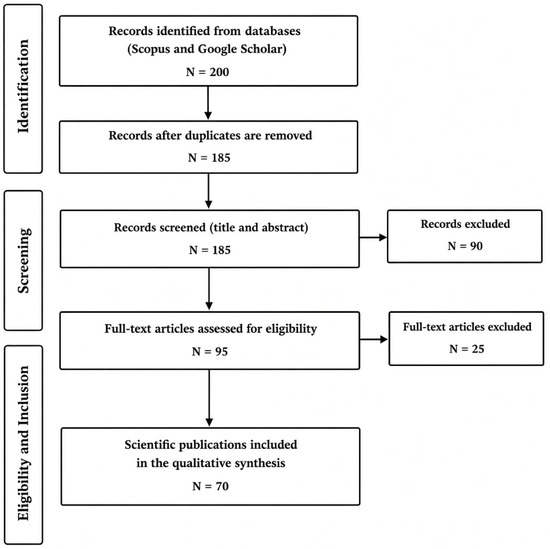
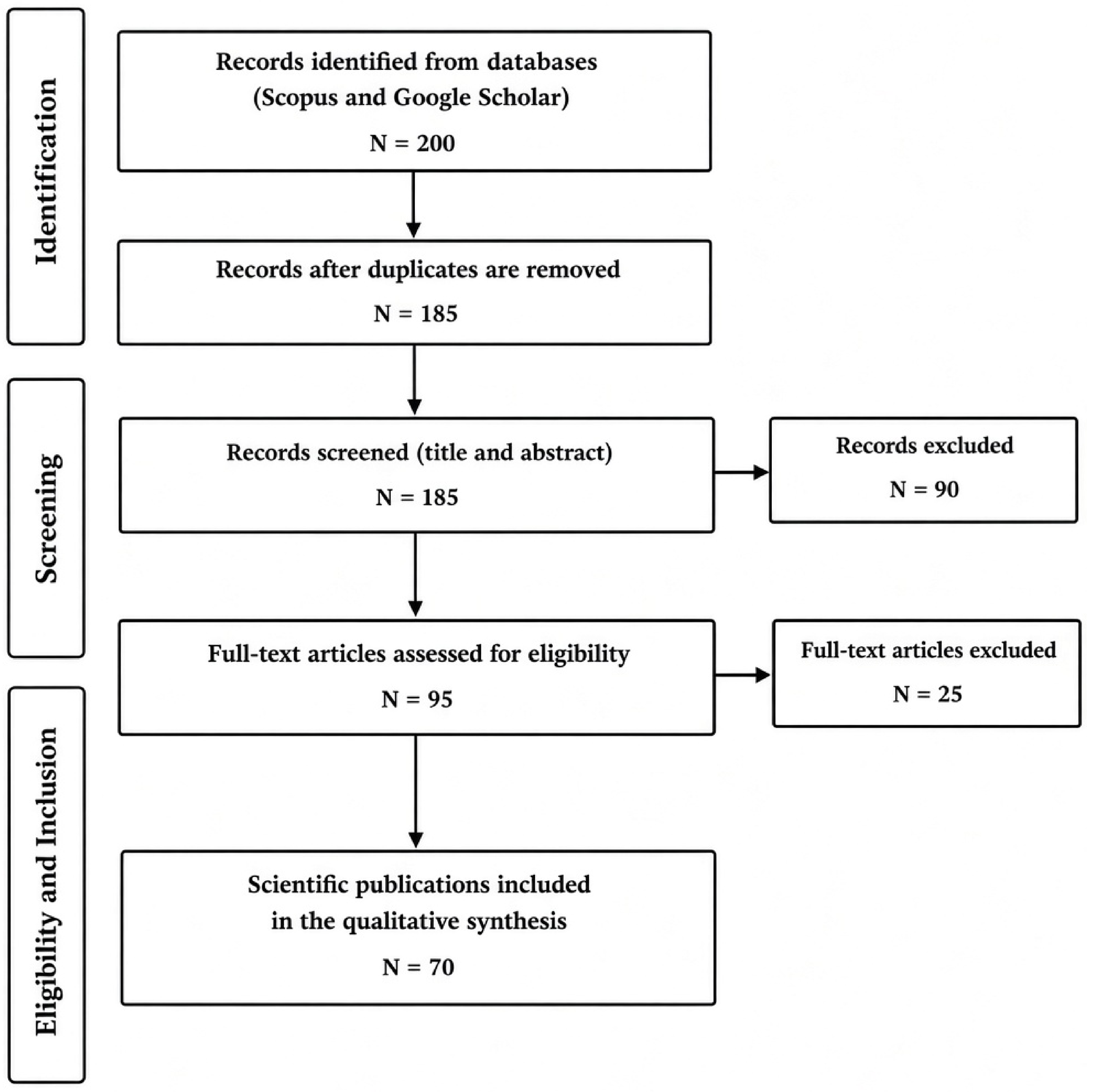
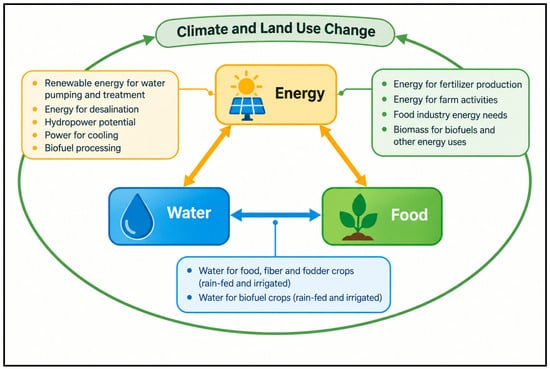
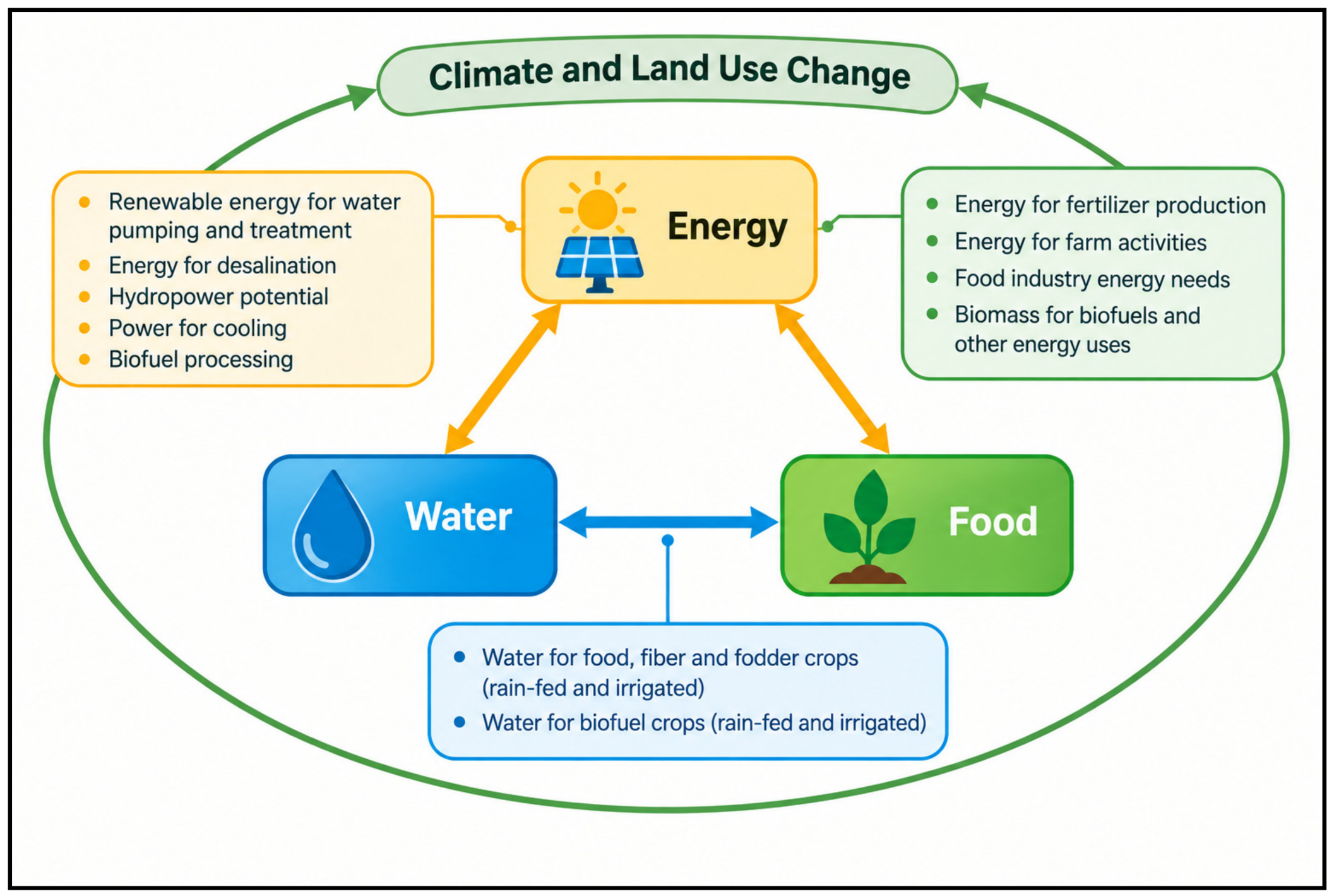
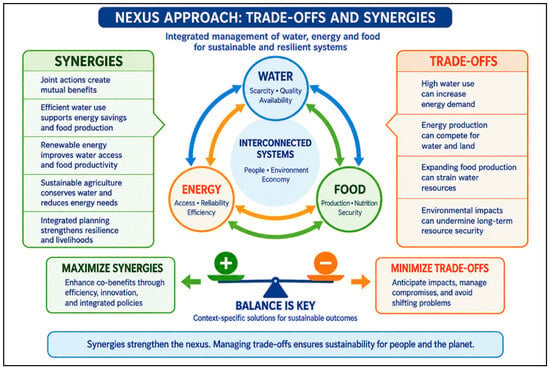
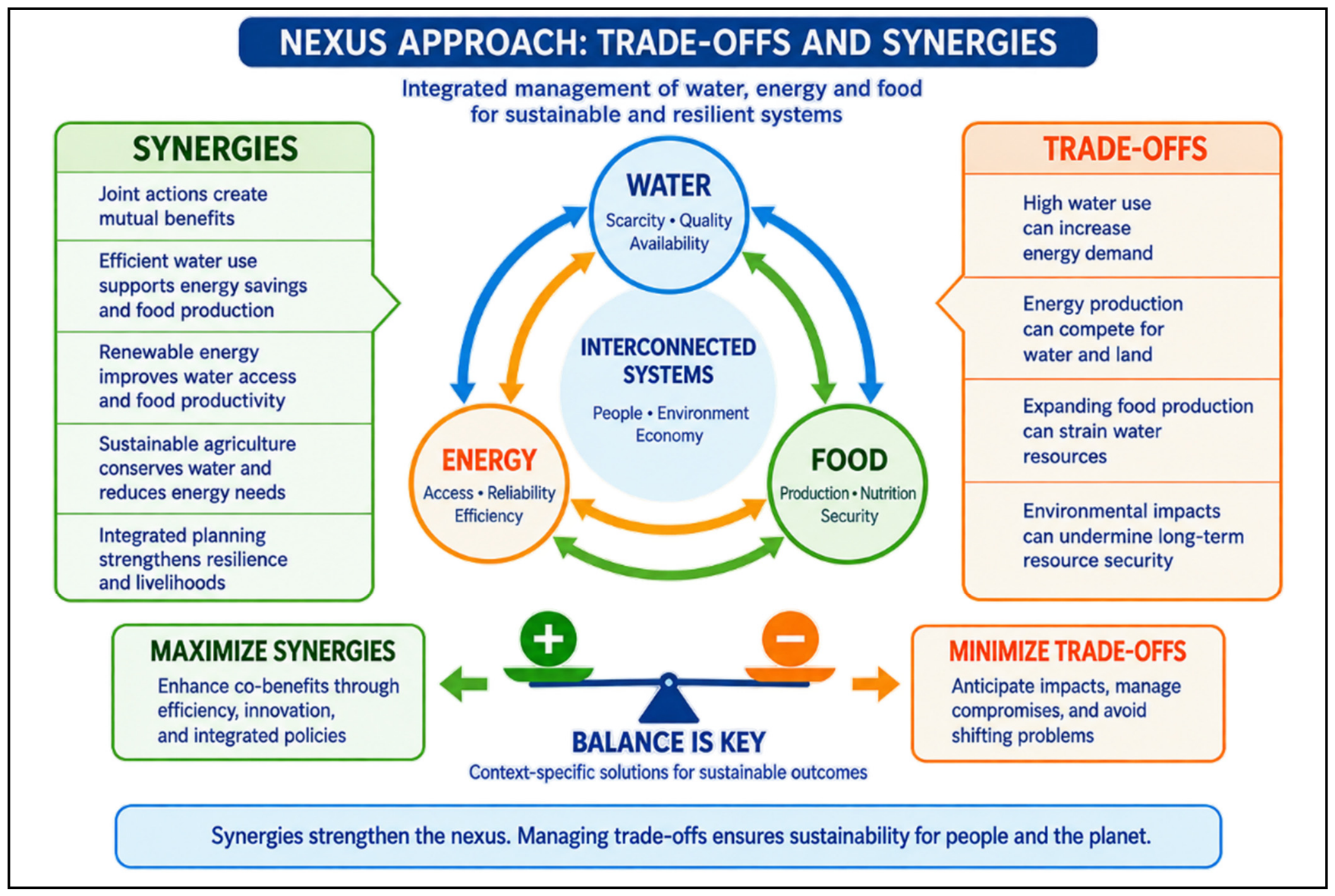
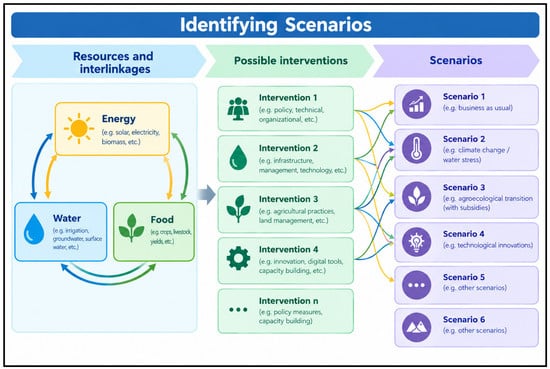
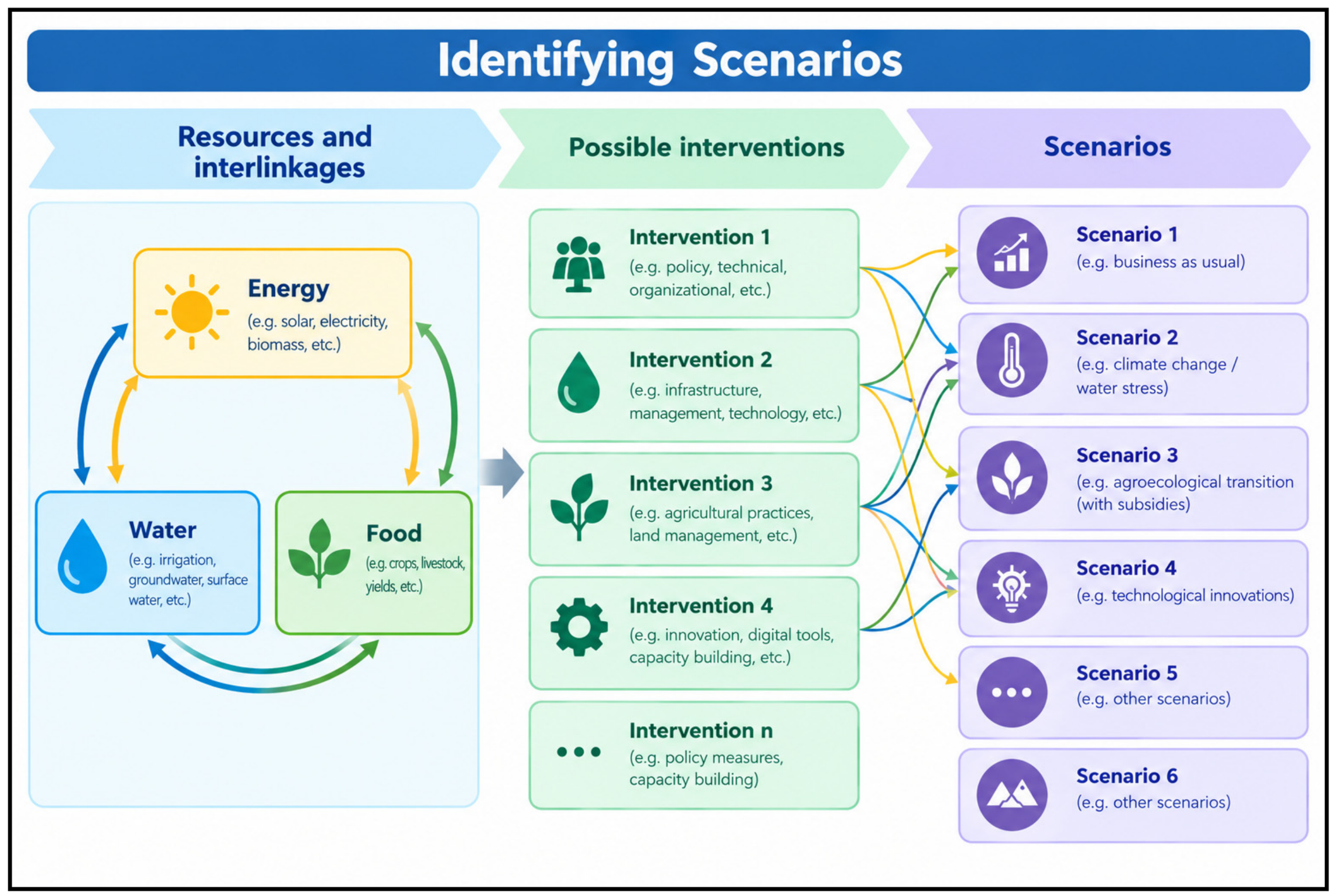
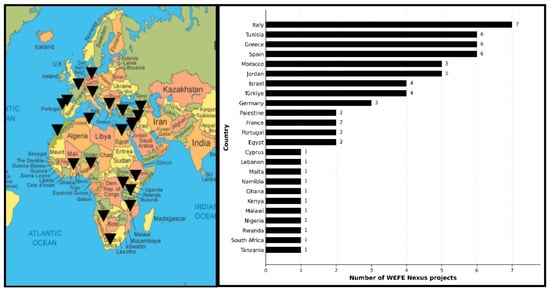
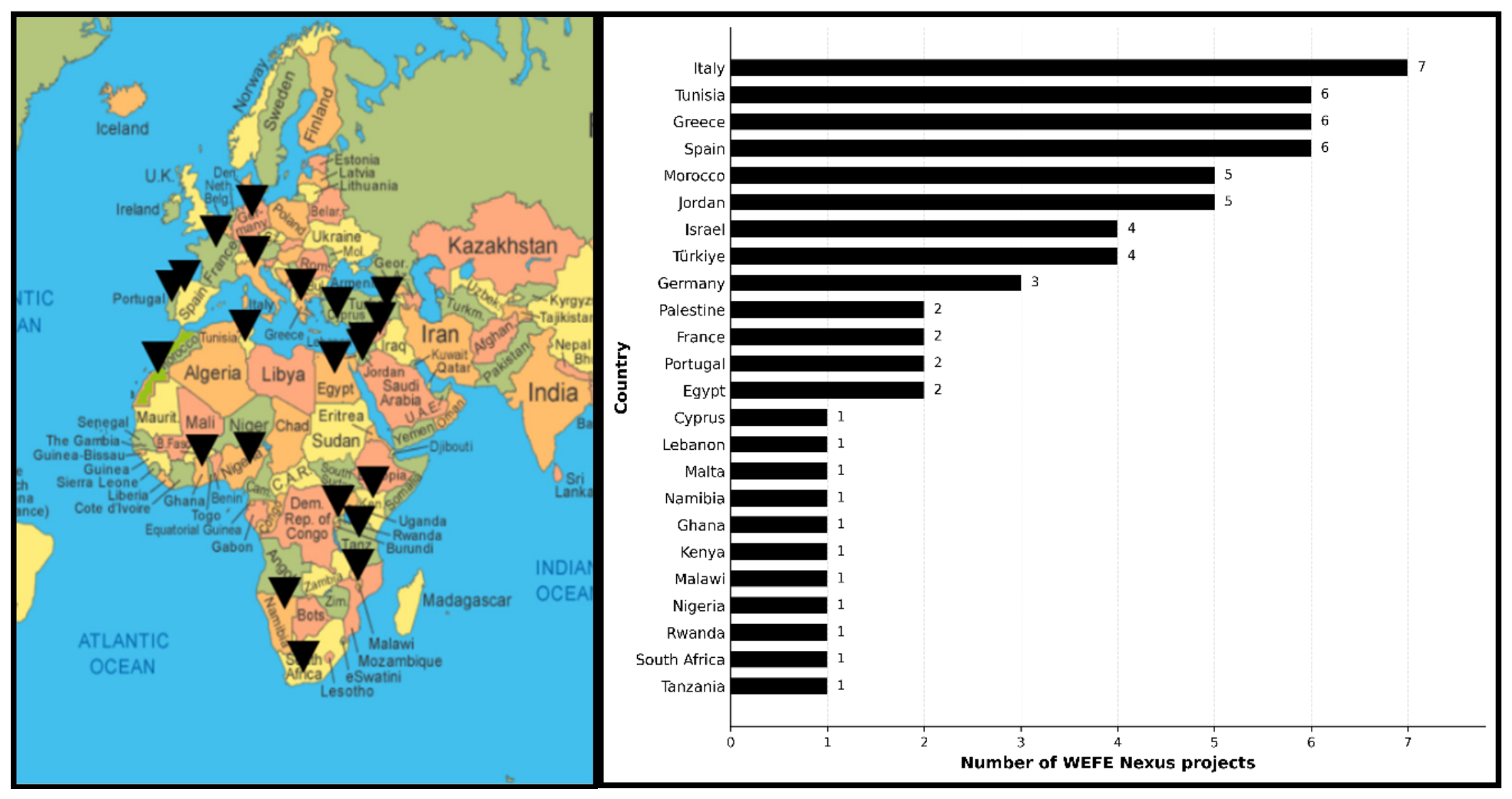

Disclaimer/Publisher’s Note: The statements, opinions and data contained in all publications are solely those of the individual author(s) and contributor(s) and not of MDPI and/or the editor(s). MDPI and/or the editor(s) disclaim responsibility for any injury to people or property resulting from any ideas, methods, instructions or products referred to in the content. |
© 2026 by the authors. Licensee MDPI, Basel, Switzerland. This article is an open access article distributed under the terms and conditions of the Creative Commons Attribution (CC BY) license.