


Abstract
Integrating an organization’s digital transformation with its Environmental, Social and Governance (ESG) performance is a key component of improving its competitive edge. This study uses a qualitative comparative analysis for fuzzy sets, based on the Technology, Organization and Environment (TOE) methodology to investigate the effects of digital transformation on the ESG performance of Science and Technology Innovation Board market (STAR Market) firms. It supplements the gap in the analysis of single variables and their individual effects on outcome variable in previous similar studies. The six antecedent variables obtained by combining digital transformation with the TOE framework are: digital technology innovation (SZJSCX), digital technology application (SZJSYY), strategic digitization (ZLSZH), management digitization (GLSZH), government digital policies (ZFSZZC), and information environment (XXHHJ). The research sample included 576 enterprises on the STAR Market. The following research conclusions are drawn: First, not every preceding circumstance is a prerequisite for the outcome variable. Second, there are a variety of elements that impact an organization’s ESG performance, with five distinct configuration routes. Lastly, we have found that increasing research funds and technological efforts for enterprises on the STAR Market firms makes it is possible to aggressively develop digital strategies and digital management for enterprises and encourage the enhancement of their ESG performance, in addition to the current domestic digital policies and environment. This essay contributes to the research on business ESG performance from a digital transformation standpoint and provides several helpful recommendations for improving corporate ESG performance.
1. Introduction
At present, nations across the globe are focusing on sustainable development matters, be it at the societal or corporate level [1]. The Environmental, Social and Governance (ESG) performance of enterprises serves as a direct barometer of their sustainable development capabilities, which is why countries across the globe are increasingly recognizing its significance [2]. In the context of the global digital economy era, digital technology is rapidly developing, and digitization and informatization have basically been fully covered in the current society [3]. Digitization has become a widely used technological means, and most enterprises have also introduced digital technology and attempted to improve their ESG performance through digital transformation. Currently, one of the most important ways for businesses to increase the level of competition and accomplish sustainable development is through digital transformation [4]. Therefore, it is crucial to study the impact of corporate digital transformation on ESG performance.
There are generally two views on the impact of digital transformation on corporate ESG performance in the past:
(1) Some scholars believe that digital transformation directly influences an enterprise’s ESG performance. Through highlighting the significance of digital transformation at the level of the organization, it is made clear that increasing organizational agility can help companies better fulfill their social obligations and increase their financial gains, creating a win-win scenario [5]. Corporate ESG performance is greatly enhanced by digital transformation, especially when it comes to improving the equity and inclusivity of financial services. The digital transformation of corporate banking is reshaping the way and content of communication for investors, which helps to enhance the social transparency and governance level of businesses, thereby having a positive impact on their ESG performance [6]. With the rapid development of information technology, the deep integration of digital technology and real economy has become a key driving force to promote the sustainable development of construction enterprises, and digital technology has significantly promoted enterprises to fulfill ESG performance [7]. Digital transformation has been found to improve company management and social responsibility, according to a survey conducted in Jordan [8]. In a European survey, it was discovered that profitability is favorably benefited by digital transformation, providing strong support for businesses to achieve dual improvement in economic benefits and social responsibility through technological innovation [9]. The digital transformation of enterprises has shown great potential in narrowing the financial gap of the entire society, providing an irreplaceable role for the development of enterprises and society, which is directly related to the social responsibility and environmental sustainability of enterprises [10].
(2) A different line of thinking contends that digital transformation has an indirect effect on a business’s ESG performance. In light of the current digital revolution, there is a close relationship between some factors of enterprises and digital transformation. This study indicates the significance of digital transformation for the expansion of enterprise firms, which benefits such businesses’ social responsibility and environmental effect [11]. The impact of digital transformation on ESG performance increases with the degree of change related to environmental data reliability and external resource allocation [12]. In principle, improving innovation performance through digital transformation of businesses can improve the “governance” aspect of ESG performance [13]. Additionally, digital transformation can improve the supply chain’s reactivity and flexibility, which helps businesses react more effectively to shifts in the market and indirectly influences their ESG performance [14].
Previous studies enhance the understanding of how digital transformation affects enterprise ESG performance, but there are still problems such as incomplete research directions, unsystematic research theoretical frameworks, unsuitability of research methods and theories, and insufficient exploration of the interactive relationships between elements within the system, which constrain the explanatory power of digital transformation on corporate ESG performance. Most studies use econometric methods for research [15], which have limitations in dealing with complex collaborative mechanisms of multiple variables within the system. Their primary focus is on how one variable affects the dependent variable overall.
In light of the aforementioned drawbacks, the present investigation enhances the theoretical research framework by integrating digital transformation with the Technology, Organization and Environment (TOE) framework. Many researchers have studied the performance of ESG in Chinese companies, but there is less research on STAR Market. Due to the regression methods used in previous studies, the research results obtained were rather monotonous, and the variables used in the study were fewer. To fill the void, The fuzzy sets qualitative comparative analysis approach (fsQCA) is used in this study, identifying complex issues such as multiple concurrent, convergent, and asymmetric relationships that affect the ESG performance of enterprises. The impact of current enterprise digital transformation on ESG performance has not been fully studied. This paper’s research, reveals how digital transformation affects a firm’s environmental responsibility, social responsibility, and governance level, thereby enriching and improving the ESG theoretical system. In previous studies, digital transformation has mostly focused on technology and business areas, with less discussion on environmental and social aspects. Thus, this paper combines digital transformation with the TOE framework to obtain variables and study their impact on the ESG performance of enterprises, expanding the research perspective and application scope of digital transformation and providing certain theoretical contributions compared to previous studies. This paper’s research can enhance the competitiveness of enterprises, promote the formulation of sound policies and regulatory measures by enterprises and governments, and thereby accomplish growth in the company that is maintainable.
The high market recognition of Chinese Science and Technology Innovation Board market (STAR Market) firms as technology innovation firms, and the strict disclosure of information by STAR Market firms, make the collection of information is comparatively accurate. Consequently, this study procured data from 576 firms on the China STAR Market for research. In the study, digital transformation was integrated with the TOE framework, and variables associated with digital transformation were identified in three dimensions to establish a research framework. For empirical research, changes in conditional allocation and impact mechanisms were evaluated using the fuzzy-setting qualitative contrast analysis (fsQCA) method, with the objective of identifying a path that can facilitate companies on the STAR Market to achieve high ESG performance. The theoretical framework of this paper applies the TOE model. In terms of variable selection, five variables are original and one is reference. It is used for reference in methodology and sample selection.
This paper’s invention operates as outlined below: (1) This article has made innovations in the theoretical framework. In order to create a theoretical framework that expands this study on enterprise digital transformation and ESG performance, the author integrates digital transformation with the TOE framework and looks for corresponding variables related to digital transformation in the three areas of technology, organization, and environment. (2) This article adopts a configuration analysis method in research methodology. Prior research has ignored the cooperative discussion of numerous variables in favor of concentrating on the influence of individual variables on outcome variables. The research model in this article applied fsQCA for configuration analysis; numerous conditional configurations that have the potential to affect an organization’s ESG performance were found when the impact of several prior variables on the outcomes was examined. This paper is organized as follows. A conceptual structure and an analysis of the research are provided in Section 2. The research technique is presented in Section 3. The empirical evaluation is introduced in Section 4. The impact of various routes on corporate ESG performance was examined in Section 5. Section 6 presents the investigation’s findings.
2. Literature Review and Theoretical Framework
2.1. Digital Transformation
With the rapid advancement of digital technologies, enterprise digital transformation has emerged as a pivotal trend in the global technological revolution, profoundly reshaping firms’ production modes and organizational architectures while garnering extensive scholarly attention within the economics discipline [16]. Presently, anchoring digital transformation as a crucial strategy imperative and critical technological orientation has become an irreversible trajectory in the evolution of global enterprises [17]. Despite the conceptual introduction of digital transformation into the realm of business management as early as 2000, the academic community has yet to converge on a unified definition of this construct [18]. Some scholars conceptualize digital transformation narrowly as the deployment of digital technologies such as the Internet, cloud technology, AI, and big data analytics [19], whereas others advocate for a broader conceptualization that encompasses not only technological adoption but also the implementation of digitalized business practices [20]. From the research lens of digital technologies, numerous studies have highlighted how electronic devices help businesses create profit. According to empirical data, digital technology can improve the efficiency of organizations by streamlining processes within the company [21,22]. Deeply merging digital transformation and production procedures has become a key factor in achieving excellent development for manufacturing companies [23]. Additionally, scholarly investigations have revealed that firms’ investment in digital technologies can directly augment their competitive advantage, or indirectly do so through mechanisms such as enhancing digital financial inclusion or elevating customer satisfaction [6,24]. Undoubtedly, the deep integration of digital technologies with firms’ manufacturing workflows and business models constitutes a critical impetus for their excellent development. From the perspective of digitalized business operations, enterprise digital transformation yields multifaceted positive outcomes. It contributes to mitigating operational risks and bolstering competitive capabilities [25]. Through digital transformation, firms can identify concrete pathways and strategies to enhance operational efficiency, thereby driving the growth of business performance [26]. Furthermore, digital transformation can reduce firms’ tax burdens, which in turn further enhances their performance and competitiveness [27]. For financial institutions, the adoption of digital transformation can improve their performance and stability, a phenomenon that is particularly salient in regions with supportive regional policy frameworks [28].
2.2. The Impact of Digital Dransformation on ESG Performance
In recent years, after ESG indicators were proposed at the United Nations Conference, the global attention to ESG (environment–society–governance) performance issues has continued to rise, and the academic research on ESG is also increasingly vigorous [29]. Simultaneously, as modern technology advances, digital technology becomes increasingly sophisticated, and businesses attempt to enhance their ESG performance by implementing digital technologies to facilitate digital transformation. Currently, researchers have found that embedding digital technology into the development and management processes of enterprises can provide help with technology to businesses to enhance ESG performance [30]. In enterprise operation, using digital technology to participate in production, operation and management can improve production and operation efficiency, enhance the quality of goods and services and encourage changes in the way of firm development [31]. However, there is currently conflicting evidence regarding how business digital transformation affects ESG performance, and the existing research results are mainly divided into the following categories:
On the one hand, digital transformation helps improve the overall ESG performance of enterprises. The development of corporate digitization can be carried out by improving infrastructure, promoting talent aggregation, conducting digital management, building internal governance systems and increasing firm ethical and ecological duties [32,33]. The use of technology alters the way corporate value is created, especially in regard to preventing environmental pollution and internal business management. It also uses the digital economy to coordinate the environmentally friendly growth of businesses with the aid of information systems that influence the early deployment of the digital economy [34,35]. These innovative measures have significantly improved the efficiency of decision-making and governance, and have promoted the transformation of the governance mode to a digital-centered one. At the same time, the evolution from the ESG framework to the digital ESG model underscores the pivotal role of digital technology in fostering sustainability in commerce, which has a positive effect on enhancing customer awareness and brand equity [36]. Specifically, digital transformation first reshapes the innovation path of enterprises, subverts the connotation of traditional innovation, gives birth to a new form of digital innovation, and subsequently promotes the wide adoption of ESG practices. In recent years, digital innovation has become a revolutionary force in business, profoundly changing every part of operations and fundamentally reshaping the process by which value is created and delivered to customers [37]. However, there are some limitations in the impact of corporate digital transformation on ESG performance. While digital construction does a great job of improving company management and social responsibility for corporations, it has little effect on lowering firm emissions and increasing energy utilization, but it has an immense effect on non-high-tech and less emitting businesses [38,39]. In addition, these innovative technologies are gradually reshaping the current economic landscape and playing an indispensable role in unlocking the potential for sustainable development and improving overall efficiency.
On the other hand, corporate digital transformation has a certain impact on E (environmental protection) and G (business operation) in corporate ESG performance. Enterprises undergoing digital transformation need to implement digital management to coordinate the relationship between technology, organization, environment and sustainable development goals [40]. In the COVID-19 era, in order to preserve the balance of the environment, society, and government, many businesses were compelled to undergo digital transformation [41]. In order to improve ESG performance and safeguard the current social environment in response to public and governmental demands for sustainable development, businesses should alter their value creation and business model during the period of digital transformation [42]. In addition, digital transformation requires a comprehensive overhaul of the company, changing its strategic goals and organizational structure, and strengthening its environmental, social, and governance philosophy [43].
Among the science and technology innovation board enterprises, enterprises with technology founders are more willing to implement enterprise digital transformation to improve enterprise performance [44]. And through the study of science and technology innovation board enterprises, it is found that these enterprises are more inclined to passively implement ESG [45]. In contrast, the founder’s problem was not considered in this study, and the problem of active and passive execution was not considered. Based on the above literature, we can conclude that existing scholars have achieved many research results in the areas of digital transformation and corporate ESG performance. These studies, from perspectives such as digital technology and digital operations, have identified many factors and paths that affect corporate ESG performance. However, these studies still have some shortcomings. To more significantly highlight the differences between this paper and recent research in this field, this paper has conducted a series of comparisons with recent studies in this area. The recent studies selected are from 2022 to 2025, and details can be found in Table 1.
Table 1.
This article presents a comparison table with the recent research in this field (from 2022 to 2025).
Firstly, the aspects of enterprise digital transformation are comparatively concentrated in the context of study methodologies, and most studies limit digital transformation to digital technology, while mentioning less about the organizational and social environment aspects of enterprises. Secondly, in the research process, there are relatively few qualitative and quantitative studies, and there are also few studies on the influence of configuration variables on outcome variables. At present, the greatest popular way to quantify this is to look at how often terms like “digital transformation,” “big data,” and “web-based computing” appear in listed firms’ financial statements. In order to address the research gaps mentioned above, this article combines digital transformation with the TOE framework and uses configuration analysis to analyze the outcome variables, making the research results more comprehensive.
2.3. Construction of Enterprise Digital Transformation Model
The purpose of this study is to examine how the digital transformation affects business ESG performance using the fsQCA method. This approach made clear the intricate connections between different contributing factors. In terms of the theoretical choice for framework construction, theoretical screening is necessary. TOE theory was proposed by L.G. Tornatzky and M. Fleischer in 1990 in “the processes of technological innovation”. The theory is derived by comprehensively integrating relevant theories on the adoption of information technology and expanding and developing them. Technical level, organizational level, and environmental level are the three categories into which it divides the variables impacting a firm or a firm’s adoption of new technologies. The RBV theory, also known as the Resource-Based View theory, is a theoretical framework used to explain the sources of a company’s competitive advantage [49]. The theory was proposed by Birger Wernerfelt in 1984 in 《A Resource-Based View of the Firm》. This theory holds that a company’s resources are the source of its competitive advantage, and these resources are valuable, scarce, non-imitable, and non-replaceable. According to the RBV theory, an organization’s distinct advantage stems from its distinctive and hard-to-replicate internal assets. These resources can be material, such as equipment, technology, and brand, or organizational, such as culture, process, and capability. Enterprises need to effectively manage these resources, including identification, acquisition, development, and utilization, to achieve their competitive advantage [50]. The power of an organization to combine, establish, and restructure its internal and external assets and abilities in order to adapt to changes in the market and generate new value is referred to as dynamic ability. The rationale behind this theory’s proposition is because the conventional core competency theory finds it challenging to describe how businesses adapt to quickly shifting market needs. The dynamic capability theory holds that the competitive advantage of the enterprise comes from its unique resources and capabilities, as well as the dynamic evolution of these resources and capabilities. Enterprises need to constantly adjust and optimize their resources and capabilities in a changing environment to adapt to new market opportunities and threats. The core viewpoints of the dynamic capability theory include three core processes: perception: the organization must be able to perceive opportunities and threats in the external environment; capture: the organization needs to be able to seize these opportunities through innovation, strategic investment, and market actions; reconfiguration: in order to respond to changing market conditions and strategic demands, the business should be capable of reorganizing its assets and abilities [51]. The theory of IT value chain was put forward by Michael E. Porter in 1985 in 《Competitive Advantage: Creating and Sustaining Superior Performance》. The IT value chain theory is a method used to evaluate the value creation and influence of information technology within an organization by dividing the organization’s IT activities and processes into various stages. It helps enterprises understand the impact of their IT investments, resource allocation, and operations on business performance [52].
The RBV theory mainly emphasizes the importance of internal resources of the enterprise and lacks consideration of external factors. By only considering the internal factors of enterprises, we can only study the impact of internal factors on ESG performance of enterprises, so it has a lower adaptability for this research. The dynamic capability theory lacks consideration of external environmental factors and has certain limitations. Only the impact of internal factors on ESG performance can be studied. The IT value chain theory places more emphasis on the impact of the enterprise’s technology on its performance. It considers other aspects less. Because the TOE theory addresses the variables that impact enterprises compared to three distinct levels—technology, organization, and environment—these three dimensions are closely linked to the operating conditions of the business, and the variables in each of these dimensions, whether acting independently or in concert, can have an impact on the enterprise’s ESG performance. Therefore, the adaptability of the TOE theory is higher than that of the RBV, dynamic capability, or IT value chain theory.
Thus, this paper selects the TOE theory to construct the framework model. In previous similar studies, the regression method was often used, which has a more obvious impact on the results and is easy to make judgments and summaries. However, the regression method is relatively simple and can only study the single-directional influence of a single variable on the result variable. The study’s findings are somewhat weak and repetitive. In order to address the aforementioned shortcomings, this research project investigates how digital transformation affects businesses’ ESG performance using the fsQCA approach. The fsQCA approach examines the impact on the outcome variable by utilizing the cooperative effect of several conditional factors. This approach enhances the research findings by illuminating the intricate connections between different influencing elements and examining the effects on businesses’ ESG performance from several angles. By utilizing the TOE framework and taking into account the institutional and practical aspects of digital transformation as the background, a comprehensive conceptual model was developed in order to clarify the variables affecting the ESG performance of businesses listed on the STAR Market, a comprehensive conceptual model was developed. Figure 1 depicts the model.
Figure 1.
The theoretical framework model of the impact of TOE on the ESG performance of enterprises.
(1) Technical conditions. This encompasses two specific sub-conditions: digital technology innovation and digital technology application. The theory of digital capabilities emphasizes that enterprises build and utilize digital technology-related capabilities to gain competitive advantages, and at the same time, this enables enterprises to improve their ESG performance. In the process of enterprise digital transformation, digital technological innovation and digital technology application are the core manifestations. The term “digital technological innovation” applies to the patents pertaining to information tech that businesses apply for. These inventions are typically made publicly available through the way of issued inventions along with comprehensive technical information [53]. Existing literature has confirmed that digital technological innovation is the main determinant of improving digital technology performance, and digital technological innovation will lead to the advancement of enterprise technology. It has been determined that digital technological innovation provides vitality for enterprise operation and offers technical support for enterprise digital transformation, and through digital technological innovation, enterprises can enhance their digital transformation capabilities, thereby improving their business performance and contributing to the governance aspect of their ESG performance [54]. Digital technological innovation is closely related to digital transformation, and there is a close connection between digital technological innovation and enterprise ESG performance. Enterprise ESG performance is promoted through identifying digital innovation opportunities, improving the level of digital asset allocation, and promoting the upgrading mechanism of human capital, thereby facilitating digital technological innovation in enterprises and providing support for enterprise digital transformation. Through digital technological innovation, enterprises can enhance their technological capabilities and also have an impact on their ESG performance. One may argue that there is a relationship between an organization’s digital technology and its ESG performance [55,56]. Therefore, it can be concluded that digital technological innovation and enterprise ESG performance influence each other, forming a positive interactive cycle, encouraging the enhancement of business ESG performance, which is why the study’s key variable is digital technological innovation. However, from the standpoint of business administration, the application of digital technology is the cornerstone of enterprise digital management, even though digital technical innovation is the center of enterprise digital transformation [57]. Using technological advances can encourage businesses to change toward sustainability and intelligence [58]. Through the use of information technology, companies can attain informationization, intelligence, and effective management, enhancing their business performance, competitiveness in the social environment, and production efficiency while also boosting their ESG performance [59]. Because many research scholars recognize that digital transformation requires not only technological innovation but also the application of digital technology to influence enterprise performance, human resources, and cultural support, thereby affecting the ESG performance of firms [60]. The application of digital technology supports innovation in business management, including the coordination of traditional and new technologies, the training of skilled technicians, and the integration of resources, enhancing the ESG performance of enterprises, and also promoting the innovation of enterprise digital technology [61]. Digital technology application is chosen as a research variable in this paper because it not just affects an organization’s ESG performance, but may additionally indirectly affect it through its impact on digital technological innovation. During the process of enterprise digital transformation, digital technological innovation and application enhance enterprise business performance and social competitiveness, making enterprise behavior more in line with society’s expectations for efficient and innovative enterprises, enhancing the economic legitimacy of enterprises, and having an impact on their ESG performance. In conclusion, digital innovation and digital technology application work together and reinforce each other. According to the theory of digital capabilities, enterprises can build unique competitive advantages by leveraging these two capabilities, thereby improving their business performance while meeting the expectations of stakeholders regarding the environment, society, and governance, and promoting an improvement in ESG performance. The following hypothesis is put out in this study according to the analysis mentioned above:
Hypothesis H1.
The combination of digital technology innovation and digital technology application can enhance the ESG performance of enterprises.
(2) Organizational conditions. There are two sub-conditions to this: strategic digitization and management digitization. According to the resource dependence perspective, an organization’s competitive advantage stems from its distinctive assets and expertise. In order to adapt to change, dynamic functions highlight how businesses modify the distribution of assets and abilities in response to changes in the environment. Strategic digitization and management digitization are essential tools and competencies in the company digital transformation process. The significance of information technology in the setting of the information age is obvious, but an organization’s organizational management’s attitude toward digital technology also plays a significant role in determining the state of its digital transformation. Strategic digitization refers to the strategies proposed by enterprises for digital transformation [62]. Enterprises exhibit characteristics such as industry convergence, point-like breakthroughs in technology, and expansion of digital scenarios at the digital technology level. However, there are deficiencies in the paths of technology intervention in the cultural industry and the ways to realize value increment. Therefore, introducing strategic digitization into enterprises is of great significance for the ESG performance of the enterprises [63]. Strategic digitization has a positive impact on enterprises, enhancing their perception ability, influencing their resilience, and improving their organizational performance [28]. Thus, the strategic digitization of enterprises will affect their operations and strategies, prompting them to allocate resources reasonably for digital technology research and application, enhancing overall competitiveness, fulfilling social obligations, fostering the enhancement of ESG performance, and satisfying stakeholder expectations for long-term business success. Therefore, strategic digitization is selected as a research variable in this paper. Others recognize that digital transformation also requires support from strategic management; otherwise, digital transformation cannot be efficiently carried out in enterprises [60]. The term “management digitization” describes the supportive management practices used by businesses to embrace digital transformation, that is, using digital technology for management and instilling the concept of digitization in the enterprise management process. In emerging economies, management digitization coordinates enterprise resources, promotes the innovation culture of the enterprise to drive digital transformation, and brings about comprehensive changes in organizational structure, organizational culture, and management concepts, thereby significantly improving the innovation performance of the enterprise and influencing its ESG performance [64]. Additionally, in the current ecosystem of digital cultural industries, researchers examine how corporate culture, company assets, business management, and employees’ digital literacy affect the adoption of technological advances, all of which have an effect on enterprise organizations’ achievement [65]. Enterprise disclosure behavior is significantly impacted by management digitization, which influences shareholders’ investment intentions in addition to causing organizational changes and innovation in company models [66]. Management digitization embodies enterprises’ dynamic adjustment of management capabilities, flexible allocation of resources in response to environmental changes, optimization of management processes and organizational structures, and enhancement of the enterprise’s adaptability and innovation ability, meeting the expectations of stakeholders for efficient operation and fulfillment of social responsibilities, and promoting the improvement of ESG performance. Therefore, management digitization is selected as a research variable in this paper. Strategic digitization and management digitization make the enterprise’s strategic planning and management model conform to the social expectations for enterprises’ sustainable development and social responsibility. Enterprises formulate digital transformation strategies and implement management digitization, optimize organizational structure and culture, improve enterprise governance levels, meet the expectations of society for good governance, and enhance the social legitimacy of the enterprise to influence the ESG performance of the enterprise. Based on the resource view and dynamic function theory, the two conditional variables work together to provide resource and capability support for enterprise digital transformation in terms of strategic planning and management execution, encouraging the enhancement of the enterprise’s ESG performance. The following hypothesis is put out in this study according to the analysis mentioned above:
Hypothesis H2.
The combination of strategic digitalization and management digitalization can enhance the ESG performance of enterprises.
(3) Environmental conditions. This includes two sub-conditions: information environment and government digital policies. According to the theory of stakeholder relations, businesses must consider the requirements of everyone involved in order to accomplish long-term growth because different stakeholders have an impact on their management practices. Meeting the demands of various stakeholders is how enterprise digital transformation affects their ESG performance. A cross-border rivalry model has emerged in this era of swift information technology development, as industry competitiveness has grown more intense and conventional industry boundaries have been dismantled. Therefore, current enterprises are facing an increasingly chaotic and complex external environment. The information environment, which adheres to the rules of social evolution and is a social environment full of digital devices, was created against the backdrop of the information era and is powered by digital devices [67]. Network infrastructure has been basically fully covered in the current society, and the application of network infrastructure marks the formation of the information environment, which has an impact on the ESG performance of enterprises [68]. The information environment has a significant impact on an organization’s ESG performance by encouraging enterprise digital transformation, compelling organizational modifications, and fostering development in their goods and services. However, in order to enhance their ESG performance and obtain a competitive edge in a highly dynamic world, businesses need to be able to adapt well to the information environment [69]. In today’s information age, the social environment has already become the information environment. The information environment, as the embodiment of stakeholder needs, prompts enterprises to undergo digital transformation to meet stakeholder expectations and enhance their ESG performance, thus promoting the improvement of enterprise ESG performance. Therefore, the information environment is selected as a research variable in this paper. Additionally, corporate digital transformation also necessitates matching policy engagement. Government digital policies are supportive policies formulated by the government for the comprehensive coverage of current social digital technology and are also supportive policies for the digital transformation of current enterprises [70,71]. Today’s businesses have a single business model and mainly rely on conventional production methods. They are unable to accomplish digital transformation on their own because of the constraints of their own abilities and assets. Research already conducted highlights how crucial it is for company digital transformation to be supported by government digital policy. Government digital strategies, for instance, include encouragement for technological innovation, government financial subsidies, tax breaks, intellectual property protection, and institutional financial assistance, all of which will enhance businesses’ ESG performance [72,73,74]. Businesses improve their business profitability and fulfill their social responsibility through digital transformation, which complies with government expectations for the long-term growth of businesses and encourages the enhancement of enterprise ESG performance. Government digital policies also serve the policy interests of businesses. Therefore, government digital policies are selected as a research variable in this paper. Because the government’s digital policy and information environment are proposed outside the company and have an impact on the company, the reference in the annual report is proposed after being affected. The information environment and government digital policies, as external factors, guide the direction of enterprise digital transformation in line with social development trends and policy orientations. Enterprises adapt to the information environment and respond to government digital policies, making their behaviors consistent with the overall digital development trend and policy requirements of society, gaining social recognition and support, and enhancing their legitimacy. Enterprises shape legitimacy through digital transformation in all aspects, meet society’s expectations for the environment, society, and governance of enterprises, and encourage the enhancement of business ESG performance. The following hypothesis is put out in light of the analysis above:
Hypothesis H3.
The combination of information environment and government digital policy can enhance the ESG performance of enterprises.
Six factors from the TOE framework were summarized according to the analysis mentioned above. Digital technology invention and digital technology implementation are among the technical aspects. Strategic digitization and management digitization occur at the organizational level. At the environmental level, the framework encompasses the information technological environment and digital policies of the government. The empirical study of this paper aims to study the impact of these six variables on ESG performance of enterprises. In order to clarify the impact of corporate digital transformation on ESG performance, we conducted empirical research on different driving paths from the perspective of mergers, and also elucidated the complementary and substitutive relationships between multi-level factors.
3. Research Method
3.1. Qualitative Comparative Analysis (QCA) Method
QCA is a qualitative comparative analysis method used to study how a certain result or effect is produced under multiple conditional variables. It combines the depth of qualitative research with the breadth of quantitative research, can address complex research questions, and provides detailed case comparisons and theoretical inferences. Among them, researchers identify patterns or configurations that result in certain outcomes under different conditions by comparing multiple cases. The reason why this article chooses the fsQCA method to analyze the ESG performance of Chinese STAR Market companies is that this method can more effectively identify the asymmetry and correlation between different variables compared to the other two methods. Fuzzy sets can use any number between 0 and 1 in the process of assigning values to variables, and more importantly, this method is suitable for handling continuous variables, which greatly overcomes the difficulties encountered in data processing in many studies. This study uses fsQCA fuzzy set qualitative comparative analysis to complete the configuration analysis by calibrating variables, constructing truth tables, and calculating consistency and coverage.
3.2. Sample Selection and Data Sources
Companies listed between 2019 and 2023 on China’s A-share STAR Market were chosen as the study sample for this article. The primary data sources include the CSMAR database, the Giant Tide Information Network, the National Bureau of Statistics’ digital economy tables, the CNRDS database’s digital patent data, and Shanghai Huazheng Index Information Service Co., Ltd.’s ESG data. During the processing of the initial 576 samples, companies with poor management and risks in ST and * ST categories were excluded, and finally 566 STAR Market companies were selected as the research sample.
3.3. Measurement of Variables
- (1)
- Result conditions
This study sets corporate ESG performance as the outcome variable. Numerous elements within the three dimensions of governance, society, and the environment have an impact on an organization’s ESG performance. This impact can be reflected through the operational status of the enterprise and has significant implications for the company. We collected ESG indices of the samples involved in the experiment through Shanghai Huazheng Index Information Service Co., Ltd.
- (2)
- Previous conditions
To investigate how technological change affects the ESG performance of companies listed on the STAR Market, we selected six prior conditions for research, namely digital technology innovation (SZJSCX), digital technology application (SZJSYY), strategic digitization (ZLSZH), management digitization (GLSZH), government digital policy (ZFSZZC), and information environment (XXHHJ). The specific measurement method for the Digital Technology Innovation (SZJSCX) indicator is based on the general belief in the academic community that the measurement of digital technology innovation capability should be based on the number of patents. Therefore, digital patients should be used to gauge the innovation capability of digital technologies. Whether a patient is a digital patient is determined by comparing the main classification number of the patent with the core industries of the digital economy. First, the China National Intellectual Property Administration’s Basis Relationship Table of International Patent Classification and National Economic Industry Classification (2018) states how to determine the industry represented by the patent number, and match it with the corresponding industry through the main patent classification number. Secondly, according to the “Statistical Classification of Digital Economy and Its Core Industries” released by the National Bureau of Statistics in 2021, the core industries of the digital economy are identified. Digital patents are those that are associated with the heart of the internet-based economy. Finally, by matching the digital patents based on the name of the listed company, the number of digital patents of the listed company can be determined. The patent matching method and sample details can be found in Appendix A Table A1, Table A2 and Table A3.
The remaining conditional variables are: digital technology application (SZJSYY), strategic digitization (ZLSZH), management digitization (GLSZH), government digital policy (ZFSZZC), and information environment (XXHHJ). The data collection methods for these variables were all carried out using python software for keyword crawling. By reading the literature, we identified word sets that agree or are similar to these five variables, and we summarized these word sets. These word sets were then extracted from the annual reports of businesses that were listed on the STAR Market. To determine the degree of digital change across these businesses, the frequency of each word set was counted. The ESG performance of companies listed on the STAR Market was gathered via data collection by Shanghai Huazheng Index Information Service Co., Ltd.
3.4. Variable Calibration
An important step in QCA before conducting analysis is data accuracy, with the aim of making different variables comparable. The process of variable standardization is also the process of evaluating and testing data. In general, the standardization of variables is a key link in QCA operations, ensuring the accuracy and consistency of the entire process through selection, sorting, and other methods, laying the foundation for the final weight calculation, and providing rational suggestions for different phenomena and problems.
Calibration is the method of turning unprocessed data into a set of fuzzy participation numbers. With a crossover point of 0.5, the initial data set is given numerical values between 0 (complete non-membership) and 1 (full membership). This study uses the direct calibration method based on the findings of earlier research. “Full membership” is calibrated as 0.95, “crossover point” as 0.5, and “full non-membership” as 0.05, in accordance with the common criteria in QCA. The calibration anchor values for the total sum of the five-year data in this article are shown in Table 2:
Table 2.
Variable calibration anchor point value standards for five-year data sum.
4. Empirical Analysis
4.1. Analysis of Necessary Conditions
This study used the fsQCA4.1 software to conduct necessity analysis on conditional variables, namely analyzing six antecedent conditions and their non conditions: to ascertain whether the following factors are required to support the enhancement of ESG achievements for businesses on the STAR Market: digital technology innovation, digital technology application, strategic digitization, management digitization, government digital policies, and information environment. Consistency is a crucial metric for determining whether a variable is a necessary condition, and it is generally accepted that the necessary condition’s consistency degree should be greater than or equal to 0.9. The necessity analysis data of STAR Market enterprises from 2019 to 2023 are as follows Table 3:
Table 3.
Necessity analysis of single conditions.
After conducting a requirement test on the elements that enable strong ESG performance for enterprises listed on the STAR Market using the fsQCA4.1 software, the author found that the consistency values for each conditioned variables did not approach 0.9. This implies that the strong ESG performance of businesses listed on the STAR Market is not dependent on these six factors. Proving that a single variable is not sufficient to constitute a necessary prerequisite for high ESG performance. Nonetheless, the occurrence of outcome variables is significantly influenced by the combination of variables. The mix of factors that promote good ESG performance among the STAR Market firms is examined in greater detail in this article, which builds on the analysis presented above.
4.2. Configuration Analysis
4.2.1. Configuration Analysis of the Sum of Five-Year Data
In this article, a truth table was created using the fsQCA4.1 program, with the frequency set at 3, the PRI consistency threshold set at 0.5, and the original consistency threshold set at 0.8. Table 4 displays the findings of the analysis. The sum of the five-year data was obtained by merging the data on word frequency extracted according to the word set in the annual reports of science and technology innovation board enterprises every year, and then finally calculating the sum of the data. ESG data is selected from the corresponding enterprises in the last year. The calibration anchor points for each year over five years are shown in Appendix A4.
Table 4.
Combination of conditions for promoting high ESG performance of STAR Market enterprises from 2019 to 2023.
There are nine conditional combination approaches that result in strong ESG performance for Chinese STAR Market enterprises, as shown in Table 4. With a cumulative coverage of 0.708, the consistency of these nine configuration routes exceeds the horizontal line of 0.7 mentioned by Larkin in 2009, suggesting that this path can cover roughly 70.8% of STAR Market enterprises with strong ESG performance instances. About 72.8% of the sample data demonstrated strong ESG performance in situations that satisfied this criteria combination, according to the overall consistency of 0.728.
Path 1 is a “technology organization” path, path 2 is also a “technology organization” path, path 3 is a “technology environment” path, path 4 is a “technology environment” path, path 5 is an “organization” path, path 6 is an “organization environment” path, path 7 is a “technology organization environment” path, path 8 is a “technology environment” path, and path 9 is a “technology organization environment” path. The report identifies five strategies for enhancing the ESG performance for businesses listed on the STAR Market. Different from the single condition necessary analysis in the previous section, configuration effects analysis applies a combination of multiple antecedent conditions to analyze and study the outcome variables. In the empirical results of QCA, three types of solutions can be obtained: the first is complex solutions, which do not include logical residues. The second one is the intermediate solution, which only includes logical residues that conform to theory or practice. The third one is a simple solution, which includes all logical residues. When analyzing the results, complex solutions are often thrown out, and intermediate solutions are first described, and then a path diagram is drawn based on the intermediate solutions combined with simple solutions. The core condition is the one that significantly affects the outcome when an antecedent circumstance’s simple resolution and intermediary resolution happen at the same time. This condition is regarded as an auxiliary edge condition if it only occurs in the intermediary resolution.
4.2.2. Configuration Analysis for Each Year of the Five-Year Period
In this section, we empirically analyzed the data for each of the five years using the fsQCA4.1 software. We aimed to study the impact of six variables on ESG performance in enterprises every year. The number of samples in 2019 was 86, 246 in 2020, 391 in 2021, 504 in 2022 and 566 in 2023. The annual calibration is based on 0.95, 0.5 and 0.05. When creating the truth table, we determined the frequency to be 2, the PRI consistency threshold to be 0.6, and the primary consistency threshold to be 0.8. The results of the analysis are shown in the following Table 5, Table 6, Table 7, Table 8 and Table 9:
Table 5.
Combination of conditions for promoting high ESG performance of STAR Market enterprises in 2019.
Table 6.
Combination of conditions for promoting high ESG performance of STAR Market enterprises in 2020.
Table 7.
Combination of conditions for promoting high ESG performance of STAR Market enterprises in 2021.
Table 8.
Combination of conditions for promoting high ESG performance of STAR Market enterprises in 2022.
Table 9.
Combination of conditions for promoting high ESG performance of STAR Market enterprises in 2023.
According to the above table, it can be seen that the consistency of the path in each of the five years meets the requirements. Based on the configuration paths of the past five years, the author drew the distribution map of the paths for the years 2019–2023 and the graph showing the changes in the number of paths for the same period. Please refer to Figure 2 and Figure 3 for details.
Figure 2.
Path distribution map for the five-year period from 2019 to 2023.
Figure 3.
The graph showing the changes in the number of paths over the five-year period from 2019 to 2023.
Figure 2 illustrates how the path pattern has been comparatively dense over the previous five years, with each path having a consistency generally higher than 0.85, and the overall consistency each year being higher than 0.8. The original coverage is also generally not higher than 0.4, so each path is effective.
This study compares the configuration differences between cross section samples in different years. In Figure 3, the changes in the number of paths over the past five years can be seen. In 2019, there were a total of five paths. Of the five pathways in 2019, the coordinated development of the “technology organization environment” was the one that the majority of corporations on the STAR Market supported. One each took the “organization environment” and “technology environment” paths. This demonstrates how businesses on the STAR Market prioritized and extensively relied on the environmental component during their 2019 digital transformation. In 2020, there were six paths, and businesses on the STAR Market continued to place a high value on the coordinated development of the three dimensions. The paths’ composition was essentially unchanged from the year before, with the exception of the addition of a pure “environment” driven path in 2020 to improve companies’ ESG performance. This suggests that businesses on the STAR Market placed a high value on the environment this year, and even had a separate dimension of environmental factors driving the STAR Market companies’ ESG performance. In 2021, there were four paths, namely the “technology organization environment” type and the “technology environment” type, each with two paths. This type of path emphasizes that enterprises should focus on environmental conditions while developing technology, and also take into account the organizational level in digital transformation, so that the technology and environment of enterprises can play a leading role and work together at the organizational level for common development. There are few configuration paths for improving the ESG performance of STAR Market companies in 2022, with only three paths. One was the “organization environment” path, and the other two were the “technology organization environment” path. In order to improve the ESG performance of STAR Market firms, from the configuration routes, it is feasible to infer that these businesses progressively emphasize the importance of the organizational level in digital transformation, focusing on both the organizational and environmental levels. In 2023, there were the most configuration paths for improving the ESG performance of STAR Market firms, with a total of eight paths, including four “technology organization environment” paths, one “organization environment” path, and three “technology organization” paths. Observing the configuration paths of that year, it can be found that companies currently attach great importance to the organizational level of digital transformation, followed by the technical and environmental levels. The three factors work together to improve STAR Market businesses’ ESG performance.
The two aforementioned charts indicate that during the next five years, the digital transformation of businesses will help firms registered on the STAR Market enhance their ESG performance annually. From the beginning, it was clear that firms listed on the STAR Market gave technological development precedence over organizational and environmental factors. The environmental component will gradually be given more attention in the future, and the technical and environmental components will be combined to support the enhancement of ESG performance on the STAR Market. Since 2022, we can see a gradual emphasis on the organizational level in digital transformation. It might be that previously, the enterprises listed on the STAR Market focused their attention on the technical and environmental aspects, with less attention paid to the organizational level, which has brought some disadvantages to the enterprise. In order to help STAR Market firms improve their ESG performance, the three components of technological innovation, company structure, and the environment will be integrated. Beginning in 2022, STAR Market companies will gradually pay more attention to the organizational level of enterprises. This demonstrates that the digitization of businesses has had a more significant impact on the ESG performance of businesses registered on the STAR Market during the past five years, whether considered collectively or separately.
4.3. Robustness Test
Eliminating the negative impacts of instability and randomness on the experiment is the aim of qualitative contrast analysis. To achieve this, it is necessary to conduct robustness tests on the experimental results for verification. Robustness testing can be carried out using various methods, such as changing the data calibration anchor point, changing the case consistency threshold, adjusting some cases, changing the case frequency threshold, etc. After conducting a robustness test, the results are compared with the previous empirical evidence. Firstly, comparing the fitting parameters involves observing whether the coverage and consistency obtained from the robustness test are not significantly different from the consistency and coverage obtained from empirical evidence. Experience with previous robustness tests has shown that an experimental result is considered robust if the test’s consistency and coverage do not differ much from those found in earlier empirical data. Secondly, when comparing the condition combinations of each path, if there is no significant difference between the condition combinations of each path in the robustness test and those in the previous empirical study, it can prove that the previous empirical study is robust.
The approach of modifying the consistency criterion was primarily chosen for robustness testing based on the experience of different scholars in carrying out robustness tests. The consistency criteria were lowered from 0.8 to 0.75 in this work, but the experimental sample, calibration technique, data calibration anchor point, and case frequency threshold stayed the same. Additionally, a configuration analysis was carried out once more. Table 10 displays the robustness outcomes of the tests.
Table 10.
Robustness test of condition combination for high ESG performance of STAR Market enterprises from 2019 to 2023.
First, when comparing the robustness test findings with the original empirical data, there is no discernible difference in the overall coverage and consistency between the two tests when looking at fitting parameters. Second, after adjusting the consistency threshold in the robustness test, the resulting path combination is a subset of the original empirical path combination. The validity of the findings from a previous investigation on the effect of company technological change on the ESG performance of STAR Market enterprises through fsQCA is demonstrated by the fact that both the overall consistency and the consistency of individual routes are greater than 0.7.
5. Analysis of the Effect on Business ESG Performance
Based on the results of the qualitative comparative analysis in the previous study, various paths were combined with the corresponding case samples for analysis.
- (1)
- Technology organization type
The first path includes path 1 and path 2. Path1 can be represented as: SZJSYY*GLSZH*~XXHHJ. In path 1, SZJSYY and GLSZH are both core influencing factors. Path 1 indicates that by utilizing digital technologies in the operation process of companies listed on the STAR Market, and enabling the daily management of these companies to be carried out through digital means, even in the case of an unfavorable information environment, these companies can achieve a high level of ESG performance. The representation of path 2 is SZJSYY*~ZLSZH*GLSZH. In path 2, SZJSYY and GLSZH are both core influencing factors. According to path 2, businesses can achieve high ESG performance even in the absence of strategic digital policies by improving the use of digital technology and digitizing management in the STAR Market. In this direction, STAR Market companies’ ESG performance has improved thanks in large part to the use of digital technology and the digitization of management. These businesses have attained high ESG performance thanks to organizational and technological considerations.
Take Fuchuang Precision as an example. Under the influence of digital transformation, Fuchuang Precision has significantly improved its ESG performance in the following aspects. Firstly, by implementing technologies like smart factories and the Web of Things, the company has reduced energy usage and waste emissions while achieving accurate control and optimization of the production process. Secondly, through digital transformation, the company has enhanced internal information sharing and communication within the organization, enabling employees to better understand the company’s goals and policies, thereby strengthening their sense of belonging and responsibility, and improving the company’s ESG performance.
- (2)
- Technology environment type
The “technology environment” mode includes three paths: path 3, path 4, and path 8. Path 3 can be represented as: SZJSCX*SZJSYY*ZFSZZC. In path 3, SZJSCX, SZJSYY, and ZFSZZC are the core conditions. For enterprises that follow path 3, as long as they vigorously support digital innovation and apply digital technologies in their business management processes, and comply with the current digital policies issued by the government, they will achieve high ESG performance. The representation of path 4 is SZJSCX*SZJSYY*XXHHJ. In path 4, SZJSYY and XXHHJ are the core conditions. Path 4 indicates that as long as an enterprise continuously advances in digital technology innovation, develops more patented technologies to enhance its technological competitiveness, applies digital technologies to improve its operational efficiency and business performance, and finally adapts to the current information-based environment, its ESG performance can be improved. Path 8 can be represented as: SZJSCX*~GLSZH*ZFSZZC*XXHHJ. SZJSCX, ZFSZZC, and XXHHJ are all core conditions in path 8. This path can be understood as follows: listed companies on the STAR Market should enhance their digital innovation capabilities and place themselves in an information-based environment. The government should issue corresponding digital policies and provide strong support for these policies. Even if the digitization of management is poor, this may yet lead to these firms’ ESG performance on the STAR Market being upgraded. Under this path, there are core conditions that promote high ESG performance of STAR Market firms in both the technology and environment factors. These two factors coordinate with each other to form a driving force for promoting high ESG performance of STAR Market companies.
Take Aerospace Horizon as an example. The improvement in Aerospace Horizon’s ESG performance through digital transformation mainly lies in the following two aspects. In terms of digital technology, Aerospace Horizon independently developed a spatio-temporal remote sensing cloud service platform. This platform provides extensive data and platform support for environmental trend forecast, environmental change monitoring, targeted environmental governance, and effect evaluation by using technologies like big information, online computing, and AI. In terms of the environment, Aerospace Horizon places a high value on the green and low-carbon development. To help accomplish energy saving and carbon reduction, the company has developed its own technologies, such as fully electric drones.
- (3)
- Organizational type
The ‘organizational’ model includes path 5, which can be represented as:~ SZJSCX*~SZJSYY*ZLSZH*~XXHHJ. Among them, ZLSZH is the core condition. This path indicates that even if the enterprises listed on the STAR Market lack digital innovation and application in technology, they are still not in an informationized environment. However, as long as the enterprises implement digital strategies, their ESG performance can be improved. In this regard, strategic digitization has been crucial to improving the companies’ ESG performance. Driven by digital strategies, the enterprises listed on the STAR Market achieved high ESG performance.
Take Keyka Technology as an example. Keyka Technology’s digitization has boosted ESG performance, primarily in the area of digitalized strategies. The digital strategy aids in promoting the utilization of digital technology within the enterprise, enabling Keyka Technology to manage resource usage in its production and operation processes more efficiently. Through intelligent and automated means, it reduces waste and improves resource utilization efficiency. Digital strategy enables Keyka Technology to manage human capital more accurately. The company can better understand the needs of employees, enhance employee satisfaction and loyalty, thereby strengthening its social contribution.
- (4)
- Organizational environmental type
The “organization environment” model includes path 6, which can be represented as:~ SZJSYY*ZLSZH*GLSZH*ZFSZZC. Among them, ZLSZH and ZFSZZC are the core conditions. This path indicates that if companies listed on the STAR Market aim to achieve high ESG performance, they should implement a digital strategy for the enterprises, and also adopt a digital management model for their management systems. Finally, they should operate in an environment where the government is promoting digital policies. Even if these companies do not apply digital technologies, they will still achieve high ESG performance. In this path, strategic digitization, management digitization and government digital policies have greatly contributed to the outstanding ESG performance of STAR Market businesses.. Under the dual drive of organizational and environmental factors, these companies have achieved high ESG performance.
Consider Jinpan Technology. The following elements primarily demonstrate how Jinpan Technology’s ESG performance has improved as a result of digital transformation. First, Jinpan Technology, which is committed to creating green products utilizing green energy, combines digitization with green development. Second, Jinpan Technology has automated and digitalized the production process by utilizing modern innovations like 5G, AI, and the Web of Information. This lowers pollution and use of energy while simultaneously improving industrial efficiency. Lastly, the government has implemented a number of legislative initiatives to assist businesses in their digital transformation as part of its efforts to foster the growth of the digital economy.
- (5)
- Technology organization environment type
The “technology organization environment” model includes two paths, path 7 and path 9, where path 7 can be represented as: SZJSYY*ZLSZH*~ZFSZZC*XXHHJ. In this path, SZJSYY, ZLSZH and XXHHJ are all core conditions. This path can be understood as follows: in the absence of government digital policies, as long as the companies listed on the STAR Market are in an informationized environment of big data, by strengthening the application of digital technologies and implementing a digital strategy for the companies, the ESG performance of the STAR Market companies can be improved. Path 9 can be represented as: SZJSCX*ZLSZH*GLSZH*XXHHJ. Among these, SZJSCX and ZLSZH are both essential conditions.
Path 9 can be interpreted as follows: as long as a company listed on the STAR Market is operating in an information-based environment, if it enhances its digital innovation capabilities, proposes a series of digital strategies, and implements digital management for the entire enterprise’s management model, then the company’s ESG performance will improve. In this type of path, the three factors of technology, organization, and environment contribute significantly to the company’s excellent ESG performance. Under the collaborative drive of these three factors, a driving force for high-level ESG performance is formed.
Take Zhongwei Company as an example. The digital transformation of Zhongwei Company has significantly improved the ESG performance of the enterprise in the following aspects. In order to improve resource utilization efficiency and lower energy waste as well as air pollution, Zhongwei Company first employs digital technology to monitor and manage resource expenditure and waste pollutants throughout the manufacturing operation. Second, Zhongwei Company has created an ESG framework that covers “decision-making level–management level–execution level,” outlining the roles and responsibilities of the ESG working group, the ESG leadership group, and the council of members. The efficient execution of ESG work and its orderly advancement are guaranteed by this organizational framework. Lastly, the digital transformation aids Zhongwei Company in achieving its objectives for sustainable development and green production. The business can satisfy market demands while limiting its detrimental effects on the environment by taking steps like streamlining manufacturing operations, increasing energy effectiveness, and lowering pollutant emissions.
This paper discusses the science and technology innovation board, while other scholars’ research covers many industries and countries. Among these studies, the digital transformation of enterprises has a positive effect on enterprises, which is the common understanding of this study and other studies. Other studies suggest that digital transformation can directly improve business efficiency, organizational agility and governance transparency, while simultaneously promoting the growth of economic benefits and ESG performance, which are consistent with the views and results of this study. At the same time, it can indirectly enable the sustainable development of enterprises by optimizing resource allocation, improving green innovation capabilities and strengthening supply chain resilience. In this paper, we study the direct impact of variables on results, without intervening intermediary variables, which is different from other studies. This paper is also different from other studies in terms of variable selection, but its views and research results are consistent with theirs in recognizing that the digital transformation of enterprises plays a positive role in enterprises.
6. Conclusions
Based on an examination of the connection between digital changes and the ESG performance of STAR Market-listed companies, this paper creates a conceptual framework for the theory of digital transformation. The TOE model is applied to the study data, which comprises a sample of 576 registered businesses from 2019 to 2023, in order to empirically investigate the determinants influencing the ESG performance of firms registered on the STAR Market. Finally, based on the aforementioned research, policy recommendations are made to encourage the enhancement of ESG performance among Chinese STAR Market firms, providing ideas for the for a long-term high-quality advancement of Chinese companies and the country. The following are the specific research findings:
- (1)
- This article mainly analyzes the improvement of ESG performance of STAR Market firms through three dimensions and six variables, and finally draws a series of conclusions. According to the research findings, the six variables—government digital policies, information environment, strategy digitization, management digitization, digital technology innovation, and digital technology application—do not form essential prerequisites for the final result variables. This implies that enhancing the ESG performance of Chinese STAR Market enterprises is a complicated issue that cannot be solved by a single element. Variables frequently occur together and have an impact. This paper is similar to the previous application methods in variables and methods, and the final results are positive, indicating that the digital transformation of enterprises will have a positive impact on enterprises [55].
- (2)
- Based on the path change chart from 2019 to 2023, we are able to pinpoint the shifts that encourage companies listed on the STAR Market to raise their ESG performance. Initially, emphasis was placed on the technical and environmental aspects, with less attention given to the organizational aspect. Later, there was a gradual increase in reliance on the environmental aspect to enhance the ESG performance of the companies, and a separate path for the environmental aspect emerged. Starting from 2022, the attention to the organizational aspect gradually increased, and the integration of technology, organization, and environment dimensions began to have an impact on the ESG performance of the companies. As a result, it is evident that the strategies for encouraging STAR Market companies to improve their ESG performance through digital transformation are progressively becoming more comprehensive.
- (3)
- Nine distinct approaches demonstrate how six factors might improve the ESG performance of companies registered on the STAR Market using various setup techniques. Among them, the frequency of configuration results at the technical level is the highest, and the innovation and application of digital technology will greatly enhance the ESG performance of enterprises. In addition to encouraging innovation and effective business operations, enterprise technology advancements also propel the nation’s superior growth. Technical innovation helps STAR Market businesses innovate and become more well-known by giving them infrastructure and technical support. Factors such as strategic digitization and management digitization at the organizational level, through the formulation and improvement of the enterprise’s own digital systems, can prompt enterprises to carry out high-quality digital transformation and enhance their ESG performance. For example, formulating digital strategies and using digital management to digitize the daily management of enterprise employees and enterprise management can improve management efficiency, reduce management costs, effectively control human resource costs, and improve resource utilization efficiency. It also enables the company to disclose financial information and business conditions more transparently and protect the shareholders’ right to know. In the environmental aspect, the implementation of government digital policies and the information environment have a crucial impact on ESG performance. These factors have an impact on STAR Market companies’ ESG performance, either directly or indirectly. The level of company digitization has been significantly impacted by government digital policy. First of all, it can lower transaction costs for businesses and give them financial and policy support, allowing them to innovate and apply digital technology for a long time, thereby optimizing the business environment for businesses and directing their future trends in digital transformation. Businesses can implement digital transformation on the basis of the information environment. Businesses can impact their digital transformation and indirectly affect their ESG performance by utilizing cutting-edge technologies like 5G, AI, and the Web of Information. The verification of all hypotheses in this study corresponds to the specific configuration results one by one, and all relevant hypotheses are not deduced through the generalization of the existence of configuration, and there is no logical jump to prove that all relevant hypotheses are valid if a single configuration exists.
- (4)
- This study advances the literature by moving beyond the dominant linear analytical paradigm in prior research, and empirically confirms that high ESG performance is not independently determined by any single antecedent, but emerges as a synergistic outcome of interconnected conditions across the TOE domains. The findings reveal that STAR Market firms with heterogeneous resource endowments can achieve equally superior ESG outcomes via multiple equifinal configurational paths, which provides novel configurational evidence for unpacking the inherent non-linear and complex relationship between digital transformation and corporate sustainability performance. This paper further delineates the distinct functional boundaries of different sub-dimensions within the broad construct of digital transformation. It explicitly identifies that organizational-level digital strategy deployment and standardized digital management systems function as the core causal conditions that consistently underpin high ESG performance, while technological and institutional environmental factors primarily serve as complementary peripheral supporting conditions. This configurational distinction offers a theoretically grounded explanation for the long-observed empirical puzzle that heavy standalone technological investment rarely translates into sustained superior ESG performance in the absence of aligned organizational arrangements.
Moreover, this study conducts a context-specific adaptive revision of the classical TOE framework by leveraging the unique empirical context of China’s STAR Market, a high-tech board characterized by generally abundant technological resources yet highly uneven organizational digital maturity. The empirical findings break the long-standing default assumption in traditional TOE applications that technological factors constitute the primary driving force behind firm innovation, and highlight that organizational digital capabilities represent the more fundamental enabler in the sustainable transformation process of high-tech enterprises. This revision substantially extends the theoretical explanatory boundary of the TOE framework in the fast-growing interdisciplinary fields of digital transformation, corporate social responsibility and corporate sustainable development.
This study does still have some limitations, though. Firstly, the study data used in this piece has limitations and discrepancies because it was all gathered from the annual reports of numerous businesses on the STAR Market utilizing web crawling techniques based on their own statistical word sets. Secondly, the measurement of ESG index and research on digital transformation in China are not very mature, so the relationship between the two is not yet fully understood and needs further improvement as both gradually mature. Finally, the enterprises studied in this article are mostly concentrated along the southeast coast of China, with fewer enterprises in other regions, which may result in regional limitations. Future research may apply dynamic analysis to research, research methods will apply multiple model cross research methods, and the main body of research will tend to robotics, semiconductors and other technology industries.
Author Contributions
Conceptualization, S.L.; methodology, S.L.; software, S.L.; formal analysis, Q.Z.; writing—original draft preparation, Q.Z.; writing—review and editing, D.Z.; supervision, D.Z. All authors have read and agreed to the published version of the manuscript.
Funding
This work was supported by Heilongjiang Province Philosophy and Social Science Fund Project (21JYE394; 21JYD272); Harbin University of Commerce Youth Innovation Talent Project (2023-KYYWF-1044); National Social Science Foundation of China (17BJY119); Notice of Approval of a Major Project of the National Social Science Foundation (23&ZD069); Fundamental Research Funds in Universities of Heilongjiang Province (XW0245); Heilongjiang Province Philosophy and Social Science Fund Project (25JYE042).
Institutional Review Board Statement
Not applicable.
Informed Consent Statement
Not applicable.
Data Availability Statement
Data will be made available on reasonable request. Further inquiries can be directed to the corresponding author.
Conflicts of Interest
The authors declare that they have no known competing financial interests or personal relationships that could have appeared to influence the work reported in this paper.
Appendix A
Table A1.
Patent matching method.
Table A2.
Details of the patent-matching samples.
Table A3.
Variable information sheet.
Table A4.
Calibration anchor.
References
- Dai, J. Is policy pilot a viable path to sustainable development? Attention allocation perspective. Int. Rev. Financ. Anal. 2025, 98, 103923. [Google Scholar] [CrossRef] [Scilit]
- Kolling, C.; Busch, T. Sustainability labels matter. Finance Res. Lett. 2025, 73, 106609. [Google Scholar] [CrossRef] [Scilit]
- Jiang, L.; Li, B.; Zhang, M. The impact of digital transformation on the efficiency of corporate resource allocation: Internal mechanisms and external environment. Technol. Forecast. Soc. 2025, 215, 124107. [Google Scholar] [CrossRef] [Scilit]
- Lu, H.; Shaharudin, S.M. Role of digital transformation for sustainable competitive advantage of SMEs: A systematic literature review. Cogent Bus. Manag. 2024, 11, 2419489. [Google Scholar] [CrossRef] [Scilit]
- Probojakti, W.; Utami, H.N.; Prasetya, A. Driving sustainable competitive advantage in banking: The role of transformational leadership and digital transformation in organizational agility and corporate resiliency. Bus. Strateg. Environ. 2024, 34, 670–689. [Google Scholar] [CrossRef] [Scilit]
- Santos, M. ‘If you believe in a platform world…’—Corporate banking and digital transformation in investor relations discourse. Geoforum 2024, 151, 103695. [Google Scholar] [CrossRef] [Scilit]
- Zhang, X. Influence mechanism of digital technology on environmental, social, and governance (ESG) responsibility fulfilment of construction enterprises from the perspective of sustainability. J. Asian Archit. Build. 2026, 25, 3454–3476. [Google Scholar]
- Qatawneh, N. Empirical insights into business intelligence adoption and decision-making performance during the digital transformation era: Extending the TOE model in the Jordanian banking sector. J. Open Innov. 2024, 10, 100401. [Google Scholar] [CrossRef] [Scilit]
- Citterio, A.; King, T.; Locatelli, R. Is digital transformation profitable for banks? Evidence from Europe. Finance Res. Lett. 2024, 70, 106269. [Google Scholar] [CrossRef] [Scilit]
- Losada, G.J.M.; Navarro, M.A.; Losada, G.R. Measuring financial divide in the rural environment. The potential role of the digital transformation of finance. Int. Entrep. Manag. J. 2024, 20, 2791–2810. [Google Scholar] [CrossRef] [Scilit]
- Siswanti, I.; Riyadh, A.H.; Cahaya, F.Y. Unveiling the dynamics of the business sustainability model: A holistic analysis of financial and digital transformation. Cogent Bus. Manag. 2024, 11, 2414857. [Google Scholar] [CrossRef] [Scilit]
- Liu, Z.; Chen, Z.; Hu, L. Can enterprise digital transformation improve ESG performance? Manag. Decis. Econ. 2024, 45, 5088–5103. [Google Scholar] [CrossRef] [Scilit]
- Yu, J.; Bai, Y.T.; Meng, Q.S. Research on the Impact of Digital Transformation Strategy on Enterprise Digital Innovation Performance. Sci. Res. Manag. 2024, 45, 1–11. [Google Scholar]
- Wu, Q.; Yao, Y.X. Enterprise Digital Transformation and Supply Chain Configuration: Centralization or Diversification. China Ind. Econ. 2023, 8, 99–117. [Google Scholar]
- Lu, Z.; Deng, L.; Xu, M.; Yang, L. How digital transformation affects supply chain concentration: The case of companies listed on China’s Shanghai and Shenzhen A-share markets. Technol. Anal. Strateg. 2026, 1–15. [Google Scholar] [CrossRef] [Scilit]
- Nambisan, S.; Lyytinen, K.; Majchrzak, A.; Song, M. Digital Innovation Management: Reinventing Innovation Management Research in a Digital World. Mis Quart. 2017, 41, 223–238. [Google Scholar] [CrossRef] [Scilit]
- Cheng, W.; Li, C.; Zhao, T. The stages of enterprise digital transformation and its impact on internal control: Evidence from China. Int. Rev. Financ. Anal. 2024, 92, 103079. [Google Scholar] [CrossRef] [Scilit]
- Matt, C.; Hess, T.; Benlian, A. Digital Transformation Strategies. Bus. Inform. Syst. Eng. 2015, 57, 339–343. [Google Scholar] [CrossRef] [Scilit]
- Jiang, W.J.; Li, J.Y. Digital Transformation and Its Effect on Resource Allocation Efficiency and Productivity in Chinese Corporations. Technol. Soc. 2024, 78, 102638. [Google Scholar] [CrossRef] [Scilit]
- Shu, H.; Tan, W. Does carbon control policy risk affect corporate ESG performance? Econ. Model. 2023, 120, 106148. [Google Scholar] [CrossRef] [Scilit]
- Nasiri, M.; Ukko, J.; Saunila, M.; Rantala, T. Managing the digital supply chain: The role of smart technologies. Technovation 2020, 96–97, 102121. [Google Scholar] [CrossRef] [Scilit]
- Seyedghorban, Z.; Samson, D.; Tahernejad, H. Digitalization opportunities for the procurement function: Pathways to maturity. Int. J. Oper. Prod. Manag. 2020, 40, 1685–1693. [Google Scholar] [CrossRef] [Scilit]
- Albukhitan, S. Developing digital transformation strategy for manufacturing. Procedia Comput. Sci. 2020, 170, 112–139. [Google Scholar] [CrossRef] [Scilit]
- Myriam, A.; Rima, G.; Ali, A.A. Does FinTech adoption increase the diffusion rate of digital financial inclusion? A study of the banking industry sector. J. Financ. Report. Account. 2024, 22, 289–307. [Google Scholar] [CrossRef] [Scilit]
- Hoque, A.; Le, T.D.; Le, T. Does digital transformation reduce bank’s risk-taking? evidence from vietnamese commercial banks. J. Open Innov. 2024, 10, 100260. [Google Scholar] [CrossRef] [Scilit]
- Bueno, A.L.; Sigahi, F.T.; Rampasso, S.I. Impacts of digitization on operational efficiency in the banking sector: Thematic analysis and research agenda proposal. IJIM Data Insights 2024, 4, 100230. [Google Scholar] [CrossRef] [Scilit]
- Chen, M.; Zhao, K.; Jin, W. Corporate digital transformation and tax avoidance: Evidence from China. Pac.-Basin Finance J. 2024, 85, 102400. [Google Scholar] [CrossRef] [Scilit]
- Wu, X.; Cheng, G. The performance and stability of financial institutions after digital transformation: The importance of regional policies. Finance Res. Lett. 2024, 66, 105671. [Google Scholar] [CrossRef] [Scilit]
- Wang, Z.Y. Research on the Impact of Digital Transformation on the Business Performance of Commercial Banks. Proc. Bus. Econ. Stud. 2024, 7, 227–235. [Google Scholar] [CrossRef] [Scilit]
- Zhou, G.; Liu, L.; Luo, S. Sustainable development, ESG performance and company market value: Mediating effect of financial performance. Bus. Strateg. Environ. 2022, 31, 3371–3387. [Google Scholar] [CrossRef] [Scilit]
- Cambrea, D.R.; Paolone, F.; Cucari, N. Advisory or monitoring role in ESG scenario: Which women directors are more influential in the Italian context? Bus. Strateg. Environ. 2023, 32, 4299–4314. [Google Scholar] [CrossRef] [Scilit]
- Wang, W.; Sun, Z.; Wang, W.; Hua, Q.; Wu, F. The impact of environmental uncertainty on ESG performance: Emotional vs. rational. J. Clean. Prod. 2023, 397, 136528. [Google Scholar] [CrossRef] [Scilit]
- Hilali, W.E.; Manouar, A.E.; Idrissi, M.A.J. Reaching sustainability during a digital transformation:a PLS approach. Int. J. Inov. Sci. 2020, 12, 52–79. [Google Scholar] [CrossRef] [Scilit]
- Kong, D.; Liu, B. Digital Technology and Corporate Social Responsibility: Evidence from China. Emerg. Mark. Finance Trade 2023, 59, 2967–2993. [Google Scholar] [CrossRef] [Scilit]
- Manda, B.M.K.; Bosch, H.; Karanam, S. Value creation with life cycle assessment: An approach to contextualize the application of life cycle assessment in chemical companies to create sustainable value. J. Clean. Prod. 2016, 126, 337–351. [Google Scholar] [CrossRef] [Scilit]
- Lee, M.T.; Raschke, R.L.; Krishen, A.S. Signaling green! firm ESG signals in an interconnected environment that promote brand valuation. J. Bus. Res. 2022, 138, 1–11. [Google Scholar] [CrossRef] [Scilit]
- Vial, G. Understanding digital transformation: A review and a research agenda. J. Strateg. Inf. Syst. 2019, 28, 118–144. [Google Scholar] [CrossRef] [Scilit]
- Fang, M.C.; Nie, H.H.; Shen, X.Y. Can enterprise digitization improve ESG performance? Econ. Model. 2023, 118. [Google Scholar] [CrossRef] [Scilit]
- Li, P.; Guo, X.; Wang, F.; Zhang, Q. Digital transformation and corporate innovation boundaries: Role of supply chain concentration and transparency. Int. Rev. Financ. Anal. 2025, 98, 103922. [Google Scholar] [CrossRef] [Scilit]
- Helene, S.S.; Sarah, M.L.; Elena, G. Effective Life Cycle Management in SMEs: Use of a Sector-Based Approach to Overcome Barriers. Sustainability 2018, 10, 359. [Google Scholar] [CrossRef] [Scilit]
- Kuzior, A.; Kettler, K.; Eab, L. Digitalization of Work and Human Eesources Processes as a Way to Creste a Sustainable and Ethical Organization. Energies 2021, 15, 172. [Google Scholar] [CrossRef] [Scilit]
- Vaska, S.; Massaro, M.; Bagarotto, E.M. The Digital Transformation of Business Model Innovation: A Structured Literature Review. Front. Psychol. 2021, 11, 539363. [Google Scholar] [CrossRef] [Scilit] [PubMed]
- Gubaxani, V.; Dunkle, D. Gearing up for successful digital transformation. MIS Q. Exec. 2019, 18, 209–220. [Google Scholar] [CrossRef] [Scilit]
- Li, Z.G.; Wu, Y.; Li, Y.K. Technical founders, digital transformation and corporate technological innovation: Empirical evidence from listed companies in China’s STAR market. Int. Entrep. Manag. J. 2024, 20, 3155–3180. [Google Scholar] [CrossRef] [Scilit]
- Zhang, X.; Kwon, I.S. Is ESG Always Profitable? A Critical Analysis of ESG Practices among STAR Market-Listed Companies in China. Int. Bus. J. 2026, 37, 237–270. [Google Scholar]
- Cai, C.; Tu, Y.Q.; Li, Z. Enterprise digital transformation and ESG performance. Finance Res. Lett. 2023, 58, 104692. [Google Scholar] [CrossRef] [Scilit]
- Li, Y.X.; Zheng, Y.X.; Li, X.S. The impact of digital transformation on ESG performance. Int. Rev. Econ. Finance 2024, 96, 103686. [Google Scholar] [CrossRef] [Scilit]
- Guo, X.; Pang, W.Y. The impact of digital transformation on corporate ESG performance. Finance Res. Lett. 2025, 72, 106518. [Google Scholar] [CrossRef] [Scilit]
- Tornatzky, L.G.; Fleischer, M. The Processes of Technological Innovation; Lexington Books: Lexington, MA, USA, 1990. [Google Scholar]
- Wernerfelt, B. A resource-based view of the firm. Strateg. Manag. J. 1984, 5, 171–180. [Google Scholar] [CrossRef] [Scilit]
- Teece, D.J.; Pisano, G.; Shuen, A. Dynamic capabilities and strategic management. Strateg. Manag. J. 1997, 18, 509–533. [Google Scholar] [CrossRef] [Scilit]
- Porter, M.E. Competitive Advantage: Creating and Sustaining Superior Performance; Free Press: New York, NY, USA, 1985. [Google Scholar]
- Liu, Y.; Dong, J.; Mei, L.; Shen, R. Digital innovation and performance of manufacturing firms: An affordance perspective. Technovation 2023, 119, 102458. [Google Scholar] [CrossRef] [Scilit]
- Peng, Y.; Tao, C. Can digital transformation promote enterprise performance? —From the perspective of public policy and innovation. J. Innov. Knowl. 2022, 7, 100198. [Google Scholar] [CrossRef] [Scilit]
- Zhang, S.S.; Chen, K.X. Corporate ESG Performance and Digital Technology Innovation. J. Financ. Econ. 2024, 40, 69. [Google Scholar]
- Wang, X.; Deng, Y.; Mao, X. The impact of bank digital transformation on enterprises digital technology innovation in China. Int. Rev. Financ. Anal. 2025, 102, 104068. [Google Scholar] [CrossRef] [Scilit]
- Ji, C.Z.; Jing, L.; Eugenie, M.A.S.V. How Does Digital Transformation Improve Organizational Resilience?—Findings from PLS-SEM and fsQCA. Sustainability 2021, 13, 11487. [Google Scholar] [CrossRef] [Scilit]
- Zhou, Z.; Yuan, Z.; He, C. Can digital transformation promote firms’ sustainable development? Evidence based on ESG performance. Int. Rev. Financ. Anal. 2025, 105, 104434. [Google Scholar] [CrossRef] [Scilit]
- Ren, X.; Zeng, G.; Zhao, Y. Digital finance and corporate ESG performance: Empirical evidence from listed companies in China. Pac.-Basin Finance J. 2023, 79, 102019. [Google Scholar] [CrossRef] [Scilit]
- Kane, G.C.; Palmer, D.; Phillips, A.N.; Kiron, D.; Buckley, N. Strategy, not Technology, Drives Digital Transformation. In MIT Sloan Management Review; Reprint No. 57181; Massachusetts Institute of Technology: Cambridge, MA, USA, 2015. [Google Scholar]
- Zhao, C.Y.; Wang, W.C.; Li, X.S. How Digital Transformation Affects Total Factor Productivity of Enterprises. Finance Trade Econ. 2021, 42, 114–129. [Google Scholar]
- Paul, J.; Feliciano-Cestero, M.M. Five decades of research on foreign direct investment by MNEs: An overview and research agenda. J. Bus. Res. 2021, 124, 800–812. [Google Scholar] [CrossRef] [Scilit] [PubMed]
- Song, Y.Y.; Liu, Y.L.; Chen, L. Reflections on the Ecological System, Technological Route, and Value Chain of Digital Cultural Industry under the Background of National Cultural Digitalization Strategy. J. Xi’an Jiaotong Univ. (Soc. Sci.) 2024, 44, 145–156. [Google Scholar]
- Khattak, A.; Tabash, M.I.; Yousaf, Z.; Radulescu, M.; Nassani, A.A.; Haffar, M. Towards innovation performance of SMEs: Investigating the role of digital platforms, innovation culture and frugal innovation in emerging economies. J. Entrep. Emerg. Econ. 2021, 14, 796–811. [Google Scholar] [CrossRef] [Scilit]
- Correani, A.; De Massis, A.; Frattini, F.; Petruzzelli, A.M.; Natalicchio, A. Implementing a digital strategy: Learning from the experience of three digital transformation projects. Calif. Manag. Rev. 2020, 62, 37–56. [Google Scholar] [CrossRef] [Scilit]
- He, W.; Xian, Y. Does Digital Transformation Affect Earnings Management Choices? Emerg. Mark. Finance Trade 2026, 62, 72–93. [Google Scholar] [CrossRef] [Scilit]
- Sharfman, M.P. Conceptualizing and measuring the organizational environment: A multidimensional approach. J. Manag. 1991, 17, 681–700. [Google Scholar] [CrossRef] [Scilit]
- Jia, X.; Xie, B.; Wang, X. The impact of network infrastructure on enterprise digital transformation—A quasi-natural experiment from the “broadband China” Strategy. Appl. Econ. 2023, 56, 1363–1380. [Google Scholar] [CrossRef] [Scilit]
- Peter, Y.; Darren, P.; Saw, K.C. Sustainable business practices in manufacturing SMEs: The mediating effect of dynamic capabilities. Int. Soc. Sci. J. 2021, 72, 73–89. [Google Scholar] [CrossRef] [Scilit]
- Reischauer, G. Industry 4.0 as policy-driven discourse to institutionalize innovation systems in manufacturing. Technol. Forecast. Soc. 2018, 132, 26–33. [Google Scholar] [CrossRef] [Scilit]
- Zhang, J.; Yu, C.H.; Zhao, J.; Lee, C.C. How does corporate digital transformation affect green innovation? Evidence from China’s enterprise data. Energ. Econ. 2025, 142, 108217. [Google Scholar] [CrossRef] [Scilit]
- Castrogiovanni, G.J. Environmental munificence: A theoretical assessment. Acad. Manag. Rev. 1991, 16, 542–565. [Google Scholar] [CrossRef] [Scilit] [PubMed]
- Omisakin, O.M.; Arasanmi, C.; Kularatne, I. Proactiveness environmental munificence and environmental hostility and their impacts on the growth of SMEs. Int. J. Entrep. Innov. Manag. 2022, 26, 43–59. [Google Scholar] [CrossRef] [Scilit]
- Zhou, J.; Liu, X.; Wang, Z. Tax neutrality and digital transformation of private enterprises: From the perspective of human capital structure adjustment. Int. Rev. Financ. Anal. 2025, 103, 104200. [Google Scholar] [CrossRef] [Scilit]
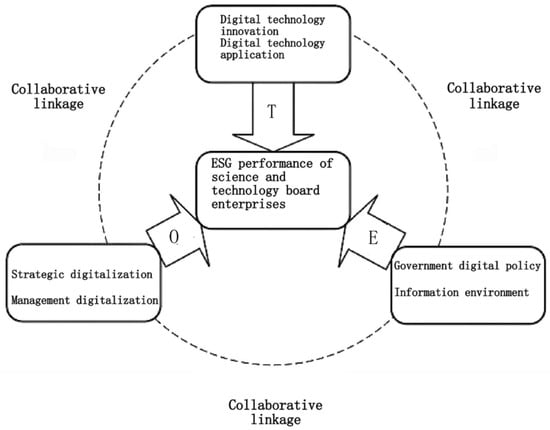
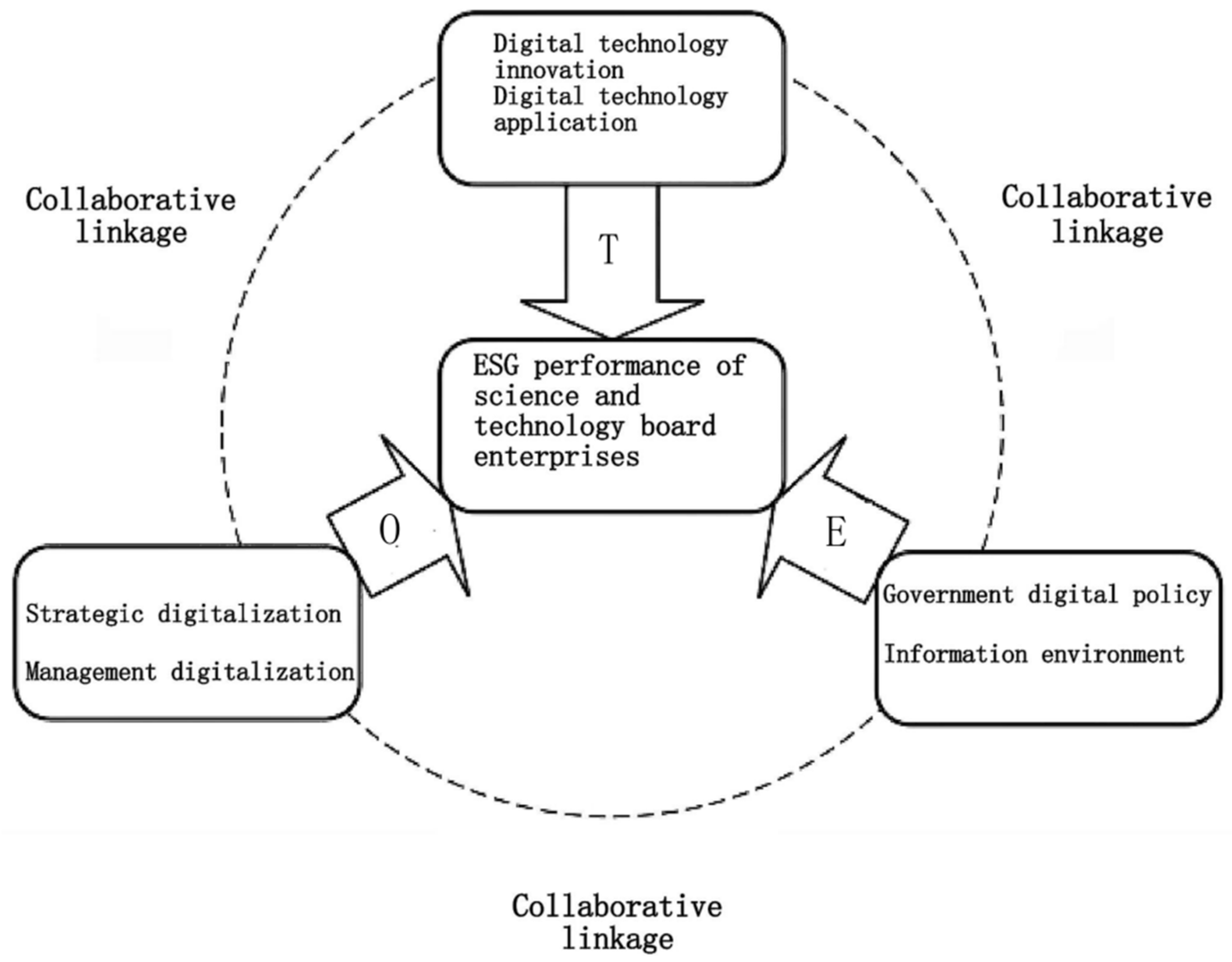
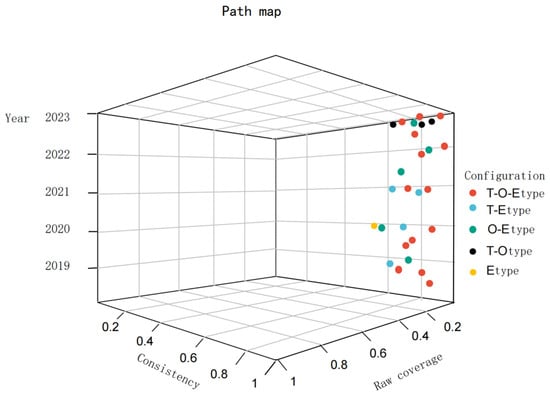
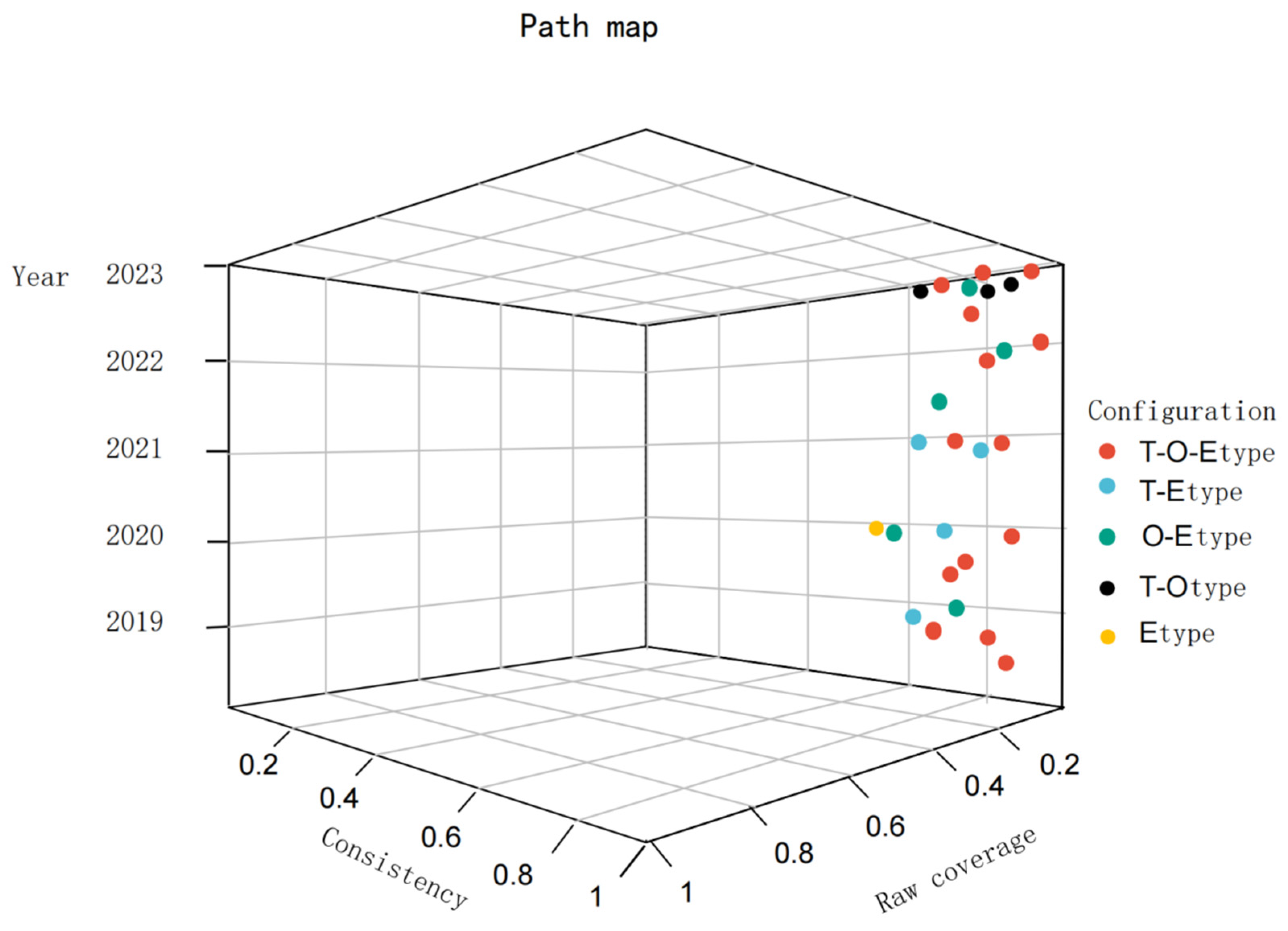
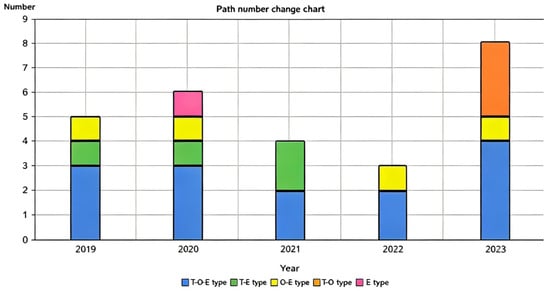
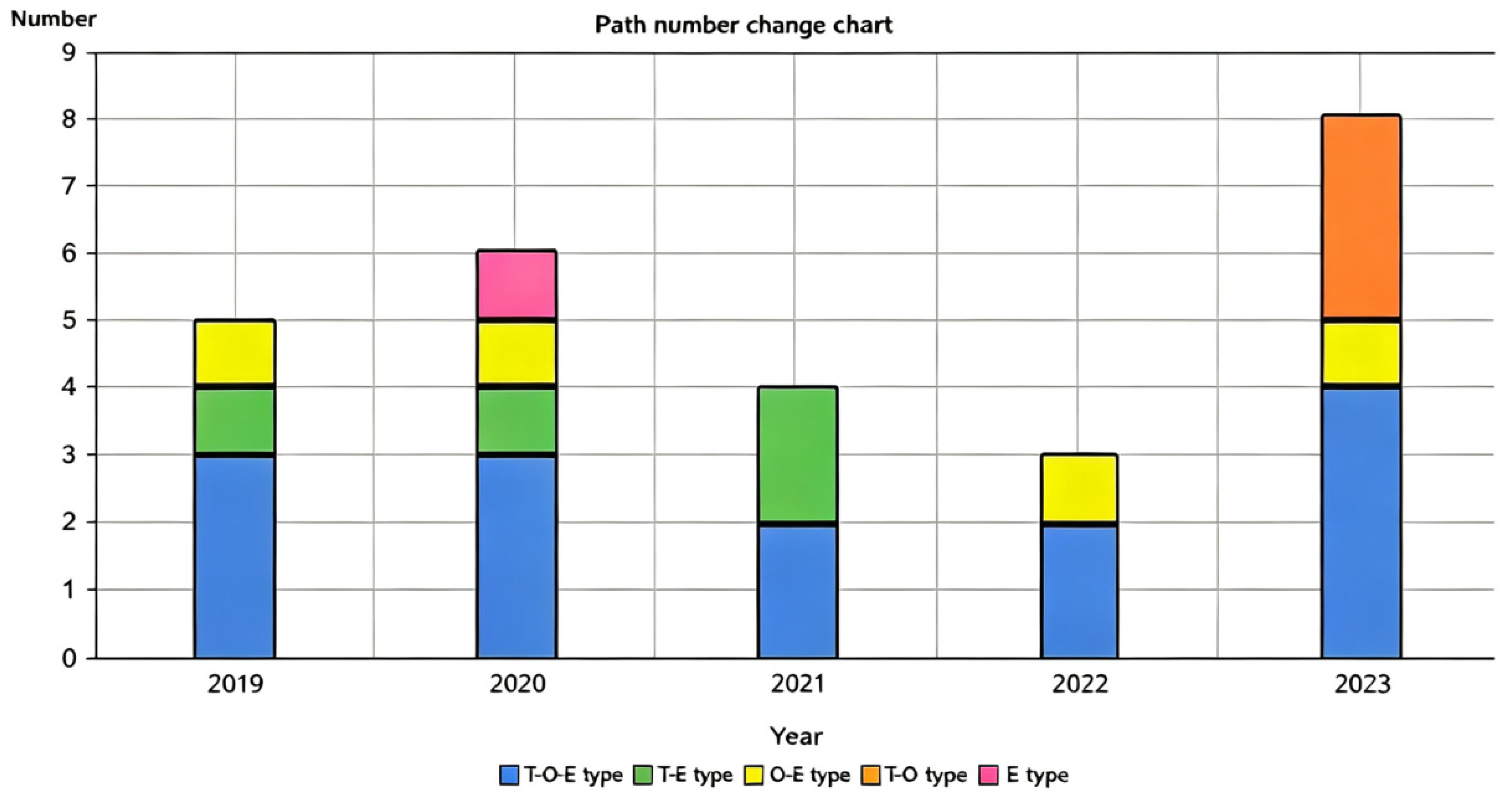



Disclaimer/Publisher’s Note: The statements, opinions and data contained in all publications are solely those of the individual author(s) and contributor(s) and not of MDPI and/or the editor(s). MDPI and/or the editor(s) disclaim responsibility for any injury to people or property resulting from any ideas, methods, instructions or products referred to in the content. |
© 2026 by the authors. Licensee MDPI, Basel, Switzerland. This article is an open access article distributed under the terms and conditions of the Creative Commons Attribution (CC BY) license.