


Abstract
Corporate social responsibility (CSR) is widely regarded as a component of organizational sustainability, yet evidence on how distinct CSR dimensions relate jointly to sustainability outcomes in Greece remains limited. This study examines the simultaneous associations of four respondent-reported CSR dimensions—environmental sustainability practices, employee welfare practices, ethical business practices and community engagement—with perceived sustainability performance. A cross-sectional questionnaire survey was administered to employees and managers of Greek enterprises and public-sector bodies with at least 50 employees in five sectors: from an operational frame of 2000 contacts in 586 organizations, 1450 contacts were invited by proportionate stratified random selection, 402 questionnaires were returned and 322 were usable. Data were analyzed with reliability analysis, exploratory and confirmatory factor analysis, correlations, multiple regression and sensitivity analyses. All four CSR dimensions were positively associated with perceived sustainability performance after mutual adjustment (R2 = 0.654; F(4, 317) = 149.49, p < 0.001); ethical business practices had the largest standardized coefficient (β = 0.335), followed by environmental sustainability practices (β = 0.291), community engagement (β = 0.202) and employee welfare practices (β = 0.185). The associations persisted in a practice-only predictor specification (R2 = 0.628) and after adjustment for sector and respondent role. The study provides context-specific evidence on the relative adjusted associations of four CSR dimensions in a heterogeneous Greek sample; the results describe respondent perceptions and do not establish causal effects or objectively measured organizational performance.
1. Introduction
Corporate social responsibility (CSR) has become an important component of contemporary business strategy as organizations respond to environmental pressures, social expectations, ethical concerns, and stakeholder scrutiny [1,2,3]. CSR is increasingly understood not as a discretionary philanthropic activity but as a framework through which organizations integrate social, environmental, and economic considerations into routine operations and long-term value creation [4,5,6]. Its institutionalization is closely linked to the wider sustainability agenda, including the Sustainable Development Goals, climate-change mitigation, and demands for greater corporate transparency [7,8,9]. In developed economies, regulation, investor pressure, established governance systems, and mature capital markets have been important drivers of CSR adoption [10,11,12]. Empirical studies in these settings associate CSR with innovation, environmental performance, human-capital development, and reputational outcomes [13,14,15]. CSR is also increasingly connected with integrated reporting, external assurance, and ESG-oriented performance measurement, reinforcing its strategic role in sustainability management [6,16,17].
CSR adoption in developing economies is often shaped by institutional pressures, resource constraints, and a greater reliance on voluntary or symbolic practices [4,18,19]. Evidence from emerging markets suggests that CSR may be associated with performance and sustainability outcomes, but its effectiveness is contingent on governance quality, resource availability, and stakeholder awareness [20,21,22]. Limited access to green finance, weaker innovation capacity, and less developed sustainability-reporting systems can further constrain implementation [23,24,25]. Europe presents a more complex picture, combining relatively advanced regulatory frameworks with substantial regional differences in financial stability and sustainability maturity [7,26,27]. Greece and other Southern European economies have also experienced prolonged economic instability, fiscal adjustment, and social pressures that have reshaped expectations regarding responsible corporate conduct [28,29,30]. In this context, CSR has gained relevance as a governance and sustainability mechanism and as a means of rebuilding trust, legitimacy, and social cohesion [5,31,32].
CSR and sustainability are particularly relevant in Greece because of the country’s prolonged financial crisis, structural reforms, and closer alignment with European sustainability and ESG requirements [17,28,33]. Greek organizations increasingly use CSR to respond to environmental regulation, societal expectations, and reputational concerns across sectors such as banking, tourism, shipping, healthcare, and manufacturing [34,35,36]. Existing studies indicate growing attention to environmental reporting, social engagement, employee well-being, and ethical governance [37,38,39]. Nevertheless, the maturity of CSR remains uneven across sectors and organization sizes, with SMEs often facing greater resource and capability constraints [40,41,42]. Greek research has also tended to emphasize CSR disclosure, governance arrangements, or financial performance rather than sustainability performance as a multidimensional construct spanning environmental, social, and long-term economic outcomes [32,43,44]. Although sector-specific studies have examined CSR in banking, sport, healthcare, and maritime settings, the evidence remains fragmented [35,45,46]. Large-sample questionnaire-based studies that assess multiple CSR dimensions jointly are still comparatively limited [16,33,40].
Greece therefore provides a relevant context for examining CSR because post-crisis economic restructuring, EU sustainability requirements, and persistent social and environmental challenges have increased the importance of responsible organizational practices [34,40]. The contribution of the present study is narrower than restating the well-documented positive link between CSR and sustainability: positive bivariate associations do not show whether each CSR dimension retains an association with sustainability outcomes once the other dimensions are taken into account, nor whether the pattern observed elsewhere holds in a Southern European setting shaped by prolonged fiscal adjustment and tightening EU reporting requirements. The study therefore estimates the mutually adjusted associations of four stakeholder-facing CSR dimensions with perceived sustainability performance within a single model, using a cross-sector sample of employees and managers in Greece [3,6,19]. Greece is treated as a substantively relevant institutional setting in which to assess these expectations rather than as a tested moderator, and the data describe respondent perceptions rather than independently observed organizational outcomes [1,7,27].
1.1. Purpose and Objectives of the Study
This study examines the association between corporate social responsibility (CSR) and perceived sustainability performance in organizations in Greece, as reported by employees and managers. Specifically, the study seeks to:
- Examine whether environmental sustainability practices are associated with perceived sustainability performance in organizations in Greece.
- Examine whether employee welfare and labor practices are associated with perceived sustainability performance in Greek organizations.
- Examine whether ethical business practices are associated with perceived sustainability performance in Greek organizations.
- Examine whether community engagement and social development initiatives are associated with perceived sustainability performance in Greek organizations.
1.2. Research Hypotheses
Drawing on Stakeholder Theory and the Triple Bottom Line (Section 2.1), respondents who report more favorable CSR practices in their organization are expected to also report higher perceived sustainability performance. Each CSR dimension addresses a distinct but overlapping set of stakeholder expectations and is therefore expected to be positively associated with the outcome. Because the data are cross-sectional and respondent-reported, the hypotheses concern associations between respondent-rated constructs, not causal effects on independently verified organizational outcomes.
Environmental practices respond to environmental stakeholders and address the environmental pillar of sustainability.
Hypothesis H1.
Respondent-reported environmental sustainability practices are positively associated with perceived sustainability performance.
Employee welfare practices address internal stakeholders and the social dimension of sustainability.
Hypothesis H2.
Respondent-reported employee welfare and labor practices are positively associated with perceived sustainability performance.
Ethical conduct supports stakeholder trust and perceived legitimacy, linking governance with broad sustainability assessments.
Hypothesis H3.
Respondent-reported ethical business practices are positively associated with perceived sustainability performance.
Community initiatives respond to external social stakeholders and connect organizational action with social value and local legitimacy.
Hypothesis H4.
Respondent-reported community engagement and social development initiatives are positively associated with perceived sustainability performance.
2. Literature Review
2.1. Theoretical Review
Stakeholder Theory and Triple Bottom Line (TBL) Theory provide the theoretical basis for examining the relationship between CSR and sustainability performance. Both frameworks are widely used in CSR and sustainability research and are relevant to European and Greek organizational settings [1,30]. Stakeholder Theory proposes that organizations operate within a network of relationships that extends beyond shareholders to employees, customers, suppliers, communities, governments, and the natural environment. From this perspective, responsible organizational practices can support legitimacy and long-term sustainability by addressing the expectations of multiple stakeholder groups.
Employee welfare, ethical governance, environmental protection, and community engagement can therefore be understood as mechanisms through which organizations manage stakeholder relationships and maintain legitimacy [4,22]. Empirical research links CSR disclosure with trust and transparency [10], employee-focused practices with productivity and resilience [45], and visible CSR activities with reputation and stakeholder perceptions [8]. In Greece, CSR has also been associated with financial and non-financial organizational outcomes, particularly during periods of economic and social pressure [17,28].
Triple Bottom Line (TBL) Theory complements Stakeholder Theory by broadening organizational performance beyond financial outcomes to include environmental and social value. Under the TBL perspective, sustainability requires simultaneous attention to economic, environmental, and social performance, positioning CSR as part of long-term value creation rather than as a peripheral activity [2,6]. Environmental strategies, ethical labor practices, and social investment are therefore relevant to organizational resilience and competitiveness. Empirical studies link environmental sustainability programs, green innovation, and ethical governance with sustainability-related outcomes across industries [24,33,47]. In Greece, environmental accounting, governance practices, and CSR integration have likewise been examined in relation to environmental and social performance [34,37,48,49].
Stakeholder Theory and TBL Theory are complementary. Stakeholder Theory explains why organizations respond to stakeholder expectations and legitimacy pressures, whereas TBL Theory provides a framework for considering economic, environmental, and social dimensions of organizational performance [12,32]. In the present study, the two perspectives jointly inform the conceptual model: environmental sustainability practices, employee welfare, ethical business practices, and community engagement are treated as distinct but related CSR dimensions whose statistical associations with sustainability performance are examined empirically.
Neither perspective implies that all CSR dimensions must have equal adjusted associations with perceived sustainability performance; differences may reflect the salience of particular practices to respondents, overlap between CSR dimensions and the measurement characteristics of the scales. Accordingly, H1–H4 specify positive associations rather than causal impacts or a predetermined ranking of effects.
Figure 1 summarizes the conceptual framework of the study by linking the four CSR dimensions—environmental sustainability practices, employee welfare practices, ethical business practices, and community engagement—with sustainability performance. The proposed relationships correspond to the four hypothesized positive associations (H1–H4) and represent statistical associations examined in the cross-sectional analysis rather than causal effects.
Figure 1.
Conceptual framework linking CSR dimensions to perceived sustainability performance.
2.2. Empirical Literature Review
2.2.1. Sustainability Performance and Environmental Sustainability Practices
Empirical research in developed economies generally reports positive associations between environmental CSR practices and sustainability performance. European studies in particular link strategies such as energy efficiency, emissions reduction, environmental accounting, and green innovation with stronger environmental and economic outcomes.
Halkos et al. [5], using continent-level data, report a positive relationship between environmental sustainability reporting and measures of economic welfare. In the Greek context, Voskopoulou et al. [33] find that environmental strategies and accounting practices are associated with stronger corporate environmental performance, particularly within the context of EU sustainability requirements.
Regulatory pressure and access to green finance can also shape environmental CSR in developing and emerging economies. Liu et al. [23] report that closer alignment between green finance and green economic development is associated with stronger sustainability outcomes in China. Zhang et al. [25] identify a positive relationship between green finance and green economic growth in Belt and Road Initiative countries. Mohsin et al. [24] likewise link shifts from non-renewable toward renewable energy use with improvements in the environmental–economic nexus in developing Asian economies, reinforcing the relevance of environmental practices to sustainability performance.
Comparative evidence suggests that the maturity of environmental CSR differs across institutional settings. Developed economies more often adopt proactive environmental strategies, whereas developing economies tend to rely more heavily on policy- or compliance-driven approaches [2]. Mbanyele et al. [47] show that mandatory CSR disclosure can stimulate green innovation, particularly in emerging markets where voluntary action may be weaker. These findings highlight the importance of institutional context in shaping environmental CSR. Evidence from Greece also indicates growing attention to environmental sustainability under stronger EU regulatory oversight. Thanasas et al. [37] report increasing integration of environmental accounting within CSR practices, while Chrissos-Anestis et al. [34] identify relatively high awareness of sustainability issues alongside variation in implementation across organizations.
2.2.2. Employee Welfare and Labor Practices
Research in developed economies links employee-oriented CSR practices with sustainability-related outcomes through mechanisms such as productivity, organizational capability, and long-term workforce value. Klimkiewicz and Oltra [50] and Potskhverashvili [51] show that fair labor practices, work–life balance, and employee development can strengthen employer attractiveness and retention. Related evidence also links human capital with internal social performance and broader organizational outcomes [52,53].
Empirical studies also identify mediating mechanisms that connect employee-oriented CSR with organizational outcomes. Tunio et al. [22] report a mediating role for employee productivity in the relationship between CSR disclosure and firm performance. In the Greek banking sector, Dekoulou et al. [45] show that psychological empowerment mediates the relationship between CSR and organizational resilience, highlighting the strategic relevance of employee welfare. In the Greek maritime sector, Karakasnaki [35] links ethical leadership and green human resource management with social sustainability performance. Taken together, these studies suggest that employee-centered CSR may support organizational sustainability through both workforce- and capability-related mechanisms.
2.2.3. Ethical Business Practices
Prior empirical literature links ethical governance mechanisms with sustainability-related outcomes. Board independence, internal controls, external assurance, and ethical leadership have been associated with the quality of CSR disclosure and broader sustainability performance [17,30]. Using cross-country data, Gal and Akisik [9] show that stronger internal controls combined with external assurance are associated with market valuation and the credibility of sustainability reporting, illustrating the potential economic relevance of governance quality.
Yeh [6] provides quantitative evidence linking CSR-related corporate image with lower stock-price crash risk and profitability, connecting responsible corporate behavior with financial stability and longer-term performance. Giannarakis et al. [11] likewise report that corporate-governance attributes are associated with environmental and social performance among European firms, particularly in regulated settings.
Transparency in CSR and sustainability reporting is an important component of ethical business practice. In the German banking sector, Schröder [10] links CSR website disclosure with stakeholder-facing reputational outcomes. Koseoglu et al. [15] further show that external assurance and reporting credibility are relevant to the relationship between CSR performance and disclosure. In developing economies, CSR disclosure is often shaped by legitimacy pressures, regulation, investor expectations, and reputational concerns, as summarized by Ali et al. [4]. Mbanyele et al. [47] add evidence that mandatory CSR disclosure can encourage green innovation, illustrating how institutional requirements may influence sustainability-oriented behavior.
In Jordanian firms, Alghizzawi et al. [20] report that CSR implementation is associated with firm performance, while the consistency of ethical practices depends strongly on leadership commitment. Cheffi et al. [41] likewise document structural barriers that can limit the institutionalization of CSR in emerging-economy SMEs despite recognition of its potential benefits. At the same time, globalization and regulatory convergence may narrow some of these differences. Cross-country evidence reported by Chang et al. [21] and Shrestha [54] associates ethical CSR with corporate performance in both developed and developing markets, although institutional quality may shape the strength of these relationships.
Ethical business practice extends beyond formal governance to leadership behavior and organizational culture. Grover et al. [8], using social-media analytics, link CSR communication by senior executives with corporate reputation. In the Greek maritime industry, Karakasnaki [35] associates ethical leadership and green human resource management with social sustainability performance. Dekoulou et al. [45] also show that employee psychological empowerment is an important mechanism in the relationship between CSR and organizational resilience in banking. Related studies by Potskhverashvili [51] and Choi et al. [55] connect CSR with employer attractiveness and employee commitment, reinforcing the social dimension of sustainability.
Ethical frameworks may also support innovation and organizational change. Bahta et al. [13] identify innovation capability as an important mechanism linking CSR with firm performance. Research on environmentally intensive industries similarly associates CSR and green innovation with progress toward sustainability objectives [24,42]. Using an ISM–MICMAC approach, Usmani et al. [56] identify ethical commitment as an important driver of CSR implementation in the food sector. Mao et al. [3] likewise identify ethical indicators among the critical dimensions connecting CSR with performance outcomes.
Greek evidence also highlights the strategic relevance of ethical CSR in the post-crisis context. Pagkalou et al. [17] report strong relationships among corporate governance quality, CSR practices, and financial and non-financial reporting in large Greek firms. Parginos [43] links socio-environmental reporting with organizational legitimacy and stakeholder trust. Ziogas and Metaxas [28] similarly associate CSR practices with financial performance and social legitimacy during periods of economic pressure.
Thanasas et al. [37] describe the integration of environmental accounting into Greek corporate governance and CSR practices. Sector-specific studies provide additional evidence. Panagiotopoulos [39] documents CSR initiatives in the Greek health system during COVID-19, while Liopa et al. [36] identify ethical leadership, regulatory compliance, and transparency as important factors in CSR implementation in the health-technology sector. Kotzaivazoglou et al. [38] link support for culture by Greek banks with corporate image and stakeholder perceptions. More broadly, Koukoumpliakos and Rehor [29] and Koukoumpliakos et al. [40] describe ethical CSR as an increasingly strategic element of business sustainability in post-crisis Greece.
2.2.4. Community Engagement and Social Development
Community engagement and social development represent an important external dimension of CSR, reflecting how organizations interact with and support the societies in which they operate. Existing literature links community-oriented CSR with social legitimacy, corporate reputation, stakeholder trust, and long-term socioeconomic sustainability [1,2,57]. In developed economies, community engagement is increasingly treated as a strategic component of CSR rather than as a peripheral philanthropic activity.
Cheffi et al. [41] and Khattak et al. [18] report positive relationships between community-oriented CSR and organizational performance or sustainability, particularly in resource-constrained settings. Comparative evidence suggests that developed economies more often institutionalize structured and measurable community programs, whereas developing economies may emphasize immediate social needs and basic-service provision. Across both settings, community engagement is consistently connected with the social and reputational dimensions of sustainability [12,32,58].
In Greece, community engagement gained additional relevance after the financial crisis and during the COVID-19 pandemic. Panagiotopoulos [39] documents CSR initiatives in the Greek health sector during the pandemic and their role in social support and institutional trust. Ziogas and Metaxas [28] associate CSR among Greek companies with financial performance during the economic crisis. Studies by Koukoumpliakos and Rehor [29] and Koukoumpliakos et al. [40] further describe community-development initiatives as part of broader business-sustainability strategies in post-crisis Greece.
Sector-specific research provides additional evidence. Kotsori et al. [46] examine CSR in Greek professional sports organizations and its relationship with local communities and organizational sustainability. Kotzaivazoglou et al. [38] report that cultural-support initiatives by Greek banks are associated with corporate image and stakeholder perceptions. Liopa et al. [36] also identify community engagement as an important factor in CSR implementation within Greece’s health-technology industry.
Taken together, the reviewed studies point to broadly positive connections between CSR-related practices and sustainability outcomes, but their findings are not interchangeable. Some assess financial performance, market valuation, disclosure quality, reputation or organizational resilience, whereas others address environmental or social outcomes; some rely on archival or objectively observed indicators, whereas others, like the present study, rely on respondent assessments. The evidence also spans different countries, institutional arrangements and sectors, which complicates direct comparison of estimated effects. Mechanisms proposed in this literature—employee engagement, stakeholder trust, governance credibility and innovation—are informative explanations but are not tested as mediators here. This heterogeneity motivates a focused empirical question: how four CSR dimensions relate to the same perceived outcome when they are examined simultaneously.
2.3. Literature Synthesis and Research Gap
The reviewed literature indicates a consistent theoretical and empirical relationship between CSR and sustainability performance, with environmental sustainability practices, employee welfare, ethical business practices and community engagement each associated with sustainability-related outcomes [59]. Nevertheless, several limitations constrain direct synthesis. First, studies employ heterogeneous dependent variables—financial results, reporting quality, reputation, resilience, and environmental or social outcomes—and often examine particular CSR domains or sectors in isolation, so reported associations may depend on institutional context, measurement choices and model specification. Second, although research on CSR in Greece is expanding, it has addressed individual domains and industries rather than the four dimensions jointly within one measurement framework. Third, comparatively little quantitative evidence assesses whether each CSR dimension retains an association with sustainability performance after adjustment for the others in contemporary Greek organizations.
Accordingly, this study estimates the simultaneous associations of the four CSR dimensions with respondent-perceived sustainability performance in a cross-sector sample of Greek employees and managers, and assesses how sensitive these associations are to narrower, practice-focused measurement of the CSR predictors. The model tests whether each dimension retains a positive association after adjustment for the other three; it does not establish causal pathways, demonstrate universally applicable priorities, or measure audited organization-level sustainability performance. This scope provides the rationale for the four directional hypotheses H1–H4.
3. Methodology
3.1. Research Design and Analytical Framework
A quantitative, cross-sectional, respondent-level survey design was used to examine the associations of four CSR dimensions—environmental sustainability practices (ESP), employee welfare practices (EWP), ethical business practices (EBP) and community engagement (CE)—with perceived sustainability performance (SP) in Greece [40]. This design enables systematic collection of numerical data and statistical assessment of associations among CSR dimensions and sustainability performance at a single point in time [17,40,44]. The unit of observation and analysis was the individual respondent (employee or manager). Questionnaire items asked participants to report on CSR-related practices and to assess their organization’s sustainability-related performance; the study variables therefore capture respondent-level reports and perceptions of organizational phenomena, which were not validated against organization-level records or externally audited sustainability outcomes.
The procedure followed a defined sequence: (1) construction of an operational organizational and contact frame and proportionate sector-stratified random selection of contacts (Section 3.2); (2) questionnaire development and pilot testing (Section 3.3); (3) fieldwork with individually addressed single-use links, followed by eligibility and quality screening (Section 3.4); and (4) reliability, measurement-structure, correlation, regression and sensitivity analyses (Section 3.5). The four hypotheses are evaluated as associational rather than causal propositions.
3.2. Target Population, Sample Size, and Sampling Technique
The target organizational population comprised Greek enterprises and public-sector bodies with at least 50 employees operating in one of five sectors: manufacturing, other services (excluding finance, healthcare, and public administration), finance, healthcare, and public administration. For the enterprise component of the sampling frame, the 50-employee threshold also corresponds to the boundary above the European Commission definition of a small enterprise, which employs fewer than 50 persons [60]. The unit of observation was an individual employee or manager within an eligible organization. Because no single source combined organizational eligibility with respondent contact details, an operational sampling frame was constructed in two stages. This approach is consistent with the role assigned by the Hellenic Statistical Authority (ELSTAT) to business registers as tools for survey preparation and for the identification and establishment of statistical units [61]. First, an operational organizational frame of 586 eligible enterprises and public-sector bodies meeting the predefined size and sector criteria was compiled from publicly verifiable organizational and professional sources. The frame served as the accessible organizational basis for respondent identification; it was not a census of all eligible organizations operating in Greece, and random selection within it does not by itself constitute probability sampling from the entire target population. Second, up to four potentially eligible contact records per organization were identified from publicly available organizational charts, annual or sustainability reports, and professional directories. Where available, contacts were sought among personnel with roles relevant to organizational sustainability and CSR-related practices, including sustainability or CSR personnel, human resources managers, operations or quality managers, and non-management employees with documented involvement in relevant organizational initiatives. The resulting respondent-level frame contained 2000 contact records distributed across the five sector strata.
The planned sample size was guided by the table of Krejcie and Morgan [62], for which a frame of 2000 units corresponds to 322 cases at the conventional 95% confidence level and 5% margin of error. This reference was used only to plan the number of usable cases; because the operational frame did not cover the whole target population and participation was voluntary, these conventional precision assumptions should not be read as design-based guarantees of representativeness of Greek organizations as a whole. To allow for anticipated non-response, 1450 contact records were selected and invited to participate.
Proportionate stratified random sampling was used, with economic sector as the stratification variable. Contact records were numbered sequentially within each sector, and a simple random sample without replacement was drawn using a pseudo-random number generator. Allocation was proportional to the sector composition of the respondent frame: manufacturing, 422 records (21.1%); other services, 584 (29.2%); finance, 322 (16.1%); healthcare, 310 (15.5%); and public administration, 362 (18.1%). The corresponding numbers invited were 306, 423, 233, 225, and 263. Organizational role was recorded for respondents but was not used as a stratification variable. The final sampling and selection cycle was completed on 28 May 2026. Random selection applied to contact records within the constructed frame rather than to all organizations or employees in Greece. Because up to four contacts could be drawn from the same organization, respondents are potentially nested within organizations (Section 3.4). The proportional allocation refers to the operational contact frame; by itself it does not establish population-level representativeness after voluntary response. The final sector distribution is therefore interpreted descriptively, not as a probability-based estimate of the sector composition of all eligible Greek organizations.
3.3. Data Collection
Primary data were collected using a structured questionnaire designed to measure the four CSR dimensions and sustainability performance. Respondents rated each substantive item on a five-point Likert scale ranging from 1 = Strongly disagree to 5 = Strongly agree. Item wording was adapted from established CSR and sustainability literature [12,26,63,64].
The instrument comprised five profile questions and 35 scored Likert statements: seven items for each of the four CSR dimensions and seven items for sustainability performance. One additional non-scored attention-check item (AC1) was used solely for data-quality screening. The full questionnaire, including the informed-consent statement, attention-check item, and the variable name corresponding to every scored item in the data file, is reproduced in Appendix A.
A pilot test involving 20 respondents was used to assess clarity, content relevance, and preliminary reliability. Feedback from the pilot was used to make minor wording adjustments before field administration. Participation in the main study was voluntary, and informed consent was obtained from all respondents before data collection.
No personally identifiable information was collected, and responses were anonymous and treated confidentially. Participants were informed that the data would be used exclusively for academic research and that participation was voluntary. Data were stored securely and access was restricted to the research team in accordance with the approved research protocol.
3.4. Data Collection Procedure
Questionnaire administration took place online in waves from March to June 2026. The final sampling and selection cycle was completed on 28 May 2026, and questionnaire receipt closed on 19 June 2026. Each selected contact received a personalized invitation containing a single-use link to the questionnaire. Invitations were sent by institutional e-mail where available and, for the remainder, by direct message through a professional networking platform. Two reminders were sent, on day 7 and day 14. No open call for participation was issued, and the questionnaire was not distributed through public posts, mailing lists, or discussion forums.
Of the 1450 invitations, 402 questionnaires were returned (27.7%). During data screening, 80 records were excluded: 34 were incomplete, with fewer than 80% of items answered; 21 failed the embedded non-scored attention check (AC1); 14 showed straight-lining across all 35 scored Likert items; 7 were duplicate submissions arising from duplicate contact records in the sampling frame, such as the same individual being listed through two e-mail addresses or across two subsidiaries of the same corporate group; and 4 no longer met the eligibility criteria. Each invitation token was single-use, so duplicate submissions reflected duplicate frame entries rather than repeated use of the same link. The final analytic sample comprised 322 complete and usable cases, corresponding to a usable response rate of 22.2%, with no missing values on the 35 scored items or the five profile questions. Fieldwork continued until the scheduled closing date and was not stopped when the planned number of usable cases was reached; the final sector composition reflects the usable responses received, without quotas or post-stratification weighting. According to the counts kept during fieldwork, the 322 usable questionnaires came from 263 organizations (209 organizations with one respondent, 49 with two and 5 with three). Because responses were anonymized, respondent-to-organization identifiers were not retained in the analytic dataset, so individual responses cannot be linked to organizations and within-organization dependence could not be modelled (Section 6.2). The retained data also do not support a respondent–non-respondent or early–late respondent comparison.
3.5. Data Analysis Techniques
Data were analyzed using IBM SPSS Statistics for Windows, Version 22.0 (IBM Corp., Armonk, NY, USA). Composite scores for ESP, EWP, EBP, CE, and SP were calculated as the arithmetic mean of the seven items comprising each construct; the individual respondent was the unit of analysis. Frequencies, percentages, means, and standard deviations were used to summarize respondent characteristics and study variables. Pearson correlation analysis was used to examine bivariate associations between the four CSR dimensions and perceived sustainability performance.
Multiple linear regression was then used to estimate the independent statistical association of the four CSR dimensions with sustainability performance, according to the following model:
where
Y = β0 + β1X1 + β2X2 + β3X3 + β4X4 + ϵ
- Y is perceived sustainability performance (dependent variable).
- X1 represents environmental sustainability practices.
- X2 represents employee welfare and labor practices.
- X3 represents ethical business practices.
- X4 represents community engagement and social development.
- β0 is the intercept.
- β1, β2, β3, β4 are regression coefficients.
- ϵ represents the error term.
Regression coefficients were evaluated using a two-sided significance level of 5% (p < 0.05).
Prior to hypothesis testing, internal consistency was assessed using Cronbach’s alpha. Construct structure was first examined by exploratory factor analysis (EFA) of the 35 scored items using principal axis factoring with Promax rotation (κ = 4); a five-factor solution was evaluated in line with the prespecified measurement model, factorability was assessed using the Kaiser–Meyer–Olkin (KMO) measure and Bartlett’s test of sphericity, and pattern coefficients of 0.40 or greater were treated as salient. Because an EFA on the same sample cannot confirm a prespecified structure, the five-factor measurement model was additionally tested by confirmatory factor analysis (CFA) in jamovi 2.7 (The jamovi project, Sydney, Australia) [65] using the SEMLj module (version 1.2.8) [66], which calls the R packages lavaan [67] and semTools [68] in R 4.5 (R Foundation for Statistical Computing, Vienna, Austria) [69]. Given the ordinal five-point items, the CFA used diagonally weighted least squares (DWLS) estimation with robust standard errors and a mean- and variance-adjusted test statistic. Composite reliability (McDonald’s ω), average variance extracted (AVE), the Fornell–Larcker criterion [70] and the heterotrait–monotrait (HTMT) ratio of correlations [71] were used to assess convergent and discriminant validity. Common method variance was examined using Harman’s single-factor diagnostic, interpreted only as a limited screening test [72], and by a supplementary constrained method-factor sensitivity analysis described in Section 4.3.
Regression assumptions were evaluated using standardized residual plots for linearity and homoscedasticity, the Durbin–Watson statistic for residual independence, tolerance and variance inflation factor (VIF) values for multicollinearity, and skewness and kurtosis of standardized residuals for approximate normality. Potentially influential observations were examined using casewise standardized residuals and Cook’s distance. Three sensitivity analyses were then conducted, in each case retaining the seven-item perceived sustainability performance composite as the dependent variable. First, to address possible criterion contamination from predictor items that refer to perceived consequences of CSR rather than to practices, the regression was re-estimated with reduced predictor scales excluding the six items that explicitly reference performance or sustainability outcomes (ESP6, EWP6, EWP7, EBP6, CE5, CE7). Second, a stricter practice-only specification retained only items describing CSR practices or the respondent’s participation in them (ESP1–ESP5, EWP1–EWP5, EBP1–EBP4, CE1–CE2) and excluded every item referring to reputation, trust, credibility, legitimacy or other perceived benefits. Third, the primary model was re-estimated with respondent role (management versus non-management) and sector (four indicators, manufacturing as reference) added as covariates, and the incremental contribution of these controls was tested with the change in R2.
4. Results
4.1. Demographic Characteristics of Respondents
Table 1 summarizes the demographic and organizational characteristics of the 322 respondents. The sample includes respondents from all five sector strata and from both management and non-management roles.
Table 1.
Demographic Characteristics of Respondents (N = 322).
Men represented 57.1% of respondents and women 42.9%; the largest age group was 31–45 years (34.8%); 57.1% held management positions; and 73.3% held at least a bachelor’s degree. Sector representation (other services 29.2%, manufacturing 21.1%, public administration 18.0%, finance 16.1%, healthcare 15.5%) was close to the stratified allocation of invitations, although this does not by itself indicate representativeness of the wider population.
4.2. Item-Level Responses to the CSR and Perceived Sustainability Performance Scales
Item-level response distributions for the five scales are reported in Supplementary Tables S1–S5; only the most informative patterns are summarized here. Respondents generally reported favorable environmental practices, particularly regulatory compliance (76.4% agreement or strong agreement) and energy efficiency (74.5%), with less uniform agreement on investment in environmentally friendly technologies (65.8%; 16.8% neutral). Employee-related ratings were favorable for workplace safety (75.8%) and training (73.9%) but less consistent for work–life balance (67.7%) and fair compensation (67.1%, with 18.6% disagreement). Ethics items attracted the most favorable responses (observance of ethical standards 83.2%; intolerance of corruption 80.1%), with greater variation for ethical leadership (71.4%). Community-related assessments were positive overall, although direct personal participation in community initiatives (67.1%) received lower agreement than organizational support for local communities (73.3%).
Across all four CSR scales, the statements referring to perceived consequences of CSR—long-term performance, reputation, productivity, trust, credibility, legitimacy and sustainability (78.3–84.5% agreement)—were endorsed more strongly than several practice-oriented items. These statements capture respondents’ beliefs about the benefits of CSR rather than observed effects; their influence on the regression results is examined in Section 4.4.3. Perceived sustainability performance, measured with seven items covering the economic, environmental and social dimensions of the triple bottom line, was rated consistently high (78.6–84.8% agreement; composite mean = 4.067, SD = 0.696). These are respondent assessments of their organization, not independently verified organizational indicators.
4.3. Reliability and Factor Structure of the Measurement Scales
Before hypothesis testing, the internal consistency of the five multi-item scales was examined. As shown in Table 2, all Cronbach’s alpha coefficients exceeded 0.70, ranging from 0.796 for employee welfare practices to 0.877 for community engagement, and all corrected item–total correlations exceeded 0.40. No item deletion produced a material improvement in reliability, so all 35 scored items were retained in the primary scales. Reliability was also satisfactory on the basis of McDonald’s ω from the CFA (0.809–0.876; Table 2).
Table 2.
Descriptive Statistics, Reliability and Convergent Validity of the Study Constructs (N = 322).
Construct-level skewness ranged from −1.161 to −0.591 and kurtosis from −0.106 to 1.558, values consistent with approximate univariate normality for the composite scores.
Exploratory factor analysis was conducted on all 35 scored items using principal axis factoring with Promax rotation. Sampling adequacy was excellent (KMO = 0.941), and Bartlett’s test of sphericity was significant, χ2(595) = 5026.545, p < 0.001. The first five initial eigenvalues exceeded 1.0 (12.072, 2.235, 1.875, 1.570, and 1.129), whereas the sixth was 0.926, supporting retention of five factors. The extracted five-factor solution accounted for 46.3% of total variance. All items loaded on their theoretically expected factors, with pattern coefficients ranging from 0.422 to 0.773, and no salient cross-loadings of 0.40 or greater were observed. Factor correlations ranged from 0.487 to 0.696, consistent with related but distinguishable dimensions. The moderate proportion of explained variance reflects principal axis extraction, which models common variance only. These results are consistent with the intended five-factor structure, but an EFA conducted on the same sample cannot confirm a prespecified model; the Promax pattern matrix is reported in Supplementary Table S6, and a re-estimation of the same principal-axis solution with direct oblimin rotation, run only to provide all coefficients without suppression, is reported in Supplementary Table S6b.
The five-factor CFA (N = 322; 35 ordinal indicators; DWLS with robust standard errors) converged normally: scaled χ2(550) = 564, p = 0.325; CFI = 1.000; TLI = 1.007 (values above 1 can occur with scaled statistics); robust RMSEA = 0.033 (95% CI 0.022–0.043); SRMR = 0.037. All standardized loadings were significant (p < 0.001) and ranged from 0.569 to 0.818 (Supplementary Table S7). Convergent validity was only partly supported: AVE exceeded 0.50 for EBP (0.582), CE (0.570) and SP (0.564) but not for ESP (0.495) or EWP (0.433) (Table 2). Discriminant validity evidence was likewise mixed: all HTMT ratios were below 0.85 (maximum 0.788 for EBP–SP), whereas the Fornell–Larcker criterion was not met for four of the ten construct pairs (ESP–EWP, ESP–SP, EWP–SP and EBP–SP), for which the latent correlation (0.665–0.793) exceeded the square root of the smaller AVE (Supplementary Table S8). Because the CFA was estimated on the same sample as the EFA, it does not constitute independent validation. The measurement evidence therefore supports the reliability and the general five-factor organization of the scales but indicates incomplete empirical separation between the CSR dimensions and perceived sustainability performance (Section 6.2).
As an additional screening diagnostic, Harman’s single-factor analysis yielded a first unrotated component accounting for 34.5% of total variance, below the commonly used 50% heuristic. In a supplementary constrained sensitivity analysis (maximum-likelihood estimation on the item covariance matrix, implemented in Python version 3.13 (Python Software Foundation, Beaverton, OR, USA); script available from the authors on request), the correlated five-factor model was compared with a model adding a single method component with equal loadings on all 35 items and orthogonal to the substantive factors; the estimated method variance converged to the zero boundary and model fit did not improve under these restrictions. Neither diagnostic can rule out common method variance, heterogeneous method effects or social-desirability responding; both are interpreted only as supplementary evidence alongside the design limitations discussed in Section 6.2.
4.4. Correlation and Regression Results
4.4.1. Correlation Analysis
Pearson’s correlation analysis was conducted to examine the strength and direction of the relationships between the CSR dimensions and sustainability performance, as shown in Table 3.
Table 3.
Pearson Correlation Matrix (N = 322).
All four CSR dimensions were positively and statistically significantly correlated with perceived sustainability performance (r = 0.614–0.685, all p < 0.001). Ethical business practices showed the strongest bivariate association (r = 0.685), followed by environmental sustainability practices (r = 0.639), employee welfare practices (r = 0.616) and community engagement (r = 0.614). Correlations among the four CSR predictors ranged from 0.461 to 0.567, indicating that the dimensions were related while remaining empirically distinguishable. These coefficients indicate moderate-to-strong associations but do not establish direction or causality.
4.4.2. Multiple Regression Analysis
To assess the independent predictive contribution of the four CSR dimensions to perceived sustainability performance, a multiple linear regression analysis was conducted. The results are presented in Table 4, Table 5 and Table 6.
Table 4.
Model Summary.
Table 5.
ANOVA.
Table 6.
Regression Coefficients.
The multiple correlation coefficient was R = 0.808. The model explained 65.4% of the variance in perceived sustainability performance (R2 = 0.654; adjusted R2 = 0.649). The closeness of adjusted R2 to R2 indicates limited shrinkage after adjustment for model complexity.
Diagnostic checks supported the regression assumptions. Standardized residuals showed approximate normality (skewness = −0.587; kurtosis = 1.147), and the standardized residual-versus-predicted plot showed no clear systematic pattern, supporting linearity and homoscedasticity. Four cases had standardized residuals outside ±3; however, the maximum Cook’s distance was 0.079, indicating that no single observation exerted undue influence on the model. Table 5 shows that the overall model was statistically significant, F(4, 317) = 149.49, p < 0.001.
Table 6 reports the unstandardized and standardized coefficients of the four CSR dimensions, together with their standard errors and significance levels.
All four CSR dimensions had positive and statistically significant regression coefficients at the 5% level. Ethical business practices had the largest standardized coefficient (β = 0.335, p < 0.001), followed by environmental sustainability practices (β = 0.291), community engagement (β = 0.202) and employee welfare practices (β = 0.185), all p < 0.001. The 95% confidence intervals excluded zero for all four coefficients, and VIF values ranged from 1.548 to 1.752, providing no indication of problematic multicollinearity.
Accordingly, the results were consistent with all four hypothesized positive associations (H1–H4). Given the cross-sectional, single-source design, the coefficients should be interpreted as adjusted statistical associations among respondent-reported measures rather than as evidence of causal effects. The ordering of the standardized coefficients is descriptive: differences between coefficients were not tested formally, and the predictors are correlated and measured with different item content.
4.4.3. Sensitivity Analyses
Three sensitivity analyses examined the stability of the primary model (Table 7). First, after excluding the six predictor items that explicitly refer to performance or sustainability outcomes, the reduced scales retained acceptable internal consistency (Cronbach’s α = 0.809 for ESP, 0.758 for EWP, 0.860 for EBP and 0.835 for CE) and the regression results were nearly identical to the primary model (R2 = 0.653; adjusted R2 = 0.648; F(4, 317) = 148.90, p < 0.001; ESP β = 0.281, EWP β = 0.180, EBP β = 0.350, CE β = 0.206, all p < 0.001).
Table 7.
Primary Model and Sensitivity Specifications (N = 322; Dependent Variable: Perceived Sustainability Performance, Seven-Item Composite).
Second, because several retained items still embed perceived benefits such as reputation, trust, credibility and legitimacy, a stricter practice-only specification used only items describing CSR practices or the respondent’s participation in them. The practice-only scales had Cronbach’s α of 0.778 (ESP), 0.758 (EWP), 0.816 (EBP) and 0.625 (CE), so the two-item community engagement scale has limited internal consistency. This specification explained less variance (R2 = 0.628; adjusted R2 = 0.624; F(4, 317) = 133.97, p < 0.001; Durbin–Watson = 2.12), but all four predictors remained positive and significant (ESP β = 0.309, EWP β = 0.204, EBP β = 0.337, CE β = 0.165; Supplementary Table S9). The reduction in R2 indicates that part of the explained variance in the primary model is attributable to outcome-oriented item content, so measurement overlap cannot be excluded.
Third, adding respondent role to the primary model changed R2 by 0.001 (F(1, 316) = 1.05, p = 0.307; role β = −0.035), and adding sector and role jointly changed R2 by 0.005 (R2 = 0.659; F(5, 312) = 0.96, p = 0.444), with no sector indicator reaching significance (p = 0.067–0.346); the four CSR coefficients were essentially unchanged (Table 7; Supplementary Table S10). In unadjusted comparisons of scale means, management and non-management respondents differed only on employee welfare practices (mean difference = 0.18; Welch t = 2.29, p = 0.023). These results indicate robustness to the observed sector and role covariates; they do not establish that the associations are identical across sectors or organizational types, nor do they correct for possible dependence among respondents from the same organization.
5. Discussion
This study examined the relationship between corporate social responsibility (CSR) and perceived sustainability performance in Greece. The four respondent-reported CSR dimensions were positively associated with perceived sustainability performance within a multidimensional framework consistent with Stakeholder Theory and the Triple Bottom Line perspective. This pattern is consistent with Greek and international literature linking strategically embedded CSR with environmental, social, and economic outcomes [1,30,43]. It also aligns with Panagiotopoulos [39], who discusses the role of CSR initiatives in Greece during the COVID-19 crisis in relation to organizational and social resilience.
The contribution of the study lies less in the general positive relationship between CSR and sustainability, which prior research has documented extensively, than in the pattern of adjusted associations observed when four CSR dimensions are examined simultaneously in a cross-sector Greek sample. Ethical business practices had the largest standardized coefficient in the joint model (β = 0.335), followed by environmental sustainability practices (β = 0.291), community engagement (β = 0.202) and employee welfare practices (β = 0.185). From a stakeholder perspective, respondents may regard ethical conduct, transparency and accountability as cross-cutting signals of organizational credibility relevant to all stakeholder groups, and therefore as especially salient when judging overall sustainability; in Greece, the prolonged debate about governance and institutional trust after the economic crisis (Section 2.2.3) offers a plausible interpretive context, but institutional conditions were not measured, so this reading is a proposition for future research rather than a demonstrated mechanism. The smaller adjusted coefficient for employee welfare does not indicate that employee welfare is unimportant: each coefficient describes the unique association of one scale conditional on the others, and employee-related perceptions overlap substantially with the other CSR domains (inter-predictor correlations of 0.46–0.57). The ordering of the coefficients is descriptive; differences between coefficients were not tested formally, the predictors differ in item content and measurement precision, and the ordering should not be read as an intrinsic ranking of CSR priorities.
Environmental sustainability practices were positively associated with perceived sustainability performance. This pattern is consistent with Adamides and Mouzakitis [73], who examine green sourcing and supplier assessment, and with Mbanyele et al. [47], who report that mandatory CSR disclosure can stimulate green innovation. Related research on green finance and energy transition also links environmental practices with low-carbon and resource-efficient development [23,24,25]. At the same time, implementation barriers such as resource constraints, skills shortages, and institutional obstacles remain relevant, as discussed by Kasradze et al. [19] and Chien et al. [42].
Statistical significance should also be distinguished from substantive contribution. With N = 322, all four predictors were significant at p < 0.001, but their partial Cohen’s f2 values differed: ethical business practices (f2 = 0.185) and environmental sustainability practices (f2 = 0.158) made larger unique contributions, whereas community engagement (f2 = 0.072) and employee welfare practices (f2 = 0.059) made smaller ones that remain detectable yet explain little additional variance once the other dimensions are held constant. The overall R2 of 0.654 should likewise be interpreted with caution: all variables were obtained from the same respondent, in the same instrument and at the same time, and the practice-only specification (R2 = 0.628) shows that part of the explained variance is tied to outcome-oriented item content. Neither Harman’s diagnostic nor the constrained method-factor check can rule out common method variance, so the R2 should not be read as a bias-free estimate of explained organizational performance, and the findings concern perceived rather than objectively verified sustainability performance.
The sample spans manufacturing, other services, finance, healthcare, and public administration, and the findings can be situated within a broader body of sector-specific CSR research. Studies in hospitality, maritime, healthcare, and banking connect CSR with legitimacy, corporate image, and stakeholder outcomes [15,35,36,38]. Samothraki et al. [27] emphasize the societal role of CSR in addressing wider social challenges, while Glaveli and Alexiou [31] describe the evolution of business ethics and CSR in Greece. Koukoumpliakos et al. [40] similarly frame CSR as a strategic sustainability issue in post-crisis Greece.
The findings are also consistent with literature emphasizing education, ethics, and green CSR. Mattiello [74] highlights the development of sustainability-related leadership competencies, while Jamshaid et al. [7] discuss green CSR in European enterprises. Overall, the present results support examining CSR as an integrated set of governance, environmental, employee, and community practices rather than solely as a reputational activity [4,5,16]. The positive intercorrelations among the four CSR dimensions are compatible with an integrated perspective, although the cross-sectional design does not establish causal synergy. This interpretation is consistent with broader CSR and sustainability frameworks [1] and European green-CSR research [7]. For Greek organizations, the results are consistent with considering CSR within strategic planning, governance and performance-measurement systems, subject to the limits of a cross-sectional, single-respondent design.
6. Conclusions
This study contributes to CSR research by examining the simultaneous associations of four CSR dimensions—environmental sustainability practices, employee welfare practices, ethical business practices and community engagement—with perceived sustainability performance in a heterogeneous sample of 322 employees and managers from Greek enterprises and public-sector bodies in five sectors. Rather than re-establishing the well-documented general association between CSR and sustainability, the analysis distinguishes the relative adjusted associations of the four domains when they are considered jointly. In the primary model all four dimensions were positively associated with perceived sustainability performance (R2 = 0.654; adjusted R2 = 0.649); ethical business practices showed the largest standardized coefficient (β = 0.335; partial f2 = 0.185), followed by environmental sustainability practices (β = 0.291; f2 = 0.158), community engagement (β = 0.202; f2 = 0.072) and employee welfare practices (β = 0.185; f2 = 0.059), and the pattern persisted in reduced-item, practice-only and covariate-adjusted specifications.
The findings are consistent with a multidimensional, stakeholder-oriented understanding of CSR in which ethical, environmental, workforce and community considerations show partly overlapping associations with respondents’ overall evaluations of sustainability; the smaller unique associations of employee welfare and community engagement do not imply that these domains are unimportant, and the ordering of coefficients is descriptive rather than a tested ranking. These conclusions concern individual respondents’ assessments rather than externally verified organizational outcomes, and the cross-sectional, single-source design leaves causal direction, common-method effects, non-response and public–private heterogeneity as open limitations that multi-informant, organization-linked and longitudinal designs should address.
6.1. Implications of the Study
Theoretically, the contribution is not a new claim that CSR is beneficial in general but an integrated comparison of four CSR dimensions within one adjusted model, using respondent-level evidence from a heterogeneous Greek sample. The results are compatible with Stakeholder Theory, in that assessments relating to several stakeholder-oriented domains remain associated with perceived sustainability performance after mutual adjustment, and with the Triple Bottom Line, in that the outcome spans economic, environmental and social criteria. The analysis does not test these theories against competing explanations or identify mechanisms; its value lies in the context-specific pattern of associations and the questions it raises for comparative, longitudinal and externally validated research.
From a policy perspective, the findings may contribute to discussion of CSR and ESG reporting priorities, but they do not test particular regulatory measures or public incentives. Clearer reporting guidance, proportionate support mechanisms and cross-sector cooperation among organizations, public bodies and civil society are therefore options for separate evaluation that takes account of differences among organizational types and administrative costs. The observed relationships are based on individual respondents’ perceptions at one point in time and should inform further inquiry rather than determine policy choices.
From a managerial perspective, the positive adjusted associations of the environmental, employee-related, ethical and community-oriented dimensions with perceived sustainability performance support consideration of a balanced CSR agenda within strategic planning and governance rather than as a stand-alone activity; the four dimensions can serve as a framework for reviewing governance transparency and internal controls, environmental processes, employee-focused practices such as training, health and safety and inclusive work arrangements, and community engagement aligned with local needs. The comparatively larger coefficient for ethical business practices is a conditional association in the fitted model, not evidence that an ethics-focused intervention would yield the greatest improvement; priorities should rest on organizational context, stakeholder expectations and independently monitored outcomes rather than on coefficient rankings.
6.2. Limitations of the Study
The study has several limitations. First, the cross-sectional design captures CSR practices and perceived sustainability performance at a single point in time and does not permit causal inference or assessment of longitudinal change. Second, all substantive variables were self-reported by the same respondent in the same questionnaire. The outcome therefore represents respondents’ perceptions of organizational sustainability performance, not audited environmental, social or economic results, and it was not validated against external indicators such as ESG ratings, sustainability reports or certifications. Common method variance, social-desirability responding and overlap between predictor and outcome wording may inflate the observed associations; Harman’s diagnostic and the constrained method-factor analysis cannot eliminate this concern. Several predictor items refer to perceived consequences of CSR rather than to practices; the reduced-item and practice-only analyses produced the same pattern of associations, but the lower R2 of the practice-only model, the AVE values below 0.50 for ESP and EWP and the four unmet Fornell–Larcker comparisons show that this measurement limitation is not removed, and the EFA and CFA used the same sample.
Third, the individual respondent, not the organization, was the unit of observation and inference. Up to four contacts per organization were invited and, according to the counts kept during fieldwork, the 322 usable questionnaires came from 263 organizations; because respondent-to-organization identifiers were not retained in the anonymized dataset, responses cannot be linked to organizations and intraclass correlations, cluster-robust standard errors and multilevel models could not be estimated, and conventional standard errors may be affected by dependence among respondents from the same organization. Individual perceptions should not be treated as measurements of organizational outcomes or aggregated to the organizational level. Fourth, the sample pooled employees and managers from private enterprises and public-sector bodies, which differ in mandates, accountability arrangements, reporting obligations and performance criteria, and several items use firm-level concepts such as reputation, credibility and long-term economic viability. The pooled coefficients are sample-level average associations; the sector- and role-adjusted model indicates robustness to these observed covariates but does not demonstrate invariance across sectors or organizational types.
Fifth, the operational frame covered organizations with at least 50 employees in five sectors and was not a census of eligible Greek organizations; contacts were randomly selected within this frame, but completion was voluntary, the usable response rate was 22.2%, and the retained data do not permit a respondent–non-respondent or early–late comparison. Frame-coverage and non-response bias therefore cannot be excluded, and the findings should not be generalized to smaller organizations, other sectors or Greek organizations as a whole. Future research should use multi-informant designs that retain secure organization-level linkage, examine public–private and sector heterogeneity explicitly, incorporate independently measured sustainability indicators and longitudinal or temporally separated measurement, and test the measurement structure in independent samples.
Supplementary Materials
The following supporting information can be downloaded at https://www.mdpi.com/article/10.3390/su182211538/s1, Table S1: Item-level response distributions for environmental sustainability practices (ESP1–ESP7); Table S2: Item-level response distributions for employee welfare and labor practices (EWP1–EWP7); Table S3: Item-level response distributions for ethical business practices (EBP1–EBP7); Table S4: Item-level response distributions for community engagement and social development (CE1–CE7); Table S5: Item-level response distributions for perceived sustainability performance (SP1–SP7); Table S6: Pattern matrix of the five-factor exploratory factor analysis (principal axis factoring, Promax rotation); Table S6b: Unsuppressed pattern matrix from a re-estimation of the same solution with direct oblimin rotation; Table S7: Standardized factor loadings of the five-factor confirmatory factor analysis; Table S8: Fornell–Larcker comparison and HTMT ratios; Table S9: Practice-only sensitivity regression; Table S10: Role- and sector-adjusted regressions.
Author Contributions
Conceptualization, S.K., G.G. and K.S.; methodology, S.K., K.S. and A.K.; software, D.P. and A.K.; validation, S.K., K.S. and D.P.; formal analysis, S.K., G.G., D.P. and A.K.; investigation, S.K., D.P., G.G. and K.S.; resources, S.K., D.P. and A. K.; data curation, D.P., G.G. and K.S.; writing—original draft preparation, S.K., D.P., G.G. and K.S.; writing—review and editing, G.G., D.P. and A.K.; visualization, D.P., G.G. and A.K.; supervision, S.K., G.G. and K.S.; project administration, S.K.; funding acquisition, S.K., G.G. and K.S. All authors have read and agreed to the published version of the manuscript.
Funding
This research received no external funding.
Institutional Review Board Statement
The study was conducted in accordance with the Declaration of Helsinki and was approved by the Research Ethics and Deontology Committee of the University of Western Macedonia (protocol code 112/2024; approval date: 12 December 2024).
Informed Consent Statement
Informed consent was obtained from all subjects involved in the study.
Data Availability Statement
Supplementary Tables S1–S10 are provided with this article. The retained de-identified research dataset and available supporting SPSS data, syntax and output files, jamovi analysis files and the supplementary Python script described in Section 4.3 may be made available by the corresponding author upon reasonable request, subject to applicable ethical, confidentiality and data-protection requirements. Respondent-level survey data are not publicly available. No additional original research files beyond the retained archive are available. The survey instrument is provided in Appendix A.
Acknowledgments
The authors thank the editor and the anonymous reviewers for their constructive comments on the original submission. The authors take full responsibility for the final content of the manuscript. During the preparation of this manuscript, ChatGPT (GPT-5.6 Sol, OpenAI) was used for language refinement and for rendering and visual development of Figure 1 and the Graphical Abstract. It was not used to generate respondent data or to perform statistical analyses. All statistical analyses were executed by the authors in IBM SPSS Statistics 22 and jamovi 2.7 (with the supplementary scripts described in Section 3.5) and were reviewed and verified by the authors. All substantive scientific content, methodological decisions, interpretations and conclusions remain the responsibility of the authors, who reviewed and approved all AI-assisted material.
Conflicts of Interest
The authors declare no conflicts of interest.
Abbreviations
The following abbreviations are used in this manuscript:
| A | Agree (response category of the five-point Likert scale) |
| ANOVA | Analysis of Variance |
| AVE | Average Variance Extracted |
| BRI | Belt and Road Initiative |
| CC BY | Creative Commons Attribution (licence) |
| CE | Community Engagement |
| CFA | Confirmatory Factor Analysis |
| COVID-19 | Coronavirus Disease 2019 |
| CSR | Corporate Social Responsibility |
| D | Disagree (response category of the five-point Likert scale) |
| DWLS | Diagonally Weighted Least Squares |
| EBP | Ethical Business Practices |
| EFA | Exploratory Factor Analysis |
| ESG | Environmental, Social and Governance |
| ESP | Environmental Sustainability Practices |
| EU | European Union |
| EWP | Employee Welfare Practices |
| HTMT | Heterotrait–Monotrait ratio of correlations |
| IBM | International Business Machines Corporation (developer of SPSS) |
| ISM | Interpretive Structural Modelling |
| KMO | Kaiser–Meyer–Olkin measure of sampling adequacy |
| MICMAC | Matrice d’Impacts Croisés Multiplication Appliquée à un Classement (Cross-Impact Matrix Multiplication Applied to Classification) |
| N | Neutral (response category of the five-point Likert scale); also Number of observations/sample size (e.g., N = 322) |
| SA | Strongly Agree (response category of the five-point Likert scale) |
| SD | Strongly Disagree (response category of the five-point Likert scale) |
| SDGs | Sustainable Development Goals |
| SMEs | Small and Medium-sized Enterprises |
| SP | Sustainability Performance |
| SPSS | Statistical Package for the Social Sciences |
| TBL | Triple Bottom Line |
| VIF | Variance Inflation Factor |
| et al. | et alii (and others) |
| i.e., | id est (that is) |
Appendix A. Survey Instrument
The questionnaire was administered online in a single version. It comprises an informed-consent statement, five profile questions (Section A), 35 scored five-point Likert statements grouped into five scales of seven items each (Sections B to F), and one non-scored attention-check item (AC1). The variable name used in the SPSS data file is given in square brackets after each scored item. No scored item is reverse-coded, so no recoding is required before analysis; each construct score is the arithmetic mean of its seven scored items. AC1 was used solely for data-quality screening and was not included in any construct score or substantive statistical analysis. Items B1–B5, C1–C5, D1–D4, E1 and E2 describe CSR practices or the respondent’s participation in them, whereas items B6–B7, C6–C7, D5–D7 and E3–E7 refer to perceived consequences of CSR (performance, productivity, reputation, trust, credibility, legitimacy or sustainability); this distinction underlies the sensitivity analyses reported in Section 4.4.3.
Appendix A.1. Informed Consent Statement
You are invited to take part in an academic study on corporate social responsibility (CSR) and the sustainability performance of organizations operating in Greece. The questionnaire is addressed to employees, managers, sustainability officers and CSR practitioners. Completing the questionnaire takes approximately 8–10 min. Participation is entirely voluntary and you may withdraw at any point without giving a reason. No personally identifiable information is collected, and your answers are anonymous and confidential. The data will be used exclusively for academic research and will be reported only in aggregate form. By continuing to the first question you confirm that you are at least 18 years old, that you have read the information above, and that you consent to take part.
Appendix A.2. Section A. Respondent and Organizational Profile
A1. Gender [Gender]: 1 = Male; 2 = Female.
A2. Age group [Age Group]: 1 = Below 30 years; 2 = 31–45 years; 3 = 46–60 years; 4 = Above 60 years.
A3. Highest level of education completed [Education]: 1 = Diploma or below; 2 = Bachelor’s degree; 3 = Master’s degree; 4 = Doctorate/professional qualification.
A4. Sector of the organization you work for [Sector]: 1 = Manufacturing; 2 = other services; 3 = Finance; 4 = Healthcare; 5 = Public administration.
A5. Your role in the organization [Role]: 1 = Non-management; 2 = Management.
Appendix A.3. Sections B to F. CSR Practices and Sustainability Performance
Instruction to respondents: for each statement below, please indicate the extent to which you agree, using the following scale: 1 = Strongly disagree; 2 = Disagree; 3 = Neutral; 4 = Agree; 5 = Strongly agree. All statements refer to the organization you currently work for.
Section B. Environmental Sustainability Practices (X1)
B1. I actively reduce waste in my organization. [ESP1]
B2. I promote energy-efficient practices at work. [ESP2]
B3. My organization invests in environmentally friendly technologies. [ESP3]
B4. I ensure compliance with environmental regulations. [ESP4]
B5. I support initiatives that reduce carbon emissions. [ESP5]
B6. Environmental responsibility improves long-term performance. [ESP6]
B7. Environmental CSR enhances organizational reputation. [ESP7]
Section C. Employee Welfare and Labour Practices (X2)
C1. I work in a safe and healthy environment. [EWP1]
C2. My organization promotes work–life balance. [EWP2]
C3. Employees receive fair compensation. [EWP3]
C4. Training and development are encouraged. [EWP4]
C5. Diversity and inclusion are supported. [EWP5]
C6. Employee welfare improves productivity. [EWP6]
C7. Good labor practices enhance sustainability. [EWP7]
Attention Check (not scored)
AC1. This statement is included to check attention. Please select “Disagree”.
1 = Strongly disagree; 2 = Disagree; 3 = Neutral; 4 = Agree; 5 = Strongly agree. (Not scored)
Section D. Ethical Business Practices (X3)
D1. I observe ethical standards at work. [EBP1]
D2. Transparency is encouraged in my organization. [EBP2]
D3. Corruption is not tolerated. [EBP3]
D4. Ethical leadership is practiced. [EBP4]
D5. Ethical behavior improves stakeholder trust. [EBP5]
D6. Ethics improve long-term sustainability. [EBP6]
D7. Ethical CSR enhances firm credibility. [EBP7]
Section E. Community Engagement and Social Development (X4)
E1. I participate in community development initiatives. [CE1]
E2. My organization supports local communities. [CE2]
E3. CSR improves community–company relations. [CE3]
E4. Community CSR enhances brand reputation. [CE4]
E5. Community investment supports sustainability. [CE5]
E6. Social initiatives improve firm legitimacy. [CE6]
E7. Community engagement drives long-term success. [CE7]
Section F. Sustainability Performance (Y, dependent variable)
F1. Our organization meets its environmental performance targets. [SP1]
F2. Our organization contributes positively to social well-being. [SP2]
F3. Our organization maintains long-term economic viability. [SP3]
F4. Resource and energy efficiency have improved over time. [SP4]
F5. Economic, social and environmental objectives are balanced. [SP5]
F6. Stakeholders regard our organization as sustainable. [SP6]
F7. Overall sustainability performance has improved in recent years. [SP7]
References
- Meseguer-Sánchez, V.; Gálvez-Sánchez, F.J.; López-Martínez, G.; Molina-Moreno, V. Corporate Social Responsibility and Sustainability. A Bibliometric Analysis of Their Interrelations. Sustainability 2021, 13, 1636. [Google Scholar] [CrossRef] [Scilit]
- Vărzaru, A.A.; Bocean, C.G.; Nicolescu, M.M. Rethinking Corporate Responsibility and Sustainability in Light of Economic Performance. Sustainability 2021, 13, 2660. [Google Scholar] [CrossRef] [Scilit]
- Mao, H.; Sun, W.; Deng, X.; Sadeghi, M.; Antwi-Afari, M.F. Linkage Between Critical Indicators and Performance Outcomes of Corporate Social Responsibility in the Construction Industry: A Review of the Past Two Decades (2004–2024). Buildings 2025, 15, 823. [Google Scholar] [CrossRef] [Scilit]
- Ali, W.; Wilson, J.; Husnain, M. Determinants/Motivations of Corporate Social Responsibility Disclosure in Developing Economies: A Survey of the Extant Literature. Sustainability 2022, 14, 3474. [Google Scholar] [CrossRef] [Scilit]
- Halkos, G.; Nomikos, S.; Tsilika, K. Evidence for Novel Structures Relating CSR Reporting and Economic Welfare: Environmental Sustainability—A Continent-Level Analysis. Comput. Econ. 2022, 59, 415–444. [Google Scholar] [CrossRef] [Scilit]
- Yeh, L.-T. Integrating Corporate Image of Corporate Social Responsibility, Stock Price Crash Risk and Profitability into a Dynamic Corporate Sustainability Performance Measurement. Ann. Oper. Res. 2021, 305, 325–345. [Google Scholar] [CrossRef] [Scilit]
- Jamshaid, S.; Khan, K.S.; Ali, S.; Kishwer, R. Role of Green Corporate Social Responsibility and Corporate Social Responsibility in Enterprises: Evidence From Europe. In Advances in Marketing, Customer Relationship Management, and E-Services; Tunio, M.N., Ed.; IGI Global: Hershey, PA, USA, 2024; pp. 43–64. ISBN 979-8-3373-0219-5. [Google Scholar]
- Grover, P.; Kar, A.K.; Ilavarasan, P.V. Impact of Corporate Social Responsibility on Reputation—Insights from Tweets on Sustainable Development Goals by CEOs. Int. J. Inf. Manag. 2019, 48, 39–52. [Google Scholar] [CrossRef] [Scilit]
- Gal, G.; Akisik, O. The Impact of Internal Control, External Assurance, and Integrated Reports on Market Value. Corp. Soc. Responsib. Env. 2020, 27, 1227–1240. [Google Scholar] [CrossRef] [Scilit]
- Schröder, P. Corporate Social Responsibility (CSR) Website Disclosures: Empirical Evidence from the German Banking Industry. IJBM 2021, 39, 768–788. [Google Scholar] [CrossRef] [Scilit]
- Giannarakis, G.; Mallidis, I.; Sariannidis, N.; Konteos, G. The Impact of Corporate Governance Attributes on Environmental and Social Performance: The Case of European Region Excluding Companies from the Eurozone. Bus. Strat. Env. 2023, 32, 3489–3512. [Google Scholar] [CrossRef] [Scilit]
- Sklavos, G.; Theodossiou, G. Environmental, Social and Corporate Governance, and Sustainable Business Continuity: Delving into the Hot Spots and Forthcoming Paths of Sustainable Strategic Planning. In Advances in Applied Macroeconomics; Tsounis, N., Vlachvei, A., Eds.; Springer Proceedings in Business and Economics; Springer Nature: Cham, Switzerland, 2025; pp. 427–439. ISBN 978-3-031-76657-2. [Google Scholar]
- Bahta, D.; Yun, J.; Islam, M.R.; Ashfaq, M. Corporate Social Responsibility, Innovation Capability and Firm Performance: Evidence from SME. SRJ 2021, 17, 840–860. [Google Scholar] [CrossRef] [Scilit]
- Kludacz-Alessandri, M.; Cygańska, M. Corporate Social Responsibility and Financial Performance among Energy Sector Companies. Energies 2021, 14, 6068. [Google Scholar] [CrossRef] [Scilit]
- Koseoglu, M.A.; Uyar, A.; Kilic, M.; Kuzey, C.; Karaman, A.S. Exploring the Connections among CSR Performance, Reporting, and External Assurance: Evidence from the Hospitality and Tourism Industry. Int. J. Hosp. Manag. 2021, 94, 102819. [Google Scholar] [CrossRef] [Scilit]
- Belesioti, M.; Glykas, M. A Novel Approach in Corporate Social Responsibility Performance Measurement. In Proceedings of the 8th International Scientific-Business Conference LIMEN 2022–Leadership, Innovation, Management and Economics: Integrated Politics of Research SELECTED PAPERS, Budapest, Hungary, 1 December 2022; Udruženje Ekonomista i menadžera Balkana: Belgrade, Serbia, 2022; pp. 71–86. [Google Scholar]
- Pagkalou, F.I.; Galanos, C.L.; Thalassinos, E.I. Exploring the Relationship between Corporate Governance, Corporate Social Responsibility and Financial and Non-Financial Reporting: A Study of Large Companies in Greece. J. Risk Financ. Manag. 2024, 17, 97. [Google Scholar] [CrossRef] [Scilit]
- Khattak, M.S.; Anwar, M.; Clauß, T. The Role of Entrepreneurial Finance in Corporate Social Responsibility and New Venture Performance in an Emerging Market. J. Entrep. 2021, 30, 336–366. [Google Scholar] [CrossRef] [Scilit]
- Kasradze, M.; Kamali Saraji, M.; Streimikiene, D. Challenges to Corporate Social Responsibility Adoption for Sustainability: A Picture Fuzzy Approach. Integr. Environ. Assess. Manag. 2023, 19, 1254–1275. [Google Scholar] [CrossRef] [Scilit] [PubMed]
- Alghizzawi, M.A.; Youssef, M.A.; Abu Zraiq, M.; Elmassri, M. The Relationship between Corporate Social Responsibility and Firm Performance: Evidence from Jordan. Cogent Bus. Manag. 2022, 9, 2088637. [Google Scholar] [CrossRef] [Scilit]
- Chang, Y.; Chen, T.-H.; Shu, M.-C. Corporate Social Responsibility, Corporate Performance, and Pay-Performance Sensitivity—Evidence from Shanghai Stock Exchange Social Responsibility Index. Emerg. Mark. Finance Trade 2018, 54, 1183–1203. [Google Scholar] [CrossRef] [Scilit]
- Tunio, R.A.; Jamali, R.H.; Mirani, A.A.; Das, G.; Laghari, M.A.; Xiao, J. The Relationship between Corporate Social Responsibility Disclosures and Financial Performance: A Mediating Role of Employee Productivity. Environ. Sci. Pollut. Res. 2021, 28, 10661–10677. [Google Scholar] [CrossRef] [Scilit] [PubMed]
- Liu, N.; Liu, C.; Xia, Y.; Ren, Y.; Liang, J. Examining the Coordination Between Green Finance and Green Economy Aiming for Sustainable Development: A Case Study of China. Sustainability 2020, 12, 3717. [Google Scholar] [CrossRef] [Scilit]
- Mohsin, M.; Kamran, H.W.; Atif Nawaz, M.; Sajjad Hussain, M.; Dahri, A.S. Assessing the Impact of Transition from Nonrenewable to Renewable Energy Consumption on Economic Growth-Environmental Nexus from Developing Asian Economies. J. Environ. Manag. 2021, 284, 111999. [Google Scholar] [CrossRef] [Scilit] [PubMed]
- Zhang, D.; Mohsin, M.; Rasheed, A.K.; Chang, Y.; Taghizadeh-Hesary, F. Public Spending and Green Economic Growth in BRI Region: Mediating Role of Green Finance. Energy Policy 2021, 153, 112256. [Google Scholar] [CrossRef] [Scilit]
- Rehman, M.A.; Kashif, M.; Mingione, M. Corporate Social Responsibility and Sustainability (CSRS) Initiatives among European and Asian Business Schools: A Web-Based Content Analysis. Glob. Bus. Rev. 2019, 20, 1231–1247. [Google Scholar] [CrossRef] [Scilit]
- Samothraki, A.L.; Evangelinos, K.I.; Nikolaou, I.E. The Role of Corporate Social Responsibility and Corporate Sustainability in Alleviating the European Refugee Crisis. Hum. Rights Rev. 2025, 26, 173–200. [Google Scholar] [CrossRef] [Scilit]
- Ziogas, I.; Metaxas, T. Corporate Social Responsibility in South Europe during the Financial Crisis and Its Relation to the Financial Performance of Greek Companies. Sustainability 2021, 13, 8055. [Google Scholar] [CrossRef] [Scilit]
- Koukoumpliakos, I.; Rehor, P. Corporate Social Responsibility: A Modern Approach in Greek Enterprises. Acad. J. Interdiscip. Stud. 2021, 10, 260. [Google Scholar] [CrossRef] [Scilit]
- Dimitropoulos, P.; Chatzigianni, E. Corporate Social Responsibility and Governance: Stakeholders, Management and Organizational Performance in the European Union, 1st ed.; Routledge: New York, NY, USA, 2022; ISBN 978-1-003-15275-0. [Google Scholar]
- Glaveli, N.; Alexiou, M.M. Developments in Business Ethics and CSR in Greece: Navigating the Main Actors’ Landscapes. In Researching and Teaching Business Ethics in Europe; Cowton, C., Von Weltzien Høivik, H., Jeurissen, R., Jansen, B., Eds.; Ethical Economy; Springer Nature: Cham, Switzerland, 2025; Volume 2, pp. 75–94. ISBN 978-3-031-99319-0. [Google Scholar]
- Sideri, L. The Relationship between Corporate Environmental, Social, Governance Issues and Corporate Sustainability in the Financial Sector: A Managerial Perspective. Bus. Strat. Dev. 2023, 6, 530–541. [Google Scholar] [CrossRef] [Scilit]
- Voskopoulou, A.E.; Lois, P.; Thrassou, A.; Drogalas, G. The Impact of Environmental Strategies and Accounting Practices on Corporate Environmental Performance: Evidence from Greece. Int. J. Financ. Stud. 2025, 13, 209. [Google Scholar] [CrossRef] [Scilit]
- Chrissos-Anestis, A.; Achillas, C.; Folinas, D.; Aidonis, D.; Chrissos Anestis, M. Sensitivity of Greek Organisations in Sustainability Issues. Eng. Proc. 2021, 9, 4. [Google Scholar] [CrossRef] [Scilit]
- Karakasnaki, M. Exploring Ethical Leadership and Green Human Resource Management for Social Sustainable Performance Improvement: Evidence from the Greek Maritime Industry. Ind. Commer. Train. 2024, 56, 328–342. [Google Scholar] [CrossRef] [Scilit]
- Liopa, M.; Geitona, M.; Latsou, D. Factors Affecting the Implementation of Corporate Social Responsibility in the Health Technology Industry in Greece. Cureus 2023, 15, e39946. [Google Scholar] [CrossRef] [Scilit] [PubMed]
- Thanasas, G.L.; Patra, E.; Lampropoulos, S. Corporate Social Responsibility and Environmental Accounting: How Do They Apply in Greece? J. Eur. Econ. 2022, 21, 82–111. [Google Scholar] [CrossRef] [Scilit]
- Kotzaivazoglou, I.; Fragidis, G.; Papaioannou, E.; Assimakopoulos, C.; Nanos, I.; Astrini, N. Supporting Culture to Improve Corporate Image: The Case of Greek Banks. Sustainability 2023, 15, 3976. [Google Scholar] [CrossRef] [Scilit]
- Panagiotopoulos, Φ.I. Corporate Social Responsibility Initiatives and Programs in the Health System of Greece Due to the Pandemic of COVID-19. In Corporate Social Responsibility in the Health Sector; Idowu, S.O., Idowu, M.T., Idowu, A.O., Eds.; CSR, Sustainability, Ethics & Governance; Springer International Publishing: Cham, Switzerland, 2023; pp. 93–110. ISBN 978-3-031-23260-2. [Google Scholar] [CrossRef] [Scilit]
- Koukoumpliakos, I.; Giannarakis, G.; Sdrolias, L.; Kalogiannidis, S.; Syndoukas, D. Stressing Corporate Social Responsibility for Business Sustainability: Empirical Analysis of CSR Practices, Motivations and Growth Impacts in Post-Crisis Greece. J. Syst. Manag. Sci. 2024, 14, 310–325. [Google Scholar] [CrossRef] [Scilit]
- Cheffi, W.; Malesios, C.; Abdel-Maksoud, A.; Abdennadher, S.; Dey, P. Corporate Social Responsibility Antecedents and Practices as a Path to Enhance Organizational Performance: The Case of Small and Medium Sized Enterprises in an Emerging Economy Country. Corp. Soc. Responsib. Env. 2021, 28, 1647–1663. [Google Scholar] [CrossRef] [Scilit]
- Chien, F.; Kamran, H.W.; Nawaz, M.A.; Thach, N.N.; Long, P.D.; Baloch, Z.A. Assessing the Prioritization of Barriers toward Green Innovation: Small and Medium Enterprises Nexus. Environ. Dev. Sustain. 2022, 24, 1897–1927. [Google Scholar] [CrossRef] [Scilit]
- Parginos, A. Corporate Social Responsibility and Socio-Environmental Reporting Practices: Evidence from an Exploratory Study in the Greek Context. Doctoral Dissertation, University of Essex, Colchester, UK, 2021. [Google Scholar]
- Suttipun, P.G.; Metaxas, A.P.; Kaplan, M.V. Corporate Social Responsibility and Financial Performance of Firms. A Case Study of Greek Companies in Athens, Greece. J. Finance Account. 2023, 7, 12–20. [Google Scholar] [CrossRef] [Scilit]
- Dekoulou, P.; Anastasopoulou, A.; Trivellas, P. Employee Performance Implications of CSR for Organizational Resilience in the Banking Industry: The Mediation Role of Psychological Empowerment. Sustainability 2023, 15, 11946. [Google Scholar] [CrossRef] [Scilit]
- Kotsori, S.; Petrakis, K.; Katsora, K.; Kaprinis, S. Corporate Social Responsibility in Professional Sports Organizations: Evidence from Greece. Int. J. Phys. Educ. Sports Health 2022, 9, 132–137. [Google Scholar]
- Mbanyele, W.; Huang, H.; Li, Y.; Muchenje, L.T.; Wang, F. Corporate Social Responsibility and Green Innovation: Evidence from Mandatory CSR Disclosure Laws. Econ. Lett. 2022, 212, 110322. [Google Scholar] [CrossRef] [Scilit]
- Ragazou, K.; Zournatzidou, G.; Sklavos, G.; Sariannidis, N. Integration of Circular Economy and Urban Metabolism for a Resilient Waste-Based Sustainable Urban Environment. Urban Sci. 2024, 8, 175. [Google Scholar] [CrossRef] [Scilit]
- Sklavos, G.; Zournatzidou, G.; Sariannidis, N. Unveiling ESG Controversy Risks: A Multi-Criteria Evaluation of Whistleblowing Performance in European Financial Institutions. Risks 2026, 14, 10. [Google Scholar] [CrossRef] [Scilit]
- Klimkiewicz, K.; Oltra, V. Does CSR Enhance Employer Attractiveness? The Role of Millennial Job Seekers’ Attitudes. Corp. Soc. Responsib. Env. 2017, 24, 449–463. [Google Scholar] [CrossRef] [Scilit]
- Potskhverashvili, A. Corporate Social Responsibility and Employer Attractiveness. Acta Carolus Robertus 2019, 9, 123–131. [Google Scholar] [CrossRef] [Scilit]
- Kalogiannidis, S.; Toska, E.; Chatzitheodoridis, F. Contribution of Civil Protection to the Urban Economy: Evidence from a Small-Sized Greek City. Sustainability 2022, 14, 981. [Google Scholar] [CrossRef] [Scilit]
- Masyhuri; Sudiro, A.; Prabandari, S.P.; Kurniawati, D.T. The Effect of Human Capital on Organizational Performance in the Service Industry 4.0: Mediation Analysis from Indonesia. Probl. Perspect. Manag. 2024, 22, 418–431. [Google Scholar] [CrossRef] [Scilit]
- Shrestha, C. An Investigation of the Impact of Corporate Social Responsibility on Firms’ Financial Performance; A Global Study. Ph.D. Thesis, Coventry University, Coventry, UK, 2020. [Google Scholar]
- Choi, J.; Park, Y.; Sohn, Y.W. Corporate Social Responsibility and Job Seekers’ Application Intention: A Mediated Moderation Model of Calling and Value Congruence. Career Dev. Int. 2020, 26, 65–82. [Google Scholar] [CrossRef] [Scilit]
- Usmani, M.S.; Wang, J.; Ahmad, N.; Ullah, Z.; Iqbal, M.; Ismail, M. Establishing a Corporate Social Responsibility Implementation Model for Promoting Sustainability in the Food Sector: A Hybrid Approach of Expert Mining and ISM–MICMAC. Environ. Sci. Pollut. Res. 2022, 29, 8851–8872. [Google Scholar] [CrossRef] [Scilit] [PubMed]
- Skordoulis, M.; Patsatzi, O.; Kalogiannidis, S.; Patitsa, C.; Papagrigoriou, A. Strategic Management of Multiculturalism for Social Sustainability in Hospitality Services: The Case of Hotels in Athens. Tour. Hosp. 2024, 5, 977–995. [Google Scholar] [CrossRef] [Scilit]
- Papavasileiou, A.; Konteos, G.; Kalogiannidis, S.; Kalfas, D.; Papadopoulou, C.-I. Investigating the Impact of Sustainability-Themed Extracurricular Activities on Student Engagement with the 17 SDGs by 2026: A Case Study of Greece. Sustainability 2025, 17, 3071. [Google Scholar] [CrossRef] [Scilit]
- El-Tahan, E.A.-K.S.; Alomar, S.O.; Benlaria, H.; Misbah, H.M.; Taha Ibrahim, T.K.; Aboul-Dahab, S.A.; Eldabet, A.; Eldabet, M.M. The Impact of Green Human Resource Management Practices on Organizational Sustainability: A Structural Equation Modeling Approach in Saudi Arabian Organizations. Sustainability 2026, 18, 7559. [Google Scholar] [CrossRef] [Scilit]
- European Commission Commission. Recommendation of 6 May 2003 Concerning the Definition of Micro, Small and Medium-Sized Enterprises (2003/361/EC). Off. J. Eur. Union 2003, 46, 36–41. [Google Scholar]
- Hellenic Statistical Authority (ELSTAT) Statistical Business Register. Available online: https://www.statistics.gr/en/bussines_registries (accessed on 28 September 2026).
- Krejcie, R.V.; Morgan, D.W. Determining Sample Size for Research Activities. Educ. Psychol. Meas. 1970, 30, 607–610. [Google Scholar] [CrossRef] [Scilit]
- Carroll, A.B. The Pyramid of Corporate Social Responsibility: Toward the Moral Management of Organizational Stakeholders. Bus. Horiz. 1991, 34, 39–48. [Google Scholar] [CrossRef] [Scilit]
- Elkington, J. Cannibals with Forks: The Triple Bottom Line of 21st Century Business; Capstone: Oxford, UK, 1997. [Google Scholar]
- The jamovi Project. Jamovi, version 2.7; The jamovi Project: Sydney, Australia, 2025. Available online: https://www.jamovi.org (accessed on 16 October 2026).
- Gallucci, M.; Jentschke, S. SEMLj, Jamovi SEM Analysis (version 1.2.8); 2025. Available online: https://semlj.github.io/ (accessed on 16 October 2026).
- Rosseel, Y. Lavaan: An R Package for Structural Equation Modeling. J. Stat. Softw. 2012, 48, 1–36. [Google Scholar] [CrossRef] [Scilit]
- Jorgensen, T.D.; Pornprasertmanit, S.; Schoemann, A.M.; Rosseel, Y. semTools. Useful Tools for Structural Equation Modeling, R Package. 2019. Available online: https://CRAN.R-project.org/package=semTools (accessed on 16 October 2026).
- R Core Team. R: A Language and Environment for Statistical Computing, version 4.5; R Foundation for Statistical Computing: Vienna, Austria, 2025; Available online: https://www.R-project.org/ (accessed on 16 October 2026).
- Fornell, C.; Larcker, D.F. Evaluating Structural Equation Models with Unobservable Variables and Measurement Error. J. Mark. Res. 1981, 18, 39–50. [Google Scholar] [CrossRef] [Scilit]
- Henseler, J.; Ringle, C.M.; Sarstedt, M. A New Criterion for Assessing Discriminant Validity in Variance-Based Structural Equation Modeling. J. Acad. Mark. Sci. 2015, 43, 115–135. [Google Scholar] [CrossRef] [Scilit]
- Podsakoff, P.M.; MacKenzie, S.B.; Lee, J.-Y.; Podsakoff, N.P. Common Method Biases in Behavioral Research: A Critical Review of the Literature and Recommended Remedies. J. Appl. Psychol. 2003, 88, 879–903. [Google Scholar] [CrossRef] [Scilit] [PubMed]
- Adamides, E.D.; Mouzakitis, Y. Green Sourcing: Supplier Assessment and Selection Practices across Industries. Logistics 2024, 8, 105. [Google Scholar] [CrossRef] [Scilit]
- Mattiello, H. Comprehensive Education via the X.0 Wave: Cultivating Future Sustainable Leaders in AI, Ethics, Healthcare, Engineering, and Business Cutting-Edge Competencies. In Proceedings of the 2025 IEEE Global Engineering Education Conference (EDUCON), London, UK, 22–25 April 2025; IEEE: Piscataway, NJ, USA, 2025; pp. 1–10. [Google Scholar]
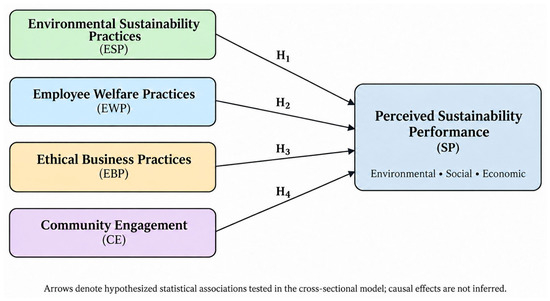
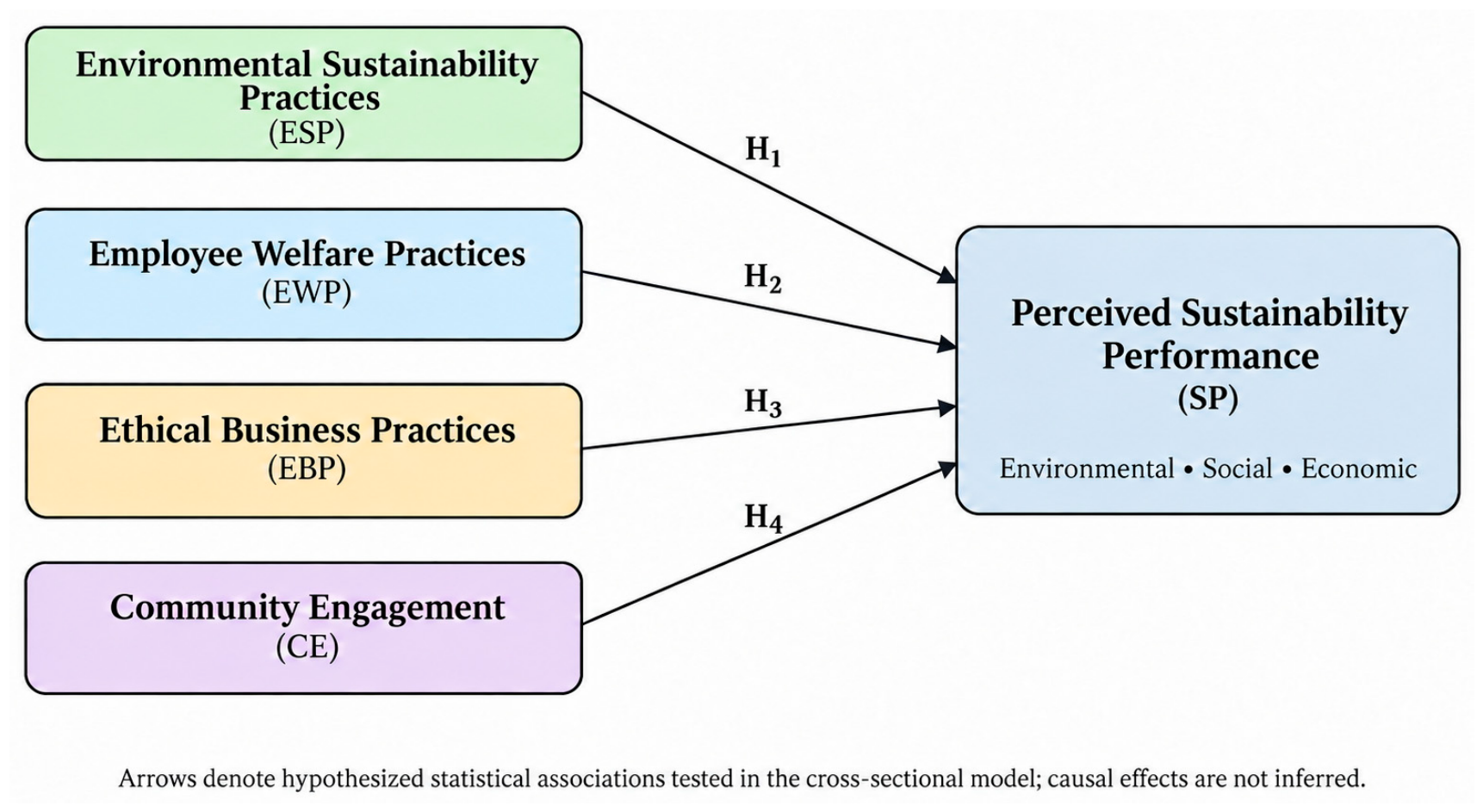

Disclaimer/Publisher’s Note: The statements, opinions and data contained in all publications are solely those of the individual author(s) and contributor(s) and not of MDPI and/or the editor(s). MDPI and/or the editor(s) disclaim responsibility for any injury to people or property resulting from any ideas, methods, instructions or products referred to in the content. |
© 2026 by the authors. Licensee MDPI, Basel, Switzerland. This article is an open access article distributed under the terms and conditions of the Creative Commons Attribution (CC BY) license.