


Abstract
Persistent petroleum-based packaging pollutes marine ecosystems, emits greenhouse gases and threatens human health, whereas starch-based alternatives compete with food crops. In this study, polysaccharides green-extracted from three seaweeds, Ulva fasciata starch (UFS), Sargassum latifolium alginate (SLA), and Pterocladia capillacea agar (PCA), were cast into bioplastic films using only water, biodiesel-derived bio-glycerol and vinegar. Six formulations (three neat polymers and three 1:1 binary blends) were prepared at constant plasticizer and cross-linker levels and characterized for thickness, density, solubility in neutral, acidic and alkaline media, soil-burial mass loss, and spectroscopic, crystallographic, morphological, thermal and mechanical properties. All formulations formed continuous, flexible, and self-supporting films. The neat-alginate film dissolved completely in water within 30 min, whereas its blends with starch or agar retained over 99% of their mass, showing that an insoluble partner polysaccharide can stabilize alginate without calcium crosslinking. The alginate/agar film combined a tensile strength of 1.19 ± 0.35 MPa with an elongation at break of 85.96 ± 2.5% and remained below 1.4% solubility in all media, while neat agar was the most extensible (102.87 ± 3.0%). Soil burial removed 91.8–100% of the initial mass within four weeks, at composition-dependent rates. These films are promising candidates for short-life dry-food packaging in circular and blue bioeconomies.
1. Introduction
Plastics are indispensable to modern life because they are cheap, light, versatile and durable, yet durability is precisely what turns them into a long-lived environmental burden [1]. Packaging is the largest and shortest-lived application: most items are discarded within days or weeks, yet only a small fraction of all plastics ever produced has been recycled, while the majority has been landfilled or has accumulated in the environment, where it persists for decades to centuries [2,3]. Weathering and fragmentation convert macro-plastic debris into micro- and nano-plastics that are transferred along food webs and affect soil and marine ecosystems [4,5,6]; because of their fossil origin, plastics were responsible for about 3.4% of global greenhouse-gas emissions in 2019 [7]; and exposure to plastic particles and additives raises growing human-health concerns [8,9]. Effective substitutes must therefore be renewable, degrade in realistic environments and avoid competition with food systems and arable land [10]. Marine macroalgae meet these requirements: they do not occupy arable land or require freshwater irrigation, they fix CO2 during growth, they tolerate harsh conditions with few inputs, and they are rich in film-forming polysaccharides [11,12,13,14]. Their conversion into biodegradable packaging also links material substitution to circular and blue bioeconomy value chains in coastal regions [12,15,16].
Starch-based materials were among the first alternatives to attract attention, because starch is abundant, inexpensive and biodegradable [17]. However, most commercial starch is obtained from food crops such as corn, potato and cassava, so its large-scale use in packaging competes with food supply and agricultural land, a concern that grows with increasing global food insecurity [18]. Starch accumulated by green macroalgae such as Ulva avoids this conflict [19].
The simplest route explored so far is to cast films directly from whole, milled seaweed. Green algae such as Ulva [20] and Halimeda opuntia [21], the invasive brown alga Rugulopteryx okamurae plasticized with glycerol [22], and a range of red macroalgae, including Eucheuma cottonii [23], Kappaphycus alvarezii [24], Gracilaria edulis [25], mixed Gracilaria chilensis, Gelidium corneum, Gracilariopsis longissima and Gracilaria tenuistipitata biomass [26], and Kappaphycus sp. [27] have all yielded biodegradable plastic films. Whole-biomass processing minimizes extraction steps, but the resulting matrices are compositionally undefined, which makes it difficult to attribute a given property to a specific polymer. Several groups have therefore combined algal powders with a second component, for example, Gracilaria powder with alginate, using glycerol as a plasticizer [28], or Gracilaria salicornia powder with Ulva lactuca starch, plasticized with glycerol and cross-linked with acetic acid [29].
A second, more controllable strategy relies on purified hydrocolloids. Agar recovered from the red macroalgae Melanothamnus afaqhussainii and Gracilaria corticata has been plasticized with sorbitol [30], G. corticata agar has been plasticized with glycerol and sorbitol [31], and agar from G. verrucosa has been combined with coconut oil as a plasticizer to obtain an edible bioplastic straw [32]. On the brown-algal side, alginates from Padina australis [33], Sargassum muticum [34] and Sargassum sp. [35] have been cast with glycerol, and carrageenan from K. alvarezii has been blended with starch and glycerol [36]. From green algae, the sulfated polysaccharide ulvan [37], cellulose–ulvan composites [38] and crude polysaccharide fractions of Ulva rigida [39] have extended the range of available film-forming polymers.
The most active recent line of work concerns multi-component blends, which aim to offset the weaknesses of one polysaccharide with the strengths of another. Alginate from Sargassum siliquosum combined with sago starch, sorbitol and CaCl2 produced bioplastic films with low water solubility and acceptable strength [40]. S. natans alginate has been reinforced with potato starch and carboxymethyl cellulose under a sorbitol/PEG-200 plasticizer system [41], and S. wightii alginate has been combined with potato starch and isopropanol [42]. Arrowroot starch has been blended separately with S. tenerrimum alginate or Gelidiella acerosa agar [43], and a ternary system of K. alvarezii carrageenan, starch and Planorbarius corneus snail-shell chitin has a been described, using glycerol and acetic acid as plasticizing, solubilizing, and cross-linking agents [44]. Binary alginate/agar [45,46] and agar/starch films [47] have also been characterized in some depth.
Despite this progress, several problems recur. Neat alginate films are highly water-soluble and permeable to water vapor, and calcium crosslinking has become the standard remedy [48]; even so, CaCl2-crosslinked S. muticum alginate films remained brittle, with elongation at break below 5% [49]. Reported alginate/agar films have likewise shown limited extensibility (approximately 4.5–12.7%) [45] or high water solubility (approximately 59%) [46], while Gracilaria/alginate films dissolved to the extent of 65–90% [28]. Many blend studies also depend on terrestrial starches such as potato, corn, sago, arrowroot or yucca starch [40,41,42,43,50,51,52,53], or on petrochemical-derived plasticizers or additives such as polyethylene glycol and isopropanol [24,41,42], so the final material is only partly marine or only partly bio-based. Finally, most reports examine one or two properties; very few compare aqueous stability across the pH range, tensile behavior, thermal decomposition, char formation and soil-burial degradation kinetics side by side for starch, alginate and agar prepared under identical conditions.
The aim of this study was to develop fully bio-based, biodegradable plastic films from three polysaccharides that had been green-extracted in-house from one representative of each major macroalgal group, starch from the green alga Ulva fasciata (UFS), alginate from the brown alga Sargassum latifolium (SLA) and agar from the red alga Pterocladia capillacea (PCA), and to establish how polymer identity and pairing control film properties. In a breakthrough step, bio-glycerol recovered as a biodiesel by-product served as the plasticizer, and food-grade vinegar as a mild cross-linking agent and co-solvent; both were held at constant levels so that polysaccharide composition was the only variable. The specific objectives were to (i) quantify thickness, density and film-forming quality; (ii) test stability in distilled water, 1 M HCl and 1 M NaOH; (iii) describe soil-burial mass loss with first-order kinetics and derive rate constants, half-lives and t90 values; (iv) relate structure to performance through ATR-FTIR, XRD and FESEM of surfaces and cross-sections; (v) characterize thermal behavior by TGA/DTG/DSC under nitrogen; (vi) measure tensile strength, yield extension, elongation at break and Young’s modulus; and (vii) derive formulation-specific application recommendations from these composition–property relationships. To the best of our knowledge, this is the first study in which starch, alginate, and agar, green-extracted from green, brown, and red seaweeds, respectively, were processed into bioplastic films under mild aqueous conditions, without organic solvents, synthetic additives or crosslinking salts, using a single, fixed regime of biodiesel-derived bio-glycerol and vinegar, and compared both as neat matrices and as all three possible binary biopolymeric blends.
2. Materials and Methods
2.1. Materials
- The macroalgal agar had previously been green-extracted from the red alga Pterocladia capillacea and characterized [54].
- The macroalgal alginate had previously been extracted from the brown alga Sargassum latifolium by alkaline extraction with sodium carbonate and characterized [55]; it was therefore used in its sodium form.
- The macroalgal starch had previously been green-extracted from the green alga Ulva fasciata and characterized [56].
- Bio-glycerol had previously been obtained as a by-product of biodiesel production from waste cooking oil [57].
- Commercial food-grade white vinegar (5% acetic acid) was purchased from a local supermarket.
2.2. Preparation of the Bioplastic Films
The bioplastic films were prepared following the method of Din et al. [58], with minor modifications. Formulations F1–F3 contained two macroalgal biopolymers in equal amounts (5 g each, approximately 3% w/v each), whereas formulations F4–F6 contained a single biopolymer (10 g, approximately 6% w/v).
The formulations correspond to the vertices and binary mid-points of a three-component U. fasciata–starch (UFS), S. latifolium–alginate (SLA), and P. capillacea–agar (PCA) mixture simplex with the total biopolymer content fixed at 10 g per formulation (approximately 6% w/v of the final dispersion), i.e., three neat-biopolymer films and three 1:1 binary blends. All formulations contained the same volumes of bio-glycerol (6 mL), vinegar (4 mL) and distilled water (150 mL), corresponding to approximately 4%, 3%, and 93% (v/v) of the total liquid, so that biopolymer composition was the only variable. Bio-glycerol was added as a plasticizer and vinegar as a mild cross-linking agent and co-solvent. The formulations are listed in Table 1.
Table 1.
Composition of the bioplastic film formulations.
To promote gelatinization and plasticization, each formulation was mixed on a heated magnetic stirrer at 80 °C and 200 rpm for 1 h. The resulting dispersions were cast onto glass trays and dried overnight in an oven at 60 °C. The dried films were conditioned at room temperature for three days in a desiccator containing a NaBr solution. The preparation process is summarized in Figure 1. Three independent films (replicates) were prepared for each formulation and all measurements were performed in triplicate; results are reported as mean ± standard deviation (SD).
Figure 1.
Schematic workflow of formulation, casting, drying, and conditioning of the bioplastic films.
2.3. Characterization of the Bioplastic Films
2.3.1. Film Thickness and Density
Films were cut into 1 cm × 1 cm specimens and weighed, and their thickness was measured with a manual micrometer (model 0850, Helios Preisser 0850, HELIOS-PREISSER, Gammertingen, Germany; accuracy ± 0.01 mm) at ten random locations; the mean was taken as the specimen thickness. Density was calculated as described by Gomaa et al. [38], by dividing the specimen mass by its volume (area × mean thickness).
2.3.2. Solubility in Neutral, Acidic and Alkaline Aqueous Media
Water solubility was determined following Yusmaniar et al. [50]. Specimens (2 cm × 2 cm, Figure 2) were weighed (Wo, g), and immersed individually in 100 mL beakers containing 50 mL of distilled water (pH 7) at room temperature for 24 h. The specimens were then removed with forceps, dried on pre-weighed filter paper and reweighed (Wt, g); the drying and weighing cycle was repeated until a constant mass was obtained. Solubility (%) was calculated using Equation (1). The same protocol was applied using 1 M HCl and 1 M NaOH as the acidic and alkaline media, respectively.
Figure 2.
Photographs of representative specimens (2 cm × 2 cm) of the six green-synthesized bioplastic films: alginate/starch (F1), agar/starch (F2), alginate/agar (F3), starch (F4), alginate (F5) and agar (F6).
2.3.3. Soil-Burial Degradation Test
Soil-burial degradation was evaluated following Khan et al. [42]. Specimens (2 cm × 2 cm; Figure 2) were weighed (Wo, g) and buried at a depth of 20 mm in soil collected from a botanical garden, where they were exposed to the indigenous soil microflora under ambient outdoor conditions. Separate specimens were buried for each sampling interval, retrieved weekly for four weeks and reweighed (Wt, g). Soil-burial degradation (BD%) was calculated from the mass loss using Equation (2).
Soil-burial degradation kinetics were described by the first-order model [59]
The time required to reach a target degradation level is then
For 50% degradation (half-life),
For 90% degradation,
where k is the apparent first-order degradation rate constant (wk−1); a higher k, with a shorter half-life (t1/2, wk) and t90 (wk), indicates faster mass loss.
2.3.4. Attenuated Total Reflectance Fourier-Transform Infrared Spectroscopy (ATR-FTIR)
Functional groups were identified by ATR-FTIR using a Cary 630 FTIR spectrometer (Agilent Technologies, Santa Clara, CA, USA), fitted with a single-reflection zinc selenide (ZnSe) ATR module. Spectra were recorded from 4000 to 650 cm−1, at a resolution of 4 cm−1 and a scanning rate of 16 cm/min.
2.3.5. X-Ray Diffraction (XRD)
The crystalline structure of the films was analyzed using a high-resolution diffractometer (model DW-XRD-Y3000, Drawell, Yuzhong District, Chongqing, China) with Cu Kα radiation (λ = 1.5418 Å) operated at 40 kV and 30 mA.
2.3.6. Surface Morphology
The surface morphology and cryo-fractured cross-sections of the films were examined by field emission scanning electron microscopy (FESEM; JSM IT200, JEOL, Tokyo, Japan) at an accelerating voltage of 20.0 kV, under high vacuum, at working distances of 20–24 mm, and magnifications of ×3000 (surfaces) and ×200 (cross-sections).
2.3.7. Thermal Analysis
Thermal behavior was assessed by simultaneous thermogravimetric analysis and differential scanning calorimetry (TGA–DSC) using an SDT Q600 instrument (TA Instruments, New Castle, DE, USA) under nitrogen at a flow rate of 100 mL/min, heating from ambient temperature to 950 °C at 10 °C/min. The thermogravimetric (TG) curve and its first-derivative (DTG) were obtained from the continuously recorded mass loss.
2.3.8. Mechanical Properties
Tensile properties were determined according to ASTM D882-18 [60] at room temperature using a universal testing machine (Instron 3382, Norwood, MA, USA) equipped with a 200 kN load cell. Strips (10 cm × 1.5 cm) were pulled at a crosshead speed of 10 mm/min, and tensile strength (TS, MPa), yield extension (YE, %), elongation at break (EB, %), and Young’s modulus (YM, MPa; the initial slope of the stress–strain curve) were determined using Equations (7) and (8).
where L is the specimen width (mm), X is the film thickness (mm), F is the maximum tensile force (N), and Lo and Lf are the initial gauge length and the length at break, respectively.
2.4. Statistical Analysis
Results are expressed as mean ± SD of three independent replicates (n = 3). Differences between formulations were evaluated by one-way analysis of variance (ANOVA) followed by Tukey’s honestly significant difference (HSD) test at α = 0.05; in tables and figures, means that do not share a superscript letter differ significantly.
Normality of the ANOVA residuals was checked with the Shapiro–Wilk test and homogeneity of variances with the median-based Levene–Brown–Forsythe test. Because these tests have limited power (at n = 3), Welch’s ANOVA and the Kruskal–Wallis test were run as confirmatory analyses and, where variances were unequal, the Games–Howell procedure was used for pairwise comparisons; in all cases the conclusions agreed with those of the standard ANOVA.
Soil-burial mass loss was additionally analyzed by two-way ANOVA with formulation and burial time as fixed factors, including their interaction. Effect sizes were expressed as eta squared (η2), the proportion of total variance explained by a factor. Relationships between formulation means were explored with Pearson and Spearman correlation coefficients; because only six formulations were tested, these correlations are treated as exploratory.
All statistical analyses were performed with IBM SPSS Statistics v27 (IBM Corp., Armonk, NY, USA). Additional calculations were performed in Python 3.11 (Python Software Foundation, Beaverton, OR, USA) using NumPy v2.4 [61] and SciPy v1.17 [62], and figures were prepared with Matplotlib v3.10 [63].
3. Results and Discussion
3.1. Characterization of the Bioplastic Films
3.1.1. Film Formation and Appearance
All six formulations produced continuous, self-supporting films that could be peeled intact from the casting trays (Figure 1 and Figure 2). The films were flexible, homogeneous and easy to handle with a smooth, non-greasy texture, no visible bubbles and adequate transparency without any bleaching step (Figure 2). Moreover, no objectionable odor was noticed during handling, consequently, there was no need for the utilization of activated carbon to remove any undesirable odor. No cracks, pinholes or visible phase separation were observed, indicating suitable casting and drying conditions and macroscopic compatibility of the blended polysaccharides.
3.1.2. Water Resistance, Film Thickness, and Density
Five of the six formulations were highly water-resistant, retaining 99.09 ± 0.50% to 99.59 ± 0.40% of their initial mass after 24 h in distilled water (Table 2, Figure 3a) so blending left the water stability of the starch and agar matrices intact. The water resistance of the alginate/starch (F1) and alginate/agar (F3) films, despite the complete dissolution of the neat alginate film (F5), can be attributed to the dispersion of alginate within a matrix that is itself insoluble, so that the matrix, rather than the alginate, governs the behavior of the film in water, in agreement with data reported for alginate/sago-starch films [64]. In practical terms, the five water-stable films can tolerate incidental contact with moist surfaces without losing their integrity, and this was achieved without crosslinking salts. Their water resistance was also considerably higher than the 43.56–68.84% reported for biodegradable films prepared from E. cottonii biomass, corn starch, and seed polysaccharides from durian, jackfruit or avocado [50].
Table 2.
Water resistance, thickness and density of the six bioplastic films. Values are mean ± SD. Within a column, means that do not share a superscript letter differ significantly (Tukey HSD, p < 0.05).
Figure 3.
Water resistance (a), thickness (b) and density (c) of the six bioplastic films. Bars are means and error bars are SDs (n = 3). Within each panel, bars that do not share a lowercase letter differ significantly (Tukey HSD, p < 0.05); the one-way ANOVA statistic is given above each panel.
Film thickness varied with formulation from 0.10 ± 0.06 mm to 0.38 ± 0.03 mm (Table 2, Figure 3b). The alginate/agar film (F3) was the thickest and differed significantly from every other formulation (p ≤ 0.044), whereas the agar/starch film (F2) was the thinnest and differed significantly from the alginate/starch (F1) and alginate/agar (F3) films (p = 0.018 and p < 0.0001, respectively). The neat starch, alginate and agar films were intermediate (0.16 ± 0.03 to 0.21 ± 0.05 mm) and did not differ significantly from F1 (p > 0.238) or F2 (p > 0.106). Because the total solids and liquid volumes were identical in all formulations, these differences cannot be attributed to the amount of material cast. They are more plausibly explained by differences in the rheology and drying behavior of the dispersions: strongly gelling agar and highly viscous alginate, particularly in combination (F3), set rapidly on cooling and retain water within a swollen network, which limits spreading on the tray and shrinkage during drying, whereas the less viscous starch-containing dispersions spread more evenly. The large standard deviation of the thinnest film (F2) also indicates less uniform spreading. Thickness is relevant to application because it determines the amount of material needed per unit area and influences barrier performance and the load a film can bear; controlling and reducing thickness, for example, by adjusting the cast volume per unit area or the solids content, should therefore be part of any scale-up. The thickness values obtained here lie within the range reported for comparable macroalgal films (see Section 3.3 Table 8). A slight increase in thickness of the alginate/starch film relative to the neat starch film was also reported by Acosta-Domínguez et al. [51] for sweet-potato starch films (0.15 mm with alginate versus 0.10 mm without).
Film density ranged from 1.34 ± 0.37 to 1.68 ± 1.01 g/cm3 and did not depend significantly on composition [F(5, 12) = 0.19, p = 0.962; Welch F(5, 5.20) = 0.20, p = 0.948] (Figure 3c). Because density was calculated from the measured thickness, its uncertainty is dominated by that of the thickness measurement and is large relative to the differences between formulations (Tukey minimum significant difference, 1.36 g/cm3); the non-significant result should therefore be read as an absence of evidence for a compositional effect at the present replication, rather than as evidence of equivalence. Film density is generally governed by the molecular weight of the polysaccharides and by the way glycerol interacts with the polymer network [23]. The densities of the neat starch (1.44 ± 0.34 g/cm3) and agar films (1.34 ± 0.37 g/cm3) agree with those reported for glycerol-plasticized starch (1.34–1.49 g/cm3) [65] and agar films (1.30–1.38 g/cm3) [66], and that of the alginate/agar film (1.39 ± 0.11 g/cm3) is comparable with the 1.32 g/cm3 reported for an alginate/agar film [45]. However, the density of the neat alginate film (F5; 1.54 ± 0.29 g/cm3) was relatively higher than the 1.08–1.16 g/cm3 reported for glycerol-plasticized S. muticum films [49]. The recorded thickness and density of the neat U. fasciata starch film (F4; Table 2) were comparable to those reported by Fadhallah et al. [67] for a cassava peel starch film (0.25 ± 0.01 mm and 1.66 ± 0.016 g/cm3, respectively). Thickness and density were not significantly correlated (Pearson r = −0.573, p = 0.235; Figure S1), indicating that the calculation did not introduce a systematic artifact.
3.1.3. Solubility in Neutral, Acidic, and Alkaline Aqueous Media
Solubility is a key property of biodegradable and edible films because it reflects their water resistance and structural integrity [21]. The formulation effect was highly significant in each medium [distilled water: F(5, 12) = 194,294, p < 0.0001, η2 = 1.000; 1 M HCl: F(5, 12) = 14.86, p < 0.0001, η2 = 0.861; 1 M NaOH: F(5, 12) = 71,687, p < 0.0001, η2 = 1.000] (Table 3, Figure 4).
Table 3.
Solubility (%) of the six films after 24 h at room temperature in distilled water, 1 M HCl and 1 M NaOH *.
Figure 4.
Solubility of the six bioplastic films after 24 h in distilled water, 1 M HCl and 1 M NaOH at room temperature. Bars are means and error bars are SDs (n = 3). Letters are Tukey groupings computed separately within each medium; bars not sharing a letter differ at p < 0.05.
In distilled water, all films except the neat alginate film (F5) showed negligible solubility (0.41–0.95%), whereas F5 dissolved completely within 30 min. The low solubility of the other films is attributed to extensive intermolecular hydrogen bonding, which reinforces the network and limits its interaction with water [68]. Complete dissolution of neat alginate films has also been reported by others [28,40,69], and 86.98% solubility was reported for another neat alginate film [70]; it results from the hydrophilicity of alginate, whose hydroxyl and carboxylate groups bind water strongly and cause swelling that progressively destabilizes the matrix until it disintegrates [68]. Blending alginate with either starch or agar reduced its solubility from 100% to 0.65 ± 0.10% (F1) and 0.67 ± 0.20% (F3), in line with reports that combining alginate with starch yields a more robust, less soluble structure [51]. Among the five water-stable films, the neat starch film (F4, 0.95 ± 0.05%) was slightly but significantly more soluble than the agar/starch (F2, 0.41 ± 0.10%, p = 0.0013) and agar (F6, 0.42 ± 0.30%, p = 0.0015) films, whereas F1 and F3 did not differ (p = 1.00). These differences, all below 1% of the initial mass, are statistically detectable but negligible for packaging purposes; they nevertheless indicate that agar slightly reduces the residual solubility of starch, consistent with the denser agar network discussed in Section 3.1.7. The water solubility of the alginate/agar film was far lower than the 58.65% reported for glycerol-plasticized alginate/agar film [46], and that of the two alginate-containing blends was far lower than the 65.05–90.25% reported for Gracilaria/alginate films [28].
The required solubility profile depends on the intended application: highly soluble films are advantageous when the packaging is consumed with its contents, whereas low-solubility films are needed when the packaging is removed before consumption [71]. Because high water resistance and low solubility are key criteria for food-packaging [58], the low water solubility of formulations (F1, F2, F3, F4, and F6) is promising [72]. Conversely, the water-soluble neat alginate film (F5) could be considered for water-dispersible formats in which dissolution is intended, such as pre-portioned ingredients that are added directly to water during cooking [28]. Such use would, however, first require verification that no residues of the extraction reagents remain (the alginate was extracted with sodium carbonate [55]) and confirmation of the food-contact safety of the film (Section 3.5). Compared with cassava starch films, which commonly suffer from high water sensitivity and poor mechanical strength [73], the macroalgal films developed here are therefore attractive. The low water solubility of the starch-containing films (Table 3, Figure 4) may be related to the semi-crystalline A-type structure of U. fasciata starch [56] and to the high amylose content (often above 55%) reported for Ulva starches [19,74].
All films resisted the acidic medium (Table 3, Figure 4), as also observed by Bouzenad et al. [49]. In acid, the sodium ions of alginate are replaced by protons, converting it into water-insoluble alginic acid [75].
The alkaline medium discriminated the formulations most sharply. The starch (F4) and alginate/starch (F1) films began to dissolve immediately upon immersion in 1 M NaOH and dissolved essentially completely (99.85 ± 0.17% and 99.88 ± 0.14%), the neat alginate film dissolved partially (F5, 60.0 ± 0.5%), and the agar film hardly at all (F6, 0.48 ± 0.20%). This ordering follows the ionizable character of the three backbones. Alkali deprotonates and swells the hydroxyl-rich amylose and amylopectin network, disrupting hydrogen bonding and promoting alkaline hydrolysis of the glycosidic chain [76]; it also fully ionizes the uronic acid residues of alginate to carboxylate groups (–COO−), whose electrostatic repulsion uncoils the chains and dissolves the matrix [77]. In contrast, the largely neutral agarose backbone offers no comparable ionizable site and remains intact [78]. A lower solubility of alginate films in alkali than in water has also been reported [49] and may reflect a shift in the ionization equilibrium of the functional groups and a partial loss of hydrophilic character [68]. The agar (F6) and alginate/agar (F3) films remained intact in both acidic and alkaline media, which may arise from the strong gel network of agar [79]; they are therefore the most promising candidates for practical use, for example, as flexible wraps, pouches, and sachets for dry foods such as tea, herbs, and spices, which may come into incidental contact with moist, acidic or alkaline surfaces.
Overall, solubility depended strongly on both polymer composition and the immersion medium (Figure 5). The starch-containing F1 and F4 films survived water and acid but failed completely in alkali, and the neat alginate F5 film failed in water; these three formulations are therefore unsuitable for applications involving contact with liquid water or alkaline products, such as detergent or soap residues and alkaline foods. Only the alginate/agar and neat agar films resisted all three media (Figure 5), making them the most suitable for food packaging; agar-based films are known to combine low moisture content, adequate transparency, strength, flexibility and heat stability [80].
Figure 5.
Formulation × medium interaction in the solubility data. (a) Interaction plot: each formulation is drawn as one line across the three media on a logarithmic ordinate (means ± SD, n = 3). Non-parallel lines are the interaction shown directly, and the repeated crossings between water and 1 M NaOH are its visual signature. (b) The same means as a stability matrix, shaded by solubility; only F3 (alginate/agar) and F6 (agar) remain pale in all three columns.
3.1.4. Soil-Burial Degradation
All films lost mass rapidly during the soil-burial test (Table 4, Figure 6), and the extent of mass loss depended on formulation [two-way ANOVA: F(5, 48) = 892.05, p < 0.0001, η2 = 0.989], burial time [F(3, 48) = 3008.06, p < 0.0001, η2 = 0.995] and their interaction [F(15, 48) = 99.93, p < 0.0001, η2 = 0.969]. The interaction indicates that formulation effects were most pronounced early in the burial period and diminished as all films approached extensive mass loss by week 4. Averaged over all formulations, mass loss reached 60.00 ± 0.25% after one week and 78.31 ± 0.63% after two weeks, and individual formulations reached 81.12–99.78% after three weeks. These rates are faster than those reported for S. wightii alginate/potato starch/isopropanol films (40% in 21 days) [42] and E. cottonii/corn starch/glycerol/vinegar films (approximately 56% in 12 days) [53] (see Section 3.3 Table 8). Because soil composition, moisture and temperature strongly influence degradation and were neither controlled nor characterized here, such cross-study comparisons are indicative only.
Table 4.
Soil-burial mass loss (%) of the six bioplastic films *.
Figure 6.
First-order kinetic fits of the soil-burial mass-loss profiles of the six bioplastic films.
After one week, the neat alginate film (F5) showed the greatest mass loss (90.58 ± 0.90%; p < 0.0001 versus all others), whereas F2 (41.97 ± 0.60%) and F6 (42.63 ± 0.50%) formed the lowest, statistically indistinguishable group (p = 0.66); F1, F3, and F4 differed from all other formulations and from one another (p < 0.0001). After two weeks, F5 remained the highest, recording 99.11 ± 0.80% (p < 0.0001). F3 and F4 were comparable (recording 74.37 ± 2.10% and 77.89 ± 1.80%; p = 0.125), and F6 was the lowest (61.89 ± 1.50%; p < 0.0001). After three weeks, F1 and F5 formed the highest group (98.10 ± 0.58% and 99.78 ± 0.31%; p = 0.643), F3 and F4 an intermediate group (90.20 ± 1.50% and 91.42 ± 2.00%; p = 0.863), and F2 and F6 the lowest group (83.28 ± 1.30% and 81.12 ± 1.50%; p = 0.401). After four weeks, F1, F3, F4, and F5 had reached comparable, near-complete mass loss (96.94–100%; p ≥ 0.109), whereas F2 (93.17 ± 1.50%) and F6 (91.80 ± 1.50%) remained significantly lower than F5 (p < 0.0001). Agar-containing films were thus consistently the most persistent. The rapid mass loss of the alginate film agrees with the complete degradation of Sargassum alginate films within 30 days reported by Kamarozaman et al. [34], who attributed it to the high water solubility of alginate, which facilitates microbial access and enzymatic attack; even faster disintegration (4 days) has been reported for an invert-sugar-plasticized Sargassum alginate film [81].
It is worth mentioning that the recorded soil-burial mass loss percentages for all of the studied bioplastic formulas after 14 days (Table 4) are better than those reported by Yusmaniar et al. [50] for biodegradable films prepared from red macroalgal E. cottonii biomass, corn starch, and polysaccharides extracted from durian, jack fruits, or avocado, which ranged between 53.54% and 87.43%. Moreover, the recorded biodegradation percentage of agar/starch-based film within a month (93.17 ± 1.50%, Table 4) was much better than that recorded for the previously reported biodegradation rate of glycerol-plasticized agar/starch films, which ranged between 43.0% and 76.2%, within four months [47].
The rapid mass loss is consistent with the role of glycerol in polysaccharide films: by reducing intermolecular hydrogen bonding between chains, glycerol increases free volume and chain mobility [82], and it also increases water uptake, which facilitates microbial access to the matrix [83]. Weak internal bonding has also been proposed to accelerate disintegration [27]; however, tensile strength did not correlate with the degradation rate constant across the six films (r = 0.11, p = 0.84), indicating that hydrophilicity and polymer chemistry, rather than mechanical cohesion, governed degradation (Section 3.2).
Replicate-specific mass-loss profiles were fitted with the first-order model (Equation 3; Figure 6), which described the data well (0.9965 ≤ R2 ≤ 1.000) and was therefore used to rank the formulations kinetically.
The apparent degradation rate decreased in the following order:
SLA (F5) > SLA/UFS (F1) > UFS (F4) > SLA/PCA (F3) > PCA/UFS (F2) > PCA (F6)
Formulation significantly affected the apparent rate constant [F(5, 12) = 1581.93, p < 0.0001] and, consequently, the half-life and t90 [F(5, 12) = 15,759.25, p < 0.0001 for both] (Table 5). F5 had the highest rate constant (2.3687 ± 0.0758 wk−1) and the shortest t90 (0.97 ± 0.03 wk); F1 had the second highest (p < 0.0001); F3 and F4 had intermediate, statistically comparable rate constants (p = 0.146); and F2 and F6 had the lowest, statistically comparable rate constants (p = 0.598), indicating the greatest persistence in soil. On average, the three agar-containing films degraded about 2.7 times more slowly than the three agar-free films (mean k = 0.55 versus 1.50 wk−1), which may be related to the β-glycosidic and 3,6-anhydrogalactose linkages of agarose, which fewer soil microorganisms are able to hydrolyze than the α-glucan linkages of starch [84].
Table 5.
First-order kinetic parameters of soil-burial mass loss for the six bioplastic films (mean ± SD, n = 3; within a column, values not sharing a superscript letter differ significantly, Tukey HSD, p < 0.05).
From an end-of-life perspective, all six formulations lost 91.8–100% of their initial mass within four weeks in garden soil under ambient outdoor conditions, without the controlled temperature and humidity of industrial composting. Because the rate constant varied about five-fold with composition (Table 5), end-of-life behavior can, in principle, be matched to the intended service life: fast-degrading alginate-rich films for short-lived or water-dispersible formats, and slower-degrading agar-rich films for packaging that must remain intact for longer. These results describe disintegration and mass loss only; confirming complete mineralization will require respirometric (CO2 evolution) mineralization tests under standardized conditions, together with analysis of residues and ecotoxicity (Section 3.5).
3.1.5. ATR-FTIR
The ATR-FTIR spectra (Figure 7) showed the characteristic functional groups of polysaccharides in all films. A broad band at 3252–3276 cm−1 is assigned to O–H stretching and indicates extensive hydrogen bonding [20], which in these films can occur within the biopolymer matrix, among glycerol molecules, and at the biopolymer–plasticizer interface [37]. Bands at 2923–2931 and 2882–2886 cm−1 are assigned to C–H stretching of CH2 groups, and the band at 1605–1645 cm−1 to the bending vibration of absorbed water, which in alginate-containing films overlaps with the asymmetric stretching of carboxylate (COO−) groups [85]. The absorptions at 1124–1150 and 1020–1030 cm−1 correspond to C–O stretching of C–O–H groups and of the C–O–C linkages of the pyranose ring, respectively [86].
Figure 7.
ATR-FTIR spectra of the six bioplastic films.
The spectra of the neat starch film (F4), alginate/starch (F1), and agar/starch (F2) films displayed the bands typical of pyranoid ring structures at 645–927 cm−1 [56], and the spectrum of F4 closely matched those previously reported for Ulva starch [56,87,88].
The spectrum of the neat alginate film (F5) agreed with those reported for alginate films [43,70] and showed the characteristic absorptions of Sargassum alginate around 1080 and 815 cm−1 [55,89]. The bands assigned to guluronic and mannuronic acid units near 1080 and 1030 cm−1, respectively [90], were observed not only in F5 but also in the alginate/starch (F1) and alginate/agar (F3) blends.
The spectrum of the neat agar film (F6) closely matched those reported for Pterocladia agar [54,91] and for glycerol-plasticized agar films [43,66]. The characteristic agarocolloid bands between 850 and 1410 cm−1 [92] were present in F6 and in the agar/starch (F2) and alginate/agar (F3) blends. In F6, the ester sulfate band at 1382 cm−1 and the bands at 1274 and 1224 cm−1 assigned to the sulfate groups of α-L-galactose-6-sulfate were identified, and the bands at 1112 and 787 cm−1 were assigned to the galactan backbone [93,94,95].
In the blends, the polysaccharide bands shifted by only a few wavenumbers relative to the neat films, and no new absorption bands appeared. The spectra of the blends were consistent with those reported for comparable agar/starch [43,47,96], alginate/starch [42,43,52], and alginate/agar [45] films. Such small shifts are consistent with physical interactions, mainly intermolecular hydrogen bonding, between the two polysaccharide networks; however, FTIR alone cannot establish the nature or strength of these interactions, and the absence of new bands indicates that no covalent crosslinking occurred [97]. With respect to degradation, the spectra show that all films consist of hydroxyl-rich glycosidic networks held together by hydrogen bonds and plasticized by glycerol, without covalent crosslinks or hydrophobic additives. Such networks are readily hydrated and accessible to microbial hydrolases, which is consistent with the rapid soil-burial mass loss of all formulations. The carboxylate band of the alginate-containing films reflects ionized, strongly hydrophilic groups that favor swelling and dissolution, in line with the fastest degradation of F5 and F1, whereas the sulfate and galactan bands mark agar, the polymer that slowed degradation in every film in which it was present (Table 5).
3.1.6. X-Ray Diffraction
The X-ray diffractograms of the six films are compared in Figure 8. All films were predominantly amorphous, as is typical of glycerol-plasticized polysaccharides, in which glycerol, with its three hydroxyl groups, intercalates between the chains and prevents their regular packing [98]; amorphous complexes between the polysaccharides and glycerol may also contribute [39]. An amorphous film is generally more flexible and more transparent than a semi-crystalline one, which is favorable for packaging. Acetic acid from the vinegar may also have contributed to the water resistance of the starch- and agar-containing films by promoting the hydrogen-bonded association of their hydroxyl-rich chains during drying [99,100], although this was not tested directly because no vinegar-free controls were prepared.
Figure 8.
XRD patterns of the six bioplastic films.
Each pattern was dominated by a broad halo centered at 2θ = 19.07–21.42° (full width at half maximum FWHM, 9.5–15.3°), and the intensity above the halo accounted for only 0.8–1.5% of the total scattered intensity over 2θ = 8–55°. The formulations therefore differed not in their degree of crystallinity but in which crystalline reflections were superimposed on the halo. The patterns of the neat starch, alginate and agar films matched those reported for glycerol-plasticized arrowroot starch, S. tenerrimum alginate and G. acerosa agar films [43].
The neat starch film (F4) showed the characteristic reflections of Ulva starch at 2θ ≈ 15°, 17°, 18°, 20°, 23°, and 27°, associated with its amylose and amylopectin fractions [56,101]; these reflections were largely lost in the agar/starch blend (F2), as discussed below.
The alginate-containing films (F5, F1 and F3) showed a series of narrow reflections that have been attributed to the (110) and (200) planes of the polyguluronate and polymannuronate units of Sargassum alginate [55]. The neat alginate film (F5) showed ten sharp reflections between 2θ = 21.80° and 51.64° (FWHM = 0.22–0.41°), the most intense at 30.99° and 31% above the background. This signature was largely retained in the blends: the alginate/starch film (F1) reproduced four of these reflections (23.01°, 31.27°, 33.37°, and 45.69°) and alginate/agar film (F3) seven (22.08°, 24.89°, 31.25°, 33.36°, 37.26°, 45.61°, and 51.85°), showing that the ordered alginate domains withstood blending with either polymer, as also reported for arrowroot-starch/S. tenerrimum alginate films [43]. The narrow width of these reflections is, however, unusual for polysaccharide crystallites, and a contribution from residual inorganic sodium salts originating from the carbonate extraction cannot be excluded. Broad halos around 45.5° and 52.5°, commonly reported for seaweed alginates [102,103], were also evident in F1, F3, and F5.
The neat-agar film (F6) was the only formulation without any resolved crystalline reflection; its diffractogram consisted of the amorphous halo alone, centered at 19.07°, consistent with the largely amorphous character of Pterocladia agar [104] and of Gelidium robustum agar films [105]. Blending agar with starch (F2) left the pattern almost featureless (a halo at 19.35° with a single weak reflection at 19.06°), so the starch reflections resolved in F4 were largely lost, as also reported by Yavagal and Thalla [43], who attributed this to intermolecular association between agarose, amylose, and glycerol. In the alginate/agar film (F3), by contrast, the agar halo at 19.48° was overlaid by the alginate reflections listed above.
With respect to soil-burial degradation, the low crystalline contribution of all films (≤1.5% of the scattered intensity) means that their chains lie largely in amorphous regions, which water and microbial enzymes penetrate readily; this is consistent with the rapid mass loss of every formulation. Crystallinity did not, however, explain the differences between formulations: the fully amorphous agar film (F6) was the most persistent, whereas the alginate film (F5), which showed the sharpest reflections, degraded fastest. Polymer chemistry and solubility, rather than crystallinity, therefore controlled the degradation rate (Section 3.2).
3.1.7. Surface Morphology
The microstructure of the bioplastic films was examined by FESEM to assess how polymer composition affected film integrity, homogeneity, and the compatibility of the blended components.
The surface of the neat starch film (Figure 9a) was rough and cracked, with some undissolved granules but no voids, as reported for other starch-based bioplastics [44]. The neat alginate film (Figure 9b) had a smooth, crack-free surface but contained voids and residual particles, consistent with findings for Padina pavonica alginate bioplastics [106]. The neat agar film (Figure 9c) had a smooth surface free of cracks and voids, similar to that of Gelidium robustum agar films [105], which may be attributed to glycerol-mediated disruption of hydrogen bonding within the agar network [107]; the absence of cracks and clumps indicates good miscibility and homogeneity of the film constituents [39].
Figure 9.
FESEM micrographs of the film surfaces (×3000; scale bar, 5 µm): (a) starch (F4), (b) alginate (F5), (c) agar (F6), (d) alginate/starch (F1), (e) agar/starch (F2) and (f) alginate/agar (F3).
Surface smoothness influences the final film properties [108]: smoother surfaces generally reflect a more densely packed polymer network, fewer microscopic defects and more uniform solvent evaporation, and are associated with greater uniformity and transparency.
Among the blends, the alginate/starch film (Figure 9d) had a smoother, void-free surface than either neat starch (Figure 9a) or neat alginate (Figure 9b), although fine cracks remained. It was also free of the discrete particles seen on neat alginate, consistent with alginate being dispersed within the starch matrix rather than remaining as a separate phase, and was more homogeneous than reported for S. wightii alginate/potato-starch/isopropanol films [42].
Agar addition reduced cracks and voids and increased surface smoothness in both the agar/starch (Figure 9e) and alginate/agar (Figure 9f) films relative to the neat films (Figure 9a–c). The surfaces of the alginate/starch and agar/starch films (Figure 9d,e) resembled those reported for glycerol-plasticized arrowroot starch/S. tenerrimum alginate and arrowroot starch/G. acerosa agar films [43].
In the cross-sectional micrographs (×200; Figure 10), the upper edge corresponds to the surface exposed to air during casting and drying. The neat-starch film fractured through a granular, heterogeneous and extensively cracked interior (Figure 10a), as reported for glycerol-plasticized cassava starch films [80]; this morphology is typical of starch films and arises from retrogradation of amylose and amylopectin during film formation and incomplete granule disruption during casting [109]. The neat alginate and agar films, in contrast, showed layered cross-sections with cracks running mainly parallel to the surface, indicating a more continuous and better consolidated structure [96].
Figure 10.
FESEM micrographs of the film cross-sections (×200; scale bar, 100 µm): (a) starch (F4), (b) alginate (F5), (c) agar (F6), (d) alginate/starch (F1), (e) agar/starch (F2) and (f) alginate/agar (F3).
The neat alginate film showed a dense, homogeneous cross-section (Figure 10b), consistent with strong intermolecular hydrogen bonding between alginate chains and with the good film-forming ability of sodium alginate, as previously reported for neat alginate films [70].
The agar film had a structure intermediate between those of starch and alginate, with a relatively smooth surface and a compact cross-section (Figure 10c), similar to that reported for glycerol-plasticized agar films [66,80]. Agar forms dense, ordered networks through double-helix formation on cooling, yielding a continuous three-dimensional structure stabilized by hydrogen bonding [66].
The compact cross-section of the alginate/starch film without phase separation or interfacial boundaries (Figure 10d), indicates good compatibility [80], attributable to hydrogen bonding between starch hydroxyl groups and alginate carboxylate and hydroxyl groups [110]. The agar/starch film also showed a compact, apparently homogeneous cross-section (Figure 10e), indicating that agar integrated into the starch network, reduced granular heterogeneity and improved matrix continuity [80,96]; both blends were more homogeneous and less fissured than the neat starch film (Figure 10a). In the alginate/agar film (Figure 10f) no phase-separated domains were visible, although fracture cracks were present, as in all cryo-fractured sections, indicating good miscibility of alginate and agar at the scale observed [45,46], attributable to the ability of both polysaccharides to form extensive hydrogen-bonded networks [45]. Such cohesive, single-phase structures are consistent with the water resistance and mechanical integrity of the blends, because they restrict water diffusion and avoid weak interfaces [43].
The surface and cross-sectional morphologies of the neat-Ulva starch and Sargassum alginate/Ulva starch films resembled those reported for sweet-potato starch and alginate/sweet-potato starch films [51].
The smoother surface and more compact cross-section of the alginate/agar film relative to the agar/starch and alginate/starch films agree with its superior combination of tensile strength and elongation (see Section 3.1.9 Table 7). Morphology also helps to explain the most practically significant result of this study: the neat alginate film dissolved completely in water, whereas both of its blends F1 and F3 retained more than 99% of their mass (Table 3, Figure 4). The discrete particles seen on neat alginate were absent from the blend surfaces (Figure 9), and the blend cross-sections were continuous rather than granular (Figure 10), suggesting that alginate was dispersed within a continuous starch or agar matrix in which water could not readily reach and mobilize it. Consequently, alginate can be incorporated into a water-resistant film without the calcium crosslinking normally required [48], which removes a processing step and avoids the introduction of a divalent salt.
Morphology is also consistent with the soil-burial results (Table 4 and Table 5). The cracked, granular surface and cross-section of the neat starch film (Figure 9a and Figure 10a) and the fine surface cracks of the alginate/starch film (Figure 9d) provide pathways for water and microorganisms into the film, in line with their fast mass loss, whereas the smooth, crack-free and compact agar film (Figure 9c and Figure 10c) was the most persistent, and agar addition, which smoothed the surfaces of both blends (Figure 9e,f), also slowed their degradation. The neat alginate film is the exception: despite its dense cross-section, it degraded fastest because it dissolves in water, so that solubility rather than microstructure controlled its fate in soil.
3.1.8. Thermal Analysis
Thermal analysis by TGA, DTG and DSC (Figure 11, Table 6; full data in Table S1) showed that all six films decomposed under nitrogen in three mass-loss stages. In the context of this study, thermal behavior is relevant mainly to the processing window (e.g., drying and heat sealing) and to safe handling of the films, whereas their environmental fate is governed by the soil-burial behavior discussed in Section 3.1.4.
Figure 11.
Thermal analysis of the six bioplastic films (F1–F6) under nitrogen: (a) TGA, (b) DTG, and (c) DSC curves (exotherm up). Insets list the characteristic temperatures, degradation rates, residues, and estimated LOI values.
Table 6.
Thermal parameters of films F1–F6 from TGA, DTG and DSC.
Stage I (ambient–150 °C; Figure 11a,b) accounted for 16.4–25.4% of the initial mass (Table S1) and reflects the loss of free and hydrogen-bonded water, together with residual acetic acid and loosely held glycerol; it coincides with the broad endotherm below 150 °C in the DSC curves (Figure 11c) and agrees with the glycerol-related endotherm reported at 140–180 °C [111]. Stage II (150–400 °C; Figure 11a,b), the principal degradation event, accounted for the largest mass loss in every film (53.5–66.5%) and occurred over a formulation-dependent window of about 177–330 °C. Under nitrogen, this stage corresponds to thermal scission—dehydration of the sugar rings, cleavage of glycosidic linkages, decarboxylation of the uronic-acid residues of alginate and elimination of the sulfate half-esters of agar—consistent with the single-step degradation of agar near 300 °C [112] and with the 250–350 °C window of glycerol-plasticized starch films [113,114]. Above 400 °C (Stage III, 8.5–17.4%; Figure 11a), mass loss slowed markedly and is attributed to gradual carbonization of the char and, in alginate-containing films, to the decomposition of inorganic sodium salts.
The temperature at which 5% of the mass was lost (T5) ranked F5 (62 °C) > F3 (58 °C) > F1 (52 °C) > F2 (46 °C) > F4 (34 °C) > F6 (25 °C), with the three alginate-containing films in the top three positions (Table S1); the same ordering was observed at 20% mass loss and was mirrored by the DSC dehydration minimum (Table 6). The low-temperature behavior of the films is therefore governed by how strongly the network retains water and glycerol. Ionized carboxylate groups in alginate bind water more strongly, through ion–dipole interactions and the hydration shells of the counter-ions [43], than the neutral hydroxyl groups of starch or the largely neutral agarose backbone [115], so that the neat agar film began to lose mass essentially at ambient temperature. Because the glycerol loading was identical in all formulations, these differences can be attributed to the polysaccharides alone [113].
Among the neat films (Figure 11a,b), the starch film (F4) degraded mainly between 248 and 328 °C, with a DTG maximum at 272 °C and a shoulder near 311 °C attributable to the decomposition of amylose and amylopectin [116]. The alginate film (F5) decomposed mainly between 190 and 258 °C, with a maximum at 213 °C, consistent with the progressive breakdown of the alginate backbone in glycerol-plasticized alginate films [98] and with the onset temperature of 180–190 °C reported for Sargassum alginate films [34]. The agar film (F6) degraded through two overlapping DTG events, with maxima at 232 and 304 °C, consistent with the sequential breakdown of the agarose and agaropectin fractions [112].
Among the blends, the alginate/starch film (F1) degraded mainly between 177 and 265 °C, with a DTG maximum at 205 °C and a shoulder near 269 °C, as reported for arrowroot starch/S. tenerrimum alginate films, in which the carboxyl groups of alginate decompose first and the starch backbone later [43]. The agar/starch film (F2) decomposed over the highest temperature window (248–330 °C), with a maximum at 307 °C, above those of both neat agar (232 °C) and neat starch (272 °C), suggesting additional interactions, possibly hydrogen bonding, between the two networks that delay bulk degradation, as also reported by Yavagal and Thalla [43]. The alginate/agar film (F3) decomposed between 183 and 256 °C with a single maximum at 217 °C. None of the blends was therefore simply intermediate between its parent polymers.
Resistance to decomposition ran almost opposite to the water and plasticizer retention described above: the onset temperatures of F2 and F4 (248 °C) were the highest and that of F1 (177 °C) the lowest. Starch-rich films resist backbone scission longest because the α-glucan chain carries no thermally labile substituent, whereas alginate decarboxylates from about 210 °C [115]. The three alginate-containing films gave a single merged DTG maximum at 205–217 °C, whereas the three alginate-free films gave a resolved doublet between 232 and 311 °C (Figure 11b), suggesting that early decarboxylation in the alginate films merged the plasticizer-rich and backbone contributions that remained distinct in the others.
Char residues at 600 °C ranked F5 (25.2%) > F3 (18.1%) > F1 (15.8%) > F6 (11.0%) > F2 (8.6%) > F4 (6.3%), again separating the alginate-containing films from the others. Two mechanisms probably act together: decarboxylation crosslinks the residue into an aromatized framework before the carbon can volatilize, and the Na+ counter-ions, introduced with the sodium carbonate used for alginate extraction [55], are retained as non-volatile carbonates that add to the residue and catalyze further char formation [115]. Consistent with the second mechanism, a discrete DTG maximum at 722–763 °C appeared in F1, F3 and F5 but was almost absent from F2, F4 and F6 (Table S1). These mechanistic assignments are inferred from TGA/DTG alone and would need confirmation by evolved-gas analysis (TGA–FTIR or TGA–MS).
Because the experiments were run under nitrogen, an approximate limiting oxygen index (LOI) was estimated from the char residue at 850 °C (CR, %) using the Van Krevelen–Hoftyzer relationship [117]:
The 850 °C residue was used because mass loss was still in progress between 600 and 850 °C, (e.g., F1 recorded 15.8% at 600 °C versus 6.4% at 850 °C), so a lower temperature would overestimate the persistent char. The estimated LOI ranked F5 (23.2%) > F3 (20.6%) > F1 (20.1%) > F6 (19.6%) > F2 (19.3%) > F4 (18.5%) (Table 6), following the char yield, as the correlation requires. These values are empirical estimates derived from char yield, not measured LOI values, and are used here only to rank the char-forming tendency of the formulations. All six lie within the 18.5–23.2% band typical of ordinary combustible polysaccharides and below the self-extinguishing threshold of about 26% [118,119]; no flame-retardant property is therefore claimed for any of the films.
One-way ANOVA showed that formulation significantly affected all thermal descriptors in Table 6 (p < 0.001). For Tonset, F2 and F4 formed the highest, statistically indistinguishable group (p = 1.000), indicating that starch delayed the main degradation step, although agar did not raise Tonset beyond that of neat starch. All pairwise differences in Tmax were significant (p < 0.01), from F2 (307 °C) to F1 (205 °C), as were all differences in char residue and estimated LOI (p < 0.0001), with F5 highest and F4 lowest. The DSC dehydration endotherm was resolved for all films except F4 and ranged from 89.3 °C (F5) to 32.9 °C (F6); only F2 and F3 did not differ (p = 0.739).
Two thermal-performance strategies thus emerged: F2 most effectively delayed the main decomposition event, whereas F5 retained the most mass at high temperature. In all films, however, the practical processing ceiling is set by the loss of water and glycerol rather than by backbone decomposition: all six films lost 16–25% of their mass below 150 °C, while on a dry basis their T5 values were similar (169–186 °C). Processing temperatures should therefore be kept below about 120 °C for F1, F3 and F5 and below about 80 °C for F4 and F6, a constraint already noted for glycerol-rich starch films [114,120]. Decomposition under nitrogen is not directly related to soil-burial degradation, which is a biological, water-mediated process; the thermal descriptor most closely related to it was the strength of water binding (DSC dehydration temperature), which followed the same order as the degradation rate constant among the films in which it was resolved (Section 3.2).
3.1.9. Mechanical Characteristics
Mechanical properties determine whether a packaging film survives handling, filling and transport [37]. Tensile strength (TS) reflects the cohesive strength of the polymer network [50], elongation at break (EB) its flexibility [42], and Young’s modulus (YM) its stiffness [37]; in polysaccharide films, strength and stiffness trade off against extensibility, and plasticizer content is the principal lever that moves a formulation along this trade-off [114,121].
Tensile strength differed significantly among the formulations [F(5, 12) = 23.58, p < 0.0001, η2 = 0.908], as did elongation at break [F(5, 12) = 1104.72, p < 0.0001, η2 = 0.998], and Young’s modulus [F(5, 12) = 182.05, p < 0.0001, η2 = 0.987] (Table 7, Figure 12).
Figure 12.
Tensile strength (a), yield extension (b), elongation at break (c) and Young’s modulus (d) of the six bioplastic films. Bars are means and error bars are SDs (n = 3). Within each panel, bars that do not share a lowercase letter differ significantly (Tukey HSD, p < 0.05); the one-way ANOVA statistic is given above each panel.
Table 7.
Mechanical properties of the six bioplastic films (mean ± SD, n = 3; within a column, values not sharing a superscript letter differ significantly, Tukey HSD, p < 0.05).
Among the neat films, the starch film (F4) had the highest TS (1.64 ± 0.25 MPa) and a modulus (13.84 ± 0.7 MPa) about four times those of the alginate and agar films, combined with a low EB (20.56 ± 1.9%). This is the expected behavior of a starch matrix: the linear amylose fraction associates on drying into a continuous hydrogen-bonded network that carries load efficiently but limits extensibility [122,123]. The neat agar film (F6) showed the opposite profile, with the highest yield extension (99.07 ± 2.3%) and EB (102.87 ± 3.0%) but the lowest TS (0.40 ± 0.05 MPa), suggesting that its helical network can uncoil and rearrange extensively under stress but lacks the cohesion needed to sustain high loads, in agreement with the reported effect of glycerol on agar films [66,121]. The alginate film (F5) was intermediate, with moderate TS (1.20 ± 0.13 MPa), reasonable EB (48.00 ± 1.2%) and a low modulus (3.33 ± 0.3 MPa), reflecting effective plasticization of the alginate chains by glycerol through hydrogen bonding with their hydroxyl and carboxyl groups [30,34]. The TS of F4 and F5 did not differ significantly, but both were significantly higher than that of F6 (p < 0. 0001 and p = 0.0021, respectively).
Extensibility separated the formulations far more sharply than strength. The agar film was the most extensible, followed by the alginate/agar blend (85.96 ± 2.50%) and the alginate film (48.00 ± 1.20%), each differing significantly from every other formulation (p < 0.0001), whereas the starch film and the two starch-containing blends formed a low-extensibility group (14.16–20.56%). The generally high EB values indicate efficient plasticization by bio-glycerol, whose small size, hydrophilicity, and hydroxyl groups allow it to integrate effectively into polysaccharide networks [37,114].
Among the blends, the alginate/agar film (F3) combined the highest TS (1.19 ± 0.35 MPa) and EB (85.96 ± 2.5%), whereas the agar/starch (F2) and alginate/starch (F1) films were weaker (0.91 ± 0.05 and 0.27 ± 0.03 MPa, respectively) and much less extensible. The starch-containing blends were thus governed by starch, whose amylose fraction reduces flexibility [122,123], whereas the elongation of F3, intermediate between those of its components, was governed by agar.
The alginate/starch film (F1) had the poorest mechanical performance: its TS was lower than that of either neat starch (p < 0.0001) or neat alginate (p = 0.0006), and its EB (15.00 ± 1.3%) was much lower than that of neat alginate (p < 0.0001). Similar antagonistic effects of blending starch and alginate have been attributed to the relatively low molecular weight of alginate and to its intercalation within the starch phase, which disrupts the amylose/amylopectin network and prevents the formation of a cohesive, stress-transmitting structure [43,72]. Replacing alginate with agar (F2) produced a stiffer film, with the highest modulus among the blends (8.72 ± 0.9 MPa) and a TS (0.91 ± 0.05 MPa) lower than that of neat starch (p = 0.0044) but higher than that of F1 (p = 0.0119); the concurrent low EB (14.16 ± 1.5%) suggests that agarose helices act as physical junctions or rigid domains within the starch matrix, as also reported for agar/starch films [43,47]. In the alginate/agar film (F3), TS nearly tripled relative to neat agar (p = 0.0024) and was comparable to that of neat alginate (p = 1.000), while the modulus remained the lowest of all films (1.54 ± 0.5 MPa), suggesting that alginate reinforced the agar network through mixed junction zones or chain entanglements. The relatively large SD of this TS value (±0.35 MPa) nevertheless suggests some micro-heterogeneity in the blend.
The moduli of the present films (1.54–13.84 MPa) are an order of magnitude below those of less plasticized starch films (e.g., 36.1 MPa for arrowroot starch at 45% glycerol [114]) but fall within the 0.03–13.24 MPa range reported for agar–glycerol films [121]. The films of this study therefore belong to the soft, highly plasticized class of polysaccharide films. Their EB values are considerably higher than those of most macroalgal films reported in the literature; whereas their TS values are generally lower (see Section 3.3 Table 8).
Stiffness ranged from 1.54 ± 0.50 MPa (F3) to 13.84 ± 0.70 MPa (F4). The starch film was significantly stiffer than all others (p < 0.0001), and the agar/starch film was second (8.72 ± 0.90 MPa; p < 0.0001); the remaining four films occupied a narrow band (1.54–3.77 MPa), within which F1, F5, and F6 did not differ (p ≥ 0.852). As expected from the strength–ductility trade-off, the two stiffest films were the two least extensible (Figure 13a).
Figure 13.
(a) The stiffness–extensibility trade-off across the six formulations: symbols are means, error bars, standard deviations. (b) Yield extension against elongation at break; the two are collinear to within experimental error, the fitted line being indistinguishable from the 1:1 line. (c) Internal consistency of the reported modulus: the reported Young’s modulus is plotted against the secant modulus implied by the tensile strength and the yield extension, with the 1:1 line dashed and the 1:1 to 2:1 band shaded. Five formulations fall in or near that band; the neat-agar film (F6) does not.
Yield extension and elongation at break were almost perfectly correlated (Pearson r = 0.9997, R2 = 0.9994; EB = 1.015 × YE + 0.94; Figure 13b), with a maximum difference of 3.8 percentage points, indicating that the films fractured at or immediately after yielding, with negligible post-yield deformation. Figure 13c compares the initial Young’s modulus with the secant modulus calculated as TS/YE, thereby assessing whether the reported stiffness values are consistent with the overall tensile response up to yield. This comparison is important because Young’s modulus reflects initial resistance to deformation, whereas the secant modulus represents average stiffness over the full pre-yield region; divergence between them identifies non-linear deformation that may not be captured by a single modulus value. F2 and F4 were close to the 1:1 line, indicating broadly linear pre-yield behavior. F3 fell below the line, whereas F1 and particularly F6 lay above it. The approximately 9.3-fold higher Young’s modulus than secant modulus for F6 indicates pronounced initial stiffness followed by substantial softening before yield. This suggests that the agar film’s resistance to deformation changes markedly with strain, which is relevant when assessing its handling performance, flexibility, and suitability for packaging applications. The comparison also provides a valuable quality-control check on modulus calculation and highlights formulations for which full stress–strain curves, rather than a single stiffness value, are needed for reliable mechanical characterization. Thus, the comparison of the Young’s modulus with the secant modulus (TS/YE) further indicated the pronounced non-linear pre-yield behavior for the agar film (Figure 13c), for which full stress–strain curves would be needed for a complete mechanical description.
Collectively, these findings show that blending is not intrinsically synergistic and that the mechanical outcome depends on the specific pairing: starch was weakened by dilution with alginate, whereas agar benefited from the addition of a second polysaccharide. On mechanical grounds alone, starch suits more rigid, load-bearing components, alginate flexible yet moderately strong wraps, and agar applications in which extensibility is prioritized over strength. However, because these films are intended to be biodegradable, their selection must also consider soil-burial behavior. The mechanical properties did not correlate with the degradation rate constant (r = 0.11 for TS, −0.21 for EB and −0.31 for YM; all p > 0.5), so strength and degradability can be tuned largely independently through composition. For example, the alginate/agar film combined the best strength–extensibility balance with near-complete mass loss (96.9%) within four weeks, whereas the agar film offered the highest extensibility but was the most persistent (Section 3.2).
3.2. Relationships Between Composition, Properties and Soil-Burial Degradation
Exploratory correlation analysis of the six formulation means (Figure 14) showed that Tonset was strongly associated with Tmax (r = 0.955, p = 0.003) and with Young’s modulus (r = 0.898, p = 0.015), so the stiffer, starch-containing films (F4 and F2) also resisted the onset of thermal decomposition. Most relevant to the environmental performance of the films, water solubility was positively associated with the soil-burial degradation rate constant (Figure 14c; r = 0.900, p = 0.015): the neat alginate film combined complete water solubility with the highest rate constant, whereas the neat agar film combined low solubility with the lowest. This association is, however, driven largely by F5, and the alginate/starch film (F1) degraded rapidly despite its low water solubility, showing that solubility is not the only determinant.
Figure 14.
Exploratory relationships between thermal stability, mechanical stiffness, water solubility, degradation rate, and char residue for films F1–F6. (a) Tonset versus Tmax; (b) Tonset versus Young’s modulus; (c) water solubility versus the soil-burial degradation rate constant; (d) char residue at 850 °C versus Tmax. Each point is a formulation mean (n = 6 formulations); red lines are descriptive linear fits.
A more consistent descriptor was the strength of water binding: among the five films in which it was resolved, the DSC dehydration temperature followed exactly the same order as the degradation rate constant (F5 > F1 > F3 > F2 > F6; r = 0.98). Together with the FTIR, XRD and FESEM results, this indicates that degradation was governed mainly by polymer chemistry: ionized, strongly hydrated alginate accelerated mass loss, the α-glucan network of starch degraded at an intermediate rate, and agar slowed degradation in every film in which it was present, whereas thickness, density, crystallinity and tensile properties showed no consistent relationship with the rate constant (|r| ≤ 0.31 for the mechanical properties). Finally, char residue and decomposition temperature were complementary rather than interchangeable measures of thermal performance (Figure 14d; r = −0.601, p = 0.207).
Taken together, the results identify distinct, application-relevant profiles. The agar/starch film (F2) provided the highest Tmax (307.2 ± 1.0 °C) and high stiffness; the neat-starch film (F4) the highest TS and modulus; the neat-agar film (F6) the greatest EB with the lowest water solubility, albeit with low strength and the slowest degradation. The alginate/agar film (F3) offered the most balanced profile, combining relatively high TS (1.19 ± 0.35 MPa) and EB (85.96 ± 2.50%) with stability in all three media and 96.9% mass loss within four weeks of soil burial.
3.3. Comparison with Previously Reported Macroalgal Films
Rather than comparing each property with individual reports, the key properties of the present films are summarized against representative macroalgal and polysaccharide films in Table 8.
Table 8.
Key properties of the bioplastic films of this study compared with representative macroalgal and polysaccharide films reported in the literature.
Because preparation methods, plasticizer levels, test conditions and soils differ widely between studies, these comparisons are indicative. Three features nevertheless distinguish the present films (F1-F6): (i) much higher extensibility than most alginate-, agar- and carrageenan-based films, achieved with a single bio-based plasticizer; (ii) water stability of alginate blends without calcium crosslinking, whereas other alginate-containing films dissolved to a large extent in water; and (iii) faster soil-burial mass loss than most comparable films. Their main weakness is a tensile strength at the lower end of the reported range, which, together with the untested barrier properties, defines the main targets for improvement.
3.4. Practical Implications and Outlook
The results support an application-led selection of formulations. The alginate/agar (F3) and neat-agar (F6) films are the most promising candidates for flexible, short-life packaging of dry, low-moisture products—for example, inner wraps, sachets and liners for tea, herbs, spices, dried fruit or dry bakery goods—for which the service period is measured in weeks and contact with liquid water is only incidental. Both films remained stable in water, acid and alkali (worst-case solubility ≤ 2.02%), and F3 combined adequate strength with high extensibility. The neat alginate film (F5) could be developed for water-dispersible formats in which dissolution is intended, whereas the starch-containing films should be avoided wherever alkaline contact is expected. At present, all films should be regarded as candidates for dry or short-contact applications rather than for liquid, fatty or long-shelf-life foods. From a sustainability perspective, the system brings together the circular, green and blue bioeconomy models. It is circular [15] because a biodiesel by-product serves as the sole plasticizer [57] and the films lost 91.8–100% of their mass within four weeks of soil burial [15]. It is green because processing is aqueous, solvent-free and conducted at ≤80 °C without crosslinking salts. It is blue because it adds value to three non-food green, brown and red seaweeds, including bloom-forming Ulva, and could support decentralized coastal biorefineries [12,16,56]. These features align most directly with SDG 12 (responsible consumption and production), SDG 14 (life below water) and SDG 9 (industry, innovation and infrastructure), and indirectly with SDG 13 (climate action) through the substitution of fossil carbon with photosynthetic carbon. Compared with conventional LDPE films, however, the present films are thicker (0.10–0.38 mm) and weaker (TS 0.27–1.64 MPa), and they are produced by energy-intensive batch casting and drying. Large-scale adoption would therefore require continuous casting, thinner films and a secure, traceable seaweed supply, and economic viability is most likely first in premium niches and in markets where policy instruments already penalize non-recycled plastic packaging. These environmental, economic and social benefits were not quantified here: they must be confirmed by life-cycle assessment, techno-economic analysis, barrier, migration and shelf-life testing, and assessment of sustainable biomass supply. An extended, qualitative discussion of potential markets, scalability and the policy context is provided in Supplementary Text S2.
3.5. Limitations of the Study, Future Perspectives, and Scope
No single formulation optimized all properties. UFS-containing formulations favored stiffness and delayed thermal decomposition; PCA-containing formulations favored flexibility and water resistance; and SLA-containing formulations favored rapid soil-burial mass loss and high-temperature residue formation but caused severe water sensitivity in its pure-film form. Moreover, replication was limited to three independent films per formulation (n = 3). The statistical analysis was therefore restricted to standard ANOVA with confirmatory non-parametric and heteroscedastic tests; non-significant results (e.g., for density) indicate an absence of evidence rather than equivalence, and the correlations between formulation means (n = 6) are exploratory. Thus, future work should use more replicates and an expanded mixture design, including ternary blends, different plasticizer, and cross-linker levels, to model and optimize composition–property relationships. This approach would allow response-surface modeling and multi-objective optimization of strength, elongation, solubility, permeability, thermal tolerance, and biodegradation rate according to a specified end use. Separate optimization targets should also be set for flexible dry-food films, water-dispersible films, and more rigid packaging formats. Because bio-glycerol and vinegar loadings were identical in every formulation and only one plasticizer and one vinegar level were tested, and no plasticizer-free or vinegar-free controls were prepared, the observed differences can be attributed to the polysaccharides themselves rather than to shifting additive levels; however, only one plasticizer and one vinegar level were tested and no plasticizer-free or vinegar-free controls were prepared, so further work is also required to study the influence of utilizing different types and concentrations of green plasticizers on the physicochemical characteristics of the films, as well as the separate contributions of bio-glycerol and acetic acid.
The soil-burial test measured mass loss, which combines dissolution, disintegration and microbial assimilation; mineralization (CO2 evolution), changes in molecular weight and the chemical nature of residues were not determined, so the results demonstrate disintegration rather than complete biodegradation. The test was also performed in a single, uncharacterized botanical-garden soil under uncontrolled outdoor conditions, which is likely to be more biologically active than many field soils, so the absolute rates may not transfer to other soils, composting or marine environments. Further work should be performed on the biodegradability of the green-synthesized bioplastic films in different types of soil and water, since biodegradation and dissolution efficiency would vary with the soil and water type, their indigenous microbial community, salinity, pH, nutrients, and organic content, in addition to soil-moisture content. Moreover, respirometric tests under standardized soil, compost and marine conditions, complemented by molecular-weight, residue and ecotoxicity analyses should also be performed to confirm complete biodegradation and/or mineralization and to exclude the formation of persistent or toxic residues.
The evidence of interaction between the polysaccharides is limited to small FTIR band shifts and cannot establish the nature or strength of these interactions; the thermal decomposition mechanisms were inferred from TGA/DTG without evolved-gas analysis (TGA–FTIR or TGA–MS); and the LOI values were estimated from char yield rather than measured. Evolved-gas analysis and direct LOI measurement should therefore be performed. Furthermore, all thermal measurements in this study were performed under nitrogen, so the TGA/DTG curves describe pyrolysis rather than oxidative degradation, and the behavior of the six films in air or oxygen was not determined. In an oxidizing atmosphere, the low-temperature stage (loss of water, residual acetic acid and loosely bound glycerol below about 150 °C) would be expected to change little, because it is governed by desorption and volatilization rather than by reaction with oxygen. The principal decomposition step of the polysaccharide backbones may shift to slightly lower temperatures and become sharper, because oxygen promotes chain scission and dehydrogenation. The main difference would occur above about 400 °C: the carbonaceous char formed under nitrogen would undergo exothermic oxidation in air, typically appearing as one or more additional DTG peaks, accompanied by DSC exotherms, between about 400 and 600 °C. The final residues would therefore consist mainly of inorganic ash, probably sodium carbonate-derived residues in the alginate-containing films (F1, F3 and F5) and sulfate-derived residues in the agar-containing films (F2, F3 and F6), and would be considerably lower than the char yields measured under nitrogen. For this reason, the char-based LOI estimates reported here should not be extrapolated to combustion in air. However, the TGA/DTG and DSC measurements under air or oxygen at the same heating rate, ideally coupled with evolved-gas analysis (TGA–FTIR or TGA–MS), should therefore be performed in further study to establish the oxidative stability, ash content and combustion behavior of the films, which are relevant to heat sealing and storage in air and to end-of-life options such as incineration and composting.
Moreover, cellulose or nanocellulose recovered from Ulva residues after starch extraction would be tested as a logical reinforcement that also fits the biorefinery concept. Critical packaging metrics, including water-vapor permeability, oxygen and carbon dioxide permeability, moisture sorption, contact angle, seal strength, puncture and tear resistance, creep, ageing during storage, and optical properties under commercial packaging conditions should be further studied. Food-contact suitability, safety, and regulatory assessment should also be further evaluated, including; migration, cytotoxicity, allergenicity, microbiological sensory, and shelf-life testing. The most promising F3 and F6 formulations should then be tested with representative dry food products under realistic storage conditions. F5 may be developed separately as a water-dispersible platform, subject to food-contact safety verification, where rapid dissolution is an intended function rather than a defect.
The effect of green additives also warrants systematic investigation. Bio-glycerol concentration should be optimized because it controls the balance between flexibility, tensile resistance, moisture sensitivity, and biodegradation. Food-compatible crosslinking strategies, mineral reinforcements, nano-cellulose, lignocellulosic fibers, protein blends, essential-oil-based active agents, and multilayer or surface-coating approaches may improve strength and barrier performance. Any modification should be assessed not only for technical improvement but also for its influence on biodegradability, food-contact safety, recyclability, and environmental burden.
Finally, a comparative life-cycle assessment, energy demand and techno-economic analyses are also essential to determine whether green extraction, drying, transportation, and film casting yield an environmental and economic advantage over both fossil plastics and other bio-based films. Moreover, at the supply-chain level, the technology could evolve into a seaweed-biorefinery system. Polysaccharide extraction may be coupled with value recovery from residual algal biomass for agricultural, feed, energy, or biostimulant applications where permitted. This cascading approach could improve resource efficiency, provide additional revenue streams, and support the development of localized coastal bioeconomies.
4. Conclusions
Polysaccharides green-extracted from green, brown and red macroalgae were converted into continuous, flexible, self-supporting films using only water, biodiesel-derived bio-glycerol and vinegar, with mild heating and without organic solvents, synthetic plasticizers or crosslinking salts. Because the plasticizer and vinegar contents were constant, the differences between the six formulations can be attributed to the polysaccharides.
Film performance was governed by polymer identity rather than by blending as such. Ulva fasciata starch conferred stiffness and strength (YM 13.84 ± 0.7 MPa; TS 1.64 ± 0.25 MPa), Pterocladia capillacea agar conferred extensibility and stability in neutral, acidic and alkaline media, and Sargassum latifolium alginate accelerated soil-burial mass loss and increased the high-temperature char residue.
The neat-alginate film dissolved completely in water within 30 min, whereas its blends with starch (F1) and agar (F3) retained more than 99% of their mass, showing that an insoluble partner polysaccharide can stabilize alginate without calcium crosslinking. Testing solubility in alkali revealed failures that water immersion alone would have missed: the starch-containing F1 and F4 films dissolved almost completely in 1 M NaOH, whereas the alginate/agar and agar films remained below 2.1% solubility in all three media.
The alginate/agar film offered the most balanced profile (TS 1.19 ± 0.35 MPa; EB 85.96 ± 2.5%), and the agar film was the most extensible (EB 102.87 ± 3.0%). All films lost 91.8–100% of their mass within four weeks of soil burial, with first-order rate constants varying about five-fold with composition; mass loss was fastest for the strongly hydrated alginate-rich films, slowest for the agar-containing films, and unrelated to tensile properties. Thermal decomposition was most delayed in the agar/starch film, but in every film the processing ceiling was set by the loss of water and glycerol.
The alginate/agar and agar films are therefore the most promising candidates for flexible, short-life packaging of dry products, and the neat alginate film for water-dispersible formats. These conclusions are based on laboratory-scale screening; respirometric biodegradation, barrier, migration and shelf-life testing, together with life-cycle and techno-economic assessment, are required before practical application.
Overall, this study indicates a potentially sustainable, fully bio-based materials route that could serve the three pillars of sustainability: environmentally, by offering rapidly disintegrating alternatives to fossil-based packaging films; economically, by adding value to marine biomass and biodiesel residues within a potential seaweed biorefinery; and socially, by supporting coastal value chains and green-materials research capacity. These contributions, which align with the circular, green and blue bioeconomy and with SDGs 9, 12 and 14, remain to be quantified by the validation studies outlined above.
Supplementary Materials
The following supporting information can be downloaded at: https://www.mdpi.com/article/10.3390/su182111443/s1, Figure S1: (a) Relationship between film thickness and density across the six formulations; (b) share of the total variance in each parameter attributable to formulation and to residual experimental error. In (a), symbols are formulation means, error bars are standard deviations (n = 3), the dashed line is the ordinary least-squares fit and the shaded band is its 95% confidence region; in (b), the share attributable to formulation (η2) is filled and the residual experimental error is open, with the observed power of the corresponding F test; Figure S2: (a) Gravimetric thermal descriptors min–max normalized across the series; (b) the two dimension scores plotted against one another. In (a), six descriptors are scaled from 1 (best) to 0 (worst) and gray figures give the raw range spanned; in (b), the two scores are anti-correlated (r = −0.76), so no formulation excels at both, and the numbers are the dimension-balanced composite index; Figure S3: Pearson correlation matrix of fourteen thermal descriptors (n = 6, Table S1); bold coefficients exceed the 5% critical value |r| = 0.811. The two families of descriptors — decomposition resistance and mass survival — are each strongly self-correlated but predominantly anti-correlated with each other; Text S1: Integral thermal-stability index and composite thermal descriptors; Text S2: Extended discussion potential markets, scalability, economic aspects and policy context; Table S2: Proposed market po-sitioning of the six developed bioplastic films based on the measured data; Table S3: Contribution of the macroalgal bioplastic films to circular, green and blue economy; Table S4: Comparison of the macroalgal polysaccharide films developed in this study with conventional LDPE packaging film; Table S5: Alignment of the macroalgal films with climate, biodiversity and plastics policy frameworks. References [7,57,126,127,128,129,130,131,132,133,134,135,136,137,138,139,140,141,142,143,144,145,146] are cited in the Supplementary Materials.
Author Contributions
H.N.N. and N.Sh.E.-G. contributed equally to conceptualization, research design, preparation of the algal extracts, methodology, investigation, data curation, statistical analysis, validation, visualization, interpretation and discussion of the data, writing original draft, preparation, and writing—review and editing. A.S. prepared the bioplastic films. All authors contributed to the analyses. N.Sh.E.-G. is the corresponding author and was responsible for manuscript submission and follow-up. All authors have read and agreed to the published version of the manuscript.
Funding
This research received no external funding.
Institutional Review Board Statement
Not applicable.
Informed Consent Statement
Not applicable.
Data Availability Statement
Data are available from the corresponding author upon request.
Conflicts of Interest
The authors declare no conflicts of interest.
Abbreviations
The following abbreviations are used in this manuscript:
| ANOVA | Analysis of variance |
| ASTM | American Society for Testing and Materials |
| ATR-FTIR | Attenuated total reflectance Fourier-transform infrared spectroscopy |
| BD | Soil-burial degradation (mass loss) |
| CR | Char residue |
| DSC | Differential scanning calorimetry |
| DTG | Derivative thermogravimetry |
| EB | Elongation at break |
| F1–F6 | Bioplastic film formulations 1–6 |
| FESEM | Field emission scanning electron microscopy |
| FWHM | Full width at half maximum |
| HSD | Honestly significant difference |
| LOI | Limiting oxygen index |
| PCA | Pterocladia capillacea agar |
| PEG | Polyethylene glycol |
| SD | Standard deviation |
| SLA | Sargassum latifolium alginate |
| TG | Thermogravimetric |
| TGA | Thermogravimetric analysis |
| Tmax | Maximum decomposition temperature |
| Tonset | Onset decomposition temperature |
| TS | Tensile strength |
| UFS | Ulva fasciata starch |
| WR | Water resistance |
| XRD | X-ray diffraction |
| YE | Yield extension |
| YM | Young’s modulus |
References
- Singh, C.K.; Sodhi, K.K.; Saha, K.; Sarma, S.; Shree, P.; Singh, P. Insight into the environmental impact of microplastics: A perspective on the sources, detection, ecotoxicity, and remediation. Total Environ. Microbiol. 2025, 1, 100009. [Google Scholar] [CrossRef] [Scilit]
- Kibria, M.G.; Masuk, N.I.; Safayet, R.; Nguyen, H.Q.; Mourshed, M. Plastic waste: Challenges and opportunities to mitigate pollution and effective management. Int. J. Environ. Res. 2023, 17, 20. [Google Scholar] [CrossRef] [Scilit] [PubMed]
- Charitopoulou, M.-A.; Koutroumpi, S.; Achilias, D.S. Thermal characterization and recycling of polymers from plastic packaging waste. Polymers 2025, 17, 1786. [Google Scholar] [CrossRef] [Scilit] [PubMed]
- Zhao, S.; Kvale, K.F.; Zhu, L.; Zettler, E.R.; Egger, M.; Mincer, T.J.; Amaral-Zettler, L.A.; Lebreton, L.; Niemann, H.; Nakajima, R.; et al. The distribution of subsurface microplastics in the ocean. Nature 2025, 641, 51–61. [Google Scholar] [CrossRef] [Scilit] [PubMed]
- Zhao, Y.X.; Song, K.W.; Li, W.J.; Shen, Y.; Yang, J. Migration, transformation, and ecological effects of microplastics in aquatic ecosystems. Ecol. Process. 2026, 15, 28. [Google Scholar] [CrossRef] [Scilit]
- Aslam, I.; Bux, N.; Yu, X.; Bi, M.; Guo, H.; Niu, Y.; Ma, Q.; Wang, T. Microplastics in agricultural soils: Impacts on soil microbial communities, nutrient cycling, earthworm health, and soil ecosystem functions. J. Environ. Chem. Ecotoxicol. 2026, 8, 1157–1175, Erratum in J. Environ. Chem. Ecotoxicol. 2026, 8, 2853–2854. Corrigendum in J. Environ. Chem. Ecotoxicol. 2026, 8, 2855–2857. [Google Scholar] [CrossRef] [Scilit]
- OECD. Global Plastics Outlook: Economic Drivers, Environmental Impacts and Policy Options; OECD Publishing: Paris, France, 2022. [Google Scholar]
- Landrigan, P.J.; Raps, H.; Cropper, M.; Bald, C.; Brunner, M.; Canonizado, E.M.; Charles, D.; Chiles, T.C.; Donohue, M.J.; Enck, J.; et al. The Minderoo–Monaco Commission on plastics and human health. Ann. Glob. Health 2023, 89, 23, Erratum in Ann. Glob. Health 2023, 89, 71. [Google Scholar] [CrossRef] [Scilit] [PubMed]
- Leslie, H.A.; van Velzen, M.J.M.; Brandsma, S.H.; Vethaak, A.D.; Garcia-Vallejo, J.J.; Lamoree, M.H. Discovery and quantification of plastic particle pollution in human blood. Environ. Int. 2022, 163, 107199. [Google Scholar] [CrossRef] [Scilit] [PubMed]
- Erradhouani, B.; Coma, V.; Sonnemann, G.; Loubet, P. Transition to bio-based plastic packaging reveals complex climate–biodiversity trade-offs. Nat. Commun. 2026, 17, 3630. [Google Scholar] [CrossRef] [Scilit] [PubMed]
- Zanchetta, E.; Damergi, E.; Patel, B.; Borgmeyer, T.; Pick, H.; Pulgarin, A.; Ludwig, C. Algal cellulose, production and potential use in plastics: Challenges and opportunities. Algal Res. 2021, 56, 102288. [Google Scholar] [CrossRef] [Scilit]
- El-Gendy, N.S.; Nassar, H.N. Marine macroalgae: Sustainable practices and environmental impact. In Blue Bioeconomy: Value-Added Products from Marine Algae and Microorganisms; Kapoor, R.T., Sillanpää, M., Rafatullah, M., Eds.; Royal Society of Chemistry: London, UK, 2025; Chapter 9; pp. 183–219. [Google Scholar]
- Duarah, R.; Hazarika, P.; Boruah, P.; Lakshmi, D.S.; Hazarika, S. Macroalgal (seaweed) derived bioplastic as a sustainable food packaging material—A critical review. Int. J. Biol. Macromol. 2025, 323, 147094. [Google Scholar] [CrossRef] [Scilit] [PubMed]
- Zhang, C.; Show, P.-L.; Ho, S.-H. Progress and perspective on algal plastics—A critical review. Bioresour. Technol. 2019, 289, 121700. [Google Scholar] [CrossRef] [Scilit] [PubMed]
- Ellen MacArthur Foundation. Towards the Circular Economy, Vol. 1: Economic and Business Rationale for an Accelerated Transition; Ellen MacArthur Foundation: Cowes, UK, 2013. [Google Scholar]
- World Bank; United Nations Department of Economic and Social Affairs (UN DESA). The Potential of the Blue Economy: Increasing Long-Term Benefits of the Sustainable Use of Marine Resources for Small Island Developing States and Coastal Least Developed Countries; World Bank: Washington, DC, USA, 2017. [Google Scholar]
- Nordin, N.; Othman, S.H.; Kadir Basha, R.; Abdul Rashid, S. Mechanical and thermal properties of starch films reinforced with microcellulose fibres. Food Res. 2018, 2, 555–563. [Google Scholar] [CrossRef] [Scilit] [PubMed]
- Che Kassim, N.I.A.; Gunny, A.A.N.; Saifuddin, M.N.A.; Sam, S.T.; Ali, F.; Jamaluddin, J.; Abdul Adis, A.A.; Kassim, F.N.C. Issues and challenges of starch-based bioplastics: A review. In Proceedings of the 4th International Conference on Biomass Utilization and Sustainable Energy (ICoBiomasSE 2024), Penang, Malaysia, 2–3 September 2024; Ong, H.L., Mohd Yusof, S.J.H., Mohd Salleh, N.H., Kasim, K.F., Abidin, N.S.A., Eds.; Green Energy and Technology; Springer: Singapore, 2025. [Google Scholar]
- Tagliapietra, B.L.; Borges, L.A.; Ferreira, N.L.B.; Clerici, M.T.P.S. Seaweed as a potential new source for starch, produced in the sea: A short review. Starch 2023, 75, 2200130. [Google Scholar] [CrossRef] [Scilit]
- El Semary, N.; Alsuhail, M.; Al Amer, K.; AlNaim, A. Applications of algae for environmental sustainability: Novel bioplastic formulation method from marine green alga. Front. Mar. Sci. 2022, 9, 1047284. [Google Scholar] [CrossRef] [Scilit]
- El-Sheekh, M.M.; Alwaleed, E.A.; Ibrahim, A.; Saber, H. Preparation and characterization of bioplastic film from the green seaweed Halimeda opuntia. Int. J. Biol. Macromol. 2024, 259, 129307. [Google Scholar] [CrossRef] [Scilit] [PubMed]
- Santana, I.; Félix, M.; Guerrero, A.; Bengoechea, C. Processing and characterization of bioplastics from the invasive seaweed Rugulopteryx okamurae. Polymers 2022, 14, 355. [Google Scholar] [CrossRef] [Scilit] [PubMed]
- Machmud, M.; Fahmi, R.; Abdullah, R.; Kokarkin, C. Characteristics of red algae bioplastics/latex blends under tension. Int. J. Sci. Eng. 2013, 5, 81–88. [Google Scholar] [CrossRef] [Scilit]
- Sudhakar, M.P.; Magesh Peter, D.; Dharani, G. Studies on the development and characterization of bioplastic film from the red seaweed (Kappaphycus alvarezii). Environ. Sci. Pollut. Res. Int. 2021, 28, 33899–33913. [Google Scholar] [CrossRef] [Scilit] [PubMed]
- Tarangini, K.; Huthaash, K.; Kumar, V.N.; Kumar, S.T.; Jayakumar, O.D.; Wacławek, S.; Rao, K.J.; Padil, V.V.T. Eco-friendly bioplastic material development via sustainable seaweed biocomposite. Ecol. Chem. Eng. S 2023, 30, 333–341. [Google Scholar] [CrossRef] [Scilit]
- Cebrián-Lloret, V.; Martínez-Abad, A.; López-Rubio, A.; Martínez-Sanz, M. Sustainable bio-based materials from minimally processed red seaweeds: Effect of composition and cell wall structure. J. Polym. Environ. 2023, 31, 886–899. [Google Scholar] [CrossRef] [Scilit]
- Hanry, E.L.; Surugau, N. Optimization of biomass-to-water ratio and glycerol content to develop antioxidant-enriched bioplastics from whole seaweed biomass of Kappaphycus sp. J. Appl. Phycol. 2024, 36, 917–934. [Google Scholar] [CrossRef] [Scilit]
- Fransiska, D.; Basriman, I.; Falafi, A.R.; Priambudi, P.; Nurhayati; Agusman. Development and characterization of alginate based biocomposite films reinforced by Gracilaria powder. IOP Conf. Ser. Earth Environ. Sci. 2021, 934, 012084. [Google Scholar] [CrossRef] [Scilit]
- Kadell, M.Y.Z.K.; Callychurn, D.S. An investigation on the use of algae-based material for the production of reusable bioplastic bags: A Mauritian case study. Clean. Mater. 2023, 9, 100201. [Google Scholar] [CrossRef] [Scilit]
- Hira, A.; Tabassum, A.; Ali, T.M.; Qaisar, S.; Aliya, R. Comparison in biodegradable films formulated from two red seaweeds of Karachi coast. Pak. J. Mar. Sci. 2018, 27, 87–92. [Google Scholar]
- Asif, M.; Tabassum, A.; Ali, T.M.; Rahman, A. Preparation and estimation of physio-mechanical properties of eco-friendly bioplastics of Gracilaria corticata from Karachi coast. Pak. J. Bot. 2021, 53, 1525–1529. [Google Scholar] [CrossRef] [Scilit] [PubMed]
- Premadasa, S.R.; Jayapala, H.R.S.; Rathnasri, P.A.S.A.; Jayasingha, P.S.; Lim, S.Y. Nutritive enriched edible bioplastic straw from red seaweed, Gracilaria verrucosa as an effort application of marine resources for health. Edelweiss Appl. Sci. Technol. 2024, 8, 7167–7177. [Google Scholar] [CrossRef] [Scilit]
- Putri, L.S.E.; Saridewi, N.; Farah, S. Synthesis and characterization of bioplastic from macroalgae Padina australis. J. Kim. Val. 2023, 9, 235–243. [Google Scholar] [CrossRef] [Scilit]
- Kamarozaman, N.S.; Khairuddin, D.; Zainuddin, N. Sargassum-derived bioplastic for sustainable packaging: Evaluation of mechanical, thermal, and barrier properties. Environ. Nat. Resour. J. 2026, 24, 522–533. [Google Scholar] [CrossRef] [Scilit]
- Fuaad, M.E.F.M.; Khairuddin, D.; Zainuddin, N. Assessing the performance and biodegradability of Sargassum sp. bioplastics as an alternative to conventional plastics. J. Sustain. Civ. Eng. Technol. 2026, 5, 100–107. [Google Scholar] [CrossRef] [Scilit]
- Yap, X.Y.; Khalid, M.; Raju, G.; Gew, L.T.; Yow, Y.-Y. Synergistic effects of starch and carrageenan from Kappaphycus alvarezii in composite film formation: Physicochemical and degradable properties. Int. J. Biol. Macromol. 2024, 278, 135205. [Google Scholar] [CrossRef] [Scilit] [PubMed]
- Davoodi, M.N.; Milani, J.M.; Farahmandfar, R. Preparation and characterization of a novel biodegradable film based on sulfated polysaccharide extracted from seaweed Ulva intestinalis. Food Sci. Nutr. 2021, 9, 4108–4116. [Google Scholar] [CrossRef] [Scilit] [PubMed]
- Gomaa, M.; Al-Badaani, A.A.; Hifney, A.F.; Adam, M.S. Utilization of cellulose and ulvan from the green seaweed Ulva lactuca in the development of composite edible films with natural antioxidant properties. J. Appl. Phycol. 2022, 34, 2615–2626. [Google Scholar] [CrossRef] [Scilit]
- Sonchaeng, U.; Wongphan, P.; Pan-utai, W.; Paopun, Y.; Kansandee, W.; Satmalee, P.; Tamtin, M.; Kosawatpat, P.; Harnkarnsujarit, N. Preparation and characterization of novel green seaweed films from Ulva rigida. Polymers 2023, 15, 3342. [Google Scholar] [CrossRef] [Scilit] [PubMed]
- Lim, J.-Y.; Hii, S.-L.; Chee, S.-Y.; Wong, C.-L. Sargassum siliquosum J. Agardh extract as potential material for synthesis of bioplastic film. J. Appl. Phycol. 2018, 30, 3285–3297. [Google Scholar] [CrossRef] [Scilit]
- Mohammed, A.; Gaduan, A.; Chaitram, P.; Pooran, A.; Lee, K.-Y.; Ward, K. Sargassum inspired, optimized calcium alginate bioplastic composites for food packaging. Food Hydrocoll. 2023, 135, 108192. [Google Scholar] [CrossRef] [Scilit]
- Khan, N.; Sudhakar, K.; Mamat, R. Biodegradable plastics from marine biomass: A solution to marine plastic pollution. J. Hazard. Mater. Adv. 2025, 17, 100559. [Google Scholar] [CrossRef] [Scilit]
- Yavagal, S.; Thalla, A.K. Comparative characterisation analysis of composite films fabricated from agar and alginate extracted from Gelidiella acerosa and Sargassum tenerrimum combined with arrowroot starch. Mater. Today Commun. 2025, 49, 113759. [Google Scholar] [CrossRef] [Scilit]
- Leong, R.Z.L.; Teo, S.S.; Yeong, H.Y.; Yeap, S.P.; Kee, P.E.; Lam, S.S.; Lan, J.C.-W.; Ng, H.S. Production and characterization of seaweed-based bioplastics incorporated with chitin from ramshorn snails. Syst. Microbiol. Biomanuf. 2024, 4, 1096–1105. [Google Scholar] [CrossRef] [Scilit]
- Amariei, S.; Ursachi, F.; Petraru, A. Development of new biodegradable agar-alginate membranes for food packaging. Membranes 2022, 12, 576. [Google Scholar] [CrossRef] [Scilit] [PubMed]
- Romruen, O.; Kaewprachu, P.; Karbowiak, T.; Rawdkuen, S. Development of smart bilayer alginate/agar film containing anthocyanin and catechin-lysozyme. Polymers 2022, 14, 5042. [Google Scholar] [CrossRef] [Scilit] [PubMed]
- Alnatsheh, A.; Dikici, B.; Govindarajan, R.S.; Kim, D. Development and characterization of agar–starch-based bioplastic films. Polymers 2026, 18, 1321. [Google Scholar] [CrossRef] [Scilit] [PubMed]
- Schenk, S.; Bucher, M.; Herrenbauer, M.; Schmid, D.; Schmid, M. Challenges of alginate-based cast films in plastic-free food packaging applications: An overview. Polymers 2025, 17, 3061. [Google Scholar] [CrossRef] [Scilit] [PubMed]
- Bouzenad, N.; Ammouchi, N.; Chaib, N.; Belhocine, Y.; Belhaoues, A.; Hamrouche, N.; Boudagha, S.; Abdennouri, A.; Zahnit, W. Development of bioplastic films from Sargassum muticum alginate: Properties and applications in food packaging. Iran. J. Chem. Chem. Eng. 2024, 43, 3794–3811. [Google Scholar]
- Yusmaniar, Y.; Syafei, D.I.; Arum, M.; Handoko, E.; Kurniawan, C.; Asali, M.R. Preparation and characterization of seaweed based bioplastic blended with polysaccharides derived from various seeds of avocado, jackfruit and durian. J. Phys. Conf. Ser. 2019, 1402, 055097. [Google Scholar] [CrossRef] [Scilit]
- Acosta-Domínguez, L.; Salazar, R.; Jiménez, M.; Azuara, E. Thermodynamic analysis as a useful tool to study the physical properties of sweet-potato starch films reinforced with alginate microparticles. Polym. Compos. 2021, 42, 3380–3390. [Google Scholar] [CrossRef] [Scilit]
- Vargas, O.L.T.; Loaiza, Y.V.G.; Gonzalez, M.L. Effect of incorporating extracts from natural pigments in alginate/starch films. J. Mater. Res. Technol. 2021, 13, 2239–2250. [Google Scholar] [CrossRef] [Scilit]
- Consebit, K.L.; Dermil, K.C.; Magbanua, E.Y.; Racadio, F.J.; Saavedra, S.V.; Abusama, H.; Valdez, A. Bioplastic from seaweeds (Eucheuma cottonii) as an alternative plastic. ASEAN J. Sci. Eng. 2022, 2, 129–132. [Google Scholar] [CrossRef] [Scilit]
- El-Gendy, N.S.; Nassar, H.N.; Ismail, A.R.; Ali, H.R.; Ali, B.A.; Abdelsalam, K.M.; Mubarak, M.A. Biorefinery practice for valorizing Mediterranean bloomed Pterocladia capillacea into valued and sustainable bioproducts with numerous green solicitations. Int. J. Environ. Sci. Technol. 2025, 22, 13483–13504. [Google Scholar] [CrossRef] [Scilit]
- El-Gendy, N.S.; Hosny, M.; Ismail, A.R.; Radwan, A.A.; Ali, B.A.; Ali, H.R.; El-Salamony, R.A.; Abdelsalam, K.M.; Mubarak, M. A study on the potential of valorizing Sargassum latifolium into biofuels and sustainable value-added products. Int. J. Biomater. 2024, 2024, 5184399. [Google Scholar] [CrossRef] [Scilit] [PubMed]
- El-Gendy, N.S.; Nassar, H.N.; Ismail, A.R.; Ali, H.R.; Ali, B.A.; Abdelsalam, K.M.; Mubarak, M.A. A fully integrated biorefinery process for the valorization of Ulva fasciata into different green and sustainable value-added products. Sustainability 2023, 15, 7319. [Google Scholar] [CrossRef] [Scilit]
- Ismail, A.R.; Kashtoh, H.; Betiha, M.A.; Abu Amr, S.A.; Baek, K.-H.; El-Gendy, N.S. Valorization of waste cooking oil into biodiesel via Bacillus stratosphericus lipase amine-functionalized mesoporous SBA-15 nanobiocatalyst. Int. J. Chem. Eng. 2022, 2022, 7899996. [Google Scholar] [CrossRef] [Scilit]
- Din, M.M.; Sehar, R.; Hussain, Z.; Khalid, R.; Shah, A.T. Synthesis of biodegradable semolina starch plastic films reinforced with biogenically synthesized ZnO nanoparticles. Inorg. Nano-Met. Chem. 2021, 51, 985–994. [Google Scholar] [CrossRef] [Scilit]
- Nassar, H.N.; Rabie, A.M.; Abu Amr, S.A.; El-Gendy, N.S. Kinetic and statistical perspectives on the interactive effects of recalcitrant polyaromatic and sulfur heterocyclic compounds and in-vitro nanobioremediation of oily marine sediment at microcosm level. Environ. Res. 2022, 209, 112768. [Google Scholar] [CrossRef] [Scilit] [PubMed]
- ASTM D882-18; Standard Test Method for Tensile Properties of Thin Plastic Sheeting. ASTM International: West Conshohocken, PA, USA, 2018.
- Harris, C.R.; Millman, K.J.; van der Walt, S.J.; Gommers, R.; Virtanen, P.; Cournapeau, D.; Wieser, E.; Taylor, J.; Berg, S.; Smith, N.J.; et al. Array programming with NumPy. Nature 2020, 585, 357–362. [Google Scholar] [CrossRef] [Scilit] [PubMed]
- Virtanen, P.; Gommers, R.; Oliphant, T.E.; Haberland, M.; Reddy, T.; Cournapeau, D.; Burovski, E.; Peterson, P.; Weckesser, W.; Bright, J.; et al. SciPy 1.0: Fundamental algorithms for scientific computing in Python. Nat. Methods 2020, 17, 261–272, Correction in Nat. Methods 2020, 17, 352. [Google Scholar] [CrossRef] [Scilit] [PubMed]
- Hunter, J.D. Matplotlib: A 2D graphics environment. Comput. Sci. Eng. 2007, 9, 90–95. [Google Scholar] [CrossRef] [Scilit]
- Fazilah, A.; Maizura, M.; Abd Karim, A.; Bhupinder, K.; Bhat, R.; Uthunporn, U.; Chew, S.H. Physical and mechanical properties of sago starch–alginate films incorporated with calcium chloride. Int. Food Res. J. 2011, 18, 1027–1033. [Google Scholar]
- Abotbina, W.; Sapuan, S.M.; Sultan, M.T.H.; Alkbir, M.F.M.; Ilyas, R.A. Development and characterization of cornstarch-based bioplastics packaging film using a combination of different plasticizers. Polymers 2021, 13, 3487. [Google Scholar] [CrossRef] [Scilit] [PubMed]
- Fransiska, D.; Abdullah, A.H.D.; Nurhayati; Irianto, H.E.; Nissa, R.C.; Sedayu, B.B.; Syamani, F.A.; Raharjo, S.; Suwarti; Agusman. Impact of agar–glycerol ratios on the physicochemical properties of biodegradable seaweed films: A compositional study. Int. J. Biol. Macromol. 2024, 280, 135855. [Google Scholar] [CrossRef] [Scilit] [PubMed]
- Fadhallah, E.G.; Fahlevi, F.A.S.; Ashari, H.P.; Anggriani, Y.; Dewi, N.M.P.; Meranda, D.; Mulianingsih, E.; Haidawati; Febriati, N. Physicomechanical properties of bioplastics from kappa-carrageenan and cassava peel starch. J. Pengolah. Has. Perikan. Indones. 2025, 28, 109–129. [Google Scholar] [CrossRef] [Scilit]
- MarathakaRani, S.A.; Navinraj, T.I. Development of bioplastic from seaweed and chitin from crustacean shells: A study of novel blending techniques, environmental degradability, and structural strength. Next Sustain. 2026, 7, 100266. [Google Scholar] [CrossRef] [Scilit]
- Putri, D.A.L.; Ridlo, A.; Hartati, R. The characteristics of bioplastic made from sodium alginate and kappa carrageenan. J. Kelaut. Trop. 2025, 28, 97–106. [Google Scholar] [CrossRef] [Scilit]
- Khwaldia, K.; M’Rabet, Y.; Boulila, A. Active food packaging films from alginate and date palm pit extract: Physicochemical properties, antioxidant capacity, and stability. Food Sci. Nutr. 2023, 11, 555–568. [Google Scholar] [CrossRef] [Scilit] [PubMed]
- Campos, C.A.; Gerschenson, L.N.; Flores, S.K. Development of edible films and coatings with antimicrobial activity. Food Bioprocess Technol. 2011, 4, 849–875. [Google Scholar] [CrossRef] [Scilit]
- Janik, W.; Nowotarski, M.; Shyntum, D.Y.; Banaś, A.; Krukiewicz, K.; Kudła, S.; Dudek, G. Antibacterial and biodegradable polysaccharide-based films for food packaging applications: Comparative study. Materials 2022, 15, 3236. [Google Scholar] [CrossRef] [Scilit] [PubMed]
- Antwi, B.Y.; Ofori-Nyarko, A.; Adu-Ntim, J.K.; Menkah, E.; Nsiah-Gyambibi, R.; Asante, M.O.; Kwakye, R. Cassava starch-based bioplastics reinforced with organic microparticles: Synthesis and characterization. Next Mater. 2026, 13, 102703. [Google Scholar] [CrossRef] [Scilit]
- Toro-Mellado, F.; Piña, F.; Baltrusch, K.L.; Inoubli, S.; Flórez-Fernández, N.; Torres, M.D.; Contreras-Porcia, L.; Domínguez, H. Potential applications of Ulva spp. Food Biosci. 2025, 71, 107256. [Google Scholar] [CrossRef] [Scilit]
- Kim, R.; Kim, S.; Jensen, M. Synthesis of sodium alginate composite bioplastic films. J. Emerg. Investig. 2024, 7, 1–6. [Google Scholar] [CrossRef] [Scilit] [PubMed]
- Singh, A.K.; Sharma, P.; Shrivastav, M.; Chaudhary, R.; Chauhan, P.; Sanskriti; Banerjee, A. Production of biodegradable plastic film from potato and sago starch. J. Microbiol. Biotechnol. Food Sci. 2025, 14, e11143. [Google Scholar] [CrossRef] [Scilit]
- Abka-khajouei, R.; Tounsi, L.; Shahabi, N.; Patel, A.K.; Abdelkafi, S.; Michaud, P. Structures, properties and applications of alginates. Mar. Drugs 2022, 20, 364. [Google Scholar] [CrossRef] [Scilit] [PubMed]
- Zucca, P.; Fernandez-Lafuente, R.; Sanjust, E. Agarose and its derivatives as supports for enzyme immobilization. Molecules 2016, 21, 1577. [Google Scholar] [CrossRef] [Scilit] [PubMed]
- Hii, S.-L.; Lim, J.-Y.; Ong, W.-T.; Wong, C.-L. Agar from Malaysian red seaweed as potential material for synthesis of bioplastic film. J. Eng. Sci. Technol. 2016, 11, 1–15. [Google Scholar]
- Phan The, D.; Debeaufort, F.; Voilley, A.; Luu, D. Biopolymer interactions affect the functional properties of edible films based on agar, cassava starch and arabinoxylan blends. J. Food Eng. 2009, 90, 548–558. [Google Scholar] [CrossRef] [Scilit]
- Kanagesan, K.; Abdulla, R.; Derman, E.; Sabullah, M.K.; Govindan, N.; Gansau, J.A. A sustainable approach to green algal bioplastics production from brown seaweeds of Sabah, Malaysia. J. King Saud Univ. Sci. 2022, 34, 102268. [Google Scholar] [CrossRef] [Scilit]
- Saragih, R.B.; Shahid, M.; Zulqarnain, R.M.; Eshkaraev, S.; Kizi, B.M.; Shata, P.S.; Aravindan, M.K.; Mishra, A.; Thakur, K.K. Phase inversion fabrication of mung bean starch bioplastics: Effect of glycerol content on mechanical performance, wettability, and soil biodegradation. Next Mater. 2026, 12, 102246. [Google Scholar] [CrossRef] [Scilit]
- Fauziyah, S.N.; Mubarak, A.S.; Pujiastuti, D.Y. Application of glycerol on bioplastic based carrageenan waste cellulose on biodegradability and mechanical properties bioplastic. IOP Conf. Ser. Earth Environ. Sci. 2021, 679, 012005. [Google Scholar] [CrossRef] [Scilit]
- Behrooznia, Z.; Nourmohammadi, J. Polysaccharide-based materials as an eco-friendly alternative in biomedical, environmental, and food packaging. Giant 2024, 19, 100301. [Google Scholar] [CrossRef] [Scilit]
- Zhang, P.; Zhao, Y.; Shi, Q. Characterization of a novel edible film based on gum ghatti: Effect of plasticizer type and concentration. Carbohydr. Polym. 2016, 153, 345–355. [Google Scholar] [CrossRef] [Scilit] [PubMed]
- Rocha, C.M.R.; Sousa, A.M.M.; Kim, J.K.; Magalhães, J.M.C.S.; Yarish, C.; Gonçalves, M.P. Characterization of agar from Gracilaria tikvahiae cultivated for nutrient bioextraction in open water farms. Food Hydrocoll. 2019, 89, 260–271. [Google Scholar] [CrossRef] [Scilit]
- Prabhu, M.; Chemodanov, A.; Gottlieb, R.; Kazir, M.; Nahor, O.; Gozin, M.; Israel, A.; Livney, Y.D.; Golberg, A. Starch from the sea: The green macroalga Ulva ohnoi as a potential source for sustainable starch production in the marine biorefinery. Algal Res. 2019, 37, 215–227. [Google Scholar] [CrossRef] [Scilit]
- Prabhu, M.S.; Levkov, K.; Livney, Y.D.; Israel, A.; Golberg, A. High-voltage pulsed electric field preprocessing enhances extraction of starch, proteins, and ash from marine macroalgae Ulva ohnoi. ACS Sustain. Chem. Eng. 2019, 7, 17453–17463. [Google Scholar] [CrossRef] [Scilit]
- Helmiyati; Aprilliza, M. Characterization and properties of sodium alginate from brown algae used as an ecofriendly superabsorbent. IOP Conf. Ser. Mater. Sci. Eng. 2017, 188, 012019. [Google Scholar] [CrossRef] [Scilit]
- Nesic, A.; De Bonis, M.V.; Dal Poggetto, G.; Ruocco, G.; Santagata, G. Microwave assisted extraction of raw alginate as a sustainable and cost-effective method to treat beach-accumulated Sargassum algae. Polymers 2023, 15, 2979. [Google Scholar] [CrossRef] [Scilit] [PubMed]
- Ibrahim, H.A.H.; Beltagy, E.A.; Shams El-Din, N.G.; El Zokm, G.M.; ElSikaily, A.M.; Abu-Elela, G.M. Seaweeds agarophytes and associated epiphytic bacteria along Alexandria coastline, Egypt, with emphasis on the evaluation and extraction of agar and agarose. Rev. Biol. Mar. Oceanogr. 2015, 50, 545–561. [Google Scholar] [CrossRef] [Scilit]
- Belattmania, Z.; Bhaby, S.; Nadri, A.; Khaya, K.; Bentiss, F.; Jama, C.; Reani, A.; Vasconcelos, V.; Sabour, B. Gracilaria gracilis (Gracilariales, Rhodophyta) from Dakhla (southern Moroccan Atlantic coast) as source of agar: Content, chemical characteristics, and gelling properties. Mar. Drugs 2021, 19, 672. [Google Scholar] [CrossRef] [Scilit] [PubMed]
- Xiao, Q.; Wang, X.; Zhang, J.; Zhang, Y.; Chen, J.; Chen, F.; Xiao, A. Pretreatment techniques and green extraction technologies for agar from Gracilaria lemaneiformis. Mar. Drugs 2021, 19, 617. [Google Scholar] [CrossRef] [Scilit] [PubMed]
- Vuai, S.A.H. Characterization of agar extracted from Gracilaria species collected along Tanzanian coast. Heliyon 2022, 8, e09002. [Google Scholar] [CrossRef] [Scilit] [PubMed]
- Aguiar, A.L.L.; Araújo, M.L.H.; Benevides, N.M.B.; Mattos, A.L.A.; Araújo, I.M.S.; Silva, E.M.C. Sequential extraction process and physicochemical characterization of R-phycoerythrin and agar from red macroalgae Gracilaria birdiae. Algal Res. 2023, 69, 102920. [Google Scholar] [CrossRef] [Scilit]
- Wu, Y.; Geng, F.; Chang, P.R.; Yu, J.; Ma, X. Effect of agar on the microstructure and performance of potato starch film. Carbohydr. Polym. 2009, 76, 299–304. [Google Scholar] [CrossRef] [Scilit]
- Pastrana-Alta, R.Y.; Huarote-Garcia, E.; Egusquiza-Huamani, M.A.; Baena-Moncada, A.M. Antimicrobial activity of chitosan, alginate, pectin, and cellulose-based biopolymer composites with silver, copper oxide, and zinc oxide nanoparticles. RSC Adv. 2025, 15, 35807–35843. [Google Scholar] [CrossRef] [Scilit] [PubMed]
- Gao, C.; Pollet, E.; Avérous, L. Properties of glycerol-plasticized alginate films obtained by thermomechanical mixing. Food Hydrocoll. 2017, 63, 414–420. [Google Scholar] [CrossRef] [Scilit]
- Elhrari, W.; Elbuzedi, M.; Abdal Gader, A.; Trish, A.; Klash, A.; Alahimer, F.; Elhabishi, R. Starch, glycerol and acetic acid-based films: Investigating the impact of starch and acetic acid contents on film properties. Mater. Plast. 2025, 62, 52–62. [Google Scholar] [CrossRef] [Scilit]
- Kaur, P.; Alam, T.; Singh, H.; Jain, J.; Singh, G.; Broadway, A.A. Organic acids modified starch–CMC based biodegradable film: Antibacterial activity, morphological, structural, thermal, and crystalline properties. J. Pure Appl. Microbiol. 2023, 17, 241–257. [Google Scholar] [CrossRef] [Scilit]
- Kazir, M.; Gurevich, D.; Groobman, A.; Prabhu, M.; Israel, A.; Golberg, A.; Livney, Y.D. Physicochemical, rheological and digestibility characterization of starch extracted from the marine green macroalga Ulva ohnoi. Food Hydrocoll. 2021, 120, 106892. [Google Scholar] [CrossRef] [Scilit]
- Sundarrajan, P.; Eswaran, P.; Marimuthu, A.; Subhadra, L.B.; Kannaiyan, P. One pot synthesis and characterization of alginate stabilized semiconductor nanoparticles. Bull. Korean Chem. Soc. 2012, 33, 3218–3224. [Google Scholar] [CrossRef] [Scilit]
- Kaidi, S.; Bentiss, F.; Jama, C.; Khaya, K.; Belattmania, Z.; Reani, A.; Sabour, B. Isolation and structural characterization of alginates from the kelp species Laminaria ochroleuca and Saccorhiza polyschides from the Atlantic coast of Morocco. Colloids Interfaces 2022, 6, 51. [Google Scholar] [CrossRef] [Scilit]
- Sharma, K.; Kumar, V.; Swart-Pistor, C.; Chaudhary, B.; Swart, H.C. Synthesis, characterization, and anti-microbial activity of superabsorbents based on agar–poly(methacrylic acid-glycine). J. Bioact. Compat. Polym. 2017, 32, 74–91. [Google Scholar] [CrossRef] [Scilit]
- Freile-Pelegrín, Y.; Madera-Santana, T.; Robledo, D.; Veleva, L.; Quintana, P.; Azamar, J.A. Degradation of agar films in a humid tropical climate: Thermal, mechanical, morphological and structural changes. Polym. Degrad. Stab. 2007, 92, 244–252. [Google Scholar] [CrossRef] [Scilit]
- Dalal, S.R.; El-Naggar, N.E.; El Naeem, G.A. Biosynthesis of sustainable biodegradable bioplastics using alginate extracted from Padina pavonica, optimization and characterization. Algal Res. 2023, 76, 103325. [Google Scholar] [CrossRef] [Scilit]
- Mali, S.; Sakanaka, L.S.; Yamashita, F.; Grossmann, M.V.E. Water sorption and mechanical properties of cassava starch films and their relation to plasticizing effect. Carbohydr. Polym. 2005, 60, 283–289. [Google Scholar] [CrossRef] [Scilit]
- Yuan, X.; Chen, Y.; Yang, H.; Zhong, G.-J.; Li, Z.-M. Self-cleaning, transparent, and anti-icing properties of polylactic acid films with stiffness-toughness balance via a stretching-nonsolvent-induced phase separation-liquid infusion process. Nanoscale 2025, 17, 27890–27899. [Google Scholar] [CrossRef] [Scilit] [PubMed]
- Matos, R.M.; Souza, J.A.S.; Nero, J.D.; Alves, S., Jr.; Paschoal, W.G., Jr.; Viegas, B.M.; Silva, C.A.B.; Paula, M.V.S.; Mâcedo, E.N. Arrowroot starch films cross-linked with citric acid: Susceptibility to water, biodegradation, and tensile properties. ACS Omega 2026, 11, 44183–44199. [Google Scholar] [CrossRef] [Scilit] [PubMed]
- Vargas, O.L.T.; Loaiza, Y.V.G.; Agredo, I.A.R. Development and characterization of starch/alginate active films incorporated with lemongrass essential oil (Cymbopogon citratus). Mater. Adv. 2024, 5, 9417–9427. [Google Scholar] [CrossRef] [Scilit]
- Ili Balqis, A.M.; Nor Khaizura, M.A.R.; Russly, A.R.; Nur Hanani, Z.A. Effects of plasticizers on the physicochemical properties of kappa-carrageenan films extracted from Eucheuma cottonii. Int. J. Biol. Macromol. 2017, 103, 721–732. [Google Scholar] [CrossRef] [Scilit] [PubMed]
- Ouyang, Q.Q.; Hu, Z.; Li, S.D.; Quan, W.Y.; Wen, L.L.; Yang, Z.M.; Li, P.W. Thermal degradation of agar: Mechanism and toxicity of products. Food Chem. 2018, 264, 277–283. [Google Scholar] [CrossRef] [Scilit] [PubMed]
- Basiak, E.; Lenart, A.; Debeaufort, F. How glycerol and water contents affect the structural and functional properties of starch-based edible films. Polymers 2018, 10, 412. [Google Scholar] [CrossRef] [Scilit] [PubMed]
- Tarique, J.; Sapuan, S.M.; Khalina, A. Effect of glycerol plasticizer loading on the physical, mechanical, thermal, and barrier properties of arrowroot (Maranta arundinacea) starch biopolymers. Sci. Rep. 2021, 11, 13900. [Google Scholar] [CrossRef] [Scilit] [PubMed]
- Soares, J.P.; Santos, J.E.; Chierice, G.O.; Cavalheiro, E.T.G. Thermal behavior of alginic acid and its sodium salt. Eclét. Quím. 2004, 29, 57–63. [Google Scholar] [CrossRef] [Scilit]
- Chivrac, F.; Pollet, E.; Schmutz, M.; Avérous, L. Starch nano-biocomposites based on needle-like sepiolite clays. Carbohydr. Polym. 2010, 80, 145–153. [Google Scholar] [CrossRef] [Scilit]
- van Krevelen, D.W. Some basic aspects of flame resistance of polymeric materials. Polymer 1975, 16, 615–620. [Google Scholar] [CrossRef] [Scilit]
- Sim, L.B.; Han, J.; Zeng, Y.; Wang, H.; Qin, Y.; Wang, W.; Yang, H.; Kadir, A. Balanced flame retardancy and mechanical enhancement of epoxy enabled by low-loading N-P-Si modified ATH. Polymers 2026, 18, 1890. [Google Scholar] [CrossRef] [Scilit] [PubMed]
- Mustafayeva, F.; Kakhramanov, N.; Allahverdiyeva, K.; Babayeva, T.; Ashurova, N. Fire-resistant polymer composites based on mineral fillers. RSC Adv. 2026, 16, 6257–6287. [Google Scholar] [CrossRef] [Scilit] [PubMed]
- Ochoa-Yepes, O.; Di Giorgio, L.; Goyanes, S.; Mauri, A.; Famá, L. Influence of process (extrusion/thermo-compression, casting) and lentil protein content on physicochemical properties of starch films. Carbohydr. Polym. 2019, 208, 221–231. [Google Scholar] [CrossRef] [Scilit] [PubMed]
- Hernández, V.; Ibarra, D.; Triana, J.F.; Martínez-Soto, B.; Faúndez, M.; Vasco, D.A.; Gordillo, L.; Herrera, F.; García-Herrera, C.; Garmulewicz, A. Agar biopolymer films for biodegradable packaging: A reference dataset for exploring the limits of mechanical performance. Materials 2022, 15, 3954. [Google Scholar] [CrossRef] [Scilit] [PubMed]
- Lu, D.R.; Xiao, C.M.; Xu, S.J. Starch-based completely biodegradable polymer materials. Express Polym. Lett. 2009, 3, 366–375. [Google Scholar] [CrossRef] [Scilit]
- Cano, A.; Jiménez, A.; Cháfer, M.; González, C.; Chiralt, A. Effect of amylose:amylopectin ratio and rice bran addition on starch films properties. Carbohydr. Polym. 2014, 111, 543–555. [Google Scholar] [CrossRef] [Scilit] [PubMed]
- Ridlo, A.; Hartati, R.; Sabdono, A. Optimization and characterization of carrageenan/alginate ratio and seaweed waste to develop composite bioplastics from Kappaphycus alvarezii. J. Met. Mater. Miner. 2025, 35, e2236. [Google Scholar] [CrossRef] [Scilit]
- Wagh, P.; Vaidya, V.; Nawani, N. Physical characterization of agar-based biodegradable films derived from nonhazardous laboratory waste. Energy Environ. 2025, 36, 2152–2173. [Google Scholar] [CrossRef] [Scilit]
- Doyle, C.D. Estimating thermal stability of experimental polymers by empirical thermogravimetric analysis. Anal. Chem. 1961, 33, 77–79. [Google Scholar] [CrossRef] [Scilit]
- Nassar, H.N.; Ismail, A.R.; El-Gendy, N.S. Biodiesel sustainability: Challenges and perspectives. In Sustainable Solutions for Environmental Pollution: Waste Management and Value-Added Products; El-Gendy, N.S., Ed.; John Wiley & Sons: Hoboken, NJ, USA; Scrivener Publishing: Beverly, MA, USA, 2021; Chapter 2; pp. 41–122. [Google Scholar]
- Folke, C.; Biggs, R.; Norström, A.V.; Reyers, B.; Rockström, J. Social-ecological resilience and biosphere-based sustainability science. Ecol. Soc. 2016, 21, 41. [Google Scholar] [CrossRef] [Scilit]
- Kechagias, A.; Leontiou, A.A.; Giannakas, A.; Koutsodima, P.; Katseli, E.-F.; Proestos, C.; Stathopoulou, P.; Giannakas, A.E. Recyclable bilayer active food packaging films: Corona-treated LDPE coated with gelatin/glycerol and carvacrol or eugenol@natural zeolite nanohybrids. Sustain. Packag. 2027, 1, 2. [Google Scholar] [CrossRef] [Scilit]
- Ingrassia, M.; Chironi, S.; Galluzzo, S.; Pecorino, B.; Selvaggi, R. From innovation to adoption: The complexities of the market for eco-sustainable food packaging and value co-creation by consumers. J. Open Innov. Technol. Mark. Complex. 2026, 12, 100803. [Google Scholar] [CrossRef] [Scilit]
- European Commission. Plastics Own Resource. 2021. Available online: https://commission.europa.eu/strategy-and-policy/eu-budget/long-term-eu-budget/2021-2027/revenue/own-resources/plastics-own-resource_en (accessed on 1 September 2026).
- Di Bartolo, A.; Infurna, G.; Dintcheva, N.T. A review of bioplastics and their adoption in the circular economy. Polymers 2021, 13, 1229. [Google Scholar] [CrossRef] [Scilit] [PubMed]
- Selvaggi, R.; Reitano, M.; Lombardo, S.; Pappalardo, G. Shaping “green” choices: The role of information, product appearance and environmental attitudes in consumers’ willingness to pay for sustainable food packaging. J. Environ. Manag. 2026, 401, 128886. [Google Scholar] [CrossRef] [Scilit] [PubMed]
- El-Gendy, N.S.; Sadek, S.; Nassar, H.N.; Mustafa, A. Eco-friendly extraction of sustainable and valorized value-added products from Ulva fasciata macroalgae: A holistic technoeconomic analysis. Int. J. Biomater. 2025, 2025, 5811057. [Google Scholar] [CrossRef] [Scilit] [PubMed]
- Geyer, R.; Jambeck, J.R.; Law, K.L. Production, use, and fate of all plastics ever made. Sci. Adv. 2017, 3, e1700782. [Google Scholar] [CrossRef] [Scilit] [PubMed]
- Zheng, J.; Suh, S. Strategies to reduce the global carbon footprint of plastics. Nat. Clim. Change 2019, 9, 374–378, Correction in Nat. Clim. Change 2019, 9, 567. [Google Scholar] [CrossRef] [Scilit]
- UNFCCC. Paris Agreement; United Nations Framework Convention on Climate Change: Paris, France, 2015. [Google Scholar]
- CBD (Convention on Biological Diversity). Kunming–Montreal Global Biodiversity Framework; Decision 15/4; Conference of the Parties to the Convention on Biological Diversity: Montreal, QC, Canada, 2022. [Google Scholar]
- UNEP. End Plastic Pollution: Towards an International Legally Binding Instrument; Resolution UNEP/EA.5/Res.14; United Nations Environment Assembly: Nairobi, Kenya, 2022. [Google Scholar]
- Einhäupl, P.; Del Savio, L.; Bergmann, M.; Jahnke, A. The global plastics treaty can be saved—here’s how to break the deadlock. Nature 2026, 650, 32–36. [Google Scholar] [CrossRef] [Scilit] [PubMed]
- UNEP. New Chair Elected to Lead Negotiations on Global Plastic Pollution Treaty. Press Release, Geneva, 7 February 2026. Available online: https://www.unep.org/news-and-stories/press-release/new-chair-elected-lead-negotiations-global-plastic-pollution-treaty (accessed on 1 September 2026).
- European Parliament and Council. Directive (EU) 2019/904 of 5 June 2019 on the Reduction of the Impact of Certain Plastic Products on the Environment. Off. J. Eur. Union 2019, L 155, 1–19. [Google Scholar]
- King, A.W.T.; Paajanen, A.; Mahlamäki, E.; Mäkelä, M.; Penttilä, P.; Cordin, M.; Manian, A.; Leino, M.; Spönla, E.; Svanberg, M.; et al. Controlled surface acetylation of cellulosics to tune biodegradability—Expanding their use towards conventional plastics. RSC Sustain. 2025, 3, 5356–5366. [Google Scholar] [CrossRef] [Scilit]
- European Parliament and Council. Regulation (EU) 2025/40 of 19 December 2024 on Packaging and Packaging Waste. Off. J. Eur. Union 2025, L Series. Available online: https://eur-lex.europa.eu/eli/reg/2025/40/oj/eng (accessed on 25 October 2026).
- Council of the European Union. Council Decision (EU, Euratom) 2020/2053 of 14 December 2020 on the System of Own Resources of the European Union. Off. J. Eur. Union 2020, L 424, 1–10. [Google Scholar]
- Ministry of Environment, Egypt. Egypt National Climate Change Strategy (NCCS) 2050; Ministry of Environment: Cairo, Egypt, 2022.
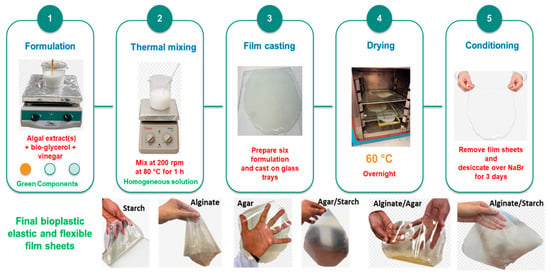
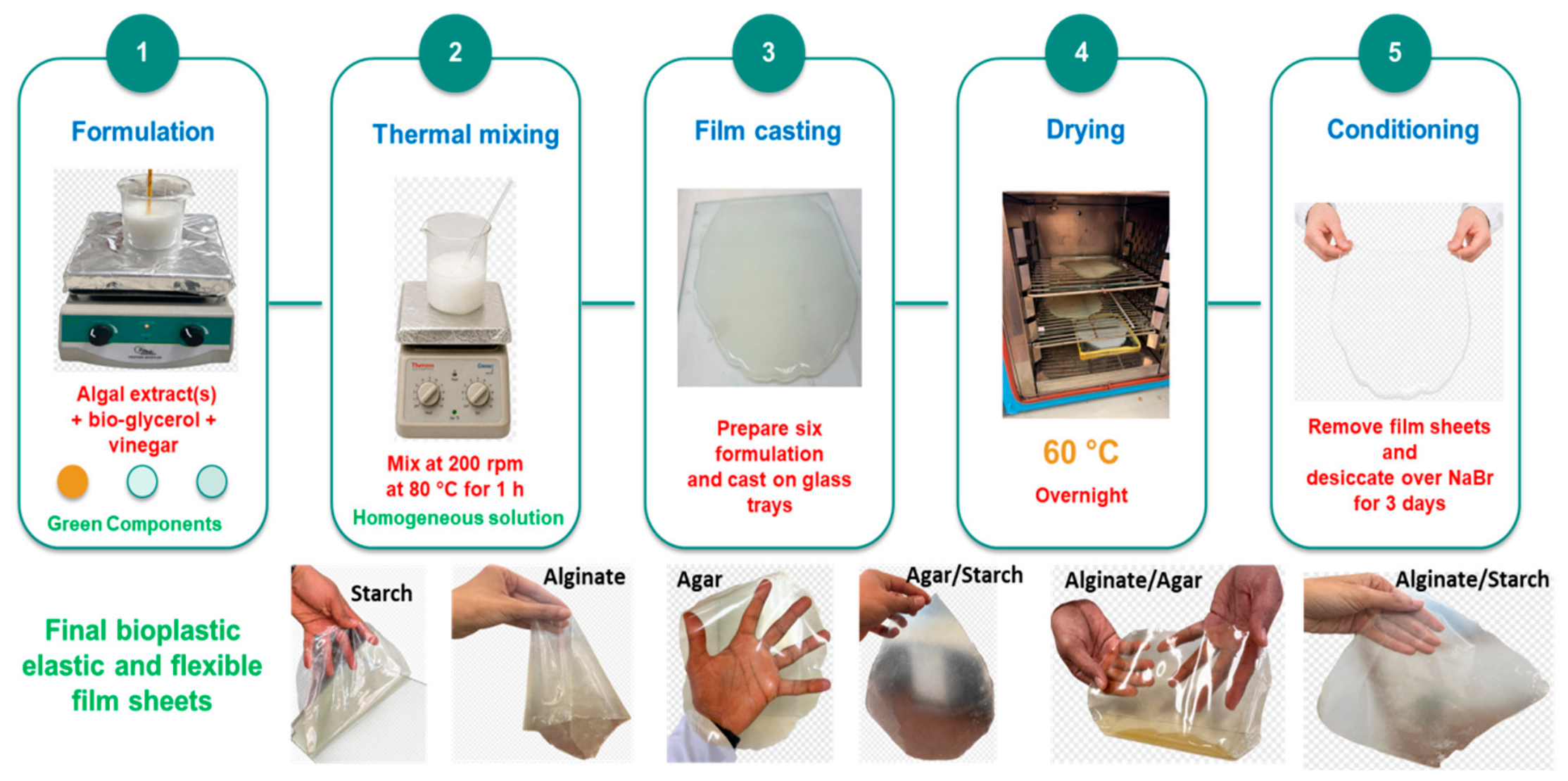
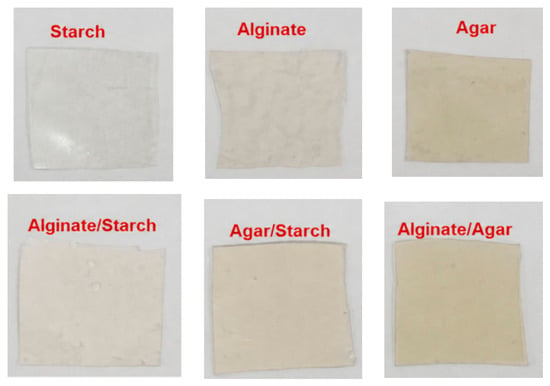
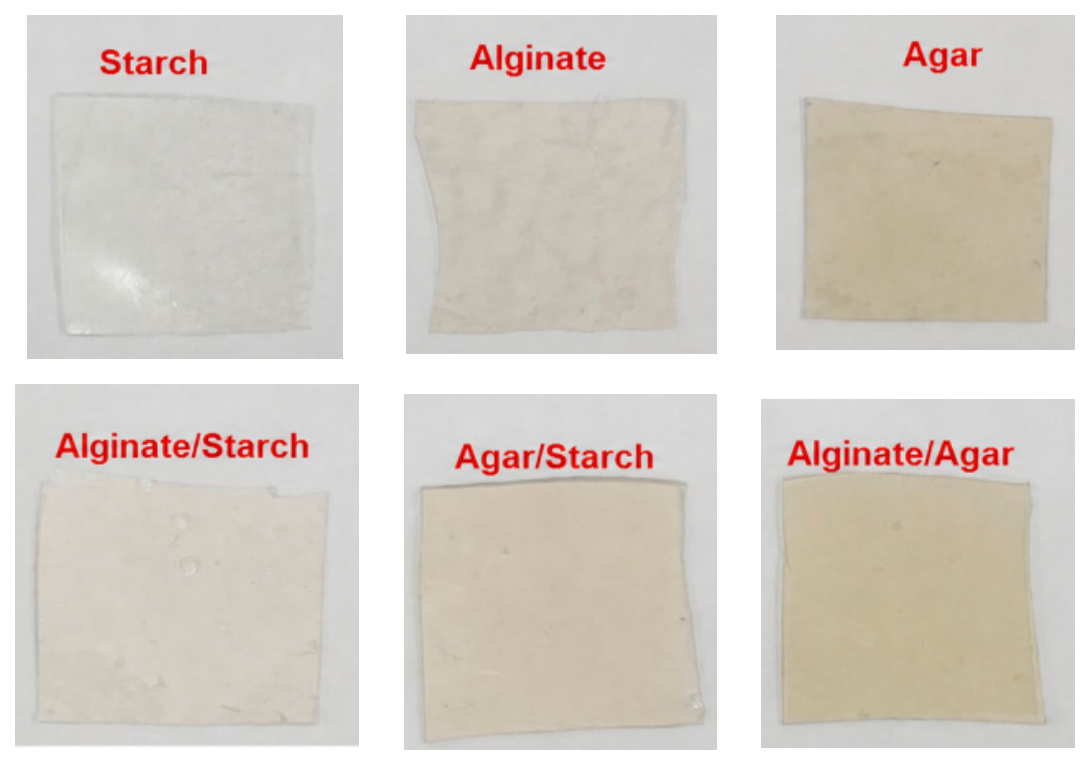
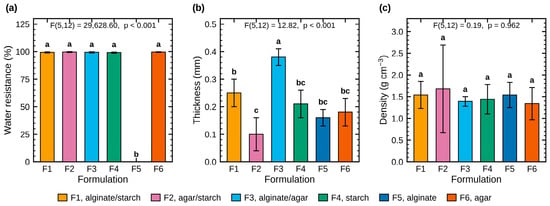
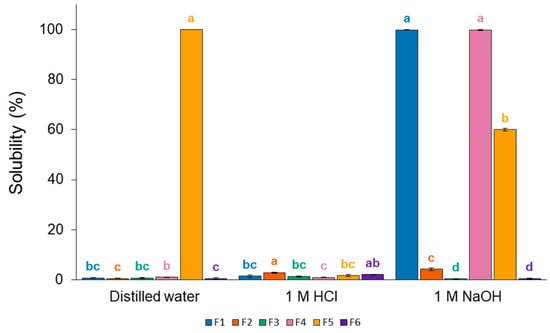
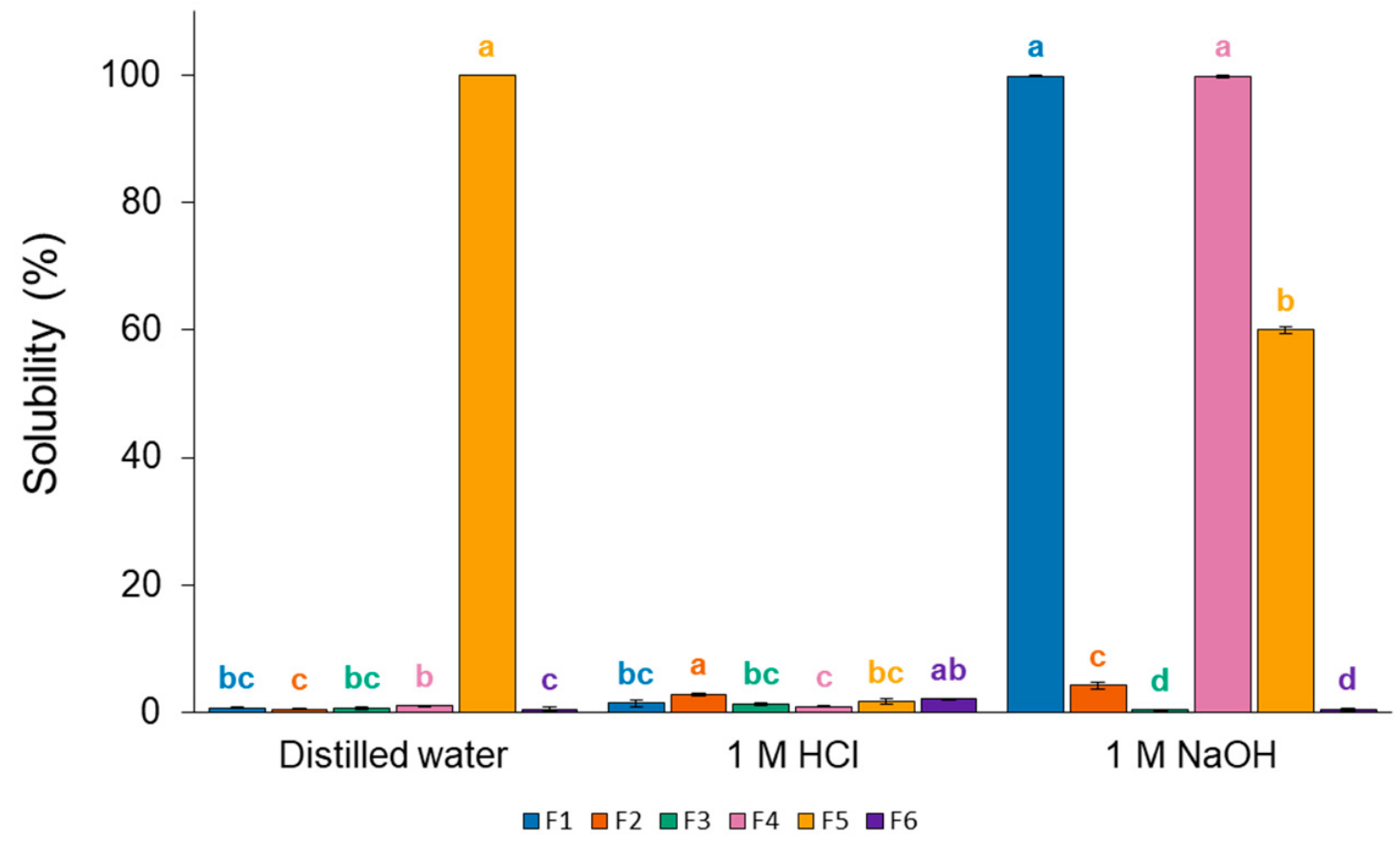
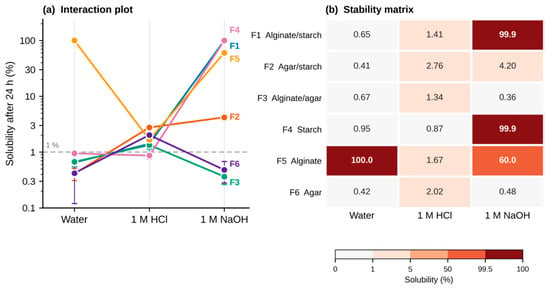
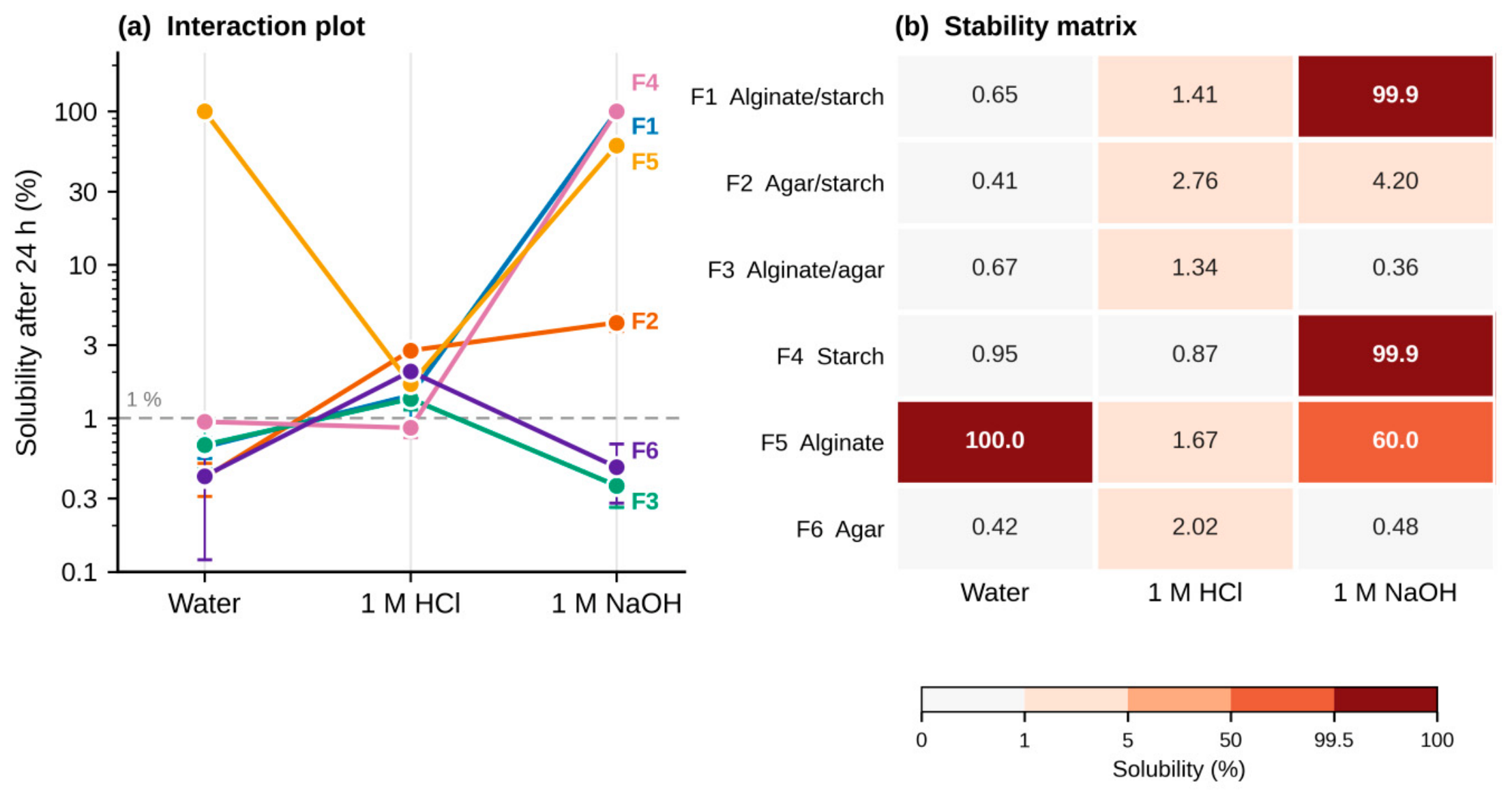
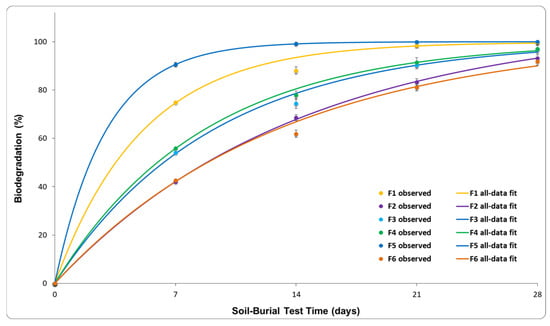
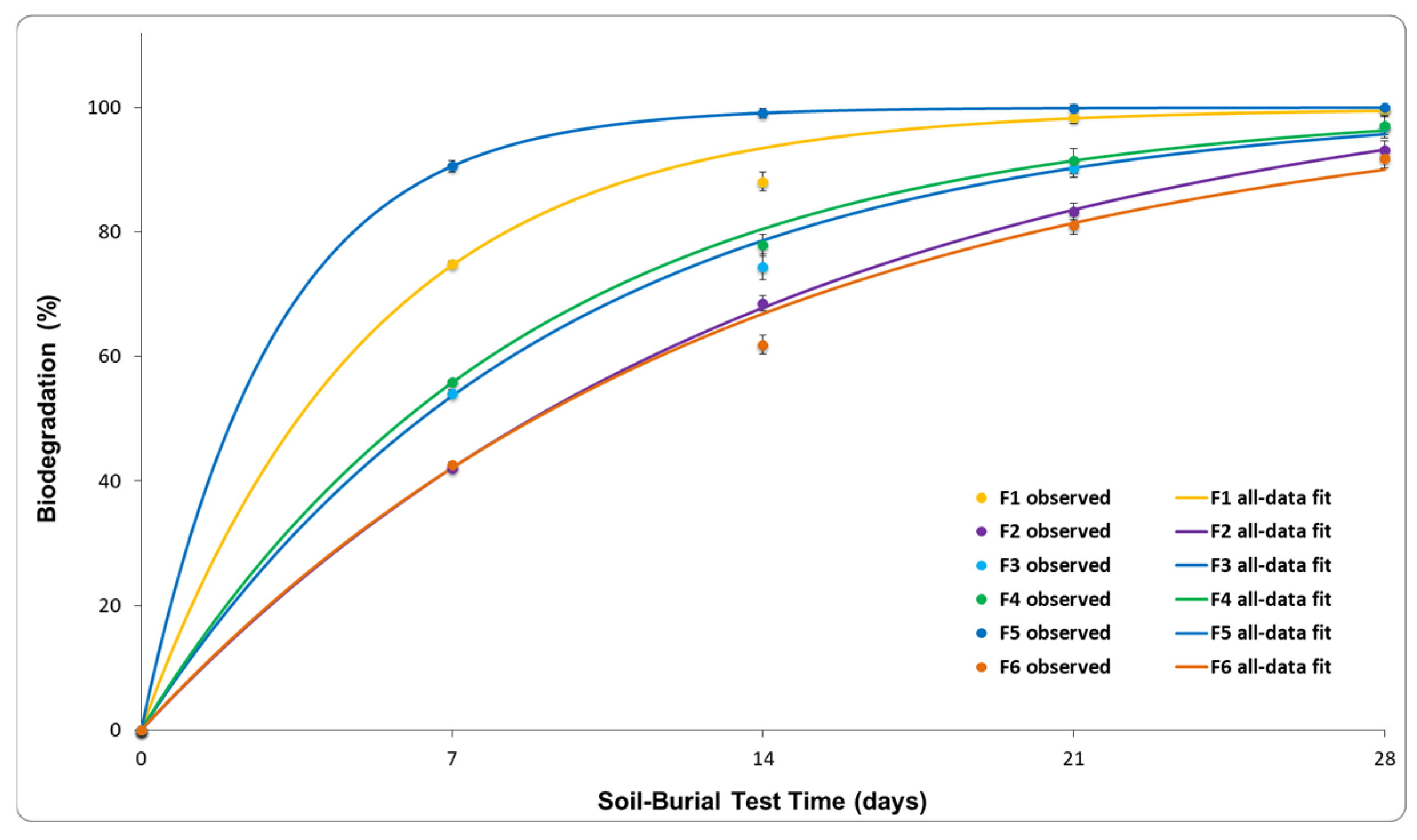
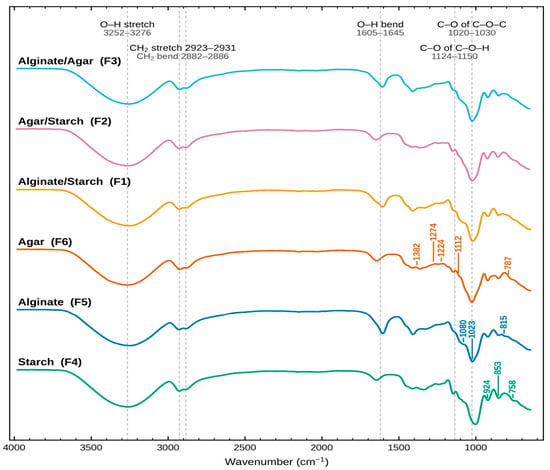
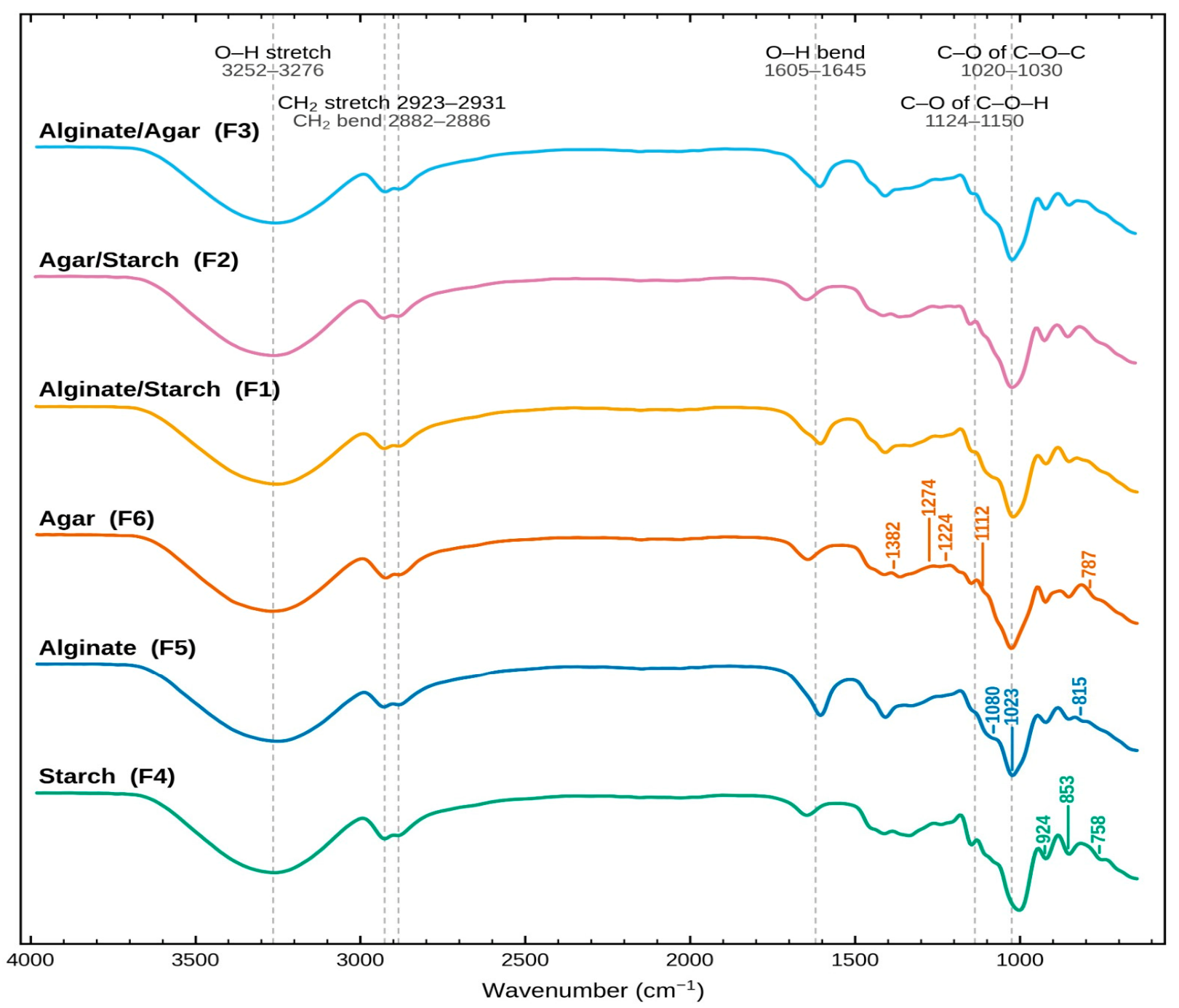
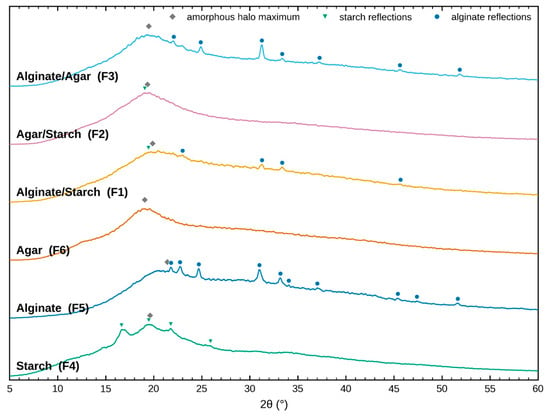
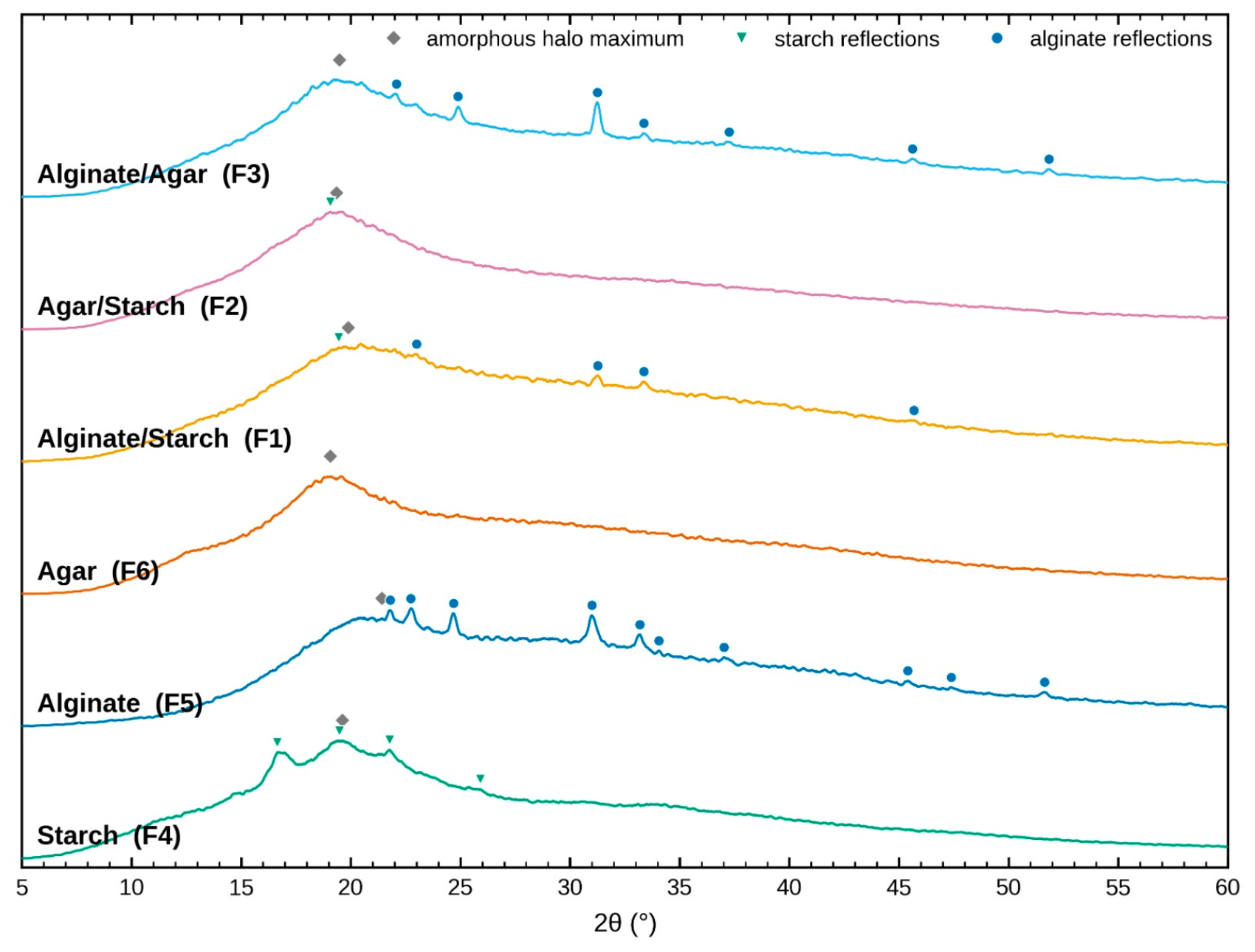
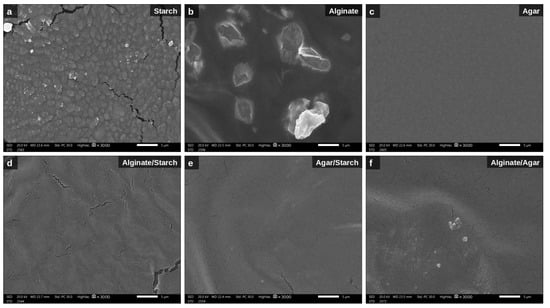
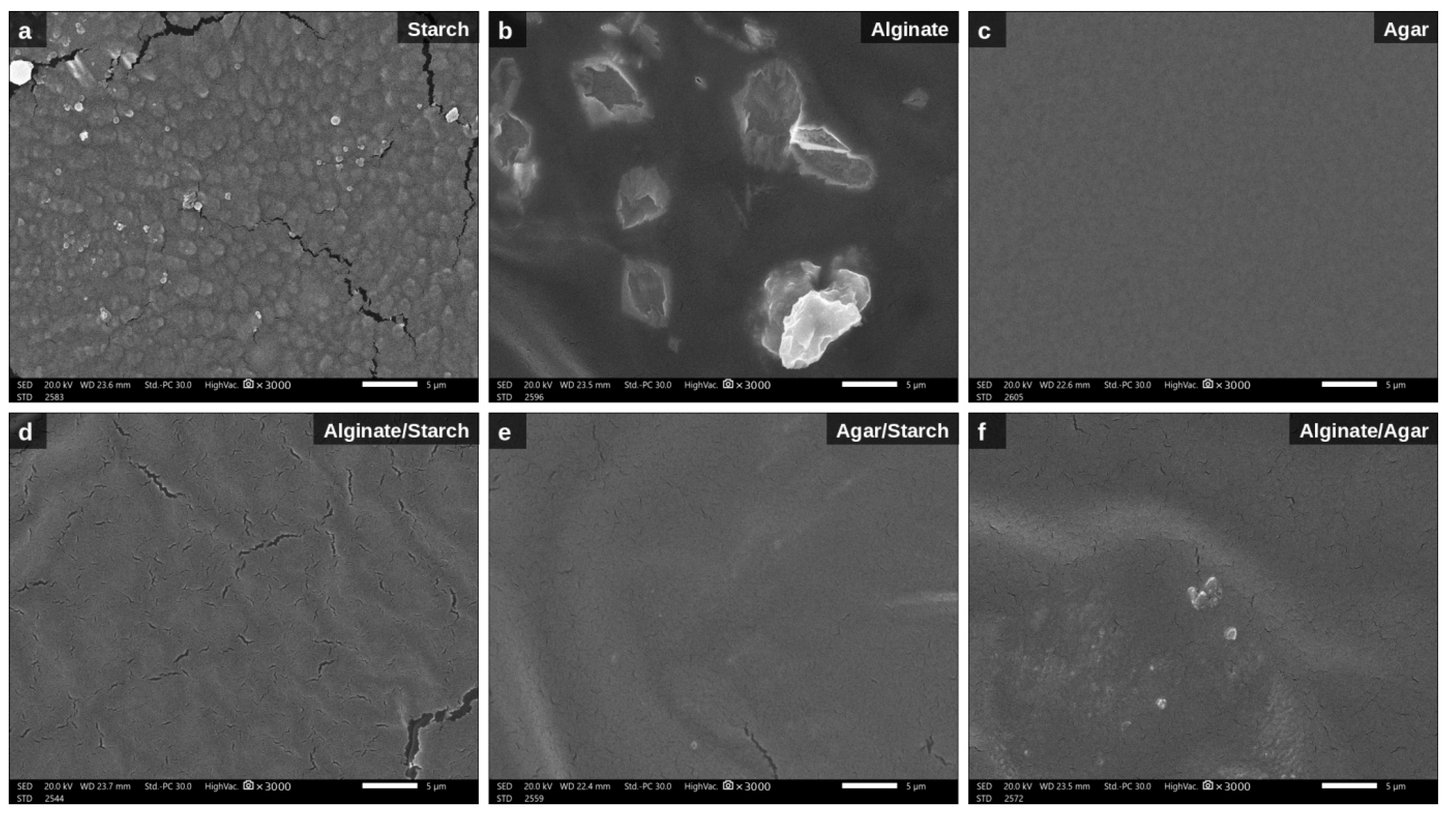
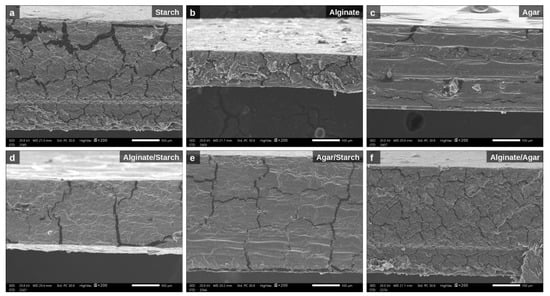
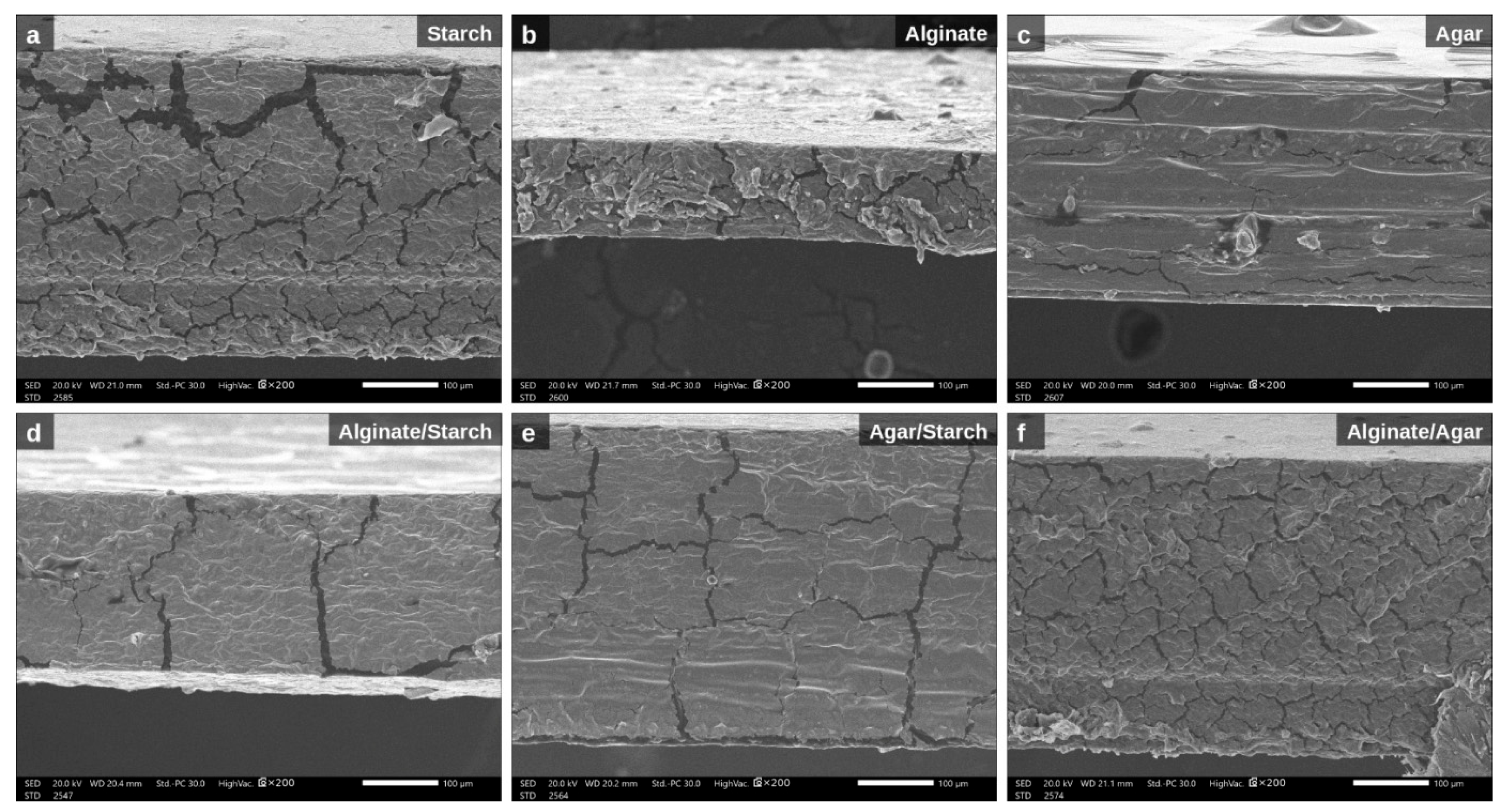
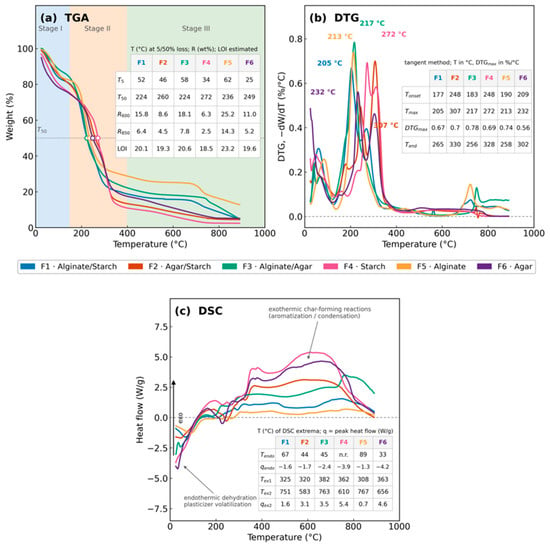
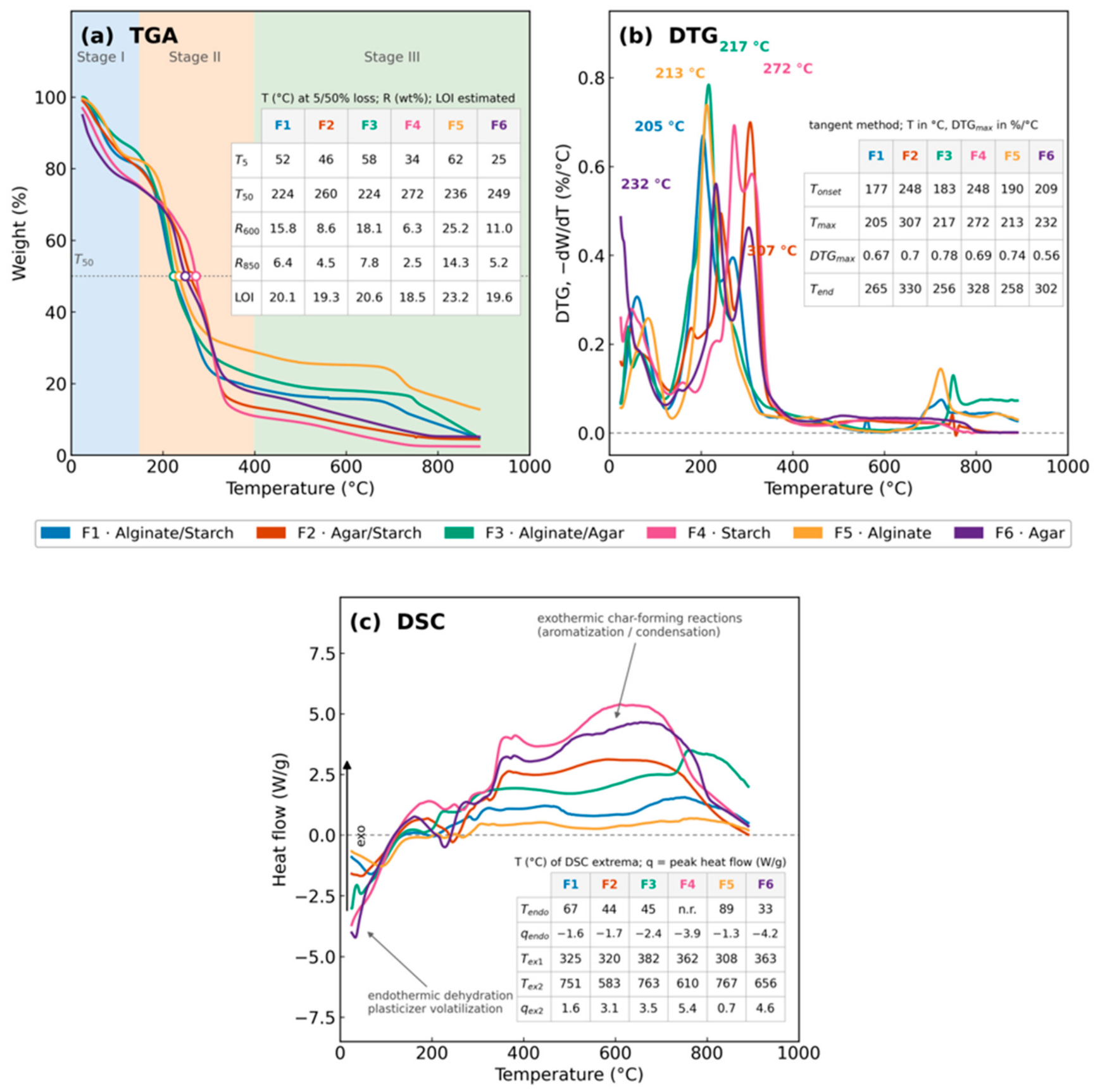
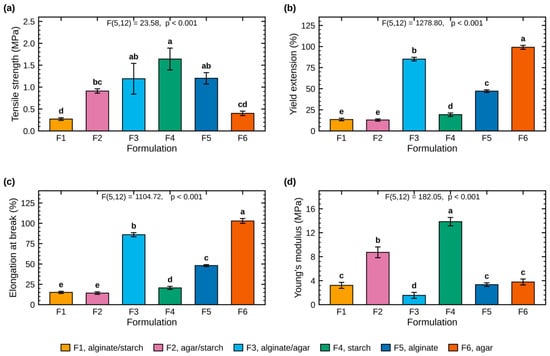
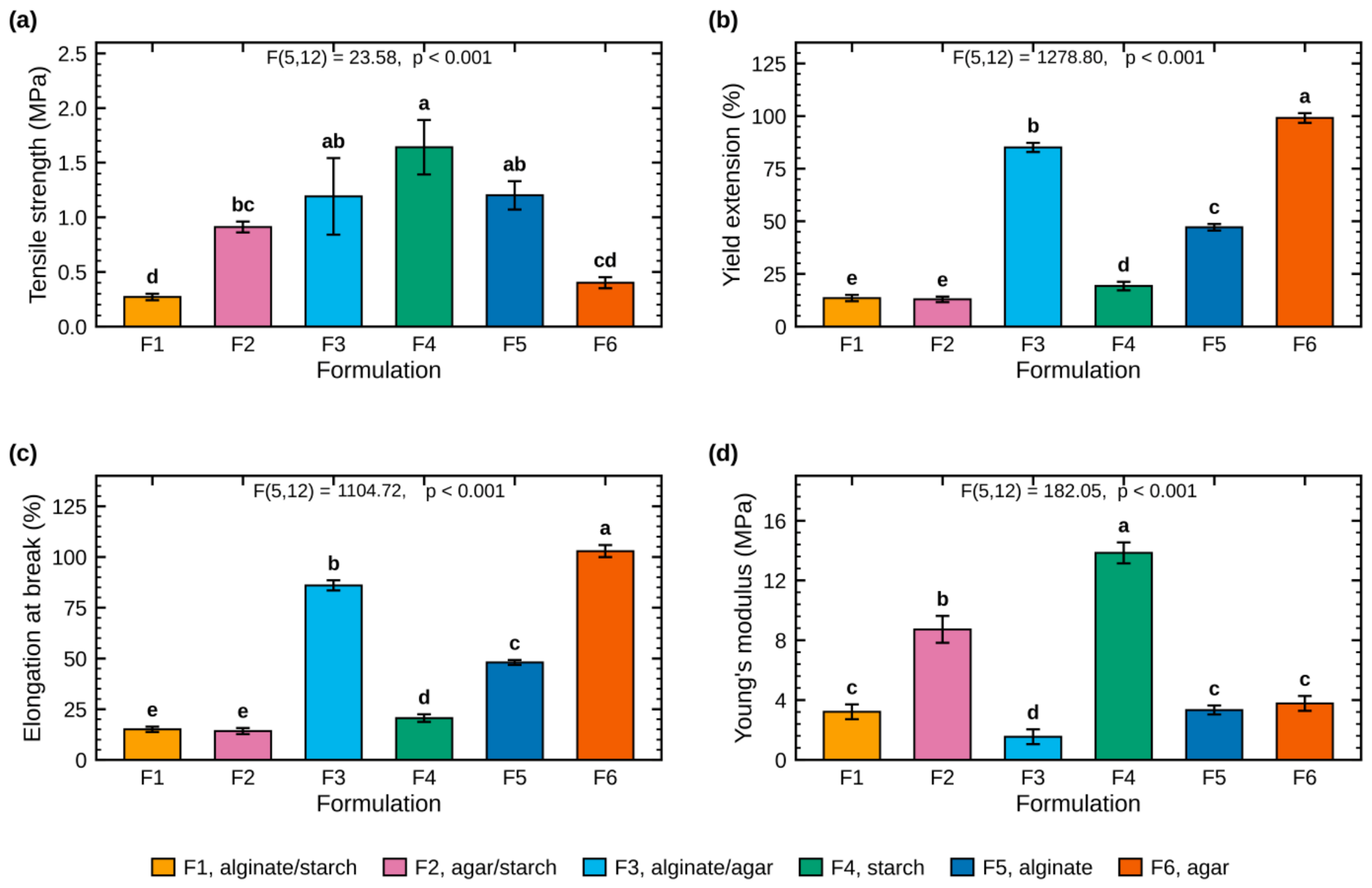
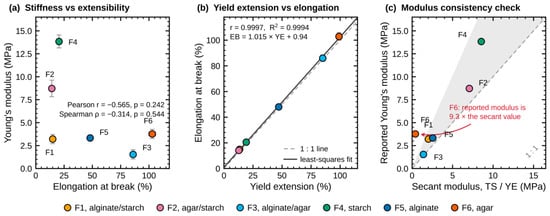
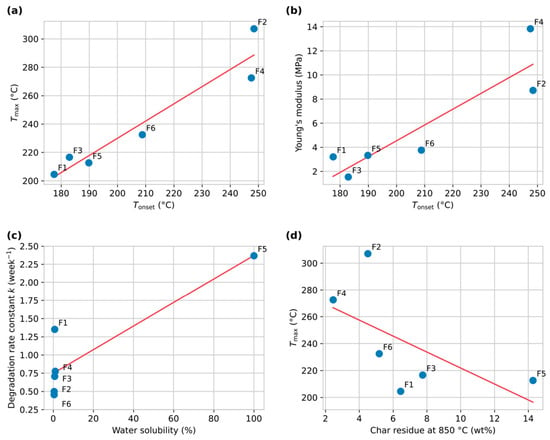

Disclaimer/Publisher’s Note: The statements, opinions and data contained in all publications are solely those of the individual author(s) and contributor(s) and not of MDPI and/or the editor(s). MDPI and/or the editor(s) disclaim responsibility for any injury to people or property resulting from any ideas, methods, instructions or products referred to in the content. |
© 2026 by the authors. Licensee MDPI, Basel, Switzerland. This article is an open access article distributed under the terms and conditions of the Creative Commons Attribution (CC BY) license.