


Abstract
This study examines the associations between platform co-governance and perceived social sustainability among women with disabilities engaged in digital marketplaces in Saudi Arabia. It investigates entrepreneurial bricolage, entrepreneurial resilience, and livelihood resilience as sequential mediating mechanisms, with digital entrepreneurial ecosystem support moderating the relationship between entrepreneurial resilience and livelihood resilience. Data were collected from 238 women with disabilities engaged in digital-marketplace activity and analyzed using partial least squares structural equation modeling (PLS-SEM). The findings indicate positive associations between platform co-governance and entrepreneurial bricolage, entrepreneurial bricolage and entrepreneurial resilience, entrepreneurial resilience and livelihood resilience, and livelihood resilience and perceived social sustainability. The proposed sequential indirect effect linking platform co-governance to perceived social sustainability through entrepreneurial bricolage, entrepreneurial resilience, and livelihood resilience was statistically significant but small. Digital entrepreneurial ecosystem support also strengthened the positive association between entrepreneurial resilience and livelihood resilience. These findings suggest that resource mobilization, individual adaptive capacity, livelihood resilience, and ecosystem support are associated with perceived social-sustainability outcomes in digitally mediated entrepreneurship. The study contributes an integrated framework linking platform governance, entrepreneurial resourcefulness, and resilience, while distinguishing digital social sustainability as a broader theoretical perspective from the respondent-reported social sustainability outcome was examined empirically. Given the cross-sectional design and non-probability sampling, the findings should be interpreted as associations rather than definitive causal effects.
Keywords:
digital social sustainability; women with disabilities; inclusive digital entrepreneurship; sustainable livelihoods; disability inclusion; reduced inequalities; digital ecosystem partnerships; platform co-governance; entrepreneurial bricolage; entrepreneurial resilience; livelihood resilience; digital entrepreneurial ecosystem support; Saudi Arabia 1. Introduction
Digital marketplaces increasingly function as market infrastructures rather than neutral transactional channels. They organize visibility, seller participation, customer access, dispute processes, data flows, payment interfaces, and the rules through which micro-entrepreneurs convert digital presence into economic activity. This shift makes digital social sustainability an important concern. Digital social sustainability refers here to the capacity of digitally mediated economic arrangements to sustain inclusive, equitable, and agentic participation over time while preserving socially valuable livelihood outcomes. A marketplace may therefore be technically accessible yet remain socially unsustainable when participation is fragile, resource-poor sellers cannot adapt to disruption, or platform arrangements reproduce dependency and exclusion. The relevant question is not only whether marginalized entrepreneurs can enter digital markets, but whether governance and resource conditions allow them to remain included, exercise agency, recover from disruption, and preserve livelihood benefits over time [1,2,3]. These concepts are related but not interchangeable. Digital inclusion refers to access to and meaningful participation in digitally mediated opportunities. Social sustainability concerns the broader social qualities and consequences of participation, including inclusion, agency, recognition, and equitable opportunity. Livelihood resilience refers specifically to the capacity to maintain, adapt, and recover essential livelihood functions under disruption. Digital social sustainability is the overarching perspective used here to examine how the governance and conditions of digital-market participation relate to these livelihood and social dimensions over time.
This distinction is particularly consequential for women with disabilities, whose entrepreneurial participation may be shaped simultaneously by gendered opportunity structures [4], disability-related barriers, mobility constraints, inaccessible services, limited networks, financing frictions, and uneven digital support. Research on women with disabilities shows that online business can widen access to market opportunities, but the benefits depend on digital capability and the accessibility of the surrounding institutional environment [5]. Recent entrepreneurship research likewise indicates that disability can alter the configuration of psychological, knowledge, and environmental enablers that support entrepreneurial behavior [6]. These conditions make women with disabilities analytically important for theorizing how digital inclusion becomes durable rather than episodic.
Saudi Arabia provides a relevant setting for this inquiry. Rapid digitalization, policy support for entrepreneurship, expanding e-commerce, and growing attention to disability inclusion create new channels for home-based and digitally mediated enterprises. Research on Saudi women digital entrepreneurs also highlights the relevance of personal attributes, entrepreneurial motives, and social constraints [7]. At the same time, the existence of digital infrastructure does not guarantee that women with disabilities can influence platform decisions, mobilize scarce resources, recover from business shocks, or access the ecosystem support needed to stabilize livelihoods. Official Saudi disability statistics further underscore the importance of examining inclusion through a disability-sensitive lens rather than treating digital entrepreneurship as a homogeneous opportunity structure [8].
The literature offers several important but weakly connected explanations for these issues. Platform-governance research examines formal controls, seller trust, rules, monitoring, and institutional arrangements [9], but gives less attention to continuing seller voice and shared influence over platform evolution. Entrepreneurial bricolage research explains how resource-constrained actors recombine what is at hand to solve problems and exploit opportunities [10,11], yet rarely positions digital platform governance as an upstream condition. Entrepreneurial-resilience research focuses on adaptive coping and persistence [12], while livelihood-resilience research concerns the continuity and recoverability of the broader livelihood system [13,14]. Social-sustainability research highlights inclusion, recognition, empowerment, and durable well-being, but these outcomes are often treated as direct consequences of digital participation rather than as downstream achievements requiring resilient livelihood foundations. Digital social sustainability provides an integrative lens for connecting these institutional, behavioral, adaptive, and social-outcome processes within digitally mediated entrepreneurship.
To integrate these literature streams, this study adopts a resourcefulness–resilience perspective on digital social sustainability. This perspective treats sustained inclusion in digital entrepreneurship as a multistage process rather than an automatic consequence of technology access or entrepreneurial participation. It brings together four analytically distinct processes: participatory platform governance as an institutional condition that can facilitate resource mobilization; entrepreneurial bricolage as the process through which entrepreneurs recombine resources available to them; entrepreneurial resilience as an individual-level adaptive capacity; and livelihood resilience as the capacity to maintain and recover essential livelihood functions. Digital entrepreneurial ecosystem support is incorporated as a contextual boundary condition that may strengthen the translation of individual adaptive capacity into livelihood continuity. Social sustainability operationalized here through sustained participation, recognition, agency, and equitable opportunity represents the downstream social outcome of this process. The overarching theoretical argument is that digital social sustainability is more likely to emerge when participatory governance facilitates resourcefulness, resourcefulness is associated with adaptive capacity, and adaptive capacity can be translated into resilient livelihoods under enabling ecosystem conditions. This framework integrates institutional, behavioral, individual, livelihood, and social-outcome explanations without treating them as interchangeable constructs.
The central theoretical gap concerns how the benefits of digital participation are converted into durable social outcomes under conditions of resource scarcity and structural barriers. Existing perspectives provide explanations for particular parts of this process, but they do not, individually, explain the full transition from participatory governance to resource mobilization, from resource mobilization to adaptive capacity, and from individual adaptation to livelihood continuity and social sustainability. In particular, three questions remain insufficiently integrated: how platform participants’ voice and influence may facilitate resourcefulness; how resourcefulness differs from, yet may contribute to, entrepreneurial resilience; and under what ecosystem conditions individual resilience is associated with more resilient livelihoods. Addressing these questions allows this study to move beyond the juxtaposition of established constructs toward a process-oriented explanation of digital social sustainability among women with disabilities.
The unresolved theoretical issue is therefore not whether bricolage, resilience, and livelihood resilience are individually relevant to entrepreneurship under constraint, but how and under what conditions resourcefulness becomes durable economic and social inclusion. A bricolage perspective explains how entrepreneurs recombine resources already at hand but does not by itself establish whether the resulting solutions develop into sustained adaptive capacity or preserve livelihoods through subsequent disruptions. Similarly, an individual-resilience perspective explains adaptive responses to adversity but cannot, on its own, establish whether the wider livelihood system can maintain essential functions when infrastructure, finance, accessibility, or market opportunities are constrained. These limitations motivate an integrated explanation that distinguishes resource mobilization, individual adaptive capacity, livelihood continuity, and social sustainability while examining ecosystem support as a condition shaping the transition between individual and livelihood-level resilience.
We integrate these literature streams through a resourcefulness–resilience pathway to digital social sustainability. The framework assigns a distinct explanatory role to each construct. Platform co-governance represents the institutional dimension of the model, capturing women sellers’ perceived opportunities to participate in and influence marketplace decisions, rules, and changes. It is therefore distinct from seller voice, which concerns expressing views or concerns; platform responsiveness, which concerns how platform operators respond to sellers; and perceived procedural fairness, which concerns the fairness of decision-making processes. Entrepreneurial bricolage represents the resource-mobilization mechanism through which entrepreneurs creatively recombine resources already available to them. Entrepreneurial resilience represents the individual-level capacity to adapt, learn, persist, and recover in response to adversity. Livelihood resilience represents the broader, livelihood-level capacity to absorb disruption, adapt economic activities, and maintain or recover essential livelihood functions. These two forms of resilience are related but conceptually distinct: individual adaptive capacity does not necessarily guarantee livelihood continuity.
Within this framework, digital entrepreneurial ecosystem support represents a boundary condition affecting the relationship between entrepreneurial resilience and livelihood resilience. Accessible infrastructure, training, mentoring, financial services, technical assistance, and market networks may help entrepreneurs translate individual adaptive capacity into practical livelihood adjustments and recovery. Finally, social sustainability represents the downstream social outcome, capturing sustained participation, recognition, agency, and equitable opportunity. Digital social sustainability is the overarching phenomenon being explained, whereas social sustainability (SS) is the respondent-level outcome measured in the empirical model. The proposed sequence therefore links an institutional condition to resource mobilization, individual adaptive capacity, livelihood continuity, and social outcomes, while recognizing that the transition from individual resilience to livelihood resilience may depend on the accessibility and responsiveness of the surrounding ecosystem.
The model further recognizes that resilience is embedded in an ecosystem. Digital entrepreneurial ecosystem support includes accessible training and mentoring, institutional support, digital infrastructure, financial and business services, and market networks. These resources should be particularly consequential when an entrepreneur’s personal resilience must be translated into livelihood continuity. An individual may be persistent and adaptive yet remain unable to stabilize income or recover from disruption if finance, connectivity, technical assistance, or market access are absent. DEES is therefore theorized as a moderator on the ER-LR relationship rather than as a substitute for entrepreneurial capability. Accordingly, the study addresses the following research question: How is platform co-governance associated with digital social sustainability among women with disabilities through entrepreneurial bricolage, entrepreneurial resilience, livelihood resilience, and social sustainability, and at what level of digital entrepreneurial ecosystem support is entrepreneurial resilience more strongly associated with livelihood resilience?
This study makes three interrelated theoretical contributions. First, it extends platform-governance research by positioning continuing seller voice and influence as an institutional antecedent of entrepreneurial resourcefulness. This shifts attention beyond governance as a mechanism for regulating platform participation toward its potential role in enabling resource-constrained entrepreneurs to identify, access, and recombine available resources. Second, it develops a differentiated resourcefulness–resilience explanation by distinguishing entrepreneurial bricolage, entrepreneurial resilience, and livelihood resilience as resource mobilization, individual adaptive capacity, and livelihood-level continuity, respectively. The contribution lies in specifying how these processes are connected while recognizing that their relationships are not conceptually interchangeable. Third, it advances digital social sustainability research by locating sustained social outcomes downstream of livelihood resilience and identifying digital entrepreneurial ecosystem support as a boundary condition in the relationship between entrepreneurial resilience and livelihood resilience. This integration offers a process-oriented explanation of how participatory governance and enabling ecosystem conditions may be associated with more durable social inclusion among women with disabilities participating in digital marketplaces. The study’s originality therefore lies in the theoretically differentiated and contextually qualified pathway it proposes, rather than in claiming that the individual constructs are themselves new.
2. Literature Review
2.1. Digital Social Sustainability as a Resourcefulness-Resilience Problem
Digital social sustainability concerns the capacity of digitally mediated social and economic arrangements to maintain equitable participation, recognition, agency, and well-being over time rather than merely generate short-lived benefits from technology use. In digital marketplaces, this criterion adds a temporal and relational test to inclusion: opportunities should remain usable, benefits should remain controllable, and participants should be able to adapt when platform rules, technologies, or market conditions change [3]. We therefore treat digital social sustainability as an overarching theoretical perspective. Social sustainability (SS) is modeled as the downstream respondent-level outcome that captures the social consequences of digital participation within this broader framework. In this study, digital social sustainability is the broader theoretical framework, whereas social sustainability (SS) is the respondent-reported outcome used to represent its social dimension empirically. Because the data are cross-sectional and self-reported, the SS measure captures participants’ perceptions at the time of the survey rather than objectively verified or longitudinally sustained social outcomes.
The sustainable-livelihoods and resilience studies make this temporal requirement analytically tractable. Livelihood resilience concerns the capacities through which a livelihood system absorbs disturbance, reorganizes, learns, and maintains essential functions [13,15]. It is distinct from short-run business performance because continuity may depend on diversification, adaptability, recoverability, and reduced vulnerability rather than current revenue alone. Recent evidence continues to emphasize adaptive capacity and livelihood continuity as central to resilience assessment [14]. Research on household micro-entrepreneurship further links e-commerce participation with livelihood resilience under adversity [16].
Entrepreneurial bricolage complements this logic by explaining how actors respond before resilience is observed as an outcome. Bricolage involves making do, refusing to be immobilized by resource scarcity, and creatively recombining available resources for new purposes [10,11]. In digital microenterprise, those resources can include social contacts, messaging tools, home-based production assets, existing customer relationships, assistive technologies, platform features, and informal knowledge. Bricolage therefore provides a behavioral bridge between governance conditions and resilience.
2.2. Integrating Governance, Resourcefulness, and Resilience
The theoretical integration rests on distinguishing the roles of institutional conditions, entrepreneurial action, adaptive capacity, livelihood outcomes, and social sustainability. Platform co-governance occupies the institutional starting point of the framework because opportunities for continuing voice and influence may shape entrepreneurs’ access to information, relationships, and opportunities to participate in marketplace development. Although platform-governance research has examined formal rules, monitoring, institutional arrangements, and seller trust [9], the present framework extends this perspective by considering how participatory governance may enable entrepreneurs to mobilize resources under conditions of constraint. Entrepreneurial bricolage specifies the behavioral mechanism through which these opportunities may become useful. Building on the concept of bricolage as making do with resources at hand and creatively recombining them for new purposes [10,11], the framework proposes that participatory governance is positively associated with entrepreneurial resourcefulness rather than assuming that participation directly generates resilience.
The framework next distinguishes resource mobilization from adaptive capacity. Bricolage concerns how entrepreneurs respond to immediate constraints by making do with available resources [10,11], whereas entrepreneurial resilience concerns their capacity to adapt, learn, persist, and recover across challenging circumstances [12]. These constructs are related but not interchangeable: bricolage describes a resource-mobilization process, while entrepreneurial resilience represents a broader capacity to respond to adversity. The framework proposes that resource recombination may contribute to the development or enactment of adaptive capacity [17], while recognizing that the empirical relationship between these constructs does not, by itself, establish a causal mechanism. Entrepreneurial resilience is then linked to livelihood resilience, shifting the level of analysis from the individual entrepreneur to the continuity and recoverability of the livelihood system. Sustainable-livelihood and livelihood-resilience research emphasizes the capacity to absorb disturbance, adapt, reorganize, and maintain essential livelihood functions [13,14,15]. This distinction is consequential because persistence and adaptability may not preserve a livelihood when financial resources, accessible infrastructure, customer access, or external support are insufficient.
Digital entrepreneurial ecosystem support specifies a contextual condition affecting this transition. Research on digital entrepreneurial ecosystems emphasizes the interaction of digital infrastructure, governance, users, entrepreneurs, and digital marketplaces [18], while related work identifies ecosystem resources, supportive initiatives, infrastructure, and networks as relevant to digital entrepreneurial activity [19,20]. In the present framework, ecosystem support is not simply another predictor of entrepreneurial success; it is proposed as a boundary condition that may help explain why similar levels of individual resilience are associated with different levels of livelihood resilience. When ecosystem resources and services are accessible and responsive, entrepreneurs may be better positioned to implement adaptive responses, replace disrupted resources, and maintain economic activities. Evidence concerning digital entrepreneurship among persons with disabilities in Saudi Arabia also highlights the relevance of infrastructure, financial resources, digital capabilities, and training [21]. When these conditions are absent or inaccessible, individual resilience may have more limited livelihood consequences. The framework therefore emphasizes the complementarity of individual capabilities and enabling contextual resources [22] rather than attributing livelihood vulnerability to disability itself.
The final stage links livelihood resilience to social sustainability. Research on social sustainability and digitally mediated participation highlights the importance of sustained inclusion and socially valuable outcomes beyond initial technology access [3], while microenterprise sustainability research provides a basis for examining the durability of entrepreneurial and livelihood outcomes [23,24,25]. Maintaining and recovering a livelihood may help preserve opportunities for economic participation, agency, recognition, and inclusion; however, livelihood continuity does not automatically eliminate discrimination or guarantee equitable treatment. Social sustainability is consequently specified as a downstream social outcome rather than a synonym for business survival or digital access.
Taken together, the framework’s central theoretical proposition is that digital social sustainability may be understood through a sequence of distinct but connected processes: participatory governance, entrepreneurial resource mobilization, individual adaptive capacity, livelihood continuity, and social outcomes. Ecosystem support qualifies this sequence by shaping the proposed relationship between entrepreneurial and livelihood resilience. The framework’s originality lies in integrating these established perspectives into a differentiated, context-sensitive explanation of digital social sustainability among women with disabilities participating in digital marketplaces. The empirical hypotheses translate the proposed relationships into testable associations; given the cross-sectional design, they do not establish temporal ordering or causal mechanisms.
2.3. Platform Co-Governance and Entrepreneurial Bricolage
Digital platforms are governed through formal and relational mechanisms that regulate participation, coordinate interactions, and shape value creation among ecosystem actors [9,26]. However, inclusive marketplaces also depend on how decision rights and participant voice are distributed. Drawing on participative decision-making research, we define platform co-governance as participants’ perceived opportunity to express views, influence marketplace decisions, contribute to rules and procedures, and participate continuously in platform improvement. This perspective extends conventional platform governance by emphasizing governance with participants rather than governance exercised primarily over them.
Conceptually, platform co-governance differs from seller voice, platform responsiveness, and perceived procedural fairness. Seller voice concerns the expression of opinions or concerns, whereas co-governance emphasizes opportunities to influence decisions and contribute to governance arrangements. Platform responsiveness concerns how operators react to seller input, while perceived procedural fairness concerns the fairness of decision-making procedures. These concepts may overlap in practice, but none alone necessarily captures participants’ opportunities for continuing involvement in marketplace governance. Accordingly, the conceptualization of platform co-governance in this study emphasizes participation, influence, and continuing involvement in marketplace governance, rather than communication with platform operators alone. The interpretation of the construct should therefore correspond to the content of the measurement items and the extent to which they capture these dimensions.
Platform co-governance can support entrepreneurial bricolage through informational and relational mechanisms. Participation can increase entrepreneurs’ exposure to platform rules, customer expectations, marketplace changes, and the practices of other sellers. Governance arrangements have been shown to influence knowledge sharing among platform complementors, while sustained platform engagement facilitates networking, coordination and access to platform resources [27,28]. Continuing participation can also strengthen social ties that entrepreneurs subsequently mobilize when resources are constrained. This is consistent with network-bricolage research showing that entrepreneurs reconfigure existing relationships and heterogeneous network resources to create new solutions and opportunities [29].
Co-governance therefore need not create additional material resources directly. Instead, it can improve entrepreneurs’ ability to identify, access, and recombine resources already embedded within the platform ecosystem. Recent work on platform bricolage similarly demonstrates that digital platforms can facilitate the timely and creative mobilization of limited heterogeneous resources through collaborative adaptation [30]. For women with disabilities, participatory arrangements may be particularly important because involving people with disabilities in co-creation can reveal accessibility barriers and generate more inclusive service solutions [31]. Within the proposed resourcefulness–resilience framework, platform co-governance is positioned as an institutional antecedent of entrepreneurial bricolage because opportunities for participation and influence may help sellers identify, access, and recombine resources under constraint. This proposed relationship concerns resource mobilization rather than a direct effect of co-governance on entrepreneurial resilience. Thus:
H1.
Platform co-governance is positively associated with entrepreneurial bricolage.
2.4. Entrepreneurial Bricolage and Entrepreneurial Resilience
Bricolage is a behavioral response to constraint, whereas entrepreneurial resilience is an adaptive capacity. The distinction is important. An entrepreneur may face the same limited financial, technological, physical, or social resources as another entrepreneur but respond differently depending on whether she is willing and able to combine what is available. Bricolage turns constraints into an arena for action: entrepreneurs repurpose existing tools, combine low-cost resources, improvise around shortages, and act before an ideal resource package is available [10,11,32].
Repeated bricolage can strengthen entrepreneurial resilience through learning and mastery. Each workable solution provides evidence that disruption can be managed without waiting for perfect resources. The entrepreneur accumulates problem-solving repertoires, learns which relationships and tools can be mobilized quickly, and becomes more practiced at reframing setbacks as solvable configurations rather than terminal constraints. Recent research increasingly connects bricolage with surviving and thriving under crisis conditions. Studies of social enterprises and microbusinesses connect resource recombination with responses to crisis [33,34]. Nuhu et al. [35] further identify resilience as an enabler of bricolage during entrepreneurial re-entry, suggesting that the two processes may reinforce one another.
The digital context may reinforce this process. Digital tools are modular, recompilable, and often relatively low-cost; entrepreneurs can combine messaging applications, social-media channels, payment systems, delivery networks, marketplace features, and informal support in novel ways. Lanivich et al. [36] find that digital entrepreneurship strengthens the relationship between bricolage and new-venture performance, while recent platform research explicitly identifies ‘platform bricolage’ as creative resource mobilization within digital infrastructures [30]. The distinction between resource recombination and adaptive capacity also identifies an important limit of a bricolage-based explanation. Although bricolage can generate workable responses to immediate constraints, the availability of a creative solution does not necessarily mean that an entrepreneur has developed the capacity to respond effectively to subsequent or more complex disruptions. Some improvised solutions may be temporary, difficult to reproduce, or dependent on resources that are not consistently accessible. Bricolage is therefore conceptualized here as a resource-mobilization mechanism that may contribute to entrepreneurial resilience through repeated problem-solving, learning, and the development of adaptive responses, rather than as resilience itself. This distinction is particularly relevant to women with disabilities, for whom individual resourcefulness may coexist with persistent accessibility barriers and institutional constraints. The theoretical proposition is that bricolage may support the development of adaptive capacity, while the extent to which this capacity is sustained and translated into livelihood continuity depends on additional individual and contextual conditions.
For women with disabilities, bricolage can also involve combining assistive practices, family or peer support, accessible digital tools, flexible work routines, and marketplace resources in ways that preserve entrepreneurial participation. Entrepreneurial bricolage and entrepreneurial resilience represent distinct but related processes within the proposed framework. Bricolage concerns the creative recombination of resources already available, whereas entrepreneurial resilience concerns the broader capacity to adapt, learn, persist, and recover in response to adversity. Resource recombination may support the development or enactment of adaptive capacity, but the relationship is not assumed to be automatic.
H2.
Entrepreneurial bricolage is positively associated with entrepreneurial resilience.
2.5. Entrepreneurial Resilience and Livelihood Resilience
Entrepreneurial resilience concerns the capacity to cope adaptively with adversity, learn from difficult situations, regulate responses, replace losses, and continue entrepreneurial action. It is increasingly relevant in digitally transformed entrepreneurship, where platform changes, technology failures, fraud risk, competitive pressure, and changing customer behavior create recurrent disruptions. Tantawy et al. [12] show that entrepreneurial resilience in the digital era is shaped by psychological and digital conditions, while recent evidence links digital transformation and resilience to sustainable growth in emerging-economy SMEs [37].
Livelihood resilience is related but broader. It refers to whether the entrepreneur’s livelihood system can maintain essential functions, recover after disruption, diversify or substitute income pathways, adapt products or ways of working, and mobilize resources to continue. An individual may be psychologically resilient yet remain economically vulnerable if market access collapses, payment systems fail, or household and business resources are too thin. Conversely, a livelihood with diversified market channels, adaptive routines, and supportive networks may withstand shocks even when a single business activity is disrupted. The distinction therefore separates a person-level adaptive capacity from the resilience of the livelihood configuration in which that person is embedded.
Entrepreneurial resilience should nevertheless support livelihood resilience. Resilient entrepreneurs are more likely to persist through temporary setbacks, learn from failed actions, search for replacements, and reconfigure business activities rather than exit immediately. These behaviors correspond to the buffering, learning, and self-organization capacities emphasized in livelihood-resilience frameworks [13,15]. The transition from entrepreneurial resilience to livelihood resilience is not simply a movement between two related measures of resilience; it represents a change in the level and object of explanation. Entrepreneurial resilience concerns how an individual responds to adversity, whereas livelihood resilience concerns whether the resources, activities, relationships, and income pathways supporting that individual’s livelihood can absorb disruption and maintain essential functions. Adaptive behavior may contribute to this outcome by enabling entrepreneurs to revise business routines, replace disrupted resources, diversify customer channels, and reorganize economic activities [38]. However, these responses can stabilize a livelihood only to the extent that the entrepreneur can access the resources and opportunities needed to implement them. The distinction therefore directs attention to the conditions under which individual adaptive capacity becomes economically consequential, rather than assuming that personal persistence necessarily secures livelihood continuity.
For women with disabilities, the relationship between entrepreneurial resilience and livelihood resilience may be shaped by accessibility constraints and reliance on external service providers and institutional arrangements. Although entrepreneurial resilience may enable women to persist, learn, and adapt their business practices, these individual capabilities do not necessarily ensure that adaptive responses can be implemented or sustained. For example, inaccessible digital interfaces, payment systems, delivery arrangements, or business-support services may prevent entrepreneurs from translating effective coping strategies into continued economic activity. Similarly, access to essential resources may depend on the responsiveness of digital platforms, financial-service providers, and support institutions. Consequently, the transition from entrepreneurial resilience to livelihood resilience may depend not only on an entrepreneur’s capacity to adapt but also on whether the surrounding environment enables her to put that capacity into practice. These constraints are not inherent in disability itself; rather, they may arise from interactions between individual capabilities and inaccessible or unresponsive environments. This perspective highlights the importance of examining whether individual adaptive capacity can be translated into sustained livelihood outcomes in the context of disability-inclusive digital entrepreneurship.
Taken together, these arguments suggest that entrepreneurial resilience can contribute to livelihood resilience by enabling entrepreneurs to persist through adversity, learn from disruption, and adapt their economic activities. However, the extent to which these capabilities support livelihood continuity may depend on the resources and opportunities available to implement adaptive responses. Accordingly, we propose:
H3.
Entrepreneurial resilience is positively associated with livelihood resilience.
2.6. Livelihood Resilience and the Social Sustainability Outcome of Digital Social Sustainability
Within digital social sustainability, livelihood continuity is important but not sufficient. The downstream social sustainability outcome concerns whether digitally mediated economic participation supports durable social value: recognition, empowerment, autonomy, inclusion, dignity and the ability to exercise meaningful control over one’s life. This distinction is particularly important for women with disabilities because an income-generating activity can remain socially precarious if it reproduces dependence, invisibility or exclusion from wider networks. Digital social sustainability therefore requires that participation remain both economically viable and socially enabling.
Microenterprise research provides a useful empirical foundation for this social outcome. Khan and Quaddus [23] developed and validated sustainability measures for informal microenterprises that include social recognition, empowerment, basic needs and freedom or control. More recently, Mayanja et al. [24] operationalized the social sustainability of women-owned microenterprises through social recognition, empowerment and freedom/control, demonstrating that social sustainability can be treated as a distinct measurable outcome rather than assumed from business survival alone. In the present study, these social sustainability dimensions provide the respondent-level outcome through which the broader concept of digital social sustainability is empirically assessed.
Livelihood resilience should promote social sustainability within the digital social sustainability process because continuity and recoverability increase the probability that digital entrepreneurial participation can generate stable recognition, agency and inclusion. When livelihoods are less vulnerable to single shocks, women are better positioned to maintain relationships with customers and partners, continue contributing to household needs, preserve decision autonomy and remain visible as economic actors. The relationship is not deterministic: social norms and discrimination may persist despite resilient livelihoods. Within the overarching digital social sustainability framework, livelihood resilience represents a potential economic foundation for durable social participation. The ability to maintain and recover a livelihood may help preserve opportunities for inclusion, agency, recognition, and equitable participation; however, livelihood continuity alone cannot eliminate discrimination or guarantee socially sustainable outcomes. Social sustainability is therefore positioned as a downstream social outcome associated with livelihood resilience, rather than as an automatic consequence of it.
The hypothesis therefore concerns a positive association between livelihood resilience and the social sustainability outcome rather than an assumption that economic durability automatically produces digital social sustainability.
H4.
Livelihood resilience is positively associated with social sustainability.
2.7. The Moderating Role of Digital Entrepreneurial Ecosystem Support
Digital entrepreneurship is embedded in an ecosystem comprising digital infrastructure, financial and business services, institutions, networks, markets, skills providers, and public or private initiatives. Sussan and Acs [18] conceptualize the digital entrepreneurial ecosystem as the interaction of digital infrastructure governance, digital users, entrepreneurship, and digital marketplaces. Recent cross-national evidence links digital entrepreneurial ecosystems with female entrepreneurial activity [19], while Chavadi et al. [20] operationalize ecosystem support through access to digital resources, supportive government and private initiatives, and infrastructure and networks that foster digital business growth.
For women with disabilities, ecosystem support may be particularly important when individual resilience must be translated into livelihood continuity. Although entrepreneurial resilience enables individuals to persist, learn, and adapt to adversity, these capabilities do not necessarily ensure that adaptive responses can be implemented or sustained. Inaccessible payment channels, weak connectivity, unavailable assistive technologies, limited market networks, and inadequate technical assistance may prevent entrepreneurs from putting effective coping strategies into practice. Conversely, accessible digital resources, mentoring, financial services, technical assistance, and market connections may enable resilient entrepreneurs to resolve operational problems, substitute disrupted channels, diversify revenue sources, and recover from setbacks. The theoretical importance of ecosystem support therefore lies not simply in the availability of additional resources, but in whether these resources and services are accessible and responsive to disability-related needs. Nominally available training, finance, platform support, or business services may have limited value when their design or delivery prevents women with disabilities from accessing or using them effectively. Ecosystem support may consequently strengthen the relationship between entrepreneurial resilience and livelihood resilience by reducing practical barriers between individual adaptive capacity and sustained economic activity. This argument does not imply that disability itself necessarily reduces resilience; rather, it emphasizes that the livelihood benefits of resilience may depend partly on the accessibility and responsiveness of the surrounding environment.
This argument is consistent with emerging Saudi evidence. Alatawi [21] identifies digital infrastructure, financial support, digital resources, capability development, training, and skill development as critical success factors for digital government-enabled entrepreneurship among persons with disabilities. It also aligns with disability-entrepreneurship research emphasizing that individual psychological resources should be considered alongside systemic exclusion and enabling conditions. Accordingly, we expect the positive relationship between entrepreneurial resilience and livelihood resilience to be stronger when digital entrepreneurial ecosystem support is higher.
Accordingly, digital entrepreneurial ecosystem support is conceptualized as a boundary condition that may strengthen the relationship between entrepreneurial resilience and livelihood resilience. Accessible and responsive ecosystem resources may help entrepreneurs translate their individual adaptive capacities into practical adjustments, resource substitution, and livelihood recovery. The proposed moderating role therefore reflects the complementarity between individual capabilities and enabling contextual conditions.
H5.
Digital entrepreneurial ecosystem support strengthens the positive relationship between entrepreneurial resilience and livelihood resilience.
2.8. Indirect and Sequential Effects
The model (Figure 1) is theoretically sequenced even though the empirical design is cross-sectional. Theoretically, platform co-governance is an upstream institutional condition rather than a direct measure of coping or livelihood outcomes. Its influence should therefore be transmitted through how participants mobilize resources and develop adaptive capacity. Entrepreneurial bricolage is the proximal resourcefulness mechanism through which co-governance can become entrepreneurial resilience. Accordingly, the model predicts a specific indirect association from platform co-governance to entrepreneurial resilience through bricolage.
Figure 1.
The research framework. Note: Solid arrows represent the hypothesized direct effects (H1–H4), whereas the dashed arrow indicates the moderating effect (H5). Hypotheses H6–H9 represent the proposed specific and sequential indirect effects along the conceptual pathway.
The pathway then moves from resourcefulness to adaptive capacity and from adaptive capacity to livelihood continuity. Entrepreneurial bricolage should be associated with livelihood resilience because bricolage contributes to resilience, which in turn supports the ability to maintain and reconfigure livelihoods. The model therefore predicts both a specific indirect association from bricolage to livelihood resilience through entrepreneurial resilience and a longer sequential indirect association from platform co-governance to livelihood resilience through bricolage and entrepreneurial resilience.
Finally, social sustainability is positioned downstream of livelihood resilience as the respondent-level social outcome through which digital social sustainability is assessed. This specification prevents recognition, empowerment, and agency from being assumed directly from platform participation. Instead, the model proposes that co-governance is associated with digital social sustainability to the extent that it is linked to resourcefulness, resilience, and livelihoods capable of continuity and recovery, which in turn support durable social inclusion and agency.
H6.
Platform co-governance has a positive indirect relationship with entrepreneurial resilience through entrepreneurial bricolage.
H7.
Entrepreneurial bricolage has a positive indirect relationship with livelihood resilience through entrepreneurial resilience.
H8.
Platform co-governance has a positive sequential indirect relationship with livelihood resilience through entrepreneurial bricolage and entrepreneurial resilience.
H9.
Platform co-governance has a positive sequential indirect relationship with social sustainability through entrepreneurial bricolage, entrepreneurial resilience, and livelihood resilience.
The ordering of the constructs is theoretically derived and is not assumed to be empirically established. Platform co-governance is placed first because it describes an institutional condition external to the individual entrepreneur: opportunities to participate in and influence marketplace rules are features of the environment in which sellers act and are therefore conceptually prior to how sellers mobilize resources within it [9]. Entrepreneurial bricolage follows because recombining available resources is a behavioral response to the opportunities and constraints this environment creates [10,11]. Entrepreneurial resilience is placed after bricolage because resourcefulness is conceptually distinct from, yet may contribute to, the capacity to adapt, learn, and recover [12]. Livelihood resilience follows because it is a broader, livelihood-level capacity that individual adaptive capacity may support but cannot guarantee, which is why digital entrepreneurial ecosystem support is positioned as a moderator of this link [13,14]. Social sustainability is placed last because sustained participation, recognition, agency, and equitable opportunity are conceptualized as outcomes that require resilient livelihood foundations.
We recognize that other orderings are plausible. Resilient entrepreneurs may be more willing and able to engage in bricolage, and individuals with more stable livelihoods may perceive greater ecosystem support or platform voice. Platform co-governance is theorized as an institutional condition, but it is measured here as respondents’ perceptions, which may themselves be shaped by their circumstances. Because all constructs were measured at one point in time, the study cannot establish temporal precedence or causal direction. We therefore interpret the indirect effects as theoretically ordered indirect associations and not as demonstrated developmental mechanisms.
3. Materials and Methods
3.1. Data Collection
The target population comprised adult women with disabilities who were engaged in digital-marketplace or online commercial activity in Saudi Arabia. Purposive and snowball sampling were employed because a comprehensive sampling frame for this population was unavailable. Purposive sampling was used to identify eligible participants, while snowball sampling facilitated access to additional respondents through participant referrals and relevant networks. Recruitment was conducted through various channels, including disability-related organizations, women’s entrepreneurship networks, online business communities, social media groups, and digital-marketplace seller networks, between 15 June and 21 September 2026.
Eligibility criteria required participants to be aged 18 years or older, identify as women, have a disability or functional difficulty, reside in Saudi Arabia, and have recent experience in digital-marketplace or online commercial activity. Participation was voluntary. Before providing informed consent, respondents were informed about the study’s purpose, eligibility requirements, confidentiality arrangements, their right to withdraw, and the intended use of their data. The survey was administered in Arabic and designed to facilitate accessibility through readable formatting and assisted completion where required. Assistance was limited to facilitating access and reading instructions, without interpreting questionnaire items or selecting responses on participants’ behalf.
Research ethics. The study protocol was reviewed and approved by the Faculty of Tourism and Hotels, University of Sadat City, Egypt. Informed consent was obtained before questionnaire completion. Respondents received information in Arabic about the study purpose, eligibility, voluntary participation, confidentiality, withdrawal, and intended data use. Assistance, where required, was limited to facilitating access and reading instructions without interpreting items or choosing responses. The dataset is not publicly shared because small disability subgroups may be identifiable (see the Data Availability Statement).
The questionnaire was translated and back-translated by independent bilingual researchers and reviewed by five experts in disability inclusion, digital entrepreneurship, sustainability, and measurement. A pilot study involving 13 eligible participants was conducted to assess item clarity, accessibility, and completion procedures. Following the pilot, minor wording adjustments were made to three Arabic items (PCG4, EB2, and DEES1) to improve clarity while preserving the intended meaning of the measurement items. The 13 pilot participants were retained in the final analytical sample. This decision assumes that the wording adjustments did not materially change the meaning of the items or their interpretation by respondents.
During recruitment, 286 individuals were approached or invited to participate, and 249 submitted questionnaires. Following eligibility and data-quality screening, 11 responses were excluded because of ineligibility (3), incomplete questionnaires (4), duplicate submissions (2), and failed data-quality checks (2). The final analytical sample comprised 238 usable responses, including 89 collected online and 149 collected in person. Respondents were recruited from all regions of Saudi Arabia and reported engagement in digital marketplaces, online selling platforms, and other forms of online commercial activity.
To mitigate potential selection bias associated with snowball sampling, recruitment was conducted through multiple channels (i.e., site visits, WhatsApp, Facebook, LinkedIn, etc.) to broaden participation beyond a single social or professional network. Nevertheless, referral-based recruitment may have resulted in the overrepresentation of women who were more digitally connected, more actively engaged in online commerce, or more closely connected to disability and entrepreneurial support networks. Accordingly, the findings are interpreted in relation to the participating respondents and should not be assumed to be statistically representative of all women with disabilities in Saudi Arabia.
3.2. Survey Instrument and Operationalization
All measurements were adapted from prior studies and, where appropriate, modified to fit the digital-marketplace context of women with disabilities engaged in digital entrepreneurship. Platform co-governance was measured with five items drawn from participative decision-making and platform-governance research [9,39]. Entrepreneurial bricolage was assessed with five items based on Baker and Nelson [10], Senyard et al. [32], and Davidsson et al. [11]. Entrepreneurial resilience was measured with five items informed by Sinclair and Wallston [40] and Tantawy et al. [12]. Livelihood resilience was assessed with five items based on Speranza et al. [15], Quandt [13], and He [14]. Social sustainability, representing the downstream respondent-level social outcome within the broader digital social sustainability framework, was measured with five items adapted from Khan and Quaddus [23] and Mayanja et al. [24]. These items capture respondents’ perceived social outcomes associated with digital entrepreneurship rather than independently verifying the persistence of these outcomes over time. Similarly, the livelihood-resilience measure reflects respondents’ assessments of their capacity to maintain and recover their livelihoods rather than longitudinally observed recovery following specific disruptions. Digital entrepreneurial ecosystem support (DEES) was assessed with five items informed by Sussan and Acs [18] and Chavadi et al. [20]. All variables were measured on a five-point Likert scale from 1 (strongly disagree) to 5 (strongly agree). The complete item wording and measurement-model results are presented in Table 1. Appendix A summarizes the source concepts and adaptation scope; these contextualized indicators are not presented as intact replications of the original instruments.
Table 1.
Constructs, items and results of internal consistency and convergent validity.
The adaptation process involved contextualizing the theoretical concepts and item wording to respondents’ digital entrepreneurial activities. Three examples illustrate this approach. First, entrepreneurial bricolage draws on Baker and Nelson’s [10] concept of “making do with what is at hand” and recombining available resources. This principle was operationalized in EB1 as “I make do by applying combinations of the resources available to me to new problems and opportunities,” translating the broader organizational concept into a first-person statement relevant to individual digital entrepreneurs. Second, entrepreneurial resilience was informed by Sinclair and Wallston [40]. Their Brief Resilient Coping Scale includes an item concerning positive growth through difficult situations. The corresponding adaptation in this study, ER3, states: “Difficult business situations help me learn how to respond more effectively in the future.” This wording shifts the focus from general coping to learning from business-related difficulties. Third, the DEES measure was informed by Sussan and Acs [18], whose framework conceptualizes the digital entrepreneurial ecosystem through interrelated elements, including digital infrastructure and digital entrepreneurship. In this study, DEES3—“I have access to digital infrastructure and technical assistance needed for my business.”—operationalizes this theoretical domain as respondents’ perceived access to resources relevant to their digital business activities. These examples illustrate contextual adaptations informed by the original concepts; they are not presented as verbatim reproductions of validated original items or as items originally developed specifically for women with disabilities.
All six constructs were specified as reflective, guided by the conceptual criteria outlined by Jarvis et al. [41]. This specification assumes that each construct represents an underlying perceived capacity or condition that explains responses to its indicators, rather than a composite formed by aggregating distinct components. The indicators were therefore treated as related manifestations of their respective constructs, and their empirical performance was assessed through indicator loadings, internal consistency reliability, and convergent validity. Standardized loadings ranged from 0.773 to 0.894, Cronbach’s alpha ranged from 0.870 to 0.912, and composite reliability ranged from 0.905 to 0.934. These results support the internal consistency and empirical coherence of the specified reflective measures, although statistical evidence alone cannot establish that a reflective specification is theoretically appropriate.
Particular consideration was given to the conceptual breadth of platform co-governance, livelihood resilience, and DEES. Platform co-governance encompasses voice, representation, contribution, influence, and partnership. These indicators were interpreted as manifestations of respondents’ overall perceived opportunity to participate in and influence platform decisions. Livelihood resilience encompasses livelihood continuity, coping with income reductions, adaptation to market changes, income diversification, and recovery following setbacks. These indicators were interpreted as manifestations of respondents’ perceived capacity to maintain and restore their livelihoods under disruption, while recognizing that some conceptualizations treat these resilience capacities as distinct dimensions.
DEES encompasses access to training and mentoring, institutional assistance, digital infrastructure and technical assistance, networks and market connections, and financial or business-support services. In this study, DEES was conceptualized as respondents’ overall perception of the accessibility and availability of the support environment surrounding their digital entrepreneurial activities. Accordingly, the five indicators were specified as reflective manifestations of this overall perception rather than as a count or aggregation of independently available support services. For DEES, standardized loadings ranged from 0.776 to 0.865, Cronbach’s alpha was 0.870, composite reliability was 0.905, and average variance extracted (AVE) was 0.656. These results indicate satisfactory internal consistency and convergent validity under the specified reflective model.
Nevertheless, the five ecosystem-support domains are not necessarily interchangeable: access to finance, for example, may differ substantively from access to training or digital infrastructure. The reflective specification should therefore be interpreted in light of the study’s focus on perceived overall ecosystem support as a moderating condition in the relationship between entrepreneurial resilience and livelihood resilience. The current analysis does not establish the independent contribution of each support domain or demonstrate that a formative or higher-order specification would be inferior. Future research could examine alternative operationalizations, including separate domain-specific measures and theoretically justified formative or higher-order models, to determine whether particular support resources exert distinct effects. More broadly, the findings represent respondents’ perceptions of social sustainability, livelihood resilience, and ecosystem support; they do not independently establish longitudinal outcomes or the objective availability of support services.
3.3. Data Analysis
Partial least squares structural equation modeling (PLS-SEM) was employed to estimate the proposed structural model and examine the hypothesized direct, moderating, and sequential indirect relationships. The selection of PLS-SEM was guided by the study’s explanatory objective and the structural characteristics of the research model, consistent with established methodological guidance [42]. Specifically, the study aims to explain variance in entrepreneurial bricolage, entrepreneurial resilience, livelihood resilience, and social sustainability through a theoretically specified sequence of relationships involving platform co-governance and digital entrepreneurial ecosystem support (DEES). Accordingly, the analysis was explanation-oriented, and out-of-sample predictive relevance was examined only as a complement, using CVPAT (see below). The model comprised six latent constructs measured by 30 indicators, sequential mediation pathways, and a latent interaction between entrepreneurial resilience (ER) and DEES. The interaction was estimated using the two-stage approach implemented in SmartPLS (version 4.1.1.9) [43]. In the livelihood-resilience equation, ER, DEES, and their interaction term (ER × DEES) were included simultaneously, allowing the moderating effect to be estimated conditional on both constituent predictors.
All six constructs were specified reflectively, with five indicators each. The measurement model demonstrated satisfactory internal consistency and indicator reliability, with composite reliability ranging from 0.905 to 0.934 and standardized indicator loadings from 0.773 to 0.894. However, these statistics do not, by themselves, justify a reflective measurement specification or establish that conventional PLS produces consistent estimates for common-factor models. Dijkstra and Henseler [44] highlight this limitation and propose consistent PLS (PLSc) as an alternative for reflective measurement models. Accordingly, the choice of estimation approach was guided by the theoretical conceptualization of the constructs and the study’s analytical objectives, rather than relying on reliability statistics as evidence of unbiased estimation. Preliminary distributional assessments also indicated departures from normality in the construct scores, with Cramér–von Mises tests yielding p < 0.001 for all constructs. These findings were considered alongside the study’s analytical requirements rather than treated as the sole justification for selecting PLS-SEM. Statistical inference was based on nonparametric bootstrapping with 5000 resamples, using two-tailed tests and a significance level of 0.05.
Sample-size sensitivity was assessed using the inverse square root and gamma-exponential methods proposed by Kock and Hadaya [45]. The analysis specified a minimum absolute significant path coefficient of 0.205, a significance level of 0.05, and a target statistical power of 0.80. Using the directional 5% convention of these heuristics and the stated coefficient of 0.205, the inverse square root method yielded 148, and the gamma-exponential method yielded 134. These heuristic cutoffs should be distinguished from the two-tailed bootstrap tests used for model inference. A corresponding two-tailed normal-approximation sensitivity calculation, [(1.960 + 0.842)/0.205]2, yields approximately 187 observations, also below the final sample size. The final sample of 238 usable responses exceeded both estimates, supporting its adequacy for detecting path coefficients at or above the specified threshold under the assumptions of these methods. However, these estimates do not independently establish sufficient statistical power for every parameter in the model, particularly the sequential indirect effects, whose detectability depends on the magnitudes and sampling distributions of their component paths. The sample-size results were therefore interpreted as evidence of adequacy for the specified minimum path coefficient rather than as proof of adequate power for all hypothesized relationships.
The analysis proceeded in two stages. First, the measurement model was evaluated in terms of indicator reliability, internal consistency, convergent validity, and discriminant validity. Standardized indicator loadings, Cronbach’s alpha, composite reliability (CR), and average variance extracted (AVE) were examined to assess indicator performance and construct reliability. Discriminant validity was evaluated using the Fornell–Larcker criterion [46] and the heterotrait–monotrait ratio (HTMT) together with its bootstrap confidence intervals. Second, the structural model was assessed by examining inner-model collinearity using variance inflation factors (VIFs), path coefficients and their bootstrapped t-statistics, p-values, and 95% confidence intervals. The coefficient of determination (R2) was used to assess the variance explained in the endogenous constructs, while effect sizes (f2) were examined to evaluate the contribution of individual predictors. The standardized root mean square residual (SRMR) was considered as a supplementary model-fit measure, and predictive relevance was evaluated with the cross-validated predictive ability test (CVPAT). Specific indirect effects were evaluated using bootstrapping with 5000 resamples, and the moderating effect of DEES was further examined through simple-slope analysis to assess the relationship between ER and livelihood resilience at different levels of ecosystem support.
Significance testing and confidence intervals were obtained with the nonparametric bootstrap technique in SmartPLS 4.1.1.9. In each of 5000 bootstrap samples, 238 cases (the size of the original sample) were drawn with replacement and the model was re-estimated with the settings of the original run (path weighting scheme, at most 3000 iterations, stop criterion 10−7, fixed random seed). Standard errors were taken as the standard deviation of the bootstrap distribution, t-values as the original estimate divided by its bootstrap standard error, and 95% confidence intervals were built with the percentile method (2.5th and 97.5th percentiles; two-tailed test, α = 0.05). The same run provided the confidence intervals of the indicator loadings and outer weights, Cronbach’s alpha, composite reliability, AVE, and HTMT. Discriminant validity was regarded as supported when the HTMT estimate and the upper limit of its 95% interval were below the conservative 0.85 threshold [47], which also implies that the interval excludes 1.
Because statistical discriminant-validity criteria cannot resolve conceptual overlap by themselves, the entrepreneurial-resilience and livelihood-resilience items were also compared side by side. This content assessment was supplemented by item-level correlations, cross-loadings, and a diagnostic recalculation of HTMT after excluding the items closest in wording.
Effect sizes and collinearity were computed as follows. The effect size f2 of a predictor was calculated as (R2included − R2excluded)/(1 − R2included), that is, the change in the R2 of the endogenous construct when the predictor is omitted from its equation and was interpreted with the conventional thresholds of 0.02 (small), 0.15 (medium), and 0.35 (large) [42]. For the interaction, f2 is the change in the R2 of livelihood resilience when the ER × DEES term is removed while ER and DEES remain in the equation. Collinearity was assessed with the variance inflation factor (VIF) of every predictor within each structural equation, including the interaction term and its two constituents in the livelihood-resilience equation, using 3 as the conservative threshold [42]. R2 and f2 describe in-sample explanatory power; they were therefore kept separate from predictive relevance, which was assessed out of sample with CVPAT (see below) and not inferred from in-sample statistics.
Indirect effects were calculated as the product of the standardized path coefficients along the path; for example, the full sequential effect of platform co-governance (PCG) on social sustainability (SS) equals β(PCG → EB) × β(EB → ER) × β(ER → LR) × β(LR → SS). Their sampling distributions were obtained from the same 5000-sample bootstrap, and 95% percentile confidence intervals are reported for the specific indirect effects and the corresponding model-implied totals. Indirect effects traversing the moderated ER → LR path are evaluated at the mean of DEES unless another moderator level is stated. The omission of direct paths constrains these totals and does not itself establish full mediation. A specific indirect effect refers to a single mediating chain, a total indirect effect to the sum of all chains between two constructs, and a total effect to the sum of the direct and total indirect effects. Statistical significance was not treated as evidence of substantive importance; the magnitude of each effect and the lower limit of its interval were interpreted as well.
Predictive relevance was assessed with the cross-validated predictive ability test (CVPAT) [48]. CVPAT compares the out-of-sample prediction errors of the PLS-SEM model with those of two benchmarks: an indicator-average (IA) benchmark, which predicts each indicator with the mean of the training data, and a linear-model (LM) benchmark, which predicts each indicator by linear regression on the indicators of the antecedent constructs. Predictions were generated by 10-fold cross-validation with 10 repetitions. For each construct, the loss was the mean squared prediction error of its indicators, and the average loss difference between PLS-SEM and each benchmark was tested with a paired t-test (two-tailed, α = 0.05). A significantly negative difference indicates that PLS-SEM predicts better than the benchmark. The IA and LM comparisons were interpreted separately. A significantly negative loss difference supports better predictive performance than the corresponding benchmark; a nonsignificant difference does not establish equivalence or absence of a predictive disadvantage. Results are reported at the construct level, with indicator-level counts as a supplement.
A supplementary covariate sensitivity analysis was conducted using properly dummy-coded nominal indicators. Disability type was represented by five dummy variables and employment status by three dummy variables, with category code 1 omitted as the reference in each set; assistive-technology use was entered as one binary indicator. These nine indicators were specified as single-item controls predicting entrepreneurial bricolage (EB), entrepreneurial resilience (ER), livelihood resilience (LR), and social sustainability (SS); no control paths to platform co-governance (PCG) or digital entrepreneurial ecosystem support (DEES) were specified. The six focal paths, including the ER × DEES interaction, were retained, and inference used 5000 bootstrap resamples, two-tailed tests, and 95% percentile confidence intervals. This sensitivity specification examined the robustness of the focal associations to nominal-category coding and assistive-technology use.
An alternative sequence reversed entrepreneurial bricolage and entrepreneurial resilience (PCG → ER → EB → LR → SS). This specification included DEES → LR and the DEES × EB → LR interaction, with both lower-order predictors retained. Both models used the same 238 cases and identical responses to the 30 substantive indicators; construct scores were re-estimated for each model. Table 2 reports R2 and equation-specific BIC for matched construct labels. Prediction-oriented model-selection criteria require a common outcome and compatible estimation assumptions [49]. The model-specific construct scores and the changed moderation target limit this comparison to a descriptive assessment; the specification changes more than the direction of the EB–ER relationship. These comparisons cannot establish temporal or causal precedence.
Table 2.
Descriptive comparison of the proposed and reversed models.
4. Results
4.1. Demographic Characteristics
The demographic information of the sample is presented in Table 3. The largest age category was 25–34 years (34.0%), followed by 35–44 years (28.2%). A bachelor’s degree was the most common educational category (43.3%). Physical or mobility disability was the largest disability category (36.6%), followed by visual disability (21.0%) and hearing disability (16.8%). A total of 44.5% reported moderate functional limitation. Half of the respondents were self-employed through a digital marketplace only, 39.5% had one to three years of marketplace experience, and 54.2% reported using assistive technology.
Table 3.
Demographic information.
4.2. Common Method Bias
Because all constructs were measured through a single self-report questionnaire completed by the same respondents at one point in time, the data are potentially susceptible to common method bias (CMB), that is, systematic variance attributable to the measurement method rather than to the constructs of interest [50]. Such variance may inflate or deflate observed relationships and may also distort estimates of reliability and validity [51,52]. Accordingly, CMB was addressed through procedural remedies at the design stage and was complemented by several statistical diagnostics at the analysis stage, since no single technique can be considered definitive.
With respect to procedural remedies, respondents received confidentiality assurances, items were worded neutrally, each construct was introduced with clear instructions, and the predictor and outcome blocks of the questionnaire were kept separate, which reduces the likelihood that respondents link their answers across constructs [50,51].
Statistically, the analysis relied on three complementary checks. First, following Kock [53] and Kock and Lynn [54], full-collinearity variance inflation factors ranged from 1.066 to 1.975 (DEES = 1.066, EB = 1.975, ER = 1.806, LR = 1.754, PCG = 1.362, SS = 1.428) and therefore remained below the conservative threshold of 3.3. This is a useful diagnostic, but it is only one approach and cannot by itself exclude common method variance. Second, the highest correlation among the six constructs was 0.604 (between EB and ER). This descriptive correlation does not by itself establish the presence or absence of common-method bias. Third, Harman’s single-factor test was conducted for comparability with earlier studies: the first unrotated component accounted for 28.95% of the total variance in the 30 indicators, below the 50% benchmark, and six components had eigenvalues above one, in line with the six-construct measurement structure. Because this test has limited diagnostic power, however, it is treated only as supplementary evidence [55,56]. Methodological research indicates that common method variance tends to attenuate, rather than create, interaction effects [57]. This does not establish, however, that the DEES × ER interaction (β = 0.242) is unaffected by method variance, and it is interpreted with the same caution as the other estimates. Taken together, the procedural safeguards and the statistical diagnostics provide useful but not conclusive evidence and cannot definitively rule out common method bias. Because all constructs were measured through a single self-report questionnaire completed by the same respondents at one point in time, common-source measurement may have influenced the observed relationships, and the findings are interpreted as associations among respondents’ perceptions.
4.3. Measurement Model
Several steps were undertaken to examine the outer model. The first was to assess the reliability of the individual items, with the corresponding loadings presented in Table 1. All 30 indicators exceeded the recommended 0.70 threshold, ranging from 0.773 to 0.894, and all were statistically significant at p < 0.001 [42]. Internal consistency was then evaluated using Cronbach’s alpha (α) and composite reliability (CR). The α values ranged from 0.870 to 0.912, and the CR values ranged from 0.905 to 0.934, confirming satisfactory internal reliability. Convergent validity was assessed using average variance extracted (AVE), and all values exceeded the recommended 0.50 threshold [42], ranging from 0.656 to 0.739.
Indicator-level significance was examined with the bootstrap procedure. The bootstrap standard errors of the loadings ranged from 0.013 (PCG3) to 0.061 (DEES4), and the t-values from 12.75 (DEES4) to 67.70 (PCG3), so that all 30 loadings differed significantly from zero at p < 0.001. The 95% percentile confidence intervals of 27 of the 30 loadings lay entirely above 0.70. The exceptions were DEES1 [0.685, 0.863], DEES3 [0.690, 0.869], DEES4 [0.628, 0.844]; their point estimates (0.776–0.798) exceeded 0.70 and their lower limits remained well above 0.50, so these indicators were retained. Outer weights were supplementary because all measures were specified reflectively. They ranged from 0.185 (SS2) to 0.334 (DEES2), and their t-based tests were significant at the 5% level (smallest t = 2.34 for DEES4). However, the percentile interval for the DEES4 weight [−0.001, 0.295] included zero. Its significant loading and substantive relevance supported retention. Thus, the t-based test and percentile interval gave different conclusions for this outer weight. The 95% bootstrap intervals of Cronbach’s alpha, composite reliability, and AVE (Table 1) were also above the conventional thresholds: the lowest lower limits were 0.839, 0.872, and 0.581, respectively, all for DEES, so even the least favorable limits exceeded 0.70 for the reliability coefficients and 0.50 for AVE.
Finally, the Fornell–Larcker criterion was satisfied, supporting discriminant validity under this criterion (Table 4): the square root of each construct’s AVE (0.810–0.860) exceeded its correlations with all other constructs. The heterotrait–monotrait ratio of correlations (HTMT) was also examined. As shown in Table 5, all HTMT values were below the conservative threshold of 0.85 [47], with the highest value equal to 0.678 (EB–ER). The 95% bootstrap percentile confidence intervals (5000 resamples) were likewise below the threshold: their upper limits ranged from 0.187 to 0.762, so none of the intervals came close to 1. For the pair of principal interest, ER and LR, HTMT was 0.530 with a 95% interval of [0.401, 0.646].
Table 4.
Fornell–Larcker criterion.
Table 5.
Discriminant validity for the final model—HTMT and 95% bootstrap confidence intervals.
Statistical discriminant validity does not by itself resolve conceptual overlap, and ER and LR deserve particular scrutiny because several of their items refer to adapting, recovering, and continuing under disruption. The wording of the two scales was therefore compared item by item (Table 6). Three pairs are close in vocabulary: ER1 and LR3 (adapting), ER2 and LR5 (recovering), and ER5 and LR1 (keeping activity going). Within each pair the items differ in the object of resilience. The ER items refer to the respondent’s own business activities and to her confidence or persistence in handling them, whereas the LR items refer to the livelihood, that is, the income base and the activities that sustain it, which can continue (LR1), be reorganized (LR3), or be restored (LR5) even when a particular business activity is disrupted. The remaining items have no counterpart on the other scale: ER3 (learning from difficult situations) and ER4 (persistence under uncertainty) describe individual learning and persistence, whereas LR2 (coping with reductions in sales or income) and LR4 (reducing dependence on a single source of business income) describe financial buffering and diversification. This pattern is consistent with the distinction drawn in Section 2.5 between a person-level adaptive capacity and the resilience of the livelihood configuration in which that person is embedded.
Table 6.
Content comparison of the entrepreneurial resilience (ER) and livelihood resilience (LR) items closest in wording.
The empirical pattern is in line with this reading, although it cannot prove it. Correlations between individual ER and LR items ranged from 0.240 to 0.413 (mean 0.331), clearly below the correlations among items of the same scale (ER: 0.587–0.708, mean 0.630; LR: 0.576–0.685, mean 0.620), and the three proximate pairs correlated at 0.281 (ER1–LR3), 0.339 (ER2–LR5), and 0.307 (ER5–LR1). Every ER and LR item loaded more strongly on its own construct than on the other one; the smallest margin was observed for ER4 (0.821 on ER versus 0.432 on LR). As a diagnostic check, excluding the six items in the three closest pairs left ER3 and ER4 against LR2 and LR4 and produced an HTMT value of 0.537. Excluding only ER2 and LR5 produced an HTMT value of 0.522. Both point estimates are close to the full-scale estimate of 0.530. The two-item comparison is exploratory and does not establish an independently validated short scale.
These results indicate that the two scales are empirically distinct, but they should not be read as proof of conceptual independence. Both scales capture self-reported perceptions of coping capacity; the two constructs correlate moderately (r = 0.475), and neither scale was validated against external indicators of income stability. This is acknowledged as a limitation.
4.4. Structural Model
The inner model showed no collinearity concerns (all inner VIF values ≤ 1.006; in the livelihood-resilience equation, ER = 1.006, DEES = 1.002, and DEES × ER = 1.004), and the estimated composite-model SRMR was 0.043, below the commonly used 0.08 reference value. This descriptive fit index complements the structural and predictive assessments but does not by itself validate the theoretical model. In addition to the path coefficients, explanatory power and effect sizes were assessed. The model explained 25.5% of the variance in entrepreneurial bricolage (R2 = 0.255), 36.5% in entrepreneurial resilience (R2 = 0.365), 33.1% in livelihood resilience (R2 = 0.331) and 29.4% in social sustainability (R2 = 0.294), the downstream social outcome of digital social sustainability. The corresponding effect sizes were f2 = 0.343 for PCG to EB, 0.574 for EB to ER, 0.345 for ER to LR, 0.062 for DEES to LR, 0.098 for DEES × ER to LR, and 0.417 for LR to SS, ranging from small to large. These R2 and f2 values describe explanatory power within the estimation sample and are not evidence of out-of-sample prediction, which is examined separately under Predictive relevance below.
The research hypotheses were tested in the inner model, and the results are presented in Figure 2 and Table 7. Platform co-governance was positively and significantly associated with entrepreneurial bricolage (β = 0.505, p < 0.001), supporting H1. Similarly, entrepreneurial bricolage was positively and significantly associated with entrepreneurial resilience (β = 0.604, p < 0.001), supporting H2. Additionally, entrepreneurial resilience was positively and significantly associated with livelihood resilience (β = 0.482, p < 0.001), supporting H3, while livelihood resilience was positively and significantly associated with social sustainability (β = 0.542, p < 0.001), supporting H4.
Figure 2.
Structural model results. Solid arrows show direct paths; the dashed H5 arrow represents the DEES × ER interaction. The unnumbered DEES → LR path is the lower-order moderator effect. *** p < 0.001.
Table 7.
Results of hypothesis testing (direct and indirect effects).
The indirect effects reported in Table 7 reveal a consistent pattern across the sequential model. Specifically, platform co-governance (PCG) was positively and significantly associated with entrepreneurial resilience (ER) indirectly, through entrepreneurial bricolage (EB) (β = 0.305, p < 0.001), which supports H6. Similarly, EB was indirectly associated with livelihood resilience (LR) through ER (β = 0.291, p < 0.001), thereby supporting H7. Extending this logic, the sequential path from PCG through EB and ER to LR was significant (β = 0.147, p < 0.001), supporting H8; moreover, the full sequential path from PCG through EB, ER, and LR to social sustainability (SS) was also significant (β = 0.080, p < 0.001), supporting H9. Taken together, these findings provide empirical support for the proposed resourcefulness-resilience pathway toward digital social sustainability.
Table 7 reports the standard error, t-value, and 95% bootstrap confidence interval of each indirect effect. The model contains no direct path from PCG to ER, LR, or SS. Under this constrained specification, each relationship follows one chain; its specific indirect effect therefore equals its model-implied total indirect and total effect. Effects traversing ER → LR are conditional on DEES at its mean. This equality does not demonstrate full mediation in a model that also estimates the omitted direct paths. The total effect of PCG on SS was therefore 0.080 (95% CI [0.051, 0.118]), that of PCG on LR 0.147 [0.100, 0.203], and that of PCG on ER 0.305 [0.231, 0.387]. The total indirect effects on SS passing through LR were 0.158 [0.109, 0.217] for EB, 0.261 [0.189, 0.343] for ER, 0.111 [0.061, 0.177] for DEES, and 0.131 [0.056, 0.190] for DEES × ER. None of these constructs has a direct path to SS, so these total indirect effects also equal their total effects on SS.
Statistical significance should not be equated with substantive importance. Because the full sequential effect is the product of four coefficients (0.505 × 0.604 × 0.482 × 0.542), it is small: at the mean level of DEES, a one-standard-deviation difference in platform co-governance is associated with a difference of about 0.08 standard deviations in social sustainability, and the lower limit of the interval (0.051) corresponds to about 0.05 standard deviations. The effect is precisely enough estimated to be distinguished from zero with 238 respondents, but it is modest in size, it is conditional on the specified mediating chain, and, given the cross-sectional design, it is a theoretically ordered association and not evidence of a causal effect.
Digital entrepreneurial ecosystem support (DEES) was included as a moderator in the estimated model using the complete hierarchical specification, in which LR was regressed simultaneously on ER, DEES, and the DEES × ER product term. In this specification, DEES was positively and directly associated with LR (β = 0.205, t = 3.74, p < 0.001, 95% CI [0.110, 0.323]). Likewise, the interaction term was positive and statistically significant (β = 0.242, t = 3.96, p < 0.001, 95% CI [0.101, 0.344]; f2 = 0.098), indicating that ecosystem support amplified the association between entrepreneurial resilience and livelihood resilience. Accordingly, H5 was supported. In terms of explained variance, adding the interaction term raised the R2 of livelihood resilience from approximately 0.265 to 0.331 (ΔR2 ≈ 0.066; f2 = 0.098), and the DEES main effect accounted for ΔR2 ≈ 0.042 (f2 = 0.062); both values follow from f2 as ΔR2 = f2 × (1 − R2included). In addition, the interaction was significantly associated with social sustainability through livelihood resilience (indirect β = 0.131, p < 0.001, 95% CI [0.056, 0.190]).
To interpret the interaction, simple slope analysis was conducted at low (−1 SD), average, and high (+1 SD) levels of DEES. The association between ER and LR was significant at every level of ecosystem support; however, its magnitude increased progressively, from β = 0.239 at −1 SD (p = 0.006, 95% CI [0.083, 0.427]) to β = 0.482 at the mean (p < 0.001, 95% CI [0.379, 0.584]) and β = 0.724 at +1 SD (p < 0.001, 95% CI [0.568, 0.851]). Because both constituent terms were retained alongside the product term, the interaction is interpreted conditionally on ER and DEES. Moreover, the conditional indirect association of ER with SS through LR displayed the same gradient (β = 0.130 at −1 SD, 0.261 at the mean, and 0.393 at +1 SD; all p < 0.05).
Figure 3 illustrates that the positive association between entrepreneurial resilience and livelihood resilience steepens as ecosystem support rises. At low levels of support, entrepreneurial resilience is only modestly related to livelihood resilience, whereas at average support the association is considerably stronger, and at high support it is strongest. This pattern suggests that ecosystem support may enhance the extent to which entrepreneurs convert persistence, learning, and adaptive capacity into livelihood continuity and recovery. Consequently, within the digital social sustainability framework, ecosystem support emerges as an enabling condition that helps individual adaptive capacity translate into durable livelihood and social outcomes.
Figure 3.
Simple slope analysis. Entrepreneurial resilience and livelihood resilience.
4.5. Predictive Relevance
CVPAT results are summarized in Table 8. Relative to the indicator-average benchmark, PLS-SEM produced lower prediction loss for all four endogenous constructs. The difference was significant for EB (average loss difference = −0.250, t = 4.19, p < 0.001), ER (−0.080, t = 2.04, p = 0.043), and LR (−0.083, t = 2.39, p = 0.018), but not for SS (−0.019, t = 0.98, p = 0.330); overall, the difference was −0.108 (t = 3.99, p < 0.001). Relative to the linear benchmark, PLS-SEM again had lower loss for all four constructs, significantly so for EB (p < 0.001), ER (p < 0.001), and SS (p = 0.002), but not for LR (−0.041, t = 1.08, p = 0.280); overall, the difference was −0.079 (t = 4.29, p < 0.001). No comparison showed statistically significant superiority of the linear benchmark; the nonsignificant comparison for LR remains inconclusive. At the indicator level, PLS-SEM had lower loss than the indicator average for all 20 indicators (significantly for 10) and lower loss than the linear model for 19 of 20 (significantly for 13). Taken together, the results support the predictive relevance of the model overall and especially for EB and ER. For LR, the gain over the indicator-average benchmark was significant but modest, and the difference from the linear model was not statistically significant; for SS, the model did not predict significantly better than the naive benchmark. The model should therefore be read primarily as explanatory, in line with the study’s objective.
Table 8.
Predictive relevance: CVPAT results at the construct level.
4.6. Covariate Sensitivity Analysis
Table 9 compares the baseline structural estimates with those from the revised dummy-adjusted sensitivity model. All six focal direct relationships remained positive and statistically significant (all p < 0.001), with standardized coefficients ranging from 0.198 to 0.581 and 95% percentile bootstrap confidence intervals excluding zero. The DEES × ER interaction remained significant (β = 0.242, p < 0.001, 95% CI [0.096, 0.346]). The full sequential indirect association PCG → EB → ER → LR → SS also remained significant (β = 0.072, p < 0.001, 95% CI [0.043, 0.112]), compared with β = 0.080 (95% CI [0.051, 0.118]) in the baseline model at mean DEES.
Table 9.
Structural model estimates: baseline versus dummy-adjusted sensitivity model.
The revised model showed no problematic inner-model collinearity (maximum VIF = 1.314). As shown in Table 9, the direction and statistical significance of the focal paths were retained under this additional specification, confirming the robustness of the model.
4.7. Disability-Related Heterogeneity
The sample combines women with physical (36.6%), visual (21.0%), hearing (16.8%), speech/communication (8.8%), cognitive/learning (7.6%), and multiple (9.2%) disabilities. Functional limitation was mild for 37.8%, moderate for 44.5%, and severe for 17.6%; 54.2% reported assistive-technology use. These characteristics may affect access to governance channels and ecosystem resources. Subgroup analyses and measurement-invariance tests were not undertaken. Several disability subgroups were small, and a covariate comparison is not a test of differences in structural relationships. Formal multigroup comparisons would require a suitable power assessment and measurement-comparability checks. The pooled estimates describe average relationships in this sample and do not establish that the same pattern holds across disability experiences.
4.8. Alternative Model Comparison
Table 1 compares the proposed and reversed models for each endogenous construct. R2 is higher in the proposed model for entrepreneurial resilience (0.365 versus 0.080) and livelihood resilience (0.331 versus 0.203), but higher in the reversed model for entrepreneurial bricolage (0.365 versus 0.255). Social-sustainability R2 is 0.294 in both models after rounding. The equation-specific BIC values follow the same descriptive pattern: the proposed model has lower values for ER and LR, the reversed model has a lower value for EB, and the SS values are nearly identical. There is no uniform advantage across the four outcomes.
The comparison is descriptive: no hypothesis tests for the alternative coefficients or differences between models are reported. The construct scores were re-estimated in each model, and the moderator acts on EB → LR in the reversed model and on ER → LR in the proposed model. Thus, the values describe model-specific equations and are not presented as a global likelihood comparison. The results do not establish which process precedes the other, validate a causal sequence, or exclude reciprocal relationships.
5. Discussion
5.1. Interpretation of the Findings
This study examined a resourcefulness–resilience explanation of digital social sustainability among women with disabilities participating in digital marketplaces. The findings support an integrated interpretation in which platform co-governance is positively associated with entrepreneurial bricolage, entrepreneurial bricolage is positively associated with entrepreneurial resilience, and entrepreneurial resilience is positively associated with livelihood resilience. Livelihood resilience, in turn, is positively associated with perceived social sustainability. The significant sequential indirect association is consistent with the proposed pathway connecting platform governance, resource mobilization, adaptive capacity, livelihood functioning, and the respondent-level social outcome. The positive relationship between entrepreneurial resilience and livelihood resilience was stronger at higher levels of ecosystem support, suggesting that individual adaptive capabilities and external resources play complementary roles in sustaining entrepreneurial livelihoods. These findings offer a more nuanced understanding of how perceived governance arrangements, entrepreneurial capabilities, and supportive ecosystem conditions jointly relate to social sustainability in digitally mediated entrepreneurship.
First, the findings position platform co-governance as a potential institutional condition for entrepreneurial resourcefulness. The positive association between platform co-governance and entrepreneurial bricolage supports the view that participation in platform governance may offer benefits beyond the opportunity to express opinions. When sellers have opportunities to contribute to rules, procedures, and platform improvements, they may be better positioned to identify information, relationships, and problem-solving opportunities that can be recombined under resource constraints. This interpretation extends platform-governance research, which has emphasized formal rules, monitoring, and seller trust [9], by connecting participatory governance with entrepreneurial resource mobilization. It also links research on platform participation with bricolage as a means of responding creatively to resource scarcity. For women with disabilities, the relevance of this relationship may lie in the opportunity to identify accessibility barriers and draw on available digital, social, and practical resources. However, the cross-sectional association does not establish that co-governance precedes or produces bricolage. Entrepreneurs with stronger resourcefulness may also be more likely to participate in platform processes or evaluate their governance arrangements positively.
Second, the findings connect entrepreneurial resourcefulness with individual adaptive capacity and livelihood resilience while preserving the conceptual distinction between these constructs. Entrepreneurial bricolage was positively associated with entrepreneurial resilience, consistent with prior research on resource recombination, improvisation, and learning under conditions of constraint [11,34,35]. In the context of digital entrepreneurship, resource recombination may involve making creative use of digital tools, social contacts, assistive practices, and flexible work arrangements. The findings are therefore consistent with the interpretation that bricolage is relevant not only to addressing immediate resource shortages but also to the adaptive capabilities associated with entrepreneurial resilience. Entrepreneurial resilience was also positively associated with livelihood resilience. This distinction matters theoretically: entrepreneurial resilience concerns the individual’s capacity to adapt and continue entrepreneurial activity, whereas livelihood resilience concerns the capacity of livelihood arrangements to maintain or recover essential functions. Individual adaptive capacity and livelihood continuity are related but not interchangeable. The observed association is consistent with the possibility that resilient entrepreneurial responses support livelihood functioning, although other factors—including prior business experience, financial resources, household support, and market conditions—may also shape livelihood resilience.
Third, the moderation result identifies digital entrepreneurial ecosystem support as a potential boundary condition in the relationship between individual resilience and livelihood resilience. The positive interaction indicates that the association between entrepreneurial resilience and livelihood resilience becomes stronger as perceived ecosystem support increases. The conditional slopes were 0.239 at low ecosystem support (−1 SD), 0.482 at the mean, and 0.724 at high ecosystem support (+1 SD), each significantly different from zero. Thus, the estimated association was positive at all three reported levels and stronger at higher levels of support. This pattern is consistent with a complementarity interpretation: individual adaptive capacity may be more readily translated into livelihood continuity when entrepreneurs can also access relevant infrastructure, training, technical assistance, finance, and market connections. This interpretation connects individual-level resilience with the resources available in the wider entrepreneurial environment. For women with disabilities, it also highlights the potential importance of support arrangements that are accessible and responsive to their circumstances. Nevertheless, the interaction does not identify which particular support resources account for the pattern, and unmeasured differences in business conditions or access to resources may partly explain the observed relationship. Because the interaction was estimated in a hierarchical model that retains both lower-order paths (ER and DEES), it is interpreted conditionally on them, and the conditional slopes are estimated associations and not causal effects.
Fourth, the sequential indirect association provides an integrated account of how platform governance and perceived social sustainability may be connected. The significant indirect association from platform co-governance to social sustainability through entrepreneurial bricolage, entrepreneurial resilience, and livelihood resilience is consistent with the proposed resourcefulness–resilience pathway. The theoretical contribution lies in bringing institutional conditions, resource mobilization, individual adaptive capacity, and livelihood functioning into a single explanatory framework, rather than treating them only as separate predictors of social outcomes. This interpretation also reinforces the distinction between digital inclusion and social sustainability. Access to and participation in digital marketplaces may create opportunities for inclusion, but participation alone does not establish that broader social benefits have been realized or maintained. In this study, social sustainability represents the respondent-reported social outcome within the broader digital social sustainability framework. The positive association between livelihood resilience and perceived social sustainability is consistent with the possibility that the perceived continuity and recoverability of livelihoods are relevant to respondents’ assessments of social outcomes. However, the data do not verify durable inclusion, recognition, agency, or equitable opportunity over time. The findings complement microenterprise sustainability research [23,24] by situating perceived social sustainability within a broader framework of governance, resourcefulness, resilience, and livelihood functioning.
Several alternative explanations should qualify this interpretation. First, the cross-sectional design does not establish temporal ordering, so reciprocal relationships among governance perceptions, bricolage, and resilience cannot be ruled out. Second, because the constructs were measured through self-reports, shared response tendencies or common-method bias may have contributed to some of the observed associations. Third, unmeasured individual and contextual characteristics, including entrepreneurial experience, financial security, accessibility of platform features, and the availability of informal support networks, may be associated with multiple constructs in the model. These possibilities do not negate the reported associations, but they limit claims that the proposed pathway represents the only or definitive explanation. Longitudinal research, data from multiple sources, and comparisons across identifiable platforms and governance arrangements would help establish temporal patterns and test the robustness of the proposed framework.
The pooled analysis also treats women with different disability experiences as one population, which matters for how the proposed relationships should be interpreted. The accessibility of digital marketplaces, participation in platform governance, resource mobilization, and ecosystem support plausibly differ across disability types and levels of functional limitation. For example, screen-reader compatibility and interface design may shape how women with visual or cognitive disabilities use governance channels; communication features and voice-based support may matter more for women with hearing or speech disabilities; physical access to training, logistics, and services may matter more for women with mobility disabilities; and assistive technology may condition access to the platform itself. Bricolage may likewise draw on different assistive practices and support networks, and the translation of individual resilience into livelihood continuity, as well as the moderating role of ecosystem support, may be weaker or stronger for women with more severe limitations. These are plausible conjectures, not findings of this study, because it did not test them. The coefficients reported here describe average associations in the sample, and the same pathway may operate differently, or not at all, in particular groups. Future research with larger, stratified samples should examine these differences through multi-group analysis, after establishing measurement invariance.
Overall, the findings support the usefulness of a resourcefulness–resilience framework for interpreting the relationships among platform co-governance, entrepreneurial bricolage, entrepreneurial resilience, livelihood resilience, ecosystem support, and perceived social sustainability. The contribution is not to establish a new general theory or a verified causal sequence, but to integrate these perspectives into a context-sensitive explanation of digital entrepreneurship among women with disabilities. This framework draws attention to the potential importance of both participatory platform arrangements and accessible ecosystem support while recognizing that the cross-sectional findings concern associations and perceived outcomes rather than demonstrated long-term social change.
5.2. Theoretical Contributions
This study advances a resourcefulness–resilience perspective on digital social sustainability by specifying how institutional participation, entrepreneurial resource mobilization, individual adaptive capacity, and livelihood continuity relate to perceived social outcomes in digital entrepreneurship. The central theoretical contribution is not the simple combination of established constructs, but the differentiation of their explanatory roles and the specification of the relationships connecting them. Platform co-governance is positioned as an institutional antecedent of entrepreneurial bricolage; bricolage is distinguished from entrepreneurial resilience; entrepreneurial resilience is distinguished from livelihood resilience; and digital entrepreneurial ecosystem support is proposed as a boundary condition affecting the relationship between individual adaptive capacity and livelihood continuity. Social sustainability is then positioned as the downstream respondent-level outcome through which the broader digital social sustainability framework is empirically assessed. The resulting framework explains why access to digital markets and individual resourcefulness alone may not be sufficient for durable inclusion: the social benefits of digital entrepreneurship are associated with the ability to maintain livelihoods and with the contextual support available to implement adaptive responses. These claims concern theoretically ordered associations, rather than demonstrated causal transitions, because the evidence is cross-sectional.
First, the study extends platform-governance research by conceptualizing platform co-governance as a potential institutional antecedent of entrepreneurial resourcefulness. Whereas platform-governance research has emphasized rules, monitoring, coordination, and trust [9,26], the present framework directs attention to the role of continuing seller voice and influence in shaping how resource-constrained entrepreneurs identify, access, and recombine resources. The positive association between platform co-governance and entrepreneurial bricolage is consistent with the proposition that participatory governance can provide informational and relational conditions for resource mobilization. This contribution is particularly relevant to disability-inclusive digital markets, where the participation of women with disabilities may help expose accessibility barriers and inform more responsive platform arrangements. Accordingly, co-governance is theorized not merely as a mechanism for representation, but as a potentially enabling condition for entrepreneurial action under resource constraints. The theoretical extension is to connect participatory platform governance to the resource-mobilization process through which entrepreneurs respond to constraints, rather than treating governance participation solely as a mechanism of representation, coordination, or trust.
Second, the study advances the connection between bricolage and resilience by distinguishing resource recombination from the adaptive capacity that may be associated with its repeated application. Bricolage explains how entrepreneurs make do with resources at hand, whereas entrepreneurial resilience concerns their capacity to adapt, learn, persist, and recover when facing adversity. The positive association between bricolage and entrepreneurial resilience is consistent with the argument that workable resource combinations may provide opportunities for problem-solving, learning, and the development of adaptive responses. However, this relationship should not be interpreted as evidence that bricolage necessarily produces resilience in every circumstance. Resource recombination may enable immediate problem-solving without resolving persistent resource shortages, inaccessible infrastructure, or structural exclusion. The theoretical value of distinguishing these constructs is therefore to identify a plausible transition from resourcefulness to adaptive capacity while preserving the possibility that the transition depends on the circumstances in which entrepreneurial action occurs. This distinction provides a process explanation in which resource recombination is a potential contributor to adaptive capacity, not a substitute for it.
Third, the study extends resilience research by distinguishing entrepreneurial resilience from livelihood resilience and identifying digital entrepreneurial ecosystem support as a boundary condition in the relationship between them. Entrepreneurial resilience concerns an individual’s capacity to respond adaptively to adversity, whereas livelihood resilience concerns the capacity of the broader livelihood configuration to absorb disruption, adapt, recover, and maintain essential economic functions. The positive association between entrepreneurial resilience and livelihood resilience, together with the positive interaction between entrepreneurial resilience and ecosystem support (, is consistent with a complementary relationship between individual capabilities and enabling resources. Beyond this distinction, the study develops a disability-specific perspective by highlighting how accessibility constraints and dependence on external service providers and institutional arrangements may shape the translation of individual adaptive capacity into sustained livelihood outcomes. For women with disabilities, resourcefulness and personal resilience may have limited economic consequences when digital infrastructure, technical assistance, financial services, training, and market connections are inaccessible or insufficiently responsive to their needs. Ecosystem support is therefore theoretically important because it may help translate individual adaptive capacity into practical livelihood adjustments and recovery. This argument does not imply that disability inherently reduces resilience; rather, it emphasizes that the livelihood benefits of resilience may depend partly on the accessibility and responsiveness of the surrounding digital entrepreneurial ecosystem. Given the cross-sectional design and the specification of the moderation model, these findings support conditional associations rather than definitive causal claims. The boundary-condition argument further specifies why individual resilience may yield different livelihood outcomes depending on whether the resources and services required to implement adaptive responses are accessible and responsive.
Fourth, the study contributes to digital social sustainability research by locating durable social inclusion downstream of livelihood continuity rather than treating it as an automatic consequence of platform participation. The significant sequential indirect association between platform co-governance and social sustainability through entrepreneurial bricolage, entrepreneurial resilience, and livelihood resilience is consistent with the proposed pathway from participatory governance to resource mobilization, adaptive capacity, livelihood continuity, and social outcomes. The effect is small in magnitude, however, so its statistical significance should not be read as a large practical effect. This perspective explains why digital participation may remain socially fragile even when entrepreneurs demonstrate resourcefulness and persistence: sustained inclusion also depends on whether their livelihoods can withstand disruption and preserve opportunities for agency, recognition, and equitable participation. Livelihood resilience is thus positioned as a substantive link between entrepreneurial adaptation and the durability of social benefits, while acknowledging that livelihood continuity alone cannot eliminate discrimination or guarantee inclusion. Taken together, the findings support a differentiated, context-sensitive account of digital social sustainability in which participatory governance is associated with resource mobilization, resource mobilization with individual adaptive capacity, and adaptive capacity with livelihood continuity under enabling ecosystem conditions, with livelihood continuity in turn associated with more favorable perceived social outcomes.
5.3. Practical Implications
Digital marketplaces shape how micro-entrepreneurs access customers, payments, information, and commercial opportunities [58]. Because these platforms also influence the conditions under which sellers operate, digital social sustainability involves more than technical accessibility or seller registration. The findings of this study identify platform co-governance, entrepreneurial resourcefulness, and ecosystem support as potentially relevant factors associated with livelihood resilience and perceived social sustainability among women with disabilities. However, because the study uses cross-sectional, self-reported data, these associations should inform practical priorities rather than be interpreted as evidence that particular interventions will necessarily produce improved or sustained outcomes.
First, the positive association between platform co-governance and entrepreneurial bricolage suggests that platform operators could consider accessible opportunities for women with disabilities to contribute to seller rules, complaint procedures, identity verification, payment processes, and platform improvements. Operators could also assess whether seller feedback receives transparent responses and leads to documented changes. These measures are practical implications of the observed association, although their effectiveness was not directly tested in this study.
Second, the positive associations involving entrepreneurial bricolage, entrepreneurial resilience, and livelihood resilience suggest that entrepreneurship support programs could complement technical platform training with practical resource-mobilization and adaptation skills [59]. Examples include making effective use of low-cost digital tools, exploring alternative customer channels [60], and planning for disruptions to payments, connectivity, or demand. These activities are consistent with the resourcefulness–resilience framework, but their effects on business continuity would need to be evaluated independently.
Third, the positive interaction between entrepreneurial resilience and digital entrepreneurial ecosystem support highlights the potential importance of the context in which entrepreneurs operate. Marketplace operators, incubators, universities, financial institutions, and other support providers could assess whether women with disabilities can access appropriate technical assistance, business information, finance, mentoring, and market connections. Particular attention could be given to the accessibility and practical usability of these services. Although the findings support considering individual capabilities alongside ecosystem support, they do not establish which support components are most effective or whether a particular coordinated service model would improve livelihood outcomes.
Broadly, public agencies and ecosystem partners could explore more coordinated, disability-responsive support arrangements, including accessible digital infrastructure, integrated business and financial services, and formal collaboration between marketplace operators and disability organizations. Platform-wide accessibility standards and mechanisms for involving women with disabilities in platform design and governance may also warrant consideration. These proposals extend beyond the interventions directly examined in this study; their feasibility, implementation costs, and effects should therefore be assessed through stakeholder consultation, pilot initiatives, and comparative or longitudinal evaluation.
Finally, future evaluations of digital marketplace initiatives could move beyond registrations, training attendance, and short-term sales to examine seller retention, recovery following disruptions, income-source diversification, independent completion of digital tasks, perceived agency, social participation, and equitable access to opportunities. Where feasible, repeated measurements and independently verifiable indicators could help determine whether changes in these outcomes persist over time. Such evaluation would provide stronger evidence of whether digital entrepreneurship initiatives contribute to sustained inclusion and agency, rather than improving market access alone.
Overall, the practical implication is that platform participation, entrepreneurial resourcefulness, and accessible ecosystem support deserve consideration when designing inclusive digital entrepreneurship initiatives. The present findings provide a basis for identifying priorities and developing testable interventions, while further evaluation is required to establish their effectiveness and longer-term contribution to digital social sustainability.
5.4. Limitations and Future Research
Although this study provides useful insights, several limitations should be considered when interpreting the findings. First, its cross-sectional design limits causal inference and the assessment of change over time. The sequential indirect effects should therefore be interpreted as theoretically ordered associations rather than evidence of a causal sequence. Future research should use longitudinal, multi-wave, or quasi-experimental designs to examine temporal relationships and test alternative pathways. In addition, the full sequential indirect effect is small (β = 0.080, 95% CI [0.051, 0.118]); although it is statistically distinguishable from zero, its precision and substantive importance should not be overstated.
Second, the moderation effect, although estimated with a complete hierarchical specification that retains the lower-order paths of ER and DEES, is modest in size (f2 = 0.098), was estimated with the two-stage approach on cross-sectional self-reported data and should be replicated in independent samples.
Third, social sustainability and livelihood resilience were measured through self-reported perceptions rather than independently observed, sustained outcomes. The findings therefore do not establish lasting social inclusion or verified livelihood continuity and recovery. Future research should combine repeated measurements with objective indicators, where feasible, such as sales continuity, income stability, business interruption, and recovery time following disruptions.
Fourth, purposive and snowball recruitment among women with disabilities participating in digital marketplaces in Saudi Arabia limits generalizability. Self-report measures may also be affected by common-method bias and social desirability. Comparative research across regions, platform types, and governance arrangements, using multiple data sources, could assess the framework’s broader applicability and clarify contextual differences.
Fifth, the revised sensitivity analysis appropriately dummy-coded disability type and employment status and included assistive-technology use. Although the principal structural relationships remained stable, these findings do not rule out residual confounding or establish equivalence across disability groups. Future research should consider more comprehensive covariate-adjusted models and, where subgroup sample sizes permit, assess measurement invariance and structural heterogeneity
Sixth, although the statistical criteria supported the empirical distinctness of entrepreneurial resilience and livelihood resilience (HTMT = 0.530, 95% CI [0.401, 0.646]), several items of the two scales refer to adaptation, recovery, and continuity under disruption (Table 5). Statistical discriminant validity does not fully resolve this conceptual proximity. Future studies should make the object of resilience (the business versus the livelihood) explicit in every item, test the distinction with cognitive interviews, expert item-sorting, or objective indicators of income stability, and compare the proposed model with alternatives in which the two scales form a single or a higher-order construct.
Seventh, the CVPAT results showed clear out-of-sample predictive relevance for entrepreneurial bricolage and entrepreneurial resilience, but not for social sustainability relative to the indicator-average benchmark, and livelihood resilience did not outperform the linear benchmark. The model should therefore be interpreted mainly as an explanatory account, and future studies with additional predictors or larger samples could examine whether the predictive performance for these outcomes improves.
Eighth, the sample combines women with physical, visual, hearing, speech/communication, cognitive/learning, and multiple disabilities, with different levels of functional limitation, and the model treats them as a single population. Accessibility, governance participation, resource mobilization, and ecosystem support may differ across these groups, and the pooled estimates may mask such differences. Subgroup comparisons and measurement-invariance tests were not undertaken. Several groups were small, limiting the precision of any exploratory comparison; this does not demonstrate a failure of measurement invariance. Future studies should use larger, stratified samples, test measurement invariance before comparing groups by disability type, functional limitation, or assistive-technology use, and treat any group comparison as exploratory.
Finally, retaining 13 pilot participants after wording changes raises a questionnaire-version comparability issue, and the pooled analysis does not differentiate platform types or governance arrangements. Future studies should document instrument-version equivalence and identify the platforms to which respondents refer. They could also examine whether persistent bricolage has adverse consequences, such as burnout, underinvestment, or dependency. Further work could distinguish resourceful responses to adversity from ethically problematic responses [61,62]. Overall, longitudinal, objective, and multi-context research is needed to validate the proposed resourcefulness–resilience pathway and determine whether the observed associations correspond to sustained livelihood and social outcomes.
6. Conclusions
This study examined how platform co-governance relates to perceived social sustainability among women with disabilities participating in digital marketplaces. The findings support a theoretically ordered pattern linking co-governance, entrepreneurial bricolage, entrepreneurial resilience, and livelihood resilience. Digital entrepreneurial ecosystem support strengthened the relationship between entrepreneurial and livelihood resilience when both lower-order predictors were retained. The full sequential indirect effect on social sustainability was statistically significant but small (β = 0.080 at mean ecosystem support). The contribution is to distinguish the roles of governance participation, resource mobilization, individual adaptive capacity, and livelihood continuity within a disability-sensitive account of digital social sustainability. The cross-sectional, self-reported evidence does not establish causal order or durable social change. Accessible governance opportunities and ecosystem resources are practical priorities suggested by the observed pattern, and their effects should be examined through longitudinal, multi-source research.
Author Contributions
Conceptualization, O.A., H.E. and M.A.K.; methodology, O.A., H.E. and V.M.; software, O.A. and H.E.; validation, O.A., H.E. and K.A.A.I.; formal analysis, O.A. and H.E.; investigation, O.A., H.E., A.M.A.A. and A.H.A.-R.; resources, O.A., H.E. and R.A.; data curation, O.A., H.E. and M.A.K.; writing—original draft preparation, O.A., H.E. and M.A.K.; writing—review and editing, O.A., H.E., V.M., K.A.A.I., M.A.K., A.M.A.A., A.H.A.-R. and R.A.; visualization, O.A. and H.E.; supervision, O.A., H.E. and V.M.; project administration, O.A., H.E. and K.A.A.I. All authors have read and agreed to the published version of the manuscript.
Funding
This Project is Sponsored by Prince Sattam bin Abdulaziz University (PSAU) as part of funding for its PSAU Global South Partnership (GSP) Project number PSAU-GSP-RDFP-2025-0121.
Institutional Review Board Statement
The study was conducted in accordance with the guidelines of the Declaration of Helsinki and approved by the Ethics Committee of the Faculty of Tourism and Hotels, University of Sadat City, Egypt (protocol code FTH-298-2026; approved on 10 June 2026).
Informed Consent Statement
Informed consent was obtained from all subjects involved in the study.
Data Availability Statement
The data presented in this study are available upon reasonable request from the corresponding author. The data are not publicly available due to privacy and ethical restrictions associated with the potentially identifiable and vulnerable study population. Access to de-identified data is subject to applicable institutional and ethical requirements and the conditions of participants’ informed consent.
Conflicts of Interest
The authors declare no conflicts of interest.
Appendix A. Measurement Provenance
Table A1.
Conceptual sources and adaptation scope of the study measures.
References
- Heeks, R. Digital inequality beyond the digital divide: Conceptualizing adverse digital incorporation in the global South. Inf. Technol. Dev. 2022, 28, 688–704. [Google Scholar] [CrossRef] [Scilit]
- Nyame-Asiamah, F.; Kaba, B.; Khene, C. Technology platforms as an ICT4D model for business development. Inf. Technol. Dev. 2025, 31, 1–7. [Google Scholar] [CrossRef] [Scilit]
- Szalkowski, G.A.; Johansen, C. Defining and measuring the effects of digital technologies on social sustainability: A systematic literature review. Sustain. Dev. 2024, 32, 1678–1699. [Google Scholar] [CrossRef] [Scilit]
- Gul, N.; Zada, M.; Contreras-Barraza, N.; Salazar-Sepúlveda, G.; Ullah, N.; Din, Q.M.U. Empowering Balochistan’s skilled women: Unleashing self-employment potential. Acta Psychol. 2025, 260, 105407. [Google Scholar] [CrossRef] [Scilit] [PubMed]
- Hai Anh, N.T.; Vinh, N.T. Access to online business opportunities: Enhancing digital technology capacity for women with disabilities in the Red River Delta of Vietnam. Heliyon 2024, 10, e32473. [Google Scholar] [CrossRef] [Scilit] [PubMed]
- Meng, H.; Kim, J. Disability and entrepreneurial behavior: Psychological barriers, knowledge and enablers. J. Innov. Knowl. 2025, 10, 100794. [Google Scholar] [CrossRef] [Scilit]
- Alhajri, A.; Tlaiss, H. Saudi Women Digital Entrepreneurs, Personality Attributes, and Entrepreneurial Motives: A Mixed-Method Approach. Gend. Work Organ. 2026, 33, 2022–2041. [Google Scholar] [CrossRef] [Scilit]
- General Authority for Statistics. Persons with Disability Statistics Report 2023. Available online: https://www.stats.gov.sa/en/w/persons-with-disability-statistics-report-2023-en (accessed on 27 October 2026).
- Sun, Y.; Qu, Q. Platform Governance, Institutional Distance, and Seller Trust in Cross-Border E-Commerce. Behav. Sci. 2025, 15, 183. [Google Scholar] [CrossRef] [Scilit] [PubMed]
- Baker, T.; Nelson, R.E. Creating Something from Nothing: Resource Construction through Entrepreneurial Bricolage. Adm. Sci. Q. 2005, 50, 329–366. [Google Scholar] [CrossRef] [Scilit]
- Davidsson, P.; Baker, T.; Senyard, J.M. A measure of entrepreneurial bricolage behavior. Int. J. Entrep. Behav. Res. 2017, 23, 114–135. [Google Scholar] [CrossRef] [Scilit]
- Tantawy, A.A.; Abdalla, S.; Ng, P.Y.; Amankwah-Amoah, J. Entrepreneurial resilience in the digital era: The role of entrepreneurial self-efficacy and passion. J. Small Bus. Manag. 2026, 1–36. [Google Scholar] [CrossRef] [Scilit]
- Quandt, A. Measuring livelihood resilience: The Household Livelihood Resilience Approach (HLRA). World Dev. 2018, 107, 253–263. [Google Scholar] [CrossRef] [Scilit]
- He, Y. Measurement of livelihood resilience and its influencing factors for farmers in poverty alleviation areas: A case study of Yunnan Province, China. Appl. Econ. 2026, 58, 5319–5337. [Google Scholar] [CrossRef] [Scilit]
- Speranza, C.I.; Wiesmann, U.; Rist, S. An indicator framework for assessing livelihood resilience in the context of social–ecological dynamics. Glob. Environ. Change 2014, 28, 109–119. [Google Scholar] [CrossRef] [Scilit]
- Hanoteau, J.; Pradana, M.; Setiawati, I.C. Household micro-entrepreneurship and e-commerce as a livelihood resilience strategy. J. Entrep. Public Policy 2026, 1–19. [Google Scholar] [CrossRef] [Scilit]
- Kamar, M.A.; Albadry, O.M.; Sheikhelsouk, S.; Ali Al-Abyadh, M.H.; Alsetoohy, O. Dynamic Capabilities Influence on the Operational Performance of Hotel Food Supply Chains: A Mediation-Moderation Model. Sustainability 2023, 15, 13562. [Google Scholar] [CrossRef] [Scilit]
- Sussan, F.; Acs, Z.J. The digital entrepreneurial ecosystem. Small Bus. Econ. 2017, 49, 55–73. [Google Scholar] [CrossRef] [Scilit]
- Huang, Y.; Zhang, J.; Xu, Y.; Yuan, Y.; Zhang, M.; Huang, L. Digital entrepreneurial ecosystem and female entrepreneurial activity. Humanit. Soc. Sci. Commun. 2025, 12, 162. [Google Scholar] [CrossRef] [Scilit]
- Chavadi, C.; Pandian, P.; Ravindran, K.; Sirothiya, M. Unlocking Digital Entrepreneurial Behavior: The Role of Ecosystem Support, Intention, and Innovation. IIMS J. Manag. Sci. 2026, 17, 107–129. [Google Scholar] [CrossRef] [Scilit]
- Alatawi, F.M.H. Examining the Critical Success Factors of Digital Government–Enabled Entrepreneurship Among Persons with Disabilities: A Structural Modeling Approach. Int. J. Electron. Gov. Res. 2026, 22, 1–17. [Google Scholar] [CrossRef] [Scilit]
- Alzuman, A.; Khoreva, V.; Mathew, V.; Khairy, H.A.; Al-Romeedy, B.S.; Alhamdi, F.M.; Alsetoohy, O. Navigating turbulence: Building resilient workforce with dynamic capabilities. Empl. Relat. Int. J. 2026, 48, 188–212. [Google Scholar] [CrossRef] [Scilit]
- Khan, E.A.; Quaddus, M. Development and Validation of a Scale for Measuring Sustainability Factors of Informal Microenterprises—A Qualitative and Quantitative Approach. Entrep. Res. J. 2015, 5, 347–372. [Google Scholar] [CrossRef] [Scilit]
- Mayanja, S.S.; Mutebi, H.; Isingoma, J.W. Entrepreneurial networking and sustainability of women-owned micro-enterprise performance: The mediating role of self-organization and entrepreneurial learning behaviors. IIMBG J. Sustain. Bus. Innov. 2025, 3, 61–86. [Google Scholar] [CrossRef] [Scilit]
- Hazudin, S.F.; Zaki, S.M.; Saripin, M.S.; Jabar, F.A.; Ramayah, T.; Adnan, N.I.M. Sustainable Entrepreneurship Practices as Predictor of Micro Enterprises Performance in Rural Context: A Structural Equation Modelling Approach. J. Sustain. Sci. Manag. 2023, 18, 11–34. [Google Scholar] [CrossRef] [Scilit]
- Tiwana, A.; Konsynski, B.; Bush, A.A. Research commentary—Platform evolution: Coevolution of Platform Architecture, Governance, and Environmental Dynamics. Inf. Syst. Res. 2010, 21, 675–687. [Google Scholar] [CrossRef] [Scilit]
- Zhang, Y.; Li, J.; Tong, T.W. Platform governance matters: How platform gatekeeping affects knowledge sharing among complementors. Strateg. Manag. J. 2022, 43, 599–626. [Google Scholar] [CrossRef] [Scilit]
- Engert, M.; Evers, J.; Hein, A.; Krcmar, H. Sustaining complementor engagement in digital platform ecosystems: Antecedents, behaviours and engagement trajectories. Inf. Syst. J. 2023, 33, 1151–1185. [Google Scholar] [CrossRef] [Scilit]
- Chang, F.Y.M.; Webster, C.M.; Alam, M.A.; Chirico, F. Entrepreneurs’ network bricolage: Reconfiguring social ties for resource creation. J. Bus. Res. 2024, 185, 114931. [Google Scholar] [CrossRef] [Scilit]
- Koporcic, N.; Markovic, S.; Damnjanovic, V.; Perks, H. Platform Bricolage as an Approach for Industrial Digital Platform-Based Innovation. J. Prod. Innov. Manag. 2026. [Google Scholar] [CrossRef] [Scilit]
- Cerdan-Chiscano, M.; Darcy, S. Managing the co-creation of accessible and inclusive family recreation retail encounters: A critical incident analysis. J. Retail. Consum. Serv. 2024, 79, 103866. [Google Scholar] [CrossRef] [Scilit]
- Senyard, J.; Baker, T.; Steffens, P.; Davidsson, P. Bricolage as a Path to Innovativeness for Resource-Constrained New Firms. J. Prod. Innov. Manag. 2014, 31, 211–230. [Google Scholar] [CrossRef] [Scilit]
- Glasbeek, L. Bricolage and Its Strategic Connotations: A Study of Greek Social Entrepreneurs in Times of Crisis. Br. J. Manag. 2025, 36, 1003–1022. [Google Scholar] [CrossRef] [Scilit]
- Fabić, M.G.; Petrlić, A.; Šmaguc, T. Entrepreneurial Bricolage and Resilience: Surviving and Thriving of Micro and Small Businesses. Cent. Eur. Bus. Rev. 2026, 15, 91–112. [Google Scholar] [CrossRef] [Scilit]
- Nuhu, N.; Edeh, J.; Osuji, J.; Tajeddin, M. How internally displaced entrepreneurs in sub-Saharan Africa restart their ventures: A tale of entrepreneurial resilience through bricolage. Int. J. Entrep. Behav. Res. 2026, 32, 2017–2039. [Google Scholar] [CrossRef] [Scilit]
- Lanivich, S.E.; Adomako, S.; Zahoor, N.; Tarba, S.Y.; Stockdall, K. Bricolage and new-venture performance: Conditions of digitalization, causation, and effectuation. J. Small Bus. Manag. 2026, 64, 375–413. [Google Scholar] [CrossRef] [Scilit]
- Tang, D.; Masud, M.M.; Akhtar, R.; Islam, M.S.; Al-Mamun, A. Digital transformation and ESG practices in SMEs: A pathway to entrepreneurial resilience and sustainable growth in emerging economies. Humanit. Soc. Sci. Commun. 2026, 13, 1192. [Google Scholar] [CrossRef] [Scilit]
- Al-Husain, R.A.; Jasim, T.A.; Mathew, V.; Al-Romeedy, B.S.; Khairy, H.A.; Mahmoud, H.A.; Liu, S.; El-Meligy, M.A.; Alsetoohy, O. Optimizing sustainability performance through digital dynamic capabilities, green knowledge management, and green technology innovation. Sci. Rep. 2025, 15, 24217. [Google Scholar] [CrossRef] [Scilit] [PubMed]
- Arnold, J.A.; Arad, S.; Rhoades, J.A.; Drasgow, F. The empowering leadership questionnaire: The construction and validation of a new scale for measuring leader behaviors. J. Organ. Behav. 2000, 21, 249–269. [Google Scholar] [CrossRef] [Scilit]
- Sinclair, V.G.; Wallston, K.A. The Development and Psychometric Evaluation of the Brief Resilient Coping Scale. Assessment 2004, 11, 94–101. [Google Scholar] [CrossRef] [Scilit] [PubMed]
- Jarvis, C.B.; MacKenzie, S.B.; Podsakoff, P.M. A Critical Review of Construct Indicators and Measurement Model Misspecification in Marketing and Consumer Research. J. Consum. Res. 2003, 30, 199–218. [Google Scholar] [CrossRef] [Scilit] [PubMed]
- Hair, J.F.; Hult, G.T.M.; Ringle, C.M.; Sarstedt, M. A Primer on Partial Least Squares Structural Equation Modeling (PLS-SEM), 3rd ed.; SAGE Publications: Thousand Oaks, CA, USA, 2022. [Google Scholar]
- Ringle, C.M.; Wende, S.; Becker, J.-M. SmartPLS 4; SmartPLS: Bönningstedt, Germany, 2024; Available online: https://www.smartpls.com (accessed on 27 October 2026).
- Dijkstra, T.K.; Henseler, J. Consistent Partial Least Squares Path Modeling. MIS Q. 2015, 39, 297–316. [Google Scholar] [CrossRef] [Scilit]
- Kock, N.; Hadaya, P. Minimum sample size estimation in PLS-SEM: The inverse square root and gamma-exponential methods. Inf. Syst. J. 2018, 28, 227–261. [Google Scholar] [CrossRef] [Scilit]
- Fornell, C.; Larcker, D.F. Evaluating Structural Equation Models with Unobservable Variables and Measurement Error. J. Mark. Res. 1981, 18, 39–50. [Google Scholar] [CrossRef] [Scilit]
- Henseler, J.; Ringle, C.M.; Sarstedt, M. A new criterion for assessing discriminant validity in variance-based structural equation modeling. J. Acad. Mark. Sci. 2015, 43, 115–135. [Google Scholar] [CrossRef] [Scilit]
- Liengaard, B.D.; Sharma, P.N.; Hult, G.T.M.; Jensen, M.B.; Sarstedt, M.; Hair, J.F.; Ringle, C.M. Prediction: Coveted, Yet Forsaken? Introducing a Cross-Validated Predictive Ability Test in Partial Least Squares Path Modeling. Decis. Sci. 2021, 52, 362–392. [Google Scholar] [CrossRef] [Scilit]
- Sharma, P.N.; Sarstedt, M.; Shmueli, G.; Kim, K.H.; Thiele, K.O. PLS-Based Model Selection: The Role of Alternative Explanations in Information Systems Research. J. Assoc. Inf. Syst. 2019, 20, 346–397. [Google Scholar] [CrossRef] [Scilit]
- Podsakoff, P.M.; MacKenzie, S.B.; Lee, J.-Y.; Podsakoff, N.P. Common method biases in behavioral research: A critical review of the literature and recommended remedies. J. Appl. Psychol. 2003, 88, 879–903. [Google Scholar] [CrossRef] [Scilit] [PubMed]
- Podsakoff, P.M.; MacKenzie, S.B.; Podsakoff, N.P. Sources of Method Bias in Social Science Research and Recommendations on How to Control It. Annu. Rev. Psychol. 2012, 63, 539–569. [Google Scholar] [CrossRef] [Scilit] [PubMed]
- Podsakoff, P.M.; Podsakoff, N.P.; Williams, L.J.; Huang, C.; Yang, J. Common Method Bias: It’s Bad, It’s Complex, It’s Widespread, and It’s Not Easy to Fix. Annu. Rev. Organ. Psychol. Organ. Behav. 2024, 11, 17–61. [Google Scholar] [CrossRef] [Scilit]
- Kock, N. Common method bias in PLS-SEM: A full collinearity assessment approach. Int. J. e-Collab. 2015, 11, 1–10. [Google Scholar] [CrossRef] [Scilit]
- Kock, N.; Lynn, G.S. Lateral Collinearity and Misleading Results in Variance-Based SEM: An Illustration and Recommendations. J. Assoc. Inf. Syst. 2012, 13, 546–580. [Google Scholar] [CrossRef] [Scilit]
- Fuller, C.M.; Simmering, M.J.; Atinc, G.; Atinc, Y.; Babin, B.J. Common methods variance detection in business research. J. Bus. Res. 2016, 69, 3192–3198. [Google Scholar] [CrossRef] [Scilit]
- Baumgartner, H.; Weijters, B.; Pieters, R. The biasing effect of common method variance: Some clarifications. J. Acad. Mark. Sci. 2021, 49, 221–235. [Google Scholar] [CrossRef] [Scilit]
- Siemsen, E.; Roth, A.; Oliveira, P. Common Method Bias in Regression Models with Linear, Quadratic, and Interaction Effects. Organ. Res. Methods 2010, 13, 456–476. [Google Scholar] [CrossRef] [Scilit]
- Kumar, A.; Bapat, G.S.; Tiwari, K.; Hashem, T.; Rroy, A.D. How Mobile E-Commerce is Revolutionizing Marketing Strategies for Indian MSMEs. Int. J. Interact. Mob. Technol. 2025, 19, 82–92. [Google Scholar] [CrossRef] [Scilit]
- Alsetoohy, O.; Kamar, M.A.; Al-Adwan, A.S.; Ismail, S.M.; Al-Rashidi, A.H.; Abdel-Al Ibrahim, K.A. Entrepreneurship education shapes creativity among Egyptian hospitality students through entrepreneurial attitudes and intentions. Sci. Rep. 2026, 16, 27967. [Google Scholar] [CrossRef] [Scilit] [PubMed]
- Trawnih, A.A.; Al-Adwan, A.S.; Amayreh, A.; Majali, T.; Al-Hattami, H.M. Investigating the Adoption of Social Commerce: A Case Study of SMEs in Jordan. Interdiscip. J. Inf. Knowl. Manag. 2023, 18, 31–58. [Google Scholar] [CrossRef] [Scilit] [PubMed]
- Jeong, I.; Gong, Y. Time to get your hands dirty: Bricolage or pro-organizational unethical response to entrepreneurial adversity. Asia Pac. J. Manag. 2025, 42, 1373–1410. [Google Scholar] [CrossRef] [Scilit]
- Alsetoohy, O.; Albadry, O.M.; Mathew, V.; Abou Kamar, M.; Menesy, R.M.; Alhamdi, F.; Al-Monawer, N.; Sheikhelsouk, S. Fostering adaptive performance and mitigating deviance behavior in hotels: Insights from ethical leadership and Islamic work ethics. J. Islam. Mark. 2026, 17, 1438–1458. [Google Scholar] [CrossRef] [Scilit]
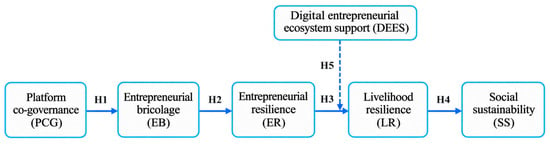
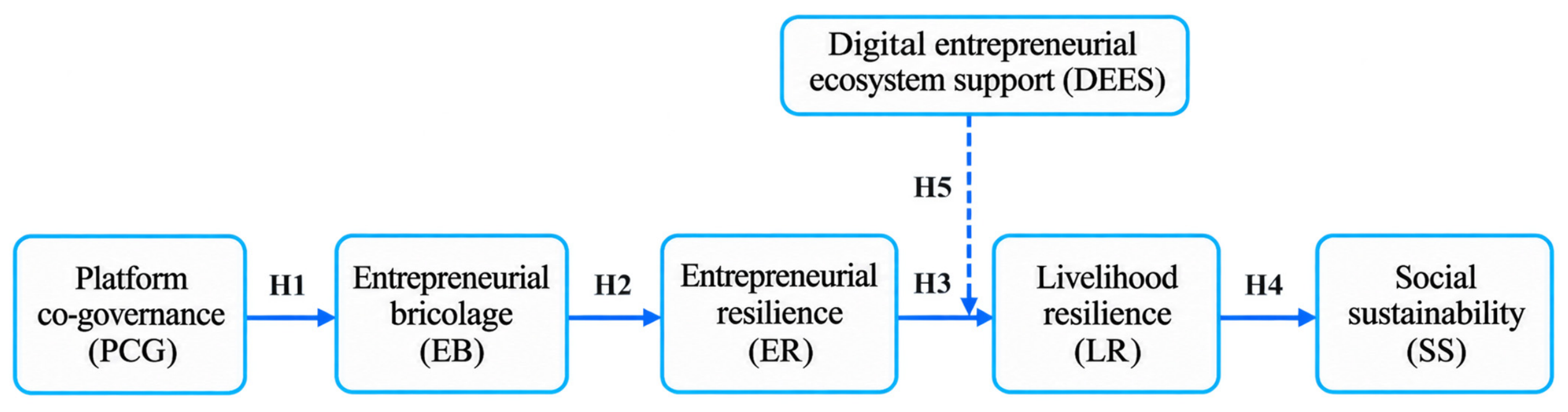
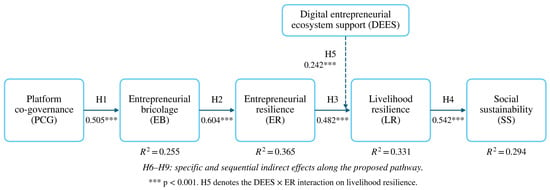
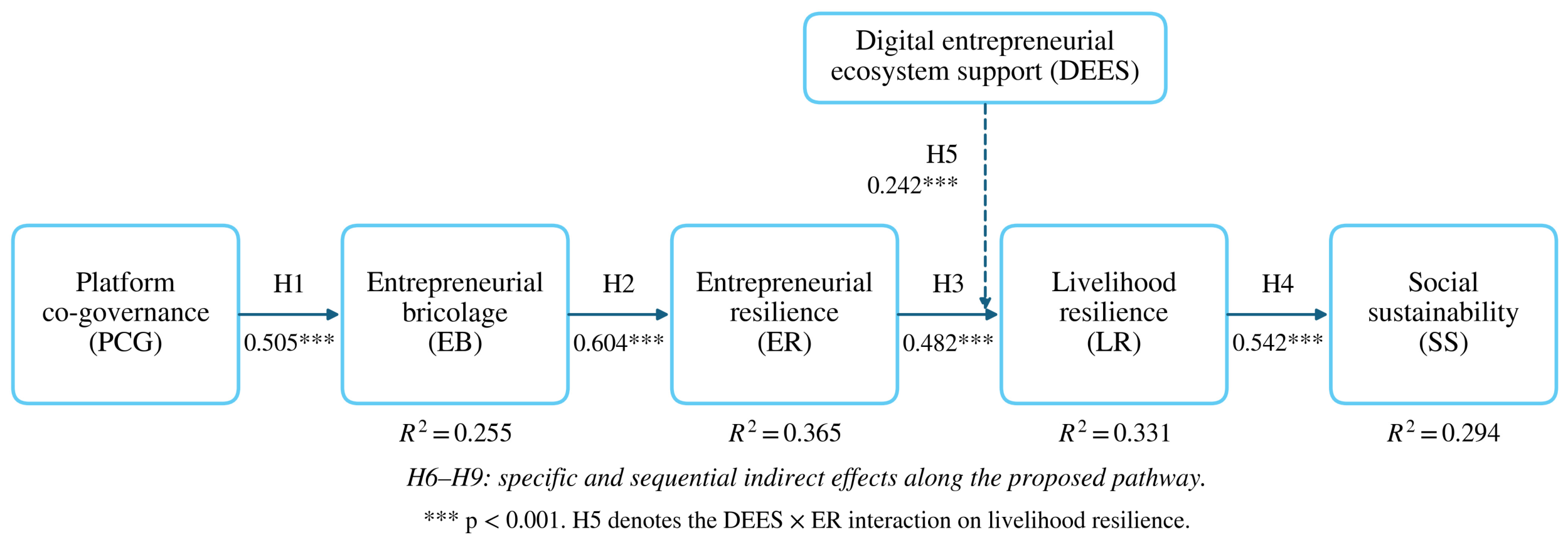
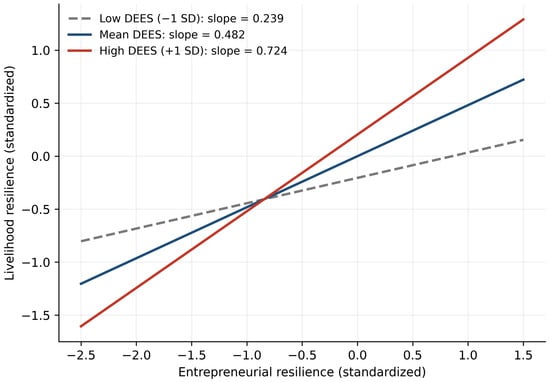
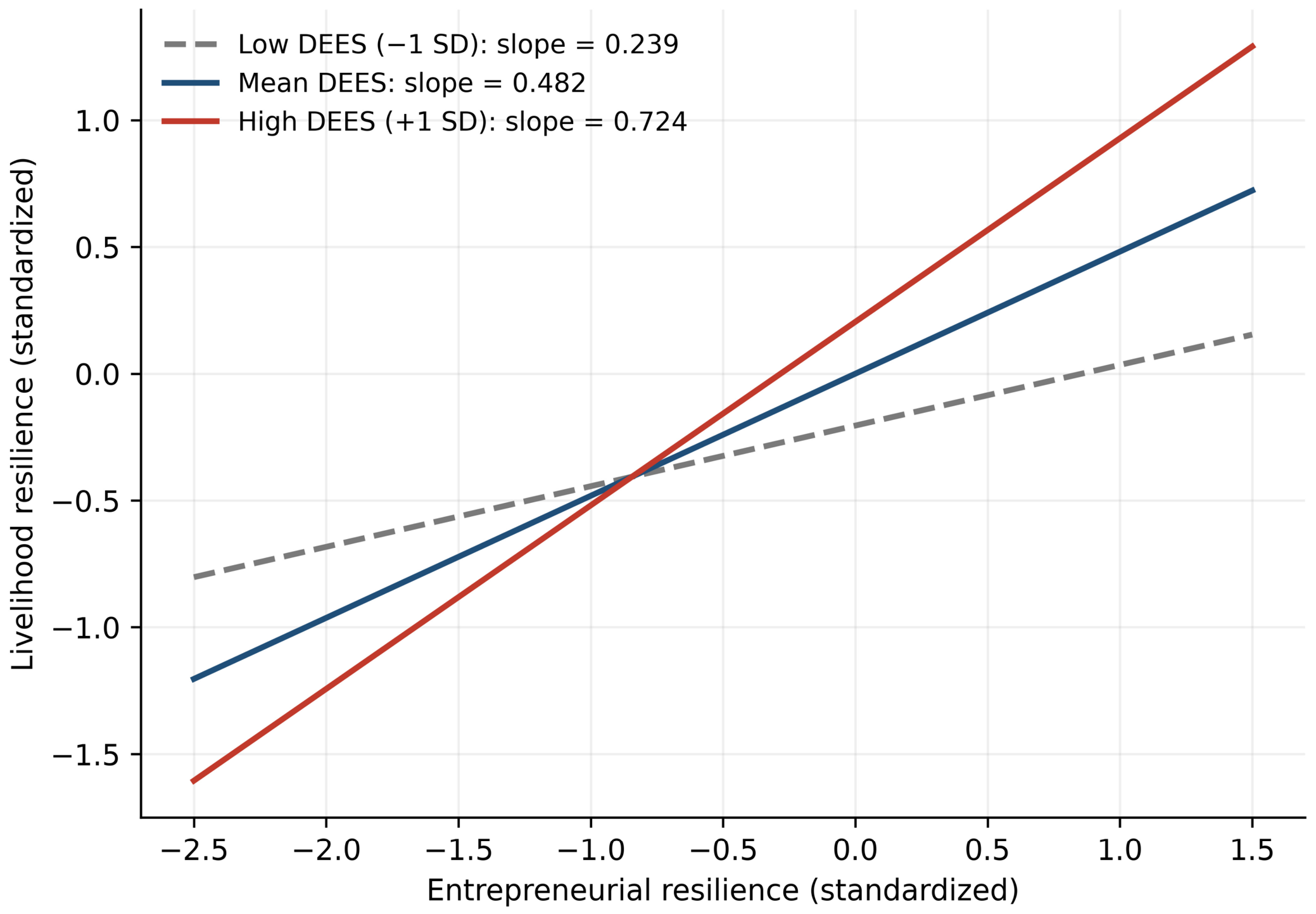

Disclaimer/Publisher’s Note: The statements, opinions and data contained in all publications are solely those of the individual author(s) and contributor(s) and not of MDPI and/or the editor(s). MDPI and/or the editor(s) disclaim responsibility for any injury to people or property resulting from any ideas, methods, instructions or products referred to in the content. |
© 2026 by the authors. Licensee MDPI, Basel, Switzerland. This article is an open access article distributed under the terms and conditions of the Creative Commons Attribution (CC BY) license.