


Abstract
Solid firelighters are used to ignite wood fuels, yet direct evidence on wax-coated and wax-infused lignocellulosic products remains limited. This review evaluates paraffin, beeswax, stearin, stearic acid, and candle-wax formulations in wood-wool and wood-shaving firelighters, including one commercial wood-shaving product made from Western red cedar (Thuja plicata). Direct firelighter studies reported a black-carbon emission factor of about 150 mg MJ−1 for kerosene-based products and attributed 78–97% of black-carbon emissions to the firelighter in most tested fuel cases. In biomass–stearic-acid firelighters, the shortest ignition time was 17 s, the longest burn duration 1423 s, and the lowest post-combustion residue 6.44%, with the longest burn duration and lowest residue obtained with the same sawdust formulation. Related studies showed lower moisture gain in paraffin-treated lignocellulosic materials and up to 70.5% lower tangential swelling after beeswax treatment. Candle studies reported formulation-dependent black carbon, PM2.5, VOC, and PAH emissions. Life-cycle evidence showed that environmental sustainability varied with raw-material source, production route, and scenario. The reviewed evidence identifies stearic-acid-based coatings as candidates for lower-impact firelighter development, but direct comparison with paraffin and beeswax on the same substrate is still required. Further controlled testing should compare ignition, burn duration, moisture resistance, residue, emissions, and firelighter-specific environmental impacts under matched substrate, coating, moisture, and ignition conditions.
1. Introduction
Solid-fuel heating is a common feature of the European residential sector and a defining one in Latvia. In 2023, the residential sector accounted for 26.2% of final energy consumption in the European Union; space heating accounted for 62.5% of residential final energy consumption, and renewables covered 33.0% of European Union household space-heating consumption [1]. Directly consumed renewables include solid biofuels such as firewood and wood pellets [1]. In 2024, fuelwood accounted for 76.7% of gross renewable energy consumption in Latvia, and households accounted for 29.0% of gross fuelwood consumption [2]. Latvia ranked fourth in the European Union for the share of renewable energy in final energy consumption in 2023, at 43.2% compared with the EU average of 24.6% [2]. Renewables supplied 61.4% of energy used for heating in Latvia, the third-highest share in the European Union [2].
Wood-fired stoves, fireplaces, and sauna stoves pass through a start-up stage before the main fuel reaches stable burning. Firelighters are one optional product group used during that stage [3,4]. The Harmonised System groups firelighters under HS 360690 together with fuel tablets, alcohol-based solid or paste fuels, resin torches, and similar products [5]. EN 1860-3:2023 defines a solid firelighter as a solid substance or preparation used to ignite solid barbecue fuels and readily ignitable with an open flame [6]. Market examples include white kerosene cubes [7], wax-and-wood compressed cubes [8], waxed wood-wool firelighters (wood species not reported) [9], and wax-containing wood-shaving firelighters made with Western red cedar (Thuja plicata) shavings [10]. These products differ in their combustible components and formulation [7,8,9,10].
The products considered in this review contain a lignocellulosic substrate, such as wood wool [9], wood shavings [10], or sawdust [11,12], and a wax component. In this review, wood wool denotes fine, elongated wood slivers forming the material identified as wood wool, and wood shavings denotes discrete slices or slivers of wood produced during shaping where the source identifies the material generally as wood shavings. Planer shavings denotes wood shavings specifically identified as produced by planing, and sawdust denotes fine particulate wood material produced by sawing or identified by the source as sawdust. The substrate term reported by each source is retained, and the four terms are not used interchangeably. Petroleum-based wax is used in some wood-wool products [9], while beeswax, soy wax, palm wax, and sunflower wax appear in natural-wax formulations [10,13]. Wax can represent a substantial fraction of the combustible product [14]. Direct firelighter experiments also show differences in ignition time, burn duration, flame height, and combustion residue between substrates and biomass-to-stearic-acid ratios [11]. Alternatives to petroleum-based firelighters include biomass residues combined with stearic acid [11] and fibre-based firelighters containing waxes derived from plant or animal sources [13]. Binder and wax selection in related briquette formulations alters burn duration, calorific value and resistance to moisture uptake [15,16]. Environmental performance depends on raw-material origin, production route and life-cycle conditions [17]. Together with formulation-dependent firelighter performance [11], these factors define the material and environmental variables required for coating comparison.
1.1. The Research Problem and Gap
The research problem is created by a mismatch between the use of firelighters and the amount of product-specific evidence available for them. Residential heating accounts for a large share of household energy use in the European Union [1], while fuelwood has a particularly large role in Latvia [2]. During solid-fuel ignition, the firelighter is consumed together with the main fuel [3]. Measurements of kerosene-based products show that this relatively small ignition aid can make a disproportionate contribution to particulate matter and black carbon emissions [3,4]. Products used for the same purpose, however, differ materially. Commercial formulations include petroleum-wax-coated wood wool [9], wax-and-wood products [8], natural-wax fibre firelighters [13], and wood-shaving products containing soy wax and beeswax [10]. Results measured for one formulation therefore cannot be assumed to apply to another.
Formulation also affects storage and combustion properties. Substrate variation begins with wood properties such as basic density and moisture content [18,19] and continues during particle blending and briquetting [20,21]. Together with [11], these studies trace variation from wood properties [18,19] through particle and binder composition [20,21] to the biomass and coating combination [11]. Controlled wax comparisons therefore require a uniform substrate and wax proportion.
The need for product-specific evidence is particularly apparent from kerosene-based firelighter studies. Lin et al. found that firelighters represented approximately 3–10% of the solid-fuel mass used for ignition but had a much higher black-carbon emission factor than the tested solid fuels [3]. During five nighttime pollution episodes in Dublin, kerosene-based firelighter burning was estimated to account for 5–58% of total ambient black carbon [3]. Trubetskaya et al. reported that the firelighter accounted for 78–97% of black-carbon emissions in most tested fuel cases during domestic stove combustion [4]. Firelighter black-carbon emissions are also absent from several widely used emission inventories [3].
Both studies examined kerosene-based firelighters [3,4]. Wax-infused wood-wool firelighters have a different material composition [9], and directly comparable data on ignition, burning, storage and emissions remain limited. Available experimental evidence includes sawdust-and-vegetable-oil firelighters (wood species not reported) [12], biomass combined with stearic acid [11], paraffin-wax fire logs [14], candles [22,23], briquettes [15,16] and wax-treated wood [24,25,26]. Safety data sheets and patents also document wax-coated lignocellulosic formulations [9,10,13,27]. These sources provide information on individual materials and properties but do not replace controlled measurements of wax-coated lignocellulosic firelighters.
Bejenari et al. extended this evidence to fire-starting briquettes containing spent coffee grounds, soy wax, beeswax, paraffin, paper pulp and 70% alcohol in different combinations [28]. Each result reflects the complete multi-component formulation rather than an isolated wax effect [28]. Production-side evidence for the same material comes from Hamdan et al., who assessed thickness, compactness and drying in the manufacture of coffee-waste fire starters [29].
A further gap concerns intended use and test methods. EN 1860-3:2023 specifies requirements and test methods for firelighters intended for barbecue and grill applications [6] and does not specifically address wood stoves, fireplaces or sauna stoves. Performance and emission data for wax-coated firelighters in these household-heating applications remain limited.
Intended use changes the ignition arrangement. Fedak et al. recorded paper, plastic, agricultural wastes, kerosene and rubber among materials used to start cookstoves [30]. Ajayeoba et al. tested nine charcoal ignition aids and measured carbon monoxide, nitrogen dioxide and volatile organic compounds [31]. Lask and Gadgil used a metal lighting cone that reduced mean charcoal ignition time from 414 to 193 s, charcoal consumption during ignition by more than 40%, and carbon monoxide emissions by more than 50% [32]. Comparisons across stoves, grills and charcoal cookers therefore require fixed firelighter dose, placement and ignition procedure [30,31,32].
Liquid firelighters add volatility and handling safety to the comparison [33,34,35,36]. Cséfalvay and Kovács ranked four fossil-based lighter fluids and six biomass-based chemicals by flash point, boiling point, vapour pressure, evaporation rate, toxicity and ethanol-equivalent value; gamma-valerolactone ranked highest [34]. Fábos et al. reported that a 90:10 gamma-valerolactone and ethanol mixture ignited charcoal within seconds and emitted 15 ± 0.75% fewer volatile organic compounds than the tested commercial lighter fluids [35]. Cséfalvay also found that adding ethanol to bio-based lighter fluids improved ignition and combustion performance and reduced hydrocarbon emissions [36]. Interviews with 14 people admitted for acute, unintentional bioethanol burns linked these technical properties with motivation, knowledge, risk perception and behavioural thresholds [33]. Liquid-firelighter assessment therefore includes physicochemical properties, combustion emissions and user safety [33,34,35,36].
Environmental sustainability is also a product-level comparison criterion for natural-wax firelighters. Patent literature presents renewable-origin waxes and fibres as a basis for describing such products as natural or environmentally preferable [13]. Available life-cycle results vary with raw-material source and production scenario [17], while direct product-level comparison with paraffin-based firelighters remains limited. The sustainability contribution of this review lies in assessing natural- and fossil-wax alternatives through firelighter performance and the available evidence on raw-material origin, production route, combustion emissions and life-cycle impacts.
1.2. Review Article Objective
This review provides an overview of the literature on wax-infused wood wool as a solid firelighter, covering its materials, combustion behaviour, and environmental impact. It examines paraffin alongside alternative waxes and fatty-acid-based materials, including available evidence on pollution from petroleum-based firelighters during use, wax manufacturing emissions, and production energy demand. The review then analyses the waxes themselves, describing their production routes and comparing fossil and natural sources.
The literature for this review was identified through structured searches of Scopus, Web of Science Core Collection, and ScienceDirect and screened using the study-selection criteria described in Section 1.3. The comparison includes direct firelighter studies together with relevant evidence from related wax-containing products and materials where there is little direct evidence. Particular attention is given to material properties, ignition and burning performance, storage-related behaviour, emissions, and environmental effects.
The objectives are to evaluate the variables reported in the literature, the methods used to assess them and their reported impacts while evaluating environmental sustainability in relation to coating origin, production route, combustion emissions and available life-cycle evidence, and to identify the measurements required for direct comparison. The review also examines how coating material affects the thermal behaviour of wood-wool firelighters. Thermal properties include decomposition, ignition time, burn duration, and melting or solidification behaviour. Where available, black carbon, particulate matter, polycyclic aromatic hydrocarbons, calorific value and combustion residue are considered alongside them.
The review addresses the following research question: What evidence is available on the material properties, firelighter performance and environmental effects of the reviewed wax and wax-related materials, and which variables are required for matched comparison of alternative coatings on the same lignocellulosic substrate?
1.3. Literature Search and Study Selection
The literature search and study selection process is documented in a PRISMA 2020-style flow diagram (Figure 1) [37]. Scopus, Web of Science Core Collection and ScienceDirect were the chosen databases. They covered materials science, biomass, combustion and environmental research. The search terminology was developed iteratively from preliminary scoping of the literature and detailed review notes prepared before the database searches. Recurring terms describing firelighter types, coating materials, lignocellulosic substrates, material properties, combustion performance and emissions were identified and grouped into the concepts used in the database searches. The search covered three main areas: firelighters and fire-starter formulations; waxes, wax-treated materials and coating properties; and biomass substrates, combustion and solid-fuel properties. The terminology used to construct the searches is presented in Table 1.
Figure 1.
Literature identification, screening, retrieval, eligibility assessment, and study inclusion, presented in the PRISMA 2020 flow-diagram format [37].
Table 1.
Search terminology used in the database searches.
Table 1 presents the complete search vocabulary, while the Boolean operators and database-specific field syntax described below define how these terms were combined in each database. Boolean operators, phrase searching and truncation were used to structure the searches consistently across the three databases. Terms referring to the same concept were linked with OR, while different concept groups were combined with AND. AND NOT was used where necessary to exclude unrelated fire-safety, wildfire, engineering and pyrotechnic literature.
Because direct evidence on wax-coated lignocellulosic firelighters is limited and relevant material-specific evidence is distributed across related research fields, three complementary search structures were used. The first combined firelighter and fire-starter terminology with wax, formulation and substrate terminology. The second combined wax and coating terminology with lignocellulosic substrates and material, thermal or storage properties; additional material-specific combinations covered carnauba wax, fatty acids, shea-derived materials and related thermal or physicochemical properties. The third combined biomass and solid-fuel terminology with ignition, combustion, emissions and fuel-property terms and included focused combinations addressing wood moisture and combustion emissions, urea-formaldehyde resin pyrolysis, ash and heavy metals, and wood species, density and moisture.
The syntax was adapted to the search fields available in each database while retaining the same conceptual search structure. In Scopus, searches were applied to titles, abstracts and keywords using TITLE-ABS-KEY(). In Web of Science Core Collection, the corresponding searches were applied using the Topic field TS=(). In ScienceDirect, the corresponding terminology was searched in the title, abstract and keyword fields. The complete database-specific search strings, including search operators, field syntax and applied restrictions, are provided in Supplementary Table S3. Searches covered publications from 2010 to 2026, and the final database searches were conducted on 30 July 2026. Only English-language publications were included. No document-type restriction was applied at the database-search stage; eligibility was determined during screening.
The database searches yielded a total of 858 records: 507 from Scopus, 186 from Web of Science Core Collection and 165 from ScienceDirect. Records retrieved from the three databases were combined in Microsoft Excel. Exact duplicates were identified using available bibliographic information, while potential non-identical duplicates were identified through text-similarity matching in Power Query. Candidate matches were manually verified using the title, authors, publication year and DOI, where available, before removal. After removal of 104 duplicate records, 754 records remained for screening. Of these, 663 were excluded, and 91 reports were sought and retrieved for full-text assessment. No reports were unavailable for retrieval. After assessment of eligibility, 49 reports were excluded and 42 studies were included in the review. The characteristics of the 42 included studies, including evidence level, product type, wood species or biomass, substrate form and dimensions, coating or binder composition, experimental conditions, test methods, measured outcomes and principal findings, are reported in Table S1.
Publications were chosen if they were about firelighters or similar ignition products or included material-specific data on composition, ignition, combustion behaviour, emissions or storage. Sources were excluded when their subject fell outside the review scope, their connection to firelighter properties was unclear, or they lacked sufficient methodological and results information. The reasons for exclusion at the full-text stage were recorded in four categories: outside the firelighter scope; generic briquette or pellet studies; no relevant ignition, burning or emission data; and indirect wax or biomass applications. The exclusion categories are reported in Figure 1. Claude Opus 5 (Anthropic) was used for technical editing and figure layout assistance, including corrections to existing elements in Figure 1 and arranging existing text elements within an HTML-based figure. The authors reviewed and verified the resulting output.
Title and abstract screening, full-text eligibility assessment and data extraction were conducted by one author (A.E.). Because these stages were conducted by one author, no inter-reviewer disagreement procedure was needed. No formal risk-of-bias assessment tool was applied because the evidence base included a range of experimental designs, materials and product systems for which a single appraisal tool was not considered suitable. The absence of a formal risk-of-bias assessment is a limitation of the review.
However, methodological aspects were considered descriptively during study selection and evidence synthesis. Studies lacking sufficient methodological or results information were excluded. For the included studies, the reported test methods, experimental conditions, substrate characteristics, coating compositions and measured outcomes were examined, as documented in Supplementary Table S1. These characteristics informed the interpretation of findings and the limits of cross-study comparisons. For example, residual mass measured during thermal decomposition under nitrogen was distinguished from combustion residue, and results obtained from different material formulations and experimental conditions were not used to establish overall rankings of wax performance. This approach addressed methodological comparability without constituting a formal assessment of individual study quality. The absence of such an assessment is acknowledged as a limitation of the review.
Differences in how closely the evidence related to firelighters were considered when comparing results. Direct evidence comprised studies of firelighters or closely corresponding ignition products. Semi-direct evidence comprised related wax-containing combustible products or lignocellulosic systems that measured properties directly relevant to firelighter performance. Indirect evidence comprised material-level or related-system studies used for specific properties where direct firelighter evidence was unavailable. Results from these evidence levels were therefore not treated as directly equivalent when comparing firelighter formulations. Safety data sheets, patents, standards and product documentation were used for reported formulation, handling, requirements or manufacturer information but were not treated as equivalent to peer-reviewed experimental evidence when evaluating material performance or environmental effects.
Targeted searches and citation tracing supplied supporting references on wax and biomass properties, analytical methods, safety requirements and technical definitions that the database results did not adequately cover. Standards, patents, safety data sheets and contextual references were cited separately and excluded from the study-selection counts in Figure 1. The literature identification, screening and inclusion process is summarised in Figure 1.
The analytical standards that contain the main variables compared across the review are used as supporting references. LVS EN ISO 16967, LVS EN ISO 16968 and LVS EN ISO 16948 determine major, minor and total carbon, hydrogen and nitrogen, respectively [38,39,40]. The calorific value, ash, moisture and volatile matter are given in LVS EN ISO 18125, LVS EN ISO 18122, LVS EN ISO 18134-3 and LVS EN ISO 18123 [41,42,43,44]. Within this comparison, volatile matter, total carbon and calorific value provide additional fuel-characterisation variables for assessing differences between firelighter formulations [40,41,44]. Different formulations show the shortest ignition time, longest burn duration and lowest combustion residue [11], and so it is necessary to combine the analytical properties with the ignition time, burn duration and combustion residue when comparing firelighter formulations [11,38,39,40,41,42,43,44].
The 42 included studies formed the evidence base for the analysis of paraffin, beeswax, stearin, stearic acid, and candle-wax formulations in the following sections.
1.4. Keyword Analysis
Keyword co-occurrence was analysed for the 42 studies included in this review using VOSviewer 1.6.21. Bibliographic records for the included studies were imported using the Read data from bibliographic database files option. The keyword information contained in the imported bibliographic records was analysed as a single VOSviewer keyword dataset. Author-keyword and index-keyword information were not separately merged or edited outside VOSviewer. No thesaurus file was used, and singular and plural forms, synonyms, abbreviations and spelling variants were retained as represented in the imported bibliographic records. Co-occurrence analysis was performed using full counting.
The dataset included 202 keywords. A minimum occurrence threshold of two was applied, and 81 keywords met the threshold and were retained in the analysis. Co-occurrence link strengths were normalised using the association-strength method. The network was generated using the VOS layout technique with attraction set to 2 and repulsion to 1. Clustering was performed using the VOS clustering technique with a resolution of 1.00, a minimum cluster size of one and merging of small clusters enabled. The network contained 1175 links, total link strength of 2561, and five clusters (Figure 2). In VOSviewer, shorter distances between terms generally show stronger relationships, while cluster colours group terms that are more closely related. The horizontal and vertical positions of the terms do not have a specific meaning.
Figure 2.
Keyword co-occurrence network of the 42 studies included in this review. Node size represents keyword occurrence, links represent co-occurrence relationships, and colours indicate the five clusters.
A larger version of the keyword co-occurrence network is provided as Figure S1 in the Supplementary Materials.
Although VOSviewer divided the network into five clusters, their content forms three broader topic groups. The first concerns wax composition, coating and material properties and is represented principally by Cluster 1. The second concerns combustion, emissions and environmental effects and is concentrated on Cluster 2. The third combines biomass substrates, moisture and storage properties, and ignition and solid-fuel performance and encompasses most of Clusters 3, 4 and 5. As shown in Figure 2, the numerous links crossing the cluster boundaries indicate that these areas are closely connected within the literature and are often studied together. For firelighters, the three areas cover material composition and physical properties, ignition and burning performance, and combustion emissions.
Cluster 1 represents the material-related group and contains 26 keywords, including wax, paraffin wax, beeswax, carnauba wax, coating, emulsion, contact angle, durability, thermal, thermodynamics and thermogravimetric analysis. These terms correspond to studies concerned with wax composition, hydrophobic behaviour, coating performance and thermal properties, including the paraffin, beeswax and other wax-related evidence examined in Section 2, Section 3, Section 4 and Section 5 [16,17,24,25,26,45,46,47,48]. This cluster is especially informative because wax-specific terms are concentrated towards one side of the network, while broader material and chemical terms occupy the densely connected centre. Paraffin wax, beeswax, carnauba wax, coating, contact angle and durability are therefore closely associated with material-characterisation research, but they are less directly embedded in the emission-focused part of the network. The literature contains substantial information on what these materials are and how they behave physically, while direct connections between individual wax types and measured combustion emissions are less pronounced.
Cluster 2 contains 20 environmental and combustion keywords, including combustion, carbon black, particulates, smoke, aerosol, air pollution, pollutants, nitrogen oxides (NOx), benzene, flue gas and solid fuel. The pollutant-related keywords include carbonaceous and particulate pollutants such as carbon black and particulates, nitrogen oxides (NOx), aromatic hydrocarbons such as benzene, and other pollutants. These terms correspond with the emissions evidence used elsewhere in the review, including black carbon and particulate measurements from firelighter-assisted combustion [3,4] and emissions from paraffin, candle and solid-fuel systems [14,15,22,23]. The close grouping of carbon black, particulates, smoke, aerosol and air pollution shows that this part of the literature is organised mainly around combustion products and exposure-related pollutants. This contrast is shown in Figure 2, where the material itself is the main object of analysis.
Cluster 3 contains 13 keywords and is centred on biomass substrates and moisture-related properties. Its terms include agronomy, bioenergy, biofuel, biomass (ecology), degradation (telecommunication), humidity, moisture, pellet, pellets, pulp and paper industry, relative humidity, waste management and water content. The cluster groups terminology associated with biomass materials, fuel products and moisture-related properties.
Cluster 4 contains 12 keywords associated mainly with solid fuels, ignition and thermochemical processes. These include biochar, briquette, charcoal, coal, heat of combustion, ignition system, mathematics, metallurgy, pyrolysis, raw material, stove and torrefaction. The cluster therefore covers solid-fuel materials together with ignition, combustion-energy and thermal-conversion terminology.
Cluster 5 contains 10 keywords and is centred on wood, forestry and related biological and health fields. It includes biology, botany, environmental health, forestry, hardwood, horticulture, medicine, sawdust, softwood and toxicology. The wood-related terms in this cluster complement the broader biomass and moisture-related terms represented in Cluster 3.
The interaction between the first two groups is particularly informative because of how material-related and emission-related nodes are connected by a dense set of cross-cluster links, but the strongest visual overlap occurs around broad chemical and material terminology rather than around individual waxes. The network therefore contains evidence connecting material chemistry with combustion and environmental behaviour, while the specific comparison required for firelighter development, for example, paraffin versus beeswax or stearic-acid coatings under identical combustion conditions, is not represented as a distinct, tightly connected research area. The literature contains one group of studies describing waxes and coated materials and another measuring combustion pollutants.
2. Paraffin Wax
Of the 42 studies included in this review, 21 contributed to the paraffin chapter, covering wax-treated materials, paraffin-containing products, storage behaviour, combustion emissions and environmental impacts [3,4,14,15,16,17,22,23,24,25,49,50,51,52,53,54,55,56,57,58,59]. Commercial solid firelighter documentation identifies several petroleum-derived materials. A wood-wool firelighter (wood species not reported) contains clay-treated petroleum slack wax [9], Pental Jiffy firelighters contain paraffin [60], and a rolled-wood product is identified as containing paraffin wax [61]. A wax-and-wood match-head product instead lists petrolatum [8]. The Kemetyl cubes consist of different types of petroleum hydrocarbon fractions, with the C10–C14, C10–C13 and C11–C14 ranges [7]. Hydrocarbons such as C10–C13 n-alkanes and cyclic compounds are present in the paraffin sachets [62]. These formulations are considered separately where their compositions differ from solid paraffin wax. The product name alone, therefore, does not identify the combustible fraction precisely enough for direct comparison across petroleum-based firelighters [7,8,9,60,61,62].
2.1. Origin, Production and Formulation of Paraffin Wax
The petroleum-based products identified above differ in both composition and paraffin content, making their origin and formulation the first point of comparison. The life-cycle inventory used by Boekaerts et al. [17] represents fossil paraffin as wax produced at a crude-oil refinery. The assessed paraffin product system included paraffin production and end-of-life incineration with energy recovery [17]. Boekaerts et al. model paraffin production upstream of wax-emulsion use, while the firelighter safety data sheets show that the amount of petroleum-derived material varies among finished product formulations [8,9,17,60].
The proportion and form of petroleum-derived material vary between documented commercial firelighters. A wood-wool firelighter safety data sheet (SDS) lists 30–60% clay-treated petroleum slack wax [9]. A wax-and-wood match-head product lists 40% petrolatum in the combustible stick, while Pental Jiffy firelighters list more than 60% paraffin together with urea–formaldehyde resin and water [8,60]. The HVK-Ignis safety data sheet lists no substances meeting its Section 3 reporting criteria and does not report a paraffin concentration [61].
Other petroleum-based firelighter formulations contain hydrocarbon mixtures rather than the solid wax documented in the wood-wool and Pental products. Kemetyl cubes list C10–C14, C10–C13 and C11–C14 hydrocarbon fractions [7]. Paraffin sachets contain 80–100% C10–C13 n-alkanes, isoalkanes and cyclic hydrocarbons, with less than 2% aromatics [62]. The SDS data therefore show variation in both the amount and chemical form of the petroleum-derived combustible component across commercial firelighters [7,8,9,60,61,62].
Bak [25] combined thermal treatment with paraffin wax impregnation of Scots pine (Pinus sylvestris L.) sapwood and European beech (Fagus sylvatica L.). Scots pine sapwood showed greater wax uptake than beech, and wax uptake at 180 °C was approximately twice that measured at 200 °C [25]. Bak measured different paraffin-wax uptake between Scots pine and beech and between the 180 and 200 °C treatments, linking the incorporated wax amount to both wood species and treatment temperature [25]. These differences in formulation and incorporated wax content affect the interpretation of the properties examined next, since the reported values may refer either to the wax itself or to a complete product.
2.2. Material and Fuel Properties of Paraffin Wax
The reviewed paraffin systems differ in thermal properties, energy content and behaviour under moisture exposure. The clay-treated petroleum slack-wax component listed in one wood-wool product has a reported melting range of 49–63 °C, a flash point above 180 °C, an auto-ignition temperature above 220 °C and a density of 0.75–0.90 g cm−3 [9]. The wood-wool and paraffin-sachet safety data sheets specify protection from heat, sunlight and oxidising agents [9,62]. The version 1.2.0 safety data sheet for the HVK-Ignis rolled product reports no melting-point or freezing-point value [61]. The listed slack wax melts at 49–63 °C, well below its reported flash point (>180 °C) and auto-ignition temperature (>220 °C), so the SDS distinguishes melting from ignition-related temperature thresholds [9].
The complete kerosene-based firelighter, characterised by Trubetskaya et al. [4], contained 0% moisture as received, 1.7% ash on a dry basis and 94.3% volatile matter on a dry basis. Its higher heating value was 35.9 MJ kg−1 and its lower heating value was 33.3 MJ kg−1 [4]. These values describe the complete kerosene-based firelighter rather than paraffin wax. They describe a different formulation from the wood-wool product containing petroleum slack wax documented in [9].
Bajwa et al. [14] produced approximately 1.4 kg fire logs containing 50% paraffin wax with oak fibre (scientific name not reported) and 40% or 50% paraffin wax with cotton burrs and stems. Paraffin wax, therefore, represented 40–50% of the tested fire-log mass [14]. At these loadings, paraffin made up a large fraction of the fire-log mass and was explicitly used as both binder and fuel [14].
In a cellulose-briquette experiment, the moisture content of a paraffin-wax-stabilised paper briquette increased by 5.10 percentage points over 720 h, compared with 35.44 percentage points for the uncoated briquette [16]. Glalah et al. [15] found that among the Alstonia boonei De Wild. sawdust formulations (common name not reported), the wax-bound briquette had the highest water resistance, at 76.76%, and a moisture content of 1.7%. Binder type also affected density, calorific value, burning rate, carbon monoxide and emissions of particulate matter with an aerodynamic diameter below 2.5 µm (PM2.5), linking moisture-related properties with combustion performance [15].
The paraffin studies above measure how well materials resist water, while related coating and storage studies examine changes after moisture exposure [15,16,49,50,51]. Liu et al. applied 6 g m−2 of microcrystalline wax to starch-pretreated paper, reducing the Cobb60 value to 12.5 g m−2 and water-vapour permeability by 81.9% [50]. Biomass pellets stored for one month at 40 °C and 85% relative humidity gained mass and developed greater porosity and internal cracks, while complete moisture saturation reduced agro-pellet durability by an average of 9% [49,51]. Beeswax studies also measured contact angle and swelling [24]. Together, these studies assess surface water resistance, changes in moisture content and material condition after exposure [15,16,24,49,50,51]. These results describe how the materials respond before combustion and provide the physical context for the ignition and emission evidence examined in Section 2.3.
2.3. Combustion Behaviour and Emissions of Paraffin Wax
Direct firelighter emission measurements by Lin et al. [3] and Trubetskaya et al. [4] concern kerosene-based products, not paraffin-wax-coated wood-wool firelighters. Lin et al. measured a black-carbon emission factor of approximately 150 mg MJ−1 for the firelighter, compared with approximately 5 mg MJ−1 for the tested solid fuels [3]. Trubetskaya et al. found that particulate matter from the isolated firelighter consisted of 88.9% black carbon and 10.3% organic aerosol [4]. The firelighter accounted for 78–97% of black-carbon emissions in almost all tested fuel cases and about one-third in the coal test [4].
In the conditions reported by Lin et al., firelighters represented about 3–10% of the solid-fuel mass used for ignition [3]. In combustion tests, 0.1 kg of firelighter was used with 3.5 kg of test fuel, equal to about 3% of the fuel mass, yet it produced more black carbon than the tested biomass fuels combined. The firelighter-related signal often continued for more than 15 min after ignition [3]. These results show that a small mass of firelighters can produce a large share of black-carbon emissions during ignition [3,4].
Across five night-time pollution episodes in Dublin, kerosene-based firelighters were estimated to contribute 5–58% of ambient black carbon [3]. During the two most severe episodes, firelighter-related black carbon reached 24.3–31.7 µg m−3, while the highest ambient concentration of particulate matter with an aerodynamic diameter below 1 µm (PM1) reached 166.5 µg m−3 [3]. Firelighter black-carbon emissions were absent from the EDGAR, EMEP, TNO, NEI and RETRO inventories examined by Lin et al., contributing to underestimation of carbonaceous aerosols in air-quality and climate models [3]. The tested firelighters consisted mainly of peat or cellulose with kerosene containing predominantly C9–C12 alkanes, so these results apply to kerosene-based products rather than petroleum slack-wax-coated wood wool [3,9].
Commercial paraffin firelighters may contain additional combustible components. The Pental safety data sheet lists more than 60% paraffin together with urea–formaldehyde resin and water [60]. Jiang et al. found that isolated urea–formaldehyde resin lost 74% of its mass between 195 and 430 °C and released carbon dioxide, isocyanic acid, ammonia, hydrogen cyanide and carbon monoxide during pyrolysis [52]. Combustion was almost complete at 600 °C, with carbon dioxide and water as the main products [52]. Emission testing of the complete Pental firelighter therefore needs to include all components of the formulation [52,60].
Related paraffin-containing products provide additional combustion evidence. Bajwa et al. detected n-alkanes, n-alkenes, 1,3-butadiene, chloromethane, oxygenated VOCs, benzene derivatives, D-limonene, naphthalene and other polycyclic aromatic hydrocarbons (PAHs) in emissions from paraffin-containing fire logs [14]. Ash content was 3.9% in cotton-burr fire logs and 1.4% in oak-fibre fire logs, showing differences in ash content between formulations [14].
Candle studies also show strong differences between formulations. Andersen et al. tested paraffin, animal stearin, palm stearin and a 75:25 paraffin–palm-stearin blend under stressed-burning conditions [22]. Soot-dominated particle mass, while wax and wick composition affected black carbon, PM2.5 and particle-phase PAHs [22]. Derudi et al. found differences of up to two orders of magnitude in benzene, toluene, ethylbenzene and xylenes (BTEX) and PAH emission factors among three commercial paraffins [23]. Emissions therefore varied with wax formulation, wick design and burning conditions [22,23].
Glalah et al. measured PM2.5 concentrations of 3237.12 µg m−3 for a wax-bound cocoa-pod biochar briquette and 124.50 µg m−3 for a wax-bound sawdust briquette, both above the 50 µg m−3 reference value used by the authors [15]. The wax-bound sawdust briquette produced 0.67 ppm carbon monoxide, below the 6 ppm reference value [15]. Himbane et al. reported PM2.5 emission factors of 0.57–1.53 mg kg−1 for peanut-shell biochar briquettes, compared with 7.91 mg kg−1 for Ziguinchor charcoal, while CO emission factors for the briquettes ranged from 140.08 to 217.09 g kg−1 [59]. These studies concern fire logs, candles and briquettes rather than wax-coated wood-wool firelighters, but they show that emissions vary with formulation and test conditions [14,15,22,23,59]. This separation is also visible in Figure 2, where wax-related terms are concentrated in Cluster 1 and combustion pollutants in Cluster 2.
The amount and condition of the main fuel can also affect firelighter use and emissions. Price-Allison et al. found that seasoned and fresh beech and spruce (scientific names not reported) often required additional firelighter batches, while kiln-dried samples required only the initial batch [53]. Different moisture contents in beech (Fagus sylvatica L.) also changed emission quantity and composition under the same stove conditions [54]. For kerosene-based firelighters with high black-carbon emissions, additional batches increase the amount of ignition material burned [3,4,53]. Comparative coating tests consequently require fixed main-fuel moisture and records of the initial and additional firelighter mass [3,4,53,54].
Fuel form and stove operation further affect emissions. Mitchell et al. found straw briquettes difficult to ignite with the standard firelighter procedure and measured emissions after reloading them onto a hot char bed [55]. Fachinger et al. reported emission-factor increases of up to fivefold for non-woody fuels, up to sixfold for small or dried logs, and twofold to threefold under excess air [56]. Singh et al. found that wood species (red oak, cherry and mesquite, scientific names not reported) and combustion conditions changed the physicochemical and toxicological properties of particulate matter [57]. Fuel species, form, moisture, loading, airflow and ignition procedure therefore need to remain controlled when coatings are compared [53,54,55,56,57].
For barbecue applications, EN 1860-3:2023 applies to firelighters used with solid fuels in barbecues and grills [6]. Mencarelli et al. found that carbon monoxide, carbon dioxide, nitrogen oxides, particulate matter, PAHs, VOCs and trace metals varied with charcoal type, combustion temperature and food loading [58]. Comparative tests therefore need a consistent firelighter type, charcoal, combustion temperature and food-loading conditions [6,58]. Together, these studies define the combustion conditions that must be kept consistent in comparative testing. Section 2.4 then extends the comparison to the environmental effects associated with paraffin production and end-of-life treatment.
2.4. Manufacturing Emissions, Production Energy Demand and Environmental Impact of Paraffin Wax
Boekaerts et al. [17] also reported production and end-of-life contributions to climate-change impact. Boekaerts et al. [17] modelled fossil paraffin using a functional unit of 1 kg of wax for use in a wax-emulsion product. The reported net climate-change impact was 2.83 kg carbon dioxide equivalent (CO2 eq.) per functional unit, including 1.09 kg CO2 eq. from paraffin production [17]. Gross end-of-life incineration contributed 3.13 kg CO2 eq., while recovered electricity and thermal energy provided credits of −0.69 and −0.71 kg CO2 eq., respectively [17]. The assessment concerned wax-emulsion coating applications and modelled end-of-life incineration with energy recovery [17]. The production-stage contribution is therefore only one part of the modelled climate-change result, because end-of-life combustion and energy-recovery credits substantially change the net value [17]. These life-cycle values are treated in this review as indicative evidence for the assessed wax system rather than as firelighter-specific environmental impacts. The functional unit of 1 kg of wax for a wax-emulsion application and the modelled end-of-life scenario differ from a firelighter in which the coating forms part of a complete product consumed during ignition; the reported values therefore cannot be transferred directly to the reviewed firelighter formulations [17].
In the same study, bio-based ketone-wax scenarios produced climate-change results both below and above those of fossil paraffin, depending on the biomass source and life-cycle scenario [17]. Within the assessed bio-based scenarios, biomass cultivation, catalyst production and end-of-life treatment were identified as principal contributors, while gate-to-gate synthesis made a comparatively minor contribution [17]. For palm fatty acid distillate (PFAD)-based ketone waxes, climate-change impacts ranged from 0.39 to 3.23 kg CO2 eq. per functional unit, corresponding to results from 87% lower to 16% higher than the fossil-paraffin value of 2.83 kg CO2 eq. [17].
The GaBi dataset used by Boekaerts et al. [17] assigned paraffin a net calorific value of 38 MJ kg−1. In the life-cycle assessment, this is the net calorific value assigned to paraffin and is used in modelling energy recovery during end-of-life incineration; therefore, it is not a value for the energy consumed to manufacture paraffin [17]. Bajwa et al. used paraffin at 40–50% of fire-log mass and explicitly as both binder and fuel, so the wax was a major combustible fraction of those formulations [14].
Environmental data is also available for specified petroleum-hydrocarbon firelighter formulations. The paraffin-sachet safety data sheet reports 80% biodegradation after 28 days for its listed C10–C13 hydrocarbon fraction [62]. These data apply to this hydrocarbon fraction rather than the complete firelighter formulation [62]. The Wood Wool safety data sheet reports no available test data for toxicity or persistence and degradability of the finished product [9].
This review identifies that kerosene-based firelighter studies [3,4] provide combustion and emissions evidence for petroleum-based ignition products, whereas paraffin-specific evidence derives from commercial firelighter documentation [8,9,60,61], paraffin-containing fire logs, candles, and briquettes [14,15,16,22,23], and a wax-emulsion life-cycle assessment [17]. Across these sources, reported results are specific to the tested or documented formulation, including wax fraction, hydrocarbon composition and substrate; the life-cycle result additionally depends on the defined system boundary [7,8,9,14,15,16,17,22,23,60,61,62]. These results complete the paraffin comparison and provide context for examining the natural-wax materials in the following chapters.
3. Beeswax
Of the 42 studies included in this review, two contributed directly to the beeswax chapter, covering beeswax-treated wood and comparative environmental evidence for wax materials [17,24]. Beeswax is produced by honeybees, and it consists of esters of fatty acids and fatty alcohols, hydrocarbons and free fatty acids, with smaller amounts of free fatty alcohols [63]. In the 2024 Wildwood Grilling safety data sheet, beeswax accounts for 10% of the firelighter formulation, together with 50% soy wax, 30% Western red cedar shavings, 5% wheat flour and 5% vegetable oil [10]. The Joint FAO/WHO Expert Committee on Food Additives (JECFA) therefore provides material-level information on beeswax itself [63], while the Wildwood document describes a five-component commercial firelighter in which beeswax is a minority ingredient [10].
3.1. Origin, Production and Formulation of Beeswax
The available evidence covers both beeswax as an individual material and commercial firelighters in which beeswax forms only part of the formulation, so these material systems are considered separately. Beeswax is produced by honeybees and obtained from honeycomb material. The Joint FAO/WHO Expert Committee on Food Additives [63] describes yellow beeswax as wax obtained from honeycombs after honey removal by draining or centrifuging. White beeswax is produced by bleaching yellow beeswax with oxidising agents or sunlight [63]. Bradbear [64] reports that approximately 8 kg of honey are consumed by bees to produce 1 kg of beeswax.
Beeswax requires melting and cleaning before use [64]. Bradbear [64] describes solar wax melters, steam wax melters, wax presses, wax-and-honey separators and electric melters as processing equipment. During water-based rendering, molten wax rises above the water while impurities remain below [64]. Slow cooling reduces the entrapment of water and impurities, after which the solidified wax can be scraped clean and, when necessary, remelted in clean water and filtered through fine cotton cloth [64]. Yellow beeswax may subsequently be bleached to produce white beeswax [63].
The 2024 Wildwood Grilling safety data sheet lists 50% soy wax, 10% beeswax, 30% Western red cedar shavings, 5% wheat flour and 5% vegetable oil in the firelighter formulation [10]. Soy wax is therefore present at five times the mass fraction of beeswax, and the SDS documents a mixed-wax, multi-material firelighter [10].
Li et al. [24] incorporated beeswax directly into African padauk (Pterocarpus soyauxii) wood by immersing 20 × 20 × 20 mm cubes in molten beeswax at 120 °C for three or six hours. Weight gain increased with treatment time, but the additional increase from three to six hours was 44.54% of the increase recorded during the first three hours [24]. Scanning electron microscopy showed beeswax in both the surface and central layers of the treated wood [24]. Most of the recorded beeswax uptake therefore occurred during the first three hours, while microscopy confirmed that impregnation extended beyond the wood surface [24].
Li et al. [24] and the Wildwood Grilling SDS [10] describe different beeswax-containing material systems. Li et al. tested wood impregnated directly with beeswax, whereas the commercial firelighter contains beeswax together with soy wax, cedar shavings, wheat flour and vegetable oil [10,24]. The results reported by Li et al. therefore apply to the tested wood-beeswax treatment, while the Wildwood formulation contains several additional combustible constituents [10,24]. This distinction remains necessary in Section 3.2, where the measured material properties depend on the specific beeswax-containing system being examined.
3.2. Material and Fuel Properties of Beeswax
Li et al. [24] is examined again because the treatment method described in Section 3.1 is directly connected with the resulting changes in dimensional stability and surface water resistance. Beeswax consists of esters of fatty acids and fatty alcohols, hydrocarbons, free fatty acids and minor quantities of free fatty alcohols [63]. The JECFA specification gives a melting range of 62–65 °C, an acid value of 17–24 and a saponification value of 87–104 [63]. Bradbear [64] reports a closely corresponding melting range of 62–64 °C and states that heating above 85 °C causes discolouration. The two sources therefore place beeswax melting in approximately the same temperature range, while Bradbear identifies a higher temperature at which visible heat damage occurs [63,64].
Beeswax impregnation improved the dimensional stability and surface water resistance of African padauk [24]. Tangential swelling decreased by 52.8% after three hours and by 70.5% after six hours compared with untreated wood [24]. The initial water contact angle increased by 28.7% after three hours and 26.1% after six hours, while the increases after 100 s were 32.6% and 26.8%, respectively [24]. Li et al. found no significant difference in contact angle between the two treatment times, while six-hour treatment produced a greater improvement in dimensional stability [24].
This distinction also qualifies the effect of additional beeswax uptake. The six-hour samples contained more beeswax than the three-hour samples, but the surface contact-angle response did not increase correspondingly; the stronger difference appeared in swelling behaviour [24]. The amount of retained wax and the measured response of the treated wood therefore did not increase in parallel for every property examined [24]. The different responses of the treated wood provide the basis for examining whether the same treatment also altered thermal decomposition in Section 3.3.
3.3. Combustion Behaviour and Emissions of Beeswax
Thermogravimetric (TG) analysis of the same untreated and beeswax-treated wood samples under nitrogen showed their thermal-decomposition behaviour [24]. Samples were heated to 900 °C, and the highest pyrolysis rate occurred at approximately 330–380 °C. Untreated wood and wood treated for three or six hours showed similar TG curves and similar timing of the main pyrolysis stage [24].
Final carbon residue was 16.25% for untreated wood, 13.59% after three hours of beeswax treatment and 12.62% after six hours [24]. The six-hour samples contained more beeswax and produced the lowest residual mass, while the main pyrolysis behaviour changed little [24]. Because the test used nitrogen, these values represent residual mass after thermal decomposition, not combustion residue from firelighter burning in air [24].
Beeswax melts at approximately 62–65 °C [63,64], while Li et al. treated the wood at 120 °C for three or six hours [24]. Dietenberger and Hasburgh reported reductions in wood strength and modulus of elasticity above 65 °C, depending on wood properties and treatment conditions [65]. Treatment temperature and duration must therefore be considered alongside mechanical and thermal properties [24,63,64,65].
The Wildwood Grilling safety data sheet states that smoke may cause respiratory irritation and that burning may produce carbon monoxide and carbon dioxide [10]. These statements apply to the complete product, which contains soy wax, beeswax, Western red cedar shavings, wheat flour and vegetable oil [10]. Li et al. measured thermal decomposition of beeswax-treated wood, while the Wildwood SDS provides qualitative information for a mixed-wax firelighter [10,24]. Neither source provides quantitative PM, CO, VOC or other emission measurements for a beeswax-containing firelighter [10,24]. This separation is also visible in Figure 2, where beeswax appears in the material-focused cluster and pollutant terms are concentrated in the combustion and emissions cluster. The thermal and combustion evidence is therefore complemented in Section 3.4 by information on processing, storage, disposal and environmental impacts.
3.4. Manufacturing Emissions, Production Energy Demand and Environmental Impact of Beeswax
The processing routes introduced in Section 3.1 are relevant here because they form part of the manufacturing stage, alongside the available evidence on storage, disposal and climate-change impact. Bradbear [64] reports that approximately 8 kg of honey are consumed by bees to produce 1 kg of beeswax. Beeswax is subsequently melted and cleaned before use, using equipment such as solar or steam wax melters, wax presses, wax-and-honey separators and electric melters [64]. During water-based rendering, molten wax separates from impurities, and further cleaning may involve slow cooling, scraping, remelting and filtration [64]. Beeswax melts at approximately 62–64 °C, while heating above 85 °C causes discolouration [64]. Although Bradbear describes solar, steam and electric processing routes, quantitative energy-consumption and manufacturing-emission data are not reported [64].
Environmental information for finished beeswax-containing firelighters is available from the Wildwood Grilling safety data sheet. The product contains 10% beeswax, while soy wax, cedar shavings, wheat flour and vegetable oil make up the remaining 90% [10]. Nordic Ecolabelling similarly requires the identity, origin and percentage of raw materials in fire-lighting products to be documented [66], which is relevant to formulations containing several waxes and combustible materials.
The Wildwood Grilling safety data sheet specifies storage in a cool, dry place away from direct sunlight and ignition sources and identifies excessive heat as a condition to avoid [10]. Released material should be prevented from entering waterways or drains and collected in suitable containers, while waste and packaging disposal must follow applicable local requirements [10]. The SDS also states that the finished Fire Starters product is biodegradable and is not expected to bioaccumulate [10]. These statements apply to the complete five-component formulation and do not provide separate biodegradation data for beeswax or an isolated beeswax coating [10].
The available beeswax evidence therefore covers production and processing [64], physicochemical properties [63,64], beeswax uptake and wood properties [24], and storage, disposal and ecological information for one commercial mixed-wax firelighter [10]. Quantitative manufacturing impacts and measured combustion emissions have not been reported together for the same beeswax-containing firelighter in the reviewed sources [10,24,63,64].
Boekaerts et al. [17] provide contextual life-cycle evidence for fossil paraffin and fatty-acid-based waxes, although their life-cycle model concerns wax-emulsion applications rather than firelighters and does not provide a firelighter-specific environmental result for beeswax. The functional unit was 1 kg of fatty-acid-based or petroleum-based wax ready for use in a wax-emulsion product applied as a hydrophobic coating on wood-composite panels [17]. Fossil paraffin had a climate-change impact of 2.83 kg CO2 eq. per functional unit, including 1.09 kg CO2 eq. from paraffin production and 3.13 kg CO2 eq. from end-of-life incineration before credits for recovered electricity and thermal energy [17].
In the same study, climate-change impacts varied substantially among the bio-based wax scenarios. For PFAD-based ketone wax, the assessed scenarios ranged from 0.39 to 3.23 kg CO2 eq. per functional unit, compared with 2.83 kg CO2 eq. for fossil paraffin [17]. For ketone bio-waxes based on other fatty-acid raw materials, the predicted climate-change impacts, including biogenic carbon, ranged from −0.07 to 7.26 kg CO2 eq. per functional unit [17]. These results show that the calculated climate-change impact of bio-based waxes depends strongly on the specific raw material and life-cycle scenario used in the assessment [17]. These values are therefore indicative of the assessed bio-based wax scenarios and are not used here as climate-change values for beeswax firelighters. The connection between raw-material origin and environmental impact continues in Section 4, where stearin-related materials also provide direct firelighter performance data.
4. Stearin and Stearic–Palmitic Fatty-Acid Materials
Of the 42 studies included in this review, five contributed evidence to this chapter, covering stearic-acid firelighters, stearin-containing candle emissions, processed stearin-related materials and combustion residue and ash composition [11,22,67,68,69]. Stearin is listed by Nordic Ecolabelling among the raw materials used in fire-lighting products [66]. The same document identifies palm oil as a vegetable raw material used to produce fatty acids, methyl esters, stearin or oil for these products and also identifies stearin based on fatty acids produced from animal by-products [66]. The Ácido Esteárico 18–60 grade included in the reviewed material contains 60–67% stearic acid and 28–34% palmitic acid [70]. Stearin and stearic acid remain distinct materials: stearin is a fatty-acid-derived material specified by its raw-material origin, whereas the stearic acid grade in [70] is defined by its stearic and palmitic acid contents [66,70]. Direct firelighter evidence is available for biomass formulations prepared with stearic acid [11], while related candle-combustion evidence includes animal stearin, palm stearin and a paraffin–palm-stearin formulation [22]. Across these sources, stearin-related materials differ in formulation, so the specific source and composition reported for each material remain necessary when their properties and combustion results are compared [11,22,66,70].
4.1. Origin, Production and Formulation of Stearin-Related Materials
The stearin-related materials examined here differ in raw-material origin, processing and product type, so these formulation differences are established before their properties and performance are compared. Andersen et al. [22] tested five white, unscented pillar candles with different wax and wick combinations. The wax formulations comprised animal stearin, 75% paraffin with 25% palm stearin, two paraffin formulations and one palm-stearin formulation [22]. The study therefore compares emissions across complete candle systems that differ in both wax and wick combinations; it does not isolate wax type as the sole varying factor [22].
Nordic Ecolabelling’s Version 4.0 consultation proposal states in the rationale for Requirement O5 that palm oil is the principal vegetable raw material used to produce fatty acids, methyl esters, stearin or oil for fire-lighting products as alternatives to paraffin. The proposed criteria prohibit palm oil and soybean oil in Nordic Swan Ecolabelled fire-lighting products and identify stearin based on fatty acids from animal by-products as an alternative [66]. Stearin used in fire-lighting products can originate from different raw materials, and its origin forms part of the material description [66].
Processing can further alter the composition and thermal properties of stearin-related materials. Shin et al. [67] fractionated shea butter to obtain a solid fraction enriched in stearic–oleic–stearic triacylglycerol, after which acyl migration, refining and blending altered its composition and melting profile. Comparisons of stearin-based firelighter coatings must specify the raw material, processing route, measured composition and thermal properties [66,67,70].
Juang et al. [11] prepared firelighters from sawdust, pinecones and dry leaves (species not reported) with stearic acid. The dry leaves were crushed in a blender, the pinecones were chopped into small pieces, and the sawdust was used as purchased. The biomass was dried at 120 °C in four 10 min intervals and stirred every 10 min. After drying, the biomass was pounded to obtain approximately similar dimensions. Biomass-to-stearic-acid ratios were 3:8, 2:7 and 1:6, corresponding to 12 g biomass with 32 g stearic acid, 8 g with 28 g and 4 g with 24 g, respectively.
The stearic acid was melted and mixed separately with each biomass material, and the prepared firelighters were left at room temperature for approximately two hours until hardened [11]. The two experimental designs examine different aspects of formulation. Andersen et al. compare candles with different wax and wick combinations, whereas Juang et al. compare three biomass materials across three biomass-to-stearic-acid ratios [11,22]. Because both biomass type and biomass-to-stearic-acid ratio vary across the Juang et al. formulations, the reported performance values characterise the complete firelighter formulations rather than stearic acid alone [11]. These formulation details provide the context for the material comparison in Section 4.2 and the performance measurements examined in Section 4.3.
4.2. Material and Fuel Properties of Stearin-Related Materials
After establishing the variation in origin and formulation, the comparison turns to the composition and thermal properties of the stearic acid. The product information sheet for the Ácido Esteárico 18–60 grade reports 60–67% stearic acid and 28–34% palmitic acid, an acid value of 198–208, a saponification value of 199–209 and a solidification temperature of 58–61 °C [70]. The product information sheet states that the reported values do not constitute technical product specifications [70]. The 58–61 °C solidification temperature interval overlaps numerically with the 49–63 °C value reported under “Melting point” for clay-treated petroleum slack wax in the commercial wood-wool firelighter [9]. The two documents report the properties as solidification temperature [70] and melting point [9], respectively. The numerical overlap does not by itself establish equivalent thermal behaviour: the materials differ in composition, and the two documents report different thermal properties [9,70].
Juang et al. [11] prepared all three biomass materials at biomass-to-stearic-acid ratios of 3:8, 2:7 and 1:6. The formulations comprised nine combinations of biomass type and biomass-to-stearic-acid ratio. Sawdust was used as purchased, pinecones were chopped into small pieces, and dry leaves were crushed in a blender before drying and further size reduction [11]. The nine formulations form all combinations of the three biomass materials and the three tested biomass-to-stearic-acid ratios, providing performance measurements for each specific material-ratio combination [11]. The resulting data permit the formulations to be compared across several performance variables, but they do not reduce those responses to a single material property of stearic acid [11]. Section 4.3 reports the ignition, burning and residue results measured under these material and formulation conditions.
4.3. Combustion Behaviour and Emissions of Stearin-Related Materials
Juang et al. [11] is revisited here because Section 4.1 established how the nine formulations were prepared, while this section compares their ignition and burning performance. Juang et al. [11] measured ignition time, burn duration, burning rate, flame height, durability and post-combustion residue for nine firelighter formulations. The dry-leaf formulation at a biomass-to-stearic-acid ratio of 3:8 had the shortest ignition time, 17 s, while the sawdust formulation at 2:7 had the longest burn duration, 1423 s [11]. At the 1:6 ratio, burning rates were 0.031 g s−1 for sawdust, 0.034 g s−1 for pinecones and 0.035 g s−1 for dry leaves. At the 3:8 ratio, flame heights were 35 cm for sawdust, 30 cm for pinecones and 29 cm for dry leaves [11]. Durability was assessed by dropping each firelighter from a height of 2 m ten times; no breakage occurred, and all formulations had a reported durability value of 100% [11]. The results show that ignition speed and burn duration favoured different formulations, with dry leaves at 3:8 giving the fastest ignition and sawdust at 2:7 the longest burning [11].
EN 1860-3:2023 specifies that a solid firelighter shall ignite readily and burn steadily without flaring, sudden deflagration, sparking, spitting, popping, dripping, explosion or loss of integrity until totally consumed [6]. These requirements apply to firelighters used to ignite solid fuels in barbecue and grill applications [6]. Juang et al. [11] quantify ignition, burning performance and drop durability, while EN 1860-3 also addresses observable behaviour and integrity throughout combustion [6,11]. The measured ignition and burn-duration results represent only part of the broader performance criteria applied to solid firelighters under EN 1860-3 [6,11].
Andersen et al. [22] burned five white, unscented pillar candles under fluctuating air velocities in a 21.6 m3 chamber. During stressed burning, particle mass emissions were dominated by soot or black carbon, while wax and wick composition affected black carbon, PM2.5 and particle-phase PAH emissions [22]. These measurements concern stearin-containing candle formulations, whereas Juang et al. [11] measured the ignition and burning performance of stearic-acid firelighters. Direct emission measurements for the stearic-acid firelighters remain unavailable from these experiments [11,22]. The performance evidence is followed in Section 4.4 by the environmental aspects of raw-material origin, product composition and combustion residue.
4.4. Manufacturing Emissions, Production Energy Demand and Environmental Impact of Stearin-Related Materials
The performance and residue measurements in Section 4.3 are extended here to raw-material origin, product composition, packaging and the elemental composition of combustion ash. Nordic Ecolabelling’s Version 4.0 consultation proposal requires applicants to report the name, type, origin and percentage of raw materials in fire-lighting products, including wood, oils, waxes, stearin, adhesives, binders and fillers. Applicants must also describe manufacturing and provide subcontractor details, including production location and processes [66]. These requirements are relevant to stearin because the reviewed materials include both animal- and palm-derived stearin [22,66]. The term stearin alone does not specify raw-material origin, product proportion or manufacturing information [66].
EN 1860-3:2023 limits PAH content in firelighters to 1.0% by mass and sulphur content to 0.5% by mass [6]. It also requires packaging to contain the product, protect consumers, prevent environmental pollution and support safe handling, storage and transport [6]. The PAH limit refers to PAHs contained in the firelighter, while Andersen et al. measured particle-phase PAHs emitted during candle combustion [6,22]. These measurements represent different quantities.
The residue results from Juang et al. [11] are examined again here because the environmental comparison includes both the amount remaining after combustion and its elemental and heavy-metal composition. Juang et al. [11] reported post-combustion residue contents of 6.44–16.61% across nine formulations. At biomass-to-stearic-acid ratios of 3:8, 2:7 and 1:6, residue contents were 10.61%, 6.44% and 6.53% for sawdust; 16.31%, 10.33% and 11.03% for pinecones; and 16.61%, 12.66% and 12.28% for dry leaves, respectively [11]. The sawdust 2:7 formulation combined the longest burn duration, 1423 s, with the lowest residue, 6.44%. The dry-leaf 3:8 formulation had the shortest ignition time, 17 s, but the highest residue, 16.61% [11]. Thus, rapid ignition, long burning and low residue favoured different formulations [11].
Combustion-residue percentage measures quantity, while elemental analysis of ash identifies composition. Bachmaier et al. analysed 50 bottom- and cyclone-ash samples from 17 Bavarian heating plants and one ash depot [68]. Approximately 30% of bottom ashes complied directly with German Fertilizer Ordinance heavy-metal limits, while cyclone ashes contained high cadmium, lead and zinc concentrations [68]. Pazalja et al. measured nine metals in ten wood-pellet ash samples at concentrations of 80.39–638.17 mg kg−1 [69]. Firelighter residue assessment therefore includes both residue quantity and elemental or heavy-metal composition [11,68,69].
Juang et al. [11] provide direct firelighter measurements of ignition time, burn duration, burning rate, flame height, durability and post-combustion residue. Andersen et al. [22] measured stressed-burning emissions from candles formulated with animal stearin, palm stearin, a paraffin–palm-stearin blend and paraffin. The Andersen et al. measurements concern candle combustion rather than firelighter combustion [22]. Because performance and emission measurements come from different products and different experiments, these sources do not provide a direct comparison between firelighter performance and emissions for the same stearin or stearic-acid formulation [11,22]. Candle studies provide complementary pollutant measurements across different wax formulations.
5. Candle-Wax Formulation
In this review, candle wax is a formulation category label rather than a single chemically uniform wax material. The reviewed candles contained different paraffins, animal stearin, palm stearin and paraffin–palm-stearin blends, and some commercial candles also contained dyes and fragrances [22,23]. Results attributed to candle wax therefore depend on the actual candle formulation. Of the 42 studies included in this review, three contributed directly to the candle-wax chapter, comprising two candle-emission experiments and the comparative environmental assessment of wax materials [17,22,23]. The candle formulations tested by Andersen et al. [22] included animal stearin, palm stearin, two fully refined paraffins and a mixture containing 75% fully refined paraffin and 25% palm stearin.
Derudi et al. [23] tested five coloured and scented commercial candles and three candles prepared from separate commercially available paraffins. Andersen et al. [22] reported wax composition, production method and wick configuration for the tested candles, while Derudi et al. [23] reported colour, fragrance, wick and container characteristics together with the three commercial paraffins used in the comparison. Across these experiments, candle materials ranged from stearins and a paraffin–palm-stearin blend to separate commercial paraffins and additive-containing commercial candles [22,23]. Consequently, results reported for candle wax cannot be interpreted as evidence for one fixed wax composition; the actual wax and additive composition determine which material-specific evidence applies to a particular formulation [22,23].
5.1. Origin, Production and Formulation of Candle-Wax Formulations
The candle experiments include several waxes, blends, wick configurations and additive systems, making formulation the necessary starting point for the later property and emission comparisons. Andersen et al. [22] tested five white, unscented pillar candles with different wax and wick combinations. The wax formulations comprised animal stearin, 75% fully refined paraffin with 25% palm stearin, palm stearin and two fully refined paraffins. The animal-stearin, paraffin–palm-stearin, palm-stearin and one paraffin candle were pressed, while the other paraffin candle was moulded with a rustic surface. The five candle types used four recorded wick configurations [22].
Derudi et al. [23] tested five commercially available coloured and scented candles. Each candle contained approximately 30 mg of dye, approximately 2% fragrance by mass and a cotton wick. The candles weighed approximately 150 g and were burned without containers. Three additional candles were prepared from separate commercially available paraffins, fitted with cotton wicks and burned in glass beakers. These paraffin candles weighed approximately 100 g and contained no colourant or fragrance [23].
Andersen et al. [22] documented wax composition, production method and wick configuration, while Derudi et al. [23] documented colourant, fragrance, wick and container arrangement and identified the paraffins used in separate tests. Because these variables differed among candle groups, the emission profiles reflect complete candle configurations rather than wax chemistry alone [22,23]. In Andersen et al. [22], the two fully refined paraffin candles also differed in production method and wick configuration, so their emission differences cannot be attributed solely to paraffin composition.
Derudi et al. [23] provided a more controlled comparison among three paraffin materials because all three paraffin candles contained no colourant or fragrance, had cotton wicks and were burned in glass beakers. The comparison does not remove every feature of candle combustion, but it reduces the additive differences that were present in the commercial scented candles [23]. These formulation details provide the context for Section 5.2, where the material and design differences between the candle systems are examined more closely in relation to their composition, wick configuration, production method, additives and combustion arrangement.
5.2. Material and Fuel Properties of Candle-Wax Formulations
The Andersen et al. [22] formulations differed in wax composition, production method and wick configuration. One fully refined paraffin candle was moulded with a rustic surface and fitted with wick type 3, while the other was pressed and fitted with wick type 5. The 75:25 paraffin–palm-stearin mixture was pressed and fitted with wick type 2. The animal-stearin and palm-stearin candles were pressed and fitted with wick type 1 [22]. The two fully refined paraffin candles therefore demonstrate why wax category alone is insufficient to attribute the measured emission differences: the wax category remained paraffin while the wick and production method changed [22].
Derudi et al. [23] prepared three cotton-wick candles from separate commercially available paraffins. These candles contained no colourant or fragrance and were burned in glass beakers. The five commercial candles contained approximately 30 mg of dye and approximately 2% fragrance by mass and were burned without containers [23]. The study compared aldehyde, BTEX and polycyclic aromatic hydrocarbon emissions from the commercial candles with emissions measured from the separate paraffin candles [23].
The container difference affected the combustion conditions. The commercial scented candles had an average burning rate of approximately 4.5 g h−1, whereas the pure-paraffin candles burned at approximately 2.5 g h−1. Derudi et al. [23] attributed the lower rate of the paraffin candles to the glass container hindering airflow towards the flame. Absolute differences between the commercial and pure-paraffin groups therefore also contain a difference in combustion arrangement [23].
Within the three pure-paraffin candles, however, BTEX and polycyclic aromatic hydrocarbon emission factors still differed by as much as two orders of magnitude, particularly for two- and three-ring PAHs [23]. Because these differences occurred among additive-free paraffin candles tested in the same general container configuration, they support Derudi et al.’s [23] interpretation that the type of raw paraffin material contributed to the variation in BTEX and PAH emissions. This controlled comparison connects the formulation differences directly with the pollutant measurements examined in Section 5.3.
5.3. Combustion Behaviour and Emissions of Candle-Wax Formulations
The formulations and experimental arrangements described in Section 5.1 and Section 5.2 provide the conditions for the emission measurements compared in this subsection [22,23]. Andersen et al. [22] burned three candles of each type for 3.5 h in a 21.6 m3 chamber with an air-exchange rate of 2 h−1. A rotating fan created fluctuating airflow and flickering flames to produce stressed-burning conditions. Soot or black carbon dominated particle-mass emissions for all five candle types. Wax and wick composition strongly affected black carbon, PM2.5 and particle-phase PAHs, with smaller effects on ultrafine particles and the inorganic and organic carbon fractions of particulate matter [22]. No effect was found for NOx, formaldehyde or gas-phase PAHs [22]. The influence of formulation therefore differed among pollutants.
Measurements above the flame recorded short-lived soot peaks during stressed burning [22]. Andersen et al. [22] also identified burn duration and airflow-induced flame disturbance as factors affecting airborne emissions. Average emission factors therefore depend partly on burning conditions and measurement duration, as short peaks may be reduced when averaged over longer periods [22].
Derudi et al. [23] measured aldehydes, BTEX compounds and several PAHs. The five coloured and scented commercial candles produced similar aldehyde emission factors, with formaldehyde having the highest value. No detectable aldehydes were reported for the pure-paraffin candles [23]. The authors linked aldehyde emissions mainly to additives, particularly fragrance. However, BTEX and PAH emissions still varied considerably among the three additive-free paraffins [23]. Because these candles were burned in glass beakers while the commercial candles were uncontained, differences between the two groups also reflect different burning conditions [23]. Derudi et al. [23] found no consistent relationship among pollutant emission factors. High emissions of one pollutant did not necessarily coincide with high emissions of another, including BTEX and PAHs [23]. Together, the two studies show that candle emissions depend on wax and wick configuration, additives, raw paraffin material, airflow, combustion arrangement and the pollutant measured [22,23].
Andersen et al. [22] and Derudi et al. [23] investigated wick-fed candles under controlled experimental conditions. Their results establish that candle emissions can vary with wax-wick configuration, additives, raw paraffin material, airflow conditions and pollutant type, but they do not provide the corresponding emission magnitudes for a wood-wool firelighter [22,23]. Direct testing of the firelighter is required to determine whether the same emission patterns occur after the wax is incorporated into wood wool. The candle studies therefore provide much of the type of pollutant evidence represented by Cluster 2 in Figure 2, including black carbon, particulates, NOx and benzene-related emission research. These studies provide detailed use-phase emission data that direct firelighter research has not provided.
5.4. Environmental Impact of Manufacturing Emissions and Production Energy Demand of Candle-Wax Formulations
Boekaerts et al. [17] is revisited here because its life-cycle assessment adds production and climate-change impacts to the combustion-emission evidence in Section 5.3. The study assessed fossil paraffin as the benchmark for wax-emulsion applications using a functional unit of 1 kg of wax and a cradle-to-grave boundary covering raw-material production, wax production, transport and end-of-life [17]. Fossil paraffin had a climate-change impact of 2.83 kg CO2 eq. per functional unit, including 1.09 kg CO2 eq. from production and 3.13 kg CO2 eq. from end-of-life incineration, partly offset by electricity and thermal-energy credits of −0.69 and −0.71 kg CO2 eq. [17]. The 2.83 kg CO2 eq. value therefore represents the full modelled life cycle, not paraffin production alone. The functional unit and application limit direct transfer of this result to candle formulations and firelighters; the reported values are therefore treated as indicative for the modelled wax systems rather than as product-specific environmental impacts [17]. Boekaerts et al. [17] modelled petroleum wax for a wax-emulsion product, whereas Andersen et al. [22] tested candles containing fully refined paraffins, animal stearin, palm stearin and a 75:25 paraffin–palm-stearin blend. The life-cycle value in [17] applies to the modelled fossil-paraffin system and does not provide corresponding values for the stearin components of mixed candle-wax formulations [17,22].
The studies also measured different environmental endpoints. Andersen et al. [22] and Derudi et al. [23] measured combustion pollutants, including black carbon, PM2.5, aldehydes, BTEX and PAHs, while Boekaerts et al. [17] calculated life-cycle impacts such as climate change. Combustion-emission data and cradle-to-grave climate-change impacts therefore represent separate parts of environmental performance [17,22,23].
For PFAD-based ketone wax, PFAD production and end-of-life incineration were the main contributors to the climate-change impact in the base-case scenario [17]. Ketonisation energy contributed 0.15 kg CO2 eq. per functional unit, approximately 5% of the total, while TiO2 catalyst production contributed 0.07 kg CO2 eq., approximately 2.1% [17]. Several PFAD-based scenarios produced climate-change impacts of 0.39–3.23 kg CO2 eq. per functional unit, compared with 2.83 kg CO2 eq. for fossil paraffin. Differences in cultivation location, land-use change, waste treatment, production efficiency and fertiliser use produced results ranging from 87% lower to 16% higher than fossil paraffin [17].
Boekaerts et al. [17] also modelled ketone waxes from vegetable oils, animal fats and waste-derived fatty materials, with climate-change impacts ranging from −0.07 to 7.26 kg CO2 eq. per functional unit. Refined rapeseed oil, coconut oil, waste streams and beef tallow produced lower impacts than fossil paraffin, while other raw materials produced higher values [17]. Climate-change impact therefore depended strongly on raw-material origin and the associated production conditions.
The candle experiments establish that formulation, wick configuration, additives, airflow and raw paraffin material can alter different parts of the emission profile [22,23], while the life-cycle assessment establishes that the climate-change result of a wax also depends on its material origin and modelled life-cycle conditions [17]. These two findings meet at the product itself. Recording the exact coating composition is necessary to identify which wax evidence applies, while direct testing of the wood-wool product is necessary to obtain its ignition, burning, residue and emission performance. Together, the combustion and environmental evidence provide the basis for comparing the wax materials across material, performance and environmental criteria. These results show that raw-material origin, production conditions and end-of-life assumptions affect climate-change results and should therefore be included in product-level comparison of fossil-derived and alternative firelighter coatings [17].
6. Evidence Synthesis and Future Experimental Directions
6.1. Cross-Material Comparison
Because the reviewed studies used different products, substrates, formulations, coating proportions and test methods, the reported values cannot be treated as direct cross-study rankings. Table S2 summarises the reported material, performance and environmental evidence for the reviewed wax and wax-related materials and identifies the evidence level as direct, semi-direct or indirect according to Section 1.3. The table includes origin, wax fraction, melting or solidification behaviour, moisture resistance, ignition time, burn duration, calorific value, residue, emission data and climate data. Results refer to the specific tested systems and test conditions of the cited sources rather than matched comparisons between wax materials.
6.2. Environmental Evidence and Measurement Gaps
The reviewed emission evidence differs substantially in its directness to wax-coated lignocellulosic firelighters. Direct firelighter studies of kerosene-based products measured black-carbon emissions and particulate composition [3,4]. Related paraffin-containing fire-log experiments measured VOCs and PAHs [14], while wax-bound briquette experiments measured PM2.5 and carbon monoxide [15]. Candle experiments measured black carbon, PM2.5 and PAHs in different paraffin- and stearin-containing formulations, as well as aldehydes and BTEX compounds in commercial and paraffin candles [22,23]. For the reviewed beeswax-containing commercial firelighter, the safety data sheet provides qualitative combustion information, but quantitative PM, CO, VOC and PAH measurements were not reported [10]. The reviewed stearic-acid firelighter experiment measured ignition, burning performance and post-combustion residue rather than direct pollutant emissions [11]. Matched pollutant measurements for lignocellulosic firelighters coated with the candidate waxes were therefore not identified in the reviewed evidence.
For future matched firelighter testing, the minimum environmental measurement set identified from the reviewed evidence should include PM or PM2.5, black carbon, carbon monoxide, VOCs, PAHs and combustion residue. These measurements should be obtained from the complete firelighter formulations under matched substrate, coating proportion, initial-moisture and ignition conditions so that the coatings can be compared within the same experimental system.
6.3. Firelighter-Specific Life-Cycle Assessment
The available life-cycle assessment does not provide a firelighter-specific comparison because its functional unit is 1 kg of wax for a wax-emulsion application rather than the function provided by a complete firelighter [17]. A future firelighter assessment should therefore use a functional unit related to the ignition function of the product, for example the quantity of complete firelighter required to ignite a defined solid-fuel load under specified fuel-moisture and test conditions. The comparison should document feedstock origin and processing route, specify how environmental burdens associated with co-products, by-products or waste-derived feedstocks are allocated, and include combustion emissions from the complete firelighter formulation.
6.4. Environmental Interpretation of Fossil- and Natural-Wax Evidence
Available life-cycle evidence shows that climate-change impact varies with raw-material source and life-cycle scenario [17]. Firelighter-specific life-cycle results are not yet available for beeswax and stearic-acid coatings, while existing combustion-emission measurements originate from different product systems. A matched product-level assessment is therefore needed to determine whether these alternative coatings reduce environmental impacts relative to fossil paraffin while maintaining suitable firelighter performance.
6.5. Future Comparative Testing
The defined composition and thermal properties of Ácido Esteárico 18–60 [70], together with ignition, burn-duration, durability and residue results for related stearic-acid firelighter formulations [11], provide a basis for including this grade in matched testing on planer shavings. Its comparative performance and environmental effect on this substrate remain to be established experimentally. Testing alongside paraffin, beeswax and other relevant coatings can determine whether it maintains suitable firelighter performance while reducing environmental impacts. Evidence from mixed-substrate briquettes shows that increasing the proportion of one lignocellulosic component raises moisture, ash and fixed carbon while lowering volatile matter and calorific value, which indicates that substrate proportion also requires control in matched coating comparisons [71].
7. Conclusions
Direct matched comparisons of coating materials on the same lignocellulosic firelighter substrate are scarce. Differences in wood species, substrate form, formulation, coating proportion and test method limit comparison among paraffin, beeswax, stearin, stearic acid and candle-wax formulations. Controlled tests on the same substrate and under matched conditions are therefore needed to compare ignition and burning performance, moisture resistance, residue and combustion emissions. A firelighter-specific assessment of the environmental sustainability of the complete formulation should accompany these tests to determine whether alternative coatings can reduce environmental impacts while maintaining suitable firelighter performance.
Supplementary Materials
The following supporting information can be downloaded at: https://www.mdpi.com/article/10.3390/su182111039/s1. Figure S1: Keyword co-occurrence network of the 42 studies included in this review; Table S1: Summary of the 42 studies included in this review; Table S2: Reported material, performance and environmental evidence for the reviewed wax and wax-related materials. Table S3. Database-specific search strategies.
Author Contributions
Conceptualization, A.E. and M.N.-Š.; methodology, A.E. and M.N.-Š.; validation, M.N.-Š.; formal analysis, A.E.; investigation, A.E.; data curation, A.E.; writing—original draft preparation, A.E.; writing—review and editing, A.E. and M.N.-Š.; visualization, A.E.; supervision, M.N.-Š.; project administration, K.E. All authors have read and agreed to the published version of the manuscript.
Funding
This research was funded by the European Union’s Recovery and Resilience Facility (NextGenerationEU) under the measure “Innovative Product and Technology Development”, under CFLA Agreement No. 1.2.1.2.i.2/1/24/A/CFLA/001. The research was conducted within the SIA Alejas Group project “Development of Production Technology and Equipment Prototype for Wood Shaving Firelighters Treated with Natural Combustible Materials”, implemented under the SIA Meža nozares kompetences centrs (MNKC, Forest Sector Competence Centre of Latvia) project “Forest Sector Competence Centre–Energy Efficiency”. The SIA Alejas Group research project was carried out from October 2024 to September 2026 with a total budget of EUR 304,800.00, including EUR 212,560.00 in funding from the European Union.
Institutional Review Board Statement
Not applicable.
Informed Consent Statement
Not applicable.
Data Availability Statement
No new data were created or analysed in this study. Data sharing is not applicable to this article.
Acknowledgments
The authors gratefully acknowledge SIA Meža nozares kompetences centrs (Forest Sector Competence Centre of Latvia) for its project coordination and administrative support during the implementation of the SIA Alejas Group research project “Development of Production Technology and Equipment Prototype for Wood Shaving Firelighters Treated with Natural Combustible Materials”. The project was carried out from October 2024 to September 2026 within the “Innovative Product and Technology Development” measure. The authors also appreciate the organisational support provided throughout the project and the coordination of activities related to the development of the firelighter production technology and equipment prototype. During the preparation of this manuscript, the authors used Claude Opus 5 (Anthropic) for technical editing and layout assistance, including corrections to existing elements in Figure 1 and arranging text elements within an HTML-based figure. The authors have reviewed and edited the output and take full responsibility for the content of this publication.
Conflicts of Interest
Author Kristaps Eihmanis was employed by Alejas Group SIA, Riga, Latvia. The remaining authors declare that the research was conducted in the absence of any commercial or financial relationships that could be construed as a potential conflict of interest. The authors declare that this study received funding from Alejas Group SIA. The funder had the following involvement with the study: The grant mentioned in the paper is a national research grant administered by Latvia’s Central Finance and Contracting Agency (CFLA). In this role, CFLA only manages and disburses the funds to project partners (including Alejas Group SIA). The agency had no involvement in the research, data collection, writing, or authors’ decision to publish.
Abbreviations
The following abbreviations are used in this manuscript:
| BTEX | benzene, toluene, ethylbenzene and xylenes |
| CFLA | Central Finance and Contracting Agency |
| CO | carbon monoxide |
| CO2 eq. | carbon dioxide equivalent |
| DSC | differential scanning calorimetry |
| FTIR | Fourier-transform infrared spectroscopy |
| JECFA | Joint FAO/WHO Expert Committee on Food Additives |
| MNKC | Meža nozares kompetences centrs (Forest Sector Competence Centre of Latvia) |
| NMR | nuclear magnetic resonance |
| NOx | nitrogen oxides |
| PAH | polycyclic aromatic hydrocarbon |
| PCM | phase change material |
| PFAD | palm fatty acid distillate |
| PM | particulate matter |
| PM1 | particulate matter with an aerodynamic diameter below 1 µm |
| PM2.5 | particulate matter with an aerodynamic diameter below 2.5 µm |
| PRISMA | Preferred Reporting Items for Systematic Reviews and Meta-Analyses |
| SDS | safety data sheet |
| TG | thermogravimetric |
| UFR | urea-formaldehyde resin |
| VOC | volatile organic compound |
References
- Eurostat. Energy Consumption in Households. Statistics Explained; Eurostat: Luxembourg, 2025; Available online: https://ec.europa.eu/eurostat/statistics-explained/index.php?title=Energy_consumption_in_households (accessed on 3 August 2026).
- Central Statistical Bureau of Latvia. Renewable Resource Consumption Up by 11.2% in the Past Five Years. Available online: https://stat.gov.lv/en/statistics-themes/business-sectors/energy/press-releases/23598-consumption-renewable-energy (accessed on 3 August 2026).
- Lin, C.; Ceburnis, D.; Vaishya, A.; Trubetskaya, A.; Tan, Y.; Wang, T.; Smith, W.; Johnson, R.; Xu, W.; Monaghan, R.F.D.; et al. Air Quality–Climate Forcing Double Whammy from Domestic Firelighters. npj Clim. Atmos. Sci. 2023, 6, 101. [Google Scholar] [CrossRef] [Scilit]
- Trubetskaya, A.; Lin, C.; Ovadnevaite, J.; Ceburnis, D.; O’Dowd, C.; Leahy, J.J.; Monaghan, R.F.D.; Johnson, R.; Layden, P.; Smith, W. Study of Emissions from Domestic Solid-Fuel Stove Combustion in Ireland. Energy Fuels 2021, 35, 4966–4978. [Google Scholar] [CrossRef] [Scilit] [PubMed]
- World Customs Organization. Harmonized System Nomenclature 2022 Edition; WCO: Brussels, Belgium, 2022; Available online: https://www.wcoomd.org/en/topics/nomenclature/instrument-and-tools/hs-nomenclature-2022-edition.aspx (accessed on 3 August 2026).
- EN 1860-3:2023; Appliances, Solid Fuels and Firelighters for Barbecuing—Part 3: Firelighters for Igniting Solid Fuels for Use in Barbecues and Grill Applications—Requirements and Test Methods. CEN: Brussels, Belgium, 2023.
- Kemetyl. Kemetyl Firelighter Cubes: Safety Data Sheet; Kemetyl: Naarden, The Netherlands, 2018; Available online: https://shellcarcareproducts.com/files/products/msds/4708-kemetyl-firelighter-cubes-pl-en-20180727.pdf (accessed on 3 August 2026).
- Fire Products Plam Bulgaria. Wax/Wood Based Firelighters with Match Heads: Safety Data Sheet; Version 4.1; Fire Products Plam Bulgaria: Sofia, Bulgaria, 2022; Available online: https://media.adeo.com/media/4059810/media.pdf (accessed on 3 August 2026).
- Fritz Schur Consumer Products A/S. Wood Wool: Safety Data Sheet, Version 1.1.0; Fritz Schur Consumer Products A/S: Vejle, Denmark, 2022. Available online: https://www.schur-consumer.com/wp-content/uploads/2022/12/Wood_Wool-GB_en_GB-166420.pdf (accessed on 3 August 2026).
- Wildwood Grilling. Fire Starters: Safety Data Sheet; Oregon Cedar Grill dba Wildwood Grilling: Sandpoint, ID, USA, 2024; Available online: https://www.webstaurantstore.com/documents/sds/758317905944_688firestbee_firestarters_beeswax_wood_shavings_34ct_sds.pdf (accessed on 3 August 2026).
- Juang, D.S.; Arifah, D.Z.; Alfaroh, B.; Rasyad, A.S.; Agustina, A. Utilization of Biomass Waste with Stearic Acid as Fire Starter. BioLink 2024, 11, 78–89. [Google Scholar] [CrossRef] [Scilit]
- Ezéchiel, K.; Joel, T.K.; Soulouknga, M.H.; Roger, D.D. Production and Characterization of Ecological Fire Starter from Sawdust and Vegetable Oil. Heliyon 2023, 9, e18253. [Google Scholar] [CrossRef] [Scilit] [PubMed]
- Barford, E.D.; Sweatman, T.J. Firelighter. European Patent EP2226378A1, 8 September 2010. Available online: https://patents.google.com/patent/EP2226378A1/en (accessed on 3 August 2026).
- Bajwa, D.S.; Bajwa, S.G.; Wedegaertner, T.C.; Holt, G.A. Physical Processing and Emission Characteristics of Firelogs from Cotton Ginning Byproducts. J. Cotton Sci. 2016, 20, 367–374. [Google Scholar] [CrossRef] [Scilit]
- Glalah, M.; Antwi-Boasiako, C.; Adu-Gyamfi, D. Binder-Type Effect on the Physico-Mechanical, Combustion and Emission Properties of Alstonia boonei De Wild. Sawdust and Theobroma cacao L. Pod Biochar Briquettes for Energy Applications. PLoS ONE 2024, 19, e0306827. [Google Scholar] [CrossRef] [Scilit] [PubMed]
- Mohammad Firman, L.O.; Adji, R.B.; Ismail; Rahman, R.A. Increasing the Feasibility and Storage Property of Cellulose-Based Biomass by Forming Shape-Stabilized Briquette with Hydrophobic Compound. Case Stud. Chem. Environ. Eng. 2023, 8, 100443. [Google Scholar] [CrossRef] [Scilit]
- Boekaerts, B.; Vandeputte, M.; Navaré, K.; Van Aelst, J.; Van Acker, K.; Cocquyt, J.; Van Caneyt, C.; Van Puyvelde, P.; Sels, B.F. Assessment of the Environmental Sustainability of Solvent-Less Fatty Acid Ketonization to Bio-Based Ketones for Wax Emulsion Applications. Green. Chem. 2021, 23, 7137–7161. [Google Scholar] [CrossRef] [Scilit]
- Liepiņš, J.; Liepiņš, K. Mean Basic Density and Its Axial Variation in Scots Pine, Norway Spruce and Birch Stems. Res. Rural Dev. 2017, 1, 21–27. [Google Scholar] [CrossRef] [Scilit]
- Millers, M.; Magaznieks, J. Scots Pine (Pinus sylvestris L.) Stem Wood and Bark Moisture and Density Influencing Factors. Res. Rural Dev. 2012, 2, 91–97. [Google Scholar]
- Falemara, B.C.; Joshua, V.I.; Aina, O.O.; Nuhu, R.D. Performance Evaluation of the Physical and Combustion Properties of Briquettes Produced from Agro-Wastes and Wood Residues. Recycling 2018, 3, 37. [Google Scholar] [CrossRef] [Scilit]
- Carnaje, N.P.; Talagon, R.B.; Peralta, J.P.; Shah, K.; Paz-Ferreiro, J. Development and Characterisation of Charcoal Briquettes from Water Hyacinth (Eichhornia crassipes)–Molasses Blend. PLoS ONE 2018, 13, e0207135. [Google Scholar] [CrossRef] [Scilit] [PubMed]
- Andersen, C.; Omelekhina, Y.; Rasmussen, B.B.; Nygaard Bennekov, M.; Skov, S.N.; Køcks, M.; Wang, K.; Strandberg, B.; Mattsson, F.; Bilde, M.; et al. Emissions of Soot, PAHs, Ultrafine Particles, NOx, and Other Health-Relevant Compounds from Stressed Burning of Candles in Indoor Air. Indoor Air 2021, 31, 2033–2048. [Google Scholar] [CrossRef] [Scilit] [PubMed]
- Derudi, M.; Gelosa, S.; Sliepcevich, A.; Cattaneo, A.; Rota, R.; Cavallo, D.; Nano, G. Emissions of Air Pollutants from Scented Candles Burning in a Test Chamber. Atmos. Environ. 2012, 55, 257–262. [Google Scholar] [CrossRef] [Scilit]
- Li, Y.; Qian, J.; Wang, Z.; Qu, L.; Gao, J.; Yi, S.; He, Z. Effect of Beeswax Impregnation on the Dimensional Stability, Surface Properties, and Thermal Characteristics of Wood. BioResources 2020, 15, 2181–2194. [Google Scholar] [CrossRef] [Scilit]
- Bak, M. Improving the Physical Characteristics and Durability of Wood through a Combined Modification Process Using Thermal Treatment and Wax Impregnation in One Step. Forests 2025, 16, 1317. [Google Scholar] [CrossRef] [Scilit]
- Humar, M.; Kržišnik, D.; Lesar, B.; Thaler, N.; Ugovšek, A.; Zupančič, K.; Žlahtič, M. Thermal Modification of Wax-Impregnated Wood to Enhance Its Physical, Mechanical, and Biological Properties. Holzforschung 2017, 71, 57–64. [Google Scholar] [CrossRef] [Scilit]
- Vernon, F.M.J. Firelighter. World Patent Application WO2017025733A1, 16 February 2017. Available online: https://patents.google.com/patent/WO2017025733A1/en (accessed on 3 August 2026).
- Bejenari, V.; Rusu, D.; Anghel, I.; Şofran, I.-E.; Lisa, G. Fire-Starting Briquettes with High Spent Coffee-Ground Content and Various Wax Types. Biofuels Bioprod. Biorefin. 2025, 19, 2076–2091. [Google Scholar] [CrossRef] [Scilit]
- Hamdan, L.H.; Buja, A.A.; Saruchi, S.’.A.; Rasin, J.; Mohd Yusop, M.A.; Said, S. Design and Analysis of Coffee Waste Fire Starter Machine: Influence of Thickness, Compactness, and Drying Process. In Proceedings of the 3rd International Conference on Recent Advances in Fluid Mechanics and Nanoelectronics, Bangkok, Thailand, 29–31 October 2025; Chaiworapuek, W., Kittichaikarn, C., Bhargav, D., Tripathi, D., Choudhari, R.V., Sahariya, J., Sawangsri, W., Areeprasert, C., Eds.; Springer Nature: Singapore, 2026; Volume 439, pp. 151–161. [Google Scholar] [CrossRef] [Scilit]
- Fedak, K.M.; Good, N.; Walker, E.; Clark, M.L.; L’Orange, C.; Volckens, J.; Peel, J.L. An Expert Survey on the Material Types Used to Start Cookstoves. Energy Sustain. Dev. 2019, 48, 59–66. [Google Scholar] [CrossRef] [Scilit] [PubMed]
- Ajayeoba, A.O.; Fajobi, M.O.; Adebiyi, K.A.; Raheem, W.A.; Oladapo, S.O.; Olayinka, M.D. Safety Assessment of Charcoal Usage and Effects of Common Charcoal Ignition Aiders on Combustion Indices. Sci. Rep. 2022, 12, 16940. [Google Scholar] [CrossRef] [Scilit] [PubMed]
- Lask, K.; Gadgil, A. Performance and Emissions Characteristics of a Lighting Cone for Charcoal Stoves. Energy Sustain. Dev. 2017, 36, 64–67. [Google Scholar] [CrossRef] [Scilit]
- van Zoonen, E.E.; van Eck, I.C.; van Baar, M.E.; Meij-de Vries, A.; van Schie, C.H.M.; van der Vlies, C.H. Aetiology of Bioethanol Related Burn Accidents: A Qualitative Study. Burns 2024, 50, 733–741. [Google Scholar] [CrossRef] [Scilit] [PubMed]
- Cséfalvay, E.; Kovács, V. Environmental Sustainability of Lighter Fluids. ACS Omega 2024, 9, 4277–4286. [Google Scholar] [CrossRef] [Scilit] [PubMed]
- Fábos, V.; Lui, M.Y.; Mui, Y.F.; Wong, Y.Y.; Mika, L.T.; Qi, L.; Cséfalvay, E.; Kovács, V.; Szűcs, T.; Horváth, I.T. Use of Gamma-Valerolactone as an Illuminating Liquid and Lighter Fluid. ACS Sustain. Chem. Eng. 2015, 3, 1899–1904. [Google Scholar] [CrossRef] [Scilit]
- Cséfalvay, E. Evaluation of Biobased Lighter Fluids. ACS Sustain. Chem. Eng. 2018, 6, 8417–8426. [Google Scholar] [CrossRef] [Scilit]
- Page, M.J.; McKenzie, J.E.; Bossuyt, P.M.; Boutron, I.; Hoffmann, T.C.; Mulrow, C.D.; Shamseer, L.; Tetzlaff, J.M.; Akl, E.A.; Brennan, S.E.; et al. The PRISMA 2020 Statement: An Updated Guideline for Reporting Systematic Reviews. BMJ 2021, 372, n71. [Google Scholar] [CrossRef] [Scilit] [PubMed]
- LVS EN ISO 16967:2015; Solid Biofuels—Determination of Major Elements. Latvijas Standarts: Riga, Latvia, 2015.
- LVS EN ISO 16968:2015; Solid Biofuels—Determination of Minor Elements. Latvijas Standarts: Riga, Latvia, 2015.
- LVS EN ISO 16948:2015; Solid Biofuels—Determination of Total Content of Carbon, Hydrogen and Nitrogen. Latvijas Standarts: Riga, Latvia, 2015.
- LVS EN ISO 18125:2017; Solid Biofuels—Determination of Calorific Value. Latvijas Standarts: Riga, Latvia, 2017.
- LVS EN ISO 18122:2023; Solid Biofuels—Determination of Ash Content. Latvijas Standarts: Riga, Latvia, 2023.
- LVS EN ISO 18134-3:2023; Solid Biofuels—Determination of Moisture Content—Part 3: Moisture in General Analysis Sample. Latvijas Standarts: Riga, Latvia, 2023.
- LVS EN ISO 18123:2023; Solid Biofuels—Determination of Volatile Matter. Latvijas Standarts: Riga, Latvia, 2023.
- Fei, T.; Ren, K.; Wang, T. The Friction and Wear Behaviors of Vegetable Oil-Based Waxes, Natural Beeswax, and Petroleum Paraffin Wax. J. Am. Oil Chem. Soc. 2020, 97, 1141–1150. [Google Scholar] [CrossRef] [Scilit]
- Brychka, S.; Brychka, A.; Hedin, N.; Mondeshki, M. Sustainable Composite Materials Based on Carnauba Wax and Montmorillonite Nanoclay for Energy Storage. Materials 2024, 17, 1978. [Google Scholar] [CrossRef] [Scilit] [PubMed]
- Bartali, R.; Bolognese, M.; Fronza, N.; Prattico, L.; Zanetti, A.; Osorio, T.; Crema, L. Study on Carnauba Wax as Phase-Change Material Integrated in Evacuated-Tube Collector for Solar-Thermal Heat Production. Clean Energy 2023, 7, 547–554. [Google Scholar] [CrossRef] [Scilit]
- Palacios, A.; de Gracia, A.; Haurie, L.; Cabeza, L.F.; Fernández, A.I.; Barreneche, C. Study of the Thermal Properties and the Fire Performance of Flame Retardant-Organic PCM in Bulk Form. Materials 2018, 11, 117. [Google Scholar] [CrossRef] [Scilit] [PubMed]
- Cutz, L.; Tiringer, U.; Gilvari, H.; Schott, D.; Mol, A.; de Jong, W. Microstructural Degradation during the Storage of Biomass Pellets. Commun. Mater. 2021, 2, 2. [Google Scholar] [CrossRef] [Scilit]
- Liu, D.; Duan, Y.; Wang, S.; Gong, M.; Dai, H. Improvement of Oil and Water Barrier Properties of Food Packaging Paper by Coating with Microcrystalline Wax Emulsion. Polymers 2022, 14, 1786. [Google Scholar] [CrossRef] [Scilit] [PubMed]
- Wzorek, M.; Król, A.; Junga, R.; Małecka, J.; Yilmaz, E.; Kolasa-Więcek, A. Effect of Storage Conditions on Lignocellulose Biofuels Properties. Sci. Rep. 2024, 14, 15192. [Google Scholar] [CrossRef] [Scilit] [PubMed]
- Jiang, X.; Li, C.; Chi, Y.; Yan, J. TG-FTIR Study on Urea-Formaldehyde Resin Residue during Pyrolysis and Combustion. J. Hazard. Mater. 2010, 173, 205–210. [Google Scholar] [CrossRef] [Scilit] [PubMed]
- Price-Allison, A.; Lea-Langton, A.R.; Mitchell, E.J.S.; Gudka, B.; Jones, J.M.; Mason, P.E.; Williams, A. Emissions Performance of High Moisture Wood Fuels Burned in a Residential Stove. Fuel 2019, 239, 1038–1045. [Google Scholar] [CrossRef] [Scilit]
- Price-Allison, A.; Mason, P.E.; Jones, J.M.; Barimah, E.K.; Jose, G.; Brown, A.E.; Ross, A.B.; Williams, A. The Impact of Fuelwood Moisture Content on the Emission of Gaseous and Particulate Pollutants from a Wood Stove. Combust. Sci. Technol. 2023, 195, 133–152. [Google Scholar] [CrossRef] [Scilit]
- Mitchell, E.J.S.; Gudka, B.; Whittaker, C.; Shield, I.; Price-Allison, A.; Maxwell, D.; Jones, J.M.; Williams, A. The Use of Agricultural Residues, Wood Briquettes and Logs for Small-Scale Domestic Heating. Fuel Process. Technol. 2020, 210, 106552. [Google Scholar] [CrossRef] [Scilit]
- Fachinger, F.; Drewnick, F.; Gieré, R.; Borrmann, S. How the User Can Influence Particulate Emissions from Residential Wood and Pellet Stoves: Emission Factors for Different Fuels and Burning Conditions. Atmos. Environ. 2017, 158, 216–226. [Google Scholar] [CrossRef] [Scilit]
- Singh, D.; Tassew, D.D.; Nelson, J.; Chalbot, M.-C.G.; Kavouras, I.G.; Tesfaigzi, Y.; Demokritou, P. Physicochemical and Toxicological Properties of Wood Smoke Particulate Matter as a Function of Wood Species and Combustion Condition. J. Hazard. Mater. 2023, 441, 129874. [Google Scholar] [CrossRef] [Scilit] [PubMed]
- Mencarelli, A.; Greco, R.; Balzan, S.; Grigolato, S.; Cavalli, R. Charcoal-Based Products Combustion: Emission Profiles, Health Exposure, and Mitigation Strategies. Environ. Adv. 2023, 13, 100420. [Google Scholar] [CrossRef] [Scilit]
- Himbane, P.B.; Ndiaye, L.G.; Napoli, A.; Goli, T.; Rozis, J.-F.; Ba, M.S.; Ndioukane, R. Influence of Binder Rate, Pyrolysis Temperature and Volume of Biochar Briquettes on CO and PM2.5 Emission Factors and Thermal Efficiency. Energy Sustain. Dev. 2022, 68, 525–531. [Google Scholar] [CrossRef] [Scilit]
- Pental. Jiffy Firelighters: Safety Data Sheet, Version 4; Pental: Melbourne, Australia, 2024; Available online: https://pental.com.au/wp-content/uploads/2020/10/SDS-Jiffy-Firelighters-V5.pdf (accessed on 3 August 2026).
- HVK-Ignis ApS. Firelighters Roll Wood and Paraffin Wax: Safety Data Sheet, Version 1.2.0; HVK-Ignis ApS: Dronninglund, Denmark, 2023; Available online: https://www.clasohlson.com/medias/sys_master/h7e/h74/68676318232606.pdf (accessed on 3 August 2026).
- Fritz Schur Consumer Products A/S. Firelighters Sachets Paraffin: Safety Data Sheet, Version 1.2.0; Fritz Schur Consumer Products A/S: Vejle, Denmark, 2022. Available online: https://www.schur-consumer.com/wp-content/uploads/2022/12/Firelighters_sachets_paraffin-GB_en_GB-229549.pdf (accessed on 3 August 2026).
- FAO/WHO Joint Expert Committee on Food Additives. Beeswax. In Combined Compendium of Food Additive Specifications; Food and Agriculture Organization of the United Nations: Rome, Italy, 2005; Available online: https://www.fao.org/fileadmin/user_upload/jecfa_additives/docs/Monograph1/Additive-051.pdf (accessed on 3 August 2026).
- Bradbear, N. Bees and Their Role in Forest Livelihoods: A Guide to the Services Provided by Bees and the Sustainable Harvesting, Processing and Marketing of Their Products; Non-Wood Forest Products No. 19; Food and Agriculture Organization of the United Nations: Rome, Italy, 2009; Available online: https://www.fao.org/4/i0842e/i0842e00.htm (accessed on 3 August 2026).
- Dietenberger, M.A.; Hasburgh, L.E. Wood Products: Thermal Degradation and Fire. In Reference Module in Materials Science and Materials Engineering; Elsevier: Amsterdam, The Netherlands, 2016. [Google Scholar] [CrossRef] [Scilit]
- Nordic Ecolabelling. Nordic Ecolabelling for Solid Fuels and Fire Lighting Products, Version 4.0: Consultation Proposal; Nordic Ecolabelling: Stockholm, Sweden, 2025. [Google Scholar]
- Shin, J.-A.; Hong, Y.-J.; Lee, K.-T. Development and Physicochemical Properties of Low-Saturation Alternative Fat for Whipping Cream. Molecules 2021, 26, 4586. [Google Scholar] [CrossRef] [Scilit] [PubMed]
- Bachmaier, H.; Kuptz, D.; Hartmann, H. Wood Ashes from Grate-Fired Heat and Power Plants: Evaluation of Nutrient and Heavy Metal Contents. Sustainability 2021, 13, 5482. [Google Scholar] [CrossRef] [Scilit]
- Pazalja, M.; Salihovic, M.; Sulejmanovic, J.; Smajovic, A.; Begic, S.; Spirtovic-Halilovic, S.; Sher, F. Heavy Metals Content in Ashes of Wood Pellets and the Health Risk Assessment Related to Their Presence in the Environment. Sci. Rep. 2021, 11, 17952. [Google Scholar] [CrossRef] [Scilit] [PubMed]
- Corquimia Industrial, S.L. Ácido Esteárico 18-60: Product Information Sheet. Available online: https://factorchem.com/wp-content/uploads/2020/10/ACIDO-ESTEARICO-1860_T.pdf (accessed on 3 August 2026).
- Rezania, S.; Md Din, M.F.; Kamaruddin, S.F.; Taib, S.M.; Singh, L.; Yong, E.L.; Dahalan, F.A. Evaluation of Water Hyacinth (Eichhornia crassipes) as a Potential Raw Material Source for Briquette Production. Energy 2016, 111, 768–773, Corrigendum in Energy 2017, 129, 331. https://doi.org/10.1016/j.energy.2017.04.133. [Google Scholar] [CrossRef] [Scilit]
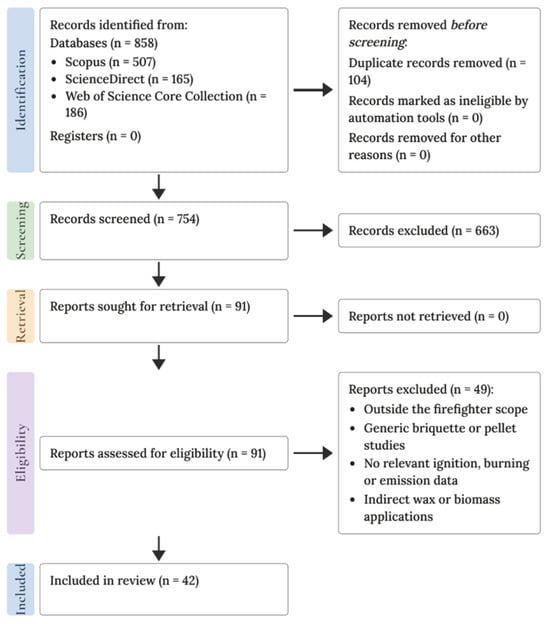
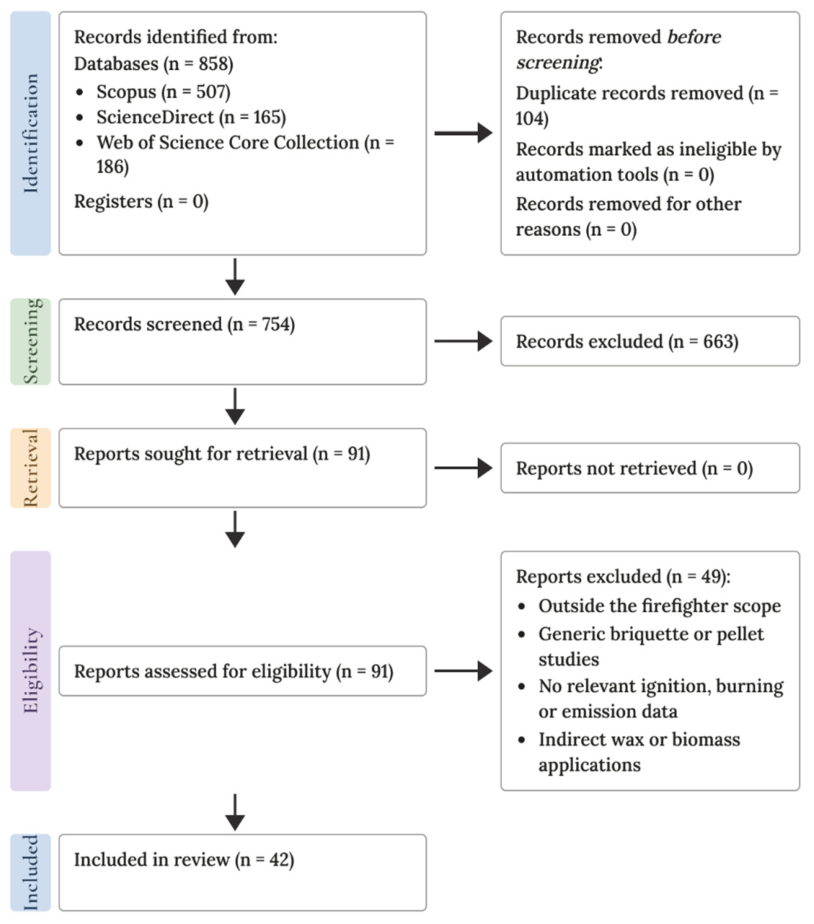
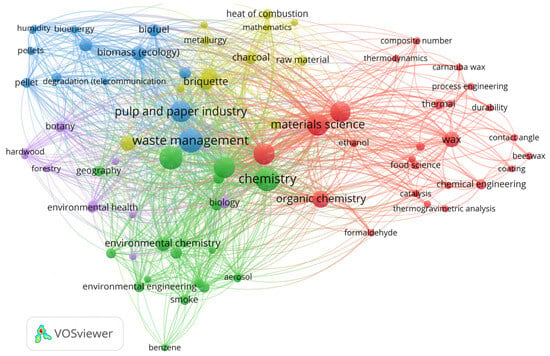
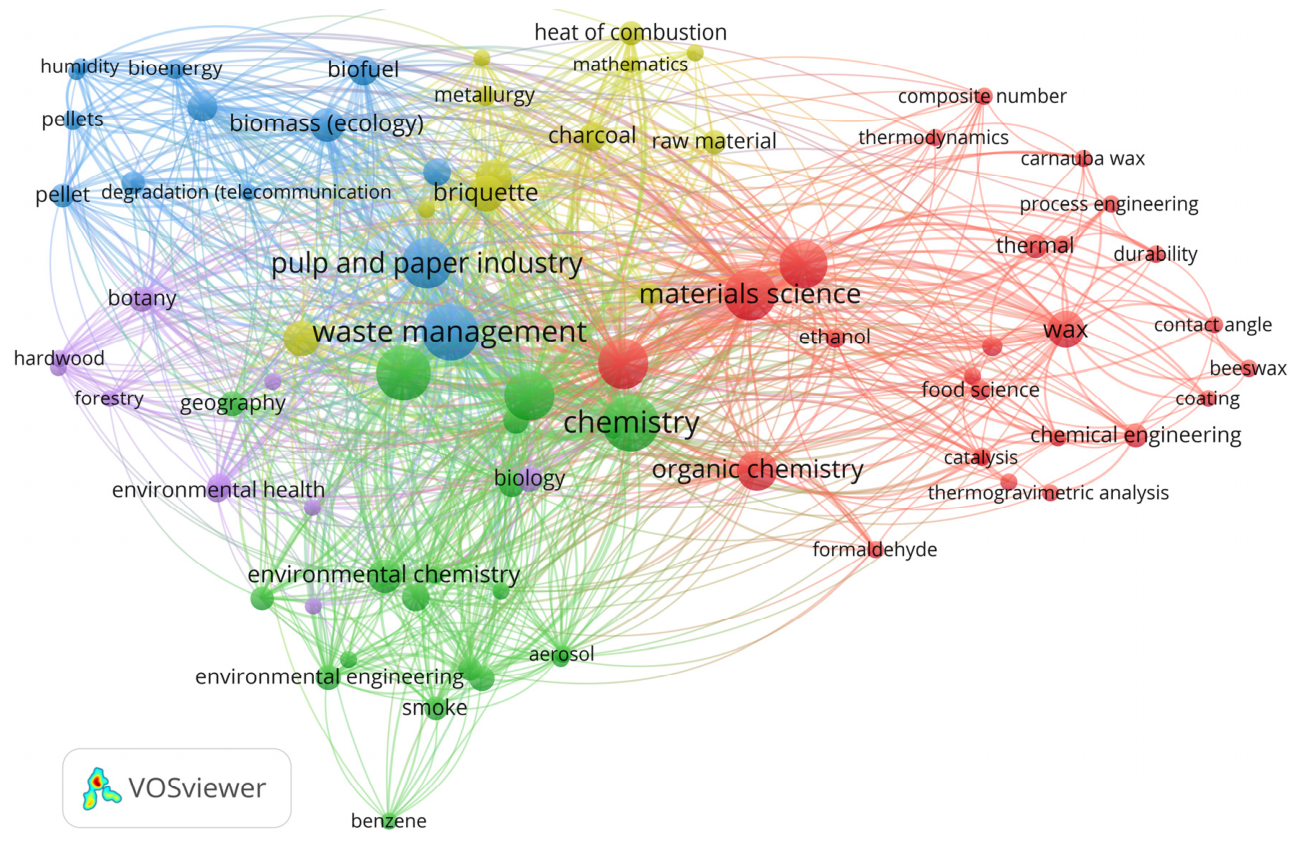

Disclaimer/Publisher’s Note: The statements, opinions and data contained in all publications are solely those of the individual author(s) and contributor(s) and not of MDPI and/or the editor(s). MDPI and/or the editor(s) disclaim responsibility for any injury to people or property resulting from any ideas, methods, instructions or products referred to in the content. |
© 2026 by the authors. Licensee MDPI, Basel, Switzerland. This article is an open access article distributed under the terms and conditions of the Creative Commons Attribution (CC BY) license.