


Abstract
Land use strongly influences carbon (C) cycling and its sequestration in soils, which is a key component of sustainable development due to its role in ecosystem stability. The contribution of microorganisms to the biogeochemical C cycle was studied in soils located within the protected area of Polesie National Park (PNP) and in similarly man-aged soils outside the park. These phenomena were also assessed in degraded soils subjected to 2- and 10-year reclamation using gangue. The results showed significant differences depending on the location, particularly in fallow lands. In these areas, bacterial counts, DNA concentration, respiratory activity, and enzymatic activity were lower in soils within the park, while fungal populations exhibited more intensive growth. Park soils also demonstrated more favorable phytotoxicity indicators, including seed germination (wasteland—92 and cultivated field—83 seeds) and root growth (cultivated field—2.3 cm). Reclamation proved ineffective, especially within the first two years. Studies indicated that reclamation based solely on gangue is insufficient, not entirely safe, and requires a longer timeframe. From the perspective of sustainable development, this highlights the need for reclamation methods that ensure responsible use of waste materials, support long-term soil quality improvement, and protect ecosystem integrity. The results emphasize the importance of protective measures in valuable natural areas and inform decisions regarding the use of gangue in reclamation.
1. Introduction
Carbon (C), alongside nitrogen (N), is one of the most important and indispensable elements for the proper functioning of living organisms and entire ecosystems. It shows a particular ability to bond with other elements, such as nitrogen, oxygen, phosphorus, and hydrogen, to form organic molecules and mineral compounds. This element is a fundamental component of the carbon cycle, responsible for maintaining its balance between living organisms, soil, oceans, and the atmosphere [1]. This process contributes to plant growth through photosynthesis, C sequestration in natural sinks, and the regulation of ecosystem functions, all of which influence the regulation of Earth’s climate [1,2]. Microorganisms, particularly the diverse community of soil microorganisms, play a key role in all these stages. This is due to the fact that, on a global scale, soil stores more carbon than the atmosphere and vegetation combined [3].
The soil microbiome is the most abundant and diverse community in the biosphere, and among its many functions in soil, it is responsible for the decomposition of organic matter, C storage, and nutrient cycling [2,4]. Heterotrophic microorganisms play a particularly important role in this context, as their unique metabolic functions and diversity increasingly make them a key focus in research on biological C sequestration and the efficient use of these resources [5,6]. Heterotrophic microorganisms utilize carbon stored in residues of other microorganisms, plants, or animals as a metabolic substrate, retaining part of the carbon in their biomass while releasing the remainder as metabolites or carbon dioxide (CO2) into the atmosphere, thereby becoming a main source of this greenhouse gas (GHG) [3,7,8]. Kopittke et al. [3] identified soils as a major global source of CO2 emissions, primarily resulting from historical losses of soil organic C due to land-use change, agriculture, and degradation. The authors emphasized that while much of this CO2 has already been released in the past, preventing further C loss and rebuilding soil C stocks are critical strategies for climate change mitigation, because soils can also act as significant C sinks. The information presented shows that soil microorganisms are key elements of the carbon cycle and, consequently, of the Earth’s climate, but in parallel, they are highly sensitive to environmental changes [9,10,11,12,13,14]. Therefore, monitoring the soil microbiome, and thus soil quality, is crucial for a more accurate understanding of the impact of land use on soil ecosystems as well as on global climate change.
Soil enzymes are also a fundamental part of the carbon cycle and are closely associated with soil microorganisms, as, in addition to root exudates and decomposed plant and animal residues, they are a major source of enzymes in the soil environment [15,16]. Consequently, enzymes are also integral components of ecosystem processes, acting as natural catalysts in many of them, including organic matter decomposition and nutrient cycling [15]. β-glucosidase and dehydrogenases are among the most important enzymes in the soil environment. β-glucosidase ensures the availability of carbon sources for microorganisms by catalyzing the hydrolysis of glucose derivatives, thereby affecting cellulose degradation and the carbon cycle [16]. Dehydrogenases, on the other hand, represent a key stage in the biological oxidation of soil organic matter, as they are involved in transferring hydrogen from organic substrates to inorganic acceptors [16]. These enzymes are also highly sensitive to environmental changes, and thus they play a key role in soil health and fertility [15,17,18,19,20]. Consequently, understanding the mechanisms and interactions of these enzymes is a priority for improving soil productivity and promoting sustainable development in many ecosystems.
Soil respiration is another important component of the carbon cycle, driven by the activity of the soil microbiome and organic matter decomposition. Understanding processes involved in soil respiration can play a leading role in mitigating climate change, as it is responsible for releasing one of the main greenhouse gases into the atmosphere, i.e., CO2 [3]. Soil respiration is based on two pathways: the autotrophic pathway, related to plant root activity and associated biota, and the heterotrophic pathway, which involves organic carbon decomposition by soil organisms [21]. Therefore, changes in the activity of respiratory processes may indicate ecological disturbances and also a large contribution of microorganisms to soil metabolism and global warming [13,22]. Respiratory processes, defined as the rate of CO2 production, are a useful measure of soil microbial activity and can be applied to assess the intensity or reduction in GHG emissions, evaluate the effectiveness of reclamation, and the degree of soil degradation [13,23,24].
Undoubtedly, the activity of various groups of microorganisms contributes to the emission of key GHG, such as CO2, methane (CH4), and nitrous oxide (N2O), but human activities, particularly in agriculture and waste management, also significantly influence these emissions by stimulating microbial processes [22,25,26]. Mining, which is an important part of industrial development, and thus plays a key role in the economy, not only poses a significant risk of heavy metal pollution [27] but is also a notable emitter of GHG [28]. According to Zheng et al. [28], GHG emissions from the mining industry reached 7.7 billion tons of CO2 equivalents (CO2e) in 2020, accounting for approximately 15.0% of global anthropogenic GHG emissions. Therefore, monitoring should be prioritized not only in areas directly affected by mining activities but also in neighboring regions [29]. Moreover, mining is also associated with the generation of large amounts of various types of waste, including gangue [30,31]. Despite its drawbacks, such as contribution to soil erosion and depleting nutrients, organic matter, and other components [32,33], this waste is increasingly being utilized in industry and reclamation [32,34,35]. Therefore, a key aspect of efforts to utilize this waste should be the assessment of its impact on the soil environment, including its effects on microorganisms, which are its primary driving force.
Land use also plays a crucial role in the proper functioning of the soil environment. It affects the physical and chemical properties of soil, which in turn alters the microhabitats in which soil microorganisms are present, ultimately influencing carbon cycling in ecosystems and contributing to global climate change [25,36,37].
Therefore, the present study employed various microbiological parameters related to carbon cycling, including CO2 emissions as a GHG, and phytotoxicity indicators, to assess and compare soil condition under different land uses. The current study assessed arable fields and fallow lands located both within and outside the Polesie National Park (PNP), a highly valuable and unique area in terms of natural heritage, protected under a special form of nature conservation [29]. Furthermore, the experiments evaluated the effectiveness of 2- and 10-year reclamation using gangue from the Bogdanka coal mine, located in close proximity to the PNP. The assessment was conducted by comparing the activity of reclaimed soils with soil from a field outside the park, which represented the target condition of the reclamation. The novelty of this work is also reflected in the unique proximity (approximately 10 km) of such diverse areas as a coal mine, a national park, and intensively farmed land. This study is part of a broader research project in which previous investigations in the same study area focused primarily on microbial processes associated with the nitrogen cycle [29,38]. However, microbial processes related to the carbon cycle and their relationship with phytotoxicity have not yet been assessed within this comparative framework. This represents an important research gap because carbon- and nitrogen-related microbial processes provide complementary information on soil functioning and may respond differently to land use and reclamation.
The present study addresses this gap by integrating multiple indicators of microbial functioning related to the carbon cycle, including bacterial and fungal abundance, DNA concentration, enzymatic activity, and soil respiration assessed through CO2 emissions, with phytotoxicity indicators based on seed germination and root elongation of Lepidium sativum L. These parameters were assessed within the same experimental framework across protected and non-protected soils under different land uses and in areas reclaimed with coal-mining gangue at two reclamation ages. This integrated approach extends our previous assessment based on nitrogen-cycle processes and provides complementary information on microbial functioning and phytotoxicity in soils subjected to different land-use and reclamation conditions. This approach aligns with the current use of microbiological indicators as sensitive bioindicators of soil condition and health, including in studies on ecosystem restoration and the sustainable management of soil resources [39]. The following hypotheses were proposed: (i) the national park status provides an effective and sufficient form of protection that supports soil homeostasis in terms of microbial C cycling and phytotoxicity; (ii) land-use types (field, fallow land, reclaimed area) do not contribute to excessive GHG emissions; (iii) the use of gangue (a waste product from the coal mining industry) is an effective method for soil reclamation, promoting the restoration of biological activity without increasing phytotoxicity.
2. Materials and Methods
2.1. Description of the Research Area
Soil for analysis was collected from fallow lands and agricultural fields and within the Polesie National Park (PNP; Poland, Lublin Voivodeship, 51°27′19″ N 23°10′24″ E), specifically: fallow land–Wielkopole (1), field–Karczunek (3), as well as areas adjacent to the park, i.e., fallow land–Zastawie (2), field–Karczunek (4) (Figure 1). Moreover, the study included soils from areas reclaimed with gangue for 2 years at Wola Korybutowa Kolonia (6) and for 10 years at Andrzejów (5) (Figure 1). The waste material used for reclamation originated from the nearby Bogdanka hard coal mine. For land reclamation, the excavation was backfilled with gangue and covered with a 0.5 m layer of sand. During the growing season analyzed in the study, common buckwheat (Fagopyrum esculentum Moench) was cultivated at both reclaimed sites.
Figure 1.
Distribution of sampling sites. In the PNP: 1—Wielkopole; 3—Karczunek; outside the PNP: 2—Zastawie, 4—Karczunek; 5—Andrzejów; 6—Wola Korybutowa Kolonia.
The predominant soils in the Polesie National Park are: hydrogenic soils (peat, muck, and mud soils), covering 48% of the park area; semihydrogenic soils (black earths, groundwater gley soils, stagnic gley soils, and gley–podzolic soils), accounting for 23% of the park area; and autogenic soils (Brunic Regosols), representing 19% of the park area [40]. More detailed information on the PNP and its surroundings is provided in an earlier study [29].
Considering the importance of climatic conditions for soil microbial activity, Figure 2 illustrates the precipitation and temperature patterns recorded in the study area during the investigation period.
Figure 2.
Mean monthly rainfall (A) and temperatures (B) in the experimental site during the period of the experiment. The figure was created based on data taken from the Tutiempo website [41].
2.2. Soil Sampling and Baseline Characteristics of Soil Samples
Soil samples were collected from the 0–20 cm layer during the summer (June)—first sampling period, and in autumn (October)—second sampling period, in 2024. The material was collected in plastic bags using an auger. Soil samples were collected following the general principles of the LUCAS soil sampling methodology [42]. Four subsamples were collected from each study site and thoroughly homogenized to obtain one composite sample representative of the site. They were subsequently sieved through a 2 mm mesh. The soil samples were kept in plastic bags, and stored in the dark at 4 °C.
Selected physical, chemical, and physicochemical properties relevant to soil microbial activity were determined in the collected soil samples to provide a more comprehensive characterization of the analyzed soils (Table 1). Additionally, the content of selected heavy metals was determined in the reclaimed soils and in soil from a field located outside the park (Table 2).
Table 1.
Selected properties of the soil [38].
Table 2.
Heavy metals and arsenic contents in the soil.
Water-holding capacity (WHC) of the collected soils was calculated from the difference in mass between samples saturated with water and subsequently dried for 2 h [43]. Total organic carbon (TOC) was measured by infrared spectrometry. Total nitrogen (TN) was determined using the Kjeldahl method.
Elemental concentrations were determined in a laboratory accredited to ISO/IEC 17025:2017 [44]. As, Cd, and Pb were determined by ICP-MS, while Hg was determined by atomic absorption spectrometry (AAS) with amalgamation using an AMA-254 analyzer (Altec, Brmo, Czech Republic).
2.3. Microbiological Analysis
Populations of individual bacterial and fungal groups in the soil samples were determined using the plate count method and the enumeration procedure published by Foght and Aislabie [45]. Analyses were performed in triplicate. Results were expressed per 1 kg of soil dry weight as colony-forming units (CFU) or as the most probable number (MPN) based on McCrady’s tables. Microbiological analyses included determination of oligotrophic bacteria on a medium containing soil extract and K2HPO4; filamentous fungi on Martin medium [46]; cellulolytic bacteria in liquid medium according to Pochon and Tardieux [47], with MPN values derived from McCrady’s tables; and cellulolytic fungi on mineral agar supplemented with antibiotics in the amounts recommended by Martin [46] and overlaid with a Whatman paper disc. Bacterial cultures were incubated at 28 °C for 4 days to quantify oligotrophic bacteria and for 14 days to identify and enumerate cellulolytic bacteria. Fungal cultures were incubated at 25 °C for 3 days to determine filamentous fungi and for 14 days to quantify cellulolytic fungi.
2.4. DNA Extraction
Total DNA was extracted from 100 mg of soil using the Soil DNA Purification Kit (EurX) according to the manufacturer’s instructions. The extracted DNA was used for DNA concentration assessment only. DNA concentration was measured with a NanoDrop One UV–Vis spectrophotometer (Thermo Fisher Scientific, Waltham, MA, USA).
2.5. Biochemical Activity
Substrate-induced respiration (SIR) was determined by titration through measurement of CO2 released from glucose-amended soil [48]. Analyses were performed on 20 g samples of fresh soil supplemented with 1% glucose and incubated in flasks containing 0.2 M NaOH. After 24 h incubation at 25 °C, the excess NaOH was titrated with 0.1 M HCl in the presence of phenolphthalein. CO2 production was expressed as mg C–CO2 per kg soil dry matter per day.
Basal respiration (R), reflecting potential CO2 emissions, was determined using soil samples of approximately 450 g dry weight placed in 5-dm3 airtight dark vessels (n = 3). The soils were adjusted to 60% of water-holding capacity with distilled water and preincubated for 3 days at 25 °C in the dark to equilibrate moisture conditions and stabilize indigenous microbial communities [49]. After preincubations, the vessels were ventilated and resealed. Incubation continued at 25 °C under laboratory conditions [50]. CO2 concentration in the headspace was monitored for 6 h at approximately hourly intervals using a Gasmet DX 4040 Fourier Transform Infrared Gas Analyzer (Gasmet Technologies Oy, Helsinki, Finland). The CO2 emission rate was calculated as the difference between final and initial CO2 concentrations divided by the incubation time and expressed as mg C–CO2 per kg soil dry matter per day.
2.6. Enzymatic Activity
Dehydrogenase activity was determined according to the method of Thalmann [51]. Soil samples (5 g) were incubated with 2,3,5-triphenyltetrazolium chloride as substrate in 0.1 M tris(hydroxymethyl)aminomethane buffer (Tris–HCl, pH 7.4) for 48 h at 30 °C. Enzymatic activity was measured colorimetrically at 485 nm and expressed as mg triphenyl formazan (TPF) per kg soil dry weight per day. β-glucosidase activity was determined in 1 g soil samples incubated in modified universal buffer (pH 6.0) for 1 h at 37 °C, using p nitrophenyl β D glucopyranoside as substrate [52]. Activity was measured colorimetrically at 400 nm and expressed as mg p-nitrophenol (PNP) per kg soil dry weight per hour. Enzyme activity measurements were performed using a UV-1800 spectrophotometer (Ray-leigh, Beijing, China).
2.7. Phytotoxicity Test
The assay was conducted on soil collected in spring and assessed the effects of potentially toxic substances present in the soil solution on germination and early root growth of Lepidium sativum L. after 2 days. Fresh soil samples (20 g; 60% WHC) were placed in Petri dishes lined with sterile blotting paper in six replicates. Ninety seeds were sown on three dishes and ten seeds on the remaining three. Incubation was carried out at 22 °C. After 2 days, the number of germinated seeds was recorded on all plates. Root length was measured on the plates containing ten seeds.
2.8. Statistical Analysis
Statistical analyses were carried out using Statistica 13.1 (TIBCO Software Inc.; Palo Alto, CA, USA). Differences in soil properties between land-use types (fallow, cultivated field, reclaimed area) were assessed using the Kruskal–Wallis test, and when significant differences were detected (p < 0.05), the Dunn post hoc test with Bonferroni correction was applied. Nonparametric methods were used because the assumptions of analysis of variance were not met. Additionally, based on normalized data, the relationships between soils from inside and outside the PNP and reclaimed soils were assessed and presented as a heatmap [53]. Pearson’s correlation analysis was also performed at three levels of significance (p < 0.001; p < 0.01; p < 0.05), and the results were presented in the form of a heatmap. Principal component analysis (PCA) was used to further assess the relationships between the studied parameters and to identify the main factors differentiating the soil samples.
3. Results
The abundance of oligotrophic bacteria in the soil samples is presented in Figure 3A and Table 3. This parameter showed significant differences between individual habitats (field, fallow, reclaimed soil), as well as between their locations and sampling times. The mean values ranged from 1.01 to 3.06 × 10⁹ CFU kg−1 (Figure 3A). Bacterial abundances in both fallow and cultivated fields were lower in the park (1.01 and 2.42 × 10⁹ CFU) than outside it (2.45 and 2.99 × 10⁹ CFU). Seasonal analysis showed that this effect was particularly pronounced in autumn (Table 3).
Figure 3.
Number of oligotrophic bacteria (A) and cellulolytic bacteria (B) in the analyzed soil (averages for the entire study period). W—wasteland, CF—cultivated field, R2—reclaimed land 2 years, R10—reclaimed land 10 years; the vertical lines indicate the standard deviation. Different letters indicate the significance of the differences. Lower-case letters denote homogeneous groups defined separately for each habitat and a given parameter. Upper-case letters denote homogeneous groups defined jointly for all habitats for a given parameter.
Table 3.
Microbiological, biochemical and enzymatic activity of the tested soils in individual seasons.
A similar trend was observed for cellulolytic bacteria (Figure 3B, Table 3). For fallow soils, the mean abundance of these bacteria was also lower within the park (0.06 × 10⁶ kg−1) than outside it (0.72 × 10⁶) (Figure 3B). This effect persisted during both sampling periods (Table 3). In soils collected from fields, the mean value of this parameter was higher for the field located within the park (2.69 × 10⁶) than outside it (0.54 × 10⁶). However, the data on changes at individual sampling times (Table 3) clearly confirmed this only in summer, whereas in autumn, the abundance was slightly higher in soil outside the park.
Data on the abundance of oligotrophic bacteria in reclaimed soils showed that their levels varied significantly depending on the duration of reclamation (Figure 3A, Table 3). Soil subjected to 2 years of reclamation had a lower bacterial abundance (1.59 × 10⁹ CFU kg−1) than the target level, i.e., soil from a field outside the park (2.99 × 10⁹ CFU). In contrast, soil subjected to 10 years of reclamation had a significantly higher bacterial abundance than the field soil, reaching 3.06 × 10⁹ CFU. For cellulolytic bacteria (Figure 3B, Table 3), both reclaimed soils had larger populations of these microorganisms (5.92 and 8.27 × 10⁶) than the field soil outside the park (0.54 × 10⁶). Moreover, 10 years of reclamation resulted in a significantly higher development of this bacterial group compared to 2 years of reclamation. Changes at individual sampling times for oligotrophic and cellulolytic bacteria showed that their abundance was significantly higher in both reclaimed soils in autumn (Table 3).
The data presented in Figure 4 and Table 3 indicate that, similar to bacterial abundance, the population size of filamentous and cellulolytic fungi also differed significantly between habitats, locations, and sampling times. The mean values for the abundance of filamentous fungi ranged from 27.57 to 120.29 × 10⁶ CFU kg−1 (Figure 4A), while those for cellulolytic fungi varied from 19.22 to 47.55 × 10⁶ CFU (Figure 4B). In contrast to bacteria, fungal development was more intensive in soils within the park (113.02 and 120.29 × 10⁶ CFU for filamentous fungi; 29.66 and 47.55 × 10⁶ CFU for cellulolytic fungi) than outside it (27.57 and 84.94 × 10⁶ CFU for filamentous fungi; 19.22 and 37.50 × 10⁶ CFU for cellulolytic fungi). Data on the mean abundances of both fungal groups in reclaimed soils (Figure 4) indicate that their development was weaker in soil subjected to 2 years of reclamation (34.09 × 10⁶ CFU for filamentous fungi and 26.01 × 10⁶ CFU for cellulolytic fungi) than in soil from the field outside the park (84.94 × 10⁶ CFU for filamentous fungi and 37.50 × 10⁶ CFU for cellulolytic fungi). Meanwhile, 10 years of reclamation increased the abundance of these microorganisms to the target level (80.18 × 10⁶ CFU for filamentous fungi and 37.32 × 10⁶ CFU for cellulolytic fungi), i.e., that recorded in soil from outside the park. Seasonal variation analysis regarding the development of these fungal groups in both reclaimed soils showed that these parameters reached higher values in autumn (Table 3).
Figure 4.
Number of filamentous fungi (A) and cellulolytic fungi (B) in the analyzed soil (averages for the entire study period). W—wasteland, CF—cultivated field, R2—reclaimed land 2 years, R10—reclaimed land 10 years; the vertical lines indicate the standard deviation. Different letters indicate the significance of the differences. Lower-case letters denote homogeneous groups defined separately for each habitat and a given parameter. Upper-case letters denote homogeneous groups defined jointly for all habitats for a given parameter.
Data concerning dsDNA concentration indicate that this parameter varied between the soils (Figure 5, Table 3). Its mean values ranged from 6.02 to 29.85 µg g−1. In fallow soils, the concentration was higher in soil located outside the park (29.85 µg) than within it (7.67 µg). The mean values of this parameter in field soils from both locations were similar and amounted to 17.76 and 17.55 µg, respectively. However, seasonal variation analysis in these soils generally revealed significant differences in dsDNA concentrations between sampling times, with higher values in autumn at the site outside the park (Table 3). Analysis of mean dsDNA concentrations in soils reclaimed for 2 and 10 years showed that they were lower than in soil from the field outside the park (17.55 µg—target level). Significant differences in the level of this parameter were also observed between individual soils. Soil reclaimed for 2 years was characterized by a significantly lower dsDNA concentration (6.02 µg) than soil reclaimed for 10 years (11.72 µg). Seasonal analysis of changes showed that this effect persisted in both summer and autumn (Table 3).
Figure 5.
dsDNA concentration in the analyzed soil (averages for the entire study period). W—wasteland, CF—cultivated field, R2—reclaimed land 2 years, R10—reclaimed land 10 years; the vertical lines indicate the standard deviation. Different letters indicate the significance of the differences. Lower-case letters denote homogeneous groups defined separately for each habitat and a given parameter. Upper-case letters denote homogeneous groups defined jointly for all habitats for a given parameter.
The results obtained for SIR activity (Figure 6A, Table 3) were significantly different between the individual soils and sampling time points. Mean values ranged from 30.37 to 147.788 mg C-CO2 kg−1 d−1. In fallow soils, this parameter had lower values in soil within the park (42.90 mg) than outside the park (93.90 mg). In contrast, the level of this parameter in field soils from both locations was similar, at 37.45 and 39.63 mg. However, seasonal variation analysis showed that the activity in these soils in summer was also lower within the PNP (Table 3).
Figure 6.
Substrate induced respiration (A) and Respiration (B) in the analyzed soil (averages for the entire study period). W—wasteland, CF—cultivated field, R2—reclaimed land 2 years, R10—reclaimed land 10 years; the vertical lines indicate the standard deviation. Different letters indicate the significance of the differences. Lower-case letters denote homogeneous groups defined separately for each habitat and a given parameter. Upper-case letters denote homogeneous groups defined jointly for all habitats for a given parameter.
Results for SIR activity in reclaimed soils (Figure 6A) showed that this parameter in soil subjected to 2 years of reclamation reached 30.37 mg, close to the target level observed in soil from the field outside the park (39.63 mg). Ten years of reclamation strongly stimulated this process, reaching the highest level among all soils, i.e., 147.78 mg. Seasonal analysis of SIR activity showed that higher values in both soils were recorded in summer (Table 3).
CO2 emission reflecting respiratory activity (R) ranged from 1.94 to 4.60 mg C kg−1 d−1 (Table 3). The lowest CO2 emissions were observed in the cultivated soil within the park and in the R2 soil during the summer sampling, as well as in soil outside the park in autumn. The highest CO2 emissions (>4 mg) were observed in fallow soils at both locations during the second sampling, and in R10 soil regardless of the sampling time. Based on mean emissions at both sampling time points, the highest CO2 release occurred in R10 soils and under fallow at both locations, while the lowest was observed in the field soil outside the park and in R2 soil (Figure 6B). The TOC content of R10 soil was two orders of magnitude higher than that of W soil and one order of magnitude higher than CF and R2, which may explain its highest CO2 emissions despite the low nitrogen content.
Results for dehydrogenase and β-glucosidase activity (Figure 7, Table 3) showed that, similar to microbial abundance and respiration rate, these enzymatic parameters also varied significantly with habitat, location, and sampling time. Mean dehydrogenase activity ranged from 0.26 to 1.17 mg TPF kg−1 h−1 (Figure 7A). In both fallow and field soils, this parameter had lower values within the park (0.27 and 0.40 mg) than outside it (1.17 and 0.59 mg). Mean β glucosidase activity was also lower in the park (11.43 mg PNP kg−1 h−1) than outside it (57.72 mg), but only for fallow soils (Figure 7B). Meanwhile, field soils from both locations showed similar levels of this activity (34.51 and 35.41 mg). However, data from individual sampling time points showed that β-glucosidase activity in autumn was also lower in field soil within the park than outside it (Table 3). Seasonal variation analysis of both enzymatic parameters showed that the differences between locations, i.e., within and outside the PNP, were more significant in autumn (Table 3).
Figure 7.
Dehydrogenases (A) and β-glucosidase (B) activity in the analyzed soil (averages for the entire study period). W—wasteland, CF—cultivated field, R2—reclaimed land 2 years, R10—reclaimed land 10 years; the vertical lines indicate the standard deviation. Different letters indicate the significance of the differences. Lower-case letters denote homogeneous groups defined separately for each habitat and a given parameter. Upper-case letters denote homogeneous groups defined jointly for all habitats for a given parameter.
Results for soils reclaimed for 2 and 10 years showed that both enzymatic activities were significantly lower than in the target soil, i.e., soil from outside the park, where dehydrogenase activity was 0.59 mg and β-glucosidase activity 35.41 mg (Figure 7A,B). This parameter for mean dehydrogenase activity in both reclaimed soils was at a similar level, 0.26 and 0.32 mg. However, seasonal variation analysis showed that dehydrogenase activity in soil reclaimed for 2 years was lower than in soil subjected to longer reclamation during one season—summer. β-glucosidase activity was clearly dependent on the duration of reclamation (Table 3). In soil reclaimed for 10 years, β-glucosidase activity was significantly higher (31.33 mg) than in soil reclaimed for 2 years (12.51 mg). Seasonal variation analysis of the enzymatic activities in both soils showed that they were generally higher in autumn (Table 3).
Data on phytotoxicity are presented in Figure 8. Analysis of the results showed significant differences between fallow and field soils and their locations only for germination (Figure 8A). The values of this parameter ranged from 78 to 92 germinated seeds. Higher values were observed in both fallow and field soils within the park (92 and 83 germinated seeds, respectively) than in the corresponding soils outside the park (79 and 78 germinated seeds, respectively).
Figure 8.
Phytotoxicity parameters: Germination of L. sativum seeds (A) and Root length of L. sativum (B) in the analyzed soil (summer). W—wasteland, CF—cultivated field, R2—reclaimed land 2 years, R10—reclaimed land 10 years; the vertical lines indicate the standard deviation. Different letters indicate the significance of the differences. Lower-case letters denote homogeneous groups defined separately for each habitat and a given parameter. Upper-case letters denote homogeneous groups defined jointly for all habitats for a given parameter.
It should be noted that the number of germinated seeds in both reclaimed soils was significantly higher (90 and 87 seeds) than in the target soil, i.e., the field outside the park (78 seeds). Moreover, regardless of the duration of the reclamation period, no significant differences were observed between the two soils.
Another analyzed phytotoxicity parameter related to the initial stage of plant development, i.e., root length after 2 days, showed no significant differences depending on the location of individual sites (Figure 8B). This parameter remained at a similar level both within and outside the park, reaching 1.2 and 1.1 cm, respectively, and for fields, 2.3 and 1.9 cm, respectively. In contrast, the mean root length differed significantly between habitats, with higher values recorded for fields.
In reclaimed soils, root length measured after 2 days was significantly lower (both 1.3 cm) than in soil from the field outside the park (1.9 cm), irrespective of the duration of reclamation (Figure 8B).
4. Discussion
The results for microbial abundance and their biochemical activities showed that soils located within the park, particularly fallow land, differed markedly in this respect from soils outside the park. Bacterial abundance, DNA concentration, enzyme activities, and respiration were lower within the park area (Figure 9). These observations were further supported by principal component analysis (Figure 10A), which grouped the sites, at least at one sampling date, separately, according to their location. This effect was likely associated with the restrictions on soil use applicable within the national park, resulting from the Act of 16 April 2004 on Nature Conservation [54], including, among others, limitations on fertilizer application. The designation of these environmentally valuable areas as a national park resulted in reduced anthropogenic pressure, including agricultural intensification, which in turn allowed the development and maintenance of soil environmental homeostasis [38,55,56].
Figure 9.
Heatmap based on normalized soil quality indicator data in the area inside and outside the PNP and reclaimed soils. Abbreviations: W—wasteland, CF—cultivated field, R2—reclaimed land 2 years, R10—reclaimed land 10 years; OB—oligotrophic bacteria, FF—filamentous fungi, CB—cellulolytic bacteria, CF—cellulolytic fungi, DNA—dsDNA concentration, SIR—substrate induced respiration, R—respiration, DEH—dehydrogenases, B-GLU—β-glucosidase.
Figure 10.
PCA score plots and corresponding variable loadings and contributions for the first two principal components (PC1 and PC2). (A) PCA including all analyzed parameters, excluding phytotoxicity parameters. (B) PCA based on phytotoxicity parameters, with physicochemical, chemical, and environmental parameters included as supplementary variables. Abbreviations: W—wasteland; CF—cultivated field (in the score plots); s—summer; a—autumn; OB—oligotrophic bacteria; FF—filamentous fungi; CB—cellulolytic bacteria; CF—cellulolytic fungi (in the loading/contribution table); DNA—dsDNA concentration; SIR—substrate induced respiration; R—respiration; DEH—dehydrogenase; B-GLU—β-glucosidase; GERM—germination of L. sativum; RL2—root length of L. sativum after two days.
The lower microbiological and biochemical activity of soils located within the PNP area was likely significantly affected by the lower carbon content, a key nutrient for microorganisms (Table 1). This was likely a consequence of the aforementioned restrictions. Soil bacteria and fungi are heterotrophic microorganisms that show a strong dependence on the carbon content of organic matter [5,57]. In their studies, Wang et al. [58] and Wu et al. [59] confirmed the key role of carbon resources in shaping the structure and activity of the soil microbiome, reporting correlations between TOC content and microbial abundance. Under the conditions of the present experiment, strong correlations were also observed between total bacterial abundance, cellulolytic bacteria, and the TOC content (Figure 11). Correlations with this parameter were also observed for cellulolytic fungi. It should be noted, however, that the abundance of these fungi, as well as filamentous fungi, in contrast to bacteria, was higher in soils within the park than in those outside it. It may be assumed that soil pH was the decisive factor determining their occurrence. Filamentous fungi showed a strong negative correlation with this parameter (Figure 11). As illustrated in Table 1, soils within the park had a lower pH than soils outside it. It is well known that fungi prefer lower pH environments [60,61]. This parameter may have also influenced bacterial abundance, although to a lesser extent than carbon. Total bacterial abundance and the number of cellulolytic bacteria showed positive correlations with pH (Figure 11).
Figure 11.
Heatmap displaying the Pearson’s correlation coefficients between physicochemical, chemical, environmental, and microbiological soil properties, as well as between soil phytotoxicity parameters and physicochemical, chemical, and environmental properties. Abbreviations: OB—oligotrophic bacteria, FF—filamentous fungi, CB—cellulolytic bacteria, CF—cellulolytic fungi, DNA—dsDNA concentration, SIR—substrate induced respiration, R—respiration, DEH—dehydrogenases, B-GLU—β-glucosidase, TOC—total organic carbon, TN—total nitrogen, RAIN—rainfall, TEMP—temperature, WHC—water-holding capacity. Significant at * p < 0.05; ** p < 0.01; *** p <0.001, respectively.
Nitrogen content and availability constitute an additional factor that significantly influences microbial activity, including enzymatic processes [62,63]. In the present study, strong positive correlations were observed between dehydrogenase and β glucosidase activities and the content of this nutrient (Figure 11). The ratio of nitrogen to carbon is also critical, as it reflects the substrate balance that regulates microbial processes [64]. Data presented in Table 1 indicate that it was lower in soils within the park, which may have contributed to the inhibition of microbial growth and enzymatic activity in this area. Lower nitrogen content and enzymatic activity may also have been influenced by soil water-holding capacity, as indicated by the strong positive correlations between these parameters (Figure 11). According to the literature, nitrogen content depends on water-holding capacity, affecting the activity and diversity of the soil microbiome [63,65]. Additionally, climatic conditions, namely precipitation and temperature, most likely have a significant impact on its development and activity. This was reflected in the observed negative correlations between bacterial and fungal abundance and meteorological parameters, although they were weaker than for the previously discussed factors (Figure 11). The sensitivity of soil microorganisms to climatic factors has also been confirmed by earlier studies [14,66]. The observed negative correlation between fungal abundance and dehydrogenase activity, alongside the stronger positive correlation between bacterial abundance and this activity, may indicate bacterial dominance in metabolic processes associated with respiration.
It is well known that the plate method is based on the cultivation of microorganisms, which are estimated to represent approximately 1% of the soil microbiome [67]. However, despite their numerous advantages, modern molecular methods have limitations that can affect the reliability of the results obtained—such as the ambiguous differentiation between live and dead cells or issues regarding sample representativeness [68,69,70]. For this reason, soil monitoring employs a comprehensive assessment using this parameter in combination with other indicators of microbial activity, including modern molecular methods. The strong positive correlation observed in the present study between bacterial abundance, determined using the plate method, and DNA concentration indicates that, despite certain limitations, this method provides valuable and reliable information, and its use in soil monitoring is fully justified. Similar conclusions were reached by authors in earlier studies [14]. Moreover, a strong correlation was observed between the isolated DNA and dehydrogenase activity, suggesting that under the conditions analyzed in this work, the genetic material originated primarily from living cells (intracellular DNA). However, studies in this area are not conclusive. Wolińska et al. [71] and Joniec [72] suggested in their studies that the DNA was likely of intracellular origin. Other authors also indicate that DNA isolated from soil may contain a substantial proportion of relic DNA originating from dead cells and, consequently, does not always reflect the active microorganisms [73,74].
Total CO2 emissions from soil result from the combined activity of plant roots and heterotrophic soil microorganisms [75]; CO2 emissions measured under laboratory conditions from soil samples, including those with added glucose, reflect only the activity of heterotrophic bacteria and fungi. As reported by De Dato et al. [75], this heterotrophic respiration varies depending on the ecosystem and abiotic and biotic factors. Previous studies have shown that land use, together with climate, land cover, vegetation, and nutrient status, significantly influences soil greenhouse gas fluxes [3,25]. Cultivated soils generally produce higher CO2 emissions than wastelands due to agricultural practices such as fertilization and tillage [25,76]. An experiment comparing tillage systems demonstrated higher CO2 emissions directly after autumn ploughing than after deep or shallow cultivation and no-tillage treatments [76]. Soil disturbance accelerates organic matter decomposition through disruption of soil structure, which increases CO2 release.
In the present study, however, wastelands emitted more CO2 than cultivated fields, and the sampling period exerted a stronger effect on emissions than land use. In most cases, higher CO2 fluxes were recorded in autumn despite lower temperature and precipitation than in summer (Figure 2). The soils differed in carbon and nitrogen contents. Wastelands contained approximately one order of magnitude less carbon and more nitrogen than cultivated and reclaimed soils (Table 2). Consequently, the soils varied in the C/N ratio, which influences soil respiration. The differences in CO2 emissions and SIR observed between sites located within and outside the park likely resulted from the sensitivity of the microorganisms responsible for CO2 production to various environmental factors. Correlations were observed between the abundance of these microorganisms and temperature, moisture, TOC and TN content, and soil pH, while respiration was directly correlated with pH and TOC (Figure 11). Similar relationships have also been observed by other authors [58,77]. The differences recorded in this study between basal respiration (R) and glucose-induced soil respiration (SIR) were likely caused by the supply of an easily available carbon source to soil microorganisms, which enhanced their activity. At the same time, glucose addition was reported to reduce the nitrogen needed for maximum CO2 release, suggesting that the availability of labile carbon decreased microbial nitrogen demand, which was influenced by the soil’s initial nitrogen content [78]. This may partly explain the differing responses of natural and glucose-induced CO2 emissions observed in our study. It should be noted, however, that despite these differences, soil respiration (R) showed a positive correlation with SIR, suggesting that in the present experiments, CO2 was derived primarily from microbial, rather than abiotic, processes. Measuring soil CO2 emissions provides valuable information on the rate of carbon mineralization in the soil. Consequently, it represents an important aspect of soil monitoring, enabling interventions to limit the rate of carbon loss from soils when required [79].
Soil phytotoxicity in fields and fallow land also varied depending on location, with higher parameter values recorded in soils in the park. Principal component analysis (Figure 10B), consistent with the results for microbial activity, indicated a clear separation of fallow soils from the remaining sites. These observations indicate that soils within the PNP likely offer more favorable conditions for the early stages of plant development, including germination and seedling root growth. Negative correlations were observed between root growth and both nitrogen content and soil pH (Figure 11). These observations suggest that the lower nitrogen content and reduced pH in protected soils, particularly in fallow land (Table 1), may have been more favorable for seedling root growth. For the germination process, however, water-holding capacity appears to be a key factor, as this parameter was negatively correlated with germination (Figure 11). The results in this aspect are not conclusive, as other authors reported a positive correlation between phytotoxicity parameters related to the initial growth of L. sativum and nitrogen content, pH, or moisture [80,81].
Both 2- and 10-year reclamation with gangue did not cause an increase in soil microbial activity close to the target activity level, i.e., that observed in soil from the field outside the park (Figure 9). These observations are confirmed by the principal component analysis (PCA) presented in Figure 12A, which clearly indicates separate clustering of individual soils, i.e., soil reclaimed for 2 years and for 10 years, as well as soil from outside the park. This distribution confirmed that the activities analyzed at individual sites (at both time points) differed significantly. This variation was determined by the first principal component (PC1) in 49.19% and in 27.06% by the second principal component (PC2). It should be noted that long-term reclamation with gangue (10 years) stimulated higher microbiological activity and, consequently, reached values closer to those of the target soil, i.e., from the field outside the park. These observations indicate that reclamation with gangue requires a longer period of time. At the same time, it should be emphasized that the number of scientific reports directly referring to the long-term impact of waste rock on the biological properties of soils is limited, which further highlights the importance and relevance of the current research [29,38,82]. However, it is noteworthy that the highest CO2 volume was emitted from soil that had been reclaimed for 10 years, both from non-induced and glucose-induced soil. This is a negative phenomenon from the greenhouse effect perspective, as CO2, alongside N2O and CH4, plays a significant role in intensifying this adverse process [28]. In addition, increased CO2 emissions may result in carbon losses from the soil [79]. The effect observed in the present experiments may have been related to the highest content of this element (TOC) at this site (Table 1). This soil was characterized by the highest CO2 emissions, highest C content, and low nitrogen content. The ratio of these two elements (C/N) could therefore play a key role in emission intensification of the analyzed gas. This is confirmed by earlier studies indicating the significant importance of the C/N ratio in regulating soil microbial activity [83,84]. The high microbial activity observed at the 10-year reclamation site may be associated with its relatively high C/N ratio, reflecting a high supply of organic C relative to N. Under these conditions, C-rich substrates may provide sufficient energy to sustain intensive microbial activity, despite the relatively low N concentration. Positive relationships between soil C/N ratio and microbial basal respiration and microbial biomass have previously been reported [85]. Low N availability may promote microbial N mining, whereby microorganisms decompose N-rich organic matter to meet their N demand, potentially sustaining high respiration rates [86]. However, microbial activity is also influenced by substrate quality, C availability, and the degree of nutrient limitation. Beneficial changes in biological activity, accompanied by increased CO2 emissions, suggest that reclamation using gangue alone requires additional measures to retain carbon, an important nutrient, in the soil. One approach involves increasing soil nitrogen content, e.g., by applying nitrogen fertilization in combination with gangue or by introducing leguminous plants into the cultivation system [87,88]. Establishing a favorable C:N ratio in the soil promotes carbon stratification and prevents its loss [64,89]. In forest ecosystems, nitrogen addition positively affected soil organic carbon accumulation by increasing carbon content in microbial biomass, suggesting that reduced nitrogen limitations stimulated microbial growth and subsequent incorporation of carbon into the soil [64].
Figure 12.
Principal component analysis (PCA), score plot (A) and loading plot (B) of the analyzed parameters (excluding phytotoxic parameters) with heavy metal content in soil from the PNP field and in soil from reclaimed areas. The corresponding loadings and contributions of the analyzed variables to the first two principal components (PC1 and PC2) are presented below the plots. Abbreviations: OB—oligotrophic bacteria, FF—filamentous fungi, CB—cellulolytic bacteria, CF—cellulolytic fungi, DNA—dsDNA concentration, SIR—substrate induced respiration, R—respiration, DEH—dehydrogenases, B-GLU—β-glucosidase, TOC—total organic carbon, TN—total nitrogen, RAIN—rainfall, TEMP—temperature, WHC—water-holding capacity, CF—cultivated field, R2—reclaimed land 2 years, R10—reclaimed land 10 years; s—summer, a—autumn.
According to the literature, gangue is a waste material that can introduce a certain load of heavy metals into the soil environment [90]. However, in the present study, the concentrations of selected heavy metals in the reclaimed soils remained within the permissible limits established by Polish and European regulations [91,92]. However, their levels in these soils were higher than in the field soil (Table 2). Analysis of the results presented in Figure 12B shows that As and Hg were negatively correlated with dehydrogenase activity, which may indicate a potential toxic effect of these heavy metals on this enzymatic activity. The more favorable conditions in soil reclaimed for 10 years, compared with soil reclaimed for 2 years, i.e., higher pH and organic carbon content, may have mitigated the potential adverse effects of heavy metals on the growth and activity of soil bacteria and fungi. It is well known that the bioavailability of heavy metals is influenced, among others, by soil pH. Additionally, organic matter plays a protective role against their toxic effects [93,94]. Phytotoxicity results showed significantly lower seedling root growth in soils reclaimed with gangue, both in the initial and later stages of reclamation. Expanding soil monitoring to include ecotoxicological tests allows for a more precise assessment of potential risk. Moreover, ecotoxicological analysis considers possible interactions between contaminants in both direct and indirect contexts of soil physicochemical factors [95]. Principal component analysis presented in Figure 13A revealed significant differences between reclaimed sites and the field outside the park. This distribution confirms that the analyzed activities differed significantly between the individual sites. A negative correlation was observed between Hg and As concentrations and seedling root growth (Figure 13B). These findings, as for dehydrogenase activity, indicate that heavy metals may have exerted a toxic effect on this parameter.
Figure 13.
Principal component analysis (PCA), score plot (A) and loading plot (B) of the analyzed phytotoxic parameters with heavy metal content in the soil from the PNP field and in the soil from the reclaimed areas. The corresponding loadings and contributions of the analyzed variables to the first two principal components (PC1 and PC2) are presented below the plots. Abbreviations: GERM—germination of L. sativum, RL2—root length of L. sativum after two days, TOC—total organic carbon, TN—total nitrogen, RAIN—rainfall, TEMP—temperature, WHC—water-holding capacity, CF—cultivated field, R2—reclaimed land 2 years, R10—reclaimed land 10 years; s—summer, a—autumn.
In summary, although the concentrations of heavy metals in soils treated with gangue did not exceed permissible levels (Table 2), these elements may have exerted toxic effects on soil organisms during the initial years and, with respect to phytotoxicity, potentially over a longer period.
These observations indicate a strong need to monitor soils with gangue introduction, regardless of its chemical composition. Assessment of specific microbiological processes related to carbon transformations in soil will enable the implementation of improved soil management practices focused on improving carbon use efficiency and reducing greenhouse gas emissions.
5. Conclusions
The results showed that the analyzed activities differed significantly by location, namely between sites within the national park and those outside its boundaries. The differences were also more pronounced in fallow land soils than in cultivated field soils. Bacterial growth, dsDNA concentration, as well as respiratory and enzymatic activities in both fallow and cultivated field soils were generally lower in the park, with the strongest effect observed in fallow soils. In contrast to bacteria, the growth of both filamentous and cellulolytic fungi was greater in the fallow and cultivated field soils located within the park than in those outside it. Phytotoxicity analysis indicated that soils within the national park provided favorable conditions for early plant development, including germination and root growth. Thus, the results allowed to verify and confirm the hypothesis regarding the protective role of the park in maintaining soil environmental homeostasis and improving conditions critical for early plant development.
The results concerning the use of gangue for reclamation showed that this process was not effective. In most cases, the levels of the analyzed parameters in soils reclaimed using this waste remained below those recorded in the target soil, i.e., the field outside the park. However, this effect depended on the duration of reclamation. Almost all activities were lower in soil reclaimed for 2 years than in the target soil. Longer reclamation (10 years) proved more effective, but only for some parameters (abundance and respiration). However, this soil also released the highest amount of CO2, which is undesirable from the perspective of global climate change. The phytotoxicity results for soils reclaimed with the waste were inconclusive and indicated a potential negative effect of gangue on the early stages of plant development. Accordingly, the hypothesis regarding the suitability of gangue for reclamation was only partially confirmed. Thus, the present results indicate the need for further research into safer and more effective methods of reclamation using gangue, taking into account the simultaneous increase in soil C accumulation and reduction in phytotoxicity.
The current study provided valuable information on the role of microorganisms in the biogeochemical carbon cycle in environmentally valuable areas that are simultaneously exposed to various forms of anthropogenic pressure. The results demonstrated the effectiveness of the implemented conservation measures. Moreover, they indicate the need to reassess soil reclamation based solely on gangue, to incorporate additional remedial treatments, and to conduct further research in this field.
Author Contributions
Conceptualization, J.J. and E.K.; methodology, J.J. and A.W.; software, E.K.; validation, J.J., E.K. and A.W.; formal analysis, J.J. and E.K.; investigation, J.J.; resources, J.J. and G.G.; data curation, E.K.; writing—original draft preparation, J.J., E.K., A.W. and G.G.; writing—review and editing, J.J. and E.K.; visualization, E.K.; supervision, J.J.; project administration, J.J.; funding acquisition, J.J. All authors have read and agreed to the published version of the manuscript.
Funding
The presented research was financed within the framework of the NB 0701-2/2024/2 (UBAD.WRM.24.104) project entitled “Parameters of microorganism activity and biodiversity and phytotoxicity as a tool for monitoring soils of the Poleski National Park”, implemented within the framework of the Strategic Program: TOGETHER FOR BIODIVERSITY from the resources of the Research and Action Fund for Environmental Protection in the Lublin Coal Basin: GRANTS FOR SCIENTISTS”, intended to finance scientific-research or scientific-research-implementation pro-jects for nature and environmental protection in the PNP area, including in the aspect of direct and indirect impact of LW Bogdanka on PNP ecosystems. Additionally, part of the research was financed by the University of Life Sciences in Lublin (SUBB.WRM.19.028.RiO).
Institutional Review Board Statement
Not applicable.
Informed Consent Statement
Not applicable.
Data Availability Statement
Additional information is provided by the corresponding author.
Acknowledgments
Jolanta Joniec would like to express her sincere gratitude for the opportunity to undertake a research internship at the Central Institute for Supervising and Testing in Agriculture in Brno, Czech Republic. The experience gained during the internship, in the field of soil microbial activity and research methods, significantly contributed to the preparation of this publication and the interpretation of the results. The author also expresses gratitude to the Institute’s staff for their kindness, substantive support, and the creation of favorable conditions for development.
Conflicts of Interest
The authors declare no conflicts of interest.
References
- Prajapati, S.K.; Kumar, V.; Dayal, P.; Gairola, A.; Borate, R.B.; Srivastava, R. The role of carbon in life’s blueprint and carbon cycle under-standing earth’s essential cycling system: Benefits and harms to our planet. Int. J. 2023, 1, 21–32. [Google Scholar] [CrossRef]
- Wu, H.; Cui, H.; Fu, C.; Li, R.; Qi, F.; Liu, Z.; Yang, G.; Xiao, K.; Qiao, M. Unveiling the crucial role of soil microorganisms in carbon cycling: A review. Sci. Total Environ. 2024, 909, 168627. [Google Scholar] [CrossRef] [Scilit] [PubMed]
- Kopittke, P.M.; Dalal, R.C.; McKenna, B.A.; Smith, P.; Wang, P.; Weng, Z.; van der Bom, F.J.T.; Menzies, N.W. Soil is a major contributor to global greenhouse gas emissions and climate change. Soil 2024, 10, 873–885. [Google Scholar] [CrossRef] [Scilit]
- Chen, Q.; Song, Y.; An, Y.; Lu, Y.; Zhong, G. Soil Microorganisms: Their Role in Enhancing Crop Nutrition and Health. Diversity 2024, 16, 734. [Google Scholar] [CrossRef] [Scilit]
- Ruan, S.; Jiang, Y.; Wang, A.; Zhang, X.; Lin, Y.; Liang, S. Carbon sequestration pathways in microorganisms: Advances, strategies, and applications. Eng. Microbiol. 2025, 5, 100196. [Google Scholar] [CrossRef] [Scilit] [PubMed]
- Gayathri, R.; Mahboob, S.; Govindarajan, M.; Al-Ghanim, K.A.; Ahmed, Z.; Al-Mulhm, N.; Vodovnik, M.; Vijayalakshmi, S. A review on biological carbon sequestration: A sustainable solution for a cleaner air environment, less pollution and lower health risks. J. King Saud Uni.-Sci. 2021, 33, 101282. [Google Scholar] [CrossRef] [Scilit]
- Benner, R. Biosequestration of carbon by heterotrophic microorganisms. Nat. Rev. Microbiol. 2011, 9, 75. [Google Scholar] [CrossRef] [Scilit] [PubMed]
- Gougoulias, C.; Clark, J.M.; Shaw, L.J. The role of soil microbes in the global carbon cycle: Tracking the below-ground microbial processing of plant-derived carbon for manipulating carbon dynamics in agricultural systems. J. Sci. Food Agric. 2014, 94, 2362–2371. [Google Scholar] [CrossRef] [Scilit] [PubMed]
- Ma, F.; Wang, C.; Zhang, Y.; Chen, J.; Xie, R.; Sun, Z. Development of Microbial Indicators in Ecological Systems. Int. J. Environ. Res. Public Health 2022, 19, 13888. [Google Scholar] [CrossRef] [Scilit] [PubMed]
- Joos, L.; De Tender, C.; Holderbeke, A.; Clement, L.; Vandecasteele, B.; Debode, J. Exploring the microbial response as a potential bio-indicator for soil health: Insights from a controlled incubator experiment. Agric. Ecosyst. Environ. 2023, 356, 108634. [Google Scholar] [CrossRef] [Scilit]
- Dasgupta, D.; Brahmaprakash, G.P. Soil microbes are shaped by soil physico-chemical properties: A brief review of existing literature. Int. J. Plant Soil Sci. 2021, 33, 59–71. [Google Scholar] [CrossRef] [Scilit]
- Joniec, J.; Żukowska, G.; Bik-Małodzińska, M.; Kwiatkowska, E.; Rojek, K. Reaction of Microorganisms to Long-Term Waste Reclamation of Soil Degraded by the Sulfur Mining Industry. Minerals 2021, 11, 1226. [Google Scholar] [CrossRef] [Scilit]
- Kwiatkowska, E.; Joniec, J.; Kwiatkowski, C.A. Involvement of Soil Microorganisms in C, N and P Transformations and Phytotoxicity in Soil from Post-Industrial Areas Treated with Chemical Industry Waste. Minerals 2023, 13, 12. [Google Scholar] [CrossRef] [Scilit]
- Kwiatkowska, E.; Joniec, J.; Kwiatkowski, C.A.; Kowalczyk, K.; Nowak, M.; Leśniowska-Nowak, J. Assessment of the impact of spent mushroom substrate on biodiversity and activity of soil bacterial and fungal populations based on classical and modern soil condition indicators. Int. Agrophys. 2024, 38, 139–154. [Google Scholar] [CrossRef] [Scilit]
- Fanin, N.; Mooshammer, M.; Sauvadet, M.; Meng, C.; Alvarez, G.; Bernard, L.; Bertrand, I.; Blagodatskaya, E.; Bon, L.; Fontaine, S.; et al. Soil enzymes in response to climate warming: Mechanisms and feedbacks. Funct. Ecol. 2022, 36, 1378–1395. [Google Scholar] [CrossRef] [Scilit]
- Daunoras, J.; Kačergius, A.; Gudiukaitė, R. Role of Soil Microbiota Enzymes in Soil Health and Activity Changes Depending on Climate Change and the Type of Soil Ecosystem. Biology 2024, 13, 85. [Google Scholar] [CrossRef] [Scilit] [PubMed]
- Lee, S.H.; Kim, M.S.; Kim, J.G.; Kim, S.O. Use of soil enzymes as indicators for contaminated soil monitoring and sustainable management. Sustainability 2020, 12, 8209. [Google Scholar] [CrossRef] [Scilit]
- Song, Y.; Jiang, L.; Song, C.; Wang, X.; Ma, X.; Zhang, H.; Tan, W.; Gao, J.; Hou, A. Microbial abundance and enzymatic activity from tussock and shrub soil in permafrost peatland after 6-year warming. Ecol. Indic. 2021, 126, 107589. [Google Scholar] [CrossRef] [Scilit]
- Mencel, J.; Mocek-Płóciniak, A.; Kryszak, A. Soil microbial community and enzymatic activity of grasslands under different use practices: A review. Agronomy 2022, 12, 1136. [Google Scholar] [CrossRef] [Scilit]
- Joniec, J. Enzymatic activity as an indicator of regeneration processes in degraded soil reclaimed with various types of waste. Int. J. Environ. Sci. Technol. 2018, 15, 2241–2252. [Google Scholar] [CrossRef] [Scilit]
- Jin, C.; Jian, J.; Bourque, C.P.A.; Zha, T.; Dai, L.; Yang, Y.; Fu, R.; Chen, Q.; Liu, P.; Li, X.; et al. Soil autotrophic-to-heterotrophic-respiration ratio and its controlling factors across several terrestrial biomes: A global synthesis. Catena 2024, 242, 108118. [Google Scholar] [CrossRef] [Scilit]
- Kwiatkowska, E.; Joniec, J. Effects of Agricultural Management of Spent Mushroom Waste on Phytotoxicity and Microbiological Transformations of C, P, and S in Soil and Their Consequences for the Greenhouse Effect. Int. J. Environ. Res. Public Health 2022, 19, 12915. [Google Scholar] [CrossRef] [Scilit] [PubMed]
- Joniec, J.; Gąsior, J.; Voloshanska, S.; Nazarkiewicz, M.; Hoivanovych, N. Evaluation of the effectiveness of land reclamation based on microbiological and biochemical parameters assessed in an ozokerite mining and processing landfill sown with Trifolium hybridum and Dactylis glomerata. J. Environ. Manag. 2019, 242, 343–350. [Google Scholar] [CrossRef] [Scilit] [PubMed]
- Jezierska-Tys, S.; Joniec, J.; Mocek-Płóciniak, A.; Gałązka, A.; Bednarz, J.; Furtak, K. Microbial activity and community level physiological profiles (CLPP) of soil under the cultivation of spring rape with the Roundup 360 SL herbicide. J. Environ. Health Sci. Eng. 2021, 19, 2013–2026. [Google Scholar] [CrossRef] [Scilit] [PubMed]
- Oertel, C.; Matschullat, J.; Zurba, K.; Zimmermann, F.; Erasmi, S. Greenhouse gas emissions from soils—A review. Geochemistry 2016, 76, 327–352. [Google Scholar] [CrossRef] [Scilit]
- Wang, H.; Zhao, R.; Zhao, D.; Liu, S.; Fu, J.; Zhang, Y.; Dai, N.; Song, D.; Ding, H. Microbial-Mediated Emissions of Greenhouse Gas from Farmland Soils: A Review. Processes 2022, 10, 2361. [Google Scholar] [CrossRef] [Scilit]
- Dehkordi, M.M.; Nodeh, Z.P.; Dehkordi, K.S.; Khorjestan, R.R.; Ghaffarzadeh, M. Soil, air, and water pollution from mining and industrial activities: Sources of pollution, environmental impacts, and prevention and control methods. Results Eng. 2024, 23, 102729. [Google Scholar] [CrossRef] [Scilit]
- Zheng, X.; Lu, Y.; Ma, C.; Yuan, J.; Stenseth, N.C.; Hessen, D.O.; Tian, H.; Chen, D.; Chen, Y.; Zhang, S. Greenhouse gas emissions from extractive industries in a globalized era. J. Environ. Manag. 2023, 343, 118172. [Google Scholar] [CrossRef] [Scilit] [PubMed]
- Joniec, J.; Kwiatkowska, E.; Walkiewicz, A.; Grzywaczewski, G.; Garbacz, A. Assessment of N-related microbial processes in the soil of the Polesie National Park and adjacent areas, including reclaimed land. J. Environ. Manag. 2025, 373, 124002. [Google Scholar] [CrossRef] [Scilit] [PubMed]
- Worlanyo, A.S.; Jiangfeng, L. Evaluating the environmental and economic impact of mining for post-mined land restoration and land-use: A review. J. Environ. Manag. 2021, 279, 111623. [Google Scholar] [CrossRef] [Scilit] [PubMed]
- Song, W.; Xu, R.; Li, X.; Min, X.; Zhang, J.; Zhang, H.; Hu, X.; Li, J. Soil reconstruction and heavy metal pollution risk in reclaimed cultivated land with coal gangue filling in mining areas. Catena 2023, 228, 107147. [Google Scholar] [CrossRef] [Scilit]
- Agboola, O.; Babatunde, D.E.; Fayomi, O.S.I.; Sadiku, E.R.; Popoola, P.; Moropeng, L.; Abdulrazaq, Y.; Mamudu, O.A. A review on the impact of mining operation: Monitoring, assessment and management. Results Eng. 2020, 8, 100181. [Google Scholar] [CrossRef] [Scilit]
- Jin, L.; Li, X.; Sun, H.; Zhang, J.; Zhang, Y.; Wang, R. Responses of soil microbial activities to soil overburden thickness in restoring a coal gangue mound in an alpine mining area. Ecol. Indic. 2023, 151, 110294. [Google Scholar] [CrossRef] [Scilit]
- Pactwa, K.; Woźniak, J.; Dudek, M. Coal mining waste in Poland in reference to circular economy principles. Fuel 2020, 270, 117493. [Google Scholar] [CrossRef] [Scilit]
- Capasso, I.; Lirer, S.; Flora, A.; Ferone, C.; Cioffi, R.; Caputo, D.; Liguori, B. Reuse of mining waste as aggregates in fly ash-based geopolymers. J. Clean. Prod. 2019, 220, 65–73. [Google Scholar] [CrossRef] [Scilit]
- Kim, D.G.; Kirschbaum, M.U.; Eichler-Löbermann, B.; Gifford, R.M.; Liáng, L.L. The effect of land-use change on soil C, N, P, and their stoichiometries: A global synthesis. Agric. Ecosyst. Environ. 2023, 348, 108402. [Google Scholar] [CrossRef] [Scilit]
- He, C.; Li, K.; Wen, C.; Li, J.; Fan, P.; Ruan, Y.; Meng, L.; Jia, Z. Changes in Physicochemical Properties and Bacterial Communities of Tropical Soil in China under Different Soil Utilization Types. Agronomy 2023, 13, 1897. [Google Scholar] [CrossRef] [Scilit]
- Joniec, J.; Kwiatkowska, E.; Walkiewicz, A.; Grzywaczewski, G. Changes in Microbial Activity Associated with the Nitrogen Biogeochemical Cycle in Differently Managed Soils, Including Protected Areas and Those Reclaimed with Gangue. Sustainability 2025, 17, 4343. [Google Scholar] [CrossRef] [Scilit]
- Bhaduri, D.; Sihi, D.; Bhowmik, A.; Verma, B.C.; Munda, S.; Dari, B. A review on effective soil health bio-indicators for ecosystem restoration and sustainability. Front. Microbiol. 2022, 13, 938481. [Google Scholar] [CrossRef] [Scilit] [PubMed]
- Chmielewski, T.J.; Szymański, J.; Weigle, A. Poleski National Park: Heritage and Future; UMCS: Lublin, Poland, 2020. (In Polish) [Google Scholar]
- Tutiempo. World Weather and Local Weather Forecast. 2024. Available online: https://en.tutiempo.net/climate/ws-124970.html (accessed on 10 June 2025).
- Jones, A.; Fernandes-Ugalde, O.; Scarpa, S.; Eiselt, B. LUCAS 2022, EUR 30331 EN; JRC121253; Publications Office of the European Union: Luxembourg, 2021. [Google Scholar] [CrossRef] [PubMed]
- Priha, O.; Smolander, A. Nitrogen transformations in soil under Pinus sylvestris, Picea abies and Betula pendula at two forest sites. Soil Biol. Biochem. 1999, 31, 965–977. [Google Scholar] [CrossRef] [Scilit]
- ISO/IEC 17025:2017; General Requirements for the Competence of Testing and Calibration Laboratories. International Organization for Standardization: Geneva, Switzerland, 2017.
- Foght, J.; Aislabie, J. Enumeration of Soil Microorganisms. In Monitoring and Assessing Soil Bioremediation; Margesin, R., Schinner, F., Eds.; Soil Biology Part 5; Springer: Berlin/Heidelberg, Germany, 2005; pp. 261–280. [Google Scholar] [CrossRef] [Scilit] [PubMed]
- Martin, J. Use of acid, rose bengal and streptomycin in the plate method for estimating soil fungi. Soil Sci. 1950, 69, 215–232. [Google Scholar] [CrossRef] [Scilit]
- Pochon, J.; Tardieux, P. Techniques D’analyse en Microbiologie du Sol; Pasteur, I., Ed.; de la Tourelle: Saint-Mande (Seine), France; Paris, France, 1962. [Google Scholar]
- Rühling, A.; Tyler, G. Heavy metal pollutions and decomposition of Spruce Needle litter. Oikos 1973, 24, 402–416. [Google Scholar] [CrossRef] [Scilit]
- You, G.; Zhang, Z.; Zhang, R. Temperature adaptability of soil respiration in short-term incubation experiments. J. Soil. Sediment. 2019, 19, 557–565. [Google Scholar] [CrossRef] [Scilit]
- FAO. Standard Operating Procedure for Soil Respiration Rate; FAO: Rome, Italy, 2023. [Google Scholar]
- Thalmann, A. Zur Methodik der Bestimmung der dehydrogenaseactivität im boden mittels triphenyltetrazoliumchlorid (TTC). Landwirtsch. Forsch. 1968, 21, 249–258. [Google Scholar]
- Eivazi, F.; Tabatabai, M.A. Glucosidases and galactosidases in soils. Soil Biol. Biochem. 1988, 20, 601–606. [Google Scholar] [CrossRef] [Scilit]
- Tang, D.; Chen, M.; Huang, X.; Zhang, G.; Zeng, L.; Zhang, G.; Wu, S.; Wang, Y. SRplot: A free online platform for data visualization and graphing. PLoS ONE 2023, 18, e0294236. [Google Scholar] [CrossRef] [Scilit] [PubMed]
- Act of April 16, 2004 on Nature Conservation, Art. 15(1) (Journal of Laws of 2023, Item 1336, as Amended). Available online: https://isap.sejm.gov.pl/isap.nsf/download.xsp/WDU20230001336/U/D20231336Lj.pdf (accessed on 1 April 2025).
- Ismail, C.M.; Valdivia, C.E.; Alaniz, A.J. Protected areas and soil loss: Evidence from the Lugenda River Basin, Mozambique. Sci. Afr. 2025, 30, e03005. [Google Scholar] [CrossRef] [Scilit]
- Guo, P.; Li, S.; Zhu, J.; Lu, Q. Variation in soil bacterial community characteristics inside and outside the West Ordos National Nature Reserve, northern China. Front. Microbiol. 2024, 15, 1404848. [Google Scholar] [CrossRef] [Scilit] [PubMed]
- Erdel, E.; Şimşek, U.; Kesimci, T.G. Effects of Fungi on Soil Organic Carbon and Soil Enzyme Activity under Agricultural and Pasture Land of Eastern Türkiye. Sustainability 2023, 15, 1765. [Google Scholar] [CrossRef] [Scilit]
- Wang, C.; Wang, X.; Zhang, Y.; Morrissey, E.; Liu, Y.; Sun, L.; Qu, L.; Sang, C.; Zhang, H.; Li, G.; et al. Integrating microbial community properties, biomass and necromass to predict cropland soil organic carbon. ISME Commun. 2023, 3, 86. [Google Scholar] [CrossRef] [Scilit] [PubMed]
- Wu, B.; Zhang, M.; Zhai, Z.; Dai, H.; Yang, M.; Zhang, Y.; Liang, T. Soil organic carbon, carbon fractions, and microbial community under various organic amendments. Sci. Rep. 2024, 14, 25431. [Google Scholar] [CrossRef] [Scilit] [PubMed]
- Zhang, Y.; Dai, S.; Huang, X.; Zhao, Y.; Zhao, J.; Cheng, Y.; Cai, Z.; Zhang, J. pH-induced changes in fungal abundance and composition affects soil heterotrophic nitrification after 30 days of artificial pH manipulation. Geoderma 2020, 366, 114255. [Google Scholar] [CrossRef] [Scilit]
- Huang, C.; He, Y.; Zhou, L.; Liu, R.; Chen, H.; Du, Z.; Fu, Y.; Zhu, Y.; Zhou, Y.; Wu, C.; et al. Opposite effects of soil pH on bacteria and fungi β diversity in forests at a continental scale. J. Environ. Manag. 2024, 370, 122428. [Google Scholar] [CrossRef] [Scilit] [PubMed]
- Shi, F.; Meng, X.; Li, J.; Yang, D.; Liu, J.; Liu, X.; Xiang, M.; Zhu, Y. Impact of nitrogen fertilization on soil microbial diversity, its mediated enzyme activities, and stem nematode population in sweet potato fields. Front. Microbiol. 2025, 16, 1528575. [Google Scholar] [CrossRef] [Scilit] [PubMed]
- Li, W.; Xie, L.; Zhao, C.; Hu, X.; Yin, C. Nitrogen Fertilization Increases Soil Microbial Biomass and Alters Microbial Composition Especially Under Low Soil Water Availability. Microb. Ecol. 2023, 86, 536–548. [Google Scholar] [CrossRef] [Scilit] [PubMed]
- Cao, Y.; Zhao, F.; Zhao, R.; Ren, J.; Zhu, T.; Zhang, F. Impact of nitrogen addition on soil organic carbon across ecosystems: Microbial roles and environmental regulation. Geoderma 2025, 461, 117501. [Google Scholar] [CrossRef] [Scilit]
- Lu, C.; Zhu, Q.; Qiu, M.; Fan, X.; Luo, J.; Liang, Y.; Ma, Y. Effects of different soil water holding capacities on vegetable residue return and its microbiological mechanism. Front. Microbiol. 2023, 14, 1257258. [Google Scholar] [CrossRef] [Scilit] [PubMed]
- Han, B.; Gan, X.; Shi, S.; Hu, X.; Mu, X.; Yu, Q.; Zhang, S.; Li, H. Gravesoil fungi are more sensitive than bacteria in response to precipitation. Soil Ecol. Lett. 2024, 6, 230225. [Google Scholar] [CrossRef] [Scilit]
- Romano, I.; Ventorino, V.; Pepe, O. Effectiveness of Plant Beneficial Microbes: Overview of the Methodological Approaches for the Assessment of Root Colonization and Persistence. Front. Plant Sci. 2020, 11, 6. [Google Scholar] [CrossRef] [Scilit] [PubMed]
- Li, X.; Su, Y.; Ahmed, T.; Ren, H.; Javed, M.R.; Yao, Y.; An, Q.; Yan, J.; Li, B. Effects of different organic fertilizers on improving soil from newly reclaimed land to crop soil. Agriculture 2021, 11, 560. [Google Scholar] [CrossRef] [Scilit]
- Semenov, M.V. Metabarcoding and metagenomics in soil ecology research: Achievements, challenges, and prospects. Biol. Bull. Rev. 2021, 11, 40–53. [Google Scholar] [CrossRef] [Scilit]
- Roumani, F.; Barros-Velázquez, J.; Garrido-Maestu, A.; Prado, M. Real-time PCR, and Recombinase Polymerase Amplification combined with SYBR Green I for naked-eye detection, along with Propidium Monoazide (PMA) for the detection of viable patulin-producing fungi in apples and by-products. Food Control 2023, 144, 109347. [Google Scholar] [CrossRef] [Scilit]
- Wolińska, A.; Stępniewska, Z.; Szymańska, E. Dehydrogenase activity of soil microorganisms and the total DNA level in soil of different use. J. Agr. Sci. Tech. B 2013, 3, 613–621. [Google Scholar]
- Joniec, J. Indicators of microbial activity in the assessment of soil condition subjected to several years of reclamation. Ecol. Indic. 2019, 98, 686–693. [Google Scholar] [CrossRef] [Scilit]
- Carini, P.; Marsden, P.J.; Leff, J.W.; Morgan, E.E.; Strickland, M.S.; Fierer, N. Relic DNA is abundant in soil and obscures estimates of soil microbial diversity. Nat. Microbiol. 2016, 2, 16242. [Google Scholar] [CrossRef] [Scilit] [PubMed]
- Wang, Y.; Qu, C.; Liao, H.; Chen, W.; Huang, Q. Decoding the impact of relic DNA on soil microbiomes: A new soil relic DNA removal method. Soil Ecol. Lett. 2025, 7, 240263. [Google Scholar] [CrossRef] [Scilit]
- De Dato, G.; Lagomarsino, A.; Lellei-Kovacs, E.; Liberati, D.; Abou Jaoudé, R.; Angelis, P. The Response of Soil CO2 Efflux to Water Limitation is Not Merely a Climatic Issue: The Role of Substrate Availability. Forests 2017, 8, 241. [Google Scholar] [CrossRef] [Scilit]
- Buragienė, S.; Šarauskis, E.; Romaneckas, K.; Adamavičienė, A.; Kriaučiūnienė, Z.; Avižienytė, D.; Marozas, V.; Naujokienė, V. Relationship between CO2 emissions and soil properties of differently tilled soils. Sci. Total Environ. 2019, 662, 786–795. [Google Scholar] [CrossRef] [Scilit] [PubMed]
- He, H.; Liu, Y.; Hu, Y.; Zhang, M.; Wang, G.; Shen, W. Soil Microbial Community and Its Interaction with Soil Carbon Dynamics Following a Wetland Drying Process in Mu Us Sandy Land. Int. J. Environ. Res. Public Health 2020, 17, 4199. [Google Scholar] [CrossRef] [Scilit] [PubMed]
- Zheng, Y.; Wang, X.; Jin, J.; Clark, G.J.; Tang, C. Carbon availability mediates the effect of nitrogen on CO2 release from soils. Soil Secur. 2022, 6, 100041. [Google Scholar] [CrossRef] [Scilit]
- Jónsson, J.Ö.G.; Davíðsdóttir, B.; Nikolaidis, N.P. Valuation of soil ecosystem services. Adv. Agron. 2017, 142, 353–384. [Google Scholar] [CrossRef] [Scilit]
- Joniec, J.; Oleszczuk, P.; Jezierska-Tys, S.; Kwiatkowska, E. Effect of reclamation treatments on microbial activity and phytotoxicity of soil degraded by the sulphur mining industry. Environ. Pollut. 2019, 252, 1429–1438. [Google Scholar] [CrossRef] [Scilit] [PubMed]
- Mohamed, E.A.A.; Muddathir, A.M.; Abdalla, A.H. Effects of organic and inorganic fertilization on growth, yield, seed fixed oil content, and fatty acids profile of garden cress (Lepidium sativum L.). SN Appl. Sci. 2020, 2, 1753. [Google Scholar] [CrossRef] [Scilit]
- Nan, Y.C.; Yang, Y.G.; Wang, Z.Q.; Zhou, Y.; Su, Q.M. Effects of coal gangue on soil property and plant growth in mining area. Ying Yong Sheng Tai Xue Bao 2023, 34, 1253–1262. [Google Scholar] [CrossRef] [Scilit] [PubMed]
- Moitinho, M.R.; Teixeira, D.; Bicalho, E.; Panosso, A.R.; Frraudo, A.S.; Pereira, G.T.; Tsai, S.M.; Borges, B.M.; Scala, N., Jr. Soil CO2 emission and soil attributes associated with the microbiota of a sugarcane area in southern Brazil. Sci. Rep. 2021, 11, 8325. [Google Scholar] [CrossRef] [Scilit] [PubMed]
- Zou, Y.; Shan, Y.; Yue, Z.; Gioacchini, P.; Montecchio, D.; Gaggia, F.; Alberoni, D.; Baffoni, L.; Zhang, Q.; Xiong, P.; et al. Factors Driving Soil Respiration Rate After Different Fertilizer Sources Addition. Agronomy 2024, 14, 2468. [Google Scholar] [CrossRef] [Scilit]
- Ferlian, O.; Wirth, C.; Eisenhauer, N. Leaf and root C-to-N ratios are poor predictors of soil microbial biomass C and respiration across 32 tree species. Pedobiologia 2017, 65, 1623. [Google Scholar] [CrossRef] [Scilit] [PubMed]
- Craine, J.M.; Morrow, C.; Fierer, N. Microbial nitrogen limitation increases decomposition. Ecology 2007, 88, 2105–2113. [Google Scholar] [CrossRef] [Scilit] [PubMed]
- Kumari, S.; Ahirwal, J.; Maiti, S.K. Reclamation of industrial waste dump using grass-legume mixture: An experimental approach to combat land degradation. Ecol. Eng. 2022, 174, 106443. [Google Scholar] [CrossRef] [Scilit]
- Rafique, N.; Khalil, S.; Cardinale, M.; Rasheed, A.; Zhao, F.; Abideen, Z. A comprehensive evaluation of the potential of plant growth-promoting rhizobacteria for applications in agriculture in stressed environments. Pedosphere 2025, 35, 229–248. [Google Scholar] [CrossRef] [Scilit]
- Li, J.; Ren, T.; Li, Y.; Chen, N.; Yin, Q.; Li, M.; Liu, H.; Liu, G. Organic materials with high C/N ratio: More beneficial to soil improvement and soil health. Biotechnol. Lett. 2022, 44, 1415–1429. [Google Scholar] [CrossRef] [Scilit] [PubMed]
- Li, Y. Review of Coal Gangue Characteristics and Ecological Restoration Management Technology. In Proceedings of the IOP Conference Series: Earth and Environmental Science; IOP Publishing: Bristol, UK, 2021; Volume 781, p. 032033. [Google Scholar] [CrossRef] [Scilit]
- Regulation of the Minister of the Environment of 9 September 2002 on Soil Quality Standards and Land Quality Standards (Journal of Laws 2002, No. 165, Item 1359). Available online: https://isap.sejm.gov.pl/isap.nsf/DocDetails.xsp?id=wdu20021651359 (accessed on 1 April 2025).
- Regulation of the Minister of the Environment of 1 September 2016 on the Procedures for Assessing Land Contamination (Journal of Laws 2016, Item 1395). Available online: https://isap.sejm.gov.pl/isap.nsf/DocDetails.xsp?id=wdu20160001395 (accessed on 1 April 2025).
- Stefanowicz, A.M.; Kapusta, P.; Zubek, S.; Stanek, M.; Woch, M.W. Soil organic matter prevails over heavy metal pollution and vegetation as a factor shaping soil microbial communities at historical Zn–Pb mining sites. Chemosphere 2020, 240, 124922. [Google Scholar] [CrossRef] [Scilit] [PubMed]
- Kolokotsa, A.; Koukoulakis, P.H.; Kyritsis, S.S.; Kalavrouziotis, I.K. The Impact of Heavy Metal Interactions with pH, Organic Matter and Clays on Soil Toxicity, Under Wastewater and Biosolid Reuse. Water Air Soil Pollut. 2025, 236, 412. [Google Scholar] [CrossRef] [Scilit]
- Godlewska, P.; Jośko, I.; Oleszczuk, P. Ecotoxicity of sewage sludge- or sewage sludge/willow-derived biochar-amended soil. Environ. Pollut. 2022, 305, 119235. [Google Scholar] [CrossRef] [Scilit] [PubMed]
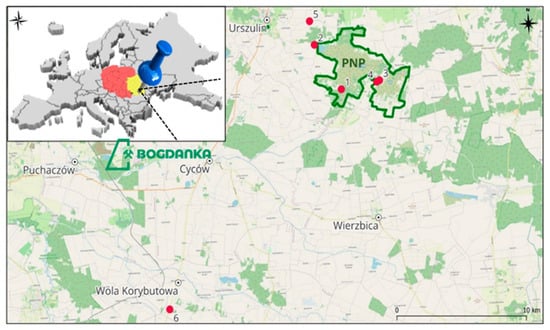
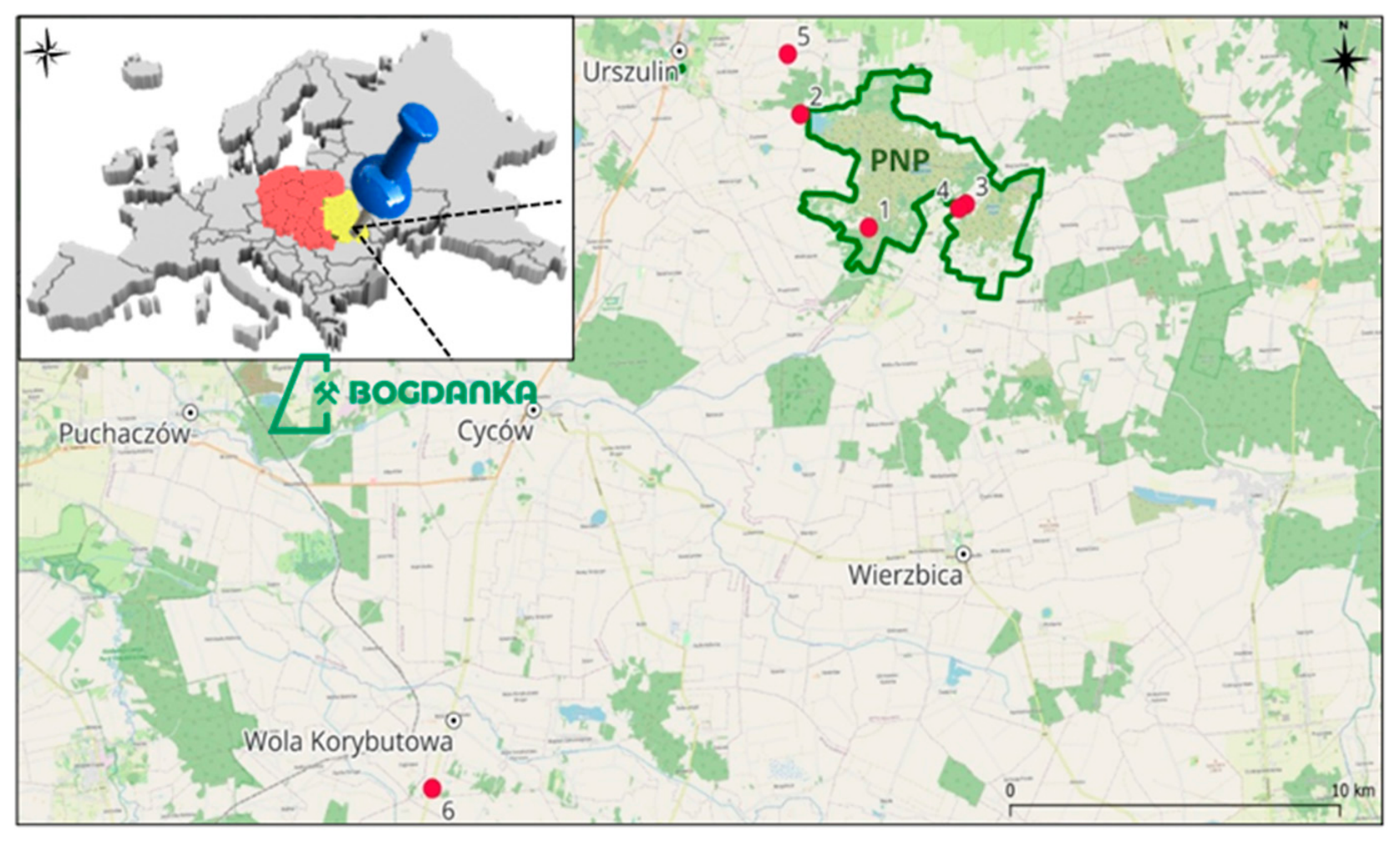
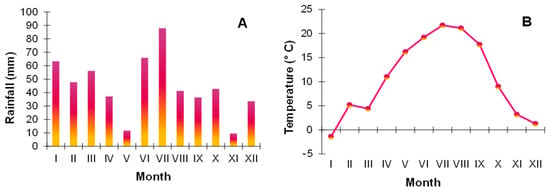
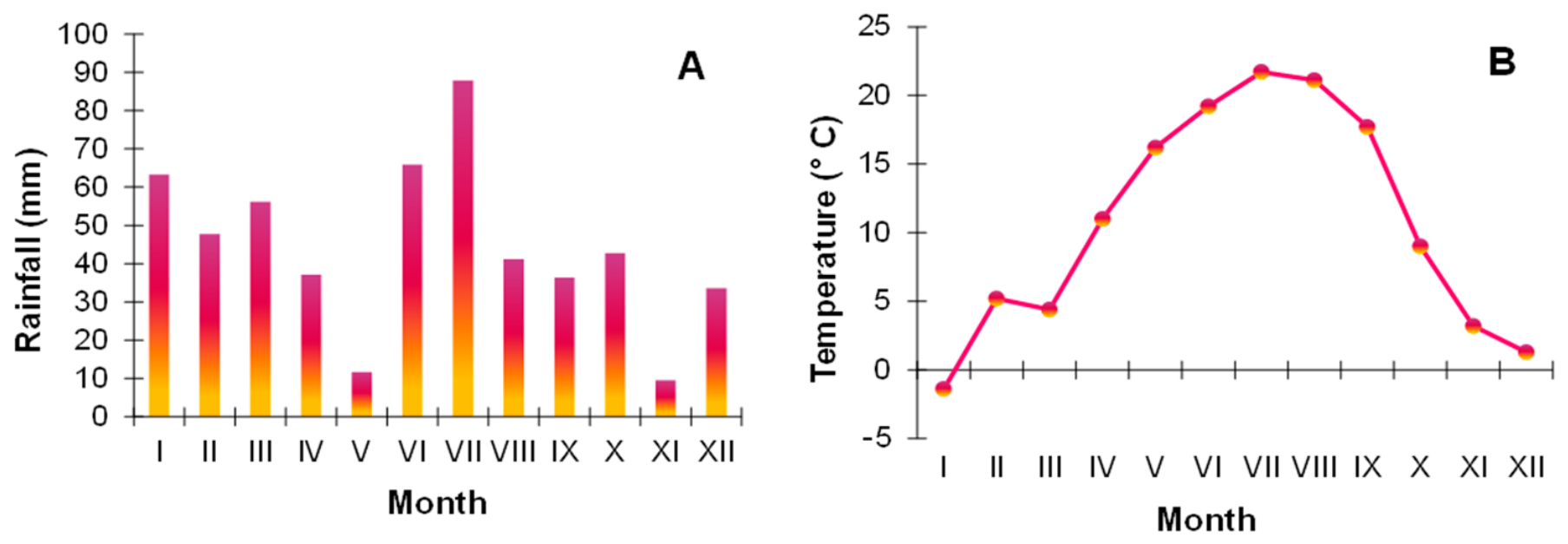
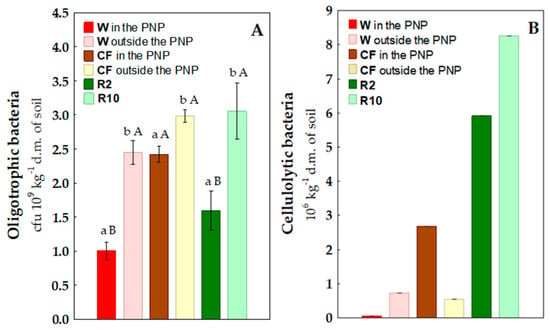
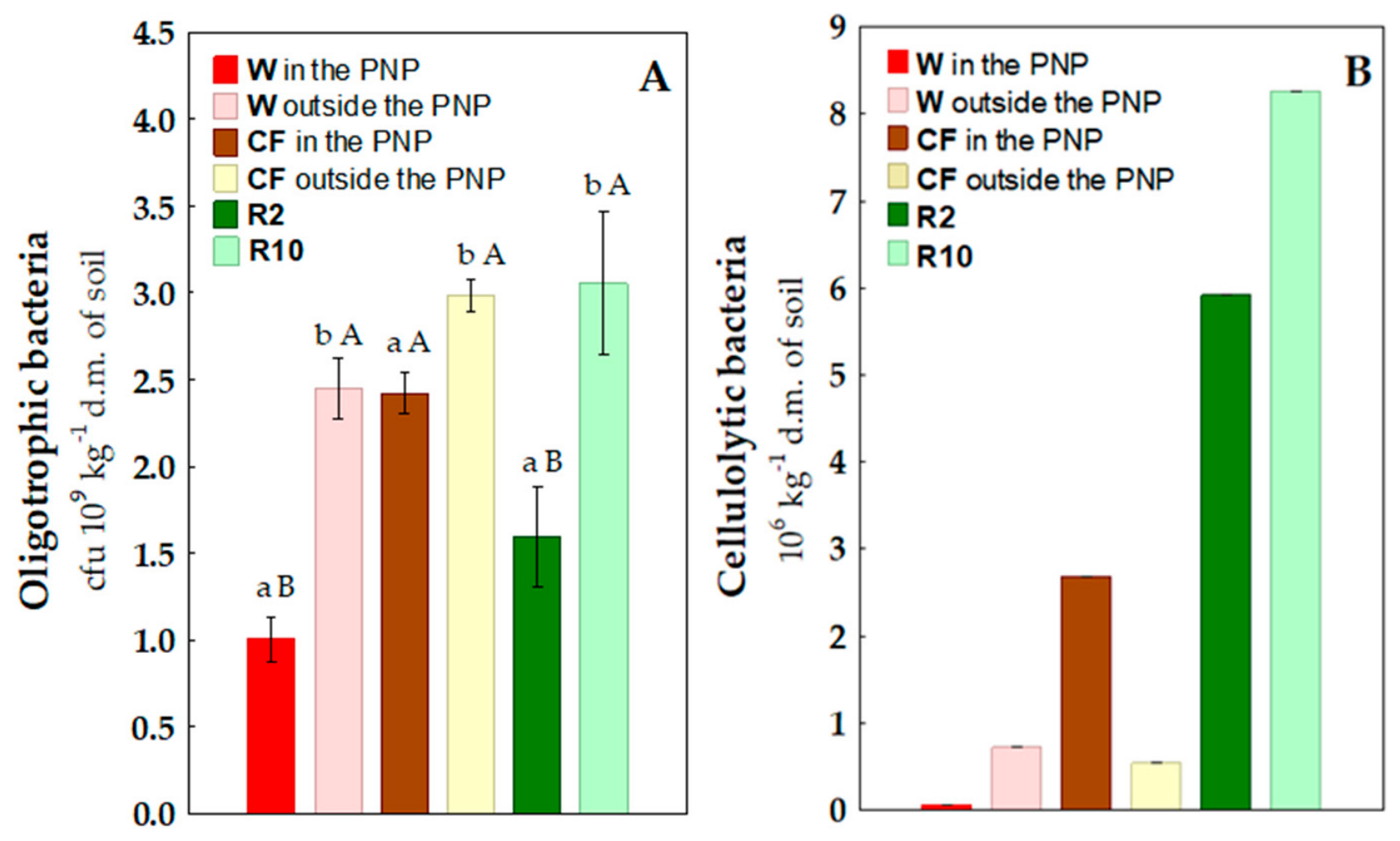
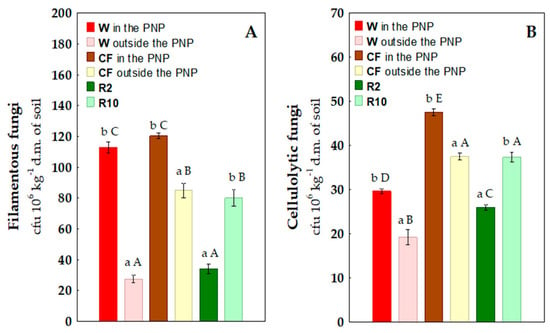
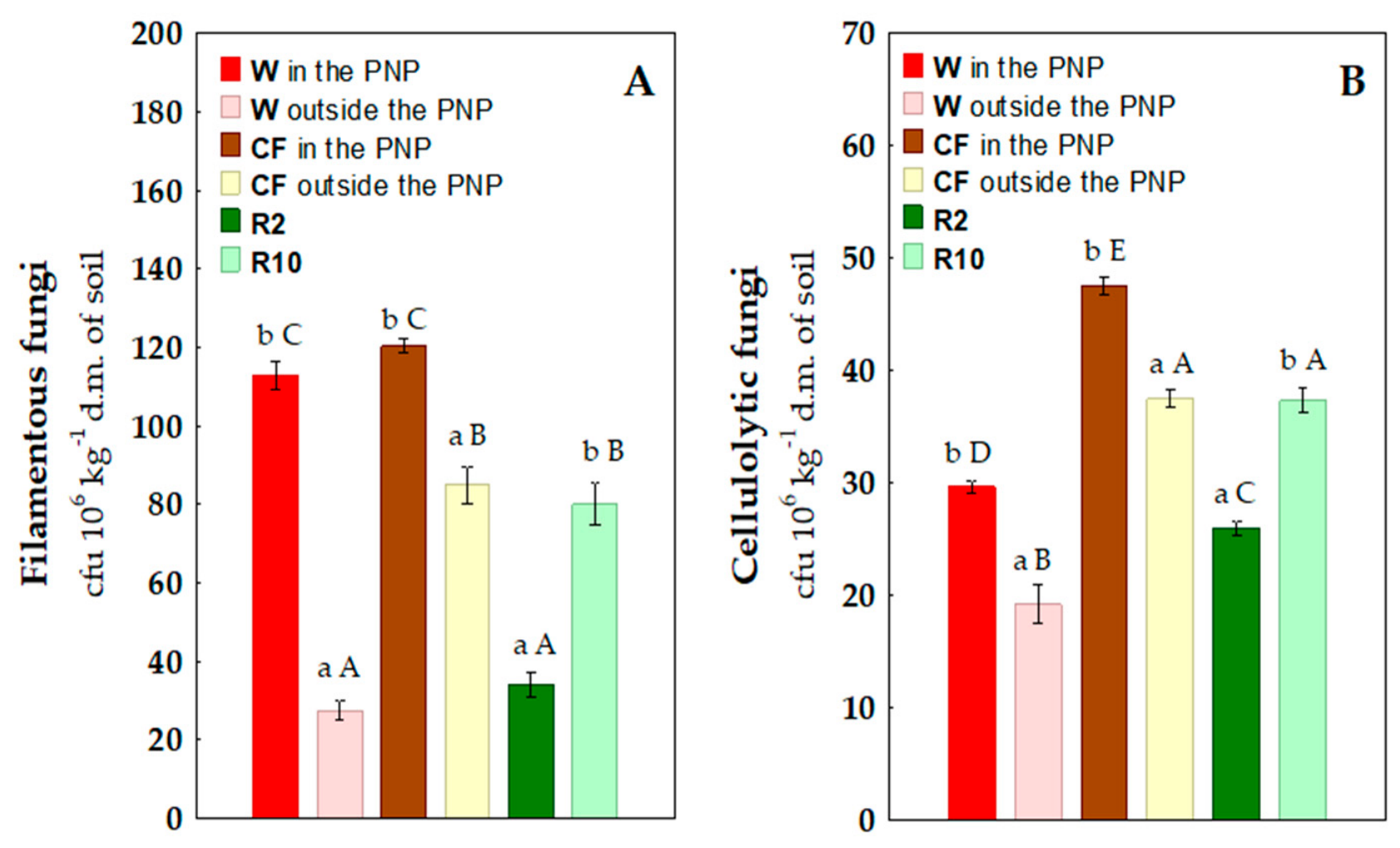
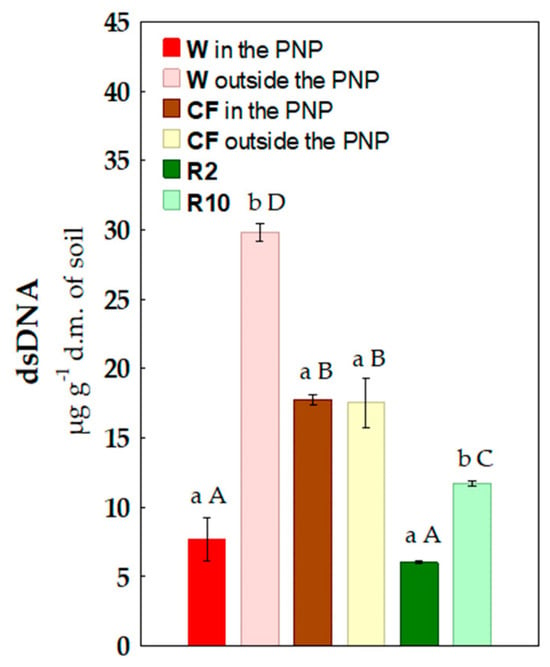
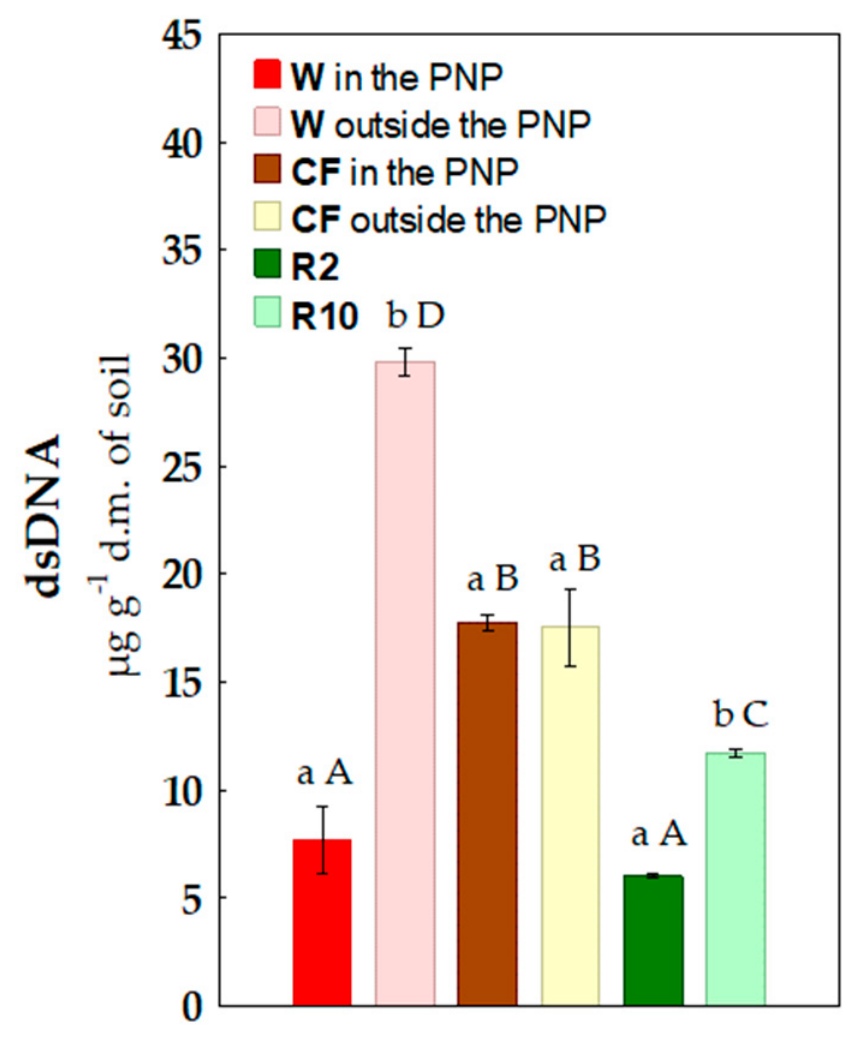
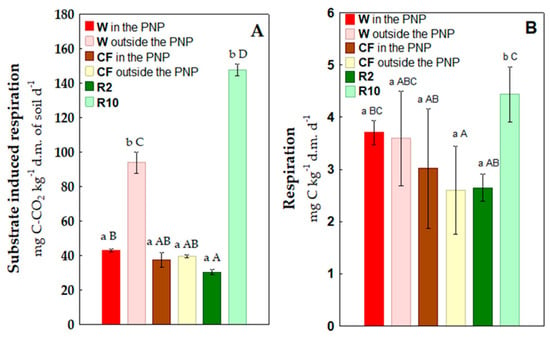
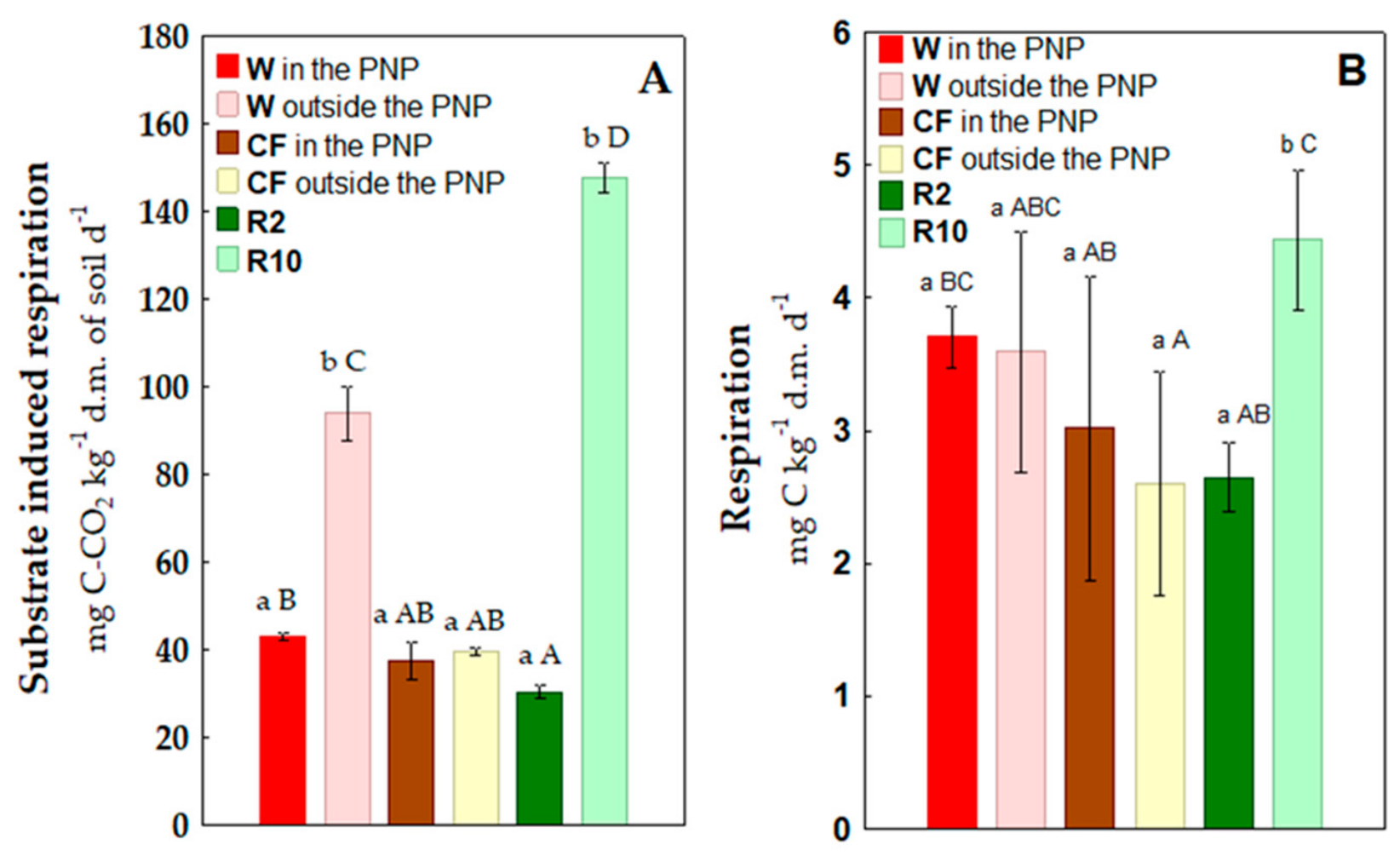
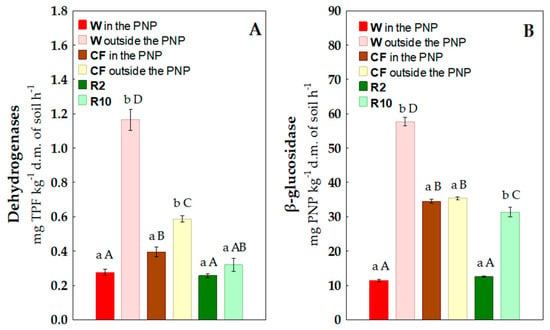
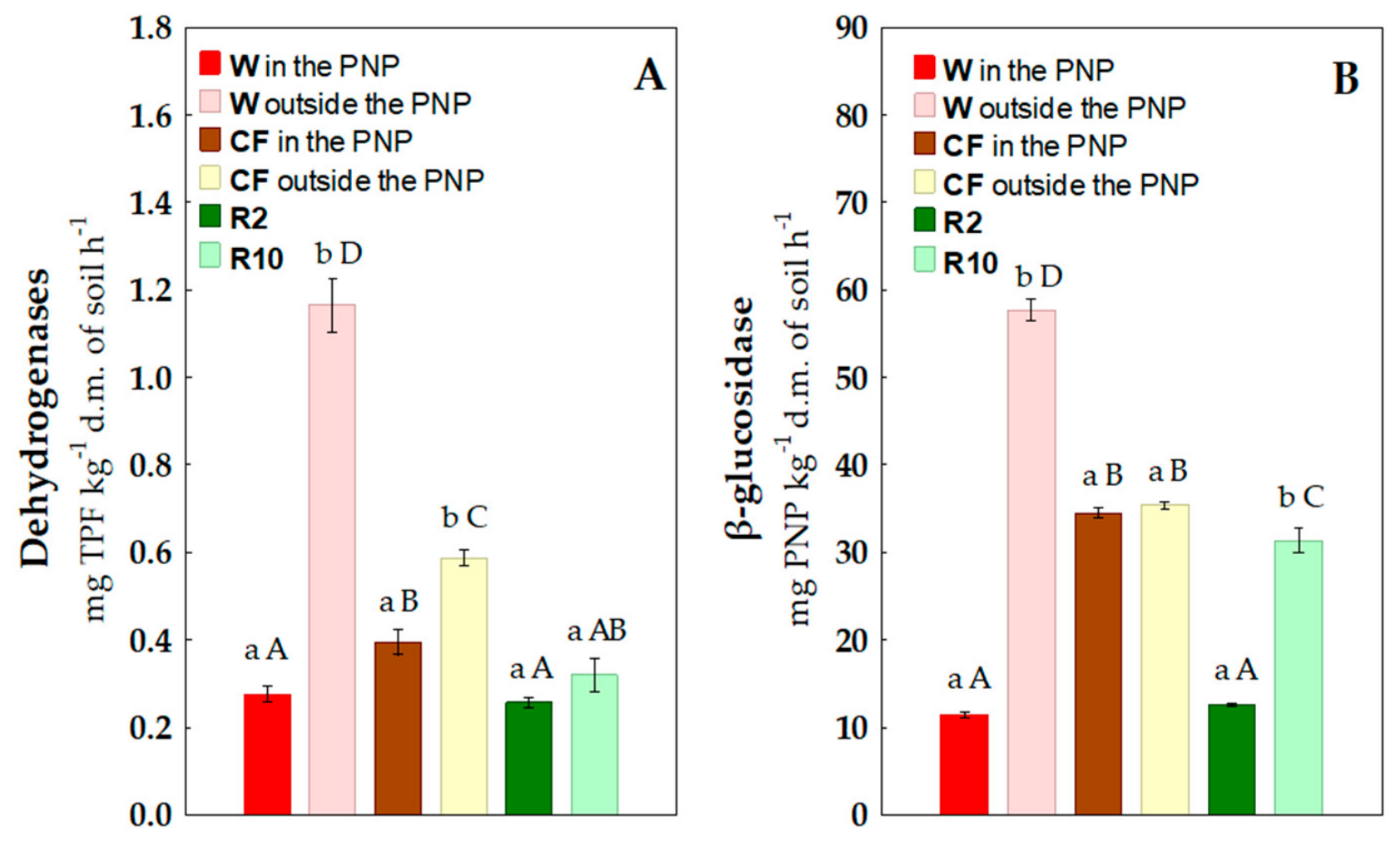
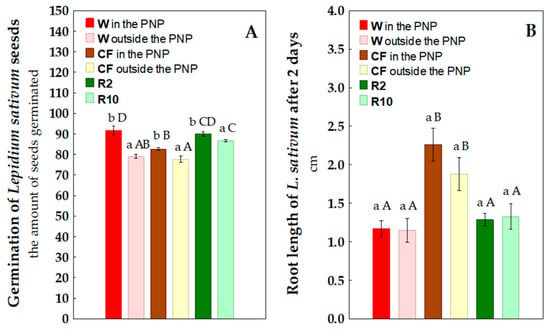
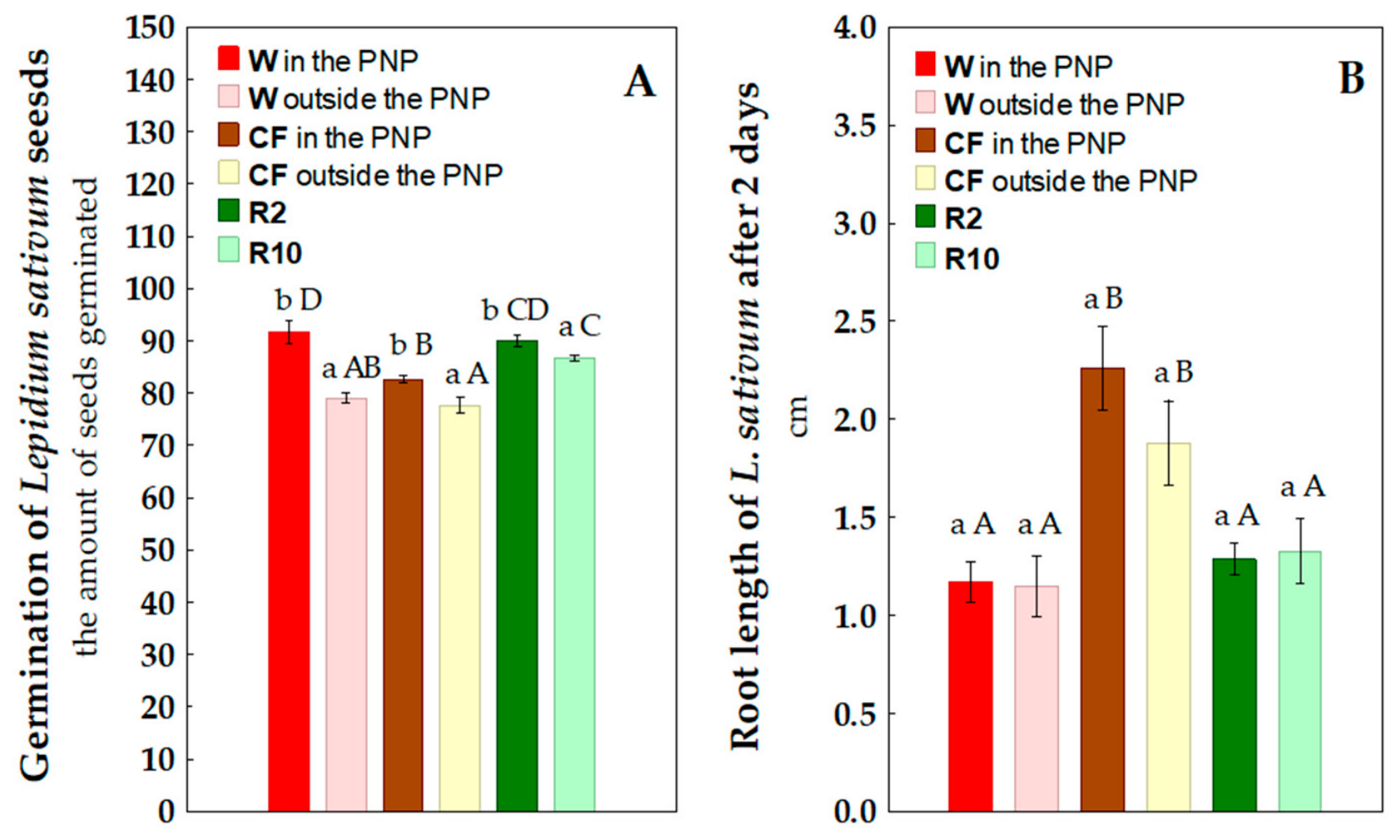
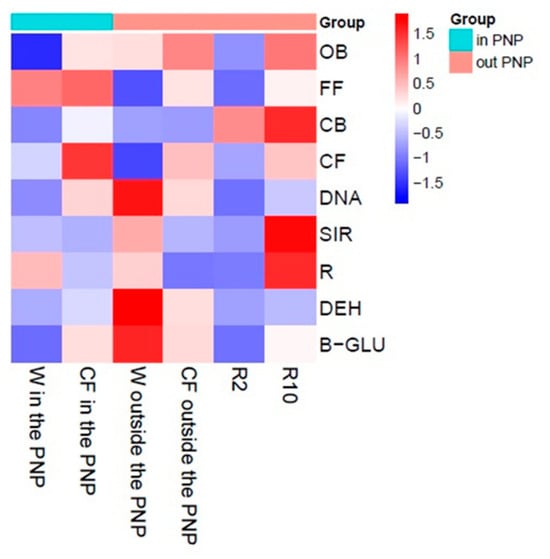
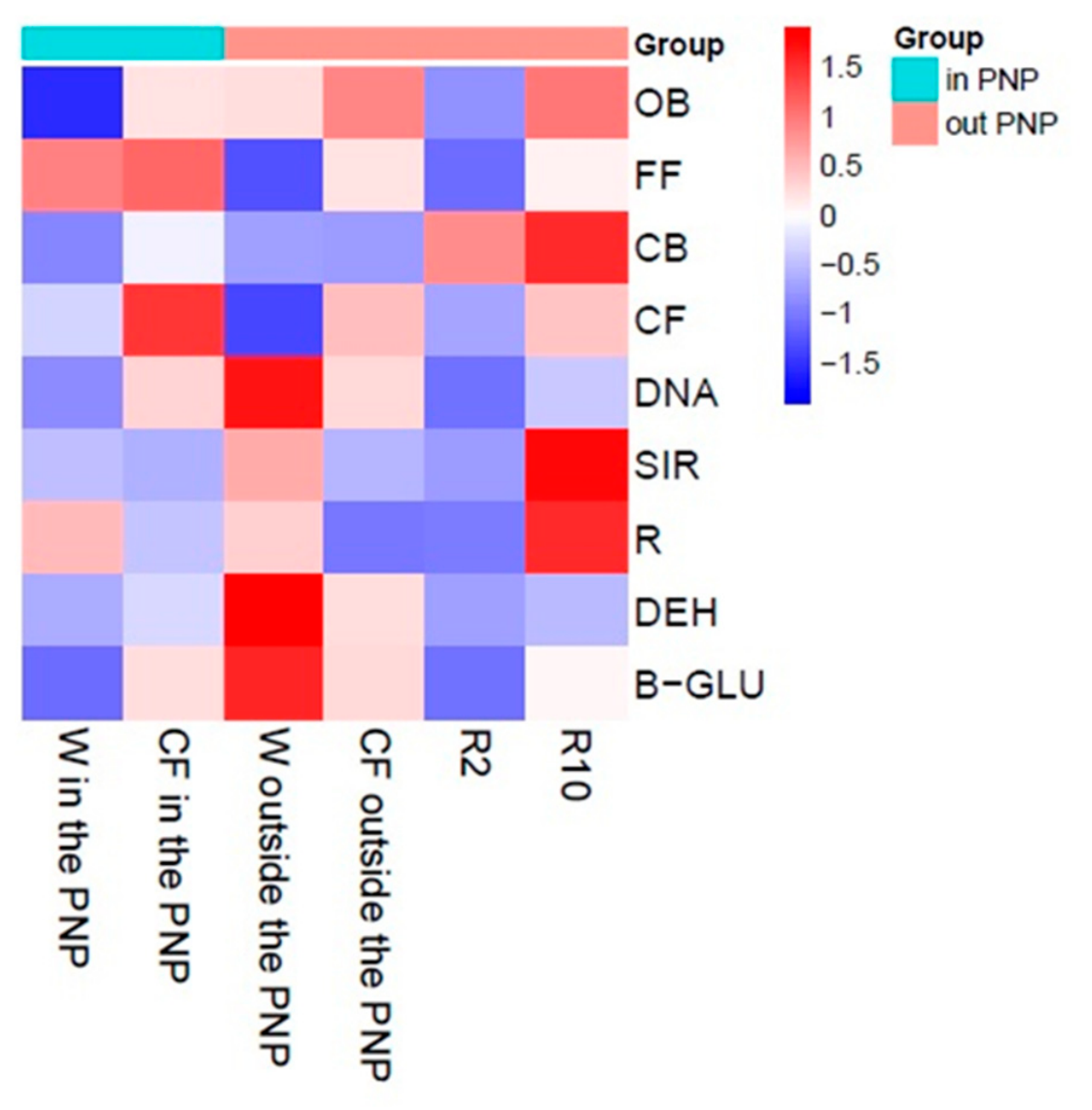
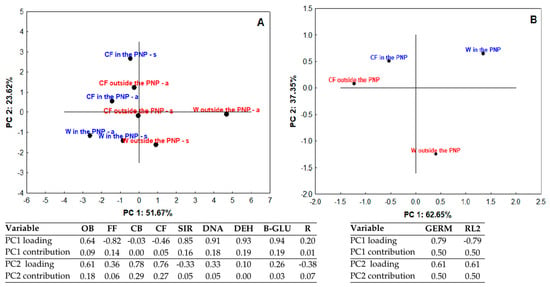
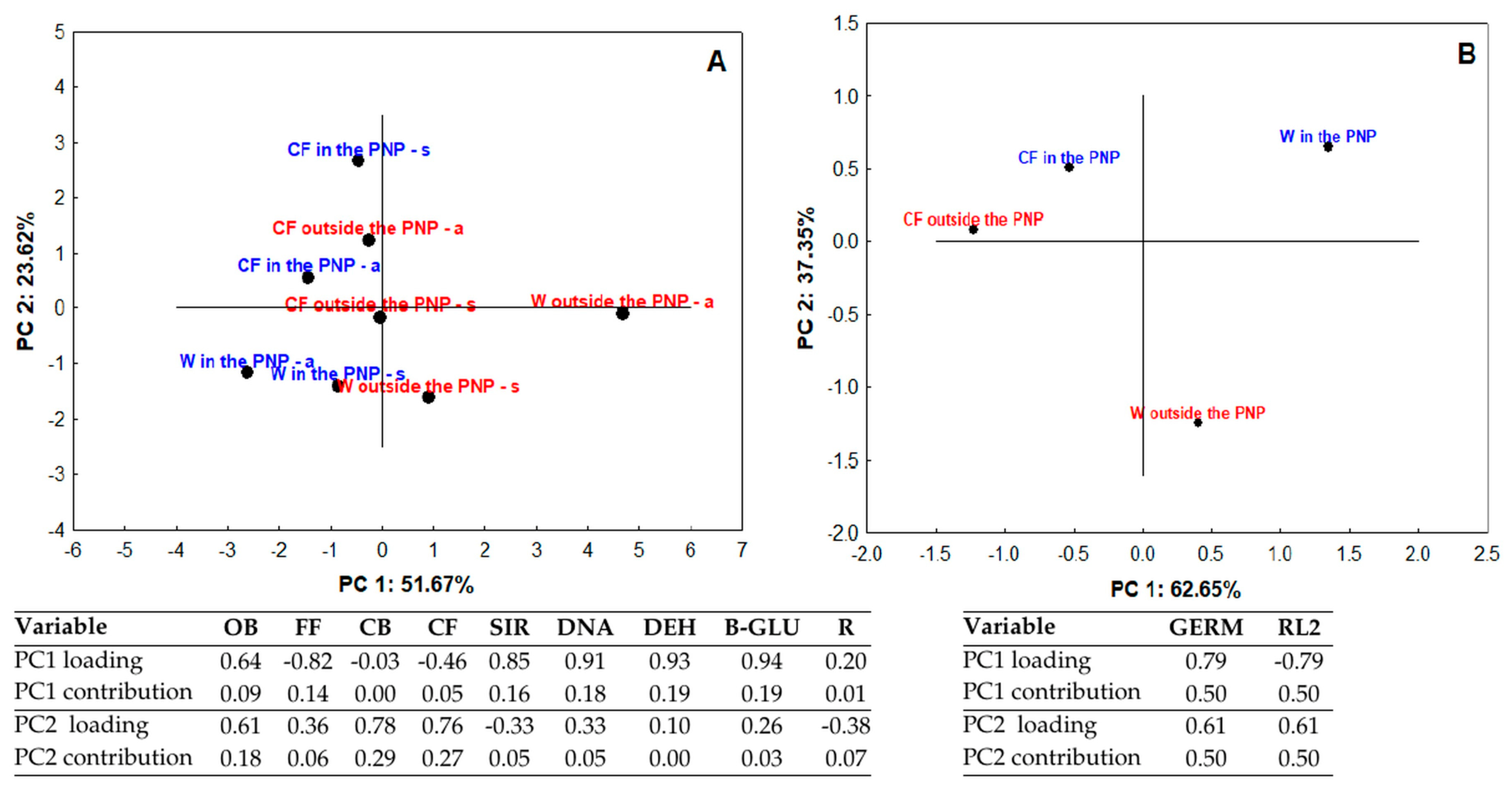
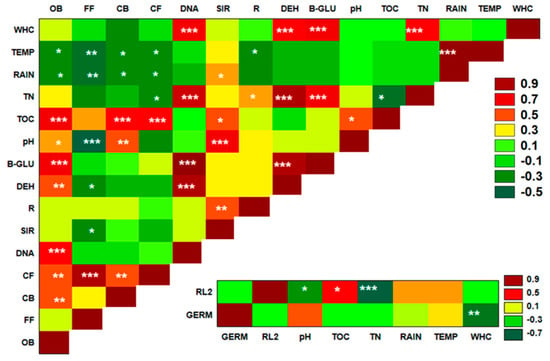
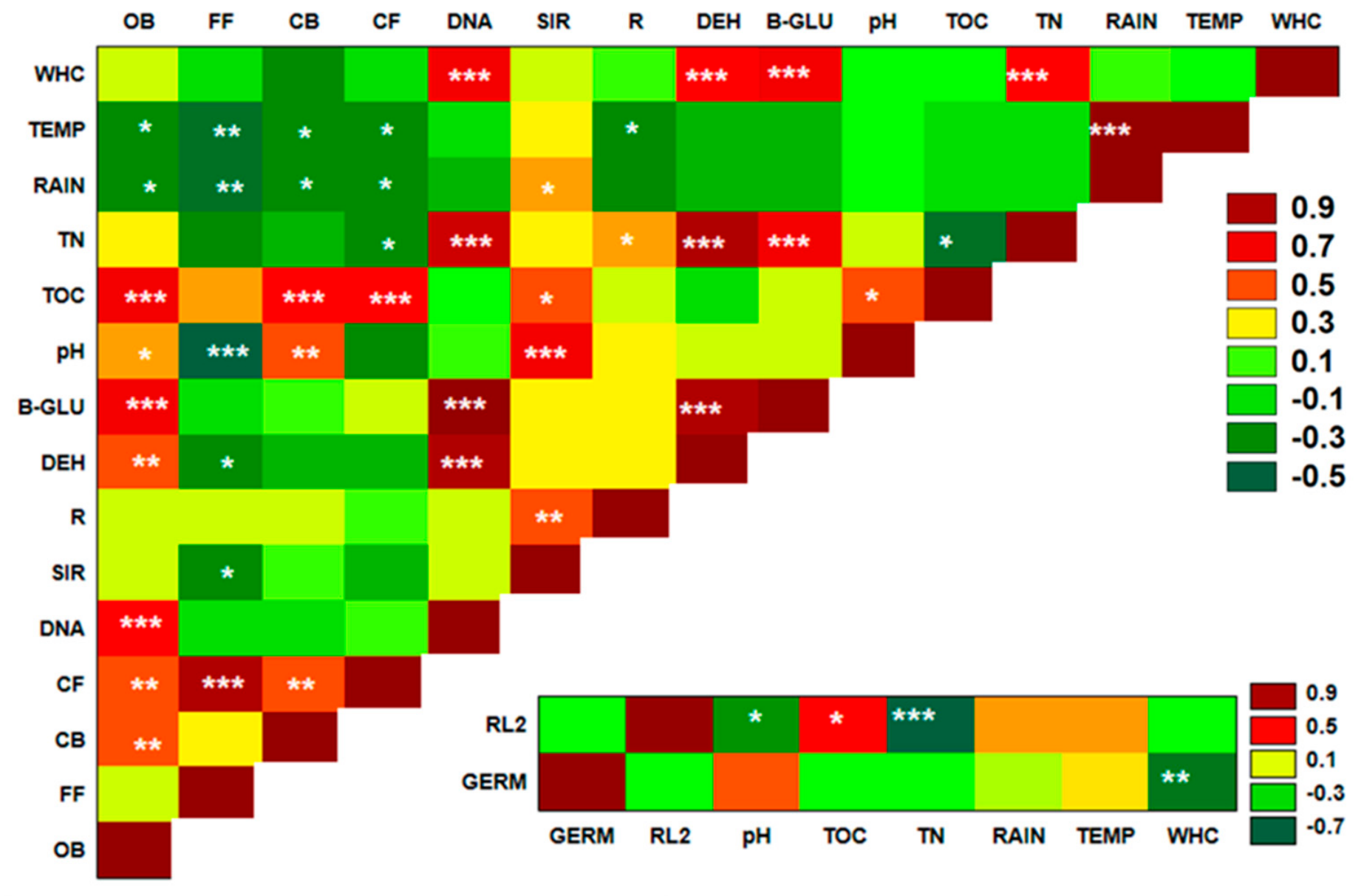
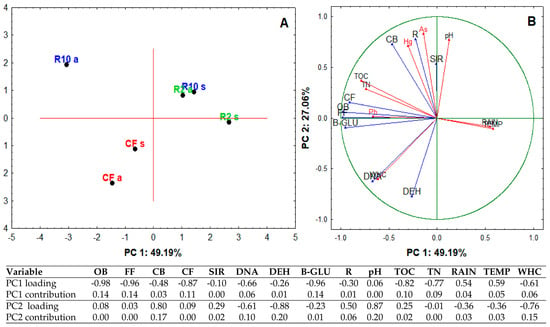
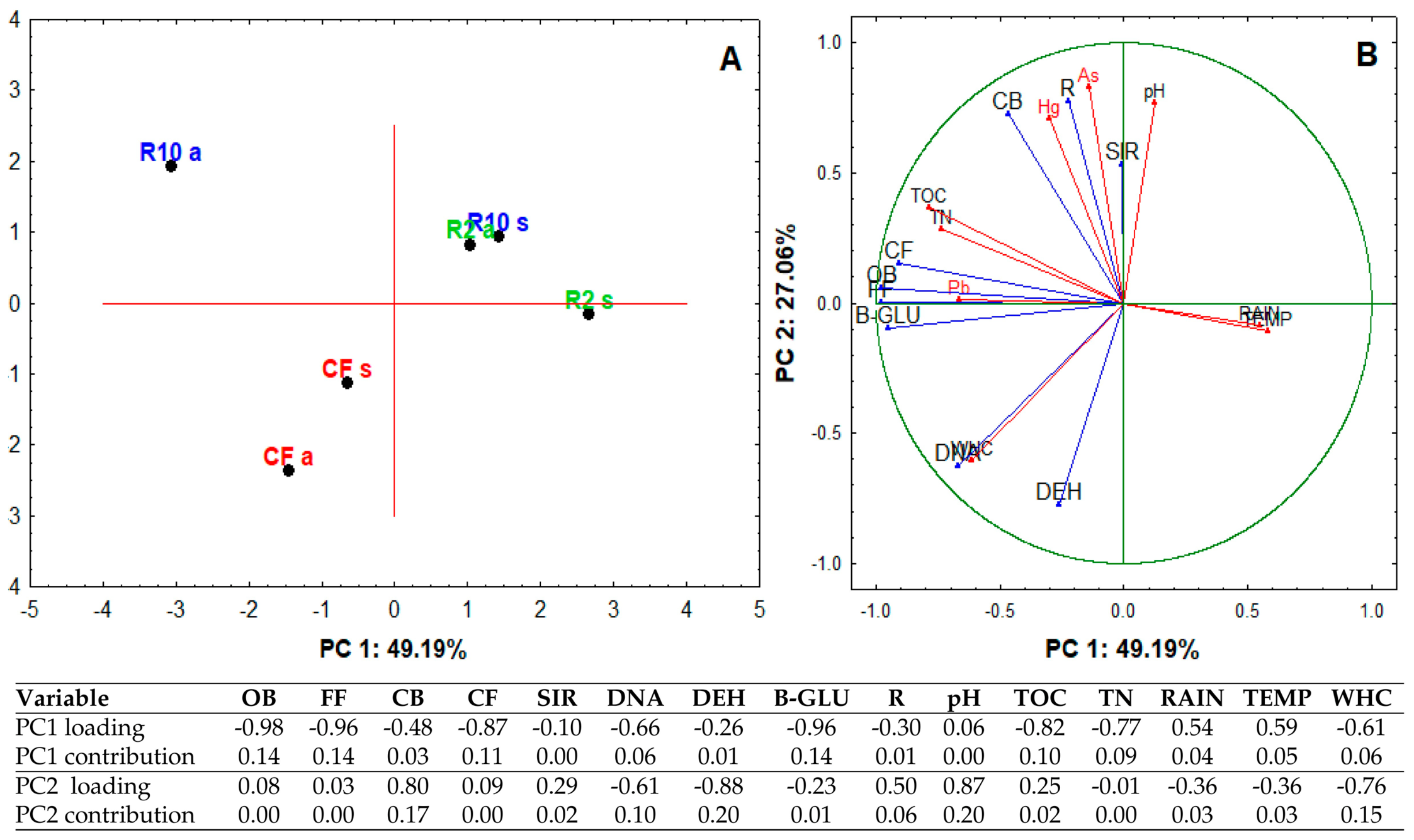
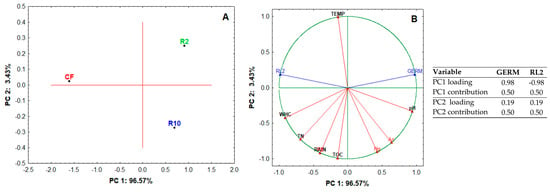
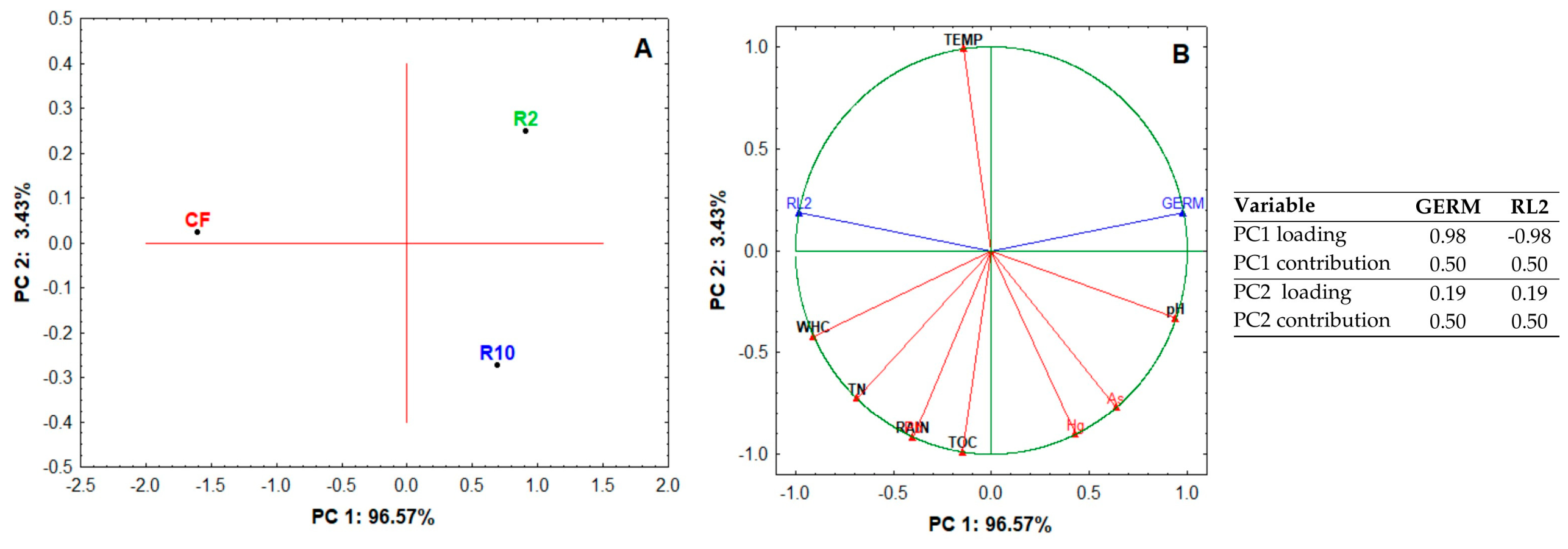

Disclaimer/Publisher’s Note: The statements, opinions and data contained in all publications are solely those of the individual author(s) and contributor(s) and not of MDPI and/or the editor(s). MDPI and/or the editor(s) disclaim responsibility for any injury to people or property resulting from any ideas, methods, instructions or products referred to in the content. |
© 2026 by the authors. Licensee MDPI, Basel, Switzerland. This article is an open access article distributed under the terms and conditions of the Creative Commons Attribution (CC BY) license.