


Abstract
Understanding how environmental values translate into sustainability-related decision-making is central to Education for Sustainable Development (ESD). Much of the existing literature, however, implicitly assumes that this translation operates uniformly once environmental values are present, and this assumption has rarely been tested comparatively across culturally and institutionally distinct, non-Western national contexts. Drawing on the value stage of Value–Belief–Norm theory as a conceptual background, rather than testing the full VBN mediational framework, this study examines whether environmental orientation is associated with environmental prioritization among young adults and whether this relationship varies across cultural contexts. Using data from the nationally representative World Values Survey Wave 7 (2017–2022), the study analyzes an age-restricted analytic sample of 919 respondents aged 18–29 from China and Malaysia with valid environmental-prioritization responses. Environmental orientation is operationalized as a theoretically motivated multidimensional composite integrating environmental institutional confidence, organizational engagement, and post-materialist value orientation. Binary logistic regression, interaction models, subgroup analyses, and bootstrap estimation are employed. The findings reveal significant cross-national differences in environmental prioritization, with Chinese youth showing stronger preferences for environmental protection over economic growth. Environmental orientation does not significantly predict environmental prioritization in the pooled sample; however, national context significantly moderates this relationship. Environmental orientation positively predicts environmental prioritization among Chinese youth but not Malaysian youth. This moderation holds under the linear specification used in the primary models and is driven primarily by post-materialist values, but it is not robust to an alternative specification that allows for curvature in the EOI–prioritization relationship; a direct test of whether educational attainment moderates the association was not statistically significant. With only two countries compared, the country variable absorbs every difference between them, so these findings indicate that the association differs between these two national samples without identifying the specific institutional, cultural, or educational mechanisms responsible.
1. Introduction
The accelerating global environmental crisis has elevated Education for Sustainable Development (ESD) from an educational initiative to a strategic priority within the global sustainability agenda. Through the ESD for 2030 framework, UNESCO (2020) emphasizes that sustainable development requires not only technological innovation and institutional reform but also fundamental changes in how individuals perceive environmental problems, evaluate competing societal priorities, and participate in sustainability transitions [1]. Contemporary ESD therefore extends beyond the transmission of environmental knowledge to fostering the values, competencies, and dispositions that enable individuals to make informed and responsible sustainability-related decisions [2,3,4,5,6]. Balancing environmental, social, and economic goals is itself a non-trivial undertaking, requiring the deliberate adoption of guiding principles and a sustainability-oriented identity even within organizations explicitly committed to sustainable development [7]; environmental orientation, as examined in this study, can be understood as an analogous form of identity-relevant balancing at the individual level.
Among the psychological determinants of sustainability-related decision-making, environmental orientation has emerged as a particularly important construct, distinct from isolated environmental attitudes or values. Traditional environmental psychology has primarily measured environmental concern through instruments such as the New Environmental Paradigm (NEP) scale [8], whereas the present study operationalizes environmental orientation as a theoretically motivated composite index integrating three complementary dimensions: environmental institutional confidence, organizational engagement, and post-materialist value orientation.
Understanding individual-level environmental prioritization also carries direct significance for national policy and governance, beyond its value as a psychological outcome. In democratic and quasi-democratic settings, aggregate public willingness to accept economic trade-offs for environmental protection shapes the political feasibility of carbon pricing, industrial regulation, and conservation policy, because governments calibrate the pace and stringency of environmental reform partly against anticipated public support [9]. Relatedly, Fairbrother (2013) documents substantial cross-national and over-time variation in how income and economic security relate to environmental concern, underscoring that the psychological antecedents of environmental attitudes cannot be assumed to operate uniformly across national contexts [10].
The theoretical relationship between environmental orientation and environmental decision-making can be understood through Value–Belief–Norm (VBN) theory [11,12], which proposes that value-based orientations provide the motivational foundation through which individuals develop ecological beliefs, recognize environmental consequences, and ultimately support environmentally responsible choices. Much of this literature has focused on pro-environmental behaviour or behavioural intentions, whereas comparatively less attention has been devoted to environmental prioritization—individuals’ willingness to prioritize environmental protection when environmental and economic objectives conflict, which is a particularly important outcome for ESD because sustainability decisions frequently involve evaluating such trade-offs rather than simply expressing positive environmental attitudes [9]. The present study examines the value-based components of the VBN sequence in direct relation to environmental prioritization; it does not measure the intervening belief stage (e.g., an ecological worldview measure such as the NEP scale [8]) or the norm-activation stage (awareness of consequences and ascription of responsibility [12]) that VBN theory specifies as mediating mechanisms, and we draw on VBN theory as motivating theoretical background rather than as a fully specified or empirically tested mediational model.
Despite the well-established importance of value-based environmental orientations, an important assumption underlying much of the existing literature remains insufficiently examined: that the psychological pathway linking environmental orientation to environmental prioritization operates similarly across societies. This assumption is challenged by foundational cross-cultural psychology theory on individualism, collectivism, and self-construal, which shows that culturally specific institutional arrangements, social norms, and value systems can shape how individual-level psychological constructs relate to broader judgments and decisions [13,14]; although this literature does not itself examine environmental attitudes, it provides a general theoretical rationale for expecting the kind of cross-national variation this study investigates. Moreover, a substantial proportion of evidence informing environmental psychology has been derived from Western, Educated, Industrialized, Rich, and Democratic (WEIRD) societies, raising continuing concerns regarding the cross-cultural generalizability of established psychological mechanisms [15]; recent reviews of the environmental psychology literature specifically have echoed this concern and called for more comparative research outside these settings [16].
Against this background, China and Malaysia provide a theoretically meaningful comparative setting for examining the contextual nature of environmental orientation. Although both are rapidly developing Asian economies that have increasingly incorporated sustainability into national development agendas, they differ substantially in environmental governance and socio-cultural traditions, providing an opportunity to examine whether environmental orientation functions as a universal predictor of environmental prioritization or whether its influence depends on culturally embedded institutional and normative contexts.
Young adults aged 18–29 constitute an especially relevant population for this investigation. This age group is a primary target of many ESD initiatives implemented through higher education, vocational education, and youth-oriented sustainability programs [1]. At the same time, young adulthood represents an important developmental period during which environmental values, civic engagement, and sustainability-related identities continue to evolve. Previous research has also shown that younger generations generally express stronger environmental concern than older cohorts, although the translation of these concerns into concrete priorities varies across social and cultural contexts [17]. Focusing on young adults therefore allows this study to examine environmental orientation among individuals who are both theoretically central to ESD and comparatively similar in terms of generational experience.
To investigate these issues, this study draws upon nationally representative microdata from the World Values Survey (WVS) Wave 7 (2017–2022). Because internationally comparable surveys rarely include dedicated psychometric measures of environmental orientation, this study integrates three theoretically relevant and complementary dimensions—environmental institutional confidence, organizational engagement, and post-materialist value orientation—into a composite Environmental Orientation Index (EOI) constructed from available WVS indicators. Each component is treated as a distinct but complementary aspect of environmental orientation, rather than as an interchangeable manifestation of a single latent attitude [18]. This operationalization enables a theoretically grounded and cross-nationally comparable assessment of environmental orientation suitable for large-scale comparative research.
Guided by this framework, the study addresses three research questions: To what extent do young adults in China and Malaysia differ in their prioritization of environ-mental protection over economic growth? Does environmental orientation predict environmental prioritization among young adults? Does this relationship vary across national contexts and educational attainment?
This study contributes to the literature in three ways. First, it extends current understanding of environmental decision-making by examining whether the association between environmental orientation and environmental prioritization is uniform across two national samples. Second, it advances VBN-informed environmental psychology by shifting attention from pro-environmental behaviour alone toward environmental prioritization, an earlier value-based stage of sustainability decision-making directly relevant to ESD. Third, with only two countries compared, the findings indicate that this association differs between these two national samples without identifying the specific institutional, cultural, or educational mechanisms responsible, motivating future research that directly measures these candidate factors.
2. Literature Review and Theoretical Framework
2.1. Environmental Orientation as the Value-Based Foundation of Environmental Prioritization
Environmental prioritization refers to individuals’ willingness to place environmental protection ahead of competing economic objectives when public policy trade-offs arise. Such prioritization is widely regarded as one of the most direct expressions of environmental values because it reflects normative judgments rather than specific environmental behaviors [10,17]. Understanding why some individuals consistently prioritize environmental protection therefore requires attention to the underlying psychological orientations that shape sustainability-related judgments.
Among the numerous psychological determinants proposed in environmental psychology, environmental orientation has increasingly been recognized as central to such judgments because it captures how individuals integrate environmental values, confidence in environmental organizations, and civic engagement into environmental decision-making. Environmental values—relatively enduring beliefs regarding the relationship between humans and nature and the importance attached to ecological protection—provide the motivational basis of environmental orientation, but values alone do not fully explain how individuals translate environmental beliefs into public policy preferences [11,19,20].
Building upon this literature, the present study adopts the concept of environmental orientation to capture the broader value-based disposition through which environmental values are expressed in public judgments. Unlike environmental concern, which primarily reflects emotional reactions toward environmental issues, or an isolated pro-environmental behavior, which concerns a single observable action, environmental orientation represents a broader, relatively stable disposition linking environmental values to sustainability-related preferences [21,22,23,24]. As operationalized in this study, however, this disposition is not purely evaluative: it spans an attitudinal component, a value-based component, and a behavioral component (organizational engagement). Cross-cultural research on this value–behavior link has consistently found that the strength of the association between environmental values and pro-environmental outcomes varies across national samples rather than operating uniformly [25,26,27,28], which motivates treating country context as a substantive moderator rather than a mere control variable in the present design.
The conceptualization of environmental orientation draws upon three complementary theoretical traditions. First, Schwartz’s (1992) theory of basic human values argues that enduring value orientations guide individuals’ judgments across diverse social contexts [29]. Second, Inglehart’s (1977, 1997) post-materialist value theory suggests that environmental protection increasingly becomes a social priority as value systems shift from material security toward quality of life and self-expression [30,31,32]. Third, Stern’s (2000) Value–Belief–Norm (VBN) theory provides a theoretical basis for understanding how environmental values may relate to environmental judgments through ecological beliefs and personal norms [11]; this VBN-based motivation applies specifically to the institutional-confidence and post-materialism components of the composite used here, rather than to its behavioral (organizational-engagement) component.
From the perspective of Education for Sustainable Development (ESD), cultivating environmental orientation represents an important educational objective: contemporary ESD emphasizes that sustainability education should develop learners’ values, ethical commitments, and long-term dispositions rather than merely increasing environmental knowledge [1,3,4].
Because internationally harmonized surveys such as the World Values Survey rarely contain comprehensive psychometric measures of environmental values, this study operationalizes environmental orientation as a composite of available indicators rather than a single measure.
2.2. Post-Materialism as a Value Dimension of Environmental Orientation
Among the multiple value systems associated with environmental concern, post-materialist values have received sustained attention as an important psychological foundation of environmental attitudes. Inglehart’s (1977, 1997) post-materialist value theory argues that individuals’ value priorities evolve alongside socioeconomic development: as basic material needs become increasingly satisfied, value priorities shift from economic security and physical survival toward self-expression, quality of life, civic participation, and broader societal concerns, including environmental protection [30,31]. Multilevel cross-national analyses corroborate this link at the population level, showing that aggregate post-materialist orientation predicts pro-environmental intentions across dozens of countries and that this relationship co-varies with religiosity and other contextual factors in ways that differ by national setting [33,34]. Individuals with stronger post-materialist orientations are generally more willing to accept short-term economic trade-offs for broader societal benefits, and post-materialist values have frequently been identified as predictors of environmental concern and policy support across diverse national contexts [17,32,35,36].
Nevertheless, this relationship is not universally consistent: environmental values are embedded within institutional arrangements, social norms, and political contexts that shape how value orientations are translated into environmental preferences [37]; foundational cross-cultural psychology theory provides a general rationale for this without itself addressing environmental attitudes specifically [13]. This suggests that post-materialist values alone may be insufficient to explain environmental prioritization across different societies.
Accordingly, the present study does not conceptualize post-materialism as an independent explanatory variable, but as one complementary dimension of environmental orientation alongside confidence in environmental organizations and participation in environmental organizations. Post-materialism captures individuals’ broader value priorities regarding quality of life and societal development; institutional confidence reflects confidence in environmental organizations as social actors rather than trust in governance per se; and organizational participation represents active engagement with environmental causes. Together, these three components—spanning value, attitude, and behavior—provide a more comprehensive representation of environmental orientation than any single indicator alone.
2.3. Education for Sustainable Development, Environmental Orientation, and Cultural Context
Education for Sustainable Development (ESD) has increasingly shifted from a knowledge-transmission paradigm toward a competency-based approach that emphasizes the development of values, critical thinking, and responsible citizenship. Rather than focusing solely on environmental literacy, contemporary ESD seeks to cultivate learners’ capacity to evaluate sustainability challenges, reconcile competing social objectives, and make informed decisions that support long-term ecological and societal well-being [1,3,6,38].
Within this perspective, environmental orientation represents an important psychological outcome of ESD. Sustainability education is expected to strengthen individuals’ environmental values, increase confidence in environmental organizations, and encourage participation in environmental initiatives [2]; collectively, these dispositions provide a motivational foundation for evaluating trade-offs between environmental protection and economic development.
The value-based components of this disposition can be theoretically situated within the Value–Belief–Norm (VBN) framework, which proposes that environmental values are linked to environmentally significant judgments through ecological beliefs and personal norms [11]; individuals with stronger value-based environmental orientation are accordingly expected to place greater weight on ecological considerations when evaluating competing public policy objectives.
ESD scholars increasingly argue, however, that sustainability competencies are neither culturally neutral nor universally expressed: sustainability learning is embedded within institutional arrangements, educational systems, and socio-cultural environments that shape how environmental values are interpreted and enacted [39,40]. Cultural norms, institutional conditions, and dominant sustainability narratives are among the contextual factors that may be associated with cross-national variation in how environmental orientation relates to environmental prioritization, which the present study examines by comparing the Chinese and Malaysian analytical samples.
2.4. The China–Malaysia Comparative Context as a Boundary Condition
The preceding discussion suggests that environmental orientation provides an important psychological foundation for environmental prioritization. However, whether this value-based orientation is consistently translated into environmental judgments depends on the broader institutional and cultural contexts in which environmental meanings are constructed. China and Malaysia constitute a theoretically informative comparison because both countries are upper-middle-income Asian economies [41] that have experienced rapid economic transformation while adopting markedly different approaches to environmental governance and sustainability education, consistent with prior comparative fieldwork finding that environmentalism is enacted differently across East and Southeast Asian institutional settings even among otherwise similar organizational actors [42]. Their shared developmental trajectories reduce some sources of socioeconomic heterogeneity, whereas their institutional and cultural differences create meaningful variation in how environmental values may be expressed.
China’s environmental governance has increasingly been characterized by a state-led model centered on the concept of ecological civilization, in which environmental protection is integrated into national development strategies and public policy [43,44]. These institutional arrangements may provide a broader context in which environmental concerns are communicated through government policy and public discourse, though this study does not directly measure these institutional mechanisms.
Malaysia, by contrast, has developed environmental governance within a more pluralistic institutional environment involving governmental agencies, civil society organizations, local communities, and religious institutions [45]. Environmental issues are often interpreted alongside broader concerns regarding economic development, ethnic diversity, religious traditions, and community well-being [46]. The coexistence of multiple institutional actors and normative frameworks may create more diverse pathways through which environmental values are interpreted and expressed, though this study does not directly assess these pathways.
Case-study accounts suggest differing approaches to sustainability education in the two countries, with more centralized curriculum initiatives documented in China and more decentralized, community- and faith-informed initiatives documented in Malaysia [47,48]; because these accounts are drawn from single institutions or localized case studies, they should be read as illustrative rather than as evidence of nationwide educational patterns in either country, and this study does not directly assess sustainability socialization processes.
China and Malaysia are therefore treated as contrasting institutional contexts for examining whether the environmental orientation–environmental prioritization relationship holds consistently across them, rather than as evidence that one governance model is more effective than the other.
2.5. Hypotheses
Building upon the preceding theoretical framework, this study proposes that environmental orientation—operationalized as the three-component composite defined in Section 2.1—constitutes the primary individual-level explanatory construct examined in relation to environmental prioritization, while recognizing that the expression of this mechanism may vary across institutional and socio-cultural contexts. This proposition is consistent with environmental psychology research suggesting that enduring value orientations provide the motivational basis for environmental judgments and policy preferences [19,29]. Value–Belief–Norm theory motivates the expectation that the value-based components of this composite—institutional confidence and post-materialism—relate to environmentally significant judgments through ecological beliefs and personal norms [12,49]; ESD similarly seeks to cultivate learners capable of making sustainability-oriented decisions when environmental and economic objectives conflict [3]. Accordingly, the first hypothesis is proposed:
H1.
Environmental orientation is positively associated with environmental prioritization among young adults.
Previous research in environmental psychology and cross-cultural sustainability suggests that the relationship between environmental orientation and sustainability-related judgments may vary across societies, since environmental values are expressed within institutional, educational, and cultural environments that shape how individuals understand social priorities and evaluate competing collective goals [14,37]; foundational cross-cultural psychology theory provides a general rationale for this expectation without itself addressing environmental attitudes specifically [13]. Given differences between China and Malaysia in environmental governance and socio-cultural contexts [45], the association between environmental orientation and environmental prioritization may therefore differ across the two national settings. Accordingly, the second hypothesis is proposed:
H2.
Country context moderates the relationship between environmental orientation and environmental prioritization, such that the strength of the association differs between China and Malaysia.
Although environmental orientation represents the primary explanatory construct of this study, its influence may also differ by educational attainment, since higher education institutions frequently serve as important settings for Education for Sustainable Development, exposing students to sustainability knowledge, environmental discourse, and opportunities for civic engagement [2,4,50]. Because previous empirical findings on the direction of this heterogeneity remain inconsistent, the present study treats this analysis as exploratory rather than directional. Accordingly, the third hypothesis is proposed:
H3.
The relationship between environmental orientation and environmental prioritization varies across educational attainment groups.
Figure 1 summarizes the three hypothesized relationships tested in this study. H1 proposes a direct, positive association between environmental orientation and environmental prioritization. H2 proposes that this association is moderated by country context, such that its strength differs between China and Malaysia. H3, treated as exploratory, proposes that the association additionally varies by educational attainment. The three hypotheses are tested jointly in the interaction and subgroup models reported in Section 4, with H1 and H2 tested through nested logistic regression models and H3 tested directly through an environmental orientation × education interaction term, supplemented by a stratified comparison across educational subgroups.
Figure 1.
Hypothesized Conceptual Framework of Environmental Orientation and Environmental Prioritization.
3. Method
The methods reported in this section correspond directly to the conceptual framework and hypotheses summarized in Figure 1. Section 3.1 describes the data source; Section 3.2 describes the sample selection; Section 3.3 describes the construction of the Environmental Orientation Index (EOI) and the outcome variable that underlie every subsequent model; and Section 3.4 describes the analytical strategy, specifying the nested binary logistic regression models that test H1 and H2, as well as the EOI × education interaction term that tests H3, supplemented by a stratified comparison across educational subgroups.
3.1. Data Source
This study uses secondary data from the World Values Survey (WVS) Wave 7 (2017–2022), a cross-national survey program providing harmonized information on social values, beliefs, and attitudes across approximately 80 countries and territories [51]. WVS Wave 7 employed stratified multi-stage probability sampling among adults aged 18 years and above, with standardized face-to-face interviews conducted in local languages and post-stratification weights supplied in the archived dataset for each country (variable W_WEIGHT) [51].
Data from China (country code 156; fielded in 2018; N = 3036) and Malaysia (country code 458; fielded in 2018; N = 1313) were extracted from the official WVS Wave 7 dataset (Version 5.1). The two country datasets were independently examined to verify variable availability, coding consistency, and response distributions before being merged into a pooled analytical dataset.
Descriptive statistics, bivariate tests, and logistic regression models (including the bootstrap procedure) reported in Section 4 are unweighted; a weighted sensitivity analysis is reported alongside the main results in Section 4.7. The public use files provide a primary sampling unit identifier for China (I_PSU, 50 clusters), but no primary sampling unit identifier is available for Malaysia, and neither country’s file provides a stratum identifier; consistent cluster- and stratum-robust standard errors are therefore not available. Section 4.7 reports heteroscedasticity-consistent (HC1) standard errors as a check on whether the reported inference is sensitive to non-constant error variance; HC1 does not correct for correlation among observations within the same primary sampling unit, so it does not substitute for the unavailable cluster-robust standard errors. Notably, Malaysia’s post-stratification weight (W_WEIGHT) is constant at 1 for all 395 respondents in the analytic sample, so no case-level reweighting information exists for Malaysia; the weighted check in Section 4.7 therefore reweights the Chinese sample only (W_WEIGHT range: 0.37–2.63, SD = 0.77). Accordingly, the unweighted estimates describe the achieved analytical sample itself rather than a design-weighted estimate of the national population, and this scope of generalization (Section 3.2 and Section 6) applies whether or not weighted estimates are used.
3.2. Sample Selection
The analytical sample was restricted to young adults aged 18–29 years (Q262). This age range was selected because young adults represent a population group particularly relevant to Education for Sustainable Development (ESD), as they are frequently targeted by sustainability initiatives in higher education, vocational education, and youth-oriented environmental programs [1]. In addition, previous research has documented generational differences in environmental values, with younger cohorts generally demonstrating stronger environmental concerns than older groups [17]. Focusing on a relatively narrow age cohort therefore allows this study to examine the formation and expression of environmental orientation within a theoretically comparable life stage during which sustainability values and civic identities continue to develop.
The sample attrition underlying the final analytic sample, by reason, was as follows. For China, the age restriction (18–29 years) excluded 2476 of the 3036 respondents, reducing the parent sample to 560; a further 36 respondents were excluded for an invalid, missing, or “Other answer” response on the environmental prioritization item (Q111 = −1, −2, or 3), since this category does not clearly indicate a preference toward either environmental protection or economic growth, yielding the reported analytic sample of 524. Within this sample of 524, a small number of respondents had missing values on individual predictors (1 on Q79, 3 on Q99, 13 on Y001, 5 on religiosity, and 3 on education); we did not impute these values. The Environmental Orientation Index (EOI) is computed as the mean of whichever of its three standardized components is observed for a given respondent (Section 3.3), rather than requiring all three to be observed, because the three components are treated as complementary but partially interchangeable facets of a single composite rather than as items that must co-occur to be meaningful, and because missingness on any one component is low (at most 13 of 524 Chinese cases, on Y001) and concentrated in post-materialism, the component with the most demanding response format; averaging over whichever components are observed therefore avoids discarding otherwise-valid information on the other two components for these respondents. Models using the composite EOI retain the full 524/395 cases except where a control variable (religiosity, education) is itself missing. Models that enter the three components separately rather than as a composite (Model 4 and the component-by-country interactions, Section 4.3) require all three to be observed and are therefore estimated on a smaller effective sample (504 China, 395 Malaysia; 899 pooled), reported in the corresponding tables. Because the post-materialism index (Y001) requires respondents to complete several ranking batteries, the 13 China cases with missing Y001 are the single largest source of residual missingness. For Malaysia, the age restriction excluded 894 of the 1313 respondents, reducing the parent sample to 419, and a further 24 were excluded on the same Q111 validity criterion, yielding the reported analytic sample of 395, with no additional missingness on any other study variable.
The final analytical sample of 919 young adults comprised 524 respondents from China (57.0%, mean age 23.44, SD = 3.76) and 395 from Malaysia (43.0%, mean age 24.34, SD = 3.22).
Because the age restriction excluded a much larger share of the Chinese sample than the Malaysian sample, retention differed markedly between countries (17.3% of the original Chinese sample versus 30.1% of the original Malaysian sample). This reflects differences in the age composition of the two achieved WVS samples rather than a data-cleaning artifact, but it means the two analytical subsamples were not retained through an equivalent selection process.
3.3. Measures
Dependent Variable: Environmental Prioritization: The dependent variable is environmental prioritization (ENV), measured using WVS item Q111, which presents respondents with two competing policy priorities: “Protecting the environment should be given priority, even if it causes slower economic growth and some loss of jobs” and “Economic growth and creating jobs should be the top priority, even if the environment suffers to some extent.” Following previous cross-national environmental attitude research [10,17], responses were recoded into a binary variable, with environmental priority coded as 1 and economic growth priority coded as 0.
The original questionnaire also includes a third response category, “Other answer,” which was not read aloud by interviewers. Because this category does not indicate a clear preference between environmental protection and economic development, respondents selecting this option were excluded from the main analysis. This measure is interpreted as an indicator of environmental prioritization rather than actual pro-environmental behavior, reflecting individuals’ normative preferences regarding sustainability-related trade-offs.
Independent Variable: Environmental Orientation Index (EOI): The key explanatory variable is the Environmental Orientation Index (EOI). Since the World Values Survey does not provide a dedicated psychometric scale for environmental orientation, this study constructs a theoretically motivated composite index based on three complementary dimensions: environmental institutional confidence, environmental organizational engagement, and post-materialist value orientation. The three indicators are treated as distinct but complementary components rather than as interchangeable manifestations of a single latent psychological construct; they also sit at different theoretical levels—institutional confidence is an attitude, post-materialism is a value orientation, and organizational engagement is a behavioral indicator—a mixed status that qualifies how the index relates to Value–Belief–Norm theory.
First, environmental institutional confidence is measured using WVS item Q79, which asks respondents how much confidence they have in the Environmental Protection Movement. Responses were reverse coded so that higher values indicate stronger confidence in environmental organizations as social actors, not trust in government or regulatory institutions.
Second, environmental organizational engagement is measured using WVS item Q99, which records respondents’ membership status in environmental organizations. Responses were coded as 0 = non-member, 1 = inactive member, and 2 = active member. This indicator represents the participatory dimension of environmental orientation because organizational involvement reflects engagement beyond private environmental attitudes.
Third, post-materialist value orientation is measured using the WVS Y001 Post-Materialism Index. Developed from Inglehart’s value shift framework (1977, 1997), this index captures the extent to which individuals prioritize post-materialist goals, including quality of life, self-expression, and broader societal concerns such as environmental protection. Higher values indicate stronger post-materialist orientations [30,31].
Before aggregation, all three indicators were standardized using z-score transformation based on the pooled China–Malaysia sample. The Environmental Orientation Index was then calculated as the arithmetic mean of the standardized components:
EOI = [z(Q79) + z(Q99) + z(Y001)]/3
The EOI is therefore treated as a theoretically motivated composite index constructed from available WVS indicators rather than as a psychometrically validated latent or causal-formative measurement model [52,53]. The three indicators capture institutional, participatory, and value-based facets of environmental orientation, but they do not exhaust all possible dimensions of the concept, such as ecological worldview or perceived environmental risk. Equal weighting was adopted as the primary specification because the three indicators represent conceptually distinct dimensions with no a priori theoretical basis for assigning differential weights, and because equal weighting avoids introducing sample-specific weights that would complicate cross-national comparability.
China–Malaysia Comparison: Country context is operationalized using a binary indicator variable (MYS), which distinguishes between respondents from China and Malaysia. China was coded as 0 and Malaysia as 1. This variable serves as the key moderating variable for examining whether the relationship between environmental orientation and environmental prioritization varies across national contexts. The inclusion of country context is theoretically motivated by previous research suggesting that environmental values and their translation into environmental preferences are shaped by broader socio-cultural, institutional, and normative environments [37].
Control Variables: To reduce potential confounding effects, four demographic characteristics were included as control variables in the regression models [54].
Urban residence (H_URBRURAL) was measured using the WVS interviewer-coded classification of respondents’ residential location and was coded as 1 = urban and 0 = rural. Urban residents may experience greater exposure to environmental problems, public environmental discourse, and sustainability-related information, which may influence environmental prioritization.
Gender (Q260) was coded as a binary variable, with female respondents coded as 1 and male respondents coded as 0. Previous research has frequently identified gender differences in environmental attitudes, with women often reporting stronger environmental concerns.
Religiosity was measured using WVS item Q6, which asks how important religion is in the respondent’s life on a four-point scale (very important to not at all important). Responses were dichotomized, with those regarding religion as very important coded as 1 and all other responses (rather important, not very important, not at all important) coded as 0. This item measures the subjective importance of religion rather than religious self-identification and is used here as a proxy for religiosity because religious importance may influence environmental values through ethical norms and stewardship perspectives.
Age (Q262) was measured as a continuous variable in years. Although the sample was restricted to young adults aged 18–29, age differences within this cohort may still correspond to variations in education exposure, employment status, and environmental value formation.
Education as an Exploratory Heterogeneity Variable: Education (Q275) was examined as an effect modifier rather than a conventional control variable, since the study aims to explore whether the association between environmental orientation and environmental prioritization differs across educational attainment. The original WVS education variable consists of eight ordinal categories ranging from no formal education to doctoral degree; respondents were classified into tertiary (ISCED level 6 or above) and non-tertiary (below ISCED level 6) groups. Table 1 summarizes the operationalization of all study variables.
Table 1.
Variable Operationalization.
Table 2 reports descriptive statistics for the three components underlying the environmental orientation index. Environmental organizational engagement (Q99) is a highly right-skewed ordinal indicator (M = 0.224, SD = 0.546; skewness = 2.369), reflecting that the large majority of respondents in both countries report no organizational membership; because a skewed component could disproportionately influence a composite index built from standardized scores, we conducted a sensitivity analysis recoding Q99 into a binary indicator (any membership versus none) and reconstructing the EOI on this basis.
Table 2.
Descriptive Statistics of Environmental Orientation Components (N = 919).
3.4. Analytical Strategy
All analyses were conducted using Python 3.12 with pandas, NumPy, SciPy, and statsmodels. The analytical procedures consisted of five stages.
First, descriptive statistics and bivariate comparisons were conducted to examine country differences in environmental prioritization, environmental orientation indicators, and demographic characteristics, using independent-samples t-tests for continuous variables and χ2 or Fisher’s exact tests for categorical variables; a weighted-versus-unweighted comparison of these same characteristics is reported in Section 4.1.
Second, binary logistic regression models were estimated with environmental prioritization (ENV) as the dependent variable. The models were specified as follows:
Model 1:
ENV = β0 + β1(EOI) + β2(MYS) + ε
Model 2:
ENV = β0 + β1(EOI) + β2(MYS) + β3(URBAN) + β4(FEMALE) + β5(RELIG) + β6(AGE) + ε
Model 3:
ENV = β0 + β1(EOI) + β2(MYS) + β3(EOI × MYS) + β4(URBAN) + β5(FEMALE) + β6(RELIG) + β7(AGE) + ε
Model 4:
ENV = β0 + β1(Q79) + β2(Q99) + β3(Y001) + β4(MYS) + β5(URBAN) + β6(FEMALE) + β7(RELIG) + β8(AGE) + ε
Results are reported as odds ratios (ORs) with 95% confidence intervals. Model performance was assessed using McFadden’s pseudo-R2, and multicollinearity was evaluated using variance inflation factors (VIFs).
Third, bootstrap estimation was conducted to evaluate the robustness of interaction effects, using a percentile bootstrap procedure with 2000 resamples.
Fourth, H3 was tested directly via an EOI × education interaction and a three-way EOI × country × education interaction, both estimated in the pooled sample; a supplementary subgroup comparison, estimating the EOI × country interaction separately within tertiary and non-tertiary strata, was conducted alongside these direct tests.
Finally, robustness analyses were performed through alternative model specifications, including heteroscedasticity-consistent standard errors, alternative coding of environmental organizational engagement, a binary logistic regression that recodes the dependent variable to combine “Other answer” responses with the economic-growth-priority category, retaining respondents who selected “Other answer” rather than excluding them, and re-estimation with the WVS sample weight (W_WEIGHT).
4. Results
4.1. Sample Characteristics and Bivariate Comparisons
Table 3 presents descriptive statistics and bivariate comparisons of demographic characteristics, environmental prioritization, and environmental orientation components across China and Malaysia. The final analytical sample consisted of 919 young adults aged 18–29 years, including 524 respondents from China (57.0%) and 395 respondents from Malaysia (43.0%).
Table 3.
Sample Characteristics and Environmental Orientation Indicators by Country.
Significant demographic differences were observed between the two national samples. Chinese respondents were slightly younger than Malaysian respondents (China: M = 23.44, SD = 3.76; Malaysia: M = 24.34, SD = 3.22; t = −3.90, p < 0.001). Chinese youth were also more likely to reside in urban areas (67.6%) compared with Malaysian youth (58.0%; χ2 = 8.69, p = 0.004). Gender composition did not significantly differ between the two countries (χ2 = 0.49, p = 0.484).
The largest difference was observed in religiosity. Only 2.7% of Chinese respondents regarded religion as very important in their lives, compared with 79.5% of Malaysian respondents (χ2 = 574.66, p < 0.001). This substantial difference indicates a marked cross-national disparity in the subjective importance of religion and motivates the inclusion of country context and religiosity as explanatory variables in the subsequent regression analyses.
Educational attainment also differed significantly between countries. Nearly half of Chinese respondents reported tertiary-level education (49.8%), whereas the corresponding proportion among Malaysian respondents was considerably lower (13.7%; χ2 = 130.89, p < 0.001). Given these structural differences, education was treated as a heterogeneity variable rather than a direct control variable in the main regression models.
A majority of young adults in both countries prioritized environmental protection over economic growth. Chinese respondents reported a significantly higher level of environmental prioritization than Malaysian respondents (77.5% vs. 67.1%; χ2 = 11.82, p < 0.001), corresponding to a small-to-moderate effect size (Cohen’s h = 0.23) [55].
The three components of the Environmental Orientation Index (EOI) showed different cross-national patterns. Confidence in environmental organizations (Q79) did not significantly differ between Chinese and Malaysian youth (China: M = 2.99, SD = 0.66; Malaysia: M = 3.06, SD = 0.67; t = −1.59, p = 0.112). Environmental organizational engagement differed substantially: 32.4% of Malaysian respondents reported inactive or active membership, compared with only 4.0% of Chinese respondents (Fisher’s exact test, p < 0.001). Post-materialist value orientation also differed significantly, with Malaysian youth scoring higher than Chinese youth (Malaysia: M = 2.25, SD = 0.99; China: M = 1.41, SD = 1.15; t = −11.57, p < 0.001), consistent with Inglehart’s post-materialist value shift theory linking socioeconomic development to greater emphasis on quality-of-life and self-expression values [31].
Taken together, these findings indicate that environmental orientation is multidimensional, with its components varying considerably across national contexts.
Table 4 reports the same characteristics weighted and unweighted; because Malaysia’s weight does not vary, only the Chinese estimates shift. The largest change is in tertiary education (49.8% unweighted vs. 35.9% weighted).
Table 4.
Weighted and Unweighted Comparison of Key Sample Characteristics by Country.
4.2. Cross-National Comparability of the Environmental Orientation Index
Because the central claim tested in the following sections is that country moderates the association between the EOI and environmental prioritization, this claim is meaningful only if the EOI captures a broadly comparable construct in both national samples. We therefore examined several aspects of cross-national comparability before turning to the main regression results. Table 5 reports the pooled-sample bivariate correlations among the three EOI components, computed from the equal-weighted combination.
Table 5.
Correlations Among Environmental Orientation Components.
A principal component analysis on this matrix explained 40.1% of the variance in its first component (eigenvalues: 1.20, 0.97, 0.82), with normalized loadings (Q79 = 0.272, Q99 = 0.398, Y001 = 0.329) close to the equal weights of 0.333 implied by the arithmetic mean. This indicates the substantive conclusions are unlikely to be an artifact of the equal-weighting choice (Table 6).
Table 6.
Principal Component Analysis of Environmental Orientation Index Components.
Multicollinearity among Model 2’s predictors was also assessed using variance inflation factors (VIF) (Table 7).
Table 7.
Variance Inflation Factors for Model 2 Predictors.
Table 8 reports the within-country variances and intercorrelations of the three EOI components. Organizational engagement’s variance differs substantially by country (0.267 China vs. 1.678 Malaysia), consistent with the large gap in membership rates (4.0% vs. 32.4%). The three components’ intercorrelations, however, are weak and similar across countries (all |r| < 0.13), arguing against a fundamentally different internal structure in each country.
Table 8.
Within-Country Variances and Intercorrelations Among Environmental Orientation Index Components.
A quadratic EOI term added to Model 3 yielded a marginally significant curvature coefficient (OR = 0.78, p = 0.083), providing inconclusive evidence of non-linearity. In this same model, the EOI × Malaysia interaction term itself was no longer statistically significant (OR = 0.72, 95% CI [0.38, 1.35], p = 0.303), compared with its significant estimate in the linear-only specification (OR = 0.52, 95% CI [0.30, 0.88], p = 0.013). Because China and Malaysia are centred in different parts of the EOI distribution despite their largely overlapping observed ranges (Table 9), the linear interaction and the quadratic curvature term are difficult to distinguish statistically in this sample, and some of the explanatory power attributed to the linear country interaction may instead reflect curvature in the EOI–prioritization relationship. We therefore treat the significance of the linear interaction reported elsewhere in this paper as sensitive to this alternative specification, rather than as fully robust to it, and note this explicitly as a limitation on how strongly H2 should be read.
Table 9.
Distributional Overlap in the Environmental Orientation Index Between China and Malaysia.
To further assess cross-national comparability, we examined the degree of distributional overlap in the EOI between the two samples. As shown in Table 9, the observed ranges overlap almost completely: 99.2% of Chinese and 97.5% of Malaysian respondents fall within the shared region of common support [−1.42, 1.75]. Within this shared range, however, the two samples are centred in different parts of the distribution (China M = −0.22; Malaysia M = 0.30). This is the same pattern described by the non-linearity check below: the two national samples occupy different regions of the EOI distribution.
Finally, as a sensitivity check on the pooled standardization used to construct the EOI, we reconstructed the index using within-country standardized components (each component z-scored separately within China and within Malaysia, rather than on the pooled sample) and re-estimated Model 3. The EOI × Malaysia interaction remained significant (OR = 0.56, 95% CI [0.33, 0.94], p = 0.029), indicating the moderation effect is not an artifact of pooled-sample standardization. We retain pooled standardization in the main analyses as it preserves cross-country comparability of the index itself, which within-country standardization removes by construction.
4.3. Environmental Orientation and Environmental Prioritization: Logistic Regression Results
Table 10 reports the results of binary logistic regression models predicting environmental prioritization (ENV). Four nested models were estimated to examine (1) the overall association between environmental orientation and environmental prioritization, (2) the influence of demographic characteristics, (3) the moderating role of national context, and (4) the relative contribution of individual environmental orientation components.
Table 10.
Binary Logistic Regression Predicting Environmental Prioritization.
In the baseline model, environmental orientation (EOI) showed a positive but statistically insignificant association with environmental prioritization (OR = 1.15, 95% CI [0.89, 1.48]). A one-unit increase in EOI (equivalent to approximately 1.6 pooled-sample standard deviations) was associated with approximately 15% higher odds of prioritizing environmental protection in the pooled sample, though this effect did not reach statistical significance. H1 was therefore not supported in the pooled sample; the insignificant overall effect does not necessarily imply that environmental orientation lacks explanatory power, and subsequent models examine whether national context conditions this relationship.
Country differences were statistically significant: Malaysian youth were substantially less likely than Chinese youth to prioritize environmental protection over economic growth (OR = 0.55, 95% CI [0.40, 0.76], p < 0.001).
After introducing demographic controls, the EOI coefficient remained positive but insignificant (OR = 1.10, 95% CI [0.85, 1.42]). Urban residence emerged as a significant predictor (OR = 1.52, 95% CI [1.12, 2.06], p < 0.01); gender, religiosity, and age were not statistically significant. The country coefficient remained marginally significant after controlling for religiosity (OR = 0.65, 95% CI [0.39, 1.06], p < 0.10) and should be interpreted cautiously given the strong association between country context and religiosity in this sample.
Model 3 introduces the interaction between environmental orientation and country context. The interaction coefficient was negative and statistically significant (EOI × Malaysia: OR = 0.52, 95% CI [0.30, 0.88], p < 0.05), providing support for H2.
To interpret the interaction, simple slope analyses were conducted. For Chinese youth (MYS = 0), environmental orientation significantly increased the likelihood of prioritizing environmental protection (OR = 1.64, 95% CI [1.08, 2.49], p < 0.05), corresponding to approximately 64% higher odds per one-unit increase in EOI. For Malaysian youth (MYS = 1), the conditional effect was not statistically significant (OR = 0.84, 95% CI [0.61, 1.17], p > 0.10); although Malaysian youth displayed higher levels of several environmental orientation indicators, these orientations did not translate into stronger environmental prioritization.
We note, however, that the null result for Malaysian youth reflects a failure to reject the null hypothesis rather than positive evidence of a specific alternative mechanism: the confidence interval is also consistent with a true effect similar in size to China’s but not detected at this sample size. We therefore describe environmental orientation as a weaker or less detectable predictor among Malaysian youth in this sample, rather than as evidence that a distinct psychological mechanism is at work.
Model 4 decomposes environmental orientation into its three composite components: environmental institutional confidence (Q79_R), environmental organizational engagement (Q99), and post-materialist values (Y001). None of the three reached statistical significance independently (institutional confidence OR = 1.04; organizational engagement OR = 0.99; post-materialism OR = 1.04; all p > 0.10). Because Model 4 does not include the country interaction term, however, its results speak to whether environmental orientation predicts prioritization in the pooled sample overall, not to whether the country-level moderation reported for H2 is shared across the three components; the relevant test of that latter question is the component-by-country interaction analysis below (Table 11), not this decomposition.
Table 11.
Country Interaction Effects for Each Environmental Orientation Component.
We therefore estimated separate country interactions for each of the three standardized components, controlling for the same demographic covariates as Model 3. This interaction was statistically significant only for the post-materialism component (Y001 × Malaysia: OR = 0.66, 95% CI [0.48, 0.91], p = 0.012); it was not significant for institutional confidence (Q79_R × Malaysia: OR = 0.87, 95% CI [0.64, 1.17], p = 0.355) or organizational engagement (Q99 × Malaysia: OR = 0.88, 95% CI [0.55, 1.42], p = 0.608). The country-level moderation reported for H2 is therefore not shared uniformly across the three components; it is driven primarily by the post-materialist value component, and we do not describe H2 as a uniform, multidimensional environmental-orientation effect.
4.4. Cross-National Comparison of the Environmental Orientation Effect
To further examine the national difference identified in the interaction model, separate logistic regressions were estimated for China and Malaysia (Table 12).
Table 12.
Within-Country Logistic Regressions: Environmental Orientation Predicting Environmental Prioritization.
Among the Chinese respondents in this analytical sample, environmental orientation was positively associated with environmental prioritization in both specifications. A one-unit increase in EOI (equivalent to approximately 1.6 pooled-sample standard deviations) increased the odds of prioritizing environmental protection by approximately 67% in the simple model (OR = 1.67, 95% CI [1.10, 2.53], p < 0.05). The effect remained stable, and slightly larger, after controlling for demographic characteristics and age (OR = 1.70, 95% CI [1.11, 2.58], p < 0.01). None of the demographic controls, including age, reached statistical significance.
For Malaysian respondents, the estimated effect was not statistically significant in either the simple model (OR = 0.91, 95% CI [0.66, 1.25]) or the controlled model that additionally includes age (OR = 0.77, 95% CI [0.55, 1.09]). Instead, urban residence emerged as the strongest predictor (OR = 2.45, 95% CI [1.55, 3.88], p < 0.001), suggesting that contextual exposure associated with urban living may play a more important role in shaping environmental prioritization than environmental orientation itself in this sample (Figure 2).
Figure 2.
Predicted probability of environmental prioritization by EOI and country, from the corrected Model 3 (controlling for urban residence, gender, religiosity, and age), with 95% confidence bands.
These within-country results are consistent with the interaction findings reported in Table 10 and do not, by themselves, establish the specific cultural or institutional mechanisms underlying this cross-national variation.
4.5. Bootstrap Confidence Intervals
Because interaction effects in logistic regression can be sensitive to sampling variation, a non-parametric bootstrap procedure was conducted to assess the robustness of the interaction effect. Specifically, 2000 bootstrap samples were generated, and percentile confidence intervals were estimated for the coefficients in Model 3 (Table 13).
Table 13.
Bootstrap Confidence Intervals for Interaction Model (2000 Resamples).
The bootstrap results were consistent with the conventional logistic regression estimates, and the 95% confidence interval for the interaction term remained below zero, supporting H2 that the relationship between environmental orientation and environ-mental prioritization differs between China and Malaysia.
4.6. Heterogeneity Across Educational Attainment Groups
To further examine whether the cross-cultural moderation of environmental orientation varies by educational attainment, we tested H3 directly via an EOI × education interaction, estimated in the pooled sample controlling for country and the same demographic covariates as Model 3 (Table 14). This interaction was not statistically significant (OR = 1.14, 95% CI [0.66, 1.96], p = 0.650), nor was a three-way interaction among EOI, country, and tertiary education—testing whether H2’s country-level moderation itself differs by education (OR = 2.45, 95% CI [0.67, 8.91], p = 0.174; the wide interval reflects the small number of tertiary-educated Malaysian respondents). H3 is therefore not supported.
Table 14.
Country × environmental orientation interaction estimated separately within educational sub-groups.
As a supplementary check on a related but distinct question—whether H2’s moderation is itself detectable within each educational stratum—we estimated the EOI × country interaction separately within non-tertiary and tertiary subgroups. This reached significance in the non-tertiary stratum but not the tertiary stratum; however, given the null three-way test above, a significant result in one subgroup and a non-significant result in the other does not itself establish that the interaction differs by education. We therefore report this contrast descriptively rather than as evidence of educational heterogeneity in H2.
Within the non-tertiary stratum, the EOI significantly predicted environmental prioritization (OR = 1.87, 95% CI [1.08, 3.26], p < 0.05), and the EOI × Malaysia interaction remained negative and significant (OR = 0.42, 95% CI [0.22, 0.81], p < 0.01). Among tertiary-educated respondents, the interaction was not significant (OR = 1.08, 95% CI [0.35, 3.32]); given the wide interval relative to this subgroup’s size (n = 315), we treat this null result as inconclusive rather than as evidence that the moderation effect disappears among the highly educated. Future research with larger tertiary-educated subsamples could test two possibilities directly: tertiary-educated respondents in both countries may exhibit relatively high baseline levels of environmental prioritization, reducing the observable variation available for explaining individual differences, or formal education may expose young adults to diverse sustainability discourses that weaken the relative contribution of personal environmental orientation. Consistent with the direct test above, we do not treat this stratum-specific pattern as evidence for or against H3.
4.7. Robustness Checks
To evaluate the robustness of the main findings, four supplementary analyses were conducted addressing potential concerns regarding statistical inference, measurement specification, dependent-variable coding, and sample weighting. The results are summarized in Table 15.
Table 15.
Robustness Checks for the Environmental Orientation–Country Interaction Effect.
First, Model 3 was re-estimated using heteroscedasticity-consistent (HC1) standard errors, which adjust for non-constant error variance across observations but do not correct for correlation among respondents within the same primary sampling unit. The EOI × Malaysia interaction remained negative and statistically significant (OR = 0.52, 95% CI [0.29, 0.92], p < 0.05), while the main effects of EOI and country remained substantively consistent with the baseline model.
Second, because environmental organization membership (Q99) represents only one component of the composite Environmental Orientation Index, we recoded it into a binary measure distinguishing any participation from none. The revised EOI generated nearly identical results: EOI × Malaysia OR = 0.56, 95% CI [0.33, 0.96], p < 0.05, with the same within-country pattern (positive in China, not in Malaysia).
Third, we examined whether respondents selecting ‘Other answer’ on Q111 influenced the results. Recoding the dependent variable to combine “Other answer” with the economic-growth-priority category (rather than excluding these respondents) and re-estimating Model 3 left the EOI × Malaysia interaction significant (OR = 0.60, 95% CI [0.37, 0.98]). Because the “Other” category does not represent a theoretically identifiable environmental orientation, it was retained only for this robustness check rather than in the primary binary model.
Fourth, because the World Values Survey employs a complex, non-self-weighting sampling design, we re-estimated the baseline interaction model applying the post-stratification sample weight (W_WEIGHT), entered as a variance weight in a weighted generalized linear model (binomial family) rather than as a probability weight with a design-based (sandwich) variance estimator; a fully design-consistent weighted analysis was not feasible given the incomplete design information disclosed in Section 3.1 (no stratum identifier for either country, no primary sampling unit identifier for Malaysia). Under weighting, the point estimate of the EOI × Malaysia interaction strengthened rather than weakened (OR = 0.46, versus OR = 0.52 unweighted), and the point estimate of the main EOI effect likewise strengthened (OR = 1.82, versus OR = 1.64 unweighted). Because the accompanying standard errors do not reflect a design-based variance estimator, the 95% confidence intervals and p-values reported for this row should not be read as formally valid design-based inference; we treat this check as evidence on the direction and magnitude of the point estimates only, not as an independently powered test.
Across all four specifications, the EOI × Malaysia interaction remained significant, with a stronger positive relationship between environmental orientation and environ-mental prioritization among Chinese than Malaysian youth. However, Section 4.2 reports a fifth alternative specification that allows for curvature in the EOI–prioritization relationship, under which this interaction is not statistically significant, and this sensitivity is noted as a limitation in Section 6.
5. Discussion
5.1. Environmental Orientation Does Not Universally Translate into Environmental Prioritization
The principal contribution of this study is to show that this translation differs between the Chinese and Malaysian samples examined here, which challenges the implicit assumption in much prior ESD-oriented research that stronger environmental values or orientations produce comparable environmental priorities regardless of national context. Accordingly, H1 was not supported in the pooled analysis, whereas H2 was supported under the linear specification used throughout the primary models; this support is not robust to an alternative specification that allows for curvature in the EOI–prioritization relationship.
Previous applications of the Value–Belief–Norm (VBN) framework generally emphasize relatively stable psychological pathways linking environmental values to pro-environmental attitudes and behaviours [11,19]. As noted in the Introduction, this study tests the value–prioritization link at the endpoints of the VBN sequence rather than the full values–beliefs–norms–behavior chain; the cross-national difference reported here therefore indicates that the value-to-outcome association itself differs between these two samples, but it does not identify which intervening stage (ecological beliefs, awareness of consequences, or ascribed responsibility) is responsible for that contingency. Future studies incorporating NEP-based belief measures and norm-activation items would be needed to adjudicate between these mechanisms.
Environmental values may represent an important motivational resource, but their behavioural relevance depends on the broader institutional and socio-cultural environment within which they are expressed. This interpretation is consistent with Tam and Chan (2017), who argue that cultural norms and institutional contexts influence not only the strength of environmental concern but also the mechanisms through which values are translated into environmental decision-making [37].
5.2. National Context Moderates Value-Based Environmental Decision-Making Under a Linear Specification
A central contribution of this study is the finding that the association between environmental orientation and environmental prioritization differs between China and Malaysia under the linear specification used in the primary models, consistent with H2; this moderation is not robust to an alternative specification that allows for curvature in the EOI–prioritization relationship, and should be read with that qualification throughout this section. Within the linear specification, this moderation is not shared uniformly across the three components of the index: the component-by-country interaction reported in Table 11 shows that only post-materialism interacts significantly with country (OR = 0.66, p = 0.012), while institutional confidence (p = 0.355) and organizational engagement (p = 0.608) do not—and, like the composite-level interaction, these component-level interactions are themselves estimated under a linear specification only. The discussion that follows should therefore be read as addressing why the link between post-materialist values and environmental prioritization differs between the two samples, not as addressing environmental orientation as a whole. This result should be interpreted as a difference in observed associations within the two samples, not as evidence that national context itself causes different value-to-priority mechanisms. The interaction effect is modest, the overall model explains only a limited share of variance, and several potentially relevant contextual variables were not measured. Accordingly, the finding establishes a boundary condition within this two-country comparison rather than a generalizable cultural mechanism.
The result is nevertheless consistent with cross-cultural environmental research suggesting that value-based judgments are embedded in broader institutional, educational, and social contexts. However, the present data do not permit us to determine which contextual processes account for the observed difference. Governance arrangements, public environmental narratives, confidence in environmental institutions or organizations, social norms, religious or community influences, and patterns of sustainability learning are therefore best understood as candidate explanations rather than empirically verified mediators.
One possible interpretation concerns difference in how environmental issues are institutionalized and communicated. China’s policy discourse has increasingly incorporated ecological civilization into national development, public communication, and education [43,44]. Such institutional reinforcement could plausibly strengthen the alignment between post-materialist values and stated policy priorities. This interpretation remains speculative because respondents’ exposure to these messages and their perceptions of governance were not measured, and the observed association should therefore not be attributed directly to China’s governance model.
A second, competing interpretation concerns the content overlap between the post-materialism item and the dependent variable. The post-materialism index (Y001) includes maintaining a high rate of economic growth and a stable economy among its materialist reference goals, while the dependent variable (Q111) asks respondents to weigh environmental protection directly against economic growth. Because both items ask respondents to position environmental protection relative to economic growth, the stronger association observed in the Chinese sample may partly reflect closer item-level agreement between two conceptually adjacent questions, rather than a stronger substantive link from post-materialist values to environmental policy preference. The present data cannot distinguish between this item-overlap account and the institutional account above, and both should be held in mind when interpreting why the association is stronger in China.
Malaysia provides an equally important contrast. Its environmental agenda operates within a socially and institutionally plural setting in which government agencies, civil society, communities, religious traditions, and development priorities may all shape how environmental concerns are interpreted [45,46]. These features may help generate multiple pathways between post-materialist values and policy preferences, but the present study did not measure those pathways. We therefore avoid interpreting the non-significant Malaysian association as evidence of weaker environmental commitment, lower confidence in environmental institutions or organizations, or a particular cultural mechanism. Rather, it indicates that post-materialism was not statistically associated with the environmental-versus-economic priority outcome in this sample after accounting for the model specification.
Malaysia scores higher on the EOI on average than China, yet shows a lower rate of environmental prioritization. This between-country pattern, running counter to the within-country slope, is not a statistical contradiction, but it is open to two readings: the context-dependence account developed above, in which similar EOI scores translate into prioritization differently across institutional settings, or measurement non-equivalence, in which the EOI does not capture a fully comparable construct across the two samples. The within-country checks in Section 4.2 argue against a severe form of non-equivalence but cannot rule out subtler forms, and the present data cannot adjudicate between the two readings.
Identifying the mechanisms responsible for this difference will require research that directly measures confidence in environmental institutions or organizations, governance perceptions, social norms, environmental knowledge, and the intervening belief and norm stages proposed by VBN theory, ideally using a post-materialism measure with less item-level overlap with the outcome of interest.
5.3. Environmental Orientation as a Multidimensional Composite Construct
Another important finding concerns the measurement of environmental orientation itself. When the Environmental Orientation Index (EOI) was decomposed into its three constituent components—environmental institutional confidence, environmental organizational engagement, and post-materialist value orientation—none independently predicted environmental prioritization in the pooled sample (Section 4.3); within the linear specification, the country-level moderation underlying H2 was carried by only one of the three components, post-materialism (Table 11). As with the overall H2 result, this component-level interaction is not robust to an alternative specification allowing for curvature (Section 4.2). The combined index nevertheless showed a significant association with environmental prioritization within the Chinese sample.
This pattern is compatible with the exploratory, pragmatic composite conceptualization described in Section 3.3, but we do not treat it as independent confirmatory evidence: low inter-item correlations, non-significant individual coefficients, and a significant composite could all be read as consistent with a composite structure, so no alternative result could have counted against it. We report this decomposition descriptively, and reiterate that the EOI is an exploratory, theoretically motivated composite rather than a validated measurement model, adopted here as a pragmatic strategy given that inter-nationally harmonized surveys such as the World Values Survey rarely provide purpose-built psychometric instruments for environmental orientation.
5.4. Implications for Education for Sustainable Development
The educational implications of this study extend beyond identifying individual predictors of environmental prioritization. Contemporary ESD increasingly emphasizes transformative learning, value formation, and responsible citizenship rather than knowledge transmission alone [1,5]. Our findings do not demonstrate that ESD interventions cause changes in environmental prioritization, nor do they identify which specific feature of Chinese or Malaysian education, if any, produced the observed difference; no variable in this study measures ESD exposure directly. What the findings do suggest is that value-oriented educational approaches should not be assumed to translate into comparable sustainability preferences across all contexts and that educational processes are worth examining alongside the institutional and social environments in which they occur.
The subgroup comparison by educational attainment reported in Section 4.6 does not alter this conclusion. As noted there, a direct test of whether environmental orientation and education interaction was not statistically significant and the fact that the country-level moderation was detectable in the non-tertiary stratum but not the tertiary stratum does not itself establish that the two strata differ; we do not treat this pattern as evidence of an educational mechanism, and it should not be read as such here.
These findings also carry implications beyond the individual level. Because aggregate environmental prioritization functions as a signal of public mandate for policy trade-offs [9,10], the finding that environmental orientation translates into prioritization in China but not in Malaysia indicates that this association differs between the two countries; the study cannot determine which unmeasured factors explain that difference. Contextually responsive ESD is therefore best developed alongside direct evidence about the local mechanisms through which environmental concerns become sustainability-related priorities, rather than on the assumption that value-based educational approaches operate uniformly across settings.
6. Conclusions
This study examined whether environmental orientation predicts environmental prioritization among young adults in China and Malaysia using World Values Survey Wave 7 data and an analytical sample restricted to respondents aged 18–29 years. Conceptualizing environmental orientation as a theoretically motivated composite integrating environmental institutional confidence, organizational engagement, and post-materialist value orientation, the study found that this association differs between the two national samples examined; it was positive among Chinese respondents but not among Malaysian respondents.
A related, more specific finding qualifies this conclusion: when each component’s interaction with country was tested separately, only the post-materialist value component showed a statistically significant country moderation, while environmental institutional confidence and organizational engagement did not. Under the linear specification used throughout the primary models, the cross-national difference reported for H2 is therefore driven primarily by post-materialist values rather than shared uniformly across all three dimensions of the composite; this component-level interaction is itself estimated linearly, and the overall H2 result is not robust to a specification allowing for curvature in the EOI–prioritization relationship. Claims about “environmental orientation” as a whole being culturally moderated should be read with both qualifications in mind.
Because the design includes only two countries, the country variable absorbs every difference between them—including educational, religious, and urban–rural composition and any other national characteristic not entered into the model—so this difference cannot itself be attributed to culture, institutions, or education specifically; China and Malaysia serve as contrasting national contexts, but the country coefficient is not used here as a direct measure of any one of these mechanisms.
No variable in this study measures Education for Sustainable Development directly—there is no curriculum measure and no indicator of educational exposure, only educational attainment, which is not itself ESD. The study is therefore best described as a comparative study in environmental psychology with implications for ESD, rather than a test of ESD’s effects or mechanisms. With that scope in mind, the findings are consistent with the possibility that assuming environmental motivation translates uniformly into sustainability priorities across national contexts may be too simple; whether and how ESD strategies should be adapted to institutional or cultural context remains a question for future research that directly measures educational exposure and content.
Several limitations should be acknowledged. First, restricting the sample to respondents aged 18–29 retained very different shares of the two national WVS samples: only 17.3% of the Chinese sample (524 of 3036) was retained, compared with 30.1% of the Malaysian sample (395 of 1313). The retained Chinese youth sample is also predominantly urban (67.6%) and tertiary-educated (49.8%, versus only 13.7% among Malaysian respondents); the urban/rural control cannot fully correct for this asymmetric selection [59], so the China findings should not be generalized to the full national youth population and instead describe a comparatively privileged, urban, and highly educated subset of Chinese youth, with rural and less-educated youth substantially underrepresented. Second, the cross-sectional design precludes causal inference: environmental orientation is assumed to precede prioritization, but reciprocal relationships cannot be ruled out, and longitudinal data would strengthen this inference. Third, the EOI is a theoretically motivated composite index constructed from available WVS indicators rather than a dedicated psychometric scale. It also combines indicators at different theoretical levels—an attitude, a value orientation, and a behavioral indicator—and its post-materialism component explicitly includes environmental protection among the goals it captures, overlapping conceptually with the dependent variable; future research should evaluate this framework using purpose-designed multidimensional instruments and criterion measures that do not share content with the outcome being predicted. Fourth, this study compares only two countries, and broader cross-national samples would better establish the generalizability of the observed moderation effect. Fifth, we test only the value stage of VBN theory in relation to prioritization, without measuring the intervening belief (e.g., NEP-based worldview) or norm-activation stages VBN specifies as mediators; our results show that the observed value–outcome association differs by national context, but they do not identify the specific mechanisms underlying this difference. Sixth, the analyses are unweighted, and design-consistent standard errors could not be estimated for both countries jointly: a primary sampling unit identifier is available for China but not Malaysia, and neither file provides a stratum identifier; the reported confidence intervals therefore do not account for intra-cluster correlation and may be narrower than the true sampling uncertainty, particularly for China. Seventh, the significance of the EOI × country interaction that underlies H2 is not fully robust to an alternative specification allowing for curvature in the EOI–prioritization relationship: once a quadratic EOI term is added to Model 3, the linear interaction is no longer statistically significant, likely because the two national samples occupy different regions of the EOI distribution, making linear and quadratic country-related effects difficult to separate in this sample. Finally, environmental prioritization is a normative policy preference rather than observed behaviour; future studies should extend this framework to behavioural outcomes and incorporate full VBN measurement to test the mediating stages directly.
Author Contributions
Conceptualization, H.L. (Hongxue Lu); methodology, H.L. (Hongxue Lu), M.I.R.M.I. and J.W.; software, H.L. (Hongxue Lu), N.L. and J.W.; validation, M.I.R.M.I., and H.L. (Hongzhi Lu); formal analysis, H.L. (Hongxue Lu), M.I.R.M.I. and J.W.; resources, H.L. (Hongzhi Lu); data curation, N.L.; writing—original draft preparation, H.L. (Hongxue Lu); writing—review and editing, A.R.Z.; visualization, H.L. (Hongzhi Lu); supervision, M.I.R.M.I. and A.R.Z. All authors have read and agreed to the published version of the manuscript.
Funding
This research received no external funding.
Institutional Review Board Statement
Not applicable. This study is a secondary analysis of publicly available, fully anonymized data from the World Values Survey (https://www.worldvaluessurvey.org, accessed on 8 June 2026). No new data were collected from human participants, and no institutional review board or ethics committee was involved in this study. Ethical review procedures for the original data collection were the responsibility of the original survey administrators.
Informed Consent Statement
Not applicable. This study used secondary, fully anonymized data from the World Values Survey. Informed consent was obtained by the original survey administrators from all respondents during the original data collection.
Data Availability Statement
The data comes from a public database: https://www.worldvaluessurvey.org, accessed on 8 June 2026.
Conflicts of Interest
The authors declare no conflicts of interest.
Abbreviations
The following abbreviations are used in this manuscript:
| ESD | Education for Sustainable Development |
| VBN | Value–Belief–Norm |
| WEIRD | Western, Educated, Industrialized, Rich, and Democratic |
| WVS | World Values Survey |
| EOI | Environmental Orientation |
| MYS | Malaysia |
References
- UNESCO. Education for Sustainable Development: A Roadmap—ESD for 2030; UNESCO Publishing: Paris, France, 2020. [Google Scholar]
- Acosta-Castellanos, P.M.; Queiruga-Dios, A. From environmental education to education for sustainable development in higher education: A systematic review. Int. J. Sustain. High. Educ. 2022, 23, 622–644. [Google Scholar] [CrossRef] [Scilit]
- Brundiers, K.; Barth, M.; Cebrián, G.; Cohen, M.; Diaz, L.; Doucette-Remington, S.; Dripps, W.; Habron, G.; Harré, N.; Jarchow, M.; et al. Key competencies in sustainability in higher education—Toward an agreed-upon reference framework. Sustain. Sci. 2020, 16, 13–29. [Google Scholar] [CrossRef] [Scilit]
- Giangrande, N.; White, R.M.; East, M.; Jackson, R.; Clarke, T.; Coste, M.S.; Penha-Lopes, G. A competency framework to assess and activate education for sustainable development. Sustainability 2019, 11, 2832. [Google Scholar] [CrossRef] [Scilit]
- Rieckmann, M. Future-oriented higher education: Which key competencies should be fostered through university teaching and learning? Futures 2012, 44, 127–135. [Google Scholar] [CrossRef] [Scilit]
- Wiek, A.; Withycombe, L.; Redman, C.L. Key competencies in sustainability: A reference framework for academic program development. Sustain. Sci. 2011, 6, 203–218. [Google Scholar] [CrossRef] [Scilit]
- Chomać-Pierzecka, E. Identity of the Sustainable Organisation. Język. Relig. Tożsamość. 2025, 2, 291–303. [Google Scholar] [CrossRef] [Scilit]
- Dunlap, R.E.; Van Liere, K.D.; Mertig, A.G.; Jones, R.E. New Trends in Measuring Environmental Attitudes: Measuring Endorsement of the New Ecological Paradigm: A Revised NEP Scale. J. Soc. Issues 2000, 56, 425–442. [Google Scholar] [CrossRef] [Scilit]
- Inglehart, R. Public support for environmental protection: Objective problems and subjective values in 43 societies. PS Polit. Sci. Polit. 1995, 28, 57–72. [Google Scholar] [CrossRef] [Scilit]
- Fairbrother, M. Rich people, poor people, and environmental concern: Evidence across nations and time. Eur. Sociol. Rev. 2013, 29, 910–922. [Google Scholar] [CrossRef] [Scilit]
- Stern, P.C. New Environmental Theories: Toward a Coherent Theory of Environmentally Significant Behavior. J. Soc. Issues 2000, 56, 407–424. [Google Scholar] [CrossRef] [Scilit]
- Stern, P.C.; Dietz, T.; Abel, T.; Guagnano, G.A.; Kalof, L. A value-belief-norm theory of support for social movements: The case of environmentalism. Hum. Ecol. Rev. 1999, 6, 81–97. [Google Scholar]
- Markus, H.R.; Kitayama, S. Culture and the self: Implications for cognition, emotion, and motivation. Psychol. Rev. 1991, 98, 224–253. [Google Scholar] [CrossRef]
- Triandis, H.C. Individualism and Collectivism; Westview Press: Boulder, CO, USA, 1995. [Google Scholar]
- Henrich, J.; Heine, S.J.; Norenzayan, A. The weirdest people in the world? Behav. Brain Sci. 2010, 33, 61–83. [Google Scholar] [CrossRef] [Scilit] [PubMed]
- Tam, K.P.; Milfont, T.L. Towards cross-cultural environmental psychology: A state-of-the-art review and recommendations. J. Environ. Psychol. 2020, 71, 101474. [Google Scholar] [CrossRef] [Scilit]
- Franzen, A.; Vogl, D. Two decades of measuring environmental attitudes: A comparative analysis of 33 countries. Glob. Environ. Change 2013, 23, 1001–1008. [Google Scholar] [CrossRef] [Scilit]
- Bollen, K.A.; Diamantopoulos, A. In defense of causal-formative indicators: A minority report. Psychol. Methods 2017, 22, 581–596. [Google Scholar] [CrossRef] [Scilit] [PubMed]
- Dietz, T.; Fitzgerald, A.; Shwom, R. Environmental values. Annu. Rev. Environ. Resour. 2005, 30, 335–372. [Google Scholar] [CrossRef] [Scilit]
- Schultz, P.W. Inclusion with nature: The psychology of human–nature relations. In Psychology of Sustainable Development; Schmuck, P., Schultz, P.W., Eds.; Springer: Boston, MA, USA, 2002; pp. 61–78. [Google Scholar]
- Mackay, C.M.; Schmitt, M.T. Do people who feel connected to nature do more to protect it? A meta-analysis. J. Environ. Psychol. 2019, 65, 101323. [Google Scholar] [CrossRef] [Scilit]
- Mayer, F.S.; Frantz, C.M. The connectedness to nature scale: A measure of individuals’ feeling in community with nature. J. Environ. Psychol. 2004, 24, 503–515. [Google Scholar] [CrossRef] [Scilit]
- Nisbet, E.K.; Zelenski, J.M.; Murphy, S.A. The nature relatedness scale. Environ. Behav. 2009, 41, 715–740. [Google Scholar] [CrossRef] [Scilit]
- Whitburn, J.; Linklater, W.; Abrahamse, W. Meta-analysis of human connection to nature and pro-environmental behavior. Conserv. Biol. 2020, 34, 180–193. [Google Scholar] [CrossRef] [Scilit] [PubMed]
- Oreg, S.; Katz-Gerro, T. Predicting proenvironmental behavior cross-nationally: Values, the theory of planned behavior, and value-belief-norm theory. Environ. Behav. 2006, 38, 462–483. [Google Scholar] [CrossRef] [Scilit]
- Bechtel, R.B.; Corral-Verdugo, V.; de Queiroz Pinheiro, J. Environmental belief systems: United States, Brazil, and Mexico. J. Cross-Cult. Psychol. 1999, 30, 122–128. [Google Scholar] [CrossRef] [Scilit]
- Schultz, P.W.; Zelezny, L. Values and proenvironmental behavior: A five-country survey. J. Cross-Cult. Psychol. 1998, 29, 540–558. [Google Scholar] [CrossRef] [Scilit]
- Milfont, T.L.; Duckitt, J.; Cameron, L.D. A cross-cultural study of environmental motive concerns and their implications for proenvironmental behavior. Environ. Behav. 2006, 38, 745–767. [Google Scholar] [CrossRef] [Scilit]
- Schwartz, S.H. Universals in the content and structure of values: Theoretical advances and empirical tests in 20 countries. In Advances in Experimental Social Psychology; Zanna, M.P., Ed.; Academic Press: San Diego, CA, USA, 1992; Volume 25, pp. 1–65. [Google Scholar] [CrossRef] [Scilit]
- Inglehart, R. The Silent Revolution: Changing Values and Political Styles Among Western Publics; Princeton University Press: Princeton, NJ, USA, 1977. [Google Scholar]
- Inglehart, R. Modernization and Postmodernization: Cultural, Economic, and Political Change in 43 Societies; Princeton University Press: Princeton, NJ, USA, 1997. [Google Scholar]
- Welzel, C. Freedom Rising: Human Empowerment and the Quest for Emancipation; Cambridge University Press: Cambridge, UK, 2013. [Google Scholar]
- Mostafa, M.M. Wealth, post-materialism and consumers’ pro-environmental intentions: A multilevel analysis across 25 nations. Sustain. Dev. 2013, 21, 385–399. [Google Scholar] [CrossRef] [Scilit]
- Mostafa, M.M. Post-materialism, religiosity, political orientation, locus of control and concern for global warming: A multilevel analysis across 40 nations. Soc. Indic. Res. 2016, 128, 1273–1298. [Google Scholar] [CrossRef] [Scilit]
- Diekmann, A.; Franzen, A. The wealth of nations and environmental concern. Environ. Behav. 1999, 31, 540–549. [Google Scholar] [CrossRef] [Scilit]
- Franzen, A. Environmental attitudes in international comparison: An analysis of the ISSP surveys 1993 and 2000. Soc. Sci. Q. 2003, 84, 297–308. [Google Scholar] [CrossRef] [Scilit]
- Tam, K.P.; Chan, H.W. Environmental concern has a weaker association with pro-environmental behavior in some societies than others: A cross-cultural psychology perspective. J. Environ. Psychol. 2017, 53, 213–223. [Google Scholar] [CrossRef] [Scilit]
- Lozano, R.; Merrill, M.Y.; Sammalisto, K.; Ceulemans, K.; Lozano, F.J. Connecting competences and pedagogical approaches for sustainable development in higher education. Sustainability 2017, 9, 1889. [Google Scholar] [CrossRef] [Scilit]
- Lotz-Sisitka, H.; Wals, A.E.; Kronlid, D.; McGarry, D. Transformative, transgressive social learning: Rethinking higher education pedagogy in times of systemic global dysfunction. Curr. Opin. Environ. Sustain. 2015, 16, 73–80. [Google Scholar] [CrossRef] [Scilit]
- Sterling, S. Sustainable Education: Re-Visioning Learning and Change; Green Books: Totnes, UK, 2004. [Google Scholar]
- World Bank. World Development Indicators 2018; World Bank: Washington, DC, USA, 2018. [Google Scholar]
- Branzei, O.; Vertinsky, I.; Takahashi, T.; Zhang, W. Corporate environmentalism across cultures: A comparative field study of Chinese and Japanese executives. Int. J. Cross Cult. Manag. 2001, 1, 287–312. [Google Scholar] [CrossRef] [Scilit]
- Geall, S.; Ely, A. Narratives and pathways towards an ecological civilization in contemporary China. China Q. 2018, 236, 1175–1196. [Google Scholar] [CrossRef] [Scilit]
- Kostka, G.; Zhang, C. Tightening the grip: Environmental governance under Xi Jinping. Environ. Polit. 2018, 27, 769–781. [Google Scholar] [CrossRef] [Scilit]
- Hezri, A.A.; Hasan, M.N. Towards sustainable development? The evolution of environmental policy in Malaysia. Nat. Resour. Forum 2006, 30, 37–50. [Google Scholar] [CrossRef] [Scilit]
- Mohamad, Z. Islam and the environment: The Malaysian experience. In Islam and Ecology: A Bestowed Trust; Foltz, R.C., Ed.; Harvard University Press: Cambridge, MA, USA, 2014; pp. 265–288. [Google Scholar]
- Zainal Abidin, M.S.; Mokhtar, M.; Arsat, M. Unraveling the challenges of education for sustainable development: A compelling case study. Qual. Res. J. 2024, 24, 408–424. [Google Scholar] [CrossRef] [Scilit]
- Zhao, W.; Zou, Y. Green university initiatives in China: A case study of Tsinghua University. Int. J. Sustain. High. Educ. 2015, 16, 491–506. [Google Scholar] [CrossRef] [Scilit]
- Steg, L.; Dreijerink, L.; Abrahamse, W. Factors influencing the acceptability of energy policies: A test of VBN theory. J. Environ. Psychol. 2005, 25, 415–425. [Google Scholar] [CrossRef] [Scilit]
- Kinzer, K. Integrating professional sustainability literacy into the master of public administration curriculum. Int. J. Sustain. High. Educ. 2021, 22, 982–1001. [Google Scholar] [CrossRef] [Scilit]
- Haerpfer, C.; Inglehart, R.; Moreno, A.; Welzel, C.; Kizilova, K.; Diez-Medrano, J.; Lagos, M.; Norris, P.; Ponarin, E.; Puranen, B. (Eds.) World Values Survey: Round Seven—Country-Pooled Datafile User Guide and Documentation; JD Systems Institute & World Values Survey Association: Madrid, Spain; Vienna, Austria, 2022; Available online: https://www.worldvaluessurvey.org (accessed on 8 June 2026).
- Coltman, T.; Devinney, T.M.; Midgley, D.F.; Venaik, S. Formative versus reflective measurement models: Two applications of formative measurement. J. Bus. Res. 2008, 61, 1250–1262. [Google Scholar] [CrossRef] [Scilit]
- Edwards, J.R.; Bagozzi, R.P. On the nature and direction of relationships between constructs and measures. Psychol. Methods 2000, 5, 155–174. [Google Scholar] [CrossRef] [PubMed]
- Gifford, R.; Nilsson, A. Personal and social factors that influence pro-environmental concern and behaviour: A review. Int. J. Psychol. 2014, 49, 141–157. [Google Scholar] [CrossRef] [Scilit] [PubMed]
- Cohen, J. Statistical Power Analysis for the Behavioral Sciences, 2nd ed.; Lawrence Erlbaum Associates: Hillsdale, NJ, USA, 1988. [Google Scholar]
- Diamantopoulos, A.; Winklhofer, H.M. Index construction with formative indicators: An alternative to scale development. J. Mark. Res. 2001, 38, 269–277. [Google Scholar] [CrossRef] [Scilit]
- Jarvis, C.B.; MacKenzie, S.B.; Podsakoff, P.M. A critical review of construct indicators and measurement model misspecification in marketing and consumer research. J. Consum. Res. 2003, 30, 199–218. [Google Scholar] [CrossRef] [Scilit] [PubMed]
- O’Brien, R.M. A caution regarding rules of thumb for variance inflation factors. Qual. Quant. 2007, 41, 673–690. [Google Scholar] [CrossRef] [Scilit]
- Groves, R.M. Nonresponse rates and nonresponse bias in household surveys. Public Opin. Q. 2006, 70, 646–675. [Google Scholar] [CrossRef] [Scilit]
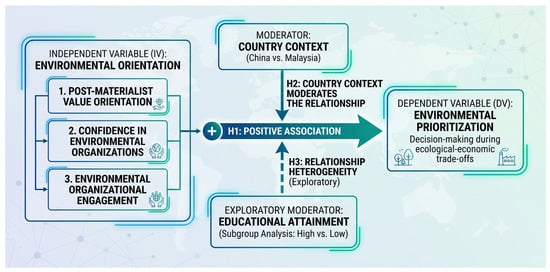
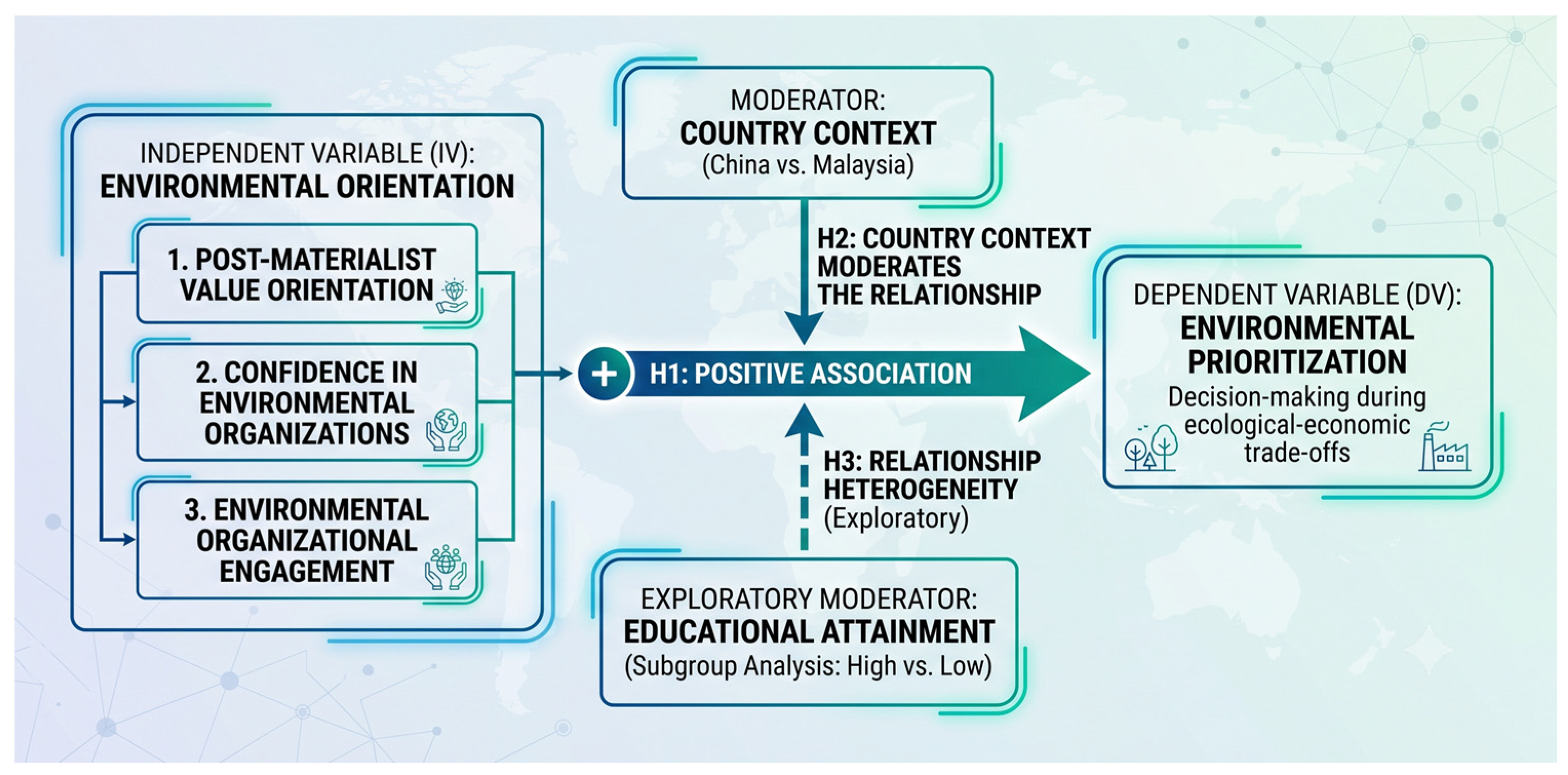
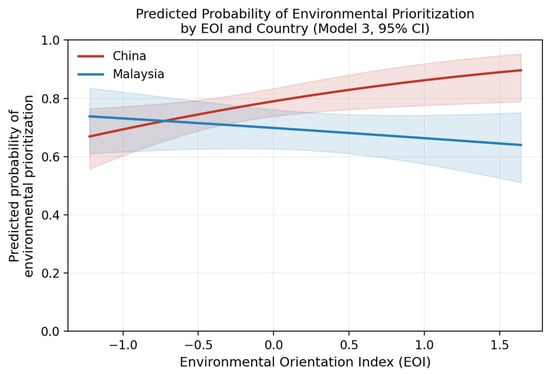
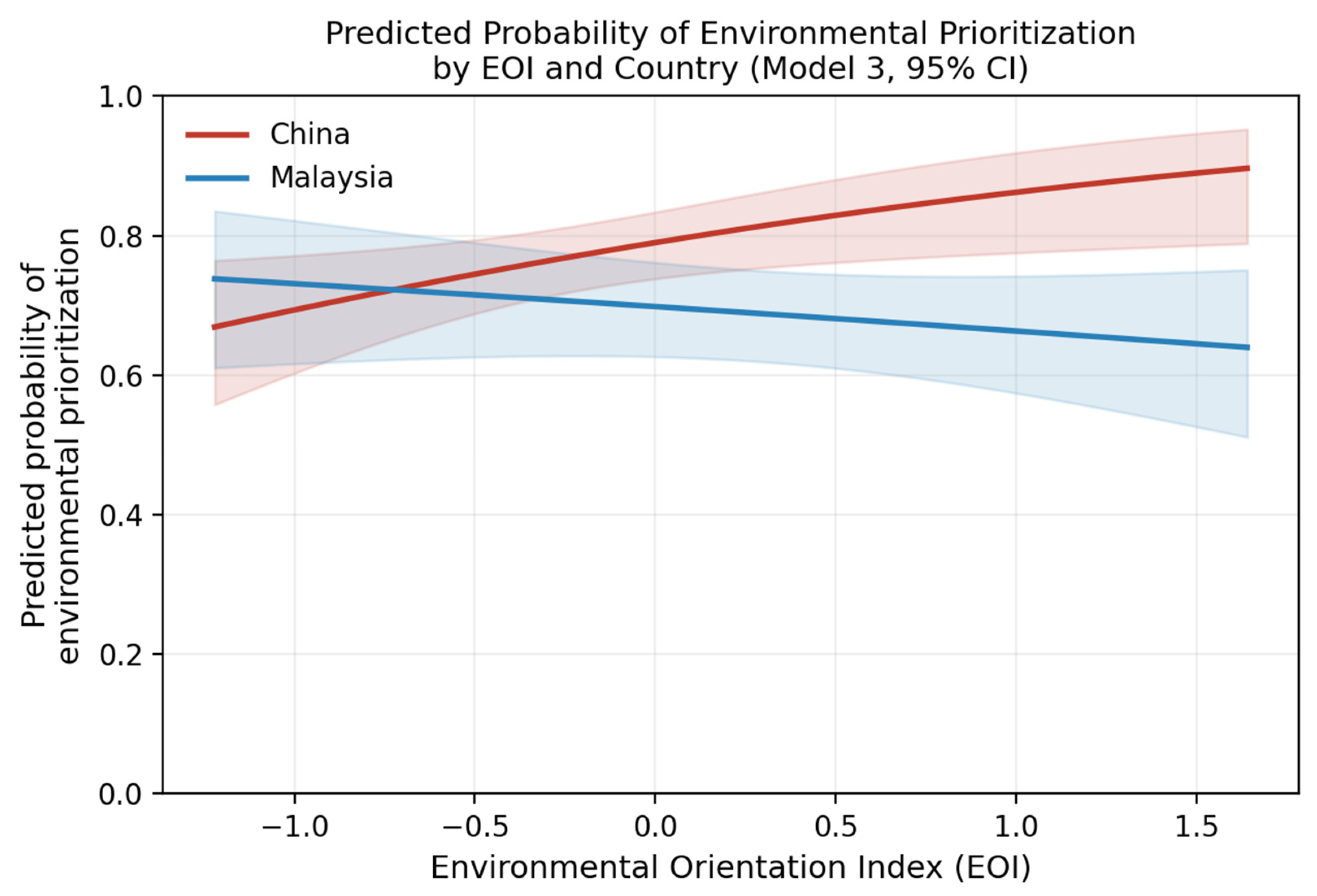

Disclaimer/Publisher’s Note: The statements, opinions and data contained in all publications are solely those of the individual author(s) and contributor(s) and not of MDPI and/or the editor(s). MDPI and/or the editor(s) disclaim responsibility for any injury to people or property resulting from any ideas, methods, instructions or products referred to in the content. |
© 2026 by the authors. Licensee MDPI, Basel, Switzerland. This article is an open access article distributed under the terms and conditions of the Creative Commons Attribution (CC BY) license.