


Abstract
Urban trees have a vital role in climate mitigation by enhancing air quality, providing thermal comfort, promoting biodiversity, and improving human well-being, thereby aiding in the achievement of Sustainable Development Goals 3, 11, 13, and 15. Nevertheless, in particular environmental circumstances, their release of biogenic volatile organic compounds (BVOCs) may facilitate the generation of ozone (O3) and secondary organic aerosols (SOA), resulting in a context-sensitive compromise. This analysis consolidates data regarding carbon sequestration and BVOC emissions to guide the choice of sustainable urban tree species in China. A literature review encompassing works from 2002 to 31 August 2026 resulted in 132 entries: 127 peer-reviewed papers, four dissertations, and one preprint. Experimental measurements were emphasized, as they constitute the foundation for remote sensing inversions and model simulations; these techniques offer supplementary validation. The gathered information encompassed carbon sequestration, photosynthetic carbon absorption, BVOC emission rates and their composition, measurement foundations, and spatiotemporal dimensions. The data predominantly depicted urban and forest settings in China, constraining comparisons among analogous indicators and measurement parameters. The research revealed variability in carbon sequestration evaluations and suggested that overall BVOC emission rate by itself cannot define atmospheric hazards. Consequently, we suggest a provisional, trade-off-oriented, synergistic, and provisionally low BVOC-emission category categorization that incorporates carbon-related data, compound-specific BVOC traits, and environmental context. This investigative synthesis bolsters evidence-driven urban greening by connecting climate mitigation, air quality, ecosystem services, and human welfare; yet, it does not represent a verified mechanistic framework or conclusive planting guidelines. The reactions noted under particular Chinese meteorological circumstances, pollution metrics, management strategies, and developmental phases necessitate independent verification prior to their use in other areas or commercial forestry. Broader execution requires regional evaluations of ozone and secondary organic aerosol production potential, local nitrogen oxides, meteorological conditions, human-induced emissions, species characteristics, and sustained monitoring.
1. Introduction
Biogenic volatile organic compounds (BVOCs) are volatile non-methane hydrocarbons produced by plants through secondary metabolism in their leaves, flowers, fruits, roots, and other tissues. They include isoprene, monoterpenes, sesquiterpenes, and oxygen-containing derivatives [1]. Global BVOC emissions are estimated at approximately 1 Pg (1015 g) per year, nearly nine times higher than VOC emissions from anthropogenic sources, with forests being the primary source [1]. BVOCs are highly reactive atmospheric compounds that promote the formation of tropospheric ozone (O3) and secondary organic aerosols (SOAs), thereby affecting air quality. Conversely, many BVOCs possess antibacterial, anti-inflammatory, and mood-regulating properties and participate in the global carbon cycle, linking plant ecology, atmospheric processes, and human health [1,2,3,4,5,6].
As shown in Figure 1, urban trees function simultaneously as carbon sinks and sources of atmospheric chemical effects. Through photosynthesis, they absorb and store atmospheric CO2, release O2, and sequester carbon. However, VOCs emitted by trees can react with atmospheric pollutants such as NOx, promoting the formation of O3 and SOAs, which, in turn, affect urban air quality and human health. Consequently, the ecological effects of urban trees encompass interrelated processes such as the carbon cycle, pollution formation, environmental regulation, and urban well-being. Therefore, tree species selection should balance carbon sequestration potential, BVOC emission characteristics, and associated environmental impacts to optimize benefits in carbon sink enhancement, pollution control, and ecological health.
Figure 1.
Urban greening trees simultaneously serve as carbon sinks and exert atmospheric chemical effects.
Current urban greening practices emphasize carbon sequestration capacity while often overlooking the atmospheric costs associated with BVOC emissions. Existing studies typically examine BVOC emission characteristics, driving factors, and spatial patterns—or carbon sequestration and storage—primarily from a one-dimensional perspective. Consequently, interactions among these functions, their combined ecological and environmental effects, and the potential applications of different species for pollution reduction, carbon reduction, and promoting ecological health remain underexplored. This study systematically reviews the carbon sequestration capacity and BVOC emission characteristics of common urban landscaping trees, examines their interactions, and proposes a preliminary species selection framework based on reported measurement results. This study further constructs a comprehensive “theory–effect–application” framework that bridges basic research and practice to support synergistic pollution and carbon reduction under China’s “Dual Carbon” goals [7].
2. Literature Review Methods
2.1. Article Searching and Screening
Article Search and Selection
This comprehensive review considered publications released between 1 January 2002 and 31 August 2026. The main search log, dated 28 September 2026, documented five searches of the Web of Science Core Collection, which returned 1241, 316, 8, 3194, and 43 records, respectively, as well as two searches of China National Knowledge Infrastructure (CNKI), which returned 748 and 362 records, respectively. These entries totaled 4802 Web of Science records and 1110 CNKI records, resulting in a total of 5912 entries retrieved before deduplication. These figures represent the search counts for each individual search, not the number of unique publications. The main search log documented the absence of language restrictions and other filtering criteria applied during the search phases. Search terms and available settings are provided in the supplemental literature screening materials.
Records were managed using EndNote and Zotero. The reported screening pathway removed 845 duplicate entries, leaving 5067 records. Title screening excluded 2368 records, leaving 2699; abstract screening excluded 1713, leaving 986. An initial full-text assessment excluded 588 publications; a further eligibility assessment of the remaining 398 excluded 290, leaving 108 publications. Supplementary searches of Google Scholar, SpringerLink, ScienceDirect, and Wiley Online Library contributed 24 additional eligible publications. Consequently, the final set comprised 132 distinct publications: 127 peer-reviewed articles, four theses, and one preprint. Publication counts were distinguished from extracted datasets, species records, and duplicate measurements (Figure 2).
Figure 2.
Principles utilized in data selection and analysis in the present review.
Eligibility requirements called for evidence related to tree carbon storage or accumulation, photosynthetic CO2 uptake, BVOC emissions or composition, or their relationships to urban greening, atmospheric chemistry, and ecosystem services. Publications that dealt solely with environmental pollutants without relevant evidence regarding trees or that lacked sufficient information for the intended synthesis were excluded.
The first author conducted the initial screening and full-text evaluation. Co-authors subsequently reviewed the preliminary screening results and discussed relevance and the adequacy of the evidence. This was not an independent, duplicate screening by two reviewers. Incomplete specifications regarding some search terms and fields, supplementary platform search records, duplicate matching procedures, and publication-level exclusion criteria limited the assessment of full historical reproducibility and selection bias.
Figure 3 shows the annual publication output from the Web of Science Core Collection for the period from 2006 to 2026. This bibliometric analysis was conducted independently of the evidence synthesis. The period from 2006 to 2026 was selected to provide a unified, comprehensive perspective on publication trends in these two academic fields. Since 2026 is not yet complete, the interpretation of annual publication trends is limited to the completed calendar years 2006–2025; no inferences are made regarding the total number of publications for the full year of 2026.
Figure 3.
Annual publication frequency of research on BVOCs and the carbon sequestration potential of trees cataloged in the Web of Science Core Collection database from 2006 to 2026 (data for 2026 currently unavailable).
2.2. Data Extraction, Source Verification, and Standardization
For each publication, the following information was extracted where available: publication identifier, taxonomic unit, study location, measurement method, environmental conditions, developmental stage, temporal and spatial basis, indicator definition, reported values, original units, and calculation procedures. Missing information was treated as unreported rather than inferred from another species, study, or measurement scale.
For quantitative interpretation, each record must have a traceable link to its literature source and the original table, figure, or calculation. Source identifiers imported into the compilation are not assumed to automatically correspond to reference numbers in this manuscript. Records with unresolved citation mappings or taxonomic identities remain unverified and cannot independently establish species-level classification.
BVOC records are distinguished based on compound coverage, reporting basis, and measurement conditions. Total reported amounts, the sum of selected compounds, and compound-specific measurements are retained separately. The total reported amount represents the compounds covered by the original analytical method and does not necessarily include all emitted BVOCs. Carbon records are distinguished based on carbon pools, accounting boundaries, assessment periods, and spatial basis.
Unit conversions require documented conversion factors and reproducible calculations. Values for which this information is lacking shall retain their original units and be interpreted within their original measurement context. Conversion to common units alone is insufficient to establish comparability.
Distinguish between independent supporting studies and literature source entries. Technical replicates, repeated seasonal measurements, and repeated citations of the same underlying study through reviews do not constitute independent studies. Where source counts exist only at the compilation level, these are described as source entries rather than independent study counts [8,9].
2.3. Categorization and Integration of Evidence
2.3.1. Assessment of BVOC Emission Classifications
The comprehensive BVOC classification encompasses solely observations with analogous chemical representation and a standardized foundation. Quantifications of specific chemicals or compound categories (such as isoprene, monoterpenes, sesquiterpenes, and oxygenated BVOCs) are preserved as distinct evidence and are not regarded as synonymous with total BVOC emissions. Consequently, observations of isoprene solely contribute to the evaluation of isoprene emission potential but are omitted from the computation of the overall BVOC threshold.
For species within study , analogous repeated measurements are consolidated utilizing the study-level median:
Subsequently, the representative value at the species level is determined as the median of the accessible study-level medians:
Every autonomous study yields a singular cumulative value. Technical replicates, repeated sampling intervals, and seasonal assessments within a single study are not regarded as separate investigations. The application of inverse variance weighting was omitted due to the inconsistency of variance estimations with the documented sampling strategies.
Species-level values exhibiting positivity were subjected to log10 transformation. In each analogous dataset, the 20th, 40th, 60th, and 80th percentiles were determined utilizing Excel’s PERCENTILE.INC function. The thresholds were subsequently reverted to the initial emission units:
The five-category BVOC emission scale and corresponding emission intervals are presented in Table 1 [3,10,11,12,13]:
Table 1.
BVOC emission level categories and corresponding emission rate intervals (μg·gDW−1·h−1).
Assessments performed at a consistent temperature of 30 °C and a photosynthetic photon flux density of 1000 μmol m−2 s−1 are deemed the most analogous. Information provided based on fresh mass, leaf area, stand level, carbon mass, or compositional hierarchy is preserved for descriptive objectives but is not necessarily incorporated into the official rate categorization without robust conversions. For species with numerous observations, the median is initially computed inside each separate study and then an equally weighted median is derived across all studies, thus averting the dominance of studies with extensive measurements on species-level estimations. Only isoprene measurements are preserved as an indicator of isoprene emission potential; yet, due to their inability to represent the entire BVOC composition, they are omitted from the overall BVOC threshold calculations. Crucially, emission categories serve merely as relative indicators of BVOC emission potential rather than direct proxies for atmospheric ozone or secondary organic aerosol hazards, since these risks are also affected by compound-specific reactivity, ambient NOx concentrations, oxidant availability, meteorological factors, background anthropogenic emissions, and atmospheric transport [12,14,15,16,17,18,19,20,21,22].
2.3.2. Assessment of Tree Carbon Sequestration Classifications
In this review, carbon fixation refers to the assimilation of inorganic carbon into organic compounds through photosynthesis. Measurements based on net gas exchange in leaves are described as net photosynthetic CO2 uptake, with specifications regarding the integration period and area basis. Carbon storage refers to the amount of carbon held in a defined carbon pool at a specific point in time, while carbon accumulation refers to the increase in that carbon pool over a given period. Annual changes in tree biomass carbon stocks are reported as annual biomass carbon increments. Carbon sequestration is used to describe the broader function of atmospheric carbon uptake and storage, while quantitative results retain their specific metric definitions and accounting boundaries. Biomass carbon increments and net carbon balance over the life cycle are explained separately.
Carbon-related observations were classified into five distinct indicator categories: annual biomass carbon increment per tree, life-cycle annualized net carbon balance, short-term photosynthetic CO2 absorption, annual carbon accumulation per unit of stand area, and existing carbon stocks. For every observation, we documented the species or vegetation classification, indicator definition, raw data and units, study region, evaluation timeframe, spatial extent, and calculation methodology. Quantitative classification was executed among datasets that shared analogous indicator definitions, units, temporal and geographical dimensions, and accounting parameters. The values delineated for each tree, each unit of leaf area, and each unit of land area were not combined [23].
Where applicable, the annual biomass carbon increment per tree served as the principal species-specific metric. For biomass-related research, this metric was determined by analyzing variations in biomass carbon reserves over the evaluation timeframe:
In this framework, denotes the yearly biomass carbon accumulation (kg C·tree−1·yr−1), whereas and signify the biomass carbon stocks at the commencement and conclusion of the evaluation period, respectively, and indicates the duration in years. This metric quantifies the annual change in biomass carbon stocks within the specified pool, rather than the overall carbon equilibrium of a complete ecosystem or life cycle. Stock variations are characterized as life-cycle accumulation solely when the initial research comprehensively addresses the complete life cycle.
In the absence of important measures, a comprehensive life-cycle net carbon balance can serve as an alternative annualized measure:
In this framework, delineates the net carbon equilibrium across the life cycle, considering variations in carbon reserves alongside emissions during the stages of establishment, maintenance, removal, and disposal, while signifies the associated service duration. Carbon and CO2 values are differentiated and converted consistently where applicable. Annualized life-cycle values are documented independently from biomass accumulation due to differing accounting parameters.
When suitable measurements are accessible, short-term photosynthetic CO2 absorption is determined using trapezoidal integration of the net photosynthetic rate at the leaf scale:
In this context, denotes the net photosynthetic rate (μmol CO2 m−2 leaf s−1) at time i, measured in hours, while signifies the total absorption per unit leaf area (mol CO2 m−2 leaf). Multiplying by 44 or 12 transforms this amount into grams of CO2 or grams of carbon, correspondingly. The conversion to a ground-area basis utilizing the leaf area index is conducted solely when corroborated by source studies. These estimations denote photosynthetic absorption over the observation duration or a specifically extrapolated timeframe and must not be construed as annual total-tree net carbon sequestration. Stand-level accumulation is likewise designated for comparisons at the stand or community level. Current carbon reserves are not included in the classification of sequestration rates [24,25,26,27,28,29].
For each valid dataset, we used Excel’s PERCENTILE.INC function to calculate the 20th, 40th, 60th, and 80th percentiles from the raw values. The resulting descriptive percentiles and input-pool characteristics are summarized in Table 2.
Table 2.
Author-calculated descriptive percentiles of carbon-related indicators, with input-pool definitions and input counts.
The input pool identifier corresponds to the supplemental carbon workbook. n is the number of numerical inputs used per row; it is not an independent study count, nor is it necessarily the number of species. All four percentiles within the same row use the same input values. The percentiles were calculated by the authors based on compiled inputs; they are not thresholds directly reported in the cited publications. G1 describes changes in cumulative biomass carbon and does not represent the net carbon balance over the life cycle. G4–G6 are estimates based on biomass increments expressed as CO2 mass, rather than direct gas exchange measurements or annual carbon increments per individual tree. These three pools categorize forest information from the same source in different ways and do not provide independent species-level verification. a G3 uses Table 1 from Reference [27], which reports the mean values for eight landscape application types. This pool is used solely as supplementary descriptive evidence. For G7, the four percentiles were obtained by interpolating between two numerical inputs and do not represent four independent observations or a fully characterized species-level distribution.
Range endpoints, deduced values, and consolidated vegetation classifications are not regarded as autonomous species-level observations. Species-level assessments presented in the first study are valid only when the definitions and measurement foundations of the indicators are thoroughly recorded.
Principal indicators delineate species-specific classifications; photosynthetic metrics and stand-level indicators offer additional elucidation. The uniformity of categories at a single level is deemed descriptive consistency only when the indicators are methodologically equivalent. Inconsistencies across many tiers are marked for additional scrutiny and categorized distinctly instead of being averaged. All thresholds indicate comparative locations within the examined dataset and may not represent general ecological benchmarks. Thresholds obtained from limited datasets are deemed tentative and necessitate corroboration through further independent data.
Appendix A contains Table A1 and Table A2. Table A1 summarizes carbon-related parameters from the literature, including reported values, units, source references, and calculation methods; Table A2 presents a decision matrix used to interpret these indicators based on data availability, measurement scales, and accounting boundaries. ChatGPT (5.6sol) and DeepSeek (Web Version V3 Base Model and R1 Deep Thinking Model) assisted in extracting and organizing numerical data from selected literature. Before performing the percentile calculations according to the procedure described in this section, the authors verified the extracted values against the original literature. The authors reviewed the calculation outputs and the final tables. Tool identifiers, assistance with English translation, and the limitations of the retained AI logs have been disclosed in the Acknowledgments.
3. Carbon Sequestration and BVOC Emission Patterns and Their Trade-Off Relationship
3.1. Ecological and Environmental Significance of BVOC Emissions
3.1.1. Physiological Significance and Environmental Impacts of BVOC Emissions
BVOCs connect plant physiology, ecosystem processes, and atmospheric chemistry. Their emissions are contingent upon temperature, radiation, leaf maturity, phenological stage, organ classification, water and nutrient accessibility, tissue impairment, and measurement parameters. Consequently, emission rates assessed under regulated circumstances of elevated light and temperature cannot be readily juxtaposed with field fluxes in fluctuating environments. Thermal stress could amplify the release of photochemically active BVOCs from tropical and subtropical flora, possibly aiding leaf functionality and adaptation [2]. Emission rates can differ by over an order of magnitude among various tree species and tissues, underscoring their significance in environmental reactions and biosphere-atmosphere dynamics, along with their relevance in vegetation evaluation and emission modeling [30,31,32].
BVOCs serve as significant precursors for ozone (O3) and SOAs. Their oxidation facilitates the creation of SOAs and enhances ozone (O3) generation when exposed to sunlight and nitrogen oxides (NOx), potentially exerting a more significant influence in regions characterized by dense flora and elevated anthropogenic pollution. Some monoterpenes and sesquiterpenes demonstrate antibacterial properties and may affect psychophysiological reactions, establishing a biological foundation for forest therapy, restorative settings, and nature-oriented leisure pursuits [33,34]. Consequently, the choice of urban tree species must incorporate species-specific BVOC emissions and carbon sequestration potential alongside local environmental and pollution factors to harmonize ecosystem services, prospective health advantages, and atmospheric hazards (Figure 4) [1,14,15,16,17,18,19,20,24,25,34,35,36,37,38].
Figure 4.
Urban trees simultaneously function as carbon sinks, emit BVOCs that influence atmospheric chemistry, and provide context-dependent air quality and health benefits.
Biogenic and anthropogenic VOCs may jointly influence urban O3 and SOA formation. Field observations in Taiyuan, an industrial city in northern China, revealed that coking and coal/biomass combustion are the primary contributors to the potential for VOC-derived O3 and SOA formation. Under high-temperature and high-NOx conditions, tree-source isoprene and reactive monoterpenes may interact with the oxidation chemistry of anthropogenic VOCs, promoting radical cycling and the formation of condensable products. Their combined effects may be nonlinear and depend on compound composition, the VOC/NOx ratio, radiation, atmospheric stagnation, and regional transport. Although the Taiyuan study did not quantify the contribution of tree-source BVOCs separately, it highlights the need to consider local anthropogenic pollution when assessing the impact of BVOCs. Source apportionment measurements and atmospheric chemistry modeling are needed to quantify their combined contribution to O3 and SOA formation [39,40,41,42,43,44,45,46].
3.1.2. Comprehensive Evaluation of BVOC Emissions for Urban Greening Tree Species Selection
BVOCs influence environmental systems through atmospheric chemistry and plant–atmosphere interactions. Their high reactivity promotes the formation of ozone (O3) and SOAs, thereby exacerbating regional air pollution [4,17,34,37,38,47]. Emissions vary with temperature, radiation, phenology, leaf age, physiological status, water availability, and stress; therefore, climate-driven phenological shifts may alter BVOC emissions, atmospheric composition, and climate processes [5,48]. Their effects also depend on NOx concentrations, meteorological conditions, vegetation structure, pollution levels, and anthropogenic emissions [10,11,12,33,49,50,51,52,53]. Under low-pollution or low-NOx conditions, the contribution of BVOCs to O3 formation may be negligible, whereas transportation, industry, power generation, and residential activities may dominate urban pollution. Therefore, the impact of BVOCs should be assessed on regional and seasonal scales, rather than assuming they are universally harmful contributors to secondary pollution [54,55].
Bao et al. (2025) found that BVOC emissions from trees in 65 residential areas in Beijing were correlated with socioeconomic conditions and were particularly high in some newly developed communities [6]. Therefore, urban species selection should consider plant functional traits, BVOC composition, landscape value, and vegetation cover. For carbon sink forests, tree species with high carbon sequestration and low pollution risk should be prioritized, whereas health-oriented forests may favor species with higher monoterpene content and lower ecological risk. Caution is warranted when planting tree species with high isoprene emissions on a large scale in urban or polluted environments [56,57]. Consequently, BVOC characteristics can inform preliminary species comparisons, vegetation management, and ecological spatial planning [6,18,33,52,56].
Evidence from Taiyuan, a city in a northern Chinese basin, indicates that, against a backdrop of spatially heterogeneous anthropogenic emissions, high temperatures and high NOx concentrations strongly influence summer VOC distribution and O3 formation [58]. In photochemically active environments, tree-source BVOCs may act as additional reactive precursors, particularly in areas with dense plantings of isoprene-emitting species and limited ventilation. The magnitude of this contribution depends on compound composition, NOx levels, atmospheric dilution, radiation, and regional transport. Although the Taiyuan study did not isolate the contribution of urban vegetation to O3, it highlights the importance of evaluating tree-source BVOCs in the context of anthropogenic pollution. Therefore, source-resolved measurements of BVOCs and anthropogenic VOCs, combined with NOx observations and atmospheric chemistry modeling, are needed to determine the impact of urban tree species in northern Chinese cities on O3 [59,60,61,62,63,64].
3.1.3. Spatially Explicit Modeling of the Interaction Between Urban Greenery and Air Pollution
The atmospheric impact of urban vegetation cannot be deduced merely from species-specific BVOC emission rates, as it is also affected by planting arrangements, architectural designs, airflow, microclimatic conditions, and the spatial arrangement of human-made emission sources. Horizontal greening systems (such as street trees, parks, and green roofs) and vertical systems (including green facades and living walls) can influence airflow, solar radiation, temperature, pollutant dispersion, and public visibility. As a result, their ecological impacts can differ markedly among urban canyons, residential areas, industrial districts, and expansive suburban terrains.
Spatially explicit modeling provides a good approach for understanding these interactions. Akopov et al. created an object-oriented model to replicate the interactions between air contaminants and urban vegetation in Yerevan, illustrating how diverse pollution sources, plant life, and spatial arrangements can be integrated into scenario-driven greening evaluations [65]. Huang et al. have shown that the efficacy of urban vegetation in densely populated cities is contingent upon its spatial configuration and the adjacent constructed environment [66]. The recent study focused mostly on thermal performance instead of atmospheric chemistry, although its results are pertinent as temperature, radiation, and ventilation influence both BVOC emissions and photochemical O3 production.
This framework allows for the integration of species-specific BVOC emission potentials, carbon sequestration, anthropogenic VOCs and NOx, canopy structure, building geometry, meteorological factors, and pollutant dispersion within entity-based and street-scale models. These models will provide the concurrent assessment of horizontal and vertical greening scenarios regarding carbon sequestration, thermal management, O3 and SOA generation, and public exposure. As a result, they are able to convert the initial species classifications suggested in this analysis into localized planting and spatial design approaches. Nonetheless, prior to the use of model outputs for practical planning, they require validation against empirical data about local BVOCs, anthropogenic VOCs, NOx, O3, climatic factors, and vegetation traits [67,68,69,70].
3.1.4. Geographic Disparities in VOC Emission by Trees and Consequences for Urban Greening
Regional data underscores discrepancies in VOC emissions by trees and their consequences for the selection of tree species (Table 3). Research conducted in Japan and Spain has shown the absorption of certain aromatic compounds and formaldehyde, respectively, whereas an investigation in Chile recorded the buildup of anthropogenic VOCs in foliage [71,72,73]. These results indicate separate mechanisms: leaf retention does not influence overall tree absorption rates, and the assimilation of one volatile organic chemical does not guarantee the efficient elimination of others. The majority of the research compiled in Table 3 evaluated BVOC emissions instead of direct air VOC absorption.
Research conducted across Asia, Europe, the Americas, Oceania, and Africa has shown emission traits and ecological reactions that are distinct to many species. Consequently, the selection of tree species must thoroughly take into account compound composition, regional climate, NOx levels, air dispersion, and carbon sequestration. Thorough evaluations—like an Italian research project that integrates carbon sequestration, pollutant elimination, and BVOC emissions—demonstrate this methodology [74]. Nonetheless, variations in measurement techniques and environmental factors hinder a consistent cross-regional assessment. Thus, regional data enhances the extensive examination centered on China by highlighting factors pertinent to local evaluations; it neither formulates universal planting guidelines nor substantiates the suggested functional classifications outside the framework of the first study.
Table 3.
Features of volatile organic compound uptake, retention, and biogenic VOC emissions by typical tree species in diverse world regions.
3.2. Differences in Carbon Sequestration and Oxygen Release Capacity Among Urban Greening Tree Species
3.2.1. Local Data on Tree Carbon Absorption and Its Consequences for Urban Flora Selection
Regional analyses offer more proof regarding urban tree carbon storage, carbon sequestration, and carbon equilibrium (Table 4). Nonetheless, their results indicate variations in tree dimensions, environmental conditions, management strategies, evaluation durations, and accounting parameters, rather than solely changes in species classification. In Beijing, the estimates of mixed species indicate the sampled populations of street trees and should not be construed as species-specific carbon sequestration rates [83]. An investigation of transplanted Ginkgo trees in Chengdu underscored the significance of planting methodologies and sustained growth, whereas a nursery examination in the Republic of Korea illustrated the role of subterranean biomass in carbon assessment [84,85]. These results advocate for the concurrent evaluation of tree health, planting environment, and species traits in assessments.
Table 4.
Regional data on carbon reserves, carbon absorption, and carbon equilibrium in urban arboriculture and their consequences for local species selection.
Research from Europe and North America further demonstrates how accounting limits affect projected carbon advantages. A study conducted in Florence analyzed the transition in cumulative carbon balance toward a carbon sink, whereas research in Helsinki investigated the change in yearly tree soil carbon balance; these findings denote separate processes and should not be directly compared [86,87]. In Los Angeles, several management strategies produced markedly divergent life cycle carbon results for identical species [88]. Data from Colombia, Brazil, Australia, and South Africa underscore the significance of tree size distribution, mature flora, internal wood deterioration, and regionally adjusted growth models [89,90,91,92].
Consequently, the selection of regional species ought to integrate carbon-associated characteristics with local adaptability, growth potential, survival probabilities, and maintenance needs. The data presented in Table 4 expand the geographical scope of this review, initially centered on China, although they fail to endorse a cohesive global species hierarchy. Carbon reserves, yearly biomass increases, life cycle assessments, and anticipated cumulative reserves must preserve their initial definitions and measurements. Consequently, these diverse observations offer contextual proof instead of a unified, comprehensive dataset for percentile categorization.
3.2.2. Carbon Sequestration and Oxygen Release Differences Based on Tree Life Forms and Community Structure
Under similar climatic, soil, and management conditions, deciduous trees can demonstrate greater seasonal carbon absorption rates and net oxygen output compared to some evergreen species. This phenomenon is generally linked to their fast leaf development, comparatively elevated photosynthetic efficiency throughout the growth period, and substantial seasonal biomass growth. As a result, in specific ecosystems, deciduous trees might attain more carbon absorption and oxygen production over similar durations [26,93,94,95]. Nonetheless, this trend is not to be perceived as an absolute principle, since the comparative efficacy of deciduous and evergreen trees is also affected by species characteristics, leaf phenology, water accessibility, temperature, illumination conditions, and the length of the evaluation.
According to these results, under particular environmental and temporal circumstances, deciduous tree species might exhibit superior rates of carbon sequestration and oxygen production compared to evergreen species, thereby presenting significant ecological advantages and applicability in select urban green areas. Nonetheless, this does not suggest that evergreen trees possess diminished ecological roles. Evergreen trees can sustain perennial foliage, enhance the aesthetic appeal of winter landscapes, and offer consistent ecological safeguarding. Their ecological roles could be especially significant in regions or functional areas that necessitate continuous canopy coverage, wind shielding, optical obscuration, or winter habitats. Consequently, deciduous and evergreen trees must not be regarded as universally substitutable. The choice and arrangement should be dictated by local climate, soil and water conditions, functional zoning, maintenance capabilities, and the ecological goals of the planting area.
Deciduous trees play a crucial role in carbon sequestration and net oxygen production during their growth period, whereas evergreen trees contribute to more consistent vegetation cover and ecological stability year-round. A synergistic integration of these two organisms can enhance the temporal consistency and overall ecological efficacy of urban green areas. Evergreen broad-leaved shrubs could be advantageous for carbon capture and oxygen production in urban horticultural systems, especially if their shade tolerance and perennial foliage align with local environmental factors. Integrating shrubs with trees and herbaceous flora can create a stratified plant community, although the ecological advantages hinge on species compatibility, planting density, light access, soil moisture, and ongoing care [26,28].
Trees and shrubs vary in their architecture, biomass allocation, and physiological traits; consequently, they might also exhibit differences in carbon storage, daily carbon sequestration trends, and ecological roles. Trees generally possess more expansive canopies and more aboveground biomass, potentially providing enhanced long-term carbon sequestration capabilities and rendering them vital participants in the carbon sink role of urban green areas. Conversely, shrubs possess a robust capacity to occupy space and can encourage vertical stratification, thereby aiding in the regulation of community structure and bolstering the stability of vegetation systems. The daily patterns of net carbon sequestration in shrubs can change markedly among species and taxonomic categories, with several species demonstrating unique carbon sequestration cycles. Consequently, the ability of carbon sequestration is influenced not solely by the dimensions or type of plant but also by its structural composition, physiological attributes, foliar qualities, photosynthetic efficiency, and existing environmental factors. Evaluations reliant exclusively on tree morphology or plant stature could inaccurately gauge the impact of particular tree species [24,27,93,96].
Therefore, when choosing tree species for urban environments, one must take into account the collective benefits of trees and shrubs in terms of carbon dioxide absorption, oxygen production, shading, and protection. Layered assemblages of trees, shrubs, and herbaceous flora can optimize the use of light and spatial resources, thereby augmenting the overall carbon capture capacity of urban green areas. The magnitude of this effect is contingent upon the particular location and may fluctuate based on species diversity, canopy thickness, resource accessibility, climate factors, and management strategies. Consequently, multilayered plantings ought to be tailored to local ecological contexts and functional needs, rather than implemented as a one-size-fits-all solution [97,98,99].
3.2.3. The Importance of Carbon Sequestration Capacity in Tree Species Selection and Associated Controversies
Certain academics contend that the carbon sequestration role of urban green spaces ought not to be overstated. Urban green spaces serve various functions, including carbon sequestration, temperature and humidity regulation, dust reduction, noise level attenuation, biodiversity protection, urban aesthetic enhancement, provision of recreational and health-promoting venues, and air quality improvement, among other advantages. Individuals frequently concentrate excessively on species with significant carbon sequestration capabilities, overlooking additional considerations including adaptation to diverse settings, maintenance demands, vulnerability to pests and diseases, root space necessities, and the likelihood of BVOC emissions [26,95,100,101].
Environmental elements additionally affect the actualization of carbon sequestration capacity. Certain species have considerable carbon sequestration rates in ideal growth conditions; nevertheless, their efficacy may diminish when confronted with actual metropolitan challenges such as elevated temperatures, humidity, drought, soil compaction, pollution, and several other influences. As a result, the potential for theoretical carbon sequestration may remain unactualized in reality. Consequently, depending exclusively on a species’ ability to sequester carbon is inadequate to fulfil the enduring requirements of an entire urban area [10,16,53,102,103,104].
Although the capacity for carbon sequestration is indisputable, one must also take into account ecological adaptation, environmental hazards, and additional ecosystem services [104,105].
In summary, while the carbon sequestration potential is a significant metric for assessing tree species for urban greening, it ought not to be the exclusive standard. The selection of tree species ought to consider carbon sequestration and utilization efficacy, oxygen emission potential, life form traits, vegetation structural hierarchy, environmental adaptability, and ecological hazards.
Certain species exhibit significant carbon sequestration potential and may be chosen for cultivation in carbon sink forests, ecological conservation forests, and expansive urban parks. Evergreen trees sustain their foliage throughout the year and contribute to a consistent natural habitat; shrubs enhance the diversity of various regions and fulfil additional functions in urban greening initiatives. Augmenting the quantity of deciduous and evergreen trees and shrubs, while deliberately introducing species with significant carbon sequestration abilities alongside highly adaptable varieties, can concurrently improve the carbon sink capacity and perennial ecological roles of urban green areas [106].
Consequently, forthcoming urban greening initiatives have to prioritize not just carbon sequestration but also the synergistic advancement of several additional functions. By categorizing flora according to their carbon absorption capabilities and taking into account the climatic variations of various areas, one may strategically design a city’s functional categories and community frameworks, thus establishing a robust and sustainable urban vegetation network [14,34,37,107].
3.3. Coupling Relationship Between Tree Carbon Sequestration Capacity and BVOC Emissions: A Functional Classification Framework
This review distinguishes between two provisional categories that integrate carbon performance and BVOC emissions—the “trade-off” and “synergy” categories—as well as an emission-specific descriptor known as the “provisional low-BVOC emission category.” The integrated categories require evidence for both metrics, whereas the emission-specific category describes only BVOC evidence. None of these categories establish overall environmental safety, human health benefits, or suitability for urban planting.
For the quantitative screening scenario, C represents the annual carbon increment in biomass per tree, in units of kg C·tree−1·yr−1, and E represents the reported total BVOC emission rate, in units of μg·gDW−1·h−1. Eligibility requirements include traceable source information, a verified reporting basis, a fully characterized compound coverage, and evidence suitable for a combined interpretation of the same species and relevant developmental and environmental contexts. The following dataset-specific rules are proposed: provisional synergistic category: C > 8.910 and E ≤ 7.21; provisional trade-off category: C > 8.910 and E > 7.21; provisional low BVOC emission category: E ≤ 2.52, corresponding to the lowest descriptive emission band in Table 1. These rules define an exploratory screening scenario rather than validated biological or atmospheric risk thresholds. If a species meets the synergistic criteria and simultaneously falls within the lowest emission band, its integrated category and emission descriptor are reported separately. Other combinations are not mandatorily assigned to these categories. Compound-specific measurements can identify concerns associated with specific compounds but cannot independently determine the overall BVOC category. Missing carbon or emission measurements are recorded as “not reported”; in this screening scenario, cumulative carbon stocks, short-term photosynthetic CO2 uptake, and stand-level carbon accumulation cannot substitute for annual individual-tree biomass carbon increment. Annualized net life cycle carbon balance is interpreted separately due to its different accounting boundaries. Missing values are not considered zero, nor are they inferred from another species or measurement scale. Toxicity, sensitization, invasiveness, ecological suitability, water requirements, and exposure conditions are assessed independently of carbon and emissions descriptors. In particular, the confirmed toxicity of oleander (Nerium oleander) requires separate site-specific restrictions. The quantitative worksheet provided does not establish its total BVOC emission category; therefore, its status is recorded as “BVOC classification unresolved; toxicity restrictions apply.” The framework excludes it from children’s play areas and locations where direct contact or ingestion exposure may occur. Even if lower emission rates are subsequently verified, this restriction will not be lifted [108].
Table 5 summarizes the available evidence, tentative interpretations, unresolved classifications, and site-specific restrictions. These entries indicate priorities for further evaluation rather than confirmed planting recommendations.
Table 5.
Provisional interpretation of tree carbon and BVOC evidence, classification status, and site-specific constraints.
Overall, classifying tree species by carbon sequestration capacity and the environmental effects of BVOCs may help shift greening planning from a single-objective model to one that optimizes multiple ecosystem service objectives [14,25,27,117]. Balanced tree species can enhance carbon sink functions and provide ecological protection; synergistic tree species are particularly adept at integrating functions such as carbon sequestration, health promotion, and landscape recreation. Such classifications help expand regional carbon sink effects, mitigate BVOC-driven air pollution, and promote greater health benefits and other services from urban green spaces and forest ecosystems [18,26,56,95,101]. This document organizes evidence related to carbon and BVOCs; the provisional classifications do not constitute proof of net atmospheric benefits, health benefits, or suitability for specific planting sites. Their practical application requires independent regional assessments of atmospheric chemistry, ecological compatibility, toxicity, sensitization potential, invasiveness, exposure, and management conditions.
4. Incorporating BVOC Emissions and Carbon Capture into Urban Greenery Strategies
4.1. Consequences for the Selection of Tree Species and Spatial Organization
This critique underscores the necessity of incorporating the evaluation of BVOC emissions alongside tree carbon sequestration in urban vegetation strategies. Investigations have progressed from defining BVOC emissions to exploring their ecological roles and effects on atmospheric chemistry and the carbon cycle. The analyzed literature reveals considerable interspecific variations in carbon efficiency, BVOC emission rates, and the makeup of released chemicals. These distinctions bolster a framework for selecting tree species that concurrently takes into account carbon sequestration, air quality, environmental adaptation, and ecosystem services.
The selection of tree species ought to correspond with local environmental circumstances and the desired purposes of the planted flora. Species exhibiting both superior carbon performance and elevated isoprene emissions may be deemed suitable for peri-urban carbon sink forests or ecological shelterbelts, contingent upon the evaluation of local pollution levels, air dispersion, and human exposure. Species demonstrating considerable carbon sequestration and monoterpene emissions could be valuable for assessing recreational or health-enhancing forests, although their prospective advantages and atmospheric impacts warrant additional verification. Lower BVOC emissions may be considered as one screening attribute. Suitability for densely populated areas, transport corridors, or ozone-sensitive locations additionally requires assessment of toxicity, allergenicity, invasiveness, ecological compatibility, exposure, and local atmospheric chemistry.
Regional planning must take into account the impact of climate on BVOC emissions and carbon sequestration. In hotter areas with elevated sun exposure, focus should be specifically on the atmospheric impacts of high-emission species. In regions with low temperatures or limited water availability, species selection should account for growing season length, drought tolerance, and the effects of environmental stress on carbon accumulation and BVOC emissions. Consequently, a simplistic north–south differentiation is inadequate for informing planting choices. Incorporating temperature zones, urban functional areas, species characteristics, and atmospheric circumstances could facilitate the equilibrium between carbon sequestration and the safeguarding of air quality along with other ecosystem services. Nonetheless, regional verification is essential prior to the generalization of these recommendations [118,119,120,121,122].
4.2. Constraints, Ambiguities, and Focal Points for Forthcoming Verification
BVOC measurements vary in terms of the reporting basis, environmental conditions, and spatial scale. Converting rates based on leaf area to a dry mass basis introduces uncertainty through the LMA and its representativeness of the sampled leaves. Differences in leaf development, canopy position, season, and water status may limit the applicability of LMA values obtained from other samples or under different conditions. Canopy-scale interpretations further introduce uncertainties related to leaf distribution, light and temperature gradients, and the relationship between leaf emissions and above-canopy exchange. Therefore, expressing values in common units does not eliminate these sources of variability [123].
Reference-condition emission potentials must also be distinguished from actual field emissions. Temperature and light normalization depend on the selected response model and its applicability to the compounds and measurement conditions. Normalized leaf-level rates cannot directly establish seasonal canopy emissions or the resulting O3 and SOA formation.
The current compilation does not provide a complete observation-level record of conversion parameters, normalization procedures, or their uncertainties. Consequently, the worksheet alone does not allow for determining the number of fully standardized measurements or the number of observations excluded due to insufficient conversion information. The available metadata also does not support the propagation of conversion uncertainties. These limitations constrain the confidence in quantitative comparisons and species-level classifications, particularly near category boundaries. Future measurements should report raw values and units, corresponding leaf characteristics, environmental conditions, conversion parameters, and associated uncertainties.
First, the gathered data are spatially constrained. Contemporary studies are focused on particular nations, areas, and metropolitan environments, but numerous climatic zones and biogeographic regions are insufficiently recorded. As a result, recorded species-specific patterns may not be relevant to regions with varying temperatures, pollution intensities, atmospheric transport conditions, or management approaches. The quantity of observations also fluctuates considerably among species. Numerous impartial investigations endorse specific classifications, but others depend exclusively on a single local evaluation. The disparities in evidence density lead to differing levels of uncertainty among species.
Second, the carbon metrics analyzed encompass many measures, such as life cycle carbon sequestration, yearly fluctuations in tree-level carbon reserves, photosynthetic absorption in relation to leaf surface area, and carbon storage per unit area of forest stand. These markers differ in their geographical extent, time frame, and ecological significance; thus, they cannot be considered uniform, standardized assessments of carbon sequestration capacity. Relative category thresholds are established within certain datasets and ought not to be considered as general physiological or managerial standards.
Third, the suggested functional groups and cultivation scenarios have not been thoroughly substantiated by atmospheric chemistry models or empirical research. The overall rate of BVOC emissions cannot solely indicate the generation of ozone or secondary organic aerosols, as these phenomena are affected by many compound species, reactivity, NOx levels, meteorological conditions, background human emissions, and airflow. Consequently, the suggested recommendations are to be viewed as initial screening parameters instead of conclusive directives for decision-making.
Ultimately, the external validation of the three-tier framework is still restricted. The applicability should be evaluated via simultaneous measurements across various climate zones, recurrent seasonal observations, compound-specific BVOC data, standardized carbon metrics, and autonomous evaluations of ozone formation potential and secondary organic aerosol production potential.
Long-term field observations and comprehensive atmospheric chemistry simulations are essential. Independent field observations and atmospheric chemistry modeling are necessary to assess the stability and transferability of the provisional trade-off and synergy categories, as well as the provisional low-BVOC emission category, across different locations and environmental conditions [123,124,125,126,127,128,129,130,131,132].
5. Conclusions
The analyses examined in this study demonstrate that the traits of tree carbon sequestration and BVOC emissions differ markedly among species, growth phases, environmental contexts, and measuring techniques. Carbon sequestration fluctuates based on tree dimensions, environmental factors, and cultivation techniques, but BVOC emissions vary in both rate and chemical composition. The atmospheric impacts are contingent upon the reactivity of individual compounds, levels of ambient NOx, availability of oxidants, meteorological factors, and existing anthropogenic emissions. Carbon stocks, annual biomass carbon increments, photosynthetic CO2 uptake, and stand-level sequestration assessments denote distinct processes and accounting frameworks, necessitating individual interpretation. These results endorse the simultaneous evaluation of carbon performance and BVOC traits, while constraining direct comparisons among disparate observations.
This review proposes provisional trade-off and synergistic categories and a provisionally low BVOC-emission category, subject to the evidence requirements in Section 3.3. Missing or conflicting measurements leave assignments unresolved or context-dependent, and none of these descriptors establishes overall planting safety. The preserved descriptive BVOC emission categories, articulated in μg·gDW−1·h−1, are delineated as follows: moderately low, E ≤ 2.52; medium, 2.52 < E ≤ 7.21; moderately high, 7.21 < E ≤ 17.08; high, 17.08 < E ≤ 32.93; very high, E > 32.93, with E denoting the specified emission rate. The percentile thresholds for annual biomass carbon increment per tree for P20, P40, P60, and P80 were 3.950, 6.222, 8.910, and 16.482 kg·tree−1·yr−1, respectively. The five classifications were defined as ≤P20, >P20–P40, >P40–P60, >P60–P80, and >P80. Tree species with annual biomass carbon increments exceeding 8.910 kg C·tree−1·yr−1 and total BVOC emission rates ≤ 7.21 μg·gDW−1·h−1 may be considered provisional high-carbon, low-to-moderate-emission candidates, subject to verification using comparable carbon and BVOC measurements. The combination of an annual biomass carbon increment >16.482 kg C·tree−1·yr−1 and a total BVOC emission rate ≤2.52 μg·gDW−1·h−1 defines an exploratory scenario for investigating potential carbon–emission synergies; its suitability for species selection requires independent validation. Emission rates > 17.08 μg·gDW−1·h−1 may provide a basis for defining research scenarios that examine OFP, SOAP, and predicted O3 and SOA formation under local atmospheric conditions, particularly in areas with elevated NOx concentrations or ozone sensitivity. Similarly, emission rates > 32.93 μg·gDW−1·h−1 may be investigated under contrasting planting densities through modeling and field monitoring to assess their potential incremental atmospheric effects. These scenarios support hypothesis testing, while their implications for planting decisions remain dependent on regional validation.
These numerical limits delineate the aggregated evidence and do not define universal biological emission standards, confirmed atmospheric risk thresholds, or operational agricultural criteria. Functional grouping continues to be conjecture awaiting additional scrutiny rather than an established physiological process.
Prior to implementation, this paradigm necessitates several assessments of BVOC composition and carbon sequestration throughout various seasons, locations, and climatic zones for the same recognized taxonomic groups during analogous developmental phases. Reference measurements at 30 °C with a photosynthetic photon flux density of 1000 μmol m−2 s−1 must be differentiated from field observations and should include environmental metadata and uncertainty assessments. Annual biomass carbon increments must be distinguished from the net carbon balance throughout the life cycle, necessitating precise accounting limits and oversight of related emissions. Regional evaluations ought to include vegetation and atmospheric chemistry models alongside field data to measure carbon results under plausible planting conditions, in addition to gradual O3 and SOA development.
Forecasts should be corroborated through independent locations and temporal spans, encompassing evaluations of canopy architecture, species diversity, planting density, air circulation, water accessibility, and human interaction. The suggested health advantages also necessitate proof of exposure and dose–response correlations. Such validation is essential to ascertain the circumstances under which this framework can guide practical urban design.
Supplementary Materials
The following supporting information can be downloaded at https://www.mdpi.com/article/10.3390/su182110851/s1. S1: Supplementary Material on Literature Screening (DOCX), including search dates and the literature screening pathway; S2: Supplementary Material on the Five-Level Classification of Tree BVOC Emissions (XLSX), including the classification method and five-level intervals, species-level representative BVOC values and evidence grades, the BVOC decision matrix, and rules for integrating BVOC evidence with carbon-sink categories; S3: Supplementary Material on the Five-Level Classification of Trees’ Carbon Sequestration Capacity (XLSX), including definitions, raw carbon data pools (G1–G8), percentile thresholds, evidence levels, and stated limitations; S4: Table S1. Evidence and Decision Matrix for Evaluating Provisional Functional Classifications and Site-Specific Restrictions of Urban Tree Species (DOCX). These supplementary files document the search/screening process, data extraction and classification rules, species-level evidence, carbon data pools and percentile calculations, and decision matrices. They are provided for transparency and reproducibility and do not constitute validated mechanistic frameworks or conclusive planting guidelines.
Author Contributions
Conceptualization, J.D., L.Y. and Q.L.; methodology, J.D., W.N., L.Y. and Q.L.; software, S.Z.; validation, W.N., D.Y. and Q.L.; formal analysis, J.D. and S.Z.; investigation, J.D., W.N. and D.Y.; resources, D.Y. and L.Y.; data curation, W.N. and S.Z.; writing—original draft preparation, J.D. and Q.L.; writing—review and editing, J.D., D.Y., L.Y., J.W. and Q.L.; visualization, S.Z.; supervision, L.Y. and Q.L.; project administration, L.Y. and Q.L.; funding acquisition, L.Y. and Q.L.; Q.L. served as the corresponding author and coordinated communication with the journal. All authors have read and agreed to the published version of the manuscript.
Funding
This research was funded by the National Natural Science Foundation of China, grant number 42005089.
Informed Consent Statement
Not applicable.
Data Availability Statement
No new primary data were generated in this study. However, we compiled and analyzed a literature-derived dataset by extracting observations from previously published studies, harmonizing measurement units and methods where applicable, calculating representative values and categories, and assigning final classifications. The dataset underlying the classifications is provided as Supplementary Data in a machine-readable format. It includes, where available, species, location, study reference, measurement method, environmental conditions, original value, original unit, any transformation or standardization applied, and final classification. All source studies are cited in the manuscript and Supplementary Dataset.
Acknowledgments
During the preparation of this manuscript, the authors used ChatGPT (5.6sol) and DeepSeek (Web Version V3 Base Model and R1 Deep Thinking Model) to assist with calculating quantiles using previously collected data and assist with English translation. These tools were not used to retrieve or identify publications. The authors cross-checked the input data against the original publications and independently recalculated the quantiles to verify the numerical results generated with AI assistance. The calculation results were retained, but the AI interaction logs were not saved. We acknowledge that this approach has limitations in terms of documenting AI-assisted calculations. All AI-assisted translations were carefully reviewed and edited by the authors to ensure accuracy and consistency with the intended scientific meaning. The authors assume full responsibility for the analysis, interpretation, and content of this publication.
Conflicts of Interest
The authors declare no conflicts of interest.
Abbreviations
The following abbreviations are used in this manuscript:
| BVOC/BVOCs | Biogenic Volatile Organic Compounds |
| VOC/VOCs | Volatile Organic Compounds |
| SOA/SOAs | Secondary Organic Aerosols |
| SOAP | Secondary organic aerosol formation potential |
| OFP | Ozone formation potential |
| MEP | 2-C-Methyl-D-erythritol 4-phosphate |
| MVA | Mevalonate/Mevalonic acid |
| DBH | Diameter at breast height |
| DW | Dry weight |
Appendix A
Table A1.
Literature-derived carbon sequestration parameters across tree species, vegetation categories, forest types, stand age classes, and urban tree communities.
Table A2.
Decision matrix for classifying tree carbon sequestration capacity.
References
- Lun, X.X.; Lin, Y.; Chai, F.H.; Fan, C.; Li, H.; Liu, J.F. Reviews of emission of biogenic volatile organic compounds (BVOCs) in Asia. J. Environ. Sci. 2020, 95, 266–277. [Google Scholar] [CrossRef] [Scilit]
- Zeng, J.Q.; Zhang, Y.L.; Pang, W.H.; Ran, H.F.; Mu, Z.B.; Guo, H.; Lu, Y.T.; Song, W.; Wang, X.M. Contrasting emission seasonality between light-dependent and light-independent biogenic VOCs from subtropical eucalyptus trees. J. Geophys. Res. Atmos. 2025, 130, e2025JD043387. [Google Scholar] [CrossRef] [Scilit]
- Wang, Y.; Peng, B.; Yang, L.Y.; Song, W.C. Functional trait responses of three street tree taxa in Beijing to vehicular emissions of CO2 and NOx. Ecol. Front. 2025, 45, 740–748. [Google Scholar] [CrossRef] [Scilit]
- Du, Y.D. Study on Forest BVOCs Emission Characteristics and Its Impact on Regional Air Quality in the Yangtze River Delta. Master’s Thesis, Nanjing University of Information Science and Technology, Nanjing, China, 2024. (In Chinese) [Google Scholar] [CrossRef]
- Satake, A.; Hagiwara, T.; Nagano, A.J.; Yamaguchi, N.; Sekimoto, K.; Shiojiri, K.; Sudo, K. Plant molecular phenology and climate feedbacks mediated by BVOCs. Annu. Rev. Plant Biol. 2024, 75, 605–627. [Google Scholar] [CrossRef] [Scilit]
- Bao, X.X.; Zhou, W.Q.; Jiao, M.; Zheng, Z.; Qin, H.M. BVOC emissions from trees in urban residential neighborhoods: Spatial patterns and drivers. Urban For. Urban Green. 2025, 108, 128841. [Google Scholar] [CrossRef] [Scilit]
- Fang, J.Y.; Yu, G.R.; Liu, L.L.; Hu, S.J.; Chapin, F.S., III. Climate change, human impacts, and carbon sequestration in China. Proc. Natl. Acad. Sci. USA 2018, 115, 4015–4020. [Google Scholar] [CrossRef] [Scilit]
- Gonçalves, O.C.; Cerqueira, J.S.R.F.; Mestre, A.S.; Neng, N.R.; Nogueira, J.M.F. HS-BAμE: A new alternative approach for VOCs analysis—Application for monitoring biogenic emissions from tree species. Molecules 2023, 28, 1179. [Google Scholar] [CrossRef] [Scilit]
- Liu, Z.X.; Wang, M.Y.; Wu, M.; Li, X.S.; Liu, H.C.; Niu, N.; Li, S.Q.; Chen, L.G. Volatile organic compounds (VOCs) from plants: From release to detection. TrAC Trends Anal. Chem. 2023, 158, 116872. [Google Scholar] [CrossRef] [Scilit]
- Ma, F.Y.; Guo, H.; Xiao, C.Y.; Liao, L.L.; Zhou, W.T.; Fang, X.; Yi, Z.G. Effects of two warming methods on monoterpene flux and photosynthetic parameters of Cunninghamia lanceolata and Schima superba. Acta Ecol. Sin. 2022, 42, 6229–6238. (In Chinese) [Google Scholar] [CrossRef] [Scilit]
- Anselmo-Moreira, F.; Pedrosa, G.S.; Silva, I.L.; Nascimento, A.; Santos, T.C.; Catharino, E.L.M.; Gomes, E.P.C.; Borbon, A.; Fornaro, A.; Souza, S.R. Biogenic volatile organic compound (BVOC) emission profiles from native Atlantic Forest trees: Seasonal variation and atmospheric implications in southeastern Brazil. Urban For. Urban Green. 2025, 104, 128645. [Google Scholar] [CrossRef] [Scilit]
- Xu, X.; Xiao, Z.; Ni, Y.; Zhao, X.; Peng, C.; Cao, L.; Zhang, W.; Wang, H. Comprehensive analysis of BVOCs in Shanghai, China: Emission patterns, inventory, and association with ozone pollution. Agric. For. Meteorol. 2025, 375, 110832. [Google Scholar] [CrossRef] [Scilit]
- Ichikawa, Y.; Nojiri, K.; Sasaka, K. Determination of BVOCs Based on High Time-Resolved Measurements in Urban and Forest Areas in Japan. Asian J. Atmos. Environ. 2023, 17, 10. [Google Scholar] [CrossRef] [Scilit]
- Wang, L.X.; Wang, X.; Lun, X.X.; Wang, Q.; Gao, Y.S. Assessing carbon stock and BVOCs emissions from dominant tree species in Beijing. J. Environ. Sci. 2025, 156, 1–13. [Google Scholar] [CrossRef] [Scilit]
- Wang, H.; Wu, Q.; Guenther, A.B.; Yang, X.; Wang, L.; Xiao, T.; Li, J.; Feng, J.; Xu, Q.; Cheng, H. A long-term estimation of biogenic volatile organic compound (BVOC) emission in China from 2001–2016: The roles of land cover change and climate variability. Atmos. Chem. Phys. 2021, 21, 4825–4848. [Google Scholar] [CrossRef] [Scilit]
- Fitzky, A.C.; Sandén, H.; Karl, T.; Fares, S.; Calfapietra, C.; Grote, R.; Saunier, A.; Rewald, B. The Interplay Between Ozone and Urban Vegetation—BVOC Emissions, Ozone Deposition, and Tree Ecophysiology. Front. For. Glob. Change 2019, 2, 50. [Google Scholar] [CrossRef] [Scilit]
- Cai, B.; Cheng, H.M.; Kang, T.F. Establishing the emission inventory of biogenic volatile organic compounds and quantifying their contributions to O3 and PM2.5 in the Beijing-Tianjin-Hebei region. Atmos. Environ. 2024, 318, 120206. [Google Scholar] [CrossRef] [Scilit]
- Antonelli, M.; Donelli, D.; Barbieri, G.; Valussi, M.; Maggini, V.; Firenzuoli, F. Forest Volatile Organic Compounds and Their Effects on Human Health: A State-of-the-Art Review. Int. J. Environ. Res. Public Health 2020, 17, 6506. [Google Scholar] [CrossRef] [Scilit]
- Liu, L.; Seyler, B.C.; Liu, H.; Zhou, L.; Chen, D.; Liu, S.; Yan, C.; Yang, F.; Song, D.; Tan, Q.; et al. Biogenic Volatile Organic Compound Emission Patterns and Secondary Pollutant Formation Potentials of Dominant Greening Trees in Chengdu, Southwest China. J. Environ. Sci. 2022, 114, 179–193. [Google Scholar] [CrossRef] [Scilit]
- Yuan, X.; Xu, Y.; Calatayud, V.; Li, Z.; Feng, Z.; Loreto, F. Emissions of Isoprene and Monoterpenes from Urban Tree Species in China and Relationships with Their Driving Factors. Atmos. Environ. 2023, 314, 120096. [Google Scholar] [CrossRef] [Scilit]
- Zhang, B.W.; Jia, Y.Q.; Bai, G.K.; Han, H.J.; Yang, W.Z.; Xie, W.X.; Li, L.Y. Characterizing BVOC emissions of common plant species in northern China using real world measurements: Towards strategic species selection to minimize ozone forming potential of urban greening. Urban For. Urban Green. 2024, 96, 128341. [Google Scholar] [CrossRef] [Scilit]
- Bao, X.X.; Zhou, W.Q.; Wang, W.M.; Yao, Y.; Xu, L.L. Tree species classification improves the estimation of BVOCs from urban greenspace. Sci. Total Environ. 2024, 914, 169762. [Google Scholar] [CrossRef] [Scilit]
- Zou, J.Y. Advances in research on forest ecosystem carbon reserves and solid carbon ability. China For. Econ. 2017, 4, 74–75. (In Chinese) [Google Scholar] [CrossRef]
- Xu, J.Y.; Wang, X.L.; Song, K.; Zhang, G.L.; Zhong, Q.C.; Han, Y.J.; Da, L.J. Individual carbon sequestration capacity of four common tree species and their impact factors in Shanghai. Acta Ecol. Sin. 2024, 44, 5532–5541. (In Chinese) [Google Scholar] [CrossRef]
- Qian, J.; Liao, S.; Fan, S.X.; Shen, S.D.; Li, H.; Zhang, M.Y.; Dong, L. Carbon budget of common urban tree species in Beijing based on life cycle assessment. Acta Ecol. Sin. 2024, 44, 7490–7506. (In Chinese) [Google Scholar] [CrossRef]
- Zhao, W.R.; Liu, X.; Zhang, J.C.; Wang, Y.X.; Wang, J.P.; Zhuang, J.Y. Photosynthesis transpiration, the carbon fixation and oxygen release, and the cooling and humidificant capacity of typical tree species in Nanjing suburban. Sci. Silvae Sin. 2016, 52, 31–38. (In Chinese) [Google Scholar] [CrossRef]
- Chu, Z.X.; Ma, J.Y.; Shao, H.Y.; Chen, H.M.; Gao, Q. Carbon sequestration capacity of landscape trees of different application types. J. Chin. Urban For. 2022, 20, 126–129. (In Chinese) [Google Scholar] [CrossRef]
- Lin, X.; Lin, C.F.; Liu, S.Q.; Li, L.F. Carbon fixation and oxygen release of 18 shrub greening trees. Chin. J. Trop. Agric. 2014, 34, 30–34. (In Chinese) [Google Scholar]
- Sun, S.Q.; Wang, S.H.; Chen, Y.Q.; Zou, T. The research on carbon fixation of highwood in Anhui. Environ. Sci. Manag. 2008, 33, 144–147. (In Chinese) [Google Scholar]
- Zhang, B.W.; Qiao, L.L.; Han, H.J.; Xie, W.X.; Li, L.Y. Variations in VOCs emissions and their O3 and SOA formation potential among different ages of plant foliage. Toxics 2023, 11, 645. [Google Scholar] [CrossRef] [Scilit]
- Li, S.N.; Yu, D.; Li, X.H.; Zhao, N.; Xu, X.T.; Chen, M.X.; Lu, S.W. Volatile organic compounds in the fruits of 6 species of non-timber forests at different growing stages. J. Northwest For. Univ. 2024, 39, 110–117. (In Chinese) [Google Scholar] [CrossRef]
- Li, S.; Yuan, X.; Xu, Y.; Li, Z.; Feng, Z.; Yue, X.; Paoletti, E. Biogenic volatile organic compound emissions from leaves and fruits of apple and peach trees during fruit development. J. Environ. Sci. 2021, 108, 152–163. [Google Scholar] [CrossRef] [Scilit]
- Holopainen, J.K.; Gershenzon, J. Multiple stress factors and the emission of plant VOCs. Trends Plant Sci. 2010, 15, 176–184. [Google Scholar] [CrossRef] [Scilit]
- Ren, Y.; Qu, Z.; Du, Y.; Xu, R.; Ma, D.; Yang, G.; Shi, Y.; Fan, X.; Tani, A.; Guo, P.; et al. Air quality and health effects of biogenic volatile organic compounds emissions from urban green spaces and the mitigation strategies. Environ. Pollut. 2017, 230, 849–861. [Google Scholar] [CrossRef] [Scilit]
- Cao, J.; Situ, S.P.; Hao, Y.F.; Xie, S.D.; Li, L.Y. Enhanced summertime ozone and SOA from biogenic volatile organic compound (BVOC) emissions due to vegetation biomass variability during 1981–2018 in China. Atmos. Chem. Phys. 2022, 22, 2351–2364. [Google Scholar] [CrossRef] [Scilit]
- Zhang, H.; Shi, H.; Wang, H.X.; Chen, L.J. Emission characteristics of biogenic volatile organic compounds and their contribution to ozone concentrations. China Environ. Sci. 2025, 45, 5410–5421. (In Chinese) [Google Scholar] [CrossRef]
- Wu, K.; Yang, X.Y.; Chen, D.; Gu, S.; Lu, Y.Q.; Jiang, Q.; Wang, K.; Ou, Y.H.; Qian, Y.; Shao, P.; et al. Estimation of biogenic VOC emissions and their corresponding impact on ozone and secondary organic aerosol formation in China. Atmos. Res. 2020, 231, 104656. [Google Scholar] [CrossRef] [Scilit]
- Gu, S.; Guenther, A.; Faiola, C. Effects of anthropogenic and biogenic volatile organic compounds on Los Angeles air quality. Environ. Sci. Technol. 2021, 55, 12191–12201. [Google Scholar] [CrossRef] [Scilit]
- Saunier, A.; Mpamah, P.; Biasi, C.; Blande, J.D. Microorganisms in the phylloplane modulate the BVOC emissions of Brassica nigra leaves. Plant Signal. Behav. 2020, 15, 1728468. [Google Scholar] [CrossRef] [Scilit]
- Duan, C.; Wu, Z.; Liao, H.; Ren, Y. Interaction Processes of Environment and Plant Ecophysiology with BVOC Emissions from Dominant Greening Trees. Forests 2023, 14, 523. [Google Scholar] [CrossRef] [Scilit]
- Wang, Y.; Cui, Y.; He, Q.; Fan, J.; Li, Y.; Liu, K.; Guo, L.; Wang, X. Significant Impact of VOCs Emission from Coking and Coal/Biomass Combustion on O3 and SOA Formation in Taiyuan, China. Atmos. Pollut. Res. 2023, 14, 101671. [Google Scholar] [CrossRef] [Scilit]
- Wang, R.; Wang, X.; Cheng, S.; Wang, K.; Cheng, L.; Zhu, J.; Zheng, H.; Duan, W. Emission characteristics and reactivity of volatile organic compounds from typical high-energy-consuming industries in North China. Sci. Total Environ. 2022, 809, 151134. [Google Scholar] [CrossRef] [Scilit]
- Wu, L.Y.; Sun, Y.X.; Tian, Y.; Su, D.R. Composition spectrum of biogenic volatile organic compounds released by typical flowers in Beijing. Environ. Sci. Technol. 2014, 37, 154–158. (In Chinese) [Google Scholar] [CrossRef]
- Ghirardo, A.; Xie, J.; Zheng, X.; Wang, Y.; Grote, R.; Block, K.; Wildt, J.; Mentel, T.; Kiendler-Scharr, A.; Hallquist, M.; et al. Urban stress-induced biogenic VOC emissions and SOA-forming potentials in Beijing. Atmos. Chem. Phys. 2016, 16, 2901–2920. [Google Scholar] [CrossRef] [Scilit]
- Vivaldo, G.; Masi, E.; Taiti, C.; Caldarelli, G.; Mancuso, S. The network of plants volatile organic compounds. Sci. Rep. 2017, 7, 11050. [Google Scholar] [CrossRef] [Scilit]
- Wang, X.; Wu, Y.; Zhang, Y.; Yang, R.; Fang, M.; Wang, B.; Zhang, Y.; Wang, M. Characteristics of BVOCs from Fragrant Flowering Trees and Their Emission Along Urban Roadsides in Shanghai, China. Atmosphere 2026, 17, 176. [Google Scholar] [CrossRef] [Scilit]
- Wang, J.Y.; Li, S.N.; Lu, S.W.; Xu, L.; Zhao, N. Research progress in the release of biogenic volatile organic compounds (BVOCs) from forests at home and abroad. J. Temp. For. Res. 2019, 2, 17–22, 36. (In Chinese) [Google Scholar] [CrossRef]
- Saunier, A.; Ormeño, E.; Boissard, C.; Wortham, H.; Temime-Roussel, B.; Lecareux, C.; Armengaud, A.; Fernandez, C. Effect of mid-term drought on Quercus pubescens BVOCs’ emission seasonality and their dependency on light and/or temperature. Atmos. Chem. Phys. 2017, 17, 7555–7566. [Google Scholar] [CrossRef] [Scilit]
- Panji, N.S.; McGlynn, D.F.; Barry, L.E.R.; Scanlon, T.M.; Lerdau, M.T.; Pusede, S.E.; Isaacman-VanWertz, G. Constraining light dependency in modeled emissions through comparison to observed biogenic volatile organic compound (BVOC) concentrations in a southeastern US forest. Atmos. Chem. Phys. 2024, 24, 12495–12507. [Google Scholar] [CrossRef] [Scilit]
- Wu, J.; Zhang, Q.; Wang, L.; Li, L.; Lun, X.; Chen, W.; Gao, Y.; Huang, L.; Wang, Q.; Liu, B. Seasonal biogenic volatile organic compound emission factors in temperate tree species: Implications for emission estimation and ozone formation. Environ. Pollut. 2024, 361, 124895. [Google Scholar] [CrossRef] [Scilit]
- Pasquini, D.; Gori, A.; Pollastrini, M.; Alderotti, F.; Centritto, M.; Ferrini, F.; Brunetti, C. Effects of Drought-Induced Holm Oak Dieback on BVOCs Emissions in a Mediterranean Forest. Sci. Total Environ. 2023, 857, 159635. [Google Scholar] [CrossRef] [Scilit]
- Yu, H.; Holopainen, J.K.; Kivimäenpää, M.; Virtanen, A.; Blande, J.D. Potential of Climate Change and Herbivory to Affect the Release and Atmospheric Reactions of BVOCs from Boreal and Subarctic Forests. Molecules 2021, 26, 2283. [Google Scholar] [CrossRef] [Scilit]
- Fitzky, A.C.; Kaser, L.; Peron, A.; Karl, T.; Graus, M.; Tholen, D.; Halbwirth, H.; Trimmel, H.; Pesendorfer, M.; Rewald, B.; et al. Same, same, but different: Drought and salinity affect BVOC emission rate and alter blend composition of urban trees. Urban For. Urban Green. 2023, 80, 127842. [Google Scholar] [CrossRef] [Scilit]
- Xiao, Z.H. Study on BVOCs Emission Characteristics of Main Agricultural and Natural Vegetation in Shanghai. Master’s Thesis, East China University of Science and Technology, Shanghai, China, 2023. (In Chinese) [Google Scholar] [CrossRef]
- Li, C.X. Analysis of Plant Volatile Organic Compounds and Research about Their Effects on Ozone Generation—Samples from Street Trees in Hefei. Master’s Thesis, Hefei University, Hefei, China, 2022. (In Chinese) [Google Scholar] [CrossRef]
- Šimpraga, M.; Ghimire, R.P.; Van Der Straeten, D.; Blande, J.D.; Kasurinen, A.; Sorvari, J.; Holopainen, T.; Adriaenssens, S.; Holopainen, J.K.; Kivimäenpää, M. Unravelling the Functions of Biogenic Volatiles in Boreal and Temperate Forest Ecosystems. Eur. J. For. Res. 2019, 138, 763–787. [Google Scholar] [CrossRef] [Scilit]
- Hellén, H.; Praplan, A.P.; Tykkä, T.; Ylivinkka, I.; Vakkari, V.; Bäck, J.; Petäjä, T.; Kulmala, M.; Hakola, H. Long-Term Measurements of Volatile Organic Compounds Highlight the Importance of Sesquiterpenes for the Atmospheric Chemistry of a Boreal Forest. Atmos. Chem. Phys. 2018, 18, 13839–13863. [Google Scholar] [CrossRef] [Scilit]
- Guo, L.; Gao, T.; Wang, B.; Cui, Y.; He, Q.; Wang, Z.; Hu, X.; Wang, X. Spatial Characteristics, Sources of Volatile Organic Compounds and Effects on O3 Formation in Summer in Taiyuan, China. Toxics 2026, 14, 220. [Google Scholar] [CrossRef] [Scilit]
- Wang, X.K.; Mu, Y.J.; Ouyang, Z.Y.; Zhang, X.S.; Ni, S.F.; Fu, C.X. Study on emission of isoprene from major plants living in Taihu Basin. Chin. Bull. Bot. 2002, 19, 224–230, 223. (In Chinese) [Google Scholar] [CrossRef]
- Chen, X.Y.; Ye, B.; Zhu, Y.C.; Mao, Y.H.; Wang, Z.Y.; Bao, X.Y.; Ying, J.Y.; Chen, H.N.; Zhu, S.P. Impacts of heatwave and biogenic emissions on ozone pollution in the Yangtze River Delta region. China Environ. Sci. 2026, 46, 604–611. (In Chinese) [Google Scholar] [CrossRef]
- Zeng, J.; Song, W.; Zhang, Y.; Mu, Z.; Pang, W.; Zhang, H.; Wang, X. Emissions of Isoprenoids from Dominant Tree Species in Subtropical China. Front. For. Glob. Change 2022, 5, 1089676. [Google Scholar] [CrossRef] [Scilit]
- Fitzky, A.C.; Peron, A.; Kaser, L.; Karl, T.; Graus, M.; Tholen, D.; Pesendorfer, M.; Mahmoud, M.; Sandén, H.; Rewald, B. Diversity and Interrelations Among the Constitutive VOC Emission Blends of Four Broad-Leaved Tree Species at Seedling Stage. Front. Plant Sci. 2021, 12, 708711. [Google Scholar] [CrossRef] [Scilit]
- Jing, X.; Lun, X.; Fan, C.; Ma, W. Emission patterns of biogenic volatile organic compounds from dominant forest species in Beijing, China. J. Environ. Sci. 2020, 95, 73–81. [Google Scholar] [CrossRef] [Scilit]
- Yuan, Y.; Sun, Z.; Kännaste, A.; Guo, M.; Zhou, G.; Niinemets, Ü. Isoprenoid and aromatic compound emissions in relation to leaf structure, plant growth form and species ecology in 45 East-Asian urban subtropical woody species. Urban For. Urban Green. 2020, 53, 126705. [Google Scholar] [CrossRef] [Scilit]
- Akopov, A.S.; Beklaryan, L.A.; Saghatelyan, A.K. Agent-Based Modelling of Interactions between Air Pollutants and Greenery Using a Case Study of Yerevan, Armenia. Environ. Model. Softw. 2019, 116, 7–25. [Google Scholar] [CrossRef] [Scilit]
- Huang, J.; Hao, T.; Wang, Y.; Jones, P. A Street-Scale Simulation Model for the Cooling Performance of Urban Greenery: Evidence from a High-Density City. Sustain. Cities Soc. 2022, 82, 103908. [Google Scholar] [CrossRef] [Scilit]
- Lin, Y.; Lun, X.X.; Tang, W.; Zhang, Z.Z.; Jing, X.X.; Fan, C.; Wang, Q. Characteristics and chemical reactivity of biogenic volatile organic compounds from dominant forest species in the Jing-Jin-Ji area, China. For. Ecosyst. 2021, 8, 52. [Google Scholar] [CrossRef] [Scilit]
- Pfannerstill, E.Y.; Arata, C.; Zhu, Q.D.; Schulze, B.C.; Ward, R.; Woods, R.; Harkins, C.; Schwantes, R.H.; Seinfeld, J.H.; Bucholtz, A.; et al. Temperature-dependent emissions dominate aerosol and ozone formation in Los Angeles. Science 2024, 384, 1324–1329. [Google Scholar] [CrossRef] [Scilit]
- Bai, J.H.; Duhl, T. A Primary Generalized Empirical Model of BVOC Emissions for Some Typical Forests in China. Atmos. Pollut. Res. 2021, 12, 101126. [Google Scholar] [CrossRef] [Scilit]
- Maison, A.; Lugon, L.; Park, S.-J.; Baudic, A.; Cantrell, C.; Couvidat, F.; D’Anna, B.; Di Biagio, C.; Gratien, A.; Gros, V.; et al. Significant impact of urban tree biogenic emissions on air quality estimated by a bottom-up inventory and chemistry transport modeling. Atmos. Chem. Phys. 2024, 24, 6011–6046. [Google Scholar] [CrossRef] [Scilit]
- Tani, A.; Koike, M.; Mochizuki, T.; Yamane, M. Leaf uptake of atmospheric monocyclic aromatic hydrocarbons depends on plant species and compounds. Ecotoxicol. Environ. Saf. 2022, 236, 113433. [Google Scholar] [CrossRef] [Scilit]
- Seco, R.; Peñuelas, J.; Filella, I. Formaldehyde emission and uptake by Mediterranean trees Quercus ilex and Pinus halepensis. Atmos. Environ. 2008, 42, 7907–7914. [Google Scholar] [CrossRef] [Scilit]
- Araya, M.; Seelenfreund, D.; Buscaglia, M.; Peña-Ahumada, B.; Vera, J.; Egas, C.; Préndez, M. Assessment of anthropogenic volatile organic compounds in leaves of two urban tree species in Santiago de Chile. Front. For. Glob. Change 2019, 2, 42. [Google Scholar] [CrossRef] [Scilit]
- Baraldi, R.; Chieco, C.; Neri, L.; Facini, O.; Rapparini, F.; Morrone, L.; Rotondi, A.; Carriero, G. An integrated study on air mitigation potential of urban vegetation: From a multi-trait approach to modeling. Urban For. Urban Green. 2019, 41, 127–138. [Google Scholar] [CrossRef] [Scilit]
- Yu, S.-J.; Seo, Y.-S.; Son, Y.-S.; Kim, J.-C. Characteristics of BVOCs emitted from representative tree species in South Korea according to environmental influences. Atmos. Environ. 2024, 318, 120238. [Google Scholar] [CrossRef] [Scilit]
- Malik, T.G.; Gajbhiye, T.; Pandey, S.K. Plant specific emission pattern of biogenic volatile organic compounds (BVOCs) from common plant species of Central India. Environ. Monit. Assess. 2018, 190, 631. [Google Scholar] [CrossRef] [Scilit]
- Khedive, E.; Shirvany, A.; Assareh, M.H.; Sharkey, T.D. In situ emission of BVOCs by three urban woody species. Urban For. Urban Green. 2017, 21, 153–157. [Google Scholar] [CrossRef] [Scilit]
- Aydin, Y.M.; Yaman, B.; Koca, H.; Dasdemir, O.; Kara, M.; Altiok, H.; Dumanoglu, Y.; Bayram, A.; Tolunay, D.; Odabasi, M.; et al. Biogenic volatile organic compound (BVOC) emissions from forested areas in Turkey: Determination of specific emission rates for thirty-one tree species. Sci. Total Environ. 2014, 490, 239–253. [Google Scholar] [CrossRef] [Scilit]
- Kofel, D.; Bourgeois, I.; Paganini, R.; Pulfer, A.; Grossiord, C.; Schmale, J. Quantifying the impact of urban trees on air quality in Geneva, Switzerland. Urban For. Urban Green. 2024, 101, 128513. [Google Scholar] [CrossRef] [Scilit]
- Dindorf, T.; Kuhn, U.; Ganzeveld, L.; Schebeske, G.; Ciccioli, P.; Holzke, C.; Köble, R.; Seufert, G.; Kesselmeier, J. Significant light and temperature dependent monoterpene emissions from European beech (Fagus sylvatica L.) and their potential impact on the European volatile organic compound budget. J. Geophys. Res. Atmos. 2006, 111, D16305. [Google Scholar] [CrossRef] [Scilit]
- Winters, A.J.; Adams, M.A.; Bleby, T.M.; Rennenberg, H.; Steigner, D.; Steinbrecher, R.; Kreuzwieser, J. Emissions of isoprene, monoterpene and short-chained carbonyl compounds from Eucalyptus spp. in southern Australia. Atmos. Environ. 2009, 43, 3035–3043. [Google Scholar] [CrossRef] [Scilit]
- Harley, P.; Otter, L.; Guenther, A.; Greenberg, J. Micrometeorological and leaf-level measurements of isoprene emissions from a southern African savanna. J. Geophys. Res. Atmos. 2003, 108, 8468. [Google Scholar] [CrossRef] [Scilit]
- Tang, Y.J.; Chen, A.P.; Zhao, S.Q. Carbon storage and sequestration of urban street trees in Beijing, China. Front. Ecol. Evol. 2016, 4, 53. [Google Scholar] [CrossRef] [Scilit]
- Laffitte, B.; Seyler, B.C.; Yang, X.; Tang, Y. Transplanted Ginkgo growth rates indicate common Chinese nursery techniques may severely limit urban ecosystem services. Sci. Total Environ. 2024, 912, 168977. [Google Scholar] [CrossRef] [Scilit]
- Yoon, T.K.; Lee, S.; Lee, S.; Lee, J.-M.; Son, Y.; Lee, S. Root biomass allocation and carbon sequestration in urban landscaping tree species in South Korea. Forests 2024, 15, 2104. [Google Scholar] [CrossRef] [Scilit]
- Manzini, J.; Hoshika, Y.; Sicard, P.; Anav, A.; De Marco, A.; Sorrentino, B.; Trentanovi, G.; Moura, B.B.; Ferrini, F.; Azzini, L.; et al. Life Cycle Analysis and species-specific net CO2 assimilation model to assess when a new urban forest becomes a carbon sink in a Mediterranean city. Sci. Total Environ. 2025, 959, 178267. [Google Scholar] [CrossRef] [Scilit]
- Havu, M.; Kulmala, L.; Kolari, P.; Vesala, T.; Riikonen, A.; Järvi, L. Carbon sequestration potential of street tree plantings in Helsinki. Biogeosciences 2022, 19, 2121–2143. [Google Scholar] [CrossRef] [Scilit]
- McPherson, E.G.; Kendall, A.; Albers, S. Life cycle assessment of carbon dioxide for different arboricultural practices in Los Angeles, CA. Urban For. Urban Green. 2015, 14, 388–397. [Google Scholar] [CrossRef] [Scilit]
- Acuña-Simbaqueva, L.M.; Andrade, H.J.; Segura, M.A.; Sierra-Ramírez, E.; Canal-Daza, D.S.; Greñas-Corrales, O.E. Mitigation of greenhouse gas emissions from households by urban woodland in Ibagué-Colombia. Ambiente Soc. 2021, 24, e01911. [Google Scholar] [CrossRef] [Scilit]
- da Broi Junior, C.C.; Sampaio, M.B.; França, N.A.; Batista, V.S.; de Oliveira, B.L.; Milaneze-Gutierre, M.A. Carbon stock in an urban area afforested 50 years ago. Rev. Árvore 2025, 49, e4927. [Google Scholar] [CrossRef] [Scilit]
- Orozco-Aguilar, L.; Johnstone, D.; Livesley, S.J.; Brack, C. The overlooked carbon loss due to decayed wood in urban trees. Urban For. Urban Green. 2018, 29, 142–153. [Google Scholar] [CrossRef] [Scilit]
- Stoffberg, G.H.; van Rooyen, M.W.; van der Linde, M.J.; Groeneveld, H.T. Carbon sequestration estimates of indigenous street trees in the City of Tshwane, South Africa. Urban For. Urban Green. 2010, 9, 9–14. [Google Scholar] [CrossRef] [Scilit]
- Kang, H.J.; Wang, Y.Y.; Wang, L.L.; Li, H. Comparison of carbon fixation and humidification capabilities of the main greening tree species in Wenzhou. J. Cent. South Univ. For. Technol. 2017, 37, 78–84, 98. (In Chinese) [Google Scholar] [CrossRef]
- Gu, J.W. Research progress of forest carbon sink and tree species carbon sequestration capacity. Contemp. Hortic. 2023, 46, 26–29. (In Chinese) [Google Scholar] [CrossRef]
- Zhao, M.; Sun, G.P.; He, X.D.; Meng, J.S.; Qiu, Y.F.; Yang, S.X. Environmental effects of urban green space community—A case study of ecological forest along ancient canal scenery belt in Yangzhou. J. Shanghai Jiaotong Univ. (Agric. Sci.) 2009, 27, 167–170, 176. (In Chinese) [Google Scholar]
- Huang, S.D.; Pan, H.; Wang, Y.Q.; Cai, G.Q.; Chen, J.; Huang, L. Ability absorbing sulfur and fixing carbon of 14 main tree species in Xiamen City. Urban Environ. Urban Ecol. 2014, 27, 38–41. (In Chinese) [Google Scholar]
- Jiang, P.K.; Meng, C.F.; Zhou, G.M.; Xu, Q.F. Comparative study of carbon storage in different forest stands in subtropical China. Bot. Rev. 2011, 77, 242–251. [Google Scholar] [CrossRef] [Scilit]
- Peng, Y.; Schmidt, I.K.; Zheng, H.; Heděnec, P.; Bachega, L.R.; Yue, K.; Wu, F.; Vesterdal, L. Tree Species Effects on Topsoil Carbon Stock and Concentration Are Mediated by Tree Species Type, Mycorrhizal Association, and N-Fixing Ability at the Global Scale. For. Ecol. Manag. 2020, 478, 118510. [Google Scholar] [CrossRef] [Scilit]
- Zhao, Y.L. Analysis of Carbon Sequestration Benefits of Plant Communities in Shanghai Community Green Spaces and Optimization of High Carbon Sequestration Plant Communities. Master’s Thesis, Shanghai Jiao Tong University, Shanghai, China, 2014. (In Chinese) [Google Scholar]
- Lee, J.; Kwak, M.J.; Woo, S.Y. Urban Trees: Sink or Source for Particulate Matter (PM)? A Review of PM Reduction and Biogenic Volatile Organic Compounds (BVOCs) Emissions. Urban Clim. 2025, 64, 102708. [Google Scholar] [CrossRef] [Scilit]
- Calleja, A.; Díaz-Balteiro, L.; Iglesias-Merchan, C.; Soliño, M. Acoustic and economic valuation of soundscape: An application to the ‘Retiro’ Urban Forest Park. Urban For. Urban Green. 2017, 27, 272–278. [Google Scholar] [CrossRef] [Scilit]
- Moura, B.B.; Bolsoni, V.P.; de Paula, M.D.; Dias, G.M.; Souza, S.R. Ozone Impact on Emission of Biogenic Volatile Organic Compounds in Three Tropical Tree Species from the Atlantic Forest Remnants in Southeast Brazil. Front. Plant Sci. 2022, 13, 879039. [Google Scholar] [CrossRef] [Scilit]
- Long, Y.; Zhang, W.; Sun, N.; Zhu, P.; Yan, J.; Yin, S. Sequential Interaction of Biogenic Volatile Organic Compounds and SOAs in Urban Forests Revealed Using Toeplitz Inverse Covariance-Based Clustering and Causal Inference. Forests 2023, 14, 1617. [Google Scholar] [CrossRef] [Scilit]
- Jenerette, G.D.; Herrmann, D.L. A Global Synthesis of Reported Urban Tree Carbon Production Rates and Approaches. Front. Ecol. Evol. 2024, 11, 1244418. [Google Scholar] [CrossRef] [Scilit]
- Havu, M.; Kulmala, L.; Lee, H.S.; Saranko, O.; Soininen, J.; Ahongshangbam, J.; Järvi, L. CO2 Uptake of Urban Vegetation in a Warming Nordic City. Urban For. Urban Green. 2024, 94, 128261. [Google Scholar] [CrossRef] [Scilit]
- Cook-Patton, S.C.; Leavitt, S.M.; Gibbs, D.; Harris, N.L.; Lister, K.; Anderson-Teixeira, K.J.; Briggs, R.D.; Chazdon, R.L.; Crowther, T.W.; Ellis, P.W.; et al. Mapping Carbon Accumulation Potential from Global Natural Forest Regrowth. Nature 2020, 585, 545–550. [Google Scholar] [CrossRef] [Scilit]
- Chen, Z.M.; Deng, Z.; Guo, F.W.; Zhang, E.N.; Li, M. Constituent analysis of volatile organic compounds in three Palmae. J. Anhui Agric. Sci. 2017, 45, 152–154, 157. (In Chinese) [Google Scholar] [CrossRef]
- Robin, M.; Gomes Alves, E.; Taylor, T.C.; Pinheiro Oliveira, D.; Duvoisin, S., Jr.; Gonçalves, J.F.C.; Schöngart, J.; Wittmann, F.; Piedade, M.T.F.; Trumbore, S.; et al. Leaf Isoprene and Monoterpene Emissions Vary with Fast–Slow Carbon Economics Strategies in Central Amazon Woody Species. Front. Plant Sci. 2025, 16, 1561316. [Google Scholar] [CrossRef] [Scilit]
- Zhang, L.; Bai, Y.Y.; Wang, X.K.; Ouyang, Z.Y.; Mu, Y.J.; Miao, Q.L. Isoprene emission of bamboo and its implication to ozone level in region. Acta Ecol. Sin. 2002, 22, 1339–1344. (In Chinese) [Google Scholar]
- Zhao, D.Q.; Lun, X.X.; Wang, Q.; Wu, J.; Wang, X.; Feng, R.F. Emission characteristics of biogenic volatile organic compounds in Shandong Province. Res. Environ. Sci. 2023, 36, 1487–1497. (In Chinese) [Google Scholar] [CrossRef]
- Zhang, Q.; Li, L.J.; Lu, H.F.; Liu, B.X.; Li, Q.; Wang, H.L. Emission characteristics of biogenic volatile organic compounds and the formation potentials of secondary pollutants from nine dominant greening trees in Beijing. Ecol. Environ. Sci. 2025, 34, 1432–1441. (In Chinese) [Google Scholar] [CrossRef]
- Duan, X.; Chang, M.; Wu, G.; Situ, S.; Zhu, S.; Zhang, Q.; Huangfu, Y.; Wang, W.; Chen, W.; Yuan, B.; et al. Estimation of Biogenic Volatile Organic Compound (BVOC) Emissions in Forest Ecosystems Using Drone-Based Lidar, Photogrammetry, and Image Recognition Technologies. Atmos. Meas. Tech. 2024, 17, 4065–4079. [Google Scholar] [CrossRef] [Scilit]
- Ma, M.C.; Gao, Y.; Ding, A.J.; Su, H.; Liao, H.; Wang, S.X.; Wang, X.M.; Zhao, B.; Zhang, S.Q.; Fu, P.Q.; et al. Development and assessment of a high-resolution biogenic emission inventory from urban green spaces in China. Environ. Sci. Technol. 2022, 56, 175–184. [Google Scholar] [CrossRef] [Scilit]
- Xie, D.Z.; Ma, H.Y.; Lai, W.T.; Zhang, H.L.; Yuan, F.J.; Qian, Y.L. Released characteristics of volatile organic compounds in Cunninghamia lanceolata. Subtrop. Plant Sci. 2022, 51, 178–183. (In Chinese) [Google Scholar] [CrossRef]
- Xiong, F.; Lv, J.Y.; Zhou, P.S.; Yin, S. Isoprene emission rate of five plant species based on in-situ time-of-flight mass spectrometry. J. Shanghai Jiaotong Univ. (Agric. Sci.) 2019, 37, 89–94. (In Chinese) [Google Scholar] [CrossRef]
- Li, L.Y.; Guenther, A.B.; Gu, D.S.; Seco, R.; Nagalingam, S. Biogenic emission profile of volatile organic compounds from poplar, sweetgum, and pine trees. China Environ. Sci. 2019, 39, 4966–4973. (In Chinese) [Google Scholar] [CrossRef]
- Jeong, M.; Bae, J.; Yoo, G. Urban Roadside Greenery as a Carbon Sink: Systematic Assessment Considering Understory Shrubs and Soil Respiration. Sci. Total Environ. 2024, 927, 172286. [Google Scholar] [CrossRef] [Scilit]
- Tognetti, R.; Torresan, C. Scoping Review of Climate-Smart Forestry for Carbon Sequestration in Boreal and Temperate Forests. Eur. J. For. Res. 2026, 145, 69. [Google Scholar] [CrossRef] [Scilit]
- Ni, Y.; Eskeland, G.S.; Giske, J.; Hansen, J.-P. The global potential for carbon capture and storage from forestry. Carbon Balance Manag. 2016, 11, 3. [Google Scholar] [CrossRef] [Scilit]
- Lin, J.; Ma, Q.; Ju, Y.; Zhang, H.; Wang, Q.; Huang, B. Relationships between urbanization, tree morphology, and carbon density: An integration of remote sensing, allometric models, and field survey. Urban For. Urban Green. 2022, 76, 127725. [Google Scholar] [CrossRef] [Scilit]
- Calfapietra, C.; Fares, S.; Manes, F.; Morani, A.; Sgrigna, G.; Loreto, F. Role of biogenic volatile organic compounds (BVOC) emitted by urban trees on ozone concentration in cities: A review. Environ. Pollut. 2013, 183, 71–80. [Google Scholar] [CrossRef] [Scilit]
- He, X.; Yuan, B.; Huangfu, Y.; de Gouw, J.; Wang, S.; Yang, S.; Peng, Y.; Parrish, D.D.; Li, X.; Chang, M.; et al. Tree selection in urban greening shapes air quality for global cities. Sci. Adv. 2026, 12, eaee5583. [Google Scholar] [CrossRef] [Scilit]
- Li, L.Y.; Bai, G.K.; Han, H.J.; Wu, Y.; Xie, S.D.; Xie, W.X. Localized Biogenic Volatile Organic Compound Emission Inventory in China: A Comprehensive Review. J. Environ. Manag. 2024, 353, 120121. [Google Scholar] [CrossRef] [Scilit]
- Meng, J.; Liu, X.; Hou, Z.; Yi, Y.; Yan, L.; Li, Z.; Cao, J.; Li, J.; Wang, G. Molecular characteristics and stable carbon isotope compositions of dicarboxylic acids and related compounds in the urban atmosphere of the North China Plain: Implications for aqueous phase formation of SOA during the haze periods. Sci. Total Environ. 2020, 705, 135256. [Google Scholar] [CrossRef] [Scilit]
- Davison, B.; Taipale, R.; Langford, B.; Misztal, P.; Fares, S.; Matteucci, G.; Loreto, F.; Cape, J.N.; Rinne, J.; Hewitt, C.N. Concentrations and fluxes of biogenic volatile organic compounds above a Mediterranean macchia ecosystem in western Italy. Biogeosciences 2009, 6, 1655–1670. [Google Scholar] [CrossRef] [Scilit]
- Liu, Y.Q.; Jiao, L.J.; Zhang, J.; Li, X.F.; Zheng, H.X.; Sawasdchai, B.; Chen, Y.L.; Zhang, Y.P.; Gnanamoorthy, P.; Song, Q.H. Increase in carbon sink in a protected tropical seasonal rainforest in southwestern China over 20 years. Agric. For. Meteorol. 2025, 375, 110851. [Google Scholar] [CrossRef] [Scilit]
- Panthee, S.; Ashton, L.A.; Tani, A.; Sharma, B.; Nakamura, A. Mechanical branch wounding alters the BVOC emission patterns of Ficus plants. Forests 2022, 13, 1931. [Google Scholar] [CrossRef] [Scilit]
- Chen, X.; Gong, D.; Liu, S.; Meng, X.; Li, Z.; Lin, Y.; Li, Q.; Xu, R.; Chen, S.; Chang, Q.; et al. In-Situ Online Investigation of Biogenic Volatile Organic Compounds Emissions from Tropical Rainforests in Hainan, China. Sci. Total Environ. 2024, 954, 176668. [Google Scholar] [CrossRef] [Scilit]
- Ostermann, C. Long-term BVOCs fluxes in the Amazon rainforest by Relaxed Eddy Accumulation coupled to Gas Chromatograph Photoionization Detector (REAPER). arXiv 2023, arXiv:2310.13523. [Google Scholar] [CrossRef] [Scilit]
- Isidorov, V.A.; Pirożnikow, E.; Spirina, V.L.; Vasyanin, A.N.; Kulakova, S.A.; Abdulmanova, I.F.; Zaitsev, A.A. Emission of Volatile Organic Compounds by Plants on the Floor of Boreal and Mid-Latitude Forests. J. Atmos. Chem. 2022, 79, 153–166. [Google Scholar] [CrossRef] [Scilit]
- Borsdorf, H.; Bentele, M.; Müller, M.; Rebmann, C.; Mayer, T. Comparison of Seasonal and Diurnal Concentration Profiles of BVOCs in Coniferous and Deciduous Forests. Atmosphere 2023, 14, 1347. [Google Scholar] [CrossRef] [Scilit]
- Klein, L.J.; Zhou, W.; Albrecht, C.M. Quantification of carbon sequestration in urban forests. arXiv 2021, arXiv:2106.00182. [Google Scholar] [CrossRef] [Scilit]
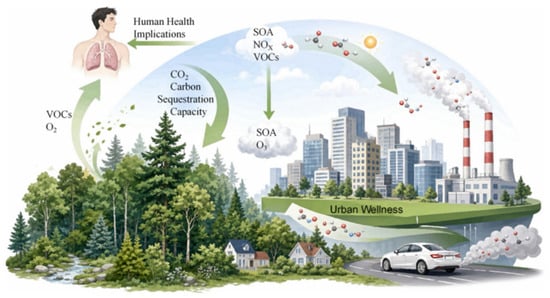
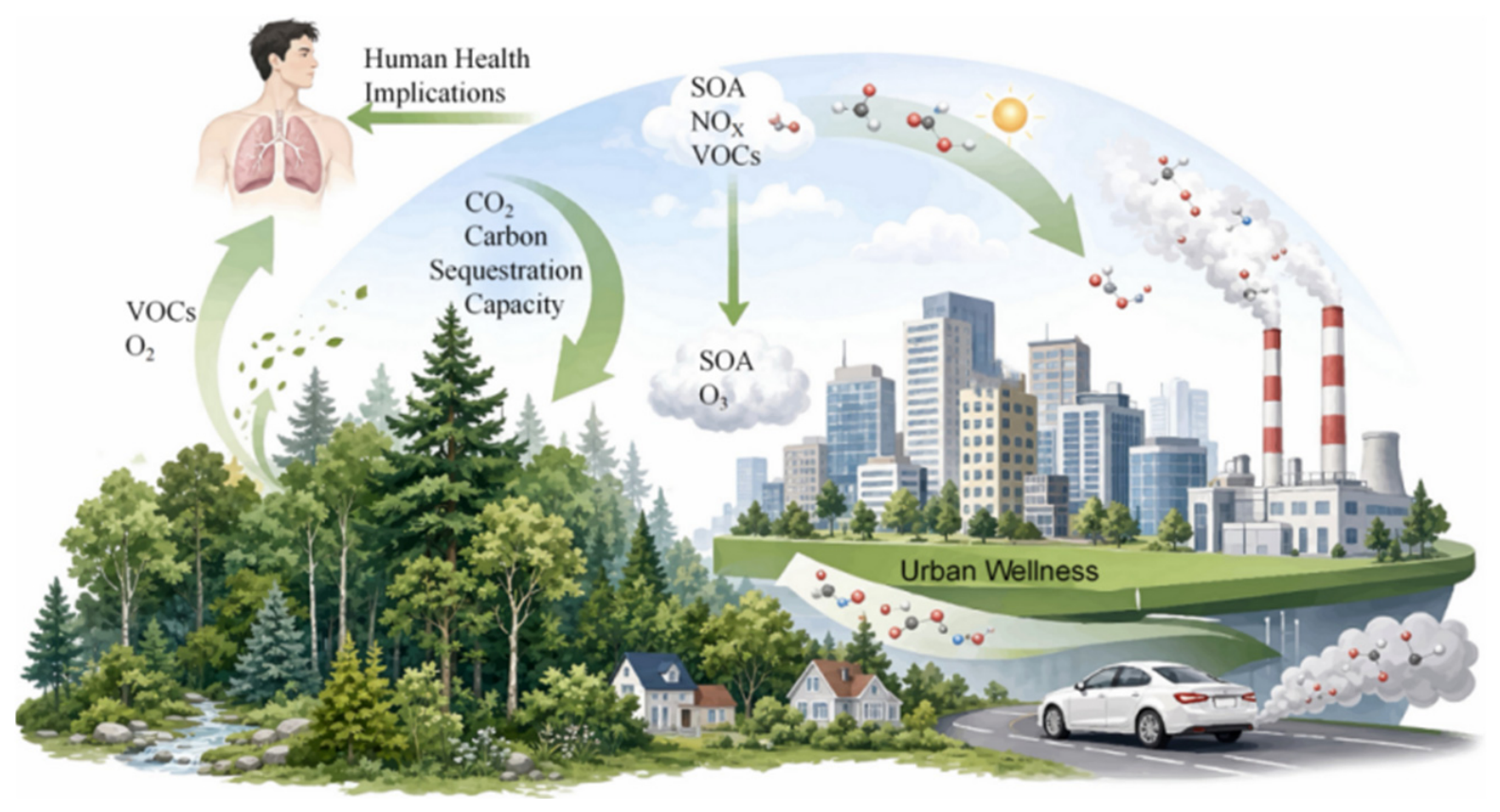
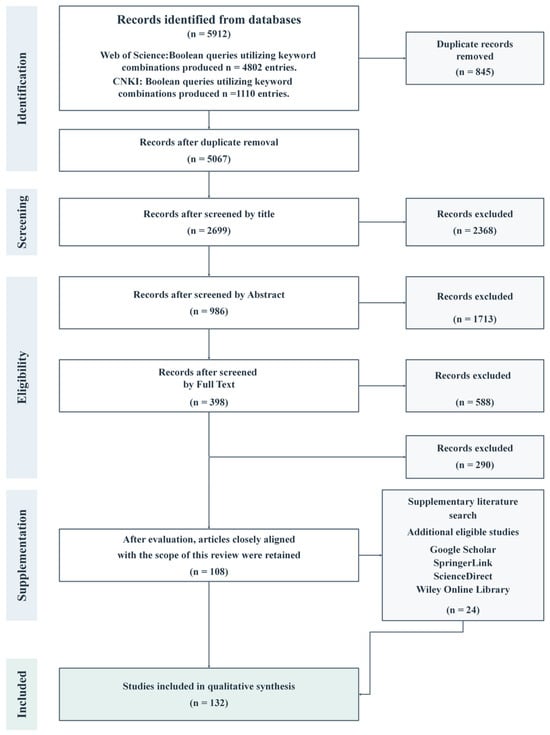
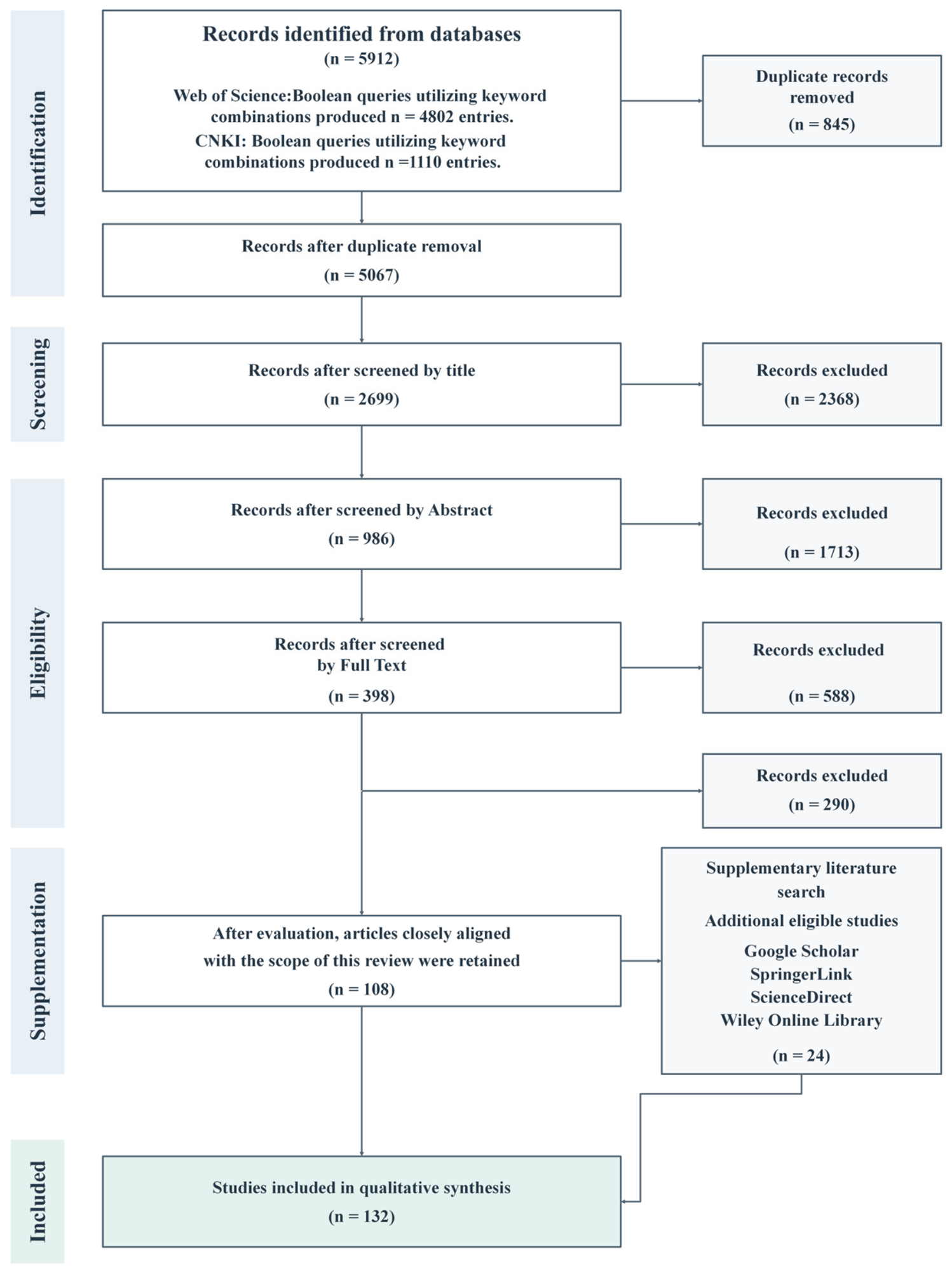
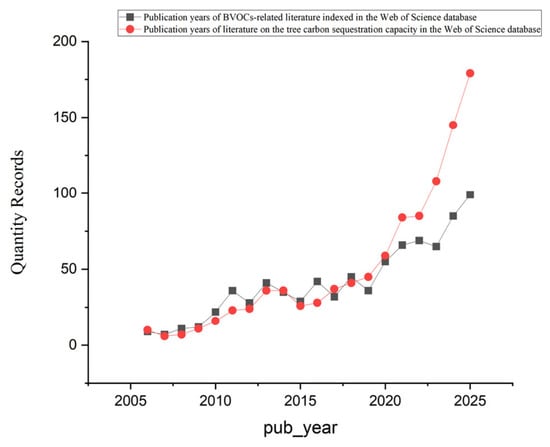
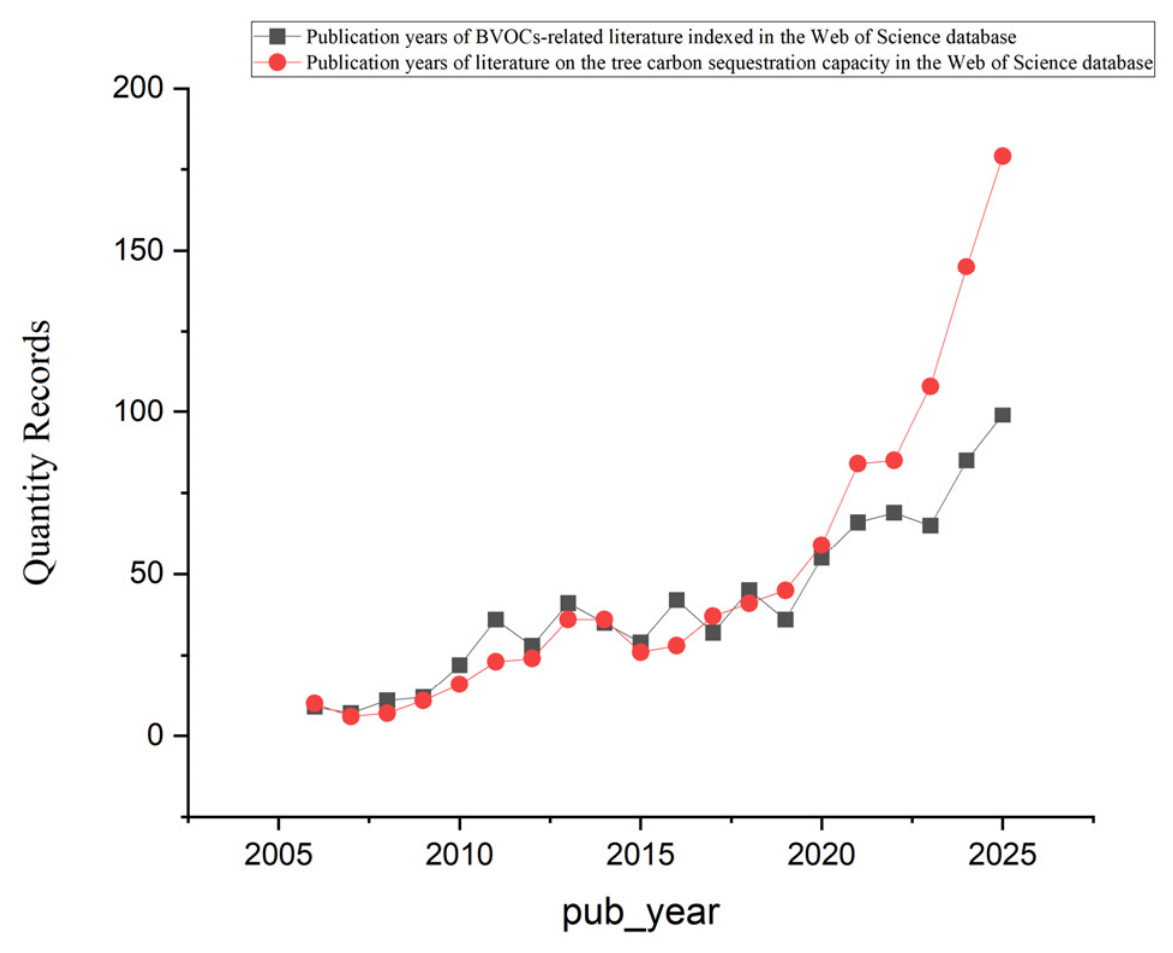
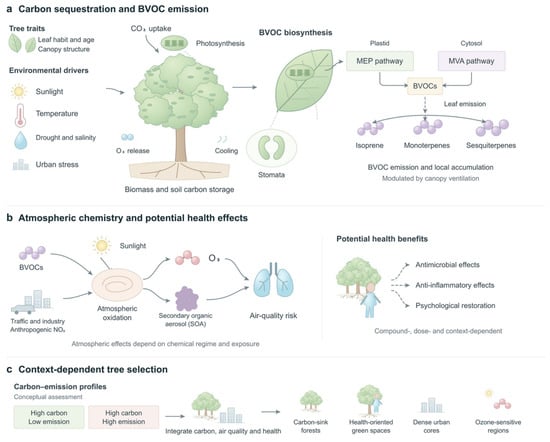
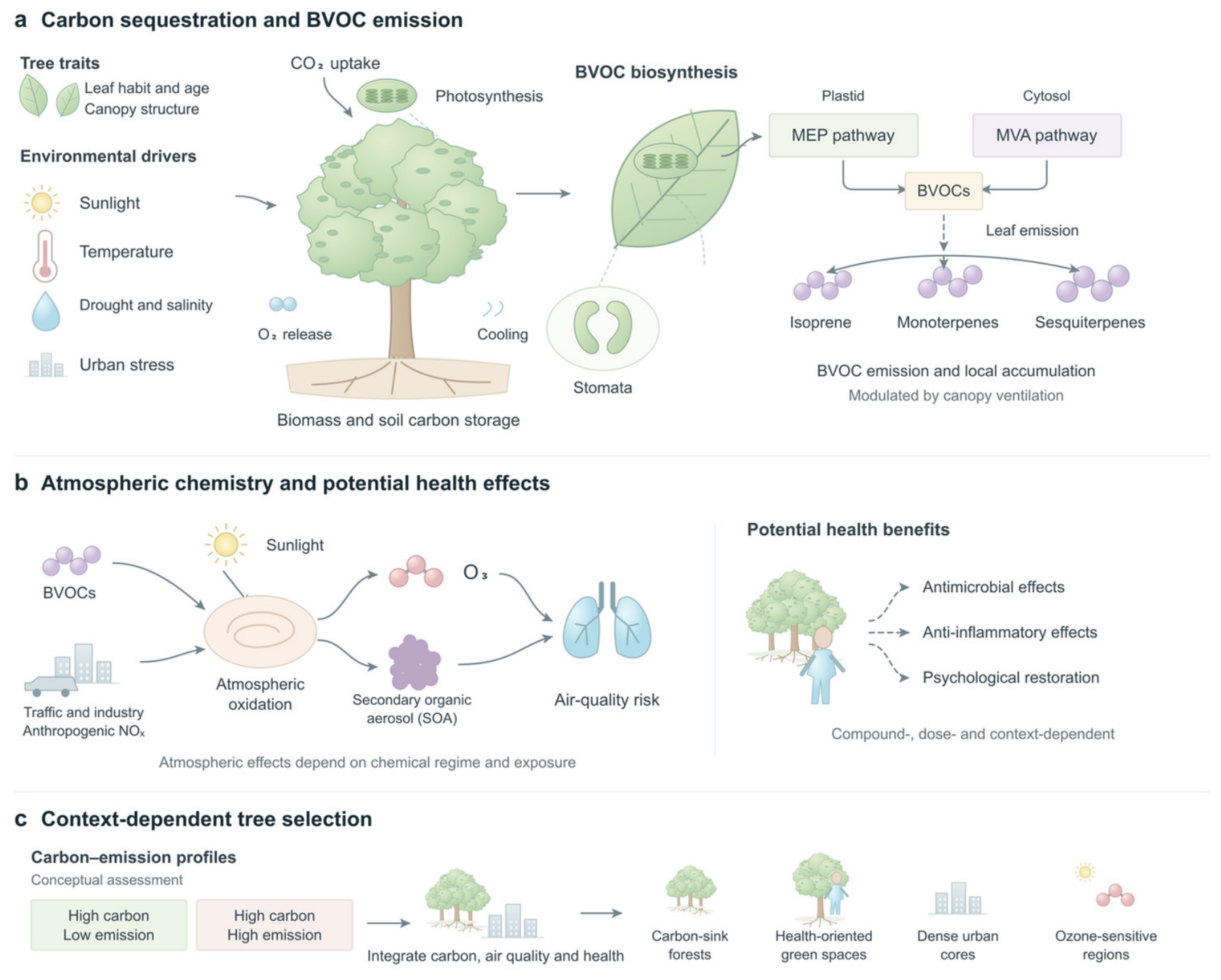

Disclaimer/Publisher’s Note: The statements, opinions and data contained in all publications are solely those of the individual author(s) and contributor(s) and not of MDPI and/or the editor(s). MDPI and/or the editor(s) disclaim responsibility for any injury to people or property resulting from any ideas, methods, instructions or products referred to in the content. |
© 2026 by the authors. Licensee MDPI, Basel, Switzerland. This article is an open access article distributed under the terms and conditions of the Creative Commons Attribution (CC BY) license.