


Abstract
In coastal Bangladesh, climate-related hazards threaten health and primary healthcare (PHC) systems, already constrained by infrastructure, workforce, and energy gaps. Teknaf, a coastal sub-district of Cox’s Bazar, hosts part of the approximately 1.19 million Forcibly Displaced Myanmar Nationals (FDMNs) living in Cox’s Bazar District, adding pressure on PHC facilities. Terre des hommes (Tdh), Climate Action Accelerator (CAA), and icddr,b, with local stakeholders, developed Climate-Resilient and Environmentally Sustainable Healthcare (CRESH) solutions for thirteen PHC facilities in Teknaf. This protocol describes a RE-AIM (Reach, Effectiveness, Adoption, Implementation, Maintenance)-guided longitudinal, mixed-methods evaluation to assess implementation feasibility, acceptability, fidelity, adaptation, immediate outcomes, potential indicators of sustainment, and scale-up of CRESH solutions. The evaluation comprises pre–post facility surveys (13 facilities, approximately 35 staff per round), pre–post beneficiary surveys in three facility catchments (186 interviews per round), and initial and concurrent qualitative assessments (interviews, focus group discussions, and facility observations). Data collection runs from January to October 2026 within a 22-month project (March 2025–December 2026). Quantitative data will be analyzed with survey-design methods in Stata 17, and qualitative data by framework analysis. Without a comparison group and with a short implementation period, observed changes will be reported as changes following implementation rather than as effects caused by CRESH. Study findings will inform policy, effectiveness trials, and scale-up in Bangladesh and similar climate-vulnerable, displacement-affected settings.
1. Introduction
Climate change refers to long-term changes in global temperatures and weather patterns, mainly caused by human activities [1,2,3]. These changes have led to several climate-induced hazards, including extreme heat, heavy rainfall, storms, and cyclones [1,2,3], which have affected over 7.7 billion people and caused the deaths of 3.6 million people between 1960 and 2020 [3,4,5]. In Bangladesh, 43 of 64 districts are climate-hazard-prone areas, including Cox’s Bazar [6,7,8,9]; the country incurred an estimated US$ 3.72 billion in climate-induced losses from 2000 to 2019 [10].
Climate-induced hazards lead to a wide range of health problems, such as respiratory, vector-borne, water-borne, and heat-related illnesses [8,9,11,12,13,14,15,16,17]. In coastal Bangladesh, the reported prevalence of water-borne, water-washed, and water-related diseases is 8%, 14%, and 11%, respectively [18]. In addition to direct health impacts, climate-induced hazards damage physical infrastructure (e.g., hospitals and access roads), disrupt supply chains and communication systems, and pose threats to health systems, especially in resource-constrained countries such as Bangladesh. Moreover, primary healthcare (PHC) facilities in Bangladesh already face challenges, including fragile infrastructure, insufficient service rooms and medical equipment, staff shortages, and limited diagnostic services [19,20]. Cox’s Bazar District hosts approximately 1.19 million Forcibly Displaced Myanmar National (FDMNs) in camps located in Ukhiya and Teknaf upazilas (as of 31 May 2026) alongside its host population, which places an additional burden on the district’s health system [21]. Furthermore, healthcare waste management remains inadequate, posing risks to coastal ecosystems, especially with increased patient flow from FDMNs and host communities [22,23]. A study in Bangladesh reported that a large proportion of the population relied on informal healthcare sources, including pharmacies (93%) and traditional healers (39.4%), rather than formal healthcare facilities, such as hospitals (57.5%) and clinics (4.5%), for climate-induced health problems [19]. Informal providers, such as unqualified village doctors and drug sellers, often dispense medicines without a diagnosis; reliance on them can delay appropriate treatment and referral, increase out-of-pocket expenditure, and contribute to inappropriate antibiotic use and antimicrobial resistance [24]. A lack of facility preparedness and shortage of doctors and medicines often drive this reliance on informal sources of healthcare [19,25,26].
To address these vulnerabilities, the World Health Organization (WHO) recommends that healthcare facilities be climate-resilient and environmentally sustainable, capable of anticipating, responding to, recovering from, and adapting to climate-related shocks and stresses [4]. This requires an integrated approach: a skilled workforce, a sustainable water, sanitation, and hygiene (WASH) system, reliable energy, and resilient infrastructure. Examples include initiatives in Fiji and other Western Pacific countries [27,28], the ‘Energy for Health’ initiative in India [29,30], and local initiatives such as the Friendship Hospital in Shyamnagar, Bangladesh [31], which illustrate the potential of such healthcare approaches [27,28,29,30]. Through a climate Vulnerability and Capacity Assessment (VCA) [32], the international Non-Governmental Organization (NGO), Terre des hommes (Tdh), and the Climate Action Accelerator (CAA), in partnership with icddr,b and local stakeholders, identified climate hazards, hazard-induced health risks, and healthcare infrastructure gaps. Based on the climate VCA findings, the project team prioritized CRESH solutions for implementation across 13 PHC facilities in Teknaf, Cox’s Bazar. Teknaf was selected as the study site because it combines high climate-hazard exposure with the additional health-system burden of hosting a large number of FDMNs.
The links between climate and health are increasingly recognized. However, a scoping review of climate-resilient health-facility case studies in low- and middle-income countries (LMICs) found that most reported activity was concentrated in the governance, leadership, and policy domain, with fewer documented efforts that translate facility-level vulnerability assessments into implemented changes [33]. A more recent review of resources for climate-resilient health facilities in LMICs found that most tools were designed for global applications and offered limited guidance on local adaptation, implementation, and evaluation [34]. In Cox’s Bazar, health-sector preparedness for the monsoon and cyclone seasons has been described mainly at the level of sector coordination and contingency planning [35]. To our knowledge, no published study has evaluated the implementation of a facility-level climate-resilience package in PHC facilities serving both host and displaced populations in coastal Bangladesh. Specifically, evidence is lacking on (a) whether multi-component CRESH packages can be delivered with fidelity in such facilities; (b) how staff and service users perceive them; (c) what immediate changes in facility readiness follow implementation; and (d) which conditions favor their sustainment and scale-up. This study aims to fill this gap by assessing the feasibility, acceptability, fidelity, course corrections, adaptation strategies, and early outcomes of implementing CRESH solutions, providing an evidence base for scaling up climate-resilient healthcare in vulnerable coastal areas.
The objectives of this study are to:
- Describe baseline facility readiness and assess the implementation feasibility and acceptability of CRESH solutions from the perspectives of healthcare providers and beneficiaries;
- Estimate the reach of CRESH-related services, including early-warning and risk-communication messages, among service users in selected facility catchments;
- Identify implementation fidelity, challenges and opportunities, adaptive strategies, and course corrections made during the implementation of CRESH solutions;
- Assess changes in facility capacity (infrastructure, energy, healthcare workforce, and WASH) observed following the implementation of CRESH solutions that support the continuation of essential healthcare services during climate-related hazards;
- Understand the intended and unintended consequences of implementing the CRESH solutions;
- Identify early indicators of the sustainment of CRESH, and factors relevant to its potential scale-up within existing health system structures in Bangladesh.
This study is expected to achieve United Nations Sustainable Development Goals (SDGs) 3 (Good Health and Well-being) and 13 (Climate Action), particularly their intersection in building resilient health systems [36,37]. In Bangladesh, the National Adaptation Plan (2023–2050) emphasizes the need for climate-resilient health systems and identifies health as a priority sector for adaptation investments [38]. By focusing on PHCs in Teknaf, the research will generate actionable evidence for healthcare managers, policymakers, and development partners on facility-level climate adaptation, contributing to the limited global evidence base.
1.1. CRESH Adaptation Solutions
Through the VCA, including a series of stakeholder consultation workshops, Tdh, CAA, icddr,b, government representatives, and local community stakeholders developed a set of CRESH solutions for the study facilities in Teknaf, Cox’s Bazar. Given the operational constraints related to time, available resources, and implementation feasibility, these solutions were prioritized and grouped into three categories: (i) solutions considered immediately feasible within the current project timeline and budget; (ii) solutions considered feasible in the medium term but requiring additional resources, approvals, or technical preparation (for example, rainwater harvesting and fecal-sludge management upgrades); and (iii) longer-term or structural solutions requiring government or multi-agency investment beyond the project (for example, major reconstruction or relocation of facilities). Only category (i) solutions are implemented and evaluated in this study; categories (ii) and (iii) are documented for advocacy and future planning but are outside the scope of this evaluation. The first category of solutions is considered essential for strengthening facility readiness and service continuity during climate-related hazards. They focus primarily on improving the energy system, strengthening emergency preparedness and governance mechanisms, enhancing staff capacity, upgrading critical infrastructure, and improving WASH and waste management systems. The solutions (Table 1 and Table 2) are being implemented by Tdh, funded by the Novo Nordisk Foundation, with technical support from CAA and evaluation by icddr,b. Because the two facility groups receive different packages, CRESH is treated in this protocol as a heterogeneous, multi-component solutions rather than a single uniform solution. Table 3 describes each component, grouped by domain, following the Template for Solutions Description and Replication (TIDieR) checklist [39]: who delivers it, when and how often, with which materials, whether it is core or optional, and the criterion for acceptable completion (fidelity).
Table 1.
CRESH solutions per component for Tdh-run PHCs.
Table 2.
CRESH solutions per component for government-run PHCs.
Table 3.
CRESH components by domain, reported following the TIDieR checklist.
1.2. Roles, Governance, and Evaluator Independence
Tdh is the implementing organization and holds the grant from the Novo Nordisk Foundation (the funder); CAA provides technical support on the VCA methodology and solution design; and icddr,b is the evaluator under a sub-award from Tdh. Tdh made decisions on content, sequencing, and adaptation of solutions in consultation with facility management, the Upazila Health and Family Planning Officer (UH&FPO) for government facilities, and camp health authorities for camp-based facilities. icddr,b is responsible for evaluation design, data collection, data management, analysis, and interpretation. Evaluation data are owned and held by icddr,b under its data-management policies; implementing and technical partners have no access to identifiable or raw evaluation data and receive only aggregated, de-identified findings through the feedback mechanisms. icddr,b retains final authority over analysis and publication; partners may review manuscripts for the factual accuracy of solution descriptions but cannot veto publication. Co-authors from Tdh and CAA contributed to the description of the solutions and the Theory of Change (ToC) and reviewed this manuscript. They are not involved in data collection or in the analysis of outcome data.
2. Materials and Methods
2.1. Research Design
This is a longitudinal, mixed-methods implementation evaluation with an embedded pre–post quantitative component (Figure 1). The study combines: (a) baseline (pre-implementation) and endline (post-implementation) quantitative facility and beneficiary surveys to measure changes in key outcomes; (b) an initial qualitative assessment to establish contextual understanding and identify barriers; (c) concurrent qualitative assessments conducted at approximately three-month intervals during implementation, whose findings will be fed back to implementers to support learning and adaptive implementation; and (d) an endline qualitative assessment (interviews and focus group discussions) exploring experiences, adoption, unintended consequences, and early indicators of sustainment. Because concurrent findings are deliberately used to refine implementation, the solutions are expected to evolve during the study. The process strand of the evaluation is therefore adaptive and formative, and all adaptations are documented (Section 2.8.2). This approach will evaluate the feasibility, acceptability, fidelity, and immediate outcomes of the CRESH solutions in Teknaf, Bangladesh.
Figure 1.
CRESH research design. Illustrates the overall research design and the integration of a mixed-methods approach for the comprehensive assessment of the CRESH solutions. First, a desk review was conducted to identify gaps in existing knowledge and to develop the general and specific objectives.
Priority, timing, and integration. The two research approaches have equal overall priority but differ in primacy by research question: the quantitative strand has primacy for Reach and immediate outcomes (Effectiveness), and the qualitative strand for Adoption, Implementation, and Maintenance. Integration occurs at three points [40]: (i) at design, where initial qualitative findings inform the final wording of survey items and the observation checklist; (ii) during implementation, where concurrent qualitative findings will be shared and reviewed at quarterly learning meetings (formative integration); and (iii) at interpretation, where endline quantitative and qualitative results will be merged by RE-AIM dimension in separate and joint displays for analysis.
At the endline (8-month follow-up) assessment, both quantitative (facility and beneficiary surveys) and qualitative assessments will be conducted to measure changes from baseline across the domains This endline assessment will allow documentation and comparison of changes observed over the approximately eight-month period between baseline and endline (of which roughly six to seven months involve active implementation). This 8-month evaluation window is nested within the broader 22-month project period (March 2025–December 2026), which additionally encompasses preparatory activities, solutions design, ethical approval, and dissemination.
2.2. Study Status and Timeline
At the time of submission of this revised protocol, the following activities had been completed: the climate VCA and stakeholder workshops; development of the initial ToC; ethical approval (icddr,b, Institutional Review Board, PR-25-024); development and field testing of data-collection tools; and the baseline facility survey, baseline beneficiary survey, and baseline qualitative interviews. Implementation of CRESH solutions began in March 2026. Concurrent qualitative rounds and endline surveys are ongoing. Baseline data have been collected, but no comparison between rounds has been made. The analysis plan described in Section 2.9 was finalized before endline data collection. No results are presented in this protocol, and findings will be reported in separate publications. Table 4 summarizes the timeline.
Table 4.
Study timeline and status.
Seasonality and hazard exposure. The baseline (January–February, 2026) and endline (September–October, 2026) rounds fall in different seasons. Baseline falls in the cool and dry winter season, whereas endline falls at the end of the monsoon and the start of the post-monsoon cyclone season, with different heat exposure, rainfall, cyclone risk, and disease patterns (e.g., dengue). To support interpretation, the study will (a) report the exact calendar months of each round; (b) maintain a hazard and context log recording early warnings, cyclone signals, heatwave days, heavy rainfall, flood, or landslide events affecting the study area, disease outbreaks, and concurrent health or WASH programs by other agencies; and (c) use routine monthly facility data (e.g., outpatient consultations and climate-sensitive diagnoses), where available, to contextualize changes between rounds.
This study will address how the CRESH solutions can be delivered consistently and feasibly in real-world settings (e.g., fidelity, acceptability, barriers, and facilitators). Questions within the Effectiveness dimension will examine immediate changes observed following implementation (e.g., changes in infrastructure, energy, and human resources) or immediate outcomes (e.g., improved access to water and healthcare services), rather than intermediate or long-term outcomes. Because there is no comparison group, these changes cannot be attributed causally to CRESH, and this cautious definition applies throughout the manuscript.
2.3. Reach, Effectiveness, Adoption, Implementation, and Maintenance (RE-AIM) Framework
The RE-AIM framework is a widely used implementation science framework developed by Glasgow and colleagues [41] and subsequently updated [42] to evaluate the public health impact of health solutions. It provides a structured approach to assessing five key dimensions: (a) Reach refers to the proportion and representativeness of the target population who participate in the solutions; (b) Effectiveness includes the solutions’ impact on primary and secondary outcomes, including potential negative effects; (c) Adoption includes the proportion and representativeness of settings and solutions agents that adopt the solutions; (d) Implementation includes the extent to which the solutions are delivered as intended, including consistency, fidelity, cost, and adaptations; and (e) Maintenance includes the extent to which solutions effects and program delivery are sustained over time at both individual and organizational levels. In the context of this study, the RE-AIM framework provides a consistent organizing structure for the evaluation, ensuring alignment between the conceptual approach and operational data collection activities across all five dimensions. Table 5 specifies, for each dimension, the constructs, indicators, numerators and denominators, units of analysis, data sources, and time points.
Table 5.
Operationalization of RE-AIM dimensions, scalability, and environmental indicators.
Reach: Reach will be assessed at two levels (Table 5). At the population level, the numerators are the number of outpatient consultations and the number of households reached by early-warning or risk-communication messages at the 13 facilities during implementation (routine records and implementation logs), and the denominator is the estimated catchment population of each facility. At the beneficiary level, reach will be estimated from the surveys in three purposively selected catchments (Camp 26, Camp 27, and Hnila Union) as the proportion of eligible respondents who are aware of, or have used, CRESH-related services. Representativeness will be assessed by comparing the age and sex distribution of survey respondents and of facility users (routine records) with that of the catchment population. Beneficiary-level results describe these three catchments only and do not represent the catchments of all 13 facilities, including those of the ten CCs.
The three catchments were selected to represent the context of implementation, including geographical variation and population diversity. Surveys and in-depth interviews with service users will capture patterns of treatment-seeking behaviors and healthcare utilization before and after implementation. The qualitative assessment will also explore barriers to healthcare access and the negative effects of facility renovations, such as temporary service disruption and changes in the pattern of care-seeking.
Effectiveness: In this study, effectiveness refers to immediate outcome changes observed between baseline and endline, not to causal effectiveness. The study will use facility-level baseline and endline surveys, facility observations, staff surveys, document reviews, and qualitative interviews to assess emergency preparedness capacity, infrastructure resilience and system functionality, energy capacity and environmental sustainability practices, medical equipment protection, WASH facilities, and waste management protocols. Facility staff surveys and qualitative interviews will document changes in workforce preparedness and climate resilience integration, complementing staff self-reports with objective benchmarks. Environmental sustainability performance will be assessed with a small set of exploratory objective indicators (Table 5): monthly solar electricity generation (kWh, from inverter logs); grid electricity use (kWh, from meters or bills); diesel generator fuel use (liters, from logbooks) and estimated carbon dioxide (CO2) emissions (kg, applying a standard Intergovernmental Panel on Climate Change [IPCC] emission factor for diesel); water availability (days with functional water supply); and healthcare-waste segregation compliance (proportion of observed waste points correctly segregated). Where baseline records are unavailable, these indicators will be reported for the implementation period only and will not be used to infer change.
Adoption: Adoption will be assessed at setting (facility) and staff levels. All 13 facilities were preselected for implementation; the setting-level denominator is therefore the 13 facilities and, for each component, the facilities for which that component was planned (Table 3). A facility will be classified as having adopted a component if the component was delivered and is in use at endline; as partially adopting if it was delivered but only partly used (for example, an SOP is available but was not applied during outages); and as not adopting otherwise. At the staff level, the denominator is all clinical and support staff in post at each facility at endline, and indicators include the proportion trained and the proportion reporting use of CRESH SOPs or protocols. Key informant and in-depth interviews with facility managers, CRESH focal persons, and staff will capture (a) the proportion of facilities and staff involved in solutions implementation; (b) uptake variation among different staff cadres and facilities; (c) variations in adoption depth and breadth across solutions components; (d) factors influencing partial versus complete adoption; and (e) unintended adaptations that stakeholders initiate to fit local contexts. Adaptations are assessed under Implementation. The qualitative analysis will examine the socio-cultural, organizational, and system-level factors influencing adoption patterns. Additionally, descriptive analysis will document the capacity-building training and resource requirements.
Implementation: This study will conduct concurrent qualitative assessments at approximately three-month intervals to examine implementation fidelity, adaptive processes, and contextual influences. The concurrent qualitative assessment will be conducted with CRESH focal persons, facility managers, and staff using semi-structured guidelines to capture: (a) the extent to which components are implemented as planned; (b) contextual barriers and facilitators influencing implementation; (c) course corrections and adaptive strategies during delivery; and (d) adaptations, including those initiated by staff and stakeholders to fit local contexts, documented using the Framework for Reporting Adaptations and Modifications-Enhanced (FRAME) [43]: what was modified, when, by whom, why, and whether the change was planned or reactive. Feasibility and acceptability will be assessed as implementation outcomes [44]. In addition, structured, component-level quantitative indicators will be recorded from implementation logs, procurement and installation records, training registers, and facility observation: fidelity (proportion of fidelity criteria met, Table 3); dose (e.g., proportion of targeted staff trained, number of early-warning messages disseminated); timeliness (actual versus planned completion date); and completion. Each component will be rated per facility as delivered as intended (all fidelity criteria met), partially delivered (at least one but not all criteria met), or undelivered. Resource use will be documented from the implementer (provider) perspective by cost category: capital items (e.g., solar systems, refrigerators, retrofits), installation and civil works, training, personnel time, consumables, and recurrent operation and maintenance. Costs will be summarized descriptively per facility and per component in [2026] US dollars; a full economic evaluation is outside the scope of this protocol. The findings will be shared with the implementers for improvements and future scale-up planning.
Maintenance: The study will conduct qualitative interviews with facility staff at mid-implementation and endline to examine early indicators of sustainment (the potential for maintenance) rather than demonstrated maintenance, given the short study timeline. Maintenance in humanitarian settings may face unique challenges, including funding uncertainties, staff turnover, and shifting organizational priorities. The maintenance assessment will explicitly explore: (a) which solutions components are most vulnerable to discontinuation and why; (b) strategies facilities employ to sustain practices with limited external support; (c) initial steps towards integrating climate resilience measures into standard operating procedures and training curriculum; and (d) factors differentiating facilities that successfully institutionalize changes from those requiring ongoing external support. Findings will be reported as early indicators of sustainment, along with recommendations for long-term systematization. Scalability is not a RE-AIM dimension and will be assessed separately: using domains of the solutions Scalability Assessment Tool [45], interviews with government and NGO stakeholders, and cost data will be used to explore factors relevant to the potential for scale-up, namely the problem addressed, the strength of evidence, solutions costs, fit with the health system, acceptability to decision-makers, and resource requirements.
2.4. Theory of Change (ToC) of the CRESH Solutions
An initial ToC was developed with CRESH stakeholders following established ToC methodology [46,47,48], adapted for this study, to map implementation strategies, causal pathways, and expected outcomes. This ToC examines assumptions about how expected change will occur, identifies necessary conditions and potential barriers, and highlights core mechanisms and contextual factors essential for successful implementation. In consultation with the implementer (Tdh) and the technical partner (CAA), solutions components were prioritized and ‘desirable’ elements were identified. Detailed component-specific ToCs have been developed (Figure 2) that map mechanisms for infrastructure, energy, WASH, and workforce solutions separately, along with an integration-focused ToC examining coordination, sequencing, and communication pathways across components.
Figure 2.
Theory of Change (ToC) of CRESH solutions. Illustrates the CRESH solutions, which are expected to improve infrastructure such as ventilation and natural cooling, healthcare waste management, WASH (WASH zones, water pumps, and chlorination), drainage, and solar energy systems. Additionally, the solutions encompass training of facility staff and volunteers on waste management and solar power management, as well as ensuring service continuity during climate-related hazards. Rainwater harvesting and fecal-sludge management, which appeared in the initial ToC, were classified as category (ii) solutions and are not implemented or evaluated in this study; they have been removed from the revised ToC to ensure consistency among Table 1, Table 2 and Table 3, the ToC, the data-collection tools, and the outcomes.
These solutions strategies operate through various mechanisms that affect infrastructure, technology, and products; WASH and healthcare waste management; energy systems; health workforce capacity and service delivery; and information system strengthening. Through these mechanisms, the following immediate outcomes are anticipated: improved access to water and hygiene products, enhanced waste management equipment, establishment of a reliable backup energy supply, reduced temperatures in service delivery areas, increased staff knowledge, and development of early warning systems.
The intermediate outcomes of the CRESH solutions are expected to include increased access to and utilization of healthcare services, improved cleanliness of healthcare facilities, enhanced handwashing practices, reduced infection risk, and increased patient satisfaction. These intermediate outcomes are hypothesized to lead to long-term benefits such as reduced carbon emissions, prevention of water- and vector-borne diseases, and decreased morbidity and mortality. Given the 8-month duration of this evaluation, only immediate outcomes will be assessed; intermediate and long-term outcomes are outside the scope of this protocol. These distal outcomes are therefore untested hypotheses within this protocol and, apart from the exploratory energy and emission indicators described in Section 2.3, will not be measured.
The ToC helps the study team anticipate challenges, design appropriate strategies, and ensure implementation approaches are theoretically grounded. It identifies key variables, processes, and outcomes to measure, helping to assess whether CRESH implementation works as intended and revealing both intended and unintended consequences. When implementation deviates from expectations, the ToC will provide a conceptual understanding of why, identifying incorrect assumptions, non-functioning pathways, and adaptation strategies.
Key assumptions related to the ToC of the CRESH solutions include: (a) infrastructure modifications will not significantly disrupt services during installation; (b) trained staff will remain in their positions long enough to apply new knowledge; (c) community members will be aware of and trust facility improvements; (d) improved infrastructure will translate into staff willingness to provide services during climate events; and (e) sustainable systems can be maintained within existing budget allocations. If these assumptions prove incorrect, adaptations will be needed. The ToC will be iteratively refined based on implementation experience and concurrent assessment findings, and each revision will be dated and recorded in the audit trail.
2.5. Study Settings
This study is being conducted in two Tdh-run PHC facilities in FDMN camps, one government-run USC, and ten CCs serving the host communities in Teknaf Upazila, Cox’s Bazar District. CRESH solutions are implemented in these facilities by Tdh and facility staff, with technical support from CAA.
Tdh-run PHCs at Camps 26 and 27.
In Teknaf, Tdh operates two PHCs for FDMNs in Camps 26 and 27. The estimated facility catchment populations (the population expected to use each facility, based on Tdh service-planning data) are approximately 15,000–20,000 and 18,000–22,000 individuals, respectively. The total camp populations, which are used as sampling denominators in Table 6, are 35,036 (Camp 26) and 21,166 (Camp 27) (Joint Government of Bangladesh–UNHCR population data) [21]. In Camp 26, the facility catchment is smaller than the camp population because other health-sector partners also provide PHC services in the camp. These health facilities provide PHC services along with emergency care and maternal and child health services.
Table 6.
Distribution of baseline and endline samples across study sites.
Government-run PHCs (Teknaf host community).
In Teknaf, one government-run primary health facility, namely the Hnila USC, operates under the Ministry of Health and Family Welfare, Government of Bangladesh. This facility serves host community residents in Hnila Union, Teknaf, covering a catchment population of approximately 62,468 (the population of Hnila Union in the Population and Housing Census 2022) [49]. It provides comprehensive PHC, reproductive health, and immunization services. In addition, CCs play a key role in delivering basic health services at the grassroots level, ensuring accessibility for remote and vulnerable populations in Teknaf. For the CRESH project, ten CCs located in five unions in Teknaf (Teknaf Sadar, Baharchara, Hnila, Whykong, and Sabrang) are included as study sites.
2.6. Study Population
The study population includes two distinct groups within Teknaf Upazila, Cox’s Bazar District: FDMNs accessing services at Tdh-operated PHC facilities in Camps 26 and 27, and host community members utilizing the government-run PHCs. This diverse population represents varying socioeconomic backgrounds, cultural contexts, and healthcare access patterns, with FDMNs facing additional vulnerabilities related to displacement and camp living conditions, while host communities face different climate-related health challenges within their established community structures.
Cross-utilization. FDMNs may occasionally use government facilities, and host-community members may use camp facilities. Eligibility for the beneficiary survey is therefore defined by residence in the catchment area and use of the index facility (Section 2.7.2), and respondents will be asked about all facilities used during their most recent illness episode so that cross-utilization can be described. Analyses will be indexed by facility and site. People living outside the defined catchments are not eligible.
2.7. Quantitative Survey
2.7.1. Baseline and Endline (Pre–Post) Facility Survey Sampling and Data Collection
Facility surveys will be conducted in 13 facilities: one government-run USC, ten government-run CCs, and two Tdh-managed PHCs in Teknaf (Camp 26 and Camp 27).
The surveys aim to assess changes in service readiness, healthcare workforce preparedness, and community access to climate-health services. Baseline and endline surveys will be conducted to collect empirical data from facility staff before CRESH implementation and eight months later. The baseline survey will establish benchmarks on infrastructure quality, equipment functionality, and system performance, identifying existing strengths and gaps in operational readiness. This will guide implementation adjustments and serve as a reference for measuring change. The endline survey will assess changes in facility functionality, emergency preparedness (including energy systems, WASH facilities, and waste management), and staff knowledge.
Units of analysis. Two units are distinguished. (a) Facility-level objective indicators (the CRESH readiness and its domain, and the environmental indicators) will be measured once per facility per round through a structured observation checklist and review of records, completed by the data-collection team together with the facility manager. For these indicators, the facility (n = 13) is the unit of analysis. (b) Staff-level outcomes (knowledge, self-reported preparedness, perceived feasibility, and acceptability) will be collected from approximately 35 staff per round, and the staff member will be the unit of observation. To avoid pseudo-replication, staff-level scores will be summarized first within each facility (facility mean or proportion) and then described across facilities, giving each facility equal weight. Individual staff responses will not be treated as independent facility observations. Results will be presented for all 13 facilities combined and by facility type (camp PHC, USC and CC). The survey is not designed to detect differences between individual facilities. The survey provides descriptive benchmarking of service readiness and tracks changes over time rather than supporting inferential statistical testing. The sample size is not powered for hypothesis testing at the staff level. Instead, respondent selection ensures representation across key functional areas (management, clinical care, WASH, energy, logistics, and support services).
Trained data collectors will conduct face-to-face interviews using a structured questionnaire administered through KoboToolbox at baseline and endline. Data include demographic and professional characteristics, as well as information on infrastructure, WASH, energy, workforce, and service delivery. The observation checklist and questionnaire were adapted from the WHO checklists to assess vulnerabilities in healthcare facilities in the context of climate change [5], the WHO guidance for climate-resilient and environmentally sustainable healthcare facilities [4], and the CAA VCA manual [32]. Readiness items are scored 0 (not met) or 1 (met); domain scores are the percentage of applicable items met, and the overall score is the unweighted mean of the domain scores. A domain score will be computed only if at least 80% of its items are available. The tools were translated into Bangla, back-translated, reviewed by the investigators for content validity, and field-tested. For multi-item staff knowledge scales, internal consistency (Kuder–Richardson 20 or Cronbach’s alpha) will be reported, recognizing the limited precision with approximately 35 respondents. Written informed consent will be obtained from all participants before the interview.
2.7.2. Baseline and Endline (Pre–Post) Beneficiary Survey Sampling and Data Collection
Beneficiary surveys will be conducted among host community members and FDMNs to assess the reach of CRESH-related services and service coverage, including treatment-seeking behavior, healthcare access, knowledge of available services, and service acceptability. Due to budget and time constraints, the baseline and endline beneficiary surveys will be limited to the catchment areas of three primary facilities (Camp 26, Camp 27, and Hnila USC) only and will not be conducted in the catchment areas of the ten CCs. Beneficiary findings are therefore specific to these three catchments.
The baseline survey will assess existing healthcare access patterns and current satisfaction levels among the host community and FDMN populations. The endline survey will measure immediate changes in healthcare utilization patterns, beneficiary perceptions, and accessibility compared with baseline.
Eligible participants will be residents of the three catchment areas who themselves, or whose children, received healthcare services from the index facility within the previous three months. The same three-month eligibility window applies at all three sites. Services may have been received by children, adolescents, or adults of all genders.
Service beneficiaries versus survey respondents. The service beneficiary (the person who received care) is distinguished from the survey respondent (the person interviewed). For children (0–9 years) and adolescents (10–17 years), a parent or primary caregiver will respond as a proxy, and adults (18 years and above) will respond for themselves. Proxy responses will be used only for observable service-use and experience outcomes (e.g., facility used, waiting time, perceived cleanliness, and satisfaction with the child’s care). Awareness and knowledge outcomes, including the primary endpoint, refer to the respondent (caregiver or adult) rather than the child. Respondent type (self or proxy) will be recorded and included as a covariate.
2.7.3. Sample Size Calculation
Facility Survey
The facility survey will employ a mixed sampling approach to capture institutional readiness. A census approach will be used for the 10 CCs and the Hnila USC, in which all designated healthcare providers, including the Medical Officer, Sub-Assistant Community Medical Officer (SACMO), and Community Health Care Provider (CHCP), will be interviewed. For the two PHCs in FDMN Camps 26 and 27, a purposive sampling approach will be applied to ensure representation of relevant operational and clinical staff categories.
Approximately 35 staff will be interviewed in each round: 2 from Hnila USC, 10 from the ten CCs, 13 from Camp 26, and 10 from Camp 27. Facility-level and staff-level units of analysis are defined in Section 2.7.1.
Beneficiary Survey
Primary endpoint. The sample size is based on one prespecified beneficiary-level primary endpoint: the proportion of respondents who are aware of at least one climate-hazard early-warning or risk-communication message (for heat, cyclone, heavy rain, or dengue) disseminated through facility or community health channels in the previous three months. A baseline proportion of p1 = 0.50 is assumed, which is conservative and maximizes the required sample size when the true baseline proportion is uncertain. An endline proportion of p2 = 0.70 is anticipated. No directly comparable published estimate was identified for this setting. The 20-percentage-point increase is therefore a programmatically chosen minimally important difference, agreed with the implementers as the smallest change that would justify continued investment in the early-warning component.
The sample size was calculated using the formula for comparing two independent proportions [50]:
where n0 = initial sample size per round. Baseline proportion, p1 = 0.5; anticipated endline proportion, p2 = 0.7; average of the two proportions, P− = (p1 + p2)/2 = 0.6. Z1−α/2 (for α = 0.05, 95% confidence level) = 1.96. Z1−β (for β = 0.2, 80% power) = 0.84; initial sample size, n0 = 93 per round.
n0 = [Z1−α/2 √(2P−(1 − P−)) + Z1−β √(p1(1 − p1) + p2(1 − p2))]2/(p1 − p2)2
Design Effect
Because of cluster sampling (e.g., blocks/shelters in camps and clustered household selection in the host community), a design effect (DEFF) of 2 was applied. The DEFF depends on both the cluster size (m) and the intra-cluster correlation coefficient (ICC): DEFF = 1 + (m − 1) × ICC [51]. In the camps, approximately 10 completed interviews are planned per block, i.e., about 6 blocks in Camp 26 and 4 in Camp 27. In Hnila, respondents are selected within community units (Section Sampling Strategy), which are treated as primary sampling units, and the same DEFF is applied. With m = 10, DEFF = 2 corresponds to an ICC of about 0.11. As a sensitivity check, with 186 completed interviews per round and α = 0.05, the power to detect a 20-percentage-point increase from 0.50 is approximately 96%, 91%, 80%, and 73% for DEFF values of 1.18, 1.45, 1.99, and 2.35 (ICC 0.02, 0.05, 0.11, and 0.15), respectively. The corresponding minimum detectable differences at 80% power are approximately 16, 17, 20, and 22 percentage points. Using DEFF = 2, the required sample size is n = DEFF × n0 = 2 × 93 = 186 completed interviews per round. To account for an anticipated 20% non-response rate, 233 participants will be approached per round to ensure at least 186 completed interviews. Thus, approximately 466 participants will be approached (233 at baseline and 233 at endline) to obtain at least 372 completed interviews (186 per round). Baseline and endline samples are independent (different participants). Table 6 presents the final sample for the three catchment areas.
Sampling Strategy
For the facility survey, a census sampling approach will be applied to the Hnila USC and the ten CCs. In contrast, a purposive sampling procedure will be employed for Tdh-operated PHC1 and PHC2 to ensure representation across key operational and clinical cadres.
For the beneficiary survey, a stratified multistage sampling design will be used, with the three sites as strata and allocation proportional to population: Hnila Union (98 at baseline/98 at endline), PHC-1 (55/55), and PHC-2 (33/33), for a total of 186 respondents per round (372 across baseline and endline). To account for an anticipated 20% non-response rate, the number of participants approached will be 233 (122 from Hnila Union, 69 from PHC-1, and 42 from PHC-2), ensuring at least 186 completed interviews.
For the facility survey, the study will attempt to re-interview the same individuals who participated in the baseline survey to enable within-person comparison over time. However, for the beneficiary survey, due to expected loss to follow-up (e.g., migration, unavailability, refusal, or inability to trace respondents), independent samples will be drawn at baseline and endline.
- FDMN Camps (Camp 26 and Camp 27) and Hnila USC (Host Community).
Sample selection. Participants will be selected from three sites: two FDMN camps (Camp 26 and Camp 27) and the Hnila USC catchment (host community). The same three-stage sampling approach will be followed at all three sites.
Stage 1: At the FDMN camps, blocks (primary sampling units) will be selected with probability proportional to size from the camp-management block list, using a random start generated by the study statistician. At Hnila, community units such as para (each consisting of a number of households) within the catchment area will be selected in the same way using available community maps.
Stage 2: Within each selected block or unit, data collectors will start at a randomly selected shelter (a random number drawn from the block shelter list or, if no list is available, a random direction from the block center) or household and visit every third shelter or household. Selected individuals will be screened at home against the harmonized three-month eligibility criterion.
Stage 3: Within each household with at least one eligible member, one eligible participant will be selected at random using the random-selection function in KoboToolbox. Sampling continues within the block or unit until the allocation for each respondent group (children/adolescents with caregivers, adult men, adult women, and older adults) is reached. If a selected household is unavailable, up to two revisits will be made on different days or at different times; refusals and households still unavailable after two revisits will be replaced by the next shelter or household in the systematic sequence. All contacts, revisits, refusals, and replacements will be recorded so that response rates can be calculated; the replacement procedure may introduce selection bias and is acknowledged as a limitation.
Because block- or household-level quotas mean that selection probabilities are only approximately known, design weights will be computed from the block or unit selection probabilities and the within-unit sampling fraction and post-stratified to the age–sex distribution of the relevant catchment population. Because the camp and host-community frames differ in structure, estimates will be presented separately by site, and pooled estimates will be produced only from survey-design-aware models with site as a stratum (Section 2.9.1).
Protection of identifying data. Block shelter lists and screening records contain only the minimum identifiers needed to locate participants (name, age, sex, household location, and a telephone number if available). Lists are transferred to the study statistician through an encrypted, password-protected channel, and no copies are kept at the facility. Each selected person is assigned a study ID, and the linkage file connecting study IDs to identifiers is stored separately from survey data, with access restricted to the statistician and the field coordinator. Survey data in KoboToolbox are stored without names. Lists and linkage files will be permanently deleted after endline data collection and data verification are complete.
2.8. Qualitative Assessment
2.8.1. Initial Qualitative Assessment
An initial qualitative assessment will examine the pre-solutions context, including healthcare infrastructure, climate vulnerability, professional development needs, community relationships, and implementation readiness from multiple stakeholder perspectives. The assessment will identify infrastructure limitations, barriers to health-seeking behaviors, staff competencies, and contextual factors influencing implementation success. The assessment will also explore the feasibility of introducing CRESH solutions in PHC facilities in Teknaf and community demand for them.
The plan comprises key informant interviews (KIIs) with 13 participants, including healthcare facility managers, CRESH focal persons, community leaders, government representatives, and NGO stakeholders from selected healthcare facilities and their catchment areas. KIIs with facility managers and CRESH focal persons will be conducted at every round (R0–R3), and those with community leaders and government and NGO stakeholders at R0 and R3 with the same participants (where available). In-depth interviews (IDIs) are planned with healthcare providers (nurses and CHCPs: 9–12 at each of R0 and R3, plus three nurse follow-up interviews at each of R1 and R2; 24–30 provider interviews in total) and with service users (reproductive-age women, adult men, and older men and women: 27–36 at each of R0 and R3). Four CCs will be purposively selected from four unions, and one IDI will be conducted with a CHCP at each site. The timing of each interview type is shown in Table 7. Key informants and provider participants form a longitudinal panel and will be re-interviewed at successive rounds where possible. If a panel member has left the post or is unavailable, the person currently holding the same role will be interviewed and the replacement recorded. Service-user participants are sampled afresh at each round (repeated cross-sectional qualitative sampling).
Table 7.
Qualitative data-collection plan by round (R0 = baseline, month 0; R1 ≈ month 3; R2 ≈ month 6; R3 = endline, month 8).
Purposive sampling will be used to select information-rich participants with diverse perspectives and experiences, using maximum variation sampling to capture different roles, demographics, and engagement levels with CRESH solutions, complemented by snowball sampling to identify key informants and decision-makers. Experienced and trained research staff from icddr,b, with social-science backgrounds, will conduct the interviews in Bangla, Chittagonian, or Rohingya, according to the participant’s preference. Interviews with FDMNs will be conducted by interviewers fluent in Rohingya/Chittagonian. Interviews will use semi-structured guides, will be audio-recorded with participants’ permission, and will be supplemented by field notes.
2.8.2. Concurrent Qualitative Assessment
Concurrent qualitative assessments will be conducted during CRESH implementation to assess real-time change, understand factors affecting implementation, and provide adaptive recommendations. This assessment will examine contextual factors and mechanisms that influence implementation outcomes, implementation fidelity, adoption patterns, challenges, adaptation processes, and emerging outcomes, as well as adequacy, appropriateness, acceptability, early indicators of sustainment, and factors relevant to potential scalability. This component is explicitly adaptive and formative: its purpose is to help implementers understand whether CRESH is being implemented as planned and to refine strategies during implementation. Interview guides may be refined between rounds, and the solutions are expected to change in response to feedback. All guide versions and solutions adaptations will be dated and recorded in the audit trail and adaptation log.
A participatory approach will be used for the concurrent qualitative assessment, working collaboratively with implementation teams through: (a) joint reflection sessions in which preliminary findings will be discussed and adaptations co-designed; (b) collaborative feedback sessions with implementing teams and rapid feedback loops within two weeks of data collection; (c) problem-solving workshops or meetings when challenges arise and iterative refinement of implementation strategies; (d) documentation of the adaptation process; and (e) joint interpretation of formative findings, with implementers contributing contextual knowledge. Research team members will participate in implementation team meetings as participant-observers, fostering shared ownership of the learning process.
Reflexivity and evaluator independence. Because researchers take part in implementation meetings and provide feedback on findings, the following safeguards will be applied. (a) Role separation: qualitative team members who attend implementation meetings as participant-observers will not supervise endline quantitative data collection, and endline survey enumerators will not take part in feedback sessions. (b) The quantitative analysis plan was finalized before endline data collection (Section 2.2), and outcome analyses will be conducted by icddr,b analysts without implementer involvement. (c) Implementers will receive only aggregated, de-identified findings. (d) Researchers will keep reflexive journals recording their positionality, their relationships with implementers, and how their feedback may have shaped implementation [52]. (e) An audit trail will record interview-guide versions, feedback sessions, analytic decisions, and adaptations with dates. (f) Endline interpretations will be reviewed by a team member not involved in implementation meetings.
Hazard-related outcomes. Preparedness outcomes (e.g., the existence and quality of plans, prepositioned supplies, and functioning backup power) will be assessed at all facilities regardless of hazard exposure. Performance outcomes (service continuity, staff attendance, and access during an event) will be assessed only if a relevant hazard occurs, using a rapid post-event assessment within two weeks of the event. If no relevant hazard occurs during the evaluation window, no inference will be made about facility performance during hazards.
Unintended consequences will be explored through: (a) open-ended questions in qualitative interviews specifically probing for unexpected effects (positive or negative); (b) systematic documentation of implementation modifications and their rationales; (c) triangulation of stakeholder perspectives (staff, beneficiaries, and community members) to identify divergent experiences; and (d) attention to potential negative effects such as service disruptions during infrastructure modifications, increased staff workload, community concerns about changes, equity issues in access to improved facilities, and environmental trade-offs.
Notably, the assessment will also focus on: (a) potential early indicators of sustainability that emerge spontaneously in qualitative interviews (e.g., stakeholders’ ownership, institutionalization of practices/integration into routine protocols, staff adoption, resource allocation commitments); (b) stakeholder intentions and plans for continuation; and (c) sustainability factors requiring attention.
Sample adequacy. Sample size will be guided by the concept of information power [53] and by thematic saturation. Adequacy will be assessed at the level of participant category within each population group (FDMNs and host community) for each round, rather than at the facility level. Because the study aim is narrow, participants have specific experience of CRESH, the analysis is supported by the RE-AIM framework, and interviews are in-depth, it is anticipated that 8–12 interviews per category per round will be sufficient, although the team will remain flexible and add interviews if new information continues to emerge. Saturation will be assessed through team debriefs after every 3–4 interviews, reviewing whether new themes are emerging or existing themes are being confirmed and elaborated.
A flexible semi-structured interview guide will be used at multiple time points (Table 7), including pre-solutions, during implementation and post-solutions. Interviews will be audio recorded throughout to capture temporal changes in perceptions and experiences.
Focus group discussions (FGDs; n = 3; one each at PHC-1, PHC-2, and Hnila USC, at endline) will be conducted with facility staff and implementers to collaboratively explore implementation processes, reflect on changes, and co-develop lessons learned. Additionally, implementation activities will be observed where feasible. Table 7 presents the qualitative sample and data-collection plan by round, distinguishing unique participants from the total number of interviews.
2.9. Data Analysis
2.9.1. Quantitative Data Management and Analysis
Quantitative data will be managed, cleaned, and analyzed using Stata (version 17; StataCorp LLC, College Station, TX, USA). Endpoints are prespecified in Table 8.
Table 8.
Prespecified endpoints.
Facility-level analysis. The prespecified facility outcomes are the overall CRESH readiness score and its five domain scores, computed as described in Section 2.7.1. For each facility, baseline and endline scores and their difference will be presented in a facility-by-domain profile (heat map). Across facilities, the median (range) change will be reported overall and by facility type, together with the number of facilities that improved, stayed the same, or declined. Staff-level scores will be aggregated to the facility level before summary (Section 2.7.1). Missing items will be handled using the 80% rule; missing domain scores will be reported as missing and not imputed. Given 13 facilities, no formal hypothesis testing or causal inference will be conducted; results will be descriptive. Environmental indicators will be summarized per facility as monthly totals or means. Summaries by staff category or professional role will be considered illustrative rather than inferential.
Beneficiary survey analysis. All analyses will account for the complex sampling design using Stata’s prefix “svy” command, with sites as strata, blocks (camps) or community units such as para (Hnila) as primary sampling units, and the design weights described in Section Sampling Strategy Weighted proportions, means, and medians with 95% confidence intervals (CIs) will summarize respondent characteristics and outcomes by round and site. Descriptive cross-tabulations will use the Rao–Scott corrected chi-square test. Because the baseline and endline samples are independent, differences in respondent composition could produce apparent change. Composition will be compared across rounds, and the primary analysis will use adjusted models in which survey round (endline vs baseline) is the main exposure.
Primary analysis. A survey-weighted modified Poisson regression (log link, robust variance) [54] of the primary endpoint on round will be fitted, adjusted for site (stratum), respondent sex, age group, education, household size, and respondent type (self or proxy). Results will be reported as adjusted prevalence ratios and adjusted prevalence differences (obtained by marginal standardization) with 95% CIs, using a two-sided α of 0.05. A site-by-round interaction will be examined as an exploratory analysis of heterogeneity. Secondary outcomes will be analyzed with the same covariate set: binary outcomes with modified Poisson regression, continuous outcomes with linear regression, count outcomes with Poisson or negative binomial regression, and ordinal satisfaction scales with ordinal logistic regression (checking the proportional-odds assumption). Diagnostics will include variance inflation factors for collinearity, assessment of influential observations, and goodness of fit. Emphasis will be placed on effect estimates and 95% CIs rather than p-values; secondary and exploratory outcomes will not be adjusted for multiplicity and will be interpreted as supportive or hypothesis-generating, respectively.
Missing data. Response rates (contacts, refusals, and replacements) will be reported by site and round, and item non-response will be summarized for each variable. The primary analysis will be a complete-case analysis. If more than 10% of observations have missing values for the primary endpoint or covariates, multiple imputation by chained equations (20 imputed datasets, including the design variables) will be conducted as a sensitivity analysis.
Interpretation. Adjusted models will estimate differences between rounds and associations; they will not estimate causal effects of CRESH, because the design lacks a comparison group and cannot exclude secular trends, seasonality, or concurrent programs. The analysis will prioritize identifying immediate barriers to access and levels of community satisfaction to inform future implementation and scale-up decisions.
2.9.2. Qualitative Data Management and Analysis
All interviews will be audio-recorded. A standardized rapid qualitative analysis procedure [55] will be applied to every recording: within 72 h. The interviewer will listen to the full recording and complete a structured summary template organized by RE-AIM domain, including time-stamped verbatim excerpts. In addition, full verbatim transcripts will be prepared for a subset of interviews selected using prespecified criteria that do not depend on judgements of ‘richness’. A second researcher will check 10% of the summaries against the recordings for completeness and accuracy. NVivo 14 software will be used for data organization, coding, and analysis, with secure password-protected databases and regular backup procedures.
Framework analysis [56] will be employed as the primary approach, which involves: (a) familiarization with the data through summaries and transcripts; (b) developing an initial coding framework based on the RE-AIM framework and research objectives; (c) coding data to the framework; (d) charting data into matrices by theme and participant type; and (e) mapping and interpretation to identify patterns, explanations, and relationships. Within this structure, iterative comparative techniques will be used, contrasting experiences across different stakeholder groups, sites, and time points to identify convergence and divergence. Rather than assessing inter-coder reliability with multiple independent coders’, a collaborative coding approach will be used: two researchers will jointly code initial transcripts to develop a shared understanding of the framework, then divide coding responsibilities with regular comparison meetings to ensure consistency and discuss divergent interpretations.
Analysis of the concurrent rounds will be formative: preliminary findings will feed back into ongoing data collection to allow adaptive inquiry, and changes to interview guides will be documented in the audit trail. This formative analysis is distinct from the endline evaluative analysis, which will be conducted with the final codebook across all rounds. Holistic memos will be prepared following interviews, and the team will engage in prompt team debriefs to develop a shared understanding of meanings emerging from the data regarding how solutions processes are unfolding, stakeholder experiences, the extent to which the ToC is confirmed or challenged, and where subsequent interviews should probe. Integration with the quantitative results will follow the procedures described in Section 2.1.
3. Discussion
By focusing on PHC facilities in Teknaf, this research will generate actionable insights for protecting vulnerable populations while building sustainable, resilient health systems. The findings will contribute to the limited evidence base on facility-level climate adaptation, providing practical guidance for healthcare managers, policymakers, and development partners, and offering transferable, context-dependent implementation lessons for other climate-vulnerable and displacement-affected settings.
The findings are intended to inform specific decisions. At the national level, they will be shared with the Climate Change and Health Promotion Unit of the Directorate General of Health Services and aligned with the Health National Adaptation Plan [26] and the National Adaptation Plan (2023–2050) [38], to inform guidance on facility-level climate adaptation for USCs and CCs. At district and camp level, findings will be shared with the Civil Surgeon’s Office, the Office of the Refugee Relief and Repatriation Commissioner (RRRC), and the health-sector coordination mechanism in Cox’s Bazar to inform monsoon and cyclone preparedness planning. For implementers and funders, component-level fidelity, adoption, and cost data will indicate which components appear ready for scale-up, which need adaptation, and which should not be scaled. Finally, the study will provide the endpoints, variance and ICC estimates, and feasibility information needed to design a subsequent controlled effectiveness study.
Early and continuous stakeholder engagement across government, NGOs, and communities may enhance the acceptability and sustainability of CRESH. Government ownership and integration of the solutions into existing health system structures may prevent the creation of parallel systems. In addition, clear governance mechanisms for decision-making and resource allocation are essential. The study will examine how the adaptation of CRESH solutions affects acceptability among healthcare workers and community members, and what governance structures facilitate collaboration between FDMN serving and host community health services. Moreover, adequate training with ongoing mentorship and supervision is critical for continuing healthcare services during hazards. Therefore, the study will examine the training modalities and support mechanisms that enable healthcare workers to effectively implement the CRESH solutions.
Context-specific adaptation of solutions to healthcare facility infrastructure and integration with supply chains, referral systems, and cultural norms may increase feasibility. Financing mechanisms beyond short-term project funding are necessary for maintenance and operation. Therefore, the study will assess how well CRESH infrastructure improvements integrate with existing facility operations and maintenance systems, and what factors facilitate or hinder the operation of renewable energy, WASH, and waste management systems. Furthermore, community awareness of, and demand for, climate-resilient services may affect utilization patterns. The study will examine how community awareness of CRESH solutions influences healthcare-seeking behavior during climate-related hazards, and what barriers people face in accessing services.
Limitations
This protocol has several anticipated limitations that should be considered when interpreting future findings. First, the facility survey is not powered for inferential statistical testing and relies on a small, largely non-random staff sample (approximately 35 respondents across 13 facilities). Findings at this level will be descriptive and illustrative rather than confirmatory. Second, the design does not include a comparison facility, so observed changes cannot be attributed to CRESH. Secular trends, seasonality, and concurrent programs are alternative explanations. Third, the eight-month follow-up period, while appropriate for assessing feasibility, acceptability, fidelity, and immediate outputs, is insufficient to assess intermediate or long-term health outcomes, or genuine long-term maintenance and sustainability; maintenance findings should be interpreted as early indicators only. Several infrastructure components are scheduled for completion close to the endline, which leaves little time for their effects to be observed. Fourth, baseline and endline rounds fall in different seasons, which may confound pre–post comparisons; the hazard log and routine monthly data will support interpretation but cannot remove this bias. Fifth, relevant hazards may not occur during the evaluation window, in which case only preparedness, not performance during hazards, can be assessed. Sixth, CRESH is a heterogeneous package that differs between camp and government facilities, so pooled estimates may mask variation. Results will therefore be reported by facility type and component. Seventh, the beneficiary survey covers only three of the 13 catchments, uses different sampling frames in the camps (camp management block lists) and in Hnila (community maps), samples recent facility users rather than the general catchment population, relies on independent cross-sectional samples, and uses block quotas and replacement, so selection probabilities are approximate, and some selection bias is possible. Eighth, outcomes are largely self-reported and may be affected by social-desirability bias, particularly among FDMN participants, who may perceive a link between their answers and assistance. This is mitigated by independent interviewers and explicit assurances during consent. Ninth, the participatory, formative approach means that evaluators may influence implementation, and the safeguards described in Section 2.8.2 reduce but do not eliminate this risk. Tenth, the environmental indicators depend on the availability and quality of facility records. Finally, purposive sampling may introduce selection bias, limiting the generalizability of findings to the broader camp and host-community populations. These limitations will be revisited and discussed transparently alongside the study findings in future publications.
4. Conclusions
This protocol presents a longitudinal, multiphase mixed-methods, RE-AIM-guided evaluation design for assessing the implementation feasibility, acceptability, fidelity, immediate outcomes, and early indicators of sustainment of CRESH solutions across 13 PHC facilities serving host communities and FDMNs in Teknaf, Bangladesh. This evaluation is designed to generate timely, actionable, and context-specific evidence on how climate-adaptive infrastructure, energy, WASH, and workforce solutions can be feasibly delivered and on the early conditions for their sustainment, in a resource-constrained, displacement-affected coastal setting. The evidence is intended to inform government and NGO decision-making on facility-level climate adaptation and decisions on the potential scale-up of climate-resilient healthcare models in Bangladesh and where contexts are similar, in other climate-vulnerable and humanitarian settings, contributing to SDG 3 and SDG 13.
- Ethics and dissemination
The privacy, anonymity, and confidentiality of all participants will be protected. Data will be securely stored, and no identifying information such as names, addresses, or organizational affiliations will be disclosed in reports, publications, or presentations. Information will be used solely for research purposes. Before any interviews, written informed consent will be obtained from each participant. Data will be stored for up to three years after study completion and may be used for quality checks, research audits, or future academic publications. If shared with other researchers, all personal identifiers will be removed. Participation is voluntary. Participants may decline to participate or withdraw at any time without providing a reason, and this will not result in any penalty, loss of benefits, or change in access to services.
Consent procedures for FDMN and low-literacy participants. Consent materials are available in Bangla and English. For FDMN participants, the consent form is read aloud in Rohingya/Chittagonian by trained interviewers, because Rohingya has no widely used written script. Participants who cannot read or write provide a thumbprint in the presence of an impartial witness who is not a member of the study or implementing team. The consent process explicitly states that participation or refusal will not affect access to humanitarian assistance, rations, or health services at any facility. Interviews will be conducted in a private place, away from facility and implementing staff. Data collection in the camps is conducted with permission from the RRRC and the relevant Camp-in-Charge officials.
Participant risk and distress protocol. Physical risks are minimal because no invasive procedures are involved. Psychological risks are low, although questions about climate hazards (and, for FDMN participants, displacement) may trigger distressing memories. Before data collection, all interviewers completed mandatory training, facilitated by a qualified mental health professional, in recognizing psychological distress, psychological first aid, and referral, and received written SOPs (in Bangla and English) and a quick-reference card on warning signs and response steps. Supervisors debrief interviewers after each day of qualitative data collection to identify distress-related incidents and ensure follow-up, and training completion is documented in the study’s quality-assurance records.
The study acknowledges that complete anonymity is not possible given the small number of facilities and identifiable staff roles. It will address this by: (a) informing participants during consent that, while their identities will not be revealed, others familiar with the facilities may be able to identify them from contextual details; (b) aggregating data across similar roles and sites where possible; (c) carefully reviewing all reports and publications to remove or modify identifying details; (d) considering especially sensitive information for exclusion from public reports. Participants will be informed of these limitations and can choose what information they share.
The dissemination strategy will include peer-reviewed publications, conference presentations, policy roundtables, and direct engagement with national and district health authorities, humanitarian health-sector partners, and the global health community. The evaluation team will share findings with Tdh and other stakeholders to support evidence-informed advocacy, while maintaining the independence of the evaluation. The findings are intended to inform policy and program decisions on climate-resilient primary healthcare for vulnerable populations.
Author Contributions
Conceptualization: M.F.U., A.-U.-H.S., M.H.H. and T.A.; funding acquisition: M.F.U., K.N.S., T.A. and I.M.; methodology: M.F.U., A.-U.-H.S., M.H.H., N.C.D., M.M.H. and M.T.; project administration: M.F.U., A.-U.-H.S. and M.H.H.; supervision: M.F.U. and I.M.; visualization: M.F.U., A.-U.-H.S. and M.H.H.; writing—original draft: M.F.U.; writing—review and editing: M.F.U., A.-U.-H.S., M.H.H., N.C.D., S.N., M.F.K., M.M.A.H., T.D., L.M., A.R., S.R., M.M.H., T.D.M., K.N.S., T.A. and I.M. All authors have read and agreed to the published version of the manuscript.
Funding
The CRESH project is funded by the Novo Nordisk Foundation (grant number 202666) through a grant to Terre des hommes (Tdh), which funds this evaluation through a sub-award to icddr,b. The Novo Nordisk Foundation had no role in the study design, data collection and analysis, the decision to publish, or preparation of the manuscript. Tdh, as the implementing organization, contributed to the description of the solutions; its role in the evaluation is described in Section 1.2.
Institutional Review Board Statement
This study protocol received approval from the Institutional Review Board (IRB) and Research Review Committee (RRC) of icddr,b (approval number PR-25-024; date of approval: 8 January 2026).
Informed Consent Statement
Informed consent was obtained from all subjects involved in the study.
Data Availability Statement
The datasets of this study are not publicly available because they contain potentially identifying information. Requests for de-identified data may be directed to the corresponding author, who will determine availability in accordance with icddr,b data-sharing policies and applicable ethical guidelines.
Acknowledgments
We thank the Novo Nordisk Foundation for funding the CRESH project through Terre des hommes (Tdh), which supports icddr,b in conducting this research. We are also grateful to the Governments of Bangladesh and Canada for providing core and unrestricted support to icddr,b.
Conflicts of Interest
Author Mostofa Mujtahid Al Hussain and Tirthangkar Dutta was employed by Terre des hommes (Tdh), Bangladesh. Author Louis Mauler was employed by Terre des hommes (Tdh), Switzerland. Author Alexandre Robert and Sonja Rossmann was employed by Climate Action Accelerator (CAA), Genève, Switzerland. The remaining authors declare that the research was conducted in the absence of any commercial or financial relationships that could be construed as potential conflicts of interest.
Abbreviations
The following abbreviations are used in this manuscript:
| BMD | Bangladesh Meteorological Department |
| CAA | Climate Action Accelerator |
| CCs | Community Clinics |
| CHCP | Community Health Care Provider |
| CI | Confidence Interval |
| CRESH | Climate-Resilient and Environmentally Sustainable Healthcare |
| DEFF | Design Effect |
| EPREP | Emergency Preparedness and Response |
| EW | Early Warning |
| FDMNs | Forcibly Displaced Myanmar Nationals |
| FGDs | Focus Group Discussions |
| FRAME | Framework for Reporting Adaptations and Modifications-Enhanced |
| icddr,b | International Centre for Diarrhoeal Disease Research, Bangladesh |
| ICC | Intracluster Correlation Coefficient |
| IDIs | In-Depth Interviews |
| ISAT | Intervention Scalability Assessment Tool |
| KIIs | Key Informant Interviews |
| LMICs | Low- and Middle-Income Countries |
| NGO | Non-Governmental Organization |
| O&M | Operation and Maintenance |
| PHC | Primary Healthcare (facility) |
| RE-AIM | Reach, Effectiveness, Adoption, Implementation, and Maintenance |
| RRRC | Refugee Relief and Repatriation Commissioner |
| SACMO | Sub-Assistant Community Medical Officer |
| SOPs | Standard Operating Procedures |
| TIDieR | Template for Intervention Description and Replication |
| Tdh | Terre des hommes |
| ToC | Theory of Change |
| UNHCR | United Nations High Commissioner for Refugees |
| USC | Union Sub Center |
| VCA | Vulnerability and Capacity Assessment |
| WASH | Water, Sanitation, and Hygiene |
| WHO | World Health Organization |
References
- What Is Climate Change? Available online: https://www.un.org/en/climatechange/what-is-climate-change (accessed on 23 April 2025).
- The United Nations. United Nations Framework Convention on Climate Change; The United Nations: New York, NY, USA, 1992. [Google Scholar]
- Climate Change. Available online: https://climateaging.bctr.cornell.edu/learn/climate-change-101#:~:text=Global%20temperatures%20have%20risen%20by%20about%201.2%C2%B0C%20(2.2%C2%B0F)%20since%20the%20pre%2Dindustrial%20era%20(1850%2D1900) (accessed on 16 October 2025).
- World Health Organization. WHO Guidance for Climate-Resilient and Environmentally Sustainable Health Care Facilities; World Health Organization: Geneva, Switzerland, 2020. [Google Scholar]
- World Health Organization. Checklists to Assess Vulnerabilities in Health Care Facilities in the Context of Climate Change; World Health Organization: Geneva, Switzerland, 2021. [Google Scholar]
- BRAC. Climate Resilience Framework of BRAC; BRAC: Dhaka, Bangladesh, 2020. [Google Scholar]
- Climate Change. 2023. Available online: https://www.who.int/news-room/fact-sheets/detail/climate-change-and-health (accessed on 17 August 2025).
- Nahian, M.A. Public health impact and health system preparedness within a changing climate in bangladesh: A scoping review. Challenges 2023, 14, 4. [Google Scholar] [CrossRef] [Scilit]
- Rahaman, M.A.; Rahman, M.M.; Rahman, S.H. Pathways of climate-resilient health systems in Bangladesh. In Confronting Climate Change in Bangladesh: Policy Strategies for Adaptation and Resilience; Springer: Cham, Switzerland, 2019; pp. 119–143. [Google Scholar]
- Paul, M. Bangladesh Experienced 185 Extreme Weather Events Between 2000 and 2019: ICCCAD Report. Down To Earth. 2024. Available online: https://www.downtoearth.org.in/climate-change/bangladesh-experienced-185-extreme-weather-events-between-2000-and-2019-icccad-report-94539 (accessed on 10 July 2025).
- Arfanuzzaman, M. Bangladesh’s pathways to climate-resilient development: A methodical review. World Dev. Sustain. 2024, 4, 100144. [Google Scholar] [CrossRef] [Scilit]
- Chowdhury, M.A.; Hasan, M.K.; Islam, S.L.U. Climate change adaptation in Bangladesh: Current practices, challenges and the way forward. J. Clim. Change Health 2022, 6, 100108. [Google Scholar] [CrossRef] [Scilit]
- Kabir, R.; Khan, H.T.; Ball, E.; Caldwell, K. Climate change and public health situations in the coastal areas of Bangladesh. Int. J. Soc. Sci. Stud. 2014, 2, 109. [Google Scholar] [CrossRef] [Scilit]
- Rahman, M.S.; Hasan, A.N.; Jahan, I.; Sharif, A.B. Prevalence of scabies and its associated environmental risk factors among the Forcibly Displaced Myanmar Nationals living in the Cox’s Bazar district of Bangladesh. J. Migr. Health 2024, 9, 100220. [Google Scholar] [CrossRef] [Scilit] [PubMed]
- Islam, M.M.; Jarna, R.N.; Khan, D.H.; Nayeem, M.; Rushmi, Z.T.; Rahman, M.M.; Paul, S.; Reza, H.M. Prevalence of diseases among Rohingya refugees in Bangladesh: A comprehensive study. IOSR J. Nurs. Health Sci. 2019, 8, 14–21. [Google Scholar]
- Alhaffar, B.A.; Islam, S.; Hoq, M.I.; Das, A.; Shibloo, S.M.; Hasan, M.; Muzakkir, K.U.; Mahmud, K.; Petersen, T.G.; Noko, K.; et al. High caseload of Scabies amongst Rohingya refugees in Cox’s Bazar, Bangladesh: A retrospective analysis of the epidemiological and clinical characteristics of cases, July 2022 to November 2023. PLoS Glob. Public Health 2025, 5, e0003981. [Google Scholar] [CrossRef] [Scilit] [PubMed]
- GBD 2019 Bangladesh Burden of Disease Collaborators. The burden of diseases and risk factors in Bangladesh, 1990–2019: A systematic analysis for the Global Burden of Disease Study 2019. Lancet Glob. Health 2023, 11, e1931–e1942. [Google Scholar] [CrossRef] [Scilit] [PubMed]
- Asma, K.M.; Kotani, K. Salinity and water-related disease risk in coastal Bangladesh. EcoHealth 2021, 18, 61–75. [Google Scholar] [CrossRef] [Scilit] [PubMed]
- Hossain, A.; Chowdhury, A.T.; Mahbub, M.; Khan, M.; Rahman, T.; Sharif, A.B.; Hijazi, H.; Alameddine, M. Natural disasters, livelihood, and healthcare challenges of the people of a riverine island in Bangladesh: A mixed-method exploration. PLoS ONE 2024, 19, e0298854. [Google Scholar] [CrossRef] [Scilit] [PubMed]
- Gray, C.L.; Mueller, V. Natural disasters and population mobility in Bangladesh. Proc. Natl. Acad. Sci. USA 2012, 109, 6000–6005. [Google Scholar] [CrossRef] [Scilit] [PubMed]
- Joint Government of Bangladesh-UNHCR: Rohingya Refugee Population Dashboard. Available online: https://reliefweb.int/report/bangladesh/joint-government-bangladesh-unhcr-rohingya-refugee-population-dashboard-31-may-2026 (accessed on 31 May 2026).
- Health Care Without Harm: A Sound Healthcare Waste Management Strategy for Cox’s Bazar. 17 August 2020. Available online: https://www.who.int/bangladesh/news/detail/17-08-2020-health-care-without-harm-a-sound-healthcare-waste-management-strategy-for-cox-s-bazar (accessed on 15 September 2025).
- Haque, M.R.; Chowdhury, F.N.; Hossain, A.; Akter, R.; Rahman, M.M. An emerging concern of medical waste management in Rohingya refugee camps at Cox’s Bazar, Bangladesh: Existing practice and alternatives. Front. Environ. Sci. 2023, 11, 1149314. [Google Scholar] [CrossRef] [Scilit]
- Ahmed, S.M.; Hossain, M.A.; Chowdhury, M.R. Informal sector providers in Bangladesh: How equipped are they to provide rational health care? Health Policy Plan 2009, 24, 467–478. [Google Scholar] [CrossRef] [Scilit] [PubMed]
- Sohel, M.S.; Jamil, S.; Obaidullah, M.; Hossain, B.; Mohammad, A.H.; Sohrab, H.M.; Uddin, M.S.; Ahsan, T.; Eva, N.F. Healthcare Challenges in Disaster-Prone Riverine Islands: A Study of Sirajgonj, Bangladesh. Int. J. Community Well-Being 2024, 7, 491–515. [Google Scholar] [CrossRef] [Scilit]
- Directorate General of Health Services MoHaFW, Government of the People’s Republic of Bangladesh. Bangladesh Health-National Adaptation Plan (HNAP); Directorate General of Health Services (DGHS): Dhaka, Bangladesh, 2018.
- Fiji Leads the Way on Climate-Resilient and Environmentally-Sustainable Healthcare Facilities. 4 November 2022. Available online: https://www.who.int/westernpacific/newsroom/feature-stories/item/fiji-leads-the-way-on-climate-resilient-and-environmentally-sustainable-healthcare-facilities (accessed on 10 July 2025).
- Schwerdtle, P.N.; Moo, E.; Pae, C.; Shinee, E.; Wegerdt, J.; Ali, A.; Thondoo, M.; Bowen, K. Learning from practice-A rapid review of climate resilient and low carbon health systems-Case studies in six western pacific countries. J. Clim. Change Health 2025, 22, 100376. [Google Scholar] [CrossRef] [Scilit] [PubMed]
- 25,000 Health Facilities Across India Are Transforming Public Health Systems to Address Growing Critical Climate Issues [Press Release]. 7 April 2023. Available online: https://www.ansa.it/sito/notizie/economia/business_wire/news/2023-04-07_107540281.html (accessed on 10 July 2025).
- Energy for Health’ Initiative for Renewable Energy at 25,000 Primary Health Facilities in India. 2023. Available online: https://climahealth.info/resource-library/energy-for-health-initiative-for-renewable-energy-at-25000-primary-health-facilities-in-india/ (accessed on 10 July 2025).
- Case Study: Friendship Hospital, Satkhira. 26 July 2023. Available online: https://globalabc.org/sustainable-materials-hub/resources/case-study-friendship-hospital-satkhira (accessed on 2 October 2026).
- Health Facility. Climate Vulnerability and Capacity Assessment Manual. A Method to Identify and Address Climate and Health Vulnerabilities, Risks, and Solutions for Health Facilities in Low- and Middle-Income Settings. 4 May 2025. Available online: https://climateactionaccelerator.org/wp-content/uploads/2025/07/VCA-05_2025-EN-1.pdf (accessed on 10 September 2025).
- Nayna, S.P.; Ngo, T.A.; Hasch, F.; Phan, T.V.; Quitmann, C.; Montenegro-Quiñonez, C.A. Climate change resilient health facilities: A scoping review of case studies in low and middle-income countries. Environ. Res. Lett. 2024, 19, 074041. [Google Scholar] [CrossRef] [Scilit]
- Haider, Z.; Rocklöv, J.; Berry, P.; Jobanputra, K.; Ebi, K.L.; Ngo, T.A.; Schwerdtle, P.N. Towards resilience: Investigating resources for enhancing climate resilience in health care facilities in low and middle-income countries. a scoping review. BMC Health Serv. Res. 2026, 26, 311. [Google Scholar] [CrossRef] [Scilit] [PubMed]
- Jeffries, R.; Abdi, H.; Ali, M.; Bhuiyan, A.T.M.R.H.; El Shazly, M.; Harlass, S.; Ishtiak, A.; Mazhar, M.K.A.; Prajapati, M.; Qing, Y.; et al. The health response to the Rohingya refugee crisis post August 2017: Reflections from two years of health sector coordination in Cox’s Bazar, Bangladesh. PLoS ONE 2021, 16, e0253013. [Google Scholar] [CrossRef] [Scilit] [PubMed]
- Goal 13: Take Urgent Action to Combat Climate Change and Its Impacts. 2015. Available online: https://www.un.org/sustainabledevelopment/climate-change/ (accessed on 10 July 2025).
- The United Nations. Goal 3: Ensure Healthy Lives and Promote Well-Being for All at ALL Ages; The United Nations: New York, NY, USA, 2015. [Google Scholar]
- Bangladesh GotPro. National Adaptation Plan of Bangladesh (2023–2050); Ministry of Environment FaCC: Dhaka, Bangladesh, 2022.
- Hoffmann, T.C.; Glasziou, P.P.; Boutron, I.; Milne, R.; Perera, R.; Moher, D.; Altman, D.G.; Barbour, V.; Macdonald, H.; Johnston, M.; et al. Better reporting of interventions: Template for intervention description and replication (TIDieR) checklist and guide. BMJ 2014, 348, g1687. [Google Scholar] [CrossRef] [Scilit] [PubMed]
- Fetters, M.D.; Curry, L.A.; Creswell, J.W. Achieving integration in mixed methods designs—Principles and practices. Health Serv. Res. 2013, 48, 2134–2156. [Google Scholar] [CrossRef] [Scilit] [PubMed]
- Glasgow, R.E.; Vogt, T.M.; Boles, S.M. Evaluating the public health impact of health promotion interventions: The RE-AIM framework. Am. J. Public Health 1999, 89, 1322–1327. [Google Scholar] [CrossRef] [Scilit] [PubMed]
- Glasgow, R.E.; Harden, S.M.; Gaglio, B.; Rabin, B.; Smith, M.L.; Porter, G.C.; Ory, M.G.; Estabrooks, P.A. RE-AIM planning and evaluation framework: Adapting to new science and practice with a 20-year review. Front. Public Health 2019, 7, 64. [Google Scholar] [CrossRef] [Scilit] [PubMed]
- Wiltsey, S.S.; Baumann, A.A.; Miller, C.J. The FRAME: An expanded framework for reporting adaptations and modifications to evidence-based interventions. Implement. Sci. 2019, 14, 58. [Google Scholar] [CrossRef] [Scilit] [PubMed]
- Proctor, E.; Silmere, H.; Raghavan, R.; Hovmand, P.; Aarons, G.; Bunger, A.; Griffey, R.; Hensley, M. Outcomes for implementation research: Conceptual distinctions, measurement challenges, and research agenda. Adm. Policy Ment. Health Ment. Health Serv. Res. 2011, 38, 65–76. [Google Scholar] [CrossRef] [Scilit] [PubMed]
- Milat, A.; Lee, K.; Conte, K.; Grunseit, A.; Wolfenden, L.; Van, N.F.; Orr, N.; Sreeram, P.; Bauman, A. Intervention Scalability Assessment Tool: A decision support tool for health policy makers and implementers. Health Res. Policy Syst. 2020, 18, 1. [Google Scholar] [CrossRef] [Scilit] [PubMed]
- Van der Westhuizen, G.J.; Abrahams, M. Theory of change evaluation. Educ. Change 2002, 6, 98–108. [Google Scholar]
- De Silva, M.J.; Breuer, E.; Lee, L.; Asher, L.; Chowdhary, N.; Lund, C.; Patel, V. Theory of Change: A theory-driven approach to enhance the Medical Research Council’s framework for complex interventions. Trials 2014, 15, 267. [Google Scholar] [CrossRef] [Scilit] [PubMed]
- Breuer, E.; Lee, L.; De Silva, M.; Lund, C. Using theory of change to design and evaluate public health interventions: A systematic review. Implement. Sci. 2015, 11, 63. [Google Scholar] [CrossRef] [Scilit] [PubMed]
- Bangladesh Bureau of Statistics Said, Ministry of Planning. Population and Housing Census 2022 National Report (Volume I); Bangladesh Bureau of Statistics Said, Ministry of Planning: Dhaka, Bangladesh, 2023.
- Fleiss, J.L.; Levin, B.; Paik, M.C. Statistical Methods for Rates and Proportions; John Wiley & Sons: Hoboken, NJ, USA, 2013. [Google Scholar]
- Kish, L. Survey sampling. Am. Polit. Sci. Rev. 1965, 59, 1025. [Google Scholar]
- Olmos-Vega, F.M.; Stalmeijer, R.E.; Varpio, L.; Kahlke, R. A practical guide to reflexivity in qualitative research: AMEE Guide No. 149. Med. Teach. 2023, 45, 241–251. [Google Scholar] [CrossRef] [Scilit] [PubMed]
- Malterud, K.; Siersma, V.D.; Guassora, A.D. Sample size in qualitative interview studies: Guided by information power. Qual. Health Res. 2016, 26, 1753–1760. [Google Scholar] [PubMed]
- Zou, G. A modified poisson regression approach to prospective studies with binary data. Am. J. Epidemiol. 2004, 159, 702–706. [Google Scholar] [CrossRef] [Scilit] [PubMed]
- Vindrola-Padros, C.; Johnson, G.A. Rapid techniques in qualitative research: A critical review of the literature. Qual. Health Res. 2020, 30, 1596–1604. [Google Scholar] [CrossRef] [Scilit] [PubMed]
- Gale, N.K.; Heath, G.; Cameron, E.; Rashid, S.; Redwood, S. Using the framework method for the analysis of qualitative data in multi-disciplinary health research. BMC Med. Res. Methodol. 2013, 13, 117. [Google Scholar] [CrossRef] [Scilit] [PubMed]
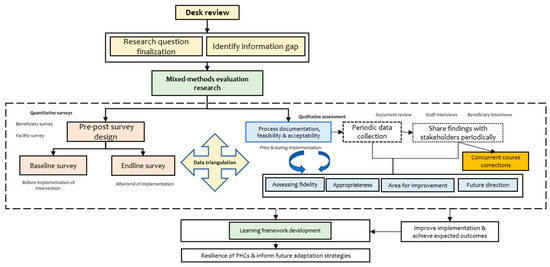
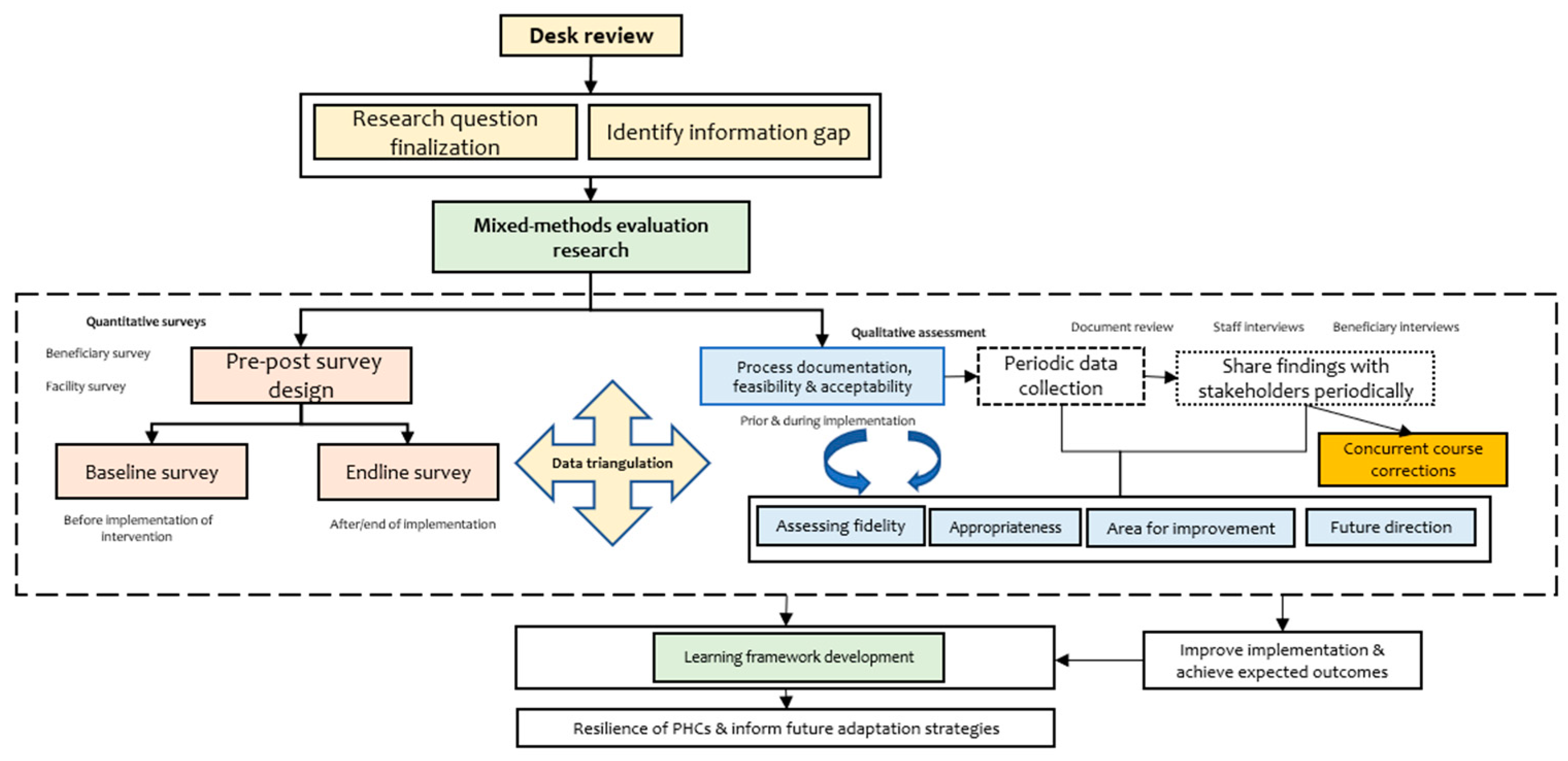
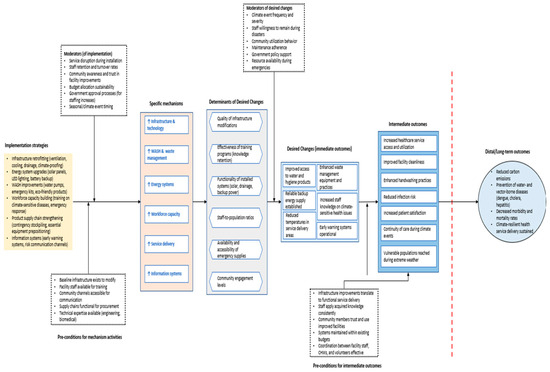
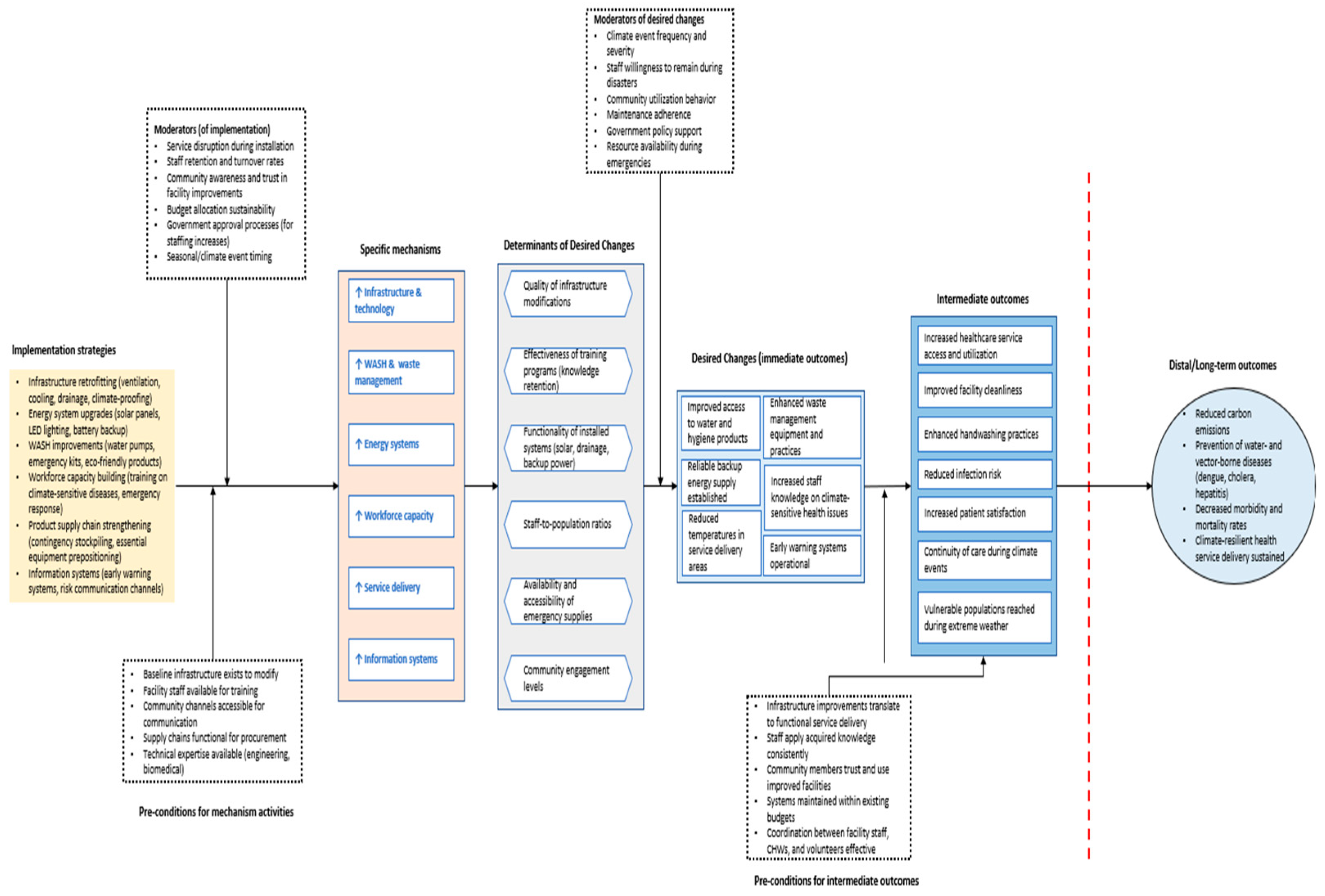

Disclaimer/Publisher’s Note: The statements, opinions and data contained in all publications are solely those of the individual author(s) and contributor(s) and not of MDPI and/or the editor(s). MDPI and/or the editor(s) disclaim responsibility for any injury to people or property resulting from any ideas, methods, instructions or products referred to in the content. |
© 2026 by the authors. Licensee MDPI, Basel, Switzerland. This article is an open access article distributed under the terms and conditions of the Creative Commons Attribution (CC BY) license.