


Abstract
Digital transformation may offer employees useful work resources while introducing additional demands. Drawing on conservation of resources theory, this study examines individual-level associations between perceived digital transformation and employee performance, with employee engagement and psychological well-being as parallel statistical mediators and perceived technological innovation as a moderator. Cross-sectional survey data were obtained from 500 employees in 58 state-owned enterprises in Guangxi, China. Regression analyses with HC3 robust standard errors and bootstrap confidence intervals indicated a positive bivariate association between perceived digital transformation and employee performance. Positive conditional indirect associations were observed through both employee engagement and psychological well-being. Perceived technological innovation positively moderated the conditional direct association and both first-stage associations, although the incremental interaction magnitudes were small. Johnson–Neyman analysis suggested a negative conditional direct association in the very low moderator region, containing 51 respondents (10.2%), and a positive association in the upper region, containing 321 respondents (64.2%). These sample-specific findings warrant cautious interpretation, particularly in the sparsely represented lower region. The findings are consistent with a COR-informed account of perceived digital resources, engagement, and well-being, but do not establish causal mediation, temporal resource-conversion processes, or differences in organizational capabilities. They inform discussions of human sustainability in digital work by considering employee well-being alongside performance. Managerial implications emphasize assessing employees’ experiences of digital initiatives and innovation. Single-source measurement, nonprobability sampling, and unmodelled organizational clustering limit inference.
1. Introduction
Digital transformation has moved beyond the adoption of isolated information technologies to become an organization-wide process that reconfigures strategy, work practices, structures, and value creation. It combines digital technologies with organizational change, requiring firms to redesign how information is used, decisions are made, and employees coordinate their work [1,2,3]. This process can provide employees with faster access to information, integrated platforms, clearer workflows, and new opportunities to learn and innovate. Yet the value of digital transformation is not realized by technology alone. Its operational benefits depend on how employees interpret new systems, mobilize the resources they provide, and incorporate them into everyday work. Reviews of digital transformation research therefore increasingly call for greater attention to the human and organizational processes through which digital initiatives are converted into performance outcomes [4,5].
At the employee level, the relationship between digital transformation and performance is theoretically ambiguous. Digital platforms can reduce routine effort, improve decision quality, facilitate collaboration, and support adaptive responses to changing demands. These resource-enhancing features should help employees perform their assigned tasks, contribute beyond formal role requirements, and remain effective under uncertainty. At the same time, transformation can introduce new learning demands, role ambiguity, connectivity overload, electronic monitoring, and pressure to adapt continuously. Such demands can consume attention and emotional energy, thereby weakening rather than strengthening performance when implementation support is inadequate [5,6,7,8,9]. More broadly, returns from digital investment may be delayed until complementary organizational changes and capabilities are developed, creating a productivity gap between technology adoption and realized value [10,11]. Digital transformation should therefore be treated as a potentially valuable organizational resource whose employee-level consequences depend on the mechanisms and conditions through which it is implemented.
Conservation of resources (COR) theory provides a useful foundation for explaining these divergent consequences. COR theory suggests that individuals strive to acquire, protect, and build valued resources, and that resource gains become especially consequential when they enable further gains, whereas resource loss can initiate damaging loss cycles [12,13]. Applied to digital transformation, a clear digital direction, well-integrated platforms, effective training, and redesigned workflows can expand employees’ informational, cognitive, and social resources. Employees may invest these resources in their roles, but they may also experience them as insufficient or costly when transformation increases demands without providing commensurate support. This resource-based reasoning directs attention to two distinct employee pathways: employee engagement and psychological well-being [14,15,16].
Employee engagement represents the cognitive, emotional, and behavioral investment of the self in work roles [17,18,19]. Digital transformation may strengthen engagement when employees understand the purpose of digital initiatives, see how their roles contribute to organizational goals, receive adequate training, and can use integrated tools to solve problems [16,20]. Engagement, in turn, channels available resources into focused effort, persistence, initiative, and adaptability, all of which are relevant to employee performance [21,22]. Recent evidence in digitally transforming logistics firms similarly links employees’ engagement in transformation initiatives with job performance [23]. Psychological well-being captures a related but non-equivalent process. It reflects positive affect, effective functioning, perceived control and meaning, and supportive social relationships [24]. Digital work arrangements that improve autonomy, access to resources, and coordination may protect well-being; poorly integrated systems and relentless adaptation demands may deplete it [14,15,25]. Employees who maintain psychological resources are better positioned to regulate stress, sustain concentration, and respond constructively to unexpected problems. Examining engagement and well-being in parallel is therefore important: engagement reflects the investment of resources in work, whereas well-being reflects the condition and sustainability of the employee’s psychological resource base. Treating either mechanism alone risks reducing the human side of digital transformation to a single motivational or affective response.
A second unresolved issue concerns the organizational conditions under which digital transformation becomes useful to employees. Adopting digital systems is not equivalent to developing the capability to innovate with them. Digital transformation may provide connectivity, data, and process visibility, but technological innovation determines whether these inputs are translated into incremental improvements, new solutions, experimentation, and redesigned business models. Research on digital innovation emphasizes that digital technologies create value through complementary innovation processes rather than through installation alone [26]. Evidence from Chinese firms also identifies technological innovation as an important mechanism connecting digital transformation with employment outcomes [27]. Building on this complementarity logic, the present study conceptualizes technological innovation as a boundary condition. Where technological innovation is strong, employees can use digital resources within an environment that supports experimentation, continuous improvement, learning feedback, and novel applications [5]. Digital transformation should then be more strongly associated with engagement, well-being, and performance. Where technological innovation is weak, new systems may remain disconnected from work redesign and problem solving, increasing implementation burden without generating comparable resource gains [10]. This argument implies that technological innovation can shape both the direct digital transformation–performance relationship and the indirect relationships transmitted through engagement and well-being.
These questions are particularly salient in Chinese state-owned enterprises (SOEs). SOEs often pursue digital transformation while balancing policy mandates, commercial goals, legacy processes, employment responsibilities, and hierarchical governance; their transformation paths are shaped by institutional pressures, organizational inertia, and the attraction of emerging technologies [28]. This combination can produce substantial variation in whether digital initiatives are integrated with local innovation and employee work systems. The context is analytically useful because it makes the distinction between technology adoption and innovation-enabled implementation especially visible. Guangxi provides a further setting in which SOEs operate across traditional and emerging industries while confronting uneven digital and innovation capabilities. Rather than treating this regional setting as a claim to uniqueness, the study uses it to examine a broader theoretical problem: when does perceived organizational digital transformation supply employees with usable resources, and through which employee states are those resources associated with performance?
From a human-sustainability perspective, digital transformation should be evaluated through employee functioning and well-being alongside performance. COR theory highlights the importance of protecting psychological resources while employees invest effort in changing work demands. Engagement and well-being therefore represent distinct considerations: greater investment in work does not by itself demonstrate that employees can maintain healthy functioning over time. The present study examines associations relevant to this tension, without directly measuring long-term sustainability.
Accordingly, this study asks: At the individual employee level, how is perceived digital transformation associated with employee performance, directly and indirectly through employee engagement and psychological well-being, and how do these associations vary with perceived technological innovation? Using cross-sectional survey data from 500 employees in state-owned enterprises in Guangxi, China, the study tests a moderated parallel-mediation model. Employee engagement and psychological well-being are specified as parallel statistical mediators, while perceived technological innovation moderates the conditional direct association and the first-stage associations with both mediators. Both perceived digital transformation and perceived technological innovation represent individual employees’ assessments of practices and activities in their employing enterprises. Employee performance is self-reported and encompasses task, contextual, and adaptive behaviors. The model therefore estimates individual-level conditional associations rather than causal processes or relationships between organizational capabilities [29].
The study makes four contributions. First, it extends COR-informed explanations of digital transformation by examining individual-level associations between perceived digital transformation and employee performance. Second, it jointly examines employee engagement and psychological well-being as distinct statistical indirect associations, informing human-sustainability discussions without treating engagement and well-being as interchangeable. Third, it identifies perceived technological innovation as a boundary condition for these associations. Fourth, it provides contextual evidence from employees in Chinese SOEs, without establishing differences between enterprises or ownership types. These contributions concern conditional associations consistent with resource-based reasoning; the single-wave, single-source design does not establish temporal resource conversion or causal mediation.
2. Literature Review and Hypotheses Development
2.1. Conservation of Resources Theory and Digital Transformation
Conservation of resources (COR) theory explains work behavior in terms of individuals’ efforts to obtain, protect, and develop resources that they value [12,30]. Resources include objects, conditions, personal capacities, and energies that help individuals achieve goals or protect them from further resource loss. Two propositions are especially relevant to digital transformation. First, resource loss is disproportionately salient: when new demands consume time, attention, competence, or emotional energy, employees become increasingly vulnerable to strain. Second, COR theory proposes that resource gains may accumulate over time. However, testing gain cycles requires repeated observations and explicit temporal specifications, as emphasized by Sonnentag and Meier [13]. The present single-wave study examines resource-related associations and does not test gain spirals. COR theory therefore does not imply that organizational change is inherently beneficial or harmful. Its effects depend on whether employees experience the change as a net source of usable resources or as a demand that exceeds the resources available to meet it.
Digital transformation can alter this resource balance because it changes both the technological infrastructure of work and the organizational arrangements through which employees act. In this study, perceived digital transformation refers to employees’ assessment that their enterprise has established a coherent digital direction, embedded digital technologies in operational processes, and used them to generate organizational value. A coherent transformation may provide informational resources through timely and integrated data, instrumental resources through automation and interoperable systems, developmental resources through training and learning, and social resources through improved coordination. These resources can reduce avoidable effort and enable employees to redirect attention toward problem solving, service, and adaptation [1,5]. Conversely, fragmented implementation can create technostress, learning burdens, role uncertainty, and monitoring pressure [6]. The present model focuses on the resource-gain pathway while recognizing this competing possibility: when employees perceive digital transformation as strategically coherent and operationally useful, they should have more resources available for performance.
Employee performance is conceptualized broadly as task, contextual, and adaptive performance. Task performance concerns the effective completion of core duties; contextual performance concerns discretionary behaviors that support the social and organizational environment; and adaptive performance concerns effective responses to novelty and change [31]. Digital transformation may support all three forms. Integrated information and streamlined routines can improve task execution; collaborative platforms can facilitate helping and coordination; and access to data and digital tools can strengthen employees’ capacity to respond to changing demands. Because these benefits are ultimately realized through employee action, the relevant prediction concerns employees’ perceptions of transformation rather than the mere presence of a technology [32]. Related sustainability research examines indirect relationships involving ESG disclosure at the firm level [33] and green trust and satisfaction at the employee level [34]. These studies provide contextual perspectives on sustainability-related indirect relationships, whereas the present hypotheses concern statistical associations among employee perceptions and outcomes. Thus:
H1.
Perceived digital transformation is positively associated with employee performance.
2.2. Employee Engagement as a Motivational Mechanism
Employee engagement describes the cognitive, emotional, and behavioral investment of the self in a work role [17,18,35]. Engaged employees concentrate on their tasks, experience a stronger emotional connection to their work, and apply sustained energy in role performance. From a COR perspective, engagement is a form of resource investment. Employees are more willing and able to invest attention, persistence, and initiative when their work environment provides resources that make successful action likely [21]. Digital transformation can supply such resources by clarifying the organization’s direction, increasing access to relevant information, making workflows more transparent, and enabling employees to solve problems with greater speed and discretion.
Digital transformation may also make work more meaningful when employees understand how new tools contribute to service quality, organizational modernization, or public and commercial goals. Training and participation in transformation can strengthen competence and psychological availability, while digital collaboration can reinforce connection with colleagues. Together, these conditions address the meaningfulness, safety, and availability conditions that support personal engagement [17]. Empirical research likewise suggests that job resources are positively related to engagement and that engagement is a proximal predictor of performance [18,36,37,38]. In a transformation setting, employees who perceive digital initiatives as usable organizational resources should therefore show stronger cognitive focus, emotional involvement, and behavioral participation.
H2.
Perceived digital transformation is positively associated with employee engagement.
Engagement should, in turn, be positively associated with employee performance. Cognitive engagement helps employees maintain attention and understand complex work; emotional engagement supports enthusiasm and persistence; and behavioral engagement encourages effort, initiative, and cooperation. These investments are relevant not only to prescribed tasks but also to contextual contributions and adaptive responses. Meta-analytic evidence supports a positive relationship between work engagement and performance, while COR theory explains why the relationship can persist: successful resource investment produces accomplishment, feedback, efficacy, and social support, which may generate further resource gains [12,36,39]. Thus:
H3.
Employee engagement is positively associated with employee performance.
Together, these arguments predict a positive statistical indirect association between perceived digital transformation and employee performance through employee engagement. This prediction concerns the product of regression associations rather than an observed resource-conversion process. Cross-sectional indirect estimates can be biased representations of longitudinal mediation, as demonstrated by Maxwell and Cole [40]. Accordingly:
H4.
Perceived digital transformation is positively associated with employee performance indirectly through employee engagement, as represented by a positive statistical indirect association in the specified regression model.
2.3. Psychological Well-Being as a Resource-Sustaining Mechanism
Psychological well-being is conceptually distinct from engagement. Whereas engagement concerns investment in a work role, well-being concerns the positive condition and functioning of the employee’s psychological resource base. The present study treats psychological well-being as a multidimensional state encompassing positive emotional experience, effective psychological functioning, and constructive social functioning. This approach is consistent with views of flourishing that extend beyond the absence of distress to include meaning, mastery, positive relationships, and social integration [24,41,42].
Digital transformation can support psychological well-being when it removes repetitive burdens, improves access to information, increases perceived control, and enables more effective coordination [5,14]. Clear digital strategy and well-designed operational systems can reduce uncertainty and help employees experience competence and progress. Digital tools may also expand access to colleagues and organizational support. In COR terms, these conditions protect existing resources and enable resource gains. However, the prediction is conditional on employees perceiving transformation as coherent and useful; digital overload, interruptions, surveillance, and continuous reskilling can instead threaten well-being [6,8,14,25]. Because the construct captures perceived transformation across strategic direction, operational support, and value generation, higher perceptions should on balance indicate a more resource-supportive environment.
H5.
Perceived digital transformation is positively associated with employees’ psychological well-being.
Psychological well-being should also facilitate employee performance. Employees with stronger psychological resources can regulate attention and emotion, persist after setbacks, maintain constructive relationships, and adapt to uncertain demands. Positive affect can broaden thought–action repertoires, while purpose, mastery, and supportive relationships provide resources for sustained functioning. In contrast, depleted well-being restricts the capacity available for concentration, cooperation, and adaptation. Evidence has generally linked employee well-being with job performance, although effect sizes and temporal ordering vary across designs [43]. The present cross-sectional design therefore tests an association consistent with, but not definitive evidence of, the proposed process.
H6.
Psychological well-being is positively associated with employee performance.
Psychological well-being provides a theoretically distinct basis for a positive statistical indirect association between perceived digital transformation and employee performance. Examining it alongside engagement differentiates psychological functioning from investment in work. These indirect associations do not establish temporal mediation, and cross-sectional estimates may differ from the corresponding longitudinal relationships [40]. Accordingly:
H7.
Perceived digital transformation is positively associated with employee performance indirectly through psychological well-being, as represented by a positive statistical indirect association in the specified regression model.
2.4. Technological Innovation as a Complementary Resource Context
Digital transformation creates a technological and organizational platform, but technological innovation determines the extent to which that platform is used to improve existing products, services, and processes or to develop substantially new solutions. In this study, technological innovation encompasses both incremental and radical innovation as perceived by employees. The distinction between transformation and innovation is theoretically important: an enterprise may deploy digital systems without building routines for experimentation, learning, and application, whereas an innovation-oriented enterprise can convert digital inputs into concrete improvements and new forms of value creation [26]. Technological innovation is therefore conceptualized as a complementary organizational resource context rather than as another label for digital transformation.
Complementarity logic and COR theory jointly suggest that technological innovation strengthens the value of digital transformation. When technological innovation is high, digital data, platforms, and connectivity are more likely to be paired with experimentation, feedback, technical support, and opportunities to apply new ideas [5,44,45]. These complementary resources increase the likelihood that employees can convert transformation into better work outcomes. When technological innovation is low, digital systems may be implemented primarily for compliance, control, or surface modernization; employees then bear adaptation costs without equivalent opportunities to improve how work is performed [6,14]. The positive association between digital transformation and performance should consequently be stronger in a high-innovation environment.
H8.
Perceived technological innovation positively moderates the association between perceived digital transformation and employee performance, such that the association is stronger when perceived technological innovation is higher.
The same complementarity should operate at the first stage of each indirect pathway. An innovation-supportive context gives employees discretion to experiment with digital tools, makes learning more consequential, and provides visible evidence that transformation can produce useful outcomes [5,45]. These conditions enhance the meaningfulness and efficacy of resource investment, strengthening engagement. By contrast, transformation without innovation may resemble an imposed technical change with limited scope for employee initiative [45,46,47]. Technological innovation should therefore amplify the association between perceived digital transformation and engagement.
H9.
Perceived technological innovation positively moderates the association between perceived digital transformation and employee engagement, such that the association is stronger when perceived technological innovation is higher.
Perceived technological innovation may condition the association between perceived digital transformation and psychological well-being. An environment that supports incremental improvement and radical experimentation can provide learning support, problem-solving latitude, feedback, and a sense of progress [5,14,45]. These resources can offset the uncertainty and effort involved in adopting new digital practices. Where innovation support is weak, the same transformation may be experienced as additional workload, fragmented implementation, or intensified control, offering fewer resource gains to compensate for its demands [6,14,25]. Accordingly, the association between perceived digital transformation and psychological well-being should be more positive at higher levels of technological innovation.
H10.
Perceived technological innovation positively moderates the association between perceived digital transformation and psychological well-being, such that the association is stronger when perceived technological innovation is higher.
The moderation arguments imply that statistical indirect associations through engagement and psychological well-being may vary with perceived technological innovation. COR theory provides a rationale for these conditional relationships [12,13], but temporal resource-gain processes are not tested. Cross-sectional indirect estimates may be biased representations of longitudinal mediation [40]. Conditional indirect associations and moderated mediation indices are therefore examined using the approach proposed by Hayes [48].
H11.
The statistical indirect association between perceived digital transformation and employee performance through employee engagement becomes more positive as perceived technological innovation increases.
H12.
The statistical indirect association between perceived digital transformation and employee performance through psychological well-being becomes more positive as perceived technological innovation increases.
H4 and H7 concern statistical indirect associations evaluated at mean perceived technological innovation, whereas H11 and H12 concern variation in these associations across moderator levels. These hypotheses do not test temporal resource-gain spirals, causal transmission, or the ordering of changes in digital transformation, employee states, and performance.
The proposed model combines a direct association with two parallel statistical indirect associations and perceived technological innovation as an individual-level moderator. Perceived digital transformation is expected to be positively associated with employee performance directly and indirectly through engagement and psychological well-being. These associations are expected to vary with perceived technological innovation. The single-wave design tests patterns consistent with COR reasoning without establishing temporal resource conversion or causal mediation.
3. Materials and Methods
3.1. Research Design
This study employed a quantitative, cross-sectional survey design to examine the direct and indirect associations between employees’ perceptions of digital transformation and employee performance and to determine whether technological innovation conditioned these associations. The unit of analysis was the individual employee. Perceived digital transformation and perceived technological innovation represent individual employees’ assessments of digital transformation and technological innovation in their employing enterprises. Although the questionnaire items refer to organizational practices and activities, the resulting scores capture each respondent’s perceptions rather than independently verified organizational capabilities. The scores were not aggregated to the enterprise level, and no claims of shared organizational climate or between-enterprise differences are made. Accordingly, the model estimates relationships among individual-level perceptions and self-reported employee outcomes. The empirical model specified employee engagement and psychological well-being as parallel mediators and technological innovation as a moderator of the digital transformation–performance association and of the first stage of both indirect pathways. Because all variables were measured at one point in time, the analyses estimate conditional associations and indirect effects; they do not by themselves establish temporal precedence or causality. Reporting was guided by the relevant principles of the STROBE statement for cross-sectional studies [49].
3.2. Research Setting and Participants
The study involved employees from 58 SOEs in Guangxi, China, operating in manufacturing, energy, telecommunications, finance, and public utilities. The available documentation does not specify how enterprises were initially selected and contacted or whether any invited enterprises declined.
Eligible participants were required to satisfy five conditions: they were employed by an SOE located in Guangxi; held a full-time formal position; had worked in the enterprise for at least 1 year; used digital systems directly or indirectly, or participated in digital-transformation processes; and voluntarily agreed to participate. Interns, short-term workers, employees with less than 1 year of organizational tenure, individuals whose work had no direct or indirect connection with digital systems, and individuals who did not consent were excluded. Eligibility was assessed through five screening questions placed before the substantive questionnaire. Respondents could proceed only after answering “Yes” to all five questions.
3.3. Sampling Strategy and Sample Size
The parent study planned stratification by enterprise size and employee role to broaden coverage across organizational contexts. Within participating enterprises, questionnaires were distributed through organizational contacts and communication channels to employees who met the eligibility requirements. Accordingly, the achieved sample should be understood as an eligibility-screened, organization-facilitated sample rather than as a probability sample from a complete employee-level roster. This characterization avoids overstating representativeness where individual selection probabilities could not be documented.
The analytical sample comprised 500 employees. A conventional F-test sensitivity analysis indicated minimum detectable interaction f2 values of 0.0158 and 0.0211 at 80% and 90% power, respectively (α = 0.05; residual df = 496). Simulation sensitivity for the moderated mediation index through employee engagement used 1000 datasets per scenario and 999 respondent-level bootstrap resamples per dataset (seed = 20261007), retaining observed predictors and calibrating other coefficients and multivariate normal error covariance to the fitted models. Detection rates were 19.3%, 56.3%, 91.0%, and 98.9% for indices of 0.01742, 0.03483, 0.05225, and 0.06966, respectively; the null rejection rate was 5.5%. These assumption-dependent results indicate limited sensitivity to small effects and do not account for enterprise clustering.
3.4. Survey Response and Sample Retention
A total of 550 questionnaires were reported as distributed, and 520 were returned (94.55%). This questionnaire-return rate reflects organization-facilitated recruitment rather than participation from a probability-based sampling frame. The available documentation does not establish how individual invitees were selected or how the distribution total was enumerated. Screening identified 10 ineligible responses, 5 incomplete responses, and 5 responses failing the prespecified response-quality criteria. Each excluded questionnaire was counted once, leaving 500 usable responses (96.15% of returned questionnaires). All retained respondents confirmed the five eligibility and consent screening items and reported full-time permanent employment. The achieved sample is an eligibility-screened, organization-facilitated nonprobability sample; the high return rate does not establish representativeness. Eligibility through digital-system-related work did not require participation in digital transformation projects. Thus, the 47 respondents (9.4%) reporting no project involvement remained eligible through their digital-system-related work.
3.5. Questionnaire Development and Data Collection
The questionnaire comprised eligibility screening questions, respondent characteristics, and 56 substantive items covering five constructs. The instrument drew on the conceptual frameworks cited in Section 3.6. Supplementary Table S1 distinguishes references providing conceptual foundations from sources of measurement items; conceptual correspondence alone does not establish direct adaptation from a validated scale [1,18,31,41,50]. The questionnaire was developed in English, translated into Chinese, and back-translated into English by a university English-language teacher. All respondents completed the Chinese version. A pilot test involving 30 eligible employees yielded no reported feedback, and no item revisions were made following the pilot. Pilot survey data were excluded from the main analytical sample of 500 employees.
Following ethics approval on 22 August 2025, data collection continued until November 2025. Organizational contacts distributed questionnaires through enterprise email and internal communication channels, with printed copies provided in less digitally mature SOEs. The questionnaire explained the study purpose, voluntary participation, confidentiality, academic use of responses, and the estimated completion time of 10–15 min. Employees decided whether to participate. The available documentation does not specify collection arrangements, completion during working hours, managers’ knowledge of participation or access to responses, or the use of reminders or incentives.
3.6. Measures
All constructs were measured using multi-item self-report instruments with five-point response anchors ranging from 1 (very low) to 5 (very high). Construct scores were calculated as item means, retaining the 1–5 scale, with higher scores indicating higher levels of each construct. All items were positively worded, with no reverse-keyed items. This wording and shared response format may permit acquiescence and response-style covariance to inflate correlations; reliability, CFA, and common-method diagnostics do not eliminate these risks. Overall scores were retained following comparisons of alternative CFA specifications based on admissibility, fit, and parsimony rather than reliability alone (Supplementary Table S2). Supplementary Table S1 documents item wording, intended dimensions, conceptual foundations, and available provenance information, explicitly identifying where original item sources or adaptation records could not be verified.
3.6.1. Perceived Digital Transformation
Perceived digital transformation refers to an individual employee’s assessment of the enterprise’s digital strategic direction, operational support, and value creation through digital initiatives. Perceived digital transformation was measured using a scale of 12 items based on the conceptualization of digital transformation as a firm-level process that entails strategic renewal, changes in organizational processes and capabilities, and the creation of new types of value [1,51]. These items covered dimensions such as strategic orientation, operational pillars, and value creation, with four items per dimension. They assessed employees’ understanding of the firm’s vision and objectives related to digital transformation, strategic fit between the firm’s digital transformation strategy and its objectives, training and support from other departments, efficient and integrated platforms, and value created due to these initiatives. An example item is: “The technology platforms we use are efficient and well-integrated.” The perceived digital transformation score was calculated as the mean of the 12 items.
3.6.2. Perceived Technological Innovation
Perceived technological innovation refers to an individual employee’s assessment of incremental and radical technological innovation activities in the employing enterprise. It is examined as an individual-level perceptual moderator, rather than as an objectively measured enterprise-level capability. Assessment of technological innovation involved the use of eight indicators formulated to represent incremental and radical innovation, drawing on conceptual foundations [52,53]. Four of these indicators reflected incremental innovation, focusing on continuous improvement, technological upgrades, cost reduction, and product/service enhancement. The remaining four indicators represented radical innovation, highlighting investments in innovative technologies, business model creation, high-risk, high-reward activities, and exploratory activities with the potential to generate new markets. An example item is: “My organization constantly makes small improvements in enhancing existing products or services.”
3.6.3. Employee Engagement
Employee engagement was assessed using a 12-item questionnaire consistent with the three-dimensional model of the Employee Engagement Scale [35], with four items per dimension. The items assessed employees’ perceptions of their contributions to organizational goals, cognitive engagement in improving performance, emotional attachment to their jobs, discretionary effort, initiative, energy, and perseverance. An example item is: “I take the initiative to improve processes or resolve problems at work.”
3.6.4. Psychological Well-Being
Psychological well-being was assessed using 12 items covering emotional well-being, psychological functioning, and social well-being, with four items per dimension. The conceptual foundations were positive mental health and flourishing [41,42]. The items included positive emotions, emotion regulation, work–life balance, confidence, growth, purpose, autonomy, supportive relationships, belonging, cooperation, and meaningful contribution. The mean of the 12 items was used as the overall score. The raw-data label “Mental_health” was retained in the dataset; “psychological well-being” is the manuscript’s descriptive label for the positive functioning assessed by these items. This terminology does not establish equivalence to Ryff’s scales or the MHC-SF. Item wording, intended dimensions, and limitations of item-level provenance are documented in Supplementary Table S1.
3.6.5. Employee Performance
Employee performance was assessed using 12 items covering task, contextual, and adaptive performance, with four items per dimension. The measurement framework draws on the multidimensional conceptualization of individual work performance [54] and research defining adaptive performance as employees’ ability to adjust their behavior to changing work demands [55]. Task-performance items addressed productivity, efficiency, work quality, and timely goal achievement. Contextual-performance items addressed helping others, taking initiative beyond formal role requirements, contributing to the work environment, and supporting organizational objectives. Adaptive-performance items addressed adjustment to changes in the work environment, effective functioning under uncertainty, learning new skills, and handling unexpected situations. An example item is: “I adapt quickly to changes in work environment or job requirements.” The overall performance score was calculated as the mean of the 12 items.
3.6.6. Respondent Characteristics
The questionnaire recorded gender, age group, educational attainment, job position, functional department, organizational tenure, level of involvement in digital transformation, and employment type. These variables were used to describe the sample. They were not automatically entered as statistical controls because control-variable inclusion without a clear theoretical rationale can distort focal estimates [56]. The primary model excluded demographic controls; supplementary sensitivity analyses adjusted for age, education, job position, work experience, and digital-transformation involvement.
3.7. Data Screening and Quality Control
The returned questionnaire data were screened to determine eligibility, completeness, and response quality. The data were checked for missing values, duplicate responses, straight-line responding, and low within-person variability. A within-person standard deviation below 0.20 was used to flag responses for review rather than automatic exclusion. Outliers were checked using both univariate and multivariate measures, which included standardized scores, Mahalanobis Distance, leverage, and Cook’s distance. Cases flagged for any of these reasons were only excluded if there were several indications and their effects were analyzed.
Before testing the hypotheses, distributional and regression assumptions were tested using skewness and kurtosis coefficients, residual analysis, the Breusch–Pagan test, Ramsey Regression Specification Error Test (RESET), variance inflation factors (VIF), and influence analysis. HC3 robust standard errors were used in all regression-based conditional process analyses. Screening criteria included absolute composite-score z values > 3.29 and Mahalanobis Distance > 20.515 (χ2 with 5 degrees of freedom, p < 0.001). For the employee-performance equation, potentially influential observations were flagged using Cook’s distance > 4/N (0.008) and leverage > 2p/N (0.024), where p = 6, including the intercept. Flags prompted inspection and sensitivity analysis rather than automatic exclusion.
3.8. Data Analysis
3.8.1. Descriptive and Measurement Analyses
Analyses were conducted in R 4.5.1. Descriptive statistics and internal consistency were examined using psych 2.6.5. CFA models were estimated using lavaan 0.7-2 with robust maximum likelihood (MLR), treating five-point item responses as continuous indicators and fixing latent variances to one (std.lv = TRUE). The FIML missing-data option was specified, although no missing item responses were present. Model fit was evaluated using scaled chi-square, robust CFI and TLI, RMSEA with its 90% confidence interval, and SRMR. Reliability and validity were assessed using standardized factor loadings, Cronbach’s alpha, composite reliability, average variance extracted (AVE), the Fornell–Larcker criterion, and the heterotrait–monotrait (HTMT) ratio. Composite reliability and AVE were calculated using semTools 0.5-9.
Procedural and statistical diagnostics were used to assess the potential influence of common-method variance. Procedural measures included voluntary participation, confidentiality assurances, neutral item wording, construct-specific instructions, and separate questionnaire sections. Statistical diagnostics comprised Harman’s single-factor test and a common latent factor (CLF) analysis. The CLF model included a common factor with fixed variance, freely estimated loadings on all 56 items, and zero correlations with the five trait factors. These diagnostics were treated as sensitivity tests rather than evidence that common-method bias was absent [57].
3.8.2. Hypothesis and Conditional Process Tests
Hypotheses were tested using a moderated parallel-mediation model in which perceived technological innovation moderated the association of perceived digital transformation with each mediator and its direct association with employee performance. Perceived digital transformation and perceived technological innovation were mean-centered before forming their interaction. H1 was tested separately using the total association between perceived digital transformation and employee performance, excluding the mediators, moderator, and interaction term.
The conditional process model was specified as follows, where X denotes perceived digital transformation, W perceived technological innovation, M1 employee engagement, M2 psychological well-being, and Y employee performance. X and W represent mean-centered scores.
M1 = i1 + a1X + d1W + a3XW + e1
M2 = i2 + a2X + d2W + a4XW + e2
Y = iY + c’X + dYW + c3XW + b1M1 + b2M2 + eY
Regression coefficients were unstandardized. Conditional indirect associations were (a1 + a3W)b1 and (a2 + a4W)b2, with moderated mediation indices a3b1 and a4b2, respectively. Regression models were estimated using ordinary least squares, with HC3 covariance estimates obtained using sandwich. Conditional direct associations and Johnson–Neyman boundaries used a t reference distribution based on the outcome model’s residual degrees of freedom.
Conditional indirect associations and moderated mediation indices were estimated using 5000 ordinary nonparametric bootstrap resamples with replacement at the respondent level, implemented using boot 1.3-31. The original bootstrap random-number generator states were recovered from the saved bootstrap objects, and replay checks reproduced both sets of 5000 bootstrap draws exactly. All three regression equations were re-estimated within each resample, retaining the original centering constants and moderator probe values. Percentile 95% confidence intervals were reported [48]. Within each resample, conditional total associations were calculated as the sum of the conditional direct association and both conditional indirect associations. The total association was estimated separately from the regression of employee performance on perceived digital transformation alone.
Tests were two-tailed with α = 0.05. Primary analyses used the overall employee-performance composite score; robustness analyses examined task, contextual, and adaptive performance separately. Given the cross-sectional design, “mediation” refers to statistical indirect associations without establishing temporal order or causation.
Supplementary sensitivity analyses added categorical controls for age, education, job position, work experience, and involvement in digital transformation to the employee-performance equation. These characteristics may relate to digital exposure, work responsibilities, and performance opportunities. Additional specifications included squared mean-centered digital-transformation and technological-innovation terms, separately and together with the controls. All models retained both mediators and the interaction and used HC3 inference.
Employees were recruited from 58 enterprises, creating potential within-enterprise dependence. Enterprise identifiers were unavailable and could not be recovered from the available materials. Consequently, respondent counts by enterprise, intraclass correlations, and sample concentration across enterprises could not be assessed, and multilevel analysis or organization-clustered standard errors could not be implemented. HC3 standard errors address heteroskedasticity but do not account for within-enterprise dependence; the reported confidence intervals and significance tests therefore remain unadjusted for organizational clustering.
3.9. Ethical Considerations
The research protocol was reviewed by the Institutional Review Board at Dhonburi Rajabhat University and found to be eligible for exempt status. The Certificate of Exemption was granted on 22 August 2025 (Certificate of Exemption No. 049/2568; IRB No. DRUIRB-GOV-66-00015; Research Project No. 056/2568). The questionnaire included the objectives of the study, the approximate time required, the voluntary nature of participation, confidentiality, and that the information would be used for scholarly purposes. Consent to participate in the study was obtained electronically before participants were allowed access to the questions. No identifying information was collected, and the results were reported anonymously to ensure the privacy of the employees and companies involved.
4. Results
4.1. Survey Response and Participant Profile
Of the 550 questionnaires distributed, 520 were returned (overall response rate = 94.55%). Ten returned questionnaires were ineligible, five were incomplete, and five failed the prespecified response-quality criteria. The final analytical sample therefore comprised 500 respondents, representing 96.15% of returned questionnaires. No missing values were present across the 56 measurement items. No exact duplicate measurement patterns or perfect straight-line responses were identified. One response had a within-person standard deviation below 0.20 and was retained for sensitivity analysis because it was neither a perfect straight-line response nor a duplicate pattern.
As shown in Table 1, 55.8% of respondents were men and 39.4% were women. The largest age group was 25–34 years (41.6%), and 55.4% held a bachelor’s degree. Frontline or operations employees constituted 60.8% of the sample, while 29.8% were middle managers. Most respondents were either directly (40.0%) or indirectly (50.6%) involved in digital-transformation activities. All retained respondents were full-time permanent employees. These characteristics indicate that the sample included employees occupying different organizational positions and varying levels of proximity to digital-transformation work.
Table 1.
Selected Participant Characteristics.
4.2. Preliminary and Measurement-Model Results
The construct means ranged from 3.612 to 3.664 on the 1–5 response scale (Table 2).
Table 2.
Descriptive Statistics, Reliability, and Correlations.
Absolute skewness and kurtosis values did not exceed 0.203 and 0.412, respectively, suggesting no substantial univariate distributional problems. Cronbach’s alpha coefficients ranged from 0.911 to 0.942. Employee performance was positively correlated with perceived digital transformation (r = 0.416, p < 0.001), perceived technological innovation (r = 0.316, p < 0.001), employee engagement (r = 0.512, p < 0.001), and psychological well-being (r = 0.435, p < 0.001). Perceived digital transformation was also positively correlated with both mediators, particularly employee engagement (r = 0.516, p < 0.001).
For the employee-performance equation, 24 observations exceeded the Cook’s distance threshold of 0.008, and 41 exceeded the leverage threshold of 0.024; maximum values were 0.036 and 0.070, respectively. The studentized Breusch–Pagan test, χ2(5) = 3.841, p = 0.573, and RESET test, F(2, 492) = 0.199, p = 0.820, were nonsignificant.
4.3. Measurement Quality and Common Method Diagnostics
One-factor models yielded admissible solutions. Several multidimensional alternatives produced improper, boundary, or nonconvergent solutions; the admissible two-factor technological-innovation model showed a latent correlation of 0.991. Overall scores were retained as a practical analytical choice, while recognizing that limited empirical differentiation does not establish theoretical unidimensionality (Supplementary Table S2). As shown in Table 3, the five-factor measurement model yielded scaled χ2(1474) = 1541.696, p = 0.107, robust CFI = 0.996, robust TLI = 0.996, robust RMSEA = 0.010, 90% CI [0.000, 0.015], and SRMR = 0.029. Standardized loadings ranged from 0.674 to 0.798, all p < 0.001. Composite reliability ranged from 0.911 to 0.942, and AVE ranged from 0.532 to 0.577. Each construct’s square root of AVE exceeded its latent correlations with other constructs, and all HTMT values were below 0.55, supporting convergent and discriminant validity within the specified model.
Table 3.
Measurement-Model Fit, Reliability, and Validity.
Modification indices were examined as supplementary diagnostics (Supplementary Table S3). The largest index in the primary model concerned C1–D7 residual covariance (MI = 14.616; standardized EPC = 0.188). The correlated employee-performance dimensions model yielded inadmissible latent correlations (TP–CP = 1.004; CP–AP = 1.015). The higher-order model showed near-unit latent correlations and a singular information matrix, preventing computation of modification indices. These alternatives did not provide interpretable support for differentiated performance dimensions. No model revisions were made on the basis of modification indices.
The favorable global fit does not, by itself, establish complete construct validity, translation equivalence, theoretical unidimensionality, or freedom from common-method and response-style bias.
A content review of the available English item wording identified conceptual overlap between engagement and performance, particularly initiative and problem solving (F10/C6), support for organizational goals (F4/C8), and goal-directed persistence (F12/C4). Although these items differ in emphasis, shared behavioral content may inflate their associations. Favorable CFA and HTMT results do not eliminate this concern, and the review does not establish equivalence of the administered Chinese wording.
An ordinal CFA sensitivity analysis using WLSMV retained the same five-factor specification without cross-loadings or correlated item residuals. The model converged, with robust CFI = 0.981, robust TLI = 0.981, robust RMSEA = 0.024, 90% CI [0.018, 0.029], and SRMR = 0.032. Standardized loadings ranged from 0.737 to 0.847, and factor correlations ranged from 0.155 to 0.551. These results supported the broad measurement pattern obtained with MLR. Although a parameter-covariance warning occurred, eigenvalue checks found no materially negative eigenvalues, a positive-definite information matrix, and no negative estimated variances. Complete model specifications, standardized loadings, and factor correlations are reported in Supplementary Table S4.
Harman’s unrotated first factor accounted for 30.242% of total variance. Adding a common latent factor did not significantly improve model fit, Δχ2(56) = 56.797, p = 0.445. The mean absolute loading change was 0.003, the maximum was 0.013, and the method factor accounted for an average of 0.8% of item variance. These diagnostics do not rule out common-method bias, acquiescence, or response-style covariance arising from same-source, same-time measurement and positively worded items.
4.4. Hypothesis Tests
4.4.1. Structural Paths and Explanatory Power
The structural estimates are summarized in Table 4 and Figure 1. The total association between perceived digital transformation and employee performance was positive (b = 0.392, 95% bootstrap CI [0.312, 0.468]), supporting H1. Separately, the conditional direct association at mean perceived technological innovation, accounting for both mediators, was positive (b = 0.133, 95% HC3 CI [0.053, 0.213], p = 0.001). Digital transformation was positively associated with employee engagement (b = 0.493, p < 0.001; H2), and engagement was positively associated with performance (b = 0.299, p < 0.001; H3). Digital transformation was also positively associated with psychological well-being (b = 0.410, p < 0.001; H5), which was positively associated with performance (b = 0.227, p < 0.001; H6).
Table 4.
HC3 Robust Structural Estimates and Explanatory Power.
Figure 1.
Estimated focal moderated parallel-mediation model.
The interaction between digital transformation and technological innovation was positive in all three equations. It predicted employee performance (b = 0.273, p < 0.001; H8), employee engagement (b = 0.117, p = 0.020; H9), and psychological well-being (b = 0.227, p < 0.001; H10). The models explained 31.6% of the variance in engagement, 21.9% in psychological well-being, and 42.5% in employee performance. Adding the interaction increased R2 by 0.006, 0.026, and 0.039 for engagement, psychological well-being, and employee performance, respectively, equivalent to approximately 0.6, 2.6, and 3.9 percentage points of explained variance.
The interaction f2 values were 0.009 for employee engagement, 0.034 for psychological well-being, and 0.068 for employee performance (Table 4). These values indicate limited incremental explanatory contributions, especially for engagement. Statistical significance should therefore not be interpreted as evidence of substantial practical benefits or intervention effectiveness.
4.4.2. Conditional Direct Association
At low perceived technological innovation (mean − 1 SD; 2.985), the conditional direct association between perceived digital transformation and employee performance was negative but nonsignificant (b = −0.053, 95% CI [−0.147, 0.042], p = 0.274). At the mean, it was positive and significant (b = 0.133, 95% CI [0.053, 0.213], p = 0.001); at high perceived technological innovation (mean + 1 SD), it was more positive (b = 0.318, 95% CI [0.212, 0.424], p < 0.001).
Johnson–Neyman analysis identified a significantly negative conditional direct association below 2.794, a nonsignificant association between 2.794 and 3.471, and a significantly positive association above 3.471. These regions contained 51 respondents (10.2%), 128 respondents (25.6%), and 321 respondents (64.2%), respectively. The negative region lies below the mean − 1 SD probe but remains within the observed moderator range. Its limited data density and wider confidence intervals warrant caution. The findings indicate that the conditional direct association was not uniformly positive across observed levels of perceived technological innovation; the boundaries are sample-specific rather than organizational thresholds.
Shading indicates the 95% HC3 confidence interval using a t reference distribution; dashed vertical lines mark the Johnson–Neyman boundaries (2.794 and 3.471). The lower panel displays the observed moderator distribution. Confidence intervals are unadjusted for enterprise clustering.
4.4.3. Parallel Mediation and Moderated Mediation
Table 5 presents the conditional direct, indirect, and total associations. At the mean perceived technological innovation, the indirect association through employee engagement was 0.147, 95% bootstrap CI [0.105, 0.195], supporting H4. The indirect association through psychological well-being was 0.093, 95% bootstrap CI [0.058, 0.133], supporting H7. Both indirect associations were positive at low, mean, and high levels of technological innovation, but their magnitudes increased as technological innovation increased. Conditional total associations were positive at the mean − 1 SD (0.129), mean (0.373), and mean + 1 SD (0.617), with all bootstrap confidence intervals excluding zero.
Table 5.
Conditional Direct, Indirect, and Total Associations.
The index of moderated mediation through employee engagement was 0.035, 95% bootstrap CI [0.004, 0.066], supporting H11. The corresponding index through psychological well-being was 0.052, 95% bootstrap CI [0.023, 0.084], supporting H12.
Both moderated mediation indices excluded zero, indicating that the conditional indirect associations varied with perceived technological innovation. At the mean − 1 SD, the conditional direct association was nonsignificant, while both indirect associations were positive. This probe should be distinguished from the Johnson–Neyman region below 2.794, where the conditional direct association was significantly negative. Opposing direct and indirect associations are consistent with inconsistent statistical mediation and may reflect suppression; they do not establish a causal mechanism.
4.4.4. Robustness and Sensitivity Analyses
The substantive pattern was unchanged when task, contextual, and adaptive performance were analyzed separately. The direct coefficients for digital transformation ranged from 0.127 to 0.142 (p values ≤ 0.006), and the interaction coefficients ranged from 0.265 to 0.280 (all p < 0.001). For all three performance dimensions, the indirect associations through employee engagement and psychological well-being were significant, and the bootstrap confidence intervals for both indices of moderated mediation excluded zero. Sensitivity checks involving the low-variance response and the case flagged by the Mahalanobis-distance criterion did not materially alter the direction or inferential interpretation of the focal estimates. The conclusions were therefore not dependent on a single performance dimension or an isolated flagged observation.
The DT × TI interaction remained positive after adjustment for the five categorical controls (b = 0.272, 95% HC3 CI [0.178, 0.365]) and after adding both controls and quadratic terms (b = 0.267, 95% HC3 CI [0.171, 0.363]), both p < 0.001. The quadratic terms were jointly nonsignificant without controls, F(2, 492) = 0.044, p = 0.957, and with controls, F(2, 478) = 0.083, p = 0.920. These checks support the interaction’s stability under the examined specifications but do not exclude other nonlinear relationships or resolve enterprise clustering.
In the control-adjusted model, the Johnson–Neyman boundaries were 2.798 and 3.495, within the observed perceived-technological-innovation range of 1.625–5.000. The negative, nonsignificant, and positive regions contained 51 (10.2%), 128 (25.6%), and 321 (64.2%) respondents, respectively. These sample- and model-specific boundaries are not substantive organizational thresholds.
5. Discussion
The findings indicate individual-level conditional associations between perceived digital transformation and employee performance, including positive statistical indirect associations through engagement and psychological well-being. These associations varied with perceived technological innovation. The significantly negative conditional direct region contained only 10.2% of respondents, warranting caution about its interpretation. The results are consistent with COR-informed reasoning but do not establish causal or temporal resource-conversion processes.
5.1. Interpretation of the Findings
5.1.1. Digital Transformation and Employee Performance
The positive total association between perceived digital transformation and employee performance supports H1 and is consistent with the view that digital transformation may expand employees’ work resources. Integrated information, clearer process visibility, faster feedback, and digitally supported coordination can reduce avoidable effort and improve the quality and timeliness of work decisions [1,2,32]. From a conservation of resources (COR) perspective, these features can provide informational, cognitive, and social resources that employees invest in task completion, discretionary contribution, and adaptation [12,39,58]. The robustness analyses, in which the same substantive pattern emerged for task, contextual, and adaptive performance, suggest that the result was not driven by only one aspect of self-reported work behavior.
In the conditional process model, the direct association at mean perceived technological innovation was 0.133 (95% HC3 CI [0.053, 0.213]), while the statistical indirect associations through engagement and well-being were 0.147 (95% bootstrap CI [0.105, 0.195]) and 0.093 (95% bootstrap CI [0.058, 0.133]), respectively. Their sum yielded a conditional total association of 0.373 (95% bootstrap CI [0.301, 0.441]), which is distinct from the total association used to test H1. This finding is important because firm-level accounts of digital transformation have traditionally emphasized technology adoption, strategic change, process reconfiguration, and business-model redesign, often leaving the employee-level conversion process less explicit [4,5]. Recent research, however, emphasizes that employees are not merely recipients of digital systems; their appraisals, predispositions, and participation shape how digital transformation is enacted in practice [32,39,59]. The present findings extend this employee-centered view by suggesting that, when employees perceive digital transformation as providing usable resources, its association with performance is partly reflected through stronger engagement and psychological well-being.
The results should not be interpreted as evidence that digital transformation inevitably causes performance improvement. The data were cross-sectional, and employees who perform well may evaluate organizational transformation more favorably. In addition, supportive management or effective work design could influence both perceptions of transformation and performance. The evidence is therefore best understood as a theoretically coherent pattern of conditional associations rather than as a definitive causal sequence.
5.1.2. Engagement and Well-Being as Parallel Employee Pathways
A positive statistical indirect association through employee engagement was observed at low, mean, and high perceived technological innovation. This finding is consistent with the view that people invest more of their cognitive, emotional, and physical selves in work when the environment provides meaningfulness, psychological safety, and availability [17]. Digitally transformed work may clarify how roles contribute to organizational goals, increase access to relevant knowledge, and create opportunities to solve problems. These resources can support vigor, dedication, attention, and persistence, which have established links with task and contextual performance [18,21,36]. This pattern is consistent with a motivational resource-investment interpretation, but does not demonstrate conversion of digital resources into effort over time.
A positive conditional indirect association through psychological well-being was observed at each examined moderator level. This pattern is consistent with resource-based interpretations linking psychological functioning with employee performance [41,43] and with broaden-and-build theory [60]. However, the single-wave data do not demonstrate that digital transformation improves well-being or that well-being subsequently improves performance.
Considering the two mediators in parallel clarifies that engagement and well-being are related but not interchangeable. Engagement reflects active investment in work, whereas psychological well-being reflects the condition and sustainability of the psychological resource base from which such investment is made. An employee may be highly involved during a demanding digital rollout while simultaneously experiencing depletion, or may feel psychologically well but remain weakly connected to the transformation. The significance of both indirect pathways after mutual adjustment is consistent with two distinct statistical indirect associations in which digital transformation is associated with performance through motivational activation and sustainable psychological functioning [35,39,41,42].
At perceived technological innovation one standard deviation below the mean, the conditional direct association was nonsignificant, whereas both conditional indirect associations were positive and significant. This describes a statistical decomposition rather than full causal mediation. Reverse directionality and unmeasured common causes remain possible; the analysis cannot establish that engagement or well-being transmits a causal effect of perceived digital transformation on employee performance [40].
5.1.3. Technological Innovation as a Boundary Condition
The positive interaction in the employee-performance equation (b = 0.273, 95% HC3 CI [0.184, 0.362]; Table 4) indicates that the conditional direct association between perceived digital transformation and employee performance was more positive at higher perceived technological innovation. This concerns individual perceptions and does not establish greater performance benefits in enterprises with objectively stronger innovation capabilities. Resource complementarity provides a possible interpretation [26], but the underlying implementation processes were not measured.
The crossover was concentrated in a limited part of the sample. The significantly negative region below 2.794 contained 51 respondents (10.2%), whereas the significantly positive region above 3.471 contained 321 respondents (64.2%); 128 respondents (25.6%) occupied the nonsignificant region. At mean − 1 SD, the direct association was negative but nonsignificant (b = −0.053, 95% CI [−0.147, 0.042]). The negative region warrants caution given its sparse representation and wider confidence intervals (Figure 2). These sample-specific boundaries should not be treated as managerial cutoffs or a general rule that digital transformation is harmful under low innovation.
Figure 2.
Conditional direct association between perceived digital transformation and employee performance across perceived technological innovation. The blue line represents the estimated conditional direct association between perceived digital transformation and self-reported employee performance; the blue shaded band indicates its 95% confidence interval. The grey bars show the distribution of respondents’ perceived technological innovation scores. The red dashed vertical lines mark the Johnson–Neyman thresholds (2.794 and 3.471), and the horizontal dotted line indicates a zero association.
Fragmented systems, duplicated procedures, insufficient training, implementation burden, and monitoring pressure offer possible resource-based explanations for the negative association [6,12,14]. These conditions were not measured, and the study does not establish that resource depletion precedes subsequent gains [13]. The coexistence of positive indirect associations and a negative direct association is compatible with inconsistent statistical mediation, without confirming a causal mechanism.
The moderated mediation indices were positive through both engagement (0.035, 95% bootstrap CI [0.004, 0.066]) and psychological well-being (0.052, 95% bootstrap CI [0.023, 0.084]; Table 5). These intervals support conditional statistical indirect associations; no formal test established a difference between the two indices or first-stage interaction coefficients. Neither pathway is therefore interpreted as more strongly moderated.
Interaction f2 values were 0.009 for engagement, 0.034 for psychological well-being, and 0.068 for employee performance, indicating limited incremental explanatory contributions (Table 4). Statistical significance should not be equated with substantial practical benefits. The largest interaction added approximately 3.9 percentage points of explained variance, and its operational relevance requires longitudinal and external-outcome validation. Confidence intervals and significance tests remain unadjusted for enterprise clustering.
The interaction predicting employee engagement was small (ΔR2 = 0.0065; f2 = 0.0095), accounting for approximately 0.65 percentage points of additional explained variance. Its statistical significance therefore should not be interpreted as evidence of substantial practical importance. The finding suggests modest variation in the engagement association across perceived technological innovation, while its managerial relevance requires replication and assessment against meaningful employee outcomes.
5.2. Theoretical Contributions
The study makes four theoretical contributions. First, it extends COR-informed explanations of digital transformation to employees’ perceptions and self-reported performance. Whereas prior research emphasizes organizational reconfiguration [1,4,61,62], the present study examines individual-level associations consistent with resource-based reasoning. It provides evidence relevant to this theoretical account without demonstrating resource acquisition, conversion, or gain spirals over time.
Second, the study contributes to human sustainability and sustainable HRM by examining engagement and psychological well-being as distinct pathways alongside self-reported performance. Engagement reflects resource investment in work, whereas well-being concerns employees’ psychological functioning. Their joint examination encourages evaluation of digital initiatives through both performance and employee health. “Psychologically sustainable work” is used here as an interpretive perspective on maintaining psychological resources under changing demands, rather than as a separate construct or an outcome established by this cross-sectional study. The contribution beyond established well-being research lies in examining how well-being–performance associations coexist with engagement and vary with perceived technological innovation [63,64,65].
Third, the study identifies perceived technological innovation as a boundary condition for the observed associations. The interactions and moderated mediation indices indicate that associations between perceived digital transformation, employee engagement, psychological well-being, and self-reported performance vary with perceived technological innovation. The conditional direct association was not uniformly positive within this sample. However, the significantly negative region contained only 51 respondents (10.2%), compared with 128 (25.6%) in the nonsignificant region and 321 (64.2%) in the positive region. This pattern should not be generalized as a rule that digital transformation is harmful under low perceived technological innovation. Resource complementarity offers a possible theoretical interpretation [66,67,68], although organizational capabilities and implementation processes were not directly tested.
Fourth, the study adds evidence from employees in Chinese state-owned enterprises (SOEs), a setting in which policy mandates, commercial objectives, hierarchical governance, legacy systems, and employment responsibilities coexist. These conditions make the separation between mandated technology adoption and locally usable innovation especially visible [69,70]. The contribution is not a claim that SOEs are unique or that the estimates generalize to all Chinese organizations. The setting provides contextual evidence for the proposed relationships and motivates further investigation of employee experiences where digital transformation is partly mandate-driven. It does not establish institutional boundary conditions or differences between ownership types.
These arguments have conceptual relevance to SDG 3 through psychological well-being and SDG 8 through the consideration of employee functioning alongside productive work. The connection to SDG 9 is more indirect: perceived technological innovation provides a context for examining whether employees experience digital change as compatible with engagement, well-being, and performance. The study does not measure SDG indicators or demonstrate progress toward these goals.
5.3. Practical Implications
The findings suggest that managers should consider employees’ experiences and perceptions of digital transformation and technological innovation when reviewing digital initiatives. Employee feedback on strategic clarity, training, technical support, system integration, and opportunities to contribute to technological improvements may help identify aspects of implementation requiring further assessment. Such feedback should be considered alongside organizational records and operational indicators, because the present measures capture individual perceptions rather than objectively verified organizational capabilities. The observed conditional associations provide a basis for identifying questions to investigate, but do not establish that specific managerial interventions will improve employee performance.
Second, managers may consider practices intended to support engagement during digital implementation. Employees need a credible explanation of the transformation’s purpose, role-specific training, timely technical support, and visible links between their work and organizational objectives. Participation mechanisms—such as employee design workshops, improvement forums, user testing, and feedback channels—may provide opportunities for employees to contribute to implementation. Managers should also provide role clarity and appropriate autonomy so that digital tools expand problem-solving capacity rather than merely intensify monitoring or standardize every action.
Third, performance gains should not be pursued at the expense of psychological well-being. Leaders can monitor workload, interruptions, after-hours connectivity, learning burden, and anxiety about surveillance or job displacement during implementation. Practical safeguards include phased learning schedules, recovery time, accessible support, transparent data-governance rules, and manager training on technostress. The conditional associations through well-being motivate further evaluation of whether employee opportunities to adapt tools and influence workflows support psychological functioning and performance.
Fourth, transformation dashboards should combine technical and human indicators. Adoption rates, system availability, and project completion reveal little about whether employees can use the technology effectively. Periodic measures of engagement, well-being, perceived usability, training adequacy, idea implementation, and supervisor-rated performance may help assess employee experiences alongside operational outcomes. The Johnson–Neyman results are useful as evidence that low-innovation contexts warrant attention, but the numerical boundaries should not be used as universal pass/fail scores. Managers should instead compare units over time, investigate local causes, and use qualitative feedback to interpret quantitative signals.
Finally, SOE governance bodies should align transformation mandates with local learning. Central targets can establish urgency and consistency, but they should leave room for operational units to adapt applications to actual work. Leadership accountability should therefore include the removal of obsolete procedures, employee participation, innovation follow-through, and well-being safeguards, not only procurement or implementation milestones. The effectiveness of these practices requires evaluation using longitudinal and organizational evidence.
5.4. Limitations and Directions for Future Research
Several limitations identify priorities for future research. First, the cross-sectional design does not establish temporal ordering or causality. Conditional indirect associations and moderated mediation indices should therefore be interpreted as statistical associations consistent with the proposed theoretical model, rather than evidence of a causal process [40]. Future research could use three-wave longitudinal designs, experience-sampling methods, and quasi-experiments to examine the temporal relationships among digital transformation, employee engagement, psychological well-being, and performance. Interrupted time-series and difference-in-differences designs may also be feasible when implementation timing varies across units.
Second, all study variables were measured using employee self-reports from a single source. Although the measurement-model results, discriminant-validity assessments, Harman’s single-factor test, and common latent factor analysis provide relevant diagnostics, they cannot rule out common-method bias, social desirability, or consistency motives [57]. Positively worded items and a shared response format also leave acquiescence and response-style covariance unresolved. Conceptual overlap between behavioral engagement and performance items may also inflate their association and the corresponding conditional indirect estimates. The magnitude of this potential inflation was not quantified. The assembled well-being measure should not be assumed equivalent to established Ryff or MHC-SF instruments. Furthermore, respondents were nested within 58 SOEs, but enterprise identifiers were unavailable. Consequently, within-enterprise dependence and between-enterprise variation could not be assessed, and the perceptual measures should not be interpreted as verified organizational characteristics. Future research needs to use identifiable multilevel samples and combine employee surveys, supervisor ratings, objective performance measures, human resources documents, usage logs, and innovation reports. Organization-facilitated recruitment may have introduced selection effects or perceived pressure despite voluntary-participation and confidentiality assurances. The nonprobability sample and unavailable nonrespondent information limit generalizability beyond the participating employees and enterprises.
A major design limitation is the unmodelled clustering of employees within 58 enterprises. Enterprise identifiers could not be recovered, preventing assessment of within-enterprise dependence and adjustment for clustering. Positive within-enterprise correlations could result in underestimated standard errors and overly narrow confidence intervals. Statistical significance should therefore be interpreted cautiously. The findings concern individual-level associations in the achieved sample and do not establish between-enterprise relationships among organizational capabilities. Sensitivity analyses also indicated limited detection of small interaction and moderated mediation effects under the specified assumptions and did not establish adequate power for all model parameters.
Finally, the nonprobability sample was restricted to SOEs in Guangxi, limiting generalizability to other regions, industries, ownership types, and institutional settings. Furthermore, the constructs of interest were operationalized using the global factor model, which limits dimension-based inference. Moreover, the Johnson-Neyman regions and estimates of their boundaries are sample-dependent and cannot be considered policy recommendations. Future research will need to replicate the model in different settings, consider specific dimensions of digital transformation, technological innovation, and employee performance, and explore other boundary conditions including digital literacy, participative leadership, job autonomy, technology usability, and change fatigue. Preregistered replication studies, nonlinear modeling, and out-of-sample validation are needed to assess the robustness of the observed crossover across implementation stages and organizational contexts.
6. Conclusions
This study identifies individual-level associations between perceived digital transformation and employee performance, including positive conditional indirect associations through employee engagement and psychological well-being. The conditional direct association varied with perceived technological innovation: it was significantly negative below 2.794, encompassing 51 respondents (10.2%), nonsignificant for 128 respondents (25.6%), and significantly positive above 3.471 for 321 respondents (64.2%). These sample-specific boundaries are not managerial thresholds. The findings are consistent with COR-based interpretations but do not establish temporal resource conversion, causal mediation, or differences in organizational capabilities.
Within this organization-facilitated nonprobability sample of employees in Guangxi SOEs, the observed associations suggest that employee perceptions of digital transformation and technological innovation may be considered alongside engagement, psychological well-being, and performance when reviewing digital initiatives. However, the small interaction effect sizes (f2 = 0.009 − 0.068) do not establish that changing innovation practices, engagement, or well-being will improve performance. The Johnson–Neyman boundaries are sample-specific statistical results and should not be used as managerial thresholds or an implementation formula. The cross-sectional, single-source design, single-region sampling, and significance tests unadjusted for enterprise clustering limit inference and generalizability. Any practices motivated by these findings require further evaluation through longitudinal, multi-source, multilevel, or intervention research.
Supplementary Materials
The following supporting information can be downloaded at: https://www.mdpi.com/article/10.3390/su182110757/s1, Table S1: Questionnaire items, conceptual foundations, and measurement-development documentation; Table S2: Comparison of alternative confirmatory factor analysis models; Table S3: Selected modification-index diagnostics for measurement models; Table S4: Measurement-model specifications, standardized factor loadings, factor correlations, and ordinal CFA sensitivity analysis.
Author Contributions
Conceptualization, methodology, formal analysis, investigation, data curation, writing—original draft preparation, and project administration: C.T.; supervision, validation, and writing—review and editing: J.R.; methodological guidance, validation, and writing—review and editing: N.K. All authors have read and agreed to the published version of the manuscript.
Funding
This research received no external funding.
Institutional Review Board Statement
The study was conducted in accordance with the Declaration of Helsinki. The research protocol was reviewed by the Institutional Review Board of Dhonburi Rajabhat University and determined to be exempt from further ethical review. The Certificate of Exemption was issued on 22 August 2025 (Certificate of Exemption No. 049/2568; IRB No. DRUIRB-GOV-66-00015; Research Project No. 056/2568).
Informed Consent Statement
Informed consent was obtained from all participants before they completed the questionnaire.
Data Availability Statement
The data presented in this study are available on request from the corresponding author. The participant-level data are not publicly available because the informed-consent process and approved ethical protocol did not authorize public data sharing. Although direct personal and organizational identifiers were not collected, the dataset contains potentially sensitive employee responses for which deductive disclosure may still be possible. To protect participant confidentiality and comply with the conditions under which consent was obtained, the dataset cannot be deposited in a public repository. The aggregated results supporting the conclusions of this study are reported in the article.
Acknowledgments
The authors gratefully acknowledge the employees who participated in the study and the organizational contacts who assisted with questionnaire distribution.
Conflicts of Interest
The authors declare no conflicts of interest.
Abbreviations
The following abbreviations are used in this manuscript:
| COR | Conservation of resources |
| DT | Perceived digital transformation |
| EE | Employee engagement |
| EP | Employee performance |
| HC3 | Heteroskedasticity-consistent standard errors, type 3 |
| PWB | Psychological well-being |
| SOE | State-owned enterprise |
| TI | Perceived technological innovation |
References
- Vial, G. Understanding Digital Transformation: A Review and a Research Agenda. J. Strateg. Inf. Syst. 2019, 28, 118–144. [Google Scholar] [CrossRef] [Scilit]
- Verhoef, P.C.; Broekhuizen, T.; Bart, Y.; Bhattacharya, A.; Qi Dong, J.; Fabian, N.; Haenlein, M. Digital Transformation: A Multidisciplinary Reflection and Research Agenda. J. Bus. Res. 2021, 122, 889–901. [Google Scholar] [CrossRef] [Scilit]
- Parker, S.K.; Grote, G. Automation, Algorithms, and Beyond: Why Work Design Matters More Than Ever in a Digital World. Appl. Psychol. 2022, 71, 1171–1204. [Google Scholar] [CrossRef] [Scilit]
- Hanelt, A.; Bohnsack, R.; Marz, D.; Antunes Marante, C. A Systematic Review of the Literature on Digital Transformation: Insights and Implications for Strategy and Organizational Change. J. Manag. Stud. 2021, 58, 1159–1197. [Google Scholar] [CrossRef] [Scilit]
- Trenerry, B.; Chng, S.; Wang, Y.; Suhaila, Z.S.; Lim, S.S.; Lu, H.Y.; Oh, P.H. Preparing Workplaces for Digital Transformation: An Integrative Review and Framework of Multi-Level Factors. Front. Psychol. 2021, 12, 620766. [Google Scholar] [CrossRef] [Scilit] [PubMed]
- Tarafdar, M.; Cooper, C.L.; Stich, J. The Technostress Trifecta—Techno Eustress, Techno Distress and Design: Theoretical Directions and an Agenda for Research. Inf. Syst. J. 2019, 29, 6–42. [Google Scholar] [CrossRef] [Scilit]
- Zhang, Q.; Dai, W.; Chen, J.; Gu, Y.; Zhao, Y. The ‘Side Effects’ of Digitalization: A Study on Role Overload and Job Burnout of Employees. PLoS ONE 2025, 20, e0322112. [Google Scholar] [CrossRef] [Scilit] [PubMed]
- Siegel, R.; König, C.J.; Lazar, V. The Impact of Electronic Monitoring on Employees’ Job Satisfaction, Stress, Performance, and Counterproductive Work Behavior: A Meta-Analysis. Comput. Hum. Behav. Rep. 2022, 8, 100227. [Google Scholar] [CrossRef] [Scilit]
- Rasool, T.; Warraich, N.F.; Sajid, M. Examining the Impact of Technology Overload at the Workplace: A Systematic Review. Sage Open 2022, 12, 21582440221114320. [Google Scholar] [CrossRef] [Scilit]
- Brynjolfsson, E.; Rock, D.; Syverson, C. The Productivity J-Curve: How Intangibles Complement General Purpose Technologies. Am. Econ. J. Macroecon. 2021, 13, 333–372. [Google Scholar] [CrossRef] [Scilit]
- Nucci, F.; Puccioni, C.; Ricchi, O. Digital Technologies and Productivity: A Firm-Level Investigation. Econ. Model. 2023, 128, 106524. [Google Scholar] [CrossRef] [Scilit]
- Hobfoll, S.E.; Halbesleben, J.; Neveu, J.-P.; Westman, M. Conservation of Resources in the Organizational Context: The Reality of Resources and Their Consequences. Annu. Rev. Organ. Psychol. Organ. Behav. 2018, 5, 103–128. [Google Scholar] [CrossRef] [Scilit]
- Sonnentag, S.; Meier, L.L. Gain and Loss Cycles Revisited: What to Consider When Testing Key Assumptions of Conservation of Resources Theory. J. Manag. Sci. Rep. 2024, 2, 154–167. [Google Scholar] [CrossRef] [Scilit]
- Scholze, A.; Hecker, A. Digital Job Demands and Resources: Digitization in the Context of the Job Demands-Resources Model. Int. J. Environ. Res. Public. Health 2023, 20, 6581. [Google Scholar] [CrossRef] [Scilit] [PubMed]
- Wang, H.; Ding, H.; Kong, X. Understanding Technostress and Employee Well-Being in Digital Work: The Roles of Work Exhaustion and Workplace Knowledge Diversity. Int. J. Manpow. 2023, 44, 334–353. [Google Scholar] [CrossRef] [Scilit]
- Ye, Y.; Chen, K.-H. Hospitality Employees and Digital Transformation: The Mediating Roles of Alienation and Motivation. Int. J. Hosp. Manag. 2024, 119, 103731. [Google Scholar] [CrossRef] [Scilit]
- Kahn, W.A. Psychological Conditions of Personal Engagement and Disengagement at Work. Acad. Manag. J. 1990, 33, 692–724. [Google Scholar] [CrossRef] [Scilit] [PubMed]
- Rich, B.L.; Lepine, J.A.; Crawford, E.R. Job Engagement: Antecedents and Effects on Job Performance. Acad. Manag. J. 2010, 53, 617–635. [Google Scholar] [CrossRef] [Scilit]
- Pincus, J.D. Employee Engagement as Human Motivation: Implications for Theory, Methods, and Practice. Integr. Psychol. Behav. Sci. 2023, 57, 1223–1255. [Google Scholar] [CrossRef] [Scilit] [PubMed]
- Ye, D.; Xu, B.; Wei, B.; Zheng, L.; Wu, Y.J. Employee Work Engagement in the Digital Transformation of Enterprises: A Fuzzy-Set Qualitative Comparative Analysis. Humanit. Soc. Sci. Commun. 2024, 11, 35. [Google Scholar] [CrossRef] [Scilit]
- Bakker, A.B.; Demerouti, E. Job Demands–Resources Theory: Taking Stock and Looking Forward. J. Occup. Health Psychol. 2017, 22, 273–285. [Google Scholar] [CrossRef] [Scilit] [PubMed]
- Bao, Y.; Zhu, Y.; Kanwal, S.; Ullah, U. Integrating the ESM Usage and Work Engagement for Employee Agility Performance: Based on Regulatory Focus Theory. BMC Psychol. 2024, 12, 330. [Google Scholar] [CrossRef] [Scilit] [PubMed]
- Nguyen, T.-H. Research on Factors Influencing the Employees’ Digital Transformation Engagement and Job Performance in Logistics Companies. Sage Open 2025, 15, 21582440251353391. [Google Scholar] [CrossRef] [Scilit]
- Ryff, C.D. Contributions of Eudaimonic Well-Being to Mental Health Practice. Ment. Health Soc. Incl. 2023, 27, 276–293. [Google Scholar] [CrossRef] [Scilit] [PubMed]
- Marsh, E.; Perez Vallejos, E.; Spence, A. Digital Workplace Technology Intensity: Qualitative Insights on Employee Wellbeing Impacts of Digital Workplace Job Demands. Front. Organ. Psychol. 2024, 2, 1392997. [Google Scholar] [CrossRef] [Scilit]
- Nambisan, S.; Lyytinen, K.; Majchrzak, A.; Song, M. Digital Innovation Management: Reinventing Innovation Management Research in a Digital World. MIS Q. 2017, 41, 223–238. [Google Scholar] [CrossRef] [Scilit]
- Gao, S.; Zhang, X.; Cheng, H. Digital Transformation, Technological Innovation, and Enterprise Employment: Empirical Evidence from Chinese Listed Companies. Sage Open 2025, 15, 21582440251389873. [Google Scholar] [CrossRef] [Scilit]
- Liu, G.; Liu, J.; Gao, P.; Yu, J.; Pu, Z. Understanding Mechanisms of Digital Transformation in State-Owned Enterprises in China: An Institutional Perspective. Technol. Forecast. Soc. Change 2024, 202, 123288. [Google Scholar] [CrossRef] [Scilit]
- Jain, D.; Sharma, H. Does Innovative Work Behavior and Digital Transformation Drive Employee Performance? A Sequential Mediation Approach. Int. J. Product. Perform. Manag. 2026, 75, 930–952. [Google Scholar] [CrossRef] [Scilit]
- Hobfoll, S.E. Conservation of Resources: A New Attempt at Conceptualizing Stress. Am. Psychol. 1989, 44, 513–524. [Google Scholar] [CrossRef] [PubMed]
- Koopmans, L.; Bernaards, C.M.; Hildebrandt, V.H.; De Vet, H.C.W.; Van Der Beek, A.J. Construct Validity of the Individual Work Performance Questionnaire. J. Occup. Environ. Med. 2014, 56, 331–337. [Google Scholar] [CrossRef] [Scilit] [PubMed]
- Yildiz, K.; Akoğlu, H.E.; Emir, E.; Angosto, S.; García-Fernández, J. The Perceived Effect of Digital Transformation and Resultant Empowerment on Job Performance of Employees in the Fitness Family Business. J. Fam. Bus. Manag. 2025, 15, 102–121. [Google Scholar] [CrossRef] [Scilit]
- Zhang, C.; Zhang, S.; Zhou, Z.; He, B. Merging Economic Aspirations with Sustainability: ESG and the Evolution of the Corporate Development Paradigm in China. Sustainability 2025, 17, 9108. [Google Scholar] [CrossRef] [Scilit]
- Ding, W.; Muhammad, R. The Effect of Perceived Organisational Support Towards the Green Loyalty: The Mediating Effect of Green Trust and Green Satisfaction. J. Inf. Knowl. Manag. 2026, 25, 2550085. [Google Scholar] [CrossRef] [Scilit]
- Shuck, B.; Adelson, J.L.; Reio, T.G. The Employee Engagement Scale: Initial Evidence for Construct Validity and Implications for Theory and Practice. Hum. Resour. Manag. 2017, 56, 953–977. [Google Scholar] [CrossRef] [Scilit]
- Christian, M.S.; Garza, A.S.; Slaughter, J.E. Work Engagement: A Quantitative Review and Test of Its Relations with Task and Contextual Performance. Pers. Psychol. 2011, 64, 89–136. [Google Scholar] [CrossRef] [Scilit]
- Mazzetti, G.; Robledo, E.; Vignoli, M.; Topa, G.; Guglielmi, D.; Schaufeli, W.B. Work Engagement: A Meta-Analysis Using the Job Demands-Resources Model. Psychol. Rep. 2023, 126, 1069–1107. [Google Scholar] [CrossRef] [Scilit] [PubMed]
- Lee, D.Y.; Jo, Y. The Job Demands-Resource Model and Performance: The Mediating Role of Employee Engagement. Front. Psychol. 2023, 14, 1194018. [Google Scholar] [CrossRef] [Scilit] [PubMed]
- Demerouti, E. Job Demands-Resources and Conservation of Resources Theories: How Do They Help to Explain Employee Well-Being and Future Job Design? J. Bus. Res. 2025, 192, 115296. [Google Scholar] [CrossRef] [Scilit]
- Maxwell, S.E.; Cole, D.A. Bias in Cross-Sectional Analyses of Longitudinal Mediation. Psychol. Methods 2007, 12, 23–44. [Google Scholar] [CrossRef] [Scilit] [PubMed]
- Keyes, C.L.M. The Mental Health Continuum: From Languishing to Flourishing in Life. J. Health Soc. Behav. 2002, 43, 207. [Google Scholar] [CrossRef] [Scilit]
- Lamers, S.M.A.; Westerhof, G.J.; Bohlmeijer, E.T.; Ten Klooster, P.M.; Keyes, C.L.M. Evaluating the Psychometric Properties of the Mental Health Continuum-Short Form (MHC-SF). J. Clin. Psychol. 2011, 67, 99–110. [Google Scholar] [CrossRef] [Scilit] [PubMed]
- Wright, T.A.; Cropanzano, R. Psychological Well-Being and Job Satisfaction as Predictors of Job Performance. J. Occup. Health Psychol. 2000, 5, 84–94. [Google Scholar] [CrossRef] [PubMed]
- Jamali, H.; Dascalu, S.M.; Harris, F.C. Fostering Joint Innovation: A Global Online Platform for Ideas Sharing and Collaboration. In ITNG 2024: 21st International Conference on Information Technology-New Generations; Latifi, S., Ed.; Advances in Intelligent Systems and Computing; Springer Nature: Cham, Switzerland, 2024; Volume 1456, pp. 305–312. ISBN 978-3-031-56598-4. [Google Scholar]
- Ullrich, A.; Reißig, M.; Niehoff, S.; Beier, G. Employee Involvement and Participation in Digital Transformation: A Combined Analysis of Literature and Practitioners’ Expertise. J. Organ. Change Manag. 2023, 36, 29–48. [Google Scholar] [CrossRef] [Scilit]
- Thomas, A. Digitally Transforming the Organization through Knowledge Management: A Socio-Technical System (STS) Perspective. Eur. J. Innov. Manag. 2024, 27, 437–460. [Google Scholar] [CrossRef] [Scilit]
- Valtonen, A.; Holopainen, M. Mitigating Employee Resistance and Achieving Well-Being in Digital Transformation. Inf. Technol. People 2025, 38, 42–72. [Google Scholar] [CrossRef] [Scilit]
- Hayes, A.F. An Index and Test of Linear Moderated Mediation. Multivar. Behav. Res. 2015, 50, 1–22. [Google Scholar] [CrossRef] [Scilit] [PubMed]
- Von Elm, E.; Altman, D.G.; Egger, M.; Pocock, S.J.; Gøtzsche, P.C.; Vandenbroucke, J.P. The Strengthening the Reporting of Observational Studies in Epidemiology (STROBE) Statement: Guidelines for Reporting Observational Studies. Lancet 2007, 370, 1453–1457. [Google Scholar] [CrossRef] [Scilit] [PubMed]
- Ryff, C.D. Happiness Is Everything, or Is It? Explorations on the Meaning of Psychological Well-Being. J. Pers. Soc. Psychol. 1989, 57, 1069–1081. [Google Scholar] [CrossRef]
- Gurbaxani, V.; Dunkle, D. Gearing Up For Successful Digital Transformation. MIS Q. Exec. 2019, 18, 209–220. [Google Scholar] [CrossRef] [Scilit]
- Jansen, J.J.P.; Van Den Bosch, F.A.J.; Volberda, H.W. Exploratory Innovation, Exploitative Innovation, and Performance: Effects of Organizational Antecedents and Environmental Moderators. Manag. Sci. 2006, 52, 1661–1674. [Google Scholar] [CrossRef] [Scilit]
- Subramaniam, M.; Youndt, M.A. The Influence of Intellectual Capital on the Types of Innovative Capabilities. Acad. Manag. J. 2005, 48, 450–463. [Google Scholar] [CrossRef] [Scilit]
- Koopmans, L.; Bernaards, C.M.; Hildebrandt, V.H.; Schaufeli, W.B.; De Vet Henrica, C.W.; Van Der Beek, A.J. Conceptual Frameworks of Individual Work Performance: A Systematic Review. J. Occup. Environ. Med. 2011, 53, 856–866. [Google Scholar] [CrossRef] [Scilit] [PubMed]
- Charbonnier-Voirin, A.; Roussel, P. Adaptive Performance: A New Scale to Measure Individual Performance in Organizations. Can. J. Adm. Sci. Rev. Can. Sci. Adm. 2012, 29, 280–293. [Google Scholar] [CrossRef] [Scilit]
- Bernerth, J.B.; Aguinis, H. A Critical Review and Best-Practice Recommendations for Control Variable Usage. Pers. Psychol. 2016, 69, 229–283. [Google Scholar] [CrossRef] [Scilit]
- Podsakoff, P.M.; MacKenzie, S.B.; Lee, J.-Y.; Podsakoff, N.P. Common Method Biases in Behavioral Research: A Critical Review of the Literature and Recommended Remedies. J. Appl. Psychol. 2003, 88, 879–903. [Google Scholar] [CrossRef] [Scilit] [PubMed]
- Qiao, G.; Li, Y.; Hong, A. The Strategic Role of Digital Transformation: Leveraging Digital Leadership to Enhance Employee Performance and Organizational Commitment in the Digital Era. Systems 2024, 12, 457. [Google Scholar] [CrossRef] [Scilit]
- Abhari, K. Employee Participation in Digital Transformation: From Digitalization Sentiment to Transformation Predisposition. Inf. Manag. 2025, 62, 104212. [Google Scholar] [CrossRef] [Scilit]
- Fredrickson, B.L. The Role of Positive Emotions in Positive Psychology: The Broaden-and-Build Theory of Positive Emotions. Am. Psychol. 2001, 56, 218–226. [Google Scholar] [CrossRef] [PubMed]
- YahiaMarzouk, Y. What Underpins the Strategic Change Decision of Digital Transformation? Roles of Organizational Mindfulness and Strategic Reconfiguration. J. Strategy Manag. 2026, 19, 713–750. [Google Scholar] [CrossRef] [Scilit]
- Liebowitz, K.; Liebowitz, J. Digital Transformation in Government: Insights, Experiences and Best Practices; Digital Transformation: Accelerating Organizational Intelligence; World Scientific: Singapore, 2026; Volume 11, ISBN 978-981-98-1887-7. [Google Scholar]
- Orabi, A.A.M.; Sudiro, A.; Azzuhri, M.; Oraby, G.A.E.M.; Khalil, A.I.M. Green HRM and the Power of Well-Being: Driving Sustainable Employee Performance. J. Apl. Manaj. 2025, 23, 1146–1169. [Google Scholar] [CrossRef] [Scilit]
- Cao, Y.; Dai, L.; Jiang, H.; Waheed, A. Impact of Corporate Social Responsibility on Firm Sustainable Performance With Mediation of Employee-Wellbeing and Moderation of Supportive Culture. Corp. Soc. Responsib. Environ. Manag. 2025, 32, 7068–7080. [Google Scholar] [CrossRef] [Scilit]
- Hussain, M.; Rehman, R.U.; Bashir, U.; Faisal, F. Examining Employee Well-Being and Financial Performance in Microfinance Institutions: Insights from Cross-Country Analysis. J. Soc. Econ. Dev. 2025. [Google Scholar] [CrossRef] [Scilit]
- Motamedimoghadam, M.; Mira Da Silva, M.; Amaral, M. Organizational Capabilities for Digital Innovation: A Systematic Literature Review. Eur. J. Innov. Manag. 2025, 28, 3024–3048. [Google Scholar] [CrossRef] [Scilit]
- Tang, H.; Yao, Q.; Boadu, F.; Xie, Y. Distributed Innovation, Digital Entrepreneurial Opportunity, IT-Enabled Capabilities, and Enterprises’ Digital Innovation Performance: A Moderated Mediating Model. Eur. J. Innov. Manag. 2023, 26, 1106–1128. [Google Scholar] [CrossRef] [Scilit]
- Nasiri, M.; Saunila, M.; Ukko, J.; Rantala, T.; Rantanen, H. Shaping Digital Innovation Via Digital-Related Capabilities. Inf. Syst. Front. 2023, 25, 1063–1080. [Google Scholar] [CrossRef] [Scilit]
- Irani, Z.; Abril, R.M.; Weerakkody, V.; Omar, A.; Sivarajah, U. The Impact of Legacy Systems on Digital Transformation in European Public Administration: Lesson Learned from a Multi Case Analysis. Gov. Inf. Q. 2023, 40, 101784. [Google Scholar] [CrossRef] [Scilit]
- Mola, L.; Kaminska, R.; Richebé, N.; Carugati, A. Social Strategies for Information Technology Adoption: Social Regulation Process of Mandated Enterprise Social Network Systems. Technol. Forecast. Soc. Change 2023, 192, 122570. [Google Scholar] [CrossRef] [Scilit]
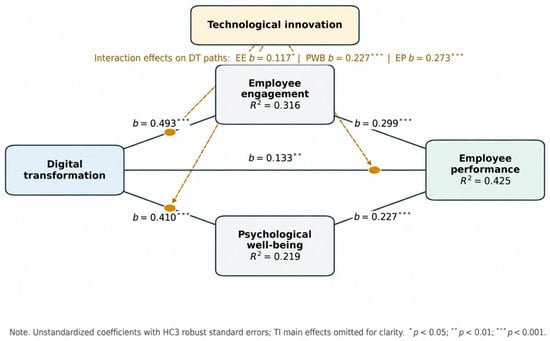
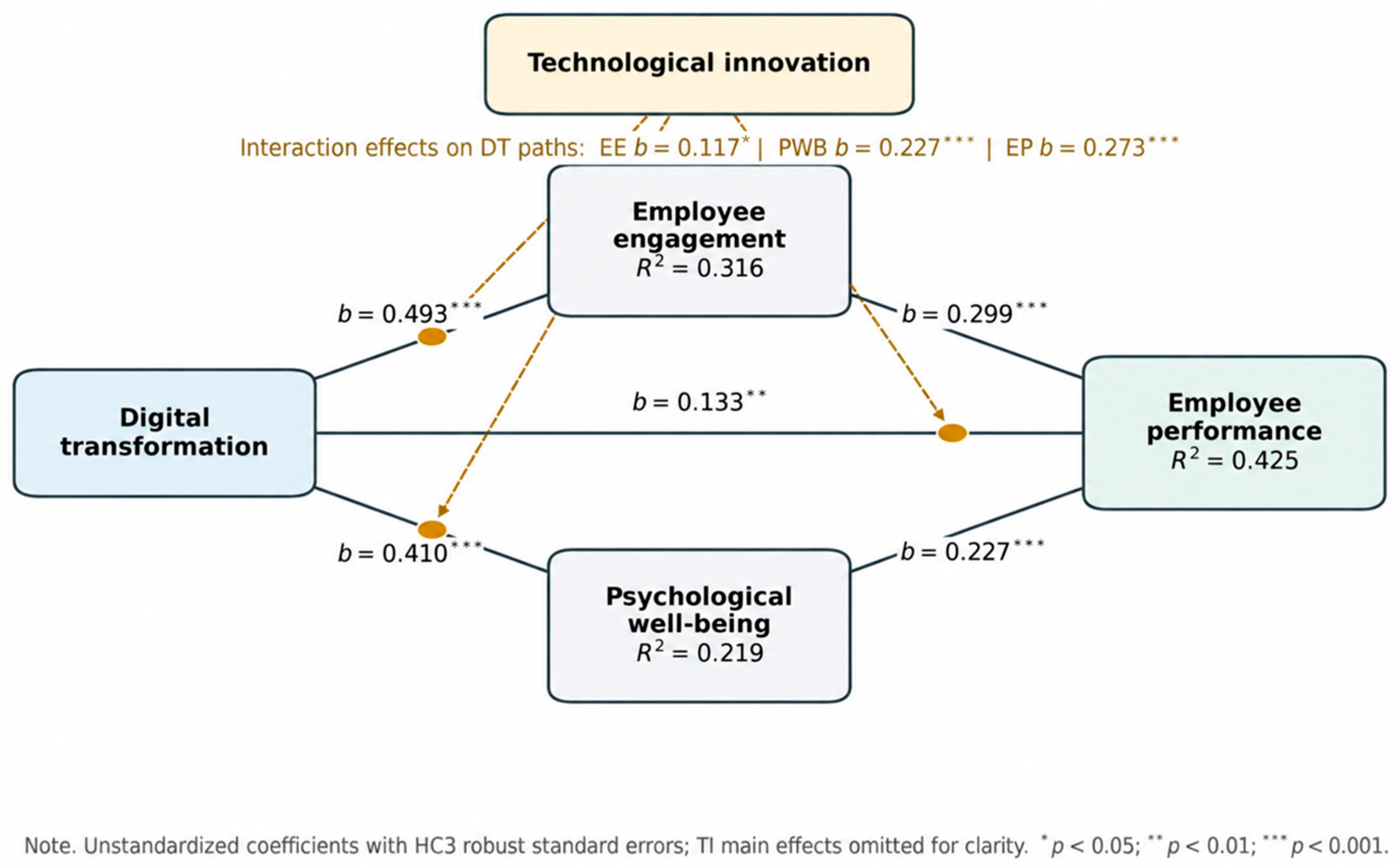
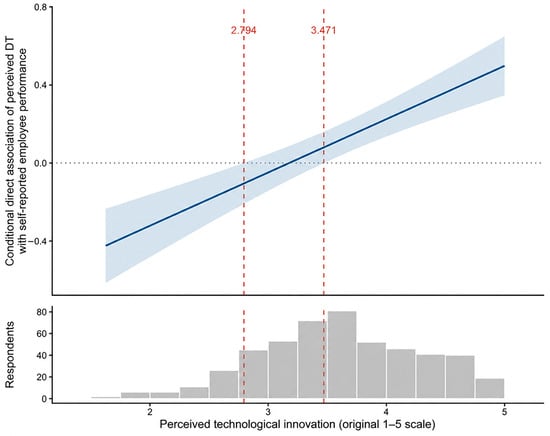
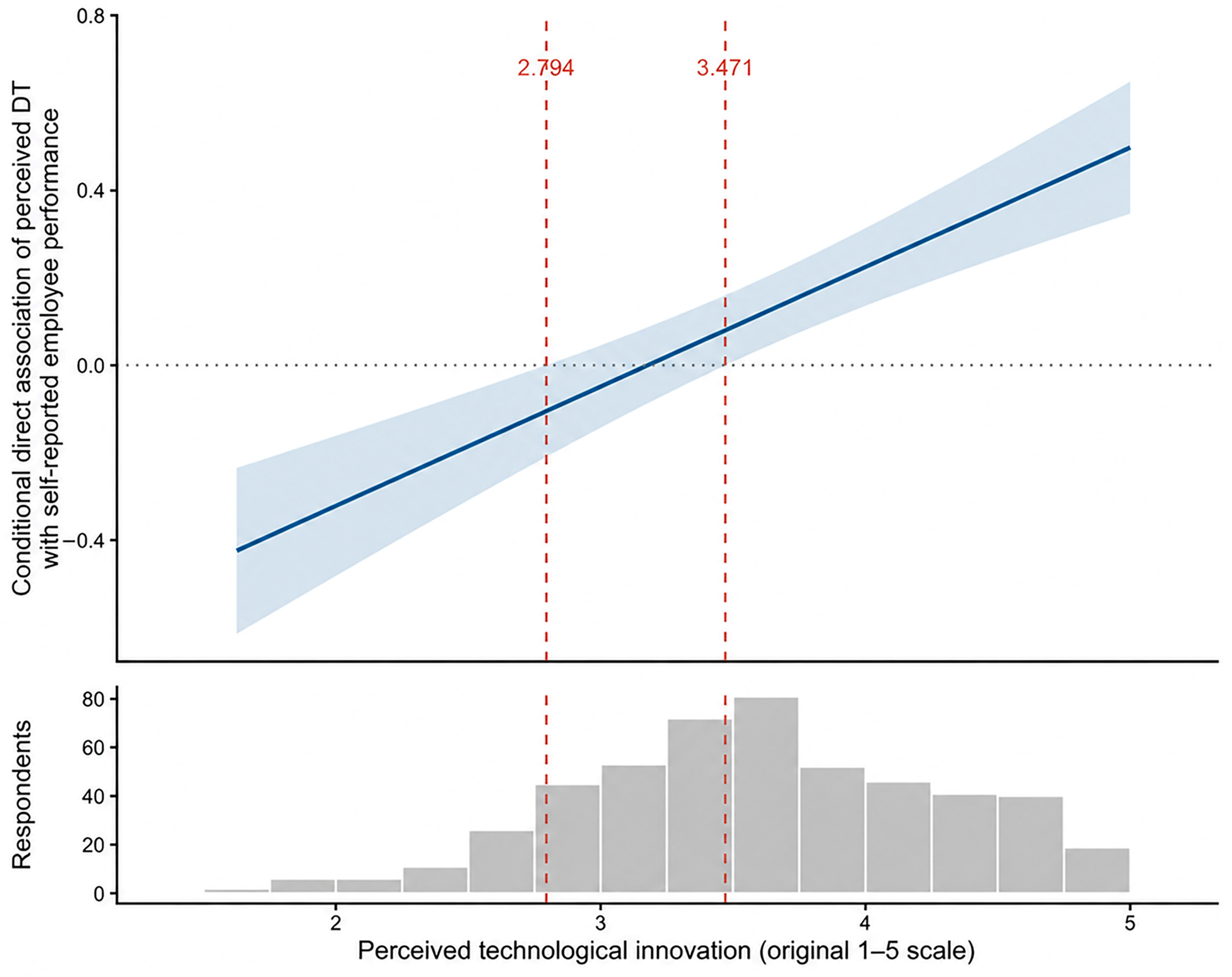

Disclaimer/Publisher’s Note: The statements, opinions and data contained in all publications are solely those of the individual author(s) and contributor(s) and not of MDPI and/or the editor(s). MDPI and/or the editor(s) disclaim responsibility for any injury to people or property resulting from any ideas, methods, instructions or products referred to in the content. |
© 2026 by the authors. Licensee MDPI, Basel, Switzerland. This article is an open access article distributed under the terms and conditions of the Creative Commons Attribution (CC BY) license.