


Abstract
Against the backdrop of rapid advances in digital technologies and widespread adoption, digital skills are significantly associated with higher employment quality for migrant workers, particularly for the employment prospects and continued labor market participation of older migrant workers and their sustainable employability in an increasingly digitalized labor market. This study employs a two-way fixed effects model with province and year fixed effects to empirically examine the impact of digital skills on employment quality and its underlying mechanisms from an information acquisition perspective. Based on three waves of panel data from the China Family Panel Studies (CFPS) in 2018, 2020, and 2022, the analysis focuses on migrant workers aged 50 and above. The findings reveal the following: (1) Digital skills are positively and significantly associated with employment quality among older migrant workers, with entertainment, work-related, and learning skills demonstrating particularly pronounced effects. (2) Mechanism analysis indicates a statistically significant indirect association of digital skills with employment quality, with significant differences observed across different dimensions of digital skills. (3) Heterogeneity analysis further reveals that digital skills have a more pronounced effect on improving employment quality among older migrant workers with higher education levels, those in east regions, and those with employment in another city. Based on these findings, the following policy recommendations are proposed: Governments should coordinate efforts to extend digital infrastructure to underserved areas and provide targeted and employment-oriented digital skills training to lower technological barriers. Employment service platforms should be optimized to facilitate the matching of workers with relevant employment information and job opportunities and offer age-friendly course offerings, thereby bridging the digital age gap. Regionalized, tiered precision intervention strategies should be implemented to maximize the marginal benefits of digital skills in promoting high-quality employment for older migrant workers, fostering more inclusive and sustainable labor market development.
1. Introduction
The rapid development of the digital economy has given rise to numerous new forms of employment and flexible work arrangements, making it an increasingly important channel for absorbing labor, particularly migrant workers. As digital transformation continues to reshape labor markets, ensuring that workers can equitably participate in and benefit from this transformation has become an important component of inclusive and sustainable development. As a core component of the digital economy, digital skills not only facilitate the continued emergence of new jobs and occupations but also provide workers with greater opportunities to adapt to technological change, improve their labor market competitiveness, and enhance their employment quality [1]. The growing importance of digital capabilities also highlights the broader issue of digital inclusion, as workers increasingly need to possess the capabilities required to participate effectively in digitalized economic activities. The 2025 Government Work Report explicitly called for “greater efforts to stabilize and expand employment and promote high-quality and full employment”, providing clear policy direction for employment promotion in the new era. As digitalization becomes increasingly integrated into the labor market, the ability of workers to adapt to changing employment environments has become an increasingly important consideration for inclusive and sustainable employment development.
According to official statistics, the total migrant worker population in China reached 299.73 million in 2024, representing a 0.7% increase from the previous year. As an important component of China’s labor market, migrant workers remain predominantly concentrated in relatively low-skilled occupations. According to the definition of the National Bureau of Statistics, migrant workers aged 50 and above are classified as older migrant workers. In this study, older migrant workers are likewise defined as migrant workers aged 50 and above, and the empirical analysis further focuses on rural respondents who meet this definition. As the number of older migrant workers continues to increase, their continued participation and adaptation in the labor market have become increasingly important. For this group, employment is not simply a means of obtaining income but is also closely related to employment stability, working conditions, social protection, and their ability to remain economically active in the later stages of their working lives. Meanwhile, changes in industrial structure and the emergence of new forms of employment are reshaping the employment choices and conditions of migrant workers [2]. Against the backdrop of industrial transformation and the emergence of new industries, the widespread adoption of digital technologies has not only improved overall economic efficiency but has also increased the demand for workers’ digital capabilities. This transformation may create new opportunities but may also widen disparities between workers with different levels of digital skills, thereby generating new forms of digital inequality in the labor market.
For older migrant workers, who may face disadvantages in educational attainment, skill accumulation, and adaptation to technological change, the diffusion of digital technologies presents both opportunities and challenges. On the one hand, acquiring digital skills may enable them to access employment information more efficiently, expand their job search channels, and increase employment opportunities, thereby creating favorable conditions for improving employment quality. On the other hand, insufficient digital capabilities may limit their ability to participate in the digital economy and potentially exacerbate their vulnerability in an increasingly technology-driven labor market. The potential employment implications of digital transformation are therefore not limited to the creation of employment opportunities but may also extend to the quality of the jobs that workers obtain and maintain [3]. Therefore, digital skills can be regarded not only as a means of improving immediate employment outcomes but also as an important capability for enhancing workers’ adaptability and sustainable employability during digital transformation.
Digital inclusion is not simply a matter of access to digital technologies; it also concerns whether individuals possess the capabilities required to use digital technologies effectively and participate in economic activities. For workers, the ability to translate digital access into effective employment-related use may therefore be an important condition for benefiting from digital transformation. This consideration is particularly relevant for older migrant workers, who may face greater difficulties in adapting to an increasingly digitalized labor market. Recent research on digital skills and entrepreneurship also highlights the importance of digital capabilities for enabling individuals to participate more effectively in digital economic activities and has implications for digital inclusion policy [4].
Against this background, several questions remain to be addressed. First, although existing research has documented the labor market implications of digitalization and digital skills, less attention has been paid to the employment quality of older migrant workers, a group that may face greater constraints in adapting to digital transformation. Second, the mechanisms through which digital skills translate into employment quality outcomes remain insufficiently understood, particularly the role of workers’ capacity to acquire employment-related information. Access to timely and relevant labor market information may reduce search frictions, broaden employment opportunities, and facilitate better job matching. Accordingly, this study examines whether digital skills are associated with employment quality among older migrant workers and investigates whether perceived information acquisition capacity serves as a mediating mechanism. By focusing on rural migrant workers aged 50 and above and using three waves of CFPS panel data, this study contributes to the literature on digital inclusion and employment quality by identifying a micro-level mechanism linking digital capabilities to employment outcomes. The findings also provide empirical evidence relevant to the development of more inclusive and sustainable labor markets during digital transformation.
2. Literature Review
The concept of employment quality can be traced back to the “quality of working life” that emerged in the United States in the 1970s. It subsequently evolved into the concept of “decent work” proposed by the International Labour Organization (ILO) and the “quality of work” advocated by the European Union and has, in recent years, further developed into the concept of “high-quality employment” [5]. Its conceptual scope has continued to expand over time. Liu, S.H. (2005) [6], a Chinese scholar, defined employment quality as the quality of the integration of workers with the means of production, encompassing multiple dimensions such as the working environment, employment stability, and wage levels. The European Foundation for the Improvement of Living and Working Conditions established a four-dimensional evaluation framework comprising income quality, career development, intrinsic quality of work, and working time quality [7].
These developments indicate that employment quality is no longer understood solely in terms of whether individuals are employed or how much they earn. Instead, it increasingly encompasses the broader conditions under which employment is obtained and sustained, including employment stability, working conditions, income, social protection, and workers’ subjective experiences. This broader understanding is particularly relevant in the context of rapid technological and structural changes in the labor market. As digital technologies reshape how employment opportunities are created, information is accessed, and workers are matched with jobs, differences in workers’ ability to use digital technologies may increasingly translate into differences in employment opportunities and employment quality.
Existing studies have examined the relationship between digital skills and the employment quality of migrant workers from various perspectives. From a human capital perspective, digital skills can directly promote income growth by expanding channels for non-agricultural employment and increasing the returns to human capital [8]. Some scholars have found that improved digital skills among rural residents can facilitate the integration and utilization of information resources and enhance their ability to identify market information, thereby unlocking income potential and creating economic value [9]. Yi, F.M. (2023) [10] found that Internet use can significantly improve the employment quality of migrant workers by enhancing occupational matching as well as human and social capital. In terms of labor market matching efficiency, Krueger’s research on the relationship between Internet use and workers’ income revealed the positive effects of digital skills on income and job opportunities [11]. Guo, L. and Wang, L. (2025) [12] argued that improvements in digital skills facilitate more efficient matching between workers and jobs, while real-time employment information provided by digital infrastructure can reduce unfocused job search and lower the frequency of job changes. In terms of wage income, digital technologies can effectively reduce information costs and broaden workers’ sources of employment information [13], thereby helping workers identify employment opportunities that better match their skills and preferences. These findings suggest that digital capabilities may influence not only workers’ earnings but also the quality and matching efficiency of their employment. At the broader policy level, the development of digital skills has therefore been increasingly linked to inclusive participation in the digital economy and the distribution of the benefits associated with digital transformation [14].
Taken together, the existing literature suggests that digital skills may be associated with employment quality through several interconnected channels, including human capital utilization, information acquisition, occupational matching, and workers’ ability to adapt to changing labor market requirements. However, these mechanisms may not operate uniformly across workers. Individuals with relatively limited educational attainment, weaker skill accumulation, or greater difficulty adapting to technological change may face greater constraints in converting digital technologies into employment opportunities and improved employment conditions. This issue is particularly relevant to older migrant workers, who may have accumulated human capital under employment conditions that differ substantially from those of younger workers and who increasingly need to adapt to a digitalized labor market environment.
As the older migrant worker population continues to expand, increasing attention has been paid to the quality of their employment. In the context of rapid digitalization, industrial restructuring, and changing employment arrangements, the employment challenges faced by older migrant workers are no longer limited to access to employment itself. They also involve whether these workers can obtain timely employment information, identify suitable job opportunities, adapt to changing job requirements, and maintain stable and satisfactory employment conditions. Existing studies have largely treated migrant workers as a homogeneous group or examined older migrant workers primarily as a comparison group in studies of the new generation of migrant workers, with limited in-depth analysis specifically focused on this group. This relative lack of attention is important because the employment experiences of older migrant workers may differ from those of younger workers when labor market participation increasingly depends on digital access and digital capabilities. In terms of data, most existing studies rely on cross-sectional data and focus on the effects of individual endowments, such as human capital and social capital, on employment. However, relatively little research has tracked the dynamic relationship between digital skills and employment quality and its long-term evolution. Thus, although existing research has established important links between digital capabilities and employment outcomes, less is known about how digital skills are related to the multidimensional employment quality of older migrant workers amid continuing technological and social change. To address this gap, this study uses three waves of China Family Panel Studies (CFPS) panel data from 2018, 2020, and 2022 to systematically examine the relationship between digital skills and the employment quality of older migrant workers and further investigate the underlying mechanisms.
The potential contributions of this study are threefold. First, by focusing specifically on older migrant workers, the study extends existing research on digital skills and employment beyond the general migrant worker population and provides empirical evidence on an increasingly important but relatively understudied group. Second, by identifying perceived information acquisition capacity as a potential mediating mechanism, the study provides empirical evidence on how digital skills may be translated into differences in employment quality. Third, by examining heterogeneity across educational attainment, regional context, and employment location, the study identifies differences in the association between digital skills and employment quality across groups and provides evidence that can inform more targeted policies for improving employment quality among older migrant workers. These findings are relevant to the broader discussion of inclusive and sustainable labor market development in the context of digital transformation and population aging. Beyond extending the existing literature to older migrant workers, these findings suggest that the employment relevance of digital engagement is not necessarily uniform across workers. The heterogeneous associations across educational attainment, regional location, and workplace location provide a more nuanced understanding of the digital skills–employment relationship by highlighting the importance of individual and contextual conditions.
3. Theoretical Analysis and Research Hypotheses
In the era of the digital economy, digital technologies have become deeply embedded in both production activities and everyday life, exerting profound effects on labor market structures and workers’ employment behavior [15]. As an important dimension of worker competencies, digital skills span a wide range of activities, including learning, work, social interaction, and entertainment, and have emerged as a key factor influencing employment quality. For older migrant workers, the adoption and use of digital technologies may depend on their perceived benefits, potential risks, and ability to participate in digitalized economic activities.
3.1. The Impact of Digital Skills on the Quality of Employment for Older Migrant Workers
In labor markets characterized by pervasive information asymmetry, workers’ wage levels are often constrained by the relative bargaining power of employers and workers [16]. According to Marxist productivity theory, technological innovation driven by industrial digitalization promotes the rapid development of social productive forces. Through online platforms, digital industries broaden channels for the dissemination of knowledge and information, thereby helping older migrant workers acquire digital skills and accumulate human capital [17]. From a human capital perspective, digital skills can enhance workers’ capacity to use digital technologies in learning and work, which may increase their productivity and improve their ability to respond to changing employment requirements. According to wage bargaining theory, when employment opportunities are more abundant and workers possess stronger human capital, their wage bargaining power may be strengthened, which, in turn, may contribute to improved employment quality. Based on data from the 2010 China Family Panel Studies (CFPS), Liu, Z.L. and Jin, W.J. (2015) [18] found that digital technology has a significant effect on the wage bargaining power of Chinese workers. Other studies have also examined the marginal effect of digital skill disparities on polarization in employment quality [19].
These arguments suggest that digital skills may be related to employment quality not only through productivity and wage-related returns but also through workers’ ability to navigate an increasingly information-intensive labor market. Higher levels of digital skills can reduce information search costs, improve job-matching efficiency, and enhance labor productivity through the use of digital tools, thereby contributing to higher wages and greater employment stability. For example, older migrant workers who frequently use digital platforms may access employment information and resources through a wider range of channels, identify alternative employment opportunities, and improve the alignment between their capabilities and job requirements [20]. From the perspective of household labor supply, access to digital employment information may also reduce unnecessary job search and commuting costs and provide workers with greater flexibility in making employment decisions, which may be reflected in job satisfaction and working conditions [21]. From the perspective of sustainable human development theory, enhancing workers’ capabilities, including their ability to participate effectively in digitalized labor markets, is essential for improving employment quality, individual well-being, and inclusive development. The acquisition and continuous improvement of digital skills represent an ongoing process of human capital accumulation and capability enhancement. For older migrant workers, such capability development may not only improve their ability to respond to technological change but also strengthen their capacity to maintain participation in an evolving labor market. In this sense, digital skills can contribute to the sustainability of individual employment by enhancing workers’ adaptability and reducing the risk of exclusion during digital transformation. In addition, stronger work-related digital skills can improve labor production efficiency and reduce work intensity. Meanwhile, migrant workers with stronger social digital skills can use Internet platforms to acquire knowledge of labor laws, strengthen their ability to identify information, and improve their level of employment protection, thereby enhancing job stability [22].
Taken together, the existing theoretical and empirical evidence suggests that digital skills may be associated with multiple dimensions of employment quality, including compensation, work intensity, employment stability, job satisfaction, and employment protection. More importantly, these potential returns may be related to workers’ ability to obtain and use employment-related information and to identify jobs that better match their capabilities. For older migrant workers, whose employment decisions increasingly take place in a digitalized labor market environment, this information-related capability may be particularly relevant. Based on these considerations, this paper proposes the following hypothesis:
H1.
Digital skills are positively associated with the employment quality of older migrant workers.
3.2. The Transmission Mechanism Through Which Digital Skills Influence the Quality of Employment for Older Migrant Workers
Perceived importance of Internet-based information acquisition constitutes the central mechanism proposed in this study through which digital skills are associated with the employment quality of older migrant workers. According to information asymmetry theory, workers and employers do not possess the same amount or quality of information when making employment decisions, and limited access to employment-related information may increase search costs and reduce the efficiency of job matching [23]. Digital skills can help reduce this information friction by improving workers’ ability to access, search for, evaluate, and utilize employment-related information.
On the one hand, digital skills can enhance the perceived information acquisition capacity of older migrant workers. Workers with stronger digital skills can use a wider range of online channels to search for and obtain employment-related information, thereby reducing their dependence on limited offline information sources [24]. By reducing their dependence on limited offline information channels, digital skills may enable older migrant workers to obtain a broader range of information about vacancies, wages, working conditions, and employment requirements. This can reduce information search costs and increase the set of employment opportunities that workers are able to consider.
On the other hand, improved information acquisition can translate into better employment outcomes through more efficient job search and labor market matching. According to job search theory, workers search for employment opportunities under conditions of incomplete information and search costs. Better access to employment information can increase the efficiency of the job search and improve the probability of finding opportunities that match workers’ skills and preferences [25]. For older migrant workers, stronger information acquisition capacity may therefore help them identify more suitable jobs, compare employment conditions across opportunities, and reduce mismatches between their capabilities and job requirements. Such improvements in matching may subsequently be reflected in employment stability, compensation, job satisfaction, and other dimensions of employment quality.
Meanwhile, the digital transformation of the labor market has raised the requirements for workers’ digital skills. Workers with stronger perceived information acquisition capacity are better able to search for employment opportunities that match their skills, thereby reducing information search costs and expanding their employment channels. Enhanced perceived information acquisition capacity not only contributes to higher employment quality but also alleviates frictional unemployment arising from information asymmetry [26]. According to job search theory, the development of digital technologies has transformed the ways and channels through which information is disseminated. Older workers’ digital skills affect the efficiency with which they acquire, process, and utilize information, thereby shaping their employment quality along multiple dimensions [27].
Taken together, digital skills enhance workers’ capacity to obtain and use employment-related information; improved information acquisition reduces information frictions and search costs; and more efficient information-based job search facilitates better matching between workers and employment opportunities, which may ultimately be reflected in higher employment quality. Thus, perceived importance of Internet-based information acquisition provides a theoretically grounded channel linking digital skills to employment quality. Based on these arguments, this study proposes the following hypothesis:
H2.
Perceived information acquisition capacity mediates the association between digital skills and the employment quality of older migrant workers.
3.3. The Heterogeneity of the Impact of Digital Skills on the Quality of Employment Among Older Migrant Workers
The returns to digital skills may differ across workers because individuals possess different levels of pre-existing human capital and operate in different labor market environments. Older migrant workers with higher levels of education are better able to convert digital skills into greater productivity, thereby obtaining wage premiums and opportunities for job upgrading. This argument is consistent with the human capital perspective, which suggests that education enhances individuals’ capacity to acquire, process, and apply new knowledge and technologies. Consequently, workers with higher educational attainment may be better positioned to translate digital skills into employment-related returns. The labor market environment may also shape the returns to digital skills. Differences in regional economic development, digital infrastructure, industrial structure, and the degree of labor market digitalization can affect both the availability of digital employment opportunities and the value of workers’ digital capabilities. Therefore, the relationship between digital skills and employment quality may vary across regions with different levels of economic and digital development. Within local labor market networks, digital skills are particularly valuable in local flexible employment settings where information costs are relatively high. Similarly, the place of work may shape the extent to which digital skills can be translated into employment-related benefits. Local and non-local employment may involve different employment environments, information channels, job search costs, and access to labor market networks.
Overall, the association between digital skills and employment quality may vary across older migrant workers with different levels of human capital and across different labor market environments. This heterogeneity does not imply that digital skills necessarily have stronger or weaker effects in a particular group; rather, it suggests that the employment returns to digital capabilities may depend on workers’ human capital and the labor market environments in which they participate. Such heterogeneity requires policymakers to not only promote improvements in digital skills but also to explore equitable employment opportunities for different groups according to local conditions, thereby fostering a more inclusive labor market. Based on these considerations, this study proposes the following hypothesis:
H3.
The association between digital skills and the employment quality of older migrant workers varies across groups with different levels of educational attainment, regions, and places of work.
The theoretical logical framework of this paper is illustrated in Figure 1.
Figure 1.
The theoretical mechanism through which digital skills influence the quality of employment for older migrant workers.
4. Research Design
4.1. Model Specification
4.1.1. Benchmark Regression Model
Drawing on the CFPS database, this paper constructs a two-way fixed-effects model with province and year fixed effects to examine the impact of digital skills on the quality of employment amongst older workers; the specific model is as follows:
In Model (1), EQijt denotes the comprehensive index of employment quality for older workers, Digijt indicates the comprehensive digital skills index, the subscripts I, j, and t denote individuals, provinces, and years, respectively. Xijt is a set of control variables, ηj represents the province fixed effects, γt represents the fixed effects for the year, and εijt is an error term.
4.1.2. Mediation Effect Model
To further investigate the potential mechanisms through which the relationship between digital skills and the employment quality of older migrant workers may operate, this study adopts the mediation testing procedure proposed by Baron and Kenny (1986) [28] and extends the benchmark model (1) by constructing the following econometric models:
In Models (2) and (3), IACijt denotes perceived importance of Internet-based information acquisition, and Digijt denotes the composite index of digital skills. According to the mediation test criteria, the mediation analysis estimates the indirect association through the proposed mediator. In addition to examining the component paths, the indirect effect is calculated as the product of the coefficient linking digital skills to the mediator and the coefficient linking the mediator to employment quality conditional on digital skills. Statistical inference for the indirect effect is based on bootstrap confidence intervals.
4.2. Sample and Data Sources
The data used in this study are drawn from the China Family Panel Studies (CFPS), a longitudinal survey that has been conducted biennially since 2010 using probability sampling to track household and individual information through face-to-face or telephone interviews. The survey covers respondents from 25 provinces, municipalities, and autonomous regions in China and provides a rich sample with good representativeness and timeliness. The 2022 wave is the latest complete version released by the Institute of Social Science Survey at Peking University in 2024.
This study uses microdata from three waves of the CFPS (2018, 2020, and 2022) for the empirical analysis. The 2018 CFPS data are first used to identify the baseline sample, which is then matched with the 2020 and 2022 waves to construct the longitudinal sample. The sample is processed as follows: First, observations with urban household registration are excluded. Second, based on the definition of migrant workers provided by the National Bureau of Statistics, rural migrant workers aged 50 and above are identified from the 2018 baseline sample. Third, the selected individuals are tracked across the 2020 and 2022 waves using individual identification codes, and individual- and household-level information is merged based on individual identification codes and household identifiers. Fourth, observations with missing values or outliers in key variables are excluded. The final analytical sample consists of 2042 observations and is an unbalanced panel.
4.3. Variable Description
4.3.1. Dependent Variable: Quality of Employment for Migrant Workers (EQ)
Employment quality of older migrant workers is a multidimensional measure that provides a more comprehensive and representative assessment than individual indicators such as income, employment opportunities, or employment structure. Based on CFPS data, this study follows the existing literature on the assessment of migrant workers’ employment quality [29] and draws on Leschke [30] to conceptualize employment quality as the overall performance of migrant workers in terms of wage levels, employment stability, social security, and working hours. Drawing on the existing literature, this paper constructs an indicator system for the employment quality of older migrant workers covering five dimensions: labor compensation, work intensity, job satisfaction, social welfare and security, and employment environment. The entropy-weighting method is applied to the full pooled panel sample for objective weighting to construct the composite employment quality index, the entropy-weighting method determines the relative weights according to the information variation contained in the observed data, thereby reducing the subjectivity associated with assigning equal or predetermined weights and improving the objectivity and comparability of the composite measure. We perform min–max normalization for both positive and negative indicators. A tiny offset term is added after normalization to avoid zero values in logarithmic calculation. Entropy value, information utility value, and indicator weights are subsequently computed, and the weighted sum yields the composite employment quality score.
Given an evaluation problem with m indicators and n objects to be evaluated, the composite index is calculated through the following four steps:
Step 1: Normalize the raw data matrix. The normalization formula for positive indicators is as follows:
Step 2: Define the entropy. The entropy of the ith indicator is given by:
Among these, , (when fij = 0, fijlnfij = 0).
Step 3: Define the entropy weight. The entropy weight of the *i*th indicator is given by:
(where 0 ≤ wi ≤ 1, wi = 1).
Step 4: Calculate the composite index. The formula is as follows:
4.3.2. Key Explanatory Variable: Digital Skills (Dig)
Drawing on Yi, F.M. (2020) [10] and Li, L. et al. (2025) [31], this study constructs a digital skills evaluation indicator system using the overall level of digital skills as a measure of digital skills among older migrant workers. The individual questionnaire in the CFPS asks respondents about the “frequency of using the Internet for learning, work, social interaction, and entertainment.” Given the practical and behavioral nature of digital skills, digital skills are reflected not only in individuals’ technical knowledge but also in their ability to use digital technologies to perform different tasks and participate in digitalized activities. However, the CFPS measure used in this study does not directly capture individuals’ technical or cognitive digital abilities. Rather, it serves as a behavioral proxy for digital skills by capturing the frequency and breadth of Internet engagement across multiple functional domains. Therefore, the frequency with which individuals use the Internet for different purposes provides observable evidence of the extent to which they engage with and apply digital technologies in practice. Based on respondents’ answers, this study examines the effect of digital skills proficiency on the employment quality of older migrant workers across four dimensions: learning, work, social interaction, and entertainment. These four dimensions capture different functional applications of digital technologies. Learning-related Internet use reflects the use of digital technologies for acquiring knowledge and developing skills; work-related Internet use reflects the application of digital technologies in employment-related activities; and social Internet use captures digital communication and interaction. Thus, considering these dimensions jointly allows digital skills to be measured from multiple functional contexts rather than from a single type of Internet use. Specifically, four types of digital skills available in the CFPS—learning digital skills, work digital skills, social digital skills, and entertainment digital skills—are assigned values, and a composite digital skills index is calculated using the entropy-weighting method. The specific calculation procedure follows the one used for the employment quality index. The selection of these four functional domains ensures that the indicator captures the multidimensional nature of Internet-based digital engagement. Although the frequency of Internet use in a single context may be influenced by individuals’ specific preferences or occupational requirements, the composite measure based on four distinct functional domains reduces the dependence of the measurement on any single usage scenario and better captures the overall extent of individuals’ engagement with and application of digital technologies. Accordingly, the composite index provides an empirically observable and multidimensional measure of digital skills based on the information available in the CFPS.
4.3.3. Control Variables
Following the theoretical framework developed in this study, we include a set of individual, family, employment-related, and regional characteristics that may be associated with both digital skills and employment quality among older migrant workers. This includes age, Communist Party membership, marital status, health status, educational attainment, work pressure, and GDP. The selection of these control variables is based on the theoretical mechanisms discussed above and the factors commonly associated with digital skills and employment quality. Specifically, age and health status capture differences in workers’ labor capacity and ability to adapt to technological change; educational attainment captures differences in human capital and the capacity to transform digital skills into labor market returns; marital status reflects household circumstances that may shape labor-supply and employment decisions; Communist Party membership captures differences in organizational and social embeddedness that may be associated with access to information and employment-related resources; work pressure captures differences in employment conditions; and provincial GDP per capita accounts for differences in regional economic development and labor market conditions. Controlling for these observable characteristics allows the empirical model to distinguish the relationship between digital skills and employment quality from systematic differences in workers’ individual circumstances, household conditions, employment environments, and regional economic conditions. The definitions of all variables are reported in Table 1, while the descriptive statistics are presented in Table 2.
Table 1.
Indicator system.
Table 2.
Descriptive statistics.
Age (Ag): Age is measured as the respondent’s actual age in the survey year. Age is included because it may affect both the acquisition and effective use of digital skills and the quality of employment among older migrant workers. As workers age, the accumulation and depreciation of skills, their ability to adapt to technological change, and their capacity to participate in an increasingly digitalized labor market may change systematically. These age-related differences may influence workers’ access to employment opportunities, job matching, productivity, and employment stability.
Health status (Heal): Health status is measured using respondents’ self-assessed health status, ranging from 1 = very healthy to 5 = unhealthy. Health status is controlled for because workers’ physical condition may affect their capacity to participate in employment, perform work tasks, and adapt to changing job requirements. This consideration is particularly relevant for older migrant workers, whose employment quality may depend on their ability to sustain employment and cope with work demands. Controlling for health status helps account for differences in workers’ underlying labor capacity.
Marital status (Mar): Marital status is coded as 1 for married or cohabiting respondents and 0 otherwise. Following the household labor-supply perspective adopted in this study, marital status is included to account for differences in household circumstances that may shape individuals’ labor-supply and employment decisions. Family responsibilities, household income needs, and the allocation of working time may influence workers’ choices regarding employment location, working hours, job stability, and job satisfaction. These household-level considerations may also affect the incentives and opportunities to acquire and use digital skills.
Communist Party membership (Com): Communist Party membership is coded as 1 for respondents who report being members of the Communist Party of China and 0 otherwise. This variable is included as an observational control to account for differences in workers’ organizational and social embeddedness. As discussed in the literature review, social capital and access to social resources may affect workers’ access to information and employment opportunities. Organizational affiliation may therefore be associated with the information channels, social networks, and employment-related resources available to individuals, which may, in turn, be related to employment outcomes independently of their digital skills. Controlling for Communist Party membership thus helps account for observable differences in organizational and social resources that may otherwise confound the estimated relationship between digital skills and employment quality. Importantly, this variable is included solely as a control characteristic; the study does not examine the causal effect of political affiliation on employment quality.
Educational attainment (Edu): Educational attainment is measured on a five-point scale ranging from 1 = illiterate/semi-literate to 5 = postgraduate education. Education is included as a key human capital control because it may affect both digital skill acquisition and the returns to digital skills in the labor market. Workers with higher educational attainment may be better positioned to acquire, process, and apply new knowledge and digital technologies and may therefore be better able to convert digital skills into higher productivity, improved job matching, and better employment outcomes. Controlling for educational attainment helps distinguish the effect of digital skills from differences in broader human capital.
Work pressure (Pres): Work pressure is coded as 0 = no work pressure and 1 = work pressure. It is included to capture differences in workers’ immediate employment conditions and work demands. Work pressure is related to the work intensity and employment environment dimensions considered in the construction of employment quality and may also affect job satisfaction and employment stability. Controlling for work pressure therefore helps account for heterogeneity in employment-related conditions when estimating the relationship between digital skills and overall employment quality.
GDP (GDP): GDP is measured as the natural logarithm of GDP per capita in the respondent’s province. This variable captures differences in the regional economic environment in which older migrant workers participate in the labor market. Regional economic development may shape employment opportunities, digital infrastructure, labor market digitalization, and the returns to workers’ digital capabilities. These differences are particularly relevant to this study because the theoretical framework predicts heterogeneous effects of digital skills across regions with different levels of economic and digital development. Controlling for provincial GDP per capita therefore helps account for regional economic conditions that may be correlated with both digital skills and employment quality.
4.3.4. Mechanism Variables
Perceived information acquisition capacity (IAC): This study treats perceived information acquisition capacity (IAC) as a mechanism variable, which is perceived importance of Internet-based information acquisition. Previous studies have used individuals’ reliance on the Internet for obtaining information to capture their capacity to access and acquire information in digitalized environments [32].
For the selection of specific indicators, following Yang, S.Q. (2025) [33] and Wang, X. (2023) [34], this study uses the CFPS questionnaire item, “How important is the Internet to you in obtaining information?” Respondents’ answers regarding the importance of the Internet as an information channel were coded from 1 to 5. The importance attached to the Internet for obtaining information reflects the extent to which individuals rely on the Internet as a primary channel for accessing, searching for, and obtaining information and therefore captures their perceived information acquisition capacity in the context of digitalized information environments. As digital skills enhance individuals’ ability to use digital technologies to access and obtain information, the importance of the Internet as an information channel provides a direct measure of the information acquisition capacity relevant to the mechanism examined in this study.
4.4. Empirical Findings and Analysis
4.4.1. Baseline Regression
This study employs province and year fixed effects. After controlling for province and year fixed effects, digital skills have a significant positive effect on the employment quality of older migrant workers at the 1% significance level. After additionally controlling for all covariates, the coefficient remains statistically significant at the 1% level, while the explanatory power of the model increases. Table 3 reports the baseline regression results. The results in Table 3 show a positive and statistically significant association between digital skills and the employment quality of older migrant workers. This association remains statistically significant after controlling for individual covariates and province and year fixed effects. These findings support Hypothesis 1 and suggest that digital skills are related to differences in employment quality among older migrant workers. One possible explanation is that digital skills may be associated with broader access to employment information and learning opportunities. Through digital skills, older migrant workers can access extensive employment information as well as learning and development opportunities, which reduces job search costs and enhances their employment competitiveness as they continuously improve their capabilities. Digital skills also facilitate the development of new forms of employment, such as remote work and online part-time employment, reducing geographical constraints on older migrant workers’ employment, increasing their employment flexibility, and promoting greater diversity and flexibility in employment arrangements [34]. However, it is worth noting that among the control variables, age has a significant negative effect on the employment quality of older migrant workers. This finding suggests that as migrant workers age, their physical capacity and digital skills may gradually decline, thereby adversely affecting their employment quality.
Table 3.
Benchmark regression.
Table 4 reports the regression results for the effects of digital skills across four dimensions—entertainment, social interaction, work, and learning—on the employment quality of older migrant workers, thereby providing a more detailed examination of the effects of different dimensions of digital skills. The results show that digital skills for entertainment, work, and learning have positive and statistically significant effects on the employment quality of older migrant workers, while the effect of social digital skills is not statistically significant. Several possible explanations may account for these findings. First, entertainment-related digital skills may be relatively easier for older migrant workers to acquire. According to the knowledge spillover theory, the use of digital entertainment platforms may facilitate incidental knowledge updating, generating “knowledge spillovers” and enabling the indirect acquisition of work-related skills. Thus, as their entertainment-related digital skills improve, older migrant workers may also be exposed to skill-related information that contributes to better employment quality [35]. Second, compared with other types of digital skills, work-related digital skills can more directly help workers adapt to digitalized work environments, improve work efficiency, and meet essential job requirements. For the same position, older migrant workers with higher levels of work-related digital skills may have greater opportunities to obtain better employment outcomes, including higher wages, thereby potentially generating a skill premium. Third, the acquisition and improvement of digital skills may also constitute a process of continuous human capital accumulation. In a highly uncertain labor market, migrant workers with the ability to engage in continuous learning may derive benefits across multiple dimensions, making it easier for older migrant workers to improve their employment quality.
Table 4.
Benchmark regression for different digital skills.
In contrast, the effect of social digital skills on the employment quality of older migrant workers is not statistically significant. Given the persistence of existing network structures, information may become highly homogeneous and redundant. Consequently, improving social digital skills may not substantially expand access to new employment-related information or opportunities, thereby limiting their contribution to improvements in the employment quality of older migrant workers.
4.4.2. Robustness Test
To assess the robustness of the baseline findings, this study conducts three robustness checks: excluding extreme observations, using an alternative measure of employment quality, and adopting an alternative clustering specification. The regression results are reported below.
- Excluding extreme observations
Given that highly digitalized regions, such as the four municipalities directly under the central government, possess advanced digital technologies and substantial advantages in terms of economic development and access to employment opportunities, they differ considerably from other regions in terms of development. To address this potential source of sample selection, we exclude observations from Beijing, Shanghai, Tianjin, and Chongqing and re-estimate the regression models. The results are reported in Column (1) of Table 5. The coefficient on the core explanatory variable remains statistically significant at the 1% level and increases rather than decreases in magnitude, alleviating concerns about “sample selectivity.” These results therefore support the robustness of the baseline findings.
Table 5.
Robustness tests.
- 2.
- Using an alternative measure of employment quality
Following Guo, L. (2025) [12] and related studies, we re-estimate the employment quality of older migrant workers using principal component analysis (PCA) and use the resulting measure as an alternative measure of the dependent variable in the robustness regression. The results are reported in Column (2) of Table 5. The results show that the coefficient of digital skills remains positive and statistically significant when employment quality is measured using the principal component analysis (PCA) approach. This consistency in the direction and statistical significance of the estimated coefficient provides additional evidence that the main findings are robust to an alternative construction of the dependent variable.
- 3.
- Adopting an alternative clustering specification
Building on the baseline specification, we change the clustering level to the household level while retaining the two-way fixed-effects specification. The baseline regression controls for province and year fixed effects. In the context of older migrant workers, time-invariant household characteristics, such as household income, the cultural environment, and educational practices, may persistently shape individual behavior and outcomes. Consequently, the error terms may also be correlated within households, a more granular unit of analysis. We therefore cluster the standard errors at the household level to account for potential household-level confounding factors. As reported in Column (3) of Table 5, the effect of digital skills on the employment quality of older migrant workers remains statistically significant, providing further evidence of the robustness of the baseline results.
4.4.3. Robustness Checks Addressing Observable Selection
To address potential selection bias arising from observable characteristic differences between the treatment and control groups, this study employs propensity score matching (PSM) to further assess the robustness of the baseline association. Specifically, following Miao et al. [36], we use the median of the composite digital skills index as the cutoff point to construct a binary treatment indicator for the PSM analysis. The sample is thereby divided into a high-digital-skills group (coded as 1) and a low-digital-skills group (coded as 0). All control variables are included as covariates in a logit model to estimate the propensity score for each observation.
We then employ two alternative matching procedures, namely one-to-one nearest-neighbor matching and kernel matching, to examine whether the estimated ATT is sensitive to the choice of matching method. For nearest-neighbor matching, each observation in the high-digital-skills group is matched to the closest available observation in the low-digital-skills group. Kernel matching uses weighted observations from the comparison group based on the proximity of their estimated propensity scores. The common-support condition is also considered to ensure sufficient overlap in the propensity score distributions between the high- and low-digital-skills groups. In addition, covariate balance before and after matching is examined using the standardized percentage bias. The changes in standardized bias across covariates before and after matching are presented in Figure 2, while the propensity score distribution and common-support results are shown in Figure 3.
Figure 2.
Covariate balance before and after propensity score matching.
Figure 3.
Propensity score distribution and common support.
The propensity score distribution shown in Figure 3 indicates substantial overlap between the high- and low-digital-skills groups, with only a small number of treated observations falling outside the common-support region. This suggests that the common-support condition is largely satisfied. Moreover, the standardized-bias plot in Figure 2 shows that the absolute standardized bias of the covariates is substantially reduced after matching and is concentrated close to zero, indicating improved covariate balance between the high- and low-digital-skills groups.
Under one-to-one nearest-neighbor matching, the estimated ATT is 0.0457, with a standard error of 0.0166 and a t-statistic of 2.75, indicating a statistically significant positive difference in employment quality associated with membership in the high-digital-skills group at the 5% level. Under kernel matching, the estimated ATT is 0.0414, with a standard error of 0.0121 and a t-statistic of 3.42, also indicating a statistically significant positive difference. The consistency of the positive and statistically significant ATT estimates across the two matching procedures provides further evidence that the baseline finding is robust to the choice of matching algorithm.
The ATT estimates are reported in Table 6, while the covariate balance and propensity score diagnostics are presented in Figure 2 and Figure 3, respectively. Taken together, these results indicate that the baseline association remains robust after accounting for observable differences between the high- and low-digital-skills groups.
Table 6.
Propensity score matching (PSM) estimation results.
Although the panel structure of the CFPS allows us to control for year effects and regional heterogeneity, the present analysis cannot completely eliminate endogeneity concerns arising from reverse causality or unobserved individual characteristics. Therefore, the empirical results should be interpreted primarily as evidence of a robust association between digital skills and employment quality rather than as definitive causal effects.
5. Further Analysis
5.1. Mediation Analysis
Building on the theoretical analysis and hypotheses presented above, we further examine the mechanism through which perceived information acquisition capacity mediates the relationship between digital skills and the employment quality of older migrant workers. Specifically, we use the “importance of the Internet as an information channel” as a proxy for perceived information acquisition capacity (IAC) and employ the three-step mediation approach to investigate whether digital skills affect the employment quality of older migrant workers through their perceived information acquisition capacity. Given that a substantial body of the existing literature has established the effect of information acquisition capacity on employment quality, the mediation analysis focuses on whether digital skills are positively related to employment quality by improving workers’ capacity to acquire employment-related information.
The results are presented in Table 7. Following the three-step mediation procedure, the first step examines the total effect of digital skills on employment quality. As reported in the baseline regression, the coefficient of digital skills (Dig) is positive and statistically significant, indicating that digital skills are significantly associated with higher employment quality among older migrant workers. The second step examines whether digital skills significantly affect the proposed mediator. As shown in Column (1), the coefficient of Dig is 0.393 and statistically significant at the 1% level, indicating that digital skills significantly enhance the perceived information acquisition capacity of older migrant workers. This result suggests that workers with stronger digital skills are better able to access and obtain employment-related information through the Internet.
Table 7.
Mediation analysis regression.
The third step simultaneously includes digital skills and information acquisition capacity in the employment quality equation. As reported in Column (2), the coefficient of PIIIC is 0.129 and statistically significant at the 1% level, indicating that greater perceived importance of the Internet as an information channel is positively associated with employment quality, conditional on digital skills. Meanwhile, the coefficient of Dig remains positive and statistically significant at the 1% level (0.145), suggesting that digital skills continue to exert a significant direct effect on employment quality after controlling for information acquisition capacity. The simultaneous significance of IAC and Dig in the third step indicates that perceived information acquisition capacity constitutes an important channel through which digital skills affect the employment quality of older migrant workers, while the remaining significant direct effect of Dig suggests that the mediation effect is partial rather than full.
To further assess the statistical significance of the indirect effect, we conduct a bootstrap mediation test. The results are reported in Table 8 and show that the estimated indirect association between digital skills and employment quality through IAC is 0.0506, with a bootstrap standard error of 0.0209. The indirect effect is statistically significant at the 5% level. This provides evidence of a statistically significant indirect relationship that is consistent with a potential information-related pathway between digital skills and employment quality. Meanwhile, the estimated direct association is 0.1445 and statistically significant at the 1% level. Taken together, these findings indicate a positive direct association and a statistically significant indirect association involving the perceived information acquisition capacity. In particular, stronger perceived information acquisition capacity may help older migrant workers reduce information asymmetries in the labor market, obtain more timely and relevant employment information, and achieve more accurate job matching, thereby contributing to higher employment quality [37] by increasing income, reducing working hours, and enhancing job autonomy [38]. Yang, S.Q. argues that improving information acquisition capacity can overcome information barriers and enable workers to identify employment opportunities more rapidly, thereby improving employment quality in the digital economy. Information economics theory suggests that information constraints directly affect the economic behavior of economic agents [39]. When digital skills become an important means of obtaining employment information and searching for jobs, older migrant workers with access to more information channels are more likely to secure higher-income and relatively stable employment.
Table 8.
Bootstrap mediation test results.
Digital skills provide older migrant workers with a wide range of service options. In an increasingly diverse and fragmented information environment, digital skills may be associated with greater engagement with online information about job opportunities, policies, and training programs, which may be relevant to their awareness of employment opportunities and available services. Therefore, the findings are consistent with the proposed information-related pathway and provide qualified support for Hypothesis 2. However, they do not establish that digital skills causally improve employment quality through enhanced perceived information acquisition ability.
To further investigate the mechanisms through which digital skills influence the employment quality of older migrant workers, we examine the mediating role of perceived information acquisition capacity across four dimensions of digital skills. The results are reported in Table 9. The dimension-specific analysis indicates that IAC plays a significant mediating role in the relationships between entertainment-, work-, and learning-related digital skills and employment quality. By contrast, the evidence for social digital skills is relatively limited, suggesting that the transmission mechanism through perceived information acquisition capacity varies across different dimensions of digital skills.
Table 9.
Benchmark regression for the mediating effects of different dimensions of digital skills.
The positive mediating effects suggest that entertainment-, work-, and learning-related digital skills can strengthen older migrant workers’ capacity to access, identify, and utilize employment-related information, thereby facilitating the conversion of digital capabilities into employment opportunities and improving employment quality. First, stronger digital skills can expand the channels through which older migrant workers obtain labor market information. In an increasingly digitalized labor market, recruitment information is increasingly disseminated through online platforms, mobile applications, short-video platforms, and other digital channels. Workers with stronger digital skills are more capable of navigating these platforms, identifying relevant information, and obtaining employment opportunities beyond their traditional social networks. Second, digital skills can improve workers’ ability to process and evaluate employment information. Rather than simply increasing the quantity of information available to workers, digital competence may help them distinguish relevant information from irrelevant or unreliable content, compare alternative employment opportunities, and identify positions that better match their skills and employment preferences. This may reduce the information costs associated with job search and improve the efficiency of employment matching. Third, improved perceived information acquisition capacity can facilitate the transformation of digital skills into more favorable employment outcomes. By gaining access to a broader range of employment opportunities and reducing information constraints during job search, older migrant workers may have greater scope to identify jobs with relatively better wages, working conditions, employment stability, or other dimensions of employment quality. This mechanism is particularly relevant for older migrant workers, whose relatively limited human capital and weaker access to formal labor market information may constrain their ability to respond effectively to changes in labor demand. Perceived importance of Internet-based information acquisition therefore serves as an important link connecting digital skill accumulation with employment opportunities and, ultimately, employment quality.
The comparatively weaker evidence for social digital skills may reflect differences in the functional orientation of digital technology use. Social digital skills are more closely associated with interpersonal communication and social interaction and may therefore have a less direct connection with employment-related information and job search activities. Consequently, improvements in social digital skills do not necessarily translate into equivalent gains in employment-related information acquisition or employment quality. Overall, the dimension-specific results provide further evidence that IAC constitutes an important transmission channel through which selected dimensions of digital skills contribute to the employment quality of older migrant workers.
5.2. Heterogeneity Analysis
5.2.1. Grouping by Educational Attainment
Differences in educational attainment across individuals may result in an uneven distribution of the benefits generated by digital skills. Therefore, we further examine individual-level heterogeneity to assess whether the effect of digital skills on employment quality varies with differences across individuals. Following Jiang, Y. and Zheng, H.Y. (2023) [40], we define older migrant workers with a high school education or above as the higher-education group and those with less than a high school education as the lower-education group and conduct separate regressions for the two groups.
The results are presented in Table 10. The coefficient of digital skills is positive and statistically significant for the higher-educational-attainment group, whereas it is positive but statistically insignificant for the lower-educational-attainment group. However, following the reviewer’s suggestion, we do not infer heterogeneous effects merely from differences in statistical significance across the two subgroup regressions. Instead, the interaction term between digital skills and educational attainment provides the formal test of coefficient differences. The coefficient of Dig × Edu is positive and statistically significant (0.171, p < 0.05), indicating that the effect of digital skills on employment quality is significantly stronger among older migrant workers with higher educational attainment. This finding suggests that educational attainment may enhance older migrant workers’ ability to translate digital skills into improved employment outcomes.
Table 10.
Benchmark regression for educational attainment heterogeneity.
5.2.2. Grouping by Region
Given the differences in economic development across regions, the effect of digital skills may vary geographically. Based on economic development levels, we divide the 31 provincial-level regions of China, excluding Hong Kong, Macao, and Taiwan, into eastern and central and western regions. The results are presented in Table 11. The coefficient of digital skills is positive and statistically significant in the eastern region, whereas it is positive but statistically insignificant in the central and western regions. Nevertheless, the statistical significance of the subgroup coefficients alone does not constitute a formal test of regional heterogeneity. The coefficient of the interaction term between digital skills and regional location (Dig × Region) is positive and statistically significant (0.140, p < 0.05), providing direct evidence that the effect of digital skills on employment quality is significantly stronger in the eastern region.
Table 11.
Benchmark regression for regional heterogeneity.
One possible explanation is that the relatively developed digital infrastructure, labor markets, and digital economic environment in the eastern region may provide older migrant workers with more opportunities to apply digital skills in employment-related activities.
5.2.3. Grouping by Workplace Location
Following He and Wu (2020) [41], we use the CFPS questionnaire item on respondents’ primary workplace to distinguish between local and non-local employment. Older migrant workers whose primary workplace is located in their home village or home city are assigned a value of 1, whereas those working outside their home city are assigned a value of 0. The results are presented in Table 12. The coefficient of digital skills is positive but statistically insignificant among older migrant workers employed locally (0.051), whereas it is positive and statistically significant among those employed in another city (0.235, p < 0.01). However, consistent with the reviewer’s suggestion, we do not rely on the difference in statistical significance between the two subgroup coefficients to establish heterogeneity. Instead, the interaction term between digital skills and workplace location provides the formal test. The coefficient of Dig × Workplace is negative and statistically significant (−0.177, p < 0.05), indicating that the positive association between digital skills and employment quality is significantly weaker among locally employed older migrant workers than among those working in another city.
Table 12.
Benchmark regression for geographical heterogeneity in the workplace.
From an employment structure perspective, locally employed older migrant workers are more likely to engage in county-level casual work, services, and other flexible employment. Digital skills can reduce job search costs, expand service coverage, and improve labor–job matching, but their marginal role may be limited in geographically constrained local labor markets. By contrast, older migrant workers employed in other cities face less familiar labor markets, making digital skills more valuable for accessing job information and improving job matching. Although many work in manufacturing and construction, where wages are largely determined by occupation, tenure, and local minimum-wage standards, digital skills may still improve employment quality by reducing search costs and expanding employment opportunities.
Taken together, the statistically significant interaction terms between digital skills and educational attainment, regional location, and workplace location provide evidence that the association between digital skills and employment quality varies significantly across these dimensions, supporting Hypothesis 3.
6. Discussion
6.1. Core Findings in Dialogue with the Existing Literature
This study shows that digital skills are significantly positively associated with the employment quality of older migrant workers, partly through enhanced perceived information acquisition capacity. Moreover, the employment returns to digital skills vary across workers with different educational backgrounds, regional locations, and workplace locations. These findings suggest that digital skills have become an important form of human capital, enabling older workers to adapt to an increasingly digitalized labor market. This finding is broadly consistent with recent evidence showing that digital literacy is positively associated with job quality and employment-related outcomes in China [42], while the development of the digital economy has also been found to contribute to improvements in employment quality among migrant and rural workers. Recent evidence also shows that older workers exhibit heterogeneous patterns of digital skill use, suggesting that older workers are not a homogeneous group in their engagement with digital technologies [43], and related studies further suggest that digital skills can enhance rural households’ economic opportunities and strengthen individuals’ capacity to respond to changing livelihood and employment environments [44]. Meanwhile, usefulness and contextual conditions surrounding technology use can shape how individuals engage with digital technologies, as shown by Noroño Sánchez, 2025 [45], whose study provides a useful conceptual reference for understanding why different forms of digital engagement may generate heterogeneous returns depending on users’ perceptions and the contexts of technology use. By focusing specifically on older migrant workers, the present study extends this literature by showing that digital capability development may also play an important role in the employment quality and labor market adaptability of this relatively vulnerable group.
The relationship between digital skills and employment quality is not uniform across different dimensions of digital engagement. In particular, entertainment-related digital skills are positively associated with employment quality, whereas the coefficient for social-related digital skills is not statistically significant. These findings suggest that different forms of digital engagement may generate different labor market returns depending on how digital technologies are used and the contexts in which they are embedded.
In contrast, the statistically insignificant association between social-related digital skills and employment quality may indicate that digital social interaction does not necessarily translate directly into improved employment outcomes. Older migrant workers may already rely on established family, kinship, community, and workplace networks for social interaction and employment-related information. Consequently, additional digital social interaction may not substantially expand the employment opportunities or information resources available to them. Moreover, social Internet use may primarily serve interpersonal communication and maintaining existing relationships rather than directly facilitating job search, skill acquisition, or employment matching. The absence of a statistically significant coefficient should therefore not be interpreted as evidence that social digital engagement has no value; rather, it suggests that its relationship with employment quality may be less direct than that of digital activities more closely connected to information acquisition, work, or learning.
The mechanism analysis further indicates that IAC is an important channel through which digital skills are associated with employment quality. This finding is consistent with the theoretical framework developed in this study. Digital skills can facilitate workers’ access to, search for, and use of employment-related information, while improved information acquisition may reduce information frictions and search costs and facilitate more efficient labor market matching. For older migrant workers, who may face greater barriers in accessing formal employment information and adapting to increasingly digitalized recruitment processes, this information-related channel may be particularly relevant. This finding therefore provides empirical support for the proposed information friction mechanism while remaining consistent with the observational nature of the analysis.
The heterogeneous results further show that the relationship between digital skills and employment quality varies across educational attainment, regions, and workplace locations. The stronger association observed among workers with higher educational attainment is consistent with the human capital perspective, as education may enhance workers’ ability to acquire, process, and apply digital knowledge and thereby increase the returns to digital skills. Regional differences may reflect variation in economic development, digital infrastructure, industrial structure, and the degree of labor market digitalization. Differences by workplace location may similarly reflect variation in workers’ exposure to information barriers and employment opportunities. These heterogeneous patterns suggest that the returns to digital skills are shaped not only by individual capabilities but also by the institutional and labor market environments in which digital technologies are used.
Overall, the findings extend previous research by linking digital skills to the multidimensional employment quality of older migrant workers and by identifying information acquisition as a relevant mechanism. Rather than suggesting that digital skills alone determine employment quality, the results indicate that digital capabilities may be one important component of a broader set of human capital, household, and labor market factors shaping employment outcomes.
6.2. Theoretical Contributions and Limitations
This study makes several contributions to the existing literature. First, by focusing on older migrant workers, it extends research on digital skills and labor market outcomes to a relatively vulnerable group facing age-, education-, and resource-related disadvantages. Second, the identification of perceived information acquisition capacity as a mediating mechanism demonstrates that digital skills are associated with higher employment quality not only by enhancing workers’ productive capabilities but also by potentially reducing information constraints and improving labor market matching. Third, the heterogeneous effects highlight that the returns to digital skills are shaped by existing human capital, regional conditions, and employment contexts, contributing to a more nuanced understanding of digital inequality and inclusive digital development. The dimension-specific findings further indicate that the employment relevance of digital engagement may depend on the particular functions and contexts of technology use, rather than being uniform across all forms of digital activity.
Despite its theoretical contributions and practical implications, this study has several limitations that provide opportunities for future research. First, the measurement of digital skills and perceived information acquisition capacity is constrained by the available CFPS indicators. Digital skills are constructed from self-reported Internet-use frequencies across entertainment, social, work, and learning dimensions, while perceived information acquisition capacity is measured using the reported importance of the Internet as an information channel. These measures capture the functional use of digital technologies but may not fully reflect users’ technical proficiency, information evaluation ability, or the quality and effectiveness of digital technology use. Future research could employ more comprehensive and objective measures, including task-based digital skill assessments, detailed measures of information search and evaluation ability, and behavioral indicators of digital technology use.
Second, although the fixed-effects specification and a series of robustness analyses provide consistent evidence, the observational nature of the data limits the identification of causal relationships. In particular, unobserved time-varying factors may simultaneously influence older migrant workers’ digital skills and employment quality, while the mediation analysis cannot by itself establish a causal mechanism. Future research could exploit policy changes, regional differences in digital infrastructure development, or other suitable quasi-experimental settings to strengthen causal identification. More rigorous mediation designs could also be used to examine whether and how information acquisition translates digital capabilities into improved employment outcomes. Importantly, the province and year fixed-effects specification does not control for time-invariant unobserved heterogeneity at the individual level. Therefore, persistent individual characteristics that are correlated with both digital engagement and employment quality may remain unobserved, and the estimated coefficient should not be interpreted as a causal individual-level effect.
Third, this study relies on panel data with limited within-individual variation in digital skills and employment quality across survey waves. Individual fixed-effect identification draws on within-person changes over time. If the key variables exhibit little temporal variation within respondents, the statistical power to identify the causal link will be reduced. In addition, the unbalanced structure of the panel leads to sample attrition when adopting the individual fixed-effects model, which further complicates the comparability of estimates across model specifications. Therefore, we refrain from interpreting the baseline coefficient as robust causal evidence. While our results are consistent with a positive cross-sectional association, causal inference remains limited by the data structure. The three-wave CFPS data covering 2018, 2020, and 2022 provide valuable longitudinal evidence but offer limited information on longer-term employment trajectories. The relatively short observation period also makes it difficult to determine whether the observed association between digital skills and employment quality persists as older migrant workers age or as digital technologies and labor market institutions continue to evolve. Future research could use longer-period panel data to examine employment transitions, employment stability, and labor market resilience over time. Further research could also compare older migrant workers across different institutional and regional contexts to assess whether the heterogeneous patterns identified in this study persist beyond the Chinese context.
Overall, this study provides evidence that digital skills are positively associated with employment quality among older migrant workers and identifies perceived information acquisition capacity as a relevant channel. Future research incorporating richer measures, stronger identification strategies, and longer observation periods could further clarify the mechanisms and long-term implications of digital skills for the employment trajectories of older migrant workers.
7. Policy Implications and Future Research
Based on the above conclusions, this paper puts forward the following policy recommendations:
First, it is necessary to continuously improve digital skills and infrastructure coverage and strengthen the effectiveness and relevance of digital skills training to promote sustainable and inclusive employment. The government should incorporate digital skills development into the policy framework for employment stabilization and sustainable human capital development and coordinate improvements in Internet infrastructure at the county and rural levels to reduce barriers to digital technology use. In the design of skills training, efforts should be made to facilitate the transition from basic entertainment-oriented skills to employment-oriented digital skills with greater economic returns and long-term applicability. Older migrant workers should be guided to acquire practical skills, such as searching for recruitment information through short-video platforms, submitting resumes online, and participating in remote interviews. The experience of Jiangsu Province, which has relatively strong digital capabilities, in developing “livestreaming job recruitment” can also provide useful reference, and relevant practices can gradually be incorporated into the public employment service system. Practical training programs, such as “scanning a QR code to find a job” and “mobile phone interviews,” could be further promoted to facilitate the effective application of digital skills throughout the employment process. At the same time, enterprises should be encouraged to provide appropriate labor market incentives for workers with digital skills, thereby stimulating older migrant workers’ intrinsic motivation to continuously improve their work- and learning-related digital capabilities. Such efforts would contribute to the sustainable accumulation of human capital and enhance workers’ long-term employability in an increasingly digitalized labor market.
Second, it is important to optimize employment information service platforms and enhance job-matching accuracy and age-friendly support to promote inclusive and sustainable labor market participation. Layered and age-friendly digital skills courses should be designed for older migrant workers to alleviate the digital age gap at its source. In service design, greater emphasis should be placed on improving the accuracy and timeliness of information delivery, expanding access to diverse information channels, and accelerating job matching. For example, the training model combining mobile livestreaming and job seeking implemented during the “National Farmers’ Mobile Application Skills Training Week” can provide useful experience for integrating digital skills development with public employment services. Such integration can help older migrant workers expand their employment opportunities, strengthen their adaptability to the changing labor market, and improve their capacity to participate in the digital economy on a more sustainable basis. By reducing information barriers and improving access to employment opportunities, these measures can also contribute to more inclusive and equitable labor market development.
Third, targeted interventions and regionally differentiated support should be implemented to improve the marginal benefits and long-term sustainability of digital skills training. The government should reduce digital inequality across population groups arising from unequal educational opportunities and returns to education by strengthening basic education and providing regionally targeted assistance. Policy resources should be directed toward regions with weak digital infrastructure and toward older groups with lower levels of educational attainment, thereby promoting a transition from a “one-size-fits-all” training model to stratified, differentiated, and targeted interventions. It is recommended that special programs such as “digital skills to the countryside” be continuously promoted and that a hierarchical implementation mechanism with clearly defined responsibilities be established, with particular attention given to older migrant workers. Individuals with low levels of digital skills should be provided with one-on-one guidance to help them translate digital skills into practical pathways for improving employment quality. Such targeted support can promote more equitable access to digital opportunities, improve the efficient allocation and utilization of human resources, and ultimately contribute to higher-quality, more inclusive, and sustainable employment.
From the perspective of human sustainable development, the acquisition and continuous improvement of digital skills represent an ongoing process of human capital accumulation and capability enhancement. For older migrant workers, such capability development may not only improve their ability to respond to technological change but also strengthen their capacity to maintain participation in an evolving labor market. In this sense, improving digital capabilities may contribute to more sustainable employment by strengthening workers’ adaptability and reducing the risk of digital exclusion.
Author Contributions
Conceptualization, L.L. (Lange Ling), L.L. (Lanqing Ling), and H.X.; methodology, L.L. (Lange Ling) and L.L. (Lanqing Ling); software, L.L. (Lange Ling); validation, L.L. (Lange Ling) and H.X.; formal analysis, L.L. (Lange Ling); investigation, L.L. (Lange Ling) and L.L. (Lanqing Ling); resources, H.X.; data curation, L.L. (Lange Ling); writing—original draft preparation, L.L. (Lange Ling); writing—review and editing, H.X.; visualization, L.L. (Lange Ling); supervision, H.X.; project administration, H.X.; funding acquisition, H.X. All authors have read and agreed to the published version of the manuscript.
Funding
This research was funded by the National Social Science Fund of China project, “Research on the Impact of the Digital Divide on the Employment of Older Migrant Workers Returning to Their Hometowns and Pathways for Bridging the Divide” (No. 25BJY202).
Institutional Review Board Statement
Ethical review and approval were waived for this study because it involved a secondary analysis of publicly available, de-identified data from the China Family Panel Studies (CFPS). The original CFPS project was approved by the Peking University Biomedical Ethics Review Committee (IRB00001052-14010).
Informed Consent Statement
Not applicable.
Data Availability Statement
The data presented in this study are publicly available from the China Family Panel Studies (CFPS) and the statistical yearbooks of various provinces, municipalities, and autonomous regions.
Conflicts of Interest
The authors declare no conflict of interest.
References
- Cao, J.L.; Jiang, T. The impact of Internet use on women’s income: Empirical evidence based on CFPS data. Mod. Finance Econ. 2020, 40, 79–95. (In Chinese) [Google Scholar]
- Wei, Y.; Chen, C.; Tao, L.; Huang, W. Employment Quality and Migration Intentions: A New Perspective from China’s New-Generation Migrant Workers. Sustainability 2024, 16, 7857. [Google Scholar] [CrossRef] [Scilit]
- Liu, J.; Fang, Y.; Xia, Y.; Zou, W.; Chan, K.-L.; Lam, J.F.I.; Chen, H. Can the Digital Economy Promote Sustainable Improvement in the Quality of Employment for Chinese Residents?—Moderated Mediation Effect Test Based on Innovation Environments. Sustainability 2024, 16, 6071. [Google Scholar] [CrossRef] [Scilit]
- Mungaray-Moctezuma, A.B.; Aguilar-Barceló, J.G.; González-López, A.G. Digital Skills and Entrepreneurship in Mexico: Evidence from Probit Models and Implications for Digital Inclusion Policy. Sustainability 2025, 17, 10777. [Google Scholar] [CrossRef] [Scilit]
- Guo, F.L. A discussion on quality in the field of labor abroad: Relevant dimensions of employment quality. J. Beijing Adm. Inst. 2009, 86–91. (In Chinese) [Google Scholar]
- Liu, S.H. Employment quality: Its connotation and relationship with employment quantity. Inner Mong. Soc. Sci. 2005, 26, 125–128. (In Chinese) [Google Scholar]
- Green, F.; Mostafa, T. Trends in Job Quality in Europe; Publications Office of the European Union: Luxembourg, 2012. [Google Scholar]
- Wang, X.; Yi, F.; Yang, C. “Promoting Employment, Supporting Intelligence First”: The Impact of Digital Literacy on Non-Farm Employment of Rural Labour. Appl. Econ. Lett. 2024, 31, 2020–2025. [Google Scholar] [CrossRef] [Scilit]
- Zhang, J.; Zhang, W. Harnessing digital technologies for rural industrial integration: A pathway to sustainable growth. Systems 2024, 12, 564. [Google Scholar] [CrossRef] [Scilit]
- Yi, F.M. Digital skills, livelihood resilience, and sustainable poverty reduction in rural areas. J. South China Agric. Univ. Soc. Sci. Ed. 2021, 20, 1–13. (In Chinese) [Google Scholar]
- Krueger, A.B. How Computers Have Changed the Wage Structure: Evidence from Microdata, 1984–1989. Q. J. Econ. 1993, 108, 33–60. [Google Scholar] [CrossRef] [Scilit]
- Guo, L.; Wang, L. Digital economy, skill matching, and employment quality of migrant workers. J. Shanxi Univ. Finance Econ. 2025, 47, 29–42. (In Chinese) [Google Scholar]
- Gürtzgen, N.; Diegmann, A.; Pohlan, L.; van den Berg, G.J. Do digital information technologies help unemployed job seekers find a job? Evidence from the broadband Internet expansion in Germany. Eur. Econ. Rev. 2021, 132, 103657. [Google Scholar] [CrossRef] [Scilit]
- Consoli, D.; Castellacci, F.; Santoalha, A. E-skills and income inequality within European regions. Ind. Innov. 2023, 30, 919–946. [Google Scholar] [CrossRef] [Scilit]
- Wang, X.; Huang, Y.; Zhao, Y.; Feng, J. Digital revolution and employment choice of rural labor force: Evidence from the perspective of digital skills. Agriculture 2023, 13, 1260. [Google Scholar] [CrossRef] [Scilit]
- Cahuc, P.; Postel-Vinay, F.; Robin, J.-M. Wage bargaining with on-the-job search: Theory and evidence. Econometrica 2006, 74, 323–364. [Google Scholar] [CrossRef] [Scilit]
- Li, X.Z.; Li, J.Y. The impact of digital economy development on the urban–rural income gap. J. Agrotech. Econ. 2022, 77–93. (In Chinese) [Google Scholar]
- Liu, Z.L.; Jin, W.J. Analysis of the wage premium effect of computer networks: Evidence based on the CFPS 2010 baseline survey data. Rev. Ind. Econ. 2015, 67–78. (In Chinese) [Google Scholar]
- Alasoini, T.; Tuomivaara, S. Occupational Change, Computer Use and the Complementarity Effect in the Digital Age: Evidence from Finland. Econ. Ind. Democr. 2023, 44, 755–772. [Google Scholar] [CrossRef] [Scilit]
- Cai, W.; Khapova, S.; Bossink, B.; Lysova, E.; Yuan, J. Optimizing Employee Creativity in the Digital Era: Uncovering the Interactional Effects of Abilities, Motivations, and Opportunities. Int. J. Environ. Res. Public Health 2020, 17, 1038. [Google Scholar] [CrossRef] [Scilit] [PubMed]
- Atasoy, H.; Banker, R.D.; Pavlou, P.A. Information technology skills and labor market outcomes for workers. Inf. Syst. Res. 2021, 32, 437–461. [Google Scholar] [CrossRef] [Scilit]
- Su, L.L.; Zhang, H.Y.; Peng, Y.L. The mechanism through which farmers’ digital literacy drives digital rural development. E-Government 2021, 42–56. (In Chinese) [Google Scholar]
- Falk, S.; Hammermann, A.; Mohnen, A.; Werner, A. Different degrees of informational asymmetry on job markets and its impact on companies’ recruiting success. J. Bus. Econ. 2013, 83, 295–317. [Google Scholar] [CrossRef] [Scilit]
- Qiu, Z.X.; Zhou, Y.H. The mechanism through which e-commerce increases rural household income: A micro-level test based on the effective matching of demand and supply. Chin. Rural Econ. 2021, 36–52. (In Chinese) [Google Scholar]
- Tian, Y.P.; Xiang, X.F. Digital economy development and the improvement of workers’ employment quality. Northwest Popul. 2023, 44, 65–79. (In Chinese) [Google Scholar]
- Peng, B.; Zhang, H.Y. The impact of the digital economy on the employment quality of rural young laborers. Mod. Agric. Res. 2025, 31, 35–43. (In Chinese) [Google Scholar]
- Yan, B.B.; Zhao, P.P.; Liu, T.J. The impact of information literacy on farmers’ participation in e-commerce: The mediating role of farmers’ internal perceptions and the moderating role of government promotion. J. Huazhong Agric. Univ. Soc. Sci. Ed. 2021, 54–65 + 193–194. (In Chinese) [Google Scholar]
- Baron, R.M.; Kenny, D.A. The Moderator–Mediator Variable Distinction in Social Psychological Research: Conceptual, Strategic, and Statistical Considerations. J. Pers. Soc. Psychol. 1986, 51, 1173–1182. [Google Scholar] [CrossRef] [Scilit] [PubMed]
- Chernozhukov, V.; Hansen, C. Instrumental variable quantile regression: A robust inference approach. J. Econom. 2008, 142, 379–398. [Google Scholar] [CrossRef] [Scilit]
- Leschke, J.; Watt, A. Challenges in constructing a multi-dimensional European job quality index. Soc. Indic. Res. 2014, 118, 1–31. [Google Scholar] [CrossRef] [Scilit]
- Li, L.; Shi, J.Y. Digital skills and income growth among rural low-income residents under the goal of common prosperity. Rural Econ. 2025, 1–11. (In Chinese) [Google Scholar]
- Yang, Z.H.; Zhang, Y.F.; Gu, X.Q. Internet use, social capital, and improvements in migrant workers’ employment quality: Evidence from the perspective of information acquisition. Northwest Popul. 2023, 44, 70–83. (In Chinese) [Google Scholar]
- Yang, S.Q.; Zhuo, F.Y. The moderating effect of digital economy development on women’s employment quality. Northwest Popul. 2025, 46, 67–80. (In Chinese) [Google Scholar]
- Fang, C.; Huang, B. Wage differences between locally employed and migrant workers: Also on the effect of migration on returns to education. Rev. Econ. Educ. 2020, 5, 107–128. (In Chinese) [Google Scholar]
- Lee, J.K.; Kim, E. Incidental exposure to news: Predictors in the social media setting and effects on information gain online. Comput. Hum. Behav. 2017, 75, 1008–1015. [Google Scholar] [CrossRef] [Scilit]
- Miao, X.; Li, B.C. Excessively optimistic managerial tone and corporate financial crisis prediction: An analysis based on forward-looking information in annual reports. Commer. Res. 2019, 129–137. (In Chinese) [Google Scholar]
- Denzer, M.; Schank, T.; Upward, R. Does the Internet Increase the Job Finding Rate? Evidence from a Period of Expansion in Internet Use. Inf. Econ. Policy 2021, 55, 100900. [Google Scholar] [CrossRef] [Scilit]
- Mao, Y.F.; Zeng, X.Q.; Zhu, H.L. Internet use, employment decisions, and employment quality: Empirical evidence based on CGSS data. Econ. Theory Bus. Manag. 2019, 39, 72–85. (In Chinese) [Google Scholar]
- Barwick, P.J.; Liu, Y.; Patacchini, E.; Wu, Q. Information, mobile communication, and referral effects. Am. Econ. Rev. 2023, 113, 1170–1207. [Google Scholar] [CrossRef] [Scilit]
- Jiang, Y.; Zheng, H.Y. Digital skills and residents’ subjective well-being: Evidence from the CFPS 2018 data. Popul. J. 2023, 45, 57–69. (In Chinese) [Google Scholar]
- He, Z.Y.; Wu, Q. “Mobility and empowerment”: The pathways through which migrant work experience affects entrepreneurship and entrepreneurial performance among rural young women: Empirical evidence based on CFPS data. South China Popul. 2024, 39, 14–26. (In Chinese) [Google Scholar]
- Zhang, J. Unveiling the mechanism of digital literacy on job quality: Micro evidence from China. Cities 2025, 166, 106281. [Google Scholar] [CrossRef] [Scilit]
- Yamashita, T.; Narine, D.; Ojomo, A.; Chidebe, R.C.; Cummins, P.A.; Kramer, J.W.; Karam, R.; Smith, T.J. Digital skills use profiles among older workers in the United States: A person-centered approach. Int. J. Lifelong Educ. 2025, 44, 522–540. [Google Scholar] [CrossRef] [Scilit]
- Zhang, Z.; Xia, Y.; Abula, K. How Digital Skills Affect Rural Labor Employment Choices? Evidence from Rural China. Sustainability 2023, 15, 6050. [Google Scholar] [CrossRef] [Scilit]
- Norono Sanchez, J.G. How Entrepreneurs Perceive Technology in the Digital Era: From Aversion to Adoption. Ceniiac 2025, 1, e0002. [Google Scholar] [CrossRef] [Scilit]
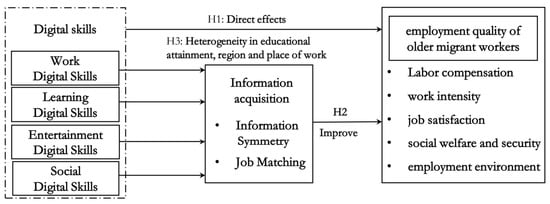
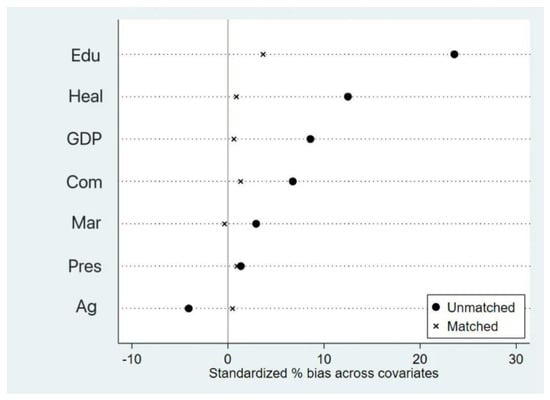
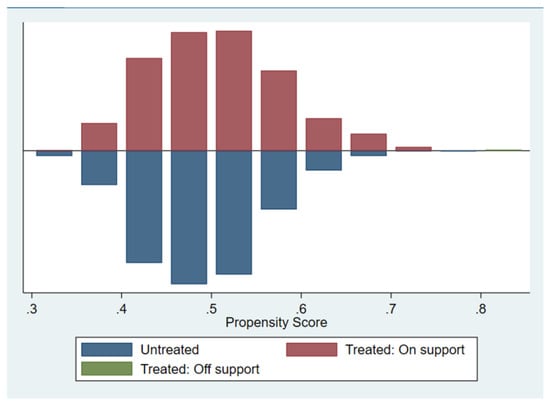
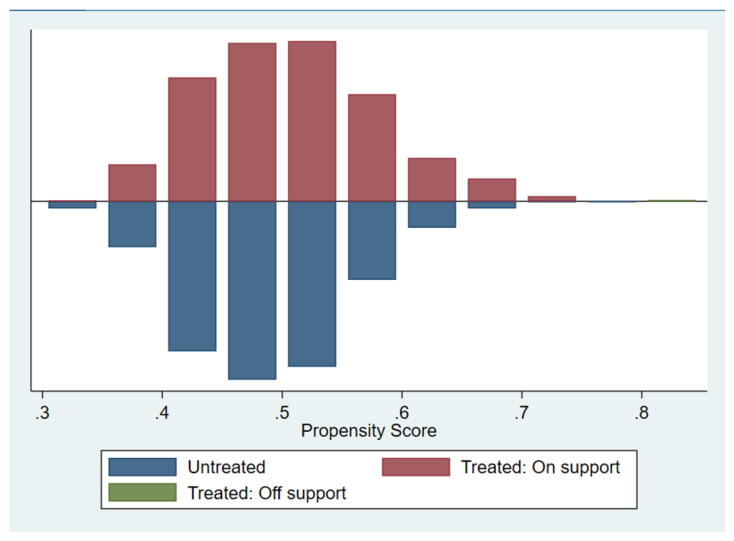

Disclaimer/Publisher’s Note: The statements, opinions and data contained in all publications are solely those of the individual author(s) and contributor(s) and not of MDPI and/or the editor(s). MDPI and/or the editor(s) disclaim responsibility for any injury to people or property resulting from any ideas, methods, instructions or products referred to in the content. |
© 2026 by the authors. Licensee MDPI, Basel, Switzerland. This article is an open access article distributed under the terms and conditions of the Creative Commons Attribution (CC BY) license.