


Abstract
Copper is a strategic raw material for the European economy, while the sector’s ongoing green and digital transformation is creating new competency requirements and intensifying workforce development challenges. The objective of this study was to identify and analyse competency gaps among selected occupational groups considered strategic for the sustainable development of the copper sector, with a specific focus on European countries covered by the Regional Innovation Scheme (RIS). A mixed-methods research design was applied, combining desk research, a computer-assisted web interview (CAWI) survey and focus group interviews (FGIs). Six strategic occupational profiles covering EQF levels 3–7 were identified through desk research and expert input from industrial partners. The quantitative survey comprised 250 complete responses from employees and managers of copper-sector companies in Poland, Greece and Bulgaria, while the qualitative stage involved focus group interviews with employees representing different organisational and occupational groups in the same three countries. The findings indicate that the analysed occupational profiles require a combination of specialised STEM knowledge and skills with competencies related to modern automation and digitalisation, including VR/AR/XR and artificial intelligence. The identified competency gaps concerned both professional skills, including the use of digital technologies, information processing and technical documentation, and transversal skills, particularly problem solving, adaptability, communication, teamwork and analytical thinking. The findings provide an empirical basis for identifying priority areas for upskilling and reskilling and for developing targeted lifelong learning solutions for the occupational profiles and industrial contexts examined in the study.
1. Introduction
Following the adoption of the Critical Raw Materials Act by the European Union in March 2024, copper was officially recognized as a strategic raw material within the critical raw materials group [1]. The legislation seeks to strengthen the security and sustainability of raw material supplies essential to the EU economy, particularly those supporting renewable energy technologies, digital transformation, and the space and defence industries.
The inclusion of copper in the list of strategic raw materials reflects its crucial role in industrial development, particularly in electronics, renewable energy technologies and infrastructure [2]. Europe accounts for approximately 9% of global copper production, with Poland, Sweden and Spain among its key producers [3]. Although Europe’s share is smaller than that of the world’s major copper-producing regions, its copper industry remains important to regional industrial supply chains. At the same time, global demand for copper is increasing as a result of the expansion of electric vehicles, wind turbines, solar panels and heat pumps, all of which are central to the EU’s decarbonisation objectives. Copper demand is projected by the International Copper Association to double and by BHP Group to increase by approximately 70% by 2050 [4,5]. These developments reinforce the strategic importance of copper but also create new challenges related to sustainable extraction, processing, manufacturing and recycling.
The European copper industry is consequently experiencing far-reaching changes driven by technological advances, the transition towards sustainable development, demographic shifts, and the expansion of global economic interconnectedness [6,7,8]. Several developments are expected to significantly influence mining and metal production, including the wider adoption of Environmental, Social and Governance (ESG) principles, the increasing localization of supply chains, adaptation measures responding to climate change, and greater investment in the green transition [9]. At the operational level, changes in mining practices are increasingly oriented towards safer working conditions, higher productivity, reduced environmental impacts, and more efficient management of resources [10,11]. The Draghi Report on the future of European competitiveness also identifies the reinforcement of European supply chains, reliable access to strategic raw materials, and faster implementation of domestic mining projects as important priorities [12]. The implementation of sustainability-oriented innovations, however, may remain challenging at the organizational level. Research on European SMEs has shown that the adoption of eco-efficiency measures and sustainable innovation can be constrained by limited awareness, difficulties in understanding regulatory requirements, organizational barriers and the costs associated with implementing such measures [13]. Although these findings concern SMEs rather than the copper industry specifically, they illustrate broader organizational challenges associated with translating sustainability objectives into business practices.
At the same time, the sector is increasingly adopting automation, digital technologies, artificial intelligence and circular-economy solutions. These transformations form part of a broader international shift towards digitalization and sustainability-oriented innovation and are not limited to Europe. These developments extend beyond Europe. Studies comparing digital transformation and legal innovation in China and the European Union suggest that both regions draw on technological progress and legal frameworks to foster business growth. However, their regulatory and policy approaches differ. The EU approach places greater emphasis on rights-based regulation, whereas the Chinese approach is more strongly associated with industrial strategies [14]. Thus, the sustainable transformation of the copper sector involves not only environmental and technological change but also substantial changes in the organisation and nature of work.
Technological transformation is directly associated with changing competency requirements. Recent developments in artificial intelligence and deep learning illustrate the growing sophistication and diversity of intelligent systems. Recent examples include lightweight deep-learning architectures integrating attention mechanisms with prior knowledge for object detection, as well as approaches based on three-dimensional graph deep learning for contactless gesture recognition [15,16]. Although these solutions were originally designed for purposes outside the raw materials industry, they demonstrate the continuing progress of artificial intelligence and the growing relevance of digital, analytical and AI-related skills in sectors undergoing technological change. In the raw materials industry, the adoption of emerging technologies is similarly likely to reshape existing work processes, create new occupational roles and introduce additional competency requirements [17]. As a result, future mining engineers will need to combine core technical knowledge with digital, environmental, social, and managerial capabilities. Key areas of competence include artificial intelligence, robotics, automation, data analytics, digital technologies, sustainability, and social and communication skills [18].
These changing competency requirements also raise questions about the preparedness of future employees for technological transformation. Research indicates that employees are increasingly aware of automation and the growing presence of AI in the workplace. However, a gap may remain between such awareness and their readiness to operate in a rapidly changing labour market [19].
The evolving skill needs of employees in mining and the copper industry have become an important subject of academic investigation. Research on the copper sector suggests that advances associated with Industry 4.0 and 5.0, alongside the shift towards greener production and circular economic models, are altering the skills expected of both existing and future workers. Studies anticipating developments across the copper value chain have further highlighted the growing importance of integrating occupation-specific technical expertise with digital capabilities and social competencies, while forecasting continued changes in workforce skill requirements up to 2035 [9].
Additional insights come from recent studies examining how mining occupations are being transformed. Mining activities are expected to rely increasingly on digital technologies, automated processes and remote operation, although human participation will continue to play an indispensable role [20]. The literature also indicates a growing demand for advanced competencies, ongoing professional development and hybrid skill sets that bring together technical knowledge and practical operational capabilities. Technological change therefore involves more than the substitution of existing skills; it alters the combinations of competencies required in mining occupations, making it necessary to integrate established sector-specific expertise with digital, analytical and transversal capabilities.
These developments also place additional pressure on workforce management. Insufficient availability of appropriately qualified employees may slow innovation, restrict the uptake of new technologies and impede progress towards sustainable industrial transformation. Nearly 60% of companies in the European Union identify skills shortages as a significant obstacle to investment, while employment projections to 2035 point to considerable labour shortages, especially in highly skilled occupations. Such shortages reflect both evolving competency requirements and the need to replace employees leaving the workforce through retirement [12]. The Draghi Report therefore calls for a more future-oriented approach to skills development, including improved skills intelligence, more responsive education and training systems, greater recognition of qualifications and increased investment in technical and STEM skills, lifelong learning and upskilling [12]. In the copper sector, addressing human resource challenges similarly requires changes in recruitment and retention strategies together with a greater emphasis on upskilling and reskilling existing employees [21]. According to forecasts from the World Economic Forum, increasing attention should be given to developing and retaining employees with specialised skills and qualifications [8].
Despite this growing body of research, an important gap remains between broad analyses and forecasts of changing competency requirements and empirical evidence on the competency gaps currently experienced within specific occupational profiles in copper-sector workplaces. Previous studies have identified trends in competency expectations and future competency needs across the copper value chain and have examined how technological and green transformation may affect the future work and competencies of miners [9]. However, there is still a need for workplace-based evidence showing how these broader transformations translate into professional and social competency gaps within specific occupational profiles representing different qualification levels. In particular, combining quantitative assessments by employees and supervisors with qualitative evidence from different organisational groups can provide a more detailed understanding of competency needs than sector-level forecasts alone. Such evidence is necessary to support the development of targeted rather than generic upskilling, reskilling and lifelong learning interventions.
Against this background, the study aimed to identify and examine competency gaps among selected occupational groups in the copper industry, focusing on companies operating in European countries covered by the Regional Innovation Scheme (RIS). The research addressed the following question: Which professional and social competencies exhibit the most significant gaps among employees representing selected strategic occupational profiles in the copper sector?
The research was conducted in industrial settings within the framework of the SkiComCu Lifelong Learning project. It examined competency gaps across selected occupational profiles corresponding to EQF levels 3–7, combining quantitative assessments with qualitative evidence collected in the participating companies. The findings provide an empirical basis for identifying priority areas for targeted upskilling, reskilling and lifelong learning activities.
The SkiComCu project findings, including competency gaps and related training needs among selected occupational groups in the European copper sector, were previously presented in a conference paper [17]. The present article offers a more detailed account of the same research, providing an expanded description of the methodology and a fuller presentation of the quantitative and qualitative findings previously reported in a condensed form.
2. Materials and Methods
The empirical material analyzed in this article was collected within the SkiComCu project. The overall research approach, including the development of occupational competency profiles, the use of computer-assisted web interviewing (CAWI) and focus group interviews (FGIs), has been presented in an earlier conference publication [17]. The present article draws on the same research programme and provides a more detailed analysis of the competency assessment data and their implications for workforce development in the copper sector. See Figure 1.
Figure 1.
Research design and procedure used to identify competency gaps in selected occupational profiles in the copper sector.
2.1. Phase I—Desk Research
The first stage established the documentary basis for developing the occupational competency profiles. The research team reviewed internal materials provided by the participating copper-sector companies, including job descriptions, competency requirements, career development arrangements and employee training programmes with defined learning outcomes. The review also covered national and European industry reports, academic publications and relevant sectoral qualification frameworks. These sources were used to examine current workforce requirements and anticipated developments in the copper sector. The information gathered informed the preparation of the competency profiles in the subsequent research phase.
2.2. Phase II—Development of Key Competency Profiles
The project consortium developed six occupational competency profiles using the documentary evidence collected in Phase I and the expertise of its research and industrial partners. These profiles, previously introduced in the SkiComCu conference publication [17], were selected to represent occupations considered important for the development of the copper sector:
- Miner—Operator of Self-Propelled Mining Machines (European Qualifications Framework—EQF 3);
- Mineral Processing Technician (copper ore) (EQF levels 4, 5);
- Mining Engineer (Senior Mining Supervisor) (EQF levels 6, 7);
- Mining Geologist (EQF levels 6, 7);
- Metallurgical Engineer—Non-Ferrous Metals (EQF levels 6, 7);
- Copper Recycling Process Engineer (EQF levels 6, 7).
Five criteria guided the selection of competency profiles:
- Coverage of qualification levels: the profiles were intended to represent EQF levels 3–7, allowing competency requirements to be examined across different qualification levels;
- Representation of occupational groups: the selection included three main categories of copper-sector employees: (a) foremen and operational personnel, (b) professionals, and (c) managers and senior specialists;
- Coverage of the copper value chain: the profiles reflected the SkiComCu conceptual framework, which distinguished three principal areas: exploration, mining and processing, and materials engineering and recycling;
- Relevance to participating companies: consideration was given to the organisational, staffing and operational needs identified by the industrial partners;
- Consideration of future competency requirements: the selection took account of evidence from earlier raw materials sector projects and the strategic objectives of the consortium.
Following the selection process, experts from the partner organisations prepared the six competency profiles using a common framework developed within the project (Appendix A.1). The learning outcomes specified for each profile were organized into two categories: technical skills and social competencies. Each profile was linked to the appropriate EQF level and supplemented with examples of corresponding job positions.
2.3. Phase III—Identification of Competency Gaps: Online Survey (CAWI)
The quantitative stage involved an online questionnaire survey designed to assess professional skills and social competencies associated with the selected occupational profiles. Profile-specific questionnaires were completed by employees and supervisors from copper-sector companies in Poland, Greece and Bulgaria. The dataset comprised 250 fully completed questionnaires. Although the project developed six occupational profiles, five were included in the quantitative assessment. Copper recycling activities were not represented as a separate occupational category within the participating companies, as relevant responsibilities were also assigned to employees in other positions, including metallurgical engineers.
Table 1 presents the distribution of respondents by country and competency profile. Although six competency profiles were developed in Phase II, the quantitative analysis covered five profiles. Within the participating companies, expertise related to the recycling of copper-containing waste (Copper Recycling Process Engineer profile) was not recognized as a distinct occupation. Tasks within this area were also undertaken by professionals from other occupational groups, including metallurgical engineers.
Table 1.
Quantitative breakdown of respondents in the questionnaire survey, by country and competence profile.
Due to space constraints, Section 3.1 presents detailed survey results for one selected occupational profile, Metallurgical Engineer—Non-Ferrous Metals. This profile was selected because it was the only one for which respondents from all three participating countries took part in the survey, providing the broadest cross-country dataset among the profiles analysed.
The questionnaires were distributed to respondents through a dedicated hyperlink or QR code. Employees working in positions corresponding to the selected profiles evaluated their own professional and social competencies as well as those demonstrated by their colleagues. Respondents with supervisory responsibilities also provided assessments of the employees reporting to them.
Respondents assessed competency levels on a five-point Likert scale, with numerical values assigned to the following response categories: Very low (1), Low (2), Satisfactory (3), High (4), and Very high (5). An additional response category, “Not applicable” (0), was available when respondents could not evaluate a particular competency. These responses were omitted when calculating mean competency scores.
2.4. Phase IV—Identification of Competency Gaps: Focus Group Interviews
The qualitative phase comprised focus group interviews (FGIs) aimed at providing a more detailed interpretation of the online survey results and generating additional insights into current and future competency gaps.
The FGIs followed a semi-structured format based on a common interview scenario and guidelines developed for the moderators. They were conducted between May and June 2024 with employees of the SkiComCu industrial partner companies in Poland, Greece and Bulgaria. Each national group included 8–12 representatives of the participating companies, drawn from technical, managerial, administrative and human resource functions.
In-person focus group interviews were conducted in Poland, Greece and Bulgaria to examine workforce-related issues and competency development needs in the copper industry. The interviews were structured around four key areas of inquiry:
- Which competency gaps pose the greatest difficulties for the copper sector at present?
- How well do existing training opportunities meet the competency development needs of copper-sector employees, particularly in relation to upskilling, reskilling and recent technological advances? What improvements could be introduced to make such training more accessible and effective?
- What measures could help copper-sector companies attract and recruit new employees?
- What recruitment difficulties do companies in the copper industry encounter? Do HR professionals require additional competencies to develop and revise job descriptions and vacancy announcements?
The focus group sessions were facilitated by researchers from the SkiComCu partner institutions who had experience with the research context. Following each session, the moderators documented the discussions in structured summaries, which were subsequently reviewed and analysed by the research team.
2.5. Phase V—Integration and Analysis of Competency Gaps
The research adopted an explanatory sequential mixed-methods design [22]. The quantitative competency assessments were considered alongside evidence from the subsequent focus group interviews. This approach enabled the research team to interpret the survey findings in the context of occupational practices, organizational circumstances and workforce development challenges reported by the participants. The combined evidence was used to identify and describe the professional and social competency gaps within the scope of the study.
Although the study employed a comprehensive mixed-methods approach, its findings need to be considered in light of the following methodological limitations:
- The non-probability convenience sampling approach, involving three major industrial companies located in three RIS countries, does not allow the findings to be statistically generalised to the European copper industry as a whole or to the wider RIS region. Consequently, the results provide insights into competency gaps specific to the occupational profiles and industrial settings examined. Their applicability to other large copper-sector companies and comparable occupational groups remains to be established through further research involving larger and more representative samples.
- Assessments provided by employees and supervisors may be affected by subjective perceptions and potential bias.
- The investigation covered only six strategic occupational profiles.
- Focus group findings may have been influenced by the views of more vocal participants and by cultural differences in communication styles.
3. Results
3.1. Survey Results (CAWI) for Chosen Competency Profile
Detailed results of the survey for the selected competency profile, The Metallurgical Engineer—Non-Ferrous Metals, are presented below.
Seventy-five respondents from 3 countries (PL-Poland; BY-Bulgaria; EL-Greece) took part in the survey. Figure 2 shows the characteristics of the group of respondents in terms of their job roles within companies in the copper industry.
Figure 2.
Survey respondent groups for the competency profile: Metallurgical Engineer—Non-Ferrous Metals.
Among the respondents, the by far largest group consisted of those with a higher education qualification (44% with a master’s degree and 25% with a bachelor’s or engineering degree). This totalled to 69%. The characteristics of the respondent group in terms of educational attainment are illustrated in Figure 3.
Figure 3.
Respondents’ education for the competency profile: Metallurgical Engineer—Non-Ferrous Metals.
Under the adopted research methodology, employees working in the occupational positions examined were required to evaluate the professional and social competencies associated with their respective roles. These evaluations reflected their perceptions of both their own capabilities and those demonstrated by their colleagues. The respondent, who is the supervisor of employees performing the surveyed profession, was asked to express a similar (average) opinion in relation to the employees he manages. If the respondent could not take a position on a given issue, it was possible to select the “Not applicable” option. The “N/A” option has a weight of “0” and was not counted towards the average of the results.
The individual skills (professional and social) that respondents were asked to assess were taken from the content of the description of this competency profile.
The next part of the article presents the responses for three selected skills (out of the 20 that describe this profession):
Table 2.
Quantitative results of the assessment of Skill 1 observed in the respondents’ opinion of themselves and their co-workers.
Figure 4.
The level of Skill 1 observed in the respondents’ opinion of themselves and their co-workers.
Table 3.
Quantitative results of the assessment of Skill 2 observed in the respondents’ opinion of themselves and their co-workers.
Figure 5.
The level of Skill 2 observed in the respondents’ opinion of themselves and their co-workers.
Table 4.
Quantitative results of the assessment of Skill 3 observed in the respondents’ opinion of themselves and their co-workers.
Figure 6.
The level of Skill 3 observed in the respondents’ opinion of themselves and their co-workers.
The averaged results for Skill 1 for all respondents are shown in Figure 4.
The self-assessment of the level of OSH competence of the respondents is high. In each of the three countries, the average exceeded 4.0, and in Bulgaria, it was 4.9 on a five-point rating scale (Table 2).
The results of the survey on the metallurgical engineer obtained for Skill 2—Designs and improves material processing processes in the non-ferrous metals industry—are less encouraging, especially in the case of Bulgaria (average score: 2.8), but for Poland too (average score: 3.0) (Table 3).
The averaged results for Skill 2 for all respondents are visualized in Figure 5.
The assessment of the level of the third skill—Plans and organises individual and team work in solving material problems in the metallurgical and copper industry—is an example of significant discrepancies between countries. The average rating obtained among employees from Bulgaria (4.1) is much higher than the ratings of Polish (2.8) and Greek employees (2.7) (Table 3). As it emerged from the deeper qualitative analyses, this is mainly the result of the specificity of the business profile of companies in individual countries. The research site in Bulgaria was a company specialising strictly in the processing of copper ore (a network of smelters), in contrast to KGHM, which is primarily involved in mining operations. Therefore, material-related issues associated with metallurgical processes are likely to be much more relevant to this group of respondents. Hence, they indicated a higher level of competence in this area. Furthermore, the discrepancies may stem from the managerial nature of Skill 3, which is of a managerial nature. The proportion of employees in supervisory roles amongst the Bulgarian respondents was significantly higher than amongst the Polish and Greek respondents (40%, 20% and 25%, respectively). It is to be expected that this group of employees should have a higher level of proficiency in these types of skills, a finding which was confirmed by the survey.
The averaged results for Skill 3 for all respondents are shown in Figure 6.
The results for the whole competence profile Metallurgical Engineer—Non-Ferrous Metals (all skills) expressed as the average of the grade were ranked in Table 5 in ascending order [17].
Table 5.
Metallurgical Engineer—Non-Ferrous Metals results of the competency gap survey (all skills) (n = 75).
Referring to the indicated limitations resulting from the adopted methodology (Section 2.2), it is worth reliably addressing the risk associated with the presence of certain factors that interfere with the simple interpretation of the above results “directly”. The results presented in Table 2, Table 3, Table 4 and Table 5 represent an average assessment of the competences of employees in the copper sector, including both the self-assessment of persons employed directly in jobs related to the studied competency profile and the assessment of their superiors. This approach was justified by the insufficient sample size to be able to perform a separate role-based analysis. The authors are aware that self-assessment is prone to a tendency to exaggerate one’s own strengths or underestimate oneself, while managers’ assessments may be conditioned by the organizational perspective. However, the participation of superiors in the group of respondents in the study of individual profiles was small. In addition, the averaging of data was made for all the surveyed competency profiles, and the results of the surveys were subjected to a deeper analysis in the next stage of the research—focus interviews. Differences in the perception of the level of competence among employees (self-assessment) and in the assessment of their superiors seem to be an interesting area of future in-depth research in this area.
Appendix A.2 provides an overview of the competencies with the lowest assessment scores for all six competency profiles, indicating areas requiring further development within the analysed competency profile. A unified threshold of the average value of the assessment of 4.0 was adopted. This is a key result of the online survey.
In the free comments and remarks, respondents further highlighted the following issues relevant to the potential thematic areas of the proposed training courses:
“Ability to identify and quantify the process-microstructure-properties-performance linkages that exist within the process that she/he oversees” (metallurgical engineer);
“A fundamental/deep understanding of physical metallurgy principles that influence metal processing for engineers, while a basic understanding of metallurgy for production personnel. This knowledge can aid in areas such as Life Cycle Assessment (LCA) analysis, the integration of production KPIs with financial KPIs, and Quality Assurance (QA) KPIs”;
“… specific knowledge in the area of applications and performance of metallic components under service and operating conditions”.
Due to their length, the complete survey results for all competency profiles could not be included in this article. They are available in the Supplementary Material.
3.2. Results of Focus Group Interviews (FGIs)
The material obtained from the focus group interviews was analyzed qualitatively, with the findings documented in the unpublished SkiComCu report on the assessment and validation of needs for selected copper-related education chain groups. The main observations are presented below. The findings from the same research programme were also discussed in an earlier conference publication [17].
The Polish participants identified two major technological developments affecting the copper industry: the progressive automation of production and the increasing use of remotely operated equipment. They also pointed to difficulties associated with keeping organizational practices aligned with technological progress, evolving workplace cultures and differences between generations of employees. Particular emphasis was placed on effective communication, adjustments to working practices and the integration of emerging technologies. Demographic developments were another important concern, especially workforce ageing and the need to ensure continuity of expertise as experienced employees retire. This was linked to the need for arrangements facilitating knowledge transfer between generations and for workplaces better suited to an ageing workforce. Participants also reported insufficient basic technical competencies among younger employees.
Similar workforce concerns emerged during the Greek discussions. Participants regarded recruiting and retaining younger employees as particularly difficult. They also expressed concern about the loss of accumulated professional expertise when experienced workers leave the industry and the limited availability of equivalent competencies among potential replacements.
In Bulgaria, the discussions highlighted difficulties in making effective use of technological developments within the copper industry. One of the principal competency gaps was described by participants as “the lack of an overall view of the business by the employees” [17]. According to the interviewees, employees were not always sufficiently familiar with the company’s broader operations or with the relationship between their own responsibilities and other business functions, including finance and logistics. Participants also identified the transition towards environmentally sustainable production, the growing significance of ESG reporting and the associated workforce development needs as areas requiring increased attention.
When discussing the most significant competency gaps, experts from Greece and Bulgaria pointed to employees’ limited understanding of copper as a material, particularly its fundamental properties and characteristics. Representatives of both countries also emphasized the need to develop soft skills among employees at different organizational levels and in various occupational positions. The competencies considered particularly important included effective communication across generations, teamwork, cooperation and the ability to adapt to changing circumstances.
The Polish focus group similarly recognized the importance of interpersonal competencies. In addition to the areas identified by their Greek counterparts, Polish participants emphasized employee engagement, willingness to embrace change and the ability to cope with stress. They distinguished several priority areas for competency development among employees involved in copper ore extraction and processing. Basic technical knowledge was considered essential, followed by digital capabilities and selected managerial skills. The latter included the ability to communicate tasks and expectations clearly, recognise and attract talent within the organisation, define transparent career progression opportunities and build teams with complementary competencies. Participants also observed that younger employees tended to demonstrate weaker organizational commitment and a lower sense of belonging to the company than older workers.
Recruitment and employee retention were identified as important challenges in all three countries. Participants recommended placing greater emphasis on promoting copper-sector companies as attractive employers, including through more effective employer branding and marketing activities aimed at younger specialists. They also highlighted the importance of offering employees opportunities to develop professionally and providing clearly structured career progression pathways within their organisations.
The participants of the three group interviews unanimously concluded that the educational and training offerings currently available in the individual countries, beyond those trainings that are mandatory in accordance with legal provisions, are not satisfactory either from the perspective of employers or employees. The prioritized expectations of Greek FGI participants included, among others: the entire life cycle of Cu from mining to recycling to educate all employees on the importance of the production process in which they participate; training on the basic concepts of the production process of an industrial unit (e.g., chemical elements, melting temperature of Cu), as well as on basic knowledge of physical metallurgy, metalworking, and mechanical engineering (foremen/production engineers). In Bulgaria, it was indicated that at the current moment the interest is toward training directly related to the implementation and role of artificial intelligence (AI) as a general working tool as well as its implementation in the specific functions of the employees in the sector.
Suggestions on the expected directions of improvement of educational and training offerings dedicated to copper industry employees, made by FGI participants in Poland, included, e.g., trainings tailored to the needs of different groups of employees (i.e., a different curriculum path for blue-collar positions and a different curriculum path for managerial staff), dedicated training packages for given positions to effectively cover the competences, qualifications and skills required for this position, and practical on-the-job training from the acquisition of knowledge through the performance of activities and the evaluation of learning outcomes.
As agreed by all focus group participants, it is necessary to (again) rebuild the ethos of an “industrial employee” as a co-creator of the wealth of the sector, and the employees themselves should be aware of their role and importance in the entire production process.
Participants across the focus groups in the three countries broadly confirmed findings reported in the literature concerning the challenges associated with replacing experienced employees within copper-sector companies. They noted that employment in the sector may be relatively unattractive to younger workers, particularly with regard to working conditions and remuneration. The career path of the younger generation’s work is not aimed at employment stability; they change employers on average every 3–4 years, a stability that would allow them to further develop the technical skills and competencies needed in order to resolve, in an innovative manner, technical problems faced by the sector. To this end, it is important to clearly demonstrate to young people the opportunities and the rewarding paths for professional development in the Cu sector.
The occupational competency profiles examined in this study highlight the specialized nature of copper processing, where extensive technical expertise and detailed knowledge of materials are essential. This includes familiarity with the physical and chemical characteristics of copper and the conditions governing metallurgical operations. However, meeting the challenges of the green and digital transitions also requires continuous development of professional competencies. Employees increasingly need to apply knowledge from fields such as physics, chemistry, mechanics and automation alongside digital solutions, including virtual reality (VR), augmented reality (AR), extended reality (XR) and artificial intelligence (AI), in their occupational activities.
The findings obtained within the SkiComCu project also underline the importance of developing social and transversal competencies as part of workforce training. Participants identified effective communication, cooperation and teamwork, leadership, analytical reasoning, the ability to interpret data and adaptability as essential capabilities for supporting sustainable industrial operations.
FGI participants emphasized the need to further enhance the effectiveness and attractiveness of training processes through interactive and simulation tools of augmented reality. At the same time, the value of face-to-face meetings was emphasized, enabling interaction, direct exchange of opinions and experience between trainers and trainees.
4. Discussion
The investigation of competency gaps in the copper sector across selected European countries focused on a specific part of the wider non-ferrous metals industry: employees engaged in copper ore extraction, processing and manufacturing activities. The importance of copper as a strategic resource for European economic development [1,2], together with persistent difficulties experienced by companies in recruiting and retaining suitably skilled personnel [9,10,21], provided the rationale for undertaking this research.
The study covered six occupational profiles selected by the project consortium on the basis of their significance for the sector’s future development. Before these profiles were defined and described, the research team examined relevant academic publications and documentary sources. This process was supported by the practical knowledge of the SkiComCu industrial partners, which include major enterprises operating in the European copper industry [23].
The research approach made it possible to examine competency gaps among employees working in positions corresponding to the selected occupational profiles. The results revealed differences in both the types and magnitude of professional competency gaps across the occupational groups investigated. Several of these gaps correspond to challenges already documented in academic and industry publications, particularly those arising from technological advances and their implications for workforce competencies. These include the growing use of automation and digital technologies in industrial processes [9], as well as remote operation and control systems, virtual, augmented and extended reality (VR, AR, XR), and technologies enabling the real-time monitoring and analysis of production processes [24].
In addition, evidence from both the questionnaire survey and focus group interviews pointed to specific technical competencies required within the occupational profiles examined in the copper industry. Among the areas highlighted were knowledge of metallurgical processes and their underlying principles, together with an understanding of how solid materials produced during copper mineral processing are stored, loaded and transported.
When interpreting the survey findings, consideration should be given to the fact that the assessments were largely based on respondents’ perceptions of their own competencies, with over 80% of participants occupying the positions examined in the study. The results also reflect a relationship between educational attainment and self-assessment identified in the literature: individuals with higher levels of education tend to be more conscious of their competency gaps and more strongly perceive the need to continue developing their professional skills. In the literature, this psychological phenomenon is known as the Dunning–Kruger effect. It is based on the fact that people with little knowledge in a given field greatly overestimate their abilities, whilst true experts often underestimate their own competence. Researchers attribute this phenomenon to a lack of awareness amongst the least-qualified people regarding their own deficits [25]. This was also confirmed by the findings of a study presented in the article, which involved a self-assessment of skill levels amongst workers in the copper industry. Within the SkiComCu research, respondents representing the occupational profile of a mining machinery operator (EQF 3) reported the lowest perceived competency gaps. Their assessments indicated a very high level of confidence in their existing professional and social capabilities, accompanied by a limited perceived need to improve these competencies further.
Another observation concerns the organisation of copper recycling activities within the industrial settings investigated. The survey revealed that the recovery and reuse of copper-bearing materials were not associated with a distinct occupational profile in the participating copper mining and processing companies. Instead, these responsibilities formed part of the duties assigned to other professional groups, including metallurgical engineers. This arrangement may become increasingly difficult to maintain as the importance of recycling for resource efficiency continues to grow. In particular, the recovery of copper from production waste could create a greater need for employees possessing specialised knowledge and skills in this field.
The findings of SkiComCu, considered alongside the existing literature, also draw attention to the role of transversal competencies in preparing employees for future challenges [9,17,26]. The areas requiring particular attention include the capacity for analytical and creative reasoning, openness to change, personal flexibility, motivation and self-awareness. Curiosity and a readiness to pursue learning throughout one’s professional life were likewise recognised as important elements of future workforce competence.
A comparison of the competency assessments across the EQF levels represented in the project showed recurring development needs among employees with different qualification backgrounds. The priorities identified for particular groups included:
- EQF levels 3 and 4: selecting and applying appropriate methods to resolve problems, as well as modifying one’s behaviour in response to the expectations and perspectives of other team members;
- EQF levels 6 and 7: contributing actively to social and entrepreneurial initiatives at work, undertaking actions that promote sustainable development, developing constructive relationships with stakeholders from different backgrounds, and recognising and evaluating risks and possible outcomes of mining-related decisions and activities.
These observations should also be considered in the context of continuous organisational and technological change. As companies introduce new solutions and modify their operating practices, employees are expected to adjust to evolving technologies, organisational arrangements and working conditions. Consequently, the ability to accommodate change and respond appropriately to unfamiliar circumstances is likely to become an essential component of professional competence in the copper industry.
Standardisation will support professional development, career path planning and recruitment processes for specific job roles within the copper sector. One such standardisation tool is the sectoral qualifications framework. The findings of the study conducted as part of the SkiComCu project, in particular the descriptions of key competence profiles (learning outcomes), made a significant contribution to the preparation of the working version of the Integrated Sectoral Qualification Framework (SQF Cu). It presents a comprehensive approach to mapping the landscape of competencies and skills required to work in an innovative and competitive Cu-sector in RIS territories, establishing a common language to boost communication and cooperation among the different stakeholders. As part of the research carried out under the SkiComCu project, SQF underwent internal and external validation (by a select group of experts specialising in the copper sector). Steps are currently being taken to promote this tool more widely and to ensure its effective implementation, with a view to supporting companies’ human resources policies and the professional development of employees in the copper sector.
5. Conclusions
The study identified professional and social competency gaps within selected occupational profiles considered relevant to the ongoing transformation of the copper sector. The findings indicate that competency development cannot be limited to specialized technical knowledge. Across the analyzed profiles, employees increasingly need to combine occupation-specific expertise with digital competencies and the ability to operate in technologically advanced and sustainability-oriented working environments.
The professional competency gaps identified in the study concerned, in particular, scientific and technological skills, safe working practices, the use of dedicated digital tools, preparation of technical documentation and reporting, and information processing and sharing. At the same time, the results revealed important gaps in transversal and social competencies, including problem solving, adaptability and flexibility, risk assessment and decision making, accountability, interpersonal communication, teamwork, relationship building, and social and entrepreneurial activity in the workplace. These findings indicate that technical and transversal competencies should be developed in parallel rather than treated as separate areas of workforce development.
The analysis also revealed differences in competency needs across qualification levels. For profiles at EQF levels 3–4, recurring development needs included problem-solving abilities and adapting behavior to effective teamwork. At EQF levels 6–7, the identified needs included social and entrepreneurial activity, initiating actions for sustainable development, developing and maintaining effective relationships with diverse stakeholder groups, and evaluating the risks and potential impacts associated with mining activities. These findings support an occupation- and qualification-specific approach to competency development rather than a uniform training model for the copper-sector workforce.
An additional finding concerns copper recycling. Although a Copper Recycling Process Engineer profile was developed within the study, this occupation was not recognized as a separate professional role in the participating industrial companies; recycling-related tasks were instead performed by employees from other occupational groups, including metallurgical engineers. This finding points to a potential mismatch between the growing importance of circular-economy processes and the current organisation of occupational roles within the industrial contexts examined.
Overall, the study demonstrates the value of competency profiles as a basis for identifying specific development needs in copper-sector workplaces. By combining quantitative assessments with qualitative evidence from employees and managers, the research provided a basis for defining priority areas for upskilling, reskilling and lifelong learning within the occupational profiles and industrial contexts examined. The conclusions therefore apply primarily to the occupational groups and industrial settings included in the research. Owing to the sampling approach and the limited geographical coverage, the results cannot be generalized statistically to the European copper industry as a whole. Nevertheless, they offer empirical insights grounded in actual workplace conditions, which may serve as a starting point for further investigation and validation through larger-scale comparative studies.
6. Policy Implications
The findings have implications for skills and lifelong learning policies supporting the green and digital transformation of strategic raw-material sectors. First, skills policies should recognize that technological transformation requires the simultaneous development of occupation-specific technical competencies, digital skills and transversal competencies. Training policies focused exclusively on technological skills may therefore be insufficient to address the competency needs identified in the study.
Second, the findings highlight the value of strengthening sector-specific frameworks for competencies and qualifications and promoting their broader application. Such frameworks can serve as shared points of reference for employers, education and training institutions, employees and other relevant stakeholders. The competency profiles developed and validated within the SkiComCu project contributed to the Integrated Sectoral Qualification Framework for the copper mining, metallurgy and recycling industries (SQF Cu), which may support greater transparency of competency requirements and facilitate the design of qualifications, training programs and career-development pathways [27].
Third, policies supporting lifelong learning in strategic industrial sectors should strengthen mechanisms for the systematic identification and updating of competency needs. Rapid technological change means that competency profiles cannot be treated as static. Periodic skills-gap assessments involving employers, employees and education and training providers could provide evidence for updating vocational and higher education curricula, continuing training provision and targeted reskilling and upskilling initiatives.
Finally, the findings point to the relevance of circular-economy competencies for future workforce policies. The absence of a distinct copper-recycling occupation in the participating companies, despite the increasing importance of secondary raw materials and recycling, suggests that qualification systems and training provision should remain responsive to emerging occupational functions associated with the circular economy.
7. Recommendations for Further Research
Further investigations should build on the present findings by broadening the methodological approach and including a wider range of geographical contexts. First, competency-gap assessments should be conducted with larger and more structurally representative samples and should include additional companies and European countries. This would enable the comparison of occupational profiles across different organisational and national contexts and provide a stronger basis for assessing the transferability of the patterns identified in the present study.
Second, longitudinal research is needed to determine how competency requirements evolve in response to technological, environmental and organisational changes. Repeated application of the competency-profile-based assessment approach developed in this study could help identify emerging gaps and monitor changes over time. Predictive analytics, workforce modelling and scenario-based approaches could further support the anticipation of future competency demand.
Third, future studies should investigate competencies associated with copper recycling and secondary raw-material processing in greater depth. The absence of a distinct Copper Recycling Process Engineer role in the participating companies makes this area particularly relevant for further research as circular-economy activities continue to develop.
Further research should also examine mechanisms for intergenerational and tacit knowledge transfer in the context of workforce ageing and evaluate the effectiveness of different approaches to competency development. In particular, empirical studies comparing digital training, VR/AR/XR-supported learning, blended learning and micro-credentials could provide evidence on which approaches are most effective for developing different categories of technical and transversal competencies. Finally, research on the attractiveness of the copper sector to younger workers and on recruitment and retention strategies could complement competency-gap research by addressing the broader workforce challenges identified by the participating companies.
8. Recommendations
Based on the findings, copper-sector companies and education and training providers should adopt a systematic and competency-based approach to workforce development. The following recommendations are proposed:
- Training programmes should integrate technical, digital and transversal competencies rather than addressing them separately;
- Upskilling and reskilling provision should be differentiated according to occupational profiles and qualification levels, reflecting the different competency gaps identified across EQF levels;
- Competency profiles should be periodically reviewed and updated in cooperation with employees, managers, HR specialists and education and training providers;
- Lifelong learning opportunities should include flexible forms of work-related learning, including specialised courses, apprenticeships, internships, blended learning and appropriately validated digital learning;
- Greater attention should be given to emerging competency requirements associated with digitalisation, automation, sustainability and circular-economy processes;
- Companies should integrate competency development with recruitment, retention and career-development strategies to strengthen the attractiveness of the sector and support the transfer of expertise between generations.
The competency profiles and diagnostic approach applied in this study can support these activities by providing a structured basis for identifying training priorities and periodically reassessing workforce development requirements.
Supplementary Materials
The following supporting information can be downloaded at: https://skicomcu.eu/wp-content/uploads/2026/04/Annex_2_Online-survey-results_all-profiles.pdf, accessed on 10 July 2026 (Online survey results).
Author Contributions
Conceptualization, J.R.; methodology, J.R. and I.W.; validation, M.K. (Małgorzata Kowalska); formal analysis, J.R., M.K. (Malwina Kobylańska) and K.A.; investigation, J.R., I.W., K.A. and M.K. (Małgorzata Kowalska); resources, M.K. (Malwina Kobylańska), K.A. and M.K. (Małgorzata Kowalska); data curation, I.W. and M.K. (Małgorzata Kowalska); writing—original draft preparation, J.R., I.W. and M.K. (Malwina Kobylańska); writing—review and editing, K.A. and M.K. (Małgorzata Kowalska); visualization, I.W.; supervision, J.R. and K.A.; project administration, M.K. (Malwina Kobylańska) and J.R.; funding acquisition, M.K. (Malwina Kobylańska) and K.A. All authors have read and agreed to the published version of the manuscript.
Funding
This research was funded by EIT RawMaterials, grant number 23043.
Institutional Review Board Statement
Ethical review and approval were waived for this study due to that the researchwas of an educational nature and fell within the social sciences and humanities. As such, it does not require the establishment of a bioethics committee. Participation in both the questionnaire study and the focus group componentwas voluntary. Questionnaire respondents provided electronic informedconsent, while participation in the FGDs was documented in accordance withthe project procedures. The study complied with GDPR requirements and applicable institutional ethical standards of this type of research.
Informed Consent Statement
Informed consent was obtained from all subjects involved in the study.
Data Availability Statement
The data supporting the research findings published in this article are available in a report on the project website, under which the team conducted the research—Report on the assessment & validation of needs for Cu-oriented education chain selected groups: https://skicomcu.eu/wp-content/uploads/2025/07/SkiComCu_Deliverable_2.1_final.pdf (accessed on 11 October 2026). Professional skills and social competencies requiring development within the six analysed competency profiles are provided in Appendix A.2.
Acknowledgments
This research work was carried out within the ‘SkiComCu-Lifelong Learning Course for skills & competences in the Copper sector’ project. The authors also acknowledge the SkiComCu project industrial partners, ElvalHalcor Hellenic Copper and Aluminium Industry S.A., KGHM Polska Miedź S.A., and Aurubis Bulgaria AD, that provided input for the surveys and the FGIs, as well as other partners not included in the affiliations that, according to the authors, contributed in drafting this article.
Conflicts of Interest
Authors Malwina Kobylańska was employed by KGHM CUPRUM sp. z o.o.–Centrum Badawczo-Rozwojowe. The remaining authors declare that the research was conducted in the absence of any commercial or financial relationships that could be construed as a potential conflict of interest.
Appendix A
Appendix A.1. Competency Profiles for Chosen Groups of Copper Sector Employees
The SkiComCu Project Partnership, as part of the WP2 work package, has selected the following professions/areas of competence as key for the current functioning of the Cu sector and for its future:
- Miner—Operator of Self-Propelled Mining Machines (EQF level 3);
- Mineral Processing Technician (copper ore) (EQF levels 4 and 5);
- Mining Engineer (Senior Mining Supervisor) (EQF levels 6 and 7);
- Mining Geologist (EQF levels 6 and 7);
- Metallurgical Engineer—Non-Ferrous Metals (EQF levels 6 and 7);
- Copper Recycling Process Engineer (EQF levels 6 and 7).
For the professions listed above, descriptions of competence profiles have been developed.
Summary and description of the profiles
Miner—Operator of Self-Propelled Mining Machines—responsible for operating the self-propelled mining machine in a safe and effective manner, including turning it on and off, maintaining control over its systems and monitoring the running status of the machine. The operator takes care of their own safety as well as the safety of other employees at the workplace by means of compliance with all safety regulations and operational procedures, regular testing and inspection of the machine, and reporting any irregularities. Beyond that, they are responsible for performing various mining tasks vital to the continued operation of the mine, which include: drilling, anchoring, dressing, loading, transporting, unloading the materials and other actions necessary for exploitation of the deposit. The operator is required to perform routine inspections of the machine and provide minor repairs and maintenance to ensure the continued performance and effectiveness of the machine. The operator should also be a competent communicator, capable of effectively interacting with other members of the mining team, reporting in all relevant information about the performance of the machine, accidents or irregularities, and collaborating with other employees to ensure the effectiveness of the mining process. In their line of work operators face many hazards, such as: moving machine parts, moving machinery and equipment, hydraulic fluids and pressurised water, substantive levels of dust in the air, limited illumination of the work area, and possibility of natural hazards (rocks falling from the ceiling or sidewall, cave-ins, rock bursts, flooding, methane explosions, etc.).
Mineral Processing Technician (copper ore)—processes the extracted crude material, such as copper ore, in a manner aiming to maximise the amount of useful components by the means of mechanical, physicochemical and specialised processes, while preparing the material for further use. The profession revolves around operating different machines and equipment used for mechanical processing of the crude material. The technicians operate, diagnose and performs repairs of the ever renewing malfunctions of machines such as: the conveyor belt, the coil classifier, the flotation machine, the vibrating screen, the drum crusher and many more. Additionally, they organise and take active part in classification, crushing and enhancing solid material (copper ore). The material that has been segmented and enhanced is then prepared to be stored or transported. During the process of purification and enhancement, various physicochemical phenomena take place, which result in a substantial amount of sludge and polluted water. The technician decides the method of purifying the circulating water, so that it could be reused. Copper ore processing technicians are responsible for maintaining all machines and equipment, that are used in the entire facility, in good technical condition. They perform tasks that require a level of mental resilience due to frequent failures and being responsible for the safety of their subordinates.
Mining Engineer (Senior Mining Supervisor)—responsible for performing tasks that make up the technological process of copper ore extraction. The engineer plans out and supervises the work carried out by the brigade. They ensure that the works are performed in accordance with Health and Safety, fire protection, and environmental protection regulations. Furthermore, they are required to inform the employees about: hazards related to the works, the methods of eliminating, or reducing the risk posed by them, as well as upholding appropriate procedure in cases of emergency. The Mining Engineer operating in an underground mine is responsible for the safety of their subordinates. Performing work tasks that revolve around planning and carrying out mining activity, controlling the technical parameters of technological processes that are applied during the extraction of copper ores are also a part of their responsibilities. They also include execution of mining activities in accordance with developed technologies and applicable regulations. They are also responsible for proper operation and maintenance of machines and equipment in use, controlling their technical status and documenting the results of the inspections carried out. The Mining Engineer prepares reports of the completed works and in a clear and comprehensible way explains the scope of the work to be carried out to the next shift. They continuously perform measurements of the composition, humidity and temperature of the mine air using appropriate tools and gauges and performs ongoing inspection of the housing and informing the relevant Mining Services about the potential, derived from observation, potential health, life or property hazards.
Mining Geologist—seeks out and identifies the geological structure of copper veins, estimates yield, its quality and sets out the geological conditions of exploitation. They collect samples for chemical, technological, stratigraphic, or various other types of testing. The Mine Geologist is aware of dangers present in exploitation of deposits and prepares documentation of geological works carried out in the mine. They conduct research on the presence and amount of water, and its physiochemical contents in areas of mining activity, as well as predicts and determines the water hazards and methods of circumventing them. They develop projects of dewatering mineral deposits and waterflooding (water injection) the rock mass. They prepare documentation and hydrogeological maps depicting groundwater resources. The Mine Geologist verifies the data provided by geophysicists who preside over preliminary mineral exploration through utilisation of magnetic, microseismic or various other methods. After the drilling is concluded, the Mine Geologist creates a borehole profile and on the basis of many such boreholes creates geological maps that illustrate the location of rocks and minerals present underground. The Mine Geologist prepares and updates geological and surveying documentation, checks the validity of the licenced mining operations, deposit management plan and other documents. Conducts structural, mineralogical and petrological research which is necessary to determine geological phenomena. Documents possible reasons for the losses of the deposit and studies the hydrographic conditions of the mining area and areas in its vicinity.
Metallurgical Engineer—Non-Ferrous Metals—designs and develops crude non-ferrous metals (e.g., copper) utilising the latest developments and available metallurgical equipment. Supervises or directs metallurgical processes. They are responsible for the process of obtaining copper and other non-ferrous metals and secondary raw materials, enhancing and forming them to create a product of desired shape and properties. When dealing with technological issues, metallurgical engineer focuses not only on technical and technological issues, but also on the economics of the metallurgical processes, issues connected with environmental protection and work safety. Their duties include inspection and analysis of performance of metallurgical equipment, environmental protection equipment, quality of the fill, metallurgical products, etc. This process is done with the help of control and measurement devices and specified procedures. The metallurgical engineer is also responsible for safety and health of employees, equipment and machines. In senior positions, the engineer is responsible for the functioning of the entire unit or even the entire facility. Other activity that is considered to be a duty of the metallurgical engineer is forming non-ferrous metals. The primary reason for metal forming is to achieve the desired shape and quality of the product or intermediate product. Another duty of the metallurgical engineer specialised in non-ferrous metallurgy is designing and developing optimal technological solutions pertaining to, among others, the process of plate, rod and sections rolling, the process of open die forging, closed die forging, or automatic forging, and the process of extrusion, drawing and stamping of copper products and other non-ferrous metals. The metallurgical engineer specialising in non-ferrous metallurgy also solves engineering, research and innovation problems concerning industrial furnaces, their structure, modernisation and renovation, as well as power systems, auxiliary equipment, control systems, and operating energy conversion devices, including efficient energy use, energy recovery systems and utilisation of waste energy.
Copper Recycling Process Engineer—designs and applies metallurgical and recycling technologies to copper-based materials that can be found in post-exploitation industrial, technical and everyday products. The Copper Recycling Engineer produces copper from secondary raw materials. They choose the appropriate production technology based on the contents of copper in the raw material, its level of impurity, chemical (oxidised/metallic) and physical form of the copper-bearing materials. Furthermore, they perform the operations of smelting copper-bearing secondary raw materials in various types of furnaces, for example: shaft furnace, rotary kiln furnace, mini-smelter, electric furnaces, ISASMELT furnace, reverberators, converters. The engineer’s duties include making decisions about adding technological additives, such as: iron, coke, natural gas, and fluxes. They use the process of fire refining to smelt pure scrap, whereas electrorefining secondary copper serves them in regaining precious metals and other valuable components, e.g., nickel. Additionally, they plan out and supervise the works that require preliminary preparation of secondary raw materials, which typically means removal of insulation from cables, the residue from integrated circuits or lead and zinc metals. The Copper Recycling Engineer utilises technologies that allow to reduce and control the emission of secondary raw materials involved in copper production: air emission, industrial wastewater and solid waste. The recycling process engineer is involved in developing and implementing the latest methods for recycling copper, designing and optimising the operation of recycling plants to increase their productivity and efficiency. He/she may conduct research into new recycling technologies and processes.
Appendix A.2. Skills and Social Competences Requiring Development Within Key Competence Profiles
| Lp. | Name of the Competence Profile and Representative Job Positions | EQF Level | Technical Skills | Social Competence |
| 1 | Miner—Operator of Self-propelled Mining Machines Examples of representative job positions: SMG driver; bucket loader operator; transport vehicle driver (SWTm, SWTs); dozer operator; drilling Rig Operator; anchor truck operator; delivery truck operator. | 3 | Maintains the operating book of the self-propelled mining machine on an ongoing basis. | Applies stress management techniques; Utilizes problem-solving methods and techniques; Adapts behaviour with consideration for other team members. |
| 2 | Mineral Processing Technician (copper ore) Examples of representative job positions: Operator of processing machines; operator of a set of machines and processing equipment in the flotation department; operator of a set of machines and processing equipment in the dryer department; operator of a set of machines and processing equipment in the grinding department, | 4 & 5 | Operates storage and loading processes for solid copper mineral processing products; Operates raw material storage systems; Defines operational procedures for the use of machinery and equipment for grinding solid minerals; Performs preliminary treatment and dosing of raw materials for core solid mineral processing operations. | Proposes solutions to challenges encountered during the execution of professional tasks under unpredictable conditions; Adjusts behaviour with consideration for other team members; Conducts self-assessment of the quality of completed work; Actively participates in the implementation of collaborative team tasks; Applies principles of effective interpersonal communication; Utilizes structured methods and techniques for problem-solving. |
| 3 | Mining Engineer (Senior Mining Supervisor) Examples of representative job positions: Mining plant operations dispatcher; Chief Engineer; Chief Energy Engineer; Mining Works Manager; Traffic controller. | 6 & 7 | Supervises the transport of ore via conveyor belts to mineral processing plants; Oversees ore hoisting to the surface using skip hoisting systems in mine shafts; Prepares graphical materials and presentations using selected computer software, including tools supporting planning, execution, and evaluation of procurement activities; Plans mining operations using dedicated mining software. Supervises the crushing of oversized rock fragments at the dumping branch; Oversees ore transportation via belt conveyors (or rail transport) to crusher chambers located near shaft retention bins. Implements preventive measures against water hazards, particularly during shaft sinking operations; Prepares (individually or within a team) basic technical documentation related to raw material extraction, including: deposit exploitation plans, deposit development concepts, work schedules, and simplified economic analyses; Applies principles of mining enterprise economics; Implements technical solutions to mitigate thermal hazards and ensure proper underground microclimate conditions. | Demonstrates social and entrepreneurial initiative in the workplace; Is prepared to engage in actions supporting sustainable development; Adheres to the principles of professional ethics. Builds and maintains effective relationships with various stakeholder groups (local communities, subordinates, clients, and subcontractors) by fostering mutual trust, respect, and improved communication; Is prepared to assess the risks and consequences associated with mining activities. |
| 4 | Mining Geologist Examples of representative job positions: mining geologist; specialist mining geologist; senior mining geologist; mining hydrogeologist; specialist mining hydrogeologist; senior mining hydrogeologist. | 6 & 7 | Prepares applications for the establishment or decommissioning of mining areas and mining territories, and develops land reclamation projects following mine closure; Applies modern statistical and geostatistical methods for ore deposit evaluation and uses advanced computer software for geological documentation tasks; Prepares and submits warnings to public authorities regarding hazardous phenomena occurring in groundwater recharge and abstraction zones; Conducts structural, mineralogical, and petrographic studies to identify geological phenomena, as well as prognostic and exploratory investigations; Applies principles of mining enterprise economics; Applies logistics principles relevant to mining operations. Designs dewatering systems for mineral deposits and water injection into rock masses; Develops hydrogeological maps of groundwater resources. Assesses the environmental impact of planned copper ore extraction; Organizes and coordinates all aspects of geological and hydrogeological support for mining sites; Identifies geometric, hydrogeological, engineering-geological, gas-related, and thermal conditions for copper ore extraction; Analyses, utilizes, and updates geological maps and photogrammetric materials to synthesize geological findings; Conducts periodic assessments of ore management and documents the causes of copper ore resource losses. | Demonstrates social and entrepreneurial initiative in the workplace; Is prepared to assess the risks and implications associated with mining activities; Motivates colleagues and subordinates to effectively achieve objectives, comply with regulations, and implement best practices and professional ethics; Builds and maintains strong relationships with various stakeholder groups (local communities, subordinates, clients, and subcontractors) by fostering mutual trust, respect, and effective communication; Is committed to undertaking actions that support sustainable development; Displays a willingness to apply flexible problem-solving approaches in the workplace; Accepts responsibility for assigned tasks and decisions made; Adheres to the principles of professional ethics. Demonstrates readiness to make decisions within the scope of assigned responsibilities. |
| 5 | Metallurgical Engineer—Non-Ferrous Metals Examples of representative job positions: chief metallurgical technology engineer; helmsman of metallurgical process lines; chief engineer | 6 & 7 | Plans and organizes both individual and team-based work for solving materials-related problems in the metallurgical and copper industries, including interdisciplinary challenges; Prepares and delivers presentations, and actively participates in discussions and seminars in the fields of non-ferrous metals engineering, fundamentals of economics, and intellectual property law (patent and copyright); Designs manufacturing technologies for advanced materials specific to the copper and non-ferrous metals industries; Applies logistics principles in metallurgical enterprse management; Designs and optimizes material processing operations in the non-ferrous metals industry, particularly in areas related to traditional and advanced metallurgical process engineering, copper processing, and materials engineering; Utilizes basic IT tools for processing measurement data in materials engineering; Manages production processes of copper-based semifinished products and multi-material composites based on non-ferrous metals, using various synthesis techniques; Employs advanced information and communication technologies to solve materials-related problems in the metallurgical and copper sectors; Collaborates with specialists and expert teams to address complex technical and organizational problems in the workplace; Applies knowledge of mathematics, physics, and chemistry in the design of processes specific to materials and metallurgical engineering, particularly in metallurgy, recycling, and the processing of copper and other non-ferrous metals, including process automation; Applies the fundamentals of physics, mathematics, and statistics necessary for interpreting and processing measurement data. Analyses properties and selects appropriate non-ferrous metals for technical applications; Utilizes basic techniques used in the analysis of materials and processes related to copper and non-ferrous metals processing. Applies principles of economics in metallurgical enterprises; Evaluates the suitability of specific testing methods for identifying the structure and properties of copper and other non-ferrous metals; Applies management principles relevant to metallurgical enterprises; Applies specialized knowledge in the design and optimization of tools for various production processes in copper tube manufacturing plants; Demonstrates expertise in selecting appropriate tools at different stages of the production process; Understands phase transformations and their implications for shaping the microstructure and properties of copper, copper alloys, and other non-ferrous metals during production; Utilizes knowledge of typical defects in metal processing and related preventive measures to improve product quality and process efficiency. | Is prepared to make decisions within the scope of assigned responsibilities; Is prepared to assess the risks and consequences associated with mining activities; Demonstrates awareness of the significance of the extractive industry for socio-economic development; Motivates colleagues and subordinates to effectively achieve goals, comply with regulations, and implement best practices and professional ethics; Builds and maintains strong relationships with various stakeholder groups (local communities, subordinates, clients, and subcontractors) by fostering mutual trust, respect, and improved communication; Demonstrates social and entrepreneurial initiative in the workplace; Is prepared to take responsibility for assigned tasks and decisions made; Is willing to share knowledge and expertise. Is committed to engaging in actions that promote sustainable development. |
| 6 | Copper Recycling Process Engineer Examples of representative job positions: chief metallurgical technology engineer; helmsman of metallurgical process lines; chief engineer. | 6 & 7 | No data available due to an insufficient number of respondents | No data available due to an insufficient number of respondents |
References
- European Commission. Critical Raw Materials; European Commission: Brussels, Belgium, 2024; Available online: https://single-market-economy.ec.europa.eu/sectors/raw-materials/areas-specific-interest/critical-raw-materials_en (accessed on 20 July 2026).
- European Commission. Critical Raw Materials Act 2024; Regulation (EU) 2024/1252 of the European Parliament and of the Council of 11 April 2024 establishing a framework for ensuring a secure and sustainable supply of critical raw materials and amending Regulations (EU) No 168/2013, (EU) 2018/858, (EU) 2018/1724 and (EU) 2019/1020, 2024; European Commission: Brussels, Belgium, 2024; Available online: https://eur-lex.europa.eu/eli/reg/2024/1252/oj (accessed on 20 July 2026).
- International Copper Study Group. The World Copper Factbook 2025; International Copper Study Group: Lisbon, Portugal, 2025; Available online: https://icsg.org/download/2025-10-the-world-copper-factbook/?ind=68ece711240a5&filename=Factbook2025.pdf&wpdmdl=8908&refresh=68ece7507eb111760356176 (accessed on 10 July 2026).
- International Copper Association. Critical Raw Materials Act: Acknowledging the Role of Copper as a Strategic Material for the EU Green Deal; International Copper Association: McLean, VA, USA, 2023; Available online: https://internationalcopper.org/wp-content/uploads/2023/03/20230316-ECI-press-release-Critical-Raw-Materials-Act.pdf (accessed on 10 July 2026).
- BHP Group Limited. BHP Insights: How Copper Will Shape Our Future; BHP Group Limited: Melbourne, Australia, 2024; Available online: https://www.bhp.com/-/media/project/bhp1ip/bhp-com-en/documents/news/2024/240930_bhpinsights_howcopperwillshapeourfuture.pdf (accessed on 10 July 2026).
- Marszowski, R.; Jarosławska-Sobór, S. Forecasting future skills and the internal potential of entrepreneurs in the perspective of mining transformation in Poland and the global labor market megatrend. Sci. Pap. Silesian Univ. Technol. Organ. Manag. Ser. 2025, 216, 325–342. [Google Scholar] [CrossRef] [Scilit]
- Organisation for Economic Co-operation and Development. OECD Employment Outlook 2024: The Net-Zero Transition and the Labour Market; OECD Publishing: Paris, France, 2024. [Google Scholar] [CrossRef] [Scilit]
- World Economic Forum. Future of Jobs Report; Insight report: Geneva, Switzerland, 2023. [Google Scholar]
- Religa, J.; Kobylańska, M.; Lopes, L. Trends in changes in competency expectations towards employees in copper sector. Eduk. Ustawiczna Doros. J. Contin. Educ. 2024, 127, 13–28. [Google Scholar] [CrossRef]
- Beloglazov, I.I.; Petrov, P.A.; Bazhin, V.Y. The concept of digital twins for tech operator training simulator design for mining and processing industry. Eurasian Min. 2020, 34, 50–54. [Google Scholar] [CrossRef] [Scilit]
- Kazanin, O.I.; Drebenshtedt, K. Mining education in the XXI century: Global challenges and prospects. J. Min. Inst. 2017, 225, 369–375. [Google Scholar]
- European Commission. Report on the Future of European Competitiveness; European Commission: Brussels, Belgium, 2024; Available online: https://commission.europa.eu/publications/report-future-european-competitiveness_en (accessed on 20 July 2026).
- Majid, S.; Zhang, X.; Khaskheli, M.B.; Hong, F.; King, P.J.H.; Shamsi, I.H. Eco-Efficiency, Environmental and Sustainable Innovation in Recycling Energy and Their Effect on Business Performance: Evidence from European SMEs. Sustainability 2023, 15, 9465. [Google Scholar] [CrossRef] [Scilit]
- Deng, Z.; Sumbal; Li, L.; Khaskheli, M.B. Inclusive and Sustainable Digital Technological Transformation, Legal Innovation in Marketing and Business Performance of China and the European Union. Sustainability 2026, 18, 2523. [Google Scholar] [CrossRef] [Scilit]
- Xing, Z.; Li, L.; Yang, Y.; Zhou, W.; Ma, G.; Chen, S.; Lyu, L.; Li, X. A lightweight model for indoor object detection in unstructured scenes based on joint attention and prior knowledge in the context of home rehabilitation. J. King Saud Univ. Comput. Inf. Sci. 2026, 38, 186. [Google Scholar] [CrossRef] [Scilit]
- Xing, Z.; Meng, Z.; Zheng, G.; Yang, L.; Guo, X.; Tan, L.; Jiang, Y. Human-computer interactive rehabilitation: A 3D graph deep learning method for non-contact gesture recognition in post-epidemic and aging societies. Measurement 2026, 257, 118794. [Google Scholar] [CrossRef] [Scilit]
- Religa, J.; Woźniak, I.; Kobylańska, M.; Adam, K.; Kowalska, M. Training needs of copper sector employees in the context of digital and environmental transformation: Results of the SkiComCu project. In Proceedings of the DIM-ESEE Conference: Development and Innovations in Mineral Resourcing, Zagreb, Croatia, 21–23 October 2025; Kuhinek, D., Dobrilović, M., Foucaud, Y., Kapuralić, J., Mileusnić, M., Paszkowska, G., Eds.; University of Zagreb: Zagreb, Croatia, 2025; Volume 1, pp. 195–201. [Google Scholar]
- Adach-Pawelus, K.; Gogolewska, A.; Górniak-Zimroz, J.; Kiełczawa, B.; Krupa-Kurzynowska, J.; Paszkowska, G.; Szyszka, D.; Worsa-Kozak, M.; Woźniak, J. A New Face of Mining Engineer—International Curricula to Sustainable Development and Green Deal (A Case Study of the Wrocław University of Science and Technology). Sustainability 2021, 13, 1393. [Google Scholar] [CrossRef] [Scilit]
- Stylianou, V.; Ktoridou, D.; Savva, A.; Epaminonda, E.; Michailidis, M. Sustainable career readiness in the GenAI era: Student perceptions of automation, entry-level employment, and pedagogical support. Sustainability 2026, 18, 9379. [Google Scholar] [CrossRef] [Scilit]
- Pekkari, A.; Lööw, J.; Johansson, J.; Lund, E.; Abrahamsson, L.; Gustafson, A. Mining Work in Transition: Experts’ Predictions on Changes and Transformations for Miners. Miner. Econ. 2026, 39, 451–465. [Google Scholar] [CrossRef] [Scilit]
- Ernst & Young. Building the Better Working World; Top 10 Business Risks and Opportunities for Mining and Metals in 2024; EYGM Limited: London, UK, 2024. [Google Scholar]
- Malewski, M. Badania mieszane w naukach społecznych—O konstruowaniu metodologicznej poprawności. Edukacja 2023, 2, 17–30. [Google Scholar] [CrossRef] [Scilit]
- Bator, A. Competencies profile as a tool used in the process of recruitment and selection of mine workforce. AGH J. Min. Geoengin. 2012, 36/3, 41–47. [Google Scholar]
- Chirgwin, P. Skills development and training of future workers in mining automation control rooms. Comput. Hum. Behav. Rep. 2021, 4, 100115. [Google Scholar] [CrossRef] [Scilit]
- Kruger, J.; Dunning, D. Unskilled and unaware of it: How difficulties in recognizing one’s own incompetence lead to inflated self-assessments. J. Personal. Soc. Psychol. 1999, 77, 1121–1134. [Google Scholar] [CrossRef] [Scilit] [PubMed]
- Barbara, A.; Tauš, P. Mining engineer competencies for an innovative economy. In Proceedings of the E3S Web of Conferences: The Second Interregional Conference Sustainable Development of Eurasian Mining Regions (SDEMR-2021), Kemerovo, Russia, 21–23 September 2021; Volume 278. [Google Scholar]
- SkiComCu. Deliverable 2.2. In Competence Framework for Responsible Sourcing, Sustainable Material and Circular Societies. Available online: https://skicomcu.eu/wp-content/uploads/2025/07/SkiComCu_Deliverable_2.2_final.pdf (accessed on 10 July 2026).
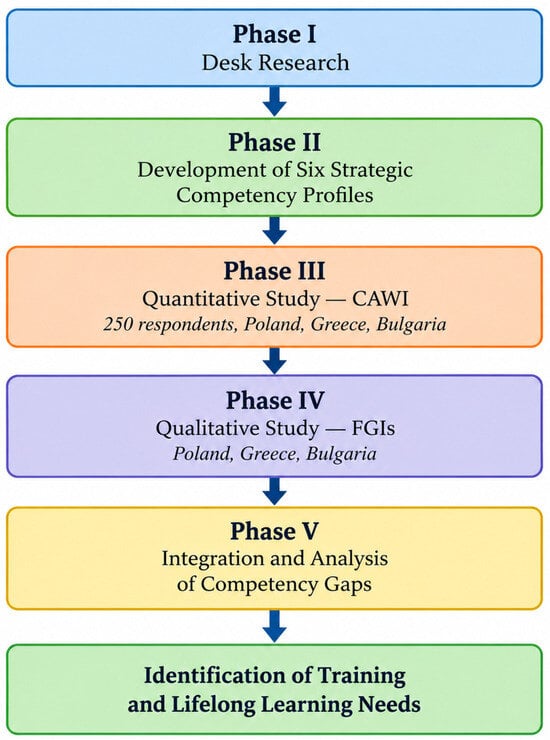
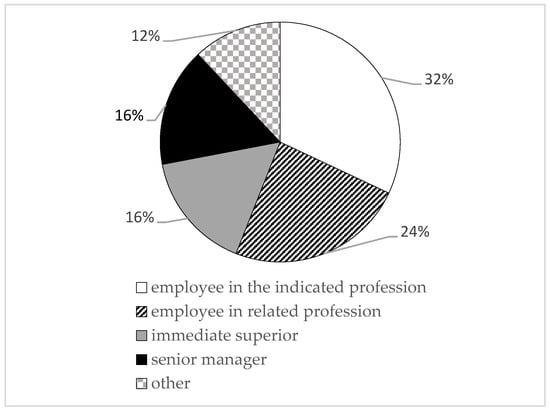
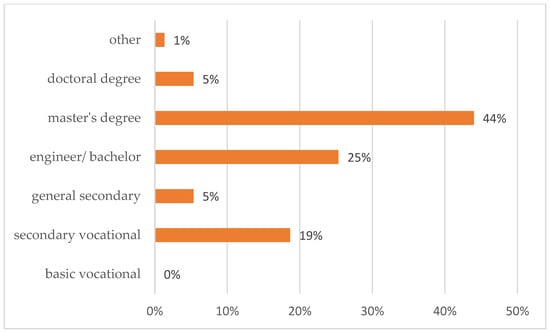
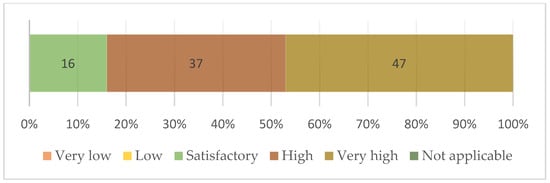
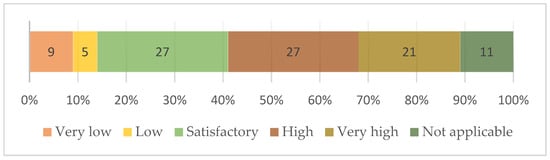
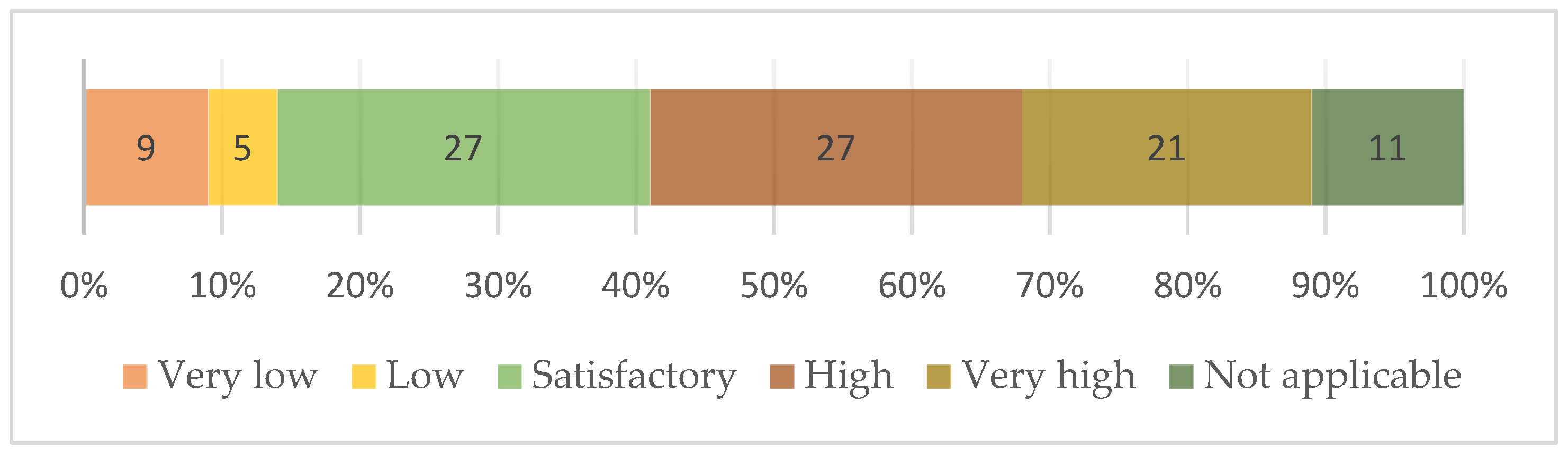
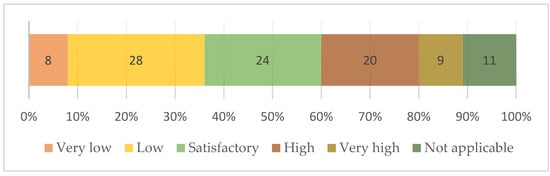
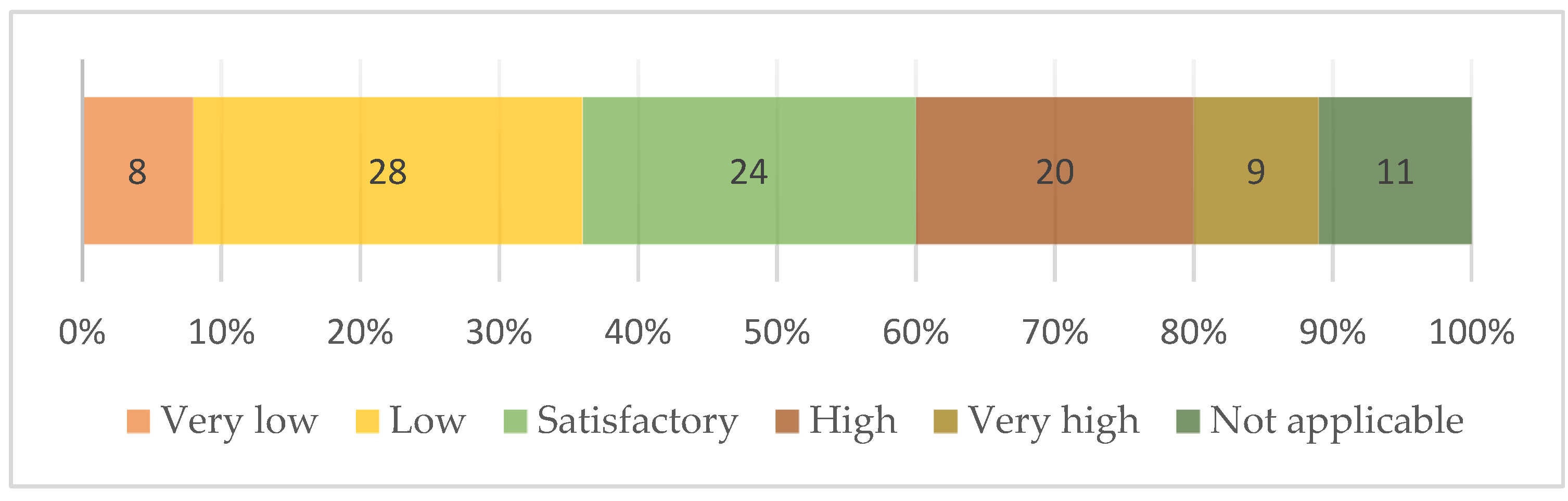

Disclaimer/Publisher’s Note: The statements, opinions and data contained in all publications are solely those of the individual author(s) and contributor(s) and not of MDPI and/or the editor(s). MDPI and/or the editor(s) disclaim responsibility for any injury to people or property resulting from any ideas, methods, instructions or products referred to in the content. |
© 2026 by the authors. Licensee MDPI, Basel, Switzerland. This article is an open access article distributed under the terms and conditions of the Creative Commons Attribution (CC BY) license.