


Abstract
Urban water systems face acute disruptions, including drinking-water advisories and wildfire-related contamination, alongside chronic pressures from climate variability, ageing infrastructure, and limited institutional capacity. Decentralized treatment components may complement centralized infrastructure at point-of-use, point-of-entry, building, and district scales. Within these systems, compact adsorbent and catalytic modules could provide targeted polishing or emergency-treatment functions; however, many candidate materials are still evaluated as powders in batch tests. Three-dimensional (3D) printing can instead shape them into recoverable monoliths with tunable, interconnected flow channels. This review evaluates 3D-printed metal–organic framework (MOF), porous carbon, and MOF-derived carbon monoliths for resilient urban water treatment. We assess material selection, fabrication, and performance across four linked scales: active material, engineered monolith, treatment device, and urban water system. The evidence shows that additive manufacturing can improve material recovery, control macroscopic flow, expose active phases, and enable regenerable modules. Nevertheless, most studies remain laboratory-scale demonstrations based on model contaminants, batch operation, simplified matrices, or short cycling. Long-term continuous-flow performance, pressure drop, active-material release, transformation products, potable-water safety, device-specific life-cycle impacts, and field economics remain poorly characterized. Progress requires geometry-controlled comparisons, realistic-water breakthrough tests, service-relevant regeneration, leachables assessment, and accountable maintenance and end-of-life strategies. Resilience therefore depends on integrating material chemistry, hydraulic design, treatment-train compatibility, environmental performance, and equitable service delivery.
1. Introduction
Urban drinking-water systems face compound risks from operational limitations, environmental disturbances, and persistent structural pressures. In Canadian communities, prolonged drinking-water advisories have been associated with equipment failures and inadequate operator training [1]. Treatment reliability therefore depends on institutional and infrastructural capacity as well as technological performance. Climate-driven disturbances can intensify these vulnerabilities: wildfires degrade source-water quality, and damaged or depressurized networks can transport volatile organic compounds [2,3,4]. Together with urbanization, ageing infrastructure, and governance constraints, these risks are prompting reconsideration of urban water service configurations [5,6]. Wildfire effects may also persist. Four years after the 2003 Lost Creek wildfire, 95th-percentile turbidity was 5.1 NTU in unburned watersheds, 15.3 NTU in burned watersheds, and 18.8 NTU in salvage-logged watersheds [7]. Corresponding dissolved organic carbon concentrations were 3.8, 4.6, and 9.9 mg L−1, with persistent increases in nutrients, metals, and chlorophyll-a [7]. Such multicomponent changes can simultaneously burden solids removal, dissolved-organic-matter removal, adsorption, and disinfection.
Decentralization is one response, but it is not intrinsically sustainable or equitable. Distributed systems can reduce some conveyance needs and support local recovery of water, energy, and nutrients [8]. Building-scale rainwater harvesting, treatment, reuse, and monitoring can also reduce demand on centralized utilities under suitable climatic and occupancy conditions [9]. However, life-cycle comparisons show trade-offs between centralized and decentralized systems across resource use, ecosystem quality, and human health [10]. Modular, adaptive, and decentralized infrastructure therefore requires a justice-oriented approach that considers affordability, reliability, institutional responsibility, and underserved populations, rather than treating technical modularity as a sufficient outcome [11].
Within decentralized water-treatment systems, advanced adsorbents and catalysts could provide compact polishing or emergency-treatment functions. Metal–organic frameworks (MOFs) are attractive because their pore size, surface chemistry, and functionality can be modified, yet aqueous deployment requires chemical, thermal, and mechanical stability [12,13]. Porous carbons offer established adsorption functionality and can be derived from diverse precursors, but their environmental advantage depends on feedstock, activation, dose, treatment capacity, energy source, and system boundaries [14,15,16].
Both material families face a translation problem: high-performing powders are difficult to retain, recover, regenerate, and operate as controlled flow-through contactors. Additive manufacturing can convert powders into channels, lattices, films, membranes, and coated supports with controlled geometry [17,18,19,20,21]. Yet solvent exposure, thermal treatment, photopolymerization, polymer encapsulation, or insufficient active-phase loading can compromise the material being deployed [22,23,24].
Recent studies of printed MOF composites increasingly emphasize cross-scale structure–performance relationships, linking formulation and lattice control to environmental function while continuing to identify stability, scalability, and active-site preservation as unresolved constraints [25,26]. Research on 3D-printed carbon monoliths has similarly emphasized coupling hierarchical porosity with designed flow channels to balance adsorption capacity, mass transfer, pressure drop, and mechanical integrity, although much of the device-level evidence remains derived from gas-phase applications [27,28,29]. This review extends that material-centered framing to the hydraulic, life-cycle, service, and governance evidence required for urban water resilience.
In this review, urban water resilience means the ability of a water-service system to maintain or rapidly restore water of the required quality and quantity during a disturbance. Governance evidence identifies responsibility for device ownership, operation, monitoring, financing, replacement, failure response, and waste management. Institutional fit describes compatibility with local operator capacity, regulation, procurement, supply chains, and existing infrastructure. Realistic-water validation means testing in natural water or a representative matrix with application-relevant pH, ionic composition, dissolved organic carbon, turbidity, and contaminant concentrations. Resilient service requires sustained water quality and flow together with defined monitoring, maintenance, replacement, and failure-response arrangements.
This review determines whether current evidence supports the use of 3D-printed MOF, porous-carbon, and MOF-derived-carbon monoliths as practical components of decentralized water treatment. Specifically, we examine when printing provides a measurable advantage over conventional shaping, how formulation and architecture affect flow-through performance, and which evidence gaps limit point-of-use (POU), point-of-entry (POE), and emergency deployment. A common four-scale framework is proposed, which applies comparable criteria across material families and separates active-material performance from monolith, device, and service readiness. Gas-phase studies are retained only when they demonstrate testing methods relevant to structured contactors, such as matched-geometry pressure-drop measurement, breakthrough analysis, or cyclic operation [27,29]. Because gas-phase and aqueous systems differ in viscosity, diffusivity, wetting, pore filling, solvation, and competitive adsorption, numerical gas-phase performance is not extrapolated to aqueous treatment [19,29,30]. Literature identification and selection followed a structured narrative-review approach, as described in Supplementary Materials S1.
The evidence is evaluated across four interconnected scales: active-material, engineered-monolith, treatment-device, and urban-water system. At the active-material scale, the surface chemistry, pore structure, active sites, contaminant selectivity, adsorption or catalytic activity, and water stability are evaluated [12,13,30]. At the engineered-monolith scale, active-material loading, binder effects, pore accessibility, hierarchical porosity, geometry, print fidelity, and mechanical integrity are examined [19,24,31]. At the treatment-device scale, mass transfer, residence time, pressure drop, breakthrough, regeneration, and cyclic stability are considered [19,20,21,32]. At the urban-water-system scale, decentralized deployment, energy and chemical consumption, cost, secondary waste, safety, life-cycle impacts, scalability, accessibility, and end-of-life management are evaluated [10,11,19]. The same core criteria are applied to MOF- and carbon-based systems, while material-specific failure mechanisms are considered within this common structure. This framework prevents high powder capacity or short-term batch removal from being interpreted as evidence of device readiness or urban-water resilience (Table 1).
Table 1.
Multiscale framework for evaluating 3D-printed MOF/carbon monoliths in urban water resilience.
2. Material Platforms and Engineered Monolith Design
2.1. Metal–Organic Frameworks
MOFs combine ordered porosity with tunable metal nodes and organic linkers, allowing adsorption and catalytic behavior to be adjusted for specific contaminants. Their suitability for water treatment [33,34], however, depends on stability in the complete water matrix rather than in pure water alone [12,30]. Framework degradation can reduce performance and may release metal- or linker-containing species, while regeneration can introduce thermal or solvent burdens [35]. Selection for a printed water-treatment device should therefore begin with hydrolytic and chemical stability under the intended pH, ionic strength, oxidant exposure, and regeneration conditions.
Shaping adds a second constraint because the printable formulation must provide suitable rheology and green-body strength without blocking accessible porosity. MOF ink studies show that mechanically stable solids can be produced with limited, but formulation-dependent, losses in specific surface area [23]. Printing solvent retained HKUST-1 crystallinity but partially decomposed MOF-74; secondary growth subsequently restored a higher-capacity MOF layer [22]. MOF loading alone is therefore inadequate. Phase integrity, accessible surface area, binder distribution, and post-print growth should be considered and reported together.
Cu-BTC is susceptible to degradation during prolonged water exposure. A composite containing 10 wt.% Cu-BTC (Figure 1a,b) retained adsorbed methylene blue throughout the reported 9 h aqueous test, whereas the corresponding Cu-BTC powder began releasing it after approximately 30 min [36]. This comparison demonstrates composite-enabled retention under the reported conditions but does not establish the intrinsic hydrolytic stability of Cu-BTC. Printed Cu-BTC devices therefore require direct evaluation of framework degradation, binder stability, pore accessibility, interfacial delamination, and metal or linker release.
Figure 1.
Representative printed architectures: (a,b) Cu-BTC@polymer composite, copyright Wiley 2017 [36]; (c) green microchannel and activated microchannel, copyright Wiley 2023 [29]; (d–g) bare and ZIF-8-derived carbon-coated columns, copyright Elsevier 2025 [32]; and TOCNF (h), 4CelloZIF8 (i), 4CelloZIF8-Cur (j), and 6CelloMIL100 (k), copyright Wiley 2018 [37].
MOF production and activation also affect the feasibility of printed devices. Scale-up remains constrained by yield, solvent use, washing, activation, product consistency, and quality control [38,39,40]. These variables should be connected to ink rheology, retained crystallinity, treatment performance, and leaching rather than assessed only at the powder-production stage.
2.2. Porous Carbon and MOF-Derived Carbon
Carbon materials provide adsorption, conductivity, thermal stability, and compatibility with post-print carbonization or activation. Printed activated-carbon and micro-structured-carbon (Figure 1c) studies demonstrate that formulation and channel geometry can affect mechanical strength, mass transfer, pressure drop, and breakthrough [27,29]. However, much of the hydraulic evidence remains gas-phase and should inform testing methods rather than predictions of aqueous performance.
Waste-derived carbons [41] are relevant to circular-material strategies, but environmental superiority is conditional. A meta-analysis reported lower average energy demand and greenhouse-gas impacts for biochar than activated carbon when the functional unit was heavy-metal adsorption, while individual life-cycle assessments (LCAs) showed that production conditions and the dose required to achieve treatment can reverse advantages in some impact categories [14,15]. Date-palm-waste biochar also showed lower modeled energy demand, global-warming potential, and production cost than woody activated carbon in one comparison [16].
MOF-derived carbons combine templated microporosity with greater aqueous robustness. ZIF-8-derived carbon has been deposited on reuseable printed columns (Figure 1d–g), demonstrating that a MOF precursor can be converted into an accessible porous carbon coating while preserving the macroscopic flow architecture [32]. However, thermal conversion increases energy demand and requires control of residual metals, heteroatoms, and volatile products.
Two carbon studies clarify the difference between preserving intrinsic surface area and creating useful macroscopic accessibility. A hypercrosslinked pyrrole-derived carbon with a surface area of 3361 m2 g−1 was immobilized on uncured stereolithographic supports and fixed during UV post-curing [42]. This study illustrates that high-area particles can be positioned at the water–solid interface, although the accessible surface area of the finished device must still be measured.
2.3. Hybrid and Biobased Matrices
Hybrid matrices reconcile printability, mechanical integrity, and active-material accessibility. Cellulose is particularly useful because it can provide rheological control, reinforcement, surface functionality, and renewable nucleation sites. Reported CelloMOF systems include structures containing 84 wt.% ZIF-L and 67.5 wt.% ZIF-8 [43,44]. Biobased PLA/cellulose filters coated with SU-101 retained structural integrity over multiple adsorption and regeneration cycles and exhibited a Young’s modulus of approximately 1200 MPa [45].
Early CelloMOF work established why nanocellulose is more than an inert binder. ZIF-8 was anchored to (TEMPO)-mediated oxidized cellulose nanofibers (TOCNFs) in a one-pot process (Figure 1h–j) completed in approximately 30 min at room temperature, producing shear-thinning inks with good shape fidelity [37]. The route also accommodated guest molecules and was extended to MIL-100(Fe) (Figure 1k), suggesting that cellulose surface chemistry can serve as a modular nucleation and rheology platform. Later studies distinguish ex-situ particle mixing from in-situ MOF formation and identify printability, wet stability, and scale-up as continuing constraints for cellulose/MOF composites [46]. In another formulation study, more than 50 wt.% ZIF-8 was required to limit shrinkage, whereas loadings above 77 wt.% made the CNC-based ink non-extrudable [46].
Hybridization can also integrate adsorption, photocatalysis, conductivity, or electrochemical regeneration. Examples include MXene/MOF lattices, MOF/MoS2 aerogels, activated-carbon electrodes, and MOF-containing biopolymer structures [47,48,49,50,51]. Greater functional complexity increases the need for component-specific leaching, transformation-product, durability, and end-of-life assessment.
2.4. From Powders to Engineered Monoliths
Powder shaping is motivated by more than ease of handling. A packed powder bed can exhibit compaction, channeling, high pressure drop, and poorly controlled transport, while dispersed powders require downstream separation. Studies of MOF shaping identify the low packing density and mass-transfer limitations of MOF powders as key barriers to scale-up [31,52]. Across these studies, conventional pellets were typically 3–15 mm in both diameter and height [31]. Printed monoliths address these limitations by separating transport length scales: microscopic pores provide adsorption or reaction sites, while designed macroscopic channels govern bulk flow. In one matched gas-phase comparison, a printed activated-carbon monolith shortened the 5–95% breakthrough interval by approximately 21% relative to pellets with the same wall diameter [27]. This result demonstrates that printed geometry can alter mass transfer, although its numerical value should not be extrapolated to aqueous treatment. This separation creates a design trade-off. High active-phase loading can increase equilibrium capacity per unit mass of monolith, but excessive particles or polymer coverage can impede diffusion, weaken interlayer bonding, or make the ink unprintable. Greater infill or wall thickness can improve strength but reduce void volume and increase hydraulic resistance. Conversely, highly open lattices may decrease contact time or produce early breakthroughs if adsorption kinetics are slow. Evidence from printed activated carbon confirms that wall diameter, infill, and heat treatment affect mechanical strength and mass transfer [27]. Across nozzle diameters of 0.42–0.82 mm and infill levels of 30–70%, compressive strength ranged from 0.58 to 3.53 MPa; ANOVA identified heat-treatment temperature (F = 69.9, p < 0.0001) and nozzle diameter (F = 31.5, p < 0.0001) as dominant factors, whereas the infill effect was not significant (p = 0.1138) [27]. Evidence from MOF/polymer monoliths similarly shows that greater loading can increase diffusion resistance, while secondary growth can concentrate the active phase near accessible surfaces [22].
A recent liquid-phase study compared interconnected and straight-channel 3D-printed carbon monoliths (Figure 2) under matched conditions, linking channel architecture and porous texture to mechanical strength, adsorption capacity, regeneration, fluid distribution, breakthrough time, and mass-transfer-zone height [53]. However, it did not evaluate device-volume-normalized capacity, experimentally measured pressure drop, wet-ageing strength, and active-material release together. This limitation reinforces that the appropriate design target is not maximum surface area alone, but useful dynamic capacity achieved at an acceptable pressure drop over a practical mechanical lifetime. Accordingly, a resilience-oriented comparison should report capacity per mass of active material, capacity normalized to the mass and volume of the complete device, breakthrough behavior, pressure drop, channel dimensions, active-phase loss, compressive or flexural strength before and after immersion, and performance after regeneration. Until these metrics are evaluated under matched conditions, a fully standardized water-treatment benchmark capturing useful dynamic capacity, hydraulic performance, and mechanical lifetime remains unavailable.
Figure 2.
Side, top, and bottom view of interconnected channels (a–c) and straight channels (d–f); 3D-printed template, polymerized and cured organic monolith, and cross-section of final 3D-printed carbon monolith with interconnected (g–i) and straight channels (j–l). Copyright Elsevier 2026 [53].
Additive manufacturing should be justified by a measurable device-level advantage. Conventional pellets, extrudates, and granular activated carbon remain preferable for large-volume treatment when the active material is inexpensive, and hydraulic performance can be managed conventionally [29,31]. Printing becomes more compelling when designed channels improve the mass transfer/pressure loss balance [27,29,53,54], when coating places an expensive active phase near the water–solid interface [22,55,56,57,58], or when adsorption, catalysis, electrical conductivity, sensing, or regeneration must be integrated within one component [49,50,51,56]. Future comparisons should hold active-material mass, device volume, residence time, and pressure drop constant [19,20,21,53] and report dynamic capacity, pressure drop, active-phase loss, regeneration burden, and total cost.
3. Printing and Shaping Routes
3.1. Direct Ink Writing (DIW) and Extrusion-Based Printing
DIW (Figure 3a) is widely used because it can process particle-rich, shear-thinning inks at moderate temperatures. It has been applied to UiO-66 composites, activated carbon, cellulose/ZIF structures, hydrogels, and aerogels [27,43,59,60]. Its strengths are compositional flexibility, accessible equipment, and direct control over filament spacing and infill. Its main limitations are the need for rheological modifiers or binders, drying shrinkage, nozzle constraints, anisotropic layer bonding, and possible pore blockage.
Figure 3.
Schematic of (a) DIW, (b) DLP, (c) SLA, and (d) SLS 3D-printing methods. Copyright Wiley 2020 [61].
DIW formulations illustrate how processing conditions affect the final monolith. In a printed activated carbon system, build heights of 5–30 mm, nozzle diameters of 0.42–0.82 mm, and infill levels of 30–70% were examined [27]. The as-printed dimensions deviated by less than 3% from the designs, whereas room-temperature drying and treatment at 600 °C produced approximately 4% and 8% shrinkage, respectively. Compressive strength ranged from 0.58 to 3.53 MPa, demonstrating that nozzle size, geometry, and heat treatment alter dimensional accuracy and mechanical integrity. DIW studies should therefore report ink composition, active-material fraction, nozzle diameter, infill, dimensional change, post-treatment yield, wet strength, and retained pore accessibility.
Pure or high-loading MOF printing seeks to reduce binder dilution. Pure MOF monoliths have been produced by 3D printing (Figure 4), while high-mass-loaded filaments and cellulose-supported routes extend the attainable loading and structural integrity [44,62,63]. However, “binder-free” should be interpreted precisely: a renewable structural phase such as cellulose still contributes mass and transport properties even when no separate synthetic binder is added. Comparative reporting should distinguish active MOF fraction, total solid fraction, removable additives, and final porosity.
Figure 4.
Illustration of one-pot preparation and 3D printing of CelloZIF-8. Copyright Elsevier 2023 [44].
3.2. Digital Light Processing (DLP)
DLP (Figure 3b) uses patterned photopolymerization to produce high-resolution objects rapidly. DLP is attractive for thin features and reproducible geometries, but the photopolymer matrix can encapsulate particles, and curing chemistry may constrain solvent choice and water compatibility. DLP has produced free-standing MOF membranes containing 12 wt.% methacrylate-functionalized MIL-53(Al)–NH2 with thickness of 50–54 µm [64]. In a separate Cu-BTC/PEGDA–AAm hydrogel, dye uptake reached 25.05 mg g−1 compared with 8.93 mg g−1 for the corresponding MOF powder, while 83.65% removal was retained after seven reuse cycles [65]. These results demonstrate geometric and handling benefits, although residue monomers, photoinitiators, polymer encapsulation, swelling, and long-term extractables remain insufficiently evaluated.
Stereolithographic routes (SLA, Figure 3c) can also decouple geometric fabrication from surface activation. Hyperporous carbon was immobilized on the tacky surface of an uncured printed resin and fixed by subsequent UV curing, overcoming the intrinsically low surface area of the photopolymer support [42]. This approach places the adsorbent at the water–solid interface, but it also makes curing dose, coating penetration, abrasion resistance, and residual monomer release part of the treatment performance. Studies of printed water-treatment materials similarly identify resin chemistry and post-functionalization as central optimization variables rather than secondary manufacturing details [66].
3.3. Selective Laser Sintering (SLS)
SLS (Figure 3d) forms objects by locally fusing a powder bed and can create porous polymer matrices containing MOFs. HKUST-1/nylon-12 filters retained MOF structure and accessibility after printing, and MOF-polyamide mixed-matrix films were produced for water applications [67,68]. An NH2-MIL-101(Al)/PA12 structure containing approximately 8.93 wt.% MOF produced a gravity-driven water flux of up to 15,401 L m−2 h−1 and a loading-corrected methylene-blue capacity of 149 mg g−1; the 1 × 1 mm grid retained 81.3% removal after 5 adsorption–desorption cycles [68]. This example demonstrates that SLS can produce high-flux structures, but the relatively low active loading also illustrates polymer dilution and possible burial of active sites.
Membrane printing expands the design space beyond self-supporting lattices. Electrospray 3D-printing has produced MOF-containing thin-film composite mixed-matrix membranes only 2–3 µm thick [69]. At this scale, selective-layer continuity, particle–polymer interfacial defects, support resistance, and swelling can dominate performance. Findings from MOF-based membrane studies therefore complement monolith research by showing that geometric precision alone is insufficient; the functional interface must remain defect-controlled and chemically stable during water exposure [70].
3.4. Coating, Matrix Incorporation, and Post-Print Growth
Coating separates support fabrication from active-phase deposition. Printed polymer, ceramic, or carbonizable support can first provide the desired architecture, after which a MOF or carbon layer is deposited. Cu-MOF/PLA films, MOF/polymer mixed-matrix coatings, silver-functionalized UiO-66 devices, carbon-coated ceramics, and HKUST-1 multifunctional devices demonstrate this strategy [55,56,71,72,73]. An approximately 30 µm ZIF-67/PVDF mixed-matrix coating degraded an average of 97–98% of 5 mg L−1 rhodamine B after 30 min through 10 consecutive cycles across three devices; in continuous flow at 2 mL min−1, no rhodamine B was detected until 500 mL had passed through the column [56]. The UiO-66-SO3H@Ag coating provided an iodine-131 extraction capacity of approximately 1 MBq g−1 and recoveries of 90 ± 5% from hospital waste and 98 ± 4% from sewage water; performance was maintained over three extraction cycles (3.5% relative standard deviation), while Ag leaching remained below 0.1 ppm after 48 h [71]. The carbon-coated ceramic device adsorbed bisphenol A at 122.5 mg g−1 and retained more than 90% removal after 10 cycles; in groundwater and wastewater-treatment-plant samples, extraction of six phenolic and pharmaceutical compounds and two dyes ranged from 98.7% to 99.2% [72]. In two spiked groundwater samples, the multifunctional HKUST-1 device removed methylene blue and malachite green at 88.60–96.82% and separated 91.8–92.5% of added hydrocarbons; after 20 abrasion cycles, the regenerated dye-adsorption component still exceeded 90% removal after 2 h [73]. Coatings place active material near the fluid interface, but adhesion, coating uniformity, abrasion, and repeated-regeneration stability become controlling risks.
In-situ and seed-assisted growth can increase surface loading while preserving open support. Gel-print-grow methods and in-situ MOF hydrogels form or enlarge the framework after printing [57,74]. Secondary growth increased the capacity of MOF-74/polymer monoliths in a gas-adsorption study and offers a general route to reduce bulk-polymer diffusion resistance [22]. In water treatment, Ca-MOF growth on a printed CaSiO3/polymer skeleton and Cu-MOF growth on PLA produced recoverable dye adsorbents [55,58]. With 8 Cu-MOF growth cycles, the PLA film removed more than 90% of malachite green from both 5 and 10 mg L−1 solutions within 10 min and maintained more than 60% removal after 5 uses with acetone regeneration [55]. Although Ca-MOF represented only about 3.2% of the printed CaSiO3/ABS/TPU skeleton, the device removed 88%, 88%, and 80% of methylene blue at initial concentrations of 50, 100, and 200 mg L−1, respectively, and retained 70% removal in the sixth adsorption–desorption run [58]. Post-print growth can also regenerate an active coating without discarding the support. Stepwise growth has produced multilayer Cu-MOF coatings on printed PLA devices, while studies of nonprinted MOF membranes show that increasing the number of growth cycles increases coating thickness and that layer thickness and compactness influence permeance [55,75,76]. Extending the ZIF-L growth from 24 to 48 h increased layer thickness from 14.70 ± 3.08 to approximately 20 µm, and reduced water permeance from 24 to 11 L m−2 h−1 bar−1 [75]. Liquid-phase epitaxy likewise produced continuous, defect-free ZIF-8 membranes only 0.5–1 µm thick, showing that stepwise growth can achieve a substantially thinner selective layer when deposition is more tightly controlled [76].
Recent coating studies have broadened both the support chemistry and target-contaminant range. A support containing PLA and pine-wood residues was functionalized after printing and used for green in-situ growth of UiO-66 derivatives. The resulting UiO-66-OH device extracted picolinic herbicides from environmental waters with reported efficiencies of 73–107%, detection limits of 0.0016–0.0032 µg L−1, and reuse over eight cycles [77]. Plasma grafting provides a different immobilization mechanism: ZnO, TiO2, and Fe-MOF particles were attached to printed fractal polymer surfaces, and organic coupling-agent modification increased photodegradation efficiency by up to 20% in the reported configurations [78]. These approaches improve surface accessibility but introduce new interfacial chemistries that require leaching and ageing tests.
3.5. Binder and Interface Failure Modes
Binders determine printability and green-body strength but can also control the long-term failure of a printed treatment device [19,22,23,27,31]. Four risks recur across the literature. First, residual solvents, monomers, photoinitiators, plasticizers, or soluble binder fractions may leach during start-up or regeneration [19,30,35]. Second, polymer coverage can block micropores or mask active sites, causing the accessible capacity to decline more than expected from active-phase dilution alone [22,23,31,52]. Third, water uptake, swelling, plasticization, hydrolysis, and repeated drying can reduce mechanical strength during wet ageing [30,35,45,50,70]. Fourth, differential swelling or shrinkage between the active phase and support can cause cracking, abrasion, or interfacial delamination [36,50,70,73]. These failure modes and their corresponding mitigation strategies are summarized in Supplementary Materials Table S1.
Mitigation strategies include using water-stable and fully crosslinked binders, extending post-curing and washing, minimizing binder fraction, using removable or carbonizable rheology modifiers, concentrating active material at accessible surfaces, introducing seed or coupling layers, and applying post-print growth [22,27,28,42,44,55,56,57,78]. These approaches should be evaluated through extractables analysis, accessible surface area, wet mechanical testing, microscopy after cycling, active-material mass loss, and particle release under flow [19,30,35,71,73].
4. Water-Purification Performance and Governing Transport
Performance evidence in this chapter is interpreted according to its intended function: water treatment, analytical extraction, sensing, or catalytic degradation. Analytical devices generally process small sample volumes and are optimized for recovery, enrichment, detection limits, or subsequent desorption. The Ag-functionalized UiO-66 device, UiO-66-OH-coated support, and Ca-MOF electroanalytical cell illustrate extraction or sensing functions [71,77,79]. Their reported recoveries or detection limits do not establish the treated volume, breakthrough capacity, pressure drop, contaminant retention, or finished-water safety required for treatment. Analytical evidence is therefore used to demonstrate device integration and material accessibility, whereas treatment readiness requires sustained contaminant removal and safe effluent production.
4.1. Dyes and Model Organic Contaminants
Dyes are the most common demonstration targets because they permit rapid evaluation of adsorption, active-phase accessibility, and reuse. Early water-treatment devices coated printed ABS with Cu-BTC (Figure 5a,b) for methylene-blue removal, establishing the recoverable-support concept that later coating and growth studies developed further [80]. A Cu-MOF/PLA film (Figure 5c) removed more than 90% of malachite green within 10 min and was reused more than five times after washing [55]. The eight-layer film also removed 93%, 91%, and 90% of malachite green from spiked tap, lake, and river water, respectively, and retained more than 60% removal after five acetone-regenerated uses (Figure 5d). A Ca-MOF-coated polymer skeleton (Figure 5e) achieved equilibrium removal of 80–88% and retained 70% removal after six adsorption–desorption runs [58]. Although Ca-MOF accounted for only about 3.2% of the composite skeleton, spiral and square CaSiO3-containing devices removed approximately 86% and 66% of methylene blue, compared with about 35% and 21% for the corresponding polymer supports (Figure 5f). Binder-free CelloZIF-8 structures achieved greater than 99% removal of selected organic dyes within 10 min [44]. MOF@Cell filters, MOF hydrogels, MOF/clay lattices, MXene/MOF architectures, and monolithic nanocomposites extend the materials and geometries used for dye removal [45,47,48,49,65,81,82]. After 24 h, acid- and ozone-activated MOF@PLA filters removed 52% and 53% of methylene blue, while the corresponding MOF@Cell filters removed 43% and 38%; the cellulose-reinforced filters also had a Young’s modulus of about 1200 MPa (Figure 5g–i) [45]. Self-supported MXene/MOF lattices achieved 91.98% methyl-orange and 84.9% Direct Red 31 removal and sustained their adsorption performance through four adsorption–desorption cycles [48]. The MOF@clay lattice, with a reported specific surface area of 4959 m2 g−1, removed up to 80% of methyl orange at pH 4 within 60 min and showed no significant decline over four adsorption–desorption cycles [81].
Figure 5.
Representative dye-treatment platforms: (a,b) Cu-BTC/ABS composites, copyright Springer Nature 2014 [80]; (c,d) Cu-MOFs/PLA films, copyright Royal Society of Chemistry 2017 [55]; (e,f) Ca-MOF-coated polymer skeleton, Copyright MDPI 2020 [58]; (g–i) MOF@PLA and MOF@TCNF/PLA filters, copyright Royal Society of Chemistry 2023 [45]; (j) g-C3N4/geopolymer cycling, copyright Wiley 2024 [83]; (k) chitosan/PEGDA monolith cycling, copyright Elsevier 2022 [84].
A geopolymer containing 3 wt.% graphitic carbon nitride achieved 94.62% methylene-blue removal within 60 min under visible light through combined adsorption and photodegradation [83]. Adding the K12 pore former increased the printed geopolymer’s porosity from 19.07 to 49.32 vol.%, while the 3 wt.% g-C3N4/geopolymer retained 77.94% methylene-blue removal after five consecutive cycles (Figure 5j). Activated-carbon/hydrotalcite geopolymer lattices, PEGDA–chitosan monoliths (Figure 5k), and graphene–biopolymer aerogels further show that printable water-treatment bodies need not rely on MOFs alone [84,85,86]. Their comparative value lies in differences in precursor cost, wet strength, pore accessibility, regeneration route, and disposal burden, which are rarely evaluated under a common protocol.
These studies establish printability, recoverability, and rapid adsorption, but dye removal alone is an incomplete proxy for urban drinking-water protection [44,55,58]. Dyes are useful for examining material function, yet the water-matrix literature shows that pH, ions, metals, and other constituents can alter MOF stability and performance [30]. Accordingly, demonstrating material function should not be conflated with validation performance for a defined treatment objective.
4.2. Heavy Metals, Radionuclides, and Inorganic Contaminants
Printed MOF composites have been evaluated for Cu(II), Mn(II), Cd(II), Pb(II), Hg(II), and radioactive iodine. CelloZIF-L structures reported Cu2+ capacities of approximately 390–555 mg g−1 and element-dependent selectivity [43]. In a mixed-ion test, uptake was dominated by Fe3+ (86.8%), compared with 6.7% Al3+, 2.4% Co2+, and 0.93% Cu2+ (Figure 6a). MOF@Cell filters were tested with mine effluent, while porous chitosan/MOF composites and monolithic nanocomposites targeted heavy metals in wastewater [45,82,87]. Across three mine-effluent treatment cycles, acid- and ozone-activated MOF@Cell filters averaged 51% and 46% Mn2+ removal, respectively; in the second cycle, the corresponding Cd2+ removals were 57% and 53% (Figure 6b,c) [45]. For Hg(II), the printed PDA/MOF/MXene monolith achieved 94.10% removal and a maximum adsorption capacity of 464.48 mg g−1, while retaining 78.47% removal after five reuse cycles [82]. In a fixed-bed test with 5 mg L−1 Pb2+ in tap water at 1.0 mL min−1, the 3D-CS-ZIF-67 column initially removed 67.29% and reached exhaustion after 250 mL; in batch competition tests, Cd2+ reduced Pb2+ uptake by 14.11%, whereas Cu2+ increased it by 80.51% [87]. A silver-functionalized UiO-66 device achieved greater than 90% recovery of radioactive iodine from sewage and hospital-waste samples and exhibited reuse [71]. More specifically, the UiO-66-SO3H@Ag device recovered 90 ± 5% of 131I from hospital waste and 98 ± 4% from sewage water, maintained performance over three extraction cycles (3.5% relative standard deviation), and released less than 0.1 ppm Ag after 48 h. These results support contaminant-specific functionalization, but broader water-resilience claims require selectivity and leaching data under competing-ion conditions.
Figure 6.
Representative inorganic and organic-contaminant applications: (a–c) ion selectivity and heavy-metal removal, copyright Royal Society of Chemistry 2023 [43] and Royal Society of Chemistry 2023 [45], respectively; (d,e) contaminant removal using a carbon-coated ceramic device, copyright Elsevier 2022 [72]; (f,g) continuous-flow removal using a ZIF-8-derived carbon column, copyright Elsevier 2025 [32]; (h,i) chloramphenicol adsorption and reuse, copyright Elsevier 2026 [88]; (j) PAH removal, copyright American Chemical Society 2023 [21]; (k,l) ZnO/Clay 3DP photocatalysis and cycling, copyright American Chemical Society 2025 [89].
Printed zeolite and electroanalytical devices demonstrate that resilient modules can extend beyond contaminant removal to include sensing and process-monitoring functions. Hierarchical chabazite and zeolite-4A monoliths removed strontium and caesium from water, while printed zeolite-Y targeted aqueous heavy metals [90,91]. A dual-extrusion lab-in-a-syringe device integrated counter, reference, and Ca-MOF-modified working electrodes and achieved a reported Hg(II) detection limit of 0.6 µg L−1 [79]. The latter is a sensor rather than a treatment contactor, illustrating how monitoring could be integrated with replaceable treatment modules without treating analytical detection as evidence of contaminant removal.
4.3. Pharmaceuticals and Emerging Organic Contaminants
Printed carbon and MOF devices increasingly target pharmaceuticals and persistent organic contaminants. A carbon-coated ceramic device showed a bisphenol-A capacity of 122.5 mg g−1 and maintained removal above 90% after 10 cycles (Figure 6d); it was also tested with phenols, pharmaceuticals, dyes, and real-water samples (Figure 6e) [72]. The PVDF-derived carbon-coated device extracted 100% of BPA within 2 h, whereas the uncoated and PVDF-coated supports removed less than 3% after 24 h. In spiked well and wastewater-treatment-plant samples, extraction was 98.7–99.2% for the six-compound phenol/pharmaceutical mixture and the two dyes. A 3D electrode reactor containing activated-carbon monoliths achieved 81% degradation and 74% mineralization of selected pharmaceuticals, with regeneration up to 99% and an energy demand of 2.06 kWh m−3 under the reported best conditions [51]. More specifically, 81% degradation and 62% mineralization were obtained for diclofenac after 180 min, whereas 74% mineralization was obtained for the diclofenac–acetylsalicylic-acid mixture after 4 h; incorporating the 225 mg g−1 activated-carbon monoliths reduced energy use from 4.08 to 2.06 kWh m−3 (49.51%). ZIF-8-derived carbon columns treated parabens under continuous flow, while MOF/polymer composites and MOF-808-coated devices targeted phenylarsenic acid and chloramphenicol [32,88,92]. For the paraben column (Figure 6f), EtP extraction increased from 91% at a 3.5 cm bed length to 99% at 7 cm (Figure 6g); at the selected 3.5 cm length and 0.5 mL min−1 flow rate, removal exceeded 96% for four parabens and remained 85.62–90.78% in three groundwater samples [32]. The printed MIL-101@CAGE adsorbent reached maximum capacities of 106.98 mg g−1 for p-arsanilic acid and 120.28 mg g−1 for roxarsone at 25 °C, while maintaining more than 90% removal after five cycles [92]. With 4.5 wt.% MOF-808 loading, the coated device removed approximately 98% of 50 mg L−1 chloramphenicol within 180 min and had a Langmuir capacity of 47.39 mg g−1; it retained more than 90% of its initial efficiency after five cycles (Figure 6h) and more than 80% removal in tap water (Figure 6i) [88].
Different emerging contaminants require different evidence endpoints. The ZIF-8-derived carbon column study varied column length and flow rate and retained 83–92% removal of four parabens after 10 continuous-flow cycles, providing dynamic evidence beyond equilibrium capacity [32]. At the selected 3.5 cm bed length and 0.5 mL min−1 flow rate, the column initially removed more than 96% of a four-paraben mixture; after the spent carbon was removed and the support was recoated, adsorption was fully restored. The reported column cost was $2.70, of which 36% was attributed to printing the reusable support. The sustainable UiO-66-OH platform targeted trace picolinic herbicides in environmental water and combined extraction efficiency with analytical detection limits and eight-cycle reuse [77]. In reservoir, seawater, and wastewater samples spiked at 50 and 100 μg L−1, recoveries ranged from 73% to 107%; method detection and quantification limits were 0.0016–0.0032 and 0.005–0.011 μg L−1, respectively, and recoveries remained stable through eight uses. These studies are more deployment-relevant than high-concentration batch dye tests, but neither establishes potable-water safety, full breakthrough capacity under long operation, or management of the concentrated contaminant after regeneration.
More deployment-relevant evidence comes from studies that combine continuous-flow, regeneration, and real-water testing. Even these studies are generally short compared with expected service lifetimes and do not establish performance during fluctuating contaminant pulses.
4.4. Photocatalysis and Coupled Treatment
Immobilized photocatalysis addresses the recovery problem associated with nanoparticle slurries. Printed LDPE–TiO2 meshes produced enhancement factors above 550% relative to the plate, with a maximum of 1340%; photocatalytic activity toward 1 mg L−1 ofloxacin varied by less than 10% across three consecutive runs [93]. Graphitic carbon nitride photoreactors, TiO2 composites, ZnO/clay structures, ZnO-decorated pyrolytic carbon, and MOF-decorated ceramics demonstrate a broad range of printed photocatalytic configurations [89,94,95,96,97]. The immobilized g-C3N4/chitosan CPC system used 3 mm beads containing 5 wt.% photocatalyst; on a 90% removal basis, modeled production ranged from 0.6 to 12.2 L m−2 d−1 across atrazine, carbamazepine, phenol, and sulfamethoxazole [95]. With five sediment-derived PAHs, printed PLA–TiO2 disks achieved an average 54% removal after 6 h and reduced four compounds to nondetectable concentrations after 48 h, while eliminating acute Ceriodaphnia dubia toxicity (Figure 6j) [94]. ZnO/clay monoliths completely removed 10 mg L−1 methylene blue within 40 min and averaged 98.12 ± 1.26% efficiency over five cycles without regeneration (Figure 6k–l) [89]. MOF mixed-matrix coatings activated peroxymonosulfate and degraded 97–98% of rhodamine B after 10 cycles across three devices, including stirred and flow-through formats [56]. In the ZIF-67/PVDF system, 5 mg L−1 rhodamine B was completely degraded within 10 min; three devices showed 1.4–2.1% RSD over 10 cycles, and no rhodamine B was detected until 500 mL had passed through the column at 2 mL min−1
Coupled adsorption and oxidation can increase effective treatment by concentrating contaminants near reactive sites or regenerating sorption capacity [98,99]. The Bi4O5I2@hematite scaffold degraded 99.78% of 20 mg L−1 p-cresol within 240 min and retained 84.28% efficiency after 10 cycles with negligible leaching [98]. CoAl-LDH-modified hierarchical porous ceramics activated peroxymonosulfate to remove more than 99% of oxytetracycline at pH 6.2 within 30 min and maintained more than 83% degradation after 11 cycles; both QSAR prediction and flow-cytometric assessment indicated less-toxic transformation products [99]. The activated-carbon/electro-oxidation study reported a positive synergy relative to sequential processes [51]. At 0.9 V after 60 min of initial adsorption, the three-dimensional electrode reactor achieved 81.3 ± 0.7% diclofenac degradation and 62.6 ± 0.3% mineralization within 180 min, regenerated the activated-carbon monolith by 98.9 ± 0.6%, and consumed 2.06 kWh m−3, which is 49.51% less energy than the reactor without the monolith; the rate-based synergy relative to sequential adsorption and oxidation was 17.7%. MOF/MoS2 aerogels combined dye adsorption and photocatalytic degradation [50]. At 7.5 wt.% MOF/MoS2, the printed aerogel adsorbed 95.86% of 5 mg L−1 methylene blue over 24 h and achieved approximately 89% photodegradation after 440 min of UV irradiation. After five reuse cycles, efficiency declined by about 42% and the composite fractured, demonstrating that degradation efficiency alone does not establish durability, mineralization, or detoxification.
The photocatalytic evidence base is expanding beyond model dyes. Fe-MOF-functionalized fractal supports were evaluated for ciprofloxacin removal, while ZnO- and TiO2-functionalized versions targeted rhodamine B and demonstrated reuse [78]. On a fractal PLA support, Fe-BTC contributed 17% ciprofloxacin adsorption and 25% photocatalytic degradation, giving 42% catalyst-associated removal after accounting for 32% direct photolysis; a four-level ZnO@PAA2.5 support separately achieved 94.3% rhodamine-B degradation and retained 83.7% after three cycles. Other studies immobilized TiO2 for degradation of microcystin algal toxin, embedded Cu-BTC in reduced-graphene-oxide aerogels for solar-powered and antibacterial purification, and combined printed pyrolytic carbon with ZnO nanowires for solar-light treatment [96,100,101]. A 34 wt.% TiO2/PLA lattice produced a methylene-blue degradation rate of 0.86 ± 0.04 h−1 (half-life 0.81 h) (Figure 7a), comparable to an equivalent mass of free TiO2, and reduced microcystin-LR at circum-neutral pH with a rate of 0.238 ± 0.016 h−1 (half-life 2.9 h) (Figure 7b), reaching below the 1 μg L−1 WHO guideline within 24 h when cyanobacterial light attenuation was absent [100]. This diversification is important for urban shock scenarios, but comparison remains difficult because studies report different combinations of disappearance, mineralization, antimicrobial response, cycling, and real-water validation.
Figure 7.
Performance of selected printed treatment systems: (a,b) photocatalytic degradation using PLA-TiO2 composite lattice, copyright Elsevier 2023 [100]; (c,d) adsorption kinetics of a Ca-MOF-coated skeleton, copyright MDPI 2020 [58].
Adsorption, photocatalysis, and electro-oxidation are not compared using removal percentage alone. Across treatment functions, the common device boundary includes treated volume, active-material and complete-device mass, contact time or flow, pressure drop, energy and chemical inputs, material release, regeneration, and residual toxicity. Within this boundary, adsorption is evaluated using capacity, treated volume, and breakthrough; degradation using parent-compound disappearance, mineralization, transformation products, and toxicity; and sensing using selectivity, calibration, stability, and detection limits. Analytical extraction is identified separately and is not treated as evidence of water-treatment capacity. Table 2 therefore stratifies the evidence by task class and operating mode. Reported values are retained on the experimental basis used in the original source and are converted only when sufficient data are available. Results with incompatible definitions or normalization bases are not used for direct performance ranking.
Table 2.
Representative examples of printed treatment platforms to illustrate materials, treatment functions, water matrices, experimental conditions, operation modes, and maturity.
4.5. Geometry, Hydraulics, and Mass Transfer
Geometry is the defining advantage of additive manufacturing, but its value must be expressed through hydraulic and transport measurements. Printed activated-carbon experiments show that wall diameter and thermal treatment influence compressive strength, while monoliths can improve fixed-bed mass transfer relative to pellets [27]. Microstructured carbon studies show that axial features such as spirals and chevrons can alter breakthrough and pressure drop, although those data concern gas-phase adsorption [29].
A ZIF-67/PVDF-coated device (Table 3) treated 500 mL at 2 mL min−1 before rhodamine B was detected [56], while the ZIF-8-derived carbon column showed improved paraben extraction when bed length increased from 3.5 to 7 cm [32]. A floating HKUST-1 device separated n-hexane, decane, dodecane, and hexadecane from water with 90–98.6% efficiency and maintained more than 95% n-hexane separation over 25 cycles; in two spiked groundwater samples, methylene-blue and malachite-green recoveries were 88.60–96.82%, and oil separation was 91.8–92.5% [73]. These examples show that printed architecture can organize multiple functions, but there is no common basis for comparing hydraulic residence time, pressure loss, active material mass, and treated-water volume.
Table 3.
Continuous-flow evidence for printed adsorbent and catalytic devices. Parameters absent from the original studies are marked “NR.”
The Ca-MOF skeleton provides a direct geometry comparison. Spiral and square Ca-MOF-coated structures removed approximately 86% and 66% of methylene blue, respectively, compared with 35% and 21% for the corresponding CaSiO3-containing structures before MOF growth (Figure 5f) [58]. Across initial methylene-blue concentrations of 50, 100, and 200 mg L−1, the Ca-MOF skeleton reached equilibrium removals of 88%, 88%, and 81% after 300 min (Figure 7c); performance remained 70% in the sixth adsorption-desorption run (Figure 7d). Because channel length, external area, fluid mixing, and MOF coverage were not isolated independently, the result supports geometry sensitivity but does not identify a universal optimal lattice.
In this review, useful dynamic capacity is the contaminant mass retained by the complete device before a stated breakthrough criterion, such as C/C0 = 0.05 or 0.10, normalized to active-material mass, complete-monolith mass, or device volume. Acceptable pressure drop is the maximum pressure loss compatible with the rated flow of the intended POU, POE, building, or district application; it is therefore application-specific and must be reported at the corresponding flow rate. Practical mechanical lifetime is the operating time, treated volume, or number of cycles before predefined limits for strength loss, dimensional change, cracking, particle release, or pressure increase are exceeded. Future studies should report on both equilibrium and dynamic performance. Minimum device-level reporting should include channel dimensions, open porosity, active-phase loading, permeability or pressure drop, flow rate, empty-bed contact time, breakthrough capacity, water composition, mechanical strength before and after use, regeneration conditions, and active-phase release.
4.6. Real-Water Matrix Interference
Real-water matrices can reduce performance through several coupled mechanisms [13,19,30,70]. Natural organic matter can compete for adsorption sites, mask external surfaces, enter larger pores, and contribute to biofouling [19,30,70]. Dissolved ions may compete directly with target contaminants, screen electrostatic interactions, change contaminant speciation, or coordinate with framework nodes [30,87]. Changes in pH can alter both contaminant charge and framework stability, while oxidants may attack organic linkers or polymeric binders [13,30,35,102]. Suspended particles can coat the active surface, obstruct printed channels, increase pressure loss, and create preferential flow [19,70]. The principal matrix components, mechanisms of performance loss, diagnostic indicators, and potential mitigation measures are summarized in Supplementary Materials Table S3.
Matrix testing should therefore move beyond comparing removal percentages in ultrapure and environmental water. Previous printed-device studies have examined groundwater, tap water, surface water, seawater, mine effluent, hospital wastewater, and municipal wastewater, but using different water-quality descriptors and performance endpoints [32,45,55,71,72,73,77,87,102]. Studies should report DOC or TOC, UV254, major ions, alkalinity, hardness, pH, turbidity, and microbial conditions. Performance should be evaluated through complete breakthrough curves, pressure-drop evolution, active-material release, framework crystallinity, wet strength, and recovery after cleaning or regeneration [30,35]. Challenge waters should reflect the intended application, including the elevated DOC and turbidity conditions associated with wildfire runoff discussed in Section 4.7 and Section 5.2 [2,3,7]. The remaining evidence gaps for PFAS, NOM and disinfection-by-product precursors, microbial loads, and turbidity shocks are examined in Section 4.7.
4.7. Mismatch Between Current Evidence and Target Applications
The present evidence base is concentrated on dyes, relatively high contaminant concentrations, simplified water matrices, and short batch experiments. This spectrum does not fully represent the contaminants and disturbances expected in decentralized drinking-water or emergency-treatment applications.
PFAS are a prominent example. Powdered MOFs have demonstrated PFAS adsorption from contaminated groundwater [103,104], but the reviewed literature provides little device-level evidence for 3D-printed MOF or carbon monoliths treating mixtures of short- and long-chain PFAS at environmentally relevant concentrations under continuous flow. Printing can change active-phase loading, pore accessibility, diffusion distance, and leaching behavior. Future studies should therefore report PFAS breakthrough, total treated volume, short-chain selectivity, competition from natural organic matter and inorganic ions, regeneration, active-material release, and PFAS and fluorine mass balances for the complete device.
Natural organic matter and disinfection-by-product precursors represent a second mismatch. Across the first four years following the 2003 Lost Creek wildfire, 95th-percentile turbidity values of 5.1, 15.3, and 18.8 NTU were reported for unburned, burned, and salvage-logged watersheds, respectively, while the corresponding DOC concentrations were 3.8, 4.6, and 9.9 mg L−1 [7]. These values illustrate the simultaneous increase in particle loading and dissolved-organic competition that an emergency treatment module may encounter. Post-wildfire changes in DOC and SUVA254 have also been associated with changes in the formation potentials of trihalomethanes, haloacetic acids, and N-nitrosodimethylamine [105]. However, the reviewed printed-monolith studies rarely evaluate DOC removal, UV254 or SUVA254, coagulant demand, or trihalomethane, haloacetic acid, and nitrosamine formation potential before and after treatment. Such measurements are needed to determine whether adsorption improves downstream disinfection or merely changes the composition of the remaining organic matter.
Evidence is also limited for microbial and turbidity shocks. Adsorption of dissolved model compounds does not establish pathogen removal, solids-handling capacity, or resistance to biofouling. Studies of activated-carbon point-of-use filters have documented biofilm development and bacterial release, demonstrating the importance of considering microbiological performance during extended operation [106]. Printed monoliths intended for emergency use should therefore be tested under transient particle loading, microbial challenge, stagnation, and restart conditions. Relevant endpoints include pressure increase, channel blockage, biofilm growth, particle release, disinfectant compatibility, and finished-water microbiological quality. In most applications, these monoliths should be evaluated as components of a multi-barrier treatment train that includes appropriate solids removal and disinfection [107].
4.8. Operational Failure Modes and Emergency Readiness
Operational robustness should be evaluated across storage, start-up, active use, stagnation, regeneration, and final disposal. During dry storage, changes in humidity and temperature may alter MOF crystallinity, occupy adsorption sites, age the binder, or weaken the active-phase/support interface. During wet storage or stagnation, retained nutrients and particles may support microbial growth and biofilm formation. These changes may occur even when the initial adsorption capacity of the unused material is high.
Start-up introduces additional failure modes. Incomplete wetting and entrapped air can create bypass channels, while the first treated volume may contain metal ions, organic linkers, residual monomers, photoinitiators, binder components, nanoparticles, or detached fines. Start-up qualification should therefore measure the volume required to achieve stable flow, pH, conductivity, turbidity, leachable concentrations, and contaminant removal.
During operation, natural organic matter and suspended solids may block accessible pores, coat the active surface, increase pressure loss, and cause earlier breakthrough. Swelling, cracking, abrasion, coating delamination, and active-material shedding can change both hydraulic performance and finished-water safety. Regeneration may cause incomplete desorption, capacity loss, framework degradation, or secondary liquid and solid wastes. Testing should therefore include an emergency-duty scenario comprising approximately 12 months of sealed storage followed by seven days of operation, together with first-flush testing, restart after stagnation, microbial assessment, and post-use structural and chemical characterization.
5. Sustainability and Deployment for Urban Resilience
5.1. Life-Cycle, Circularity, and Economic Performance
Most environmental and economic assessments concern powdered biochar, activated carbon, or MOFs rather than complete printed treatment devices [15,16,38,39]. A device-specific inventory should include active material, binder, rheology modifier, support, and solvents; solvent evaporation, recovery, and cleaning losses; printer electricity during warm-up, printing, standby, and failed runs; residual ink in syringes, tubing, reservoirs, and nozzles; rejected parts and quality-control samples; and energy used for drying, solvent exchange, UV curing, sintering, carbonization, or activation [19]. Post-print coating or regrowth, pumping energy associated with pressure loss, regeneration chemicals and energy, wastewater treatment, replacement, and support reuse must also be included. End-of-life assessment should address the difficulty of separating MOF–polymer and carbon–polymer composites and the management of metal-, linker-, polymer-, and contaminant-containing residuals.
The appropriate functional unit is the volume of water treated to a defined effluent threshold or the mass of contaminant removed over the complete device lifetime. Material mass alone cannot capture pumping energy, rejected prints, service life, regeneration, or support reuse. Techno-economic assessment should additionally include printer capital cost, labor, production throughput, maintenance, quality control, certification, and cartridge-replacement logistics. Future assessments should report uncertainty in printing yield, active-phase loading, service life, regeneration frequency, and end-of-life recovery because these variables may determine whether geometric benefits outweigh the additional manufacturing burden.
An LCA of water-disinfection options illustrates why lifetime and scale must be included in the functional unit. Across the examined low-income-setting scenarios, chlorination had the lowest modeled impacts, while low-pressure mercury-lamp UV became the next-lowest option in most categories and was most favorable among alternatives at service lives of at least ten years and production above 500 L per day [108]. The study also notes that user acceptance can make the lowest-impact technical option impractical. Printed monolith comparisons should similarly test multiple service lives, production rates, replacement frequencies, and acceptance constraints rather than extrapolating sustainability from material origin alone. The analysis explicitly crossed four production rates (30, 100, 500, and 1000 L day−1) with four lifetimes (1, 5, 10, and 20 years): truck delivery over 50 km produced impacts 1.5–4 orders of magnitude above the next-worst option after one year, whereas at 30 L day−1 the six-liter PET solar-disinfection bag remained within ±2.0% of chlorination across all impact categories [108].
Decentralized deployment is similarly context dependent. An LCA comparison found different advantages for centralized and decentralized wastewater systems across resource, ecosystem-quality, and human-health endpoints [10]. Techno-economic studies indicate that source separation and decentralization can be competitive when recoverable benefits are counted, but results depend on building type, climate, infrastructure assumptions, and system maturity [9,109]. A city-block analysis further suggests that decentralized recovery can contribute to urban resource efficiency when water, nutrients, energy, rainwater harvesting, photovoltaics, and local use are considered together [8]. Printed monoliths should therefore be evaluated as components within a complete treatment train rather than as isolated materials. In the comparative LCA, systems were normalized to treatment of 46 g BOD5 person−1 day−1 and evaluated with 1500-run Monte Carlo uncertainty analysis; the septic-tank/sand-filter case attributed 80% of its human-health impact and 56% of its ecosystem-quality impact to methane and ammonia emissions, and the authors treated differences below about 15–20% as potentially inconclusive [10]. The building-scale study evaluated five treatment layouts across six building types and five climates: rainwater supplied 74–100% of annual demand in the three larger buildings, on-site systems added about 6% to multifamily and 12% to single-family construction costs, and systems serving more than 300 people were estimated at US$1.5–2.7 m−3 [9]. In the 30-year source-separation analysis, pipelines accounted for 60–70% of total costs; after water, nutrient, and biogas income was credited, the decentralized option was 5.6% less costly than the centralized alternative, although biogas and nutrient recovery supplied only 3–5% of accountable benefits [109]. At city-block scale, the modeled system served about 2000 residents and occupied approximately 480 m3, or 7% of a basement parking floor; it projected 80–85% water savings under non-potable reuse, up to 90–95% lower demand on the central supply with expanded reuse, and biogas recovery exceeding 50% of treatment-system energy requirements [8].
Regeneration is central to the economic and environmental performance of printed treatment devices. Reported regeneration and reuse strategies include solvent washing, adsorption–desorption cycling, electrochemical treatment, repeated catalyst operation, surface regrowth, or thermal treatment [32,51,55,56,58]. A collection-level review links MOF applications to wastewater treatment, renewable energy, circular-economy opportunities, and the Sustainable Development Goals, but does not establish those benefits for a finished printed water-treatment device [110,111]. Regeneration approaches are not directly comparable because they consume different chemicals and energy and generate different residual streams. A credible circularity claim requires a mass and energy balance across manufacture, operation, regeneration, performance loss, and final management. The reported device tests illustrate the range of regeneration burdens and retained function: the ZIF-8-derived carbon column preserved 83–92% paraben removal after 10 cycles and recovered fully after thermal recoating [32]; the activated-carbon third-electrode reactor regenerated 98.9 ± 0.6% of adsorption capacity while consuming 2.06 kWh m−3 under its selected condition [51]; the Cu-MOF/PLA film removed more than 90% of malachite green within 10 min and was reused more than five times [55]; the ZIF-67 mixed-matrix devices retained average rhodamine-B degradation of 97–98% after 10 cycles [56]; and the Ca-MOF skeleton maintained 70% methylene-blue removal in its sixth adsorption–desorption run [58]. The broader reviews encompass more than 90,000 reported MOF structures and material-level examples such as solvo(hydro)thermal synthesis at 50–260 °C [110], as well as tetracycline capacities of 145, 356, and 807 mg g−1 for UiO-66, NU-1000, and MOF-525; these values document material opportunity, not the net circularity of a manufactured and regenerated printed device [111]. The reported regeneration methods and their environmental and operational trade-offs are summarized in Supplementary Materials Table S2. A regenerated device should therefore be compared with a single-use device on the basis of contaminant mass removed or water volume treated over the complete service life, including regeneration energy, chemical consumption, capacity loss, secondary waste treatment, and support replacement.
Manufacturing scale also affects these inventories. MOF scale-up studies identify yield, solvent demand, activation, throughput, product consistency, and quality control as important burdens [38,39], but equivalent data for finished printed monoliths remain largely unavailable. In particular, printing yield, solvent recovery, part-rejection rate, post-treatment energy, and small-batch quality-control burdens are rarely reported. Claims that local printing reduces cost or environmental impact therefore remain unverified until these device-specific data are measured.
5.2. From Treatment Component to Urban Safeguard
A resilient decentralized device must be technically effective and institutionally maintainable. Modular infrastructure can complement centralized systems and may improve flexibility, but research on equity in water governance and service provision warns that decentralized provision can also shift responsibility and cost toward users or underserved communities [11]. The record of prolonged drinking-water advisories shows that equipment alone cannot resolve operator capacity, governance, maintenance, and accountability constraints [1]. Printed devices should therefore be designed with explicit ownership, monitoring, replacement, and safe-disposal arrangements.
As discussed in Section 4.7, the Lost Creek wildfire data provides a representative service challenge rather than only background context. A decentralized module intended for wildfire response may encounter DOC concentrations of approximately 4–10 mg L−1 together with turbidity of approximately 5–20 NTU [7]. Validation should therefore examine adsorption breakthrough, pressure increase, fouling, start-up leaching, and downstream disinfection-by-product formation under combined DOC and particle loading. Connecting disturbance conditions with device-testing protocols is necessary before laboratory contaminant removal can be interpreted as evidence of urban-water resilience.
Monitoring can reduce operational uncertainty only when detected problems trigger a clearly assigned and accountable response. Artificial intelligence tools can support demand forecasting, leak detection, water harvesting optimization, and adaptive planning, but their deployment must also address data governance, energy consumption, carbon emissions, and regulatory oversight [112]. At the device scale, printed electroanalytical systems demonstrate that contaminant sensing can be physically integrated into compact formats [79]. For POU or POE deployment, however, a sensor signal must trigger a defined action such as bypass, cartridge replacement, confirmatory testing, or public notification; monitoring without responsibility does not constitute resilience.
POU and POE applications impose different design requirements. A POU cartridge prioritizes low flow, compact size, simple replacement, and protection against direct ingestion of leachable substances. A POE system must sustain higher flow, lower pressure loss, larger treated volume, and broader household exposure. District-scale modules require redundancy, remote monitoring, standardized quality control, and service logistics. These contrasts are summarized as decision requirements in Table 4.
Table 4.
Use-case-specific requirements for translating printed monoliths into urban-water services.
Deployment creates a continuing service and quality-control obligation. Responsibilities should be assigned for cartridge supply, sealed storage, activation and flushing, replacement before breakthrough, and collection of contaminated media. Field pilots should record the time, skill, adherence, and consequences associated with maintenance. Small-batch printed parts also require lot-release limits for dimensions, permeability, active loading, wet strength, extractables, and representative treatment performance. Potable-water applications must additionally satisfy certification requirements appropriate to the claimed function and jurisdiction, including material safety, structural integrity, and contaminant reduction.
Available evidence supports the feasibility of modular, recoverable treatment components but does not yet establish their readiness for potable-water certification. Nanomaterial-enabled water systems may release active material, and MOF degradation can occur under realistic water chemistry [19,30,35]. Before drinking-water deployment, studies should quantify metal, linker, polymer, photoinitiator, binder, and nanoparticle release over the complete service and regeneration cycle. Transformation products from photocatalysis or oxidant activation must also be evaluated.
6. Conclusions and Prospects
3D printing can convert MOF, porous carbon, and MOF-derived carbon powders into recoverable structures with engineered channels, accessible coatings, and integrated treatment functions. However, a definitive advantage over conventional pellets, extrudates, and granular adsorbents remains conditional rather than universal. Most available studies rely on bench-scale laboratory demonstrations using batch experiments, model contaminants, simplified water matrices, and short-term cycling, while matched conventional controls, complete breakthrough curves, pressure-drop data, long-term wet-stability testing, and material-release data remain limited. Conventional adsorbent forms therefore remain preferable for simple, large-volume treatment unless printing provides a measurable benefit through lower hydraulic resistance, improved active-phase accessibility, multifunctionality, customized geometry, or support reuse. The four-scale framework developed in this review distinguishes promising material performance from the monolith, device, and service evidence required for safe and sustainable water treatment.
Future research should progress through the evidence pathway shown in Figure 8. Printed monoliths should first be compared directly with conventional adsorbents at matched active-material mass, device volume, and residence time, with dynamic capacity, breakthrough, pressure drop, and material release reported together. Validation should then extend to realistic waters containing natural organic matter, competing ions, suspended particles, microorganisms, and application-relevant pH conditions. Long-term testing should integrate wet ageing, binder and interface failure, regeneration, storage, start-up, stagnation, and restart behavior. Leachable, transformation products, finished-water safety, manufacturing yield, rejected parts, post-treatment energy, and end-of-life management should be included in device-level life-cycle and techno-economic assessments. Finally, field demonstrations should define responsibility for monitoring, maintenance, replacement, failure response, and spent-media management. Progress in these areas will determine whether printed monoliths can advance from laboratory materials to reliable POU, POE, building-scale, or emergency-treatment components.
Figure 8.
Evidence pathway from 3D-printed active material to resilient urban-water service.
Supplementary Materials
The following supporting information can be downloaded at: https://www.mdpi.com/article/10.3390/su182010433/s1, Literature identification and selection approach. Table S1. Failure modes and their corresponding mitigation strategies. Table S2. Summary of methods and their environmental and operational regeneration trade-offs. Table S3. Effects of real-water matrix constituents on 3D-printed water-treatment devices: failure mechanisms, evaluation indicators, and mitigation strategies.
Author Contributions
Contributions. J.Z.: Conceptualization, investigation, methodology, original draft preparation, formal analysis, review and editing of the manuscript, and validation of the findings. A.B.M.: Methodology, original draft preparation, reviewing and editing of the manuscript, and validation of the findings. M.R.: Review and editing of the manuscript, and validation of the findings. Y.L.: Review and editing of the manuscript, and validation of the findings. U.S.: Supervision, funding acquisition, and project administration. All authors have read and agreed to the published version of the manuscript.
Funding
This research was funded by Natural Sciences and Engineering Research Council of Canada (NSERC) Discovery Grant 04058/2020.
Institutional Review Board Statement
Not applicable.
Informed Consent Statement
Not applicable.
Data Availability Statement
No new data were created or analyzed in this study. Data sharing is not applicable to this article.
Acknowledgments
We thank the Centre for Advanced Polymers and Nanotechnology (CAPNA), Department of Chemical and Petroleum Engineering, University of Calgary, Canada, for the technical support. During the preparation of this work, the author(s) used ChatGPT (GPT-5.6 Sol) to improve the readability and language of the manuscript. After using this tool/service, the authors reviewed and edited the content as needed and took full responsibility for the content of the published article.
Conflicts of Interest
The authors declare no conflicts of interest.
References
- Galway, L.P. Boiling over: A Descriptive Analysis of Drinking Water Advisories in First Nations Communities in Ontario, Canada. Int. J. Environ. Res. Public Health 2016, 13, 505. [Google Scholar] [CrossRef] [Scilit] [PubMed]
- Bladon, K.D.; Emelko, M.B.; Silins, U.; Stone, M. Wildfire and the Future of Water Supply. Environ. Sci. Technol. 2014, 48, 8936–8943. [Google Scholar] [CrossRef] [Scilit] [PubMed]
- Hohner, A.K.; Cawley, K.; Oropeza, J.; Summers, R.S.; Rosario-Ortiz, F.L. Drinking Water Treatment Response Following a Colorado Wildfire. Water Res. 2016, 105, 187–198. [Google Scholar] [CrossRef] [Scilit] [PubMed]
- Proctor, C.R.; Lee, J.; Yu, D.; Shah, A.D.; Whelton, A.J. Wildfire Caused Widespread Drinking Water Distribution Network Contamination. AWWA Water Sci. 2020, 2, e1183. [Google Scholar] [CrossRef] [Scilit]
- Larsen, T.A.; Hoffmann, S.; Lüthi, C.; Truffer, B.; Maurer, M. Emerging Solutions to the Water Challenges of an Urbanizing World. Science 2016, 352, 928–933. [Google Scholar] [CrossRef] [Scilit] [PubMed]
- Capodaglio, A.G. Urban Water Supply Sustainability and Resilience under Climate Variability: Innovative Paradigms, Approaches and Technologies. ACS EST Water 2024, 4, 5185–5206. [Google Scholar] [CrossRef] [Scilit]
- Emelko, M.B.; Silins, U.; Bladon, K.D.; Stone, M. Implications of Land Disturbance on Drinking Water Treatability in a Changing Climate: Demonstrating the Need for “Source Water Supply and Protection” Strategies. Water Res. 2011, 45, 461–472. [Google Scholar] [CrossRef] [Scilit] [PubMed]
- Garrido-Baserba, M.; Sedlak, D.L.; Molinos-Senante, M.; Barnosell, I.; Schraa, O.; Rosso, D.; Verdaguer, M.; Poch, M. Using Water and Wastewater Decentralization to Enhance the Resilience and Sustainability of Cities. Nat. Water 2024, 2, 953–974. [Google Scholar] [CrossRef] [Scilit]
- Garrido-Baserba, M.; Barnosell, I.; Molinos-Senante, M.; Sedlak, D.L.; Rabaey, K.; Schraa, O.; Verdaguer, M.; Rosso, D.; Poch, M. The Third Route: A Techno-Economic Evaluation of Extreme Water and Wastewater Decentralization. Water Res. 2022, 218, 118408. [Google Scholar] [CrossRef] [Scilit] [PubMed]
- Risch, E.; Boutin, C.; Roux, P. Applying Life Cycle Assessment to Assess the Environmental Performance of Decentralised versus Centralised Wastewater Systems. Water Res. 2021, 196, 116991. [Google Scholar] [CrossRef] [Scilit] [PubMed]
- Stoler, J.; Jepson, W.; Wutich, A.; Velasco, C.A.; Thomson, P.; Staddon, C.; Westerhoff, P. Modular, Adaptive, and Decentralised Water Infrastructure: Promises and Perils for Water Justice. Curr. Opin. Environ. Sustain. 2022, 57, 101202. [Google Scholar] [CrossRef] [Scilit]
- Howarth, A.J.; Liu, Y.; Li, P.; Li, Z.; Wang, T.C.; Hupp, J.T.; Farha, O.K. Chemical, Thermal and Mechanical Stabilities of Metal–Organic Frameworks. Nat. Rev. Mater. 2016, 1, 15018. [Google Scholar] [CrossRef] [Scilit]
- Burtch, N.C.; Jasuja, H.; Walton, K.S. Water Stability and Adsorption in Metal–Organic Frameworks. Chem. Rev. 2014, 114, 10575–10612. [Google Scholar] [CrossRef] [Scilit] [PubMed]
- Thompson, K.A.; Shimabuku, K.K.; Kearns, J.P.; Knappe, D.R.U.; Summers, R.S.; Cook, S.M. Environmental Comparison of Biochar and Activated Carbon for Tertiary Wastewater Treatment. Environ. Sci. Technol. 2016, 50, 11253–11262. [Google Scholar] [CrossRef] [Scilit] [PubMed]
- Alhashimi, H.A.; Aktas, C.B. Life Cycle Environmental and Economic Performance of Biochar Compared with Activated Carbon: A Meta-Analysis. Resour. Conserv. Recycl. 2017, 118, 13–26. [Google Scholar] [CrossRef] [Scilit]
- Shaheen, J.; Fseha, Y.H.; Sizirici, B. Performance, Life Cycle Assessment, and Economic Comparison between Date Palm Waste Biochar and Activated Carbon Derived from Woody Biomass. Heliyon 2022, 8, e12388. [Google Scholar] [CrossRef] [Scilit] [PubMed]
- Mallakpour, S.; Azadi, E.; Hussain, C. MOF/COF-Based Materials Using 3D Printing Technology: Applications in Water Treatment, Gas Removal, Biomedical, and Electronic Industries. New J. Chem. 2021, 45, 13247–13257. [Google Scholar] [CrossRef] [Scilit]
- Lieu, W.; Fang, D.; Tay, K.; Li, X.; Chu, W.; Ang, Y.; Li, D.; Ang, L.; Wang, Y.; Yang, H. Progress on 3D-Printed Metal-Organic Frameworks with Hierarchical Structures. Adv. Mater. Technol. 2022, 7, 2200023. [Google Scholar] [CrossRef] [Scilit]
- Majooni, Y.; Abioye, S.O.; Fayazbakhsh, K.; Yousefi, N. Nano-Enabled 3D-Printed Structures for Water Treatment. ACS EST Water 2024, 4, 1952–1965. [Google Scholar] [CrossRef] [Scilit]
- Molavi, H.; Mirzaei, K.; Barjasteh, M.; Rahnamaee, S.Y.; Saeedi, S.; Hassanpouryouzband, A.; Rezakazemi, M. 3D-Printed MOF Monoliths: Fabrication Strategies and Environmental Applications. Nano-Micro Lett. 2024, 16, 272. [Google Scholar] [CrossRef] [Scilit] [PubMed]
- Roy Barman, S.; Gavit, P.; Chowdhury, S.; Chatterjee, K.; Nain, A. 3D-Printed Materials for Wastewater Treatment. JACS Au 2023, 3, 2930–2947. [Google Scholar] [CrossRef] [Scilit] [PubMed]
- Lawson, S.; Snarzyk, M.; Hanify, D.; Rownaghi, A.A.; Rezaei, F. Development of 3D-Printed Polymer-MOF Monoliths for CO2 Adsorption. Ind. Eng. Chem. Res. 2020, 59, 7151–7160. [Google Scholar] [CrossRef] [Scilit]
- Dhainaut, J.; Bonneau, M.; Ueoka, R.; Kanamori, K.; Furukawa, S. Formulation of Metal–Organic Framework Inks for the 3D Printing of Robust Microporous Solids toward High-Pressure Gas Storage and Separation. ACS Appl. Mater. Interfaces 2020, 12, 10983–10992. [Google Scholar] [CrossRef] [Scilit] [PubMed]
- Liu, X.; Zhao, D.; Wang, J. Challenges and Opportunities in Preserving Key Structural Features of 3D-Printed Metal/Covalent Organic Framework. Nano-Micro Lett. 2024, 16, 157. [Google Scholar] [CrossRef] [Scilit] [PubMed]
- Feng, L.; Zhang, D.; Xie, J.; Wang, X.; Gu, L.; Xue, Y.; Chen, Y.; Chen, J.; Guo, S. Recent Advances in Environmental Aspects of 3D-Printed MOF Composites. Nano 2026, 2630001. [Google Scholar] [CrossRef] [Scilit]
- Bhosale, R.; Gupta, S.; Kandasubramanian, B. Advances in Metal-Organic Frameworks for Use in 3D Printing Techniques. ChemistrySelect 2025, 10, e202404898. [Google Scholar] [CrossRef] [Scilit]
- Rangel-Sequeda, J.F.; Loredo-Cancino, M.; Águeda Maté, V.I.; De Haro-Del Rio, D.A.; Dávila-Guzmán, N.E. 3D Printing of Powdered Activated Carbon Monoliths: Effect of Structuring on Physicochemical and Mechanical Properties and Its Influence on the Adsorption Performance. Mater. Today Commun. 2022, 33, 104758. [Google Scholar] [CrossRef] [Scilit]
- Comroe, M.L.; Kolasinski, K.W.; Saha, D. Direct Ink 3D Printing of Porous Carbon Monoliths for Gas Separations. Molecules 2022, 27, 5653. [Google Scholar] [CrossRef] [Scilit] [PubMed]
- Scott, S.; Chew, J.; Barnard, J.; Burrows, A.; Smith, M.; Tennison, S.; Perera, S. Tailoring 3D Printed Micro-Structured Carbons for Adsorption. Adv. Funct. Mater. 2023, 33, 2213715. [Google Scholar] [CrossRef] [Scilit]
- Wang, L.; Li, X.; Yang, B.; Xiao, K.; Duan, H.; Zhao, H. The Chemical Stability of Metal-Organic Frameworks in Water Treatments: Fundamentals, Effect of Water Matrix and Judging Methods. Chem. Eng. J. 2022, 450, 138215. [Google Scholar] [CrossRef] [Scilit]
- Yeskendir, B.; Dacquin, J.-P.; Lorgouilloux, Y.; Courtois, C.; Royer, S.; Dhainaut, J. From Metal–Organic Framework Powders to Shaped Solids: Recent Developments and Challenges. Mater. Adv. 2021, 2, 7139–7186. [Google Scholar] [CrossRef] [Scilit]
- Bauzà, M.; Figuerola, A.; Turnes Palomino, G.; Palomino Cabello, C. ZIF-8 Derived carbon@3D-Printed Columns as Efficient Continuous-Flow Adsorbents of Parabens from Water. J. Hazard. Mater. 2025, 484, 136697. [Google Scholar] [CrossRef] [Scilit] [PubMed]
- Zhang, J.; Liu, Y.; Lin, S.; Melo, G.H.F.; Shimizu, G.K.H.; Sundararaj, U. A Scalable and Cost-Effective Zinc-Based MOF for Efficient Cu(II) and Pb(II) Removal from Aqueous Solutions. Next Mater. 2026, 11, 101696. [Google Scholar] [CrossRef] [Scilit]
- Melo, G.H.F.; Liu, Y.; Zhang, J.; Fylstra, N.; Shimizu, G.K.H.; Sundararaj, U. Electrospun PAN + CALF-20 Fibers: Characterization and Removal of Pb(II) and Cu(II) Ions from Aqueous Solution. RSC Adv. 2026, 16, 7189–7203. [Google Scholar] [CrossRef] [Scilit] [PubMed]
- Kumar, P.; Anand, B.; Tsang, Y.F.; Kim, K.-H.; Khullar, S.; Wang, B. Regeneration, Degradation, and Toxicity Effect of MOFs: Opportunities and Challenges. Environ. Res. 2019, 176, 108488. [Google Scholar] [CrossRef] [Scilit] [PubMed]
- Halevi, O.; Tan, J.M.R.; Lee, P.S.; Magdassi, S. Hydrolytically Stable MOF in 3D-Printed Structures. Adv. Sustain. Syst. 2018, 2, 1700150. [Google Scholar] [CrossRef] [Scilit]
- Sultan, S.; Abdelhamid, H.N.; Zou, X.; Mathew, A.P. CelloMOF: Nanocellulose Enabled 3D Printing of Metal–Organic Frameworks. Adv. Funct. Mater. 2019, 29, 1805372. [Google Scholar] [CrossRef] [Scilit]
- Paul, T.; Juma, A.; Alqerem, R.; Karanikolos, G.; Arafat, H.A.; Dumée, L.F. Scale-up of Metal-Organic Frameworks Production: Engineering Strategies and Prospects towards Sustainable Manufacturing. J. Environ. Chem. Eng. 2023, 11, 111112. [Google Scholar] [CrossRef] [Scilit]
- Rubio-Martinez, M.; Avci-Camur, C.; Thornton, A.W.; Imaz, I.; Maspoch, D.; Hill, M.R. New Synthetic Routes towards MOF Production at Scale. Chem. Soc. Rev. 2017, 46, 3453–3480. [Google Scholar] [CrossRef] [Scilit] [PubMed]
- Duan, C.; Yu, Y.; Li, J.; Li, L.; Huang, B.; Chen, D.; Xi, H. Recent Advances in the Synthesis of Monolithic Metal-Organic Frameworks. Sci. China Mater. 2021, 64, 1305–1319. [Google Scholar] [CrossRef] [Scilit]
- Liu, Y.; Zhang, J.; Lin, S.; Shimizu, G.K.H.; Sundararaj, U. CO2 Capture Using Nitrogen-Doped Porous Carbons Derived from Waste Printed Circuit Boards. ACS Sustain. Resour. Manag. 2025, 2, 177–189. [Google Scholar] [CrossRef] [Scilit]
- Medina, D.A.V.; Figuerola, A.; Rodriguez, F.; Santos-Neto, Á.J.; Cabello, C.P.; Palomino, G.T.; Cerdà, V.; Maya, F. Hyperporous Carbon-Coated 3D Printed Devices. Appl. Mater. Today 2019, 14, 29–34. [Google Scholar] [CrossRef] [Scilit]
- Abdelhamid, H.N.; Sultan, S.; Mathew, A.P. 3D Printing of Cellulose/Leaf-like Zeolitic Imidazolate Frameworks (CelloZIF-L) for Adsorption of Carbon Dioxide (CO2) and Heavy Metal Ions. Dalton Trans. 2023, 52, 2988–2998. [Google Scholar] [CrossRef] [Scilit] [PubMed]
- Nasser Abdelhamid, H.; Sultan, S.; Mathew, A.P. Binder-Free Three-Dimensional (3D) Printing of Cellulose-ZIF8 (CelloZIF-8) for Water Treatment and Carbon Dioxide (CO2) Adsorption. Chem. Eng. J. 2023, 468, 143567. [Google Scholar] [CrossRef] [Scilit]
- Fijoł, N.; Mautner, A.; Grape, E.S.; Bacsik, Z.; Inge, A.K.; Mathew, A.P. MOF@Cell: 3D Printed Biobased Filters Anchored with a Green Metal–Organic Framework for Effluent Treatment. J. Mater. Chem. A 2023, 11, 12384–12394. [Google Scholar] [CrossRef] [Scilit]
- Abdelhamid, H. Three-Dimensional (3D) Printing of Cellulose/Metal-Organic Frameworks (CelloMOFs)-Based Materials. Carbohydr. Polym. 2026, 386, 125436. [Google Scholar] [CrossRef] [Scilit] [PubMed]
- Pei, R.; Fan, L.; Zhao, F.; Xiao, J.; Yang, Y.; Lai, A.; Zhou, S.-F.; Zhan, G. 3D-Printed Metal-Organic Frameworks within Biocompatible Polymers as Excellent Adsorbents for Organic Dyes Removal. J. Hazard. Mater. 2020, 384, 121418. [Google Scholar] [CrossRef] [Scilit] [PubMed]
- Far, H.S.; Najafi, M.; Hasanzadeh, M.; Rabbani, M. Self-Supported 3D-Printed Lattices Containing MXene/Metal-Organic Framework (MXOF) Composite as an Efficient Adsorbent for Wastewater Treatment. ACS Appl. Mater. Interfaces 2022, 14, 44488–44497. [Google Scholar] [CrossRef] [Scilit] [PubMed]
- Far, H.; Najafi, M.; Hasanzadeh, M.; Rahimi, R. Designing a Novel Porous Ti3C2Tx MXene/MOF-Based 3D-Printed Architecture as an Efficient and Easy Recoverable Adsorbent for Organic Dye Removal from Aqueous Solution. Int. J. Environ. Anal. Chem. 2025, 105, 823–838. [Google Scholar] [CrossRef] [Scilit]
- Alves, A.L.M.M.; dos Santos, F.V.; Correa, D.S. 3D-Printed MOF/MoS2 Aerogel for Dye Adsorption and Photocatalytic Degradation. Mater. Today Chem. 2024, 40, 102248. [Google Scholar] [CrossRef] [Scilit]
- Acuña-Bedoya, J.D.; Rangel-Sequeda, J.F.; Loredo-Cancino, M.; Maya-Treviño, M.d.L.; Domínguez-Jaimes, L.P.; Hernández-López, J.M. Integration of the Adsorption and Electro-Oxidation Process Using 3D Printed Activated Carbon Monoliths for the Degradation of Pharmaceutical Compounds. J. Environ. Chem. Eng. 2022, 10, 108203. [Google Scholar] [CrossRef] [Scilit]
- Pianca, D.; Carboni, M.; Meyer, D. 3D-Printing of Porous Materials: Application to Metal-Organic Frameworks. Mater. Lett. X 2022, 13, 100121. [Google Scholar] [CrossRef] [Scilit]
- Ortiz-Ramos, U.; Bailón-García, E.; Pérez-Cadenas, A.F.; Leyva-Ramos, R.; Carrasco-Marín, F. Tailored Hierarchically Textured 3D-Printed Carbon Monoliths for Enhanced Liquid-Phase Adsorption under Flow Conditions. Chem. Eng. J. 2026, 529, 172836. [Google Scholar] [CrossRef] [Scilit]
- Lawson, S.; Al-Naddaf, Q.; Newport, K.; Rownaghi, A.; Rezaei, F. Assessment of CO2/CH4 Separation Performance of 3D-Printed Carbon Monoliths in Pressure Swing Adsorption. Ind. Eng. Chem. Res. 2021, 60, 16445–16456. [Google Scholar] [CrossRef] [Scilit]
- Shi, Z.; Xu, C.; Chen, F.; Wang, Y.; Li, L.; Meng, Q.; Zhang, R. Renewable Metal–Organic-Frameworks-Coated 3D Printing Film for Removal of Malachite Green. RSC Adv. 2017, 7, 49947–49952. [Google Scholar] [CrossRef] [Scilit]
- Figuerola, A.; Medina, D.A.V.; Santos-Neto, A.J.; Cabello, C.P.; Cerdà, V.; Palomino, G.T.; Maya, F. Metal–Organic Framework Mixed-Matrix Coatings on 3D Printed Devices. Appl. Mater. Today 2019, 16, 21–27. [Google Scholar] [CrossRef] [Scilit]
- Lawson, S.; Alwakwak, A.; Rownaghi, A.; Rezaei, F. Gel-Print-Grow: A New Way of 3D Printing Meta–Organic Frameworks. ACS Appl. Mater. Interfaces 2020, 12, 56108–56117. [Google Scholar] [CrossRef] [Scilit] [PubMed]
- Liu, Z.; Xia, X.; Li, W.; Xiao, L.; Sun, X.; Luo, F.; Chen, Q.; Qian, Q. In Situ Growth of Ca2+-Based Metal–Organic Framework on CaSiO3/ABS/TPU 3D Skeleton for Methylene Blue Removal. Materials 2020, 13, 4403. [Google Scholar] [CrossRef] [Scilit] [PubMed]
- Young, A.J.; Guillet-Nicolas, R.; Marshall, E.S.; Kleitz, F.; Goodhand, A.J.; Glanville, L.B.L.; Reithofer, M.R.; Chin, J.M. Direct Ink Writing of Catalytically Active UiO-66 Polymer Composites. Chem. Commun. 2019, 55, 2190–2193. [Google Scholar] [CrossRef] [Scilit] [PubMed]
- Gusain, R.; Kumar, N.; Ray, S.S. 3D-Printed Hydrogels and Aerogels for Water Treatment and Energy Storage Applications. ChemistrySelect 2023, 8, e202300738. [Google Scholar] [CrossRef] [Scilit]
- Alam, F.; Elsherif, M.; AlQattan, B.; Ali, M.; Ahmed, I.M.G.; Salih, A.; Antonysamy, D.S.; Yetisen, A.K.; Park, S.; Butt, H. Prospects for Additive Manufacturing in Contact Lens Devices. Adv. Eng. Mater. 2021, 23, 2000941. [Google Scholar] [CrossRef] [Scilit]
- Lim, G.J.H.; Wu, Y.; Shah, B.B.; Koh, J.J.; Liu, C.K.; Zhao, D.; Cheetham, A.K.; Wang, J.; Ding, J. 3D-Printing of Pure Metal-Organic Framework Monoliths. ACS Mater. Lett. 2019, 1, 147–153. [Google Scholar] [CrossRef] [Scilit]
- Doan, T.C.; Nguyen, T.N.; Nguyen, A.N.; Yoo, H. Direct 3D Printing of High-Mass-Loaded Metal–Organic Framework Filaments with Excellent Adsorption Ability. Chem. Mater. 2025, 37, 1629–1637. [Google Scholar] [CrossRef] [Scilit]
- Pustovarenko, A.; Seoane, B.; Abou-Hamad, E.; King, H.E.; Weckhuysen, B.M.; Kapteijn, F.; Gascon, J. Rapid Fabrication of MOF-Based Mixed Matrix Membranes through Digital Light Processing. Mater. Adv. 2021, 2, 2739–2749. [Google Scholar] [CrossRef] [Scilit]
- Zhu, Y.; Chen, Z.; Wang, C.; Yao, S.; Jin, Q.; Zhou, J.; Li, P.; Liu, B.; Long, Y.; Xu, H. 3D Printed Metal Organic Framework Hydrogel for Dye Adsorption and Gas Sensing. ChemistrySelect 2024, 9, e202402571. [Google Scholar] [CrossRef] [Scilit]
- Mohd Yusoff, N.H.; Chong, C.H.; Wan, Y.K.; Cheah, K.H.; Wong, V.-L. Optimization Strategies and Emerging Application of Functionalized 3D-Printed Materials in Water Treatment: A Review. J. Water Process Eng. 2023, 51, 103410. [Google Scholar] [CrossRef] [Scilit]
- Lahtinen, E.; Precker, R.L.M.; Lahtinen, M.; Hey-Hawkins, E.; Haukka, M. Selective Laser Sintering of Metal-Organic Frameworks: Production of Highly Porous Filters by 3D Printing onto a Polymeric Matrix. ChemPlusChem 2019, 84, 222–225. [Google Scholar] [CrossRef] [Scilit] [PubMed]
- Li, R.; Yuan, S.; Zhang, W.; Zheng, H.; Zhu, W.; Li, B.; Zhou, M.; Wing-Keung Law, A.; Zhou, K. 3D Printing of Mixed Matrix Films Based on Metal-Organic Frameworks and Thermoplastic Polyamide 12 by Selective Laser Sintering for Water Applications. ACS Appl. Mater. Interfaces 2019, 11, 40564–40574. [Google Scholar] [CrossRef] [Scilit] [PubMed]
- Elsaidi, S.K.; Ostwal, M.; Zhu, L.; Sekizkardes, A.; Mohamed, M.H.; Gipple, M.; McCutcheon, J.R.; Hopkinson, D. 3D Printed MOF-Based Mixed Matrix Thin-Film Composite Membranes. RSC Adv. 2021, 11, 25658–25663. [Google Scholar] [CrossRef] [Scilit] [PubMed]
- Tijing, L.D.; Dizon, J.R.C.; Ibrahim, I.; Nisay, A.R.N.; Shon, H.K.; Advincula, R.C. 3D Printing for Membrane Separation, Desalination and Water Treatment. Appl. Mater. Today 2020, 18, 100486. [Google Scholar] [CrossRef] [Scilit]
- del Rio, M.; Villar, M.; Quesada, S.; Turnes Palomino, G.; Ferrer, L.; Palomino Cabello, C. Silver-Functionalized UiO-66 Metal-Organic Framework-Coated 3D Printed Device for the Removal of Radioactive Iodine from Wastewaters. Appl. Mater. Today 2021, 24, 101130. [Google Scholar] [CrossRef] [Scilit]
- Figuerola, A.; Rodríguez, F.; Palomino Cabello, C.; Turnes Palomino, G. Carbon@ceramic 3D Printed Devices for Bisphenol A and Other Organic Contaminants Extraction. Sep. Purif. Technol. 2022, 299, 121749. [Google Scholar] [CrossRef] [Scilit]
- Bauzá, M.; Munar, N.; Figuerola, A.; Turnes Palomino, G.; Palomino Cabello, C. Multifunctional HKUST-1-3D-Printed Device for the Simultaneous Extraction of Hydrocarbons and Dyes from Water. J. Water Process Eng. 2024, 58, 104890. [Google Scholar] [CrossRef] [Scilit]
- Liu, W.; Erol, O.; Gracias, D. 3D Printing of an In Situ Grown MOF Hydrogel with Tunable Mechanical Properties. ACS Appl. Mater. Interfaces 2020, 12, 33267–33275. [Google Scholar] [CrossRef] [Scilit] [PubMed]
- Mondal, H.; Kasula, M.; Tremel, A.J.; Esfahani, M.R. Insights into the In-Situ Growth of ZIF-L Metal–Organic Framework on Ultrafiltration Membrane as Selective Layer. ACS Appl. Eng. Mater. 2026, 4, 1021–1036. [Google Scholar] [CrossRef] [Scilit]
- Shekhah, O.; Swaidan, R.; Belmabkhout, Y.; du Plessis, M.; Jacobs, T.; Barbour, L.J.; Pinnau, I.; Eddaoudi, M. The Liquid Phase Epitaxy Approach for the Successful Construction of Ultra-Thin and Defect-Free ZIF-8 Membranes: Pure and Mixed Gas Transport Study. Chem. Commun. 2014, 50, 2089–2092. [Google Scholar] [CrossRef] [Scilit] [PubMed]
- Gil-Aparicio, A.; Glatz, J.; Diaz, J.; Carrasco-Correa, E.; Gimenez-Marques, M.; Herrero-Martinez, J. Sustainable 3D-Printed Supports Coated with Zirconium-Based Metal-Organic Frameworks for Picolinic Herbicide Extraction. ACS Sustain. Chem. Eng. 2026, 14, 8436–8445. [Google Scholar] [CrossRef] [Scilit] [PubMed]
- Li, K.; de Rancourt de Mimérand, Y.; Jin, X.; Yi, J.; Guo, J. Metal Oxide (ZnO and TiO2) and Fe-Based Metal–Organic-Framework Nanoparticles on 3D-Printed Fractal Polymer Surfaces for Photocatalytic Degradation of Organic Pollutants. ACS Appl. Nano Mater. 2020, 3, 2830–2845. [Google Scholar] [CrossRef] [Scilit]
- Kokkinos, C.; Economou, A.; Pournara, A.; Manos, M.; Spanopoulos, I.; Kanatzidis, M.; Tziotzi, T.; Petkov, V.; Margariti, A.; Oikonomopoulos, P.; et al. 3D-Printed Lab-in-a-Syringe Voltammetric Cell Based on a Working Electrode Modified with a Highly Efficient Ca-MOF Sorbent for the Determination of Hg (II). Sens. Actuators B Chem. 2020, 321, 128508. [Google Scholar] [CrossRef] [Scilit]
- Wang, Z.; Wang, J.; Li, M.; Sun, K.; Liu, C. Three-Dimensional Printed Acrylonitrile Butadiene Styrene Framework Coated with Cu-BTC Metal-Organic Frameworks for the Removal of Methylene Blue. Sci. Rep. 2014, 4, 5939. [Google Scholar] [CrossRef] [Scilit] [PubMed]
- Far, H.S.; Najafi, M.; Hasanzadeh, M.; Rahimi, R. A 3D-Printed Hierarchical Porous Architecture of MOF@clay Composite for Rapid and Highly Efficient Dye Scavenging. New J. Chem. 2022, 46, 23351–23360. [Google Scholar] [CrossRef] [Scilit]
- Wu, T.; Karimi-Maleh, H.; Li, Y.; Zhang, Z.; Zhang, D.; Wen, Y.; Fu, L.; Zhong, N.; Dragoi, E.N.; Aminabhavi, T.M. 3D Printed Monolithic Nanocomposites as Adsorbents to Remove Congo Red and Mercury (II) from Wastewater. Chem. Eng. J. 2024, 501, 157710. [Google Scholar] [CrossRef] [Scilit]
- Liu, X.; Ma, S.; Yang, H.; He, P.; Duan, X.; Jia, D.; Colombo, P.; Zhou, Y. 3D-Printed Green and Low-Cost Porous g-C3N4/Geopolymer Components for the Removal of Methylene Blue from Wastewater. J. Am. Ceram. Soc. 2024, 107, 3068–3082. [Google Scholar] [CrossRef] [Scilit]
- Husna, M.Y.N.; Chong, C.H.; Wong, V.-L.; Cheah, K.H.; Wan, Y.K. 3D-Printed PEGDA Monolith with Robust Silane-Grafted Chitosan for Enhanced Textile Wastewater Treatment. J. Environ. Chem. Eng. 2022, 10, 108581. [Google Scholar] [CrossRef] [Scilit]
- Oliveira, K.G.; Botti, R.; Kavun, V.; Gafiullina, A.; Franchin, G.; Repo, E.; Colombo, P. Geopolymer Beads and 3D Printed Lattices Containing Activated Carbon and Hydrotalcite for Anionic Dye Removal. Catal. Today 2022, 390–391, 57–68. [Google Scholar] [CrossRef] [Scilit]
- Masud, A.; Zhou, C.; Aich, N. Emerging Investigator Series: 3D Printed Graphene-Biopolymer Aerogels for Water Contaminant Removal: A Proof of Concept. Environ. Sci. Nano 2021, 8, 399–414. [Google Scholar] [CrossRef] [Scilit]
- Wu, T.; Karimi-Maleh, H.; Li, Y.; Zhang, D.; Zhang, Z.; Zhong, N.; Wen, Y.; Aminabhavi, T.M. 3D Printed Porous Chitosan/Metal-Organic Framework Composites as Effective Adsorbents to Remove Heavy Metals from Wastewater. Chem. Eng. J. 2024, 493, 152780. [Google Scholar] [CrossRef] [Scilit]
- Mancuso, A.; Vigara, A.; Pipolo, A.; Sacco, O.; Cabello, C.; Palomino, G.; Vaiano, V.; Esposito, S. Facile Fabrication of a Reusable MOF-808@3D-Printed Device for the Efficient Adsorptive Removal of Chloramphenicol from Water. J. Water Process Eng. 2026, 83, 109715. [Google Scholar] [CrossRef] [Scilit]
- Ali, S.; Aljarrah, M.T.; Al-Otoom, A.; Abdelaziz, N. Development and Testing of Robust 3D Printed ZnO/Clay Photocatalysts for Sustainable Wastewater Treatment. ACS Omega 2025, 10, 16156–16168. [Google Scholar] [CrossRef] [Scilit] [PubMed]
- Halevi, O.; Chen, T.-Y.; Lee, P.S.; Magdassi, S.; Hriljac, J.A. Nuclear Wastewater Decontamination by 3D-Printed Hierarchical Zeolite Monoliths. RSC Adv. 2020, 10, 5766–5776. [Google Scholar] [CrossRef] [Scilit] [PubMed]
- Khalil, A.; Hashaikeh, R.; Hilal, N. 3D Printed Zeolite-Y for Removing Heavy Metals from Water. J. Water Process Eng. 2021, 42, 102187. [Google Scholar] [CrossRef] [Scilit]
- Ding, W.-Q.; Xu, L.; Li, X.-Y.; Fu, M.-L.; Yuan, B. 3D-Printed MOFs/Polymer Composite as a Separatable Adsorbent for the Removal of Phenylarsenic Acid in the Aqueous Solution. ACS Appl. Mater. Interfaces 2023, 15, 49181–49194. [Google Scholar] [CrossRef] [Scilit] [PubMed]
- Martín de Vidales, M.J.; Nieto-Márquez, A.; Morcuende, D.; Atanes, E.; Blaya, F.; Soriano, E.; Fernández-Martínez, F. 3D Printed Floating Photocatalysts for Wastewater Treatment. Catal. Today 2019, 328, 157–163. [Google Scholar] [CrossRef] [Scilit]
- McQueen, A.D.; Ballentine, M.L.; May, L.R.; Laber, C.H.; Das, A.; Bortner, M.J.; Kennedy, A.J. Photocatalytic Degradation of Polycyclic Aromatic Hydrocarbons in Water by 3D Printed TiO2 Composites. ACS EST Water 2022, 2, 137–147. [Google Scholar] [CrossRef] [Scilit]
- Zheng, Q.; Aiello, A.; Choi, Y.S.; Tarr, K.; Shen, H.; Durkin, D.P.; Shuai, D. 3D Printed Photoreactor with Immobilized Graphitic Carbon Nitride: A Sustainable Platform for Solar Water Purification. J. Hazard. Mater. 2020, 399, 123097. [Google Scholar] [CrossRef] [Scilit] [PubMed]
- Verma, G.; Islam, M.; Gupta, A. ZnO Nanowire-Decorated 3D Printed Pyrolytic Carbon for Solar Light-Driven Photocatalytic Degradation of Wastewater Contaminants. Adv. Compos. Hybrid Mater. 2025, 8, 109. [Google Scholar] [CrossRef] [Scilit]
- Liu, D.; Jiang, P.; Li, X.; Liu, J.; Zhou, L.; Wang, X.; Zhou, F. 3D Printing of Metal-Organic Frameworks Decorated Hierarchical Porous Ceramics for High-Efficiency Catalytic Degradation. Chem. Eng. J. 2020, 397, 125392. [Google Scholar] [CrossRef] [Scilit]
- Rawat, A.; de Oliveira, R.B.; Pal, T.; Lima, K.A.L.; Fabris, G.S.L.; Tromer, R.M.; Pereira Junior, M.L.; Singh, A.; Gupta, A.K.; Galvão, D.S.; et al. Engineered 3D-Printed Bi4O5I2@hematite Scaffolds for Visible Light Photocatalytic Degradation of Cresols. J. Mater. Chem. A 2026, 14, 2871–2883. [Google Scholar] [CrossRef] [Scilit]
- Zhou, Q.; Chen, L.; Yan, L.; Cheng, T.; Wang, X.; Zhang, Y. Singlet Oxygen-Dominated Transformation of Oxytetracycline by Peroxymonosulfate with CoAl-LDH Modified Hierarchical Porous Ceramics: Toxicity Assessment. Chem. Eng. J. 2022, 436, 135199. [Google Scholar] [CrossRef] [Scilit]
- Kennedy, A.J.; McQueen, A.D.; Ballentine, M.L.; May, L.R.; Fernando, B.M.; Das, A.; Klaus, K.L.; Williams, C.B.; Bortner, M.J. Degradation of Microcystin Algal Toxin by 3D Printable Polymer Immobilized Photocatalytic TiO2. Chem. Eng. J. 2023, 455, 140866. [Google Scholar] [CrossRef] [Scilit]
- Allahbakhsh, A.; Jarrahi, Z.; Farzi, G.; Shavandi, A. Solar-Powered and Antibacterial Water Purification via Cu-BTC-Embedded Reduced Graphene Oxide Nanocomposite Aerogels. Chem. Eng. J. 2023, 467, 143472. [Google Scholar] [CrossRef] [Scilit]
- Lee, J.-C.; Kim, D.-Y.; Lee, E.-H.; Lee, S.-W. Empowering Powdered Activated Carbon (PAC) with 3D Printing: Achieving Highly Efficient and Reusable Cationic Dye Removal. Chemosphere 2024, 357, 141982. [Google Scholar] [CrossRef] [Scilit] [PubMed]
- Li, R.; Alomari, S.; Stanton, R.; Wasson, M.C.; Islamoglu, T.; Farha, O.K.; Holsen, T.M.; Thagard, S.M.; Trivedi, D.J.; Wriedt, M. Efficient Removal of Per- and Polyfluoroalkyl Substances from Water with Zirconium-Based Metal–Organic Frameworks. Chem. Mater. 2021, 33, 3276–3285. [Google Scholar] [CrossRef] [Scilit]
- Li, R.; Alomari, S.; Islamoglu, T.; Farha, O.K.; Fernando, S.; Thagard, S.M.; Holsen, T.M.; Wriedt, M. Systematic Study on the Removal of Per- and Polyfluoroalkyl Substances from Contaminated Groundwater Using Metal–Organic Frameworks. Environ. Sci. Technol. 2021, 55, 15162–15171. [Google Scholar] [CrossRef] [Scilit] [PubMed]
- Uzun, H.; Dahlgren, R.A.; Olivares, C.; Erdem, C.U.; Karanfil, T.; Chow, A.T. Two Years of Post-Wildfire Impacts on Dissolved Organic Matter, Nitrogen, and Precursors of Disinfection by-Products in California Stream Waters. Water Res. 2020, 181, 115891. [Google Scholar] [CrossRef] [Scilit] [PubMed]
- Clark, G.G.; Geisler, D.; Coey, E.J.; Pollitz, L.J.; Zaki, F.R.; Huang, C.; Boppart, S.A.; Nguyen, T.H. Influence of Phosphate on Bacterial Release from Activated Carbon Point-of-Use Filters and on Biofilm Characteristics. Sci. Total Environ. 2024, 914, 169932. [Google Scholar] [CrossRef] [Scilit] [PubMed]
- Guidelines for Drinking-Water Quality: Fourth Edition Incorporating the First, Second and Third Addenda; World Health Organization: Geneva, Switzerland, 2026; p. 647.
- Busse, M.M.; Hawes, J.K.; Blatchley, E.R., III. Comparative Life Cycle Assessment of Water Disinfection Processes Applicable in Low-Income Settings. Environ. Sci. Technol. 2022, 56, 16336–16346. [Google Scholar] [CrossRef] [Scilit] [PubMed]
- Garrido-Baserba, M.; Vinardell, S.; Molinos-Senante, M.; Rosso, D.; Poch, M. The Economics of Wastewater Treatment Decentralization: A Techno-Economic Evaluation. Environ. Sci. Technol. 2018, 52, 8965–8976. [Google Scholar] [CrossRef] [Scilit] [PubMed]
- Singh, S.; Sivaram, N.; Nath, B.; Khan, N.A.; Singh, J.; Ramamurthy, P.C. Metal Organic Frameworks for Wastewater Treatment, Renewable Energy and Circular Economy Contributions. npj Clean Water 2024, 7, 124. [Google Scholar] [CrossRef] [Scilit]
- Kaur, H.; Devi, N.; Siwal, S.S.; Alsanie, W.F.; Thakur, M.K.; Thakur, V.K. Metal–Organic Framework-Based Materials for Wastewater Treatment: Superior Adsorbent Materials for the Removal of Hazardous Pollutants. ACS Omega 2023, 8, 9004–9030. [Google Scholar] [CrossRef] [Scilit] [PubMed]
- Maldonado Benitez, V.M.; Morales Matamoros, O.; Moreno Escobar, J.J. Towards Resilient Cities: Systematic Review of the Literature on the Use of AI to Optimize Water Harvesting and Mitigate Scarcity. Water 2025, 17, 1978. [Google Scholar] [CrossRef] [Scilit]
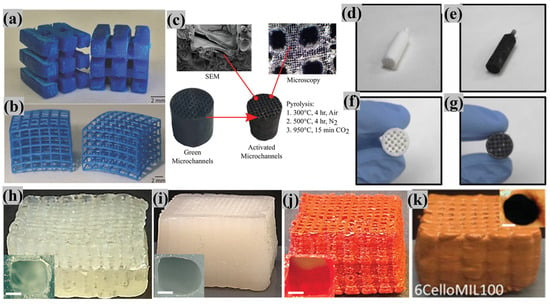
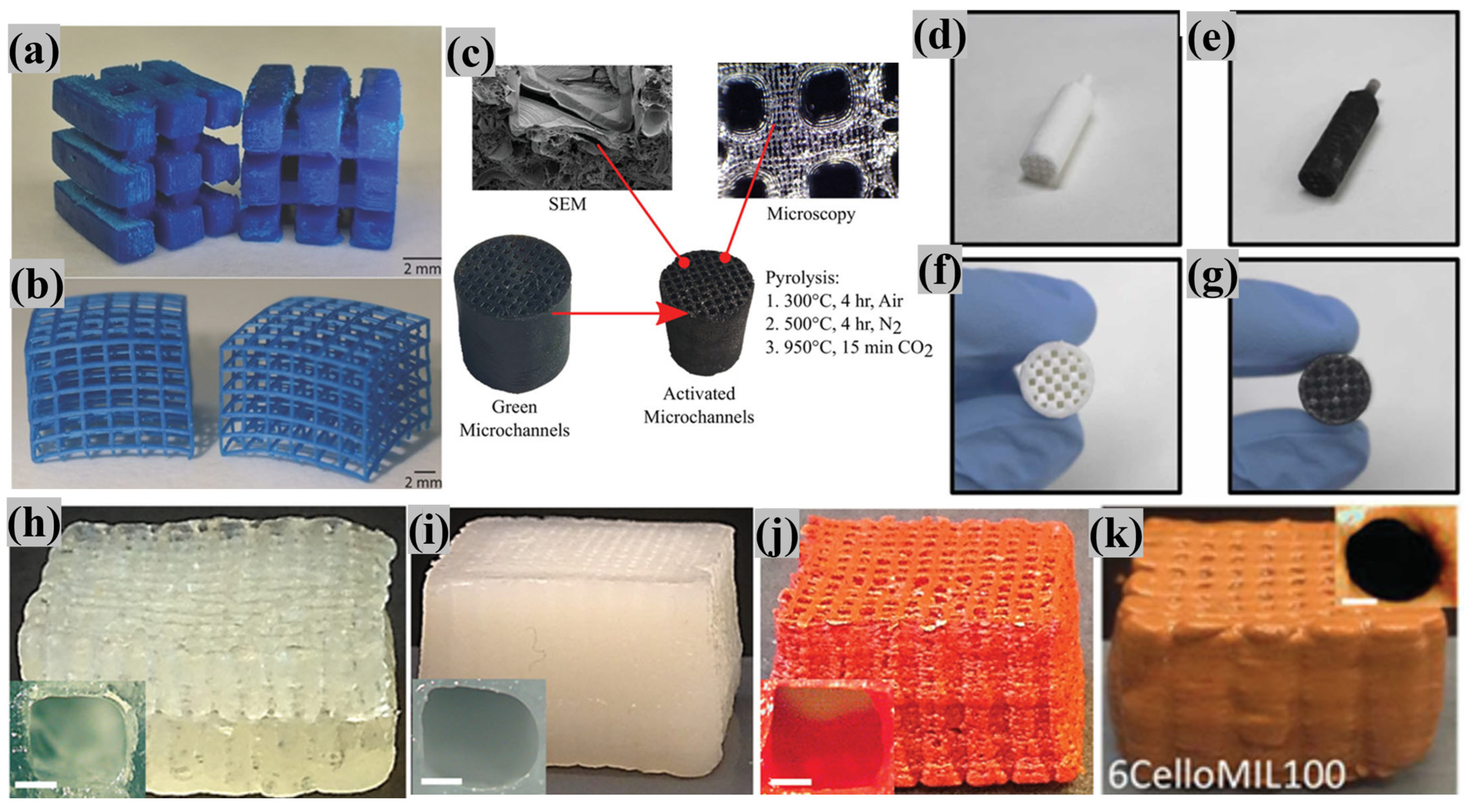
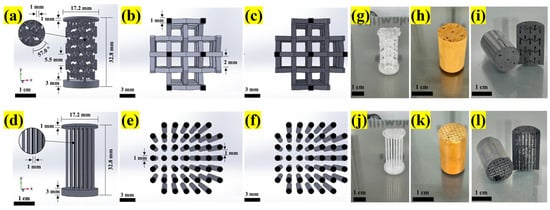
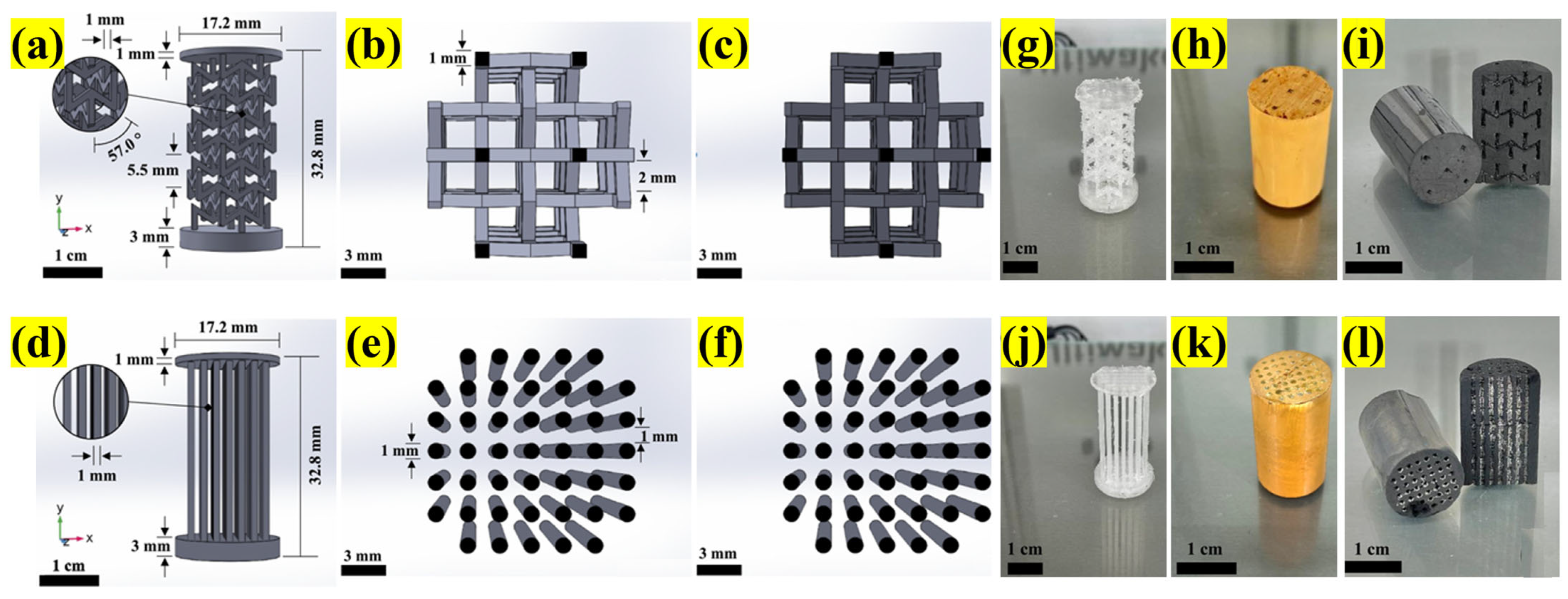
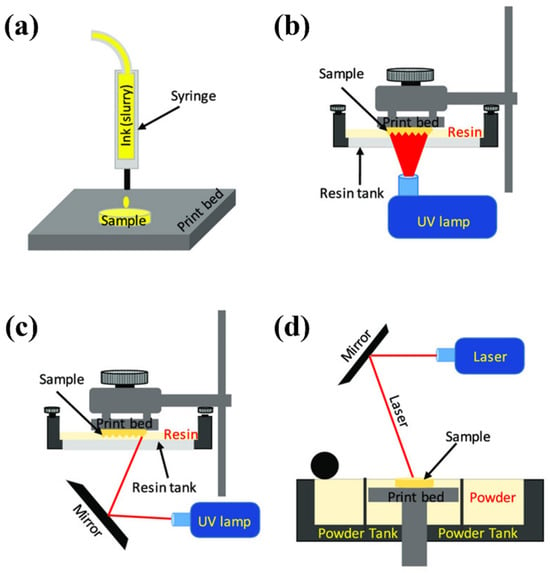
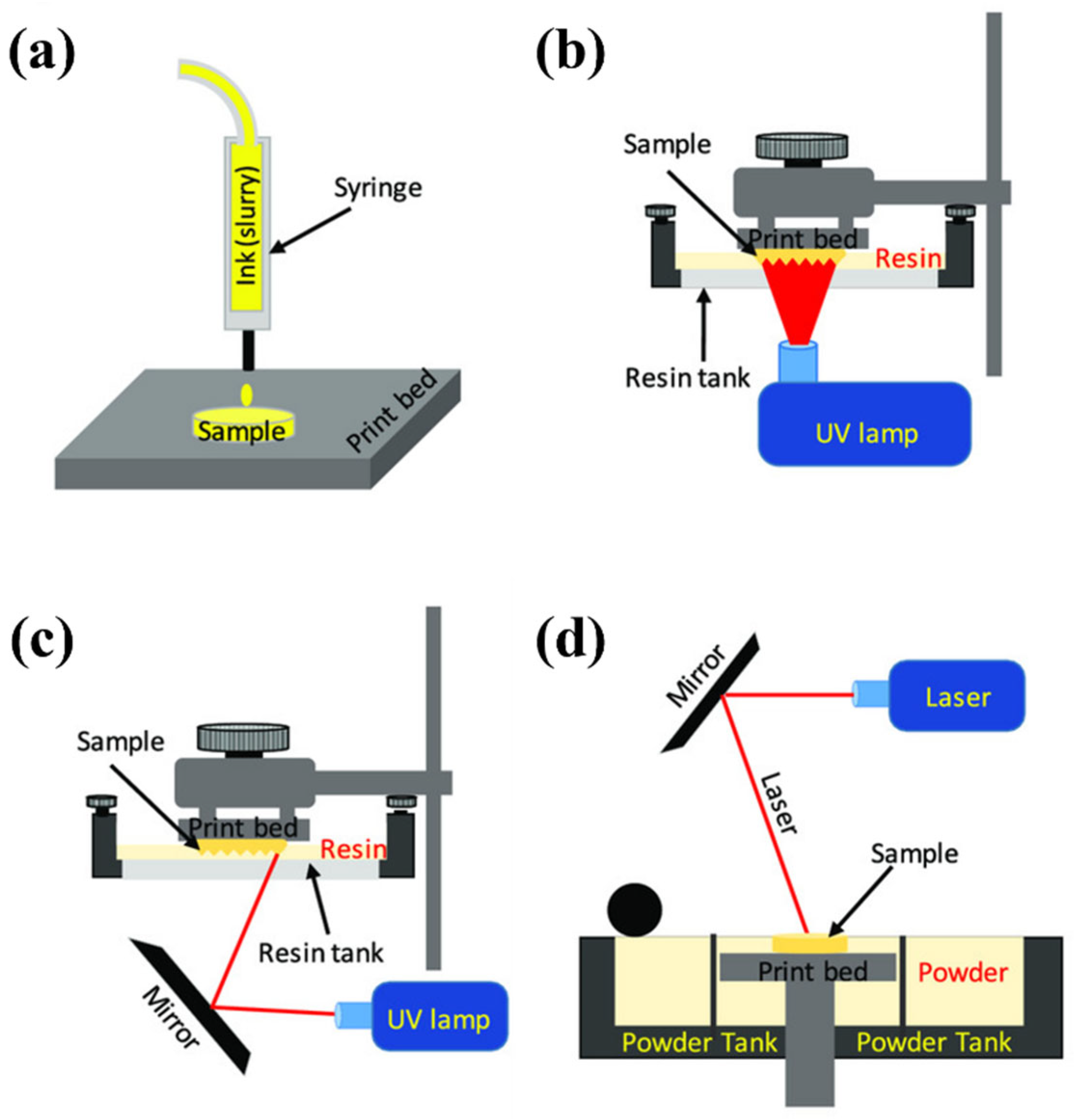
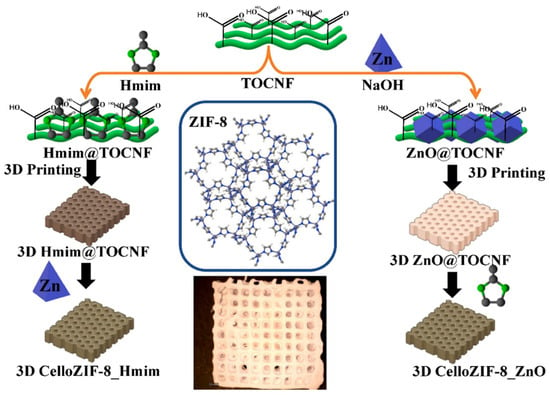
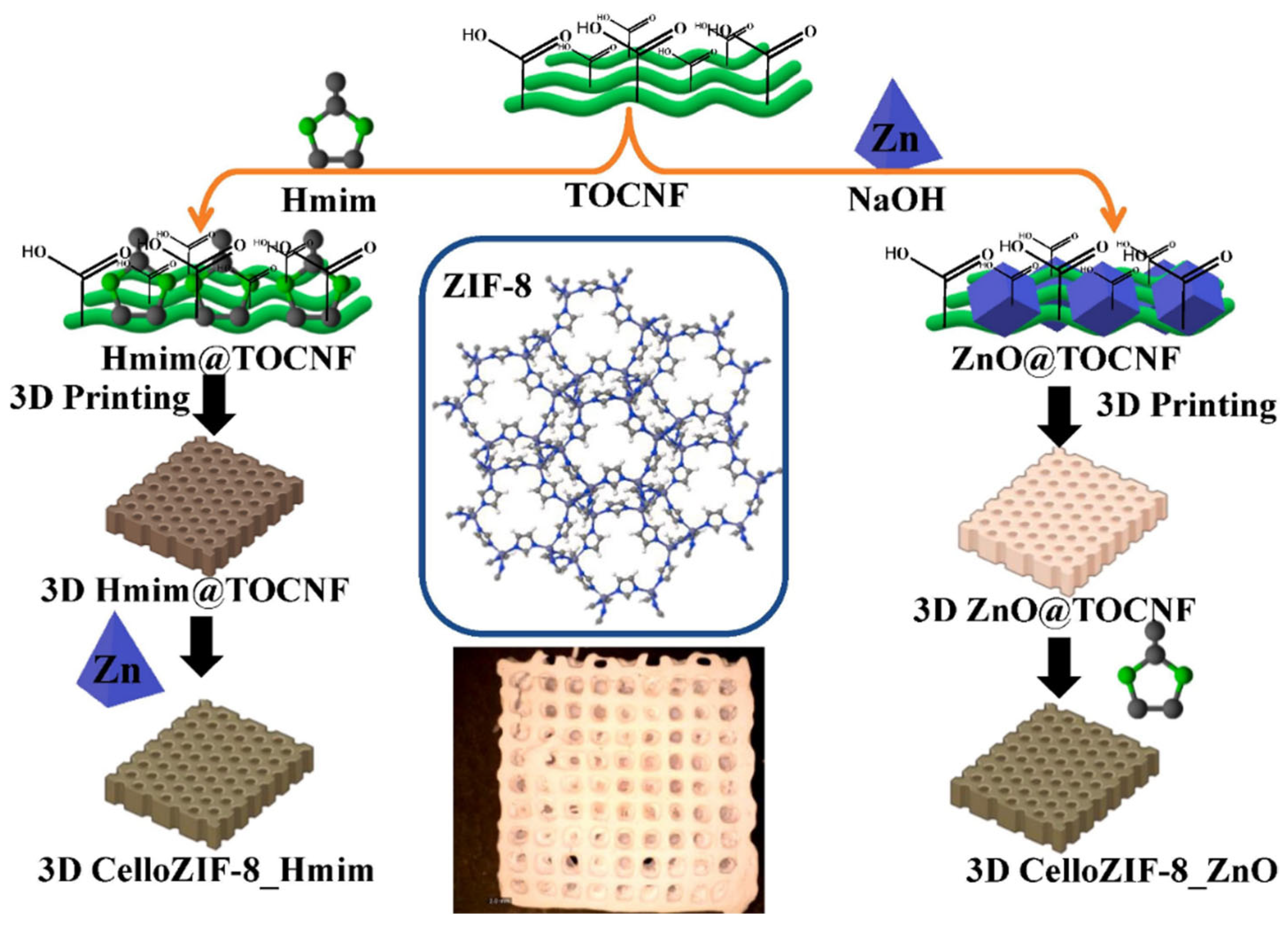
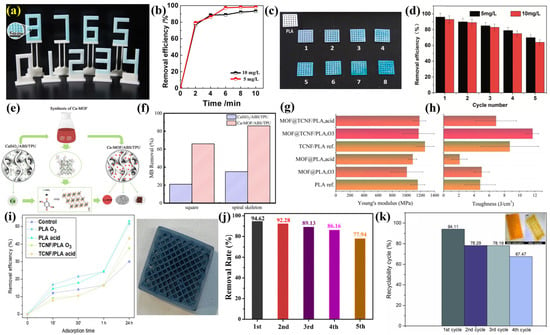
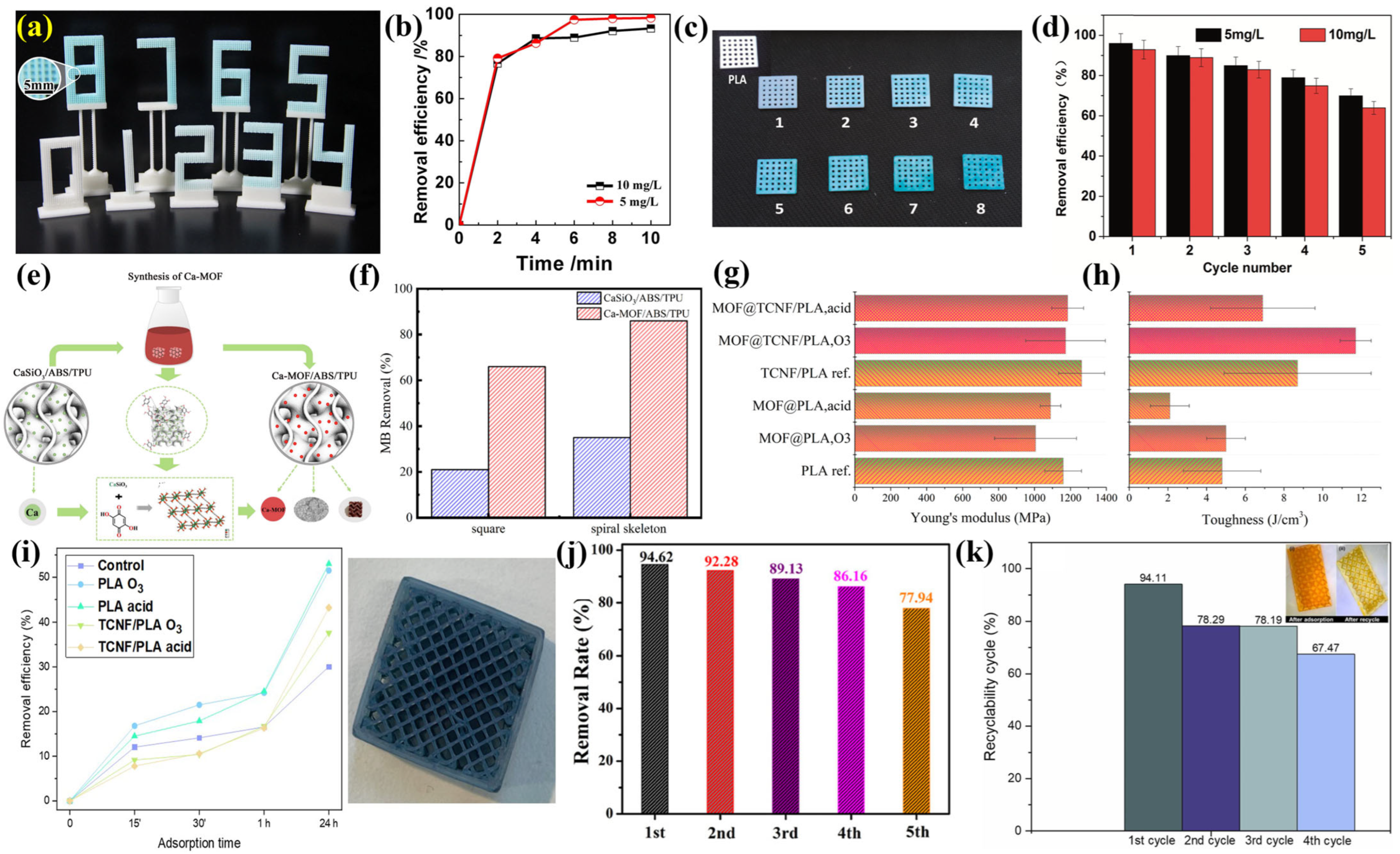
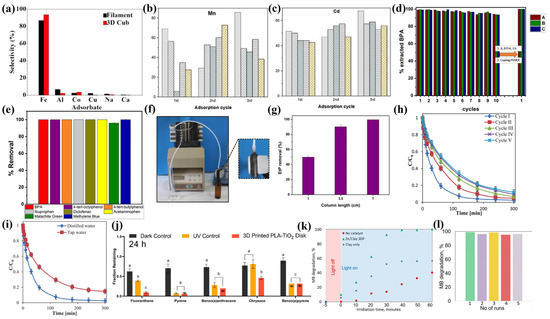
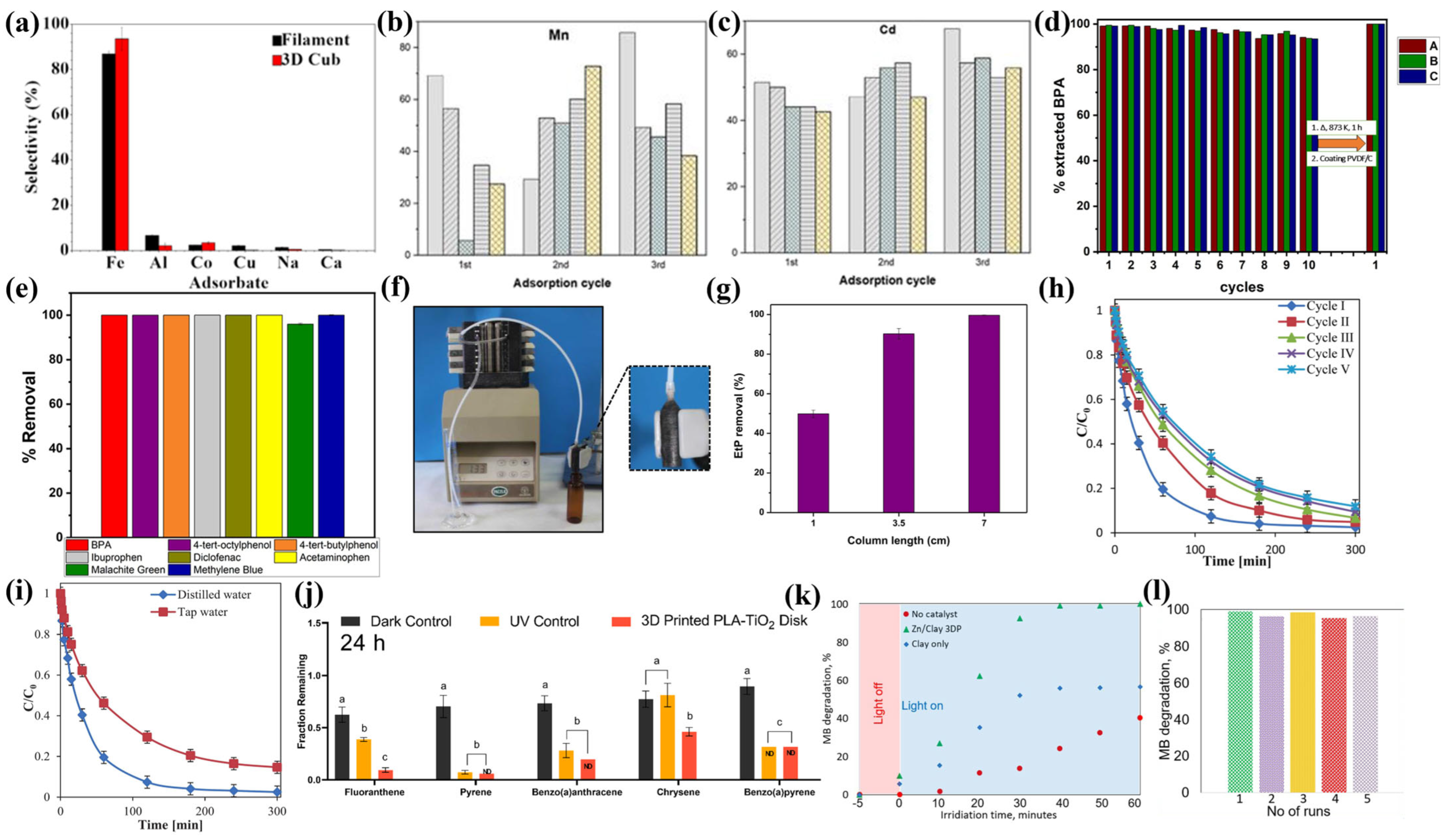
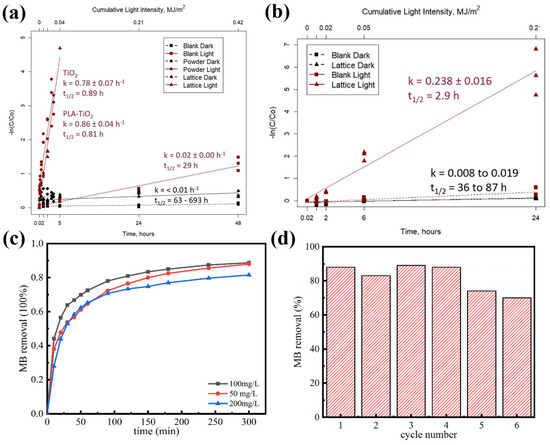
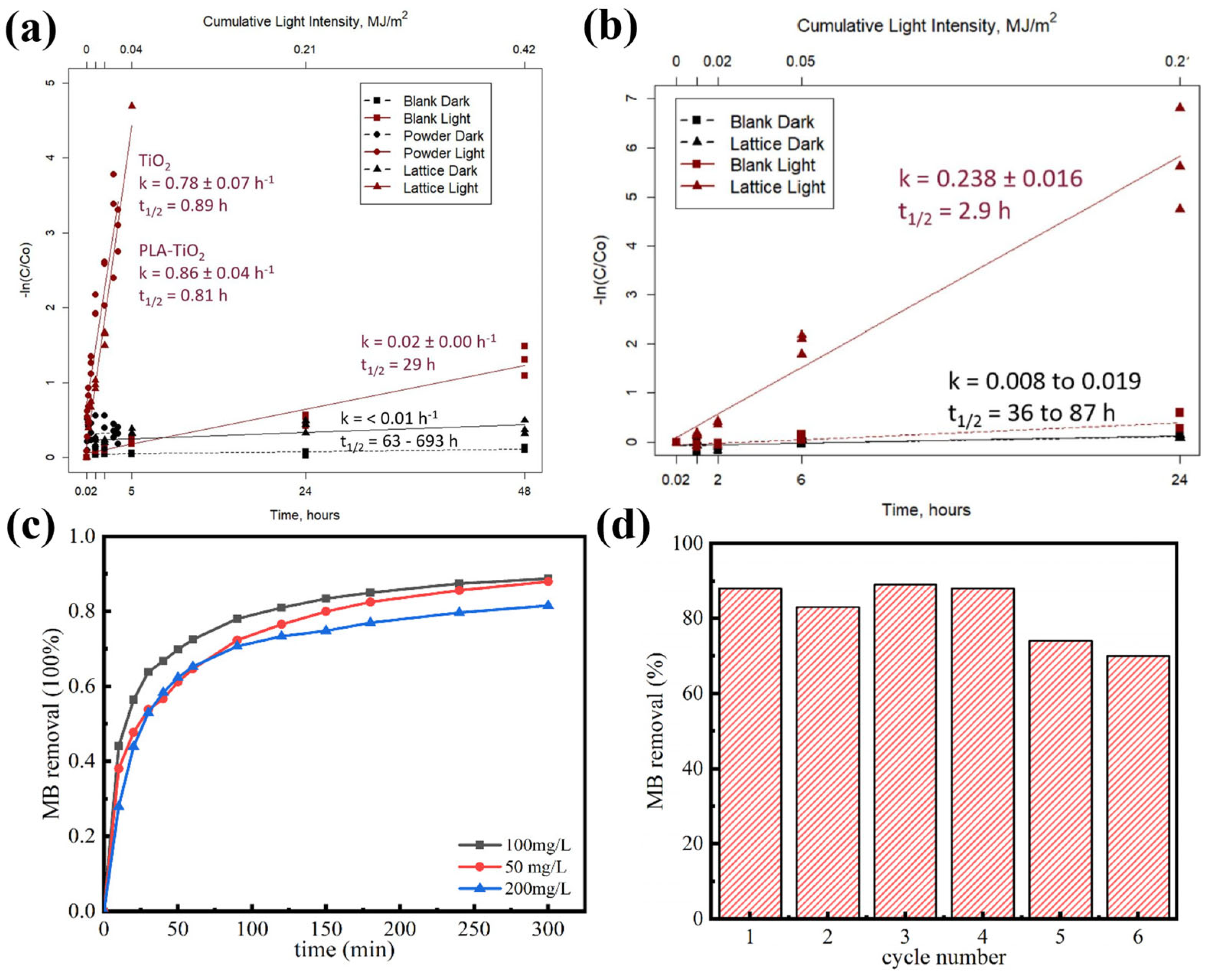
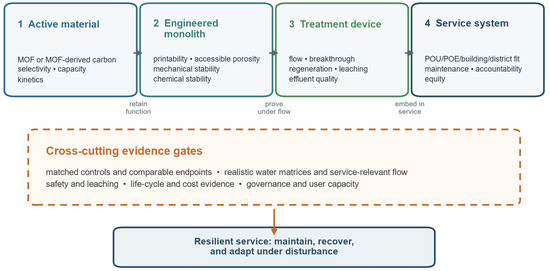
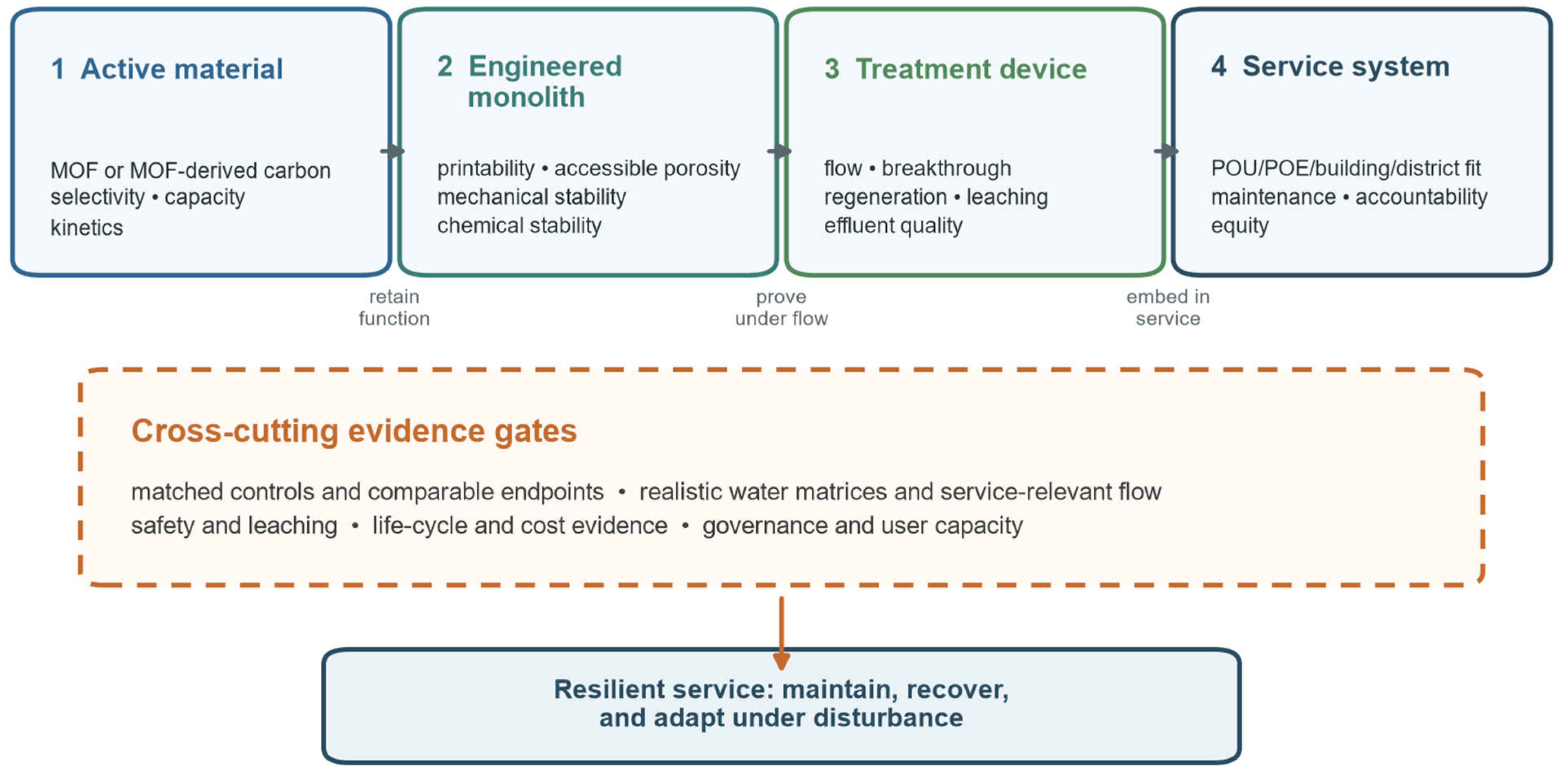

Disclaimer/Publisher’s Note: The statements, opinions and data contained in all publications are solely those of the individual author(s) and contributor(s) and not of MDPI and/or the editor(s). MDPI and/or the editor(s) disclaim responsibility for any injury to people or property resulting from any ideas, methods, instructions or products referred to in the content. |
© 2026 by the authors. Licensee MDPI, Basel, Switzerland. This article is an open access article distributed under the terms and conditions of the Creative Commons Attribution (CC BY) license.