


Abstract
Brewer’s spent grain (BSG) has attracted rapidly growing interest, and a considerable body of fundamental and applied information is available in the literature, although each source addresses only one or a few aspects of the topic. Based on the recent literature, this review provides a full picture of BSG valorization, from basic to applied sectors. This includes valorization technologies at the design level, such as those for packaging and textiles, as well as those that have achieved market success, such as food ingredients. The review addresses moisture and linked microbial deterioration, contaminants, industrial milestones, sensory limitations, and regulatory barriers concerning BSG valorization. More interestingly, it presents the Plan–Do–Check–Act methodology and shows how to use it for BSG valorization, regardless of its scope and level of technology readiness. The proposal is centered on the citizen as a stakeholder of the entire food chain leading to this or any food waste. The review also aims to fill gaps in the field and affords recommendations for future research directions towards a more sustainable economy.
1. Introduction
The recycling of brewer’s spent grains (BSG) likely dates back to the discovery of beer production during the agricultural revolution in the beginning of the Mesolithic period according to Gorter de Vries et al. 2019 [1]. Since then, controlled techniques and practices have progressively spread through successive human groups and empires [2]. Recycling BSG as a feed ingredient is still a largely used practice because it is a sustainable, cost-effective, and environmentally friendly solution. In this case, BSG is not transformed and is easy to transport, particularly when the brewery is not far from the farm. However, the product is sensitive to microbial contamination, especially fungi, due to its high humidity (70–85%). Therefore, farmers have always had to manage this issue, especially before the food technology revolution in the mid-19th century and the invention of refrigeration and amelioration of transportation means. In addition, if the initial barley is contaminated, farmers have to deal with microbial infections in animals fed with it, which can lead to illness or even death, particularly in sensitive domestic species fed contaminated BSG.
Many advances have been achieved since then in understanding basic mechanisms and associated conditions, such as the influence of water activity, temperature, and time between the production of BSG and its use. Food waste is a real issue, in line with accelerating global change, environmental damage, and biodiversity collapse. For at least two decades, food waste has been estimated at about 1.3 GT/year [3], and it contributes to 8–10% of greenhouse gas emissions [4]. This unacceptably and unnecessarily depletes resources. It is avoidable, and its rational management will reduce pressure on fragile ecosystems. Sustainable management of resources starts at the citizen level through simple practices, such as avoiding unnecessary purchases and storage, reducing waste as much as possible, reusing and recycling, and joining food sustainable initiatives. This will create value and promote reasonable and healthier consumption.
BSG is a by-product of the distilling and brewing sectors. In the latter, it accounts for about 85% of the barley initially introduced in the process, and roughly 14 to 20 kg of BSG are produced per hectoliter of beer [5,6]. It can be valorized in a multitude of ways: some are at the design or development stages, while others have achieved significant industrial success. In recent years, there has been growing interest in exploring innovative strategies for reusing BSG to reinforce food sustainability. Current research seeks innovative alternatives to produce added-value products from BSG while ensuring the safety of the end products and meeting consumer preferences and regulatory requirements. Many review articles are published annually, but each typically addresses only one or a few specific facets of BSG valorization, such as its use in the feed or food sectors, its use in producing high-value molecules [5,6,7,8,9,10,11,12], or dealing with consumer preferences, market trends, and pricing dynamics [13,14]. There is a need to link these facets together in an integrative, comprehensive overview of the topic. We therefore performed an exhaustive, targeted analysis of the recent literature on BSG, covering as many aspects of its valorization as possible. Special emphasis has been placed on citizen and social aspects, and we propose using the Plan–Do–Check–Act (PDCA) approach to achieve the objective, i.e., zero waste.
This narrative review provides an overall picture of current achievements and future opportunities in BSG valorization. Beyond the basic knowledge on this cereal by-product and its uses, whatever their technology readiness level, the message extends to the socio-economic dimension and is centered on the citizen, who is both the consumer and the primary stakeholder. The novelty of the review also lies in its proposal to use the PDCA methodology for an efficient and sustainable way to valorize BSG in particular and food waste in general.
2. Overview of the BSG Market and Added-Value Products
The global beer producing industry is characterized by a striking quantitative breadth and structural diversity, encompassing both small-scale artisanal breweries and large industrial producers. A foundational distinction within this sector lies between craft (or artisanal) breweries and industrial brewing companies. Craft breweries are typically defined by small production volumes, independent ownership, and experimental or traditional techniques, whereas industrial brewers operate at high capacity with global distribution networks. Global beer and BSG production in 2020 were estimated at more than 1.8 billion hL and about 36 million tons, respectively, China and the United States of America being the leaders of the sector and all of North and South America, Asia, and Europe accounting for about 92% of global beer production [15].
The big brewing groups often produce standard lager styles at volumes far exceeding those of individual artisanal facilities, positioning them as key drivers of global beer supply and export markets. In contrast, despite the smaller size of individual craft breweries, the socio-cultural impact of craft segments, which have been estimated at 17,000 [16], is disproportionately large. And, it is useful to note that the craft breweries have gradually imposed their originality in this market dominated by large groups, especially with what is called the “Craft beer revolution”, which started in the USA early 1980s and then spread worldwide [17]. In any case, both the big and small brewers are aware that attention is more and more paid to the type of raw materials used, transportation both between the raw material producer and the brewery and from the brewery to the consumer, with a special care for safety concerns and waste management. Some craft breweries use the short supply chain model, which involves at most one intermediary between the producer and the consumer. All actors also know that this can be achieved by purchasing local grains and hops, pooling resources as far as possible, bearing in mind that natural resources are finite, and seeking alternatives and sustainable resources, such as using low-environmental-cost cereals.
3. Brewery Process and BSG Production and Chemical Composition
3.1. Overview of the Brewery Process and Mass Flows
A picture of the brewery process is shown in Figure 1, and the different types and amounts of waste produced while making beer are listed in Table 1.
Figure 1.
An overview of the beer making process. (1) Malted barley provides the sugars, flavors, and colors. (2) Malt is mixed with hot water to convert starches into sugars, and the solid residue remaining after mashing is spent grain. (3) The wort is boiled with hops, which add bitterness and flavor and help preserve the beer. (4) The hot wort is rapidly cooled to the right temperature. (5) Yeasts are added to convert sugars into alcohol and CO2. (6) The beer matures and develops its flavors and aromas. (7) The beer is filtered (if needed), carbonated, and packaged. The figure has been generated using Biorender.
Table 1.
Brewery waste streams and quantities.
Figure 1 shows that BSG is produced after the first processing step (mashing), and accounts, as mentioned above, for approximately 85% by mass of brewery waste. In addition to BSG, breweries generate other solid residues, such as spent hops, hot trub, and spent brewer’s yeast. Spent hops (coagulated hop solids and proteins) and residual yeast are produced during wort boiling and fermentation steps, and, for instance, spent yeast accounts for up to 3 kg/hL of beer (Table 1). Although smaller in volume than BSG, these by-products still represent a substantial organic waste fraction that requires management of disposal [21,22]. The brewing process also produces substantial liquid waste in the form of wastewater, which arises from mashing, lautering, cooling, fermentation cleanup, and equipment rinsing. Brewery wastewater is characterized by high organic loads and is typically produced at ratios of 3–20 hL of effluent per hectoliter of beer [19]. This wastewater requires treatment before discharge due to its high biochemical oxygen demand (BOD), chemical oxygen demand (COD), and nutrient loads [23,24].
3.2. Chemistry of BSG and Handling Concerns
Spent grain is composed mainly of residual malted barley or other grains used in beer and spirits production. It is the solid residue left after extracting wort in brewing and is mainly composed of barley husks rich in proteins and non-starch carbohydrates. BSG is also rich in minerals, proteins, fibers, and other organic compounds (Table 2) that have high reuse potential. However, it has high moisture content (more than 70%), which complicates storage and disposal [5].
Table 2.
Average composition of brewer’s spent grain (in dry matter basis).
The composition of crude BSG depends to some extent on the type of malt used, resulting in variations in its chemical and nutritional profile. BSG is primarily composed of fibers and proteins, with lesser amounts of fat, resistant starch, minerals, and phenolics (Table 2). Residual starch depends on the performance of malt alpha-amylase, whereas the non-starch polysaccharides fraction (up to 70% in dry mass) contains 20 to 40% of hemicellulose, mainly arabinoxylans, 15 to 25% of cellulose, and 10 to 28% of lignin [27,28]. BSG also contains minor carbohydrates, including oligosaccharides and monosaccharides, such as xylose, glucose, arabinose, and traces of rhamnose and galactose [29]. The protein fraction contains those dedicated to nitrogen storage in barley, i.e., hordeins and hordenines, and the functional proteins, i.e., albumins and globulins, and it is noteworthy that the barley proteins and cereals in general are limited in lysine. The composition of the BSG lipid fraction is similar to that of other plants, i.e., approximately two-thirds unsaturated and one-third saturated lipids, and the total concentration may reach 10% of dry mass, two-thirds being triglycerides and the remainder consisting of free fatty acids (about one-fifth) that are formed during brewing, and of many other fats, such as diglycerides, sterols, and lipid-soluble vitamins, particularly tocopherols (Vitamin E) [30]. BSG also contains high amounts of choline (up to 1800 ppm) and different amounts of water-soluble vitamins (niacin, pantothenic acid, riboflavin, thiamine, pyridoxine, folic acid, and biotin, ranking from 44 ppm to 0.1 ppm, respectively [25,31]). BSG also contains high amounts of phosphorus (~6 g/kg), calcium (~3.6 g/kg), and magnesium (~1.9 mg/kg) [26,29] and lesser contents of iron, copper, and manganese, typically below 200 mg/kg DM [27,29,32]. In addition to all of these nutrients and micronutrients, there are many extractable components, such as waxes, gums, resins, tannins, and essential oils, that can be used in the industrial sector [25].
The main issue with BSG is its high humidity (>70%), which makes it at risk of microbial proliferation, mainly fungi, which grow at lower water activity than the other microorganisms. It is therefore a very important point of caution at the post-production steps while being engaged in the valorization process. For long-term storage, a maximal moisture of 10% is recommended, and drying is in this respect the most effective method for reducing water content and activity, thus ensuring BSG microbial stability. This may be done in an oven at temperatures below 60 °C, using overheated steam in a thin layer, autoclaving at 121 °C for one hour, drying by freezing or pressing and filtration through cut-off-controlled membranes followed by vacuum drying, longtime air-drying, etc. [26,33]. Wet preservation can be achieved as well by adding salt and mixing with pomace or membrane filtration at an ultimate moisture between 20 and 30% [25]. All of these techniques have advantages and disadvantages; for example, autoclaving at 121 °C both lowers water activity and enhances the solubilization of polysaccharides and phenolic compounds, while the risk of spoilage is high at the first stages of air-drying. For all, there is a need for a global and a realistic assessment of the cost/benefit balance.
3.3. Overview of Technique for Recovery of Valuable BSG Components
Recent advances emphasize integrated biorefinery approaches combining green physico-chemical extraction technologies with biological treatments to maximize valorization of BSG and functional ingredients for feed and food and other sectors [34,35].
The conventional solvent extraction (SE) method, which uses polar or semi-polar solvents, e.g., methanol, ethanol, and acetone, remains a standard method for phenolic compounds but often requires further purification steps for avoiding the presence of solvents in the final product. Methanolic extracts from BSG or similar plant materials have high phenolic and flavonoid contents, thus exhibiting high antioxidant and enzyme inhibitory activities [36]. Aqueous or hydroalcoholic extraction combined with saponification (alkaline treatment) increases the yield of free phenolic acids like ferulic acid [35]. Enzymatic hydrolysis and fermentation-based approaches improve protein solubility and bioactivity, while pressurized liquid extraction and subcritical water hydrolysis offer green, efficient routes to recover proteins, phenolics, and sugars with high yields and functional properties. Ultrasound-assisted extraction (UAE) enhances phenolic recovery but may be less effective than pressurized liquid extraction (PLE) for extraction of proteins. Ultrasound (US) combined with alkaline hydrolysis is also commonly used to extract phenolic compounds and arabinoxylans, the major component of BSG fibers [36]. Mechanical pretreatments enhance the performance of all of these extraction methods due to the improvement of the accessibility to the targeted compounds [25].
Enzymatic hydrolysis employs specific enzymes such as proteases, cellulases, and xylanases to break down the complex BSG lignocellulosic matrix, releasing proteins, peptides, oligosaccharides, and many other bioactive compounds. This method is gentle and selective, and it enhances the digestibility and bioactivity of the extracts. Protease-assisted hydrolysis modifies BSG composition by reducing the size and complexity of crude proteins, thus improving their solubility and digestibility, which increases accessibility to fibers and, ultimately, their digestibility, as well as ferulic acid concentration [37,38]. Actually, the combinations of types and concentrations of proteases may differently affect the digestibility of macronutrients, including lipids, and subsequently the nutrient profile. Solid-state fermentation (SSF) using, for example, Aspergillus ibericus and BSG as the substrate produces cellulase and xylanase enzymes that in turn enhance lignocellulose breakdown and increase accessibility to the protein fraction [39]. In line with this, bacterial cultures of Bacillus cereus and Bacillus lentus, for example, seem to be useful for obtaining protein hydrolysates and antioxidant extracts from BSG [40].
Regarding extraction steps, optimization studies indicate that lower extraction temperatures and moderate liquid-to-solid ratios favor phenolic recovery and antioxidant activity [41]. Ultrasound-assisted extraction uses ultrasonic waves to disrupt cell walls, enhancing solvent penetration and mass transfer, thus improving extraction yields and reducing extraction time. It has been shown that pressurized liquid extraction (PLE) allows for the extraction of 36% more proteins and yields extracts with higher antioxidant and enzyme inhibitory activities than ultrasound-assisted extraction (UAE) [42]. PLE often uses water or aqueous mixtures and applies high pressure and moderate temperature values and showed positive effects on the solubility and diffusion capacity of BSG components. It is considered a green and more efficient technique for the extraction of proteins, phenolic compounds, and bioactive peptides from BSG compared to conventional methods [42]. Besides the influence of the pressure value, temperature-dependent selectivity for different compounds, such as ferulic acid and free amino acids, has been observed [43].
Other recovery techniques exist as well, such as cell disruption methods based on grinding, freeze–thaw cycles, or liquid nitrogen treatment, which are used as pretreatments to improve extraction efficiency by increasing surface area and accessibility [44]. Ultra-filtration and membrane technologies are generally used at the end of the extraction process for concentrating the protein fraction and/or increasing their purity and functional properties [24,45].
3.4. The Valuable Contribution of Biotechnologies to BSG Valorization
Recent studies emphasize the role of BSG in biorefineries, where multiple value-added products are obtained through sequential or integrated processes. BSG can be fractionated into proteins, fibers, phenolics, and fermentable sugars, each directed to specific biotechnological applications such as food ingredients, biofuels, and biochemicals [15,21,32,34]. Substantial advances have been achieved in resource recovery and sustainability in the case of BSG by using green extraction technologies (UAE, PLE, SWE, etc.) combined with microbial fermentation and enzymatic treatments [46,47].
Technological innovations based on microorganisms are emerging possibilities, and major advances have for instance recently paved the way for more efficient and sustainable exploitation of waste value. Advances have been achieved dealing with the ability to manipulate microorganisms to decompose organic waste, such as BSG, coffee grounds, and many other unused or barely used resources. These new technologies offer an economic and circular transition while offering a real reduction in waste and ways to add economic value. BSG is a lignocellulosic biomass rich in proteins, fibers such as cellulose, hemicellulose, and many other compounds (Table 2), and its availability (36 MT/year globally) makes it an attractive substrate for diverse biotechnological processes. There is a large diversity of relevant microbes containing enzyme activities capable of breaking down complex carbohydrates, proteins, lipids, and other BSG polymers, ultimately producing bioactive molecules (organic acids, enzymes, active peptides, amino acids, vitamins, functional ingredients, probiotics, fermentable substrates for novel foods, etc.). Biotechnological valorization of BSG therefore expands applications and adds value beyond simple reuse.
Solid-state fermentation (SSF) is particularly promising due to its suitability for lignocellulosic materials and its ability to increase mineral bioavailability [48]. Processes developed with different microbe strains such as Aspergillus spp., Bacillus spp., and Rhizopus spp. have promoted greater recovery of proteins, amino acids, and phenolic compounds from BSG [49]. SSF of BSG with fungi like Aspergillus ibericus produces crude enzyme extracts rich in cellulase and xylanase activities, i.e., up to 323 U of cellulase and 1073 U of xylanases per g of solids, which effectively hydrolyzed BSG lignocellulosic substrates and improved the potency of BSG as a feed ingredient in aquaculture [40]. As for bacteria, strains such as Bacillus polymyxa and Bacillus cereus grown on BSG produce proteases and other enzymes, which may be used as processing aids [41]. Interestingly, BSG could be a promising source for the production of bioinsecticide via Beauveria spp., Metharizium spp., or Trichoderma spp. [50].
The use of pre-treated BSG in fermentation processes based on microorganisms such as Escherichia coli, Aspergillus spp., Saccharomyces cerevisiae, Debaryomyces hansenii, Lactobacillus rhamnosus, Bacillus spp., Penicillium spp., and Trametes versicolor, allows for obtaining products such as citric or lactic acid or enzymes such as cellulases, xylanases, alpha amylase, and laccase, among others. This is done through submerged or solid substrate fermentation [48,51]. For example, chemically and enzymatically pre-treated BSG was used as a substitute for expensive carbon sources for industrial liquid fermentation and allowed for the production of 5.4 g of lactic acid/L, along with 73% bioconversion efficiency by Lactobacillus delbrueckii [52]. Enhanced production of organic acids was achieved when influencing factors such as the appropriate solid/liquid ratio, the particle size of substrates, fermentation time, and the intensity of agitation have been optimized [53]. Shelf life of the fermented liquid product was estimated to be around 15 days under refrigerated conditions, which is quite satisfying. Another example is the use of BSG liquor (glucose, maltose, oligosaccharides, nitrogen- and sulfur-containing compounds, etc.) that allowed for the production of as much as 79 g of lactate/L [54].
4. Current BSG Valorization Pathways and Industrial Implementations
4.1. BSG Valorization in the Feed Sector
Figure 2 presents a picture of the current use of BSG in feed sectors, mainly as a raw ingredient, without further treatment, due to the simplicity, ease of handling, and low cost.
Figure 2.
Examples of uses of BSG as a feed ingredient.
- As an ingredient in livestock and pet feed
BSG hold valuable potential as nutritional and functional ingredients in the diets of ruminants on farms (cattle, dairy cows, sheep, goats). Because brewing removes most fermentable sugars, BSG is low in starch but high in parietal polysaccharides, making it particularly suitable for ruminants owing to the high diversity of enzymatic activities on non-starch polysaccharides, including cellulases and xylanases. This is why BSG was traditionally used as cattle feed [55,56].
BSG can replace parts of forage or protein concentrates in animals’ diets and thus supports growth. It has been shown that the inclusion of BSG at 20% in dry mass of the total diet supports cattle growth performance [56], as it seemingly enhances fermentation and microbial protein neosynthesized [57]. The addition of proteases further enhances the digestibility of fibers [39]. Interestingly, mid-lactating crossbred dairy cows produced more milk when fed with brewery by-product-based silage, showing improved milk yield and economic returns [58].
BSG is less commonly used as an ingredient to feed monogastric animals due to its high levels of fiber and its high humidity, unless dried and further processed, which allows for greater digestibility and feed value, as shown for growing pigs [59]. The same is true for the growing poultry sector due to the high content of fibers [60], although moderate inclusion of BSG (less than 20%) can support gut development and growth performance in broiler chickens, whereas higher inclusion levels negatively impact performance [61]. BSG extracts enhanced small intestine development while reducing the presence of potentially harmful bacteria from Echerichia and Clostridium genuses [60], which is particularly relevant as the poultry industry faces increasing pressure to limit pathogenic contamination while reducing reliance on antibiotics. As for pets, it seems that dogs moderately tolerate dietary BSG, which could contribute to gut fermentation and stool quality without major negative effects on the microbiome. However, high dietary inclusion levels cause loose stools and reduced nutrient digestibility [62]. Particular caution must be paid to the particular sensitivity of dogs and the associated effects (fever, acidosis of blood, etc.). To the best of our knowledge, no data regarding the use of BSG in cats are available.
- b.
- As a feed ingredient in the aquaculture sector
BSG is increasingly explored as a sustainable ingredient in aquafeeds, providing protein, fibers, minerals, and bioactive compounds that support the growth of aquatic animals. However, compared to usual fishmeal, it is lower in digestible protein and nutritional value, linked to limitations in lysine and, to a lesser extent, methionine and the low solubility of barley proteins [63]. Here again, only moderate inclusion is tolerated by growing aquatic animals, especially fish.
Typically, BSG ranging from 5% to 20% in dry mass could be added to fish feed, depending on species and upstream BSG processing. Solid-state fermentation of BSG with Aspergillus ibericus to produce extracts rich in cellulases and xylanases, improving lignocellulose breakdown, had positive effects on feed utilization and the growth of European seabass juveniles [39]. It also has been shown that BSG in feed improved growth and beneficially modulated gut microbiota diversity and composition in Cirrhinus reba fish [64]. In line with this, BSG extracts were reported to be able to positively modulate immune responses and intestinal barrier function in rainbow trout cells, suggesting immune benefits that could reduce the disease susceptibility of rainbow trout [65].
As for monogastric animals, BSG is better tolerated by aquatic animals if it is processed before use in the aquaculture sector, for example, through enzymatic or microwave pretreatment. Regarding the feeding of shrimp, which is an important segment of the aquafeed sector, very low inclusion levels of BSG are recommended, as shrimp are even more sensitive than fish to fibers and phenolics and plant by-products in general. Trials with fiber-rich ingredients including BSG in shrimp diets shows reduced growth and feed efficiency, although better growth performance is observed when BSG is combined with enzymes or probiotics [66,67,68].
For all of these aquatic animals, special attention should be paid to water quality, which can be affected by high ammonia and indigested fibers coming from BSG while keeping in mind that aquatic food products are a major vehicle of toxins.
- c.
- As a feed ingredient in insect farming
Black Soldier Fly (Hermetia illucens) larvae efficiently convert BSG into valuable biomass within a few weeks, producing compounds such as proteins, lipids, and chitin, and it was shown that BSG-based diets improved larval growth and survival [69]. Therefore, using BSG for insect farming is a sustainable way to transform industrial waste into high-value products, at least if the psychological aversions of some consumers are overcome.
4.2. BSG Valorization as a Food Ingredient
Figure 3 provides an illustration of the current use of BSG in food sectors. Consumers now seek foods that go beyond nutritional purpose. They want to know where raw materials come from, how they are produced, and what their impact is on the planet. Companies demonstrating a commitment to sustainability and the use of recycled materials gain greater consumer trust. Consequently, advancing technological pathways for BSG stabilization and bioconversion represents a key step towards enhancing the sustainability and environmental performance of the brewing industry. Besides good control of the process, industries have to ensure the security of the end products as well as acceptable organoleptic and rheological properties. Direct incorporation into food products can improve nutritional profiles but requires careful formulation to maintain sensory quality.
Figure 3.
Examples of uses of BSG as food ingredient.
Spent grain has been successfully incorporated in bakery products (bread, cookies, muffins, pasta, snacks, wafers, yogurt, new plant-based foods, etc.). Companies that integrate waste recovery into their supply chain have a powerful selling point, demonstrating their commitment to waste reduction, resource conservation, and environmental protection. This change in consumption habits creates an opportunity for companies that valorize waste to thrive by meeting the growing demand for environmentally friendly products.
In addition, because brewing occurs year-round, BSG production is continuous, making it an attractive resource for local circular economy initiatives, especially when the process is achieved geographically near the brewery.
- As an ingredient in cereal-based products
After the extraction of soluble sugars from malted barley, the wet spent grains are dried to create a more shelf-stable product known as dried brewer’s spent grains, which can then be ground into flour that can be used as a partial flour substitute. There are many examples of successful utilization of BSG in cereal-based products (bread, cookies, muffins, wafers, snacks, pretzels).
BSG fibers in mixed flour disrupt the gluten network, reduce loaf volume, and increase crumb density, and it is generally found that more than 20% BSG in wheat flour can impart bitterness and a coarse mouthfeel, although exceptions have been reported as well. Up to 20% BSG was reported to enable significant improvement of the nutritional profile of bread, namely higher content of proteins and minerals, without affecting its sensory profile [70]. Other advantages of partially replacing wheat flour with BSG flour include a reduction in gluten content, which may interest some consumers. BSG addition also increases the water holding capacity of dough, owing to added fibers. BSG reduces volume and increases hardness due to perturbation of the gluten network, which can be surpassed by increasing hydration by 5 to 10% and/or increasing the gluten content. The effects on dough rheology, texture, and sensory attributes can also be reduced through appropriate processing and fermentation or through microwave treatment. Typically, below 20% BSG, microwave-treated samples exhibit more soluble dietary fibers and proteins than untreated samples, and bread texture and flavor profiles are positively influenced [71]. Conversely, it has been reported that cakes produced from wheat flour substituted with BSG flour at 40% and 60% levels have similar tenderness as cakes produced with wheat flour alone and that BSG-based cakes were even better accepted by consumers, particularly in terms of flavor [72]. Other bakery products such as cookies and muffins have also been successfully fortified with BSG, balancing nutritional enhancement and sensory quality [73].
Many BSG-based products are currently available on the market, and their diversity is truly vast and constantly increasing in the industrial and artisanal domains. For example, the company Maltivor, located in France, offers several recipes based on spent grain flour, such as muffins, strawberry tarts, energy bars, savory waffles, sourdough breads, pita bread, breadcrumbs, etc. The management guidelines of such companies notably aim to reduce transportation distances and greenhouse gas emissions. Another cereal-based product that was successfully enriched with BSG is pasta, thus increasing concentrations of fibers, proteins, and phenolic compounds without compromising sensory acceptance, as observed with spent grain from the distillery sector [73,74].
Besides its nutritional benefits, the enrichment of food products with BSG encourages purchase intention, as consumers increasingly recognize the health benefits of fiber enrichment [75]. A concrete example of pasta enrichment with BSG is one led a few years ago by the French citizen association “Ramen tes drêches”, which recycles BSG from local craft breweries, which was awarded the European Plant-Based Protein Award in 2019.
- b.
- As an ingredient in drinks and beverages
The development of functional fruit juices and beverages is driven by consumer demand for plant-based functional foods that can enhance health and well-being. Fermented drinks are of particular interest due to their probiotic contents that could positively influence intestinal flora.
BSG-based broth has been shown to be a good fermentation substrate, thereby opening up opportunities for the use of probiotic strains as starter cultures to further improve the bioactive properties of finished drinks [52]. In addition, phenolic-rich extracts from BSG can be incorporated into fruit beverages to enhance antioxidant capacity [31]. In line with this, in a recent study, BSG extract was mixed with starter culture of bacteria for vegan fermented product intended for vegan consumers, with or without adding some ingredients (sucrose, pectin, guar gum, and konjac gum). The yogurt-like variant formulated with 1% sucrose and 0.5% pectin received the highest acceptance score, indicating good sensory quality [76]. BSG also has been used to fortify dairy yogurt, thus enriching it with fibers and phenolic compounds [77]. The authors reported that yogurt’s syneresis level is also considerably reduced, fermentation time is shorter, and viscosity and color are higher. However, fiber-enriched chocolate milk containing BSG resulted in lower purchase intention, highlighting product-specific challenges in such applications [75].
- c.
- As an ingredient in meat products and meat substitutes
Cereal-based products are the principal target for food enrichment with BSG, but an increasing number of innovative basic research studies and applications dealing with BSG valorization in meat and meat substitutes are available as well.
- c1.
- In meat products
Meat-derived products and similar items are a major contributor in value to the food sector while also being one of the largest greenhouse gas emitters. Therefore, the partial replacement of meat or fat with BSG will not fail to reduce the carbon footprint. Consequently, nowadays, the meat industry is increasingly interested in sustainability and the recycling economy, integrating cheap recycled functional ingredients without altering flavor while enhancing the nutritional value of the marketed products.
In this context, BSG has emerged as a promising ingredient in meat products, notably due to its high content of fibers and phenolic compounds, which are absent from meat products. In addition, BSG is expected to provide further mineral input and could enhance key technological properties, such as water retention capacity. It has indeed been shown that BSG is an effective source of dietary fibers, so it improves the nutritional value of chicken burgers [78]. Similarly, pork meat mixed with 5%, 10%, or 15% BSG in smoked sausages has been tested for consumer acceptability compared to pork sausages without BSG, and sausages containing 5% BSG received a similar level of acceptance as the control [79]. Also, it was reported that the partial substitution of pork meat with BSG (less than 20%) does not significantly alter texture properties, exhibit antimicrobial activity, or prevent oxidation in the sausage [80]. Typically, incorporating BSG into sausages at 2–4% of mass helped maintain physicochemical stability and extended shelf life, highlighting that BSG can also be a stabilizing agent [81]. Accordingly, in chicken burgers, the addition of BSG fibers increased moisture retention and resulted in a firmer texture, especially during baking in an oven [79]. In low-fat chicken sausages, BSG fibers also contributed to improving cohesion and enhancing the textural profile [82].
- c2.
- Meat and fish substitutes
Numerous studies have shown that plant-based meat alternatives (PBMAs) have less of an ecological footprint than conventional meat [83]. Plant proteins could offer nutrient-rich meat analogues if the limitation in essential amino acids, specifically lysine in the case of cereal proteins, and the technological performance issues linked to the functional properties of the mixture, especially aqueous solubility, are overcome. As an example of basic trials on the topic, phenolics, mainly flavonoids, were extracted from BSG using the super-critical CO2 method and mixed with a fish burger matrix, and the sample with 5% BSG met expectations in organoleptic and nutritional terms [84]. Similarly, BSG was mixed with faba bean proteins at 3%; the results were dimensionally stable, and the meat analogue samples were satisfying [85]. This emphasizes the potential of BSG as an ingredient in meat substitutes dedicated to vegans, vegetarians, and other consumers.
Brewer’s spent grain therefore appears to be a versatile and sustainable food ingredient, although it faces challenges including regulatory classification, feedstock compositional variability, microbiological stability, and consumer stigma. Advances in processing, standardization, and product innovation support scalable commercialization. Fermentation, microwave treatment, enzymatic modification, and other techniques help overcome challenges related to texture, flavor, and the bioavailability of nutrients and healthy substances. Consumer education and clear health claims are crucial to increase market acceptance. The growing body of research supports the integration of BSG into food systems as part of the circular economy and sustainable nutrition strategies.
- d.
- As a substrate for edible mushroom growth
The lignocellulosic composition of BSG makes it suitable for fungus cultivation [86]. Due to its valuable nutritional components, it can be used as a growing medium for high-value edible and medicinal species of mushroom [87]. An aerated substrate matrix is essential, ideally containing a mixture of 1/3 spent grains, 1/3 coffee grounds, and 1/3 straw that enhances aeration and avoids compaction and contamination. In addition, heating (60 to 80 °C, 2 h in an oven) or autoclaving beforehand will avoid contamination and undesirable fermentation odors [86]. The well-controlled use of spent mushroom substrate in new mushroom crops (Gray, Golden, Pink, or Indian oyster mushroom) will not fail to promote the transition towards a more sustainable and circular economy [87].
Another issue is that the waste generated during the growth of mushrooms fed with BSG displays retroinhibition of the fungi if it is not recycled. Interestingly, it has been proposed to reuse the spent mushroom (Pleurotus pulmonarius) as a substrate for biogas production in a semi-continuous digester [88].
4.3. Valorization of BSG in Health Products, Pharmaceuticals, and Cosmetics
As mentioned above, BSG is a bioactive-rich material containing high levels of phenolic compounds (ferulic acid, p-coumaric acid, caffeic acid, flavonoids, etc.), dietary fibers, proteins, and bioactive peptides. Taken together, these compounds have antioxidant, anti-inflammatory, anti-cancer, anti-aging, and skin protection characteristics [31,89], thus enabling applications in many industrial sectors (Figure 4). This is why BSG may be valorized in nutraceutical, pharmaceutical, and cosmetic sectors. Application in cosmetics is today the most mature area, whereas use in pharmaceuticals is an emerging sector [90].
Figure 4.
Examples of BSG valorization for nutrition and health.
Due to its content of phenolic compounds, BSG extracts could contribute to the neutralization of oxygen, sulfur, and nitrogen reactive species, thus contributing to reducing diet-derived oxidative burden, as well lowering levels of advanced glycation and oxidation end products in dietary or cosmetic formulations [89,91]. BSG extracts are also being explored as natural antioxidants replacing synthetic ones in sunscreens [92]. There are many examples in the literature describing such products and associated effects. Creams containing phenolics from BSG were found to be able to attenuate melanin synthesis in cells via tyrosinase inhibition, with potential for skin brightening by means of hyperpigmentation inhibition [91]. Also, polyphenols and bioactive peptides from BSG supported elastase inhibition in line with wrinkle formation and could therefore be used to improve skin elasticity and reduce collagen degradation [93]. Moreover, dried and powdered fiber BSG extracts of different sizes were successfully integrated into soap formulas and used for their exfoliating properties [92]. Their natural exfoliating capacity makes them excellent biophysical body scrubs and facial exfoliants, and their biodegradability makes them excellent alternative to microplastics.
Also, owing to its high levels of fiber, BSG could have beneficial health effects, notably by lowering the glycemic index and improving gut health [94]. When BSG was introduced into a rat diet, it had beneficial effects on both constipation and diarrhea in relation to its high content of non-cellulosic polysaccharides, the small quantity of β-glucans, and the content of proteins rich in glutamine [95]. Actually, there is a large number of examples in the literature describing beneficial health effects attributed to BSG in in vitro models, such as reducing inflammatory markers [89], enhancing immunomodulatory responses [96], and potentially preventing metabolic syndrome and cardio-vascular diseases [8].
BSG therefore offers strong potential for the creation of solid or liquid functional foods, also called worldwide nutraceuticals in North America or FOSHU (Food for Specified Health Uses) in Japan, claiming beneficial effects against chronic diseases. It is increasingly considered a biorefinery feedstock for bioactive compound extraction of phenolic antioxidants, bioactive peptides, and prebiotic fibers [8,97].
4.4. Use of BSG for Energy Sources, Soil Fertilization, and Remediation Purposes
There are many examples of successful use of BSG for soil health and fertility and as a source of energy directly or indirectly through fermentation (Figure 5).
Figure 5.
Examples of applications of BSG for soil health, energy sources, and remediation.
- Use of BSG as Fertilizer
The use of novel soil amendments and the exploitation of plant-growth-promoting microorganisms are considered promising tools for developing more sustainable agriculture. BSG is a nitrogen-rich residue, often considered a “green” material in compost, and its relatively low C:N ratio makes it like fresh grass or usual food waste that improves soil fertility and its organic matter content. Fibers and residual minerals, and micronutrients like water-soluble vitamins, also make it up [98,99]. BSG can be composted, vermicomposted, or co-composted with bulking agents [100]. In order to improve its quality as compost, it is generally co-composted with carbon-rich “browns” (straw, woodchips, leaves, etc.) to enhance soil stability, ensure aeration, and prevent undesirable odors, too. BSG-based composts can function as horticultural stabilized substrates [100], and the enrichment of BSG-containing compost with microbial consortia could improve fertilizer value and plant growth [98].
- b.
- Use of BSG for Remediation Purposes
The main strength of BSG lies in its ability to combine the adsorption of undesirable compounds with its potentially beneficial biological activities, thus making it a sustainable alternative to conventional remediation tools. Owing to the functional groups of its constituents, BSG may trap organic and inorganic pollutants. This can be achieved directly as a biosorbent (passive removal) or indirectly by supporting microbial growth (bioaugmentation), thus enhancing the microbial degradation of some pollutants.
For example, BSG can remove heavy metals from aqueous solutions, as in water treatment systems [101,102]. This occurs via ion exchange, complexation, and surface adsorption, with an adsorption affinity order of Mn2+ ≈ Zn2+ < Ni2+ < Cd2+ < Cu2+ < Pb2+ when adsorption is performed in batch and fixed-bed systems [103]. Relative affinity to metals depends on the nature of the metal present in the matrix and the surrounding physicochemical conditions, especially the pH and ionic strength of the medium. This could potentially be useful for nuclear wastewater treatment, as mild hydrothermally treated BSG is an efficient trap for uranyl and rare earth metal ions [104]. BSG therefore could be used for the treatment of industrial and urban wastewater or contaminated soils directly or by stimulating microbial activity that may transform, for example, toxic hydrocarbons into lesser toxic metabolites [105,106,107]. The concept may be extended to any organic food contaminant through well-designed strategies, notably ensuring that there are no concomitant anti-nutritional effects in the case of foodstuffs.
Another way of using BSG for remediation purposes is its transformation into biochar through pyrolysis with controlled oxygen availability or hydro-thermal carbonization. Biochar thereafter may be used in many industrial applications, such as cosmetics and foods, soil fertilizer, carbon trap, adsorbents of food contaminants, wastewater treatment, biofuel, etc. [108,109]. Biochar has high to very high porosity and surface area depending on the biomass source and the heating condition, and, accordingly, it displays various retention capacities for organic and inorganic compounds. Pyrolysis at low temperatures (about 200 °C) seems to produce quite stable biochar with strong agronomic benefits for long-term soil amendment and soil conditioning through the improvement of water retention, fertility, stress tolerance, etc. [110]. Pyrolysis at higher temperatures (up to 1000 °C) enhances BSG biochar porosity, and so it can also be used to decontaminate soils or sediments as a result of its absorbance properties [110]. However, special caution should be paid to the presence of polycyclic aromatic hydrocarbons generated by the pyrolysis of organic biomasses and whether or not it traps more nutrients and micronutrients than contaminants in the case of contaminated foodstuffs. Importantly, the final contaminated biochar has to be managed, too, through second-round pyrolysis to obtain energy, with due care of the contaminants, especially inorganic ones.
- c.
- Use of BSG as a Source of Biogas and Biofuel
Biogas is considered a renewable energy source, especially when organic waste is used to produce it. This is achieved through anaerobic digestion (AD), where specific ferments transform the organic waste in the absence of oxygen into biogas, thereby both contributing to sustainable waste management and affording alternatives to fossil fuels for meeting the carbon neutrality objectives. The biogas production process is carried out in facilities called anaerobic digesters, where micro-organisms break down the wastes’ organic matter, typically around three weeks at 37 °C, into a biogas that is mainly composed of methane (50 to 70%) and carbon dioxide (20 to 50%), from which pure methane (biomethane) is obtained.
Actually, even if large-scale production is not yet possible, around 10% of local spent grain was reported to be used to produce biogas [25]. It has been shown that anaerobic digestion of BSG produces biomethane at a typical yield between 264 and 325 mL CH4/g of volatile solids [111]. Some pre-treatments of BSG, i.e., a low-temperature process and alkali pretreatment, may improve the digestibility of organic matter during anaerobic processes [112]. Pretreatments such as subcritical water hydrolysis (SWH) combined with heating at 160 °C were reported to increase methane production by around 10-fold compared to untreated BSG [113]. Also, co-digestion strategies with other organic wastes, e.g., sewage sludge and pig slurry, could also improve methane yields [114]. Interestingly, the addition of biochar derived from BSG in the fermentation medium seems to be a novel and promising potential enhancer of biogas recovery. For example, the addition of 5% BSG to the medium significantly increased the yield of produced biogas, but more than 20% BSG decreased it due to the high levels of fiber [115].
As for biofuel, which is commonly defined as ethanol and biodiesel, it turns out that BSG cellulose and hemicellulose can be hydrolyzed into fermentable sugars for bioethanol production. Consolidated bioprocessing (CBP) using fungal consortia, e.g., Aspergillus oryzae and Saccharomyces cerevisiae, has been explored to simultaneously hydrolyze BSG carbohydrates into fermentable sugars, achieving ethanol yields of 37 g/L within 10 days [116]. Sub-critical water pretreatment combined with enzymatic saccharification and solid-state fermentation has been optimized to yield ethanol concentrations up to 32 g/L [117].
Another important alternative and sustainable energy source is biohydrogen, which remains challenging in the case of BSG due to substrate recalcitrance, imbalanced carbon-to-nitrogen ratios, and inhibitory compounds, all hindering the production of hydrogen by hydrogenases and ultimately compromising process stability and energy yields. In any case, biohydrogen production from BSG was reported to vary from 25 to 198 L/kg VS, the variation being associated with differences in substrate composition, pretreatment approaches, and operational conditions [18].
4.5. BSG Valorization in Food Packaging and Other Biodegradable Materials
Many research and development studies show that BSG can be used for several types of materials, for example, in packaging, textiles, and construction (Figure 6). Below are a few examples of the scientific and technical advances that have the circular economy and sustainability as their common thread.
Figure 6.
Examples of non-biogenic applications of BSG.
4.5.1. BSG-Containing Packaging Materials
The negative environmental impact of petroleum-based plastics has intensified the search for sustainable alternatives in food packaging based on biodegradable resources. Among these, agro-industrial residues offer a sustainable and potentially cost-effective alternative, and the utilization of BSG by recovering value-added biomaterials is an opportunity for the food packaging industry to accelerate the movement towards a sustainable economy (Figure 6). This is a very relevant matter given the alarming proliferation of plastics.
BSG can be used as a lignocellulosic raw material for papermaking provided that it is blended with conventional fibers to achieve acceptable mechanical properties. The main components of BSG (15–25% cellulose, 20–30% hemicellulose, and 10–20% lignin) constitute a raw material that is suitable for this use.
Still, compared with wood fibers, BSG fibers are shorter and less uniform, which limits paper strength, unless it is combined with longer fibers like those of recycled pulp [25]. For improving tensile strength and sheet formation, there is a need of BSG pre-treatment (drying, milling, chemical, or enzymatic treatment) to isolate fibers and for blending with the conventional fibers from wood or recycled materials. The BSG-containing resulting paper is typically coarse, porous, and suited for niche applications such as packaging, handmade paper, and eco-design [11,118].
BSG application in food packaging is still rare, even though the resource is available and cheap and the practice is sustainable. Most of the innovative technical solutions to produce bio-sourced packaging material from BSG are at developmental stages, and it is therefore time to accelerate their application, notably by overcoming some issues such as the strength and plasticity of these biodegradable and sustainable materials. The strength of BSG also lies in the subtle variabilities of its chemical composition related to its botanical origin, especially that of barley, and the specific conditions of malting and brewing processes [119]. Integrative approaches are needed while taking into account the environmental impact and techno-economic assessments [120]. Accordingly, the incorporation of BSG into polymer matrices, such as poly-vinyl alcohol (PVA), is widely studied to obtain composites with a good balance between biodegradability and mechanical performance. For example, BSG–PVA composite films containing 20–60% mass of BSG were developed with promising tensile strength and flexibility, notably with the addition of plasticizers such as glycerol [121]. The inclusion of crosslinking agents could further enhance water resistance, which is one of the major limitations of using hydrophilic biopolymers such as BSG as packaging material.
All in all, these findings highlight the potential of BSG as a bio-filler. If well-controlled, the success of the process will not fail to reduce dependence on synthetic polymers while maintaining desirable film properties. Also, BSG-based films exhibit moderate oxygen barrier properties due to their polysaccharide content, and, fortunately, lignin-derived and other phenolic compounds could provide inherent antioxidant activity, thus reinforcing preservation of the packaged foods. In line with this, recent work on BSG-derived nanocomposites showed that lignin–protein films also possess significant antibacterial properties, which may extend the shelf life of perishable foods such as fruits [121], with ultimate application in the smart packaging sector.
BSG’s potential as an ingredient in thermomoulded material has been explored as well, such as, for instance, as a reinforcing filler in biodegradable polymers, such as polybutylene succinate [16]. These authors have shown that up to 30% mass of BSG, with particle sizes below 100 µm, can be incorporated into polymer matrices while maintaining the processability and toughness of PBS. The interaction between BSG components, in particular proteins and the Maillard reaction products (melanoidins) and the matrix polymers, can avoid the need for toxic additives, like phthalates, thus reinforcing security and promoting the sustainability of the developed material [122]. Future research directions include the development of hybrid composites combining BSG with advanced sustainable biopolymers, the enhancement of barrier properties through nanotechnology, and the optimization of biorefinery processes for large-scale production towards industrial implementation.
Furthermore, instead of direct use, BSG can be converted into biopolymers via microbial fermentation to produce polyhydroxyalkanoates (PHA) and polyhydroxybutyrate (PHB). These polymers are fully biodegradable and, interestingly, PHAs seems to be produced and used by certain bacteria for carbon and energy storage purposes and therefore could processed into plastic products [123,124]. This is again an environmentally friendly example of using BSG as an alternative to petroleum-based plastics. Similarly, BSG may be incorporated into polybutylene succinate (PBS) material, formulated, for instance, with renewable resources such as corn and sugarcane. The incorporation of up to 30% BSG in the substrates of the fermentation media exhibited promising properties related to flexibility and thermal resistance. This biomaterial may be recycled as compostable packaging materials or even as biowaste collection bags [122]. Another sustainable example of the use of BSG for obtaining biodegradable packaging material is its association with polylactic acid (PLA). Production of PLA, which is based on lactic acid obtained from the fermentation of food rich in sugars, such as beetroot, corn, sugar cane, etc., has been steadily increasing since 2001 and was one of the first renewable plastics ever developed and marketed [125,126].
The future of such technologies would therefore lie with the concerned industries in line with worldwide regulation trends, such as Packaging and Packaging Waste Regulation 2025/40 of the European Union. Consumers will undoubtedly welcome this type of packaging, as they are increasingly conscious of doing something to address the rapidly accelerating disruption of the climate, ecosystems, and biodiversity.
4.5.2. BSG-Containing Textiles and Other Bio-Sourced Materials
Research on spent-grain-based textiles is still at the first stages, at the intersection of biomaterials and sustainable textiles, for the circular bioeconomy. The textile industry is under increasing pressure to reduce its environmental footprint, particularly due to reliance on petroleum-based synthetic fibers and due to the pressure on natural fiber resources like cotton. Indeed, agro-industrial residues have a real potential as alternative feedstocks for sustainable textiles due to BSG’s unique biochemical composition and as a source of bio-based fibers for leather alternatives [127].
For this application, the BSG process is similar to that of natural textile fibers, i.e., pre-treatment (alkaline/enzymatic), cellulose extraction and dissolution, and fiber spinning [128]. The subtle distribution of BSG fibers (cellulose, hemicellulose, phenolic polymers, lignin, etc.) can improve the final textile’s quality in terms of tensile strength, porosity, thermal resistance, antioxidant capacity, anti-microbial activity, etc. One of the promising applications of BSG in this economic sector is that called “bio-leather”, based on the production of flexible leather-like sheets by mycelium fed with BSG-containing substrates targeting some consumers, like vegans. BSG fibers can also be processed into specialty papers as textile-like sheets (nonwoven structures), which are principally used in fashion accessories or disposable clothing and sustainable packaging textiles [74]. In addition, the use of BSG in this sector consumes less water compared to traditional practices, where water-intensive use is necessary [74]. Actually, most of these innovative technical solutions to produce sustainable textile from BSG are at the development stage, and it is time to accelerate their application, notably by overcoming the identified challenges, such as the removal of the high levels of lignin that is necessary to better extract fibers from BSG.
Also, it seems that BSG could be exploited as an ingredient for construction materials based on bio-composites polymers, including panels and experimental flooring systems [127], due to its cellulose, hemicellulose, and lignin contents. This also could contribute to waste valorization and the circular economy [128,129]. BSG-based composites are also produced with bio-based binders such as starch, reducing the need for petroleum-derived resins, and further lower the embodied carbon of construction materials and align with sustainable architecture principles [127].
However, several technical limitations still exist and need to be overcome. Fresh spent grain has a high moisture content (typically 75–85%), meaning that drying and stabilization are required before processing into construction products, thus increasing energy consumption and production costs [129]. In addition, the hydrophilic nature of spent grain increases moisture absorption, which can reduce dimensional stability and durability if the material is not properly treated or sealed [127]. Another disadvantage is the lower mechanical strength compared to conventional materials. Studies on particleboards and similar composites show that increasing BSG content can reduce bonding performance and compressive strength due to the structural differences between grain particles and traditional aggregates [130]. Some innovation in this area could be mixing BSG with recycled paper, typically 25%/75%, as performed by the ECOR Global society for packaging, interior design, or building materials.
5. Security Concerns Related to the Presence of Contaminants in BSG
One important limitation to the use of BSG, particularly for food and feed applications, is related to its potential contamination by various toxic molecules, mainly pesticides, heavy metals, and/or mycotoxins (Figure 7).
Figure 7.
Security concerns while valorizing BSG.
Contamination of BSG by such molecules could either occur (i) in the field through the contamination of the cereals by pesticides, heavy metals, and/or mycotoxins and/or (ii) during the storage of BSG with fungal growth and associated mycotoxin production. Heavy metals are naturally present in soil, but their presence in grains is mainly due to the use of fertilizers. Studies conducted on the contamination of the brewing supply chain by heavy metals (such as Cd, Hg, Cu, Cr, Pb, and Ni) have shown that only a negligible fraction of these toxic metals can be detected in beer and that most of them are sequestered or transferred to the residues, including BSG and yeasts cells [131].
Data regarding the precise levels of heavy metals in BSG are scarce, and specific studies focusing on that aspect are urgently needed, particularly in the case of Cd. However, previous data already suggest that BSG may be largely contaminated by heavy metals [132]. For example, Čejka et al. monitored the distribution of some heavy metals during the production of beer and its by-products and showed that most heavy metals remain associated with the grain residues (mainly Hg and Pb) and the yeasts (mainly Ni, As, and Se) [133].
The presence of pesticides in BSG is related to the treatment of crops with such molecules to protect them from insects and fungi. The analysis of various pesticides (fungicides, insecticides, and herbicides) during the beer brewing process and in its by-products, including BSG, showed that an average of 58% of pesticide residues are retrieved in the by-products, with the highest fraction recovered in the BSG and only 9% in the beer [134].
Mycotoxins, aflatoxin B1 (AFB1), ochratoxin A (OTA), fumonisins (FBs), deoxynivalenol (DON), and zearalenone (ZEN) are frequently detected in BSG, with a high prevalence of contaminated samples, with concentrations that can sometime surpass the authorized limits for human consumption [135]. Other studies show that the levels of mycotoxins do not pose acute risks based on European guidance [136].
In conclusion, the contamination of BSG by heavy metals, pesticides, and/or mycotoxins is documented, with concentrations that may exceed authorized levels. It is very important to take this into account, as this is an important limitation to the use of BSG in food and feeds.
6. Discussion
As described above, BSG now represents a valuable source of high-value-added molecules, such as proteins, active peptides, various types of dietary fibers and phenolic compounds, organic acids, minerals, biomethane, biofuel, biomaterials, etc. There are also other possibilities for valorizing BSG, such as use as a fertilizer, for remediation purposes, or in biodegradable materials. The goal of zero waste is therefore quite achievable with this brewery by-product while contributing to the Sustainable Development Goals (SDG), particularly SDG 1—No poverty, SDG 2—Zero hunger, and SDG 12—Responsible consumption and production.
The raw material is constantly abundant, and efficient and sustainable techniques are available. Some of these valorization processes are in the industrial operation phase, while others are at the conceptual or development stage [21]. Legislative actions against food waste have existed for many decades around the world, like the “Conversion to Permanent Law of Model Good Samaritan Food Donation Act and Transfer of that Act to Child Nutrition Act of 1966”, which has recently been strengthened in a dozen U.S. states. France passed the law on combating food waste officially in 2016 [137], followed by the AGEC Act—Anti-Waste for a Circular Economy [138], and the European Union is preparing legislation along these lines. China introduced an anti-waste law in 2021 [139], whilst India is working to harmonize its relevant legal frameworks, such as the Food Safety and Standards Act, the National Food Security Act (2013) [140], and the Solid Waste Management Rules (2016) [141]. There are many regulation examples of this type around the world, which are intended to be of general application. The trend is toward making them increasingly restrictive to ensure maximum effectiveness and results.
We have recently suggested a rational and sustainable strategy for the valorization of agri-food waste, with a focus on those from aquatic food products, another source of high-value-added extracts and pure molecules (proteins, active peptides, lipids—particularly omega-3 polyunsaturated fatty acids—chitin and chitosan, calcium, etc.) [142]. The approach is based on the PDCA (Plan–Do–Check–Act), method which was developed by W. Edwards Deming in the 1950s. This methodology for project management, and all kinds of other activities, has been successfully applied in health, socio-economic, and environmental sectors to continuously improve practices. It notably makes it possible to improve higher education practices and evaluation, in the medical and non-medical fields [143,144], and ongoing practices for managing human and animal health problems [145,146,147]. It is also useful for industry and energy management to efficiently take account of the environment and biodiversity [148,149,150,151], for improving laboratory practices [152], and also for building AI-assisted management tools [153] and to fight against money laundering [154]. Actually, application of the PDCA approach in the food sector is rare, except for examples of use to reduce loss of cans in the beverage sector [155] or to improve the quality of nanoemulsions [156]. To our knowledge, no example of using the PDCA approach for valorization of food waste was reported before our recent publication [142].
The Plan phase involves identifying the subject and the team, the target(s), the resources, the program schedule and tasks, etc. The identification of the subject requires exhaustive analysis of the background. The Do phase consists of implementing the plan and identifying improvements to be made. The Check phase is likely the most important because it deals with checking the feasibility and the viability of the system, and it must ensure product security. The last step of the cycle, Act, consists of recording the achievements and finding ways to improve future cycles based on downstream collected data, especially during the Do phase.
Here, we extend the methodology to brewer’s spent grain. The citizen is at the heart of the approach on a continuum from raw materials to consumers, as they are both a consumer and a stakeholder at every link in the food waste chain, i.e., producer, processor, trader distributor, manager, communicator, consumer, decision maker, etc. Locally, BSG reuse often involves partnerships with farmers, community bakeries using spent grain flour, and craft breweries and collaborating with food startups, urban agriculture, composting, etc. Nowadays, with the huge growth of microbreweries, socially minded projects have never been more prevalent, and, for many, brewing beer, while requiring a significant initial investment, is a passionate endeavor. Around a brewery, even one with small-scale production, a community and a desire to build connections naturally develop around a shared project. These initiatives contribute to citizen engagement and sustainability awareness.
Waste management should no longer be considered merely a duty but an opportunity for sustainable development and circular economic growth. Reducing food waste at the consumption level is essential, as about one-third food is wasted globally [137]. Product safety can be ensured by using a solid Hazard Analysis and Critical Control Points plan (HACCP), which is part of the Check phase of the PDCA Deming wheel. The “Check” phase also includes a comprehensive assessment of the system from socio-economic and environmental perspectives.
7. Conclusions
The main message of this review is summarized in Figure 8.
Figure 8.
PDCA methodology for efficient BSG valorization.
It integrates the many possibilities for valorization of BSG, some still at the design stage and others well-established in the market. We have summarized scientific and technical advances in these areas and given several dozen examples of strategies and results, as well as suggestions for future research. There is no shortage of ideas, techniques, or voluntary engagement for the transition toward a healthy, sustainable, and zero-waste economy. The trend of increasingly worldwide restrictive regulation concerning waste, including food waste, is an important reinforcement to accelerate the strengthening of food and economic sustainability.
GBS is treated here as a case study, as we did recently for aquatic product waste [144]. In addition, and above all, we propose to use the PDCA approach, which must be based on a robust HACCP method, to analyze and control hazards in the finished product. We also briefly addressed the social aspect of BSG valorization, because the social dimension of beer is strong and the citizen, especially if they are a decision maker, is both a stakeholder and responsible for food waste and its fate.
Author Contributions
V.R. carried out the literature review and wrote the manuscript, E.H.A. revised the manuscript and conducted targeted literature searches, M.M. revised and formatted the manuscript, and M.S. and F.E.K. revised the manuscript and prepared the figures, together with V.R. and E.H.A. All authors have read and agreed to the published version of the manuscript.
Funding
This publication was produced as part of the European-Union-funded project AGRIMA—“Agri-food Waste Management for Sustainable Bio-economy through Higher Education curricula and upskilling” (Project number: (2024-1- PT01-KA220-HED-000243242), co-funded by the European Union. Views and opinions expressed are, however, those of the author(s) only and do not necessarily reflect those of the European Union or the Portuguese National Agency for Erasmus+, Education and Training (PNA). Neither the European Union nor the PNA can be held responsible for them.
Institutional Review Board Statement
Not applicable.
Informed Consent Statement
Not applicable.
Data Availability Statement
No new data were created or analyzed in this study. Data sharing is not applicable to this article.
Conflicts of Interest
The authors declare no conflicts of interest.
References
- Gorter de Vries, A.R.; Pronk, J.T.; Daran, J.-M.G. Lager-Brewing Yeasts in the Era of Modern Genetics. FEMS Yeast Res. 2019, 19, foz063. [Google Scholar] [CrossRef] [Scilit]
- Hornsey, I.S. A History of Beer and Brewing; The Royal Society of Chemistry: London, UK, 2003. [Google Scholar]
- FAO. Agricultural Production Statistics 2010–2023; FAOSTAT Analytical Brief 96; FAO: Rome, Italy, 2024. [Google Scholar]
- Tubiello, F.; Obli-Laryea, G.; Ramadan, N.; Casse, L.; Flammini, A. Greenhouse Gas Emissions from Agrifood Systems: Global, Regional and Country Trends, 2000–2022; FAOSTAT Analytical Brief 94; FAO: Rome, Italy, 2024. [Google Scholar]
- Nyhan, L.; Sahin, A.; Schmitz, H.; Siegel, B.; Arendt, E. Brewers’ Spent Grain: An Unprecedented Opportunity to Develop Sustainable Plant-Based Nutrition Ingredients Addressing Global Malnutrition Challenges. J. Agric. Food Chem. 2023, 71, 10543–10564. [Google Scholar] [CrossRef] [Scilit]
- Tapia, D.; Quiñones, J.; Martinez, A.; Millahual, E.; Campagnol, P.C.B.; Sepúlveda, N.; Diaz, R. The Silent Revolution of Brewer’s Spent Grain: Meat/Food Innovations Through Circularity, Resource Recovery, and Nutritional Synergy—A Review. Foods 2025, 14, 3389. [Google Scholar] [CrossRef] [Scilit]
- Geremia, E.; Buonocore, E.; Venditti, P.; Adamos, I.; Paolacci, S.; Agnisola, C.; Napolitano, G. Potential Opportunities and Challenges of utilizing Brewer’s Spent Grain in Sustainable fish feeding within the Circular Economy. Front. Physiol. 2026, 17, 1766656. [Google Scholar] [CrossRef] [Scilit]
- Soto-Maldonado, C.; Espinosa, A.; Bucarey, J.L.; Fuentes, L. Functional Benefits of Brewer’s Spent Grain and the Challenge of Developing Food Ingredients for Human Health. Antioxidants 2026, 15, 247. [Google Scholar] [CrossRef] [Scilit]
- Tong, H.; Zhang, P.; Zhang, L.; Zhou, W.; Lin, Z.; Yu, T.; Liu, G.; Liu, D.F. Extraction Techniques for Brewer’s Spent Grain Protein: A Comparative Review of Efficiency, Purity, and Functionality. Foods 2025, 14, 4058. [Google Scholar] [CrossRef] [Scilit]
- Kaur, N.; Pandey, S.; Bhushan, K. Recent Developments in Extraction, Molecular Characterization, Bioactivity, and Application of Brewers Spent Grain Arabinoxylans. J. Food Sci. 2025, 90, e70239. [Google Scholar] [CrossRef] [Scilit]
- Aradwad, P.; Raut, S.; Abdelfattah, A.; Rauh, C.; Sturm, B. Brewer’s spent grain: Unveiling innovative applications in the food and packaging industry. Compr. Rev. Food Sci. Food Saf. 2025, 24, e70150. [Google Scholar] [CrossRef] [Scilit]
- Virdi, A.S.; Mahajan, A.; Devraj, M.; Sanghi, R. Brewers’ Spent Grains: Techno-Functional Challenges and Opportunity in the Valorization for Food Products. LWT 2025, 227, 117785. [Google Scholar] [CrossRef] [Scilit]
- Eche, V.; Emenike, C.U.; Rupasinghe, H.P.V. Nutritional Value of Brewer’s Spent Grain and Consumer Acceptance of Its Value-Added Food Products. Foods 2025, 14, 2900. [Google Scholar] [CrossRef] [Scilit]
- Varghese, C.; Arcia, P.; Curutchet, A. Consumer Willingness to Pay for Food Products Enriched with Brewers’ Spent Grain: A Discrete Choice Experiment. Foods 2024, 13, 3590. [Google Scholar] [CrossRef] [Scilit]
- Zeko-Pivač, A.; Tišma, M.; Žnidaršič-Plazl, P.; Kulisic, B.; Sakellaris, G.; Hao, J.; Planinić, M. The Potential of Brewer’s Spent Grain in the Circular Bioeconomy: State of the Art and Future Perspectives. Front. Bioeng. Biotechnol. 2022, 10, 870744. [Google Scholar] [CrossRef] [Scilit]
- Baiano, A.; Fiore, A. Development and Characterization of Brewers’ Spent Grain-Based Materials. Circ. Econ. 2025, 4, 100158. [Google Scholar] [CrossRef] [Scilit]
- Violino, S.; Figorilli, S.; Costa, C.; Pallottino, F. Internet of Beer: A Review on Smart Technologies from Mash to Pint. Foods 2020, 9, 950. [Google Scholar] [CrossRef] [Scilit]
- da Silva, L.O.; Silva, F.M.S.; Bassin, J.P. Brewery Byproducts as Bioenergy Sources: A Review of Biohydrogen and Biomethane Production. Waste Biomass Valorization 2026. [Google Scholar] [CrossRef] [Scilit]
- Hultberg, M.; Bodin, H. Fungi-Based Treatment of Real Brewery Waste Streams and Its Effects on Water Quality. Bioprocess Biosyst. Eng. 2019, 42, 1317–1324. [Google Scholar] [CrossRef] [Scilit]
- Rawalgaonkar, D.; Zhang, Y.; Walker, S.; Kirchman, P.; Zhang, Q.; Ergas, S.J. Recovery of Energy and Carbon Dioxide from Craft Brewery Wastes for Onsite Use. Fermentation 2023, 9, 831. [Google Scholar] [CrossRef] [Scilit]
- Haring, N.; Drábová, B.; Chňapek, M. Circular Valorization of Brewer’s Spent Grain and Brewer’s Yeast: Pathways, Sustainability Implications, Techno-Economic Feasibility, and Policy Perspectives. Sustainability 2026, 18, 2464. [Google Scholar] [CrossRef] [Scilit]
- Rodriguez, L.M.; Camina, J.L.; Borroni, V.; Pérez, E.E. Protein Recovery from Brewery Solid Wastes. Food Chem. 2023, 407, 134810. [Google Scholar] [CrossRef] [Scilit]
- Caliskan, G.; Giray, G.; Gundogdu, T.; Azbar, N. Anaerobic Biodegradation of Beer Production Wastewater at a Field Scale and Explotation of Bioenergy Potential of Other Solid Wastes from Beer Production. Int. J. Renew. Energy Biofuels 2014, 2014, 664594. [Google Scholar] [CrossRef] [Scilit]
- Ashraf, A.; Ramamurthy, R.; Rene, E.R. Wastewater Treatment and Resource Recovery Technologies in the Brewery Industry: Current Trends and Emerging Practices. Sustain. Energy Technol. Assess. 2021, 47, 101432. [Google Scholar] [CrossRef] [Scilit]
- Mussatto, S.I.; Dragone, G.; Roberto, I.C. Brewers’ Spent Grain: Generation, Characteristics and Potential Applications. J. Cereal Sci. 2006, 43, 1–14. [Google Scholar] [CrossRef] [Scilit]
- Ikram, S.; Huang, L.; Zhang, H.; Wang, J.; Yin, M. Composition and Nutrient Value Proposition of Brewers Spent Grain. J. Food Sci. 2017, 82, 2232–2242. [Google Scholar] [CrossRef] [Scilit]
- Santos, M.; Jiménez, J.J.; Bartolomé, B.; Gómez-Cordovés, C.; del Nozal, M.J. Variability of Brewer’s Spent Grain within a Brewery. Food Chem. 2003, 80, 17–21. [Google Scholar] [CrossRef] [Scilit]
- Gupta, M.; Abu-Ghannam, N.; Gallaghar, E. Barley for Brewing: Characteristic Changes during Malting, Brewing and Applications of Its By-Products. Compr. Rev. Food Sci. Food Saf. 2010, 9, 318–328. [Google Scholar] [CrossRef] [Scilit]
- Lynch, K.M.; Steffen, E.J.; Arendt, E.K. Brewers’ Spent Grain: A Review with an Emphasis on Food and Health. J. Inst. Brew. 2016, 122, 553–568. [Google Scholar] [CrossRef] [Scilit]
- Del Río, J.C.; Prinsen, P.; Gutiérrez, A. Chemical Composition of Lipids in Brewer’s Spent Grain: A Promising Source of Valuable Phytochemicals. J. Cereal Sci. 2013, 58, 248–254. [Google Scholar] [CrossRef] [Scilit]
- McCarthy, A.L.; O’Callaghan, Y.C.; Piggott, C.O.; FitzGerald, R.J.; O’Brien, N.M. Brewers’ Spent Grain; Bioactivity of Phenolic Component, Its Role in Animal Nutrition and Potential for Incorporation in Functional Foods: A Review. Proc. Nutr. Soc. 2013, 72, 117–125. [Google Scholar] [CrossRef] [Scilit]
- Mussatto, S.I. Brewer’s Spent Grain: A Valuable Feedstock for Industrial Applications. J. Sci. Food Agric. 2014, 94, 1264–1275. [Google Scholar] [CrossRef] [Scilit]
- El-Shafey, E.I.; Gameiro, M.L.F.; Correia, P.F.M.; de Carvalho, J.M.R. Dewatering of Brewer’s Spent Grain Using a Membrane Filter Press: A Pilot Plant Study. Sep. Sci. Technol. 2004, 39, 3237–3261. [Google Scholar] [CrossRef] [Scilit]
- Bonifácio-Lopes, T.; Boas, A.A.V.; Coscueta, E.R.; Costa, E.M.; Silva, S.; Campos, D.; Teixeira, J.A.; Pintado, M. Bioactive Extracts from Brewer’s Spent Grain. Food Funct. 2020, 11, 8963–8977, Correction in Food Funct. 2021, 12, 12162. https://doi.org/10.1039/d0fo01426e. [Google Scholar] [CrossRef] [Scilit]
- Universa, A.E.; Banis, A.; Kince, T.; Kruma, Z.; Dabina-Bicka, I. Nutritional Characterization of Brewer’s Spent Grains Depending on Brewery Scale and Beer Production Technology. Foods 2025, 14, 4052. [Google Scholar] [CrossRef] [Scilit]
- Reis, S.F.; Coelho, E.; Coimbra, M.A.; Abu-Ghannam, N. Improved Efficiency of Brewer’s Spent Grain Arabinoxylans by Ultrasound-Assisted Extraction. Ultrason. Sonochemistry 2015, 24, 155–164. [Google Scholar] [CrossRef] [Scilit]
- Birsan, R.I.; Wilde, P.; Waldron, K.W.; Rai, D.K. Recovery of Polyphenols from Brewer’s Spent Grains. Antioxidants 2019, 8, 380. [Google Scholar] [CrossRef] [Scilit]
- Shen, Y.; Abeynayake, R.; Sun, X.; Ran, T.; Li, J.; Chen, L.; Yang, W. Feed Nutritional Value of Brewers’ Spent Grain Residue Resulting from Protease Aided Protein Removal. J. Anim. Sci. Biotechnol. 2019, 10, 78. [Google Scholar] [CrossRef] [Scilit]
- Fernandes, H.; Salgado, J.M.; Ferreira, M.; Vršanská, M.; Fernandes, N.; Castro, C.; Oliva-Teles, A.; Peres, H.; Belo, I. Valorization of Brewer’s Spent Grain Using Biological Treatments and Its Application in Feeds for European Seabass (Dicentrarchus labrax). Front. Bioeng. Biotechnol. 2022, 10, 732948. [Google Scholar] [CrossRef] [Scilit]
- Ciurko, D.; Łaba, W.; Żarowska, B.; Janek, T. Enzymatic Hydrolysis Using Bacterial Cultures as a Novel Method for Obtaining Antioxidant Peptides from Brewers’ Spent Grain. RSC Adv. 2021, 11, 4688–4700. [Google Scholar] [CrossRef] [Scilit]
- Andres, A.I.; Petron, M.J.; Lopez, A.M.; Timon, M.L. Optimization of Extraction Conditions to Improve Phenolic Content and In Vitro Antioxidant Activity in Craft Brewers’ Spent Grain Using Response Surface Methodology (RSM). Foods 2020, 9, 1398. [Google Scholar] [CrossRef] [Scilit]
- González-García, E.; Marina, M.L.; García, M.C. Impact of the Use of Pressurized Liquids on the Extraction and Functionality of Proteins and Bioactives from Brewer’s Spent Grain. Food Chem. 2021, 359, 129874. [Google Scholar] [CrossRef] [Scilit]
- Alonso-Riaño, P.; Sanz, M.T.; Benito-Román, O.; Beltrán, S.; Trigueros, E. Subcritical Water as Hydrolytic Medium to Recover and Fractionate the Protein Fraction and Phenolic Compounds from Craft Brewer’s Spent Grain. Food Chem. 2021, 351, 129264. [Google Scholar] [CrossRef] [Scilit]
- Řezanka, T.; Matoulková, D.; Kolouchová, I.; Masák, J.; Viden, I.; Sigler, K. Extraction of Brewer’s Yeasts Using Different Methods of Cell Disruption for Practical Biodiesel Production. Folia Microbiol. 2015, 60, 225–234. [Google Scholar] [CrossRef] [Scilit]
- Alonso-Riaño, P.; Sanz Diez, M.T.; Blanco, B.; Beltrán, S.; Trigueros, E.; Benito-Román, O. Water Ultrasound-Assisted Extraction of Polyphenol Compounds from Brewer’s Spent Grain: Kinetic Study, Extract Characterization, and Concentration. Antioxidants 2020, 9, 265. [Google Scholar] [CrossRef] [Scilit]
- Couto, G.H.; Bortolini, D.G.; Hernandes, E.E.; Hashimoto, E.H.; Boettcher, D.L.; Rodrigues, S.Á.; Alves da Cunha, M.A.; Pagnoncelli, M.G.B. Upcycling of Beer Processing Residues: Insights for Microbreweries Sustainability. ACS Omega 2026, 11, 4918–4939. [Google Scholar] [CrossRef] [Scilit]
- Errico, M.; Coelho, J.A.P.; Stateva, R.P.; Christensen, K.V.; Bahij, R.; Tronci, S. Brewer’s Spent Grain, Coffee Grounds, Burdock, and Willow—Four Examples of Biowaste and Biomass Valorization through Advanced Green Extraction Technologies. Foods 2023, 12, 1295. [Google Scholar] [CrossRef] [Scilit]
- Mitri, S.; Salameh, S.-J.; Khelfa, A.; Leonard, E.; Maroun, R.G.; Louka, N.; Koubaa, M. Valorization of Brewers’ Spent Grains: Pretreatments and Fermentation, a Review. Fermentation 2022, 8, 50. [Google Scholar] [CrossRef] [Scilit]
- Lock, T.J.; Mah, S.H.; Lai, Z.W. Versatile Applications of Brewer’s Spent Grain: Solid-State Fermentation and Nutritional Added Value. Appl. Biochem. Biotechnol. 2024, 196, 5508–5532. [Google Scholar] [CrossRef] [Scilit]
- Barrera-León, M.; Terán-Cabanillas, E.; Avena-Bustillos, R.d.J.; Cárdenas-Torres, F.I.; Amézquita-López, B.A.; Gómez-Favela, M.A.; Alemán-Hidalgo, D.M.; Arias-Gastélum, M. Transformation of Brewer’s Spent Grain Through Solid-State Fermentation: Implications for Nutrition and Health. Recycling 2025, 10, 170. [Google Scholar] [CrossRef] [Scilit]
- Granget, C.; Manikandan, N.A.; Amulya, K.; Dabros, M.; Fahy, S.; Kelleher, S.M.; Rochfort, K.D.; Gaughran, J.; Freeland, B. Brewer’s Spent Grain as a Self-Sufficient Feedstock for Homofermentative Production of Optically Pure L-Lactic Acid Using Lactobacillus rhamnosus. Environ. Technol. Innov. 2024, 34, 103582. [Google Scholar] [CrossRef] [Scilit]
- Mussatto, S.I.; Fernandes, M.; Dragone, G.; Mancilha, I.M.; Roberto, I.C. Brewer’s Spent Grain as Raw Material for Lactic Acid Production by Lactobacillus delbrueckii. Biotechnol. Lett. 2007, 29, 1973–1976. [Google Scholar] [CrossRef] [Scilit]
- Gupta, S.; Jaiswal, A.K.; Abu-Ghannam, N. Optimization of Fermentation Conditions for the Utilization of Brewing Waste to Develop a Nutraceutical Rich Liquid Product. Ind. Crops Prod. 2013, 44, 272–282. [Google Scholar] [CrossRef] [Scilit]
- Akermann, A.; Weiermüller, J.; Christmann, J.; Guirande, L.; Glaser, G.; Knaus, A.; Ulber, R. Brewers’ Spent Grain Liquor as a Feedstock for Lactate Production with Lactobacillus delbrueckii Subsp. lactis. Eng. Life Sci. 2020, 20, 168–180. [Google Scholar] [CrossRef] [Scilit]
- Villacreces, S.; Blanco, C.A.; Caballero, I. Developments and Characteristics of Craft Beer Production Processes. Food Biosci. 2022, 45, 101495. [Google Scholar] [CrossRef] [Scilit]
- Singh, P.V.; Ghosh, M.K.; Mahesh, M.S.; Chatterjee, A. Zoo-Technical Responses of Growing Cattle Fed Sun-Dried Brewers’ Spent Grain at 20% of Dietary Inclusion. Bull. Natl. Res. Cent. 2022, 46, 126. [Google Scholar] [CrossRef] [Scilit]
- Terefe, G. Preservation Techniques and Their Effect on Nutritional Values and Microbial Population of Brewer’s Spent Grain: A Review. CABI Agric. Biosci. 2022, 3, 51. [Google Scholar] [CrossRef] [Scilit]
- Yadessa, E.; Tamir, B.; Kitaw, G.; Dejene, M. Effects of Brewery By-Products Based Silage on Productive Performance of Crossbred Dairy Cows. Trop. Anim. Health Prod. 2024, 56, 253. [Google Scholar] [CrossRef] [Scilit]
- Xie, Y.; Liu, D.; Liu, Y.; Liu, Y.; Tang, J.; Liu, G.; Zhao, H.; Tian, G.; Chen, X.; Cai, J.; et al. Extrusion Can Ameliorate Negative Effects of Molecular Structures of Brewer’s Spent Grain on Energy Contents and Amino Acid Digestibility in Growing Pigs. J. Anim. Sci. 2024, 102, skae246. [Google Scholar] [CrossRef] [Scilit]
- Huang, M.; Smieska, L.; Tako, E. Intestinal Effects of Brewers’ Spent Grain Extract In Ovo (Gallus gallus)—A Pilot Study. Animals 2025, 15, 303. [Google Scholar] [CrossRef] [Scilit]
- Li, Y.; Dong, M.; Wang, Y.; Liu, Q. Effects of Fermented Brewer’s Spent Grains on Growth Performance, Intestinal Development and Liver Metabolism in Broilers. J. Agric. Food Res. 2025, 23, 102156. [Google Scholar] [CrossRef] [Scilit]
- Eisenhauer, L.; Vahjen, W.; Dadi, T.; Kohn, B.; Zentek, J. Effects of Brewer’s Spent Grain and Carrot Pomace on Digestibility, Fecal Microbiota, and Fecal and Urinary Metabolites in Dogs Fed Low- or High-Protein Diets1. J. Anim. Sci. 2019, 97, 4124–4133. [Google Scholar] [CrossRef] [Scilit]
- Aliyu, S.; Bala, M. Brewer’s Spent Grain: A Review of Its Potentials and Applications. Afr. J. Biotechnol. 2011, 10, 324–331. [Google Scholar]
- Chattara, S.; Mitra, D.; Chattaraj, M.; Ganguly, A.; Thatoi, H.; Mohapatra, P.K.D. Brewers’ Spent Grain as Fish Feed Ingredient: Evaluation of Bio-Safety and Analysis of Its Impact on Gut Bacteria of Cirrhinus reba by 16S Metagenomic Sequencing. Curr. Res. Microb. Sci. 2024, 7, 100286. [Google Scholar] [CrossRef] [Scilit]
- Cárcamo, D.; Pérez, T.; Sánchez, F.; Oliver, C.; González, L.; Romero, A.; Ravanal, M.C. Brewer’s Spent Grain Extract Modulates the Immune, Intercellular Junctions and Antioxidant Gene Expression Disrupting the Piscirickettsia salmonis Infection in Rainbow Trout Intestinal Epithelial RTgutGC Cells. Fish Shellfish Immunol. 2026, 168, 110933. [Google Scholar] [CrossRef] [Scilit]
- He, Y.; Kuhn, D.D.; Ogejo, J.A.; O’Keefe, S.F.; Fraguas, C.F.; Wiersema, B.D.; Jin, Q.; Yu, D.; Huang, H. Wet Fractionation Process to Produce High Protein and High Fiber Products from Brewer’s Spent Grain. Food Bioprod. Process. 2019, 117, 266–274. [Google Scholar] [CrossRef] [Scilit]
- He, Y.; Galagarza, O.; Wang, H.; Taylor, Z.; Ferguson, C.; Ogejo, J.; O’Keefe, S.; Fraguas, C.F.; Yu, D.; Poe, N.; et al. Protein-rich Product Recovered from Brewer’s Spent Grain Can Partially Replace Fishmeal in Diets of Pacific White Shrimp, Litopenaeus vannamei. Aquac. Res. 2020, 51, 3284–3296. [Google Scholar] [CrossRef] [Scilit]
- Karlsen, F.; Skov, P.V. Review—Potentials and Limitations of Utilising Brewer’s Spent Grain as a Protein Source in Aquaculture Feeds. J. Clean. Prod. 2022, 357, 131986. [Google Scholar] [CrossRef] [Scilit]
- Jucker, C.; Leonardi, M.G.; Rigamonti, I.; Lupi, D.; Savoldelli, S. Brewery’s Waste Streams as a Valuable Substrate for Black Soldier Fly Hermetia illucens (Diptera: Stratiomyidae). J. Entomol. Acarol. Res. 2019, 51., 87–94. [Google Scholar] [CrossRef] [Scilit]
- Yitayew, T.; Moges, D.; Satheesh, N. Effect of Brewery Spent Grain Level and Fermentation Time on the Quality of Bread. Int. J. Food Sci. 2022, 2022, 8704684. [Google Scholar] [CrossRef] [Scilit]
- Cheng, J.; Zheng, L.; Zhao, J.; Yu, M.; Cao, R.; Wang, D.; Li, J.; Zhou, L. Study on the Effect of Microwaved Brewer’s Spent Grains on the Quality and Flavor Characteristics of Bread. Foods 2024, 13, 461. [Google Scholar] [CrossRef] [Scilit]
- Paiva, C.F.; Almeida, T.d.S.F.D.; Arelhano, G.E.; Alvarado, A.V.R.; Menezes, M.B.D.; Argandoña, E.J.S.; Gomes, I.L.D.A.; Moya, A.M.T.M.; Filho, P.S.L.; Santos, E.F.D. Potential of Brewer’s Spent Grain as a Nutritional Ingredient in Bakery Products. Plant Foods Hum. Nutr. 2025, 80, 12. [Google Scholar] [CrossRef] [Scilit]
- Chetrariu, A.; Dabija, A. Spent Grain: A Functional Ingredient for Food Applications. Foods 2023, 12, 1533. [Google Scholar] [CrossRef] [Scilit]
- Chetrariu, A.; Dabija, A. Valorisation of Spent Grain from Malt Whisky in the Spelt Pasta Formulation: Modelling and Optimization Study. Appl. Sci. 2022, 12, 1441. [Google Scholar] [CrossRef] [Scilit]
- Curutchet, A.; Serantes, M.; Pont, C.; Prisco, F.; Arcia, P.; Barg, G.; Menendez, J.A.; Tarrega, A. Sensory Features Introduced by Brewery Spent Grain with Impact on Consumers’ Motivations and Emotions for Fibre-Enriched Products. Foods 2022, 11, 36. [Google Scholar] [CrossRef] [Scilit]
- Błaszak, B.; Demir, İ.E.; Długosz, A.; Kołaczyk, P.; Bąk, M.; Gozdecka, G.; Kaniewski, W.; Szulc, J. Sustainable Processing of Brewers’ Spent Grain for Plant-Based Yogurt Alternatives. Sustainability 2025, 17, 4087. [Google Scholar] [CrossRef] [Scilit]
- Naibaho, J.; Butula, N.; Jonuzi, E.; Korzeniowska, M.; Laaksonen, O.; Föste, M.; Kütt, M.-L.; Yang, B. Potential of Brewers’ Spent Grain in Yogurt Fermentation and Evaluation of Its Impact in Rheological Behaviour, Consistency, Microstructural Properties and Acidity Profile during the Refrigerated Storage. Food Hydrocoll. 2022, 125, 107412. [Google Scholar] [CrossRef] [Scilit]
- Kim, H.-W.; Hwang, K.-E.; Song, D.-H.; Lee, S.-Y.; Choi, M.-S.; Lim, Y.-B.; Choi, J.-H.; Choi, Y.-S.; Kim, H.-Y.; Kim, C.-J. Effects of Dietary Fiber Extracts from Brewer’s Spent Grain on Quality Characteristics of Chicken Patties Cooked in Convective Oven. Food Sci. Anim. Resour. 2013, 33, 45–52. [Google Scholar] [CrossRef] [Scilit]
- Fogarasi, M.; Socaci, S.; Tofană, M.; Semeniuc, C.; Sălăgean, D.; Țibulcă, D.; Muresan, C. Evaluation of Sensory and Physical-Chemical Properties of Smoked Sausage Based on Food Waste Sources. J. Agroaliment. Process. Technol. 2018, 24, 219–223. [Google Scholar]
- de Campos, K.C.G.; de Farias, A.K.N.; Becker, G.; de Britto, G.C.S.; Soares, W.P.; Nascimento, E.; Scabora, M.H.; Rodrigues, E.C.; Picanço, N.F.M.; de Faria, R.A.P.G. Quality Measurements of Cuiabana-Type Pork Sausages Added with Brewing by-Product Flours. Meat Sci. 2021, 179, 108441. [Google Scholar] [CrossRef] [Scilit]
- Mastanjević, K.; Perković, I.; Škrivanko, M.; Kovačević, D.; Biondić, H.; Habschied, K. Effect of the Addition of Brewers’ Spent Grain (BSG) on the Physicochemical and Consumer Liking Attributes of Croatian Indigenous Cooked Sausage “Bijela Krvavica”. Appl. Sci. 2023, 13, 13049. [Google Scholar] [CrossRef] [Scilit]
- Choi, M.-S.; Choi, Y.-S.; Kim, H.-W.; Hwang, K.-E.; Song, D.-H.; Lee, S.-Y.; Kim, C.-J. Effects of Replacing Pork Back Fat with Brewer’s Spent Grain Dietary Fiber on Quality Characteristics of Reduced-Fat Chicken Sausages. Korean J. Food Sci. Anim. Resour. 2014, 34, 158–165. [Google Scholar] [CrossRef] [Scilit]
- van der Weele, C.; Feindt, P.; van der Goot, A.L.; van Mierlo, B.; van Boekel, M. Meat Alternatives: An Integrative Comparison. Trends Food Sci. Technol. 2019, 88, 505–512. [Google Scholar] [CrossRef] [Scilit]
- Spinelli, S.; Conte, A.; Del Nobile, M.A. Microencapsulation of Extracted Bioactive Compounds from Brewer’s Spent Grain to Enrich Fish-Burgers. Food Bioprod. Process. 2016, 100, 450–456. [Google Scholar] [CrossRef] [Scilit]
- Fan, Y.; Annamalai, P.K.; Bhandari, B.; Prakash, S. Characteristics of Faba Bean Protein-Based High-Moisture Meat Analogues Incorporating Brewers’ Spent Grain through Extrusion. Innov. Food Sci. Emerg. Technol. 2025, 100, 103919. [Google Scholar] [CrossRef] [Scilit]
- Poirié, D.; Hostslag, C. Spent Brewers’ Grain as a Supplement for Oyster Mushroom Production in Espoo, Finland; Helsieni Oy: Helsinki, Finland, 2021. [Google Scholar]
- Zied, D.C.; Sánchez, J.E.; Noble, R.; Pardo-Giménez, A. Use of Spent Mushroom Substrate in New Mushroom Crops to Promote the Transition towards A Circular Economy. Agronomy 2020, 10, 1239. [Google Scholar] [CrossRef] [Scilit]
- Ganuza, M.R.; Mejia, S.J.; Albertó, E. Reutilization of Brewer’s Spent Grain as Spent Mushroom. Preprint 2023. [Google Scholar] [CrossRef] [Scilit]
- Merten, D.; Erman, L.; Marabelli, G.P.; Leners, B.; Ney, Y.; Nasim, M.J.; Jacob, C.; Tchoumtchoua, J.; Cajot, S.; Bohn, T. Potential Health Effects of Brewers’ Spent Grain as a Functional Food Ingredient Assessed by Markers of Oxidative Stress and Inflammation Following Gastro-Intestinal Digestion and in a Cell Model of the Small Intestine. Food Funct. 2022, 13, 5327–5342. [Google Scholar] [CrossRef] [Scilit]
- Outeiriño, D.; Costa-Trigo, I.; Ochogavias, A.; Pinheiro De Souza Oliveira, R.; Guerra, N.P.; Salgado, J.M.; Domínguez, J.M. Biorefinery of Brewery Spent Grain to Obtain Bioproducts with High Value-Added in the Market. New Biotechnol. 2024, 79, 111–119. [Google Scholar] [CrossRef] [Scilit]
- Ávila, F.; Fuentealba, D.; Muñoz, F.; San Martin, A.; Friguet, B. Dietary Phenolic Compounds as Modulators of AGEs-Induced Photo-Oxidation: A Focus on the Skin and Eye Lens. Redox Biochem. Chem. 2026, 15, 100068. [Google Scholar] [CrossRef] [Scilit]
- Macias-Garbett, R.; Serna-Hernandez, S.; Sosa-Hernández, J.; Parra Saldivar, R. Phenolic Compounds from Brewer’s Spent Grains: Toward Green Recovery Methods and Applications in the Cosmetic Industry. Front. Sustain. Food Syst. 2021, 5, 681684. [Google Scholar] [CrossRef] [Scilit]
- Paredes-Ramos, M.; Piñeiro, E.P.; Vilariño, J.M.L. Brewers’ Spent Hop Revalorization for the Production of High Added-Value Cosmetics Ingredients with Elastase Inhibition Capacity. Sci. Rep. 2022, 12, 22074. [Google Scholar] [CrossRef] [Scilit]
- Schettino, R.; Verni, M.; Acin-Albiac, M.; Vincentini, O.; Krona, A.; Knaapila, A.; Cagno, R.D.; Gobbetti, M.; Rizzello, C.G.; Coda, R. Bioprocessed Brewers’ Spent Grain Improves Nutritional and Antioxidant Properties of Pasta. Antioxidants 2021, 10, 742. [Google Scholar] [CrossRef] [Scilit]
- Tang, D.-S.; Tian, Y.-J.; He, Y.-Z.; Li, L.; Hu, S.-Q.; Li, B. Optimisation of Ultrasonic-Assisted Protein Extraction from Brewer’s Spent Grain. Czech J. Food Sci. 2010, 28, 9–17. [Google Scholar] [CrossRef] [Scilit]
- McCarthy, A.L.; O’Callaghan, Y.C.; Connolly, A.; Piggott, C.O.; FitzGerald, R.J.; O’Brien, N.M. A Study of the Ability of Bioactive Extracts from Brewers’ Spent Grain to Enhance the Antioxidant and Immunomodulatory Potential of Food Formulations Following In Vitro Digestion. Int. J. Food Sci. Nutr. 2015, 66, 230–235. [Google Scholar] [CrossRef] [Scilit]
- de Souza Moreira, C.; Melo, P.S.; Gonçalves, S.F.; de Aguiar Freire, C.E.C.; Salinas, E.S.S.; de Oliveira Sartori, A.G.; de Alencar, S.M. Unlocking the Potential of Brewer’s Spent Grain: A Review of Its Prebiotic and Antimicrobial Applications in the Food Industry. J. Cereal Sci. 2026, 127, 104357. [Google Scholar] [CrossRef] [Scilit]
- Assandri, D.; Bianco, A.; Pampuro, N.; Cavallo, E.; Zara, G.; Bardi, L.; Coronas, R.; Budroni, M. Enhancing Fertilizer Effect of Bioprocessed Brewers’ Spent Grain by Microbial Consortium Addition. Agronomy 2023, 13, 2654. [Google Scholar] [CrossRef] [Scilit]
- Cacace, C.; Cocozza, C.; Traversa, A.; Coda, R.; Rizzello, C.G.; Pontonio, E.; De Mastro, F.; Brunetti, G.; Verni, M. Potential of Native and Bioprocessed Brewers’ Spent Grains as Organic Soil Amendments. Front. Sustain. Food Syst. 2022, 6, 1010890. [Google Scholar] [CrossRef] [Scilit]
- Bianco, A.; Melito, S.; Garau, M.; Giannini, V.; Zara, G.; Assandri, D.; Oufensou, S.; Coronas, R.; Pampuro, N.; Budroni, M. The Potential Use of Brewers’ Spent Grain-Based Substrates as Horticultural Bio-Fertilizers. Front. Sustain. Food Syst. 2024, 8, 1404914, Correction in Front. Sustain. Food Syst. 2024, 8, 1451169. https://doi.org/10.3389/fsufs.2024.1451169. [Google Scholar] [CrossRef] [Scilit]
- Lu, S.; Gibb, S.W. Copper Removal from Wastewater Using Spent-Grain as Biosorbent. Bioresour. Technol. 2008, 99, 1509–1517. [Google Scholar] [CrossRef] [Scilit]
- Dancker, P.; Glas, K.; Gastl, M. Fixed-Bed Adsorption Study with Brewer’s Spent Grain for the Removal of Heavy Metals in Model Waters. J. Am. Soc. Brew. Chem. 2026, 84, 13–22. [Google Scholar] [CrossRef] [Scilit]
- Wierzba, S.; Kłos, A. Heavy Metal Sorption in Biosorbents—Using Spent Grain from the Brewing Industry. J. Clean. Prod. 2019, 225, 112–120. [Google Scholar] [CrossRef] [Scilit]
- Su, Y.; Böhm, W.; Wenzel, M.; Paasch, S.; Acker, M.; Doert, T.; Brunner, E.; Henle, T.; Weigand, J. Mild Hydrothermally Treated Brewer’s Spent Grain for Efficient Removal of Uranyl and Rare Earth Metal Ions. RSC Adv. 2020, 10, 45116–45129. [Google Scholar] [CrossRef] [Scilit]
- Bianco, A.; Budroni, M.; Zara, S.; Mannazzu, I.; Fancello, F.; Zara, G. The Role of Microorganisms on Biotransformation of Brewers’ Spent Grain. Appl. Microbiol. Biotechnol. 2020, 104, 8661–8678. [Google Scholar] [CrossRef] [Scilit]
- Omoni, V.T.; Bankole, P.O.; Semple, K.T.; Ojo, A.S.; Ibeto, C.; Okekporo, S.E.; Harrison, I.A. Enhanced Remediation of Polycyclic Aromatic Hydrocarbons in Soil Through Fungal Delignification Strategy and Organic Waste Amendment: A Review. Indian. J. Microbiol. 2025, 65, 775–797. [Google Scholar] [CrossRef] [Scilit]
- Sousa, É.M.L.; Otero, M.; Quinteiro, P.; Tarelho, L.A.C.; Santos, M.; Gil, M.V.; Ferreira, P.; Esteves, V.I.; Calisto, V. Fixed-Bed Adsorption of Antibiotics Using a Brewery Residue-Derived Biosorbent: Matrix Effects, Regeneration, and Environmental Assessment. J. Water Process Eng. 2026, 81, 109355. [Google Scholar] [CrossRef] [Scilit]
- Tan, X.; Liu, Y.; Zeng, G.; Wang, X.; Hu, X.; Gu, Y.; Yang, Z. Application of Biochar for the Removal of Pollutants from Aqueous Solutions. Chemosphere 2015, 125, 70–85. [Google Scholar] [CrossRef] [Scilit]
- Qambrani, N.A.; Rahman, M.d.M.; Won, S.; Shim, S.; Ra, C. Biochar Properties and Eco-Friendly Applications for Climate Change Mitigation, Waste Management, and Wastewater Treatment: A Review. Renew. Sustain. Energy Rev. 2017, 79, 255–273. [Google Scholar] [CrossRef] [Scilit]
- Babu, S.; Singh, R.; Kumar, S.; Rathore, S.S.; Yadav, D.; Yadav, S.K.; Yadav, V.; Ansari, M.A.; Das, A.; Rajanna, G.A.; et al. Biochar Implications in Cleaner Agricultural Production and Environmental Sustainability. Environ. Sci. Adv. 2023, 2, 1042–1059. [Google Scholar] [CrossRef] [Scilit]
- Świechowski, K.; Rasaq, W.A.; Syguła, E. Anaerobic Digestion of Brewer’s Spent Grain with Biochars—Biomethane Production and Digestate Quality Effects. Front. Energy Res. 2023, 11, 1141684. [Google Scholar] [CrossRef] [Scilit]
- Carlini, M.; Monarca, D.; Castellucci, S.; Mennuni, A.; Casini, L.; Selli, S. Beer Spent Grains Biomass for Biogas Production: Characterization and Anaerobic Digestion-Oriented Pre-Treatments. Energy Rep. 2021, 7, 921–929. [Google Scholar] [CrossRef] [Scilit]
- Sganzerla, W.G.; Ampese, L.C.; Mussatto, S.I.; Forster-Carneiro, T. Subcritical Water Pretreatment Enhanced Methane-Rich Biogas Production from the Anaerobic Digestion of Brewer’s Spent Grains. Environ. Technol. 2026, 47, 1143–1161. [Google Scholar] [CrossRef] [Scilit]
- Malakhova, D.V.; Egorova, M.A.; Prokudina, L.I.; Netrusov, A.I.; Tsavkelova, E.A. The Biotransformation of Brewer’s Spent Grain into Biogas by Anaerobic Microbial Communities. World J. Microbiol. Biotechnol. 2015, 31, 2015–2023. [Google Scholar] [CrossRef] [Scilit]
- Dudek, M.; Świechowski, K.; Manczarski, P.; Koziel, J.A.; Białowiec, A. The Effect of Biochar Addition on the Biogas Production Kinetics from the Anaerobic Digestion of Brewers’ Spent Grain. Energies 2019, 12, 1518. [Google Scholar] [CrossRef] [Scilit]
- Wilkinson, S.; Smart, K.A.; James, S.; Cook, D.J. Bioethanol Production from Brewers Spent Grains Using a Fungal Consolidated Bioprocessing (CBP) Approach. BioEnergy Res. 2017, 10, 146–157. [Google Scholar] [CrossRef] [Scilit]
- Alonso-Riaño, P.; Amândio, M.S.T.; Xavier, A.M.R.B.; Beltrán, S.; Sanz, M.T. Subcritical Water as Pretreatment Technique for Bioethanol Production from Brewer’s Spent Grain within a Biorefinery Concept. Polymers 2022, 14, 5218. [Google Scholar] [CrossRef] [Scilit]
- Alcivar-Reyna, T.F.; Antón-Criollo, S.A.; Castro, S.M.R. Feasibility of Producing Biodegradable Paper from Malt Bagasse: Bridging Waste Valorization, Material Performance, and Circular Economics. Green Technol. Sustain. 2026, 4, 100345. [Google Scholar] [CrossRef] [Scilit]
- dos Santos, A.; de Sousa e Silva, A.; Sales Morais, N.W.; Bezerra dos Santos, A. Brewery Spent Grain as Sustainable Source for Value-Added Bioproducts: Opportunities and New Insights in the Integrated Lignocellulosic Biorefinery Concept. Ind. Crops Prod. 2023, 206, 117685. [Google Scholar] [CrossRef] [Scilit]
- Qazanfarzadeh, Z.; Masek, A.; Chakraborty, S.; Kumaravel, V. Development of Brewer’s Spent Grain-Derived Bio Nanocomposites through a Multiproduct Biorefinery Approach for Food Packaging. Ind. Crops Prod. 2024, 220, 119226. [Google Scholar] [CrossRef] [Scilit]
- Lin, L.; Mirkin, S.; Park, H.E. Biodegradable Composite Film of Brewers’ Spent Grain and Poly(Vinyl Alcohol). Processes 2023, 11, 2400. [Google Scholar] [CrossRef] [Scilit]
- Visco, A.; Bardella, N.; Scolaro, C.; Belhamdi, H.; Brahimi, S.; Gatto, V.; Samiolo, R.; Beghetto, V. Reuse of Beer Spent Grain for the Industrial Production of Biodegradable Bio-Composites. Ind. Crops Prod. 2025, 235, 121684. [Google Scholar] [CrossRef] [Scilit]
- Terfa, R.D.; Patel, P.N.; Kim, H.D.; Gacura, M.D.; Vanderlaan, G.; Chen, L.; Ji, X.; Piovesan, D. Harnessing Brewery Spent Grain for Polyhydroxyalkanoate Production. Macromol 2024, 4, 448–461. [Google Scholar] [CrossRef] [Scilit]
- Feleke, S.T.; Hundie, K.B.; Bayisa, Y.M. Utilization of Brewery Spent Grain as an Exclusive Carbon Source for Microbial Synthesis and Characterization of Biodegradable Polyhydroxybutyrate (PHB) Polymer. Next Sustain. 2025, 6, 100168. [Google Scholar] [CrossRef] [Scilit]
- Garlotta, D. A Literature Review of Poly(Lactic Acid). J. Polym. Environ. 2001, 9, 63–84. [Google Scholar] [CrossRef] [Scilit]
- Pang, X.; Xhuang, X.; Tang, Z.; Chen, X. Polylactic Acid (PLA): Research, Development and Industrialization. Biotechnol. J. 2010, 5, 1125–1136. [Google Scholar] [CrossRef] [Scilit]
- El Haddaji, B.; Benzaama, M.-H.; Quiertant, M.; El Mendili, Y. Insight into the Use of Brewers’ Spent Grain as a Low-Carbon Aggregate in Building Materials. Biomimetics 2024, 9, 781. [Google Scholar] [CrossRef] [Scilit]
- Hejna, A.; Aniśko-Michalak, J.; Skórczewska, K.; Barczewski, M.; Sulima, P.; Przyborowski, J.A.; Cieśliński, H.; Marć, M. Brewers’ Spent Grain from Different Types of Malt: A Comprehensive Evaluation of Appearance, Structure, Chemical Composition, Antimicrobial Activity, and Volatile Emissions. Molecules 2025, 30, 2809. [Google Scholar] [CrossRef] [Scilit]
- Głowacki, S.; Salamon, A.; Sojak, M.; Tulej, W.; Bryś, A.; Hutsol, T.; Salamon, M.; Kukharets, S.; Janaszek-Mańkowska, M. The Use of Brewer’s Spent Grain after Beer Production for Energy Purposes. Materials 2022, 15, 3703. [Google Scholar] [CrossRef] [Scilit]
- Barbu, M.C.; Montecuccoli, Z.; Förg, J.; Barbeck, U.; Klímek, P.; Petutschnigg, A.; Tudor, E.M. Potential of Brewer’s Spent Grain as a Potential Replacement of Wood in pMDI, UF or MUF Bonded Particleboard. Polymers 2021, 13, 319. [Google Scholar] [CrossRef] [Scilit]
- Pérez-Lucas, G.; Navarro, G.; Navarro, S. Understanding How Chemical Pollutants Arise and Evolve in the Brewing Supply Chain: A Scoping Review. Foods 2024, 13, 1709. [Google Scholar] [CrossRef] [Scilit]
- Passaghe, P.; Bertoli, S.; Tubaro, F.; Buiatti, S. Monitoring of Some Selected Heavy Metals throughout the Brewing Process of Craft Beers by Inductively Coupled Plasma Mass Spectrometry. Eur. Food Res. Technol. 2015, 241, 199–215. [Google Scholar] [CrossRef] [Scilit]
- Čejka, P.; Horak, T.; Dvořák, J.; Culik, J.; Jurková, M.; Kellner, V.; Hašková, D. Monitoring of the Distribution of Some Heavy Metals during Brewing Process. Ecol. Chem. Eng. S 2011, 18, 67–74. [Google Scholar]
- Hakme, E.; Nielsen, I.; Madsen, J.; Storkehave, L.; Pedersen, M.; Schulz, B.; Poulsen, M.; Hobley, T.; Duedahl-Olesen, L. Fate of Pesticide Residues in Beer and Its By-Products. Food Addit. Contam. Part A 2023, 41, 45–59. [Google Scholar] [CrossRef] [Scilit]
- Lopes, P.; Sobral, M.M.C.; Lopes, G.R.; Martins, Z.E.; Passos, C.P.; Petronilho, S.; Ferreira, I.M.P.L.V.O. Mycotoxins’ Prevalence in Food Industry By-Products: A Systematic Review. Toxins 2023, 15, 249. [Google Scholar] [CrossRef] [Scilit]
- Penagos-Tabares, F.; Sulyok, M.; Nagl, V.; Faas, J.; Krska, R.; Khiaosa-Ard, R.; Zebeli, Q. Mixtures of Mycotoxins, Phytoestrogens and Pesticides Co-Occurring in Wet Spent Brewery Grains (BSG) Intended for Dairy Cattle Feeding in Austria. Food Addit. Contam. Part A 2022, 39, 1855–1877. [Google Scholar] [CrossRef] [Scilit]
- United Nations Environment Programme. Food Waste Index Report 2021; United Nations Environment Programme: Nairobi, Kenya, 2021. [Google Scholar]
- AGEC. A French Act of Law Against Waste and for a Circular Economy|European Circular Economy Stakeholder Platform. Available online: https://circulareconomy.europa.eu/platform/en/strategies/french-act-law-against-waste-and-circular-economy (accessed on 14 July 2026).
- Huang, H.; Long, R.; Chen, H.; Sun, Q.; Sun, K.; Ma, W.; Jiang, S. Do Stakeholders Have the Same Concerns about Anti-Food Waste Law in China? Using Big Data from Social Media. Environ. Impact Assess. Rev. 2023, 100, 107071. [Google Scholar] [CrossRef] [Scilit]
- Government of India. National Food Security Act. 2013. Available online: https://nfsa.gov.in/portal/nfsa-act (accessed on 14 July 2026).
- Ministry of Environment, Forest and Climate Change Notification. The Solid Waste Management Rules, 2016: A Guide to Segregation and Processing; Ministry of Environment, Forest and Climate Change Notification: New Delhi, India, 2016. [Google Scholar]
- Ajandouz, E.H.A.; Maresca, M.; Sarris, D.; Nouws, H.; Robert, V. Sustainable Strategy to Fight Hidden Hunger Using Food Waste: The Case of Aquatic Food Products. Processes 2026, 14, 503. [Google Scholar] [CrossRef] [Scilit]
- Lian, P. Research on the evaluation system of ecological civilization education in universities based on AHP and PDCA model. J. Appl. Res. High. Educ. 2025, 18, 560–573. [Google Scholar] [CrossRef] [Scilit]
- Sethuraman, K.R. Quality Assurance in Medical Education: Are We “Ticking the Boxes” or “Making a Difference”? Indian Pediatr. 2026, 63, 208–212. [Google Scholar] [CrossRef] [Scilit]
- Redick, E.L. Applying FOCUS-PDCA to solve clinical problems. Dimens. Crit. Care Nurs. 1999, 18, 30–34. [Google Scholar] [CrossRef] [Scilit]
- Nicolay, C.R.; Purkayastha, S.; Greenhalgh, A.; Benn, J.; Chaturvedi, S.; Phillips, N.; Darzi, A. Systematic review of the application of quality improvement methodologies from the manufacturing industry to surgical healthcare. Br. J. Surg. 2012, 99, 324–335. [Google Scholar] [CrossRef] [Scilit]
- Dhaka, P.; Vijay, D.; Makovska, I.; Yadav, G.P.; Bedi, J.S.; Gill, J.P.S.; Dewulf, J. From risk to resilience: A narrative review on strengthening veterinary clinical biosecurity to prevent healthcare-associated infections. Vet. J. 2026, 317, 106684. [Google Scholar] [CrossRef] [Scilit]
- Prashar, A. Adopting PDCA (Plan-Do-Check-Act) cycle for energy optimization in energy-intensive SMEs. J. Clean. Prod. 2017, 145, 277–293. [Google Scholar] [CrossRef] [Scilit]
- Garza-Reyes, J.A.; Romero, J.T.; Govindan, K.; Cherrafi, A.; Ramanathan, U. A PDCA-based approach to Environmental Value Stream Mapping (E-VSM). J. Clean. Prod. 2018, 180, 335–348. [Google Scholar] [CrossRef] [Scilit]
- Martín-Méndez, A.; Campuzano-Bolarín, F.; López-López, D. Nature-Positive for Industrial Facilities: An Environmental Management Framework for Biodiversity Stewardship. Environ. Manag. 2026, 76, 298. [Google Scholar] [CrossRef] [Scilit]
- Nsafon, B.E.K.; Butu, E.M.; Owolabi, A.B.; Roh, J.W.; Huh, D.S.J. Integrating multi-criteria analysis with PDCA cycle for sustainable energy planning in Africa: Application to hybrid mini-grid system in Cameroon. Sustain. Energy Technol. Assess. 2020, 37, 100628. [Google Scholar] [CrossRef] [Scilit]
- Basil, B.; Eze, O.E. Strengthening laboratory quality through risk-based thinking: Implementation challenges and opportunities in Nigeria. Clin. Chim. Acta 2026, 589, 121041. [Google Scholar] [CrossRef] [Scilit]
- Tombs, K. From PDSA to PDCA to CIPDA: Structured improvement in AI-supported management reasoning. Int. J. Qual. Reliab. Manag. 2026, 43, 1801–1820. [Google Scholar] [CrossRef] [Scilit]
- Yang, C.C.; Chuang, H.; Kao, D.Y. the Proposed PDCA Model to Counter Money Laundering. Procedia Comput. Sci. 2022, 207, 2454–2463. [Google Scholar] [CrossRef] [Scilit]
- Silva, A.S.; Medeiros, C.F.; Vieira, R.K. Cleaner Production and PDCA cycle: Practical application for reducing the Cans Loss Index in a beverage company. J. Clean. Prod. 2017, 150, 324–338. [Google Scholar] [CrossRef] [Scilit]
- Rai, V.K.; Sharma, A.; Thakur, A. Quality Control of Nanoemulsion: By PDCA Cycle and 7QC Tools. Curr. Drug Deliv. 2021, 18, 1244–1255. [Google Scholar] [CrossRef] [Scilit]
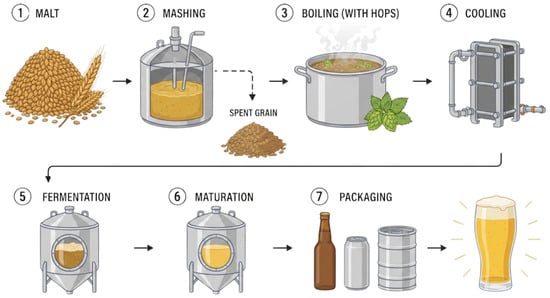
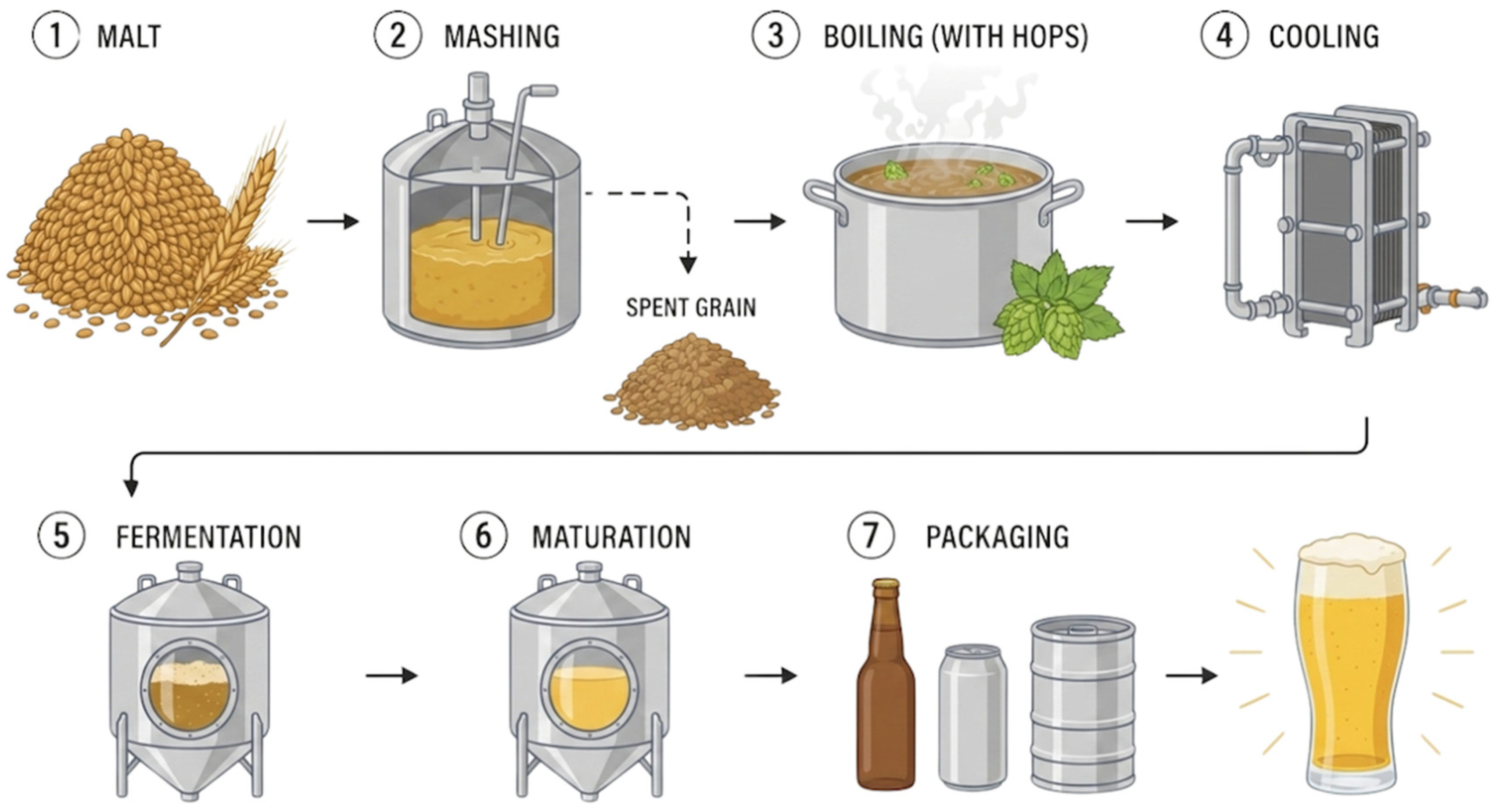
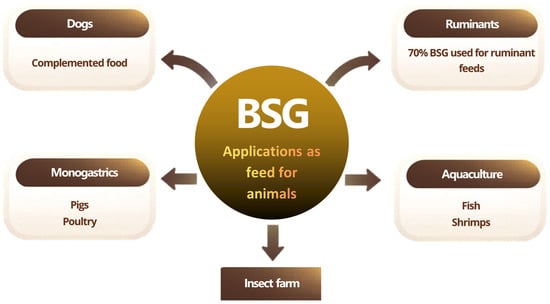
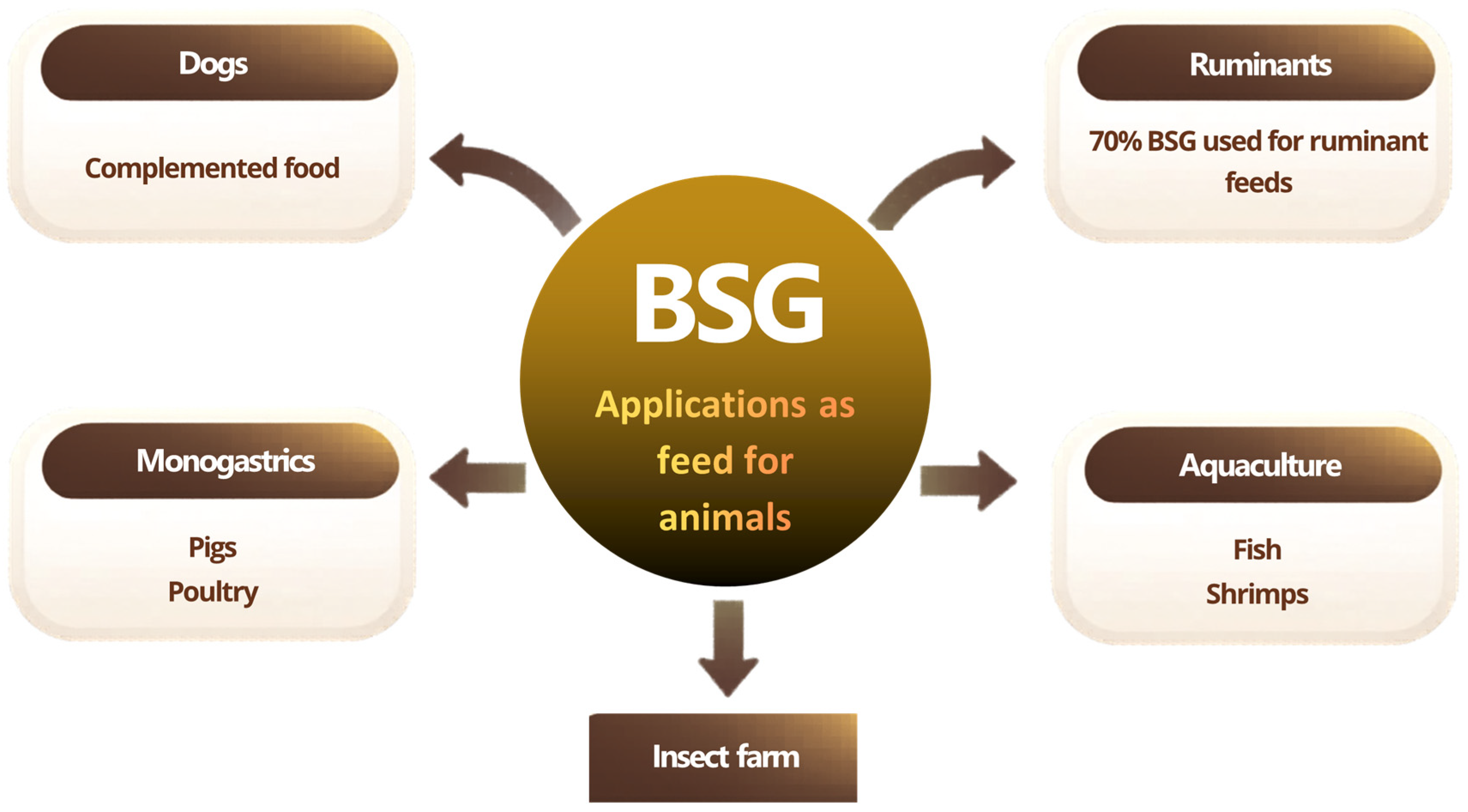
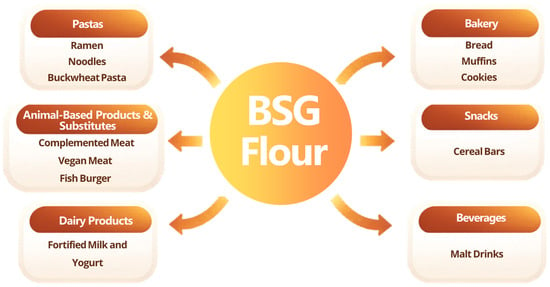
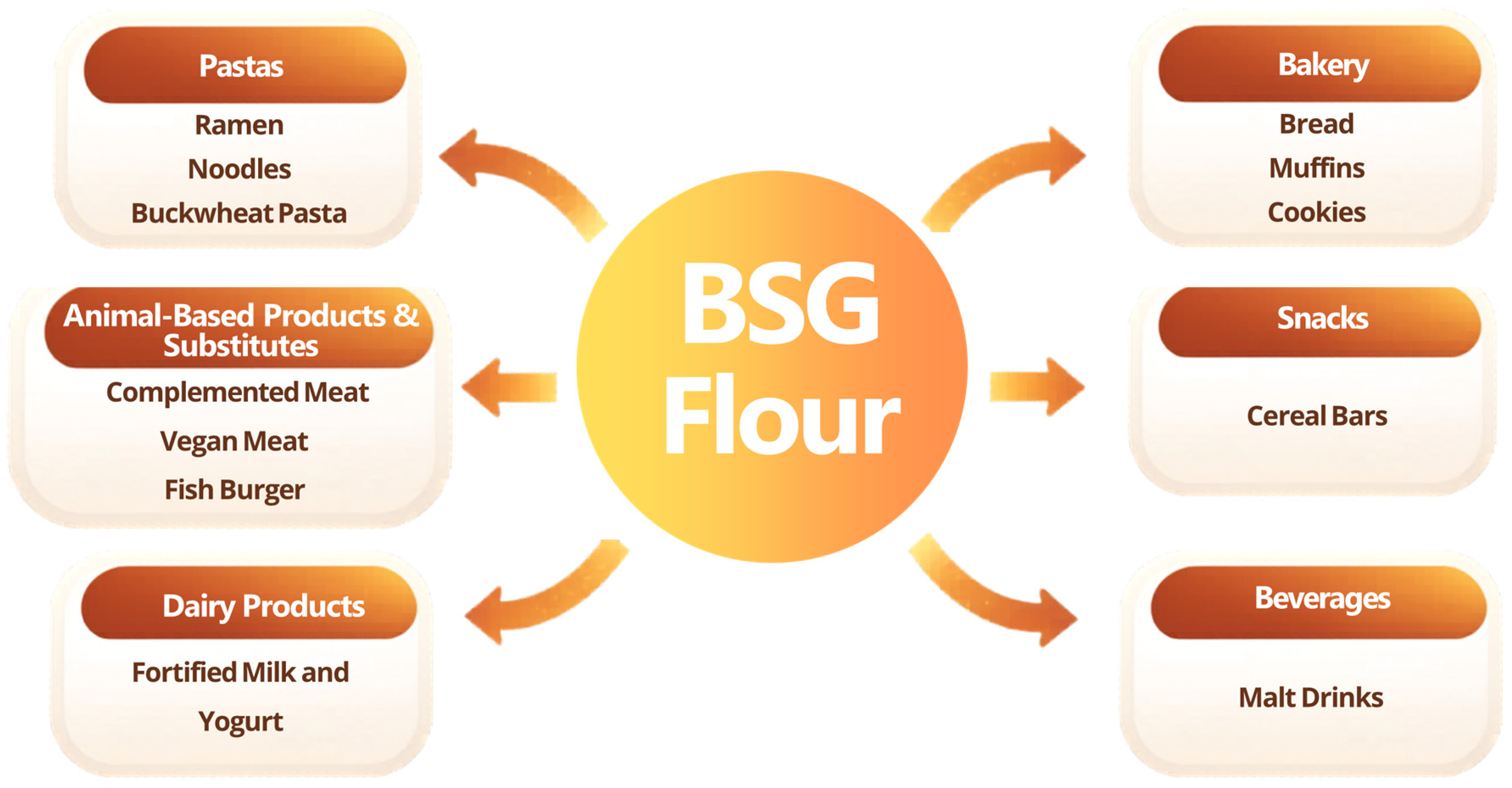
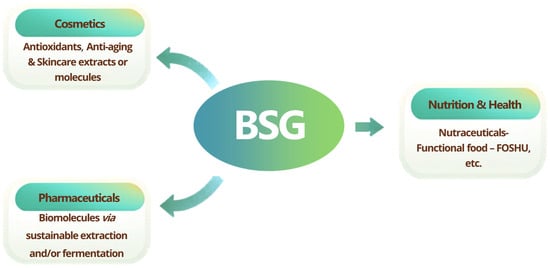
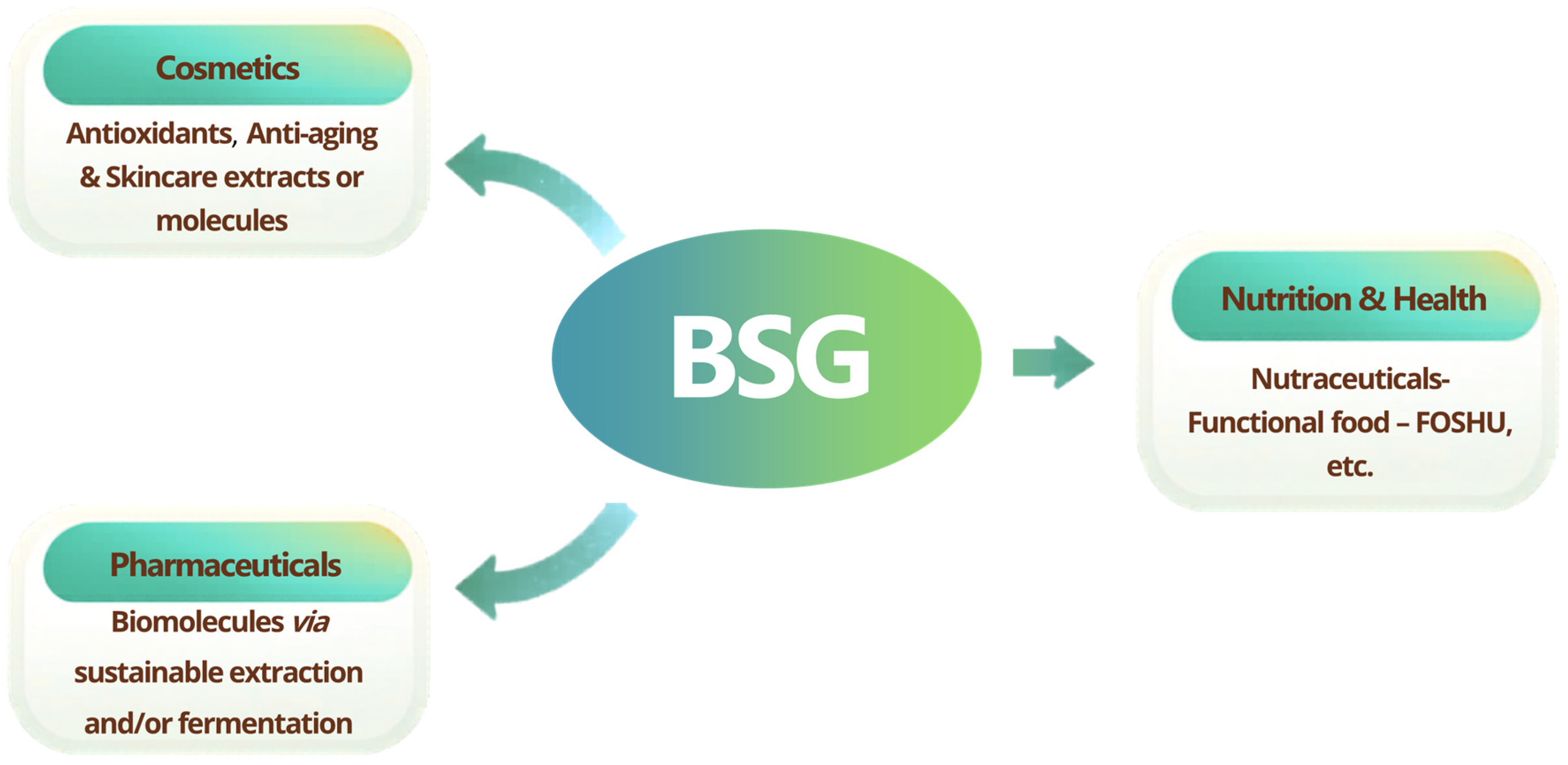
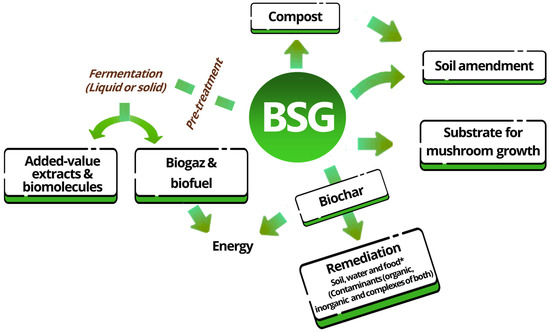
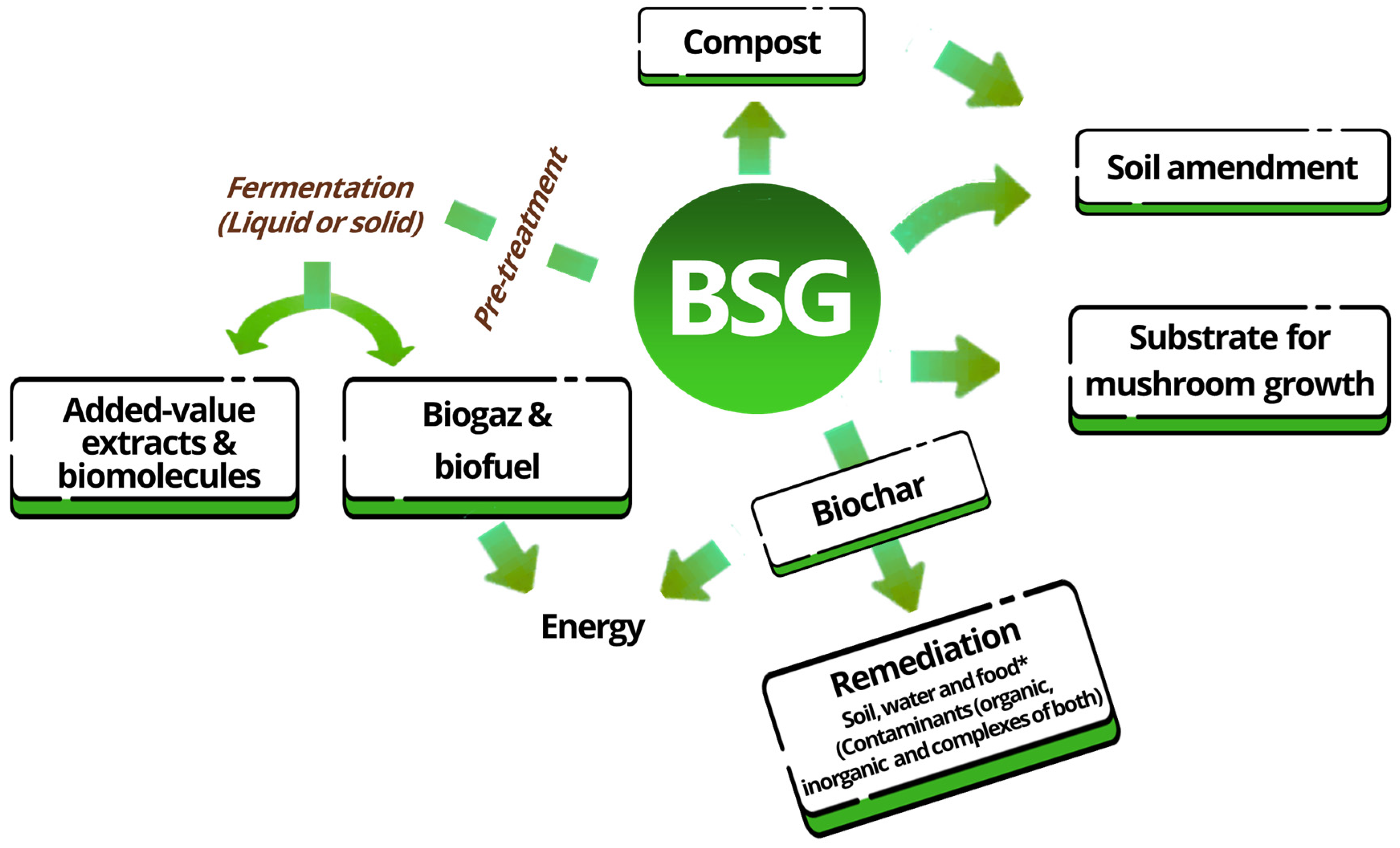
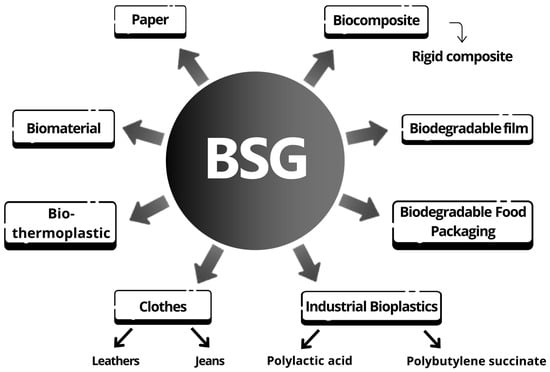
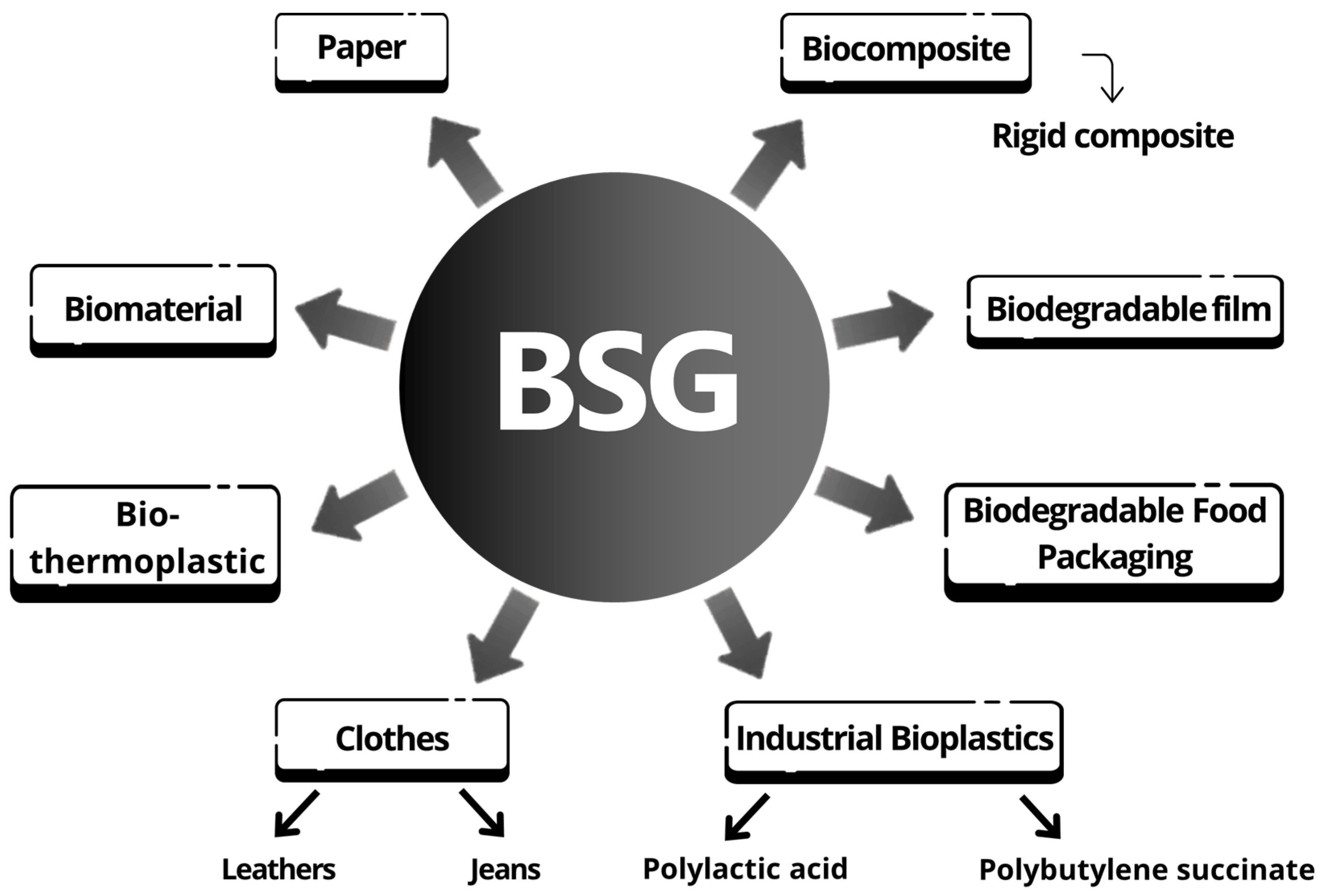
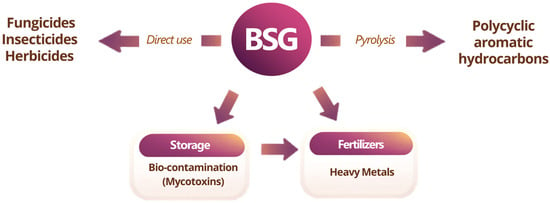
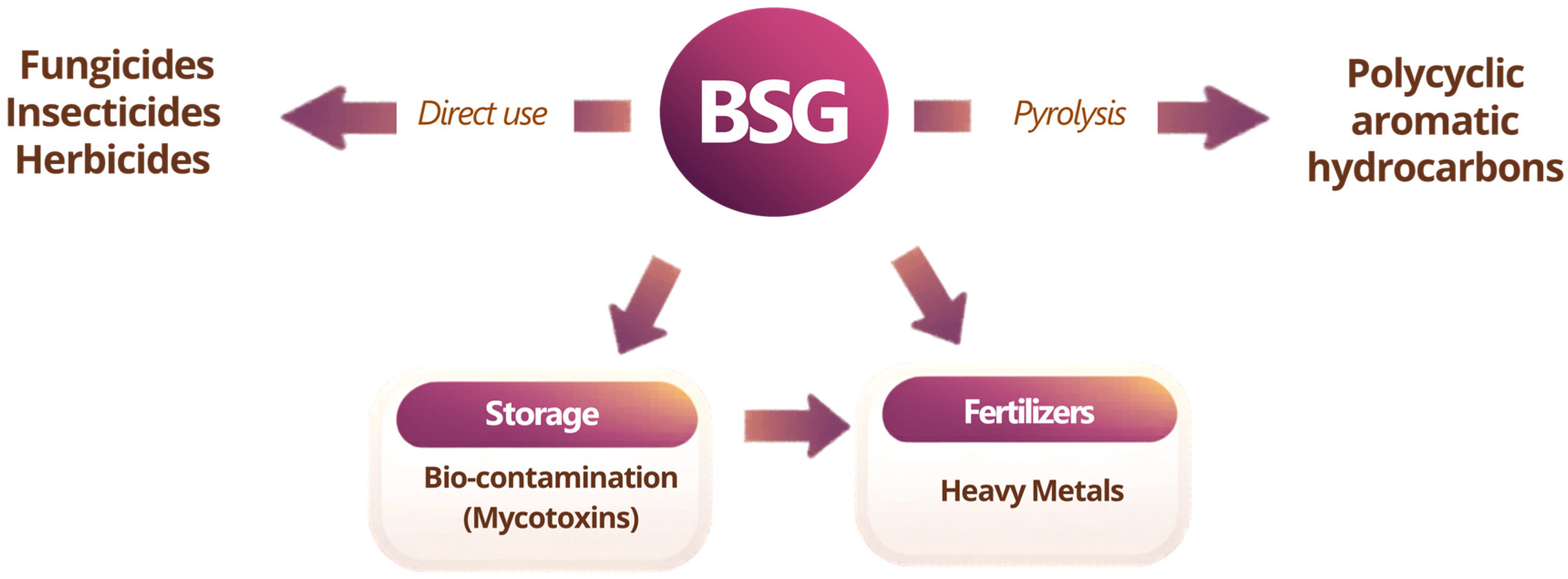
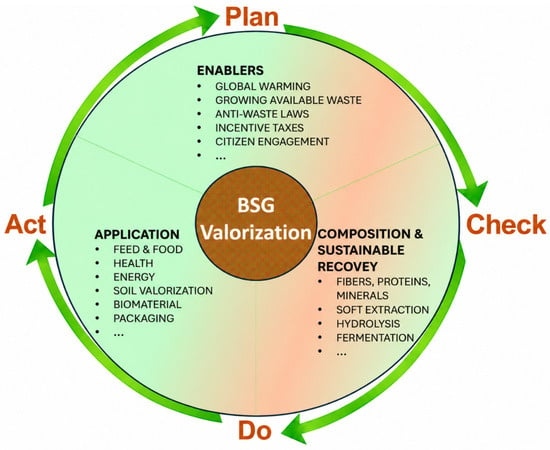
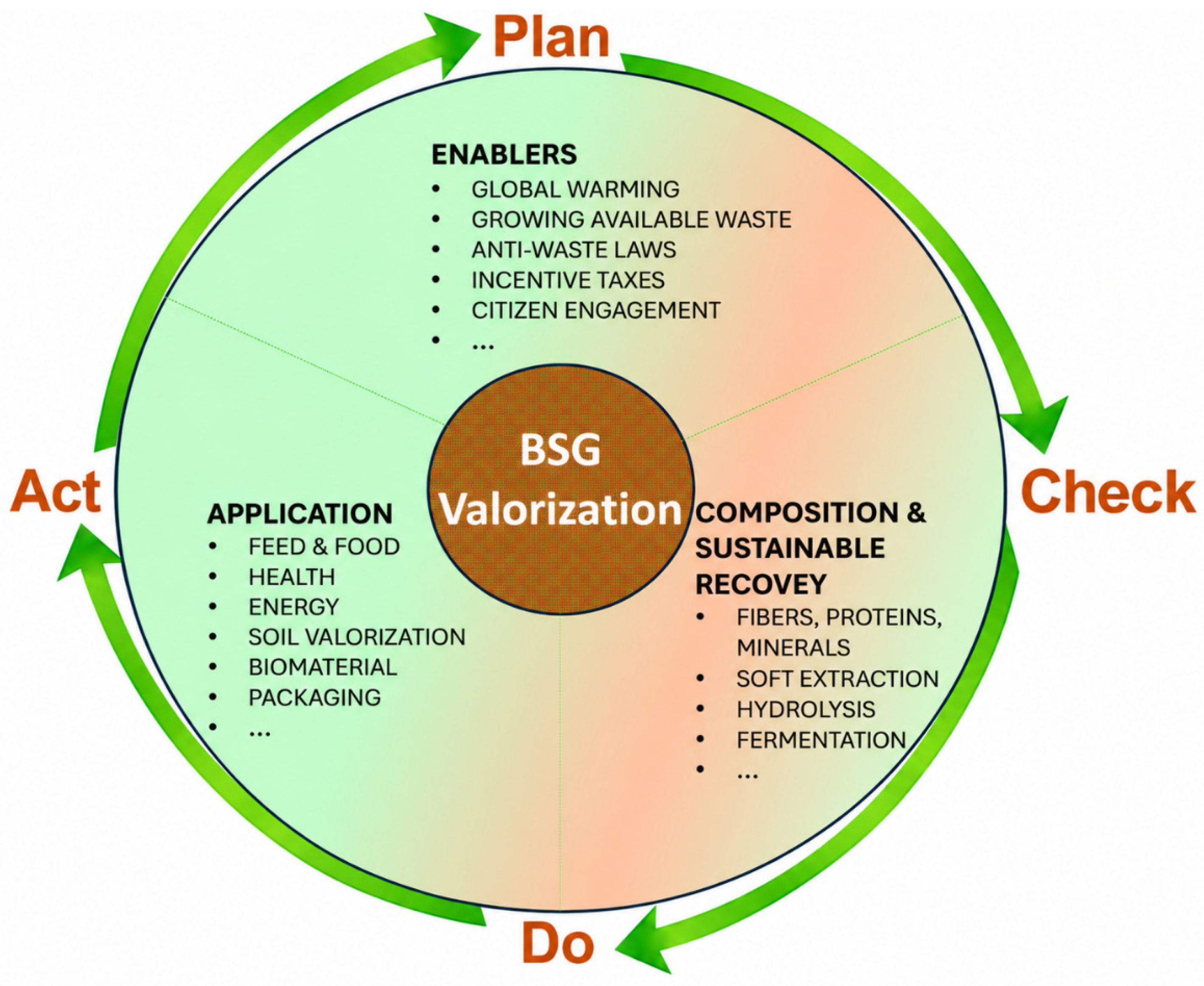

Disclaimer/Publisher’s Note: The statements, opinions and data contained in all publications are solely those of the individual author(s) and contributor(s) and not of MDPI and/or the editor(s). MDPI and/or the editor(s) disclaim responsibility for any injury to people or property resulting from any ideas, methods, instructions or products referred to in the content. |
© 2026 by the authors. Licensee MDPI, Basel, Switzerland. This article is an open access article distributed under the terms and conditions of the Creative Commons Attribution (CC BY) license.