


Abstract
Overnight rail is attracting renewed interest across Europe as a sustainable alternative to short- and medium-haul aviation, yet empirical evidence on passengers’ requirements for vehicle design remains scarce. This study addresses them using one of the largest recent surveys of European overnight rail passengers. A cross-sectional online survey ran from August 2024 to March 2025 on night trains in Austria, Germany and Switzerland. Of 1856 completed questionnaires, 1274 from current or recent night train passengers were analysed using descriptive statistics, χ2 and Fisher’s exact tests with Bonferroni correction, a permutation χ2-test and an ordinal logistic regression of sleep quality. Environmental considerations were the most frequent motivation (82.02%), followed by avoiding daytime travel (63.43%) and stress-free travelling (56.26%). Passengers used the journey for everyday activities, notably eating and drinking (77.16%) and resting (74.57%), and 85.81% of luggage was stored inside the compartment. Sleep was rated good or very good by 35.13% and poor or very poor by 19.08%; seated accommodation scored significantly lower than sleepers (OR = 0.34, 95% CI [0.13–0.89], p = 0.004). Passengers evaluate overnight rail not as mere transport but as a temporary living environment; future vehicles should therefore be designed around passengers’ functional needs throughout the journey rather than individual components.
1. Introduction
Overnight rail services are currently experiencing renewed interest across Europe. Growing awareness of climate change, ambitious decarbonization policies, increasing pressure to reduce short-haul air travel, and renewed investments in international rail connections have contributed to a resurgence of night trains as a sustainable mode of long-distance transport [1]. Several European railway operators have expanded their overnight services in recent years, while new market entrants have demonstrated that overnight rail is once again becoming an attractive component of the European mobility system [2]. Although overnight rail continues to represent a comparatively small share of the European passenger rail market, its recent growth, expanding international networks and increasing political support underline its renewed strategic relevance for sustainable long-distance mobility. Recent studies further suggest that the long-term success of overnight rail depends not only on environmental benefits but also on passengers’ perceptions of comfort, convenience and service quality, highlighting the importance of passenger-centered vehicle design [3,4,5].
Unlike conventional daytime rail services, overnight trains combine transportation with temporary accommodation. Passengers spend several hours sleeping, storing personal belongings, using sanitary facilities, changing clothes, interacting with staff and fellow passengers, and performing everyday activities within a confined interior environment. Consequently, the vehicle functions not only as a means of transport but also as a temporary living environment in which comfort, privacy, functionality, perceived safety and usability substantially influence the overall travel experience [6]. While the present study focuses on European overnight rail services, international examples demonstrate that these living environments can be realized through specific design concepts. Overnight trains in countries such as China, for example, employ alternative accommodation layouts, including longitudinal berth arrangements, illustrating that interior configurations reflect operational, cultural and market priorities rather than technical necessities alone [7,8]. As new generations of overnight rolling stock are currently being developed across Europe, understanding passengers’ requirements has become increasingly important for evidence-based vehicle design.
Previous research has identified numerous factors affecting the attractiveness of public transport and rail travel. Mode choice is influenced by objective characteristics such as travel time, price and accessibility, as well as subjective factors including comfort, habits, previous experiences and environmental attitudes [9,10,11,12]. Likewise, service quality research has demonstrated that perceived service quality strongly influences passenger satisfaction, loyalty and future travel intentions [13,14,15,16,17]. More recent research increasingly views rail travel as a holistic passenger experience in which comfort, information provision, usability and passengers’ overall experience jointly shape passenger satisfaction [18,19]. However, these concepts have been developed primarily for transport services in general rather than for the specific conditions of overnight rail.
Recent studies have examined the potential of night trains as an alternative to short- and medium-haul air travel and their contribution to sustainable mobility [1,2,4,20]. Nevertheless, research has largely concentrated on operational performance, market potential, transport policy and mode choice, whereas comparatively little attention has been devoted to understanding how passengers experience the onboard environment during overnight journeys. There is a substantial knowledge gap on how onboard activities, luggage management, operational services, privacy and the sleeping environment collectively shape passenger experience and translate into requirements for future vehicle design. This is especially relevant because rolling stock remains in service for several decades, making an early understanding of passenger requirements essential for long-term vehicle development.
To address this gap, the present study investigates passenger requirements for future night train design using one of the largest recent surveys of overnight rail passengers in Europe. The analyses are based on questionnaire responses from passengers travelling on an overnight train at the time of the survey or who had completed an overnight rail journey within the previous twelve months. The questionnaire was primarily distributed on national and international night trains operated by the Austrian Federal Railways (ÖBB) within, from and to Austria and between Switzerland and Germany, thereby reflecting passenger experiences under real operating conditions.
Rather than proposing a new theoretical model, this paper provides empirical evidence for future rolling stock development. First, it presents one of the largest recent datasets on overnight rail passenger experience currently available in Europe. Second, it identifies how passengers’ activities, sleep experiences and service expectations translate into requirements for future overnight rail vehicle design. Third, it derives evidence-based design implications that support railway operators, rolling stock manufacturers and transport planners in developing passenger-oriented overnight rail services.
2. Background and Literature Review
2.1. Overnight Rail as a Sustainable Mode of Transport
The transport sector remains one of the largest contributors to global greenhouse gas emissions, making the transition toward more sustainable mobility systems a central objective of international climate policy [21]. Alongside technological developments and alternative propulsion systems, a modal shift from carbon-intensive transport modes toward rail is widely regarded as an essential strategy for achieving climate targets [22]. Within this context, overnight rail services have received increasing attention because they combine comparatively low greenhouse gas emissions with the potential to replace short- and medium-haul flights while simultaneously providing overnight accommodation [1].
Following decades of declining investment and the discontinuation of numerous international services, overnight rail is currently experiencing a remarkable renaissance across Europe. Several railway operators have expanded their international night train networks, invested in new rolling stock and introduced additional cross-border connections in response to growing passenger demand and political support for sustainable long-distance mobility [1,2]. Together, these developments underline the growing importance of overnight rail within future European transport systems.
However, recent research also demonstrates that the environmental advantages of overnight rail alone are insufficient to ensure widespread use. While sustainability may motivate travelers to consider rail as an alternative to aviation, actual travel decisions remain strongly influenced by practical aspects such as travel time, price, comfort, convenience and the expected travel experience [4,5,20]. Consequently, improving the attractiveness of overnight rail requires not only investments in infrastructure and rolling stock but also a better understanding of passengers’ expectations regarding the onboard environment.
As new generations of overnight rolling stock are currently being developed across Europe, evidence-based knowledge of passenger requirements has become increasingly important. Vehicle concepts introduced today will remain in service for several decades, making early design decisions particularly influential for the long-term attractiveness of overnight rail. Understanding passengers’ requirements is therefore essential for passenger-centered vehicle development.
2.2. Passenger Experience and Service Quality
Service quality has long been recognized as one of the principal determinants of passenger satisfaction and the attractiveness of public transport. Early research demonstrated that passengers evaluate transport services not only according to objective operational characteristics, such as punctuality or travel time, but also according to their overall perception of service quality [23]. Subsequent studies further established service quality as a multidimensional construct, comprising interrelated dimensions that jointly influence customer satisfaction and future behavioral intentions [13,14]. Perceived service quality in public transport has consistently been shown to affect passenger satisfaction, loyalty and the willingness to use a transport service again [15,16,17].
Previous research has identified a broad range of factors contributing to positive passenger experiences, including reliability, accessibility, cleanliness, information provision, comfort and convenience [12]. Rather than evaluating individual service attributes independently, passengers form an overall judgement based on their experience throughout the journey. Consequently, passenger satisfaction should be understood as the cumulative outcome of multiple service interactions rather than the evaluation of isolated service elements.
More recent work has refined this picture in three respects that are directly relevant to overnight rail. First, systematic reviews of rail-specific service quality confirm the general structure of the quality–satisfaction–loyalty chain but show that the weight of individual attributes differs markedly between rail and other modes and between market segments [24,25]. Second, satisfaction judgements are strongly heterogeneous: analyses of large national passenger surveys demonstrate that aggregated satisfaction scores can be misleading because preferences vary systematically across passenger groups [26,27], and comparable variability has been documented for suburban and regional rail users [28]. Third, hygiene, cleanliness and perceived security have developed from secondary attributes into quality dimensions in their own right, particularly since the COVID-19 pandemic [29,30]. Because sanitary facilities, bed linen and the perceived safety of sleeping among strangers are central to the overnight product, these findings suggest that quality frameworks developed for daytime services cannot be transferred to night trains without adaptation. Institutional analyses of European rail add that a substantial part of the perceived quality deficit in cross-border long-distance travel originates outside the vehicle, in ticketing, information and interoperability [31].
For overnight rail services, however, the concept of service quality extends beyond traditional public transport characteristics. Because passengers spend several consecutive hours onboard, the train temporarily becomes a living environment in which transport, accommodation and everyday routines are combined. Consequently, the quality of the onboard environment becomes an integral component of the transport product rather than merely supporting the journey itself. This broader understanding of passenger experience is consistent with the concept of time well spent [18], which argues that the attractiveness of rail travel depends not only on reducing travel time but also on enabling passengers to use that time in meaningful and personally valuable ways [18].
Within this context, privacy emerges as a key component of passenger experience. Because overnight rail combines transportation with temporary accommodation, passengers perform activities that are normally associated with private environments. Consequently, privacy influences not only perceived safety but also feelings of comfort, autonomy and overall wellbeing throughout the journey.
Recent overnight rail research supports this interpretation. Heufke Kantelaar et al. [3] demonstrated that perceived comfort represents one of the strongest determinants of passengers’ willingness to choose overnight trains for long-distance travel [3]. Their results further showed that compartment occupancy substantially affects comfort evaluations, indicating that passengers assign considerable value to privacy when selecting overnight accommodation. Rather than representing an optional luxury feature, privacy therefore appears to constitute a fundamental design parameter that must be balanced against operational efficiency, passenger capacity and affordability in future overnight rail vehicles.
Taken together, these findings demonstrate that passenger experience in overnight rail extends beyond traditional measures of operational performance and should be understood as a multidimensional construct shaped by both functional and experiential aspects of the journey.
2.3. Travel Time Use and the Mobility Chain
The quality of a journey is not determined solely by the transport service itself but by the entire sequence of travel experiences before, during and after the journey. From this perspective, travel can be understood as a continuous process consisting of interconnected stages rather than isolated events. Passenger satisfaction therefore depends on the successful interaction of multiple elements, including access to the station, boarding, the onboard environment, transfers and arrival at the destination. Disruptions or deficiencies at any point along this chain may negatively influence the overall travel experience, even if the transport service itself performs well [18].
Building upon this perspective, passenger-oriented transport planning should consider the entire travel process rather than focusing exclusively on operational performance indicators. Besides travel time and punctuality, passengers evaluate aspects such as orientation, accessibility, luggage handling, information provision and ease of movement throughout the journey [11,18]. Consequently, transport quality should be understood as the cumulative outcome of multiple service encounters rather than the evaluation of isolated service attributes.
An important component of this broader perspective is the way passengers use their travel time. Unlike private car travel, where the driver must continuously focus on the driving task, rail travel enables passengers to engage in a wide range of productive, recreational and restorative activities. Previous research has shown that travelers use rail journeys for reading, working, eating, using digital devices, social interaction or simply relaxing, and that these activities influence the perceived value of travel time [32]. Rather than representing lost time, rail travel enables activities that contribute positively to both the perceived value of travel time and the overall travel experience.
This perspective is particularly relevant in the context of overnight rail. Because passengers remain onboard for extended time periods, the train temporarily becomes a multifunctional environment supporting a variety of everyday activities that extend far beyond transportation. Throughout the journey, passengers sleep, prepare for sleep, use sanitary facilities, change clothes, store luggage, consume meals, work, read and relax. Consequently, the quality of the onboard environment depends not only on its ability to transport passengers safely and efficiently but also on how effectively it supports these diverse activities.
Supporting these activities requires an integrated approach to vehicle design. Features such as accessible luggage storage, intuitive interior layouts, adequate lighting, tables, power outlets, sanitary facilities and sufficient personal space should not be considered independently, as they collectively determine whether passengers can successfully perform the activities that characterize overnight rail travel. Rather than representing isolated technical components, these features interact to shape passengers’ ability to use the onboard environment according to their individual needs and preferences. This perspective is consistent with recent research emphasizing that the attractiveness of overnight rail depends not only on sustainability or travel time but also on the overall quality of the travel experience [4,33].
Despite the growing importance of travel-time use in transport research, comparatively little empirical evidence is available regarding how passengers actually use their time during overnight rail journeys and which onboard facilities they consider most important for supporting these activities. Existing studies have predominantly focused on conventional daytime rail services, whereas the specific demands arising from overnight travel, including sleeping, personal care and privacy, have received comparatively limited attention. Understanding these activity-specific requirements therefore represents an important step towards improving passenger experience in future overnight rail services.
2.4. Travel Behavior and the Theory of Planned Behavior
Understanding why passengers choose one mode of transport over another has long been a central topic in transport research. Travel behavior is influenced by a complex interaction of objective service characteristics, individual preferences and socio-psychological factors. De Witte et al. [11] classify these determinants into socio-demographic, spatial, trip-related and socio-psychological categories, highlighting that transport decisions cannot be explained by operational characteristics alone [11]. Instead, travelers consider multiple aspects simultaneously, including travel time, travel costs, accessibility, comfort, convenience and previous travel experiences.
One of the most widely applied theoretical approaches for explaining travel behavior is the Theory of Planned Behavior (TPB) [9,10]. According to the TPB, behavioral intentions are determined by three interrelated components: Attitudes towards the behavior, subjective norms and perceived behavioral control [34]. Together, these factors shape behavioral intentions and ultimately influence actual travel decisions. The TPB has been applied extensively to explain travel mode choice and the adoption of sustainable transport alternatives, demonstrating that favorable environmental attitudes alone do not necessarily translate into actual travel behavior [35].
In the context of overnight rail, however, these behavioral determinants extend beyond conventional transport attributes. Passengers choose not only a mode of transport but also a temporary living environment in which they spend several consecutive hours. Consequently, perceived behavioral control is likely to depend not only on practical aspects such as travel time, ticket price or accessibility, but also on passengers’ confidence that the onboard environment will provide adequate comfort, privacy, security and opportunities to use travel time according to their individual needs. Likewise, attitudes towards overnight rail are expected to reflect not only environmental considerations but also expectations regarding the overall quality of the travel experience.
Recent research on overnight rail supports this interpretation. Buh and Peer [5] show, within a Theory of Planned Behavior framework, that although environmental concern significantly predicts the intention to use night trains, it explains only part of the variance in actual behavioral beliefs, which are additionally shaped by practical considerations such as comfort and the sharing of compartments with strangers. Similarly, Gerosa and Cellina [33] find that travel cost reduction is the factor most consistently differentiating travelers who switch from flights to night trains from those who do not. Together, these findings indicate that practical considerations such as travel costs, comfort, convenience, and privacy exert a stronger influence on the final mode choice than environmental values alone [5,33]. Similarly, Curtale et al. [4] found that the willingness to substitute air travel with overnight trains depends on a combination of environmental awareness and service-related characteristics, including ticket prices, travel time and onboard comfort [4]. These findings indicate that sustainability may encourage travelers to consider overnight rail, but the quality of the expected travel experience ultimately determines whether this intention translates into actual travel behavior.
This perspective is particularly relevant for the development of future overnight rail services. If passengers evaluate overnight trains as temporary living environments rather than merely as transport services, vehicle design becomes an important factor shaping passengers’ expectations of the travel experience and, consequently, their travel behavior. Design decisions affecting comfort, privacy, sleep quality, luggage storage, onboard activities and service quality therefore have the potential to influence not only passengers’ satisfaction during the journey but also their willingness to choose overnight rail over competing transport modes.
Within the context of the present study, the TPB serves as a conceptual framework for understanding travel behavior rather than as a model to be empirically tested. The main weakness of TBP is its focus on rational decision making. Most decisions made in everyday life are not the result of reasoning but are made intuitively. Kahneman [36] distinguishes between System 1 and System 2 decisions: System 1 decisions are fast and intuitive and shaped strongly by emotional perceptions of the situation, while System 2 refers to higher reasoning [36]. Mobility decisions are mostly carried out by System 1, and thus strongly shaped by non-rational perceptions. This highlights the importance to consider travel experience in depth, rather than limiting the attention to rational arguments. Instead of examining causal relationships between psychological constructs, this study investigates which characteristics of the onboard environment contribute to a positive passenger experience and thereby strengthen the attractiveness of overnight rail as a sustainable transport option.
2.5. European Night Train Markets, Operating Models and Policy Framework
2.5.1. Policy Framework and Distance Thresholds
The revival of overnight rail in Europe is embedded in an explicit policy framework. The European Green Deal and the Sustainable and Smart Mobility Strategy set the target of reducing transport-related greenhouse gas emissions by 90% by 2050 and define two milestones that are directly relevant to long-distance rail: high-speed rail traffic is to double by 2030 and triple by 2050, and scheduled collective travel for journeys below 500 km should be carbon neutral by 2030 [37]. The Action Plan to Boost Long-Distance and Cross-Border Passenger Rail complements these targets operationally by identifying fifteen cross-border pilot services, a minimum design speed of 160 km/h for passenger lines of the trans-European core network and rail access for airports handling more than four million passengers per year [38]. Overnight services are explicitly among the pilot services, which positions night trains as an instrument of European transport policy rather than a nostalgic niche product.
The distance range in which rail can realistically substitute air travel is, however, more differentiated than the 500 km threshold suggests. An analysis of 1356 European city pairs below 500 km found that only 3% of these relations are served at average journey speeds above 150 km/h, while 30% remain below 60 km/h; a consistent time advantage of rail over air in this band would require average speeds of approximately 175 km/h, which would reduce air passenger numbers on the relations considered by 21.1% [39]. At the same time, short flights contribute disproportionately little to aviation emissions: flights below 500 km accounted for 24.1% of all European flights in 2019 but only 3.8% of aviation carbon dioxide emissions, and shifting all flights below 1000 km would reduce aviation emissions by only 2–4% [40]. Consistent with this, high-speed rail is generally regarded as time-competitive up to roughly 800 km [2,4], whereas rail serves only about 2% of European travel demand beyond 1000 km [4]. It is precisely this segment beyond the reach of daytime high-speed services that overnight trains address, and industry and advocacy assessments accordingly place their competitive range at approximately 1200–1500 km [41]. A Europe-wide assessment of substitutable flights shows, however, that the binding constraint on modal shift in this segment is the additional rail capacity required rather than the level of demand [42].
Understanding the potential of overnight rail also requires understanding why travelers choose air transport in the first place. Stated-preference research on air travel identifies fare level, total travel time and service frequency as the dominant choice determinants, with pronounced heterogeneity between traveler segments [43], and empirical fare comparisons show that low-cost carriers continue to set the price level that rail has to match or justify through quality [44]. Frequent-flyer programs and integrated networks additionally create loyalty effects that bind precisely the frequently travelling, comparatively price-inelastic segments that would be attractive for overnight services. On the demand side, however, the intention to reduce air travel is increasingly driven by environmental concern and perceived social disapproval [45], as well as by the perceived availability of alternatives, which has been identified as the single strongest predictor of the intention to avoid flying [46]. This motivational structure corresponds to the pattern observed in the present study. Quantitative substitution analyses show that the substitutable share depends strongly on the feeder function of flights and on the distance band considered [47,48,49], and that the presence of an overnight rail connection is itself associated with a modal shift of between 10% and more than 30% [48]. Long-haul aviation, by contrast, accounts for a disproportionate share of emissions and is not substitutable by rail [50], which confirms that the relevant target market for overnight services lies in the band of approximately 800–1500 km. What attracts passengers to aviation—speed, price and frequency—can therefore only be partially matched by overnight rail; its competitive advantage has to be built on the quality of the onboard night, which is the subject of this study.
Regulatory interventions on the aviation side have so far had limited reach. The French provision restricting domestic flights where a rail alternative of less than two hours thirty minutes exists, assessed and conditionally approved by the European Commission, in practice affects only three routes from Paris-Orly [51]. Model-based analyses similarly find that a short-haul flight ban within the range of rail would affect only around 2% of Swedish air travel demand [2] and that bans can generate welfare losses with modest emission gains unless a sufficient rail supply is in place [52]. Because overnight services largely use existing infrastructure, they avoid the construction-related emissions that can offset the benefits of new high-speed lines for decades [53]. This strengthens the case for improving the quality of the overnight product—the focus of the present study—rather than relying on demand restrictions.
2.5.2. Night Train Experience Beyond Austria, Germany and Switzerland
Although the Austrian, German and Swiss markets dominate the recent European debate, substantial overnight rail experience exists elsewhere and provides useful contrasts. Finland is the reference case for a country without a high-speed network: the overnight services from Helsinki to Oulu, Rovaniemi and Kolari demonstrate that conventional rail can achieve considerable emission savings relative to domestic aviation even without high-speed infrastructure [54], which decouples the substitution argument from the availability of high-speed lines. In Sweden, stated-preference research shows that comfort level rather than journey time governs the willingness to use night trains, and scenario analyses attribute market shares of up to 25% on medium-distance and above 50% on selected long-distance relations to overnight services [2,4]. Poland represents a market in which long-distance night trains were operated continuously as a regular product rather than being withdrawn and reintroduced [55], and Polish passenger surveys document a pronounced willingness to accept longer journey times in exchange for lower fares [56]. Comparable passenger-side evidence from the Czech Republic [57] and Slovakia [58] identifies comfort, cleanliness, punctuality, perceived security and luggage handling as the decisive perceived attributes—the same dimensions examined in the present study. In Norway, by contrast, no peer-reviewed passenger research on overnight services is available; the public debate is dominated by the ageing sleeping-car fleet and by unmet demand for berths. This uneven evidence base is one reason why comparative, passenger-centered requirements research on overnight rail remains scarce.
2.5.3. Commercially Operated and Publicly Contracted Services
European overnight services are provided under two fundamentally different economic regimes, a distinction that is rarely made explicit in passenger research but that shapes what vehicle and service quality can be offered. Commercial open-access services operate at the undertaking’s own commercial risk under the market-access provisions of the recast Single European Railway Area Directive [59]; the Nightjet network and the cooperatively financed European Sleeper are the most prominent examples. Publicly contracted services, by contrast, are procured as public service obligations under Regulation (EC) No 1370/2007 [60], with the contracting authority bearing the revenue risk and specifying quality criteria. The Finnish overnight services to Lapland are provided under a nine-year public service contract worth up to EUR 313.83 million for the period 2022–2030, which explicitly covers regular night train services and enables investment in new overnight rolling stock [61]. The Swedish overnight connection from Stockholm to Hamburg and Berlin illustrates the reverse transition: originally procured by the state [62], it was not extended beyond the contract period and has since been continued commercially. Reviews of European market organization and of the ongoing third phase of long-distance liberalization show that the coexistence of both regimes, rather than the dominance of either, characterizes the current market [63,64].
The choice of regime is closely linked to the question raised in the public debate of whether the overnight train is a luxury or a necessity [65]. Historically, sleeping-car services formed the backbone of long-distance travel; today they are frequently perceived as a premium product. The answer suggested by the market structure and by the cost analyses available is that it is neither exclusively: overnight services can be operated commercially where demand density, fare levels and vehicle productivity permit, whereas thinly demanded but territorially essential relations require public contracting [66,67]. For vehicle design this distinction is consequential. Commercially operated services depend on a differentiated range of comfort classes that generates the yield needed to cover costs, whereas publicly contracted services are specified against accessibility and basic quality criteria. Passenger requirements therefore have to be understood as differentiated by comfort class and travel purpose rather than as a single average expectation—an argument that motivates the segment-specific analysis undertaken in this study.
2.6. Research Gap
The study was carried out by an interdisciplinary research consortium combining expertise in railway engineering and vehicle design, transport planning, human behaviour and evolutionary psychology, and sleep research. This combination of perspectives is a deliberate feature of the research design: passenger requirements for overnight trains cannot be derived from vehicle engineering alone, because they arise at the intersection of technical constraints, behavioural routines and physiological needs during sleep. The questionnaire, the analytical strategy and the interpretation of the results therefore integrate all of these disciplinary perspectives.
The remainder of this paper is structured as follows. Section 2 reviews the literature on overnight rail as a sustainable mode of transport, on passenger experience and service quality, on travel time use and the mobility chain, and on travel behaviour, and it summarizes the European night-train market, its operating models and the relevant policy framework before identifying the research gap. Section 3 describes the study design, the survey and data collection procedure, the questionnaire and the statistical methods applied. Section 4 presents the results on the study population, travel characteristics, mode choice motivations, luggage management, onboard activities and required facilities, sleep experience and privacy. Section 5 discusses these findings in relation to previous research, derives practical design implications, outlines the implications for the different stakeholder groups and states the limitations of the study. Section 6 summarizes the main conclusions.
Although previous research has substantially advanced the understanding of sustainable mobility, transport mode choice, and passenger satisfaction, several important knowledge gaps remain regarding overnight rail services. Existing studies have predominantly focused on the environmental benefits of night trains, their market potential, willingness to pay, and the determinants of travel mode choice [1,3,4,33]. While these studies provide valuable insights into why passengers choose overnight rail and how they value specific service attributes, considerably less attention has been devoted to understanding how passengers experience the onboard environment during actual overnight journeys and how these experiences translate into passenger requirements for future vehicle design.
Similarly, the extensive body of literature on public transport service quality has identified reliability, accessibility, comfort and information provision as key determinants of passenger satisfaction [12,14,15,16,17,23]. More recent studies have begun to investigate specific aspects of passenger experience in rail travel, including practical challenges such as luggage management [68]. However, these aspects have largely been examined separately, neglecting potential interactive effects. A comprehensive understanding of how passengers experience the onboard environment during overnight rail journeys remains limited. In particular, little is known about how activities such as sleeping, personal care, leisure activities, the management of personal belongings and service interactions collectively shape the overall passenger experience.
Furthermore, previous studies have generally investigated individual aspects of the overnight travel experience separately. Research has addressed topics such as travel behavior, willingness to pay, accommodation preferences and environmental attitudes, whereas comparatively little empirical evidence is available regarding how these dimensions interact under real operating conditions to shape the overall passenger experience. The relationships between travel motivations, onboard activities, privacy, luggage management, service quality and sleep experience therefore remain insufficiently understood.
Addressing these questions is particularly relevant in light of the ongoing renewal of overnight rail fleets across Europe. As vehicle concepts introduced today will remain in operation for several decades, design decisions should be informed not only by technical and operational requirements but also by a comprehensive understanding of how passengers experience the onboard environment, perform everyday activities during the journey and evaluate the factors that shape comfort, privacy, sleep quality and overall travel experience. Developing such an evidence base is essential for supporting passenger-centered vehicle design and ensuring that future overnight rail services remain attractive and competitive within a sustainable European transport system.
The present study addresses this gap by analyzing one of the largest recent datasets on overnight rail passenger experience in Europe. Based on questionnaire data collected from passengers currently traveling on overnight trains and persons who had traveled by overnight rail within the previous 12 months, the study investigates passenger characteristics, travel motivations, onboard activities, luggage management, service quality and sleep experience under real operating conditions. By linking these aspects within a single empirical investigation, the study provides an empirical basis for evidence-based recommendations to support the passenger-centered development of future overnight rail vehicles.
3. Materials and Methods
3.1. Study Design
This study employed a quantitative cross-sectional survey design to investigate passenger experiences and requirements regarding future overnight rail services. The survey was designed to obtain a comprehensive overview of passenger characteristics, travel behavior, onboard experiences and design requirements under real operating conditions. Prior to data collection, the questionnaire was iteratively reviewed and pre-tested in several rounds within the interdisciplinary project consortium. The resulting feedback informed revisions to question wording, response formats and questionnaire structure to ensure content validity, comprehensibility and feasibility under real operating conditions. Rather than testing predefined causal relationships, the study aimed to identify passenger priorities relevant to the development of future overnight rail vehicles.
The questionnaire was developed to provide a comprehensive empirical basis for analyzing passenger experiences and identifying evidence-based recommendations for future vehicle design.
Figure 1 summarizes the individual steps of the research process, from the conceptual framing of the study by the interdisciplinary consortium through questionnaire development, data collection and sample definition to the statistical analyses and the derivation of design-relevant findings. The flow chart also documents the reduction from the 1856 fully completed questionnaires to the analytical sample of 1274 respondents that is used throughout Section 4.
Figure 1.
Flow chart of the methodological steps of the study, from conceptual framing to design-relevant findings.
3.2. Survey Design and Data Collection
Data were collected between August 2024 and March 2025 via SoSciSurvey. Participation was voluntary and anonymous.
The survey instrument comprised six thematic components. A screening component established the recency of the respondent’s most recent overnight rail journey and determined the subsequent questionnaire path. A socio-demographic component recorded age, gender, country of residence, household composition and travel purpose. A travel-behaviour component covered trip frequency, accommodation class booked, group composition, access and egress modes and the motivations for choosing overnight rail. An onboard-experience component recorded the activities performed during the journey, the facilities used and evaluated, and the handling of luggage. A sleep component recorded the rating of sleep quality on the most recent journey, the factors that had supported or disturbed sleep, and the factors expected to improve sleep in future services. A final component collected overall satisfaction ratings and open-ended suggestions for improvement. The detailed wording of all items is provided in Supplementary Materials.
To reach both current and potential overnight rail passengers, the researchers conducted recruitment through several complementary channels. Printed flyers containing a QR code linking directly to the questionnaire were distributed to passengers on national and international night trains operated by the Austrian Federal Railways (ÖBB) within, from and to Austria and between Switzerland and Germany. Additionally on daytime services, questionnaires were promoted to passengers on trains operated by ÖBB and WESTbahn along the Vienna–Salzburg corridor. On overnight services, flyers were distributed with the support of Newrest, the company responsible for onboard service on ÖBB Nightjet trains. Additional participants were recruited through railway-related online communities and social media platforms.
As the survey was distributed mainly on ÖBB trains, the sample primarily reflects passengers travelling on trains operated by ÖBB, as well as on international night train routes that are connected to the Austrian rail network or operate between Switzerland and Germany. Consequently, the results should primarily be interpreted within this operational context, although many identified passenger requirements are likely to be transferable to other European overnight rail services.
At the beginning of the questionnaire, respondents indicated whether they were currently traveling on an overnight train, had traveled within the previous 12 months, whether their last night train trip had taken place more than a year ago or whether they had never used an overnight train. This initial question determined the subsequent questionnaire path and ensured that respondents answered only questions relevant to their personal travel experience.
In total, 1856 fully completed questionnaires were available for analysis. Of these, 823 respondents completed the questionnaire while travelling on an overnight train, 451 had travelled within the previous 12 months, 360 reported an overnight rail journey more than one year before participation and 222 had never travelled by overnight train.
For the primary analyses presented in this paper, only respondents who were either travelling on an overnight train at the time of participation or who had completed an overnight rail journey within the previous twelve months were included. Respondents whose most recent journey had taken place more than one year previously were excluded from the primary analyses to ensure that the reported experiences reflected contemporary overnight rail services and relatively recent first-hand experiences. These respondents were retained for a separate exploratory comparison examining the persistence of passenger perceptions over time. Likewise, respondents without previous overnight rail experience were excluded because the aim of this study was to derive design recommendations from recent first-hand passenger experiences rather than to investigate the potential market for future users.
The final analytical sample therefore comprised 1274 respondents. In addition, descriptive comparisons between respondents currently travelling and those recalling journeys undertaken within the previous 12 months were conducted to explore whether particular aspects of the passenger experience remained salient beyond the immediate travel situation, while others were more readily forgotten.
No a priori quota sample was drawn, because the size and composition of the population of European overnight rail passengers is not officially documented and could therefore not serve as a sampling frame. The target sample size was instead derived from the conventional precision requirement for proportion estimates in large populations. Applying the standard formula for an effectively infinite population at a 95% confidence level with the most conservative assumption of maximum variance (p = 0.5) yields a required sample of 385 respondents for a margin of error of ±5 percentage points and 1067 respondents for ±3 percentage points [69,70]. With 1274 valid cases, the analytical sample exceeds the more demanding of these thresholds, and the maximum margin of error for a proportion estimated on the full sample is approximately ±2.7 percentage points. For the subgroup comparisons reported in Section 4, the smallest groups analyzed comprise around 100 respondents, which still permits the detection of medium-sized differences. Because participation was based on self-selection, these figures describe the statistical precision of the estimates and not their freedom from selection bias; the resulting limitations are discussed in Section 5.6 [71].
Participation was voluntary and anonymous, could be discontinued at any time, and was accessed via a QR code distributed at stations and on board, without any interviewer contact or identity verification. Respondents were informed about the purpose of the study, the data processing procedure and the responsible institution in the introductory briefing on the landing page of the questionnaire, where participation was explicitly restricted to persons aged 14 years or older—the minimum age for survey participation permitted under Austrian law and covered by the ethics approval obtained for this study—and confirmed their informed consent before the first question was displayed. Because the questionnaire was fully anonymous and self-administered, compliance with this age restriction could not be verified, and a small number of respondents subsequently reported an age below 18 years (n = 14; minimum reported age: 10 years). To ensure the robustness of the findings across the different national legal contexts represented in the sample, all respondents below the age of 18 were excluded from the analytical sample prior to analysis; the sample size and all descriptive and inferential results reported in Section 4 refer to the resulting sample of n = 1274 respondents.
The responsible institutional ethics committee granted ethical approval for the overall project before data collection commenced.
3.3. Questionnaire
The questionnaire consisted of thematic sections covering socio-demographic characteristics, travel behavior, accommodation choice, travel motivation, luggage, onboard facilities, sleep quality, disruptive factors, passenger satisfaction and desired improvements. Most questions used multiple-choice or Likert-scale response formats, while several open-ended questions enabled respondents to describe individual experiences and suggestions in greater detail.
The questionnaire was developed specifically for this study based on the literature presented in Section 2, previous investigations of passenger satisfaction in rail transport and the objectives of the underlying research project. Before distribution, the questionnaire was internally reviewed and tested to assess clarity, logical flow, comprehensibility, routing and technical functionality.
3.4. Data Analysis
The quantitative data were analyzed using a combination of descriptive and inferential statistical methods. Descriptive statistics, including frequencies, percentages, means and standard deviations, were calculated to summarize respondent characteristics and questionnaire responses. Where appropriate, group comparisons were performed to examine differences between passenger segments, including respondents travelling on overnight trains at the time of the survey and those recalling journeys undertaken within the previous twelve months. Response categories were combined in selected analyses where this improved readability without affecting the interpretation of the findings. Differences in reasons for taking the night train, facility use, and activities undertaken were examined using separate Pearson’s χ2-tests of independence for each response option, as these questions allowed multiple responses. When the expected cell count was less than five in any cell, Fisher’s exact test was used instead. To account for multiple testing, p-values were adjusted using the Bonferroni correction. Overall, the analyses were designed to identify passenger requirements, group-specific differences and design-relevant patterns that may inform the development of future overnight rail vehicles. To check for the correlation between facilities used and activities done, a permutation χ2-test was used, using 10,000 permutations.
In addition to the descriptive analyses, an ordinal logistic regression model was estimated to examine the association between passengers’ sleep-quality ratings and age, gender, accommodation class, purpose of travel and how many nights the participants had spent on a night train in the previous year. Sleep quality was entered as the ordinal dependent variable. Accommodation class, gender, purpose of travel and previous night train experiences were treated as categorical predictors, while age was included as numerical values.
Pairwise odds ratios with 95% confidence intervals were calculated and their significance was tested using Wald z-tests. The proportional-odds assumption was assessed using the Brant test. Statistical significance was defined as p < 0.05.
The number of valid cases (N) reported alongside the individual test statistics in Section 4 varies systematically and for three reasons. First, the screening question at the beginning of the questionnaire routed respondents to different question paths, so that not every item was presented to every respondent; questions on the most recent journey, for example, were shown only to respondents with recent night-train experience. Second, several questions were only displayed conditionally on a previous answer, for instance questions on the sleeping accommodation were restricted to respondents who had booked a couchette, mini cabin or sleeping compartment. Third, item non-response and the exclusion of very small response categories from the test statistics (for example the category “diverse” for gender, which contained too few cases for a valid test) further reduce the number of valid cases for individual comparisons. Consequently, N is reported for every test statistic and refers to the number of respondents with valid answers on both variables entering that particular test, rather than to the analytical sample of 1274 respondents as a whole. Percentages reported in the descriptive analyses always refer to the respondents to whom the respective question was presented.
4. Results
4.1. Study Population
Consistent with the study objective of identifying passenger requirements based on recent travel experiences, the following analyses are restricted to respondents who were either travelling on an overnight train at the time of participation or had completed an overnight rail journey within the previous twelve months. Consequently, the analytical sample comprised 1274 respondents. Focusing on recent travel experiences ensured that the reported evaluations reflected contemporary overnight rail services while allowing comparisons between immediate experiences and journeys recalled after a longer period. This comparison provides insight into which aspects of the passenger experience remain salient over time and which impressions appear to diminish as memories become more distant. Restricting the sample in this way reduced the potential influence of recall bias while ensuring that participants evaluated contemporary overnight rail services based on recent first-hand experience.
The respondent population showed a broadly balanced gender distribution, with a slight predominance of male participants (female: n = 521, male: n = 698, diverse: n = 19, not specified: n = 36). Most respondents belonged to the 18–39 age group, whereas older age groups were less frequently represented (age mean = 40.98 years; min:18 years; max = 80 years).
The socio-demographic characteristics are reported to provide context for the subsequent analyses rather than constituting research findings in themselves. The following sections focus on those aspects directly relevant to passenger requirements for future overnight rail services.
4.2. Travel Characteristics
The analyzed sample suggests that overnight rail is used predominantly for leisure-oriented travel rather than for routine mobility. A total of 76.19% of respondents reported travelling for holiday or leisure purposes, making this by far the most common travel purpose. Business travel accounted for 14.90% of journeys, while educational trips (2.56%), commutes (2.44%) and other purposes (3.91%) were reported less frequently. These findings suggest that overnight rail is primarily perceived as an attractive option for discretionary long-distance travel rather than for everyday transport.
Most respondents travelled only occasionally by overnight train within the last year. A total of 18.52% reported using overnight rail less than once per year, while 83.27% travelled at least once a year. Only a relatively small proportion of respondents (14.68%) reported frequent overnight rail use (more than 5 times a year), indicating that the analytical sample was dominated by occasional rather than habitual users. This is particularly relevant because occasional travelers often compare overnight rail directly with competing transport modes such as air travel or private cars when making travel decisions.
Journey duration further reflects the role of overnight rail within long-distance leisure travel. The majority of respondents reported trips lasting up to one week (84.41%). Longer trips were considerably less common. This distribution suggests that overnight trains are used primarily for short-duration leisure travel, city breaks, holidays, and other temporary travel rather than for extended stays or regular commuting.
Travel group composition also varied across respondents. Nearly half of the respondents traveled alone (43.03%), while the others traveled in groups (56.97%). Of those who traveled in a group, most respondents traveled in a group of two (60.30%). Fewer respondents traveled in families or larger groups. These findings underline that future overnight rail vehicles must accommodate diverse travel situations ranging from individual travelers seeking privacy to families and groups requiring flexible accommodation and storage solutions.
Accommodation choices reflected the heterogeneous expectations passengers have regarding overnight travel. Although seated accommodation remained relevant, particularly for price-sensitive travelers, couchettes (35.21%) and sleeping cars (30.61%) represented the most frequently used accommodation categories. The recently introduced Mini Cabin was selected by a smaller proportion of respondents (28.24%), reflecting its comparatively limited availability during the survey period rather than necessarily lower passenger acceptance.
Overall, the travel characteristics demonstrate that overnight rail serves a broad spectrum of passengers with differing travel purposes, group sizes, and accommodation preferences. This diversity emphasizes the need for vehicle concepts that can accommodate different user groups while maintaining a consistently high level of comfort and usability across accommodation categories.
4.3. Mode Choice Motivations
Respondents were asked to indicate the reasons that influenced their decision to travel by overnight train. As multiple responses were permitted, the reported percentages reflect the proportion of respondents selecting each motivation rather than mutually exclusive categories.
Figure 2 summarizes the reported motivations. Environmental considerations were named most frequently (82.02%), followed by the opportunity to save daytime by travelling overnight (63.43%) and the perception of overnight rail as a stress-free way of travelling (56.26%). Comfort- and experience-related aspects were also relevant, whereas economic considerations such as the ticket price were reported least frequently (20.53%).
Figure 2.
Reasons reported for choosing overnight rail (multiple responses permitted; percentages refer to the share of respondents naming the respective motivation).
These findings indicate that passengers rarely base their decision on a single factor. Instead, the choice of overnight rail appears to result from a combination of environmental, practical, and experience-related considerations. While sustainability emerged as the most frequently named motivation, respondents also attached considerable importance to characteristics that directly influence the quality and convenience of the journey itself.
The importance assigned to individual travel motivations differed only slightly across socio-demographic groups (Figure 3a,b). The travel motivations of “Travel Experience” significantly differed per age group according to Fisher’s exact test after Bonferroni correction for multiple tests (Fisher’s exact p < 0.001, N = 693). Also the motivation of “Ecofriendlyness” differed significantly between participants with different levels of previous night train experience (χ2(4) = 19.00, p = 0.01, N = 822). Significantly different were also the motivations “Travelling with Family” (χ2(1) = 20.30, p < 0.001, N = 819) and travel experience (χ2(1) = 11.3, p = 0.01, N = 819) between business travelers and private travelers. All statistically significant differences are summarized in Table 1. The ranking of the most important motivations remained largely consistent between business travelers and private travelers in general, suggesting that the principal reasons for choosing overnight rail are shared across different passenger groups.
Figure 3.
Frequency of motivations to travel by night train: (a) motivations by gender; (b) motivations by age group.
Table 1.
Statistically significant differences in reported travel motivations between passenger groups. Only tests that remained significant after Bonferroni correction are reported.
Overall, the results demonstrate that overnight rail is selected for a combination of environmental, functional, and experiential reasons rather than a single dominant motivation. The relative importance of these different motives provides an important context for interpreting passengers’ evaluations of the onboard environment presented in the following sections.
4.4. Luggage Management
Passengers were asked about their luggage, preferred storage locations and perceived challenges associated with transporting personal belongings during overnight rail journeys. The results indicate that luggage handling represents an important functional requirement of overnight rail travel, particularly because passengers remain on board for extended periods and require continuous access to personal belongings throughout the journey.
Most respondents traveled with one or two pieces of luggage (45.74%/47.16%), while only 7.10% traveled with more. Out of the reported luggage, most pieces were backpacks (46.10%). Suitcases or trolleys were more common than travel bags (33.38%/13.06%). Also, 46.24% of all reported luggage was reported as medium-sized, while smaller pieces were also common (33.89% of all reported luggage). Larger pieces were carried by a smaller proportion of passengers (19.74% of all reported luggage), although they remained relevant, particularly for longer leisure journeys.
When asked about preferred storage locations, respondents consistently favored luggage compartments that were located close to their sleeping or seating area. Out of all reported luggage pieces, 85.81% were stored within the compartment. Storage options allowing passengers to maintain visual contact with their belongings were clearly preferred over centralized luggage racks located elsewhere in the vehicle. Accessibility represented another important requirement. For 54.84% of the luggage accessibility was regarded as very important and for only 16.28% it was not important at all.
Overall, the results demonstrate that the perceived quality of luggage storage depends not only on the availability of sufficient storage space but also on its accessibility and proximity to the passenger’s accommodation. Storage solutions located within the immediate passenger environment were consistently preferred, highlighting the importance of integrating luggage storage into the overall interior layout of future overnight rail vehicles.
4.5. Activities During the Journey and Required Onboard Facilities
4.5.1. Activities During the Journey
Passengers reported using their time on board for a wide range of activities, highlighting that overnight rail serves not only as a mode of transport but also as a temporary living environment in which everyday routines continue throughout the journey. Rather than being dedicated exclusively to sleeping, the time spent onboard was characterized by a combination of personal care, leisure activities, relaxation and social interaction.
Activities associated with basic physiological needs were reported most frequently. A total of 88.30% of respondents indicated using the toilet, followed by eating and drinking (77.16%) and personal hygiene (72.76%). Approximately 74.57% reported spending part of the journey lying down, resting or dozing, while a similarly large proportion stated that they enjoyed watching the passing scenery during the trip (70.64%). A total of 54.16% of respondents reported reading, 45.45% spent time talking or playing games with accompanying travellers, and 29.67% used the journey for digital entertainment such as watching films or playing computer games. Working or studying was reported less frequently but remained relevant for a distinct subgroup of passengers (16.72%) (Table 2).
Table 2.
Activities reported during the overnight journey (multiple responses permitted; N = 1274).
The study observed several differences between passenger groups. Younger respondents reported more frequent use of smartphones and digital entertainment, whereas older passengers more often indicated reading, relaxation and making phone calls as typical travel activities. Working during the journey was most common among respondents of working age (Figure 4a). Gender-related differences were generally small but present (Figure 4b). All group differences that reached statistical significance are summarized in Table 3. Differences by age group and by travel purpose were most pronounced for social and work-related activities, whereas differences associated with survey timing affected a broad range of activities and are interpreted as a recall effect rather than as a behavioural difference (see Section 6). Overall, these results indicate that while the general pattern of activities is broadly comparable across passenger groups, individual priorities vary with demographic characteristics and trip purpose.
Figure 4.
Activities during the stay on board: (a) by age group; (b) by gender.
Table 3.
Statistically significant differences in reported onboard activities between passenger groups.
Overall, the findings demonstrate that passengers rarely devote the entire journey to a single activity. Instead, overnight rail travel is characterized by a continuous transition between personal care, leisure, communication, relaxation and preparation for sleep, creating diverse functional requirements for the onboard environment.
4.5.2. Required Onboard Facilities
To better understand how the onboard environment supports these activities, respondents were asked to list required interior features and facilities. Overall, the results show that passengers primarily name equipment that enables them to carry out everyday activities comfortably and flexibly throughout the journey.
Facilities supporting the use of electronic devices received particularly high usage numbers. A total of 82.26% of respondents used the offered power outlets, closely followed by USB charging facilities (31.71%) and the Wi-Fi connectivity (49.84%). These features were most popular to younger respondents and to passengers who reported working, studying or using digital media during the journey.
Comfort-related features were evaluated highly across all demographic groups. Comfortable seating and sleeping arrangements, sufficient personal space and easily accessible sanitary facilities were consistently regarded as essential components of the onboard environment. Likewise, respondents expressed a clear preference for storage options located within their immediate accommodation area, allowing personal belongings such as mobile phones, glasses, medication and travel documents to remain easily accessible throughout the journey.
Age-related differences were observed for several facilities. Younger respondents generally placed greater importance on digital infrastructure, whereas older passengers more frequently prioritized reading lights, comfortable seating and easily accessible storage compartments. The statistically significant group differences are reported in Table 4. Age effects were confined to sleep masks and workspaces, gender effects to the use of the shower, and differences by travel purpose to the use of workspaces, which business travellers reported significantly more often than private travellers. Differences by survey timing were again more widespread; in all of these cases the facility was reported more frequently by respondents recalling an earlier journey than by respondents travelling at the time of the survey, which is consistent with a recall effect.
Table 4.
Statistically significant differences in the reported use of onboard facilities between passenger groups.
Taken together, the findings demonstrate that passengers do not evaluate onboard facilities as isolated technical features. Instead, their importance depends largely on the extent to which they support the activities passengers perform throughout the journey. Facilities enabling flexible transitions between digital activities, eating, reading, relaxation and personal care were consistently rated more highly than features designed for only a single purpose.
4.5.3. Relationship Between Activities and Onboard Facilities
Comparing reported activities with the evaluation of onboard facilities reveals a close relationship between the way passengers use their travel time and the equipment they consider necessary. A permutation-based χ2 test of independence over the full activity-by-facility contingency table indicated a highly significant association between the two (χ2 = 1976.34, p < 0.001, N = 1274, 10,000 permutations). Because several cells of this table are sparse, the reference distribution was obtained by permutation rather than from the asymptotic χ2 distribution; no degrees of freedom are therefore reported. Activities performed on board generally corresponded to the facilities used.
For example, a large percentage of participants who reported to work on the train used sockets (94.37%), workspaces (67.61%) and WIFI (58.69%). Likewise, passengers who reported to make phone calls often also used USB charging ports (42.20%).
Despite these differences, several facilities were consistently rated highly across almost all respondent groups. Comfortable accommodation, sufficient personal space, accessible luggage storage, sanitary facilities, and reliable electricity supply emerged as universal requirements largely independent of age, gender or travel behavior. This suggests that while certain facilities primarily support specific activities, other features represent fundamental expectations shared by most overnight rail passengers.
Overall, the results indicate that passengers evaluate the onboard environment according to how well it supports the sequence of activities performed throughout the journey rather than according to individual technical features. The ability to move smoothly between eating, working, reading, relaxing, and preparing for sleep therefore appears to be a central characteristic of a positive overnight rail experience.
4.6. Sleep Experience
Sleep represents the defining characteristic of overnight rail travel and distinguishes night trains fundamentally from conventional daytime rail services. Respondents were therefore asked to evaluate both their sleep experience during the journey and the factors influencing sleep quality, as well as the importance of different features for improving the onboard sleeping environment.
4.6.1. Overall Sleep Quality
Overall, respondents evaluated their sleep experience positively, although considerable variation among individual passengers was observed. A total of 35.13 of respondents reported that they slept well or very well during their overnight journey, whereas 45.78% rated their sleep as moderate and 19.08% described their sleep quality as poor or very poor. These findings indicate that overnight rail generally provides an environment in which passengers can sleep, while also highlighting opportunities for improving the sleeping experience.
Reported sleep quality did not differ significantly between respondents travelling at the time of the survey and those recalling a journey undertaken within the previous twelve months (Fisher’s exact test using Monte Carlo approximation, p = 0.32, N = 608). By contrast, significant differences were observed between accommodation types (χ2(6) = 17.54, p = 0.007, N = 716): Respondents travelling in sleeping compartments reported the highest sleep quality, followed by passengers travelling in couchettes, while respondents travelling in seated accommodation reported the lowest ratings. There were no gender-related differences (χ2(4) = 4.56, p = 0.10, N = 695, diverse gender excluded, due to lack of data).
Despite these differences, the majority of respondents indicated that the possibility of sleeping during the journey represented one of the principal advantages of overnight rail travel. However, the variability in sleep quality demonstrates that the sleeping environment does not yet consistently meet passengers’ expectations across all accommodation categories.
4.6.2. Multivariate Associations with Sleep Quality
An ordinal logistic regression was conducted to examine whether sleep-quality ratings were associated with age, gender, accommodation class and survey timing. The overall model was not statistically significant, χ2(11) = 17.31, p = 0.099, and effect size was modest (Nagelkerke pseudo-R2 = 0.03; McFadden’s R2 = 0.01).
After adjustment for the remaining predictors, accommodation class showed the strongest association with reported sleep quality; the full model output is reported in Figure 5. Compared with passengers travelling in couchettes, respondents in sleeping compartments had higher odds of reporting better sleep quality, whereas respondents in seated accommodation had markedly lower odds. Mini cabins did not differ significantly from couchettes. In the pairwise comparisons between comfort classes, seated accommodation was rated significantly lower than every other class, while mini cabins and sleeping compartments did not differ significantly from one another.
Figure 5.
Ordinal logistic regression of reported sleep quality (higher categories denote better sleep). Model: χ2(11) = 17.31, p = 0.099; Nagelkerke pseudo-R2 = 0.03; McFadden R2 = 0.01.
None of the remaining predictors was significantly associated with sleep quality (Figure 5). Neither age nor gender showed an independent association after controlling for accommodation class, and respondents on business or educational trips did not differ from private travellers. The linear trend across levels of previous night-train experience was not significant, and none of the pairwise comparisons reached significance either. The proportional odds assumption was assessed using the Brant test and was considered adequately met overall (omnibus χ2(11) = 11.83, p = 0.38). Gender was included as a covariate but showed no independent association and is therefore not reported separately. The low pseudo-R2 values indicate that the included socio-demographic and accommodation variables explain only a small share of the variance in reported sleep quality; this is discussed in Section 5.6.
4.6.3. Factors Influencing Sleep Quality
Respondents were also asked to identify factors that positively or negatively influenced their sleep during the journey. Overall, a combination of environmental conditions affected sleep quality rather than a single dominant factor.
Noise from outside the compartment represented the most frequently reported disturbance (21.40%), followed by vehicle movements and vibrations (21.20%), uncomfortable beds or seats (20.6%), and uncomfortable temperatures (10.70%). Disturbances caused by other passengers, including conversations, movement within the carriage and door operation, were reported less frequently (10.90%), at a level comparable to that of uncomfortable temperatures.
In contrast, respondents who reported a positive sleep experience most frequently attributed this to a feeling of safety (49.90%), feeling their luggage was safe (45.80%) and adequate lighting conditions (41.20%). These effects remained largely consistent across respondent groups, indicating broad agreement regarding the principal factors affecting sleep quality during overnight rail travel.
Taken together, these findings demonstrate that passengers perceive sleep quality as the result of multiple interacting characteristics of the onboard environment. Physical comfort, environmental conditions, and the behavior of fellow passengers jointly contributed to the overall sleeping experience.
4.6.4. Factors Supporting Sleep and Requirements for Future Sleeping Environments
To better understand how future overnight rail services could improve passengers’ sleep, respondents were asked both which aspects had positively influenced their sleep during their most recent overnight rail journey and which factors they believed would further improve the sleeping environment in future overnight rail vehicles.
When reflecting on their most recent overnight journey, respondents most frequently attributed a positive sleep experience to feeling safe throughout the night, followed by the perception that their luggage was secure. Environmental conditions, including appropriate lighting, comfortable temperatures, humidity and air quality, as well as a comfortable bed or seat, were also commonly identified as factors supporting sleep. In contrast, relatively few respondents considered noises inside or outside the compartment to have positively contributed to their sleep experience (Figure 6).
Figure 6.
Aspects named as improving sleep quality in the most recent journey on a night train. The category “nothing” denotes respondents who stated that no particular aspect had improved their sleep.
When asked which factors could further improve sleep in future overnight rail services, respondents expressed somewhat different priorities. Reduced train movements were listed most frequently, followed by feeling safe during the journey and reduced noise within the compartment. Noise originating outside the compartment, humidity and air quality, bed or seat comfort, lighting and temperature were also regarded as relevant factors for improving the sleeping environment, whereas luggage security was mentioned considerably less often than when reflecting on the previous night’s sleep (Figure 7).
Figure 7.
Aspects listed as potential factors improving sleep quality for future night train journeys. The category “nothing” denotes respondents who stated that no further factor would improve their sleep.
Together, these findings suggest that passengers distinguish between factors that currently contribute to a positive sleeping experience and those they perceive as offering the greatest potential for future improvement. Whereas feelings of safety and secure luggage were closely associated with positive sleep during recent journeys, respondents more frequently identified reductions in train movement and noise as opportunities for improving future overnight rail services. This highlights that passengers evaluate the sleeping environment not only based on immediate comfort but also in terms of its potential for further optimization.
4.7. Privacy, Personal Space and Perceived Security
Privacy was not surveyed as a single item but emerges consistently across several of the analyses reported above, and the corresponding results are therefore summarized here. Three findings are relevant. First, the degree of spatial separation provided by the accommodation was the strongest predictor of reported sleep quality in the multivariate model (Figure 5): respondents in sleeping compartments, which offer the highest degree of separation from other passengers, reported significantly better sleep than respondents in couchettes, while respondents in seated accommodation, which offers no separation at all, reported significantly worse sleep than every other class. This gradient follows the degree of privacy afforded by the accommodation rather than the quality of the sleeping surface alone, since couchettes and mini cabins provide comparable berths but differ in occupancy.
Second, feeling safe throughout the night and the confidence that personal belongings were secure were the two aspects most frequently named as having improved sleep on the most recent journey (Figure 6), and feeling safe remained the second most frequently named factor when respondents were asked about desirable improvements for future services (Figure 7). Consistent with this, 85.81% of all reported luggage was stored within the passenger’s own compartment, and accessibility of the stored luggage was rated as very important for 54.83% of the reported pieces (Section 4.4). Passengers therefore prefer to keep their belongings within their own personal space and within sight rather than in centralized luggage racks.
Third, the disturbances reported for the most recent journey are predominantly intrusions into the personal sphere: noise from outside the compartment (21.4%), noise and movement caused by other passengers including door operation (10.9%) and, in the open-ended responses, the absence of a possibility to withdraw from fellow travellers. Taken together, these results indicate that the perceived quality of the overnight rail environment depends not only on the physical comfort of the berth but also on the degree of control passengers have over their immediate surroundings. This empirical pattern forms the basis for the interpretation of privacy as a design parameter developed in Section 5.3.
5. Discussion
The present study examined passenger requirements for future overnight rail vehicles based on a large-scale survey of passengers travelling on overnight trains or who had undertaken an overnight rail journey within the previous twelve months. By focusing on recent travel experiences, the study provides empirical evidence on how passengers perceive the onboard environment and which aspects they consider most relevant for future vehicle development.
Overall, the findings demonstrate that passenger experience is shaped by the interaction of functional, physical, and psychological factors rather than by isolated vehicle features. While practical aspects such as luggage storage, onboard facilities, and information provision contribute to the usability of the vehicle, passengers consistently attached particular importance to comfort, privacy, opportunities to use their travel time according to their individual needs, and the quality of the sleeping environment. These findings reinforce the view that overnight rail should be understood not only as a transport service but as a temporary living environment in which mobility, accommodation, and everyday activities converge.
The following sections discuss these findings in relation to previous research and derive implications for the passenger-centered development of future overnight rail services.
5.1. Passenger Experience as the Key to Attractive Overnight Rail
The quality of the onboard experience extends beyond traditional transport attributes such as punctuality or travel time and becomes a central determinant of the overall attractiveness of overnight rail.
This finding complements previous research on travel behavior and sustainable mobility. The Theory of Planned Behavior proposes that travel decisions are influenced not only by attitudes towards a transport mode but also by perceived behavioral control and subjective norms [9,10]. While environmental attitudes may encourage passengers to consider overnight rail, actual travel decisions ultimately depend on whether the service is perceived as practical, comfortable and capable of meeting travelers’ individual needs. Our findings support this perspective by showing that passengers rarely based their travel decisions on a single motivation. Instead, environmental considerations were combined with expectations regarding comfort, convenience, time savings and the overall travel experience.
These findings are consistent with the attitude–behavior gap [4]. Although many travelers express positive attitudes towards environmentally friendly modes of transport, practical considerations strongly influence actual mode choice such as comfort, privacy, convenience and travel costs [4]. Rather than contradicting this observation, the present results suggest that sustainability and passenger experience are complementary rather than competing motivations. Environmental awareness may encourage passengers to consider overnight rail, but the decision to choose the train instead of competing transport modes is likely to depend on whether the journey itself is perceived as an attractive and comfortable experience.
This perspective has important implications for the future positioning of overnight rail. Political debates and public communication frequently emphasize the environmental benefits of night trains [1]. While these advantages remain highly relevant, our findings indicate that passenger-centered vehicle design may be equally important for increasing ridership. Respondents consistently valued features that improved comfort, privacy, flexibility, and usability throughout the journey. Consequently, future overnight rail services should not be promoted solely as a sustainable alternative to aviation but also as a high-quality travel experience in its own right. Shifting the narrative from environmental responsibility alone towards an attractive and enjoyable travel experience may therefore contribute to reducing the gap between positive attitudes towards sustainable mobility and actual travel behavior.
From the perspective of passenger-centred vehicle development, these insights are highly relevant. Design decisions are likely to have the greatest long-term impact when they address those aspects of the journey that remain memorable beyond the immediate travel experience. Consequently, improving comfort, privacy and the quality of the sleeping environment may influence not only immediate passenger satisfaction but also the way overnight rail is remembered and subsequently considered for future travel choices.
Taken together, the findings suggest that the long-term success of overnight rail will depend not only on expanding infrastructure and services but also on creating vehicles that accommodate passengers’ everyday needs throughout the journey. Passenger-centered design should therefore be regarded not as an additional comfort feature but as a fundamental prerequisite for making overnight rail a competitive and attractive component of future sustainable mobility systems.
5.2. Designing for Activities Rather than Infrastructure
One of the central findings of this study is that passengers evaluate the onboard environment primarily according to how well it supports the activities they perform throughout the journey rather than according to individual technical features. Respondents reported using overnight rail not only for sleeping but also for personal hygiene, eating, reading, social interaction, digital media use and, for some passengers, work-related activities. These findings reinforce the view that overnight rail should not be regarded solely as a transport service but as a temporary living environment in which mobility, accommodation and everyday routines converge. Consequently, passenger requirements should not be viewed from designing isolated vehicle components but from the behavioral point of view, i.e., the activities passengers seek to perform throughout the journey. This activity-based perspective is further supported by international examples, which demonstrate that overnight rail interiors are not fixed technical solutions but design decisions reflecting different priorities regarding capacity, privacy, comfort and passenger experience [8].
This interpretation extends previous research on passenger experience in rail transport by suggesting that the value of the onboard environment lies not primarily in its physical features but in its ability to support meaningful passenger activities. Van Hagen and Sauren [18] argue that the attractiveness of rail travel depends not only on reducing travel time but even more so on enabling passengers to use that time in meaningful and personally valuable ways [18]. Similarly, Rüger [72] emphasizes that passenger satisfaction is shaped by the entire travel process rather than by isolated transport functions [72]. Our findings support these concepts and demonstrate that they are particularly relevant for overnight rail, where passengers remain on board for extended periods and transition repeatedly between different activities within a confined environment.
Rather than prioritizing individual pieces of equipment, respondents consistently emphasized the importance of facilities that enabled them to perform these activities comfortably. The perceived importance of power outlets, Wi-Fi connectivity and adequate table space was closely associated with digital media use and work-related activities, whereas adjustable lighting, comfortable seating and sufficient personal space primarily supported reading, relaxation and preparation for sleep. This finding is consistent with previous studies demonstrating that perceived service quality depends on how effectively transport services meet passengers’ practical needs rather than on the provision of isolated service attributes [13,14,15,16,17,23]. The present findings suggest that this principle is particularly relevant for overnight rail, where multiple activities are performed within the same confined environment over an extended period of time.
The observed differences between age groups further underline the importance of flexible vehicle concepts. Younger respondents placed greater emphasis on digital infrastructure and connectivity, whereas older passengers more frequently prioritized facilities supporting reading, relaxation and physical comfort. Although the activities prioritized differed between age groups, all of them expected the onboard environment to accommodate changing needs throughout the journey. These findings suggest that future vehicle development should focus less on optimizing interiors for specific user groups and more on creating adaptable spaces that support a broad spectrum of passenger activities.
This perspective also complements recent research on overnight rail travel behavior, which suggests that passengers’ transport choices are ultimately determined by the expected travel experience rather than environmental attitudes alone [3]. From this perspective, the expected quality of the onboard experience becomes an important determinant of transport mode choice. The ability to sleep well, work comfortably or use travel time according to individual preferences is therefore not merely an outcome of human-centered vehicle design but an important factor influencing whether passengers perceive overnight rail as a viable alternative to competing modes of transport. Our findings provide further empirical support for this argument by demonstrating that passengers attach considerable importance to the ability to use travel time comfortably and according to their individual preferences. Designing vehicles around passengers’ activities rather than around individual technical components may therefore not only improve passenger satisfaction but also increase the overall attractiveness and competitiveness of overnight rail as a sustainable mode of transport [1,4].
5.3. Privacy as a Prerequisite for Sleep and Comfort
A second major finding of this study concerns the central role of privacy in shaping the overnight rail experience. Although respondents evaluated numerous aspects of the onboard environment positively, features related to personal space, undisturbed sleep and separation from other passengers consistently emerged as important determinants of passenger satisfaction. Rather than representing a single design feature, privacy appears to constitute a fundamental characteristic of high-quality overnight rail travel.
The importance of privacy distinguishes overnight rail from conventional daytime public transport. During overnight journeys, passengers perform activities that are normally associated with private environments, including changing clothes, sleeping, storing personal belongings and carrying out personal hygiene. Consequently, the onboard environment must provide not only physical comfort but also a sufficient degree of personal control over the immediate surroundings. This observation is consistent with previous work highlighting that passenger experience extends beyond operational service quality and increasingly depends on subjective perceptions of comfort, well-being and the travel environment [13,17,18,23].
The relationship between privacy and sleep was particularly evident in the present study. Respondents who experienced quieter compartments, greater personal space and fewer disturbances generally reported higher sleep quality, whereas environmental factors such as noise, passenger movements and limited separation from neighboring travelers negatively affected the sleeping experience.
Beyond sleep quality, privacy also appears to contribute to passengers’ perceived safety. Overnight rail differs fundamentally from daytime transport because passengers relinquish a degree of control over their surroundings while sleeping. Confidence that personal belongings remain protected, the possibility of withdrawing from other passengers and the perception of a secure personal environment therefore become integral components of the overall travel experience. This interpretation is supported by the consistently high importance respondents assigned to accessible personal storage, compartment layout and opportunities to create an undisturbed sleeping environment.
Although willingness to pay was not examined directly in the present study, the consistently high importance attached to privacy-related design features suggests that privacy represents a fundamental determinant of perceived travel quality rather than merely an optional premium feature. From a vehicle design perspective, this implies that decisions regarding compartment occupancy, interior layouts and spatial organization should not be guided exclusively by operational efficiency but also by their influence on passenger experience.
At the same time, the present findings indicate that improved privacy cannot be reduced solely to providing single-occupancy accommodation. Respondents also valued quieter interiors, effective sound insulation, thoughtful compartment layouts, sufficient personal space and accessible storage within the immediate passenger environment. These observations suggest that perceived privacy may be enhanced through multiple complementary design measures, allowing vehicle manufacturers to balance passenger comfort with operational and economic constraints.
Taken together, the findings underline that privacy should be regarded as a core design principle for future overnight rail vehicles rather than as an optional premium attribute. Successfully balancing privacy, comfort, passenger capacity and affordability is likely to represent one of the central challenges for the next generation of overnight rail services [73].
5.4. Practical Design Implications for Future Overnight Rail Vehicles
The findings of this study provide several practical implications for the development of future overnight rail services. As new generations of overnight rolling stock are currently being planned and introduced across Europe, integrating passenger requirements into the vehicle development process represents an important opportunity to improve both the attractiveness and the competitiveness of overnight rail. Rather than focusing on isolated vehicle components, the results suggest that successful overnight train design requires a holistic, passenger-centered approach that considers the entire travel experience.
First, future vehicle development should be based on the activities passengers perform throughout the journey rather than on traditional compartment layouts alone. The present study demonstrates that overnight rail passengers continuously transition between eating, personal hygiene, reading, working, relaxing and sleeping. Consequently, interior layouts should provide flexible spaces that support these changing requirements through adaptable lighting, convenient storage, accessible power supply and multifunctional furniture. This recommendation is consistent with the concept of time well spent, which emphasizes that the quality of rail travel depends on enabling passengers to make meaningful use of their travel time rather than merely minimizing journey duration [18,32].
Second, privacy should be considered a fundamental design principle rather than a premium feature reserved for higher accommodation categories. The findings indicate that privacy contributes not only to passenger comfort but also to sleep quality, perceived safety and overall travel satisfaction. At the same time, increasing privacy inevitably creates trade-offs with vehicle capacity and operating costs. Future vehicle concepts should therefore seek balanced solutions that improve perceived privacy through thoughtful compartment layouts, acoustic separation, clearly defined personal spaces and effective storage concepts while maintaining economically viable occupancy levels. This recommendation aligns with the privacy penalty, which illustrates passengers’ willingness to accept higher prices for increased privacy while highlighting the operational challenges associated with providing it [74].
Third, luggage management should be integrated into vehicle design from the earliest planning stages rather than being treated as a residual design task. Although luggage was not the dominant topic of the present study, respondents consistently preferred storage solutions that were secure, easily accessible and located close to their accommodation. Storage systems should therefore accommodate different luggage sizes without restricting passenger movement or reducing the usability of the compartment. Considering luggage storage as an integral part of the passenger environment rather than merely a technical requirement may improve both comfort and perceived security.
Finally, the findings suggest that improving passenger experience should be regarded as an essential component of strategies promoting sustainable mobility. Recent research has shown that environmental awareness alone is often insufficient to influence transport choices, as passengers ultimately balance sustainability against practical considerations such as comfort, convenience, travel time, and privacy [4,33]. The present study supports this perspective by demonstrating that the quality of the onboard experience strongly influences passengers’ evaluation of overnight rail travel. Investments in passenger-centered vehicle design should therefore not be viewed solely as measures to improve customer satisfaction but also as strategic contributions to increasing the competitiveness of overnight rail and encouraging a modal shift from more carbon-intensive transport modes [1].
Overall, the practical implications of this study extend beyond individual design recommendations. They suggest that future overnight rail vehicles should be developed around passengers’ needs, routines, and experiences rather than around isolated technical specifications. By integrating functional usability, flexible activity spaces, high-quality sleeping environments, privacy, and supportive service concepts into a coherent vehicle design, railway operators and manufacturers can create overnight rail services that are not only more sustainable but also more attractive, comfortable and competitive. The findings presented here should therefore be understood as an empirical foundation for subsequent user-centered vehicle development rather than as design specifications. Future studies may build upon these results using structured design methodologies, such as affective ergonomics or Kansei Engineering, to systematically translate passenger experiences and activity patterns into concrete spatial, material and technical design solutions [75].
Consequently, future vehicle development should not regard existing European compartment layouts as fixed design standards but rather as one of several possible approaches to accommodating passengers’ needs. International examples demonstrate that different interior concepts can successfully support overnight travel while balancing privacy, capacity and operational efficiency in different ways.
5.5. Implications for Stakeholders
The design requirements derived above are relevant for several groups of actors, each of which draws a different benefit from an empirically grounded specification of passenger requirements. Table 5 summarizes these stakeholder groups, the findings of this study that are most relevant to them and the benefit they can obtain from applying them.
Table 5.
Stakeholder groups addressed by the findings of this study and the corresponding benefits.
5.6. Limitations of the Study
Several limitations have to be considered when interpreting the results. The most important concerns the sampling strategy. Respondents were recruited through flyers distributed on board, through operator and stakeholder channels and through online dissemination, which constitutes a non-probability convenience sample with self-selection. Such samples do not permit statistical generalization to a defined population, and the proportions reported here should be read as patterns within the sample rather than as unbiased point estimates for all European overnight rail passengers [71,76]. Web-based recruitment additionally introduces undercoverage and non-response mechanisms that may systematically favor digitally connected, environmentally motivated and comparatively frequent travelers [77,78]. Comparative work on non-probability samples indicates that they remain informative for relationships between variables and for preference structures, which are the focus of this study, while being less reliable for absolute prevalence estimates [78]—a distinction that applies directly to the frequencies reported in Section 4.
The recruitment channels also limit the geographical scope. Because distribution took place mainly on trains operated by ÖBB and on international services connected to that network, passengers travelling on Austrian, German and Swiss relations are strongly represented, whereas the Nordic, Central and Eastern European markets discussed in Section 2.5 are not. The requirements identified here should therefore not be transferred to those markets without verification, particularly where the operating regime, fleet age and fare level differ. Because the present sample was recruited almost exclusively on commercially operated (open-access) services and the questionnaire did not record the operating regime of individual journeys, the results cannot be used to differentiate design requirements by operating regime. In addition, respondents who were travelling at the time of participation and respondents recalling an earlier journey may differ in the accuracy of their reports; the systematic comparison of both groups reported in Section 4 mitigates but does not eliminate this recall effect.
A further limitation concerns the explanatory power of the multivariate model. The ordinal logistic regression on sleep quality reported in Figure 5 does not reach conventional statistical significance as an omnibus test and the pseudo R-squared values are low (Nagelkerke 0.03; McFadden 0.01). Accommodation type therefore explains only a small share of the variance in perceived sleep quality. This is plausible on substantive grounds because sleep quality additionally depends on individual sleep habits, noise and vibration levels, the behavior of fellow travelers, journey duration and departure time, none of which were recorded in comparable detail. The model should accordingly be read as evidence that comfort class matters and in which direction, not as a comprehensive explanatory model of onboard sleep. Future studies should complement survey items with objective measurements of noise, vibration and sleep physiology.
Finally, the study relies on self-reported perceptions collected with single items rather than with validated multi-item scales, which limits the assessment of construct validity and precludes latent variable modelling [79]. Privacy in particular was not surveyed as an explicit construct and had to be reconstructed from related indicators, as described in Section 4.7. The cross-sectional design does not allow conclusions about how requirements develop over time or how they respond to newly introduced rolling stock. Willingness to pay for the design features identified as important was not measured, so the results indicate which features passengers value but not what they are prepared to pay for them—an obvious priority for further research given the cost pressure on commercially operated overnight services.
6. Conclusions
This study investigated passenger requirements for future overnight rail vehicles based on a large-scale survey of passengers traveling on overnight trains or who had completed an overnight rail journey within the previous twelve months. By focusing on recent travel experiences, the study provides empirical evidence on how passengers perceive the onboard environment and which aspects they consider most important for future vehicle development.
The findings demonstrate that passenger experience extends far beyond the traditional transport function of overnight rail. Rather than evaluating isolated vehicle features, passengers assess the overall quality of the journey as a combination of comfort, privacy, functionality, service quality, and the opportunity to use travel time according to their individual needs. In particular, sleep quality, perceived privacy, accessible luggage storage, flexible onboard facilities, and reliable passenger information emerged as central elements of a positive overnight rail experience. These results underline that future vehicle development should be guided by a holistic understanding of passenger needs rather than by individual technical specifications.
The study further demonstrates that passenger-centered vehicle design can contribute not only to improving customer satisfaction but also to strengthening the competitiveness of overnight rail within the broader context of sustainable mobility. As European countries continue to invest in expanding overnight rail services designing vehicles that provide attractive, comfortable and reliable travel experiences will become increasingly important for encouraging a shift from more carbon-intensive transport modes [4].
Although the present study focused primarily on passengers traveling on overnight rail services within, from and to Austria and between Switzerland and Germany, the identified design principles are likely to be relevant for the broader development of overnight rail across Europe. Future research should investigate how these requirements differ between countries, vehicle concepts and passenger groups, as well as how specific design interventions influence passenger satisfaction and travel behavior under real operating conditions.
Overall, this study contributes empirical evidence to the growing body of research on overnight rail and demonstrates that passenger-centered design should play a central role in the future development of overnight train services. By placing passengers’ experiences at the center of vehicle development, future overnight rail services can be designed not only to support sustainable mobility, but also to deliver a travel experience that meets the practical and comfort-related expectations of their users.
These conclusions are subject to the limitations set out in Section 5.6. The findings rest on a large but self-selected sample recruited predominantly on Austrian, German and Swiss overnight services, so the reported proportions characterize this sample rather than the entire European overnight rail market, and the multivariate model explains only a small share of the variance in perceived sleep quality. The identified requirements should therefore be understood as robust indications of priority rather than as representative population estimates, and they should be validated in other national markets, complemented by objective onboard measurements and extended by willingness-to-pay analyses before being translated directly into vehicle specifications.
Supplementary Materials
The following supporting information can be downloaded at https://www.mdpi.com/article/10.3390/su182010303/s1, Questionnaire used in this study.
Author Contributions
Conceptualization, K.M., E.O., D.K., C.R., M.K. and B.R.; methodology, K.M., E.O., D.K. and C.R.; software, C.R.; validation, E.O., D.K., C.R. and G.K.; formal analysis, D.K.; investigation, K.M., D.K., C.R., F.A. and M.K.; resources, D.K. and C.R.; data curation, C.R.; writing—original draft preparation, K.M.; writing—review and editing, all authors; visualization, K.M., C.R. and F.A.; supervision, E.O., G.K. and B.R.; project administration, B.R.; funding acquisition, B.R. All authors have read and agreed to the published version of the manuscript.
Funding
The data presented in this study were collected as part of the research project EuroNight 2.0, funded by DZSF Deutsches Zentrum für Schienenverkehrsforschung (Tender: “DZSF-Wagenmaterial für den europäischen Nachtzugverkehr der Zukunft” [Contract number: 111vmv/022-0127#034]). The present manuscript represents an independent scientific analysis of data generated within this project.
Institutional Review Board Statement
This study was conducted in accordance with the Declaration of Helsinki and formed part of the research project EuroNight. Ethical approval for the overall project, including the survey presented in this manuscript, was granted by the Ethikkommission der Universität für Weiterbildung Krems, Approval No. EK GZ 01/2024-2027 Date: 9 September 2024.
Informed Consent Statement
Informed consent was obtained from all subjects involved in the study.
Data Availability Statement
The anonymized survey data supporting the reported results are not publicly available because they were collected within the research project EuroNight 2.0 and are subject to the data-management provisions agreed with the project partners. The data are available from the corresponding author on reasonable request.
Acknowledgments
The authors acknowledge the TU Wien Bibliothek for financial support through its Open Access Funding Programme. During the preparation of this manuscript/study, the author(s) used Jenni.ai (Jenni AI Pte. Ltd., jenni.ai), accessed between June and August 2026, for the purposes of language editing. As Jenni AI is a continuously updated web-based application without discrete version numbers, the access period is provided instead. The authors have reviewed and edited the output and take full responsibility for the content of this publication.
Conflicts of Interest
The authors declare no conflicts of interest.
References
- Blainey, S.; Hare, B. An assessment of the potential contribution of overnight trains to sustainable long-distance travel in Europe. Case Stud. Transp. Policy 2025, 22, 101599. [Google Scholar] [CrossRef] [Scilit]
- Morfeldt, J.; Curtale, R.; Kamb, A.; Larsson, J.; Nässén, J. Carbon footprint effects of shifting from flights to night trains for Swedish tourism. J. Clean. Prod. 2023, 420, 138321. [Google Scholar] [CrossRef] [Scilit]
- Heufke Kantelaar, M.; Molin, E.; Cats, O.; Donners, B.; van Wee, B. Willingness to use night trains for long-distance travel. Travel Behav. Soc. 2022, 29, 339–349. [Google Scholar] [CrossRef] [Scilit]
- Curtale, R.; Larsson, J.; Nässén, J. Understanding preferences for night trains and their potential to replace flights in Europe: The case of Sweden. Tour. Manag. Perspect. 2023, 47, 101115. [Google Scholar] [CrossRef] [Scilit]
- Buh, B.; Peer, S. Environmental concern and the determinants of night train use: Evidence from Vienna (Austria). Travel Behav. Soc. 2024, 36, 100802. [Google Scholar] [CrossRef] [Scilit]
- Drnec, D.; Drábek, M. Conceptual approach to a smart way of attracting passengers to trains through the train interior. In Proceedings of the 2025 Smart City Symposium Prague (SCSP), Prague, Czech Republic, 29–30 May 2025; IEEE: Piscataway, NJ, USA, 2025; pp. 1–7. [Google Scholar] [CrossRef] [Scilit]
- Zhang, Y.; Wang, J.; Cai, W. Passengers’ demand characteristics experimental analysis of EMU trains with sleeping cars in Northwest China. Sustainability 2019, 11, 5338. [Google Scholar] [CrossRef] [Scilit]
- Chin, K.-S.; Yang, Q.; Chan, C.Y.P.; Tsui, K.L.; Li, Y.-L. Identifying passengers’ needs in cabin interiors of high-speed rails in China using quality function deployment for improving passenger satisfaction. Transp. Res. Part A Policy Pract. 2019, 119, 326–342. [Google Scholar] [CrossRef] [Scilit]
- Ajzen, I. From intentions to actions: A theory of planned behavior. In Action Control: From Cognition to Behavior; Kuhl, J., Beckmann, J., Eds.; Springer: Berlin/Heidelberg, Germany, 1985; pp. 11–39. [Google Scholar] [CrossRef] [Scilit]
- Ajzen, I. The theory of planned behavior. Organ. Behav. Hum. Decis. Process. 1991, 50, 179–211. [Google Scholar] [CrossRef] [Scilit]
- De Witte, A.; Hollevoet, J.; Dobruszkes, F.; Hubert, M.; Macharis, C. Linking modal choice to motility: A comprehensive review. Transp. Res. Part A Policy Pract. 2013, 49, 329–341. [Google Scholar] [CrossRef] [Scilit]
- Redman, L.; Friman, M.; Gärling, T.; Hartig, T. Quality attributes of public transport that attract car users: A research review. Transp. Policy 2013, 25, 119–127. [Google Scholar] [CrossRef] [Scilit]
- Cronin, J.J., Jr.; Brady, M.K.; Hult, G.T.M. Assessing the effects of quality, value, and customer satisfaction on consumer behavioral intentions in service environments. J. Retail. 2000, 76, 193–218. [Google Scholar] [CrossRef] [Scilit]
- Dabholkar, P.A.; Shepherd, C.D.; Thorpe, D.I. A comprehensive framework for service quality: An investigation of critical conceptual and measurement issues through a longitudinal study. J. Retail. 2000, 76, 139–173. [Google Scholar] [CrossRef] [Scilit]
- Chou, P.-F.; Lu, C.-S.; Chang, Y.-H. Effects of service quality and customer satisfaction on customer loyalty in high-speed rail services in Taiwan. Transp. A Transp. Sci. 2014, 10, 917–945. [Google Scholar] [CrossRef] [Scilit]
- De Oña, J.; De Oña, R. Quality of service in public transport based on customer satisfaction surveys: A review and assessment of methodological approaches. Transp. Sci. 2015, 49, 605–622. [Google Scholar] [CrossRef] [Scilit]
- De Oña, J.; De Oña, R. Is it possible to attract private vehicle users towards public transport? Understanding the key role of service quality, satisfaction and involvement on behavioral intentions. Transportation 2023, 50, 1073–1101. [Google Scholar] [CrossRef] [Scilit]
- Van Hagen, M.; Sauren, J. Influencing the train experience: Using a successful measurement instrument. Transp. Res. Procedia 2014, 1, 264–275. [Google Scholar] [CrossRef] [Scilit][Green Version]
- Friman, M.; Lättman, K.; Olsson, L.E. Public transport quality, safety, and perceived accessibility. Sustainability 2020, 12, 3563. [Google Scholar] [CrossRef] [Scilit]
- Rickfelder, T.; Schönberger, J. Determining the potential of international passenger rail services with applications to the European night train market. Transportation 2026, 53, 2301–2333. [Google Scholar] [CrossRef] [Scilit]
- Çatık, A.N.; İlhan, A.; Akdeniz, C. Testing the environmental Kuznets curve hypothesis in the transport sector for OECD countries: A dynamic panel threshold approach. Environ. Sci. Pollut. Res. 2024, 31, 6372–6384. [Google Scholar] [CrossRef] [Scilit]
- Anagnostopoulos, A. Modal shift to rail transport as a mitigation measure to decarbonize the transport sector: Review of barriers and opportunities. E3S Web Conf. 2024, 585, 12001. [Google Scholar] [CrossRef] [Scilit]
- Cronin, J.J., Jr.; Taylor, S.A. Measuring service quality: A reexamination and extension. J. Mark. 1992, 56, 55–68. [Google Scholar] [CrossRef] [Scilit]
- Ibrahim, A.N.H.; Borhan, M.N.; Md Yusoff, N.I.; Ismail, A. Rail-based public transport service quality and user satisfaction—A literature review. Promet Traffic Transp. 2020, 32, 423–435. [Google Scholar] [CrossRef] [Scilit]
- Sogbe, E.; Susilawati, S.; Tan, C.P. Scaling up public transport usage: A systematic literature review of service quality, satisfaction and attitude towards bus transport systems in developing countries. Public Transp. 2025, 17, 1–44. [Google Scholar] [CrossRef] [Scilit]
- Tyrinopoulos, Y.; Antoniou, C. Public transit user satisfaction: Variability and policy implications. Transp. Policy 2008, 15, 260–272. [Google Scholar] [CrossRef] [Scilit]
- Monsuur, F.; Enoch, M.; Quddus, M.; Meek, S. Investigating the role of preference variation in the perceptions of railway passengers in Great Britain. Transportation 2025, 52, 1221–1247. [Google Scholar] [CrossRef] [Scilit]
- Basbas, S.; Nikolaidou, A.; Papaioannou, P.; Politis, I. Assessing the potential for a new suburban rail: Do user characteristics matter? Int. J. Transp. Dev. Integr. 2017, 1, 640–653. [Google Scholar] [CrossRef] [Scilit]
- Wisutwattanasak, P.; Champahom, T.; Jomnonkwao, S.; Aryuyo, F.; Se, C.; Ratanavaraha, V. Examining the impact of service quality on passengers’ intentions to utilize rail transport in the post-pandemic era: An investigation of SERVQUAL and health belief model. Behav. Sci. 2023, 13, 789. [Google Scholar] [CrossRef] [Scilit]
- Vasanthi, M.G.; Soundrarajan, V.; Nawaz, N.; Gajendran, V.; Parayitam, S. Passenger satisfaction with cleanliness and other service quality dimensions and gender as a moderator: Evidence from Indian Railways. Cogent Bus. Manag. 2023, 10, 2183568. [Google Scholar] [CrossRef] [Scilit]
- Witlox, F.; Zwanikken, T.; Jehee, L.; Donners, B.; Veeneman, W. Changing tracks: Identifying and tackling bottlenecks in European rail passenger transport. Eur. Transp. Res. Rev. 2022, 14, 7. [Google Scholar] [CrossRef] [Scilit]
- Susilo, Y.O.; Lyons, G.; Jain, J.; Atkins, S. Rail passengers’ time use and utility assessment: 2010 findings from Great Britain with multivariate analysis. Transp. Res. Rec. 2012, 2323, 99–109. [Google Scholar] [CrossRef] [Scilit]
- Gerosa, T.; Cellina, F. Who uses night trains and why? A mixed-method study profiling night train users in Switzerland. Travel Behav. Soc. 2024, 37, 100854. [Google Scholar] [CrossRef] [Scilit]
- Klöckner, C.A. A comprehensive model of the psychology of environmental behaviour—A meta-analysis. Glob. Environ. Chang. 2013, 23, 1028–1038. [Google Scholar] [CrossRef] [Scilit]
- Lanzini, P.; Khan, S.A. Shedding light on the psychological and behavioral determinants of travel mode choice: A meta-analysis. Transp. Res. Part F Traffic Psychol. Behav. 2017, 48, 13–27. [Google Scholar] [CrossRef] [Scilit]
- Kahneman, D. Thinking, Fast and Slow; Farrar, Straus and Giroux: New York, NY, USA, 2011; ISBN 978-0-374-27563-1. [Google Scholar]
- European Commission. Sustainable and Smart Mobility Strategy—Putting European Transport on Track for the Future; COM(2020) 789 final; European Commission: Brussels, Belgium, 2020. Available online: https://eur-lex.europa.eu/legal-content/EN/TXT/HTML/?uri=CELEX:52020DC0789 (accessed on 5 September 2026).
- European Commission. Action Plan to Boost Long-Distance and Cross-Border Passenger Rail; COM(2021) 810 Final; European Commission: Strasbourg, France, 2021. Available online: https://eur-lex.europa.eu/legal-content/EN/TXT/HTML/?uri=CELEX:52021DC0810 (accessed on 5 September 2026).
- Brons, M.; Dijkstra, L.; Poelman, H. How Fast Are Rail Trips Between EU Cities and Is Rail Faster Than Air? Working Paper WP 03/2023; European Commission, Directorate-General for Regional and Urban Policy: Brussels, Belgium, 2023. [Google Scholar] [CrossRef]
- EUROCONTROL. Plane and Train: Getting the Balance Right; Think Paper #11; EUROCONTROL: Brussels, Belgium, 2021; Available online: https://www.eurocontrol.int/sites/default/files/2021-06/eurocontrol-think-paper-11-plane-and-train-right-balance.pdf (accessed on 5 September 2026).
- Bulková, Z.; Dedík, M.; Gašparík, J. The potential of night passenger trains in Europe in the post-pandemic period. Transp. Tech. Technol. 2022, 18, 7–14. [Google Scholar] [CrossRef] [Scilit]
- Bruno, F.; Maghrour Zefreh, M.; Fröidh, O.; Cats, O. Replacing short-haul flights with train travel: Exploring impacts, capacity requirements and policy implications. Transp. Policy 2025, 171, 326–343. [Google Scholar] [CrossRef] [Scilit]
- Chen, T.; Fu, X.; Hensher, D.A.; Li, Z.-C.; Sze, N.N. Air travel choice, online meeting and passenger heterogeneity—An international study on travellers’ preference during a pandemic. Transp. Res. Part A Policy Pract. 2022, 165, 439–453. [Google Scholar] [CrossRef] [Scilit]
- Gualini, A.; Martini, G.; Porta, F. Are low cost carriers airfares still lower? A comparison with full service carriers in Europe. J. Air Transp. Res. Soc. 2024, 2, 100012. [Google Scholar] [CrossRef] [Scilit]
- Seegebarth, B.; Woisetschläger, D.M.; Sohn, S.; Frenser, V. Determinants of consumers’ intentions to reduce air travel. J. Travel Res. 2024, 63, 335–356. [Google Scholar] [CrossRef] [Scilit]
- Berneiser, J.M.; Becker, A.C.; Loy, L.S. Give Up Flights? Psychological Predictors of Intentions and Policy Support to Reduce Air Travel. Front. Psychol. 2022, 13, 926639. [Google Scholar] [CrossRef] [Scilit]
- Reiter, V.; Voltes-Dorta, A.; Suau-Sánchez, P. The substitution of short-haul flights with rail services in German air travel markets: A quantitative analysis. Case Stud. Transp. Policy 2022, 10, 2025–2043. [Google Scholar] [CrossRef] [Scilit]
- Oesingmann, K.; Ennen, D. The impacts of high-speed rail expansion on short-haul air passenger transport—Evidence from German domestic and international traffic. Case Stud. Transp. Policy 2025, 21, 101549. [Google Scholar] [CrossRef] [Scilit]
- Zhang, F.; Graham, D.J.; Wong, M.S.C. Quantifying the substitutability and complementarity between high-speed rail and air transport. Transp. Res. Part A Policy Pract. 2018, 118, 191–215. [Google Scholar] [CrossRef] [Scilit]
- Dobruszkes, F.; Mattioli, G.; Gozzoli, E. The elephant in the room: Long-haul air services and climate change. J. Transp. Geogr. 2024, 121, 104022. [Google Scholar] [CrossRef] [Scilit]
- Commission Decision (EU) 2022/2358 of 1 December 2022 on the French Measure Establishing a Limitation on the Exercise of Traffic Rights Due to Serious Environmental Problems. OJ L 311, 2.12.2022; pp. 168–176. Available online: https://eur-lex.europa.eu/legal-content/EN/TXT/PDF/?uri=CELEX:32022D2358 (accessed on 5 September 2026).
- Cantos Sánchez, P.; Moner-Colonques, R.; Ruiz-Buforn, A.; Sempere-Monerris, J.J. Welfare and environmental effects of short-haul flights bans. Transp. Econ. Manag. 2023, 1, 126–138. [Google Scholar] [CrossRef] [Scilit]
- de Bortoli, A.; Féraille, A. Banning short-haul flights and investing in high-speed railways for a sustainable future? Transp. Res. Part D. Transp. Environ. 2024, 128, 103987. [Google Scholar] [CrossRef] [Scilit]
- Baumeister, S.; Leung, A. The emissions reduction potential of substituting short-haul flights with non-high-speed rail (NHSR): The case of Finland. Case Stud. Transp. Policy 2021, 9, 40–50, Correction in Case Stud. Transp. Policy 2021, 9, 385–386. [Google Scholar] [CrossRef] [Scilit]
- Małysz, M. Long-distance night trains in the Polish space—A historical outline and development perspectives. Pr. Geogr. 2020, 160, 53–73. [Google Scholar] [CrossRef] [Scilit]
- Rosa, G. Passenger preferences in rail transport in Poland as regards travelling time and cost. Sustainability 2021, 13, 4737. [Google Scholar] [CrossRef] [Scilit]
- Trepáčová, M.; Kurečková, V.; Zámečník, P.; Řezáč, P. Advantages and disadvantages of rail transportation as perceived by passengers: The case of the Czech Republic. Trans. Transp. Sci. 2020, 11, 52–62. [Google Scholar] [CrossRef] [Scilit]
- Nastišin, Ľ.; Gavurová, B.; Bačík, R.; Kopor, I.; Kral, S. Analysis of perceived customer satisfaction in the context of rail transport: A case study of the Slovak market. Entrep. Sustain. Issues 2022, 9, 427–438. [Google Scholar] [CrossRef] [Scilit]
- Directive 2012/34/EU of the European Parliament and of the Council of 21 November 2012 Establishing a Single European Railway Area, as Amended by the Fourth Railway Package. Available online: https://eur-lex.europa.eu/legal-content/EN/TXT/HTML/?uri=CELEX:32012L0034 (accessed on 5 September 2026).
- Regulation (EC) No 1370/2007 of the European Parliament and of the Council of 23 October 2007 on Public Passenger Transport Services by Rail and by Road. OJ L 315, 3.12.2007; pp. 1–13. Available online: https://eur-lex.europa.eu/legal-content/EN/TXT/HTML/?uri=CELEX:32007R1370 (accessed on 5 September 2026).
- Ministry of Transport and Communications of Finland. Nine-Year Contract Between the Ministry of Transport and Communications and VR for Purchasing Rail Transport Services; Ministry of Transport and Communications: Helsinki, Finland, 2022. Available online: https://lvm.fi/en/-/nine-year-contract-between-the-ministry-of-transport-and-communications-and-vr-for-purchasing-rail-transport-services-1643706 (accessed on 5 September 2026).
- Trafikverket. Slutrapport—Upphandling av Nattågstrafik till Europa; Trafikverket: Borlänge, Sweden, 2022; Available online: https://trafikverket.diva-portal.org/smash/get/diva2:1707609/FULLTEXT01 (accessed on 5 September 2026).
- Ait Ali, A.; Eliasson, J. European railway deregulation: An overview of market organization and capacity allocation. Transp. A Transp. Sci. 2022, 18, 594–618. [Google Scholar] [CrossRef] [Scilit]
- Battilocchi, T.; Beria, P.; Pařil, V. The third phase of the liberalisation of European long-distance passenger railways. Eur. Transp. Stud. 2026, 3, 100067. [Google Scholar] [CrossRef] [Scilit]
- Streetsblog USA. Is the Overnight Train a Luxury or a Necessity? Streetsblog USA: New York, NY, USA, 19 March 2025. Available online: https://usa.streetsblog.org/2025/03/19/is-the-overnight-train-a-luxury-or-a-necessity (accessed on 5 September 2026).
- European Parliament, Policy Department for Structural and Cohesion Policies (Steer Davies Gleave, with Politecnico di Milano). Passenger Night Trains in Europe: The End of the Line? European Parliament: Brussels, Belgium, 2017; PE 601.977. Available online: https://www.europarl.europa.eu/RegData/etudes/STUD/2017/601977/IPOL_STU(2017)601977_EN.pdf (accessed on 11 September 2026).
- Tomeš, Z.; Pařil, V. Night trains—Sustainable alternative or niche market? Res. Transp. Bus. Manag. 2025, 64, 101569. [Google Scholar] [CrossRef] [Scilit]
- Lo, L.P.; Marinov, M.; Rüger, B. A qualitative study on providing alternative solutions for handling the HSR passenger’s luggage. Urban Rail Transit 2021, 7, 12–28. [Google Scholar] [CrossRef] [Scilit]
- Cochran, W.G. Sampling Techniques, 3rd ed.; John Wiley & Sons: New York, NY, USA, 1977; ISBN 978-0-471-16240-7. [Google Scholar]
- Krejcie, R.V.; Morgan, D.W. Determining sample size for research activities. Educ. Psychol. Meas. 1970, 30, 607–610. [Google Scholar] [CrossRef] [Scilit]
- Andrade, C. The inconvenient truth about convenience and purposive samples. Indian J. Psychol. Med. 2021, 43, 86–88. [Google Scholar] [CrossRef] [Scilit]
- Rüger, B. Influence of the rail vehicle layout on efficiency and railway operation. Promet Traffic Transp. 2026, 38, 71–89. [Google Scholar] [CrossRef] [Scilit]
- Paz Martinez, A.; Schmauder, N.; Winkler-Höhn, R.; Kobel, D. Optimising the configuration of a double-decker sleeping car from Germany to the Mediterranean—Squaring the circle. In Proceedings of the REV2025—2nd Resource Efficient Vehicles Conference, Graz, Austria, 23–25 September 2025; Graz University Library Publishing: Graz, Austria, 2025; Available online: https://elib.dlr.de/220907/ (accessed on 21 September 2026).
- Heufke Kantelaar, M. Night-Time Train Travel: A Stated-Preference Study into the Willingness to Use Night Trains for European Long-Distance Travel. Master’s Thesis, Delft University of Technology, Delft, The Netherlands, 2019. [Google Scholar]
- Yohanny, D.K.; Purwaningrum, L.L.; Mulyono, A. Research on affective ergonomics of user preferences towards train compartment design. SHS Web Conf. 2024, 189, 01020. [Google Scholar] [CrossRef] [Scilit]
- Memon, M.A.; Ting, H.; Cheah, J.-H.; Thurasamy, R.; Chuah, F.; Cham, T.-H. Sample size for survey research: Review and recommendations. J. Appl. Struct. Equ. Model. 2020, 4, i–xx. [Google Scholar] [CrossRef] [Scilit]
- Bethlehem, J. Selection bias in web surveys. Int. Stat. Rev. 2010, 78, 161–188. [Google Scholar] [CrossRef] [Scilit]
- Lehdonvirta, V.; Oksanen, A.; Räsänen, P.; Blank, G. Social media, web, and panel surveys: Using non-probability samples in social and policy research. Policy Internet 2021, 13, 134–155. [Google Scholar] [CrossRef] [Scilit]
- Conway, M.; Mirtich, L.; Salon, D.; Harness, N.; Consalvo, A.; Hong, S. Subjective variables in travel behavior models: A critical review and Standardized Transport Attitude Measurement Protocol (STAMP). Transportation 2024, 51, 155–191. [Google Scholar] [CrossRef] [Scilit]
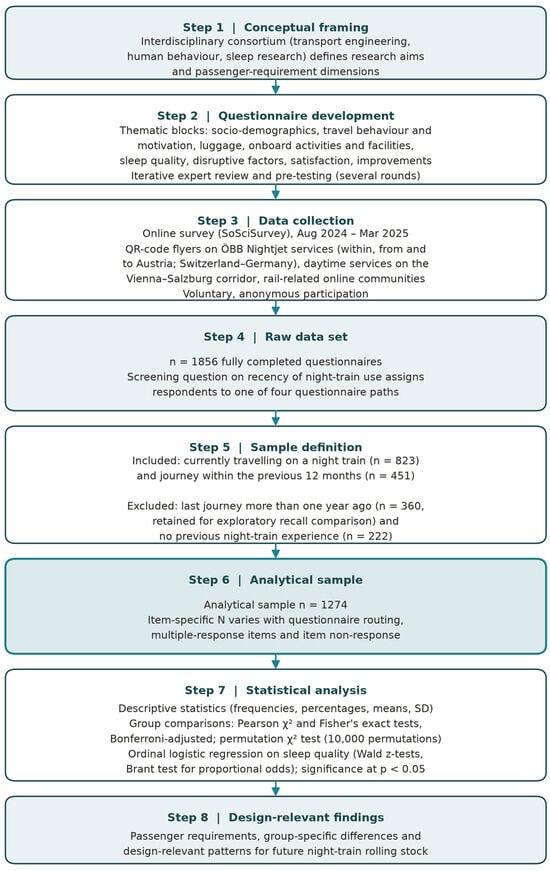
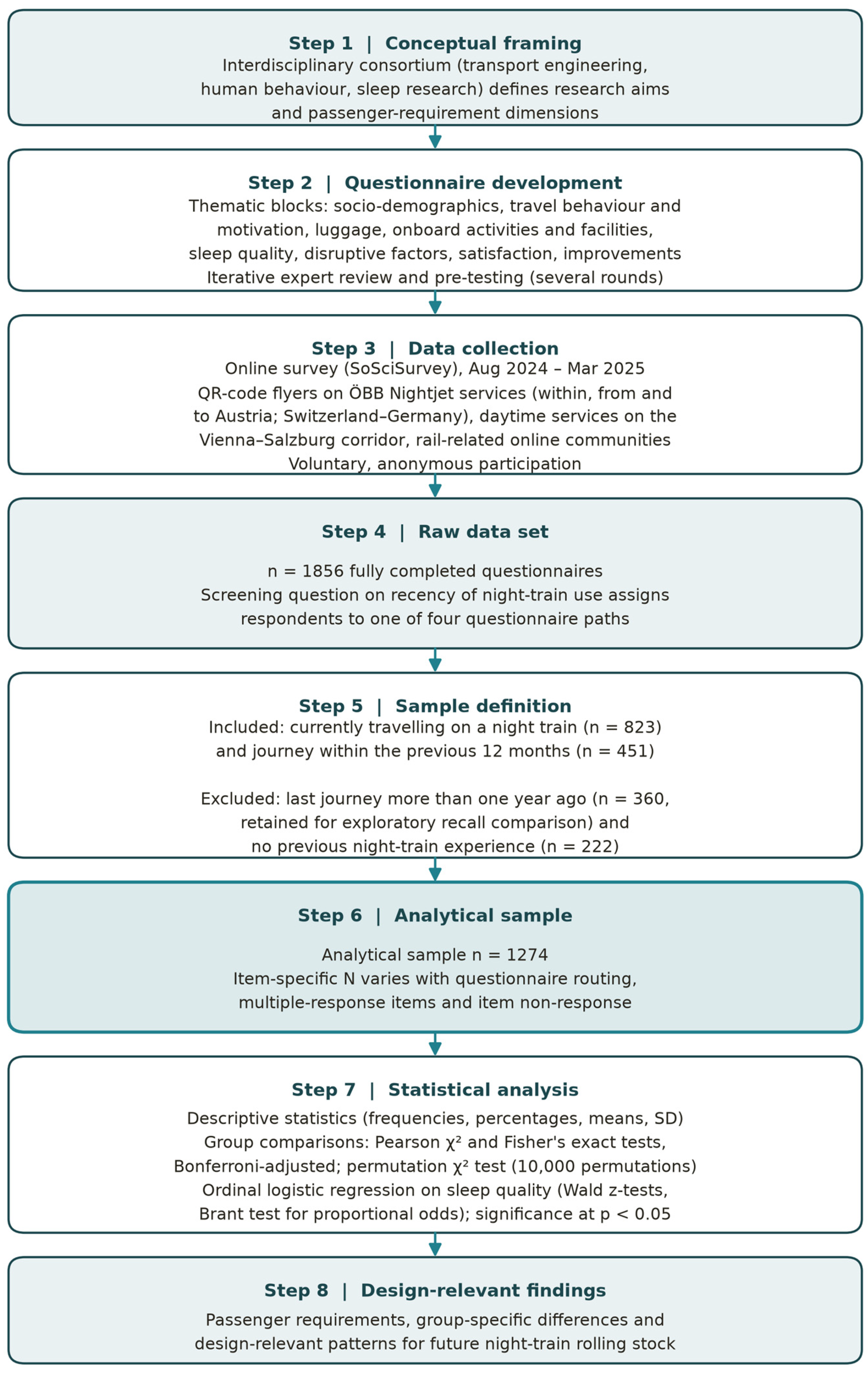
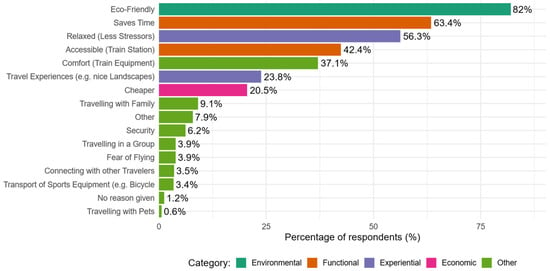
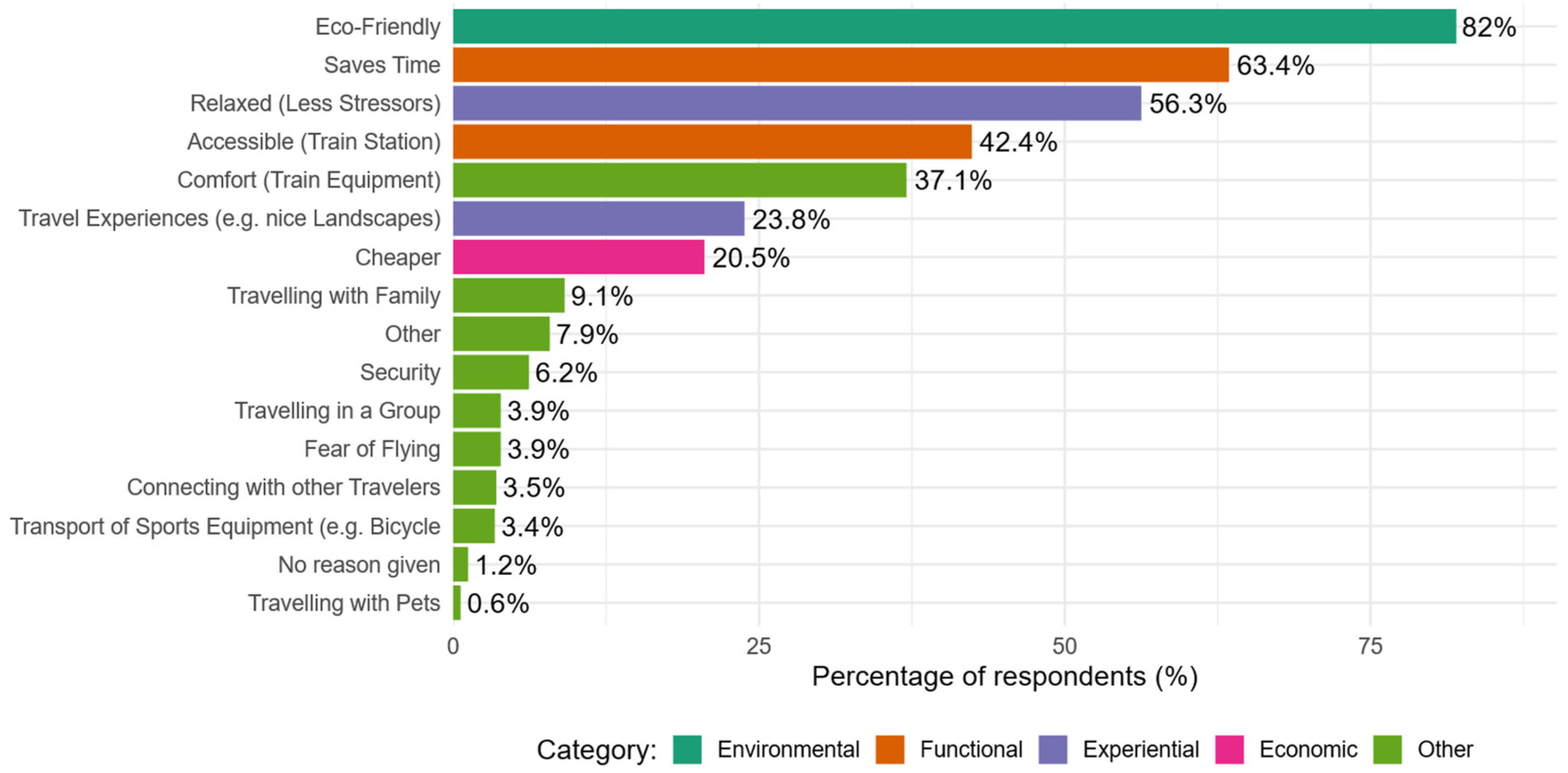
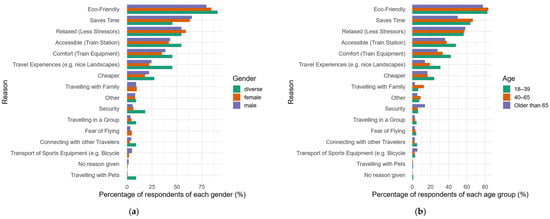
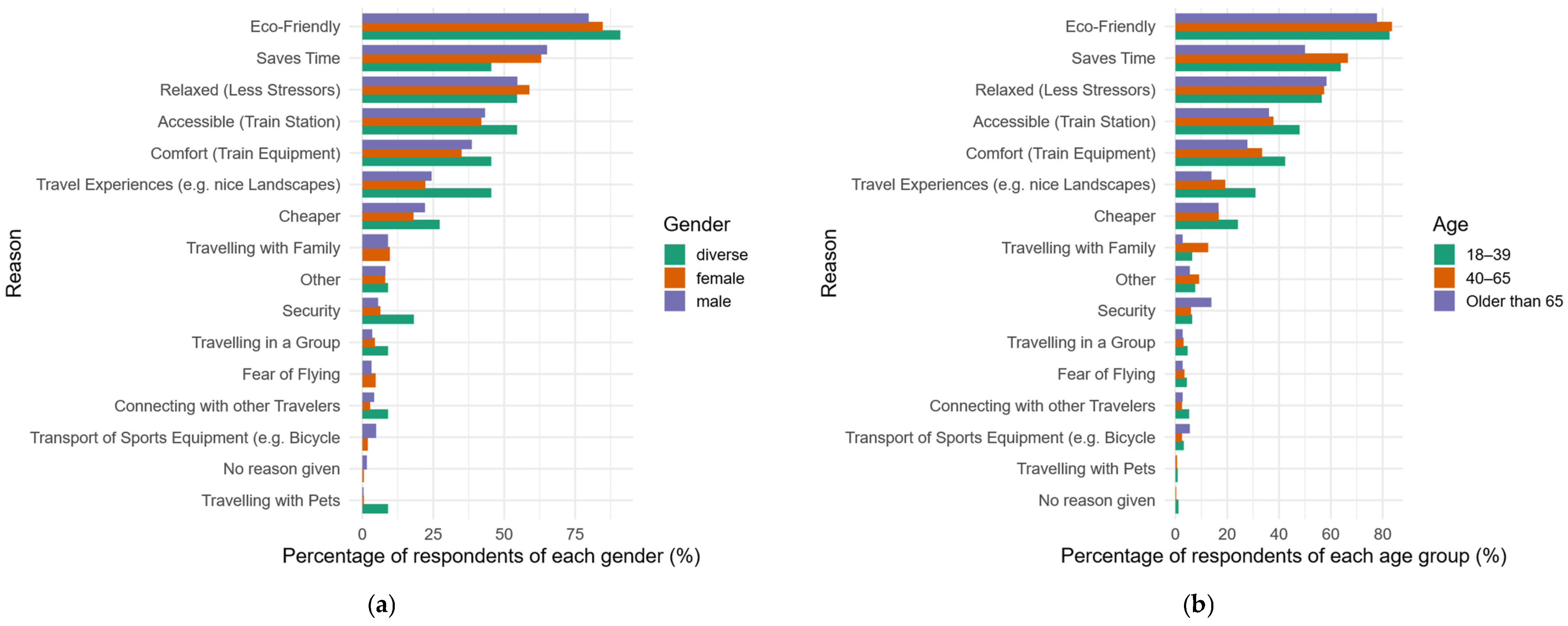
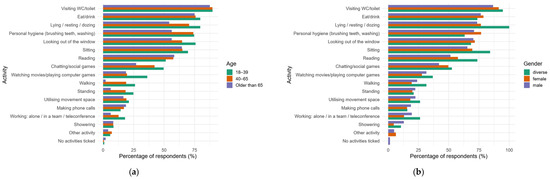
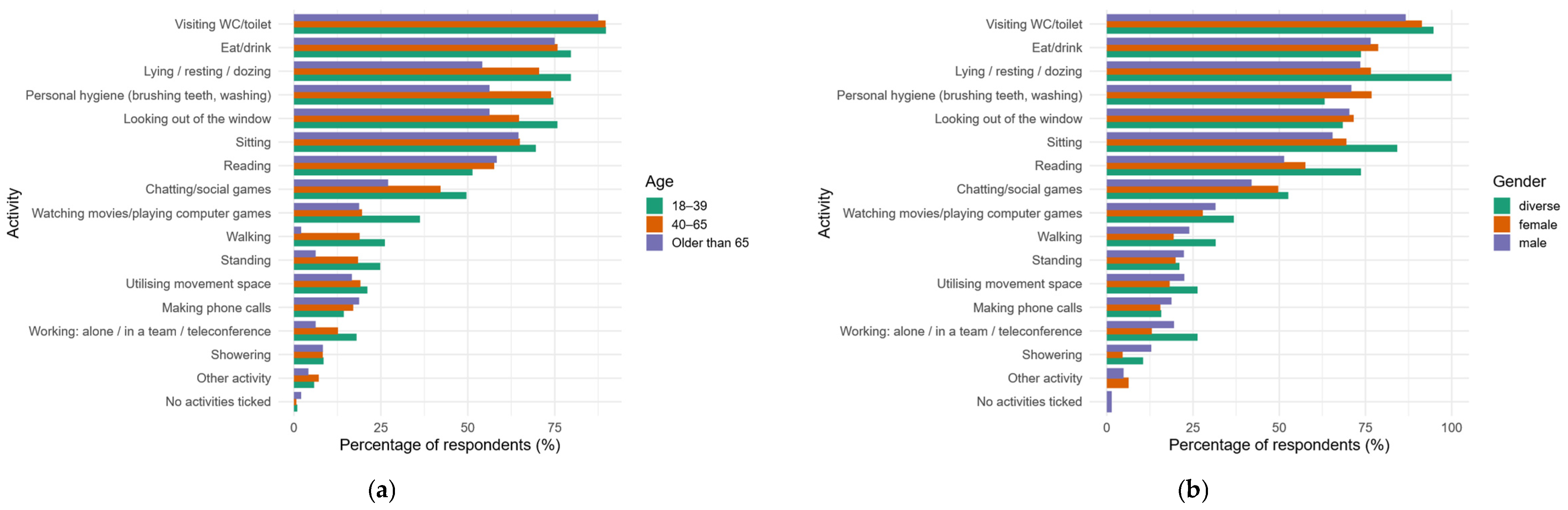
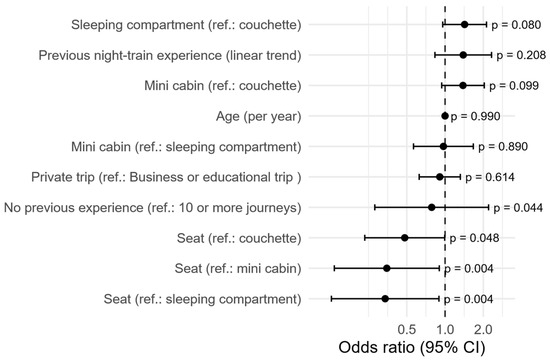
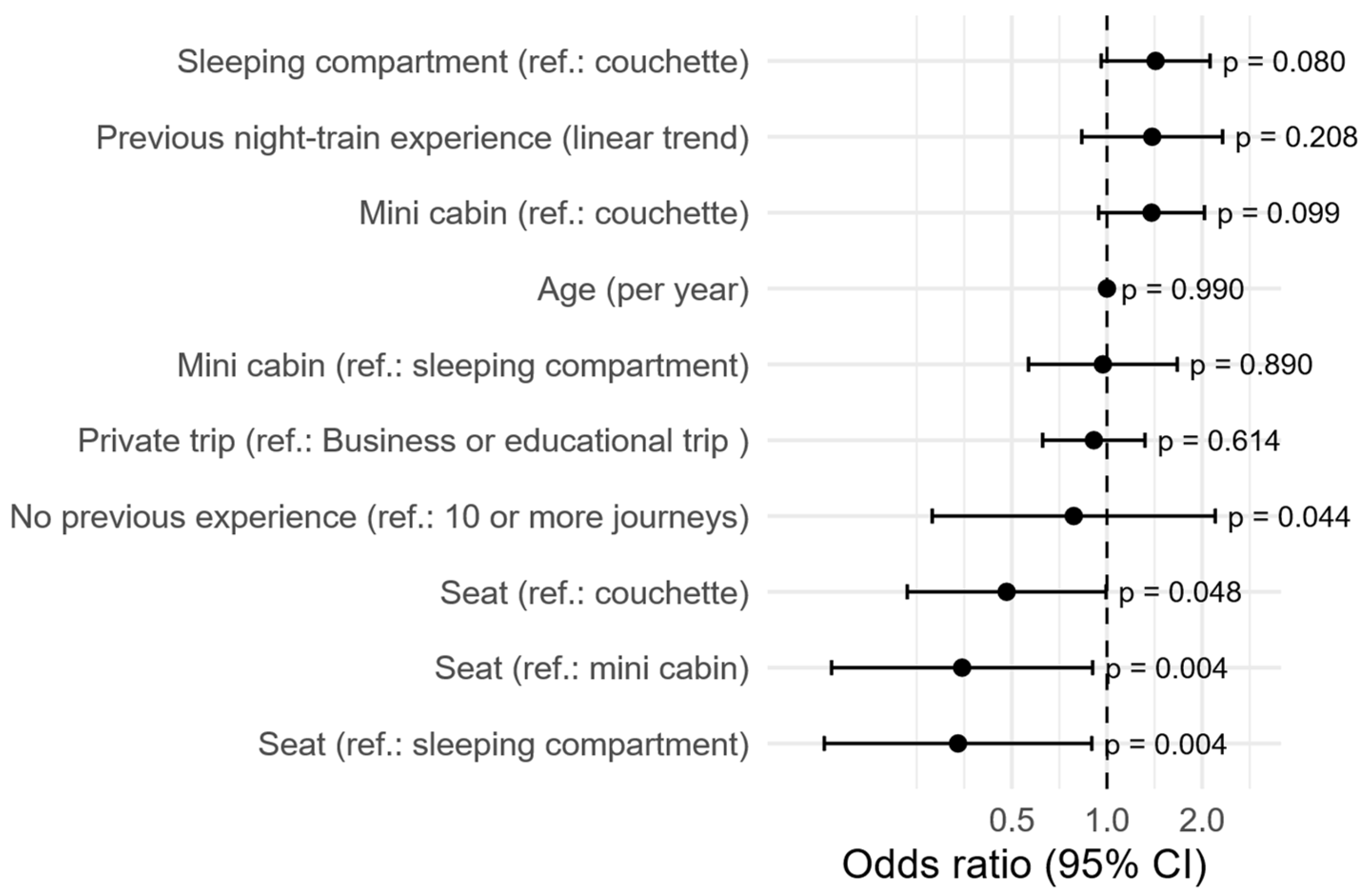
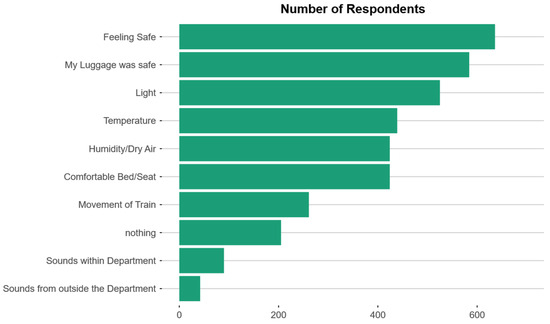
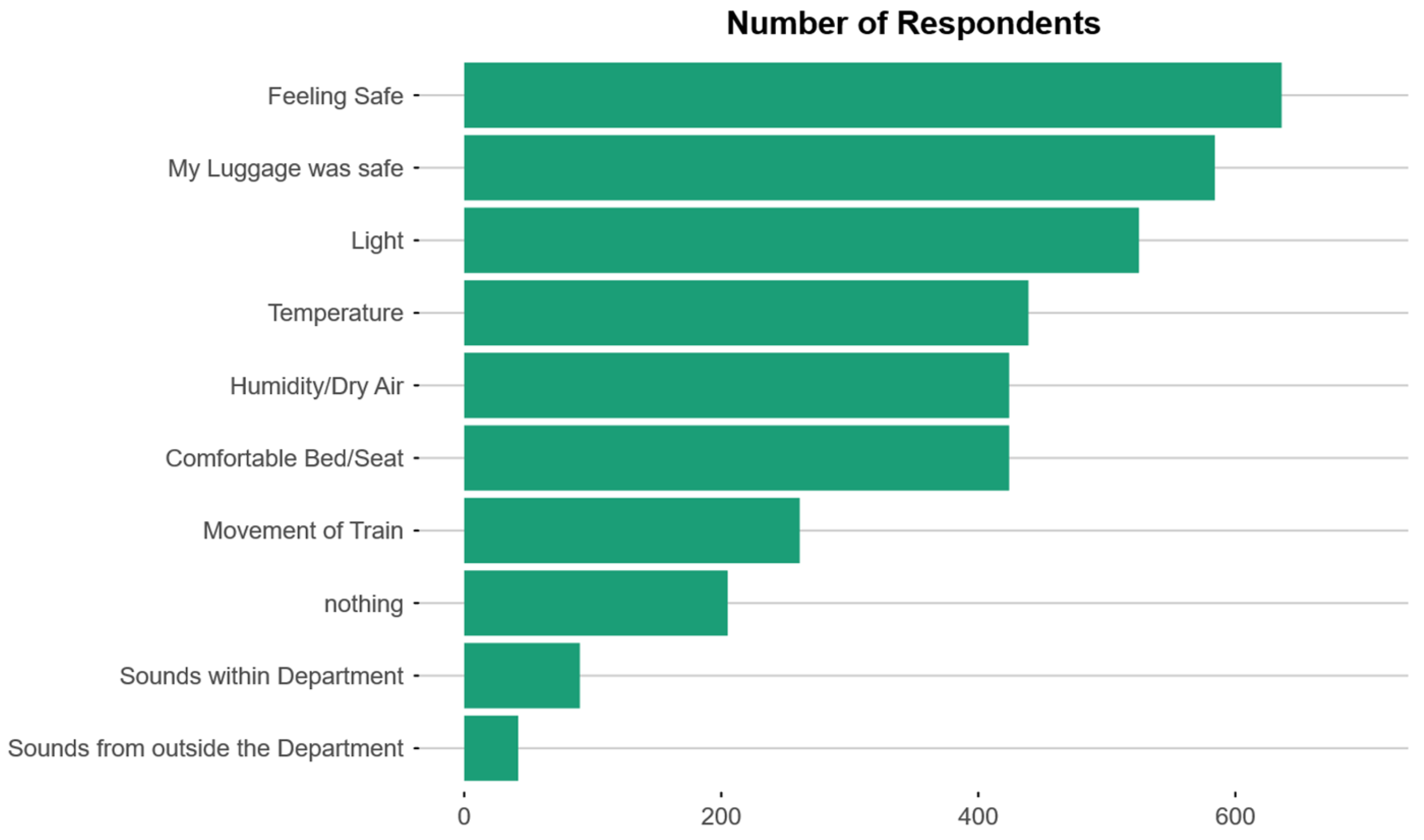
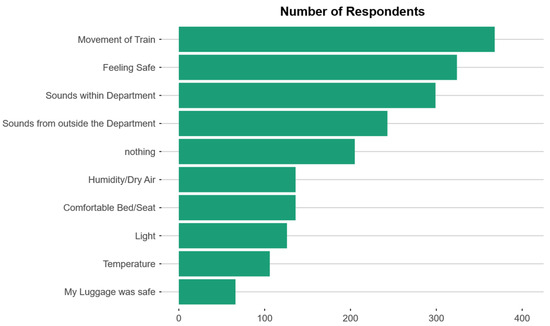
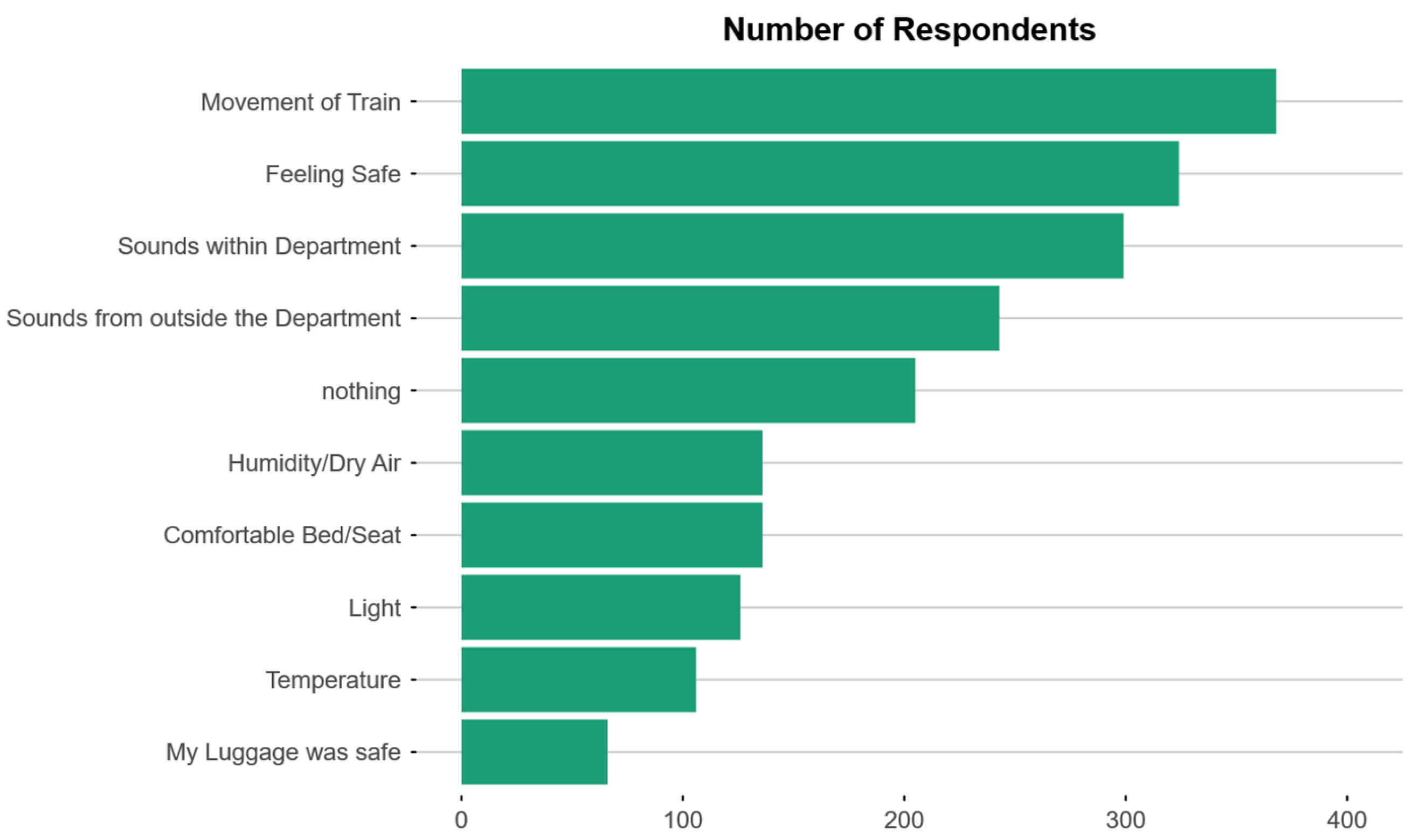

Disclaimer/Publisher’s Note: The statements, opinions and data contained in all publications are solely those of the individual author(s) and contributor(s) and not of MDPI and/or the editor(s). MDPI and/or the editor(s) disclaim responsibility for any injury to people or property resulting from any ideas, methods, instructions or products referred to in the content. |
© 2026 by the authors. Licensee MDPI, Basel, Switzerland. This article is an open access article distributed under the terms and conditions of the Creative Commons Attribution (CC BY) license.