


Abstract
Organizations operating in dynamic and complex environments increasingly adopt operational excellence (OPEX) to improve performance, adaptability, and sustainability. Despite its widespread implementation, OPEX initiatives often fail. Existing research mainly identifies isolated failure factors but lacks integrative, practice-oriented frameworks that translate these findings into actionable strategies. This study addresses this gap through a systematic literature review focused on leadership and management aspects of OPEX adoption. Using structured searches across major scientific databases and defined eligibility criteria, empirical and case-based studies were analyzed. Failure factors were synthesized using grounded theory-based qualitative coding, resulting in three primary organizational dimensions: top management commitment and support (TMCS), training and education deficiencies (TED), and poor organizational culture (POC). Among these, insufficient top management commitment and support is indicated as the most frequent determinant of OPEX failure. Based on these findings, a leadership framework is proposed to mitigate identified failure factors. The framework combines practical strategic deployment through Hoshin Kanri with operational alignment via Gemba Walk practices, emphasizing organizational structure, cross-functional collaboration, and knowledge transfer. By bridging strategic intent and operational execution, the model aims to improve the effectiveness of OPEX initiatives, strengthen managerial awareness, support, and commitment toward OPEX adoption and enhance the successful adoption of sustainability initiatives.
1. Introduction
Contemporary organizations operate in increasingly complex and dynamic business environments, characterized by rapid technological change, globalization, sustainability challenges, and continuously evolving customer expectations. These conditions require organizations to frequently reassess and reorganize their business models, processes, and organizational structures. While numerous management frameworks and best practices addressing these challenges are widely available in both the academic literature and professional practice, many organizations continue to rely on outdated approaches originally developed for more stable and predictable operating conditions [1]. Failure to adapt effectively can lead to inefficiencies, missed opportunities, and suboptimal organizational performance.
Classical management paradigms were developed in the late nineteenth and early twentieth centuries as a set of homogeneous ideas about organizational management. The theories within this paradigm addressed issues such as the division of labor, the establishment of a hierarchy of authority, and the span of control. A central concept in efficiency theory is motivating employees to increase productivity through monetary incentives for achieving objectives. The main contributors to classical management theory were Frederick W. Taylor, Henri Fayol, and Max Weber, who also developed their own versions [2].
At the turn of the twentieth century, we witnessed a rapid rise in mass production, in which classical paradigms were no longer sufficient for effective management, particularly in quality control. The first researchers and consultants in the field of quality began developing new management theories that primarily focused on improving quality management, with the aim of achieving a competitive advantage [3]. The first studies emerged during the first quarter of the twentieth century, focusing on quality inspection and control. Well-known researchers in the field of quality, such as Crosby, Deming, Feigenbaum, Ishikawa, and Juran, laid the foundations for total quality management, which continues to evolve today [4].
The development of total quality management (hereinafter referred to as TQM) began to emerge in the early twentieth century in the United States. Groups within technical departments in manufacturing plants helped identify and separate low-quality products, thereby initiating the first stage of quality-related activities [5].
Also, the philosophy of improvement through Lean thinking and Six Sigma improvement paradigms has achieved success across a wide range of economic sectors. Both paradigms are influential catalysts for change as standalone methods; however, they can potentially be even more effective when, or if, they are merged into a unified approach, called Lean Six Sigma. Aligning the cultural aspects of Lean with the data-driven improvements of Six Sigma has potential for pursuing a sustainable approach to organizational change and process improvement. However, despite some notable success cases, the above-mentioned approaches are criticized in many practical implications as being too theoretical [6].
In response to these challenges, the concept of operational excellence or OPEX has emerged as a critical focus in both practice and research. OPEX has evolved from being narrowly associated with efficiency and performance improvement to a broader management philosophy that emphasizes an organization’s ability to continuously adapt to internal and external changes while achieving high operational performance [7]. It is generally understood as a holistic management strategy that integrates leadership practices, cultural elements, methodologies, and performance management systems to improve organizational performance across all functional areas. Successful OPEX adoption also has a direct correlation with sustainability initiatives and their impacts within organizations; hence, succeeding in adopting OPEX will improve acceptance and implementation of sustainability initiatives. There is a visible connection between OPEX and sustainability concepts, but we are lacking descriptive models, mechanisms, and tools on how to enhance its adoption [8]. OPEX has already been recognized for enhancing quality, process stability, and organizational flexibility, which makes them valuable foundations for sustainability integration [9].
Despite widespread adoption, empirical evidence suggests that a significant proportion of OPEX initiatives fail to achieve their intended outcomes or are not sustained over time. Research indicates that failure rates in OPEX programs can range from 50% to 70%, depending on industry and organizational context [2,3]. Despite the extensive research on OPEX failures, a notable gap remains. Most studies focus on identifying isolated causes of failure rather than providing practical, integrative frameworks that translate failure factors into actionable organizational strategies. One of the main reasons for inefficient OPEX adoption is the shortage of frameworks or plans [10]. A variety of key success factors, barriers or other determinants of OPEX adoption are explored, but actual in-depth investigations of failed cases are not commonly published. With existing studies, we get a partial insight into the main issues or trigger points for failed adoptions without the knowledge of the readiness level of the examined case. While some studies comment explicitly on the role of knowledge transfer, almost none explore whether and to what extent, how the adoption process is organized can be conducive to success or failure. Most studies on deployment failure of OPEX initiatives are written based on authors’ opinions, with no evidence of empirical data to back up their results and identify the failure factors [11]. There is a lack of empirical studies focusing on OPEX adoption, especially from the perspective of enablers, barriers, and benefits [12].
Limited guidance is available on how to structure decision-making processes, link strategic objectives to operational realities, and maintain continuous feedback between management, processes, and customers during OPEX adoption. Consequently, organizations often struggle to sustain improvements and to achieve measurable benefits over time. This gap is particularly relevant for applied sciences and industry practitioners, as it highlights the need for frameworks that are both conceptually robust and practically adoptable. To address this gap, a systematic literature review was conducted, which exposed the most noticeable and frequent critical failure factors that are being reported during OPEX adoption. After identification, based on the results and comments from other authors, the most influential failure factor is identified. Furthermore, the research proposes a structured organizational framework that synthesizes documented OPEX failure factors with established improvement methodologies and the positioning of key departments like HR and OPEX. The framework is designed to support strategic alignment through Hoshin Kanri, enabling top management to structure objectives, allocate resources effectively, and monitor performance [13]. Hoshin Kanri is a planning methodology that was developed in Japan by Yokogawa Hewlett-Packard in the early 1970s [14]. Hoshin means compass, direction, policy, plan, or objective, while Kanri refers to the management control of an organization’s focus [15]. In the literature, many Hoshin Kanri models can be found, but at its core the concept is based on seven key building blocks that follow this sequence: establishing an organizational vision, developing a 3–5-year plan, developing an annual plan, establishing a plan-execution structure from top management down to employees with clear action plans, implementation using the PDCA cycle or similar tools, establishing regular monthly and quarterly progress reviews, and conducting an annual progress review [16]. Simultaneously, the framework incorporates Gemba Walk practices to ensure a strong connection between strategic objectives, operational processes, and customer needs [11]. A Gemba Walk is a commonly used methodology that provides a structured framework for conducting dynamic meetings and reviewing the current state of a specific area or process. The term originates from Japan and translates as “the place where value is created.” Gemba Walks involve observing the actual process, understanding the work, asking questions, and learning [17]. In practice, Gemba Walks vary, but they typically share common characteristics: management conducts a walk through the workshop, production hall, or even office areas along a predefined route, directly observing the environment where value is created within the organization. A crucial element is direct interaction with employees at various hierarchical levels and discussions about improvements in which management can directly contribute, whether through organizational changes, investment decisions, or other means. Typically, short-term key performance indicators are also reviewed, followed by an update of the action plan displayed in a visible location, outlining planned activities, responsible persons, and implementation deadlines. This dual focus allows organizations to bridge the common divide between strategic planning and day-to-day operational execution, thereby reducing the risk of OPEX initiative failure.
The contribution of this study is twofold. First, it integrates findings from prior research on OPEX failures to provide a synthesized understanding of common pitfalls and success factors. Second, it translates this knowledge into a concrete, actionable framework that can guide managers and practitioners in designing, implementing, and maintaining sustainable OPEX initiatives. By combining strategic deployment, process-level observation, and cultural alignment, the framework aims to enhance the likelihood of successful OPEX adoption, hence also increasing ability for sustainability initiatives and providing a practical roadmap for organizations seeking to achieve OPEX and improve their sustainability performance.
2. Materials and Methods
2.1. Review Design and Eligibility Criteria
This study was a systematic literature review to identify factors contributing to the success and failure of OPEX adoption, with a particular focus on management and leadership aspects. Deductive reasoning guided the review, based on the general theory that OPEX relies on a combination of tools, processes, and leadership approaches to achieve organizational goals. The review focused exclusively on leadership and management approaches, and not on the tools and methods used in OPEX initiatives. To identify the eligible studies, the question “What are the failure factors when adopting OPEX?” was broken down using PICO methodology [18]:
- Population (P): Studies covering implementation approaches of OPEX during the adoption phase.
- Intervention (I): Adoption of OPEX with a focus on management or leadership approaches.
- Comparison (C): Disadvantages when failed OPEX adoption occurs or consequences of not using OPEX.
- Outcomes (O): Identification of failure factors and barriers in OPEX implementation.
For eligibility criteria, we also filtered records by study type, including empirical studies, case studies, or systematic reviews, and excluding opinion papers, conference abstracts without full-text access, and studies focusing exclusively on technical tools or operational processes without a leadership or strategic component. Also, only studies published in English after 2010 were included.
2.2. Information Sources and Search Strategy
The comprehensive literature search was conducted in Emerald, Web of Science and Scopus electronic databases separately at first. The search strategy combined the keywords “operational excellence,” “adoption,” and “failure,” all restricted to the abstract field. Keywords were combined using Boolean operators AND. Additional search terms, such as “implement” or “execute,” were evaluated but found to predominantly retrieve studies focusing on methodologies and tools rather than failure factors connected to leadership. The keyword “adoption” was therefore prioritized to capture studies addressing organizational, strategic, and leadership aspects. Manual reference screening of included studies and relevant reviews was performed to identify additional literature. The search was conducted in October 2025.
2.3. Study Selection and Data Extraction
All identified records were reviewed by one reviewer without the use of automation tools, and duplicates were removed. A flow diagram was constructed to document the selection process, including the number of studies identified, screened, excluded, and included in the final synthesis. Data were extracted by one reviewer using a standardized data extraction table without the help of automation tools, meaning that duplicate/independent extraction was not performed, which slightly increases the risk of bias. No formal risk of bias assessment tool was applied. Study limitations related to study design, sample size, and outcome measurement were qualitatively considered during data extraction and synthesis.
2.4. Data Synthesis and Ethical Considerations
Due to the heterogeneity of studies in terms of industry, methodology, and outcomes, a qualitative synthesis was performed. Key findings were categorized according to failure factors of OPEX initiatives. Patterns and relationships between leadership approaches, strategic alignment, and operational performance were analyzed to start the development of a structured organizational framework. Quantitative outcomes, such as reported failure rates, were summarized descriptively when available. Failure factors were also grouped using a qualitative coding approach based on principles of grounded theory and open as well as axial coding. During this process, semantic normalization was used to neutralize expressional effects. An inter-source consensus analysis was conducted on OPEX failure factors identified in seven independent studies. This study was based exclusively on the previously published literature; therefore, no ethical approval was required.
The second part of the research focuses on a leadership model proposal. In the scope of this research, the model is only conceptually proposed and additionally described by a speculative hypothesis. None of the proposed elements of the model are tested yet, but to some extent supported by the existing literature, which provides a good development potential for future research.
3. Results
As OPEX is a very broad topic, the filtration at the first level gave all sorts of results connected to the topic. Therefore, a second-level filtration was introduced, which resulted in a noticeable decline in the number of studies since—as previously mentioned—the keyword “adoption” effectively filters out results related to methodologies and tools, leaving those that are the core focus of our research, which deals with a strategic organizational approach. The second level of filtration enabled us to effectively focus on the primary objective of the study, which is the organizational approach, rather than a more technical one, described in most published papers. At this point, 268 studies were screened. Based on the results, most screened studies were investigating specific cases, connected more to business environments rather than the adoption and leadership aspect. Moreover, a lot of studies described the adoption success rate, but there was no deep investigation into the “why”. Therefore, it was necessary to introduce the third level of filtration.
At the third and final level of results filtration, we were only left with a few articles, which describe adoption failures in the reviewed cases.
An overview of results in scientific publication databases based on keywords is shown in Table 1.
Table 1.
Overview of scientific publications.
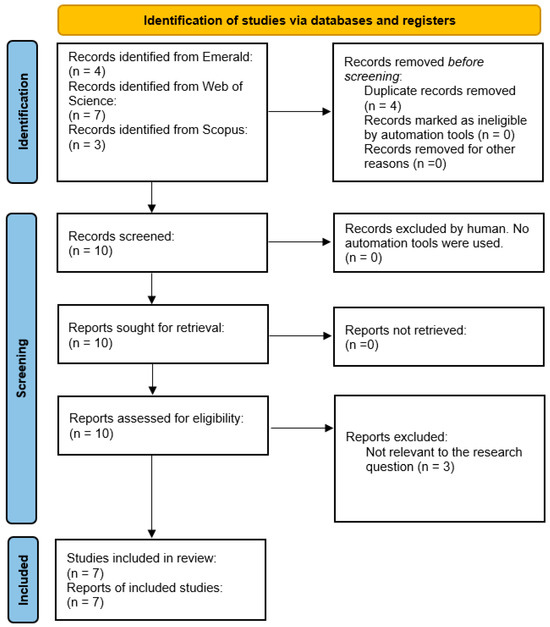
Based on the search criteria, an article screening flow diagram (Figure 1) was constructed to present the identification, screening, and inclusion process for the filtered studies.
Figure 1.
Article screening flow diagram.
By excluding duplicates and studies irrelevant to the research question, the remaining seven studies were included in the review. In Table 2, there is a list of studies that were included in the research.
Table 2.
List of studies included in the research.
Study A1 was focused on investigating the critical failure factors in the adoption of OPEX programs as well as the key performance indicators that can be used to measure OPEX failures. The research highlighted a distinctive focus on social and environmental performance metrics, urging a paradigm shift for sustained OPEX success and differentiating itself in addressing broader sustainability concerns. By recognizing the interconnectedness of 12 critical failure factors, the study offers a foundation for future research and the development of a comprehensive management theory on OPEX failures. Poor project selection and prioritization is the most important critical failure factor unearthed in this study, which is impacted by poor organizational strategy and OPEX initiatives, lack of proper communication, lack of employee engagement, lack of training and education for employees, lack of an OPEX roadmap or framework for sustainability and resistance to change issues [19].
Similarly, study A2 investigated OPEX initiatives and their adoption in organizations. The objective of this research was to present the results of an online survey highlighting the most critical reasons for failure of OPEX initiatives, for manufacturing and service environments separately. The top five failure factors for sustaining OPEX initiatives in manufacturing companies were poor leadership, lack of top management commitment and support, lack of communication, lack of training and education for employees and resistance to change issues. For service companies, the top five failure factors were lack of reward and recognition system, lack of management support, poor alignment between OPEX and organizational learning, lack of training and education to employees and lack of employee engagement [11].
Study A3 was investigating adoption of OPEX in the hotel sector. As expected, the focus topics were completely different from those in, e.g., the manufacturing environment, but interestingly the OPEX adoption success was dependent on almost identical success or failure factors as in any other industry. It was observed that top management support, awareness of OPEX at the senior management level, mentoring programs, transparent communication, effective liaison role of middle management and rigorous follow-up meetings during the project are the critical success factors [20].
The original purpose of study A4 was to investigate statistical process control or SPC in HACCP with an aim to reduce the unwanted rejection rate recurring in the drug production process in pharmaceutical industries. As SPC is a quality technique for achieving a higher quality standard and OPEX, the authors decided to investigate previously reported failure factors during adoption of such control processes. Amongst other failure factors, they highlighted the lack of management commitment and inadequate training of staff as potential barriers for successful adoption. Moreover, they observed that OPEX has a higher success rate in organizations where management is proactive in resource allocation compared to companies with sedentary management. Proactiveness results in improved checking, auditing and inspection of procedures and principles, which need to be sustained for a successfully adopted system [21].
The scope of research in study A5 was to explore the implementation of enterprise resource planning or ERP systems, which are an important subsegment of OPEX in higher education institutions or HEIs, with the focus on critical adoption factors. It was concluded that both user training with proper education and top management support are most critical in successful adoption and continuous usage when adopting ERP systems [22].
The purpose of this study A6 was to explore best practices, success, and failure factors of OPEX in North African organizations. Amongst many factors, the one with the highest importance was the ability of the leadership to maintain involvement. Engagement and commitment of leadership are fundamental. However, initiating OPEX practices with ambition and then shifting the focus towards other priorities will have significant negative impacts. Several improvement projects have failed because the leaders were not able to maintain the same motivation and drive continuity [23].
Lastly, the study A7 was focused on the integration of Lean Six Sigma (LSS) and Industry 4.0 (I4.0), which are both methodologies supporting OPEX. The aim was to empirically examine the enablers, barriers, benefits, and application of I4.0 technologies in LSS and I4.0 integration. Among other enablers, the analysis outcome identified the top five enablers of LSS and I4.0 integration, which were (1) top management support, (2) being able to use big data and dynamic data, (3) multi-skilled or multi-talented personnel, (4) alignment of organizational strategies with I4.0 and Lean or LSS, and (5) being trained in using I4.0 and Lean or LSS [12].
Failure factors from selected articles were extracted and grouped using a qualitative coding approach based on principles of grounded theory [24]. Similar phrases were iteratively clustered into higher-order constructs representing latent organizational dimensions, as each study describes the failure factors using slightly different expressions. In the first stage-open coding, all failure factors were reviewed and treated as individual meaning units. In the second stage-axial coding, conceptually similar factors were iteratively grouped into higher-order categories based on semantic similarity and underlying managerial themes [25].
The grouping process aimed to identify latent constructs representing common organizational challenges. Factors expressing similar intent—despite differences in wording—were consolidated into unified phrasing groups. For example, terms such as “lack of top management support,” “poor leadership,” and “insufficient engagement” were grouped under the broader construct of top management commitment and support. This process is consistent with semantic normalization, where varied linguistic expressions are mapped to shared conceptual representations [26]. Three primary unified groups emerged from the analysis:
- Top management commitment and support—TMCS.
- Training and education deficiencies—TED.
- Poor organizational culture—POC.
Each group represents a latent organizational dimension commonly discussed in the organizational behavior literature [27]. To ensure consistency, classification was guided by the dominant underlying cause reflected in each factor:
- Factors related to leadership, strategic direction, communication, and managerial involvement were assigned to top management commitment and support.
- Factors related to skills, knowledge gaps, training availability, and educational support were assigned to training and education deficiencies.
- Factors related to organizational norms, resistance to change, structural barriers, misalignment, and cultural rigidity were assigned to poor organizational culture.
In cases where a factor could reasonably belong to multiple categories, it was assigned based on its most prominent managerial implication. To enhance the robustness of the classification, the grouping scheme was reviewed for internal consistency and conceptual clarity [25]. Ambiguous cases were re-evaluated iteratively to ensure alignment with the defined criteria. Efforts were made to minimize subjectivity through:
- Clearly defined grouping criteria.
- Iterative refinement of categories.
- Consistent application of semantic and conceptual similarity principles.
At this point, we must mention that the classification is inherently interpretive and may be influenced by researcher judgment, as the researchers writing this article are deeply involved in the topic from both operational and academic standpoints. Additionally, some failure factors span multiple organizational dimensions, which may lead to partial overlap between categories. Despite these limitations, the structured coding approach provides a transparent and replicable framework for synthesizing heterogeneous qualitative data. In Table 3, a representation of failure factors distributed into unified groups is shown.
Table 3.
Semantic distribution of failure factors.
After unified phrasing groups were established, the recurrence of failure factors was analyzed. The result of this action is summarized in Table 4.
Table 4.
Observed recurrence of failure factors after semantic distribution.
Collected findings from the reviewed studies indicate that TMCS is the most frequent root cause of OPEX adoption failure. The indication above is also well aligned across various independent studies, cited below. Management involvement is crucial for initiating the adoption process of any strategy within an organization, and without their support this is usually not possible [28]. Successful adoption of new strategies includes the selection of strategic projects, a focus on business objectives, customer needs, and alignment with the organization’s strategic goals [29]. To achieve this, management must be committed and support initiatives at every stage of the implementation process. It must provide the necessary resources and support teams to initiate execution and ensure regular progress monitoring [30]. Adopting any OPEX strategy involves changing the existing organizational culture and requires acceptance of change by management [31]. Lack of management support is one of the most important causes of failure in OPEX strategies. Management involvement is crucial to initiate the adoption process, and without their support, implementation is usually not possible [28]. Successful adoption of OPEX involves selecting strategic projects, focusing on business objectives and customer needs, and aligning with the company’s strategic goals. To achieve this, management must be committed and support initiatives at every stage of the implementation process. It should provide the necessary resources and support teams to initiate execution and ensure regular progress monitoring [30]. TMCS deficiencies are most frequently observed and consistently recurring organizational dimensions of OPEX failure factors. This suggests their considerable role in hindering OPEX adoption across contexts.
4. Discussion
An observed gap in the scientific literature is the lack of practical and easy-to-adopt models guiding managers on how to reduce the impact of the identified failure factors while simultaneously improving the success of OPEX adoption. OPEX should not be viewed as an approach for driving change, but rather as a means of providing tools and a framework that enables people within the organization to operationalize it [32].
Another gap appears in the integration of existing OPEX methodologies with a strategic management approach. Theoretical solutions such as Gemba Walks and Hoshin Kanri planning are designed to help address the failure factors by enabling more effective project management, which includes improvement departments and strategic leadership of the human resources department, regardless of company size. These methodologies are well documented and explored in many practical and theoretical cases, which were, however, not the primary interest of this study. The gap here is a lack of research records, which would undoubtedly contribute to the development of practical models and the overall success rate of OPEX adoption that do not require a major company strategy rearrangement or high monetary investments, as noted by the authors in the following statements.
We are faced with the clear lack of literature on the integration of strategic management perspectives with OPEX strategies [33]. Most strategies did not connect elements of OPEX with internal stakeholders or the functional departments of the organization [10].
Based on the retrieved results from the literature review, a hypothesis was formulated, which proves the underlying assumption for the proposed leadership model:
“Companies that did not achieve the desired results with OPEX adoption or are planning to start with the process of adoption would benefit from a practical leadership model that would provide an organizational structure with easy-to-adopt workflows, which systematically reduce the impact of OPEX failure factors”.
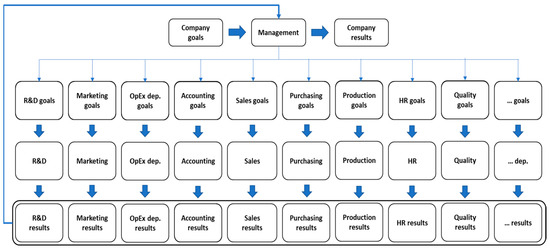
Figure 2 shows an organizational chart which, with minor variations, is generally typical of the structure of contemporary companies. In many cases, such a structure is also reflected in key performance indicators and their associated goals. This often leads to silo thinking and competition in achieving departmental key performance indicators, which replaces interdisciplinary collaboration and a focus on achieving the company’s overarching goals, ultimately resulting in poor OPEX adoption and execution. Such an environment amplifies the impact of OPEX failure factors, which directly hinder the achievement of the company’s strategic objectives.
Figure 2.
Typical structure of contemporary companies. Ellipses starting with … represents other possible goals, departments, or results.
Organizational silos emerge from a confluence of structural, cultural, leadership, and operational factors, often rooted in historical practices and compounded by contemporary challenges. Key contributors include leadership issues; competitive cultures that reward individual performance rather than team efforts that discourage knowledge sharing and collaboration; complexity and geographical dispersion; inefficient communication systems; inadequate change management; legacy structures and processes that no longer align with contemporary business needs; hierarchical or rigid team structures that limit cross-functional collaboration; and a shift in organizational focus that neglects broader societal goals [34].
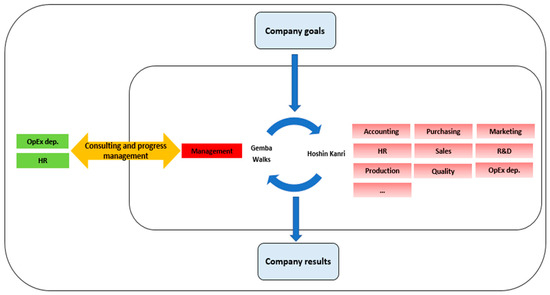
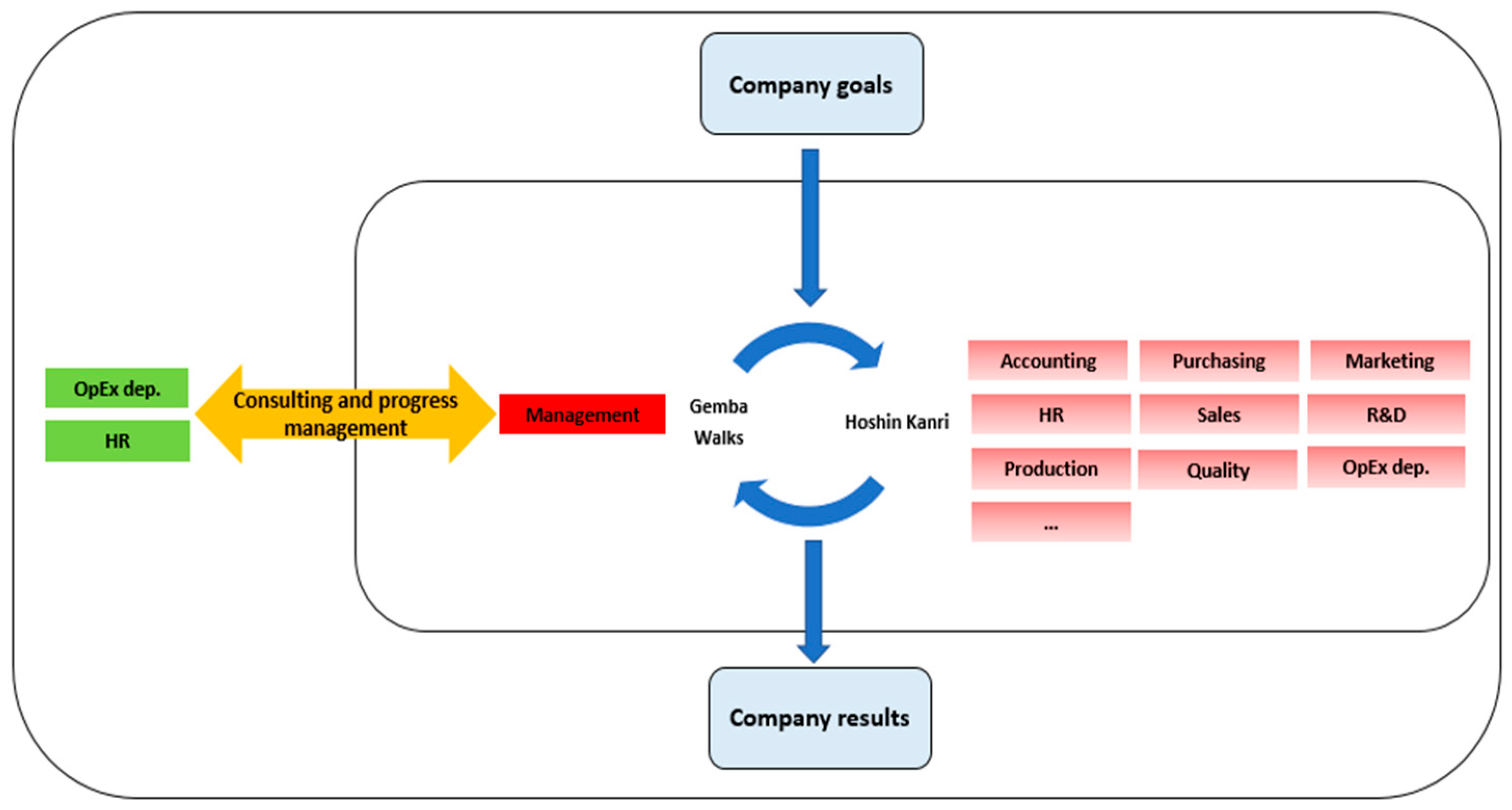
In the OPEX adoption and successful long-term execution, we propose an operational structure of the company as proposed by the leadership model in Figure 3, whereby the hierarchical structure remains unchanged compared to the one shown above.
Figure 3.
Proposed leadership model operational structure. Ellipses with … represents other possible departments.
Through the consistent implementation of the Gemba Walk and Hoshin Kanri planning methodologies, increased management support and understanding for OPEX is achieved. This standardizes a more efficient flow of information between the operational and management levels of the company, breaks down potential silo effects and enables more effective leadership of key improvement projects. Exposing company goals to departments and setting the Hoshin Kanri strategy after observing the place where the value is created for the company enables the management team to set clearer targets for the departments together with their leaders, and would be compiled in a way that no internal contradictions are intentionally promoted. In effect, all departments would be following the actual company goals. Also, through regular repetitions, the goals can be adjusted according to the latest data and trends, resulting in a very agile and fast-moving organization. The positioning of the OPEX department, whose members should be experts in OPEX methodologies, has a double role in comparison to other departments, as their primary task is to observe, measure progress, enhance organizational learning through training with other departments and to advise management on how to proceed with the strategic adoption of OPEX strategies, as well as implement their own improvement projects. This process generates a deep understanding of real improvement needs and appropriate improvement methodologies at all leadership levels inside the company. HR should be positioned in the same way, as communication and knowledge transfer processes connected to succession planning are key for the stability of OPEX adoption and structured organizational learning. Feedback structure plays an important role and should be systematically gathered and communicated with management so that reaction times can be reduced. Important to mention is also the fact that framework should not be regarded as a fixed organizational structure. Instead, its principles can potentially be scaled according to organizational size and maturity. For example, in an SME, OPEX and HR responsibilities may be integrated into existing managerial roles rather than represented by dedicated departments. Similarly, supply-chain partners may be incorporated through shared objectives, performance indicators, cross-organizational improvement activities, and coordinated feedback mechanisms.
The framework proposed emphasizes practical applicability, agility, and contextual adaptation. Unlike prescriptive programs, which may be rigid and difficult to implement across diverse organizational contexts, the framework encourages organizations to customize practices based on internal capabilities, culture, and operational priorities. In this way, OPEX is positioned not merely as a set of tools or techniques, but as a flexible, adaptive management philosophy that empowers individuals within the organization to identify problems, learn from process observations, and drive continuous improvement. Managers can start implementing such a model without bigger risks, prior knowledge or major restructuring programs, which increases the probability of adoption in the first place and does not require major investments at the beginning. If the organization is built on solid foundations, the members themselves, when organized in the proposed way, will drive OPEX adoption in the best possible way, as they are the biggest experts in their field and know the needs the best. For managers, the roadmap towards company goals will be easy to expose through Hoshin Kanri and follow up on progress and approvals through Gemba Walks.
The study delivers on its twofold objective by both consolidating fragmented knowledge on OPEX failure and translating it into a practically applicable organizational solution. First, the systematic synthesis of literature provides a structured and empirically grounded understanding of OPEX failure factors, demonstrating a strong convergence toward three dominant dimensions, with TMCS being indicated as the overarching determinant. This finding not only confirms prior research but also strengthens it by presenting a unified and transparent categorization based on systematic coding and cross-study comparison.
Second, and more importantly from an applied perspective, the study moves beyond descriptive analysis by operationalizing these insights into a coherent leadership model. The proposed framework directly addresses the identified failure factors through the integration of strategic planning through Hoshin Kanri, operational feedback mechanisms through Gemba Walk, and the redefinition of key organizational roles, particularly OPEX and HR functions. In doing so, it bridges the persistent gap between theoretical identification of barriers and their practical mitigation within organizational structures.
By linking failure factor synthesis with an actionable implementation logic, the study contributes to both academic discourse and managerial practice. It demonstrates that improving OPEX success rates is not primarily a question of introducing new tools, but of aligning leadership behavior, organizational structure, and learning processes. Although the model remains conceptual, its design is firmly rooted in recurring empirical evidence, providing a credible foundation for future validation and refinement, which the authors are planning to publish in follow-up standalone papers after the complete study is finished. Ultimately, the study states that a systematic, leadership-driven approach is essential for transforming OPEX from a set of isolated initiatives into a sustainable organizational capability and guides managers to understand the organizational needs more clearly, hence improving their support and commitment as they can see clear benefits as they are investing in OPEX adoption programs.
The proposed leadership model also directly responds to several unresolved gaps identified in prior research. Existing empirical studies emphasize that identifying failure factors should serve as a foundation for developing frameworks capable of mitigating OPEX implementation failures, yet such frameworks remain largely underdeveloped. Similarly, the literature highlights a lack of empirically grounded and systematically integrated analyses of failure factors, with many contributions remaining fragmented or opinion-based. While recent studies call for the development of a comprehensive management theory of OPEX failure, practical operationalization of these insights is still limited [11]. Furthermore, leadership-focused research consistently identifies key principles such as Gemba Walks and Hoshin Kanri as critical enablers of successful implementation yet stops short of embedding them into a coherent organizational model [35]. Although Hoshin Kanri has been shown to inherently address alignment, cross-functional integration, and strategic deployment challenges, its practical application remains limited in many organizations [36]. In addition, existing leadership models tend to remain conceptual and lack context-specific guidance for implementation within manufacturing environments [37]. In this context, the proposed model contributes by bridging these gaps, transforming empirically identified failure factors into an integrated leadership and organizational framework. It operationalizes established principles into concrete structures, roles, and workflows, thereby offering a practical pathway for addressing the systemic and leadership-related challenges that continue to hinder successful OPEX adoption.
5. Conclusions
This paper provides a solid foundation for the development of a new leadership model aimed at supporting OPEX adoption. The proposed model explicitly incorporates previously identified failure factors and seeks to mitigate their impact, thereby addressing a notable gap in the existing scientific literature. As such, this work opens a promising path for further research in the OPEX field, particularly in relation to practical implementation strategies and the organizational design of supporting structures. The theoretical contribution is the development of a failure-factor-to-leadership mechanism that connects three empirically synthesized organizational dimensions—TMCS, TED, and POC—with specific organizational mechanisms for strategic deployment, operational feedback, learning, and cross-functional coordination. In this conceptualization, Hoshin Kanri provides the strategic deployment mechanism, Gemba Walk provides the operational observation and feedback mechanism, while the OPEX and HR functions provide organizational capabilities for methodological expertise, training, knowledge transfer, and continuity. The contribution is therefore the integration of these elements around empirically identified failure dimensions and the leadership model concept rather than the introduction of Hoshin Kanri or Gemba Walk as novel constructs. When effectively applied, it can support organizations in designing a robust OPEX approach, optimizing the allocation of financial and human resources, and providing a guideline for implementing necessary organizational changes. These capabilities are equally critical for the successful adoption, implementation, and long-term sustainability of environmental, social, and governance (ESG) initiatives, reinforcing the strong interrelationship between operational excellence and sustainable organizational development. The findings are expected to benefit senior managers, operational excellence professionals, and other key decision-makers involved in designing and executing OPEX initiatives. By applying the framework, organizations can more effectively manage cultural change, set realistic goals, and monitor performance metrics in alignment with strategic objectives, which is also paramount in the adoption and implementation of sustainability initiatives. Ultimately, the study seeks to contribute to both the applied operations management literature and practical management practice by providing a robust, evidence-based approach to improving organizational performance in complex and dynamic environments.
The future agenda of this research is to confirm the necessity for a leadership model in practice and confirm the correlations between the literature-based OPEX failure factors and those that manufacturing companies are facing in their actual operations. These facts, along with new papers, will be added after field-based interviews are finished and published as a standalone paper. As the topic is very polyvalent, some limitations will be considered. The model can be further developed on a limited number of companies and interviews that are sufficiently large to allow the application of action research and case study methodologies. The model relies on the analysis of the identified failure factors included in the description of this study. However, this does not imply that additional factors influencing failure will not be identified in future research developments, when broader populations, industries, and implementation contexts are examined. Moreover, intentional filtering with keyword adoption creates a certain intentional limitation to the scope of the included studies, as we concluded during the literature review, that with this factor we get the best narrowing down of desired results, which specifically address our research question. Furthermore, the model will not be suitable for assessing a company’s readiness to initiate OPEX or sustainability adoption. Instead, it will primarily serve as a practical and implementable tool for company leadership to reflect on the cultural and organizational changes required within their organization for the successful adoption of OPEX, which clearly enhances the chances of sustainability transformations and initiatives implementation. An important limitation to mention is also the fact that the included studies should not be interpreted as direct evidence of manufacturing OPEX failure, although the review suggests interconnectivity of specific reasons regardless of specific manufacturing, service or other setup. Instead, they provide supporting evidence for cross-context organizational mechanisms such as management commitment, training, resource allocation, communication, and organizational learning.
Author Contributions
Conceptualization, R.F.; methodology, R.F. and I.P.; validation, I.P. and Z.N.; formal analysis, R.F.; investigation, R.F.; resources, I.P.; writing—original draft preparation, R.F.; writing—review and editing, R.F.; visualization, R.F.; supervision, I.P. and Z.N.; project administration, I.P. All authors have read and agreed to the published version of the manuscript.
Funding
This research was funded by the Slovenian Research Agency (Research Core Funding No. P2-0190).
Institutional Review Board Statement
Not applicable.
Informed Consent Statement
Not applicable.
Data Availability Statement
The data, analytic code, and other materials used in this review are available from the corresponding author. Materials will be shared for non-commercial academic purposes, provided that the request aligns with ethical and legal considerations relevant to the data sources.
Conflicts of Interest
The authors declare no conflicts of interest.
Abbreviations
The following abbreviations are used in this manuscript:
| ERP | Enterprise Resource Planning |
| HACCP | Hazard Analysis and Critical Control Points |
| HEIs | Higher Education Institutions |
| I4.0 | Industry 4.0 |
| LSS | Lean Six Sigma |
| OPEX | Operational Excellence |
| PDCA | Plan–Do–Check–Act |
| PICO | Population, Intervention, Comparison, Outcomes |
| POC | Poor Organizational Culture |
| SPC | Statistical Process Control |
| TED | Training and Education Deficiencies |
| TMCS | Top Management Commitment and Support |
References
- Uhl-Bien, M.; Arena, M. Complexity leadership: Enabling people and organizations for adaptability. Organ. Dyn. 2017, 46, 9–20. [Google Scholar]
- Dahlgaard-Park, S.M.; Reyes, L.; Chen, C.K. The evolution and convergence of total quality management and management theories. Total Qual. Manag. Bus. Excell. 2018, 29, 1108–1128. [Google Scholar] [CrossRef] [Scilit]
- Aquilani, B.; Silvestri, C.; Ruggieri, A.; Gatti, C. A systematic literature review on total quality management critical success factors and the identification of new avenues of research. TQM J. 2017, 29, 184–213. [Google Scholar] [CrossRef] [Scilit]
- Chen, C.; Reyes, L.; Dahlgaard, J.; Dahlgaard-Park, S.M. From quality control to TQM, service quality and service sciences: A 30-year review of TQM literature. Int. J. Qual. Serv. Sci. 2022, 14, 217–237. [Google Scholar] [CrossRef] [Scilit]
- Dahlgaard, J.J.; Kanji, G.K.; Kristensen, K. Fundamentals of Total Quality Management; Routledge: Cheltenham, UK, 2008. [Google Scholar]
- Pepper, M.P.J.; Spedding, T.A. The evolution of lean Six Sigma. Int. J. Qual. Reliab. Manag. 2010, 27, 138–155. [Google Scholar] [CrossRef] [Scilit]
- Saleh, A.; Watson, R. Business excellence in a volatile, uncertain, complex and ambiguous environment (BEVUCA). TQM J. 2017, 29, 705–724. [Google Scholar] [CrossRef] [Scilit]
- Wojtkowiak, D.; Cyplik, P. Operational excellence within sustainable development concept-systematic literature review. Sustainability 2020, 12, 7933. [Google Scholar] [CrossRef] [Scilit]
- Setyadi, A.; Pawirosumarto, S.; Damaris, A. Sustainable operations strategy in the age of climate change: Integrating green lean practices into operational excellence. Sustainability 2025, 17, 5954. [Google Scholar] [CrossRef] [Scilit]
- Chay, T.; Xu, Y.; Tiwari, A.; Chay, F. Towards lean transformation: The analysis of lean implementation frame-works. J. Manuf. Technol. Manag. 2015, 26, 1031–1052. [Google Scholar] [CrossRef] [Scilit]
- Antony, J.; Sony, M.; McDermott, O.; Swarnakar, V.; Galli, B.; Doulatabadi, M.; Kaul, R. An empirical study into the reasons for failure of sustaining operational excellence initiatives in organizations. TQM J. 2022, 35, 1569–1587. [Google Scholar] [CrossRef] [Scilit]
- Zulfiqar, M.; Sony, M.; Bhat, S.; Antony, J.; Salentijn, W.; McDermott, O. Unlocking the potential: Empirical analysis of enablers, barriers, benefits and technologies for integrating Industry 4.0 and Lean Six Sigma in manufacturing organisations. TQM J. 2024, 36, 2360–2382. [Google Scholar] [CrossRef] [Scilit]
- Found, P.; Lahy, A.; Williams, S.; Hu, Q.; Mason, R. Towards a theory of operational excellence. Total Qual. Manag. Bus. Excell. 2018, 29, 1012–1024. [Google Scholar] [CrossRef] [Scilit]
- Calingo, L.M.R. The evolution of strategic quality management. Int. J. Qual. Reliab. Manag. 1996, 13, 19. [Google Scholar] [CrossRef] [Scilit]
- Evans, J.R.; Lindsay, W.M. The Management and Control of Quality, 6th ed.; South-Western, Thomson Corporation: Cincinnati, OH, USA, 2005. [Google Scholar]
- Jolayemi, J.K. Hoshin kanri and hoshin process: A review and literature survey. Total Qual. Manag. 2008, 19, 295–320. [Google Scholar] [CrossRef] [Scilit]
- Womack, J.P. Gemba Walks; Lean Enterprise Institute, Inc.: Boston, MA, USA, 2011; p. 348. [Google Scholar]
- Roever, L. PICO: Model for clinical questions. Evid.-Based Med. Pract. 2018, 3, 2. [Google Scholar] [CrossRef]
- Antony, J.; Sony, M.; Jayaraman, R.; Swarnakar, V.; da Luz Tortorella, G.; Garza-Reyes, J.A.; Rathi, R.; Gutierrez, L.; McDermott, O.; Lameijer, B.A. Global perspectives on operational excellence: Unveiling critical failure factors and sustainable pathways. Int. J. Qual. Reliab. Manag. 2024, 41, 2604–2626. [Google Scholar] [CrossRef] [Scilit]
- Ramadan, M.A.; Al Dhaheri, M.K.; Maalouf, M.; Antony, J.; Bhat, S.; Gijo, E.V. Application of Six Sigma methodology to enhance the productivity and performance of a hotel in the UAE. TQM J. 2023, 35, 554–576. [Google Scholar] [CrossRef] [Scilit]
- Kharub, M. Integrating the HACCP and SPC for hazard control and process improvement: A case of pharmaceutical industry. Int. J. Pharm. Healthc. Mark. 2020, 14, 561–586. [Google Scholar] [CrossRef] [Scilit]
- Albarghouthi, M.; Qi, B.; Wang, C.; Abbad, M. ERP adoption and acceptance in Saudi Arabia higher education: A conceptual model development. Int. J. Emerg. Technol. Learn. 2020, 15, 110–120. [Google Scholar] [CrossRef] [Scilit]
- Cherrafi, A.; Echefaj, K.; Charkaoui, A.; Antony, J.; Shokri, A. Exploring operational excellence in North Afri-can manufacturing enterprises: Uncovering best practices, success and failure factors. Int. J. Lean Six Sigma 2025. Epub ahead of printing. [Google Scholar] [CrossRef] [Scilit]
- Glaser, B.G.; Strauss, A.L. The Discovery of Grounded Theory: Strategies for Qualitative Research; Routledge: London, UK, 2017. [Google Scholar]
- Miles, H.B.; Huberman, A.M. Qualitative Data Analysis: A Methods Sourcebook; Sage Publications: Thousand Oaks, CA, USA, 2014. [Google Scholar]
- Saldaña, J. The Coding Manual for Qualitative Researchers, 2nd ed.; Sage Publications: London, UK, 2013. [Google Scholar]
- Schein, E.H. Organizational Culture and Leadership, 4th ed.; Jossey-Bass: San Francisco, CA, USA, 2010. [Google Scholar]
- Kumar, M.; Antony, J.; Singh, R.K.; Tiwari, M.K.; Perry, D. Implementing the Lean Sigma framework in an Indian SME: A case study. Prod. Plan. Control 2006, 17, 407–423. [Google Scholar] [CrossRef] [Scilit]
- Thong, J.Y.L.; Yap, C.S.; Raman, R.S. Top management support, external expertise and information systems implementation in small businesses. Inf. Syst. Res. 1996, 7, 248–267. [Google Scholar] [CrossRef] [Scilit]
- Worley, J.M.; Doolen, T.L. The role of communication and management support in a lean manufacturing implementation. Manag. Decis. 2006, 44, 228–245. [Google Scholar] [CrossRef] [Scilit]
- Yadav, G.; Desai, T.N. A fuzzy AHP approach to prioritize the barriers of integrated Lean Six Sigma. Int. J. Qual. Reliab. Manag. 2017, 34, 1167–1185. [Google Scholar] [CrossRef] [Scilit]
- Carvalho, A.M.; Sampaio, P.; Rebentisch, E.; Carvalho, J.Á.; Saraiva, P. Operational excellence, organisational culture and agility: The missing link? Total Qual. Manag. Bus. Excell. 2019, 30, 1495–1514. [Google Scholar] [CrossRef] [Scilit]
- Antony, J.; Gupta, S.; Sunder, M.V.; Gijo, E.V. Ten commandments of Lean Six Sigma: A practitioners’ perspective. Int. J. Product. Perform. Manag. 2018, 67, 1033–1044. [Google Scholar] [CrossRef] [Scilit]
- de Waal, A.; van den Berg, R. Increasing Collaboration Through Silo-busting: A Case Study. Schmalenbach J. Bus. Res. 2025, 77, 817–845. [Google Scholar] [CrossRef] [Scilit]
- Aij, K.H.; Veth, M.E. Leadership requirements for successful implementation of lean management in health care: A systematic review of the literature. In Contemporary Leadership Challenges; InTech: London, UK, 2017; pp. 207–231. [Google Scholar] [CrossRef] [Scilit]
- Nicholas, J. Hoshin kanri and critical success factors in quality management and lean production. Total Qual. Manag. Bus. Excell. 2016, 27, 250–264. [Google Scholar] [CrossRef] [Scilit]
- Aij, K.H.; Teunissen, M. Lean leadership attributes: A systematic review of the literature. J. Health Organ. Manag. 2017, 31, 713–729. [Google Scholar] [CrossRef] [Scilit] [PubMed]

Disclaimer/Publisher’s Note: The statements, opinions and data contained in all publications are solely those of the individual author(s) and contributor(s) and not of MDPI and/or the editor(s). MDPI and/or the editor(s) disclaim responsibility for any injury to people or property resulting from any ideas, methods, instructions or products referred to in the content. |
© 2026 by the authors. Licensee MDPI, Basel, Switzerland. This article is an open access article distributed under the terms and conditions of the Creative Commons Attribution (CC BY) license.