


Abstract
Petroleum hydrocarbon contamination poses a persistent threat to soil quality and ecosystem functioning, while conventional remediation approaches are often costly and difficult to sustain over the long term. This study evaluated garden waste biochar as a sustainable amendment for the remediation of petroleum-contaminated soil and investigated its effects on TPH removal, soil physicochemical properties, and bacterial community changes. Biochar produced from garden waste at 600 °C was applied at 1% and 2% (w/w) to soil containing approximately 20,000 mg·kg−1 TPH, and changes were monitored over 360 days. High-throughput 16S rRNA gene sequencing and redundancy analysis were combined with measurements of soil properties and TPH concentrations. Compared with the petroleum-contaminated control, biochar amendment substantially enhanced TPH removal, with removal efficiencies increasing from 24.44% to 44.26% and 52.93% under 1% and 2% biochar treatments, respectively. After 360 days, TPH concentrations decreased to 10,831.68 and 9102.07 mg·kg−1 in the 1% and 2% biochar treatments, respectively. Biochar also significantly altered bacterial richness and community composition, with significant changes in the Ace, Chao1, and Sobs indices and shifts in dominant bacterial phyla. Soil nutrient availability and bacterial community structure were closely associated with environmental changes during remediation. Overall, garden waste biochar shows potential as a sustainable strategy that simultaneously promotes biomass waste valorization and petroleum-contaminated soil remediation.
1. Introduction
Soil contamination with petroleum hydrocarbons represents a critical environmental issue that threatens ecosystems, agriculture, and human health [1,2,3]. The persistence and toxicity of petroleum in soil can disrupt soil microbial communities, inhibit nutrient cycling, and severely affect plant growth [4,5]. Despite the development of various remediation methods, such as chemical treatments and physical excavation, these approaches are often costly and provide limited long-term solutions [6,7,8]. Given these challenges, developing sustainable and eco-friendly approaches to restore petroleum hydrocarbon-contaminated soil is of utmost importance [9,10,11]. Among the potential solutions explored, biochar has emerged as a promising tool for soil remediation [12]. Biochar, a carbon-rich material produced by heating organic material in a low-oxygen environment, has shown great potential in improving soil health [13]. Its high surface area, porosity, and ability to retain nutrients make it an ideal candidate for enhancing microbial activity, improving soil structure, and promoting the degradation of pollutants [14,15]. This study specifically focuses on the application of garden waste biochar to petroleum-contaminated soil, investigating its impact on microbial diversity and community structure. The ability of biochar to promote microbial populations that facilitate petroleum hydrocarbon degradation makes it an attractive bioremediation agent. This research aims to contribute valuable insights into the application of biochar for the restoration of polluted soil, providing a sustainable and cost-effective solution to mitigate the widespread issue of petroleum contamination.
Biochar has garnered significant attention as an effective tool for environmental remediation over the past few decades [16,17]. Initially, biochar’s potential was recognized in the 1980s when scientists began exploring its ability to sequester carbon, retain nutrients, and remove pollutants [18,19,20,21]. Early studies primarily focused on biochar’s ability to improve soil fertility by enhancing water retention, increasing nutrient availability, and adjusting soil pH [22,23,24]. However, more recent research has shifted towards biochar’s potential in remediating contaminated soils, particularly in addressing petroleum hydrocarbon pollution [2,25,26].
Biochar’s ability to adsorb petroleum compounds has been well-documented in several studies. For instance, ref. [27] demonstrated that biochar could reduce the bioavailability of petroleum hydrocarbons in contaminated soil, thereby limiting their toxic effects on plants and microorganisms. Similarly, biochar application to petroleum-contaminated soil has been reported to decrease TPH concentrations, suggesting its potential as a remediation tool [1]. Biochar not only adsorbs contaminants but also enhances microbial degradation by providing a conducive environment for microbial colonization [28,29]. Previous studies reported that biochar can increase microbial biomass and activity and may favor the growth of microbial taxa associated with hydrocarbon degradation, including some members of the phylum Proteobacteria [28]. Certain members of this phylum have been reported to participate in the degradation of petroleum compounds [29].
Biochar has been shown to enhance microbial diversity in contaminated soils, a key factor in improving soil health and facilitating pollutant degradation. It was demonstrated that biochar significantly increased microbial diversity in oil-contaminated soils, particularly by altering the abundance and composition of microbial taxa potentially associated with pollutant degradation [30]. The increase in diversity was attributed to the increased surface area provided by biochar, which serves as a habitat for microbial attachment, thereby supporting microbial growth and activity [15,31]. However, while the positive effects of biochar on microbial diversity and pollutant degradation are well-recognized, several questions remain, particularly regarding the long-term impacts of biochar on microbial communities. Most studies focus on the short-term benefits of biochar, but the persistence of these effects over time remains unclear [17,32]. In addition, further research is needed to identify the specific microbial taxa promoted by biochar and to determine the mechanisms through which biochar influences microbial community dynamics and pollutant degradation.
Furthermore, the effects of biochar on microbial communities extend beyond its physical properties. The chemical composition of biochar, including its nutrient content and pH, plays an important role in determining its effects on microbial activity [33]. Previous studies have shown that biochar enriched with nutrients such as nitrogen, phosphorus, and potassium can further promote microbial growth and diversity [32]. In contrast, biochar that is low in nutrients may have limited effects on microbial communities. These findings underscore the importance of understanding the properties of biochar, including its source and production method, in optimizing its application for soil remediation [15,34,35].
Despite the significant progress made in biochar research, there are several challenges that need to be addressed [36]. First, long-term studies on the impact of biochar on microbial communities and pollutant degradation are still lacking [37,38]. Most studies focus on the short-term benefits of biochar, but the persistence of these effects over time remains unclear [17,32]. Second, there is a need to explore how biochar interacts with other remediation strategies, such as adding microorganisms or nutrients, to enhance pollutant degradation [39,40]. Finally, the influence of different types of biochar, produced from various feedstocks, on microbial communities and pollutant removal remains underexplored, which limits our ability to tailor biochar applications for specific soil and petroleum contaminants [15,41,42].
On the basis of the above analysis, this study employs garden waste (leaves and branches of Koelreuteria paniculata and Platanus orientalis) as a sustainable feedstock to prepare porous biochar via pyrolysis at 600 °C, and applies it at 1% and 2% (w/w) to petroleum-contaminated soil (20,000 mg·kg−1 TPH) for a 360-day incubation, thereby capturing the long-term remediation efficacy and microbial community changes. Total petroleum hydrocarbon (TPH), a widespread and persistent soil pollutant (e.g., 10,000–30,000 mg·kg−1 in industrialized areas), was selected as the target contaminant. By integrating high-throughput 16S rRNA sequencing and redundancy analysis (RDA), the mechanisms underlying biochar-driven microbial restructuring and TPH removal were thoroughly investigated. The effects of biochar properties (e.g., surface area and functional groups) and soil physicochemical changes (SOM and nutrients) on microbial diversity, composition, and network topology were examined. The potential of garden waste biochar for simultaneously managing urban organic waste and remediating petroleum-contaminated soil was evaluated. This work not only puts forward a long-term, microbiome-centered bioremediation strategy based on garden waste biochar but also offers a sustainable and eco-functional soil amendment for the restoration of hydrocarbon-contaminated environments.
2. Materials and Methods
2.1. Materials
The soil samples used in this experiment were sandy-loam alluvial soil collected from Xi’an University campus, Shaanxi Province, China (Xi’an, 34°16′ N, 108°56′ E, China). The soil samples were collected from the surface to a depth of 20 cm. Large particles, stones, gravel and plant residue were removed by shifting through a 2 mm sieve. The basic physical and chemical properties of the soil are presented in Table 1.
Table 1.
Physical and chemical properties of the test soil.
In the experiment, the leaves and branches of Koelreuteria paniculata, Platanus orientalis Linn. and other plants were used as raw materials for biomass carbon. The dust and soil on the leaves and branches were washed with distilled water and soaked for 12 h. Then the leaves and branches were dried to constant weight. They were crushed with a pulverizer, and the follow-up experiment was carried out after 100 mesh sieves. Using an electronic balance to weigh a certain mass of the prepared branches and leaves, they were put into a crucible in a box Muffle furnace to isolate the air and strengthen the heat. The heating rate was 20 °C·min−1 from room temperature to the target temperature of 600 °C, with a holding time of 3 h, followed by naturally cooling to room temperature to obtain biochar. Physical and chemical characterizations of biochar in this experiment are shown in Table 2. The oil used in the experiment was obtained from the Yanchang oil field in Yan’an, China. Its ground relative density was 871.4 kg·m−3 (25 °C), and the water content was 0.8%.
Table 2.
Experimental design based on petroleum pollution control, restoration of plants and repair days.
2.2. Experimental Design
Six treatments were set up considering the effect of remediation on petroleum-contaminated soil with the addition of biochar; each treatment was repeated three times. They were classified into the following groups: blank group (CK), addition of 20,000 mg·kg−1 petroleum only (CY), addition of 1% (w/w) biochar only (B1), addition of 2% (w/w) biochar only (B2), addition of 20,000 mg·kg−1 petroleum and 1% (w/w) biochar (YB1), and addition of 20,000 mg·kg−1 petroleum and 2% (w/w) biochar (YB2). The petroleum concentration (20,000 mg·kg−1) was chosen to simulate moderately heavy contamination commonly found in industrialized areas, where TPH levels often reach 10,000–30,000 mg·kg−1 [1,2,6]. The biochar application rates (1% and 2%, w/w) fall within the typical range (1–10%) reported for the biostimulation of hydrocarbon-contaminated soils [15] and are consistent with doses that enhanced Proteobacteria abundance and TPH reduction in similar microcosm studies [13,38]. CK_1, CY_1, B1_1, B2_1, YB1_1 and YB2_1 represent the samples at the beginning of restoration. CK_2, CY_2, B1_2, B2_2, YB1_2 and YB2_2 represent the samples 360 days after remediation. A 360-day incubation was employed to capture long-term microbial community shifts under these conditions. The framework of the study is shown in Figure 1. The specific treatment conditions are presented in Table 2.
Figure 1.
Research framework on the impact of garden waste biochar on soil bacterial diversity and soil properties.
Each treatment was carried out in a small pot of the same size (diameter ∗ height = 20 ∗ 20 cm) with 3 kg soil. In the design of petroleum-contaminated soil, dehydrated crude oil from Yanchang Refinery was added and stirred well, and the final oil–soil mass ratio was 20,000 mg·kg−1, to simulate the environment of petroleum-contaminated soil. A pot experiment was performed using a randomized complete block design with three replicates for each treatment. Moisture was adjusted to 50.0% of the water holding capacity by adding sterilized distilled water. The experiments were terminated after 360 days. During sampling, three biological replicates were sampled from each group, resulting in a total of 36 samples. Soil samples were separated into two parts; one part was air-dried and stored at 4 °C for analysis of physiochemical characteristics, and the other part was frozen in liquid nitrogen and stored at −80 °C for molecular analysis.
2.3. Methods
2.3.1. Properties of Garden Waste Biochar
Biochar pH was measured by a pH meter (PHS-3C, LeiCi Instruments Co., Ltd., Shanghai, China) with a biochar-to-water ratio of 1:20 (m/v). A combustion-type elemental analyzer (Carlo Erba Instruments, Milan, Italy) was applied to determine the total C, H, N, and S contents of garden waste biochar. The surface area of biochar was examined using a N2 BET, Micromeritics Tristar II Plus surface area analyzer (Micromeritics Instrument Corporation, Norcross, USA). The adsorption data were used to determine N2 adsorption isotherms (273 K), which were analyzed by applying the Dubinin–Astakhov equation [43] for pore volume. The structure and morphology of the as-fabricated powders were examined by scanning electron microscopy (SEM, ZEISSSUPRA 40, Carl Zeiss AG, Oberkochen, Germany). A Fourier-transform infrared spectrometer (FT-IR) was used in the range of 4000–400 cm−1 with a resolution of 4 cm−1 and 64 scans per sample (Nicolet 6700, Thermo Fisher Scientific, Waltham, MA, USA). X-ray diffraction (XRD) patterns for garden waste biochar were obtained from Rigaku Ultima III (Jade 2010 software with PDF 2 database; Materials Data, Inc., Livermore, CA, USA; PDF-2 database: International Centre for Diffraction Data, Newtown Square, PA, USA) using Cu-K α (λ = 1.54 Å) radiation at 45 kV and 40 mA. The samples were scanned from 5 to 90° with the scan speed of 1° min−1.
2.3.2. Soil DNA Extraction, High-Throughput Sequencing and Data Processing
DNA was extracted using the MO BIO Power Soil DNA Extraction kit (MO BIO Laboratories, Carlsbad, CA, USA). Extracted DNA was diluted to 10 ng/μL and stored at −40 °C for downstream use. Universal primers 515F and 907R (515F 5′-GTGCCAGCMGCCGCGG-3′, 907R 5′-CCGTCAATTCMTTTR AGTTT-3′) with a 12 nt unique barcode were used to amplify the V4 hypervariable region of the 16S rRNA gene for pyrosequencing using a Miseq sequencer [44,45]. A total of 36 soil samples, consisting of three independent biological replicates from each of the 12 treatment × sampling-time groups, were subjected to 16S rRNA gene sequencing. Each biological replicate was processed independently during DNA extraction and PCR amplification. Two independent PCR reactions were performed for each sample as technical replicates and pooled after amplification. The PCR products were separated by agarose gel electrophoresis, and bands of the expected size were excised and purified using the SanPrep DNA Gel Extraction Kit (Sangon Biotech, Shanghai, China, Cat# SK8132). The purified amplicons were quantified using a NanoDrop spectrophotometer. Equal molar amounts of purified amplicons from individual samples were pooled for library preparation and sequencing, while retaining sample-specific identification for downstream sequence analysis. The sequencing libraries were prepared using the TruSeq DNA kit according to the manufacturer’s instructions. The purified libraries were diluted, denatured, re-diluted, and mixed with PhiX at 30% of the final DNA amount according to the manufacturer’s recommended protocol. The prepared libraries were subsequently sequenced by Majorbio Co., Ltd. (Shanghai, China) on an Illumina MiSeq system using the MiSeq Reagent Kit v2 (2 × 250 bp), following the manufacturer’s instructions.
The sequence data were processed using QIIME Pipeline—Version 1.7.0 (http://qiime.org/). Sequences were clustered into operational taxonomic units (OTUs) at a 97% identity threshold. For alpha-diversity analysis, all samples were randomly subsampled to an equal sequencing depth to minimize the influence of differences in sequencing depth among samples.
Alpha diversities of samples (Ace, Chao, Coverage, Shannon, Simpson, and Sobs) were calculated. Alpha diversity was assessed using the selected indices to quantify the richness and diversity of microbial communities in environmental samples based on OTU data of different groups. An intergroup comparative analysis was performed to determine whether significant differences existed in alpha-diversity indices between soil amended with garden waste biochar and unamended controls.
Bacterial community composition at the phylum level was analyzed using relative abundance bar plots and hierarchically clustered heatmaps for different groups and repair times of 0 and 360 days. Hierarchical clustering was performed using the unweighted pair-group method with arithmetic mean (UPGMA) to evaluate similarities in bacterial phylum-level abundance patterns among samples. These analyses enabled the visualization and comparison of the taxonomic profiles and relative abundances of bacterial phyla across experimental groups.
Beta diversity was assessed using principal coordinates analysis (PCoA) based on genus-level taxonomic data and Bray–Curtis dissimilarity matrices. PCoA was used to visualize similarities and differences in bacterial community composition among the experimental groups and to illustrate the major patterns of variation in community structure.
Differential abundance analysis was performed using the Kruskal–Wallis H test to identify bacterial taxa exhibiting significant differences in relative abundance between control and treatment groups.
Redundancy analysis (RDA) was carried out for a better understanding of the correlation between soil abundant phyla and soil properties. Statistical analyses were performed according to the structure of each dataset. For comparisons of soil physicochemical properties, enzyme activities, and TPH concentrations among individual treatment × sampling-time groups, one-way analysis of variance (ANOVA) followed by Tukey’s honestly significant difference (HSD) test was used for multiple comparisons. For bacterial alpha-diversity indices, two-way ANOVA was performed with treatment and sampling time as fixed factors, including the treatment × sampling-time interaction. Tukey’s HSD test was subsequently used for multiple comparisons among treatment–time combinations where appropriate. Differences in bacterial taxonomic abundance among groups were evaluated using the Kruskal–Wallis H test. Spearman’s rank correlation analysis was used to evaluate associations among soil physicochemical properties, TPH concentration, and bacterial alpha-diversity indices. Statistical significance was evaluated at p < 0.05 unless otherwise specified. Statistical analyses were performed using SPSS 20.0 (SPSS Inc., Chicago, IL, USA).
The 16S rRNA amplicon sequences of the 36 soil samples in this study were deposited in the GenBank/NCBl databases under BioProject accession number PRJNA1524503.
2.3.3. Properties of Soil
Soil pH values were measured by a pH meter (PHS-3E, Inesa Instrument, Shanghai, China) (w/v ratio of soil and water was set at 1:2.5). Soil organic matter (SOM) and biochar total organic carbon were measured by titration with oxygen butyrate. The available nitrogen was determined using the alkalolytic diffusion method. The available phosphorus was determined using molybdenum antimony resistance colorimetry. The available potassium was determined using ammonium acetate leaching and fame spectrophotometry. Biochar nitrate nitrogen (NO3-N) and ammonium nitrogen (NH4-N) were extracted by 2 M KCl solution (1:5 w/v) for 30 min, and the concentrations were measured using a flow injection auto-analyzer (Flowsys, Systea, Anagni, Italy). The soil particle composition was measured using the hydrometer method. The soil catalase was measured using potassium permanganate titration. The soil urease was measured using the sodium phenol–sodium hypochlorite colorimetric method. The TPHs (C10–C40) of soils were determined according to the standard HJ 1021-2019, Soil and sediment—Determination of petroleum hydrocarbons (C10–C40)—Gas chromatography [46]. The technical flowchart of this study is shown in Figure 2.
Figure 2.
Technical flowchart on the impact of garden waste biochar on microbial diversity and community structure in petroleum-contaminated soils.
3. Results
3.1. Property Characterization of the Biochar
The physical and chemical characteristics of produced biochar, including pH, yield, surface area (SA), total organic carbon, ammonium nitrogen, nitrate nitrogen, available phosphorus, available potassium, element content of C, H, and O, and iodine sorption value (ISV), were determined. The results are presented in Table 3.
Table 3.
Physicochemical characteristics of the investigated biochars.
The biochar exhibited a moderately alkaline pH of 7.05 ± 0.12 and a specific surface area of 223.60 m2·g−1, indicating well-developed porosity conducive to contaminant adsorption. Pyrolysis yielded 39.64 wt.% carbonaceous solid, with elemental quantification revealing a dominant carbon matrix at 48.85% and significant oxygen content of 18.88%. The molar H/C and O/C ratios of the biochar were approximately 0.58 and 0.29, respectively. These relatively low molar ratios indicate a relatively carbonized and aromatic structure of the biochar. The iodine sorption value (ISV) was 362.31 mg·g−1, further indicating substantial adsorption potential associated with the surface and porous characteristics of the biochar. Nutrient profiling identified potassium enrichment with 417.32 ± 13.67 mg·kg−1 available K, while available phosphorus reached12.54 ± 0.29 g·kg−1. In contrast, limited nitrogen availability was evidenced by ammonium nitrogen concentrations of merely 2.69 ± 0.11 mg·kg−1 and nitrate nitrogen levels of 4.34 ± 0.06 mg·kg−1. Total organic carbon content measured 39.60 ± 1.45 g·kg−1, reinforcing carbon sequestration potential.
SEM analysis revealed a distinct pore architecture reorganization in garden waste biochar (Figure 3b) compared to the raw feedstock (Figure 3a). While the raw material displayed a fragmented, fibrous–lamellar morphology with relatively flat surfaces, biochar developed a honeycomb-like meso-/macroporous network with predominant pore diameters of 0.5–2 μm (as measured at ×2000 magnification). This hierarchical porosity directly aligns with the elevated BET surface area (223.60 m2·g−1), resulting from volatile escape channels generated during hemicellulose/cellulose decomposition. The enhanced structural complexity indicates superior performance for contaminant adsorption via high diffusion flux and abundant surface binding sites.
Figure 3.
SEM images (a,b), FTIR spectrum (c), and XRD patterns (d) of raw material and garden waste biochar.
FT-IR spectroscopy revealed distinct differences between the raw material and garden waste biochar (Figure 3c). The raw material exhibited characteristic lignocellulosic absorption bands, including a broad O–H stretching band at 3420 cm−1, aliphatic C–H stretching at 2930/2844 cm−1, aromatic C=C skeleton vibrations around 1620/1520 cm−1, and C–O–C/C–OH stretching at 1180/1039 cm−1 from polysaccharides. After pyrolysis, the biochar spectrum displayed decreased intensities of O–H, aliphatic C–H, and C–O bands, indicating the removal of hydroxyl groups, aliphatic chains, and polysaccharide-derived oxygen-containing structures. Concurrently, the bands at 1620/1520 cm−1 and 870 cm−1 (aromatic C–H) became relatively more prominent, confirming the aromatization and structural condensation of the biochar.
The XRD pattern of biochar (red) exhibited a broad diffuse halo at ~26° (Figure 3d), contrasting sharply with sharp crystalline peaks in raw material (blue). This signifies long-range order disruption during pyrolysis, forming amorphous carbon dominated by aromatic sheets. Such disorder directly corresponds to high SA (223.60 m2·g−1) via disordered carbon stacking creating micro-/mesopores. The 26°peak position (d002 ≈ 0.34 nm) aligns with the FT-IR aromatic C=C vibration at 1620/1520 cm−1, jointly confirming sp2-hybridized carbon framework development, while residual edge hydroxyls (FT-IR 1200 cm−1) provide active sorption sites.
3.2. Structure and Diversity of Bacterial Communities
3.2.1. Bacterial Community Diversity
A total of 36 soil samples were subjected to paired-end 16S rRNA gene sequencing, generating 2,457,076 paired-end read pairs. After quality filtering and paired-end read processing, 2,306,231 clean tags were obtained. The number of clean tags was at least 47,058 per sample, with an average of 64,062 per sample. The 36 soil samples’ bacterial community diversity results are summarized in Table 4. Biochar amendment significantly affected bacterial richness, as indicated by Ace, Chao, and Sobs indices, while the effects on Shannon and Simpson diversity were dependent on sampling time and treatment conditions (Table 4). Two-way ANOVA showed significant effects of treatment, sampling time, and their interaction on the Ace, Chao1, and Sobs richness indices (p < 0.05; Table S2). For Shannon diversity, the effect of treatment was not significant (p = 0.10273), whereas sampling time (p = 0.00113) and the treatment × time interaction (p = 0.00118) were significant. For Simpson diversity, neither the treatment effect (p = 0.19128) nor the sampling-time effect (p = 0.16862) was significant, whereas their interaction was significant (p = 0.04034). Therefore, the bacterial community diversity and richness in the biochar treatment petroleum pollution treatment group YB were both inferior to those of the control group CY, which implied that the petroleum and biochar have changed the bacterial community structures.
Table 4.
Microbial community diversity at different sampled groups.
3.2.2. Bacterial Community Composition
In total, 36 phyla, 89 classes, 223 orders, 381 families, 726 genera and 1452 species were identified from the 36 soil samples. The mean relative abundances of the predominant bacteria phyla, which mainly included Proteobacteria, Acidobacteria, Patescibacteria, Bacteroidetes, and Gemmatimonadetes, were significantly different (p < 0.05) in the 12 sample groups, and Actinobacteria, Firmicutes, and Chloroflexi were significantly different (p < 0.01) in the 12 sample groups (Figure 4a). As presented in Figure 4b, Planctomycetes, Verrucomicrobia, Cyanobacteria and others were determined to be the top 12 bacterial abundances at the phylum level. The main bacterial populations were Proteobacteria (18.13–45.79%) and Actinobacteria (10.91–50.54%). Actinobacteria is the highest content of bacteria in soil, containing four subclasses of α, β, γ, and δ. At the phylum level, biochar amendment was associated with marked shifts in bacterial community composition in petroleum-contaminated soil (Figure 4). After 360 days, Proteobacteria remained a dominant phylum, but its relative abundance decreased from approximately 48.5% in CY_2 to 37.0% and 36.2% in YB1_2 and YB2_2, respectively. In contrast, the relative abundance of Actinobacteria increased from approximately 13.0% in CY_2 to 24.2% and 25.5% in YB1_2 and YB2_2, respectively. Patescibacteria also increased from approximately 8.8% in CY_2 to 22.9% and 26.4% in YB1_2 and YB2_2, respectively. These results indicate that biochar amendment was associated with substantial restructuring of the bacterial community rather than an increase in Proteobacteria.
Figure 4.
Relative abundance of dominant bacterial phyla across the 36 soil samples. (a) Relative abundance of dominant bacterial phyla and statistical differences among sample groups. The statistical significance: * indicates p < 0.05 and ** indicates p < 0.01. (b) Average relative abundance of dominant bacterial phyla across the 36 soil samples. Only bacterial phyla with relative abundances >1% are shown.
After 360 days of biochar treatment, the relative abundance of Proteobacteria decreased significantly in the petroleum-contaminated treatments, whereas Actinobacteria showed an increasing trend across the treatments. Acidobacteria increased in the treatment without petroleum pollution but decreased in the petroleum-contaminated treatments. Patescibacteria increased across all treatment groups, with a particularly pronounced increase in the petroleum-contaminated treatments. Firmicutes showed a decreasing trend in most samples except for the blank control groups.
Figure 5 was generated based on the Jensen–Shannon divergence (JSD) distance to illustrate differences in bacterial community composition among samples. The analysis revealed clear differences in bacterial community composition between the initial sampling time and after 360 days of treatment. In the first quadrant, samples collected after 360 days from the petroleum-contaminated soils amended with biochar (YB1 and YB2) were mainly associated with p_Proteobacteria_1. In the fourth quadrant, several samples collected after 360 days were mainly associated with p_Proteobacteria, whereas samples collected at the initial sampling time were mainly distributed in the third quadrant and associated with p_Actinobacteria.
Figure 5.
Enterotype analysis for different treatments at the phylum level.
3.2.3. Bacterial Community Structure and Hierarchical Clustering Analysis
Figure 6 shows the intuitiveness of the commonness and difference between samples. The color from blue to red reflects the relative abundance from low to high. The vertical clustering indicates the similarity in the abundance of different species across samples, while the horizontal clustering indicates the similarity in the abundance of different samples across species. The 12 groups were clustered into two categories—CK_1, CY_1, B1_1, B2_1, YB1_1 and YB2_1 were clustered in the first category, and CK_2, CY_2, B1_2, B2_2, YB1_2 and YB2_2 were in the second category. In the first category, B1_1 and B2_1 were closer to CK_1, and YB1_1 and CY_1 were closer to YB2_1. In the second category, B1_2 and B2_2 were closer to CK_2 and CY_2. Twelve sample phylum levels were classified into six categories, with Planctomycetes being the most similar to Verrucomicrobia and Gemmatimonadetes being the most similar to Chloroflexi.
Figure 6.
Hierarchical clustering heatmap of bacterial phylum-level relative abundance across the 12 sample groups using the unweighted pair-group method with arithmetic mean (UPGMA) clustering.
3.3. Relationship Between Soil, Bacterial Structure and Garden Waste Biochar Application
3.3.1. Soil Chemical Properties
From the 12 groups of samples in Figure 7 and Table S1, the chemical properties of soil are affected by biochar, petroleum pollution and remediation time. At the initial stage of remediation, compared with CK, the pH of petroleum-contaminated soil and biochar treatment showed a decreasing trend; the SOM, available nitrogen, available phosphorus, available potassium, urease and catalase of petroleum-contaminated soil and biochar treatment also showed a decreasing trend. The pH decreased in the range of 0.22–0.67. The pH of petroleum-contaminated soil after 360 days of biochar treatment showed a decreasing trend compared with that before restoration, but the control treatment showed an increasing trend. These changes were parameter- and treatment-dependent. In the petroleum-contaminated biochar treatments (YB1 and YB2), several soil properties changed during the 360-day remediation period; however, these changes did not consistently represent increases in nutrient availability.
Figure 7.
Changes in soil pH (a), SOM (b), available nitrogen (c), available phosphorus (d) and catalase (e) in different treatment groups.
The soil physicochemical properties varied both among treatments and between the initial and 360-day sampling points (Table S1; Figure 8). At the initial sampling point, the YB2_1 treatment showed relatively high SOM, available P, and available K concentrations, reaching 37.77 ± 0.48 g·kg−1, 56.81 ± 0.87 mg·kg−1, and 78.56 ± 0.42 mg·kg−1, respectively. These values characterize the initial soil conditions following treatment establishment and should not be interpreted as increases achieved during the subsequent remediation period. During the 360-day remediation period, these parameters decreased in YB2, with SOM, available P, and available K declining to 29.17 ± 0.75 g·kg−1, 41.12 ± 2.18 mg·kg−1, and 63.91 ± 7.33 mg·kg−1 in YB2_2, respectively. Thus, the temporal responses of soil properties differed among parameters and treatments, indicating that the effects of biochar on soil physicochemical conditions changed over the course of remediation. TPH concentrations decreased during the 360-day remediation period in all petroleum-contaminated treatments (Table S1). In the petroleum-contaminated control (CY), TPH decreased from 19,591.00 ± 268.53 mg·kg−1 at the initial sampling time to 14,802.31 ± 284.54 mg·kg−1 after 360 days, corresponding to a removal efficiency of 24.44%. Biochar amendment resulted in greater TPH removal, with removal efficiencies of 44.26% and 52.93% in the YB1 and YB2 treatments, respectively. The final TPH concentrations were 10,831.68 ± 237.86 mg·kg−1 in YB1_2 and 9102.07 ± 334.99 mg·kg−1 in YB2_2, indicating that the 2% biochar treatment exhibited the greatest TPH reduction among the tested petroleum-contaminated treatments. Overall, soil physicochemical properties showed treatment- and time-dependent changes during the 360-day remediation period. These changes occurred concurrently with the greater TPH removal observed in the YB1 and YB2 treatments.
Figure 8.
Spearman heatmap correlation analysis of the relative abundances of 30 bacteria phyla and their correlation significances with the environmental factors. Hierarchical clustering on the side: the correlations of the bacteria taxa; hierarchical clustering on the top: classified relationships of the environmental parameters. Legend indicator: the correlation coefficients between the relative abundances of the bacteria phyla and the environmental parameters; warm tone represents positive correlation; cold tone represents negative correlation; *: 0.01 < p ≤ 0.05; **: 0.001 < p ≤ 0.01; ***: p ≤ 0.001.
3.3.2. Relationship Between Soil Chemical Properties and Bacterial Structure
Redundancy analysis (RDA) explained 45.89% of total variance. Biochar amendments fundamentally restructured soil bacterial communities (Figure S2). The first two RDA axes explained the total variation. The vectors of available K (AK), soil organic matter (SOM), and available P (AP) pointed in similar directions along the positive RDA1 axis, indicating similar patterns of association with bacterial community composition. Available N (AN) was also mainly associated with the positive direction of RDA1, whereas catalase activity was oriented toward the negative RDA1 and positive RDA2 directions. Urease activity was primarily associated with the negative RDA2 direction. In comparison, the relatively short pH vector suggested a weaker association with the bacterial community pattern represented by the first two RDA axes. Overall, the RDA results indicate that variation in bacterial community composition was associated with multiple soil physicochemical properties and enzyme activities.
The Spearman correlation heatmap (Figure 8) revealed the relationships between dominant bacterial phyla and soil environmental variables under different biochar treatments. Soil physicochemical properties, including pH, available nitrogen (AN), available phosphorus (AP), available potassium (AK), and soil organic matter (SOM), as well as enzyme activities (catalase and urease), showed different correlation patterns with bacterial taxa. Soil pH exhibited significant correlations with several bacterial phyla, indicating that changes in soil alkalinity influenced bacterial community composition. Nutrient-related variables, particularly AN and AP, were strongly associated with the distribution of bacterial taxa, suggesting that nutrient availability was an important factor regulating bacterial community dynamics. In addition, SOM and enzyme activities showed significant associations with several bacterial phyla, highlighting the role of soil biochemical properties in shaping bacterial communities after biochar amendment.
Spearman correlation analysis (Table 5) showed several significant associations among soil physicochemical properties, TPH concentration, and bacterial alpha-diversity indices. SOM was positively correlated with available P (r = 0.77; p < 0.01) and available K (r = 0.82; p < 0.01), while available P was also strongly correlated with available K (r = 0.88; p < 0.01). Urease activity was negatively correlated with TPH (r = −0.32), although this correlation was not statistically significant. In contrast, available N was negatively correlated with catalase activity (r = −0.74; p < 0.01). Among the bacterial alpha-diversity indices, Ace was strongly correlated with Chao (r = 0.99; p < 0.01), Shannon (r = 0.92; p < 0.01), and Sobs (r = 0.96; p < 0.01), while Chao was also strongly correlated with Shannon (r = 0.93; p < 0.01) and Sobs (r = 0.97; p < 0.01). SOM showed a weak negative correlation with Ace (r = −0.25). These results indicate statistical associations among soil physicochemical properties, TPH concentration, and bacterial community characteristics, but do not by themselves establish causal relationships or specific remediation mechanisms.
Table 5.
Spearman correlations among soil physicochemical properties, TPH concentration, and bacterial alpha-diversity indices.
In this study, we explored the effects of garden waste biochar on petroleum-contaminated soil. Garden waste biochar demonstrated distinct properties, including superior nutrient retention and a unique mineral content compared to other biochar sources. The application of garden waste biochar was associated with treatment- and time-dependent changes in soil physicochemical properties and bacterial community structure. In petroleum-contaminated soil, the most consistent treatment response was the greater TPH removal observed in YB1 and YB2, whereas individual soil nutrient parameters showed different temporal patterns. Importantly, the use of garden waste biochar significantly altered microbial diversity and restructured community composition, with the direction of change depending on treatment and sampling time. These findings suggest that garden waste biochar not only acts as a substrate for microbial colonization but also reshapes microbial community composition, which may facilitate petroleum degradation. Additionally, garden waste biochar offers the added advantage of reducing urban waste, providing a sustainable solution for urban waste management by converting garden waste into a valuable resource for soil remediation.
4. Discussion
4.1. Impact of Biochar on Microbial Community Diversity in Petroleum-Contaminated Soil
This study assessed the impact of biochar on microbial diversity in petroleum-contaminated soil, with biochar applied at 1% and 2% concentrations (w/w). The physicochemical characteristics of the garden waste biochar provide important information for understanding its potential role in petroleum-contaminated soil remediation. The molar H/C and O/C ratios of the biochar were approximately 0.58 and 0.29, respectively. The relatively low H/C ratio observed in the present study therefore suggests that the biochar possessed a relatively carbonized and aromatic carbon structure [47]. Biochar amendment altered bacterial alpha diversity, with significant increases observed in richness-related indices (Ace, Chao, and Sobs). The increase in richness suggests that biochar may provide additional ecological niches and improve habitat heterogeneity, thereby facilitating the establishment of diverse bacterial taxa. In this study, the alpha-diversity results suggest that biochar amendment reshaped bacterial community richness during petroleum-contaminated soil remediation, consistent with previous evidence that biochar can modify soil microbial habitats and alter microbial community characteristics [48]. The Ace, Chao, and Sobs indices consistently showed significant responses to biochar treatment, sampling time, and their interaction, indicating that bacterial richness changed dynamically during the remediation process. These findings suggest that the effect of biochar was not simply an increase in overall microbial diversity, but rather a restructuring of bacterial richness and community changes under petroleum stress [49]. Such changes in microbial community characteristics may contribute to the adaptation of soil bacterial communities to changing environmental conditions during petroleum remediation, as biochar amendment has been reported to influence microbial community succession and stimulate functionally relevant microorganisms in petroleum-contaminated soils [2,38].
Additionally, both Sobs and Chao1 indices showed significant treatment-dependent changes: they increased in the biochar-only treatments (B1 and B2) but decreased in the petroleum-contaminated biochar treatments (YB1 and YB2). These treatment- and time-dependent patterns suggest that the effect of biochar on richness was context-specific rather than a universal increase (223.60 m2·g−1), which provides ample attachment sites for microorganisms, allowing for enhanced microbial colonization [50,51,52]. Furthermore, biochar’s nutrient retention properties, including elevated levels of phosphorus (56.81 mg·kg−1) and potassium (78.56 mg·kg−1), likely played a key role in supporting microbial growth, especially for species involved in hydrocarbon degradation [50,51,52].
Biochar’s ability to enhance microbial diversity in petroleum-contaminated soil can be attributed to its physical and chemical properties [15,53]. The large surface area and nutrient-holding capacity of biochar create a favorable environment for microbial communities [2,38], particularly in soils that are otherwise deficient in resources [54]. Biochar provides not only a physical substrate for microbial attachment but also enhances the availability of essential nutrients like nitrogen, phosphorus, and potassium [55,56], which are critical for microbial growth and activity [57]. The shift microbial diversity observed in biochar-treated soil suggests that biochar may restructure the microbial environment by supporting a broader range of bacterial taxa under certain conditions [2]. However, the specific functional capacities of these taxa cannot be determined from 16S rRNA gene sequencing alone. This highlights the potential of biochar as an effective tool for bioremediation, particularly in contaminated environments.
While the results indicate positive short-term effects on microbial diversity, the long-term sustainability of biochar’s influence on microbial communities remains uncertain. Future research should investigate whether the improvements in microbial diversity are maintained over extended periods and under varying environmental conditions [37,58]. Moreover, it is crucial to explore how biochar interacts with microbial communities to enhance pollutant degradation. Understanding the mechanisms behind biochar’s influence on microbial community composition and function will provide valuable insights into its application in environmental restoration [59]. Further studies should also consider the long-term effects of biochar on soil health and its role in enhancing microbial functional capabilities, such as pollutant degradation, carbon sequestration, and nutrient cycling [60]. This will help optimize the use of biochar in various bioremediation contexts.
4.2. Biochar’s Role in Modifying Microbial Community Composition
In this study, biochar was shown to significantly influence the microbial community composition of petroleum-contaminated soil. The phylum-level bacterial community analysis provides further evidence that biochar amendment reshaped the microbial community in petroleum-contaminated soil. After 360 days of restoration, the relative abundance of Proteobacteria decreased from approximately 48.5% in the petroleum-contaminated control to 36.2% in the 2% biochar treatment, whereas Actinobacteria increased from approximately 13.0% to 25.5% and Patescibacteria increased from approximately 8.8% to 26.4%. The contrasting responses of these dominant phyla indicate that biochar did not simply promote the overall abundance of a single bacterial group but instead altered the relative distribution and temporal changes in bacterial communities under petroleum stress. Such community restructuring is consistent with previous studies showing that biochar can modify microbial habitats and soil physicochemical conditions, thereby altering microbial abundance, community composition, and activity [48,61]. The data supports the idea that biochar not only provides a physical substrate for microbial growth but also creates an environment that favors the proliferation of specific microorganisms involved in bioremediation.
The ability of biochar to modify microbial community composition can be attributed to its physical properties, including its large surface area (223.60 m2·g−1), which provides more attachment sites for microbes [17,34,62]. This increases the microbial colonization capacity in the soil, particularly in contaminated environments where space for microbial growth is limited. Furthermore, biochar’s ability to retain nutrients such as phosphorus (56.81 mg·kg−1) and potassium (78.56 mg·kg−1) helps create a nutrient-rich environment that supports microbial growth. The elevated nutrient levels in biochar-amended soil likely provided additional resources that supported overall microbial growth and altered the composition of the bacterial community [38,63,64]. However, whether these taxonomic changes translated into enhanced hydrocarbon-degrading activity cannot be determined from the present 16S rRNA gene sequencing data alone.
While biochar’s influence on microbial community composition is promising, further investigation is needed to understand the specific mechanisms by which biochar promotes certain microbial taxa. Future research should focus on identifying the specific microbial taxa promoted by biochar and determining their functional roles in pollutant degradation using functional assays or functional-gene-based approaches [38,65]. Metagenomic or metatranscriptomic analyses could be used to investigate whether biochar influences metabolic pathways associated with hydrocarbon degradation. This could help optimize the use of biochar in bioremediation, particularly in environments where specific pollutant degradation is needed [66,67,68]. Further studies should also assess the long-term effects of biochar on microbial community composition to determine whether these changes are sustainable over time and under various environmental conditions [33,34]. Although this study provides insight into the microbial benefits of biochar in petroleum-contaminated soil, the long-term stability of biochar properties remains a critical aspect for future research. Biochar’s physical and chemical properties, such as surface area, pH, and nutrient availability, may change over time when incorporated into the soil. These changes could significantly influence its capacity to aid in soil restoration and pollutant degradation. Therefore, future studies should focus on the long-term monitoring of biochar properties and their subsequent effects on the soil environment and microbial dynamics.
4.3. High-Throughput Sequencing of Soil Bacterial Communities
In this study, high-throughput 16S rRNA gene sequencing showed that the bacterial community response to biochar amendment depended on treatment and sampling time. Rather than producing a consistent increase in bacterial diversity, biochar amendment altered bacterial richness and community composition. Two-way ANOVA indicated significant treatment, sampling-time, and interaction effects on the Ace, Chao1, and Sobs richness estimators, whereas Shannon and Simpson indices showed different response patterns. In the petroleum-contaminated treatments, YB1 and YB2 did not exhibit a consistent increase in alpha diversity after 360 days. These results therefore suggest that biochar primarily reshaped bacterial richness patterns and community structure under petroleum contamination rather than uniformly increasing bacterial diversity [15,56,69].
Beta-diversity analysis using principal coordinates analysis (PCoA) revealed distinct clustering of microbial communities from different treatments. Biochar-treated soils clustered separately from the control and petroleum-contaminated soils, indicating differences in microbial community composition among the treatment groups [31,70,71]. The phylum-level responses further suggest that biochar did not uniformly favor the dominant bacterial taxa in petroleum-contaminated soil. In particular, the lower relative abundance of Proteobacteria in the biochar-amended treatments, accompanied by higher proportions of Actinobacteria and Patescibacteria, indicates a redistribution of dominant bacterial groups rather than selective enrichment of Proteobacteria. This finding differs from the simple expectation that biochar-assisted petroleum remediation is necessarily accompanied by an increased relative abundance of Proteobacteria. Although members of Proteobacteria and Actinobacteria have been reported to participate in petroleum hydrocarbon degradation [38,72,73], the taxonomic shifts observed here cannot be directly translated into functional activity. Therefore, these changes are more appropriately interpreted as evidence of bacterial community restructuring associated with biochar amendment.
While high-throughput 16S rRNA gene sequencing provides valuable insights into microbial community structure and taxonomic composition, it does not provide direct information on the functional activities or metabolic capabilities of individual microbial taxa [74,75]. Therefore, the observed changes in bacterial community composition should not be interpreted as direct evidence of enhanced hydrocarbon degradation. To address this limitation, future studies should integrate functional-gene analyses, metagenomic or meta transcriptomic approaches, and/or cultivation-based functional assays to directly evaluate microbial hydrocarbon-degrading capabilities.
Additionally, longitudinal studies that monitor microbial community changes over time will help determine whether the effects of biochar on microbial diversity and composition are sustained over the long term [76,77]. While high-throughput sequencing provides valuable insights into the diversity of microbial communities, it does not fully capture the functional capabilities of culturable microorganisms. In future studies, we will complement sequencing results with selective culturing experiments aimed at isolating and identifying hydrocarbon-degrading bacteria. These bacteria will be further characterized through biochemical assays and 16S rRNA sequencing to confirm their role in pollutant degradation. This combined approach will enable a more complete understanding of how biochar influences microbial community composition and enhances the degradation of petroleum hydrocarbons. Understanding how microbial communities evolve in biochar-amended soil will provide crucial information on the stability and sustainability of biochar’s impact on bioremediation. These insights will be important for optimizing biochar applications in various environmental contexts [78,79].
4.4. The Relationship Between Biochar, Soil Properties, TPH Degradation and Microbial Community Structure
Biochar’s influence on soil properties, TPH degradation and its relationship with microbial community structure were explored in this study. Changes in soil physicochemical conditions may have contributed to the restructuring of bacterial communities observed after biochar amendment. Biochar can modify microbial habitats through changes in organic matter, nutrient availability, pH, and surface properties, thereby influencing microbial community composition and temporal changes [61,80]. The changes in TPH concentrations further demonstrated the effectiveness of biochar amendment for petroleum-contaminated soil remediation. TPH removal efficiencies were 24.44%, 44.26%, and 52.93% in the CY, YB1, and YB2 treatments, respectively, indicating enhanced TPH removal following biochar amendment. Previous studies have shown that biochar can facilitate petroleum hydrocarbon remediation by modifying soil physicochemical conditions and stimulating microbial activity and community succession [2,38]. The enhanced TPH removal co-occurred with changes in bacterial richness and community succession, suggesting that biochar may facilitate petroleum remediation through combined physicochemical and microbial processes. The changes in soil properties occurred together with shifts in the relative abundance of several dominant bacterial phyla and enhanced TPH removal, suggesting that biochar may have facilitated petroleum remediation through coordinated changes in soil conditions and microbial community succession. The results showed that biochar significantly altered key soil properties, such as pH, organic matter content, and nutrient availability. Biochar amendment established distinct soil physicochemical conditions at the initial sampling point, followed by parameter-specific changes during the 360-day remediation period. In particular, the relatively high SOM, available P, and available K values observed in YB2_1 represented initial post-treatment conditions rather than progressive increases during remediation. These parameters subsequently decreased in YB2 between the initial and 360-day sampling points. Therefore, the effects of biochar on soil physicochemical conditions should be interpreted in terms of both initial treatment differences and subsequent temporal changes [25,38]. The FT-IR results showed that pyrolysis removed hydrophilic/aliphatic components (O–H, C–H, and C–O) and enhanced the aromatic skeleton of the biochar. This increased surface hydrophobicity favors the adsorption of non-polar petroleum hydrocarbons, while the condensed aromatic framework provides additional π–π interactions and pore habitats that support hydrocarbon-degrading bacteria, thereby contributing to TPH degradation [81]. These changes in soil properties created a more favorable environment for the growth of microbial communities, particularly those involved in pollutant degradation [2,82,83].
Biochar may facilitate petroleum remediation through both physicochemical and microbial mechanisms. Its developed porous structure and adsorption potential may affect the retention and bioavailability of petroleum hydrocarbons, while changes in soil conditions may further reshape microbial community composition and facilitate the establishment of hydrocarbon-adapted bacterial populations.
The enhancement in microbial diversity and activity in biochar-treated soil can be attributed to the improved soil environment created by biochar. The increased availability of nutrients, the modification of pH, and the improvement of organic matter content all contribute to a healthier soil ecosystem [15,38]. This, in turn, supports the proliferation of microbial species involved in petroleum hydrocarbon degradation. The changes in soil physicochemical properties occurred concurrently with changes in bacterial richness and community composition. However, these relationships should be interpreted cautiously because the soil properties showed treatment- and time-dependent responses, and the present correlation and ordination analyses do not establish causal relationships. Thus, rather than indicating a uniform improvement in soil nutrient status or bacterial diversity, the results suggest that biochar amendment was associated with changes in the soil environment and bacterial community structure during petroleum remediation [13,53]. Furthermore, the reduction in petroleum hydrocarbons (TPH) and the increase in catalase activity in biochar-treated soil suggest that biochar accelerates the bioremediation of contaminants [84,85,86].
The results of this study highlight the innovative potential of using garden waste biochar for petroleum-contaminated soil remediation. Unlike biochar from agricultural residues or wood, garden waste biochar presents unique properties, including enhanced nutrient retention and mineral content, which are beneficial for soil health. Our study demonstrates that biochar at 2% concentration not only improves key soil properties but also promotes microbial diversity, particularly the hydrocarbon-degrading Proteobacteria, which play a critical role in petroleum degradation. These findings suggest that garden waste biochar not only provides a physical substrate for microbial growth but also influences microbial community composition, optimizing petroleum hydrocarbon degradation.
Furthermore, the use of garden waste as a feedstock for biochar production offers additional benefits. First, it addresses the pressing issue of urban waste management by converting garden waste into a valuable product for environmental remediation. This approach reduces organic waste in urban environments and provides a sustainable solution for resource recovery. By utilizing garden waste biochar in petroleum-contaminated soils, we contribute to the circular economy and expand potential pathways for urban waste resource utilization. The successful application of this biochar in petroleum-contaminated soils can serve as a model for integrating urban waste management strategies with environmental pollution control efforts, offering a sustainable and scalable solution.
Despite these positive effects, the long-term stability of biochar’s impact on soil properties and microbial communities needs further investigation. Future research should explore how biochar’s effects on soil health and microbial community dynamics evolve over time, especially in the context of repeated contamination events. Understanding the mechanisms behind biochar’s influence on microbial interactions and pollutant degradation will be crucial for optimizing its use in bioremediation and environmental restoration [87,88]. Additionally, more studies are needed to assess biochar’s role in improving soil resilience to future contamination, which will help inform sustainable land management practices. Future research should also investigate how biochar’s impact varies under different environmental conditions and in different soil types to maximize its potential for improving soil health and supporting bioremediation efforts [27,38].
5. Conclusions
This study demonstrates the potential of garden waste biochar as a sustainable amendment for the long-term remediation of petroleum-contaminated soil. Over the 360-day remediation period, biochar amendment enhanced TPH removal and induced changes in soil physicochemical properties, bacterial richness, and community composition. In particular, the 1% and 2% biochar treatments achieved higher TPH removal efficiencies than the petroleum-contaminated control, while significant changes in the Ace, Chao1, and Sobs indices indicated that biochar reshaped bacterial richness during remediation. The shifts in dominant bacterial phyla, together with RDA analyses, further demonstrated that biochar altered bacterial community organization and its associations with soil physicochemical conditions. A key contribution of this study is the integration of long-term contaminant removal, soil properties, and bacterial community responses to evaluate garden waste biochar, highlighting its potential to simultaneously promote biomass waste valorization and sustainable soil remediation. However, the controlled experimental conditions and 360-day period limit extrapolation to field applications, and biochar aging and long-term stability remain insufficiently understood. Moreover, 16S rRNA sequencing cannot directly verify microbial hydrocarbon-degrading functions. Future studies should integrate functional-gene, metagenomic/metatranscriptomic, and cultivation-based approaches with longer-term field experiments to clarify microbial mechanisms and evaluate the stability, effectiveness, and practical applicability of biochar under diverse environmental conditions.
Supplementary Materials
The following supporting information can be downloaded at: https://www.mdpi.com/article/10.3390/su18199866/s1, Figure S1: Comparison of bacterial 16S rRNA communities at the genus level in different treatments at different times using principal coordinates analysis (PCoA); Figure S2: Redundancy analysis (RDA) for seven primary soil bacterial communities (Proteobacteria, Actinobacteria, Acidobacteria, Patescibacteria, Bacteroidetes, Firmicutes, and Gemmatimonadetes) from all samples associated with environmental variables (pH, SOM, available P, available N, available K, catalase and urease). Table S1: General physical and chemical properties of soil for each group. Table S2: Effects of biochar treatment, sampling time, and their interaction on bacterial alpha-diversity indices based on two-way ANOVA.
Author Contributions
Conceptualization, Y.S. and D.Z.; methodology, Y.S., T.G. and X.L.; software, Y.H., X.L., X.S., T.Z. and Z.G.; validation, Y.S. and Z.G.; formal analysis, X.S. and Q.Y.; investigation, Q.Y.; resources, Y.H. and Q.Y.; data curation, Y.S., X.L., X.S., T.Z. and S.L.; writing—original draft preparation, Y.S., Y.H., H.L. and T.G.; writing—review and editing, Y.S., Y.H., H.L., X.L., Q.Y., X.S., T.G. and T.Z.; visualization, T.Z. and Z.G.; supervision, Q.Y., X.S. and T.Z.; project administration, Y.S., T.G., X.L. and D.Z.; funding acquisition, Y.S. and T.G. All authors have read and agreed to the published version of the manuscript.
Funding
This research was funded by the Key Research and Development Program of Shanxi Province (2024NC-YBXM-239 and 2024JC-YBMS-143), the Shaanxi Provincial Department of Education Research Program Project (24JK0625), the Science and Technology Program of Xi’an (21NYYF0038, 24NYGG0094, and 25FWQY06), and the Lanzhou Key R&D Program (2025-3-024). The authors also thank the Xi’an Key Laboratory of Plant Stress Physiology and Ecological Restoration Technology, the Ecological Protection and High-Quality Development Team of the Qinling Mountains and Inland River Basins, the Key Laboratory of Ecological Restoration and High-Quality Development of the Qinling Mountains and the Upper and Middle Reaches of the Yellow River, and the Natural Science Foundation Project of Inner Mongolia Autonomous Region (2024ZD18).
Institutional Review Board Statement
Not applicable.
Informed Consent Statement
Not applicable.
Data Availability Statement
The raw sequencing data generated in this study have been deposited in the NCBI Sequence Read Archive (SRA) database under accession number PRJNA1524503.
Acknowledgments
The authors express their gratitude to the reviewers and the editor for their professional comments and suggestions.
Conflicts of Interest
The authors declare that the research was conducted in the absence of any commercial or financial relationships that could be construed as a potential conflict of interest.
Abbreviations
The following abbreviations are used in this manuscript:
| TPH | Total petroleum hydrocarbon |
| SEM | Scanning electron microscopy |
| FT-IR | Fourier-transform infrared spectrometer |
| XRD | X-ray diffraction |
| OTUs | Operational taxonomic units |
| PCoA | Principal coordinates analysis |
| RDA | Mantel test and redundancy analysis |
| ANOVA | One-way analysis of variance |
| SOM | Soil organic matter |
| SA | Surface area |
| ISV | Iodine sorption value |
| AN | Available nitrogen |
| AP | Available phosphorus |
| AK | Available potassium |
References
- Liu, Z.; Wang, X.; Zheng, G.; Li, J.; Qin, J.; Wang, L.; Ouyang, X.; Wang, J.; Gu, W. Effects of Petroleum Contamination on Soil Metal(Loid)s and Microbial Communities. J. Environ. Sci. 2025, 157, 662–673. [Google Scholar] [CrossRef] [Scilit] [PubMed]
- Dike, C.; Shahsavari, E.; Surapaneni, A.; Shah, K.; Ball, A. Can Biochar Be an Effective and Reliable Biostimulating Agent for the Remediation of Hydrocarbon-Contaminated Soils? Environ. Int. 2021, 154, 106553. [Google Scholar] [CrossRef] [Scilit] [PubMed]
- Lan, J.; Wen, F.; Ren, Y.; Liu, G.; Jiang, Y.; Wang, Z.; Zhu, X. An Overview of Bioelectrokinetic and Bioelectrochemical Remediation of Petroleum-Contaminated Soils. Environ. Sci. Ecotechnol. 2023, 16, 100278. [Google Scholar] [CrossRef] [Scilit] [PubMed]
- Sheng, Y.; Liu, Y.; Yang, J.; Dong, H.; Liu, B.; Zhang, H.; Li, A.; Wei, Y.; Li, G.; Zhang, D. History of Petroleum Disturbance Triggering the Depth-Resolved Assembly Process of Microbial Communities in the Vadose Zone. J. Hazard. Mater. 2021, 402, 124060. [Google Scholar] [CrossRef] [Scilit] [PubMed]
- Li, Y.; Zheng, B.; Yang, Y.; Chen, K.; Chen, X.; Huang, X.; Wang, X. Soil Microbial Ecological Effect of Shale Gas Oil-Based Drilling Cuttings Pyrolysis Residue Used as Soil Covering Material. J. Hazard. Mater. 2022, 436, 129231. [Google Scholar] [CrossRef] [Scilit] [PubMed]
- Ambaye, T.G.; Chebbi, A.; Formicola, F.; Prasad, S.; Gomez, F.H.; Franzetti, A.; Vaccari, M. Remediation of Soil Polluted with Petroleum Hydrocarbons and Its Reuse for Agriculture: Recent Progress, Challenges, and Perspectives. Chemosphere 2022, 293, 133572. [Google Scholar] [CrossRef] [Scilit] [PubMed]
- Chauhan, P.; Imam, A.; Kanaujia, P.K.; Suman, S.K. Nano-Bioremediation: An Eco-Friendly and Effective Step towards Petroleum Hydrocarbon Removal from Environment. Environ. Res. 2023, 231, 116224. [Google Scholar] [CrossRef] [Scilit] [PubMed]
- Baigadilov, A.; Colombano, S.; Omirbekov, S.; Cochennec, M.; Davarzani, D.; Lion, F.; Bodiguel, H.; Oxarango, L. Stability and Flow Behavior of Polymer-Enhanced Foams for Improved in-Situ Remediation of Hydrocarbons: Effect of Polymer-Surfactant Interactions. J. Hazard. Mater. 2025, 486, 137004. [Google Scholar] [CrossRef] [Scilit] [PubMed]
- Hussain, A.; Rehman, F.; Rafeeq, H.; Waqas, M.; Asghar, A.; Afsheen, N.; Rahdar, A.; Bilal, M.; Iqbal, H.M.N. In-Situ, Ex-Situ, and Nano-Remediation Strategies to Treat Polluted Soil, Water, and Air—A Review. Chemosphere 2022, 289, 133252. [Google Scholar] [CrossRef] [Scilit] [PubMed]
- Wang, A.; Fu, W.; Feng, Y.; Liu, Z.; Song, D. Synergetic Effects of Microbial-Phytoremediation Reshape Microbial Communities and Improve Degradation of Petroleum Contaminants. J. Hazard. Mater. 2022, 429, 128396. [Google Scholar] [CrossRef] [Scilit] [PubMed]
- Zainab, R.; Hasnain, M.; Ali, F.; Dias, D.A.; El-Keblawy, A.; Abideen, Z. Exploring the Bioremediation Capability of Petroleum-Contaminated Soils for Enhanced Environmental Sustainability and Minimization of Ecotoxicological Concerns. Environ. Sci. Pollut. Res. Int. 2023, 30, 104933–104957. [Google Scholar] [CrossRef] [Scilit] [PubMed]
- Qiu, M.; Hu, B.; Chen, Z.; Yang, H.; Zhuang, L.; Wang, X. Challenges of Organic Pollutant Photocatalysis by Biochar-Based Catalysts. Biochar 2021, 3, 117–123. [Google Scholar] [CrossRef] [Scilit]
- Lv, Y.; Bao, J.; Liu, D.; Gao, X.; Yu, Y.; Zhu, L. Synergistic Effects of Rice Husk Biochar and Aerobic Composting for Heavy Oil-Contaminated Soil Remediation and Microbial Community Succession Evaluation. J. Hazard. Mater. 2023, 448, 130929. [Google Scholar] [CrossRef] [Scilit] [PubMed]
- He, M.; Xiong, X.; Wang, L.; Hou, D.; Bolan, N.S.; Ok, Y.S.; Rinklebe, J.; Tsang, D.C. A Critical Review on Performance Indicators for Evaluating Soil Biota and Soil Health of Biochar-Amended Soils. J. Hazard. Mater. 2021, 414, 125378. [Google Scholar] [CrossRef] [Scilit] [PubMed]
- Zheng, X.; Xu, W.; Dong, J.; Yang, T.; Shangguan, Z.; Qu, J.; Li, X.; Tan, X. The Effects of Biochar and Its Applications in the Microbial Remediation of Contaminated Soil: A Review. J. Hazard. Mater. 2022, 438, 129557. [Google Scholar] [CrossRef] [Scilit] [PubMed]
- Atilano-Camino, M.M.M.; Laborin, A.P.C.P.; Juarez, A.M.O.M.; Cantu, A.K.V.K.; Pat-Espadas, A.M.M. Impact of Soil Amendment with Biochar on Greenhouse Gases Emissions, Metals Availability and Microbial Activity: A Meta-Analysis. Sustainability 2022, 14, 15648. [Google Scholar] [CrossRef] [Scilit]
- Li, J.; Yao, S.; Mo, Z.; Miao, Y.; Chen, Y.; He, W.; Jin, L.; Tang, W. Submerged Plant-Biochar Composite System Exhibits Effective Control over Residual Organic Pollutants in the Benthic Organisms of Aquaculture Ponds. Environ. Pollut. 2024, 351, 124078. [Google Scholar] [CrossRef] [Scilit] [PubMed]
- Yang, F.; Xu, Z.; Huang, Y.; Tsang, D.C.W.; Ok, Y.S.; Zhao, L.; Qiu, H.; Xu, X.; Cao, X. Stabilization of Dissolvable Biochar by Soil Minerals: Release Reduction and Organo-Mineral Complexes Formation. J. Hazard. Mater. 2021, 412, 125213. [Google Scholar] [CrossRef] [Scilit] [PubMed]
- Tian, Y.; Zhou, P.; Zhou, L.; Zhang, L.; Lin, Y.; Wang, Y.; Wang, J.; Hui, D.; Ren, H.; Lu, H. Multi-Ecosystem Services Differently Affected by over-Canopy and Understory Nitrogen Additions in a Typical Subtropical Forest. Glob. Change Biol. 2024, 30, e17192. [Google Scholar] [CrossRef] [Scilit] [PubMed]
- Cheng, H.; Song, Y.; Bolan, N. Biochar for Future and Futuristic Biochar. Pedosphere 2023, 33, 680–682. [Google Scholar] [CrossRef] [Scilit]
- Liu, Y.; Shen, Z.; Huangliang, Y.; Ji, R.; Ruan, H.; Song, Y.; Xue, J.; Cao, F.; Shao, S.; Cheng, H. Tunable Nanoarchitectonics of Porous Biochar through Sequential Calcium and Potassium Salt Activation for High-Efficiency Removal of Emerging Pollutants. Bioresour. Technol. 2026, 456, 134904. [Google Scholar] [CrossRef] [Scilit]
- Pan, Y.; Yang, M.; Dong, D.; Wu, W.-X. Effects of Biochar on Soil Nitrogen Cycle and Related Mechanisms: A Review. Ying Yong Sheng Tai Xue Bao = J. Appl. Ecol. 2013, 24, 2666–2673. [Google Scholar]
- Yuan, H.; Lu, T.; Wang, Y.; Chen, Y.; Lei, T. Sewage Sludge Biochar: Nutrient Composition and Its Effect on the Leaching of Soil Nutrients. Geoderma 2016, 267, 17–23. [Google Scholar] [CrossRef] [Scilit]
- Zhou, L.; Chu, J.; Zhang, Y.; Wang, Q.; Liu, Y.; Zhao, B. Four-Year Residual Impacts of Single Biochar Application on Soil Fertility and Microbial Community Structure in Aeolian Sandy Soils of Semi-Arid Inner Mongolia. Front. Microbiol. 2025, 16, 1619992. [Google Scholar] [CrossRef] [Scilit]
- Amin, A.E.E.A.Z.; Zahran, M.M.A.A. Comparing the Effect of Applying Different Types of Amendments on Carbon Emissions and Kinetics of Degrading Total Petroleum Hydrocarbons in Artificial Petroleum-Contaminated Soil. Environ. Sci. Pollut. Res. Int. 2024, 31, 63671–63685. [Google Scholar] [CrossRef] [Scilit] [PubMed]
- Li, W.; Song, Q.; Li, J.; Du, X.; Xie, J.; Li, Z.; Chen, X.; Zhao, N.; Ju, F.; Ling, H. The Potential Electrical Transmission Mechanism of Strengthening Petroleum Hydrocarbon Biodegradation by KOH-Modified Biochar. J. Environ. Chem. Eng. 2025, 13, 117383. [Google Scholar] [CrossRef] [Scilit]
- Wei, Z.; Wei, Y.; Liu, Y.; Niu, S.; Xu, Y.; Park, J.-H.; Wang, J.J. Biochar-Based Materials as Remediation Strategy in Petroleum Hydrocarbon-Contaminated Soil and Water: Performances, Mechanisms, and Environmental Impact. J. Environ. Sci. 2024, 138, 350–372. [Google Scholar] [CrossRef] [Scilit] [PubMed]
- Chen, Y.; Zhen, Z.; Wu, W.; Yang, C.; Yang, G.; Li, X.; Li, Q.; Zhong, X.; Yin, J.; Lin, Z.; et al. Biochar Modification Accelerates Soil Atrazine Biodegradation by Altering Bacterial Communities, Degradation-Related Genes and Metabolic Pathways. J. Hazard. Mater. 2024, 479, 135693. [Google Scholar] [CrossRef] [Scilit] [PubMed]
- Kang, Z.; Li, N.; Han, X.; Wang, C.; Yue, J.; Yu, H. Synergistic Low-Temperature Petroleum Remediation via Surfactant-Modified Biochar and Cold-Tolerant Microorganisms. Bioresour. Technol. 2025, 434, 132769. [Google Scholar] [CrossRef] [Scilit] [PubMed]
- Asif, A.; Koner, S.; Chen, J.-S.; Hussain, A.; Huang, S.-W.; Hussain, B.; Hsu, B.-M. Uncovering the Microbial Community Structure and Physiological Profiles of Terrestrial Mud Volcanoes: A Comprehensive Metagenomic Insight towards Their Trichloroethylene Biodegradation Potentiality. Environ. Res. 2024, 258, 119457. [Google Scholar] [CrossRef] [Scilit] [PubMed]
- Atakpa, E.O.; Yan, B.; Okon, S.U.; Liu, Q.; Zhang, D.; Zhang, C. Asynchronous Application of Modified Biochar and Exogenous Fungus Scedosporium Sp. ZYY for Enhanced Degradation of Oil-Contaminated Intertidal Mudflat Sediment. Environ. Sci. Pollut. Res. Int. 2024, 31, 20637–20650. [Google Scholar] [CrossRef] [Scilit] [PubMed]
- Qiu, H.; Liu, J.; Boorboori, M.R.; Li, D.; Chen, S.; Ma, X.; Cheng, P.; Zhang, H. Effect of Biochar Application Rate on Changes in Soil Labile Organic Carbon Fractions and the Association between Bacterial Community Assembly and Carbon Metabolism with Time. Sci. Total Environ. 2023, 855, 158876. [Google Scholar] [CrossRef] [Scilit] [PubMed]
- Zhang, X.; Zhang, Q.; Zhan, L.; Xu, X.; Bi, R.; Xiong, Z. Biochar Addition Stabilized Soil Carbon Sequestration by Reducing Temperature Sensitivity of Mineralization and Altering the Microbial Community in a Greenhouse Vegetable Field. J. Environ. Manag. 2022, 313, 114972. [Google Scholar] [CrossRef] [Scilit] [PubMed]
- Deshoux, M.; Sadet-Bourgeteau, S.; Gentil, S.; Prevost-Boure, N.C. Effects of Biochar on Soil Microbial Communities: A Meta-Analysis. Sci. Total Environ. 2023, 902, 166079. [Google Scholar] [CrossRef] [Scilit] [PubMed]
- Wang, W.; Chen, G.; Liu, C.; Chen, J. Biochar Remediates Cadmium and Lead Contaminated Soil by Stimulating Beneficial Fungus Aspergillus Spp. Environ. Pollut. 2024, 359, 124601. [Google Scholar] [CrossRef] [Scilit] [PubMed]
- Chen, X.; Jiang, S.-F.; Hu, Z.-Y.; Chen, S.; Jiang, H. Biotoxicity Attenuation and the Underlying Physicochemical Mechanism of Biochar Aged under Simulated Natural Environmental Conditions. Chemosphere 2024, 350, 141029. [Google Scholar] [CrossRef] [Scilit] [PubMed]
- Ding, J.; Yu, S. Impact of Biochar on Nitrogen-Cycling Functional Genes: A Comparative Study in Mollisol and Alkaline Soils. Life 2024, 14, 1631. [Google Scholar] [CrossRef] [Scilit] [PubMed]
- Wang, H.; Lv, Y.; Bao, J.; Chen, Y.; Zhu, L. Petroleum-Contaminated Soil Bioremediation and Microbial Community Succession Induced by Application of Co-Pyrolysis Biochar Amendment: An Investigation of Performances and Mechanisms. J. Hazard. Mater. 2024, 466, 133600. [Google Scholar] [CrossRef] [Scilit] [PubMed]
- Zhang, P.; Zhang, P.J.; Feng, S.; Li, H.; Li, J.; Du, W.; Duan, W.; Li, X.; Zhang, C.; Li, H.; et al. The Mechanism of P-Nitrophenol Degradation by Dissolved Organic Matter Derived from Biochar. Sci. Total Environ. 2023, 868, 161693. [Google Scholar] [CrossRef] [Scilit] [PubMed]
- Wang, Q.; Liu, Y.; Yang, S.; Wang, Y.; Guo, P. Treatment Performance and Microbial Community Dynamics in Vertical Flow Constructed Wetlands Integrated with Gradient Magnetic Fields. Bioresour. Technol. 2025, 434, 132756. [Google Scholar] [CrossRef] [Scilit] [PubMed]
- Davys, D.; Rayns, F.; Charlesworth, S.; Lillywhite, R. The Effect of Different Biochar Characteristics on Soil Nitrogen Transformation Processes: A Review. Sustainability 2023, 15, 16446. [Google Scholar] [CrossRef] [Scilit]
- Xue, Q.; He, M.; Meng, Z.; Lu, X.; Wang, Z.; Liang, L.; Mo, X. Modulated Use of High-Concentration Invasive Biochar in Waste-to-Energy Strategies: Impact Analysis on Microbial Communities. J. Environ. Manag. 2025, 377, 124547. [Google Scholar] [CrossRef] [Scilit] [PubMed]
- Ghani, W.A.W.A.K.; Mohd, A.; da Silva, G.; Bachmann, R.T.; Taufiq-Yap, Y.H.; Rashid, U.; Al-Muhtaseb, A.H. Biochar Production from Waste Rubber-Wood-Sawdust and Its Potential Use in C Sequestration: Chemical and Physical Characterization. Ind. Crops Prod. 2013, 44, 18–24. [Google Scholar] [CrossRef] [Scilit]
- Caporaso, J.G.; Lauber, C.L.; Walters, W.A.; Berg-Lyons, D.; Lozupone, C.A.; Turnbaugh, P.J.; Fierer, N.; Knight, R. Global Patterns of 16S rRNA Diversity at a Depth of Millions of Sequences per Sample. Proc. Natl. Acad. Sci. USA 2011, 108, 4516–4522. [Google Scholar] [CrossRef] [Scilit] [PubMed]
- Caporaso, J.G.; Lauber, C.L.; Walters, W.A.; Berg-Lyons, D.; Huntley, J.; Fierer, N.; Owens, S.M.; Betley, J.; Fraser, L.; Bauer, M.; et al. Ultra-High-Throughput Microbial Community Analysis on the Illumina HiSeq and MiSeq Platforms. ISME J. 2012, 6, 1621–1624. [Google Scholar] [CrossRef] [Scilit] [PubMed]
- HJ 1021-2019; Soil and Sediment—Determination of Petroleum Hydrocarbons (C10–C40)—Gas Chromatography. Environment Press Group: Beijing, China, 2019.
- Spokas, K.A. Review of the Stability of Biochar in Soils: Predictability of O:C Molar Ratios. Carbon Manag. 2010, 1, 289–303. [Google Scholar] [CrossRef] [Scilit]
- Palansooriya, K.N.; Wong, J.T.F.; Hashimoto, Y.; Huang, L.; Rinklebe, J.; Chang, S.X.; Bolan, N.; Wang, H.; Ok, Y.S. Response of Microbial Communities to Biochar-Amended Soils: A Critical Review. Biochar 2019, 1, 3–22. [Google Scholar] [CrossRef] [Scilit]
- Saeed, M.; Ilyas, N.; Jayachandran, K.; Gaffar, S.; Arshad, M.; Ahmad, M.S.; Bibi, F.; Jeddi, K.; Hessini, K. Biostimulation Potential of Biochar for Remediating the Crude Oil Contaminated Soil and Plant Growth. Saudi J. Biol. Sci. 2021, 28, 2667–2676. [Google Scholar] [CrossRef] [Scilit] [PubMed]
- Chen, P.; Liu, Y.; Mo, C.; Jiang, Z.; Yang, J.; Lin, J. Microbial Mechanism of Biochar Addition on Nitrogen Leaching and Retention in Tea Soils from Different Plantation Ages. Sci. Total Environ. 2020, 757, 143817. [Google Scholar] [CrossRef] [Scilit] [PubMed]
- Tesfaye, F.; Liu, X.; Zheng, J.; Cheng, K.; Bian, R.; Zhang, X.; Li, L.; Drosos, M.; Joseph, S.; Pan, G. Could Biochar Amendment Be a Tool to Improve Soil Availability and Plant Uptake of Phosphorus? A Meta-Analysis of Published Experiments. Environ. Sci. Pollut. Res. Int. 2021, 28, 34108–34120. [Google Scholar] [CrossRef] [Scilit] [PubMed]
- Yan, T.; Xue, J.; Zhou, Z.; Wu, Y. Biochar-Based Fertilizer Amendments Improve the Soil Microbial Community Structure in a Karst Mountainous Area. Sci. Total Environ. 2021, 794, 148757. [Google Scholar] [CrossRef] [Scilit] [PubMed]
- Li, D.; Su, P.; Tang, M.; Zhang, G. Biochar Alters the Persistence of PAHs in Soils by Affecting Soil Physicochemical Properties and Microbial Diversity: A Meta-Analysis. Ecotoxicol. Environ. Saf. 2023, 266, 115589. [Google Scholar] [CrossRef] [Scilit] [PubMed]
- Li, X.; Wang, T.; Chang, S.; Jiang, X.; Song, Y. Biochar Increases Soil Microbial Biomass but Has Variable Effects on Microbial Diversity: A Meta-Analysis. Sci. Total Environ. 2020, 749, 141593. [Google Scholar] [CrossRef] [Scilit] [PubMed]
- Xu, M.; Dai, W.; Zhao, Z.; Zheng, J.; Huang, F.; Mei, C.; Huang, S.; Liu, C.; Wang, P.; Xiao, R. Effect of Rice Straw Biochar on Three Different Levels of Cd-Contaminated Soils: Cd Availability, Soil Properties, and Microbial Communities. Chemosphere 2022, 301, 134551. [Google Scholar] [CrossRef] [Scilit] [PubMed]
- Zhang, X.; Wu, M.; Liu, Z.; Ou, Y.; Zhang, T.; Li, M. Comprehensive Effects of Biochar-Assisted Nitrogen and Phosphorus Bioremediation on Hydrocarbon Removal and Microecological Improvement in Petroleum-Contaminated Soil. Bioresour. Technol. 2025, 418, 131852. [Google Scholar] [CrossRef] [Scilit] [PubMed]
- Assil, Z.; Esegbue, O.; Mašek, O.; Gutierrez, T.; Free, A. Specific Enrichment of Hydrocarbonclastic Bacteria from Diesel-Amended Soil on Biochar Particles. Sci. Total Environ. 2021, 762, 143084. [Google Scholar] [CrossRef] [Scilit] [PubMed]
- Wang, J.; Liu, J.; Chang, L.; Pan, Y.; Zhai, L.; Shen, Z.; Shi, L.; Chen, Y. The Characteristic Difference between Non-Drilosphere and Drilosphere-Aged Biochar: Revealing That Earthworms Accelerate the Aging of Biochar. Chemosphere 2023, 321, 138141. [Google Scholar] [CrossRef] [Scilit] [PubMed]
- Fang, X.; Zheng, P.; Wang, H.; Wang, K.; Shi, C.; Shi, F. Phytoremediation of Oil-Contaminated Soil by Tagetes Erecta L. Combined with Biochar and Microbial Agent. Plants 2025, 14, 243. [Google Scholar] [CrossRef] [Scilit] [PubMed]
- Li, X.; Romanyà, J.; Li, N.; Xiang, Y.; Yang, J.; Han, X. Biochar Fertilization Effects on Soil Bacterial Community and Soil Phosphorus Forms Depends on the Application Rate. Sci. Total Environ. 2022, 843, 157022. [Google Scholar] [CrossRef] [Scilit] [PubMed]
- Ahmad, M.S.; Rasul, F.; Ibrahim, M.; Mahmood, A. Organic Amendments Enhanced Phytoremediation, Physio-Chemical Functions, Growth and Productivity of Zea Mays L. in Diesel-Contaminated Soil. J. Soil Sci. Plant Nutr. 2025, 25, 550–561. [Google Scholar] [CrossRef] [Scilit]
- Zhang, X.; Chen, G.; Kang, J.; Bello, A.; Fan, Z.; Liu, P.; Su, E.; Lang, K.; Ma, B.; Li, H.; et al. β-Glucosidase-Producing Microbial Community in Composting: Response to Different Carbon Metabolic Pressure Influenced by Biochar. J. Environ. Manag. 2024, 349, 119506. [Google Scholar] [CrossRef] [Scilit] [PubMed]
- Ren, T.; Feng, H.; Xu, C.; Xu, Q.; Fu, B.; Azwar, E.; Wei, Y.; Lam, S.S.; Liu, G. Exogenous Application and Interaction of Biochar with Environmental Factors for Improving Functional Diversity of Rhizosphere’s Microbial Community and Health. Chemosphere 2022, 294, 133710. [Google Scholar] [CrossRef] [Scilit] [PubMed]
- Saeed, M.; Ilyas, N.; Bibi, F.; Shabir, S.; Jayachandran, K.; Sayyed, R.Z.; Shati, A.A.; Alfaifi, M.Y.; Show, P.L.; Rizvi, Z.F. Development of Novel Kinetic Model Based on Microbiome and Biochar for In-Situ Remediation of Total Petroleum Hydrocarbons (TPHs) Contaminated Soil. Chemosphere 2023, 324, 138311. [Google Scholar] [CrossRef] [Scilit]
- Zhang, C.; Zhao, X.; Liang, A.; Li, Y.; Song, Q.; Li, X.; Li, D.; Hou, N. Insight into the Soil Aggregate-Mediated Restoration Mechanism of Degraded Black Soil via Biochar Addition: Emphasizing the Driving Role of Core Microbial Communities and Nutrient Cycling. Environ. Res. 2023, 228, 115895. [Google Scholar] [CrossRef] [Scilit] [PubMed]
- Li, D.; Ping, Q.; Guo, W.; Chen, Y.; Wang, L.; Li, Y. Evaluating Effects of Biochar on Anaerobic Digestion of Dewatered Waste Activated Sludge: Digester Performance, Microbial Co-Metabolism and Underlying Mechanism. Chemosphere 2023, 341, 140139. [Google Scholar] [CrossRef] [Scilit] [PubMed]
- Lu, J.; Zhang, R.; Hu, Z.; Xue, K.; Dong, B. Biochar Inoculated with Pseudomonas Putida Alleviates Its Inhibitory Effect on Biodegradation Pathways in Phenanthrene-Contaminated Soil. J. Hazard. Mater. 2024, 461, 132550. [Google Scholar] [CrossRef] [Scilit] [PubMed]
- Wang, F.; Li, Y.; Zhang, L.; Su, Y.; Zhang, Y.; Hong, S.; Zhan, M.; Xie, B. Biochar Alleviates Adverse Effects of Polystyrene Microplastics on Anaerobic Digestion Performance of Food Waste and Antibiotic Resistance Gene Propagation. Bioresour. Technol. 2025, 434, 132771. [Google Scholar] [CrossRef] [Scilit] [PubMed]
- Gao, H.; Wu, M.; Liu, H.; Xu, Y.; Liu, Z. Effect of Petroleum Hydrocarbon Pollution Levels on the Soil Microecosystem and Ecological Function. Environ. Pollut. 2022, 293, 118511. [Google Scholar] [CrossRef] [Scilit] [PubMed]
- Akbari, A.; Kasprzyk, A.; Galvez, R.; Ghoshal, S. A Rhamnolipid Biosurfactant Increased Bacterial Population Size but Hindered Hydrocarbon Biodegradation in Weathered Contaminated Soils. Sci. Total Environ. 2021, 778, 145441. [Google Scholar] [CrossRef] [Scilit] [PubMed]
- Guo, M.; Shang, X.; Ma, Y.; Zhang, K.; Zhang, L.; Zhou, Y.; Gong, Z.; Miao, R. Biochars Assisted Phytoremediation of Polycyclic Aromatic Hydrocarbons Contaminated Agricultural Soil: Dynamic Responses of Functional Genes and Microbial Community. Environ. Pollut. 2024, 345, 123476. [Google Scholar] [CrossRef] [Scilit] [PubMed]
- Lv, Y.; Bao, J.; Li, S.; Liu, D.; Dai, D.; Qv, M.; Zhu, L. Biochar Amendment of Aerobic Composting for the Effective Biodegradation of Heavy Oil and Succession of Bacterial Community. Bioresour. Technol. 2022, 362, 127820. [Google Scholar] [CrossRef] [Scilit] [PubMed]
- Zhu, N.; Wang, J.; Wang, Y.; Li, S.; Chen, J. Differences in Geological Conditions Have Reshaped the Structure and Diversity of Microbial Communities in Oily Soils. Environ. Pollut. 2022, 306, 119404. [Google Scholar] [CrossRef] [Scilit] [PubMed]
- Singleton, C.M.; Petriglieri, F.; Kristensen, J.M.; Kirkegaard, R.H.; Michaelsen, T.Y.; Andersen, M.H.; Kondrotaite, Z.; Karst, S.M.; Dueholm, M.S.; Nielsen, P.H.; et al. Connecting Structure to Function with the Recovery of over 1000 High-Quality Metagenome-Assembled Genomes from Activated Sludge Using Long-Read Sequencing. Nat. Commun. 2021, 12, 2009. [Google Scholar] [CrossRef] [Scilit] [PubMed]
- Huang, Y.; Hu, H.; Zhang, T.; Wang, W.; Liu, W.; Tang, H. Meta-Omics Assisted Microbial Gene and Strain Resources Mining in Contaminant Environment. Eng. Life Sci. 2024, 24, 2300207. [Google Scholar] [CrossRef] [Scilit] [PubMed]
- Wang, J.; Jing, M.; Zhang, S.; Liu, G.; Chen, T.; Zhou, T.; Wu, S. Remediation Effects of the Different Biochars on Crude-Oil Contaminated Soil in Eastern Gansu Province of the Loess Plateau. Zhongguo Huanjing Kexue/China Environ. Sci. 2020, 40, 2565–2576. [Google Scholar] [CrossRef]
- Zhao, P.; Yu, J.; Zhang, X.; Ren, Z.; Li, M.; Han, S. Trifolium Repens and Biochar Addition Affecting Soil Nutrients and Bacteria Community. Environ. Sci. Pollut. Res. Int. 2023, 30, 33927–33941. [Google Scholar] [CrossRef] [Scilit] [PubMed]
- Deng, F.; Dou, R.; Sun, J.; Li, J.; Dang, Z. Phenanthrene Degradation in Soil Using Biochar Hybrid Modified Bio-Microcapsules: Determining the Mechanism of Action via Comparative Metagenomic Analysis. Sci. Total Environ. 2021, 775, 145798. [Google Scholar] [CrossRef] [Scilit] [PubMed]
- Qi, X.; Zhu, M.; Yuan, Y.; Dang, Z.; Yin, H. Bioremediation of PBDEs and Heavy Metals Co-Contaminated Soil in e-Waste Dismantling Sites by Pseudomonas Plecoglossicida Assisted with Biochar. J. Hazard. Mater. 2023, 460, 132408. [Google Scholar] [CrossRef] [Scilit] [PubMed]
- Lehmann, J.; Rillig, M.C.; Thies, J.; Masiello, C.A.; Hockaday, W.C.; Crowley, D. Biochar Effects on Soil Biota—A Review. Soil Biol. Biochem. 2011, 43, 1812–1836. [Google Scholar] [CrossRef] [Scilit]
- Liu, Z.; Zhang, Y.; Li, X.; Sun, Z.; Zhang, R.; Li, X.; Du, Y. The Application of Biochar Derived from Rice Husk Enhanced the Bioremediation of Petroleum-Contaminated Soil in Semi-Arid Areas. Agronomy 2024, 14, 2015. [Google Scholar] [CrossRef] [Scilit]
- Dike, C.C.; Hakeem, I.G.; Rani, A.; Surapaneni, A.; Khudur, L.; Shah, K.; Ball, A.S. The Co-Application of Biochar with Bioremediation for the Removal of Petroleum Hydrocarbons from Contaminated Soil. Sci. Total Environ. 2022, 849, 157753. [Google Scholar] [CrossRef] [Scilit] [PubMed]
- Chen, Y.; Wang, F.; Gao, J.; Liu, Q.; Guo, J.; Liu, H. Enhancing Phyto-Microbial Remediation of Petroleum-Contaminated Soil Using Sophorolipid-Modified Biochar: Metagenomic and Metabolomic Insights. Environ. Res. 2025, 285, 122525. [Google Scholar] [CrossRef] [Scilit] [PubMed]
- Zhao, X.; Miao, R.; Guo, M.; Shang, X.; Zhou, Y.; Zhu, J. Biochar Enhanced Polycyclic Aromatic Hydrocarbons Degradation in Soil Planted with Ryegrass: Bacterial Community and Degradation Gene Expression Mechanisms. Sci. Total Environ. 2022, 838, 156076. [Google Scholar] [CrossRef] [Scilit] [PubMed]
- Revina, S.; Minnikova, T.; Ruseva, A.; Kolesnikov, S.; Kutasova, A. Catalase Activity as a Diagnostic Indicator of the Health of Oil-Contaminated Soils after Remediation. Environ. Monit. Assess. 2024, 196, 449. [Google Scholar] [CrossRef] [Scilit] [PubMed]
- Deng, Y.; Sun, W.; Li, Y.; Wei, J.; Rao, R.; Cao, Q.; Wang, S.; Zhang, Q.; Ke, C. Innovative Microbial Activators for Enhanced Bioremediation of Oil-Contaminated Soils: Mechanistic Insights. World J. Microbiol. Biotechnol. 2025, 41, 47. [Google Scholar] [CrossRef] [Scilit] [PubMed]
- Sun, X.; Fu, H.; Ma, Y.; Zhang, F.; Li, Y.; Li, Y.; Lu, J.; Bao, M. Unveiling the Long-Term Dynamic Effects: Biochar Mediates Bacterial Communities to Modulate the Petroleum Hydrocarbon Degradation in Oil-Contaminated Sediments. J. Hazard. Mater. 2024, 477, 135235. [Google Scholar] [CrossRef] [Scilit] [PubMed]
- Vadakkan, K.; Sathishkumar, K.; Raphael, R.; Mapranathukaran, V.O.; Mathew, J.; Jose, B. Review on Biochar as a Sustainable Green Resource for the Rehabilitation of Petroleum Hydrocarbon-Contaminated Soil. Sci. Total Environ. 2024, 941, 173679. [Google Scholar] [CrossRef] [Scilit] [PubMed]
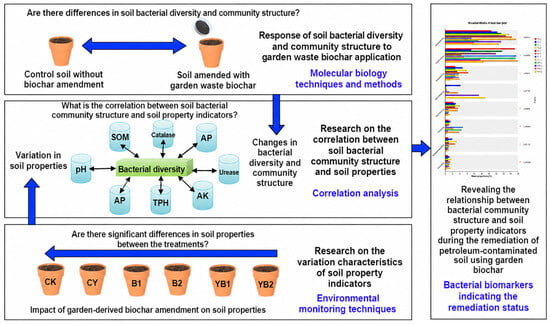
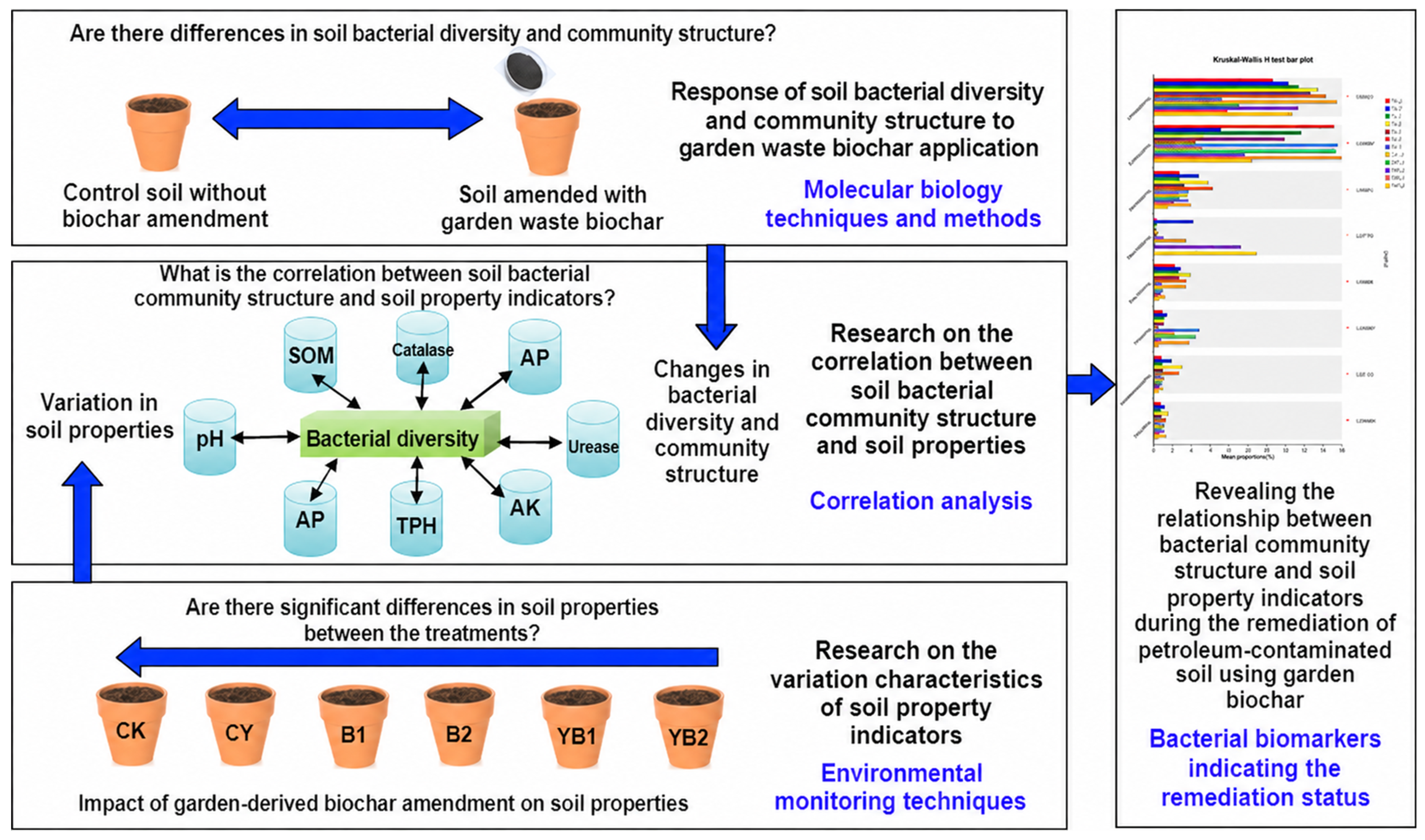
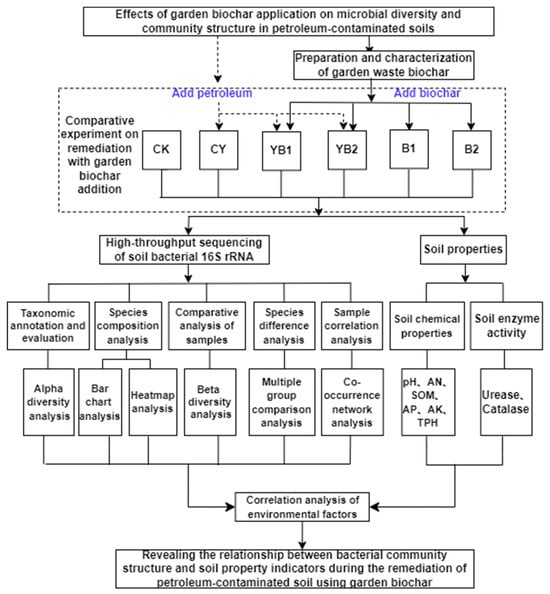
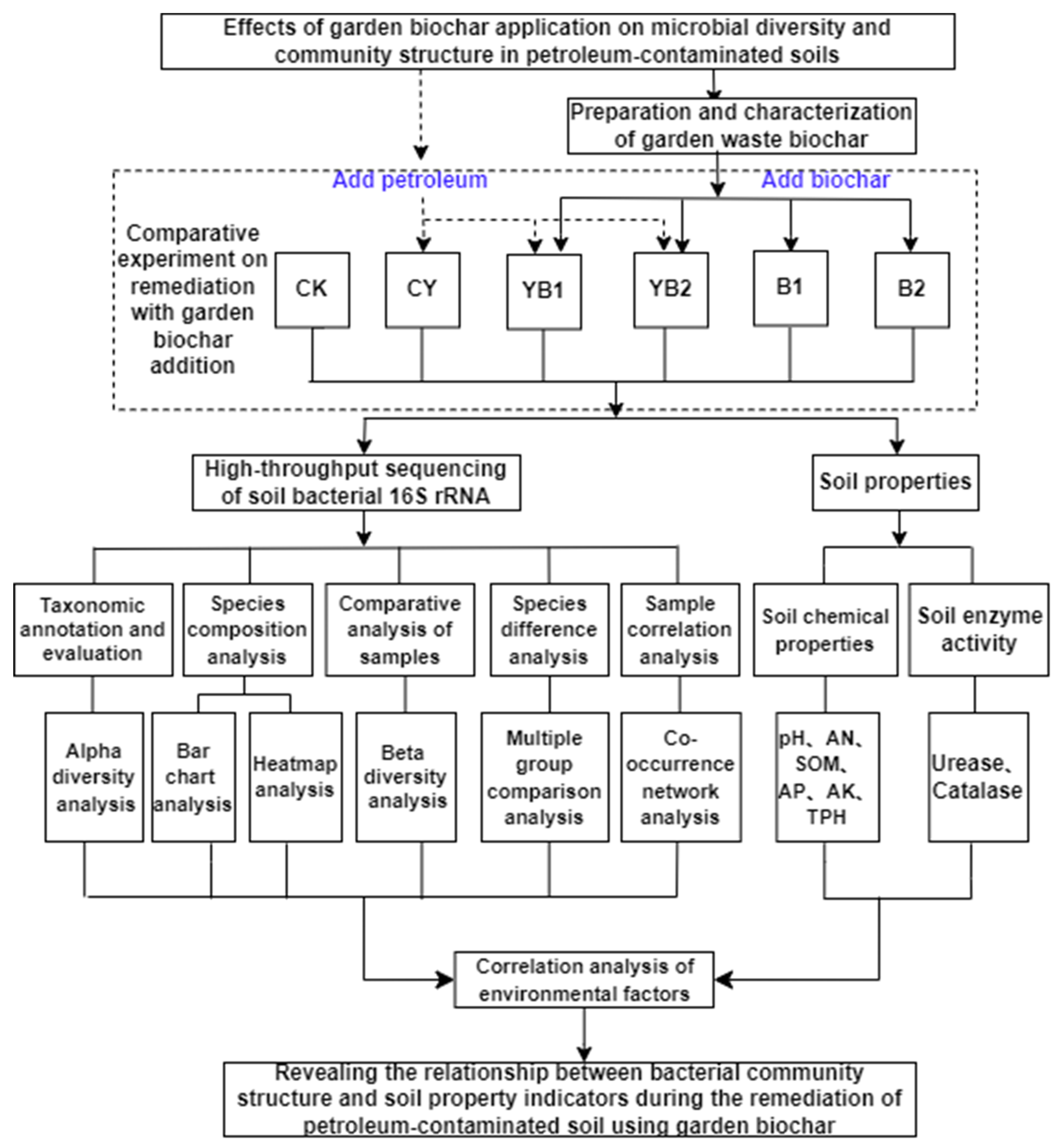
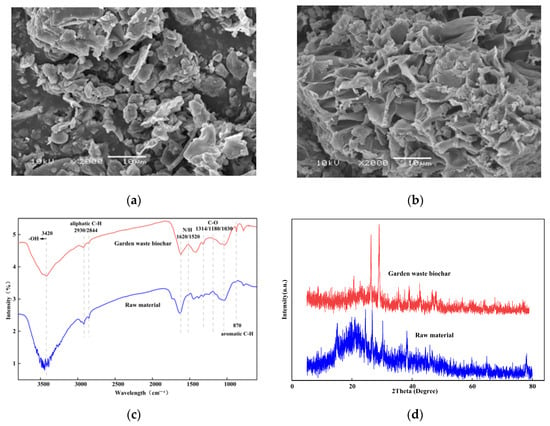
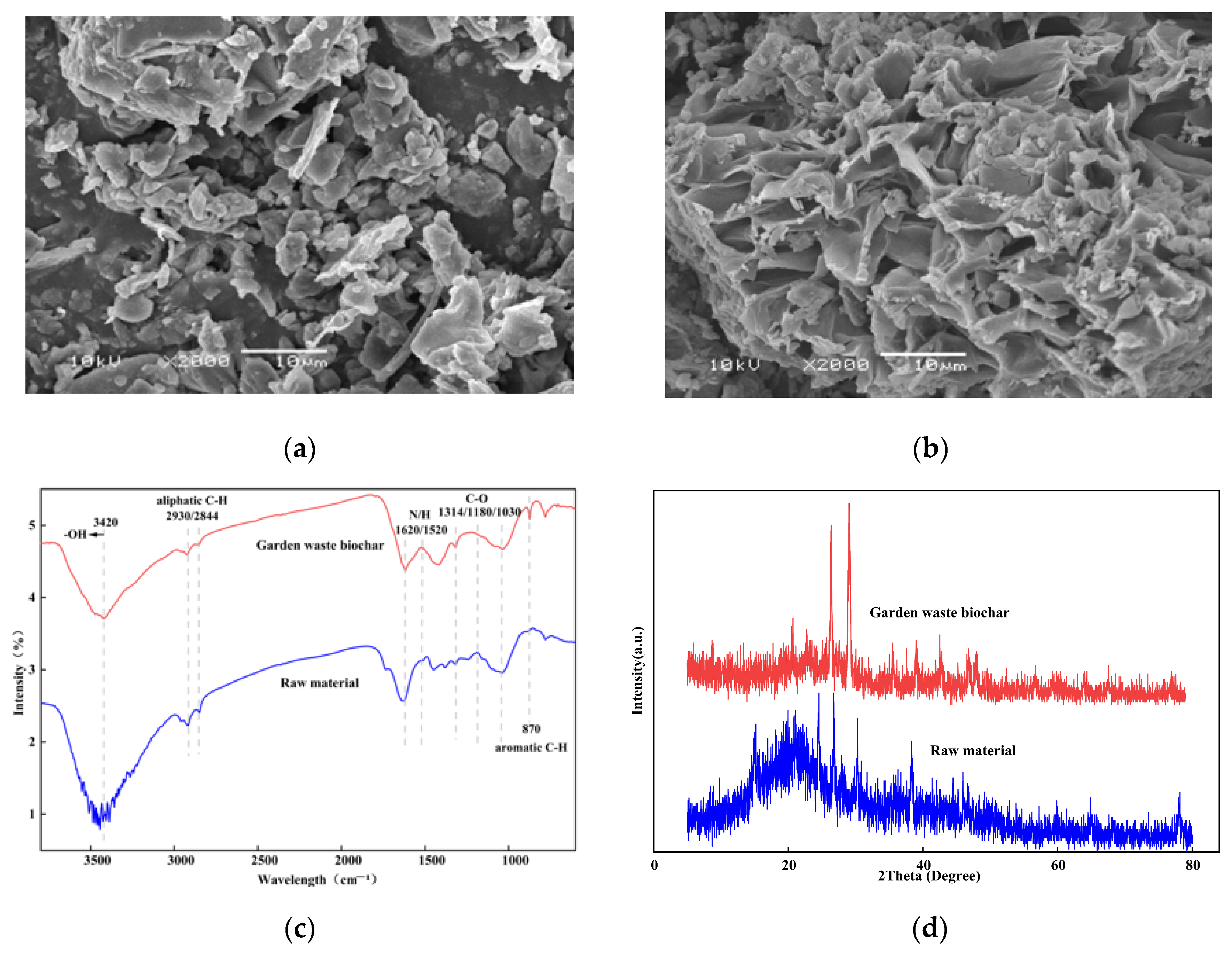
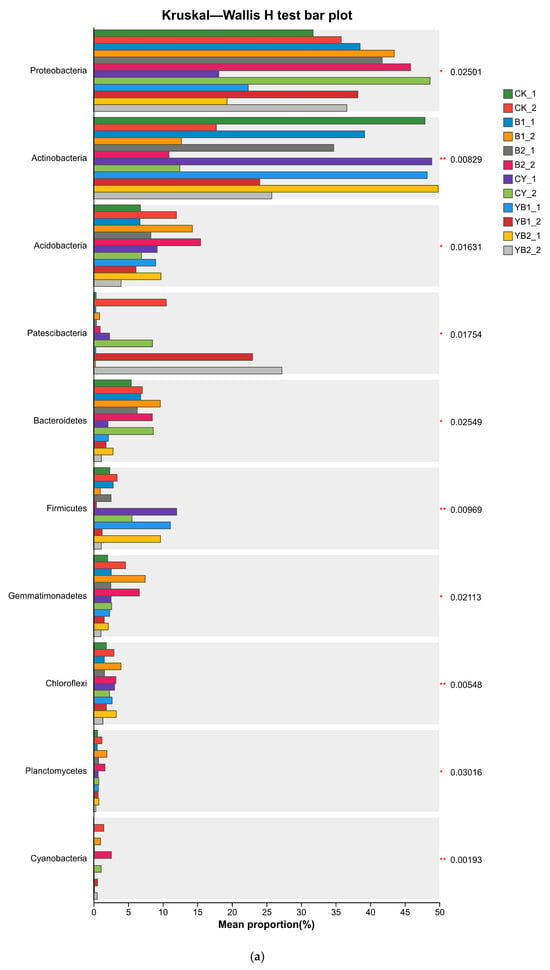
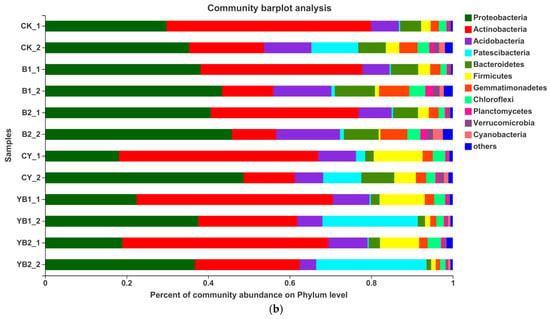
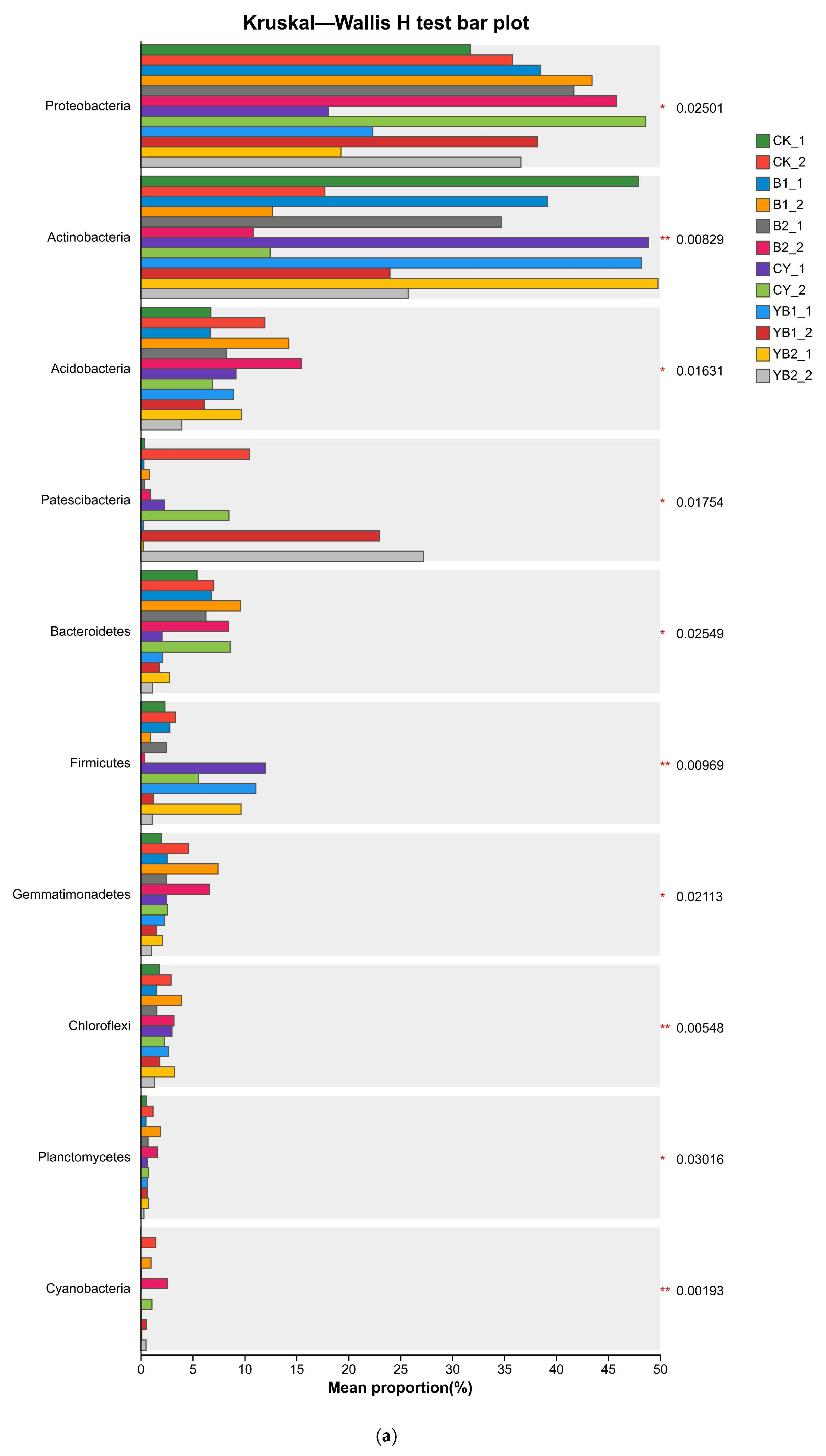
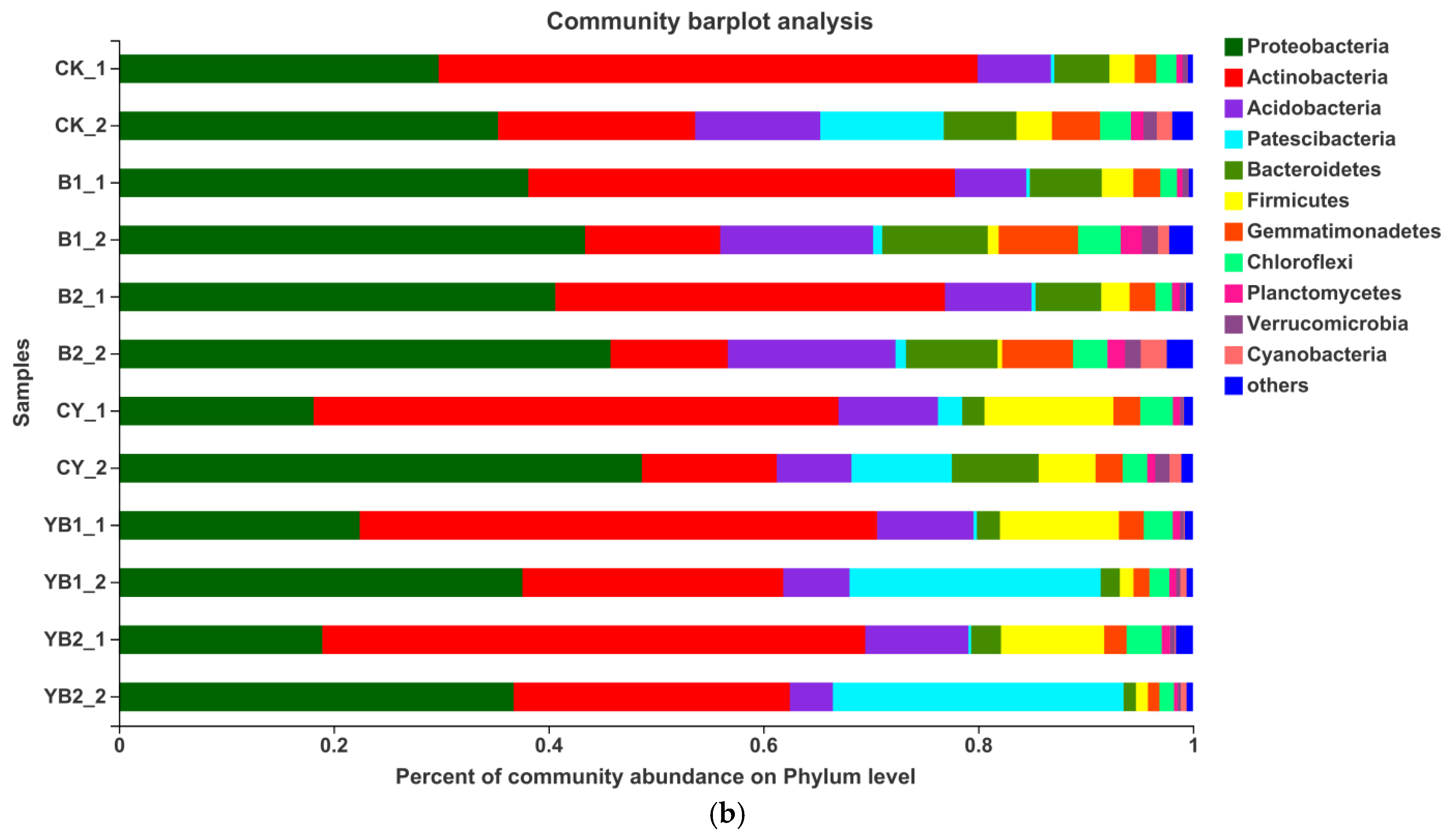
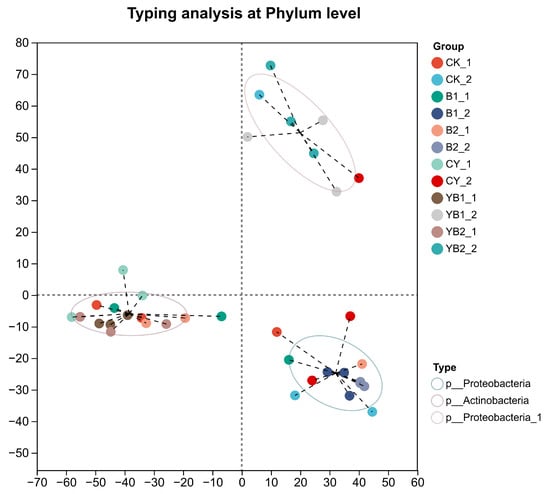
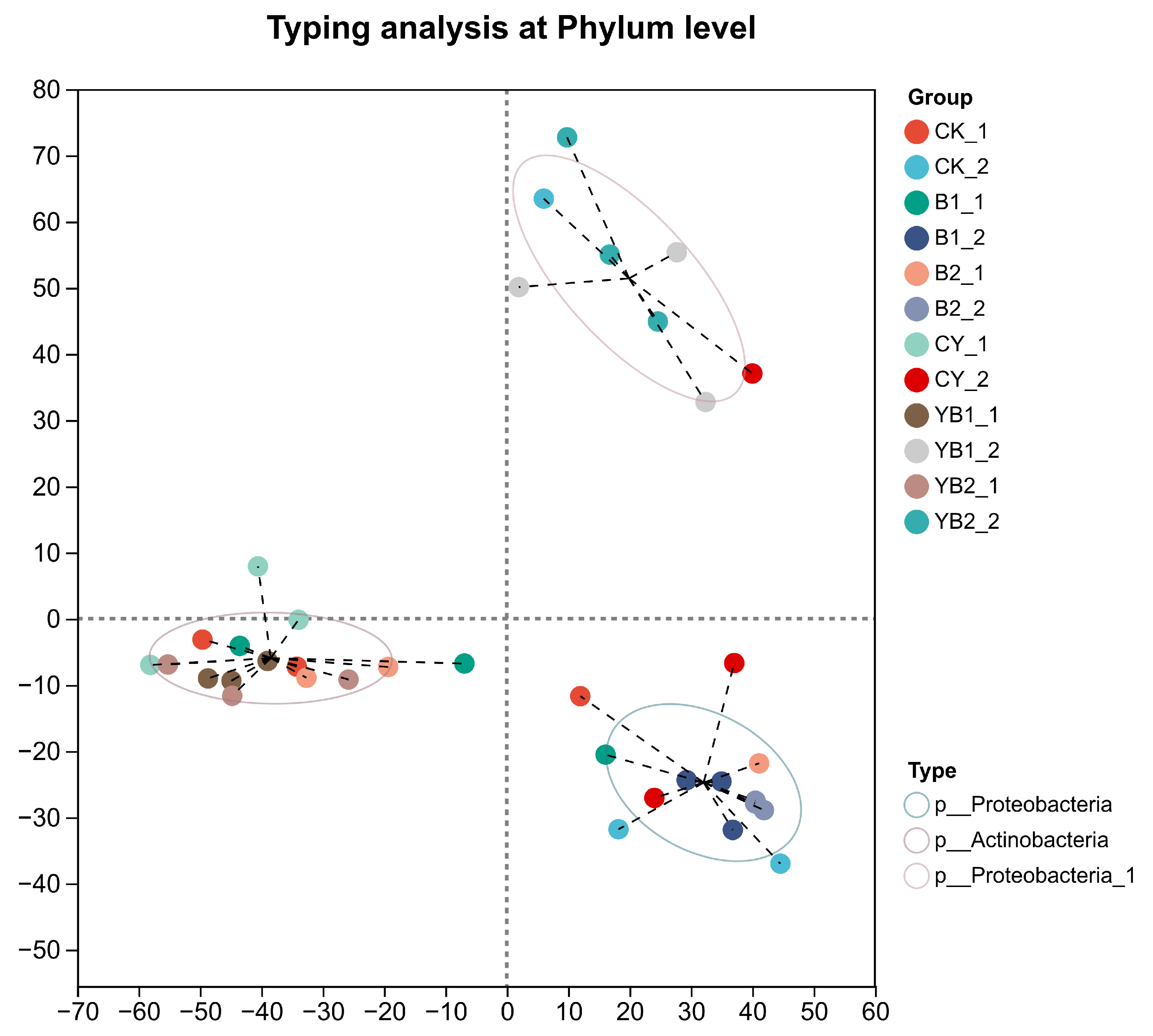
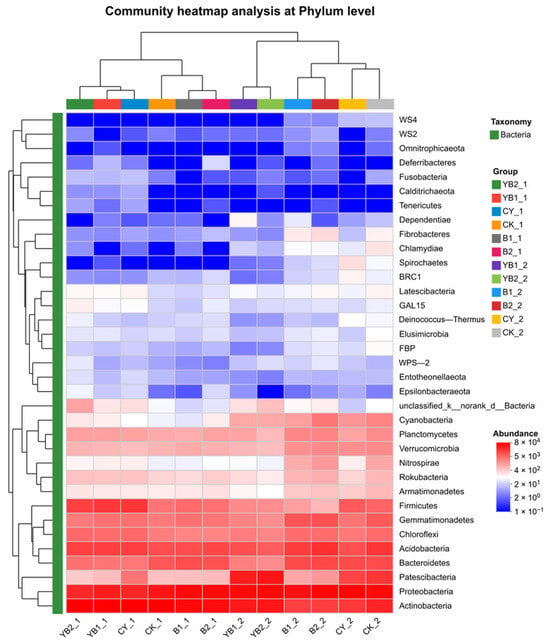
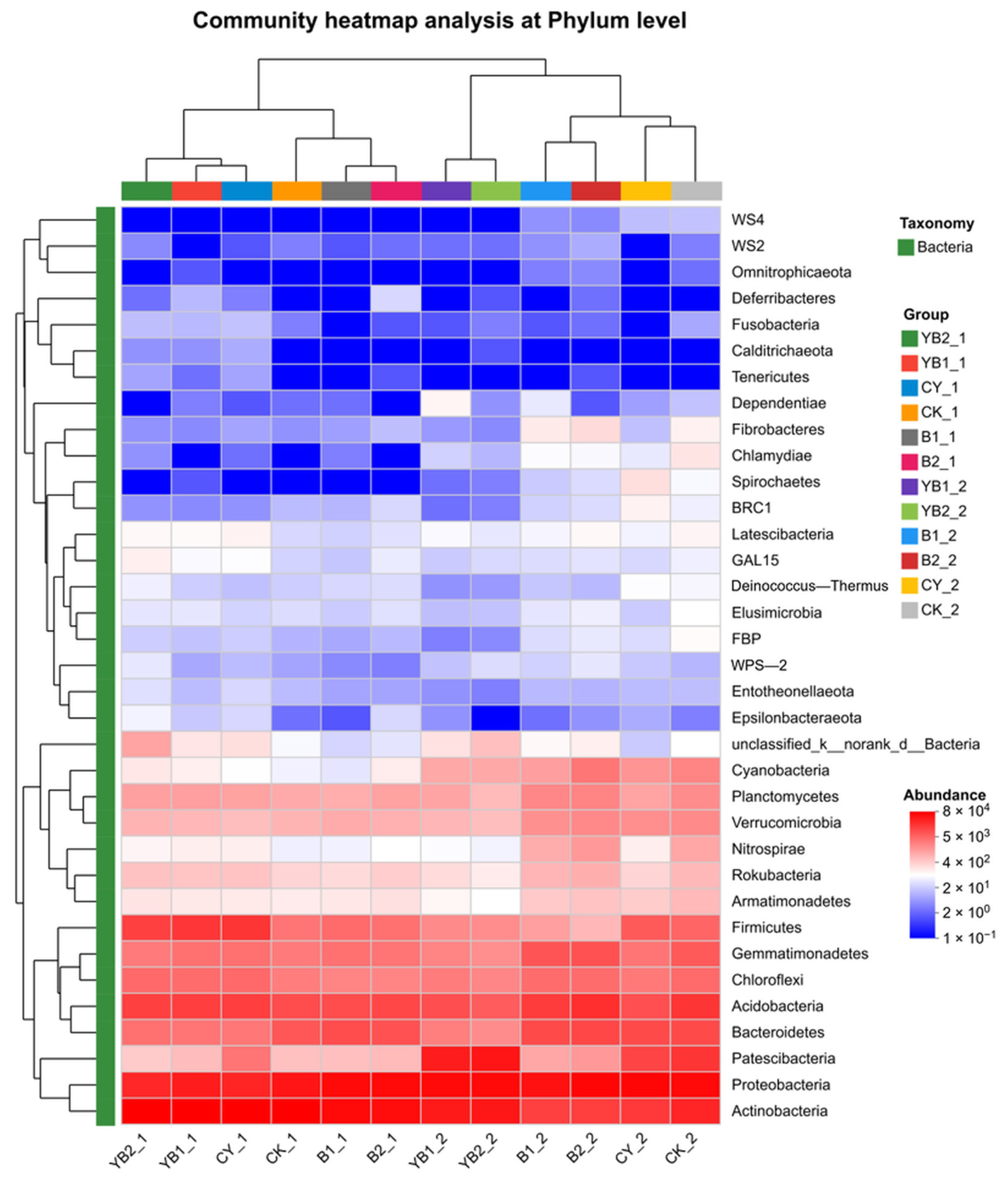
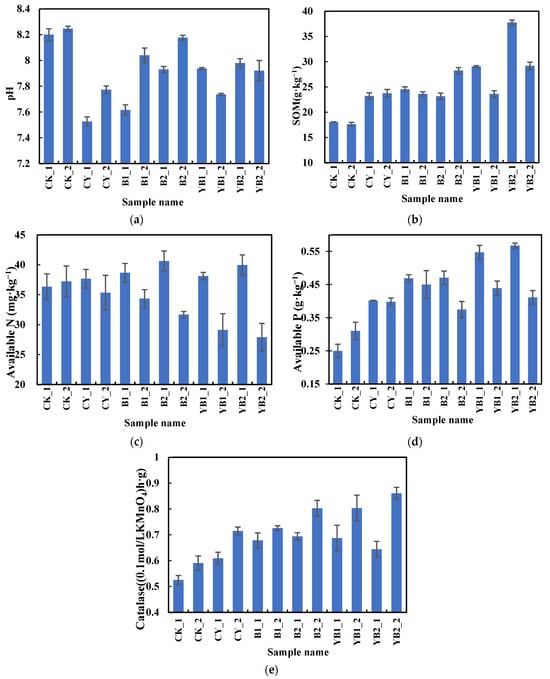
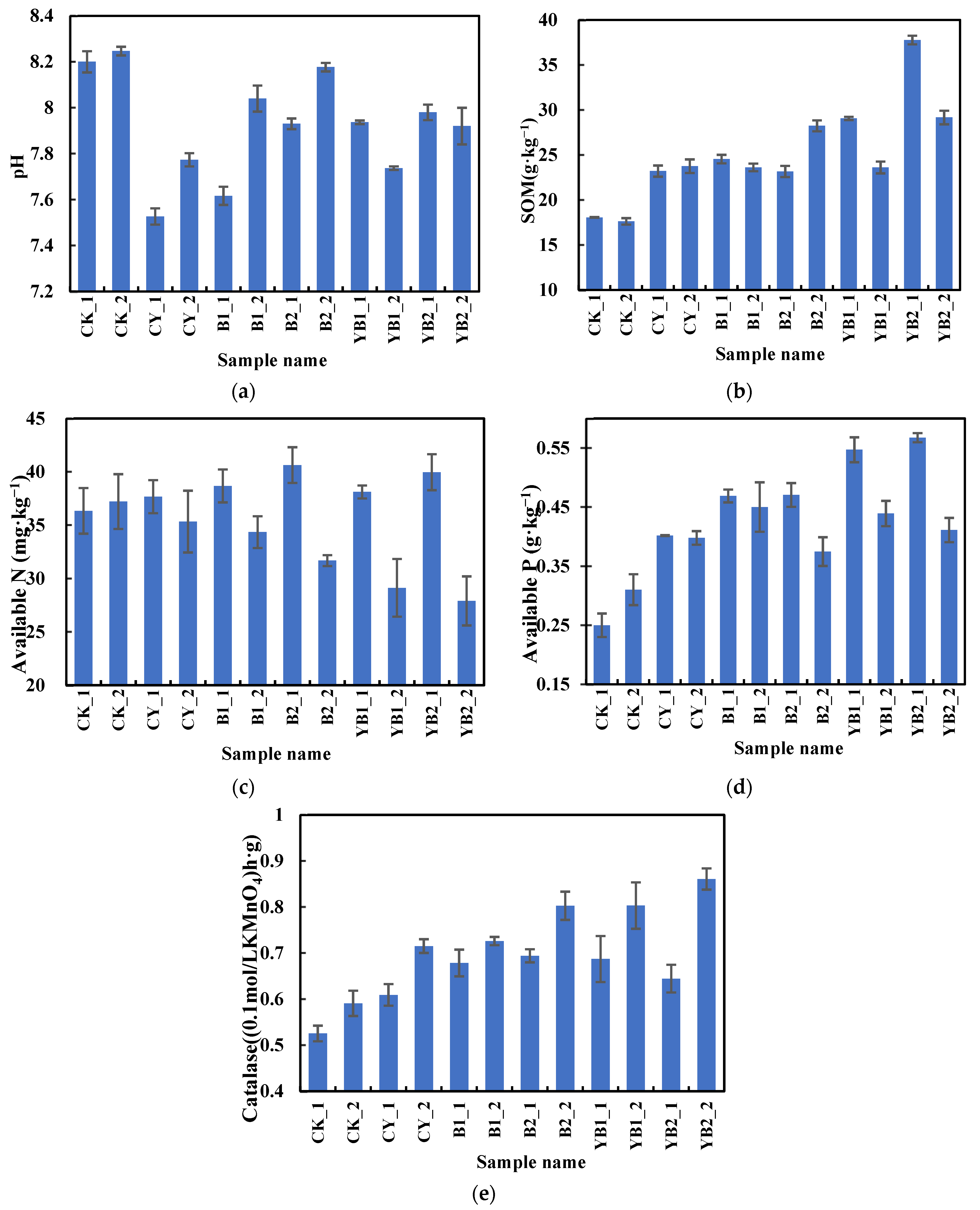
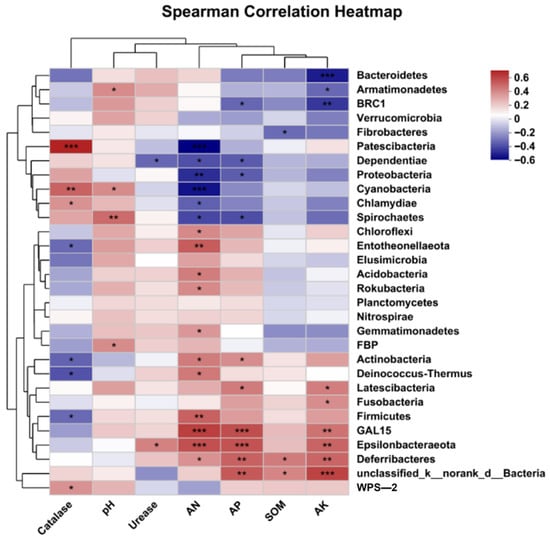
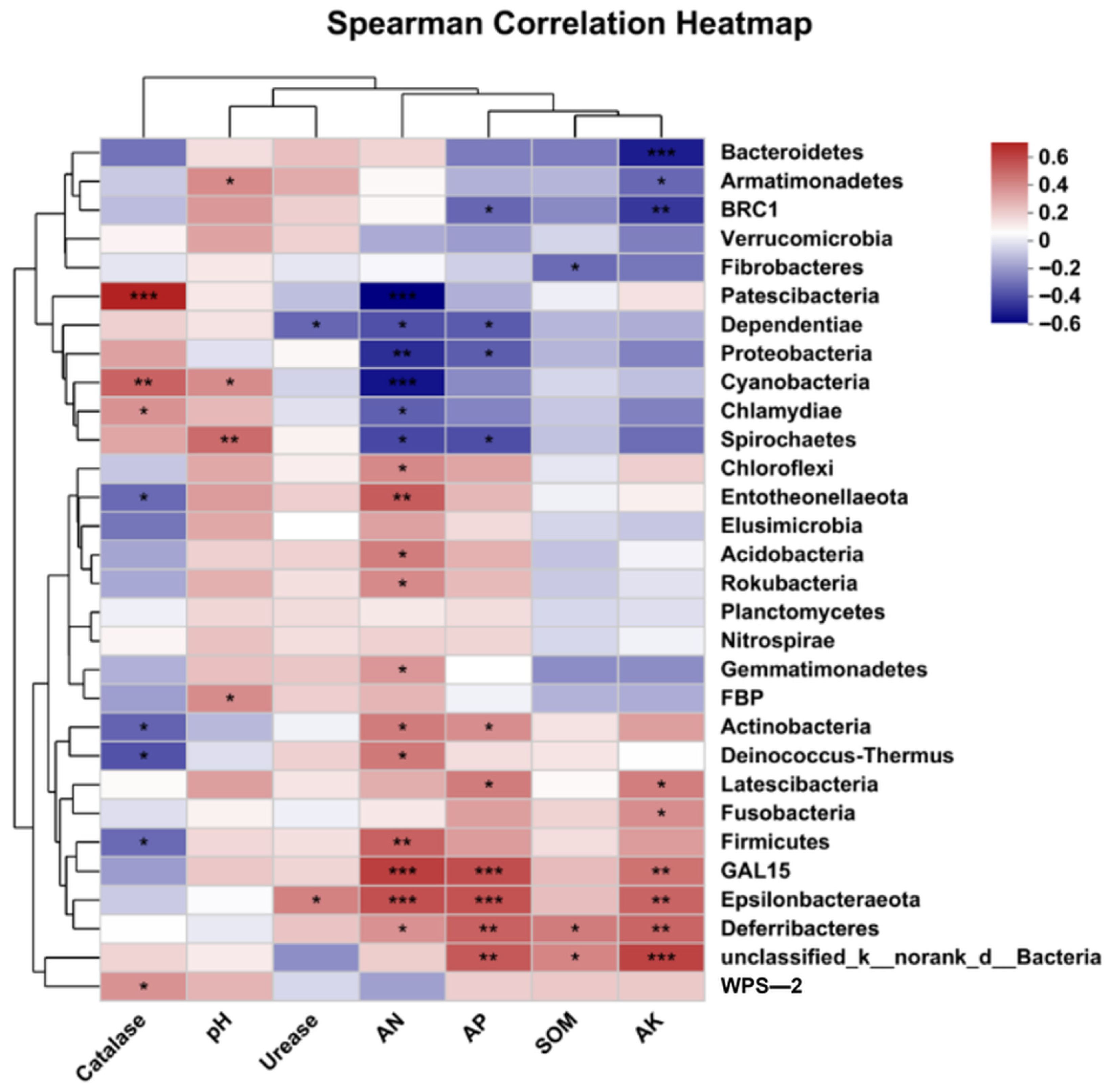

Disclaimer/Publisher’s Note: The statements, opinions and data contained in all publications are solely those of the individual author(s) and contributor(s) and not of MDPI and/or the editor(s). MDPI and/or the editor(s) disclaim responsibility for any injury to people or property resulting from any ideas, methods, instructions or products referred to in the content. |
© 2026 by the authors. Licensee MDPI, Basel, Switzerland. This article is an open access article distributed under the terms and conditions of the Creative Commons Attribution (CC BY) license.