


Abstract
Within China’s agricultural sector, agricultural new quality productive forces (ANQPFs) constitute an emerging productivity paradigm; however, further empirical testing is still needed to determine whether and through what mechanisms they affect rural economic sustainability. Previous academic studies have mainly examined the impact of ANQPFs on production efficiency, while paying relatively little attention to income distribution and spatial diffusion. Based on panel data from 286 prefecture-level cities in China over the period 2014–2023, this study evaluates how ANQPFs affect farmers’ income growth, distributional equity, and spatial diffusion. Methodologically, this study combines a double machine learning approach with interaction term specifications and spatial econometric techniques to identify nonlinear associations and spatial dependence. Empirical evidence reveals a pronounced positive contribution of ANQPFs to farmers’ income growth, mainly through digital productivity and technological productivity, with rural industrial integration and rural entrepreneurship playing key roles as transmission pathways. Notably, these income-enhancing effects exhibit significant inclusive characteristics: marginal gains are substantially larger for low-income regions and groups, implying that ANQPFs help narrow rather than widen rural income disparities. In addition, ANQPFs generate considerable positive spatial spillover effects, with economic advantages radiating to neighboring areas. This paper offers empirical insights into the role of ANQPFs in promoting farmers’ income growth, narrowing income disparities, and generating spatial spillovers, and offers policy recommendations aimed at advancing sustainable rural economic development.
1. Introduction
Sustainable improvement in farmers’ incomes constitutes a prerequisite for global poverty alleviation and the advancement of sustainable development. Embedded in the United Nations 2030 Agenda for Sustainable Development, SDG Target 2.3 explicitly calls for doubling both the productivity and the incomes of small-scale food producers within the current decade [1]. The scale of this challenge is considerable: rural territories accommodate approximately four-fifths of the global population living in extreme poverty, and family-operated farms supply over 80% of the world’s food output [2]. Comparative evidence from the World Bank indicates that growth originating in agriculture reduces poverty at a rate two to four times greater than equivalent growth in any other sector [3]. Taken together, these observations position agricultural productivity enhancement and durable income growth among farmers as objectives of collective global concern.
Within China’s national strategic architecture, sustained income growth for the rural population assumes comparable significance. Recent policy milestones—including the 15th Five-Year Plan, the 2025 Central Rural Work Conference, and the State Council’s 2026 agenda for accelerating agricultural and rural modernization—consistently foreground the objective of maintaining rapid and stable increases in farmers’ earnings. Scholars accordingly argue that, throughout the present Five-Year Plan period, this objective has transcended the traditional “agriculture, countryside, and farmers” policy triad and now bears directly on the quality and durability of China’s modernization trajectory [4]. Yet the sector’s long-standing reliance on an input-intensive, extensive growth model—predicated on ever-larger endowments of land, labor, and capital—is increasingly untenable, as the marginal contribution of such conventional inputs to rural income growth has diminished steadily [5]. Official statistics corroborate this concern: between 2011 and 2025, the real growth rate of rural per capita disposable income declined from 11.4% to 6.0%, even as the absolute urban–rural income disparity expanded from roughly RMB 14,800 to RMB 32,000. This deceleration, compounded by a widening absolute gap, risks eroding rural households’ perceived sense of equity and achievement, with potential repercussions for social stability and the rural revitalization agenda.
Given the exhaustion of factor-driven expansion, identifying new engines of agricultural development has become an urgent policy and scholarly imperative. Across economies, productivity transformation anchored in technological innovation is broadly regarded as the indispensable pathway for breaking through agricultural growth constraints. Central to China’s pursuit of high-quality economic development, the concept of new quality productive forces seeks to elevate total factor productivity fundamentally through technological innovation [6]. This policy discourse entered the agricultural domain formally in 2025, when China’s No. 1 Central Document called, for the first time, for “harnessing scientific and technological innovation to promote the agglomeration of advanced production factors and to cultivate agricultural new quality productive forces suited to local conditions”. Agricultural new quality productive forces (ANQPFs) may thus be conceptualized as the sector-specific operationalization of this broader theory, organized around the objective of raising agricultural total factor productivity [7,8]. Unlike conventional agricultural productivity, which expands through the accumulation of land, labor, and capital, ANQPFs are driven by technological innovation and are distinguished by digitalization, green transition, and the adoption of intelligent technologies. Through frontier technological breakthroughs, the reallocation of production factors, and the deepening of industrial transformation and upgrading, ANQPFs give rise to advanced forms of agricultural productive capacity and broaden the opportunities available for income growth among farmers [9]. These considerations give rise to a set of inter-related questions: Does ANQPF development genuinely accelerate the growth of farmers’ incomes? If so, through which transmission mechanisms? And are the resulting benefits confined to the localities that generate them, or do they diffuse across space? Resolving these questions is indispensable for revealing the underlying logic and channels through which ANQPFs translate into rural income gains, and for informing strategies that leverage ANQPFs development to sustain income growth and advance shared prosperity.
This study engages with and extends three strands of scholarly work. The first strand addresses the concept of ANQPFs itself, within which existing scholarship has developed along three inter-related trajectories. At the conceptual level, ANQPFs are broadly characterized as an advanced manifestation of agricultural productive capacity, driven by disruptive technological breakthroughs, the reallocation of production factors, and profound industrial restructuring. Grounded in Marxist political economy, one line of argument identifies ANQPFs with three constituent elements: new-type agricultural laborers, new-type instruments of labor, and new-type objects of labor [10]. A complementary line foregrounds the dual attributes of “novelty” and “quality”, unpacking ANQPFs through the lenses of novel technological applications, emergent industrial forms, innovative development models, and newly created value [11]. Methodologically, the measurement of ANQPFs has largely followed two competing architectures: one structured around the tripartite composition of laborers, instruments of labor, and objects of labor [12], and the other organized along agricultural scientific–technological productivity, green productivity, and digital productivity [13]. On the empirical front, a growing body of evidence documents the capacity of ANQPFs to foster high-quality agricultural development, advance urban–rural integration, and generate a range of beneficial outcomes [14,15].
A second strand of literature addresses the determinants of farmers’ income. At the organizational level, cooperatives raise both agricultural production income and household income by improving the allocation of capital, intermediate inputs, and technology, thereby enhancing land productivity [16]. In terms of digital empowerment, digital village construction stimulates income growth through industrial restructuring, increased agricultural mechanization, and enterprise agglomeration [17]. The expansion of rural e-commerce, supported by inclusive finance, has also become a key driver of farmers’ income growth [18]. At the urban–rural integration level, new-type urbanization directly raises local farmers’ incomes and indirectly promotes them through industrial upgrading, while also generating positive spatial spillovers [19].
The third strand—directly linking ANQPFs to farmers’ income—remains relatively underdeveloped. Few studies have tackled this nexus head-on; most instead examine how technological advances affect farmers’ earnings through agricultural innovation and transformation. Xiang et al., using provincial panel data from 2012 to 2021 across 31 Chinese provinces, show that agricultural technological innovation exerts a favorable and pronounced influence on farmers’ income, although the marginal effect weakens as innovation levels rise; rural human capital accumulation strengthens this income-promoting effect [20]. Zou and Mishra, using microdata on Chinese farm households, demonstrate that mechanized farming services substantially raise total household income and consumption by improving input efficiency in maize production and freeing up agricultural labor [21]. Using the citrus sector as a case, Ding et al. find that both geographic and virtual agglomeration in agriculture boost farmers’ agricultural earnings through technological innovation, with virtual agglomeration easing and substituting for the crowding effect associated with geographic concentration [22]. Ma and Tan identify two channels through which ANQPFs raise farmers’ income—output growth and non-agricultural employment—and note that these effects are stronger for low-income farmers [23]. In sum, although a limited number of studies have begun to explore how ANQPFs affect farmers’ income growth, most remain at the provincial macro-level. Much room remains for deeper investigation into transmission mechanisms, spatial spillover effects, and whether ANQPFs’ income impact is inclusive or biased.
This study makes several marginal contributions. First, it systematically investigates whether ANQPFs’ impact on farmers’ income growth is inclusive or biased from a distributional perspective, thereby extending research on ANQPFs and rural income dynamics. Second, unlike conventional parametric regression models that are prone to functional form misspecification and the “curse of dimensionality” induced by high-dimensional controls, this study applies a double machine learning (DML) approach to causal identification of the ANQPFs–income relationship. This method flexibly accommodates nonlinearities and complex interactions and allows for a more rigorous estimation of ANQPFs’ net effects. Third, it empirically validates two channels through which ANQPFs promote farmers’ income growth—rural industrial integration and rural innovation and entrepreneurship—thereby expanding the analytical framework from “technology” to “industry” to “income”. Fourth, by employing spatial econometric models, it assesses the spatial spillover effects of ANQPFs on farmers’ income, revealing the regional interdependence of ANQPFs development and offering empirical insights for coordinated regional development and policy design.
It should be noted that the ANQPFs model differs from models based on technological progress in three respects. Conceptually, traditional models treat technology as a single exogenous shock, whereas ANQPFs are a multidimensional composite concept encompassing agricultural science and technology productivity, digital productivity, and green productivity, emphasizing the synergistic effects among the three; it is not a simple renaming of “technological progress”. In terms of mechanism, traditional models follow a single path of “technological progress → productivity improvement → income growth”, whereas ANQPFs, through the synergistic effects of technological penetration, digital cost reduction, and green transformation, convert technological dividends into farmers’ income growth via factor recombination, industrial organization transformation, and value chain upgrading. In terms of policy, traditional models focus on R&D investment and technology promotion, whereas ANQPFs emphasizes a broader policy mix, including digital infrastructure, green transformation, three-industry integration, benefit linkage mechanisms, and regional coordination. In summary, technological progress is a core component of ANQPFs, but ANQPFs surpasses the traditional model of technological progress in concept, mechanism, and policy. The contribution of this paper lies precisely in embedding technological progress into a more comprehensive framework of productivity transformation and income distribution.
2. Theoretical Framework and Hypotheses
2.1. The Growth Effect of ANQPFs on Farmers’ Income: Direct, Driving, and Fostering Effects
2.1.1. Direct Effect
Before examining the income-enhancing effect of ANQPFs, it is necessary to clarify the sources of technology embedded in ANQPFs and the conditions under which farmers can access such technology. The technological sources of ANQPFs mainly fall into three categories: first, government-led agricultural R&D and extension systems, such as the seed industry revitalization initiative and smart agricultural machinery subsidies; second, market-driven penetration of digital technologies, such as e-commerce platforms, agricultural Internet of Things, and digital finance; and third, independent innovation by farmers and new agricultural entities, such as family farms and farmer cooperatives adopting new technologies and business models. Economic growth raises the payment capacity of farmers and local governments, but technology access is not automatic. Whether farmers can actually adopt these technologies also depends on the efficiency of extension systems, digital infrastructure, financial support, human capital, and information availability. ANQPFs help lower technological thresholds, provide digital platforms, and promote technology diffusion, thereby converting economic growth more effectively into technology access and, ultimately, income growth. Therefore, ANQPFs are not only carriers of technological progress but also facilitators of the conditions for technology access.
According to the theory of transforming traditional agriculture, technological stagnation and low returns on capital leave traditional agriculture in a “high-efficiency but low-level” resource allocation pattern [24], resulting in insufficient endogenous momentum for farmers’ income growth. It is therefore necessary to integrate modern scientific and technological factors into traditional agriculture, improve agricultural production efficiency through technological innovation, and unlock agricultural production potential so that farmers can obtain higher operating returns [25]. ANQPFs are not a simple accumulation of existing agricultural technologies; they take modern agricultural scientific and technological progress as their core driving force. Their defining feature lies in breaking the limitations of traditional agriculture and transforming technological dividends and efficiency advantages into income growth advantages for farmers. As an advanced form of productive forces driven by agricultural technological innovation, ANQPFs are characterized by high efficiency, high quality, high added value, and sustainable development, serving as an important engine for farmers’ income growth. Specifically, on the one hand, ANQPFs transform traditional agricultural production methods through intelligent equipment, digital technologies, and bio-breeding, thereby enhancing agricultural total factor productivity and driving farmers’ income growth. On the other hand, through technological empowerment, ANQPFs extend agricultural income from internal production to external processing, branding, and services, giving rise to new industries and new business formats. This effectively lengthens the agricultural industrial chain, expands the space for agricultural value growth, creates more value-added returns and non-agricultural employment income for farmers, and promotes farmers’ income growth. Based on this, this study proposes the following research hypothesis.
H1a.
ANQPFs can drive farmers’ income growth.
2.1.2. Industrial Integration
A second channel operates through the convergence of primary, secondary, and tertiary sectors in rural areas. Such integration is anchored in agricultural production yet departs from the conventional model confined to farming and the direct sale of raw output. By establishing linkages between agriculture and downstream and upstream activities—processing, logistics and distribution, services, and cultural tourism—it fosters coordination across the input, production, and output stages, and realizes holistic upgrading via the extension of supply chains, the upgrading of value chains, and the diversification of agricultural functions. Its essential mechanism resides in dissolving conventional sectoral boundaries and facilitating the cross-sectoral mobility of production factors, which collectively elevates the overall efficiency of agriculture while enlarging the proportion of value along the industrial chain that accrues to farmers [26]. Within this process, ANQPFs play a catalytic role. By deploying digital technologies, intelligent equipment, and technological innovation, ANQPFs effectively dismantle the technological barriers and informational divides that separate agriculture from the secondary and tertiary sectors, thereby inducing novel business forms and models and opening up more pluralistic sources of income for rural households. Rather than placing agriculture and other sectors side by side, ANQPFs induce the deep fusion of farming, processing, marketing, and services through digital empowerment and innovation, and convert the value-added gains arising from industrial convergence into sustained and diversified income growth for farmers. The contrast with the status quo is instructive: constrained by obsolete processing techniques and pervasive information asymmetry, traditional agriculture has largely been trapped at the stage of selling unprocessed products, leaving farmers with only a thin slice of production profits. ANQPFs, by contrast, propel the development of deep processing, brand management, and distribution services, allowing farmers to appropriate value added generated in the processing of agricultural products [27]. Simultaneously, through digital agriculture and ecological technologies, ANQPFs catalyze the emergence of business formats that fuse agriculture with tourism, under which farmers can broaden operating income via agritourism, rural homestays, and livestream marketing of specialty produce [28]. In turn, the lengthening of the industrial chain generates a substantial number of higher-skill employment opportunities, stimulating demand for a new generation of professional farmers and returnee entrepreneurs and, in doing so, effectively lifting farmers’ wage earnings. On this basis, the following hypothesis is formulated.
H1b.
ANQPFs drive farmers’ income growth by promoting three-industry integration in rural areas.
2.1.3. Rural Innovation and Entrepreneurship
Schumpeter’s innovation theory posits that economic development proceeds by breaking equilibrium through “new combinations” [29]. In traditional rural areas, however, rigid factor endowments, information asymmetry, and strong risk aversion have long suppressed innovation and entrepreneurship. Consequently, the rural economy has lacked endogenous growth momentum, and farmers have been locked into a narrow income structure with slow growth. Activating rural innovation and entrepreneurship therefore requires external technological shocks and institutional empowerment. ANQPFs provide such a shock. Built on new quality factors—digital technologies, intelligent equipment, biotechnology, the Internet of Things, and artificial intelligence—ANQPFs permeate the rural economy and society and substantially lower information, capital, and skill barriers to innovation and entrepreneurship, thereby helping unlock rural endogenous growth potential. From an innovation perspective, ANQPFs introduce intelligent irrigation, precision fertilization, and agricultural remote sensing, breaking the production limits of traditional agriculture and raising land and labor productivity. Farmers can thus obtain higher yields and better quality with the same inputs, increasing operating income. From an entrepreneurship perspective, ANQPFs foster new rural business forms and models, such as rural online merchants, live-streaming sales of agricultural products, the rural sharing economy, and agriculture–tourism integration [30]. These formats allow farmers to enter non-agricultural or agriculture-related service sectors at relatively low trial-and-error costs, increasing both wage income and operating income. Accordingly, this study proposes the following hypothesis.
H1c.
ANQPFs drive farmers’ income growth by promoting rural innovation and entrepreneurship.
2.2. Comparative Effects: Distributional and Spatial Differences
2.2.1. Distributional Comparison
Two classical hypotheses address how technological progress affects income distribution. The “Matthew effect” hypothesis argues that new technologies are first adopted by groups with abundant initial resources and higher education, so high-income groups benefit more and income disparities widen. The “convergence effect” hypothesis holds that late-developing regions or low-income groups gain greater marginal benefits from technological diffusion, thereby narrowing the gap [31]. ANQPFs, centered on digital technologies and intelligent equipment, raise the question of whether they can break the traditional pattern of agricultural technology adoption that “privileges the wealthy.” On the one hand, low-income farmers may face higher barriers—limited capital, education, and information—so ANQPFs could exacerbate rural income differentiation. On the other hand, the new business formats spawned by ANQPFs, such as rural e-commerce, three-industry integration, and innovation and entrepreneurship, feature low entry barriers and broad coverage. Governments also tend to provide preferential support to underdeveloped regions and low-income groups, which may enable low-income farmers to achieve greater income gains. Accordingly, this study formulates the following hypothesis.
H2a.
The income-enhancing effect of ANQPFs differs across income groups, potentially exhibiting either a Matthew effect or an inclusive effect.
2.2.2. Spatial Comparison
Marshall’s theory of industrial agglomeration posits that the spatial clustering of economic activities produces notable diffusion effects that extend to both the core agglomeration and adjacent areas, operating through externalities such as knowledge spillovers, pooled labor markets, and specialized inputs [32]. In China, the development of ANQPFs currently exhibits pronounced dynamic convergence and spatial interdependence across regions [33], and ANQPFs may foster regional common prosperity by facilitating human capital accumulation and knowledge spillovers [34]. The diffusion of knowledge and technology in this manner can reduce productivity disparities between regions and allow farmers in surrounding areas to benefit from technological advances. As China builds a unified national market, the movement of new production factors across regions, including capital, highly skilled labor, data, and information, has grown increasingly active. Regions with advanced ANQPFs tend to develop competitive industrial chains, dynamic rural electronic commerce, and recognized agricultural brands, which attract production factors from nearby areas. By means of industrial chain cooperation, collaborative logistics network development, and shared marketing channels, these advantages further allow neighboring regions to move into higher-value segments of the value chain. This process enhances the efficiency of resource use throughout the region and helps farmers overcome local market limitations to gain from wider regional economic circulation, thus raising their incomes. Accordingly, this study proposes the following hypothesis.
H2b.
ANQPFs not only drive local farmers’ income growth but also exert positive spillover effects on farmers’ income in neighboring regions. That is, ANQPFs generate positive spatial spillover effects on agricultural income growth.
The theoretical discussion above is synthesized in Figure 1, which depicts the analytical framework of this study.
Figure 1.
Analytical roadmap of the present research.
3. Research Design and Data
3.1. Measurement of Key Variables
3.1.1. Dependent Variable
The dependent variable, farmers’ income (ICM), is operationalized through the per capita disposable income of rural residents, consistent with the measurement conventions established in prior studies [35,36]. This widely adopted indicator serves a dual purpose: it reflects the absolute level of rural income at a given point in time and simultaneously captures the dynamics of income growth over the sample period. Larger values of ICM accordingly denote more rapid income expansion among the rural population.
3.1.2. Key Independent Variable
At the heart of the empirical analysis lies the explanatory variable, ANQPFs. Because ANQPFs constitute a composite and multidimensional construct, extant research has almost invariably resorted to comprehensive evaluation systems in conjunction with weighting procedures, although the dimensional architecture differs markedly from one study to another. Three principal schemes can be identified. The first derives the indicator system from the constituent elements of new quality productive forces, namely agricultural laborers, objects of labor, and means of labor [37,38]. The second proceeds from the conceptual dimensions of the broader theory, encompassing agricultural science and technology, production factors, organizational forms, and agricultural ecology [39,40]. The third isolates the defining attributes of ANQPFs and organizes measurement around agricultural science and technology, digitalization, and green development [41]. A supplementary strategy, adopted by a smaller number of studies, infers ANQPFs development from the co-occurrence frequency of ANQPFs-related keywords extracted from Baidu News via web-crawling techniques [42].
The definition adopted in this paper is anchored in two authoritative policy sources. According to China’s 2025 No. 1 Central Document, ANQPFs denotes the agglomeration of advanced production factors guided by scientific and technological innovation; in parallel, the Development Research Center of the State Council of China interprets ANQPFs as a novel model of agricultural development powered by high-level and new technologies, delivering high efficiency, superior quality, high value, and sustainability. On this basis, ANQPFs is defined herein as a sophisticated mode of productive forces driven by innovation in agricultural science and technology, marked by digitalization and greening, and capable of raising agricultural total factor productivity through the application of new technologies and the cultivation of new business forms. Corresponding to this definition, and aligned with the third measurement scheme described above, the indicator system is organized along three dimensions: agricultural science and technology productivity, agricultural digital productivity, and agricultural green productivity.
Each dimension is populated with indicators that map closely onto its substantive content. Digital productivity captures the infiltration of digital technologies, information infrastructure, digital finance, and e-commerce business forms into the agricultural sector; it is therefore proxied by rural mobile communication penetration, broadband access, the Peking University Digital Financial Inclusion Index, and the number of Taobao villages. Science and technology productivity encapsulates the inputs, outputs, and human-capital underpinning of agricultural innovation; it is accordingly represented by agricultural R&D intensity, the stock of agricultural patents, and the endowment of scientific and technical personnel. Green productivity mirrors the curtailment of input intensity, the mitigation of non-point source pollution, and the pursuit of sustainable development; it is thus measured by the application intensities of chemical fertilizer, pesticides, and agricultural plastic film, all normalized by sown area. Indicator weights are derived via the panel-data entropy weight method, on the basis of which the ANQPFs level of each prefecture-level city over the sample period is computed. The complete indicator system is detailed in Table 1.
Table 1.
ANQPFs indicator system.
3.1.3. Mediating Variables
Two mediating variables are incorporated to uncover the transmission channels linking ANQPFs to rural income: the integration of rural primary, secondary, and tertiary industries (INDs), and rural innovation and entrepreneurship (CREI). With respect to INDs, although the literature has converged on comprehensive evaluation frameworks as the standard measurement device, the constituent indicators chosen differ substantially across studies. In line with the framework proposed by Ge et al. [43], INDs are characterized here along three dimensions—the foundational capacity of agriculture, the extension of the agricultural industrial chain, and the functional diversification of agriculture—and an evaluation system is constructed accordingly (Table 2). INDs scores are then generated by applying the panel-data entropy weight method to this system. As for CREI, the Index of Rural Innovation and Entrepreneurship in China constructed by Ruan et al. [44] is employed as the proxy, with the original index rescaled by dividing by 100.
Table 2.
Evaluation index system for the level of three-industry integration in rural areas.
3.1.4. Control Variables
To isolate the net effect of ANQPFs on farmers’ income and to guard against omitted-variable bias, a set of control variables is introduced, with their selection informed by the practices of prior research [45]. These controls fall into four categories. First, economic conditions are captured by three indicators: the level of economic development (per capita gross regional product), the degree of urbanization (the share of urban population in total population), and the scale of government activity (fiscal expenditure as a share of gross regional product). Second, infrastructure endowment is proxied by total fixed asset investment relative to gross regional product. Third, natural conditions are accounted for through the affected-area ratio, defined as the ratio of disaster-affected area to the total sown area of crops. Fourth, human capital is represented by the average years of schooling of the regional population. Table 3 summarizes the definitions and measurement of all variables.
Table 3.
Variable definition and measurement.
3.2. Model Setting
As a multidimensional composite indicator, ANQPFs may affect farmers’ income through multiple channels—factor reallocation, technological progress, and industrial extension—that are likely nonlinear and mutually interactive. Conventional parametric panel models are ill-suited to this setting for two reasons: they require a prespecified functional form, the misspecification of which biases the estimates; and they cannot effectively handle the multicollinearity and nonlinearities embedded in high-dimensional controls. DML overcomes these limitations by integrating machine learning-based nuisance estimation with sample splitting and auxiliary regressions, thereby flexibly accommodating nonlinearities and interactions without strong functional-form assumptions, mitigating confounding bias through automatic variable selection and dimensionality reduction, and delivering unbiased treatment-effect estimates even in finite samples [46,47]. The model is specified as follows.
In Equation (1), represents the rural residents’ per capita disposable income in region i in year t, which is used to measure the level of farmers’ income; represents the level of ANQPFs in region i in year t; is the treatment coefficient of primary interest in this study, capturing the average treatment effect of ANQPFs on farmers’ income growth; represents the vector of high-dimensional controls, which are fitted by machine learning algorithms to obtain ; and is the error term with a conditional mean of zero. To accelerate the convergence rate of the estimator and obtain unbiased estimates of the treatment effect in finite samples, this study constructs the following auxiliary regression model:
In Equation (3), denotes the regression function of the treatment variable on the set of high-dimensional control variables, the specific form of which, , is also estimated using machine learning algorithms; is the error term with a conditional mean of zero.
Estimation proceeds in four steps. First, this study forms the high-dimensional covariate set by augmenting all baseline controls—economic development level, urbanization level, government expenditure scale, infrastructure construction level, affected area ratio, and human capital level—with their quadratic terms, together with city and year fixed effects. Second, the nuisance functions in Equation (1) and in Equation (3) are estimated by random forest, which flexibly captures nonlinearities and interactions among the controls. Third, this study applies 5-fold cross-fitting: the sample is randomly partitioned into five equal folds; in each iteration, one fold serves as the test set and the remaining four as the training set, and the models trained on the latter generate out-of-sample predictions for the former, from which the orthogonalized residuals and are computed. Iterating over all five folds yields the full-sample residuals. Fourth, this study regresses the orthogonalized income residual on the orthogonalized treatment residual by OLS, and the resulting coefficient is the DML estimate of in Equation (1). Because both residuals have been purged of the predictive information contained in , this estimator is root-N consistent and asymptotically normal.
3.3. Data Source
Given the data requirements of the variables involved and the coverage of available statistics, this study constructs a continuous balanced panel of 286 prefecture-level cities in China over the period 2014–2023, which coincides with the emergence and rapid expansion of new quality productive forces in Chinese agriculture. Data were compiled from multiple sources, including the China City Statistical Yearbook, provincial and municipal statistical yearbooks, bulletins on national economic and social development, the Peking University Digital Financial Inclusion Index, the Taobao Village Development Report published by the Ali Research Institute, patent records from the China National Intellectual Property Administration, and the China Center for Agricultural Development and Qiyan China Agricultural Research Database (CCAD) at Zhejiang University. Gaps in the data were addressed through linear interpolation.
4. Empirical Results and Analysis
4.1. Direct Effect of ANQPFs on Farmers’ Income
As a benchmark for comparison, a two-way fixed effects (TWFE) model is estimated alongside the DML specifications. The results, assembled in Columns (1)–(3) of Table 4, reveal that ANQPFs exerts a consistently favorable and statistically robust impact on ICM at the 1% level across all three settings. Column (1) reports the TWFE estimate; Column (2) reports the DML estimate with linear controls together with city and year fixed effects; and Column (3) further augments the specification with the quadratic terms of the controls, thereby maximally absorbing regional heterogeneity, time trends, and nonlinear confounding factors. The insensitivity of the estimated effect to specification choices lends firm support to hypothesis H1a.
Table 4.
The results of the impact of ANQPFs on farmers’ income.
To ascertain which dimension of ANQPFs underpins this aggregate effect, ICM is regressed separately on each of the three constituent components, with the estimates presented in Columns (4)–(6) of Table 4. The coefficients on agricultural digital productivity and agricultural scientific–technological productivity are both positive and significant at the 1% level, identifying these two dimensions as the principal engines of the observed income gains. In contrast, the coefficient on agricultural green productivity, though negative, fails to attain statistical significance, implying that its average income effect has not yet fully materialized during the sample period. A plausible account of this null finding is that the transition from conventional to green production requires sustained expenditure on green inputs, environmental equipment, and ecological governance technologies, which elevates operating costs in the short run, while the market premium attached to green products remains insufficiently realized to offset these costs.
This market-premium interpretation can be subjected to direct scrutiny. Following Xiong Lingyun et al. [48], the degree of marketization is measured as the GDP-to-general public budget expenditure ratio, and the sample is partitioned at its median for DML group regressions (Table 5). The results corroborate the conjecture: in the high-marketization subsample, green productivity exerts a significantly positive influence on farmers’ income, whereas its effect in the low-marketization subsample is statistically indistinguishable from zero. The pattern indicates that only where green certification systems, brand marketing channels, e-commerce platforms, and consumer willingness to pay are sufficiently developed can the price premium on green output compensate for the transitional costs; elsewhere, farmers shoulder these costs without commensurate returns. It follows that the insignificant baseline coefficient does not reflect a genuinely null effect, but rather the averaging of opposite-signed heterogeneous effects across marketization levels.
Table 5.
Marketization-based group regression of green productivity on farmers’ income.
4.2. Robustness Testing
This study conducts a variety of robustness checks to ensure the reliability of the baseline regression results, with the results reported in Table 6.
Table 6.
The results of the robustness testing.
4.2.1. Changing the Sample Split Ratio
Because the DML estimate could depend on how the sample is partitioned, the model is re-estimated with split ratios of 1:7 and 1:2 in place of the baseline 1:4. The results are reported in Columns (1) and (2). The estimated coefficient on ANQPFs remains positive and statistically significant at the 1% level under both alternatives, suggesting that the results are robust to the split ratio.
4.2.2. Changing the Machine Learning Algorithm
To test whether the algorithm choice matters, random forest is replaced with Lasso regression and a neural network, respectively, and the model is re-estimated. The results are reported in Columns (3) and (4). The estimated effect of ANQPFs remains significantly positive under both algorithms, so the conclusion does not depend on the algorithm employed.
4.2.3. Replacing the Dependent Variable
Rural income statistics may suffer from caliber inconsistencies, and implicit income is difficult to measure fully; consumption expenditure therefore offers a useful alternative proxy [49]. Replacing ICM with per capita consumption expenditure of rural residents (CSM) yields an estimate of ANQPFs that is essentially unchanged in sign and significance, consistent with a genuine income effect. The results are reported in Columns (5).
4.2.4. Excluding Municipalities from the Sample
The four centrally administered municipalities (Beijing, Tianjin, Shanghai, and Chongqing) have a low share of agricultural output and atypically unimpeded urban–rural factor flows and integration levels, so their ANQPFs development may follow a distinct pattern. Dropping them from the sample leaves the coefficient of ANQPFs positive and significant. The results are reported in Columns (6).
4.2.5. Winsorization
To mitigate potential distortions driven by extreme observations, we truncate all continuous variables at the 1st and 99th percentiles before re-estimating the model. As reported in Column (7), the ANQPFs coefficient continues to be positive and statistically significant at the 1% threshold.
4.3. Endogenous Discussion
Despite the flexibly specified controls, the baseline estimates may still be contaminated by endogeneity arising from reverse causality or unobserved confounders. To confront this concern, identification is strengthened through a partially linear instrumental variable extension of the DML framework (DML-IV), specified as follows.
In Equation (6), the instrument for ANQPFs is constructed following the practice of existing studies [50]: the interaction between the number of fixed-line telephones per 100 persons in each prefecture-level city in 1984 and the one-period lagged Internet broadband penetration rate (telei1984 × inti(t−1)). The relevance of this instrument operates through two complementary channels. On the one hand, the 1984 fixed telephone penetration rate captures the early endowment of communication infrastructure; regions that are thus endowed enjoyed advantages in technology adoption and information diffusion, advantages that persisted and shaped the subsequent trajectory of digital infrastructure construction and the uptake of agricultural digital technologies. On the other hand, interacting this historical endowment with the lagged Internet penetration rate embodies the complementarity between inherited communication foundations and contemporaneous Internet diffusion. The exclusion restriction is plausibly satisfied for two reasons. First, the 1984 fixed telephone variable is a deep historical indicator that predates the sample period by three decades; it is therefore immune to influence from current ANQPFs development or farmers’ income levels and orthogonal to contemporary unobservable shocks. Second, the Internet penetration rate enters the instrument in lagged form, so that the instrument is predetermined relative to the outcome and contemporaneous reverse causality is precluded. As an additional safeguard, lagged ANQPFs is employed as a supplementary instrument in a parallel robustness exercise.
The DML-IV estimates assembled in Table 7 reveal that the coefficient on ANQPFs remains positive and statistically significant once endogeneity is taken into account. The persistence of the estimated effect under instrumental variable correction indicates that the baseline conclusions are not an artifact of endogenous selection into ANQPFs development.
Table 7.
Endogeneity analysis results.
4.4. Mechanism Testing
To probe the transmission mechanisms linking ANQPFs to rural income, the mediation-testing procedure of Jiang [51] is adopted, and each hypothesized channel is estimated under both the DML and the TWFE frameworks. The estimates reported in Table 8 yield a consistent pattern: across the two estimation strategies, ANQPFs enters the IND and CREI equations with positive coefficients that are significant at least at the 10% level, indicating that ANQPFs development significantly advances both rural three-industry integration and rural innovation and entrepreneurship.
Table 8.
Mediation effect test.
To further strengthen the robustness of the mediation conclusions, we conduct Bootstrap tests with 1 000 replications. As shown in Table 9, both confidence intervals exclude zero, indicating that the mediation effects are significant. The direct effects are also significant at the 1% level. These Bootstrap results are consistent with the DML and TWFE findings, further confirming the robustness of the mediation effects. Furthermore, consistent with the theoretical analysis above, rural industrial integration may provide potential channels for farmers’ income growth through multiple pathways. Specifically, based on agriculture, industrial integration vertically extends the industrial chain by linking agricultural production with processing, cold-chain logistics, and brand marketing, enabling farmers to share in the value added from processing and circulation. It also horizontally expands agricultural functions by promoting deep integration with tourism, culture, and health care, giving rise to new business formats such as agritourism, rural homestays, and leisure agriculture, thereby diversifying farmers’ operating income. In addition, digital circulation channels, including online retail and livestream commerce, break geographical market constraints and raise the value added and market competitiveness of agricultural products. ANQPFs, through the penetration of digital technologies, intelligent equipment, and biotechnology, can accelerate these integration processes and elevate their level, thereby creating broader space for farmers’ income growth.
Table 9.
Bootstrap mediation effect test results.
Rural innovation and entrepreneurship may also promote income growth by activating endogenous development momentum in rural areas. On the one hand, returnee and incoming entrepreneurs bring capital, technology, and management experience, establishing new agricultural business entities, agricultural processing enterprises, or rural e-commerce platforms, which directly create non-agricultural employment and increase farmers’ wage income. On the other hand, local entrepreneurship can leverage local resource endowments to develop characteristic farming, handicrafts, and rural services, driving surrounding farmers to participate in the industrial chain and increasing household operating income. ANQPFs help lower the threshold of information technology, provides digital tools and platforms, and improves infrastructure, thereby reducing entrepreneurial costs and increasing the success rate of entrepreneurship, thus strengthening the income-enhancing effects of innovation and entrepreneurship. Accordingly, hypotheses H1b and H1c are verified.
4.5. Heterogeneity Analysis
To investigate the differentiated characteristics of ANQPFs in driving farmers’ income growth, this study employs the DML method to conduct heterogeneity tests from three dimensions: geographical location, agricultural functional zones, and farmers’ income levels.
4.5.1. Geographical Heterogeneity
Spatial heterogeneity is explored first. Adopting the widely used four-region classification, we group the 286 prefecture-level cities into the eastern (85 cities), central (80), western (87), and northeastern (34) zones, and the DML model is estimated separately for each subsample. The group-wise DML estimates appear in Table 10. Two regularities emerge. First, the ANQPFs coefficient is positive and significant at the 1% level in every region, implying that the income-promoting effect of ANQPFs generalizes across all macro-regions rather than being driven by any single one. Second, the coefficients vary substantially in magnitude, and their ranking—western, northeastern, central, and eastern, in descending order of size—points to a gradient in which the effect attenuates as one moves from the less-developed interior toward the coast.
Table 10.
Heterogeneity test: geographical location.
Interpreting this gradient requires distinguishing the stock of ANQPFs from its marginal product. Figure 2 plots the regional averages of the ANQPFs index over 2014–2023 and reveals an ordering that is almost the mirror image of the coefficient ranking: the east commands the highest development level, the central and northeastern regions occupy an intermediate position, and the west trails behind. The juxtaposition of the two orderings is economically informative. That the region with the lowest ANQPFs stock exhibits the largest income response is consistent with diminishing marginal returns: where the initial level is low, the same increment of ANQPFs improvement encounters fewer technological constraints and hence yields a larger income gain. Two region-specific considerations reinforce this reading for the west. Historically, western agriculture has operated under the extensive growth model, with pronounced deficits in technology application and digital infrastructure, so that rural incomes there remain disproportionately dependent on farming itself—a dependency that makes technology-led productivity gains translate directly into income gains. Institutionally, the national strategy for the large-scale development of the western region, together with accompanying initiatives such as the “Internet Plus” action plan, the “Eastern Data, Western Computing” project, and digital village construction, has rapidly expanded the region’s absorptive capacity for agricultural technological innovation, allowing digital and smart agriculture to function as a genuine engine of income growth.
Figure 2.
Development Level of ANQPFs by Region, 2014–2023.
The mirror-image logic applies to the east. Having already attained high levels of modernization, digitalization, and intelligentization, eastern agriculture offers little remaining scope for ANQPFs to generate marginal income gains. Moreover, the east’s more advanced economy and deeper urban–rural integration have diversified farmers’ income portfolios: wage and property income account for markedly larger shares of total rural income than elsewhere, while the share of agricultural operating income has shrunk correspondingly. Agricultural productivity improvements therefore constitute a smaller fraction of total income change. The smallest marginal effect in the region with the largest ANQPFs stock thus emerges as the natural implication of diminishing returns operating on a diversified income structure.
4.5.2. Agricultural Functional Zone Heterogeneity
A second dimension of heterogeneity arises from the functional division of Chinese agriculture. The classification follows the Medium- and Long-Term Plan for National Food Security (2008–2020) issued by the National Development and Reform Commission of China in 2008, which partitions the country’s provinces into three functional zones: major grain-producing areas, major grain-consuming areas, and production–consumption balance areas. Because no prefecture-level city straddles provincial boundaries, each city is assigned to the zone of its home province; the resulting province-to-zone mapping is documented in the note to Table 11. The zone-wise estimates, presented in Columns (1)–(3) of Table 11, deliver two messages. First, the ANQPFs coefficient is positive and statistically significant in all three zones, so the income-promoting effect is not an artifact of regional composition but generalizes across distinct agricultural functional regimes, in agreement with the baseline results. Second, the effect is not uniform: it is most pronounced in production–consumption balance areas, intermediate in major grain-consuming areas, and most subdued in major grain-producing areas. This ordering rhymes with the regional gradient documented in Section 4.5.1 and thereby reinforces it from an independent angle.
Table 11.
Heterogeneity test: agricultural functional zones.
The economic logic behind this ordering becomes clear once the distinct constraints binding each zone are recognized. Production–consumption balance areas are concentrated in the west, where—consistent with the mechanism identified in the preceding subsection—technology-intensive ANQPFs encounter low initial adoption levels and translate readily into sizable income gains. Major grain-producing areas face a different calculus. Spread across the eastern, northeastern, central, and western regions, these areas are subject to a well-documented trade-off: expanding cultivated area to raise grain output can augment operating income, yet the labor absorbed by larger-scale farming crowds out off-farm employment and depresses wage earnings accordingly, a dilemma popularly summarized as “more grain, no more money.” ANQPFs development, by lowering the cost of scale operation through mechanization and digital management, may ironically strengthen farmers’ incentives to expand acreage and thereby dampen the net income benefit. Layered on top of this trade-off is a structural mission: because major grain-producing areas are tasked primarily with guaranteeing national food security rather than maximizing local farm income, their development options are deliberately constrained, and the “grain–wealth imbalance” cannot plausibly be eliminated by technological progress alone in the short term. ANQPFs can raise output in these areas, but the income gains they deliver are naturally smaller than those registered in the other two zones.
4.5.3. Farmers’ Income Level Heterogeneity
Following the approach of Cao and Nie [52], this study divides income into three quantiles, 0.25, 0.5, and 0.75, representing low-income, middle-income, and high-income levels, respectively. Table 12 reports the quantile regression results of the income-enhancing effects of ANQPFs. In terms of coefficient magnitude, the income-enhancing effect of ANQPFs is strongest in the low-income group, followed by the middle-income group, and weakest in the high-income group. This finding indicates that the income-enhancing effects of ANQPFs exhibit a pronounced diminishing gradient: farmers with lower incomes benefit more from ANQPFs than those with higher incomes. From an economic perspective, this implies that the promotion of ANQPFs contributes to narrowing the income gap within rural areas, exhibiting a certain degree of “inclusiveness.”
Table 12.
Heterogeneity test: farmers’ income level.
5. Further Analysis
5.1. Income Distribution Effect Test: Inclusive or Biased?
To further examine the distributional effects of ANQPFs and address the question of whether the impact of ANQPFs on farmers’ income is inclusive or biased, this section employs an interaction term model for verification. Owing to the current lack of openly accessible and consistently organized official statistics that directly capture the income gap among rural residents at the prefecture-city level, this section adopts the relative income of farmers to test the distributional effects of ANQPFs on farmers’ income. The interaction term model is specified as follows. (To alleviate multicollinearity in the specification and to facilitate the economic interpretation of the coefficient β1, the variable was mean-centered. After centering, β1 can be directly interpreted as the marginal effect of new-quality agricultural productivity on income when the baseline income is at its mean level.)
In Equation (7), denotes the relative income of farmers, measured by the ratio of farmers’ per capita disposable income at the prefecture-city level to the national average farmers’ per capita disposable income; denotes the baseline relative income of farmers (in 2014); denotes the interaction term between ANQPFs and the mean-centered baseline relative income of farmers. It should be noted that, as Brambor et al. point out [53], the coefficient of X should not be interpreted as the average effect of X on Y, but rather as the marginal effect of X on Y when the conditioning variable Z is zero. denotes a set of control variables; denotes the city fixed effects; and denotes the time fixed effects. If both and , this indicates that the income-enhancing effect of ANQPFs increases with baseline relative income—that is, the promoting effect is stronger for regions with higher initial relative income, reflecting a “Matthew effect” and suggesting that ANQPFs exhibit a “biased” income distributional feature. If and , this indicates that the income-enhancing effect of ANQPFs decreases with baseline relative income—that is, the promoting effect is stronger for regions with lower initial relative income, reflecting a convergence effect and suggesting that ANQPFs exhibit an “inclusive” income distributional feature.
The test results are reported in Table 13. The regression results of the interaction term model show that the coefficient of ANQPFs is significantly positive, while the coefficient of the interaction term is significantly negative, indicating that ANQPFs exert a stronger income-enhancing effect on regions with lower initial relative income. By further differentiating Equation (7), the marginal effect can be obtained as follows:
Table 13.
Income distribution effect test of ANQPFs.
Following the suggestion of Brambor et al. [53], the sign and significance of the interaction term coefficient alone cannot fully reveal the complete picture of the conditional hypothesis; therefore, further marginal effect analysis is required (see Equation (8)). The results are presented in Figure 3, which shows that the marginal effect estimation line exhibits a pronounced downward-sloping trend: the lower the initial income, the faster the relative income increases, and the income gap among farmers continues to narrow, intuitively verifying the inclusive nature of ANQPFs. Combined with the above heterogeneity analysis results by different income levels of farmers (Table 12), low-income farmer groups obtain the largest absolute income gains from ANQPFs. This suggests that ANQPFs do not make the rich richer, but rather enable low-income farmer groups to catch up with the average level more rapidly. This finding indicates that ANQPFs are not only a “growth engine” for promoting farmers’ income growth, but also a “distributional equalizer” for facilitating common prosperity in rural areas.
Figure 3.
Marginal effect of ANQPFs on farmers’ baseline relative income. Note: The horizontal dashed line indicates a marginal effect of zero. The vertical dotted line indicates the mean of the centered baseline relative income.
5.2. Spatial Spillover Effects Test
Consistent with the theoretical framework and hypotheses set out above, this study first evaluate the spatial autocorrelation of ICM and ANQPFs by means of the global Moran’s I. As reported in Table 14, during 2014–2023, the annual Moran’s I statistics for both farmers’ income and ANQPFs are positive and significant at the 1% level. This indicates that both variables exhibit pronounced positive spatial clustering. On this basis, spatial econometric models are employed to examine the spillover effects of ANQPFs on farmers’ income.
Table 14.
Global Moran‘s I of farmers’ income in prefecture-level cities.
Based on the theoretical analysis presented above and the results of model specification tests, this study adopts the Spatial Durbin model (SDM) for spatial econometric analysis. The SDM is specified as follows:
In Equation (9), represents the spatial autoregressive parameter; refers to the spatial weight matrix. This study employs a geo-economic nested spatial weight matrix to simultaneously capture spatial dependence induced by geographical proximity and economic similarity. The matrix is constructed as follows: the geographical distance component is represented by the inverse of the great-circle distance between city centroids calculated from longitude and latitude coordinates, so that closer cities receive larger weights; the economic distance component is represented by the inverse of the absolute difference in per capita GDP between cities, so that cities with more similar economic levels receive larger weights. The geographical and economic components are combined with equal weights and then row-standardized, with diagonal elements set to zero. This specification allows the spatial weights to reflect both physical distance and economic linkages, which is particularly important for agricultural new quality productive forces, as technology diffusion and industrial integration may occur not only between neighboring cities but also between cities with similar economic structures that are not geographically adjacent. and denote the elasticity coefficients of the spatial interaction terms for the core explanatory variable and the control variables, respectively; denotes a set of control variables; denotes individual fixed effects; denotes time fixed effects; and denotes the random disturbance term.
Column (1) of Table 15 presents the spatial econometric estimates. The estimates show that ANQPFs positively affects local farmers’ income and also produces substantial positive spillovers to neighboring areas. This pattern indicates that ANQPFs development is characterized by pronounced cross-regional diffusion in rural income. Where adjacent areas take the lead in advancing new quality productive forces, the resulting spillovers in technology, information, markets, and industrial chains help lift farmers’ income in the focal region, lending support to Hypothesis H2b. To further verify robustness, all variables undergo winsorization at the 1% threshold, and the outcome variable is substituted; the corresponding estimates appear in Columns (2) and (3) of Table 15. Columns (4)–(6) report the decomposed direct, indirect, and total effects. The direct effect of ANQPFs is 0.208 and the indirect effect is 1.861; both are significant at the 1% level. These estimates imply that ANQPFs not only directly raise local farmers’ income but also produce spillover effects on neighboring areas via mechanisms including technological diffusion and learning-by-experience, thereby promoting synergistic income growth among farmers across regions.
Table 15.
Spatial Durbin model regression results.
6. Conclusions and Policy Implications
6.1. Conclusions
The overarching objective of this paper has been to establish whether, how, and for whom ANQPFs translate into higher rural incomes. Employing a balanced panel of 286 Chinese prefecture-level cities over 2014–2023, and combining double machine learning with interaction-term and spatial econometric techniques, the analysis arrives at five conclusions. First, ANQPFs exert a sizeable and statistically robust positive influence on farmers’ income growth; decomposing the composite index reveals that agricultural digital productivity and scientific–technological productivity supply the driving force, while the average effect of green productivity remains latent during the sample period. This finding survives an extensive battery of sensitivity checks—alternative cross-fitting ratios, substitute machine learners (Lasso and neural networks), a consumption-based proxy for income, the exclusion of centrally administered municipalities, and one-percent winsorization. Second, the income gains are transmitted primarily through two channels: the integration of rural primary, secondary, and tertiary industries and the invigoration of rural innovation and entrepreneurship, both corroborated by DML, TWFE, and Bootstrap mediation evidence. Third, the effect is heterogeneous along geographical, functional, and distributive margins: it attenuates from the western interior toward the eastern coast, peaks in production–consumption balance areas relative to major grain-producing and grain-consuming areas, and diminishes monotonically as farmers’ baseline income rises. Fourth, ANQPFs are distributionally inclusive rather than regressive—regions with lower initial relative income capture larger marginal gains, so that ANQPFs function simultaneously as an engine of growth and as an equalizer of inter-regional rural incomes. Fourth, ANQPFs are inclusive rather than biased in distributional terms. ANQPFs generate significant positive spatial spillovers, lifting farmers’ incomes in neighboring localities through technological diffusion and inter-regional market linkage, and thereby advancing coordinated rural income growth across space.
6.2. Recommendations
First, we recommend developing ANQPFs according to local conditions and fully unlocking their income-enhancing potential. Despite an upward trend, China’s ANQPFs is still characterized by a comparatively low overall level and pronounced regional disparities. Development should therefore align with local resource endowments and industrial foundations. In plain grain-producing areas, ANQPFs should be pursued while safeguarding food security, with priority given to disruptive technologies. This involves advancing seed R&D and collaborating with research institutes to breed high-yield, stress-resistant grain and oilseed varieties, while improving the industrial science and technology chain by integrating breeding, standardized cultivation, intelligent harvesting, and post-harvest loss reduction. In mountainous and hilly areas, where cultivated land is fragmented and unsuitable for large-scale grain farming, efforts should focus on distinctive ecological and varietal resources, suitable advanced integrated technologies, and specialty agriculture. Cooperative organizations should be used to pool scattered farmers and address fragmented planting and breeding and barriers to technology adoption. Negative externalities—such as the digital divide, green cost shifting, platform profit capture, and labor displacement—also warrant attention, with governance advanced in parallel. Specifically, digital literacy training and age-friendly tools can lower participation barriers for elderly, less educated, and remote farmers; green input subsidies and ecological compensation can prevent green transition costs from falling disproportionately on smallholders; antitrust enforcement and platform regulation, together with benefit-sharing mechanisms such as “leading enterprise + cooperative + farmer,” can strengthen farmers’ bargaining power and curb platform profit capture; and retraining and social security safety nets can help affected agricultural workers find reemployment. Such coordinated measures can internalize negative externalities and ensure that technological dividends benefit the vast majority of farmers.
Second, we recommend deepening rural three-industry integration and invigorating rural innovation and entrepreneurship while ensuring that farmers genuinely capture a share of the value added. Sustained policy backing is required for integrated rural industries, including agricultural processing, cold-chain logistics, rural hospitality, and online rural retail, along with upgrades to digital infrastructure and service platforms such as e-commerce systems, digital inclusive finance, and agricultural big data centers. Equally important is the establishment and refinement of benefit-sharing mechanisms—such as “leading enterprise + cooperative + farmer,” contract farming, and shareholding cooperation—so that farmers can participate in the value added generated by processing, branding, and circulation rather than being confined to raw material supply. Farmers’ organizational capacity should be strengthened through cooperatives and industry associations to enhance their collective bargaining power. Furthermore, antitrust and platform regulation should be reinforced to prevent leading enterprises and digital platforms from squeezing farmers’ profit margins through market power. Support for returnee migrant workers, college graduates, and veterans in rural entrepreneurship should be accompanied by training, financial services, and market access measures, so as to lower entry barriers while avoiding capital crowding out smallholders. These combined measures aim to ensure that the gains from industrial integration and innovation remain in rural areas and benefit farmers.
Third, policy efforts should account for the heterogeneous effects of ANQPFs across regions and farmer groups and promote income growth in a context-specific manner. Given that the western region exhibits the strongest marginal effects, priority should be given to technological transfer and infrastructure investment to leverage its latecomer advantages. The central and northeastern regions should focus on upgrading traditional agricultural technologies and improving scale operation efficiency, while the eastern region should pivot towards value-added transformation through deep processing and brand building. In terms of agricultural functional zones, production–consumption balance areas should capitalize on industrial flexibility to diversify income sources; major grain-consuming areas need to strengthen industrial chain integration and value-sharing mechanisms; and major grain-producing areas should prioritize cost reduction and efficiency enhancement, alongside improved income security mechanisms. With respect to farmers’ income heterogeneity, greater support should be directed towards low-income farmers through technology promotion and application to lower the access threshold to ANQPFs. Specialized subsidies, smart agricultural machinery leasing, and free training in digital tools should be provided to reduce adoption costs, thereby fully unleashing the inclusive effects of ANQPFs and advancing common prosperity among farmers.
Fourth, it is recommended to income distribution support policies and consolidate the gains of inclusive growth. ANQPFs exert stronger income-enhancing effects on low-income regions, and continued preferential support should be provided to underdeveloped areas. Meanwhile, redistributive instruments, including transfer payments, social security, and public welfare employment, should be directed toward rural low-income populations. This would help prevent technological dividends from being concentrated in the hands of a few and ensure that the benefits of ANQPFs development reach the majority of farmers, thereby advancing common prosperity.
Fifth, we recommend fully leveraging the spatial spillover effects of ANQPFs to promote synergistic income growth among farmers across regions. The government should guide and support regions, particularly neighboring regions, in establishing inter-regional linkage mechanisms to promote the development of ANQPFs, break down administrative barriers, and establish cross-regional mechanisms for the sharing and interaction of agricultural science and technology innovation achievements, data factor circulation, and green production model promotion. This will form a linkage pattern characterized by “core regions leading and surrounding regions advancing together,” enhancing the vitality and momentum of farmers’ income growth across regions and achieving synergistic income growth among farmers in all regions.
6.3. Limitations and Future Research
Although this study offers empirical evidence on how ANQPFs affect farmers’ income growth, income distribution, and spatial spillovers, several limitations remain.
First, regarding data, the analysis relies on panel data covering 286 prefecture-level cities. Rural residents’ per capita disposable income at the regional level is a macro-aggregated measure, which fails to capture income variation within farm households or counties and may obscure micro-level heterogeneity. In the distributional effect tests, in particular, direct indicators of farmers’ income gaps at the prefecture-level city scale are unavailable (the Gini coefficient, for instance, is generally reported only at the provincial level). As a result, this study can only employ the city-level relative income of farmers (REL) as a proxy, which captures the convergence of inter-regional income gaps among farmers. Second, regarding variable measurement, ANQPFs is constructed through the entropy weight method, and both indicator selection and weight assignment are constrained by data availability. Third, the sample period is 2014–2023, which identifies medium-term effects; long-term effects remain to be tested. Fourth, at the research content level, because this study uses macro panel data at the prefecture-level city level, which does not contain production cost information at the farm household or production unit level. It is impossible to directly calculate the profit margin or analyze changes in profits, nor does this study systematically evaluate possible negative externalities. Considering that ANQPFs is not a costless Pareto improvement, compared with economies possessing advanced technologies, the negative externalities of China’s agricultural ANQPFs differ in their sources and manifestations. The negative externalities of developed economies stem more from the technological frontier itself, such as data privacy, genetic ethics, carbon leakage, and platform monopoly; in contrast, the negative externalities of China’s agricultural ANQPFs stem more from the smallholder structure, urban–rural duality, regional disparities, and inadequate institutional adaptation. Future research can combine micro-level data from farm households or counties, adopt quasi-natural experiments or long-term panels, and further examine the net income effects, negative externalities, and governance mechanisms of ANQPFs. Fifth, the replicability of the model in this paper is conditional and does not constitute a universal template. Its applicability depends on the smallholder structure, digital infrastructure, urban–rural income gaps, and institutional capacity, and it is most suitable for middle-income economies with a high proportion of smallholders, rapidly expanding digital infrastructure, significant urban–rural gaps, and government promotion of agricultural modernization. Sixth, the causal identification in this paper relies on the relevance and exogeneity assumptions of instrumental variables. Although we provide various tests to support these assumptions, we cannot completely rule out all potential biases. Future research could further explore more exogenous shocks or natural experiments to further verify the conclusions of this paper from other perspectives.
Moreover, micro-level household survey data, namely the China Family Panel Studies (CFPS), the China Household Finance Survey (CHFS), and the National Agricultural Product Cost and Benefit Data Compilation, could be employed in future research to assess the effect of ANQPFs on profit margins. It should be noted that ANQPFs is a synthesized indicator derived from the entropy weight approach rather than a direct monetary input. Therefore, this paper cannot precisely estimate the causal effect of “each yuan invested” on the value chain. Nevertheless, future research could combine input-side and output-side data to construct an input–output ratio indicator and conduct a cost–benefit analysis of ANQPFs investment.
Author Contributions
Conceptualization, L.W. and X.C.; methodology, L.W.; software, X.C.; validation, L.W. and X.C.; formal analysis, L.W.; data curation, X.C.; writing—original draft preparation, X.C.; writing—review and editing, L.W.; visualization, X.C.; supervision, L.W.; project administration, L.W.; funding acquisition, L.W. All authors have read and agreed to the published version of the manuscript.
Funding
This research was funded by the National Social Science Fund of China (Grant No. 23BJL116) for the project “Mechanisms and Pathways for Promoting Common Prosperity in Less Developed Regions through Targeted Assistance”.
Institutional Review Board Statement
Not applicable.
Informed Consent Statement
Not applicable.
Data Availability Statement
The data presented in this study are available via the China City Statistical Yearbook: https://www.stats.gov.cn/ (accessed on 10 January 2026), the Peking University Digital Financial Inclusion Index: https://idf.pku.edu.cn (accessed on 12 January 2026), the Taobao Village Development Report by the Ali Research Institute: http://www.aliresearch.com (accessed on 14 January 2026), the patent data from the China National Intellectual Property Administration: https://www.cnipa.gov.cn (accessed on 18 January 2026), and the CCAD (China Center for Agricultural Development and Qiyan China Agricultural Research Database) of Zhejiang University: https://r.qiyandata.com (accessed on 22 January 2026).
Conflicts of Interest
The authors declare no conflicts of interest.
References
- United Nations General Assembly. Transforming Our World: The 2030 Agenda for Sustainable Development (Resolution A/RES/70/1). Available online: https://www.un.org/zh/documents/treaty/A-RES-70-1 (accessed on 28 June 2026).
- United Nations. World Rural Development Day. Available online: https://www.un.org/zh/observances/rural-development-day (accessed on 28 June 2026).
- World Bank. World Development Report 2008: Agriculture for Development; World Bank: Washington, DC, USA, 2007. [Google Scholar]
- Xie, L. The Situation, Challenges and Path Countermeasures for Sustained Income Growth of Farmers during the 15th Five-Year Plan Period. Issues Agric. Econ. 2026, 1, 20–35. [Google Scholar] [CrossRef]
- Su, Y. The logical basis, connotation interpretation, and key focuses of developing new quality productive forces in agriculture. Rural Econ. 2024, 5, 1–14. [Google Scholar] [CrossRef]
- Mao, S.; Zhang, C. Promoting the construction of an agricultural powerhouse by developing new quality productive forces in agriculture. Issues Agric. Econ. 2024, 4, 36–46. [Google Scholar] [CrossRef]
- Huang, J.K. New quality productive forces in agriculture: Connotation and extension, potential and challenges, and development ideas. China Rural Surv. 2024, 5, 19–34. [Google Scholar] [CrossRef]
- Huang, B.; Kong, X. Empowering farmers’ income increase with new quality productive forces in agriculture: Theoretical mechanisms and practical paths. J. China Agric. Univ. (Soc. Sci. Ed.) 2025, 42, 200–212. [Google Scholar] [CrossRef]
- Ren, B. The logic of the transformation of productive forces modernization forming new quality productive forces. Econ. Res. J. 2024, 59, 12–19. (In Chinese) [Google Scholar]
- Luo, B. On new quality productive forces in agriculture. Reform 2024, 4, 19–30. (In Chinese) [Google Scholar]
- Gao, Y.; Ma, J. New quality productive forces in agriculture: A political economy perspective. Issues Agric. Econ. 2024, 4, 81–94. [Google Scholar] [CrossRef]
- Li, W.; Li, L.; Li, W.; Sheng, C.; Li, X. The Impact of the Integration of Digital and Real Economies on Agricultural New Quality Productive Forces: Empirical Evidence from China’s Major Grain-Producing Areas. Agriculture 2026, 16, 141. [Google Scholar] [CrossRef] [Scilit]
- Li, L.; Li, Y.; Wei, B.; Zhang, J.; Bai, X. Agricultural New-Quality Productive Forces and Carbon Efficiency: Empirical Evidence from China. Agriculture 2026, 16, 528. [Google Scholar] [CrossRef] [Scilit]
- Xiong, Y.; Lei, C.; Huang, X.; Fan, Y.; Xu, Y.; Wang, H. How Do Agricultural New Quality Productive Forces Promote High-Quality Agricultural Development? Evidence from the Tuojiang River Basin, China. Agriculture 2026, 16, 1186. [Google Scholar] [CrossRef] [Scilit]
- Chang, J.; Liu, X. Spatial correlation network structure of agricultural new quality productive forces and their impact on urban–rural integration in the Ji-shaped bend cities of the Yellow River, China. J. Rural Stud. 2026, 124, 103987. [Google Scholar] [CrossRef] [Scilit]
- He, Y.; Chen, Y. The Impact of Agricultural Cooperatives on Farmers’ Agricultural Revenue: Evidence from Rural China. Sustainability 2024, 16, 10979. [Google Scholar] [CrossRef] [Scilit]
- Xu, J.; Liu, H. Impact and Mechanism of Digital Village Construction on Farmers’ Income: Evidence from China. Agriculture 2026, 16, 846. [Google Scholar] [CrossRef] [Scilit]
- Liu, X.; Zhao, G. Spatial Effects of New Urbanization, Industrial Structure Upgrading, and Farmers’ Income: A Case Study of Northeast China. Sustainability 2026, 18, 592. [Google Scholar] [CrossRef] [Scilit]
- Luo, Z.; Jin, H. Will E-commerce in rural areas increase farmers’ income? The intermediary mechanism based on inclusive loan popularity. Int. Rev. Financ. Anal. 2026, 110, 104856. [Google Scholar] [CrossRef] [Scilit]
- Xiang, Y.; Ding, Y.; Yin, S. Does Agricultural Science and Technological Innovation Always Boost Farmers‘ Income? Evidence from China. Agriculture 2024, 14, 2154. [Google Scholar] [CrossRef] [Scilit]
- Zou, B.; Mishra, A.K. Modernizing Smallholder Agriculture and Achieving Food Security: An Exploration in Machinery Services and Labor Reallocation in China. Appl. Econ. Perspect. Policy 2024, 46, 1662–1691. [Google Scholar] [CrossRef] [Scilit]
- Ding, Y.; Fu, G.; Zheng, K. Double Agglomeration of the Agricultural Industry, Technological Innovation, and Farmers’ Agricultural Incomes: Evidenced by the Citrus Industry. Sustainability 2025, 17, 10651. [Google Scholar] [CrossRef] [Scilit]
- Ma, Y.; Tan, W. How New Quality Productive Forces in Agriculture Promote Common Prosperity of Farmers and Rural Areas? J. Macro-Qual. Res. 2025, 13, 103–117. [Google Scholar] [CrossRef]
- Schultz, T.W. Transforming Traditional Agriculture; Yale University Press: New Haven, CT, USA, 1964; pp. 36–40. [Google Scholar]
- Huang, W.; Wang, X. The Impact of Technological Innovations on Agricultural Productivity and Environmental Sustainability in China. Sustainability 2024, 16, 8480. [Google Scholar] [CrossRef] [Scilit]
- Wang, J.; Peng, L.; Chen, J.; Deng, X. Impact of rural industrial integration on farmers’ income: Evidence from agricultural counties in China. J. Asian Econ. 2024, 93, 101761. [Google Scholar] [CrossRef] [Scilit]
- Zheng, J.; Li, G. The Impact of Agricultural Product Branding on Farmers’ Income Inequality: Evidence from China. Food Syst. 2024, 8, 1488347. [Google Scholar] [CrossRef] [Scilit]
- Chen, C.; Wang, J.; Jiang, W.; Xie, A. Can the Integration of Agriculture and Tourism Foster Agricultural Green Development? An Empirical Analysis Based on Panel Data from 30 Provinces in China. Front. Sustain. Food Syst. 2025, 9, 1570767. [Google Scholar] [CrossRef] [Scilit]
- Schumpeter, J.A. The Theory of Economic Development: An Inquiry into Profits, Capital, Credit, Interest, and the Business Cycle; Harvard University Press: Cambridge, MA, USA, 1934; pp. 64–66. [Google Scholar]
- Xu, X.; Zhang, K. Can Rural Entrepreneurship Promote the Development of New-Quality Productive Forces in Agriculture?—Evidence from China. Sustainability 2025, 17, 10676. [Google Scholar] [CrossRef] [Scilit]
- Wu, M.; Ma, Y.; Gao, Y.; Ji, Z. The impact of digital economy on income inequality from the perspective of technological progress-biased transformation: Evidence from China. Empir. Econ. 2024, 67, 567–607. [Google Scholar] [CrossRef] [Scilit]
- Marshall, A. Principles of Economics, 8th ed.; Macmillan: London, UK, 1920; p. 225. [Google Scholar]
- Gao, J.; Zhu, J.; Li, Y. Spatial-Temporal Patterns and Agricultural Strengthening Effects of New Quality Productive Forces in China’s Agriculture. Acta Geogr. Sin. 2025, 80, 1386–1404. (In Chinese) [Google Scholar]
- Li, T.; Zhang, W.; Zhang, X. Development of New Quality Productive Forces and Common Prosperity: An Analysis Based on Workers’ Learning-by-Doing Effect. J. Quant. Technol. Econ. 2025, 42, 5–25. [Google Scholar] [CrossRef]
- Yin, X.Y.; Li, J.; Wu, J.Y.; Cao, R.H.; Xin, S.Q.; Liu, J.X. Impacts of Geographical Indications on Agricultural Growth and Farmers’ Income in Rural China. Agriculture 2024, 14, 113. [Google Scholar] [CrossRef] [Scilit]
- Zhou, Y.; Liu, Z.; Wang, H.; Cheng, G.Q. Targeted poverty alleviation narrowed China’s urban-rural income gap: A theoretical and empirical analysis. Appl. Geogr. 2023, 157, 103000. [Google Scholar] [CrossRef] [Scilit]
- Zhu, D.; Ye, L. New Quality Productive Forces in China’s Agriculture: Level Measurement and Dynamic Evolution. Stat. Dec. 2024, 40, 24–30. [Google Scholar] [CrossRef]
- Wang, C.; Wen, Q.; Wang, J. New Quality Productive Forces in Agriculture: Level Measurement, Regional Differences, and Spatiotemporal Evolution. Stat. Dec. 2025, 41, 11–17. [Google Scholar] [CrossRef]
- Wang, D.; Deng, L.; Du, Y.; Li, L. Development of New Quality Productive Forces in China’s Agriculture: Logical Construction, Level Measurement, and Dynamic Evolution. Issues Agric. Econ. 2025, 10, 45–68. [Google Scholar] [CrossRef]
- Zhang, G.; Deng, Y.; Shi, A. Measurement, Regional Differences, and Driving Factors of New Quality Productive Forces in Agriculture. J. Northeast. Univ. (Soc. Sci.) 2026, 28, 1–12. [Google Scholar] [CrossRef]
- Guo, H.; Wang, D. New Quality Productive Forces Driving High-Quality Growth of Farmers’ Income: Theoretical Mechanisms and Empirical Evidence. J. Sichuan Agric. Univ. 2025, 43, 845–856+883. [Google Scholar] [CrossRef]
- Jin, H.; Yang, Q. New Quality Productive Forces in Agriculture Empowering Total Factor Productivity Growth in Grain: Theoretical and Empirical Evidence. J. Yunnan Univ. Financ. Econ. 2026, 42, 51–62. [Google Scholar] [CrossRef]
- Ge, J.; Wang, M.; Tang, Y.M. Integration of Rural Primary, Secondary and Tertiary Industries, Urban-Rural Consumption and Income Gap: Can Efficiency and Fairness Coexist? Chin. Rural Econ. 2022, 3, 50–66. (In Chinese) [Google Scholar]
- Ruan, J.; Yang, Q.; Ye, W.; Zhang, Y. Development of Rural Innovation and Entrepreneurship in China: Index Construction and Measurement Analysis. Econ. Manag. 2024, 38, 9–18. (In Chinese) [Google Scholar]
- Du, J.; Zhang, W.; Fan, J. Rural Financial Development and Farmers’ Income: Dual Characteristics Analysis Based on Panel Threshold and Spatial Econometric Models. J. Huazhong Agric. Univ. (Soc. Sci. Ed.) 2017, 6, 35–43+149. [Google Scholar] [CrossRef]
- Chernozhukov, V.; Chetverikov, D.; Demirer, M.; Demirer, M.; Duflo, E.; Hansen, C.; Newey, W.; Robins, J. Double/Debiased Machine Learning for Treatment and Structural Parameters. Econom. J. 2018, 21, C1–C68. [Google Scholar] [CrossRef] [Scilit]
- Zhang, T.; Li, J. Network Infrastructure, Inclusive Green Growth, and Regional Disparities: Causal Inference Based on Double Machine Learning. J. Quant. Technol. Econ. 2023, 40, 113–135. [Google Scholar] [CrossRef]
- Xiong, L.; Huang, L.; Yang, L. Construction of a Unified National Market and Urban Entrepreneurial Vitality: Evidence from the Reform of the Administrative Approval System for Construction Projects. China Ind. Econ. 2025, 5, 81–99. [Google Scholar] [CrossRef]
- Liu, X.; Zhang, W.; Chen, X. Differential Impact of Digital Financial Inclusion on Farmers’ Income in Different Regions: A Perspective of Digital Infrastructure and Urbanization. Res. Agric. Mod. 2022, 43, 984–994. [Google Scholar] [CrossRef]
- Huang, Q.; Yu, Y.; Zhang, S. Internet Development and Manufacturing Productivity Growth: Internal Mechanisms and China’s Experience. Chin. Ind. Econ. 2019, 8, 5–23. [Google Scholar] [CrossRef]
- Jiang, T. Mediating and Moderating Effects in Empirical Causal Inference Research. Chin. Ind. Econ. 2022, 5, 100–120. [Google Scholar] [CrossRef]
- Cao, F.; Nie, Y. Industrial Integration, Upgrading of Agricultural Industrial Structure, and Farmers’ Income Growth: An Empirical Analysis Based on County-Level Panel Data of Hainan Province. Issues Agric. Econ. 2021, 8, 28–41. [Google Scholar] [CrossRef]
- Brambor, T.; Clark, W.; Golder, M. Understanding Interaction Models: Improving Empirical Analyses. Polit. Anal. 2006, 14, 63–82. [Google Scholar] [CrossRef] [Scilit]
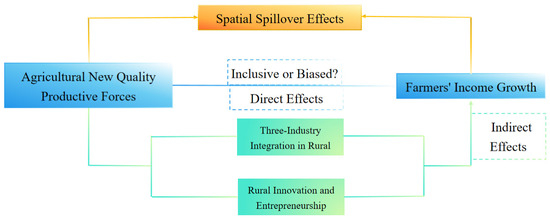
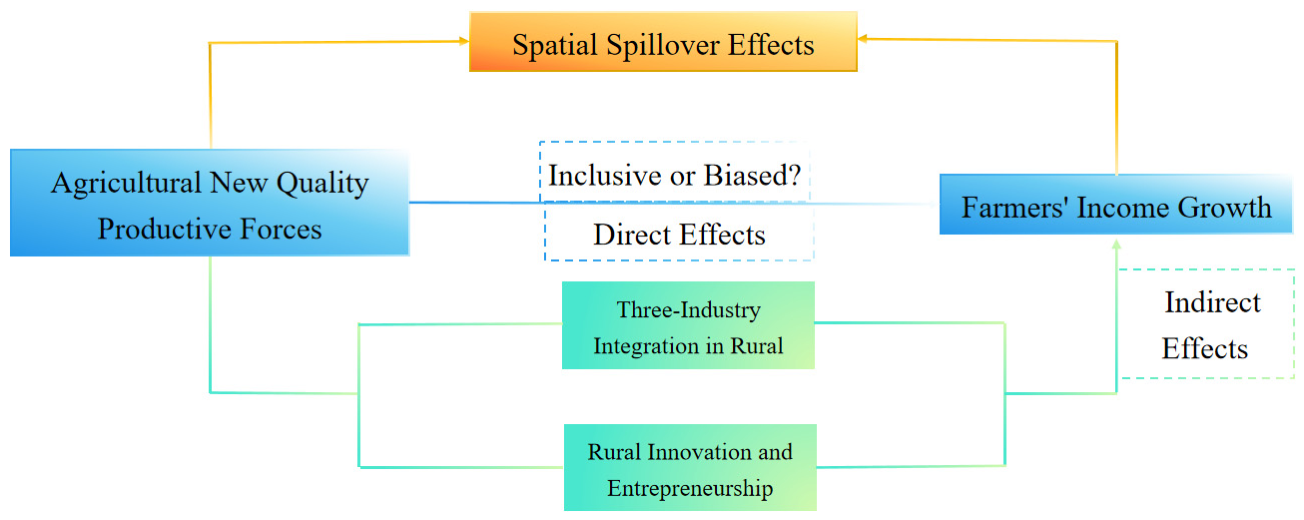
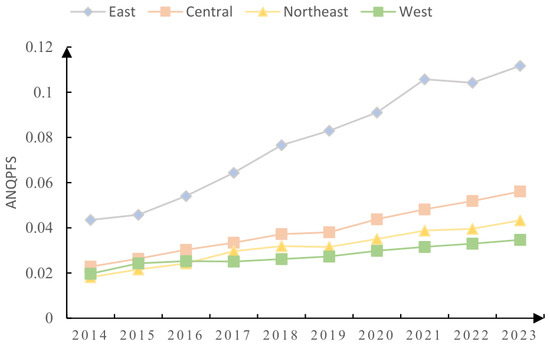
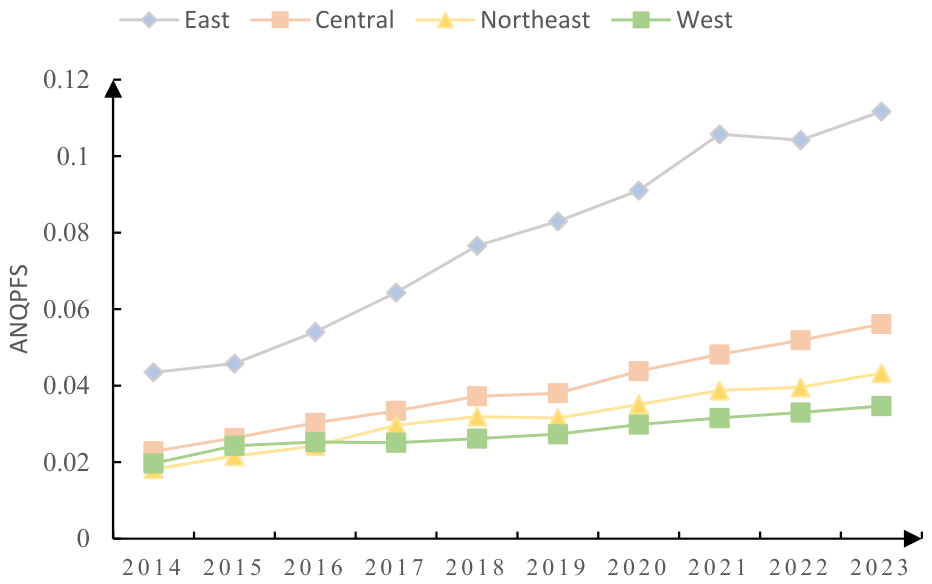
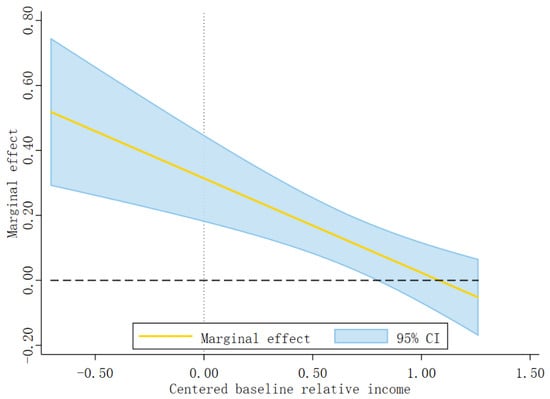
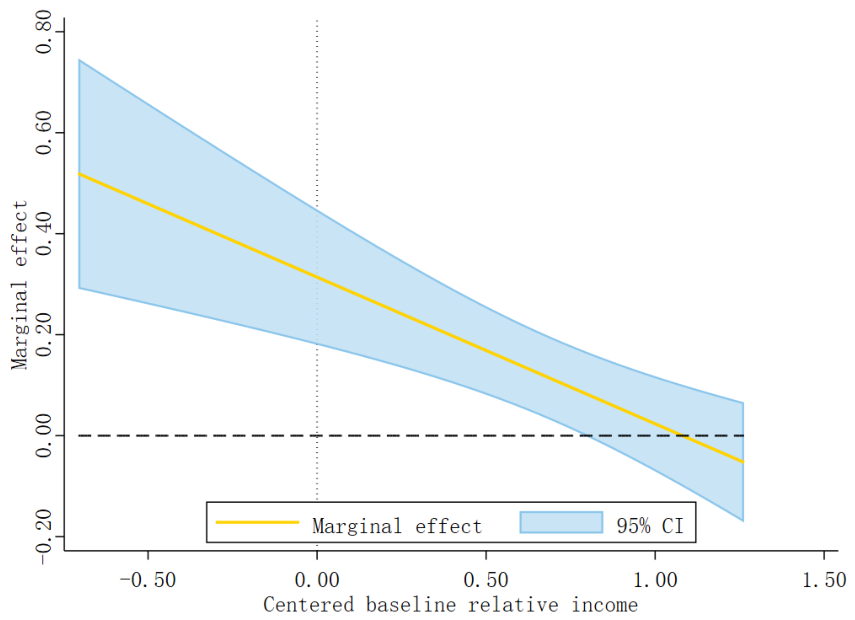

Disclaimer/Publisher’s Note: The statements, opinions and data contained in all publications are solely those of the individual author(s) and contributor(s) and not of MDPI and/or the editor(s). MDPI and/or the editor(s) disclaim responsibility for any injury to people or property resulting from any ideas, methods, instructions or products referred to in the content. |
© 2026 by the authors. Licensee MDPI, Basel, Switzerland. This article is an open access article distributed under the terms and conditions of the Creative Commons Attribution (CC BY) license.