


Abstract
Reducing disparities in industrial pollution emission intensity among cities is key to alleviating spatial environmental inequities within urban agglomerations and promoting inclusive regional sustainable development. Existing research primarily analyzes the impact of commodity market integration on pollution from a macroeconomic perspective, but there is a lack of research on the impact of factor market integration within urban agglomerations on disparities in industrial pollution emission intensity among cities across provincial borders. We use matched data from the China Industrial Enterprise Database and the China Polluting Enterprises Database covering the period 2000–2013, using the inverse of the dispersion of total factor productivity (TFP) to measure the degree of factor market segmentation, thereby assessing the level of factor market integration. By constructing datasets of city pairs within urban agglomerations and distinguishing between city pairs within one province and city pairs across provinces, we arrive at three main results: (1) There are significant differences in the level of integration of factor markets across China’s 11 major urban agglomerations, with the Pearl River Delta and Yangtze River Delta ranking highest, whilst inland urban agglomerations lag significantly behind. (2) For every 1% increase in factor market integration, the difference in industrial pollution emission intensity between cities decreases by approximately 0.58%. The emission reduction effect for inter-provincial city pairs is significantly weaker than that for intra-provincial city pairs, confirming the existence of a significant provincial boundary effect. (3) In regions with well-developed transportation infrastructure and where cities are relatively close to one another, the integration of factor markets across provincial borders plays a more significant role in reducing disparities in industrial pollution emission intensity among cities. These findings not only offer insights for pollution control across administrative boundaries within urban agglomerations but also provide empirical evidence for helping promote the sustainable development of urban agglomerations.
1. Introduction
During the 15th Five-Year Plan period, China proposed to continuously improve environmental quality and advance high-quality development in tandem with the construction of a unified national market. As new engines of economic growth, urban agglomerations account for 82% of the country’s economics for its population; they are also among the region most vulnerable to changes in environmental quality. Environmental pollution results in a loss of approximately 3.8% of China’s GDP [1]. At the same time, environmental pollution can also lead to serious socio-economic consequences, including increased rates of anxiety, depression, and crime, as well as negative health impacts that reduce the average human life expectancy by approximately 1.3 years in heavily polluted regions, based on evidence from Europe [2]. Deteriorating quality also triggers extreme weather events, such as heatwaves, haze, and erratic rainfall, which destroy the habitats and property of vulnerable groups [3]. The contradiction between economic development and resource and environmental constraints in urban agglomerations remains prominent, and pollution problems in areas along administrative boundaries, in particular, urgently require systematic management [4]; interprovincial barriers stem from a subtle imbalance between provincial interests and national interests, as well as a slight misalignment between administrative intervention by provincial governments and the functioning of market mechanisms. These barriers manifest in differences in institutional rules, obstructed flows of goods and factors of production, and overt or covert local protectionism. They not only constitute major obstacles to the in-depth advancement of the construction of a unified national market [5], but also lead to frequent disputes over administrative pollution and other mass incidents in border areas between provinces, thereby giving rise to widely publicized issues of environmental injustice [6].
Cross-boundary pollution remains a perennial topic of research. Areas along administrative boundaries often become hotspots for pollution, primarily because these regions frequently face institutional challenges such as unclear jurisdictional boundaries, weak oversight, and coordination difficulties under a decentralized governance system [7]. Furthermore, environmental governance in these areas is plagued by a severe free-rider problem [8]. In areas along administrative boundaries, unclear management responsibilities under a decentralized governance framework, weak law enforcement and oversight, and a lack of communication and coordination mechanisms have created hotspots for pollution risks, where industrial pollution tends to exhibit a pronounced boundary effect [9]. Under China’s system of decentralized authority and promotion-based competition, local governments have a significant incentive for “strategic emissions reduction”—that is, they tend to allocate regulatory resources toward central areas while engaging in selective enforcement or relaxing regulations for polluting enterprises in border regions, in order to minimize local governance costs and shift the negative externalities of pollution [10]. This phenomenon is fully consistent with the intrinsic logic of non-cooperative equilibria among local governments in cross-border pollution games [11]. Establishing robust mechanisms for cross-regional environmental policy coordination and a unified enforcement system can effectively dismantle the protection afforded to border pollution by local protectionism [12].
A review of the existing literature reveals that studies on the impact of market integration on environmental pollution not only tend to focus on the macro level but also primarily examine the environmental effects of commodity market integration; few studies address the impact of factor market integration on corporate emissions reduction at the micro level [13]. In particular, there is a lack of comparisons between cross-provincial and non-provincial pollution within the context of urban agglomerations.
In recent years, policy discussions regarding China’s urban agglomerations have become increasingly vigorous. The central government of China has issued the National Plan for New-Type Urbanization (2021–2035), which emphasizes the promotion of continued urban agglomeration. The Yangtze River Delta, Harbin–Changchun Urban Agglomeration, and other have also successively formulated various urban agglomeration development plans to advance the construction of the integration of unified national market and factor markets [14], and the integration of factor markets can enhance resource allocation efficiency by lowering barriers to factor mobility and promote the diffusion of green technologies to achieve emissions reductions and efficiency gains for firms located at the boundaries [15]. In addition, establishing a sound mechanism for cross-regional environmental policy coordination and a unified law enforcement system can effectively eliminate the protection provided by local protectionism against cross-border pollution [12]. To characterize the degree of integration in factor markets within urban agglomerations, we extend the resource misallocation measurement method proposed by Nie and Jia (2011) [16] to estimate the efficiency of resource allocation among different cities within urban agglomeration and verify reduction effects of disparities in industrial pollution emission intensity of factor market integration in urban agglomerations from both theoretical and empirical perspectives. Furthermore, border regions between provinces are typically lagging areas in terms of both economic development and ecological and environmental protection. We construct city pair data, which comprising city pair across provinces and a city pair within one province in urban agglomerations. By comparing and evaluating the impact of factor market integration across provincial borders on reducing disparities in industrial pollution emission intensity among cities, we also explore pathways for green development in adjacent border regions.
The marginal contributions of this paper are as follows: (1) Regarding the identification of pollution boundaries, this study refines the scope from provincial or city boundaries to the level of cities that straddle provincial borders. Unlike previous studies, which have primarily focused on the pollution emission intensity of enterprises in border regions, this study uses city pair data comprising cities across provincial borders and within the same province in a urban agglomeration to more precisely identify how the level of factor market integration between cities affects differences in industrial enterprises’ pollution emission intensity. (2) Regarding the mechanism through which factor market integration influences differences in pollution emissions between cities across provincial borders, we innovatively examine the impact of spatial distance and transportation infrastructure on the relationship between factor market integration and differences in industrial enterprises’ pollution emission intensity across provincial borders, thereby providing new solutions for pollution control in border regions.
The remainder of the paper is organized as follows: Section 2 introduces the theoretical analysis and research hypotheses; Section 3 presents the measurement of the integration of factor markets in urban agglomerations; Section 4 gives the model design and variable descriptions; Section 5 gives the empirical results, and these are discussed in Section 6; Section 7 draws conclusions and policy implications.
2. Theoretical Analysis and Research Hypotheses
2.1. The Impact of the Integration of Factor Markets in Urban Agglomerations on Reducing Disparities in Industrial Pollution Emission Intensity Among Cities
The pollution agglomeration effect in administrative border regions has been confirmed by numerous studies. For example, Sigman (2005) [17] and Lipscomb and Mobarak (2017) [18], drawing on river monitoring data at the U.S. state and Brazilian city levels, respectively, found that water pollution in border regions was significantly higher than in non-border regions. In addition to the issue of transboundary river pollution in border areas, other types of pollution in these regions have also attracted scholarly attention. For example, Duvivier and Xiong (2013) examined wastewater and air emissions from enterprises in counties bordering in Hebei province and those along the municipal boundary of Shenzhen of China [19]. They found that polluting enterprises tend to cluster on the periphery of provincial or municipal boundaries, indicating a significant boundary effect. Furthermore, differences in the stringency of environmental regulations drive highly polluting industries to relocate to administrative boundaries and adjacent areas with weaker regulations, further exacerbating the concentration of pollution in border regions [20]. Environmental regulatory policies cause industrial enterprises to relocate toward administrative boundaries, leading to a 1.3% increase in pollution levels along those boundaries. This effect is most pronounced at a distance of approximately 10 km from the boundary, providing direct micro-level evidence for the “pollution haven” hypothesis. The study also found that the boundary pollution effect exhibits a fluctuating, wave-like spatial pattern, forming two distinct peaks at 3–6 km and 8–10 km. Furthermore, the impact of environmental regulations on industrial enterprises does not align with the Porter Hypothesis, which means firms tend to avoid regulatory costs through relocation rather than technological innovation [21]. Other studies have found that land resource misallocation significantly reduces urban carbon emission efficiency by inhibiting industrial structure upgrading and green technological innovation. Areas near administrative boundaries often experience more pronounced distortions in land allocation, becoming concentrated zones where pollution and inefficiency overlap [22].
As a typical administrative boundary, the institutional causes and formation mechanisms of the pollution agglomeration effect at provincial borders have been examined through multidimensional theoretical and empirical analyses. The market anticipates adjustments to the scope of environmental regulation in border regions in advance, causing plots adjacent to provincial borders to experience significant price discounts due to the potential for stricter regulations. This anticipatory effect directly amplifies pollution agglomeration and development distortions in border areas [23]. The decentralized enforcement model for environmental regulation at provincial borders gives rise to marked strategic divergences. For instance, under a tiered system where the central government sets emission standards while local authorities are responsible for verification and enforcement, local regulatory agencies are more prone to lax enforcement and strategic free-riding. This leads to the continuous accumulation of pollution stocks in border areas, and non-cooperative regulation significantly amplifies efficiency losses in pollution control [24]. Interprovincial horizontal regulatory competition tends to trigger a “race to the bottom”, such as local governments tend to relax environmental enforcement in border areas in an effort to attract the inflow of production factors, thereby driving the concentration of high-emission industries along provincial boundaries. Insufficient central government constraints and the low weighting of environmental performance metrics in evaluations further exacerbate this trend [25].
The economies of urban agglomerations are formed through the spatial concentration of labor, enterprises, and other factors; their economic boundaries do not coincide with administrative boundaries. Major urban agglomerations in China generally span multiple provinces, where the fragmentation of factors of production, regulatory disparities, and local protectionism on either side of provincial borders are particularly pronounced. These factors directly distort enterprises’ location choices and production capacity allocation, serving as the institutional root causes of “boundary pollution” [26,27]. Industrial pollution in China’s urban agglomerations exhibits significant positive cross-regional spillover effects, such as for every 1-unit increase in pollution in an adjacent region, local pollution rises by 0.33 units. Furthermore, the relationship between industrial agglomeration and pollution emissions is nonlinear, manifesting as a U-shaped pattern in urban agglomerations such as the Beijing–Tianjin–Hebei region and an inverted U-shaped pattern in the Yangtze River Delta and Guangdong–Hong Kong–Macao Greater Bay Area, highlighting significant regional heterogeneity [28], but this study does not address the issue of border pollution. The integration of factor markets can promote the free flow of production factors among neighboring cities, helping to mitigate political bargaining among local governments and thereby prevent the concentration of a large number of polluting enterprises in border areas, which in turn reduces pollution emissions from enterprises in these border regions [11]. Strengthening coordination and collaboration among relevant departments in neighboring cities can effectively prevent selective law enforcement by local governments against enterprises located along regional boundaries, facilitate the internalization of pollution discharge costs for these enterprises, and ensure proper management of the external benefits arising from corporate pollution control [4]. Furthermore, the easier access to factors of production resulting from the integration of factor markets will incentivize enterprises in border areas to choose clean factors over polluting ones—provided input costs remain unchanged—thereby reducing pollution intensity and narrowing the pollution gap between cities [5,25]. In summary, we propose the following hypotheses:
Hypothesis H1.
The integration of factor markets among cities within an urban agglomeration will help narrow the differences in industrial pollution intensity.
Hypothesis H2.
Due to the provincial boundary effect, the effect of reducing disparities of factor market integration in city pairs across provinces is significantly smaller than city pairs within one province.
2.2. Pathways for Cross-Border Urban Agglomerations to Reduce Disparities in Pollution Emission Intensity Through the Integration of Factor Markets
In fact, a large body of research has found that boundary effects are significantly influenced by factors such as spatial distance and transport infrastructure; only by overcoming these constraints can positive effects be achieved. Current literature in this field primarily focuses on the following three aspects.
Firstly, reducing spatial distance helps mitigate the provincial boundary effect and enhance the degree of regional market integration, thereby further improving the efficiency of resource allocation while narrowing the disparities in pollution emission intensity among industrial enterprises in different cities. Air pollution is a region-wide phenomenon; due to the high mobility of air, it spreads easily across regions and exhibits distinct spatial effects and spatial correlations, whether in terms of geographic or economic distance [29]. As the spatial distance between the areas surrounding core cities such as Beijing, Shanghai, and Hong Kong and the core cities themselves increases, industrial sulfur dioxide emissions exhibit a spatial distribution pattern characterized by an initial decline followed by an increase [30]. Tighter environmental regulations will accelerate the exit of polluting enterprises located in close proximity to central cities. However, the positive impact of market potential on the enterprise’s survival becomes relatively limited if a facility is situated too far from a central city. Under the interaction of environmental regulations and market potential, polluting enterprises located in intermediate positions within a center-periphery spatial structure are better able to survive [31]. Proximity between cities also implies a stronger degree of environmental collaborative governance among them [32].
Second, improving transportation infrastructure enhances the degree of market integration across regions, thereby narrowing the disparities in pollution emission intensity among industrial enterprises in different cities by improving the efficiency of resource allocation. The development of transportation infrastructure can promote the free flow of factors of production and optimize regional resource allocation, thereby advancing market integration among cities [33]. This, in turn, leads to the redistribution of industrial enterprises and their pollution emissions across cities and influences local pollution emission concentrations by altering the patterns of enterprise and industrial agglomeration [34,35]. The opening of high-speed rail lines has generally curbed the growth in the number of polluting enterprises. At the same time, it has exacerbated regional disparities; in developed cities or regions with stronger environmental awareness, the acceptance of polluting enterprises has further decreased following the opening of high-speed rail lines, whereas cities in central and western China have become more willing to accept polluting enterprises after the opening of high-speed rail lines [36].
Finally, improving network infrastructure also can help reduce inter-city information and transaction costs, corrects long-standing mismatches in factor allocation between cities, and thereby narrows the disparities in pollution emission intensity among industrial enterprises across cities. The development of digital networks has significantly improved information accessibility across regions, its distance-independent nature reduces the need for face-to-face communication in the same spatiotemporal context [37], thereby promoting the spatial optimization of polluting enterprises, strengthening cross-regional regulatory coordination, alleviating cross-border pollution, and enhancing overall environmental resilience [25,38,39]. The development of network infrastructure also reduces communication costs and facilitates information exchange among cross-border enterprises, thereby promoting the sharing of advanced production technologies and management experiences. This helps enterprises improve resource utilization efficiency and achieve energy conservation and emissions reduction [40]. Market platforms based on network infrastructure development also facilitate the dissemination of product information [41]. By alleviating enterprises’ financing constraints and attracting foreign direct investment, they can significantly enhance the level of green innovation and provide technical support for pollution control [42]. In summary, we propose the following hypothesis:
Hypothesis H3.
By reducing geographical distances and improving transportation and network infrastructure, we can actively promote the integration of factor markets to narrow the disparities in industrial pollution emission intensity among interprovincial cities within urban agglomerations.
3. Measuring the Integration of Factor Markets in Urban Agglomerations
3.1. Measuring the Integration of Factor Markets
An urban agglomeration is essentially an economic concept comprising independent local governments with highly integrated factor markets. Consequently, we first constructs an index to measure inter-regional market integration, examining the level of factor market integration within China’s urban agglomerations and the regional disparities within it. Market integration and market segmentation are complementary concepts, therefore market segmentation can serve as a basis for measuring market integration. Currently, commonly used methods for measuring the degree of market segmentation include the production method [10], the trade flow method [43], the business cycle method [44], and the price index method [45], etc. However, these methods struggle to systematically and directly reveal the current state of factor markets and fail to capture the overall impact of all production factors on factor market segmentation. As research has progressed, scholars have begun to use the degree of resource misallocation to measure the level of factor market segmentation [46,47], the core idea being that in a fully integrated factor market, resources can flow freely and TFP (total factor productivity) across firms should converge. The more severe the market segmentation, the higher the degree of resource misallocation, and the greater the dispersion of TFP across firms. Consequently, Dispersion of TFP in enterprises has become a commonly used indicator for measuring the level of factor market integration. For example, measuring the dispersion of firm-level TFPR indirectly reflects the degree of factor market segmentation [48]. However, this method relies on strong theoretical assumptions regarding market structure, demand functions, and the form of production functions and struggles to effectively disentangle factor market distortions from product market distortions and exogenous shocks, which limits its applicability in meso-level studies of inter-city pairs within urban agglomerations. Therefore, we draws on and uses the dispersion of total factor productivity (TFP) at the firm level to measure the extent of resource misallocation, whilst also employing a resource misallocation index to reflect the degree of integration in factor markets within urban agglomerations [16]. That is, the lower the level of dispersion in firms’ TFP, the higher the degree of integration in factor markets. Therefore, we uses the dispersion of firm-level TFP as a measure of the degree of segmentation in factor markets (the inverse of which represents the level of integration in factor markets). To construct this indicator, it is first necessary to obtain reliable firm-level TFP data. Regarding the choice of estimation methods, the linear production function (LP) is better able to address the issues of endogeneity and micro-level sample selection inherent in traditional econometric methods [49]. Consequently, we adopt the LP methods to estimate firm-level TFP and construct an indicator of factor market integration for urban agglomerations, as detailed below:
First, set the Cobb–Douglas production function as:
where capital is approximated by the firm’s total fixed assets, labor is approximated by the firm’s workforce, denotes the unobservable but predictable productivity shock (the source of simultaneity bias), and is an i.i.d. random noise, denotes the firm, denotes the year.Intermediate input is selected as the proxy variable for unobservable productivity, satisfying the monotonicity condition:
The unobserved productivity is assumed to follow a first-order Markov process:
The output elasticities of capital and labor are identified through two-stage semiparametric estimation, thereby mitigating simultaneity endogeneity.
Next, substituting the coefficients and obtained from the LP method into Equation (2), the firm’s TFP is calculated as:
Here, represents the firm’s total factor productivity, represents the firm’s output, approximated by its total industrial output value. and are the output elasticity coefficients for capital and labor estimated by the LP method.
Finally, the primary factor hindering regional integration within urban agglomerations is administrative fragmentation at the city level. Therefore, it is necessary to construct an indicator reflecting the relative level of regional integration between two cities. Drawing on and improving the approach of Jiang et al., (2018) [50], we construct the indicator through three steps: measuring industry-level firm TFP dispersion, aggregating to the city level, and constructing the city pair relative indicator.
Step 1: Calculate firm TFP dispersion within each industry. For each two-digit manufacturing industry, the standard deviation of TFP for all firms in that industry in a given year is calculated:
where denotes the standard deviation of firm TFP in industry and year , representing the dispersion of total factor productivity across firms within the industry and reflecting resource misallocation within the industry.
Step 2: Aggregate to obtain the city–year misallocation indicator. The TFP standard deviation of each sub-industry is weighted by the share of that industry’s sales revenue in the city’s total sales revenue:
where is the sales revenue of industry in city in year ; is the total manufacturing sales revenue of city in year ; and is the standard deviation of firm TFP in industry in year .
Step 3: Construct the city pair factor market segmentation indicator. To eliminate absolute level differences between cities and reflect the relative gap in misallocation, the ratio of the city-level misallocation indicators of city and city is taken and logged:
This indicator reflects the relative difference in resource misallocation between city and city . To ensure symmetry of the city pair data and avoid opposite signs for (,) and (,), each city pair is uniformly ordered with the city having a higher degree of misallocation placed in the numerator, so that the indicator is non-negative. A larger value of indicates a larger gap in resource misallocation between the two cities, more severe factor market segmentation, and a lower level of integration. In subsequent regressions, it is uniformly denoted as .
Here, represents the standard deviation of TFP for city in year , and represents the standard deviation of TFP for city j in year t. The indicator measures the degree of factor market segmentation between cities and j; a higher value indicates more severe factor market segmentation between the two cities, i.e., a lower level of factor market integration. In subsequent regression analyses, it is uniformly denoted as .
The city pair factor segmentation indicator constructed in this paper is based on factor allocation theory. The essence of factor market integration is the elimination of cross-regional barriers to factor mobility. If two cities have a high level of factor market integration, capital, labor, and other production factors can flow freely across cities, the factor costs and resource constraints faced by firms in the two cities tend to converge, and the degree of misallocation of resources within each city will gradually converge. Therefore, the relative gap in TFP dispersion between the two cities can effectively reflect the degree of factor market segmentation between them.
3.2. Distribution of the Sample Urban Agglomerations
Eleven national-level urban agglomerations of this study are selected as the subjects. The establishment of national-level urban agglomerations is a national strategy proposed by the Chinese central government to promote coordinated regional development. Cities were selected based on the approval dates of the plans for each national-level urban agglomeration and their defined boundaries. Specifically, these include the Beijing–Tianjin–Hebei Urban Agglomeration (2015), the Yangtze River Delta Urban Agglomeration (2016), the Pearl River Delta Urban Agglomeration (2019), the Yangtze River Middle Reaches Urban Agglomeration (2015), the Chengdu–Chongqing Urban Agglomeration (2016), the Harbin–Changchun Urban Agglomeration (2016), the Beibu Gulf Urban Agglomeration (2017), the Zhongyuan Urban Agglomeration (2016), the Hohhot–Baotou–Ordos–Yulin Urban Agglomeration (2018), the Guanzhong Plain Urban Agglomeration (2018), and the Lanzhou–Xining Urban Agglomeration (2018), as shown in Figure 1. By selecting these urban agglomerations as our sample, we have not only significantly advanced the integrated development of major national regional strategies but have also promoted regional economic growth, accommodated population growth, and facilitated the coordinated management of environmental pollution.
Figure 1.
Distribution of sample urban agglomerations.
3.3. Integration of Factor Markets Within Urban Agglomeration
Based on the factor market integration measurement method and urban agglomeration planning scope outlined above, we calculated the average level of factor market segmentation among cities within the 11 urban agglomerations in the period 2000–2013. As shown in Figure 2, urban agglomerations with a high degree of factor market integration include the Pearl River Delta, Yangtze River Delta, Chengdu–Chongqing and Beijing–Tianjin–Hebei urban agglomerations, while market integration in central and western agglomerations such as the Lanzhou–Xining, Hohhot–Baotou–Ordos–Yulin, and the Yangtze River Middle Reaches Urban Agglomeration remains to be further enhanced.
Figure 2.
Comparison of the level of integration in factor markets across urban agglomerations.
4. Model Design and Variable Descriptions
4.1. Model Design
To identify the provincial boundary effect and capture the heterogeneity in factor integration within urban agglomerations, we adopt city pairs as the unit of analysis to examine the fundamental differences between cross-provincial and intra-provincial city pairs along administrative boundaries. At the same time, the level of integration varies significantly among different city pairs within the same urban agglomeration, and the city pair index can effectively capture this heterogeneity. Within this framework, we use the difference in relative average pollution emission intensity among industrial enterprises across cities to reflect pollution conditions in border areas. Here, we employ a panel fixed-effects model to conduct a regression analysis examining the impact of factor market integration within urban agglomerations on this difference. The specific baseline regression model is set out as follows:
In this context, the basic unit of the regression sample is a pair of cities within a urban agglomerations, i and j denote city i and city j within urban agglomerations c respectively, and t denotes the year. The dependent variable represents the difference in the relative average pollution emission intensity of industrial enterprises between the two cities. The core explanatory variable is the degree of factor market integration between cities i and j within urban agglomeration c in year t (i.e., the level of average factor market segmentation), denoted as . To mitigate the impact of outliers on the results, the variable is trimmed at 5% and 95%. represents a set of firm-level control variables. Furthermore, we control for annual fixed effects (Y), city fixed effects (T), and the interaction between urban agglomerations and years (Q) to avoid the influence of other factors related to time, individual firms, and the regional level of urban agglomerations. In this context, the estimated coefficient of can be interpreted as the difference in relative average pollution emission intensity between two pairs of cities (e.g., AB and AC) within an urban agglomeration that share common city A, arising from differences in the degree of resource misallocation between cities as measured by .
Secondly, in order to focus on analyzing the differences in emission reduction effects arising from integration factor market between inter-provincial and intra-provincial cities within an urban agglomeration, the following identification strategy is adopted:
where cross-border factor market integration is denoted by lnmistfpcijt dum_provinceij, i.e., the level of factor market integration between city pairs across provincial borders within the urban agglomeration, where is 1 if cities i and j span a provincial border, and 0 otherwise; other indicators are as above.
Finally, the following econometric model was constructed to test whether the provincial boundary effect can be mitigated by improving infrastructure conditions and selecting regions moderate inter-city distances with:
where is the interaction term between cross-border factor market integration and influencing factors, with comprising indicators of spatial distance and infrastructure levels, respectively. Other indicators are as defined above.
4.2. Variable Selection and Data Sources
4.2.1. Dependent Variable (lnPE)
Air pollutant emission indicators more intuitively reflect the impact of enterprises’ production and business activities on the environment. We use the ratio of an enterprise’s annual sulfur dioxide emissions in the region to its current operating revenue to measure the enterprise’s pollution emission intensity, this indicator reflects the environmental burden per unit of economic value [51]. Given that the indicators in both the theoretical and empirical models in this paper are derived from pairwise comparisons between cities, the average difference in pollution emission intensity between each pair of cities is used as the dependent variable.
4.2.2. Core Explanatory Variable (lnmistfp)
The core explanatory variable is the inter-regional factor market segmentation index constructed in the previous section, which reflects the degree of factor market integration within China’s urban agglomerations; the index is denoted as lnmistfp.
4.2.3. Control Variables
To control as far as possible for the impact of differences between cities in terms of enterprise scale, employment scale, and operational capacity on enterprise pollution emissions and to mitigate omitted variable bias, we have selected the following variables as control variables, specifically including: (1) differences in enterprise fixed assets (ln FA). Large-scale investment in enterprise fixed assets inevitably accelerates energy consumption, and production activities inevitably generate pollution emissions. We use total enterprise fixed assets to represent this variable; (2) differences in enterprise employment scale (ln Escale). The number of employees reflects an enterprise’s production capacity, enterprises with higher production capacity have greater incentives to adopt cleaner production technologies and exhibit lower pollution emission intensities. Here, this is represented by the number of employees; (3) differences in the number of industrial enterprises (ln NB). Generally speaking, the more industrial enterprises present in a region, the greater the volume of pollutants produced during the production process and the higher the relative pollution intensity. We use the total number of industrial enterprises to represent this variable; (4) variation in a firm’s operating revenue (ln OI): the greater the profit a firm generates from production, the higher the level of pollution emissions generated during the production process is likely to be, this is represented by the firm’s total revenue from its core business; (5) differences in enterprise scale (ln GAV): the “Schumpeter Hypothesis” posits that larger enterprises are better equipped for research and develop new technologies, thereby promoting improvements in energy efficiency and achieving the goals of energy conservation and emission reduction, this is represented by the total assets of the enterprise; (6) balance sheet variation (ln BS): a firm’s debt-to-asset ratio influences its sulfur dioxide emissions, this is represented by the firm’s total debt. For all indicators across each group of cities, the ratios are calculated, and the results are taken as logarithms.
The data used are derived from covering the merged China Industrial Enterprise Database and China Polluting Enterprise Database during the period 2000–2013. As the Industrial Enterprise Database underwent an adjustment to the scale of main business revenue in 2010 with industrial enterprises operating revenue of over 5 million yuan were selected for the period 2000–2007 whilst those with an operating revenue of over CNY 20 million were selected for the period 2011–2013. Prior to using this database, necessary data processing was carried out in accordance with the methods by Nie et al. (2022) [26]. Firstly, matching was performed using “legal entity code”, “enterprise name”, and “legal representative’s name+region (county)” to obtain unbalanced panel data. Secondly, duplicate records, erroneous records, and outliers were removed; specifically, observations where key variables such as industrial value added, total fixed assets or intermediate inputs were negative, or where the number of employees was less than eight. Finally, as some missing values remained in the processed data, industrial value added for 2001 and 2004 was imputed using the method described by Cai et al. (2016) [9]. As the data for 2011–2013 did not include direct intermediate input values and value added, following the approach of Yu et al. (2014) [52], key indicators such as intermediate input values were estimated using output, wage, and depreciation data to complete the datasets. As the data for 2008–2010 lacked core variables such as value added, making analysis impossible, we followed the approach of Wang (2018) by excluding data from these years and treating 2007 and 2011 as consecutive years [53]. The descriptive statistics for the specific variables are shown in Table 1.
Table 1.
The descriptive statistics of the variables.
From Table 2 and Table 3, it can be seen that the high and statistically significant correlations are confined to the set of scale-related control variables, which serve as alternative proxies for urban industrial size. Consistent with the correlation results, collinearity diagnostics show that several scale-related controls have VIF values exceeding the conventional threshold of 10. The core explanatory variable exhibits only weak correlation with these controls, and its VIF value remains low at 1.075. High correlation and multicollinearity among these scale controls mainly affect the precision of control variable coefficients and do not bias the estimate for our key variable of interest.
Table 2.
Correlation analysis of variables.
Table 3.
Collinearity test.
5. Empirical Results and Analysis
5.1. Baseline Regression
This section uses regression analysis to examine the impact of factor market integration within urban agglomerations on differences in the relative average pollution emission intensity of industrial enterprises across cities. To eliminate potential correlations arising from random disturbances in the same entity across different years, cluster-robust standard errors using city pairs as the clustering variable. This captures the characteristics of intra-group correlations more effectively, thereby yielding consistent estimates of true standard errors. The results are shown in Table 4.
Table 4.
Factor market integration and the difference in industrial pollution emission intensity of urban agglomerations.
In column (1), we conduct a basic regression analysis of the relationship between factor market segmentation and the difference in industrial pollution emission intensity between cities, we incorporate the relevant control variables on top of the previous analysis in column(2). Column (3) incorporates two-way fixed effects for time and firm, as well as cross-fixed effects for urban agglomerations and year, building upon the results in column (2). The purpose is to control for the effects of certain unobservable policy shocks that vary over time, capture differences between city pairs that remain constant over time, and account for variations across urban agglomerations by year, thereby addressing the issue of omitted variables. The results in column (1) show that the estimated coefficient for factor market segmentation is 0.226 and is significantly positive at the 1% significance level; the more severe the factor market segmentation between the two cities, the greater the disparity in pollution emission intensity between them. In other words, promoting the integration of factor markets (i.e., reducing the degree of segmentation) can effectively narrow the gap in pollution emission intensity between cities. This confirms the necessity of building a unified national market; promoting the integration of factor markets can effectively curb the misallocation of enterprise resources and the insufficient adoption of clean technologies caused by market fragmentation, thereby reducing actual emission intensity at the enterprise level. The results in columns (2) and (3) indicate that the conclusions remain robust after controlling for a range of firm-level characteristics and multivariate fixed effects, suggesting that the role of factor market integration in promoting corporate emission reductions is not driven by unobservable regional or temporal factors. Hypothesis H1 is supported by the empirical results.
With regard to the control variables, the coefficients for differences in firms’ fixed assets, employment scale, balance sheet positions, and the number of industrial enterprises are significantly positive. The findings indicate that wider disparities in firms’ internal investment structures, labor force levels, debt levels, and firm size are all significant factors contributing to increased the difference in industrial pollution emission intensity. Results from controlling for firm-level characteristics suggest that larger, more profitable firms exhibit relatively lower emission intensities, this may stem from their greater capacity to invest in environmental protection and technological upgrades. This indirectly confirms that market integration influences firms’ environmental behavior by affecting their scale and performance. Differences in operating revenue and enterprise scale reduce the disparity in pollutant emissions between enterprises in different cities, indicating that higher profits and larger enterprises are more likely to invest heavily in pollution control measures, thereby exerting a mitigating effect. In column (3), the increase in the adjusted R2 value stems primarily from the city fixed effects, which account for time-invariant heterogeneity across cities and contribute the largest share to the increase in R2. Next are the year fixed effects, which capture common macroeconomic and environmental shocks at the national level.
5.2. Boundary Effects
As urban agglomerations generally span multiple provinces and are subject to the influence of distinct administrative boundaries, provincial border—being the intersection of administrative divisions and ecosystems—typically exhibit higher pollution levels than internal regions [54]. Consequently, in addition to the factor market segmentation index constructed in this paper, an interaction term between this index and the inter-provincial boundary was included in the regression to examine the differing effects of factor market integration between inter-provincial and intra-provincial cities within an urban agglomeration on the differences in relative average industrial pollution emission intensity across regions. Taking Figure 3 as an example, AB and AC are two pairs of adjacent cities. Cities A and B belong to Province I, while cities A and C belong to Province I and Province II, respectively. When all other conditions are held constant, the difference in the impact of resource misallocation on the difference in industrial pollution emission intensity between the two pairs of cities, AB and AC, can be termed the “provincial boundary effect”; the results are shown in Table 5.
Figure 3.
Identification of the provincial boundary effect within urban agglomerations.
Table 5.
Factor market integration and the difference in industrial pollution emission intensity in city pairs across provinces within urban agglomerations.
The results in the first three columns of Table 5 show that the coefficients for the factor market integration index between cross-boundary cities are all statistically significant at the 1% level. The significantly positive coefficient for the interaction term indicates that, the effect of factor market fragmentation on increasing the difference in industrial pollution emission intensity is significantly stronger for enterprises operating across provincial boundaries. This suggests that the effect of factor market segmentation on increasing the difference in industrial pollution emission intensity for city pairs straddling provincial borders is significantly stronger than for city pairs within the same province. This directly confirms the existence of the provincial boundary effect, which means administrative boundaries exacerbate market fragmentation, subjecting enterprises located at the boundaries to greater factor distortions, thereby undermining the emission reduction benefits that market integration should otherwise bring. In other words, the lower the level of cross-provincial factor market integration, the greater the variation in industrial pollution emission intensity. Enhancing the level of factor between cities’ cross-provincial integration helps to reduce the relative differences in pollution emission intensity between regions. On the other hand, industrial spatial distribution exhibits a pattern of continuous agglomeration across administrative boundaries. The spatial scale of manufacturing agglomeration is relatively small, mostly within a range of 0–300 km, and the number of polluting enterprises increases the closer one gets to provincial boundaries [9]. We therefore examined data pairs of central cities located within 300 km and 150 km of each other in columns (4) and (5) of Table 5, respectively, and found that the results remained significant. For city pairs within the same urban agglomeration, the provincial boundary effect reached 0.589 and 0.705, respectively. This indicates that the closer a city is to a provincial boundary, the stronger the negative impact of factor market segmentation on average pollution emission intensity.
This is consistent with the reality that many high-polluting enterprises are located near provincial borders to exploit regulatory loopholes. Consequently, a decline in the level of market integration first worsens the resource allocation environment for these enterprises clustered along the borders, thereby increasing their emission reduction costs. We also noted that the lnmistfp coefficient was no longer significant and had changed sign. This may be due to the smaller sample size resulting from the sample split, which led to insufficient statistical power. Since the groups were assigned manually, there was high heterogeneity within groups and significant estimation noise. Hypothesis H2 has thus been confirmed.
5.3. Robustness Tests
The results in Table 4 demonstrate that factor market integration can effectively reduce firms’ pollution emission intensity. To ensure the reliability of the research findings and mitigate the impact of measurement error and sample selection on the conclusions, we have also conducted a series of robustness tests. The specific results are shown in Table 6.
Table 6.
Robustness test.
5.3.1. Substitution Test
Here, we use the factor market indicator (lnmistfpFG) from the marketization index compiled by Fan to replace the factor market integration index constructed in this paper. Specifically, we take the inverse of this marketization index, thereby providing the inverse indicator required for this study [55]. The results in columns (1)–(3) of Table 6 all indicate that factor market segmentation still significantly increases the average relative difference in corporate pollution emissions between regions, thereby validating the results of the baseline regression.
5.3.2. Adjustment Sample Period
The period 2000–2007 was selected as the adjusted sample period. Within the time frame, the only missing data for the core indicators were industrial value-added figures for 2001 and 2004. These can be imputed at low cost using established methods, and the reliability of such imputation has been academically validated. Furthermore, the sample maintains consistent statistical standards and strong continuity, allowing for an effective comparison with the benchmark sample to verify the robustness of the conclusions. The period 2008–2013 was not selected because core variables such as industrial value added and intermediate inputs were entirely missing for 2008–2010 and could not be reasonably imputed. For the 2011–2013 period, the scope of core indicators requiring imputation is too broad and the reliability of the data is questionable. Furthermore, adjustments to statistical standards have led to significant differences in sample structure and breaks in continuity, making it difficult to meet the requirements for data consistency and representativeness necessary for robustness testing. We adjusted the sample range from 2000 to 2007 and run the regression analysis again. The results in columns (4)–(6) of Table 6 indicate that the more severe the segmentation of factor markets between cities, the greater the differences in industrial pollution emission intensity, consistent with the results of the baseline regression.
5.3.3. Replace the Dependent Variable
To further verify the reliability of our findings, we conducted robustness tests by substituting the dependent variable. Specifically, we used the CRITIC-TOPSIS method to construct a new composite air pollution index based on both nitrogen oxide emission intensity and industrial particulate matter emission intensity, and then used the average difference in pollution emission intensity between each pair of cities as the dependent variable. The results show that the estimated coefficient for lnmistfp remains significantly positive, indicating that as the degree of factor market segmentation increases, the gap in pollutant emission intensity between cities continues to widen significantly. This finding is highly consistent with the baseline regression results, suggesting that the core conclusions of this study remain unchanged regardless of the choice of dependent variable indicators, and that the research findings exhibit a high degree of robustness.
5.4. Endogeneity Test
The preceding analysis has demonstrated that the integration of factor markets within urban agglomerations influences the differences in relative average pollution emission intensity among industrial enterprises across cities; however, endogeneity issues arising from omitted variables may still exist. The selection of instrumental variables must ensure sufficient exogeneity whilst also satisfying the requirement of high correlation with the endogenous variable. Firstly, we construct an instrumental variable based on the average gradient between cities. On the one hand, the gradient instrumental variable is correlated with the endogenous variable in this study. Adapting to the natural contours of mountains and rivers was one of the most fundamental principles for demarcating borders in ancient Chinese dynasties [56]. A steeper gradient implies weaker connectivity between regions, leading to higher trade costs, which hinder cross-regional trade and thereby exacerbate market segmentation between regions. Geographical barriers significantly intensify price differentials and the degree of market segmentation across regions by affecting trade costs [57]. On the other hand, geographical slope possesses sufficient exogeneity. Based on both historical and current data, it cannot yet be concluded that geographical factors alone determine regional differences. Secondly, when constructing instrumental variables for factor market integration based on average river density between cities, river density exacerbates inter-regional fragmentation by influencing administrative boundaries, thereby affecting trade and communication costs between regions. Furthermore, river density is a geographical characteristic in its own right, serving as an inherent geographical information variable for cities and possessing natural exogeneity. As geographical slope and river density are constant over time within the sample period, multiplying both by the time trend transforms them into time-varying indicators. The data on average slope and river density between cities were sourced from the National Basic Geographic Information Center. The results are shown in Table 7. Column (1) presents the average slope instrumental variable, while column (2) presents the river density instrumental variable. The estimated coefficients for both factors regarding market segmentation are significantly positive, indicating that the selection of average slope and river density between cities as instrumental variables is appropriate and does not alter the core conclusions of this study.
Table 7.
Factor market integration and the difference in industrial pollution emission intensity of urban agglomerations (instrumental variables approach).
5.5. Further Analysis
The above analysis indicates that promoting the integration of factor markets can effectively reduce disparities in industrial pollution emission intensity among cities. Due to the existence of provincial boundary effects, the effect of reducing disparities of factor market integration within inter-provincial urban agglomerations are significantly smaller than those within intra-provincial urban agglomerations. However, the effectiveness of reducing disparities through factor market integration depends on whether it can effectively alter enterprises’ cost constraints and decision-making environment at the micro level. This section will further analyze the reducing disparities effects of factor market integration among inter-provincial cities from two perspectives: spatial distance and infrastructure levels. As strong economic linkages tend to form between geographically adjacent regions, the closer a city is to the central city, the more significant the economic spillover and driving effects of the central city, and the easier it is for the city to benefit from local market effects and urban economic growth. Therefore, the average distance from each city within the province to the central city (lnZDCE) and the average distance between cities (lnLDCE) are adopted as proxy variables for distance. Freight logistics serves as the fundamental support for the circulation of factors of production and plays an irreplaceable role in facilitating the orderly flow of production, distribution, circulation, and consumption. Passenger and freight transport volumes can, to a certain extent, reflect the level of national transport infrastructure development; consequently, this paper employs passenger and freight transport volumes in prefecture-level cities as a proxy for the level of transport infrastructure (lnTrans). The rapid development of the internet can exponentially increase the accessibility of information between regions, thereby significantly strengthening market linkages and price signal transmission across regions, and consequently substantially enhancing the level of domestic regional market integration. Therefore, the number of broadband users in each prefecture-level city is used as a proxy for internet penetration to measure the level of network infrastructure development (lnNET).
Columns (1)–(4) of Table 8 report the interaction terms between the spatial distance and infrastructure factors and the factor market segmentation variable. The results show that the coefficients are significantly negative, implying that the provincial boundary effect is more pronounced among spatially neighboring cities; the greater the distance, the stronger the negative impact of market segmentation on cross-provincial cities compared to intra-provincial cities. This indicates that the impact of factor market integration on the differences in relative average pollution emission intensity between industrial enterprises in different cities is indeed influenced by the average distance within a province, and cross-provincial factor market integration only serves to reduce these differences when distances are relatively short. Furthermore, well-developed transport and information infrastructure can significantly enhance the role of cross-provincial factor market integration in reducing disparities in pollution emission intensity among industrial enterprises.
Table 8.
The moderating effect of spatial distance and infrastructure with factor market segmentation and provincial boundaries.
Specifically, the significant negative moderation of spatial distance in columns (1) and (2) (coefficient of lnmistfp × dum_province × lnLDCE is −0.212, p < 0.01) indicates that interprovincial cooperation inherently involves significant administrative barriers; only the integration of factor markets between geographically close cities across provinces can more effectively overcome administrative friction, unleash the benefits of green factor mobility, technology spillovers, and collaborative regulation. Finally, it will ultimately narrow the gap in pollution intensity. The closer the distance, the lower the costs of technological spillovers and the stronger the emission-reduction effects of cross-provincial integration, which is consistent with the expected pathway of green technology diffusion. The significant negative moderation of transport infrastructure in Column (3) (×lnTrans is −0.524, p < 0.01) indicates that the more developed the transport infrastructure, the weaker the amplifying effect of provincial boundaries on market segmentation. In other words, good transport conditions can enhance the emission-reduction effects of cross-provincial integration. The significant negative moderation of network infrastructure in Column (4) (×lnNET coefficient is −0.0387, p < 0.01) further indicates that the development of Internet infrastructure reduces the costs associated with the cross-border transmission and retrieval of information, data, and virtual resources, promoting transparency in environmental information and the sharing of real-time monitoring data, thereby helping to narrow the gap in pollution levels between cities. Hypothesis H3 is thus validated.
6. Discussion
The Guideline on Accelerating the Construction of a Unified National Market issued by the Chinese government in 2022 states that efforts should be made to accelerate the establishment of a unified national market system and rules, break down local protectionism and market fragmentation, remove key bottlenecks constraining economic circulation, and promote the smooth flow of goods, factors of production, and resources on a larger scale. The key lies in correcting the distorted incentives formed by local governments during economic transformation to eliminate “nuisance-to-neighbors” market fragmentation between regions. Therefore, conducting an in-depth analysis of factor market fragmentation within urban agglomerations and quantifying the environmental effects of the transition from the “administrative-district economy” to the “unified large market” paradigm is also crucial for coordinating regional development and clarifying regional environmental responsibilities. Current research has primarily focused on the macro level, while examining the impact of factor market integration on reducing disparities in industrial pollution emission intensity among cities at the micro level are relatively scarce. The findings of this study not only provide new solutions and scientific evidence for resolving pollution emission issues across provincial boundaries within urban agglomerations but also offer important decision-making support for inter-city joint prevention and control efforts in pollution management.
Most traditional environmental economics research attributes differences in pollution levels among cities to industrial structure, technological levels, and the stringency of environmental regulations, while overlooking the fundamental causes of factor market segmentation and spatial factor misallocation. Currently, most relevant literature examines the impact of provincial or urban market integration on environmental pollution from the macro perspective, overlooking the characteristics of factor market fragmentation within urban agglomerations and failing to explain the phenomenon of administrative boundary fragmentation between neighboring cities within these agglomerations—which is precisely the direct cause of inter-city pollution disparities. Therefore, we shift the research focus from the macro perspective to the integration of factor markets among neighboring cities within urban agglomerations, making the mechanisms for reducing pollution disparities more targeted and realistic. Furthermore, existing research on environmental governance has placed excessive emphasis on government-led regulatory policies while neglecting the market-oriented collaborative governance logic underlying factor allocation within urban agglomerations. This study demonstrates that factor market integration within urban agglomerations can generate endogenous drivers of pollution convergence, thereby supplementing the market-institutional perspective on the green and coordinated development of urban agglomerations.
In response to concerns regarding emissions reduction practices in specific sectors within highly polluting industries, different urban agglomerations have implemented concrete measures. In the metallurgical sector, for example, the Yangtze River Delta urban agglomeration established the Yangtze River Delta Ecological and Green Integrated Development Demonstration Zone, thereby creating a cross-regional platform for joint research and solutions to industrial pollution. This initiative enforces uniform ultra-low emissions retrofitting standards for steel and smelting enterprises operating across multiple cities and prohibits surrounding cities from accepting outdated, highly polluting production capacity by lowering environmental thresholds. The Zhongyuan urban agglomeration and the Guanzhong Plain urban agglomeration have launched cross-city clean energy substitution initiatives, addressing prominent cross-regional pollution sources by focusing on both source substitution and regional coordination. Meanwhile, the Chengdu–Chongqing urban agglomeration has jointly issued unified air pollutant emission standards and is currently promoting comprehensive ultra-low emission retrofits for cement enterprises within the region.
Coordinating and managing environmental pollution control in border regions from the perspective of urban agglomerations also helps strengthen joint law enforcement efforts in these areas. On the one hand, spatial planning for urban agglomerations should prioritize breaking down the fragmentation of resources within the agglomeration as a core task of collaborative environmental governance. Planners can leverage the optimization of transportation and network infrastructure layouts to formulate unified resource allocation plans and green industrial access standards covering the entire urban agglomerations, thereby establishing a unified, organized framework for environmental oversight within the urban agglomerations. On the other hand, the central government can implement vertical management of environmental governance in urban agglomerations to weaken local governments’ ability to shift pollution and reduce opportunities for arbitrage, thereby constraining local governments’ strategic emissions reduction practices.
Although this paper finds evidence that Chinese government can curb pollution across provincial borders within urban agglomerations by promoting the integration of factor markets through a “strategy to establish a unified national market”, this empirical conclusion is rooted in China’s unique administrative and market institutional environment. Therefore, this study primarily provides a reference at the mechanism level, offering insights for developing countries that also face cross-border pollution issues within urban agglomerations. However, the implementation of policies requires adaptation and adjustment in light of each country’s specific administrative and market institutional conditions.
7. Conclusions and Policy Implications
China is currently actively advancing its strategy for a unified national market; urban agglomerations not only possess the conditions to serve as pilot zones for building the unified market but also play a significant role in this process. It remains to be seen whether optimizing the allocation of resources in the factor markets of urban agglomerations and promoting the integration of inter-regional factor markets can effectively reduce the differences in industrial pollution emissions among cities. At the same time, environmental governance across administrative boundaries is both a key focus and a major challenge in the construction of an ecological civilization and also a crucial arena for building a Beautiful China in the new era. Based on city pairs sample data, this paper constructs an index of factor market integration within urban agglomerations to analyze its impact on differences in industrial pollution emissions among cities. The results indicate significant variations in the degree of market integration across different urban agglomerations, with relatively high levels of factor market integration observed in urban agglomerations such as the Pearl River Delta, Yangtze River Delta, Beijing–Tianjin–Hebei, and Chengdu–Chongqing. Integration within these agglomerations significantly reduces the disparity in relative average pollution emission intensity among industrial enterprises across cities. Furthermore, the impact of cross-provincial factor market integration on reducing such disparities is smaller than that of intra-provincial integration. These conclusions remain consistent with expectations following robustness tests and endogeneity treatments. The reduction disparities in industrial pollution emission intensity among cities of cross-provincial factor market integration within urban agglomerations are constrained by spatial distance and transport infrastructure. From the perspective of sustainable development of urban agglomerations, we provides empirical evidence from transition economies to help the international academic community understand how administrative boundaries influence the environmental performance of market integration. Based on the above discussion, policies should focus on removing bottlenecks to the free flow of factors across provincial borders against the backdrop of the continued deepening of the construction of a unified national market during the period of the 15th Five-Year Plan, which can reduce the differences in industrial pollution emissions among cities by improving the factor allocation environment. The study proposes the following policy implications.
Firstly, it is the primary measure for eliminating regulatory loopholes at administrative boundaries and advancing regional environmental governance with breaking down inter-provincial institutional barriers and local protectionism. Administrative divisions between provinces should be downplayed to encourage regional markets to gradually become less distinct, more integrated, and expansive, thereby promoting cross-regional collaborative governance within urban agglomerations. The focus should be on addressing “regulatory dead zones” and “policy barriers” in border areas. This requires the establishment of a cross-provincial mechanism for coordinated environmental supervision and enforcement, the harmonization of environmental enforcement standards across regions, undermining of local protectionism’s shielding of cross-border pollution at the institutional level, internalizing the externalities of pollution and eliminating the incentive for enterprises to exploit provincial boundaries for “regulatory arbitrage”, so that environmental costs are accurately reflected in their production costs. Strengthening regional economic cooperation to facilitate the free flow of capital, talent, and other factors will also facilitate corporate structural transformation and reduce pollution emissions. Furthermore, given that regions differ in terms of resource endowments, functional roles, and levels of economic development, policymakers should take regional variations into account to ensure that performance appraisal systems are aligned with local green development objectives, thereby avoiding a “one-size-fits-all” approach. The government should strengthen environmental oversight, standardize enforcement standards across regions, and improve the efficiency of cross-regional pollution control within urban agglomerations, so that areas along provincial borders no longer become “regulatory blind spots” for environmental policies.
Secondly, it can effectively reduce the costs of cross-provincial circulation of factors of production and goods with strengthening inter-provincial infrastructure connectivity and addressing shortcomings in transport and logistics links, thereby laying a solid physical foundation for market integration. Increasing investment in “hard connectivity” infrastructure—such as transport and communications—in border regions will directly reduce enterprises’ logistics and information costs, broaden their access to production factors and product markets, and thereby enhance their ability to compete in the unified national market and generate profits through innovation and efficiency gains. Micro-enterprises should be encouraged to focus on core production processes and divest themselves of inefficient and highly polluting operations, based on the comparative advantages of factors within the urban agglomeration. By integrating high-quality factors such as green energy, environmental protection technologies, and skilled labor across regions to optimize production structures—for instance, border enterprises joining cross-provincial clean supply chains and jointly developing emission-reduction technologies—this approach not only reduces the marginal cost of pollution control for individual enterprises but also enhances their vitality and competitiveness. This process expands opportunities for green cooperation across the industrial chain for enterprises, whilst also creating favorable conditions for expanding the scale and capacity of effective markets, enhancing market operational efficiency, and fostering the growth of market entities. Fully leveraging the micro-level role of advanced transport infrastructure in reducing enterprises’ logistics and factor circulation costs—assisting enterprises in conveniently accessing low-cost, clean raw materials across regions and efficiently connecting with suppliers of environmental protection equipment and pollution control service providers. This reduces enterprises’ incentives to establish high-pollution production capacity to circumvent factor shortages and encourages them to optimize production layouts in accordance with the environmental carrying capacity. This not only helps to break down barriers to the flow of factors of production between regions, but also encourages enterprises to participate deeply in cross-regional economic integration and cooperation and to actively integrate into regional collaborative environmental governance systems. Through micro-level actions such as sharing pollution control facilities, it promotes the harmonization of environmental standards across the region, addresses shortcomings in market “soft connectivity”, and supports the development of regional industrial specialization and the establishment of green supply chains. This will foster a model of cross-regional collaborative environmental governance, which will elevate the level of cross-regional pollution control through a widespread reduction in disparities in industrial pollution emission intensity.
Finally, efforts should be made to strengthen the development of network and information infrastructure to break down the spatial and temporal barriers to regional market integration. Actively establishing online information-sharing platforms will not only promote market exchange and cooperation, but also facilitate the exchange of knowledge, technology, and talent, enhance enterprises’ independent R&D capabilities, improve the coordination of data resource integration, sharing, and utilization, and promote the digital transformation of enterprises. This will enable them to seize the early opportunities presented by the digital economy and create new drivers of economic growth. At the same time, local authorities should use digital platforms to facilitate the cross-regional sharing of environmental information and the joint prevention and control of pollution, jointly control pollution emissions, and enhance ecological benefits. This approach helps to strengthen the spatiotemporal links between inter-regional socio-economic activities, gradually erode the inherent divisions within regional markets, further break down regional market boundaries, and continuously expand geographically, thereby reinforcing the role of reduction in disparities in industrial pollution emission intensity in the construction of a unified national market.
The limitations of this paper are as follows. First, future research could further enhance the identification of differences in pollution emission intensity among cities across provincial borders within urban agglomerations. In particular, given the varying levels of environmental regulation across different provinces, this should be taken into account when selecting identification methods. Second, we only examined the relationship between the integration of factor markets in urban agglomerations and differences in inter-city pollution emission intensity from 1998 to 2013; this time period predates the planning of the sample urban agglomerations by many years, resulting in a lack of timeliness. As databases are updated in the future, it will still be necessary to more carefully estimate the relationship between factor market integration within urban agglomerations and differences in inter-city pollution emission intensity in recent years.
Author Contributions
Conceptualization, Z.L. and Y.H.; Methodology design, validation, Y.H. and S.L.; formal analysis, Z.Z.; visualization, S.L.; resources provision, Z.L. and Z.Z.; data organization, Z.L., Y.H. and S.L.; drafting of the first draft, Z.L., Y.H. and S.L.; review and editing, Z.L. and Z.Z.; supervision and guidance, Z.Z.; project management, Z.L.; fundraising, Z.L. and Z.Z. All authors have read and agreed to the published version of the manuscript.
Funding
This work was supported by the National Natural Science Foundation of China (no. 72074175, 72174071 and 72474082) and the Annual Project of Shaanxi Provincial Social Science Fund of China (2024D058).
Institutional Review Board Statement
Not applicable.
Informed Consent Statement
Not applicable.
Data Availability Statement
The original contributions presented in this study are included in the article. Further inquiries can be directed to the corresponding author.
Conflicts of Interest
The authors declare no conflict of interest.
References
- Yang, X.; Jia, Z.; Yang, Z. How does technological progress impact transportation green total factor productivity: A spatial econometric perspective. Energy Rep. 2021, 7, 3935–3950. [Google Scholar] [CrossRef] [Scilit]
- Giovanis, E.; Ozdamar, O. Health status, mental health and air quality: Evidence from pensioners in Europe. Environ. Sci. Pollut. Res. 2018, 25, 14206–14225. [Google Scholar] [CrossRef] [Scilit] [PubMed]
- Leal Filho, W.; Al-Amin, A.Q.; Nagy, G.J.; Azeiteiro, U.M.; Wiesböck, L.; Ayal, D.Y.; Morgan, E.A.; Mugabe, P.; Aparicio-Effen, M.; Fudjumdjum, H.; et al. A comparative analysis of climate-risk and extreme event-related impacts on well-being and health: Policy implications. Int. J. Environ. Res. Public Health 2018, 15, 331. [Google Scholar] [CrossRef] [Scilit] [PubMed]
- Wang, X.; Chen, B.; Zhang, Y. Strengthening the rule of law and the governance of cross-border pollution: Evidence from the establishment of environmental courts. J. World Econ. 2024, 47, 64–91. [Google Scholar] [CrossRef]
- Xu, G. Breaking down inter-provincial barriers: A key step in advancing the development of a unified national market. China Economic Times, 26 May 2026. Available online: https://lib.cet.com.cn/paper/szb_con/543364.html (accessed on 3 June 2026).
- Long, W.; Hu, J. Energy Conservation and Emission Reduction Planning, Environmental Protection Assessment and Border Pollution. Financ. Trade Econ. 2018, 39, 126–141. [Google Scholar] [CrossRef]
- Muñoz-Meléndez, G.; Martínez-Pellegrini, S.E. Environmental governance at an asymmetric border: The case of the U.S.-Mexico border region. Sustainability 2022, 14, 1712. [Google Scholar] [CrossRef] [Scilit]
- Boucekkine, R.; Fabbri, G.; Federico, S.; Gozzi, F. A dynamic theory of spatial externalities. Games Econ. Behav. 2022, 132, 133–165. [Google Scholar] [CrossRef] [Scilit]
- Cai, H.; Chen, Y.; Gong, Q. Polluting thy neighbor: Unintended consequences of China’s pollution reduction mandates. J. Environ. Econ. Manag. 2016, 76, 86–104. [Google Scholar] [CrossRef] [Scilit]
- Zhang, X.; Tan, K.Y. Incremental reform and distortions in China’s product and factor markets. World Bank Econ. Rev. 2007, 21, 279–299. [Google Scholar] [CrossRef] [Scilit]
- La Torre, D.; Marsiglio, S.; Privileggi, F. A game of transboundary pollution under endogenous ecological uncertainty. Environ. Resour. Econ. 2025, 88, 2885–2906. [Google Scholar] [CrossRef] [Scilit]
- Matsumoto, M. Environmental policies, environmental firms, and transboundary pollution. Environ. Econ. Policy Stud. 2025, 28, 593–615. [Google Scholar] [CrossRef] [Scilit]
- Mikheev, A.; Iqbal, J.M.K.; Kapustina, I.; Hussain, F. Econometric Modeling for Energy Losses and GHG Emissions Scenario: A Governance Case for Toll Digitalization. E3S Web Conf. 2021, 258, 01008. [Google Scholar] [CrossRef] [Scilit]
- Wang, J.; Jiang, M. A study on the impact of national-level urban cluster planning on the inter-provincial flow of factors. Mod. Econ. Sci. 2023, 45, 119–129. [Google Scholar] [CrossRef]
- Bodas Freitas, I.M.; Castellacci, F.; Lee, K.; Staessens, M. Trade openness, global value chain integration and firms’ adoption of environment-friendly strategies. World Dev. 2026, 205, 107430. [Google Scholar] [CrossRef] [Scilit]
- Nie, H.; Jia, R. Productivity and resource misallocation in Chinese manufacturing enterprises. J. World Econ. 2011, 34, 27–42. [Google Scholar] [CrossRef]
- Sigman, H. Transboundary Spillovers and Decentralization of Environmental Policies. J. Environ. Econ. Manag. 2004, 50, 82–101. [Google Scholar] [CrossRef] [Scilit]
- Lipscomb, M.; Mobarak, A.M. Decentralization and Pollution Spillovers: Evidence from the Re-drawing of County Borders in Brazil. Rev. Econ. Stud. 2017, 84, 464–502. [Google Scholar] [CrossRef] [Scilit]
- Duvivier, C.; Xiong, H. Transboundary Pollution in China: A Study of Polluting Firms’ Location Choices in Hebei Province. Environ. Dev. Econ. 2013, 18, 459–483. [Google Scholar] [CrossRef] [Scilit]
- Bertinelli, L.; Camacho, C.; Zou, B. Carbon capture and storage and transboundary pollution: A differential game approach. Eur. J. Oper. Res. 2014, 237, 721–728. [Google Scholar] [CrossRef] [Scilit]
- Wang, M.; Yao, Q. Will the development of a unified national market curb pollution emissions across administrative boundaries? Financ. Trade Econ. 2024, 45, 141–157. [Google Scholar] [CrossRef]
- Wen, Z.; Lee, W.S.; Woo, S. Impact of land resource misallocation on carbon emission efficiency: Empirical evidence from 274 cities in China. Front. Environ. Sci. 2025, 13, 1652558. [Google Scholar] [CrossRef] [Scilit]
- Bošković, B.; Nøstbakken, L. Land markets anticipate future regulatory boundary changes. Environ. Resour. Econ. 2025, 88, 589–630. [Google Scholar] [CrossRef] [Scilit]
- Arguedas, C.; Cabo, F.; Martin-Herran, G. Environmental regulation and inspection delegation with stock pollution. Environ. Resour. Econ. 2025, 88, 3059–3090. [Google Scholar] [CrossRef] [Scilit]
- Zhang, J.; Han, R.; Li, L.; Zhang, D.; Han, Y. The impact of China’s super urban agglomeration strategy on industrial pollution. Sci. Rep. 2025, 15, 27993. [Google Scholar] [CrossRef] [Scilit] [PubMed]
- Nie, X.; Chen, Z.; Wang, H.; Wu, J.; Wu, X.; Lu, B.; Qiu, L.; Li, Y. Is the “pollution haven hypothesis” valid for China’s carbon trading system? A re-examination based on inter-provincial carbon emission transfer. Environ. Sci. Pollut. Res. 2022, 29, 40110–40122. [Google Scholar] [CrossRef] [Scilit] [PubMed]
- Deschênes, O.; Greenstone, M.; Shapiro, J.S. Defensive investments and the demand for air quality: Evidence from the NOx budget program. Am. Econ. Rev. 2017, 107, 2958–2989. [Google Scholar] [CrossRef] [Scilit]
- Martín-Herrán, G.; Martínez-García, M.P.; Morales, J.R. The impacts of environmental policy on industrial allocation: A transboundary pollution dynamic game. Environ. Resour. Econ. 2026, 89, 24. [Google Scholar] [CrossRef] [Scilit]
- Liu, S.; Zhang, J. Spatial Distance, Spillover Effects and Environmental Pollution. Inq. Econ. Issues 2019, 40, 149–158. Available online: https://www.cnki.com.cn/Article/CJFDTotal-JJWS201901017.htm (accessed on 21 February 2026).
- Zou, W.; Zhong, M. Does Geographical Location Affect Industrial Pollution Emissions? Based on the Perspective of Spatial Distance. Res. Econ. Manag. 2016, 37, 73–81. [Google Scholar] [CrossRef]
- Xu, Z.; Yin, X.; Wang, X. Location Choice and Survival of Polluting Firms. World Econ. 2020, 43, 122–145. [Google Scholar] [CrossRef]
- Wang, Y.; Zhao, X. New region demarcation method for implementing the Joint Prevention and Control of Atmospheric Pollution policy in China. J. Clean. Prod. 2021, 325, 129345. [Google Scholar] [CrossRef] [Scilit]
- Banerjee, A.; Duflo, E.; Qian, N. On the road: Access to transportation infrastructure and economic growth in China. Dev. Econ. 2020, 145, 102442. [Google Scholar] [CrossRef] [Scilit]
- Li, H.; Guo, H. Spatial spillovers of pollution via the high-speed rail network in China. Transp. Policy 2021, 111, 138–152. [Google Scholar] [CrossRef] [Scilit]
- Chang, Z.; Deng, C.; Long, F.; Zheng, L. High-speed rail, firm agglomeration, and PM2.5: Evidence from China. Transp. Res. Part D Transp. Environ. 2021, 96, 102886. [Google Scholar] [CrossRef] [Scilit]
- Cai, H.; Zhong, C.; Han, J. Transportation Infrastructure Upgrading and Location Choice of Polluting Firms. China Ind. Econ. 2021, 38, 136–155. [Google Scholar] [CrossRef]
- Kahn, M.E.; Li, P.; Zhao, D. Water pollution progress at borders: The role of changes in China’s political promotion incentives. Am. Econ. J. Econ. Policy 2015, 7, 223–242. [Google Scholar] [CrossRef] [Scilit]
- Ma, Y.; Liu, Y.; Li, Y. The impact of market integration on urban carbon emission performance: Evidence from the Yangtze River Delta. Sustain. Environ. 2025, 11, 2526264. [Google Scholar] [CrossRef] [Scilit]
- Kong, D.; Cui, K.; Wang, Y.; Xu, S. Spatiotemporal patterns and improvement strategies for urban resilience in the Beijing-Tianjin-Hebei urban agglomeration. Urban Plan. Dev. 2025, 151, 04025067. [Google Scholar] [CrossRef] [Scilit]
- Niu, Z.; Cui, B. Network infrastructure development and air pollution control: A quasi-natural experiment from the “Broadband China” strategy. China Econ. J. 2021, 8, 153–180. [Google Scholar] [CrossRef]
- Shah, K.; Sturzenegger, F. Search, transport costs and labour markets in South Africa. S. Afr. J. Econ. 2024, 92, 549–580. [Google Scholar] [CrossRef] [Scilit]
- Langinier, C.; Martínez-Zarzoso, I.; Ray-Chaudhuri, A. Environmental regulations and green innovation: The role of trade and technology transfer. Energy Econ. 2025, 150, 108755. [Google Scholar] [CrossRef] [Scilit]
- Naughton, B. Incremental Reform and Distortions in China’s Product and Factor Markets. In How Far Across the River? Chinese Policy Reform at the Millennium; Hope, N.C., Yang, D.T., Li, M.Y., Eds.; Stanford University Press: Stanford, CA, USA, 2003; pp. 204–232. Available online: https://openknowledge.worldbank.org/handle/10986/4458 (accessed on 18 March 2026).
- Xu, X. Have the Chinese provinces become integrated under reform? China Econ. Rev. 2002, 13, 116–133. [Google Scholar] [CrossRef] [Scilit]
- Parsley, D.C.; Wei, S.J. Convergence to the law of one price without trade barriers or currency fluctuations. Q. J. Econ. 1996, 111, 1211–1236. [Google Scholar] [CrossRef] [Scilit] [PubMed]
- Restuccia, D.; Rogerson, R. Policy distortions and aggregate productivity with heterogeneous establishments. Rev. Econ. Dyn. 2008, 11, 707–720. [Google Scholar] [CrossRef] [Scilit]
- Tang, W. Integration of factor markets and development of urban agglomeration economy: An analysis based on micro-enterprise data. China Econ. Q. 2021, 21, 1–22. [Google Scholar] [CrossRef]
- Hsieh, C.T.; Klenow, P.J. Misallocation and manufacturing TFP in China and India. Q. J. Econ. 2009, 124, 1403–1448. [Google Scholar] [CrossRef] [Scilit]
- Lu, X.; Lian, Y. Estimation of total factor productivity in Chinese industrial enterprises: 1999–2007. China Econ. Q. 2012, 11, 541–558. [Google Scholar] [CrossRef]
- Jiang, T.; Sun, K.; Nie, H. City tier, total factor productivity and resource misallocation. Manag. World 2018, 34, 38–50+77+183. [Google Scholar] [CrossRef]
- Zaim, O. Measuring environmental performance of state manufacturing through changes in pollution intensities: A DEA framework. Ecol. Econ. 2004, 48, 37–47. [Google Scholar] [CrossRef] [Scilit]
- Yu, M.; Liang, Z. Trade liberalization and China’s labour income share: An empirical analysis based on data from manufacturing trading enterprises. Manag. World 2014, 22–31. [Google Scholar] [CrossRef]
- Wang, W.; Liu, X. Why zombie enterprises can survive for a long time. China Ind. Econ. 2018, 35, 61–79. [Google Scholar] [CrossRef]
- Coughlin, C.C.; Novy, D. Is the international border effect larger than the domestic border effect? Evidence from US trade. CESifo Econ. Stud. 2013, 59, 249–276. [Google Scholar] [CrossRef] [Scilit]
- Wang, X.; Fan, G.; Li, A. China’s Provincial Marketization Index Report 2024; China Economic Press: Beijing, China, 2025. [Google Scholar]
- Perdue, P.C. China Marches West: The Qing Conquest of Central Eurasia; Harvard University Press: Cambridge, MA, USA, 2005; Available online: https://www.hup.harvard.edu/books/9780674057432 (accessed on 10 April 2026).
- Kano, K.; Kano, T.; Takechi, K. The price of distance: Pricing-to-market and geographic barriers. J. Econ. Geogr. 2022, 22, 873–899. [Google Scholar] [CrossRef] [Scilit]
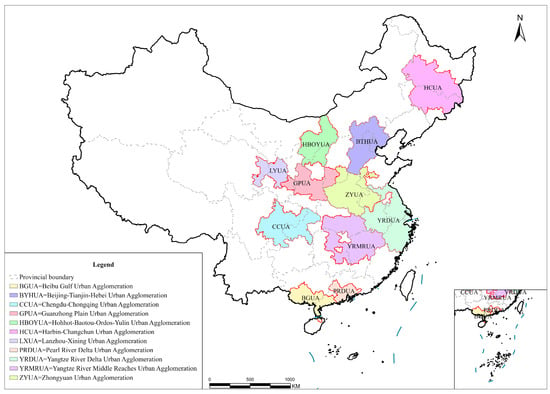
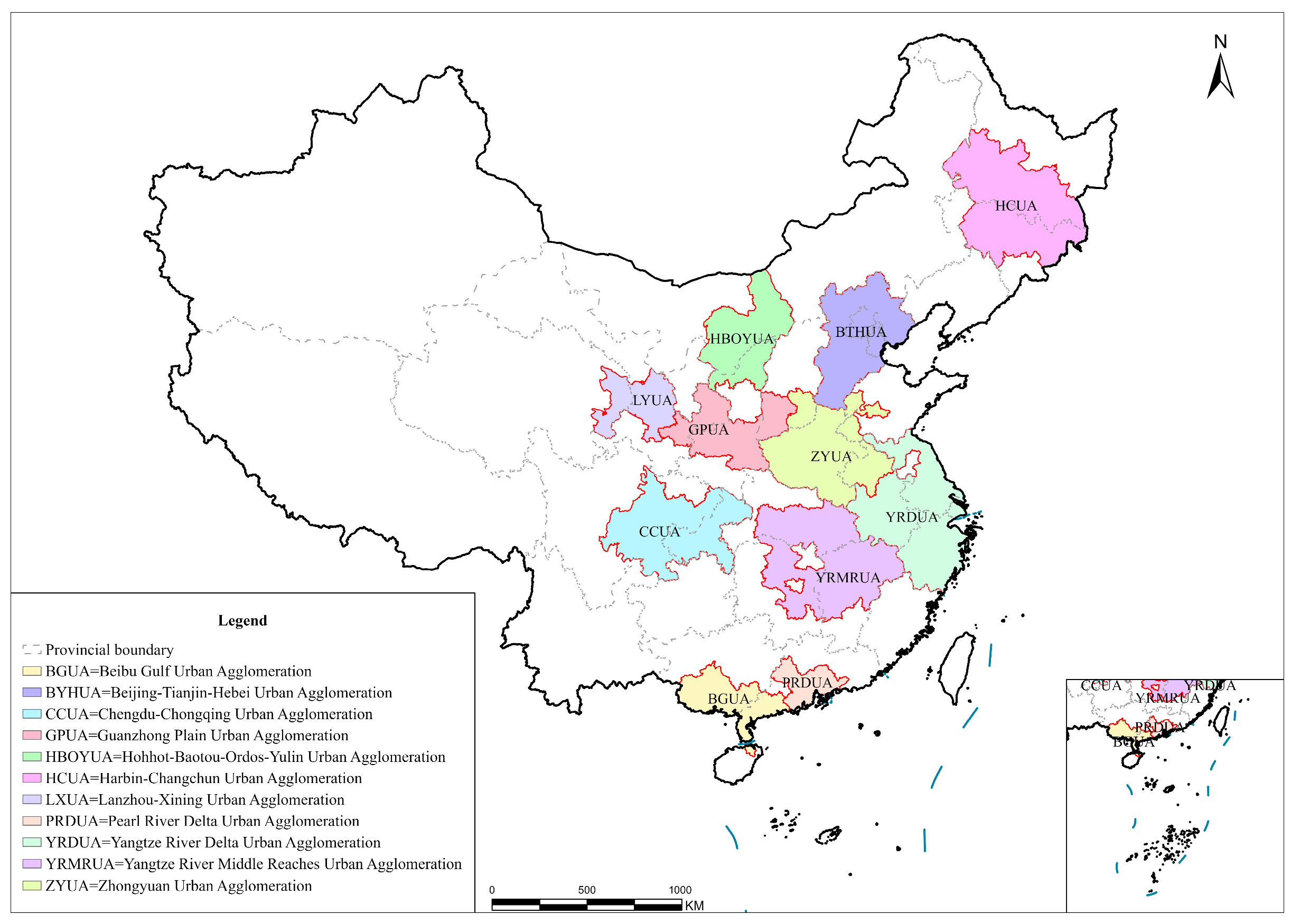
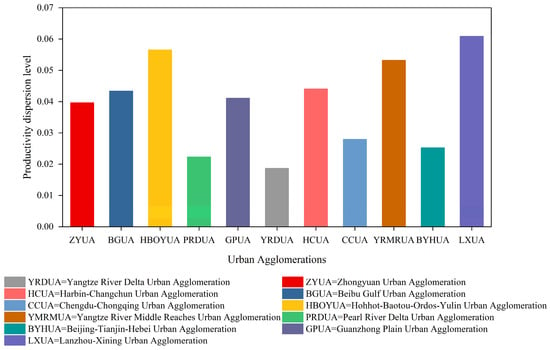
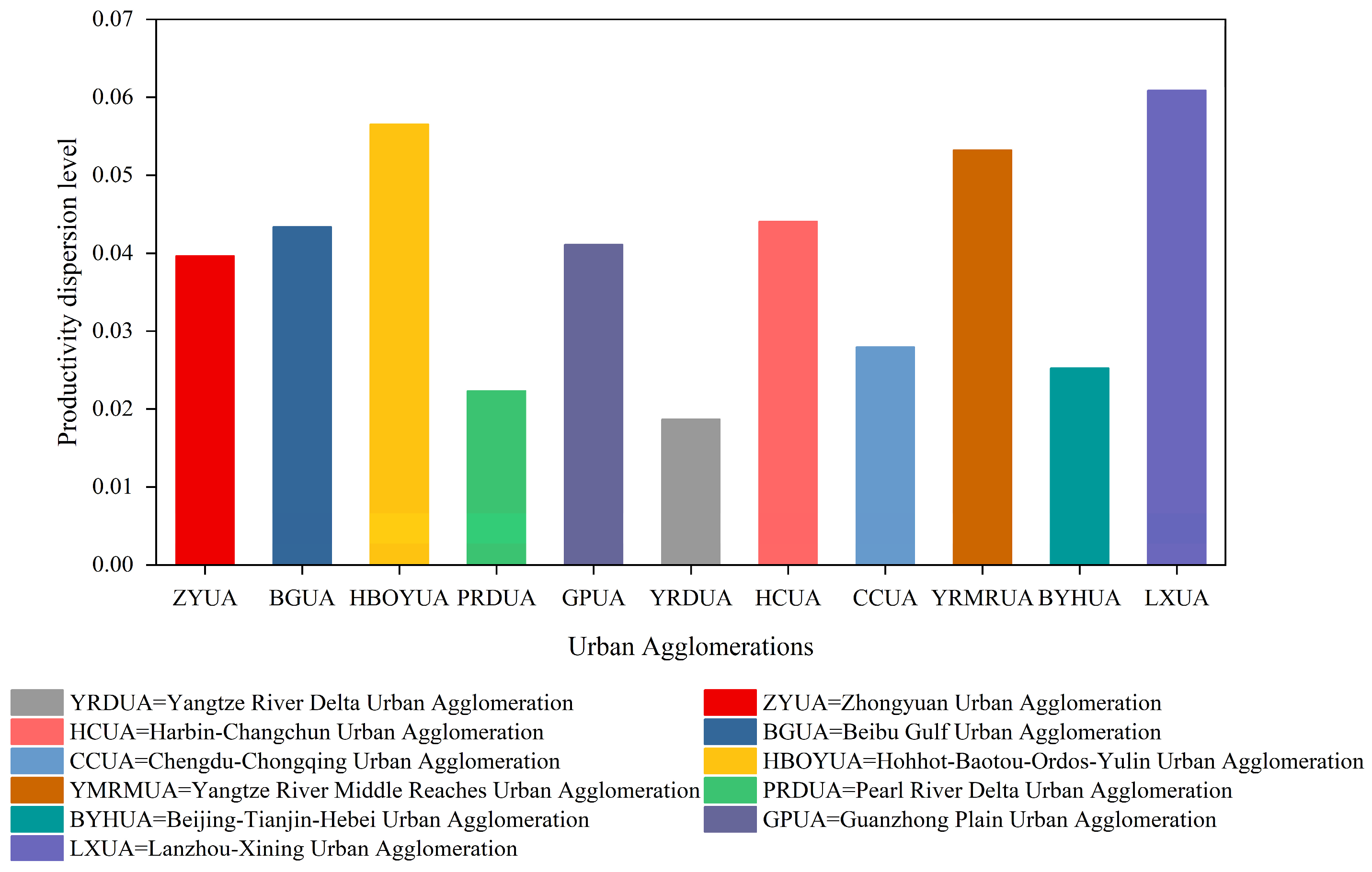
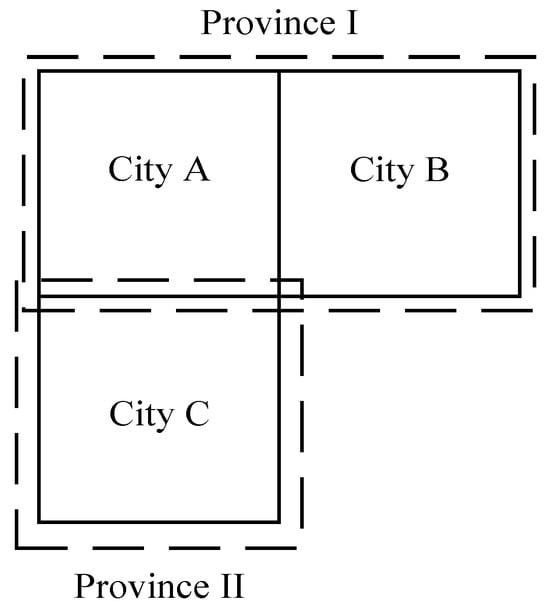
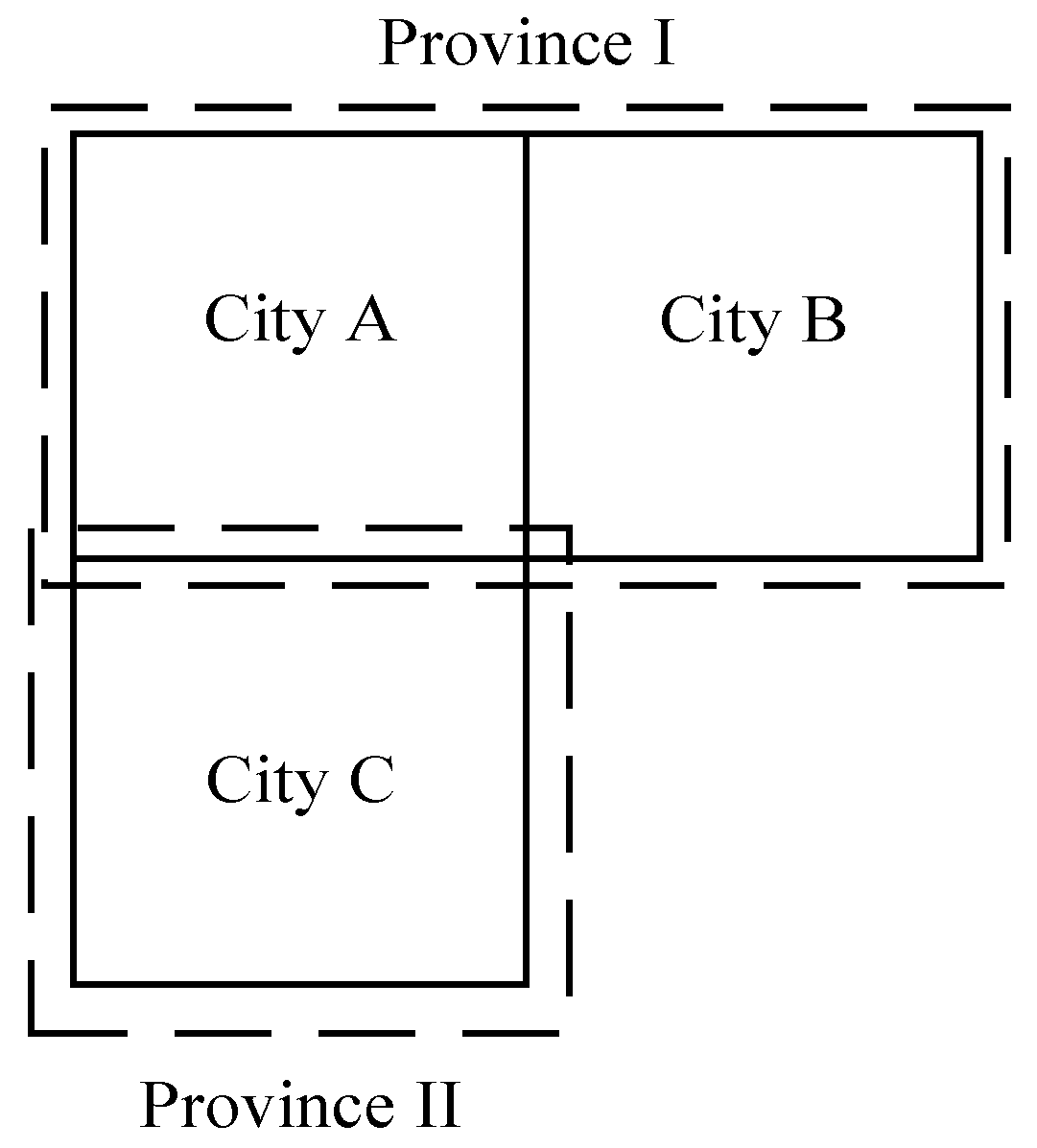

Disclaimer/Publisher’s Note: The statements, opinions and data contained in all publications are solely those of the individual author(s) and contributor(s) and not of MDPI and/or the editor(s). MDPI and/or the editor(s) disclaim responsibility for any injury to people or property resulting from any ideas, methods, instructions or products referred to in the content. |
© 2026 by the authors. Licensee MDPI, Basel, Switzerland. This article is an open access article distributed under the terms and conditions of the Creative Commons Attribution (CC BY) license.