


Abstract
Against the backdrop of intensifying global low-carbon transition and digital technologies’ profound empowerment of the real economy, widespread adoption of artificial intelligence (AI) provides critical technical support that can help heavily polluting enterprises with high energy consumption and emissions overcome the bottlenecks in green development and improve total-factor carbon productivity (TFCP). Using panel data on Chinese listed heavily polluting enterprises from 2013 to 2024 as the research sample, this study investigates artificial intelligence’s impact on firms’ total-factor carbon productivity. The results show that AI has a significant positive impact on TFCP, with mitigating financing constraints, promoting green innovation, and strengthening corporate governance serving as underlying mechanisms. Heterogeneity analysis indicates that such a promotive effect is more pronounced for heavily polluting enterprises in Eastern China, firms with high R&D investment, state-owned enterprises, large-scale firms, and enterprises with low levels of environmental information disclosure. Furthermore, environmental regulation, digital infrastructure, and human capital can amplify artificial intelligence’s productivity-enhancing effect on total-factor carbon productivity. On the basis of these findings, we propose policy suggestions focusing on attaching importance to artificial intelligence technologies, strengthening financial support, and advancing digital infrastructure construction so as to address the low-carbon-transition predicament pertaining to heavily polluting industries and achieve the coordinated development of economic growth and carbon emission reduction.
1. Introduction
Global warming is a major challenge confronting society. The Sixth Assessment Report of the Intergovernmental Panel on Climate Change (IPCC) warns that without comprehensive emission reduction measures in place, global temperature rise will exceed the 1.5 °C threshold within this century, inflicting irreversible damage on global ecological and economic systems. Massive emissions of greenhouse gases such as carbon dioxide are the primary cause of global warming. Carbon dioxide emissions mainly originate from the consumption of traditional fossil energy sources such as coal and petroleum. However, as the fundamental driving force of modern industrial development, energy plays an indispensable role in economic operations. Fossil fuels are still predominant in the energy structures of most countries, with coal and petroleum accounting for a considerable proportion of total energy consumption [1]. Accordingly, determining how to contain carbon emissions while sustaining economic output has become a core question for industrial transformation worldwide. Against this backdrop, total-factor carbon productivity, which fully accounts for inputs of capital, labor, energy, and other production factors and incorporates desirable economic outputs as well as undesirable carbon emission outputs, can objectively measure an economy’s comprehensive capacity for output expansion and carbon abatement. As a core indicator for evaluating green and high-quality development, TFCP has attracted extensive attention from international academic circles [2].
As the world’s largest developing economy, China has long relied on a coal-dominated energy mix with high carbon intensity. To address the climate crisis, the Chinese government has proactively proposed the strategic goals of peaking carbon dioxide emissions and achieving carbon neutrality. In terms of emission composition, heavily polluting industries constitute the primary source of China’s industrial carbon emissions. High-energy-consuming and high-polluting industries including iron and steel, chemical, and cement sectors are the main sources of industrial carbon emissions, making them the core targets for carbon reduction implementation. At the same time, heavily polluting firms are a vital component of China’s industrial sectors and play an essential role in stabilizing employment, safeguarding livelihoods, and boosting economic development. It is critical for these firms to undergo green and low-carbon transition for China to advance its dual-carbon strategy and implement the philosophy of green low-carbon development. Nevertheless, heavily polluting firms are generally constrained by solidified production technologies, coal-biased energy structures, and insufficient investment in green innovation [3]. The traditional end-of-pipe governance model tends to bring about emissions reduction at the expense of output, hampering efforts to balance economic benefits and carbon reduction objectives. Accordingly, improving heavily polluting firms’ total-factor carbon productivity has become a critical approach to resolving such conflicts.
The International Energy Agency (IEA) regards the latest generation of digital technologies, namely, artificial intelligence, as critical technical tools for comprehensively decarbonizing the industrial sector. Through intelligent optimization of production processes, dynamic scheduling of energy systems [4], and provision of assistance for green R&D, artificial intelligence introduces new possibilities for transforming high-emission industries [5,6]. China’s artificial intelligence industry has grown rapidly, and the penetration rate of industrial intelligent equipment and algorithm systems in the manufacturing sector keeps rising. The Chinese government has successively issued policies concerning smart manufacturing and implemented the Digital China initiative to help artificial intelligence catalyze the green renovation of traditional high-energy-consumption industries. Academic studies have discussed and affirmed artificial intelligence’s empowering effects on firms from perspectives such as innovation, corporate governance, and operational performance [7,8,9]. Other studies have analyzed determinants of corporate carbon abatement regarding digital transformation, finance, and new-quality productive forces [10,11,12]. However, dedicated micro-level analyses focusing on heavily polluting firms remain insufficient. Research gaps persist regarding whether artificial intelligence can effectively improve the TFCP of heavily polluting enterprises as well as the corresponding underlying transmission channels and heterogeneous characteristics. Against this background, taking China as the research context, we selected a sample of Chinese listed heavily polluting firms to examine artificial intelligence’s impact on corporate TFCP and its underlying mechanisms to clarify the practical logic behind how artificial intelligence drives the low-carbon transition of highly polluting enterprises.
According to existing studies, numerous factors can shape corporate carbon emissions. Digital technologies and the new economic models they generate can influence corporate carbon emissions. Data assets reduce carbon intensity by boosting R&D investment and total-factor productivity and easing financing constraints [13]. Digital transformation reduces enterprises’ carbon emissions by easing financing constraints, promoting manufacturing servitization, and facilitating technological advancements [14]. Intelligent manufacturing improves enterprises’ carbon emission performance, and green technological innovation, human capital, and organizational resilience are key mechanisms in this regard [15]. Digital economies demonstrate positive carbon emission reduction effects [16]. Financial supply can also affect enterprises’ carbon emissions. Financial digitalization assists enterprises in reducing carbon emissions by encouraging them to increase technological progress and alleviate financing constraints [17]. Green financing can lead to carbon reduction by reallocating financial resources, enhancing environmental governance, and promoting green innovation [18]. Green supply chain finance reduces enterprises’ carbon emission intensity by improving both financing levels and supply chain stability [19]. Fintech significantly reduces carbon emissions without increasing corporate risks [20].
Artificial intelligence exerts a highly spillover-driven leading-goose effect and is profoundly reshaping firms’ development patterns [21,22]. Artificial intelligence promotes corporate green innovation through mechanisms such as financing constraints, operational empowerment, R&D investment, and labor quality [23]. AI adoption enhances green governance performance by lowering green management costs and increasing green innovation outputs [24]. Advancements in artificial intelligence curb the formation of green innovation bubbles through elevating green total-factor productivity and cutting redundant managerial expenditures [25]. AI can improve ESG performance through green technology innovation, strategic deviance, and analyst concerns [26]. AI applications can improve GTFP, for which optimizing production processes, enhancing green technological innovation, and improving energy utilization efficiency serve as potential mechanisms [27].
Regarding artificial intelligence’s impact on corporate carbon emissions, artificial intelligence curbs corporate carbon emissions, while capacity utilization and low-carbon technological innovation exert a positive moderating effect, and green innovation, total-factor productivity, and analyst supervision exert a positive mechanistic effect [28,29]. AI adoption significantly reduces emission intensity through enhancing green innovation efficiency and boosting total-factor productivity [30].
In summary, the academic literature has explored various determinants of corporate carbon emissions and acknowledged artificial intelligence’s empowering role in firms’ green and low-carbon transition. Nevertheless, there remains room for further research along the following dimensions. First, most studies have employed carbon emission volume or emission intensity to examine artificial intelligence’s carbon reduction effects. By contrast, total-factor carbon productivity comprehensively incorporates multiple input factors, including labor, capital, and resources, and can better reflect firms’ balance between economic development and carbon mitigation as well as their sustainable development performance, yet relevant research remains limited. Second, while studies have investigated artificial intelligence’s impact on corporate total-factor carbon productivity, these empirical examinations of the AI–TFCP relationship draw average conclusions using a full sample of Chinese listed firms. Studies that focus on heavily polluting enterprises and explore how AI supports their efforts at carbon abatement are still limited. Heavily polluting firms are key contributors to China’s carbon emissions, featuring high energy use, substantial emissions, and strict regulatory constraints. Meanwhile, they play an essential role in stabilizing employment and driving economic development. Their green low-carbon transition matters greatly for China’s sustainable development, an aspect that has motivated this study’s exclusive focus on heavily polluting enterprises.
Accordingly, this paper focuses on Chinese heavily polluting firms as a research subject and explores artificial intelligence’s impact on corporate carbon performance from the perspective of TFCP, with the aim of leveraging artificial intelligence’s empowering potential to accelerate heavily polluting enterprises’ achievement of a green low-carbon transition. This study’s marginal contributions are threefold. First, it enriches the subjects examined in the literature on AI’s green effects. Prior studies have examined AI’s green effects using samples of all listed companies [31], manufacturing firms [32], energy enterprises [33], etc. By focusing on heavily polluting firms, this study expands the research scope for AI’s green effects. Second, it increases the depth of research on firm-level carbon abatement. Studies have commonly evaluated corporate carbon performance using total carbon emissions and carbon emission intensity (total CO2 emissions/GDP). Total carbon emissions can only capture absolute emission reductions, failing to separate passive cuts from production shrinkage versus active technological abatement. As a single-factor metric, carbon emission intensity overlooks capital, labor, and other factor inputs. By contrast, TFCP integrates conventional inputs (capital, labor, and energy) alongside carbon emissions as undesirable outputs within one accounting system. It jointly accounts for environmental constraints and economic growth and distinguishes technology-driven emission reductions from passive capacity downsizing. By capturing the green transition effect exerted by AI-enabled heavily polluting firms that balance production efficiency and carbon mitigation, TFCP extends the depth of scholarship on corporate carbon reduction. Third, using China, the largest developing country, as the research context, this study not only provides empirical references with which local governments in China can formulate targeted policies coordinating intelligent transformation and pollution and carbon reduction but also offers micro-level firm evidence for other developing countries seeking to promote the low-carbon upgrading of energy-intensive industries through empowering AI technology.
Following this brief introduction to the background and content of this research, Section 2 develops a theoretical analysis of the direct and indirect impacts of artificial intelligence on the TFCP of heavily polluting firms and proposes research hypotheses. Section 3 specifies the empirical model for econometric tests, illustrates variable selection and measurement approaches, describes data. Section 4 reports the baseline regression results, robustness checks, endogeneity tests, and mechanism test results. Section 5 provides a heterogeneity analysis and discusses the moderating effects of environmental regulation, digital infrastructure, and human capital. Section 6 concludes this study with policy implications, research limitations, and future prospects.
2. Theoretical Analysis and Research Hypotheses
2.1. Direct Impact
Against the backdrop of the steady advancement of the dual-carbon goals and the continuous intensification of industrial green transformation, improving the carbon production efficiency of heavily polluting enterprises—the core subjects of carbon emission control—is the key to achieving low-carbon and high-quality industrial development [34]. Artificial intelligence can directly boost heavily polluting enterprises’ TFCP by optimizing production processes, enabling precise carbon emission monitoring, and strengthening carbon management, thereby providing technical support and feasible pathways for their low-carbon transition.
First, heavily polluting firms can deploy intelligent sensors to implement real-time monitoring of production procedures and realize precise control and dynamic optimization of high-energy-consumption links. Traditional industrial production is characterized by extensive workflows, delayed energy consumption supervision, and severe resource waste. Adoption of artificial intelligence can allow for accurate identification of redundant production segments [35]. By refining technological processes, AI reduces energy consumption and waste, effectively cuts carbon emission costs per unit of output, and substantially improves TFCP.
Second, artificial intelligence enhances heavily polluting firms’ carbon-emission-monitoring capacity. Conventional carbon emission monitoring mostly relies on manual sampling accounting, which suffers from time-lagged data, insufficient accuracy, and limited coverage. When equipped with AI-enabled devices and technologies, heavily polluting firms can dynamically monitor multi-dimensional information, including energy and raw material inputs, pollutant discharge, and equipment aging. Real-time collection and analysis of full process production data enable more accurate carbon emission estimation and furnish authentic and reliable data support for carbon emission governance [36].
Third, artificial intelligence improves the transparency of carbon-emission-related information among heavily polluting firms. For a long time, external regulators and financial institutions have faced high costs when identifying heavily polluting enterprises’ true carbon emission levels, giving rise to widespread carbon information asymmetry in the market. With its powerful data-processing capacity, artificial intelligence integrates fragmented information from control systems, production activities, and pollutant discharge links to generate standardized, traceable, and verifiable carbon emission accounts. This not only mitigates information asymmetry between government firm and bank firm relationships but also helps corporate carbon management shift from ex post accounting to refined in-process control. Unreasonable carbon emissions can thus be constrained at the source to ensure effective carbon abatement.
Accordingly, we propose the following hypothesis:
H1.
Artificial intelligence improves heavily polluting enterprises’ total-factor carbon productivity.
2.2. Mechanism Analysis
Against the backdrop of industrial green transition, heavily polluting firms are key targets for low-carbon renovation, and their green and low-carbon transformation is characterized by large capital outlays, long cycles, and slow returns. Transformation initiatives such as equipment renewal, technological retrofitting, and energy-saving and emission reduction governance require sustained financial investment yet yield few short-run economic benefits [37]. Consequently, such firms are usually confronted with severe financing constraints, and capital shortage constitutes a core bottleneck hindering their carbon productivity improvement. Adopting artificial intelligence helps substantially mitigate financing constraints for heavily polluting firms and consolidates the financial foundation for their low-carbon development.
First, AI’s efficiency-enhancing effect enables heavily polluting firms to cut operating costs and reduce resource waste. Traditional heavily polluting firms follow extensive production modes featuring high energy consumption, distorted resource allocation, and excessive production losses, thus keeping operating costs high and crowding out funds for green transition. By optimizing production allocation, streamlining redundant procedures, and precisely controlling energy use, artificial intelligence substantially cuts unnecessary operating expenditures and revitalizes idle internal resources [38]. As a result, more resources and capital can be allocated to green low-carbon transformation activities.
Second, AI-driven mitigation of information asymmetry strengthens inter-firm trust. In conventional supply chain systems, fragmented information and poor data interoperability between upstream and downstream parties readily introduce cooperation risks. Business and supply chain networks built upon artificial intelligence break down information barriers across industries and firms, boost information sharing and business collaboration, alleviate inter-firm information asymmetry, and greatly enhance mutual trust, thereby reducing moral hazards and adverse selection in the market, stabilizing business partnerships and cash flows, and allowing heavily polluting firms to devote more resources to green low-carbon initiatives.
Third, artificial intelligence expands the breadth and depth of data acquisition for heavily polluting firms and overcomes the limitations of one-sided and time-lagged manual statistics. Operational information such as production dynamics, energy consumption, and emission reduction performance can be captured more comprehensively, accurately, and quickly. These objective, authentic, and traceable data reflect firms’ dynamic operating conditions and low-carbon development potential. They provide scientific references for internal managers making transformation decisions and deliver reliable evidence that can help external investors evaluate firm value [39]. Accordingly, heavily polluting firms with sound operations and promising transition prospects can secure greater financial support. Meanwhile, artificial intelligence allows heavily polluting firms to integrate diverse financial resource information, precisely screen financial institutions, and select those offering lower costs and long-term stable support so as to obtain continuous financial guarantees for green low-carbon transformation.
Fourth, artificial intelligence exerts a positive market-signaling effect. Amid the trend toward industrial digital and low-carbon transition, practical cases in which heavily polluting firms leverage artificial intelligence to achieve cost reduction and carbon abatement generate positive demonstration signals, effectively revising financial institutions’ stereotyped perceptions regarding the risks associated with heavily polluting firms’ low-carbon transition. Financial institutions thus become more confident in corporate low-carbon initiatives and are willing to extend financial support to other heavily polluting firms pursuing AI-enabled carbon reduction, thereby alleviating financing constraints across the heavily polluting industry at large.
Accordingly, we propose the following hypothesis:
H2.
Artificial intelligence improves heavily polluting enterprises’ total-factor carbon productivity by mitigating financing constraints.
Against the backdrop of full-scale implementation of the dual-carbon strategy, green innovation serves as the core driver helping heavily polluting firms to break the shackles of high emission production and realize low-carbon transformation and upgrading. Steady improvement in firms’ total-factor carbon productivity cannot be achieved without sustained and high-quality green innovation, and in-depth application of artificial intelligence serves as a critical driving force for improving the quality and efficiency of green innovation among heavily polluting enterprises [40]. Artificial intelligence can comprehensively enhance heavily polluting firms’ green innovation capacity and provide core technological and innovative support for the growth of their carbon productivity.
First, endowed with powerful information collection and knowledge reconstruction capabilities, artificial intelligence overcomes the drawbacks of information scarcity and limited thinking paradigms in conventional innovation modes. It extensively integrates diverse innovation resources, including industrial low-carbon technologies, energy-saving processes, and environmental governance solutions; offers alternative pathways for heavily polluting firms’ green innovation; effectively broadens the scope of green innovation; renders innovation activities more diversified and efficient [41]; and breaks the path dependence of traditional low-carbon innovation.
Second, when equipped with various sensors and intelligent devices, heavily polluting firms can collect comprehensive and accurate production and emission data covering the whole chain of production processing, energy consumption, and pollutant discharge [42]. Further multi-dimensional big-data analysis powered by artificial intelligence enables firms to comprehensively identify high-carbon pain points and emission reduction deficiencies in their operations, obtain a thorough understanding of their operational statuses, and conduct targeted green innovation and precise optimization of low-carbon processes according to firm-specific production features and energy consumption structures, substantially improving the quality and efficiency of green innovation [43].
Third, artificial intelligence can help heavily polluting firms learn from successful green innovation practices employed by peer enterprises in light of their own conditions. Excellent industrial innovation cases provide reference directions for corporate low-carbon transition, and absorbing advanced experience can rapidly boost firms’ innovation capacity. Nevertheless, there are significant discrepancies in production patterns, industrial layouts, and energy consumption structures across firms; direct copying of external experience hardly meets internal development requirements; and adaptive adjustments are therefore indispensable. By leveraging autonomous learning and intelligent reasoning capacity, artificial intelligence can efficiently decompose the core logic of high-quality innovation cases and optimize adaptive solutions matching firms’ production characteristics, thereby allowing heavily polluting firms to draw on proven experience more efficiently, effectively reducing trial-and-error risks in innovation, and raising the success rate of green innovation.
Accordingly, we propose the following hypothesis:
H3.
Artificial intelligence improves heavily polluting enterprises’ total-factor carbon productivity by promoting green innovation.
Constrained by the dual goals of low-carbon transition and high-quality corporate development, improving total-factor carbon productivity for heavily polluting firms hinges on enhanced corporate governance. A sound internal governance system and efficient resource coordination capacity constitute essential foundations with respect to enterprises’ ability to achieve low-carbon development. By comprehensively upgrading governance quality, heavily polluting firms can effectively avoid the drawbacks of extensive production, cut resource waste, optimize operational modes, and markedly improve operational efficiency, thereby steadily raising TFCP. In-depth implementation and application of artificial intelligence serve as a core technological instrument that can help heavily polluting firms to overcome traditional governance bottlenecks and advance overall governance performance.
On the one hand, artificial intelligence enables heavily polluting firms to rapidly and efficiently integrate structured and unstructured data generated across production, operation maintenance, finance, environmental protection, etc. In traditional heavily polluting firms, departments operate independently, with fragmented data storage, resulting in severe internal data silos. Delayed inter-department communication and distorted information transmission frequently lead to governance omissions. With powerful data integration and processing capacity, artificial intelligence breaks down internal data silos, improves cross departmental coordination, and mitigates governance deficiencies and decision-making lag stemming from information asymmetry [44]. Meanwhile, removal of information barriers allows management to obtain comprehensive, real-time, accurate insights into core corporate information covering production, energy consumption, pollutant discharge, and business operations. Accordingly, managers can make scientific decisions oriented toward long-term development to boost overall benefits and realize low-carbon sustainable growth [45].
On the other hand, AI-enabled equipment and digital management systems can help heavily polluting firms reduce labor-driven control costs, minimize human operational errors and managerial loopholes, and increase overall operational efficiency. Artificial intelligence also precisely estimates the consumption of various production factors, identifies optimal input ratios regarding resources, and dynamically optimizes factor input structures to substantially improve corporate resource allocation efficiency. Furthermore, artificial intelligence possesses a strong capacity for integrated analysis of internal and external data. It can comprehensively combine firms’ internal operational data with external information from supply chain partners, trading markets, and environmental regulators. This supports accurate prediction of market price fluctuations, compliance with updated environmental regulatory requirements, rational allocation of production resources, reasonable scheduling of production rhythms, and effective avoidance of market and policy risks [46], thereby consolidating the governance-related foundation for TFCP improvement.
Accordingly, we propose the following hypothesis:
H4.
Artificial intelligence improves heavily polluting enterprises’ total-factor carbon productivity by strengthening corporate governance capacity.
Combined with the theoretical analysis and research hypotheses above, the mechanisms through which artificial intelligence affects heavily polluting enterprises’ total-factor carbon productivity are illustrated in Figure 1.
Figure 1.
The theoretical framework.
3. Model Specification and Variable Selection
3.1. Empirical Model Specification
To test artificial intelligence’s impact on heavily polluting enterprises’ total-factor carbon productivity, we constructed the following baseline regression model:
CEEit = α0 + α1AIit + α2CVit + μi + νt + εit
In the formula above, i denotes firm; t denotes year; CEE represents heavily polluting enterprises’ total-factor carbon productivity; AI denotes heavily polluting firms’ artificial intelligence levels; μ and ν are firm- and year-level fixed effects, respectively; and ε is the random error term.
Based on an examination of artificial intelligence’s direct effect on heavily polluting enterprises’ total-factor carbon productivity, we followed existing methods to explore the underlying mechanisms through which artificial intelligence affects firms’ TFCP [47]. The corresponding model was specified as follows:
where MV denotes the mechanism variable in this paper.
MVit = β0 + β1AIit + β2CVit + μi + νt + εit
CEEit = γ0 + γ1AIit + γ2MVit + γ3CVit + μi + νt + εit
3.2. Variables and Data
The dependent variable is heavily polluting enterprises’ total-factor carbon productivity (CEE). Following existing methods [48], we constructed the GML index using the super-efficiency SBM distance function with undesirable outputs and computed TFCP for heavily polluting firms. By accounting for undesirable outputs, this approach provides a more comprehensive and authentic measure of firms’ carbon emission efficiency and balances economic growth and carbon abatement. The detailed computational steps are as follows. Suppose there are n firms, each regarded as an individual decision-making unit (DMU). Each firm consumes m inputs to generate r1 desirable outputs (yg) and r2 undesirable outputs (yb). The SBM model is specified below.
where θk is the green total-factor productivity efficiency score of the firm k; the parameters m, r1, and r2 refer to the amount of inputs, desirable outputs and undesirable outputs, in that order; xik, , and correspond to observed inputs, desirable outputs, and undesirable outputs; the projected values of , , and within the reference production frontier are given by the respective variables; and λj is the weight for firm j to construct the production possibility set. A value of θk ≥ 1 implies that the firm is within or outside the production frontier and exhibits superior green efficiency.
While the SBM model accommodates undesirable outputs, it is static and cannot capture intertemporal shifts in productivity and technology. Hence, we employ the GML index to compute intertemporal changes in TFCP [49,50]. The GML index is defined below:
In the formula above, t and t + 1 are two consecutive periods; x, y, and b correspond to inputs, desirable outputs, and undesirable outputs; DG(x,y,b) is the directional distance function under the global production frontier; and denotes the global Malmquist–Luenberger index between period t and t + 1. A GML index value above unity implies productivity improvement, while a value below unity indicates productivity deterioration.
This study selects capital, labor, and energy as input measures. Operating revenue represents the desirable output for heavy-pollution firms, while carbon emissions constitute undesirable outputs. We proxy capital inputs with net fixed assets, measure labor inputs based on total employee numbers, and compute energy inputs from energy consumption converted to standard coal equivalents.
The calculation of enterprise standard coal consumption is described below. We collected annual reports, ESG reports, sustainability reports, and other documents released by heavily polluting enterprises to obtain their energy consumption data. Newer reports usually directly provide the amount of standard coal consumed in the current period, while older reports require conversion of electricity, heat, and fossil fuel consumption into standard coal using conversion coefficients. For firms with missing data, we estimated energy consumption based on industry benchmark values using the formula given below:
where ECit denotes the energy consumption of firm i in period t; cit is the operating cost of firm i in period t; Ct represents the industrial operating cost in period t; A is the industry energy consumption derived from the Energy Statistical Yearbook; and B is the conversion coefficient for standard coal. We further calculated firm-level carbon emissions by combining energy consumption results for various fuels used by heavily polluting enterprises and the corresponding carbon emission factors, with the specific formula as follows:
where CE denotes the carbon emitted from a firm’s consumption of a given energy, and EF denotes the carbon emission factor of that energy, sourced from the National Greenhouse Gas Emission Factor Database “https://data.ncsc.org.cn/factories/index (accessed on 17 July 2026)”.
CEit = ECit × EF
The core independent variable is a heavily polluting enterprise’s artificial intelligence level (AI). There are two widely adopted indicators for measuring firm-level artificial intelligence. The first one involves the use of AI patent counts, while the second constructs the AI indicator via text mining of corporate annual reports. By contrast, the AI patent count is an output metric of corporate AI activities, denoting possessed AI technology and reflecting firms’ technological stock in artificial intelligence. Relative to text word-frequency indicators, patent data offer objectivity and authority. However, patent indicators are not without limitations, as they capture R&D outputs instead of practical deployment. Hence, in this paper, we employ the first measure for baseline regression and the second one for robustness tests. In the baseline specification, the AI intensity of heavily polluting firms is measured via AI patent counts. First, we obtain patent information of listed firms from the IRPDB intellectual property database. Second, we match patents with records of listed firms based on assignee information. We select terms such as “artificial intelligence”, “machine learning”, “Internet of Things”, and “cloud computing” as seed words, and employ the Skip-gram model to train on the corpus consisting of words extracted from patent texts. In light of the cosine similarity between seed words and output terms, we select the top 10 semantically closest words for each seed word. Duplicate terms, words irrelevant to artificial intelligence, and terms with excessively low word frequency are removed to construct the artificial intelligence dictionary used in this paper. Next, we identify AI-related patents by checking whether the titles and abstracts of patents filed by firms in each year contain AI-related keywords. Finally, we apply a text machine learning model to conduct semantic discrimination on patent titles and abstracts for the initially screened results, eliminating noisy patents that merely mention AI in the background art without involving core artificial intelligence technologies. Given zero values in some samples, we add one and then take the natural logarithm for empirical analysis.
The mechanism variables were selected as follows:
Financing constraints (SA): Common proxies for financing constraints include the KZ, WW, and SA indices. The SA index can mitigate measurement bias to a certain extent, so we use this indicator to capture the extent of financing constraints. Calculation of the SA index proceeds as follows:
where Size denotes the natural logarithm of total assets (in millions of RMB), and Age represents firm age, calculated as the difference between the observation year and the firm’s founding year. The original SA value is generally negative. Following an approach used in prior study [51], we used the absolute value of SA (|SA|) to measure financing constraints; a larger |SA| indicates severer financing constraints.
SA = −0.737 × Size + 0.043 × Size2 − 0.040 × Age
Green innovation (GI): This variable is proxied by the green patent counts of heavily polluting firms. The green patent indicator is constructed in a manner analogous to the AI indicator. Patents that satisfy both the AI and green keyword criteria are subject to manual screening, and each patent is assigned to the corresponding indicator according to its substantive nature. Given zero values in some samples, we added one and then took the natural logarithm for empirical analysis.
Corporate governance (IC). This variable is measured using the Dibo internal control index. A larger value indicates better internal control quality. The theoretical maximum of the index is 1000, yet no firm attains this maximum in its publicly reported results. We therefore conduct a natural logarithmic transformation. As several observations equal zero, we add one to all observations uniformly prior to the natural logarithmic transformation.
A set of control variables is defined below: Firm size (SIZE) is measured according to the total assets at the end of the period and transformed by taking the natural logarithm in empirical regressions. Firm age (AGE) is proxied by firm establishment duration and processed by taking the natural logarithm. We compute R&D intensity (RD) as R&D expenditures scaled by total assets. Return on equity (ROE) equals net profit divided by stockholder equity. The debt-to-asset ratio (DTR) is computed as total liabilities divided by total assets. Growth capacity (GRO) is represented by the annual growth rate of operating revenue.
We selected Chinese listed heavily polluting firms over the 2013–2024 period as the research sample. Following the Notice on Issuing released by the Ministry of Ecology and Environment of China (formerly the Ministry of Environmental Protection) and Wu et al.’s approach (2025) [52], we classified the following sectors as heavily polluting industries: coal mining and washing, oil and gas extraction, ferrous metal ore mining, non-ferrous metal ore mining, textiles, leather and footwear, paper and paper products, petroleum processing and coking, chemical raw materials, chemical fibers, rubber and plastics, non-metallic mineral products, ferrous metal smelting, non-ferrous metal smelting, and power and heat supply. Based on the 2012 revised Guidelines for the Industry Classification of Listed Companies produced by the China Securities Regulatory Commission, the corresponding industry codes are B06, B07, B08, B09, C17, C19, C22, C25, C26, C28, C29, C30, C31, C32, and D44. The primary data source is the China Stock Market & Accounting Research (CSMAR) database. The following data-cleaning procedures were implemented: ST labeled samples were excluded; observations with missing values were removed; and continuous variables were winsorized at the 1% and 99% percentiles. The final sample consists of 14,874 firm-year observations. Table 1 reports the descriptive statistics.
Table 1.
Descriptive statistics.
4. Empirical Results and Analysis
4.1. Baseline Results
Table 2 presents the baseline regression results regarding artificial intelligence’s impact on the TFCP of heavily polluting enterprises. Column (1) excludes control variables and fixed effects, and Column (4) incorporates both control variables and fixed effects. As shown, the coefficient of artificial intelligence remains positive and statistically significant across all specifications, implying that there is a significant positive correlation between AI level and TFCP among heavily polluting enterprises. According to Column (4), the coefficient of artificial intelligence is 0.382 and significant at the 1% statistical level. The findings indicate that a 1% increase in AI patents among heavily polluting enterprises leads to an approximate 0.00382-unit increase in TFCP. Chinese heavily polluting enterprises attach importance to the role of artificial intelligence technology. They actively leverage artificial intelligence to empower business operations and carbon reduction, optimize production procedures, upgrade technological processes, and stimulate green innovation. These efforts further improve total-factor carbon productivity, allowing firms to balance development performance and emission control.
Table 2.
Baseline regression results.
4.2. Robustness Checks
Several robustness checks were conducted to verify the reliability of the baseline findings. First, we employed an alternative dependent variable. Carbon emission intensity, defined as the ratio of carbon emissions to operating revenue, was adopted to replace the original indicator. A higher value indicates more CO2 emissions per unit of output for heavily polluting enterprises. Second, following the methodology of existing studies [53], we perform text mining on corporate annual reports with the AI keywords developed in the preceding section. We calculate the occurrence frequency of AI keywords within annual reports, apply a natural logarithmic transformation after adding one to the frequency value, and use this measure to proxy the artificial intelligence level of heavily polluting enterprises. Third, we excluded firms located in municipalities directly under the central government. China’s four municipalities enjoy superior development conditions, higher concentration of advanced factors, and stronger policy support relative to other regions [54]. Accordingly, firms registered in these municipalities were removed from the sample. Fourth, we included industry fixed effects. Given the heterogeneity within heavily polluting sectors, industry fixed effects were incorporated to alleviate estimation bias driven by industrial disparities. Fifth, we eliminated COVID-19 pandemic interference. The COVID-19 pandemic resulted in severe shocks in corporate operations. Thus, observations from 2020 to 2022 were excluded from the sample. Sixth, as mentioned above, the energy-consumption and carbon-emission data for a subset of observations are imputed from industry-level figures. Although such observations represent a minor fraction (under 10% of the total), they could nonetheless distort the estimates. Accordingly, we drop these observations from the sample and re-estimate the model.
Table 3 presents the estimation results for a battery of robustness checks. AI maintains a significant positive association with TFCP under alternative specifications, confirming the strong robustness of our core findings.
Table 3.
Robustness test.
4.3. Endogeneity Treatment
A set of controls capturing determinants of TFCP for heavily polluting enterprises is included, in addition to firm and year fixed effects, endogeneity concerns cannot be completely ruled out. On the one hand, it is impossible to incorporate all relevant determinants of TFCP, potentially giving rise to omitted-variable bias. On the other hand, potential reverse causality may exist between the dependent variable and the core explanatory variable: heavily polluting firms with higher TFCP may also exhibit higher artificial intelligence adoption levels. Accordingly, the following approaches were adopted to mitigate endogeneity issues.
First, the two-stage least squares (2SLS) method was employed. We employed the 2SLS estimator to address endogeneity. Valid instrumental variables are required for 2SLS estimation. Drawing on the shift-share approach, this paper constructs a Bartik instrument as follows:
where AIit-1 denotes the artificial intelligence level of heavily polluting firm i in the previous year, and Growtht denotes the overall growth rate of AI patents in the heavily polluting industry in year t, excluding firm i. There is a correlation between the predicted value based on the firm’s initial variable and its progress in AI technology. Because the overall patent growth rate of the heavily polluting industry is not affected by any individual firm, it satisfies the exogeneity requirement. The exclusion restriction requires that the instrument affect TFCP solely through the channel of influencing the firm’s AI and not through any other channel. Although the overall development of artificial intelligence in the industry may affect firms’ AI levels through channels such as competition and technology spillovers, the interaction term incorporates firms’ initial AI levels, which helps mitigate concerns regarding violations of the exclusion restriction. In addition, while existing test results support instrument relevance and strength, these tests alone cannot verify the exclusion restriction. The challenge of rigorously justifying the exclusion restriction remains [55]. We therefore regard the IV estimates mainly as a robustness test to alleviate endogeneity concerns, so as to further strengthen the reliability of our findings. Columns (1) and (2) in Table 4 present the regression estimates. The K–P rk LM statistic equals 43.93 (p = 0.004), so we can reject the null of hypothesis regarding under-identification. The K–P rk Wald F weak instrument statistic is 65.21, which is higher than the Stock–Yogo critical value for the 10% maximal IV size distortion, so we can reject the null hypothesis regarding weak instruments. Accordingly, the instrument is valid. The AI coefficient remained significantly positive in the second stage, implying that our main finding survived the two-stage least-squares regression.
Bartikit = ln[AIit−1 × (1 + Growtht)]
Table 4.
Endogeneity test results.
Second, the Heckman two-stage approach was employed. Whether and to what extent a listed firm applies AI is not exogenously assigned but reflects the firm’s self-selection based on its own characteristics and capabilities. To mitigate the resulting sample selection bias, we additionally implement the Heckman two-stage model. First, firms were grouped according to the median of AI level within the same industry and year. Firms with an AI level above the median were assigned a value of 1; those below the median were assigned a value of 0. Second, the constructed dummy variable of AI was employed as the dependent variable. The interaction term between the number of post offices per million inhabitants in each prefecture-level city in 1984 and the one-period-lagged number of internet users was used as the exogenous variable. The 1984 post office count itself has no direct impact on firms’ TFCP. The interaction term affects TFCP via the following channel: supported by historical communication endowments, internet penetration raises firms’ AI level and thereby influences TFCP. This can provide indirect evidence for the exclusion restriction to a certain extent. We further conduct a first-stage Probit regression using the control variables from the baseline specification and calculate the inverse Mills ratio (IMR). Third, the IMR was incorporated into Equation (1) as an additional control variable for the second-stage regression, thereby correcting for the selection bias arising from non-random sample entry. Column (3) of Table 4 reports the second-stage estimation results. The coefficient of the IMR was found to be statistically significant, confirming the existence of sample selection bias and justifying the application of the Heckman two-step method. Moreover, after controlling for IMR, we found that the coefficient of artificial intelligence remained significantly positive, suggesting that the core result, i.e., a significant positive relationship between AI and TFCP, holds robustly after sample selection bias is addressed.
Third, the difference-in-differences (DID) approach was employed. Following an approach reported in previous research [56], we regard the national New-Generation Artificial Intelligence Innovation and Development Pilot Zones as a quasi-natural experiment. In 2019, the Ministry of Science and Technology of China issued the Working Guidelines for the Construction of National New-Generation Artificial Intelligence Innovation and Development Pilot Zones, and a total of 18 such pilot zones were established in batches during 2019–2021. Since the policy was implemented in batches in 2019, 2020, and 2021, we employ a multi-period difference-in-differences (DID) model to re-examine the impact of AI on the total-factor carbon productivity of heavily polluting firms. We classify firms located in the pilot cities as the treatment group and those outside the pilot areas as the control group. To account for the staggered rollout of the policy, we code the treatment indicator as 1 for the year in which a firm’s city was approved as a National New-Generation AI Innovation and Development Pilot Zone and for all following years, and 0 otherwise. As a number of pilot cities received approval near the end of the year, and given the delayed effect of the policy, we attribute cities approved after September to the next calendar year. Figure 2 plots the estimation results of the placebo test based on 500 random permutations. The simulated coefficients follow a normal distribution centered at zero and are smaller than the true coefficient, indicating that the improvement in TFCP is not driven by random shocks. In addition, only a small number of simulated estimates fall within the 10% significance level, while most simulated estimates are statistically insignificant. Therefore, the placebo test is satisfied. Figure 3 presents the estimation results of the parallel trends test. Prior to the policy implementation, the estimated coefficients for all pre-treatment periods fluctuated around zero within the 95% confidence interval and were not statistically significant; after the policy implementation, the estimated coefficients became significantly positive and increased gradually. Therefore, the parallel trends assumption cannot be rejected overall. Column (4) of Table 4 reports the estimation results of the difference-in-differences (DID) model. The DID coefficient is significantly positive, indicating that after mitigating endogeneity concerns within the DID framework, the core findings remain robust.
Figure 2.
Placebo test results.
Figure 3.
Results of the parallel-trends test.
In summary, after endogeneity is accounted for, artificial intelligence in heavily polluting enterprises still exerts a significant positive effect on TFCP. This finding supports H1.
4.4. Mechanism Tests
Table 5 Columns (1) and (2) report the estimation results for the financing constraint channel. Column (1) presents the first-stage regression of the mediation model, where the coefficient of AI is significantly negative, indicating that AI exerts a significant negative effect on financing constraints. Column (2) shows the estimation results of Model (3); the coefficients of financing constraints and AI are both significant. The coefficient of AI (0.324) is smaller than its counterpart in Model (1) (0.382). Therefore, the total effect is greater than the direct effect. The Z value of the Sobel test is 4.899 and significant at the 1% statistical level, confirming the existence of the mediation effect. The results reveal that AI exerts a significantly negative effect on financing constraints, and financing constraints impose a significant negative impact on the TFCP. The above findings provide empirical support for Hypothesis H2.
Table 5.
Results of the mechanism test.
Columns (3) and (4) in Table 5 display the estimation results for the green innovation channel. Column (3) corresponds to Model (2), and the AI coefficient is significantly positive, suggesting that AI positively affects green innovation. Column (4) reports on Model (3), in which both green innovation and AI coefficients are significant. The AI coefficient (0.276) is lower than the estimate in Model (1) (0.382); thus, the total effect exceeds the direct effect. The Z value of the Sobel test is 3.758 and significant at the 1% statistical level, confirming the existence of the mediation effect. The results show that AI exerts a significantly positive effect on green innovation, and green innovation impose a significant positive impact on the TFCP. The above findings provide empirical support for Hypothesis H3.
Columns (5) and (6) in Table 5 display the estimation results for the corporate governance channel. Column (5) corresponds to Model (2), and the AI coefficient is significantly positive, suggesting that AI positively affects corporate governance. Column (6) pertains to Model (3), in which both governance quality and AI coefficients are significant. The AI coefficient (0.311) is lower than the estimate in Model (1) (0.382), so the total effect exceeds the direct effect. The Z value of the Sobel test is 2.074 and significant at the 5% statistical level, confirming the existence of the mediation effect. The results show that AI exerts a significantly positive effect on corporate governance, and corporate governance impose a significant positive impact on the TFCP. The above findings provide empirical support for Hypothesis H4.
5. Further Analysis
5.1. Heterogeneity Analysis
Regional heterogeneity: To explore how regional differences shape the relationship between artificial intelligence and TFCP, the full sample was divided into eastern and central western subsamples according to the firms’ geographical locations. Columns (1) and (2) within Table 6 illustrate the corresponding empirical findings. The result of the Chow test (p = 0.003) was significant at the 1% level, indicating statistically significant structural differences across the two groups. The estimation results show that AI had a significant positive effect on TFCP in both groups. Further comparison of coefficient magnitudes reveals that the promotive effect is stronger for firms located in Eastern China. The eastern region boasts higher AI development, better artificial intelligence infrastructure, and agglomeration of highly skilled human capital, capital, and other innovative resources. Accordingly, heavily polluting enterprises in eastern regions are better positioned to exploit the benefits of artificial intelligence and facilitate carbon emission reduction.
Table 6.
Heterogeneity test results.
R&D investment heterogeneity: To investigate R&D investment’s heterogeneous impact on the relationship between AI and TFCP, the full sample was divided into two subsamples based on the median ratio of R&D expenditure to total operating revenue: a high-R&D-investment group (above the median) and a low-R&D-investment group. Columns (3) and (4) in Table 6 report the corresponding regression results regarding R&D investment heterogeneity. The Chow test (p = 0.037) yielded a result that was significant at the 5% level, indicating statistically significant structural differences across the two groups. Evidence from the estimations suggests that AI generates a substantial positive impact on TFCP in both groups. A comparison of coefficient values demonstrates that the promotional effect of artificial intelligence on TFCP is more pronounced for firms with high R&D investment. For heavily polluting enterprises with sufficient R&D resources, more operational and technological resources can be allocated to the application and empowerment of artificial intelligence technologies. This enables artificial intelligence to exert its technological advantages and value-creation potential more fully and efficiently, thereby effectively facilitating the improvement of corporate total-factor carbon productivity.
Property-right heterogeneity: To explore the influence of property-right attributes on the linkage between artificial intelligence and TFCP, we categorize heavy-pollution enterprises into SOEs and non-SOEs by examining their property rights. Table 6 Columns (5) and (6) report the empirical findings for this heterogeneity test. The Chow test (p = 0.041) yielded a result that was significant at the 5% level, pointing to statistically significant structural differences between the two groups. The findings show that AI has a significant positive effect on TFCP in both groups. Further coefficient comparison suggests that the promotive effect is stronger for SOEs. Compared with non-SOEs, state-owned enterprises enjoy easier access to financial funds and policy support and are more competitive in attracting high-quality talent. Such superior resource endowments enable SOEs to better leverage artificial intelligence to accelerate low-carbon transformation and ultimately improve corporate total-factor carbon productivity.
Firm-size heterogeneity: To examine how firm size moderates the relationship between artificial intelligence and TFCP, the full sample was equally divided into large- and small-scale groups according to firm size. Columns (1) and (2) in Table 7 report the corresponding estimation results. The Chow test (p = 0.006) indicated significance at the 1% level, indicating statistically significant structural differences between the two groups. The results show that AI has a significant positive effect on TFCP in both groups. Nevertheless, the promotive effect is more prominent for large-scale firms. The application of artificial intelligence requires substantial capital investment and high-quality human capital. Relative to small firms, large-scale heavily polluting enterprises can allocate more resources to AI research, development, and application and are more capable of attracting highly skilled laborers. These advantages enable large firms to better exploit the green and low-carbon value of artificial intelligence.
Table 7.
Heterogeneity test results.
Environmental information disclosure heterogeneity: This section describes our further investigation into the heterogeneous effect of environmental information disclosure (EID) quality on the relationship between artificial intelligence and total-factor carbon productivity. Adopting the environmental dimension score of the Huazheng ESG rating as the proxy for environmental information disclosure level, we divided the sample into high- and low-EID groups. The findings for this test can be observed in Columns (3) and (4) within Table 7. The Chow test (p = 0.012) yielded significance at the 5% level, indicating statistically significant structural differences between the two groups. AI was found to have a significant positive effect on TFCP in both groups. Notably, the enhancement was stronger for firms with lower environmental information disclosure levels. Firms with poor environmental information disclosure generally have weak environmental management practices and inferior environmental performance with higher carbon emissions [57]. Such firms have greater room for efficiency improvement and energy conservation, thereby enabling artificial intelligence to exert a more promotional effect on TFCP.
5.2. Moderating Effect Analysis
The green, low-carbon transformation of heavily polluting enterprises requires substantial capital and resource investment. Strong environmental supervision can effectively motivate such enterprises to actively conduct low-carbon transformation activities, indicating that intensified environmental regulation may strengthen AI’s carbon reduction effect. Furthermore, the stable functioning of artificial intelligence technology relies on the support of basic infrastructures such as network facilities and computing power. At the same time, artificial intelligence is an interdisciplinary and cutting-edge technology whose application imposes high requirements on employees’ comprehensive quality. To verify whether environmental regulation, infrastructure construction, and human capital positively moderate AI’s promotional effect on heavily polluting enterprises’ total-factor carbon productivity (as theoretically analyzed above), we constructed the following moderating effect models:
CEEict = α0 + α1AIict + α2AVict + α3AIict × AVict + α4CVict + μc + νt + εict
In the formula above, AV denotes the moderating variables, including environmental regulation (ER), digital infrastructure (DI), and corporate human capital level (HUM). The subscript c represents the city where a given heavily polluting enterprise is located.
To measure environmental regulation intensity, researchers typically adopt pollution abatement costs, pollution reduction performance, and policy evaluation indicators for quantification. In comparison, government work reports systematically record the ecological governance goals, key priorities, and core tasks of local governments, which can reflect the true and overall intensity of regional environmental regulation. Therefore, in this paper, we measure environmental regulation intensity based on the word frequency of environmental-governance-related terms extracted from municipal government work reports [58]. Specifically, hand-coded collection of prefecture-level municipal government work reports was performed for the period 2013–2024. The Python 3.11 Jieba segmentation tool was adopted for precise text segmentation, and the frequency of environment-related vocabulary was statistically calculated to construct the environmental regulation intensity indicator. Referring to prior studies [59], we constructed a comprehensive urban digital infrastructure index from three dimensions: digital connectivity, digital service capacity, and digital human capital. Six specific indicators were adopted: the density of communication base stations, long-distance optical cable density, per capita telecommunication business volume, the number of internet users per ten thousand people, the number of mobile phone subscribers per ten thousand people, and the share of employees in the internet industry. On the basis of the multidimensional indicators above, the entropy weight method was applied to calculate the comprehensive score regarding urban digital infrastructure level. Finally, the urban digital infrastructure index was matched with listed firms according to their registered city locations to obtain the firm-level digital infrastructure variable. Corporate human capital level was measured by determining the proportion of technical employees among total firm employees.
As shown in Table 8, environmental regulation, digital infrastructure, and human capital not only exert significant positive effects on heavily polluting enterprises’ total-factor carbon productivity but also play a positive moderating role. Specifically, these factors strengthen AI’s promotional effect on corporate TFCP.
Table 8.
Moderating effect results.
6. Conclusions and Implications
6.1. Conclusions
Using panel data pertaining to Chinese listed heavily polluting enterprises from 2013 to 2024, this study investigated artificial intelligence’s impact on carbon emissions from the perspective of TFCP. Estimation evidence suggests AI generates a substantial positive effect on TFCP. This central result remains valid once subjected to multiple robustness checks and endogeneity remedies. Artificial intelligence increases heavily polluting firms’ TFCP by alleviating financing constraints, promoting green innovation, and optimizing corporate governance. The heterogeneity analysis revealed differentiated effects across firm and regional characteristics. Specifically, the carbon-productivity gains brought by artificial intelligence are greater for heavy-pollution enterprises situated in Eastern China compared with firms in the central and western regions. Regarding firm attributes, artificial intelligence exerts a more prominent promotional effect on firms that have higher levels of R&D investment, possess state-owned property rights, are larger, and have lower environmental information disclosure levels. Furthermore, environmental regulation, digital infrastructure, and corporate human capital play positive moderating roles, which can effectively strengthen AI’s ability to potentiate improvement in heavily polluting enterprises’ total-factor carbon productivity.
6.2. Implications
The research findings yield the following policy and practical implications.
First, heavily polluting enterprises should actively leverage artificial intelligence to advance green and low-carbon transformation. Enterprises need to deepen their understanding of artificial intelligence technologies, increase relevant capital and resource investment, and explore diversified applications of artificial intelligence in green low-carbon development. It is essential to strengthen collaborative innovation with universities and research institutions, promote industry–university–research cooperation, and accelerate the industrial transformation and large-scale application of laboratory research achievements. Additionally, firms should vigorously develop industrial internet systems and deploy intelligent sensors in key production procedures, operational links, and high-emission segments. Through digital and intelligent transformation, enterprises should comprehensively collect and fully integrate internal operational data, eliminate internal information silos, optimize production processes and technical procedures via artificial intelligence, and ultimately facilitate comprehensive green and low-carbon upgrading.
Second, financial institutions should be encouraged to carry out targeted financial innovations for heavily polluting enterprises. Authorities need to strengthen the institutional system for green finance and encourage financial organizations to design novel products including green credit facilities, green bonds, and carbon finance tools, so as to reduce the financing costs of green transformation for heavily polluting enterprises. It is necessary to strengthen capital market support and guide institutional investors to increase financial backing for the AI-driven green transformation behaviors of heavily polluting enterprises, thereby promoting the widespread application of artificial intelligence technologies in high-pollution industries. Moreover, parties must improve the green-credit-rating system and provide better financing channels by enhancing the creditworthiness of heavily polluting enterprises for their green transition activities.
Third, policymakers need to advance the deployment of digital infrastructure. It is vital to optimize the layout of digital infrastructure, promote the development of the industrial internet, and popularize intelligent monitoring terminals to overcome industry and corporate data silos. Governments should take the lead in cooperating with financial institutions and scientific research institutes to construct pieces of large-scale supporting infrastructure such as computing power and energy facilities. Furthermore, it is necessary to develop demonstration and application scenarios for artificial intelligence innovation, integrate technological progress in artificial intelligence with practical industrial scenarios, and realize the large-scale industrial implementation of AI innovative achievements.
6.3. Limitations and Future Research
This study, which comprehensively investigated the impact of AI application on heavily polluting enterprises’ TFCP, has several limitations similar to those noted in other empirical studies. The first one is the measurement approach involving artificial intelligence indicators. We adopted patent quantity, one of the mainstream measurement metrics used in the literature, to measure heavily polluting enterprises’ artificial intelligence levels. Nevertheless, this approach has inherent limitations. Many enterprises can directly adopt existing mature AI technologies without applying for patents, potentially leading to deviations between measured AI levels and firms’ actual AI application statuses. If more scientific and comprehensive measurement methods for corporate AI technology are developed in the future, the core conclusions of this paper can be re-examined and verified. Second, constrained by data availability, the research sample for this paper is limited to listed heavily polluting enterprises. In practice, a large number of heavily polluting enterprises, especially small and medium-sized enterprises (SMEs), remain unlisted. Compared with listed firms, unlisted SMEs face weaker institutional constraints from laws, regulations, and ESG-related green sustainability evaluation standards, while their information transparency is relatively lower. Accordingly, AI’s influence on the TFCP of unlisted heavily polluting enterprises remains unclear. It is still worth exploring whether SMEs apply AI technology for energy conservation and carbon emission reduction or use AI as a tool for concealing pollution emissions [60]. In future studies, researchers can supplement and expand this relevant empirical evidence by acquiring unlisted firm data to enrich and improve the research findings in this field.
Author Contributions
Conceptualization, Q.M. and Y.B.; methodology, Y.B.; software, S.L.; validation, T.L. and W.Y.; formal analysis, S.L.; investigation, Y.B.; resources, S.L.; data curation, W.Y.; writing—original draft preparation, Y.B.; writing—review and editing, Q.M.; visualization, T.L.; supervision, S.L.; project administration, T.L.; funding acquisition, S.L. All authors have read and agreed to the published version of the manuscript.
Funding
This research was funded by the Basic Scientific Research Project of Liaoning Provincial Department of Education for Universities [grant number LJ112510148005].
Institutional Review Board Statement
Not applicable.
Informed Consent Statement
Not applicable.
Data Availability Statement
The data presented in this study are available on request from the corresponding author.
Conflicts of Interest
Author Wanshu Yu was employed by the Department of Finance, Wuxi Xinlian Thermal Power Co., Ltd. The remaining authors declare that the research was conducted in the absence of any commercial or financial relationships that could be construed as a potential conflict of interest.
References
- Rahman, A.; Murad, S.M.W.; Mohsin, A.K.M.; Wang, X. Does renewable energy proactively contribute to mitigating carbon emissions in major fossil fuels consuming countries? J. Clean. Prod. 2024, 452, 142113. [Google Scholar] [CrossRef] [Scilit]
- Kuosmanen, N.; Maczulski, T. Going green while getting lean: Decomposing carbon and green total factor productivity. J. Environ. Manag. 2024, 352, 120046. [Google Scholar] [CrossRef] [Scilit]
- Ozkan, O.; Coban, M.N.; Destek, M.A. Navigating the winds of change: Assessing the impact of wind energy innovations and fossil energy efficiency on carbon emissions in China. Renew. Energy 2024, 228, 120623. [Google Scholar] [CrossRef] [Scilit]
- Agrawal, A.; Gans, J.S.; Goldfarb, A. Exploring the impact of artificial Intelligence: Prediction versus judgment. Inf. Econ. Policy 2019, 47, 1–6. [Google Scholar] [CrossRef] [Scilit]
- Kulkov, I.; Kulkova, J.; Rohrbeck, R.; Menvielle, L.; Kaartemo, V.; Makkonen, H. Artificial intelligence—Driven sustainable development: Examining organizational, technical, and processing approaches to achieving global goals. Sustain. Dev. 2024, 32, 2253–2267. [Google Scholar] [CrossRef] [Scilit]
- Eslamipoor, R.; Malachi, I.G. Business strategy and artificial intelligence for corporate emission management: A bibliometric systematic literature review. Bus. Strategy Environ. 2026, e71575. [Google Scholar] [CrossRef] [Scilit]
- Cucari, N.; Laviola, F.; Esposito De Falco, S. Artificial intelligence in corporate governance domains: A scientometric and content analysis. Corp. Gov. 2026, 1–41. [Google Scholar] [CrossRef] [Scilit]
- Chatjuthamard, P.; Jiraporn, P.; Lee, S.M. Artificial intelligence (AI) and corporate governance: Evidence from board size. J. Behav. Exp. Finance 2026, 49, 101144. [Google Scholar] [CrossRef] [Scilit]
- Haefner, N.; Wincent, J.; Parida, V.; Gassmann, O. Artificial intelligence and innovation management: A review, framework, and research agenda. Technol. Forecast. Soc. Change 2021, 162, 120392. [Google Scholar] [CrossRef] [Scilit]
- Klein, S.M.A.; Polzin, F.; Urbach, X. Planning to fail? Credibility and financing of corporate transition plans in hard-to-abate sectors. iScience 2026, 29, 116282. [Google Scholar] [CrossRef] [Scilit]
- Ahmed, M.S.; Bouri, E.; Mertzanis, C.; Helmi, M.H. Fiscal monitoring policy and corporate carbon emissions in U.S firms. J. Environ. Manag. 2025, 395, 127771. [Google Scholar] [CrossRef] [Scilit]
- Hamadou, I.; Wicaksono, T.Y.; Hamidi, M.L. Does artificial intelligence reduce carbon emissions in OECD and BRICS? Examining the role of research and development. J. Environ. Manag. 2026, 396, 128500. [Google Scholar] [CrossRef] [Scilit]
- Pang, M.; Wang, Z. A study on the impact of data assets on carbon emission intensity of energy enterprises—Evidence from China. Int. J. Energy Sect. Manag. 2026, 20, 1150–1170. [Google Scholar] [CrossRef] [Scilit]
- Zhang, C.; Fang, J.; Ge, S.; Sun, G. Research on the impact of enterprise digital transformation on carbon emissions in the manufacturing industry. Int. Rev. Econ. Finance 2024, 92, 211–227. [Google Scholar] [CrossRef] [Scilit]
- Wang, J.; Liu, Y.; Wang, W.; Wu, H. Does artificial intelligence improve enterprise carbon emission performance? Evidence from an intelligent transformation policy in China. Technol. Soc. 2024, 79, 102751. [Google Scholar] [CrossRef] [Scilit]
- Wu, D. Digital economy, digital transformation of manufacturing enterprises, and carbon emission reduction. Int. Rev. Econ. Finance 2026, 107, 105153. [Google Scholar] [CrossRef] [Scilit]
- Zhao, X.; Shu, X.; Gatto, A.; Cifuentes-Faura, J.; Ma, X. Financial digitalization reduces carbon emissions: Empirical evidence from China’s A-share listed enterprises. Sustain. Energy Technol. Assess. 2025, 84, 104731. [Google Scholar] [CrossRef] [Scilit]
- Meng, S.; Duan, Y.; Zhou, W. How does green finance policy reduce the carbon emissions of polluting enterprises? A mediation effect analysis of inclusive finance. Res. Int. Bus. Finance 2025, 77, 102914. [Google Scholar] [CrossRef] [Scilit]
- Li, C.; Kong, M. How can green supply chain finance reduce corporate carbon emissions? The mediating effect test of financing level and supply chain stability. Sustainability 2026, 18, 6769. [Google Scholar] [CrossRef] [Scilit]
- Najaf, K.; Seera, M. Digital innovations for transforming corporate risk behaviours and carbon emissions in FinTech services. J. Sustain. Finance Account. 2025, 8, 100023. [Google Scholar] [CrossRef] [Scilit]
- Acemoglu, D.; Restrepo, P. Robots and jobs: Evidence from US labor markets. J. Political Econ. 2020, 128, 2188–2244. [Google Scholar] [CrossRef] [Scilit]
- Giaka, M.; Goutte, S.; Michaelides, P.G.; Stamos, D.L. When Artificial Intelligence meets corporate finance in the USA. Finance Res. Lett. 2026, 110, 110594. [Google Scholar] [CrossRef] [Scilit]
- Zhao, M.; Fu, X.; Sun, J.; Wang, Z.; Wang, H.; Lu, S.; Cui, L. Optimal strategy of artificial intelligence on low-carbon energy transformation: Perspective from enterprise green technology innovation efficiency. Energy 2025, 319, 135035. [Google Scholar] [CrossRef] [Scilit]
- Bouebdallah, N. Artificial intelligence and corporate environmental performance: The mediating role of green AI practices and green intellectual capital. Technol. Forecast. Soc. Change 2026, 234, 124885. [Google Scholar] [CrossRef] [Scilit]
- Wang, Y.; Gui, B.; Ling, W. Can artificial intelligence adoption mitigate the green innovation bubble in enterprises? Empirical evidence from Chinese a-share listed firms. Systems 2026, 14, 747. [Google Scholar] [CrossRef] [Scilit]
- Tian, B.; Yu, J.; Gulzar, M.A. AI-Boosted ESG: Transforming enterprise ESG performance through artificial intelligence. Appl. Econ. 2026, 58, 6233–6250. [Google Scholar] [CrossRef] [Scilit]
- Yang, K.; Kuang, J. How artificial intelligence applications enhance enterprise green total factor productivity? A perspective on human-machine matching and labor skill structure. Econ. Anal. Policy 2025, 87, 926–947. [Google Scholar] [CrossRef] [Scilit]
- Han, Z.; Wang, L. AI-driven carbon total factor productivity: Strategic lens on industrial enterprises. Energy 2025, 335, 138259. [Google Scholar] [CrossRef] [Scilit]
- Huang, L.; Sun, G.; Zhang, J. Artificial intelligence and carbon emissions of manufacturing enterprises in China. Sustainability 2026, 18, 7645. [Google Scholar] [CrossRef] [Scilit]
- Chen, T.; Han, M. Revolutionizing energy intensity: How artificial intelligence drives efficiency and sustainability. Emerg. Mark. Finance Trade 2026, 1–18. [Google Scholar] [CrossRef] [Scilit]
- Zhang, Y.; Yi, Y.; Cai, Z. Can artificial intelligence enhance corporate green productivity? Evidence from Chinese listed firms. Sustainability 2026, 18, 9193. [Google Scholar] [CrossRef] [Scilit]
- Qian, J.; Wang, Q. The impact of artificial intelligence technological depth on the rhythm of exploratory green innovation. Sustainability 2026, 18, 9096. [Google Scholar] [CrossRef] [Scilit]
- Zhang, X.; He, X.; Li, M.; Liang, J.; Wu, L.; Yang, Y. From intelligent application to green performance: How artificial intelligence reshapes the carbon emission pathways of energy enterprises. Sustainability 2026, 18, 8828. [Google Scholar] [CrossRef] [Scilit]
- Sun, L.; Xu, P.; Zhu, X. Fiscal policy on energy conservation and emission reduction and environmental protection investment in heavy pollution enterprises: A quasi-natural experiment from China. Appl. Econ. 2026, 1–16. [Google Scholar] [CrossRef] [Scilit]
- Pei, F.; Sun, M.; Liu, B. The new invisible hand: Has artificial intelligence reduced corporate pollution emissions? J. Asia Pac. Econ. 2026, 1–25. [Google Scholar] [CrossRef] [Scilit]
- Bohnsack, R.; Pinkse, J.; Reischauer, G. Artificial Intelligence and the twin transition: The good, the bad, and the ugly. Ind. Innov. 2026, 33, 806–825. [Google Scholar] [CrossRef] [Scilit]
- Liu, S.; Xu, H.; Chen, X. Does environmental regulation pressure induce the green innovation of enterprises? Quasi-natural experiment of China’s air pollution prevention and control action plan. Technol. Anal. Strateg. Manag. 2024, 36, 4471–4486. [Google Scholar] [CrossRef] [Scilit]
- Guettoufi, Y. Assessing the impact of artificial intelligence adoption on corporate financial performance: Evidence from emerging markets. Int. Rev. Econ. Finance 2026, 108, 105272. [Google Scholar] [CrossRef] [Scilit]
- Chowdhury, T.A.; Rahman, T.M.; Chowdhury, M.A.H.; Ahammed, M.Y.; Ahmed, I.; Ahmed, N.; Kafy, A.A. Artificial intelligence driven digital governance and corporate finance: Machine learning applications for knowledge management in export oriented emerging markets. Telemat. Inform. Rep. 2026, 22, 100337. [Google Scholar] [CrossRef] [Scilit]
- Rehman, W.; Saltik, O.; Fareed, R.; Bekmezci, M.; Degirmen, S. Translating the role of artificial intelligence into green intellectual capital initiatives and green business process optimization in achieving corporate environmental performance. Sustain. Futures 2025, 10, 101345. [Google Scholar] [CrossRef] [Scilit]
- Babina, T.; Fedyk, A.; He, A.; Hodson, J. Artificial intelligence, firm growth, and product innovation. J. Financ. Econ. 2024, 151, 103745. [Google Scholar] [CrossRef] [Scilit]
- Ma, Q.; Tariq, M.; Mahmood, H.; Khan, Z. The nexus between digital economy and carbon dioxide emissions in China: The moderating role of investments in research and development. Technol. Soc. 2022, 68, 101910. [Google Scholar] [CrossRef] [Scilit]
- Volpentesta, T.; Urbani, R.; Deriu, V. Artificial intelligence-enabled green innovation: Evidence from patent data. Socio-Econ. Plan. Sci. 2026, 106, 102541. [Google Scholar] [CrossRef] [Scilit]
- Csaszar, F.A.; Ketkar, H.; Kim, H. Artificial intelligence and strategic decision-making: Evidence from entrepreneurs and investors. Strategy Sci. 2024, 9, 322–345. [Google Scholar] [CrossRef] [Scilit]
- Ahdadou, M.; Ahdadou, A.; Aajly, A.; Tahrouch, M. Artificial intelligence in corporate boards: A dual-dimensional framework for integration across autonomy and structural levels. Data Sci. Manag. 2026, 9, 100174. [Google Scholar] [CrossRef] [Scilit]
- Leonard, E.; Sheehan, B.; Mullins, M.; Shannon, D. Generative AI for enhanced risk management in SMEs. J. Risk Res. 2026, 1–34. [Google Scholar] [CrossRef] [Scilit]
- Baron, R.M.; Kenny, D.A. The moderator-mediator variable distinction in social psychological research: Conceptual, strategic, and statistical considerations. J. Pers. Soc. Psychol. 1986, 51, 1173–1182. Available online: https://pubmed.ncbi.nlm.nih.gov/3806354/ (accessed on 17 August 2026). [CrossRef] [Scilit]
- Tone, K. A slacks-based measure of super-efficiency in data envelopment analysis. Eur. J. Oper. Res. 2002, 143, 32–41. [Google Scholar] [CrossRef] [Scilit]
- Oh, D.H. A global Malmquist-Luenberger productivity index. J. Prod. Anal. 2010, 34, 183–197. [Google Scholar] [CrossRef] [Scilit]
- Emrouznejad, A.; Yang, G.L. A framework for measuring Global Malmquist-Luenberger productivity index with CO2 emissions on Chinese manufacturing industries. Energy 2016, 115, 840–856. [Google Scholar] [CrossRef] [Scilit]
- Charles, J.; Hadlock, C.J.; Pierce, J.R. New evidence on measuring financial constraints: Moving beyond the KZ index. Rev. Financ. Stud. 2010, 23, 1909–1940. [Google Scholar] [CrossRef] [Scilit]
- Wu, R.; Zeng, H.; Yan, J.; Işık, C. Introducing the environmental governance policy uncertainty (EGPU) for China. J. Environ. Manag. 2025, 386, 125748. [Google Scholar] [CrossRef] [Scilit]
- Wang, C.; Li, Z.; Yang, J.; Cao, Y. How artificial intelligence affects corporate internal control: Technological efficiency and governance optimization. Humanit. Soc. Sci. Commun. 2026, 13, 1311. [Google Scholar] [CrossRef] [Scilit]
- Ma, Q.; Gao, M.; Chen, Q.; Li, Q. Green finance: An emerging driving force for low-carbon transformation of China’s energy structure. Pol. J. Environ. Stud. 2025, 34, 3729–3739. [Google Scholar] [CrossRef] [Scilit]
- Goldsmith-Pinkham, P.; Sorkin, I.; Swift, H. Bartik instruments: What, when, why, and how. Am. Econ. Rev. 2020, 110, 2586–2624. Available online: https://www.jstor.org/stable/26966340 (accessed on 17 August 2026). [CrossRef] [Scilit]
- Li, F.; Zheng, T.; Li, H. How does artificial intelligence policy boost green innovation in manufacturing?—A quasi-natural experiment based on the AI Pilot Zones Policy. Sustainability 2026, 18, 6139. [Google Scholar] [CrossRef] [Scilit]
- Chen, C.; Luo, Y.; Huang, J. Environmental information disclosure and total factor productivity in China’s enterprises. Energy Strateg. Rev. 2025, 59, 101739. [Google Scholar] [CrossRef] [Scilit]
- Shen, C.; Xin, Y.; Yu, B. Government environmental regulation and labor demand of manufacturing enterprises: Micro evidence from online recruitment data. Stat. Res. 2024, 10, 98–109. Available online: https://tjyj.cbpt.cnki.net/portal/journal/portal/client/paper/dff726dac543a6ecc88e503d24812ae1 (accessed on 17 August 2026).
- Lu, Y.; Hu, X.; Yin, R. From energy burden to efficiency gain: Nonlinear and spatial effects of digital infrastructure on carbon emission efficiency. Sustainability 2026, 18, 8689. [Google Scholar] [CrossRef] [Scilit]
- Schwaeke, J.; Gerlich, C.; Nguyen, H.L.; Kanbach, D.K.; Gast, J. Artificial intelligence (AI) for good? Enabling organizational change towards sustainability. Rev. Manag. Sci. 2025, 19, 3013–3038. [Google Scholar] [CrossRef] [Scilit]
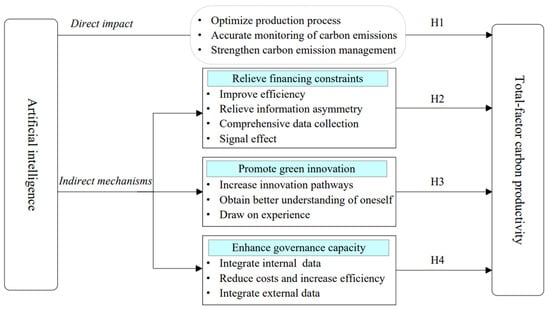
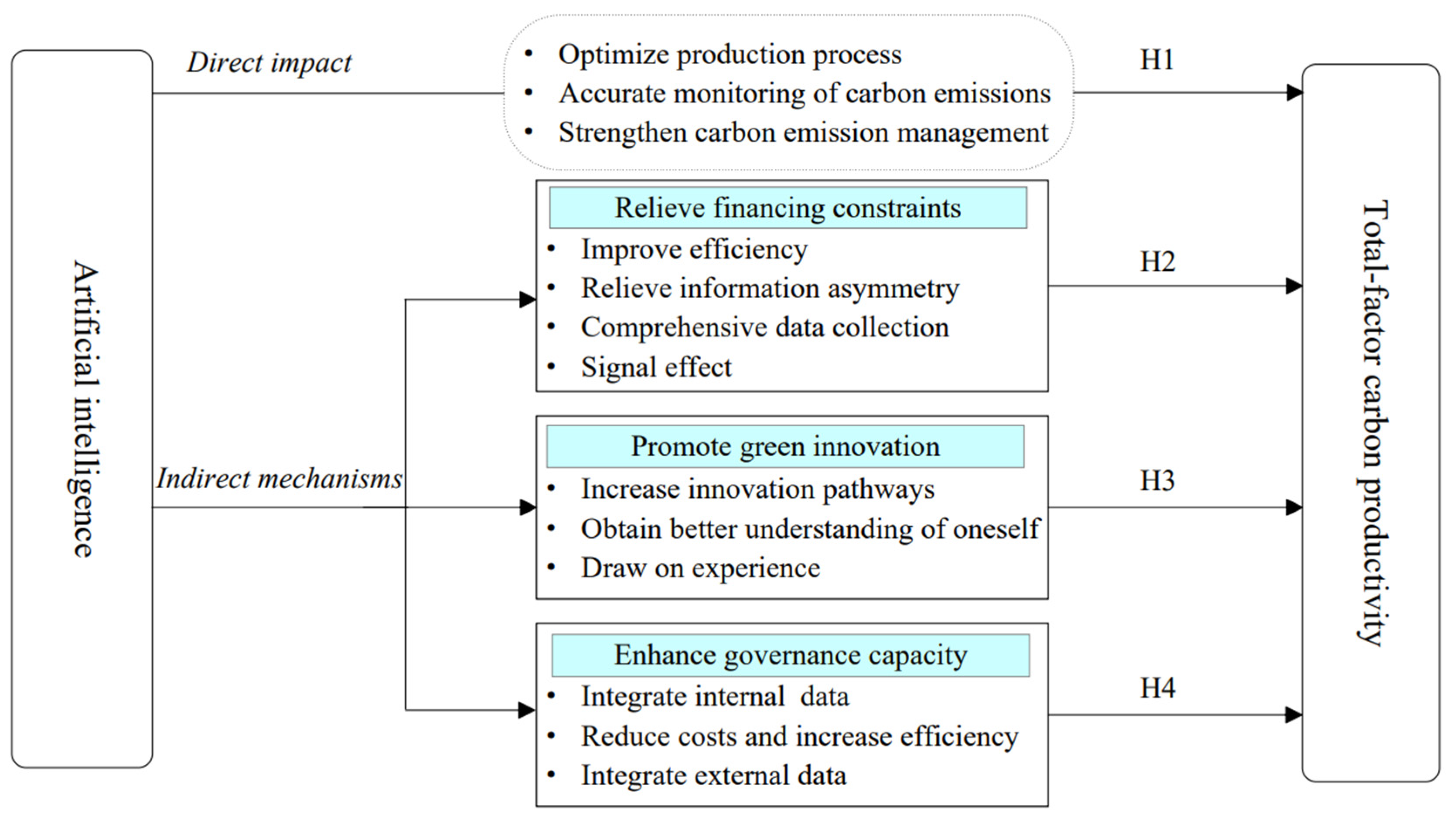
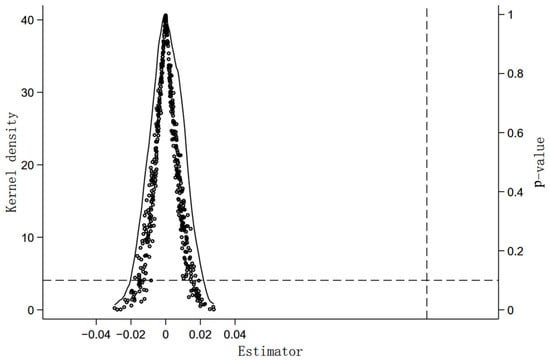
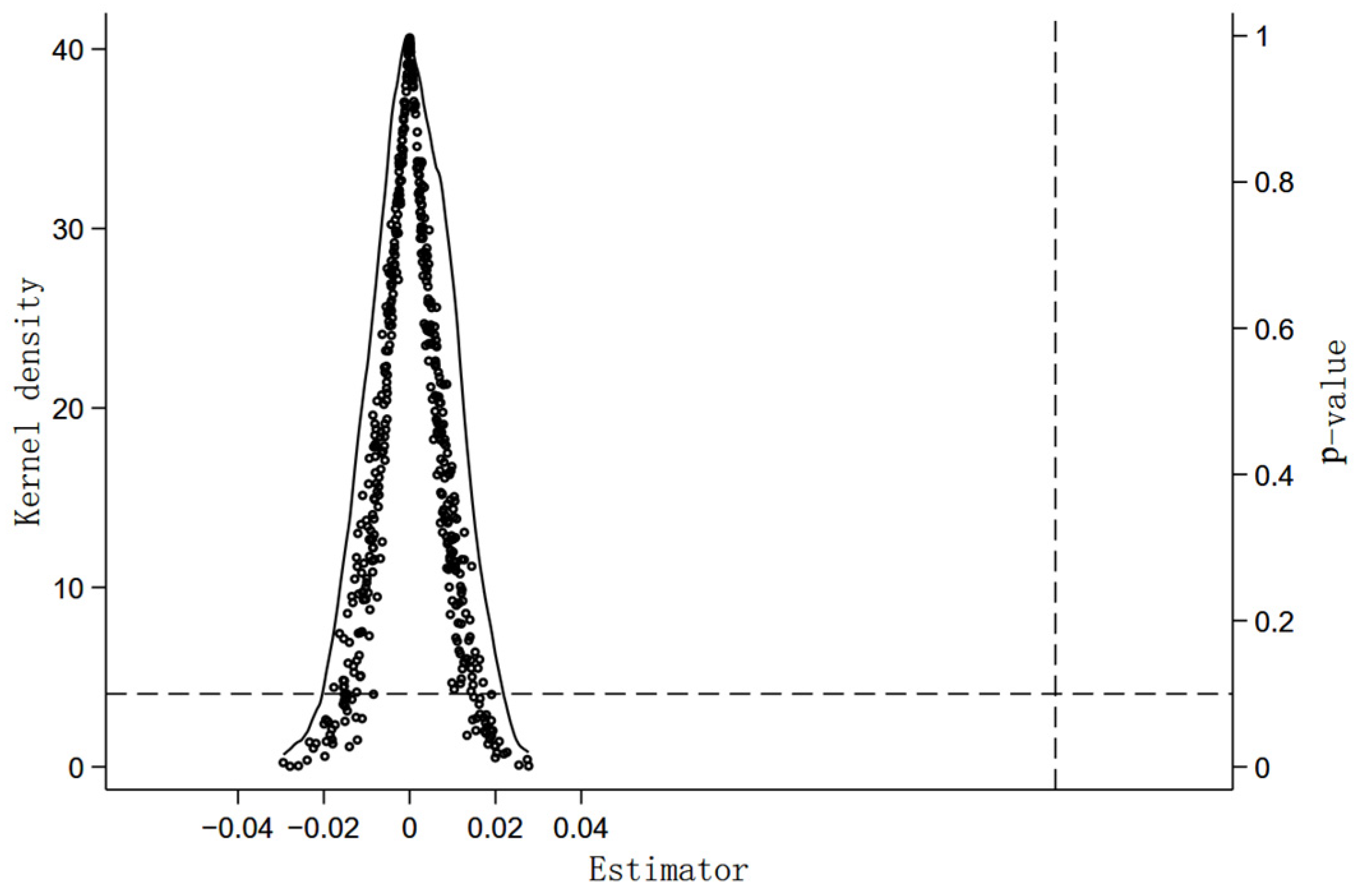
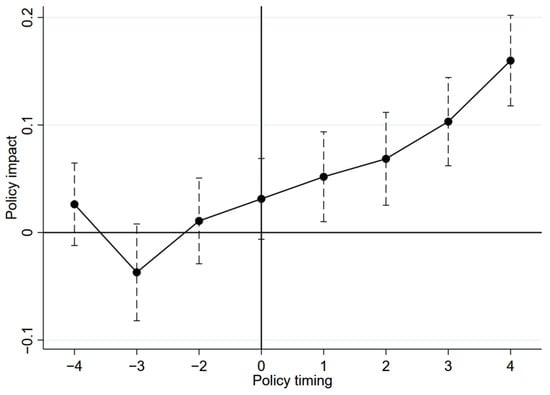
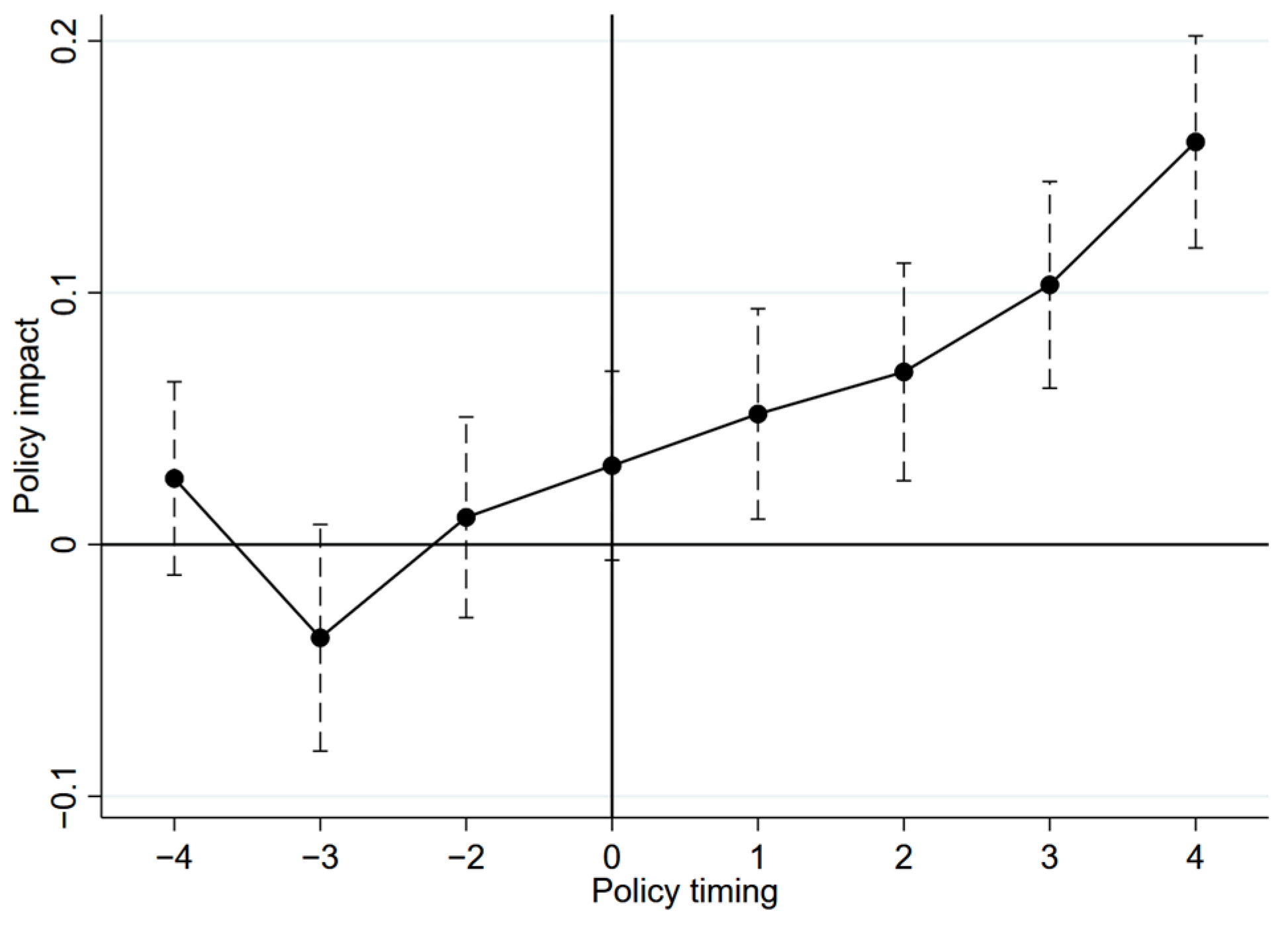

Disclaimer/Publisher’s Note: The statements, opinions and data contained in all publications are solely those of the individual author(s) and contributor(s) and not of MDPI and/or the editor(s). MDPI and/or the editor(s) disclaim responsibility for any injury to people or property resulting from any ideas, methods, instructions or products referred to in the content. |
© 2026 by the authors. Licensee MDPI, Basel, Switzerland. This article is an open access article distributed under the terms and conditions of the Creative Commons Attribution (CC BY) license.