


Abstract
Chinese megacity communities are not only the primary drivers of economic development but also epicenters of systemic contradictions compounded by overlapping risks. In recent years, NIMBY conflicts have arisen with growing frequency within urban communities, posing a severe threat to urban social sustainability and exposing the significant limitations of the traditional state-led governance model. While nonprofit organizations can compensate for governmental governance deficiencies, their mitigating mechanisms, functional boundaries, and contextual differences remain to be systematically examined. To address this gap, the present study conducts an empirical analysis using data from the Chinese Social Survey (CSS). Methodologically, the study applies OLS regression, mediation–moderation analyses, and heterogeneity tests. The findings reveal that: (1) Participation by nonprofit organizations is associated with significantly lower individual NIMBY opposition intent, thereby playing a mitigating role in alleviating NIMBY risks within Chinese megacity communities. (2) Trust in nonprofit organizations serves as a mediating pathway and acts as a social capital vehicle through which nonprofit organizations alleviate NIMBY risks by mitigating individual opposition. (3) Government information disclosure and institutionalized channels for residents’ participation significantly amplify the negative association between nonprofit participation and individual NIMBY opposition intent, thereby strengthening the mitigating efficacy of nonprofit organizations. (4) The mitigating effects exhibit marked community heterogeneity, indicating that the efficacy of nonprofit participation is highly contingent upon the specific governance resources and structural characteristics of the community. This study improves the theoretical framework of NIMBY risk governance and offers empirical evidence as well as practical guidelines for fostering sustainable urban governance in Chinese megacity communities.
1. Introduction
Chinese megacity communities serve as core carriers for advancing Chinese-style modernization. The level of governance modernization in these communities functions not only as a fundamental support for ensuring residents’ high-quality living standards but also as a strategic cornerstone for achieving the modernization of the national governance system and governance capacity. Nevertheless, with the continuous progression of urbanization, the surging demand for public facilities in Chinese megacity communities has rendered NIMBY (Not In My Backyard) conflicts a frequent and intractable public issue in the governance of these communities [1]. NIMBY denotes residents’ resistance toward such facilities such as power plants and waste incinerators, driven by concerns over health risks, environmental safety, and property devaluation. Such resistance may further escalate into collectively articulated grievances and social conflicts. At its core, this phenomenon stems from socio-psychological resistance and collective action triggered by the inequitable distribution of costs and benefits associated with public facilities [2]. According to data from the Chinese Academy of Environmental Sciences, the annual average number of NIMBY-related collective incidents nationwide has exceeded 100 in recent years, with Chinese megacity communities accounting for 60% of the national total. Moreover, the proportion of NIMBY disputes pertaining to urban public facilities in high-density urban areas has exhibited a rapidly increasing trajectory [3].
In this study, we specifically focus on four direct-administered municipalities in China: Beijing, Shanghai, Tianjin, and Chongqing. These cities represent the most prominent Chinese megacities and serve as the core engines of national economic development. Nevertheless, their rapid urbanization, extremely high population density, and diverse socioeconomic structures also make them epicenters of NIMBY conflicts. For instance, a substantial proportion of the nationwide NIMBY incidents mentioned above occur within these four cities, highlighting the urgent necessity of investigating effective governance mechanisms in these specific contexts. Furthermore, their highly heterogeneous community types (ranging from high-end commodity housing to urban villages) provide a unique and ideal setting to examine how the effectiveness of third-party governance varies across different community contexts. Therefore, addressing NIMBY risks within these specific megacities is not only of practical importance for local governance modernization but also holds significant theoretical implications for constructing indigenous governance frameworks.
However, in the face of increasingly complex, community-embedded, and high-frequency NIMBY risks, governments often become trapped in closed-door decision-making processes regarding the siting of public facilities prone to triggering NIMBY conflicts. Insufficient information disclosure and the absence of effective communication mechanisms readily precipitate a crisis of trust and emotionally charged opposition among residents, ultimately culminating in a zero-sum impasse where project suspension in response to residents’ resistance becomes the prevailing norm [4]. Simultaneously, heavy administrative burdens at the grassroots level, limited governance resources, and a prominent shortage of professional social workers hinder authorities’ capacity to adequately accommodate residents’ diverse interests and conflict mediation needs [5]. Consequently, sole reliance on administrative control, project suspension, or forced implementation is no longer sufficient to achieve sustainable governance in Chinese megacity communities. There is an urgent need to transcend the state-led governance model and establish a novel governance framework characterized by multi-stakeholder collaboration and co-governance. In this process, nonprofit organizations, defined as independent civil society entities that operate outside the government (the first sector) and market enterprises (the second sector), do not distribute profits, are oriented toward public or collective benefit, and autonomously carry out social services, environmental advocacy, and community mediation [6], have progressively emerged as crucial bridges connecting the government, market enterprises, and community residents. Leveraging their public-benefit orientation, voluntary nature, neutrality, grassroots embeddedness, and capacity for social mobilization, these organizations possess distinct advantages in information dissemination, risk communication, public opinion articulation, conflict mediation, and interest balancing. They can effectively compensate for government and market failures, mitigate the trust deficit, and facilitate a shift in NIMBY conflicts from confrontation to dialogue and from resistance to collaboration [7]. Nevertheless, in governance practice, nonprofit organizations often find themselves in a predicament of being directionless when participating in NIMBY risk governance, constrained by multiple factors: the scarcity of institutionalized participation channels, resource constraints regarding funding and talent, underdeveloped government–nonprofit collaboration mechanisms, and the “cautious attitudes” adopted by some local governments toward nonprofit organizations [8].
From a theoretical perspective, although existing studies have accumulated a certain body of knowledge on NIMBY issues, they largely focus on the causes of NIMBY conflicts, stakeholder participation mechanisms, economic compensation, and risk communication [9]. Additionally, much of this research centers on the government as the sole governance actor or macro-level governance frameworks [10]. However, relatively scant scholarly attention has been devoted to third-party actors, particularly nonprofit organizations, including the systematic mechanisms, functional impacts, and long-term pathways through which they engage in NIMBY governance within Chinese megacity communities. Furthermore, the shortage of localized in-depth empirical research renders the existing literature inadequate to meet the complex demands of NIMBY governance in Chinese megacity communities. Therefore, grounded in the practical predicaments and theoretical gaps of NIMBY governance within Chinese megacity communities, the present study centers on the core issue of how nonprofit organizations can mitigate individual NIMBY opposition intent in such communities. Its overarching aim is to contribute to the enrichment of the theoretical framework related to urban governance while providing targeted guidance for governance practices. The present study seeks to address the following key research questions: (1) Does participation by nonprofit organizations significantly shape community residents’ individual NIMBY opposition intentions and thereby contribute to the mitigation of NIMBY risks in Chinese megacity communities? (2) What are the core mechanisms through which nonprofit organizations mitigate individual NIMBY opposition in Chinese megacity communities, and how can their risk-mitigating role be effectively leveraged? (3) Do the alleviation effects of nonprofit organizations exhibit heterogeneous effects across different community types within Chinese megacity communities? How can their alleviation efficacy be maximized in diverse community contexts, thereby fostering a multi-stakeholder collaborative governance framework for NIMBY risk governance?
The marginal contributions of this study are threefold: (1) Although existing research has predominantly focused on macro-regional or general municipal levels, insufficient scholarly attention has been paid to NIMBY issues within Chinese megacity communities. Instead, grounding the analysis in the specific context of high-density Chinese megacity communities and centering on the core question of whether nonprofit organizations can reduce residents’ individual NIMBY opposition intent and effectively mitigate NIMBY risks, this study elucidates their behavioral logic of engaging in risk governance at the micro-spatial scale and offers a more targeted and localized micro-level perspective for the precise mitigation of NIMBY opposition in such communities. (2) Employing Chinese megacity communities as the research setting and integrating collaborative governance theory with the social amplification of risk framework, this study systematically investigates the core mechanisms and operational pathways through which such organizations alleviate NIMBY risks. It further elaborates on the mediating effects of trust in nonprofit organizations as well as the moderating roles of government information disclosure, and institutionalized resident participation channels, thereby enriching and refining the theoretical framework of NIMBY risk governance. (3) Moving beyond the predominant reliance on qualitative analyses and single-case studies in prior research, this study leverages data from the Chinese Social Survey (CSS) to empirically examine the heterogeneity of nonprofit organizations’ alleviation effects across diverse community types. By doing so, it yields more robust empirical evidence for exerting their targeted functions and constructing a collaborative multi-stakeholder governance framework, thereby enhancing the representativeness and generalizability of the research findings.
2. Literature Review and Research Hypotheses
2.1. The Role of Nonprofit Organizations in Alleviating NIMBY Risks in Chinese Megacity Communities
In the broader landscape of public governance, nonprofit organizations have been recognized as indispensable third-sector actors that complement state and market functions. According to collaborative governance theory, multi-stakeholder participation is essential to address complex social problems that exceed the capacity of single entities [11]. This is particularly relevant in the context of NIMBY governance, where the state-led model often suffers from information asymmetry, resource constraints, and a deficit of public trust. Nonprofit organizations, leveraging their neutrality, public-interest orientation, and grassroots embeddedness, are uniquely positioned to fill this institutional void. They not only act as mediators in risk communication but also function as crucial governance actors that facilitate the transition from a state-led model to a multi-stakeholder collaborative model [12].
Existing research has demonstrated that nonprofit organizations play an irreplaceable role in resolving grassroots conflicts and enhancing governance effectiveness, positioning them as critical participants in strengthening social governance capacity. In environmental governance practice, nonprofit organizations, through action strategies such as empathy-based communication and professional embeddedness, have been shown to reshape environmental social governance relationships [13]. As key mediating actors within risk communication arenas, they assume significant responsibilities in environmental information dissemination, public value shaping, and multi-stakeholder interest balancing, thereby contributing to enhanced risk communication efficacy [14]. Furthermore, nonprofit organizations can construct knowledge communities comprising expert knowledge, authoritative judgments, and practical experience, thereby advancing the rational resolution of risk issues through “knowledge-negotiated risk communication” and further expanding their participatory space [15].
From the practical context of NIMBY risk governance, a substantial number of environmental nonprofit organizations have progressively emerged and played active roles in safeguarding residents’ environmental rights, establishing multi-stakeholder dialogue platforms, and promoting rational communication. These entities serve as typical representatives of nonprofit involvement in NIMBY risk governance, while also demonstrating the developmental potential of social governance innovation [16]. In the process of NIMBY conflict governance, environmental nonprofit organizations often act as defenders of the interests of marginalized groups. Through rational and proportionate rights-protection approaches, they facilitate the transition of NIMBY incidents from short-term, fragmented expression of demands to normalized and sustainable dissemination of environmental values [17], thereby transforming NIMBY resistance into a critical opportunity for society to address ecological and environmental risks and engage in environmental governance.
Concurrently, existing studies have also identified that residents’ risk perceptions are subject to amplification or attenuation during information dissemination and social interaction, and that excessively amplified risk perceptions are prone to triggering collective incidents [18] and inducing NIMBY effects [19]. In the context of urban transformation, NIMBY risks are likewise closely intertwined with residents’ psychological responses, wherein residents’ risk perceptions of NIMBY facilities further crystallize into risk attitudes and precipitate collective action [20]. Given the limitations of state-led governance in addressing NIMBY conflicts, scholars have increasingly emphasized the critical role of nonprofit organizations in risk mitigation [21]. Specifically, leveraging their professional expertise, scientific judgment, and effective negotiation skills, these organizations mitigate distrust and cognitive divergences among conflicting parties, reduce residents’ risk perceptions, and facilitate the positive transmission of risk information, thereby effectively alleviating NIMBY risks at both psychological and behavioral levels [22]. Based on the foregoing analysis, this study proposes the following research hypothesis:
Hypothesis 1.
Nonprofit organization participation significantly mitigates individual NIMBY opposition intent among residents in Chinese megacity communities, thereby alleviating NIMBY risks.
2.2. Heterogeneous Effects of Nonprofit Organizations’ Alleviation of NIMBY Risks in Chinese Megacity Communities
Chinese megacity communities exhibit considerable heterogeneity, with marked variations in housing types, property rights attributes, and housing price levels. This heterogeneity directly shapes residents’ risk perceptions, interest articulation, and action choices, thereby exerting a substantial influence on the actual effectiveness of nonprofit organizations’ risk alleviation effort [23,24]. Prior research has further revealed that, from the perspective of housing prices, high-end commodity housing communities exhibit significantly higher sensitivity to NIMBY effects compared to mid- to low-priced ones. Specifically, higher property values are associated with heightened residents’ concerns over potential property devaluation attributable to NIMBY facilities, which in turn strengthens their motivation to participate in NIMBY-related resistance [25]. This differential sensitivity also directly shapes the difficulty of alleviation efforts and distinct operational priorities for nonprofit organizations. In high-end commodity housing communities, residents impose higher requirements on the professionalism of risk communication and the precision of interest coordination; accordingly, nonprofit organizations need to deploy specialized technical teams to carry out risk assessments and scientific outreach, and establish platforms for interest negotiation. Conversely, in mid- to low-priced residential communities or affordable housing communities, residents tend to focus more on the impacts of NIMBY facilities on their basic quality of life. In such contexts, nonprofit organizations’ alleviation efforts can be oriented toward basic livelihood support, resource mobilization, and simplified scientific outreach. In consequence, marked differences exist between the two types of communities in terms of both alleviation strategies and implementation outcomes [26].
From the perspective of housing types and residential forms, the “complex neighborhood” theory posits that high-density old residential communities are characterized by “low social connectedness, high life-related interdependence, and strong relational fragility” [27]. Given abundant shared facilities and compact living spaces, residents perceive the negative externalities of NIMBY facilities more directly, and neighborhood disputes are far more likely to escalate rapidly. Meanwhile, such communities demonstrate robust demand for public welfare services, placing higher requirements on nonprofit organizations’ resource integration capacity [28]. Governance practices in Jinping District, Shantou City, Guangdong Province, demonstrate that nonprofit organizations can effectively curb the spread of NIMBY risks in old residential communities by establishing service platforms under the guidance of Party building, integrating public welfare resources, and mediating neighborhood disputes [29]. In contrast, residents of low-density newly built residential communities pursue greater privacy and weaker social ties, and NIMBY resistance here often manifests as scattered individual actions. This makes it difficult for nonprofit organizations to mobilize residents and coordinate interests via traditional neighborhood networks. Differentiated measures including online communication and third-party assessments are therefore required. In turn, the alleviation pathways of nonprofit organizations in such communities differ markedly from those in older residential communities [30].
From the perspective of property rights attributes, residents’ interest articulation and behavioral logics also exhibit significant differences across communities with different tenure types. Residents in affordable housing communities are predominantly low- to middle-income groups with high dependence on public services [31]. Their opposition to NIMBY facilities stems largely from concerns over rising living costs. By contrast, residents in commodity housing communities possess stronger awareness of property rights [32], with their NIMBY resistance focusing on the protection of property rights and residential quality. Accordingly, the alleviation logics adopted by nonprofit organizations in these two community types also diverge. In affordable housing communities, efforts should be directed toward coordinating with government agencies to implement basic livelihood support policies, thereby mitigating resistant attitudes through service provision. In commodity housing communities, priority should be given to scientific outreach on property rights and establishing interest negotiation mechanisms, thereby alleviating resistant sentiments through property rights protection [33]. This differentiation in alleviation strategies, arising from variations in housing tenure types, further corroborates the significant community heterogeneity in nonprofit organizations’ alleviation effects. Based on the foregoing analysis, this study proposes the following research hypothesis:
Hypothesis 2.
The mitigating effects of nonprofit organizations on individual NIMBY opposition intent in Chinese megacity communities exhibit significant community heterogeneity.
2.3. The Moderating Effects of Government Information Disclosure and Institutionalized Resident Participation Channels on Nonprofit Organizations’ Alleviation of NIMBY Risks in Chinese Megacity Communities
In the process of alleviating NIMBY risks in Chinese megacity communities, nonprofit organizations are substantially shaped by the external institutional environment. Among these factors, the level of government information disclosure serves as a critical contextual condition [34], significantly moderating the governance effectiveness of nonprofit organizations. The extent, quality, and manner of government information disclosure can systematically alter the operational efficiency of nonprofit organizations, thereby either enhancing or diminishing their risk alleviation efficacy [35]. Specifically, government information disclosure plays a moderating role through three core pathways.
First, it provides authoritative support for nonprofit organizations’ risk communication, thereby moderating their professional credibility. When nonprofit organizations conduct scientific outreach and risk communication, the lack of official authoritative data makes it difficult for them to establish a professional intermediary role [36]. Conversely, when governments proactively and comprehensively disclose environmental impact assessment reports, technical safety standards, and long-term monitoring data, nonprofit organizations can draw on authoritative sources to conduct objective interpretations and scientific outreach [37]. For instance, in disputes over the siting of waste incineration plants, government disclosure of complete dioxin emission monitoring data allows environmental organizations to offer scientifically grounded explanations, thereby effectively alleviating excessive public fear stemming from information uncertainty [38]. Second, government information disclosure furnishes a foundation of procedural justice for nonprofit organizations’ negotiation and mediation efforts, thereby moderating their capacity for interest integration. NIMBY risks often stem from residents’ skepticism regarding opaque decision-making processes [39]. When nonprofit organizations establish multi-stakeholder negotiation platforms, a lack of transparency regarding procedural information, such as public opinion solicitation and feedback mechanisms, renders negotiations susceptible to disputes over fairness, thereby impeding progress toward interest coordination and program optimization. Systematic government disclosure of decision-making processes, hearing records, public opinion adoption status, and accompanying justifications facilitates nonprofit organizations’ efforts to channel dialogue toward constructive issues [40]. Furthermore, procedural information disclosure has been shown to significantly enhance public acceptance of decisions [41]. Third, government information disclosure signals a collaborative governance stance, thereby moderating the legitimacy and resource accessibility of nonprofit organizations’ actions. When governments proactively disclose information rather than responding reactively, they convey an open and collaborative governance posture, which implicitly legitimizes the participatory role of nonprofit organizations. This recognition facilitates nonprofit organizations’ acquisition of initial resident trust and creates conditions for securing governmental collaboration and resource support [42]. In contrast, within an environment of information opacity, nonprofit organizations are prone to being misunderstood: residents may perceive them as instruments of social control, while governments may view them as troublemakers. As a result, their operational space becomes severely constrained. Accordingly, the level of information disclosure moderates the institutional space available for nonprofit organizations’ involvement in NIMBY governance. The greater the demonstrated openness and sincerity in disclosure, the more favorable the institutional environment for nonprofit organizations to function effectively as neutral third-party actors. Notably, when NIMBY risks transition from technical risk concerns to value-laden conflicts, procedural fairness and process transparency in information disclosure assume greater moderating significance than the mere provision of technical data [43]. Based on the foregoing analysis, this study proposes the following research hypothesis:
Hypothesis 3.
Government information disclosure exerts a significant moderating effect on nonprofit organizations’ mitigation of individual NIMBY opposition intent and the subsequent alleviation of NIMBY risks in Chinese megacity communities.
In contrast to small- and medium-sized cities, NIMBY risks in Chinese megacity communities are characterized by pluralistic stakeholders, intense conflicts, and rapid information diffusion. The core of these risks resides less in the technical hazards of the facilities themselves than in information asymmetry, inadequate articulation of interest demands, and insufficient democratic participation [44]. Institutionalized resident participation channels, which serve as the primary vehicles for safeguarding rights to information, participation, and oversight, play a significant moderating role in the process by which nonprofit organizations alleviate NIMBY risks. These channels primarily encompass public hearings, community councils, public open days, and online feedback platforms, and their degree of accessibility directly affects the effectiveness of nonprofit organizations’ alleviation efforts [45]. Existing research has indicated that constrained democratic participation constitutes an important precipitating factor in the emergence of NIMBY risks, whereas accessible institutionalized participation channels enable full interest articulation, thereby reducing perceptions of relative deprivation and mitigating resistant attitudes [46]. When institutionalized participation channels are functioning effectively, residents are able to engage institutionally in facility planning, deliberation, and oversight, with their legitimate concerns receiving timely responses. Under such conditions, the risk alleviation measures undertaken by nonprofit organizations, including communication and coordination as well as knowledge dissemination, are significantly reinforced. Conversely, when these channels are obstructed and residents’ legitimate concerns cannot be conveyed through formal pathways, even active intervention by nonprofit organizations proves insufficient to resolve distrust and resistant sentiments, resulting in substantially weakened alleviation effects [47]. Based on the foregoing analysis, this study proposes the following research hypothesis:
Hypothesis 4.
Institutionalized resident participation channels exert a significant moderating effect on nonprofit organizations’ mitigation of individual NIMBY opposition intent and the subsequent alleviation of NIMBY risks in Chinese megacity communities.
2.4. The Mediating Effect of Trust in Nonprofit Organizations on Nonprofit Organizations’ Alleviation of NIMBY Risks in Chinese Megacity Communities
Chinese megacity communities are characterized by high population density, relatively scarce spatial resources, and diverse stakeholder compositions. Under such conditions, the planning and construction of NIMBY facilities readily precipitate social controversy, rendering NIMBY risks a prominent obstacle to the modernization of community governance and social harmony and stability. From the perspective of risk ontology, NIMBY risks are not entirely attributable to the technical hazards of the facilities per se, but rather derive largely from cognitive divergences, interest-based contestation, and a deficit of trust among multiple stakeholders [48]. Trust in nonprofit organizations, as a core social capital in community governance, serves as a crucial linchpin for alleviating NIMBY risks. The progressive escalation of NIMBY risks is frequently intertwined with the erosion of trust in nonprofit organizations, as residents’ distrust of government, enterprises, and other relevant actors further amplifies their overestimation of NIMBY facility risks, thereby intensifying resistant attitudes and protest behaviors. Empirical research has demonstrated that participation in nonprofit organizations’ activities exerts a significant positive influence on residents’ trust in nonprofit organizations [49]. By organizing community events and establishing interactive platforms, nonprofit organizations effectively facilitate social interactions both among residents and between residents and other stakeholders, thereby gradually cultivating a sense of community belonging and mutual trust. Strong trust in nonprofit organizations, in turn, significantly reduces communication costs and mitigates resistance in interest-based negotiations, contributing positively to the governance of NIMBY conflicts [50].
Through deep embeddedness in community governance, nonprofit organizations systematically enhance overall trust in nonprofit organizations by deploying professional risk communication to dismantle information barriers, soliciting inclusive public opinions to incorporate diverse resident demands and provide consultation services, and applying impartial negotiation mechanisms to reconcile multi-stakeholder interest divergences [51]. This process not only strengthens residents’ trust in nonprofit organizations [52], enabling them to become widely recognized intermediaries for risk communication and interest representation, but also effectively bridges the trust gap between residents and governments or enterprises. It helps alleviate antagonistic sentiments between governing entities and residents, while fostering generalized trust among neighbors and reducing irrational collective resistance behaviors. The overall elevation of trust in nonprofit organizations levels fundamentally attenuates residents’ negative risk perceptions, constricts the space for NIMBY risk evolution and diffusion, and ultimately facilitates the effective alleviation of NIMBY risks in Chinese megacity communities [53]. Based on the foregoing analysis, this study proposes the following research hypothesis:
Hypothesis 5.
Trust in nonprofit organizations exerts a significant mediating effect on nonprofit organizations’ mitigation of individual NIMBY opposition intent and the subsequent alleviation of NIMBY risks in Chinese megacity communities.
While the extant literature, as summarized in Table 1, provides valuable insights into the role of nonprofit organizations in environmental governance and NIMBY conflicts, a critical review of the studies reveals several notable limitations. First, prior research has predominantly focused on macro-level theoretical frameworks (e.g., collaborative governance), lacking robust micro-level empirical evidence from large-scale survey data in Chinese megacity contexts. Second, although the importance of trust and institutional environments is theoretically acknowledged, their specific mediating and moderating roles in the relationship between nonprofit organization participation and individual NIMBY opposition intent remain underexplored. Third, existing studies often treat communities as homogeneous entities, failing to capture how contextual heterogeneity (e.g., housing tenure) shapes the efficacy of nonprofit organization intervention. To address these gaps, this study offers a localized micro-level perspective on NIMBY risk governance by focusing on high-density Chinese megacity communities. Furthermore, it integrates collaborative governance theory with the social amplification of risk framework to systematically unravel the mediating effect of trust and the moderating roles of institutional factors. Finally, this study leverages large-scale CSS data to provide robust empirical evidence on the heterogeneous effects across diverse community types.
Table 1.
Summary of key literature on nonprofit organizations in NIMBY governance.
This study integrates collaborative governance theory, the social amplification of risk framework, and social capital theory. These three perspectives form a sequential explanatory chain rather than being simply juxtaposed. Collaborative governance theory addresses why nonprofit organizations are able to participate in NIMBY governance through institutional legitimacy [54]. The social amplification of risk framework addresses how nonprofit organizations shape risk perception through information transmission [55]. Social capital theory addresses why trust reduces risk perception through a psychological mechanism [56]. Together, the three theories answer who participates, how it influences, and why it is effective, constituting a complete institutional, informational, and psychological pathway. Based on this integrated framework, the theoretical framework of this study is illustrated in Figure 1.
Figure 1.
Theoretical framework. This figure illustrates the hypothesized relationships grounded in collaborative governance, social amplification of risk, and social capital theories. Solid arrows represent empirical research hypotheses (including direct, mediating, moderating, and heterogeneous-effect paths); dashed arrows denote theoretical logical linkages. H1-H5 denote the research hypotheses.
3. Materials and Methods
3.1. Study Area
This study focuses on four direct-administered municipalities in China: Beijing, Shanghai, Tianjin, and Chongqing. Figure 2 illustrates the geographical locations of these sampled Chinese megacity communities. These four municipalities are selected due to their significance as the core engines of Chinese economic development and their high-density urban governance contexts. They are characterized by high urbanization levels and dense populations, serving as representative settings for studying community-level governance challenges in China [57].
Figure 2.
Location of the four sampled Chinese megacities (Beijing, Shanghai, Tianjin, and Chongqing). Spatial visualization and mapping were conducted using ArcGIS 10.8.
Geographically, these four Chinese megacity communities exhibit distinct natural features. Beijing is located in the northern part of the North China Plain, covering a total area of approximately 16,400 km2. Its topography generally slopes downward from the northwest to the southeast. Tianjin, situated in the northeast of the North China Plain, covers an area of approximately 12,000 km2 and serves as the confluence of the five major tributaries of the Haihe River. Shanghai is located at the estuary of the Yangtze River, covering an area of about 6340.5 km2. It is characterized by flat terrain and an average elevation of less than 3 m, forming part of the alluvial plain of the Yangtze River Delta. Chongqing, located in the eastern part of the Sichuan Basin, spans approximately 82,400 km2, and is predominantly composed of hills and mountains, earning it the reputation of a “mountain city.”
In terms of demographic characteristics, these Chinese megacity communities are among the most populous in China. Recent official statistics indicate that the permanent resident populations of these municipalities remain substantial, ranging from over 13 million (Tianjin) to over 31 million (Chongqing), with Beijing and Shanghai each exceeding 20 million residents [58]. The high population density, coupled with the diverse residential environments and socioeconomic backgrounds observed in these areas, provides a robust empirical foundation for examining the heterogeneous effects of nonprofit organization participation on community governance.
3.2. Sample Selection and Data Sources
This study utilizes data from the 2019 wave of the Chinese Social Survey (CSS), a nationally representative survey initiated and implemented by the Chinese Academy of Social Sciences. The survey adopts a biennial longitudinal-tracking design to ensure continuous and systematic data collection. Its variable framework closely aligns with the core research questions of this study. Data quality is rigorously controlled and validated, conferring strong academic credibility, representativeness, and reliability. Targeting urban and rural residents nationwide, the 2019 wave comprehensively collected multidimensional core data, including basic individual- and household-level characteristics, social-value attitudes, and social-trust levels, thereby providing robust empirical support for this study.
To ensure the accuracy and robustness of the empirical analysis, the original data underwent standardized cleaning procedures. First, through address resolution and precise matching with administrative division codes, only samples from the four Chinese megacities (Beijing, Shanghai, Tianjin, and Chongqing) were retained. During the data screening process, we systematically excluded incomplete cases based on item nonresponse. Specifically, cases with missing values, “don’t know”, or “refused” answers on any of the core variables (i.e., NIMBY risk perception, nonprofit organization participation, and sociodemographic controls) were removed to mitigate potential selection bias. This process ultimately yielded a valid analytical sample of 4545 complete observations. Statistical analyses were performed using Stata-MP 18 (64-bit).
3.3. Variable Selection
Residents’ NIMBY risk perception was measured using the item from the CSS questionnaire reading, “If a waste treatment facility were to be built, I would definitely voice my opposition,” following established operationalizations in prior NIMBY research [59]. Nonprofit organization participation was measured using the item, “Nonprofit organizations provide community services for the public,” in line with previous studies on third-sector engagement in community governance [60]. Residents’ level of trust in nonprofit organizations was measured using the item, “Do you trust community-based nonprofit organizations?” grounded in social capital theory and prior empirical measurements of institutional trust [61]. Government information disclosure was measured using the item, “Government information disclosure effectively enhances the transparency of government operations,” adapted from established research on institutional transparency [62]. Institutionalized resident participation was measured using the item, “Residents can participate in discussions on major decisions in their communities,” consistent with literature emphasizing procedural justice and public participation [63]. Willingness to participate in environmental protection was measured as the instrumental variable using the item, “If I had the time, I would be very willing to participate in environmental protection organizations,” based on prior studies on environmental attitudes [64].
Additionally, demographic variables including age, gender, educational attainment, marital status, political affiliation, hukou type (China’s household registration system), and total family income were controlled for. These control variables follow the standard practices widely adopted in previous empirical studies using Chinese national social surveys [65]. Furthermore, the variable “community type” was employed to examine the heterogeneous effects of nonprofit organization participation on NIMBY risk alleviation in Chinese megacity communities. Given the inherent limitations of the broad CSS items, this study utilizes the respondent’s current housing tenure as a proxy indicator for community type, which effectively captures the spatial heterogeneity of residential environments in Chinese megacities.
Following common practice in large-scale social survey research using CSS data, this study employs single-item measures for several perceptual constructs, including NIMBY risk perception, nonprofit organization participation, and trust in nonprofit organizations. This approach is justified by the survey design constraints and the unambiguous, face-valid nature of the core constructs [66]. Given the constraints of secondary data, the validity of these measures is ensured through their strong face validity and their operationalization based on established prior literature, as reported in Table 2.
Table 2.
Variable design.
3.4. Model Specification
To test our hypotheses, this study employs a stepwise empirical strategy. First, we use Ordinary Least Squares (OLS) regression as the baseline model. OLS is the most appropriate method for estimating the linear relationships between nonprofit organization participation and the continuous, normally distributed NIMBY risk perception variable, while allowing for the inclusion of various control variables. Second, to address potential endogeneity bias (e.g., reverse causality or omitted variables), we adopt Instrumental Variable (IV) estimation and Propensity Score Matching (PSM) as robustness checks. Third, to uncover the underlying mechanisms, we utilize a mediation model to test whether trust acts as a channel, and a moderation model (with interaction terms) to test whether institutional factors (information disclosure and resident participation channels) alter the strength of the relationship. Finally, we estimate a pooled interaction model with a joint Wald F-test to formally evaluate the heterogeneity of effects across different community contexts. The overall empirical procedure is illustrated in Figure 3.
Figure 3.
Research process and empirical analysis framework.
3.4.1. Baseline Regression Model
The baseline regression model is specified to examine the relationship between nonprofit organization participation and NIMBY risk perception. The equation is presented as follows:
In Equation (1), the dependent variable denotes residents’ NIMBY risk perception; the independent variable represents the degree of nonprofit organization participation; denotes other control variables; represents the regional (city) variable; i indexes individual respondents; is the constant term; ε is the random disturbance term; and is the core estimand of interest in this study.
3.4.2. Moderating Effect Model
To examine how institutional factors moderate the relationship between participation and risk perception, we follow Jiang’s [67] recommendations and specify the following model based on Equation (1):
After centering the moderating variable and the core independent variable, Equation (2) was transformed into the following form:
4. Results
4.1. Descriptive Statistics
Descriptive statistics for all variables are presented in Table 3. The dependent variable, NIMBY risk perception, has a mean of 2.346 (SD = 1.133), indicating a relatively balanced distribution of responses. The independent variable, nonprofit organization participation, shows a mean of 2.761 (SD = 0.828), suggesting moderately above-average participation among respondents.
Table 3.
Descriptive statistics of variables.
Regarding control variables, the sample is predominantly female (Mean = 1.562, SD = 0.496), with an average age of 46 years (SD = 14.128). The majority of respondents are married (Mean = 0.809, SD = 0.393) and hold non-agricultural hukou (Mean = 1.310, SD = 0.463), and most have a college degree or above (Mean = 1.185, SD = 0.388). Total family income, measured in logarithmic form, has a mean of 10.685 (SD = 1.465).
For the key mediating and moderating variables, trust in nonprofit organizations has a mean of 3.170 (SD = 1.105), reflecting moderately above-average trust levels. Institutionalized resident participation channels show a mean of 1.409 (SD = 0.699), indicating generally low engagement in public affairs through institutional channels. Government information disclosure has a mean of 2.586 (SD = 0.968), suggesting that respondents generally approve of the level of information transparency in their communities. Willingness to participate in environmental protection has a relatively high mean of 3.242 (SD = 0.817), indicating that most respondents express a favorable inclination toward engaging in environmental protection activities.
It is worth noting that community public participation has a substantially smaller sample size (N = 1186) compared to the full sample (N = 4545). Its mean is 2.366, with a standard deviation of 9.038 and a maximum of 90, indicating severe right-skewness. This distributional issue is addressed by applying a logarithmic transformation in the robustness test.
4.2. Correlation Analysis
NIMBY risk perception is significantly correlated with most key variables in the expected directions. Specifically, it is negatively correlated with nonprofit organization participation (r = −0.187, p < 0.01), trust in nonprofit organizations (r = −0.069, p < 0.01), and government information disclosure (r = −0.118, p < 0.01), suggesting that higher levels of nonprofit engagement, trust, and information transparency are associated with lower NIMBY risk perception. Conversely, NIMBY risk perception is positively correlated with gender (r = 0.044, p < 0.01), marital status (r = 0.056, p < 0.01), political affiliation (r = 0.061, p < 0.01), hukou type (r = 0.057, p < 0.01), and total family income (r = 0.039, p < 0.05), indicating that these demographic factors are associated with higher risk perception. The detailed analytical results are presented in Table 4.
Table 4.
Correlation analysis.
4.3. Multicollinearity Diagnostics
Prior to conducting regression analyses, this study further examines the issue of multicollinearity. As presented in Table 5, the variance inflation factor (VIF) for the independent variable, nonprofit organization participation, is the lowest among all predictors, with a value of 1.01. The VIF values for the majority of control variables range between 1 and 2. Overall, all VIF values are well below the commonly accepted threshold of 5, indicating that multicollinearity does not pose a serious concern in the present analysis.
Table 5.
Multicollinearity diagnostics.
4.4. Baseline Regression Analysis
To provide an intuitive overview of the key roles of nonprofit organizations across different empirical models, Figure 4 visually compares the core estimated coefficients (with significance levels) from our baseline regression, robustness checks (IV-2SLS), mediation analysis, and moderating effect analyses. The detailed results are presented in the following subsections.
Figure 4.
Comparison of the roles of nonprofit organizations across different empirical models. The figure summarizes the key point estimates across different empirical models. The OLS and IV-2SLS coefficients represent the direct mitigating effects of nonprofit organization participation. The coefficients for information disclosure and resident participation channels are interaction terms, representing the additional strengthening effects of these institutional factors. The indirect effect (−0.0061) represents the mediating pathway through trust in nonprofit organizations. All effects are negative, indicating that nonprofit participation is associated with lower NIMBY risk perception. Note: ** p < 0.05, *** p < 0.01.
Table 6 reports the baseline regression results. Column (1) presents the model with only the core independent variable, whereas Column (2) incorporates additional control variables. The results show that nonprofit organization participation has a significant negative effect on NIMBY risk perception. In Column (1), the coefficient is −0.256 (p < 0.01); after including control variables in Column (2), the coefficient becomes −0.251 and remains significant at the 1% level. These findings support Hypothesis 1.
Table 6.
Baseline regression results.
4.5. Robustness Tests
4.5.1. Alternative Measure of the Independent Variable
To verify the robustness of the baseline results, this study employed an alternative measure of the independent variable, community public participation (monthly volunteer frequency), following Lu [68] and Lü & Lu [69]. The original variable exhibited severe right-skewness (Mean = 2.366, SD = 9.038, Max = 90); therefore, a logarithmic transformation [ln(x + 1)] was applied prior to estimation to mitigate the influence of extreme values. After transformation, the distribution became substantially more balanced (Mean = 0.646, SD = 0.951), effectively compressing extreme values while preserving all observations.
The results show that the transformed variable has a positive and statistically significant coefficient (β = 0.0838, p < 0.01), indicating that community public participation is associated with higher NIMBY risk perception. This finding diverges from the negative effect observed in the baseline regression using nonprofit organization participation. This divergence likely reflects the conceptual distinction between organized nonprofit engagement—which builds trust and reduces risk perception through institutional channels—and individual volunteer exposure, which may heighten risk awareness by increasing residents’ contact with hazard-related information.
It is worth noting that the sample size for this test (N = 1186) is smaller than that of the baseline model (N = 4545), primarily due to the fewer valid observations available for the alternative variable. Nevertheless, the transformed variable provides more reliable estimates than the original specification, as the logarithmic transformation effectively addresses the skewness issue that previously distorted the OLS estimates. While the direction of the effect differs from the baseline model, this contrast does not undermine the baseline conclusion but rather reveals the distinct roles that different forms of community participation play in shaping NIMBY risk perception. These results are presented in Table 7.
Table 7.
Robustness test: alternative measure of the independent variable.
4.5.2. An 80% Subsample
To further assess the robustness of the baseline results, this study randomly drew an 80% subsample from the full sample and re-estimated the baseline model. As shown in Table 8, the coefficient of nonprofit organization participation remains negative and statistically significant (β = −0.230, p < 0.01), consistent with the baseline findings. This confirms that the main results are not driven by sample composition.
Table 8.
Robustness test: regression with an 80% random subsample.
4.5.3. Outlier Exclusion
To assess the influence of extreme values, this study excluded outliers and re-estimated the baseline model. As shown in Table 9, the coefficient of nonprofit organization participation remains negative and statistically significant (β = −0.250, p < 0.01), consistent with the baseline results. This confirms that the main findings are not driven by outliers.
Table 9.
Robustness test: regression after outlier exclusion.
4.5.4. Instrumental Variable Method
To address potential endogeneity bias arising from omitted variables, this study employs the instrumental variable (IV) method, which offers greater robustness than fixed-effects or PSM approaches in this context.
In this study, residents’ willingness to participate in environmental protection was selected as the instrumental variable for nonprofit organization participation. The choice of this instrument is justified on both relevance and exclusion restriction grounds. Regarding relevance, individuals with stronger willingness to participate in environmental protection are more likely to actively join nonprofit organizations and engage in community affairs; the first-stage results confirm this strong correlation. Regarding the exclusion restriction, willingness to participate in environmental protection does not directly determine residents’ perception of NIMBY risks—such perception is primarily driven by concerns over facility safety, health impacts, procedural fairness, and trust in government regulation, factors that are logically unrelated to one’s general environmental participation inclination. Thus, the instrument affects NIMBY risk perception only indirectly through nonprofit organization participation.
Diagnostic tests confirm the validity of the instrumental variable. The Kleibergen–Paap rk LM statistic is 691.38 (p = 0.000), rejecting the null hypothesis of underidentification and confirming that the instrument is significantly correlated with the endogenous regressor. The Kleibergen–Paap rk Wald F statistic is 1235.613, substantially exceeding both the conventional rule-of-thumb threshold of 10 and the Stock–Yogo 10% critical value of 16.38, indicating that a weak instrument is not a concern. Since a single instrument is employed (just-identified model), the Sargan overidentification test is not applicable; the exclusion restriction is instead supported by theoretical reasoning as discussed above.
Both the Hausman test (chi2(1) = 13.05, p = 0.000) and the Durbin–Wu–Hausman test (chi2(1) = 13.0754, p = 0.000) reject the exogeneity of nonprofit organization participation at the 1% level, confirming the presence of endogeneity and justifying the use of IV estimation.
Regarding the coefficient magnitude, the 2SLS estimate (−1.169) is larger in absolute value than the OLS estimate (−0.251). This difference is expected in instrumental variable estimation: OLS estimates the average treatment effect (ATE) for the full population, while 2SLS captures the local average treatment effect (LATE) for the subpopulation of compliers whose participation is influenced by the instrument. When the marginal effect of nonprofit participation is stronger among the instrument-driven subpopulation, the 2SLS estimate naturally exceeds the OLS estimate. Importantly, both estimates are negative and statistically significant, consistently supporting the conclusion that nonprofit organization participation reduces NIMBY risk perception. The changes in statistical significance of control variables (e.g., Gender, Educational Attainment, Age, Hukou) across stages are also expected in IV estimation: first-stage coefficients reflect the effects of these variables on nonprofit participation, while second-stage coefficients capture their direct effects on NIMBY risk perception once the endogeneity of nonprofit participation is purged. These shifts do not undermine the consistency of the main estimate. Detailed results are presented in Table 10.
Table 10.
Instrumental variable estimation results.
4.5.5. Propensity Score Matching (PSM)
To further address potential selection bias, this study employed propensity score matching (PSM). The balance test results, presented in Table 11, show that the matching procedure substantially reduced covariate imbalances between the treatment and control groups. All standardized biases after matching fell below 10%, and the t-tests were not significant for any covariate (all p > 0.1), confirming that the matching achieved adequate balance.
Table 11.
Balance test of propensity score matching.
Figure 5 presents the standardized bias plot before and after matching. The figure visually confirms the balance test results reported in Table 11. All covariates show substantially reduced standardized biases after matching, with post-matching biases falling within the acceptable range.
Figure 5.
Covariate balance assessment.
As shown in Figure 6, the propensity score distributions of the treatment and control groups show substantial overlap across the common support region, with only a negligible number of observations falling outside the support. This confirms that the matching procedure satisfies the common support assumption and incurs virtually no sample loss.
Figure 6.
Common support assumption test.
Following the successful validation of both the balance test and the common support assumption, the systematic covariate differences between the treatment and control groups were effectively eliminated, and the endogeneity concerns arising from sample self-selection were accordingly corrected. Subsequently, regression analysis was conducted on the matched sample. As shown in Table 12, the coefficient of nonprofit organization participation remains negative and statistically significant (β = −0.209, p < 0.01), consistent with the baseline findings. This finding demonstrates that propensity score matching effectively mitigated endogeneity bias attributable to omitted variables, thereby further enhancing the credibility of the estimation results.
Table 12.
Regression results after propensity score matching.
4.6. Heterogeneity Analysis
To examine whether the association between general community service exposure and individual NIMBY opposition intent varies by community context, we adopted a pooled regression model that includes interaction terms between nonprofit organization participation and community types. This approach, along with the appropriate post-estimation test, formally evaluates whether the coefficients differ significantly across communities. Table 13 presents the results, with ordinary commodity housing communities serving as the reference group.
Table 13.
Pooled interaction model for heterogeneity analysis by community type.
In Model (2), the significant negative coefficient for nonprofit organization participation (β = −0.180, p < 0.01) represents the association for the reference group (ordinary commodity housing). The interaction terms capture how the associations in other communities differ from this baseline. Specifically, the interactions with high-end commodity housing (β = −0.242, p < 0.05) and mixed communities (β = 0.586, p < 0.01) are statistically significant. This indicates that the negative association is significantly stronger in high-end commodity housing communities, but significantly weaker in mixed communities compared to ordinary commodity housing.
Crucially, the joint Wald F-test for the interaction terms is 3.80 (p < 0.05), formally confirming the presence of significant heterogeneity across community contexts. Overall, the magnitude and direction of these differential associations suggest that general community service exposure is not universally associated with lower NIMBY opposition intent, and its role is highly contingent upon community structural characteristics. Thus, Hypothesis 2 is supported.
4.7. Mediation Effect Test
Following the stepwise mediation testing procedure proposed by Wen et al. [70], this study examined the mediating role of trust in nonprofit organizations in the association between nonprofit organization participation and individual NIMBY opposition intent, while controlling for relevant covariates. The regression results are reported in Table 14. Column (1) confirms the significant total effect. Column (2) shows that participation is positively associated with trust. Critically, Column (3) demonstrates that after including the mediator, the direct effect remains significant, and trust significantly suppresses opposition intent. This confirms a partial mediation pathway: participation is not only directly linked to lower opposition intent, but also indirectly works by enhancing trust.
Table 14.
Mediation effect test results.
We further employed the Bootstrap method with 5000 replications and a 95% confidence interval to verify this result. As shown in Table 15, the confidence interval for the indirect effect [−0.0102, −0.0025] excludes zero, providing robust evidence for the mediating effect and thus supporting Hypothesis 5.
Table 15.
Bootstrap mediation test results.
Nevertheless, the indirect effect is statistically detectable but practically modest. The proportion mediated is only approximately 2.4%, indicating that trust explains a small fraction of the total effect. This suggests that other mechanisms, such as information dissemination, community empowerment, or direct negotiation with government agencies, may be more consequential and warrant future investigation.
4.8. Moderating Effects
4.8.1. The Moderating Role of Government Information Disclosure
To test the moderating effect of government information disclosure, this study mean-centered the independent and moderating variables and then sequentially introduced the moderating variable and the interaction term, Nonprofit Organization Participation × Government Information Disclosure, into the baseline regression model. Column (1) indicates that both nonprofit organization participation (β = −0.229, p < 0.01) and government information disclosure (β = −0.036, p < 0.1) are negatively and significantly associated with individual NIMBY opposition intent. In Column (2), the interaction term is significantly negative (β = −0.107, p < 0.01), demonstrating that a higher level of government information disclosure strengthens the mitigating effect of nonprofit participation on residents’ opposition intent. In other words, government information disclosure acts as a positive moderator by enhancing the efficacy of participation in reducing NIMBY opposition. Accordingly, Hypothesis 3 is supported. The results are reported in Table 16 and Figure 7.
Table 16.
Moderating effect of government information disclosure.
Figure 7.
Slope plot of the moderating effect of government information disclosure.
4.8.2. The Moderating Role of Institutionalized Resident Participation Channels
To examine the moderating effect of institutionalized resident participation channels, this study sequentially introduces the moderating variable and the interaction term, Nonprofit Organization Participation × Institutionalized Resident Participation Channels, into the baseline regression model. Model (1) reports the regression results with only the moderating variable, while Model (2) further introduces the interaction term.
The empirical results indicate that the coefficient of the interaction term is significantly negative at the 5% statistical level. Given the negative main effect of nonprofit organization participation, this indicates that higher accessibility to institutionalized resident participation channels amplifies the mitigating effect of nonprofit organization participation on residents’ individual NIMBY opposition intent. That is, the more accessible these institutionalized channels are, the more pronounced the mitigating role of nonprofit organization participation becomes. Accordingly, Hypothesis 4 is supported.
Regarding the main effect of the moderator, the coefficient remains statistically insignificant both before and after the inclusion of the interaction term (β = 0.022 and β = 0.024). This slight change is a normal statistical consequence of the model redefinition: adding an interaction term redefines the main effect as a conditional effect (i.e., the effect of the moderator when the independent variable equals zero). Importantly, the persistent non-significance of this main effect indicates that institutionalized resident participation channels do not have a direct influence on individual NIMBY opposition intent. Instead, as demonstrated by the significant interaction term, they serve as a contextual condition that modifies (and significantly enhances) the effectiveness of nonprofit organization participation. The results are reported in Table 17 and Figure 8.
Table 17.
Moderating effect of institutionalized resident participation channels.
Figure 8.
Slope plot for the moderating effect of institutionalized resident participation channels.
5. Discussion
Drawing on data from four Chinese megacity communities, this study suggests that nonprofit organization participation is associated with reduced individual NIMBY opposition intent. As hypothesized, this association does not emerge spontaneously. Rather, it is partly transmitted through trust in nonprofit organizations as a critical social capital conduit, likely conditioned by institutional factors (government information disclosure and institutionalized resident participation channels), and tends to exhibit differentiated associations across community types.
Our findings align with previous social-capital-oriented NIMBY scholarship, which emphasizes that relational social resources translate into reduced public opposition at the neighborhood level [71]. Such opposition arises not only from objective pollution inherent in public facilities, but also from subjective fear driven by multi-dimensional trust deficits. The dual pathways identified here—consultative communication and trust-building activities—reaffirm that nonprofit organizations can serve as a critical conduit for mitigating subjective risk amplification. This micro-level mechanism evidence responds to calls from prior scholarship to unpack how relational social resources translate into reduced public opposition, and highlights social capital accumulation as the underlying foundation for such mitigation.
However, several inconsistent patterns emerge compared with the existing literature. While previous research has highlighted the potential of nonprofit organizations to address complex community challenges and deliver broad governance outcomes [72], these studies have often focused on the influence of organizational characteristics rather than systematically testing for heterogeneous effects across different residential contexts. In contrast, our heterogeneity results demonstrate that such correlational effects are strongly contingent upon community contextual characteristics. One plausible explanation for this divergence lies in community-level disparities of endogenous governance resources, which have not been sufficiently incorporated in earlier national-level aggregate analyses. Notably, the differential associations observed across different community types highlight the boundary conditions of nonprofit governance, indicating that their mitigating role is highly context-dependent. Potential alternative explanations include that nonprofits may not always deliver favorable outcomes: in certain contexts, they could amplify community tensions, operate as government-aligned “astroturf” groups, or become captured by local elite interests, thereby failing to mitigate individual NIMBY opposition intent. Collectively, these heterogeneous effects suggest that nonprofit organizations are not universally effective conflict-resolution actors.
Furthermore, our results extend institutional-oriented NIMBY research by quantifying how institutional factors moderate social organizations’ outcomes. The moderating effects of government information disclosure and institutionalized resident participation channels suggest that sound governance institutions are critical prerequisites for unleashing the efficacy of nonprofit organizations. Such institutions shape both the legitimacy and the instrumental value of nonprofit activities. For instance, when governments provide comprehensive disclosures regarding environmental impact assessments and monitoring data, the risk science outreach conducted by nonprofits acquires factual credibility. Conversely, when information is withheld, residents may perceive nonprofits as the government’s social control instruments, potentially compromising their neutrality. Therefore, rather than viewing nonprofits as a substitute for the state, the findings suggest a complementary and synergistic partnership where sound institutional supply serves as a necessary condition for effective nonprofit engagement.
This study integrates collaborative governance, social amplification of risk, and social capital into a unified empirical framework, offering a more integrated perspective compared to the fragmented approaches often seen in existing NIMBY research. First, drawing upon social amplification of risk theory, this study addresses the prevailing research bias that overemphasizes traditional “risk amplification stations” such as the media and experts. It empirically suggests that nonprofit organizations may be associated with lower levels of risk amplification triggered by fragmented public discourse and unverified informal information in NIMBY conflicts. Second, grounded in social capital theory, this study clarifies the correlational cascading mechanism whereby nonprofit organizations cultivate trust in nonprofit organizations, which in turn is associated with lower individual NIMBY opposition intent. It highlights social capital as a key psychological underpinning for mitigating public resistance, addressing a gap in micro-level empirical evidence for this theory within NIMBY contexts. Third, from the collaborative governance perspective, this study delineates the boundaries of complementary relations between governments and nonprofit organizations. It suggests that a governance path of nonprofit organizations unilaterally substituting for governments is largely unsupported by our findings. Instead, sound institutional supply, covering government information disclosure and residents’ participation channels, appears to be a critical prerequisite for nonprofit organizations to function effectively. This finding supplements the institutional-oriented research by demonstrating that social forces can effectively complement, rather than entirely substitute for, governmental governance under certain institutional conditions.
While these findings provide robust evidence for Chinese megacity communities, their external generalizability warrants careful discussion. The four sampled municipalities are characterized by high population density, strong administrative capacity, and well-developed community service networks. Consequently, the mitigating associations observed here may be highly contingent on these specific institutional and social contexts. In small- and medium-sized cities, where grassroots nonprofit organizations often lack the funding, professional staff, and institutionalized participation channels, the effectiveness of nonprofit participation in reducing NIMBY opposition may differ considerably. Therefore, rather than suggesting a universal pathway, this study reveals a context-dependent mechanism deeply embedded in the unique governance resources of megacities. Future research should test whether these patterns hold across different urban hierarchies and regional contexts to enhance external validity.
In summary, beyond the core theoretical contributions above, the heterogeneity analysis yields further extensions to collaborative governance theory. These findings expand the spatial applicability of the theory, providing empirical support for addressing differentiated governance scenarios in Chinese megacity communities and contributing to an indigenized theoretical system for the mitigation of individual NIMBY opposition and, subsequently, NIMBY risk governance.
5.1. Limitations
This study has several notable limitations that should be acknowledged. First, the cross-sectional nature of the CSS data limits rigorous causal inference. Although instrumental variable and propensity score matching strategies were adopted to alleviate endogeneity concerns, the identified relationships should still be interpreted as correlational rather than causal. In particular, the single instrumental variable applied in this study cannot be used to conduct overidentification tests, leaving room for further causal verification in future research. Second, this study does not distinguish different subtypes of nonprofit organizations, failing to capture potential organizational heterogeneity in governance effectiveness. Third, the sample is restricted to four Chinese megacities, which may limit the generalizability of the findings to small cities and rural contexts. Fourth, several core attitudinal variables rely on single-item measurements. While such approaches are common in large-scale social surveys, they may limit measurement reliability and the multidimensional capture of latent constructs. Due to the secondary nature of the CSS data, traditional reliability and validity tests are not applicable; instead, validity is supported by face validity and prior literature. Fifth, both independent and dependent variables adopt generalized proxy indicators. Nonprofit participation is measured through community public service engagement rather than NIMBY-specific intervention, and NIMBY opposition is captured by individual subjective intention instead of objective community conflict outcomes, which constrains the interpretative scope of the results. In addition, the alternative participation indicator exhibits skewed distribution despite logarithmic transformation, which requires cautious interpretation of robustness results. Sixth, the subgroup samples for heterogeneity analysis are relatively small, leading to limited statistical power. Insignificant effects across certain community types do not necessarily represent a complete absence of governance effects. Finally, the mediating effect of nonprofit trust is statistically significant but accounts for only a limited share of the total effect, implying that additional underlying mediating mechanisms remain to be explored.
5.2. Future Research Directions
Future scholarship can expand this work along multiple promising avenues. First, multi-wave panel or longitudinal survey data are strongly recommended to track dynamically how nonprofit involvement reshapes residents’ NIMBY attitudes over time, test the causal ordering of the mediating pathway, and strengthen causal identification. Second, subsequent research can classify nonprofit organizations according to their functional attributes, scale, and funding sources to compare the governance performance of different organizational actors. Third, facility heterogeneity can be further considered: future studies may test whether the observed association patterns remain stable across waste facilities, energy installations, public medical projects and other NIMBY-prone infrastructures. Fourth, as explicitly acknowledged in our Limitations, this study relies on proxy indicators and single-item measures for core constructs. Future research should employ multi-item scales and targeted measures of specific NIMBY-related interventions to more accurately capture actual community-level conflict outcomes. Finally, quasi-experimental or field-study designs are needed to rigorously evaluate the real-world policy effectiveness of information disclosure, community consultation and nonprofit-led intervention measures proposed in this paper. Additionally, collecting larger and more diverse samples across different urban hierarchies will be essential to further validate the robustness of the heterogeneous effects and overcome potential Type II errors.
6. Conclusions and Policy Implications
Focusing on NIMBY-related opposition within Chinese megacity communities, this study systematically explores the mitigating effect of nonprofit-organization participation. Through baseline regressions, robustness tests, and heterogeneity analyses, this study identifies a significant negative association between nonprofit organization participation and residents’ individual NIMBY opposition intent. This conclusion remains robust after controlling for individual characteristics and potential endogeneity. The mediation effect tests suggest that community trust serves as a potential mediating mechanism. Furthermore, the moderation effect tests indicate that government information disclosure and institutionalized resident participation channels play a significant moderating role in the mitigating efficacy of nonprofit organizations. Additionally, heterogeneity analyses reveal that these mitigating associations are distinctly community-dependent. The negative association is significantly stronger in high-end commodity housing communities compared to the reference group (ordinary commodity housing), whereas it is significantly weaker in mixed communities. This indicates that the efficacy of nonprofit participation is highly contingent upon the specific governance resources and structural characteristics of the community.
Based on these empirical findings, this study further contends that fostering effective collaboration in Chinese megacity communities requires enhanced guidance for nonprofit organization participation and the establishment of a regionally and scenario-differentiated government–nonprofit collaborative system. Given the cross-sectional nature of our dataset, all practical recommendations below are exploratory and suggestive rather than mandatory prescriptive policies, and need further rigorous experimental or quasi-experimental verification before large-scale implementation.
First, from a governance perspective, relevant authorities may consider exploring full-life-cycle information disclosure for NIMBY projects and institutionalizing community deliberative platforms that incorporate nonprofit organizations, thereby consolidating the institutional foundation for nonprofits to exert their mitigating potential. Second, a differentiated resource allocation for nonprofit organizations could be considered. Given the heterogeneity of community structural characteristics revealed in our findings, governments may consider adopting tailored strategies that account for the distinct governance resources and demands of different communities. This ensures that nonprofit interventions are effectively aligned with local contexts to maximize their mitigating potential. Third, nonprofit organizations may prioritize the cultivation of trust among residents. By accumulating community social capital through regular public activities, they can help mitigate residents’ individual NIMBY opposition intent rooted in psychological origins, ultimately contributing to more sustainable community-level engagement.
From a citizen-oriented practical perspective, this study also puts forward suggestive recommendations to facilitate public acceptance of urban infrastructure changes. Residents are encouraged to voluntarily participate in community consultation activities organized by local nonprofit organizations, obtain authoritative and complete risk-related information through official and third-party communication channels, and engage in rational dialogue rather than relying on fragmented informal information. Furthermore, sustained mutual communication and trust-building with neighborhood organizations can help reduce information asymmetry and subjective biases in the context of urban construction.
Author Contributions
Conceptualization, Z.Z. and P.L.; methodology, P.L., X.L., S.C. and L.S.; software, Z.Z. and X.L.; validation, Z.Z., P.L., X.L., S.C. and L.S.; formal analysis, Z.Z., S.C. and L.S.; investigation, X.L., S.C., L.S., H.Z. and Y.S.; resources, Z.Z.; data curation, X.L., S.C. and L.S.; writing—original draft preparation, P.L., X.L., S.C., L.S., H.Z. and Y.S.; writing—review and editing, Z.Z. and P.L.; visualization, X.L., S.C., L.S. and Y.S.; supervision, Z.Z. and Y.S.; project administration, Z.Z.; funding acquisition, Z.Z. All authors have read and agreed to the published version of the manuscript.
Funding
This study was supported by the National Natural Science Foundation of China (Grant Number: 72004172) and the Humanities and Social Sciences Platform Innovation Fund of Wuhan Institute of Technology (Grant Number: 2025RWSKPTCXJJ04).
Institutional Review Board Statement
Not applicable.
Informed Consent Statement
Not applicable.
Data Availability Statement
The data that support the findings of this study are available from the corresponding author upon reasonable request.
Acknowledgments
The authors express gratitude for the hard work of the reviewers.
Conflicts of Interest
The authors declare no conflicts of interest.
References
- Geng, X.; Liu, H.Y.; Zhang, L.H.; Li, H.; Fu, Y. How does public perception influence resistance in NIMBY conflicts?—A qualitative comparative analysis of 25 cases in China. Cities 2026, 168, 106398. [Google Scholar] [CrossRef] [Scilit]
- Wang, Y.; Shen, C.; Bartsch, K.; Zuo, J. Exploring the trade-off between benefit and risk perception of NIMBY facility: A social cognitive theory model. Environ. Impact Assess. Rev. 2021, 87, 106555. [Google Scholar] [CrossRef] [Scilit]
- Xie, Y.J.; Lin, B.Q. A dynamic perspective on “not in my backyard” effects: Comparing public attitudes toward waste-to-energy power plants in first-tier cities of China from 2019 to 2024. J. Environ. Manag. 2025, 383, 125534. [Google Scholar] [CrossRef] [Scilit] [PubMed]
- Sun, L.L.; Yung, E.H.K.; Chan, E.H.W.; Zhu, D.J. Issues of NIMBY conflict management from the perspective of stakeholders: A case study in Shanghai. Habitat Int. 2016, 53, 134–143. [Google Scholar] [CrossRef] [Scilit]
- Flanigan, S.; Bejinariu, A. NGO–Government Relations in States With Weak Institutions: Avoiding the State While Supplementing Resource Gaps. Nonprofit Volunt. Sect. Q. 2026, 55, 829–857. [Google Scholar] [CrossRef] [Scilit]
- Salamon, L.M.; Sokolowski, S.W. Beyond nonprofits: Re-conceptualizing the third sector. Volunt. Int. J. Volunt. Nonprofit Organ. 2016, 27, 1515–1545. [Google Scholar] [CrossRef] [Scilit]
- Shan, S.; Duan, X.; Ji, W.; Zhang, T.; Li, H. Evolutionary game analysis of stakeholder behavior strategies in ‘Not in My Backyard’ conflicts: Effect of the intervention by environmental Non-Governmental Organizations. Sustain. Prod. Consum. 2021, 28, 829–847. [Google Scholar] [CrossRef] [Scilit]
- Wang, Y. The Influence of Chinese Grassroots Environmental NGOs on Government Decision-Making: Based on Social Internet of Things in Two Ant-Dam Movements. Mob. Inf. Syst. 2022, 2022, 2058212. [Google Scholar] [CrossRef] [Scilit]
- Liu, Y.; Cui, C.Y.; Zhang, C.Q.; Xia, B.; Chen, Q.; Skitmore, M. Effects of economic compensation on public acceptance of waste-to-energy incineration projects: An attribution theory perspective. J. Environ. Plan. Manag. 2021, 64, 1515–1535. [Google Scholar] [CrossRef] [Scilit]
- Makridou, A.; Frangopoulos, I.; Kapitsinis, N. Refugee camp siting and the emergence of NIMBY movements: A mixed-method analysis of the role of ‘top-down’ governance and media influence in Greece. Int. J. Urban Reg. Res. 2025, 50, 897–920. [Google Scholar] [CrossRef] [Scilit]
- Emerson, K.; Nabatchi, T.; Balogh, S. An Integrative Framework for Collaborative Governance. J. Public Adm. Res. Theory 2012, 22, 1–29. [Google Scholar] [CrossRef] [Scilit]
- Olvik, J. Navigating Complexity: Potentials and Paradoxes Within Governance Strategies for Public and Third Sector Collaboration. Volunt. Int. J. Volunt. Nonprofit Organ. 2024, 35, 1154–1166. [Google Scholar] [CrossRef] [Scilit]
- Tan, S.; Du, Y.; Wang, X.N. How NGOs facilitate value co-creation through multilevel and processual mechanisms: Evidence from China. Public Manag. Rev. 2026, 1–31. [Google Scholar] [CrossRef] [Scilit]
- Cabral, S.; Mahoney, J.T.; McGahan, A.M.; Potoski, M. Value creation and value appropriation in public and nonprofit organizations. Strateg. Manag. J. 2019, 40, 465–475. [Google Scholar] [CrossRef] [Scilit]
- Liu, Z.J.; Van de Walle, S. A comparative analysis of resource networks of intermediary support organizations for nonprofit development: Evidence from incubators for nonprofit organizations. Nonprofit Manag. Leadersh. 2023, 34, 371–391. [Google Scholar] [CrossRef] [Scilit]
- Flanigan, S.T. Impacts of Systems Thinking on Mission When Environmental Nonprofit Organizations Encounter the Complex Systems Problem of Homelessness. Volunt. Int. J. Volunt. Nonprofit Organ. 2024, 35, 172–188. [Google Scholar] [CrossRef] [Scilit] [PubMed]
- Partelow, S.; Winkler, K.J.; Thaler, G.M. Environmental non-governmental organizations and global environmental discourse. PLoS ONE 2020, 15, e0232945. [Google Scholar] [CrossRef] [Scilit] [PubMed]
- Bearth, A.; Siegrist, M. The Social Amplification of Risk Framework: A Normative Perspective on Trust? Risk Anal. 2021, 42, 1381–1392. [Google Scholar] [CrossRef] [Scilit] [PubMed]
- Cui, L.X.; Chen, Y.; Wang, X.; Liu, S.Y. Complexity Review of NIMBY Conflict: Characteristics, Mechanism and Evolution Simulation. Systems 2023, 11, 246. [Google Scholar] [CrossRef] [Scilit]
- Zhao, J.B.; Nie, Y.Y.; Liu, K.; Zhou, J.Z. Evolution of the Individual Attitude in the Risk Decision of Waste Incinerator Construction: Cellular Automaton Model. Sustainability 2020, 12, 368. [Google Scholar] [CrossRef] [Scilit]
- Bernauer, T.; Gampfer, R.; Meng, T.G.; Su, Y.S. Could more civil society involvement increase public support for climate policy-making? Evidence from a survey experiment in China. Glob. Environ. Change 2016, 40, 1–12. [Google Scholar] [CrossRef] [Scilit]
- Hou, C.X.; Fu, H.L.; Liu, X.J.; Wen, Y. The effect of recycled water information disclosure on public acceptance of recycled water—Evidence from residents of Xi’an, China. Sustain. Cities Soc. 2020, 61, 102351. [Google Scholar] [CrossRef] [Scilit] [PubMed]
- Zhang, L.N.; Sun, S.Q. Research on the Dilemma and Improvement of Community Public Security Risk Governance in Mega-city Communities—Based on the Investigation of Beijing’s Communities. Chin. Public Adm. 2021, 12, 142–147. (In Chinese) [Google Scholar]
- He, X.X. Spatial Structure Type and the Level of Social Interaction with Neighbors: Spatial Perspective of Urban Community Integration. Chin. J. Sociol. 2019, 39, 85–106. (In Chinese) [Google Scholar]
- McNee, G.; Pojani, D. NIMBYism as a barrier to housing and social mix in San Francisco. J. Hous. Built Environ. 2022, 37, 553–573. [Google Scholar] [CrossRef] [Scilit] [PubMed]
- Wang, W.J.; Gu, T.A.; Li, J. The Role and Management System of Social Organization in China: Analysis Based on the Policy Documents. Soc. Constr. 2022, 9, 3–15. (In Chinese) [Google Scholar]
- Stoiljković, B. Social Cohesion and Neighbor Interactions within Multifamily Apartment Buildings: Challenges of COVID-19 and Directions of Action. Sustainability 2022, 14, 738. [Google Scholar] [CrossRef] [Scilit]
- Ruming, K.J.; Liu, S.; Pinnegar, S.; Crommelin, L.; Gillon, C.; Easthope, H. Delivering suburban densification: Diverse resident groups and strategies of support and resistance. Urban Stud. 2025, 62, 868–890. [Google Scholar] [CrossRef] [Scilit]
- Tan, S. “Absent” or “Present”? Environmental NGOs in NIMBY Conflicts in China—Observation on the Events of the Opposition to the Construction of Garbage Incineration Plants. J. Jishou Univ. (Soc. Sci.) 2018, 39, 64–72. [Google Scholar]
- Park, G.R.; Kim, J. Social connections to neighbors and NIMBYism among public housing residents in Seoul. Am. J. Community Psychol. 2025, 76, 449–458. [Google Scholar] [CrossRef] [Scilit] [PubMed]
- Xia, J.; Tian, L.; Wang, C.Y.; Jiao, Y.L. The New Model and Policy Response of Affordable Housing Construction in China: From the Perspective of the Evolution of State-Market-Society Relationship. Shanghai Urban Plan. Rev. 2024, 5, 7–13. (In Chinese) [Google Scholar]
- Zhao, D.X.; Lu, X.J. Evaluation of Urban Community Residents’ Satisfaction Based on AHP—With High-Grade Commercial House Community and Old Residential Community as examples. J. Dalian Univ. Technol. (Soc. Sci.) 2012, 33, 93–98. (In Chinese) [Google Scholar]
- Wu, X.L.; Li, H.X. Conflict and Refined Governance of Urban Commercial Housing Communities—A Thinking Centered on the Behavior of the Owner. Inn. Mong. Soc. Sci. 2019, 40, 22–27. (In Chinese) [Google Scholar]
- Sun, C.W.; Zhu, X.T. Evaluating the public perceptions of nuclear power in China: Evidence from a contingent valuation survey. Energy Policy 2014, 69, 397–405. [Google Scholar] [CrossRef] [Scilit]
- Gao, S.; Ling, S.; Liu, X.Z.; Dou, X.; Wu, R. Understanding local government’s information disclosure in China’s environmental project construction from the dual-pressure perspective. J. Clean. Prod. 2020, 263, 121568. [Google Scholar] [CrossRef] [Scilit]
- Bloodgood, E.A.; Bourns, J.; Lenczner, M.; Shibaike, T.; Tabet, J.; Melvin, A.; Wong, W.H. Understanding National Nonprofit Data Environments. Nonprofit Volunt. Sect. Q. 2023, 52, 281–303. [Google Scholar] [CrossRef] [Scilit] [PubMed]
- Mayer, D.J.; Fischer, R.L. Exploring data use in nonprofit organizations. Eval. Program Plan. 2023, 97, 102197. [Google Scholar] [CrossRef] [Scilit] [PubMed]
- Liu, N.Y. Influence and mechanisms of perceived information disclosure in shaping public attitudes towards waste disposal facilities: Evidence from China. Ecol. Indic. 2024, 166, 112514. [Google Scholar] [CrossRef] [Scilit]
- Zhang, Z.J.; Lin, Y.B. Impact of perceived social justice on public acceptance toward waste disposal facilities: Evidence from China. Environ. Impact Assess. Rev. 2023, 101, 107157. [Google Scholar] [CrossRef] [Scilit]
- Hasan, M.A.; Nahiduzzaman, K.M.; Aldosary, A.S. Public participation in EIA: A comparative study of the projects run by government and non-governmental organizations. Environ. Impact Assess. Rev. 2018, 72, 12–24. [Google Scholar] [CrossRef] [Scilit]
- Tejedo-Romero, F.; Araujo, J.F.F.E. Critical factors influencing information disclosure in public organisations. Humanit. Soc. Sci. Commun. 2023, 10, 315. [Google Scholar] [CrossRef] [Scilit]
- Ren, L.; Wang, R. Informational Crowding-Out? Targeted Transparency, Environmental Nonprofits, and Public Concern in China. Governance 2026, 39, e70142. [Google Scholar] [CrossRef] [Scilit]
- Komendantova, N.; Battaglini, A. Beyond Decide-Announce-Defend (DAD) and Not-in-My-Backyard (NIMBY) models? Addressing the social and public acceptance of electric transmission lines in Germany. Energy Res. Soc. Sci. 2016, 22, 224–231. [Google Scholar] [CrossRef] [Scilit]
- Xiao, J.X.; Bao, W.L.; Cui, C.Y.; Xia, B.; Skitmore, M.; Liu, Y. Influences of information intervention on public acceptance of NIMBY facilities: An exploration based on a behavioral investigation experiment. Integr. Environ. Assess. Manag. 2026, 22, 200–213. [Google Scholar] [CrossRef] [Scilit] [PubMed]
- Yang, C.; Chen, Z.Y. Resident Participation, Demand Expression, and Governance Reconstruction: A Review of Frontier Research on Urban Spatial Governance Transformation in the Digital Era. Urban Plan. Forum 2025, 4, 125–126. (In Chinese) [Google Scholar]
- Nový, M. Explaining turnout in local referenda in the Czech Republic: Does a NIMBY question enhance citizen engagement? East Eur. Politics 2016, 32, 487–504. [Google Scholar] [CrossRef] [Scilit]
- Zhao, H.; Ge, Y.Y.; Zhang, J.Q. Evaluation on the implementation effect of public participation in the decision-making of NIMBY facilities. PLoS ONE 2022, 17, e0263842. [Google Scholar] [CrossRef] [Scilit] [PubMed]
- Schwenkenbecher, A. What is wrong with Nimbys? Renewable energy, landscape impacts and incommensurable values. Environ. Values 2017, 26, 711–731. [Google Scholar] [CrossRef] [Scilit]
- Parag, Y. When EVs meet NIMBY: Public attitudes toward power plants, transmission lines, and battery storage in Israel. Util. Policy 2026, 102, 102275. [Google Scholar] [CrossRef] [Scilit]
- Yu, B.; Han, Y.H.; Sun, Y.; Zhang, X.D. The community residents’ NIMBY attitude on the construction of community ageing care service centres: A cross-sectional study. BMC Health Serv. Res. 2022, 22, 93. [Google Scholar] [CrossRef] [Scilit] [PubMed]
- Furst, B.; Portman, M.E.; Teff-Seker, Y. Activism or egotism? A critical view of the NIMBY phenomenon in cases of energy infrastructure in Israel. GeoJournal 2023, 88, 4921–4938. [Google Scholar] [CrossRef] [Scilit]
- Liu, Z.L.; Liao, L.; Mei, C. Not-in-my-backyard but let’s talk: Explaining public opposition to facility siting in urban China. Land Use Policy 2018, 77, 471–478. [Google Scholar] [CrossRef] [Scilit]
- Souza, M.A.; Gonçalves, J.T.; Valle, W.A. In my backyard? Discussing the NIMBY effect, social acceptability, and residents’ involvement in community-based solid waste management. Sustainability 2023, 15, 7106. [Google Scholar] [CrossRef] [Scilit]
- Ansell, C.; Gash, A. Collaborative Governance in Theory and Practice. J. Public Adm. Res. Theory 2008, 18, 543–571. [Google Scholar] [CrossRef] [Scilit]
- Kasperson, R.E.; Renn, O.; Slovic, P.; Brown, H.S.; Emel, J.; Goble, R.; Kasperson, J.X.; Ratick, S. The Social Amplification of Risk: A Conceptual Framework. Risk Anal. 1988, 8, 177–187. [Google Scholar] [CrossRef] [Scilit]
- Putnam, R.D. Bowling Alone: The Collapse and Revival of American Community; Simon & Schuster: New York, NY, USA, 2000; pp. 22–24. [Google Scholar]
- Huang, Z.; Sheng, L.; Qin, M.; Yu, X. Tiered Evolution and Sustainable Governance of High-Quality Development in Megacities: A System Dynamics Simulation of Chinese Cases. Urban Sci. 2026, 10, 49. [Google Scholar] [CrossRef] [Scilit]
- China City Statistical Yearbook. Available online: https://www.stats.gov.cn/sj/ndsj/ (accessed on 25 August 2026).
- Bao, W.; Chen, Y.; Cui, C.; Xia, B.; Ke, Y.; Skitmore, M.; Liu, Y. How to Shape Local Public Acceptance of Not-in-My-Backyard Infrastructures? A Social Cognitive Theory Perspective. Sustainability 2023, 15, 15835. [Google Scholar] [CrossRef] [Scilit]
- Terzieva, B.; Burkart, C.; Maier, F.; Meyer, M. Democracy and Management: Organizational Practices and Nonprofits’ Contributions to Society. Nonprofit Volunt. Sect. Q. 2025, 54, 493–517. [Google Scholar] [CrossRef] [Scilit]
- Chapman, C.M.; Hornsey, M.J.; Gillespie, N. No Global Crisis of Trust: A Longitudinal and Multinational Examination of Public Trust in Nonprofits. Nonprofit Volunt. Sect. Q. 2021, 50, 441–457. [Google Scholar] [CrossRef] [Scilit]
- Grimmelikhuijsen, S.; Porumbescu, G.; Hong, B.; Im, T. The Effect of Transparency on Trust in Government: A Cross-National Comparative Experiment. Public Adm. Rev. 2013, 73, 575–586. [Google Scholar] [CrossRef] [Scilit]
- Jeschke, N.; Anderson, D.; Smith, B.L.; Chavez, G.; McKenzie, L.M.; Dickinson, K.L. Public participation towards procedural Justice: Oil and gas development in Colorado. Environ. Policy Plan. 2026, 28, 776–789. [Google Scholar] [CrossRef] [Scilit]
- Fielding, K.S.; McDonald, R.; Louis, W.R. Theory of Planned Behaviour, Identity and Intentions to Engage in Environmental Activism. Environ. Psychol. 2008, 28, 318–326. [Google Scholar] [CrossRef] [Scilit]
- Ding, G.; Meng, X.; Fan, X. Exploring the Impact of Internet Usage on Individuals’ Social Status Discordance: Evidence from China. Chin. Sociol. 2024, 11, 22. [Google Scholar] [CrossRef] [Scilit]
- Fisher, G.G.; Matthews, R.A.; Gibbons, A.M. Developing and investigating the use of single-item measures in organizational research. J. Occup. Health Psychol. 2016, 21, 3. [Google Scholar] [CrossRef] [Scilit] [PubMed]
- Jiang, T. Sensitivity Analysis in Empirical Causal Inference Research. Guangdong Soc. Sci. 2023, 5, 36–50. (In Chinese) [Google Scholar]
- Lu, A.S. The Impact of Public Participation on Environmental Governance—Empirical Research Based on Ladder Theory. Chin. J. Environ. Manag. 2021, 13, 119–127. (In Chinese) [Google Scholar]
- Lü, Z.K.; Lu, S. Empirical Research on the Influence Mechanism of Public Participation on Regional Environmental Governance Performance. Chin. J. Environ. Manag. 2021, 13, 146–152. (In Chinese) [Google Scholar]
- Wen, Z.L.; Zhang, L.; Hou, J.T. Testing and application of the mediating effects. Acta Psychol. Sin. 2004, 36, 614–620. (In Chinese) [Google Scholar]
- Coppens, T.; Van Dooren, W.; Thijssen, P. Public Opposition and the Neighborhood Effect: How Social Interaction Explains Protest against a Large Infrastructure Project. Land Use Policy 2018, 79, 633–640. [Google Scholar] [CrossRef] [Scilit]
- McMullin, C.; Sancino, A. Beyond co-creation: How non-profit organizations create public value in complex social challenges. Public Manag. Rev. 2026, 1–28. [Google Scholar] [CrossRef] [Scilit]
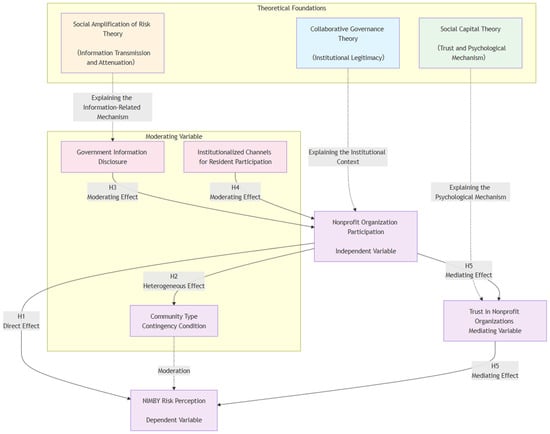
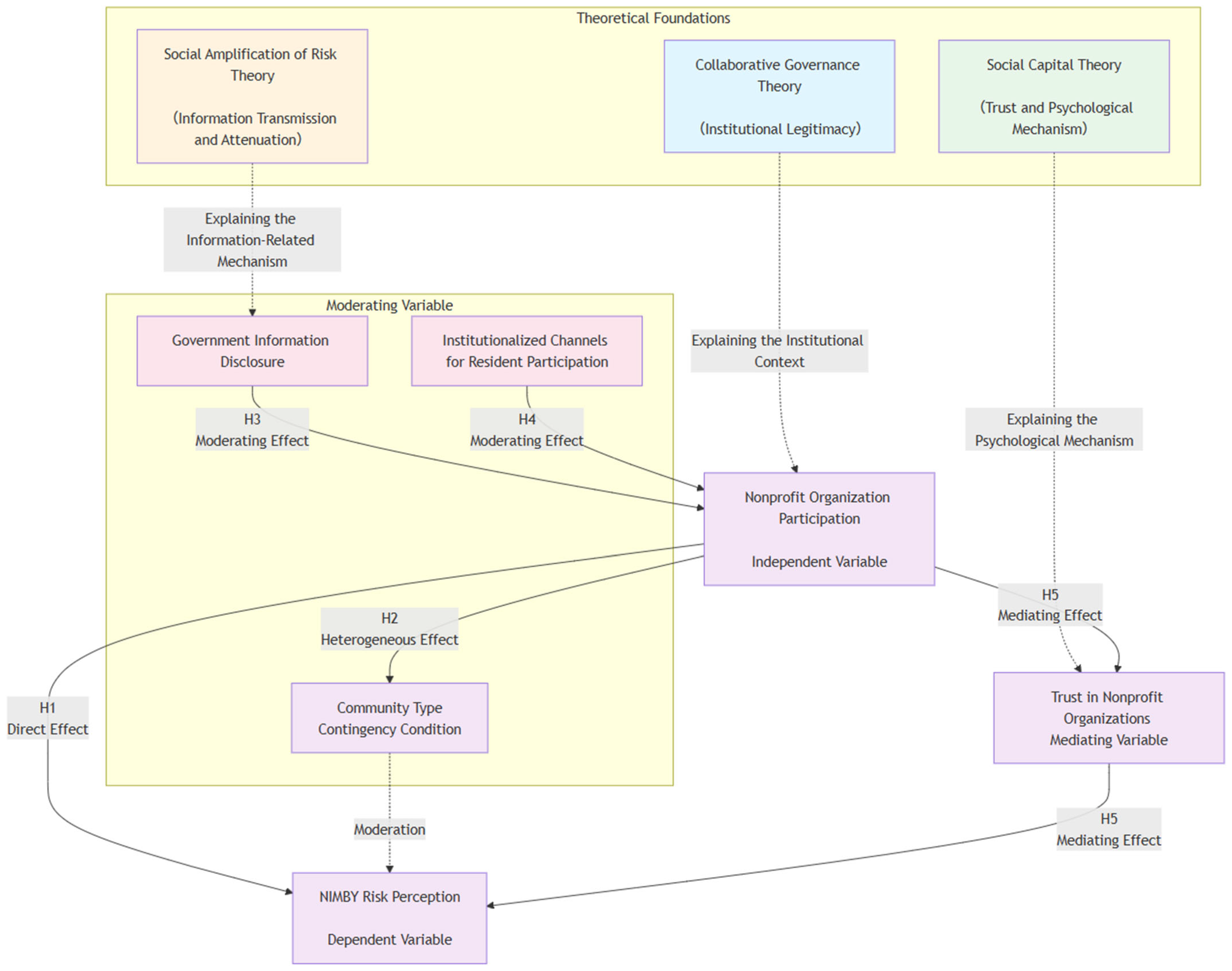
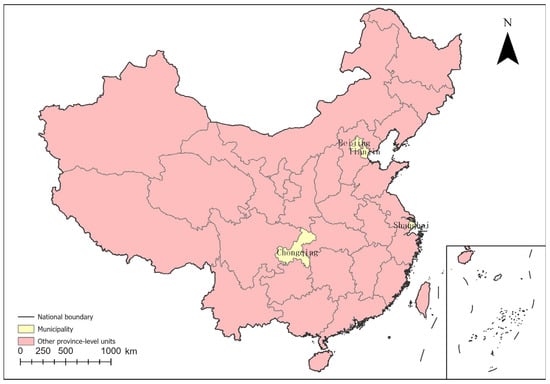
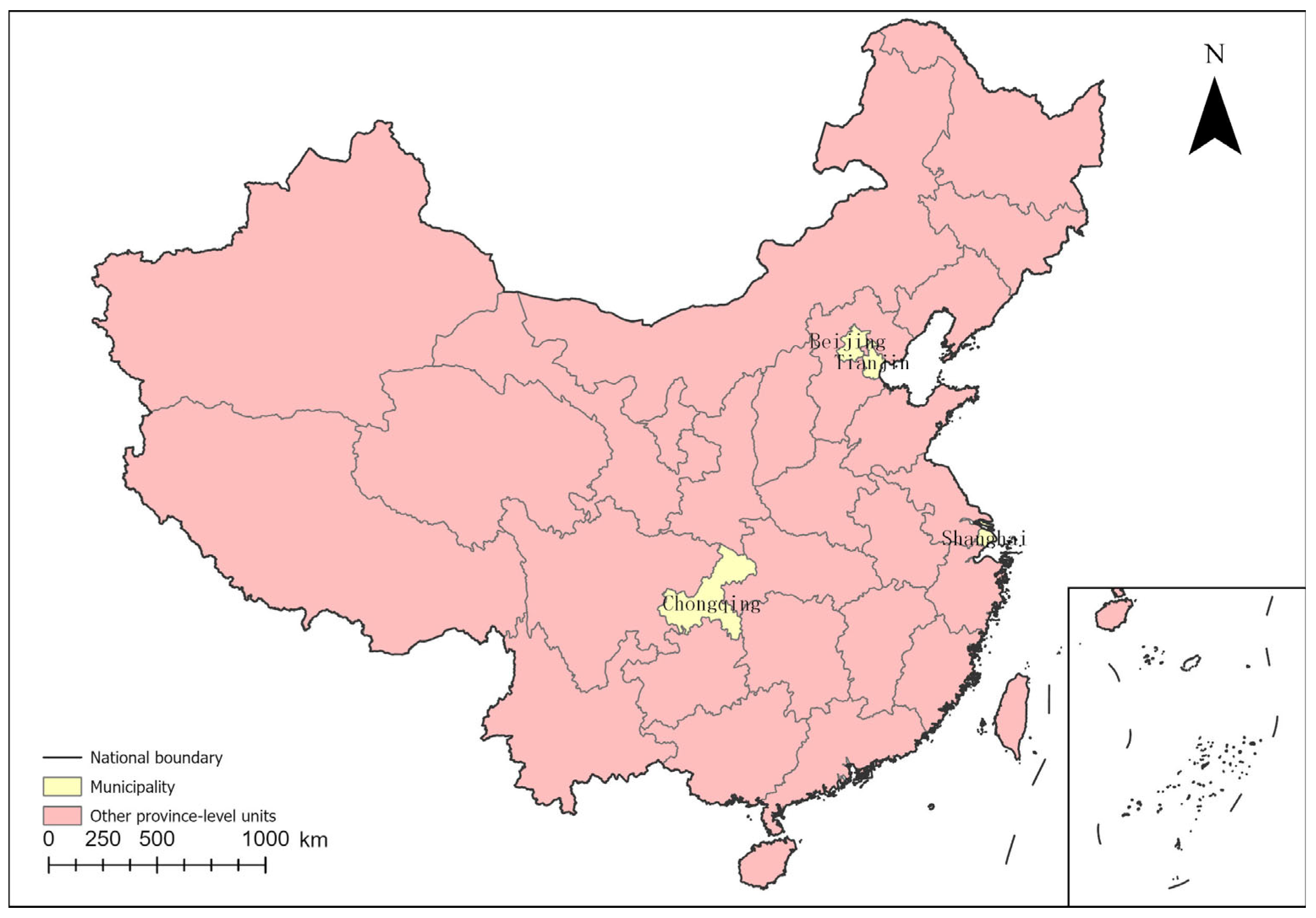
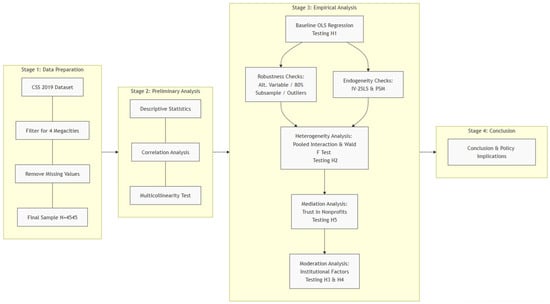
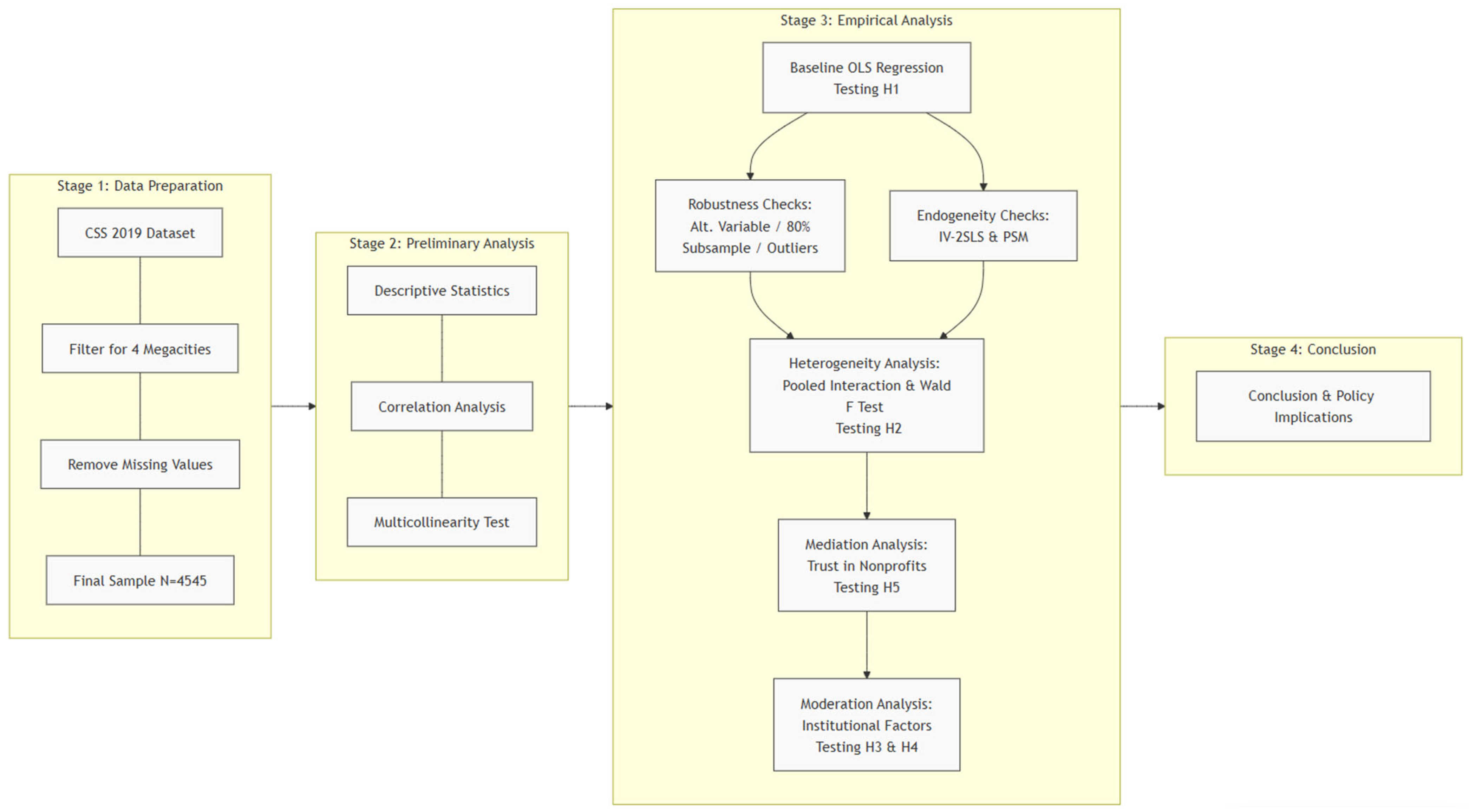
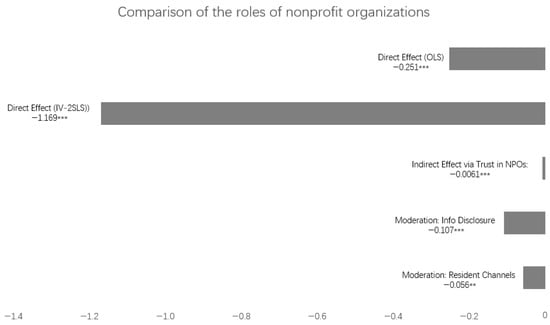
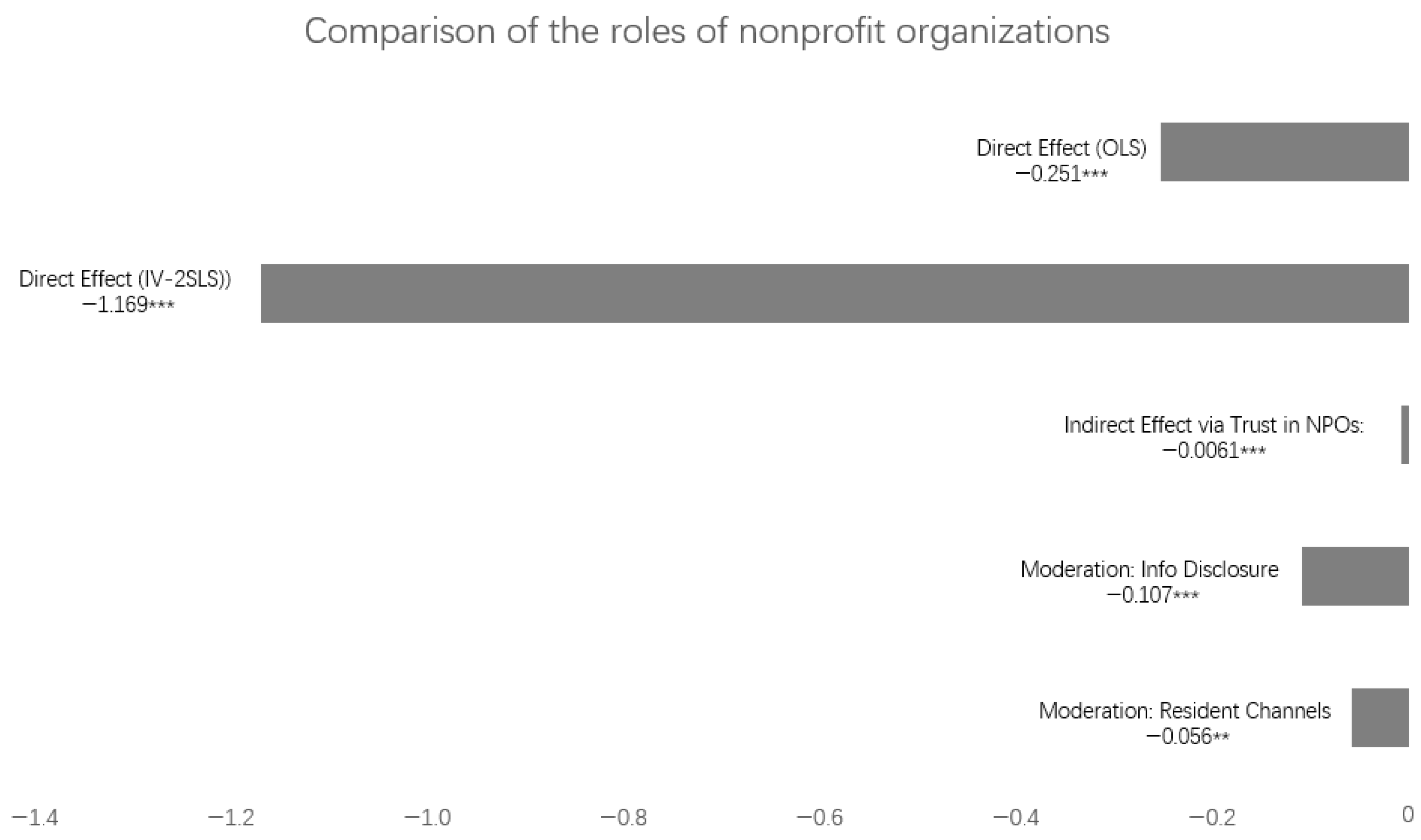
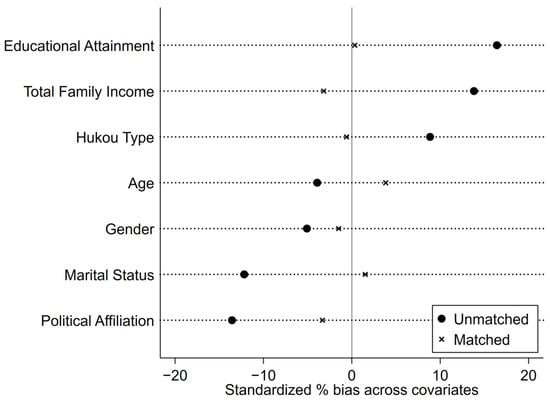
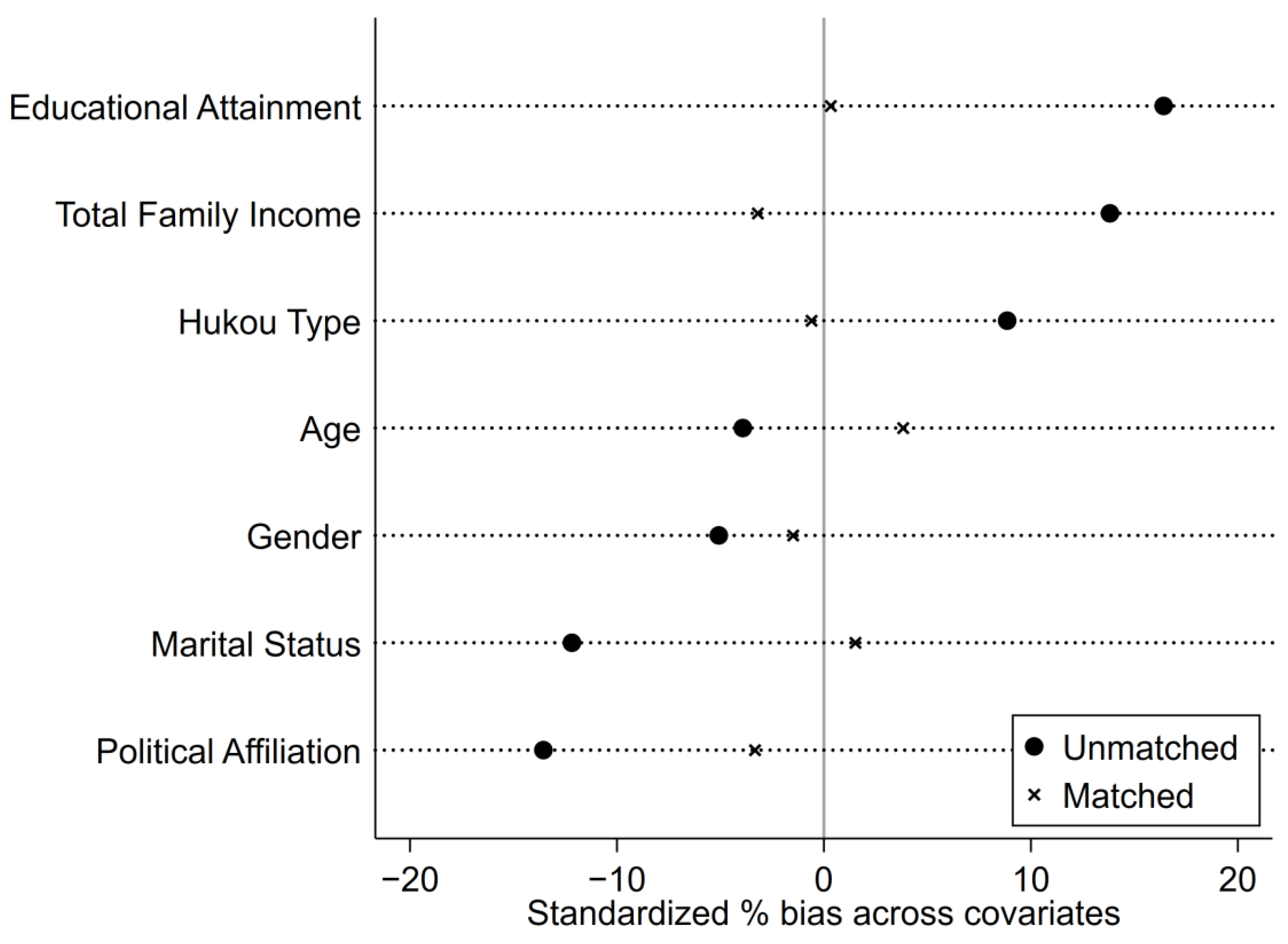
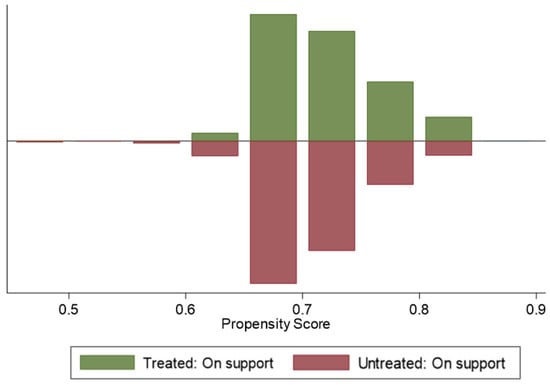
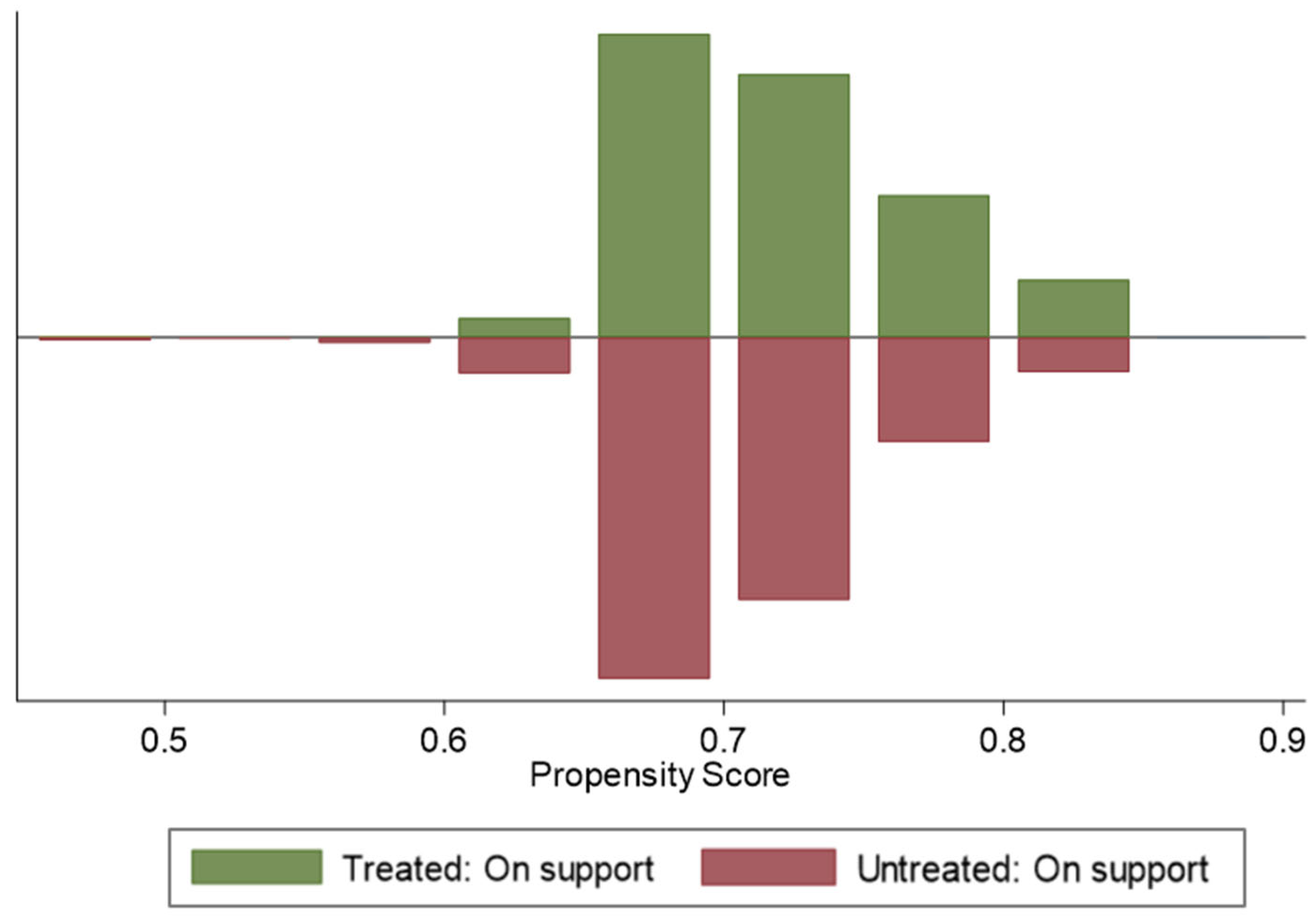
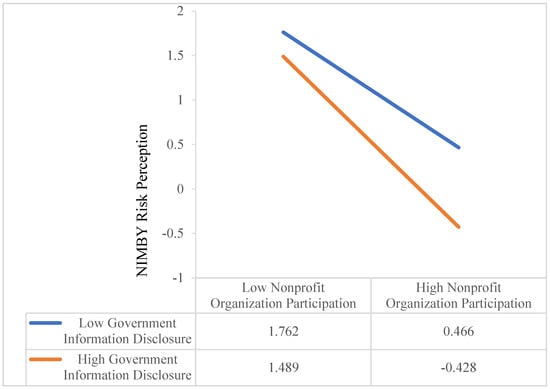
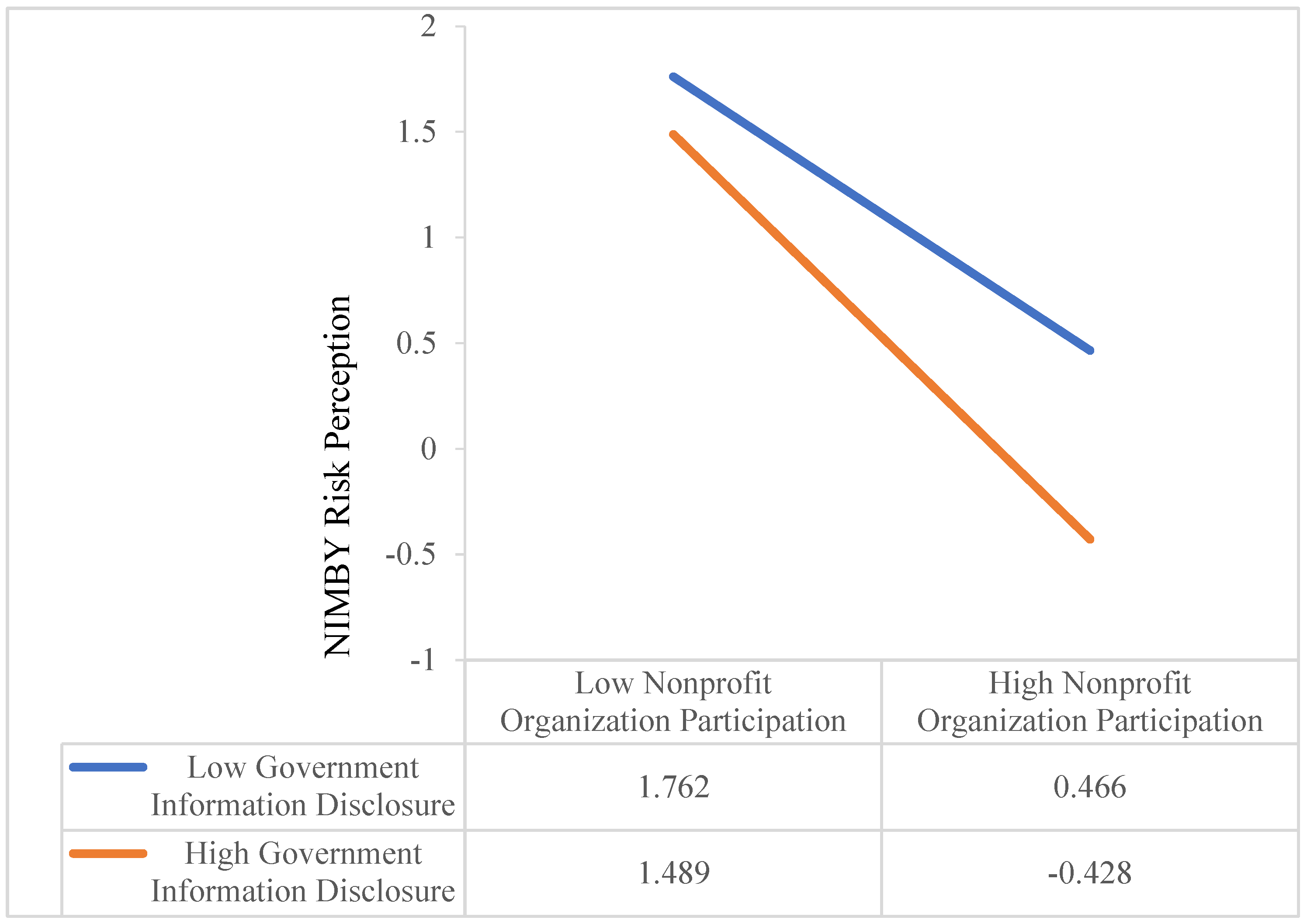
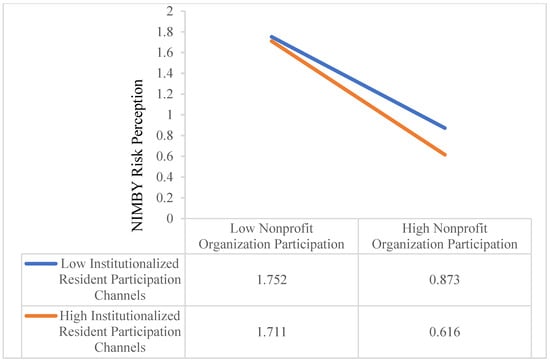
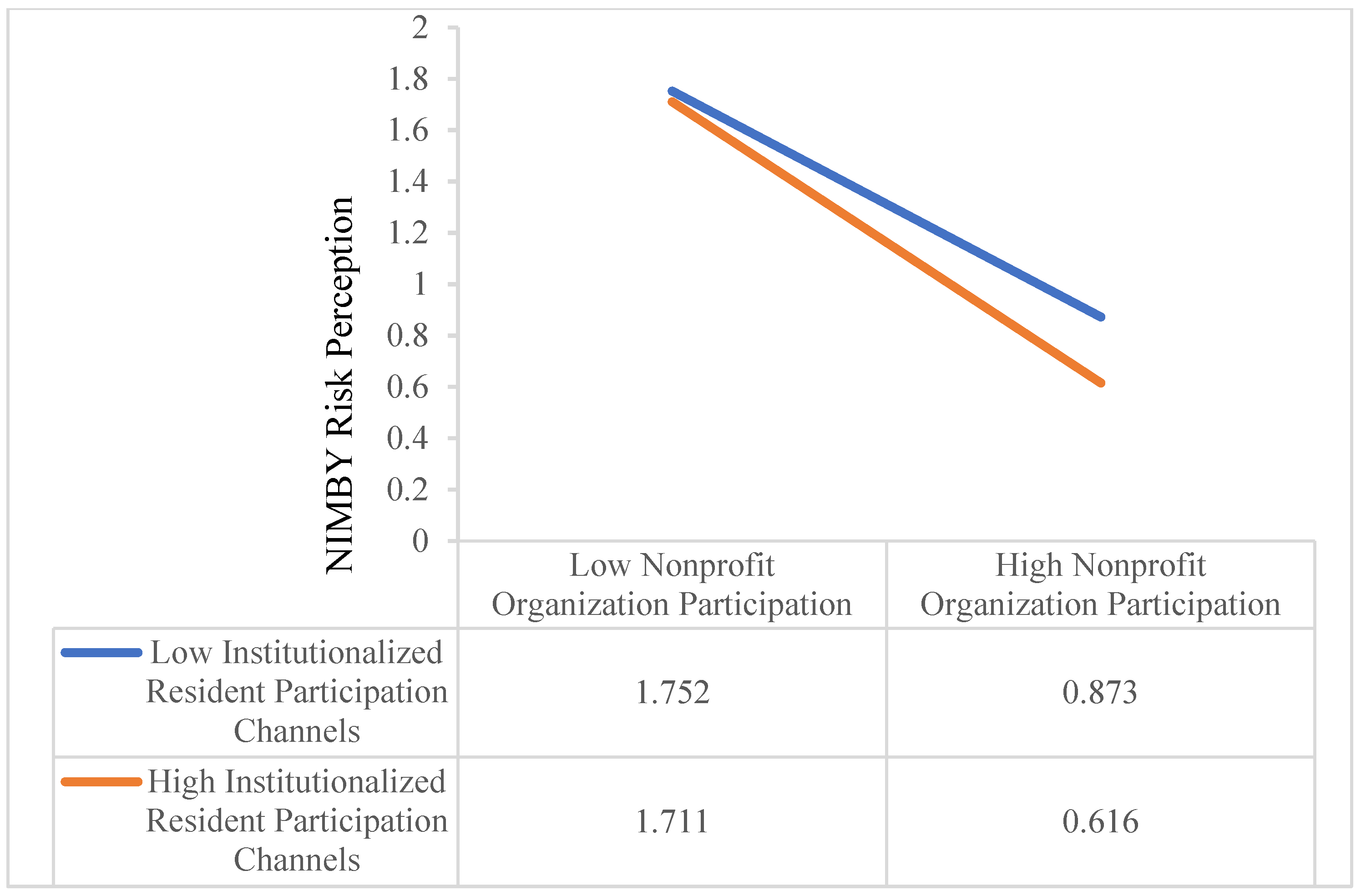

Disclaimer/Publisher’s Note: The statements, opinions and data contained in all publications are solely those of the individual author(s) and contributor(s) and not of MDPI and/or the editor(s). MDPI and/or the editor(s) disclaim responsibility for any injury to people or property resulting from any ideas, methods, instructions or products referred to in the content. |
© 2026 by the authors. Licensee MDPI, Basel, Switzerland. This article is an open access article distributed under the terms and conditions of the Creative Commons Attribution (CC BY) license.