


Abstract
This paper examines the relationship between perceived event quality and visitor loyalty in the context of a river-based sport tourism event. This study examines visitors at the Danube Regatta in Negotin, a small-scale sport-tourism event integrated into the international Danube International Regatta. Drawing on event quality and experience economy frameworks, the study analyses the effects of four dimensions of perceived quality-organizational arrangements, program and atmosphere, environmental care, and infrastructure on visitors’ loyalty, operationalized through revisit intention and recommendation. The authors collected data through an on-site survey of 217 event visitors during the 2025 edition of the event. The analysis employed descriptive statistics, Spearman’s correlation, multiple linear regression, and cluster analysis (K-means). The results show that program and atmosphere represent the strongest predictors of visitor loyalty (β = 0.734, p < 0.001), confirming the dominant role of experiential elements. Organizational arrangements (β = 0.196, p < 0.01) and infrastructure (β = 0.203, p < 0.01) also exert statistically significant positive effects, suggesting their role as supporting conditions rather than primary drivers of loyalty. In contrast, perceived environmental care has a statistically significant negative effect (β = −0.240, p < 0.01), indicating a potentially complex sustainability-related relationship whereby perceived shortcomings in environmental practices reduce loyalty intentions. Cluster analysis identified four distinct visitor segments, highlighting heterogeneous visitor behavior motives and behavioral patterns among event participants. The findings add to the existing literature by providing empirical support for a multidimensional event quality–visitor loyalty framework in the context of small-scale river-based sport events. The study highlights the primacy of experiential components while emphasizing the need for more visible and effective environmental management practices in nature-based events.
1. Introduction
Contemporary tourism increasingly relies on events and manifestations as instruments of destination development, diversification of the tourism offer, and enhancement of destination competitiveness [1]. Sport tourism is generally defined as travel away from one’s usual place of residence for the purpose of participating in, observing, or being involved with sport-related activities. According to Raso and Cherubini (2023) [2], sport tourism encompasses active sport tourism, event sport tourism, and nostalgia sport tourism, reflecting different ways in which tourists engage with sport experiences. More recently, sport tourism has been recognized as one of the fastest-growing segments of the global tourism industry, combining physical activity, leisure, destination experiences, and social interaction [3]. In this context, sport tourism events represent an important mechanism through which destinations attract visitors, diversify tourism products, and generate economic, social, and environmental impacts. The economic significance of sport tourism has increased considerably during the last decade, making it one of the fastest-growing sectors of the global tourism industry. A recent systematic review by Raso and Cherubini (2023) [2] indicates that sport tourism generates substantial economic benefits through visitor spending, job creation, support for local businesses, and regional development. The authors emphasize that both mega-events and small-scale sport events can contribute to destination competitiveness and economic growth when appropriately planned and managed [2,3,4]. In addition, sport tourism has become an important instrument for extending tourist seasons, diversifying tourism products, and stimulating local economies, particularly in rural and peripheral destinations where smaller events often represent a significant tourism development opportunity [3]. Sports tourism events, as a specific form of events, integrate recreation, entertainment, and social interaction, creating a complex experience that goes beyond traditional forms of tourist consumption [4,5]. Research within the event tourism tradition emphasizes the role of events as tools for increasing destination attractiveness and competitiveness [6], while the tourism experience literature focuses on the emotional and perceptual processes that shape visitor satisfaction and behavioral intentions [7]. At the same time, the destination development perspective contributes to understanding how local events influence socio-spatial transformations, the tourism reproduction of place, and the sustainable use of natural resources [8]. In this context, event quality and visitor satisfaction become key prerequisites for the long-term sustainability and success of events. This research paper is positioned at the intersection of three theoretical fields: event tourism studies, experience-based consumer behavior, and destination development.
In this context, sports tourism events have attracted growing academic attention due to their capacity to generate experiential value, strengthen destination competitiveness, and influence visitors’ behavioral intentions. Previous research consistently confirms that perceived event quality plays a central role in shaping visitor satisfaction and loyalty, particularly through dimensions related to experience, organization, and service delivery.
Importance is attributed to events organized in natural settings, such as riverine and waterfront areas, where the tourism experience is directly dependent on the quality of natural resources and spatial conditions [9]. River destinations, although rich in natural and recreational potential, remain insufficiently explored in the context of event tourism, particularly regarding local and regional events [10]. River-based sport tourism events differ from many other outdoor and nature-based events because the tourism experience is directly influenced by hydrological conditions, water quality, shoreline accessibility, and the visual attractiveness of river landscapes. Unlike mountain, rural, or urban event settings, river environments are characterized by continuous interactions between natural resources and recreational activities, making environmental quality an integral component of the visitor experience. Previous studies indicate that visitors in river destinations are particularly sensitive to issues such as water cleanliness, riverbank maintenance, environmental protection, and landscape aesthetics, as these elements directly influence both recreational opportunities and destination attractiveness. Consequently, the management of river-based sport tourism events requires a stronger integration of experiential, organizational, and environmental dimensions than many other forms of sport tourism [11]. In this context, event quality is treated as a multidimensional construct encompassing organizational aspects, program content and atmosphere, technical and logistical conditions, as well as the relationship of organizers with the local community and the environment [12]. Previous studies consistently show that perceived event quality positively affects visitor satisfaction and behavioral outcomes, such as revisit intention and the willingness to recommend the event to others [13,14].
The theoretical foundation of this study is based on research concerning event quality and visitors’ behavioral intentions. Event quality models assume that perceptions of organizational, infrastructural, program-related, and environmental components influence the formation of visitor satisfaction and loyalty [12,15]. At the same time, the Experience Economy theory emphasizes that the emotional, social, and aesthetic stimuli generated by events represent key determinants of revisit intentions [16]. Finally, models of tourist behavior suggest that positive evaluations of event attributes are closely associated with behavioral intentions such as revisit intention and recommendation [13,17]. Based on these theoretical perspectives, hypotheses H1–H4 were formulated to operationalize the effects of organization, program quality, environmental responsibility, and infrastructure on visitor loyalty.
Despite the growing interest in event tourism, three important areas remain insufficiently explored. Although previous studies have demonstrated that small-scale sport events can generate important economic and developmental benefits for host communities, this stream of research remains considerably less developed than research on mega-events. For example, Malchrowicz-Mośko and Poczta (2018) [3] showed that small heritage sport events contribute to local tourism development, destination promotion, and the extension of tourist activity beyond peak seasons. Similarly, research synthesized by Raso and Cherubini (2023) [2] indicates that smaller sport events can stimulate local spending, support small businesses, and strengthen regional economies, particularly in rural and peripheral destinations. However, most existing studies have focused primarily on economic outcomes, while considerably less attention has been devoted to visitors’ perceptions of event quality, sustainability dimensions, and loyalty formation in natural and river-based environments. First, most existing studies focus on large urban or mega-events, while small-scale sports tourism events held in natural and riverine environments are significantly underrepresented in the international literature [3,4,5,6,7,8,9,10,11,12,13,14,15,16,17,18]. Second, although multidimensional event quality models confirm the relationship between organization, program content, and visitors’ behavioral intentions [12,19], the integration of the environmental dimension into these models remains insufficiently investigated, particularly from the perspective of participants in outdoor sports events [18]. Third, there is a limited number of empirical studies that simultaneously examine the direct effects of event quality dimensions on visitor loyalty, with loyalty operationalized through revisit intentions and event recommendations, which represent key indicators of the sustainability of local events and destinations [20]. For these reasons, there is a need for research that simultaneously examines the interrelated dimensions of event quality and their direct influence on visitor loyalty within the context of specific local events. Such an approach enables a deeper understanding of the factors that generate positive visitor experiences, while also identifying critical issues that may diminish the overall experience.
Based on the identified research gaps, the aim of this study is to examine how visitors perceive the quality of a river-based sport tourism event and how these perceptions influence their loyalty, operationalized through revisit intention and recommendation. To our knowledge, no previous study has examined this relationship in the context of small-scale river-based sport tourism events. The research is conducted in the context of the “Danube Regatta in Negotin”, a small-scale sport tourism event held in a natural river environment.
In outdoor events, particularly those associated with river environments, the landscape represents an active element of the tourism experience rather than merely a physical backdrop. The quality of spatial organization, environmental stewardship, and the management of natural resources significantly influence visitors’ perceptions, emotions, and overall evaluation of the event. Drawing upon theories of event quality, sustainable tourism, and landscape management, this study assumes that visitor behavior is associated with the interaction of experiential, organizational, and environmental dimensions of the event.
Based on the defined research objective and the empirical analyses conducted, the study addresses the following research questions (RQs). To ensure conceptual clarity, the research questions are grouped into two analytical categories. The first category comprises descriptive objectives aimed at understanding visitor profiles, evaluations of event quality dimensions, and differences across sociodemographic groups (RQ1 and RQ4). The second category comprises explanatory objectives focused on examining the relationships between perceived event quality dimensions and visitor loyalty, as well as identifying the relative importance of these dimensions as predictors of loyalty (RQ2 and RQ3). This distinction helps clarify the dual contribution of the study by combining descriptive insights with explanatory analysis:
- RQ1: How do visitors evaluate the individual dimensions of sports tourism event quality (organization and site arrangement, program and atmosphere, environmental responsibility, and infrastructure)?
- RQ2: Is there a relationship between event quality dimensions and visitor loyalty, expressed through revisit intentions and recommendations, and if so, to what extent?
- RQ3: Which dimensions of event quality have the most significant impact on visitor loyalty?
- RQ4: Are there differences in the perception of quality and visitor loyalty according to sociodemographic characteristics?
Accordingly, the descriptive contribution of the study lies in profiling visitors, evaluating perceived event quality dimensions, and identifying visitor segments, whereas its explanatory contribution focuses on testing the relationships between event quality dimensions and visitor loyalty and determining their relative predictive strength. The study is based on the event quality–visitor loyalty conceptual model proposed by Abdul Gapor et al. (2023) [21], which examines the relationship between visitors’ perceptions of event quality and their loyalty, and whether a higher level of perceived quality leads to stronger behavioral intentions, particularly revisit intention and recommendation. Event quality was operationalized through multiple dimensions of satisfaction (organization, program, infrastructure, and environmental aspects), while visitor loyalty was examined through revisit intentions and willingness to recommend the event. Visitor loyalty was operationalized through two behavioral intention indicators: intention to revisit the event and willingness to recommend the event to others. For regression analysis, these two indicators were combined into a composite loyalty measure by calculating their arithmetic mean. This approach was adopted to capture the overall behavioral loyalty construct while maintaining consistency with previous event tourism studies that conceptualize loyalty through revisit and recommendation intentions. In line with this approach, the present study focuses on direct relationships between perceived event quality dimensions and visitor loyalty, without explicitly modeling satisfaction as a mediating variable.
The scientific contribution of this study does not lie in proposing an entirely new theoretical model but rather in extending and empirically examining existing event quality–visitor loyalty frameworks within the underexplored context of small-scale river-based sport tourism events. While previous studies have predominantly focused on urban events, festivals, and large-scale sport tourism contexts, empirical evidence from river-based sport tourism settings remains limited. The study contributes to theory by examining how experiential, organizational, infrastructural, and environmental dimensions jointly influence visitor loyalty in a river environment where the quality of natural resources represents a fundamental component of the tourism experience. In addition, the study highlights the role of environmental responsibility as a distinct dimension of perceived event quality and provides evidence of a more complex relationship between environmental perceptions and visitor loyalty than is commonly assumed in event tourism literature.
2. Literature Review and Hypotheses Development
2.1. Regattas as a Form of Sports and Event Tourism
Previous studies conceptualize regattas and water-based sport events as experiential tourism products that combine sporting activities with recreational, social, and environmental elements. Within event tourism research, regattas are increasingly analyzed through the lens of perceived event quality, visitor experience, and behavioral intentions, particularly revisit intention and recommendation [22,23,24]. This shift in focus reflects a broader movement away from descriptive accounts of sport events toward analytical models that examine how specific dimensions of event quality shape visitor satisfaction and loyalty.
River and nautical sport tourism events possess several characteristics that distinguish them from many other sport tourism products. They combine competitive and recreational activities with landscape appreciation, rural tourism experiences, local culture, and repeated destination visitation. Because participation is highly dependent on environmental conditions and the quality of water resources, visitor experiences are often shaped simultaneously by sport-related, environmental, and destination-related factors. This multidimensional character makes river-based events particularly relevant for examining the interaction between event quality, sustainability, and visitor loyalty [11,22,23,24,25,26].
Research shows that event quality can be conceptualized through multiple dimensions, among which program content, organization and logistics, technical and infrastructural support, and experiential and aesthetic elements of the event are most frequently emphasized [25]. The program component encompasses the activities and content that shape visitors’ experiential perceptions and influence their emotional engagement [15], while the organizational and infrastructural components include factors that enable the smooth implementation of the event and affect perceptions of professionalism and organizational reliability.
In the European context, regattas possess a pronounced tourism and cultural dimension. Events such as the Danube Regatta in Hungary and European Rowing Championships (e.g., Bled, Slovenia) demonstrate that sporting events function as powerful destination promotion tools, contributing to the local economy and the image of the host country. According to Morfoulaki et al. (2023) [22], sport tourism in the Central European and Adriatic-Ionian regions contributes to the extension of the tourist season and the development of sustainable destination management models. Furthermore, the study by Cavalheiro et al. (2022) [25] confirms that water sports are particularly suitable for destinations seeking to integrate active recreation, natural resources, and local culture.
A review of European examples demonstrates that regattas perform a multidimensional function—they are simultaneously sporting, tourism, and cultural events. Although they differ in scale and level of professionalization, a common characteristic of all such events is the aspiration to integrate sport, tourism, and sustainable development, with an increasing focus on safety, infrastructure, and participant experience.
In Serbia, although events such as the Vode Vojvodine Regatta and numerous local river descents are organized, scientific research on their effects and quality remains limited. Danilović-Hristić et al. (2023) [27] highlight the significant potential of the Danube for the development of Serbia’s tourism and cultural identity, emphasizing the need for stronger integration of sports and recreational activities into sustainable tourism strategies. Research on the environmental status of the Danube [25] further confirms that water quality and environmental protection are key prerequisites for the safe and attractive organization of regattas. A comparative review of the literature indicates that Danube regattas are complex phenomena that connect sport, tourism, ecology, and community identity. While in Western European countries these events are highly professionalized and form part of destination branding strategies, in Serbia their potential has not yet been fully utilized. Nevertheless, examples such as the TID Regatta demonstrate the possibility of developing sustainable sports tourism events that can contribute to the international promotion of the Danube and the development of local communities.
A comparative review of selected international studies and reports (Table 1) indicates that research on regattas and water-based sporting events methodologically ranges from industry analyses and systematic reviews to case studies and indicator-based analyses. These studies confirm the significant economic and developmental potential of sport tourism while simultaneously demonstrating that event outcomes are strongly conditioned by the specific context and the quality of management.
Table 1.
Selected Studies and Reports on Regattas and River-Based Sporting Events.
Recent literature indicates that regattas and other water-based sporting events function as important catalysts of tourism flows and destination identity. An empirical study of regattas in the Balearic Islands highlights the multiplicative effects of such events -including the extension of the tourist season, participant segmentation, and differences in spending patterns and offers a model for analyzing participants and the economic contributions of events [30,31]. At the same time, analyses of river cruise tourism on the Danube reveal significant yet still underutilized potential for the valorization of cultural heritage and the enhancement of Serbia’s tourism offer [27]. When planning regattas, it is also necessary to consider their impacts on the aquatic environment, as studies of large-scale nautical events indicate potential local negative effects on water quality, requiring the implementation of preventive event management measures [28]. Furthermore, the application of participatory methodologies and the involvement of local communities have proven to be key elements in the development of sustainable river tourism models [32]. In addition, practices along the Danube such as regattas and events organized within the Danube Day program provide concrete examples of partnership-based management and the promotion of river-related events [2,11,27,28,29,30,31,32,33,34,35]. These theoretical and practical insights will serve as a comparative framework for the analysis of the regatta held near Negotin.
A review of regattas with pronounced tourism significance in Europe and worldwide (Table 2) further confirms that regattas can function as integrated tourism products. The most successful examples combine sporting competition with cultural, gastronomic, and entertainment content, thereby contributing to the extension of the tourist season, strengthening the local economy, and destination branding.
Table 2.
Regattas with Pronounced Tourism Significance in Europe and Worldwide.
The analysis of the presented cases reveals several common patterns: regattas contribute to the extension of the tourism season, serve as powerful destination branding tools, generate significant socioeconomic benefits, and increasingly incorporate principles of environmental sustainability. In the Serbian context, particularly the Danube Regatta in Negotin, these examples provide relevant comparative models demonstrating that the development of river-based events can extend beyond their purely sporting function and become an important driver of local and regional tourism development. Based on multidimensional event quality models and prior empirical research, this study conceptualizes event quality through four key dimensions: (1) organizational arrangements and site orderliness, (2) program and atmosphere, (3) environmental care, and (4) infrastructure. These dimensions consistently emerge in contemporary event quality frameworks as relevant predictors of visitor satisfaction and behavioral intentions, particularly in the context of small-scale sport events and nature-based settings [12,19,41]. Building on these theoretical foundations and identified research gaps, the following hypotheses are proposed.
2.2. Organization and Site Arrangement as Determinants of Satisfaction
Organizational aspects of events, including spatial layout, clarity of information, safety, and logistical coordination, represent the foundation of the successful functioning of any manifestation [42]. A well-organized event enables the smooth execution of the program and reduces visitors’ perceived risk and stress, which directly influences their satisfaction. Empirical studies confirm that organization and site arrangement have a significant impact on overall event evaluation and revisit intention [43]. Previous studies on sport and event tourism consistently report that organizational efficiency, visitor safety, accessibility, and information availability rank among the highest-rated functional attributes of successful events. Research further suggests that deficiencies in organizational performance are often associated with lower visitor satisfaction and weaker revisit intentions, highlighting the importance of effective event management practices. In the context of open-air events, particularly those held in natural environments, these elements gain additional importance due to increased requirements related to accessibility, safety, and spatial control. Accordingly, the following hypothesis is formulated:
H1.
Perception of organizational arrangements and site orderliness positively influences visitor loyalty.
2.3. Program and Atmosphere of the Event as an Experiential Dimension
The program and atmosphere of the event represent a central component of the so-called core experience in event tourism [15]. The diversity of content, the quality of sporting and entertainment activities, as well as the emotional atmosphere of the event, are key factors influencing the intensity of visitors’ experiences [20].
Numerous studies indicate that the program and atmosphere have the strongest impact on visitor satisfaction and loyalty compared with other dimensions of event quality [11]. Previous empirical research also provides quantitative evidence regarding the strength of these relationships. For example, Jeong and Kim (2020) [9] found that perceived event quality exerted a significant positive effect on tourist satisfaction and destination loyalty, with experiential dimensions emerging among the strongest predictors of behavioral intentions. Similarly, Theodorakis et al. (2015) [19], examining participants in a recurring sport event, reported that event service quality significantly influenced participant satisfaction and overall event evaluation. These findings consistently demonstrate that experiential and program-related attributes represent some of the most influential determinants of visitor loyalty in sport tourism settings. Positive emotional experiences increase the likelihood of revisit intention and positive word-of-mouth recommendation, which is particularly important for local events with limited marketing resources [44]. Based on the above, the following hypothesis is formulated:
H2.
Perception of the program and atmosphere positively influences visitor loyalty.
2.4. Environmental Responsibility and Asymmetric Effects of Sustainability
In contemporary tourism, environmental sustainability is becoming an increasingly important factor in the evaluation of tourism products and events [45]. Events held in natural environments, such as river and coastal areas, are particularly exposed to environmental pressures, which is why organizers are expected to ensure responsible management of space and resources [46]. Although some studies confirm that environmental responsibility can positively influence event image and visitor satisfaction (Gonçalves et al., 2025) [47], the findings in the literature are not consistent. Recent empirical studies suggest that environmental perceptions may influence visitor evaluations differently from traditional event quality dimensions. Shien et al. (2022) [48] found that negative environmental perceptions often exert stronger effects on behavioral intentions than positive environmental assessments. Similarly, contemporary sustainability research indicates that environmentally conscious visitors tend to apply stricter evaluation criteria when assessing waste management, environmental protection measures, and destination sustainability practices. These findings suggest that environmental responsibility may function as a threshold attribute, where perceived shortcomings generate stronger negative reactions than the positive effects associated with satisfactory environmental performance. Some research suggests that negative perceptions of environmental responsibility may have a stronger impact on behavioral intentions than positive perceptions, particularly among more educated and environmentally conscious visitors [48]. Over the past decade, there has been growing interest in sustainability and environmental practices in the context of tourism events. Green and environmentally responsible events are increasingly viewed as part of the broader sustainable tourism trend, where the environmental practices of organizers can influence perceived event quality and visitors’ value judgments [49]. Although mega-events and urban festivals are more frequently analyzed from a sustainability perspective, small-scale sports and recreational events in natural environments remain relatively underexplored (Eviana, 2025) [50], which opens space for examining the potential impact of environmental responsibility on visitors’ behavioral intentions. The potential influence of environmental responsibility on visitor loyalty can also be interpreted through Expectation–Disconfirmation Theory, which suggests that visitors evaluate tourism experiences by comparing actual performance with their prior expectations. In nature-based and river tourism settings, environmental protection is often perceived as a basic requirement rather than an additional source of value. Therefore, satisfactory environmental performance may not necessarily increase visitor loyalty, whereas perceived environmental shortcomings can result in disproportionately negative evaluations. This logic is consistent with the literature on asymmetric quality effects, which suggests that certain service attributes function as threshold factors, generating dissatisfaction when absent but producing only limited gains in satisfaction when adequately delivered. Consequently, the relationship between environmental responsibility and visitor loyalty may be more complex than the relationships observed for traditional event quality dimensions. In this context, the following hypothesis is formulated:
H3.
Perceived environmental responsibility significantly influences visitor loyalty; however, the nature and direction of this relationship may differ from those associated with traditional event quality dimensions.
2.5. Infrastructure as a Supporting Dimension of Event Quality
Infrastructure, including access roads, parking facilities, sanitary provisions, and catering services, represents a so-called supporting service within events [51]. Although these elements are often less visible compared with the program and atmosphere, their inadequacy can significantly undermine the overall visitor experience. Research confirms that infrastructure quality has a significant impact on visitor satisfaction and loyalty, particularly in events that attract large numbers of participants and visitors from different geographical areas [52]. In rural and river destinations, infrastructural challenges become even more pronounced, making this factor crucial for the long-term development of events. Based on the above, the following hypothesis is formulated:
H4.
Perception of infrastructure quality positively influences visitor loyalty.
2.6. Research Framework and Linkage to Research Questions
The study is based on a multidimensional event quality–visitor loyalty framework, which serves as the central analytical foundation of the research. Within this framework, visitor loyalty is examined in relation to four key dimensions of perceived event quality: organization and site layout, program and atmosphere, environmental responsibility, and infrastructure quality. These relationships are specified through hypotheses H1–H4, assuming direct effects of each quality dimension on visitor loyalty, operationalized through revisit intention and recommendation.
Although visitor satisfaction is frequently considered a mediating variable in tourism loyalty research, the present study intentionally focuses on the direct relationships between perceived event quality dimensions and visitor loyalty. This approach was adopted to examine the relative contribution of specific event quality dimensions and to maintain consistency with the exploratory objective of assessing quality perceptions in an underexplored river-based sport tourism context.
Accordingly, H1, H2, and H4 predict positive effects of organizational quality, program and atmosphere, and infrastructure on visitor loyalty. H3 addresses the environmental responsibility dimension and assumes a significant relationship with visitor loyalty, while allowing for the possibility that this relationship may differ from the effects typically observed for other event quality dimensions. The exclusion of satisfaction as a mediating variable does not imply that satisfaction is unimportant in the loyalty formation process. Rather, the objective of the present study was to isolate and compare the direct contributions of individual event quality dimensions to visitor loyalty. By focusing on direct effects, the study provides a clearer assessment of the relative importance of organizational quality, program and atmosphere, environmental responsibility, and infrastructure within the specific context of a river-based sport tourism event. Future studies may extend this framework by incorporating visitor satisfaction as a mediating mechanism.
In addition to the main model, the research is guided by several research questions addressing different aspects of the analysis. RQ1 focuses on the descriptive evaluation of event quality dimensions and is treated independently from the hypothesized relationships. RQ2 represents the overarching explanatory research question addressing the relationship between event quality dimensions and visitor loyalty, while hypotheses H1–H4 operationalize this question by specifying and testing the expected effects of individual event quality dimensions on visitor loyalty.
RQ3 and RQ4 extend the analysis without introducing new causal relationships. RQ3 examines the relative importance of individual quality dimensions as predictors of loyalty using multiple linear regression, while RQ4 explores differences in perceptions of quality and loyalty across sociodemographic groups using non-parametric tests. In this sense, both questions provide additional analytical insight into the relationships defined in the conceptual model. Figure 1 illustrates the conceptual model together with the positioning of research questions within the overall analytical framework.
Figure 1.
Research framework: conceptual model and analytical linkage to research questions. Note: RQ1—descriptive analysis; RQ2—hypothesis testing (H1–H4); RQ3—relative importance (regression); RQ4—group differences.
In tourism, visitor satisfaction is considered a key mediator between service perception and behavioral intentions. Numerous studies confirm that a positive experience increases the likelihood of revisit intention and positive word-of-mouth recommendations, which represent the foundation of visitor loyalty [53]. In the context of sports and event tourism, satisfaction is formed based on a combination of experiential, organizational, and technical elements of the event [25].
3. Materials and Methods
3.1. Study Area
The sports tourism event Danube Regatta near Negotin is an integral part of the Danube International Tourist Regatta (TID), the longest, largest, and oldest international river regatta in the world. The TID has been continuously organized since 1956 and runs along the entire course of the Danube River, connecting multiple European countries and local communities through which the river flows. The regatta starts in Ingolstadt, Germany, and ends in Silistra, Bulgaria, covering a total route of approximately 2500 km.
Within the territory of the Republic of Serbia, the TID passes through a series of cities and municipalities along the Danube, including Apatin, Novi Sad, Belgrade, Smederevo, Donji Milanovac, Kladovo, and Negotin (Kusjak beach). In this context, the Danube Regatta near Negotin represents a local manifestation integrated into a broader international event, positioning Negotin as part of a pan-European tourism route and as a destination suitable for the development of sports and event tourism.
The research area includes the Kusjak site, located on the right bank of the Danube River at approximately river kilometer 861, within the municipality of Negotin, in the eastern part of the Republic of Serbia (Figure 2). The geographical position of the site is defined by the coordinates 44°13′46″ north latitude and 22°31′52″ east longitude. Kusjak beach is approximately 10 kilometers away from the urban center of Negotin and is characterized by a specific hydrodynamic regime influenced by the proximity of the Đerdap II hydroelectric power system. These conditions contribute to a reduced water flow velocity and the creation of a favorable environment for bathing tourism and recreational activities.
Figure 2.
Geographic location of Kusjak beach.
The riverbank zone is predominantly sandy, with an arranged shoreline approximately 385 m in length, enabling intensive use of the area for tourism and recreational purposes. This natural and infrastructural framework makes the site suitable for examining the relationship between event quality and visitor perceptions.
In the regional and national context, river-based events on the Danube are of particular importance, as the river represents one of Europe’s key hydrological and cultural corridors. Among the most significant international events is the Tour International Danubien (TID), a rowing-tourism regatta that passes through multiple European countries and connects sport, tourism, and intercultural cooperation. The TID represents an example of a long-term sustainable event with a strong transnational character.
3.2. Data Sources
The research is designed as a quantitative empirical study based on a survey of visitors to the sports tourism event Danube Regatta near Negotin during its occurrence in July 2025 (Figure 3). A cross-sectional research design was applied, in line with contemporary methodological approaches in event and sport tourism research. The cross-sectional design enables the assessment of visitor perceptions at a specific point in time during the event, which is crucial for testing hypotheses on the relationship between event quality dimensions and visitor loyalty.
Figure 3.
Field documentation during the Danube Days event in Negotin.
The research sample included visitors to the event who voluntarily agreed to participate in the study. The study is based on the conceptual event quality–visitor loyalty model proposed by Abdul Gapor et al. (2023) [21], which examines the relationship between perceived event quality and visitor loyalty, and whether a higher level of perceived quality leads to greater satisfaction and revisit intention. A purposive convenience sampling technique was applied, which represents a methodologically acceptable and commonly used approach in studies of outdoor events, where full control over the sampling process is not feasible due to the nature of the event. This sampling approach ensures that the collected data reflects the perceptions of the actual and active segment of event visitors. Respondents were approached at different locations within the event area during various stages of the event program to capture diverse visitor profiles and participation patterns. Participation in the survey was voluntary, and only adult visitors (18 years and older) were invited to participate. No formal stratification procedure was applied because the study was designed as an on-site field survey conducted during a live event. Nevertheless, efforts were made to include visitors with different sociodemographic characteristics, motives for attendance, and levels of event involvement to obtain a diverse representation of event participants [26]. Because the study was conducted as an on-site field survey during an open-access outdoor event, the total number of visitors approached and the exact number of refusals were not systematically recorded. Consequently, a precise response rate could not be calculated. The sample was therefore based on voluntary participation and should be regarded as a purposive convenience sample rather than a statistically representative sample of the entire event population. While efforts were made to approach visitors at different locations and during different stages of the event to capture diverse visitor profiles, the findings should be interpreted as reflecting the perceptions of surveyed participants rather than the complete population of event visitors.
The study was conducted in accordance with established ethical standards for social science research. Participation in the survey was voluntary and anonymous, and respondents were informed prior to completing the questionnaire. No personal or identifiable data were collected. In accordance with institutional and national regulations, formal ethical approval was not required for this type of anonymous online survey research. The study was conducted in compliance with ethical guidelines for social science research and the General Data Protection Regulation (GDPR, Regulation (EU) 2016/679) [53].
3.3. Research Instrument
As the primary data collection instrument, a structured questionnaire was used, developed based on previous empirical research in the field of sport and event tourism [9,15]. The questionnaire was adapted and modified in accordance with the specific characteristics of the field research and the features of the Danube Regatta. The survey instrument consisted of four sections.
- Sociodemographic characteristics of respondents (gender, age, level of education, and place of residence);
- Information and visitor behavior patterns (sources of information, mode of arrival, length of stay);
- Motivation for attendance and evaluation of individual segments of the event (most interesting parts of the program, elements of satisfaction and dissatisfaction, suggestions for improvement);
- Event satisfaction scale, consisting of five statements measuring perceptions of: organization and site arrangement, program and event atmosphere, environmental responsibility, infrastructure (parking, access roads, and service facilities), and intentions for revisit and recommendation of the event.
All statements within the satisfaction scale were evaluated using a five-point Likert scale (1—strongly disagree, 5—strongly agree). The scale was treated as ordinal, in accordance with the data distribution. All items were assessed using a five-point Likert scale ranging from 1 (strongly disagree) to 5 (strongly agree). For analytical purposes, the variables were treated as approximately interval-scaled, which represents a common and widely accepted practice in tourism and event research when examining relationships between perceived quality dimensions and behavioral intentions. Although Likert-scale responses are formally ordinal in nature, numerous studies in tourism, marketing, and social science research have treated aggregated Likert-type measures as approximately interval-scaled when applying parametric techniques such as correlation and regression analysis. This approach is particularly common when the objective is to examine relationships among perceptions, attitudes, and behavioral intentions. Each dimension of perceived event quality was measured using a single-item indicator reflecting visitors’ overall evaluation of that specific aspect of the event (organizational arrangements and site orderliness, program and atmosphere, environmental responsibility, and infrastructure). For the purposes of this study, organizational quality refers to visitors’ evaluations of the overall organization, orderliness, and management of the event. Program and atmosphere refer to visitors’ perceptions of the attractiveness of activities, entertainment content, and the overall experiential environment of the event. Environmental responsibility reflects visitors’ assessments of environmental care, cleanliness, and the responsible management of the natural setting. Infrastructure refers to the adequacy of physical facilities, accessibility, parking, sanitary services, and supporting visitor amenities. These dimensions were conceptualized as distinct but complementary components of perceived event quality. Single-item measures were used given the field-based nature of the study and the concrete, directly observable characteristics of the analyzed constructs. This approach reduces respondent burden and is appropriate in on-site survey settings.
This approach follows previous research in event tourism on small-scale sport events and outdoor tourism contexts, where visitors’ perceptions are often formed through direct, holistic evaluations of clearly observable attributes [9,25]. In such contexts, single-item measures have been shown to provide valid and reliable representations of concrete and unambiguous constructs. Since each construct was operationalized using a single-item measure, internal consistency reliability indicators such as Cronbach’s alpha were not applicable. Single-item measurement is considered appropriate when constructs are concrete, narrowly defined, and easily understood by respondents, as is the case with the evaluated event quality dimensions in this study. The decision to employ single-item measures was guided by the field-based nature of the research and the need to minimize respondent burden during the event. Previous methodological studies suggest that single-item indicators may be appropriate when evaluating concrete, specific, and directly observable attributes that can be clearly understood and assessed by respondents. In the present study, the evaluated dimensions referred to clearly identifiable elements of the event experience, including organization, infrastructure, environmental care, and program quality, which participants could directly observe during their attendance. The questionnaire was reviewed prior to data collection by researchers with previous experience in tourism and event management studies to ensure the clarity, relevance, and face validity of the selected indicators. For transparency and replicability purposes, the complete survey questionnaire is provided in Appendix C.
Attention was devoted to ensuring that each item represented a clearly observable and unambiguous aspect of event quality that could be directly evaluated by respondents during the event experience.
3.4. Statistical Analysis Methods
Statistical data processing was performed using the SPSS 2.0 software package. The analysis was conducted in several stages:
- (1)
- Descriptive statistics were used to describe the sample and the basic characteristics of event visitors, including respondents’ sociodemographic profile (Figure 4), sources of information (Figure 5), motives for attendance (Figure 6), interest in program content (Figure 7), as well as visitor behavior patterns in terms of mode of arrival and length of stay (Table 3).Figure 4. Sociodemographic characteristics of respondents (N = 217).Figure 5. Sources of information about the event.Figure 6. Motives for attending the event.Figure 7. Event visitors’ interests.Table 3. Mode of arrival and Length of stay of visitors.
- (2)
- Segmentation analysis (cluster analysis) was conducted using the non-hierarchical K-means method to identify homogeneous groups of event visitors. Clusters were formed based on a combination of variables related to attendance motives (Figure 6), interest in program content (Figure 7), behavioral patterns (Table 3), and respondents’ sociodemographic characteristics (Figure 4). The K-means algorithm groups respondents into internally homogeneous and mutually distinct segments according to the similarity of their characteristics. The optimal number of clusters was determined using an interpretative approach supported by one-way analysis of variance (ANOVA) between the formed groups (Table 4). The segmentation results are presented through a cluster map (Figure 8), a heatmap of motives and interests (Figure 9), and radar profiles of the identified segments (Figure 10). The clustering procedure was based on variables describing visitor motivations, interests in event activities, mode of arrival, length of stay, and selected sociodemographic characteristics. The resulting clusters were interpreted according to the dominant characteristics of respondents within each segment, allowing the identification of distinct visitor profiles and participation patterns at the event. Alternative cluster solutions were examined during the analysis phase to evaluate the interpretability and practical relevance of the obtained visitor segments. The final number of clusters was selected based on segment differentiation, conceptual coherence, and managerial applicability.Table 4. Differences between clusters (ANOVA results).Figure 8. Visitor segmentation map.Figure 9. Cluster heatmap of motives and interests.Figure 10. Radar profile of visitor clusters.
- (3)
- Descriptive analysis of event satisfaction was used to evaluate perceptions of event quality across the dimensions of organization and site arrangement, program and atmosphere, environmental responsibility, infrastructure, and visitor loyalty (Figure 11).Figure 11. Mean values of visitor satisfaction dimensions (±SD).
- (4)
- Spearman’s rank correlation was applied to examine the relationship between event quality dimensions and visitor loyalty (Table 5).Table 5. Spearman’s correlation of satisfaction dimensions.
- (5)
- Multiple linear regression analysis was used to test the effect of event quality dimensions on visitor loyalty (Table 6).Table 6. Multiple Linear Regression (Dependent Variable: Revisit Intention and Recommendation). (a) Hierarchical Regression Analysis of Visitor Loyalty. (b) Regression Diagnostics.
- (6)
- Kruskal–Wallis test was applied to examine differences in perceptions of event quality and loyalty across sociodemographic groups of respondents (Table 7).Table 7. Examining differences in the perception of satisfaction according to sociodemographic characteristics.
Given the sample size (N = 217), multiple linear regression was employed to examine the relative contribution of perceived event quality dimensions in explaining visitor loyalty.
A post hoc statistical power assessment was performed for the final regression model. Given the sample size (N = 217), four predictors, and the observed explanatory power of the model (R2 = 0.659), the statistical power exceeded the conventional threshold of 0.80 and may be considered very high, indicating that the sample size was sufficient to detect the observed relationships. In addition, regression diagnostics were conducted to assess model robustness. Model fit statistics, confidence intervals, multicollinearity diagnostics, and influence measures were examined prior to interpretation of the regression coefficients.
4. Results
4.1. Sociodemographic Profile of Respondents
The analysis of the sample included a total of 217 respondents, visitors of the sports tourism event Danube Regatta near Negotin. The sociodemographic profile of respondents presented in Figure 4 shows a relatively balanced gender structure, with men accounting for 53.9% and women for 46.1% of respondents. This indicates that the event does not exhibit a pronounced gender segmentation of its audience. The age structure shows a dominance of the middle-aged group, indicating that the event primarily attracts an adult and economically active population. This visitor profile is consistent with the characteristics of event tourism, where visitors with higher purchasing power and more stable consumption patterns are typically predominant [51]. Regarding education, the sample is characterized by a relatively high level of educational attainment, which further confirms that the event attracts an audience with more pronounced cultural and recreational interests.
4.2. Visitor Behavior: Information Sources, Arrival, and Length of Stay
Monitoring visitors’ information patterns, modes of arrival, and length of stay is crucial for understanding their behavior and for planning tourism and cultural events. These data provide insight into the role of digital and traditional communication channels, as well as into visitors’ preferences regarding transportation and types of stay.
The results show that digital and informal communication channels play a dominant role in informing visitors (Figure 5), confirming the increasing importance of social media and word-of-mouth recommendations in the promotion of events. The analysis of arrival patterns shows a predominance of individual transport (Table 3), indicating good accessibility of the destination, but also a limited role of organized tourism arrangements. Regarding the length of stay, the results show a predominantly one-day visit pattern, with a smaller segment of visitors staying for multiple days. This structure suggests that the event has the potential to develop extended stays and increase economic effects through the improvement of the tourism offer.
4.3. Motives of Visit and Interests of Visitors
The analysis of motives for attending the Danube Regatta represents an important segment in understanding visitor tourist behavior, as it enables the identification of dominant drivers of attendance as well as preferences regarding event content. The results obtained indicate a pronounced diversity of motives, confirming the complex and multidimensional nature of the event.
The analysis of attendance motives indicates the dominant role of recreational and hedonic motives (Figure 6), confirming that visitors perceive the event as a space for rest, relaxation, and spending time in a natural environment.
At the same time, the importance of sports, gastronomic, and entertainment content highlights the multidimensional character of the event, which successfully combines different types of tourism experiences.
Regarding interest in individual program segments (Figure 7), the results show that the most attractive activities are those enabling direct participation and experience, which confirms the importance of interactive content in contemporary tourism events.
4.4. Segmentation Analysis
To gain a deeper understanding of visitor heterogeneity at the Danube Regatta, a segmentation analysis was conducted using both hierarchical and non-hierarchical (K-means) approaches. Motives for attendance, interest in program content, behavioral patterns, and respondents’ sociodemographic characteristics were used as input variables. The results indicate the existence of four statistically significantly differentiated clusters (Table 4), which was confirmed by analysis of variance (ANOVA), with all key variables showing significant differences between groups (p < 0.01).
The distribution of respondents across clusters indicates a relatively balanced segmentation structure, with no single segment dominating the sample. The number of clusters was determined based on interpretability and meaningful differentiation between visitor profiles, which is consistent with exploratory segmentation approaches in tourism research. Several cluster solutions were explored during the segmentation procedure. Solutions with three, four, and five clusters were examined and compared in terms of interpretability, segment distinctiveness, and practical relevance for event management. The three-cluster solution produced broader and less differentiated visitor profiles, whereas the five-cluster solution generated smaller clusters with overlapping characteristics that complicated interpretation. The four-cluster solution was therefore retained because it provided the most meaningful balance between differentiation, interpretability, and managerial usefulness.
The selected solution was further supported by statistically significant ANOVA results for all key clustering variables, indicating substantial differences among the identified visitor segments. Given the exploratory nature of the segmentation analysis, cluster interpretation and practical differentiation were considered the primary criteria for determining the final number of clusters.
The first cluster consists of recreational one-day visitors, who primarily perceive the event as a space for rest and relaxation. The second segment includes gastro-entertainment visitors, with a pronounced interest in gastronomic and entertainment content. The third cluster consists of active sports participants, who show a high level of engagement in competitive and recreational activities. Finally, the fourth segment is characterized by family and local visitors, whose motives are related to social interaction and family-oriented activities.
The visual representation of the clusters (Figure 8, Figure 9 and Figure 10) further confirms their differentiation, indicating clear differences in behavioral patterns and visitor preferences.
The visual representation of the segmentation (Figure 8) indicates a clear positioning of the identified clusters in relation to the level of activity and type of experience, with the sports segment standing out as the most active, while the gastro-entertainment and family segments exhibit a stronger social dimension.
The heatmap (Figure 9) further illustrates the intensity of the relationship between clusters and key motivational and interest variables, enabling a clear identification of dominant behavioral patterns within each segment.
The radar chart (Figure 10) shows clearly differentiated profiles of the identified clusters in relation to dominant motives and interests. The recreational segment exhibits the highest values in the dimension of rest and recreation, while the gastro-entertainment segment is dominated by gastronomic and entertainment content. The sports segment is characterized by a strong orientation toward active participation, whereas the family segment shows a balanced profile with a pronounced component of family-oriented activities.
4.5. Descriptive Analysis of Event Satisfaction
The descriptive analysis provides insight into the overall evaluation of the event and enables the identification of key strengths and weaknesses from the visitors’ perspective. The results are presented in Figure 11.
The highest mean values were recorded for program and atmosphere, while infrastructural conditions and environmental care received comparatively lower average ratings. These results show that the positive visitor experience is primarily based on the quality of the program and the overall event atmosphere, thereby confirming hypothesis H2. At the same time, lower ratings of infrastructural and environmental aspects indicate the need for improvement in these segments, which is in line with hypotheses H3 and H4. In addition, relatively high standard deviation values indicate pronounced variability in respondents’ answers, suggesting that visitor experiences are not uniform and that there are differing expectations among participants.
4.6. Spearman Correlation Analysis
To examine the relationship between event quality dimensions and visitor loyalty, Spearman’s rank correlation analysis was applied. The results are presented in Table 3. In addition to the reported results, the complete correlation matrix is available in Appendix A. Unlike Table 3, which presents only the key and interpretively relevant relationships between variables, Appendix A includes all pairwise correlations, thereby ensuring full transparency of the statistical analysis and providing insight into the overall structure of relationships between the observed dimensions.
The results of Spearman’s rank correlation indicate the existence of statistically significant positive relationships between most satisfaction dimensions. A particularly strong correlation was found between program and event atmosphere and intention to revisit and recommend (Rs = 0.758; p < 0.001), indicating that the quality of the program and ambiance significantly influences the likelihood of visitors returning. Furthermore, organization and site arrangement show a significant correlation with all other satisfaction dimensions (p < 0.001), confirming their central role in shaping the overall event experience. These results support hypothesis H1. On the other hand, environmental responsibility does not show a statistically significant direct relationship with loyalty, suggesting that its effect may be indirect or dependent on other factors.
4.7. Linear Regression Analysis
To examine the impact of event quality dimensions on visitor loyalty, multiple linear regression analysis was conducted. The results are presented in Table 6.
The overall regression model was statistically significant (F(4, 212) = 102.34, p < 0.001), explaining 65.9% of the variance in visitor loyalty (R2 = 0.659; Adjusted R2 = 0.652). The results confirm that program and atmosphere represent the strongest predictors of visitor loyalty, followed by infrastructure and organizational quality, while environmental care exhibits a statistically significant negative effect.
To further examine the stability of the environmental care coefficient, a hierarchical regression analysis was conducted (Table 6a). The results indicate that organizational quality alone explained 20.8% of the variance in visitor loyalty (R2 = 0.208). The inclusion of program and atmosphere substantially increased explanatory power (ΔR2 = 0.434), while infrastructure contributed only marginally to the model (ΔR2 = 0.002).
Additional diagnostic procedures were conducted to assess model adequacy. Multicollinearity diagnostics revealed elevated intercorrelations among several event quality dimensions, which was expected given their conceptual similarity and the tendency of visitors to evaluate event attributes holistically. To further examine the stability of the environmental care coefficient under these conditions, the hierarchical regression procedure reported in Table 6a was performed. The results indicate that the negative environmental care coefficient emerged only in the final model after controlling for the remaining event quality dimensions. The inclusion of environmental care in the final model increased the explained variance from R2 = 0.644 to R2 = 0.659 (ΔR2 = 0.015). At this stage, the environmental care coefficient became negative, while organizational quality and infrastructure simultaneously increased in magnitude. This pattern suggests that environmental care contributes additional explanatory information only when the influence of other event quality dimensions is statistically controlled for, supporting the interpretation that the observed relationship reflects a more complex evaluation process rather than a simple direct association. It is important to note that the environmental care dimension did not exhibit the same pattern in the bivariate and multivariate analyses. While the bivariate association with visitor loyalty was relatively weak, the regression coefficient became negative after the simultaneous inclusion of the remaining event quality dimensions. Because the present study did not include a formal suppression analysis, this discrepancy should not be interpreted as conclusive evidence of a suppressor effect. Rather, it indicates a potentially complex relationship among the event quality dimensions that warrants further investigation.
Additional examination of standardized residuals did not indicate substantial departures from model assumptions. Residual values were distributed around zero without evidence of systematic patterns that would suggest severe violations of linearity or homoscedasticity. These observations support the adequacy of the regression model for the purposes of the present analysis.
As shown in Table 6b, the regression model demonstrated substantial explanatory power. The multicollinearity diagnostics revealed moderate-to-high overlap among the event quality dimensions, which is not unexpected given their conceptual proximity and the tendency of visitors to evaluate event attributes holistically. Although several VIF values exceeded commonly cited conservative thresholds, the observed overlap among predictors was considered conceptually expected because the examined variables represent closely related dimensions of perceived event quality. The coefficients should therefore be interpreted with appropriate caution, while the hierarchical regression procedure was used as an additional robustness check to assess coefficient stability under conditions of predictor overlap. This observation further justified the use of hierarchical regression as a supplementary procedure for examining coefficient stability. In addition to multicollinearity diagnostics and influence statistics, model adequacy was assessed through the overall pattern of residual and influence indicators reported in Table 6b. No evidence was identified suggesting that individual cases exerted a disproportionate influence on the substantive interpretation of the regression results.
The regression analysis indicates that program and atmosphere exhibit the strongest positive association with visitor loyalty (β = 0.734, p < 0.001). Organizational arrangements (β = 0.196, p < 0.01) and infrastructure (β = 0.203, p < 0.01) also exhibit statistically significant positive effects. Environmental care exhibits a statistically significant negative association with visitor loyalty (β = −0.240, p < 0.01). The change in the direction and statistical significance of the environmental care coefficient between correlation and regression analysis may suggest the presence of more complex relationships among the examined variables. However, the present study was not designed to formally test suppressor effects or competing explanatory mechanisms, and these interpretations should therefore be regarded as tentative. This suggests that environmental perceptions become relevant in explaining visitor loyalty only when other dimensions of event quality are taken into account. The obtained results provide empirical support for the proposed conceptual framework linking event quality dimensions with visitor loyalty. Prior to regression analysis, the relationships among independent variables were examined. The absence of excessively high correlations between predictors suggests that multicollinearity does not pose a significant concern in the model. Several alternative interpretations may be considered. One possibility is that environmental responsibility functions as a threshold attribute, whereby visitors expect an acceptable level of environmental protection as a basic requirement, but do not necessarily reward higher levels of environmental performance with stronger loyalty intentions. Another possible explanation relates to environmental awareness, suggesting that environmentally conscious visitors may evaluate shortcomings in environmental management more critically than they evaluate other event attributes. Given the exploratory nature of the study, these explanations should be interpreted cautiously and require validation in future research.
4.8. Kruskal–Wallis Test for Examining Differences in Satisfaction Perceptions According to Sociodemographic Characteristics
Differences in satisfaction perceptions were analyzed using the Kruskal–Wallis test, while detailed statistical results are presented in Appendix B.
The Kruskal–Wallis test revealed statistically significant differences in perceived program and atmosphere satisfaction across age groups (χ2 = 33.546, p < 0.001), as well as differences in visitor loyalty across age categories (χ2 = 23.144, p < 0.001). Gender-based differences were statistically significant only for program and atmosphere (p = 0.016), while education level was associated with significant differences in perceptions of environmental care (p < 0.01).
4.9. Hypothesis Testing Summary
The results of the empirical analysis indicate the following:
H1: Supported—Organizational arrangements and site orderliness have a significant positive effect on visitor loyalty.
H2: Strongly supported—Program and atmosphere represent the strongest predictor of visitor loyalty.
H3: Not supported in the expected direction—A statistically significant negative relationship between environmental care and visitor loyalty was identified.
H4: Supported—Infrastructure has a significant positive effect on visitor loyalty.
5. Discussion
5.1. Visitor Profile and Market Segmentation in River Sports Tourism
The research results indicate that the Danube Regatta in Negotin attracts a heterogeneous visitor structure, with middle-aged adults with a relatively high level of education representing the dominant group. Rather than simply reiterating the statistical results, the discussion focuses on interpreting the relative importance of event quality dimensions, explaining the unexpected environmental responsibility finding, comparing the results with previous literature, and identifying implications for sustainable destination management and event tourism theory. This respondent profile largely corresponds to the findings of previous studies on sport and event tourism, which suggest that visitors to sporting events most often belong to an active population interested in recreation, outdoor activities, and social engagement [51]. Similar findings were reported by Getz and Page (2024) [12], who emphasize that contemporary sport tourism events attract visitors seeking a combination of active leisure, entertainment, and authentic experiences.
Unlike large international sporting events, where sport-related motivation often dominates, the results of this study indicate that, in the case of the Danube Regatta, the most prominent motives are associated with recreation, relaxation, and enjoyment of the natural environment. These findings confirm the results of the study by Cavalheiro et al. (2022) [25], which demonstrated that, in events organized in natural and coastal areas, the natural setting represents an equally important motivation for attendance as the event itself. Similarly, Morfoulaki et al. (2023) [22] conclude that river and nautical events create complex tourism experiences that integrate sport, recreation, gastronomy, and local culture.
A particular contribution of this study is the identification of four distinct visitor segments. The obtained segmentation confirms the findings of Fleshman and Kaplanidou (2023) [16], who argue that contemporary sporting events attract heterogeneous audiences whose needs extend beyond traditional sport-related motives. While some sport tourism studies have identified predominantly sport-oriented and recreational segments, the results of this study indicate that gastro-entertainment and family-oriented segments are almost equally important as the sport segment. Such a finding confirms the transformation of sporting events into multifunctional tourism products that create value for different categories of visitors.
At the same time, the fact that more than half of the visitors undertake a one-day visit indicates the limited capacity of the event to generate longer tourist stays. A similar issue has been identified in studies of smaller sporting events in rural areas of Poland, Croatia, and other European countries, where Malchrowicz-Mośko and Poczta (2018) [3] concluded that the economic effects of events remain limited unless visitor stays are extended and the use of accommodation capacities is increased. In this regard, the results of this study indicate that the future development of the Danube Regatta should be viewed not only as an event, but also as an instrument for the development of the wider tourism destination.
5.2. The Dominant Role of Program and Atmosphere in Shaping Visitor Loyalty
Among all examined dimensions of event quality, program and atmosphere emerged as the strongest predictor of visitor loyalty. Both the correlation and regression analyses consistently demonstrated that experiential elements display substantially stronger associations with revisit intention and recommendation than organizational or infrastructural factors.
This result supports the assumptions of Experience Economy theory, according to which visitors primarily evaluate tourism products through emotional, social, and memorable experiences rather than through purely functional service attributes [16]. In the context of sport tourism events, atmosphere, entertainment value, excitement, and opportunities for participation frequently become the central determinants of satisfaction and future behavioral intentions [15].
The results are also consistent with previous studies reporting that experiential dimensions represent the strongest predictors of loyalty in event settings [19,32]. Visitors remember emotions and social interactions more strongly than organizational details or technical aspects of event delivery. This is particularly relevant for river-based events, where the natural setting contributes significantly to the overall experiential value.
These results point to the need to prioritize the enhancement of participatory activities, interactive programs, cultural performances, and opportunities for direct visitor engagement. Strengthening experiential elements appears to offer the greatest potential for increasing visitor loyalty and ensuring the long-term sustainability of the event.
5.3. Organizational Quality and Infrastructure as Supporting Dimensions of Event Success
Although organizational arrangements and infrastructure also exhibit statistically significant positive associations with visitor loyalty, their influence was considerably weaker than that of program and atmosphere. This finding suggests that these dimensions function primarily as supporting conditions rather than primary generators of visitor satisfaction.
Previous research has repeatedly emphasized that organizational efficiency, safety, accessibility, information availability, and logistical coordination represent fundamental prerequisites for successful event delivery [12,28,42]. Visitors generally expect these elements to function properly and often notice them only when problems occur. Consequently, their influence on loyalty tends to be less visible but remains essential for maintaining positive visitor experiences.
A similar pattern emerges in relation to infrastructure. Access roads, parking facilities, sanitary services, and supporting amenities rarely constitute attractions themselves, yet they directly influence visitor comfort and convenience. Studies conducted in rural and nature-based tourism destinations indicate that infrastructural deficiencies can significantly undermine otherwise positive event experiences [51,52].
The present findings therefore support the interpretation that organizational quality and infrastructure operate as enabling factors. While they may not independently generate strong emotional attachment, their adequate provision creates the conditions necessary for visitors to fully enjoy the experiential components of the event.
5.4. Environmental Concern and the Sustainability Paradox
The most interesting and theoretically significant finding of this study concerns the negative effect of perceived environmental concern on visitor loyalty. At first glance, this result appears to contradict the dominant assumptions of sustainable tourism, according to which greater environmental responsibility on the part of organizers should lead to higher levels of tourist satisfaction and loyalty. This result is unexpected given the dominant assumptions in the literature. However, similar results have also been reported in several recent studies on sustainable tourism, indicating that the relationship between sustainability and behavioral intentions is not always linear.
Additional insight is provided by the hierarchical regression analysis. Environmental care did not emerge as a relevant factor in the simpler models but became statistically significant only after the inclusion of the remaining event quality dimensions. This finding suggests that visitors do not evaluate environmental responsibility independently from other aspects of the event experience. Rather, environmental evaluations appear to gain explanatory relevance only when experiential, organizational, and infrastructural dimensions are simultaneously considered. Such a pattern is consistent with the interpretation that environmental responsibility operates differently from traditional event quality attributes and may represent a conditional or threshold factor in visitor evaluations.
The identified pattern may reflect a more complex relationship between environmental perceptions and visitor loyalty than is commonly assumed in event tourism research. While the negative regression coefficient suggests that environmental evaluations become relevant when considered together with other event quality dimensions, the present study was not designed to determine the specific mechanism underlying this relationship. Consequently, the result should be interpreted cautiously and viewed as an unexpected multivariate pattern requiring additional empirical verification. One explanation is offered by the Expectation–Disconfirmation Theory, according to which visitors evaluate the quality of an experience by comparing the actual experience with their prior expectations. In the case of events organized in natural and river environments, visitors often perceive environmental protection as a basic standard that is taken for granted. Consequently, adequate environmental protection does not necessarily lead to higher satisfaction, whereas any perceived deficiency may have a disproportionately negative effect on the overall evaluation of the event.
An alternative interpretation is that environmental evaluations are associated with higher visitor expectations in river-based and nature-dependent tourism settings. Visitors who attach greater importance to environmental conditions may apply stricter standards when evaluating waste management, cleanliness, and environmental protection measures. Under such circumstances, environmental assessments may influence loyalty in a manner that differs from the effects observed for traditional event quality dimensions. This explanation is supported by studies in the field of nature-based tourism and ecotourism, which demonstrate that environmentally conscious visitors assess waste management, site cleanliness, and the protection of natural resources more rigorously [48]. However, the present study does not permit direct testing of these mechanisms, and future research should examine these relationships using dedicated analytical approaches. Alternative explanations should also be considered. One possible interpretation is the threshold effect, whereby visitors perceive environmental protection as a basic requirement that must be fulfilled, but its satisfactory implementation does not necessarily generate additional loyalty. Another possible explanation relates to environmental awareness, suggesting that visitors who pay greater attention to environmental conditions may evaluate shortcomings more critically than other aspects of the event experience. Given the design of the present study, these explanations remain theoretically plausible but were not directly tested and therefore require further empirical examination.
The finding is particularly significant considering that the Danube Regatta is held in direct contact with the river, which represents the primary tourism resource of the event. Unlike urban events, where environmental aspects may have a secondary importance, in river-based and nature-based destinations the quality of the environment represents an integral component of the overall tourism experience. Therefore, the negative coefficient obtained in the regression model should not be interpreted as evidence that sustainability is unimportant to visitors, but rather as an indication that visitors apply considerably stricter evaluation criteria when assessing the protection of the natural environment.
This result represents an important contribution to the literature on sustainable event management, as it indicates that the environmental dimension of quality may function differently from traditional service dimensions. While program content, atmosphere, and organization generate satisfaction and loyalty, environmental concern may act as a critical factor whose inadequate fulfillment produces negative consequences for the overall visitor experience.
The observed environmental care pattern should not be regarded as a universal characteristic of all tourism events. Its occurrence is likely to depend on specific contextual conditions. In river-based and nature-dependent events, where environmental quality forms an integral part of the tourism experience, visitors may apply stricter evaluation standards and be more sensitive to perceived environmental shortcomings. Conversely, in highly urbanized event settings or in contexts where environmental attributes play a less visible role in the visitor experience, the relationship between environmental responsibility and loyalty may be neutral or even positive. The observed paradox therefore appears most relevant in tourism settings where environmental quality is closely intertwined with the core experiential value of the destination.
5.5. Sociodemographic Differences and Heterogeneous Visitor Perceptions
The observed differences across age, gender, and education groups further confirm the heterogeneous nature of visitor perceptions. Age-related differences in evaluations of program and atmosphere, as well as visitor loyalty, suggest that different generations experience and interpret event quality in distinct ways.
Younger visitors may place greater emphasis on entertainment, social interaction, and dynamic activities, whereas older visitors may attach greater value to comfort, organization, and opportunities for relaxation. Similar generational differences have been identified in previous tourism and event studies, which emphasize the importance of tailoring event content to diverse visitor expectations.
The significant relationship between education level and perceptions of environmental care is particularly noteworthy. Visitors with higher educational attainment may possess greater environmental awareness and therefore apply more demanding standards when evaluating sustainability practices. This finding aligns with previous research demonstrating that environmentally conscious visitors tend to be more critical of environmental management deficiencies and more sensitive to sustainability-related issues.
These results indicate that event managers should avoid treating visitors as a homogeneous group and instead adopt differentiated approaches that recognize varying expectations, motivations, and evaluation criteria among visitor segments.
5.6. Implications for Sustainable Management of River-Based Sport Tourism Events
Taken together, the findings demonstrate that visitor loyalty in river-based sport tourism events is most strongly associated with experiential quality, while organizational quality and infrastructure function as supporting conditions, and environmental care exhibits a more complex relationship with loyalty than the remaining event quality dimensions. The results confirm the applicability of multidimensional event quality models in small-scale river tourism settings and extend existing knowledge by incorporating environmental care as a distinct explanatory dimension.
From a practical perspective, organizers should prioritize investments in program development, visitor engagement, and atmosphere creation while simultaneously ensuring adequate organizational standards and infrastructure provision. Equally important is the implementation of visible environmental management measures capable of reducing negative visitor perceptions and strengthening the sustainability profile of the event.
More broadly, the findings suggest that small-scale river-based sport tourism events can contribute to destination development, visitor loyalty, and sustainable tourism growth when experiential, organizational, and environmental dimensions are managed in an integrated manner. This conclusion is particularly relevant for emerging river tourism destinations such as the Danube region of Eastern Serbia, where local events increasingly serve as instruments of destination branding and sustainable regional development.
5.7. Theoretical Implications
This study contributes to the event tourism and sport tourism literature in several important ways.
Given the use of single-item indicators and the absence of formal construct validation procedures, these findings should be interpreted as providing empirical support for the proposed relationships rather than as a formal validation of the underlying theoretical framework.
First, the findings extend existing multidimensional event quality frameworks to the context of small-scale river-based sport tourism events. While previous studies have predominantly examined large-scale sporting events, festivals, or urban tourism settings [9,16], this research demonstrates that event quality remains a multidimensional construct in river-based destinations, where organizational quality, program and atmosphere, infrastructure, and environmental care jointly shape visitor loyalty. Consequently, the study broadens the applicability of event quality theory to an underexplored category of tourism events.
Second, the study contributes to the growing body of research on sustainable event management by identifying a significant negative relationship between perceived environmental care and visitor loyalty. This finding challenges the conventional assumption that sustainability-related attributes invariably generate positive visitor responses. Instead, the results suggest that sustainability-related evaluations may operate differently from traditional event quality dimensions in nature-based tourism settings. In river tourism environments, visitors appear to perceive environmental protection as a basic requirement rather than an additional source of value. Therefore, shortcomings in environmental management may have stronger behavioral consequences than adequately implemented sustainability practices. This finding contributes to ongoing theoretical discussions regarding the complexity of sustainability perceptions in tourism and event management.
Third, the results reinforce the relevance of experiential perspectives in tourism research. The dominant influence of program and atmosphere on visitor loyalty confirms assumptions derived from experience economy theory and memorable tourism experience research [16]. At the same time, the study advances existing knowledge by demonstrating that experiential dimensions exert substantially stronger effects on loyalty than organizational and infrastructural attributes in the context of river-based sport tourism events. This finding provides a more nuanced understanding of the hierarchical structure of event quality dimensions and their relative importance in shaping visitor behavior.
Finally, the identification of four distinct visitor segments contributes to sport tourism segmentation literature by demonstrating the heterogeneous nature of event audiences in river destinations. Rather than attracting a homogeneous group of sport-oriented visitors, the event simultaneously appeals to recreational, family-oriented, gastronomic, and sport-motivated segments. This finding supports contemporary views of sport tourism events as multifunctional tourism products capable of generating diverse visitor experiences and development outcomes.
5.8. Practical Implications
The findings provide several practical implications for event organizers, destination managers, and local tourism stakeholders involved in the development of river-based sport tourism events.
First, the results show that investments in program development and atmosphere creation should represent the primary strategic priority. Since program and atmosphere emerged as the strongest predictors of visitor loyalty, organizers should focus on creating memorable and participatory experiences through interactive activities, cultural performances, recreational programs, and opportunities for visitor engagement. Strengthening experiential elements may contribute directly to repeat visitation and positive word-of-mouth recommendations.
Second, although organizational quality and infrastructure exerted weaker effects on loyalty, these dimensions remain essential prerequisites for successful event delivery. Maintaining high standards of visitor safety, information accessibility, transportation, sanitation, and logistical coordination is necessary to ensure a satisfactory overall experience and prevent negative evaluations.
Third, the findings highlight the strategic importance of environmental management in river-based event settings. Given the negative relationship between perceived environmental care and loyalty, organizers should not only implement sustainable practices but also ensure that such measures are visible and effectively communicated to visitors. Waste management systems, environmental education activities, river conservation initiatives, and sustainability communication campaigns may contribute to reducing negative perceptions and strengthening the environmental credibility of the event.
Fourth, the identified visitor segments suggest the need for differentiated marketing and programming strategies. Recreational visitors, active sport participants, family-oriented visitors, and gastronomy-focused visitors exhibit different motivations and expectations. Accordingly, targeted communication and customized program elements may enhance visitor satisfaction and improve the effectiveness of promotional efforts.
Finally, the predominance of day visitors suggests that the tourism potential of the event has not yet been fully realized. Destination managers should therefore strengthen linkages between the event and the broader tourism offer of the Negotin region by integrating cultural attractions, wine tourism experiences, gastronomy, and rural tourism products. Such integration may encourage longer stays, increase tourism expenditure, and enhance the contribution of the event to sustainable regional development.
The identified visitor segments provide valuable guidance for targeted event management and destination planning. Recreational visitors primarily seek relaxation and contact with the natural river environment, indicating the need for comfortable resting areas, scenic viewpoints, and low-intensity recreational activities. Gastro-entertainment visitors demonstrate a strong interest in culinary experiences and entertainment content, suggesting opportunities to expand local gastronomy, food festivals, and evening entertainment programs. Active sport participants are more likely to value competitive activities, sports infrastructure, and opportunities for direct participation, emphasizing the importance of well-maintained sport facilities and event logistics. Family-oriented visitors require child-friendly facilities, safe recreational areas, educational activities, and family-focused programming. Adopting segment-specific management strategies may enhance visitor satisfaction, strengthen loyalty, and contribute to the long-term sustainability of river-based sport tourism events.
Attention should be devoted to visible environmental management practices, including clearly marked waste collection systems, riverbank clean-up activities, environmental education programs for participants, and initiatives promoting river conservation. Increasing the visibility of such measures may strengthen visitors’ perceptions of environmental responsibility and contribute to the long-term sustainability of river-based sport tourism events.
6. Conclusions
This study examined the relationships between perceived event quality dimensions and visitor loyalty in the context of a small-scale river-based sport tourism event. The results confirm that visitor loyalty is associated with multiple dimensions of event quality; however, their relative influence is not uniform. Program and atmosphere stand out as the most powerful predictors of revisit intention and recommendation behavior, highlighting the central role of memorable and emotionally engaging experiences in sport tourism events. Organizational quality and infrastructure also contribute positively to visitor loyalty, although their effects were considerably weaker, suggesting that these dimensions function primarily as enabling conditions that support the overall visitor experience.
The descriptive objectives of the study were successfully achieved through the identification of dominant visitor characteristics, evaluations of individual event quality dimensions, and differences across selected sociodemographic groups. In particular, the findings revealed heterogeneous visitor profiles and varying perceptions of program quality, environmental responsibility, and loyalty intentions.
The explanatory objectives were achieved through correlation and regression analyses that examined the relationships between event quality dimensions and visitor loyalty. The findings confirmed that event quality dimensions differ in their relative contribution to visitor loyalty and demonstrated the usefulness of a multidimensional approach for understanding behavioral intentions in river-based sport tourism events.
The study also highlights the importance of sustainability-related evaluations within river-based tourism events and suggests that environmental considerations deserve greater attention in future research on visitor behavior and event management. The findings indicate that sustainability-related perceptions may influence behavioral intentions in ways that differ from traditional event quality dimensions, particularly in nature-dependent tourism settings. The study further demonstrates the heterogeneous nature of event audiences through the identification of four distinct visitor segments, confirming that river-based sport tourism events attract diverse groups with different motivations, expectations, and patterns of participation. This finding reinforces the importance of market segmentation and differentiated management strategies in maximizing visitor satisfaction and loyalty. From a broader perspective, the results highlight the potential of small-scale river-based sport tourism events to contribute to sustainable destination development. When experiential quality, organizational effectiveness, and environmental responsibility are managed in an integrated manner, such events can strengthen destination attractiveness, encourage repeat visitation, and support the long-term competitiveness of river tourism destinations.
Overall, the study demonstrates the value of integrating visitor profiling, market segmentation, and multidimensional event quality assessment in the analysis of river-based sport tourism events. The findings contribute to a better understanding of visitor behavior and provide a basis for more targeted and sustainable event-management strategies.
The findings provide a foundation for future research on sustainable event management and contribute to a deeper understanding of how visitor experiences are formed in natural and riverine tourism environments.
Limitations and Future Research
Several constraints should be considered when interpreting the findings of this study.
First, the research was conducted at a single river-based sport tourism event in Eastern Serbia. Although the Danube Regatta represents a relevant case study for examining visitor loyalty in river tourism settings, the results may not be directly generalizable to other types of sport tourism events, destinations, or cultural contexts. Future studies should therefore include multiple river-based events and comparative analyses across different destinations and countries. In addition, the study relied on a purposive convenience sample collected through voluntary participation during the event. Because the total number of visitors approached and the number of refusals were not recorded, the response rate could not be calculated. Consequently, the sample cannot be considered statistically representative of all event visitors, and the results should be interpreted with appropriate caution.
Second, the study employed a cross-sectional research design, with data collected during a single event edition. Visitor perceptions and behavioral intentions may change over time because of previous experiences, destination development, or changing visitor expectations. Longitudinal studies would provide a more comprehensive understanding of the dynamics of loyalty formation and repeat visitation behavior.
Third, the research focused on visitors’ self-reported perceptions and intentions rather than actual behavioral outcomes. While revisit intention and recommendation are widely accepted indicators of loyalty, future studies could examine actual visitation patterns, spending behavior, and long-term visitor engagement in order to obtain a more complete picture of event impacts.
Fourth, environmental care was examined as a general dimension of perceived event quality. Given the unexpected negative relationship identified in this study, future research should investigate specific sustainability practices separately, including waste management, environmental communication, water protection measures, visitor education initiatives, and carrying-capacity management. Such analyses could provide a deeper understanding of the mechanisms underlying the sustainability paradox identified in this research.
Finally, future studies could expand the analytical framework by incorporating additional variables such as destination image, place attachment, memorable tourism experiences, environmental attitudes, and resident perceptions. Integrating these factors may contribute to a more comprehensive understanding of visitor behavior and sustainable event management in river tourism destinations. These limitations should be interpreted with caution when generalizing the findings. Despite the noted limitations, the study provides valuable insights into the determinants of visitor loyalty in river-based sport tourism events and offers a foundation for future theoretical and empirical research in this emerging field.
In addition, the use of single-item measures for key constructs represents a limitation of the study because it does not allow the assessment of internal consistency reliability and may increase measurement error. Although single-item indicators are considered appropriate for concrete and directly observable attributes in field-based event research, future studies should employ validated multi-item scales to improve construct reliability and measurement precision. Future research should incorporate mediation and moderation analyses, particularly examining the potential mediating role of visitor satisfaction in the relationship between perceived event quality and loyalty. Such analyses represent an important next step for advancing the theoretical understanding of loyalty formation in river-based sport tourism contexts. Furthermore, additional robustness and sensitivity tests comparing ordinal and interval treatment of Likert-scale data are necessary to further evaluate the stability and methodological robustness of the observed relationships. Future research should prioritize the use of validated multi-item scales, such as those commonly applied in event tourism and sport tourism research, to strengthen construct validity and permit comprehensive reliability assessment. Such an approach would enable more sophisticated modeling of visitor perceptions and behavioral intentions. Because loyalty was operationalized through a limited number of behavioral intention indicators, future studies may employ broader multi-item loyalty scales and factor-analytic procedures to further examine the dimensionality, reliability, and construct validity of visitor loyalty.
The cluster analysis was conducted as an exploratory segmentation procedure intended to identify meaningful visitor profiles within the studied event. Although the selected four-cluster solution demonstrated interpretability and statistically significant differences across key segmentation variables, future studies may strengthen cluster validation by applying additional procedures such as silhouette analysis, cluster stability assessment, and alternative clustering solutions.
Because all variables were collected using a single questionnaire administered to the same respondents at a single point in time, the possibility of common method bias cannot be completely excluded. Although the study was designed to minimize respondent burden and ensure anonymity, no formal common method bias diagnostic tests were performed. Future research may apply procedures such as Harman’s single-factor test, marker-variable techniques, or other diagnostic approaches to further evaluate potential method-related effects. Future studies may apply confirmatory factor analysis and validated multi-item measurement models to further examine the dimensionality and discriminant validity of event quality constructs.
Future research may further examine the robustness of the findings by comparing results obtained through parametric approaches with alternative ordinal regression techniques. Future studies should report a broader set of regression diagnostic statistics, including model fit indicators, multicollinearity diagnostics, residual analyses, and influence statistics. Such procedures would further strengthen the assessment of model robustness and provide additional evidence regarding the stability of the observed relationships.
Several additional limitations should also be acknowledged. First, the study was based on a purposive convenience sample collected during a single event, which may limit the generalizability of the findings to other sport tourism contexts. Second, the cross-sectional research design captures visitor perceptions at one specific point in time and does not permit causal inference or the examination of changes in loyalty over time. Third, the study was conducted within a single-country context, and visitor perceptions may differ across cultural and destination settings. Finally, the results are based on self-reported evaluations, which may be influenced by individual perceptions and response tendencies. Future research should therefore employ longitudinal designs, multi-event comparisons, and cross-cultural investigations to further validate and extend the findings.
Author Contributions
Conceptualization, D.P. and A.M.S.; methodology, M.B. and A.M.S.; software, D.P.; validation, A.S., A.M.S. and M.B.; formal analysis, N.G.; investigation, A.S.; resources, E.K.; data curation, N.G.; writing—original draft preparation, D.P., A.M.S. and M.B.; writing—review and editing, N.G.; visualization, E.K.; supervision, A.S.; project administration, A.M.S.; funding acquisition, M.B. All authors have read and agreed to the published version of the manuscript.
Funding
This paper is supported by the Ministry of Science, Technological Development and Innovation of the Republic of Serbia (Contract Nos. 660-01-0008/2025-03/91 and 451-03-34/2026-03/200124).
Institutional Review Board Statement
Ethical review and approval were waived for this study in accordance with the Republic of Serbia’s legal framework governing research ethics. Under Serbian law, mandatory ethics review is specifically required for clinical trials and biomedical research involving pharmaceuticals, medical devices, or invasive procedures, as regulated by the Law on Medicines and Medical Devices. This study is a non-interventional, anonymous social science survey that does not involve any of the regulated activities described above. It therefore falls outside the scope of mandatory ethics review and is exempt from formal ethics approval under the applicable legal framework.
Informed Consent Statement
Informed consent for participation was obtained from all subjects involved in the study.
Data Availability Statement
The original contributions presented in the study are included in the article; further inquiries can be directed to the corresponding author.
Conflicts of Interest
The authors declare no conflicts of interest.
Appendix A
Table A1.
Detailed Correlation Matrix.
Appendix B
Table A2.
Kruskal–Wallis test results for differences in satisfaction perceptions according to sociodemographic characteristics.
Appendix C. Research Questionnaire
Satisfaction and Opportunities for Improving the “Days of the Danube” Event at Kusjak.
The survey is anonymous and takes only 5 min to complete. It is part of research on event tourism along the Danube. Your opinion is very important to us and will be used for research purposes to analyze visitor satisfaction and potential opportunities in the tourism sector.
- Gender:
- Female
- Male
- Age
- Under 18
- 18–30
- 31–50
- 51–65
- Over 65
- Education
- Primary education
- Secondary education
- Higher education
- Employment status
- Employed
- Unemployed
- Students and school pupils
- Retired
- Country/city/village of residence ______________________
- Source of information about the event
- City Tourism Organization
- Media (television and radio announcements, newspapers)
- Social media (Facebook, Instagram)
- Posters displayed in the city
- Recommendation from friends, relatives, or neighbors
- Motives for attending the event
- Recreation
- Sports
- Gastronomy
- Music
- Escape from everyday life
- Mode of arrival
- Own transfer
- Bicycle
- Taxi
- Organized transport by tourism organization
- Organized group transport from more distant areas
- Length of stay
- During the daytime competitions
- During the evening music program
- Camping
- Accommodation facilities in the area
- Holiday homeowners
- Visitor interests
- Children’s fishing competition
- Adult rowing competition
- Fish stew preparation competition
- Fish stew tasting
- Regatta
- Music
- What caused your greatest dissatisfaction?
- Insufficiently developed beach facilities (insufficient number of umbrellas, tables, and showers)
- Insufficiently clean waters in the coastal area (excessive amount of aquatic vegetation) for swimming and other activities
- Insufficient Environmental care (lack of waste bins and containers, litter left after the event)
- Insufficient event marketing
- Low participation in competitions
- Low number of event visitors
- Poorly maintained sports facilities
- Poorly organized camping site
- Lack of catering and service facilities (mobile café/bar, ice cream, fast food, mini market)
- Insufficient Infrastructure (road access to the town, parking, accommodation capacity in the surrounding area)
- What caused your greatest satisfaction?
- Diverse water-based activities
- Children’s program—fishing competition
- Competitive activities (rowing, fish stew preparation)
- Possibility of camping
- Environmental care
- Evening music program
- Tradition of holding the event (for over 10 years)
- High visitor turnout and interest in the event
- Organization and orderliness
- Program and atmosphere
- What would contribute most to improving the event?
- Better-developed beach facilities
- Regular cleaning of the coastal waters for swimming and other activities
- Greater Environmental care
- Better event marketing
- Higher participation in competitions and a greater variety of competitions
- Higher visitor turnout
- Better-maintained sports facilities
- Better-organized camping site
- More catering and service facilities (mobile café/bar, ice cream, fast food, market)
- Better Infrastructure (road access to the town, parking, accommodation capacity in the surrounding area)
- Which activities could be added to improve the Program and atmosphere and extend the duration of the event?
- More water-based activities (stand-up paddleboarding, sailing, water skiing)
- Sports competitions for adults (volleyball, football, beach badminton, swimming, diving)
- Sports competitions for children (frisbee, swimming, beach tennis)
- Music program for children (recitations, singing)
- Scout camp for children
- Who, in your opinion, should be more involved in improving the event?
- Badnjevo Negotin Public Utility Company—greater attention to cleanliness, site organization, Environmental care, and the surrounding area
- Negotin Tourism Organization—greater event marketing and better organization
- HE Đerdap 2 and the Municipality of Negotin—better development of the beach and coastal area, better Infrastructure
- Greater involvement of the local population in attending and participating in the event
- Greater involvement of the local population in helping with the organization and development of the event site
- Greater involvement of the local population in providing more accommodation facilities and catering and service facilities
- Visitor satisfactionPlease indicate your level of agreement with the following statements:
Statement Strongly Disagree Disagree Neither Agree Nor Disagree Agree Strongly Agree Organizational and orderliness Environmental care Infrastructure Revisit intention and recommendation
References
- Akhundova, A. Role of festivals in stimulating the development of event tourism. Theor. Pract. Res. Econ. Fields 2024, 15, 277–287. [Google Scholar] [CrossRef] [Scilit] [PubMed]
- Raso, G.; Cherubini, D. The sport tourism and regional economic development: A systematic review. Sci. J. Sport Perform. 2023, 3, 108–121. [Google Scholar] [CrossRef] [Scilit]
- Malchrowicz-Mośko, E.; Poczta, J. A small-scale event and a big impact—Is this relationship possible in the world of sport? The meaning of heritage sporting events for sustainable development of tourism—Experiences from Poland. Sustainability 2018, 10, 4289. [Google Scholar] [CrossRef] [Scilit]
- Díez-Pisonero, R. Events and festivals as strategic tools for understanding and assessing the symbolic reconfiguration of the world urban system. Urban Sci. 2025, 9, 223. [Google Scholar] [CrossRef] [Scilit]
- Purwadi, P.; Darma, D.C.; Setini, M. Festival economy: The impact of events on sustainable tourism. J. Kepariwisataan 2023, 7, 1220. [Google Scholar] [CrossRef] [Scilit]
- Alsiehemy, A. Events-Based Service Quality and Tourism Sustainability: The Mediating and Moderating Role of Value-Based Tourist Behavior. Sustainability 2023, 15, 15303. [Google Scholar] [CrossRef] [Scilit]
- Đurađević, M.; Dimitrovski, D.; Senić, V. Revisiting revisit intention based on a rafting sporting event (EVENTQUAL). Tour. Hosp. Manag. 2023, 28, 621–640. [Google Scholar] [CrossRef] [Scilit]
- Ziakas, V.; Boukas, N. Contextualizing phenomenology in event management research: Deciphering the meaning of event experiences. Int. J. Event Festiv. Manag. 2014, 5, 56–73. [Google Scholar] [CrossRef] [Scilit]
- Jeong, Y.; Kim, S. Event quality, destination image, perceived value, tourist satisfaction, and destination loyalty among sport tourists. Asia Pac. J. Mark. Logist. 2020, 32, 940–960. [Google Scholar] [CrossRef] [Scilit]
- Manjangara, M.E.; Makanjeza, C.; Muranda, Z. The impact of service quality on revisit intention: The mediating role of destination image. Cogent Bus. Manag. 2023, 10, 2250264. [Google Scholar] [CrossRef] [Scilit]
- Kabakchieva, D.; Vasileva, V. River tourism as a factor for the development of the Danube tourist region—Bulgaria. In Proceedings of the International Scientific Conference GEOBALCANICA 2022, Virtual, 9–10 May 2022; Konstantin Preslavsky University of Shumen: Shumen, Bulgaria, 2022; pp. 123–139. [Google Scholar] [CrossRef] [Scilit]
- Getz, D.; Page, S.J. Event Studies: Theory and Management for Planned Events, 5th ed.; Routledge: Oxfordshire, UK, 2024. [Google Scholar]
- Hosany, S.; Sthapit, E.; Björk, P. Memorable tourism experience: A review and research agenda. Psychol. Mark. 2022, 39, 1467–1486. [Google Scholar] [CrossRef] [Scilit]
- Liu, X.; Zakaria, J.; Mohd Said, O.F. How event quality affects satisfaction and revisit intention from the theory of planned behaviour. S. Afr. J. Bus. Manag. 2024, 55, a4727. [Google Scholar] [CrossRef] [Scilit]
- Fernández-Martínez, A.; González, L.; Molina, A. Service quality, perceived value, and loyalty intentions in small-scale sports events. Sustainability 2022, 14, 7549. [Google Scholar]
- Fleshman, S.F.; Kaplanidou, K. Predicting active sport participants’ behavior through emotions and meanings attributed to the sport event experience. Event Manag. 2023, 27, 127–147. [Google Scholar] [CrossRef] [Scilit]
- Škorić, S.; Mikulić, J.; Barišić, P. The mediating role of major sport events in visitors’ satisfaction, dissatisfaction, and intention to revisit a destination. Societies 2021, 11, 78. [Google Scholar] [CrossRef] [Scilit]
- Kolotukha, O.V.; Petrov, I.S.; Ivanov, A.M.; Smirnova, L.V.; Kuznetsov, D.P. Geographic assessment of obstacles on European rivers for water sports tourism. J. Geol. Geogr. Geoecol. 2023, 32, 295–309. [Google Scholar] [CrossRef] [Scilit] [PubMed]
- Theodorakis, N.D.; Kaplanidou, K.; Karabaxoglou, I. Effect of event service quality and satisfaction on happiness among runners of a recurring sport event. Leis. Sci. 2015, 37, 87–107. [Google Scholar] [CrossRef] [Scilit]
- Ding, Z.; Li, C.P.; Lin, H.H.; Hung, S.T.; Tseng, C.H.; Hsu, C.H. Exploring the flow experience and reexperience intention of students participating in water sports. Sustainability 2023, 15, 14614. [Google Scholar] [CrossRef] [Scilit]
- Abdul Gapor, S.; Chin, C.H.; Ngian, E.T.; Wong, W.P.M.; Kiew, J.P.; Toh, T.L. Cultural events’ service quality, satisfaction and loyalty: A case on an annual cultural diversity event in Borneo. Int. J. Event Festiv. Manag. 2023, 14, 191–212. [Google Scholar] [CrossRef] [Scilit]
- Morfoulaki, M.; Myrovali, G.; Kotoula, K.-M.; Karagiorgos, T.; Alexandris, K. Sport tourism as driving force for destinations’ sustainability. Sustainability 2023, 15, 2445. [Google Scholar] [CrossRef] [Scilit]
- Ramchandani, G.; Coleman, R.; Millar, R. Economic Impact Assessment of Henley Royal Regatta; Sport Industry Research Centre, Sheffield Hallam University: Oxfordshire, UK, 2021. [Google Scholar]
- Abdollahi, A.; Ramezaninejad, R.; Naderi Nasab, M. The impact of sporting events on sports tourism. J. Sport Innov. Econ. Dev. 2024, 4, 45–59. [Google Scholar] [CrossRef] [Scilit]
- Cavalheiro, M.B.; Mayer, V.F.; Luz, A.B.T.; Neto, A.C.d.Q. Nautical sports tourism: An exploratory analysis on opportunities for future development. Tur. Visão Ação 2022, 24, 195–218. [Google Scholar] [CrossRef] [Scilit]
- Xiong, D.; Williams, I.D.; Hudson, M.D.; Osborne, P.E.; Zapata-Restrepo, L.M. The impact of an annual major recreational boating event on water quality in the Solent Strait. Mar. Pollut. Bull. 2023, 186, 114450. [Google Scholar] [CrossRef] [Scilit] [PubMed]
- Danilović-Hristić, N.; Stefanović, N.; Hristov, M. Implementation instruments for developing sustainable tourism on recultivated land in the Middle Danube flow. Sustainability 2023, 15, 7724. [Google Scholar] [CrossRef] [Scilit]
- Asmelash, A.G.; Kumar, S. Assessing progress of tourism sustainability: Developing and validating sustainability indicators. Tour. Manag. 2019, 71, 67–83. [Google Scholar] [CrossRef] [Scilit]
- Rejón-Guardia, F.; García-Sastre, M.A.; Alemany-Hormaeche, M. Sailboat race events: Exploring the effects of a regatta in the Balearic Islands. In Trends in Tourist Behavior: New Products and Experiences from Europe; Springer: Berlin/Heidelberg, Germany, 2019; pp. 35–51. [Google Scholar] [CrossRef] [Scilit]
- Fang, W.T.; Hassan, A.A.; Horng, M. Operation and management of festival and tourism activities. In Celebrating Culture: Folk Tourism Through Festivals and Traditions; Springer Nature: Berlin/Heidelberg, Germany, 2026; pp. 293–355. [Google Scholar]
- Melo, R.; van Rienen, D.; Sobri, C. Sport tourism events and local sustainable development: A review. In Small Sport Tourism Events and Local Sustainable Development; Springer: Berlin/Heidelberg, Germany, 2021; pp. 19–42. [Google Scholar] [CrossRef] [Scilit]
- MGhoochani, O.; Ghanian, M.; Khosravipour, B.; Crotts, J.C. Sustainable tourism development performance in the wetland areas: A proposed composite index. Tour. Rev. 2020, 75, 745–764. [Google Scholar] [CrossRef] [Scilit]
- Cesarini, S.; Terraglia, I. Evaluating sustainable tourism: A composite index for European destinations. Tur.-Ital. J. Tour. 2023, 32, 93–109. [Google Scholar] [CrossRef] [Scilit]
- Solberg, H.A.; Preuss, H. Major sport events and long-term tourism impacts. J. Sport Manag. 2007, 21, 213–234. [Google Scholar] [CrossRef] [Scilit]
- Faganel, A.; Poljšak, L. Tourism and sustainable practices in highest-level sailing regattas. In Modern Management Tools and Economy of Tourism Sector in Present Era; Association of Economists and Managers of the Balkans: Belgrade, Serbia, 2025; pp. 317–326. [Google Scholar]
- Jaszberenyi, M.; Miskolczi, M. Danube cruise tourism as a niche product—An overview of the current supply and potential. Sustainability 2020, 12, 4598. [Google Scholar] [CrossRef] [Scilit]
- Schütte, P.M.; Schulte, Y.; Schmitt, A.; Schönefeld, M.; Barber, V.; Fiedrich, F. Visitor safety and security compliance as a key component of event planning and implementation? Findings from a German research project on COVID-19. Front. Commun. Netw. 2024, 5, 1368506. [Google Scholar] [CrossRef] [Scilit]
- Dounavi, L.-E.; Dermitzakis, E.; Chatzistelios, G.; Kirytopoulos, K. Project management for corporate events: A set of tools to manage risk and increase quality outcomes. Sustainability 2022, 14, 2009. [Google Scholar] [CrossRef] [Scilit]
- Collins, P.; Mulligan, E.; Cawley, M. Business impacts of event hosting: Evidence from the Volvo Ocean Race Finale in Galway 2012. Int. J. Event Festiv. Manag. 2018, 9, 297–315. [Google Scholar] [CrossRef] [Scilit]
- Seow, A.N.; Foroughi, B.; Choong, Y.O. Tourists’ satisfaction, experience, and revisit intention for wellness tourism: E-word-of-mouth as the mediator. SAGE Open 2024, 14, 21582440241274049. [Google Scholar] [CrossRef] [Scilit]
- Strgulc, A.; Stanković, A.M. Analysis of Visitor Satisfaction Factors at a Sports–Tourism Event: A Case Study of the “Danube Regatta near Negotin”. Serbian J. Geosci. 2025, 11, 25–34. [Google Scholar] [CrossRef] [Scilit]
- Ramli, N.; Januri, N.F.A.; Ghani, W.S.W.A. The influence of event performance quality on attendees’ satisfaction. Int. J. Acad. Res. Bus. Soc. Sci. 2018, 8, 520–530. [Google Scholar] [CrossRef] [Scilit] [PubMed]
- Mair, J.; Smith, A. Events and sustainability: Why making events more sustainable is not enough. J. Sustain. Tour. 2021, 29, 1739–1755. [Google Scholar] [CrossRef] [Scilit]
- Sharpley, R. Tourism, Tourists and Society, 5th ed.; Routledge: Oxfordshire, UK, 2018. [Google Scholar]
- Perić, M.; Čuić Tanković, A. Investigating the satisfaction of active event sport tourists. Eur. J. Tour. Res. 2021, 28, 2806. [Google Scholar] [CrossRef] [Scilit]
- Cavallin Toscani, A.; Vendraminelli, L.; Vinelli, A. Environmental sustainability in the event industry: A systematic review and a research agenda. J. Sustain. Tour. 2024, 32, 2663–2697. [Google Scholar] [CrossRef] [Scilit]
- Gonçalves, L.R.T.; Sales, D.d.S.; Sales, C.M.R.; Guimarães, H.A.; Correia, V.G.; Palma, M.A.M.; Vidigal, J.G.; Pinto, A.E.M. Sustainability in events: Practices and challenges. Rev. Gest. Soc. Ambient. 2025, 19, e011630. [Google Scholar] [CrossRef] [Scilit]
- Shien, L.Y.; Liu, C.H.; Li, Y.M. How positive and negative environmental behaviours influence sustainable tourism intentions. Sustainability 2022, 14, 6922. [Google Scholar] [CrossRef] [Scilit]
- Arevin, A.T. The effect of tourism facilities and service quality on return intention through visitor satisfaction. Res. Horiz. 2024, 4, 129–140. [Google Scholar]
- Eviana, N. The effects of service quality and memorable tourism experience toward revisit intentions. Turyzm 2025, 35, 149–159. [Google Scholar] [CrossRef] [Scilit]
- Gan, M.; Ouyang, Y. Study on tourism consumer behavior characteristics based on big data analysis. Front. Psychol. 2022, 13, 876993. [Google Scholar] [CrossRef] [Scilit] [PubMed]
- Du, J.; Zheng, G.; Liang, J.; Ma, Y. Research on the impact of sports event image on tourism loyalty in heritage sites: An empirical study based on the Yongding Tulou Marathon. PLoS ONE 2025, 20, e0326333. [Google Scholar] [CrossRef] [Scilit] [PubMed]
- European Parliament and Council. Regulation (EU) 2016/679 of the European Parliament and of the Council of 27 April 2016 on the Protection of Natural Persons with Regard to the Processing of Personal Data and on the Free Movement of Such Data, and Repealing Directive 95/46/EC (General Data Protection Regulation). Off. J. Eur. Union 2016, L119, 1–88. [Google Scholar]
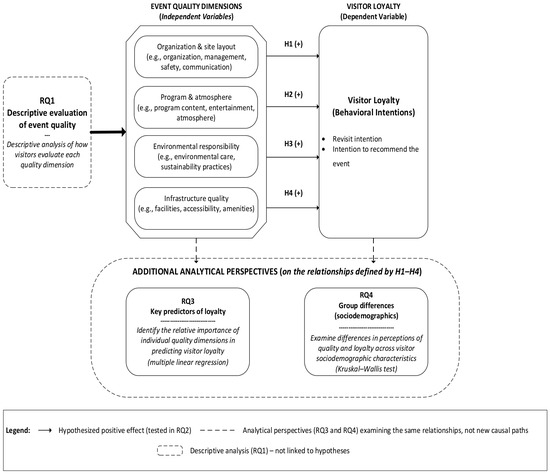
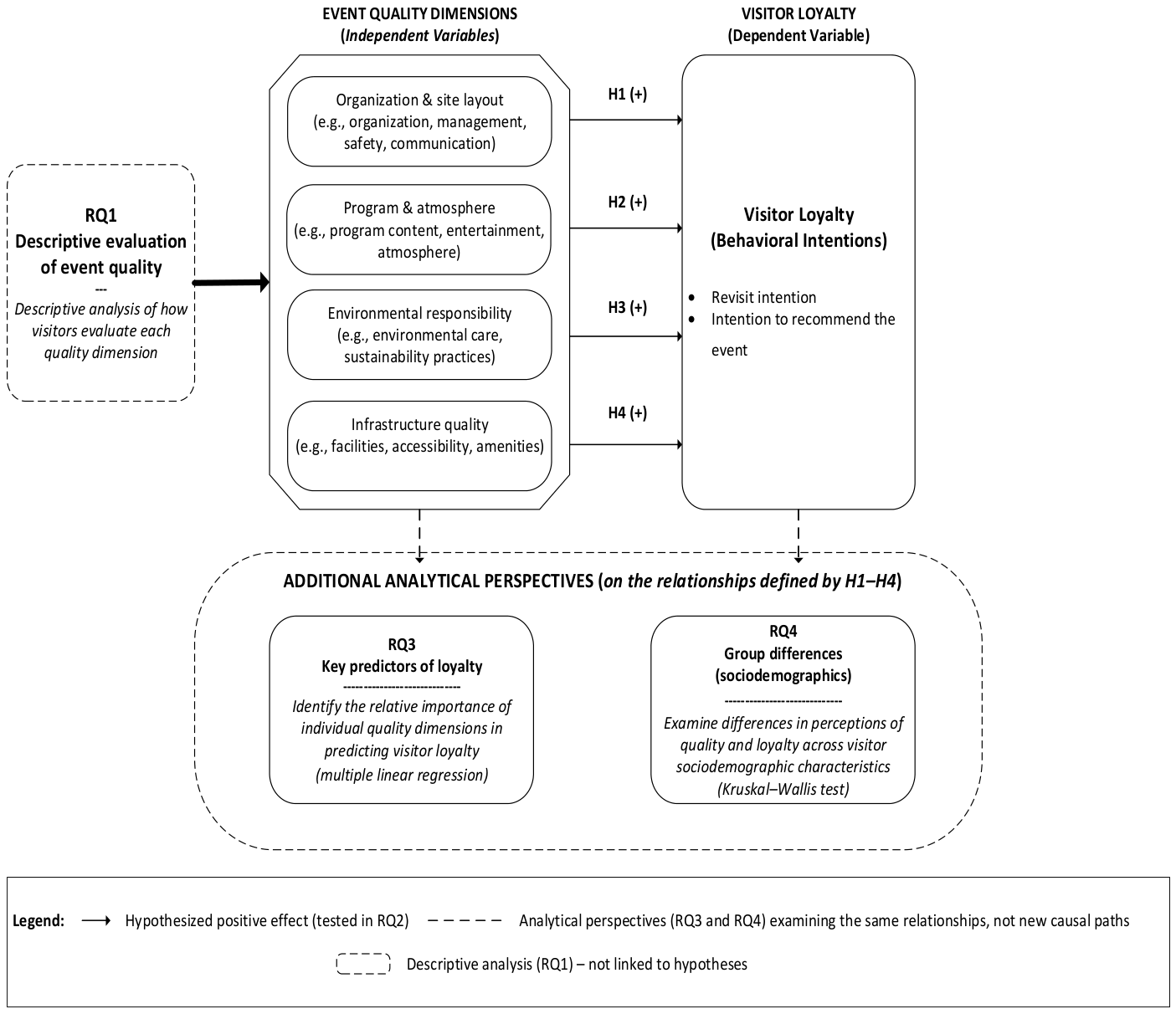
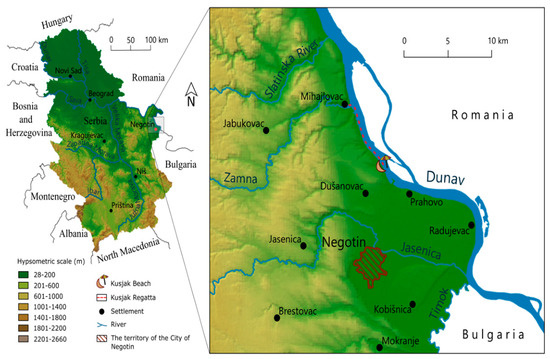
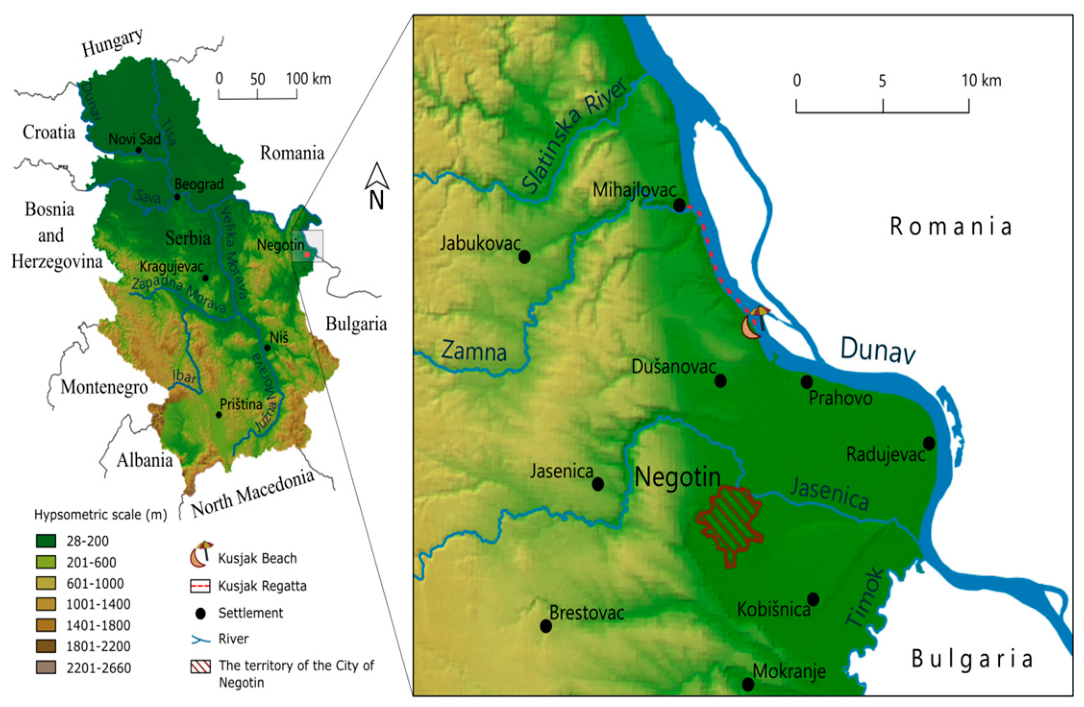
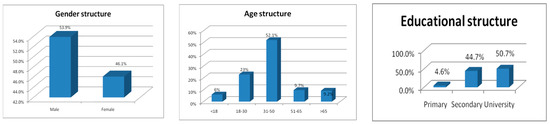
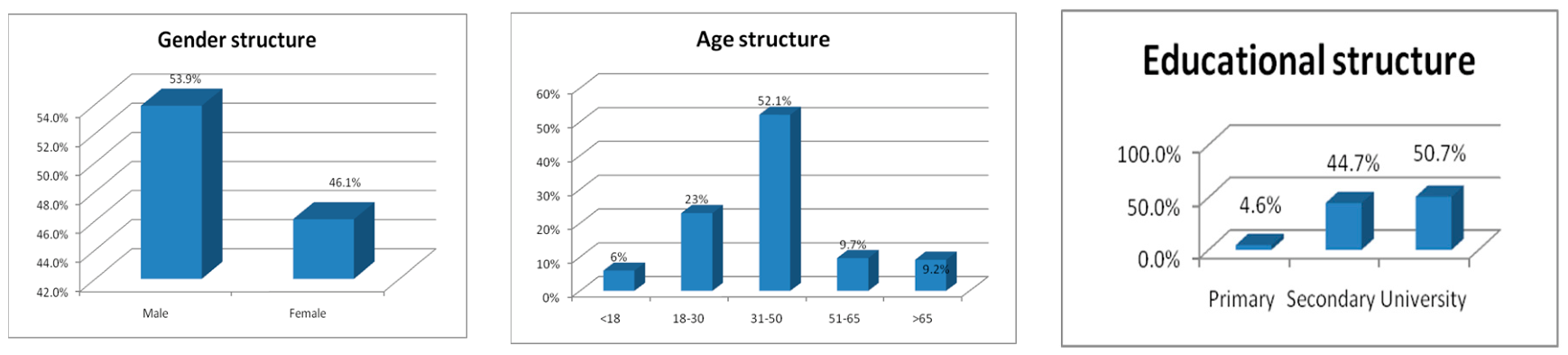
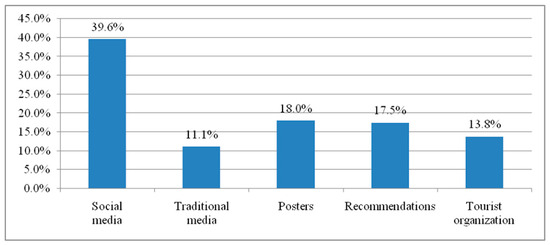
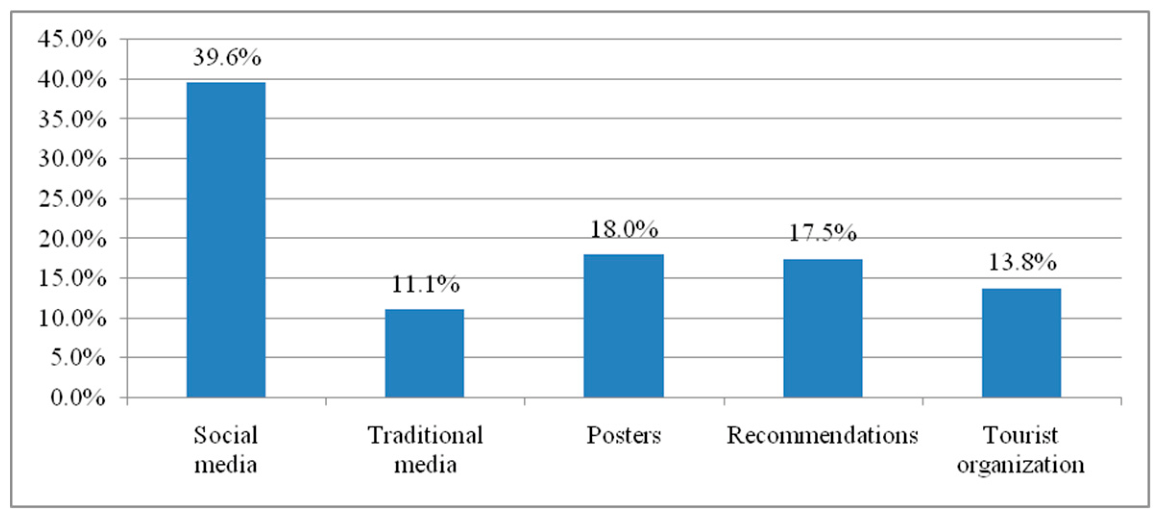
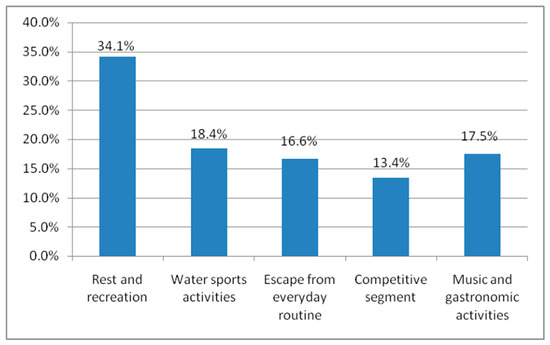
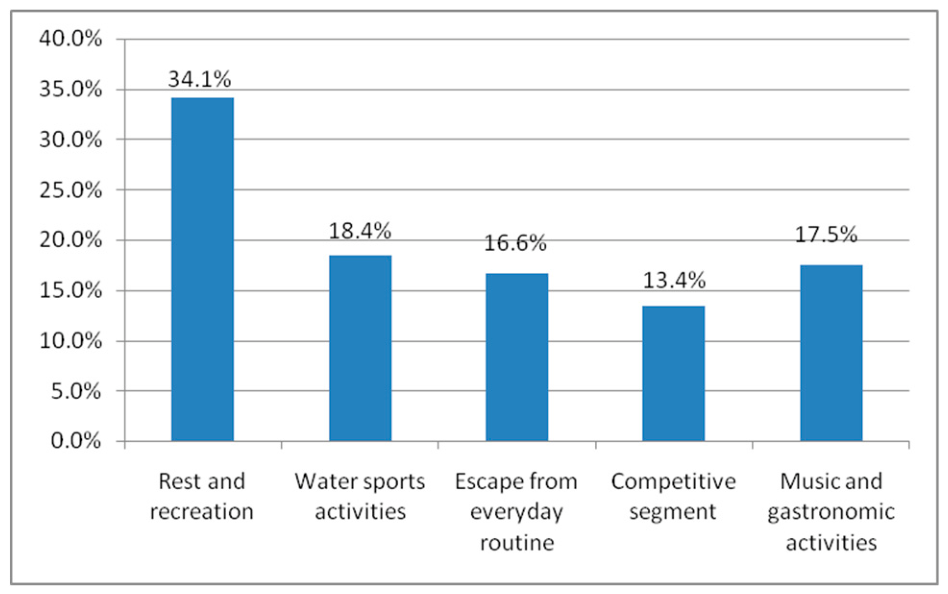
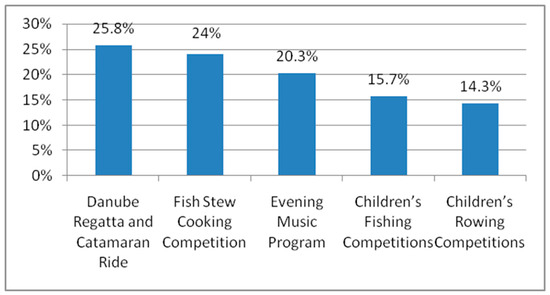
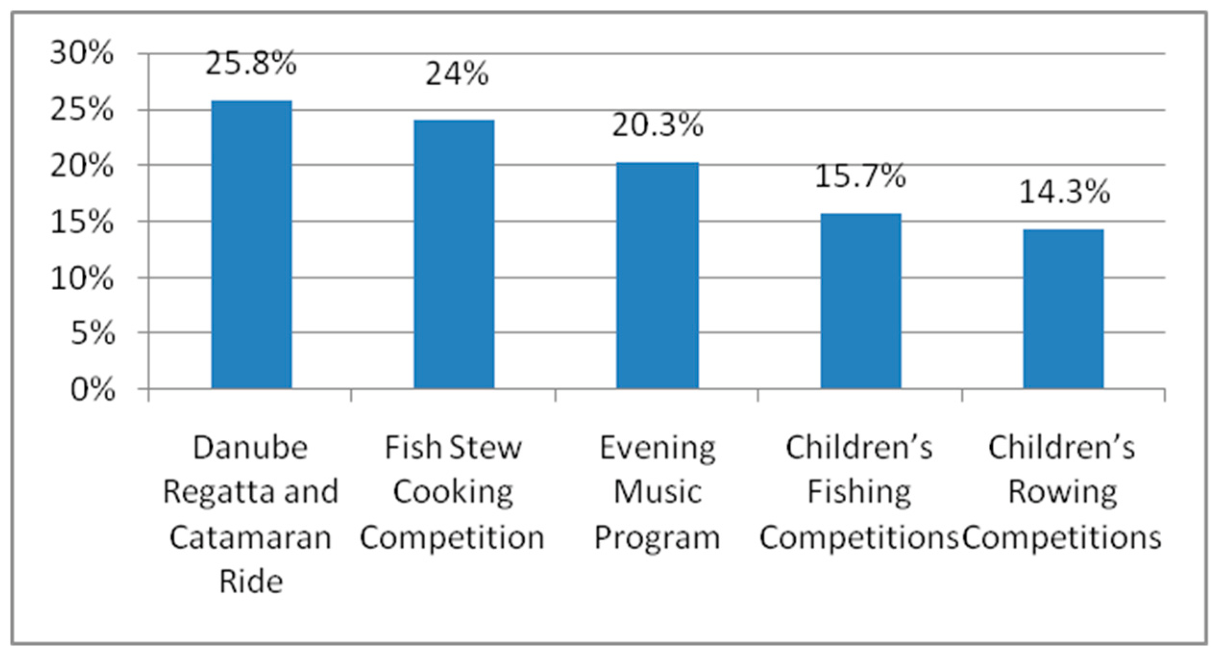
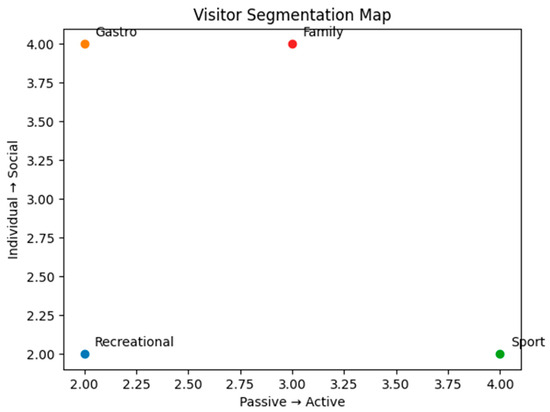
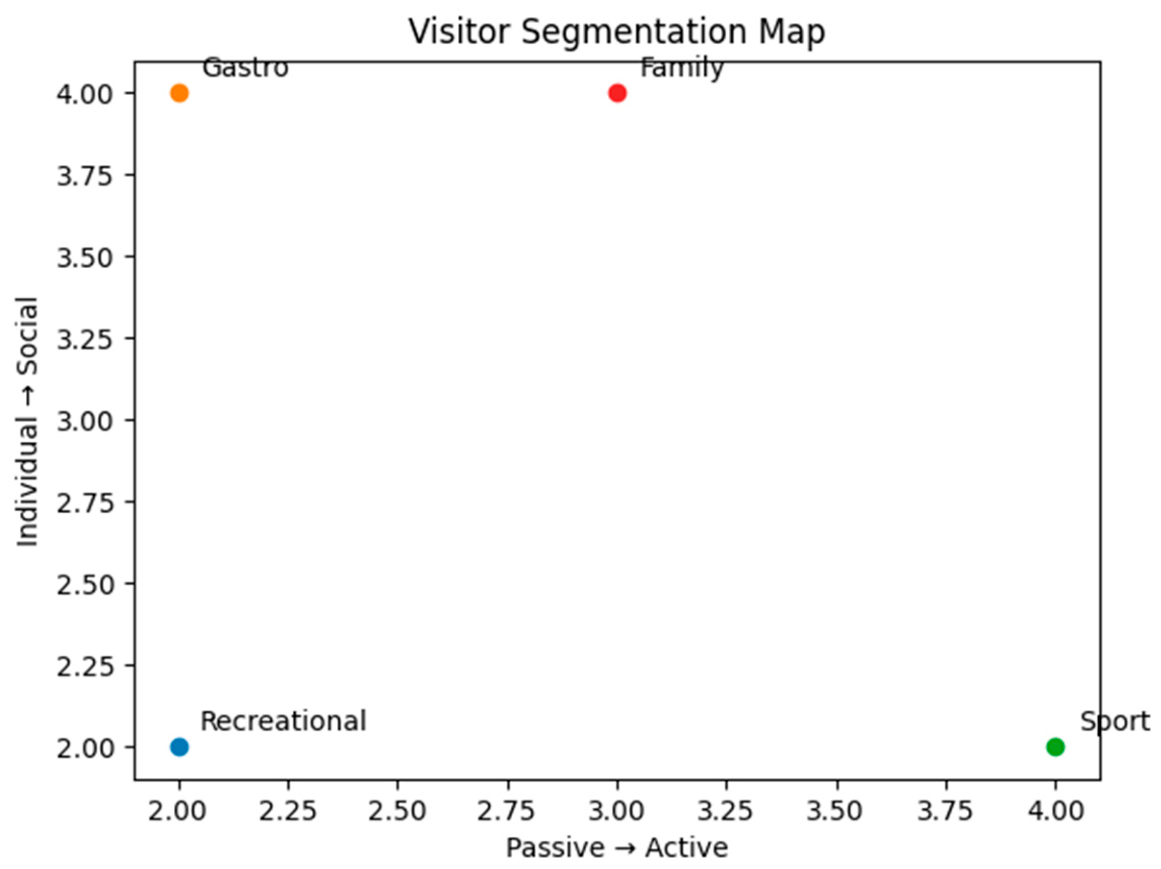
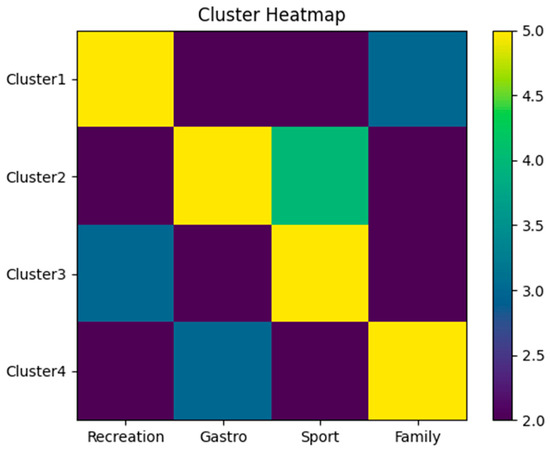
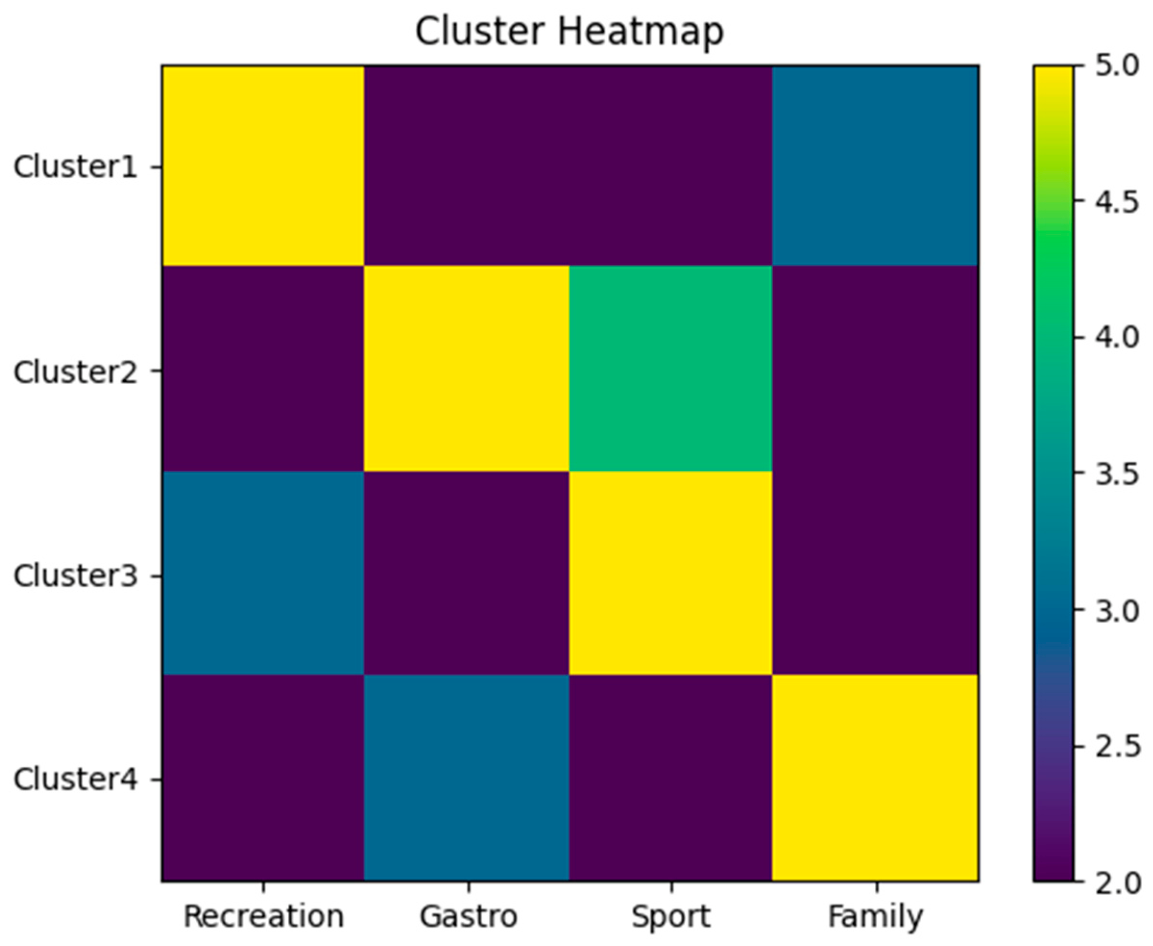
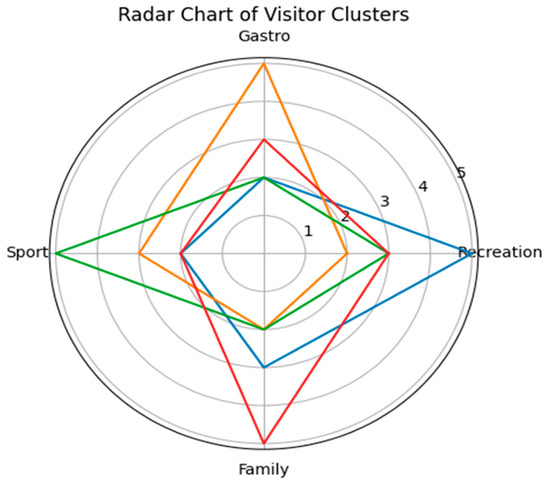
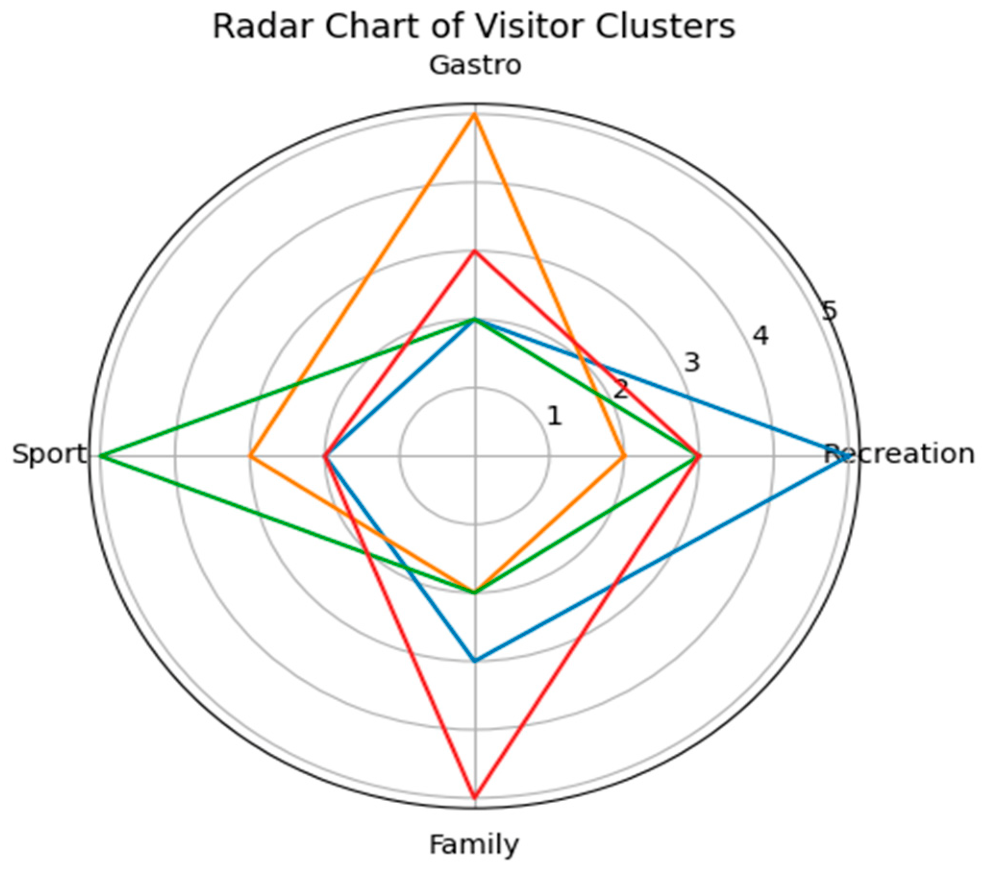
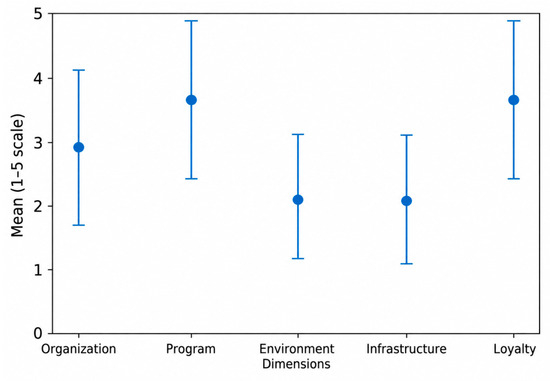
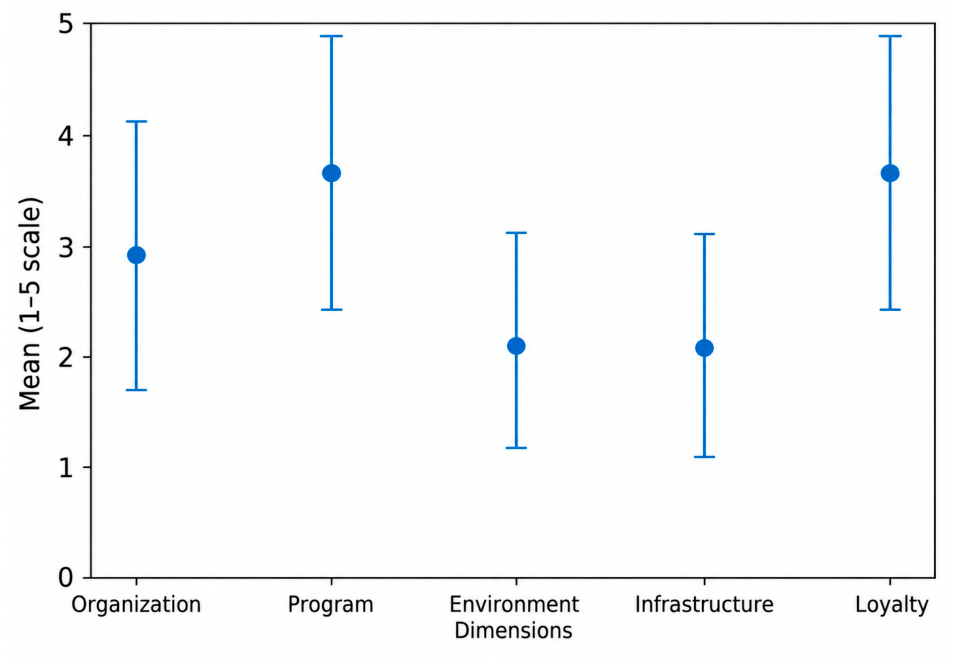

Disclaimer/Publisher’s Note: The statements, opinions and data contained in all publications are solely those of the individual author(s) and contributor(s) and not of MDPI and/or the editor(s). MDPI and/or the editor(s) disclaim responsibility for any injury to people or property resulting from any ideas, methods, instructions or products referred to in the content. |
© 2026 by the authors. Licensee MDPI, Basel, Switzerland. This article is an open access article distributed under the terms and conditions of the Creative Commons Attribution (CC BY) license.