


Abstract
Over recent decades, housing affordability challenges have become increasingly complex as a result of economic and social transformations affecting access to adequate housing. Alongside traditionally vulnerable groups, new population segments have emerged that face increasing difficulties in accessing the housing market despite not qualifying for public housing programmes. Against this background, the progressive reduction in public resources has made it necessary to adopt alternative intervention models capable of mobilising private capital without compromising social equity objectives. Accordingly, Public–Private Partnerships (PPPs) are increasingly regarded as suitable instruments for supporting social housing interventions, although significant challenges remain in balancing affordability objectives and financial viability. Rather than proposing a new financial appraisal model, this study develops a planning-oriented scenario-based decision-support framework that supports the comparative evaluation of alternative Public–Private Partnership (PPP) configurations for affordability-oriented urban regeneration. Financial appraisal is integrated as one component of a broader planning and housing policy decision-support process. The methodology is applied to a case study in Southern Italy, in a district characterised by settlement criticalities, unmet housing demand, and limited public resources. The case study illustrates how scenario-based comparative appraisal can support planning and housing policy decisions by identifying the governance and implementation conditions under which affordability objectives and financial feasibility can be jointly pursued.
1. Introduction
In recent decades, housing affordability has emerged as a broader societal challenge extending beyond the most vulnerable social groups. Economic transformations, together with changes in household structures and labour conditions, have reshaped housing demand, increasing difficulties in accessing adequate housing solutions [1,2].
These households are commonly described in the literature as belonging to the “grey area” of the housing market, positioned between public housing schemes and the private market. Although these households generally have stable incomes, their financial capacity is often insufficient to access market-based housing, while they do not meet the requirements necessary to access traditional public housing programmes [3].
These developments reveal the limitations of traditional policy approaches, which have historically relied on subsidized housing models. This evolution has also been recognised in comparative European housing policy research, which emphasizes the growing need for intermediate housing solutions capable of addressing affordability challenges beyond traditional social housing programmes [4,5,6].
Alongside these changes in housing demand, public policies in the residential sector have been increasingly affected by a decline in public financial resources [7,8,9]. The contraction of public funding, combined with the growing technical and managerial complexity of urban regeneration projects, has made it more difficult to sustain housing policies based exclusively on public investment. As a result, alternative implementation mechanisms and financing structures capable of mobilizing additional financial resources have attracted increasing attention in policy and planning debates [10].
Against this background, the involvement of private actors has gradually emerged as a possible strategy for supporting the development and management of housing initiatives. However, the participation of private investors also introduces new challenges, particularly in relation to the need to reconcile objectives that are not always fully aligned. On the one hand, housing policies pursue social goals related to accessibility and inclusion; on the other, private actors require an adequate financial return on invested capital.
This condition generates a structural tension between public interest and private profitability, highlighting the importance of appraisal approaches capable of supporting the design of economically viable and socially oriented intervention models [11,12].
Within this broader context, Public–Private Partnerships (PPPs) have increasingly been regarded as a strategic policy and investment instrument for addressing the complex challenges of social housing provision. These arrangements allow public authorities and private actors to collaborate in the planning, financing, and management of housing interventions, sharing not only resources but also technical expertise and operational risks [13,14].
In the field of social housing, however, PPPs are increasingly used not only as financing mechanisms, but also as governance arrangements aimed at redistributing risks, responsibilities, and long-term value generation between public and private actors. This governance perspective has been extensively discussed in the international PPP literature, where institutional capacity, collaborative governance, and strategic coordination are recognised as critical determinants of long-term partnership performance [15,16,17,18,19,20,21].
The practical implementation of PPPs, however, is frequently influenced by local institutional frameworks, the characteristics of housing markets, and the alignment of public and private incentives. These institutional dimensions are widely recognised within the urban governance literature as fundamental conditions affecting the effectiveness of collaborative planning and regeneration policies [21,22,23]. Comparative European studies indicate that successful PPP schemes are those that carefully integrate regulatory frameworks with financial and technical planning, ensuring both economic sustainability and social impact [2,4]. Recent studies have also emphasised the growing role of PPP-based approaches and governance-oriented strategies in affordability-oriented housing provision and urban regeneration processes [18,19,20,22,23].
Overall, these considerations highlight the need for robust appraisal procedures and scenario-based decision-support frameworks capable of supporting policymakers and practitioners in designing partnership configurations that are both financially viable and socially responsive.
The study focuses on the comparative evaluation of alternative implementation strategies for affordability-oriented urban regeneration [9,17].
The analysis develops an ex ante scenario-based decision-support framework applied to alternative partnership configurations. The adoption of scenario-based analysis reflects established scenario-planning approaches in which alternative future configurations are explored as decision-support devices rather than predictive forecasts, allowing policymakers to compare alternative implementation pathways under conditions of uncertainty [24]. Accordingly, two PPP implementation structures are considered: Real Estate Funds and Project Financing schemes. Their comparative assessment allows the study to explore how different financial and governance arrangements may influence the feasibility of social housing interventions.
Accordingly, the study pursues three main objectives. First, it examines the potential role of PPP mechanisms in supporting socially oriented housing regeneration initiatives. Second, it develops a scenario-based decision-support framework capable of comparatively assessing the interaction between affordability objectives, governance arrangements, and financial sustainability. Third, the proposed approach is applied to a case study located in the Viale Europa district of Reggio Calabria, providing empirical evidence on the conditions under which such projects may achieve long-term implementation viability.
Despite the extensive literature on urban regeneration, housing affordability, and PPP implementation, limited attention has been devoted to integrated decision-support frameworks capable of supporting planning and policy decisions under conditions of uncertainty. This positioning is consistent with the Planning Support Systems literature, which emphasises the integration of analytical tools within planning processes rather than the optimisation of individual technical components [25].
To address this gap, the proposed approach integrates financial appraisal with governance and planning considerations to support strategic decision-making in affordability-oriented urban regeneration. Rather than introducing new financial appraisal techniques, the methodology combines established economic evaluation methods within a comparative planning perspective applicable to alternative PPP configurations. This perspective is consistent with the broader decision-support literature, which emphasises the integration of multiple planning objectives within structured analytical frameworks supporting complex policy decisions [26,27,28]. The originality of the proposed approach lies in integrating financial feasibility assessment, governance arrangements, affordability considerations, and scenario-based planning within a single comparative decision-support framework. The methodology is intended to support transparent, context-sensitive, and evidence-informed planning decisions rather than to optimise financial investment performance.
Recent international research increasingly recognises that affordability-oriented urban regeneration requires integrated planning approaches capable of simultaneously addressing financial feasibility, housing policy objectives, collaborative governance, and long-term implementation capacity [5,9,25,29]. Accordingly, Public–Private Partnerships are increasingly interpreted as governance arrangements rather than purely financial mechanisms, requiring planning-oriented decision-support tools capable of comparatively evaluating alternative implementation scenarios under different institutional and market conditions [21]. The analytical foundation of the proposed framework draws on three complementary perspectives. First, the planning-support perspective considers decision support as the structured integration of analytical evidence into planning processes rather than as the optimisation of a single technical model [25]. Second, the integrated-evaluation perspective supports the joint consideration of economic, social, spatial, and institutional objectives in complex urban transformation processes [11]. Third, the PPP governance perspective interprets partnership configurations as institutional arrangements through which risks, responsibilities, incentives, and long-term value-generation mechanisms are allocated between public and private actors [21]. Building on these complementary perspectives, the proposed framework translates planning and housing-policy objectives into explicit decision criteria, scenario parameters, and performance indicators, connecting them through a common comparative decision logic.
2. Materials and Methods
This study adopts an exploratory ex ante scenario-based decision-support approach to support planning and policy decisions in affordability-oriented urban regeneration initiatives.
The underlying premise is that the sustainability of such interventions cannot be considered an intrinsic characteristic, but must be assessed in relation to specific operational, economic, and institutional conditions.
Accordingly, the methodology is based on the construction and appraisal of alternative scenarios, defined as plausible representations of different implementation strategies [26,27,28]. This approach enables a systematic exploration of the implications associated with different financial instruments and governance models, highlighting strengths, limitations, and potential adaptation pathways [29,30].
The proposed framework operates at the intersection of planning decision support, housing policy analysis, and economic appraisal. Within this framework, financial evaluation is not regarded as an end in itself but as one component of the comparative assessment of alternative urban regeneration strategies [31,32]. This integration supports a more coherent interpretation of financial and governance dimensions within social housing PPP appraisal processes, rather than to propose new appraisal methods.
The proposed framework is conceived as an integrated analytical process in which the four methodological phases are logically interdependent. The contextual analysis defines the planning, housing, market, and institutional conditions of the intervention; the identification of alternative PPP configurations translates these conditions into different implementation arrangements; the scenario construction specifies the financial, market, and policy assumptions under which each configuration is assessed; and the comparative appraisal evaluates their performance against the defined planning and affordability requirements. In this way, the framework establishes a direct analytical chain from context and policy objectives to scenario definition, appraisal, and comparative decision support.
The methodological process is articulated into four interrelated phases.
In the first phase, an interpretative framework of the intervention context is developed through the analysis of: (i) the socio-economic characteristics of housing demand; (ii) the conditions of the local real estate market; and (iii) the relevant regulatory and institutional framework. This phase is essential because it allows the identification of constraints and opportunities affecting the feasibility of the intervention, thereby avoiding the abstract application of models that are not consistent with the specific context.
In the second phase the main operational configurations of Public–Private Partnership (PPP) applicable to the case study are identified.
Two PPP implementation models are considered:
- Real Estate Investment Funds, defined as collective investment vehicles capable of attracting private capital within a medium- to long-term perspective;
- Project Financing, characterised by a strong integration between the construction phase and the economic management of the intervention.
Each intervention alternative is defined in terms of financial structure, risk allocation mechanisms, roles of the stakeholders involved, and capital remuneration schemes. Within this perspective, PPP configurations are interpreted as institutional and governance arrangements aimed at distributing risks, incentives, responsibilities, and long-term value-generation mechanisms between public and private actors. The objective is not to identify an “optimal” solution in absolute terms, but to construct a set of realistic and comparable alternatives. Consequently, the methodology does not seek to estimate statistically optimal solutions or probabilistic forecasts. Instead, it supports structured comparison among plausible planning alternatives under explicitly defined assumptions, consistently with scenario-based planning approaches adopted in urban and regional planning research.
The identified alternatives are then translated into evaluation scenarios through the definition of assumptions related to:
- Construction costs;
- Implementation timelines;
- Rent levels or sale prices;
- Expected rates of return;
- Potential public contributions or incentives.
These scenarios represent more than financial simulations; they constitute integrated planning configurations incorporating strategic choices and contextual conditions. In this sense, they serve as an exploratory tool to assess how variations in key parameters may influence intervention outcomes.
The final phase consists of a comparative evaluation of the scenarios through a set of decision-relevant dimensions that reflect the objectives and constraints of affordability-oriented urban regeneration. These dimensions comprise: (i) the financial and economic balance of the intervention, which captures its overall economic feasibility; (ii) the capacity to attract private investment, which reflects the conditions required for private-sector participation; (iii) the level of housing affordability, which verifies the consistency of the proposed housing offer with the defined affordability requirements; and (iv) the degree of risk exposure for the different stakeholders, which supports the interpretation of the implications of alternative governance and financing configurations. The selection of these dimensions is therefore functional to the decision problem addressed by the study: each captures a distinct requirement for comparing alternative PPP implementation pathways, while together they provide a multidimensional basis for interpreting scenario performance without constructing a composite sustainability index.
Their joint use enables the framework to distinguish between financially feasible configurations and configurations that are also compatible with affordability, stakeholder risk allocation, and private-sector participation requirements. Rather than aggregating these dimensions into a single score, the framework retains their analytical distinctiveness, allowing decision-makers to identify the specific conditions and trade-offs associated with each implementation pathway.
The appraisal therefore combines quantitative indicators with an interpretative assessment aimed at capturing the strategic implications of alternative configurations.
2.1. Economic–Financial Appraisal Tools
The appraisal of project feasibility is based on the application of economic–financial appraisal tools commonly adopted in the evaluation of complex PPP and urban regeneration projects, particularly through Discounted Cash Flow based approaches supporting long-term investment feasibility analysis [20,33,34,35,36,37,38,39,40].
The appraisal considers the following analytical tools:
- Discounted Cash Flow Analysis, aimed at reconstructing the temporal dynamics of costs and cash inflows;
- Profitability indicators, such as Net Present Value (NPV) and Internal Rate of Return (IRR);
- Sensitivity analysis, used to assess the robustness of scenario appraisal results with respect to variations in critical parameters.
Within the comparative framework, these tools are selected according to their specific decision-support function: DCF captures the timing and structure of project cash flows; NPV and IRR provide complementary measures of financial performance relative to the adopted discount rate; and sensitivity analysis assesses the robustness of these results to changes in selected scenario parameters.
These tools allow for the verification of the economic sustainability of interventions from the perspective of private investors. However, their scenario appraisal results must be interpreted in light of the public objectives pursued, thus avoiding an exclusively financial reading of the decision-making process.
2.2. Integration Between Economic Dimension and Social Objectives
A key feature of the proposed methodology lies in the integration of the economic–financial dimension with the social one [41,42,43,44]. In the case of social housing, the appraisal of interventions cannot overlook their impact in terms of housing affordability and social inclusion [3,41,42,43].
To this end, the methodology includes:
- The definition of affordability thresholds for rents and sale prices;
- The analysis of consistency between the social target groups and the housing supply;
- The analysis of the role of the public sector in ensuring equitable conditions.
This approach moves beyond a purely economic interpretation of Public–Private Partnerships (PPPs), recognising their hybrid nature, in which market logics and collective interest objectives must coexist, particularly in affordability-oriented urban policy frameworks and socially driven regeneration processes [39]. It also reflects an integrated vision of sustainability, consistent with the objectives of the 2030 Agenda for Sustainable Development [45].
Within the proposed framework, sustainability is operationalised primarily through planning and policy constraints—including housing affordability requirements, socially calibrated functional mix, land-efficient urban regeneration, and governance arrangements—rather than through the construction of a comprehensive sustainability indicator system. Accordingly, the framework is intended to support comparative planning decisions rather than to provide a full quantitative sustainability assessment.
The balance between public contribution, land-value incidence, affordability requirements, and private-sector returns necessarily varies according to local market dynamics, institutional capacity, and housing-demand conditions. Accordingly, the proposed methodology provides an adaptive decision-support framework that can be calibrated to different urban contexts through the adjustment of key financial and governance parameters. It therefore serves as a comparative feasibility-appraisal tool supporting strategic planning decisions in affordability-oriented urban regeneration.
The proposed methodology is applied to the case study of the Viale Europa district, located in the city of Reggio Calabria. This area has been selected due to the presence of conditions that make it particularly relevant for the analysis:
- A housing demand that is not fully satisfied;
- The availability of land suitable for transformation;
- An urban context characterised by both critical issues and regeneration potential.
The application of the proposed framework to the Viale Europa case study demonstrates its operational applicability within a real-world urban regeneration context. Consistent with analytical case-study research, its primary contribution lies in illustrating the applicability and transferability of the decision-support process to contexts characterised by comparable planning, governance, and affordability challenges.
3. Results
The following results should be interpreted as comparative outputs derived from explicitly defined scenario assumptions. They are intended to support planning and policy evaluation rather than to predict future market behaviour or optimise financial performance under uncertainty.
3.1. The Viale Europa Case Study as the Basis for the Appraisal Analysis
The study area is located along the Viale Europa axis, one of the main urban expansion corridors of the city of Reggio Calabria (Figure 1). The study area is characterised by a fragmented urban area characterised by discontinuous growth, where consolidated residential fabrics coexist with residual spaces and areas suitable for transformation.
Figure 1.
Images of the study area.
The intervention is framed within an urban context marked by a diversified housing demand, in which significant segments of the population with limited purchasing power are not adequately addressed by the traditional real estate market. Accordingly, the case study provides an appropriate setting for testing socially oriented urban regeneration models based on public–private partnerships (PPPs), in line with contemporary sustainability agendas [46,47].
The selected case is intended as an analytical application of the proposed planning-oriented decision-support framework rather than as a representative or optimal urban regeneration context.
For the purposes of this study, the case is analysed by adopting Scenario 2: Demolition and Reconstruction as the reference framework. This scenario envisages the replacement of the existing building stock with a new social housing intervention characterised by higher urban density and improved spatial efficiency.
The Viale Europa area occupies a strategic position within the urban system of the city of Reggio Calabria, as it is well connected to the city center, accessible through the main road network and served, albeit unevenly, by basic infrastructure and services.
Proximity to consolidated urban nodes represents a potential value-generating factor. However, several critical issues persist, particularly concerning the quality of public spaces and the continuity of urban connections, which negatively affect the overall perception of the area. These aspects are especially relevant within sustainability-oriented appraisal frameworks, where spatial quality and accessibility constitute key dimensions of urban liveability.
From a morphological and functional perspective, the area can be described as a heterogeneous system, characterised by partially built and partially vacant plots, the presence of residential buildings with varying quality levels, and a lack of structured public spaces and collective services.
This condition reflects an incomplete urbanization process, where the absence of coordinated planning has led to spatial and functional fragmentation. At the same time, the availability of vacant land represents a strategic resource for urban-regeneration interventions aimed at housing inclusion. Such conditions align with the principles of land-efficient development and urban regeneration promoted in sustainable planning frameworks.
These conditions support the adoption of a demolition and reconstruction scenario, which enables:
- A controlled increase in urban density;
- Improved building energy performance levels;
- Functional reconfiguration of the urban block.
This strategy further allows the integration of key environmental sustainability measures, including enhanced energy efficiency, optimized land use, and the potential incorporation of green infrastructure.
From an environmental perspective, the demolition and reconstruction strategy also enables the adoption of improved building energy standards consistent with contemporary sustainability objectives and European decarbonization policies.
In particular, the intervention framework assumes the integration of energy-efficient construction systems, improved thermal performance, and the optimisation of land use through regeneration within an already urbanized area, thus limiting additional land consumption.
Although the present study does not include a full environmental life-cycle assessment, these aspects contribute to framing the intervention within a broader affordability-oriented regeneration.
The proposed intervention for social housing is based on:
- The demolition of the existing building stock;
- Reconstruction with higher spatial and functional efficiency;
- The introduction of a balanced functional mix oriented toward social housing, including residential units, community services, and shared spaces;
- A diversified housing typology designed to respond to different user groups;
- Integration with the surrounding urban fabric through the redesign of open spaces and improved urban permeability.
Table 1 summarizes the set of parameters adopted for the appraisal process.
Table 1.
Project size and main physical parameters (units specified).
Particular emphasis is placed on the configuration of shared and collective spaces aimed at fostering social interaction and cohesion, moving beyond a purely quantitative approach to housing provision. This component strengthens the social sustainability dimension of the intervention by promoting inclusiveness and long-term community-building processes.
The functional mix and apartment typologies (Table 2 and Table 3) have been calibrated to ensure a balance between social objectives and financial feasibility. In particular, the inclusion of a 25% market-rate component and a 10% commercial share enables the activation of cross-subsidization mechanisms, partially offsetting the lower profitability of social and subsidized housing units. The calibrated parameters reported in Table 2 should not be interpreted as universally applicable benchmark values or optimisation targets. Rather, they represent context-specific planning assumptions derived from institutional documents, market evidence, and project characteristics for the Viale Europa case study. Their function is to establish a transparent and replicable analytical baseline for the comparative assessment of alternative PPP configurations.
Table 2.
Functional distribution of gross floor area (GFA).
Table 3.
Apartment typologies.
The determination of rental levels represents a key step in the financial appraisal. In the Viale Europa case study, rents were defined by considering household income levels of the target population, local market benchmarks, and the dual objectives of affordability and financial feasibility [48].
This approach results in a rental structure positioned below prevailing market rates, while still ensuring a minimum threshold of economic viability for the operation. Achieving this balance constitutes a critical challenge in sustainable housing projects, where financial feasibility must be aligned with social equity objectives. In this context, even marginal variations in key financial and demographic parameters may significantly affect overall project feasibility.
In order to verify the social sustainability of the proposed housing model, an affordability assessment was introduced with reference to the target demand groups identified within the local housing context.
The analysis assumes that housing costs should not exceed 30–35% of household disposable income, consistently with commonly adopted affordability thresholds in housing policy literature and international practice.
Based on average income levels observed in the study area, the regulated rental values adopted in the model are considered compatible with the economic conditions of intermediate-income households excluded from both traditional public housing schemes and market-rate housing access.
The proposed housing mix therefore aims to ensure a balance between financial feasibility and housing affordability, particularly for socially vulnerable groups affected by increasing housing cost burdens [49].
Although the study does not develop a full socio-economic demand or behavioural absorption model, the affordability verification provides an exploratory consistency assessment supporting the social coherence of the proposed PPP configurations.
Rental income is calculated considering an assumed average occupancy rate of 95% (Table 4).
Table 4.
Rental and annual income.
The occupancy assumption reflects the persistent mismatch between affordable housing demand and available supply observed within the local urban context, particularly for intermediate-income households excluded from traditional public housing access. The adopted occupancy rate represents a calibrated planning assumption for comparative scenario appraisal rather than a forecast derived from a detailed local housing demand or market absorption model.
For subsidized and market housing, only a share of the total GFA is assumed to generate rental income, reflecting a mixed rent–sale strategy aimed at improving overall financial feasibility.
The rental income reported in the DCF tables is slightly higher than that presented in Table 4, as it also includes additional income streams from ancillary services, parking, and common facilities, which contribute to the overall operating performance of the project.
The total investment cost is estimated at approximately €154 million on the basis of the technical and economic parameters consistent with the market analysis of the study context [34,35,50]. It includes land value, site preparation, demolition works, temporary relocation of residents, construction costs, technical fees, commercialization expenses, contingencies, and financial costs associated with project development.
The inclusion of relocation and contingency costs reflects a comprehensive sustainability approach, accounting for both social impacts and financial risk management.
The land value has been estimated using the land incidence method [29,30], considering its indirect contribution to the overall project value. Based on the characteristics of the location, the land incidence has been set at 20%.
In the proposed model, the land is granted to the private investor through a surface right, subject to the development of social housing. Under this assumption, the land cost is not included as an upfront expense in the Discounted Cash Flow (DCF) analysis.
Different scenarios are defined by varying the duration and conditions of the surface right. At the end of the concession period or investment horizon, two alternative outcomes are considered: either the assets revert to the public authority, or they are sold on the market. Although the PPP structure conceptually implies shared long-term value generation, for modelling purposes the terminal value revenues were fully allocated to the private investor within the DCF framework.
Demolition and site preparation costs are estimated at €60/m2 of gross floor area and are fully borne by the developer. Construction costs are based on standard residential benchmarks and include external works such as parking, roads, and green areas [50].
No underground levels are included in the project. Parking spaces are provided at ground level, together with all required external arrangements.
In line with regulations for subsidized housing [51], construction charges are not applied, while urbanization costs are offset by the direct provision of infrastructure and public spaces by the developer.
Technical costs (design, supervision, etc.) are fully borne by the private operator. Commercialization costs are assumed to be negligible, as allocation is managed through public procedures rather than market transactions.
A contingency allowance equal to 5% of construction costs is included in the model.
Given the scale and complexity of the intervention, including demolition and site preparation activities, the construction phase is assumed to be completed over a period of 24 months (years 0–1 in the financial model). This assumption is consistent with comparable urban regeneration projects and allows for a more realistic representation of cash flow dynamics during the development phase.
Although context-specific, the selected case study reflects recurrent conditions frequently observed in weak-market urban areas characterised by affordability pressures, limited public resources, and difficulties in attracting long-term private investment for socially oriented housing regeneration projects.
3.2. Implementation of the Intervention
3.2.1. General Assumptions
To examine alternative financing strategies for the implementation of Viale Europa social housing intervention (Scenario 2: demolition and reconstruction), the analysis adopts a comparative modelling framework including both a baseline public-sector scenario (Scenario 0) and alternative Public–Private Partnership (PPP) configurations.
The analysis does not aim to test causal hypotheses, but rather to comparatively assess the financial performance of alternative governance and financing configurations under controlled modelling assumptions. Accordingly, PPP configurations are modelled through two alternative financing schemes: Real Estate Investment Funds (IF) and Project Financing (PF).
Scenario 0—Public Sector Comparator (PSC).
As a benchmark for the evaluation of PPP configurations, a baseline scenario based on direct public provision is introduced. In this scenario, the public authority fully finances, develops, and manages the intervention without private sector involvement.
The public sector bears the total investment cost and directly collects rental income over the project lifecycle. The objective is not profit maximization, but the minimization of public expenditure required to ensure the provision of affordable housing. Accordingly, the financial analysis is based on the Net Present Value (NPV) of cash flows rather than on return indicators such as the Internal Rate of Return (IRR).
This configuration represents a Public Sector Comparator (PSC), allowing a structured comparison between traditional public procurement and PPP-based delivery models, in line with established evaluation practices [13,46].
The PPP configurations are evaluated against this baseline scenario.
Both PPP configurations share a common set of modelling assumptions. First, the entire development phase, including design and construction, is borne by the private developer. Second, the public administration retains a regulatory and supervisory role, without direct operational involvement in the investment process. Third, rental income generated by the project—primarily derived from households belonging to the intermediate housing demand segment and subject to controlled rental levels—constitutes the main source of return on investment. In addition to the provision of land use rights, the analysis introduces a direct public capital contribution, covering approximately 60% of the total investment cost, reducing the private capital exposure to approximately €61.6 million.
The public contribution was calibrated with reference to recurrent co-investment thresholds and public support mechanisms observed in Italian social housing programmes promoted through ‘Fondo Investimenti per l’Abitare (FIA)’-related public–private partnership schemes [52,53]. The assumed percentage therefore does not represent a universally optimal policy threshold or a generally recommended subsidy level. Rather, it constitutes a context-specific planning assumption adopted for comparative scenario appraisal under controlled analytical conditions. The assumed 60% public contribution reflects the substantial level of institutional support typically required in affordability-oriented urban regeneration projects characterised by constrained rental revenues, affordability requirements, and limited private-sector return margins [54,55]. Accordingly, this parameter should be interpreted as an exploratory scenario assumption introduced to examine how different degrees of public participation may influence the implementation feasibility of alternative PPP configurations within the analysed context.
In Scenario 0, a social discount rate of 3% is adopted, reflecting the public sector perspective and remaining consistent with public investment appraisal guidelines [37]. Unlike the PPP scenarios, Scenario 0 was evaluated using a social discount rate rather than a private-sector WACC, consistently with conventional Public Sector Comparator (PSC) appraisal approaches. No terminal value was included in Scenario 0, as the PSC was conceived as a pure public expenditure benchmark rather than an asset valorisation model.
In addition, the public authority grants the right of use of the land for a defined period, while the land component is conventionally estimated at 20% of the market value of the completed assets for appraisal purposes.
For modelling purposes, investment costs are assumed to occur at Year 0, whereas operating revenues and maintenance costs are projected over the entire concession period.
3.2.2. Real Estate and Land Value Analysis
The market value of the completed real estate assets is estimated using the income capitalization approach, expressed:
where:
- R = annual capitalizable income;
- r = capitalization rate.
Applied to the case study, this approach allows the estimation of both the unit market value of the completed real estate assets and the overall project value. The public-sector contribution is subsequently estimated as a proportion of the total value, reflecting the incidence of publicly provided within the development scheme.
In the Viale Europa case study, this mechanism is relevant because the public contribution is primarily indirect, being expressed through land value enhancement rather than direct financial participation. This component significantly influences the overall financial equilibrium of the intervention, particularly under the demolition and reconstruction scenario, where high initial investment costs increase sensitivity to land valuation assumptions.
The terminal value is estimated using the income capitalization approach, applying a capitalization rate equal to 5.0%, consistent with the long-term risk profile of the asset. This value is aligned with observed capitalization rates for stabilized residential assets in comparable Italian urban contexts [33,34,35]. This parameter plays a significant role in determining the financial feasibility of the scenarios including asset disposal, as it directly influences both the terminal value and overall project profitability [33,34,35,36].
3.2.3. Financial Appraisal Methods
Within the proposed framework, Discounted Cash Flow (DCF), Net Present Value (NPV), and Internal Rate of Return (IRR) are employed as analytical tools supporting the comparative assessment of alternative Public–Private Partnership (PPP) implementation scenarios. These methods are not intended to predict future market behaviour or optimise investment performance; rather, they provide transparent financial evidence that complements governance, affordability, and planning considerations within the comparative assessment of alternative regeneration strategies.
The economic feasibility of the PPP scenarios is assessed through the Internal Rate of Return (IRR), while the public-sector scenario is evaluated through Net Present Value (NPV), both supported by a Discounted Cash Flow (DCF) analysis of projected cash flows over the investment horizon.
The selection of these tools follows their complementary functions within the comparative decision process. DCF provides the common cash flow structure required to represent the timing and magnitude of costs and revenues across the scenarios; NPV supports the assessment of the financial and economic balance from the relevant public-sector perspective; and IRR provides a measure of investment return that is particularly relevant to the assessment of private-sector participation. Their combined use therefore allows the financial dimension of the alternative configurations to be assessed from complementary perspectives, while the resulting evidence is interpreted together with affordability and governance considerations rather than treated as a stand-alone optimisation criterion.
The discount rate applied in the DCF framework reflects a capital structure composed of 40% equity and 60% debt. Accordingly, the Weighted Average Cost of Capital (WACC) is defined as:
where:
- E is the equity capital;
- D is the debt capital;
- KE is the expected return on equity;
- KD is the cost of debt;
- t represents the tax shield associated with the deductibility of financial expenses.
This formulation allows for the consistent appraisal of project profitability under a mixed-finance structure by capturing the combined effects of financial leverage and capital cost on the overall investment performance.
The WACC calculation is based on the following assumptions:
- Cost of equity (KE): 8.5%, reflecting the expected return required by private investors in medium-risk real estate operations;
- Cost of debt (KD): 4.0%, consistent with financing conditions typically observed in long-term real estate investments;
- Debt-to-equity ratio: 60% debt and 40% equity;
- Corporate tax rate (t): 24%.
Within the proposed framework, the public capital contribution is treated as an exploratory policy scenario rather than as a decision variable to be optimised. Accordingly, the objective of the analysis is not to identify the minimum subsidy required to achieve financial feasibility, but to compare how a plausible level of public support influences the implementation viability of alternative PPP configurations under controlled planning assumptions.
The cost of debt component incorporated into the WACC calculation was considered net of the fiscal effect associated with interest deductibility, consistently with standard corporate finance and project appraisal practices. The WACC formulation is reported to describe the adopted financial structure. A discount rate of 5.5% was adopted for the financial appraisal as a market-calibrated planning assumption, consistent with discount rates commonly adopted for comparable medium-risk PPP real estate investments [56], and was applied uniformly across all analysed scenarios.
To enhance the transparency and replicability, the principal financial and market assumptions adopted in the scenarios were explicitly calibrated using institutional references, sector benchmarks, and housing market evidence from the study context (Table 5).
Table 5.
Calibration of main financial and operational parameters adopted in the DCF appraisal.
The selection of these parameters follows a functional criterion based on their direct relevance to the construction, comparison, and interpretation of the alternative scenarios. The parameters were therefore included when they either define a key financial or market condition of the investment, represent a relevant policy constraint, or are necessary to ensure comparability between the PPP configurations and the Public Sector Comparator. On this basis, the WACC and cap rate define the principal discounting and terminal-value assumptions; the occupancy rate captures the operating conditions associated with the local housing market; the public contribution represents a policy parameter affecting the allocation of financial support between the public and private sectors; the inflation rate provides a common long-term macroeconomic assumption; and the social discount rate provides the reference for the public-sector appraisal. The parameters are consequently treated as scenario assumptions rather than as performance indicators: their role is to define the conditions under which the alternative configurations are assessed, while the resulting financial outcomes are evaluated through the appraisal indicators described above.
These parameters provide a consistent basis for comparing PPP configurations with the Public Sector Comparator (Scenario 0), while reflecting both market conditions and public policy constraints. Their inclusion is therefore based on their direct relevance to the financial, affordability, and implementation conditions that differentiate the scenarios, rather than on their use as independent performance indicators. In particular, the occupancy assumptions adopted in the model are consistent with the existing housing demand conditions of the study area, characterised by persistent demand for regulated rental housing and limited affordable housing supply.
The distinction between market-based parameters (e.g., WACC) and public-sector parameters (e.g., social discount rate) further ensures internal consistency within the comparative appraisal framework and remains consistent with established public investment appraisal and PPP evaluation practices.
The use of financial leverage enhances the return on equity, while leaving the overall project return unchanged. However, an unbalanced capital structure may increase financial risk and negatively affect the overall investment performance.
Debt servicing is ensured through the annual net cash flows generated by the project. The analysis adopts a deterministic scenario-based appraisal approach designed to support comparative feasibility assessment under explicitly defined assumptions. Accordingly, probabilistic simulations and stochastic modelling techniques, including Monte Carlo simulation, fall outside the scope of the present exploratory framework.
The financial structure of Scenario 0 is presented in Table 6, whereas the following sections illustrate the alternative PPP configurations and their respective financial outcomes.
Table 6.
Discounted Cash Flow (DCF)—Scenario 0 (Public Sector Comparator).
3.3. Real Estate Investment Fund Scenario
Under the Real Estate Fund configuration, two alternative scenarios have been developed, both characterised by an investment horizon of 30 years, corresponding to the maximum duration typically permitted for real estate funds. The scenarios differ exclusively with respect to the terminal value realisation strategy at the end of the fund lifecycle, thereby allowing a direct comparison of their effects on financial performance.
In the first scenario (IF-1), the public authority grants the private investor the right to use the land for the entire duration of the fund at no cost. At the end of the investment period, ownership of the developed assets is transferred back to the public sector. Under this configuration, private investors derive returns solely from operating cash flows.
In the second scenario (IF-2), the public authority contributes the land to the fund as an equity component. At the end of the 30-year period, the assets are liquidated through terminal value realisation—subject to affordability-related pricing constraints consistent with the social housing objective—and the proceeds are shared between the public and private partners according to their respective contributions.
The comparison aims to assess the relative viability of the two scenarios as alternative implementation pathways for affordability-oriented urban regeneration. The results are subsequently compared with those obtained under Project Financing configurations, to evaluate the performance of alternative Public–Private Partnership schemes.
Financial performance is assessed through IRR and DCF analysis, consistently with the appraisal framework presented in Section 3.2.3.
An annual inflation rate of 2% is assumed, with cost and revenue components evolving accordingly. Rental income is estimated in compliance with current regulatory conditions, considering an annual adjustment equal to 75% of the ISTAT consumer price index for households of workers and employees. A prudential allowance for vacancy and non-payment risk is applied to potential gross revenues, calibrated according to local market conditions, and assumed to vary over time.
The management costs associated with the fund are estimated using sector benchmarks and include: an initial setup cost of €300,000; annual management and administrative expenses estimated at 1% of the post-development asset value; custodian bank fees; insurance costs equal to 0.10% of the replacement value; and a reduced property tax burden estimated at 2.5% of annual rental income, reflecting assumed fiscal benefits. A conservative vacancy and insolvency rate of 1% of revenues is adopted, while structural vacancy is assumed to be negligible due to the social nature of the housing provision. From the third year onwards, provisions for extraordinary maintenance are included and estimated at 1% of construction costs. This assumption is consistent with the regulated nature of social housing demand and with evidence from comparable European housing systems, where demand for affordable rental housing persistently exceeds available supply.
The IF-1 scenario is based on a real estate fund configuration without terminal value, in which the property is transferred back to the public authority at the end of the 30-year investment horizon. Under this configuration, private investors generate returns exclusively through operating cash flows.
The appraisal results indicate that, despite the relatively stable growth of rental income over time, the cumulative discounted cash flows are insufficient to offset the initial investment cost. This is reflected in a negative Net Present Value (NPV = −€6.7 million) and an Internal Rate of Return (IRR = 5.08%) slightly below the discount rate (5.5%). As a consequence, the discounted payback period is not achieved within the investment horizon (Table 7).
Table 7.
Discounted Cash Flow—Scenario IF-1 (Return to Public Authority/No Sale).
These findings suggest that, in the absence of a terminal value, the implementation pathway struggles to achieve the conditions required for long-term viability. While the scenario ensures significant benefits for the public sector—both in terms of asset acquisition and long-term social value—it remains only marginally attractive for private investors, as operating income alone does not provide adequate compensation for the initial capital outlay.
The IF-2 scenario introduces a terminal value realisation phase at the end of the fund lifecycle, allowing the recovery of residual asset value. This significantly changes the project’s return profile, as investment returns are generated through both operating income and terminal value.
The inclusion of terminal value (€77.5 million) produces a substantial improvement in financial performance. The Net Present Value becomes significantly positive (NPV = +€23.4 million), and the Internal Rate of Return (IRR = 6.74%) exceeds the discount rate, indicating a financially sustainable investment. In addition, the discounted payback period is achieved within approximately 21 years (Table 8).
Table 8.
Discounted Cash Flow—Scenario IF-2 (Sale at Exit).
These results suggest that the integration of income generation and capital recovery mechanisms enables the project to reach a financial equilibrium compatible with the assumptions adopted in the appraisal framework. The scenario therefore provides a balanced configuration, ensuring the delivery of social housing benefits while supporting public value generation and the long-term viability of the regeneration process.
The comparison between the two scenarios shows that, under the assumptions adopted in the appraisal framework, the financial feasibility of the Real Estate Fund configuration is strongly influenced by the inclusion of a terminal value. While operating cash flows alone lead to a near-equilibrium condition that remains below the required return threshold, the inclusion of asset disposal enables full capital recovery and significantly improves investment performance.
From a planning and policy perspective, the comparison between IF-1 and IF-2 highlights the strategic role of terminal-value mechanisms in improving the financial attractiveness of social housing PPP schemes, particularly in weak-market urban contexts characterised by limited profitability margins. The analysis also suggests that land contribution alone may be insufficient to ensure full financial equilibrium, thereby reinforcing the relevance of hybrid public-support mechanisms in affordability-oriented regeneration programmes.
Table 6, Table 7 and Table 8 report aggregated Discounted Cash Flow (DCF) results together with the corresponding financial performance indicators (NPV, IRR, and Discounted Payback). For transparency purposes, the complete annual cash flow schedules supporting these indicators are reported in Appendix A.
The PSC results indicate a substantial financial burden for the public authority, as reflected in a strongly negative Net Present Value, which is consistent with the non-profit-oriented nature of direct public provision. However, this configuration ensures full public control over housing provision and long-term social benefits.
3.4. Project Finance Scenario
The application of the project financing scheme led to the definition of three alternative scenarios, differentiated by the assumptions regarding asset management and disposal at the end of the contractual horizon.
The comparison aims to evaluate how alternative PPP configurations influence the implementation viability of affordability-oriented urban regeneration initiatives.
The analysed scenarios represent plausible governance and financing configurations derived from institutional practice and the relevant PPP literature. They were selected to enable a comparative assessment of alternative implementation pathways under consistent analytical assumptions rather than to demonstrate predetermined outcomes [21,23,25].
The results are subsequently compared with those obtained under the real estate fund model, thus enabling a structured assessment of alternative public–private partnership arrangements.
The appraisal is conducted using the Discounted Cash Flow (DCF) method, which involves the estimation of net cash flows generated during the development and operational phases and their discounting to the valuation date.
The appraisal is performed in real terms, assuming a constant monetary framework with an annual inflation rate of 2%. All cost and revenue components are assumed to evolve consistently with inflation dynamics. Rental income is calculated in accordance with current regulatory provisions, considering an annual adjustment equal to 75% of the ISTAT consumer price index. A prudential allowance for vacancy and insolvency risk is applied to potential gross revenues and calibrated according to local market conditions.
Cost estimates are derived from sector benchmarks and expert assessments. In particular, procurement costs are estimated at 0.5% of total production costs and are incurred at the initial stage (year 0). Administrative expenses are assumed to be amount to 4% of effective gross revenues and apply throughout the concession period. Insurance costs are estimated at 0.10% of the replacement value, while property taxes are calculated at 2.5% of annual rental income, reflecting the assumed fiscal advantages. A conservative vacancy and non-payment rate of 0.10% of revenues is adopted. From the third year onwards, provisions for extraordinary maintenance are included, estimated at 1% of construction costs.
Three scenarios are therefore defined, reflecting alternative configurations of the concession mechanism (Table 9, Table 10 and Table 11).
Table 9.
Discounted Cash Flow—Scenario PF-1 (No Sale).
Table 10.
Discounted Cash Flow—Scenario PF-2 (30-Years + Sale).
Table 11.
Discounted Cash Flow—Scenario PF-3 (30-Years, No Sale).
To ensure methodological consistency and comparability across all scenarios, the Discounted Cash Flow (DCF) analyses are standardized over a homogeneous 30-year evaluation horizon, including the Extended Concession Scenario (PF-3). Although the concession structure may theoretically extend beyond this period, the comparative framework adopts a common temporal horizon in order to ensure analytical coherence in the financial assessment and sensitivity analysis.
In Scenario PF-1, the absence of a terminal value strongly limits the financial performance of the investment. Although operating cash flows are positive and gradually increasing over time, they are not sufficient to offset the initial capital outlay. This is reflected in a negative Net Present Value (NPV = −€17.9 million) and an Internal Rate of Return (IRR = 4.71%), remaining below the discount rate. Consequently, the discounted payback period is not achieved within the concession horizon. This configuration appears structurally fragile as a regeneration delivery mechanism, as it relies exclusively on operating income. In Scenario PF-2, the introduction of asset disposal at the end of the concession significantly improves financial outcomes. The inclusion of terminal value generates a substantial increase in the final cash flow, leading to a positive Net Present Value (NPV = +€9.6 million) and an Internal Rate of Return (IRR = 6.18%) above the discount rate, thereby improving the long-term viability of the regeneration initiative. The discounted payback period is achieved after approximately 24 years. This scenario suggests that the integration of a terminal value is a decisive factor in improving the long-term feasibility of project financing schemes supporting affordable housing regeneration.
In Scenario PF-3, the financial structure remains aligned with the PF-1 configuration, as it does not include any form of asset disposal at the end of the concession period. The scenario assumes an extended concession structure; however, for comparative purposes, the financial assessment is standardized over the same 30-year horizon adopted for all scenarios.
However, despite this limited improvement, the investment still fails to achieve full financial equilibrium. This is confirmed by a slightly negative Net Present Value (NPV = −€1.9 million) and an Internal Rate of Return (IRR = 4.74%), remaining below the discount rate. The discounted payback period is not achieved within the considered time horizon.
These results reinforce the conclusion that, even under more favourable operating conditions, the absence of a terminal value continues to represent a structural limitation for the long-term viability of affordability-oriented urban regeneration projects.
Overall, the comparison among the three scenarios highlights that, within PPP-based affordable housing initiatives, the presence of a terminal value plays a more critical role than variations in operating conditions.
3.5. Comparative Assessment of Alternative PPP-Based Urban Regeneration Scenarios
The comparative analysis of the Real Estate Fund and Project Financing configurations, benchmarked against the Public Sector Comparator (Scenario 0), reveals significant differences in implementation viability, governance implications, and policy relevance.
Rather than identifying a single superior implementation option, the analysis illustrates how alternative governance arrangements, financial structures, revenue mechanisms, and risk-allocation strategies influence the implementation viability of affordability-oriented urban regeneration initiatives under the affordability and planning constraints defined in the scenarios.
The findings should therefore be interpreted as supporting the assessment of alternative regeneration pathways under different institutional and financial conditions, rather than as a purely financial ranking of investment options.
First, the comparative assessment shows that, under the adopted scenario assumptions, both PPP configurations are highly sensitive to the inclusion of a terminal value component. Scenarios without asset disposal (IF-1, PF-1, and PF-3) show systematically weak financial outcomes, with negative Net Present Values and Internal Rates of Return below the discount rate. In these configurations, rental income—although stable and growing over time—is not sufficient to ensure full recovery of the initial investment within the 30-year horizon, highlighting the structural limitation of affordability-oriented housing schemes relying exclusively on regulated rental income.
Second, the disposal of assets at the end of the investment period substantially improves the implementation viability of both models, albeit to different degrees. The IF-2 scenario achieves a stronger and more stable viability profile (NPV +€23.4 million; IRR 6.74%), reflecting a greater capacity to sustain the regeneration process through the combined effect of operating revenues and capital-value recovery. The PF-2 model also achieves satisfactory viability levels under this configuration (NPV +€9.6 million, IRR 6.18%), although it remains comparatively more exposed to market dynamics, particularly those associated with exit-value assumptions. Overall, the comparative assessment further indicates that the viability of affordability-oriented urban regeneration initiatives is not determined by the choice of PPP instrument alone, but by the combined configuration of governance, financial, and policy-related drivers. This finding reinforces the role of scenario configuration as the analytical link between affordability-oriented planning objectives and the financial outcomes generated by the appraisal.
Third, the comparison highlights the influence of cost structures and operational complexity on the delivery of regeneration projects. Project Financing scenarios involve higher management and transaction costs, which reduce operating margins and limit overall performance. By contrast, the Real Estate Fund model benefits from a more streamlined management structure, enabling a more effective conversion of revenues into net cash flows over time.
Taken together, these findings indicate that value-recovery mechanisms may play a crucial role in supporting affordable housing regeneration schemes operating under affordability constraints.
The integration of operating revenues with capital-recovery mechanisms emerges as a key condition for enhancing project viability within the assumptions of the appraisal framework. The level of public contribution adopted in the analysed scenarios should not be regarded as an optimal or universally applicable subsidy threshold. Rather, it represents a context-specific modelling assumption used to facilitate the comparative assessment of alternative PPP configurations under controlled analytical conditions.
These findings further suggest that the successful implementation of affordability-oriented urban regeneration initiatives is not merely a function of market conditions, but rather the outcome of strategic interactions between public policies, financial structures, and governance arrangements.
The proposed framework is intended interpreted as an planning-oriented decision-support framework designed to support strategic policy and implementation choices in affordability-oriented urban regeneration. Rather than predicting future market behaviour or identifying optimal investment solutions, it enables the structured comparison of alternative PPP configurations under explicitly defined planning assumptions.
Within this framework, the Real Estate Fund model appears more robust and better suited to supporting long-term regeneration strategies, particularly where public authorities seek to balance affordability objectives with financial sustainability. By contrast, Project Financing arrangements require additional value-enhancing mechanisms, such as asset disposal at the end of the concession period, to achieve comparable viability conditions. The findings suggest that the selection of a PPP structure should be informed not only by financial considerations but also by its capacity to support long-term regeneration goals, housing affordability, and public value creation.
Beyond the comparison of financial performance, the proposed framework highlights the importance of aligning implementation arrangements with broader housing policy, governance, and urban regeneration objectives, including housing affordability, land regeneration, and long-term public value creation. The findings should therefore be viewed as scenario-based evidence intended to inform planning and policy decisions rather than as predictive or causal forecasts. Accordingly, the proposed framework provides a transparent and context-sensitive decision-support structure capable of assisting public authorities in comparing alternative regeneration pathways under conditions of uncertainty and constrained public resources.
3.6. Sensitivity Analysis
Given the long-term nature of social housing investments and the uncertainty characterising affordability-oriented urban regeneration projects, a sensitivity analysis was conducted to assess the robustness of the financial appraisal under alternative market and policy assumptions, considering both the PPP configurations and the Public Sector Comparator (Scenario 0).
The analysis focuses on the variables considered most critical for long-term implementation viability and long-term financial sustainability. These variables capture both investment-side risks (construction costs, financing conditions, subsidy levels) and long-term revenue dynamics (rental income and terminal value formation), which are particularly relevant in regulated housing initiatives characterised by constrained operating margins.
Two complementary approaches were adopted—(i) percentage variations (±10% and ±20%) for construction costs and rental income, and (ii) parametric variations for financial variables (±1% for WACC and ±0.5% for cap rate)—while we kept all other assumptions constant in order to isolate the individual effects of each variable on financial performance.
The sensitivity analysis is intended to assess the comparative robustness of the proposed decision-support framework under plausible variations in the principal financial and policy parameters. Accordingly, it should be interpreted as a planning-oriented robustness assessment supporting the comparison of alternative PPP configurations rather than as a predictive financial risk analysis.
The results reveal different sensitivity patterns across the analysed PPP configurations, reflecting the different financial structures and risk allocation mechanisms characterising each implementation model. This pattern is particularly evident in Project Financing configurations, which exhibit higher financial leverage and reduced operational flexibility.
A reduction in construction costs improves implementation viability across all scenarios, with stronger effects in configurations incorporating terminal value mechanisms (IF-2 and PF-2) (Table 12).
Table 12.
Sensitivity of PPP scenarios to construction cost variations.
Sensitivity to rental income also shows a significant impact through a different transmission mechanism. Lower rental income directly reduces operating cash flows and weakens the long-term financial sustainability of scenarios without terminal value mechanisms (IF-1 and PF-1), which are structurally more exposed to long-term demand-side risks (Table 13).
Table 13.
Sensitivity of PPP scenario to rental income variations.
Conversely, scenarios including asset disposal at exit (IF-2 and PF-2) benefit from the presence of terminal value, which partially mitigates long-term revenue risk and improves capital recovery. The analysis therefore highlights the strategic importance of terminal value mechanisms within long-term PPP housing investments characterised by regulated rental regimes and constrained operating margins.
In addition to cost and revenue variables, the analysis highlights the structural sensitivity of long-term PPP housing investments to financial parameters. Variations in the discount rate (WACC) and capitalization rate significantly affect project profitability, particularly in scenarios incorporating terminal value mechanisms. A lower capitalization rates increase the exit value, thereby improving both NPV and IRR, whereas higher capitalization rates produce the opposite effect. Similarly, increases in WACC reduce the present value of future cash flows and consequently weaken overall investment attractiveness.
From a policy perspective, the level of public capital contribution represents a key planning parameter in the scenario design, reflecting its role in balancing financial feasibility, risk mitigation, and housing affordability objectives within PPP-based social housing interventions. The public contribution should therefore not be interpreted as a fixed condition, but rather as a planning-sensitive policy parameter capable of significantly influencing the financial accessibility and investment attractiveness of PPP housing initiatives.
An additional relevant aspect concerns the performance of Scenario PF-3. Although this configuration shows slightly improved stability compared to PF-1, it continues to exhibit sub-threshold return levels, confirming that extending the concession period alone, in the absence of asset-disposal or terminal value mechanisms, is insufficient to ensure long-term financial equilibrium.
Although the sensitivity analysis provides useful evidence on the robustness of the comparative appraisal framework, the adopted approach intentionally remains deterministic and scenario-based, consistently with the planning-oriented objectives of the proposed decision-support framework. The analysis assesses the comparative robustness of alternative PPP configurations under controlled planning assumptions rather than generating probabilistic forecasts or quantifying the joint propagation of uncertainty across correlated variables. Consequently, individual parameters are varied independently in order to isolate their relative influence on implementation feasibility and financial performance. Future methodological developments may extend the proposed framework through probabilistic risk analysis, including Monte Carlo simulation and stochastic scenario modelling. Such approaches would strengthen predictive financial risk assessment but remain beyond the methodological scope of the present planning-oriented decision-support framework.
Overall, the sensitivity analysis confirms the robustness of the comparative appraisal framework under the adopted planning assumptions. The financial feasibility of social housing interventions depends on the interaction between three main dimensions: initial investment costs, long-term income generation capacity, and terminal value recovery mechanisms. The most robust scenarios combine stable operating cash flows with asset valorisation strategies at exit while simultaneously reducing financial exposure through calibrated public capital contributions. From a policy perspective, the results indicate that public intervention—particularly through calibrated upfront capital contributions—plays a decisive role in improving the implementation viability and investment attractiveness of PPP-based affordability-oriented housing initiatives.
4. Discussion
The results provide a structured comparative assessment of the implementation viability and financial performance of affordability-oriented urban regeneration initiatives under alternative governance and financing configurations, including both PPP schemes and direct public provision (Scenario 0), in line with established evaluation frameworks for public–private investments [5,13,18,19]. The financial results are interpreted in relation to the affordability constraints, governance arrangements, and planning objectives that define the alternative scenarios.
A first consideration concerns the structural weakness of models based exclusively on rental income. In the Viale Europa case, all scenarios that do not include a terminal value (IF-1, PF-1, PF-3) fail to achieve financial equilibrium within the model assumptions. Although rental income is relatively stable over time and shows a gradual increase, it is not sufficient to compensate for the high initial investment required, particularly in a demolition and reconstruction scenario. This suggests that, in comparable weak-market urban contexts, relying solely on long-term rental flows is unlikely to ensure the financial feasibility of large-scale social housing operations [2,3].
Within this framework, the introduction of a terminal value emerges as a key factor. The shift from negative to positive Net Present Values observed in both IF and PF models when asset disposal is included is not just a quantitative improvement, but a qualitative change in the financial structure of the intervention. The possibility of recovering part of the invested capital at the end of the investment period significantly alters the balance between costs and revenues, making the project more attractive for private investors. Within the analysed scenarios, the terminal value functions not simply as an additional financial benefit but as a strategic implementation mechanism supporting long-term project viability.
At the same time, the role of the public sector proves to be as equally crucial. The introduction of a direct public contribution covering 60% of the initial investment has a substantial impact on all scenarios, reducing the financial exposure of private investors and improving overall performance indicators. This aspect is particularly relevant in project financing configurations, which are typically more sensitive to variations in costs and revenues, as widely discussed in the PPP literature [46,47]. The results suggest that, rather than replacing public intervention, PPP arrangements in social housing tend to function as mechanisms that extend and leverage it.
The comparison between Real Estate Fund and Project Financing models provides further evidence on how alternative governance and financing configurations influence implementation viability under the scenario assumptions adopted in the analysis.
The value of the framework lies in making these relationships explicit within a common comparative structure: financial outcomes are not considered in isolation, but are interpreted in relation to the governance configuration, affordability constraints, and policy conditions embedded in each scenario. This allows the analysis to identify not only which configurations perform better financially, but also the conditions and trade-offs under which different implementation pathways may become viable.
While the IF model appears generally more stable—mainly due to its longer investment horizon and more flexible asset management logic—the difference between the two approaches becomes less pronounced when similar conditions are applied, particularly in terms of public support and exit strategies. These findings indicate that the effectiveness of PPPs depends less on the specific financial instrument adopted and more on how key variables—such as risk allocation, revenue structure, and public contribution—are configured. This interpretation is consistent with the PPP governance literature, which emphasises that project performance is primarily shaped by the institutional allocation of risks, responsibilities, and incentives between public and private partners rather than by the financial instrument itself [9,21,23].
The analysis also highlights the relationship between financial viability and housing affordability. As expected, the sensitivity analysis shows that reductions in rental levels negatively affect profitability indicators. This reflects the well-established trade-off between housing affordability objectives and financial attractiveness in urban regeneration processes [12,37,49]. However, the results also suggest that this trade-off is not necessarily prohibitive. When combined with public subsidies, functional mix strategies, and terminal value mechanisms, the system appears capable of maintaining acceptable levels of financial performance even under less favorable conditions. These findings suggest that, under the adopted scenario assumptions, hybrid PPP configurations may help balance financial performance and affordability objectives.
Finally, the case study highlights the importance of the local context. In areas such as Viale Europa, where the housing market is relatively weak and purchasing power is limited, purely market-oriented approaches are unlikely to succeed. Implementation viability depends on a combination of public support, long-term investment perspectives, governance arrangements, and strategies aimed at enhancing urban quality and place value. These findings are consistent with previous studies emphasising the role of context-sensitive approaches in urban regeneration processes [1,67]. Accordingly, PPPs should be interpreted not merely as financial arrangements but as governance-based implementation mechanisms embedded within broader urban regeneration strategies.
Some limitations of the study should be acknowledged. The selected case study represents a relatively favourable urban context characterised by public land availability, strategic location advantages, and consolidated housing demand. Therefore, the results should not be mechanically generalized to more constrained urban contexts characterised by weaker market conditions or limited public assets. Future applications of the proposed framework to different urban contexts would contribute to further assessing its transferability under varying market, institutional, and governance conditions.
Accordingly, the findings should be interpreted as scenario-based analytical evidence intended to support planning and policy decision-making rather than as statistically generalizable, predictive, or causal results.
5. Conclusions
This study contributes to the fields of urban regeneration, housing policy, and planning decision-support by proposing a planning-oriented, scenario-based framework for the comparative assessment of alternative Public–Private Partnership (PPP) implementation configurations supporting affordability-oriented regeneration projects. The originality of the contribution does not lie in the development of new financial appraisal techniques, but in the integration of financial feasibility, governance arrangements, affordability considerations, and planning objectives within a comparative decision-support framework. Accordingly, the proposed framework is intended to support planning decisions through the comparative evaluation of alternative PPP configurations under explicitly defined planning assumptions rather than to predict market behaviour or optimise financial investment strategies.
The findings suggest that the long-term viability of affordability-oriented urban regeneration initiatives is not an intrinsic property of specific PPP models.
In line with recent contributions on PPP governance and urban regeneration, the findings confirm that the effectiveness of these schemes depends on context-sensitive configurations rather than standardized financial solutions [5,13].
The application to the Viale Europa case highlights three main findings.
First, rental income alone is structurally insufficient to ensure the long-term viability of affordability-oriented urban regeneration initiatives.
All scenarios without a terminal value fail to achieve implementation viability under the adopted modelling assumptions, confirming that regulated housing markets cannot sustain large-scale regeneration projects without additional mechanisms, as also noted in previous studies on affordable housing provision [2,3].
Second, the results indicate that terminal value mechanism and public contribution play a critical role in improving implementation viability under the adopted modelling assumptions. The inclusion of asset disposal together with the calibrated 60% public capital contribution transforms otherwise financially unviable scenarios into implementation pathways compatible with the adopted appraisal assumptions. This finding reinforces the role of public intervention not only as a regulatory function, but as a fundamental driver of financial feasibility in PPP schemes [22].
Third, the comparison between Real Estate Fund and Project Financing models indicates that performance depends more on configuration than on the financial instrument itself. While IF schemes show greater stability, PF models can achieve comparable results when supported by appropriate financial and institutional conditions. This aligns with the broader literature emphasising the importance of risk allocation and governance design in PPP effectiveness [46,47].
From a policy perspective, the findings suggest a shift from traditional PPP approaches towards hybrid and adaptive models within affordability-oriented urban regeneration programmes, where public and private actors share risks and returns, and where financial and social objectives are jointly embedded. In fragile urban contexts, PPPs cannot be conceived as purely market-driven solutions, but rather as institutionally supported frameworks for enabling socially oriented investment, consistent with recent debates on affordability-oriented regeneration. Compared with existing approaches in the literature, the proposed framework provides a planning-oriented decision-support framework for integrating financial and social dimensions, thereby improving the applicability of appraisal processes in real-world decision-making contexts [1,17,67].
Although the analysis primarily focuses on implementation viability rather than on the direct measurement of sustainability outcomes, the proposed framework indirectly incorporates social and environmental sustainability dimensions through affordability constraints, regulated rental conditions, public housing objectives, and long-term urban regeneration goals [12,17]. Nevertheless, the explicit integration of quantitative sustainability indicators represents an important direction for future research.
The analyses also suggest that, under the assumptions adopted in the Viale Europa case study, affordability-oriented PPP housing schemes may require substantial levels of public co-financing, as represented by the exploratory 60% public contribution scenario adopted in this study.
The results of the study should be interpreted in light of several limitations. First, the analysis is based on a single case study located in a specific urban context. As a result, the numerical outputs are context-specific and should not be interpreted as directly generalisable. However, the primary contribution of this research lies in the development and application of a planning decision-support framework whose analytical structure is potentially transferable to other affordability-oriented regeneration contexts through the calibration of local planning, governance, and economic parameters.
Second, the financial model, based on deterministic scenario assumptions, does not incorporate probabilistic or dynamic market modelling. Future research may address this limitation by integrating stochastic approaches, including Monte Carlo simulations, to better capture uncertainty and market variability. In addition, future applications of the proposed framework may incorporate detailed local housing demand modelling, tenant eligibility assessment, income-distribution analysis, and market absorption forecasting to further strengthen implementation-oriented appraisal.
Third, the study is not to establish causal relationships between policy instruments and financial outcomes, nor to identify optimal policy thresholds, but rather to provide a comparative scenario-based tool for evaluating alternative PPP configurations under consistent assumptions. Consequently, identifying the minimum public subsidy required to achieve financial feasibility through optimisation was beyond the scope of the present study and represents a relevant direction for future research.
Despite these limitations, the framework offers a structured decision-support approach for comparing governance and financing options in affordability-oriented urban regeneration.
Future research may extend the proposed framework by integrating probabilistic risk analysis, behavioural demand modelling, optimisation procedures, and comparative multi-case applications across neighbourhoods characterised by different market conditions, institutional capacities, urban morphologies, and housing-demand structures. Such developments would contribute to further evaluating the transferability, adaptability, and operational robustness of the proposed planning-oriented decision-support framework across diverse institutional and urban contexts.
Funding
This research received no external funding.
Institutional Review Board Statement
Not applicable.
Informed Consent Statement
Not applicable.
Data Availability Statement
The original contributions presented in this study are included in the article. Further inquiries can be directed to the corresponding author.
Acknowledgments
The research presented in this paper has been developed within the research activities of the interdisciplinary research laboratory ‘LandEM Edoardo Mollica’ of the University of ‘Mediterranea’ of Reggio Calabria. This project involved the students from ‘Real Estate Appraisal and Economic Evaluation of Plans and Projects’ course of the Department of Architecture of the ‘Mediterranea’ University of Reggio Calabria, who provided their explicit consent to be acknowledged and recognized in this publication.
Conflicts of Interest
The author declares no conflicts of interest.
Appendix A. Complete Annual Discounted Cash Flow Schedules (Years 0–30) Supporting Table A1, Table A2, Table A3, Table A4, Table A5 and Table A6
Table A1.
Discounted Cash Flow (DCF)—Scenario 0 (Public Sector Comparator).
Table A2.
Discounted Cash Flow (DCF)—Scenario IF-1 (No Sale).
Table A3.
Discounted Cash Flow (DCF)—Scenario IF-2 (Sale at Exit).
Table A4.
Discounted Cash Flow (DCF)—Scenario PF-1 (No Sale).
Table A5.
Discounted Cash Flow (DCF)—Scenario PF-2 (Sale at Exit).
Table A6.
Discounted Cash Flow (DCF)—Scenario PF-3 (30-Years, No Sale).
References
- Annese, M.; Ariola, L.; Mezzapesa, I.L.; Roberto, N. The regeneration policy and housing issue. The Italian case read through the history of Foggia (IT). City Territ. Archit. 2024, 11, 5. [Google Scholar] [CrossRef] [Scilit]
- OECD. Housing Policies for Sustainable and Inclusive Cities; OECD Publishing: Paris, France, 2020. [Google Scholar] [CrossRef]
- Napoli, G.; Trovato, M.R. (Eds.) Efficiency, Fairness and Sustainability in Social Housing Policy and Projects; MDPI: Basel, Switzerland, 2023. [Google Scholar]
- Tallon, A. Urban Regeneration in the UK; Routledge: London, UK, 2020. [Google Scholar]
- Roberts, P.; Sykes, H. (Eds.) Urban Regeneration: A Handbook; Sage: Thousand Oaks, CA, USA, 2000. [Google Scholar]
- Whitehead, C.; Scanlon, K. Social Housing in Europe; London School of Economics and Political Science: London, UK, 2007. [Google Scholar]
- OECD. Making Cities Work for All: Data and Actions for Inclusive Growth; OECD Publishing: Paris, France, 2016. [Google Scholar] [CrossRef] [Scilit]
- Mazzucato, M. Mission-oriented innovation policies: Challenges and opportunities. Ind. Corp. Change 2018, 27, 803–815. [Google Scholar] [CrossRef] [Scilit]
- Healey, P. Collaborative Planning in Perspective. Plan. Theory 2003, 2, 101–123. [Google Scholar] [CrossRef] [Scilit]
- Innes, J.E.; Booher, D.E. Planning with Complexity: An Introduction to Collaborative Rationality for Public Policy, 2nd ed.; Routledge: New York, NY, USA, 2018. [Google Scholar]
- Mondini, G. Valutazioni integrate per la gestione delle nuove sfide sociali. Valori Valutazioni 2016, 17, 15–17. [Google Scholar]
- Stiglitz, J.E.; Sen, A.; Fitoussi, J.-P. Report by the Commission on the Measurement of Economic Performance and Social Progress; OECD Publishing: Paris, France, 2018; Available online: https://ec.europa.eu/eurostat/documents/8131721/8131772/Stiglitz-Sen-Fitoussi-Commission-report.pdf (accessed on 12 June 2026).
- Graeme, A.H.; Greve, C. On public–private partnership performance: A contemporary review. Public Works Manag. Policy 2017, 22, 55–78. [Google Scholar] [CrossRef] [Scilit]
- Osei-Kyei, R.; Chan, A.P.C. Review of studies on the Critical Success Factors for Public–Private Partnership (PPP) projects. Int. J. Proj. Manag. 2015, 33, 1335–1346. [Google Scholar] [CrossRef] [Scilit]
- Voorberg, W.H.; Bekkers, V.J.J.M.; Tummers, L.G. A systematic review of co-creation and co-production: Embarking on the social innovation journey. Public Manag. Rev. 2015, 17, 1333–1357. [Google Scholar] [CrossRef] [Scilit]
- Moore, M.H. Creating Public Value: Strategic Management in Government; Harvard University Press: Cambridge, MA, USA, 1997. [Google Scholar]
- Grimsey, D.; Lewis, M.K. Public Private Partnerships: The Worldwide Revolution in Infrastructure Provision and Project Finance; Edward Elgar Publishing: Cheltenham, UK, 2004. [Google Scholar]
- Guarini, M.R.; Battisti, F. A Model to Assess the Feasibility of Public–Private Partnership for Social Housing. Buildings 2017, 7, 44. [Google Scholar] [CrossRef] [Scilit]
- Available online: https://digilib.bakrie.ac.id/index.php?p=fstream-pdf&fid=3207&bid=3183 (accessed on 25 February 2026).
- Della Spina, L.; Galati Casmiro, R.; Giorno, C. Regenerating Public Residential Assets: Ex-Ante Evaluation Tools to Support Decision-Making. Sustainability 2026, 18, 1115. [Google Scholar] [CrossRef] [Scilit]
- Klijn, E.H.; Teisman, G.R. Institutional and Strategic Barriers to Public–Private Partnership: An Analysis of Dutch Cases. Public Money Manag. 2003, 23, 137–146. [Google Scholar] [CrossRef] [Scilit]
- Available online: https://webgate.ec.europa.eu/circabc-ewpp/rest/download/d6b2f9cf-fc85-41ec-9e03-3ddac199d6c1 (accessed on 25 February 2026).
- Pierre, J. The Politics of Urban Governance; Palgrave Macmillan: Basingstoke, UK, 2011. [Google Scholar]
- Hopkins, L.D.; Zapata, M.A. Engaging the Future: Forecasts, Scenarios, Plans, and Projects; Lincoln Institute of Land Policy: Cambridge, MA, USA, 2007. [Google Scholar]
- Geertman, S.; Stillwell, J. Planning Support Systems: Best Practice and New Methods; Springer: Dordrecht, The Netherlands, 2009. [Google Scholar] [CrossRef] [Scilit]
- Keeney, R.L. Value-Focused Thinking: A Path to Creative Decision Making; Harvard University Press: Cambridge, MA, USA, 2009; Volume 30.2, p. 314. [Google Scholar]
- Cinelli, M.; Coles, S.R.; Kirwan, K. Analysis of the potentials of multi criteria decision analysis methods to conduct sustainability assessment. Ecol. Indic. 2014, 46, 138–148. [Google Scholar] [CrossRef] [Scilit]
- Mardani, A.; Jusoh, A.; Nor, K.M.; Khalifah, Z.; Zakwan, N.; Valipour, A. Multiple criteria decision-making techniques and their applications—A review of the literature. Econ. Res.-Ekon. Istraž. 2015, 28, 516–571. [Google Scholar] [CrossRef] [Scilit]
- Roberts, P.; Sykes, H.; Granger, R. Urban Regeneration, 2nd ed.; Sage Publications: London, UK, 2017. [Google Scholar]
- Morano, P.; Anelli, D.; Tajani, F.; Roma, A. The Real Estate Risk Assessment: An Innovative Methodology for Supporting Public and Private Subjects Involved into Sustainable Urban Interventions. In Proceedings of the Computational Science and Its Applications—ICCSA 2023 Workshops, Athens, Greece, 3–6 July 2023; Springer: Cham, Germany, 2023; Volume 14109. [Google Scholar] [CrossRef] [Scilit]
- Couch, C.; Sykes, O.; Börstinghaus, W. Thirty years of urban regeneration in Britain, Germany and France. Prog. Plan. 2011, 75, 1–52. [Google Scholar] [CrossRef] [Scilit]
- Della Spina, L.; Giorno, C. Waste Landscape: Urban Regeneration Process for Shared Scenarios. Sustainability 2022, 14, 2880. [Google Scholar] [CrossRef] [Scilit]
- Prizzon, F. Gli Investimenti Immobiliari: Analisi di Mercato e Valutazione Economico-Finanziaria Degli Interventi; Celid: Torino, Italy, 2001. [Google Scholar]
- Simonotti, M. La Stima Immobiliare; Libreria Universitaria: Bologna, Italy, 2019. [Google Scholar]
- Roscelli, R. (Ed.) Manuale di Estimo: Valutazioni Economiche ed Esercizio Della Professione; De Agostini-UTET Università: Novara, Italy, 2014. [Google Scholar]
- Forte, C.; De’ Rossi, B. Principi di Economia ed Estimo; Etas Libri: Milano, Italy, 1974. [Google Scholar]
- Pearce, D.W.; Nash, C.A. The Social Appraisal of Projects: A Text in Cost–Benefit Analysis; Macmillan: New York, NY, USA, 1981. [Google Scholar]
- Boardman, A.E.; Greenberg, D.H.; Vining, A.R.; Weimer, D.L. Cost-Benefit Analysis: Concepts and Practice, 4th ed.; Cambridge University Press: Cambridge, UK, 2018. [Google Scholar]
- Campbell, H.F.; Brown, R.P.C. Benefit-Cost Analysis: Financial and Economic Appraisal Using Spreadsheets, 2nd ed.; Cambridge University Press: Cambridge, UK, 2019. [Google Scholar]
- Copiello, S. A discounted cash flow variant to detect the optimal amount of additional burdens in public-private partnership transactions. MethodsX 2016, 3, 195–204. [Google Scholar] [CrossRef] [Scilit] [PubMed]
- United Nations Human Settlements Programme (UN-Habitat). World Cities Report 2020: The Value of Sustainable Urbanization; UN-Habitat: Nairobi, Kenya, 2020. [Google Scholar]
- Available online: https://sdgs.un.org/2030agenda (accessed on 25 February 2026).
- Eurostat. Sustainable Development in the European Union: Monitoring Report on Progress Towards the SDGs in an EU Context; Publications Office of the European Union: Luxembourg, 2023. [Google Scholar]
- Napoli, G.; Giuffrida, S.; Trovato, M.R. Fair planning and affordability housing in urban policy. The case of syracuse (Italy). In Proceedings of the International Conference on Computational Science and Its Applications, Beijing, China, 4–7 July 2016. [Google Scholar]
- Allen, C.; Metternicht, G.; Wiedmann, T. Initial progress in implementing the Sustainable Development Goals (SDGs): A review of evidence from countries. Sustain. Sci. 2018, 13, 1453–1467. [Google Scholar] [CrossRef] [Scilit]
- Floris, A. Public real estate as a driver for urban regeneration: An overview of municipal urban plans in Italy. City Territ. Archit. 2024, 11, 25. [Google Scholar] [CrossRef] [Scilit]
- Della Spina, L.; Carbonara, S.; Stefano, D.; Viglianisi, A. Sustainable collaborative strategies of territorial regeneration for the cultural enhancement of unresolved landscapes. Land 2023, 12, 497. [Google Scholar] [CrossRef] [Scilit]
- Agenzia delle Entrate. Osservatorio del Mercato Immobiliare (OMI). Available online: https://www1.agenziaentrate.gov.it/servizi/Consultazione/ricerca.htm (accessed on 5 September 2025).
- Berto, R.; Cechet, G.; Stival, C.A.; Rosato, P. Affordable Housing vs. Urban Land Rent in Widespread Settlement Areas. Sustainability 2020, 12, 3129. [Google Scholar] [CrossRef] [Scilit]
- Collegio degli Ingegneri e Architetti di Milano. DEI—Prezzi Tipologie Edilizie; Collegio degli Ingegneri e Architetti di Milano: Milano, Italy, 2019.
- Italian Republic. D.P.R. 6 June 2001, n. 380. Available online: https://www.normattiva.it/uri-res/N2Ls?urn:nir:presidente.repubblica:decreto:2001-06-06;380 (accessed on 25 February 2026).
- Available online: https://www.cdp.it/sitointernet/page/it/investeu_cdp_real_asset_lancia_il_primo_fondo_per_il_social_housing_in_europa_sostenuto_da_garanzia_comunitaria?contentId=CSA48550 (accessed on 25 February 2026).
- Housing Europe. The State of Housing in Europe 2023; Housing Europe: Brussels, Belgium, 2023; Available online: https://www.housingeurope.eu (accessed on 25 February 2026).
- Available online: https://www.cdp.it/sitointernet/it/cdp_realasset_fnas.page (accessed on 25 February 2026).
- European Commission. Affordable Housing Initiative: Supporting Local Industrial Partnerships for Sustainable and Inclusive Housing Renovation and Construction; European Commission: Brussels, Belgium, 2023; Available online: https://single-market-economy.ec.europa.eu/industry/sustainability/affordable-housing-initiative_en (accessed on 25 February 2026).
- Damodaran, A. Applied Corporate Finance, 4th ed.; John Wiley & Sons: Hoboken, NJ, USA, 2014. [Google Scholar]
- European Investment Bank (EIB). The EIB Group Activity in Social Housing in Europe; European Investment Bank: Luxembourg, 2019; Available online: https://www.eib.org/files/publications/general/reports/eib_activity_report_2019_en.pdf (accessed on 20 June 2026).
- European Investment Bank (EIB). Public–Private Partnerships: Principles of Policy and Finance; EIB: Luxembourg, 2020; Available online: https://www.eib.org/en/publications/20250009-epec-ppps-financed-by-the-eib-since-1990-to-2024 (accessed on 20 June 2026).
- Nomisma. Rapporto sul Mercato Immobiliare 2024; Nomisma: Bologna, Italy, 2024. [Google Scholar]
- Scenari Immobiliari. Rapporto 2024 sul Mercato Immobiliare Italiano; Scenari Immobiliari: Milano, Italy, 2024. [Google Scholar]
- Available online: https://www.istat.it/comunicato-stampa/condizioni-di-vita-e-reddito-delle-famiglie-anni-2023-e-2024/ (accessed on 25 February 2026).
- OECD. Brick by Brick: Building Better Housing Policies; OECD Publishing: Paris, France, 2021; Available online: https://www.oecd.org/content/dam/oecd/en/publications/reports/2021/05/brick-by-brick_eb010639/b453b043-en.pdf (accessed on 22 June 2026).
- Cassa Depositi e Prestiti (CDP). Fondo Investimenti per l’Abitare (FIA); CDP Real Asset SGR: Rome, Italy, 2024; Available online: https://www.cdp.it/sitointernet/it/cdp_realasset_fia.page (accessed on 22 June 2026).
- Available online: https://www.cdp.it/sitointernet/it/cdp_realasset_abitare_sociale.page (accessed on 25 February 2026).
- European Central Bank (ECB). Two Per Cent Inflation Target; ECB: Frankfurt, Germany, 2025; Available online: https://www.ecb.europa.eu/mopo/strategy/pricestab/html/index.en.html (accessed on 22 June 2026).
- Available online: https://ec.europa.eu/regional_policy/sources/studies/cba_guide.pdf (accessed on 25 February 2026).
- Sharifi, A. A critical review of selected tools for assessing community resilience. Ecol. Indic. 2016, 69, 629–647. [Google Scholar] [CrossRef] [Scilit]
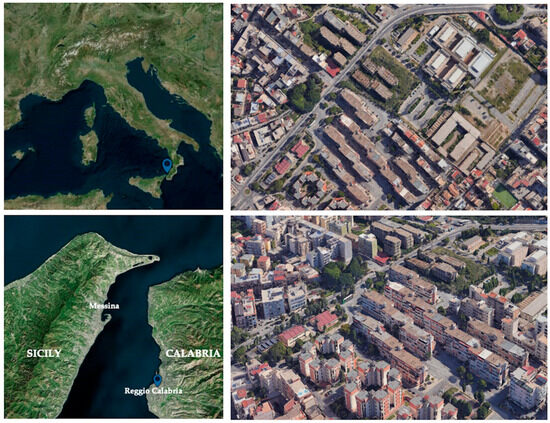

Disclaimer/Publisher’s Note: The statements, opinions and data contained in all publications are solely those of the individual author(s) and contributor(s) and not of MDPI and/or the editor(s). MDPI and/or the editor(s) disclaim responsibility for any injury to people or property resulting from any ideas, methods, instructions or products referred to in the content. |
© 2026 by the author. Licensee MDPI, Basel, Switzerland. This article is an open access article distributed under the terms and conditions of the Creative Commons Attribution (CC BY) license.