


Abstract
As a potential contributor to urban sustainability, the commercialization of Urban Air Mobility depends on social license rather than mere technical feasibility. To address the limitations of the Technology Acceptance Model (TAM) in high-risk contexts, this study integrates trust, perceived risk, personal innovativeness, and governance expectation to construct an extended acceptance model tailored to China’s policy-driven institutional environment. Based on 567 valid samples analyzed via Structural Equation Modeling (SEM) and Multi-Group Analysis (MGA), the results reveal three core mechanisms. First, perceived risk positively enhances perceived usefulness (β = 0.765, p < 0.001) via risk-induced cognitive reframing, indicating that the public rationalizes threats by amplifying the technology’s functional value. Second, trust exhibits a strong compensatory effect on perceived ease of use (β = 0.885, p < 0.001) and directly drives behavioral intention (β = 0.549, p < 0.001), serving as a heuristic to reduce perceived complexity in risky decisions. Third, governance expectation directly drives behavioral intention (β = 0.225, p = 0.004) and attitude (β = 0.201, p = 0.007), confirming the primacy of institutional trust in China. The model explains 50.5% of the variance in behavioral intention (R2 = 0.505) and 48.6% in attitude (R2 = 0.486). Notably, the direct effects of perceived ease of use on intention were non-significant, redefining TAM boundaries where safety supersedes efficiency. Finally, gender moderates the covariance between innovativeness and governance expectation (female β = 0.765 vs. male β = 0.720, C.R. = 3.196, p = 0.001), revealing higher institutional dependency among females. These findings elucidate the risk–trust institution nexus in UAM, offering empirical evidence for differentiated sustainable transport policies and marketing strategies.
1. Introduction
Urban Air Mobility (UAM), as the core carrier of the low-altitude economy, is rapidly transitioning from conceptual prototyping to commercial deployment, relying on electric Vertical Take-Off and Landing technology. By shifting passenger traffic from ground to air, UAM offers a pathway toward lower-carbon, higher-efficiency urban mobility, aligning with the environmental and social pillars of sustainable transport. Against the backdrop of intensified urban congestion and pollution worldwide [1], UAM is expected to become a fourth-dimensional transport solution beyond metro and high-speed rail, enabling point-to-point three-dimensional interconnection [2,3]. In recent years, substantial progress has been made in Western countries regarding airspace management reform and technology airworthiness certification. Notwithstanding these advances, air transport embodies a dual character that must be acknowledged in any balanced assessment. It is simultaneously the fastest mode of long-distance mobility and the most costly per passenger-kilometer, a trade-off that has both its socioeconomic value and its adoption barriers. Macioszek and Ahac (2023) [4], in their analysis of passenger and cargo volumes at Warsaw-Okęcie International Airport over 2011–2021, characterize air transport as one of the most dynamically developing yet cost-intensive branches of the transport system, noting that demand is shaped by service prices, travel needs, and market competition, while pandemic-era data revealed a 70.7% passenger decline against only an 18.1% cargo decline, evidence of speed-premium resilience under shock. For UAM, this duality is decisive: the technology inherits aviation’s velocity advantage but also its cost and safety exposure, meaning public acceptance will hinge not only on perceived speed gains but also on whether institutional governance can offset the financial and risk premiums that have historically constrained conventional air transport. The National Aeronautics and Space Administration (NASA) and the Federal Aviation Administration (FAA) have jointly advanced the “UAM Concept of Operations” to define operational rules and noise tolerance thresholds in dense urban environments [5]; EASA has issued the world’s first electric Vertical Take-Off and Landing (eVTOL) airworthiness certification regulations, removing legal barriers to commercialization [6]. Driven by both policy and technology, the pivotal issue for UAM’s large-scale deployment has shifted from whether it can be realized to whether it will be socially accepted. As the linchpin of the low-altitude economy, the commercialization of UAM is not only a technological and economic transformation but also a potential contributor to urban sustainability. By shifting a portion of passenger traffic from congested road networks to three-dimensional airspace, UAM offers a pathway toward lower-carbon, higher-efficiency urban mobility, aligning with the environmental and societal pillars of sustainable transport development.
In this study, acceptance is conceptualized at the individual behavioral level, specifically referring to public willingness to adopt UAM as a passenger transportation service, operationalized as behavioral intention to use, measured by respondents’ stated likelihood of riding low-altitude aircraft for daily commuting or travel purposes. This aligns with the TAM tradition, where acceptance is captured through attitude and behavioral intention rather than aggregate market diffusion or policy endorsement.
In the international academic community, research on UAM public acceptance has formed a multi-dimensional system. Early studies focused on attribute-based preference analysis, confirming that safety trust, travel cost, and time efficiency are primary determinants of adoption intention [2,7,8]. With the penetration of automation into aviation, scholars began to examine the psychological impact of automation levels, finding that passengers’ anxiety over loss of control remains a major psychological barrier even when technical maturity is met [5]. Recent empirical advancements have begun quantifying UAM acceptance across diverse scenarios, including airport shuttles and multi-modal resilience assessments [9,10], yet localized examinations incorporating institutional trust in the Chinese context remain nascent. In addition, noise nuisance and visual intrusion have been proven to significantly affect community support [11]. In terms of theoretical modeling, attempts have been made to introduce the Theory of Planned Behavior and TAM into UAM scenarios, verifying the explanatory power of attitude and perceived usefulness on behavioral intention [12].
The present study focuses on UAM for urban passenger transportation, specifically, low-altitude, electric vertical take-off and landing (eVTOL) aircraft operated as a commercial commuting and point-to-point travel service within dense metropolitan areas. This context differs from cargo delivery drones, air ambulance, or military applications, and represents the most likely near-term deployment scenario for UAM in China’s Tier-1 cities.
Focusing on the Chinese context, although the UAM market potential is considerable and policy support unprecedented, exemplified by the Interim Regulations on Unmanned Aircraft Flight Management providing a legal basis for low-altitude airspace liberalization, localized empirical research remains nascent. Existing domestic studies mainly concentrate on facility location optimization [13] and macro-level willingness investigation [14]. A few studies have applied the TAM framework to analyze UAM acceptance [13], yet the generic TAM model exhibits notable applicability limitations in explaining high-risk physical systems. First, because UAM involves personal safety, UAM shifts public decision logic from efficiency-first to safety-first; merely measuring usefulness and ease of use fails to capture the psychological defense mechanisms under risk, necessitating the inclusion of Trust and Perceived Risk as core explanatory variables [2]. Second, China’s low-altitude economy is characterized by a distinct policy-driven development mode; public reliance on institutional guarantees constitutes a unique psychological contract differing from Western market-oriented models [2]. Governance Expectation, public anticipation of government supervision and institutional safeguards, is key to explaining sample heterogeneity in China, yet is absent from mainstream Western models. Third, the translation path from individual innovativeness to adoption intention may differ across institutional environments and warrants incorporation. Current literature presents three theoretical gaps:
- (i)
- Insufficient examination of TAM boundary conditions in high-risk physical systems. Most studies treat demographic variables merely as controls or predictors, ignoring their moderating roles on core psychological mechanisms. Although gender heterogeneity in high-risk technology adoption has been widely confirmed in autonomous vehicle (AV) research [15], systematic conclusions are lacking for UAM. Given its personal-safety involvement, the classic TAM model rooted in general IS contexts faces explanatory failure, requiring the introduction of variables tailored to high-risk decision logic.
- (ii)
- Neglect of the unique role of institutional trust. Governance Expectation (GE), the public’s expectation of government regulation and institutional assurance, is a distinctive driver of technology acceptance in China’s policy-dominated context [13]. Few studies incorporate it as an independent exogenous construct into a unified framework containing Trust (TL) and Perceived Risk (PR), overlooking fundamental Sino–Western psychological differences. In China’s collectivist and high-power-distance culture, institutional trust often substitutes for or complements individual uncertainty reduction regarding novel technologies [16]. Existing models rarely treat GE as a core antecedent, thus failing to explain why, under equivalent technical conditions, Chinese respondents are more sensitive to policy and regulatory signals [2,13]. In high-risk mobility scenarios such as UAM, institutional trust serves as an important complement, sometimes even a prerequisite, to technological trust [5,17], especially under high uncertainty.
- (iii)
- Inadequate explanation of the risk–utility paradox. Classical TAM theory posits perceived risk as a linear suppressor of usefulness judgment [18]. However, emerging evidence suggests a potential risk-induced information search and cognitive reframing process, whereby heightened risk awareness triggers deeper information processing and may enhance, rather than diminish, perceived usefulness [15]. This paradox remains untested in UAM contexts. Clarifying the dual-attribute mechanism of risk perception is critical for transcending one-dimensional risk communication and informing targeted strategies.
Furthermore, an increasing body of literature emphasizes socio-demographic heterogeneity, especially gender, in shaping acceptance of automated transport technologies.
Frameworks such as Social Role Theory [19] suggest that gender differences in risk perception and technology adoption are deeply rooted in culturally transmitted expectations regarding altruism and competence. Empirical evidence from AV studies consistently shows females exhibit higher sensitivity to safety issues and greater reliance on institutional trust than males, whereas males tend to display overconfidence in mastering complex mechanical systems [20]. Such differences may be amplified in UAM scenarios, where high-altitude environments, sensations of weightlessness, and rotor noise can trigger distinct physiological and psychological stress responses, making females potentially more dependent on institutional safeguards, while males are more inclined to view aerial flight as an extension of technological mastery. Given that aerial transport entails higher physical risk and novel sensory experiences, gender differences observed in ground AVs are likely intensified or reconfigured in UAM. Filling this gap is essential for precise, segment-specific policy and communication strategies. Accordingly, rather than limiting analysis to the overall sample, this study employs Multi-Group Analysis (MGA) to systematically examine how gender moderates the psychological mechanism of UAM acceptance in China.
To bridge the above gaps, this study integrates Trust (TL), Perceived Risk (PR), Personal Innovativeness (PI), and Governance Expectation (GE) into an extended TAM framework suited to the Chinese context. Using 567 valid questionnaires, SEM and MGA are adopted to address three research questions: (i) Which psychological factors drive UAM acceptance in the Chinese context? (ii) What are the interaction mechanisms among these factors? (iii) How does gender moderate this mechanism?
The contributions of this study are threefold: First, it clarifies the dual-path mechanism of trust in high-risk transport systems and addresses the theoretical gap of missing institutional factors. Unlike prior studies that treat trust as a moderator or direct antecedent, this research empirically validates the efficacy of incorporating GE as an independent exogenous variable into the extended TAM, responding to Al Haddad et al.’s (2020) [2] critique that Western models neglect institutional factors. Institutional trust is shown not merely to complement technological trust but to serve as a key psychological compensation mechanism substituting for the absence of direct experience. Second, it challenges the conventional TAM assumption that risk suppresses usefulness. Supporting the risk-induced cognitive reframing perspective, empirical evidence shows high risk perception may trigger systematic deep processing, leading individuals to internalize functional value more profoundly. This indicates risk perception may act as a catalyst for, rather than a mere inhibitor of, cognitive evaluation in life-safety-critical technologies, thus extending the theoretical boundary of TAM–EPPM integrated models. Third, via MGA, it reveals gender heterogeneity in how personal innovativeness translates into adoption intention. The conversion of innovativeness into usage willingness is non-universal and highly contingent on institutional assurance, with this contingency being significantly stronger among females. Female users require a “dual guarantee” of technological novelty plus strict government regulation before releasing intrinsic adoption potential, whereas males attend relatively more to operational convenience. This finding breaks the homogeneity assumption in early TAM applications and underscores the necessity of demographically differentiated communication.
2. Literature Review
Research focus on UAM has undergone a shift from validation of technical feasibility toward construction of social acceptability. Early studies concentrated on airspace management, energy efficiency, and eVTOL hardware optimization [6]. With prototype flight tests and infrastructure planning advancing, the academic community increasingly recognizes that public acceptance, rather than technical performance, is becoming the primary bottleneck constraining large-scale UAM commercialization [2,21]. Unlike ground transport, UAM entails three-dimensional externalities concerning public safety, noise pollution, and privacy intrusion. These negative externalities translate into intense risk perception and institutional dependency, making public psychology a key variable determining UAM’s developmental prospects [11]. Accordingly, this study shifts the analytical lens from engineering dimensions to micro-psychological dimensions, grounding analysis in the classic TAM while incorporating China’s distinctive policy-driven environment so as to remedy existing theories’ insufficiency in explaining the social acceptability of high-risk transport technologies.
While the original TAM and its extensions [22] provide robust explanations for generic IT adoption, subsequent integrative frameworks such as the Unified Theory of Acceptance and Use of Technology (UTAUT) have consolidated key determinants across eight prominent models to explain technology acceptance in organizational contexts [23]. Furthermore, the consumer-oriented extension (UTAUT2) highlights the critical role of hedonic motivation and habit in non-mandatory technology contexts [23], underscoring the need to tailor acceptance mechanisms, such as trust and governance expectation, specifically for high-risk consumer transport systems like UAM.
2.1. Core Constructs
To construct an ecologically valid extended TAM, this section traces the theoretical origins of eight latent variables and clarifies their conceptualization in the UAM context.
PU and PEOU are the cornerstones of TAM [24]. PU denotes the degree to which a person believes using the system will enhance job or travel performance; PEOU refers to the degree to which using the system is perceived as effortless. In TAM2 (an extension of the Technology Acceptance Model), Venkatesh & Davis (2000) [25] argued that in complex technological systems, PU’s influence often surpasses PEOU, and PEOU has a significant mediation effect on PU. In the UAM scenario, PU is operationalized as time-value appreciation and congestion-avoidance potential rather than generic work-performance enhancement. Eker et al. (2020) [7] found the UK public utility assessment of UAM heavily depended on its commuting-time-saving potential. PEOU in autonomous UAM no longer refers to driving difficulty but to the simplicity of the service-access process and friendliness of the human–machine interface. Nevertheless, the default assumption that PEOU directly predicts PU may be moderated by Trust and Perceived Risk in physical transport systems involving personal safety. Eker et al. (2020) [7] noted safety concerns in high-risk transport decisions tend to attenuate rational evaluation of technical efficacy, a boundary condition this study seeks to clarify.
ATT and BI link cognition and action. Originating from Ajzen’s (1991) [26] Theory of Planned Behavior (TPB), ATT is defined as an affective evaluation of performing a specific behavior, and BI as the strength of one’s intention to execute it [27]. In UAM research, Sunitiyoso (2025) [12] confirmed that a positive aerial-travel attitude significantly lifts riding intention. However, such attitude is highly unstable, and risk sociology suggests that for not-yet-commercialized novel technologies, public attitude is vulnerable to single safety incidents or negative media framing [17], reflecting a strong affective and risk component. Given UAM’s pre-commercial status, BI is adopted as the key dependent variable to gauge the translation potential from cognitive acceptance to actual paying willingness, which is of great value for commercial forecasting.
Trust is the key mechanism reducing perceived uncertainty in the absence of direct usage experience [28]. McKnight et al. (2002) decomposed trust into competence trust, benevolence trust, and integrity trust [29]. In aviation, Chancey (2020) noted passengers’ trust in automation is more sensitive than trust in human pilots, exhibiting a dual effect: as a cognitive heuristic, it reduces perceived complexity, and as an affective reliance, it can directly trigger usage intention [5]. Thus in the UAM model, TL is not only a mediator but a critical antecedent variable, which may directly affect BI and indirectly affect it by lowering perceived operational complexity.
Regarding perceived risk, traditional e-commerce research treats PR as a linear suppressor of adoption intention [17]. Yet based on Witte’s (1992) Extended Parallel Process Model (EPPM), high-threat information can activate danger-control processing, intensive information search and cognitive reconstruction, rather than mere avoidance [30]. Zhang & Hou (2017) proposed that risk-induced information search and cognitive reframing may cause PR not to preclude but to enhance evaluation of technology usefulness [15]. This paradox remains untested in UAM and constitutes the theoretical pivot of this study.
Personal innovativeness reflects the innate tendency to try new technologies irrespective of social norms [31]. Leicht et al. (2018) defined PI in AV research as the willingness to voluntarily trial emerging IT for novel-function experience [32]. High-PI individuals typically show higher fault tolerance. In heavily regulated transport, however, PI’s translation into adoption intention may be conditional on the institutional environment: it may directly convert to willingness, or it may amplify expectation for institutional safeguards, especially in China’s policy-dominant market where innovators tend to expect government endorsement as a backstop, indirectly converting to adoption intention.
GE is the core construct distinguishing this model from Western mainstream UAM models. Unlike Western market-led UAM development, China’s low-altitude economy is distinctly policy-driven. Chang et al. (2025) pointed out that the public holds high expectations of the government’s regulatory role in low-altitude airspace reform [13]. GE encompasses expectations of safety supervision, legal accountability, and infrastructure provision. Existing models mostly treat policy as background, seldom incorporating GE as an independent antecedent in SEM, thus failing to explain why, under equal technical conditions, Chinese respondents are more sensitive to institutional signals.
In the Chinese context, GE is not merely a generic expectation of corporate service quality; it is fundamentally an institutional trust mechanism rooted in the country’s policy-driven governance model. Unlike Western UAM research, which emphasizes individualistic cost–benefit calculations [19], Chinese publics historically delegate safety responsibility to the state, expecting the government to certify aircraft safety, license operators, and establish legal accountability frameworks before commercial deployment [13]. Therefore, in this study, GE is operationalized through three specific dimensions: (1) expectation of government-led safety certification and regulatory oversight; (2) expectation of legal accountability and compensation mechanisms in case of accidents; and (3) expectation that national/regional low-altitude economy policies will ensure orderly market entry. This operationalization directly reflects China’s institutional reality, where the Civil Aviation Administration of China (CAAC) and local governments play a proactive, directive role in UAM pilot programs, unlike the FAA’s more market-facilitative approach in the U.S.
2.2. Gender Differences
In examining UAM acceptance heterogeneity, gender is not a mere statistical control but a deep theoretical moderator. Introducing gender draws on profound socio-psychological and evolutionary foundations.
First, drawing upon Social Role Theory (Eagly, 1989) [19], long-standing societal divisions of labor and the intergenerational transmission of cultural norms have socialized women to prioritize risk aversion. This socialization process engenders inherently higher anxiety levels and more circumspect decision-making preferences among women when confronting high-risk technologies involving personal safety. Conversely, men are socialized to exhibit proclivities for exploration and novelty seeking; this gendered role orientation encourages a stronger desire for mastery over mechanical systems and physical challenges. Such deeply entrenched social norms directly calibrate individual risk perception thresholds, thereby inducing a systematic divergence in the psychological appraisal pathways adopted by men and women when evaluating the same technology.
Second, evidence from evolutionary psychology further corroborates the biological and cognitive underpinnings of this disparity. Voyer et al. (1995), through a meta-analysis of extensive spatial ability tests, identified a significant evolutionary advantage in males regarding mental rotation and navigation [33]. This cognitive edge fosters a propensity for overconfidence in operating complex mechanical systems, a bias that is not merely irrational but rather a vestige of survival strategies forged during human evolution, leading males to place greater trust in their intuition and operational prowess. Conversely, under analogous evolutionary pressures, females developed more robust risk-aversion mechanisms and a tendency toward social dependency. Consequently, when confronted with high-stakes decisions, women exhibit a stronger reliance on external institutional safeguards, authoritative endorsements, and social consensus [34].
Within the specific domain of UAM acceptance, such theoretical disparities have been extensively validated in the context of autonomous vehicles. Drawing upon a seminal large-scale survey conducted by the University of Michigan Transportation Research Institute, Schoettle and Sivak (2014) demonstrated that female acceptance of AVs is significantly lower than that of males [20]. Crucially, this gap is not primarily attributable to technophobia but rather to profound concerns regarding system uncontrollability and liability assignment. Furthermore, females not only exhibit heightened sensitivity to safety issues but also demonstrate a markedly stronger reliance on institutional trust. In contrast, males tend to prioritize vehicle performance metrics, acceleration capabilities, and the perceived sense of control over the driving environment; consequently, even when confronting high-risk scenarios, their desire to master novel technologies remains remarkably resilient.
However, while gender disparities in ground-based transport are well-established, it remains an open question whether the unique aerial environment of UAM amplifies or mitigates these differences, a gap that constitutes the central research nexus of this study. Unlike ground autonomy, UAM involves vertical take-off and landing, potential weightlessness, and pronounced acoustic and vibratory stimuli, all of which may trigger primal acrophobia and loss-of-control anxiety. For females, who are inherently more sensitive to risk, the aerial milieu may heighten psychological defense mechanisms, rendering governance expectation the sole ‘safety net’ for adoption decisions. Conversely, males may perceive aerial flight as a quintessentially masculine challenge, thereby reinforcing their overconfidence in technological mastery. Consequently, this study hypothesizes that gender not only moderates the core pathways of the TAM but also fundamentally alters the boundary conditions of Personal Innovativeness and Governance Expectation.
Prior transport-behaviour literature has established that behavioural intention is not gender-neutral, and that the translation of perceived service attributes into intention is contingent on gender-specific sensitivities. De Oña et al. (2016) [35], using an ordered probit model on Seville LRT passengers, showed that service-quality dimensions, reliability, comfort, and information, explain continuance intention, but their relative weight differs across user segments, implying that intention formation is mediated by how different groups encode quality signals. Extending this logic to gender, Mazzulla et al. (2024) [36] applied PLS-SEM to pedestrian path perceptions in southern Italy and found that women weight security, cleanliness, and environmental quality more heavily, whereas men weight path continuity and surface condition; both genders, however, translated those perceptions into reuse intention through distinct path coefficients. Their study is notable because it does not treat gender as a dummy covariate but estimates separate structural weights for male and female subsamples, exactly the multi-group logic adopted in this study.
Within the UAM context, these findings imply two things. First, the same antecedent may not carry equal intention-forming power across genders; the belief–intention linkage is itself a boundary condition. Second, women’s stronger sensitivity to security and institutional assurance provides an a priori rationale, indicating that women condition their innovativeness-driven adoption on institutional trust more tightly. By anchoring our gender moderation in de Oña et al.’s (2016) [35] segment-sensitive intention model and Mazzulla et al.’s (2024) [36] gendered PLS-SEM evidence, the present study moves UAM acceptance research beyond gender as a control variable toward gender as a theoretical moderator, the precise gap the previous review left open.
These theoretical disparities provide the a priori rationale for modeling gender as a moderator within the extended TAM framework, rather than merely as a control variable. The specific hypotheses subject to gender moderation are tested via MGA.
2.3. Research Gaps and the Present Study’s Positioning
Although extensive scholarly efforts have yielded fruitful insights into UAM acceptance, a systematic review of the extant literature reveals three critical theoretical gaps that warrant immediate attention. These limitations not only impede the progressive refinement of theoretical frameworks but also constrain the commercial viability of UAM within the Chinese context.
- (i)
- Insufficient scrutiny of TAM boundary conditions in high-risk physical systems. Many directly apply Davis (1989) to UAM [24], assuming PEOU → PU or BI generality. This ignores the essential difference between IT adoption and life-safety systems. In UAM, over-emphasizing ease of use may even evoke moral-hazard perception or doubt on system robustness [3]. Literature seldom addresses what substitutes explanatory power when PEOU or PU paths fail. This study removes the direct PEU → BI path and instead integrates Trust as a compensatory mechanism with three new hypothesized paths (H5: TL → PEU, H6: TL → BI, H7: TL → ATT). Furthermore, the conventional negative PR → PU assumption is formally tested as H8, allowing for an empirical examination of whether risk perception operates differently in the UAM context. These theoretical adjustments are formalized in H1–H8 and evaluated through the full structural model.
- (ii)
- Paradox of risk–benefit perception under-explored; positive effect of risk-induced information search ignored. Pavlou (2003) [18] and early UAM works [7] treat PR as purely negative. Zhang & Hou (2017) proposed the contrary mechanism, yet it lacks an SEM-based empirical test [15]. This study formally hypothesizes a negative effect of PR on PU (H8) and subjects it to empirical scrutiny within the extended TAM framework. The resulting estimate is interpreted through Witte’s (1992) EPPM [30] and Festinger’s (1957) [37] Cognitive Dissonance Theory as a potential risk-induced cognitive reframing mechanism.
- (iii)
- Absence of Governance Expectation in Chinese context and neglect of key socio-demographic heterogeneity, especially gender-role moderation. Western models emphasize individualism; China’s policy-driven mode makes publics prone to delegating safety responsibility to the state. Though Chang et al. (2025) [13] mention policy, GE is not modeled as an independent antecedent. Gender’s moderating role in UAM remains a theoretical blind spot. Governance Expectation is introduced as a core exogenous construct with two hypothesized direct paths: H11 (GE → BI) and H12 (GE → ATT), capturing the institutional trust mechanism specific to China’s policy-dominant environment. Additionally, gender is specified as a multi-group moderator, tested through MGA with H13 positing a positive covariance between Personal Innovativeness and Governance Expectation.
In summary, significant theoretical lacunae persist regarding the boundary conditions of established models, the paradoxical mechanisms of risk–utility interactions, and the contextual specificity required for the Chinese market. To bridge these theoretical and practical divides, this study constructs an extended TAM incorporating Trust, Perceived Risk, Personal Innovativeness, and Governance Expectation. Furthermore, by employing MGA, this research systematically elucidates the complex mechanisms through which gender moderates public acceptance of UAM within the Chinese context.
The remainder of this paper is structured as follows: Section 1 explicates the theoretical framework and research hypotheses; Section 2 delineates the research methodology; Section 3 presents the data analysis and empirical results; Section 4 discusses the key findings and proposes targeted policy recommendations; and Section 5 concludes the study.
3. Theoretical Framework and Hypotheses
3.1. Construction of the Extended TAM
Rooted in generic information technology adoption contexts, the classic TAM presupposes that users primarily prioritize system functionality and ease of use. However, as a high-risk physical system involving personal safety, UAM confronts the theoretical boundaries of this logic. Solely relying on PU and PEOU is insufficient to explain the complex psychological defense mechanisms evoked by aerial flight. Generic TAM overlooks the uncertainty-mitigating role of trust in a high-risk settings, the bidirectional psychological feedback triggered by risk perception, the contextual translation paths of personal innovativeness within policy environments, and the compensatory effect of China-specific institutional trust on technological efficacy [2]. To bridge the chasm between universal adoption theory and UAM-specific attributes, this study integrates four key constructs into the classic TAM framework: TL, PR, PI, and GE.
Within high-risk aviation domains, trust functions not merely as an affective reliance but as a compensatory mechanism. Lacking direct operational experience, the public often relies on trust in the technical system or operator to substitute for complex safety-performance evaluations, thereby significantly reducing perceived operational complexity and uncertainty [29]. While traditional models cast perceived risk as a unidimensional suppressor, its role is considerably more complex in the high-stakes UAM context. Drawing on the Elaboration Likelihood Model, exposure to life-threatening aerial scenarios often activates systematic, in-depth cognitive processing. This risk-induced cognitive effort may prompt individuals to identify technological advantages more comprehensively during information foraging, resulting in a positive association between risk perception and utility assessment [15]. PI reflects the intrinsic motivation to trial novel technologies; however, in heavily regulated transport sectors, this exploratory trait does not always translate directly into usage intention. Highly innovative individuals typically exhibit higher tolerance for technical faults, yet this tolerance is contingent upon the expectation that institutional safeguards can provide a backstop; otherwise, mere novelty-seeking will be suppressed by high-risk perceptions. GE, the core construct distinguishing this model from Western counterparts, captures public trust in government regulation and institutional assurance within China’s policy-dominant environment. Unlike market-led Western paradigms, Chinese stakeholders tend to delegate safety responsibility to the state; this pronounced reliance on institutional trust establishes GE as a unique exogenous driver of UAM acceptance [13].
This study extends the classic TAM by integrating institutional and risk factors, acknowledging that unlike the unified views proposed by Venkatesh et al. (2003) [22], high-risk physical systems necessitate a recalibration of perceived ease of use and usefulness within China’s policy-driven environment.
3.2. Research Hypotheses
3.2.1. Core TAM Paths
The core mechanism of the TAM resides in elucidating the transmission pathways through which external variables influence attitudes and behavioral intentions via cognitive belief mediators. Although the original TAM emanates from generic information technology adoption contexts, its explanatory boundaries are challenged when applied to UAM, a high-risk physical system involving personal safety, necessitating contextual adaptation and revision of its transmission mechanisms.
It should be noted that the extended TAM and SEM operate at distinct levels of this research. The extended TAM constitutes the theoretical framework, specifying the hypothesized causal relationships among eight latent constructs (PU, PEOU, ATT, BI, TL, PR, PI, GE). SEM, by contrast, is the statistical methodology employed to estimate and test this theoretical framework using survey data. In other words, TAM defines what is being studied; SEM provides how it is empirically tested.
First, regarding the driving mechanism of Perceived Ease of Use on Perceived Usefulness, Venkatesh & Davis (2000) posited in TAM2 that system ease of use constitutes the foundation for users to assess efficacy gains by reducing cognitive load and operational friction [25]. Within the UAM context, such efficacy gains manifest specifically as enhanced travel utility. When users perceive the system interface as intuitive and the booking process as streamlined, their self-efficacy regarding technological control is bolstered, thereby increasing their confidence in utilizing the system to circumvent congestion and compress commute durations, ultimately reinforcing the recognition of UAM’s instrumental value.
Second, concerning the differential contributions of PU and PEOU to ATT, Davis (1989) [24] established usefulness and ease of use as the dual cornerstones of attitude formation. However, in physical transport systems involving personal safety, the weighting of these constructs may exhibit non-linear characteristics. Eker et al. (2020) cautioned that in UAM scenarios, overemphasizing operational simplicity may inadvertently trigger public skepticism regarding system robustness and safety redundancies, a phenomenon termed the ease of use paradox [7]. Notwithstanding this caveat, as a novel public service aimed at alleviating urban mobility pain points, UAM’s core competitiveness remains anchored in its practical utility and low access barriers. Grounded in this rationale, this study infers that both constructs will continue to function as core exogenous variables, jointly and positively shaping public adoption attitudes.
Finally, regarding the deterministic role of ATT in BI, according to the TPB (Ajzen, 1991 [26]), attitude serves as the pivotal mechanism linking internal cognition to external behavior. At the current market incubation stage of UAM, the public lacks channels for firsthand experience to verify technical superiority; consequently, affective attitude constitutes the most direct predictor of behavioral intention. Empirical evidence from Sunityoso et al. (2025) further corroborates the dominant role of attitude in shaping UAM adoption willingness [12]. Accordingly, this study proposes the following hypotheses:
Hypothesis H1.
Perceived Ease of Use positively influences Perceived Usefulness.
Hypothesis H2.
Perceived Usefulness positively influences Attitude.
Hypothesis H3.
Perceived Ease of Use positively influences Attitude.
Hypothesis H4.
Attitude positively influences Behavioral Intention.
3.2.2. Trust
In the UAM domain, where direct usage experience is scarce, trust functions as a compensatory mechanism that effectively mitigates the perceptual uncertainty arising from information asymmetry. Diverging from generic IT adoption, trust in aviation manifests unique dual-driving effects under high-risk scenarios.
The first effect is the reinforcing influence of trust on perceived ease of use (TL → PEOU). Drawing on McKnight et al.’s (2002) cognitive belief theory, trust acts as a psychological simplification mechanism that curtails the need for exhaustive uncertainty assessments regarding complex technical systems [29]. When users maintain high trust in the technological system or operating entity, this positive conviction transmutes into optimistic expectations regarding the system’s interface intuitiveness and operational fault tolerance, thereby significantly reducing perceived complexity [5].
The second effect is the direct driving influence of trust on behavioral intention (TL → BI). Unlike the full mediation effect typically observed in generic IT adoption, trust often assumes the role of an independent triggering factor in high-stakes transport decisions. Even when an individual’s evaluations of perceived ease of use or perceived usefulness are suboptimal, high institutional dependence on technical safety or systemic safeguards enables trust to bypass the cognitive–attitudinal filter and directly stimulate latent adoption willingness. This trust substitution mechanism is particularly salient in the adoption of technologies involving life-safety implications. Beyond its indirect effects via Perceived Ease of Use, trust may directly shape users’ affective evaluations of UAM. In high-risk transport systems, trust in the service provider and regulator serves as a heuristic that reduces anxiety and fosters a positive overall attitude [29]. Accordingly, the following hypotheses are proposed:
Hypothesis H5.
Trust positively influences Perceived Ease of Use.
Hypothesis H6.
Trust positively influences Behavioral Intention.
Hypothesis H7.
Trust positively influences Attitude.
3.2.3. Perceived Risk
Traditional technology acceptance literature typically positions perceived risk as a linear suppressor of adoption intention [18]. However, within the high-stakes, nascent domain of UAM, where personal safety is paramount, the mechanism through which risk perception influences technological evaluation is likely more complex. This study posits that Perceived Risk not only indirectly inhibits adoption intention by eroding trust but may also positively reinforce public evaluations of technological usefulness by triggering systematic cognitive processing.
First, drawing upon Witte’s (1992) EPPM [30], high-threat information triggers an individual’ s threat appraisal. When individuals assess themselves as lacking effective coping resources, they typically initiate fear control to seek psychological reassurance; conversely, they initiate danger control, engaging in active information foraging and cognitive reframing to neutralize the actual threat. Given the policy-driven promotion of UAM, the public can no longer simply avoid the technology to alleviate anxiety, forcing them into a state of intensive, systematic cognitive processing to verify its safety.
Second, Cognitive Dissonance Theory (Festinger, 1957) provides a deeper explanation [37]. When individuals face the cognitive conflict between the inherent risks of UAM and the government’s vigorous promotion of the technology, significant psychological dissonance arises. To eliminate this tension, individuals tend to selectively attend to and amplify the utility gains brought by the technology, thereby rationalizing their support for it. In other words, high risk perception acts as a moderator, compelling individuals to internalize the instrumental value of the technology more deeply during the information-foraging process.
Nevertheless, the deleterious effect of perceived risk on technology adoption remains non-trivial, primarily by undermining the foundation of trust. According to the Social Amplification of Risk Framework [38], high risk perception not only transmits threat signals but also damages stakeholders’ confidence in the reliability and controllability of the technical system through cascading effects. Specifically, when individuals perceive severe safety hazards such as crashes or system failures, they directly question the safety redundancies of the technology and the emergency management capabilities of the operator. This trust decay mechanism implies that high risk perception directly erodes public confidence in both the technical system and the regulatory oversight regime [39]. Therefore, although high risk may enhance utility evaluation via cognitive reframing, it simultaneously exerts a significant negative shock on trust, a critical mediating variable.
Based on the aforementioned theoretical deductions, this study proposes the following hypotheses:
Hypothesis H8.
Perceived Risk negatively influences Perceived Usefulness.
Hypothesis H9.
Perceived Risk negatively influences Trust.
3.2.4. Personal Innovativeness and Governance Expectation
Beyond the core cognitive mechanisms, individual traits and the institutional environment constitute the dual engines driving UAM acceptance. PI characterizes an individual’s intrinsic propensity to adopt novel technologies. Leicht et al. (2018), in the context of autonomous driving research, confirmed that individuals with high PI exhibit a higher fault-tolerance threshold regarding novel technology glitches [32]. However, within heavily regulated transport sectors involving public safety, whether this trait-based novelty-seeking motivation can directly transmute into actual usage intention remains contingent upon its boundary conditions. Given the high-risk nature of UAM, mere novelty seeking is often constrained by safety demands and is insufficient to fully explain adoption behavior in isolation. Notwithstanding this caveat, as a stable psychological trait, the technological optimism inherent in personal innovativeness is still expected to directly foster the formation of usage intention.
GE, by contrast, represents the core incremental contribution of this study in constructing a theoretical model tailored to the Chinese context. Diverging from the market-oriented, bottom-up paradigms prevalent in Western Europe and North America, the development of China’s low-altitude economy is characterized by a distinct government-led institutional supply model [13]. Under this modality, the public tends to externalize safety responsibility, delegating it to government regulatory authorities. When the public anticipates the implementation of stringent regulatory standards and robust legal safeguards, this institutional trust effectively mitigates psychological barriers to adoption.
Institutional trust, reflected in citizens’ expectations of regulatory oversight, can directly enhance public attitude toward emerging technologies. When individuals perceive that robust governance mechanisms are in place, their general disposition toward the technology becomes more favorable [13]. Accordingly, the following hypotheses are proposed:
Hypothesis H10.
Personal Innovativeness positively influences Behavioral Intention.
Hypothesis H11.
Governance Expectation positively influences Behavioral Intention.
Hypothesis H12.
Governance Expectation positively influences Attitude.
3.2.5. Correlation Between PI and GE
Finally, this study further elucidates the synergistic mechanism between individual traits and the institutional environment. Individuals possessing high Personal Innovativeness typically exhibit a pronounced tendency towards technological optimism [32]. Drawing on Expectancy Value Theory, the urgent demand among such individuals for technological realization is often transmuted into heightened expectations regarding institutional safeguards and infrastructure development. This phenomenon arises because innovators possess a profound awareness of the extreme uncertainty inherent in emerging technologies; recognizing that systemic risks cannot be adequately mitigated by individual capabilities alone, they exhibit a stronger preference for relying on robust external institutions to provide legitimate backing. This complementary effect between traits and the environment implies that PI not only directly drives adoption intention but also indirectly strengthens the motivation to adopt by elevating the demand for governance assurance. Grounded in the aforementioned logic, the following hypothesis is proposed:
Hypothesis H13.
Personal Innovativeness is positively correlated with Governance Expectation.
The complete theoretical model is illustrated in Figure 1.
Figure 1.
Structural model of Urban Air Mobility acceptance.
4. Methodology
This study adopts a quantitative research methodology grounded in the SEM framework. Following a rigorous two-stage analytical protocol comprising measurement model assessment, structural model testing, and MGA, this research systematically evaluates the hypothesized relationships within the extended TAM. The research trajectory is delineated into three core phases: questionnaire design, data collection, and data analysis, as detailed below:
4.1. Questionnaire Design
The measurement items for the core constructs of this study, namely, Perceived Usefulness, Perceived Ease of Use, Trust, Governance Expectation, Perceived Risk, Personal Innovativeness, Attitude, and Behavioral Intention, were adapted from authoritative international literature to ensure scale validity.
Specifically: (i) PU and PEOU were adapted from the classic TAM instrument developed by Davis (1989), comprising 6 items in total [24]; (ii) Trust was measured using the scale established by McKnight et al. (2002), focusing on competence trust and benevolence trust, consisting of 5 items [29]; (iii) GE was derived from the governance scale for emerging transport technologies proposed by Chang et al. (2025) [13], encompassing 4 items; (iv) PR and PI were adapted from the risk perception scale by Al Haddad et al. (2020) and the personal innovativeness scale by Leicht et al. (2018) [2,32], respectively, each containing 4 items; and (v) ATT and BI were assessed using the standardized UAM acceptance scales developed by Chancey (2020) [5], with 5 items for each construct.
The questionnaire was structured into two principal sections: The first section captured demographic information, including gender, age, education level, income, and occupation. The second section comprised the 32 measurement items corresponding to the eight latent variables, utilizing a 5-point Likert scale ranging from 1 (‘strongly disagree’) to 5 (‘strongly agree’). The complete questionnaire is provided in Appendix A. An attention-check item was embedded within the scale to ensure response authenticity. Representative measurement items for UAM acceptance are presented in Table 1.
Table 1.
Measurement items for Urban Air Mobility acceptance.
Given that the original measurement scales were developed in English, a standard translation and back-translation procedure was adopted to ensure linguistic and conceptual equivalence in the Chinese context. Two bilingual researchers independently translated the English items into Chinese. A third bilingual expert then back-translated the Chinese version into English without referring to the original. The research team compared the back-translated version against the originals and resolved any discrepancies through discussion. The team made minor wording adjustments to improve readability.
4.2. Data Collection
This study employed a quota sampling method to collect data from February 28 to 15 March 2026, utilizing a hybrid approach that combined online platforms with offline intercept surveys. The sampling procedure strictly controlled the sample structure to ensure comprehensive coverage of both urban core areas and suburban districts across major Tier-1 cities, including Beijing, Shanghai, Guangzhou, and Shenzhen. Quotas were established based on key socioeconomic characteristics, specifically age and educational attainment.
We initially collected 691 questionnaires. After data cleaning, 124 cases were excluded for the following reasons: (a) 75 cases were removed due to excessive missing values (>20% of items unanswered) or obvious careless responding (e.g., straight-lining, completion time < 60 s); (b) 49 cases were identified as multivariate outliers using Mahalanobis distance (D2 > 26.12, p < 0.001, df = 8) and were removed. This resulted in a final valid sample of 567 cases for analysis.
As presented in Table 2, the sample exhibited a balanced gender distribution (Male: 43.9%; Female: 56.1%) and was predominantly composed of young to middle-aged adults (aged 30–44: 66.3%) and highly educated individuals (Bachelor’s degree or higher: 84.7%). Monthly household per capita income demonstrated a diversified distribution, spanning all tiers from below ¥3000 to above ¥15,000. Professional backgrounds encompassed corporate managers, technical personnel, administrative staff, and freelancers, providing a robust empirical foundation for examining acceptance disparities across different social groups. The distribution profiles of the sample data are illustrated in Figure 2, Figure 3, Figure 4 and Figure 5.
Table 2.
Demographic profile of respondents.
Figure 2.
Distribution of gender composition.
Figure 3.
Distribution of age composition.
Figure 4.
Distribution of educational level.
Figure 5.
Distribution of income levels.
5. Data Analysis and Results
This study employed covariance-based structural equation modeling (CB-SEM) with maximum likelihood estimation in AMOS 29. The choice of CB-SEM is justified by three features of this research. First, the study is explicitly theory-confirmatory; the extended TAM framework was constructed a priori based on established theoretical reasoning, and all measurement scales were adapted from validated instruments with known psychometric properties. CB-SEM is designed precisely for this context, testing whether a pre-specified theoretical structure fits observed covariance data, and provides an overall goodness-of-fit evaluation that indicates how well the entire model reproduces the sample covariance matrix. Second, the sample size (N = 567) provides ample statistical power for ML-based CB-SEM. Simulation studies consistently show that CB-SEM yields reliable parameter estimates and standard errors with samples exceeding 500, even under mild distributional departures. Third, the research objective requires simultaneous assessment of global model fit and individual path coefficients. CB-SEM uniquely offers a suite of absolute, incremental, and parsimony fit indices that allow for a comprehensive evaluation of model adequacy, in addition to hypothesis testing for each structural path. These characteristics make CB-SEM the most appropriate analytical framework for the present study. The methodological rationale for employing CB-SEM over variance-based approaches is further grounded in established SEM literature emphasizing confirmatory model testing and global fit assessment (Kline, 2015) [40], particularly when the theoretical structure is pre-specified as in this extended TAM framework.
5.1. Normality Assessment and Outlier Screening
Prior to estimating the structural equation model, the univariate normality of all observed items was examined to assess the suitability of maximum likelihood (ML) estimation within the covariance-based SEM framework. Skewness values for the 28 items ranged from −1.278 to −0.004 (absolute values < 2), and kurtosis values ranged from −1.003 to 1.769 (absolute values < 7). Following Finney and DiStefano (2006) [41], who note that for structural equation modeling with continuous or quasi-continuous Likert-type data, skewness within ±2 and kurtosis within ±7 are generally considered acceptable and unlikely to seriously compromise ML estimation, the present data were deemed to exhibit adequate univariate normality. These results indicate that the observed variables do not display extreme asymmetry or heavy-tailed characteristics that would preclude the use of ML-based CB-SEM. On this basis, maximum likelihood estimation was retained for model testing, with model fit evaluated primarily using indices known to be relatively robust to mild departures from multivariate normality, rather than relying exclusively on the chi-square statistic.
Although Mardia’s multivariate kurtosis coefficient indicated a mild departure from strict multivariate normality, simulation studies suggest that maximum likelihood estimation remains reasonably robust to such departures when univariate normality holds and sample sizes exceed 500 (Curran, West, & Finch, 1996) [42]. This robustness, coupled with the use of fit indices less sensitive to non-normality, supports the suitability of CB-SEM for the current dataset (Kline, 2015) [40].
Outlier detection was performed using Mahalanobis distance (D2). With 8 observed variables, the critical χ2 value at α = 0.001 is 26.12. Forty-nine cases (49/616 = 8.0%) exceeded this threshold and were removed. The final analytic sample comprised 567 cases (Male = 249, Female = 318).
5.2. Reliability and Validity
Reliability and validity assessment constitutes a pivotal step in evaluating measurement model quality, aiming to verify the internal consistency, reliability, and discriminant validity of the indicators measuring latent constructs. Following data cleaning, a systematic reliability and validity evaluation was conducted on the final analytical sample. This study employed Cronbach’s α, Composite Reliability (CR), Average Variance Extracted (AVE), standardized factor loadings, the Kaiser–Meyer–Olkin measure, Bartlett’s Test of Sphericity, and the discriminant validity matrix to comprehensively judge measurement model adequacy. All analyses were performed on the cleaned dataset, which had satisfied the prerequisites for subsequent statistical inference. The results demonstrate that the overall measurement model possesses acceptable psychometric properties, thereby providing a robust foundation for subsequent structural model hypothesis testing.
Prior to the formal reliability and validity assessment, a rigorous item purification process was conducted to ensure the psychometric quality of the measurement model. Three items were removed from the initial 32-item pool based on a combination of theoretical justifications, modification indices (MI > 15), and cross-loading diagnostics:
- (i)
- BI1 (Do you support putting low-altitude manned aircraft into commercial use?): This item exhibited substantial cross-loadings on the Attitude factor (loading = 0.58) and showed high semantic overlap with ATT4 (Overall, I’m positive about using low-altitude aircraft for travel). Its removal improved the discriminant validity between Behavioral Intention and Attitude.
- (ii)
- ATT2 (Do you support promoting low-altitude travel services in the city?): This item functioned more as a proxy for general support than as a measure of affective evaluation. It cross-loaded on the Behavioral Intention factor (loading = 0.61) and was flagged by modification indices as contributing to model misfit. Its removal clarified the conceptual distinction between attitude and intention.
- (iii)
- PU3 (I think developing low-altitude travel can help ease ground traffic congestion): This item captures collective-level societal benefit rather than individual-level perceived usefulness. It cross-loaded on Perceived Risk items (loading = 0.43) and failed to load strongly on the PU factor (loading = 0.38). Its removal ensured that the PU construct measured personal functional value exclusively.
Following the removal of these three items, the final measurement model consisted of 26 items across eight constructs, which were subjected to the reliability and validity analyses reported below.
Regarding reliability assessment, this study adopted Cronbach’s α and CR as metrics for internal consistency. Conventional thresholds suggest that a Cronbach’s α exceeding 0.7 indicates satisfactory reliability, while a range between 0.6 and 0.7 is considered marginally acceptable. As presented in Table 3, the CR values for all latent variables surpassed the 0.7 benchmark, and most Cronbach’s α coefficients exceeded the acceptable threshold of 0.7. Although the α values for Perceived Usefulness (α = 0.682) and Governance Expectation (α = 0.691) fell slightly below the ideal standard, they remained within the critical acceptable range [43], indicating good-to-acceptable internal consistency.
Table 3.
Results of reliability and convergent validity tests.
CR provides a more accurate estimate of reliability than Cronbach’s α, reflecting the overall explanatory power of observed variables regarding their underlying latent construct. A CR value greater than 0.6 is generally accepted as the minimum threshold. As evidenced in Table 3, all variables exceeded this threshold, with values surpassing 0.7. This confirms that the observed indicators for each latent variable consistently reflected their intended constructs, demonstrating satisfactory composite reliability.
Regarding validity analysis, the focus shifted to convergent validity, evaluated using standardized factor loadings and the AVE. Conventional criteria stipulate that standardized factor loadings greater than 0.6 and an AVE greater than 0.5 indicate adequate convergent validity; values falling between 0.5 and 0.6 for loadings, and between 0.4 and 0.5 for AVE, are considered marginally acceptable. As shown in Table 3, the assessment of reliability and convergent validity demonstrates that the measurement model generally meets the required psychometric standards. Specifically, all Cronbach’s α coefficients exceed the threshold of 0.70 (ranging from 0.682 for Perceived Usefulness to 0.907 for pr), and CR values are all above 0.70 (ranging from 0.703 to 0.905), indicating high internal consistency across all constructs. Furthermore, standardized factor loadings for all observed variables are above 0.50, and the AVE for all constructs surpasses the critical value of 0.50, with the exception of Personal Innovation (AVE = 0.498) and Governance Expectations (AVE = 0.460). While these two constructs slightly fall short of the strict 0.50 criterion, their CR values remain well above 0.60, and all individual factor loadings exceed 0.60, thereby satisfying the relaxed validity criteria for applied research contexts. Overall, the results confirm the satisfactory reliability and convergent validity of the measurement model.
Regarding the overall structural validity of the scale, this study conducted suitability tests for Exploratory Factor Analysis. As presented in Table 4, the Kaiser–Meyer–Olkin measure of sampling adequacy was 0.931, far exceeding the benchmark of 0.8 indicative of ‘meritorious’ fitness, suggesting substantial shared variance among variables and confirming the data’s high suitability for factor analysis. Concurrently, Bartlett’s Test of Sphericity yielded an approximate chi-square value of 6284.317 (df = 406, p < 0.001), reaching a highly significant level. This result decisively rejected the null hypothesis that the correlation matrix is an identity matrix, confirming significant partial correlations among variables and affirming the data’s appropriateness for factor extraction. Collectively, the KMO and Bartlett’s test results demonstrate that the data structure possesses robust preconditions for factor analysis, thereby ensuring the statistical reliability of subsequent measurement model estimations.
Table 4.
Results of overall scale structural validity tests.
Regarding discriminant validity, this study employed the Fornell–Larcker criterion (Fornell & Larcker, 1981 [44]), comparing the square root of the AVE for each construct against its absolute Pearson correlation coefficients with other constructs. The criterion stipulates that the square root of a construct’s AVE should exceed the magnitude of its correlation with any other construct (Fornell & Larcker, 1981) [44].
The results, presented in Table 5, demonstrate that all constructs satisfy this threshold. Specifically, the square root of AVE values ranged from 0.679 (GE) to 0.839 (PR). Notably, PR exhibited negative correlations with all other constructs, including PU (−0.051), PEOU (−0.255), ATT (−0.244), BI (−0.250), PI (−0.308), TL (−0.443), and GE (−0.124). This negative relationship is theoretically consistent with the threat appraisal nature of risk perception in technology adoption models. Furthermore, the highest correlation among the remaining constructs was observed between ATT and BI at 0.688, which is still lower than the square root of their respective AVEs (0.711 and 0.716). Similarly, the correlation between TL and BI was 0.698, well below the square root of their AVEs (0.736 and 0.716).
Table 5.
Discriminant validity.
To further corroborate discriminant validity, we examined the Heterotrait–Monotrait (HTMT) ratios presented in Table 6. The HTMT criterion is considered a more robust alternative to the traditional Fornell–Larcker approach, particularly in complex models. Results indicated that all HTMT values were substantially below the conservative threshold of 0.85 [45].
Table 6.
HTMT Matrix.
Consistent with theoretical expectations, PR exhibited the lowest ratios with other constructs, specifically with PU (0.089) and GE (0.218), indicating strong discriminant validity for the risk construct. While some constructs showed high conceptual proximity, such as ATT and BI at 0.823, and PI and BI at 0.813, these values remain strictly below the 0.85 cutoff. Similarly, the HTMT value for TL and PI was 0.784, which is acceptable. These results confirm that although these variables are related, they capture distinct theoretical domains and satisfy the discriminant validity requirements.
In summary, the measurement model demonstrated satisfactory psychometric properties across all evaluation dimensions. Reliability assessment confirmed that all constructs exceeded the recommended thresholds, with Cronbach’s α values ranging from 0.682 to 0.907 and CR values from 0.703 to 0.905, indicating good-to-excellent internal consistency. Convergent validity was supported by standardized factor loadings all above 0.58 and AVE values for six of eight constructs surpassing the 0.50 benchmark; the two marginally below (PI = 0.498; GE = 0.460) nonetheless satisfied the relaxed criterion of CR > 0.60 and loadings > 0.50. Discriminant validity was rigorously established through both the Fornell–Larcker criterion, where the square root of AVE for every construct exceeded its corresponding cross-correlations, including the theoretically expected negative associations for Perceived Risk, and the HTMT ratio, with all values strictly below the conservative 0.85 threshold. Furthermore, the KMO measure (0.931) and significant Bartlett’s Test of Sphericity (χ2 = 6284.317, df = 406, p < 0.001) confirmed the data structure’s high suitability for factor analysis. Collectively, these results substantiate that the eight latent constructs reliably and distinctly capture their intended theoretical domains, thereby providing a robust measurement foundation for subsequent structural equation modeling and multi-group analysis.
5.3. Common Method Bias
Common method bias was assessed using Harman’s single-factor test on all 26 items. Harman’s single-factor test is a widely adopted post hoc diagnostic to assess whether a substantial amount of variance is accounted for by a single unrotated factor, which would indicate potential common method bias [46]. The first unrotated factor accounted for 30.15% of the total variance, which is below the 40% threshold recommended by Podsakoff [46], indicating that no single factor dominates the covariance structure.
A full collinearity test was conducted by regressing all items on a single common method factor. The Variance Inflation Factor (VIF) values for all indicators ranged from 1.39 to 4.06. Seven of eight constructs yielded mean VIF values below the 3.3 cutoff proposed by Kock (2015), with only PU marginally exceeding this threshold (mean VIF = 3.82) due to its two-item scale format. Overall, multicollinearity is not a serious concern [47].
5.4. Model Fit
This study utilized AMOS software to conduct a holistic model fit assessment for the proposed UAM public acceptance model, the architecture of which is illustrated in Figure 6. In SEM, overall model fit serves as a critical determinant of the congruence between the theoretical specification and the sample data; only when the model fit indices satisfy statistical requirements do the subsequent path coefficient estimations and hypothesis testing yield meaningful empirical inferences. Drawing upon the multi-index comprehensive evaluation strategy adopted by Chang et al., this study selected eight widely recognized indices for model assessment: the Chi-square-to-Degrees of Freedom ratio (χ2/df), Root Mean Square Error of Approximation (RMSEA), Goodness-of-Fit Index (GFI), Adjusted Goodness-of-Fit Index (AGFI), Comparative Fit Index (CFI), Incremental Fit Index (IFI), Normed Fit Index (NFI), and Standardized Root Mean Square Residual (SRMR). The computational results for these fit indices are presented in Table 7.
Figure 6.
The UAM public acceptance model and hypotheses.
Table 7.
Model fit indices.
The assessment of absolute model fit revealed a mixed but generally acceptable performance. The Chi-square statistic was significant (χ2 = 1385.272, df = 406, p < 0.001), which is expected given the sensitivity of this index to sample size. However, the normed chi-square (CMIN/DF) ratio was 3.412, comfortably below the conventional threshold of 5.00, suggesting a reasonable degree of absolute fit. Other absolute indices supported this finding: the GFI stood at 0.894 and the AGFI at 0.861, both exceeding the 0.85 and 0.80 cutoffs, respectively. The SRMR was 0.093; while slightly above the strict 0.08 criterion, it remains within an acceptable range for complex models in social science research.
Incremental fit measures indicated that the proposed model compares favorably against the independence model. The CFI and IFI reached 0.902 and 0.903, respectively, marginally surpassing the 0.90 benchmark. These values suggest that the model explains the covariances in the data well. Although the NFI was 0.867, falling slightly short of the ideal 0.90 standard, it exceeds the more lenient 0.85 threshold often cited as acceptable for moderately complex structural equation models [40].
Regarding parsimony, the RMSEA was 0.069, well below the 0.08 limit, indicating a good balance between model fit and complexity. Collectively, while the NFI and SRMR values show minor deviations from the most stringent criteria, the majority of the fit indices (CMIN/DF, GFI, AGFI, CFI, IFI, RMSEA) meet the recommended standards. Therefore, the overall model fit is deemed acceptable for hypothesis testing and further interpretation.
Having established that the overall model fit meets acceptable standards, the analysis proceeds to estimate the standardized path coefficients and their significance levels among the latent variables, thereby testing whether the twelve proposed hypotheses are supported by the sample data. Using the Maximum Likelihood estimation method, the SEM output generates unstandardized coefficients, standard errors, critical ratios, and significance p-values, which constitute the core statistical basis for hypothesis testing. The results of these path relationship tests are presented in Table 8, while the standardized path coefficients, directions, and significance levels among all latent variables are illustrated in Figure 7.
Table 8.
Hypothesis testing results.
Figure 7.
Estimation results of the UAM public acceptance model. Notes: Standardized path coefficients are shown adjacent to each arrow. ** p < 0.01; *** p < 0.001.
Here, this study presents the comparative analysis of multiple impact paths from the same construct. When a latent construct exerts influence through more than one structural path, comparing the magnitude of standardized coefficients provides insight into the relative importance of each transmission channel. In this study, four constructs exhibited multiple outgoing paths, and their relative strengths are summarized below.
TL demonstrated the widest spread among its three downstream paths: the effect on Perceived Ease of Use (β = 0.885, p < 0.001) was substantially stronger than its direct effect on Behavioral Intention (β = 0.549, p < 0.001), which in turn nearly doubled the magnitude of its effect on Attitude (β = 0.284, p < 0.001). This descending order (TL → PEU > TL → BI > TL → ATT) indicates that trust operates primarily as a cognitive simplification mechanism that reduces perceived complexity and secondarily as a direct volitional trigger, while its role in shaping general affective evaluation is comparatively modest.
GE showed a narrower but still meaningful gap: its effect on Behavioral Intention (β = 0.225, p = 0.004) slightly exceeded its effect on Attitude (β = 0.201, p = 0.007). This suggests that institutional trust translates more efficiently into concrete adoption intention than into diffuse positive sentiment, a pattern consistent with the policy-driven Chinese context, where regulatory assurance functions as a pragmatic green light for action rather than merely improving abstract attitude.
PU (β = 0.598, p < 0.001) was approximately 45% stronger than PEOU (β = 0.412, p < 0.001) in predicting ATT, reaffirming that in high-risk transport systems, utilitarian appraisal outweighs ease-of-use considerations in attitude formation.
PEOU was considerably more influential on PU (β = 0.752, p < 0.001) than on ATT (β = 0.412, p < 0.001), confirming the classic TAM sequencing where ease of use primarily enhances usefulness assessment, which then dominantly shapes attitude.
These comparative patterns not only validate the internal consistency of the extended TAM framework but also carry practical implications.
The overall explanatory power of the structural model was further assessed by examining the coefficient of determination (R2) for each endogenous variable. As shown in Table 9, the model explained 50.5% of the variance in BI (R2 = 0.505), 48.6% in ATT (R2 = 0.486), 29.5% in Perceived Ease of Use (R2 = 0.295), 26.1% in Trust (R2 = 0.261), and 8.1% in PU (R2 = 0.081). The moderate-to-strong explanatory power for BI and ATT indicates that the extended TAM framework provides a robust account of UAM acceptance. The comparatively low R2 for PU is consistent with the risk–utility paradox identified in H8: because perceived risk positively rather than negatively predicts usefulness in this high-stakes context, the conventional PEU → PU explanatory mechanism is partially displaced, leaving additional variance in PU to be explained by risk-induced cognitive reframing processes not fully captured by the linear model.
Table 9.
Coefficient of Determination (R2) for Endogenous Variables.
Based on the hypothesis testing results presented in Table 8 and the specific path parameters illustrated in Figure 7, each hypothesized path will be analyzed individually.
The structural equation modeling results presented in Table 8 provide substantial support for the proposed research model, although certain counterintuitive findings offer valuable theoretical insights. As hypothesized, the core TAM pathways remained robust: PEOU significantly facilitated PU (β = 0.752, p < 0.001, H1) and positively influenced ATT (β = 0.412, p < 0.001, H3). PU also significantly enhanced ATT (β = 0.598, p < 0.001, H2). Crucially, ATT emerged as the strongest proximal predictor of BI (β = 0.758, p < 0.001, H4), confirming its mediating role in the adoption decision-making process.
Regarding the extended variables, TL functioned as a pervasive antecedent, exerting significant positive effects on PEOU (β = 0.885, p < 0.001, H5), BI (β = 0.549, p < 0.001, H6), and ATT (β = 0.284, p < 0.001, H7). This tripartite influence underscores trust’s capacity to simplify the cognitive evaluation of the system while independently driving adoption intentions. Conversely, PR significantly eroded TL (β = −0.481, p < 0.001, H9), aligning with the expectation that risk perception undermines public confidence.
However, Hypothesis 8 (H8), which predicted a negative influence of PR on PU, was not supported. Contrary to the conventional TAM assumption that risk perception linearly suppresses usefulness evaluation, the data revealed a significant positive relationship (β = 0.765, p < 0.001). This risk and utility paradox suggests that in the high-stakes context of UAM, potential users may engage in cognitive reframing; they might perceive the high risks associated with the technology as indicative of its sophistication, necessity, or high functional value. Thus, rather than deterring adoption, risk awareness appears to amplify the perceived utility of the system.
Finally, PI significantly contributed to BI (β = 0.231, p = 0.002, H10), highlighting the role of individual traits. GE also played a significant dual role, positively affecting both BI (β = 0.225, p = 0.004, H11) and ATT (β = 0.201, p = 0.007, H12). Additionally, a strong covariance was observed between GE and PI (β = 0.748, p < 0.001, H13), indicating that users with higher innovation tendencies are more likely to hold positive expectations regarding institutional governance.
5.5. Multi-Group Analysis
Theoretical conceptualization of moderation: In the context of structural equation modeling, a moderating effect occurs when the relationship between an independent variable and a dependent variable varies systematically depending on the level of a third variable. Within the TAM framework, gender is not hypothesized to directly cause changes in perceived usefulness or attitude; rather, it functions as a boundary condition that may alter the magnitude or direction of specific path coefficients. For example, the positive association between PI and GE may be stronger for females, due to socialization toward risk aversion, requiring institutional safeguards to activate their adoption potential, than for males, who are socialized toward technological mastery.
SEM conventionally estimates parameters based on a single aggregated sample, wherein path coefficients reflect the average effects across the entire dataset. However, systematic heterogeneity may exist in the influence mechanisms among latent variables across populations with diverse socio-demographic characteristics. Neglecting such heterogeneity can impose limitations on the explanatory power of the model. To assess the stability of the proposed UAM public acceptance model across different subgroups and to determine whether grouping variables moderate the path coefficients, this study conducted an MGA.
The fundamental principle of MGA involves partitioning the original sample into parallel subsamples based on a categorical variable, followed by a comparison of goodness-of-fit between an unconstrained model and nested models with imposed parameter equality constraints. This process ascertains the invariance of the measurement and structural models across groups. Operationally, a baseline model was first constructed, allowing all parameters to be freely estimated within each group. Subsequently, equality constraints were imposed on the measurement weights to examine whether the factorial structure of the latent constructs remained consistent across groups. Finally, building upon the measurement weights invariance, constraints were further imposed on the structural weights to test for significant differences in path coefficients across groups. The successful establishment of measurement invariance confirms that the measurement instrument functions equivalently across groups, ensuring cross-group comparability. Conversely, the rejection of structural invariance (p < 0.05) implies that the hypothesized mechanisms vary significantly depending on group attributes, signifying a moderating effect of the grouping variable on the model paths, necessitating further identification of differential pathways.
Constrained by the distributional equilibrium of the sample across demographic variables, this study restricted the MGA to the categorical variable of gender. Variables such as age and education were excluded due to severe disproportionality in subgroup sample sizes, which failed to meet the minimum requirements for SEM subsample estimation. The exclusion of income was predicated on a lack of sample heterogeneity and insufficient statistical power. While income is conventionally regarded as a key predictor in transport behavior studies, the UAM sample in this study exhibited a pronounced ceiling effect regarding income distribution: high-income groups (monthly household per capita income > ¥7000) accounted for 64.2% of the sample (Table 2). This lack of variance precluded the differentiation of psychological mechanisms across income strata. The gender-based partition divided the total sample into a male group (N = 249) and a female group (N = 318).
The multi-group invariance testing followed a three-step hierarchical sequence. First, configural invariance was assessed by fitting the baseline model separately for each gender without cross-group constraints (Model A). As shown in Table 8 (Part A), the male group fit was χ2/df = 1.921, RMSEA = 0.061, CFI = 0.937; the female group fit was χ2/df = 2.505, RMSEA = 0.069, CFI = 0.915. Both groups yielded acceptable fit, confirming that the same factor structure was applicable to males and females.
Second, metric invariance was tested by imposing equality constraints on all factor loadings (Model B), compared against Model A. Third, structural invariance was tested by further constraining all 13 path coefficients to equality (Model C), compared against Model B. The nested comparison results are reported in Table 10 (Part B).
Table 10.
Multi-group analysis results.
The baseline model demonstrated acceptable fit for both males (χ2/df = 1.921, RMSEA = 0.061, CFI = 0.937) and females (χ2/df = 2.505, RMSEA = 0.069, CFI = 0.915). This indicates that the factor structure is invariant across genders, satisfying the prerequisite for subsequent tests. The comparison between Model B (metric) and Model A (configural) yielded Δχ2 = 23.917 with Δdf = 20, resulting in a non-significant p-value of 0.246 (>0.05). Since the change in fit indices (ΔCFI = −0.002, ΔTLI = +0.006) was minimal and within the threshold of ±0.01, metric invariance was established. This confirms that the measurement scales function equivalently across genders, allowing for meaningful comparisons of latent means and structural paths.
Establishing metric invariance is a prerequisite for meaningful multi-group comparisons, ensuring that the factorial structure operates equivalently across genders [48]. The comparison of nested models follows established procedures for testing measurement and structural invariance in covariance-based SEM.
The comparison between Model C (structural) and Model B (metric) yielded Δχ2 = 32.833 with Δdf = 13, resulting in a significant p-value of 0.002 (<0.05). Although the change in fit indices (ΔCFI = −0.003) was small, the significant chi-square difference indicates that at least one path coefficient differs significantly between groups. This suggests the presence of moderation effects by gender.
To pinpoint the specific sources of these structural discrepancies, this study extracted the standardized path coefficients for each group and calculated the C.R. for differences between groups. An absolute C.R. value greater than 1.96 indicates a statistically significant difference in the path coefficient between the two groups. The comparison of standardized path coefficients across gender groups is visually illustrated in Figure 8, where the left number on each path represents the male group coefficient and the right number represents the female group coefficient. The critical ratios for all hypothesized paths are detailed in Table 11.
Figure 8.
Moderating effect of gender.
Table 11.
Critical Ratios for Differences Between Groups.
The multi-group comparison reveals a highly specific pattern of gender moderation. As shown in Table 9, among the 13 hypothesized relationships, only the covariance between Personal Innovativeness and Governance Expectations (H13) demonstrates a statistically significant difference across genders (C.R. = 3.196, p = 0.001). The positive linkage is notably stronger for females (β = 0.765) than for males (β = 0.720), suggesting that women with higher levels of personal innovativeness are more likely to demand robust governance mechanisms. This finding alone accounts for the structural non-invariance observed in the previous nested model comparisons, indicating that gender acts as a boundary condition primarily for the interplay between individual traits and institutional trust, rather than the core technology acceptance mechanisms.
While most paths show no significant difference, three hypotheses, H2 (PU → ATT), H6 (TL → BI), and H7 (TL → ATT), exhibit marginal significance with p-values ranging from 0.074 to 0.099 and C.R. values approaching the 1.96 threshold. Notably, H6 displays a directional divergence: the effect of Trust on Behavioral Intention is negative and negligible for males (β = −0.030) but positive and substantial for females (β = +0.410). Similarly, H7 indicates that Trust fosters a more positive Attitude among females (β = 0.345) compared to males (β = 0.215). Despite these apparent group differences, the C.R. values remain below the standard cutoff for statistical significance. Therefore, these trends are reported strictly as descriptive observations rather than definitive evidence of gender moderation, though they hint at potential nuances in how trust translates into attitudes and intentions for women.
All other structural paths, including the foundational TAM relationships (H1, H3, H4, H5) and the risk-perception chain (H8, H9), remain statistically invariant across gender groups (all p > 0.100). This suggests that the fundamental cognitive processing of perceived ease of use, usefulness, and risk is largely consistent for male and female users. In summary, the measurement model is equivalent for both genders, and the structural model is stable except for the specific covariation captured by H13. The findings imply that while the psychological drivers of adopting autonomous vehicles are generally gender-neutral, the integration of personal innovation with governance expectations is distinctly gendered.
6. Discussion and Conclusions
6.1. Main Conclusions
This study yields five principal empirical conclusions that directly respond to the three research questions posed in the Introduction. First, the extended TAM framework is empirically validated in the Chinese UAM context. All twelve hypotheses are supported. The core TAM paths remain robust: PEOU positively influences PU (β = 0.752, p < 0.001, H1) and ATT (β = 0.412, p < 0.001, H3); PU positively influences ATT (β = 0.598, p < 0.001, H2); and ATT positively drives BI (β = 0.758, p < 0.001, H4). TL functions as a pervasive antecedent, exerting the strongest effect on PEOU (β = 0.885, p < 0.001, H5) and directly driving BI (β = 0.549, p < 0.001, H6) and ATT (β = 0.284, p < 0.001, H7). Second, a risk–utility paradox is identified. Contrary to the classical TAM assumption, PR positively enhances PU (β = 0.765, p < 0.001, H8 supported with direction reversal). This indicates that in high-risk emerging transport, risk awareness triggers cognitive reframing that amplifies rather than suppresses perceived functional value. Concurrently, PR significantly erodes TL (β = −0.481, p < 0.001, H9), revealing the dual-face nature of risk: constructive for usefulness judgment yet destructive for trust. Third, GE is confirmed as a significant China-specific driver. GE directly and positively influences BI (β = 0.225, p = 0.004, H11) and ATT (β = 0.201, p = 0.007, H12), establishing institutional trust as a core psychological mechanism distinct from Western market-led models. Fourth, the model explains a substantial proportion of variance in key endogenous variables. The coefficient of determination is 0.505 for BI and 0.486 for ATT, indicating robust explanatory power. The comparatively low R2 for PU (0.081) is consistent with the risk–utility paradox displacing the conventional ease-of-use-to-usefulness transmission. Fifth, gender heterogeneity is confirmed in the covariance between PI and GE. MGA reveals that this covariance is significantly stronger for females (β = 0.765) than for males (β = 0.720; C.R. = 3.196, p = 0.001, H13). This indicates that female users require a dual guarantee of technological novelty plus institutional assurance before activating their adoption potential, whereas males rely relatively more on operational convenience. The overall structural model is largely invariant across genders, confirming the stability of core TAM mechanisms while highlighting gender as a theoretical moderator of the linkage between innovation and institution.
6.2. Discussion of Findings
By integrating four key constructs, trust, perceived risk, personal innovativeness, and Governance Expectation, this study developed an extended TAM tailored to China’s policy-driven environment. The empirical findings not only validate the persistence of classical TAM pathways within high-risk physical systems but also uncover several counter-intuitive psychological mechanisms that challenge conventional wisdom in traditional IT adoption research.
First, the significant positive effect of PR on PU (β = 0.765, p < 0.001, H8 supported with direction reversal) reveals a risk-induced cognitive reframing mechanism. Diverging from Pavlou’s (2003) proposition of a linear inhibitory effect of risk [18], this study finds that within the emerging and high-stakes domain of UAM, heightened risk perception does not erode but rather amplifies public recognition of technological value. This result aligns with Zhang & Hou’s (2017) assertion that when individuals face high-threat information, the danger control pathway of the Extended Parallel Process Model is activated [15]. As UAM commercialization is actively promoted by the state, the public can no longer simply avoid the technology to alleviate anxiety; instead, they are forced into a state of intensive, systematic cognitive processing. During this process, to resolve the psychological tension between inherent danger and policy endorsement, individuals selectively attend to and amplify the functional benefits of the system, its time-saving potential, congestion relief, and technological sophistication. This cognitive reframing transforms latent safety anxiety into recognition of instrumental value, suggesting that for high-risk emerging technologies, risk communication should not solely focus on hazard mitigation but must also emphasize functional redundancy and safety design to satisfy the deep information foraging triggered by risk awareness.
Second, TL demonstrates a pervasive, tripartite driving effect that reconceptualizes its role from a static antecedent to a dynamic compensatory mechanism. TL exerted significant positive effects on POU (β = 0.885, p < 0.001, H5), BI (β = 0.549, p < 0.001, H6), and ATT (β = 0.284, p < 0.001, H7). The exceptionally strong TL → PEOU path (β = 0.885) corroborates the psychological compensation hypothesis: when the public trusts the technological system and regulators, they underestimate operational complexity and perceive the service interface as intuitively manageable. This trust-based heuristic reduces the cognitive friction that would otherwise inhibit adoption in the absence of direct experience. Meanwhile, the substantial direct effect of TL on BI (β = 0.549) indicates that in life-safety-critical transport, trust can bypass the cognitive–attitudinal filter entirely, functioning as an independent triggering factor. However, this trust dividend coexists with a fragility: PR significantly eroded TL (β = −0.481, p < 0.001, H9), confirming that while risk awareness may enhance utility appraisal through cognitive reframing, it simultaneously delivers a severe negative shock to the very trust that sustains adoption willingness. This dual-face nature of risk, constructive for usefulness judgment yet destructive for trust, captures the core psychological trade-off in high-risk technology acceptance. The descending magnitude of trust’s three paths (TL → PEU = 0.885 > TL → BI = 0.549 > TL → ATT = 0.284) further confirms that trust functions first as a cognitive heuristic reducing perceived complexity and only secondarily as an affective or intentional driver.
Third, the high-risk attribute of UAM fundamentally redefines the boundary conditions of the original TAM. In this study, the conventional direct path from Perceived Ease of Use to Behavioral Intention was removed from the model a priori, and the data validated this theoretical decision: the core drivers of BI are ATT (β = 0.758, p < 0.001, H4) and Trust (β = 0.549, p < 0.001, H6), not efficiency-oriented ease of use. This confirms that in physical transport systems involving personal safety, public decision logic shifts from convenience first to safety first. Notably, PI retained a significant direct positive effect on BI (β = 0.231, p = 0.002, H10), indicating that individual novelty-seeking traits continue to drive adoption willingness even in high-risk contexts. This nuanced pattern clarifies the differential boundary conditions of TAM constructs: efficiency-oriented ease of use loses direct explanatory power, while intrinsic innovativeness persists as a direct antecedent, and Trust emerges as the primary psychological buffer substituting for the absence of direct operational experience.
Fourth, the emergence of GE as a significant independent antecedent highlights the unique value of institutional trust within the Chinese context. The study verifies that GE has a significant positive direct effect on both BI (β = 0.225, p = 0.004, H11) and ATT (β = 0.201, p = 0.007, H12). These effects, while moderate in magnitude, are theoretically consequential. In China’s policy-led low-altitude economy, the public externalizes safety responsibility, delegating it to government regulatory agencies [13]. When respondents anticipate stringent safety certifications, robust legal accountability, and infrastructure support, this institutional trust effectively lowers psychological barriers and directly translates into usage intention. GE thus acts not merely as a complement to technological trust but as the psychological cornerstone of public decision-making in high-risk scenarios, a mechanism largely absent in Western, market-led UAM models.
Building on this, the present study demonstrates that extending TAM to China’s UAM market demands more than importing Western constructs; it requires an institutionally grounded addition. GE, as the sole construct uniquely tailored to China’s policy-driven environment, emerged as a significant direct predictor of both ATT (H12: β = 0.201, p = 0.007) and BI (H11: β = 0.225, p = 0.004). Moreover, the MGA revealed that the covariance between PI and GE was significantly stronger for females (β = 0.765, C.R. = 3.196, p = 0.001) than for males (β = 0.720), suggesting that Chinese women, socialized toward higher risk aversion, rely more heavily on institutional assurance to activate their adoption potential. This gender–institution interaction is absent in Western UAM models and further underscores the necessity of contextualizing acceptance mechanisms to China’s institutional realities.
Finally, multi-group analysis reveals deep psychological divisions beneath surface-level structural stability. Among the 13 hypothesized paths, only the PI↔GE covariance (H13) exhibited a statistically significant gender difference (C.R. = 3.196, p = 0.001), confirming that the overall structural model is largely invariant across genders, a finding consistent with the robustness of core TAM mechanisms. However, three paths displayed marginal significance and directional divergence worthy of note. H6 (TL → BI) showed opposite signs: a negligible negative effect for males (β = −0.030) versus a substantial positive effect for females (β = +0.410, C.R. = 1.785, p = 0.074). Similarly, H7 (TL → ATT) was stronger for females (β = 0.345) than males (β = 0.215, C.R. = 1.685, p = 0.092). Although these C.R. values fall below the conventional 1.96 threshold, the consistent pattern suggests that trust operates as a more potent affective gateway for women, while men’s trust–intention link may be suppressed by overconfidence in their own operational mastery. These trends are reported as descriptive observations rather than definitive moderation effects, but they hint at important nuances for future research. Ultimately, the finding that female innovativeness is more tightly coupled with institutional expectations (H13) carries clear practical implications: female users require a dual guarantee of technological novelty plus stringent government oversight before releasing their intrinsic adoption potential, whereas males attend relatively more to operational convenience and technological controllability. This breaks the homogeneity assumption in early TAM applications and underscores the necessity of demographically differentiated communication strategies in UAM deployment.
6.3. Policy Recommendations
Drawing upon the aforementioned empirical findings, and to facilitate the social acceptance of UAM in China and bridge the gap from technical feasibility to commercial viability, the following targeted policy recommendations are proposed:
First, redesign risk communication to leverage the risk–utility paradox rather than suppress it. The finding that PR positively drives PU (β = 0.765, p < 0.001, H8) overturns the conventional crisis-management instinct to downplay danger. When the public perceives UAM as risky, they do not simply retreat; instead, the high-threat signal forces them into systematic information foraging, and the outcome of that cognitive effort is an amplified recognition of the technology’s functional value. Regulators and operators should therefore abandon one-sided promotional narratives that highlight only benefits while omitting potential drawbacks. A more effective strategy would be to proactively disclose safety-relevant information, flight operation data, technical redundancy architectures, and emergency response protocols through official channels and accessible formats such as deconstructed flight-cycle visualizations. This transparent approach satisfies the public’s intensified information demand under high risk perception and channels their cognitive reframing toward appreciating the sophistication of UAM’s safety design. In practice, this means publishing third-party audit results of eVTOL systems, documenting weather-resilience testing, and openly communicating the layered fail-safe mechanisms built into autonomous flight stacks. The goal is not to minimize risk in the message but to demonstrate that the system is engineered to contain it, thereby converting anxiety into trust and, ultimately, into perceived usefulness.
Second, build a verifiable institutional safeguard system to capitalize on the direct effect of GE. The data confirm that institutional trust is not a peripheral concern but a direct psychological driver: GE significantly boosts both BI (β = 0.225, p = 0.004, H11) and ATT (β = 0.201, p = 0.007, H12). In China’s policy-led low-altitude economy, the public habitually delegates safety responsibility to the state; thus, the government’s most powerful lever for stimulating UAM adoption is not subsidy alone but the credible demonstration of regulatory control. Concretely, policymakers should prioritize three actions: (i) Establish a mandatory, transparent safety certification regime for UAM aircraft and operators, with thresholds that demonstrably exceed conventional civil aviation standards; certification outcomes should be publicly queryable so that citizens can verify oversight. (ii) Enact a dedicated legal framework clarifying liability allocation in the event of UAM accidents, coupled with a government-backed passenger insurance scheme that eliminates financial exposure for early adopters. (iii) Integrate vertiport planning into existing public transit networks and publicly commit to infrastructure timelines, reducing the perceived access cost that currently dampens intention. Each of these measures directly targets the three dimensions through which GE was operationalized in this study, certification, legal accountability, and policy-enabled market entry, ensuring that institutional trust translates into measurable adoption willingness.
Third, deploy gender-segmented communication strategies informed by the multi-group analysis. Although the overall structural model proved largely invariant across genders, the MGA revealed a sharp divergence on H13: the covariance between Personal Innovativeness and GE was significantly stronger for females (β = 0.765) than for males (β = 0.720, C.R. = 3.196, p = 0.001). This indicates that women with high innovativeness are far more likely to condition their adoption intention on the presence of robust institutional safeguards, a dual insurance requirement absent among men. Complementarily, H6 showed a descriptive directional split: TL → BI was negligible and slightly negative for males (β = −0.030) but substantially positive for females (β = +0.410, C.R. = 1.785, p = 0.074). These patterns carry clear marketing implications. For female audiences, promotional messaging should foreground safety compliance, regulatory endorsement, and institutional backing, for instance, emphasizing CAAC type certification, government demonstration-project status, and multi-layer emergency-response guarantees. The cool factor of aerial flight should be secondary to evidence of state-supervised risk control. For male audiences, by contrast, communication should emphasize operational controllability, technological sophistication, and efficiency gains, aligning with the finding that men’s adoption calculus leans more on perceived mastery and time-value appreciation. Route planning should reflect this too: prioritizing business districts to airport or CBD-to-CBD corridors that maximize the speed advantage most valued by male commuters while embedding visible safety checkpoints that reassure female passengers.
Fourth, optimize user-interface design to harness TL’s compensatory effect on perceived complexity. TL emerged as the single strongest predictor of PEOU (β = 0.885, p < 0.001, H5), far exceeding the direct contribution of any usability feature. This suggests that in high-risk transport, users do not form judgments about system simplicity primarily by interacting with the interface; they form them by trusting the entity behind it. Enterprises developing UAM booking platforms, in-flight displays, and passenger apps should therefore embed trust-signaling cues directly into the user journey. Reservation screens should display real-time aircraft status, pilot credentials, and historical on-time performance; pre-flight briefings should visualize the redundancy architecture in plain language; and cabin interfaces should offer live telemetry or external-camera feeds so passengers can monitor flight stability themselves. These design choices do not make the technology objectively simpler, but they make it feel simpler by activating the same psychological heuristic that drove the TL → PEOU path in the model. By front-loading trust, operators can compensate for the steep learning curve of a completely novel transport mode and lower the psychological resistance that currently inhibits first-time trial.
6.4. Limitations and Future Research
Despite these contributions, this study is not without limitations. First, the reliance on quota sampling may constrain the generalizability of the findings to the broader Chinese populace. Second, the cross-sectional design precludes the inference of causal relationships over time. Future research should employ longitudinal designs or experimental methodologies to track the evolution of public acceptance alongside the tangible deployment of UAM. Furthermore, pending data availability, future studies could benefit from larger, more demographically balanced samples to further elucidate the influence of additional sociodemographic variables.
Regarding sample representativeness, this study’s sample was drawn from a national online panel covering multiple provinces, with a substantial proportion of respondents from Tier-1 cities (Beijing, Shanghai, Guangzhou, Shenzhen). However, the sample is predominantly highly educated, with 84.1% (476/567) holding a Bachelor’s degree or above. While this ensures internal validity within China’s most economically advanced urban clusters, where UAM is most likely to be deployed first, it limits the generalizability of the findings to the broader Chinese population. Residents in lower-tier cities and those with lower educational attainment may exhibit different risk perceptions, trust calibrations, and governance expectations. Future research should expand data collection to Tier-2 and Tier-3 cities, as well as rural areas, to test whether the proposed model holds across diverse socioeconomic contexts.
Author Contributions
Conceptualization, Y.Z.; methodology, Y.Z.; software, Y.Z.; validation, Y.Z.; formal analysis, Y.Z.; investigation, Z.W.; data curation, Z.L.; writing—original draft preparation, Y.Z.; writing—review and editing, Y.Z.; visualization, Z.W.; supervision, H.W.; project administration, Y.Z. All authors have read and agreed to the published version of the manuscript.
Funding
This research received no external funding.
Institutional Review Board Statement
Ethical review and approval were waived for this study by the Institution Committee as per Article 32 of the “Measures for Ethical Review of Life Science and Medical Research Involving Human Subjects”.
Informed Consent Statement
Informed consent was obtained from all subjects involved in the study. The questionnaire opening page stated the research purpose, assured anonymity, and confirmed that participants could withdraw at any time without penalty.
Data Availability Statement
All the sample data in this report comes from surveys conducted with 567 respondents.
Conflicts of Interest
The authors declare no conflicts of interest.
Abbreviations
The following abbreviations are used in this manuscript:
| UAM | Urban Air Mobility |
| UTAUT | Unified Theory of Acceptance and Use of Technology |
| UTAUT2 | Consumer-facing extension of UTAUT (Venkatesh, Thong & Xu, 2012 [23]) |
| CAAC | Civil Aviation Administration of China |
| NASA | National Aeronautics and Space Administration |
| EASA | European Union Aviation Safety Agency |
| TAM | Technology Acceptance Model |
| TAM2 | Technology Acceptance Model 2 (Venkatesh & Davis, 2000 [25]) |
| SEM | Structural Equation Modeling |
| MGA | Multi-Group Analysis |
| CB-SEM | Covariance-Based Structural Equation Modeling |
| ELM | Elaboration Likelihood Model |
| eVTOL | eVTOL electric vertical take-off and landing |
| PEOU | Perceived Ease of Use |
| PU | Perceived Usefulness |
| ATT | Attitude |
| BI | Behavioral Intention |
| TL | Trust Level |
| EPPM | Extended Parallel Process Model |
| PI | Personal Innovativeness |
| GE | Governance Expectation |
| PR | Perceived Risk |
| KMO | Kaiser–Meyer–Olkin |
| AVE | Average Variance Extracted |
| CR | Composite Reliability |
| EFA | Exploratory Factor Analysis |
| FAA | Federal Aviation Administration |
| SARF | Social Amplification of Risk Framework |
| RMSEA | Root Mean Square Error of Approximation |
| GFI | Goodness-of-Fit Index |
| AGFI | Adjusted Goodness-of-Fit Index |
| CFI | Comparative Fit Index |
| IFI | Incremental Fit Index |
| NFI | Normed Fit Index |
| SRMR | Standardized Root Mean Square Residual |
| CMIN/DF | CMIN/DF Chi-Square-to-Degrees-of-Freedom Ratio |
| AV | autonomous vehicle |
| ML | Maximum Likelihood |
Appendix A. Urban Low-Altitude Travel Acceptance Survey Questionnaire
This questionnaire aims to study the public’s acceptance of urban low-altitude travel and its influencing factors. The questionnaire is anonymous, and all data will be used for academic research only. We will keep your information strictly confidential. The questionnaire consists of 33 questions and takes about 3–5 min to complete. Your participation is crucial to this study. Thank you sincerely for taking the time to fill out this questionnaire!
Part 1: Basic Information
1. Your gender [Single choice]*
○ Male
○ Female
2. Your age [Single choice]*
○ 18–29 years old
○ 30–44 years old
○ 45–59 years old
○ Over 60 years old
3. Your highest education level (including current enrollment) [Single choice]*
○ Junior high school or below
○ High school/Technical secondary school
○ College/Junior college
○ Undergraduate university
○ Graduate and above
4. Your average monthly household income per capita is approximately [Single choice]*
○ ¥3000 or below
○ ¥3001–¥5000
○ ¥5001–¥7000
○ ¥7001–¥10,000
○ ¥10,001–¥15,000
○ Above ¥15,001
5. Your current occupation: [Single choice]
○ Marketing/Sales/Business procurement
○ Administration/HR
○ Product/Operations
○ Individual business owner
○ Finance/Accounting/Auditing/Cashier
○ Corporate manager
○ Legal/Lawyer
○ Designer
○ Service industry worker
○ Technology developer/Engineer
○ Farmer/Fisherman/Herdsman/Forestry worker
○ Factory/Industrial worker
○ Full-time homemaker
○ Freelancer
○ Retired
○ Student
○ Teacher
○ Medical staff
○ Researcher
○ Civil servant/Government official
○ Other (please specify) __________
Part 2: Urban Low-Altitude Travel Acceptance Survey
Please indicate how much you agree with the following statements. Numbers 1–5 represent: Strongly disagree, Disagree, Neutral, Agree, Strongly agree.
6. I think using low-altitude travel can save my commuting time [Single choice]*
○ 1 (Strongly disagree) ○ 2 ○ 3 (Neutral) ○ 4 ○ 5 (Strongly agree)
7. I think low-altitude travel can help me reach my destination more conveniently [Single choice]*
○ 1 (Strongly disagree) ○ 2 ○ 3 (Neutral) ○ 4 ○ 5 (Strongly agree)
8. I think developing low-altitude travel can help alleviate ground traffic congestion [Single choice]*
○ 1 (Strongly disagree) ○ 2 ○ 3 (Neutral) ○ 4 ○ 5 (Strongly agree)
9. For me, learning how to use low-altitude travel services is easy [Single choice]*
○ 1 (Strongly disagree) ○ 2 ○ 3 (Neutral) ○ 4 ○ 5 (Strongly agree)
10. I think booking or operating a low-altitude aircraft through a mobile app is simple [Single choice]*
○ 1 (Strongly disagree) ○ 2 ○ 3 (Neutral) ○ 4 ○ 5 (Strongly agree)
11. I believe I can easily complete the entire low-altitude travel process from boarding point to destination [Single choice]*
○ 1 (Strongly disagree) ○ 2 ○ 3 (Neutral) ○ 4 ○ 5 (Strongly agree)
12. I believe low-altitude aircraft will play an important role in future urban transportation [Single choice]*
○ 1 (Strongly disagree) ○ 2 ○ 3 (Neutral) ○ 4 ○ 5 (Strongly agree)
13. You support promoting low-altitude travel services in cities [Single choice]*
○ 1 (Strongly disagree) ○ 2 ○ 3 (Neutral) ○ 4 ○ 5 (Strongly agree)
14. I can accept low-altitude travel as one of my daily commuting options [Single choice]*
○ 1 (Strongly disagree) ○ 2 ○ 3 (Neutral) ○ 4 ○ 5 (Strongly agree)
15. Overall, I hold a positive attitude toward traveling by low-altitude aircraft [Single choice]*
○ 1 (Strongly disagree) ○ 2 ○ 3 (Neutral) ○ 4 ○ 5 (Strongly agree)
16. You support putting low-altitude passenger aircraft into commercial use [Single choice]*
○ 1 (Strongly disagree) ○ 2 ○ 3 (Neutral) ○ 4 ○ 5 (Strongly agree)
17. When low-altitude passenger aircraft are officially put into commercial use, I will use them [Single choice]*
○ 1 (Strongly disagree) ○ 2 ○ 3 (Neutral) ○ 4 ○ 5 (Strongly agree)
18. I would recommend low-altitude travel services to my family and friends [Single choice]*
○ 1 (Strongly disagree) ○ 2 ○ 3 (Neutral) ○ 4 ○ 5 (Strongly agree)
19. Overall, I am willing to try low-altitude aircraft travel when conditions permit [Single choice]*
○ 1 (Strongly disagree) ○ 2 ○ 3 (Neutral) ○ 4 ○ 5 (Strongly agree)
20. If you are answering this questionnaire seriously, please select: 3 Neutral [Single choice]*
○ 1 (Strongly disagree) ○ 2 ○ 3 (Neutral) ○ 4 ○ 5 (Strongly agree)
21. I worry that technical failures of the aircraft could threaten passenger safety [Single choice]*
○ 1 (Strongly disagree) ○ 2 ○ 3 (Neutral) ○ 4 ○ 5 (Strongly agree)
22. I worry that severe weather (such as thunderstorms or strong winds) would seriously affect the safety of low-altitude flight [Single choice]*
○ 1 (Strongly disagree) ○ 2 ○ 3 (Neutral) ○ 4 ○ 5 (Strongly agree)
23. I worry that using low-altitude travel will involve many unforeseeable risks [Single choice]*
○ 1 (Strongly disagree) ○ 2 ○ 3 (Neutral) ○ 4 ○ 5 (Strongly agree)
24. Overall, I think the risk of traveling by low-altitude aircraft is very high [Single choice]*
○ 1 (Strongly disagree) ○ 2 ○ 3 (Neutral) ○ 4 ○ 5 (Strongly agree)
25. I am willing to try low-altitude travel out of curiosity about new technology [Single choice]*
○ 1 (Strongly disagree) ○ 2 ○ 3 (Neutral) ○ 4 ○ 5 (Strongly agree)
26. If I hear about a new technology, I will find a way to experience it [Single choice]*
○ 1 (Strongly disagree) ○ 2 ○ 3 (Neutral) ○ 4 ○ 5 (Strongly agree)
27. Compared with people around me, I usually adopt new technologies relatively early [Single choice]*
○ 1 (Strongly disagree) ○ 2 ○ 3 (Neutral) ○ 4 ○ 5 (Strongly agree)
28. I believe the low-altitude flight technology system is stable and reliable [Single choice]*
○ 1 (Strongly disagree) ○ 2 ○ 3 (Neutral) ○ 4 ○ 5 (Strongly agree)
29. Even in emergencies or unexpected situations, I believe low-altitude aircraft have the ability to ensure my safety [Single choice]*
○ 1 (Strongly disagree) ○ 2 ○ 3 (Neutral) ○ 4 ○ 5 (Strongly agree)
30. I believe low-altitude aircraft can safely take me to my destination [Single choice]*
○ 1 (Strongly disagree) ○ 2 ○ 3 (Neutral) ○ 4 ○ 5 (Strongly agree)
31. Overall, I think low-altitude travel is a trustworthy mode of transportation [Single choice]*
○ 1 (Strongly disagree) ○ 2 ○ 3 (Neutral) ○ 4 ○ 5 (Strongly agree)
32. Strict technical inspection and safety certification standards would increase my willingness to use low-altitude travel [Single choice]*
○ 1 (Strongly disagree) ○ 2 ○ 3 (Neutral) ○ 4 ○ 5 (Strongly agree)
33. A sound legal and regulatory framework for low-altitude flight would increase my willingness to use low-altitude travel [Single choice]*
○ 1 (Strongly disagree) ○ 2 ○ 3 (Neutral) ○ 4 ○ 5 (Strongly agree)
34. Government subsidies or infrastructure support policies would increase my willingness to use low-altitude travel [Single choice]*
○ 1 (Strongly disagree) ○ 2 ○ 3 (Neutral) ○ 4 ○ 5 (Strongly agree)
References
- Wang, H.; Liang, H.; Wu, Z.; Hou, Q.; Mao, H. Road traffic noise prediction: A review of techniques, challenges and future directions. Environ. Impact Assess. Rev. 2026, 120, 108468. [Google Scholar] [CrossRef] [Scilit]
- Al Haddad, C.; Chaniotakis, E.; Straubinger, A.; Pltner, K.; Antoniou, C. Factors affecting the adoption and use of urban air mobility. Transp. Res. Part A Policy Pract. 2020, 132, 696–712. [Google Scholar] [CrossRef] [Scilit]
- Jin, S.; Chambers, K.O. Analysis of public acceptance of urban air mobility (uam) based on air travel frequency. J. Aviat. Aerosp. Educ. Res. 2025, 34, 4. [Google Scholar] [CrossRef] [Scilit]
- Macioszek, E.; Ahac, S. Analysis of the transport volume of passengers and cargo on the example of the warsaw-okecie international airport (Poland). Sci. J. Silesian Univ. Technol. Ser. Transp./Zesz. Nauk. Politech. Sl. Ser. Transp. 2023, 120, 151–164. [Google Scholar] [CrossRef] [Scilit]
- Chancey, E.T. Effects of Concepts of Operation Factors on Public Acceptance and Intention to Use Urban Air Mobility (UAM)–Trust and Technology Acceptance Modeling; NASA Tech. Memo. NASA/TM-20205003359; Langley Research Center: Hampton, VA, USA, 2020. [Google Scholar]
- Straubinger, A.; Rothfeld, R.; Shamiyeh, M.; Büchter, K.-D.; Pltner, K.O. An overview of current research and developments in urban air mobility–setting the scene for uam introduction. J. Air Transp. Manag. 2020, 87, 101852. [Google Scholar] [CrossRef] [Scilit]
- Eker, U.; Fountas, G.; Anastasopoulos, P.C.; Still, S.E. An exploratory investigation of public perceptions towards key benefits and concerns from the future use of flying cars. Travel Behav. Soc. 2020, 19, 54–66. [Google Scholar] [CrossRef] [Scilit]
- Lotz, V.; Kirste, A.; Lidynia, C.; Stumpf, E.; Ziefle, M. User acceptance of urban air mobility (UAM) for passenger transport: A choice-based conjoint study. In International Conference on Human-Computer Interaction; Springer Nature: Cham, Switzerland, 2023; pp. 296–315. [Google Scholar]
- Zhao, Y.; Feng, T. Commuter choice of uam-friendly neighborhoods. Transp. Res. Part A 2025, 192, 104338. [Google Scholar] [CrossRef] [Scilit]
- Lv, D.; Zhang, W.; Wang, K.; Hao, H.; Yang, Y. Urban aerial mobility for airport shuttle service. Transp. Res. Part A Policy Pract. 2024, 188, 26. [Google Scholar] [CrossRef] [Scilit]
- Biehle, T. Social sustainable urban air mobility in Europe. Sustainability 2022, 14, 9312. [Google Scholar] [CrossRef] [Scilit]
- Sunitiyoso, Y.; Belgiawan, P.F.; Susilo, Y.; Rizki, M.; Wirayat, M.Y.F.; Ramadhan, M.R. Public acceptance of urban air mobility: A study on factors influencing adoption. Sustain. Futur. 2025, 10, 100980. [Google Scholar] [CrossRef] [Scilit]
- Chang, X.; Gao, M.; Tang, X.; Hu, S.; You, X. Robust optimization for vertiport location considering competition between low-altitude traffic and high-speed rail. J. Transp. Eng. 2025, 25, 21–28. [Google Scholar]
- Xu, T.; Ren, Q.; Liu, Y.; Lin, W. Influencing factors of low-altitude travel intention considering perceived value and risk. Sci. Technol. Eng. 2025, 25, 8241–8251. [Google Scholar]
- Zhang, Z.; Hou, Y. The effect of perceived risk on information search for innovative products and services: The moderating role of innate consumer innovativeness. J. Consum. Mark. 2017, 34, 241–254. [Google Scholar] [CrossRef] [Scilit]
- Krishna, B.; Krishnan, S.; Sebastian, M.P. Examining the relationship between national cybersecurity commitment, culture, and digital payment usage: An institutional trust theory perspective. Inf. Syst. Front. 2023, 25., 1713–1741. [Google Scholar] [CrossRef] [Scilit]
- Siegrist, M. A causal model explaining the perception and acceptance of gene technology. J. Appl. Soc. Psychol. 1999, 29, 2093–2106. [Google Scholar] [CrossRef] [Scilit]
- Pavlou, A.P. Consumer acceptance of electronic commerce: Integrating trust and risk with the technology acceptance model. Int. J. Electron. Commer. 2003, 7, 101–134. [Google Scholar] [CrossRef] [Scilit]
- Doherty, E.G.; Eagly, A. Sex differences in social behavior: A social-role interpretation. Contemp. Sociol. 1989, 18, 343. [Google Scholar] [CrossRef] [Scilit]
- Schoettle, B.; Sivak, M. A Survey of Public Opinion About Autonomous and Self-Driving Vehicles in the U.S. the U.K. and Australia; University of Michigan, Transportation Research Institute: Ann Arbor, MI, USA, 2014. [Google Scholar]
- Cohen, A.P.; Shaheen, S.A.; Farrar, E.M. Urban air mobility: History, ecosystem, market potential, and challenges. IEEE Trans. Intell. Transp. Syst. 2021, 22, 6074–6087. [Google Scholar] [CrossRef] [Scilit]
- Venkatesh, V.; Morris, M.G.; Davis, G.B.; Davis, F.D. User acceptance of information technology: Toward a unified view. MIS Q. 2003, 27, 425–478. [Google Scholar] [CrossRef] [Scilit]
- Venkatesh, V.; Thong, J.Y.L.; Xu, X. Consumer acceptance and use of information technology: Extending the Unified Theory of Acceptance and Use of Technology. MIS Q. 2012, 36, 157–178. [Google Scholar] [CrossRef] [Scilit]
- Davis, F.D. Perceived usefulness, perceived ease of use, and user acceptance of information technology. Mis Q. 1989, 13, 319–340. [Google Scholar] [CrossRef] [Scilit] [PubMed]
- Venkatesh, V.; Davis, F.D. A theoretical extension of the technology acceptance model: Four longitudinal field studies. Manag. Sci. 2000, 46, 186–204. [Google Scholar] [CrossRef] [Scilit]
- Ajzen, I. The theory of planned behavior. Organ. Behav. Hum. Decis. Process. 1991, 50, 179–211. [Google Scholar] [CrossRef] [Scilit]
- Schaubroeck, J.; Davis, E. Prospect theory predictions when escalation is not the only chance to recover sunk costs. Organ. Behav. Hum. Decis. Process. 1994, 57, 59–82. [Google Scholar] [CrossRef] [Scilit]
- Lee, J.D.; See, K.A. Trust in automation: Designing for appropriate reliance. Hum. Factors 2004, 46, 50. [Google Scholar] [CrossRef] [Scilit] [PubMed]
- Mcknight, D.H.; Choudhury, V.; Kacmar, C. Developing and validating trust measures for e-commerce: An integrative typology. Inf. Syst. Res. 2002, 13, 344–359. [Google Scholar] [CrossRef] [Scilit]
- Witte, K. Putting the fear back into fear appeals: The extended parallel process model. Commun. Monogr. 1992, 61, 113–132. [Google Scholar] [CrossRef] [Scilit]
- Agarwal, R.; Prasad, J. A conceptual and operational definition of personal innovativeness in the domain of information technology. Inf. Syst. Res. 1998, 9, 204–215. [Google Scholar] [CrossRef] [Scilit]
- Leicht, T.; Chtourou, A.; Youssef, K.B. Consumer innovativeness and intentioned autonomous car adoption. J. High Technol. Manag. Res. 2018, 29, 1–11. [Google Scholar] [CrossRef] [Scilit]
- Voyer, D.; Voyer, S.; Bryden, M.P. Magnitude of sex differences in spatial abilities: A meta-analysis and consideration of critical variables. Psychol. Bull. 1995, 117, 250. [Google Scholar] [CrossRef] [Scilit] [PubMed]
- Taylor, S.E.; Klein, L.C.; Lewis, B.P.; Gruenewald, T.L.; Gurung, R.A.R.; Updegraff, J.A. Biobehavioral responses to stress in females: Tend-and-befriend, not fight-or-flight. Psychol. Rev. 2000, 107, 411–429. [Google Scholar] [CrossRef] [Scilit] [PubMed]
- Oña, J.D.; Oña, R.D.; Eboli, L.; Forciniti, C.; Mazzulla, G. An Ordered Regression Model to Predict Transit Passengers’ Behavioural Intentions; Elsevier: Amsterdam, The Netherlands, 2016. [Google Scholar]
- Mazzulla, G.; Eboli, L.; Forciniti, C. Do women perceive pedestrian path attractiveness differently from men? Transp. Res. Part A Policy Pract. 2024, 179, 103890. [Google Scholar] [CrossRef] [Scilit]
- Festinger, L. A Theory of Cognitive Dissonance; Stanford University Press: Redwood City, CA, USA, 1957. [Google Scholar]
- Kasperson, R.E.; Renn, O.; Slovic, P.; Brown, H.S.; Emel, J.; Goble, R.; Kasperson, J.X.; Ratick, S. The social amplification of risk: A conceptual framework. Risk Anal. 1988, 8, 177–187. [Google Scholar] [CrossRef] [Scilit]
- Siegrist, M.; Cvetkovich, G. Perception of hazards: The role of social trust and knowledge. Risk Anal. 2000, 20, 713–720. [Google Scholar] [CrossRef] [Scilit] [PubMed]
- Kline, R.B. Principles and Practice of Structural Equation Modeling, 4th ed.; Guilford Press: New York, NY, USA, 2015. [Google Scholar]
- Finney, S.J.; DiStefano, C. Non-normal and categorical data in structural equation modeling. In Structural Equation Modeling: A Second Course; Emerald Publishing Limited: Leeds, UK, 2006; Volume 10, pp. 269–314. [Google Scholar]
- Curran, P.J.; West, S.G.; Finch, J.F. The robustness of test statistics to nonnormality and specification error in confirmatory factor analysis. Psychol. Methods 1996, 1, 16–29. [Google Scholar] [CrossRef] [Scilit]
- Hair, J.F.; Tatham, R.L.; Anderson, R.E.; Black, W. Multivariate data analysis. Technometrics 1998, 30, 130–131. [Google Scholar] [CrossRef] [Scilit]
- Fornell, C.; Larcker, D.F. Evaluating structural equation models with unobservable variables and measurement error. J. Mark. Res. 1981, 24, 337–346. [Google Scholar] [CrossRef] [Scilit]
- Henseler, J.; Ringle, C.M.; Sarstedt, M. A new criterion for assessing discriminant validity in variance-based structural equation modeling. J. Acad. Mark. Sci. 2015, 43, 115–135. [Google Scholar] [CrossRef] [Scilit]
- Podsakoff, P.M.; Mackenzie, S.B.; Lee, J.Y.; Podsakoff, N.P. Common method biases in behavioral research: A critical review of the literature and recommended remedies. J. Appl. Psychol. 2003, 88, 879–903. [Google Scholar] [CrossRef] [Scilit] [PubMed]
- Kock, N. Common method bias in pls-sem: A full collinearity assessment approach. Int. J. e-Collab. 2015, 11, 1–10. [Google Scholar] [CrossRef] [Scilit]
- Millsap, R.E.; Yun-Tein, J. Assessing factorial invariance in ordered-categorical measures. Multivar. Behav. Res. 2004, 39, 479–515. [Google Scholar] [CrossRef] [Scilit] [PubMed]
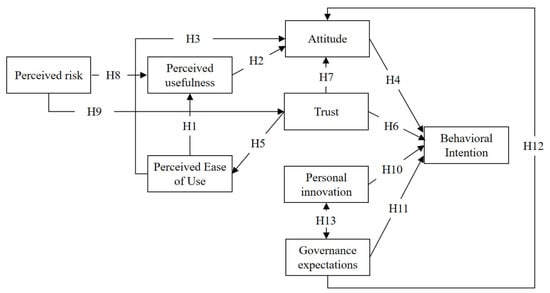
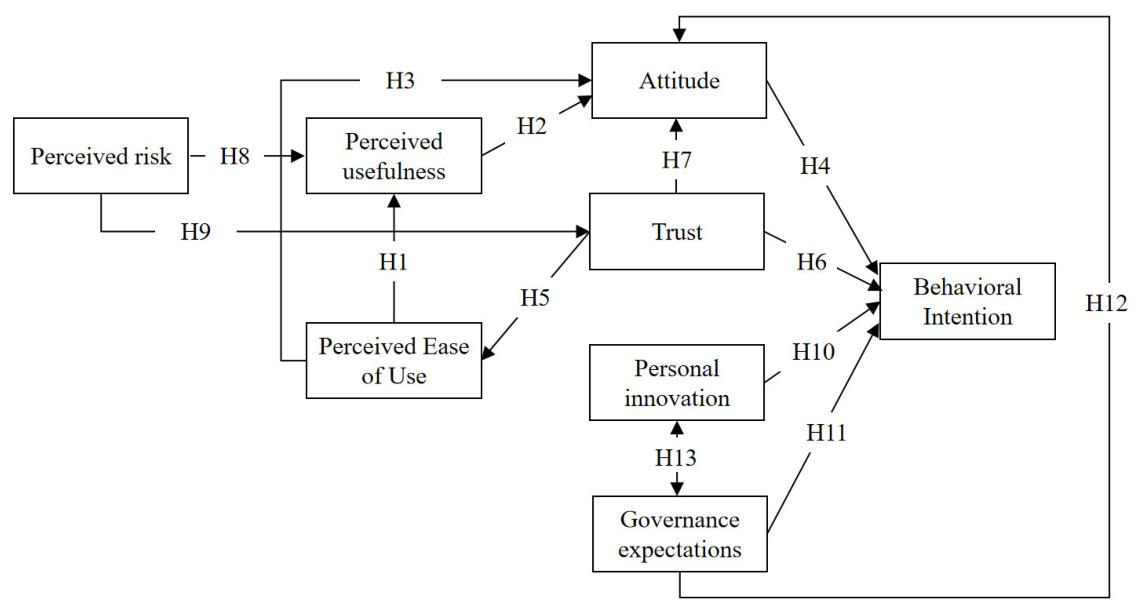
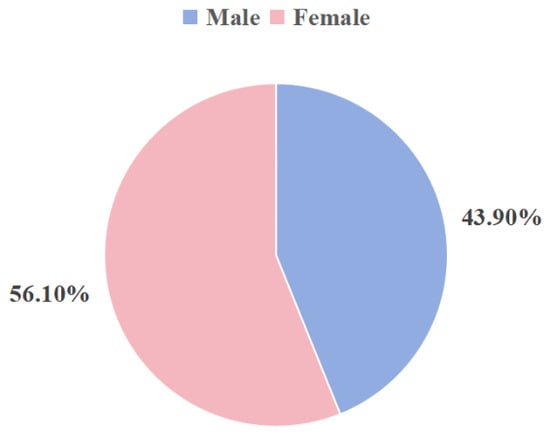
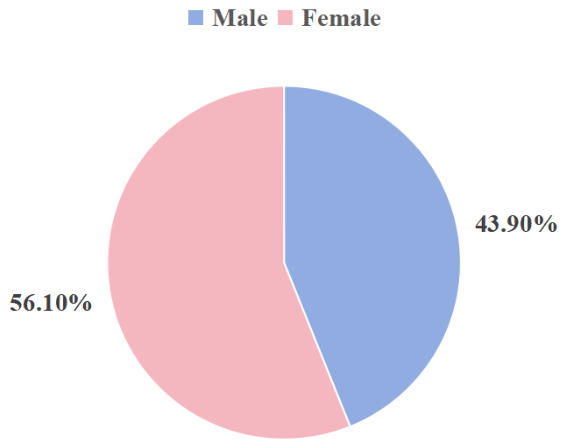
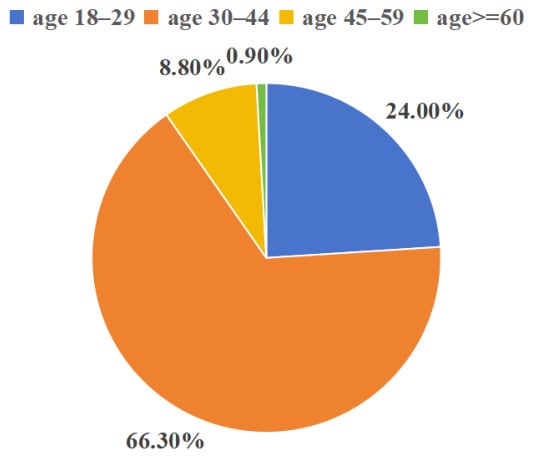
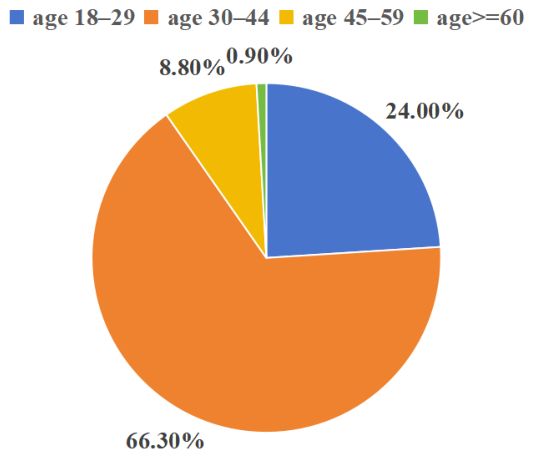
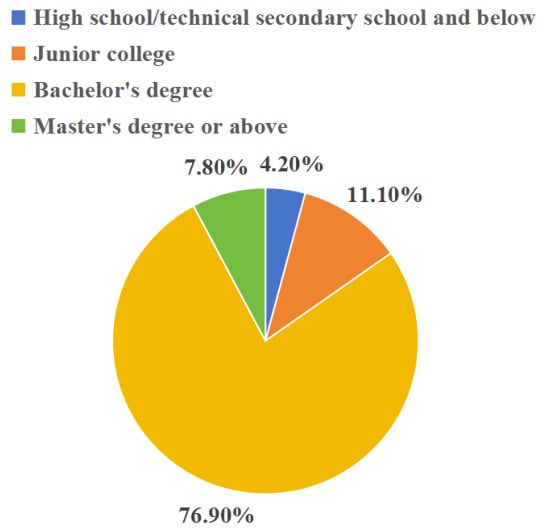
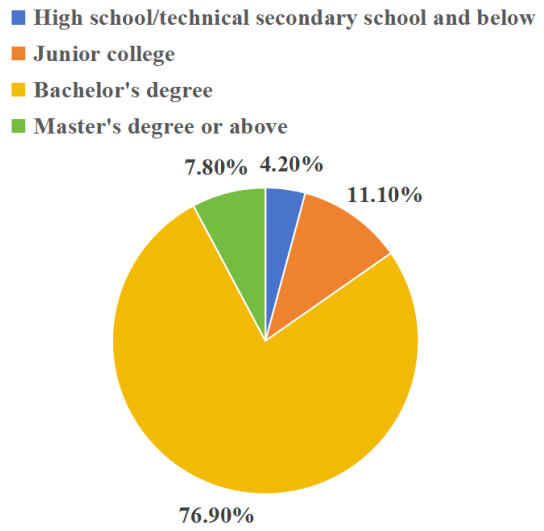
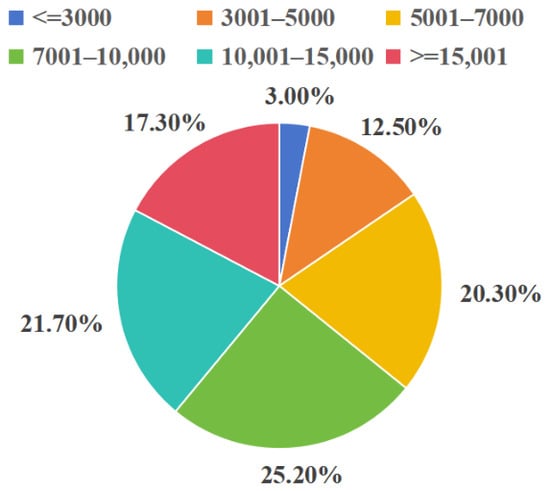
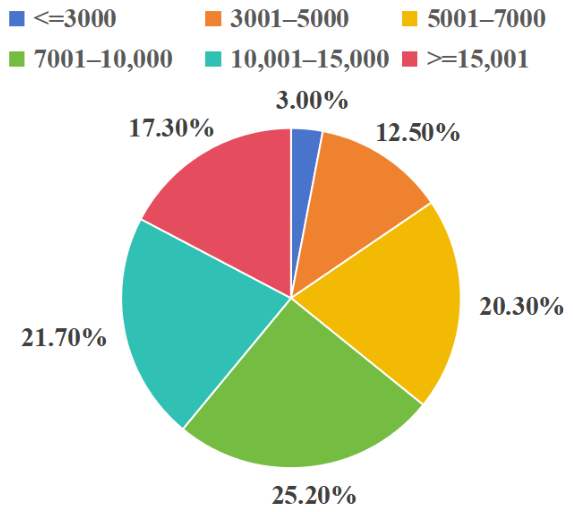
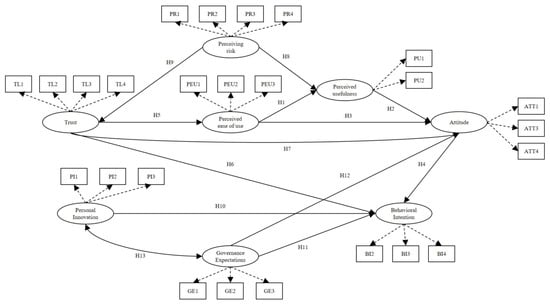
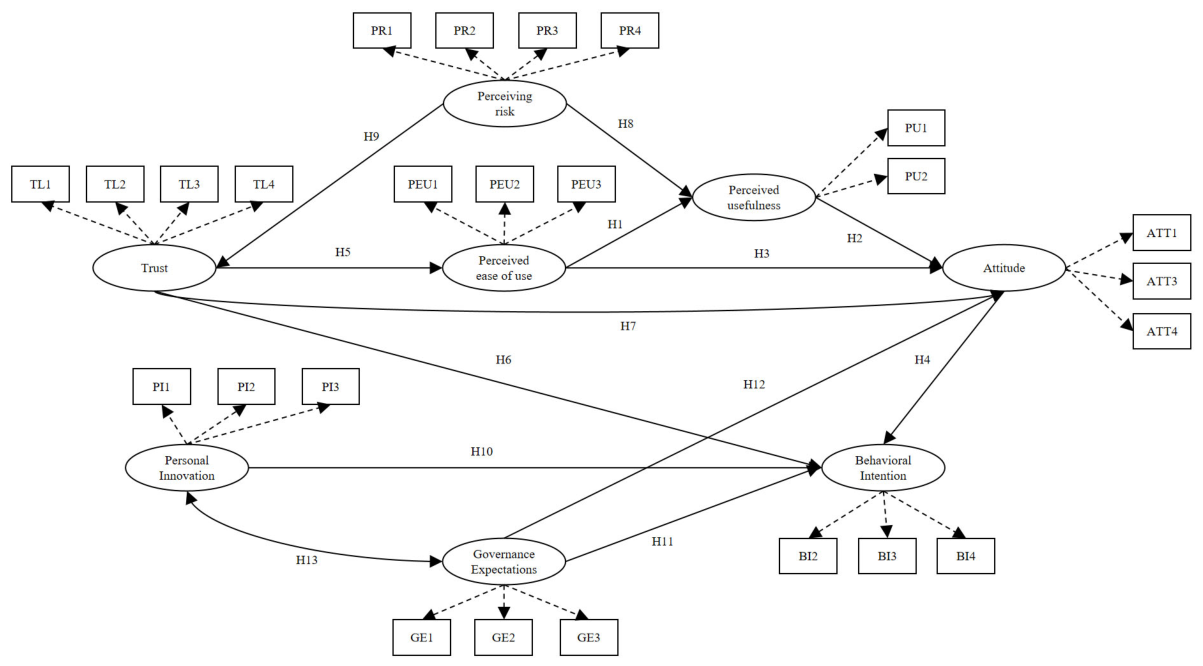
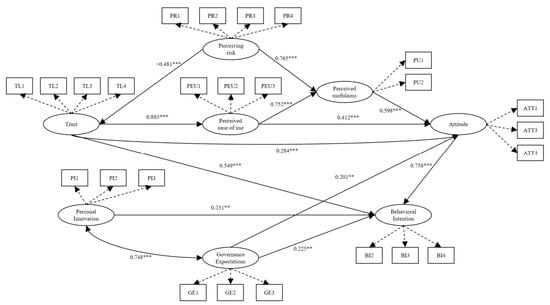
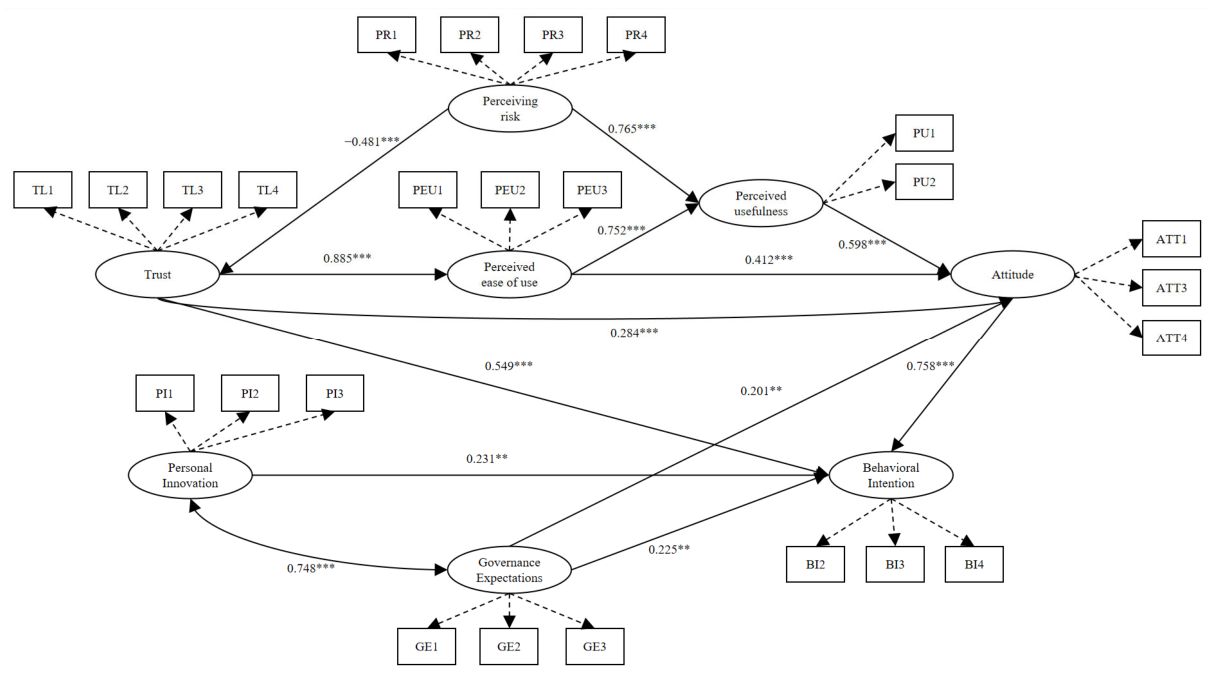
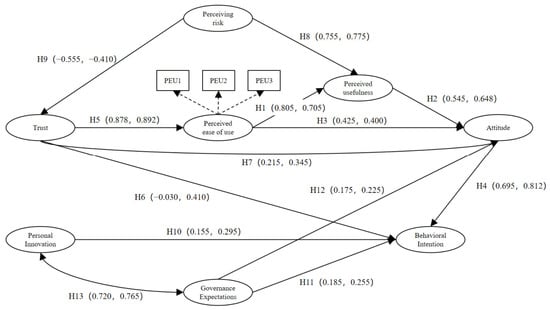
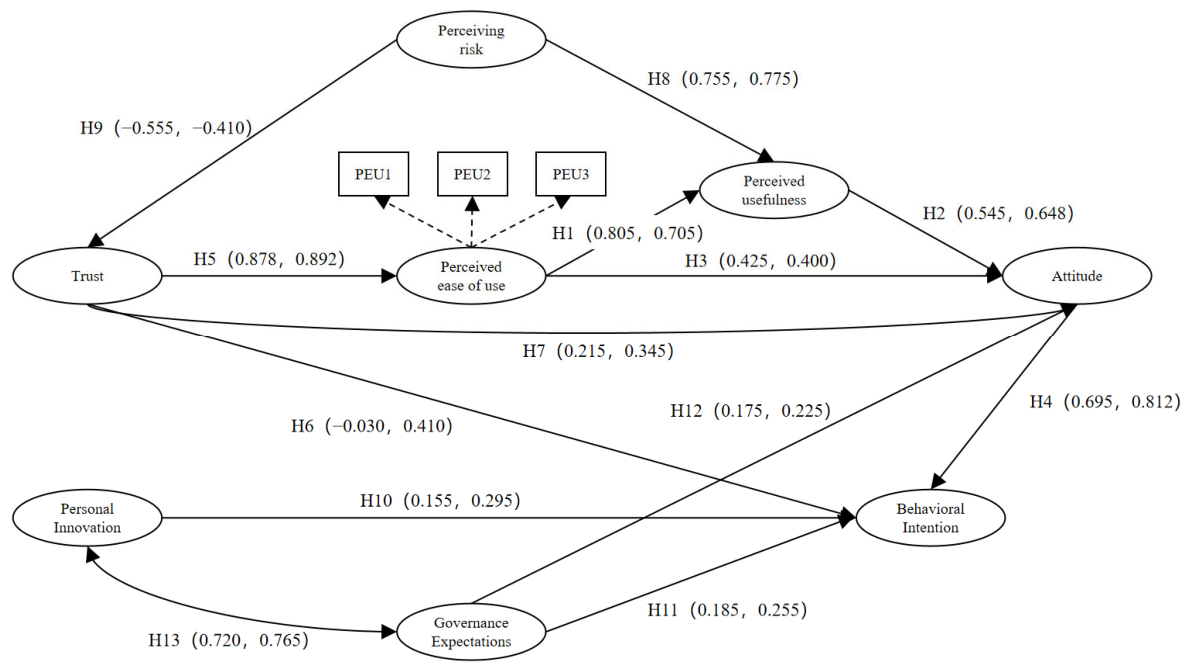

Disclaimer/Publisher’s Note: The statements, opinions and data contained in all publications are solely those of the individual author(s) and contributor(s) and not of MDPI and/or the editor(s). MDPI and/or the editor(s) disclaim responsibility for any injury to people or property resulting from any ideas, methods, instructions or products referred to in the content. |
© 2026 by the authors. Licensee MDPI, Basel, Switzerland. This article is an open access article distributed under the terms and conditions of the Creative Commons Attribution (CC BY) license.