


Abstract
Sustainable rural cultural tourism requires effective approaches to improving the visibility, accessibility, and decision feasibility of dispersed cultural resources, particularly in destinations where service information is fragmented across online and offline channels and tourists face substantial uncertainty in coordinating transport, accommodation, and cultural experiences. This study examines how artificial intelligence (AI) agents can support the sustainable digital transformation of rural cultural tourism by alleviating information asymmetry, releasing latent tourism demand, and facilitating calibrated human–machine trust. Drawing on human–machine trust theory and the Stimulus–Organism–Response framework, this study conceptualizes AI agent functionality through three dimensions: AI Information Quality (AIQ), Information Extensibility (IE), and AI Planning Autonomy (APA). Travel Planning Risk Awareness (TPRA), Human–Machine Trust (HMT), Planning Satisfaction (PS), Rural Cultural Tourism Attractiveness (RCTA), and Rural Cultural Tourism Intention (RCTI) are further incorporated into an integrated model comprising four pathways: information empowerment, autonomy–risk awareness tension, trust boundary, and demand release. Using the Ctrip AI Travel Assistant as the research context, 413 valid questionnaire responses were analyzed through a hybrid Structural Equation Modeling–Artificial Neural Network approach. The results support 12 of the 14 hypotheses. AIQ significantly influences IE (β = 0.530), PS (β = 0.304), and HMT (β = 0.380). HMT functions as a central mechanism connecting AI empowerment with tourism decision-making and exerts the strongest effect on RCTA (β = 0.485), reaching 100% normalized importance in the corresponding ANN model. TPRA positively affects HMT (β = 0.262), indicating that risk awareness can facilitate rational and calibrated trust rather than simply inhibiting AI acceptance. RCTA (β = 0.281) and PS (β = 0.218) jointly promote RCTI through the complementary mechanisms of destination pull and planning push. The findings demonstrate that AI agents can contribute to the sustainable development of rural cultural tourism by improving information accessibility, strengthening responsible human–AI collaboration, and transforming fragmented cultural resources into credible and actionable travel-planning options. This study provides implications for sustainable destination marketing, responsible AI travel-service design, rural revitalization, and the long-term development of rural cultural tourism, while clarifying trust as a psychological gate in AI empowerment.
1. Introduction
With the continued advancement of the rural revitalization strategy, rural cultural tourism has attracted growing attention from policymakers and scholars as an important means of promoting urban–rural integration, preserving local cultural heritage, and revitalizing rural economies. In this study, rural cultural tourism refers to tourism activities in rural destinations that take local cultural resources and rural lifeworlds as core attractions, including traditional lifestyles, folk customs, vernacular architecture, agricultural landscapes, festivals, crafts, gastronomy, and community-based cultural experiences. Compared with general rural tourism, rural cultural tourism places greater emphasis on the interpretation, experience, and consumption of place-based culture within rural settings. Its key features include rural spatial embeddedness, local cultural authenticity, experiential participation, community involvement, and strong dependence on context-specific destination information [1,2]. However, compared with mature urban tourism destinations, rural cultural tourism still faces structural shortcomings in information provision, resource integration, and itinerary planning. Fragmented tourism information, insufficient integration of tourism products and services, and high decision-making costs continue to constrain potential tourists’ travel intentions [3,4]. Therefore, determining how to reduce tourists’ information search barriers, improve the travel planning experience, and effectively stimulate Rural Cultural Tourism Intention (RCTI) through emerging technologies has become an urgent practical issue for promoting the high-quality development of rural cultural tourism. Accordingly, this study focuses on AI-assisted planning based on digitally available rural cultural tourism information, while recognizing that some local and tacit knowledge may remain outside AI-accessible data sources.
Meanwhile, large language model-based AI agents are rapidly entering travel planning scenarios. In this study, an AI agent refers to a generative AI-enabled system that can understand users’ goals, conduct multi-turn natural language interaction, integrate multi-source information, generate personalized itineraries, and continuously adjust suggestions according to user constraints. This concept differs from rule-based chatbots, which mainly rely on predefined scripts or keyword matching, and from conventional online travel platforms, which primarily provide static information retrieval and filtering. Specifically, AI agents can generate personalized itineraries based on user preferences, dynamically integrate multi-source information, and continuously optimize planning schemes, thereby demonstrating high AI Planning Autonomy (APA) and strong Information Extensibility (IE) [5]. This “agentic” travel planning paradigm shows substantial potential for enhancing AI Information Quality (AIQ) and Planning Satisfaction (PS). It may reshape tourists’ perceptions of rural cultural tourism destinations through both information empowerment and experience optimization, thereby strengthening their perceived Rural Cultural Tourism Attractiveness (RCTA) [6].
However, the deep involvement of AI agents in travel planning is not without controversy. On the one hand, the accuracy, reliability, and timeliness of AI-generated content remain uncertain, and the resulting Travel Planning Risk Awareness (TPRA) may influence how users evaluate AI-generated travel planning outcomes [7]. On the other hand, when APA becomes excessive, tourists may perceive a loss of control over travel decisions, which may trigger psychological resistance or insecurity [8]. This tension reveals a critical theoretical gap: the effect of AI agents on RCTI may vary depending on users’ trust judgments and risk awareness, rather than operating as a uniformly positive process. What, then, shapes this process?
This study argues that Human–Machine Trust (HMT) is the key variable for addressing this question. From users’ integrated belief in the competence, benevolence, and reliability of AI systems, HMT is not only a psychological prerequisite for an AI agent to exert planning effectiveness but also a key boundary condition that regulates users’ TPRA [9]. Specifically, when HMT is high, tourists are more likely to accept autonomous AI-generated planning suggestions, evaluate AIQ and itinerary feasibility more carefully, and simultaneously recognize potential uncertainties. Conversely, when HMT is insufficient, even high-quality and highly extensible AI-generated itineraries may fail to translate into travel intention because users remain constrained by risk concerns [10]. In this sense, HMT may both amplify the positive effects of an AI agent and define the upper limit of its utility, thereby delimiting the effective boundary within which an AI agent promotes RCTI.
Although existing studies have extensively examined RCTI from the perspectives of technology acceptance, tourism motivation, and destination image [11,12], and some scholars have begun to explore the application of AI technologies in tourism contexts [13], systematic research linking the travel planning functions of an AI agent with RCTI and examining HMT as a boundary condition remains limited. In particular, the existing literature has not fully answered the following questions:
- (1)
- How do AIQ, IE, and APA influence RCTI through the mediating pathways of PS and RCTA?
- (2)
- What role does TPRA play in this process?
- (3)
- How does HMT function as a hub and boundary condition in these complex relationships, thereby defining the conditions under which the facilitating effects of AI agent are released?
Accordingly, this study focuses on the specific application scenario of AI-based travel planning and develops an integrative theoretical model with HMT as the core boundary variable. The model systematically examines the mechanisms and boundary conditions through which IE, AIQ, APA, PS, RCTA, TPRA, and HMT affect RCTI.
The theoretical contributions of this study are threefold. First, it extends AI agent research from general technology adoption contexts to the specific domain of rural cultural tourism, thereby enriching interdisciplinary research on smart tourism and rural revitalization. Second, it moves beyond the simple linear assumption that AI necessarily promotes tourism intention by introducing HMT as a boundary variable, revealing the nonlinear and condition-dependent nature of AI-enabled effects. Third, by integrating information quality, risk awareness, and trust theories, this study constructs a multi-path moderated analytical framework and provides a new theoretical perspective for understanding the mechanisms of human–AI collaborative decision-making in travel planning. Practically, the findings provide evidence-based guidance for smart marketing strategies for rural cultural tourism destinations, the optimization of AI travel planning products, and the cultivation of HMT.
2. Literature Review
2.1. Human–Machine Trust (HMT) Theory
Trust is generally regarded as an individual’s overall judgment of another actor’s or system’s competence, reliability, and behavioral predictability under conditions of uncertainty and risk. With the widespread application of AI, the referent of trust has gradually expanded from human actors to intelligent systems, giving rise to the concept of HMT. HMT refers to users’ subjective belief that an AI system is capable of completing tasks, providing reliable recommendations, and acting in accordance with their interests during human–AI interaction [14]. Prior studies have shown that users’ acceptance of AI depends not only on system performance but also on their perceptions of AI competence, reliability, transparency, and benevolence [15]. Dang and Li’s review of AI trust highlights that trust is not only an important antecedent of AI adoption, but also a key mechanism linking AI system characteristics with users’ behavioral responses [16]. Research on trust in automation further indicates that HMT is not a static psychological state but a dynamic judgment continuously calibrated by system performance, task context, user experience, and risk cognition [9,17]. In other words, AI-generated outputs are more likely to be adopted and translated into actual behavior only when users perceive AI as competent, dependable, and trustworthy.
HMT is particularly important in travel planning. Travel decisions are characterized by information incompleteness, experiential uncertainty, and partly irreversible consequences. This is especially true for rural cultural tourism destinations, where information is often dispersed, resources are less standardized, and service quality is highly heterogeneous, requiring tourists to bear substantial information search and decision-making costs before traveling [18]. Although AI agents can improve planning efficiency through personalized recommendations, multi-source information integration, and dynamic itinerary design, they may also raise users’ concerns about planning risks due to information inaccuracies, opaque logic, or excessive autonomy [19,20]. Such concerns do not necessarily indicate a negative evaluation of the AI system; rather, they may reflect users’ prudent recognition of the reliability, feasibility, and potential biases of AI-generated itineraries, namely TPRA. Therefore, users’ trust in AI agents directly affects their acceptance of AI-generated itineraries, their evaluation of information quality, and their reliance on planning outcomes. Higher HMT helps users regard AI as an effective travel decision-support tool, whereas lower HMT may amplify their sensitivity to errors, biases, and risks [16,21].
Drawing on HMT theory, this study argues that HMT is not only a psychological prerequisite for AI agents to function effectively but also a key condition that defines the boundary of their effect on RCTI. On the one hand, high HMT can strengthen the positive effects of AIQ, IE, and planning autonomy on PS and perceived RCTA, thereby enabling AI-enabled effects to be fully released. On the other hand, TPRA may encourage users to identify potential uncertainties in AI planning more cautiously and to develop more calibrated rational trust through the continuous evaluation of system competence and reliability [9,17]. Thus, the effect of AI agents on RCTI is not determined solely by technological capability; rather, it largely depends on users’ trust in the AI system. In this sense, HMT constitutes the core theoretical basis for explaining the heterogeneity and conditionality of AI-enabled effects in this study.
2.2. Stimulus–Organism–Response (SOR) Model
The Stimulus–Organism–Response (SOR) model posits that external environmental stimuli (Stimulus) influence individuals’ internal cognitive and affective states (Organism), which in turn drive behavioral responses (Response). This model has been widely applied in consumer behavior, information systems, e-commerce, tourism management, and related fields [22].
Prior research has repeatedly confirmed the explanatory power of the SOR model in tourism behavior and technology adoption. In tourism research, the SOR model has been widely used to explain how tourists transform digital information stimuli into affective cognition and travel intention, with consistent evidence from studies on virtual tourism, smart guiding, and immersive tourism marketing [23]. In AI and algorithmic service contexts, external stimuli are no longer limited to traditional environmental cues but have been extended to technological characteristics such as AI-generated information quality and automation level. Correspondingly, users’ internal states have expanded from general emotional responses to more intelligent-interaction-related psychological mechanisms, including HMT, algorithm aversion, risk perception, and perceived control [24]. For example, Zhu et al. examined virtual tourism experiences by treating the immersive features of VR technology as stimuli and telepresence and flow as organismic states, demonstrating that technological features significantly influence destination visit intention through psychological immersion [25].
In this study, the SOR model is highly suitable for examining how AI agents promote RCTI. AIQ, IE, APA, and TPRA constitute the external stimuli perceived by users when engaging with AI-based travel planning services. HMT, PS, and RCTA represent users’ internal psychological processing after exposure to technological stimuli, including risk recognition, quality judgment, and value perception. RCTI represents the final behavioral response. Therefore, the SOR model provides an analytical framework that integrates process explanation and variable synthesis, enabling AI technological characteristics, user psychological mechanisms, and tourism behavior to be interpreted within a unified theoretical system.
2.3. AI Information Quality (AIQ) and Information Extensibility (IE)
AIQ refers to users’ perceived evaluation of AI-generated tourism information in terms of its richness, relevance to planning needs, expectation consistency, and comprehensibility. In this study, “information richness” does not refer to the objective completeness of all possible destination information, but to users’ subjective judgment of whether the information provided is sufficiently detailed and useful for their own travel planning. It reflects the “quality baseline” of AI-enabled information provision [26,27]. IE refers to the ability of AI agents to extend planning information during interaction by adding relevant content, linking related scenarios, and supporting follow-up exploration [28]. Unlike traditional online travel platforms that mainly provide static search results, AI agents can refine initial itineraries through multi-round conversations based on users’ preferences and constraints. In this way, a simple rural destination name can be expanded into a clearer information network covering cultural background, local products, itinerary rhythm, and experiential details [27]. Together, AIQ and IE constitute the core information-empowerment features of AI agents in rural cultural tourism planning.
In the information-empowerment pathway, AIQ first serves as the foundational driver that activates IE. High-quality initial information is generally more diagnostic and inspiring, providing accurate semantic anchors and a reliable knowledge base for subsequent content extension. This enables information expansion to proceed in directions aligned with user needs [29]. Meanwhile, information quality directly shapes users’ evaluations of the itinerary itself. According to expectation-confirmation theory [30], satisfaction arises from the consistency between actual outcomes and prior expectations. Information quality is the most direct source of this consistency judgment: when rural cultural tourism information provided by AI meets or exceeds users’ expectations in terms of accuracy and relevance, PS is likely to increase significantly [31]. Furthermore, high-quality information provides a key cue for users to infer the competence and reliability of AI systems. In HMT research, ability is regarded as a core dimension of trust formation, and the quality of information output is the most direct and frequent point through which users perceive AI competence [21]. When users repeatedly confirm during interaction that AI can provide accurate, complete, and relevant rural cultural tourism information, their perceptions of AI professionalism and reliability are strengthened, thereby facilitating the initial formation of HMT. Based on the above analysis, the following hypotheses are proposed:
H1.
AI Information Quality (AIQ) positively affects Information Extensibility (IE).
H2.
AI Information Quality (AIQ) positively affects Planning Satisfaction (PS).
H3.
AI Information Quality (AIQ) positively affects Human–Machine Trust (HMT).
Building on information quality, IE further transmits its enabling effects through two downstream pathways. On the one hand, IE can deepen the formation of HMT. When AI can extend users’ initial questions across multiple layers and perspectives and support exploratory follow-up inquiries, users are more likely to perceive the system as intelligent and responsive. This “beyond-expectation” interaction experience can strengthen users’ overall judgments of AI competence and benevolence [21]. On the other hand, IE is a key mechanism for activating perceived RCTA. The attractiveness of rural cultural tourism destinations is often embedded in deeper contexts such as local culture, customs, and lifestyles, rather than being limited to surface-level lists of attractions. IE helps users transform an abstract destination concept into a more concrete and immersive travel expectation, thereby systematically revealing hidden cultural value and experiential potential [27]. Prior studies have shown that the richness and extensibility of tourism information can significantly enhance users’ cognitive–affective resonance with a destination and strengthen their overall perception of destination attractiveness [28]. Based on the above analysis, the following hypotheses are proposed:
H4.
Information Extensibility (IE) positively affects Human–Machine Trust (HMT).
H5.
Information Extensibility (IE) positively affects Rural Cultural Tourism Attractiveness (RCTA).
2.4. Autonomy–Risk Awareness Tension Pathway: The Double-Edged Effect of AI Planning Autonomy (APA) and the Mechanism of Risk Awareness
APA refers to the extent to which an AI agent can independently formulate plans, integrate information, and optimize itineraries in travel planning tasks. It reflects the paradigm shift of AI from an “information retrieval tool” to an “autonomous decision-making agent” [32]. TPRA refers to users’ cognitive recognition of potential uncertainties, information bias, privacy risks, feasibility constraints, and possible losses when using AI-generated rural cultural tourism itineraries. It differs from risk perception or risk concern, which often involves perceived probability, severity, and affective responses such as anxiety or fear [7]. In this study, TPRA emphasizes cognitive awareness and prudent evaluation rather than emotional concern. Users with higher TPRA may not necessarily reject AI-generated itineraries; instead, they may be more likely to verify information sources, evaluate plan feasibility, and understand the boundaries of AI planning capabilities. This distinction supports the logic of calibrated trust: risk awareness may promote deeper information processing and trust calibration, whereas risk concern may inhibit trust and adoption.
Distinct from the information-empowerment pathway formed by AIQ and IE, APA and TPRA jointly constitute the autonomy–risk awareness tension pathway of AI agents. This pathway is inherently double-edged: the more complex the planning tasks undertaken by AI and the higher its autonomy, the stronger its enabling effect in reducing users’ decision-making burden; however, users may also pay closer attention to the information sources, reasoning logic, and practical feasibility behind AI recommendations. Therefore, TPRA does not necessarily erode user evaluations; rather, it may become a cognitive basis for calibrated trust. This tension represents a key entry point for understanding the boundary conditions of AI-enabled effects in this study.
APA may negatively affect TPRA. Research on automation use suggests that when systems assume more task-processing functions, users tend to transfer part of the responsibility for managing uncertainty to the system, thereby reducing their active monitoring of task-related risks [8]. This “responsibility transfer effect” is applicable to AI travel planning to some extent. If generative AI can independently complete complex tasks such as attraction selection, route arrangement, time allocation, and accommodation coordination, users may perceive the system as professional and capable, thereby reducing their active recognition of potential problems [32]. Rural cultural tourism planning is a typically complex decision-making task involving multiple uncertainties, including destination selection, cultural experience matching, transportation accessibility, and accommodation coordination. When AI agents can autonomously integrate multi-source information and generate executable itineraries, users’ active attention to potential uncertainties may decrease [33]. However, because rural destinations often have low service standardization and limited information verification channels, highly autonomous AI planning may also heighten users’ concerns about control transfer and plan verifiability. Therefore, this effect may not be stable.
APA can positively contribute to HMT. From a social cognition perspective, the autonomous planning capability displayed by AI in complex tasks functions as a strong competence signal, providing users with concrete evidence of AI competence. Castelo et al. (2019) revealed an important conditional effect: when users perceive that the autonomy demonstrated by AI in task execution matches task complexity, trust formation is strongest; that is, system autonomy generates stronger trust effects in complex tasks than in simple ones [34]. As rural cultural tourism planning is a typical high-complexity task, the autonomous planning capability of AI can provide more persuasive competence signals. Han (2025) further showed that higher autonomy in generative AI services significantly enhances users’ cognitive and affective trust through an “expertise attribution” mechanism [32]. In other words, the planning autonomy demonstrated by AI agents is not merely a functional output but also a symbolic resource for building HMT.
TPRA may positively affect HMT. Traditional perceived risk research generally argues that risk perception weakens users’ trust in and adoption of technological systems. However, in AI travel planning, where information evaluation and plan verification are critical, risk awareness is not equivalent to risk fear. Rather, moderate risk awareness means that users can identify potential biases, uncertainties, and implementation constraints in AI outputs and evaluate system capability more cautiously. Research on trust in automation emphasizes that ideal HMT is not unconditional trust but “appropriate trust” or “calibrated trust” aligned with system capability, task environment, and potential consequences [9,17]. When users have higher TPRA, their trust in AI-generated itineraries is more likely to be based on active recognition, comparative judgment, and boundary understanding rather than blind acceptance of AI outputs. Therefore, in rural cultural tourism contexts characterized by strong information asymmetry and partly irreversible decision consequences, TPRA may promote more robust HMT by increasing users’ depth of information processing and capacity for trust calibration.
TPRA may positively affect PS. PS reflects users’ immediate evaluation of the completeness, fit, and feasibility of AI-generated itineraries, whereas TPRA captures users’ active recognition and cautious assessment of potential information bias, implementation constraints, and uncertain consequences in such itineraries. According to expectation-confirmation theory, user satisfaction depends not only on the objective quality of a plan but also on the perceived consistency between the actual outcome and prior expectations [30]. In AI-based travel planning, moderate TPRA does not necessarily weaken users’ evaluations. Instead, it may encourage users to more actively verify the information sources, route arrangements, time costs, and implementation boundaries of AI-generated itineraries, thereby promoting deeper cognitive processing and clearer plan confirmation. When users recognize potential uncertainties yet still perceive the AI-generated itinerary as complete, well-fitted, and executable, their satisfaction with the itinerary may further increase. This mechanism may be particularly salient in rural cultural tourism, where fragmented destination information, complex transportation connections, and non-standardized service provision require tourists to evaluate itinerary feasibility more carefully. Therefore, TPRA may positively enhance PS by strengthening users’ confirmation of plan executability and psychological preparedness for uncertainty.
Based on the above analysis, the following hypotheses are proposed:
H6.
AI Planning Autonomy (APA) negatively affects Travel Planning Risk Awareness (TPRA).
H7.
AI Planning Autonomy (APA) positively affects Human–Machine Trust (HMT).
H8.
Travel Planning Risk Awareness (TPRA) positively affects Human–Machine Trust (HMT).
H9.
Travel Planning Risk Awareness (TPRA) positively affects Planning Satisfaction (PS).
2.5. Trust Boundary Pathway: The Hub Effect of Human–Machine Trust (HMT) and the Boundary-Defining Mechanism
HMT occupies a hub position at the organism level in the theoretical model of this study. It serves both as the convergence point of four upstream stimulus pathways—AIQ, IE, APA, and TPRA—and as the starting point for downstream cognitive evaluation, process evaluation, and behavioral intention, namely RCTA, PS, and RCTI. Mayer et al. (1995) defined trust as a relational belief involving the willingness to accept vulnerability under uncertainty [35]. Glikson and Woolley (2020) extended this concept to the AI context, arguing that in human–AI interaction, trust can partly substitute for cognitive scrutiny and risk control, enabling users to adopt AI recommendations even when they cannot fully verify the system’s operating process [36]. In rural cultural tourism, where information asymmetry is high and decisions are partly irreversible, this “cognitive substitution” function of HMT is particularly important. It not only determines whether users accept the destination image presented by AI and recognize AI-generated itineraries, but also shapes the psychological pathway through which these cognitive evaluations are translated into actual travel intention [31].
HMT can significantly strengthen users’ perception of RCTA. Prior research suggests that users’ cognitive evaluations of external information depend not only on the information itself but also on their trust in the information source [16]. In their classic study of recommendation systems, Komiak and Benbasat (2006) identified a key mechanism: users’ cognitive trust in a system can reduce their cognitive resistance to recommended content, enabling them to process recommendations with greater openness and acceptance, thereby positively influencing their perceived value of the recommended object [37]. This mechanism has also been empirically supported in AI tourism contexts. Based on the SOR framework, Foroughi et al. (2026) found that both cognitive and affective trust significantly enhance users’ value evaluation of AI-presented tourism destinations and their continued use intention [21]. In the context of rural cultural tourism, when users have a high level of trust in AI agents, the cultural information presented by AI—such as traditional crafts, local customs, and regional food—is more likely to be deeply processed and internalized as a positive evaluation of destination attractiveness. Conversely, when HMT is insufficient, users may question the information source and suppress their perception of destination attractiveness, even if the information provided by AI is objectively accurate and rich.
HMT also has a significant positive effect on PS. PS essentially reflects users’ overall subjective evaluation of the completeness, fit, and practicality of AI-generated itineraries, and this evaluation process is inherently embedded in users’ trust judgments regarding AI competence and reliability [16]. Pillai and Sivathanu (2020) found that trust in AI tourism services is the strongest predictor of user evaluation and adoption intention, with a larger effect size than other common predictors such as perceived usefulness and innovativeness [38]. The underlying logic is that trust functions as a prior psychological frame that guides users’ interpretation of AI outputs: high-trust users tend to interpret ambiguous or uncertain elements in itineraries as professional judgments, whereas low-trust users are more likely to interpret the same elements as competence deficiencies. Dubey and Meena’s (2025) study of 738 travel chatbot users further confirmed a significant and robust positive association between cognitive trust and users’ satisfaction with chatbot-generated outputs, particularly among users with positive interaction experiences [39]. Therefore, in rural cultural tourism planning, the level of HMT directly shapes users’ perceived quality and service value of AI-generated itineraries.
HMT directly influences users’ RCTI. Dang et al.’s (2026) [16] cross-cultural systematic review of AI trust indicates that AI trust has become a robust predictor of behavioral intention across various contexts, including service adoption, brand choice, and destination visitation. This effect often goes beyond specific functional evaluations and reflects a direct “trust-driven behavior” mechanism [16]. In the specific context of AI travel planning, Xu (2024), based on the SOR framework, showed that perceived trust directly and significantly affects users’ adoption intention toward AI recommendations during cognitive processing [40]. The theoretical significance of this direct pathway is that when users sufficiently trust AI agents, rural cultural tourism destinations recommended by AI may enter their decision set and stimulate travel intention through an endorsement effect, even if these destinations were not previously within their cognitive scope. In contrast, when users lack basic trust in AI, the enabling effects of upstream technological features—such as AIQ, IE, and planning autonomy—may be blocked at the “trust bottleneck” and fail to translate into actual travel intention. In this sense, HMT is not only a key mediating variable in the model but also a boundary condition that determines whether the enabling effects of AI agents can be fully released. Based on the above analysis, the following hypotheses are proposed:
H10.
Human–Machine Trust (HMT) positively affects Rural Cultural Tourism Attractiveness (RCTA).
H11.
Human–Machine Trust (HMT) positively affects Planning Satisfaction (PS).
H12.
Human–Machine Trust (HMT) positively affects Rural Cultural Tourism Intention (RCTI).
2.6. Demand Release Pathway: From Cognitive Evaluation to Behavioral Intention
The preceding three sets of hypotheses describe the upstream stimulus effects of AI agent functional characteristics, including information empowerment and autonomy–risk awareness tension, as well as the midstream boundary-defining role of HMT as a core hub variable. After these pathways are transmitted and filtered, the causal chain ultimately reaches its behavioral outcome: the formation of RCTI. Within the SOR framework, the response stage requires psychological evaluations at the organism level to make the final transition into observable behavioral tendencies [41]. This study argues that this final transformation occurs through two complementary cognitive evaluation pathways: the RCTA pathway based on “destination pull” and the PS pathway based on “planning push.” Together, these pathways complete the behavioral transformation from “demand suppression caused by information asymmetry” to “demand release driven by AI enablement.”
Perceived RCTA, as users’ comprehensive cognitive–affective evaluation of destination value, is a core motivational driver of travel intention. According to Crompton’s (1979) push–pull motivation theory, the distinctive attributes of a destination constitute the “pull” factors that attract tourists, and this pull essentially reflects potential tourists’ subjective perception of destination attractiveness [42]. Wang and Hsu’s (2010) integrated model showed that destination image and perceived attractiveness are among the most robust antecedents of tourism behavioral intention [43], a conclusion repeatedly supported by subsequent studies [44]. In the context of rural cultural tourism, this mechanism has distinct theoretical implications. Unlike well-known urban attractions, the attractiveness of rural destinations is often not self-evident; it must be constructed, discovered, and perceived through information presentation. Once users form the perception that a rural destination has unique cultural value and experiential potential based on AI-presented information, rural cultural tourism demand that has long been suppressed by information asymmetry may be activated and released, eventually translating into concrete travel intention [44]. Zhu et al. (2025), using the SOR model to examine perceived restorative qualities in rural tourism, found that perceived destination attractiveness significantly and positively predicts tourists’ behavioral intentions through a dual cognitive–affective mechanism, with this effect being particularly robust in the context of rural revitalization [45]. In other words, perceived RCTA addresses the motivational question of “why to go” and provides a clear value expectation that forms the core psychological driver of RCTI.
If perceived RCTA addresses the motivational question of “why to go,” PS addresses the action-oriented question of “whether one can go.” PS reflects users’ overall subjective evaluation of the completeness, operability, and personalized fit of AI-generated itineraries, serving as a key operational channel through which travel motivation is translated into actual action. Xiang et al. (2015) [46], in a classic study of online travel planning behavior, identified a phenomenon closely related to PS: the information satisfaction experienced during travel information search significantly and positively predicts destination visit intention. This effect is mediated by reduced decision procrastination, meaning that users who are satisfied with the information they have obtained are more likely to make travel decisions promptly rather than delay them indefinitely [46]. This mechanism has received further empirical support in AI-generated content contexts. Orden-Mejía et al. (2025) confirmed that users’ satisfaction with AI-generated itineraries significantly predicts their intention to visit destinations, with the effect mediated by perceived usefulness and perceived enjoyment [31]. Dang and Li (2026) [16] also noted that users’ satisfaction with AI-generated travel plans directly affects their tendency to translate AI recommendations into actual travel decisions. This effect is particularly salient in non-standardized destination contexts such as rural tourism, where AI-generated itineraries essentially serve as a form of “decision feasibility endorsement” [16]. In rural cultural tourism, a satisfactory AI-generated itinerary provides not only information but also action certainty. It transforms vague and hesitant travel intentions into a clear and executable plan in which transportation connections, accommodation choices, itinerary rhythm, and experiential details are made controllable. When users report higher overall satisfaction with AI-generated itineraries, hesitation and delay caused by planning burdens are reduced, thereby removing operational barriers to the final release of rural cultural tourism demand. Based on the above analysis, the following hypotheses are proposed:
H13.
Rural Cultural Tourism Attractiveness (RCTA) positively affects Rural Cultural Tourism Intention (RCTI).
H14.
Planning Satisfaction (PS) positively affects Rural Cultural Tourism Intention (RCTI).
2.7. Proposed Research Model
Integrating HMT theory with the SOR framework, this study focuses on AI agent-enabled rural cultural tourism itinerary planning. It develops a theoretical model with HMT as the core boundary variable to systematically explain the multi-path mechanisms through which AI agent functional characteristics influence RCTI via users’ psychological processing, as shown in Figure 1.
Figure 1.
Research hypothesis model.
In the model, AIQ, IE, APA, and TPRA constitute the core external stimuli under the SOR framework. AIQ serves as the foundational driver of the information-empowerment pathway, simultaneously activating IE, shaping PS, and initiating HMT formation. IE further transmits its effects downstream by reshaping users’ perception of RCTA through the disclosure of deeper cultural value in rural destinations, while also strengthening HMT through beyond-expectation interaction experiences. APA may reduce users’ active attention to potential uncertainties by undertaking complex planning tasks and, at the same time, build HMT by signaling system competence. TPRA, as users’ prudent recognition of potential uncertainties, information biases, and implementation constraints in AI-generated itineraries, may enhance PS by promoting deeper information processing, plan verification, and psychological preparedness for uncertainty, while also facilitating HMT formation through trust calibration. At the organism level, HMT functions as a hub variable. It is both the convergence point of the four upstream stimulus pathways and the starting point for downstream cognition, evaluation, and behavior, namely RCTA, PS, and RCTI. At the response level, RCTA and PS serve as two higher-order cognitive evaluations released through the trust boundary. Together with HMT, they positively influence RCTI through the dual mechanisms of “destination pull” and “planning push.” In this way, the model captures the final behavioral transformation from “demand suppression caused by information asymmetry” to “demand release driven by AI enablement,” thereby providing a multi-path and hierarchical analytical framework for understanding the role of human–AI collaborative decision-making in rural cultural tourism planning.
3. Research Methods
3.1. Research Methods and Process
3.1.1. Introduction to Research Methods
This study adopts a mixed-method empirical approach that combines questionnaire survey, Structural Equation Modeling (SEM), and artificial neural network (ANN) analysis to examine the mechanism through which the functional characteristics of AI agents influence RCTI.
First, the questionnaire survey was used to collect subjective perception data on the study variables. This method is appropriate for measuring individuals’ psychological cognition, attitudinal evaluations, and behavioral intentions, thereby providing the primary data for subsequent empirical analysis.
Second, SEM was employed to test the relationships among variables and the proposed research hypotheses. SEM can simultaneously estimate multiple latent variables and their path relationships, making it suitable for analyzing the complex causal links among AI functional characteristics, HMT, PS, RCTA, and RCTI. Before conducting SEM analysis, this study assessed measurement quality through reliability analysis, confirmatory factor analysis (CFA), convergent validity, composite reliability (CR), and discriminant validity to ensure the robustness of model estimation.
Finally, ANN was introduced for nonlinear prediction and sensitivity analysis. ANN can identify potential nonlinear relationships among variables and evaluate the relative influence of each predictor on the outcome variable through normalized importance. While SEM emphasizes linear path explanation, ANN highlights nonlinear predictive capability. Their integration strengthens the robustness of the findings from the dual perspective of “linear explanation–nonlinear validation.”
3.1.2. Research Process
This study focuses on the core question of how AI agents alleviate information asymmetry in rural cultural tourism and release potential travel demand. The research process is shown in Figure 2.
Figure 2.
Research flowchart. Note: The icons and other graphical elements are used solely as visual guides and do not represent distinct categories or encode additional scientific or quantitative information.
First, based on the practical contexts of rural revitalization, information asymmetry, demand suppression, and utility boundaries, this study integrates HMT, the SOR model, expectation-confirmation theory, perceived risk theory, and push–pull motivation theory. It then constructs a theoretical model comprising four paths, information empowerment, autonomy–risk awareness tension, trust boundary, and demand release, and proposes 14 research hypotheses.
Second, a seven-point Likert scale was designed around eight latent variables and 28 observed measurement items. With 413 valid responses, the sample-to-item ratio was 14.75:1 (413/28), exceeding the commonly recommended 10:1 rule of thumb for SEM applications. In addition, the sample-to-structural-path ratio was 29.50:1 (413/14), which is above the frequently suggested range of 10–20 cases per estimated structural parameter.
Third, reliability analysis, CFA, convergent validity, CR, discriminant validity, descriptive statistics, normality tests, and Pearson correlation analysis were conducted to examine measurement quality.
On this basis, SEM and ANN were further combined to conduct path testing, nonlinear prediction, and sensitivity analysis, thereby achieving mutual validation between linear explanation and nonlinear prediction.
Finally, based on the empirical results, this study discusses the mechanism through which AI agents empower RCTI and proposes theoretical contributions, practical implications, and directions for future research.
3.2. Case Analysis
Ctrip AI Travel Assistant represents a typical case of AI agents embedded in travel decision-making scenarios on online travel platforms. Publicly available information indicates that Trip.com launched TripGen, an AI chatbot based on OpenAI technology, to provide travelers with real-time travel assistance. More broadly, AI assistant functions within the Ctrip ecosystem reflect a shift from the traditional “search-filter-book” model toward a “conversation-generation-decision support” model. Unlike conventional OTA platforms, which mainly rely on keyword-based retrieval and static information display, Ctrip AI Travel Assistant enables natural language interaction based on users’ travel time, budget, preferences, destination type, and itinerary constraints, and can generate relatively comprehensive travel guides, route suggestions, and linked service plans. This case is particularly relevant to rural cultural tourism. Rural destinations often suffer from fragmented information, less salient attractiveness, complex transportation and accommodation coordination, and high decision-making costs. In this context, the AI assistant can enhance AIQ and IE by integrating multi-source information, including attractions, cultural resources, transportation, accommodation, dining options, and user reviews. At the same time, its ability to automatically generate routes, arrange visiting sequences, and recommend supporting services reflects APA. During this process, users may also develop TPRA regarding the authenticity, feasibility, and suitability of AI-generated itineraries, while gradually building HMT through repeated follow-up queries, plan comparisons, and platform endorsement. Overall, Ctrip AI Travel Assistant effectively illustrates the mechanism discussed in this study, namely the pathway of “information empowerment-risk awareness-trust boundary-demand release.” Specifically, by alleviating information asymmetry, improving PS, and reconstructing users’ perceptions of RCTA, AI agents can promote the formation of RCTI among potential travelers. Therefore, compared with general AI travel tools, Ctrip AI Travel Assistant is not limited to answering travel-related questions; rather, it integrates conversational demand understanding, itinerary generation, platform-based service linkage, and in-trip support within the same online travel platform. This study uses Ctrip AI Travel Assistant as a representative case to illustrate how AI agents are embedded in travel planning and how AI-assisted itinerary generation may influence rural cultural tourism decision-making. It should be clarified that the questionnaire did not require all respondents to have used a specific version of Ctrip AI Travel Assistant. Instead, the survey was based on the general application scenario of “AI agents generating rural cultural tourism itineraries,” while the Ctrip case was used to contextualize and explain the functional logic of AI-assisted travel planning. The comparison between AI agents and conventional online travel platforms is made because both are digitally mediated travel planning tools: the former represents generative conversational planning, whereas the latter mainly represents static search-and-filter information retrieval. Offline sources, such as local guides, travel agents, farmers, residents, and ethnic community representatives, are not excluded from real-world rural cultural tourism decision-making; rather, they fall outside the empirical comparison of this study. The case analysis is shown in Figure 3.
Figure 3.
Case analysis diagram. Note: The icons and other graphical elements are used solely as visual guides and do not represent distinct categories or encode additional scientific or quantitative information.
3.3. Ethical Research Statement
This study strictly adhered to ethical guidelines for human-subject research, with full protection of participants’ rights to informed consent, voluntary participation, privacy, and withdrawal. The study was reviewed and approved by the Donghua University Science and Technology Ethics Committee under ethics application number RLSSZYJ202605170075, with approval granted on 22 May 2026. Data collection was conducted after ethical approval had been granted, and the questionnaire survey was administered from 23 May 2026. The ethics review confirmed that the study complied with the relevant ethical requirements for human-subject research, and the research protocol, questionnaire, and informed consent materials were submitted for review as required.
Before formally participating in the questionnaire survey, all participants were informed of the study purpose, survey content, participation procedures, expected duration, potential risks, data usage, and their rights. After fully understanding this information, participants voluntarily decided whether to participate and indicated their informed consent by reading the Informed Consent Form and confirming their agreement. Participants were free to withdraw from the study at any stage without any adverse consequences.
Data were collected through an anonymous questionnaire and did not involve sensitive information that could directly identify individuals. All questionnaire data were used solely for academic analysis in this study. The research team anonymized the data and stored them securely using encrypted or restricted-access methods, and unauthorized personnel were not allowed to access the raw data. The results are presented only in aggregated statistical form and do not disclose any information that could identify individual participants. This study did not involve medical intervention, physical harm, or high-risk experimental procedures, and the potential risk to participants was minimal. Through these measures, the study ensured that the survey process complied with the principles of voluntariness, informed consent, anonymity, confidentiality, and minimal risk.
3.4. Questionnaire Design and Strategy
The questionnaire design in this study was primarily adapted from established scales and refined to fit the specific context of AI agents generating rural cultural tourism itineraries. AIQ was measured using four items, mainly adapted from Zhu (2025) [47]. IE was measured using three items, primarily based on Arpaci (2026) [48] regarding generative AI information support and knowledge expansion. APA was measured using three items, mainly adapted from Cheng (2026) [49] on AI autonomy and human–AI collaboration. TPRA was measured using three items, mainly adapted from Zhu (2025) [47] on perceived risks in AI use and further contextualized to reflect privacy and information security concerns, uncertainty in planning schemes, and potential travel-related losses. HMT was measured using four items, mainly adapted from Fu (2026) [50] on trust in large language model use. PS was measured using four items, mainly adapted from Guangju (2026) [51] on tourism experience satisfaction and perceived value. RCTA was measured using four items, mainly adapted from Yang (2025) [52] on perceptions of rural culture and tourism attractiveness. RCTI was measured using three items, adapted primarily from Guangju (2026) [51] and Fu (2026) [50] on behavioral intention and technology use intention. A seven-point Likert scale was used to collect respondents’ evaluations of each measurement item, ranging from 1 (“strongly disagree”) to 7 (“strongly agree”). In addition, the questionnaire included demographic and experiential questions, such as gender, age, educational level, prior rural tourism experience, and prior use of AI agents, to better capture respondents’ background characteristics. After the initial questionnaire was developed, the wording of the items, semantic clarity, and contextual suitability for the research setting were reviewed and refined. The final questionnaire items are presented in Table 1.
Table 1.
Survey questionnaire items.
4. Research Model
4.1. Confirmatory Factor Analysis (CFA) Model Fit Assessment
As shown in Table 2, the CFA results indicate that the measurement model achieved a good fit: CMIN/DF = 1.418, RMSEA = 0.032, IFI = 0.984, TLI = 0.981, and CFI = 0.984. All indices reached excellent levels, suggesting that the measurement model has strong model fit.
Table 2.
CFA model fit assessment.
4.2. Reliability Analysis
This study used scale-based measures to collect data; therefore, reliability analysis was conducted to ensure the validity of subsequent analyses. Cronbach’s alpha ranges from 0 to 1, with higher values indicating greater internal consistency. A value of 0.70 is generally regarded as the acceptable threshold. As shown in Table 3, the measurement scales demonstrated good overall reliability. The Cronbach’s alpha values for APA, TPRA, and RCTI ranged between 0.80 and 0.90, indicating high reliability. The alpha values for AIQ, IE, HMT, PS, RCTA, and the overall scale all exceeded 0.90, indicating excellent reliability.
Table 3.
Reliability analysis results.
To examine potential item redundancy, McDonald’s omega, corrected item–total correlations, mean inter-item correlations, and alpha-if-item-deleted values were additionally assessed (Table 4). Omega values ranged from 0.869 to 0.918, corrected item–total correlations ranged from 0.731 to 0.846, and deleting individual items did not materially improve reliability. Accordingly, all items were retained.
Table 4.
Reliability and item-redundancy diagnostics.
4.3. Convergent Validity and Composite Reliability (CR)
After confirming the good fit of the CFA model, the average variance extracted (AVE) and CR of each dimension were further assessed. First, the standardized factor loadings (Estimate) of each measurement item on its corresponding dimension were obtained from the CFA model. The AVE and CR values were then calculated using their respective formulas. The criteria were AVE ≥ 0.5 and CR ≥ 0.7. As shown in Table 5, the AVE and CR values for all dimensions met the recommended thresholds, indicating that the dimensions in this study exhibited good convergent validity and CR.
Table 5.
Convergent validity and composite reliability (CR) test.
4.4. Discriminant Validity Test
Discriminant validity was assessed by comparing the square root of the AVE for each dimension with its correlations with other dimensions. The criterion requires that the square root of AVE for each dimension be greater than its inter-dimensional correlation coefficients. As shown in Table 6, the square roots of AVE for all dimensions exceeded their corresponding correlations with other dimensions, indicating good discriminant validity among the dimensions in this study.
Table 6.
Discriminant validity test results.
Discriminant validity was further assessed using the heterotrait–monotrait ratio (Table 7). HTMT values ranged from 0.117 to 0.637, all below the recommended threshold of 0.85. The HTMT value for AIQ and IE was 0.525, with a 95% bootstrap confidence interval of [0.423, 0.620], supporting the empirical distinction between the two constructs.
Table 7.
Heterotrait–monotrait ratio of correlations.
4.5. Descriptive Statistics and Normality Analysis
The scale was scored positively on a 1–7 scale. As shown in Table 8, the mean scores of all variables ranged from 4.83 to 5.18, indicating that participants’ perceptions of the relevant constructs were above the moderate level. Normality was assessed using skewness and kurtosis. According to the criteria proposed by Finney and DiStefano (2006) [53], data can be considered approximately normally distributed when the absolute value of skewness is less than 2 and the absolute value of kurtosis is less than 7. In this study, the absolute values of skewness and kurtosis for all measurement items fell within these thresholds.
Table 8.
Descriptive statistics and normality analysis results.
Mardia’s tests indicated departures from multivariate normality for both skewness, χ2(4060) = 7669.697, p < 0.001, and kurtosis, z = 35.611, p < 0.001 (Table 9). Bootstrap-based inference was therefore adopted to obtain robust confidence intervals for model estimates.
Table 9.
Mardia’s multivariate normality test.
Common method bias was assessed using Harman’s single-factor test and a single-factor CFA (Table 10). The first unrotated factor accounted for 39.835% of the total variance, below the commonly recommended 50% threshold. The single-factor model showed poor fit (CFI = 0.531, TLI = 0.494, RMSEA = 0.165, SRMR = 0.116), whereas the eight-factor model showed good fit (CFI = 0.984, TLI = 0.981, RMSEA = 0.032, SRMR = 0.031). It should be noted that Harman’s single-factor test cannot definitively rule out common method bias. Nevertheless, the marked contrast in model fit between the single-factor and eight-factor models provides convergent evidence that a single common factor did not account for the observed covariance structure, suggesting that common method bias is unlikely to substantially affect the results of this study.
Table 10.
Comparison of the eight-factor and single-factor measurement models.
4.6. Correlation Analysis
Pearson correlation analysis was conducted to examine the relationships among the variables (Table 11). The results showed significant positive correlations between all pairs of variables (r > 0), with the strongest correlation observed between PS and RCTA (r = 0.580, p < 0.01).
Table 11.
Pearson correlation analysis.
4.7. Hypothesis Testing Using the Structural Equation Model
Before testing the hypotheses, the fit of the SEM was assessed. The results showed that CMIN/DF = 2.121, RMSEA = 0.052, IFI = 0.955, TLI = 0.949, CFI = 0.955, and SRMR = 0.096 (Table 12). According to recommended fit-evaluation criteria [54], these indices met the recommended criteria, indicating that the model had an acceptable fit.
Table 12.
Fit indices of the structural equation model.
The SEM hypothesis testing results (Table 13 and Figure 4) showed that, except for H6 and H9, the remaining 12 hypotheses were supported and statistically significant. Specifically, the p-values for H1, H2, H3, H4, H5, H8, H10, H11, H13, and H14 were all less than 0.001; the p-value for H7 ranged from 0.001 to 0.01; and the p-value for H12 ranged from 0.01 to 0.05. These findings indicate that the proposed model has strong explanatory power and predictive validity for the multivariate linear relationships examined in this study.
Table 13.
Results of the structural equation model analysis.
Figure 4.
SEM path analysis results. Note: *** indicates p < 0.001, ** indicates 0.001 ≤ p < 0.01, and * indicates 0.01 ≤ p < 0.05. The arrows in the figure are assumed, with the solid arrow path relationship being significant or above, and the dashed arrow path relationship being insignificant.
Collinearity was evaluated for each structural equation (Table 14). VIF values ranged from 1.000 to 1.720, with tolerance values ranging from 0.581 to 1.000, indicating that multicollinearity was not a concern in the structural model.
Table 14.
Collinearity diagnostics for the structural equations.
5. Artificial Neural Network (ANN) Analysis
5.1. Construction of the Artificial Neural Network (ANN) Model
The structural equation model can effectively explain multivariate linear relationships among variables, but it has limitations in capturing nonlinear and non-compensatory relationships. To address these limitations, this study further constructed an ANN model (Figure 5) using the multilayer perceptron (MLP) method based on the SEM hypothesis testing results. MLP can effectively capture complex nonlinear relationships among variables, thereby improving overall predictive accuracy and providing more comprehensive support for the research findings.
Figure 5.
Construction of the ANN model.
5.2. Root Mean Square Error (RMSE) Test
To evaluate the predictive performance of Models A-F, this study used ten-fold cross-validation to test each ANN model. The ANN analysis used the same 413 valid responses as the SEM analysis, and no additional cases were excluded before ANN modeling. The dataset was randomly divided into ten equal subsets. In each iteration, 90% of the data were used as the training set and the remaining 10% as the testing set; this process was repeated ten times to ensure that each subset was used once for testing. As shown in Table 15, the root mean square error (RMSE) values of the ANN models ranged from 0.169 to 0.503, indicating low prediction errors. These results suggest that the models achieved high predictive accuracy on the testing sets and provide a reliable basis for subsequent analysis.
Table 15.
RMSE test of the ANN models.
5.3. Sensitivity Analysis
Sensitivity analysis was conducted to determine the normalized importance ranking of the covariates for the dependent variable in each ANN model, as shown in Table 16. In Model A, the predictor was AIQ (100%). In Model B, the predictors were ranked as AIQ (100%), TPRA (82.143%), IE (69.940%), and APA (45.536%). In Model C, the ranking was HMT (100%), AIQ (83.410%), and TPRA (46.742%). In Model D, the predictors were HMT (100%) and IE (61.452%). In Model E, the predictor was APA (100%). In Model F, the predictors were ranked as RCTA (100%), HMT (67.436%), and PS (63.510%). These results indicate that the relative effects of variables on the dependent variable varied across models, helping to identify the key predictors.
Table 16.
Normalized importance analysis of the ANN models.
5.4. Comparative Analysis of Structural Equation Modeling (SEM) and Artificial Neural Network (ANN) Results
To further examine the robustness of the findings, this study compared the SEM path coefficients with the normalized relative importance values obtained from ANN and ranked the effects of each predictor. As shown in Table 17, the variable importance rankings derived from SEM and ANN were fully consistent in Models A, B, C, D, and E. In Model F, only minor differences were observed in the ranking of some paths.
Table 17.
Comparative analysis of SEM and ANN results.
To further examine whether the difference between the SEM and ANN rankings in Model F may be related to nonlinear effects, an additional hierarchical regression analysis with quadratic terms was conducted. In the first step, HMT, PS, and RCTA were entered as linear predictors of RCTI. In the second step, the quadratic terms of HMT, PS, and RCTA were added. The results showed that the inclusion of quadratic terms significantly improved the explanatory power of the model (R2 = 0.041, F = 8.192, p < 0.001). Specifically, the quadratic effects of HMT (β = −0.114, p = 0.015) and RCTA (β = −0.098, p = 0.039) were significant, whereas the quadratic effect of PS was not significant (β = −0.062, p = 0.166). These findings provide additional evidence that the behavioral formation mechanism in Model F is not purely linear. The non-significant quadratic term for PS suggests that its relationship with RCTI is comparatively more linear: increases in perceived platform systematicity are associated with a relatively steady, proportional increase in tourism intention. By contrast, the significant negative quadratic effects of HMT and RCTA indicate diminishing marginal returns—once trust or attitude levels reach a relatively high range, their incremental influence on tourism intention weakens. Therefore, the ranking difference between SEM and ANN should be interpreted as reflecting the ANN model’s ability to capture these nonlinear patterns, particularly the diminishing marginal effects of HMT and RCTA, rather than as a contradiction between the two methods. Notably, this pattern corresponds precisely with the SEM-ANN ranking results reported above: the significant quadratic effects of HMT and RCTA align with the two paths whose rankings differed between SEM and ANN, while the non-significant quadratic effect of PS aligns with its consistent ranking across both methods. This correspondence reinforces the interpretation that the observed ranking discrepancy in Model F stems from genuine nonlinear relationships rather than model instability.
Overall, the SEM-ANN hybrid model demonstrated strong explanatory power and robustness, providing dual support for the reliability of the findings.
6. Discussion
6.1. Research Findings and Theoretical Interpretation
This study integrates the SOR framework with HMT theory to construct and test a multi-path model in which the functional characteristics of AI agents influence RCTI through users’ psychological processing. The combined results of SEM and ANN analysis show that 12 of the 14 proposed hypotheses were statistically supported. The overall model fit was satisfactory (CMIN/DF = 2.121, RMSEA = 0.052, CFI = 0.955, SRMR = 0.096). Moreover, the normalized importance rankings from ANN were highly consistent with the SEM path coefficients in most sub-models, confirming the robustness of the findings from both linear and nonlinear perspectives. Overall, HMT plays a pivotal role in the causal chain of “AI empowerment-rural cultural tourism intention,” providing empirical support for the core proposition that “demand suppression caused by information asymmetry can be released through AI empowerment.” The following discussion is organized around four theoretical pathways, with particular attention to several unexpected findings.
6.1.1. Information Empowerment Path: The Foundational Role of AI Information Quality (AIQ)
All hypotheses related to the information empowerment path (H1–H5) were supported, highlighting the central role of AIQ as the “foundational engine” of the empowerment chain. AIQ exerted the strongest positive effect on IE (β = 0.530, p < 0.001). In the ANN sensitivity analysis, the normalized importance of AIQ for IE reached 100%, indicating that high-quality initial information provides a reliable semantic anchor for AI-based content extension. This finding is consistent with prior arguments that information quality drives information value enhancement. Meanwhile, the significant positive effects of AIQ on plan satisfaction (PS, β = 0.304) and HMT (β = 0.380) align with the predictions of expectation confirmation theory and support the classical view that “competence” is a core dimension of trust. When AI-generated rural cultural tourism information meets or exceeds users’ expectations in terms of accuracy and relevance, it not only directly improves satisfaction evaluations but also strengthens HMT by repeatedly confirming the professional competence of AI.
Furthermore, IE transmitted the empowerment effect downstream through two pathways, with significant positive effects on HMT (β = 0.217) and RCTA (β = 0.258). This suggests that AI-enabled, multi-round, and extendable information exploration based on users’ initial needs deepens trust through an interaction experience that exceeds expectations. It also reshapes users’ perception of destination attractiveness by systematically revealing the deeper cultural value and experiential potential of rural destinations. More specifically, deeper information extension can be achieved by providing cultural background explanations, linking attractions with local customs and festivals, connecting tourism resources with transportation, accommodation, food, and craft experiences, and refining itineraries through follow-up questions based on users’ interests, time, budget, and travel constraints. In this way, AI agents can transform fragmented destination information into coherent experience narratives and actionable planning options. These results indicate that, in rural destinations where attractiveness is not immediately self-evident, the depth of information extension plays an important role in constructing perceived attraction.
Although IE also had a significant positive effect on HMT (β = 0.217), its effect was weaker than that of AIQ on HMT (β = 0.380). This difference suggests that users’ trust in AI-generated rural cultural tourism itineraries is more strongly shaped by the perceived reliability and comprehensibility of the initial information than by the breadth of subsequent information expansion. In travel planning, especially in rural cultural tourism contexts characterized by fragmented destination information and relatively high decision costs, users first need to judge whether the AI-generated information is accurate, relevant, and understandable. Only after this basic quality judgment is established can further information expansion strengthen trust. In other words, IE functions more as an “enhancement cue”, whereas AIQ serves as a more fundamental “trust-building cue”. This finding has practical implications for AI travel assistant design: developers should prioritize factual accuracy, clear information structure, source transparency, and itinerary feasibility before adding extensive exploratory recommendations. IE can improve user experience, but it is unlikely to compensate for weak initial information quality.
6.1.2. Autonomy-Risk Awareness Tension Path: A Complex Double-Edged Effect
In contrast to the fully supported information empowerment path, the autonomy-risk awareness tension path (H6–H9) presents a more complex pattern, which constitutes one of the most theoretically meaningful findings of this study.
First, the positive effect of APA on HMT was supported (β = 0.136, p < 0.01), confirming the symbolic value of autonomous planning capability as a “competence signal.” In the highly complex decision-making context of rural cultural tourism, AI’s ability to autonomously integrate information and generate travel plans can effectively enhance users’ HMT through a mechanism of “professional attribution.”
However, H6, which proposed that APA would negatively affect TPRA, was not supported (β = 0.109, p = 0.052). The path coefficient even showed a weak positive tendency. This result deviates from the theoretical expectation based on the “responsibility transfer effect,” suggesting that greater APA does not significantly reduce users’ perceived TPRA in rural cultural tourism. One possible explanation is that rural destinations often have low service standardization and limited information verification channels. When AI generates complete plans with a high degree of autonomy, users may perceive that part of the decision-making burden has been transferred, but they may also become more concerned about the verifiability, implementation boundaries, and potential biases of the plan because of “control delegation” and the “algorithmic black box.” In other words, while autonomy may reduce decision-making burden, it may also prompt users to critically evaluate AI-generated plans and judge their boundaries, thereby making its inhibitory effect on risk awareness insignificant. This finding suggests that the linear assumption that “higher autonomy leads to lower risk awareness” does not necessarily hold in rural contexts characterized by low standardization and incomplete information. Nevertheless, this interpretation should be treated as tentative, as destination standardization, itinerary complexity, and users’ perceived need for manual verification were not directly measured in this study. Future research could test this explanation more directly by comparing rural and urban tourism planning contexts or by incorporating destination standardization as a moderator to examine whether the relationship between APA and TPRA varies across different destination conditions.
More importantly, TPRA plays differentiated roles in trust formation and satisfaction evaluation. First, TPRA had a significant positive effect on HMT (β = 0.262, p < 0.001), indicating that risk awareness in AI-based travel planning does not necessarily lead to rejection of, or distrust in, AI systems. In rural cultural tourism contexts characterized by high information asymmetry, users’ recognition of potential risks may instead reflect greater cognitive involvement and deeper information processing. Users who actively identify and evaluate potential uncertainties are often those who devote more attentional resources to AI-assisted planning. The trust formed through such evaluation is therefore not blind or naive trust, but risk-calibrated trust. Research on trust in automation also suggests that appropriate HMT should match system capability, task context, and potential consequences, rather than being unconditional [9,17]. Accordingly, TPRA may contribute to more robust HMT by helping users recognize the boundaries of AI planning capabilities, strengthen plan verification awareness, and process information more deeply.
Nevertheless, the causal direction between TPRA and HMT should be interpreted with caution. Although this study specifies TPRA as an antecedent of HMT based on the SOR framework and trust calibration logic, an alternative explanation is also possible: users with higher trust may engage more deeply with AI-generated itineraries and thus become more aware of potential risks. Therefore, the SEM results should be understood as supporting the theoretically specified path rather than proving definitive causality. Future research could use longitudinal data, experimental designs, or competing SEM models to further examine the causal relationship between TPRA and HMT.
Second, the positive effect of TPRA on PS was not supported (H9, β = 0.086, p = 0.079). This finding is not fully consistent with recent AI travel planning research, which suggests that risk-related factors can significantly influence user evaluations and behavioral responses. For example, Chauhan and Jishtu (2026) showed that risk-related factors, such as privacy concerns, affect users’ acceptance and use responses toward AI-powered travel planning tools [13]. Following this logic, after recognizing potential risks in AI-generated itineraries, users may engage in deeper information verification and plan comparison, thereby developing stronger cognitive confirmation and higher satisfaction with the itinerary. However, although TPRA showed a positive effect on PS in this study, the effect did not reach statistical significance.
A possible explanation is that TPRA in this study is not equivalent to simple risk concern; rather, it represents a composite cognitive state involving risk recognition, information verification, and cautious judgment. On the one hand, moderate risk awareness may encourage users to more actively examine the information sources, route arrangements, and practical feasibility of AI-generated itineraries, leading to more rational and cautious plan evaluations. On the other hand, when users perceive stronger privacy and information security concerns, information bias, uncertainty in itinerary implementation, or potential losses in time and money during the planning process, such risk recognition may also intensify travel-related concerns and weaken satisfaction with the itinerary.
Therefore, the effect of TPRA on PS should be interpreted cautiously. Although TPRA showed a positive coefficient, the path did not reach statistical significance (H9, β = 0.086, p = 0.079). This result suggests that users’ awareness of potential risks in AI-generated rural cultural tourism itineraries does not necessarily translate into higher immediate satisfaction with the plan. One possible reason is that PS may depend more directly on positive evaluation cues, such as HMT (β = 0.382) and AIQ (β = 0.304), than on risk awareness alone. In rural cultural tourism contexts, fragmented destination information, complex transportation connections, and non-standardized service provision may make users more cautious when evaluating itinerary satisfaction. However, because this study did not directly test interaction effects or nonlinear relationships between TPRA and PS, this interpretation remains tentative. Future research could further examine whether risk awareness influences PS differently under varying levels of trust, information quality, destination standardization, or itinerary complexity.
Taken together, H6, H8, and H9 indicate that the risk awareness mechanism in AI empowerment is more nuanced than a simple negative logic. Risk awareness does not merely weaken trust or satisfaction; it may also serve as an important cognitive antecedent of HMT by activating deeper processing and trust calibration.
6.1.3. Trust Boundary Path: The Pivotal Role of Human–Machine Trust (HMT)
All hypotheses related to the trust boundary path (H10–H12) were supported, highlighting the central role of HMT as a pivotal organism-level variable. Among these effects, HMT exerted the strongest influence on RCTA (β = 0.485, p < 0.001). In ANN Model D, its normalized importance for RCTA reached 100%, far exceeding that of IE (61.452%). This finding strongly supports the classical mechanism whereby cognitive trust reduces users’ “cognitive resistance” and enables them to process destination information with a more open mindset. When users have a high level of trust in AI, the rural cultural information provided by AI is more likely to be deeply processed and internalized as a positive evaluation of destination attractiveness. Meanwhile, the strong positive effect of HMT on plan satisfaction (β = 0.382) further confirms that trust serves as a “prior psychological framework” that guides users’ interpretation of AI outputs. Users with high trust tend to interpret ambiguity in AI-generated plans as “professional judgment” rather than as a “capability deficiency.”
Notably, although the direct effect of HMT on RCTI was significant, it was relatively weak (β = 0.177, p < 0.05), and was clearly smaller than its effects on RCTA and PS. This pattern suggests that HMT influences behavioral intention mainly through downstream attraction perception and plan satisfaction, rather than through a direct driving effect. This finding is highly consistent with the core theoretical proposition of this study: the essential role of HMT is to “enable the passage” of upstream technology empowerment effects, determining whether these effects can be translated into higher-order cognitive evaluations and ultimately transmitted to behavioral intention. In other words, trust functions more as a “psychological gate” than as a direct source of motivation, providing empirical support for defining it as a “boundary condition” of AI empowerment effects.
6.1.4. Demand Release Path: Final Transformation Through a Dual-Driving Mechanism
Both hypotheses related to the demand release path (H13–H14) were supported, confirming the theoretical proposition that behavioral transformation is jointly driven by “destination pull” and “planning push.” The coefficient of RCTA on RCTI (β = 0.281) was numerically larger than that of plan satisfaction (β = 0.218), but the difference between the two coefficients was relatively small. Therefore, this result should be interpreted cautiously and should not be taken as evidence that RCTA has a statistically stronger effect than PS. Instead, the findings indicate that both destination attractiveness and PS contribute positively to RCTI. This finding is consistent with push–pull motivation theory. The attractiveness of rural destinations is often not immediately self-evident and may be constructed through multiple information channels, including local guides, travel agencies, residents, social media, online travel platforms, and AI-enabled information presentation. In this study, AI is examined as one digitally mediated pathway through which fragmented rural cultural tourism information can be organized into more coherent destination narratives and planning options. Once users perceive that a destination has unique cultural value, rural cultural tourism demand that has long been suppressed by information asymmetry can be activated and released. At the same time, plan satisfaction provides “action certainty,” reducing users’ tendency to delay decisions and serving as a key operational pathway through which travel motivation is translated into actual action. Together, these two mechanisms, the attraction mechanism and the planning mechanism, complete the behavioral transformation from demand suppression to demand release. Therefore, the findings should be interpreted as explaining how AI-generated information shapes pre-trip perceived attractiveness and travel intention, rather than as evidence that AI-presented information fully matches tourists’ on-site experiences after travel.
Although the standardized coefficient of RCTA (β = 0.281) was numerically larger than that of PS (β = 0.218), this numerical difference was small. Accordingly, the revised discussion treats the difference descriptively and emphasizes the complementary practical roles of destination attractiveness and PS rather than claiming a statistically stronger effect of one path over the other.
6.1.5. Methodological Cross-Validation Between Structural Equation Modeling (SEM) and Artificial Neural Network (ANN)
The comparative analysis of SEM and ANN results (Table 17) showed that the variable importance rankings were fully consistent between the two methods in Models A-E. Only Model F showed a slight difference in the relative positions of HMT and PS: in SEM, PS (0.218) ranked higher than HMT (0.177), whereas in ANN, HMT (67.436%) exceeded PS (63.510%). This difference does not indicate inconsistency in the findings; rather, it reflects the unique value of ANN in capturing nonlinear and non-compensatory relationships. The effect of HMT on RCTI may not be purely linear, but may involve nonlinear or non-compensatory patterns. Linear SEM may underestimate such complex predictive patterns, whereas ANN makes these potential relationships more visible.
6.2. Theoretical Contributions
This study makes three theoretical contributions. First, it extends research on AI agents from general technology adoption contexts to the specific domain of rural cultural tourism. By linking AI travel planning functions, including information quality, IE, and planning autonomy, with RCTI, this study enriches interdisciplinary research on smart tourism and rural revitalization.
Second, this study moves beyond the simple linear assumption of “AI promotion” and repositions HMT as a pivotal organism-level variable. The findings reveal the conditional and nonlinear characteristics of AI empowerment effects. In particular, the indirect release effect of HMT on intention, together with the nonlinear evidence identified by ANN, suggests that AI empowerment does not automatically or monotonically increase travel intention. Instead, its effect is constrained by trust as a psychological gate.
Third, this study reveals the complexity of the autonomy-risk awareness tension path. The positive effect of TPRA on HMT indicates that users’ recognition of potential uncertainty in AI-generated plans does not necessarily weaken trust; rather, it may promote rational trust formation through cognitive involvement and trust calibration. This finding extends the traditional risk perception perspective, which mainly emphasizes negative inhibitory effects, by proposing a positive mechanism of “risk awareness-deep processing-calibrated trust.” Methodologically, the SEM-ANN approach integrates linear explanation with nonlinear prediction, providing a useful analytical framework for research on human–AI collaborative decision-making.
6.3. Practical Implications
The findings provide several implications for smart marketing in rural cultural tourism and the design of AI travel planning products. More broadly, the findings also highlight the role of AI agents in supporting the sustainable development of rural cultural tourism. By improving the visibility, accessibility, and interpretability of dispersed rural cultural resources, AI agents can help transform fragmented cultural assets into more coherent and actionable travel-planning options. This process may contribute to the sustainable use of local cultural resources, the diversification of rural tourism demand, and the digital transformation of rural destinations. In this sense, AI-assisted travel planning is not only a marketing or decision-support tool, but also a potential mechanism for linking smart tourism development with rural revitalization and cultural sustainability.
These implications can be divided into two categories: recommendations directly supported by the empirical results and theory-informed design extensions. First, the empirical results directly show that AIQ serves as the “foundational engine” of the empowerment chain. Therefore, product developers should prioritize the quality baseline of AI outputs, especially in terms of accurate responses to user needs, information richness, expectation consistency, and comprehensibility. Given the fragmented information and low standardization of rural destinations, platforms should strengthen localized knowledge bases and improve the integration and verification of multi-source information.
Second, the empirical results also directly support the central role of HMT. The significant effects of HMT on RCTA, PS, and RCTI indicate that platforms should systematically cultivate user trust by improving the transparency, explainability, and consistency of AI interactions. Third, because RCTA and PS significantly promote RCTI, rural cultural tourism marketing should use AI’s information extension and itinerary generation capabilities to transform abstract destination concepts into more concrete, perceptible, and experience-oriented cultural narratives, while improving users’ satisfaction with AI-generated itineraries.
Fourth, some specific AI product design recommendations should be understood as theory-informed extensions rather than direct effects tested in the empirical model. For example, indicating information sources, specifying plan applicability conditions, offering alternative routes, and allowing users to confirm key steps progressively were not directly measured as independent variables in this study. However, these recommendations are consistent with the empirical findings that TPRA positively contributes to HMT and that APA does not significantly reduce TPRA. Therefore, in rural cultural tourism contexts characterized by low standardization and incomplete information, AI travel planning products should balance autonomous planning with user control and transform users’ risk awareness into a more actionable plan verification process.
7. Limitations and Future Research
The digital transformation of rural cultural tourism is an important topic in rural revitalization and smart tourism research. This study examined the role of AI agents in reducing information asymmetry and releasing rural cultural tourism demand, while revealing the key boundary effect of HMT.
However, several limitations should be addressed in future research.
First, this study focused on the specific context of using AI agents to generate rural cultural tourism plans, and the generalizability of the findings to other tourism contexts requires further validation. Future studies could extend the model to urban leisure tourism, cultural heritage tourism, family tourism, business travel, or customized in-depth travel, and compare differences in AI empowerment mechanisms across destination attributes, task complexity, and risk levels.
Second, another important limitation concerns the digital representation of rural cultural tourism information. AI-assisted travel planning depends on digitized and machine-readable information. However, many rural cultural tourism resources are embedded in local communities and exist as tacit knowledge, oral narratives, seasonal practices, informal route experience, or context-specific service information. Such knowledge is often held by local guides, residents, farmers, artisans, travel agents, or ethnic community representatives and may not be fully captured by online platforms or AI systems. As a result, AI agents may improve the accessibility and integration of available digital information, but they cannot fully replace direct local sources or eliminate information asymmetry caused by incomplete digitization. Future research could examine hybrid planning models that combine AI-generated itineraries with local expert verification, community-provided data, and offline service information.
Third, this study used a convenience sample of Chinese tourists, which may limit the generalizability of the findings. Although the sample is appropriate for examining AI-assisted rural cultural tourism planning in the Chinese context, it may not fully represent all tourist groups. Sample characteristics such as age, education level, digital literacy, and prior experience with AI tools may influence users’ ability to understand AI-generated itineraries, evaluate information quality, and develop HMT. For example, older tourists, users with lower digital literacy, or tourists less familiar with AI-assisted planning may perceive higher uncertainty and show different trust formation patterns. Therefore, the findings should be generalized with caution. Future research could use probability sampling, stratified sampling, or cross-cultural samples to examine whether the proposed mechanism remains stable across different age groups, education levels, digital literacy levels, and cultural contexts.
Fourth, potential response biases should be acknowledged. Because the data were collected through self-reported Likert-scale questionnaires, respondents may have been influenced by social desirability bias or acquiescence bias. For example, some participants may have provided more favorable responses toward AI-assisted travel planning or rural cultural tourism because these topics are associated with technological innovation and rural revitalization. Moreover, because most measurement items were positively worded, some respondents may have tended to agree with the statements, which may partly explain the relatively high mean scores. Although anonymity and voluntary participation were used to reduce such bias, future research could further address this issue by including reverse-coded items, social desirability scales, attention checks, or multi-source behavioral data.
Finally, this study was based primarily on the current capabilities of generative AI for travel planning and did not fully capture the changes that may arise from the continuous evolution of AI agent technologies. With the development of multimodal interaction, real-time data access, location-aware services, and explainable AI, future research could further investigate how emerging AI functions influence HMT, risk awareness, PS, and RCTI.
Author Contributions
Conceptualization, Y.W., X.P. and X.L.; methodology, Y.W. and J.L.; software, Y.W. and J.L.; validation, X.P., L.P. and X.L.; formal analysis, Y.W.; investigation, Y.W. and J.L.; resources, X.P., L.P. and X.L.; data curation, Y.W. and J.L.; writing—original draft preparation, Y.W.; writing—review and editing, X.P., L.P. and X.L.; visualization, Y.W. and J.L.; supervision, X.P. and X.L.; project administration, X.L.; funding acquisition, X.L. All authors have read and agreed to the published version of the manuscript.
Funding
This research was funded by the 2025 Arts and Crafts Research Project, “A Study on the System for the Inheritance, Revitalization, and Innovation of Rural Arts and Crafts from the Perspective of Cultural Genes”, grant number CNACS2025-A-II-1, and the 2025 China Professional Degree Thematic Case Project, “A Study on the Reconstruction of Cultural Value and Industrialization Pathways for Traditional Villages”, grant number ZT-2510255005.
Institutional Review Board Statement
The study was conducted in accordance with the Declaration of Helsinki and approved by the Donghua University Science and Technology Ethics Committee (protocol code RLSSZYJ202605170075 and date of approval 22 May 2026).
Informed Consent Statement
Informed consent was obtained from all subjects involved in the study.
Data Availability Statement
The data presented in this study are available on request from the corresponding author due to participant privacy and confidentiality restrictions.
Conflicts of Interest
The authors declare no conflicts of interest.
Abbreviations
The following abbreviations are used in this manuscript:
| AI | Artificial Intelligence |
| AIQ | AI Information Quality |
| IE | Information Extensibility |
| APA | AI Planning Autonomy |
| TPRA | Travel Planning Risk Awareness |
| HMT | Human–Machine Trust |
| PS | Planning Satisfaction |
| RCTA | Rural Cultural Tourism Attractiveness |
| RCTI | Rural Cultural Tourism Intention |
| SEM | Structural Equation Modeling |
| ANN | Artificial Neural Network |
| SOR | Stimulus-Organism-Response |
| AVE | Average Variance Extracted |
| CR | Composite Reliability |
| CFA | Confirmatory Factor Analysis |
| RMSE | Root Mean Square Error |
References
- Rosalina, P.D.; Dupre, K.; Wang, Y. Rural tourism: A systematic literature review on definitions and challenges. J. Hosp. Tour. Manag. 2021, 47, 134–149. [Google Scholar] [CrossRef] [Scilit]
- MacDonald, R.; Jolliffe, L. Cultural rural tourism: Evidence from Canada. Ann. Tour. Res. 2003, 30, 307–322. [Google Scholar]
- Zhou, J. Statistical research on the development of rural tourism economy industry under the background of big data. Mob. Inf. Syst. 2021, 2021, 9152173. [Google Scholar] [CrossRef] [Scilit]
- Kong, B.; Shi, X.; Yang, F. Effects of rural tourism information quality in social media on tourists’ travel intention. JUSTC 2021, 51, 542–561. [Google Scholar] [CrossRef]
- Tussyadiah, I. A review of research into automation in tourism: Launching the Annals of Tourism Research Curated Collection on Artificial Intelligence and Robotics in Tourism. Ann. Tour. Res. 2020, 81, 102883. [Google Scholar] [CrossRef] [Scilit]
- Won, J.; Lee, C.H. Sustaining tourists’ adoption of generative AI for travel planning: The role of information quality and AI literacy. J. Hosp. Tour. Technol. 2026; Epub ahead of printing. [CrossRef] [Scilit]
- Slovic, P. Perception of risk. Science 1987, 236, 280–285. [Google Scholar] [CrossRef] [Scilit] [PubMed]
- Parasuraman, R.; Riley, V. Humans and automation: Use, misuse, disuse, abuse. Hum. Factors 1997, 39, 230–253. [Google Scholar] [CrossRef] [Scilit]
- Hoff, K.A.; Bashir, M. Trust in automation: Integrating empirical evidence on factors that influence trust. Hum. Factors 2015, 57, 407–434. [Google Scholar] [PubMed]
- Xu, W.; Xu, X.; Qin, Y.; Zhao, C. Exploring AI’s role in influencing individual decision-making within human–machine teams. Comput. Ind. Eng. 2025, 211, 111658. [Google Scholar] [CrossRef] [Scilit]
- Zheng, M.Y.; Chen, C.C.; Lin, H.H.; Tseng, C.H.; Hsu, C.H. Research on the impact of popular tourism program involvement on rural tourism image, familiarity, motivation and willingness. Sustainability 2021, 13, 4906. [Google Scholar] [CrossRef] [Scilit]
- Tang, H.; Wang, R.; Jin, X.; Zhang, Z. The effects of motivation, destination image and satisfaction on rural tourism tourists’ willingness to revisit. Sustainability 2022, 14, 11938. [Google Scholar] [CrossRef] [Scilit]
- Chauhan, R.; Jishtu, H. AI-powered travel planning: Exploring anthropomorphism, innovativeness and privacy concerns. J. Hosp. Tour. Insights 2026, 9, 222–239. [Google Scholar] [CrossRef] [Scilit]
- Bach, T.A.; Khan, A.; Hallock, H.; Beltrão, G.; Sousa, S. A systematic literature review of user trust in AI-enabled systems: An HCI perspective. Int. J. Hum.-Comput. Interact. 2024, 40, 1251–1266. [Google Scholar] [CrossRef] [Scilit]
- Yang, R.; Wibowo, S. User trust in artificial intelligence: A comprehensive conceptual framework. Electron. Mark. 2022, 32, 2053–2077. [Google Scholar] [CrossRef] [Scilit]
- Dang, Q.; Li, G. Unveiling trust in AI: The interplay of antecedents, consequences, and cultural dynamics. AI Soc. 2026, 41, 669–692. [Google Scholar] [CrossRef] [Scilit]
- Lee, J.D.; See, K.A. Trust in automation: Designing for appropriate reliance. Hum. Factors 2004, 46, 50–80. [Google Scholar] [CrossRef] [Scilit] [PubMed]
- Sirakaya, E.; Woodside, A.G. Building and testing theories of decision making by travellers. Tour. Manag. 2005, 26, 815–832. [Google Scholar] [CrossRef] [Scilit]
- Batouei, A.; Nikbin, D.; Foroughi, B. Acceptance of ChatGPT as an auxiliary tool enhancing travel experience. J. Hosp. Tour. Insights 2025, 8, 2744–2763. [Google Scholar] [CrossRef] [Scilit]
- Seyfi, S.; Kim, M.J.; Nazifi, A.; Murdy, S.; Vo-Thanh, T. Understanding tourist barriers and personality influences in embracing generative AI for travel planning and decision-making. Int. J. Hosp. Manag. 2025, 126, 104105. [Google Scholar] [CrossRef] [Scilit]
- Foroughi, B.; Vu, H.T.M.; Thaichon, P. Building trust for sustained generative AI travel adoption. Tour. Rev. 2026, 81, 718–754. [Google Scholar] [CrossRef] [Scilit]
- Mehrabian, A.; Russell, J.A. An Approach to Environmental Psychology; MIT Press: Cambridge, MA, USA, 1974. [Google Scholar]
- Wu, S.; Peng, X. How can short travel videos facilitate tourists’ decision-making about traveling to cultural heritage destinations? Evidence from the Wudang Mountain Complex. Asia Pac. J. Mark. Logist. 2025, 37, 1990–2006. [Google Scholar] [CrossRef] [Scilit]
- Mladenović, D.; Ismagilova, E.; Mogaji, E.; Dwivedi, Y.K. Travel Recommendations of Tomorrow: Generative Artificial Intelligence and Travel Planning. J. Consum. Behav. 2026, 25, 1365–1384. [Google Scholar] [CrossRef] [Scilit]
- Zhu, L.; Wang, Y. Technological Innovation in Promoting the Sustainable Development of Tourist Factories: Factors Influencing Tourists’ Perceived Value and Loyalty in Immersive VR Experiences. Sustainability 2025, 17, 2871. [Google Scholar] [CrossRef] [Scilit]
- Boyacı, T.; Canyakmaz, C.; De Véricourt, F. Human and machine: The impact of machine input on decision making under cognitive limitations. Manag. Sci. 2024, 70, 1258–1275. [Google Scholar] [CrossRef] [Scilit]
- Wang, X.; Wang, X.; Lai, I.K.W. The effects of online tourism information quality on conative destination image: The mediating role of resonance. Front. Psychol. 2023, 14, 1140519. [Google Scholar] [CrossRef] [Scilit] [PubMed]
- Majid, G.M.; Tussyadiah, I.; Kim, Y.R. Exploring the potential of chatbots in extending tourists’ sustainable travel practices. J. Travel Res. 2025, 64, 1292–1317. [Google Scholar] [CrossRef] [Scilit]
- Liu, Y.; Wang, Z.; Peng, B. Understanding the Impact of AI Doctors’ Information Quality on Patients’ Intentions to Adopt AI for Independent Diagnosis: Scenario-Based Experimental Study. J. Med. Internet Res. 2025, 27, e62885. [Google Scholar] [CrossRef] [Scilit]
- Bhattacherjee, A. Understanding information systems continuance: An expectation-confirmation model. MIS Q. 2001, 25, 351–370. [Google Scholar] [CrossRef] [Scilit]
- Orden-Mejía, M.; Carvache-Franco, M.; Huertas, A.; Carvache-Franco, O.; Carvache-Franco, W. Analysing how AI-powered chatbots influence destination decisions. PLoS ONE 2025, 20, e0319463. [Google Scholar] [CrossRef] [Scilit]
- Han, J.; Ko, D. Consumer Autonomy in Generative AI Services: The role of task difficulty and AI design elements in enhancing trust, satisfaction, and usage intention. Behav. Sci. 2025, 15, 534. [Google Scholar] [CrossRef] [Scilit] [PubMed]
- Chemli, S.; Vitale, A.; Valeri, M. When algorithms become travel planners: Benchmarking agentic AI in Web 3.0 tourism. J. Eng. Technol. Manag. 2026, 80, 101959. [Google Scholar] [CrossRef] [Scilit]
- Castelo, N.; Bos, M.W.; Lehmann, D.R. Task-dependent algorithm aversion. J. Mark. Res. 2019, 56, 809–825. [Google Scholar] [CrossRef] [Scilit]
- Mayer, R.C.; Davis, J.H.; Schoorman, F.D. An integrative model of organizational trust. Acad. Manag. Rev. 1995, 20, 709–734. [Google Scholar] [CrossRef] [Scilit]
- Glikson, E.; Woolley, A.W. Human trust in artificial intelligence: Review of empirical research. Acad. Manag. Ann. 2020, 14, 627–660. [Google Scholar] [CrossRef] [Scilit]
- Komiak, S.Y.; Benbasat, I. The Effects of Personalization and Familiarity on Trust and Adoption of Recommendation Agents. MIS Q. 2006, 30, 941–960. [Google Scholar] [CrossRef] [Scilit]
- Pillai, R.; Sivathanu, B. Adoption of AI-based chatbots for hospitality and tourism. Int. J. Contemp. Hosp. Manag. 2020, 32, 3199–3226. [Google Scholar] [CrossRef] [Scilit]
- Dubey, A.D.; Meena, R. Novel Cognitive Trust Model in Travel Chatbots. NMIMS Manag. Rev. 2025, 33, 316–331. [Google Scholar] [CrossRef] [Scilit]
- Xu, H.; Law, R.; Lovett, J.; Luo, J.M.; Liu, L. Tourist acceptance of ChatGPT in travel services: The mediating role of parasocial interaction. J. Travel Tour. Mark. 2024, 41, 955–972. [Google Scholar] [CrossRef] [Scilit]
- Laesser, C.; Luo, J.; Beritelli, P. The SOMOAR operationalization: A holistic concept to travel decision modelling. Tour. Rev. 2019, 74, 613–631. [Google Scholar] [CrossRef] [Scilit]
- Crompton, J.L. Motivations for pleasure vacation. Ann. Tour. Res. 1979, 6, 408–424. [Google Scholar] [CrossRef] [Scilit]
- Wang, C.Y.; Hsu, M.K. The relationships of destination image, satisfaction, and behavioral intentions: An integrated model. J. Travel Tour. Mark. 2010, 27, 829–843. [Google Scholar] [CrossRef] [Scilit]
- Chauhan, R.; Shaktan, A.; Shukla, A.; Khunsathitchai, K.; Yadav, N.; Savanurmath, J. Influencer Marketing in Rural Tourism: Enhancing Destination Image and Encouraging Homestay Choices. F1000Research 2026, 15, 32. [Google Scholar] [CrossRef] [Scilit] [PubMed]
- Zhu, N.; Xu, H.; Zhang, X.; Chen, L. A study on the influence of rural tourism’s perceived destination restorative qualities on loyalty based on SOR model. Front. Psychol. 2025, 16, 1529686. [Google Scholar] [CrossRef] [Scilit] [PubMed]
- Xiang, Z.; Magnini, V.P.; Fesenmaier, D.R. Information technology and consumer behavior in travel and tourism: Insights from travel planning using the internet. J. Retail. Consum. Serv. 2015, 22, 244–249. [Google Scholar] [CrossRef] [Scilit]
- Zhu, Y.P.; Xin, L.; Wang, H.; Park, H.W. Effects of AI virtual anchors on brand image and loyalty: Insights from perceived value theory and SEM-ANN analysis. Systems 2025, 13, 79. [Google Scholar] [CrossRef] [Scilit]
- Arpaci, I.; Gibreel, O.; Al-Sharafi, M.A. A hybrid SEM-ANN approach to predicting generative AI use in higher education through knowledge management. Comput. Hum. Behav. Rep. 2026, 22, 101044. [Google Scholar] [CrossRef] [Scilit]
- Cheng, Q.; Dai, Y.; Liu, X.; Peng, S. The trust crisis in artificial intelligence: AI hallucinations and human-AI collaboration. Technol. Soc. 2026, 86, 103286. [Google Scholar] [CrossRef] [Scilit]
- Fu, Q.; Liu, Y.; Xue, C. What influences product designers’ use of large language models? An empirical study based on a SEM-ANN hybrid model. Int. J. Ind. Ergon. 2026, 113, 103940. [Google Scholar] [CrossRef] [Scilit]
- Guangju, W.; Jafar, R.M.S.; Hussain, S.; Jabeen, M.; Al-Adwan, A.S. Exploring the future of travel: Unveiling tourist behavior and perceptions of metaverse travel through hybrid PLS-SEM and ANN analysis. Acta Psychol. 2026, 265, 106648. [Google Scholar] [CrossRef] [Scilit]
- Yang, Y.; Liu, H.; Liu, X.; Bao, Q. An investigation of the factors influencing college students’ rural cultural preservation behaviors in the context of rural cultural revitalization: A hybrid SEM–ANN approach. Front. Psychol. 2025, 16, 1716261. [Google Scholar] [CrossRef] [Scilit] [PubMed]
- Finney, S.J.; DiStefano, C. Non-normal and categorical data in structural equation modeling. In Structural Equation Modeling: A Second Course; Hancock, G.R., Mueller, R.O., Eds.; Information Age Publishing: Greenwich, CT, USA, 2006; pp. 269–314. [Google Scholar]
- Schermelleh-Engel, K.; Moosbrugger, H.; Müller, H. Evaluating the fit of structural equation models: Tests of significance and descriptive goodness-of-fit measures. Methods Psychol. Res. Online 2003, 8, 23–74. [Google Scholar]
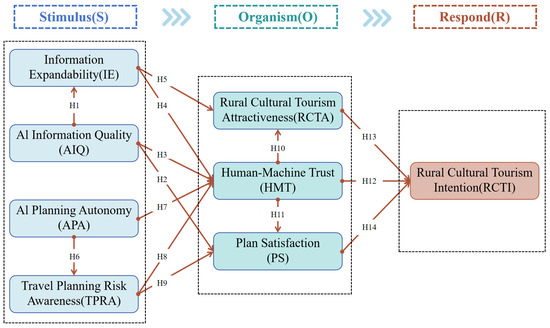
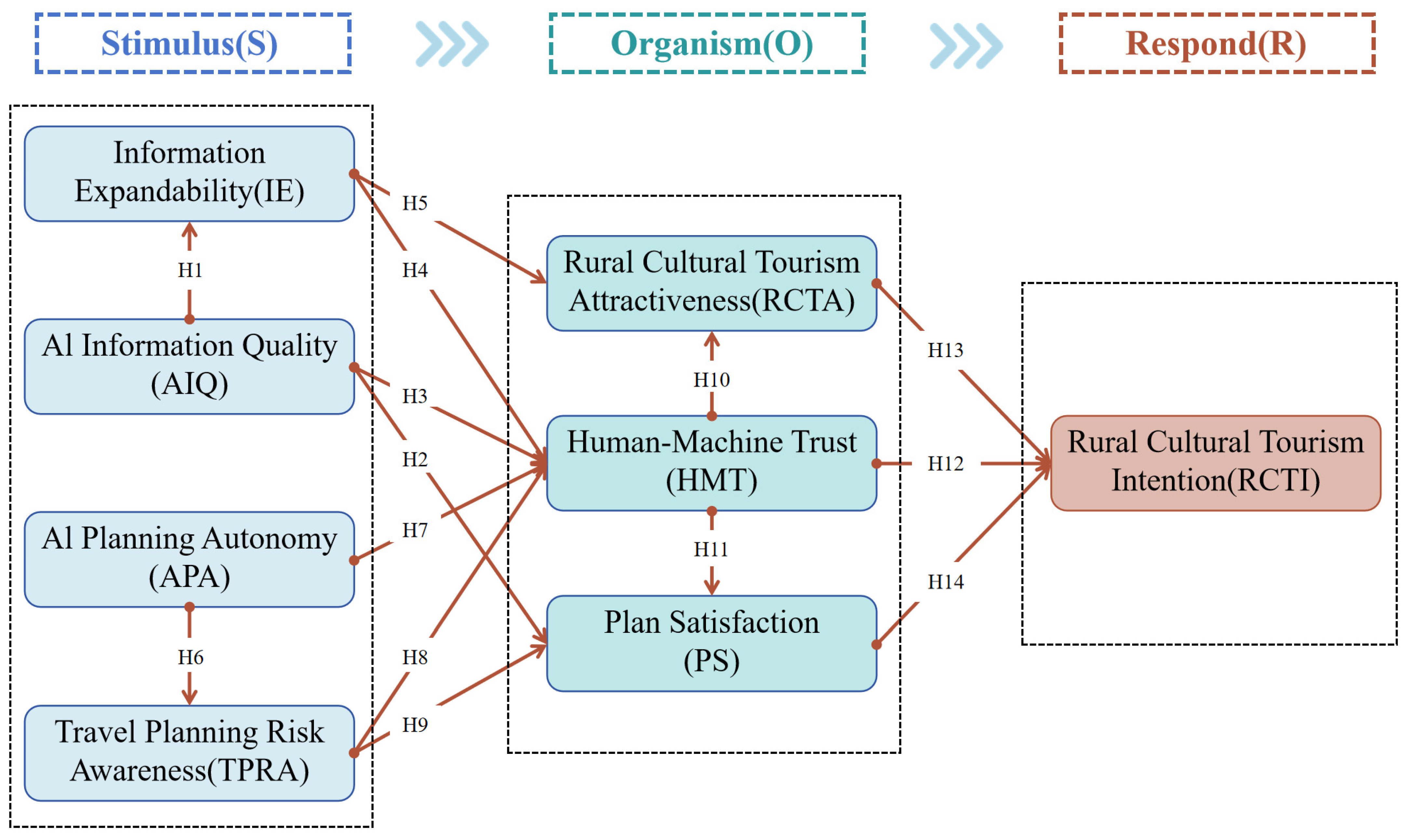
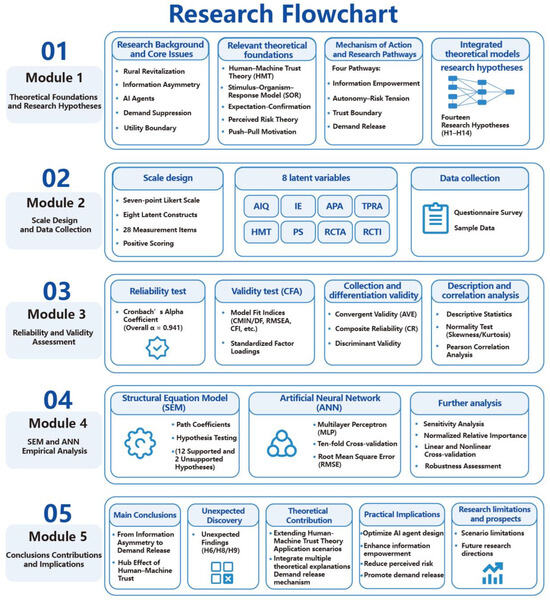
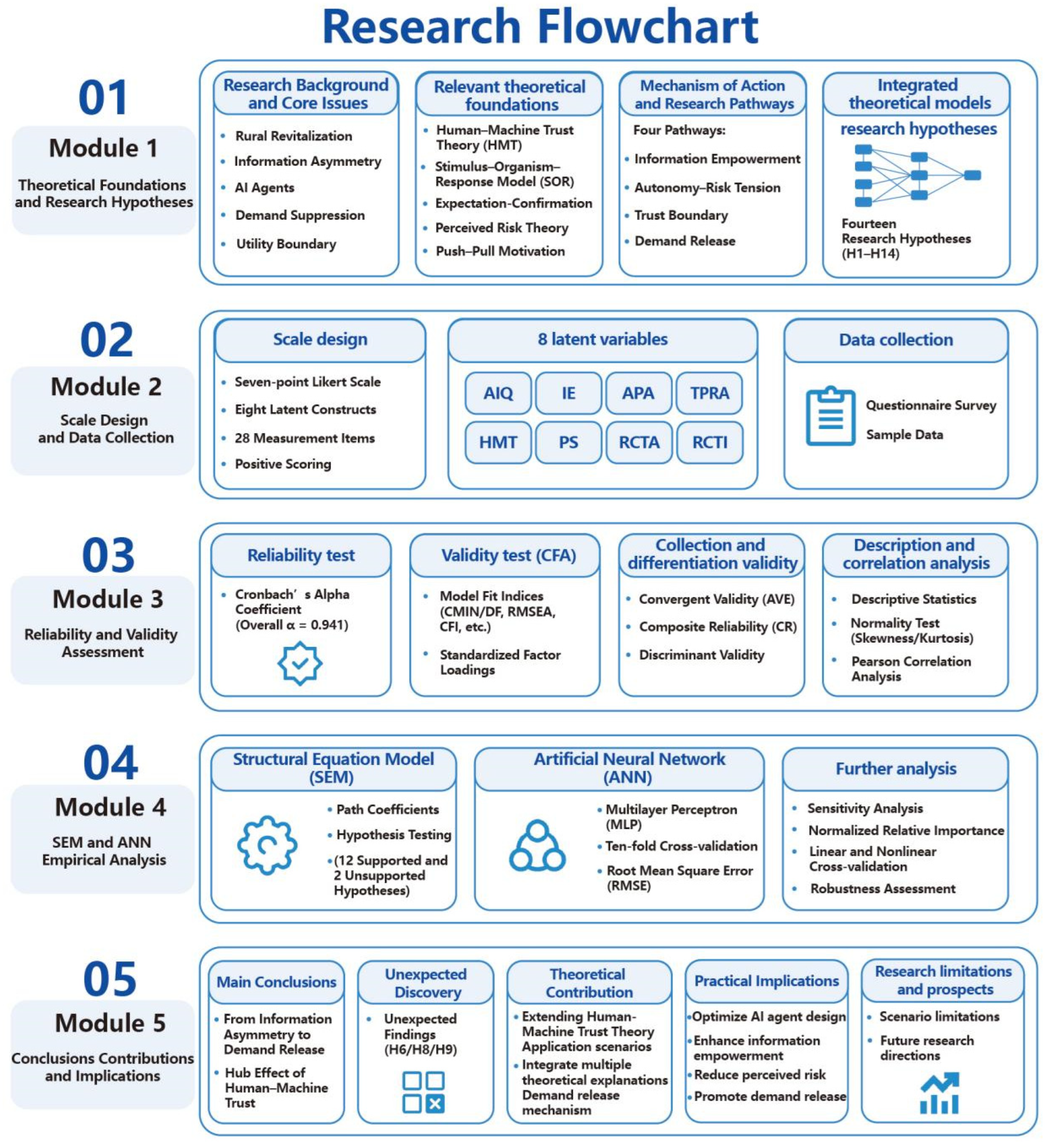
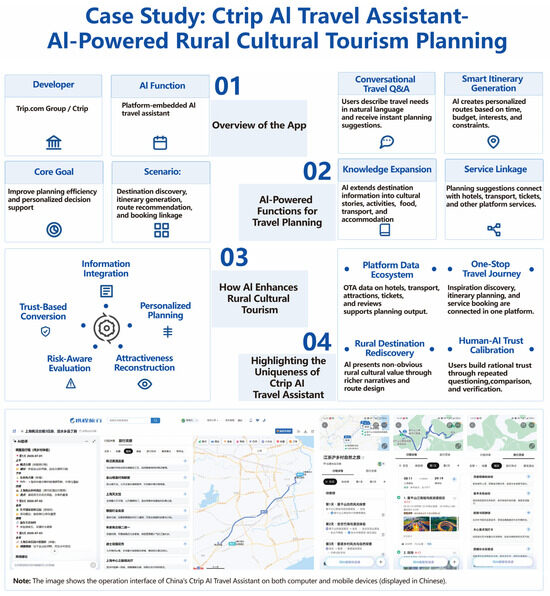
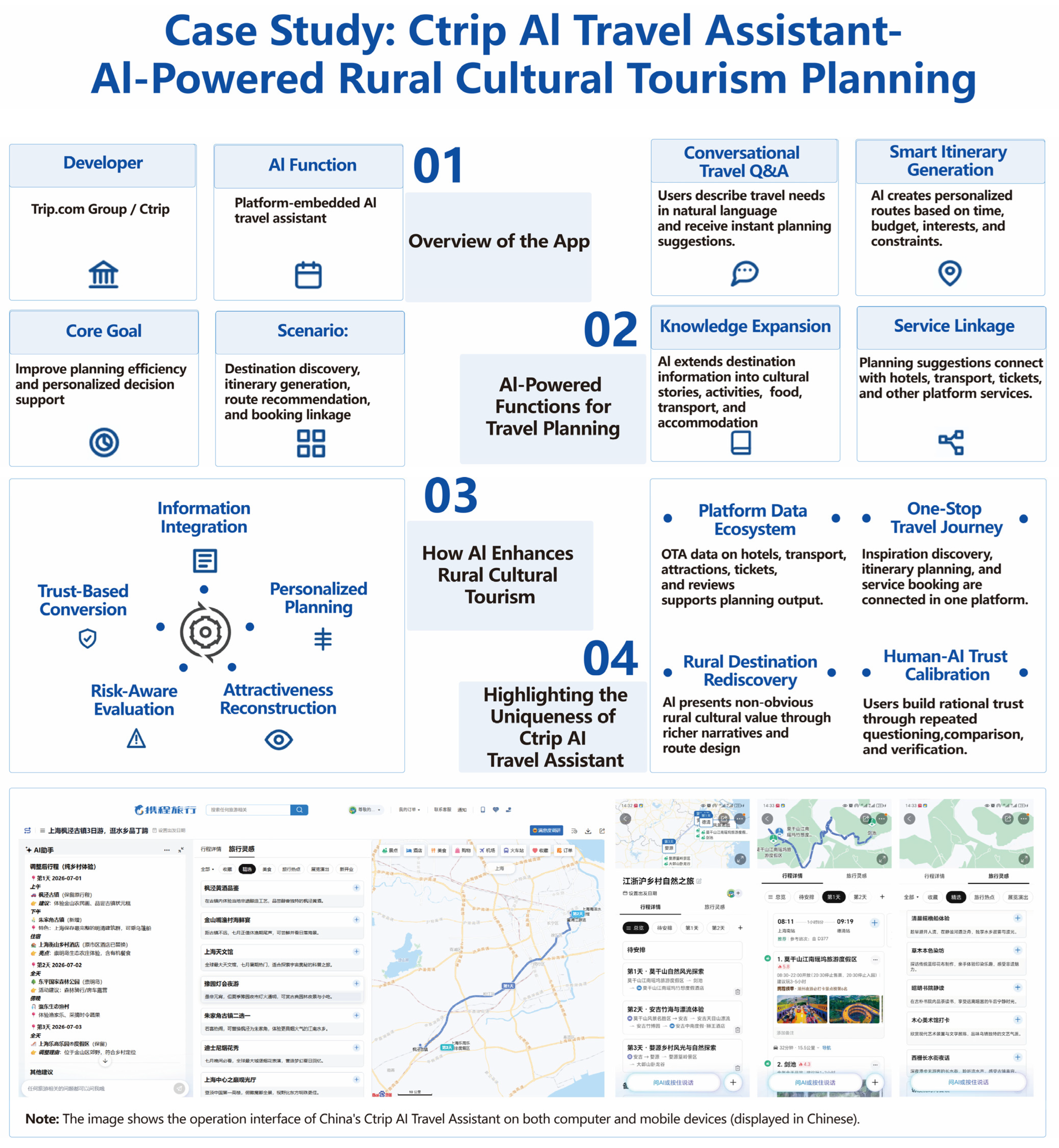
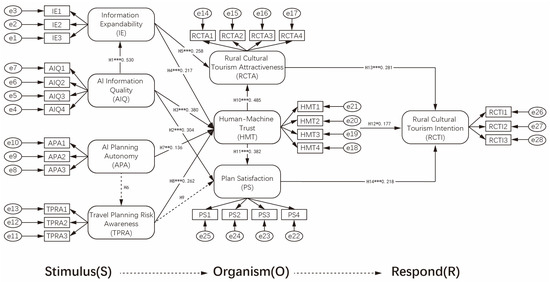
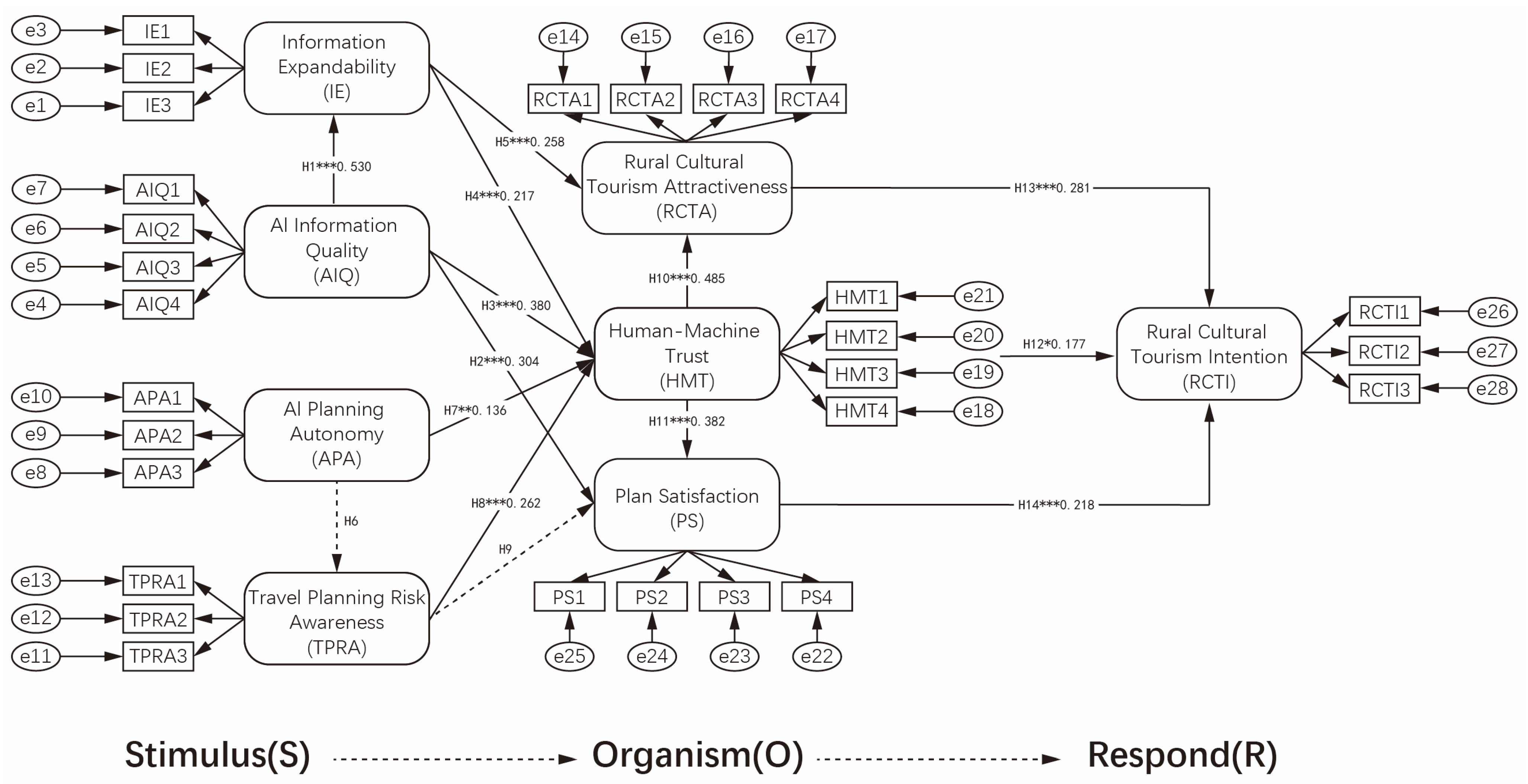
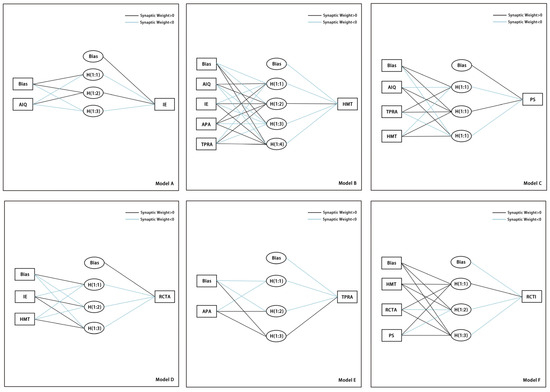
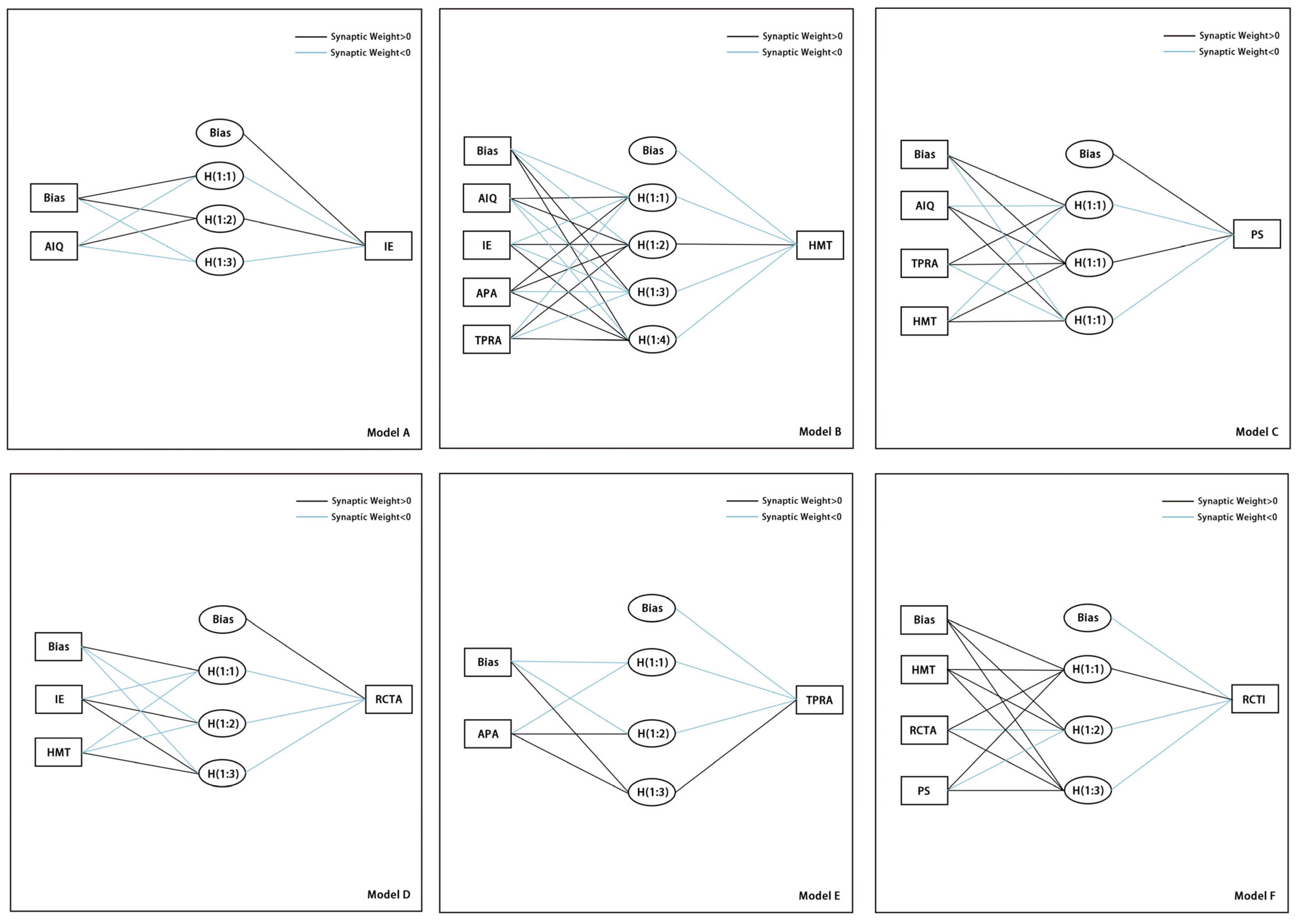

Disclaimer/Publisher’s Note: The statements, opinions and data contained in all publications are solely those of the individual author(s) and contributor(s) and not of MDPI and/or the editor(s). MDPI and/or the editor(s) disclaim responsibility for any injury to people or property resulting from any ideas, methods, instructions or products referred to in the content. |
© 2026 by the authors. Licensee MDPI, Basel, Switzerland. This article is an open access article distributed under the terms and conditions of the Creative Commons Attribution (CC BY) license.